1/4
How global and local trends are redefining Indian kitchen design
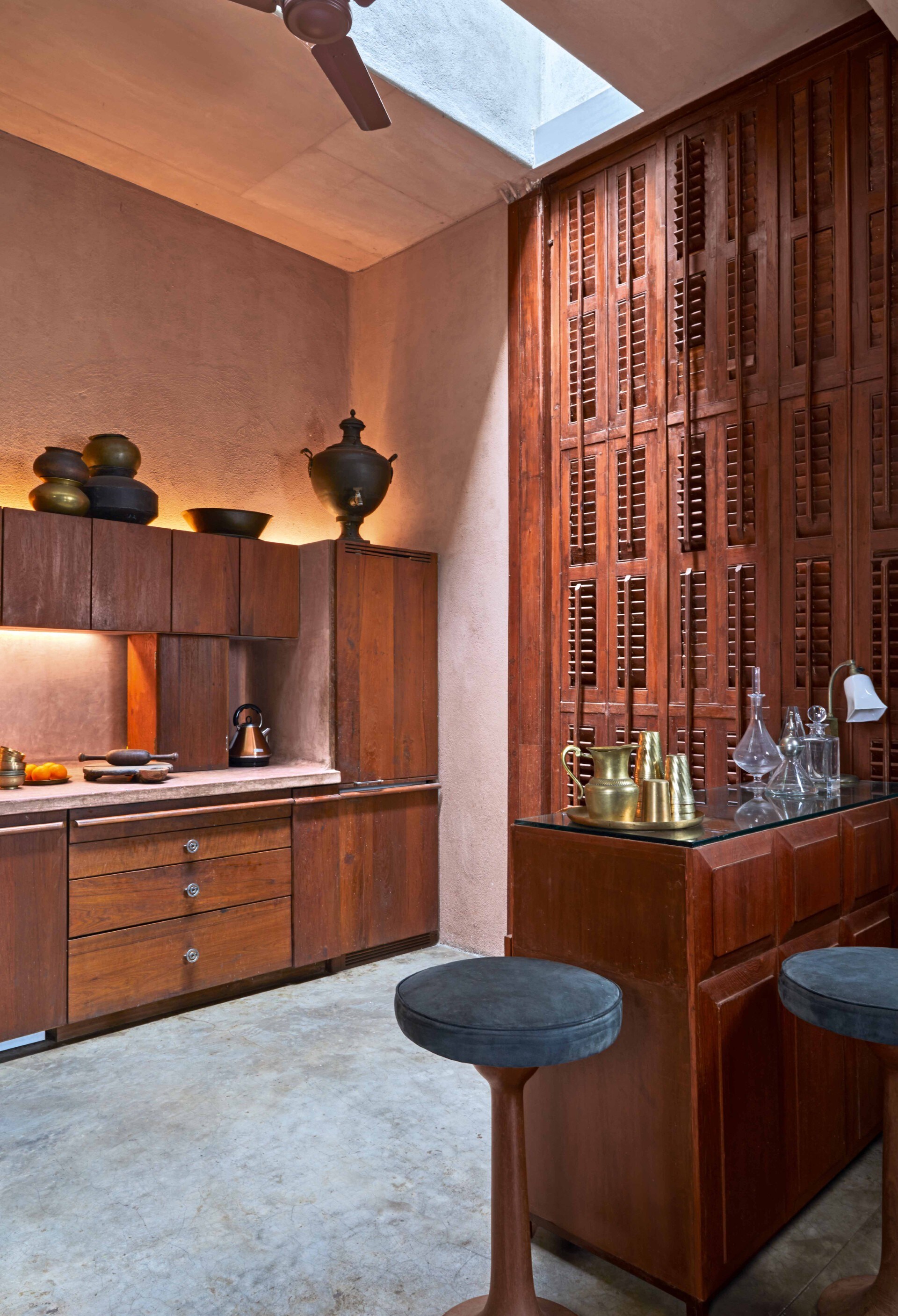
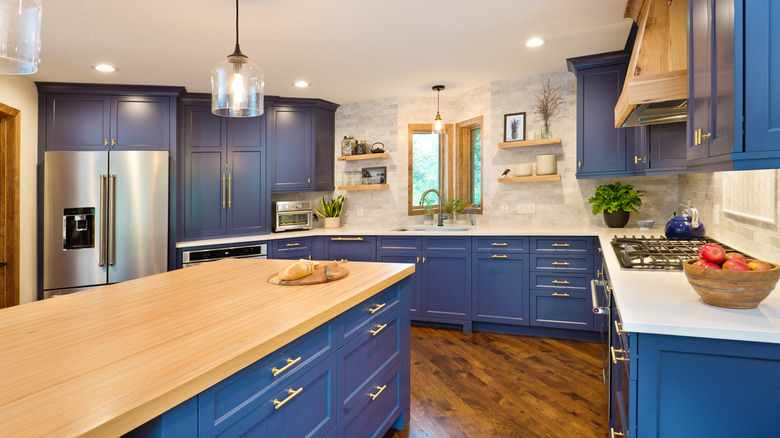
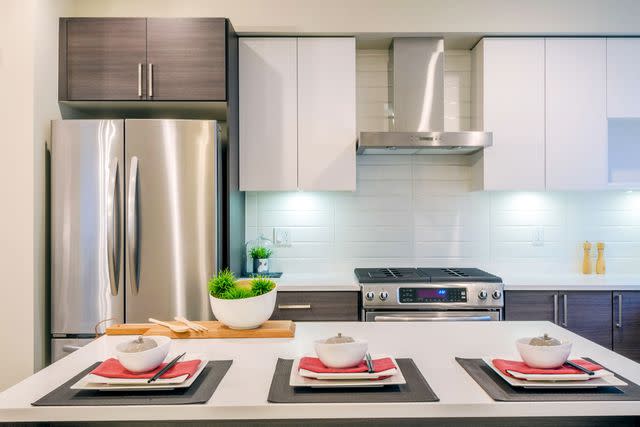
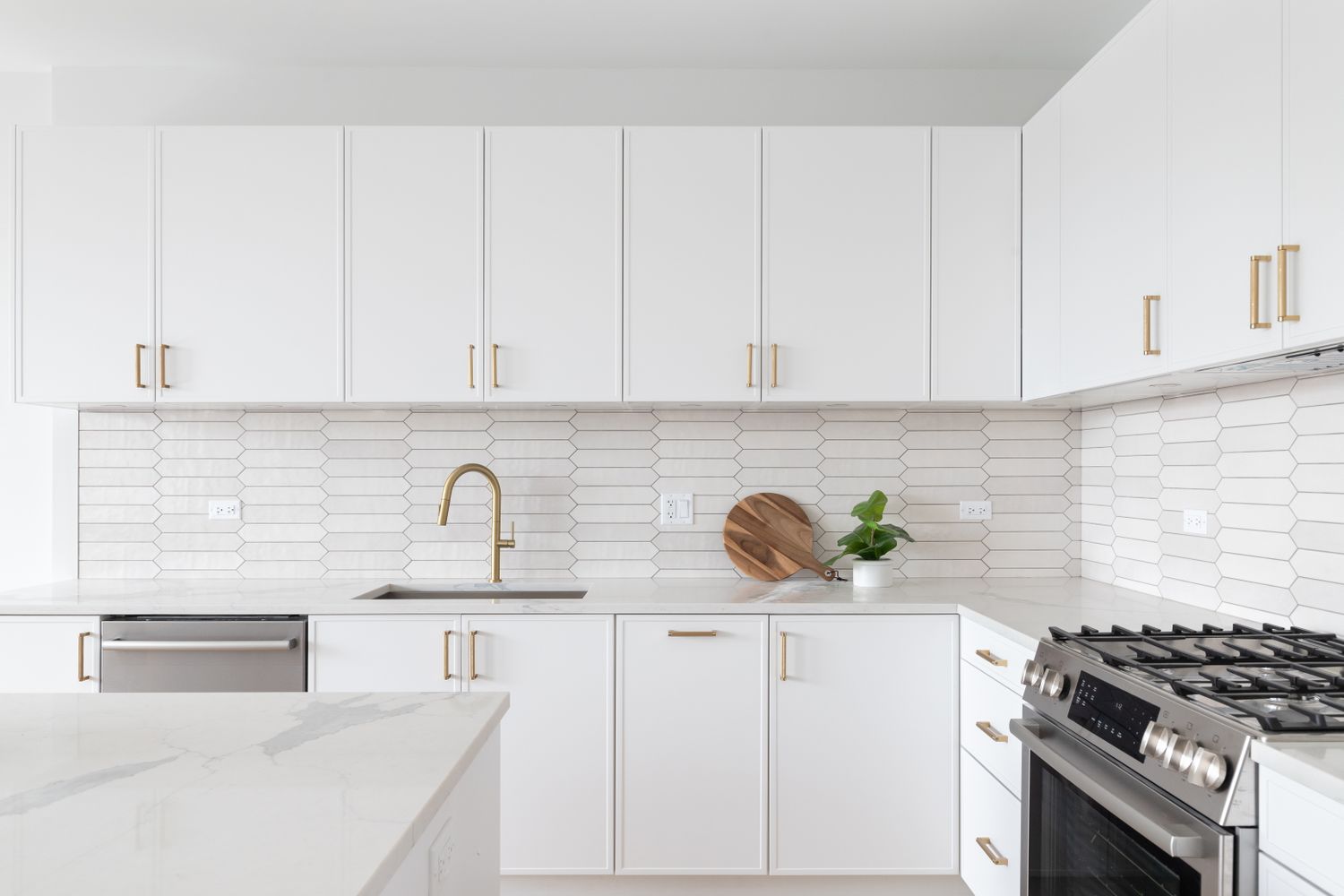
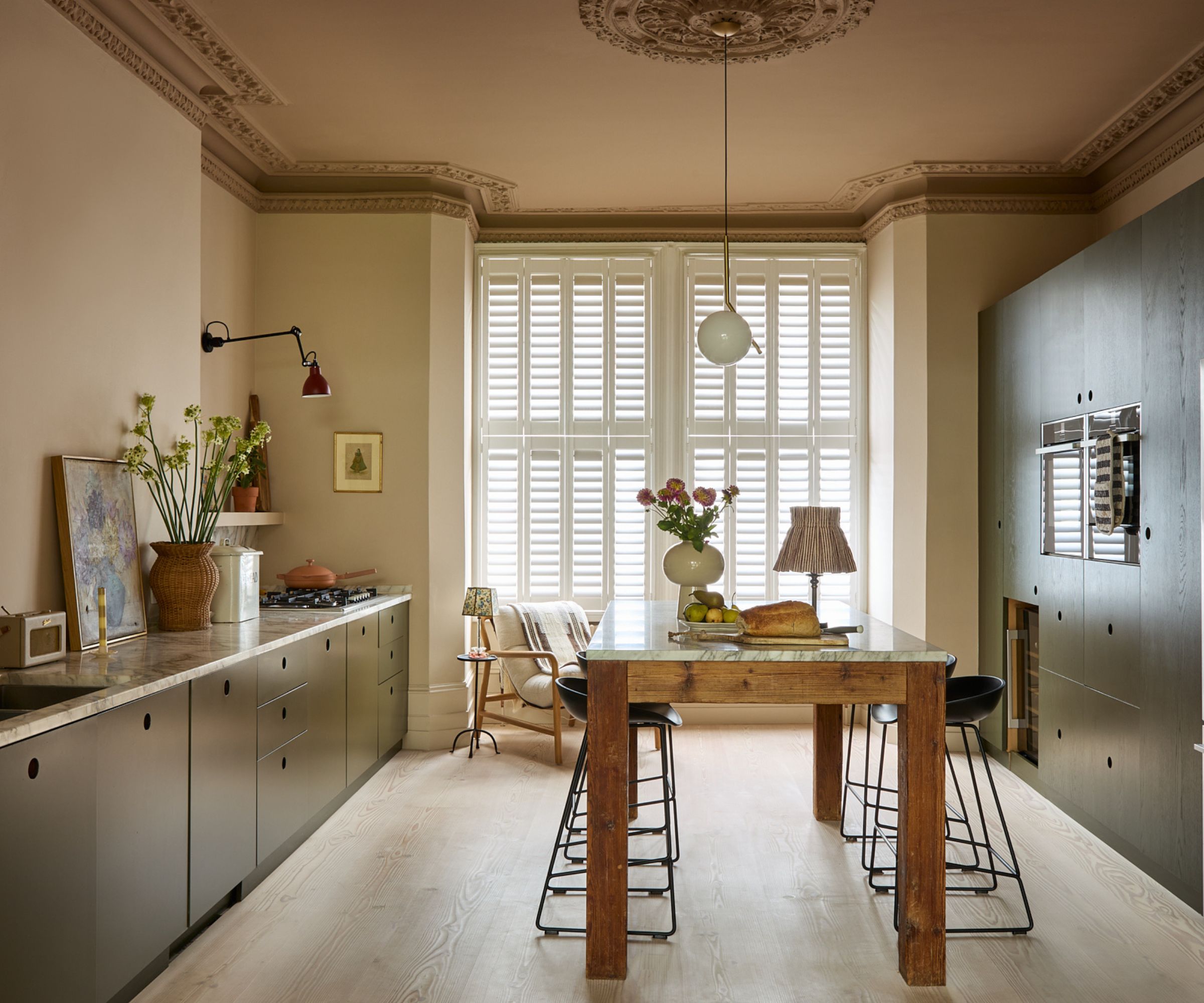
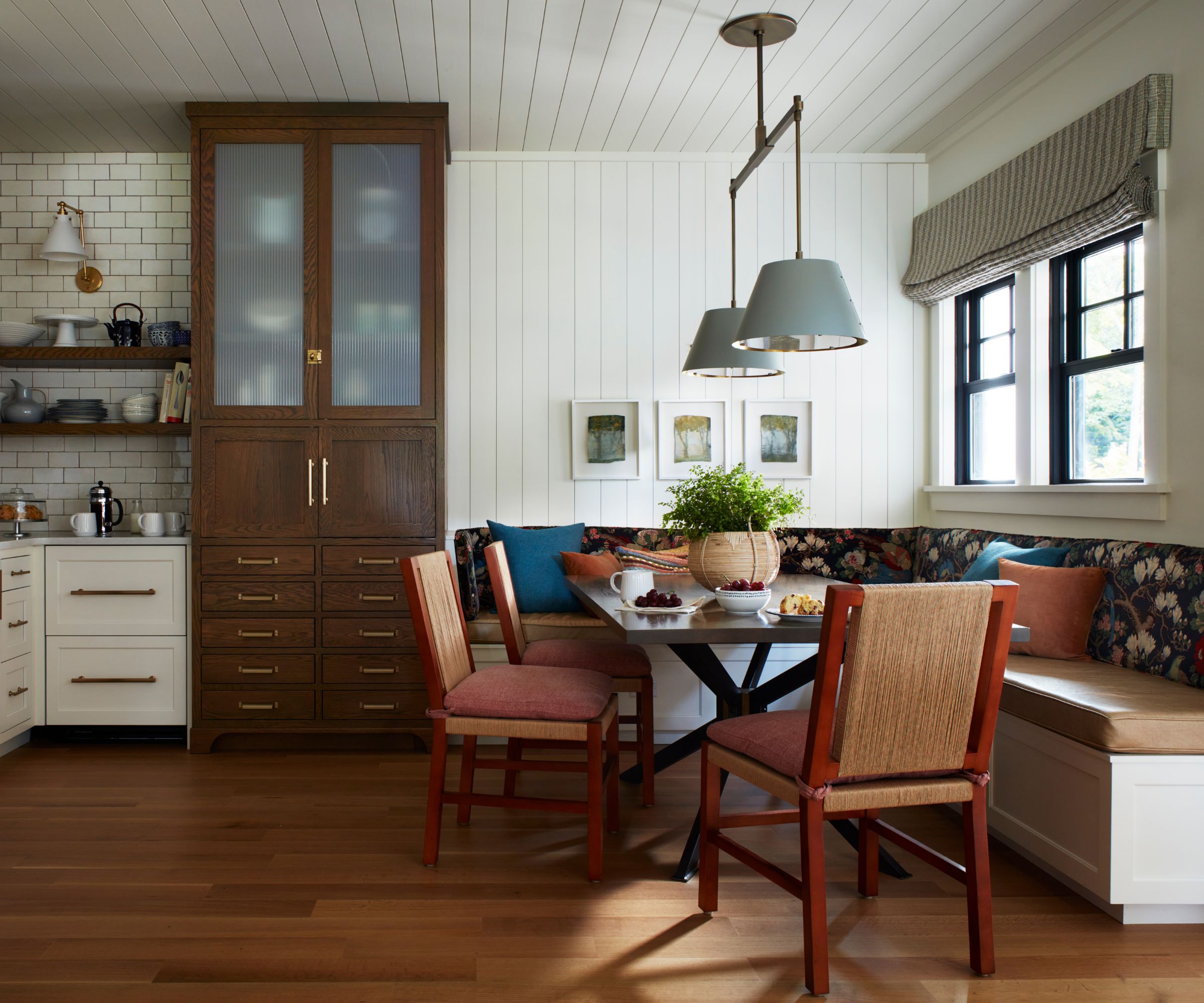
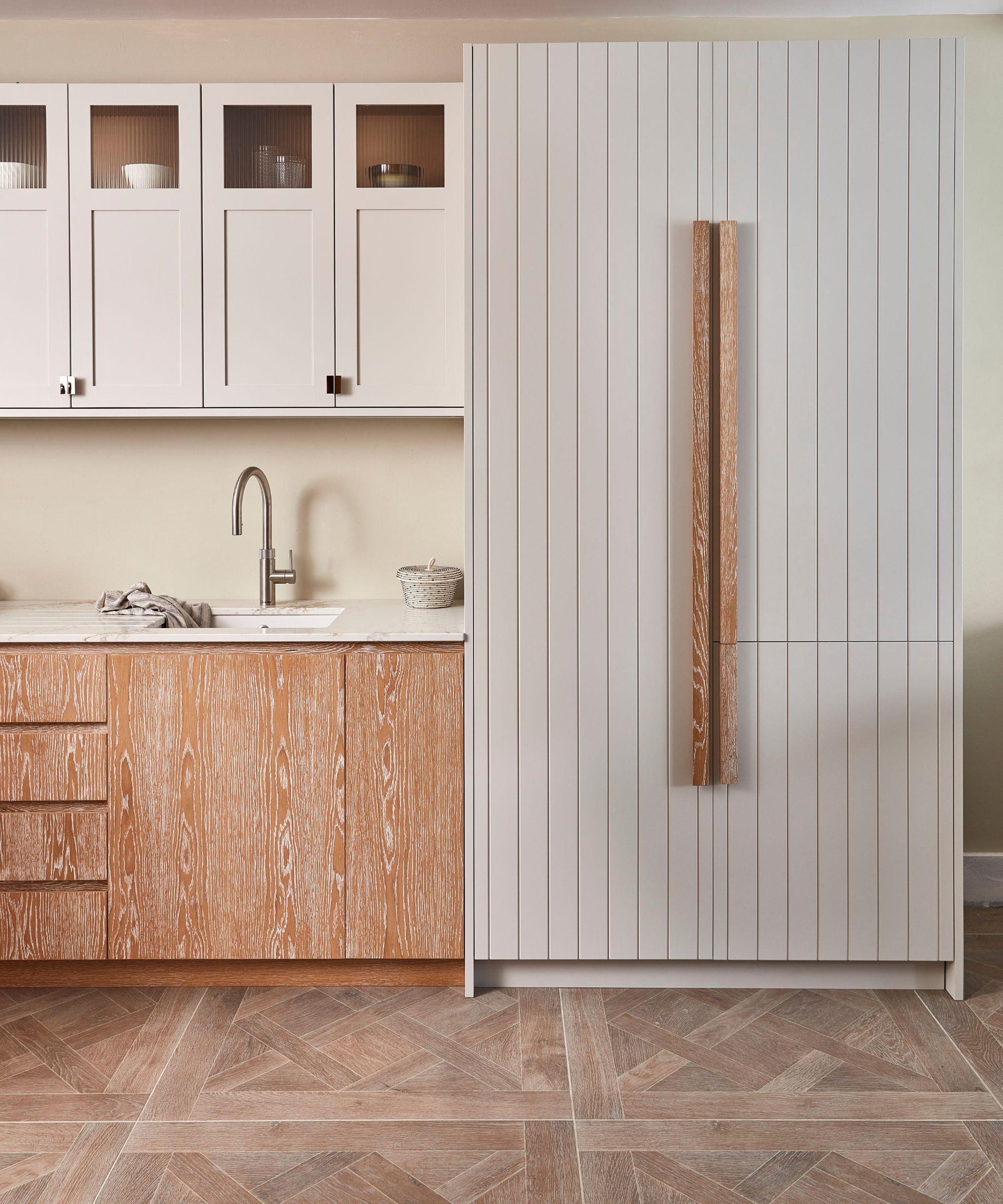
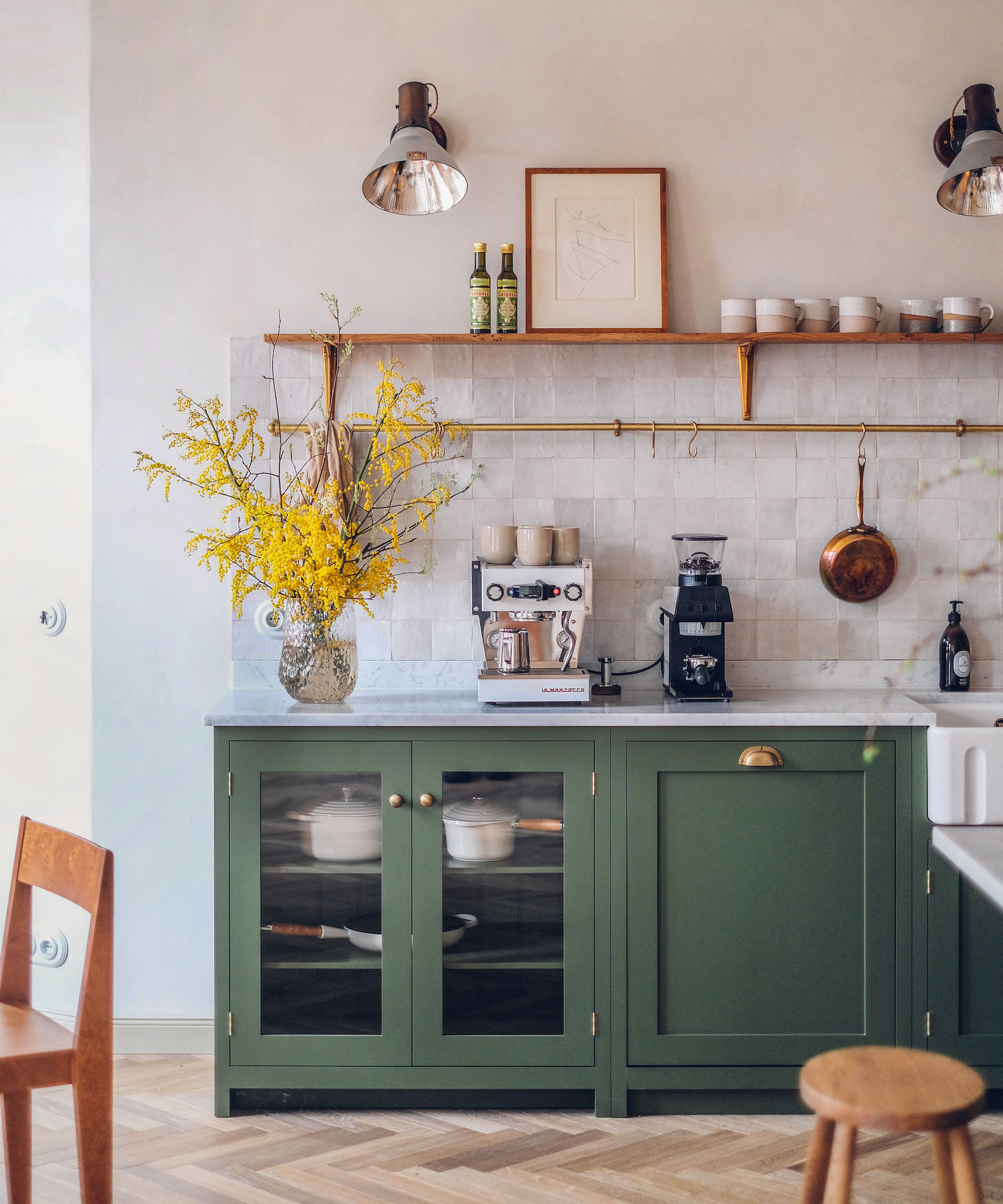
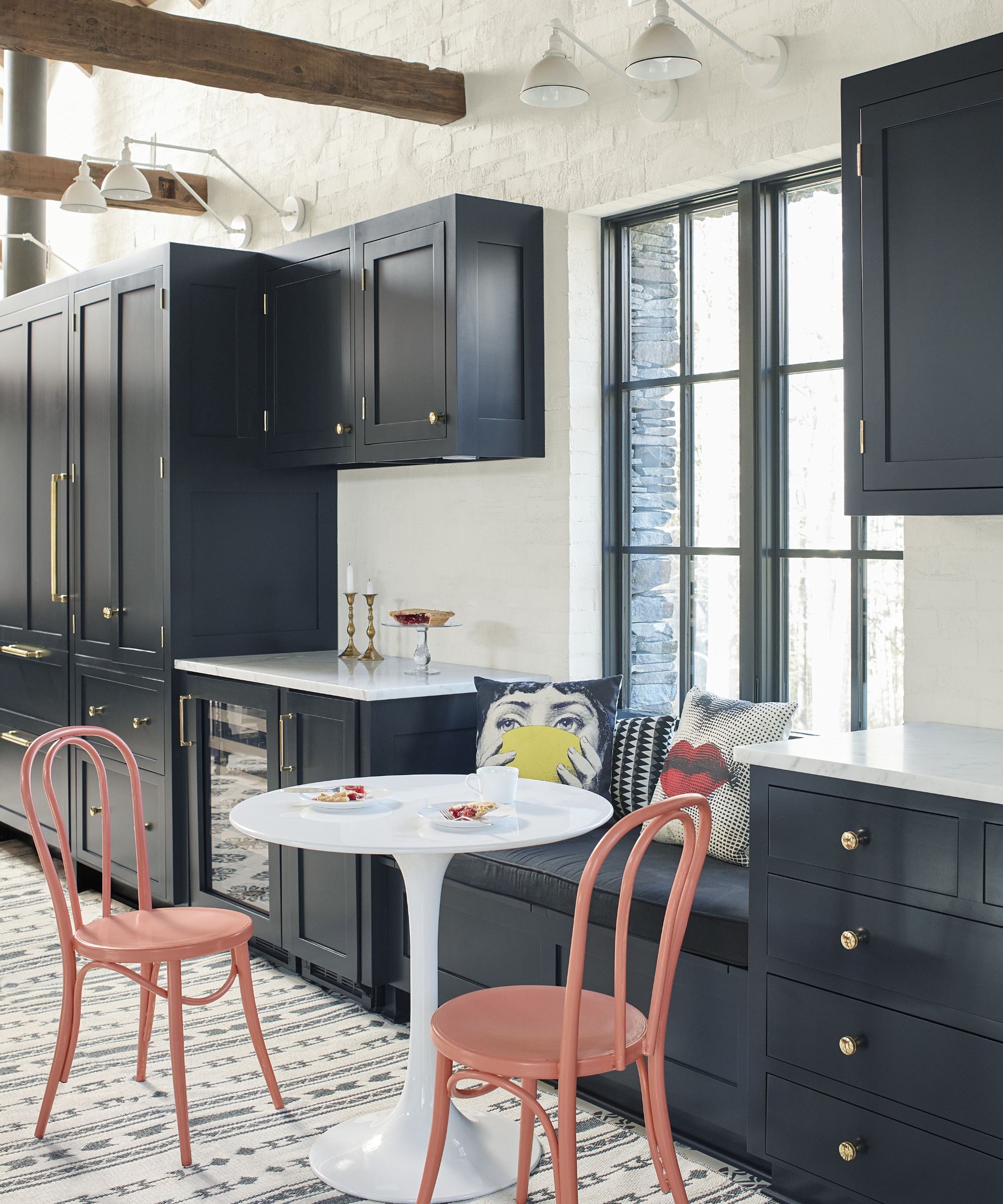
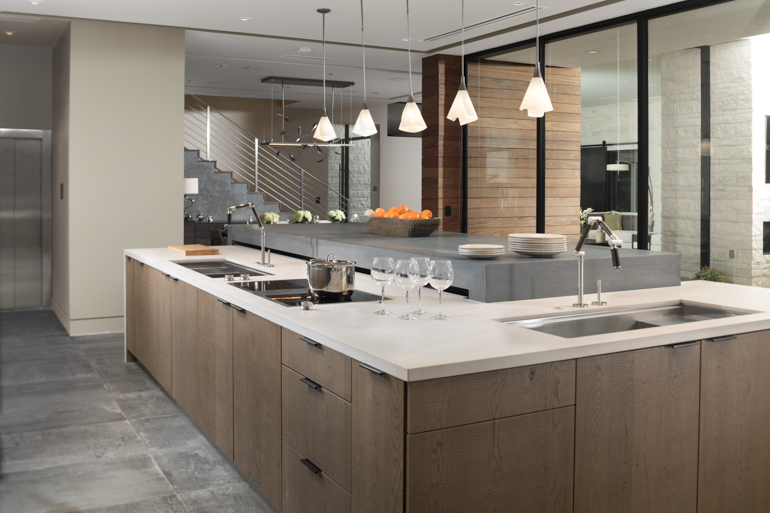
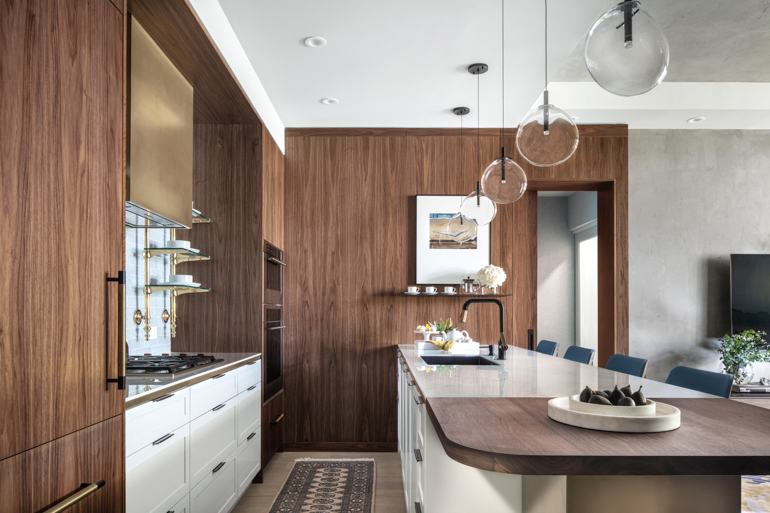
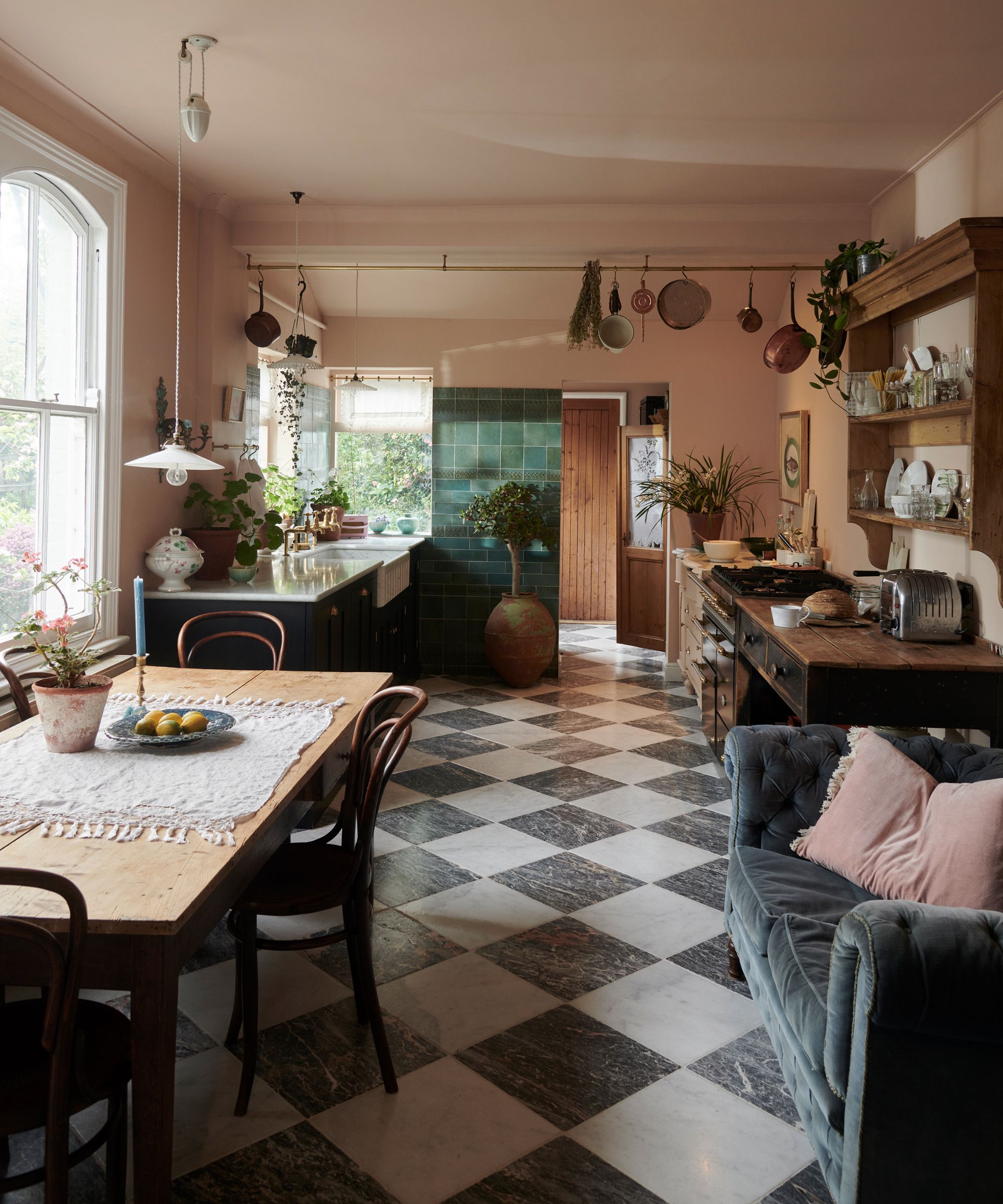
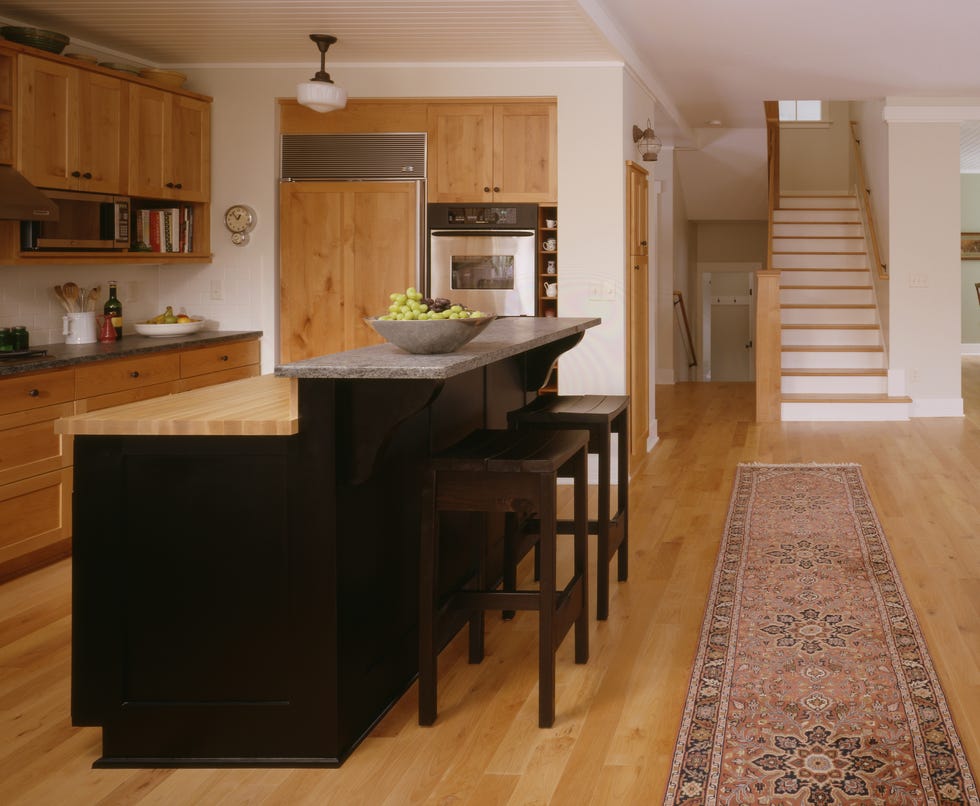
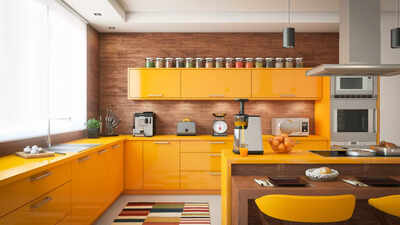
The modern Indian kitchen represents a fusion of global aesthetics and traditional Indian functionality. This design philosophy emphasizes sleek, minimalist designs that align with international trends while seamlessly integrating features essential for traditional Indian cooking practices. Key elements include dedicated spaces for traditional tools like tandoors, dosa tawas, or spice boxes, alongside modern appliances such as sous-vide machines and air fryers, reflecting the growing adoption of hybrid cooking methods that blend Indian spices with global recipes. Traditional tools like pressure cookers remain prioritized for their continued relevance in Indian culinary traditions.
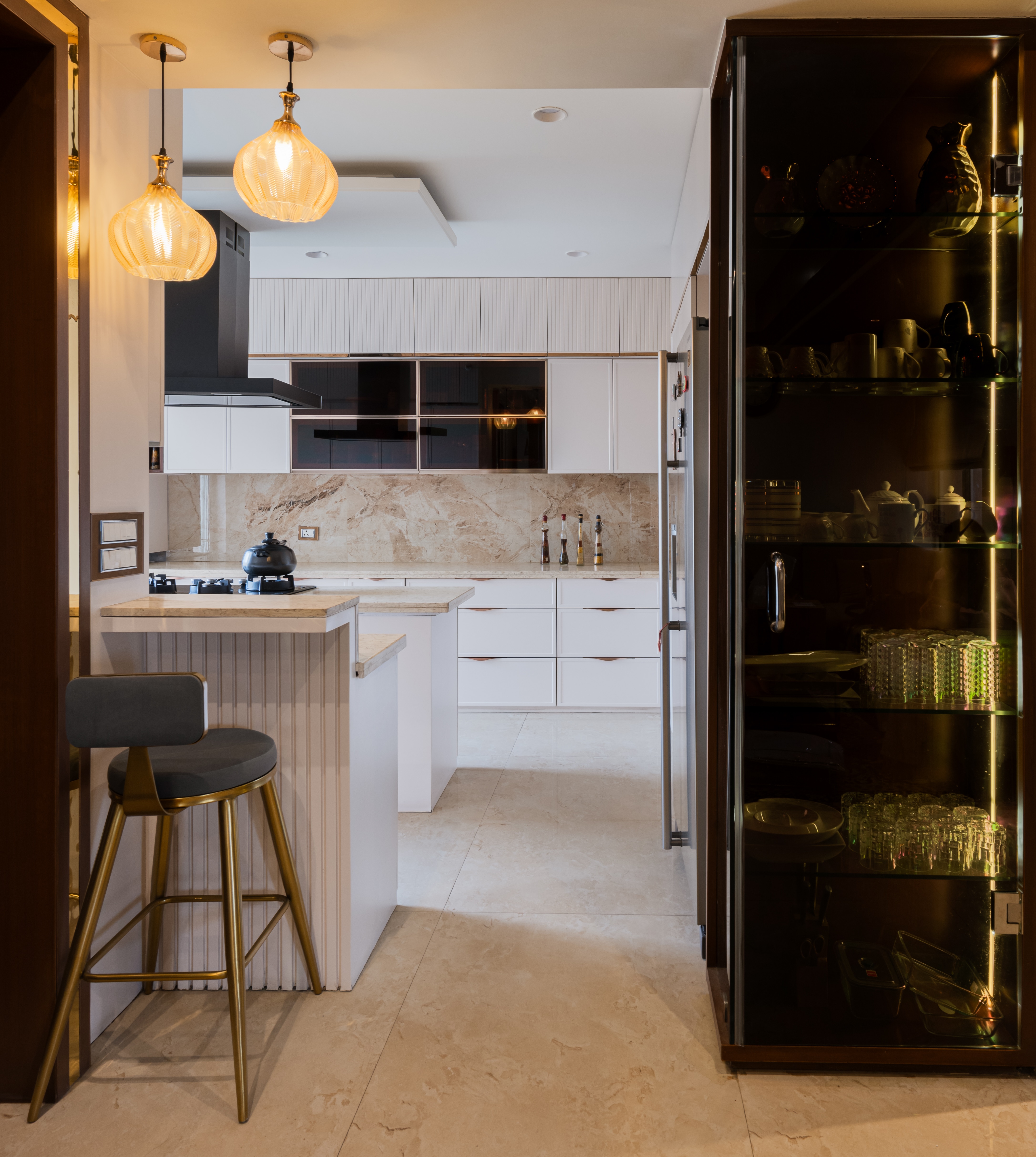
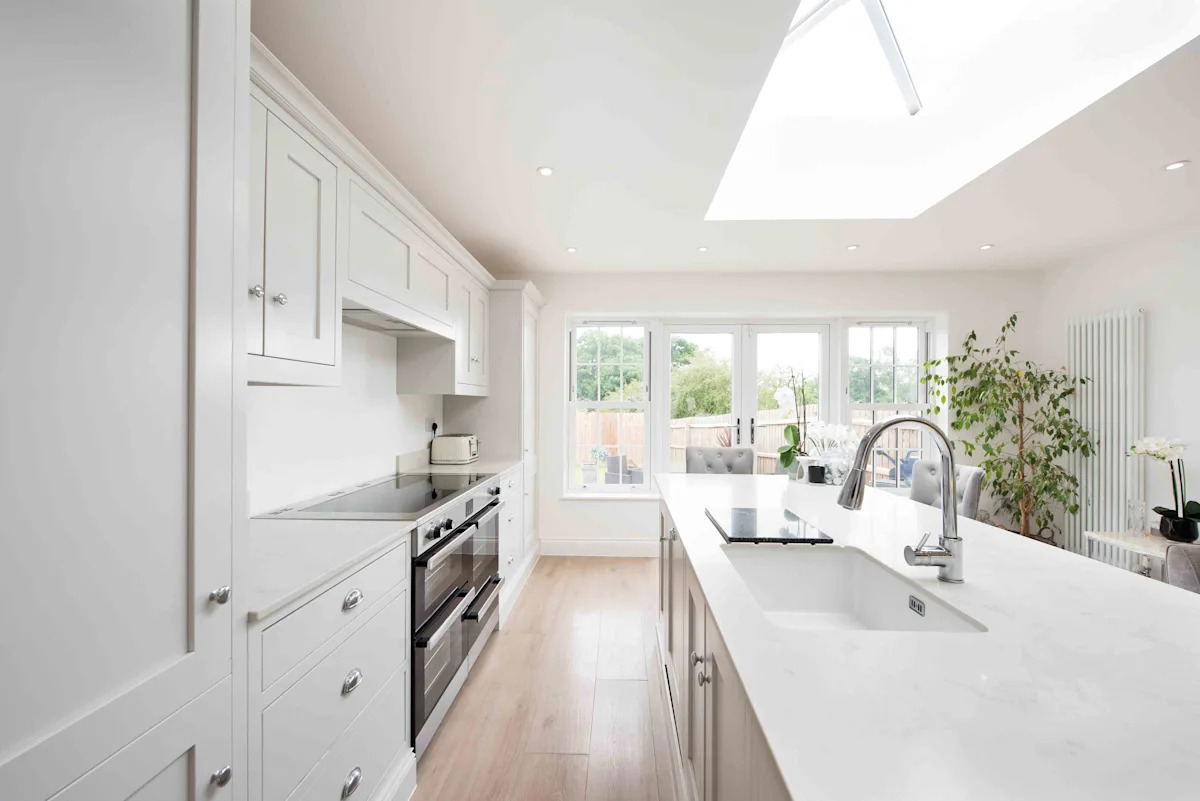
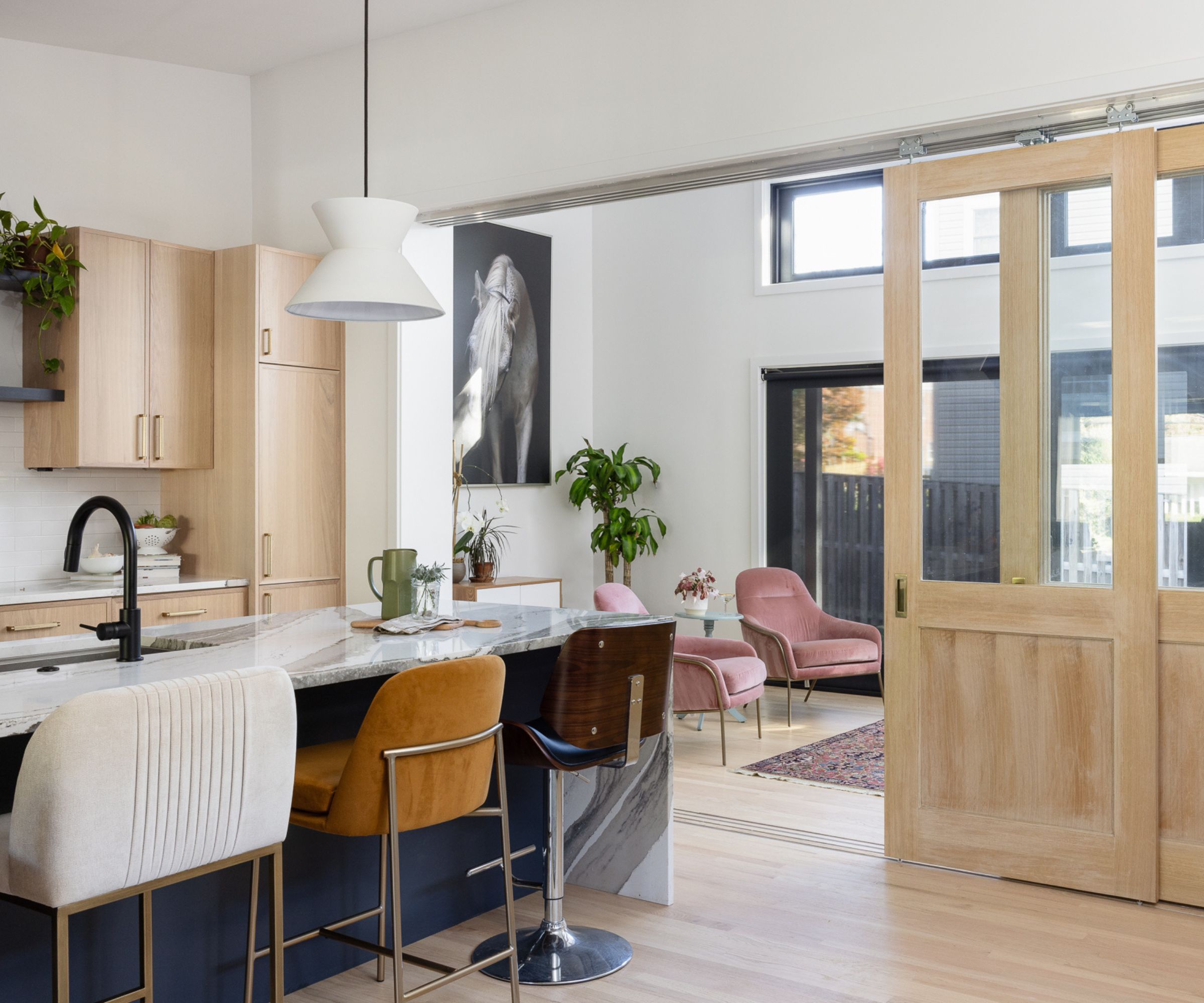
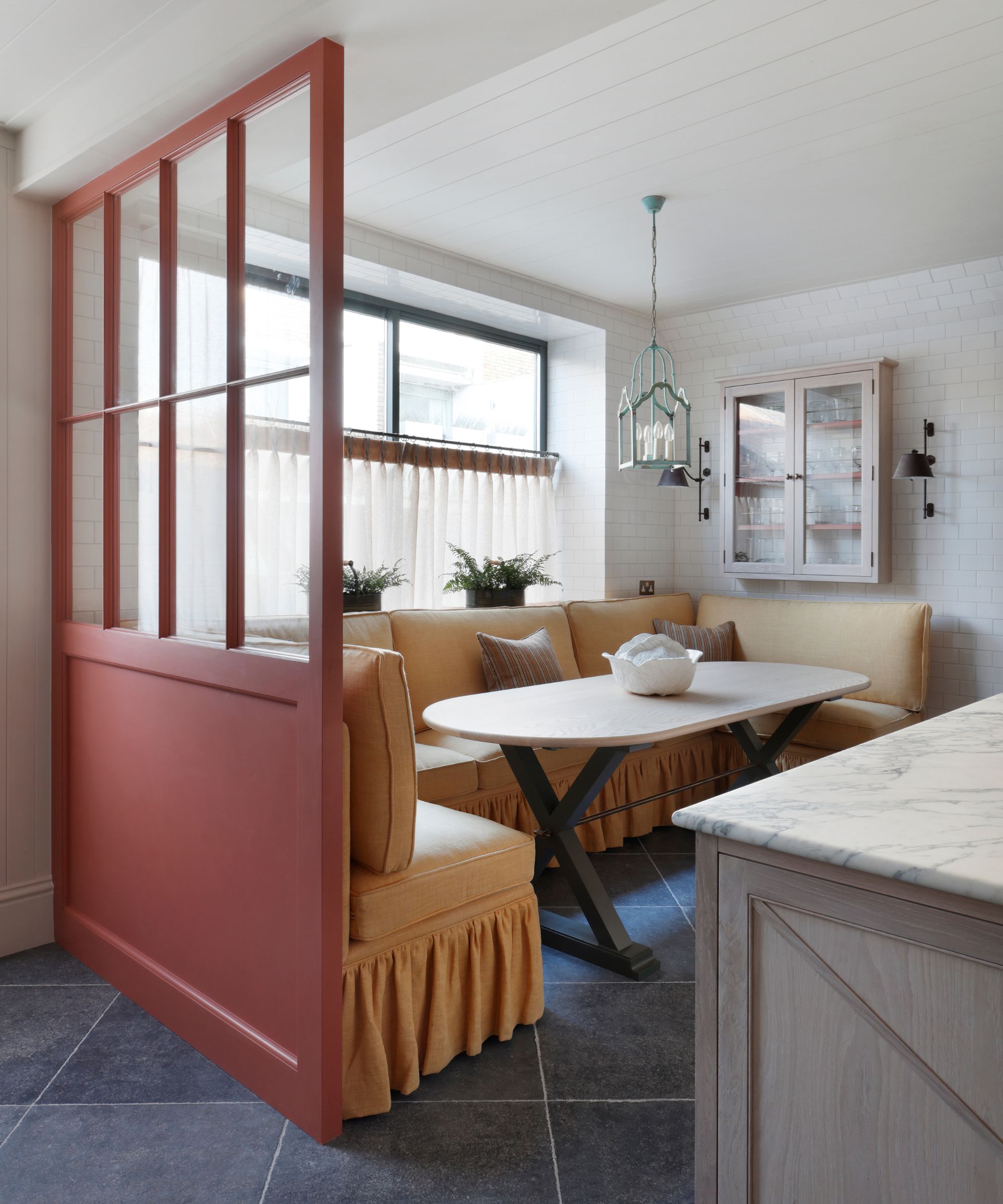
Kitchen designs also cater to multigenerational households, combining contemporary layouts with practical, traditional utility features. This involves creating open kitchens with specific areas for religious practices (pooja) or spice grinding. However, due to the intense aromas and heat generated by Indian cooking, semi-open kitchens are gaining popularity, offering a balance between aesthetic openness and functional separation. This approach allows for global design inspiration, such as Scandinavian, Japanese, or Mediterranean styles, to be integrated while ensuring suitability for Indian cooking.
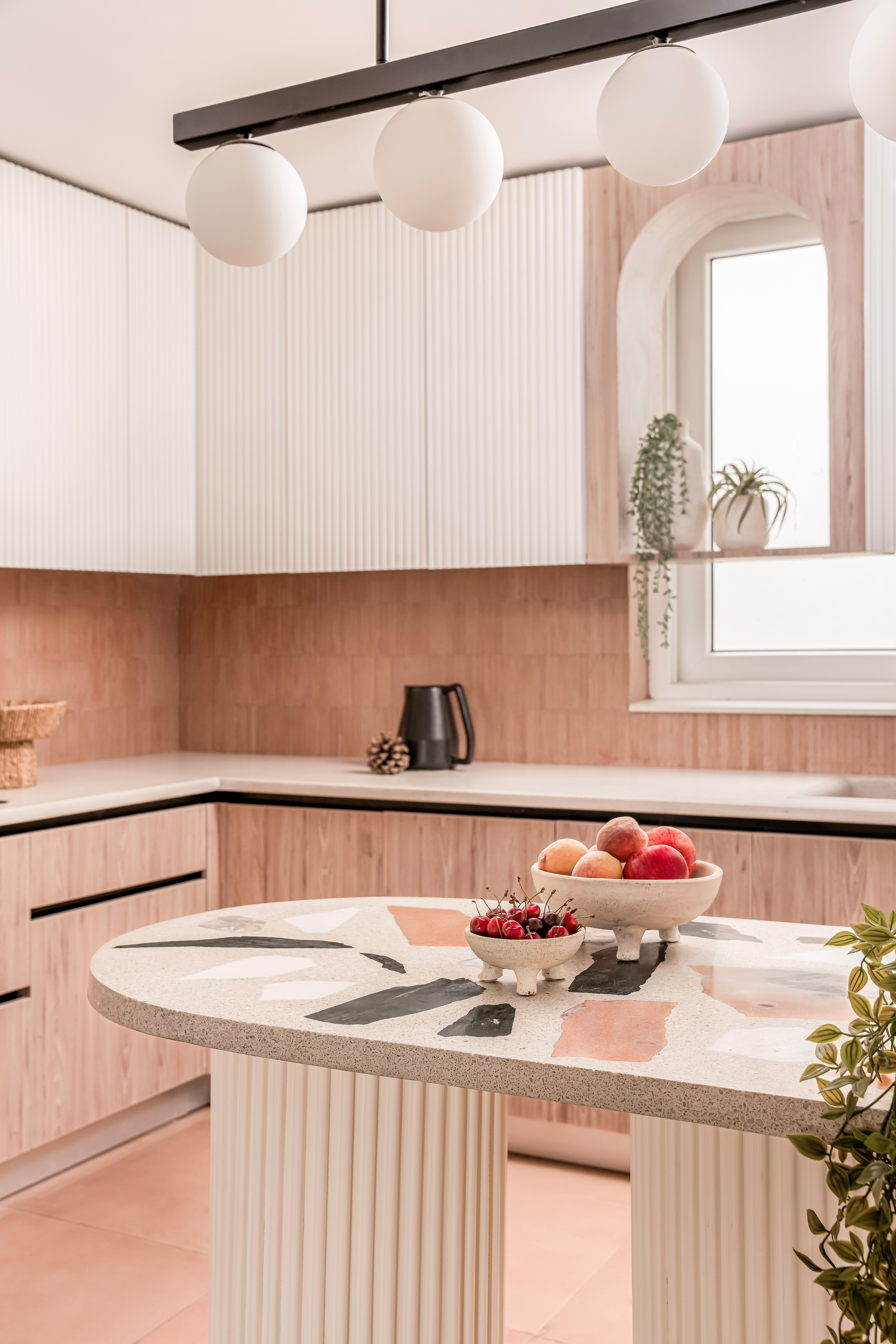
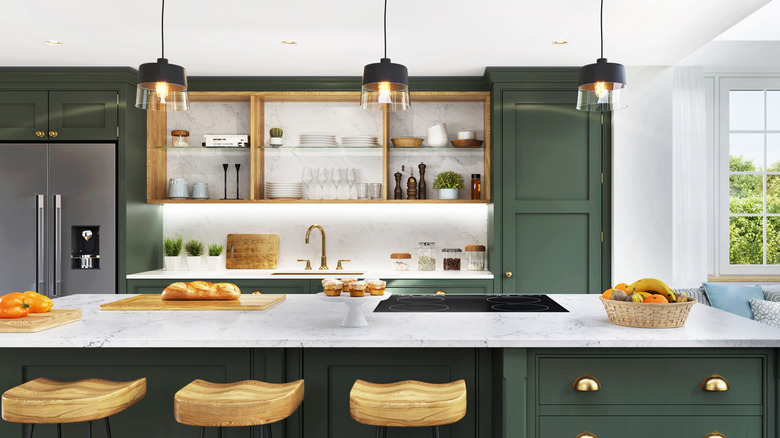
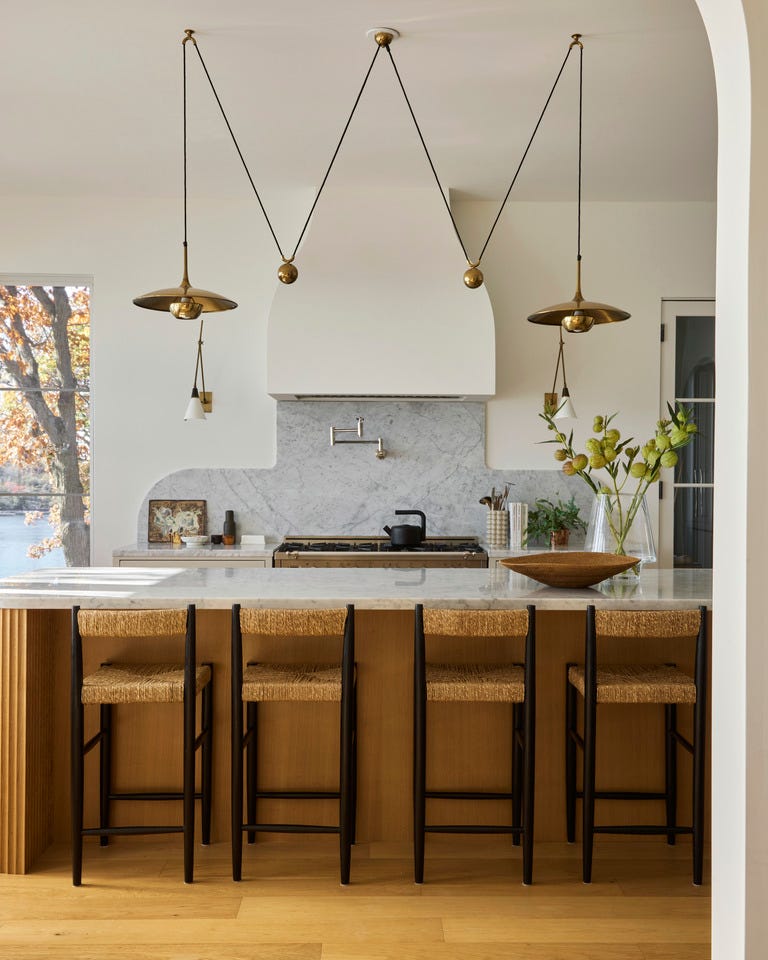
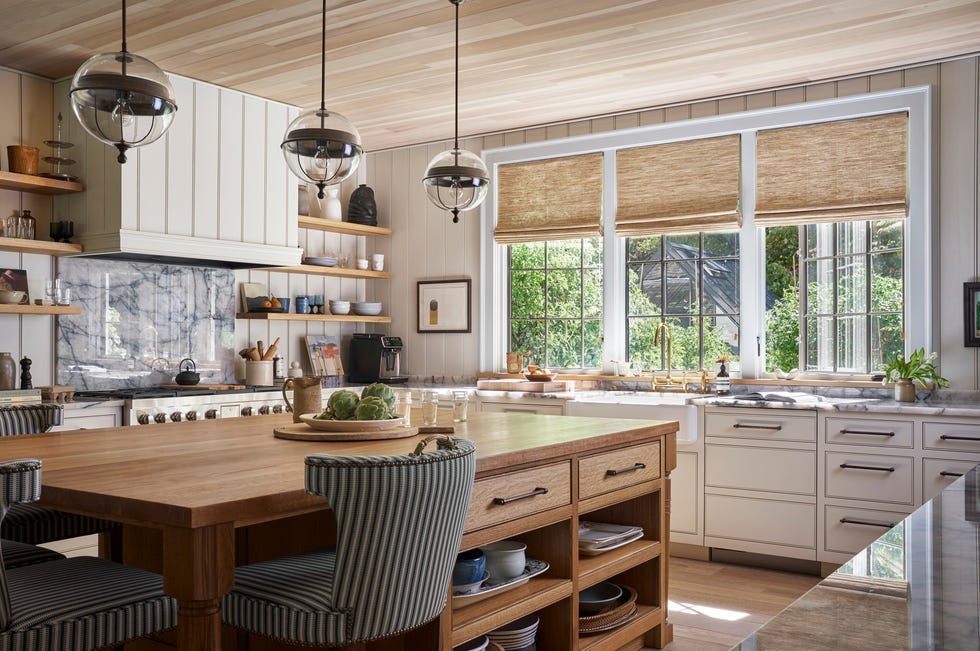
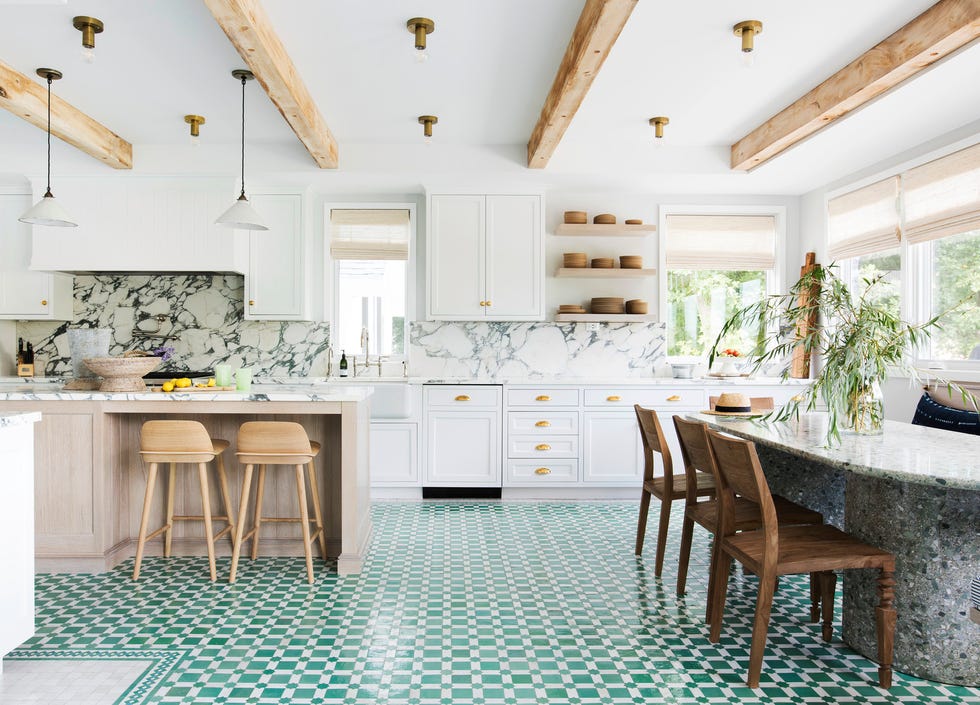
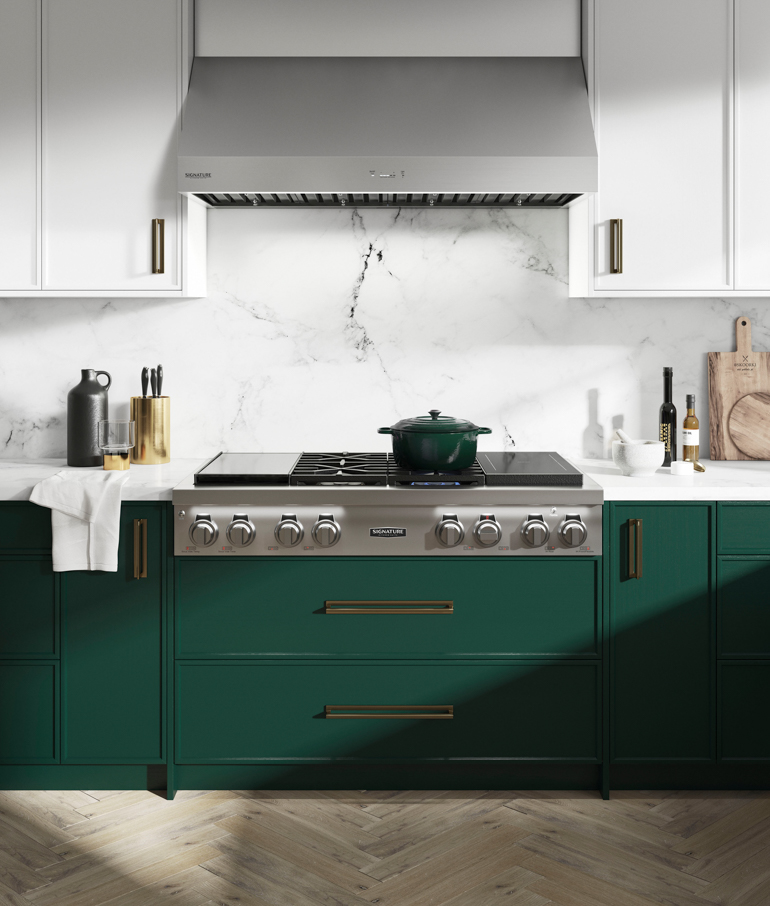
Color palettes and décor in these kitchens often combine earthy tones and bright accents from Indian culture with neutral global palettes to achieve a balanced and inviting atmosphere. Handcrafted tiles and motifs add a local touch, enhancing the kitchen's uniqueness while maintaining a contemporary feel. Proper ventilation and air circulation are critical in Indian kitchens, given the extensive use of frying and shallow frying. High-tech chimneys and hoods, along with large windows, are incorporated to ensure an airy environment without compromising design. Materials like marble or granite are frequently used for their durability and heat resistance.
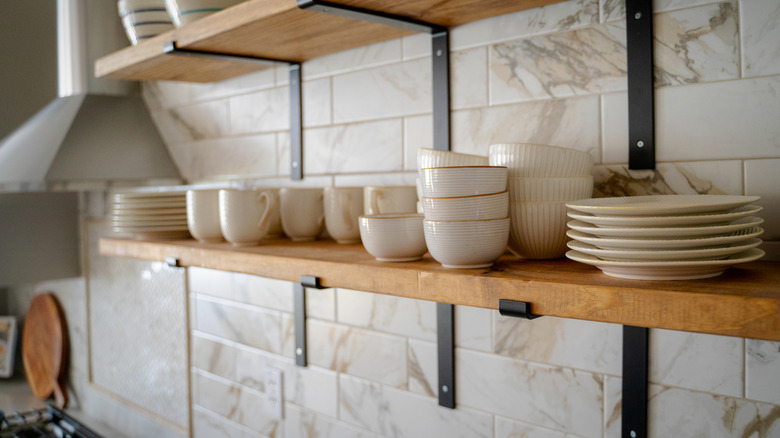
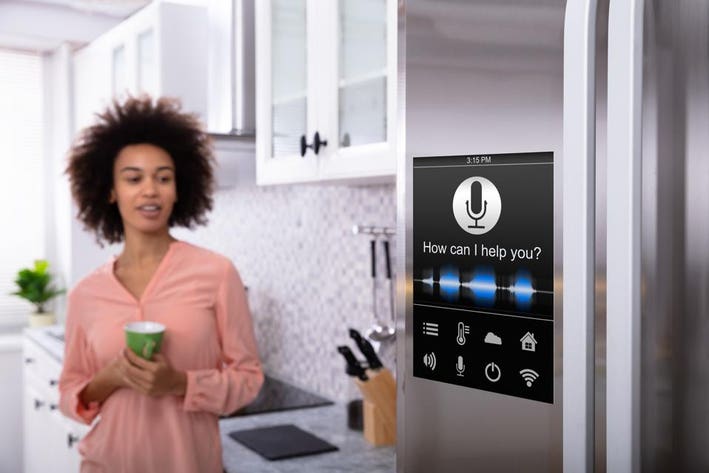
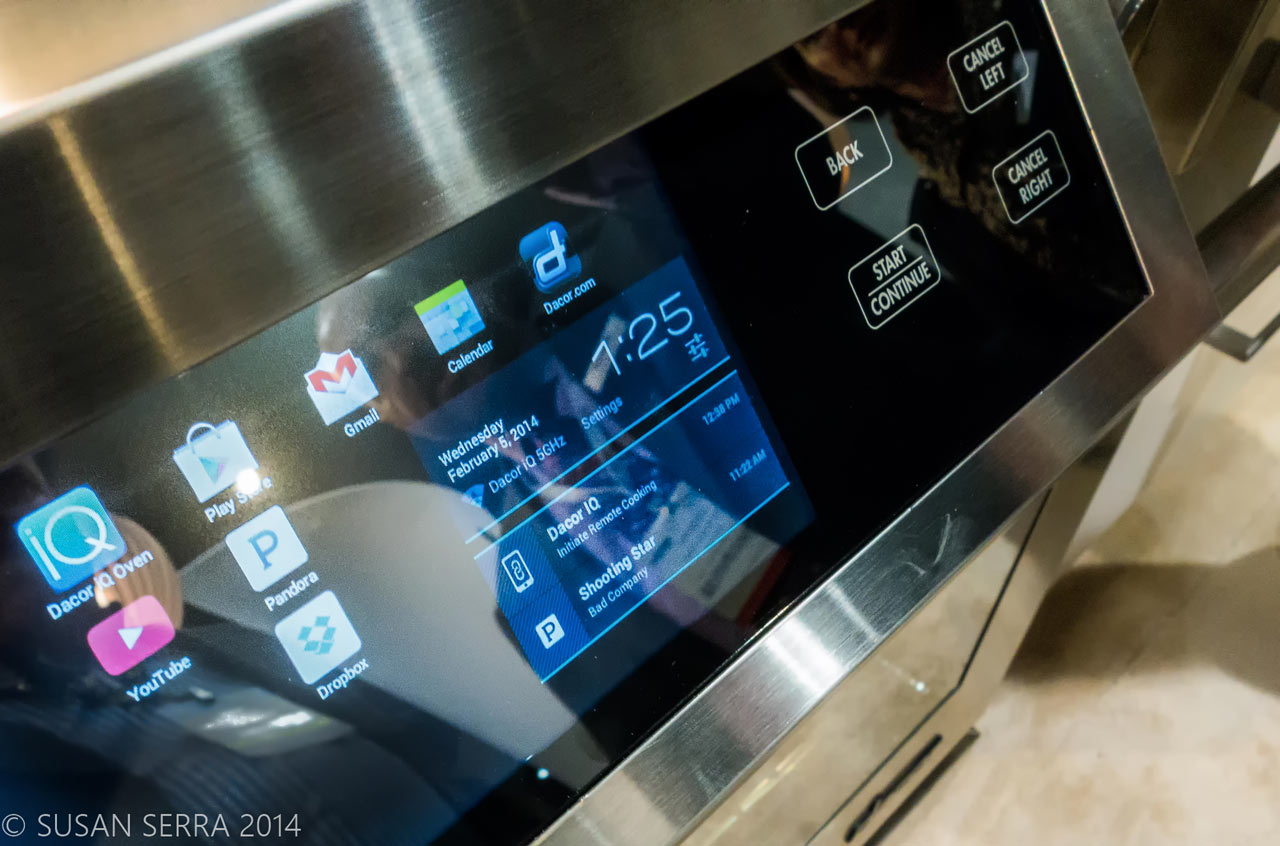
Smart storage solutions are a necessity to accommodate bulk staples like rice, lentils, and spices, leading to designs that include pantries and ample storage for household essentials. The integration of IoT-enabled kitchen appliances, specifically tailored for Indian cooking, like smart pressure cookers or roti-making machines, is anticipated to become more common. Furthermore, incorporating an ethnic Indian touch involves utilizing locally sourced, handcrafted utensils, cookware, and décor items, supporting indigenous crafts through elements like handwoven mats, wooden spice boxes, or brass pots. Sustainability is also a growing consideration, with a focus on energy-efficient appliances and eco-friendly materials such as bamboo, reclaimed wood, or sustainable options for countertops. Customization is a key trend, allowing individuals to personalize their kitchen designs to reflect both modern aspirations and cultural heritage, ensuring that Indian kitchens remain functional, aesthetic, and culturally rich.
#IndianKitchenDesign #GlobalTrends #TraditionalFunctionality #MultigenerationalLiving #SustainableMaterials #SmartKitchens #KitchenVentilation #Customization #EcoFriendlyDesign #IndianKitchenDesign #GlobalTrends #TraditionalFunctionality #MultigenerationalLiving #SustainableMaterials #SmartKitchens #KitchenVentilation #Customization #EcoFriendlyDesign
0 comment in total
 No comments yet
You may also like
Design ideas for a big kitchen makeover
13 Outdated Kitchen Trends You Can Leave In The Past
22 Outdated Things You Should Avoid in Your Kitchen, According to Designers

6 Kitchen Design Styles That Are No Longer Trendy, Designers Share

12 "Outdated" Kitchen Trends You Should Ditch In 2025 (But You Probably Have)

Current Kitchen Interior Design Trends

5 Kitchen Styles That Are Definitely Out of Style, Designers Say

What does the future of kitchens look like? I asked 6 designers what they think will be big in kitchen design in the next 10 years
16 Outdated Kitchen Features That Are Unexpectedly Coming Back In Style
Kitchen Design Advice You Need To Hear Before You're Left With Feelings Of Regret

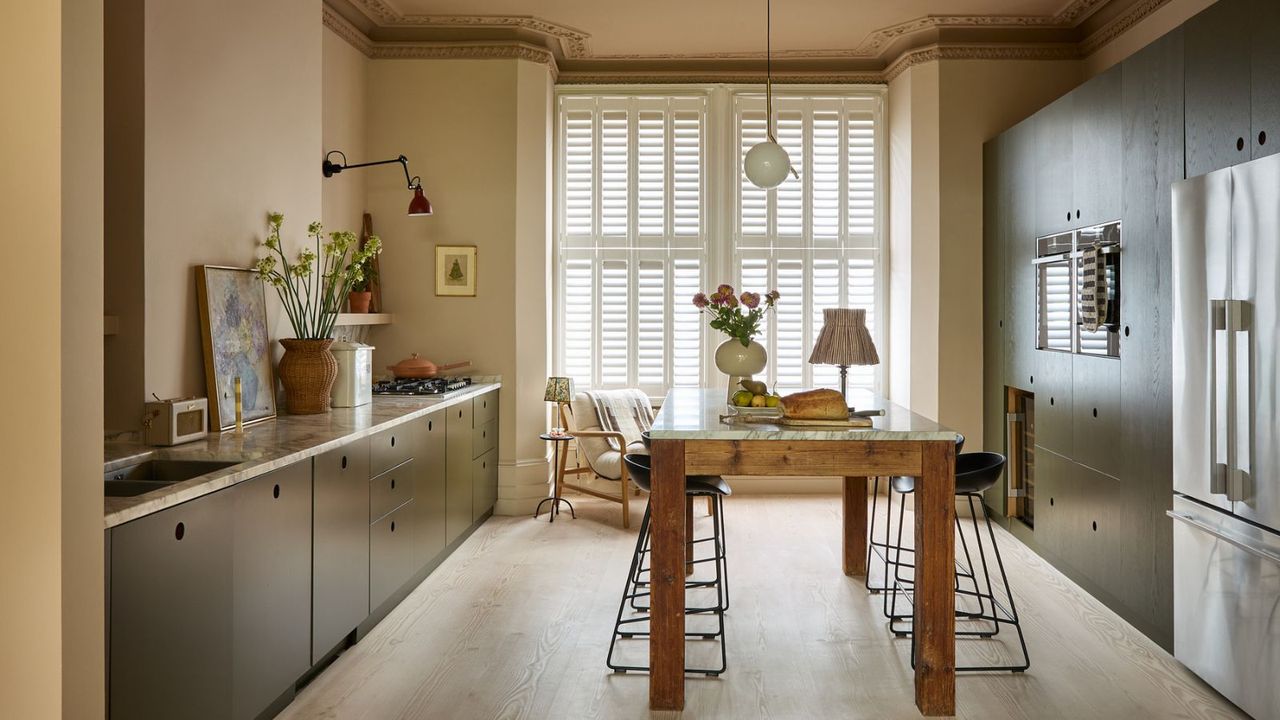
These 3 Layouts Are Making Your Kitchen Look Dated – Why Designers Say They Don’t Want to See Them in 2026

Kitchen couture: here are five unique new-age designs

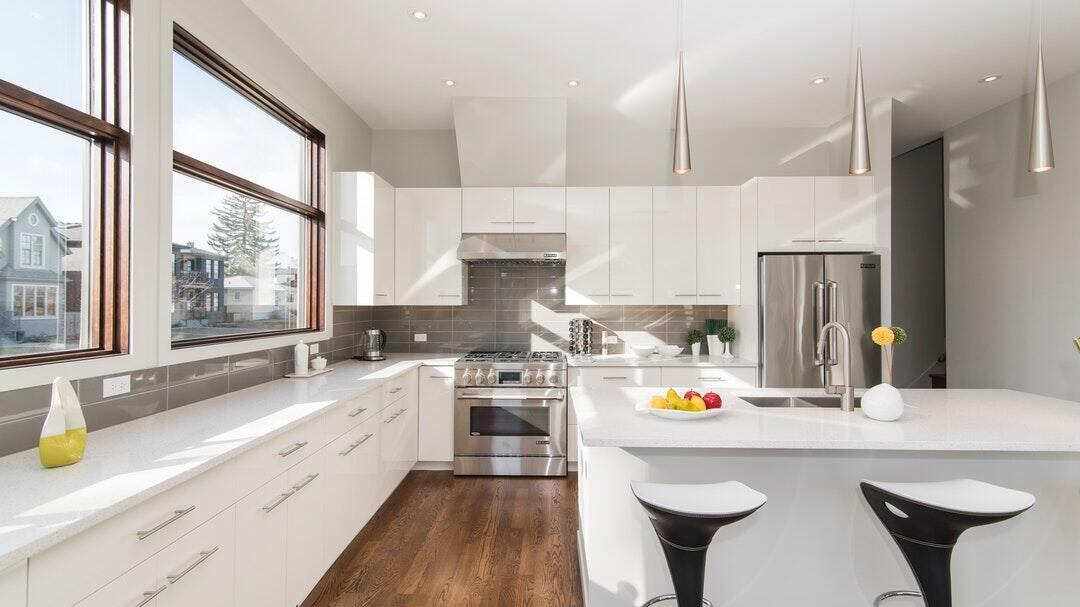
Kitchen remodeling trends taking home design by storm
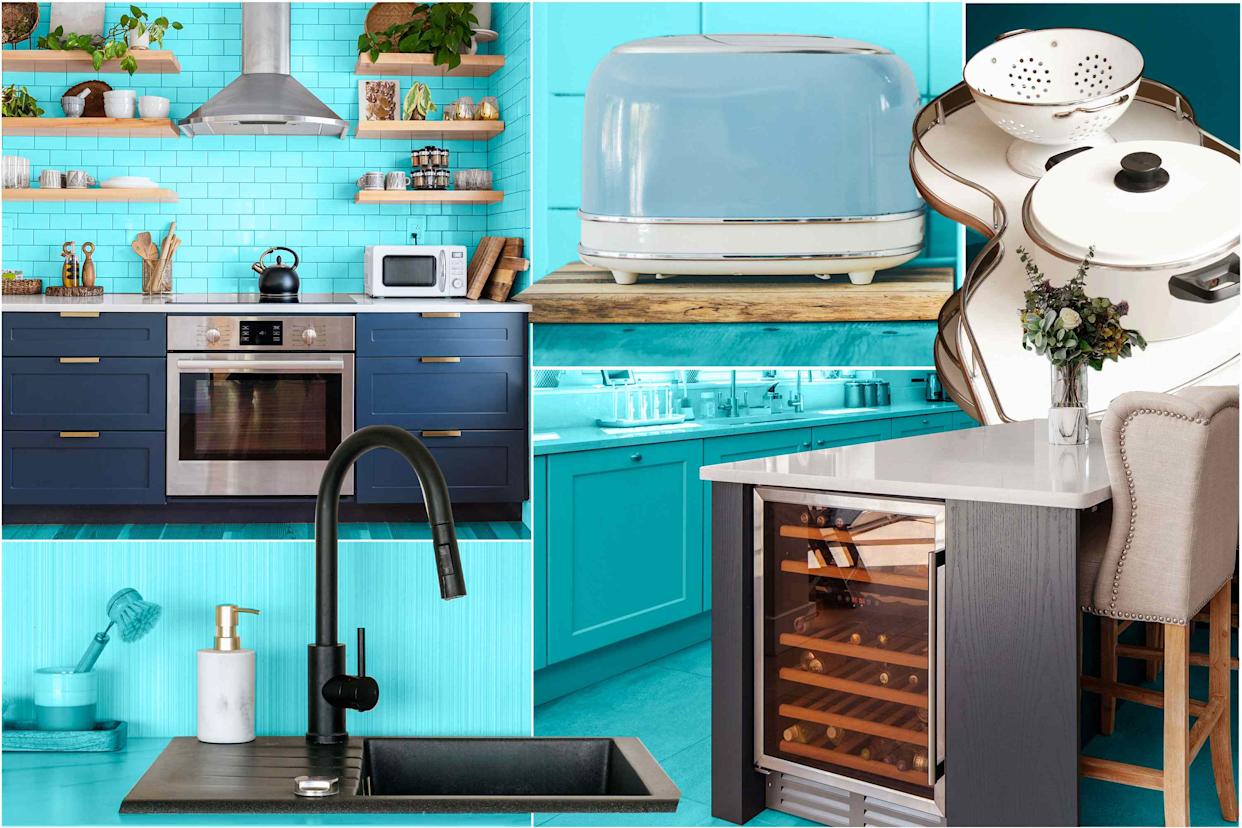
The Top 25 Kitchen Design Trends That Defined the Past 25 Years

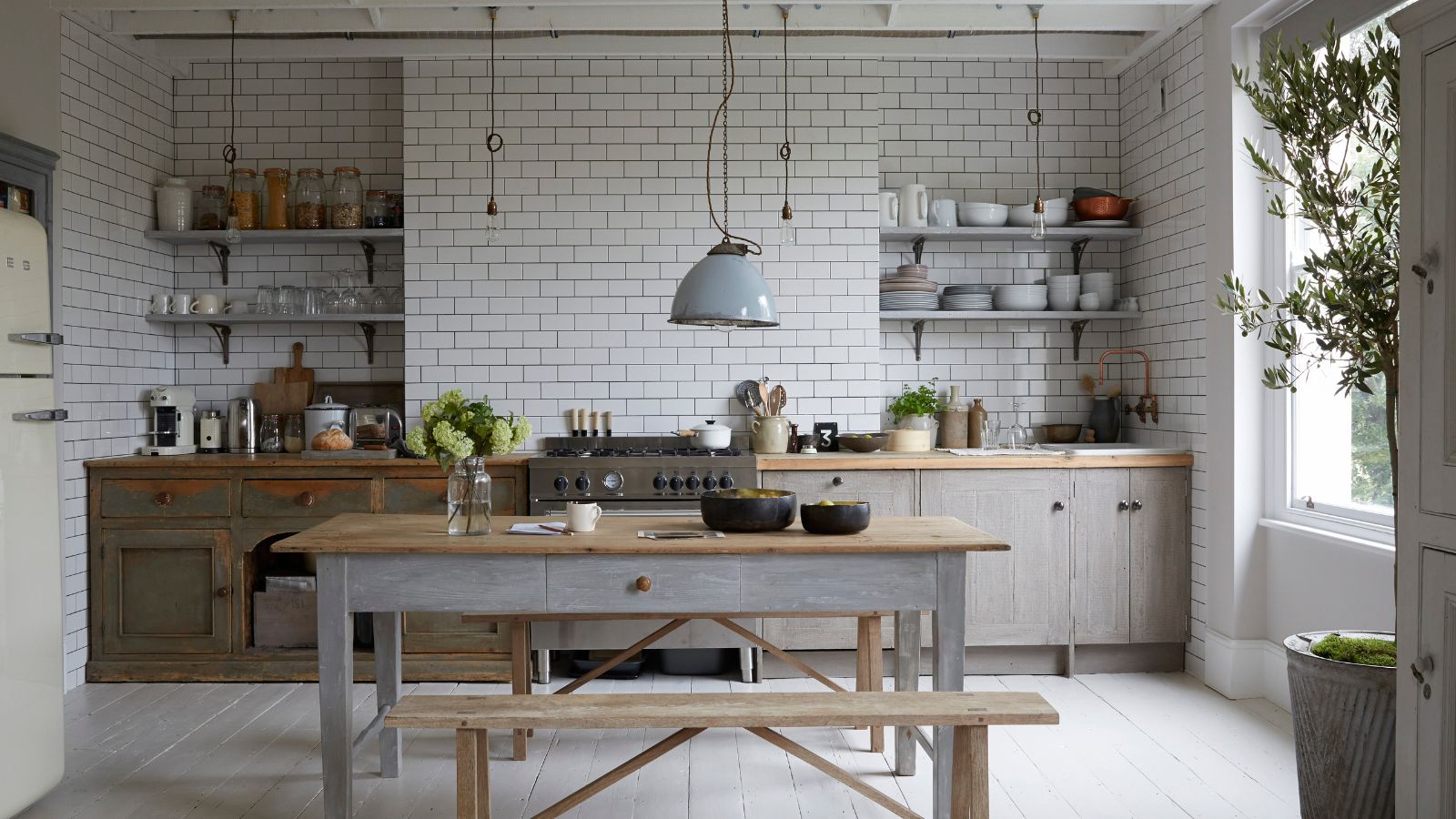
These are the outdated kitchen cabinet trends designers say you should ditch in 2025
Wait, Jessica Alba's Kitchen Makes No Sense
10 Kitchen Design Trends Going Out Of Style In 2025


Meet the Next Wave of Design Stars Changing the Way We Look at Our Kitchens
The 2021 Kitchen Design Trends Transforming the Home

6 Kitchen Design Styles That Are No Longer Trendy, Designers Share