Do You Really Need A Box Spring? A Sleep Coach Explains
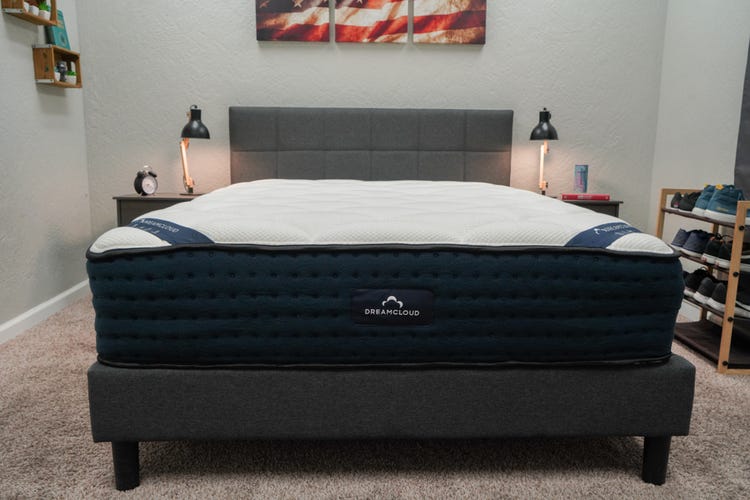
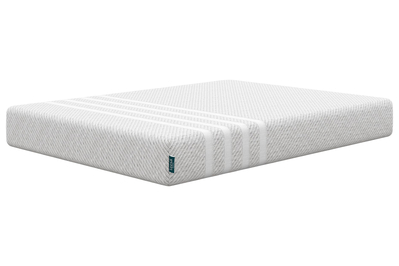
The necessity of a box spring in modern bedroom setups is a common query, especially with advancements in mattress technology. Traditionally, box springs served a crucial role in providing support and absorbing shock for older, more flexible mattresses, while also elevating the bed to a comfortable height. However, contemporary mattresses, particularly those made from high-density foam or latex, are engineered to be self-sufficient in terms of support. These newer mattresses are designed to be placed on solid, breathable surfaces such as platform beds or slatted bases, which offer adequate and consistent support without the need for a traditional box spring. Using a box spring with these heavier, more supportive mattresses can actually be counterproductive, potentially leading to premature sagging and diminished mattress performance due to the box spring's inability to handle the increased weight and different support requirements.
When considering a new mattress, the focus should shift away from automatically pairing it with a box spring and instead concentrate on the mattress's inherent support structure and the foundation it requires. High-density foam or natural latex mattresses are highlighted for their optimal support and pressure relief capabilities. For these modern mattress types, a solid or closely spaced slatted platform is recommended. These alternatives not only provide superior support and durability but also offer the advantage of reducing dust mite accumulation, a common issue with traditional box springs.
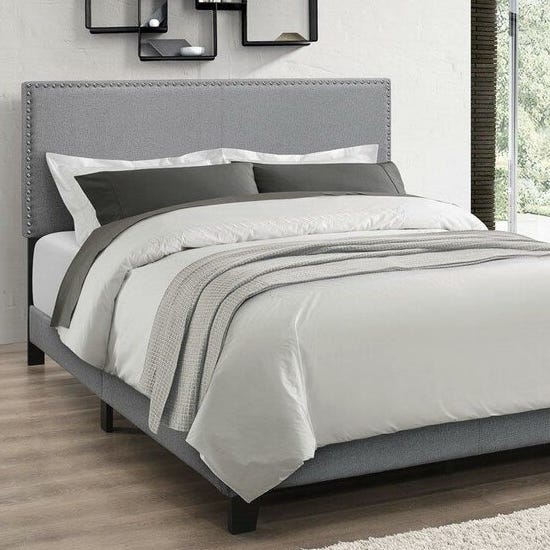
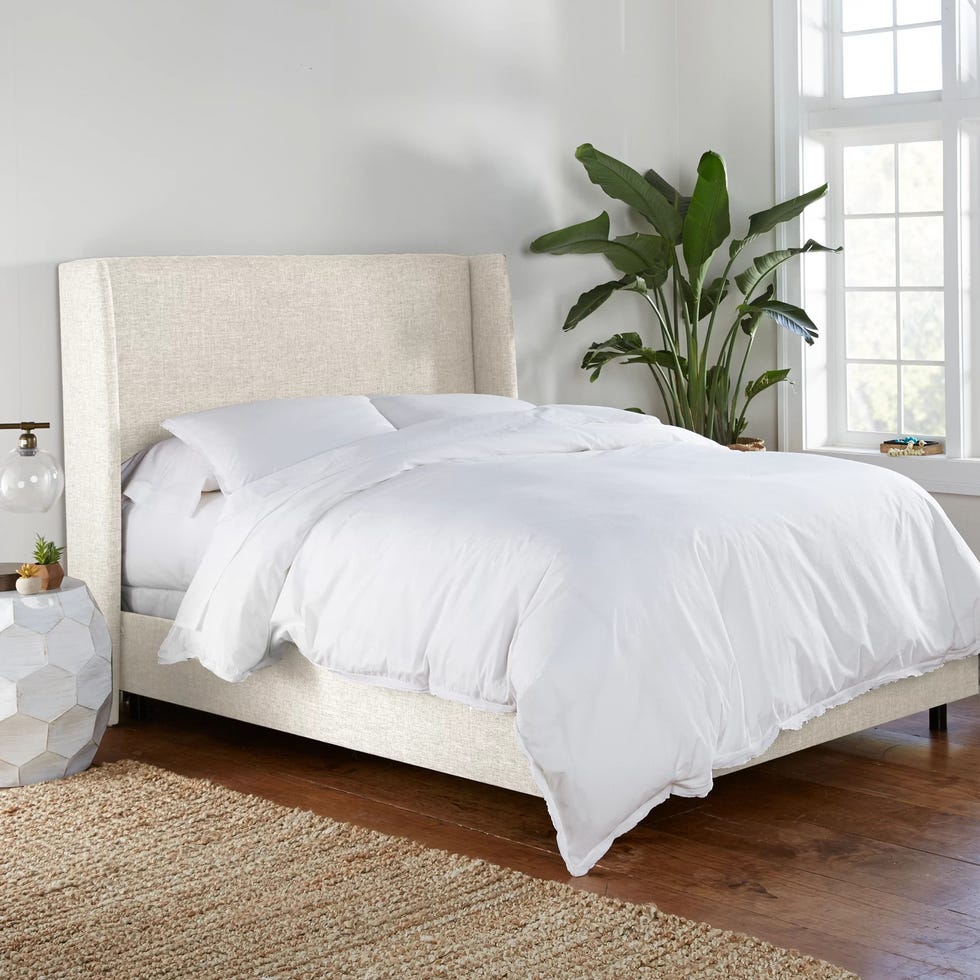
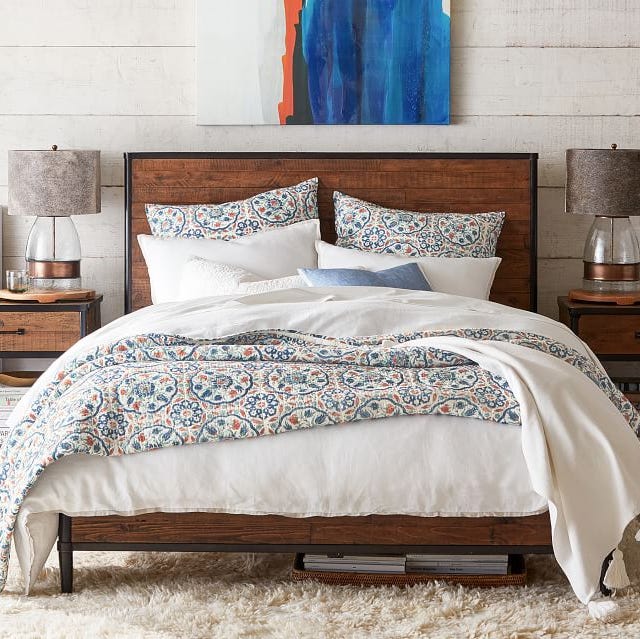
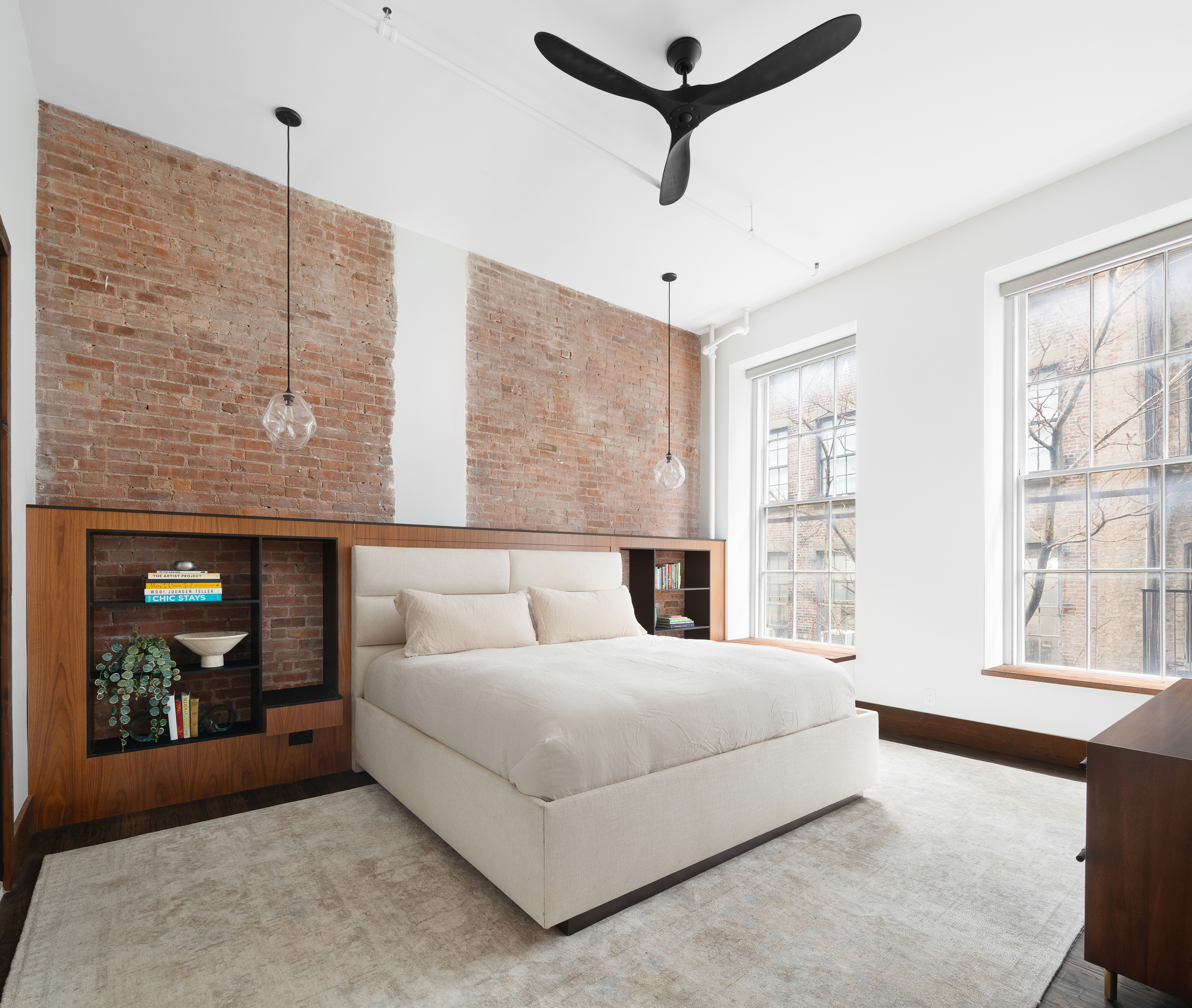
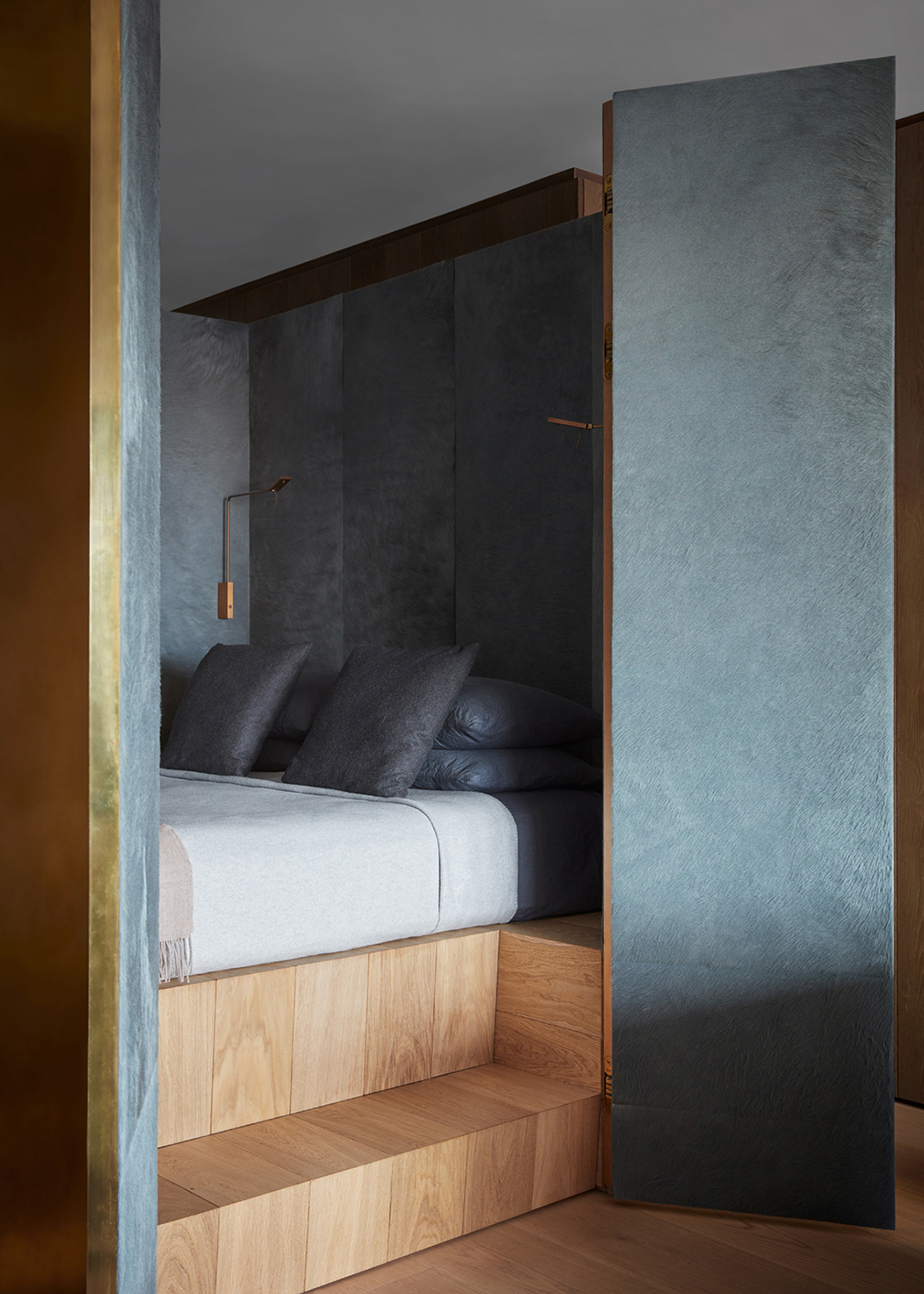
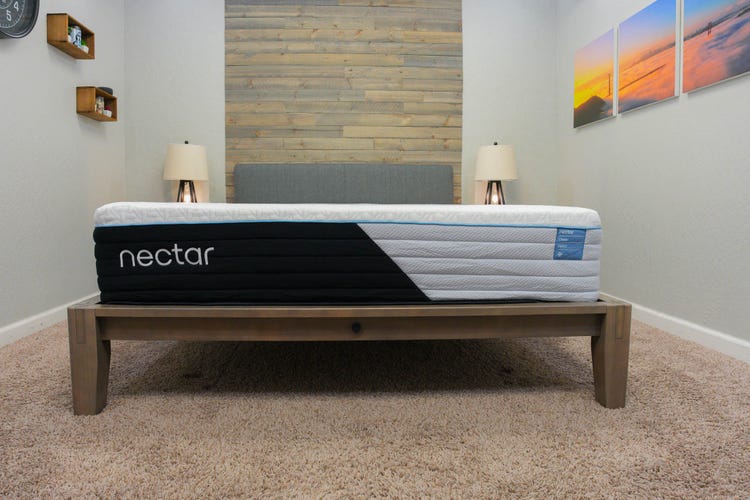
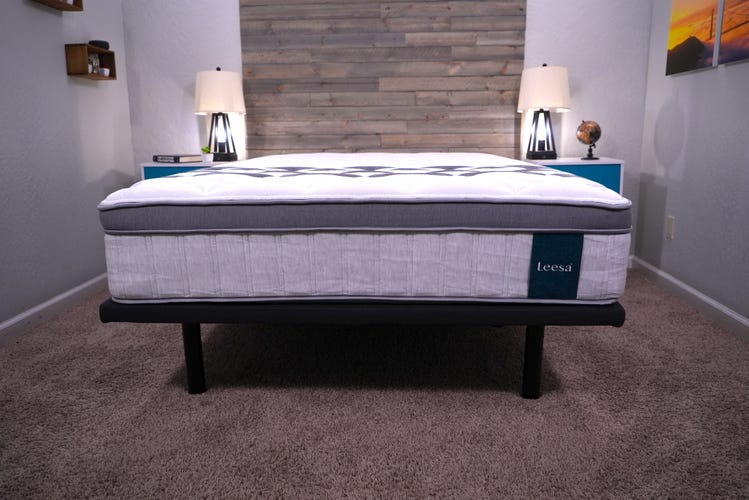
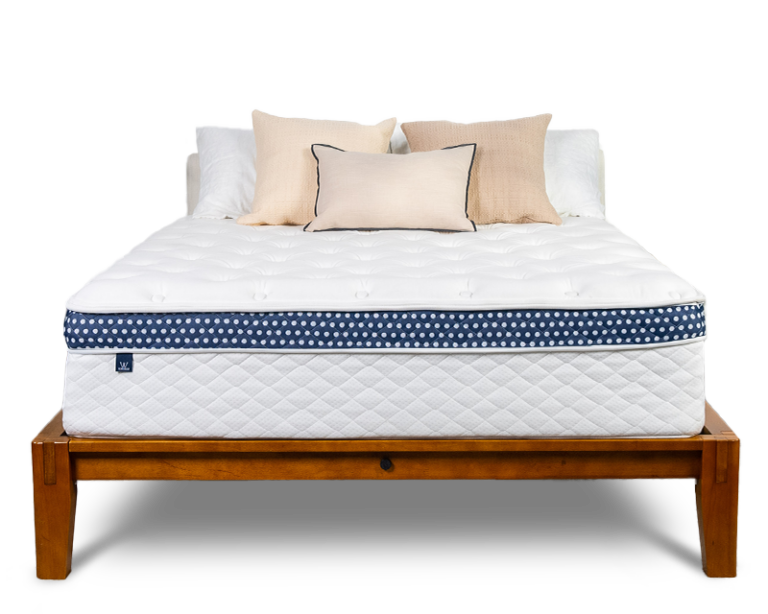
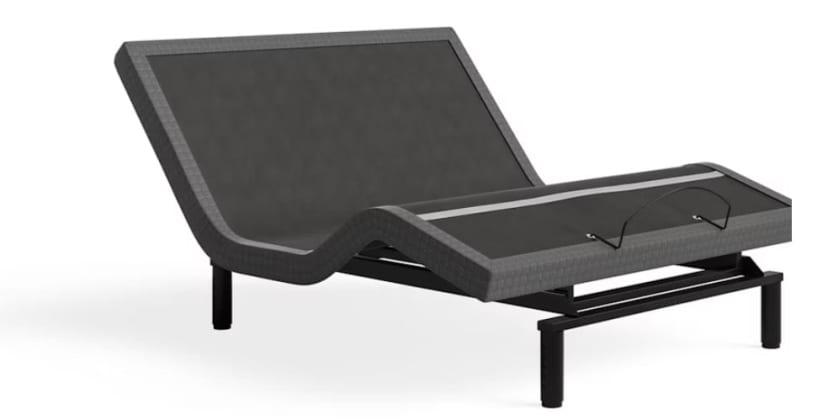
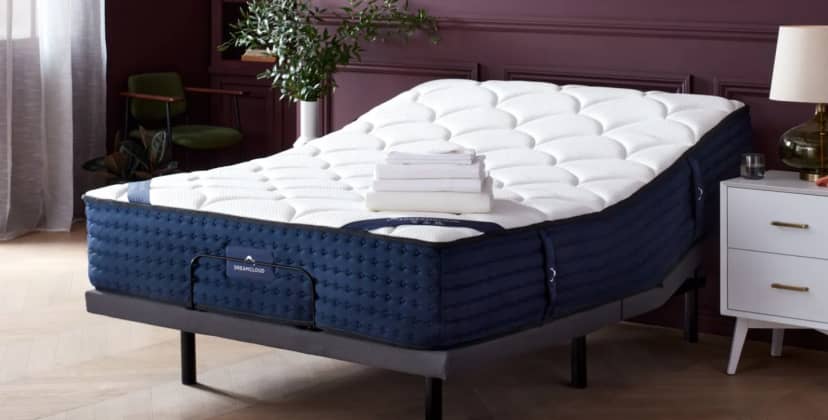
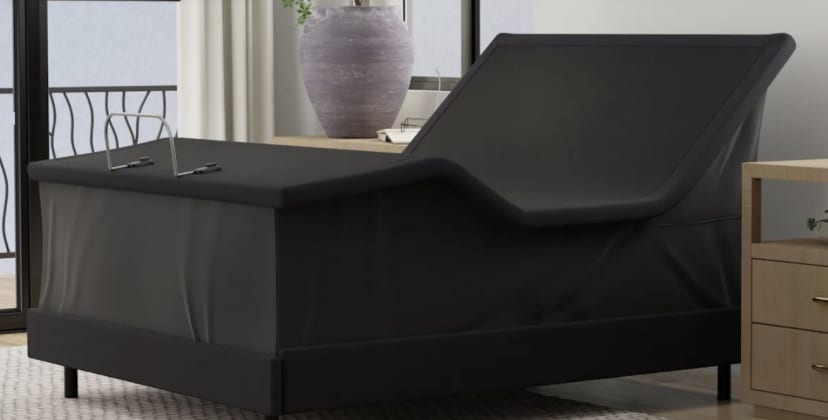
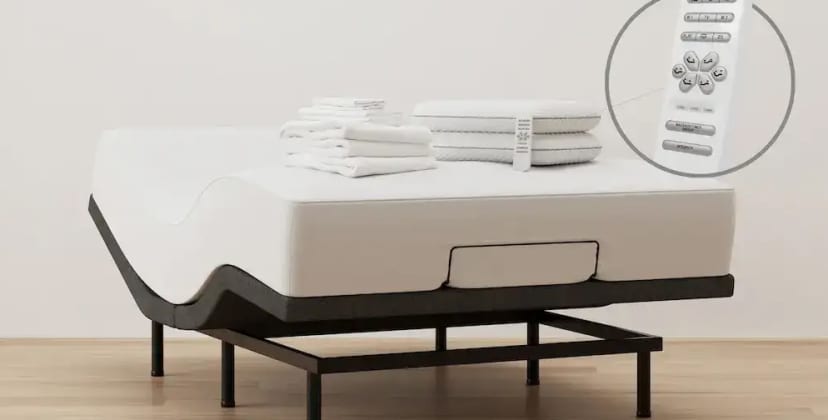
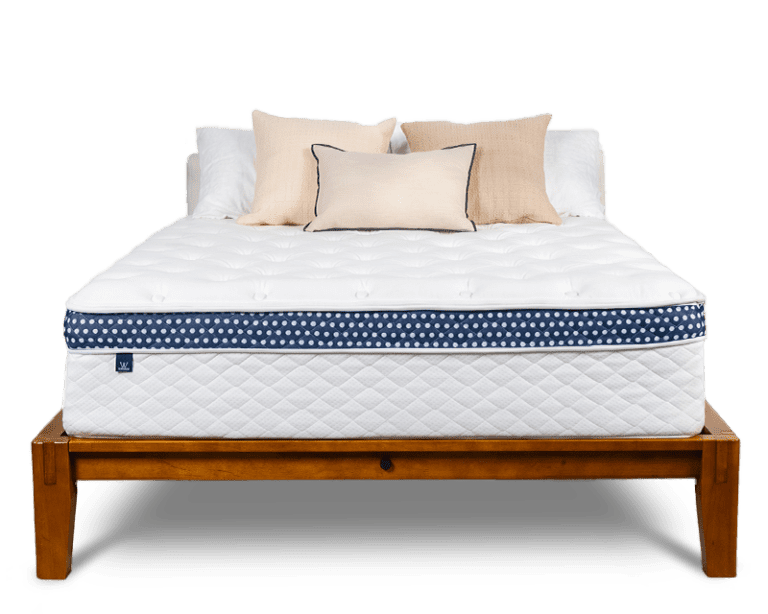
There are several effective alternatives to box springs that cater to various needs and preferences. Platform beds, constructed from wood, metal, or other robust materials, offer a solid foundation and a minimalist aesthetic, though they provide less airflow than slatted bases. Slatted bases, with their wooden or metal slats, ensure better airflow and sufficient support, often integrated into bulkier bed frames that may include headboards and footboards. Adjustable bases represent another option, allowing for customized reclining positions for the head or foot of the bed, similar to a reclining chair. However, adjustable bases require compatible mattresses that possess the necessary flexibility for adjustment.
Determining whether a box spring is needed primarily depends on the mattress type. For most modern mattresses, manufacturers and retailers will advise on the appropriate foundation. While individuals with older, open bed frames or those who prefer a higher bed might still opt for a box spring, those with specific health concerns like back pain or allergies are generally better served by mattresses that rely on solid foundations for support rather than box springs. In essence, while box springs once played a vital role, their relevance has diminished significantly for current mattress technologies, with alternatives offering more effective and hygienic support solutions.
#BoxSpring #MattressSupport #BedroomDesign #SleepCoach #ModernMattresses #PlatformBed #SlattedBase #AdjustableBase #HomeDecorIdeas #BoxSpring #MattressSupport #BedroomDesign #SleepCoach #ModernMattresses #PlatformBed #SlattedBase #AdjustableBase #HomeDecorIdeas
0 comment in total
 No comments yet
You may also like
Box Spring Bed Frames to Give You the Best Night's Sleep Ever

Best Mattresses for Back Pain 2025 | From Budget to Doctor-Recommended


The Best Mattress for Back Pain in 2025: Expert Tested


5 creative ways to hide a box spring, according to design experts


'Help me decide if I need one in my bedroom!' We settle the headboard vs no headboard debate for good

'Avoid a return flight straight into burnout' – 6 simple tricks for sleeping better on holiday, according to Simba's sleep experts
Bedroom design should emphasize stress-reducing, sleep-inducing features

Best Adjustable Beds of 2026

Should you put a bathtub in your bedroom? Experts weigh in on the hotel-style feature that always divides opinions

Finding the Best Bed Frame Is More Important Than the Mattress
The winter bedroom reset: How to sleep better this season

We Found Stylish Sleeper Sofas That Are Actually Comfortable to Sleep On

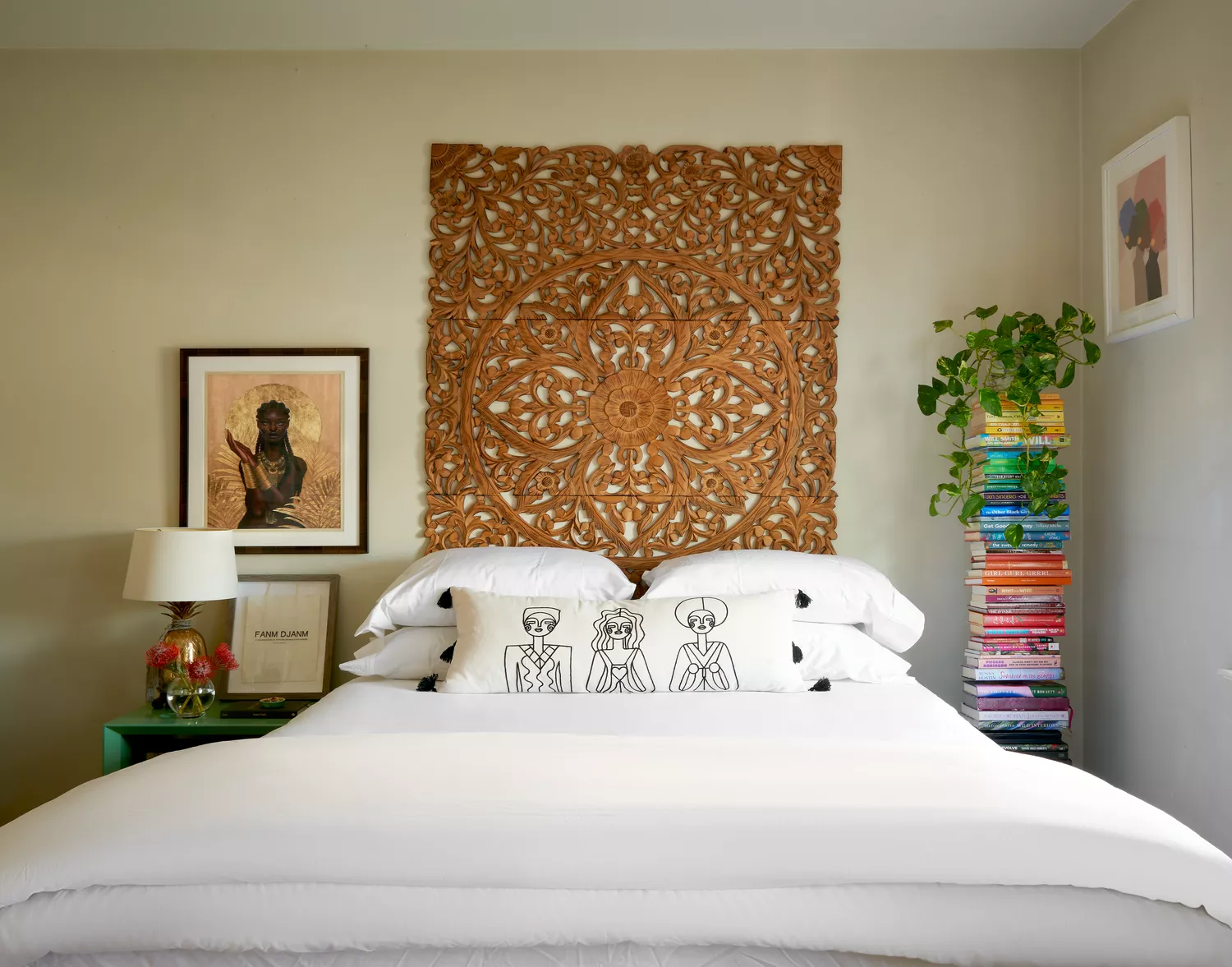
Do You Really Need a Headboard? Experts Are Divided

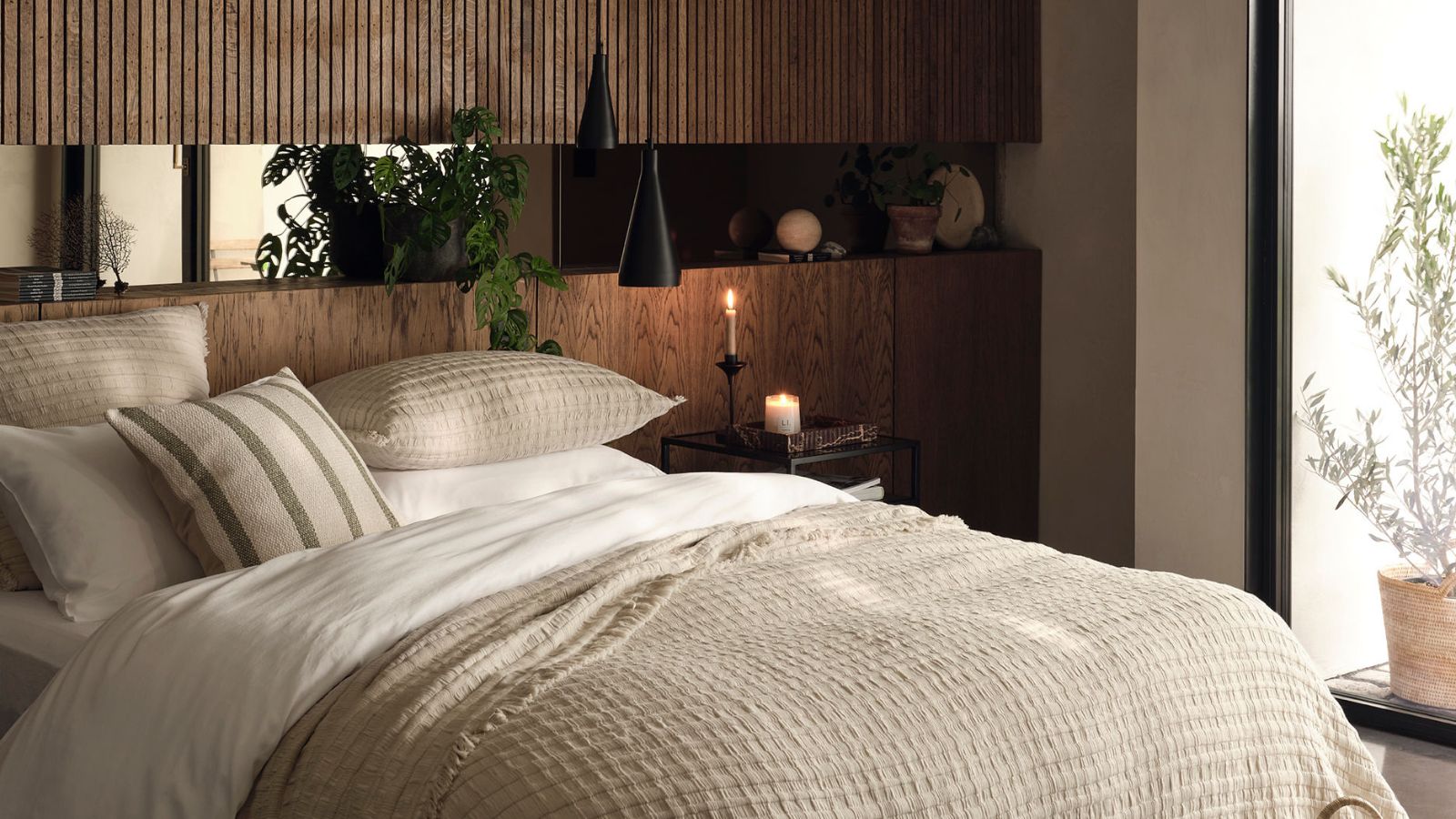
Sleep experts helped organize my bedroom for better sleep
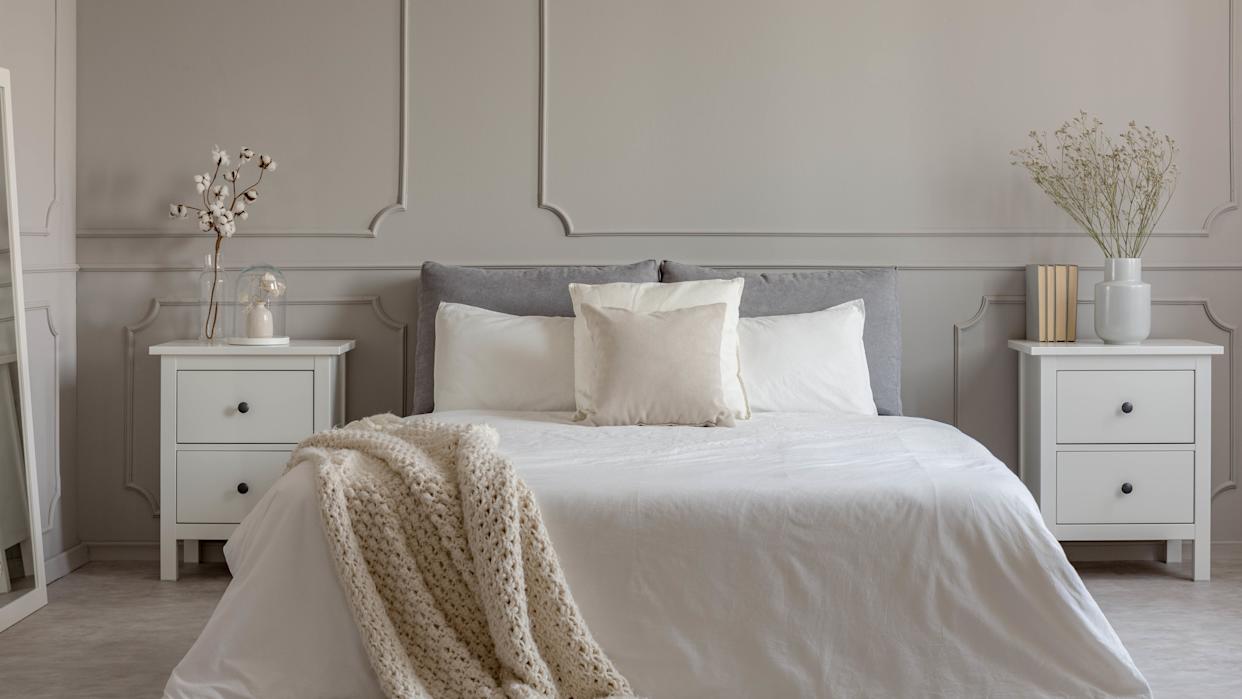
Should your bed face the door? Here's what the experts think


The 25 Best Mattresses of 2026 | Reviews by Wirecutter

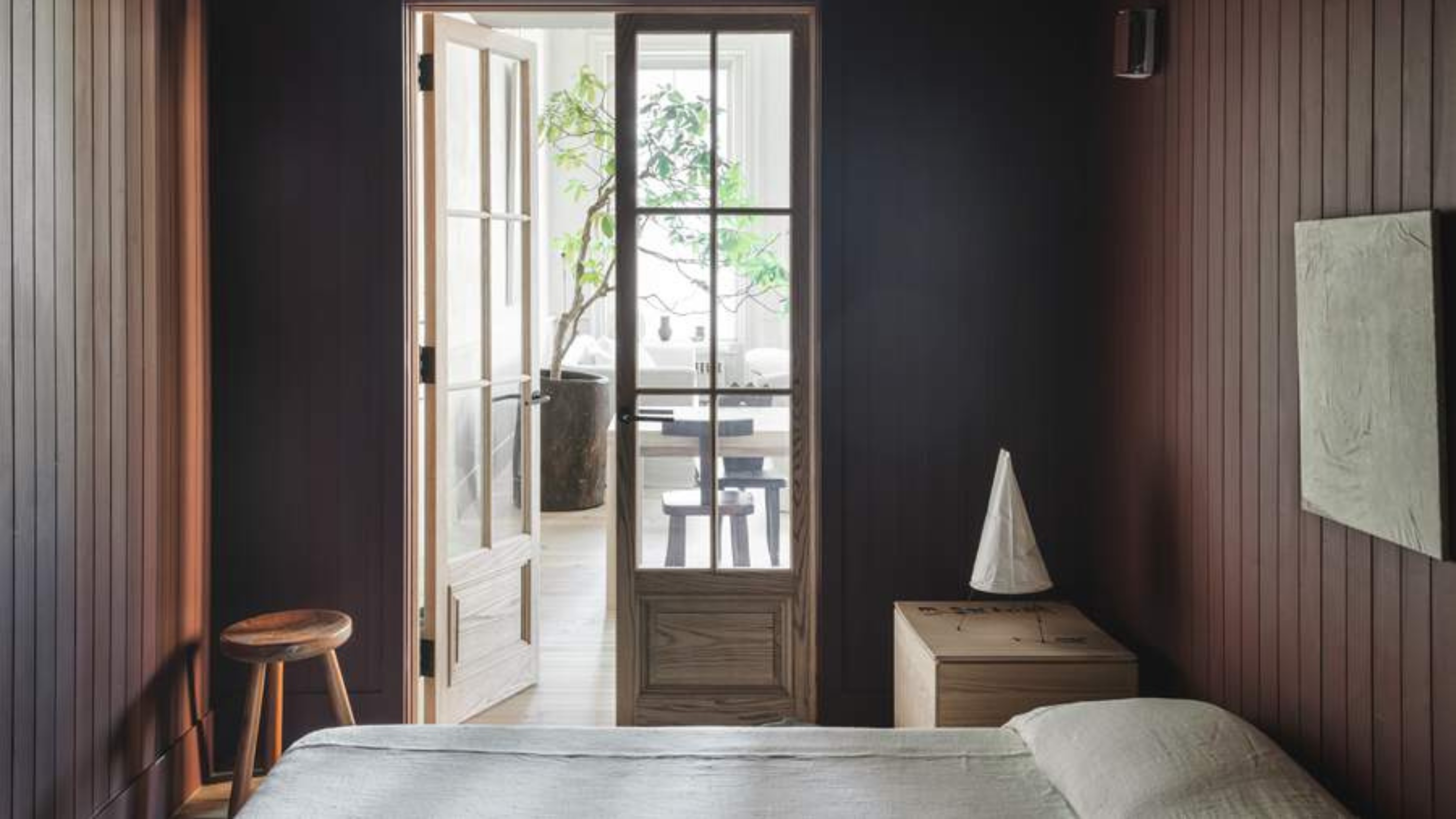
"It's Time to Make Yourself a Bedwomb," a Design Expert Tells Me — Why the Smallest Bedroom Is Best and How It Can Improve Your Sleep
Is your bedroom missing this one vital piece of storage furniture? Experts say you shouldn’t be without one

Best Innerspring Mattresses of 2025: Coil & Spring Support
What's the best direction to sleep in? Experts tells us which compass point is best, and which is ruining your rest