1/9
Baby girl nursery ideas – 9 ways to create a comfortable haven that doesn't conform to norms
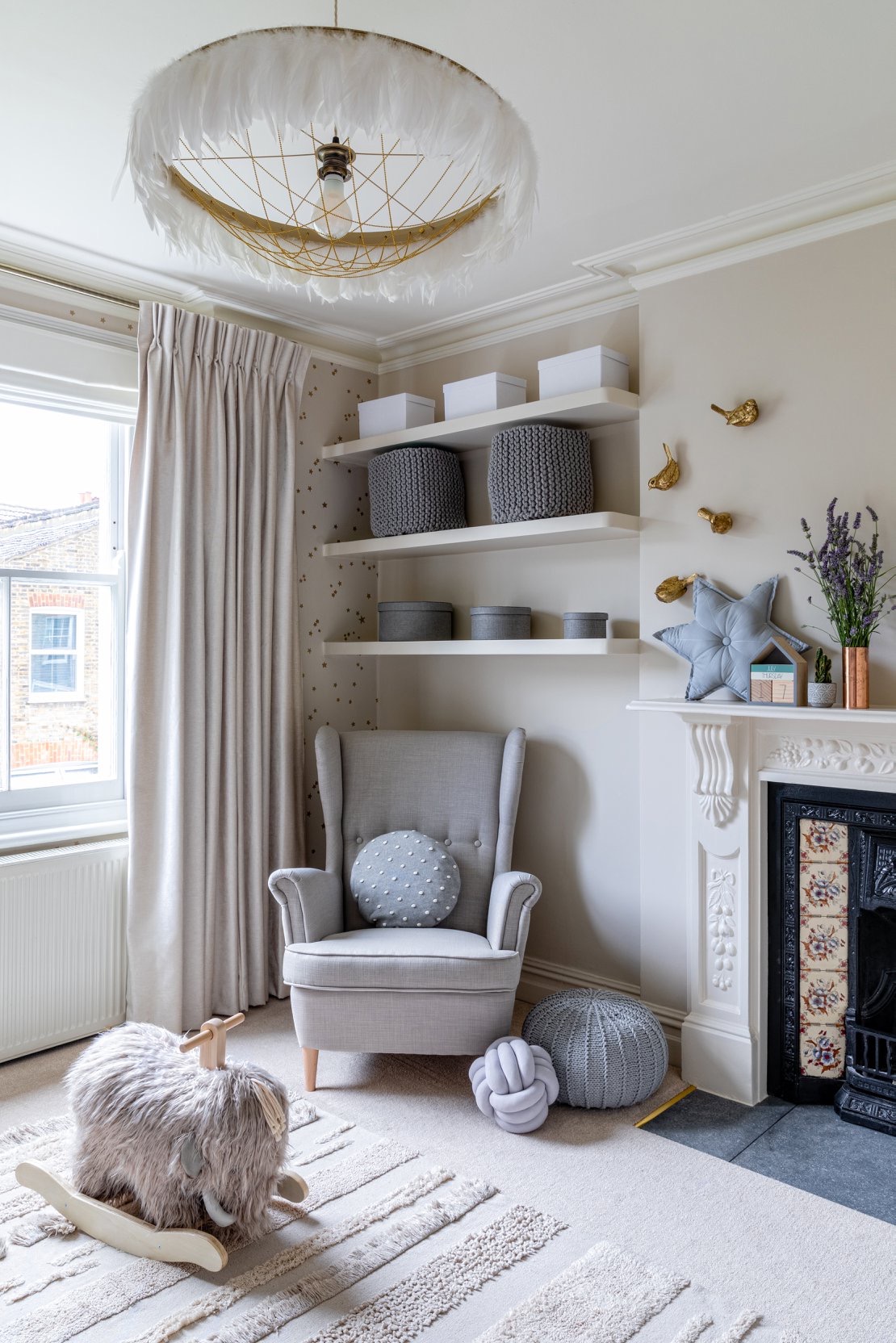
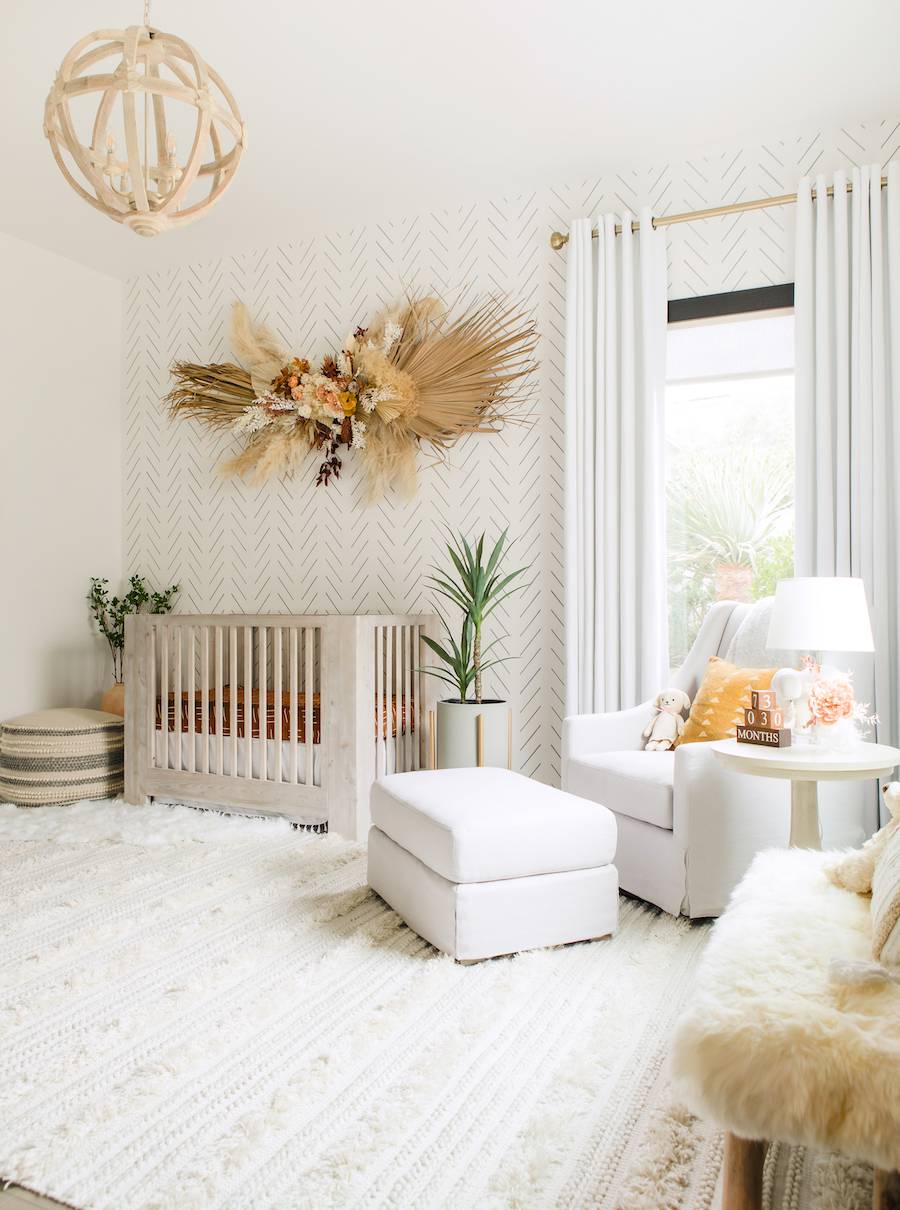
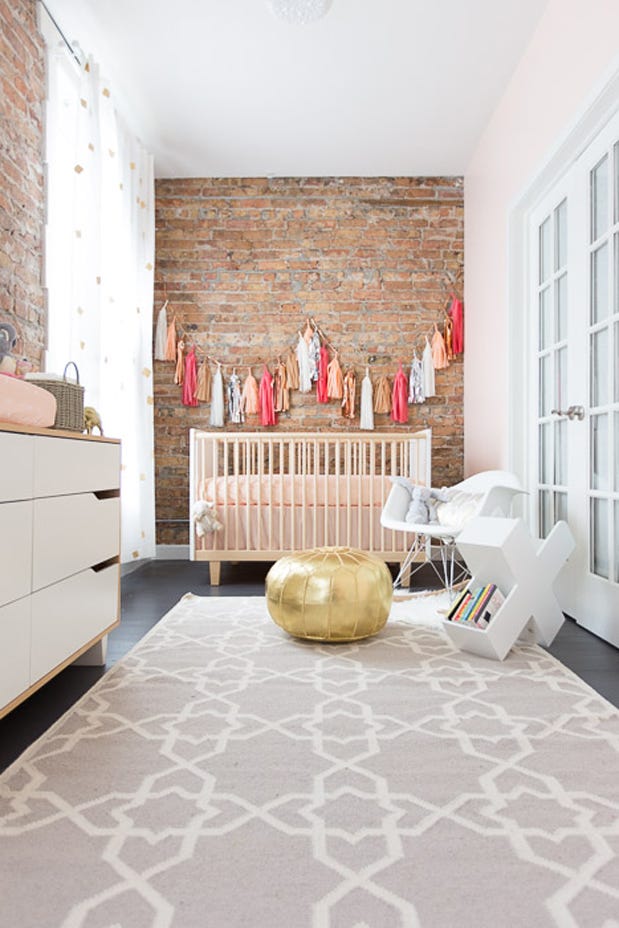
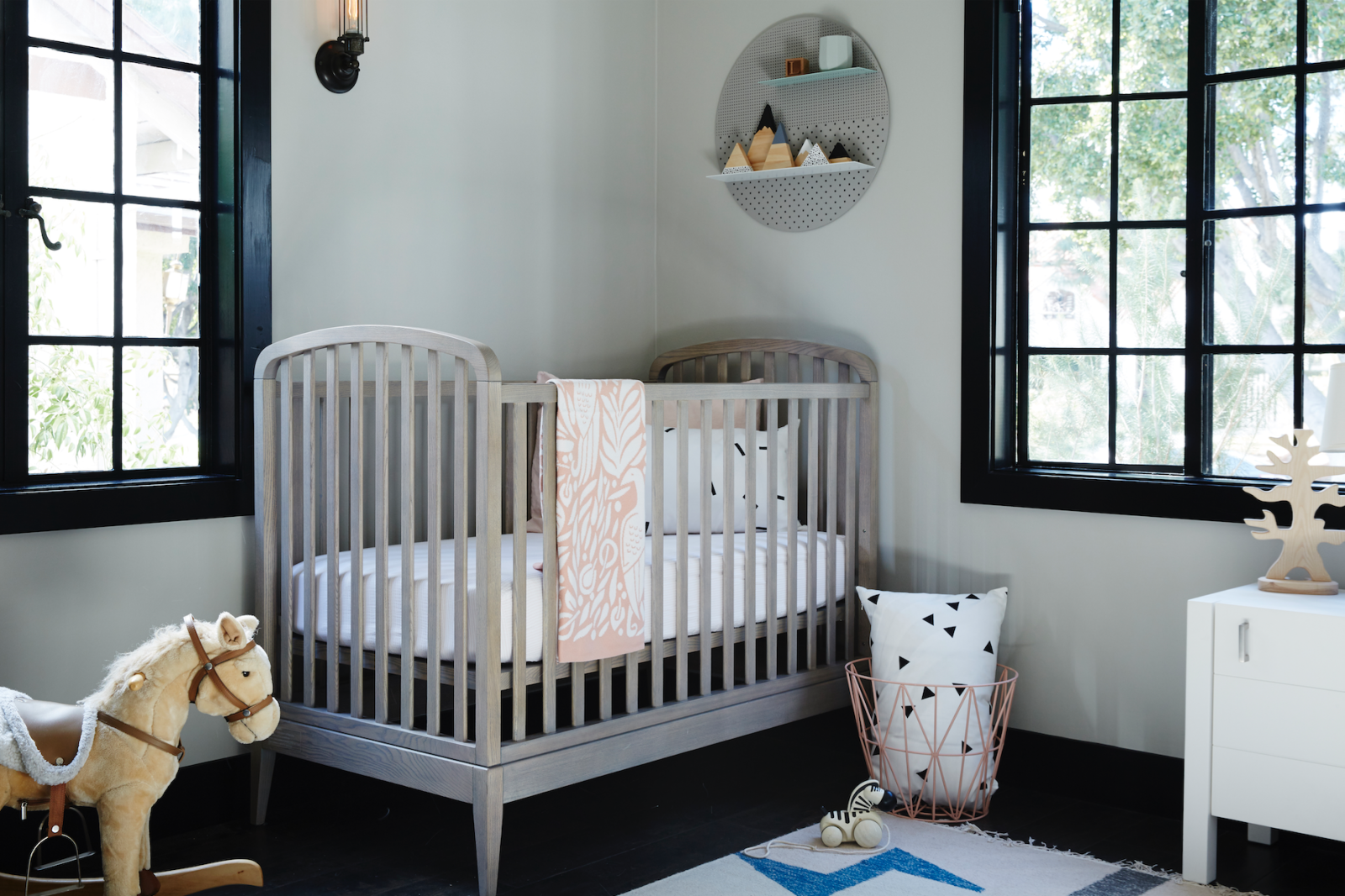
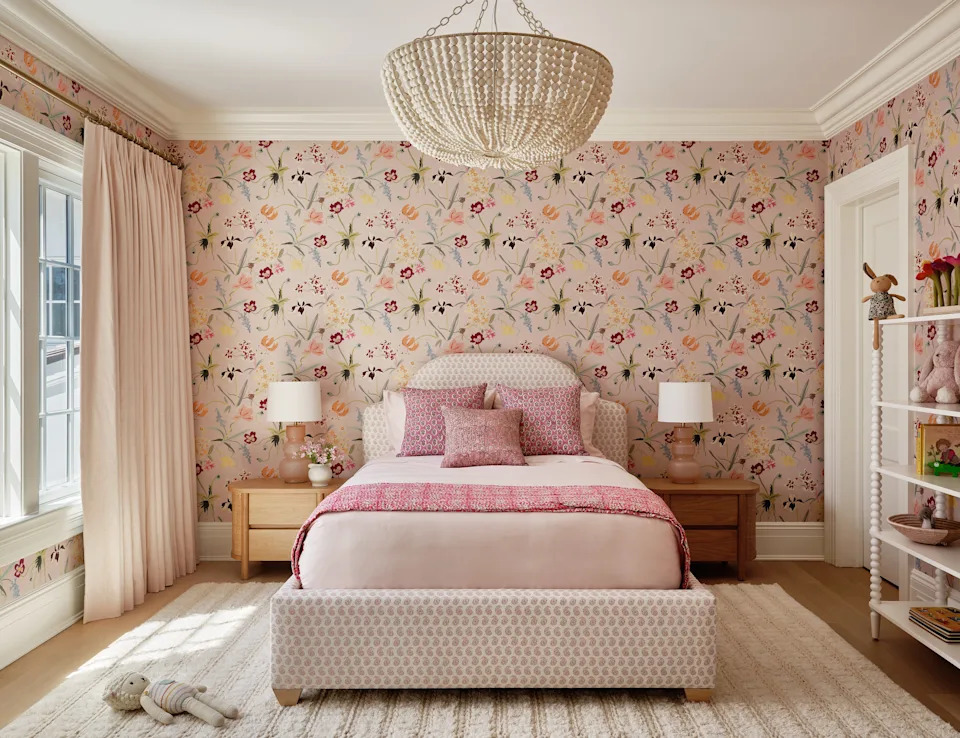
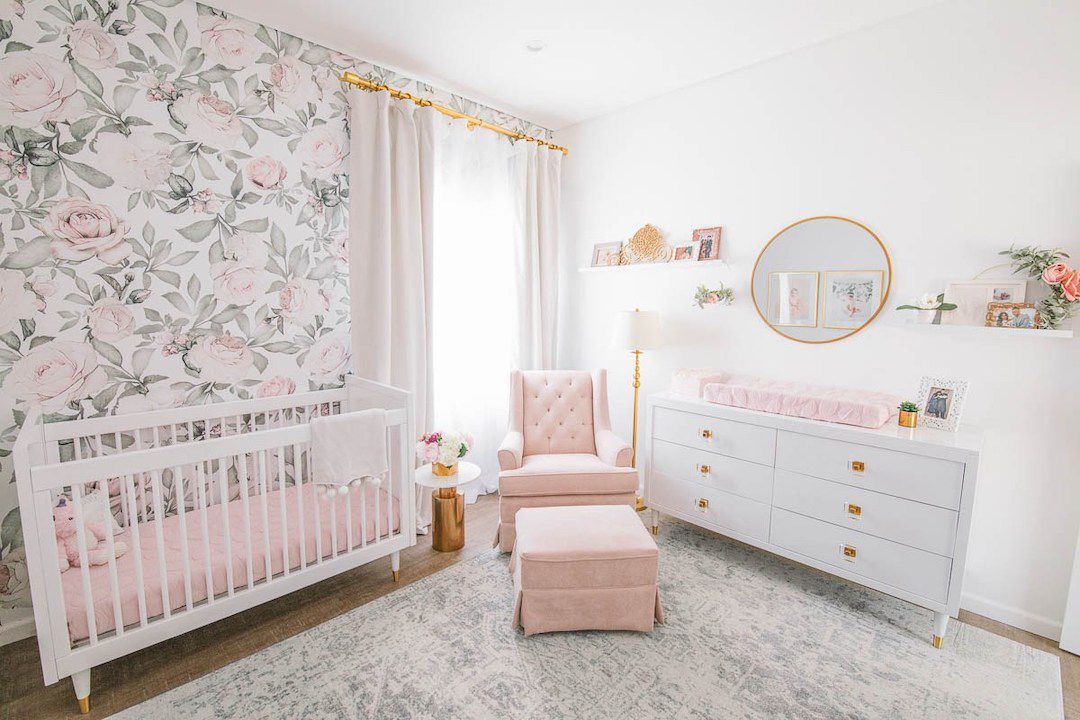
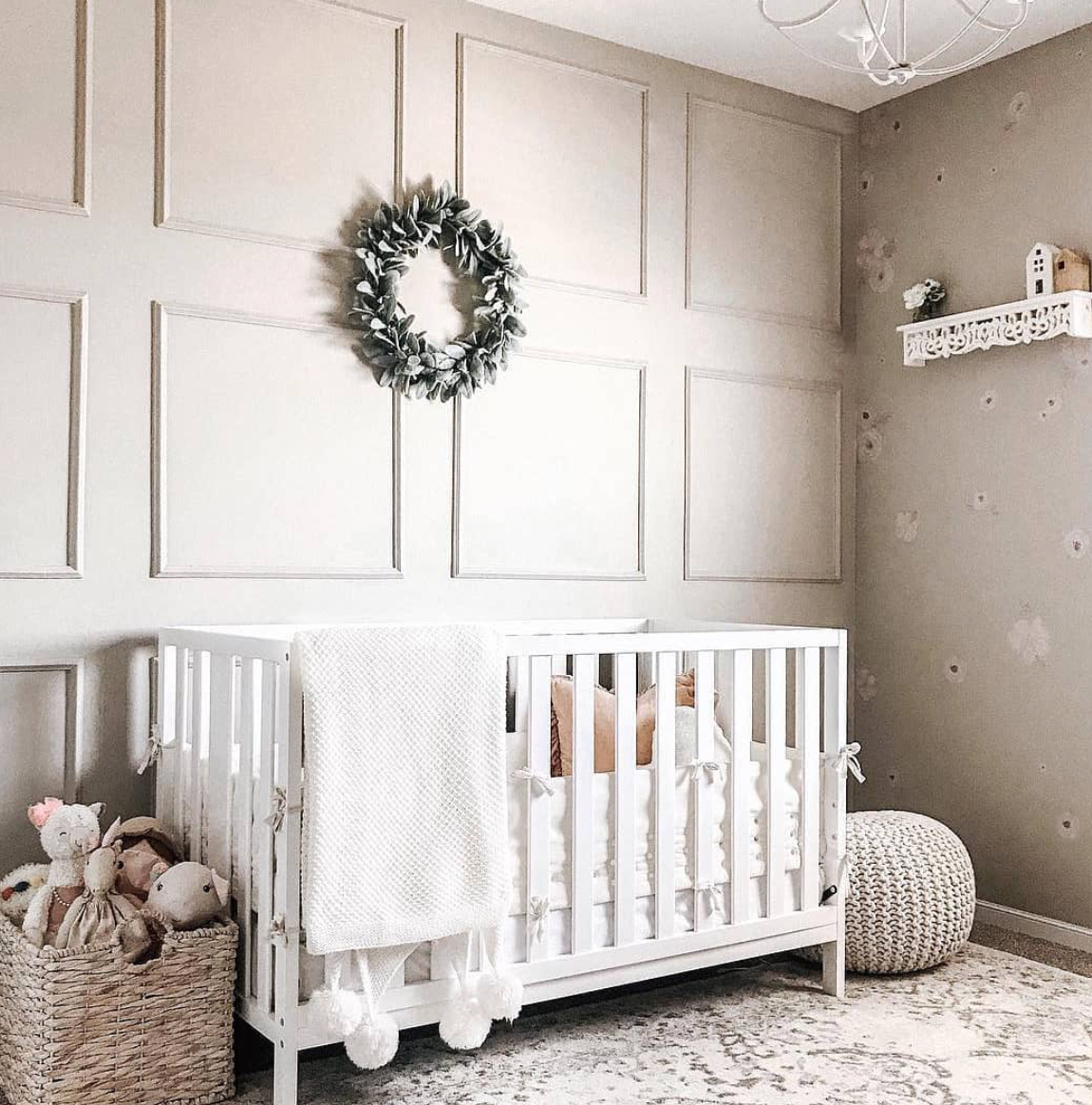
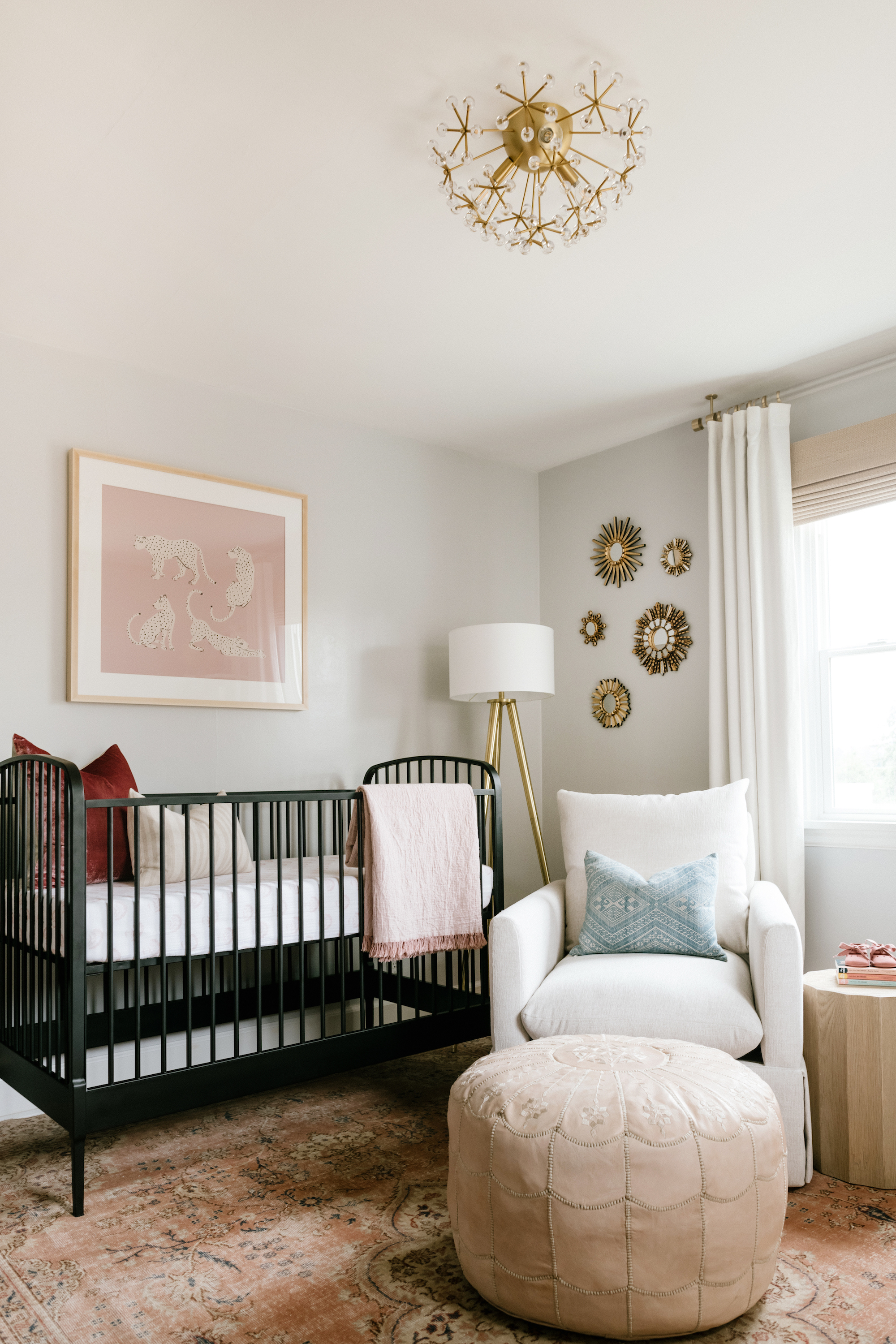
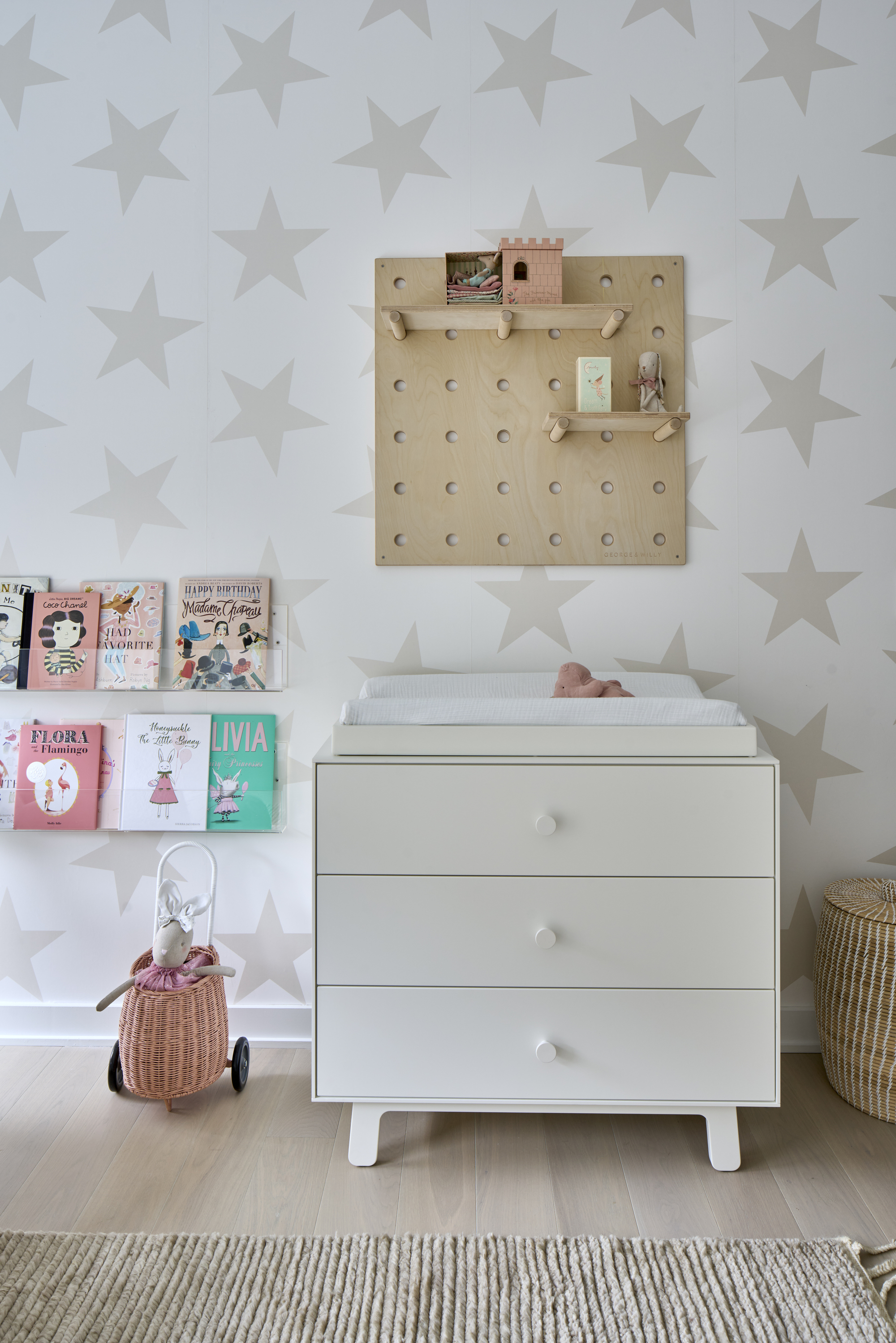
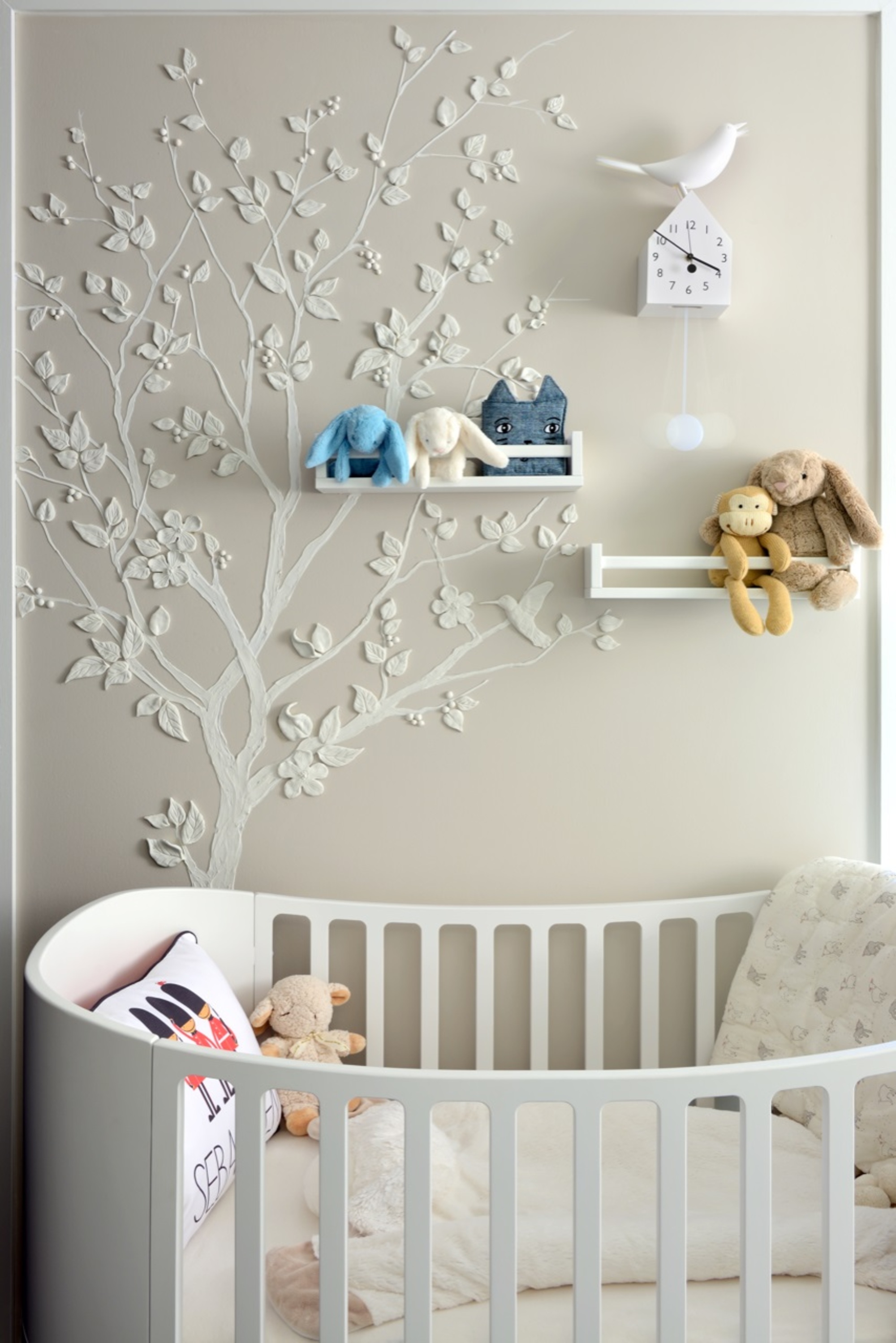
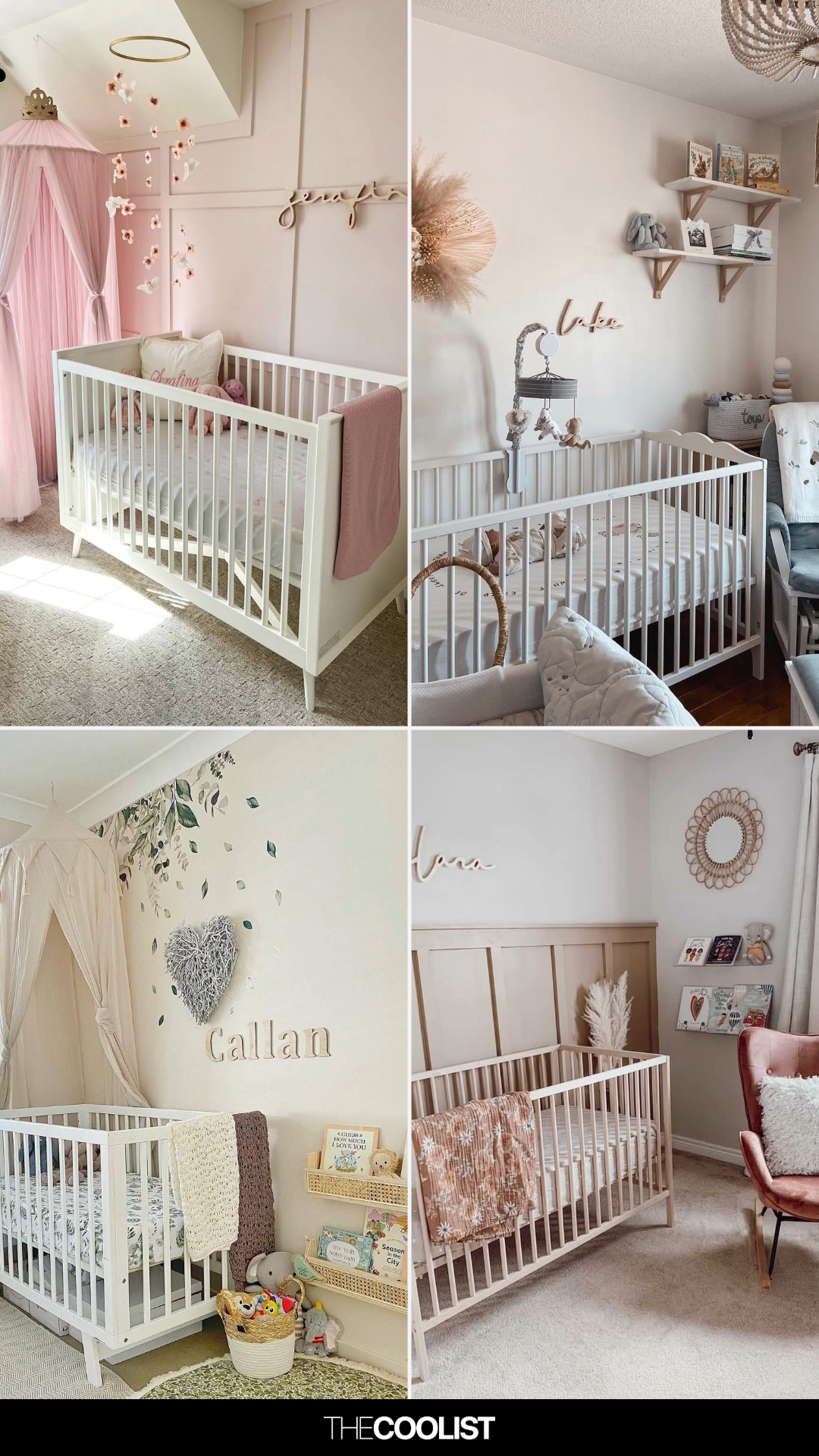
The approach to designing a baby girl's nursery has evolved beyond traditional pink themes, with many parents now favoring gender-neutral spaces that prioritize functionality, thoughtful design, and a child's development over stereotypes. The aim is to create an environment that can adapt as the child grows, moving away from quick-to-age aesthetics towards longevity and easy updates. Key considerations include the clever use of color and textures to promote sleep and rest, and the integration of prints and accessories that stimulate a newborn's worldview, all within a safe, plush environment that engages the senses.
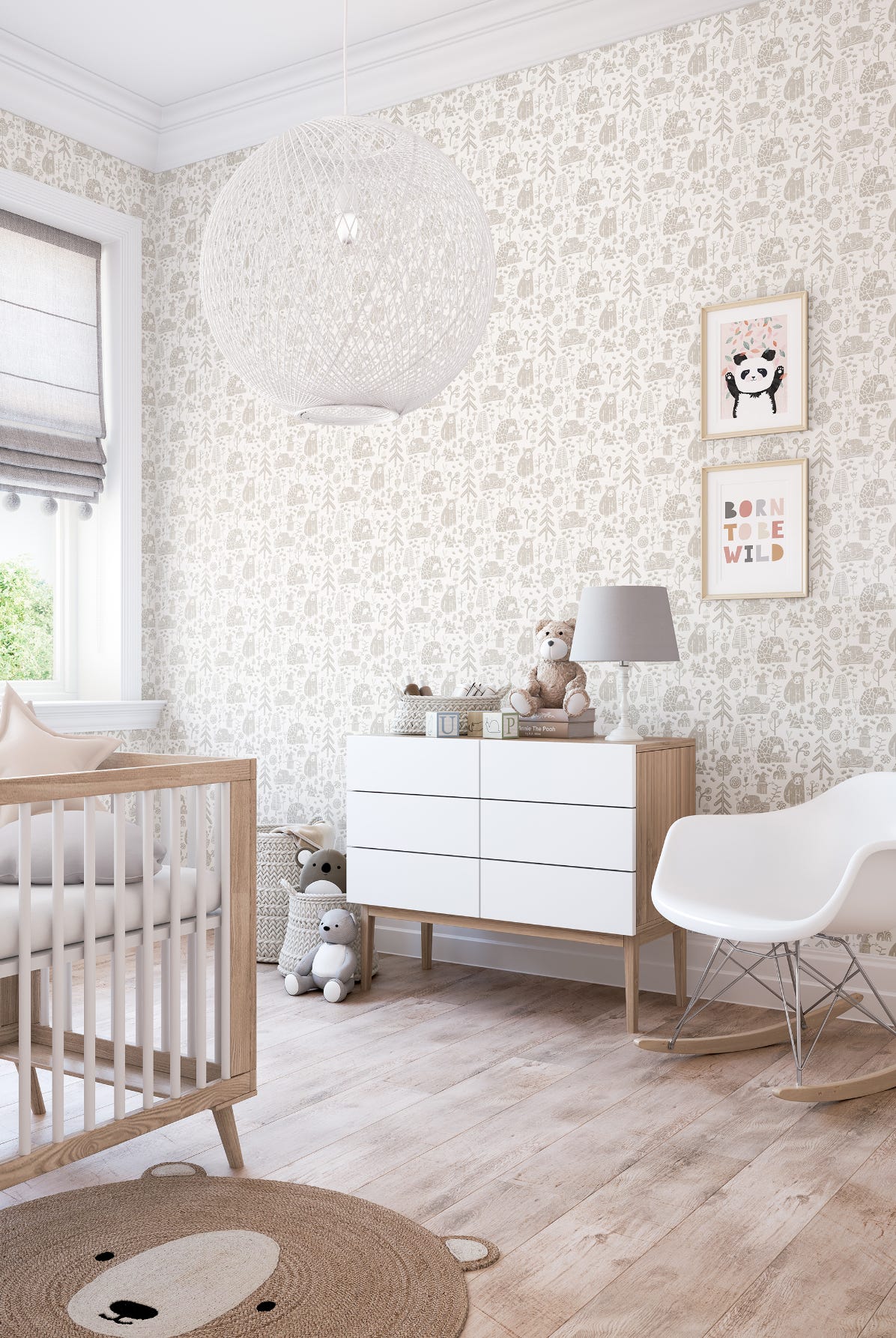
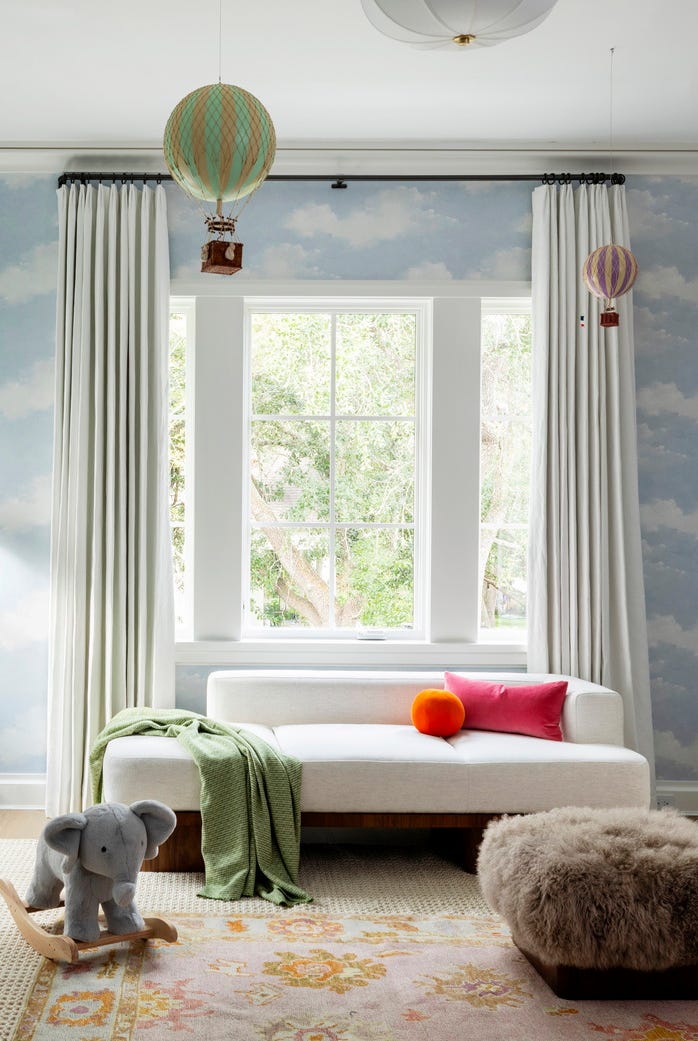
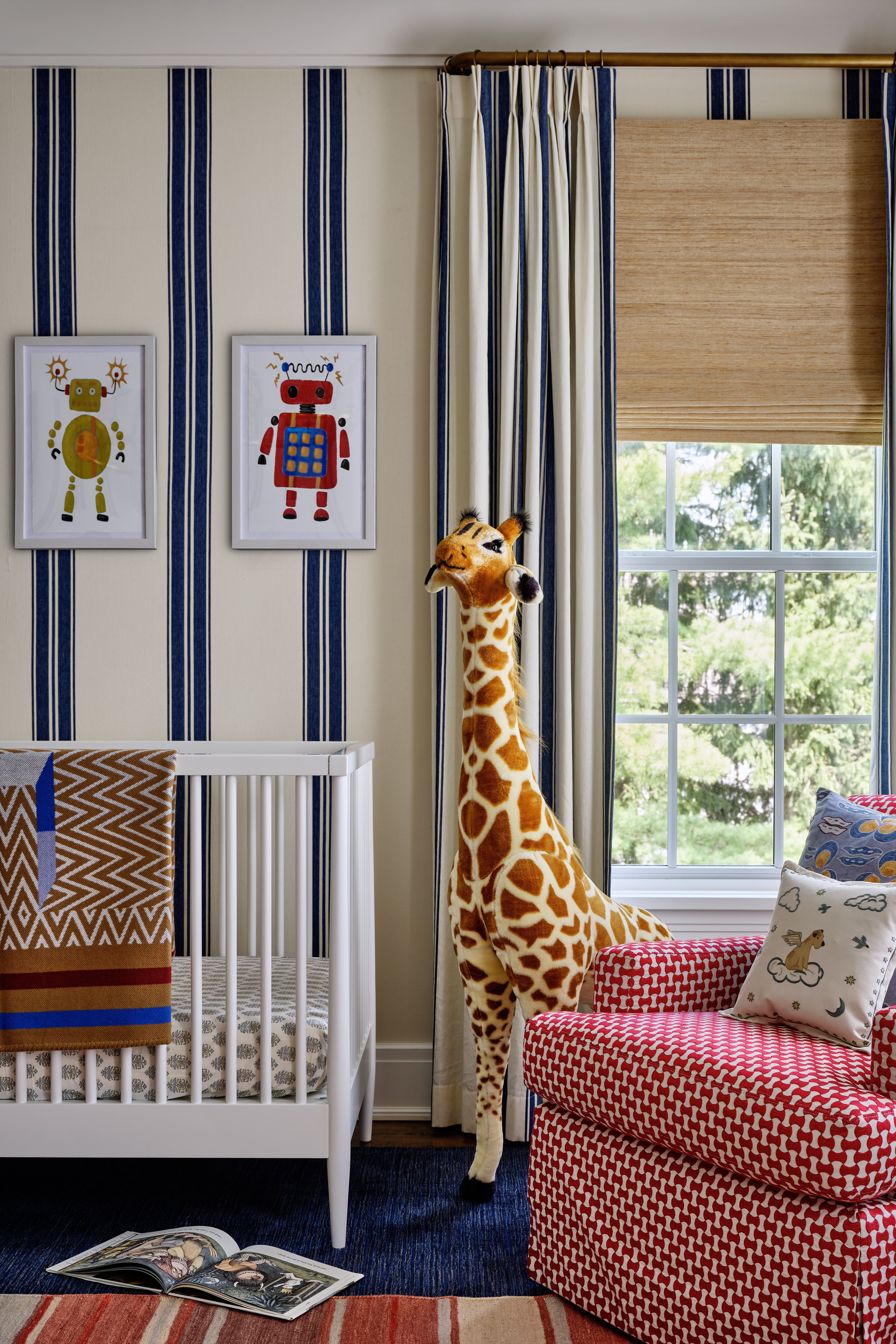
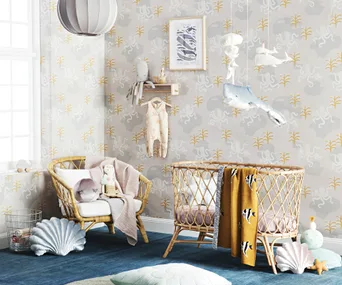
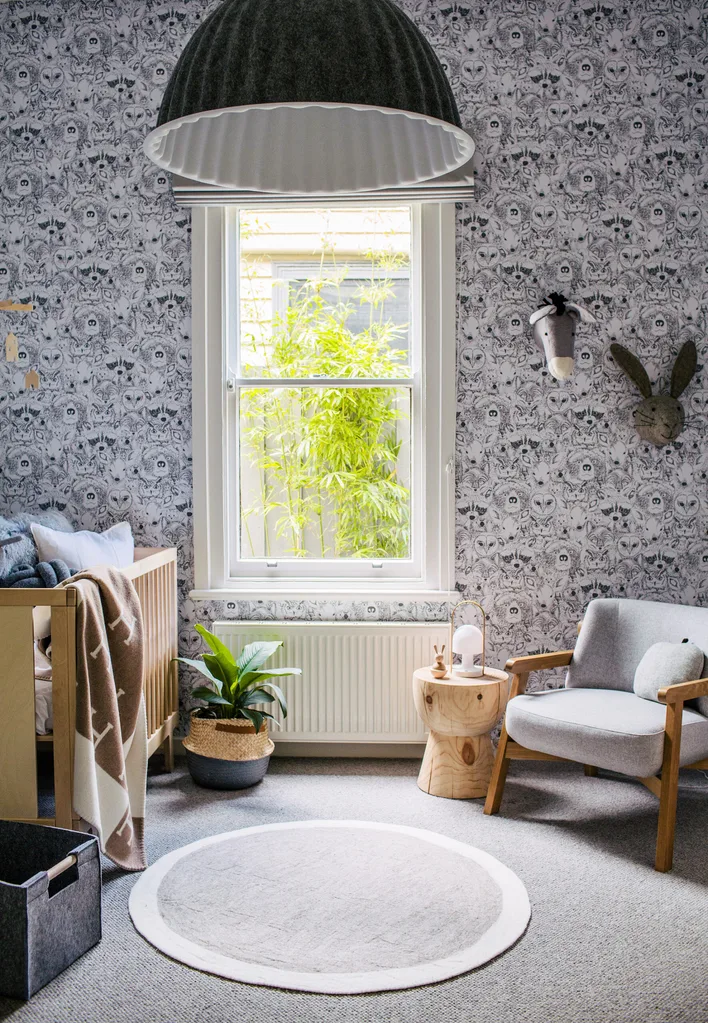
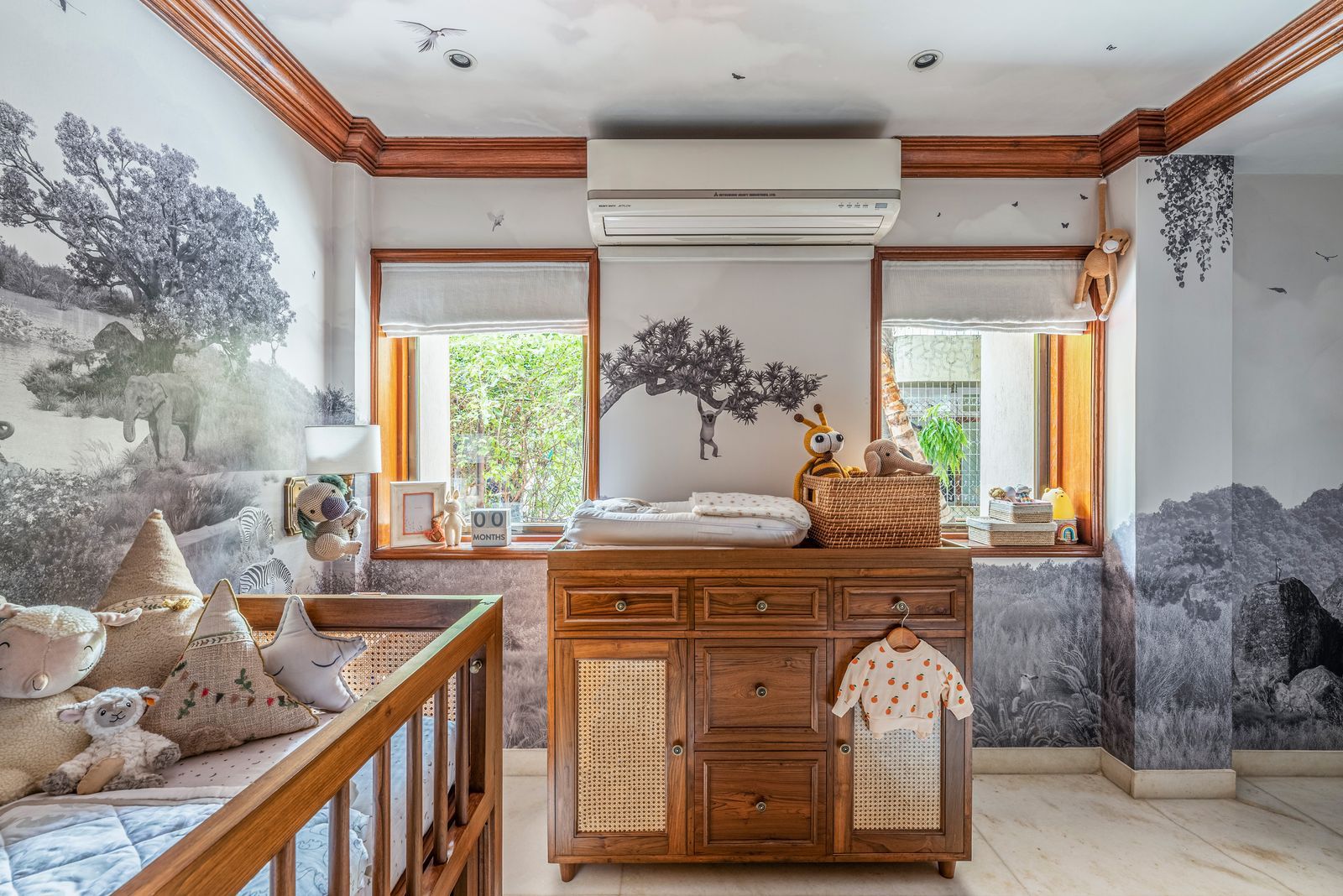
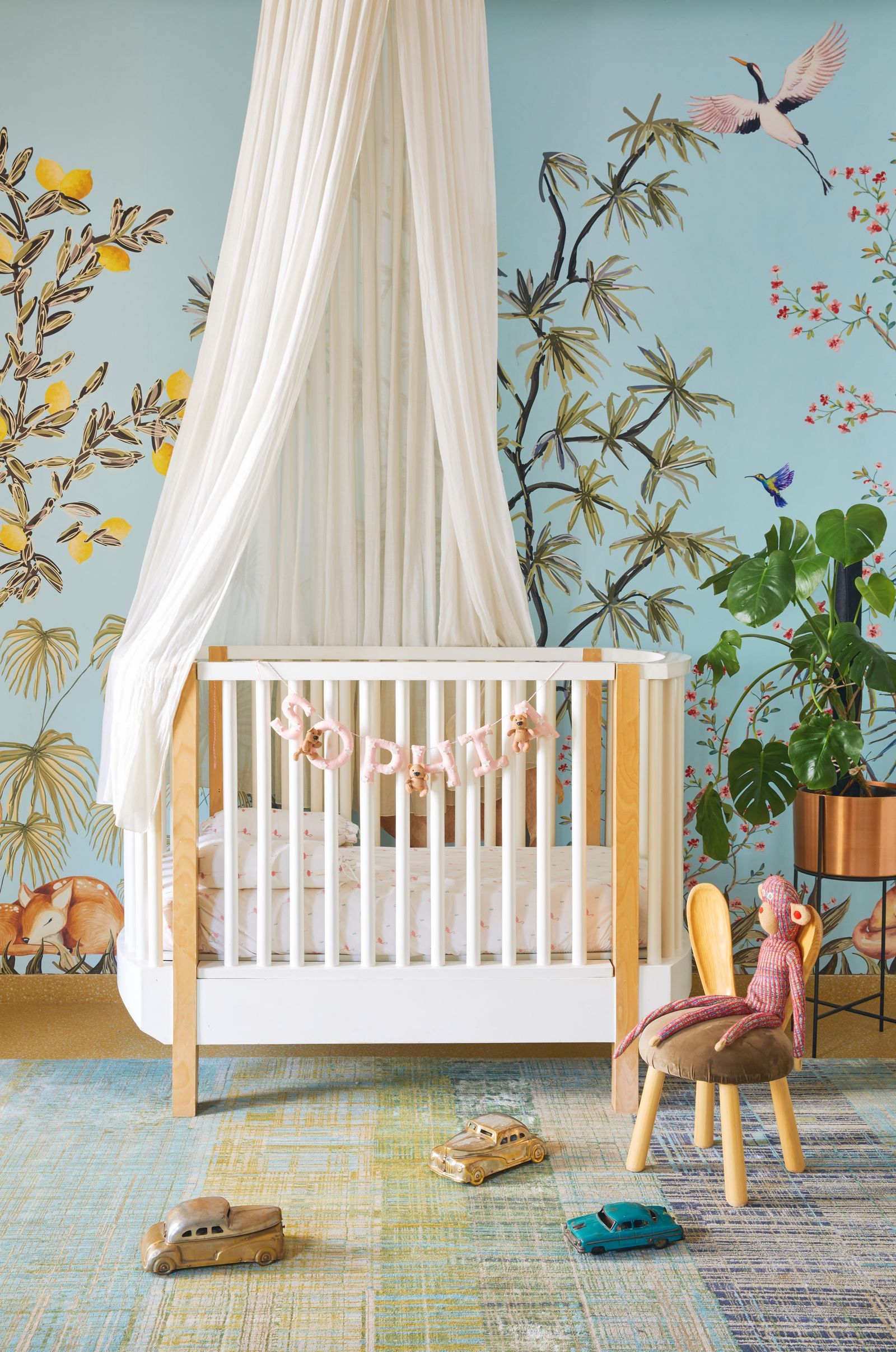
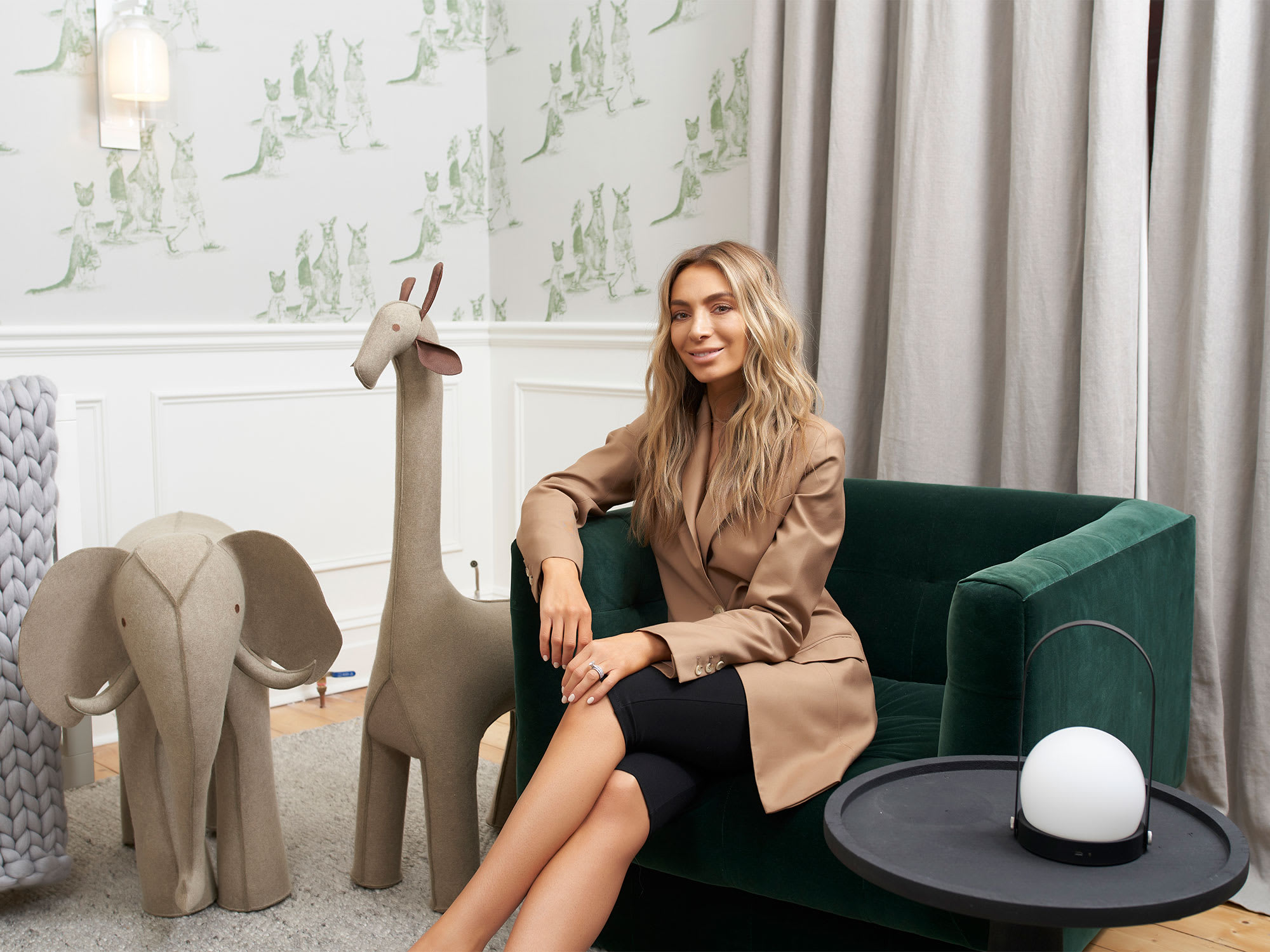

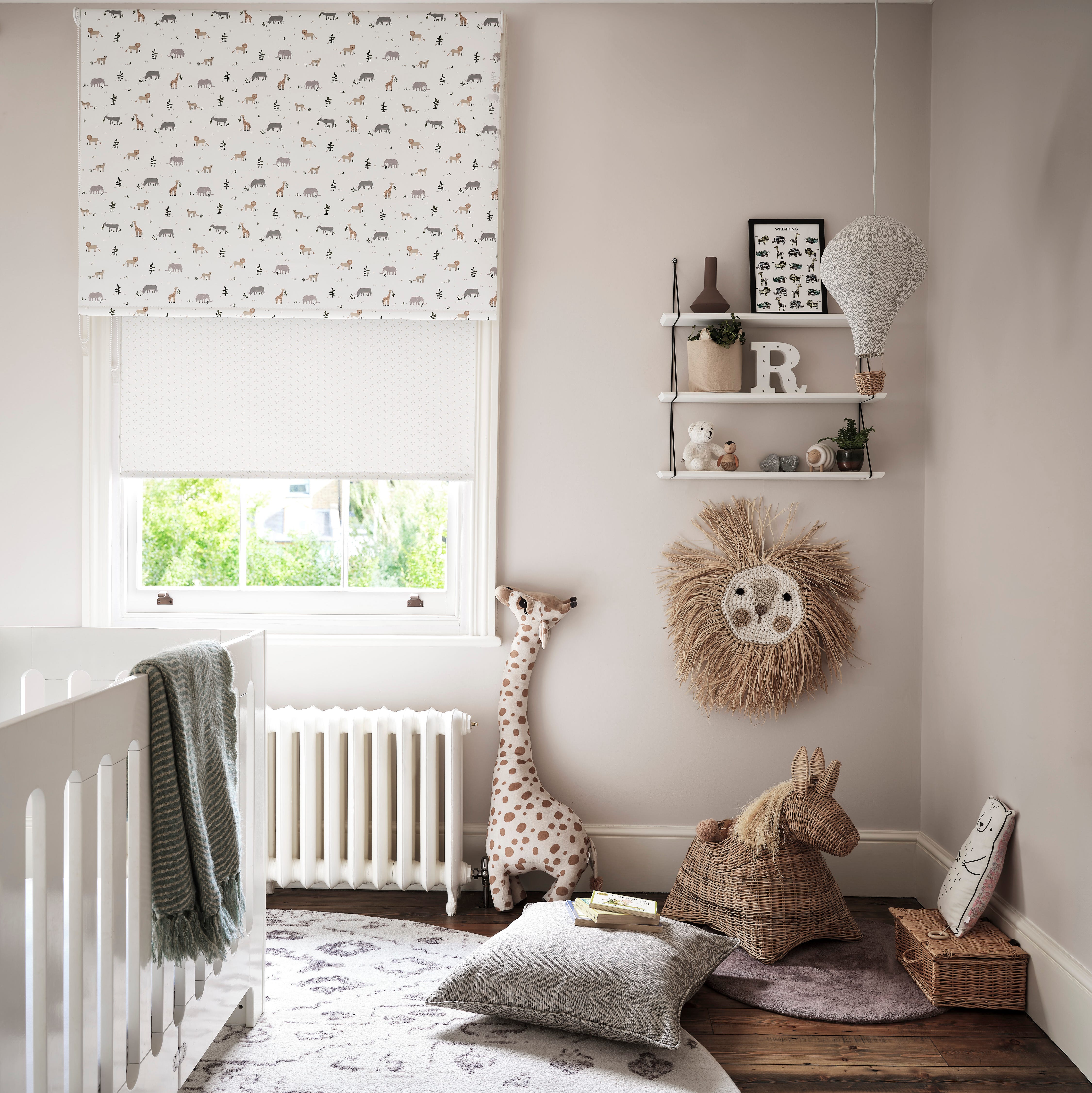
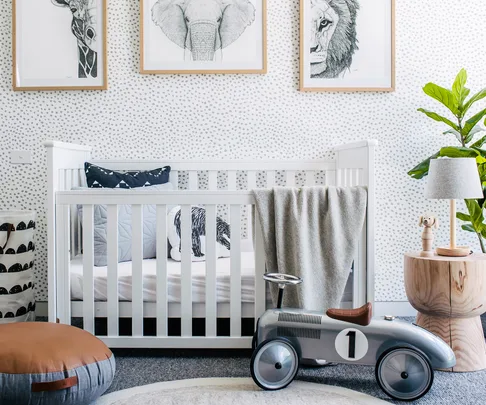
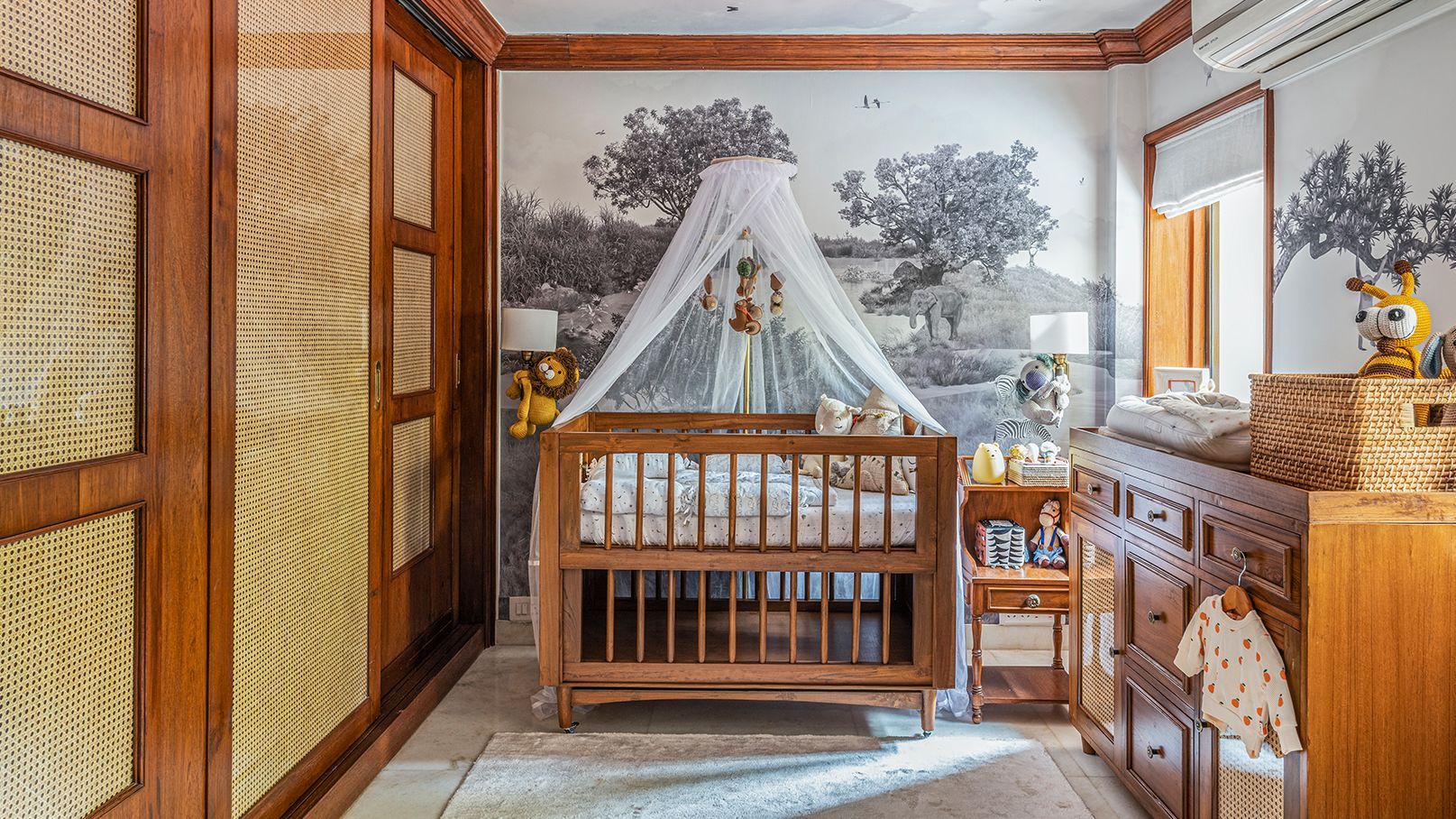

One effective strategy for designing such a nursery is to incorporate animal-themed wallpaper. This introduces elements of nature and encourages learning by exposing children to large images of animals like elephants and giraffes, fostering an early interest in the natural world. Interior designers emphasize creating a dreamlike and adaptable space where imagination can flourish, recommending lacquered materials for easy cleaning, colorful wallpapers, and tactile fabrics for softness and warmth.
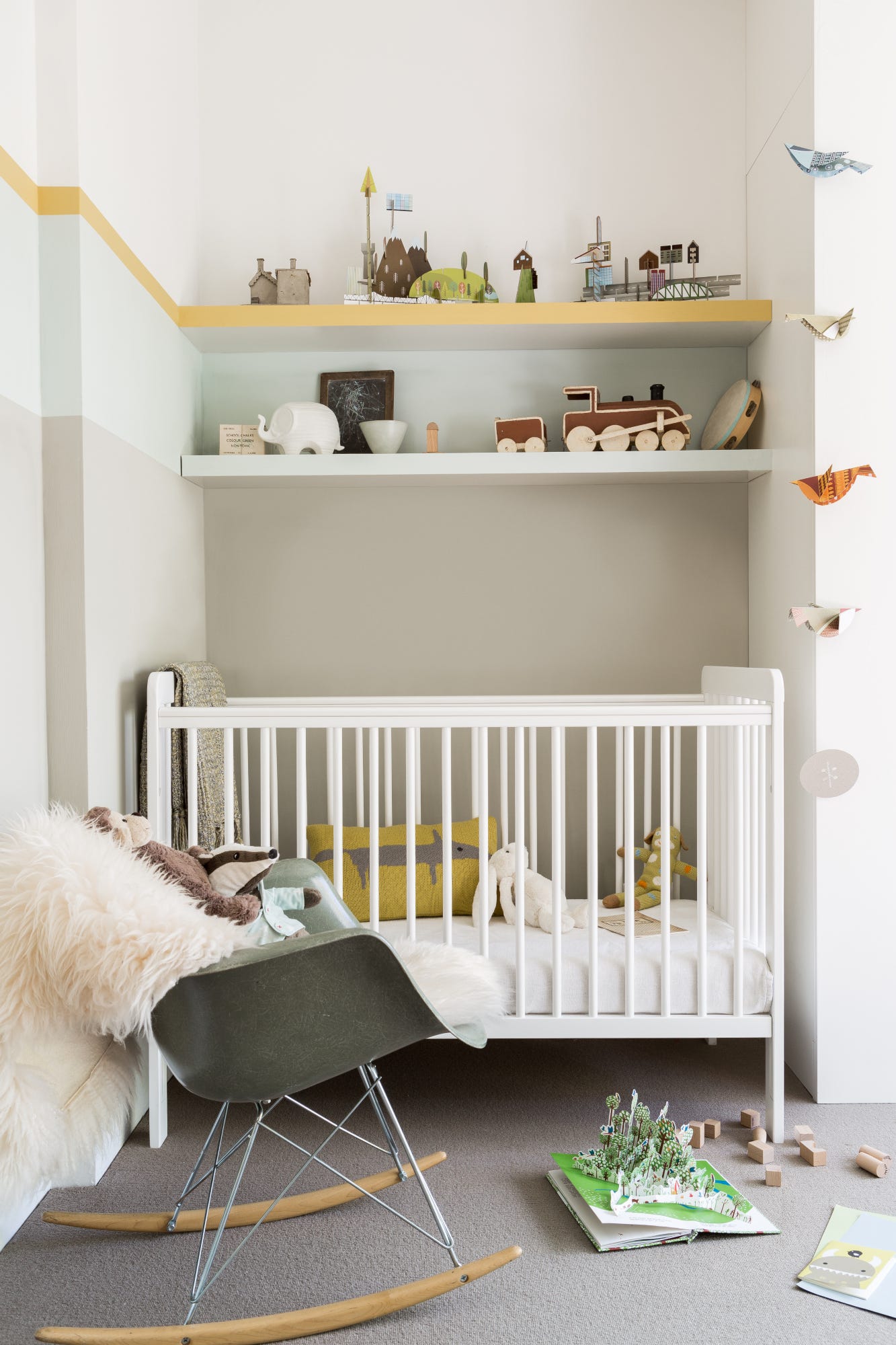
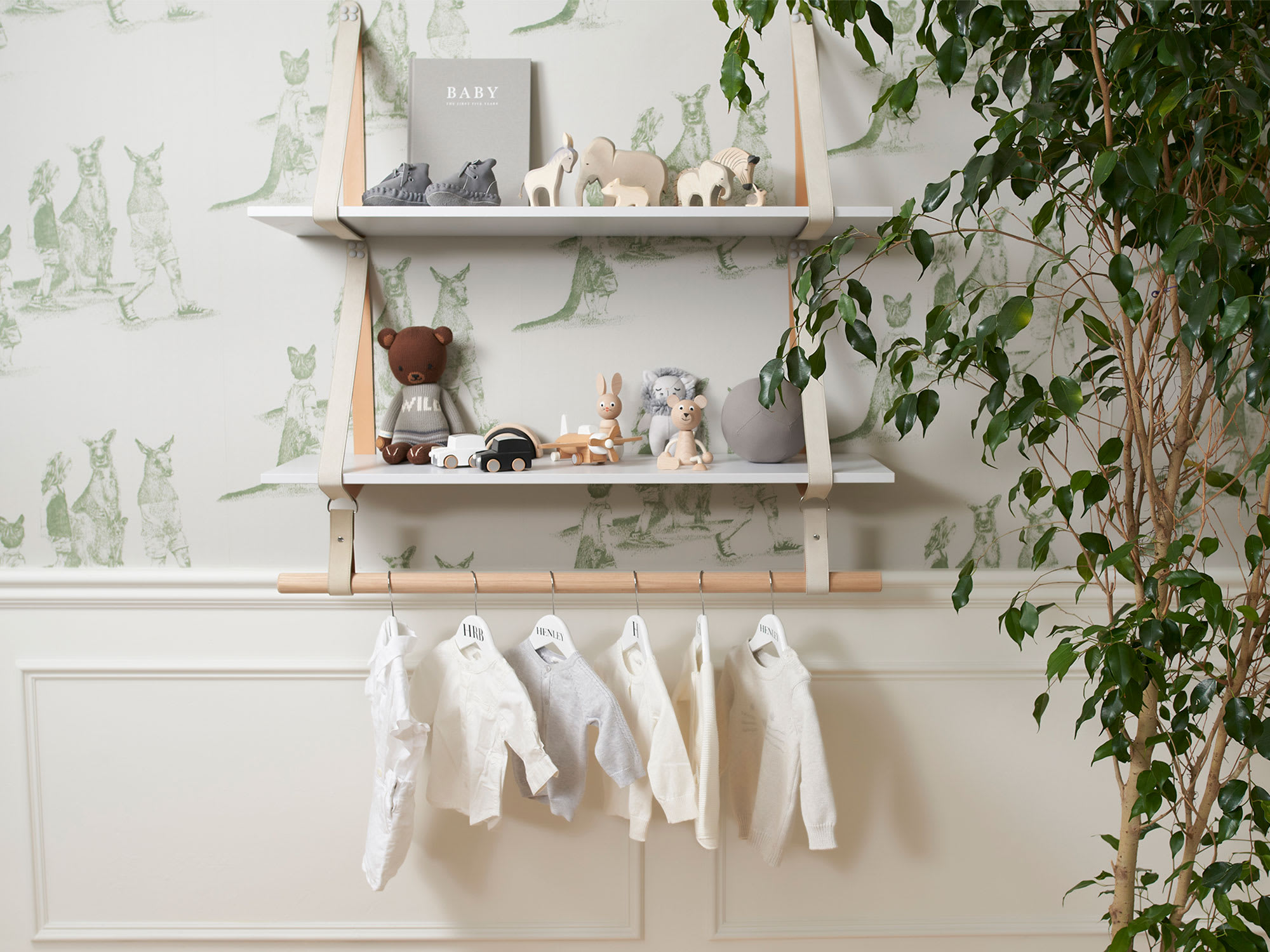
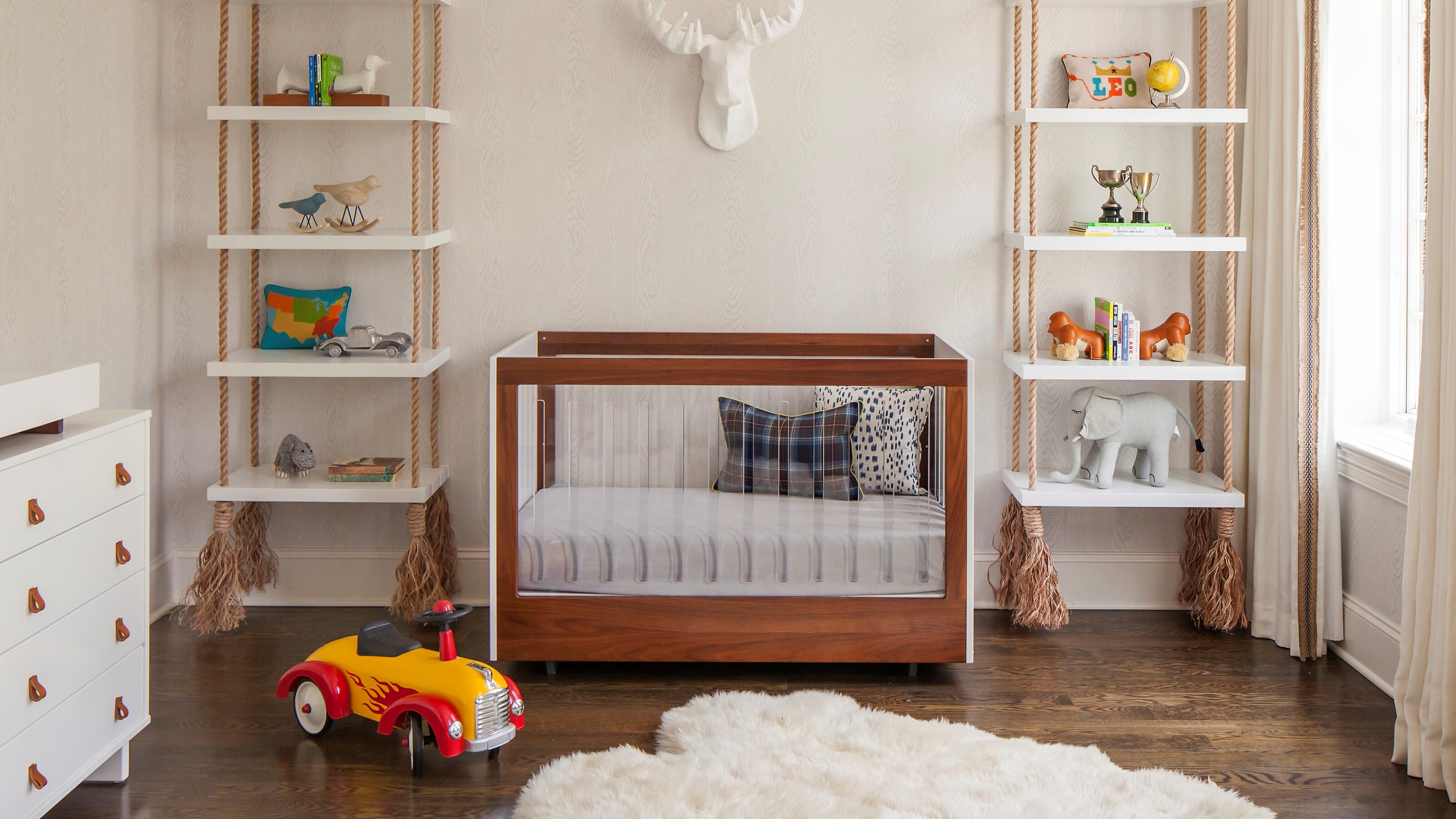
For smaller spaces, maximizing storage is crucial. Utilizing entire walls for cubbies and built-in shelving keeps essential items within easy reach, which is particularly beneficial during the chaotic early months of parenthood. Designers like Anne Sage advocate for ample storage to maintain a tidy, calm, and peaceful environment, essential for new parents spending countless hours in the nursery.
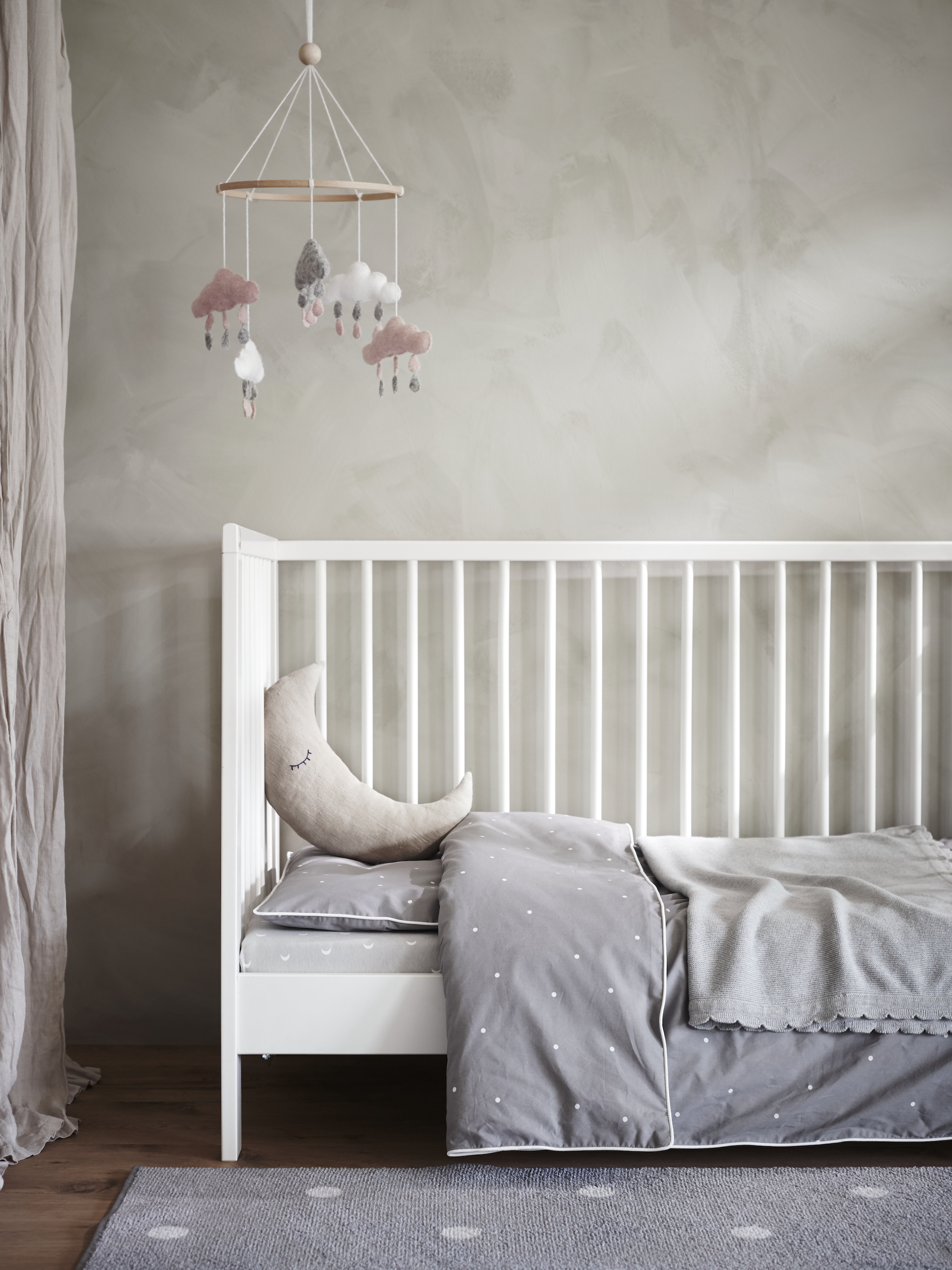
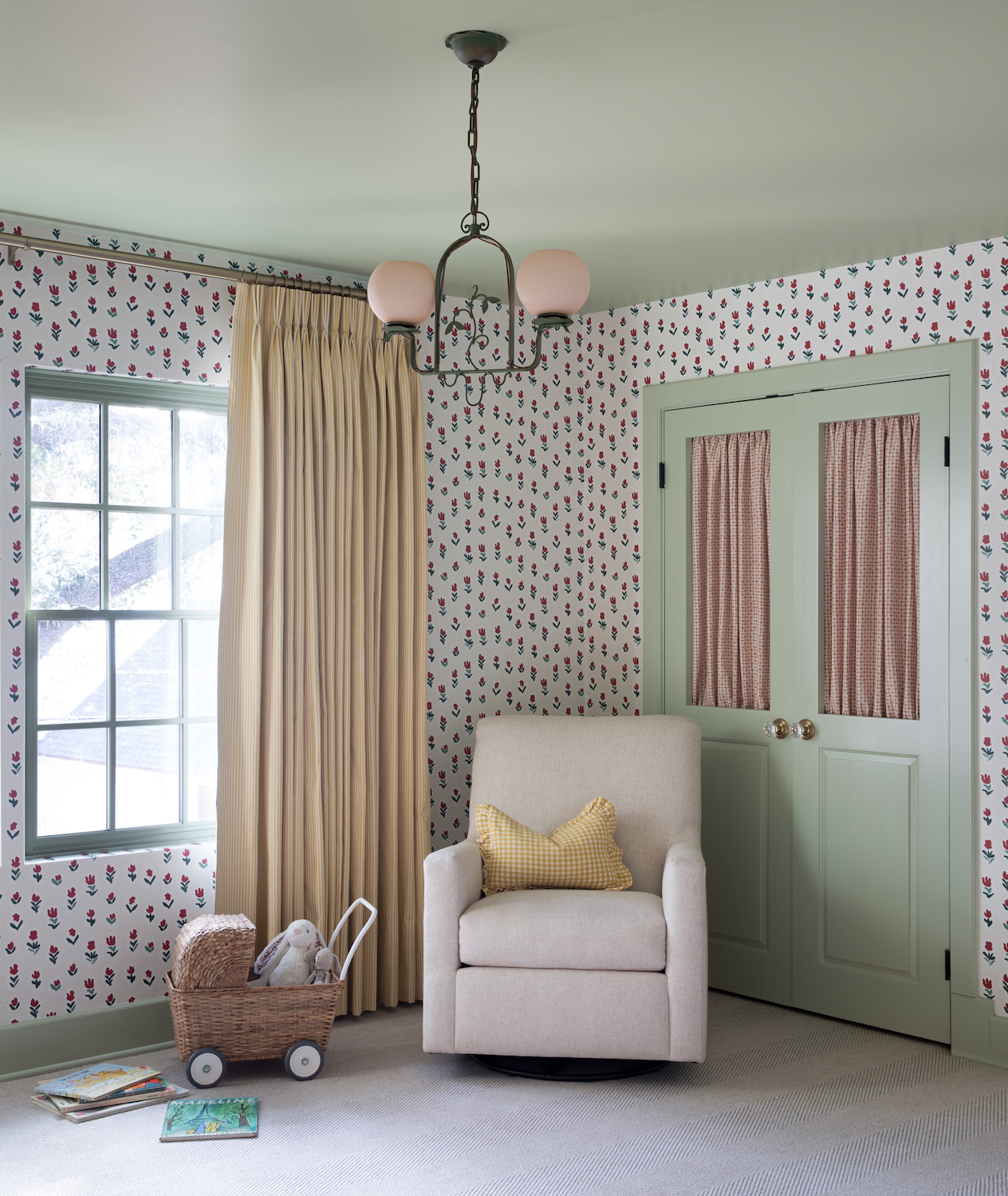
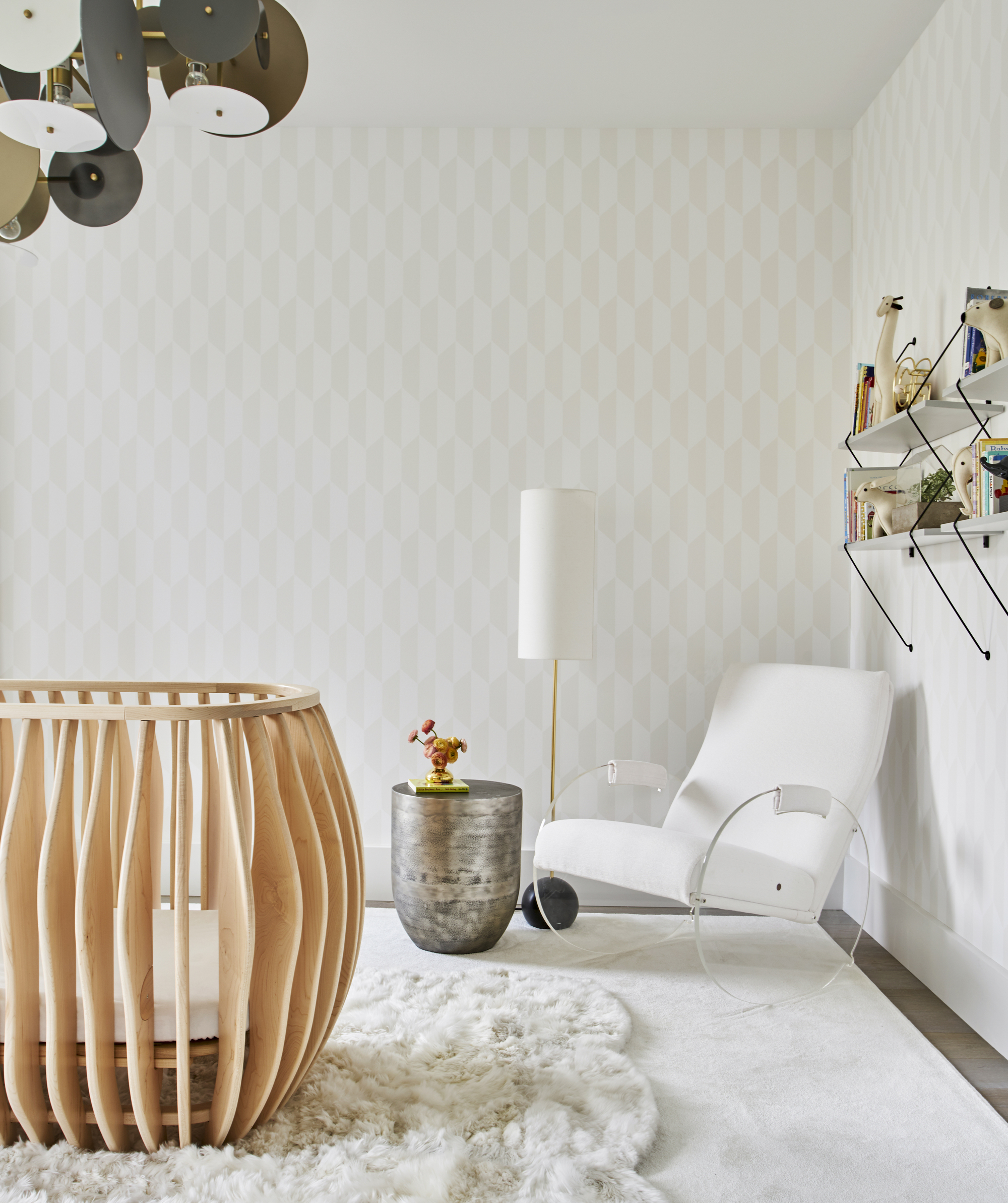
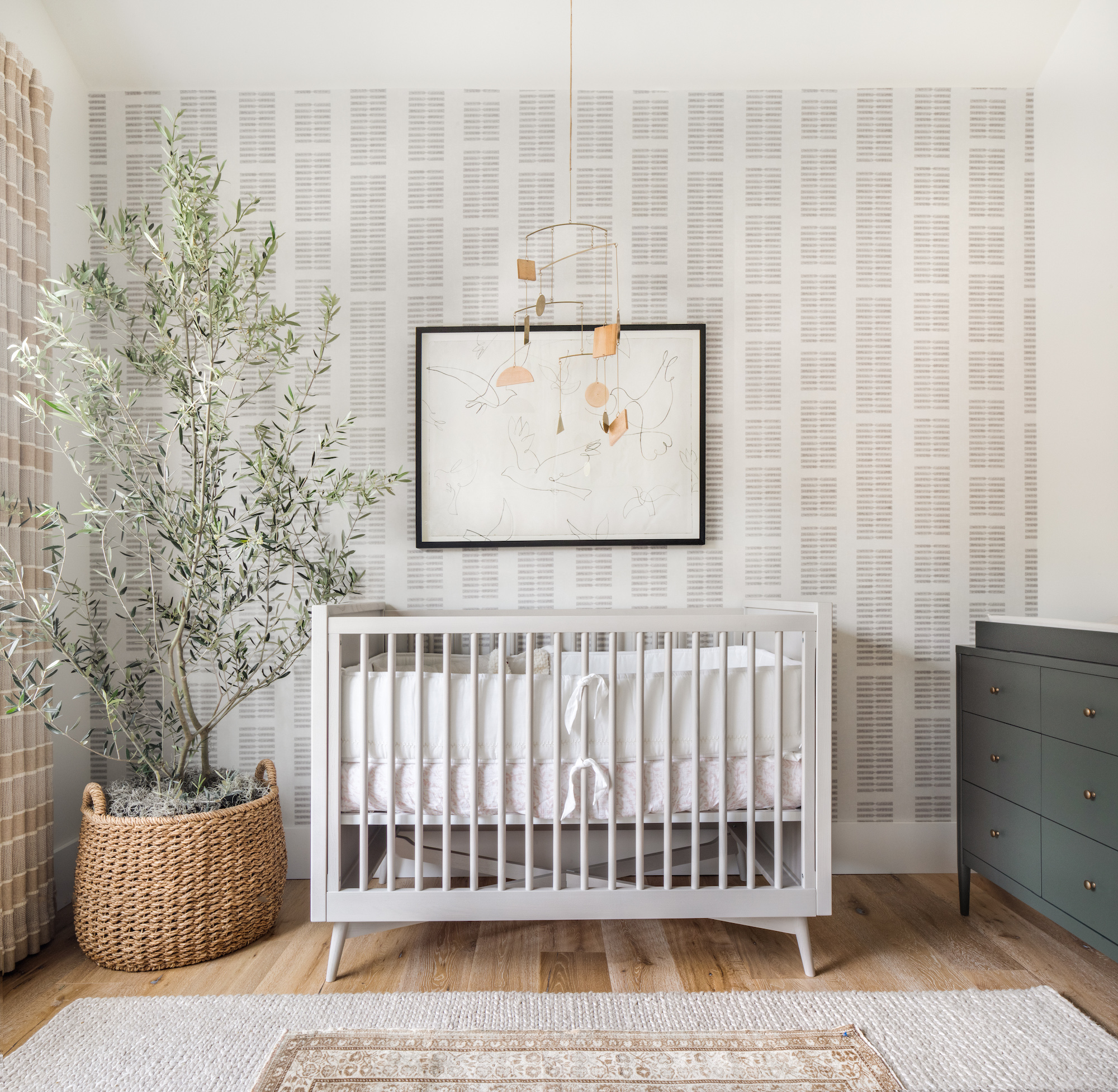
Creating a soft and gentle space through plush materials is another vital aspect. A sensory-rich environment, achieved by introducing various textures such as wool, cotton, and wood, aids in a child’s development and learning. Visual stimulation can be provided through classic unisex designs like stripes, gingham, and polka dots. Dimmable lighting, blackout window treatments, and super plush rugs are also recommended to foster a soothing atmosphere conducive to sleep, with a preference for subdued color palettes over loud or garish hues.
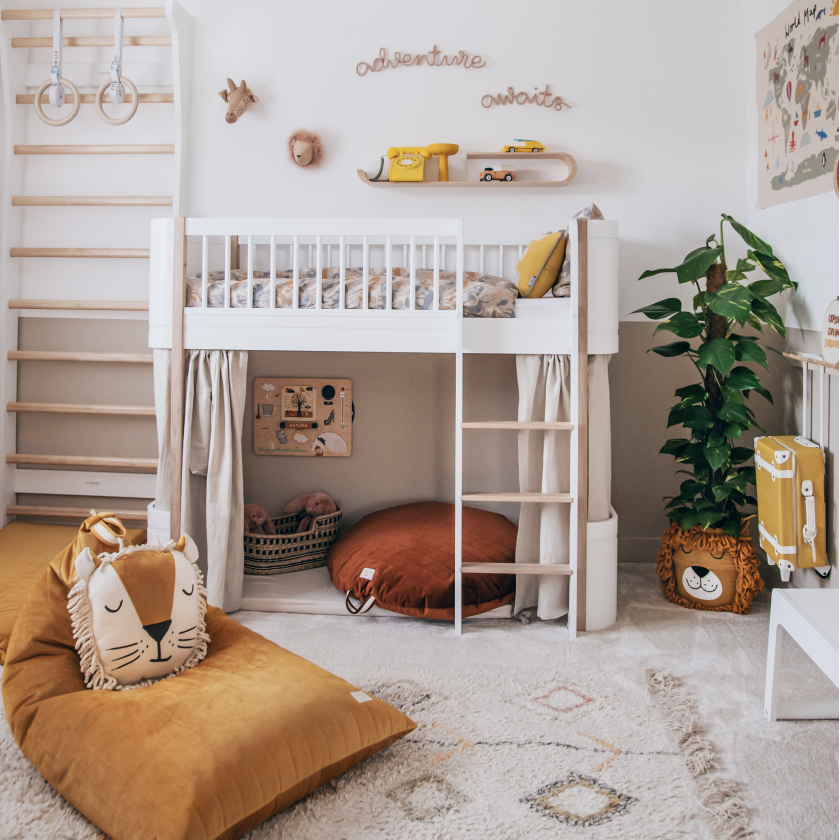
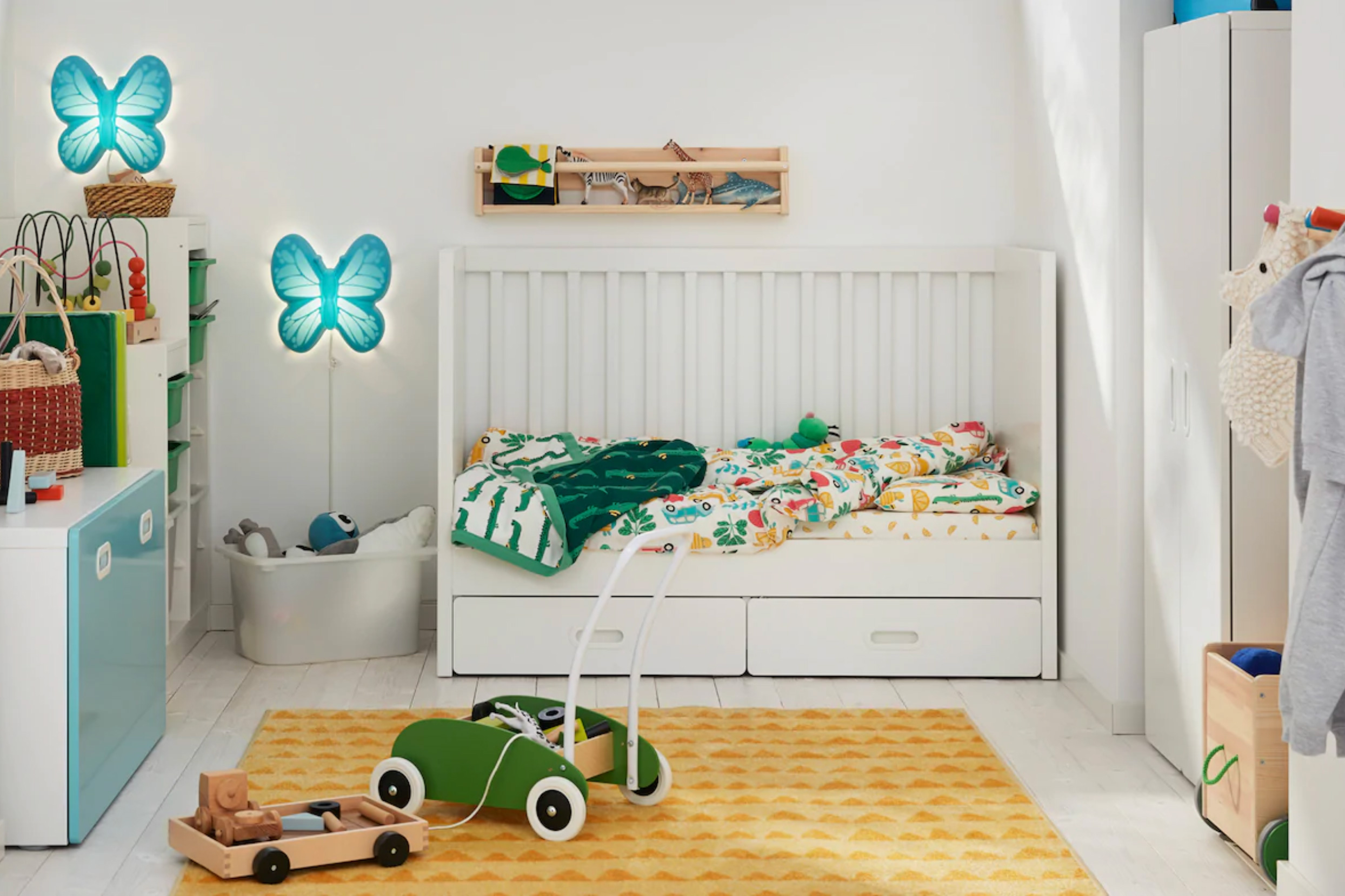
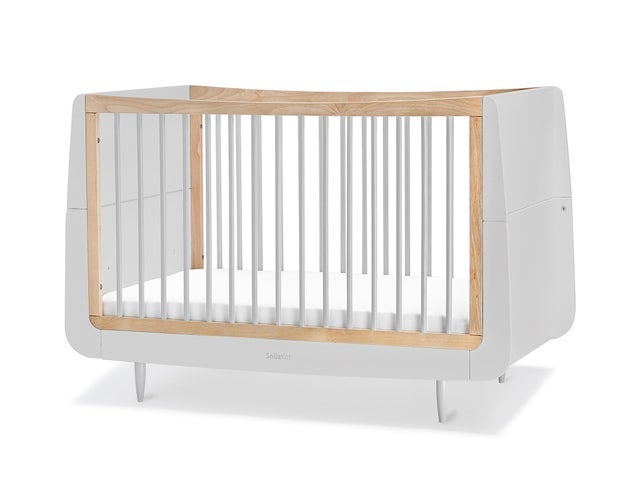
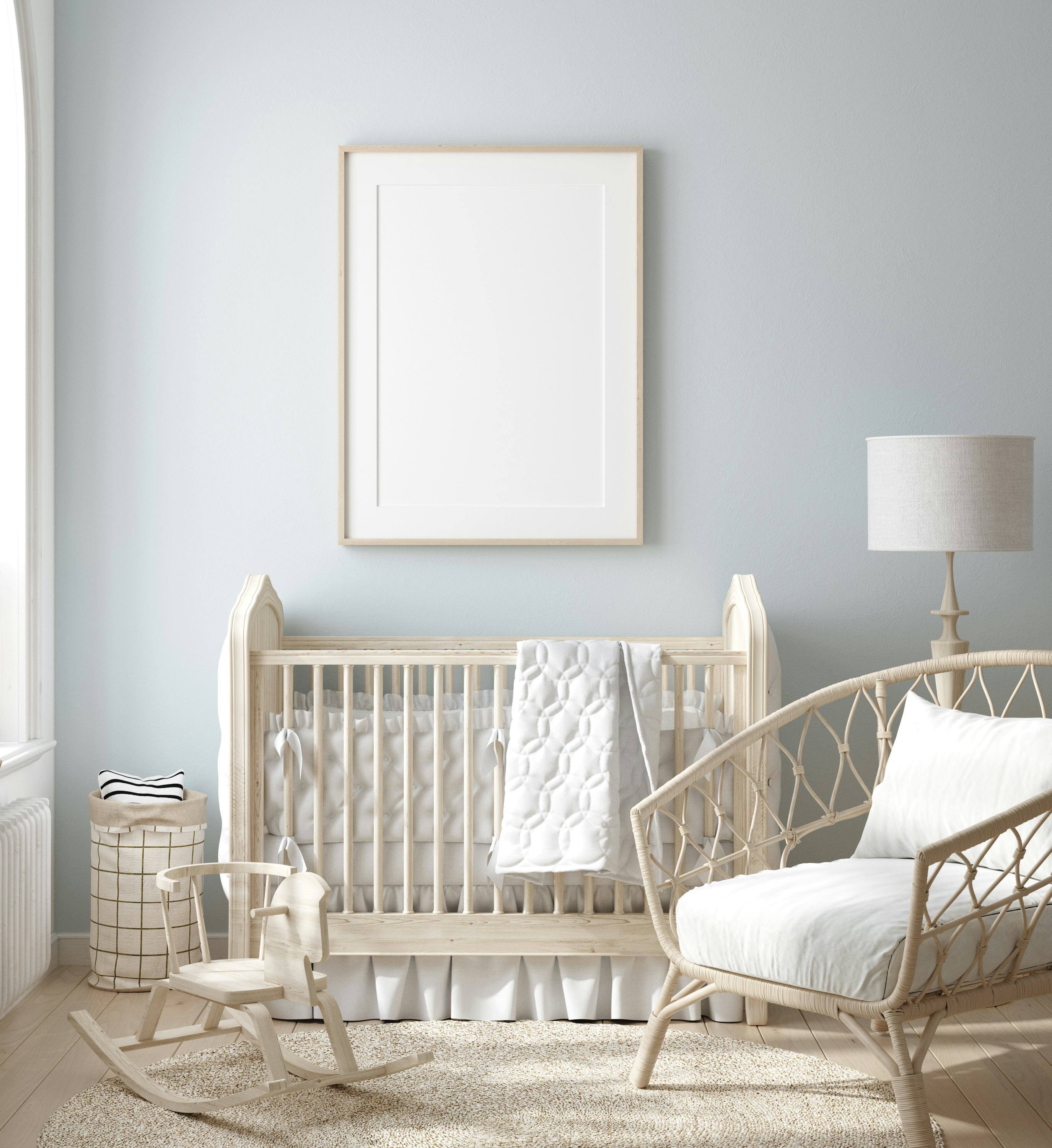
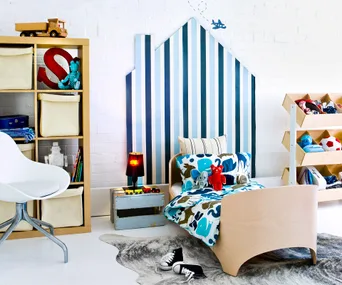
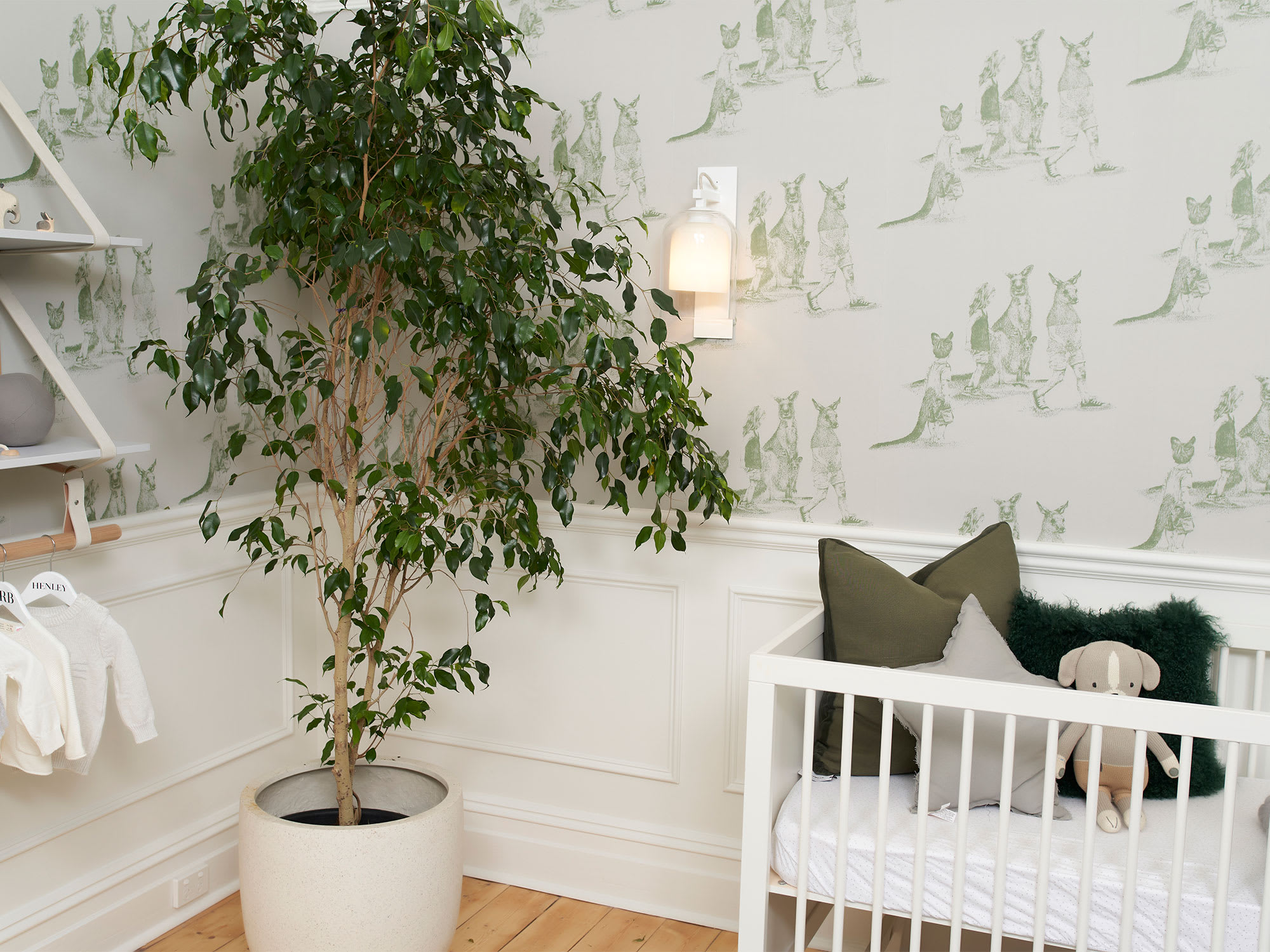
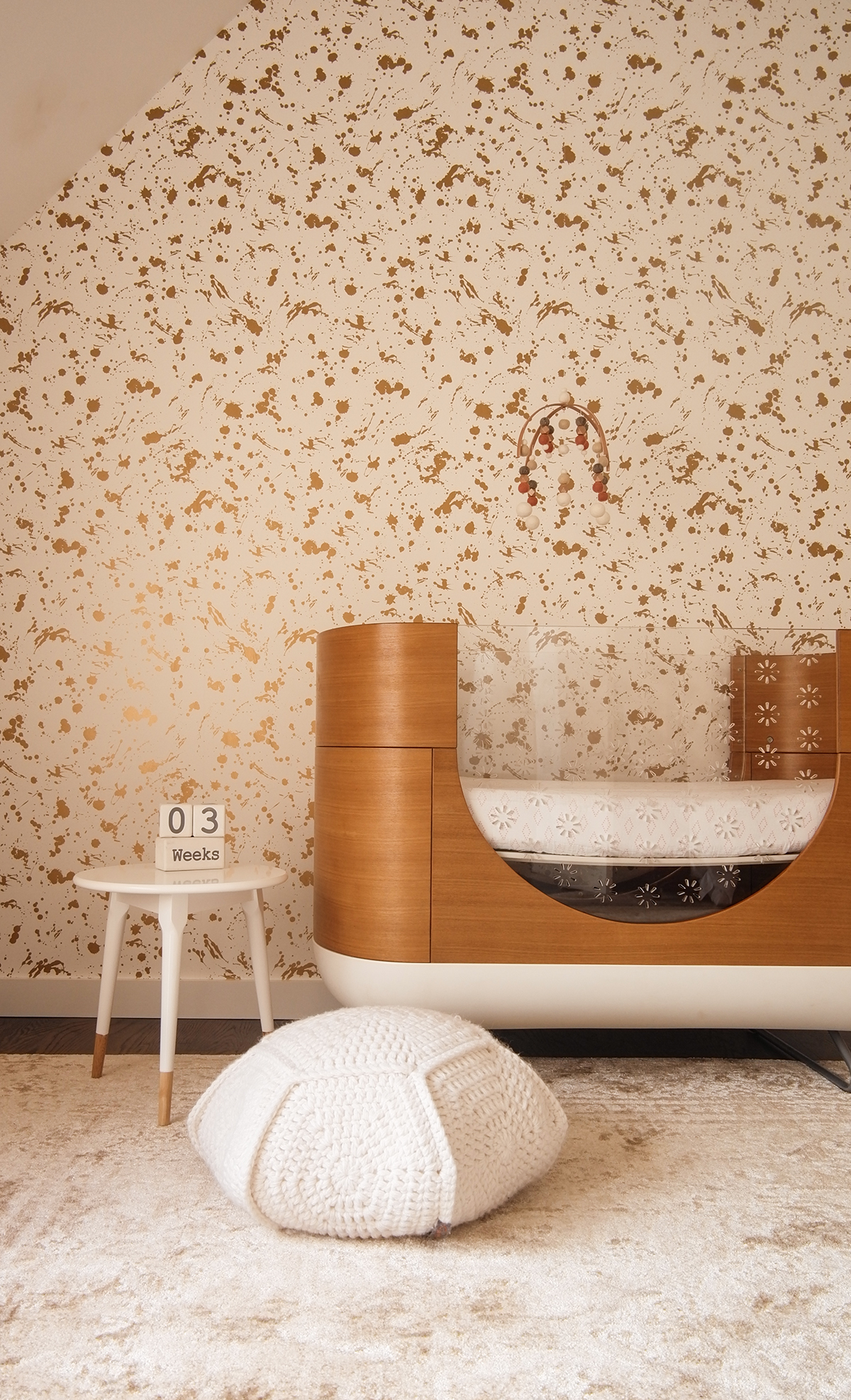
Designing a space that grows with the child involves selecting multipurpose furniture. Convertible cribs that transition into toddler beds and daybeds that serve multiple functions ensure the room remains relevant as the child ages. Neutral nurseries offer a timeless appeal, and features like chalkboard paint can encourage creativity as toddlers grow. The focus is on classic details and sophisticated designs that remain appropriate from infancy through teenage years.
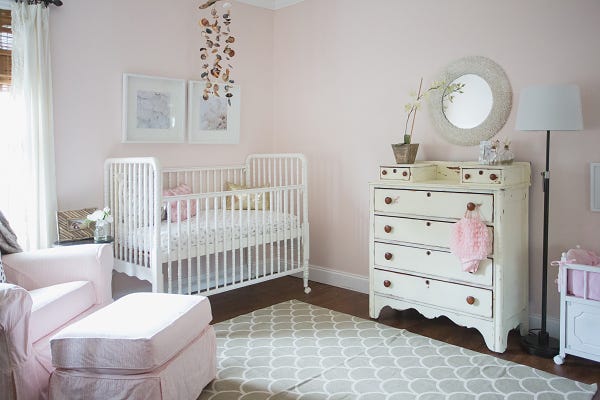
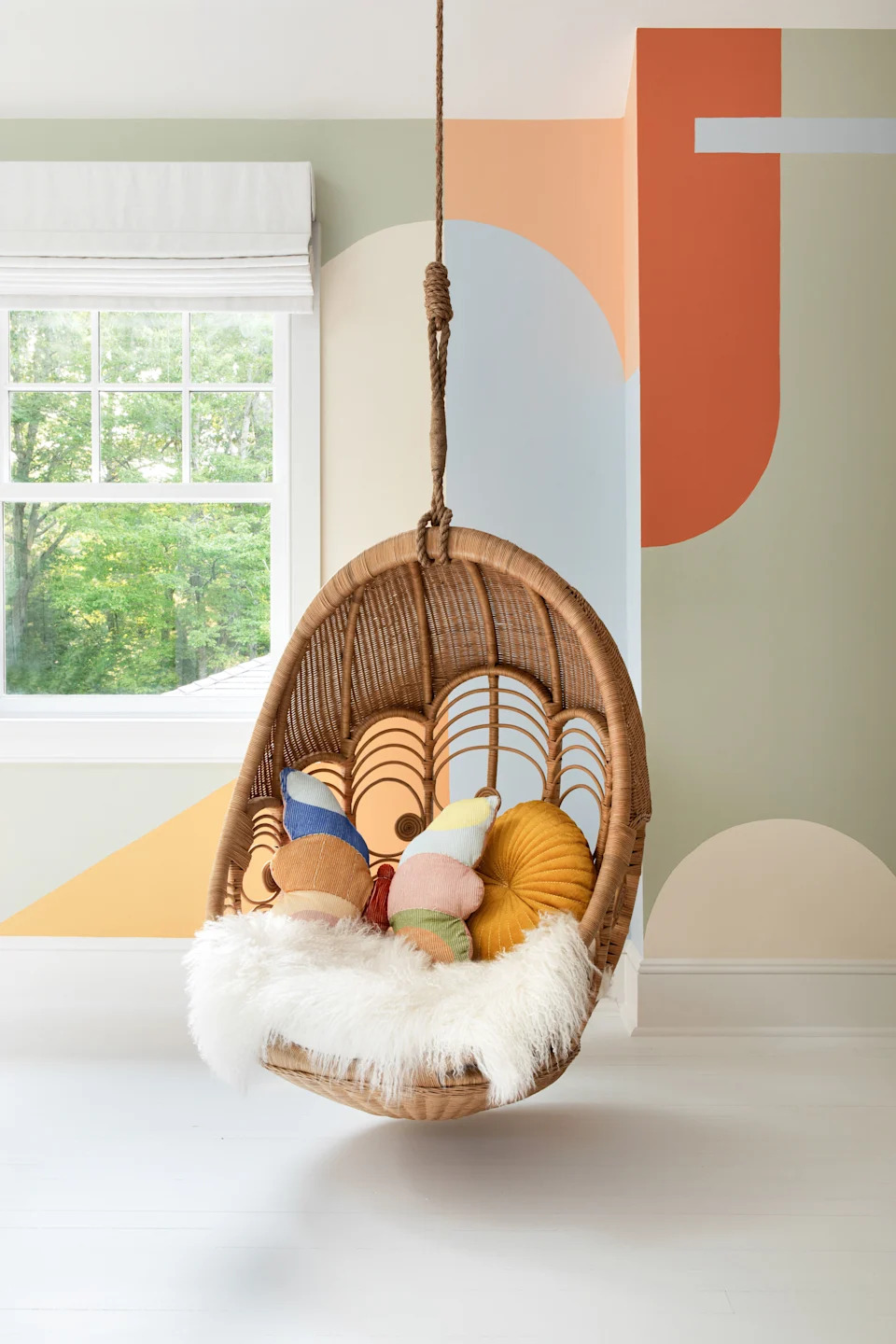
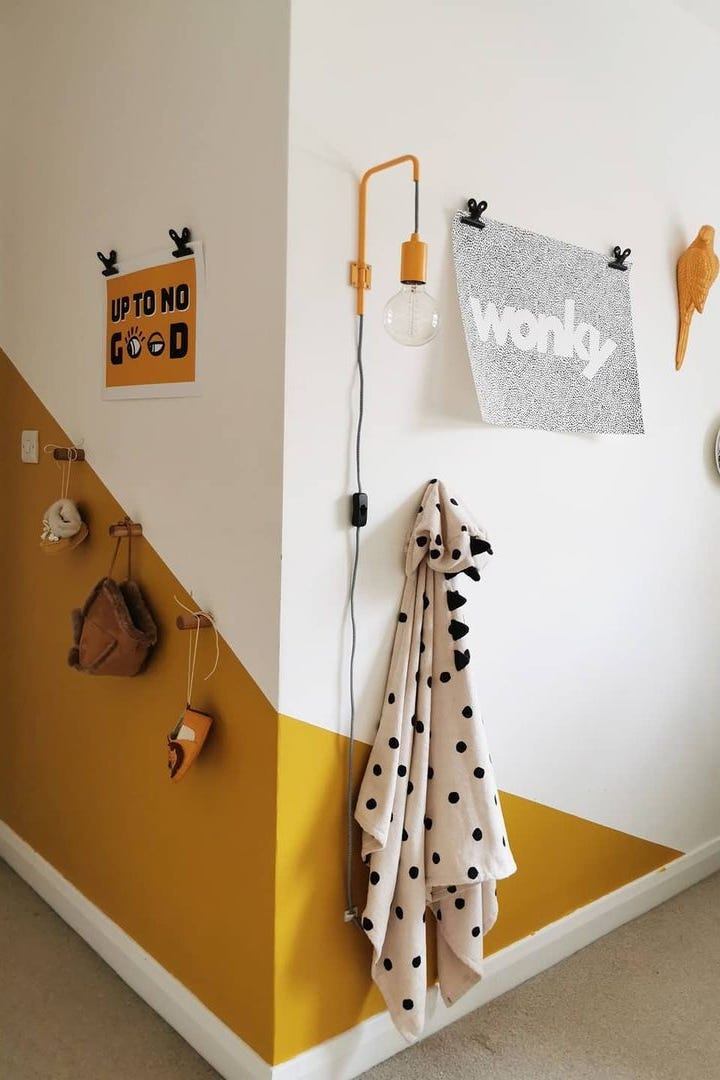
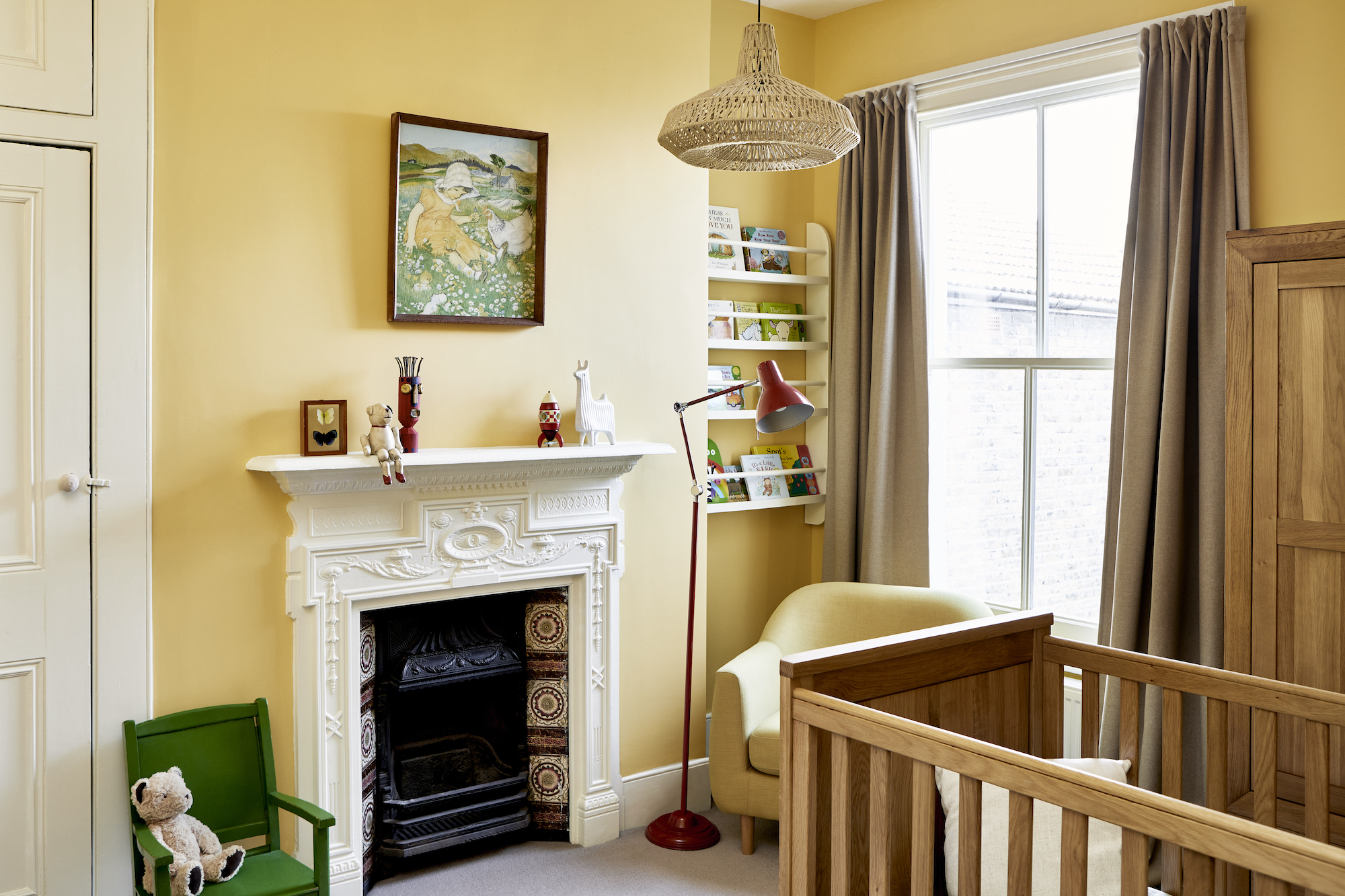
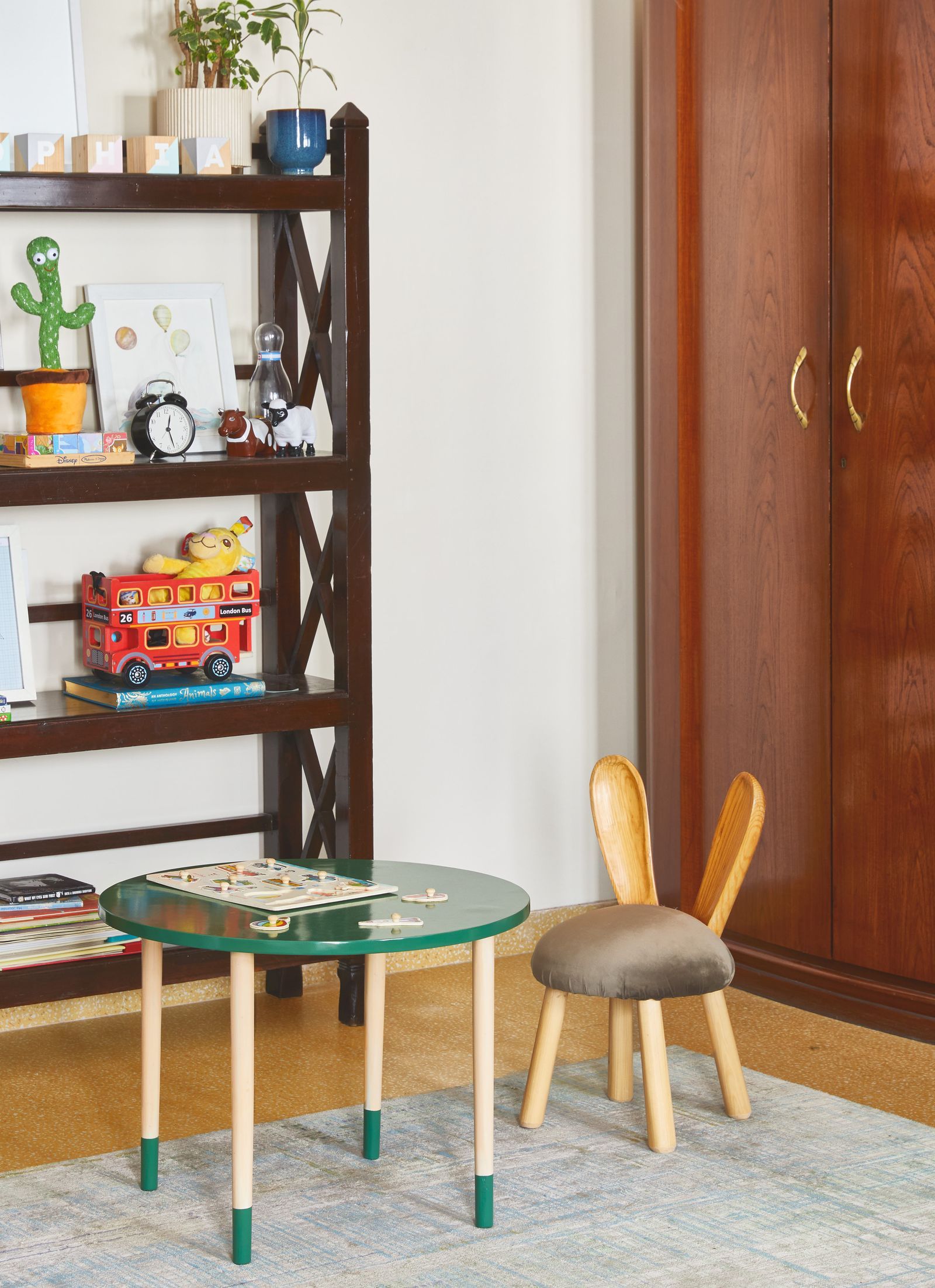
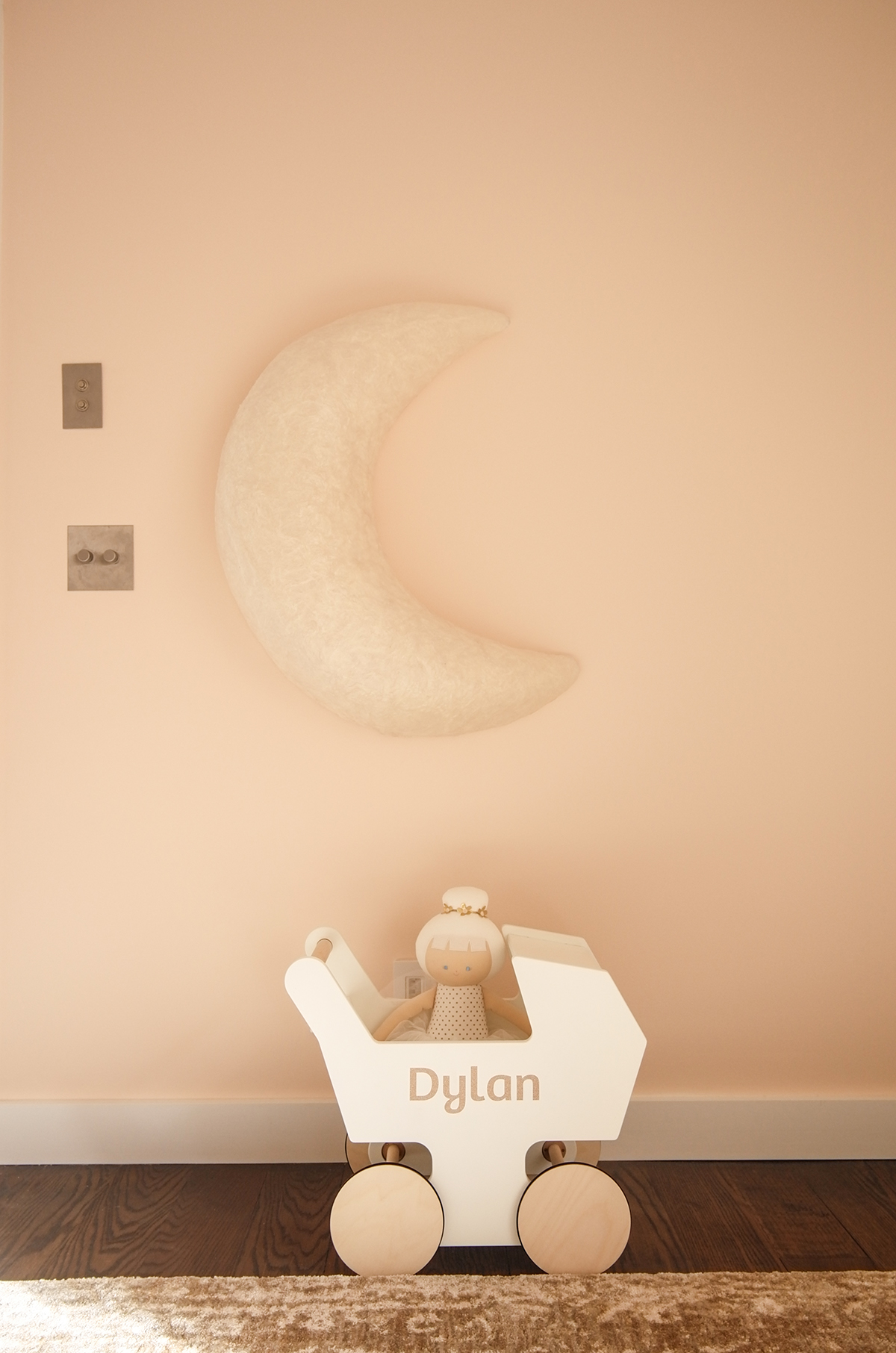
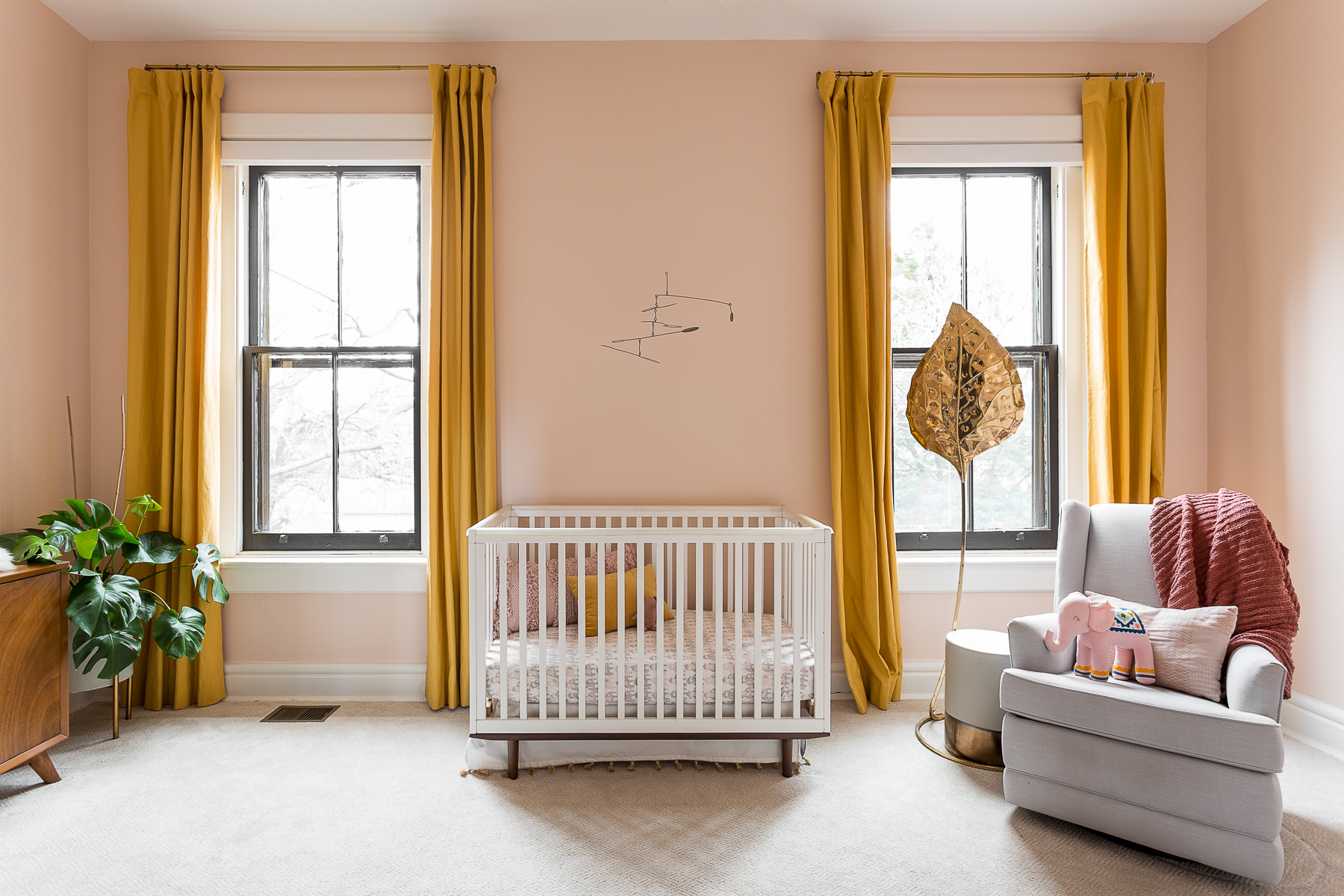
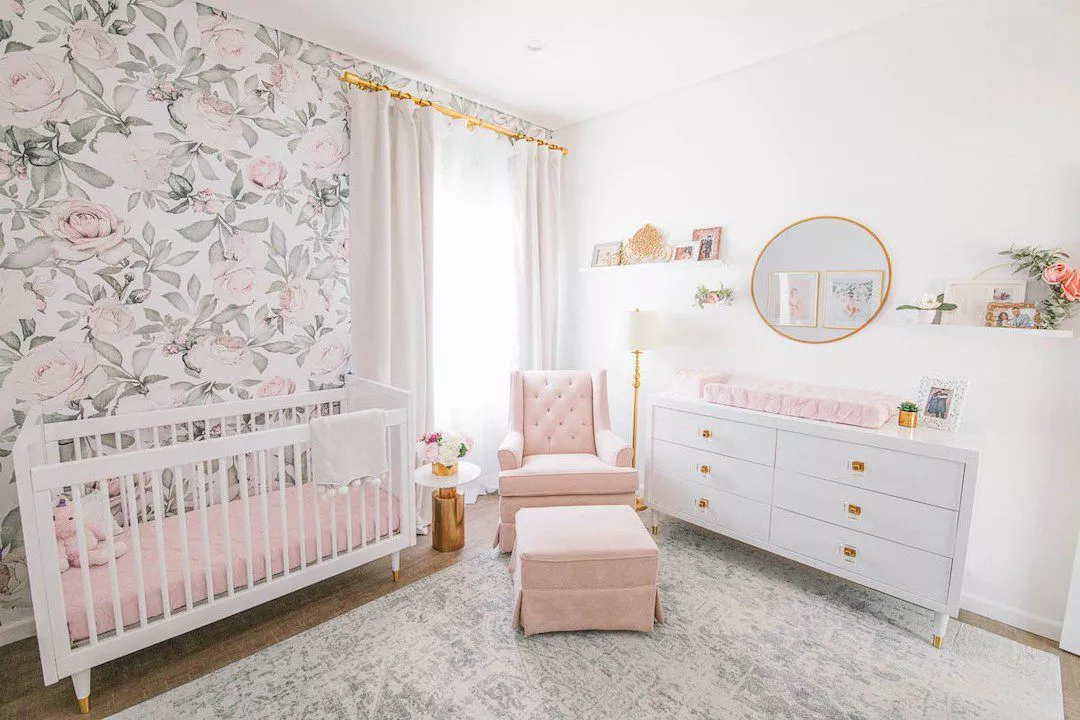
Reserving bold colors for furniture and decor, rather than walls, allows the room's character to be easily updated. This approach ensures the structural elements remain timeless, while vibrant pieces can be interchanged to reflect changing tastes. Comfortable nursery chairs are also highlighted as essential investments, given the significant time parents spend in them. Pastel hues are suggested for walls to create a tranquil space, complemented by playful details like animal prints, bunting, and mobiles that can be easily updated.
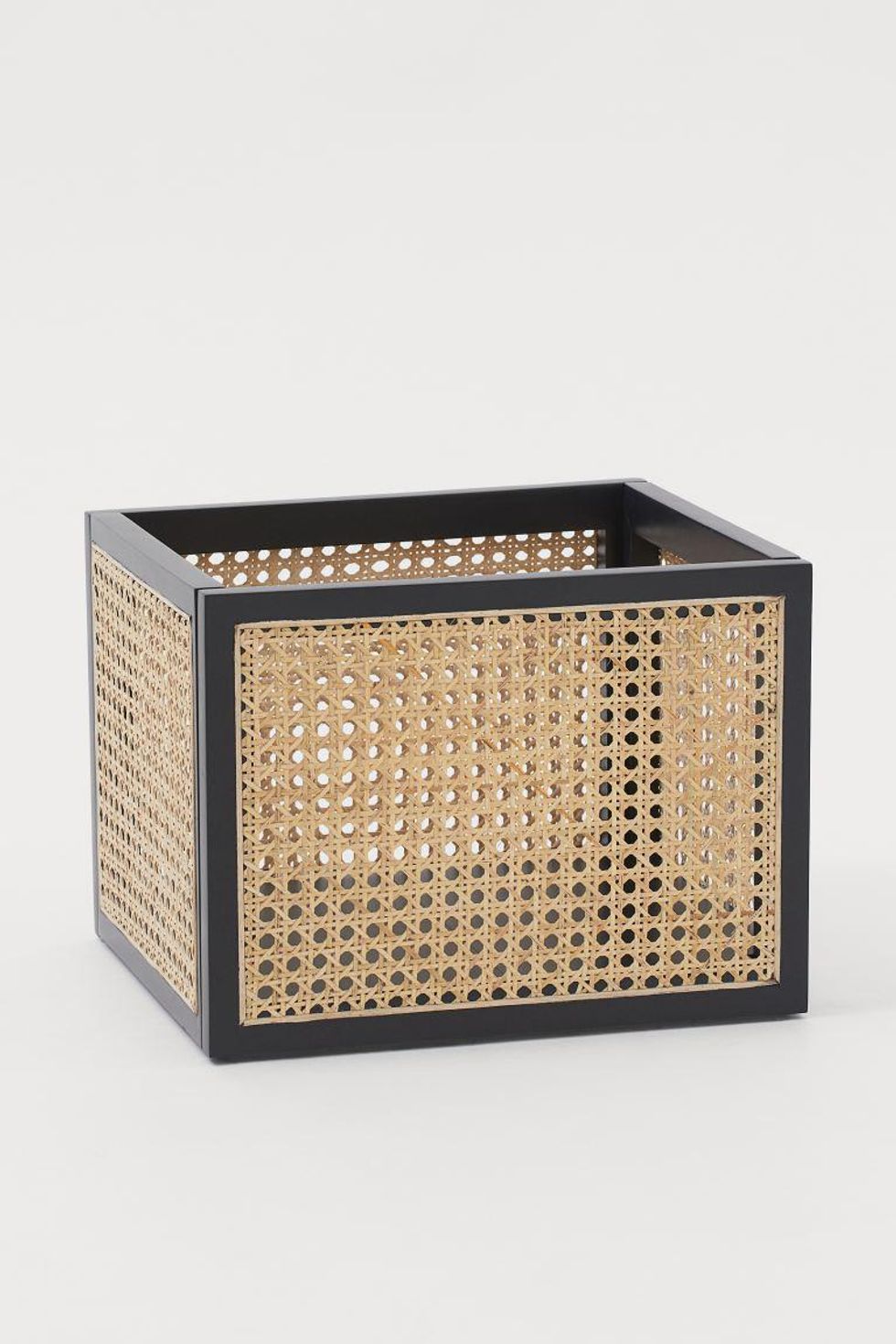
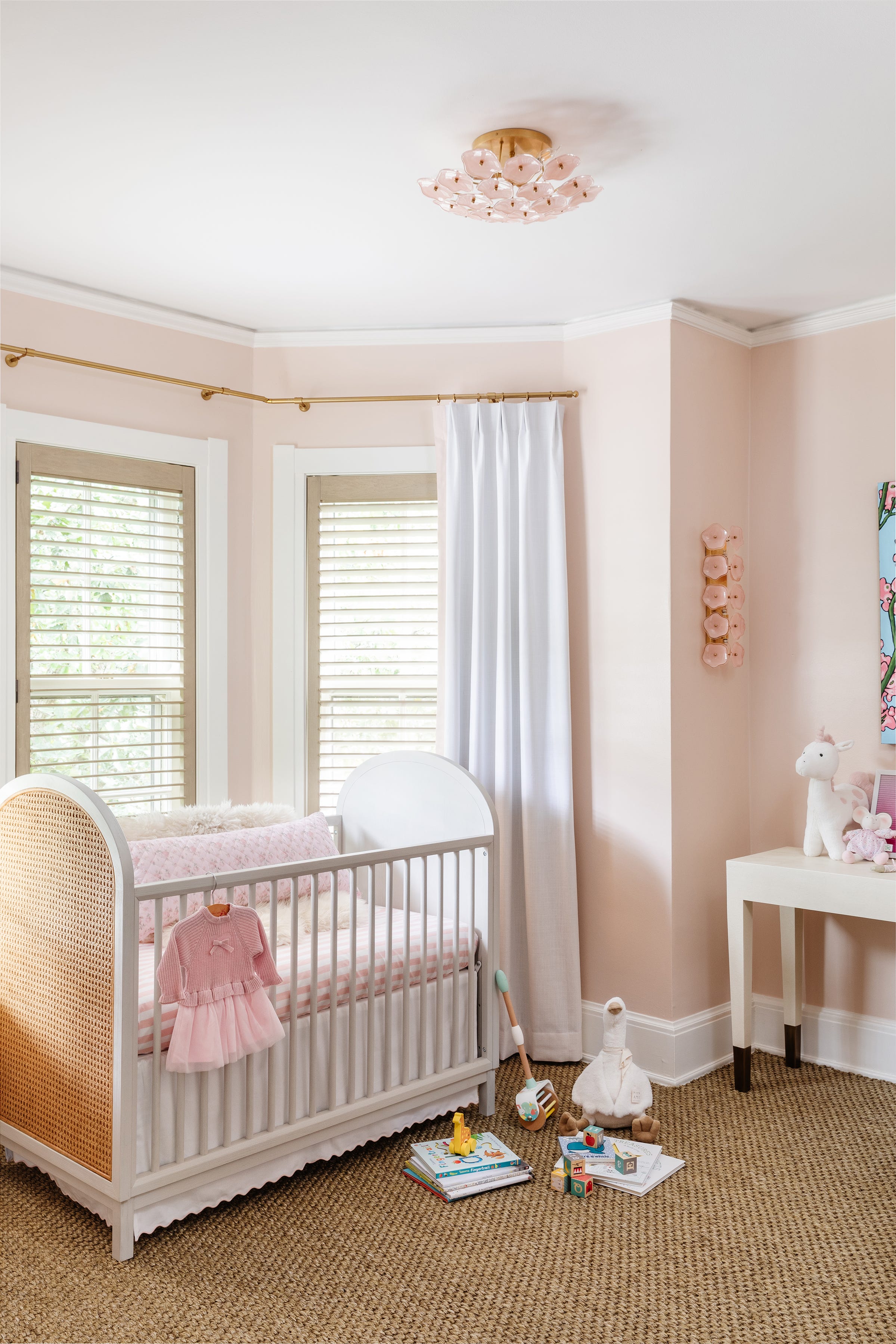
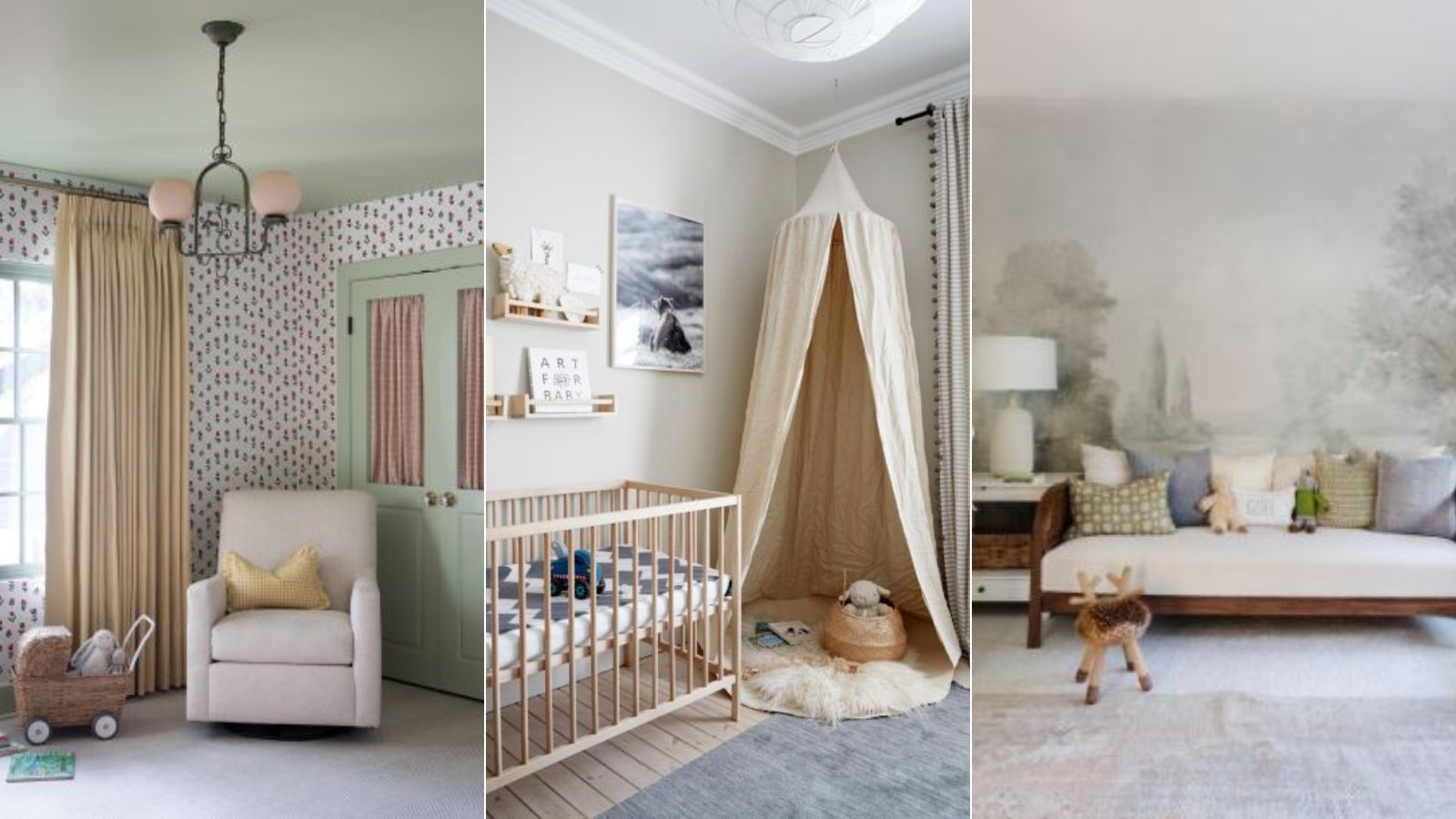
Effective storage expansion, using baskets or tubs, is necessary to manage the extensive array of items in a nursery, from toys and books to diapers and clothes. Labeling these containers helps maintain organization. Choosing paint colors that induce sleep, such as pastels or blue tones, contributes to a calm atmosphere, promoting better rest for the child. Warm shades like pink, red, or lilac can create a cocooned feeling, while cool aqua or blue tones are known to be more conducive to sleep.
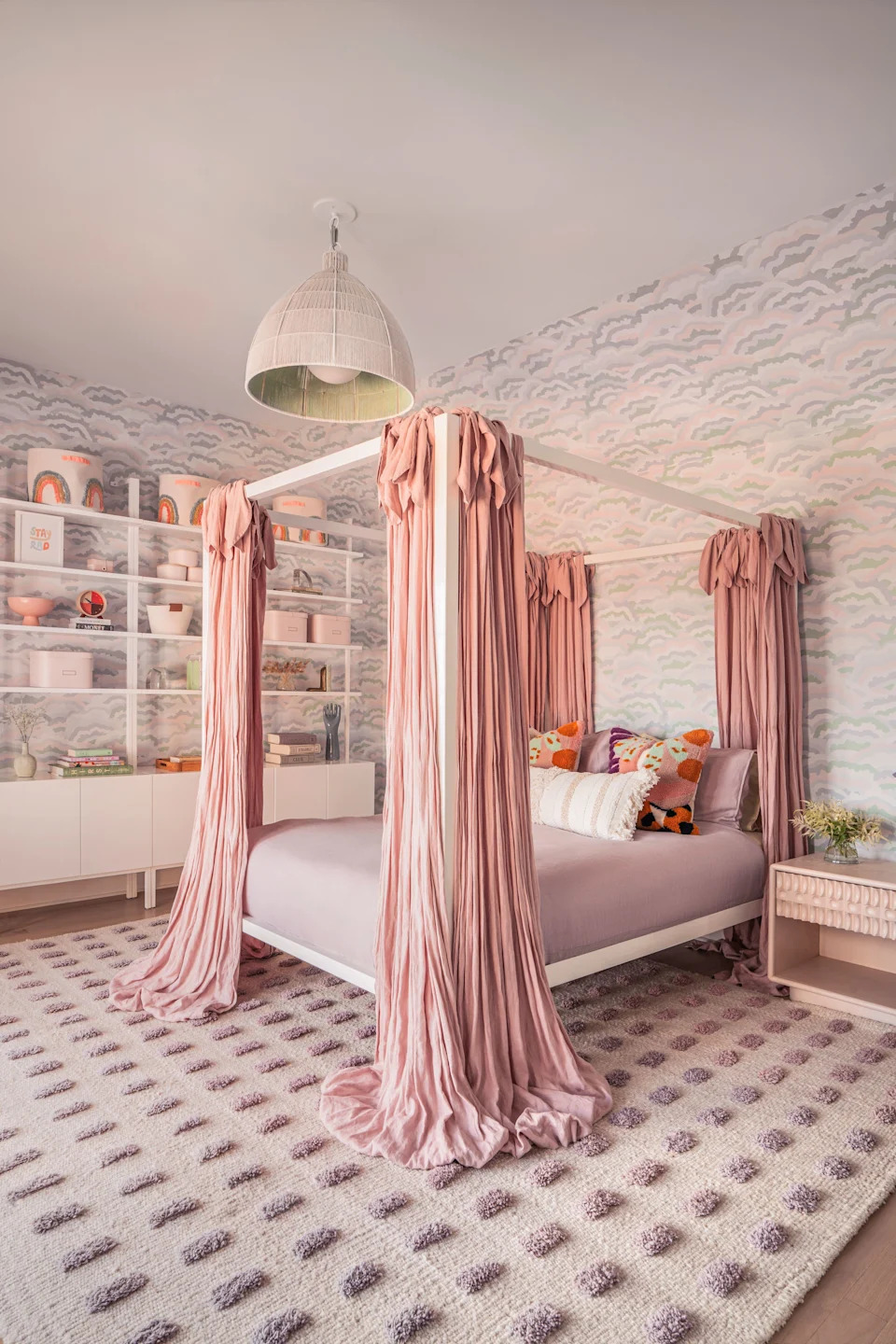
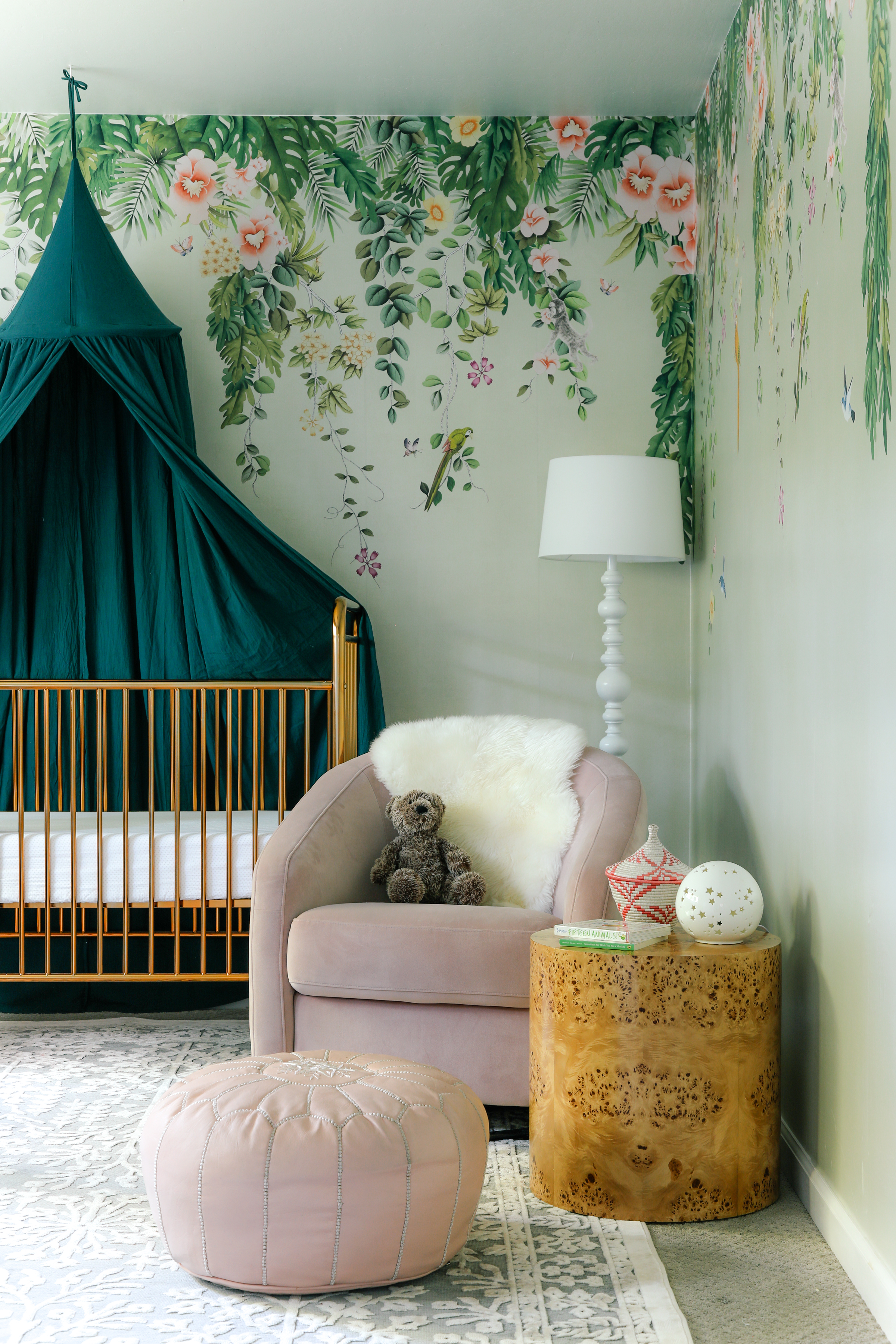
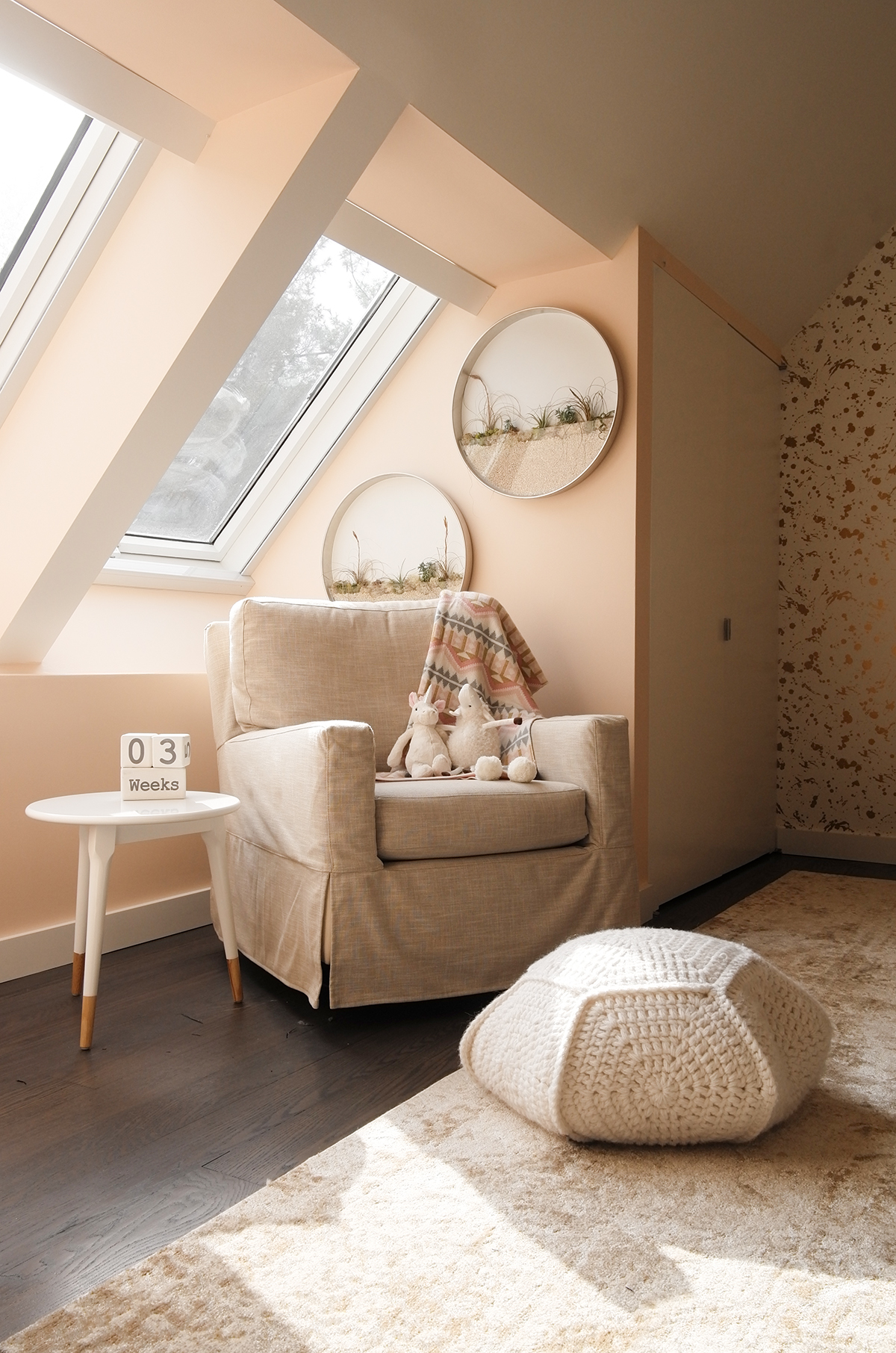
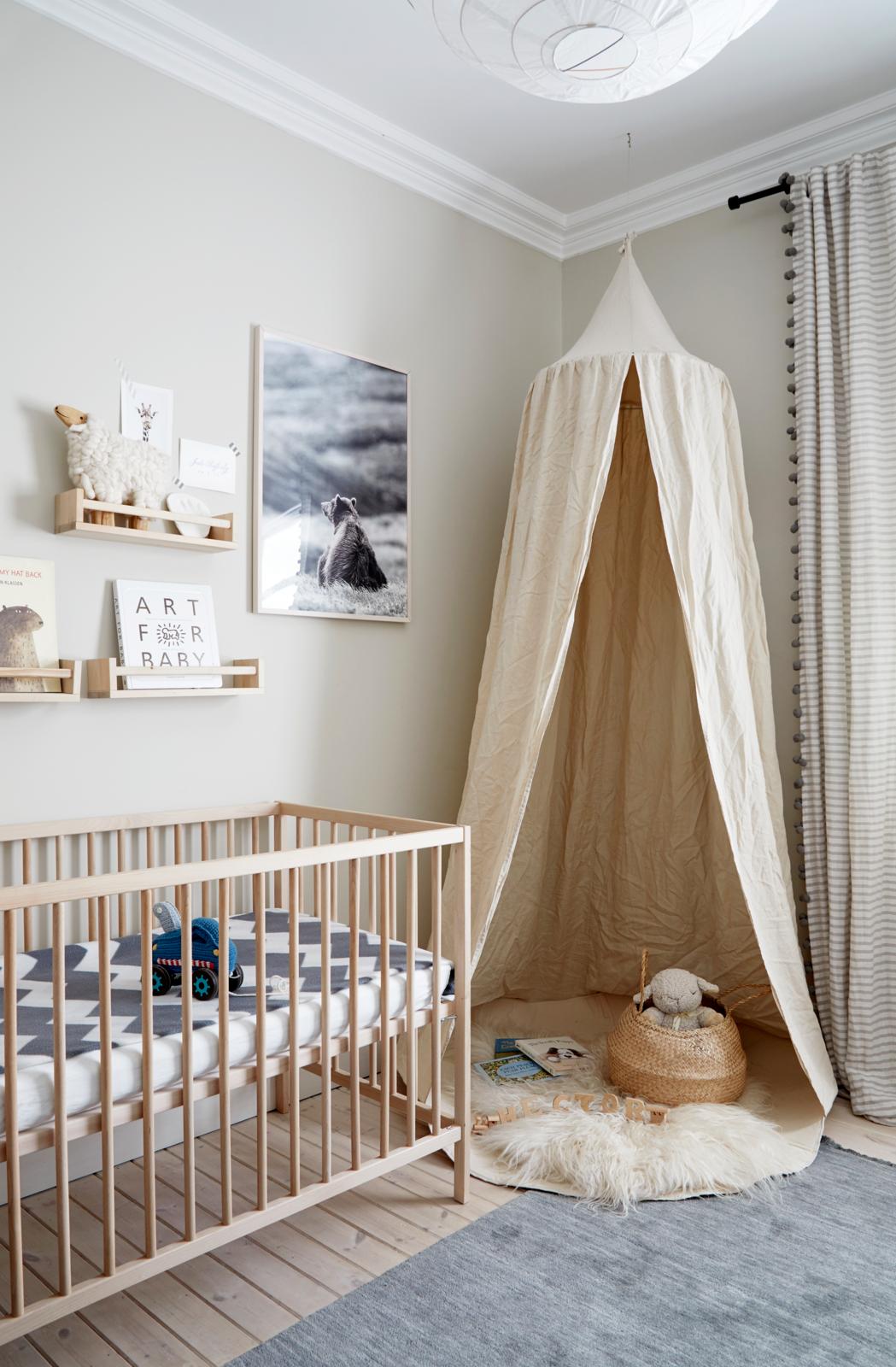
For a sense of cocooning and comfort, a canopy crib is recommended. Canopy beds provide a warm and embracing feel, and can be customized with various drapes, beads, or lights, easily changed as the child grows. Lastly, incorporating plenty of natural light through windows and skylights enhances the nursery's quality by regulating circadian rhythms, brightening mood, and fostering alertness during the day. However, effective light management with lined curtains or blackout shades is crucial to ensure a dark and cool environment for evening sleep. When initiating nursery design, the first step is selecting a color palette, followed by choosing essential furniture like a rocking chair, dresser, changing table, and crib, ideally in bright hues for removable color accents, before finalizing a nursery theme. The entire design process should be completed by the 27th week of pregnancy to avoid last-minute stress, allowing parents to enjoy the creation of a comfortable haven.
#BabyNursery #NurseryDesign #GenderNeutralNursery #KidsRoomIdeas #InteriorDesign #HomeDecor #StorageSolutions #PaintColors #FurnitureDesign #BabyNursery #NurseryDesign #GenderNeutralNursery #KidsRoomIdeas #InteriorDesign #HomeDecor #StorageSolutions #PaintColors #FurnitureDesign
0 comment in total
 No comments yet
You may also like
Neutral nursery ideas – 10 ways to create a stylish space that's perfect for all genders
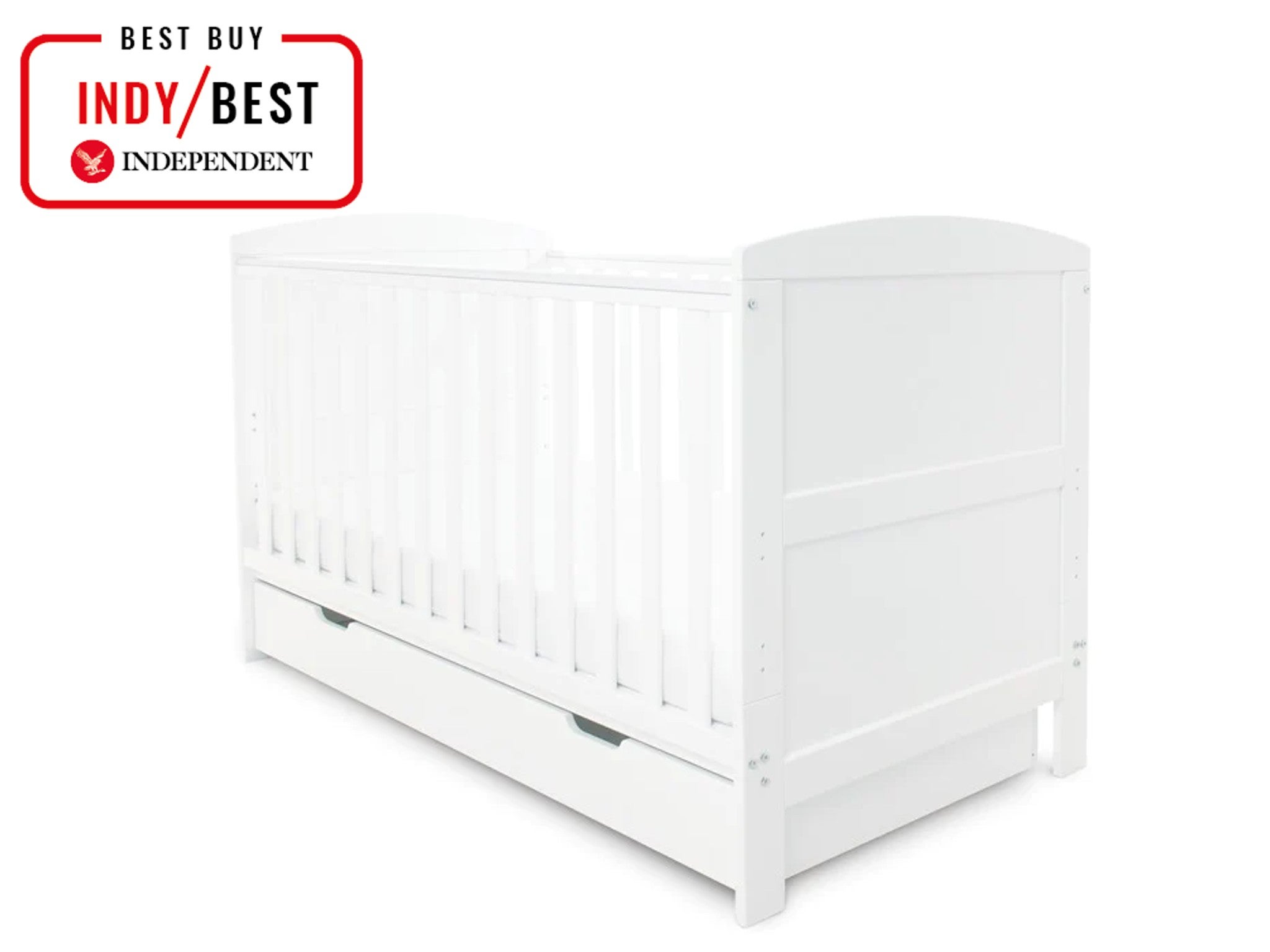
Best nursery furniture and decor ideas for your baby’s room
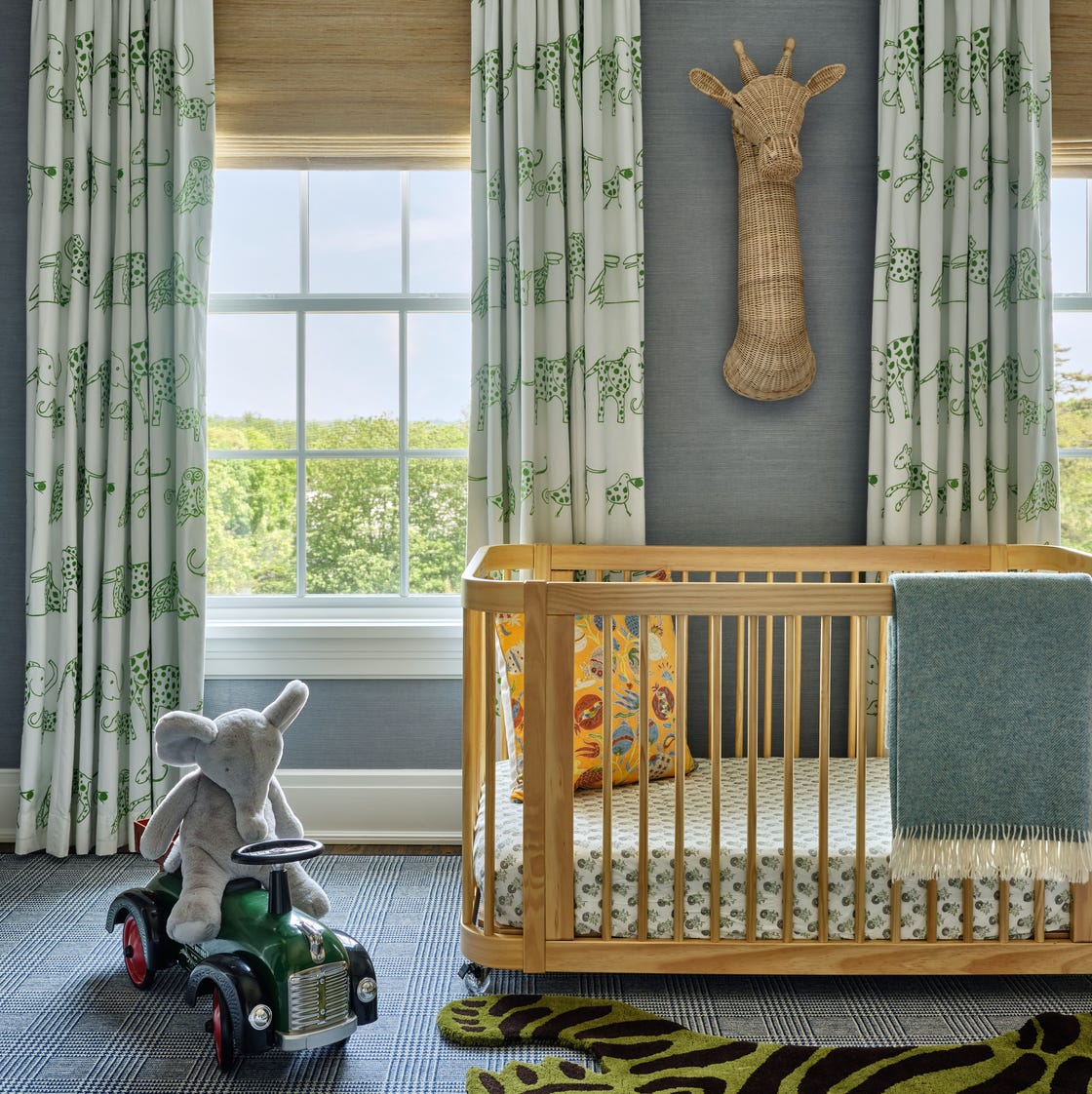
Designers Reveal How to Make a Baby’s Room Look ANYTHING But Childish

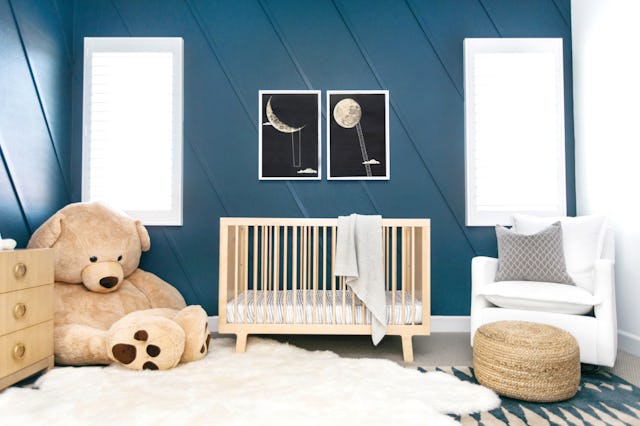
7 Nursery Design Rules To Follow, According to Interior Designers

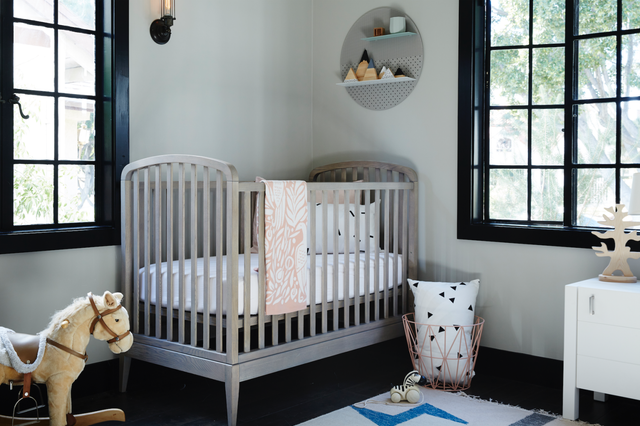
7 Baby Girl Nursery Ideas For An Elegant And Spirited Room

13 neutral nursery ideas for a soothing, serene space
Here's How To Create A Super Calm Nursery For You & Your Baby
3 NJ Designers Create the Baby Nurseries of Your Dreams

19 Girls’ Bedroom Ideas for a Chic and Playful Sanctuary

29 Insanely Gorgeous Girl Nursery Ideas That Moms Are Secretly Recreating Everywhere
How to decorate a gender-neutral nursery

Nursery color schemes – 8 spaces to soothe your baby to sleep

57 Inspiring Nursery Ideas for a Baby Girl


This Nursery Is Proof That a Baby’s Room Doesn’t Have to Be Childish
5 stylish nursery decorating tips all new parents need to know

9 things experts say you should never include in a nursery
Nursery ideas – 20 beautiful rooms new parents will love
Gender neutral nursery ideas – 19 ways to decorate to suit a girl or a boy
7 things We Learned from Nadia Bartel's New Nursery
35 Baby Themed Nursery Ideas Moms Are Rushing to Copy Before They Sell Out in 2025