1/8
Heritage maximalism – the interior trend to know now
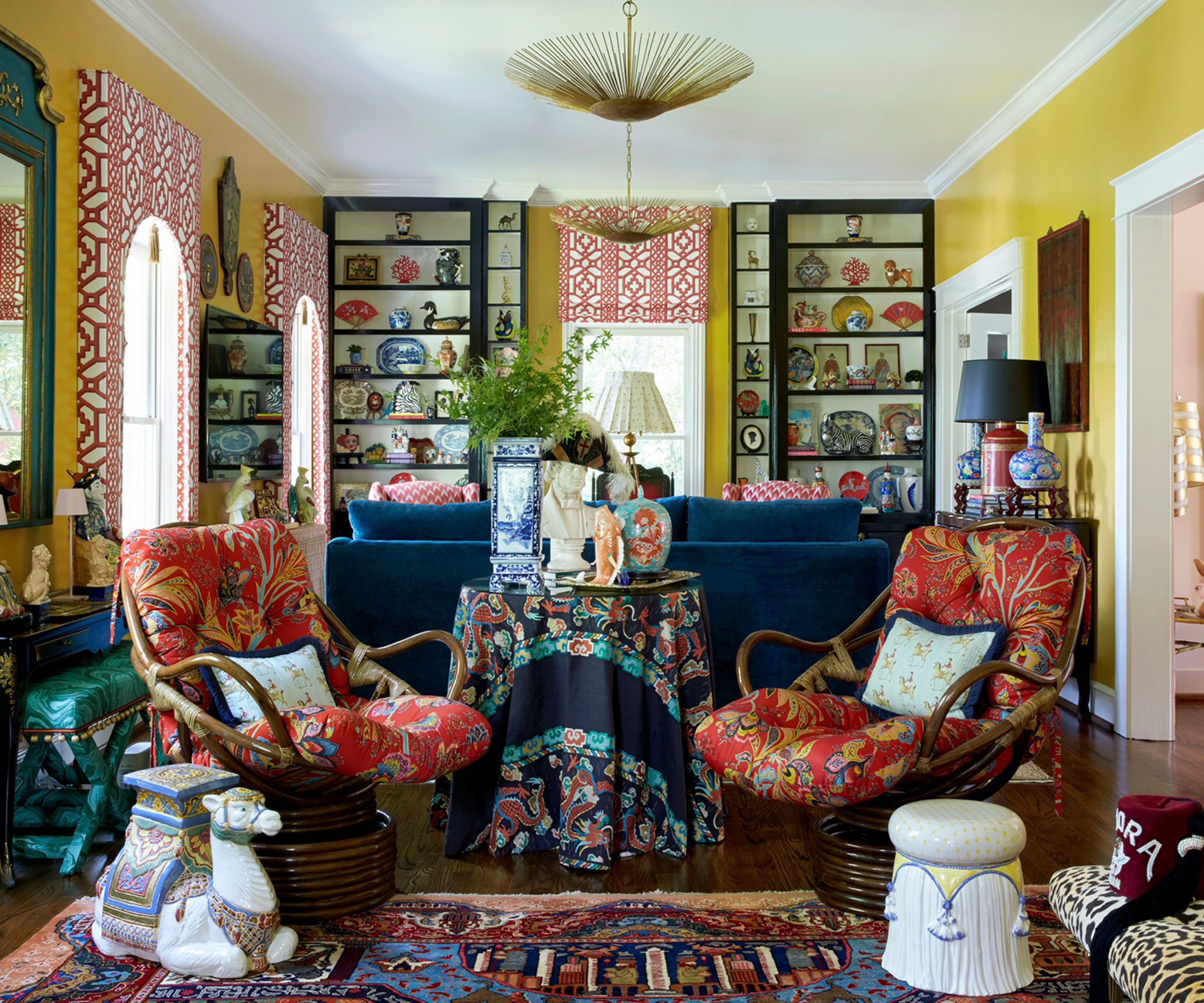
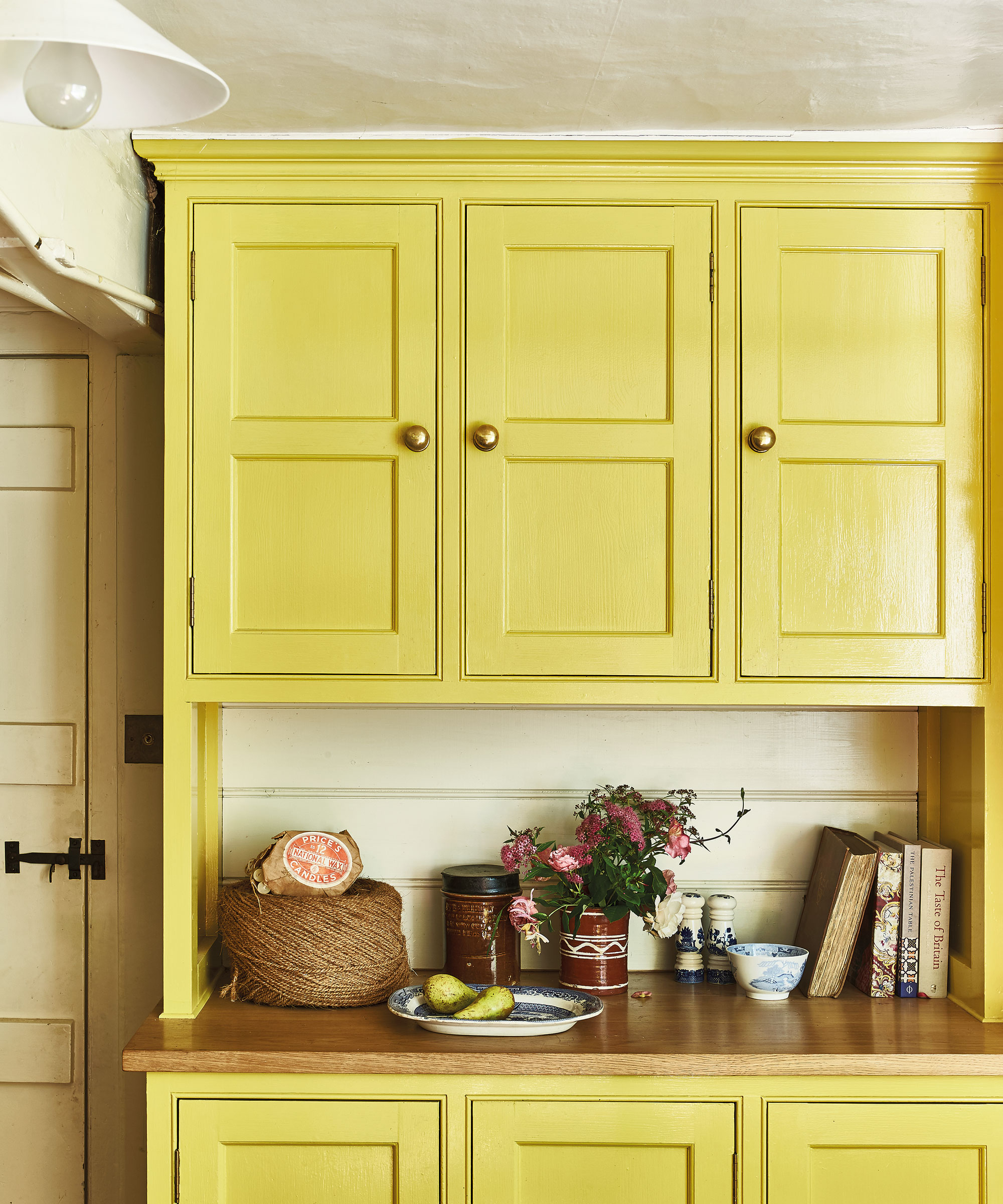
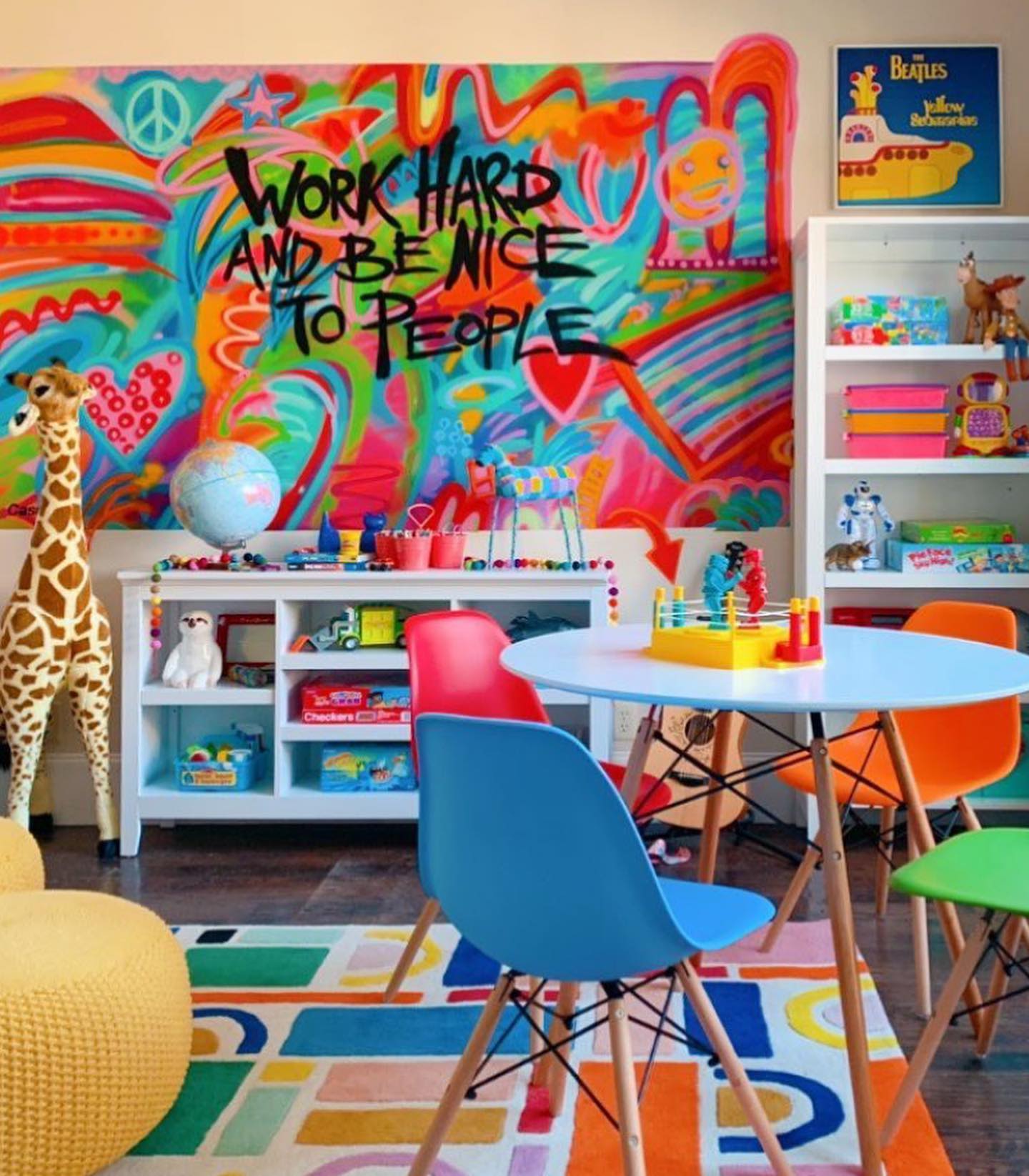
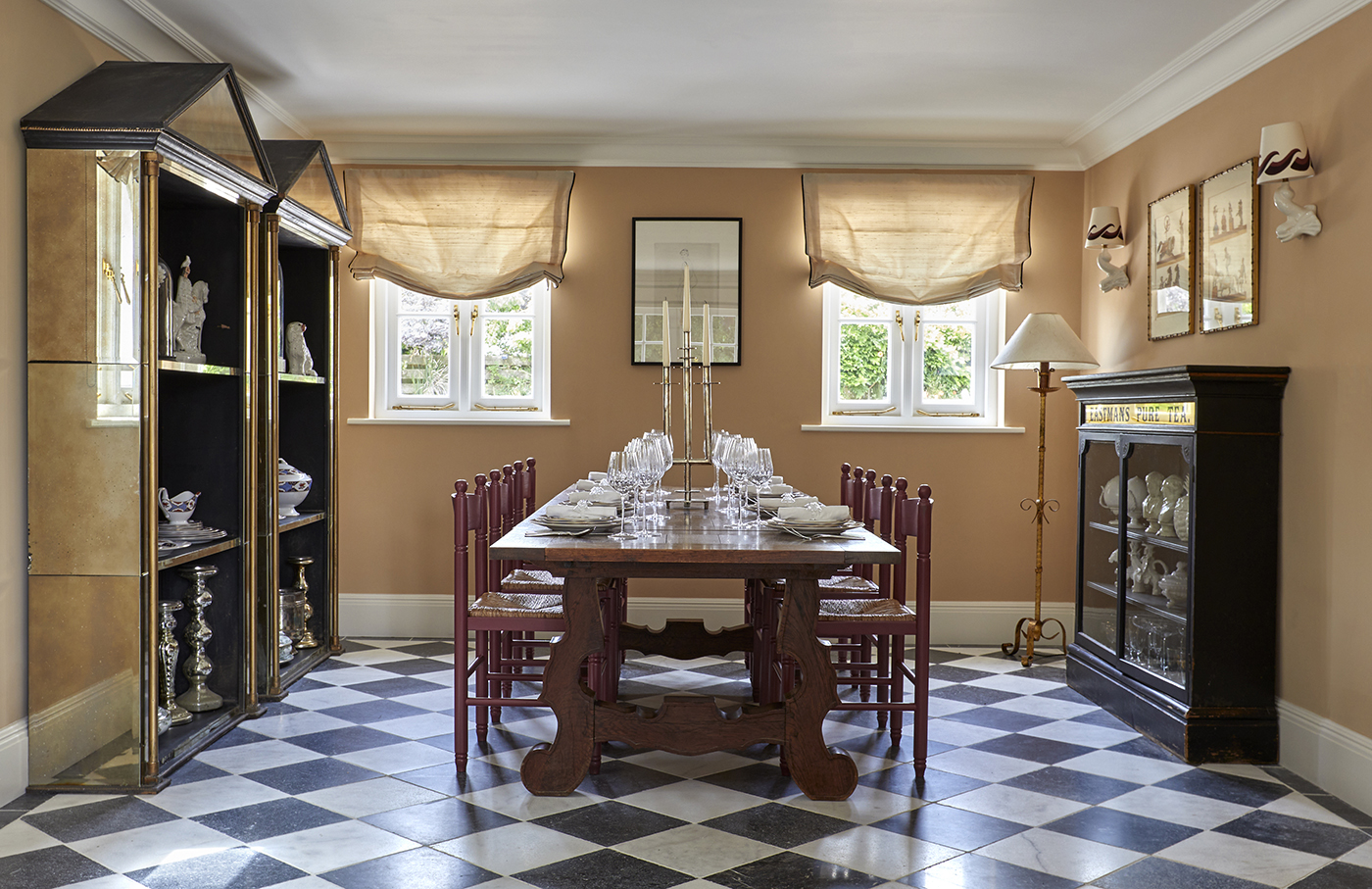
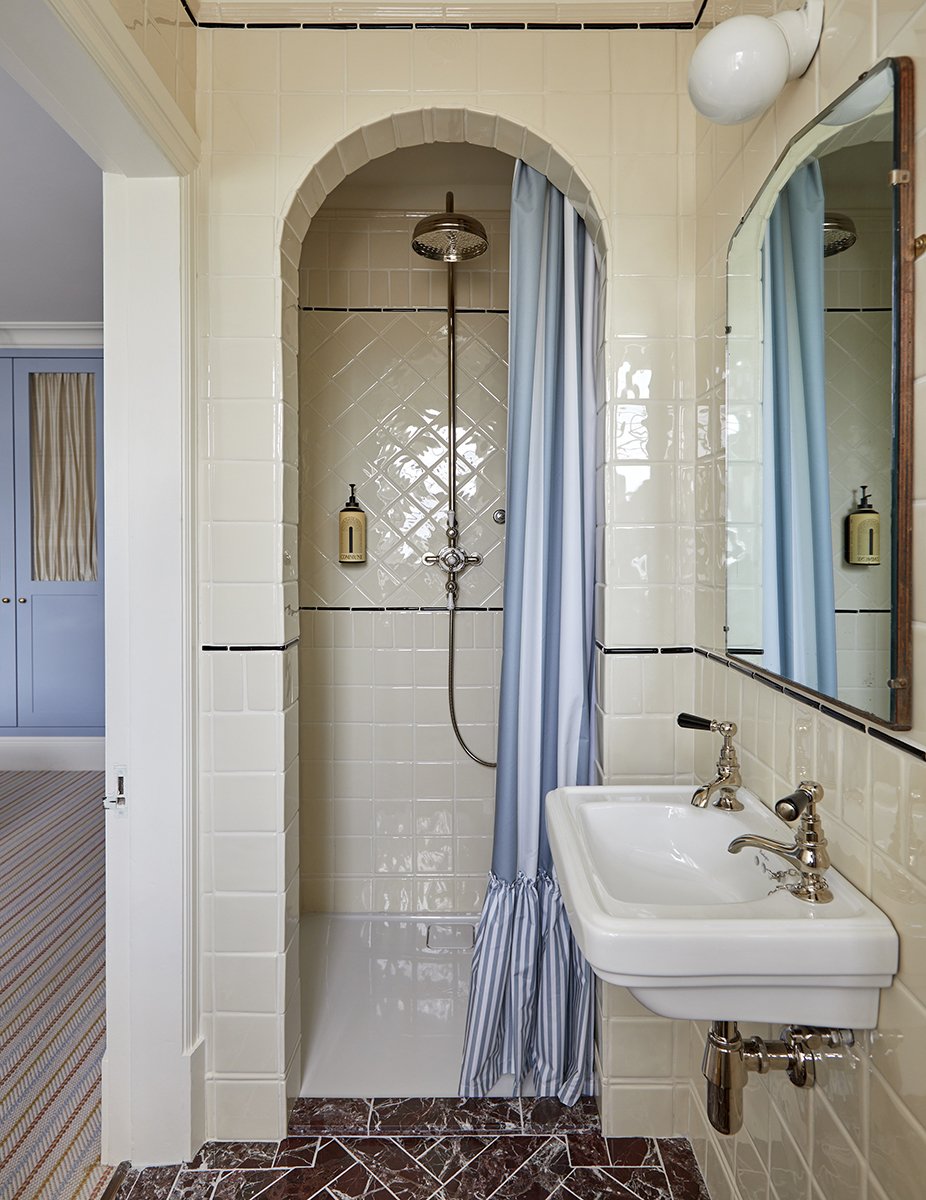
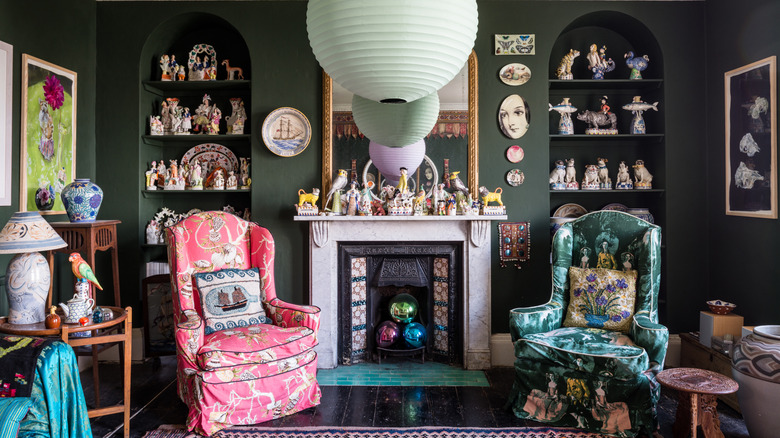
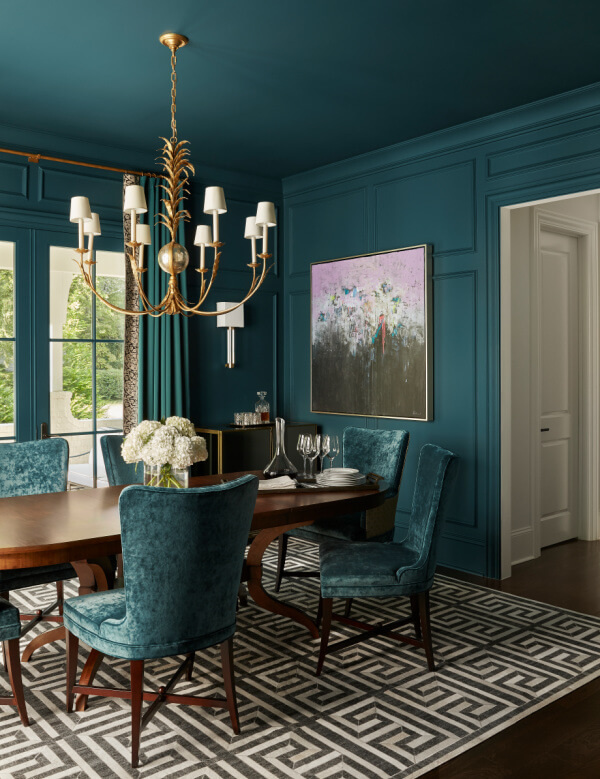
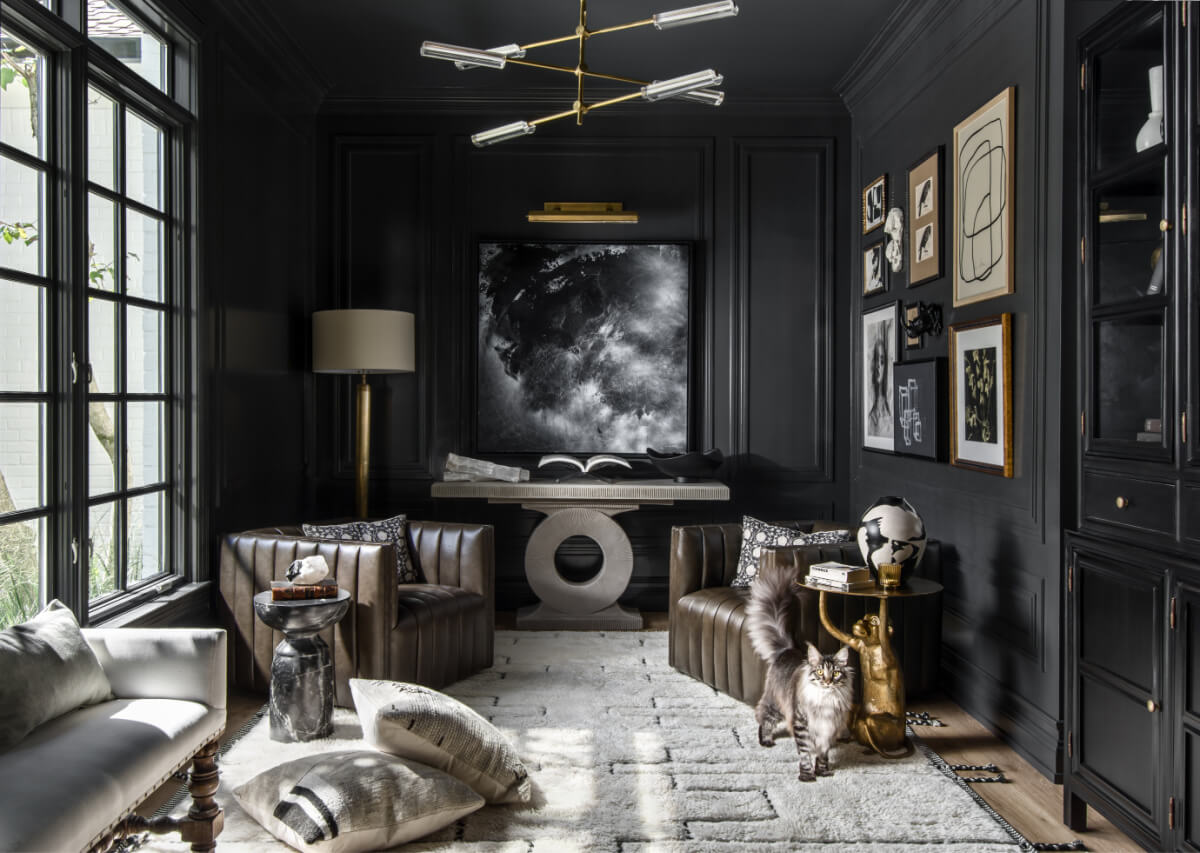
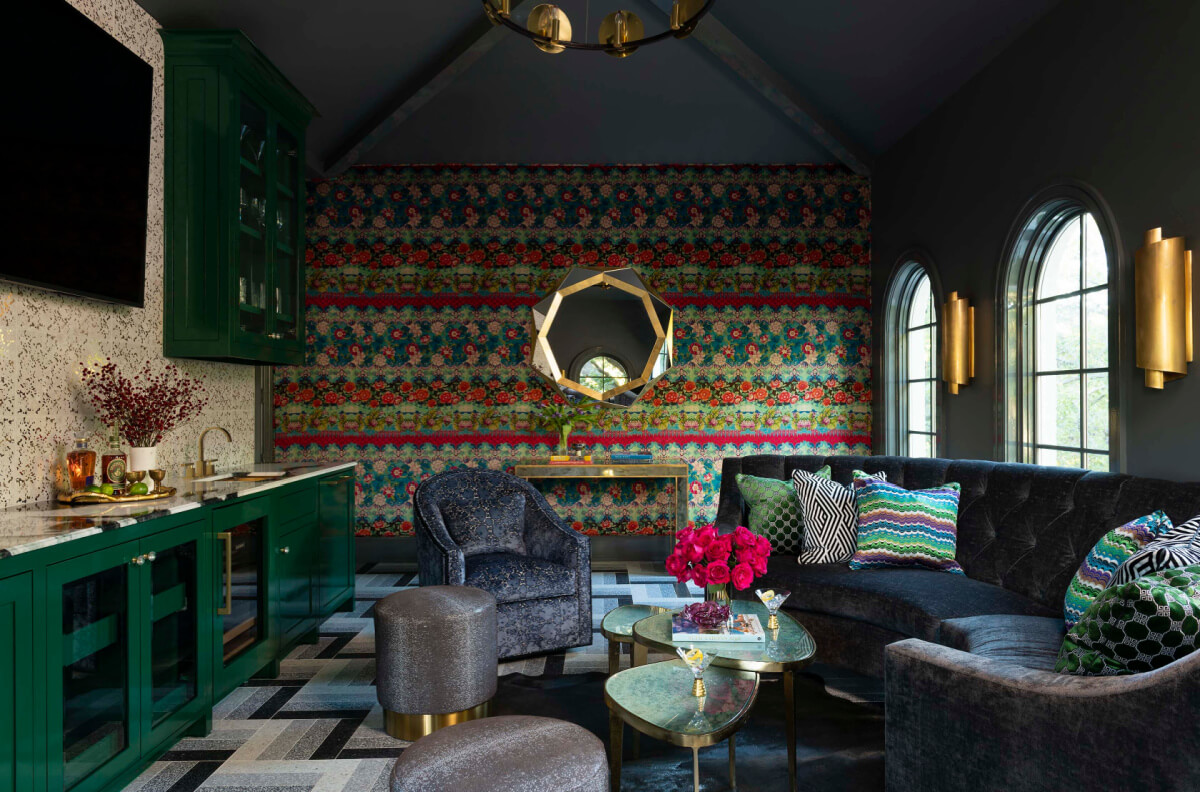
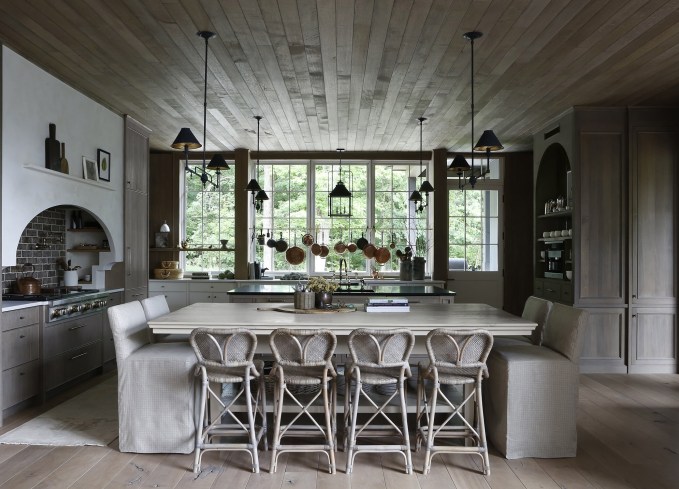
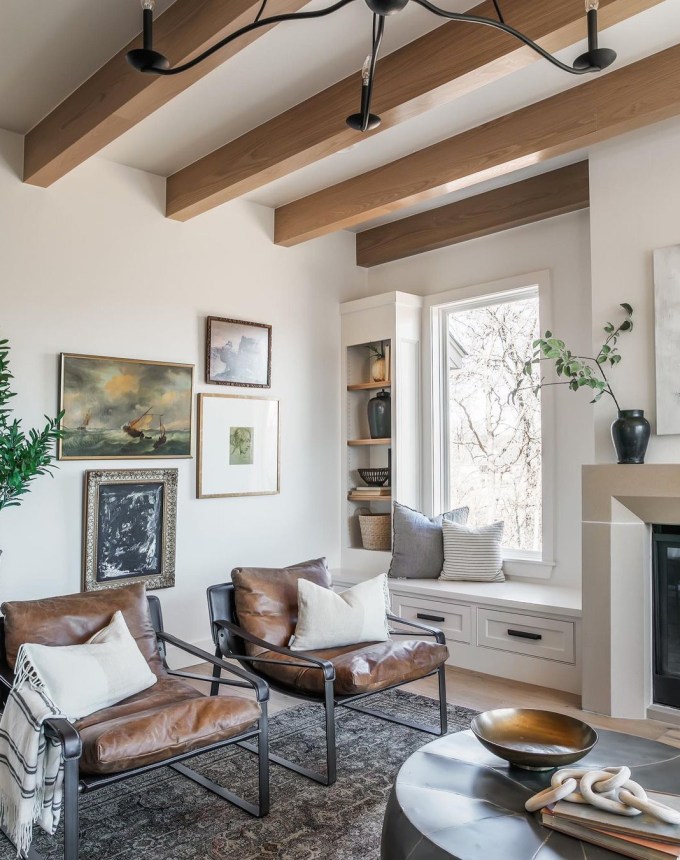
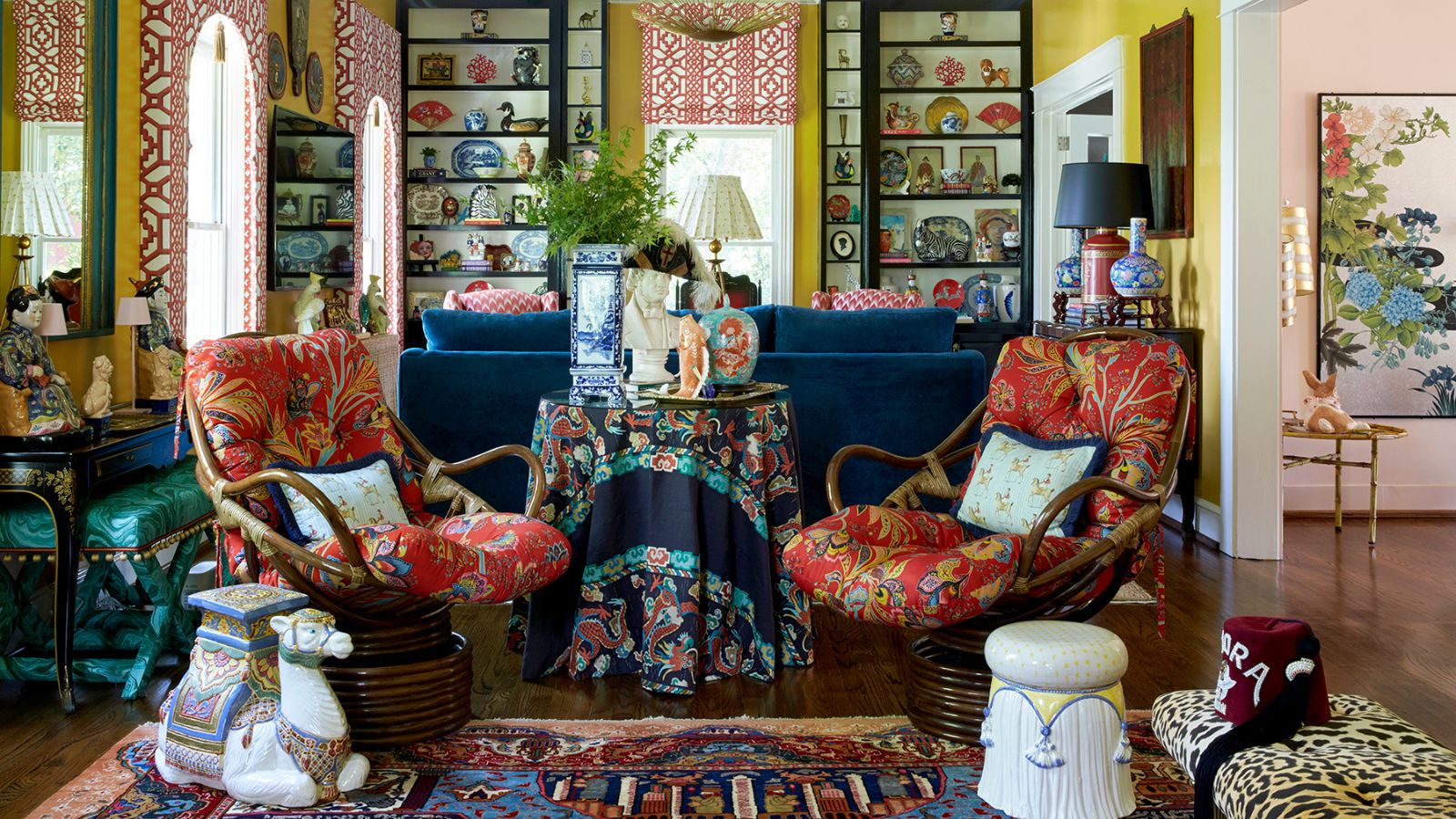
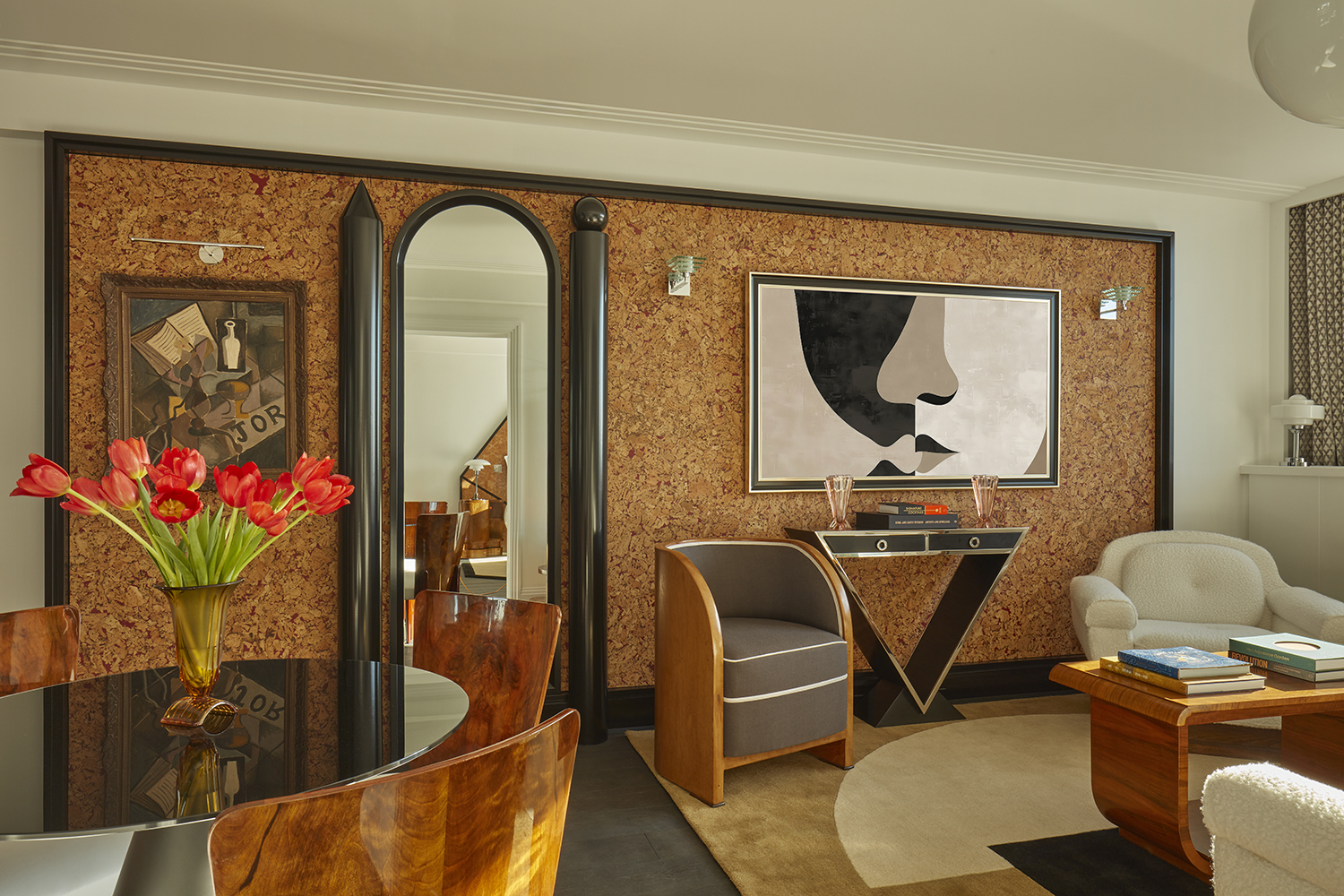
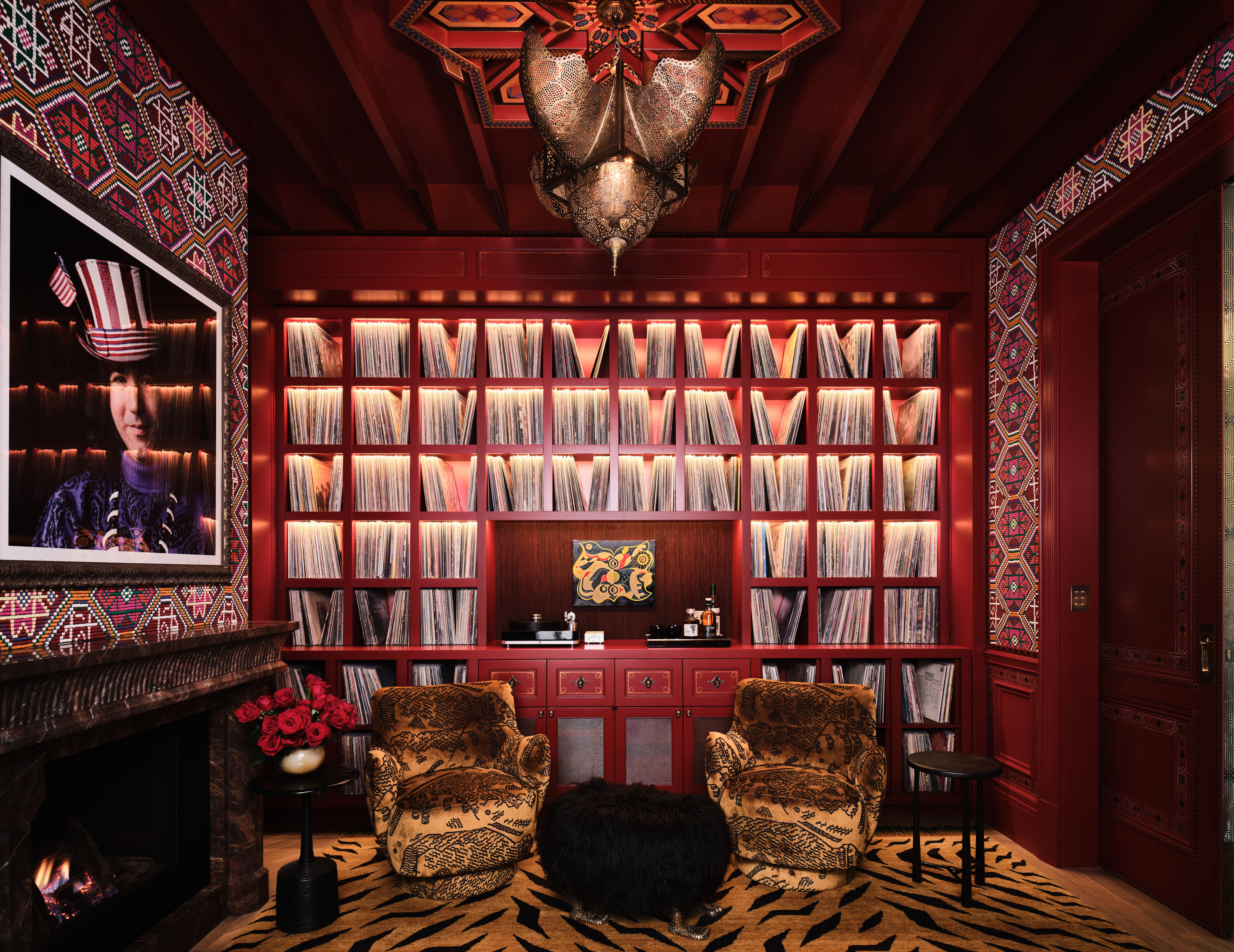
Heritage maximalism is an emerging interior design trend that merges traditional interiors with the expressive qualities of maximalist style. This approach emphasizes history, craftsmanship, and individuality through layered, character-rich spaces. Unlike transient design trends, heritage maximalism is rooted in personal storytelling and a celebration of unique home elements. It distinguishes itself from conventional maximalism by maintaining intentionality, layering colors, patterns, and collected objects with meaning and respect for vintage decor, rather than creating visual chaos. Designer Nina Lichtenstein describes it as a soulful reclamation of depth, history, and identity, moving beyond a simple 'more is more' philosophy to focus on the deliberate selection and arrangement of objects.
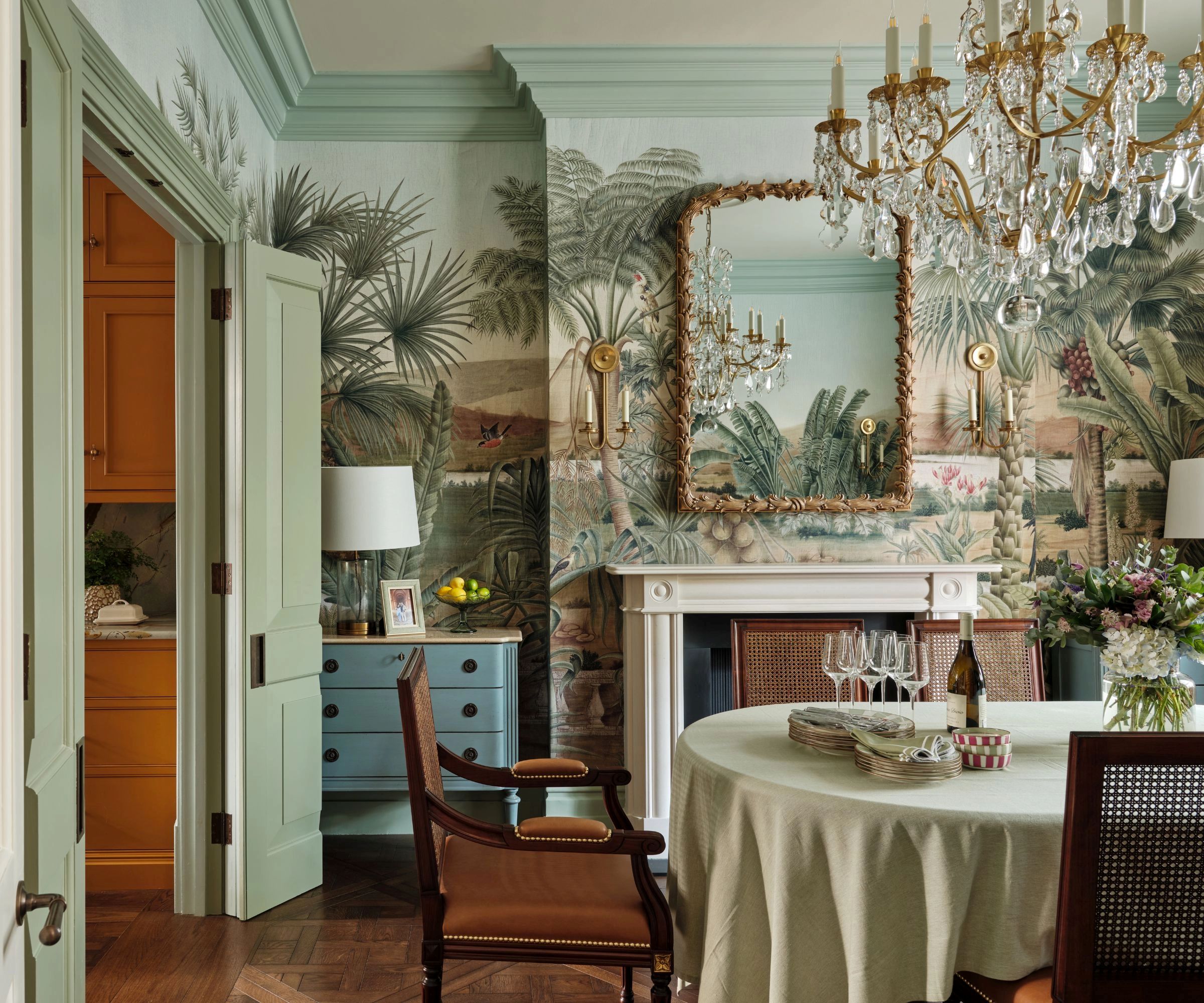
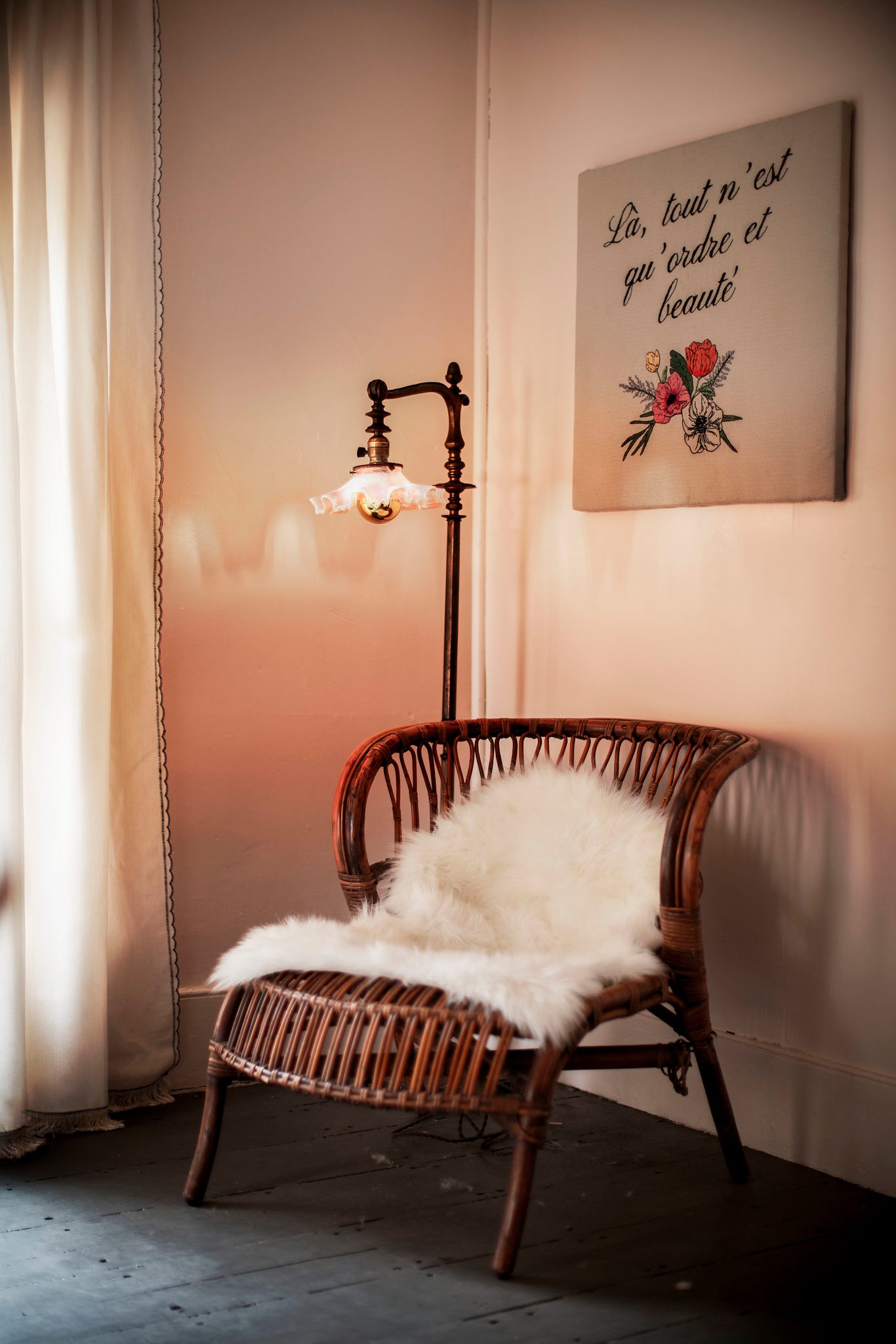
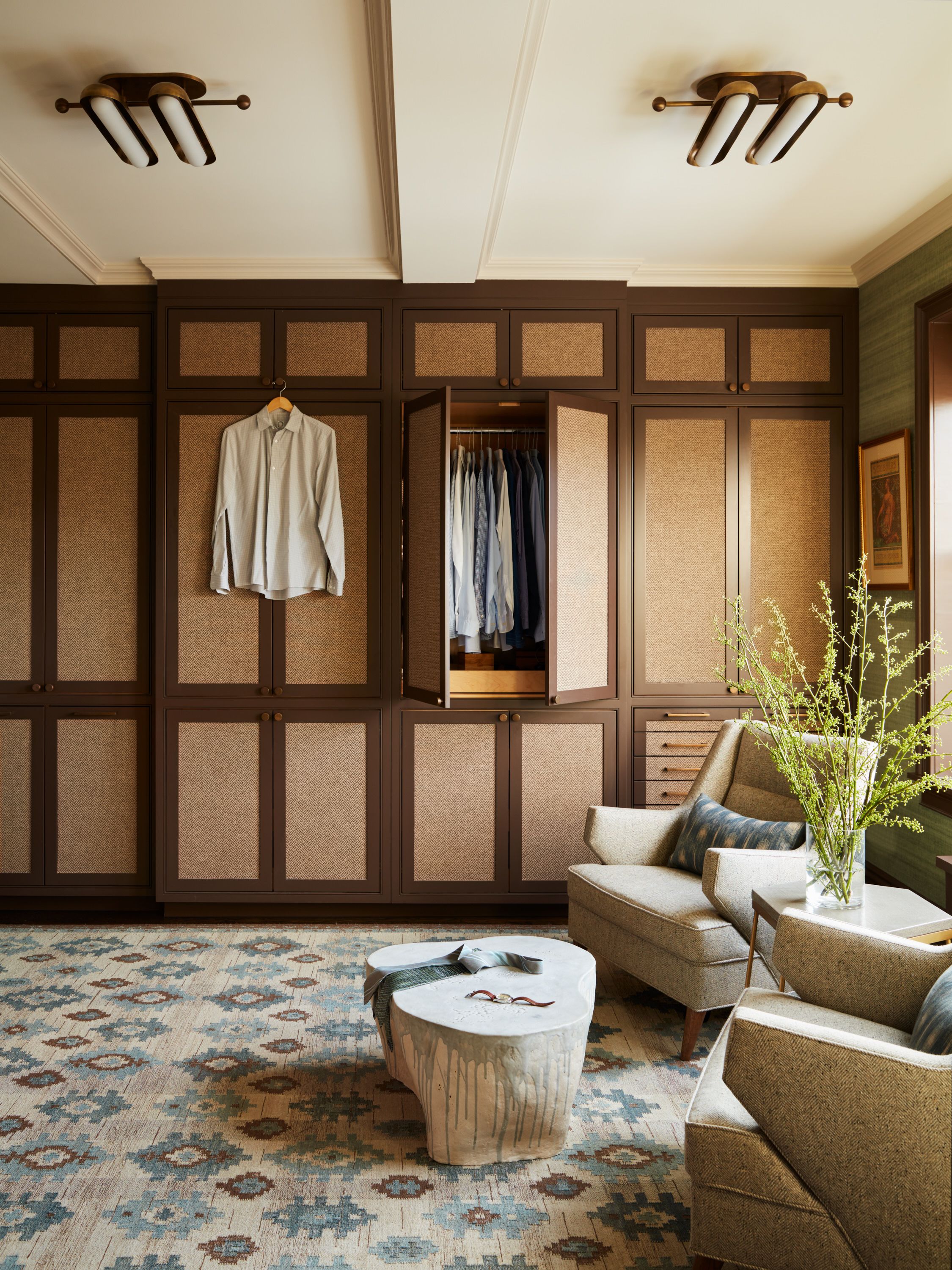
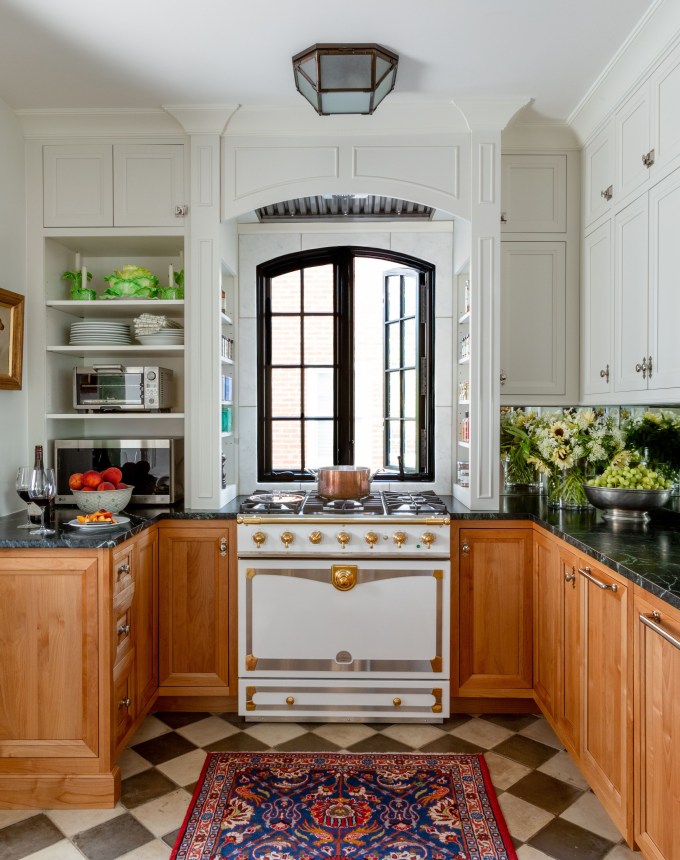
The essence of this style is significantly influenced by materials and craftsmanship. Tanner Morgan of Morgan Madison Design highlights how heritage maximalism integrates vintage and antique pieces to add depth and authenticity, utilizing rich materials and thoughtful details to create dramatic moments and a timeless appeal. Kailee Blalock from House of Hive Design Co. notes that this trend is driven by a desire for nostalgia and authenticity, featuring layered history, storytelling through objects, and intricate detailing. This translates into custom touches like carved furniture, heirloom-quality trim work, and elaborate drapery.
Achieving the heritage maximalist look involves several key steps. First, it requires starting with meaningful foundations. Instead of immediately adding decorative layers, the focus is on establishing strong foundational elements such as room color, flooring, and staple furniture pieces. These elements anchor the space and set the overall tone, allowing subsequent layers to shine. Sherrell Neal emphasizes embracing history while ensuring the space feels fresh by incorporating contemporary fabrics, artwork, rugs, and window treatments. This creates a narrative-rich environment that feels permanent yet dynamic.
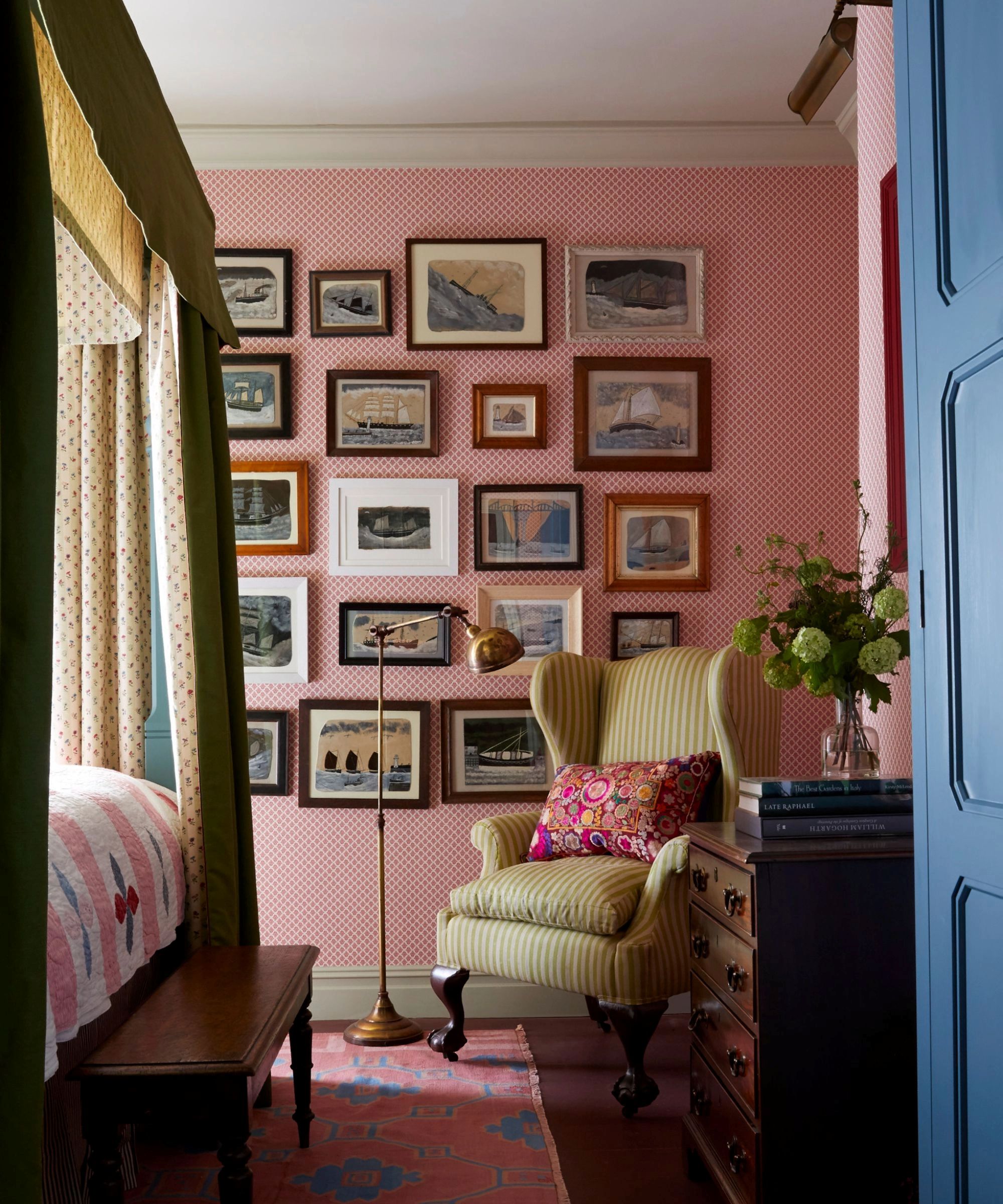
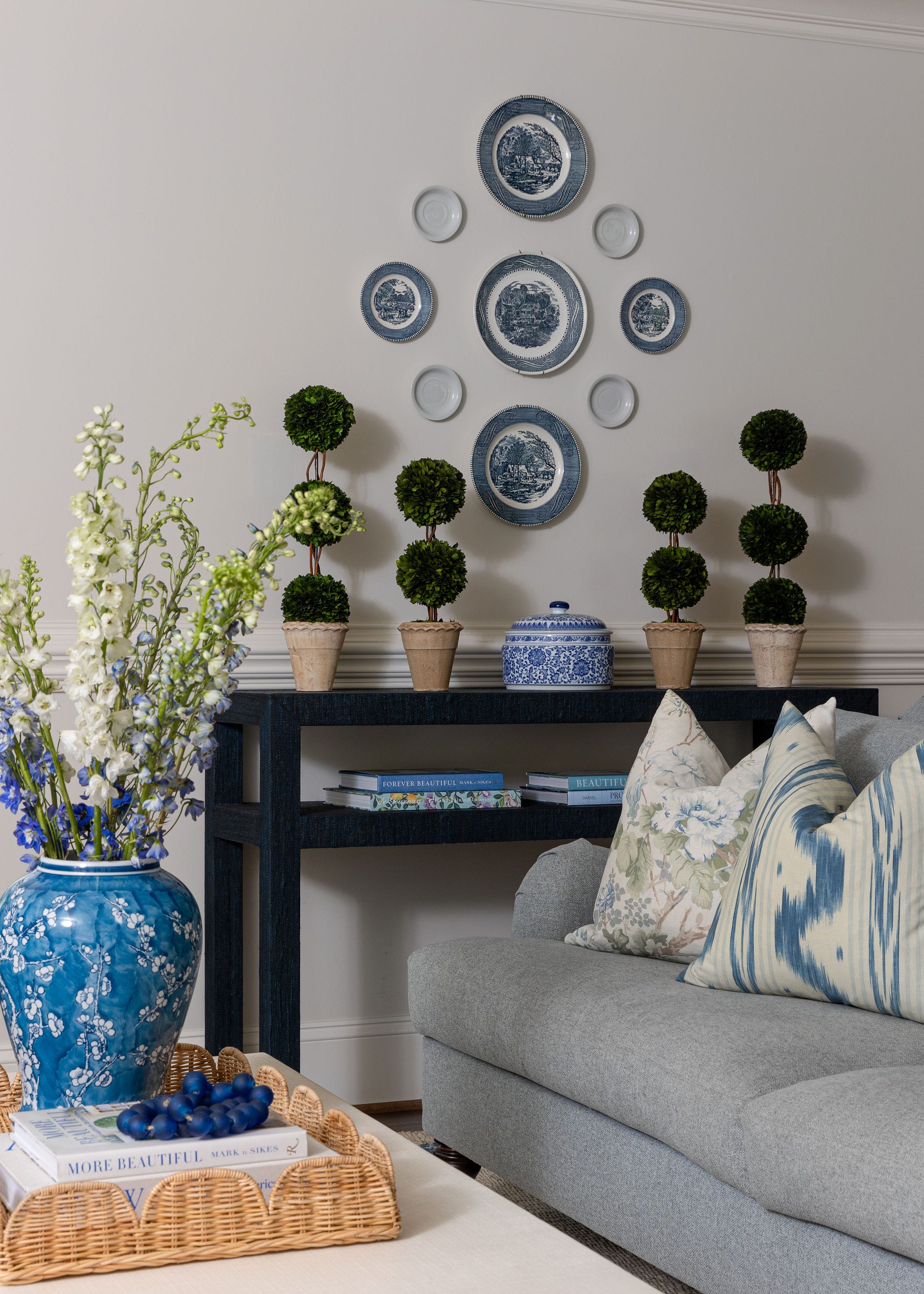
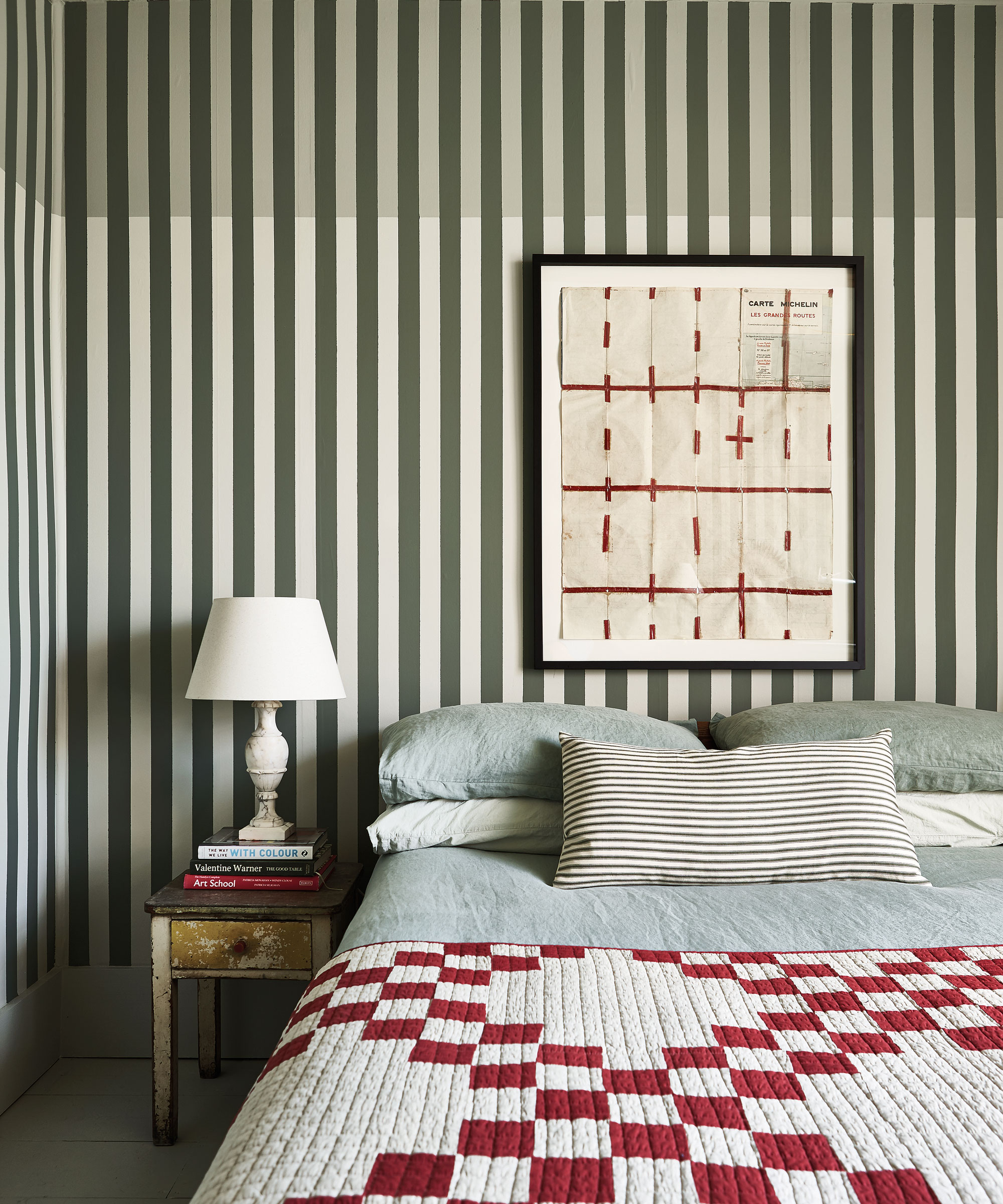
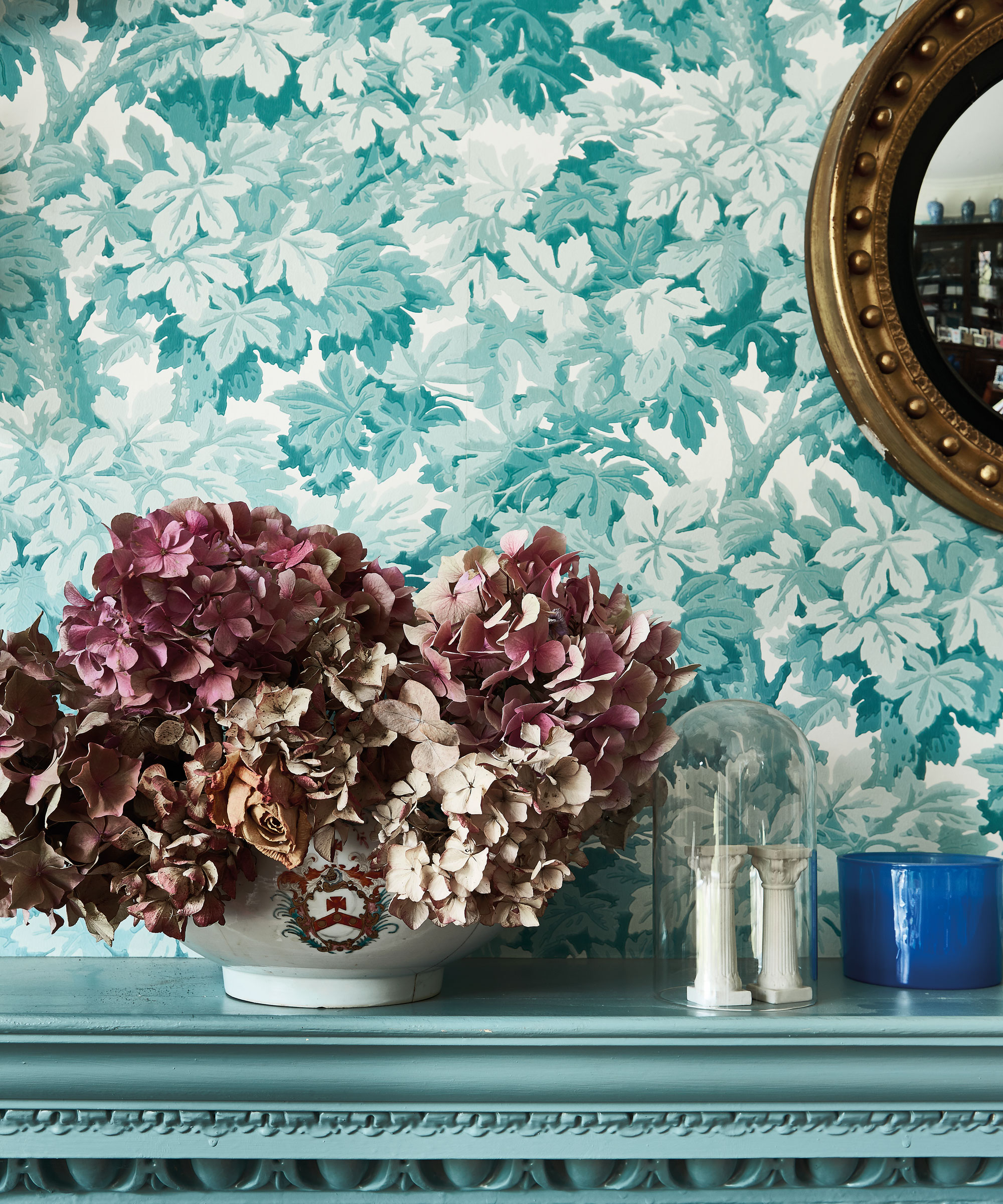
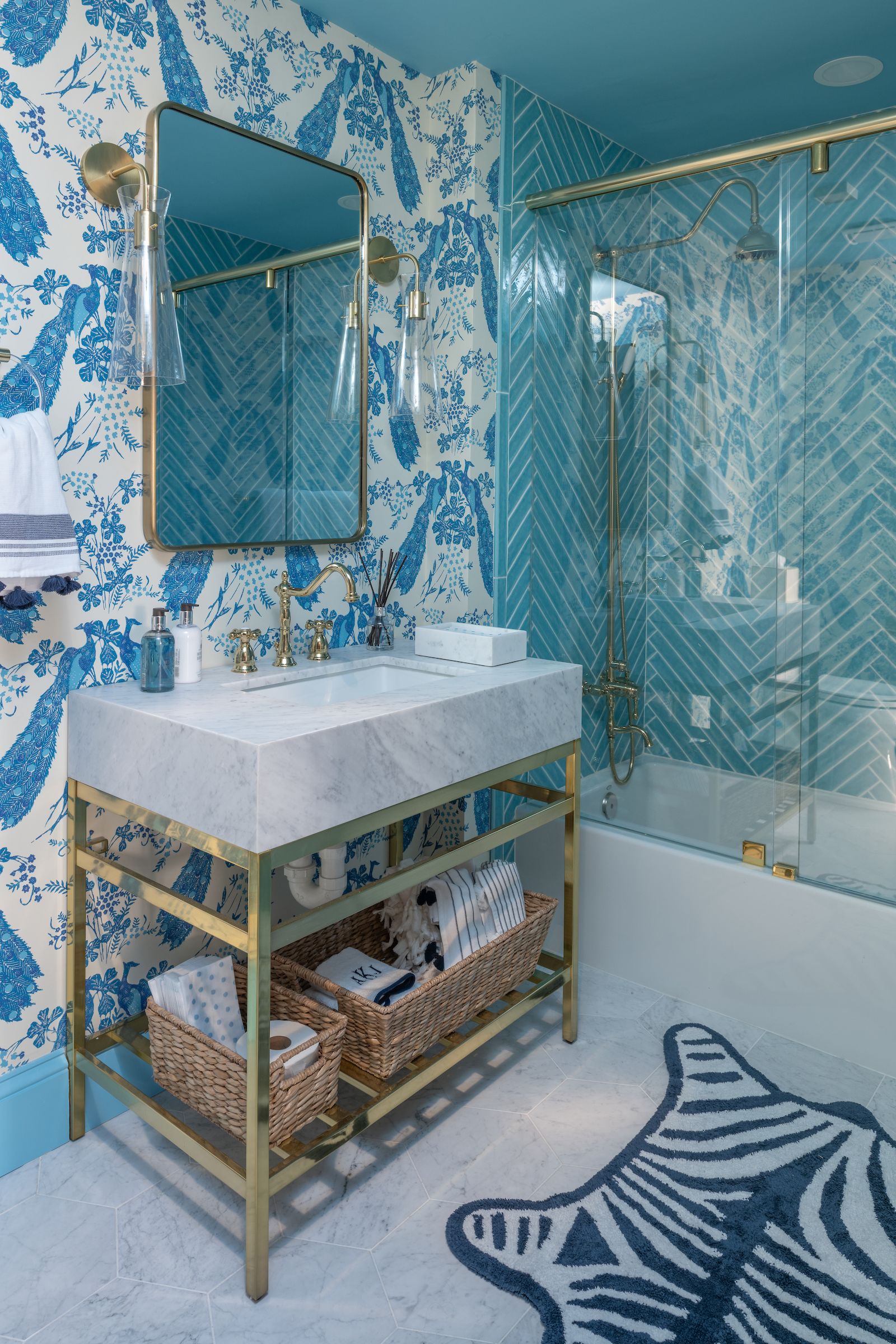
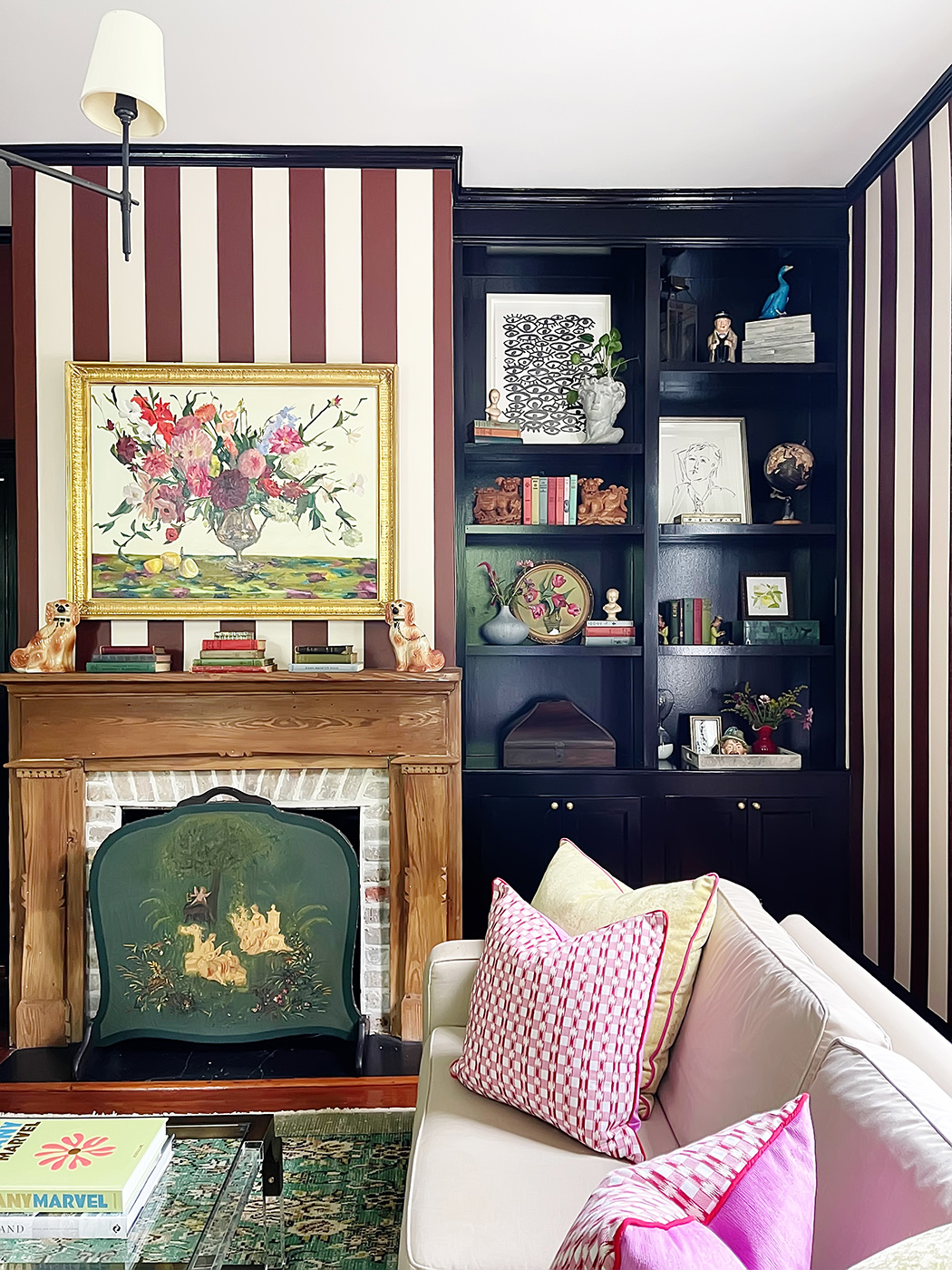
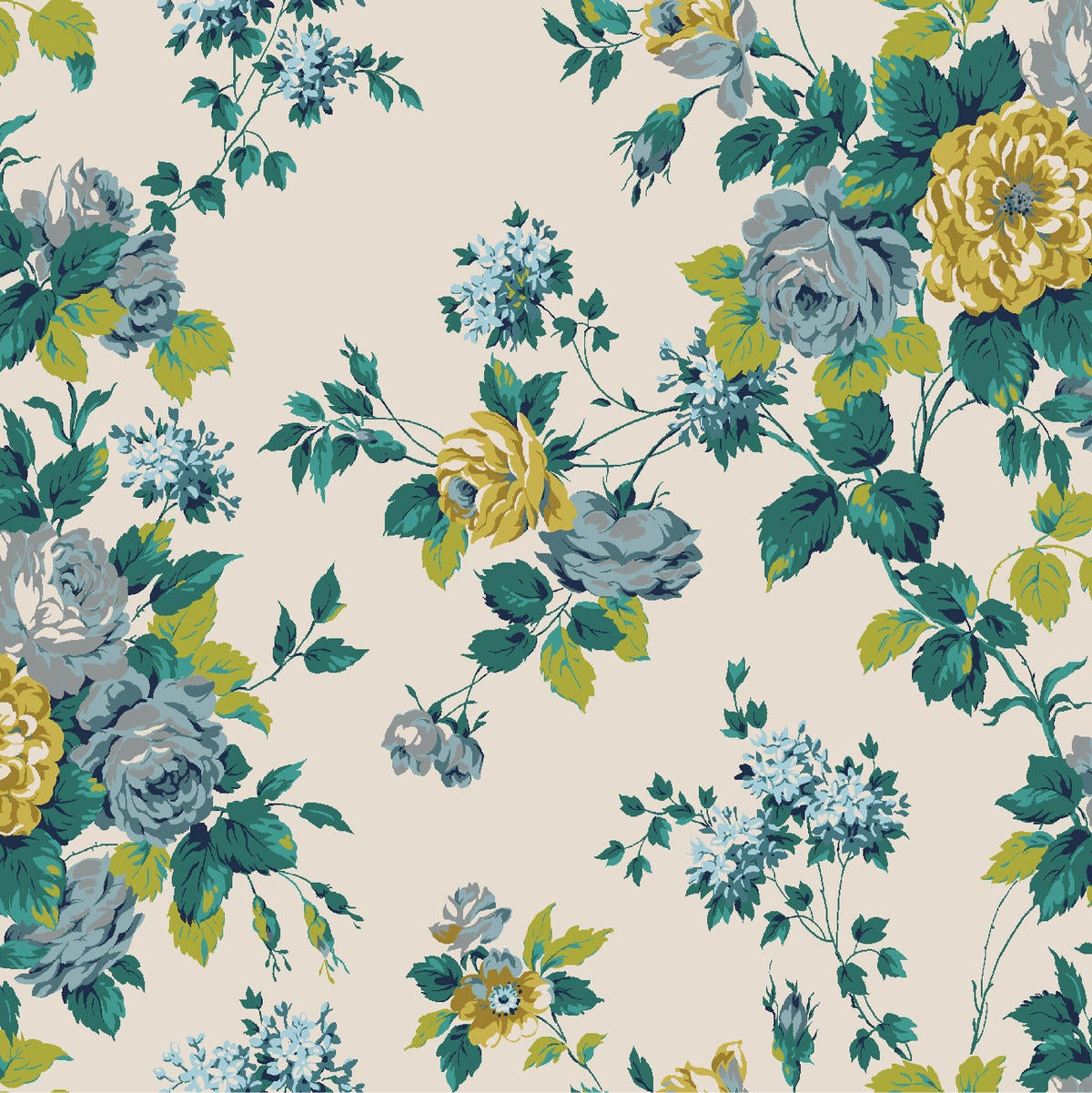
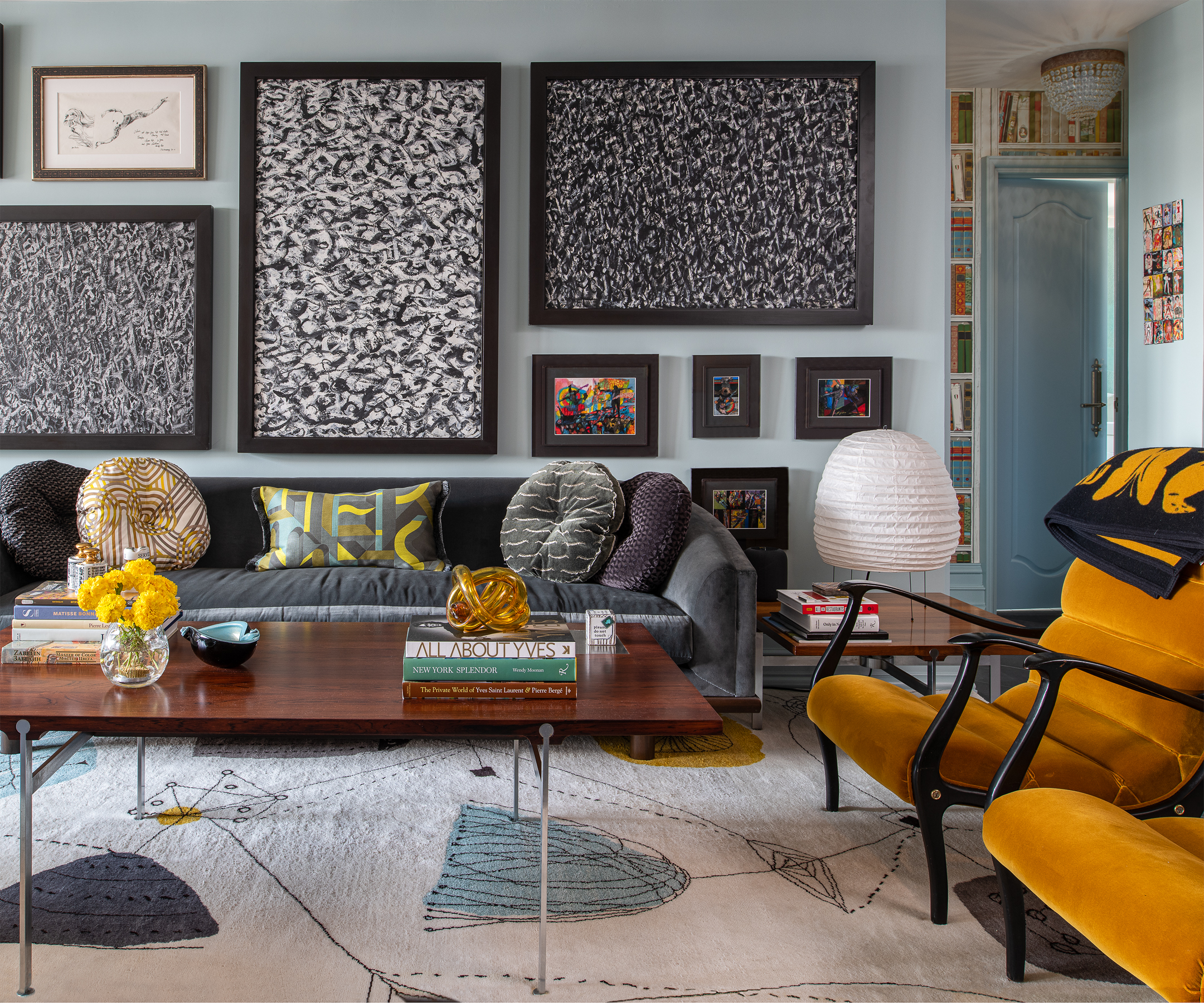
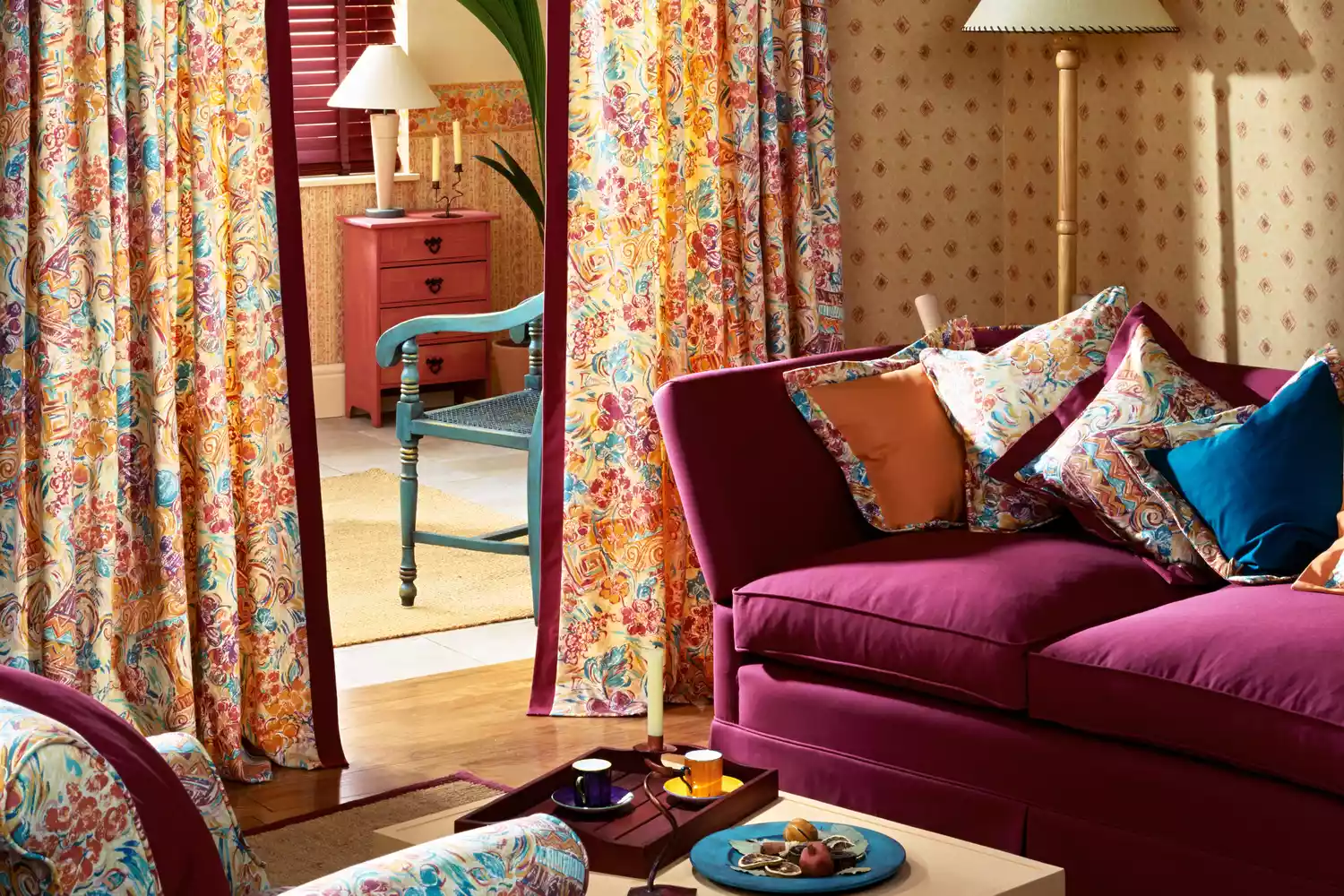
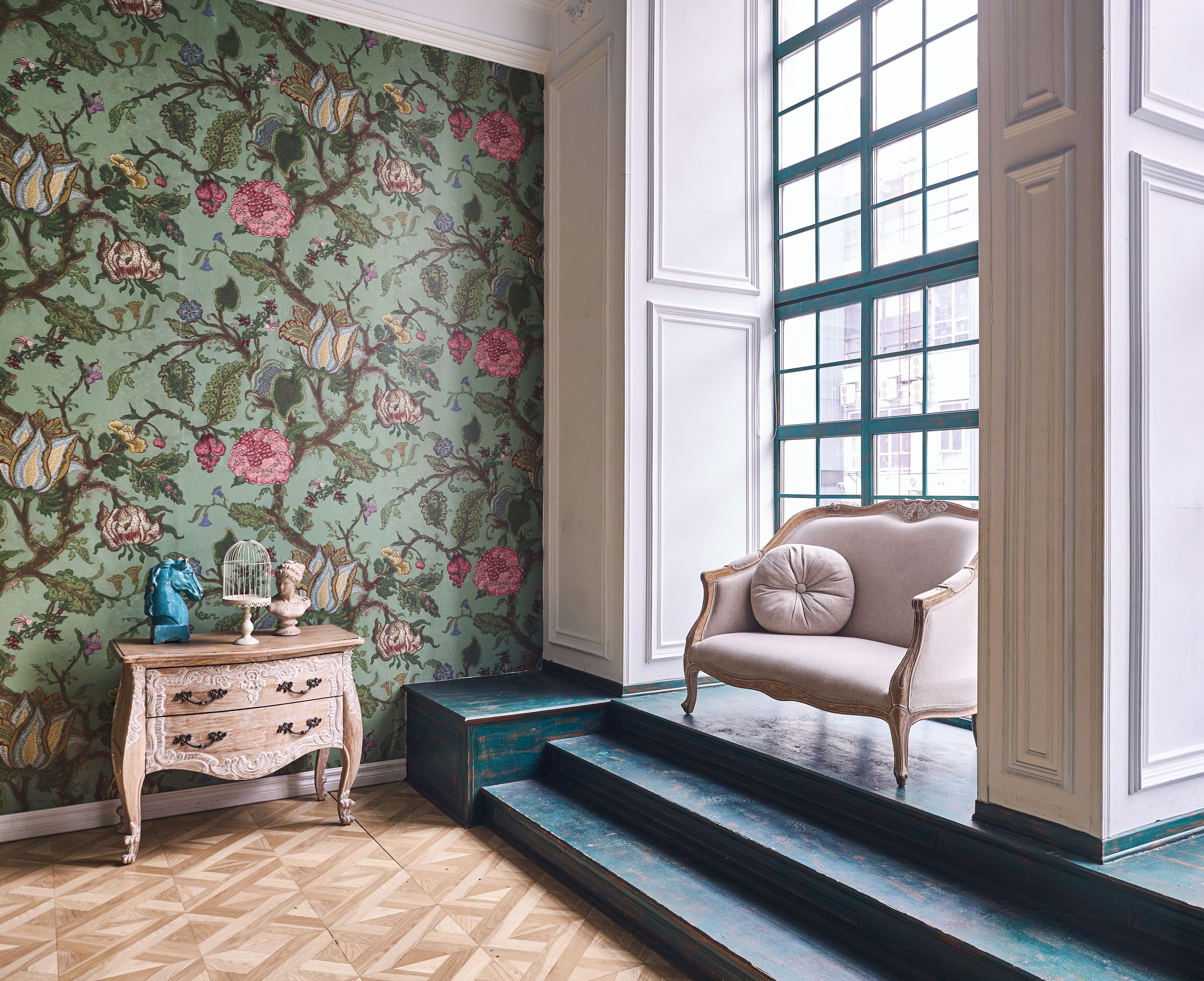
Second, layering with texture and pattern is crucial. Pattern plays a central role, often featuring vintage tapestries, block-printed textiles, inherited quilts, or wallpapers that evoke historic homes. The art of mixing these patterns requires sensitivity to balance, tone, and narrative coherence. Danielle Balanis underscores that heritage maximalism thrives on this mix of patterns, textures, and objects, making the design interesting and enjoyable. Third, the trend encourages telling personal stories through objects and collections. This means curating items with personal or cultural history, such as inherited plates, handmade pottery, old postcards, or a mix of original and thrifted art. These displays are not merely styling but a form of storytelling, imbuing the home with soul.
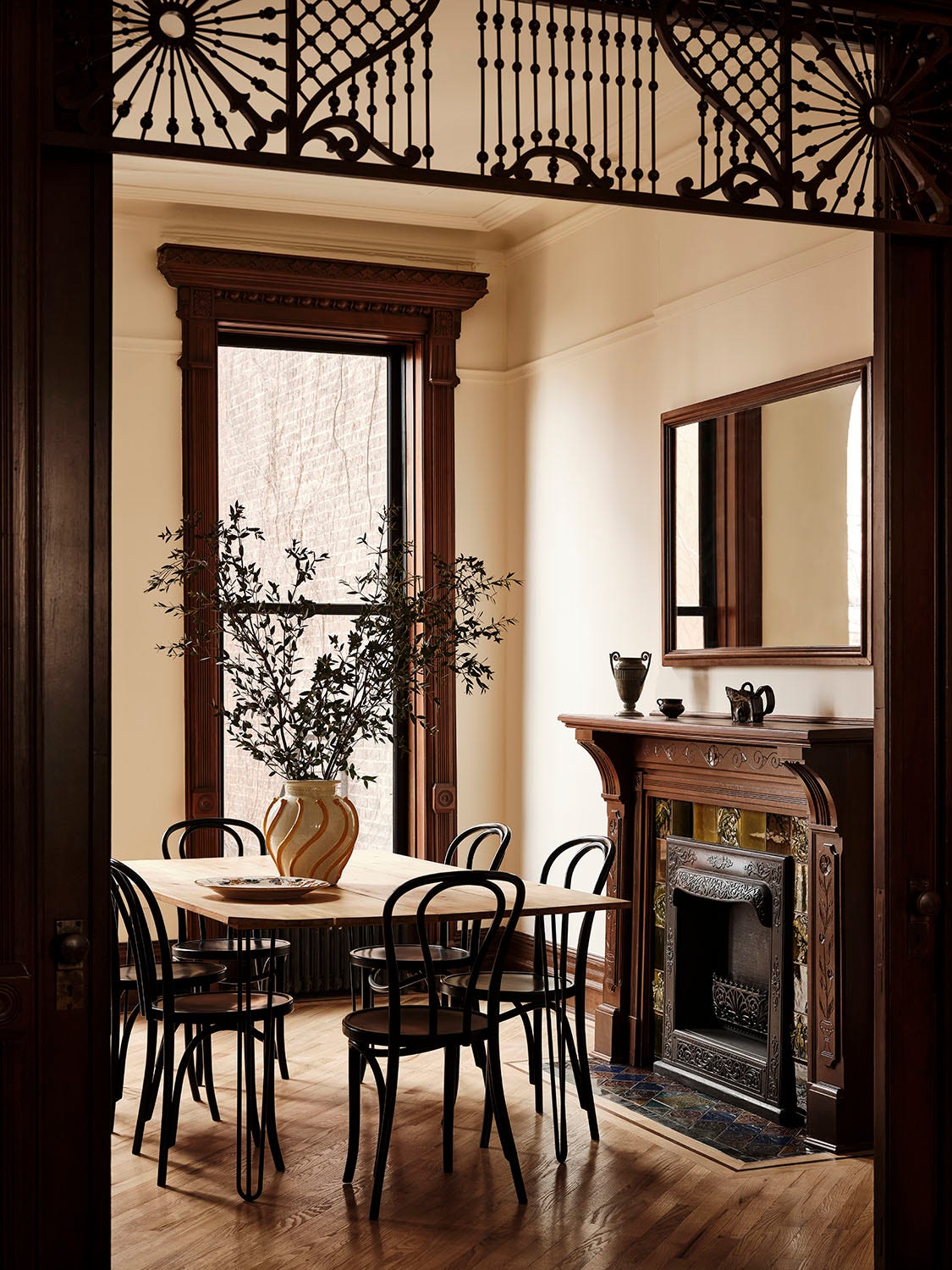
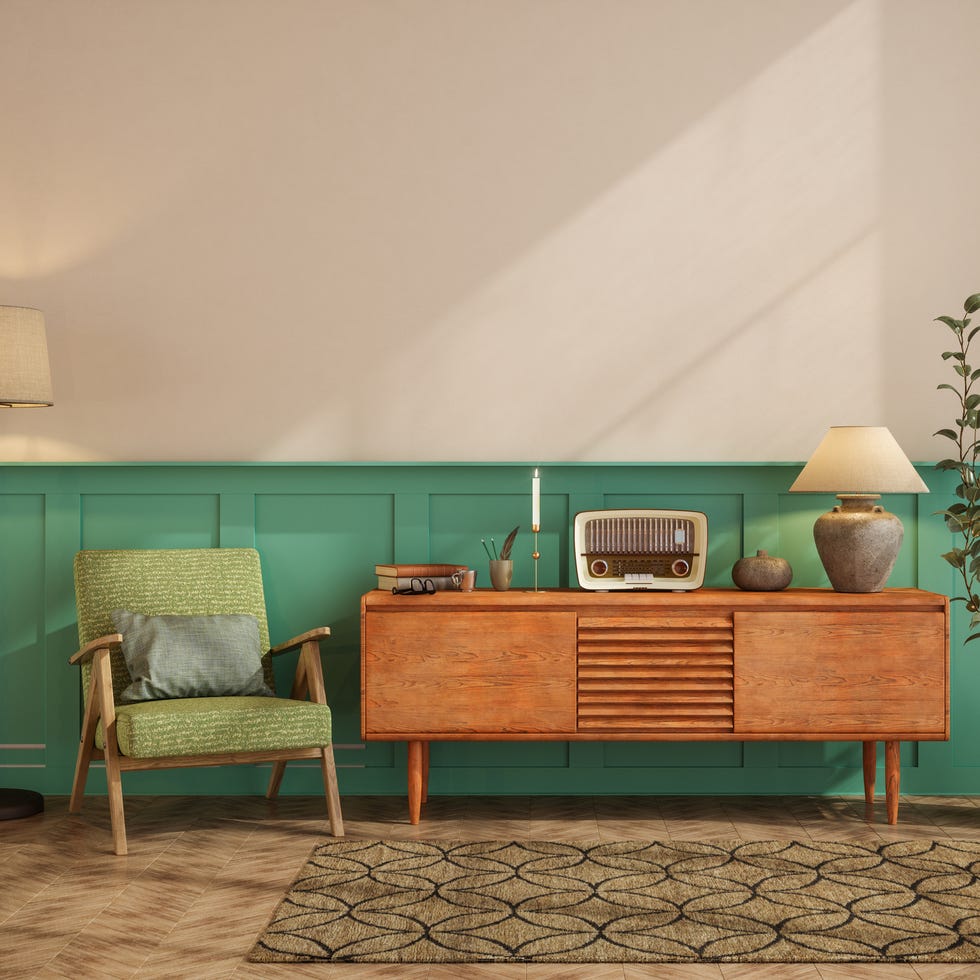
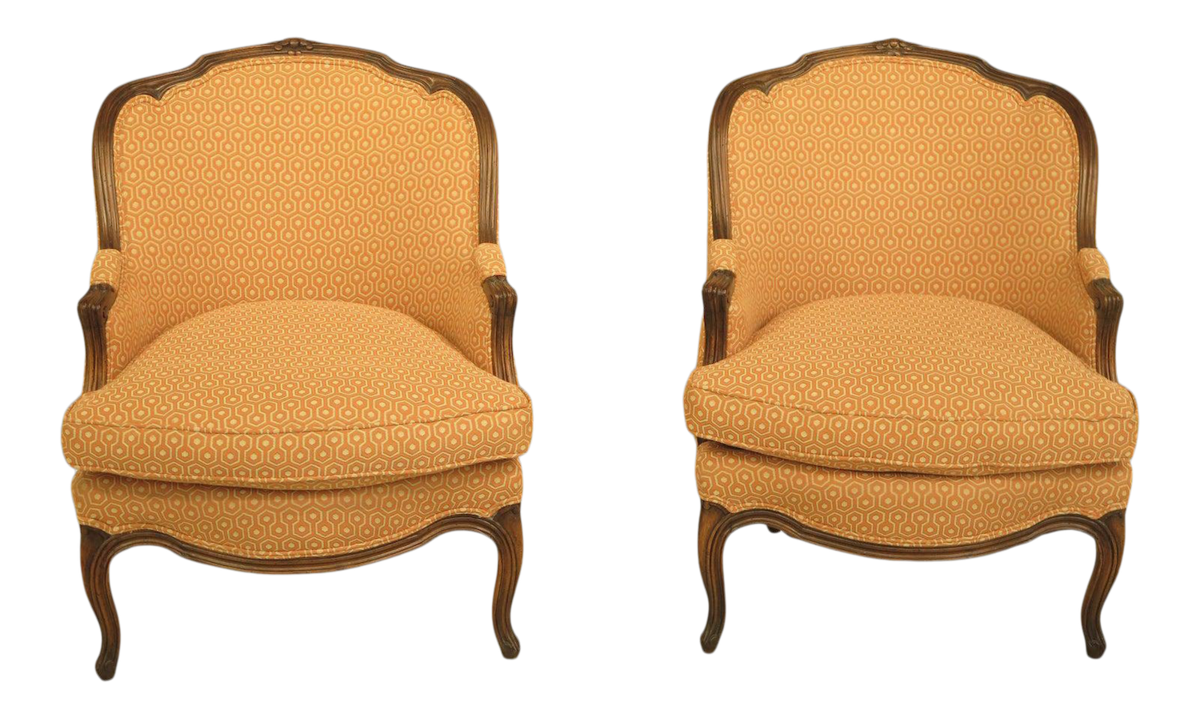
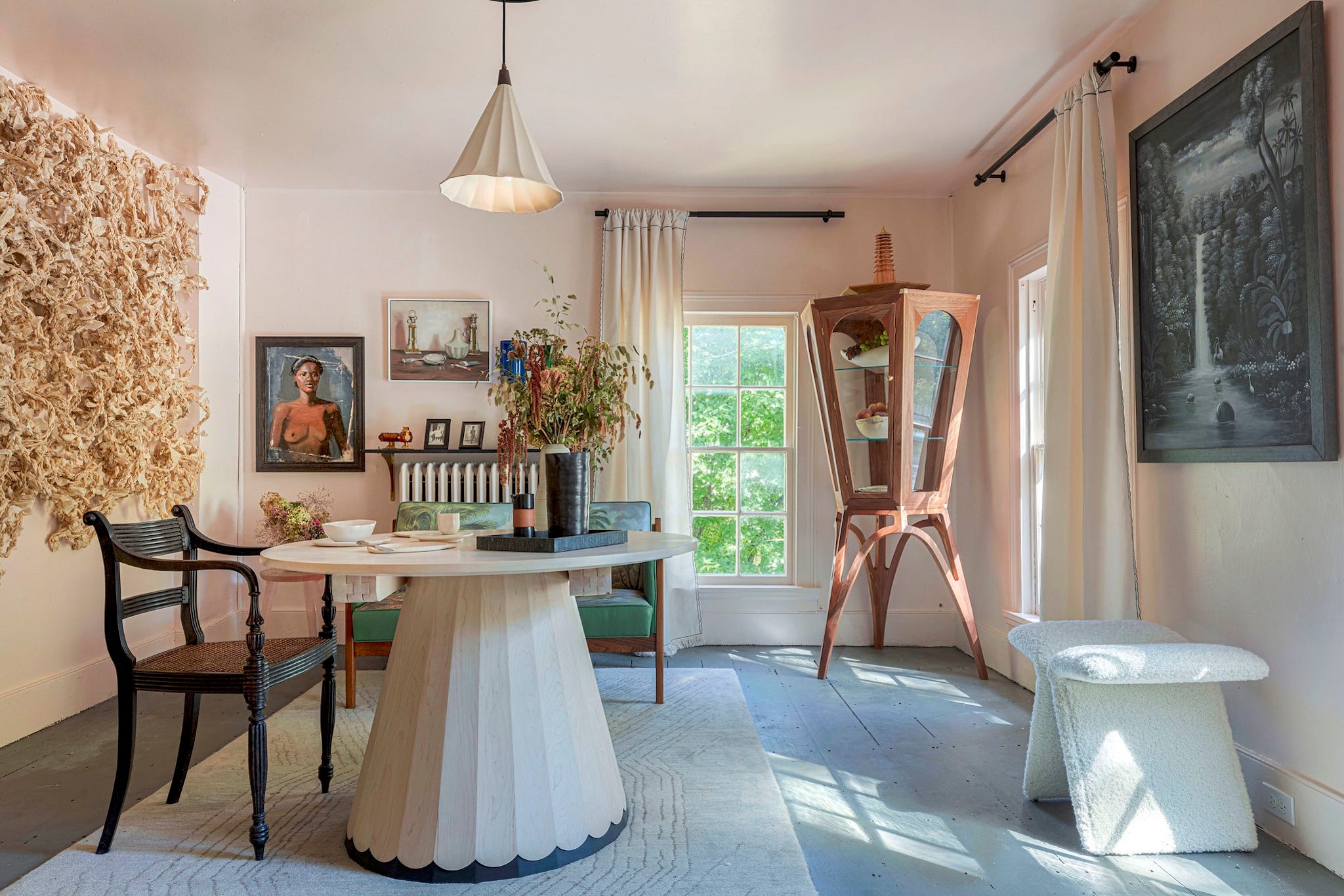
Finally, balancing old and new elements is essential. Heritage maximalism is rooted in transitional design, blending different eras effectively. This involves combining vintage items, like antique tables or heirloom pillows, with newer pieces, such as modern sofas or chests, to create a harmonious tension. This approach ensures the space feels collected over time, rather than hastily assembled, offering a familiar rhythm of design. Well-built vintage or antique furnishings with their timeworn character and rich wood tones contribute depth and grandeur, making the home feel vibrant, timeless, and continuously evolving.
#HeritageMaximalism #InteriorDesignTrends #TraditionalDecor #MaximalistStyle #VintageDecor #HomeDecor #LayeredInteriors #EclecticDesign #HeritageMaximalism #InteriorDesignTrends #TraditionalDecor #MaximalistStyle #VintageDecor #HomeDecor #LayeredInteriors #EclecticDesign
0 comment in total
 No comments yet
You may also like
This time last year, everyone was obsessed with quiet luxury – but the new trend for heritage maximalism is just as classic but far more exciting
Maximalism by design: how to do ‘more’ better
The Home Trends Designers Want You to Ditch in the New Year

Your Parents' Decor Is Making a Comeback: 2025 Design Trends Are all About Nostalgia

The Verdict Is In: Modern Heritage Is the Hottest New Design Style of 2026

8 Home Trends That Are Tragically DEAD to the Design World

The 5 Rules of Decorating as a Maximalist in 2025, According to a Trend Reporter
Is Maximalism Still In Style? This Is How Designers Are Doing Bold Spaces Now

Modern heritage style – 5 ways to get the look
The Daring '80s Trend That's Taking Over Home Design Again In 2025

10 Interior Design Trends to Watch in 2025

40 Outdated Home Trends We Hope Never to See Again

Modern Elegance: Top Trends In Interior Design You Need to Know

6 "Essential" Architecture Trends Design Lovers Need to Know
11 Biggest Interior Trends Of 2025, Design Solutions & Reno Tips As Revealed By An Interior Designer

Mark Our Words, This Will Be The #1 Home Trend Of 2022
Interior Design Trends of 2025 Include a Refresh on Maximalism

9 fresh ways to try the grandmillennial decor trend


People Are Exposing The Home Decor Trends That'll "Completely Fade Out" Sooner Than You'd Think

Is Midcentury Modern Decor Finally Out of Style in 2025? What Designers Really Think