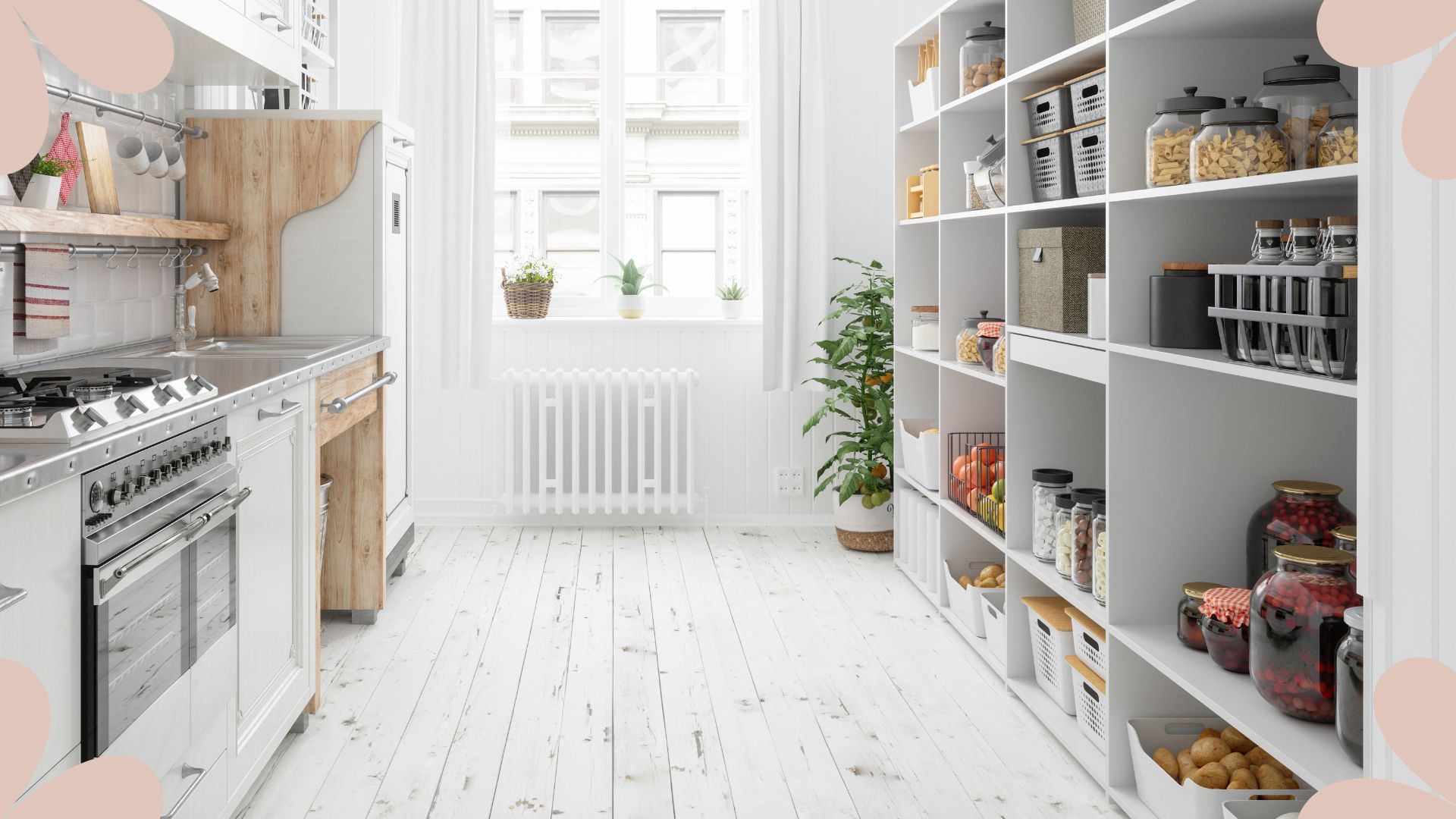
1/19
How to organize a pantry: 23 expert tips and design ideas
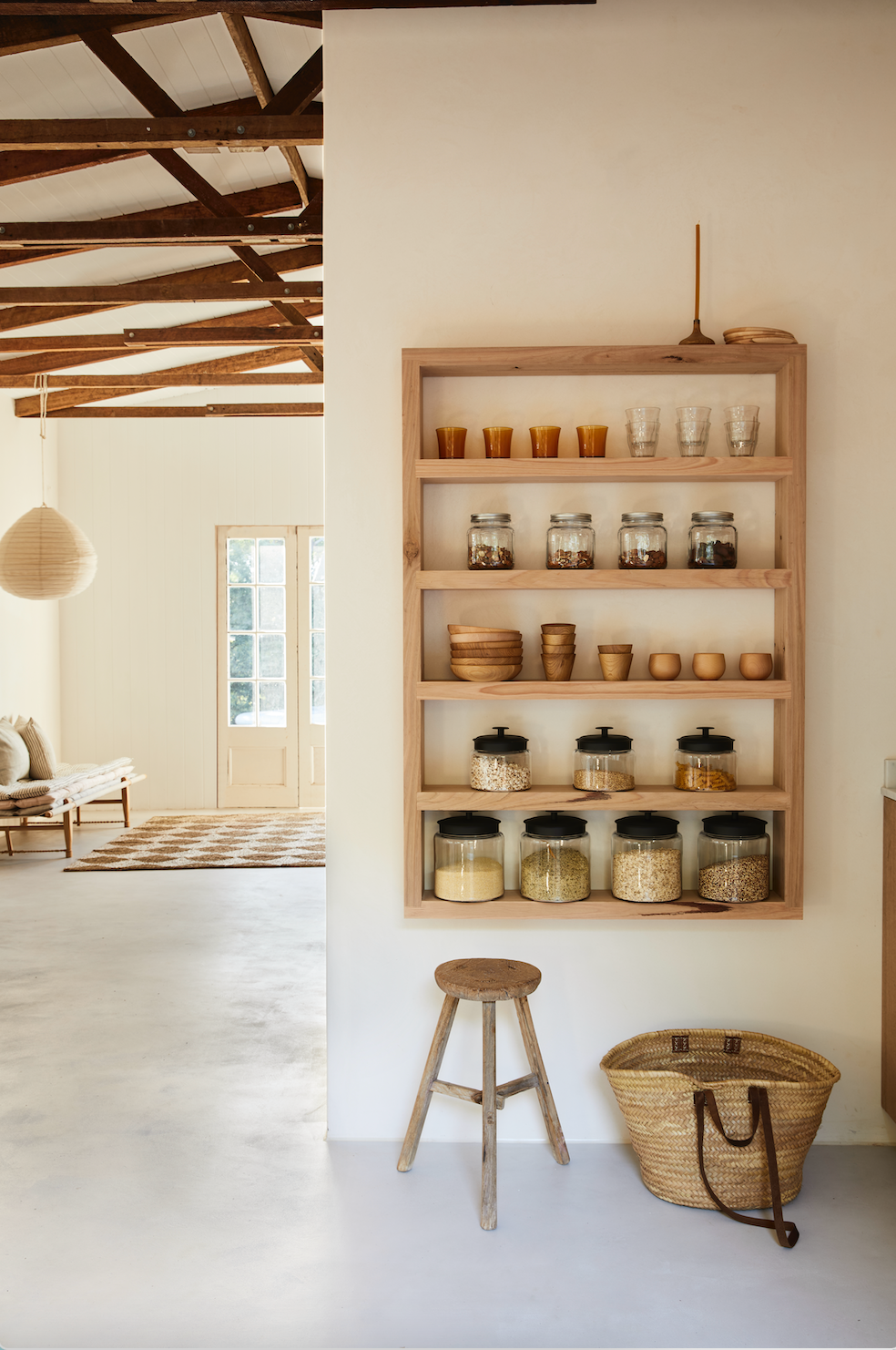
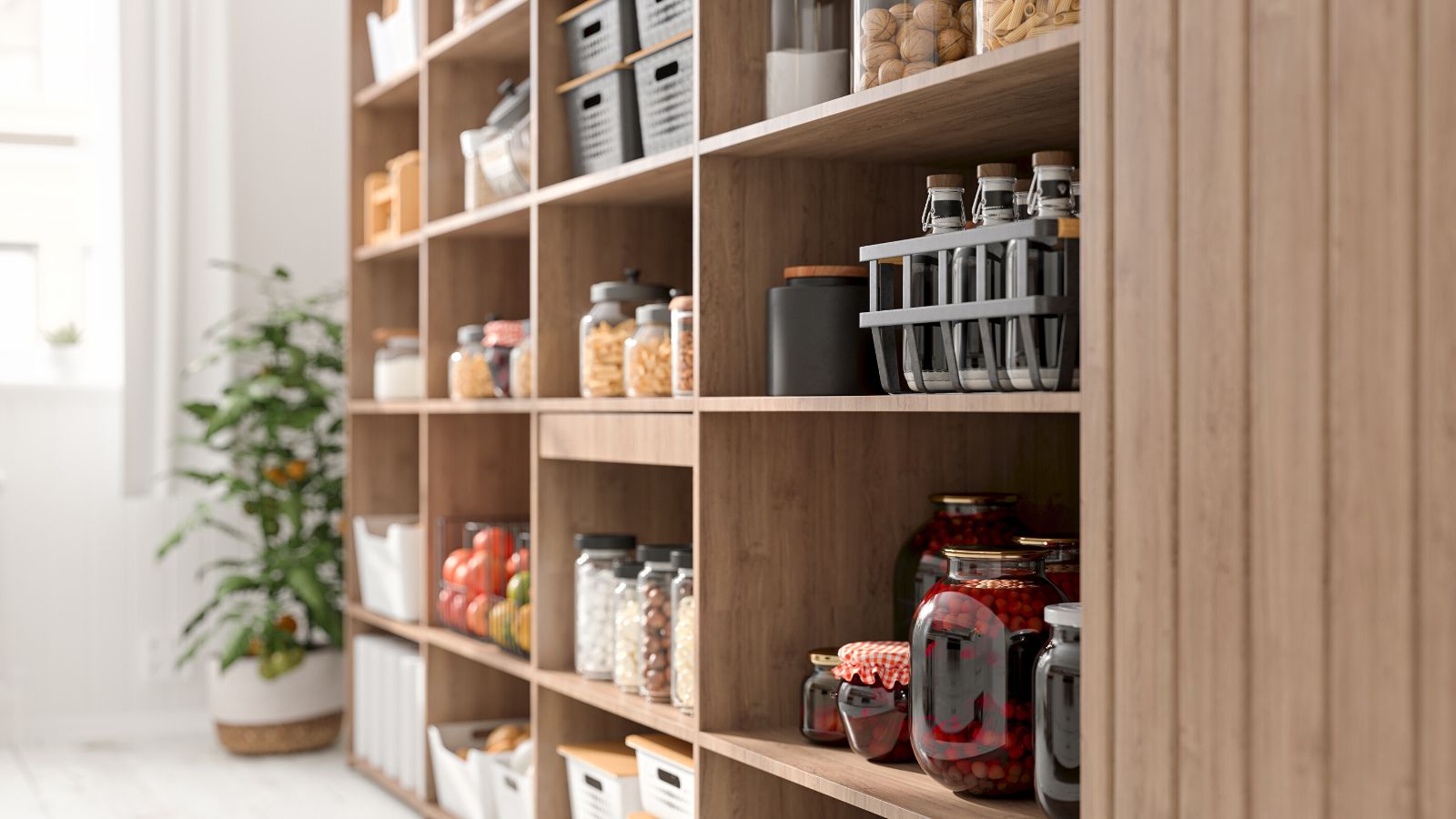
Pantry organization is often seen as a daunting task, but a well-arranged pantry can significantly reduce stress and save time, even becoming a design focal point within the kitchen. According to Tom Howley of Tom Howley bespoke kitchens, modern kitchen designs frequently incorporate pantries, from compact solutions to extensive double pantry ideas, offering diverse storage options like drawers, shelving, and spice racks. These elements provide flexibility in choosing storage methods that suit individual needs, such as concealing breakfast clutter.
The principles of organizing a pantry share similarities with general kitchen organization, emphasizing efficient space utilization and aesthetic appeal. Before beginning the organization process, it is essential to consider various factors. These include identifying who will be using the space, deciding whether to purchase new storage items like jars and baskets or utilize existing ones, and integrating pantry organization with other kitchen areas such as cabinets and under-sink storage. A thorough inventory of all pantry contents is recommended, involving the removal of all items—food, appliances, jars, crockery—to sort and declutter. This step allows for discarding expired food, donating unopened in-date items, and rehoming or selling old plates or appliances. Subsequently, the pantry should be thoroughly cleaned using a multipurpose spray or natural cleaning agents like baking soda and vinegar.
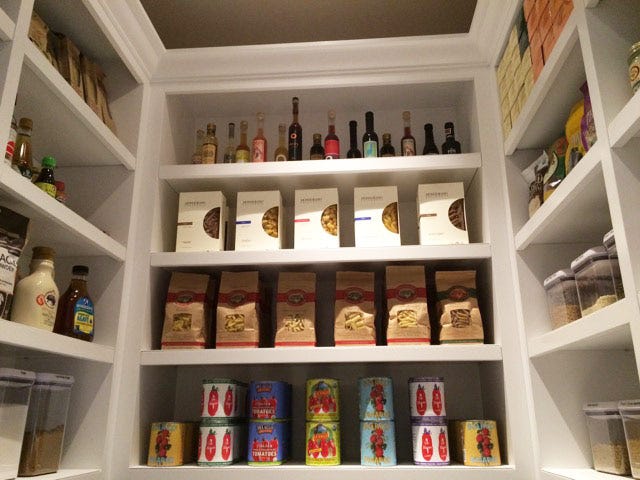
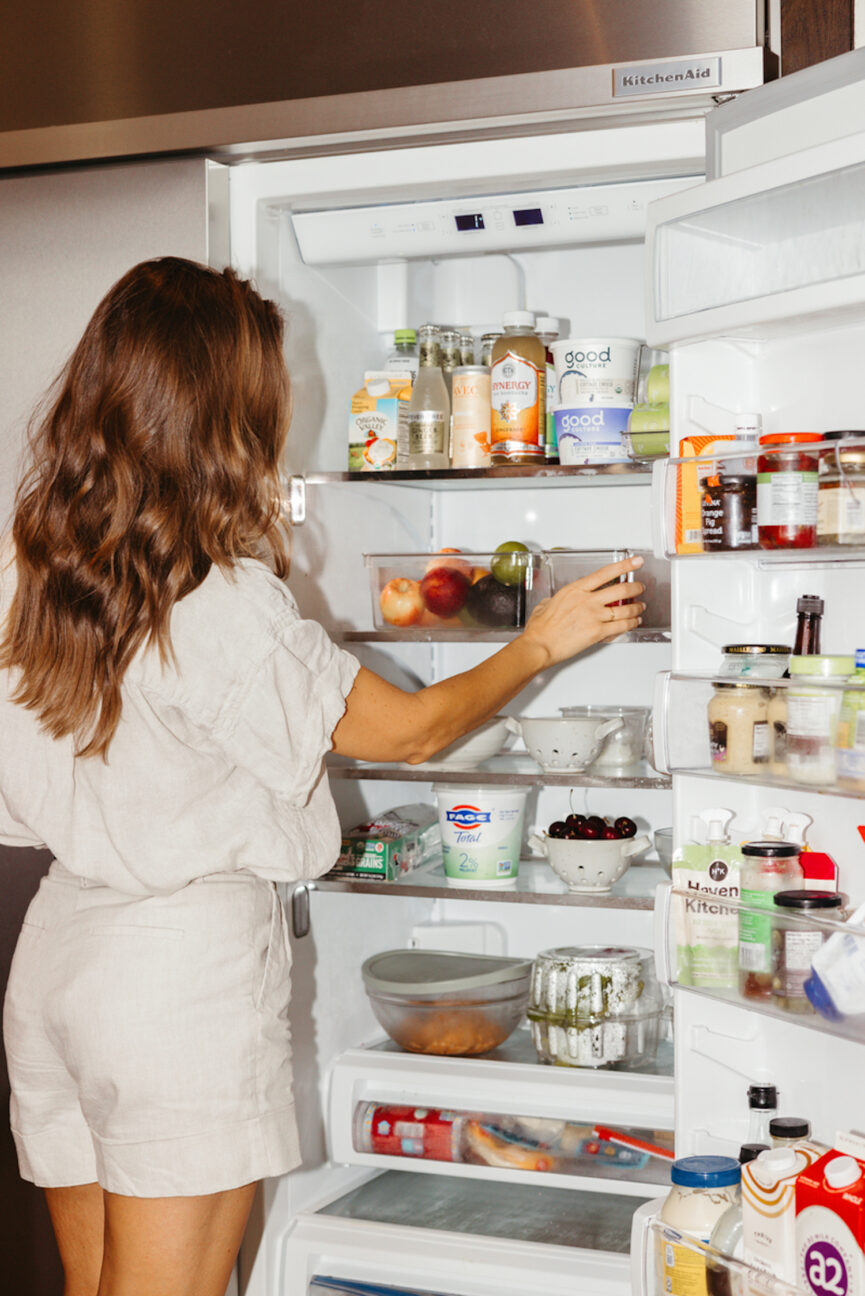
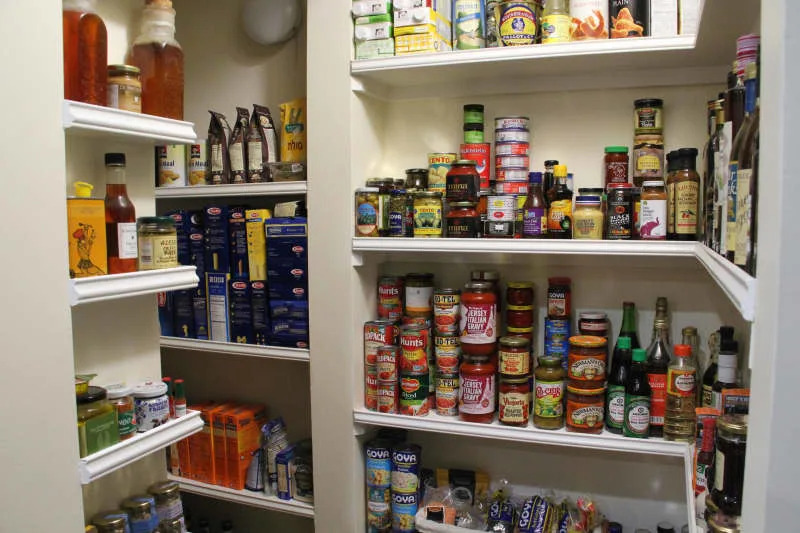
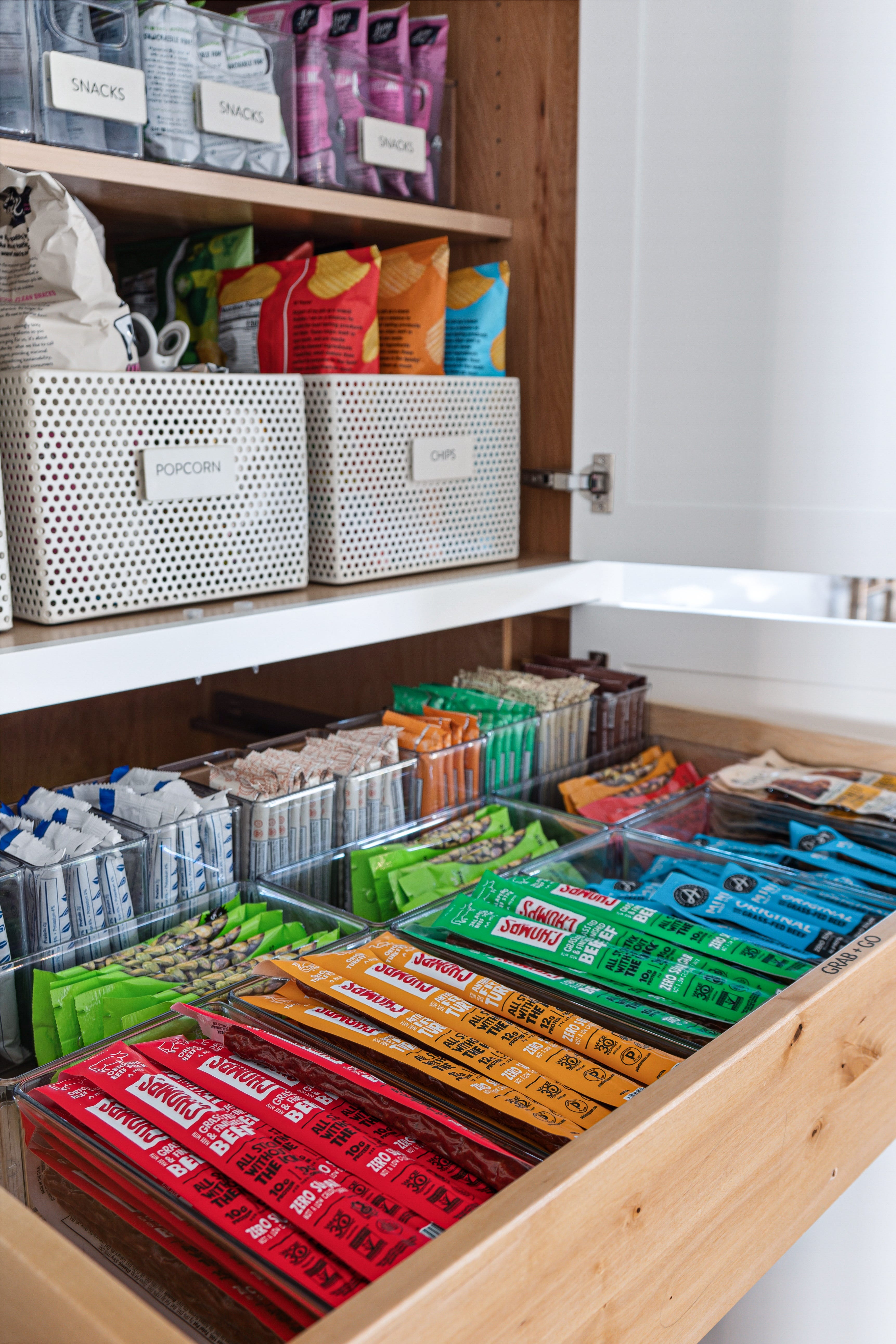
Key organization tips include arranging items by food type to easily track inventory and reduce food waste, similar to how a refrigerator is organized. Reusing jam jars for storage can further enhance eco-friendliness. Storing baking ingredients, dry goods (rice, pasta, oats, lentils), tinned items, and spices in designated areas is recommended, with perishables nearing their expiry date placed at the front for easy access.
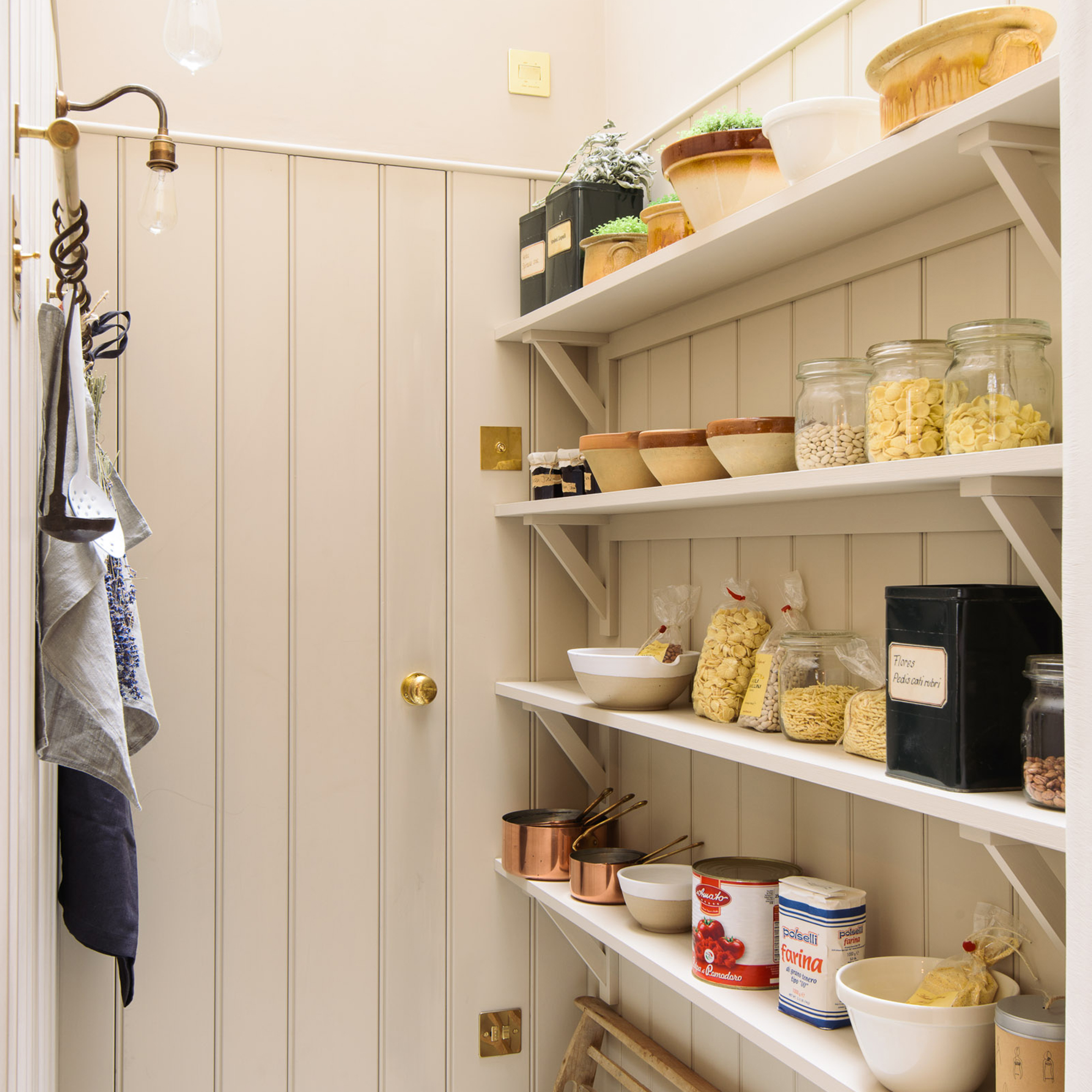
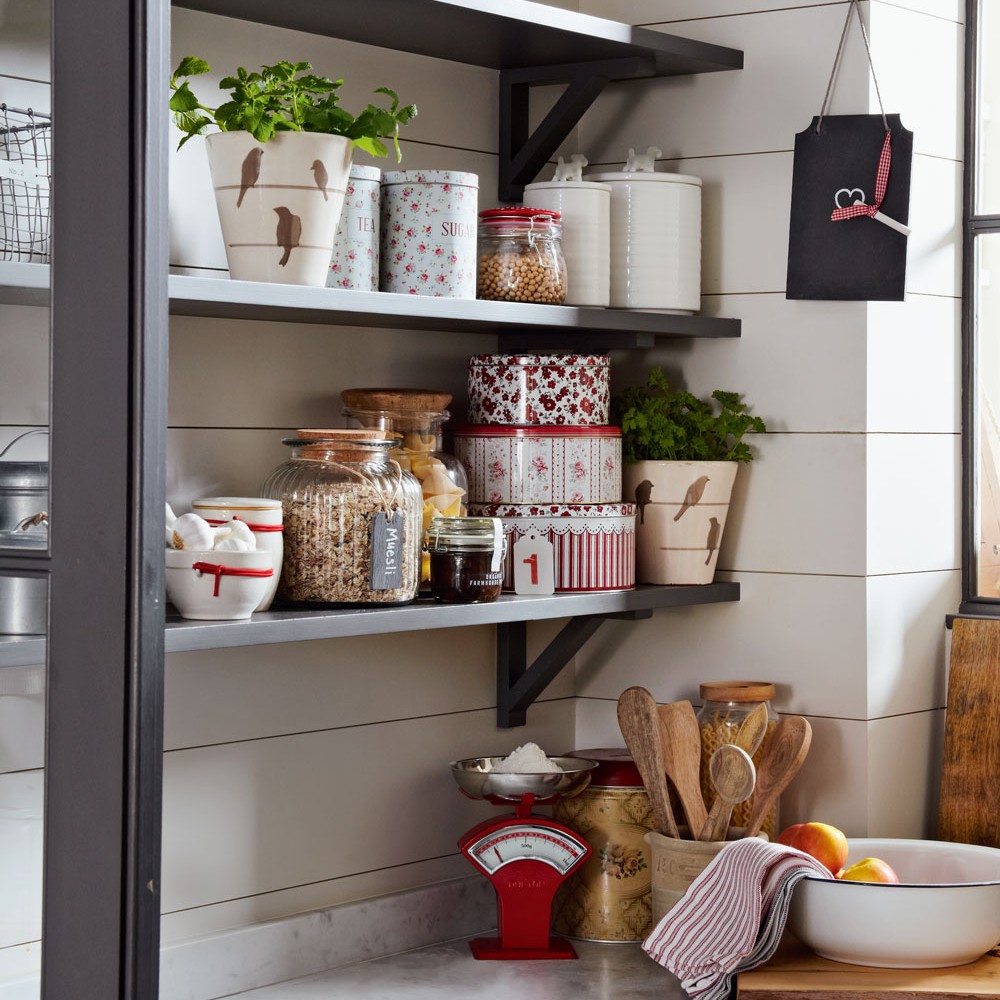
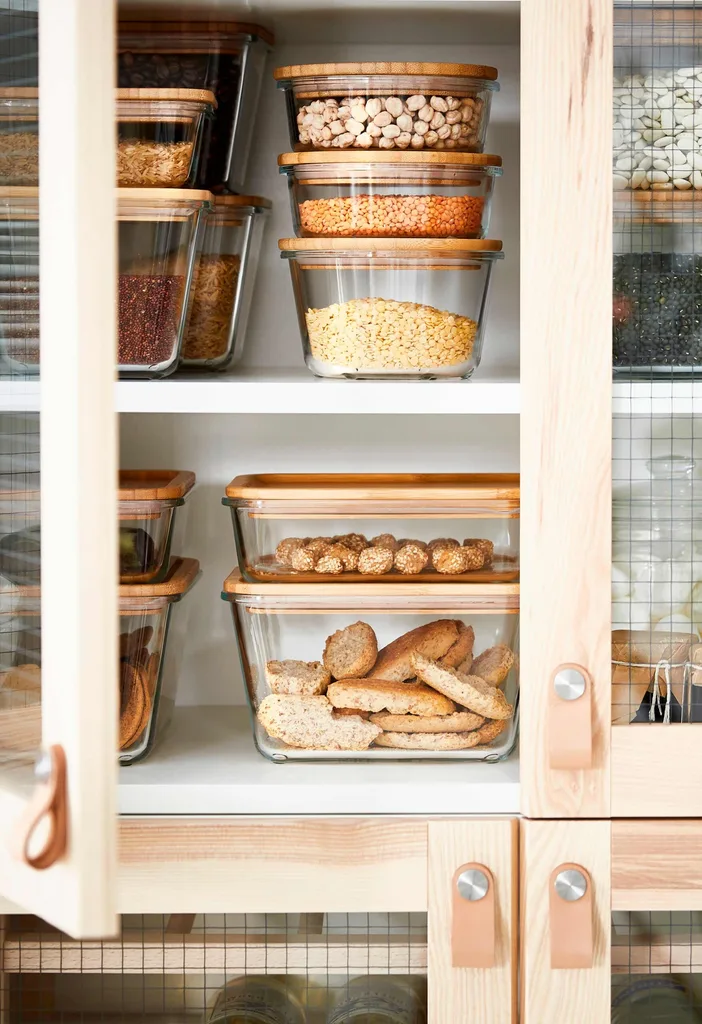
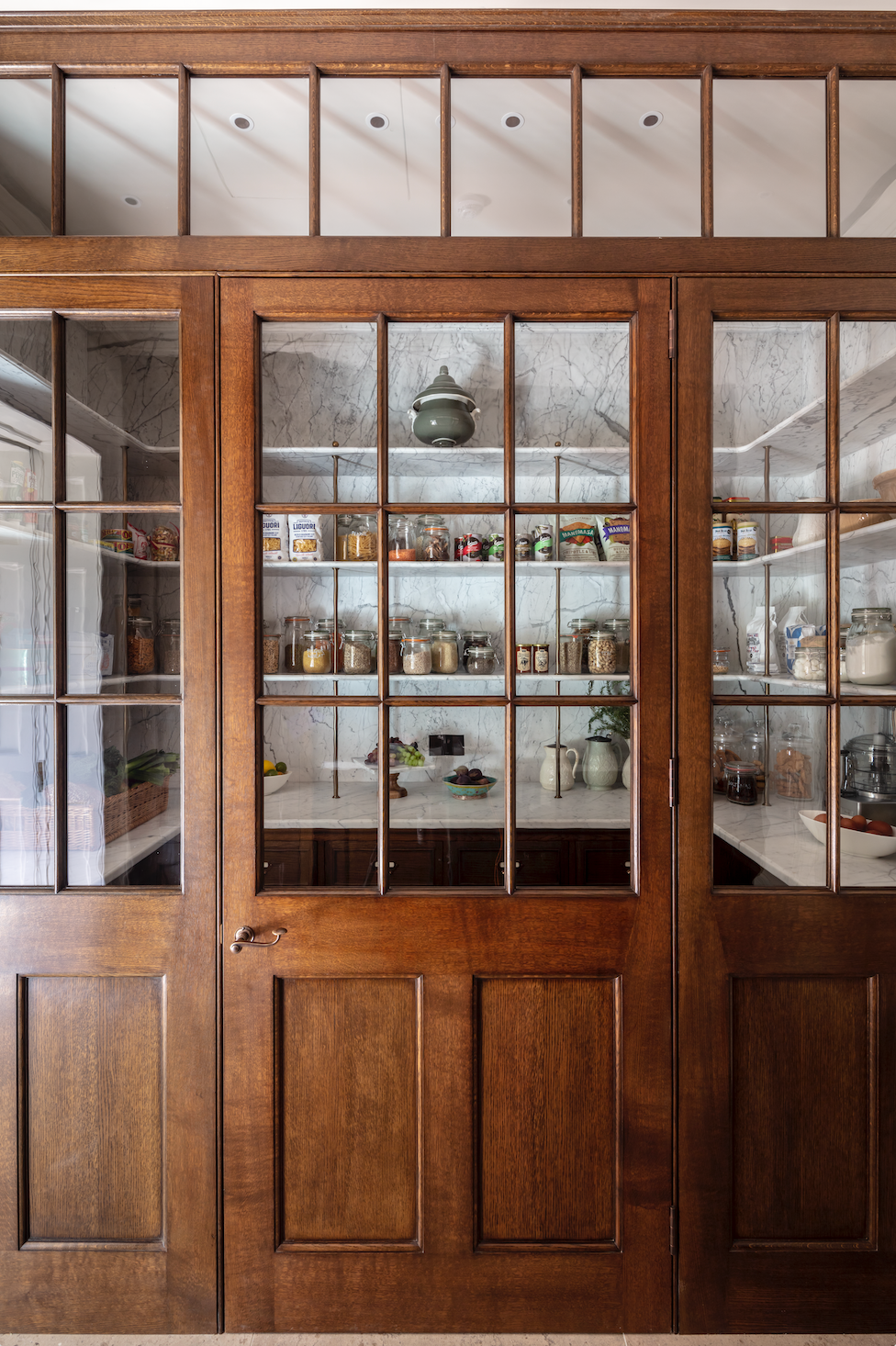
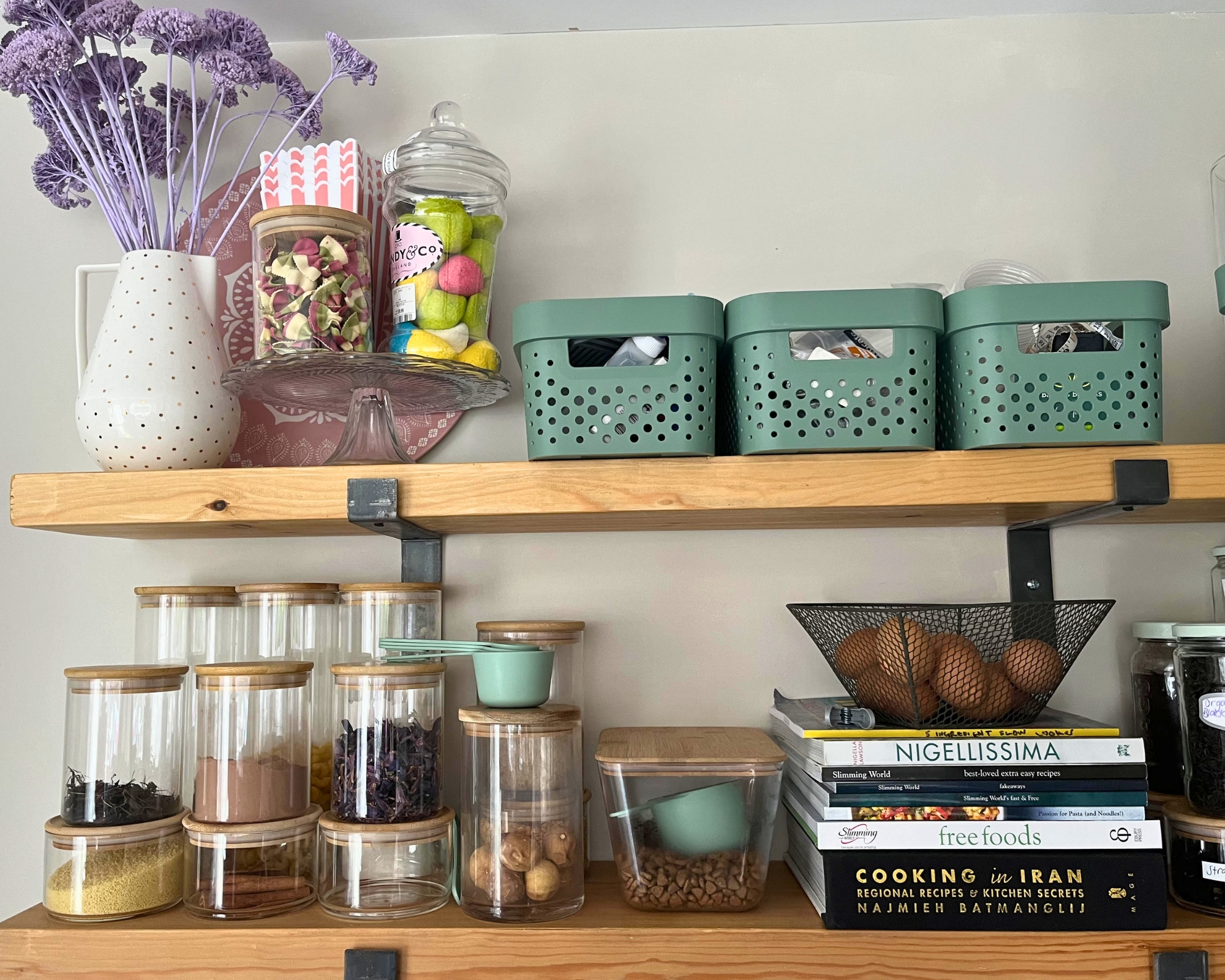
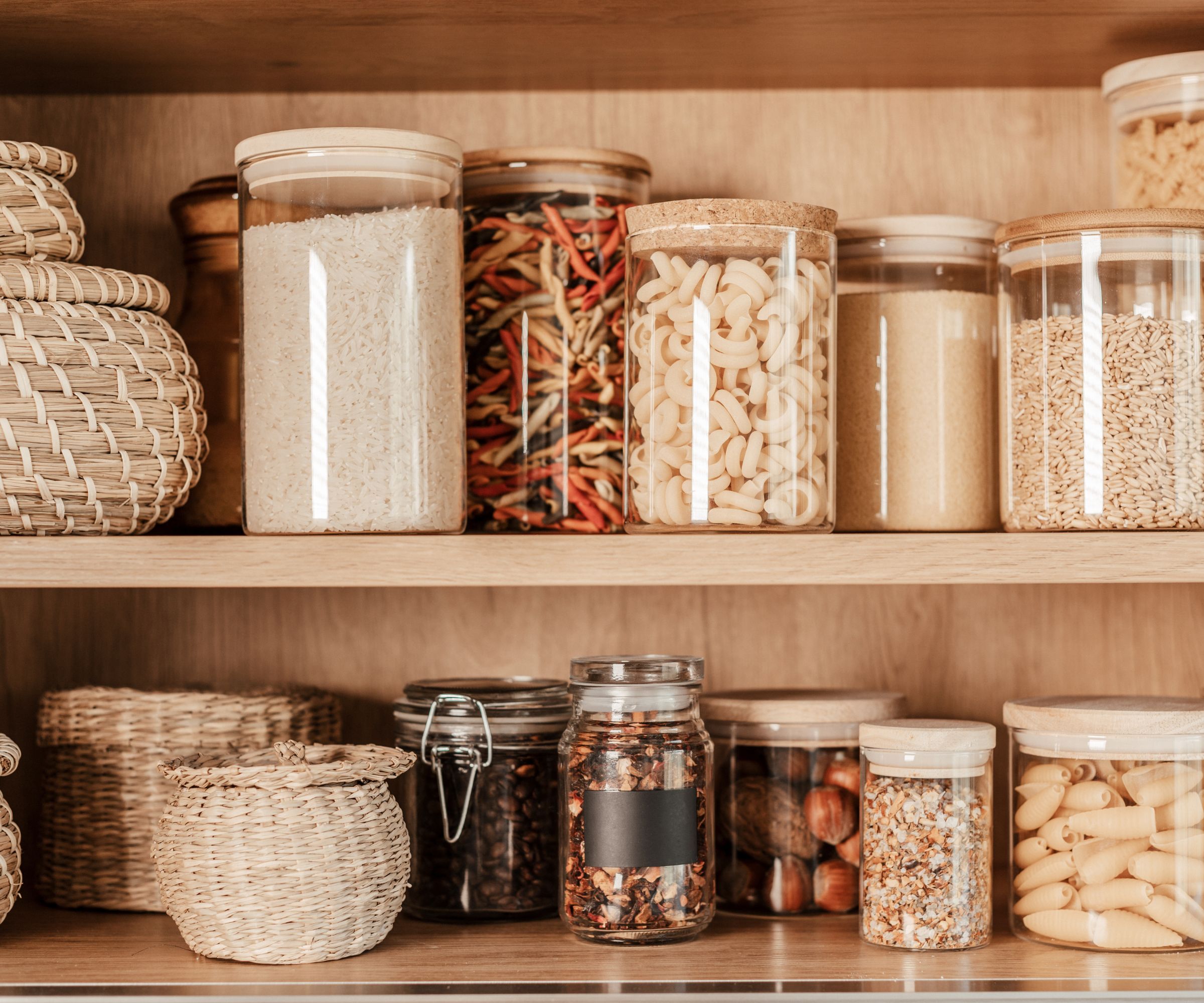
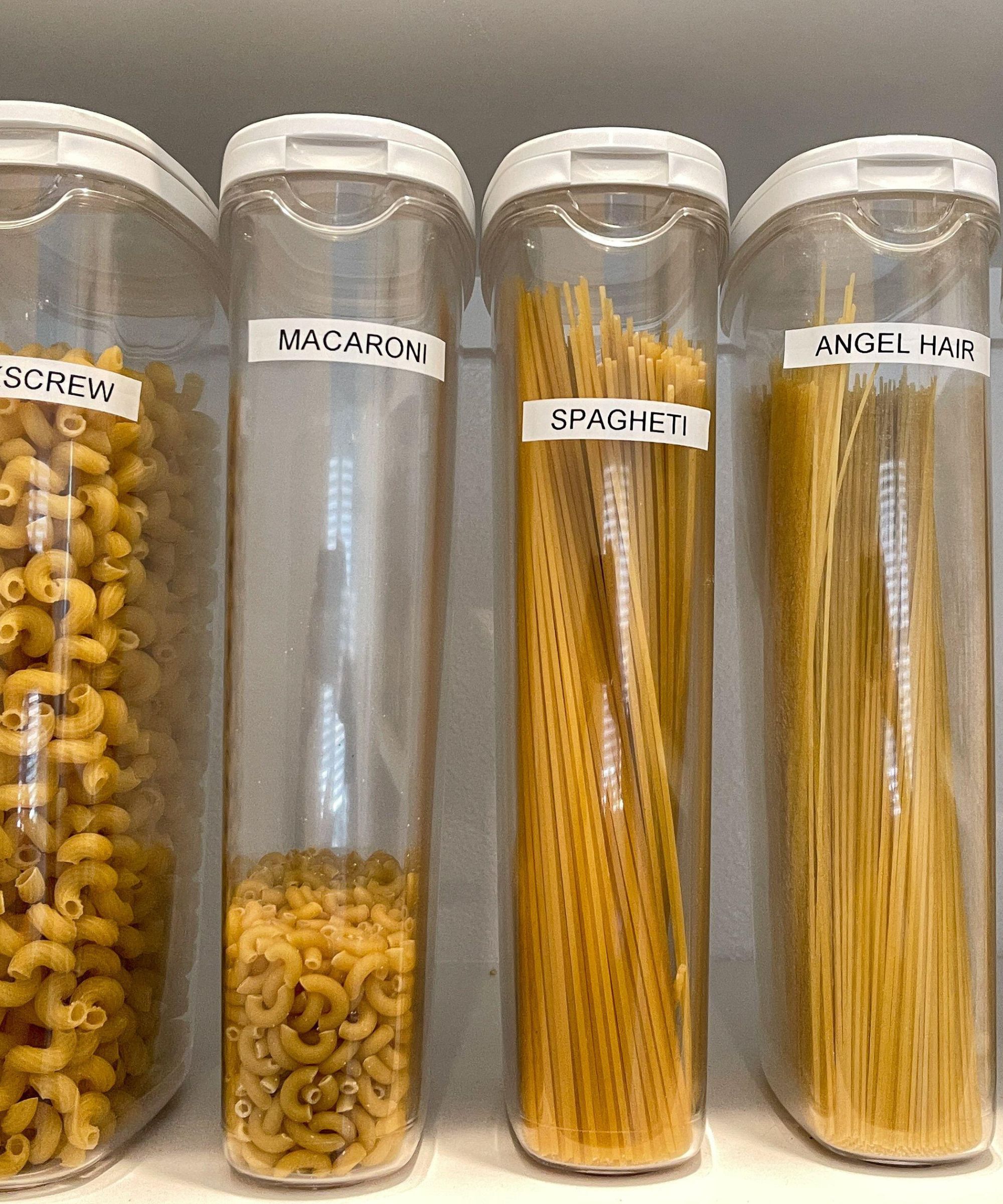
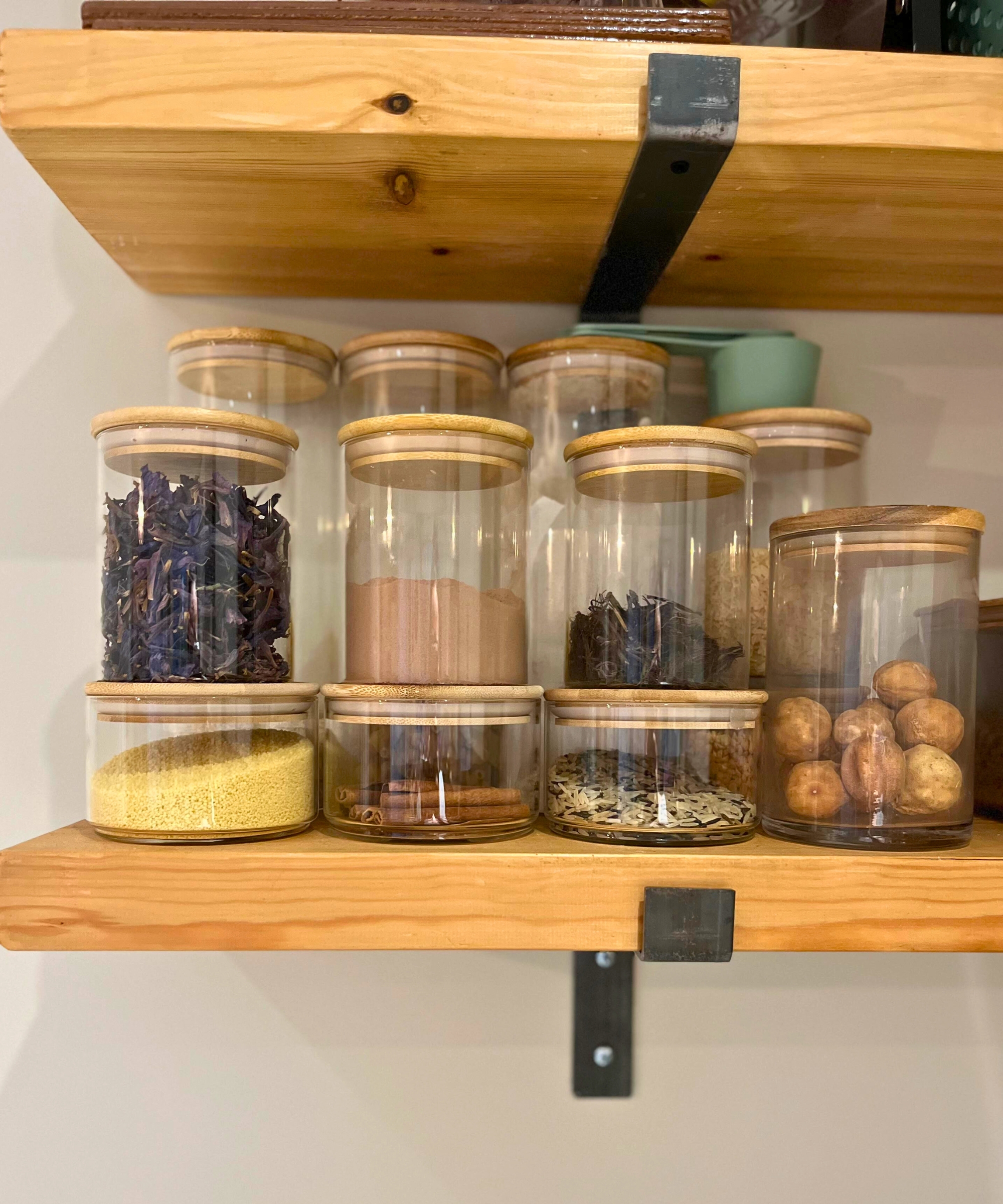
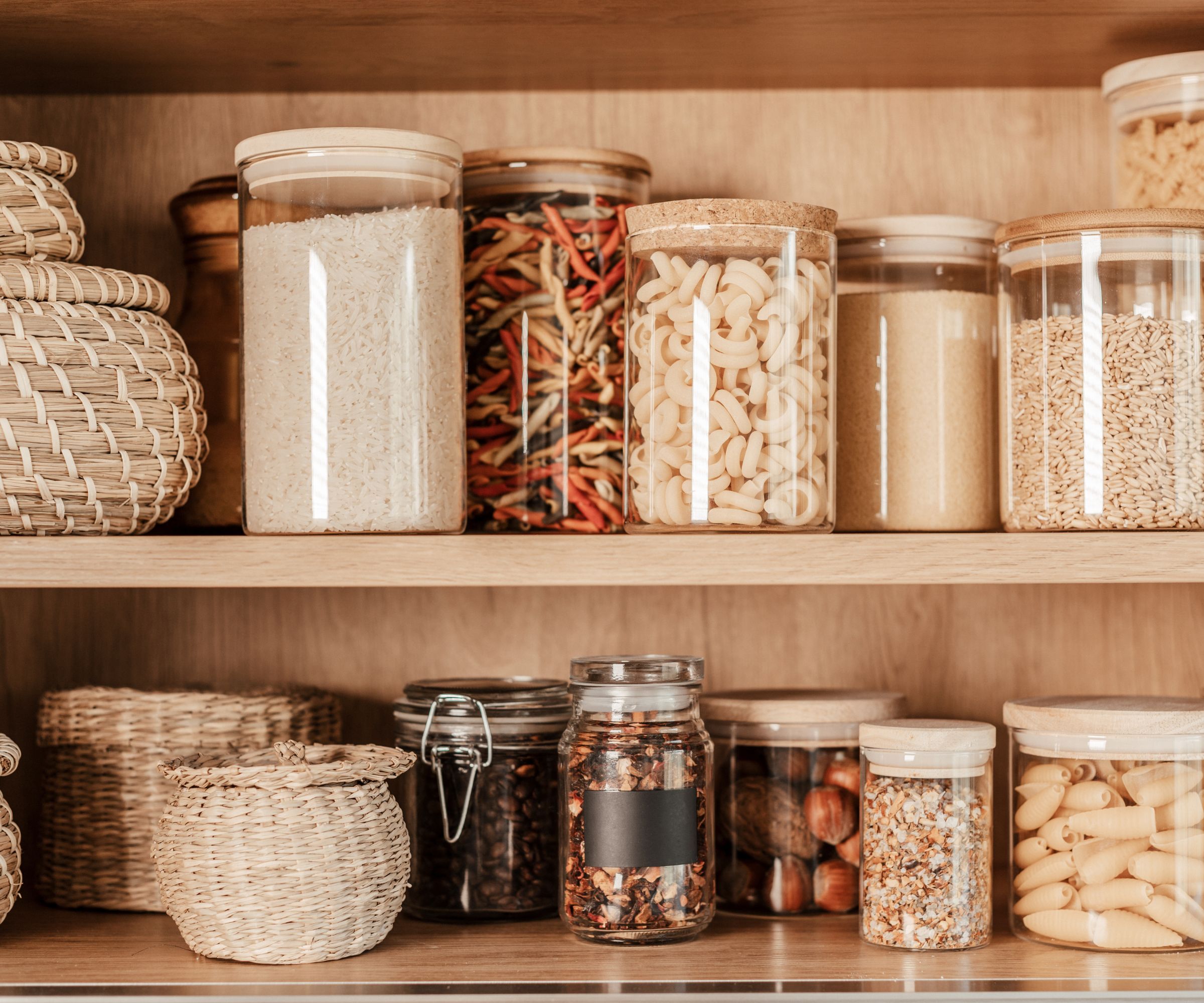
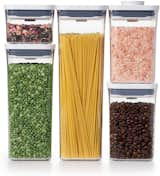
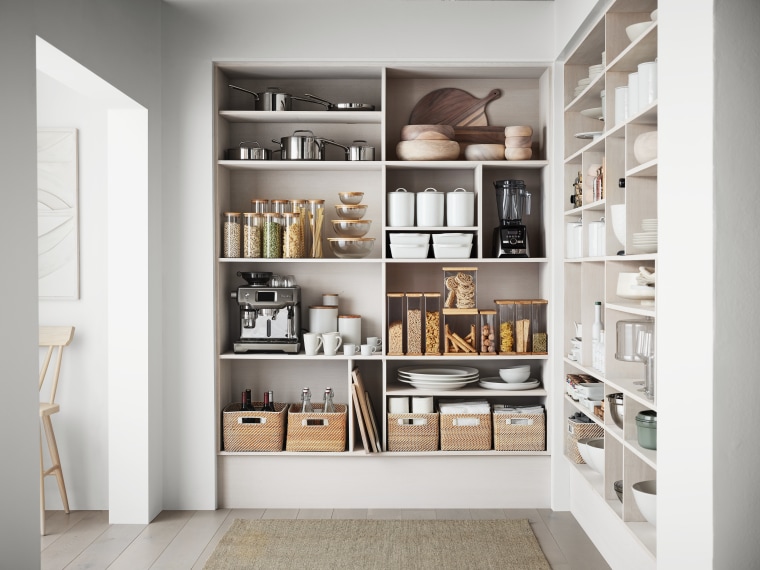
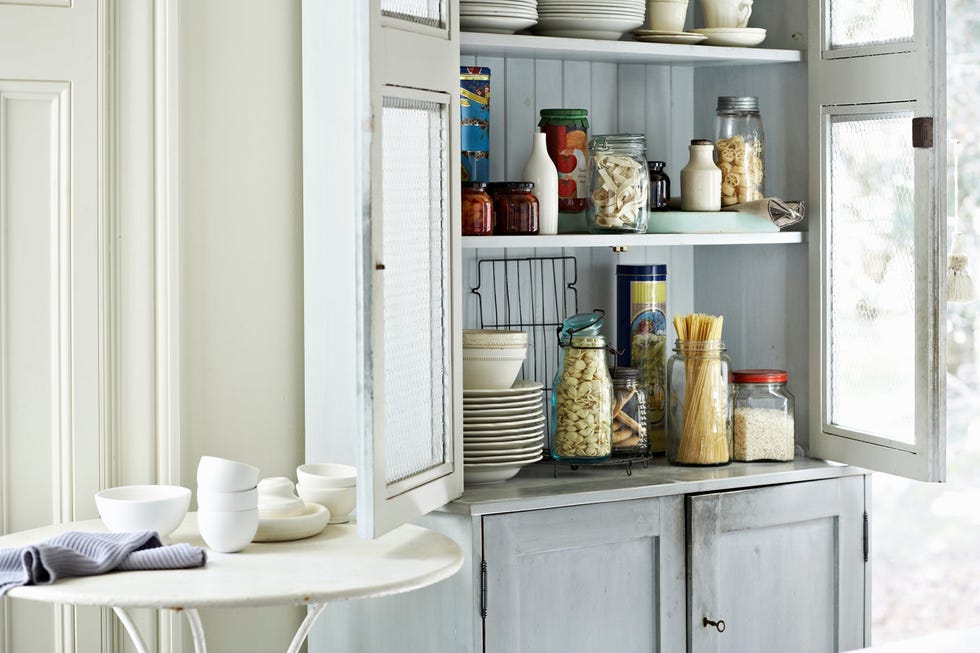
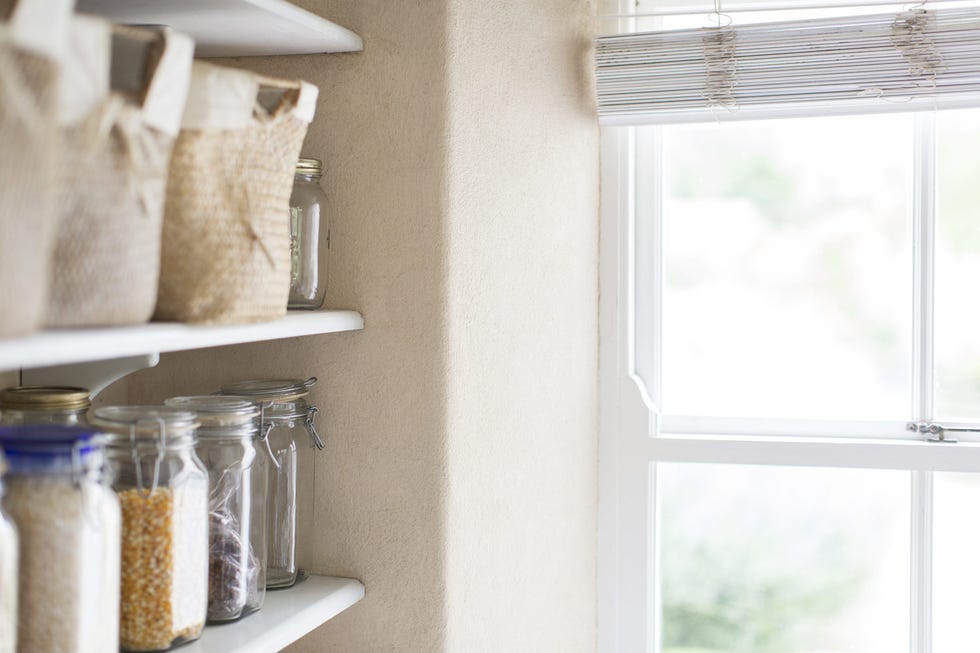
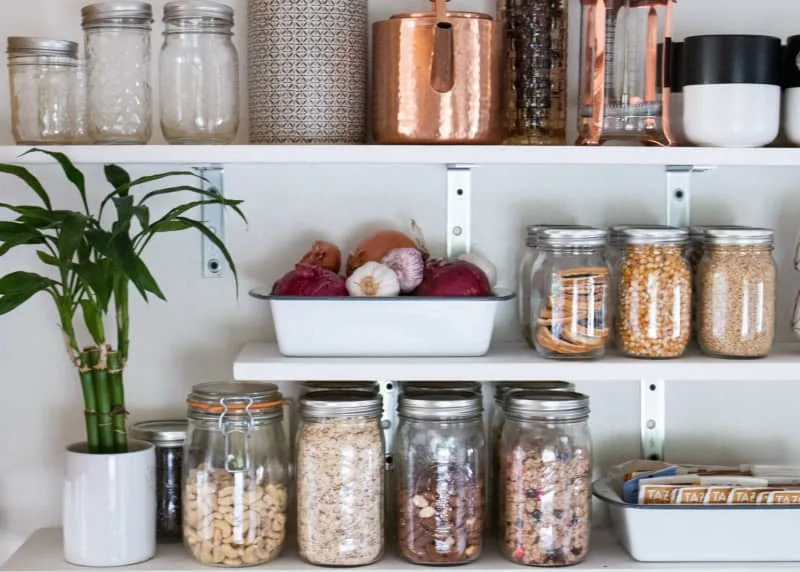
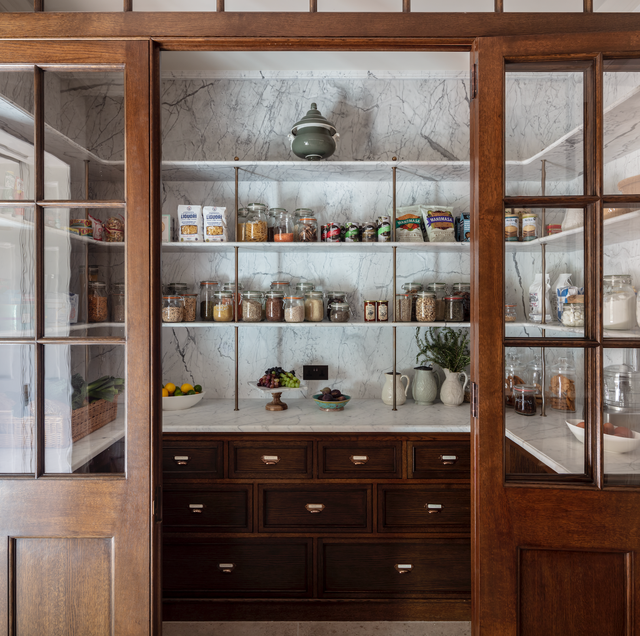
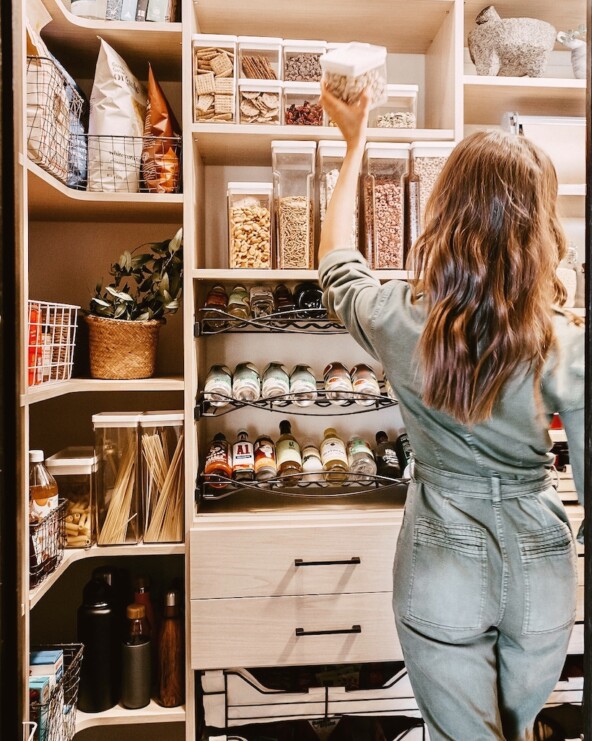
Utilizing stylish glass jars for essentials like rice, flour, and sugar keeps food fresh and makes it easy to monitor stock levels. This method also promotes hygiene by preventing pests like flour mites and pantry weevils that thrive in dark, humid conditions and can penetrate paper packaging. Labeling these jars not only adds to the organized aesthetic but also simplifies meal planning and grocery shopping. Different container types, including lighter, unbreakable options for children or concealed boxes for less attractive items, can be used alongside glass jars to suit various needs. Prioritizing accessibility for frequently used items, such as placing baking supplies or children's snacks on lower shelves, ensures convenience.
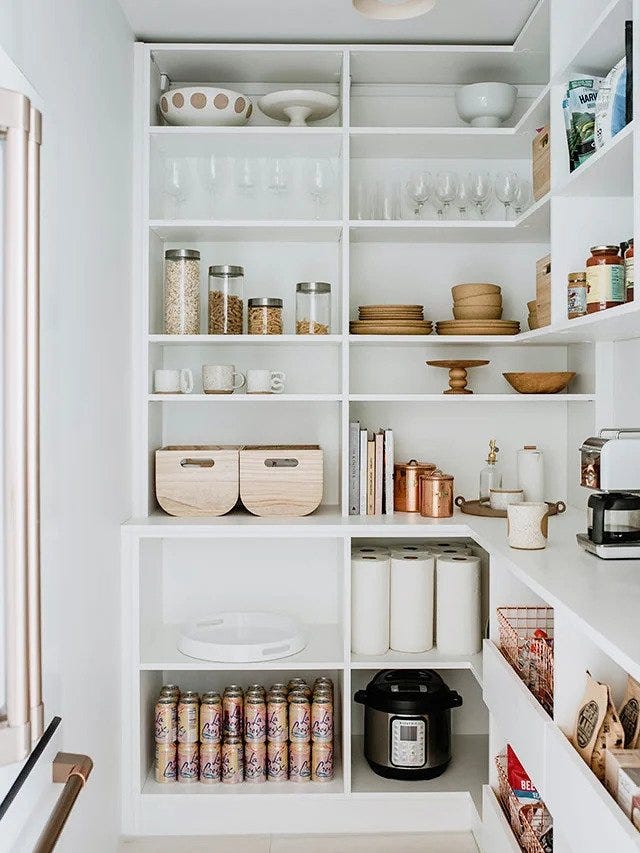
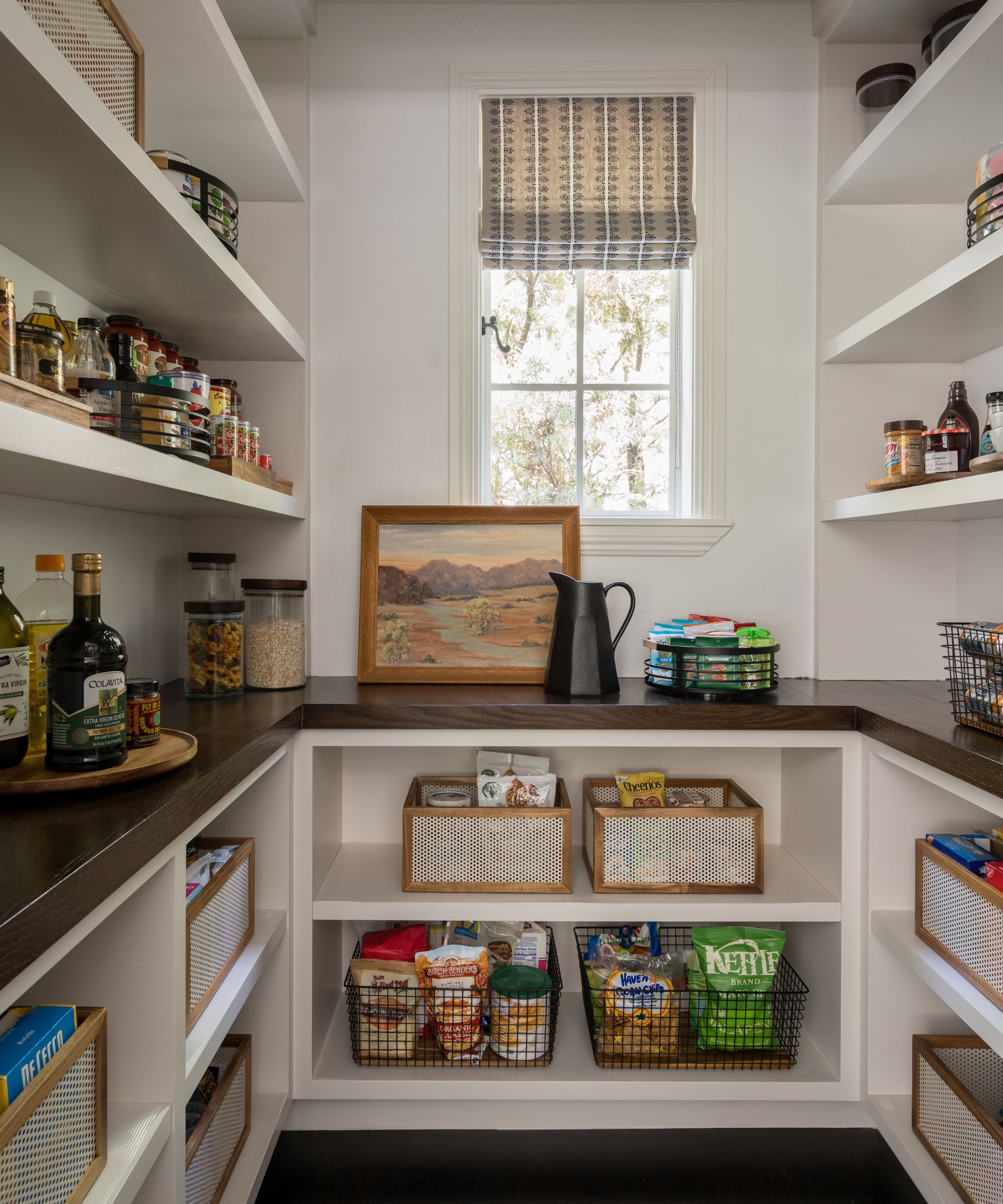
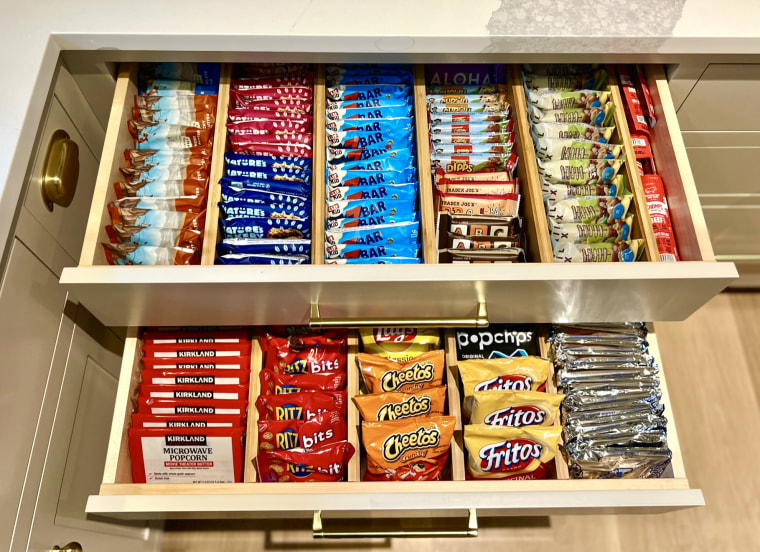
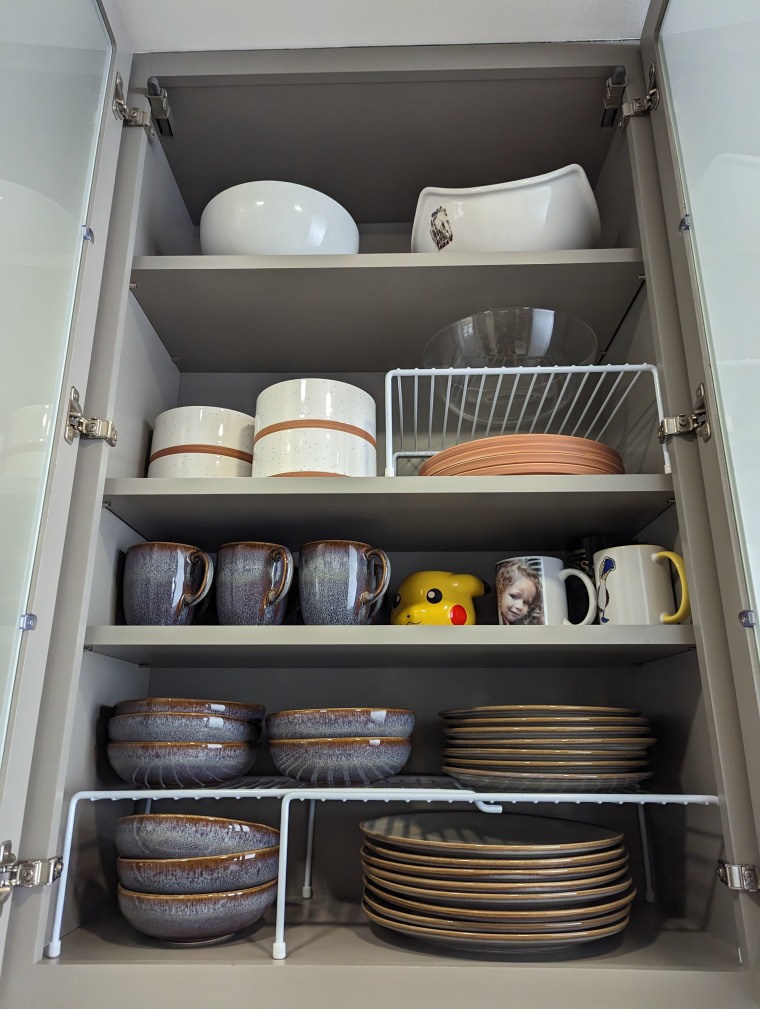
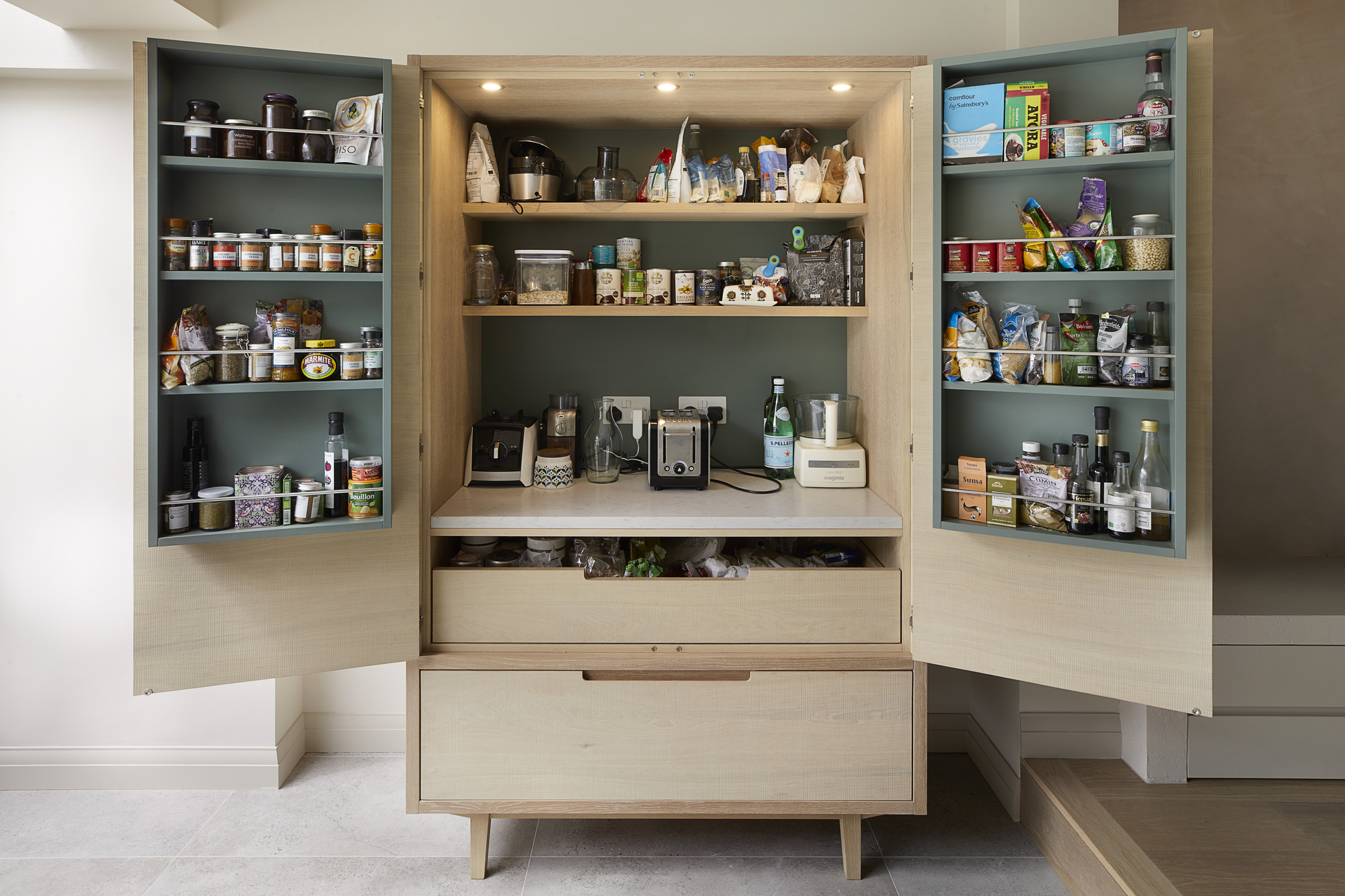
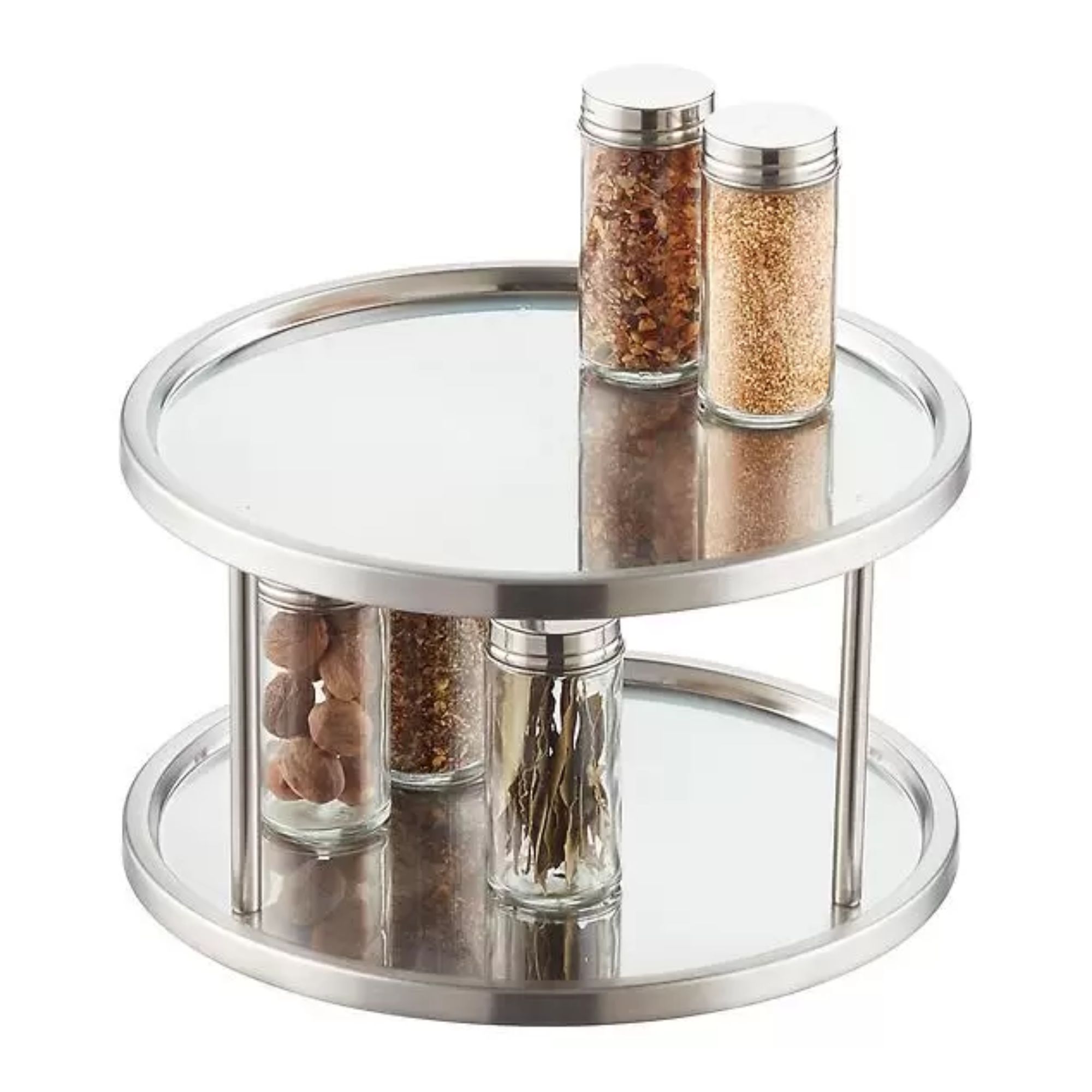
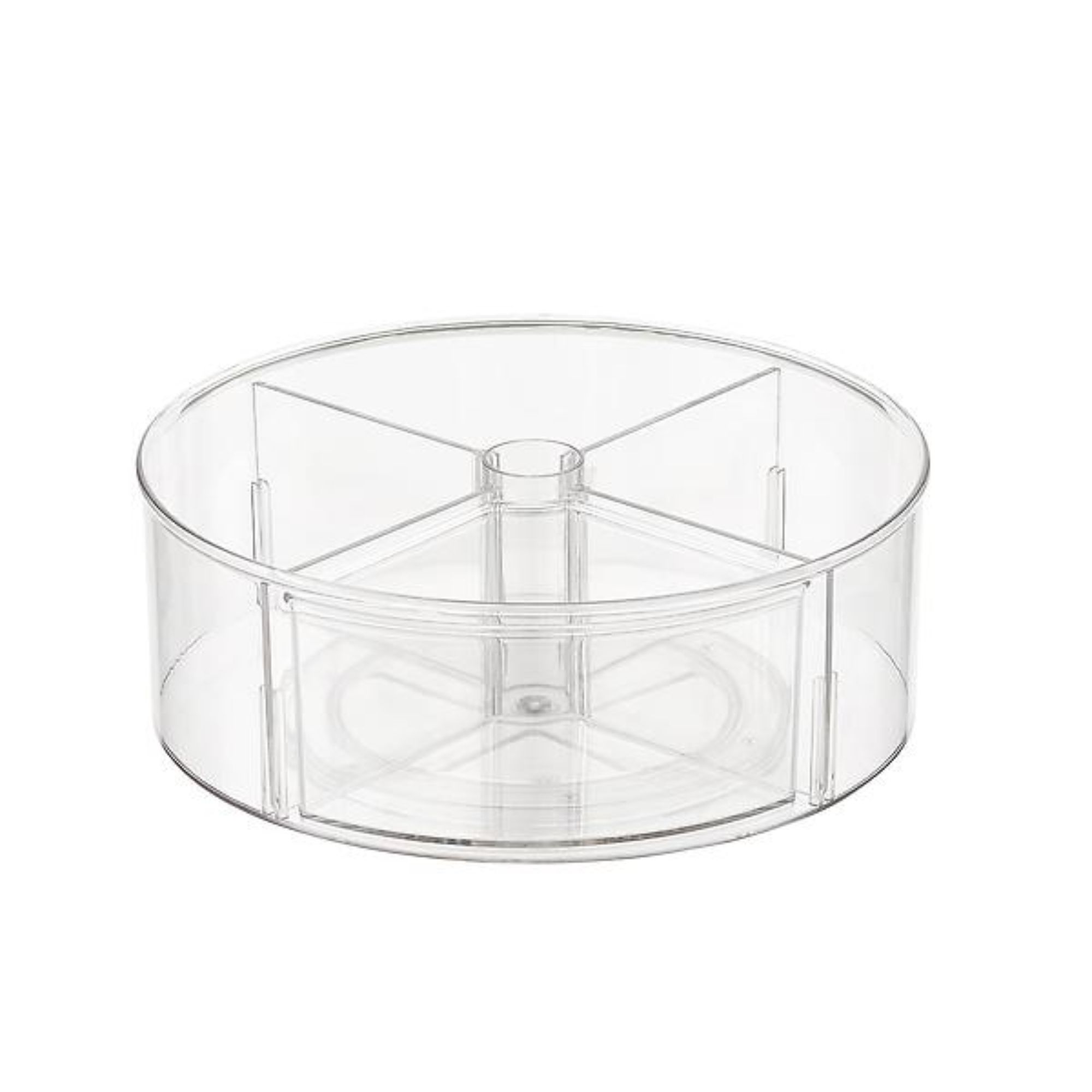
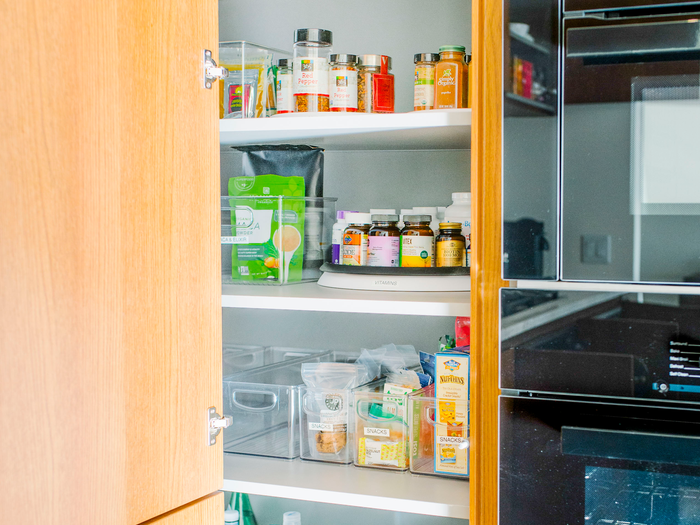
Creating an 'appliance zone' within the pantry can free up countertop space in the main kitchen, providing a dedicated area for blenders or food processors. Integrating a plug point in this zone can further enhance functionality. Baskets or boxes, especially those with ventilation holes, are ideal for storing fruits and vegetables, keeping them fresh and easily accessible. Wall-mounted solutions, such as spice racks on the back of pantry doors, maximize vertical space for awkward items. Additionally, hooks can be installed for hanging textiles like oven mitts and aprons, freeing up drawer space. Chalkboards on doors or walls can serve as a practical tool for keeping track of inventory and shopping lists. Lazy Susans are effective for maximizing space and accessing items at the back of shelves, while shelf dividers can double storage capacity, particularly for smaller items. Consolidating supplies and labeling all storage containers for clarity are crucial for maintaining an organized and efficient pantry.
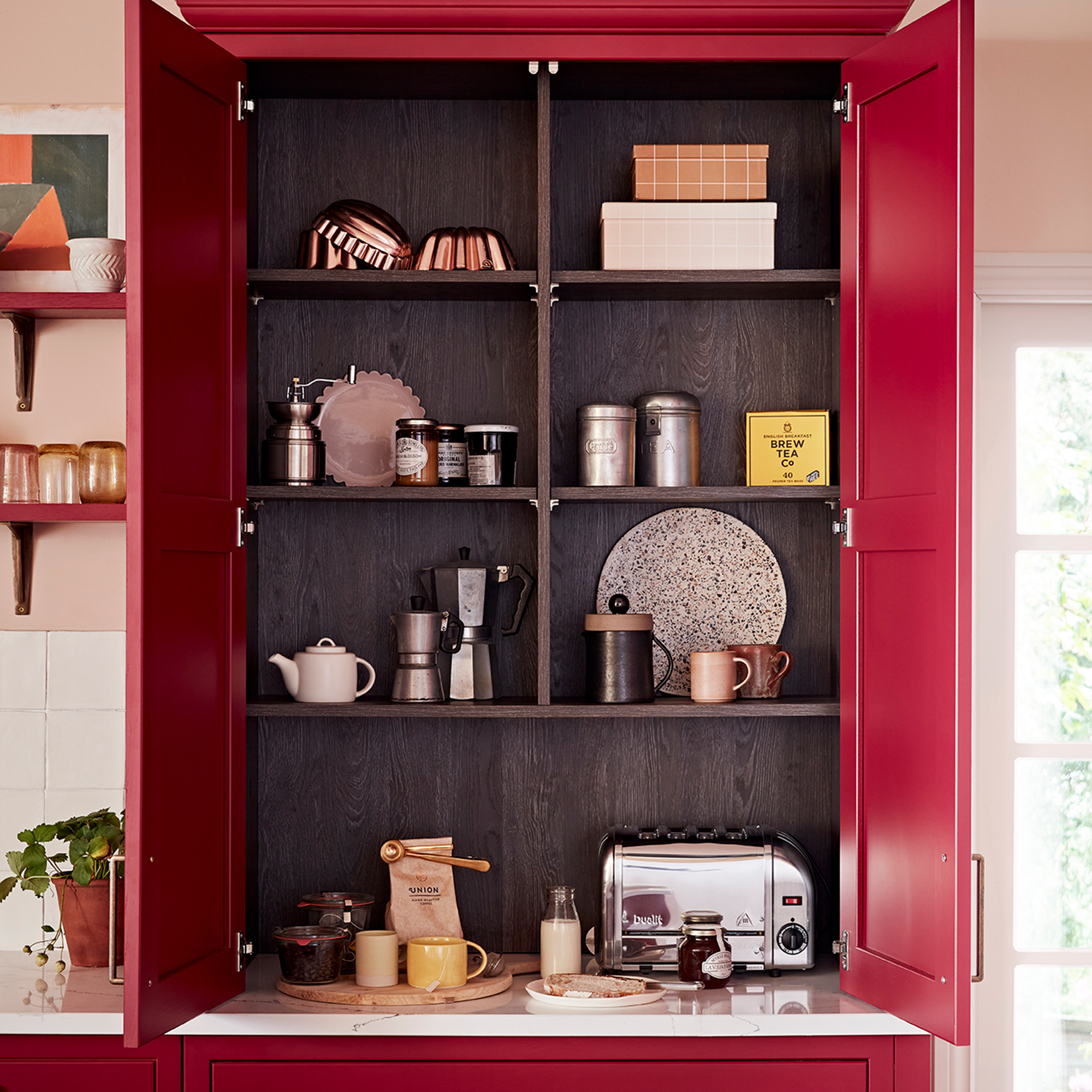
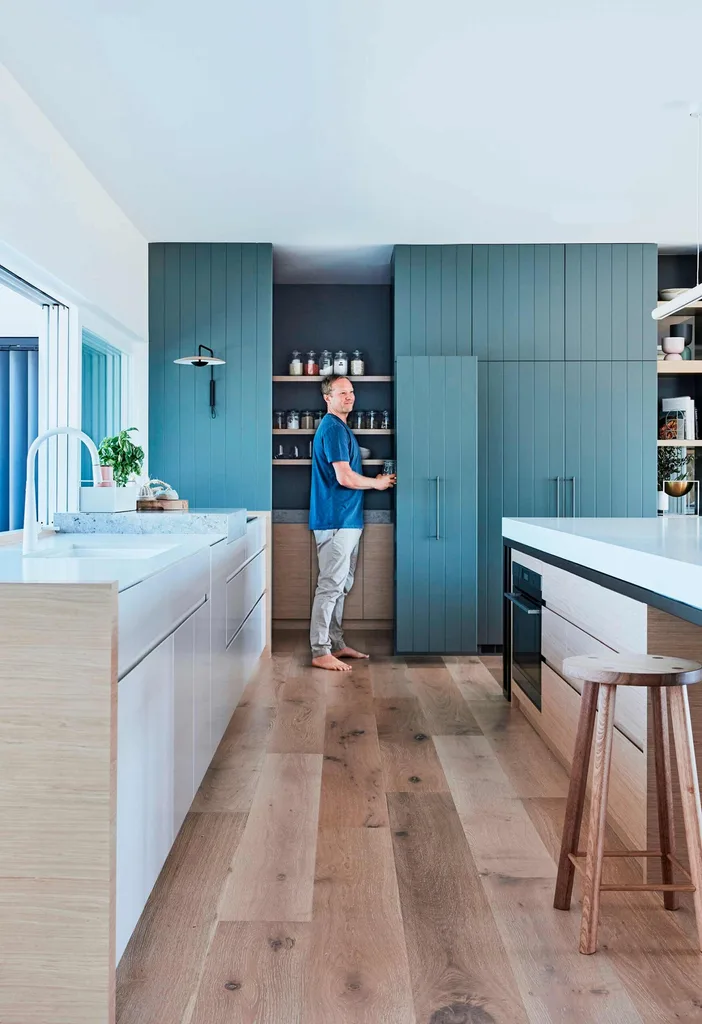
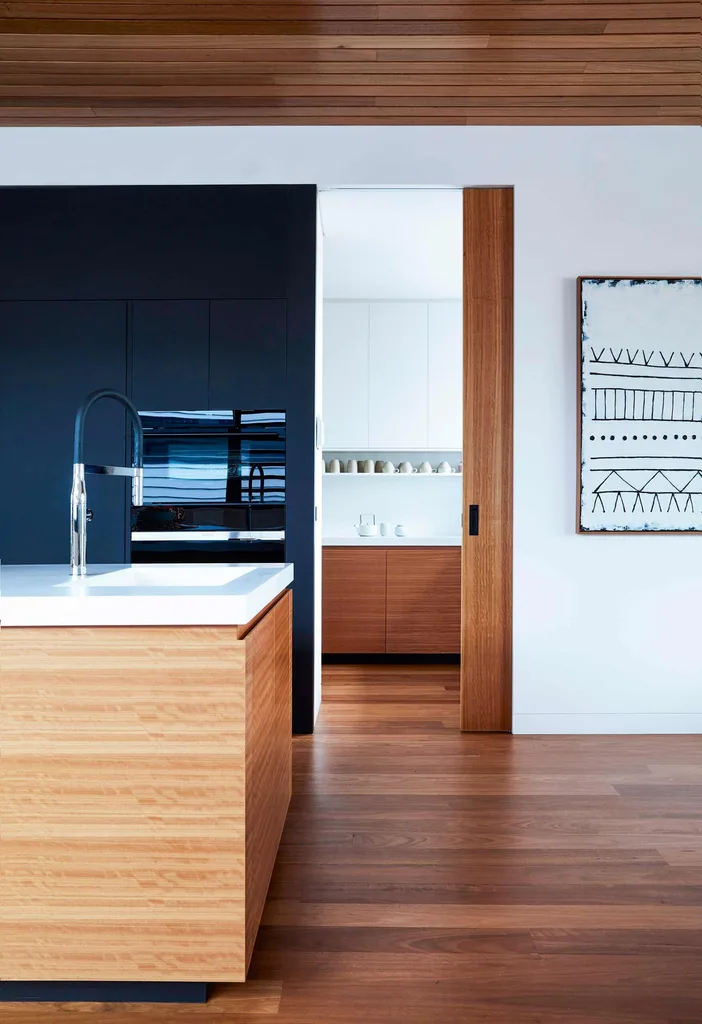
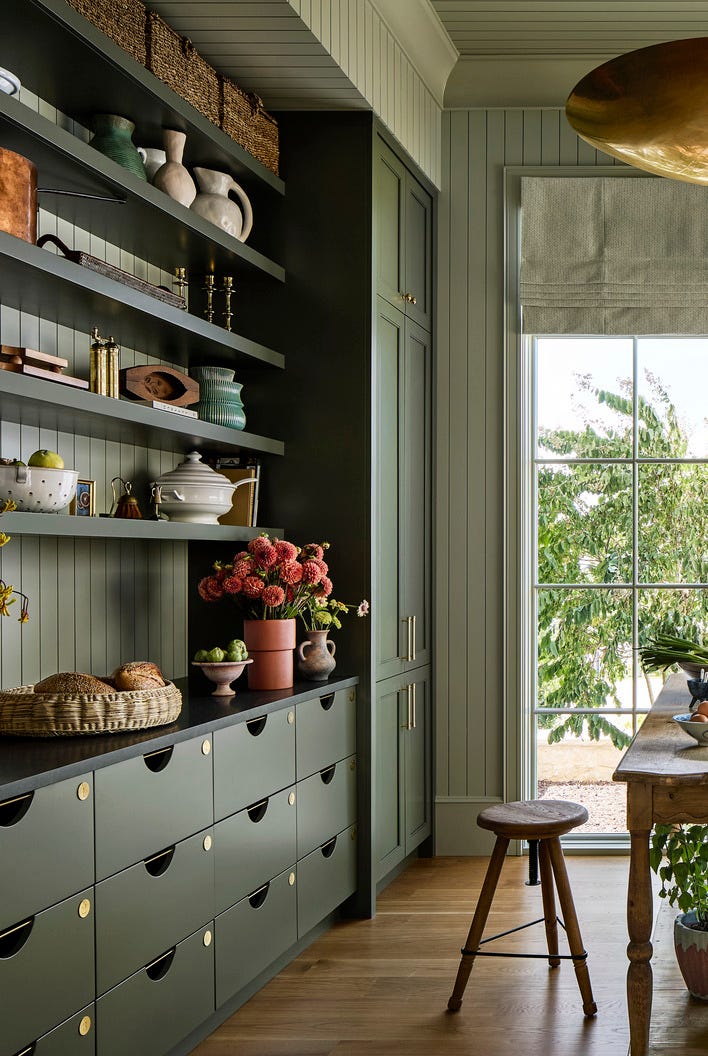
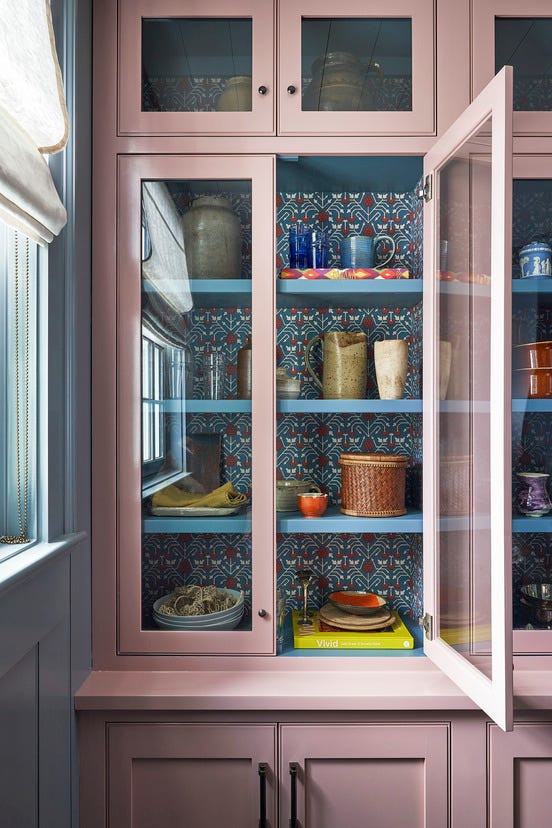
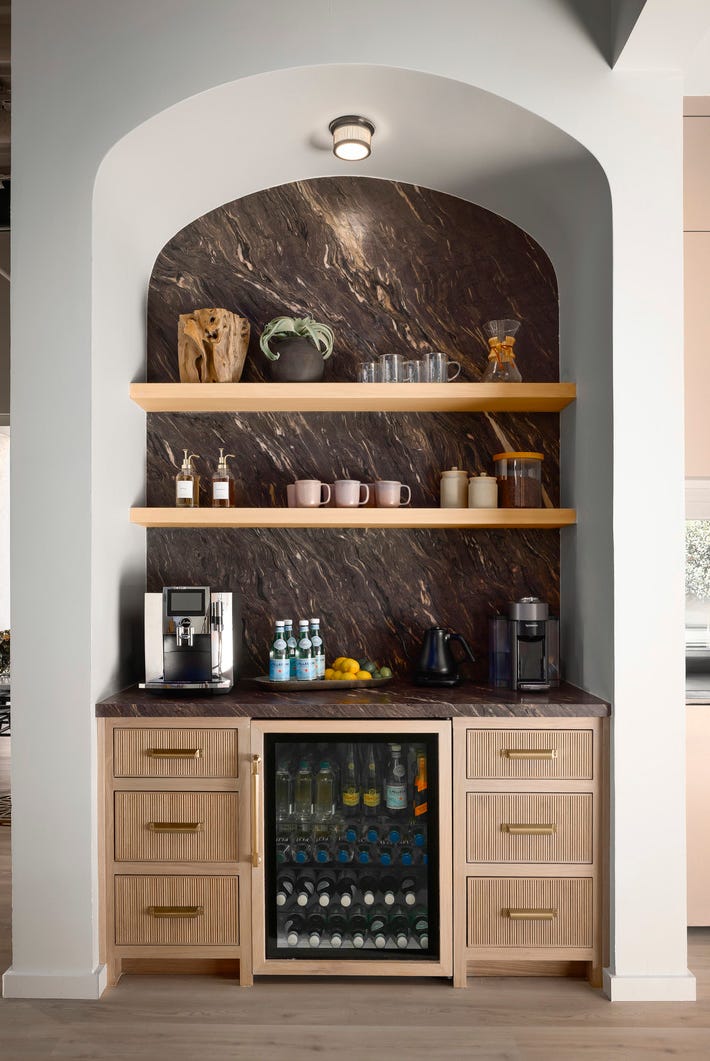
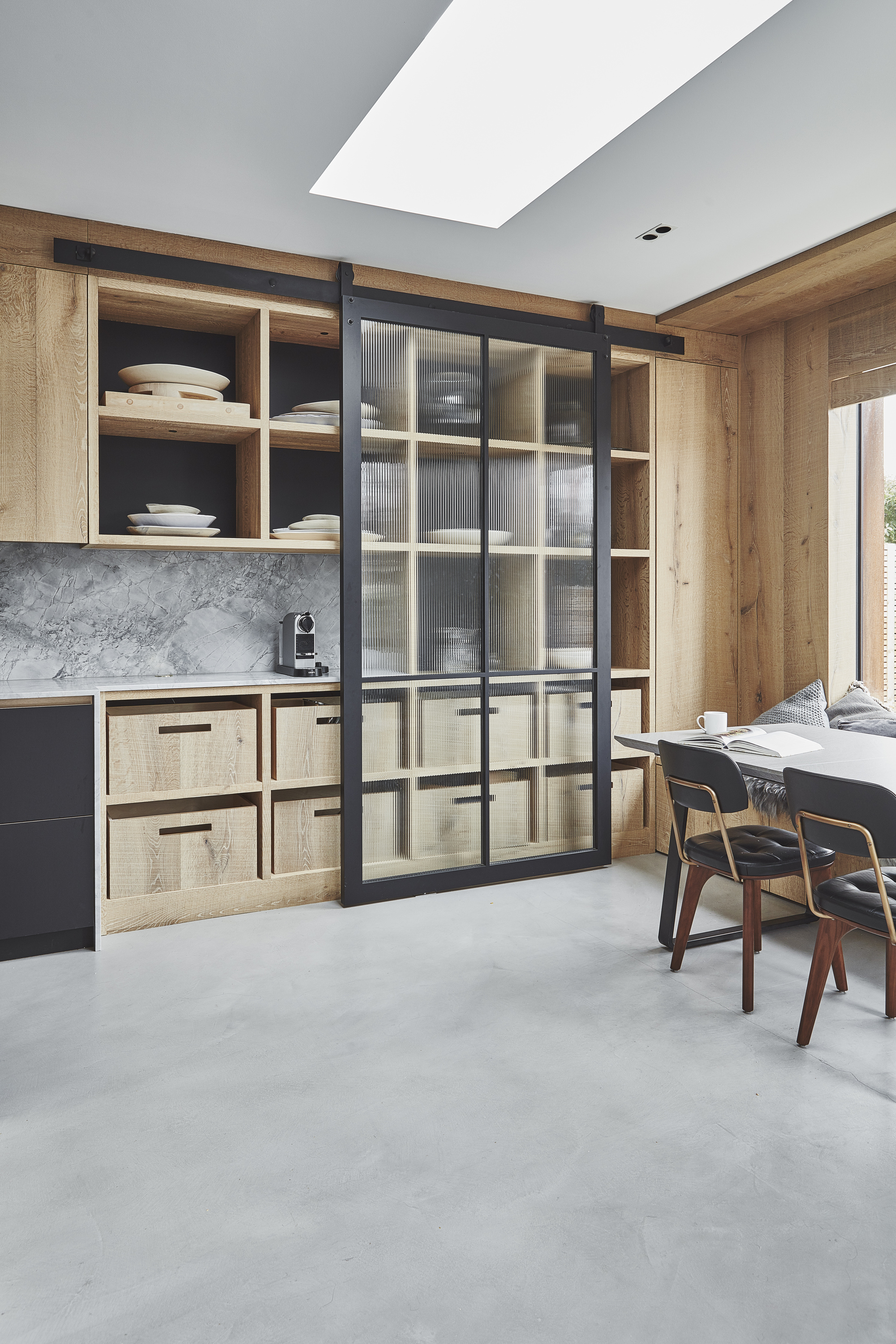
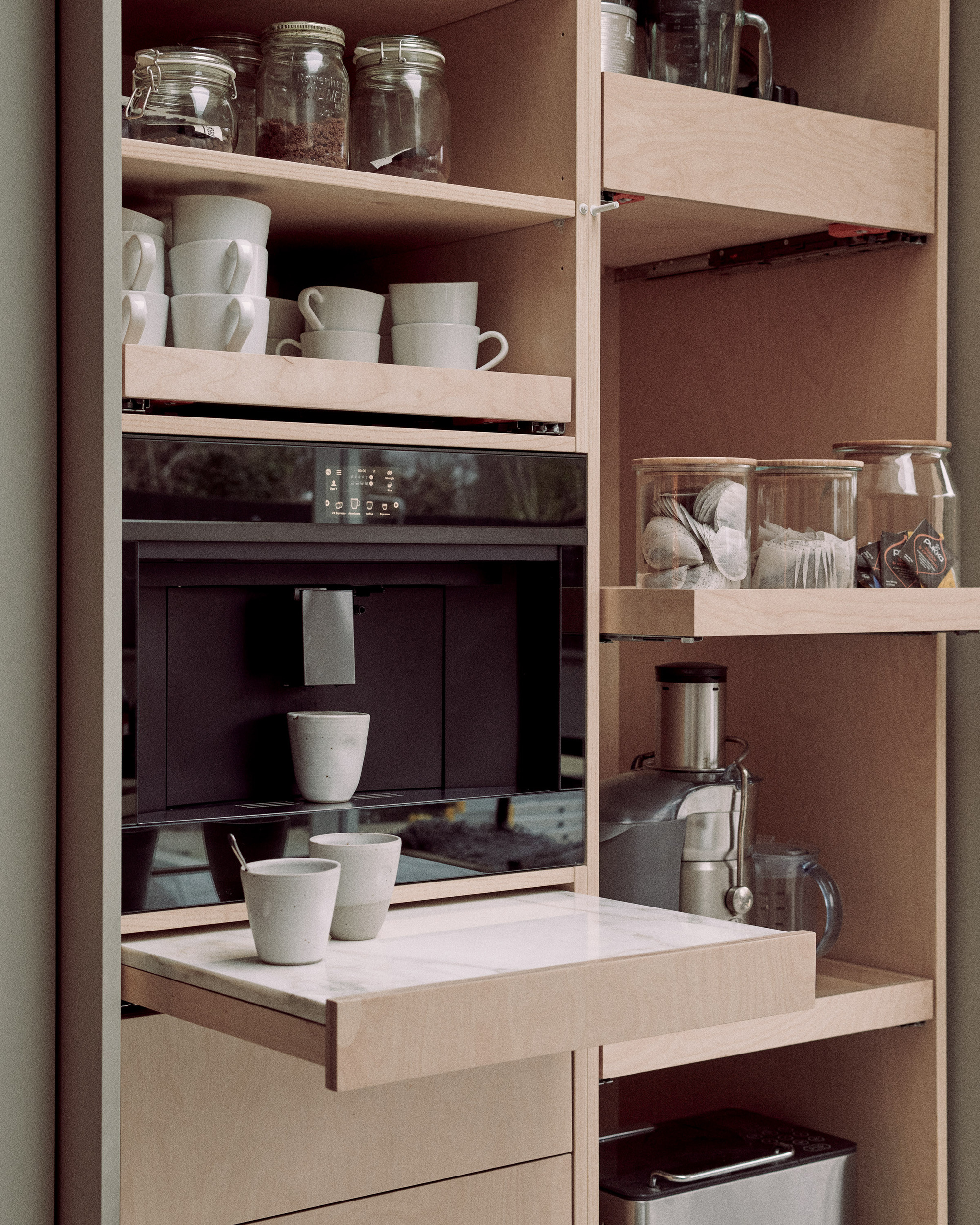
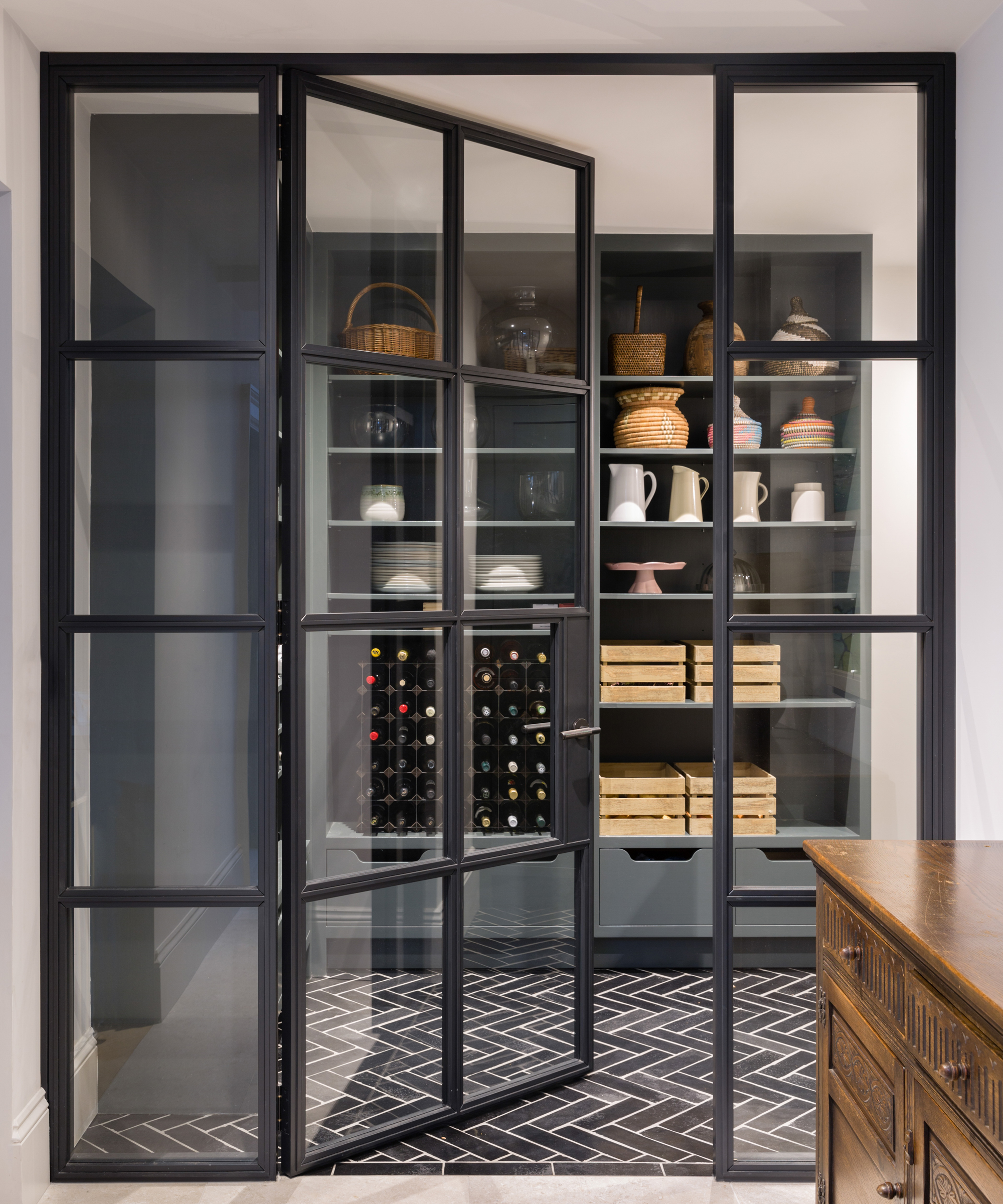
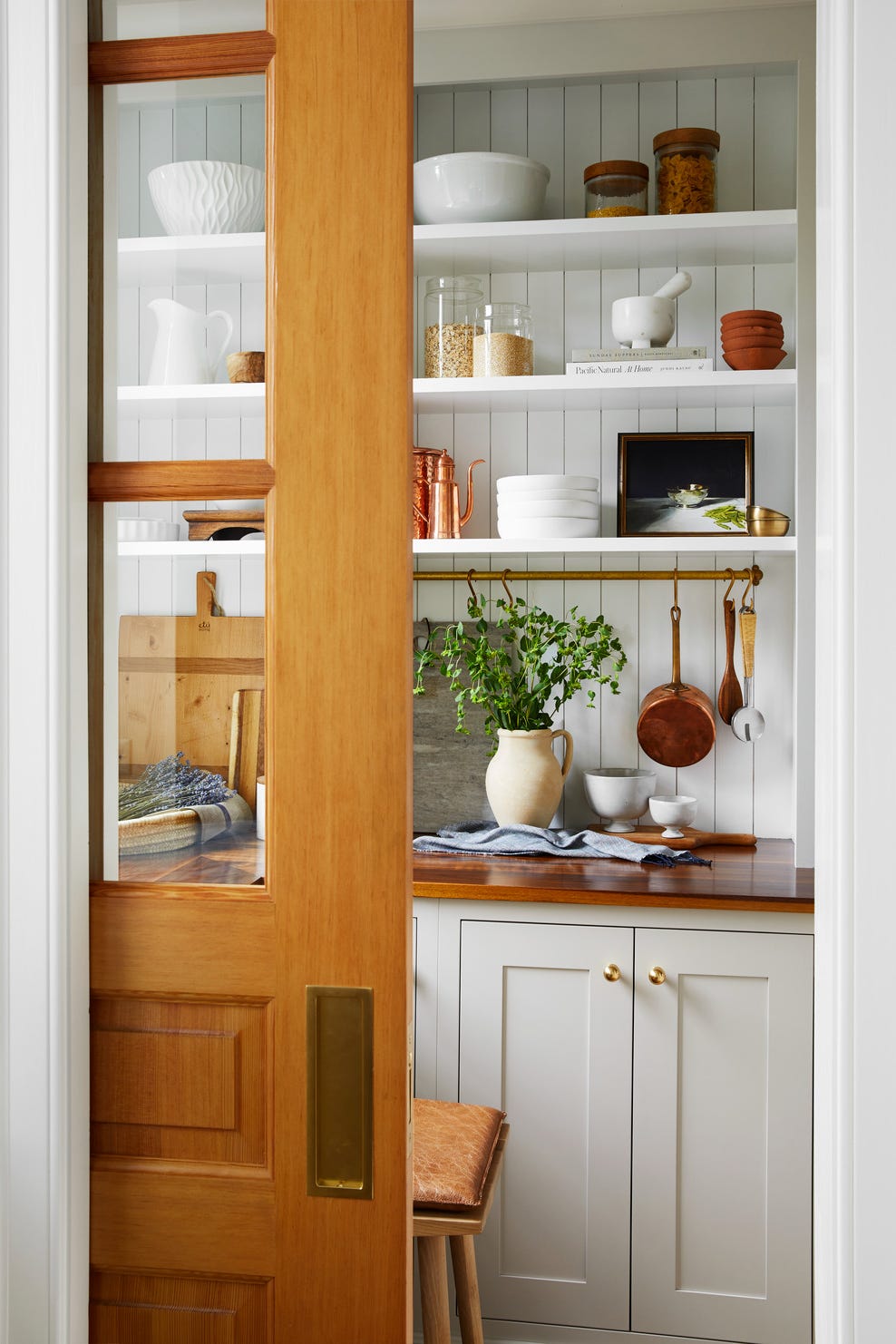
For those designing a new pantry or remodeling an existing one, strategic planning is vital. Positioning the pantry near the fridge or cooker and adjacent to worktop spaces facilitates ease of use and grocery unpacking. For small kitchens, wall-mounted slimline shelves can provide pantry-style storage. Drawer height should be practical, with lower drawers being more accessible. Floor-to-ceiling shelving maximizes vertical space, with options for attached or portable stepladders to reach higher areas. Sliding or retractable doors can conceal clutter, maintaining a cohesive kitchen design. Dedicated sections for bottles prevent breakage and allow for easy viewing of contents. Adding a pop of color can transform a functional pantry into a stylish feature. Comprehensive storage planning should accommodate various needs, such as plate racks and glassware storage, ensuring the pantry is tailored to individual lifestyles. Repurposing furniture like dressers can offer a budget-friendly and stylish storage solution. Finally, smart pull-out larder units can significantly increase storage capacity and improve access to items at the back of cupboards.
#PantryOrganization #KitchenDesign #HomeStorage #KitchenEssentials #DeclutteringTips #SpaceSaving #InteriorDesign #HomeImprovement #SustainableLiving #PantryOrganization #KitchenDesign #HomeStorage #KitchenEssentials #DeclutteringTips #SpaceSaving #InteriorDesign #HomeImprovement #SustainableLiving
0 comment in total
 No comments yet
You may also like
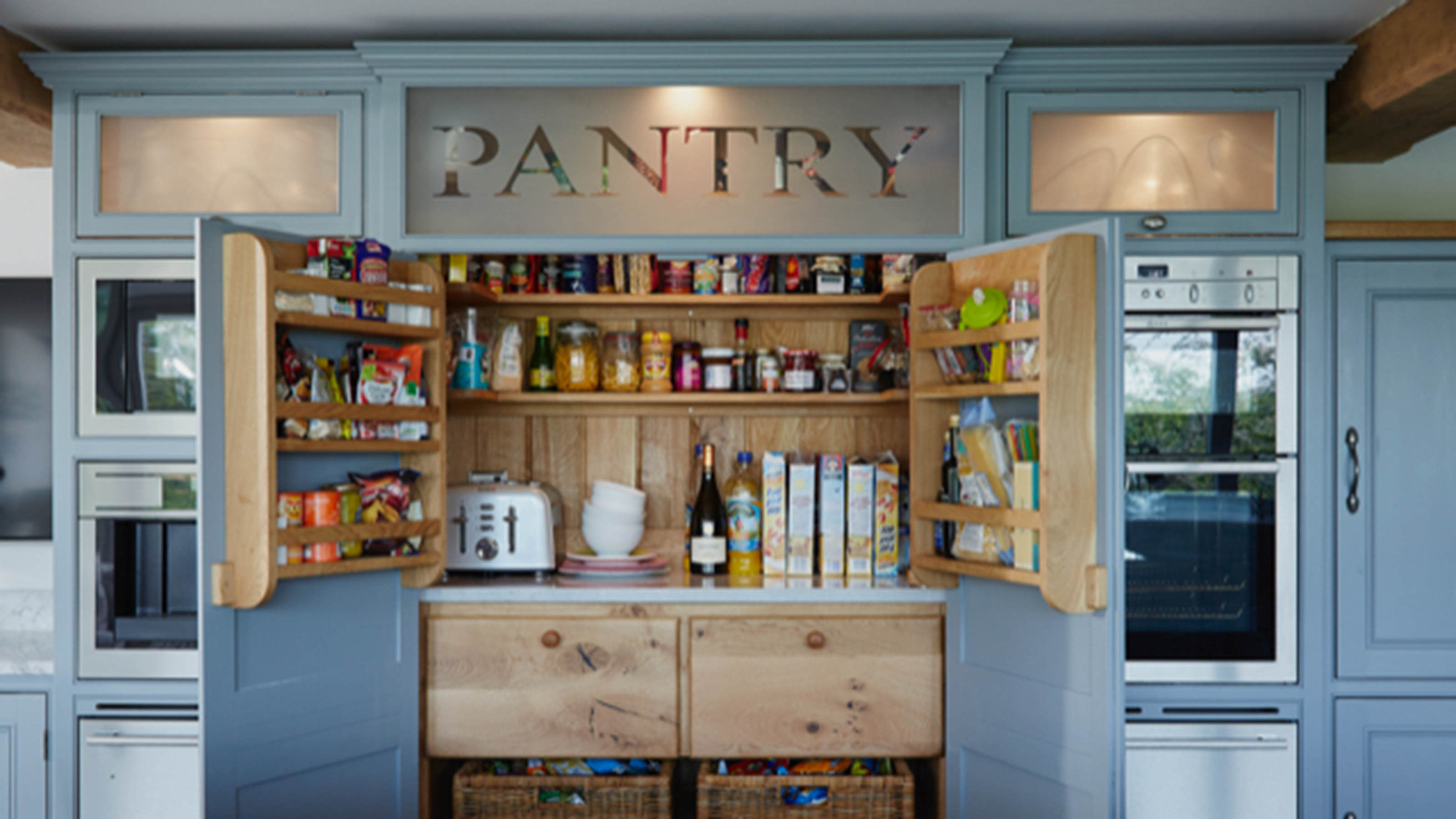
Top tips for organising a pantry – all the expert advice and tricks you need
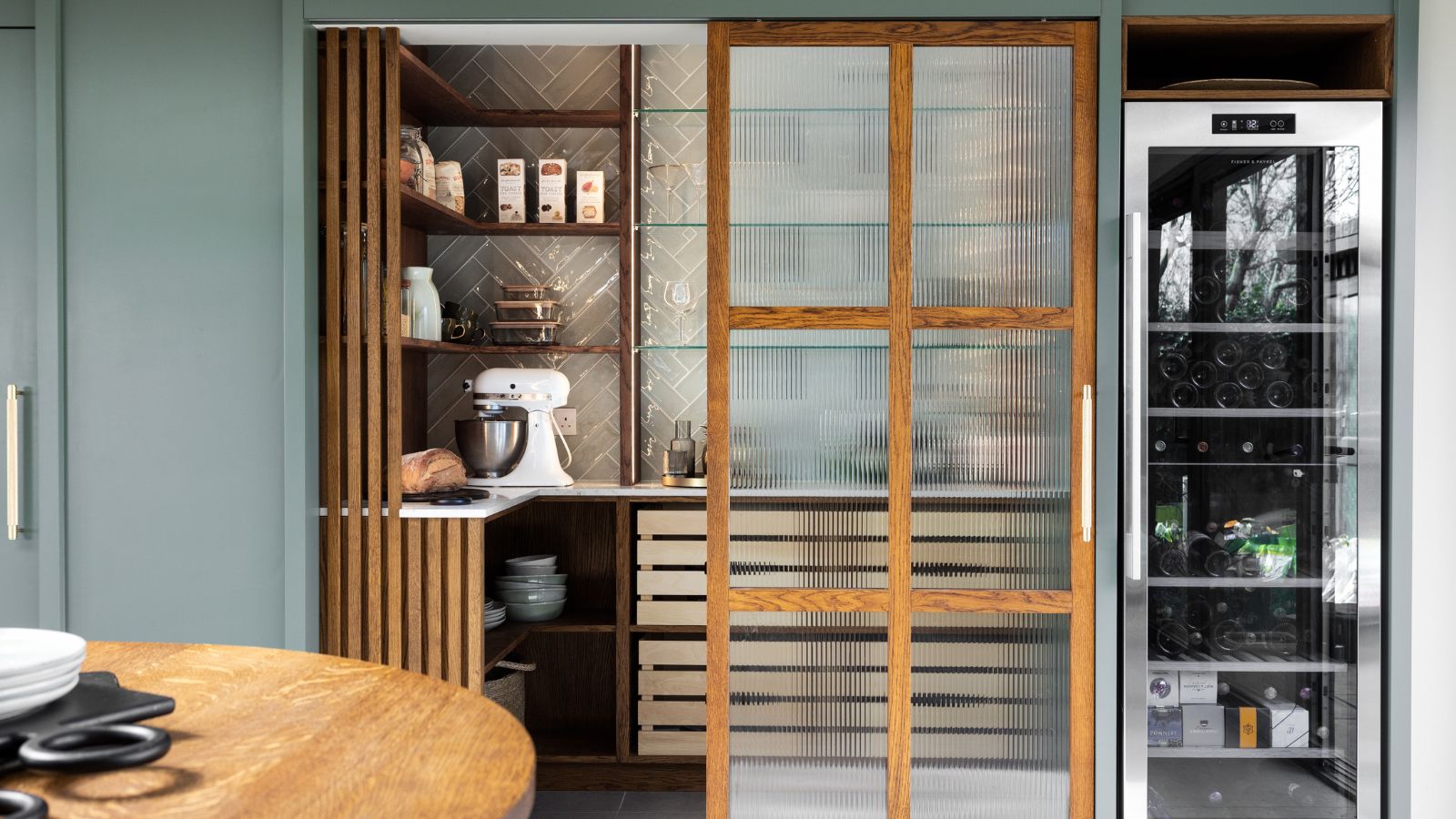
Pros warn never to keep these 8 things in your pantry

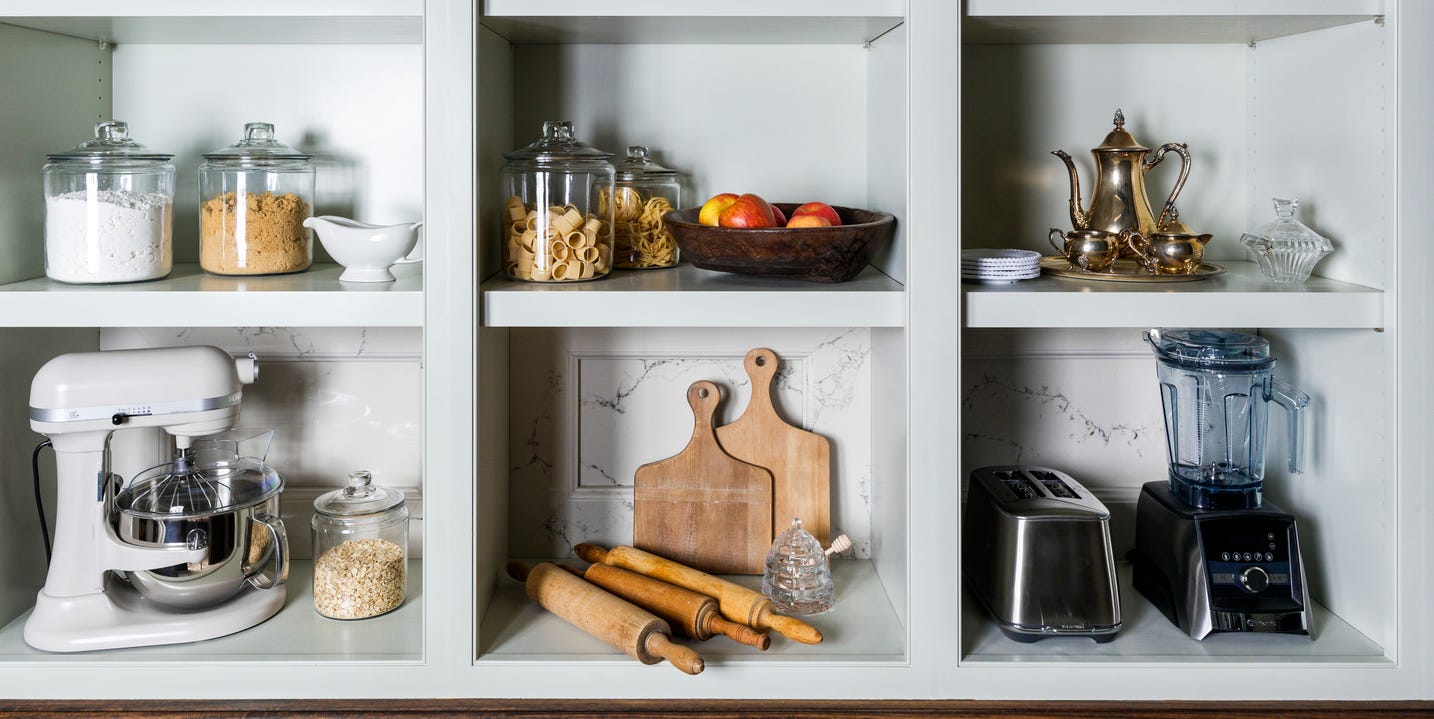
These Are the BEST Pantry Organization Ideas, According to Experts

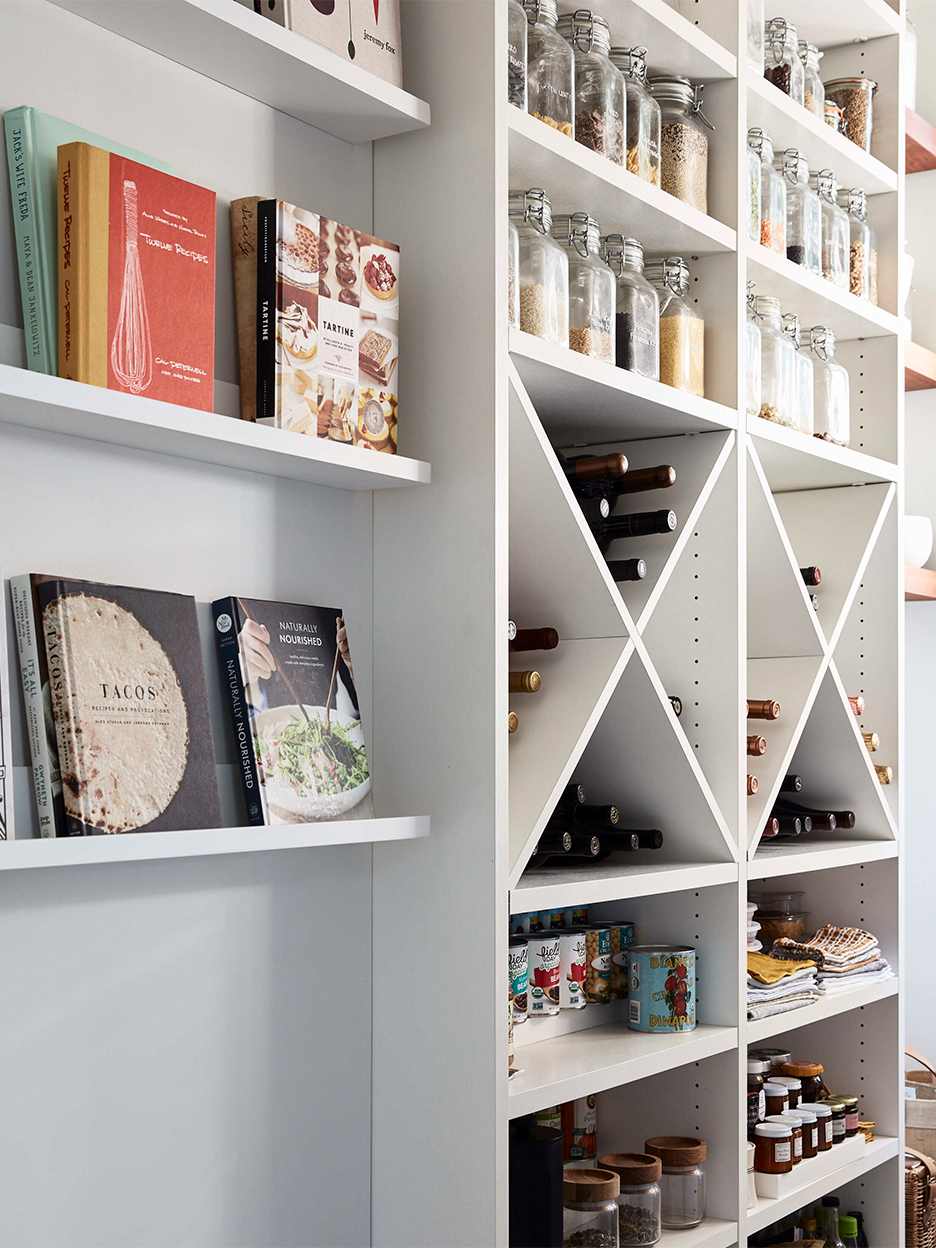
7 NYC Chefs Share Their Pantry Organization Secrets
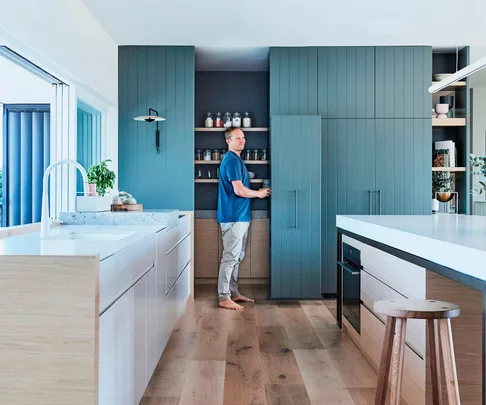
Pantry design tips: how to organise your kitchen storage


I Turned My Chaotic Pantry Into an Oasis of Organization

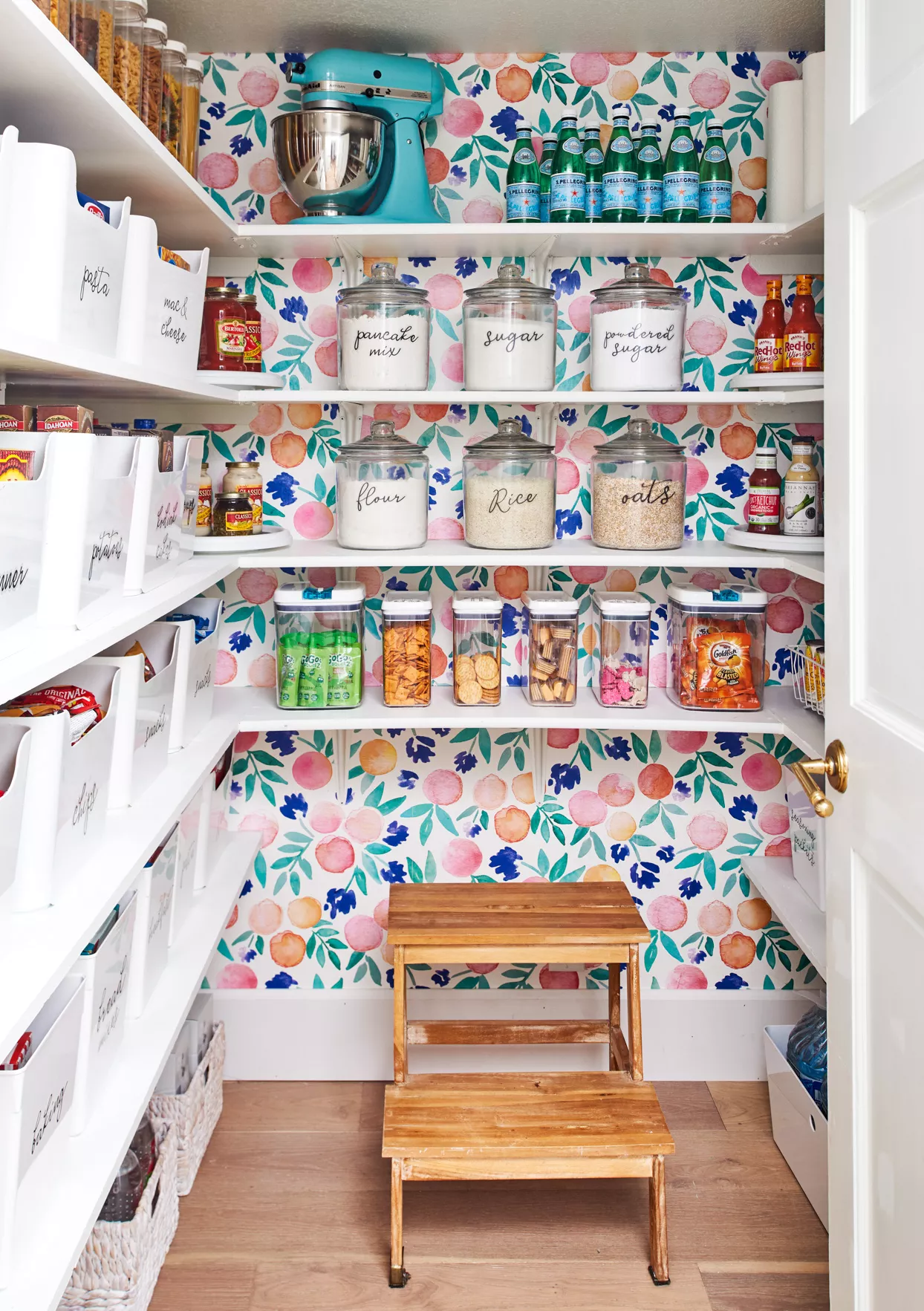
6 Pantry Mistakes You Didn't Know You Were Making—and How to Fix Them

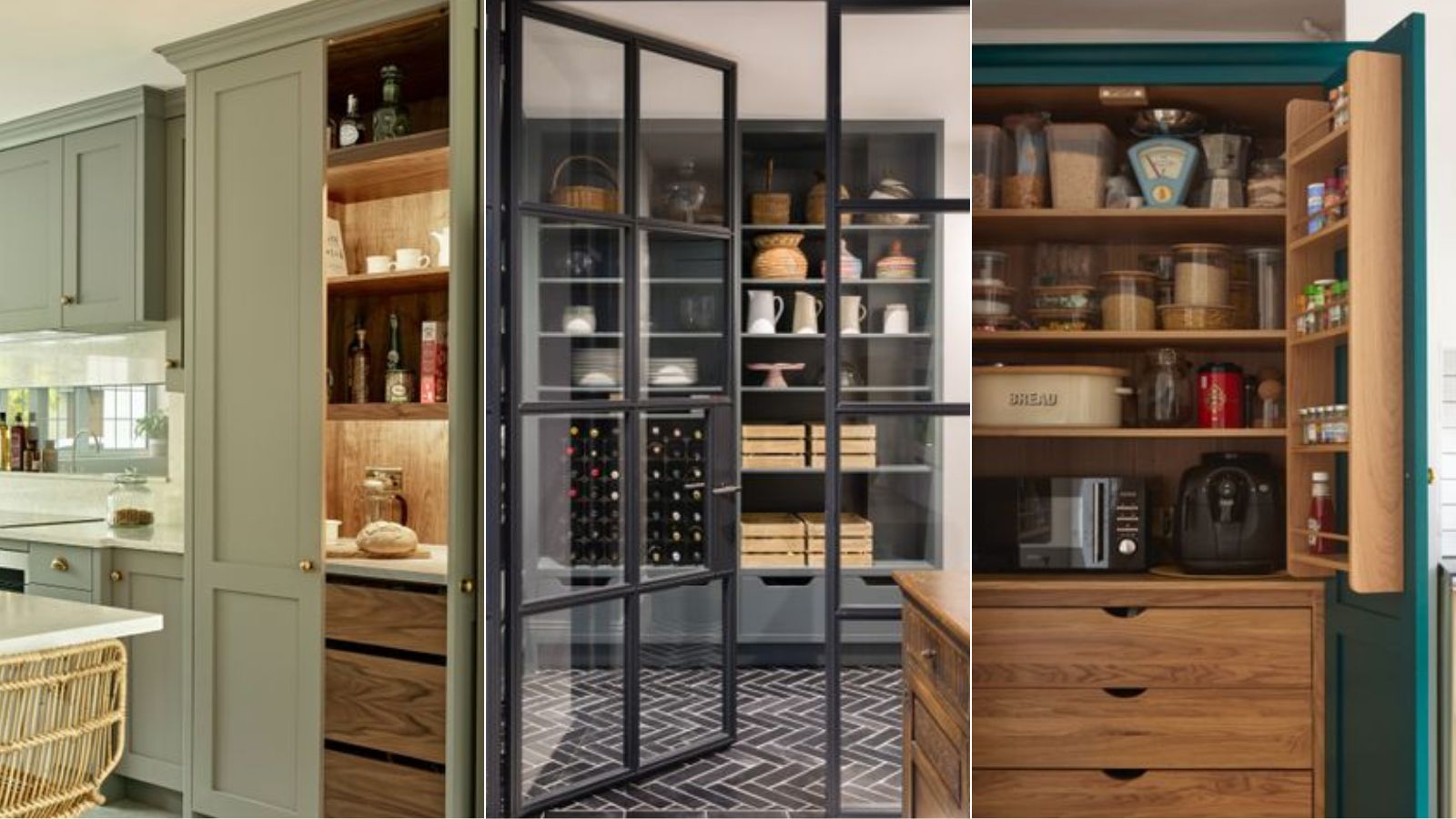
8 pantry organizers professionals always buy
22 Perfectly Pinterestable Pantry Organizing Ideas

How to organize your kitchen pantry
How to Organize Your Pantry Once and for All, According to a Pro

9 Genius Pantry Hacks Professional Organizers ALWAYS Recommend

23 Pantry Organization Ideas That Maximize Space and Efficiency
22 Best Pantry Organization Ideas to Maintain a Tidy Kitchen

The Best Advice I Got from 2 Pro Organizers About the Smartest Way to Organize a Pantry

How to Organize Your Kitchen and Pantry, According to Professional Organizers
7 types of storage you should never use in a pantry – they'll make utilizing this space well 10 times harder, pros say
9 Tips To Win The Kitchen Pantry Storage War
Perfect pantry ideas for an organized and space-saving kitchen

How to Organize Your Pantry So It Works for You (Not Instagram) and Keep It That Way