1/12
Experts spill the beans on pantry organization for seniors
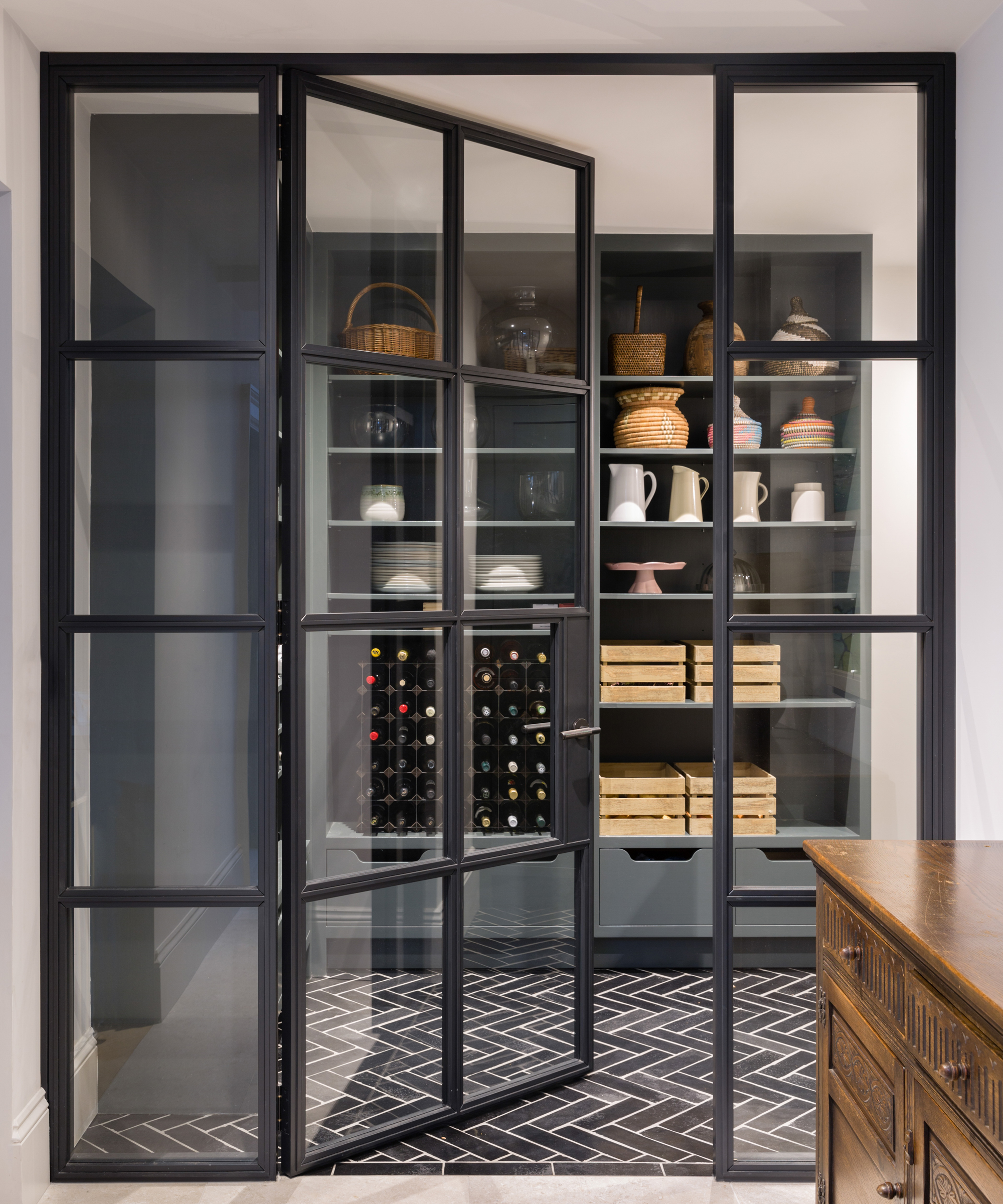
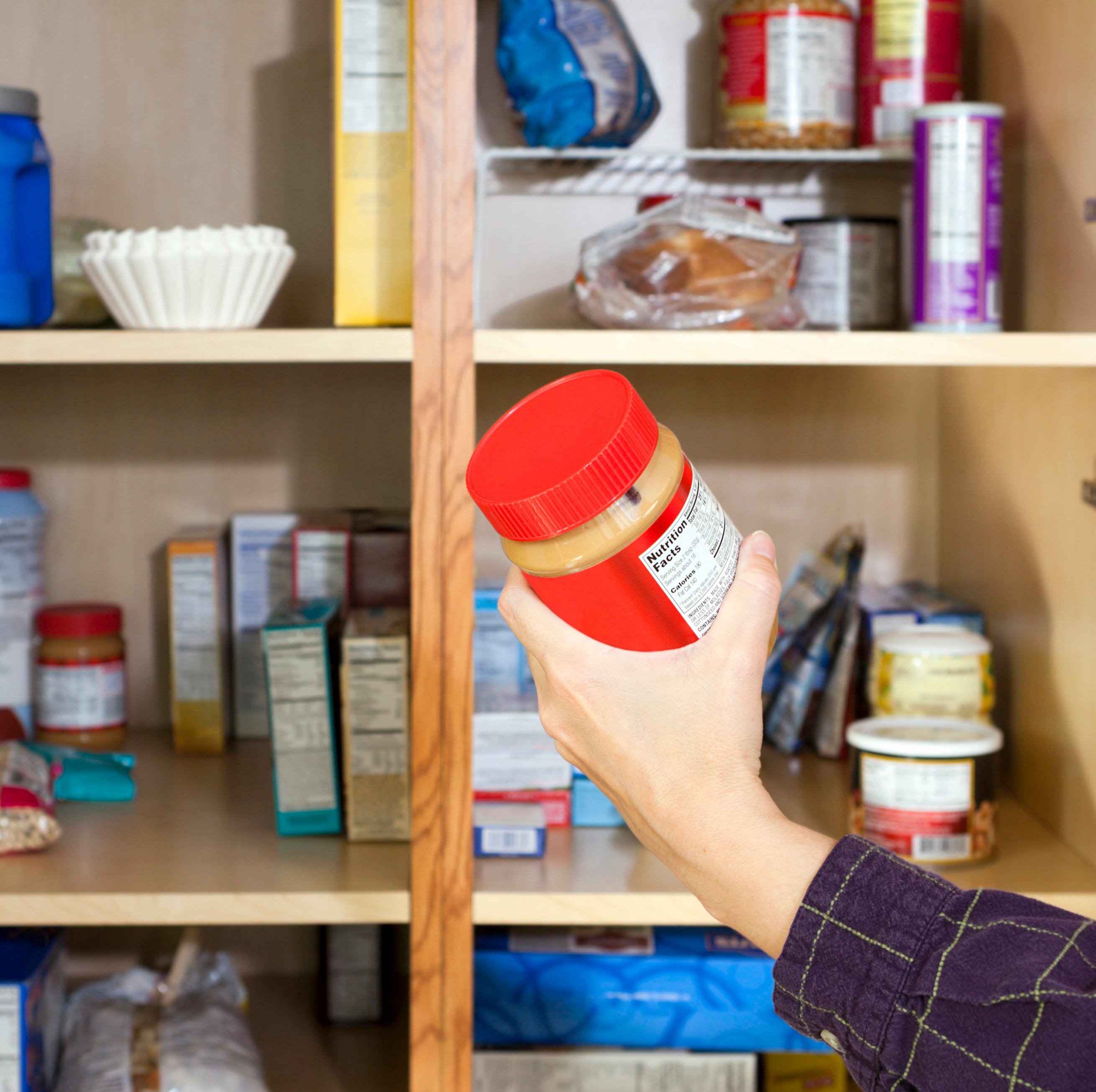
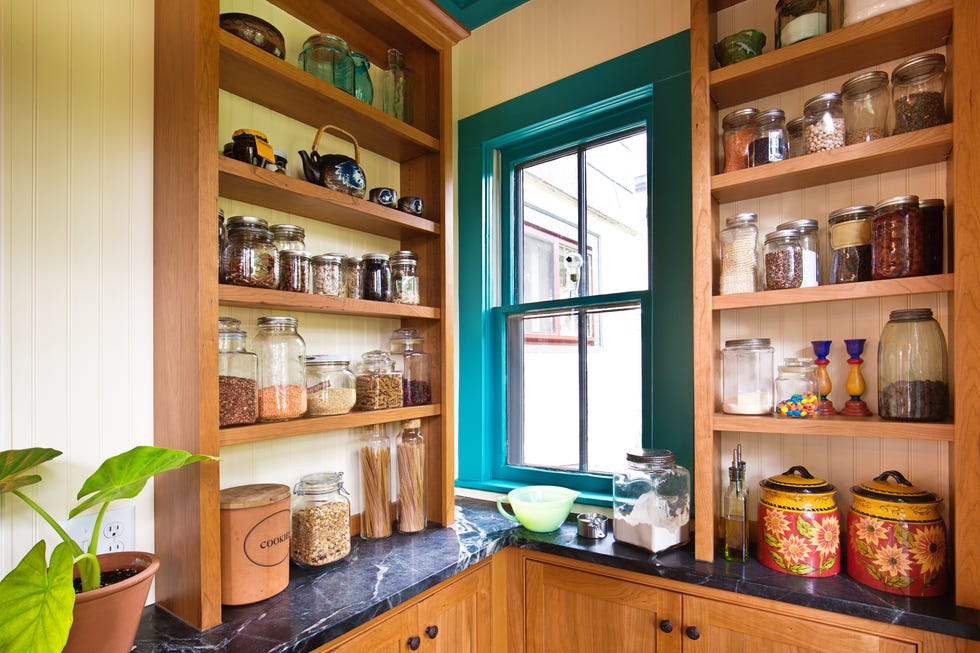
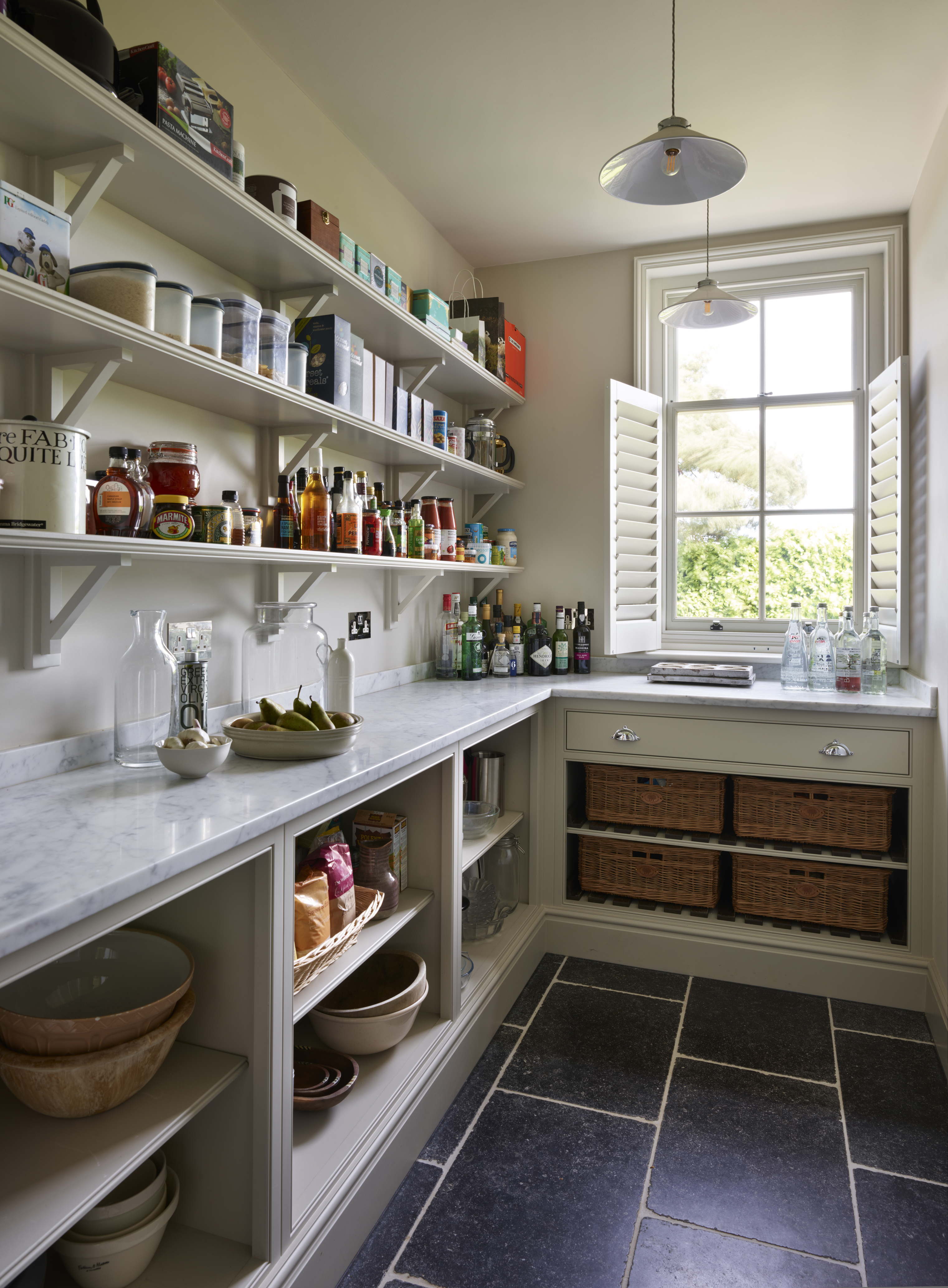
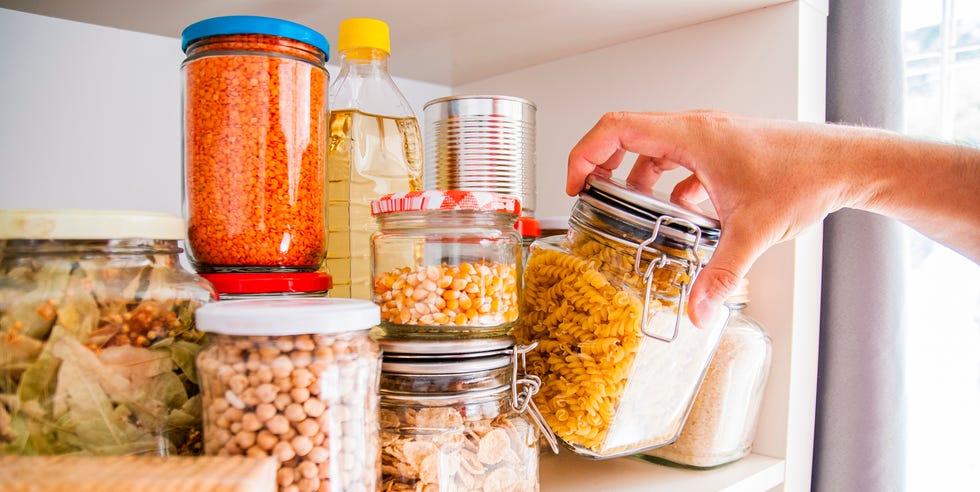
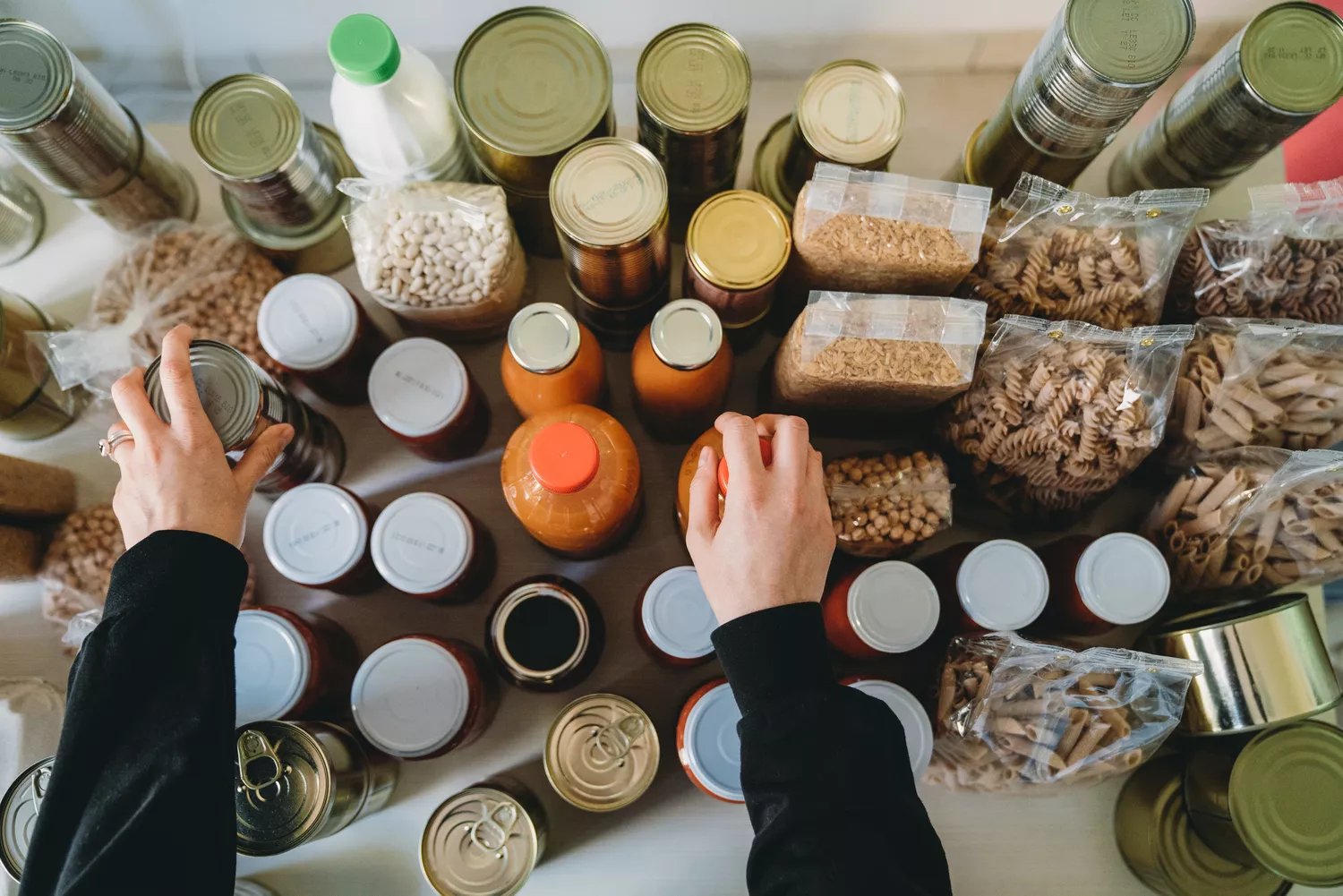
Pantry organization, particularly for seniors or individuals with accessibility challenges, extends beyond mere tidiness to encompass safety and ease of access. While many households accumulated shelf-stable goods during periods like the pandemic, for seniors, excessive inventory can create clutter, making it difficult and potentially unsafe to locate necessary items. This article outlines four key organizational strategies designed to enhance pantry functionality and safety, specifically addressing the needs of seniors.
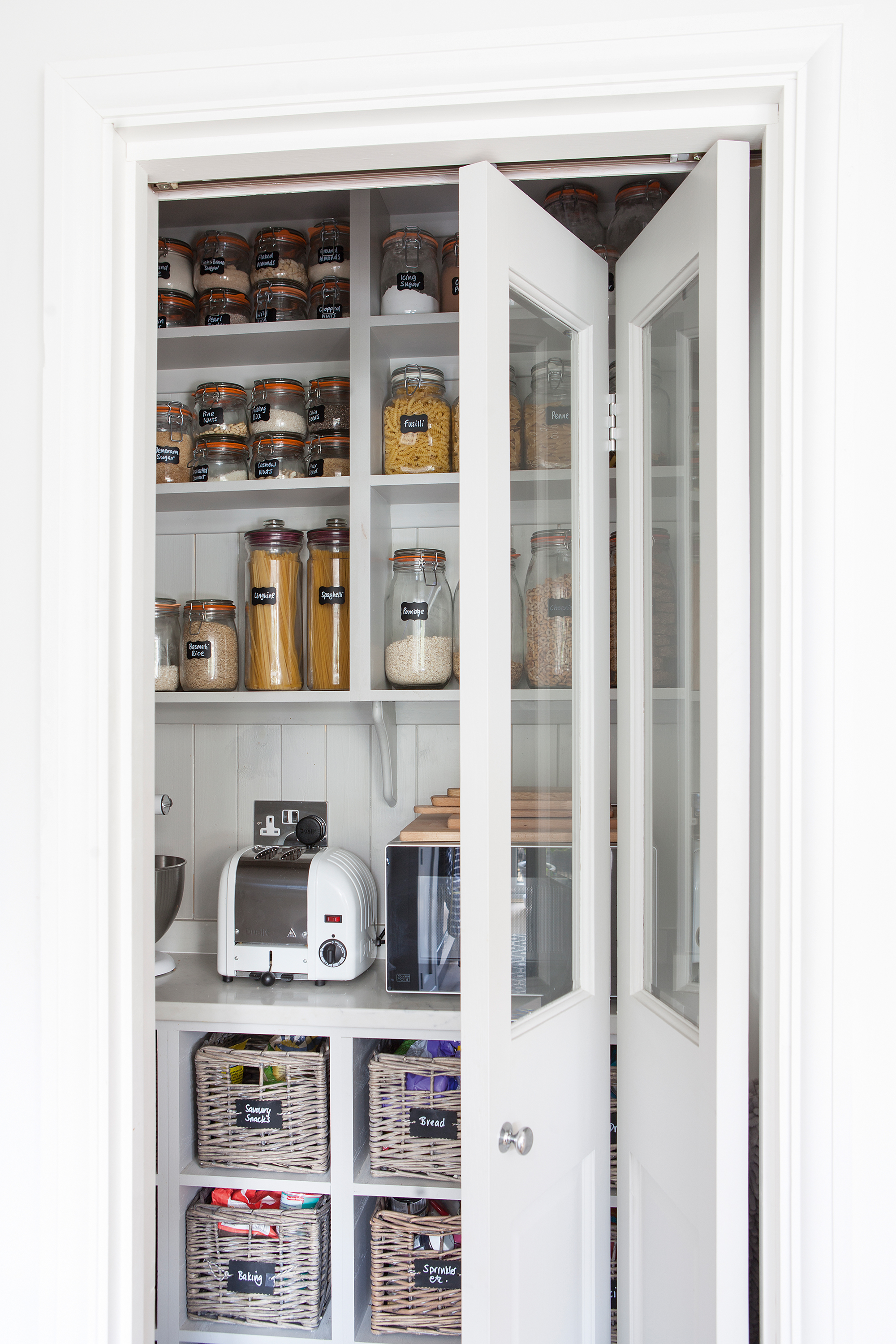
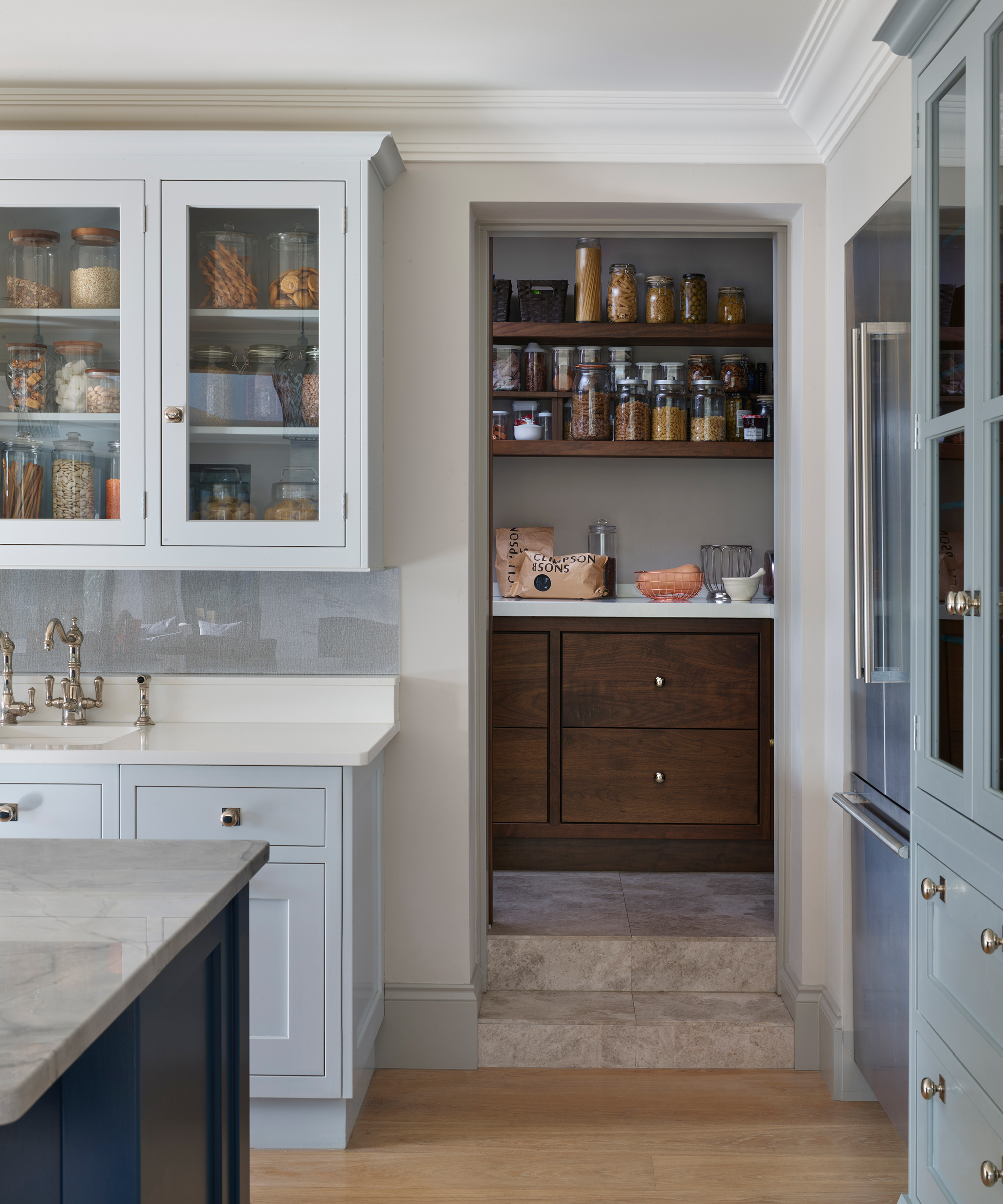
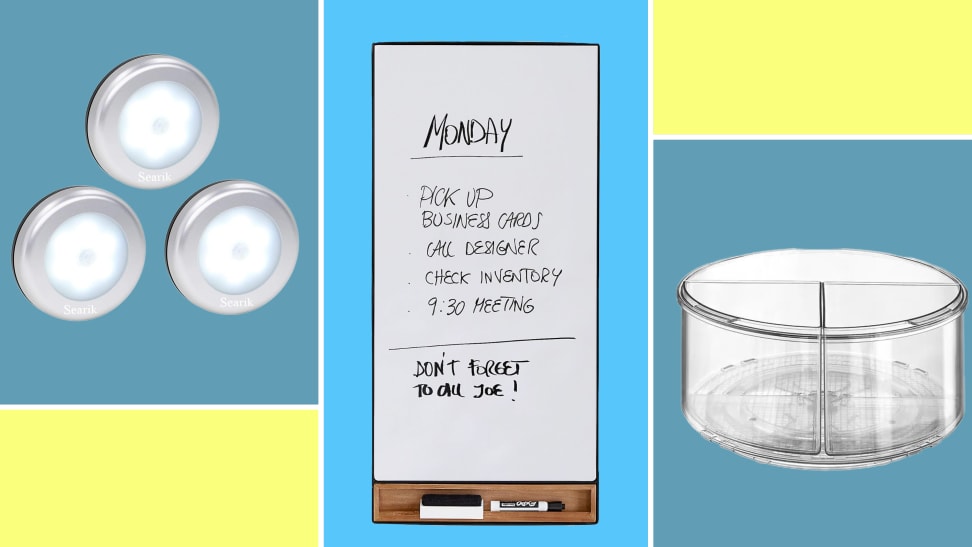
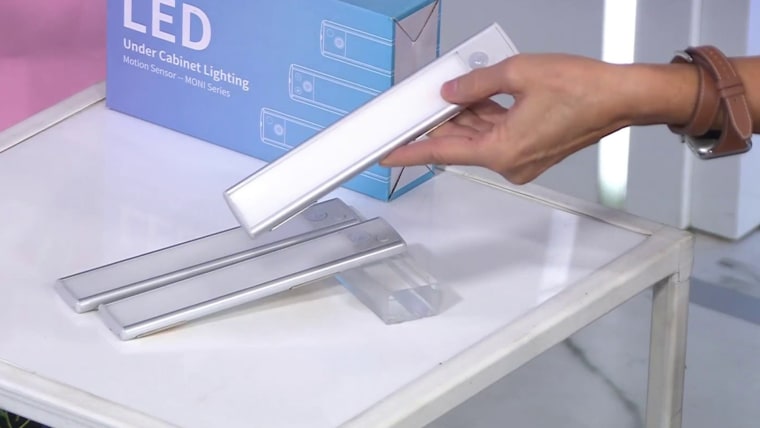
The first strategy focuses on optimizing lighting and item placement. Given that most pantries are deep, adding adhesive touch or motion-sensor lights, such as those from Searik, can significantly improve visibility into the deeper sections. Experts recommend installing these lights at a mid-level height rather than high up, ensuring they are easily accessible and effective. Furthermore, items should ideally be stored at eye level to minimize the need for stretching or bending, which can pose fall risks. Only the lightest, least hazardous items, like paper products, should be stored above shoulder height to prevent injury if they fall.
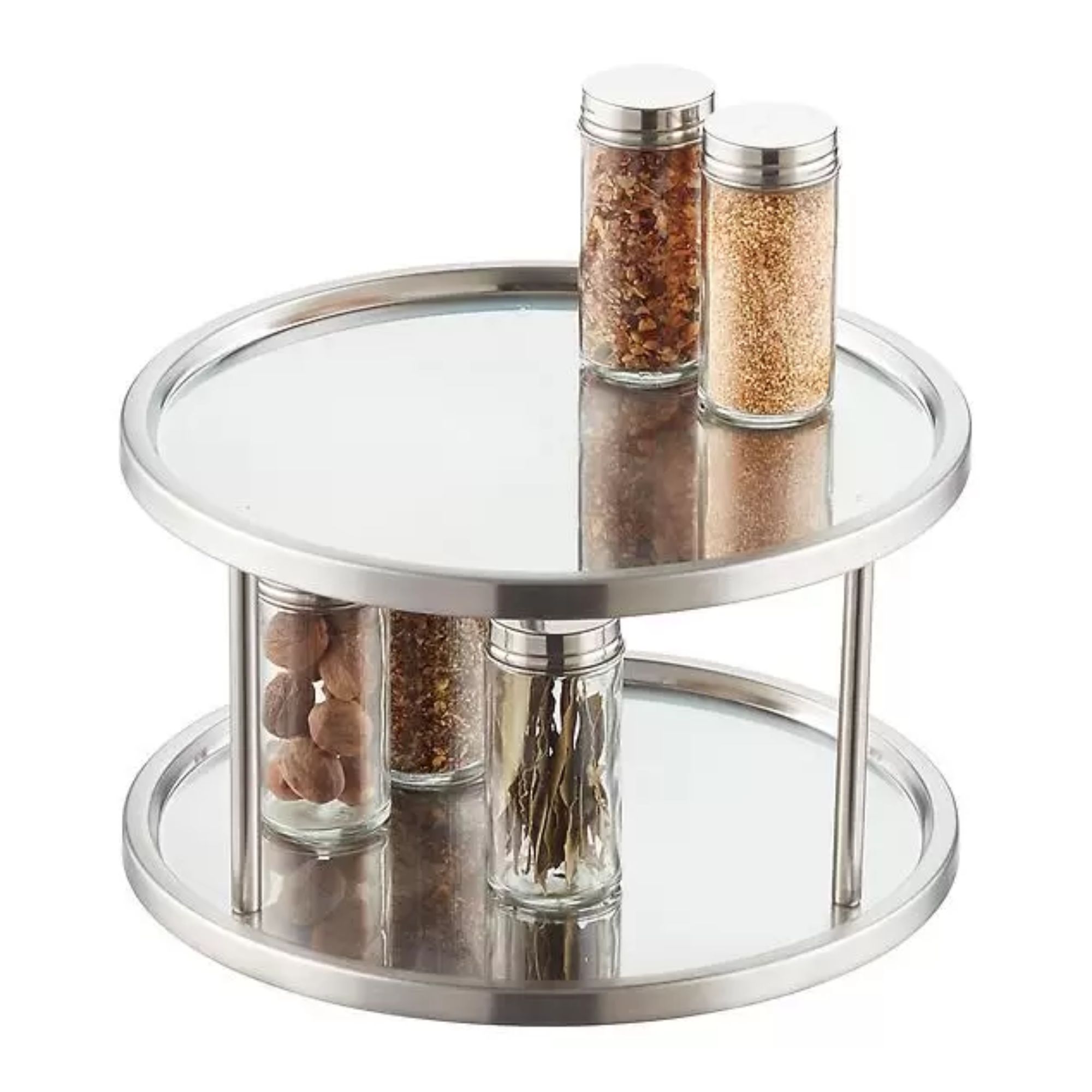
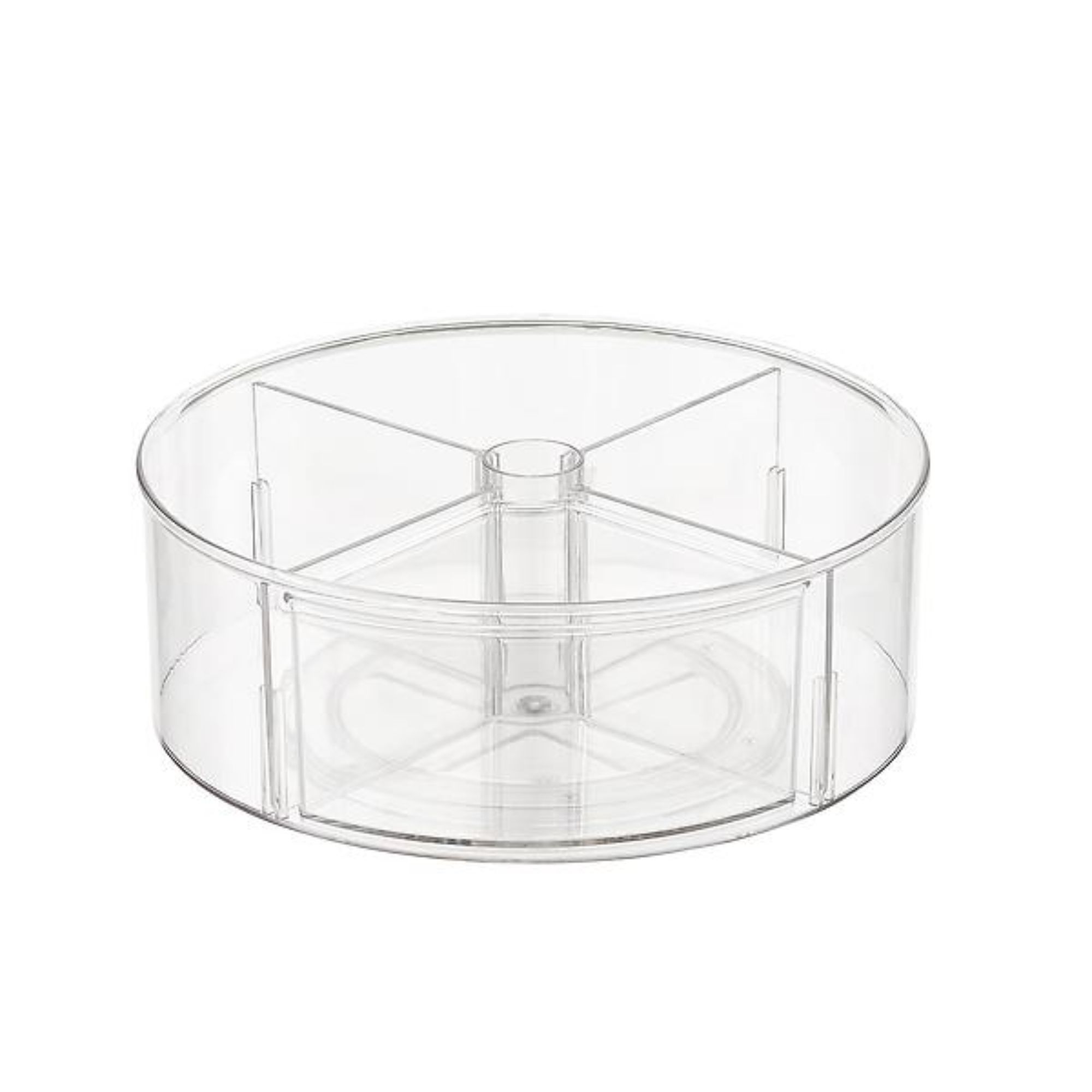
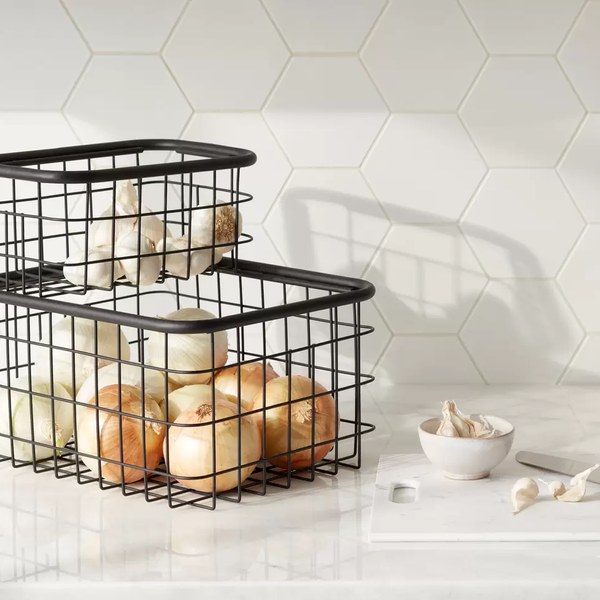
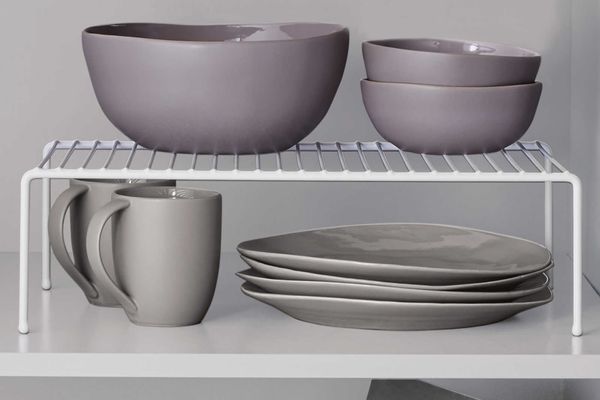
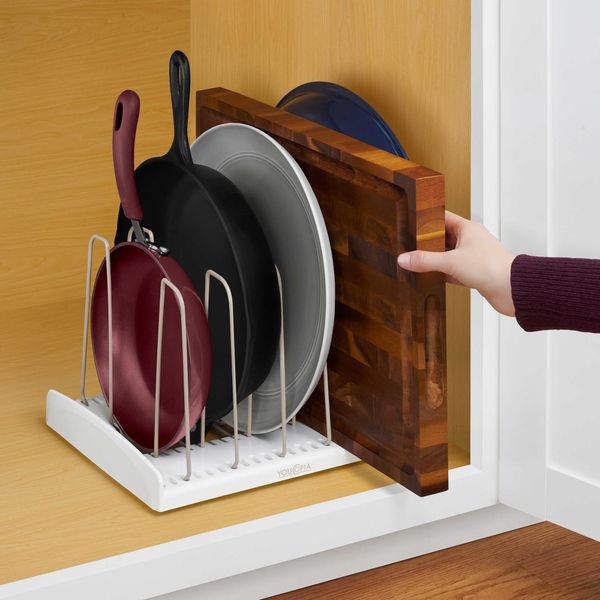
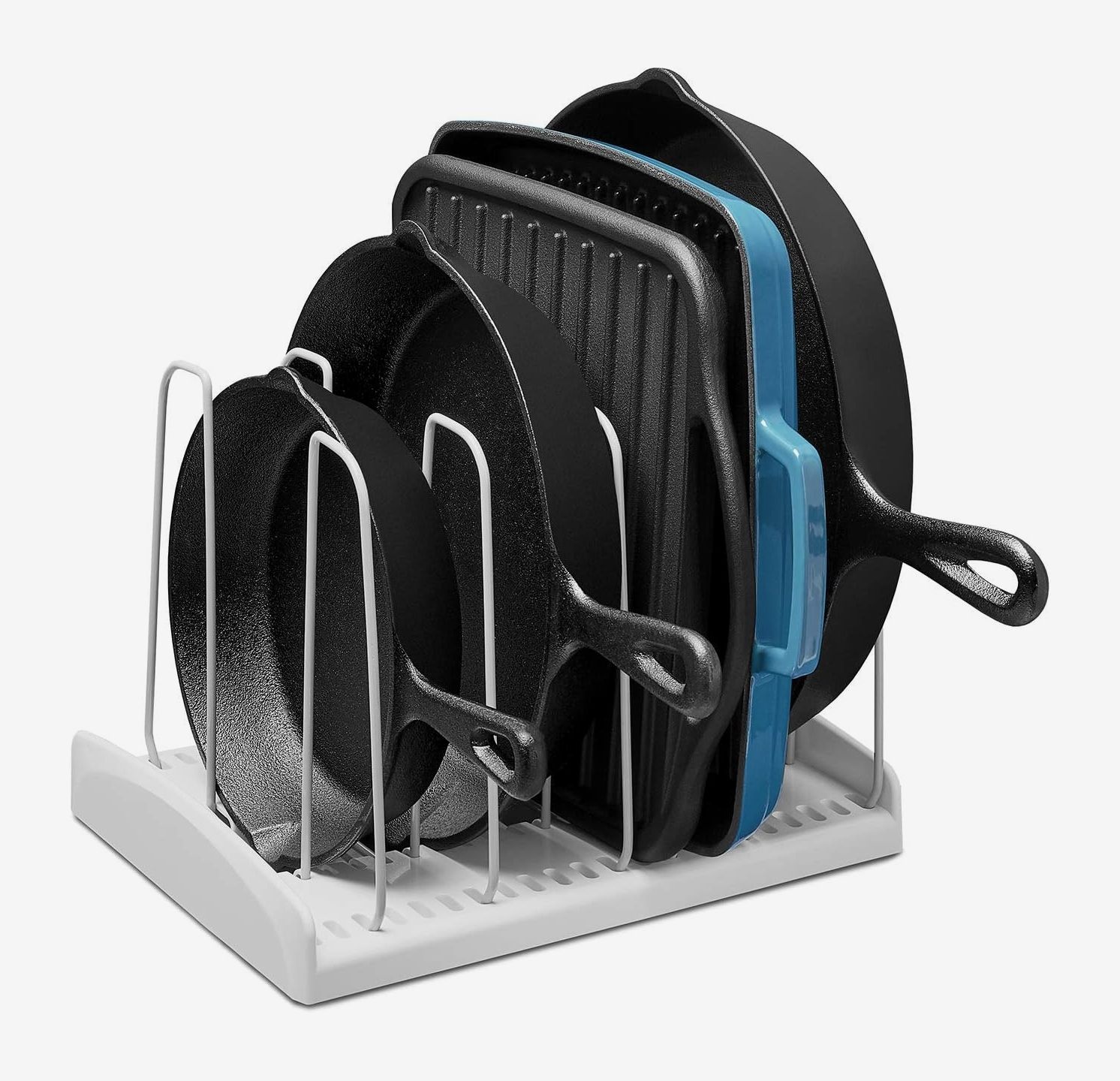
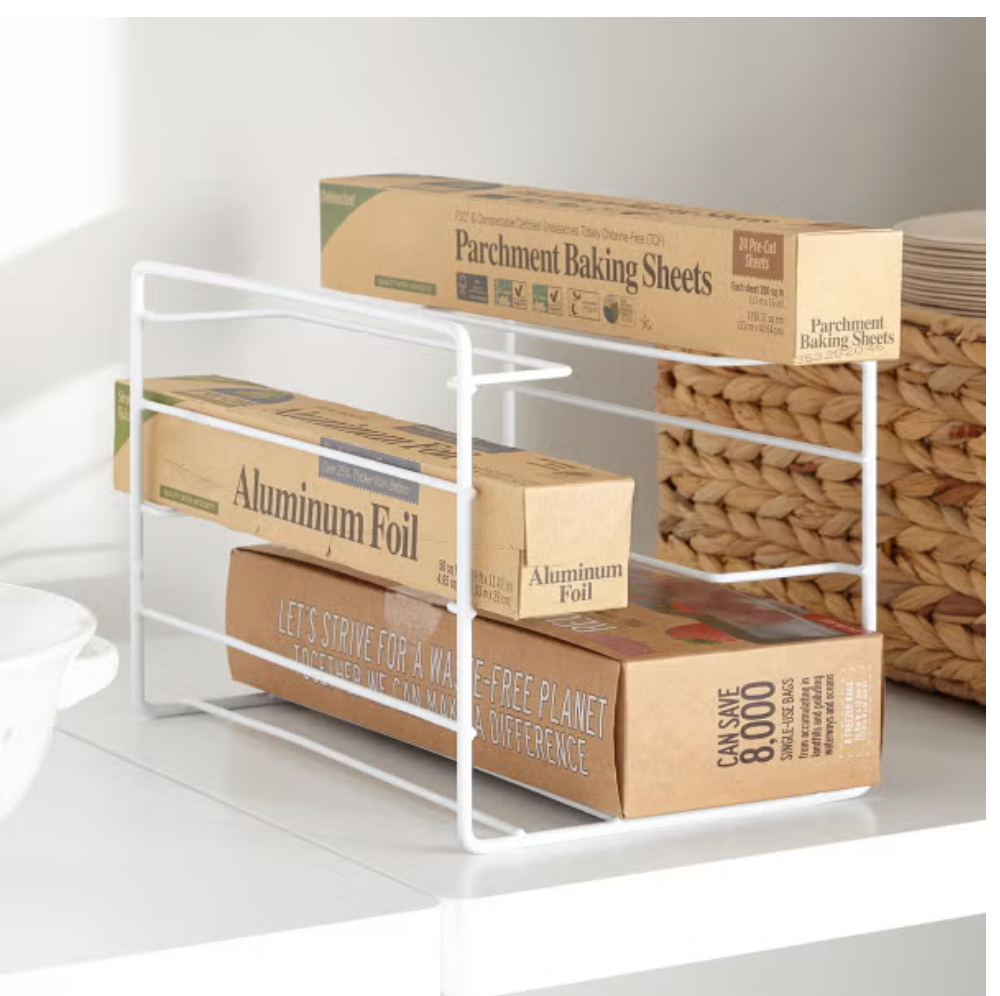
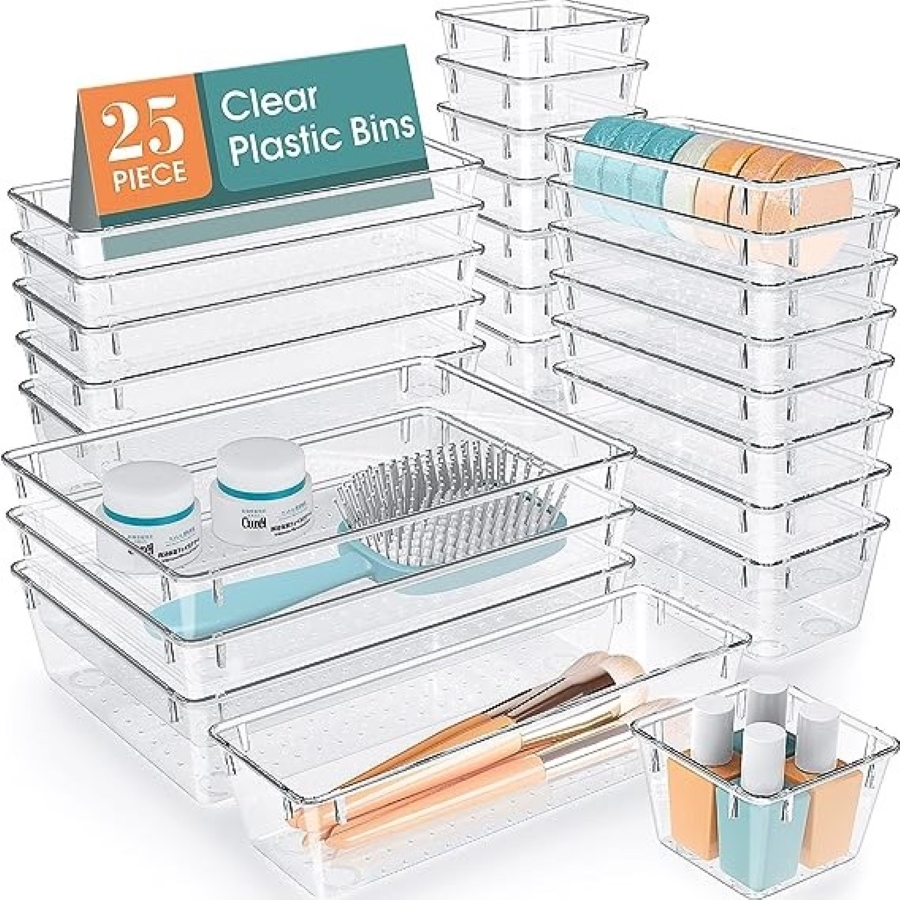
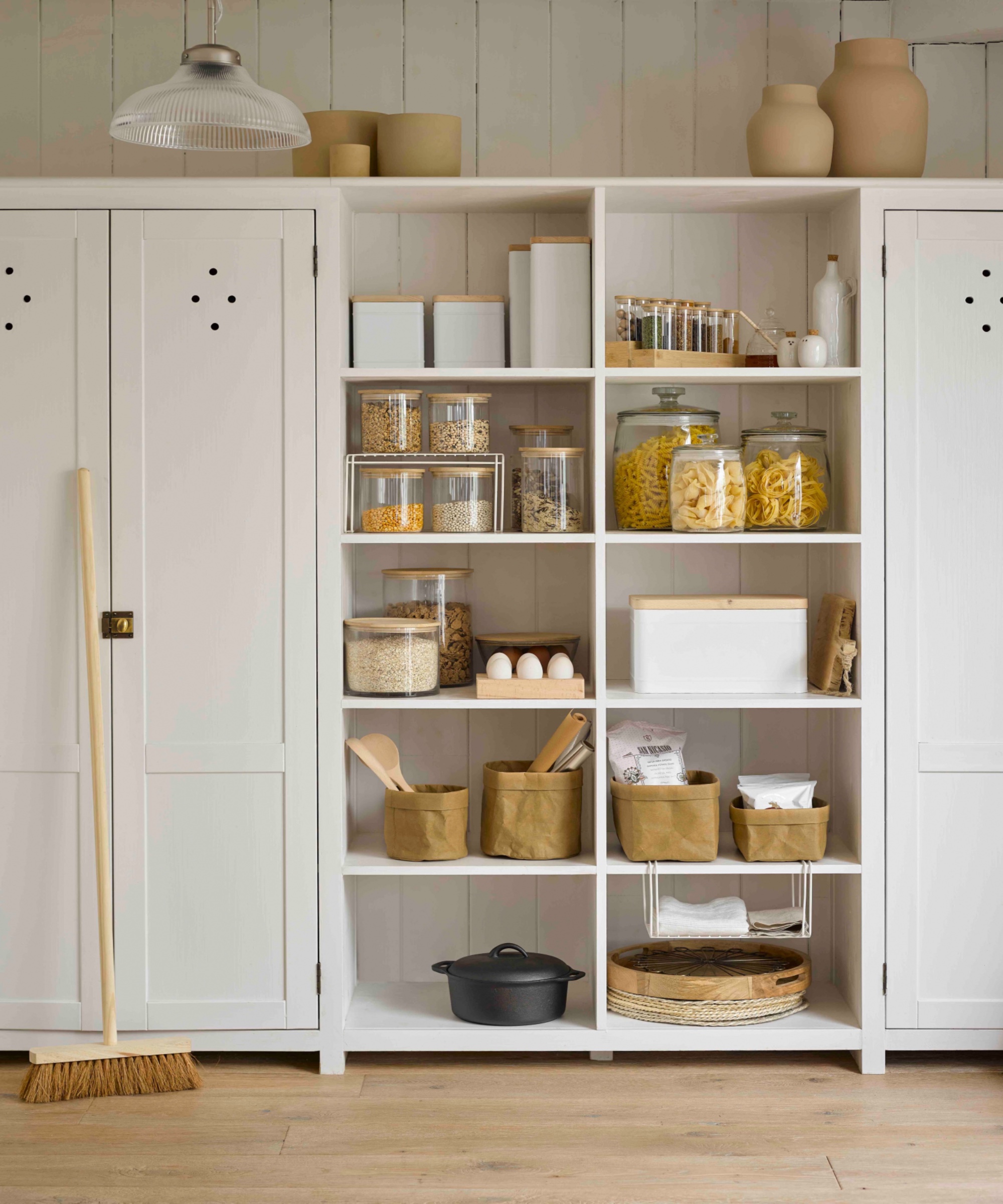
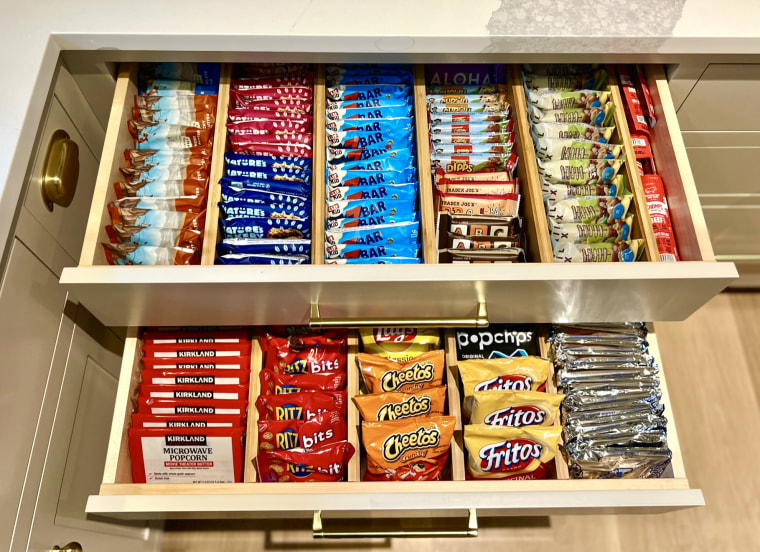
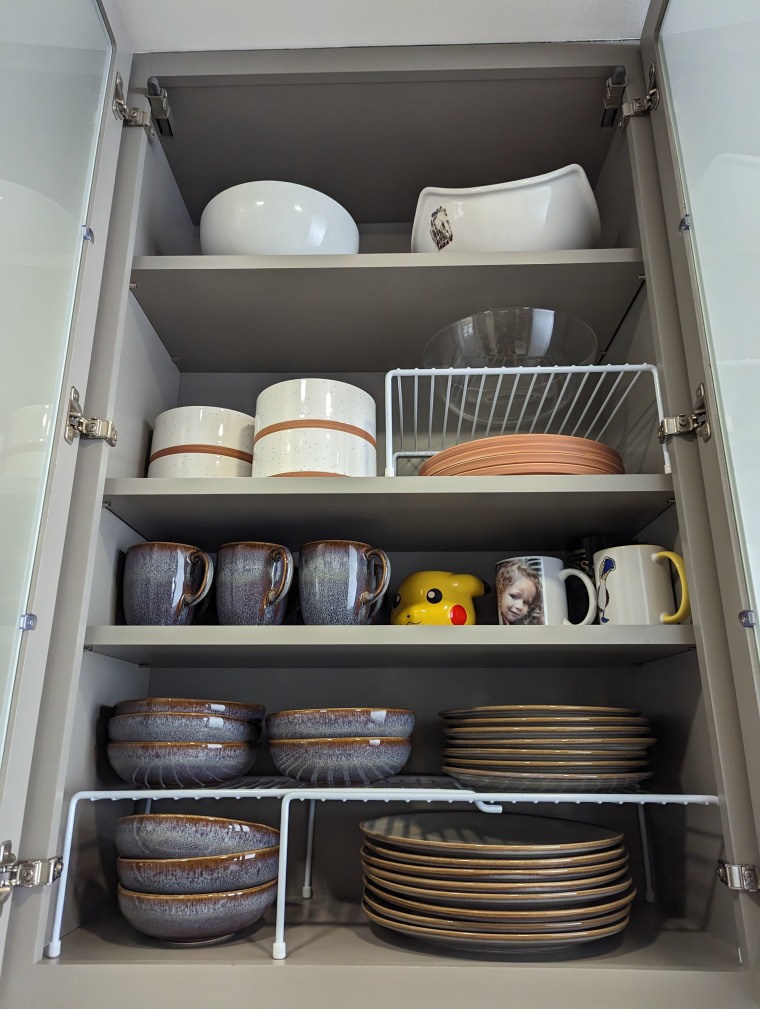
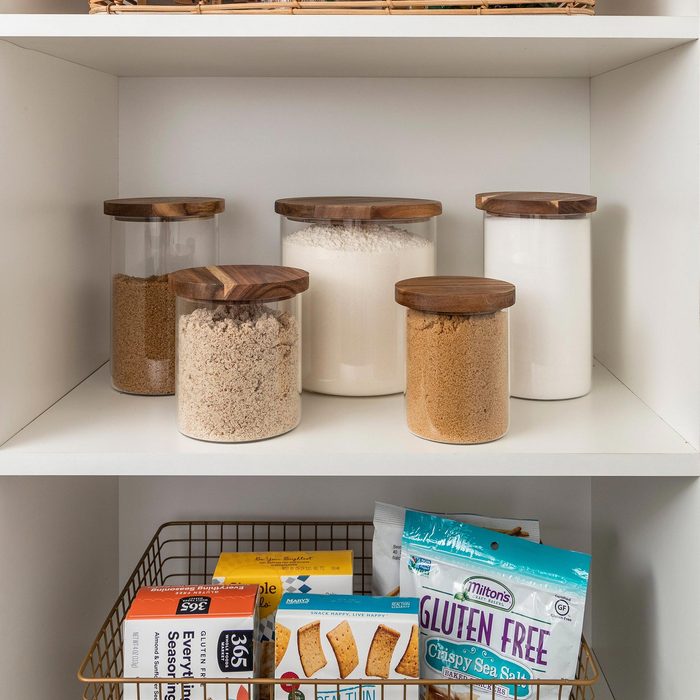
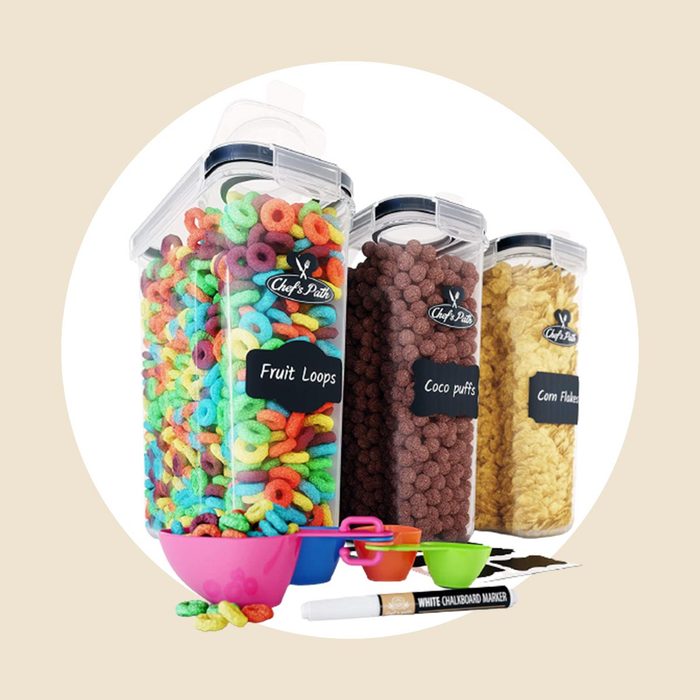
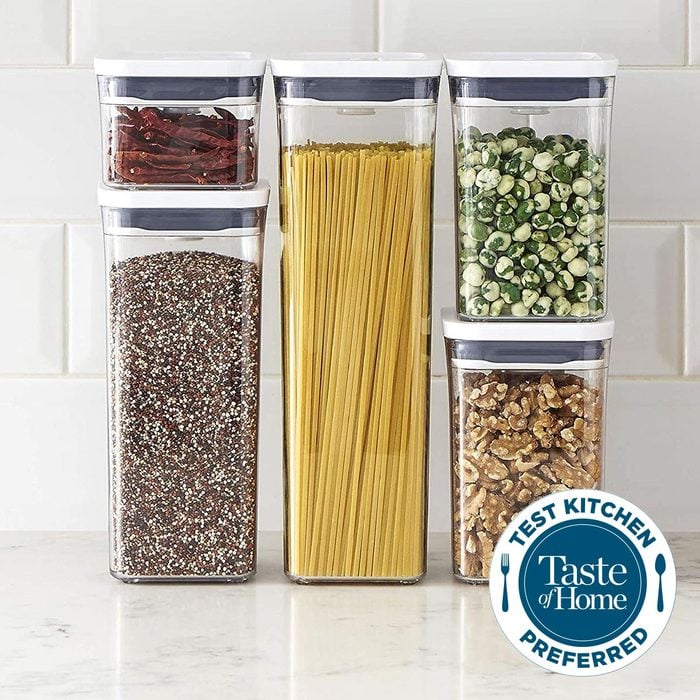
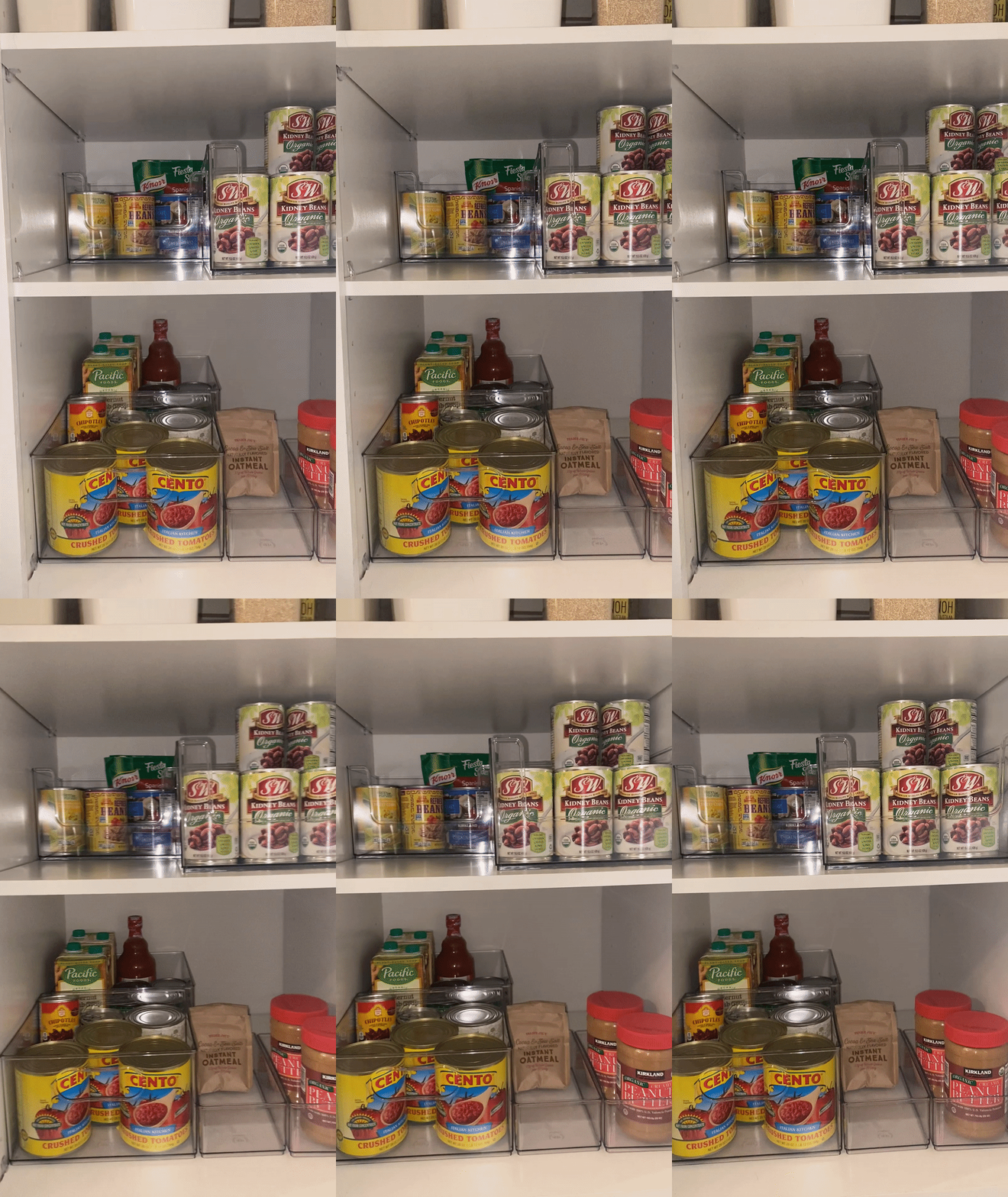
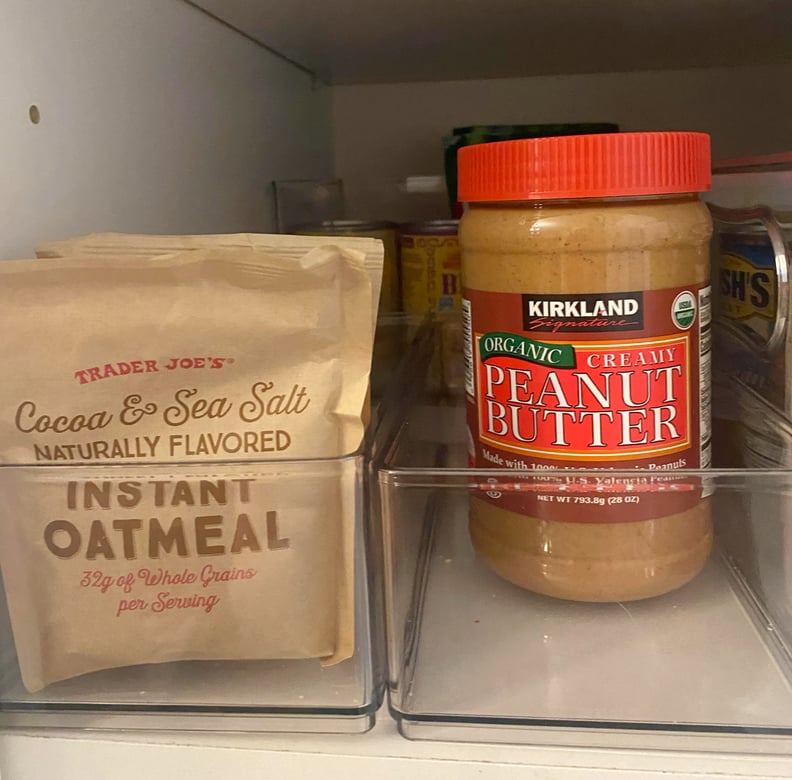
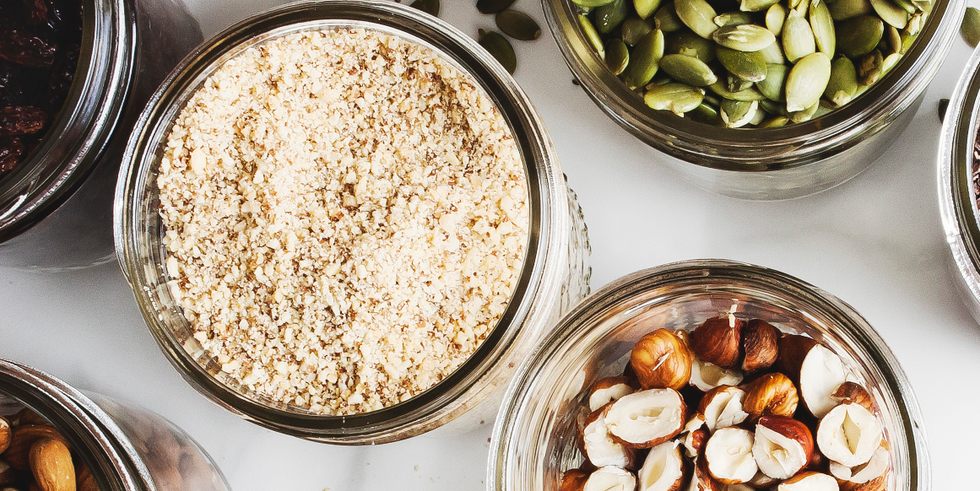
The second strategy involves maximizing storage options through various organizers. Permanent shelving is often unnecessary, as low-cost shelf risers, like those from HomeEdit, can create additional horizontal storage space. Expandable shelf and spice organizers, such as Madesmart products, also provide flexible storage solutions. Clear, deep bins, like the standard Everything Organizer, are recommended for smaller items such as snack bars, chips, and dried fruit, allowing for easy visibility and retrieval. However, heavier or slippery items, such as oils, are best stored on a lazy Susan, with the Deep Turntable design being a preferred choice for its stability and accessibility.
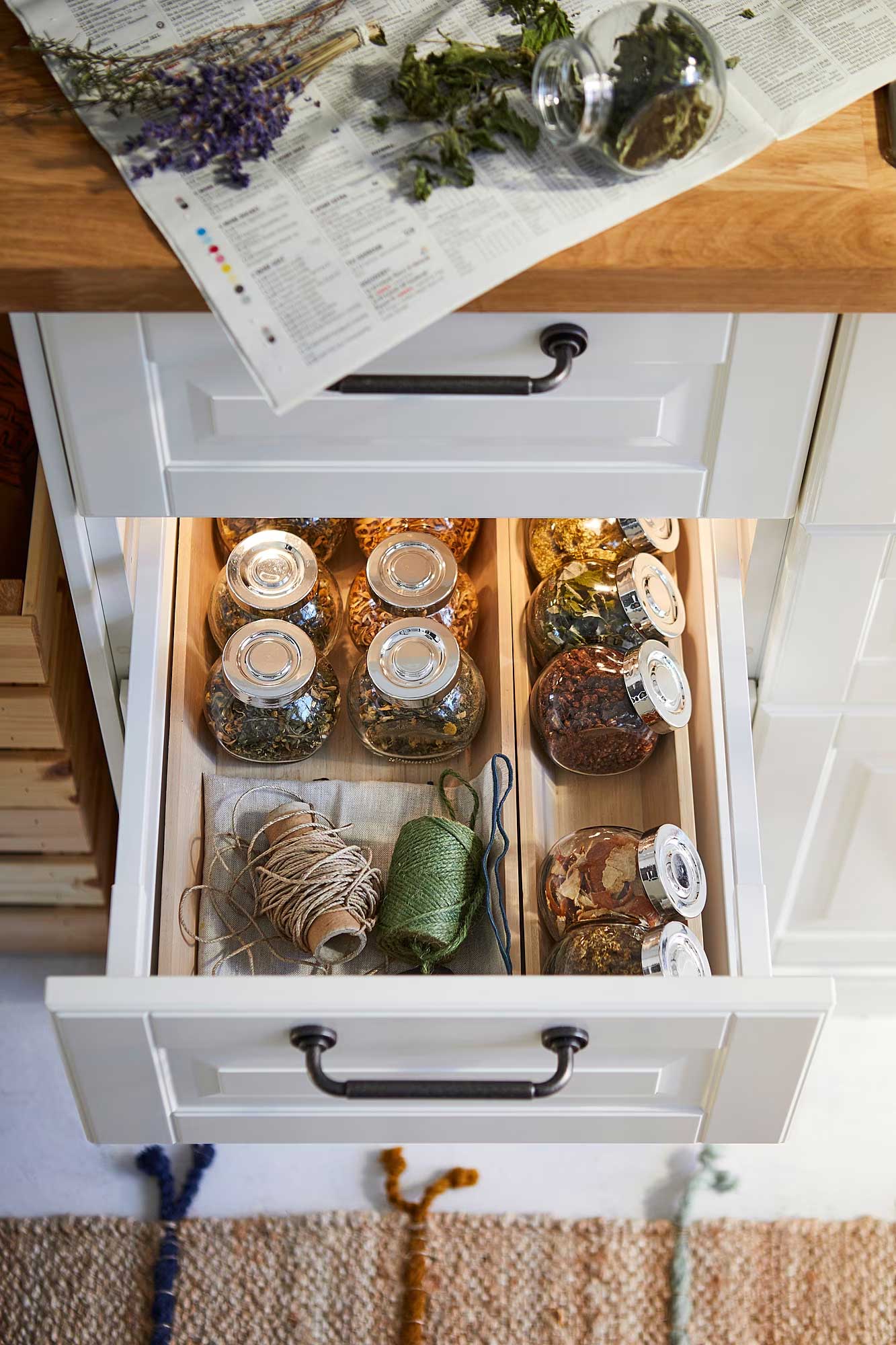
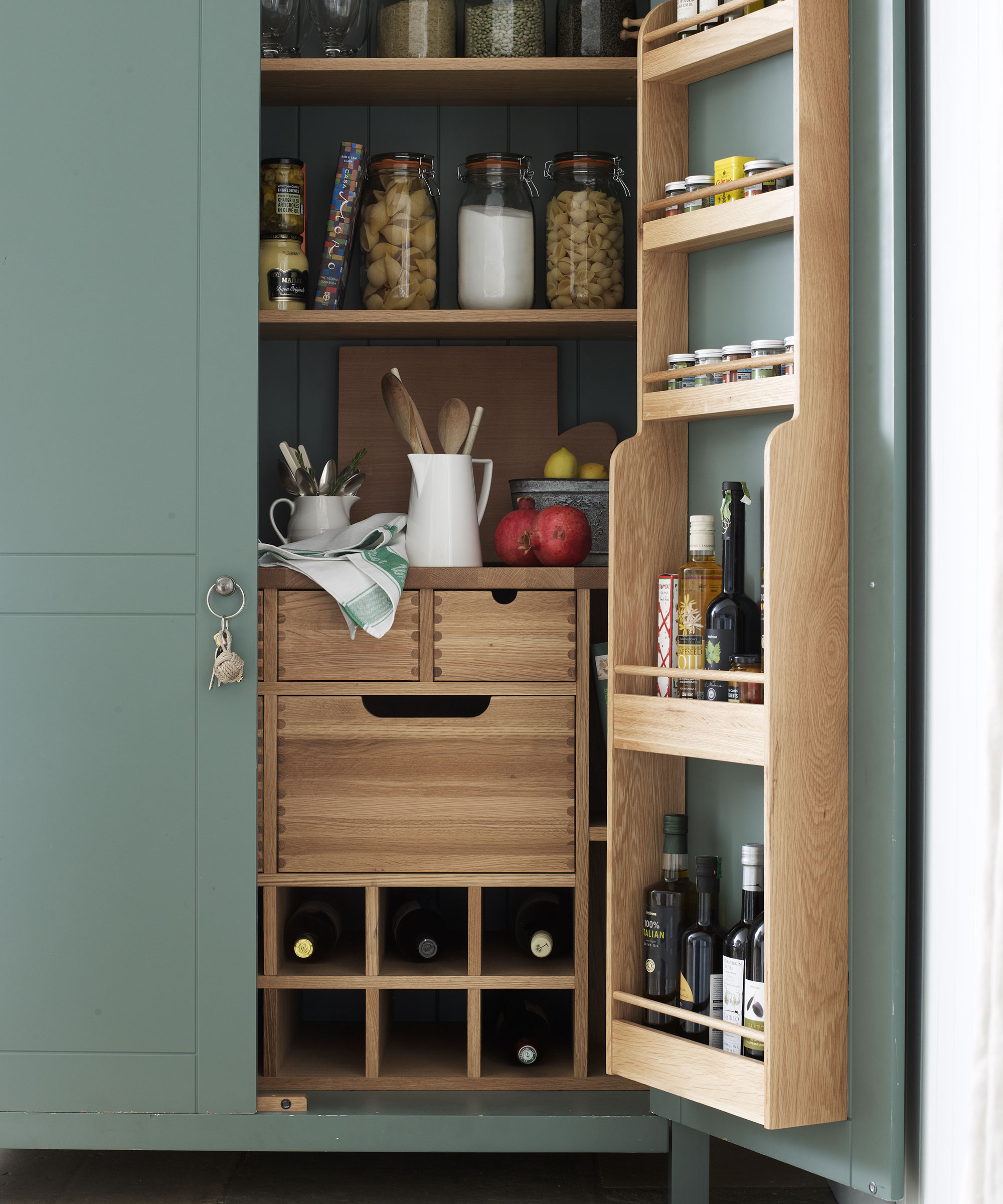
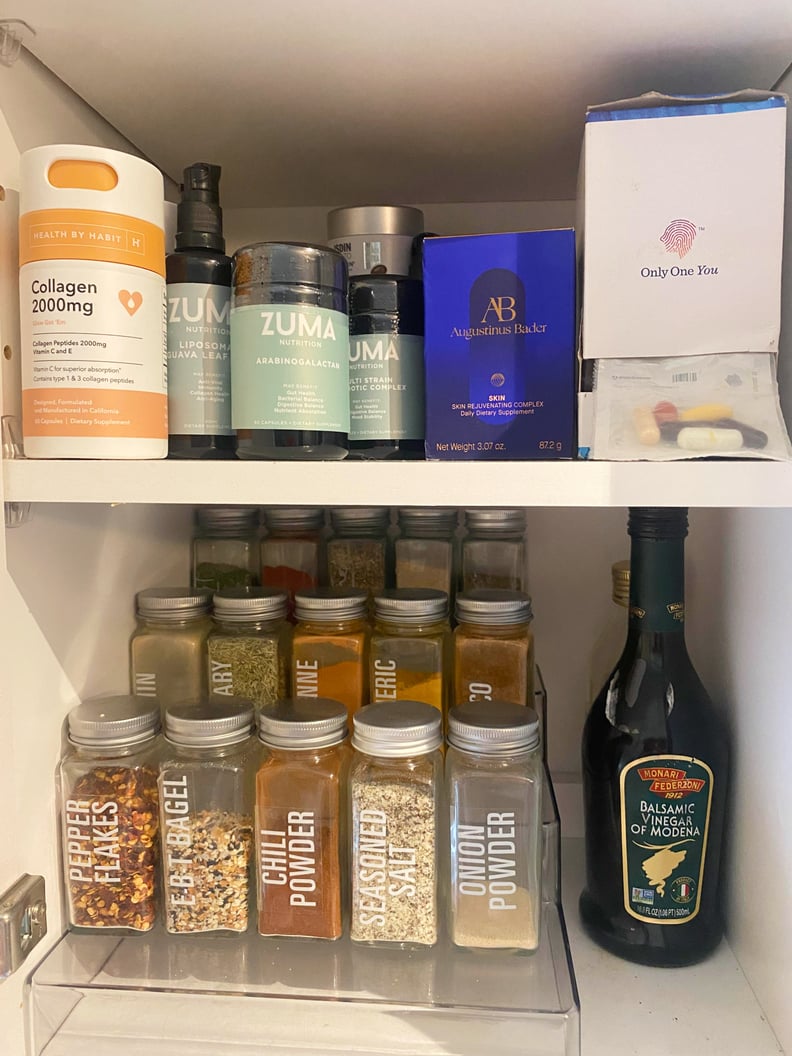
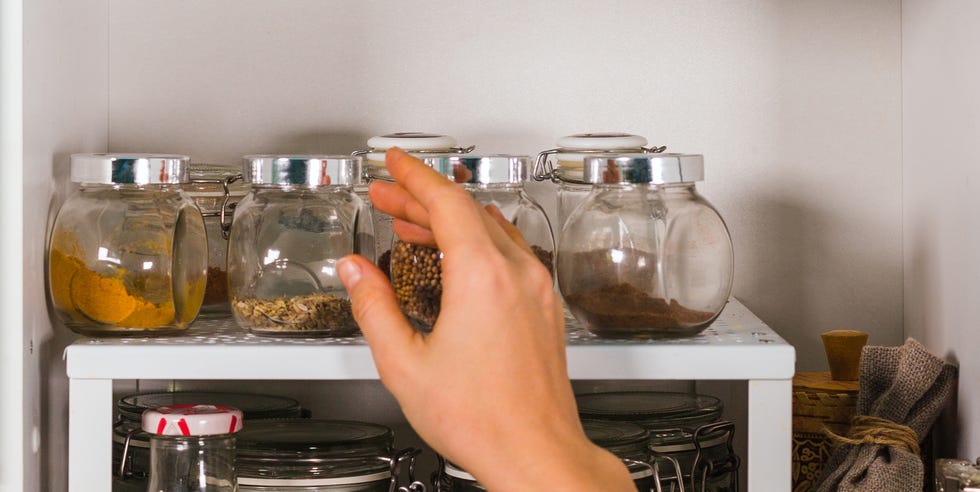
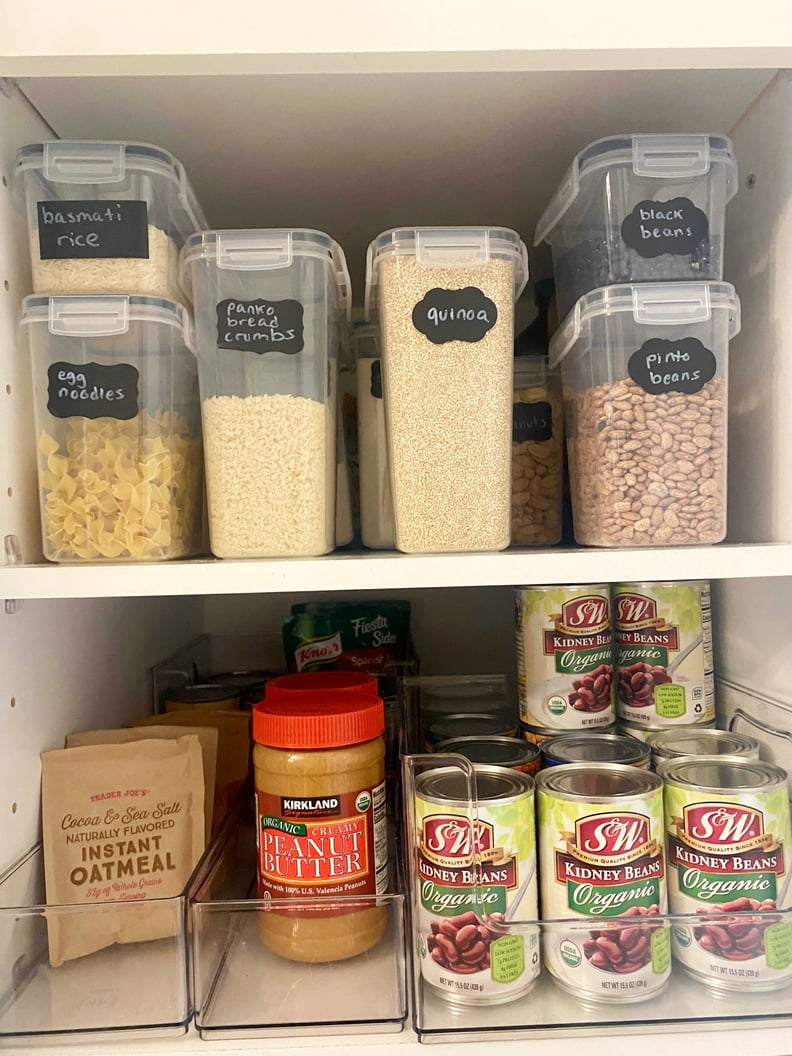
The third strategy, dubbed a “can-do attitude,” addresses the organization of canned goods and spices. Instead of constantly rotating a large stock of canned goods, using a cuttable non-stick drawer liner is suggested. This material creates rows that can also effectively organize spice bottles of varying heights. Another highly recommended product is the YouCopia SpiceStack adjustable rack, which features adjustable interior compartments for different bottle sizes and trays that pull down at a 45-degree angle for easy access. These narrow racks can be stacked to create multiple layers on a countertop, providing quick access and saving valuable pantry space, especially since items should not be stored too high in pantries used by seniors.
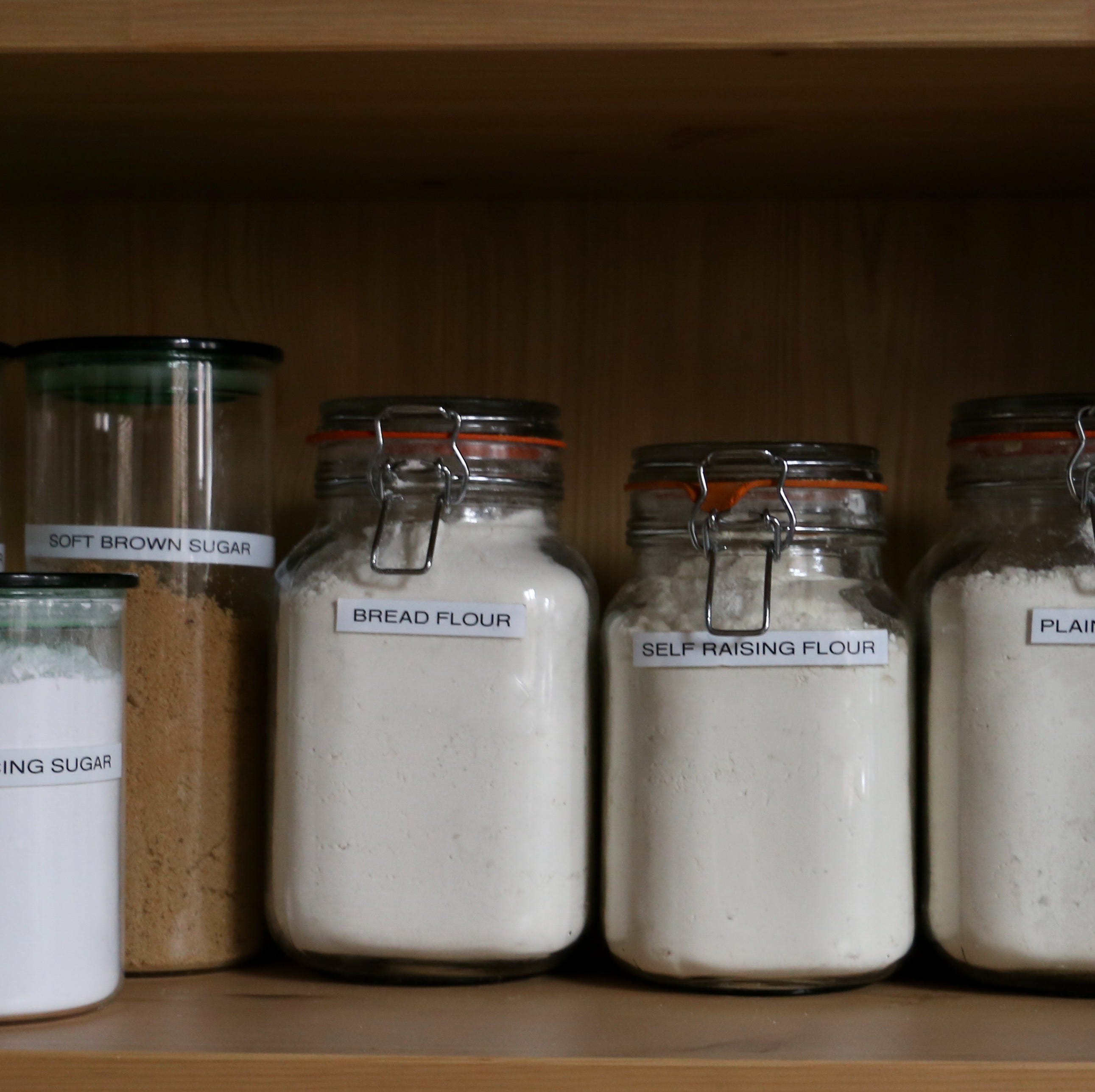
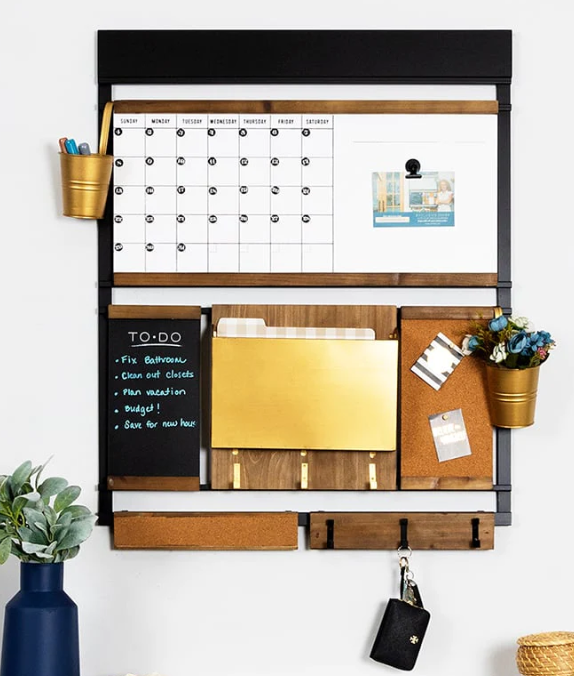
The final strategy emphasizes the importance of maintaining a detailed inventory. Utilizing the back of the pantry door with a dry-erase board or a digital device to create a “stock list” is an effective method. This list should be updated as items are used and consulted before shopping to prevent over-buying. Additionally, marking expiration dates directly on dry goods with a marker immediately after purchase eliminates the need to search for small print later, ensuring that older items are used first. By consistently pulling items from the back of the shelf to the front when restocking, seniors can reduce waste from expired products and even find inspiration for meals from forgotten ingredients.
#PantryOrganization #SeniorAccessibility #HomeSafety #KitchenStorage #OrganizationalTips #AgingInPlace #HomeImprovements #SmartStorage #PantryOrganization #SeniorAccessibility #HomeSafety #KitchenStorage #OrganizationalTips #AgingInPlace #HomeImprovements #SmartStorage
0 comment in total
 No comments yet
You may also like
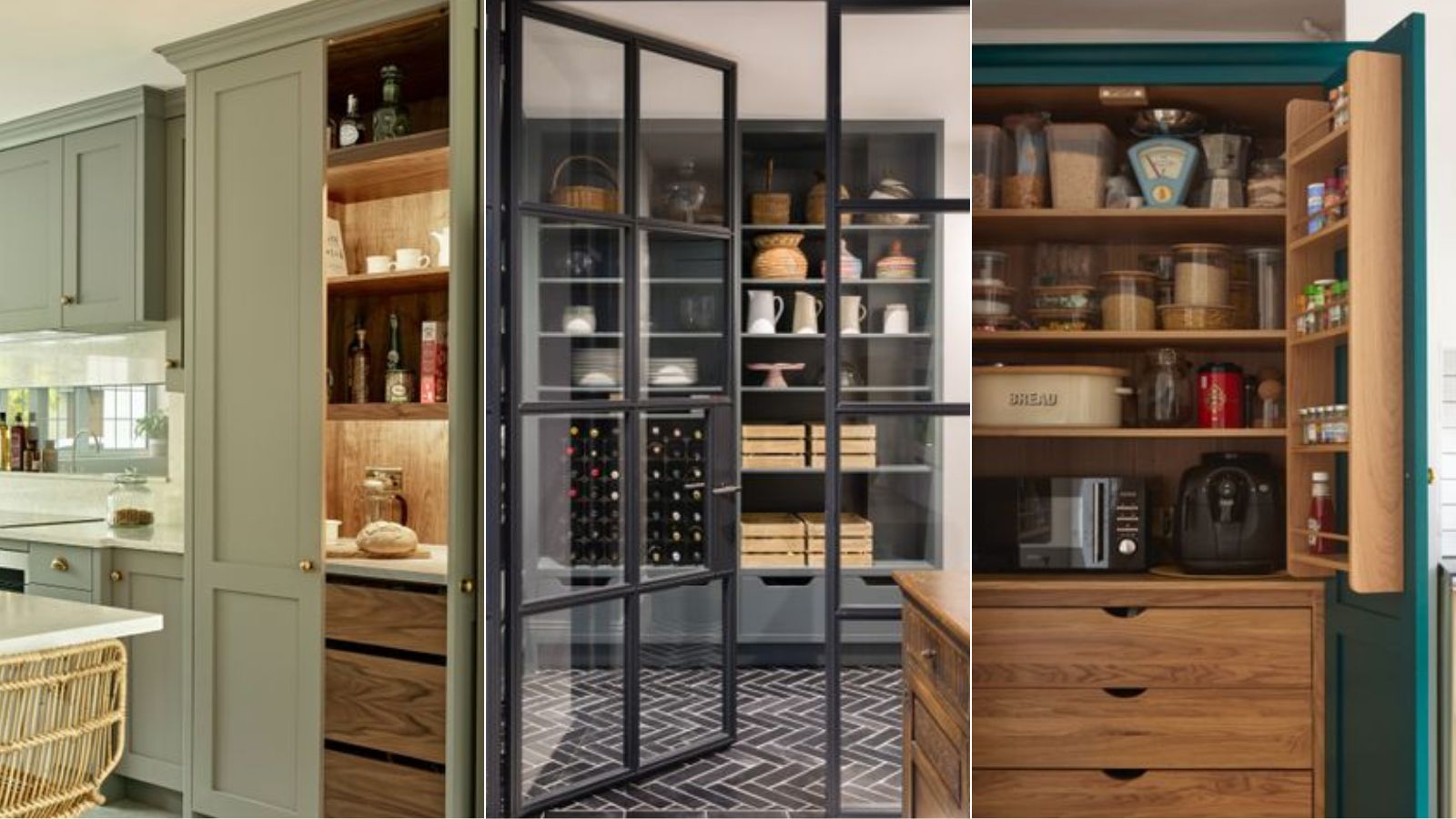
8 pantry organizers professionals always buy


The Best Deals of the Week (Including the Le Creuset Pan From Meghan Markle’s Show)
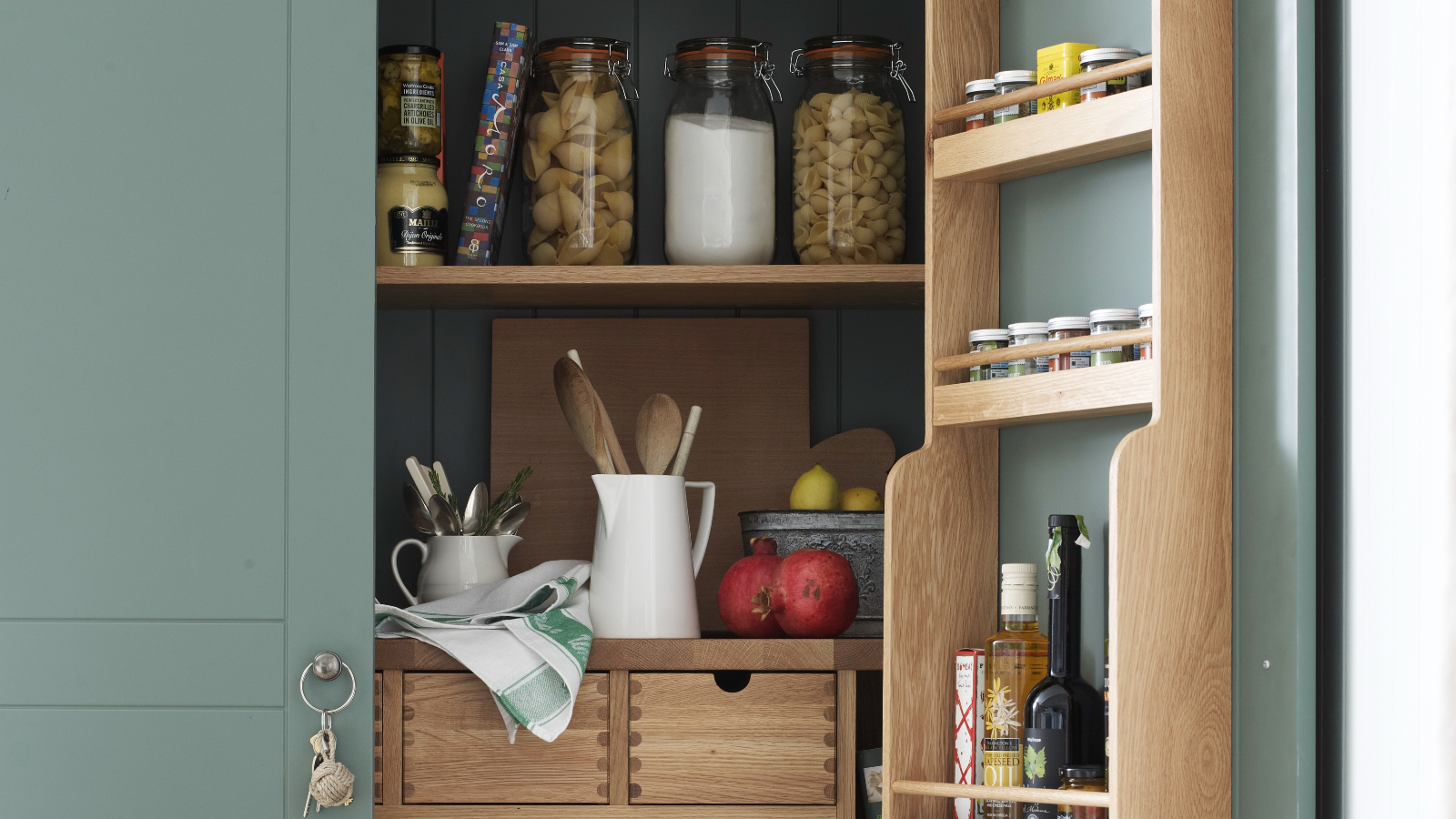
KonMari Master warns against this pantry organization mistake – and suggests this clever zoning solution
7 Items You Should Never Store In Kitchen Cabinets
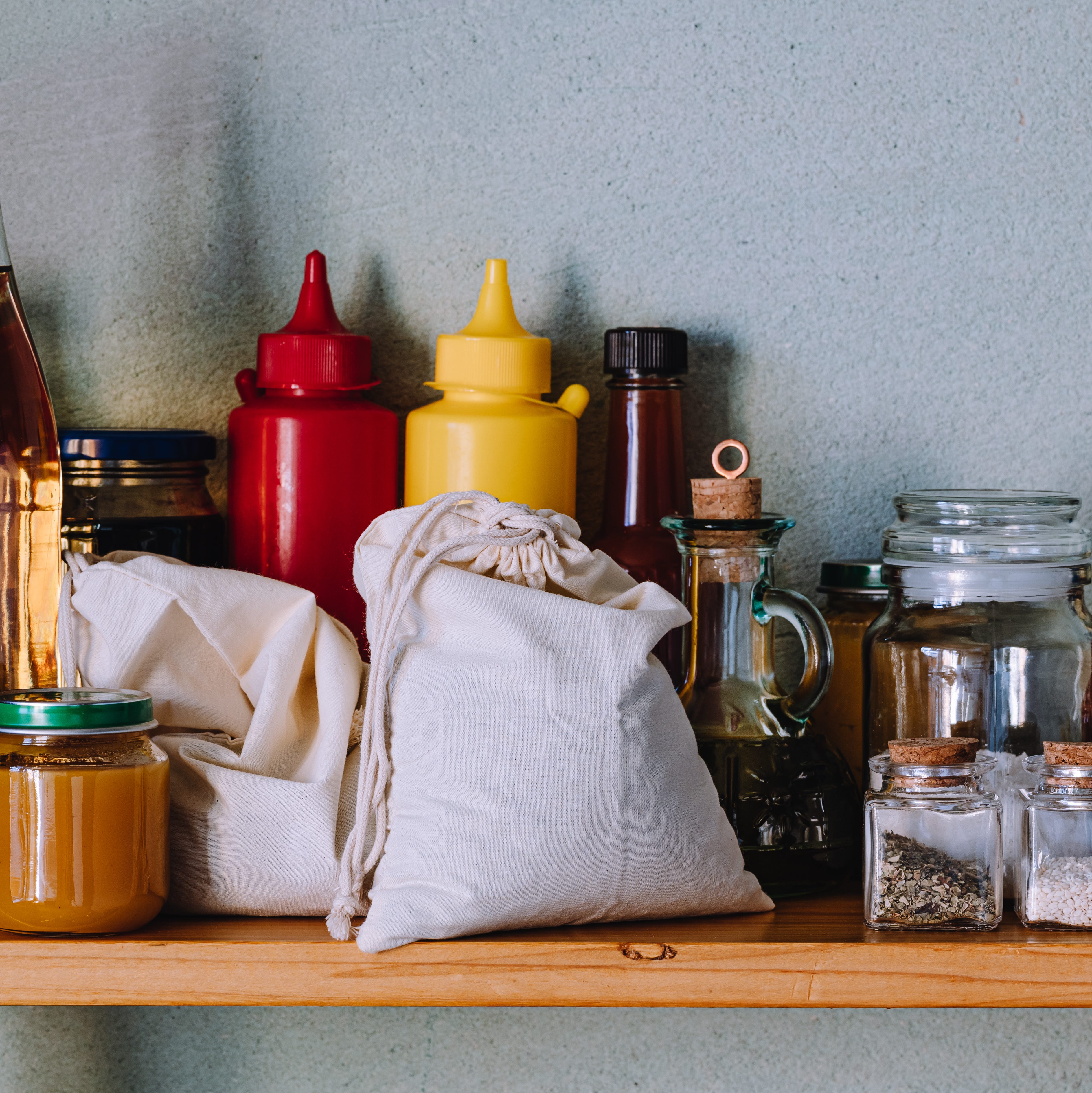
6 Things You Should NEVER Keep In Your Pantry, According To Pro Organizers & Chefs
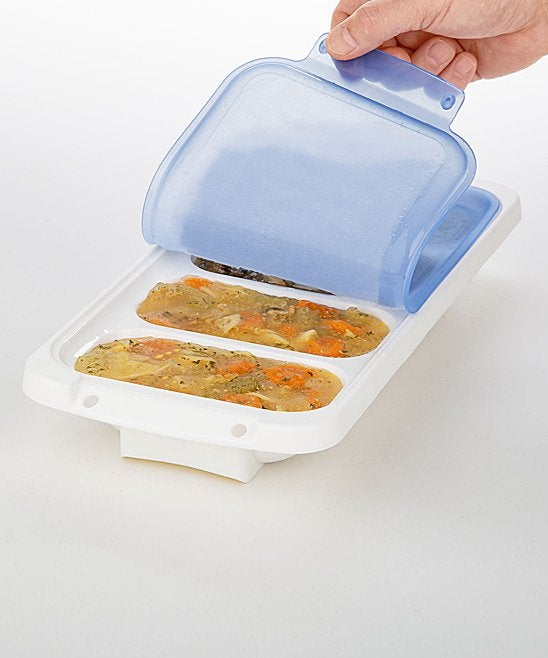
This Sparks Joy: The Food Storage Containers That Really Get Me Goin'


The $3 Organizer That Instantly Decluttered My Entire Kitchen (I’ve Used It for Years!)
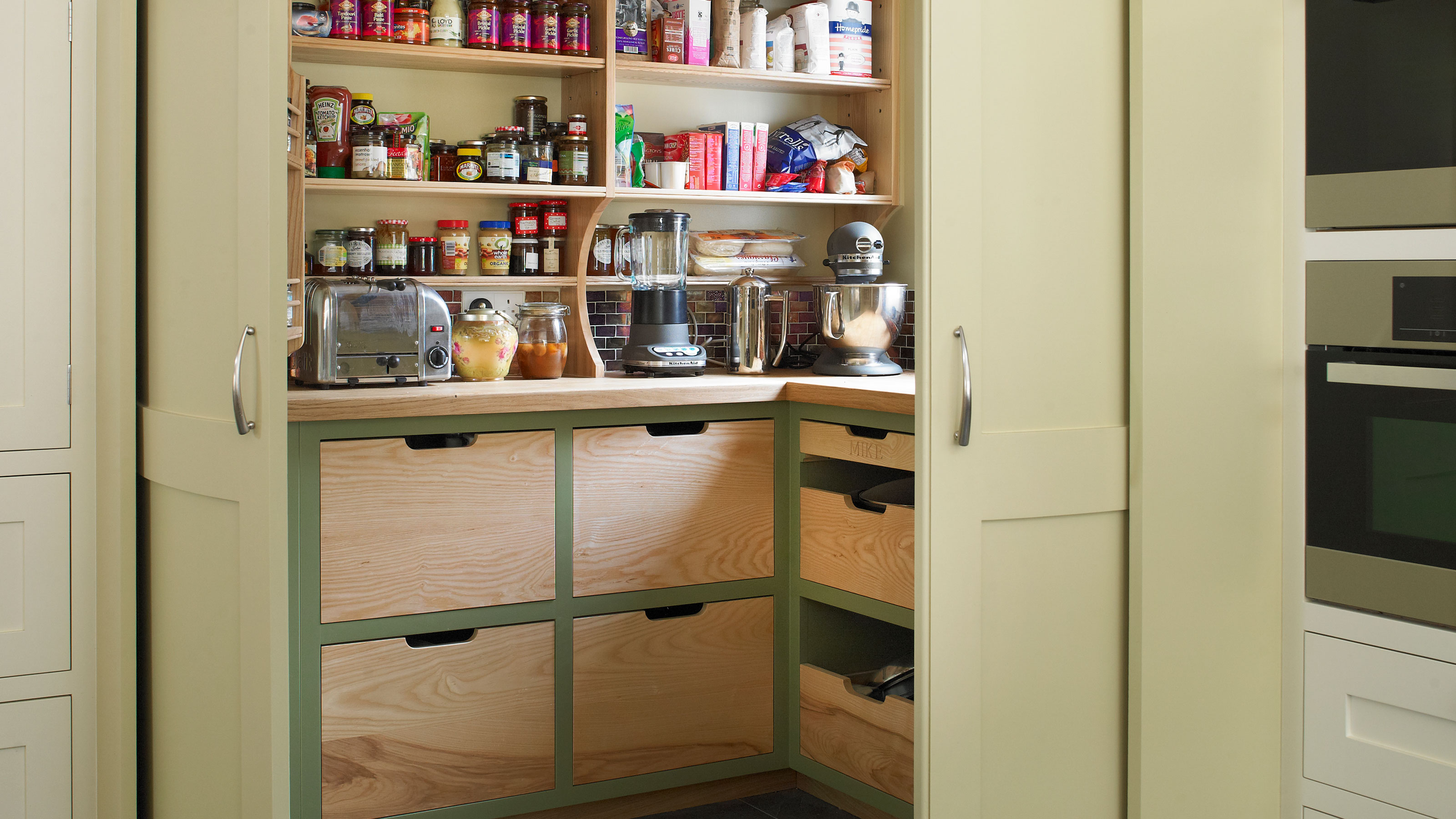
How to keep a pantry cool in hot weather – 6 ways to keep things fresh
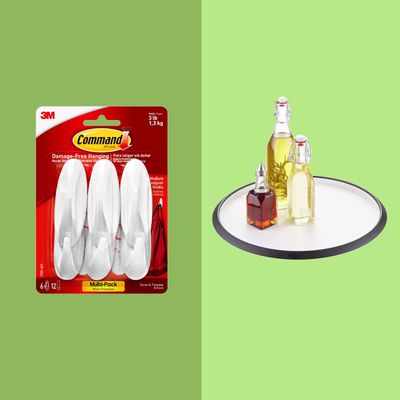
13 Professional Organizers on the One Item They Tell Every Client to Buy
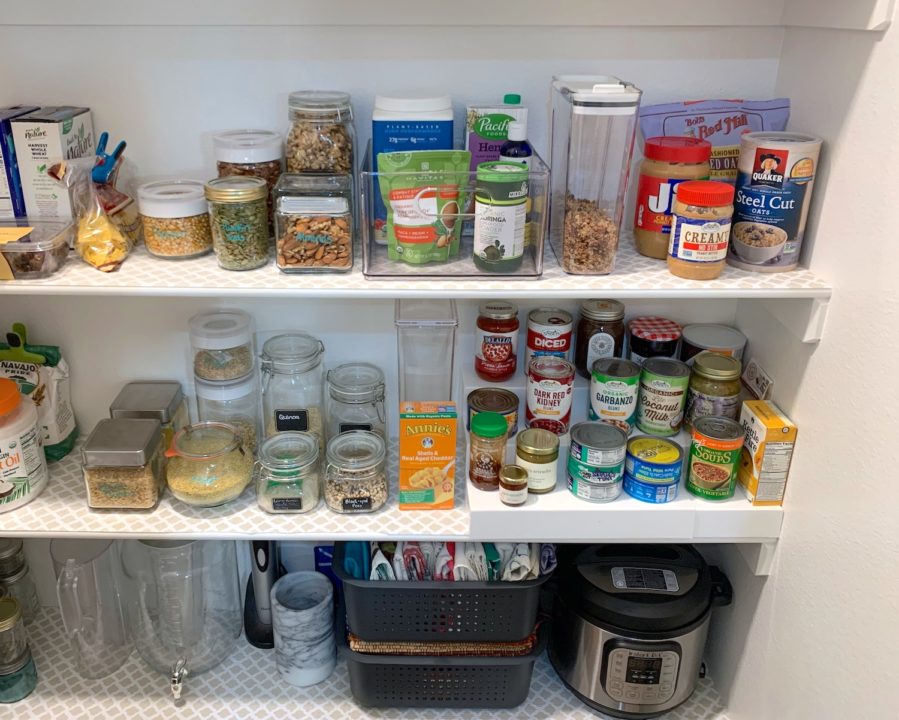
How I Reorganized My Pantry During the Pandemic

22 Best Pantry Organization Ideas to Maintain a Tidy Kitchen

I Transformed My Pantry With Walmart's Home Edit Collection
7 Surprising Things Pro Organizers NEVER Do in Their Own Pantry


'They'll Change Your Life' – 5 Organizer Buys Endorsed by Professionals That Promise to Start 2024 off Right

How to Organize Your Pantry Once and for All, According to a Pro

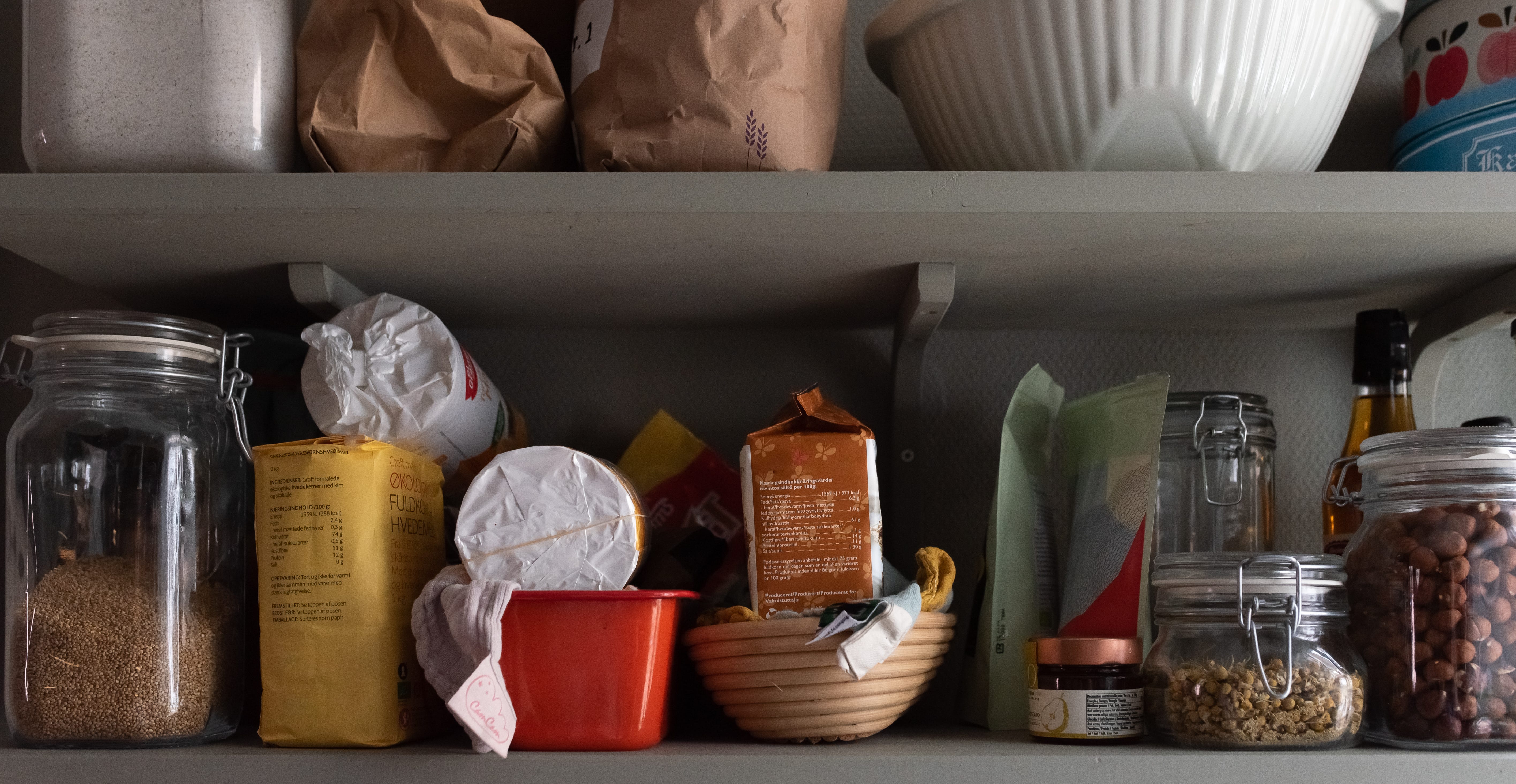
8 Things In Your Pantry You Should Toss ASAP, According To Pro Organizers
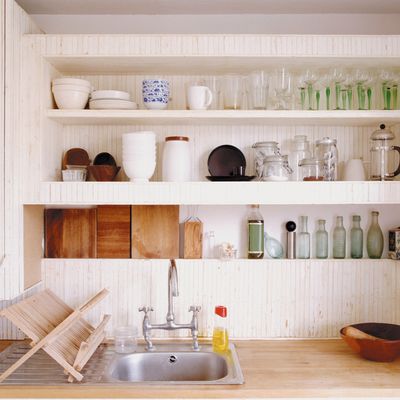
How to Organize Your Kitchen and Pantry, According to Professional Organizers
A Home Organizer on the Kitchen Stuff She Makes Her Clients Buy
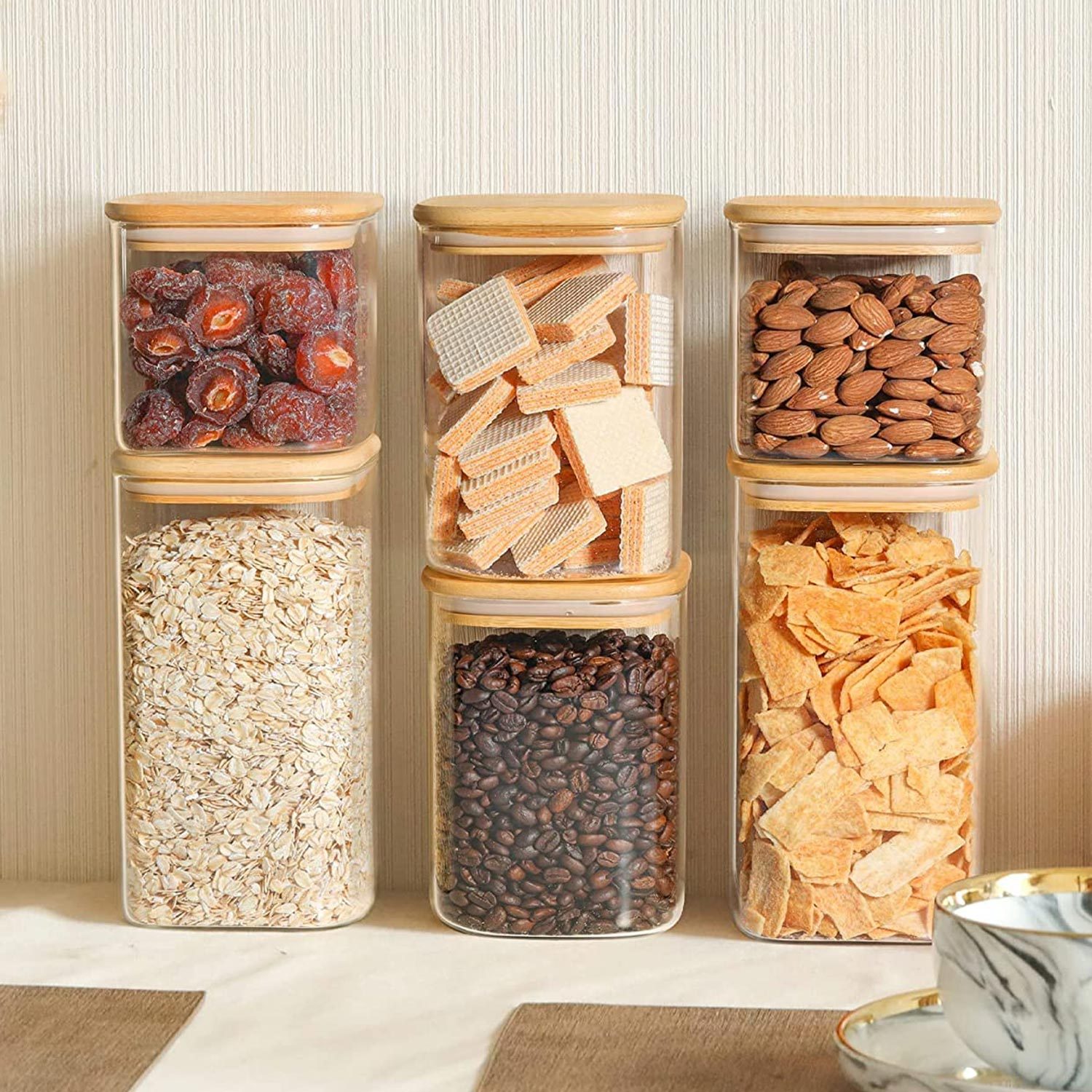
The 8 Best Pantry Storage Containers of 2025

9 Things To Toss From Your Pantry Right Now