1/2
How I Reorganized My Pantry During the Pandemic
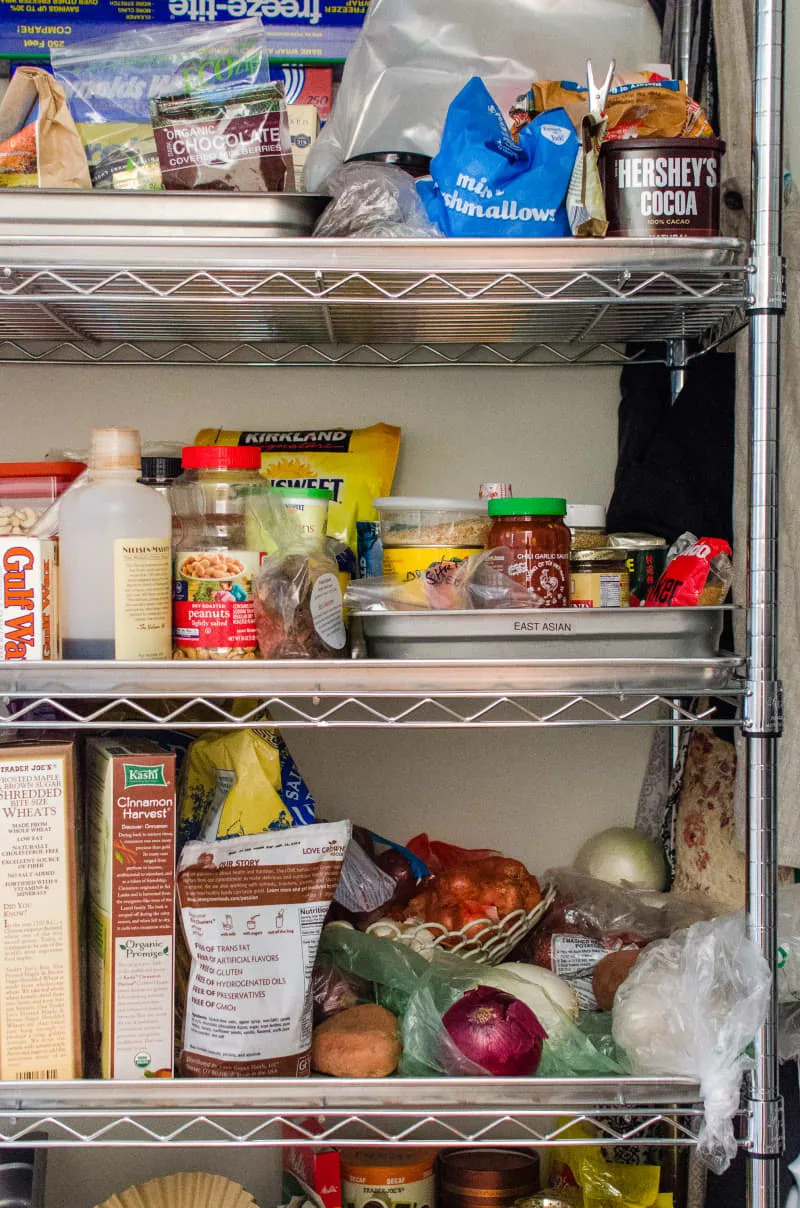
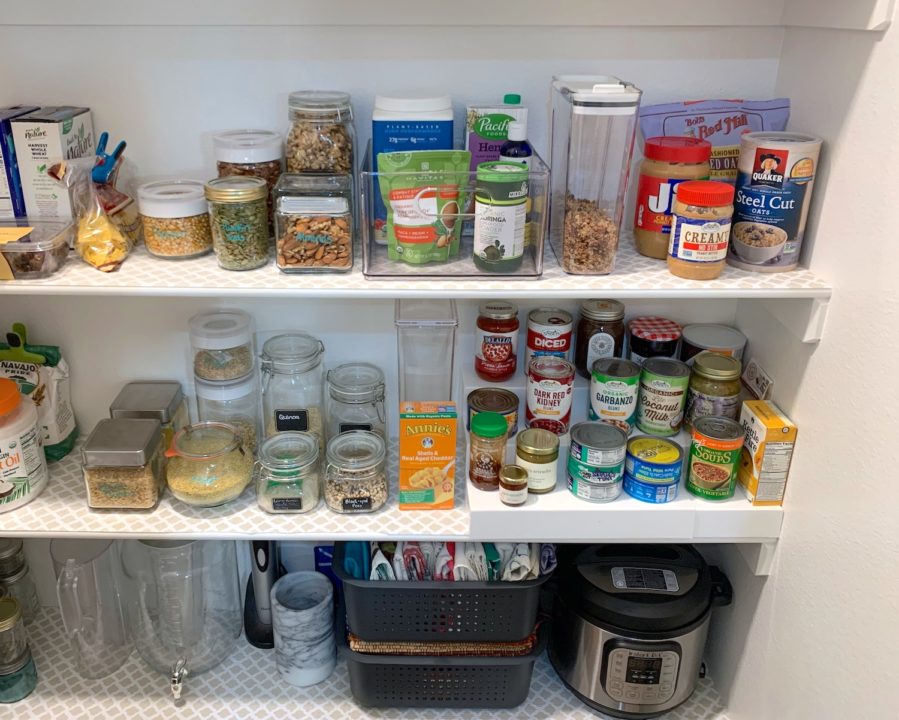
The author, Daliah Singer, a self-proclaimed Type A individual when it comes to organization, embarked on a pantry reorganization project during the pandemic. Her motivation stemmed from binge-watching 'Get Organized with the Home Edit' on Netflix and a deep-seated need to exert control over a chaotic year. As a freelance journalist, the pandemic had introduced significant professional instability, and the constant health vigilance was mentally, emotionally, and physically taxing. Her home, once a sanctuary, had transformed into a continuous workspace, restaurant, and gym, prompting a desire for even a minor change to improve its livability.
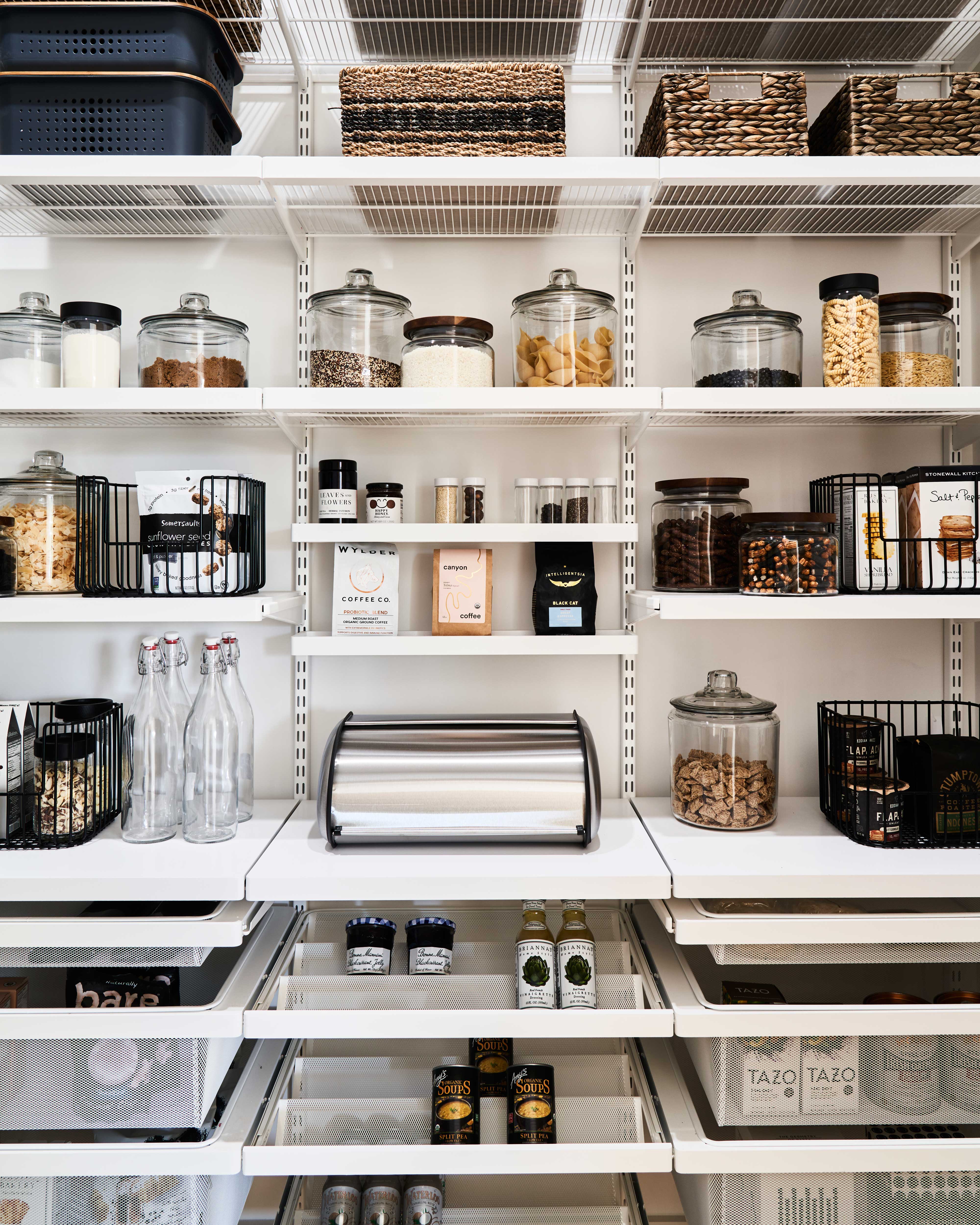
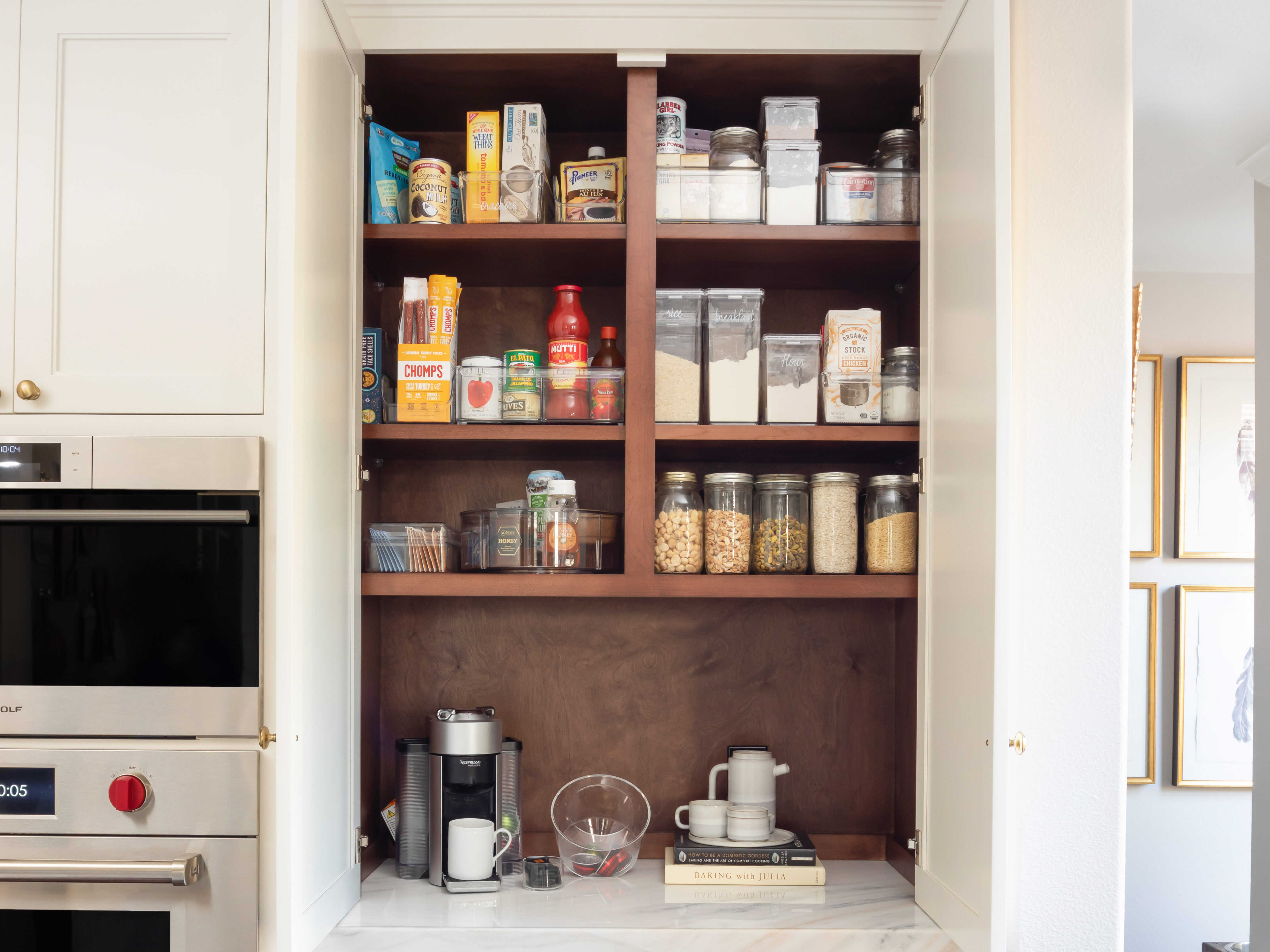
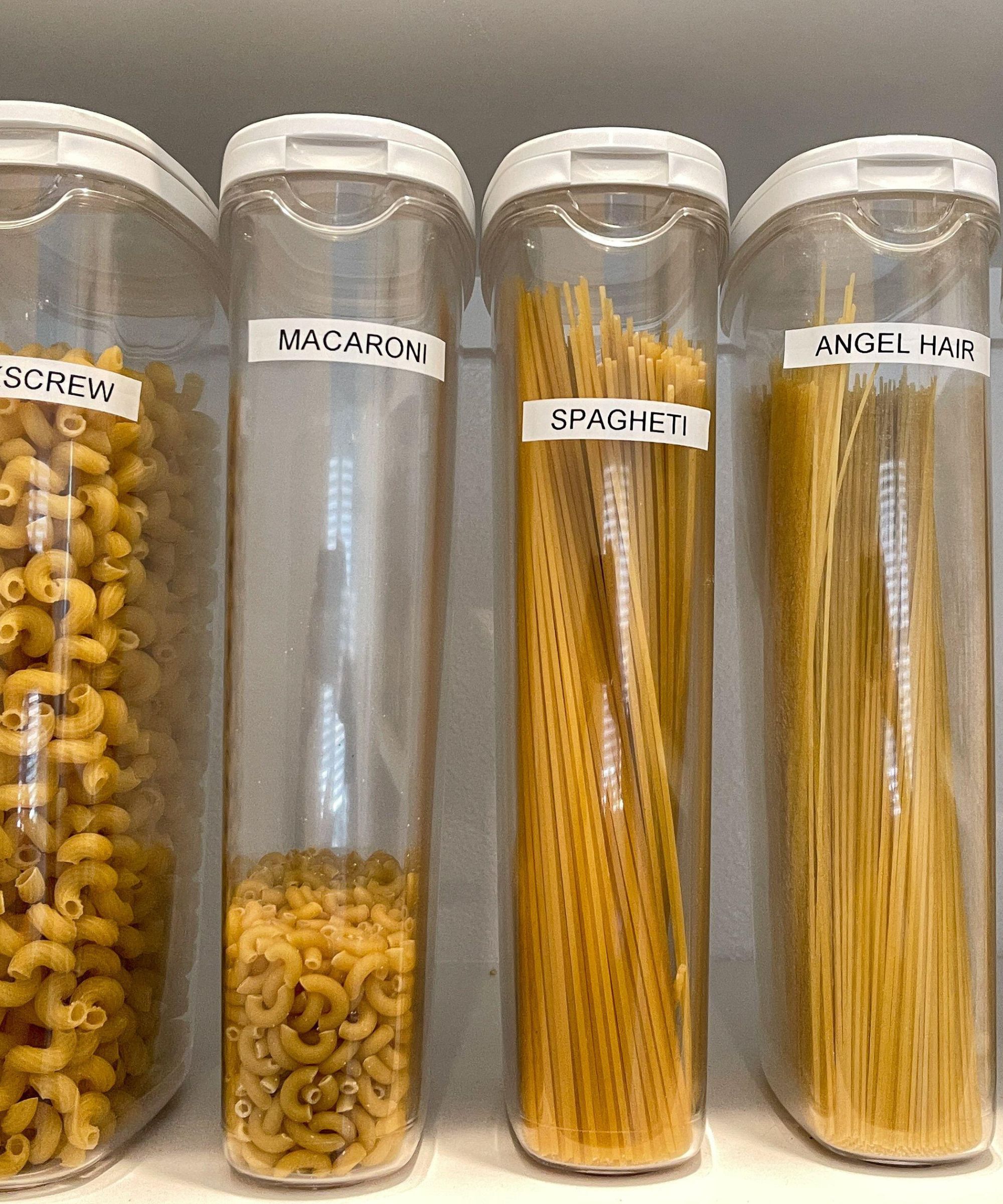
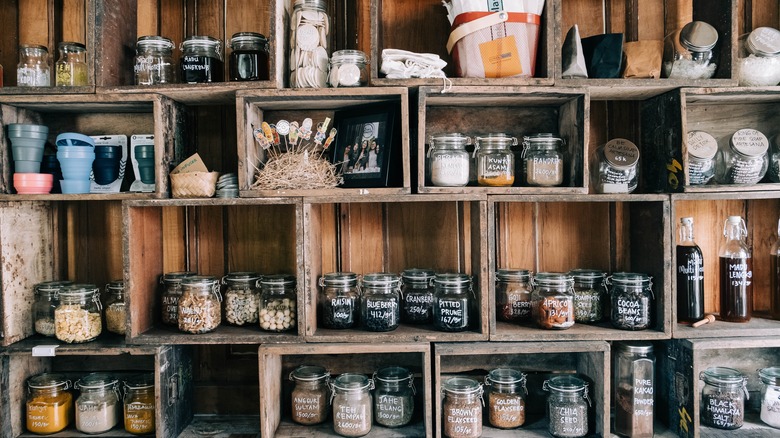
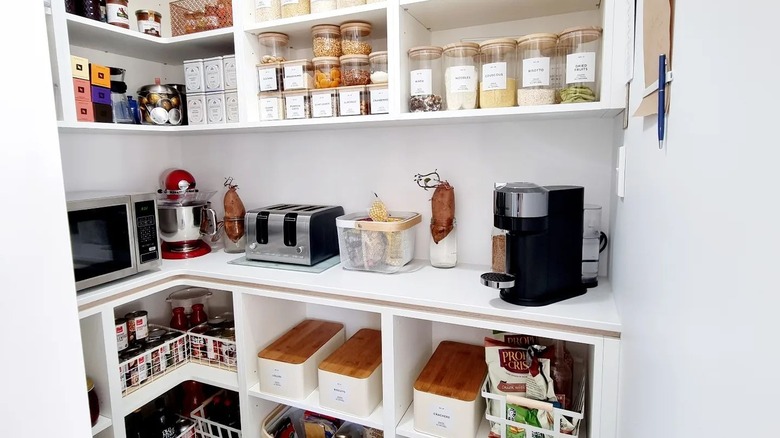
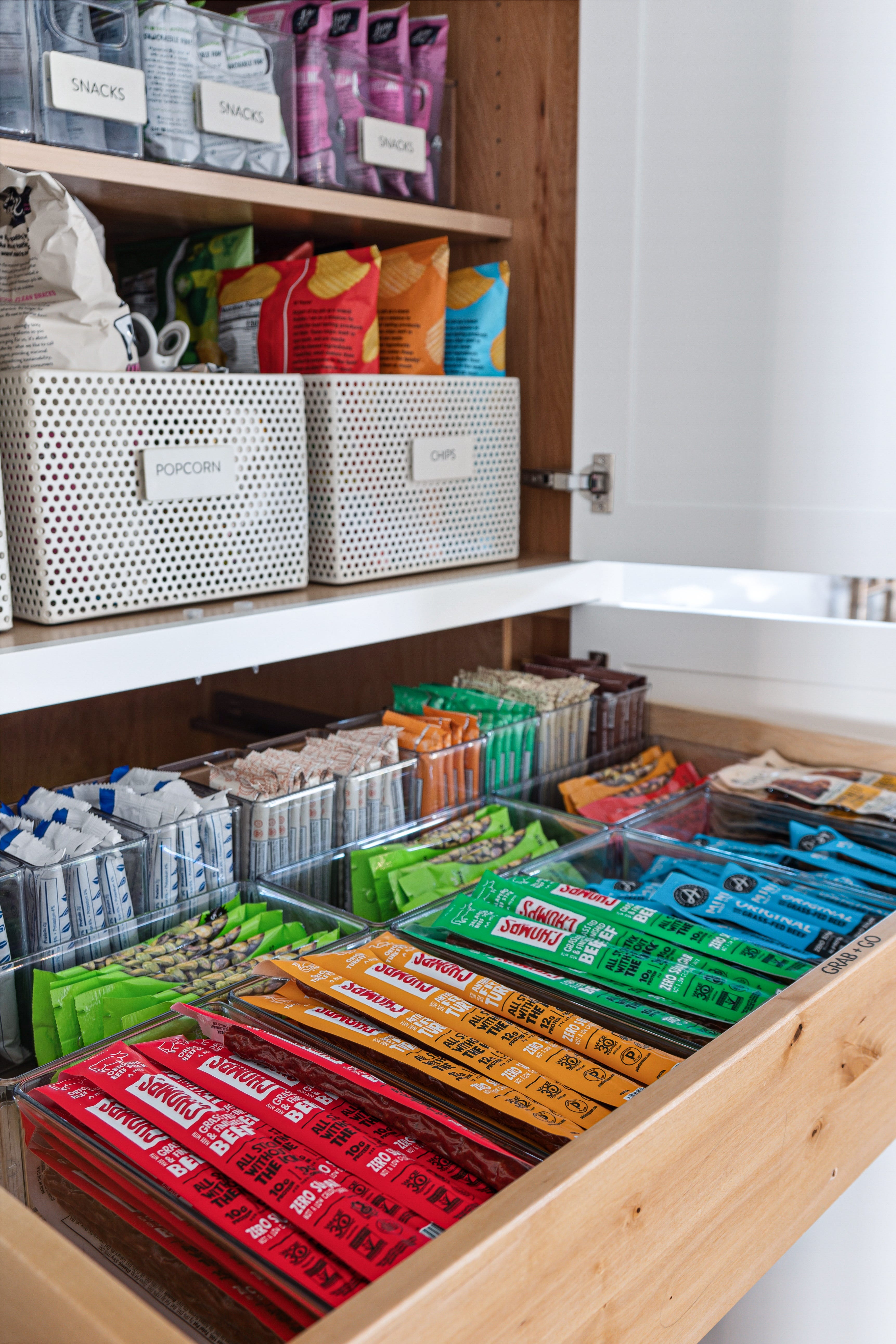
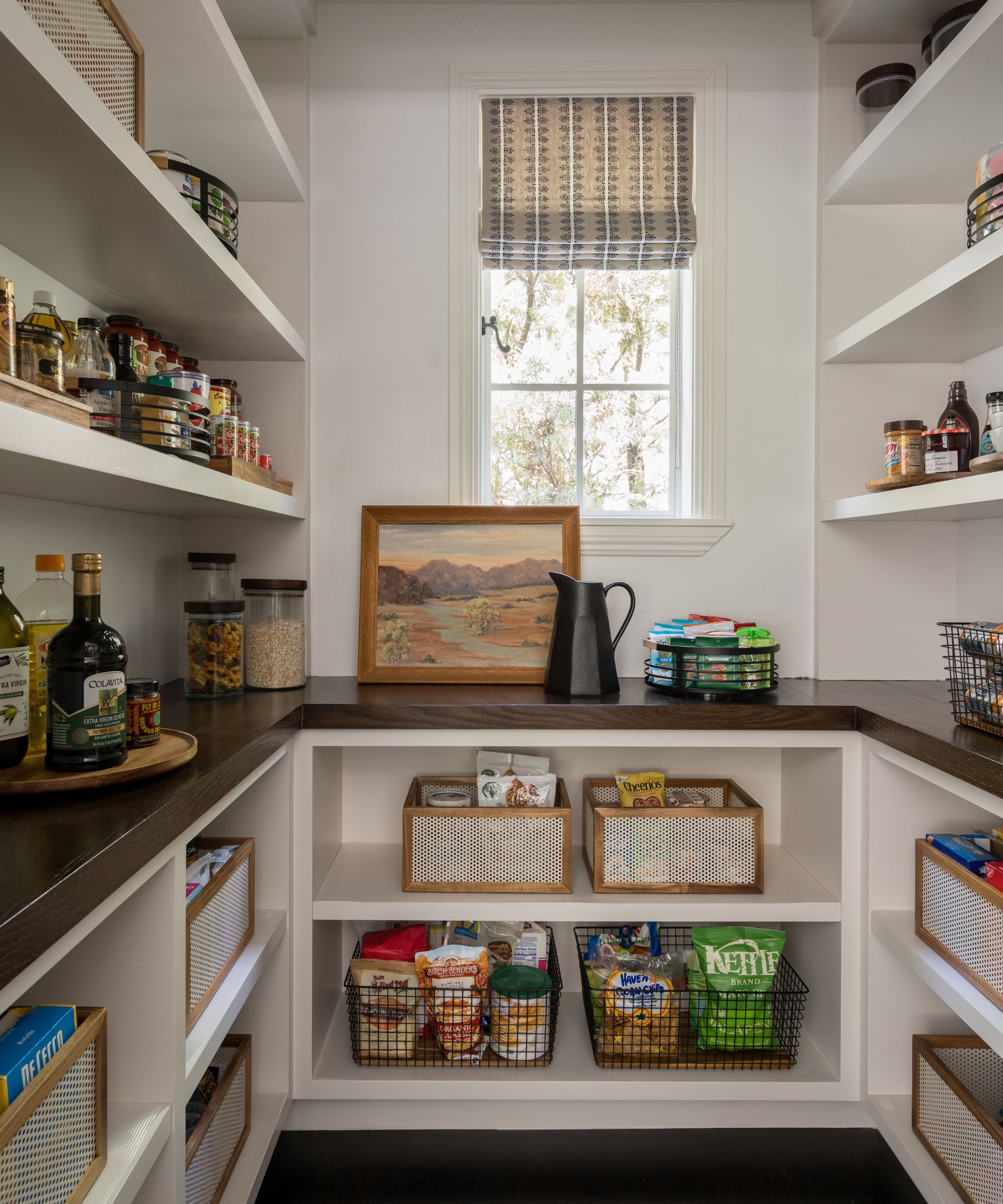
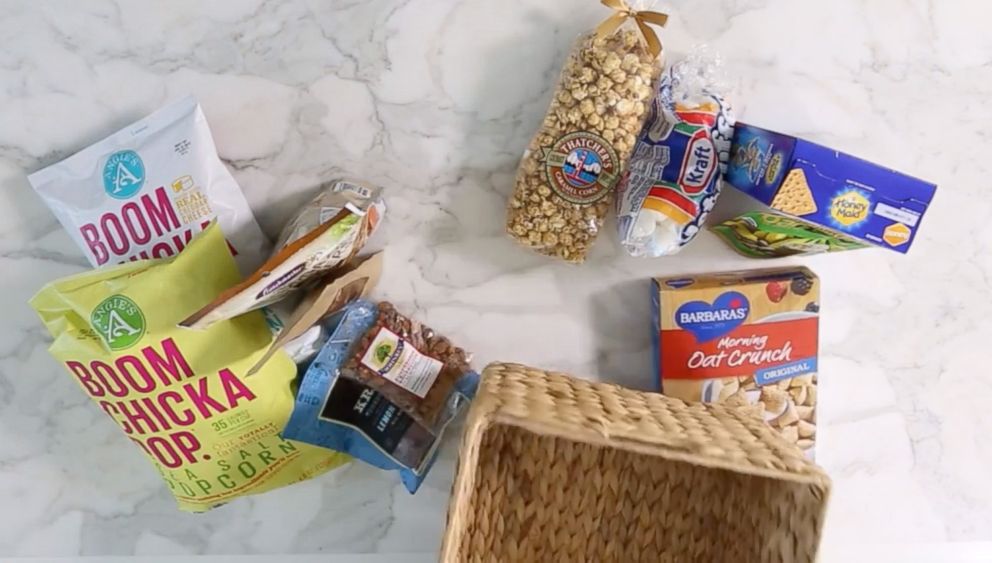
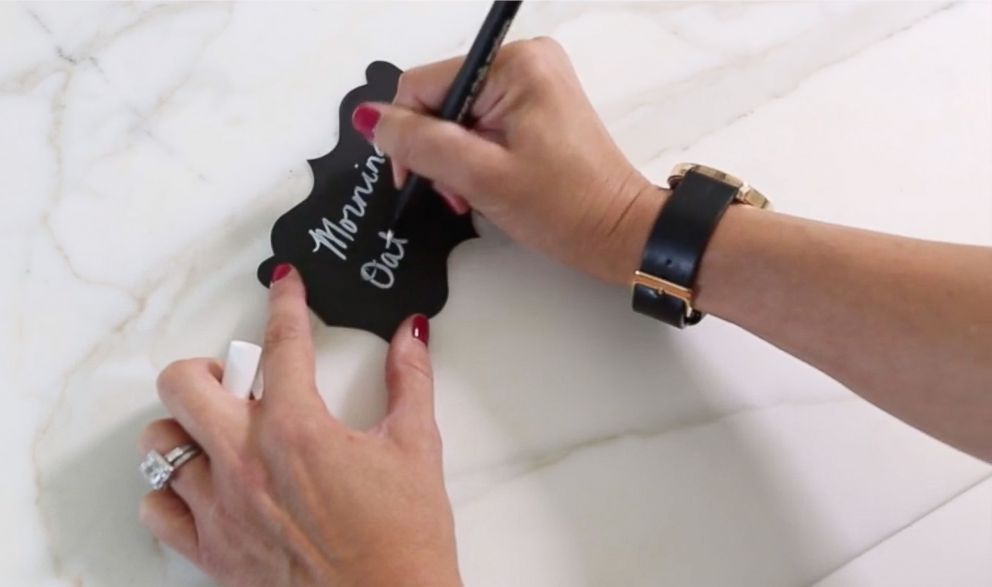
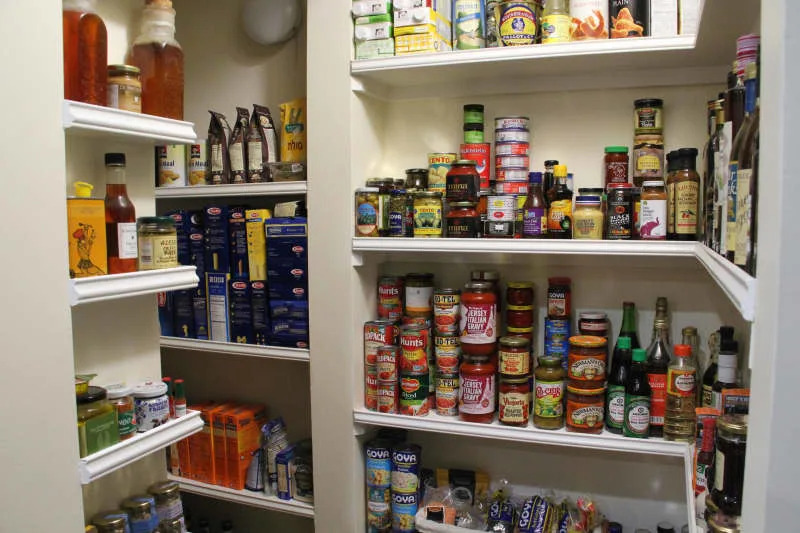
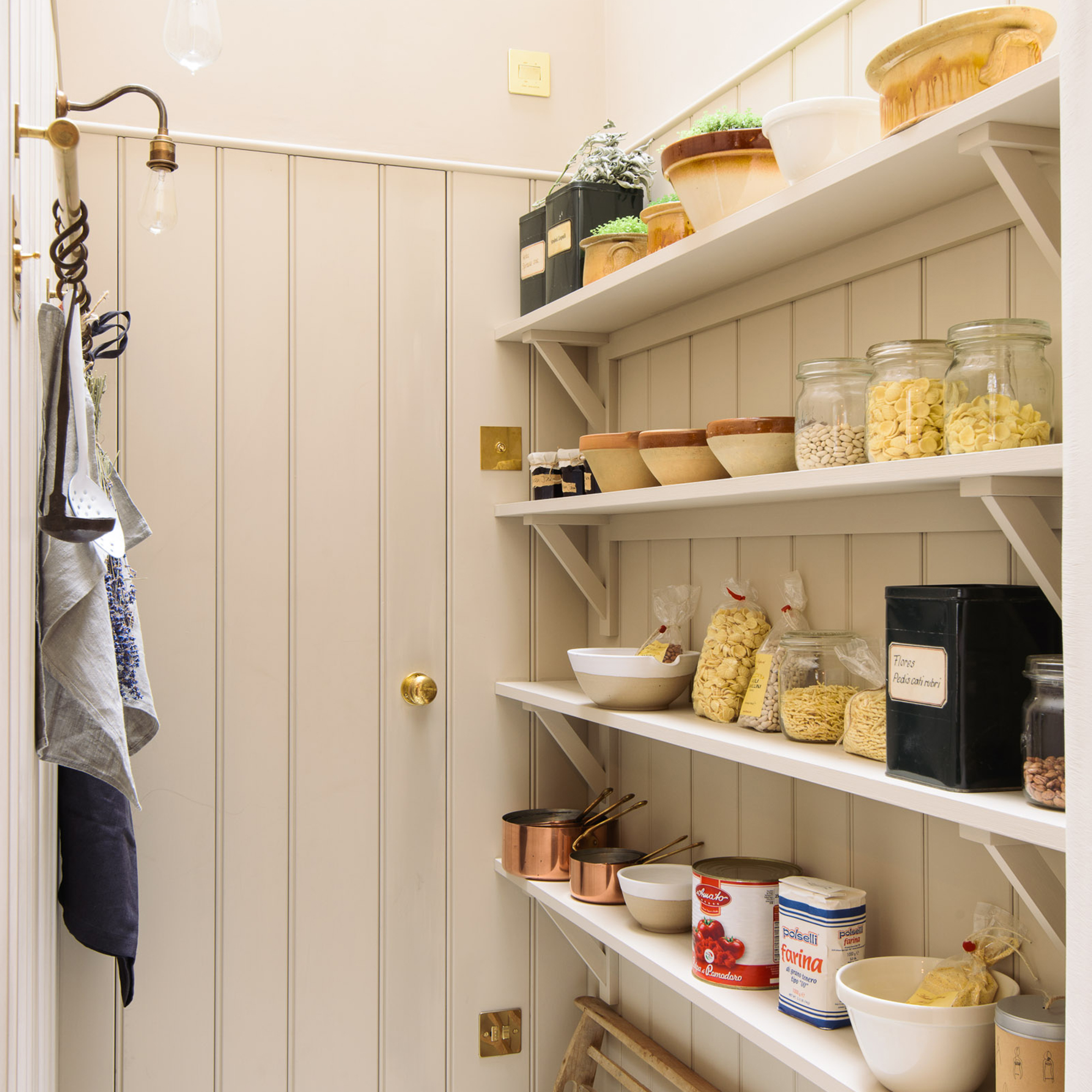
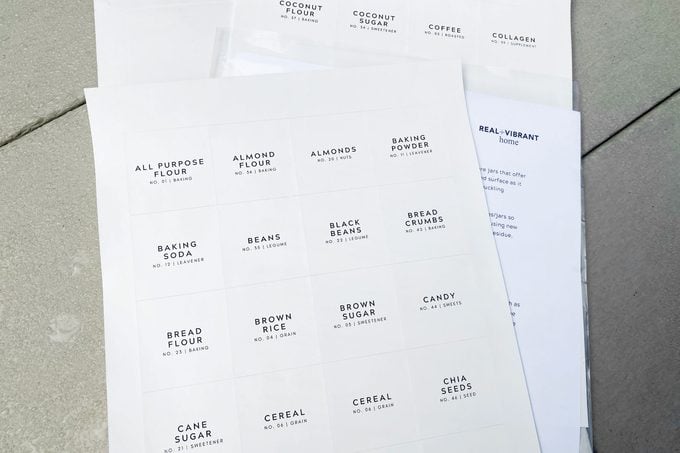
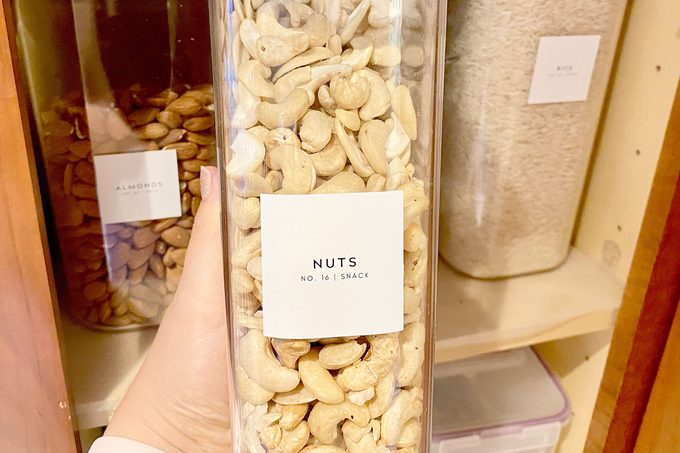
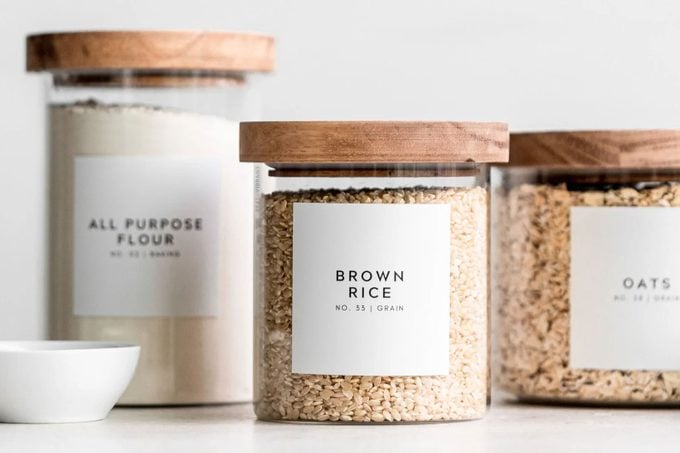
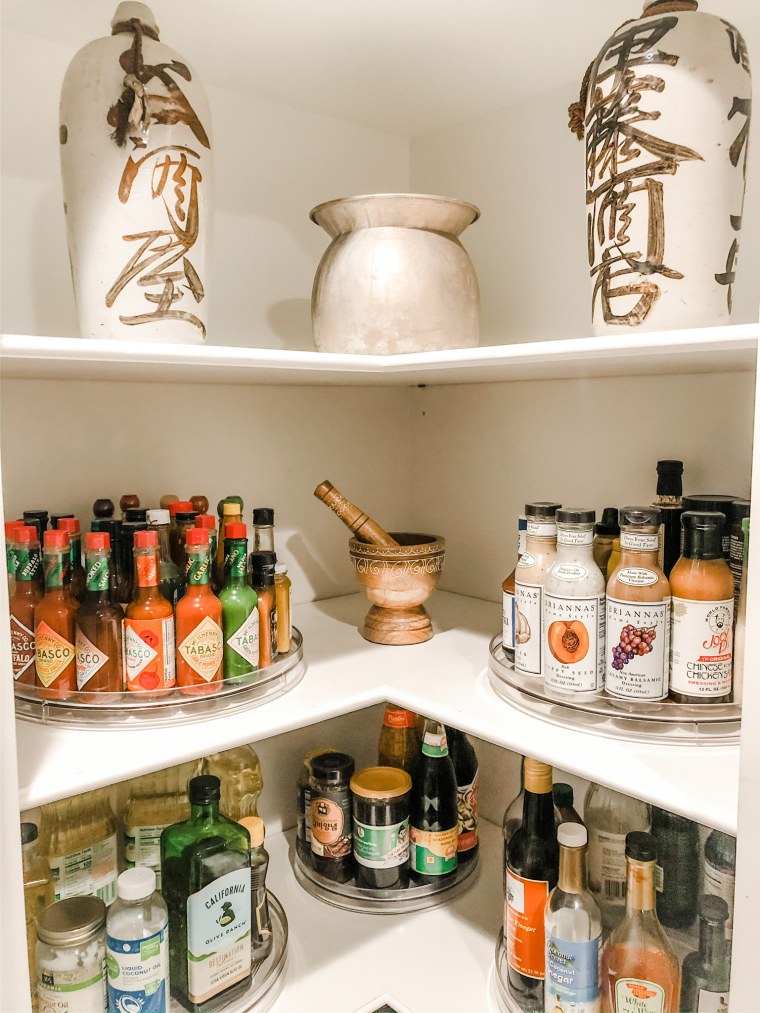
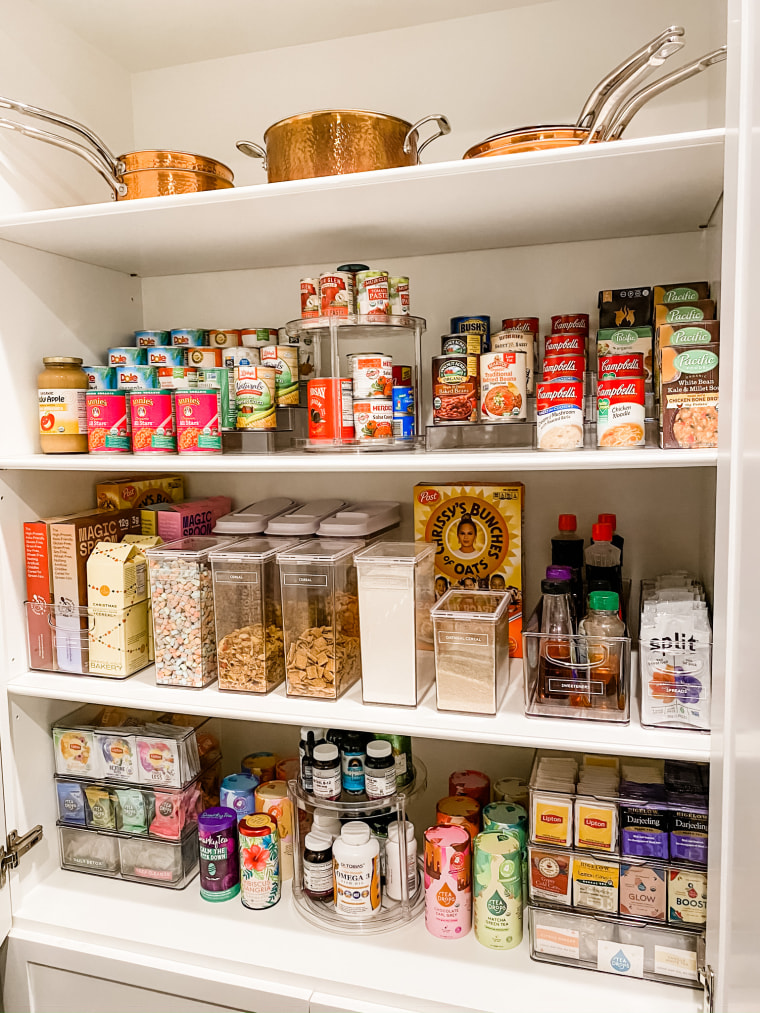
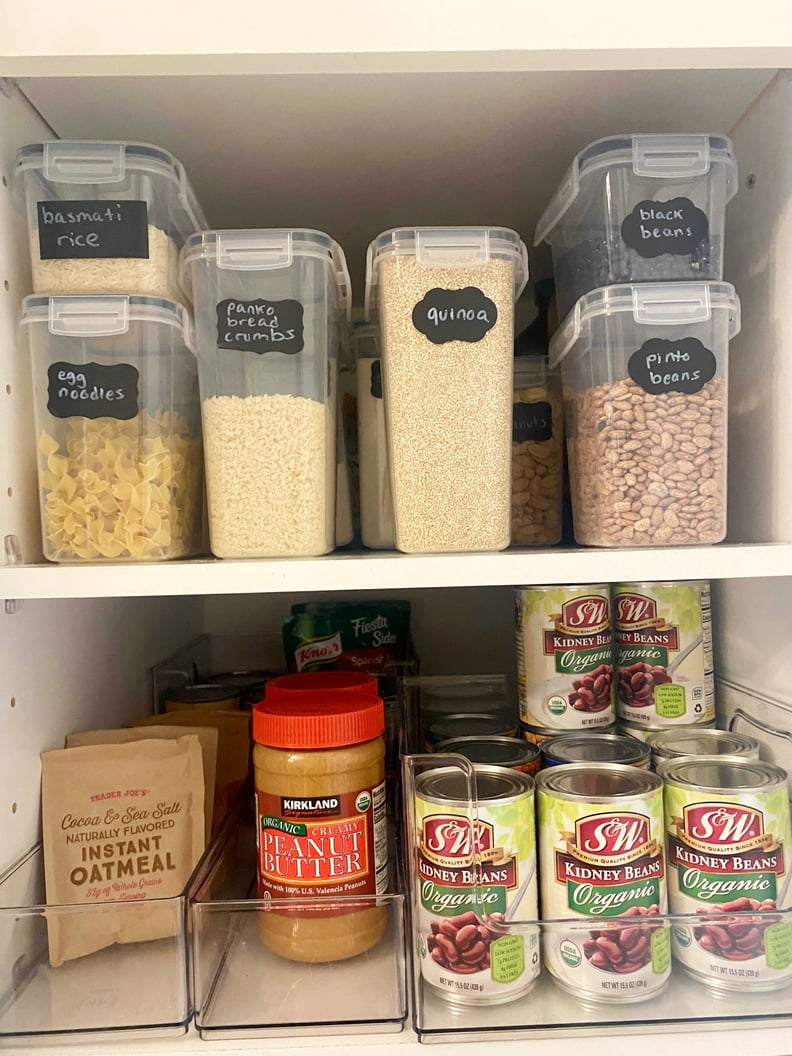
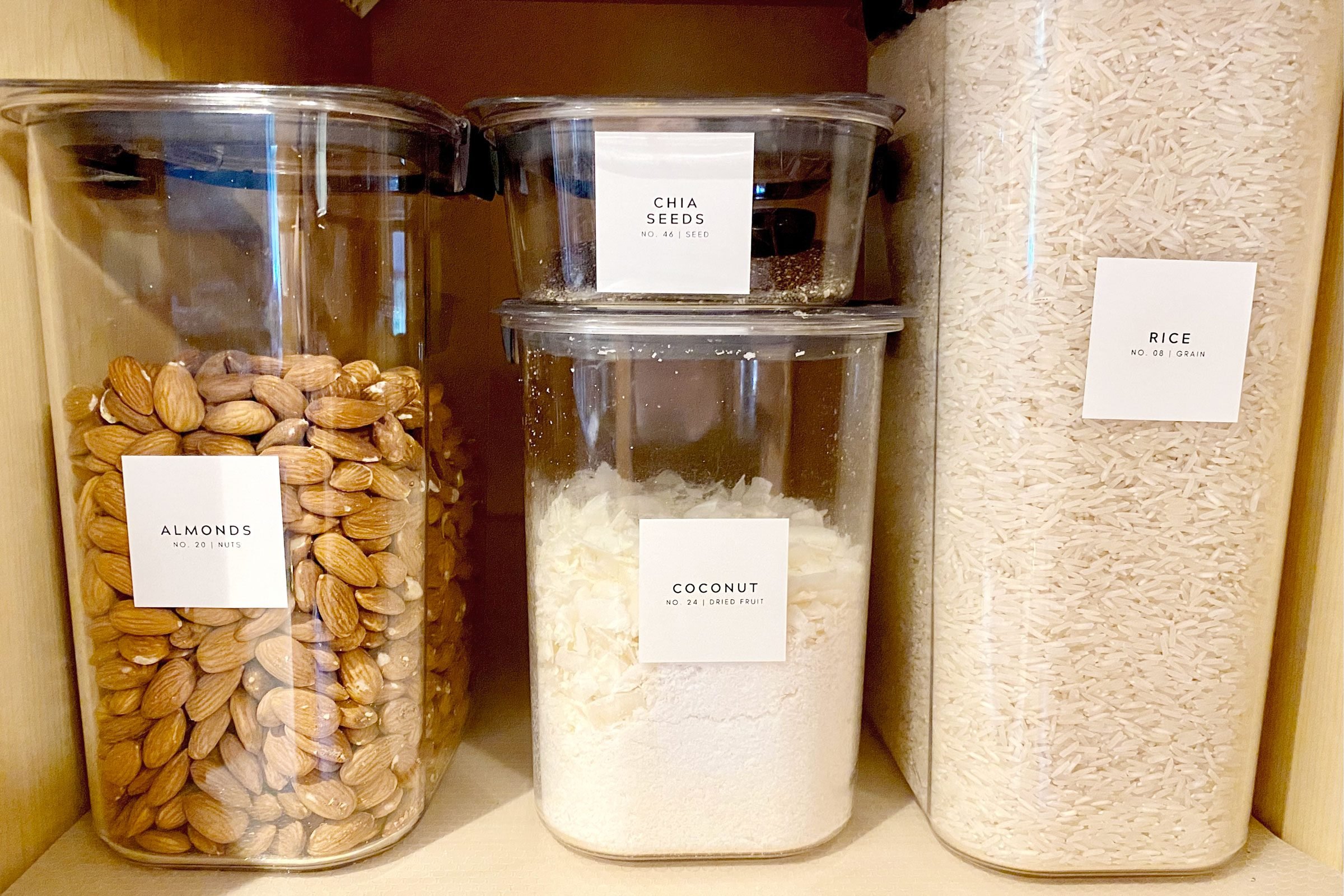
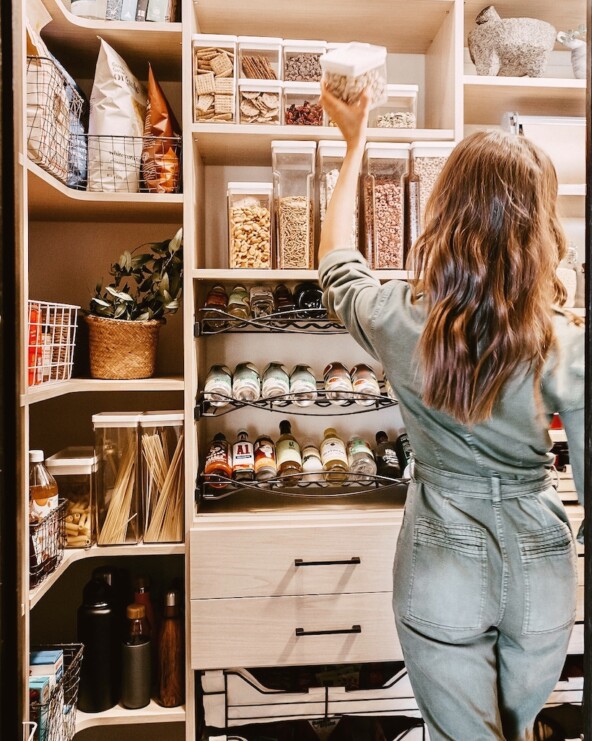
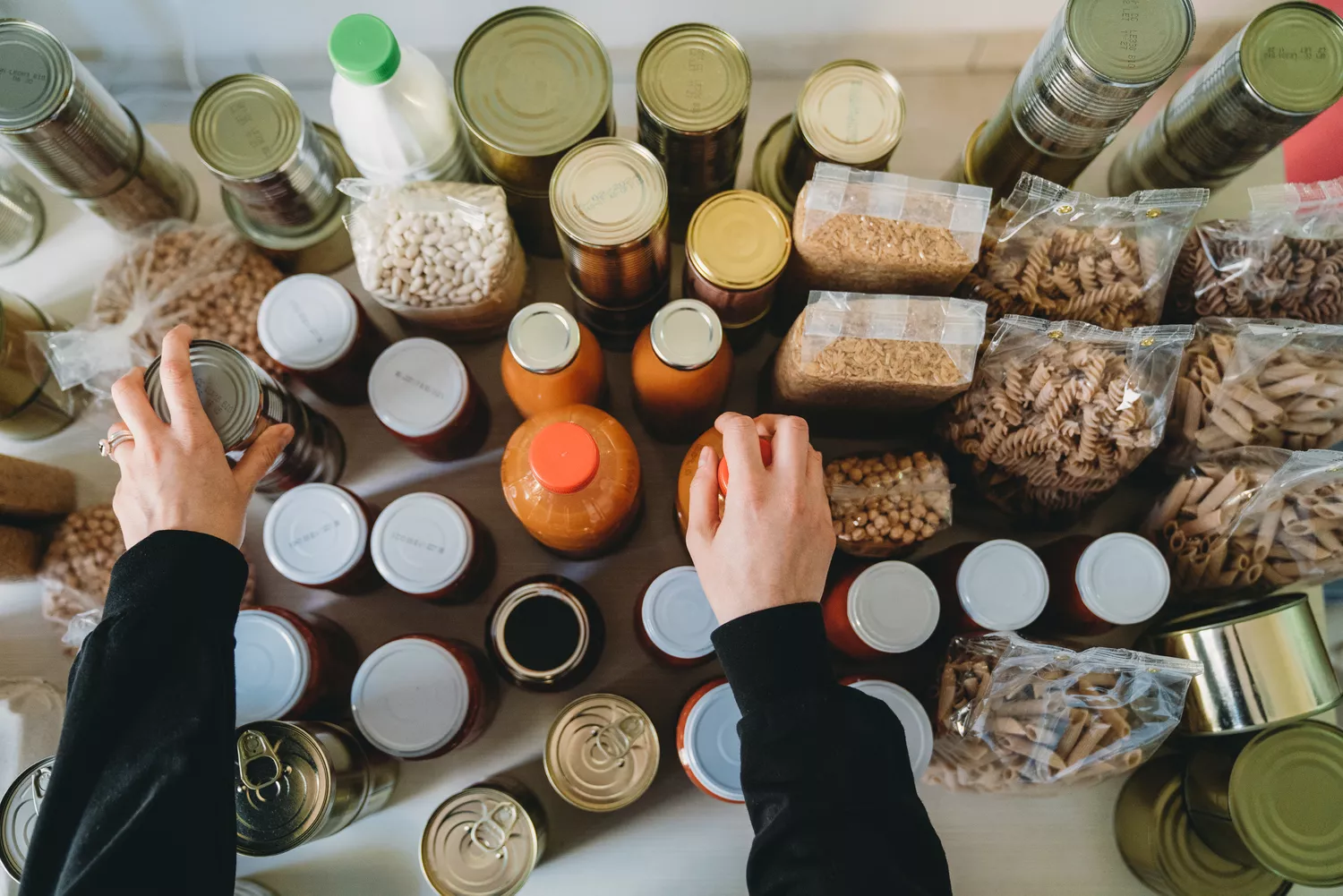
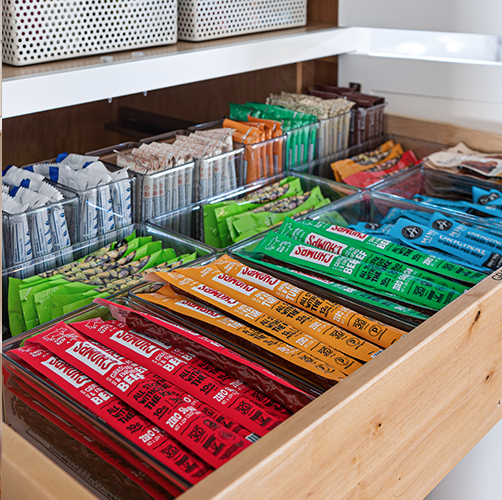
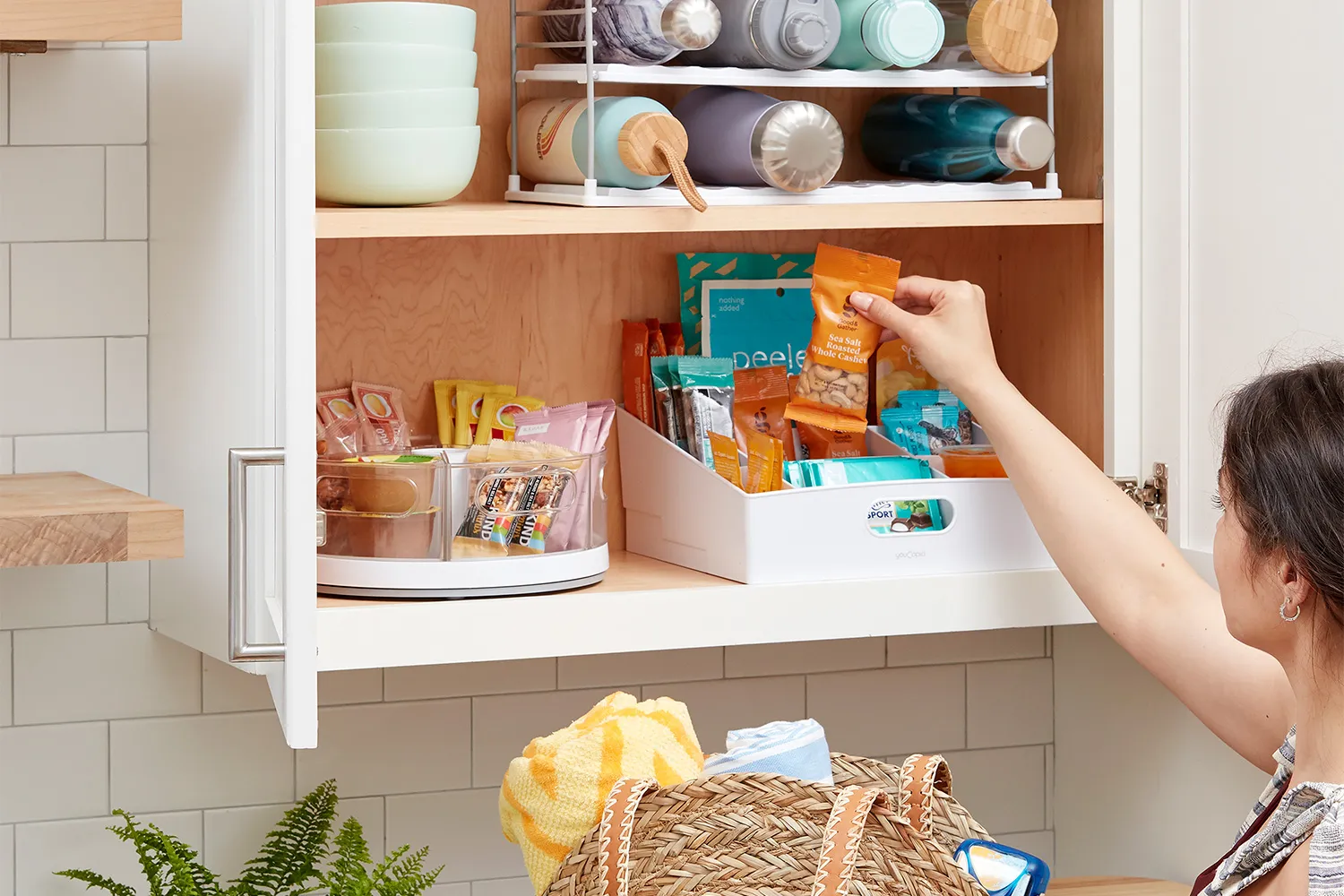
Singer initially believed her home was already well-organized, with an alphabetized spice drawer, color-coded shirts, and genre-sorted books. However, a moment of inspiration struck upon opening her pantry door. She recognized this as the perfect space to apply the organizational 'system' championed by Clea Shearer and Joanna Teplin of The Home Edit. Their method involves three key steps: Edit, Categorize, and Contain. The 'Edit' phase requires emptying the space, discarding expired or broken items, and donating unused ones. 'Categorize' involves separating items into logical 'zones,' such as baking, breakfast, snacks, canned goods, and a 'backstock' area for extra products. The final step, 'Contain,' entails placing all items into beautifully labeled containers within their designated zones.
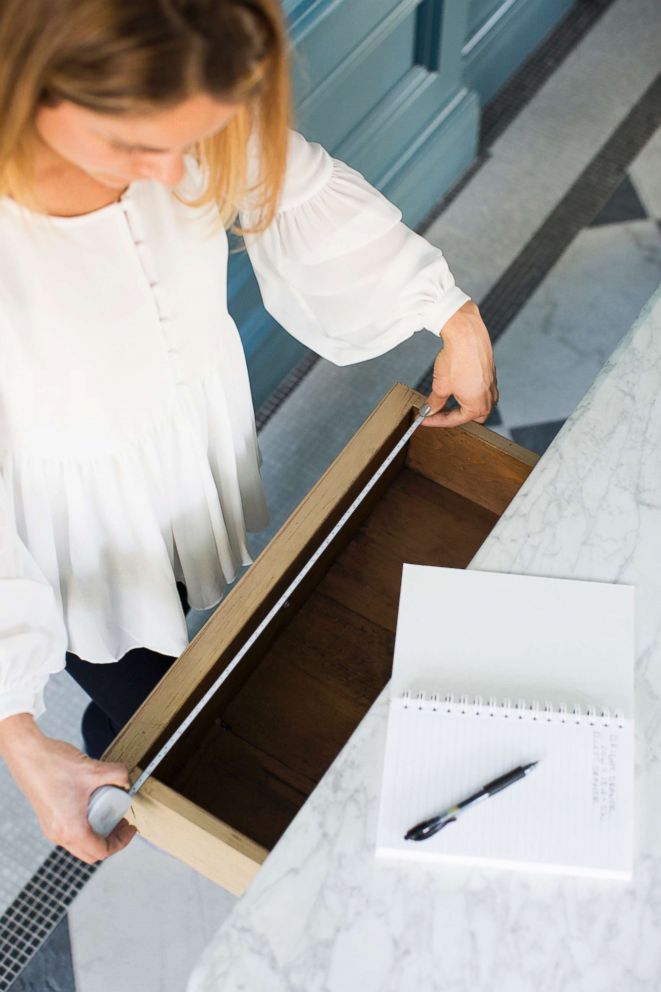
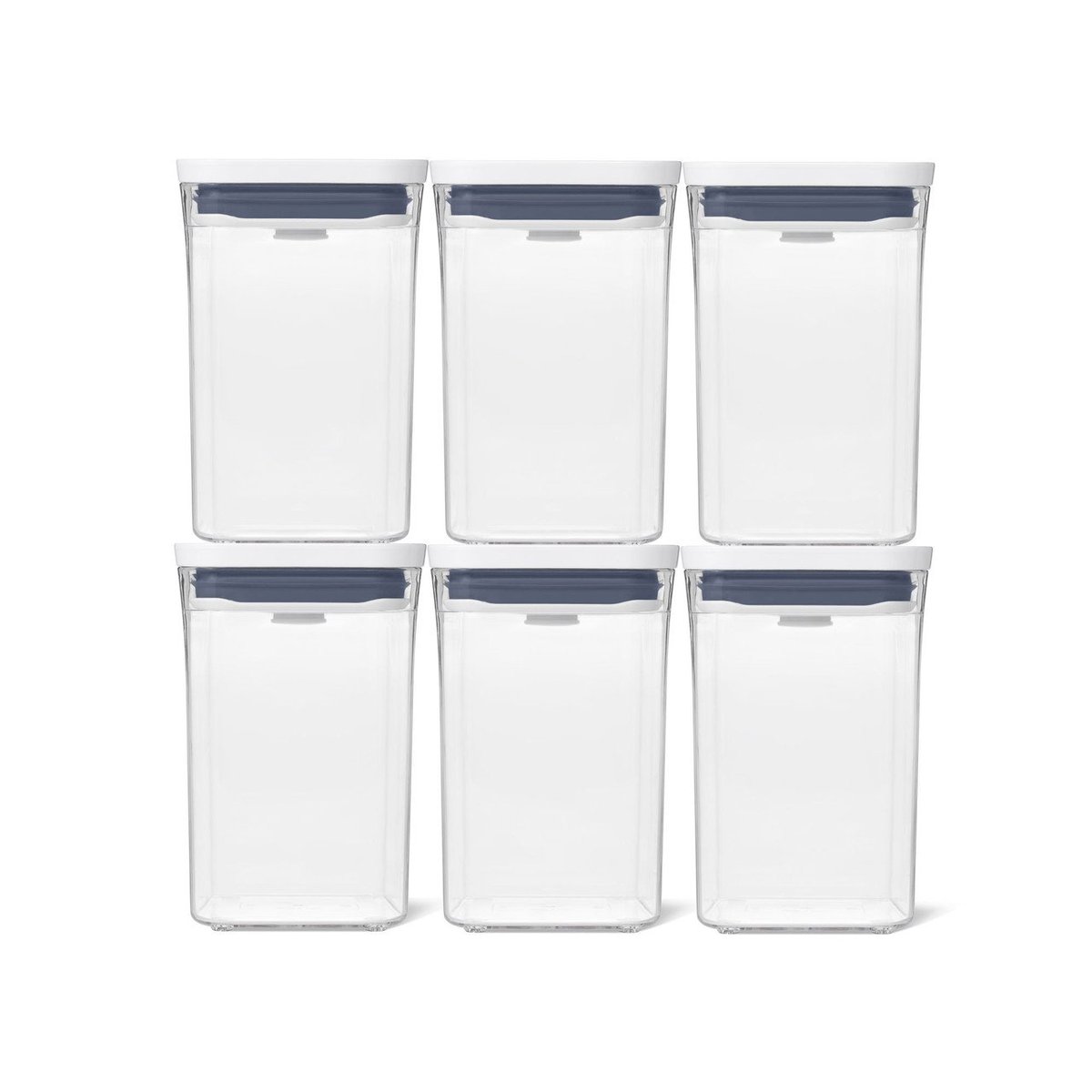
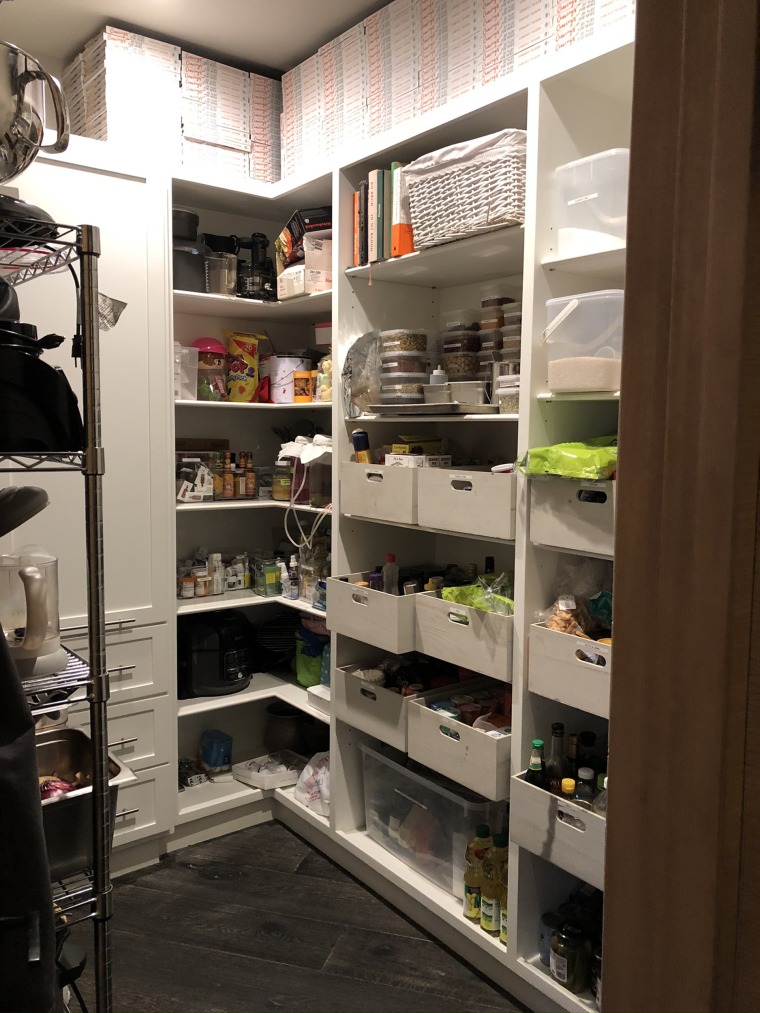
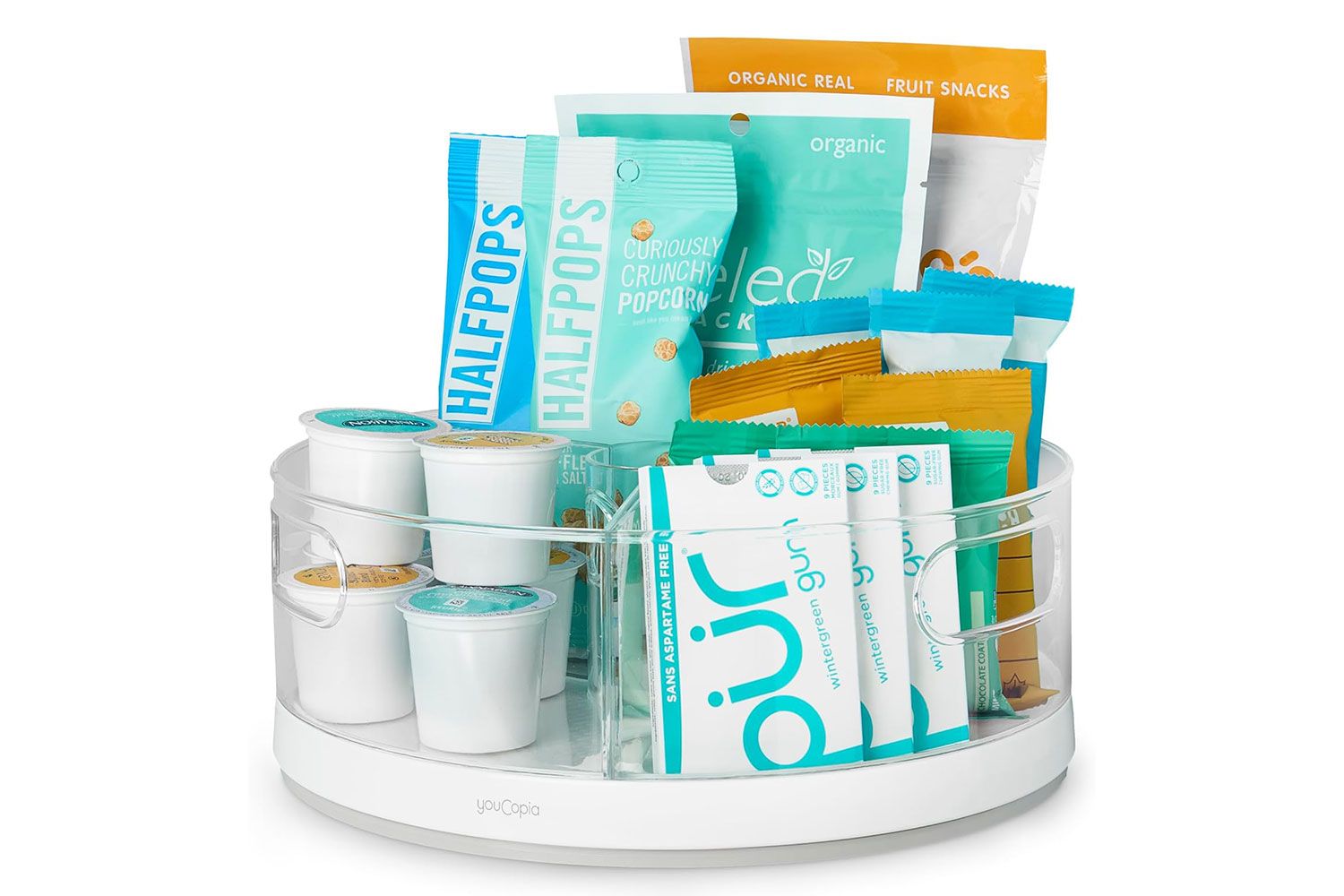
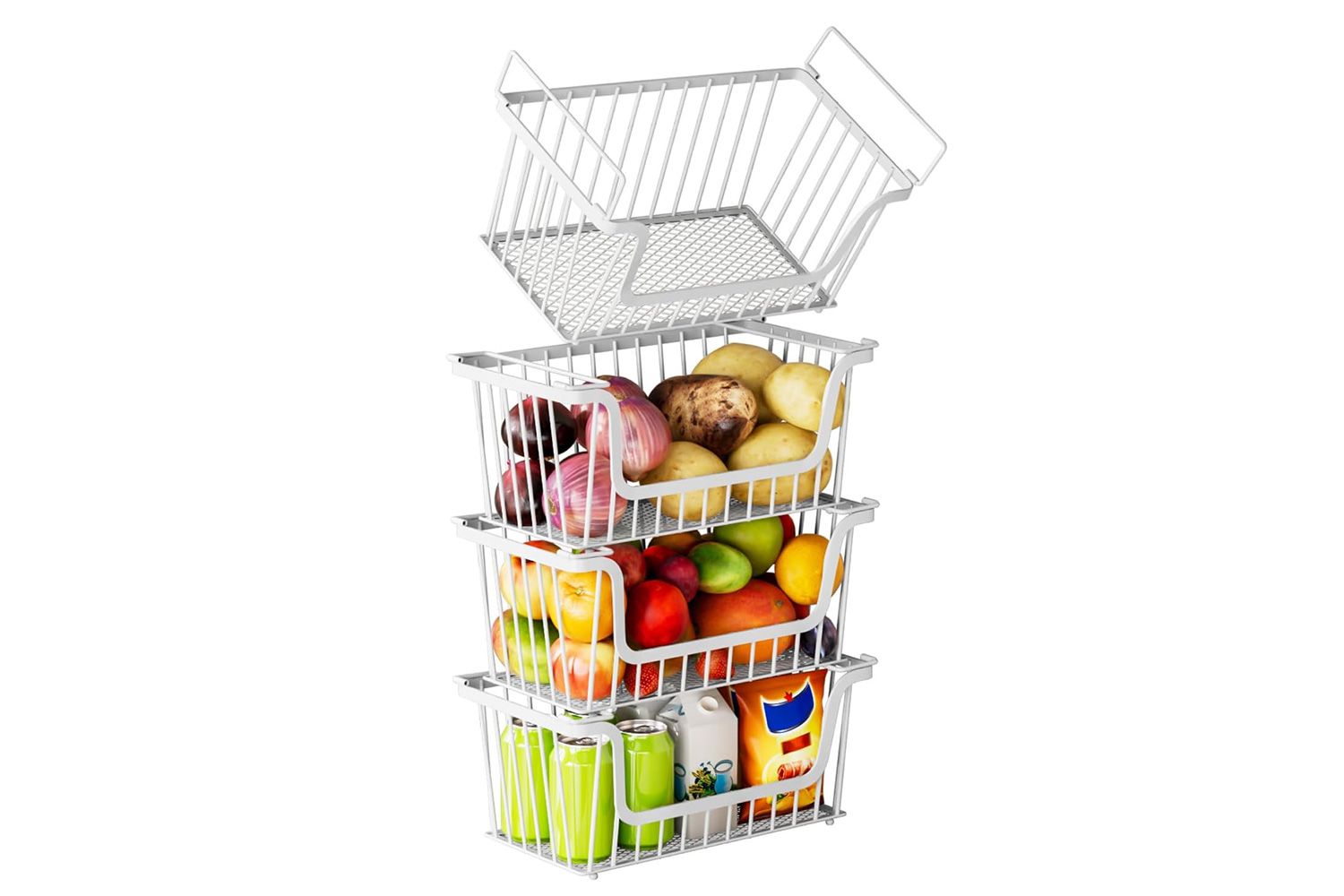
Despite her prior organizational habits, Singer found the 'Contain' step particularly challenging and stressful. The process of filling a virtual shopping cart with various bins, food storage jars, and can risers quickly escalated, leading to doubts about the necessity of so many items. She spent considerable time moving between her pantry and laptop, meticulously determining the ideal products to transform the space. Issues arose with out-of-stock items and limited curbside pickup options, causing frustration. After a couple of weeks, the physical reorganization began. This involved washing all new products, emptying the entire pantry, and sorting through expired items and donations. The author reconsidered some of her existing zones, realizing the illogical placement of health foods next to chocolates.
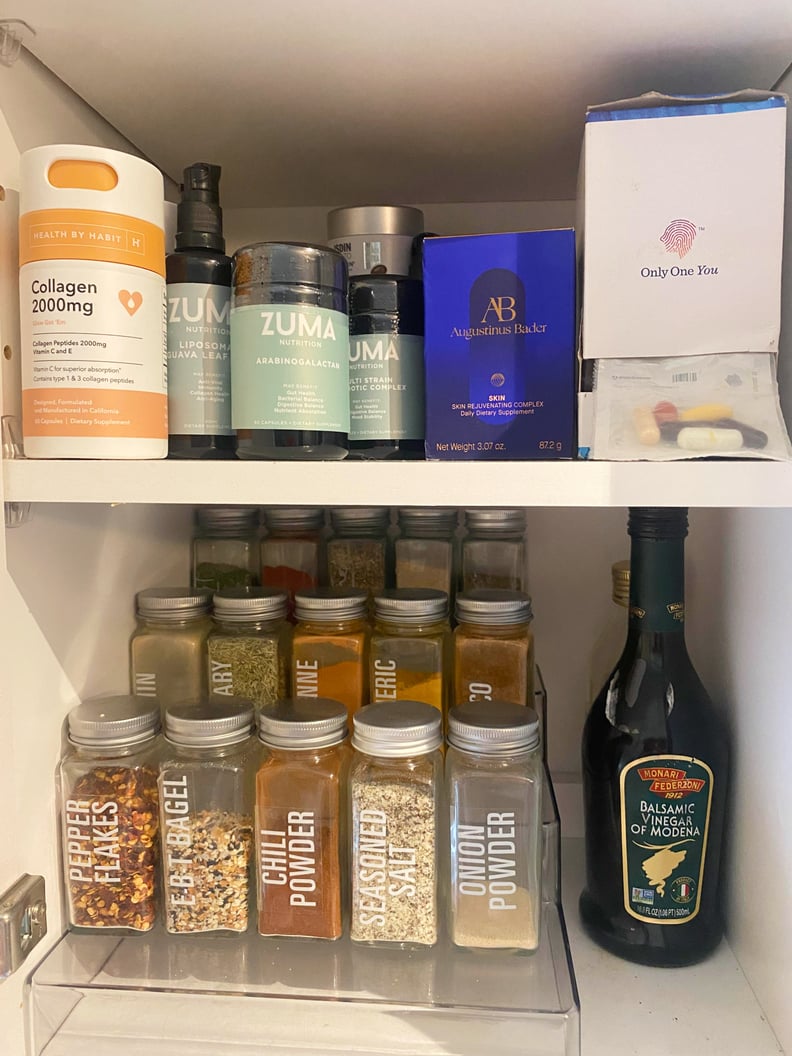
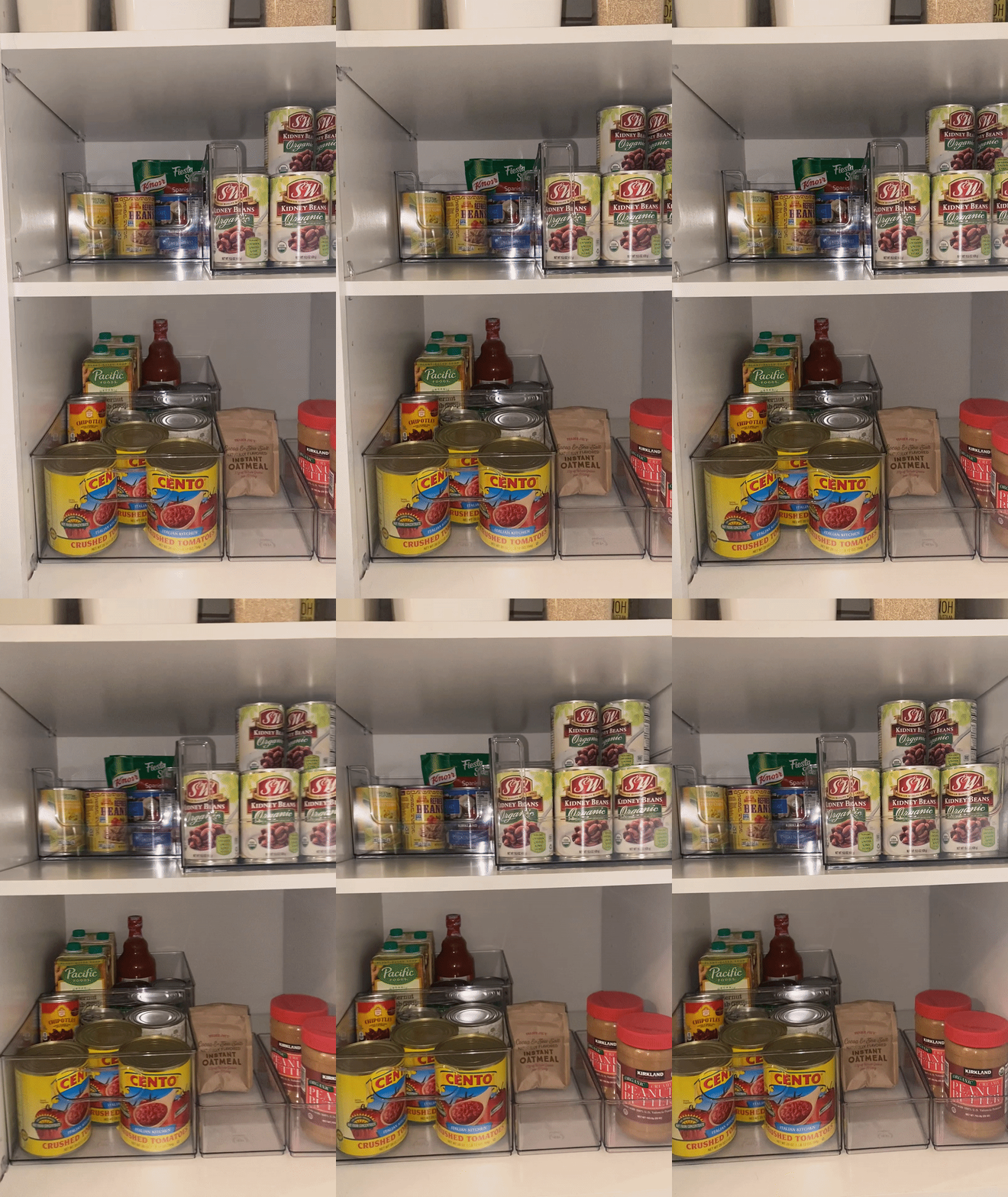
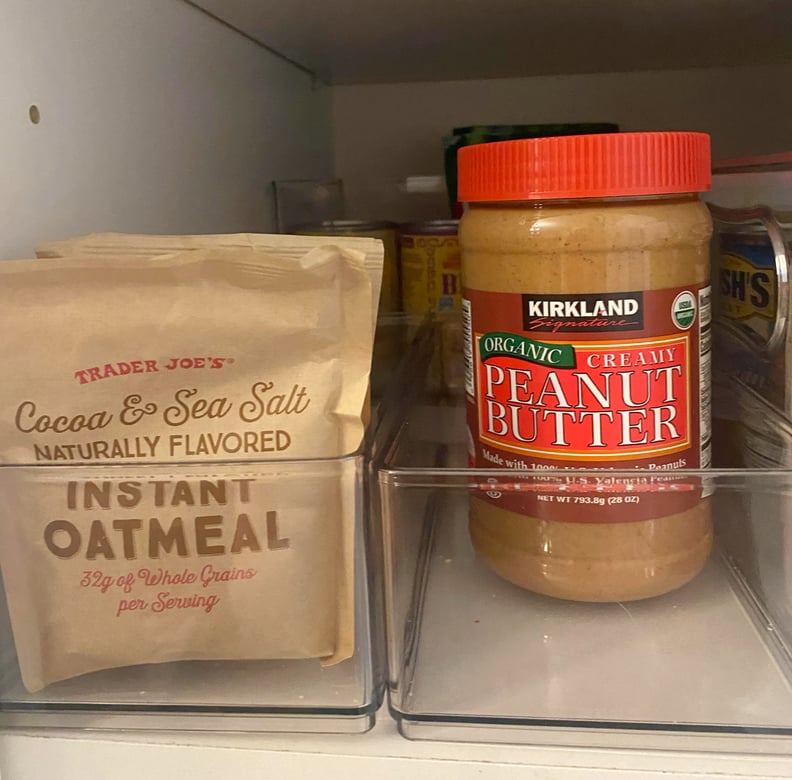
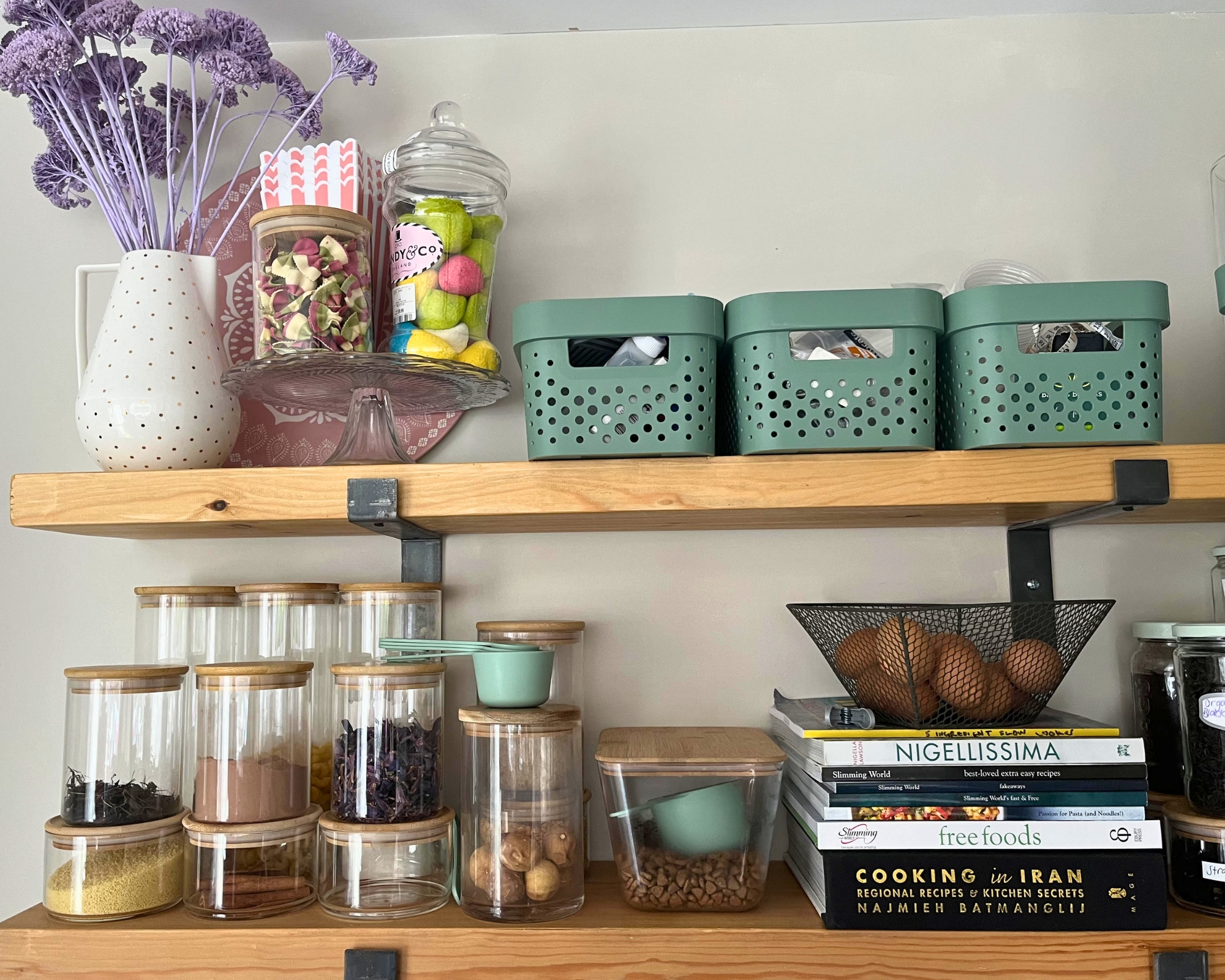
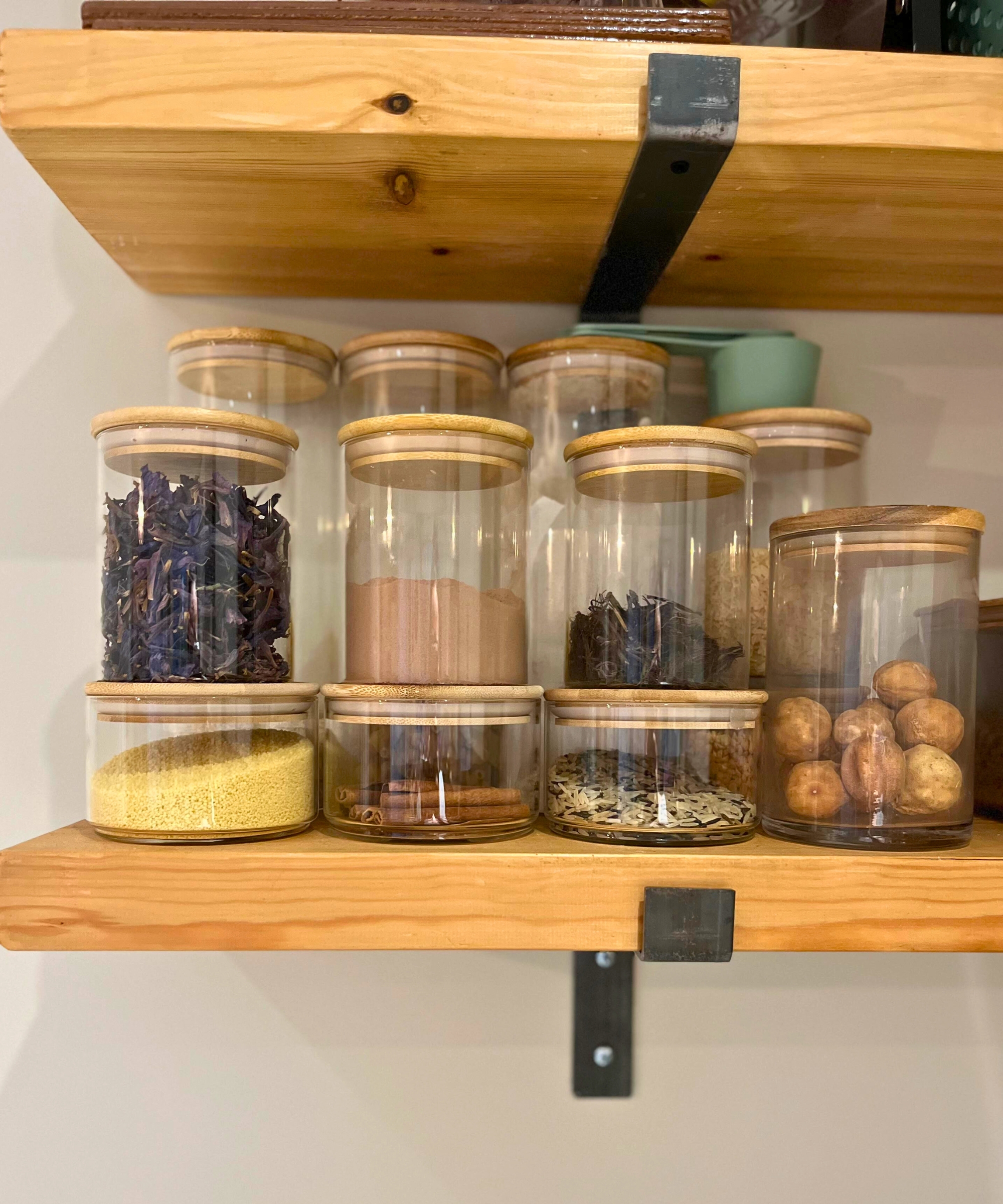
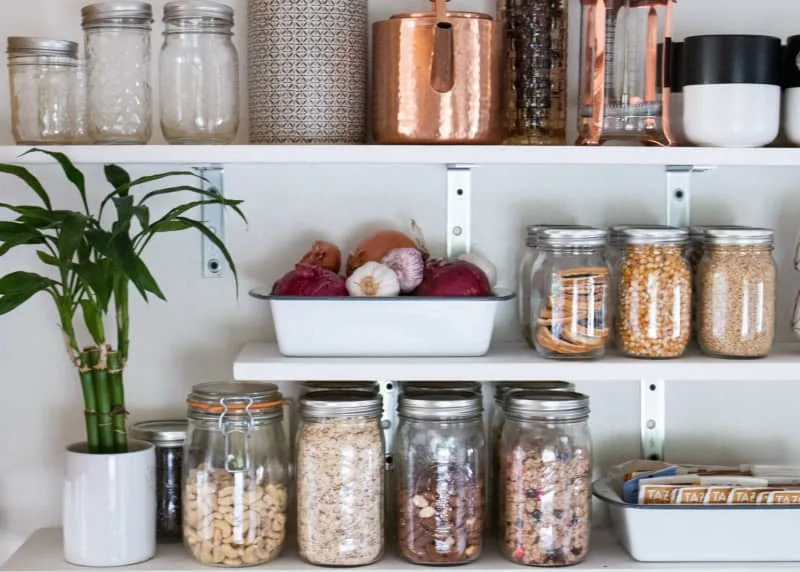
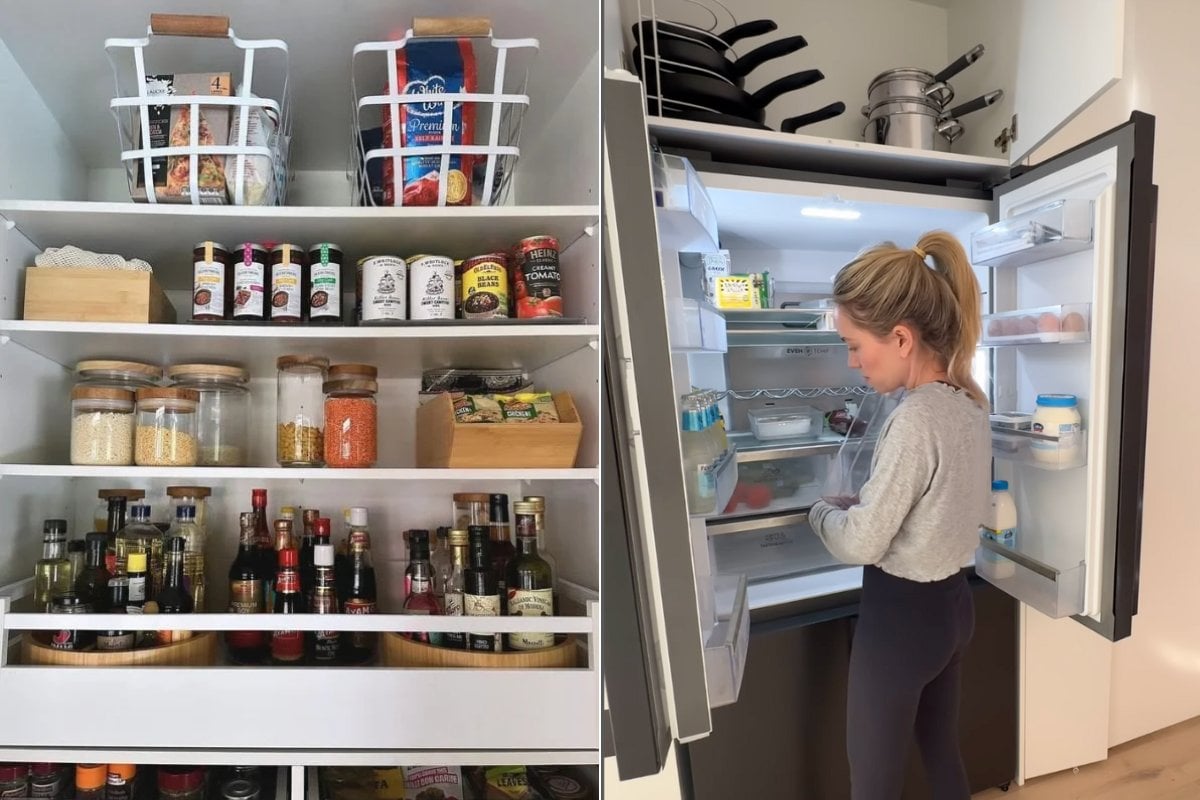
Reloading the pantry section by section was a painstaking process, punctuated by a lunch break and moments of questioning her decision. After four hours and a counter covered in spilled flour, the pantry was almost complete, requiring a small follow-up order for missing bins and jars. The end result was a moderately organized pantry that improved accessibility to regularly used items, with the new jars encouraging bulk shopping, a more eco-friendly practice. Though the process was more complex than anticipated, it left her feeling accomplished and satisfied, finding joy in the order she had created.
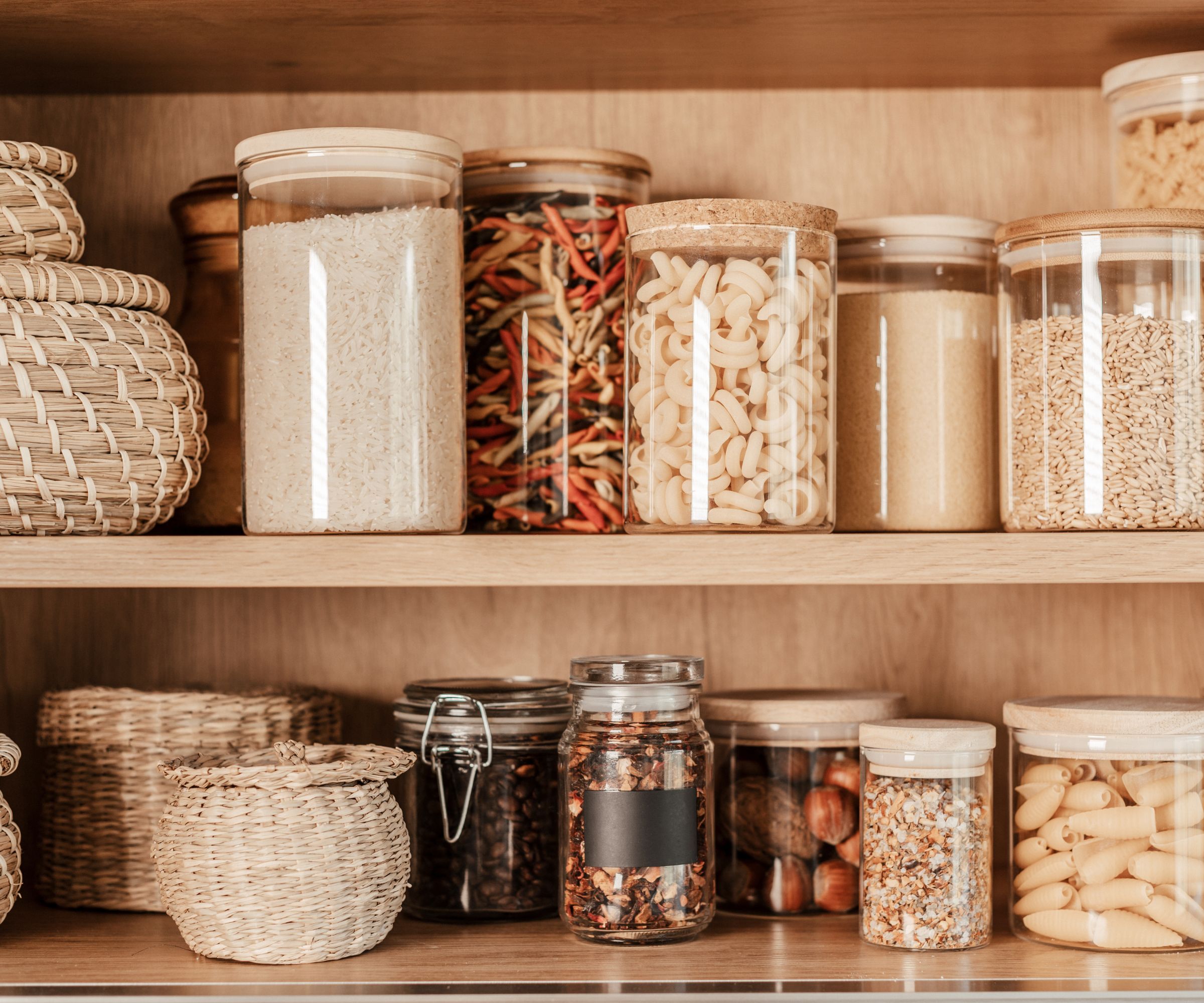
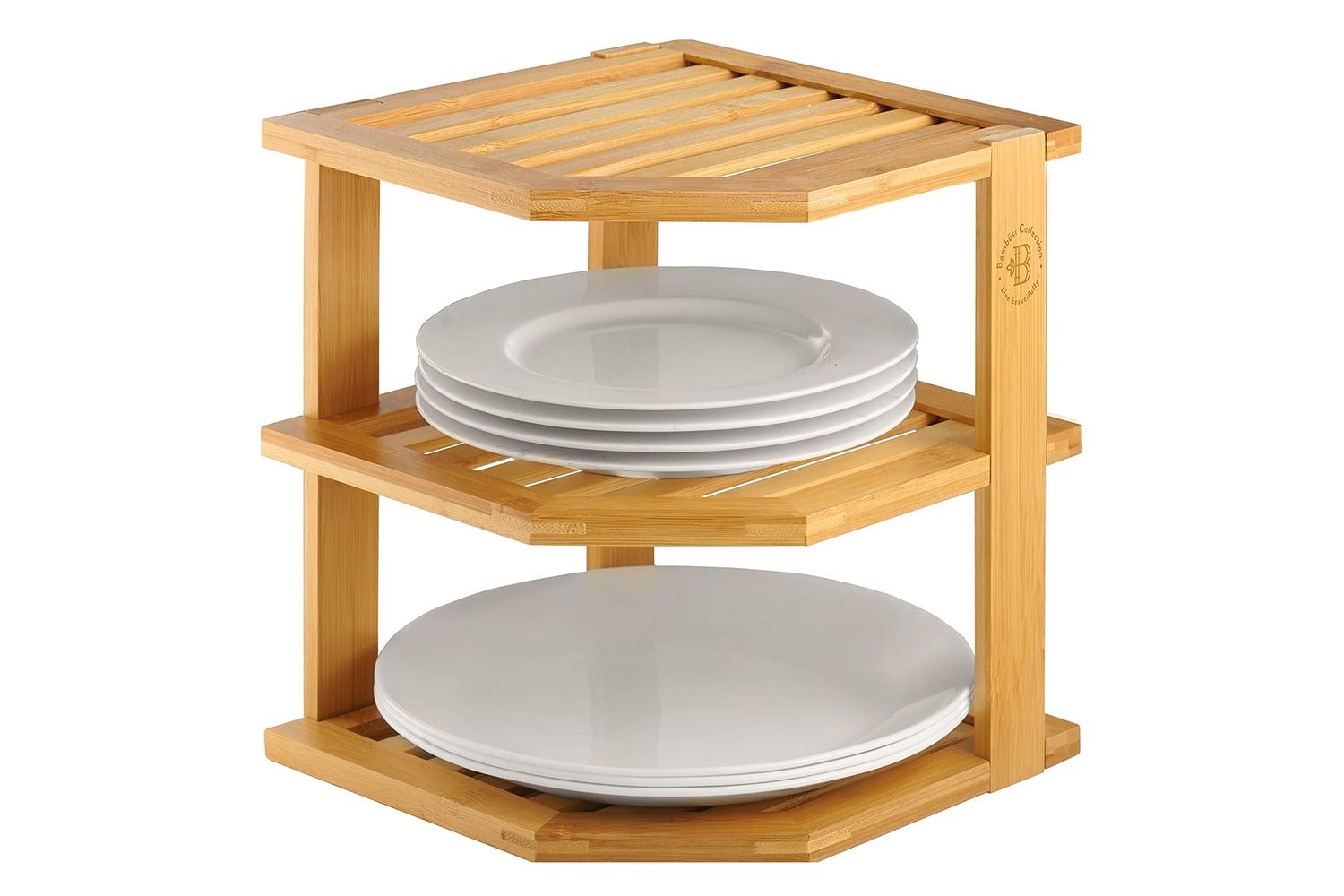
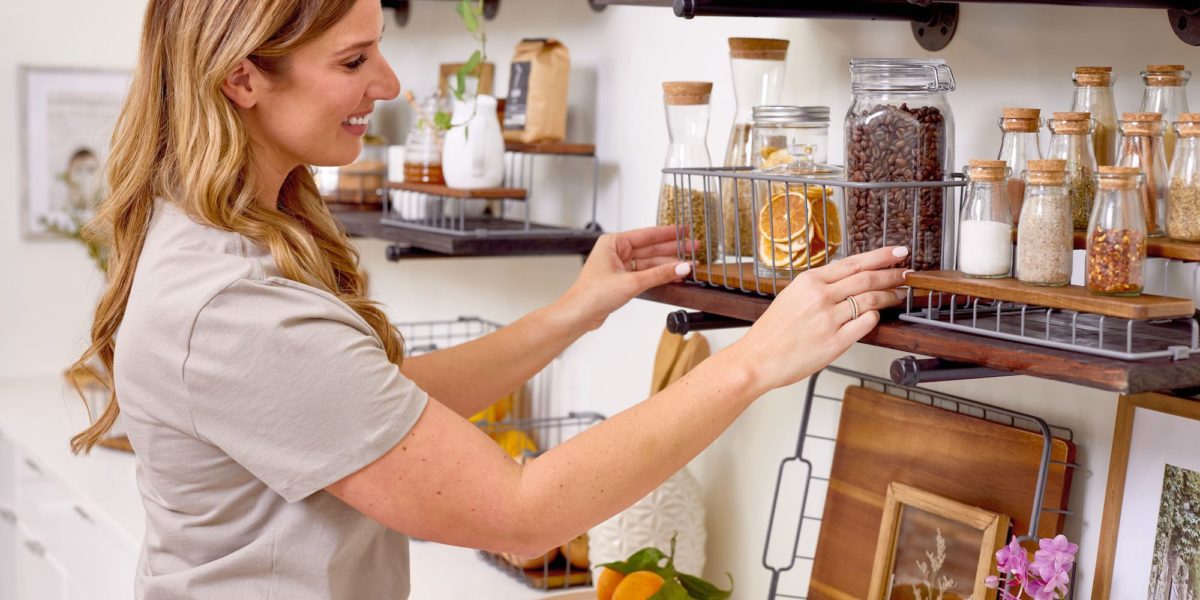
Based on her experience, Singer offers several tips for organizing. She advises utilizing existing containers to save money and reduce waste, emphasizing that not everything needs to match. She also recommends considering material choices, opting for glass over plastic for sustainability and safety reasons. Crucially, she suggests avoiding overbuying by setting a budget and purchasing additional items only if truly needed, reinforcing that the goal of organizing is to reduce, not accumulate. Finally, she advises focusing on one space at a time, acknowledging that these projects require significant time and effort, especially when dealing with sentimental items or extensive clutter.
#PantryOrganization #HomeEditMethod #Decluttering #HomeImprovement #PandemicProjects #ContainerStore #SustainableLiving #DIYOrganization #PantryOrganization #HomeEditMethod #Decluttering #HomeImprovement #PandemicProjects #ContainerStore #SustainableLiving #DIYOrganization
0 comment in total
 No comments yet
You may also like
I Turned My Chaotic Pantry Into an Oasis of Organization

7 types of storage you should never use in a pantry – they'll make utilizing this space well 10 times harder, pros say

How to organize the pantry of your dreams in just one day
Bigger, Better Kitchen Pantries Are A Covid-Inspired Wellness Design Trend

I Transformed My Pantry With Walmart's Home Edit Collection
30 Perfectly Organized Pantries To Inspire A Tidy Kitchen

The Home Edit On How To Sort, Organize, & Maintain Your Pantry

I Reorganized My Kitchen Using TikTok’s Favorite Pantry Labels—Here’s How It Went

How to Organize Your Pantry Once and for All, According to a Pro

Redo My Pantry with Me—These 13 Easy-to-Use Storage Solutions Organize Cluttered Pantries in a Heartbeat

The Best Advice I Got from 2 Pro Organizers About the Smartest Way to Organize a Pantry


Chrissy Teigen’s pantry organization makeover is kitchen goals

7 Pantry Items You Should Toss Immediately To Refresh Your Kitchen
9 Genius Pantry Hacks Professional Organizers ALWAYS Recommend


'I asked an expert to help me organise my pantry and the advice was game-changing.'
If Your Pantry Is a Bit of a Mess, These 9 Organization Hacks Will Fix It ASAP—Starting at $10
The Anti-Spring Cleaning Guide: How to Keep an Organized Pantry All Year
Pros warn never to keep these 8 things in your pantry
Top tips for organising a pantry – all the expert advice and tricks you need
6 Pantry Mistakes You Didn't Know You Were Making—and How to Fix Them