1/4
Designing an entryway – expert advice and layout tips
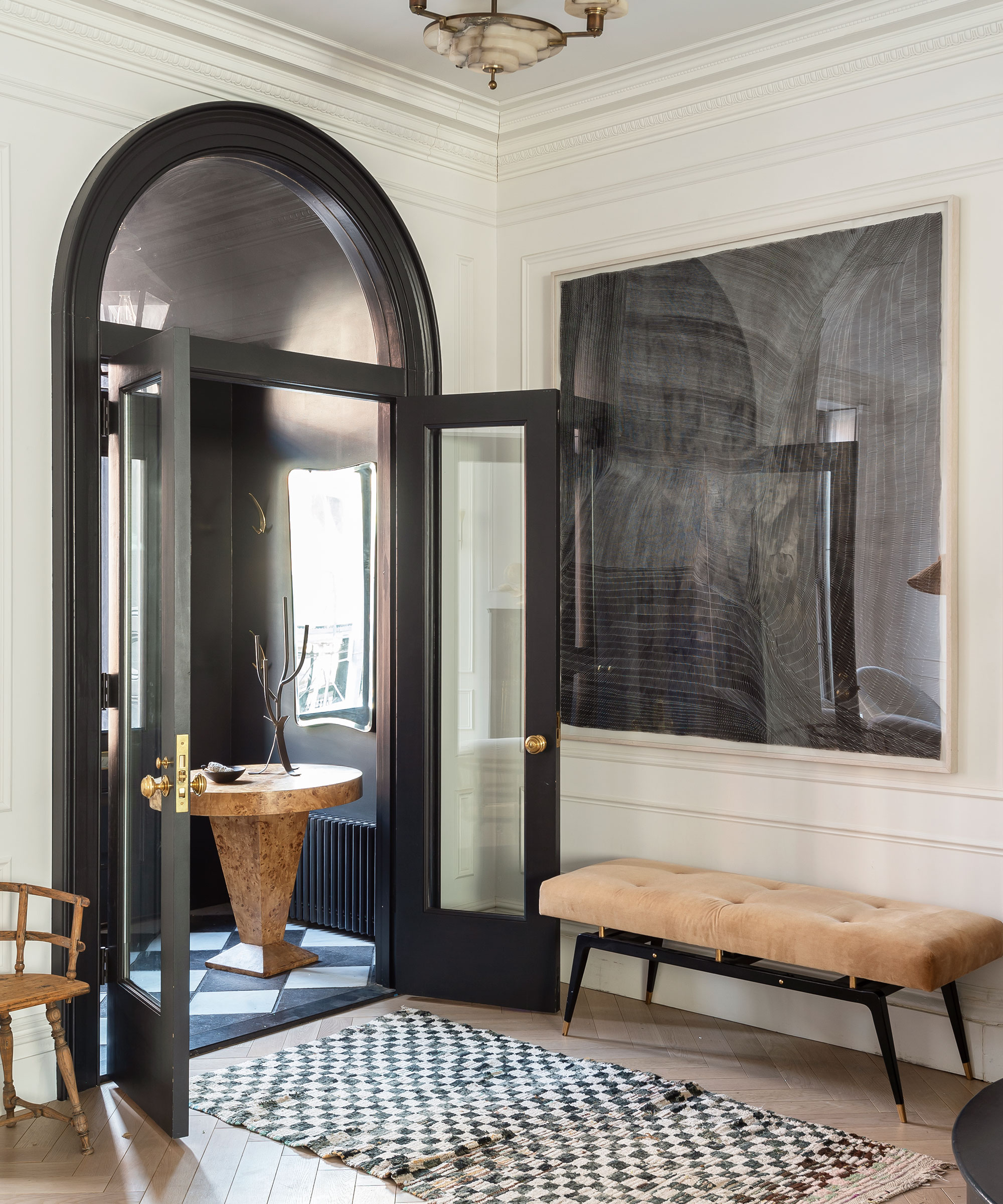
The entryway of a home is a crucial space that sets the initial tone for guests and influences how residents start and end their days. Despite its transitional nature, the design of an entryway demands careful consideration to balance impact with functionality and aesthetics with practicality. Kathleen Walsh, Principal of Kathleen Walsh Interiors, emphasizes that this area, often overlooked, is vital for creating a lasting first and last impression.
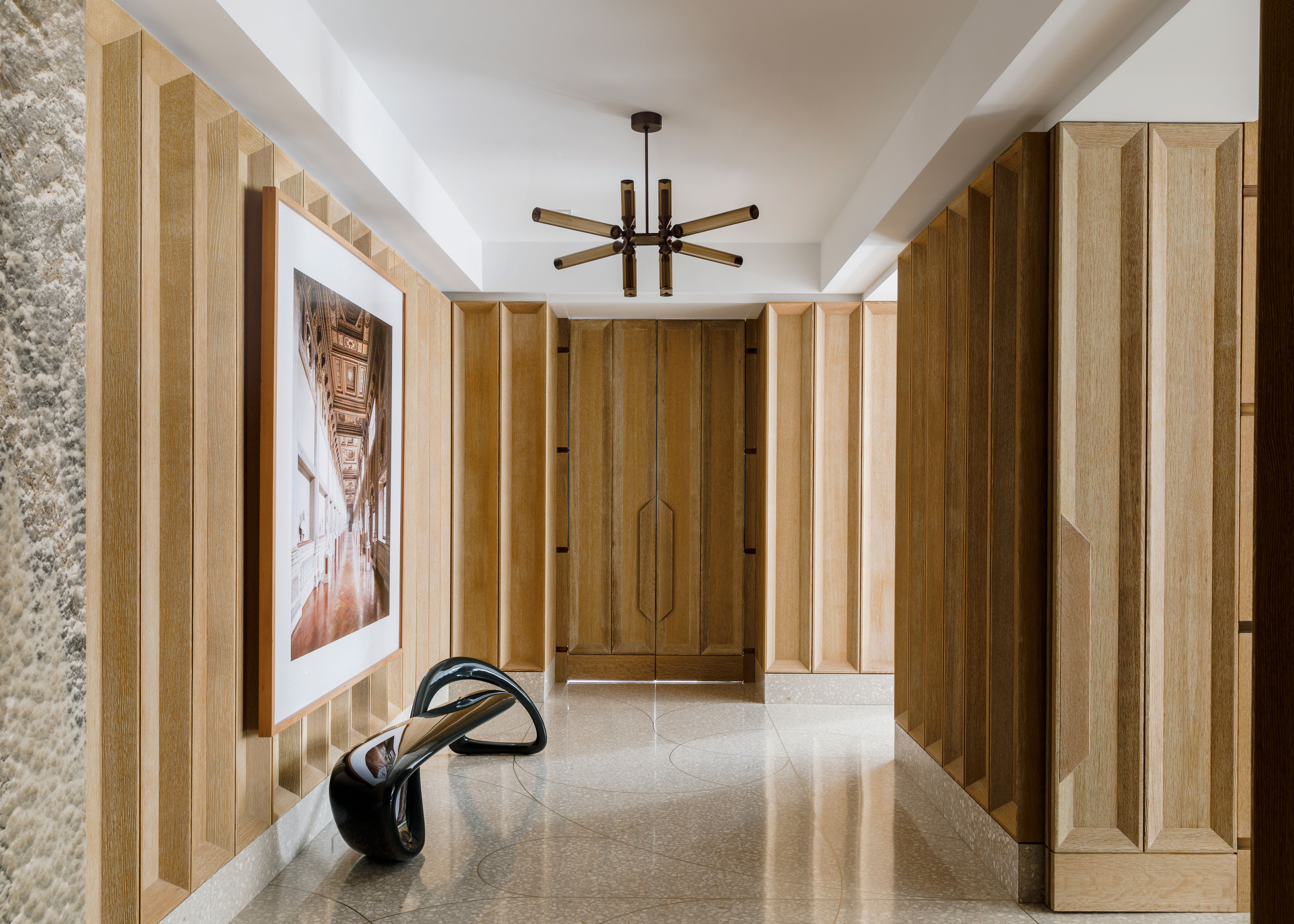
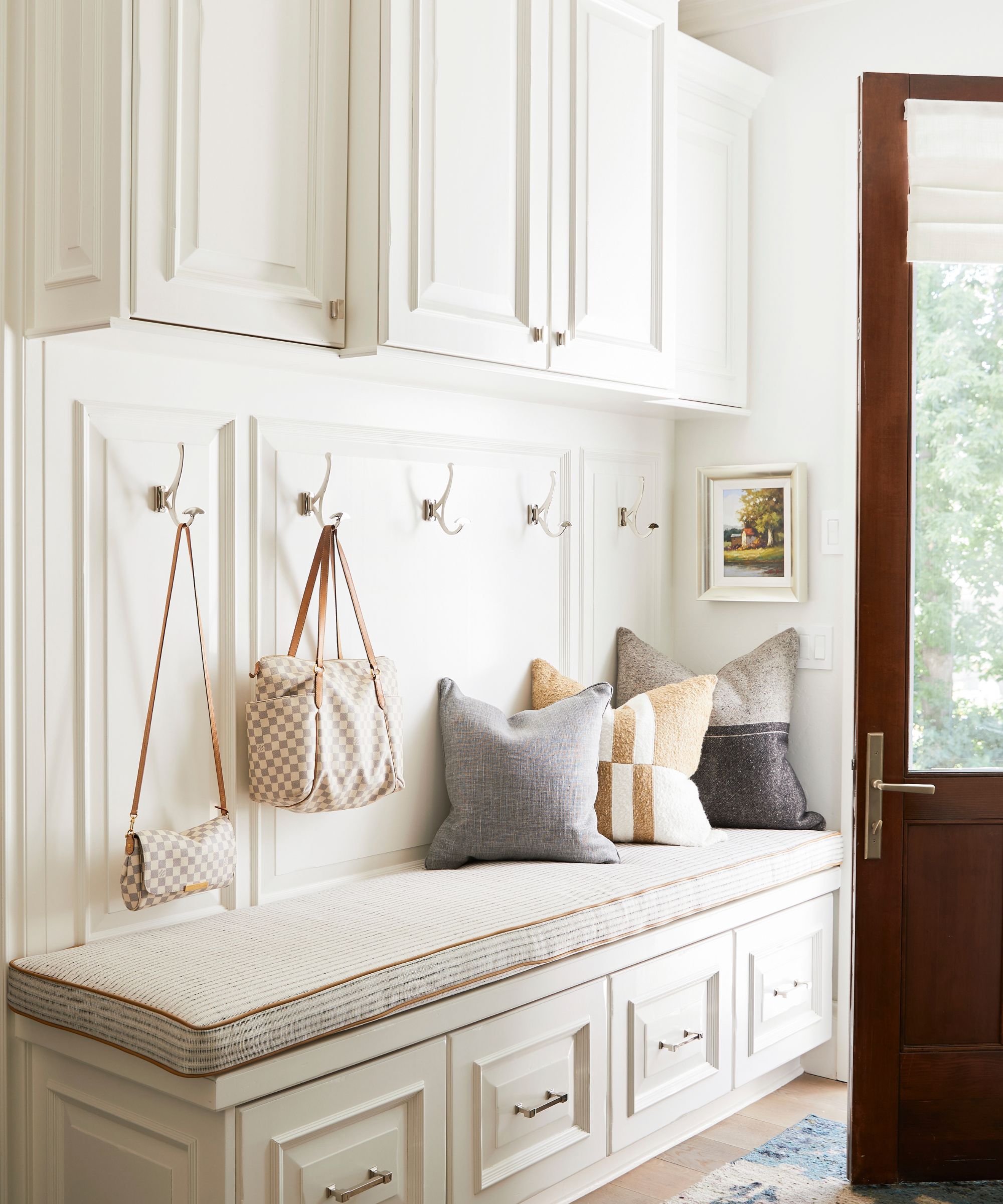
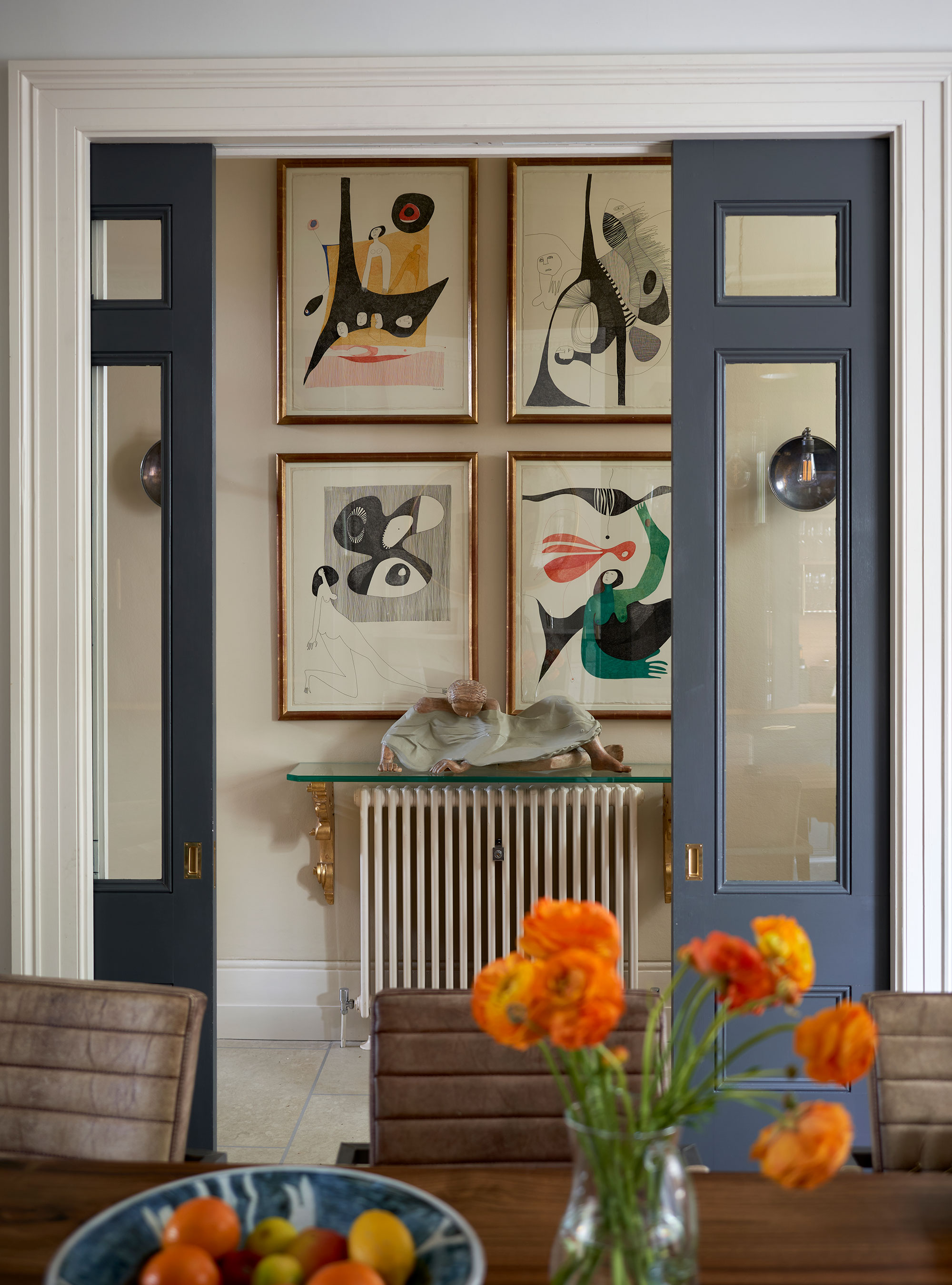
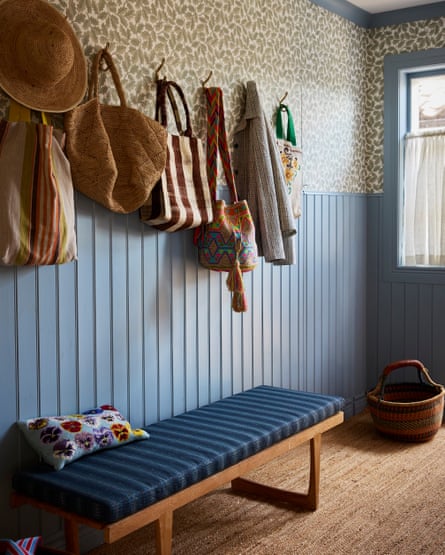
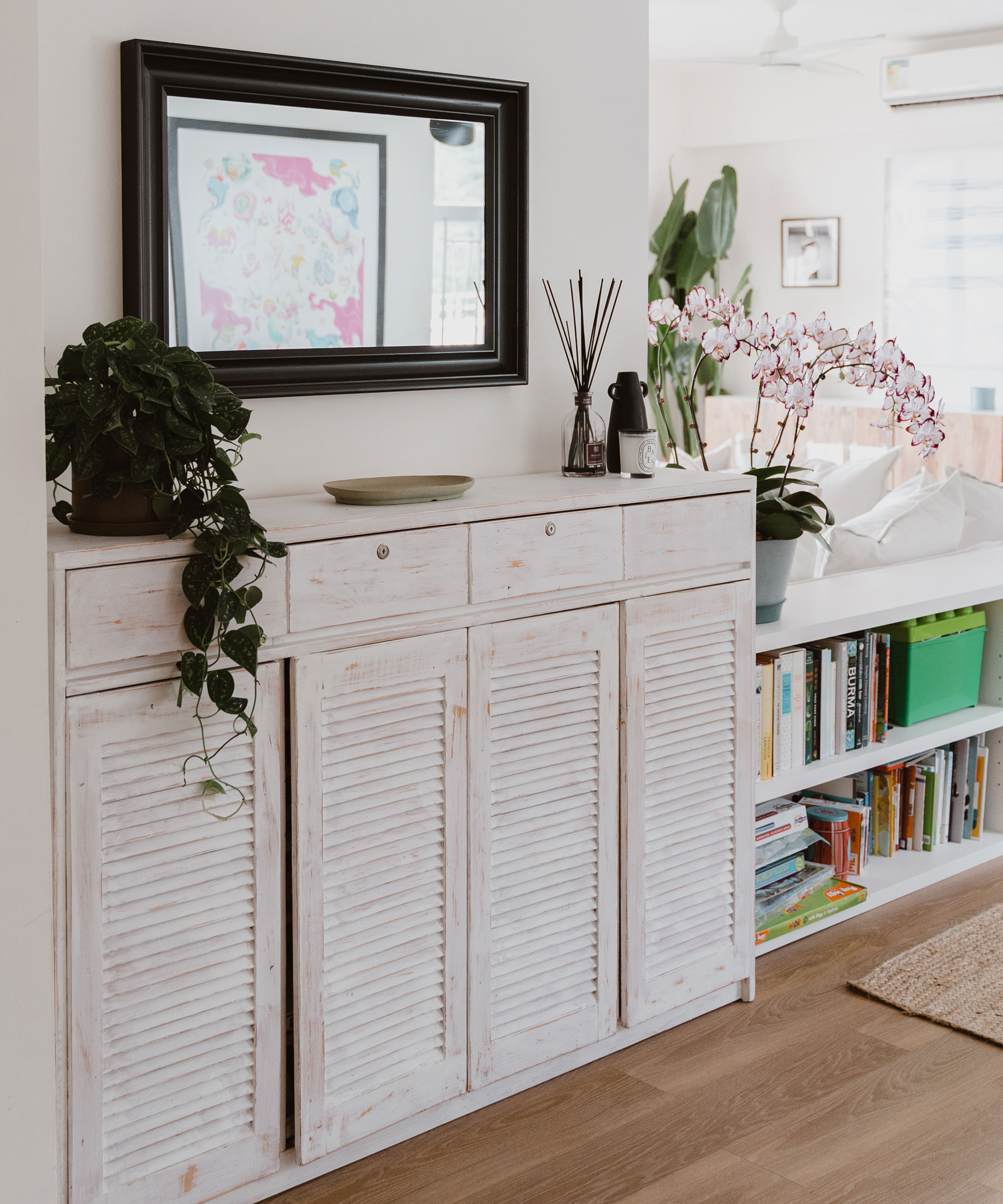
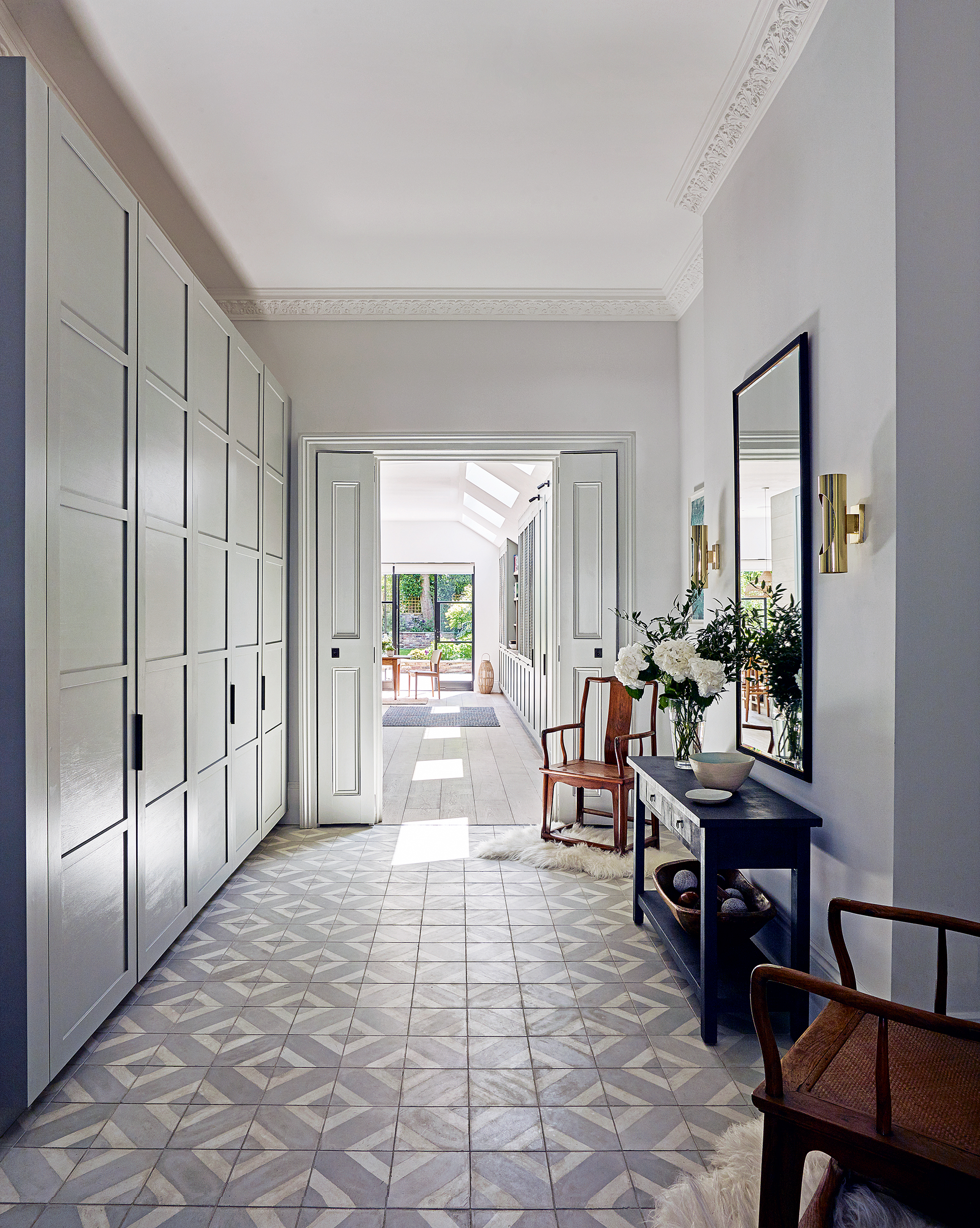
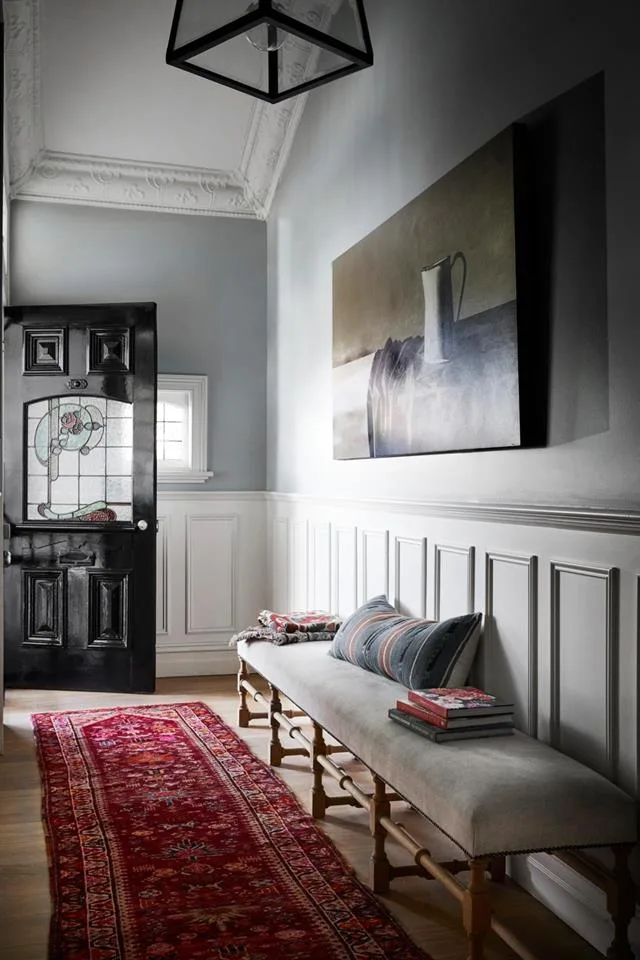
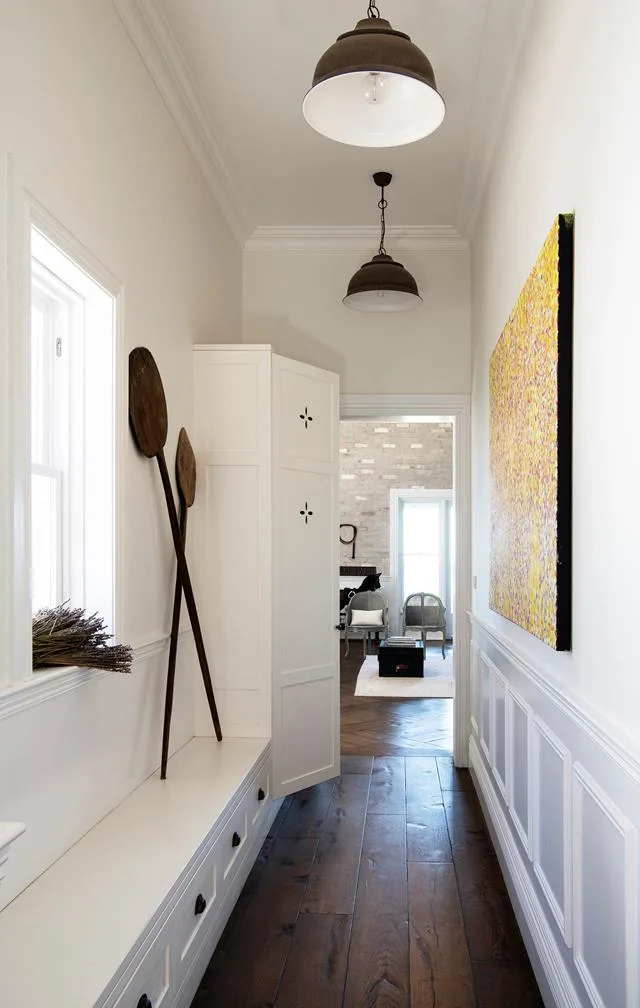
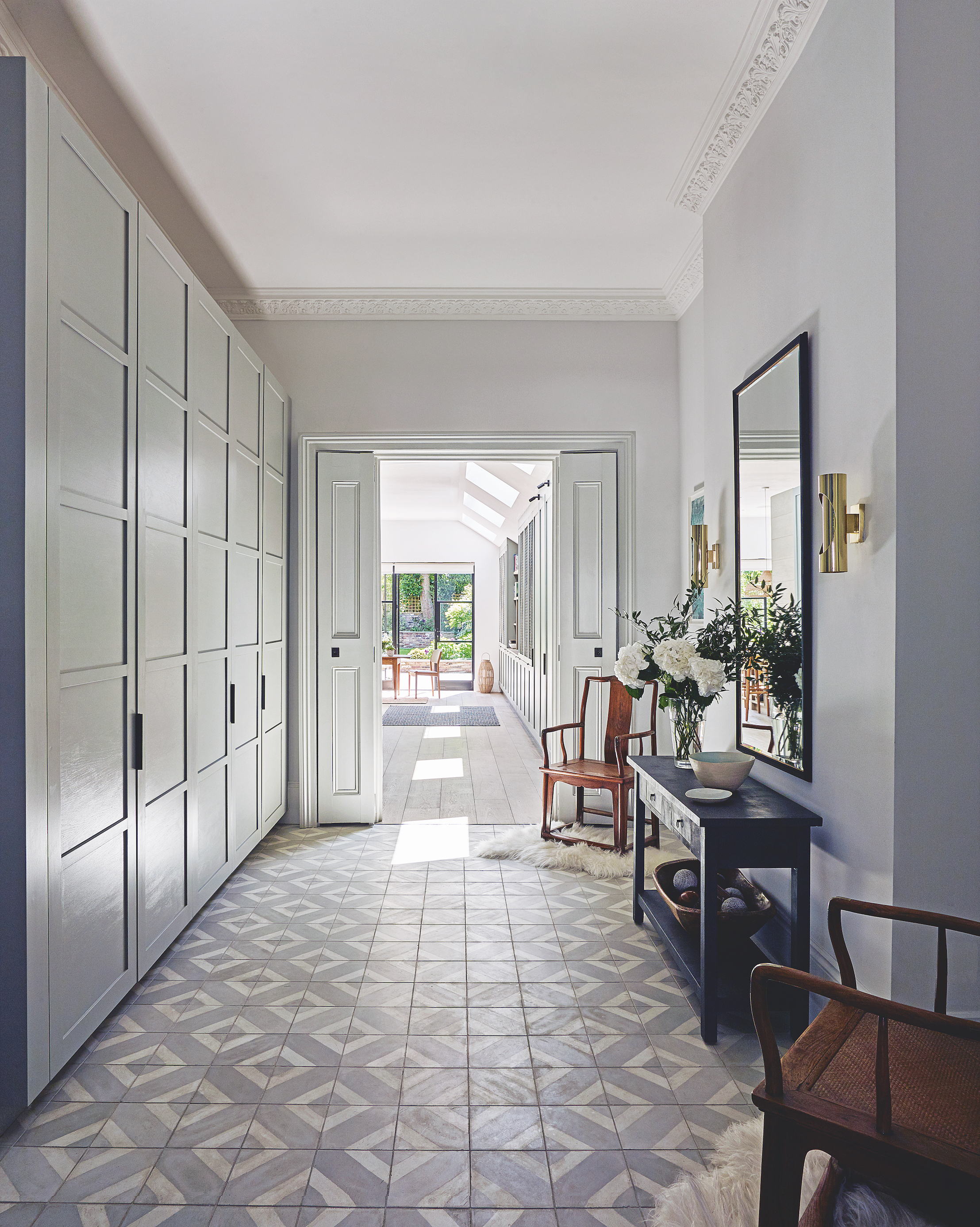
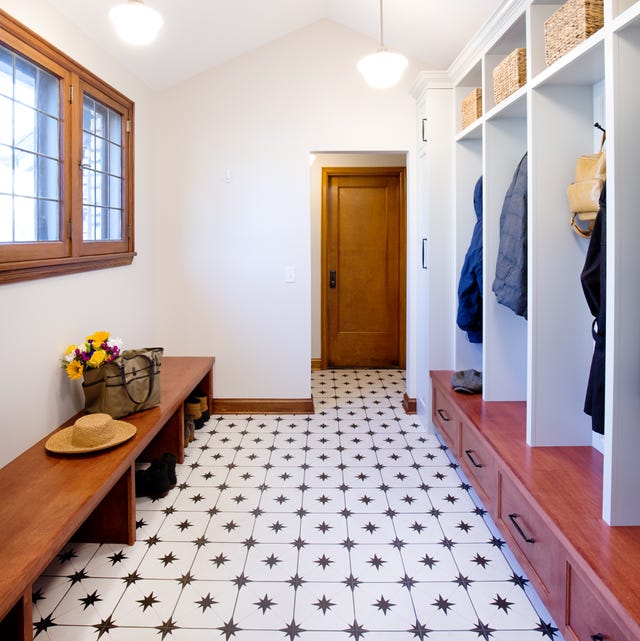
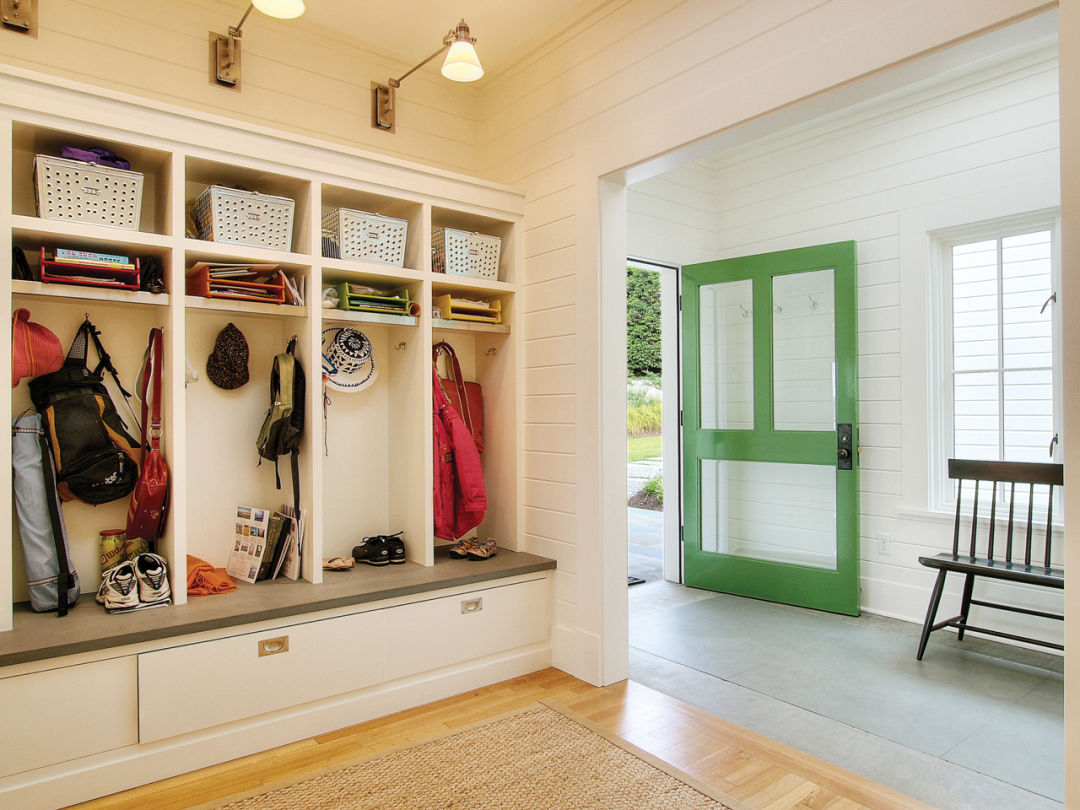
Effective entryway design prioritizes organization and storage. Clutter can detract from the aesthetic appeal and functionality of the space. Utilizing vertical storage solutions, as demonstrated in a design by Kathleen Walsh, is recommended, particularly for smaller entryways. Pale colors for furniture can help reflect light and enhance the sense of space. Incorporating design details that harmonize with the home's architecture and using symmetry can create a cohesive and calm atmosphere. The placement of furniture should ideally direct visitors' attention beyond the entryway, concealing storage from immediate view.
Before implementing storage solutions, it's essential to assess specific needs. This involves taking an inventory of items typically stored in the entryway, such as coats, shoes, bags, mail, keys, and even seasonal items or pet gear. This inventory process often reveals opportunities for decluttering, which significantly simplifies organizing the space. Seasonal rotation of items, like swapping winter coats for sunhats, can further optimize entryway storage and reduce clutter.
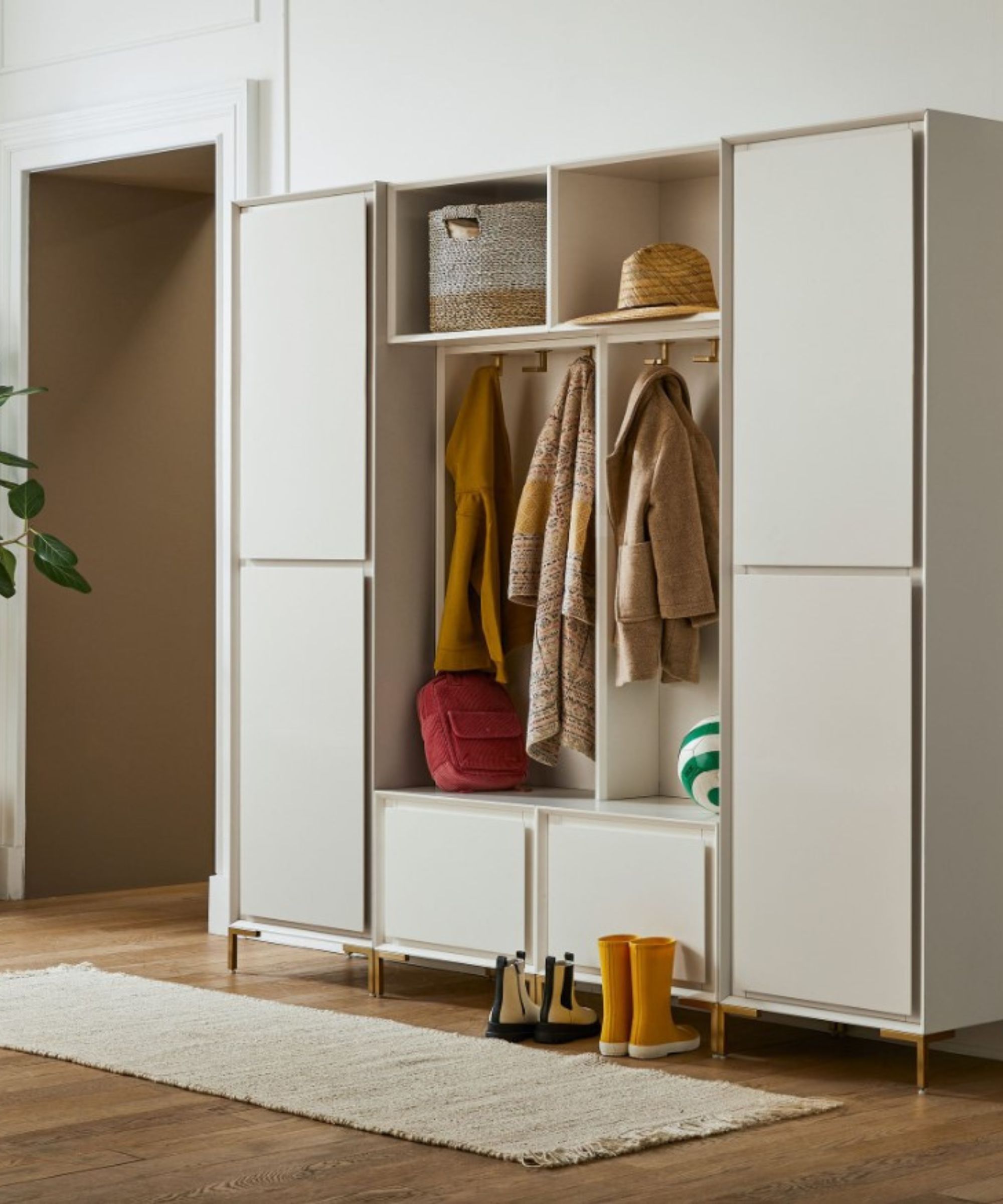
For households that frequently host guests, it's beneficial to plan for separate storage for visitors' belongings, if space permits. This approach can also extend to separating adult and children's items, enhancing order and convenience. The size of the entryway, whether a spacious mudroom or a compact apartment entrance, dictates the specific solutions, but the principle of dedicated storage remains constant.
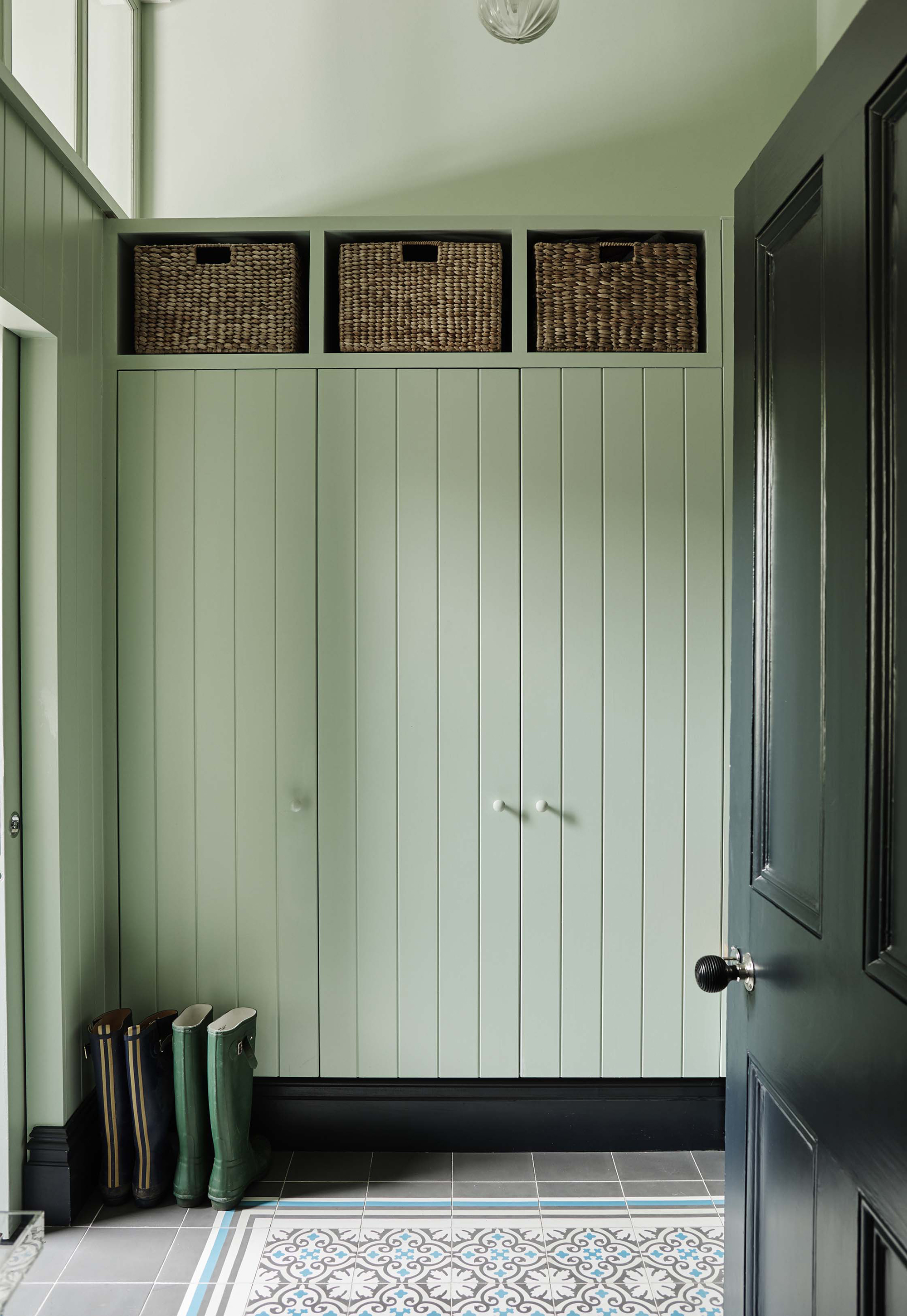
When designing entryway closets, precise measurements are critical. A depth of at least 24 inches is necessary to prevent doors from popping open, with 26-27 inches being ideal. Tall doors, around 96 inches, are also recommended. Incorporating drawers, especially those with clear acrylic inserts, is practical for smaller items like gloves, scarves, and hats. Additionally, the back of closet doors can be utilized for shoe storage, small umbrellas, bags, and leashes, though heavy items like backpacks should be avoided to prevent door damage.
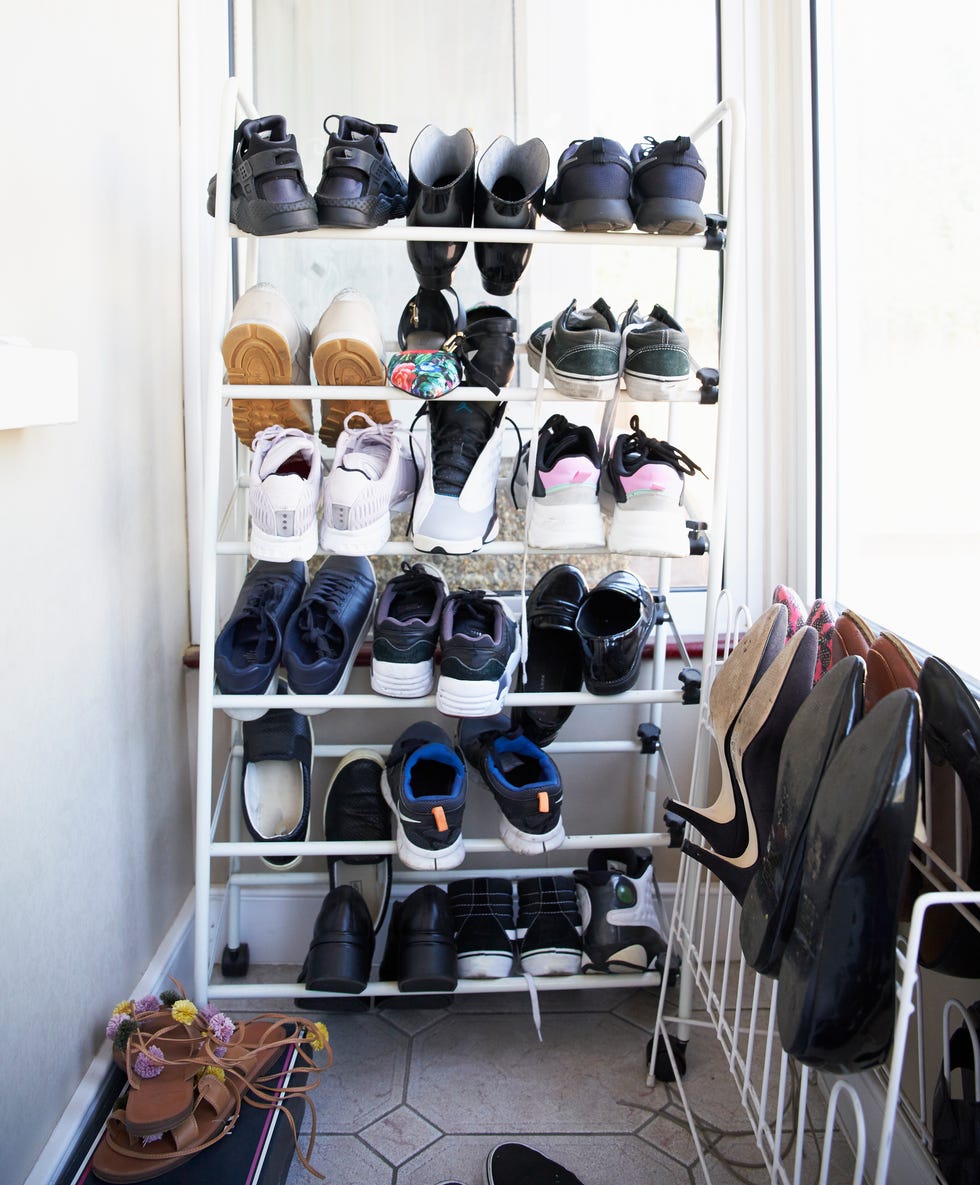
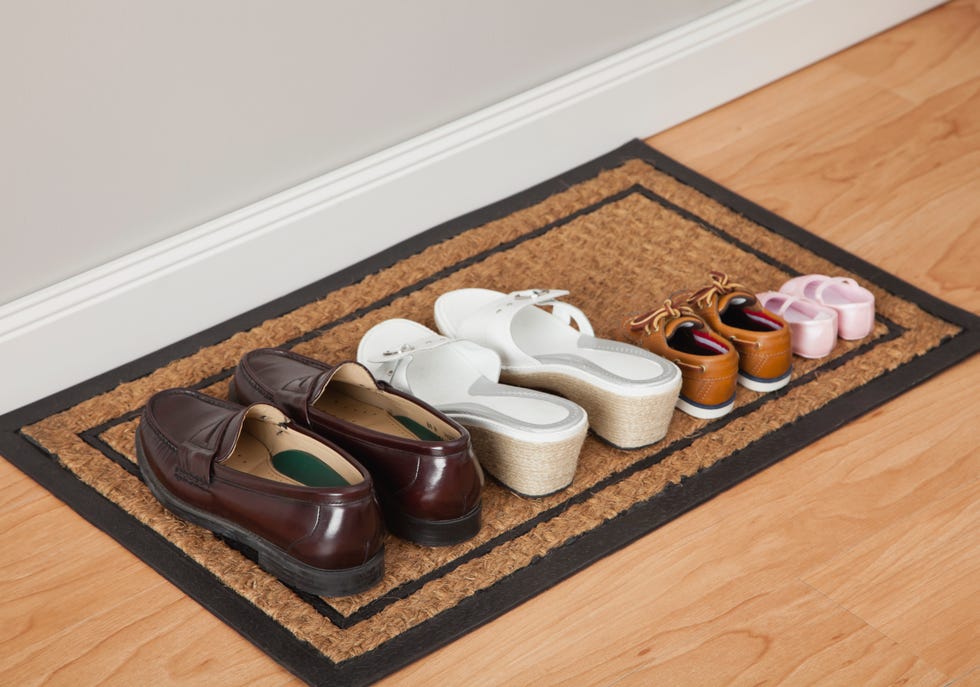
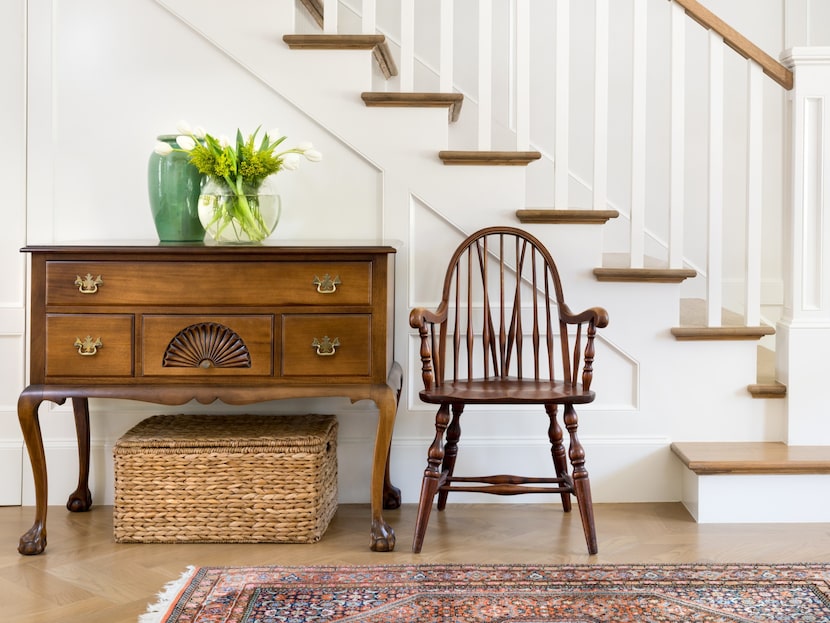
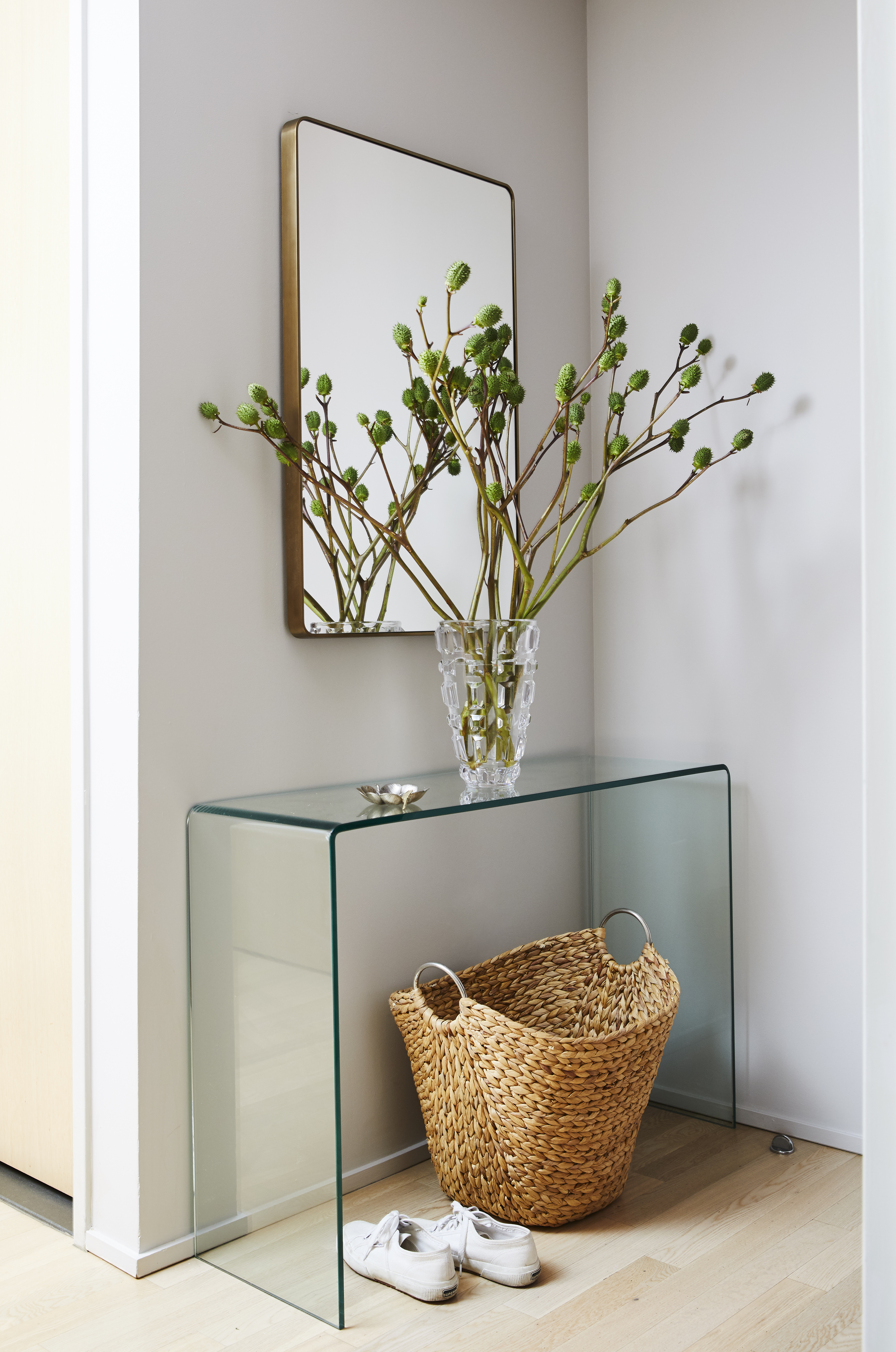
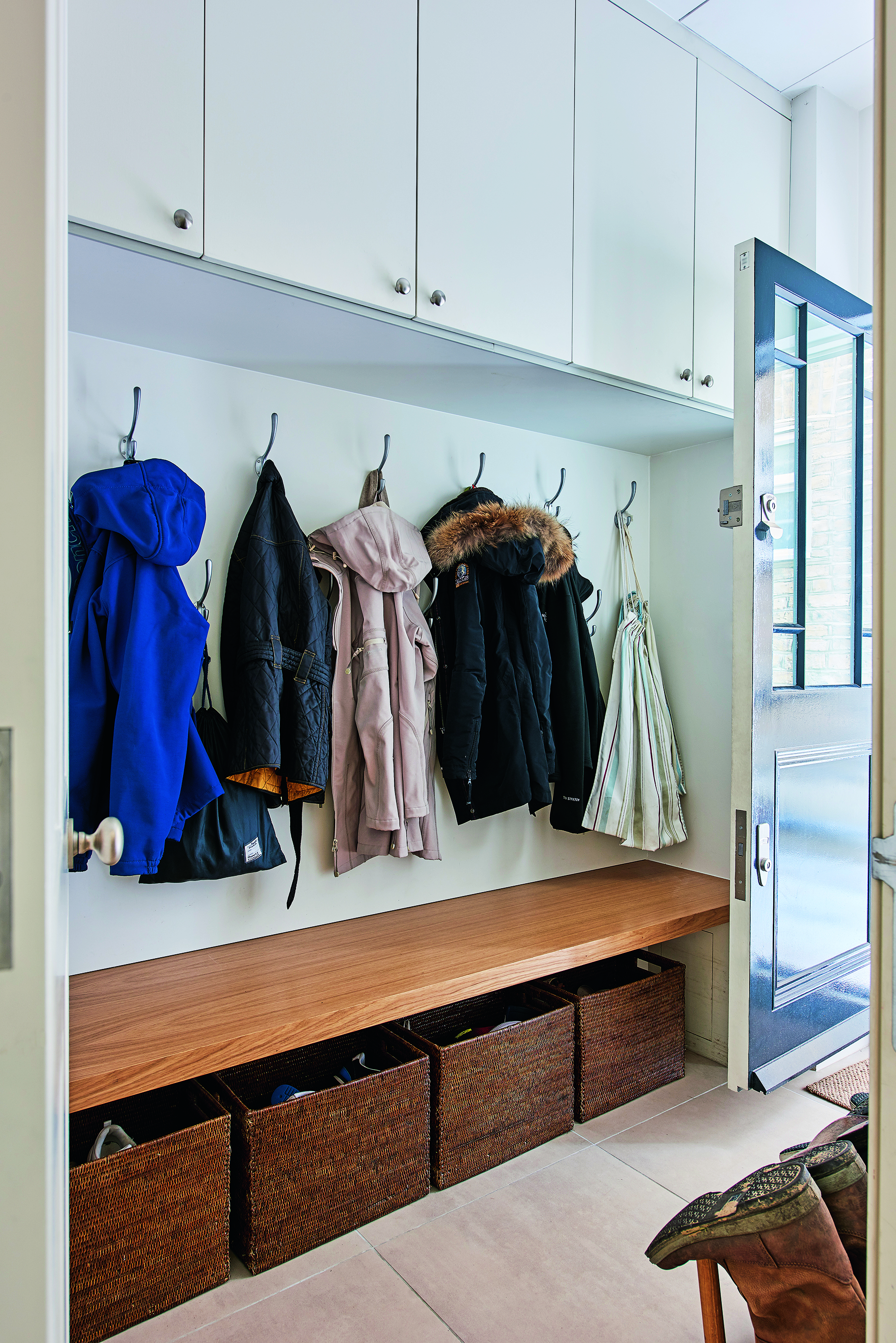
Adequate shoe storage is often underestimated. Multiple storage systems, such as a shoe cabinet near the door, a tall closet with designated shelves, and baskets under a console, can accommodate various types of footwear and manage everyday shoe clutter. It's advisable to plan for more shoe storage than initially seems necessary, including varying cubby heights for different shoe types and reserving empty shelves for future purchases.
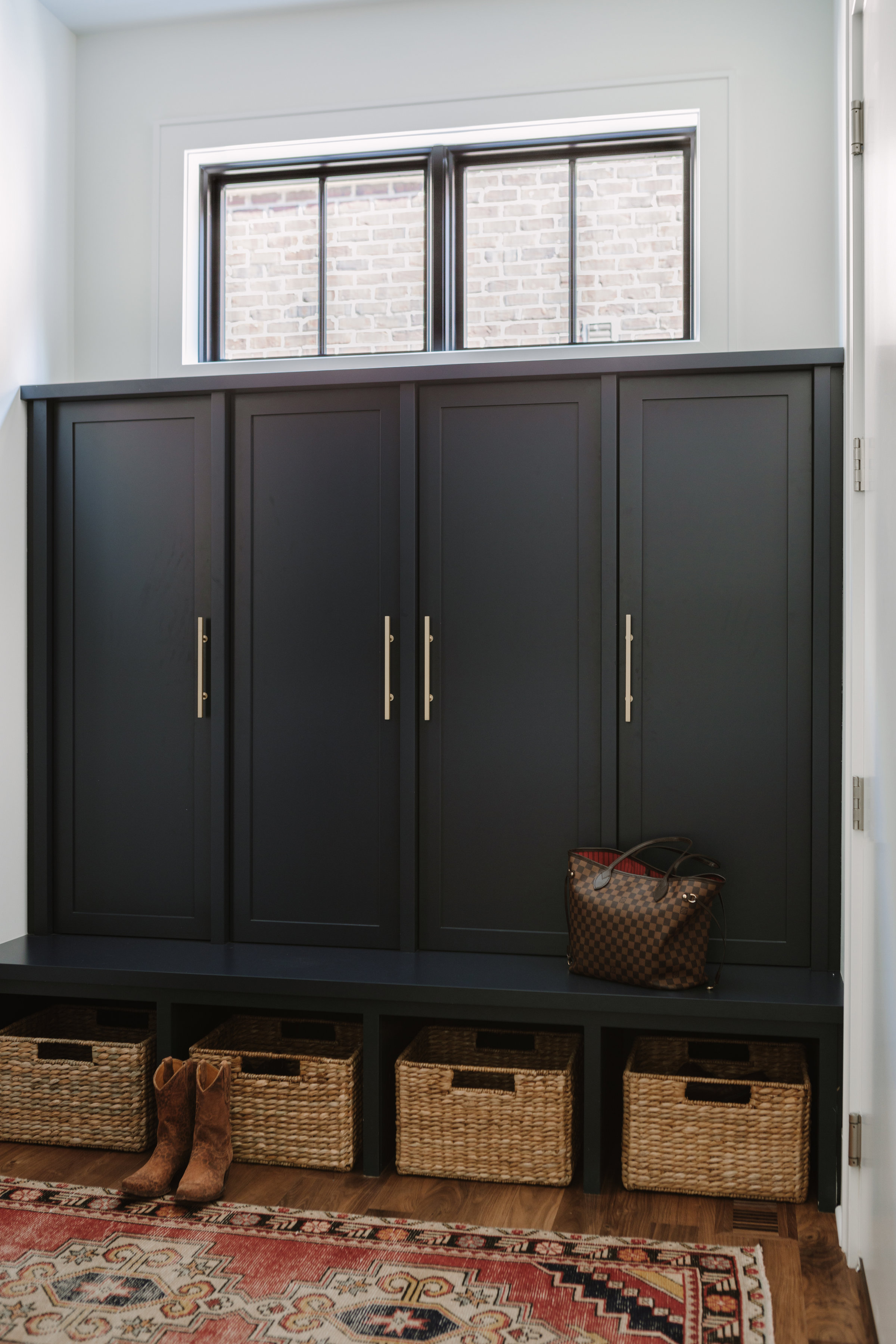
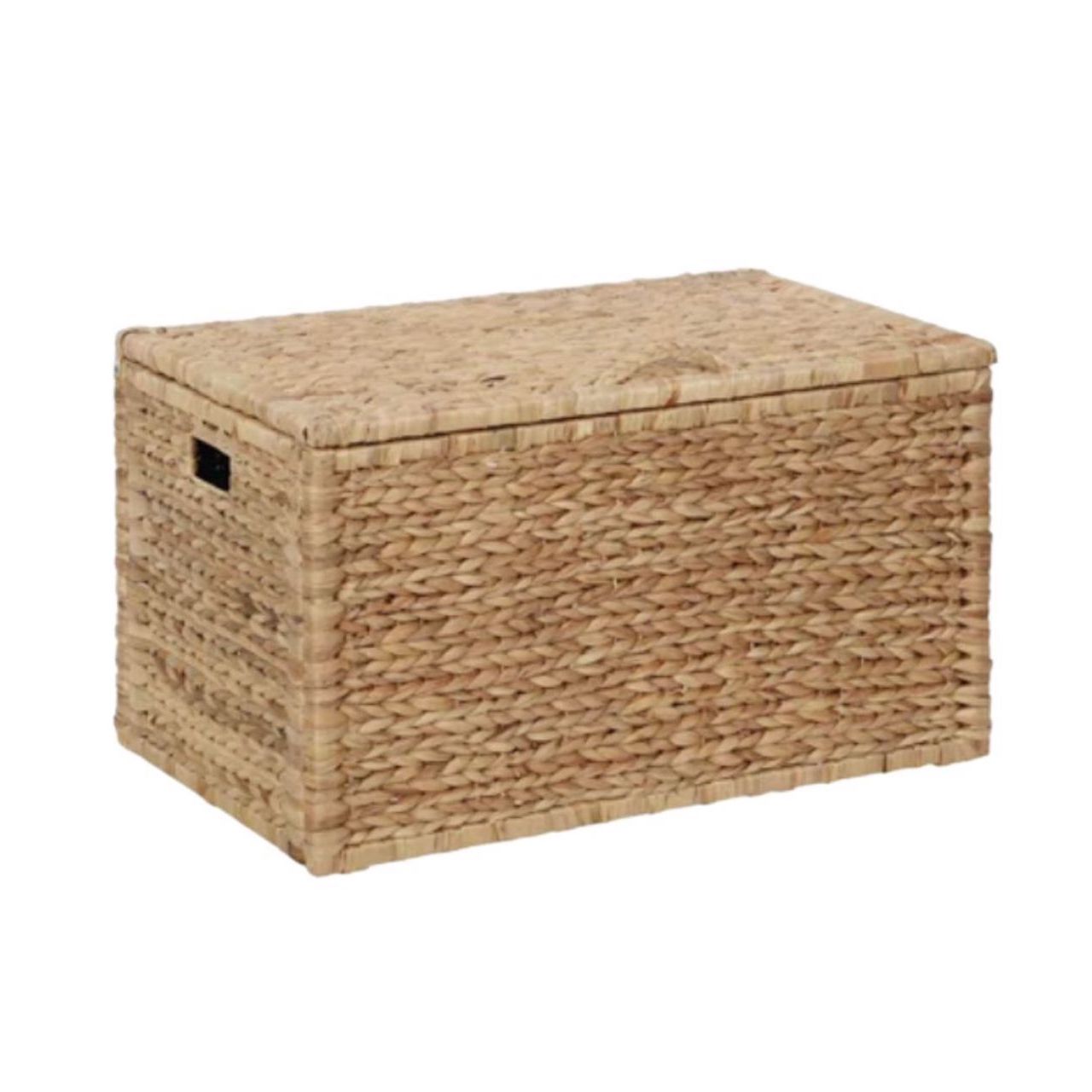
Accessories also require thoughtful organization. For small spaces, custom entryway furniture with ample drawers maximizes utility. In larger areas, like mudrooms, nametags for cubbies or lockers can help families keep their items organized. Stylish baskets are versatile for holding less-used accessories and can be incorporated into cabinetry designs.
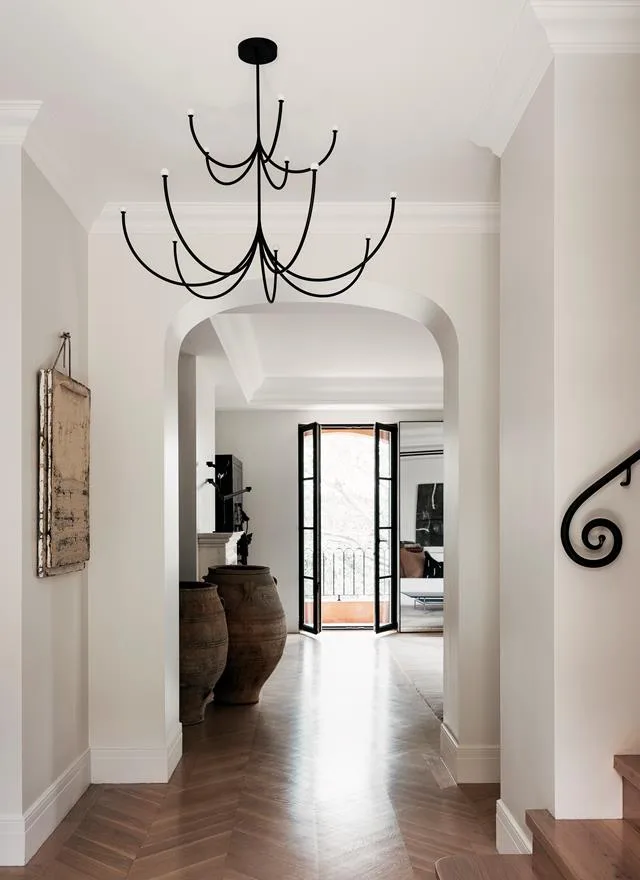
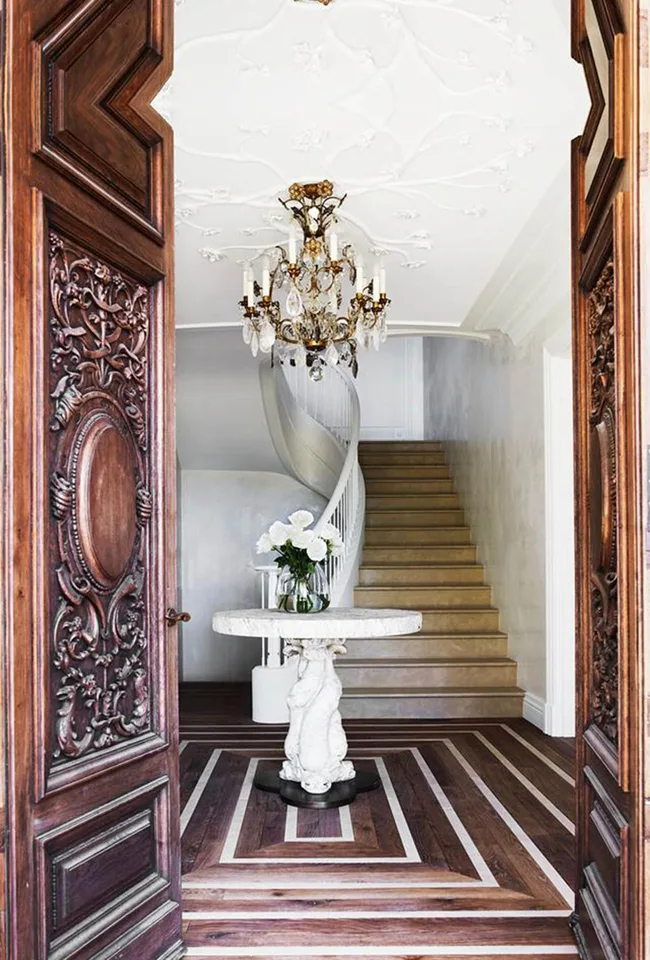
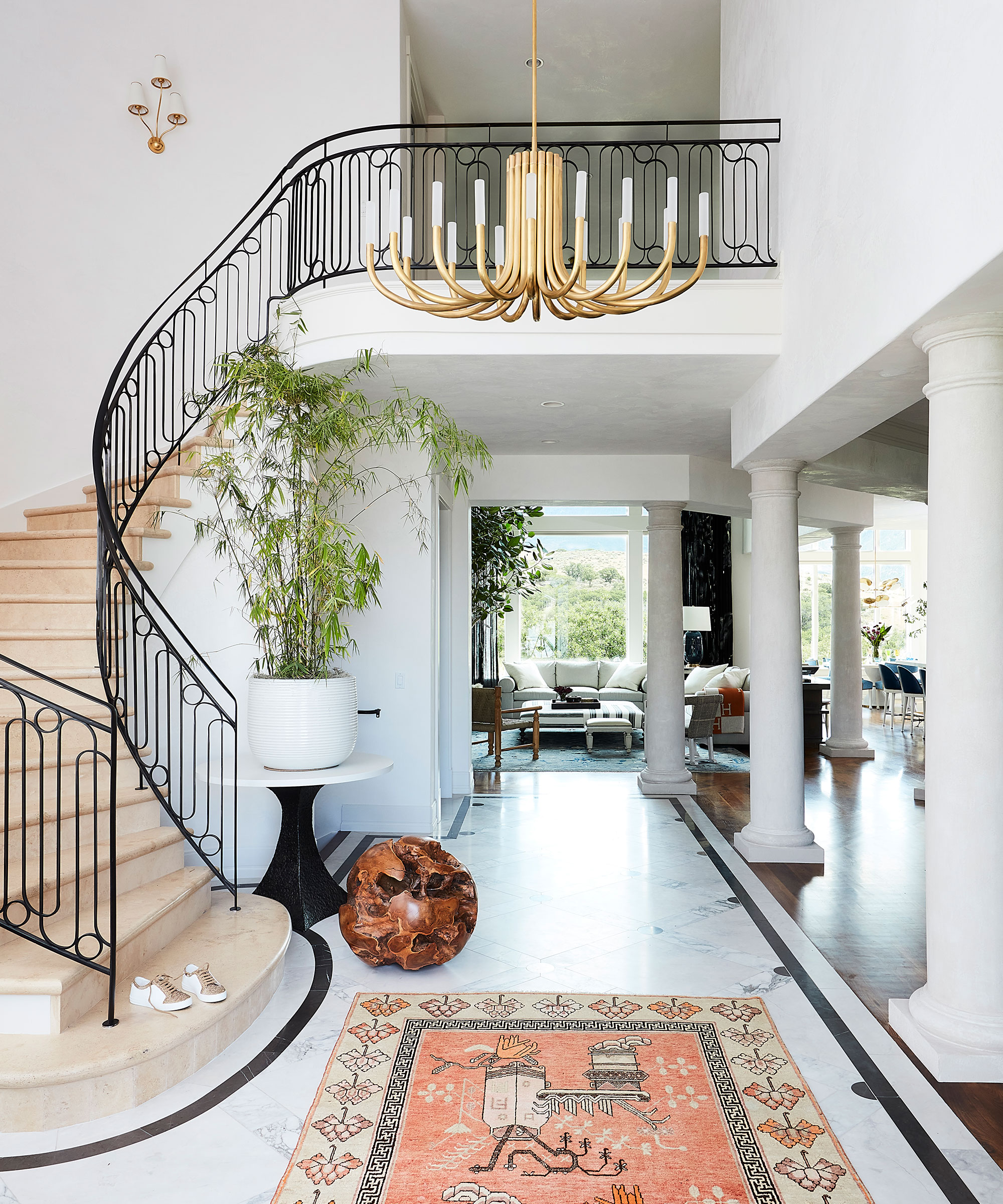
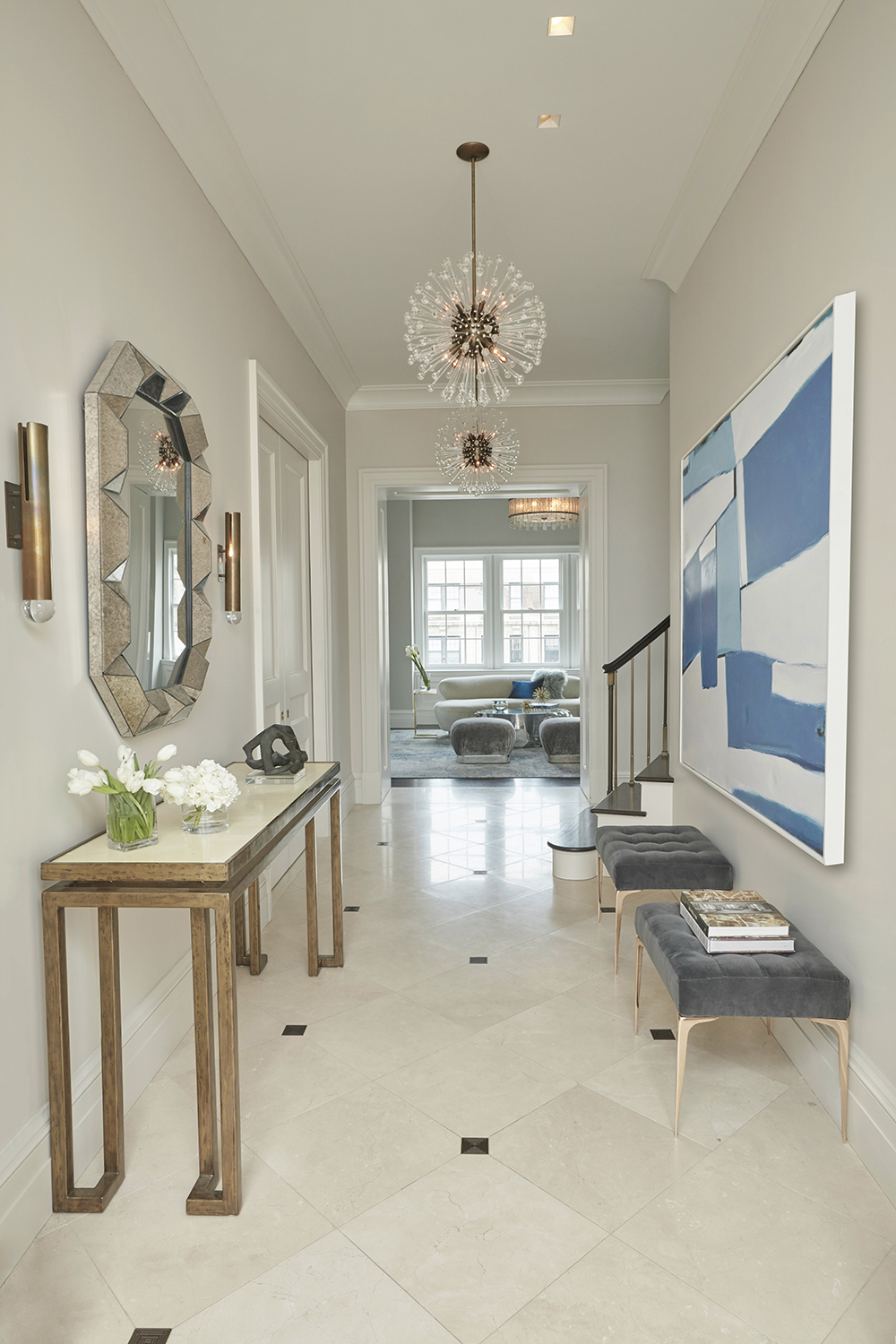
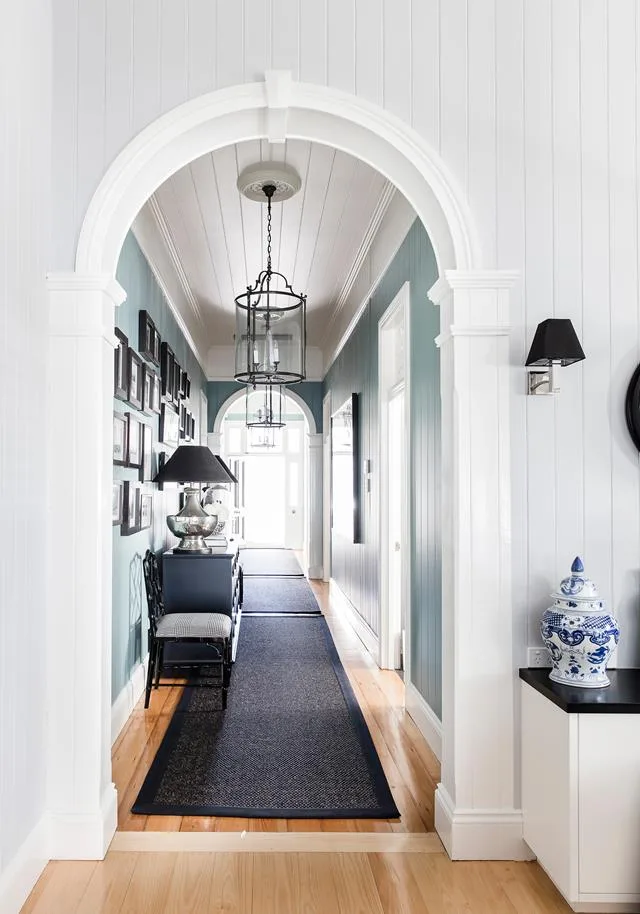
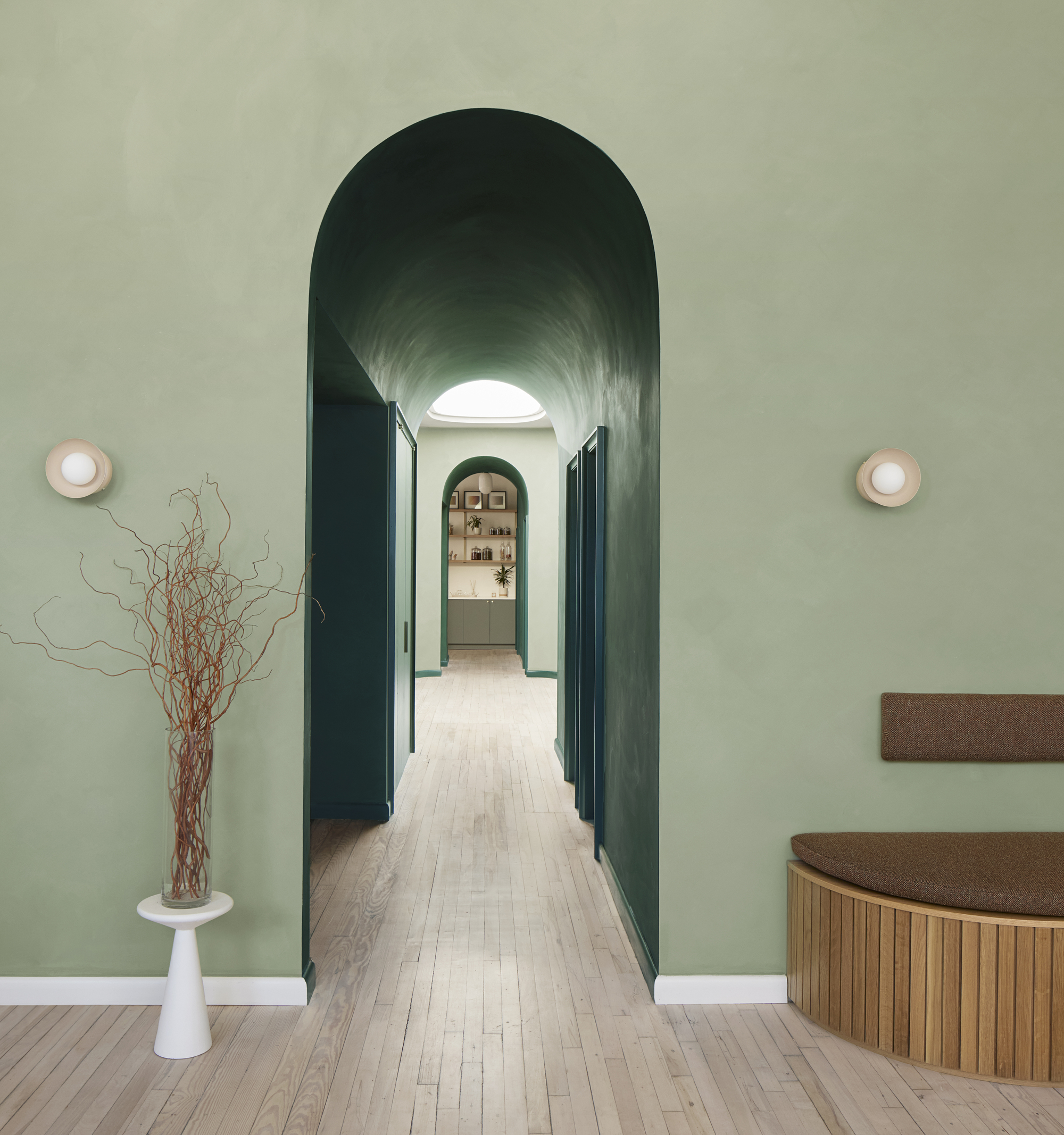
Lighting plays a significant role in both functionality and aesthetics. Ample lighting above the door and at the ceiling ensures visibility and helps locate belongings. Entryway lighting can also set the decor's tone, with wall lighting combined with subtler ceiling fixtures creating layered textures, especially in typically dim thoroughfares. Interior lighting in hallway closets adds a practical touch.
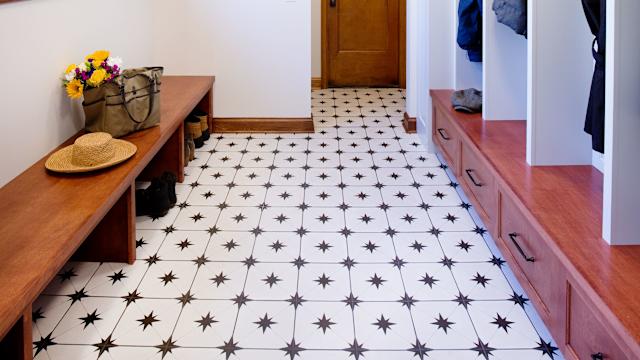
Flooring choices must be practical and contribute to the perception of space. Durable materials with reflective qualities or textured finishes can make an entryway appear larger and hide footmarks. Pale colors are generally preferred, but in busy homes, textured options are more suitable. Diagonal tile layouts can also visually expand the space.
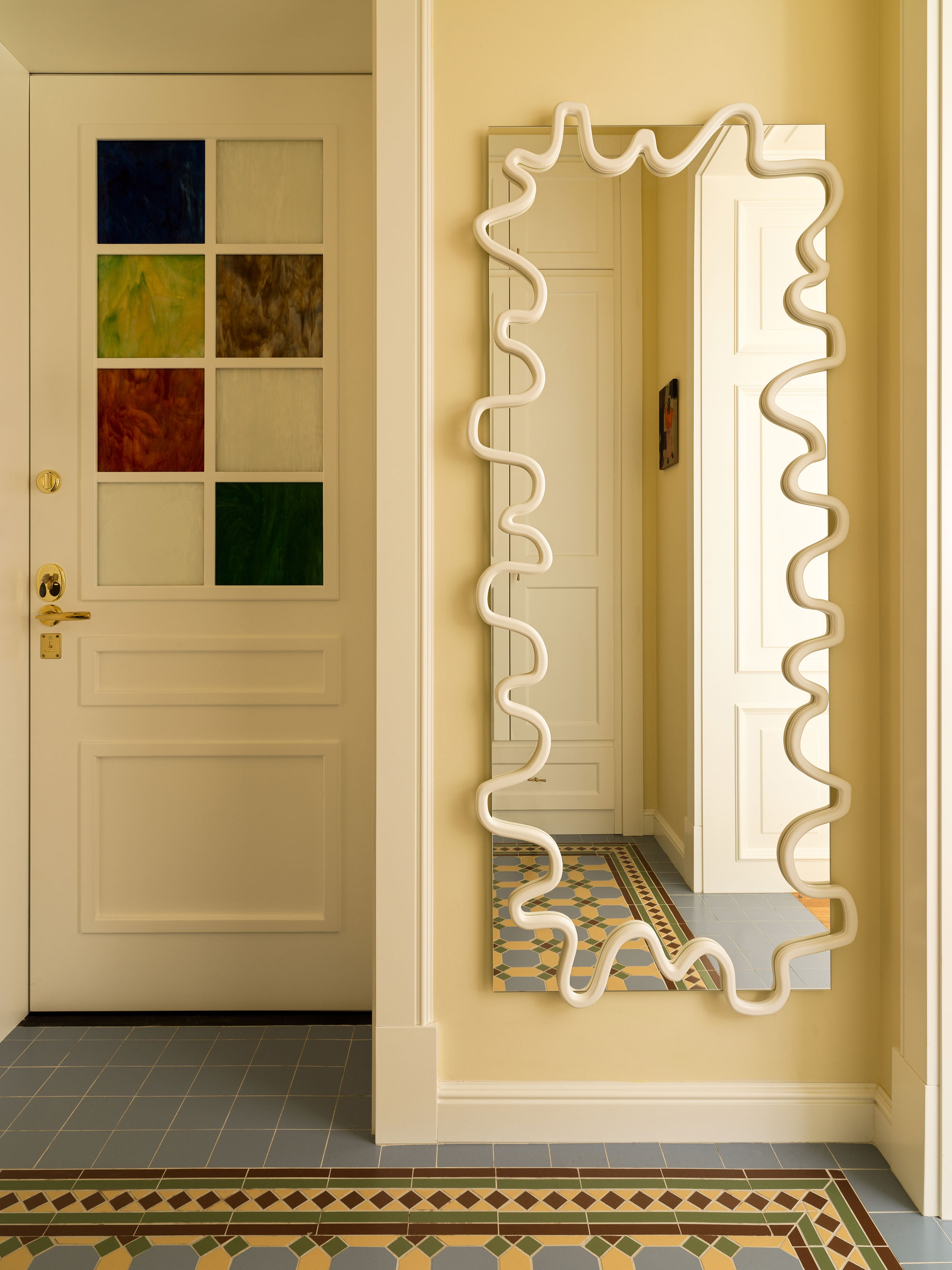
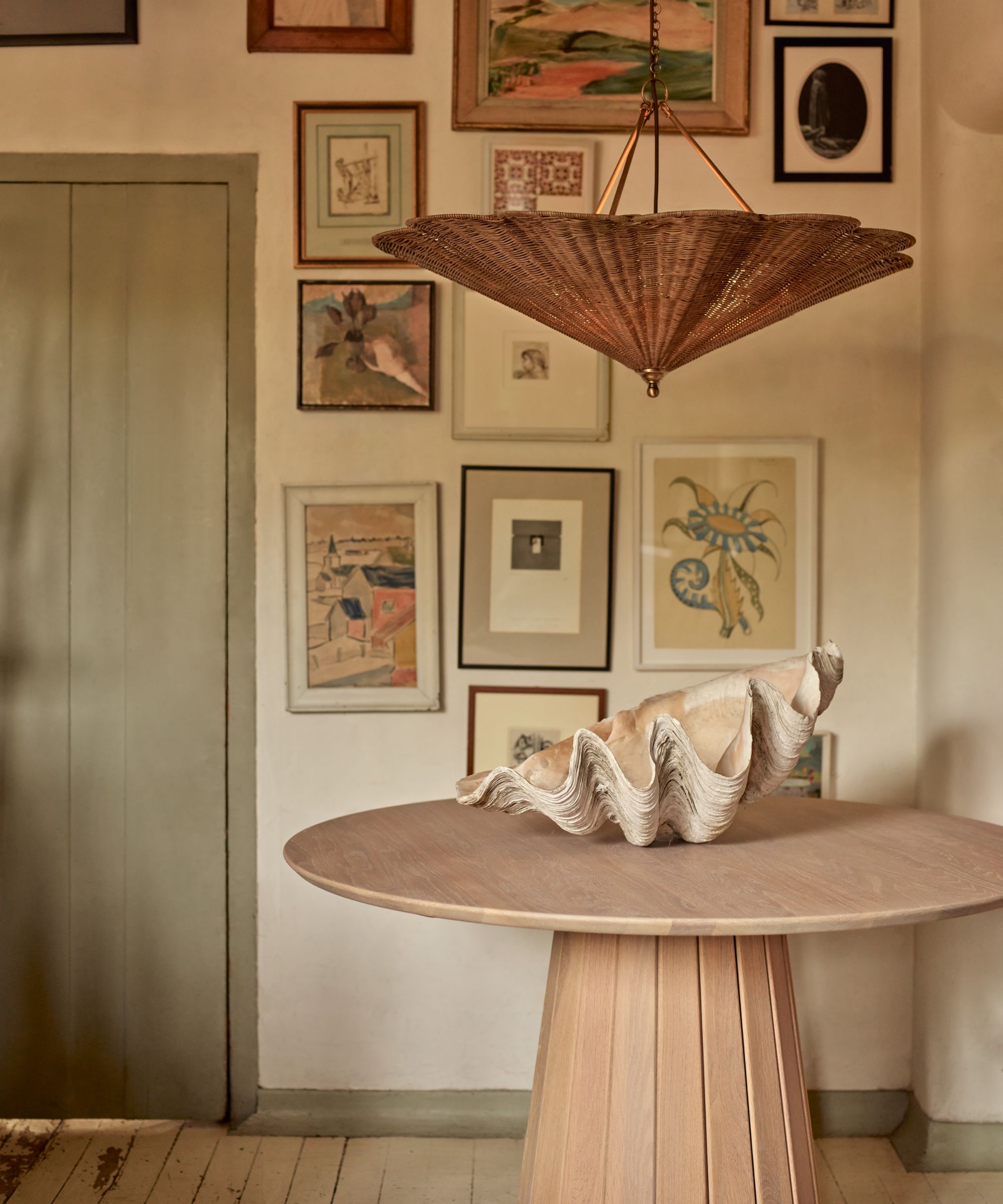
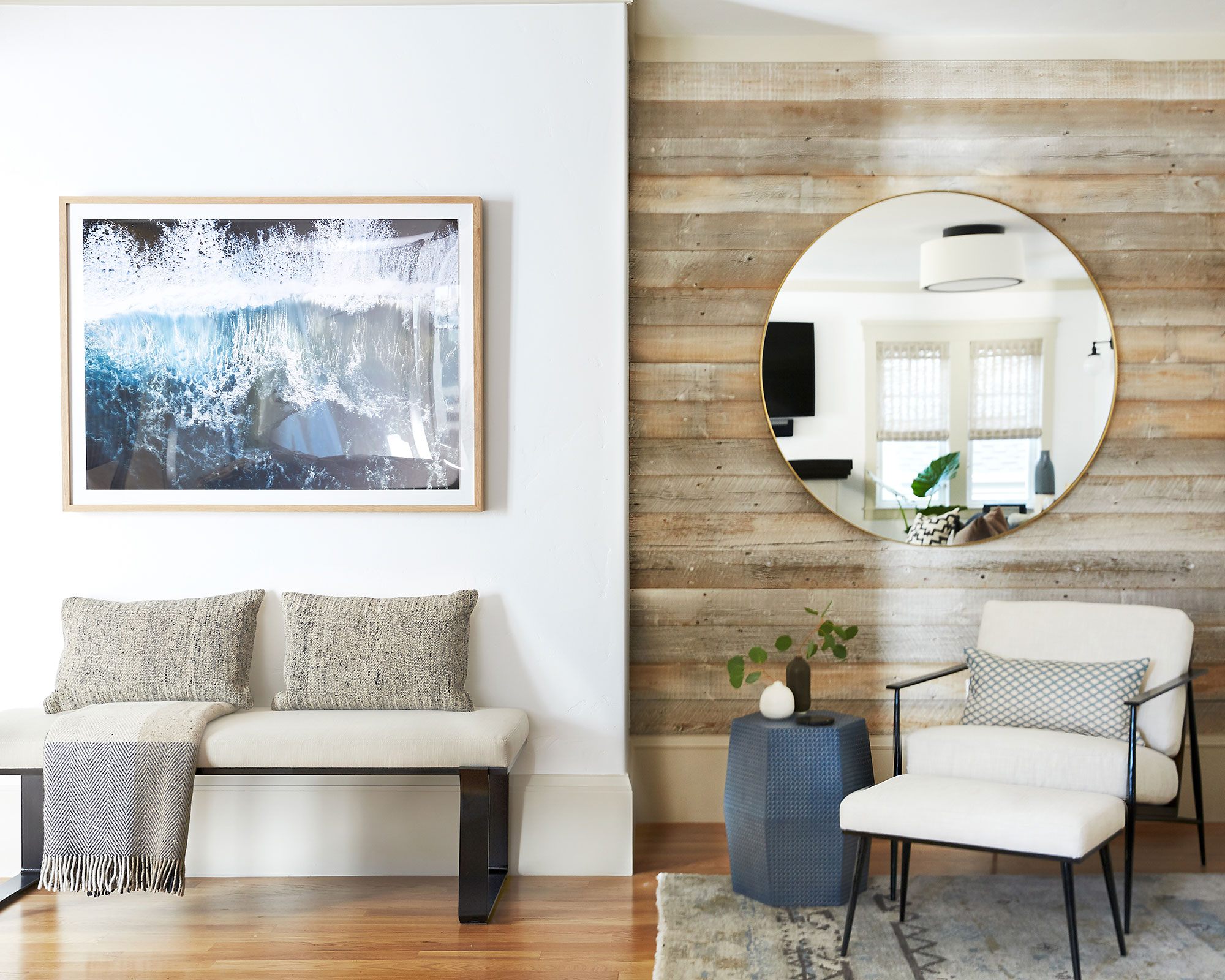
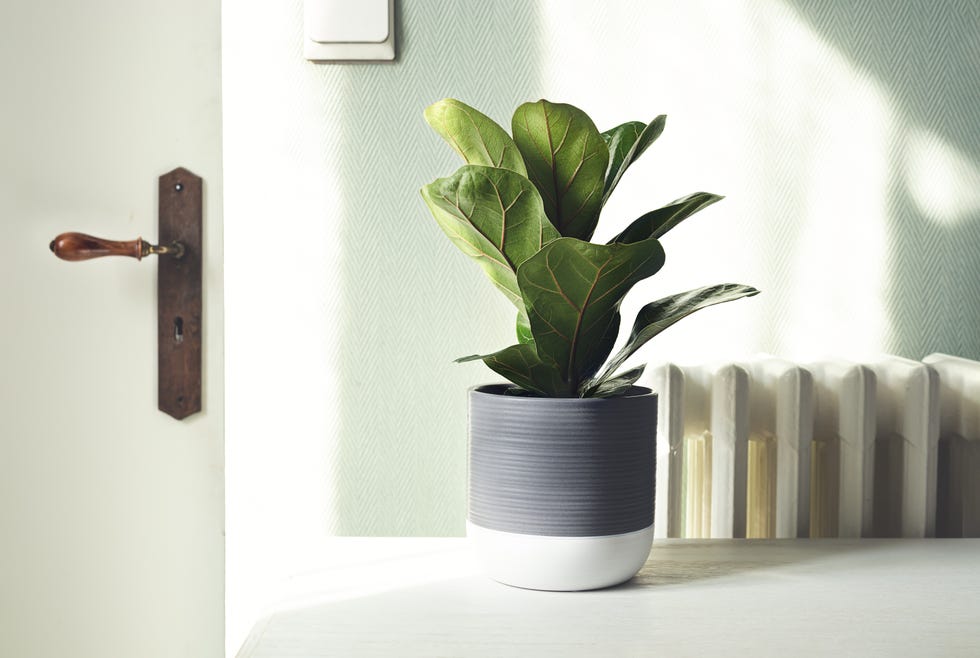
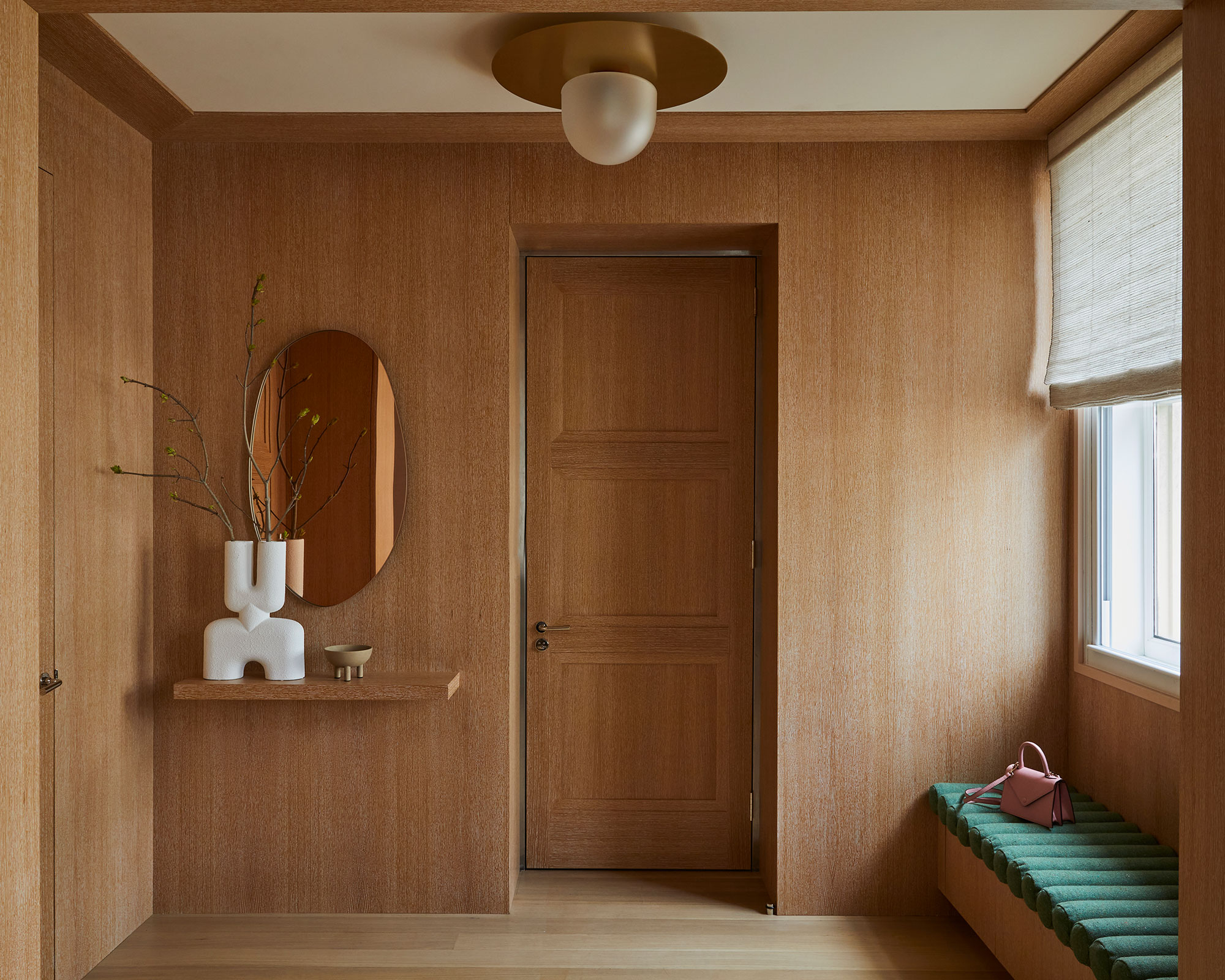
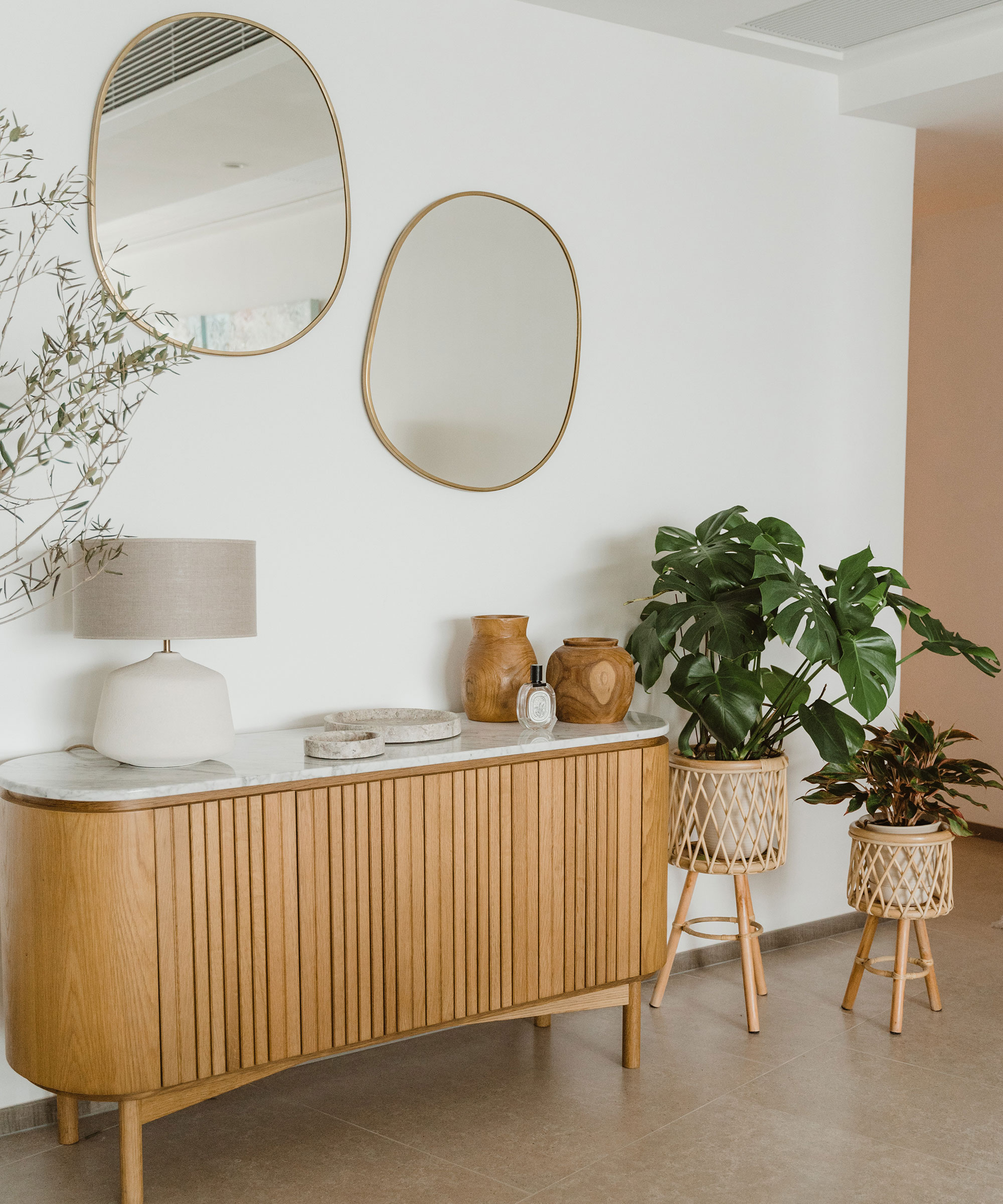
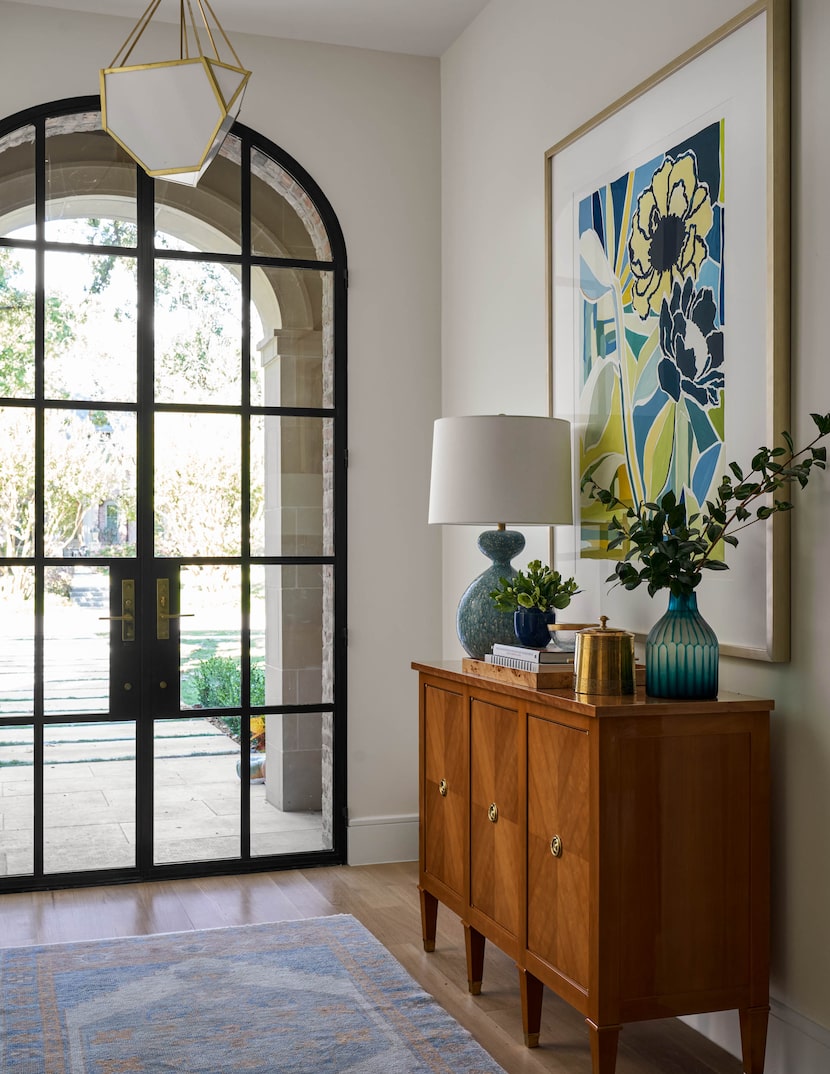
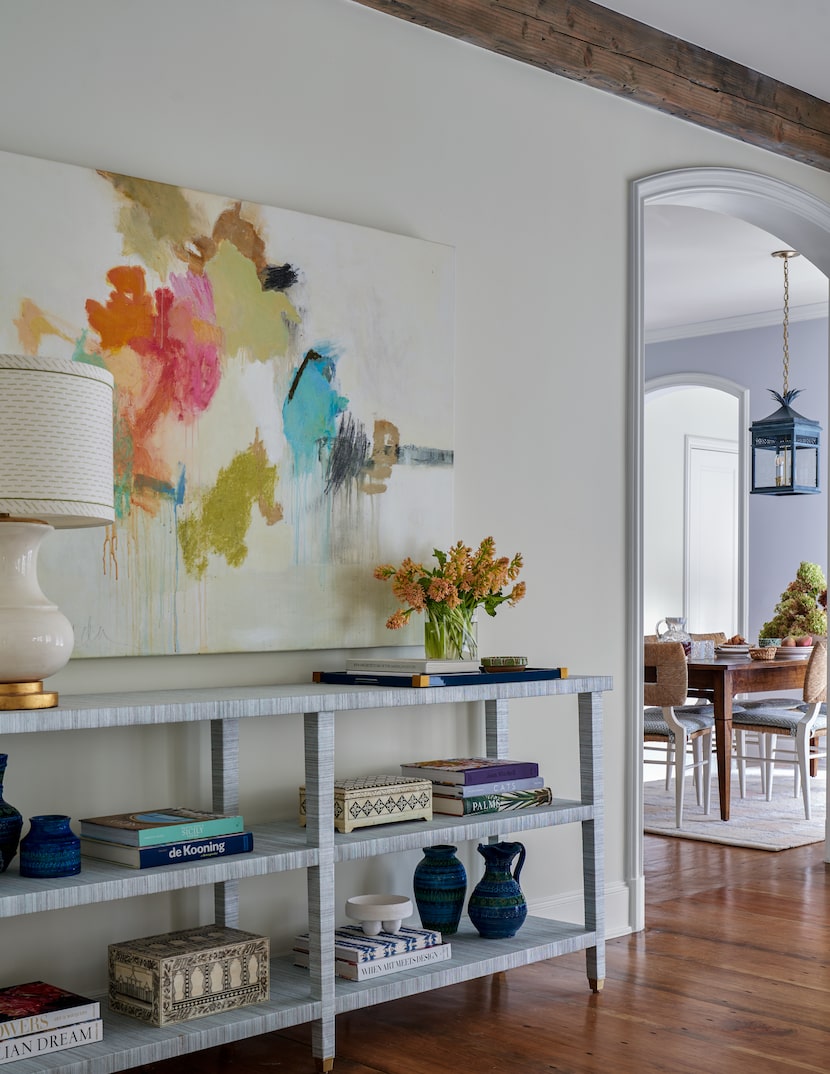
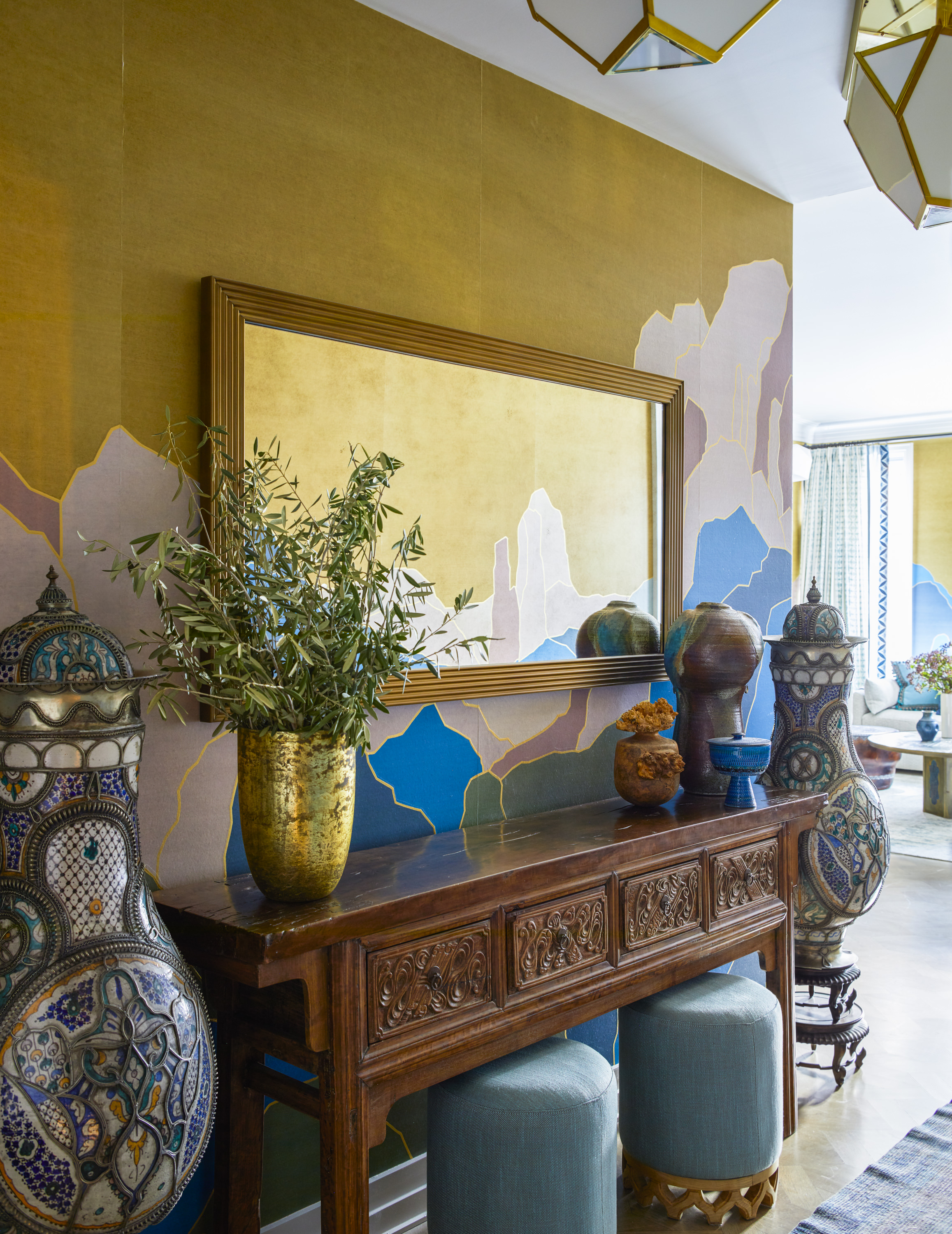
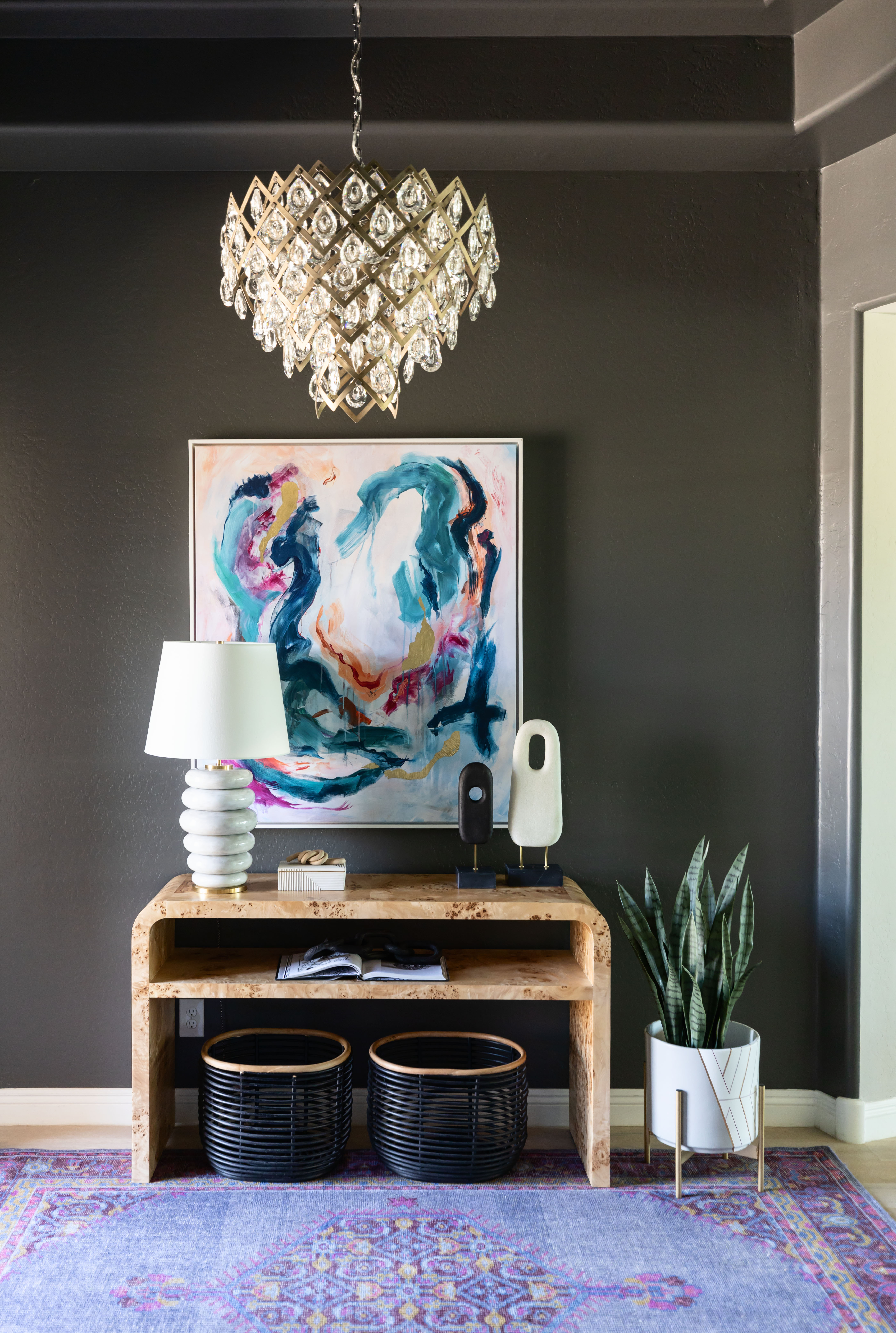
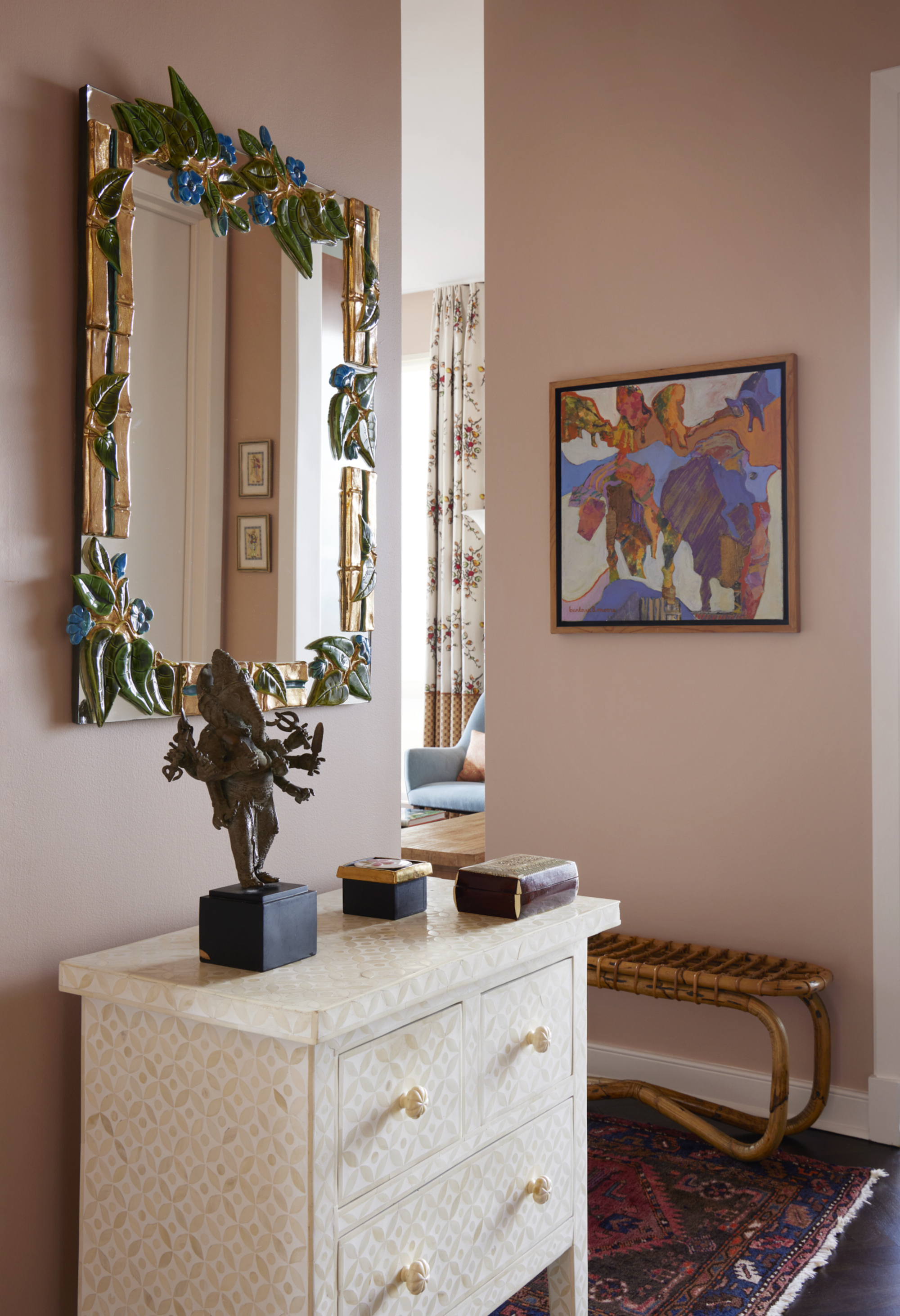
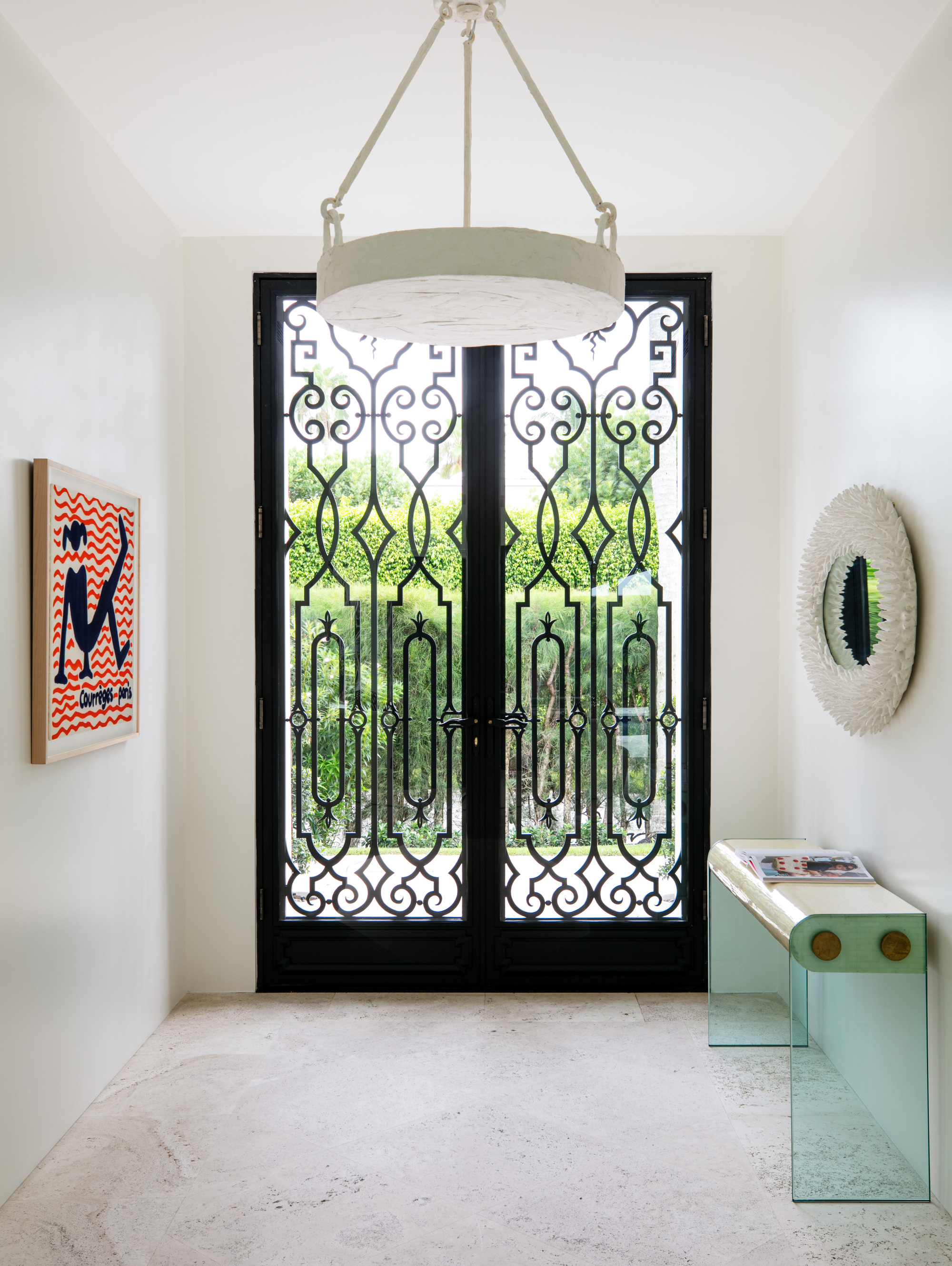
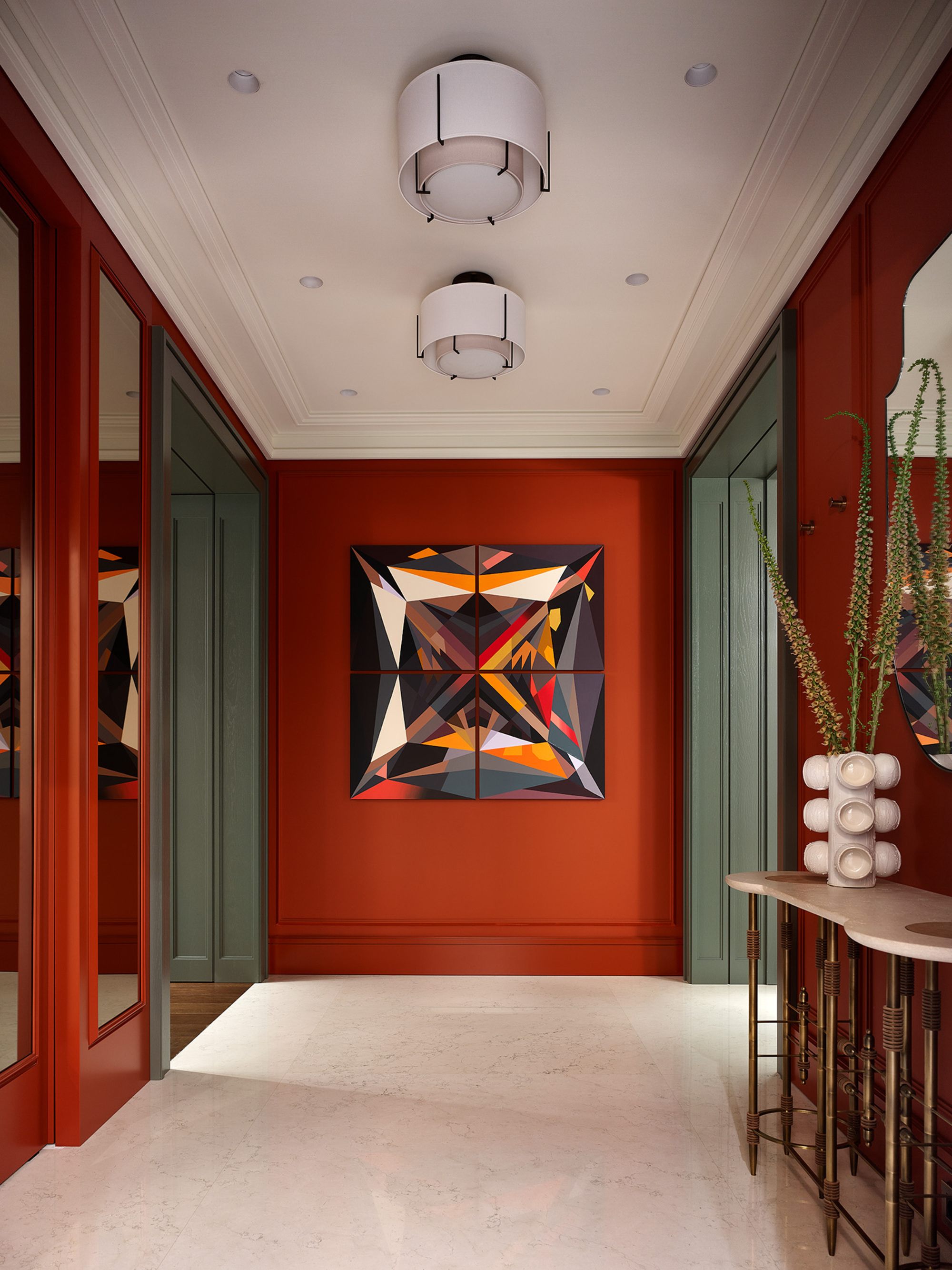
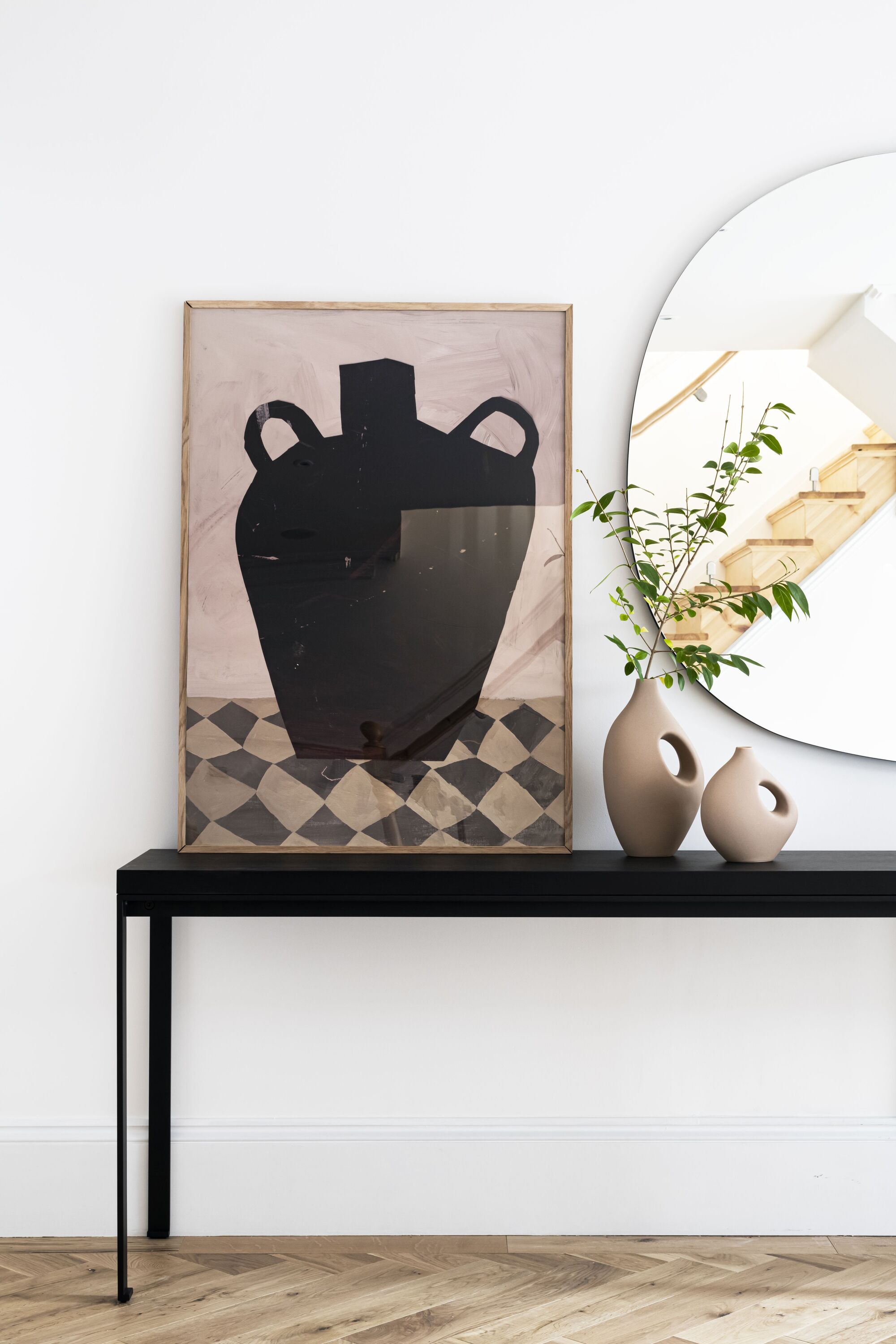
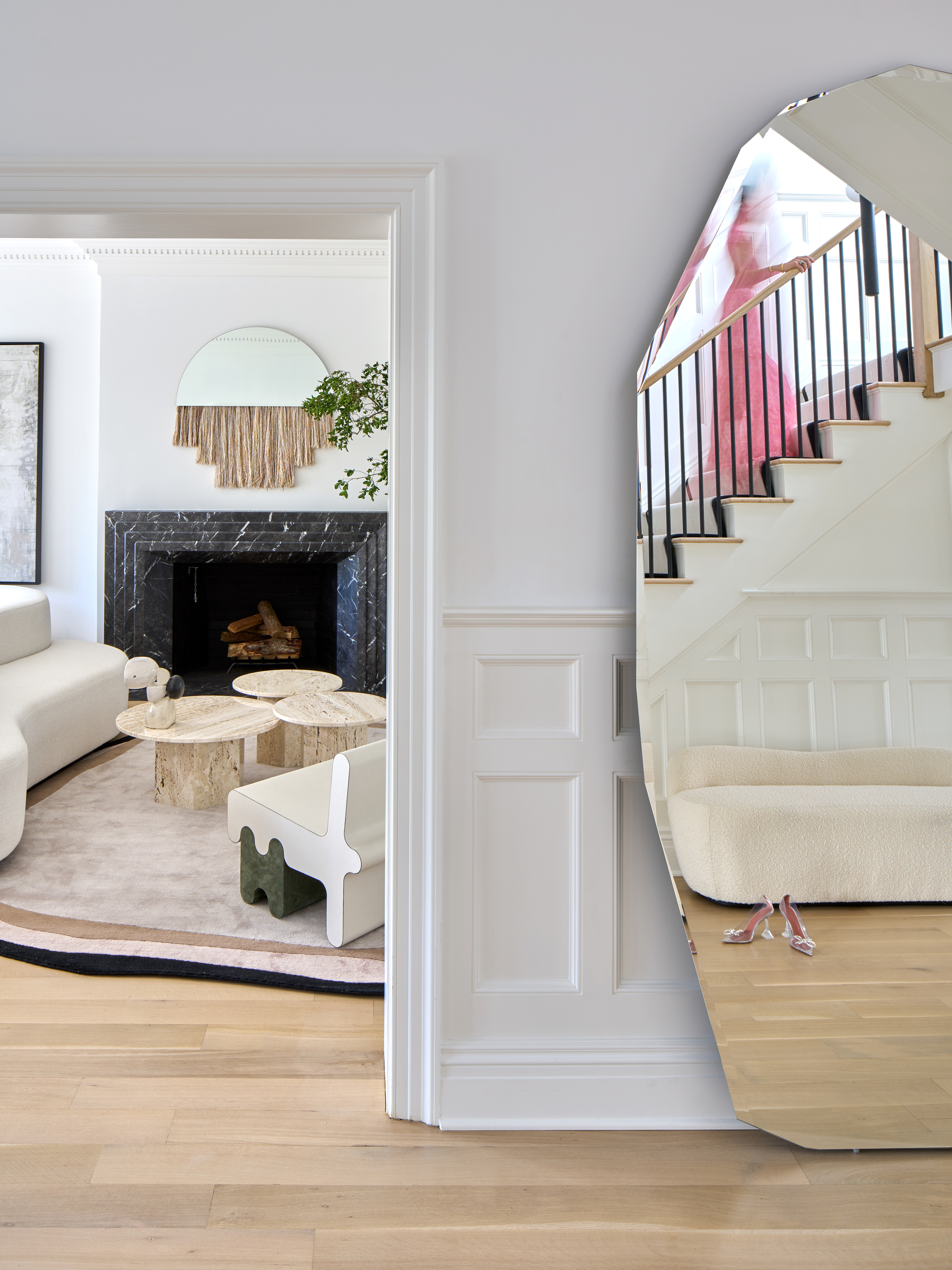
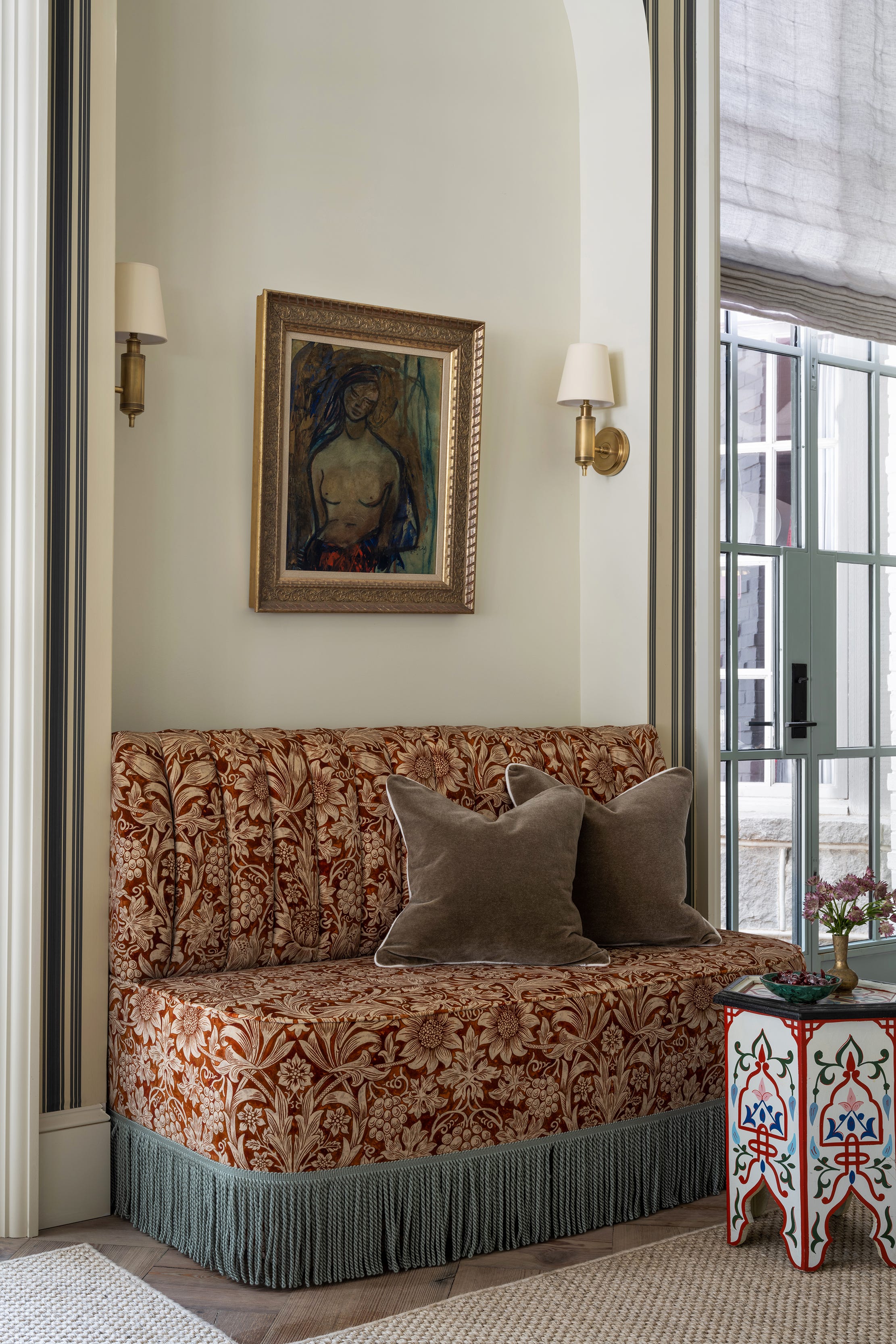
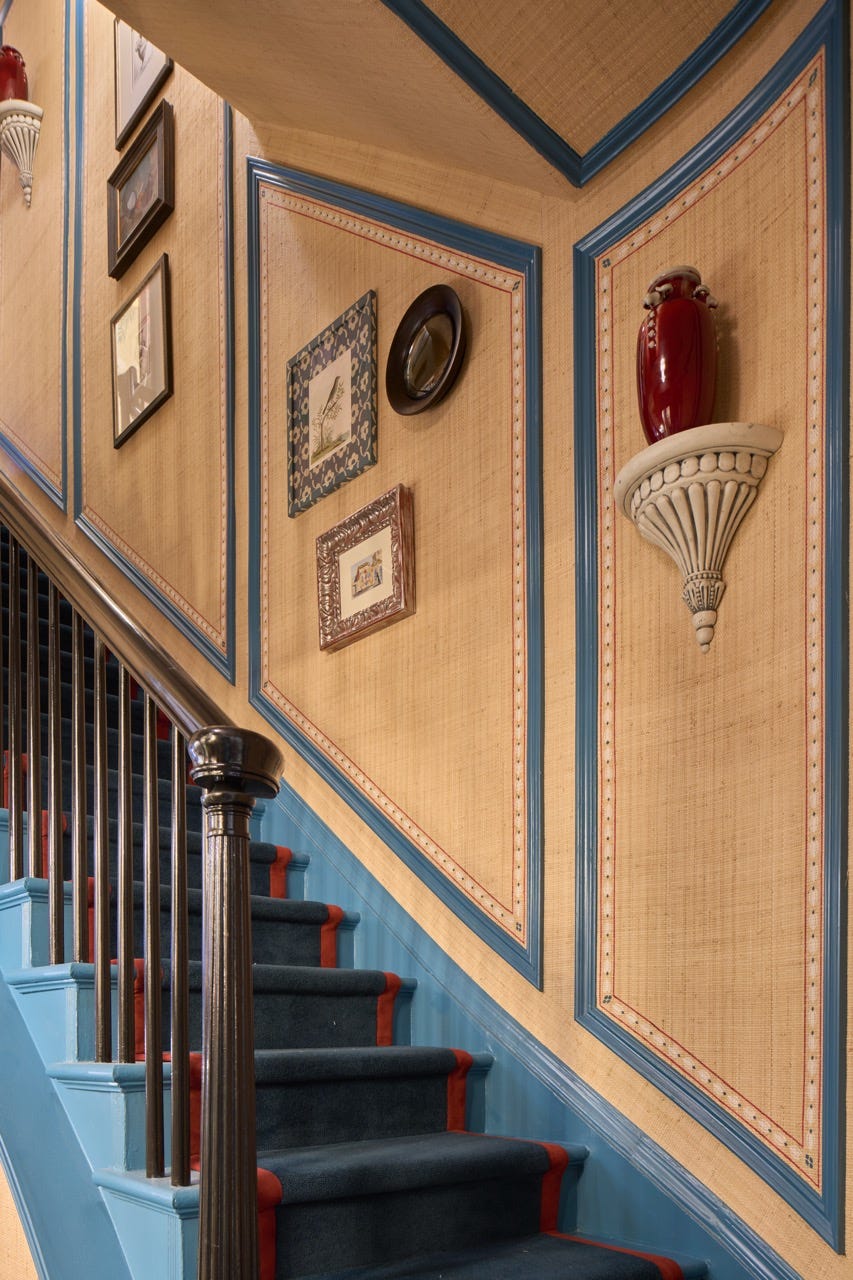
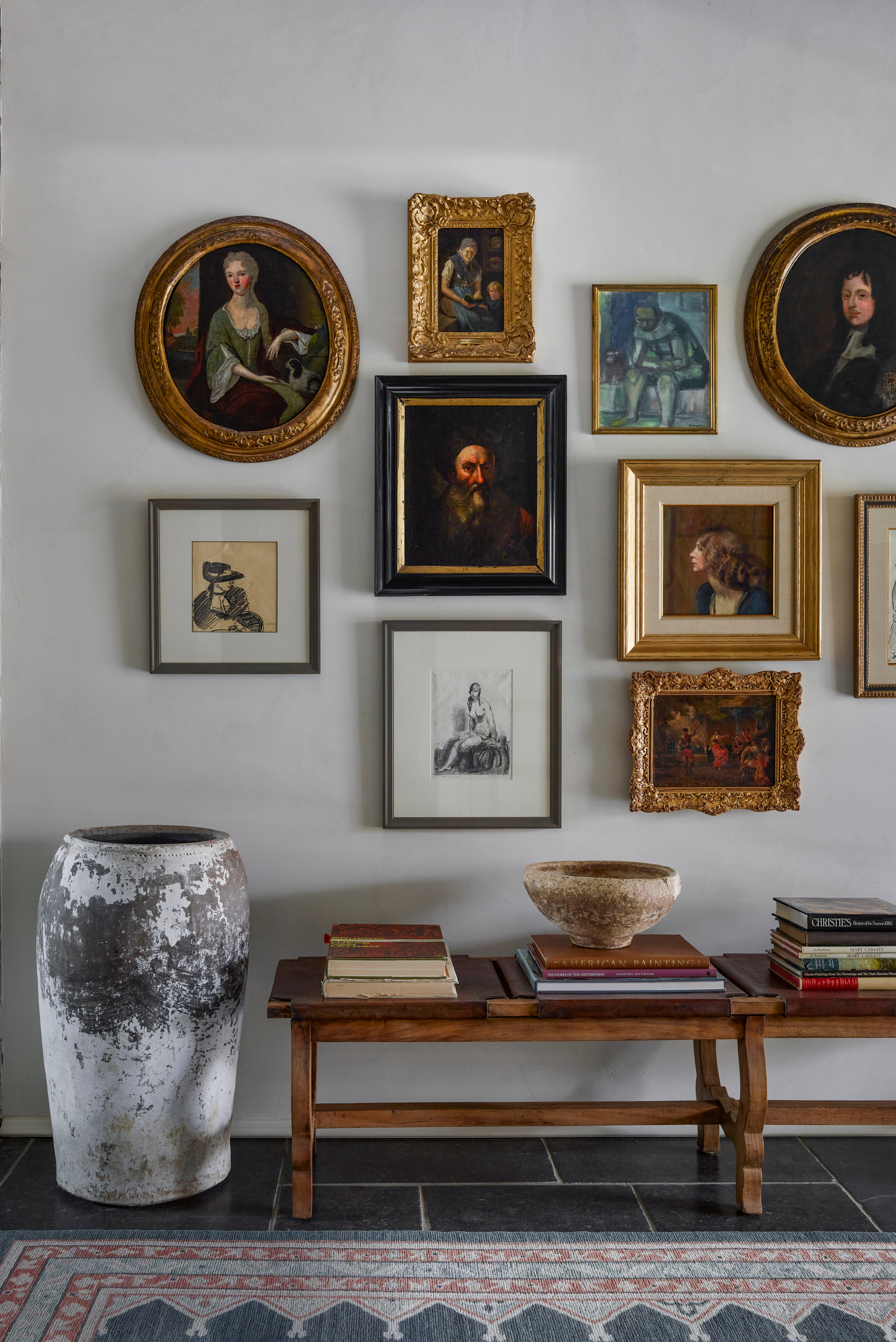
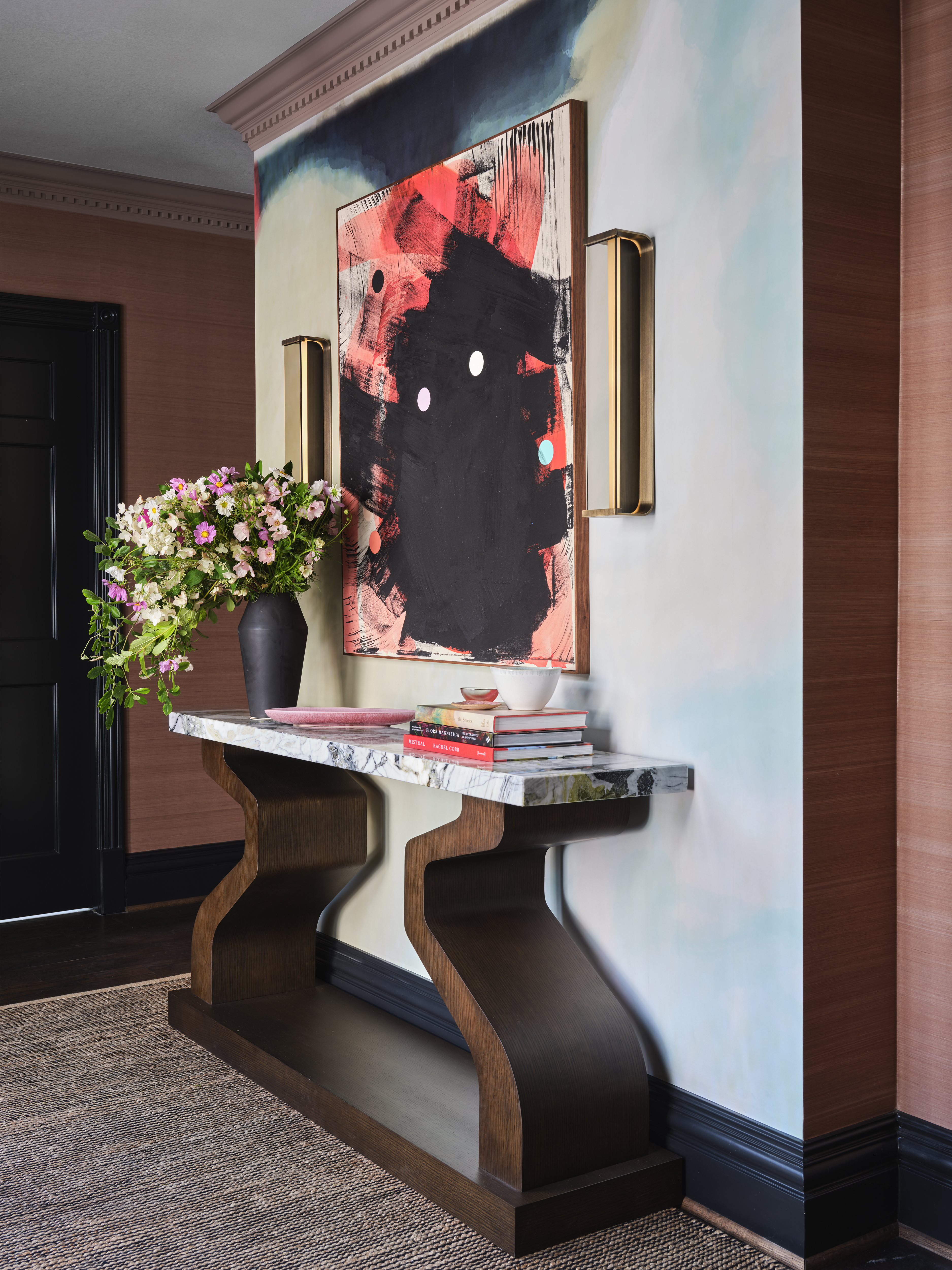
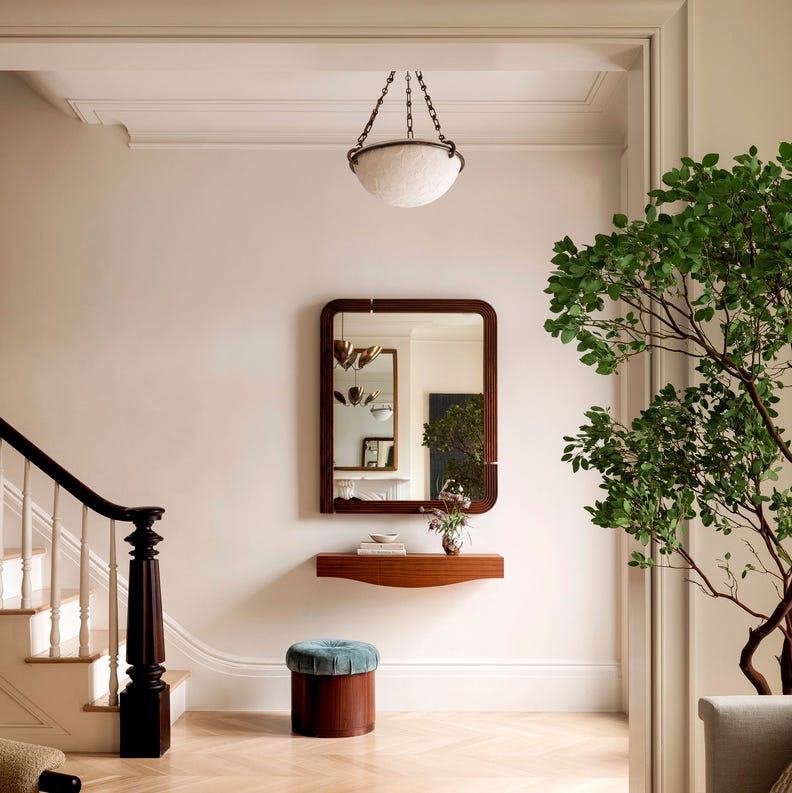
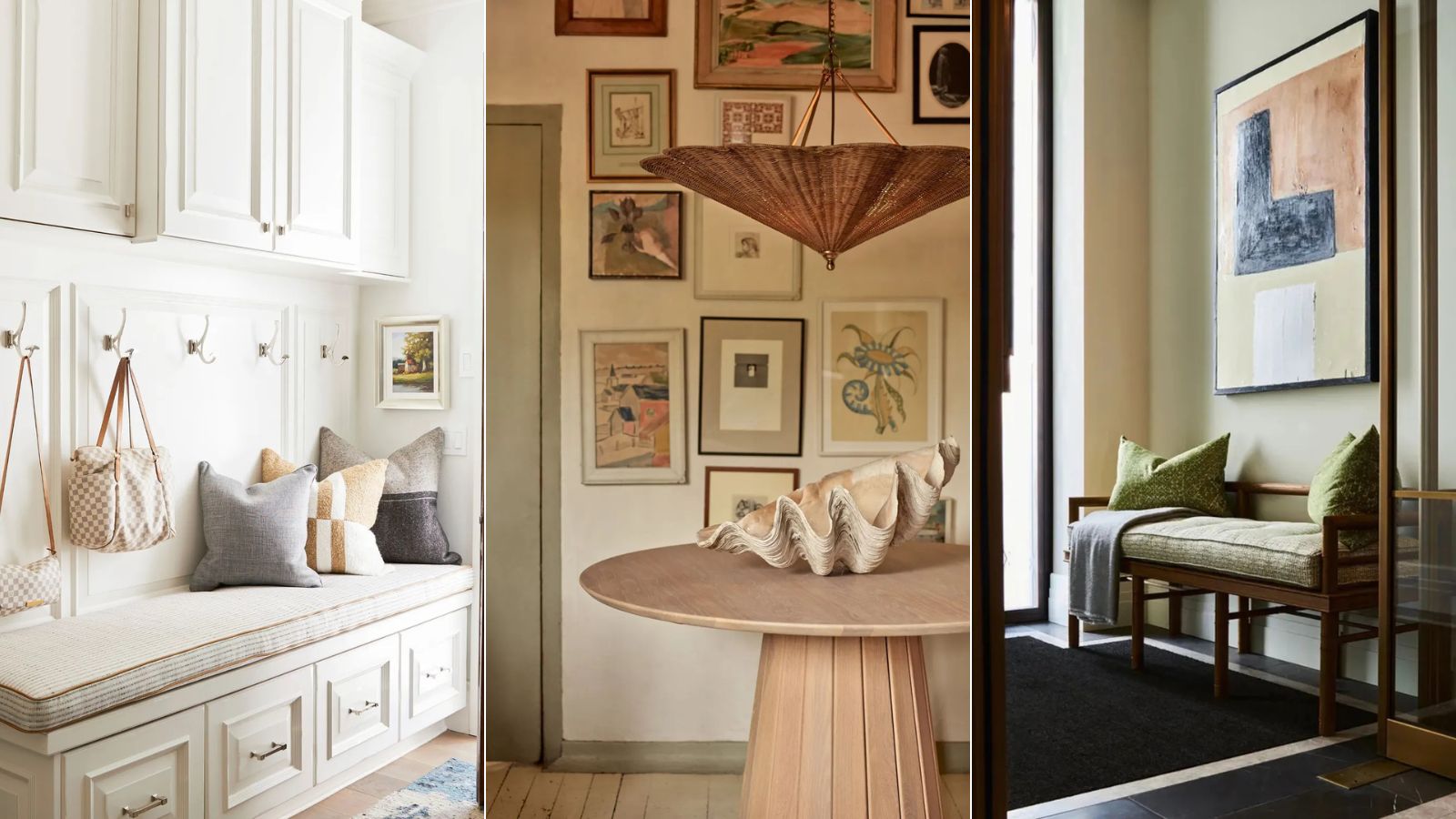
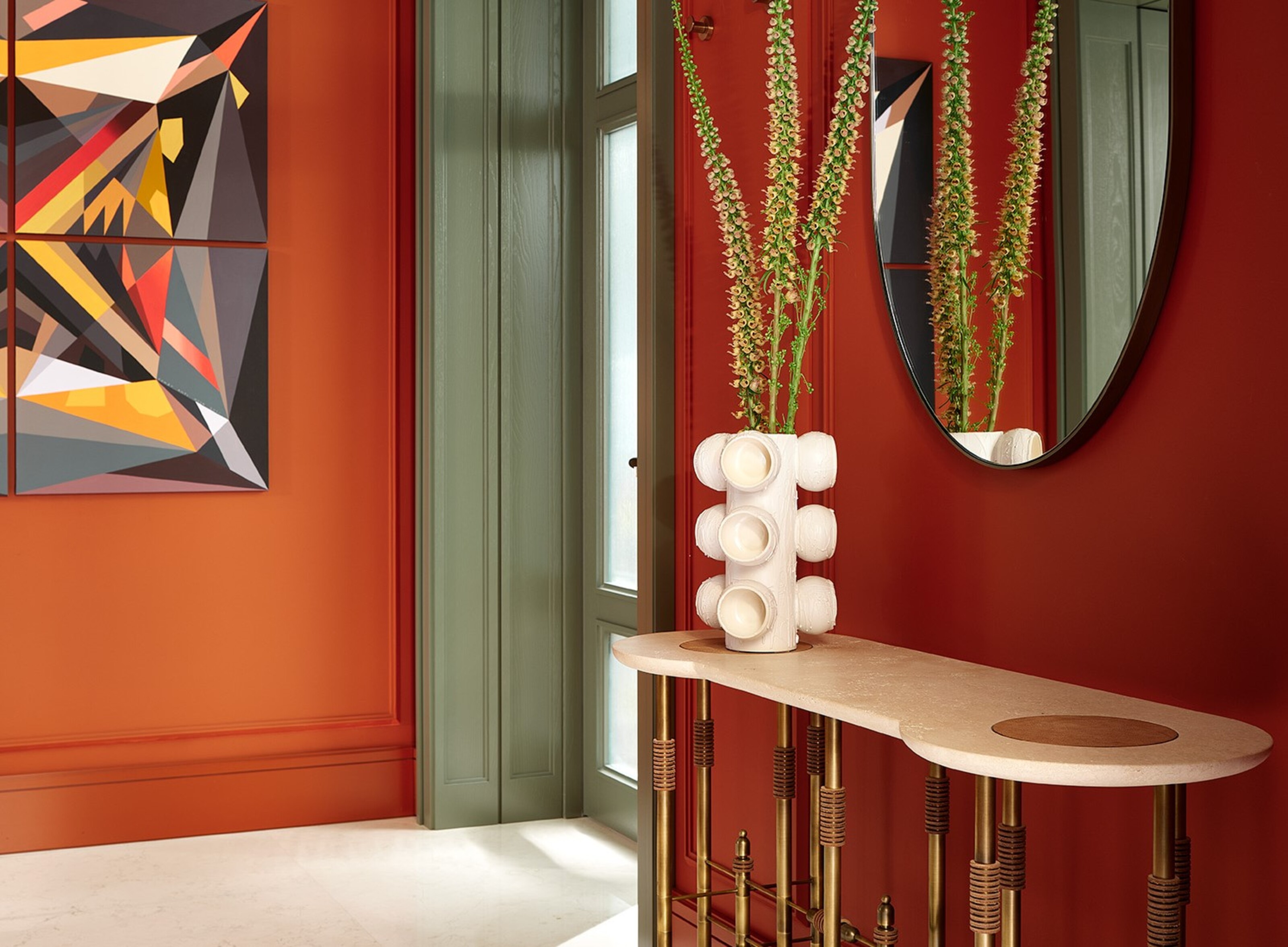
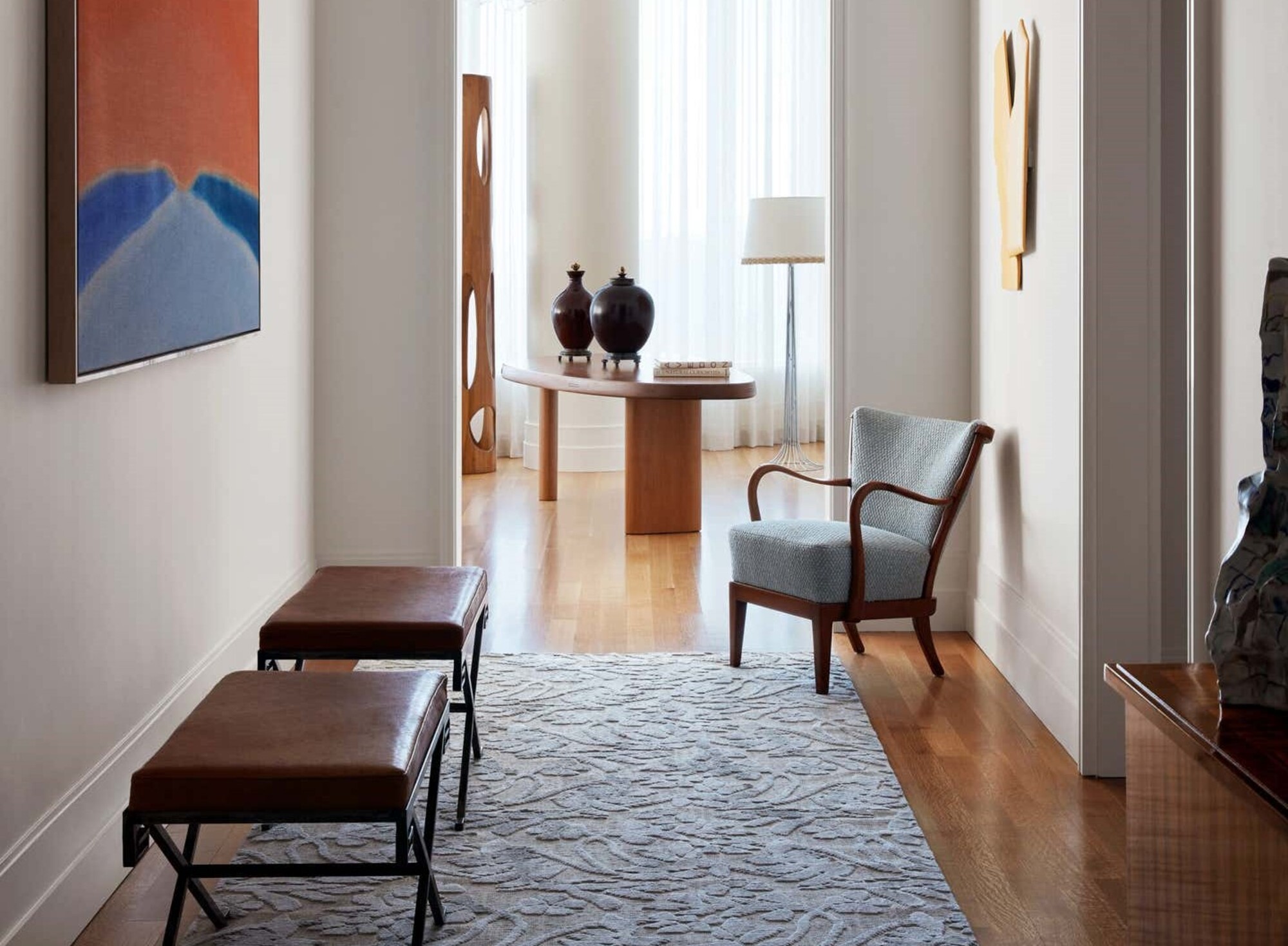
Wall decor, while impactful, should be chosen for both character and practicality. Patterns or textures can add personality and introduce color schemes for adjacent rooms. Washable paint or paneling can withstand heavy wear and tear, ensuring longevity. Ultimately, the entryway should reflect the homeowner's personality and provide a welcoming atmosphere. Essential finishing touches include a table-height surface, seating, a mirror, appropriate lighting (lamp or sconces), a piece of art, and an umbrella holder. Fresh or artificial flowers can add a final welcoming flourish.
To achieve both beauty and practicality, investing in fitted storage that blends with the home's style is key. Once clutter is concealed, the space can be decorated with elegant wallcoverings, artworks, and accessories. A truly good entryway serves the specific needs of its inhabitants, whether through extensive storage, comfortable seating, or simply a beautifully decorated, storage-free zone that exudes warmth and welcome.
#EntrywayDesign #HomeOrganization #InteriorStorage #LightingSolutions #FlooringChoices #WallDecor #HomeImpressions #DeclutteringTips #SpaceMaximization #EntrywayDesign #HomeOrganization #InteriorStorage #LightingSolutions #FlooringChoices #WallDecor #HomeImpressions #DeclutteringTips #SpaceMaximization
0 comment in total
 No comments yet
You may also like
Entryway Ideas — 16 of the Very Best Entrances, and the Genius Design Tricks Behind Them

6 Things That Make Your Entryway Look TACKY, According to Designers

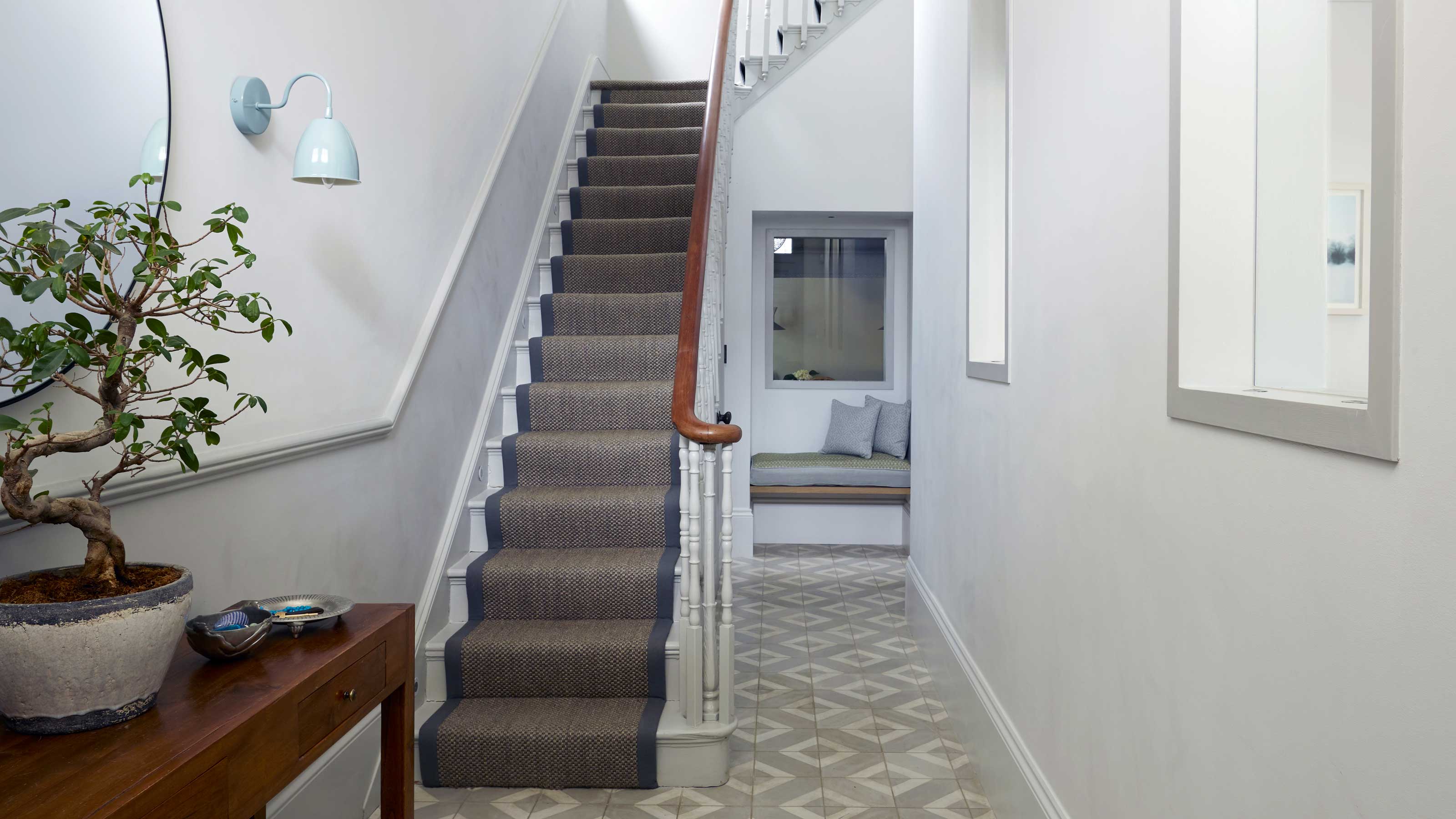
4 golden rules for an organized entryway, from interiors editors and designers
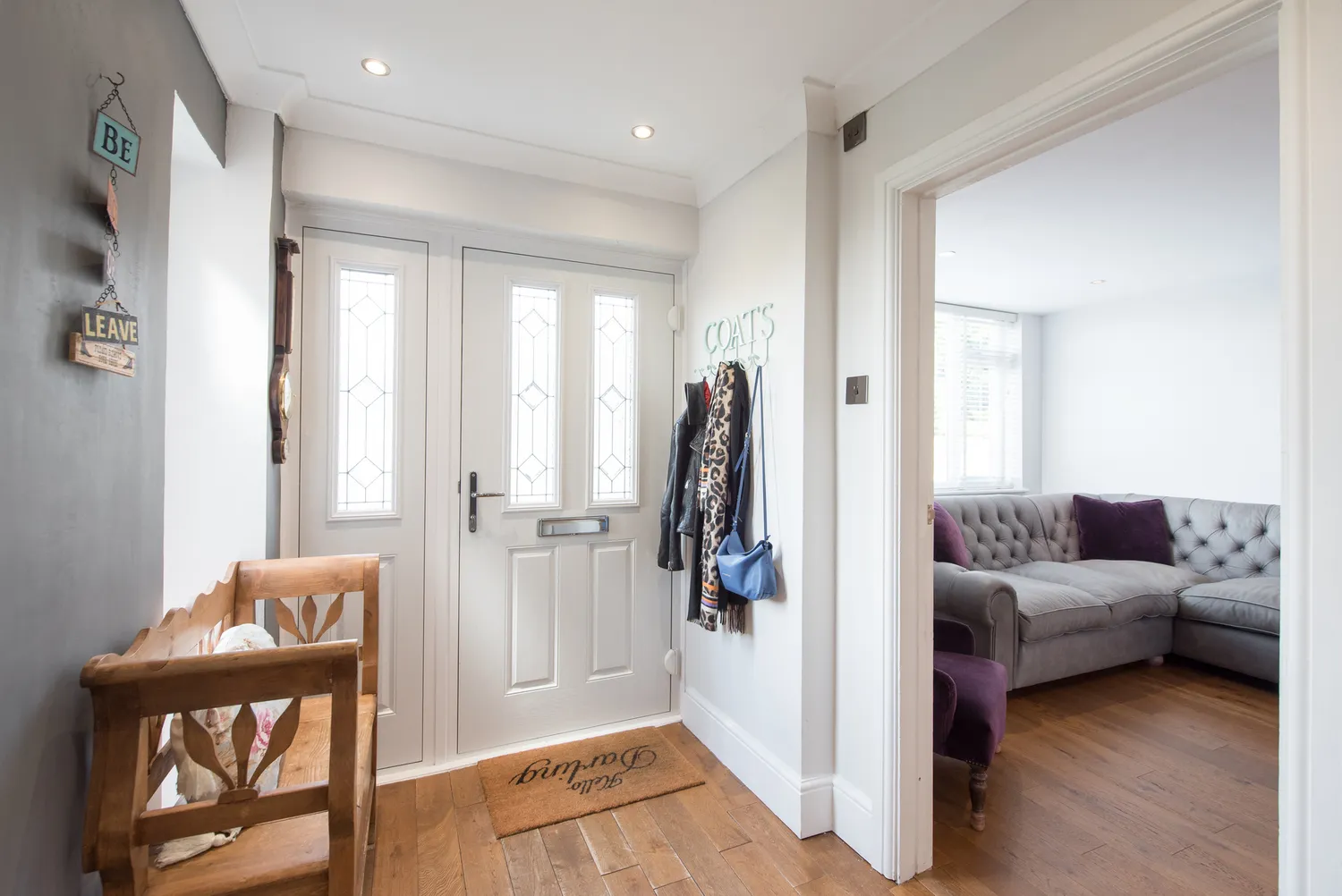
5 Entryway Decor Choices That Are Making Your Home Look Stuck in the Past, Designers Say

15 elegant entryway ideas for a stylish first impression

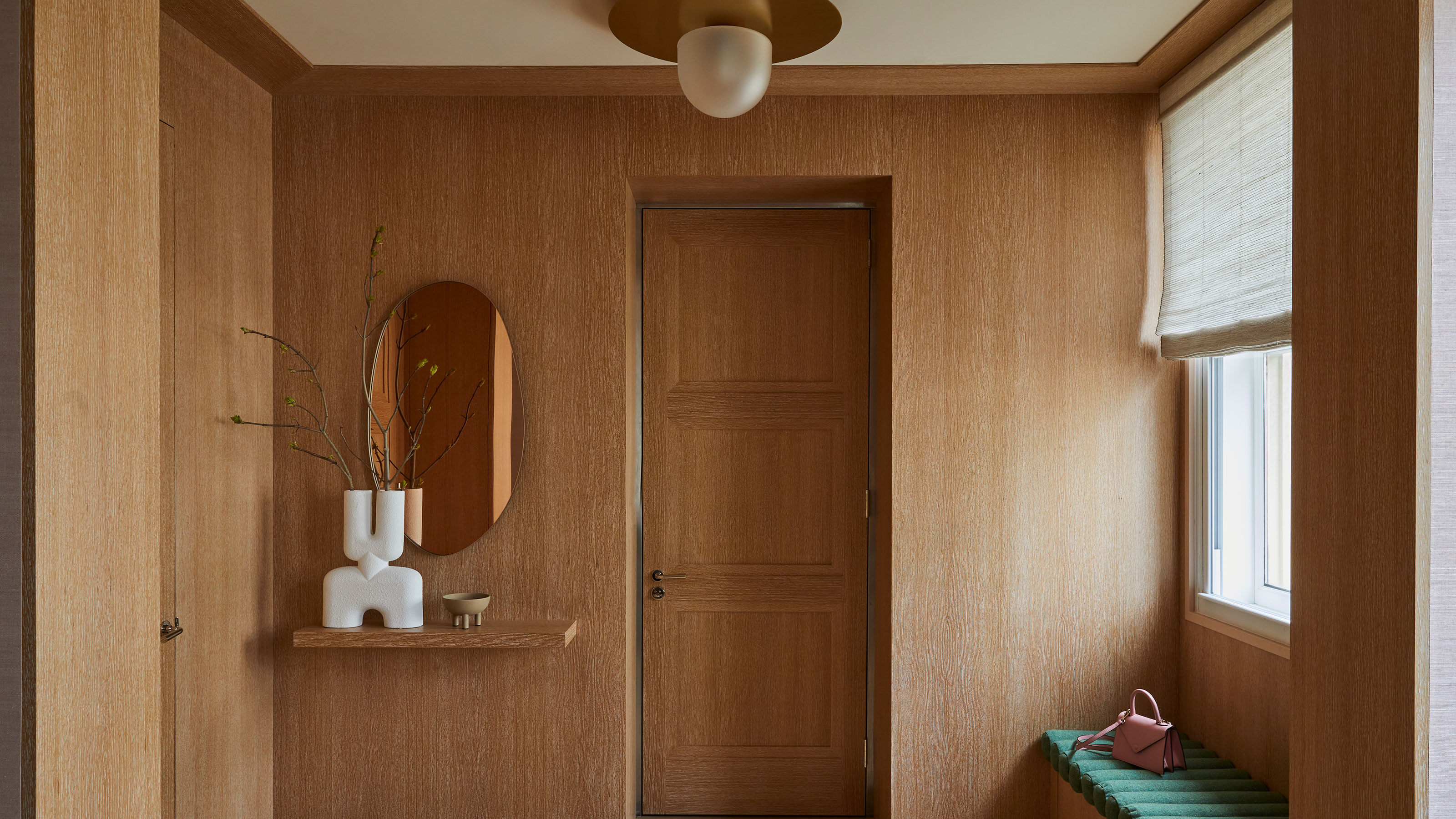
5 So-Simple Ways to Make Your Entryway More Useful — and Look Better at the Same Time
How to Create an Entryway

This is the Fastest Way To Get an Elegant-Looking Home
What makes an entryway look cheap? 6 mistakes to immediately switch out in 2025
6 Things That Make Your Entryway Look TACKY, According to Designers

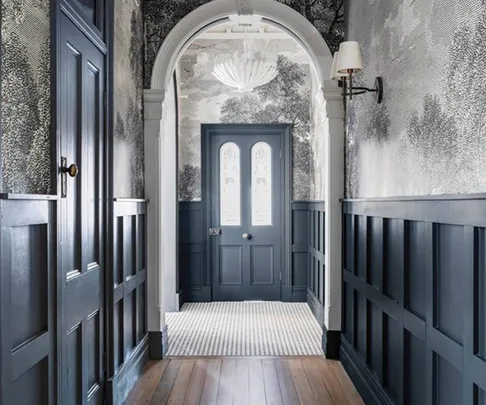
14 stylish hallway designs we’d love to come home to
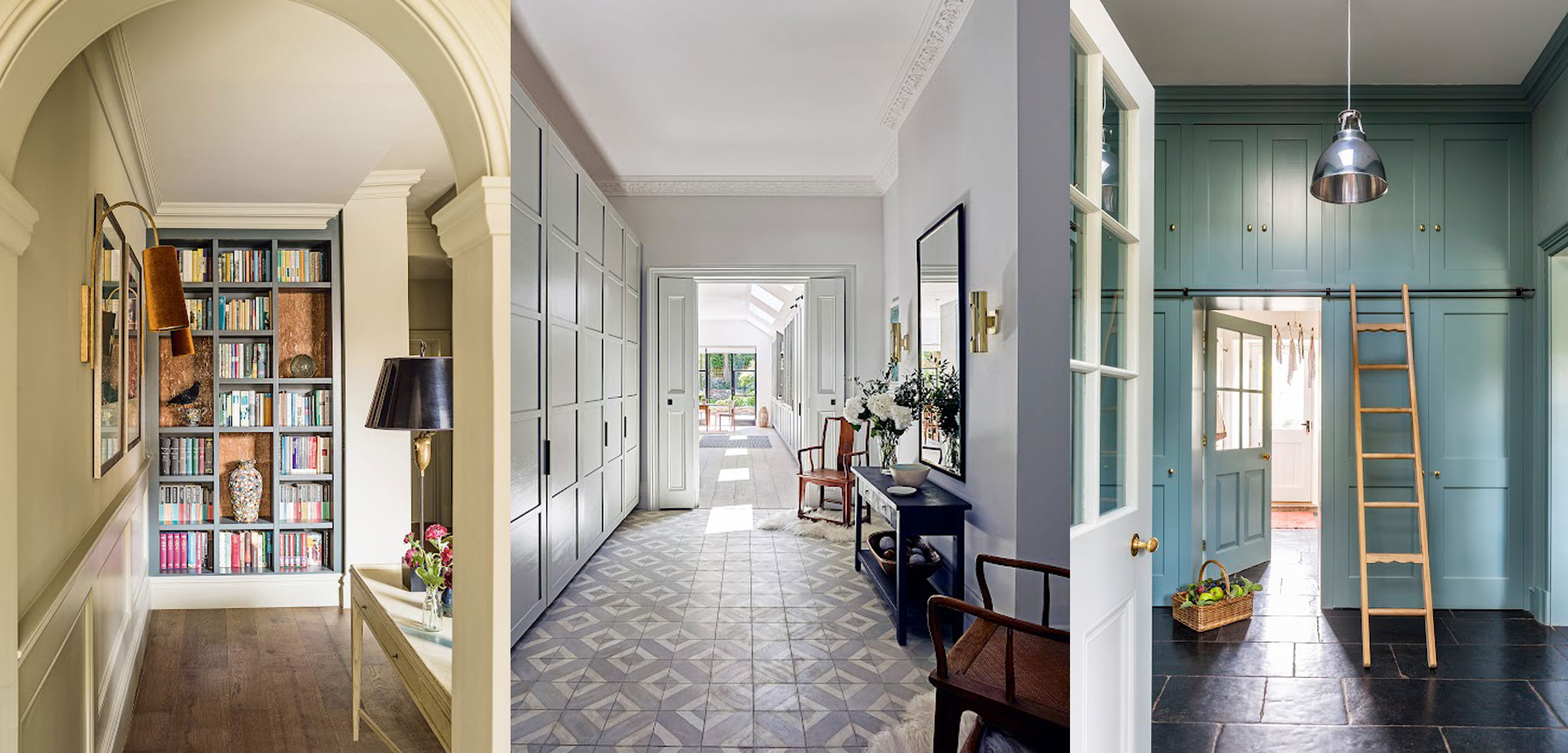
Organizing an entryway – 10 clever ways to arrange a home’s entrance
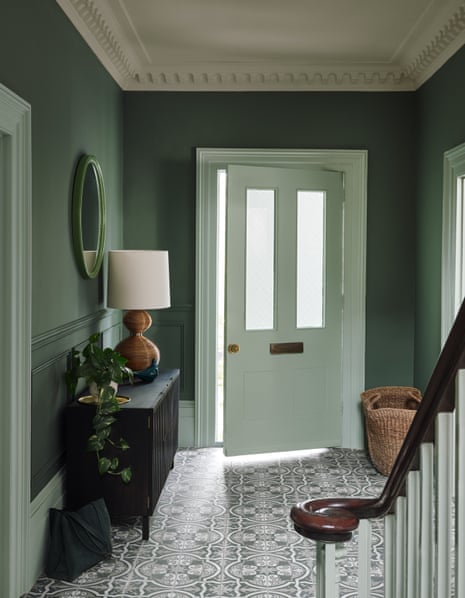
Making an entrance: the experts share design ideas for your hallway

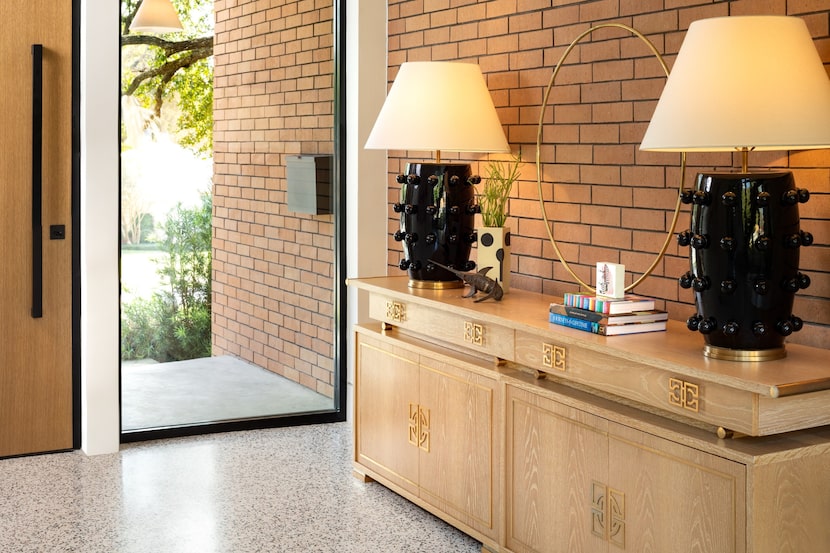
Set the tone for your home with these entryway styling tips from Dallas designers

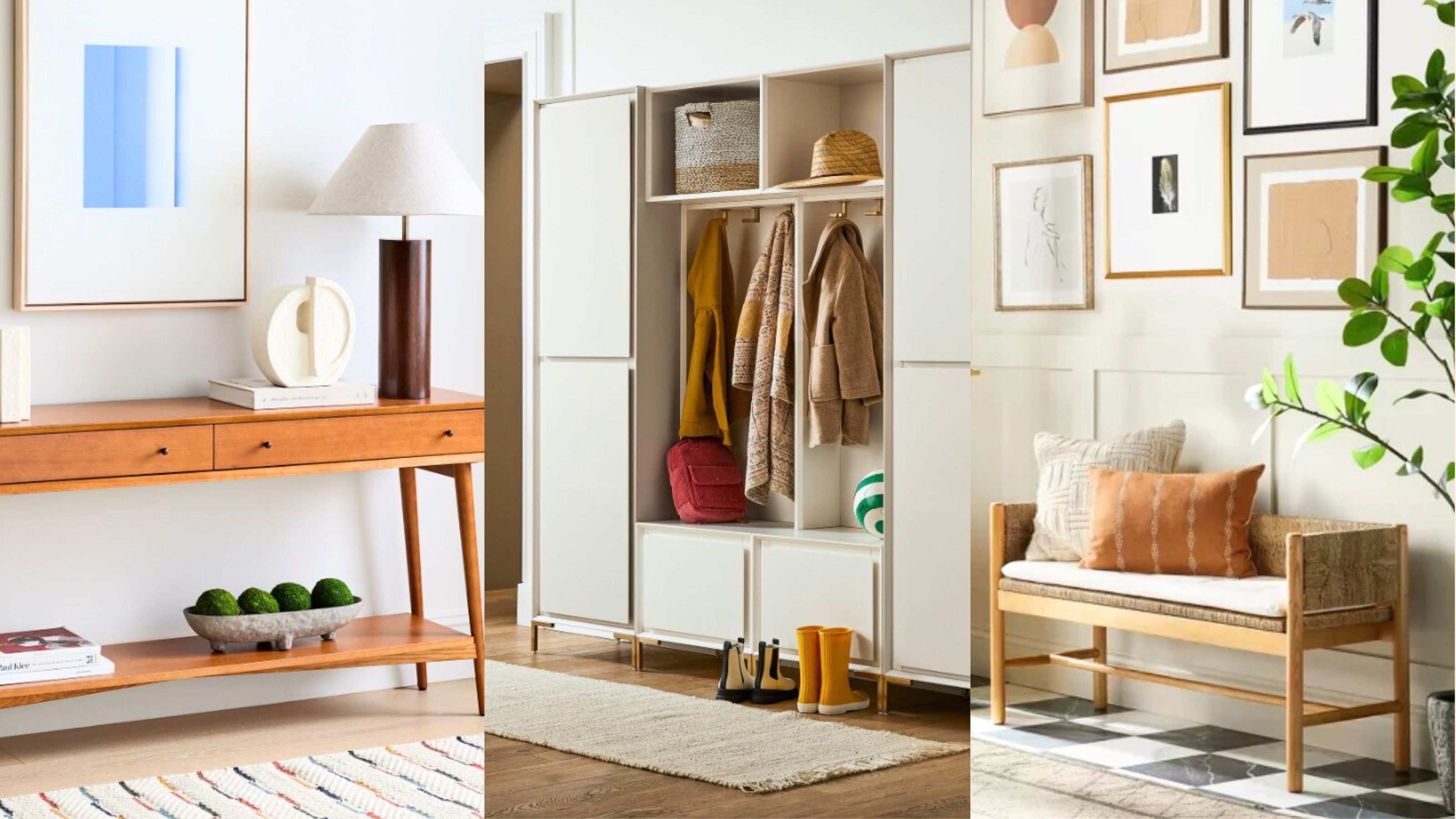
5 things interior designers say are must-haves on your entryway walls – I've got 3, how many do you have?
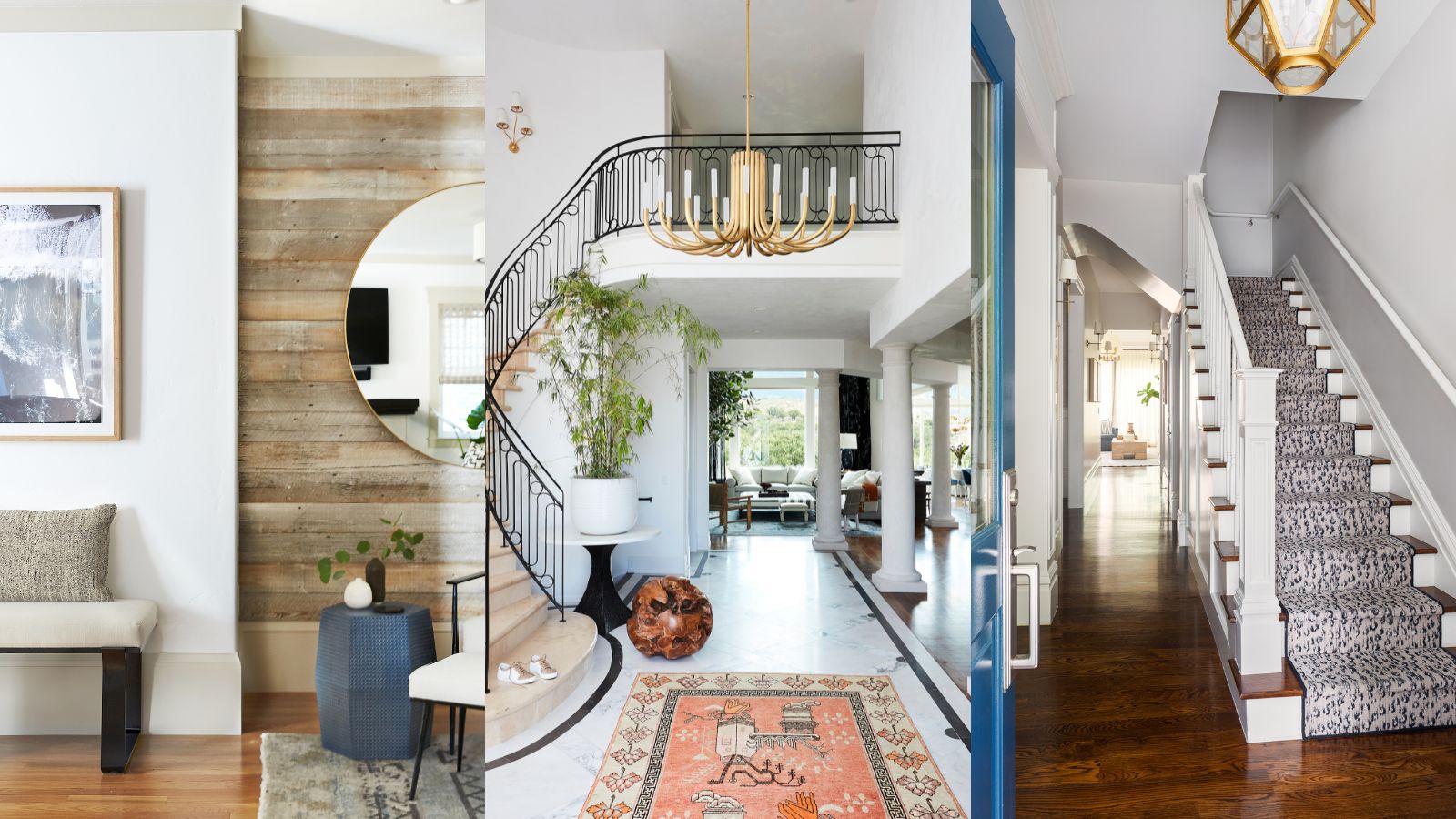
How do you make a small entryway inviting? 5 tips from design experts
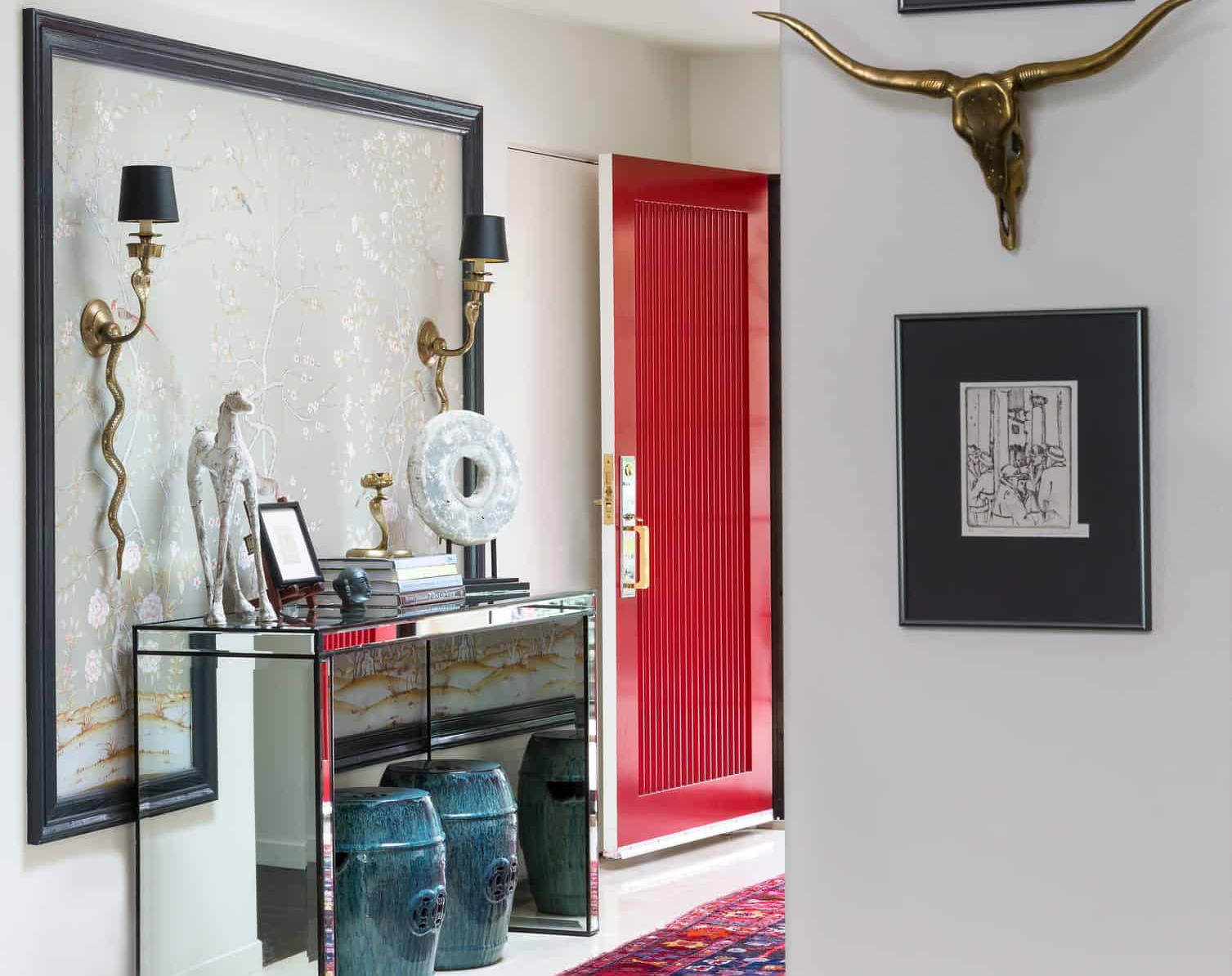
How do you make an entryway inviting? Expert tricks to make a home instantly welcoming
6 amazing apartment entryway ideas, because anywhere can have a grand entrance
First impressions count! 8 guaranteed ways to make your entryway feel more welcoming and wonderful
The Basic Entryway Item That Instantly Makes Your Home Look Tacky, Designers Say