1/2
How to Create an Entryway
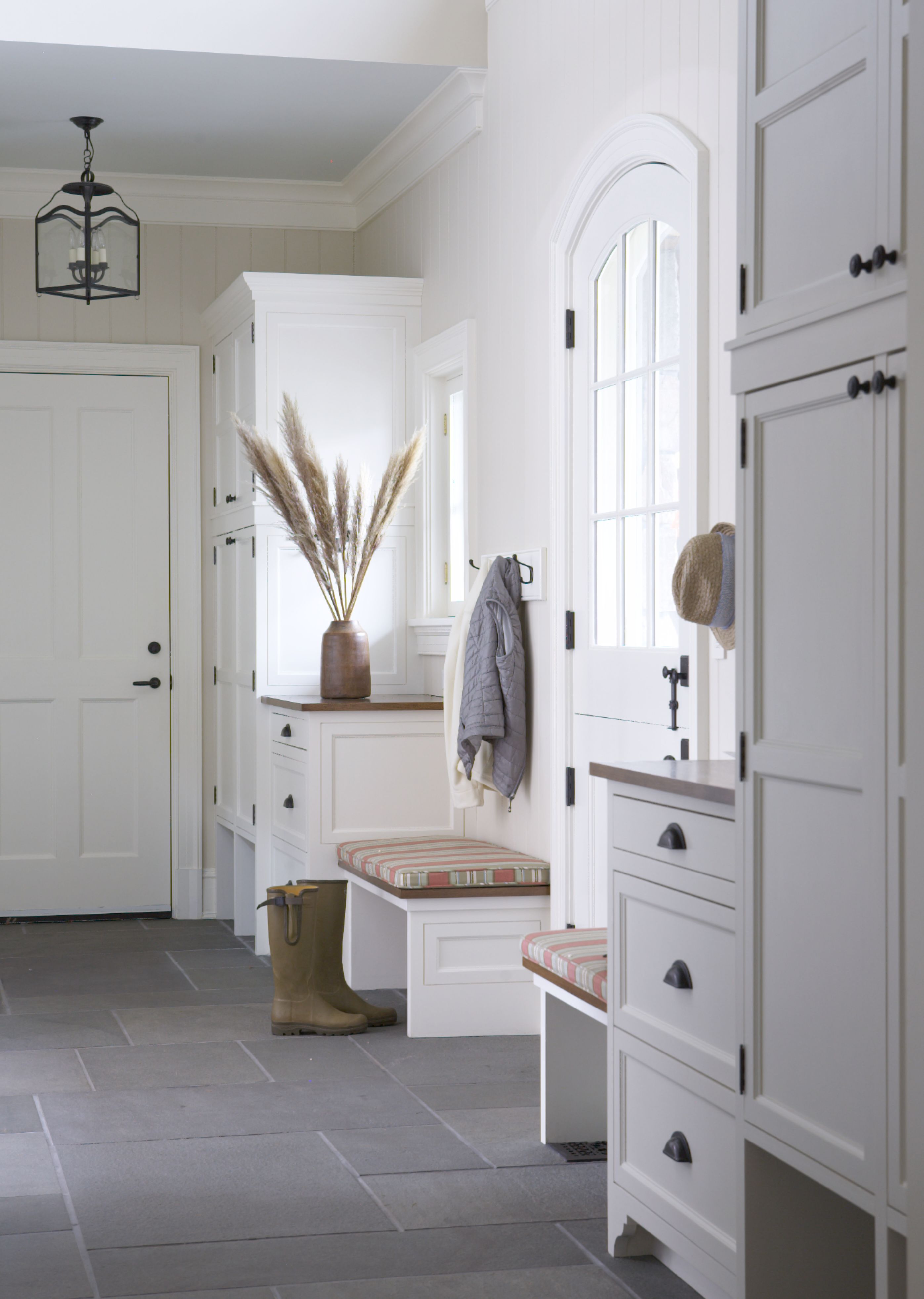
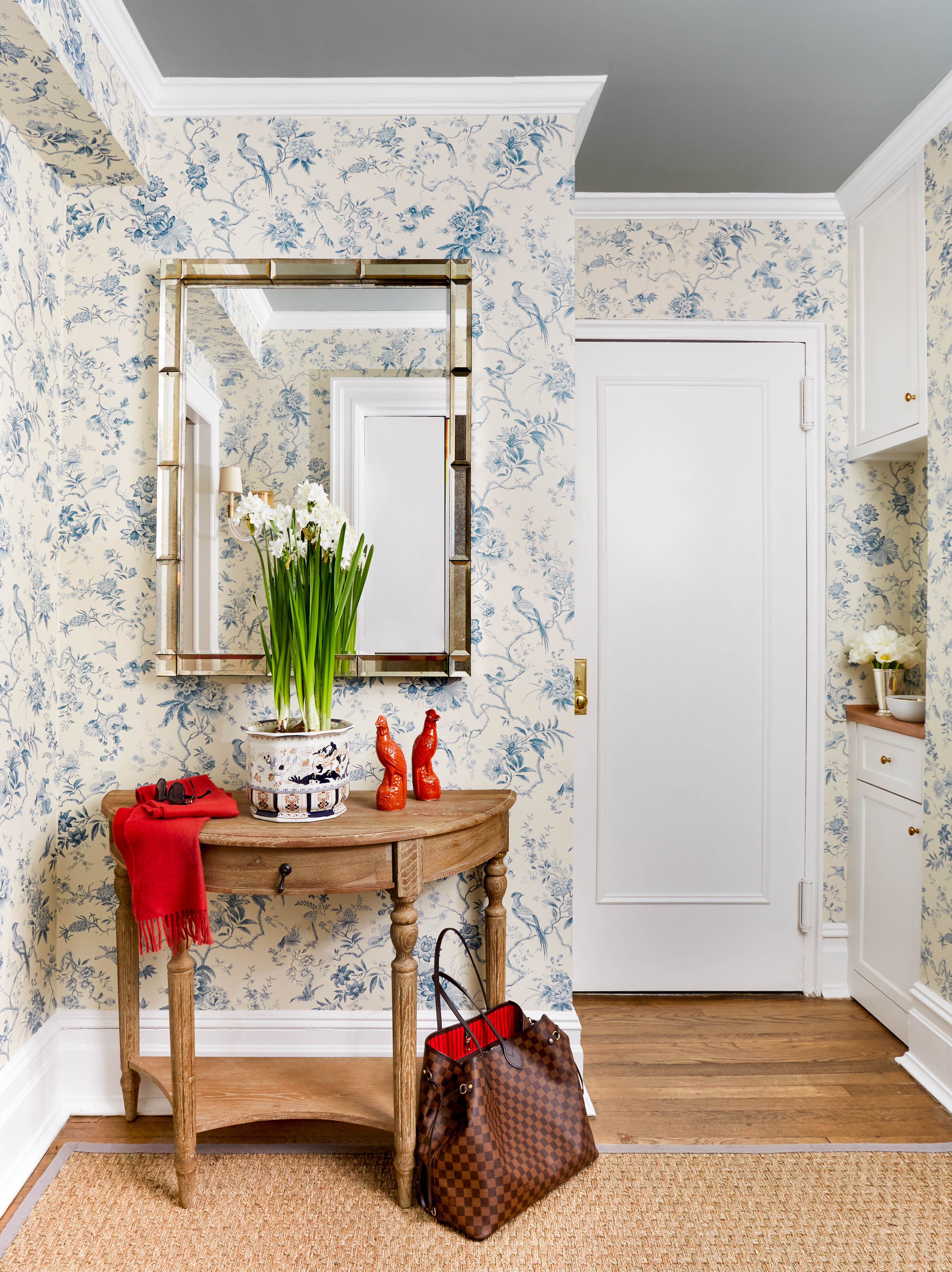
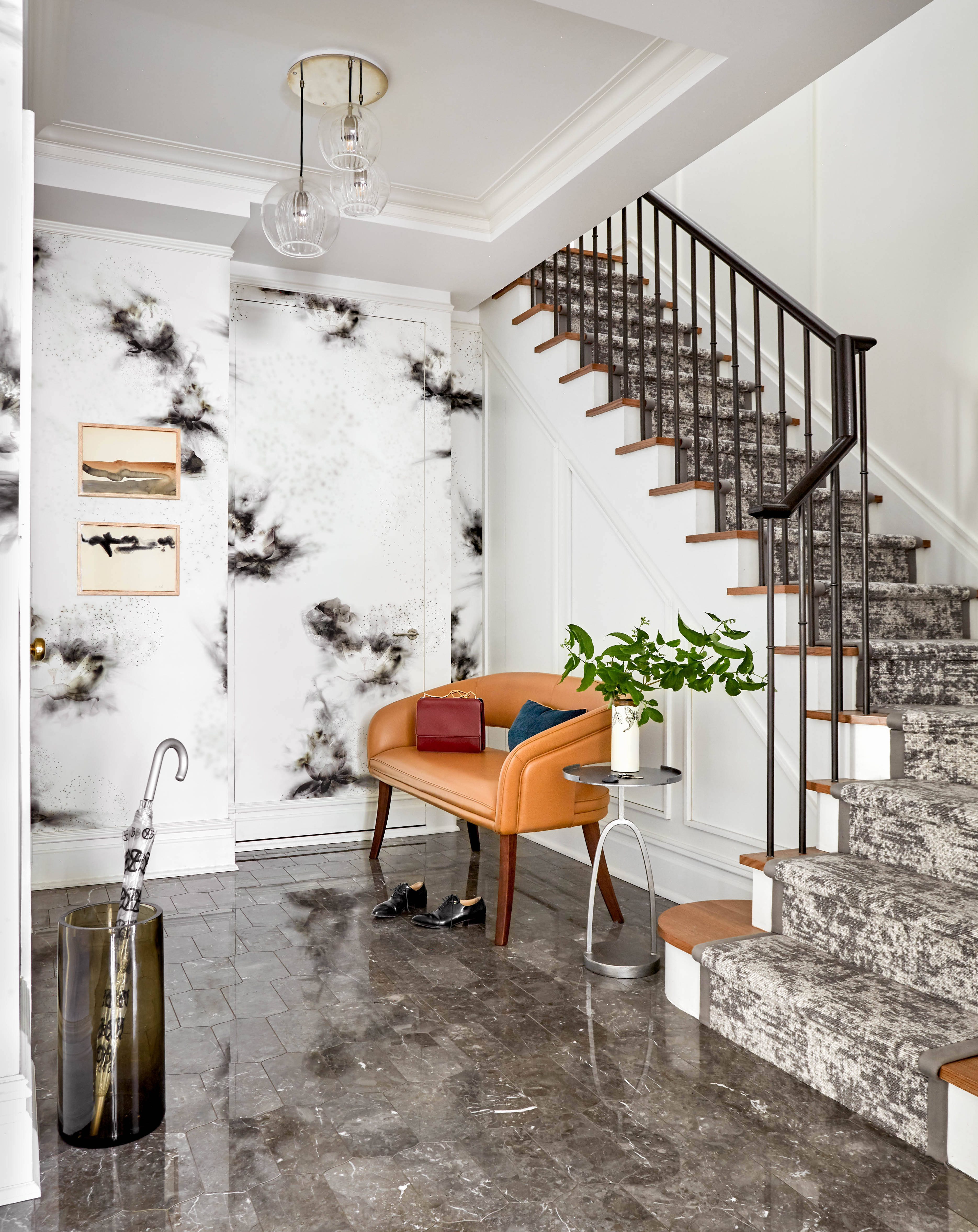
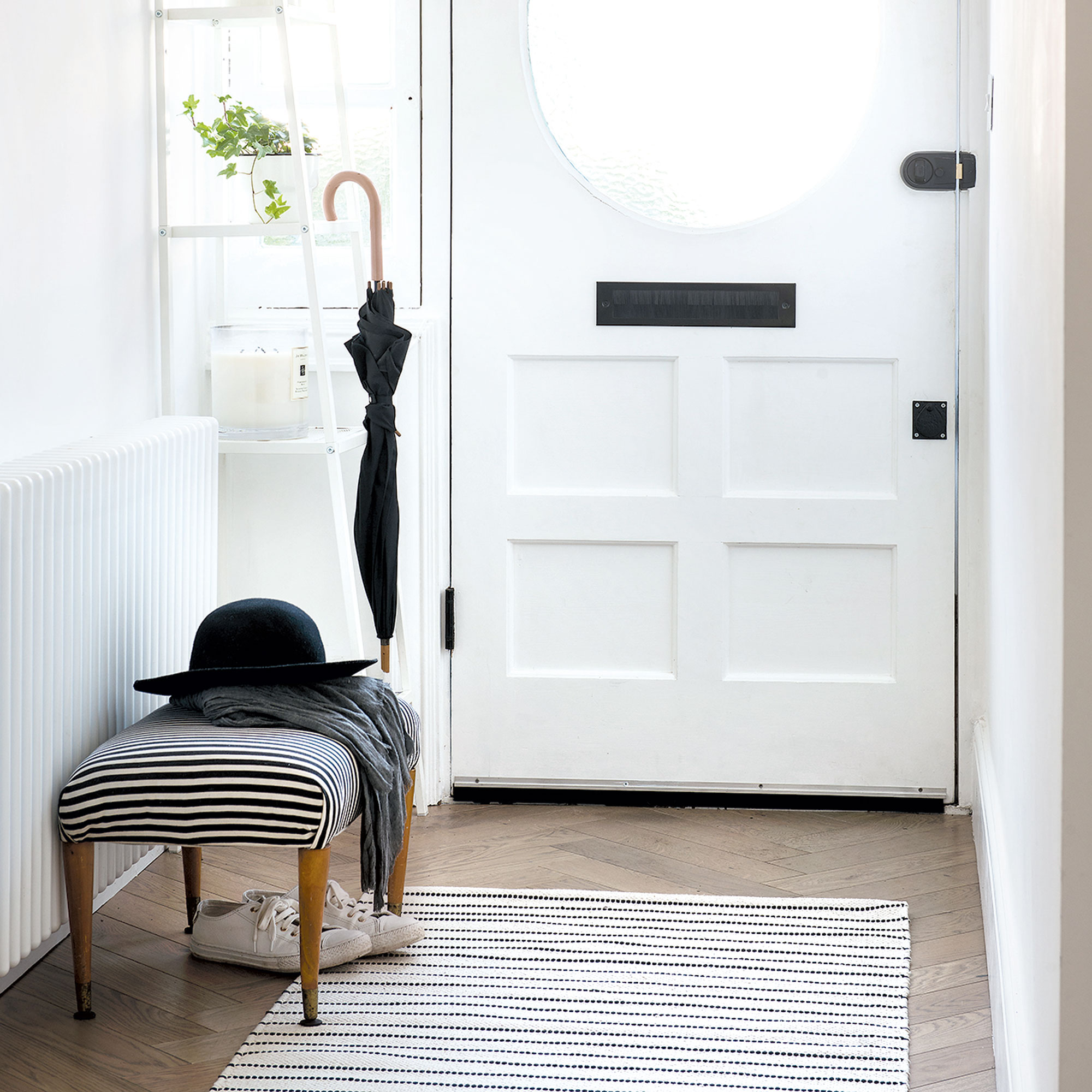
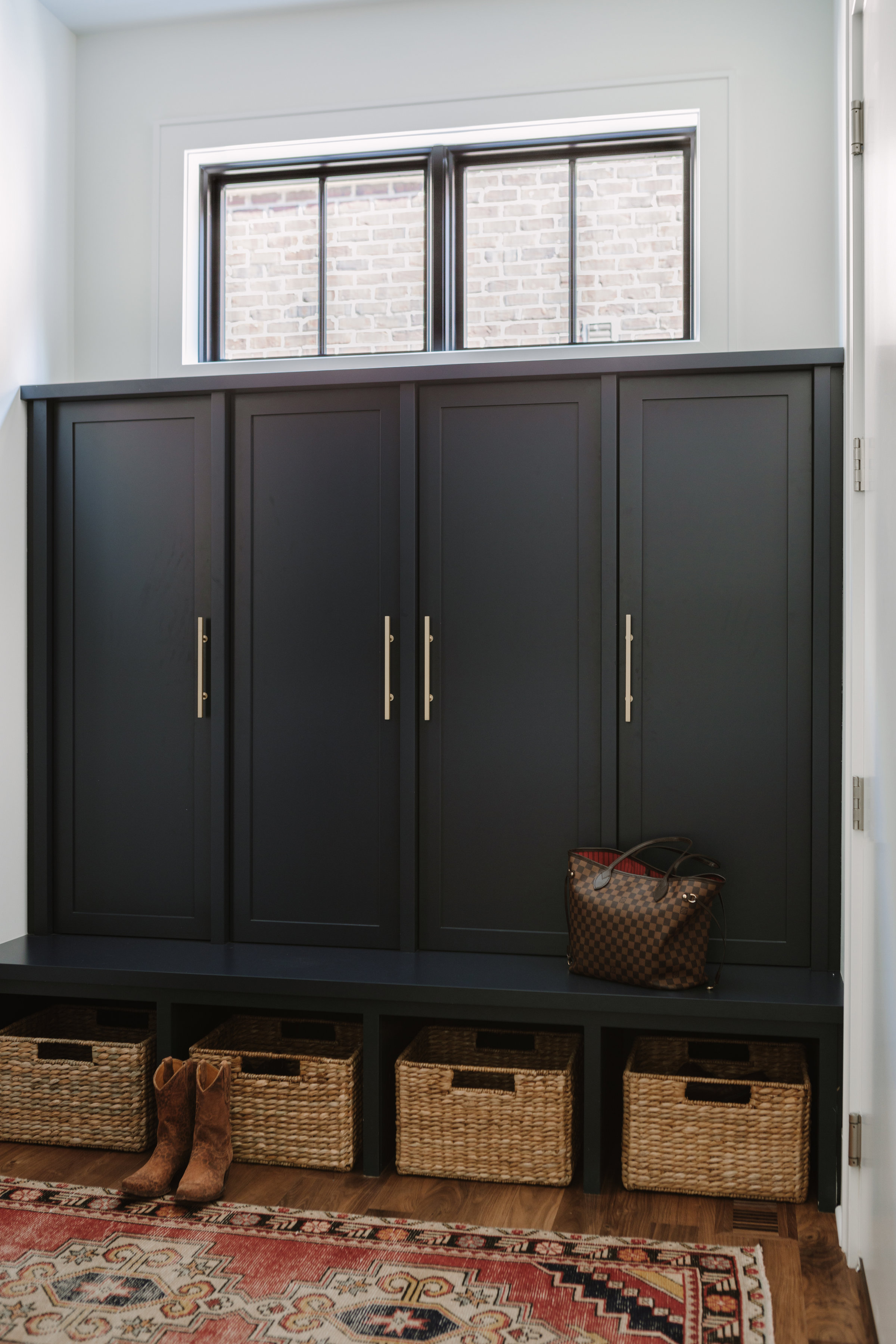
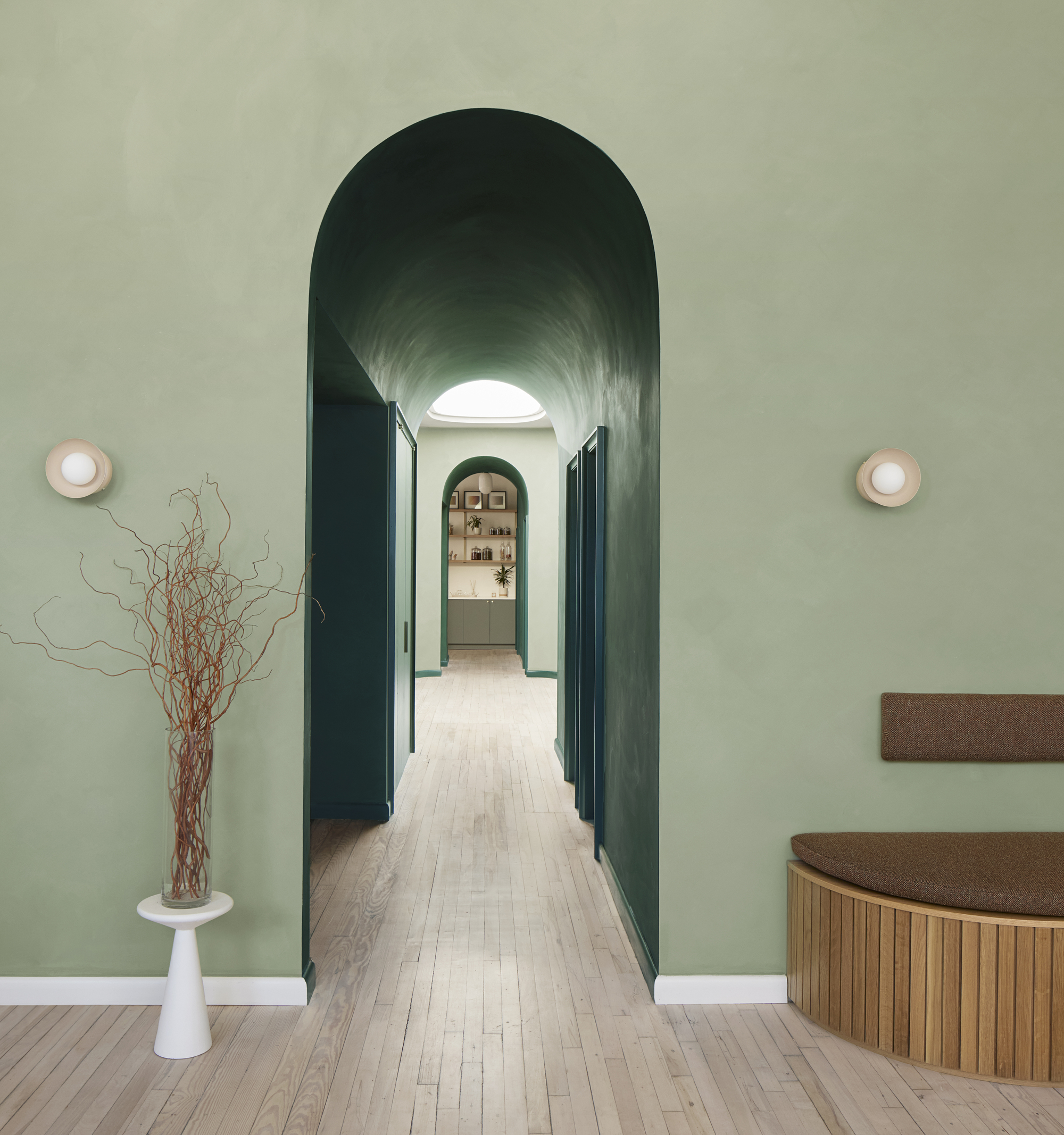
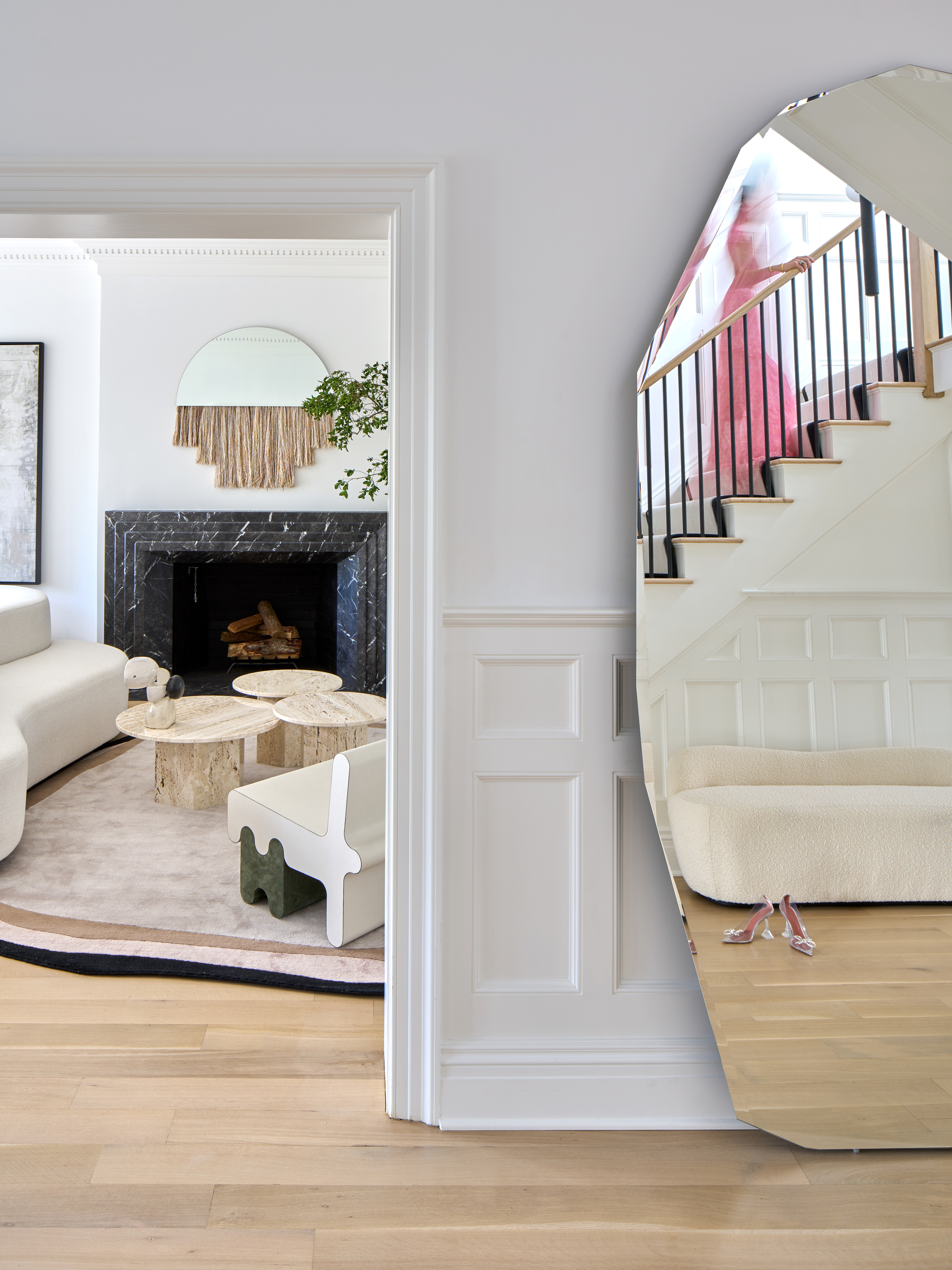
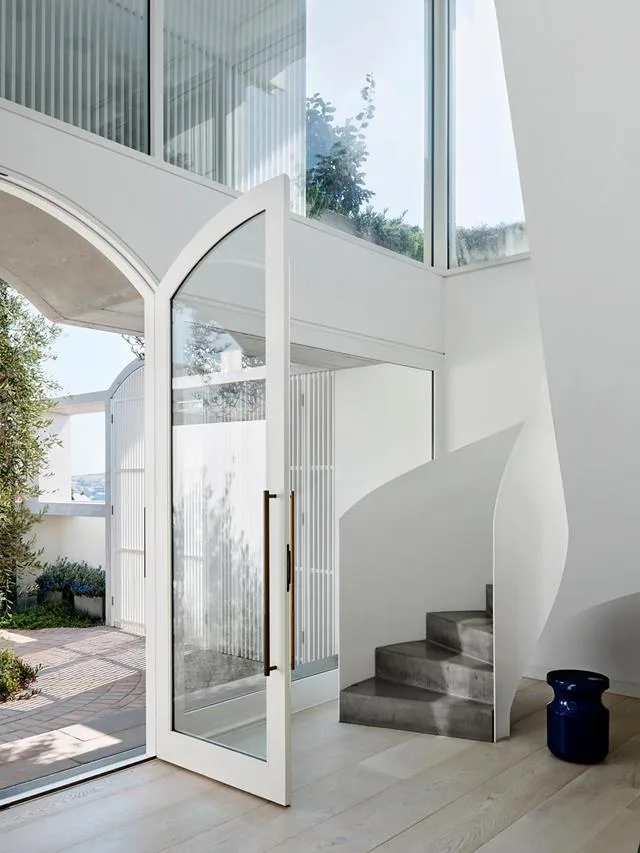
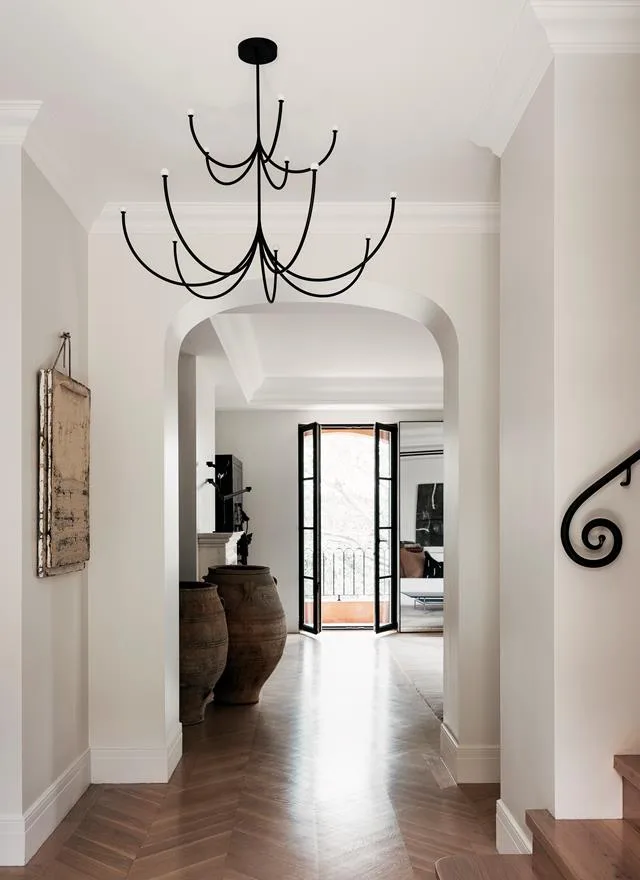
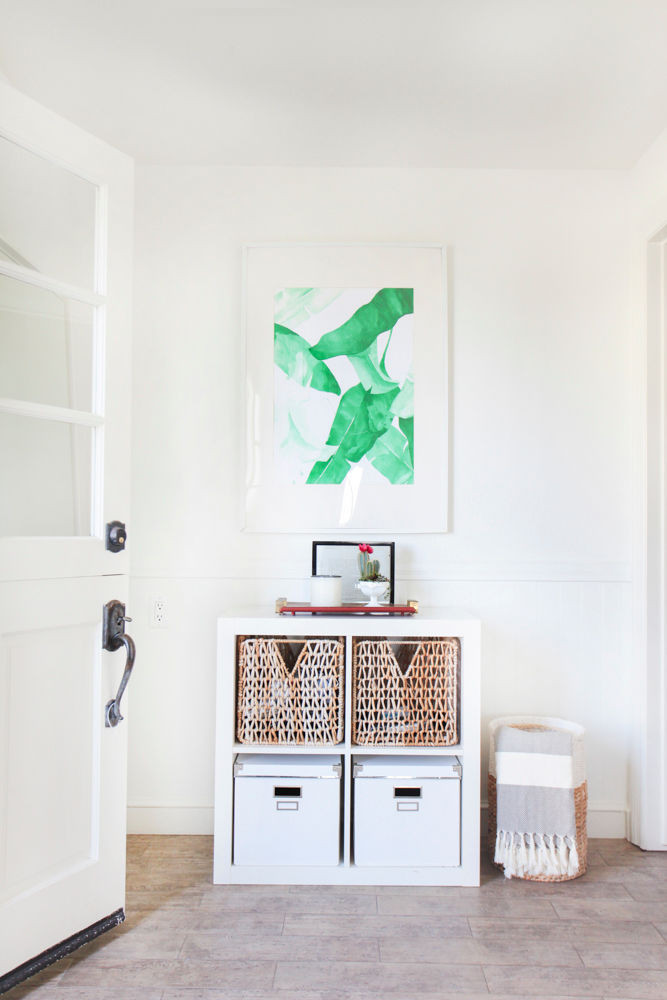
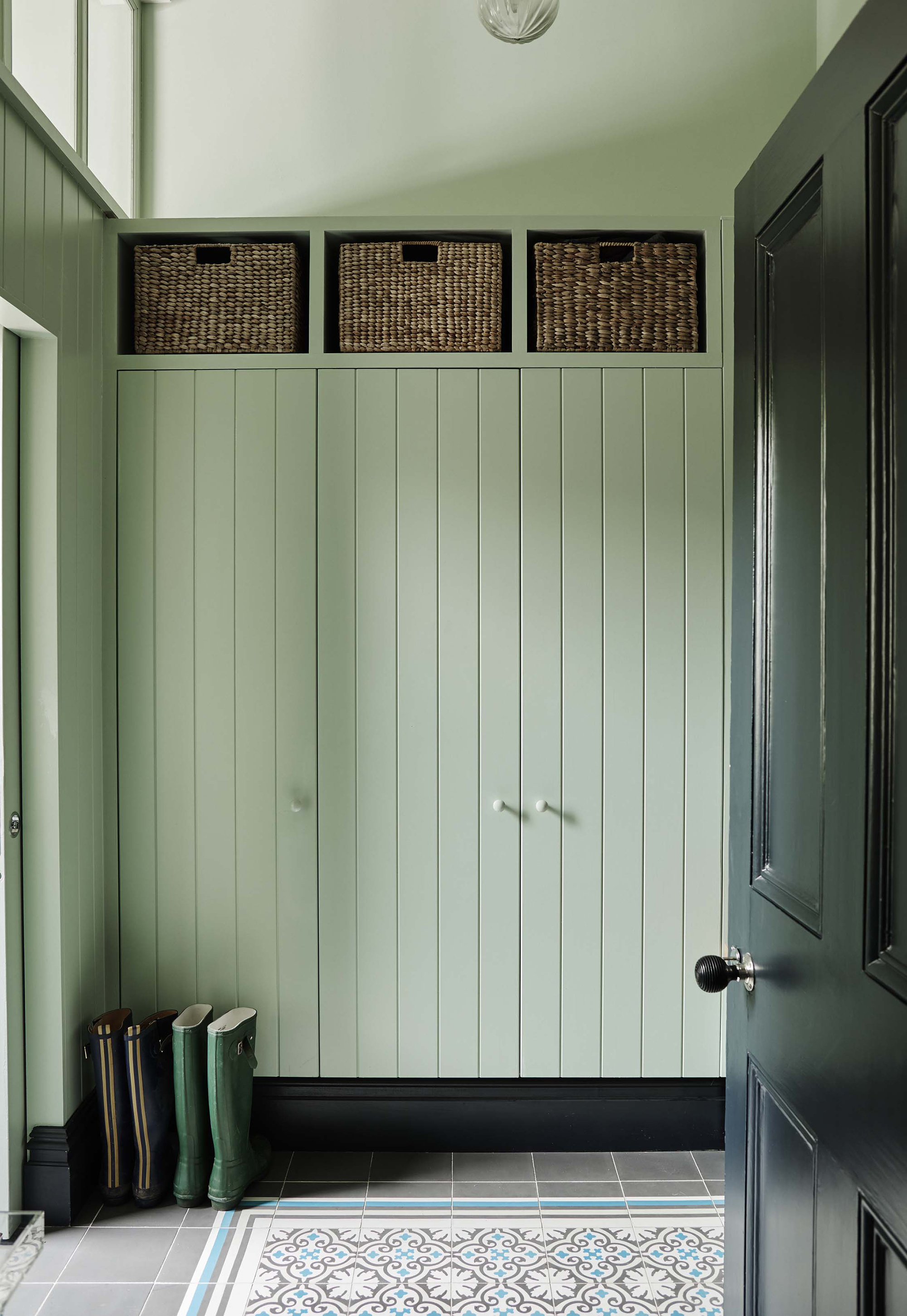
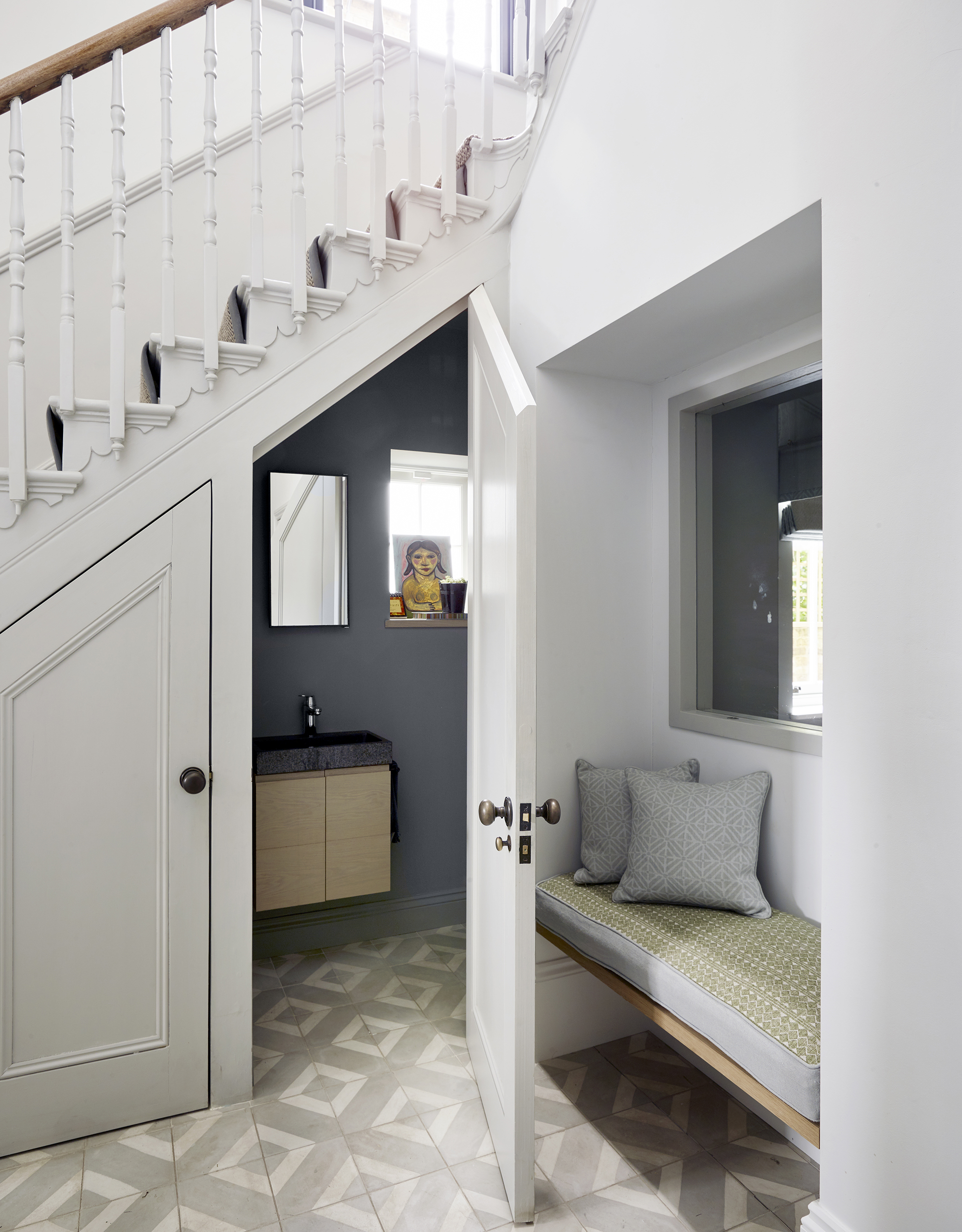
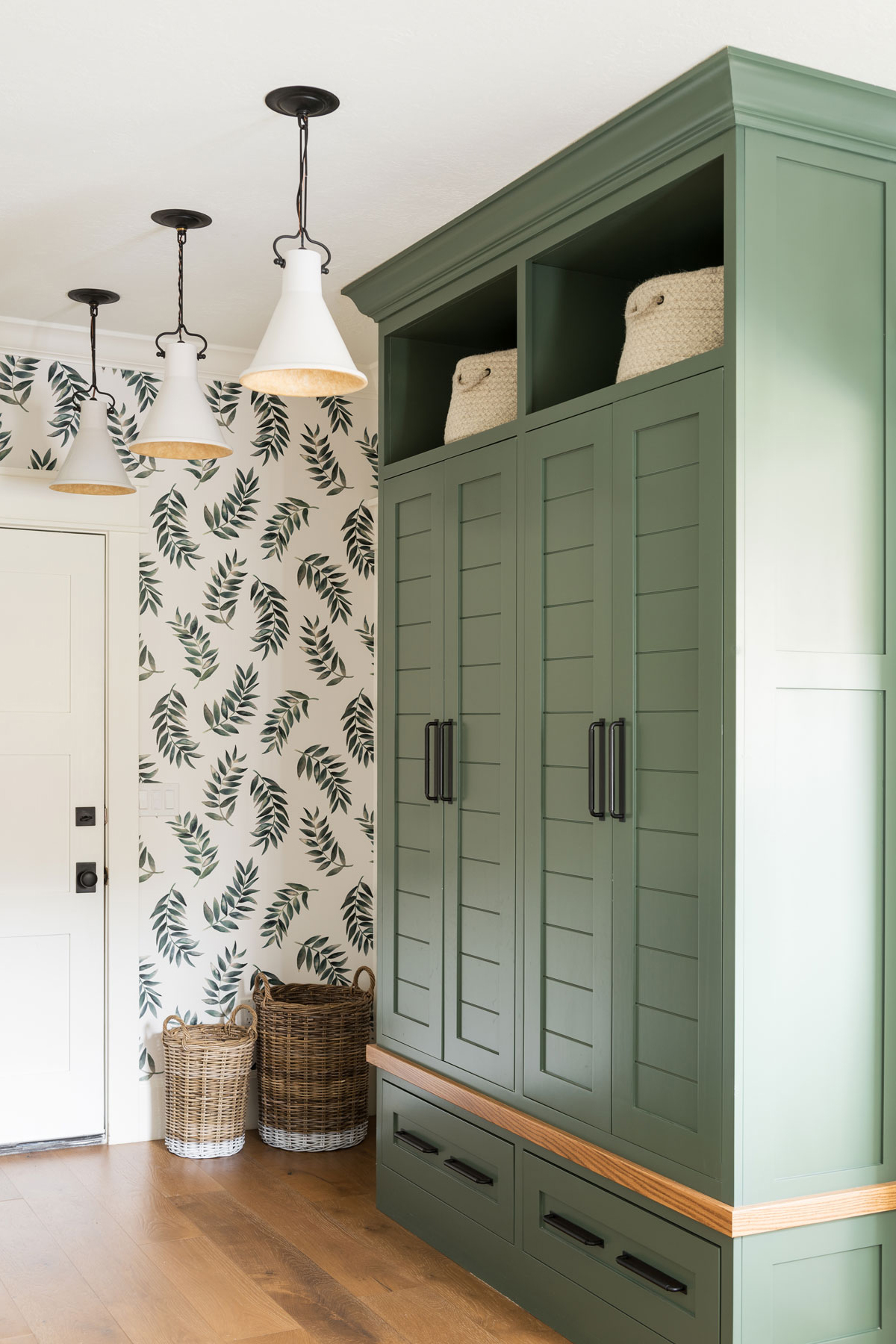
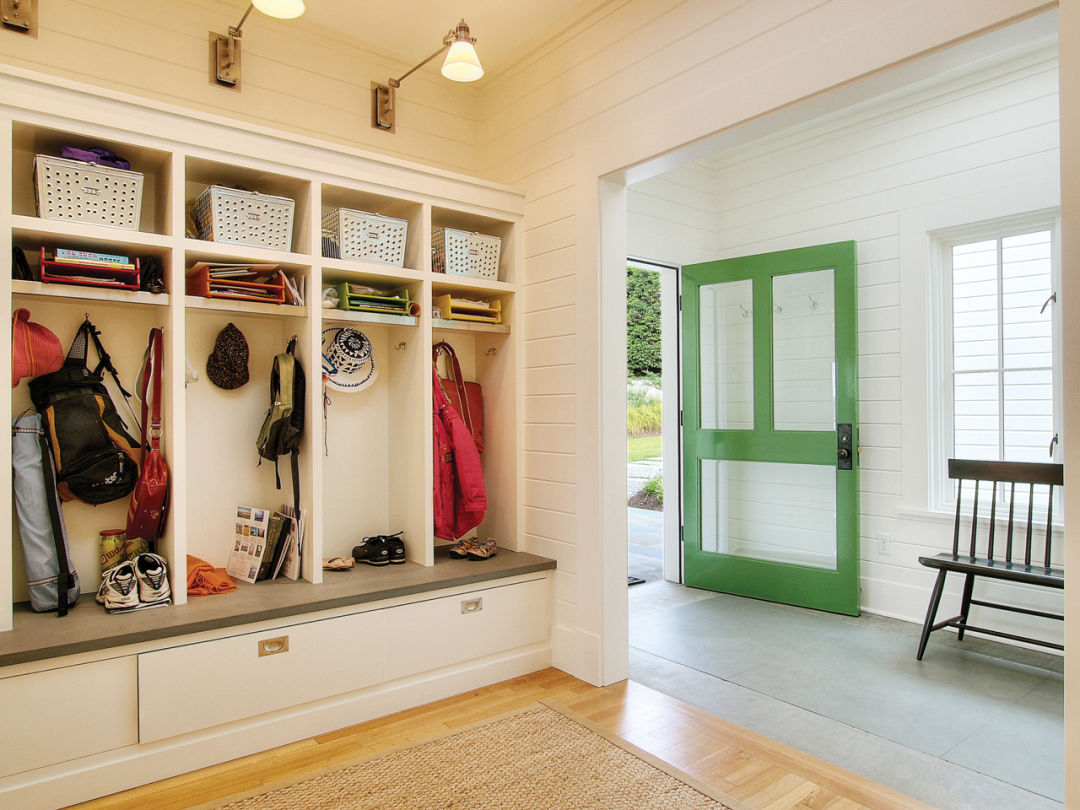
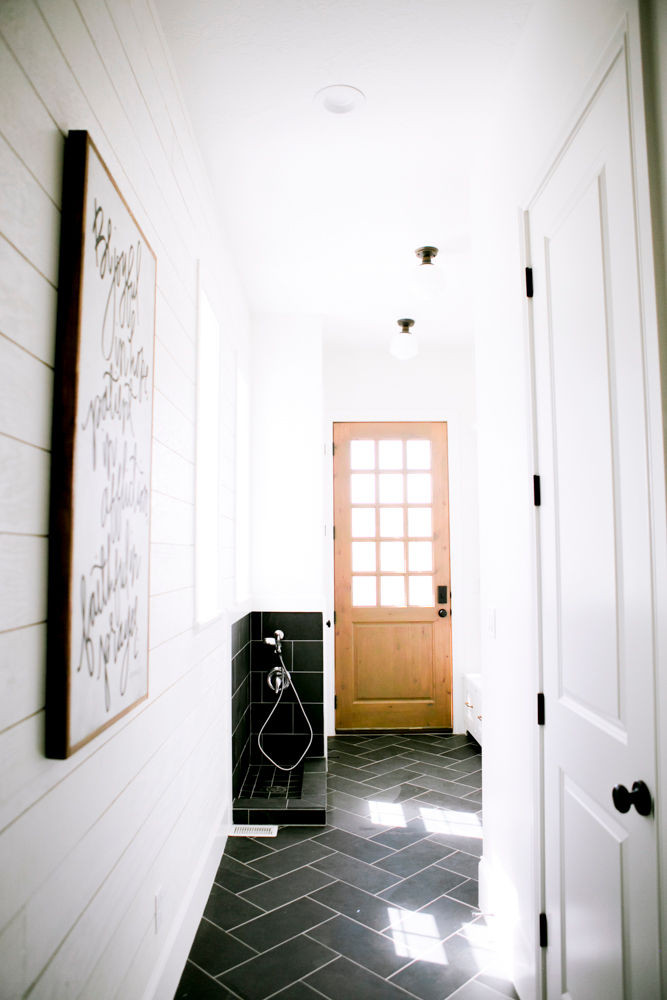
This article explores strategies for creating functional and organized entryways, whether in the form of a dedicated mudroom or a simple drop zone, particularly in the context of managing winter clutter. It emphasizes the importance of designing an entryway that effectively accommodates items such as coats, backpacks, and dog leashes, which tend to accumulate during colder months. The piece features insights from two local designers, Kim Clements, co-owner and creative director at JAS Design Build, and interior designer Sara Eizen.
One key piece of advice from Kim Clements is to embrace a certain level of "mess" or individuality in the entryway design. She suggests that homeowners should not be afraid to incorporate their own philosophies and daily habits into the space, even if it means not having an impeccably tidy, Pinterest-perfect mudroom. The functionality of the space to serve the home's actual needs is prioritized over a purely aesthetic ideal. Clements also advises against the misconception that an entryway must be a single, central space. Instead, she recommends creating multiple "drop zones" based on how family members typically enter and exit the home. For instance, if the garage is the primary entry point, jackets and boots should be stored there, while frequently used items like bags and purses can be kept in an upstairs cabinet near another entry point.
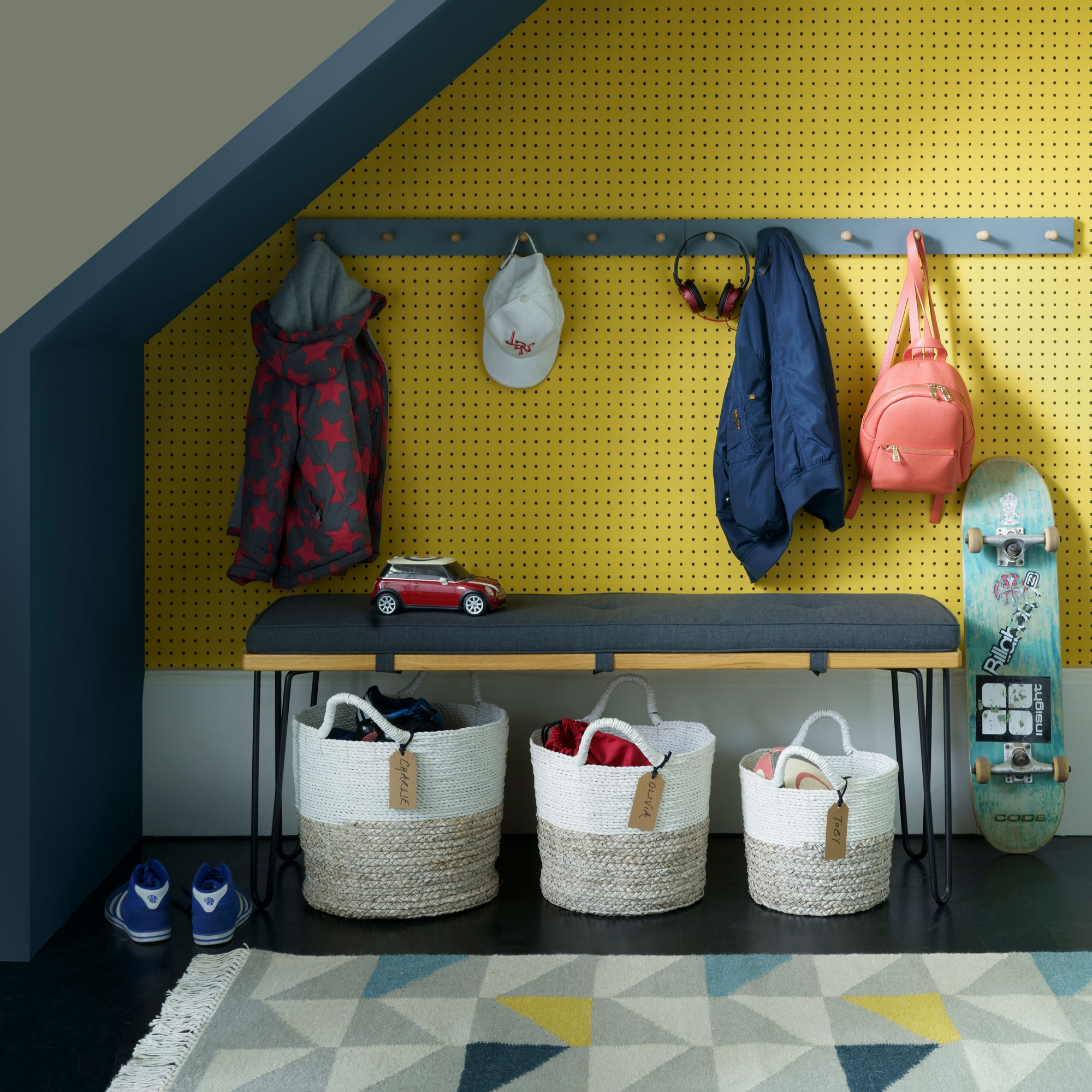
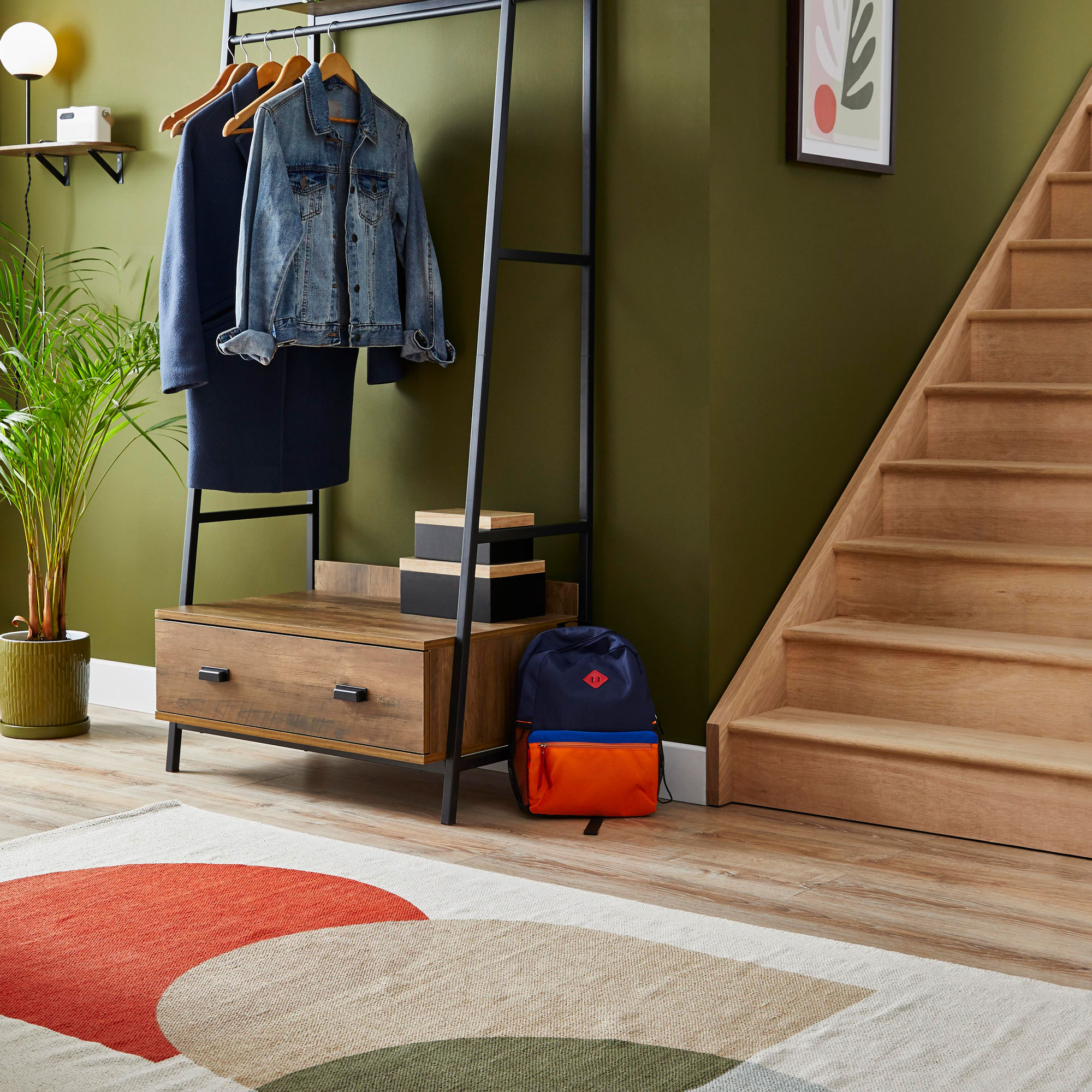
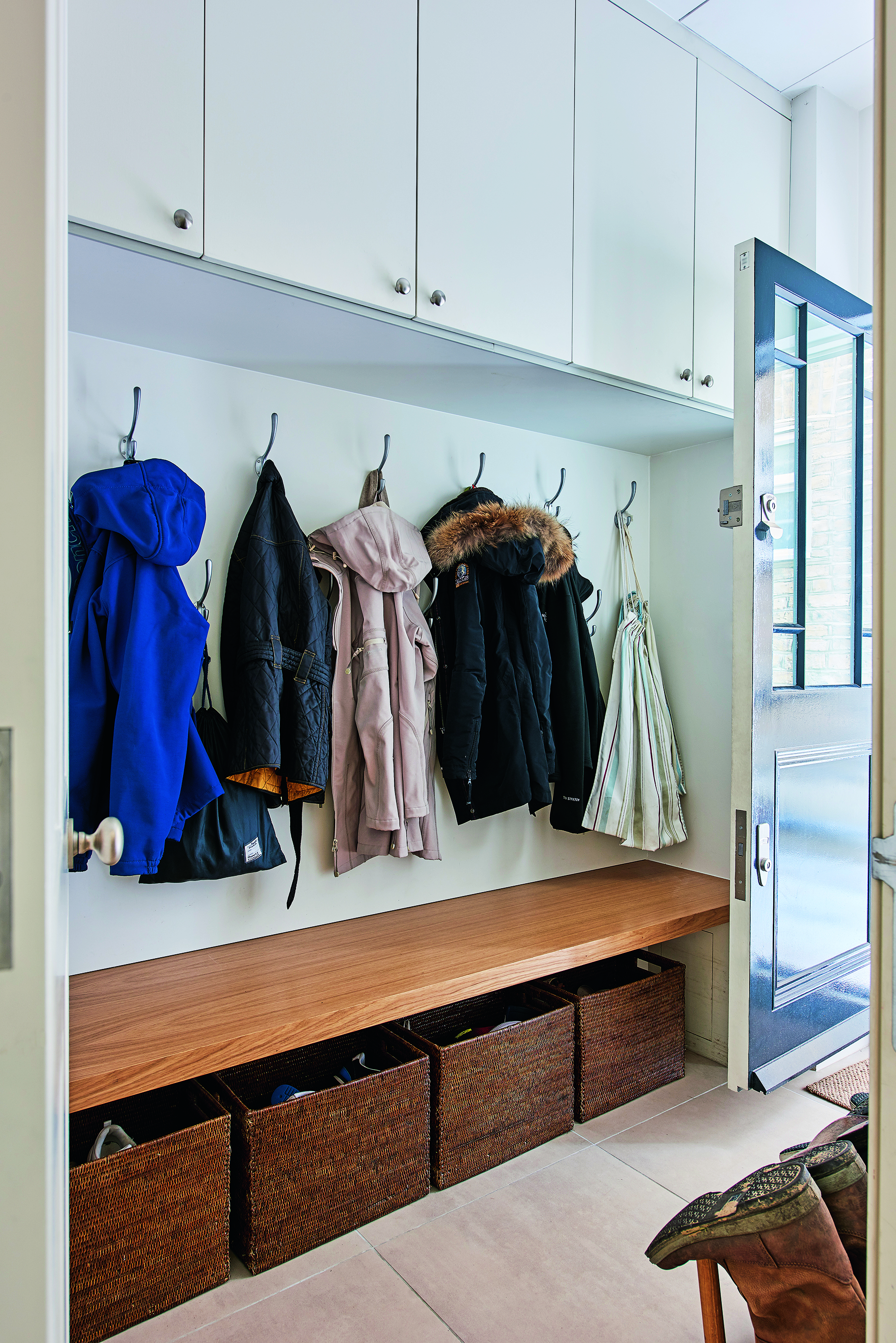
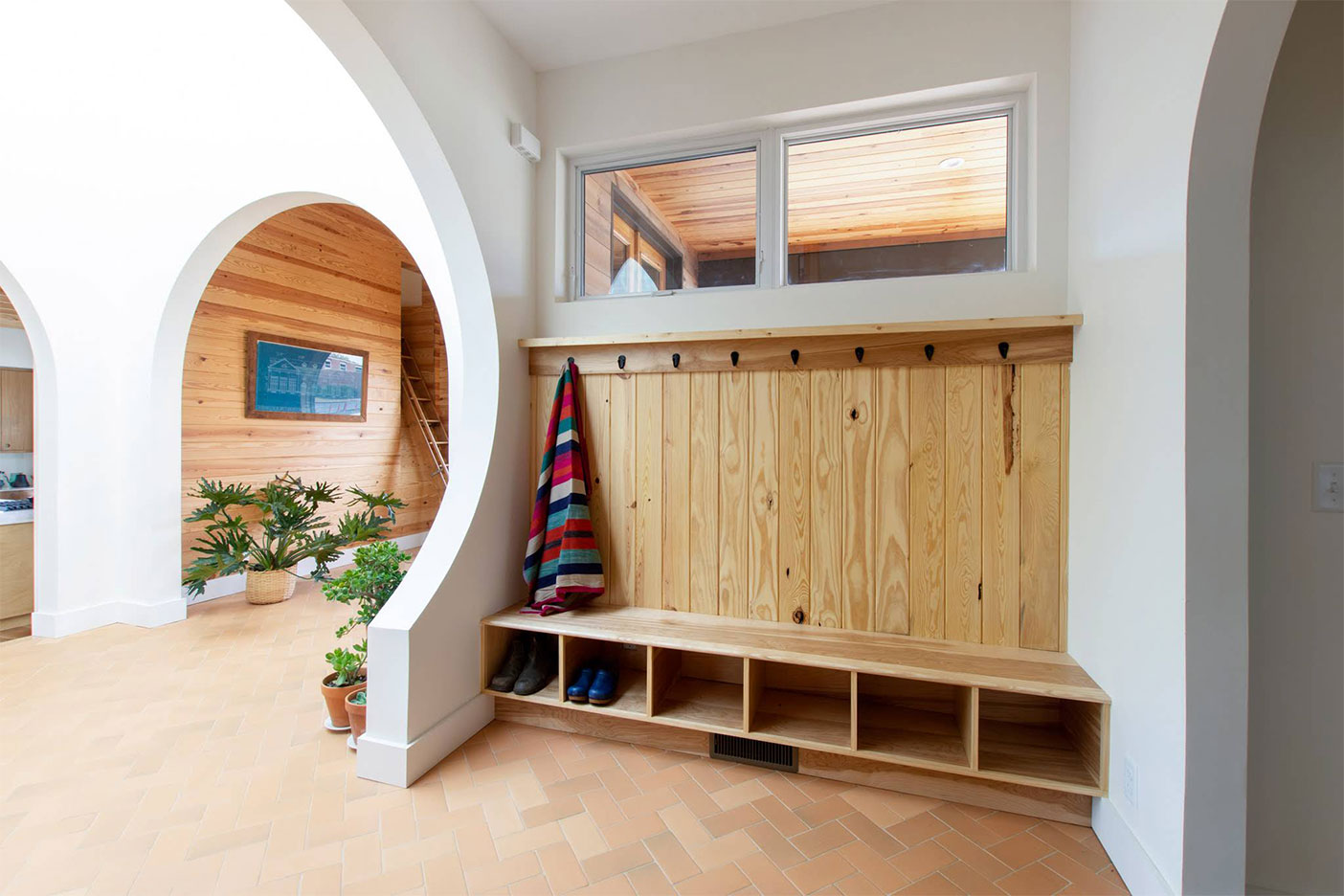
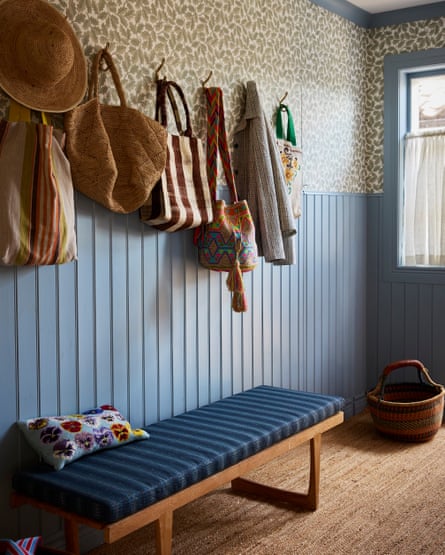
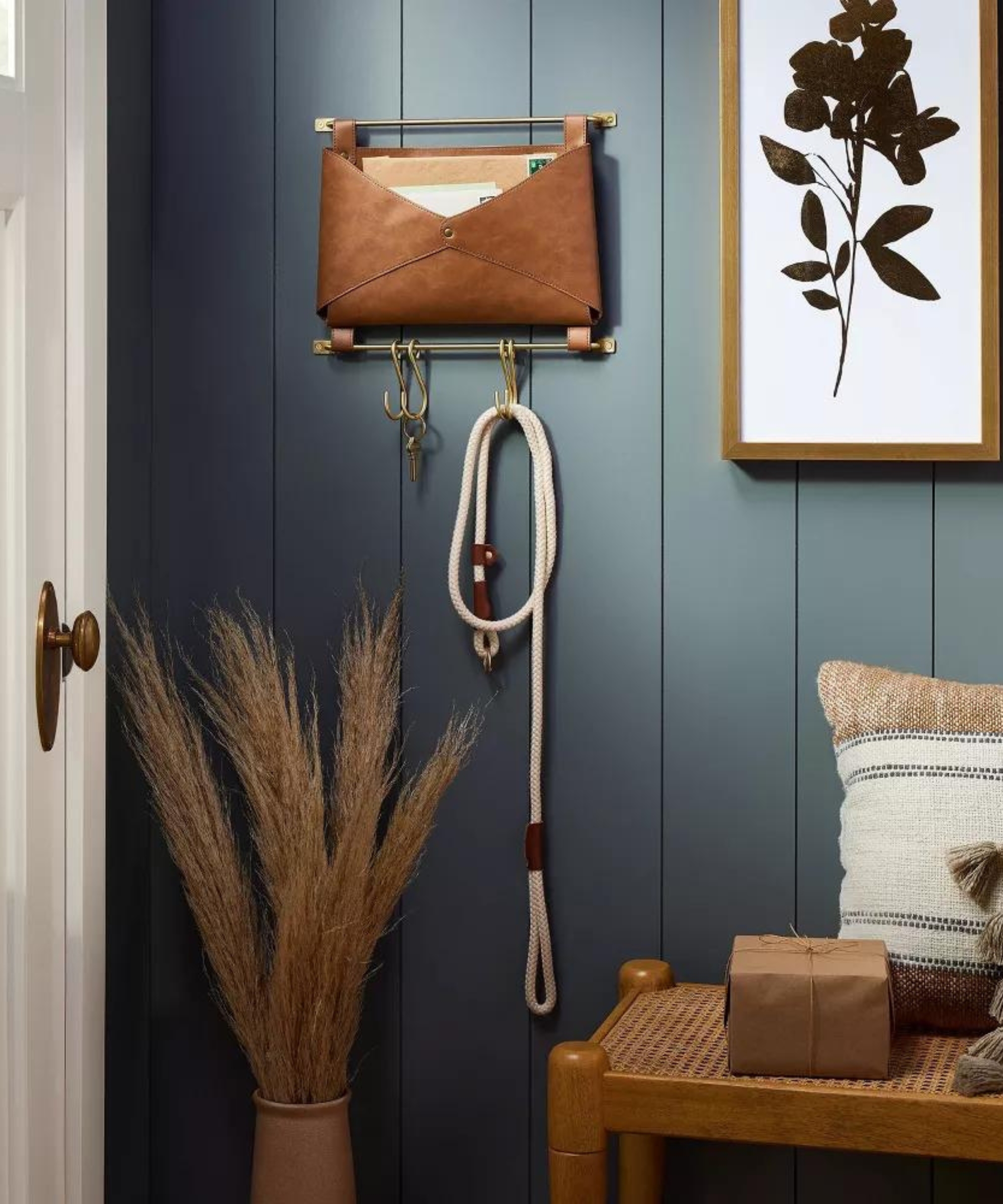
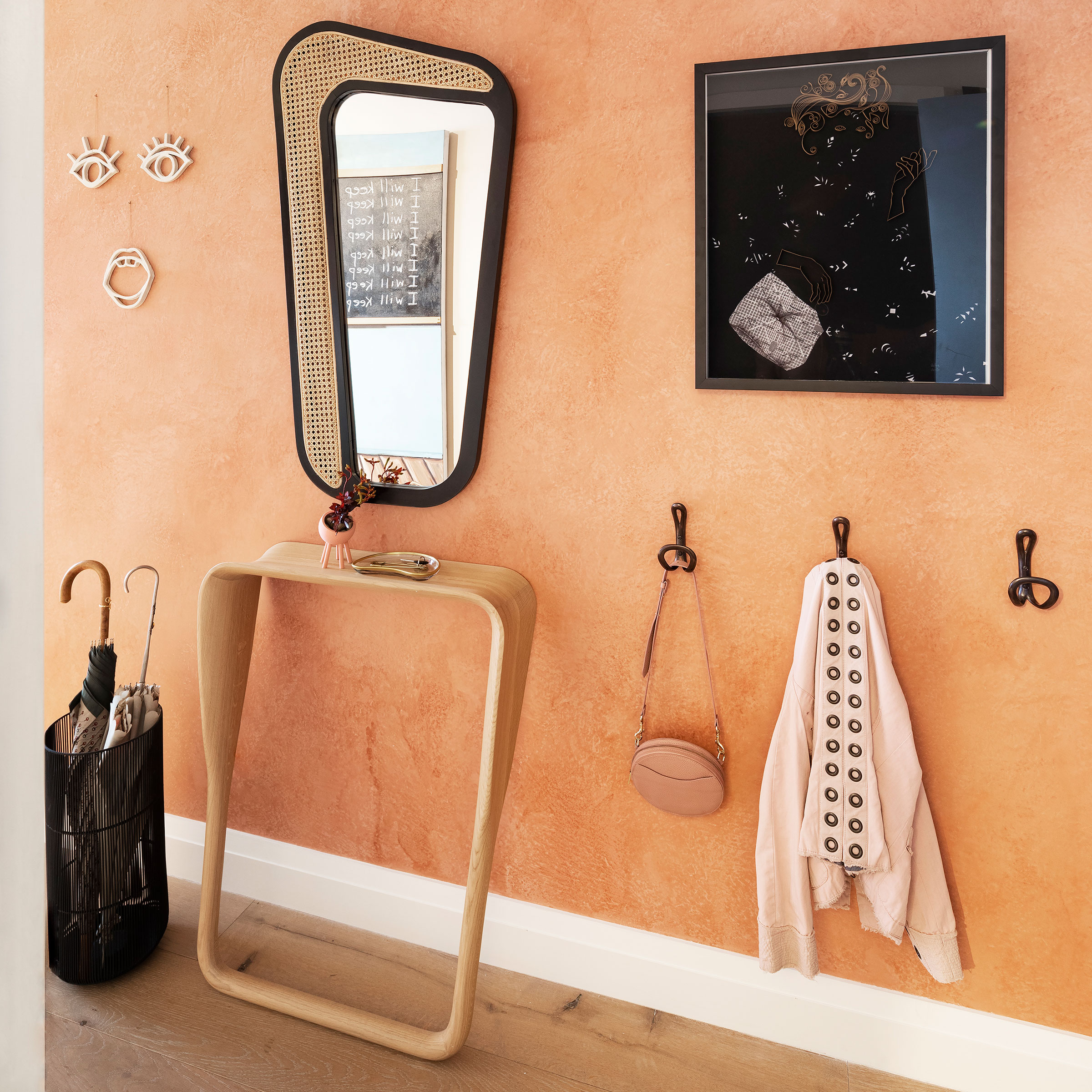
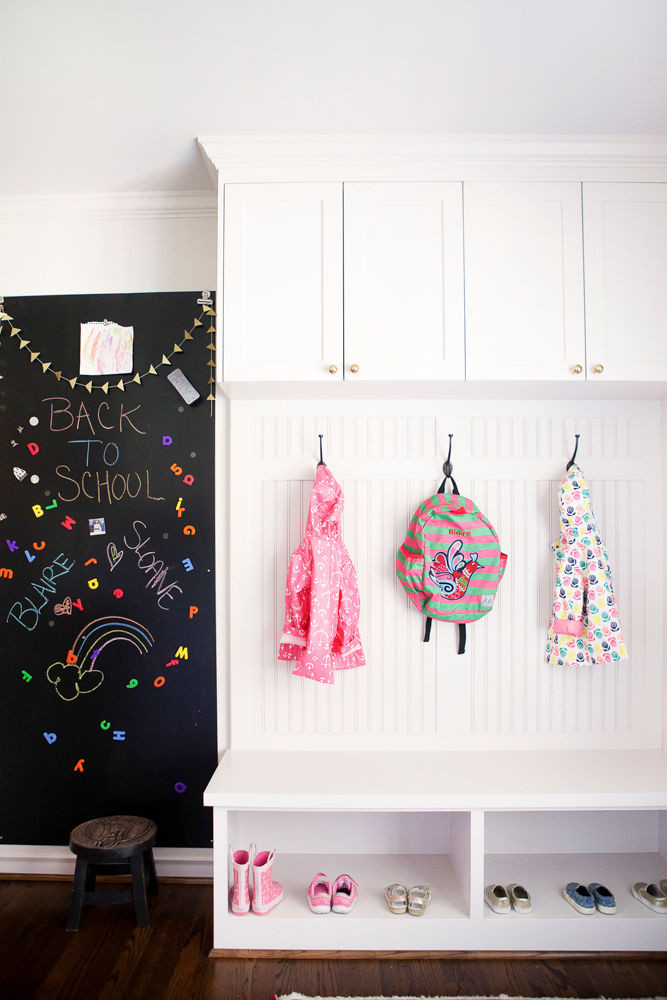
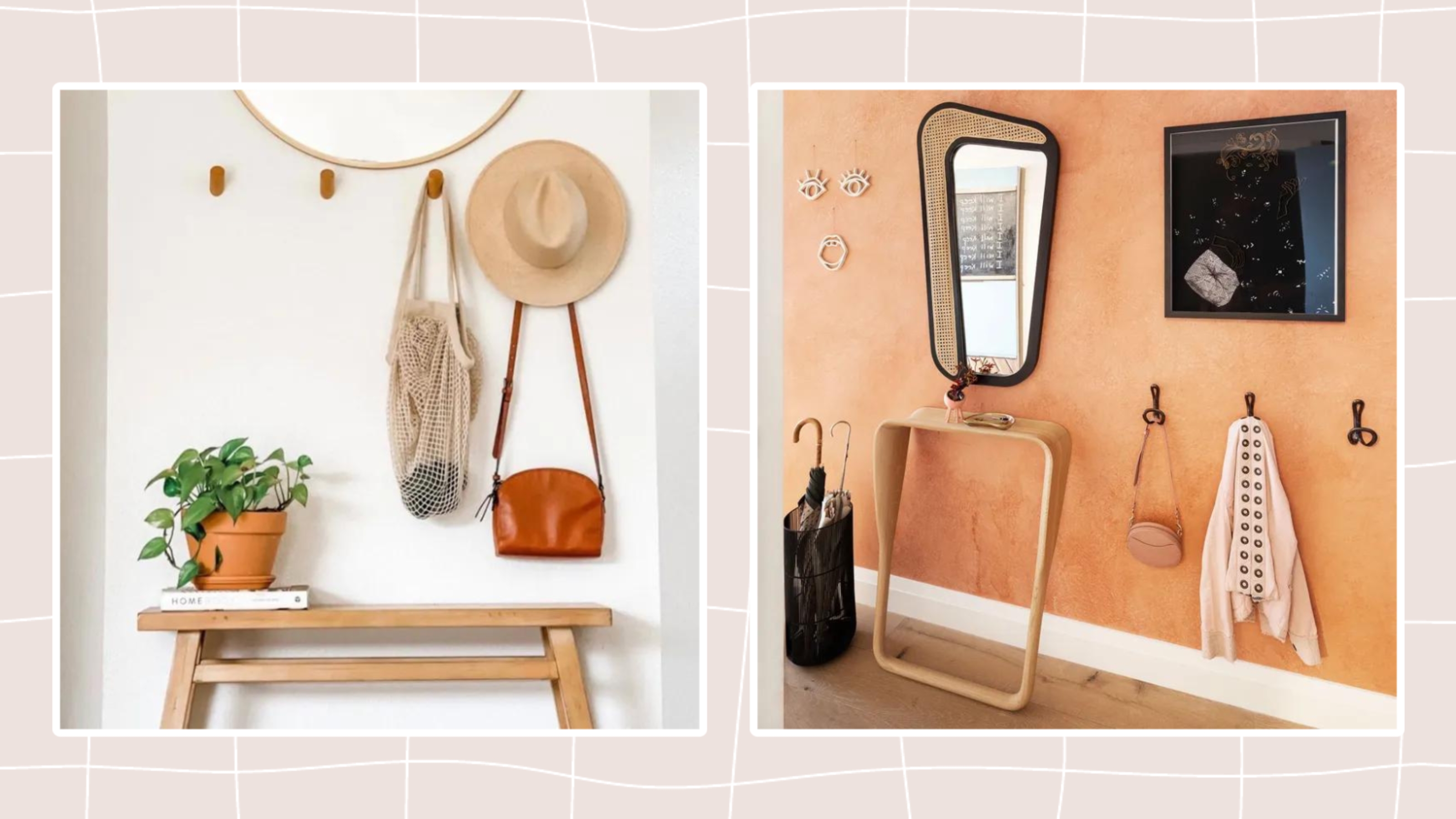
Another concept introduced is the idea of a "life pantry" within the mudroom. Clements explains that a mudroom's purpose extends beyond just managing mud; it should accommodate the broader ebb and flow of daily life. This includes dedicating space for smaller, often misplaced items such as a personal lost and found, or a designated area for phone chargers and power cords. Sara Eizen strongly cautions against using coat trees, describing them as inherently cluttered regardless of their design. She advocates for the use of hooks, which can be either decorative or minimalist, and suggests staggering them vertically at heights of six feet and three feet. The lower hooks are ideal for bags and scarves, and they provide an accessible solution for children to hang their own jackets, thereby reducing clutter on chairs or other furniture.
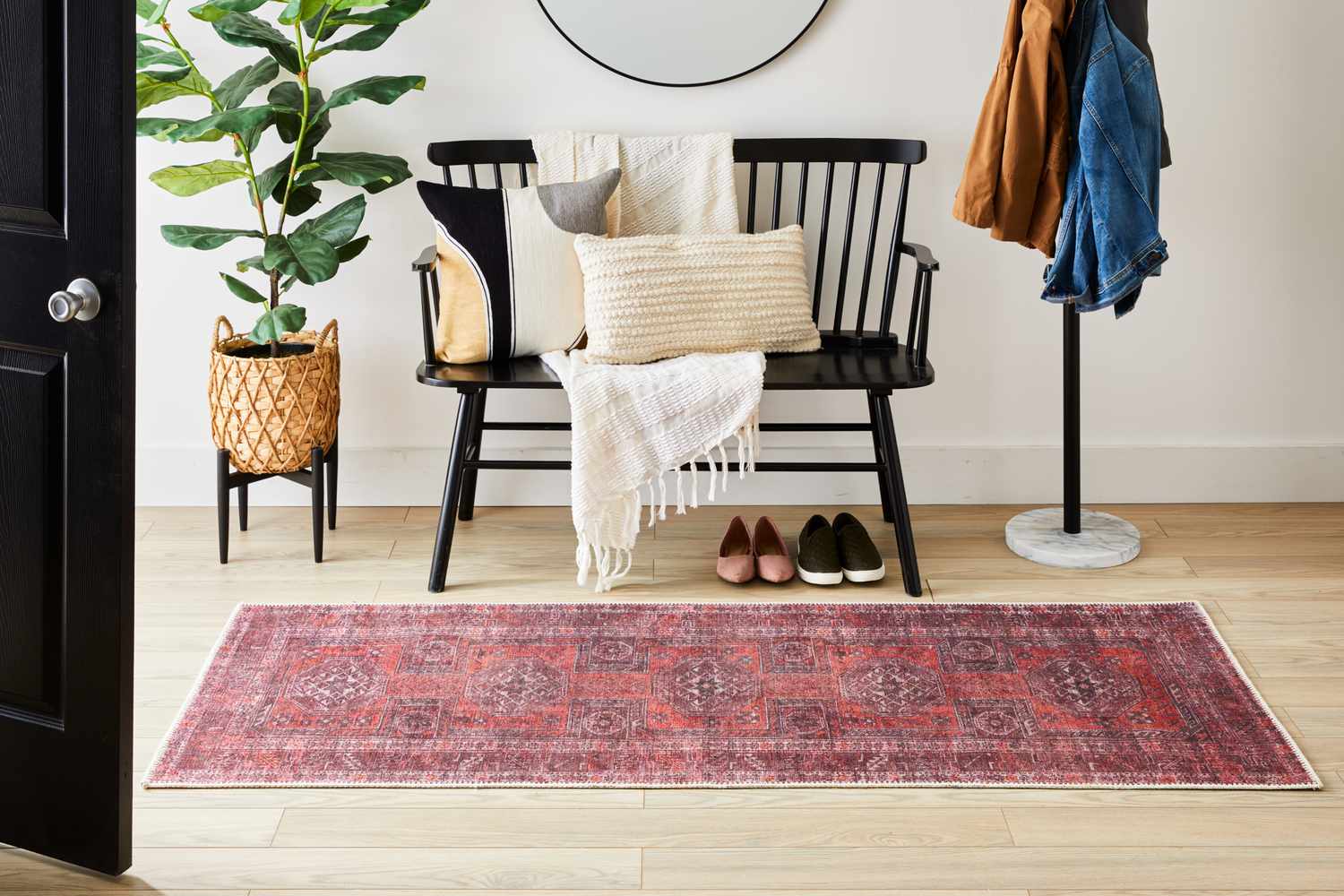
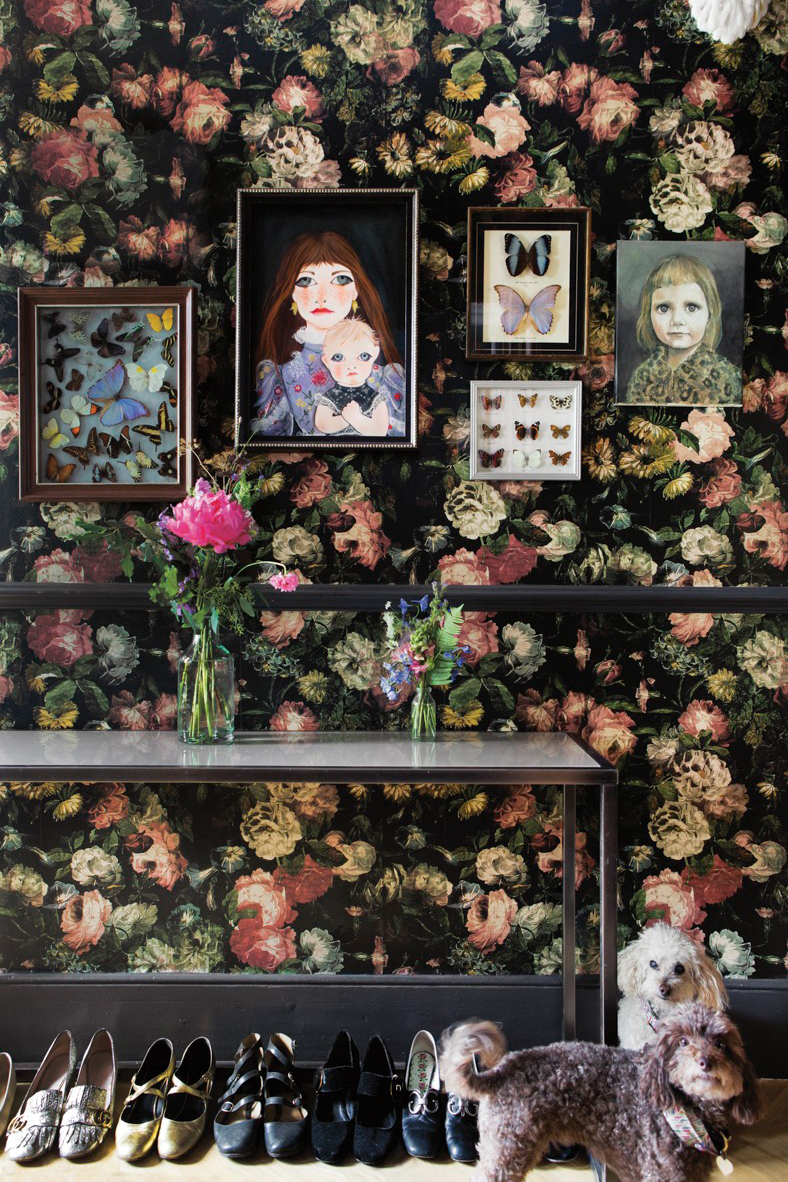
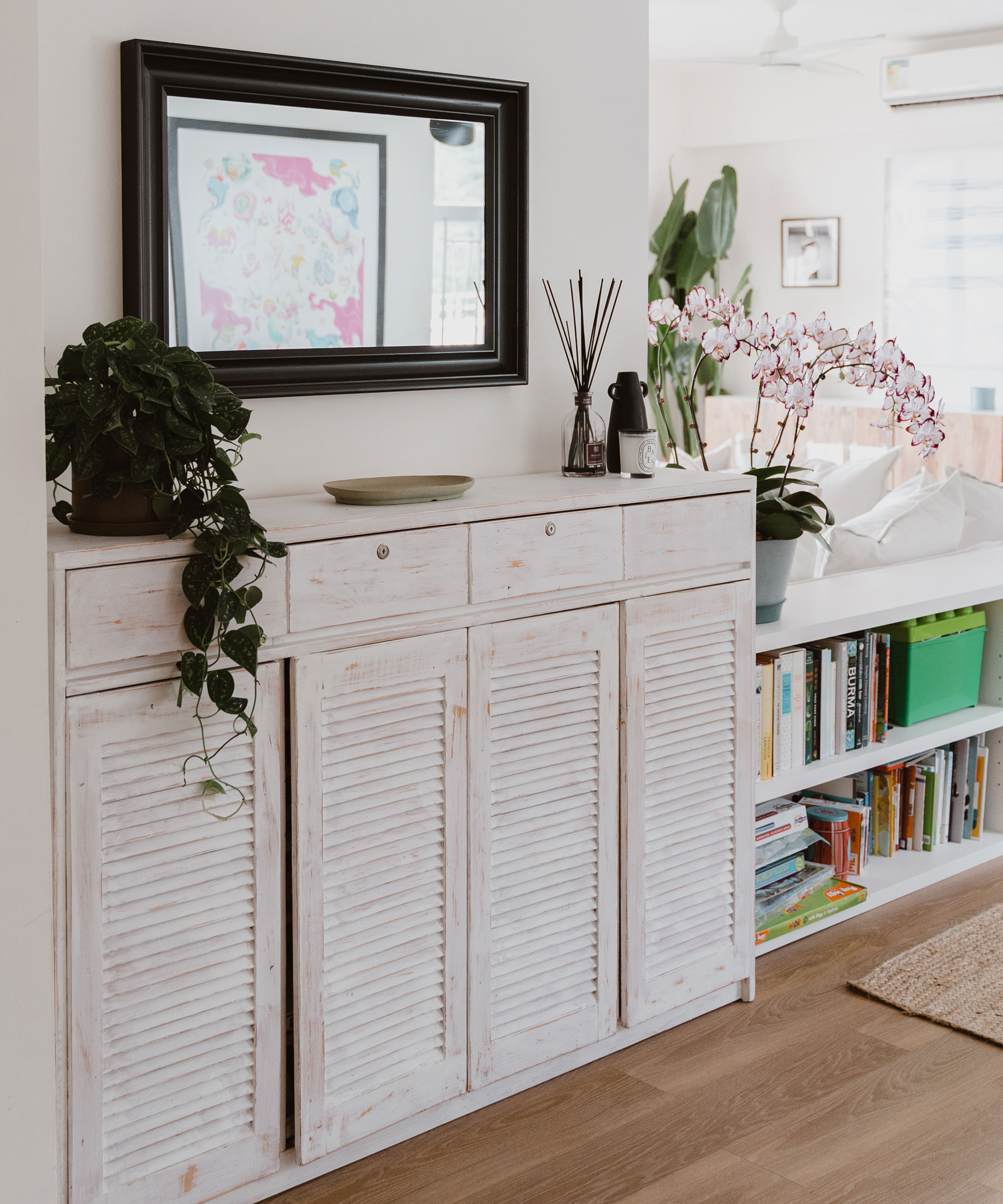
The article also addresses the need to keep certain items out of sight, especially in homes where the entryway opens directly into a living room. Eizen highlights that shoes, in particular, should not be openly displayed. While shoe racks might save space in smaller living areas, she argues that enjoying a living space while looking at shoes is undesirable. For a more discreet storage solution, Eizen recommends investing in a 12-inch-deep shoe cabinet, citing the Ikea Hemnes as a practical example. These design principles aim to help homeowners create practical and aesthetically pleasing entryways that effectively manage daily clutter.
#EntrywayDesign #HomeOrganization #MudroomIdeas #InteriorDesign #ClutterControl #StorageSolutions #HomeFunctionality #EntrywayDesign #HomeOrganization #MudroomIdeas #InteriorDesign #ClutterControl #StorageSolutions #HomeFunctionality
0 comment in total
 No comments yet
You may also like
Designing an entryway – expert advice and layout tips

A Keyhole Entrance Is an Awe-Inspiring Way to Hide Hallway Clutter

15 elegant entryway ideas for a stylish first impression

5 Entryway Decorating Tips Designers Always Follow for a Lasting First Impression

Hallway runner ideas - 10 ways to make a great entrance
How do you make an entryway inviting? Expert tricks to make a home instantly welcoming
How to Frame a Door Opening
Organizing a small entryway – 10 ways to turn that problem area into prime real estate
Entry Halls

Making an entrance: the experts share design ideas for your hallway

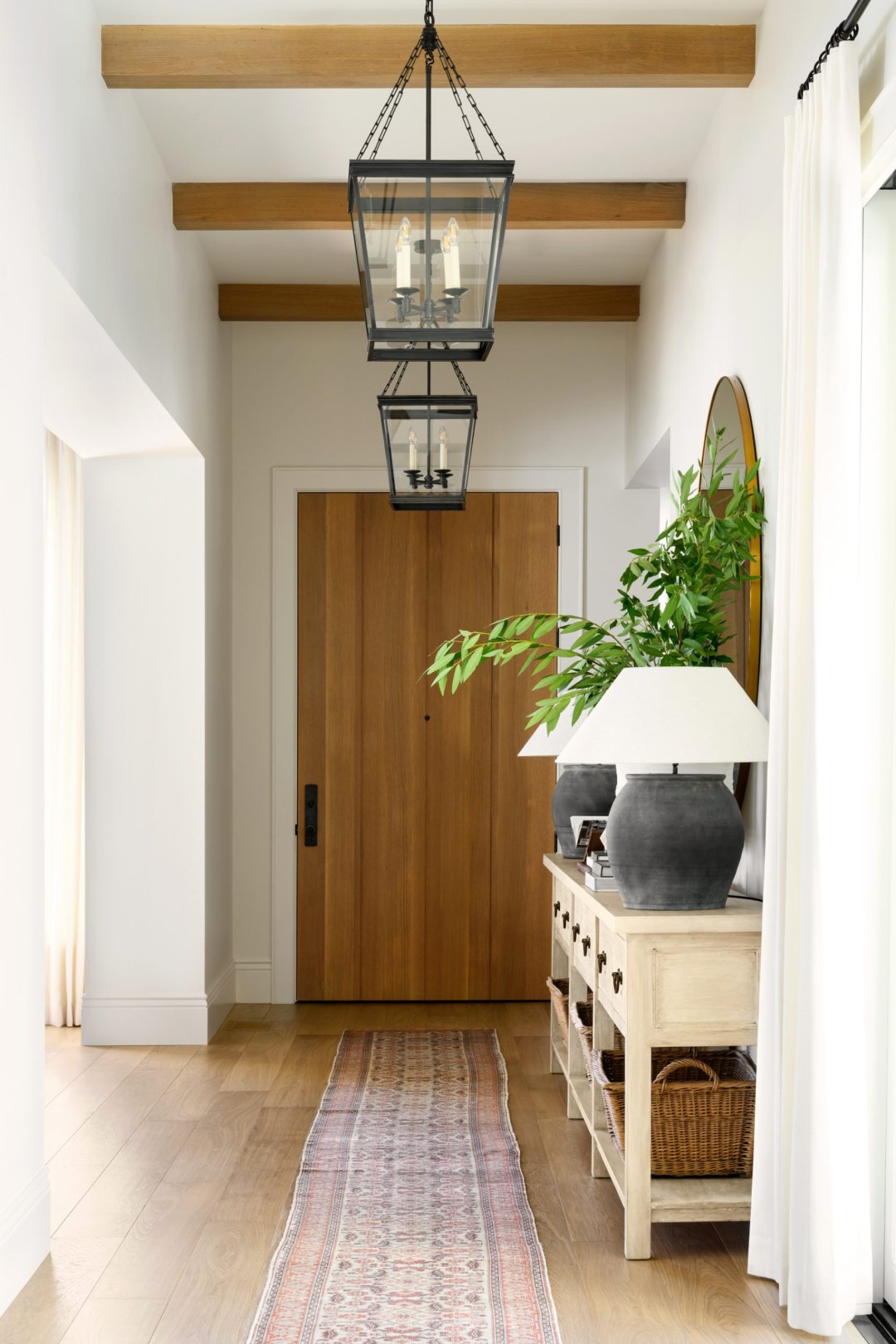
Home On The Bay Project: The Entryway
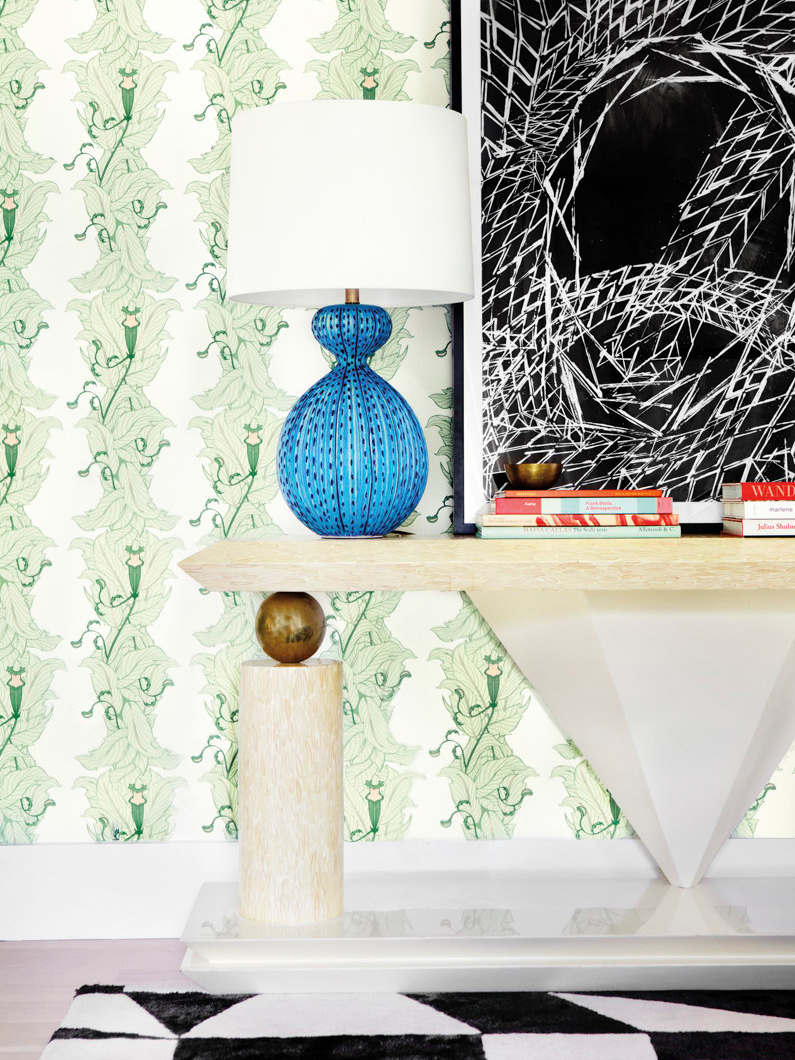
The Coolest Entryways Have One Feature in Common
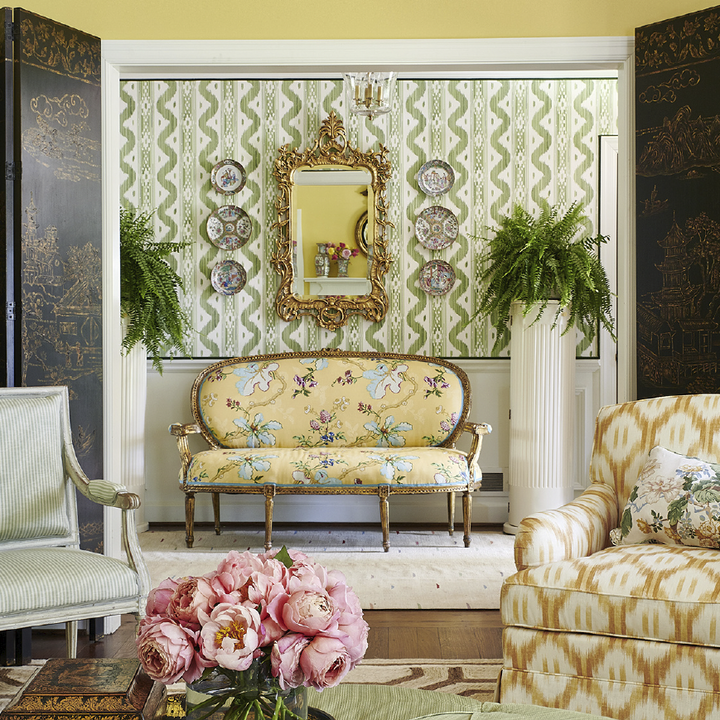
The #1 Way to Make Your Entrance More Welcoming

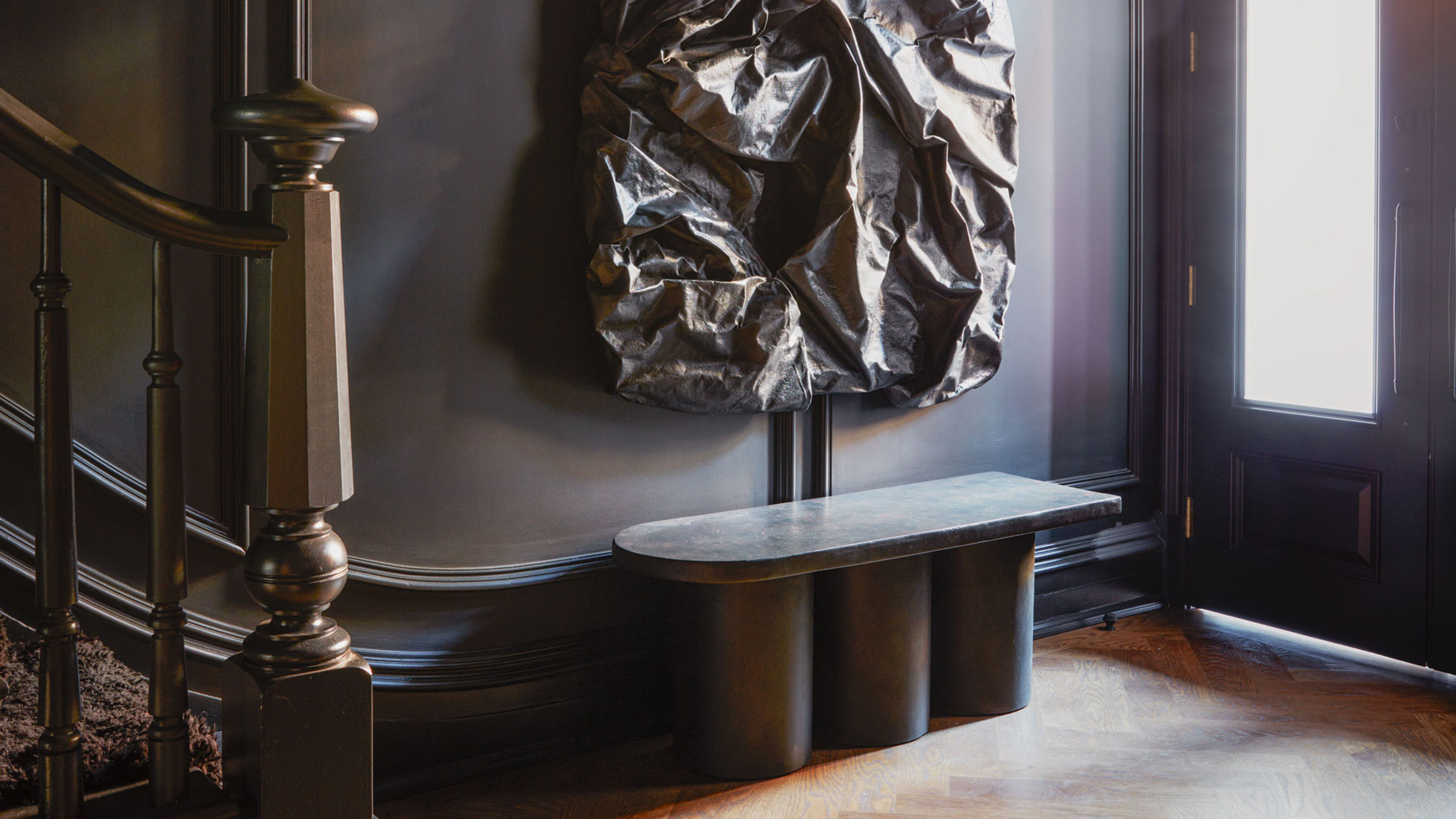
Entryway Ideas — 16 of the Very Best Entrances, and the Genius Design Tricks Behind Them

12 small entryway ideas for a cute but very functional nook

5 So-Simple Ways to Make Your Entryway More Useful — and Look Better at the Same Time
Organizing an entryway – 10 clever ways to arrange a home’s entrance
First impressions count! 8 guaranteed ways to make your entryway feel more welcoming and wonderful
the best entryways of 2015
Making A Door That Opens Both Ways