1/5
6 expert tips for buying tiles online - designers on how to avoid expensive mistakes
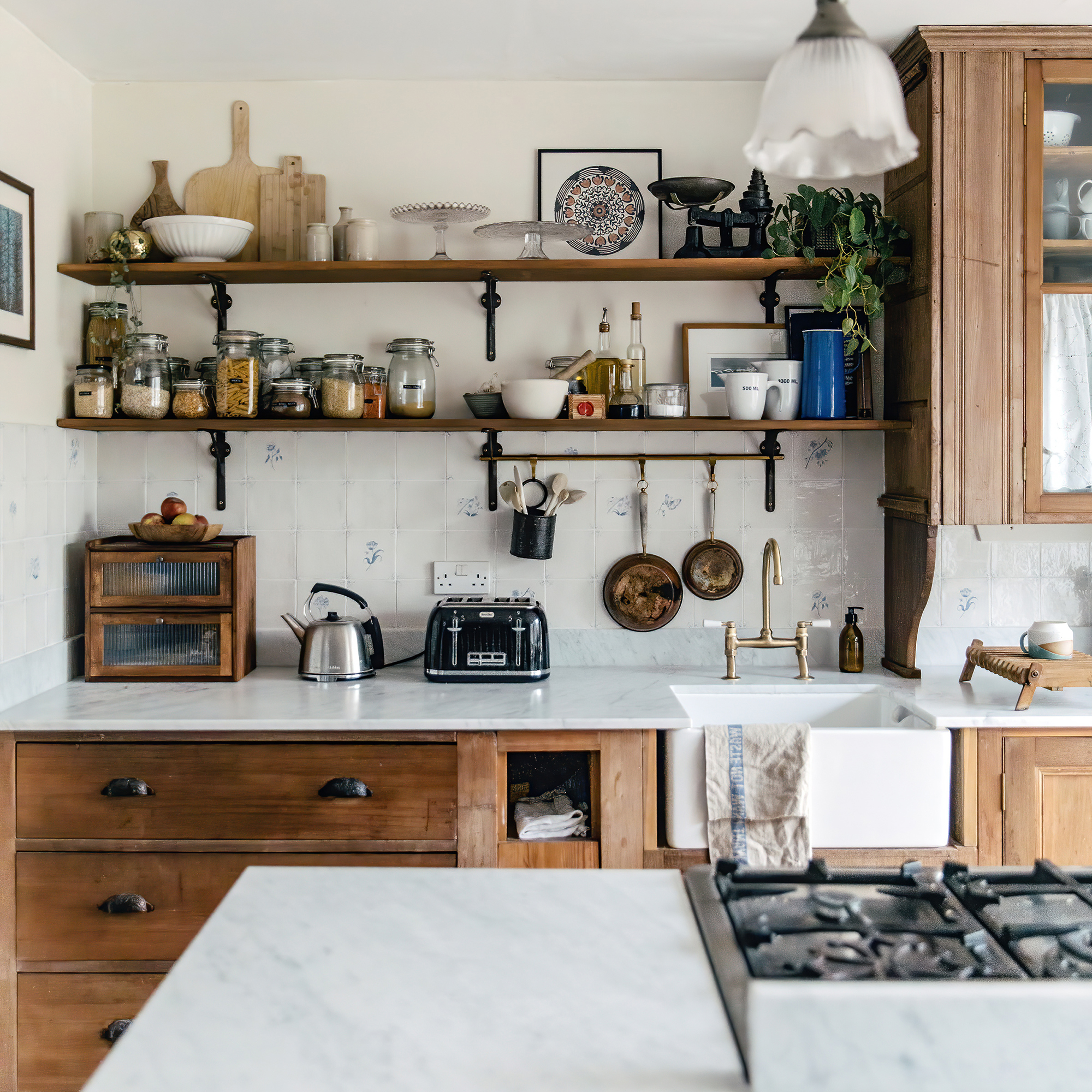
The article offers six expert tips for purchasing tiles online, aiming to help consumers make informed decisions and avoid common, costly errors during home renovations. When shopping for tiles for spaces like bathrooms, kitchens, or general flooring, the creative aspect of selecting designs can be enjoyable, but the practicalities often present challenges. Tiles come in a diverse range of materials, each with specific suitability for different areas and varying significantly in price. Understanding the pros and cons of various tile types is crucial from the outset, as is identifying precise needs. The weight of tiles makes returns difficult, underscoring the importance of making the right choice initially.
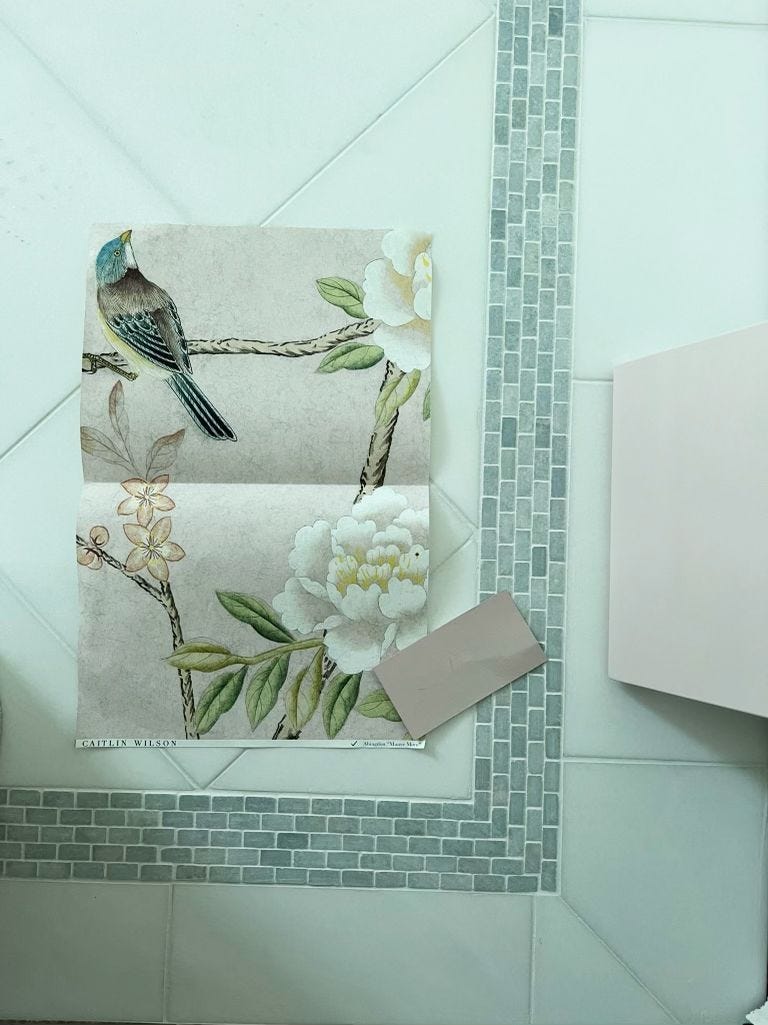
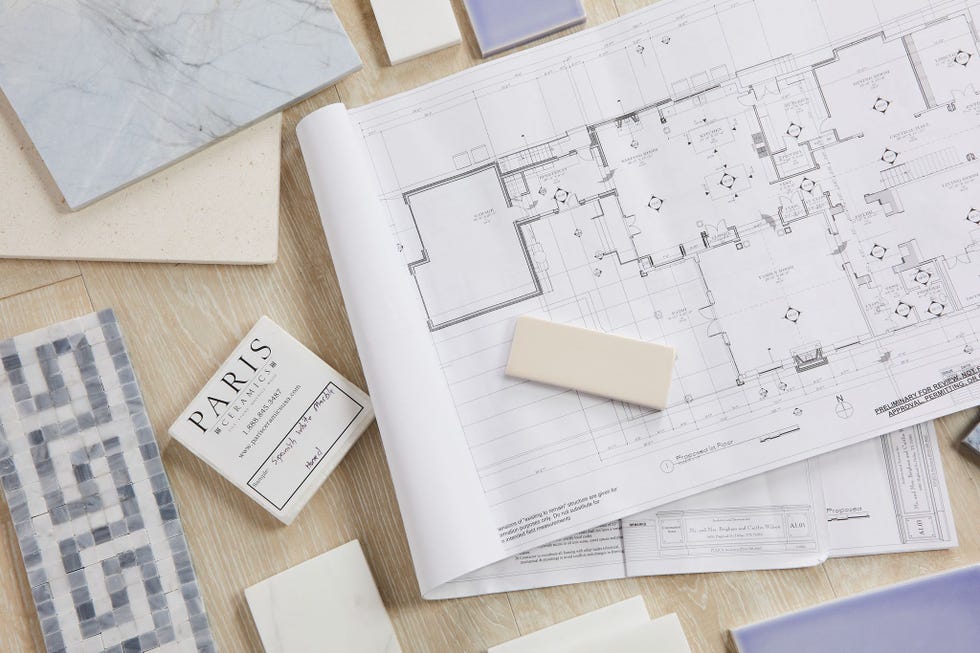
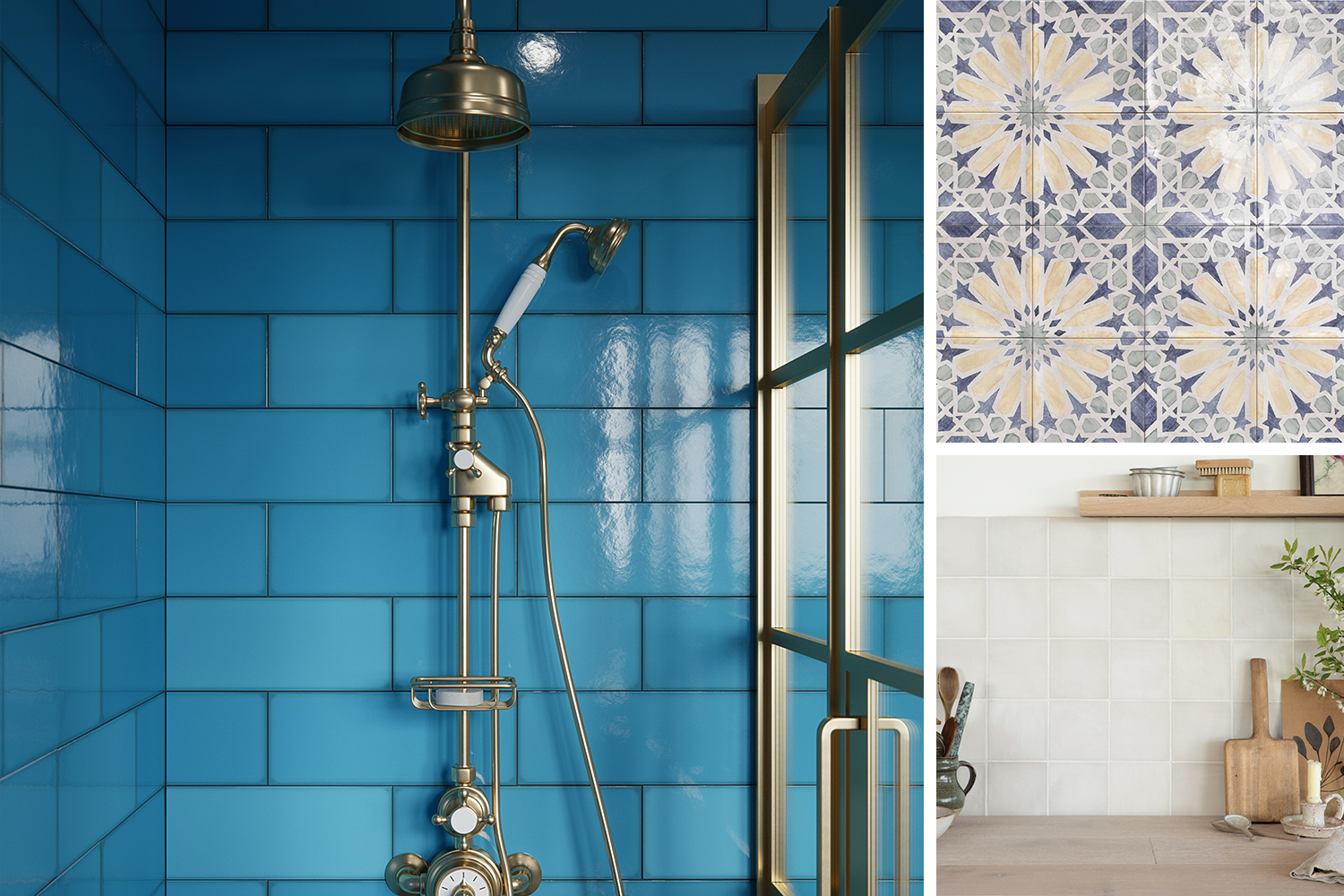
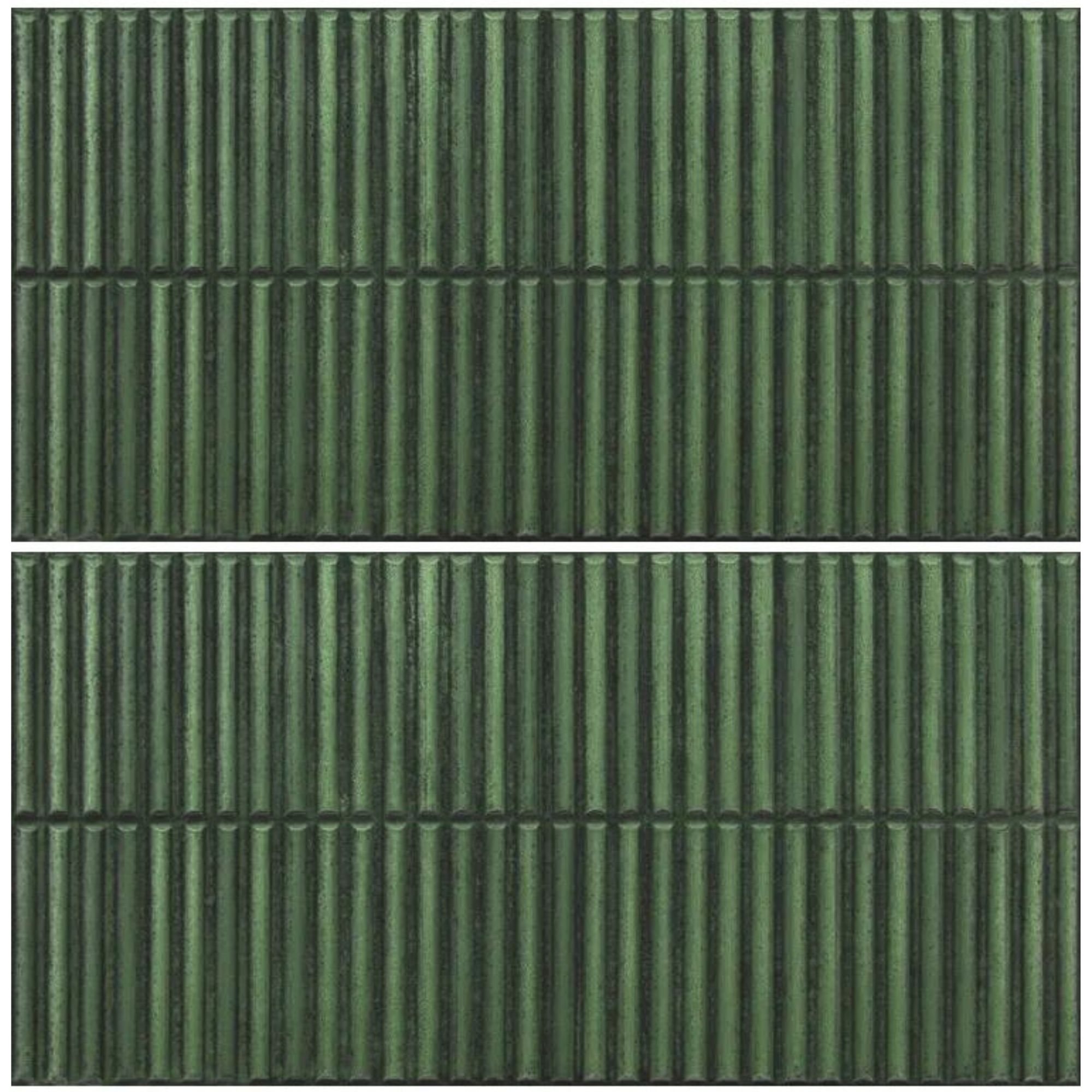
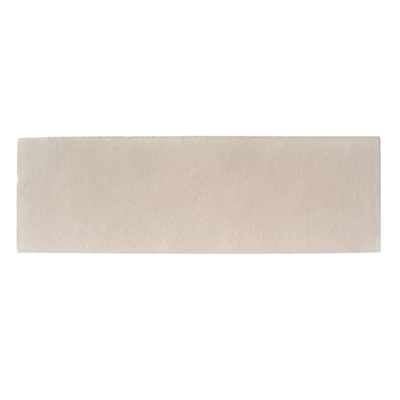
The first critical piece of advice is always to order samples before making a bulk purchase. The appearance of tiles can differ significantly between a screen and a physical space, influenced by factors like lighting conditions. Colors and finishes perceived online may not accurately reflect how they look in a home environment. Samples allow for tactile assessment and visual evaluation under actual lighting, ensuring the tiles align with expectations. Amanda Telford, a tile expert at CTD Tiles, emphasizes that samples are typically free and ordering them is a logical step, often with options for full-sized samples if a larger surface view is needed. Secondly, it is recommended to consider less expensive materials where appropriate. While a deep understanding of tile composition is not necessary, familiarity with the advantages and disadvantages of different materials can lead to cost-effective choices. For instance, less costly alternatives may suffice depending on the installation area.
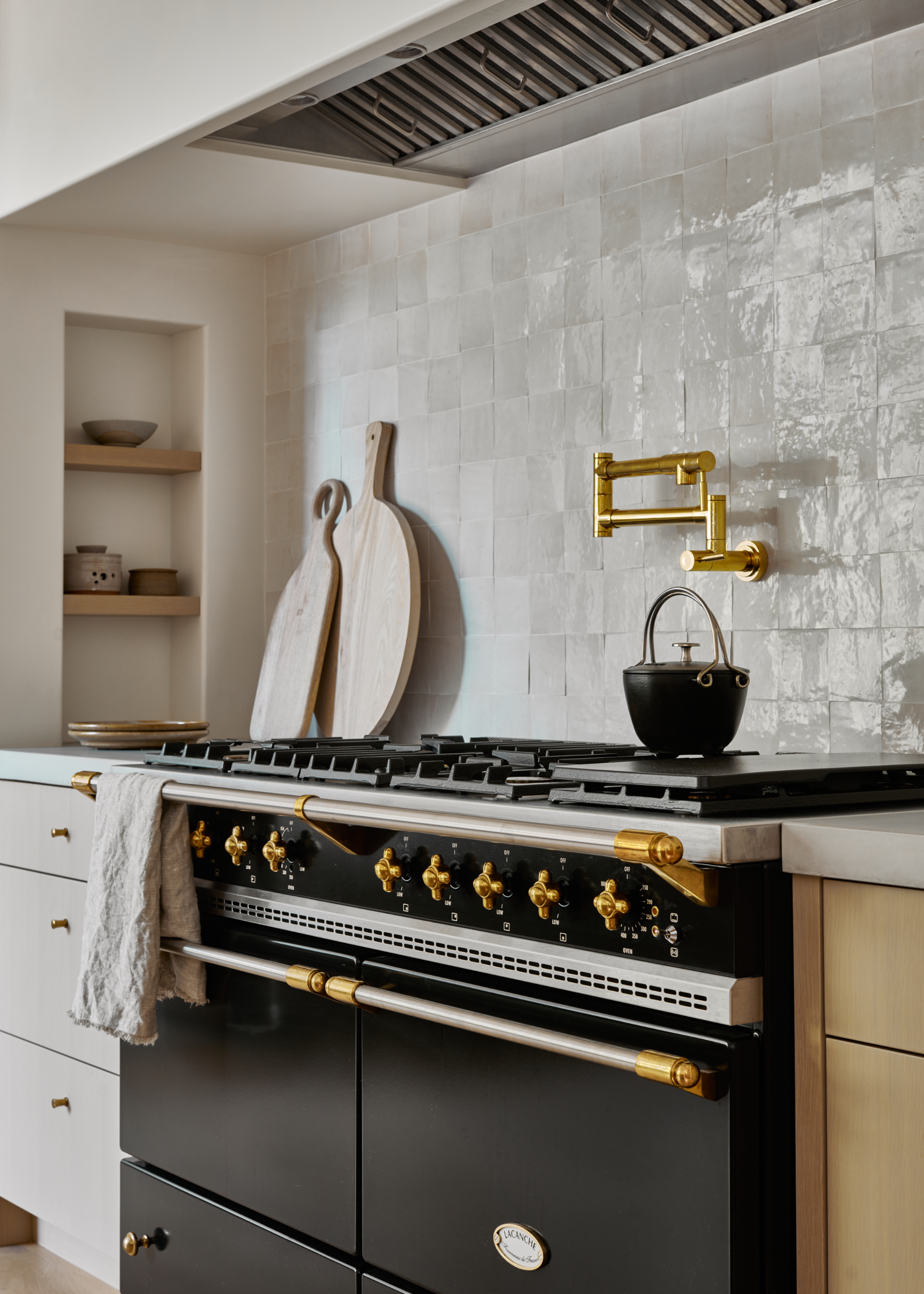
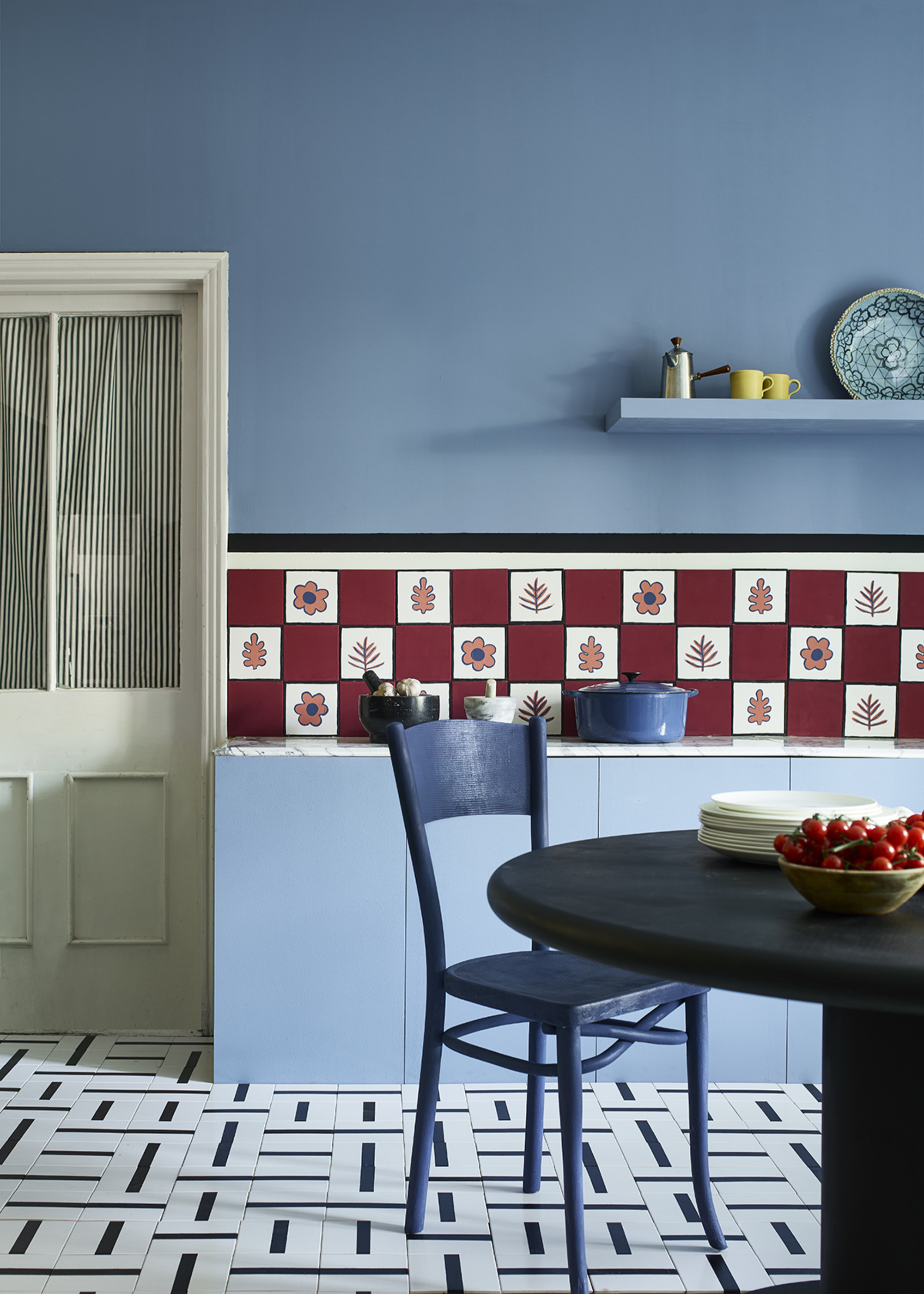
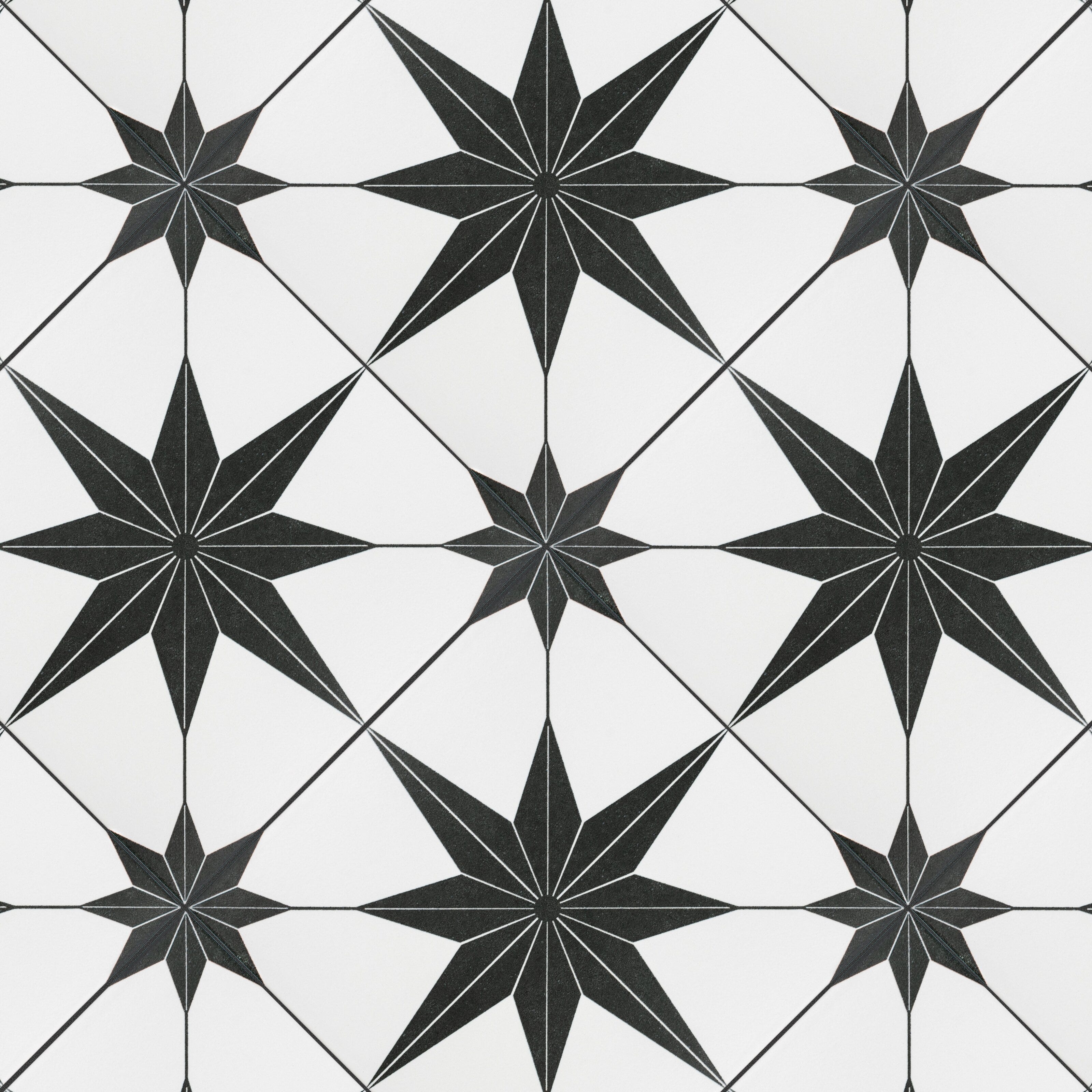
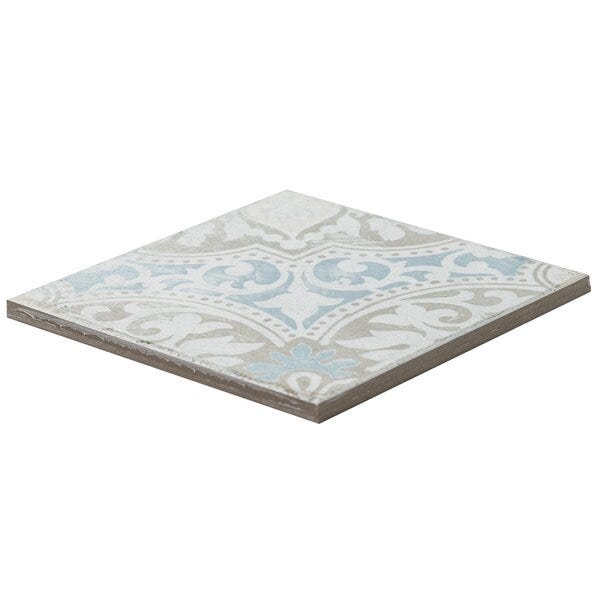
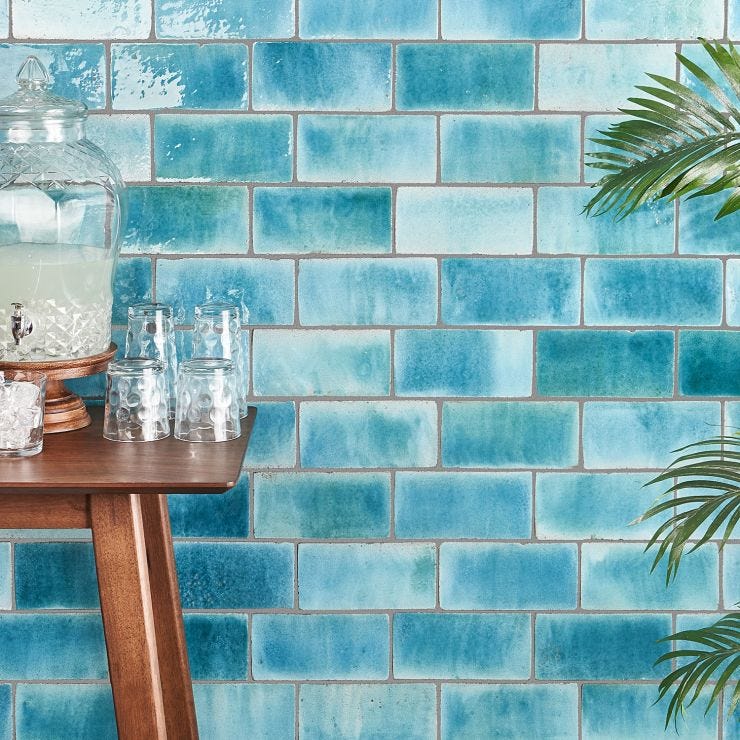
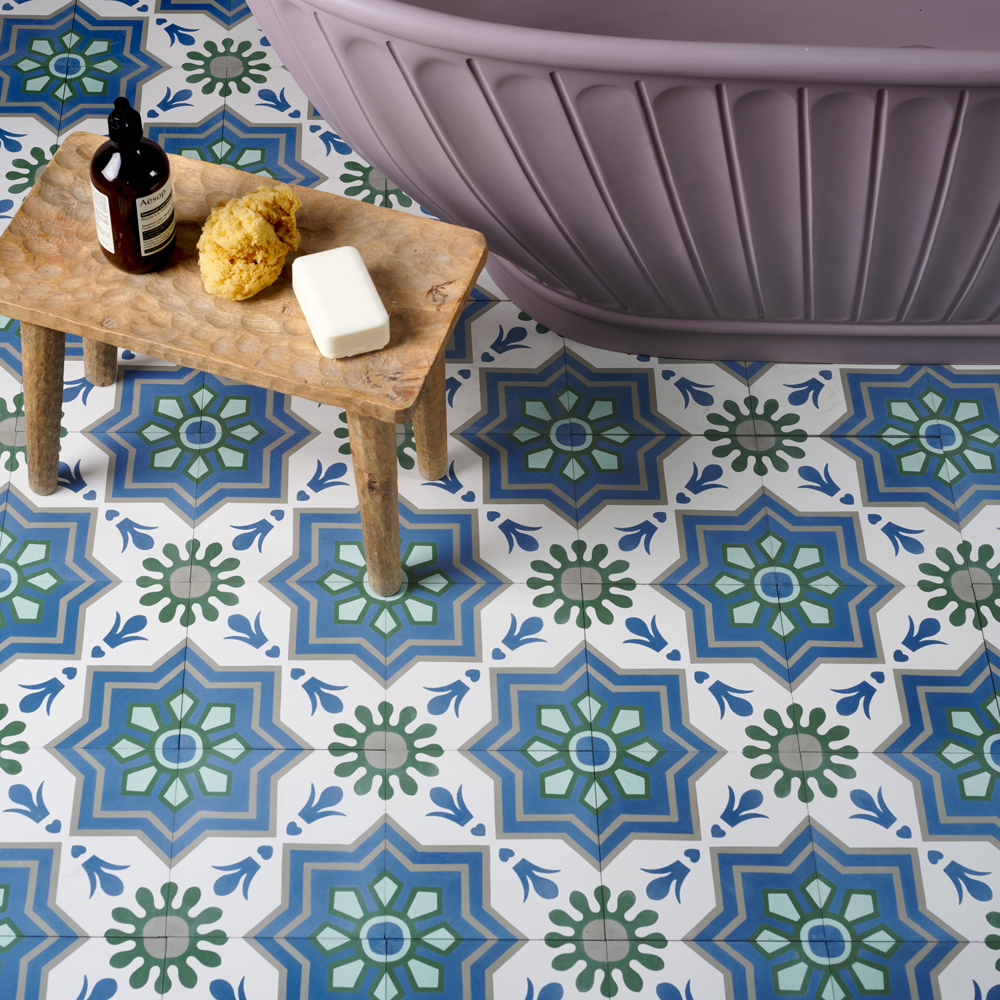
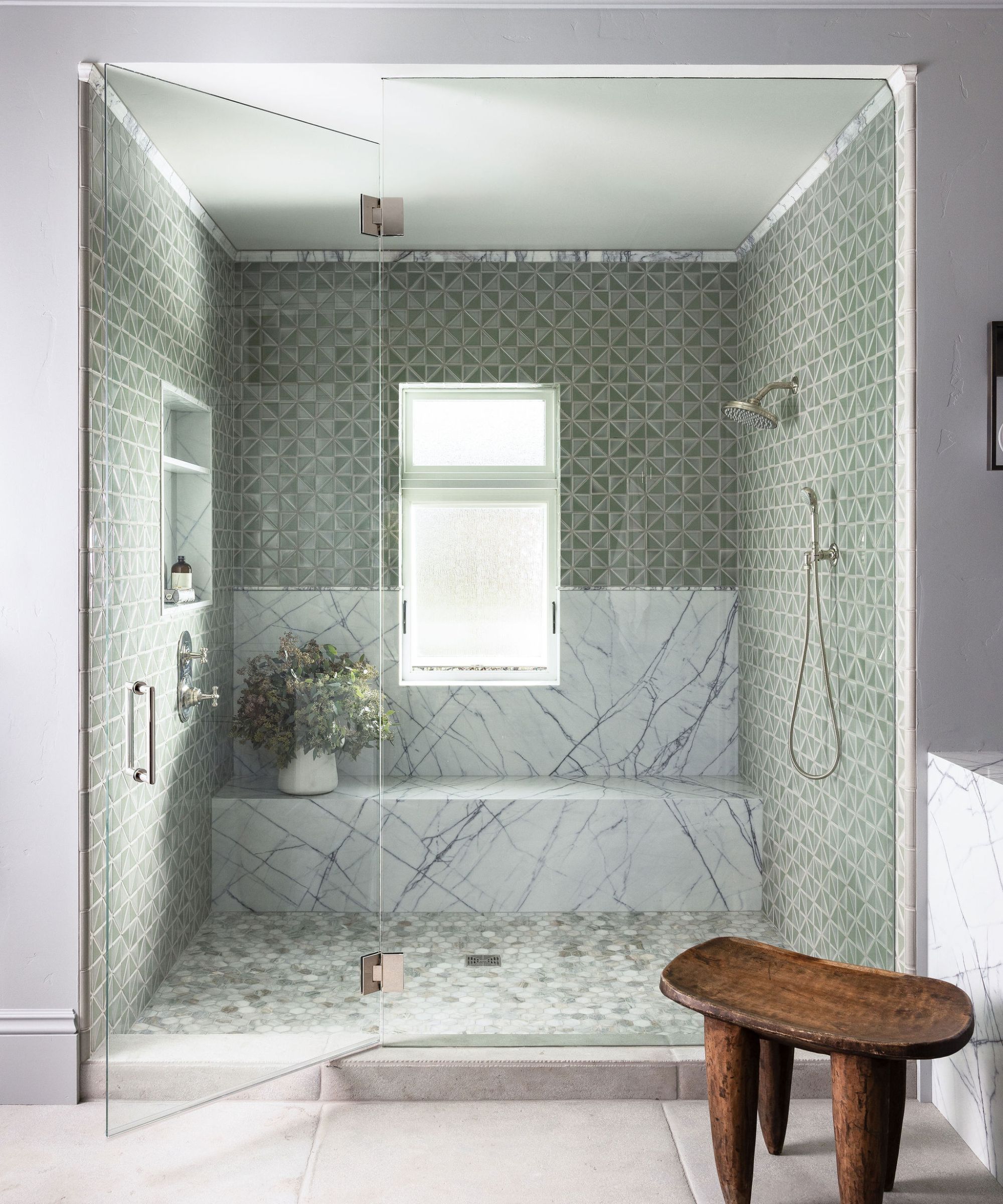
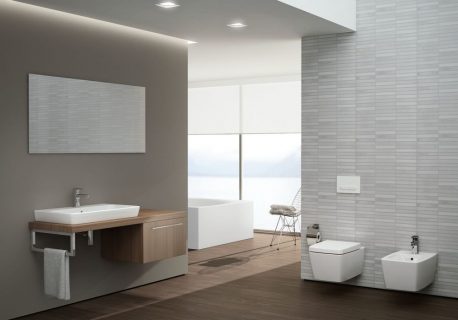
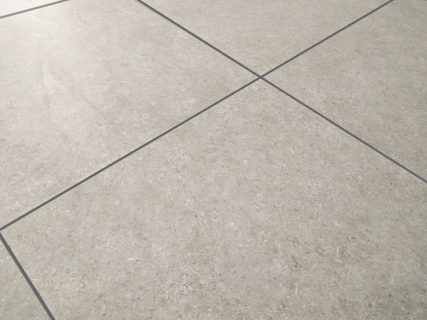
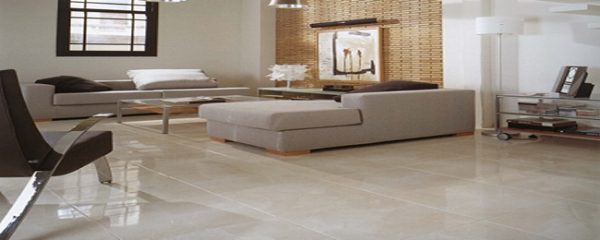
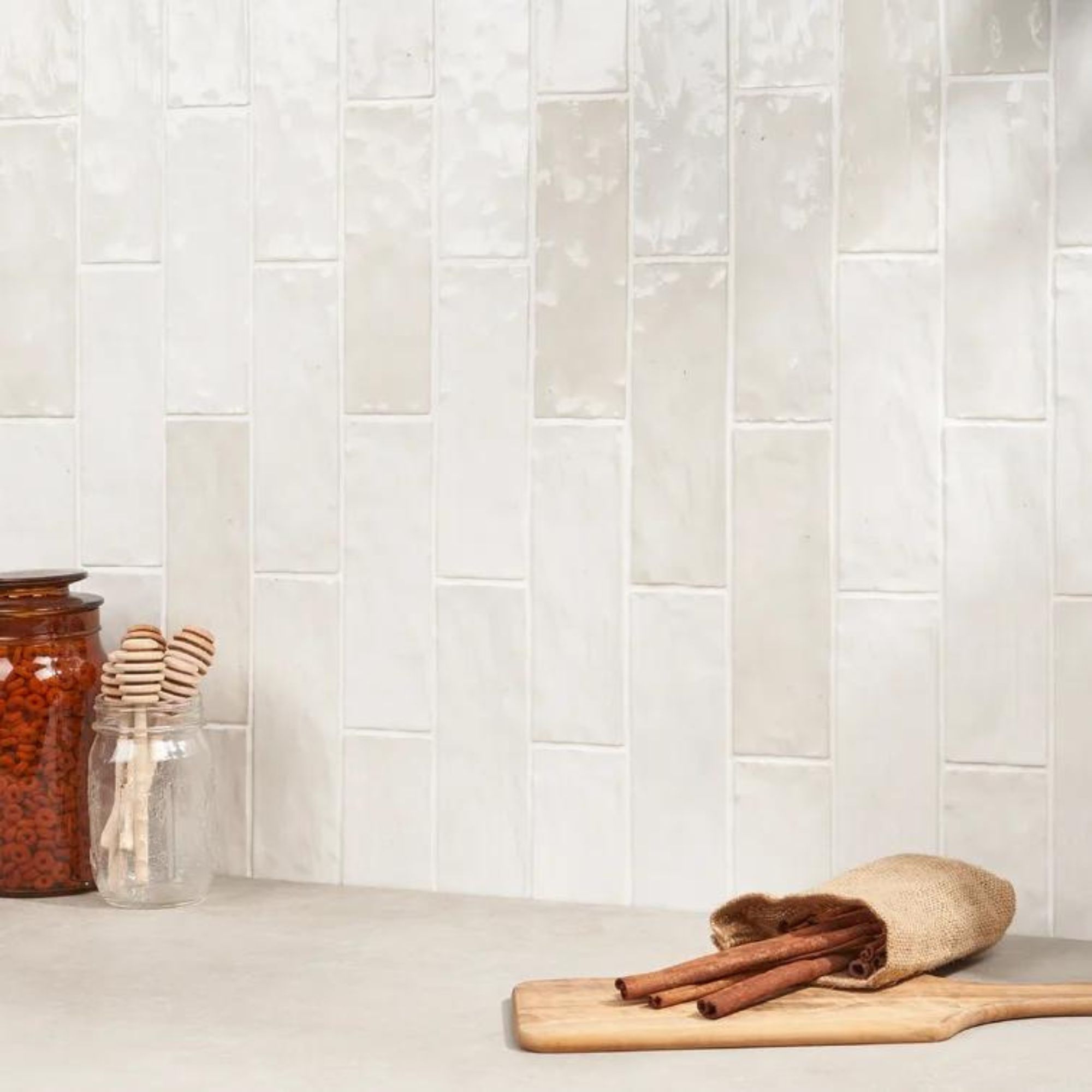
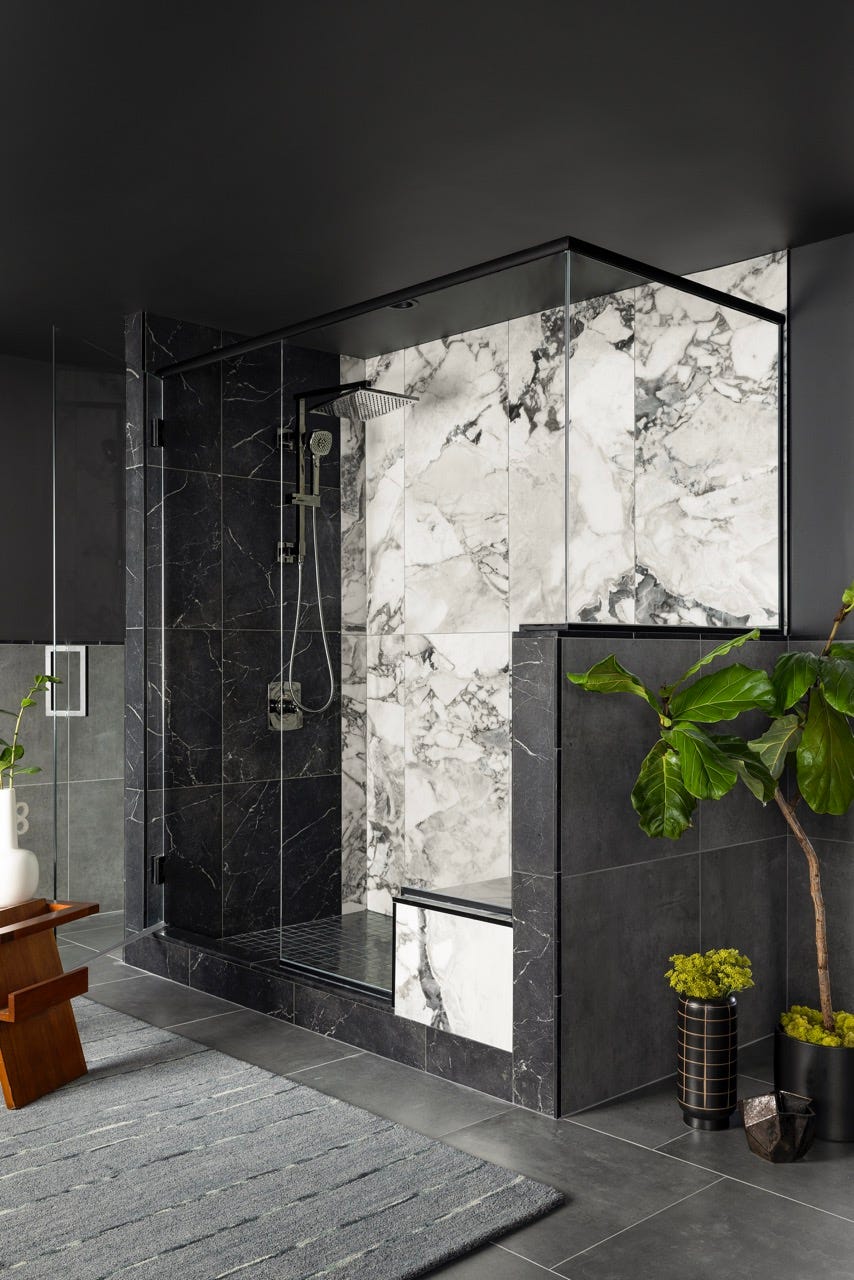
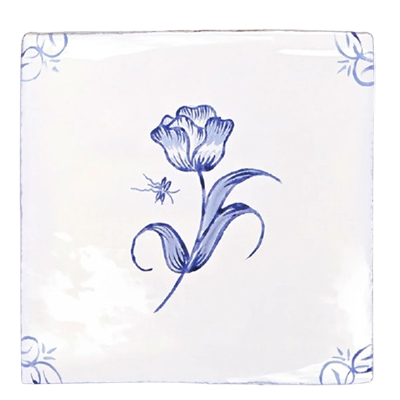
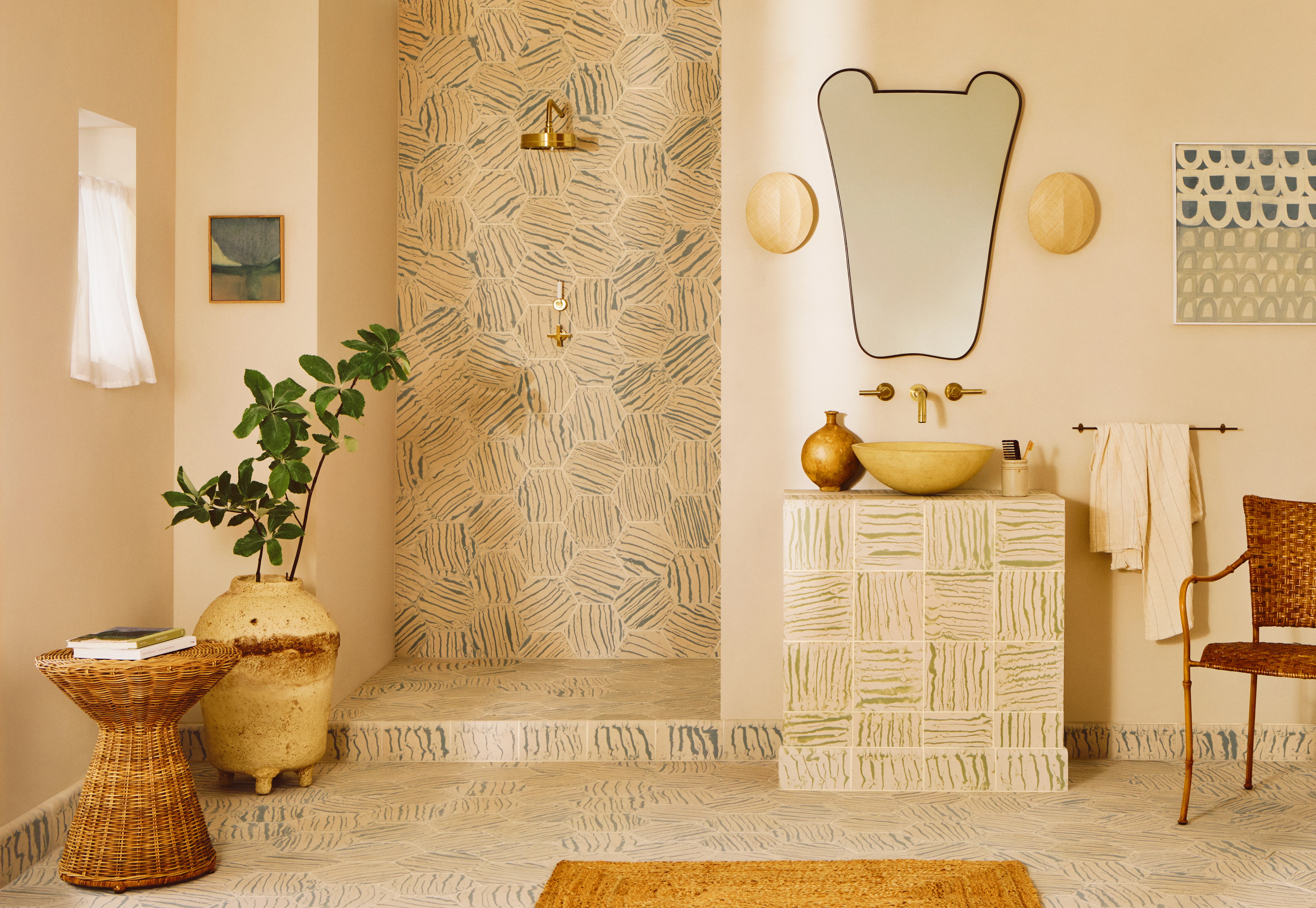
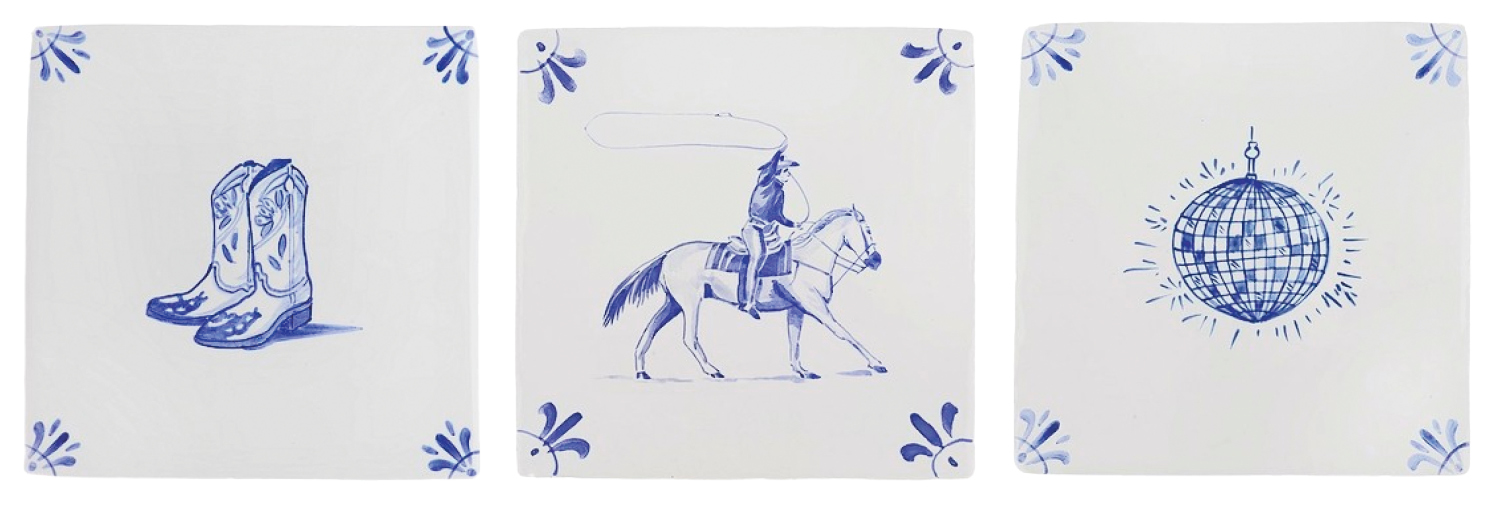
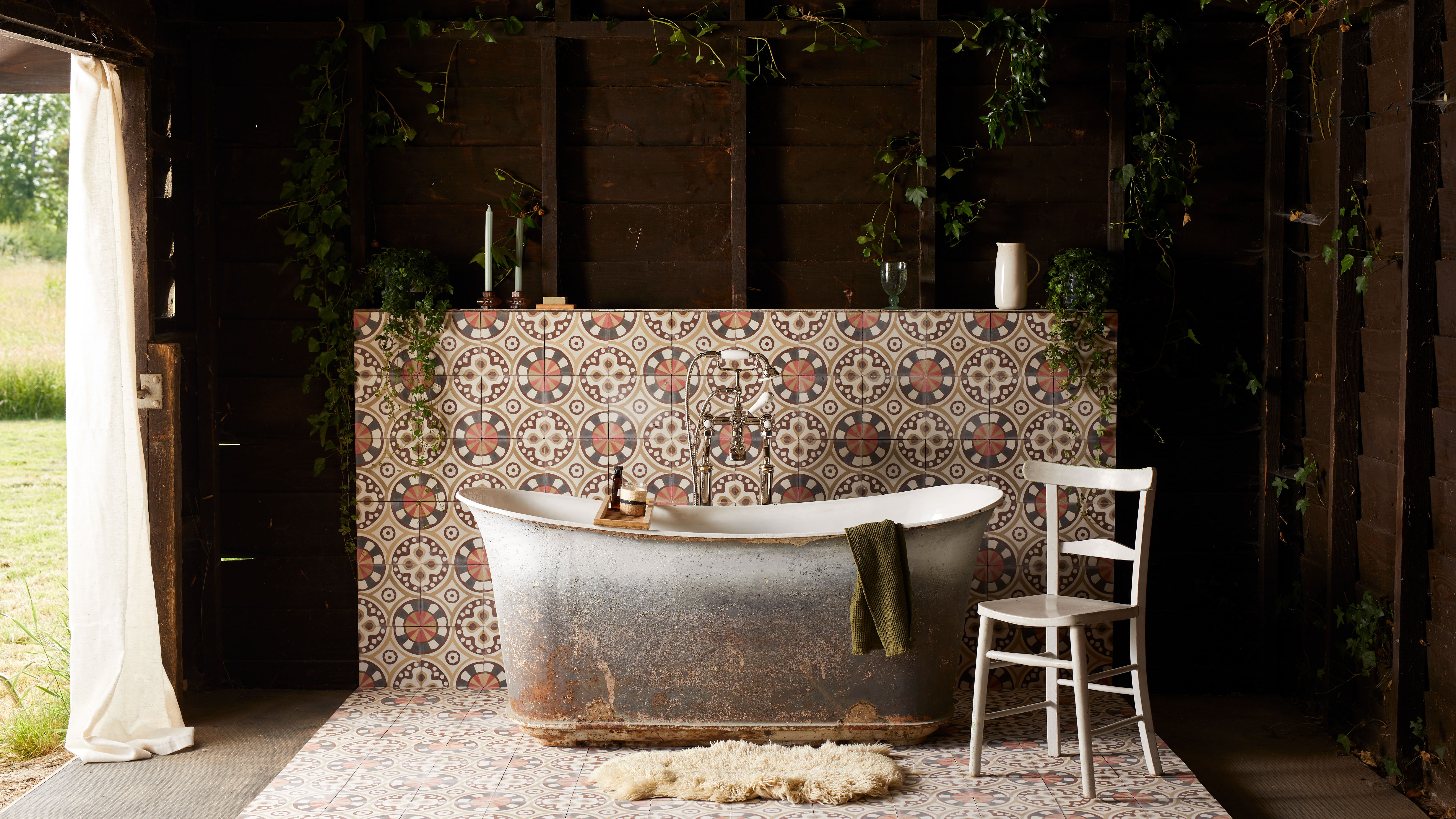
The article elaborates on various tile materials: encaustic tiles, handmade with embedded pigments, are beautiful but pricier; porcelain tiles are highly durable, non-porous, easy to maintain, frost-proof, and can mimic other materials; ceramic tiles are less dense and durable than porcelain, suitable for walls and some floors, and often more affordable; natural stone and marble tiles offer unique textures and tones but are more expensive and may require sealing. Harriet Goodacre, a tile expert at Topps Tiles, advises checking tile material suitability for the intended room, noting that natural stone requires more upkeep in wet areas compared to versatile porcelain. Thirdly, factoring in delivery costs is essential. Tiles are heavy, leading to potentially high shipping fees. While some companies are transparent about these costs upfront or offer free delivery thresholds, others calculate them at checkout. To prevent unexpected expenses, obtaining a quote in advance is advisable, especially when comparing prices from different suppliers. Interior designers often create project estimate sheets that include delivery costs to manage budgets effectively.
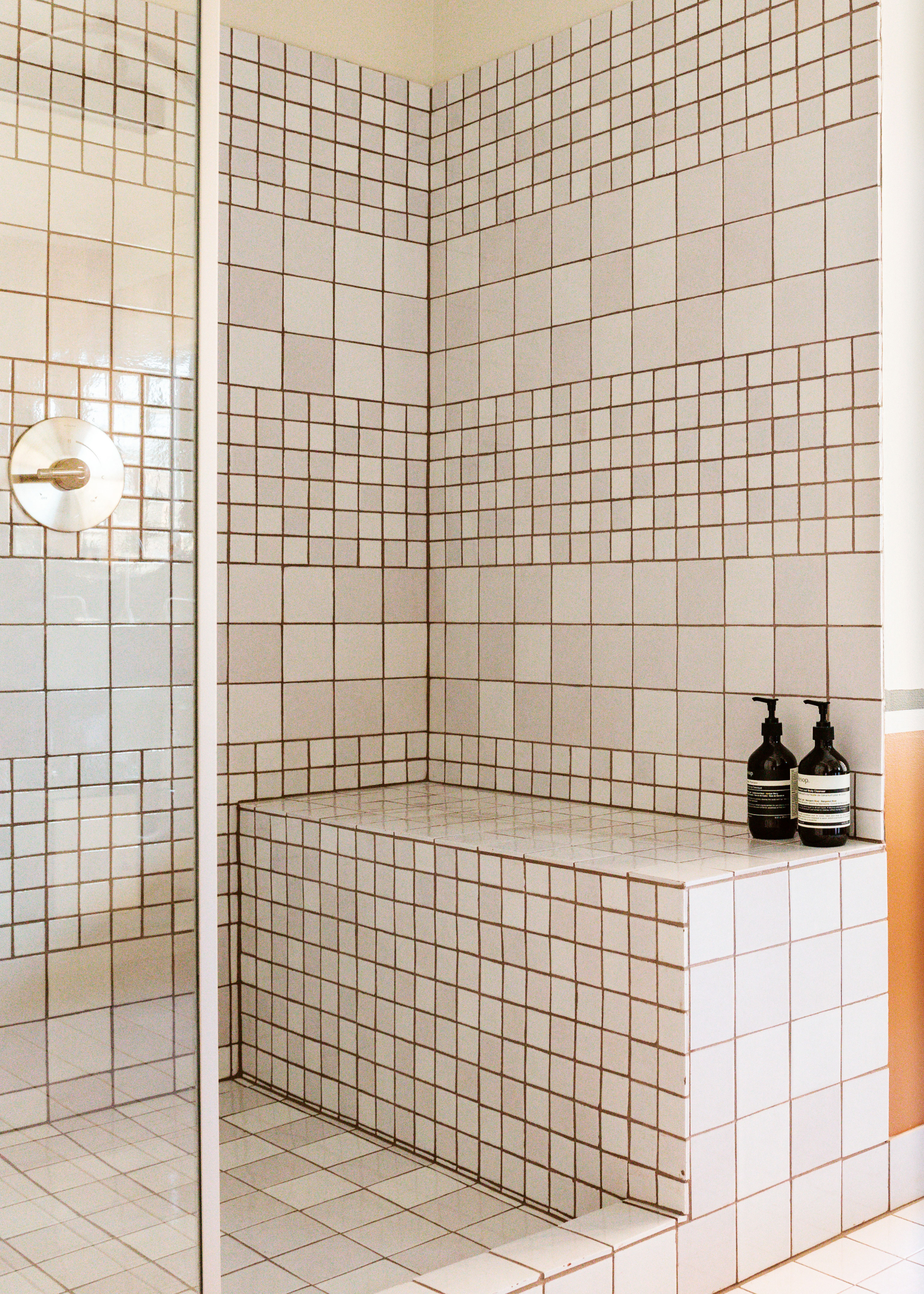
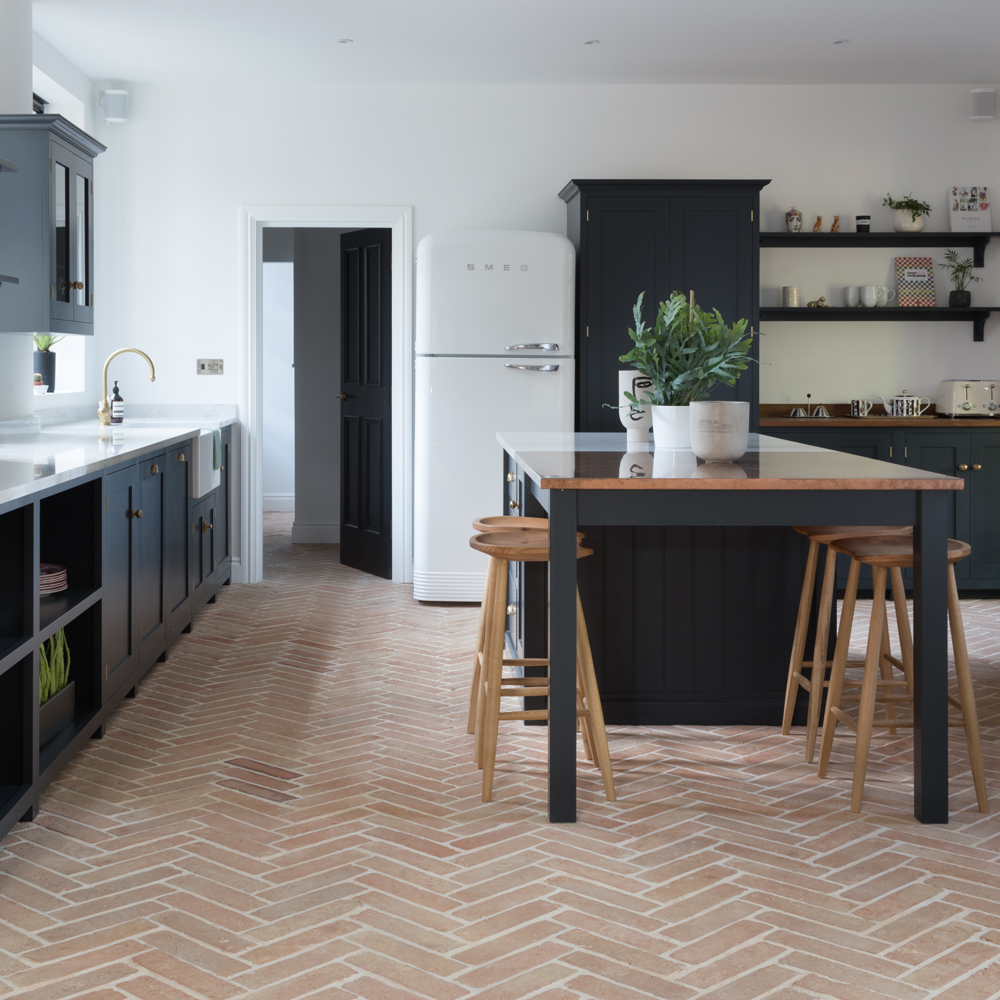
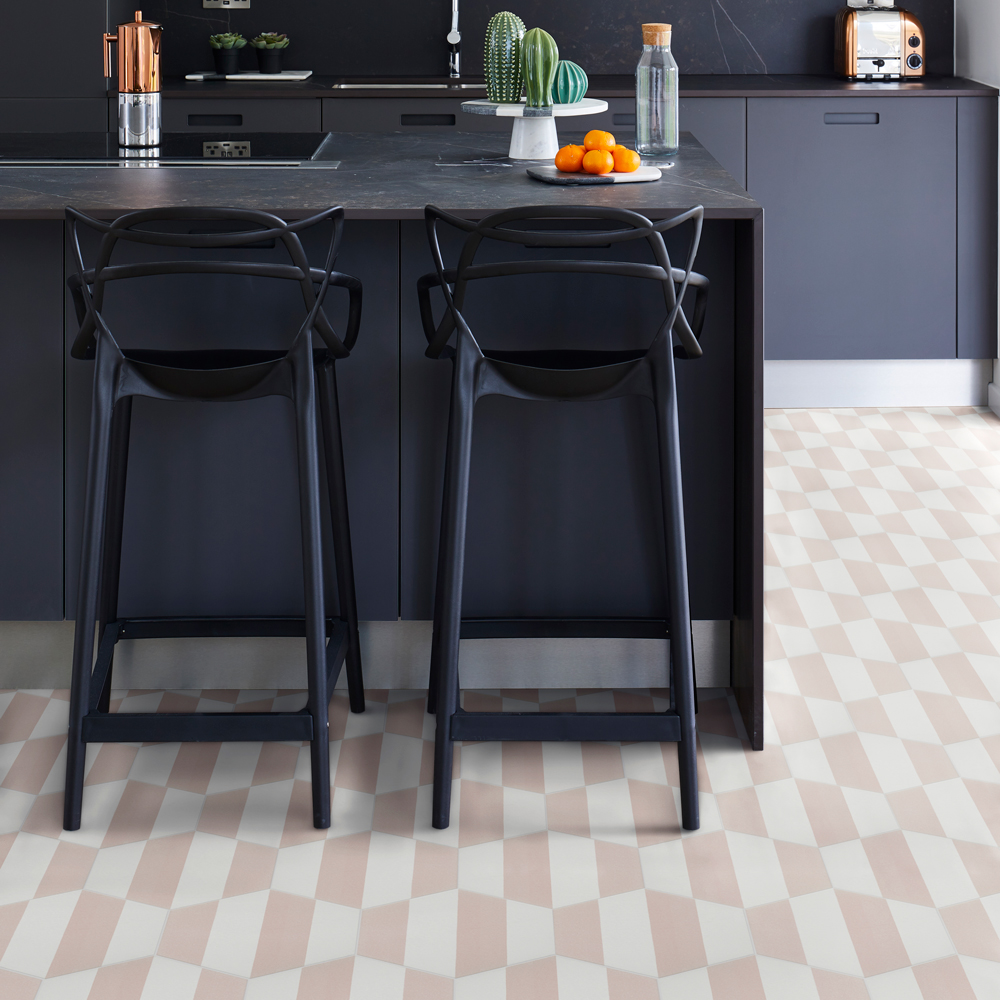
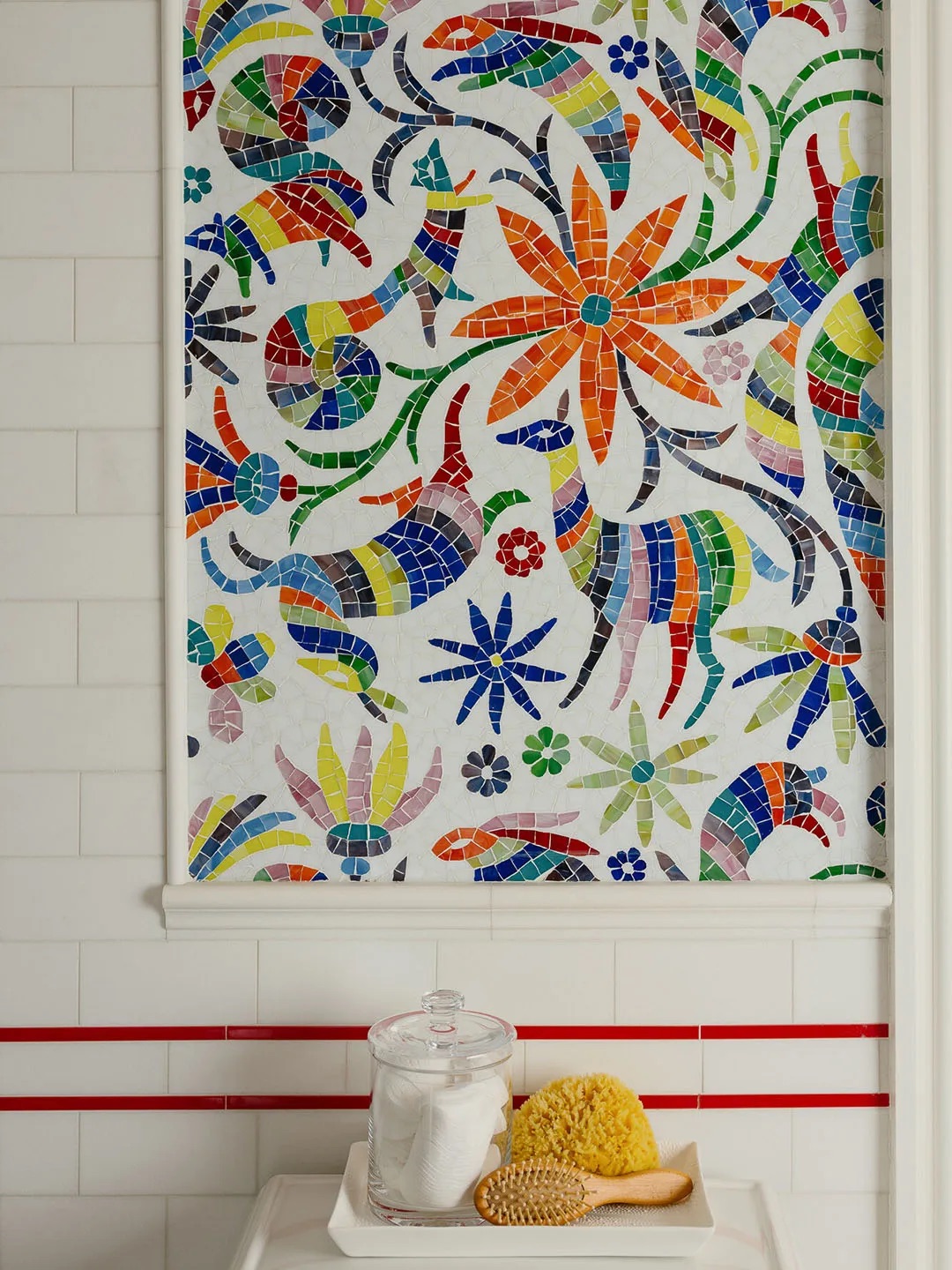
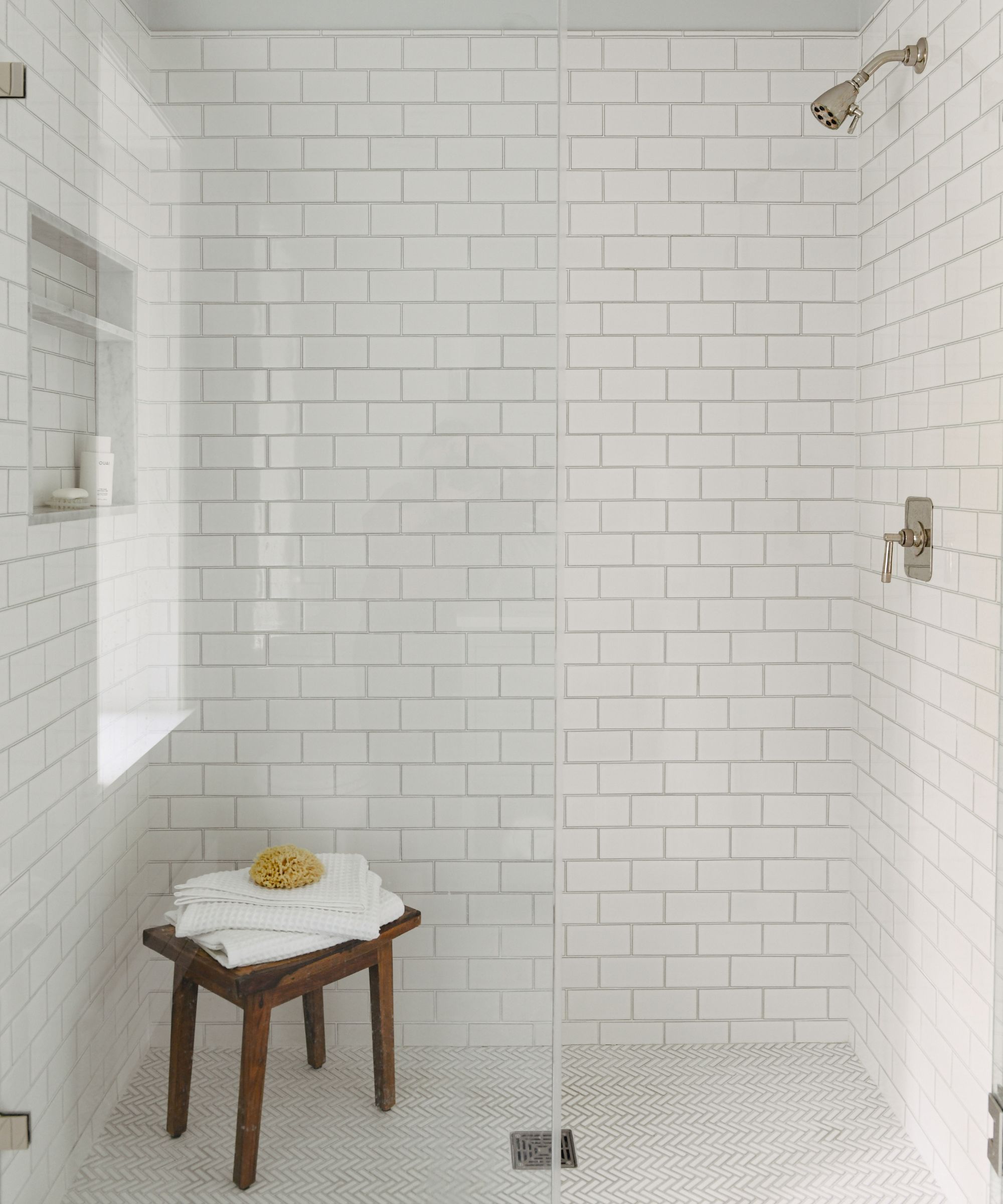
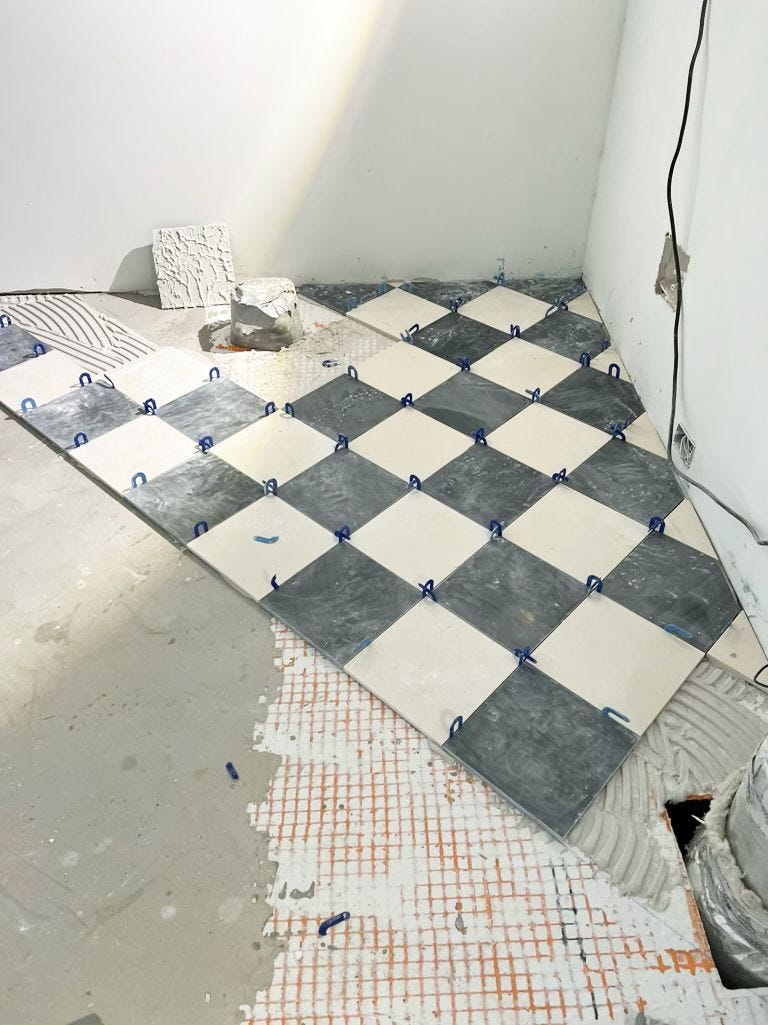
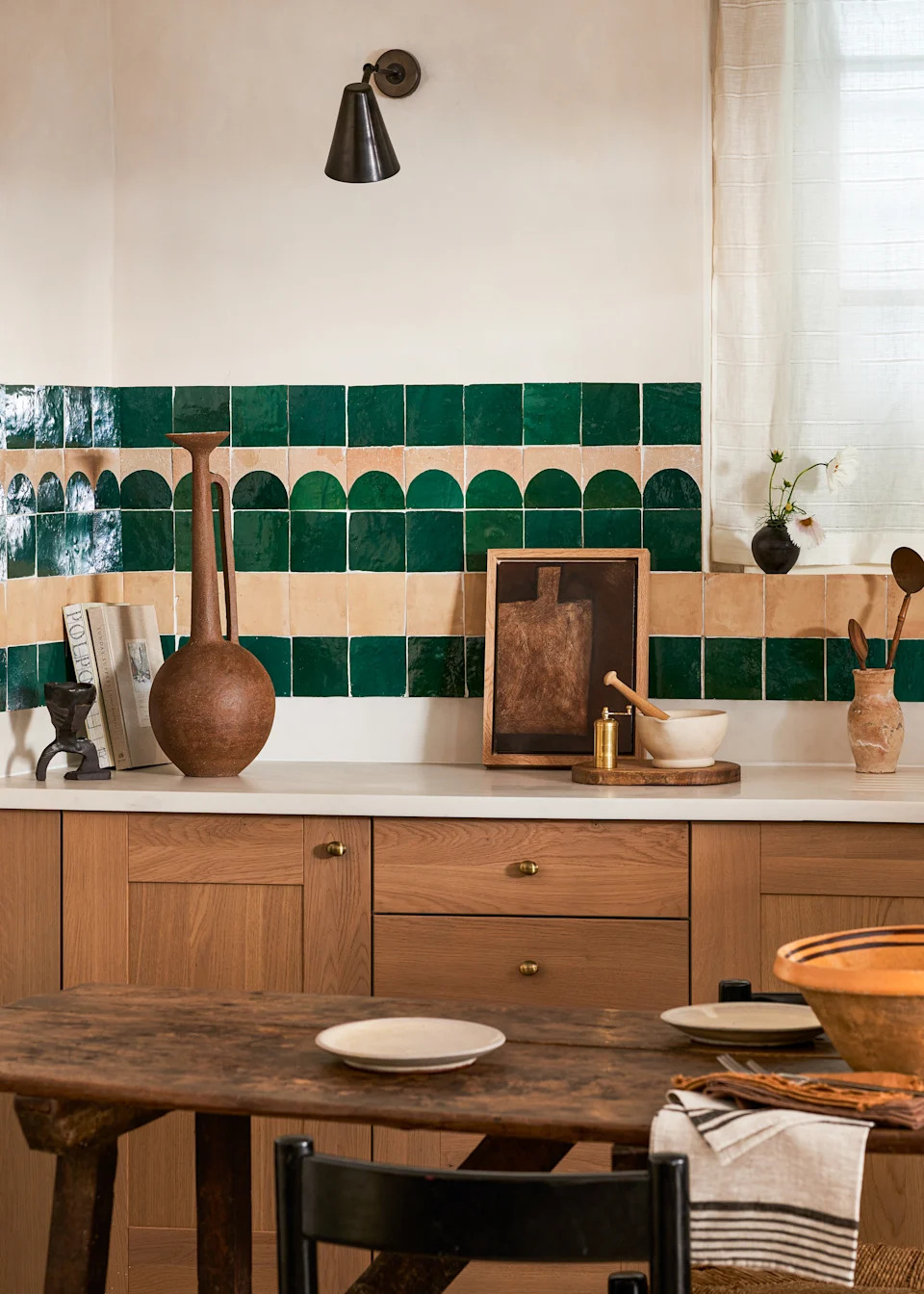
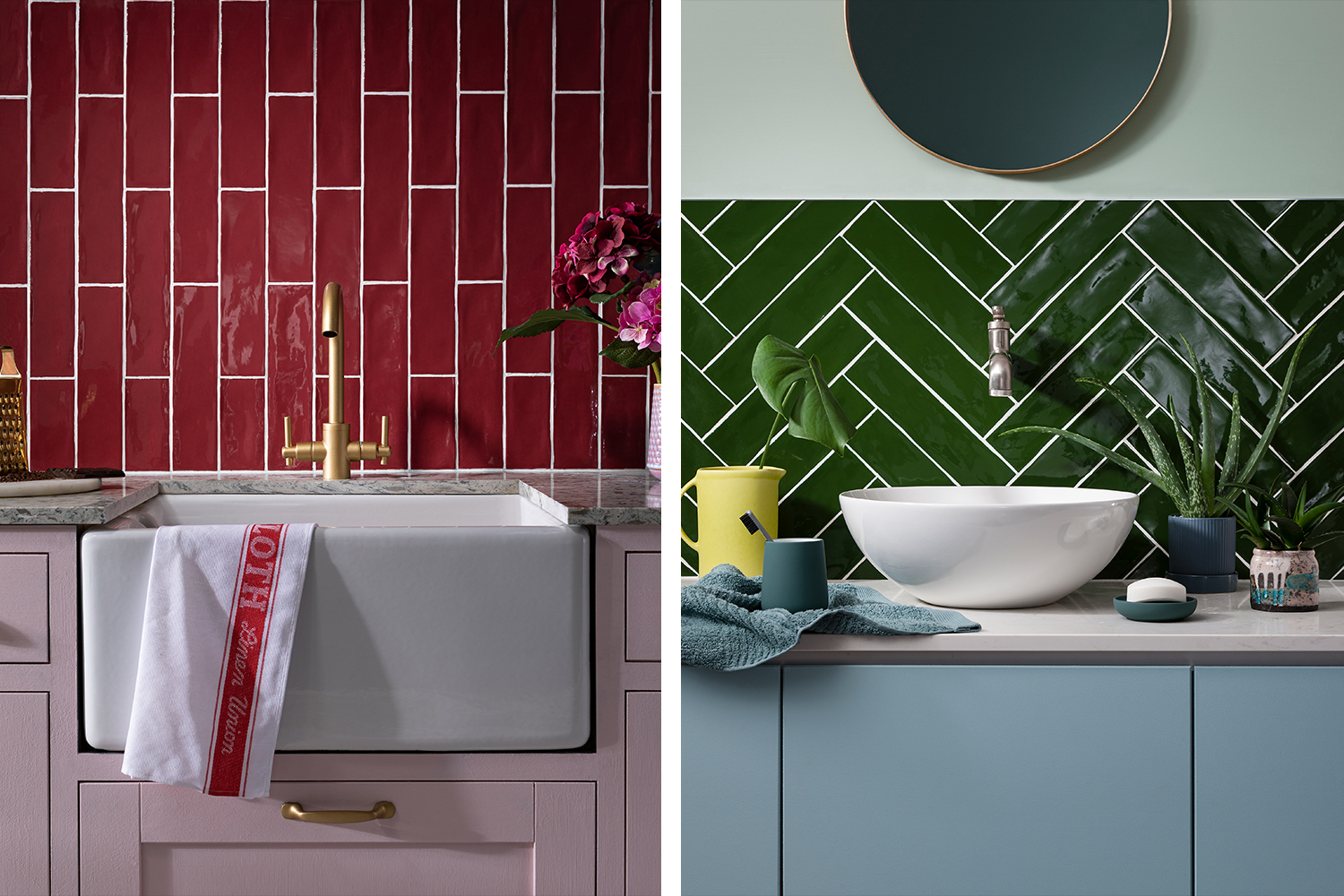
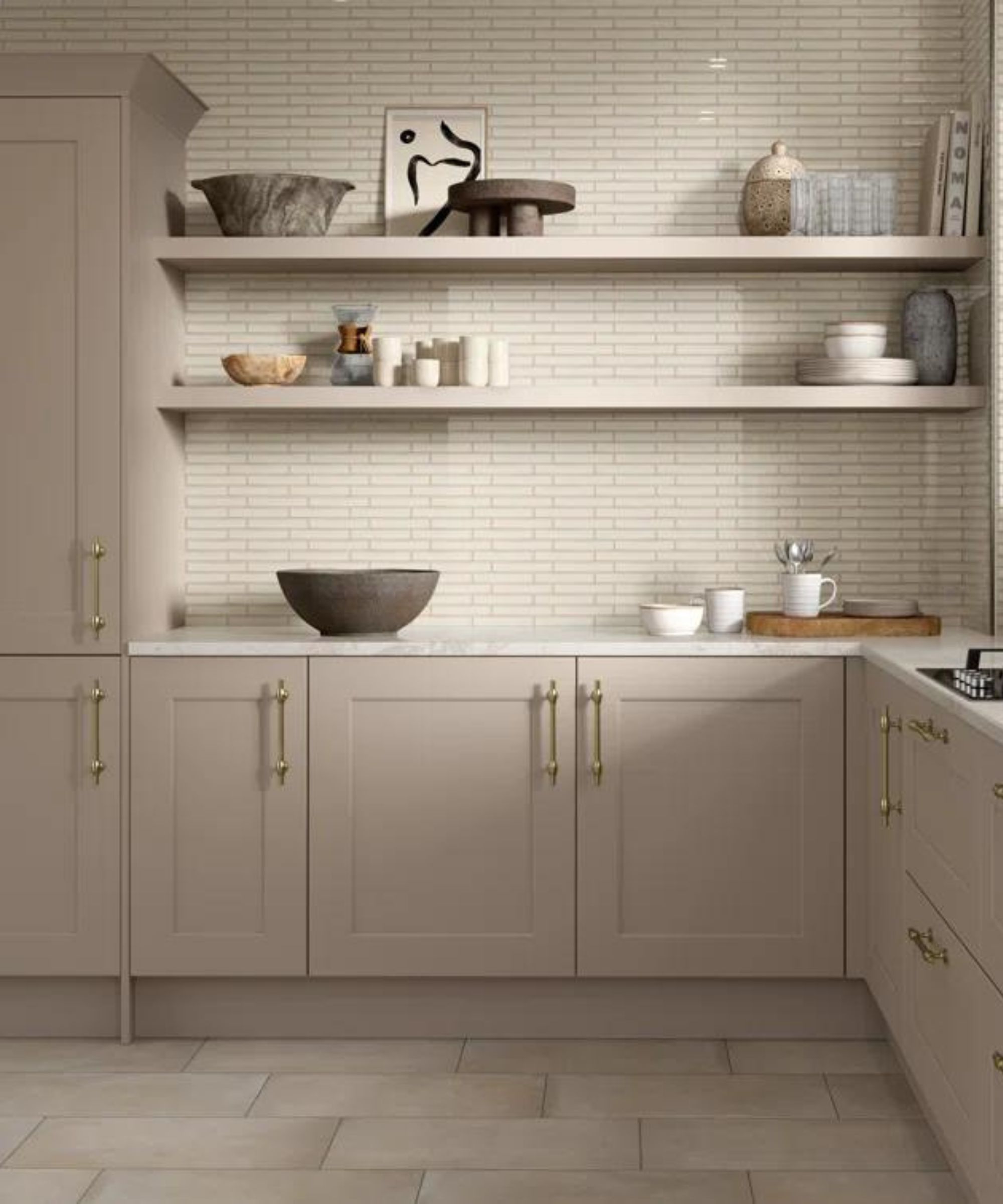
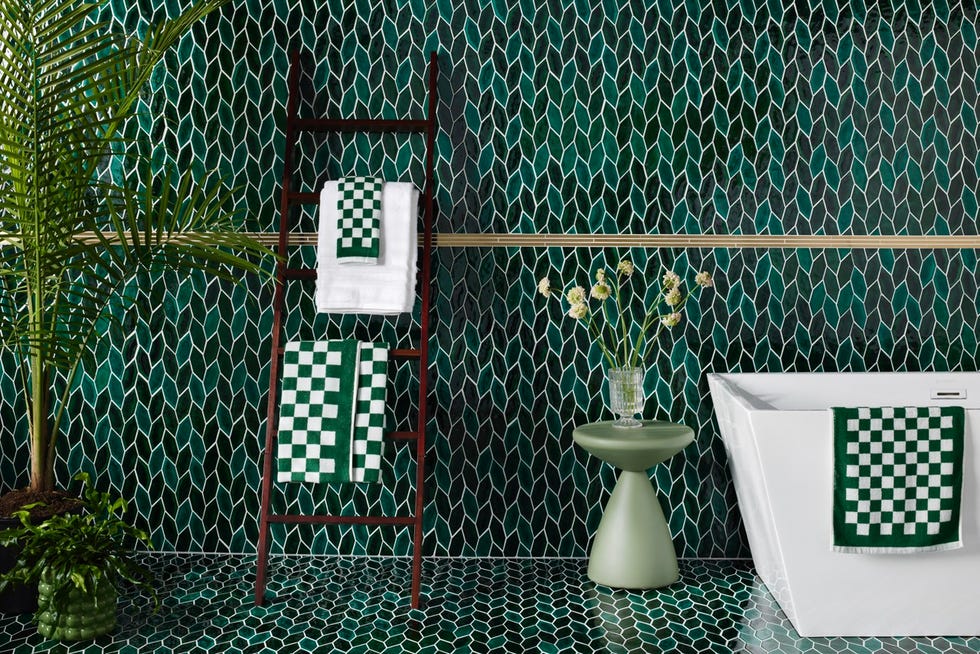
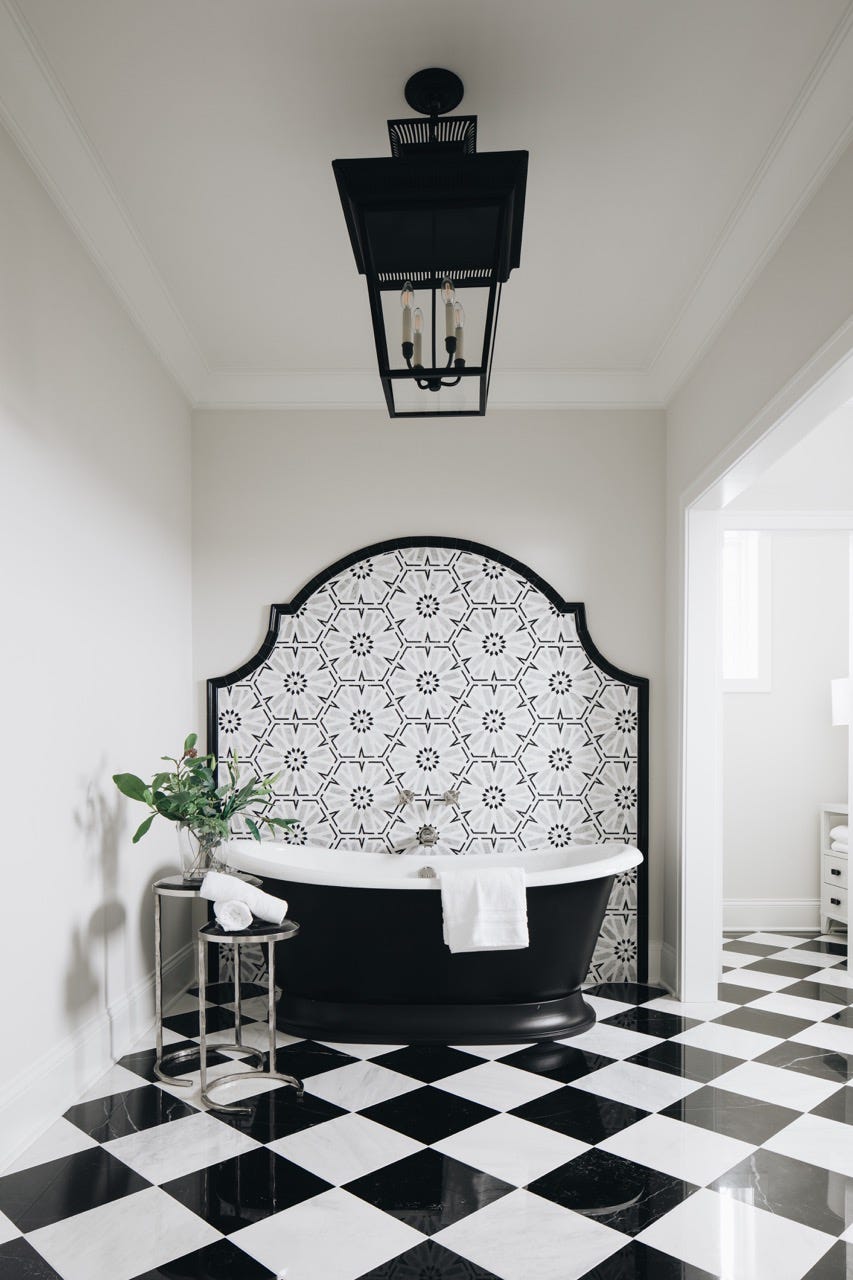
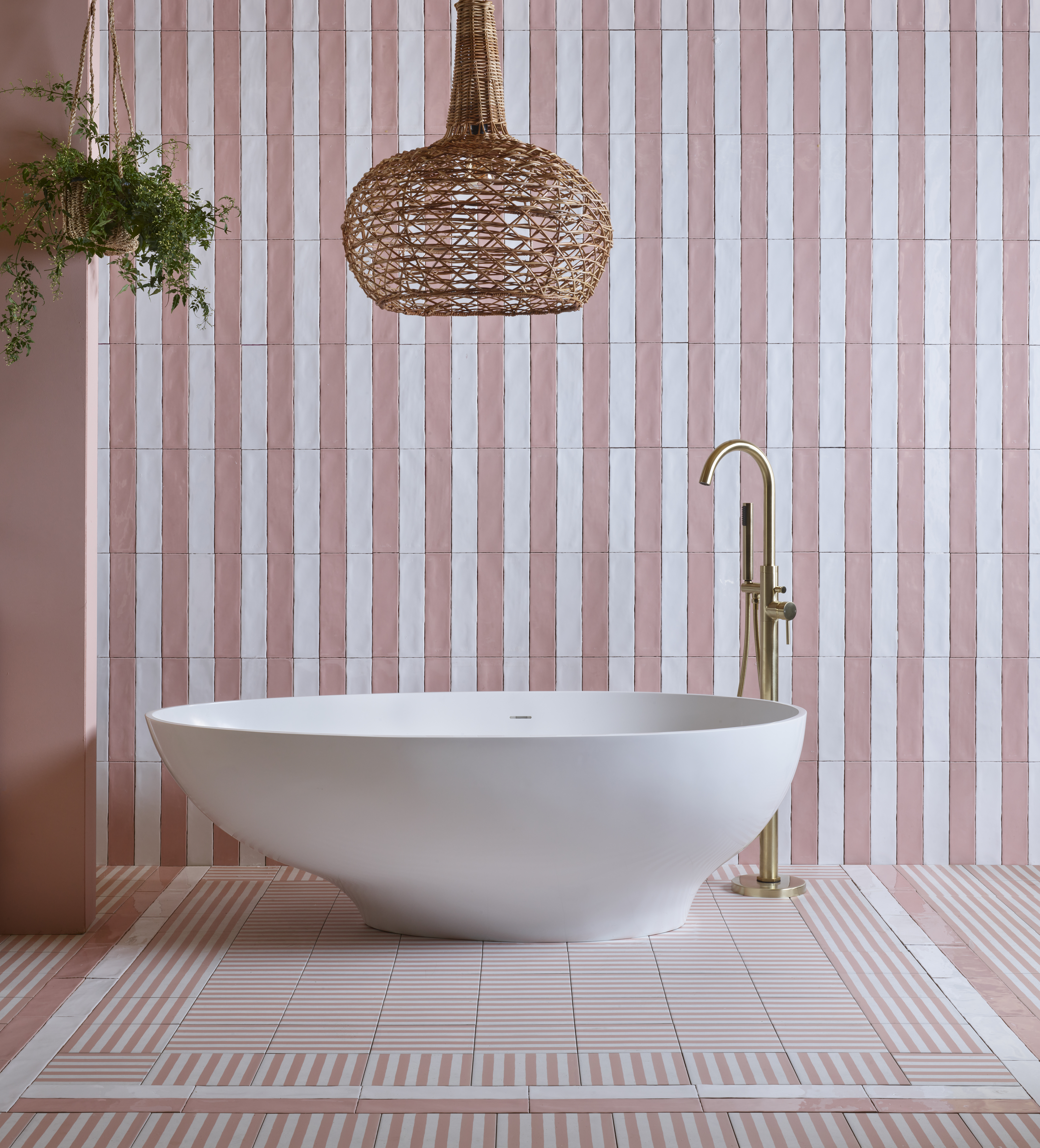
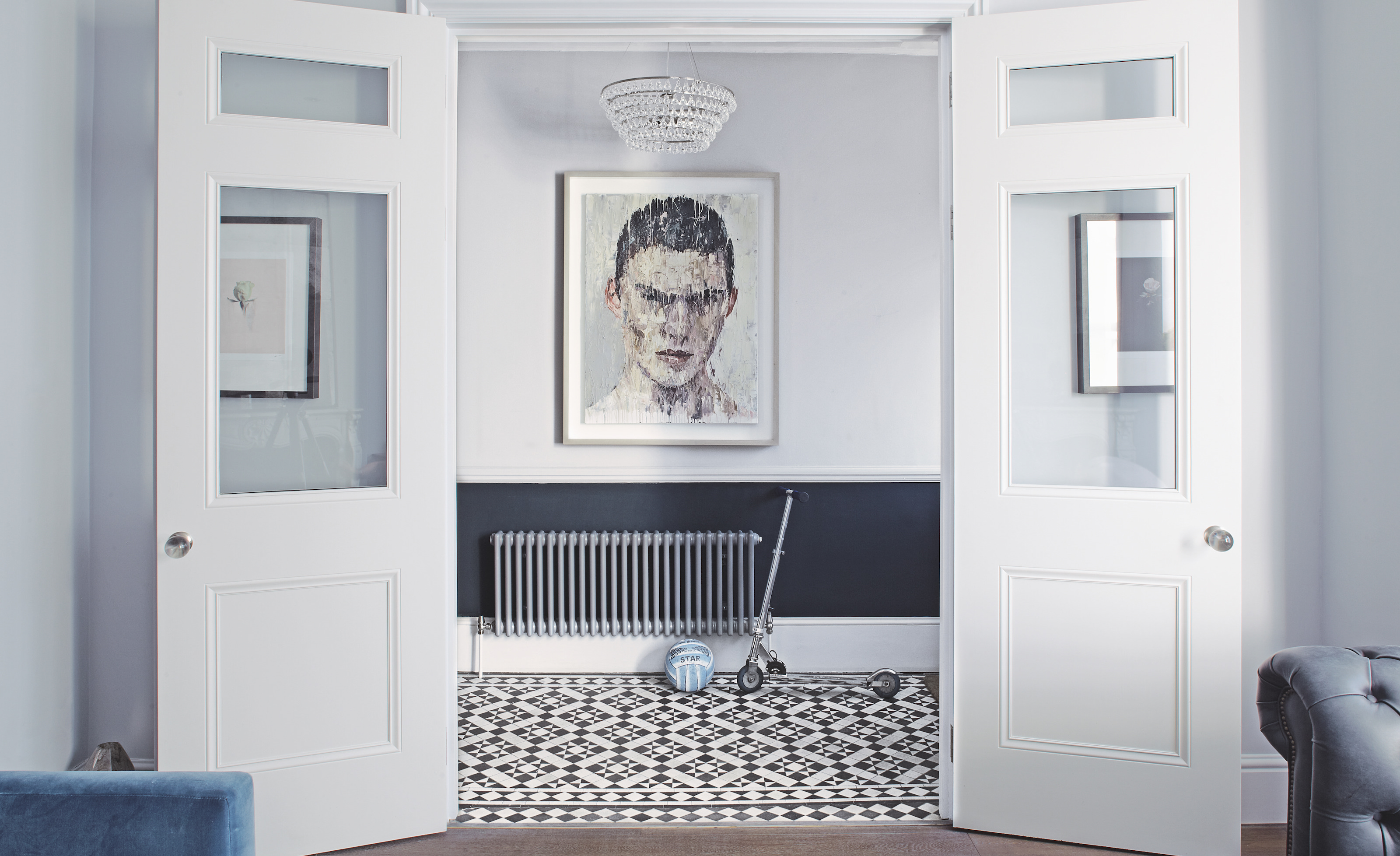
Fourthly, combining tile types can be an effective strategy, especially when a premium tile is desired but cost is a concern. Instead of tiling an entire area with an expensive option, a section can be highlighted with the premium tile and combined with a more affordable alternative, such as plain white or subway tiles. Hayley Robson, creative director at Day True, suggests mixing tiles with other materials like wood for flooring to introduce color splashes without covering the entire surface. This approach allows for varying price points while adding texture and framing the space. Fifth, accurate room measurements and careful consideration of tile sizes are crucial. Harriet Goodacre of Topps Tiles explains that while small tiles might seem intuitive for small rooms, larger tiles often create a sense of spaciousness by reducing grout lines. Measuring irregular rooms involves segmenting the area and summing individual measurements, also accounting for windows and doors. Finally, always allow for cutting and wastage by ordering extra tiles. This prevents expensive mistakes like mismatched shades from different batches, which can occur if insufficient tiles are ordered initially. Amanda Telford recommends ordering 10% more tiles than needed to cover breakages, cutting errors, and provide spares for future alterations. Hayley Robson further advises requesting batch codes to ensure consistency if additional tiles are needed later.
#TileShopping #HomeRenovation #InteriorDesign #TileMaterials #BudgetingTips #DIYHomeImprovement #BathroomDesign #KitchenDesign #Flooring #TileShopping #HomeRenovation #InteriorDesign #TileMaterials #BudgetingTips #DIYHomeImprovement #BathroomDesign #KitchenDesign #Flooring
0 comment in total
 No comments yet
You may also like
5 Costly Mistakes People Always Make When Buying Tiles — And How to Avoid Them
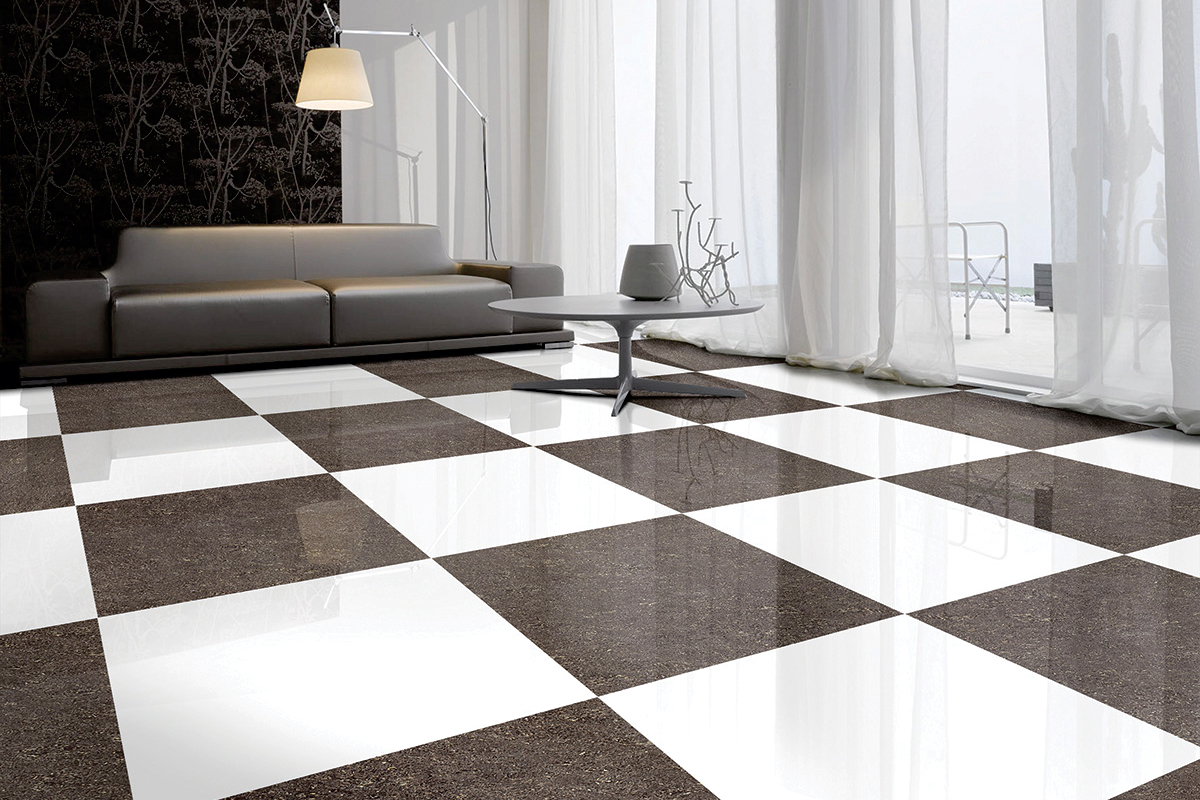
Reliable companies to consider when looking to buy tiles
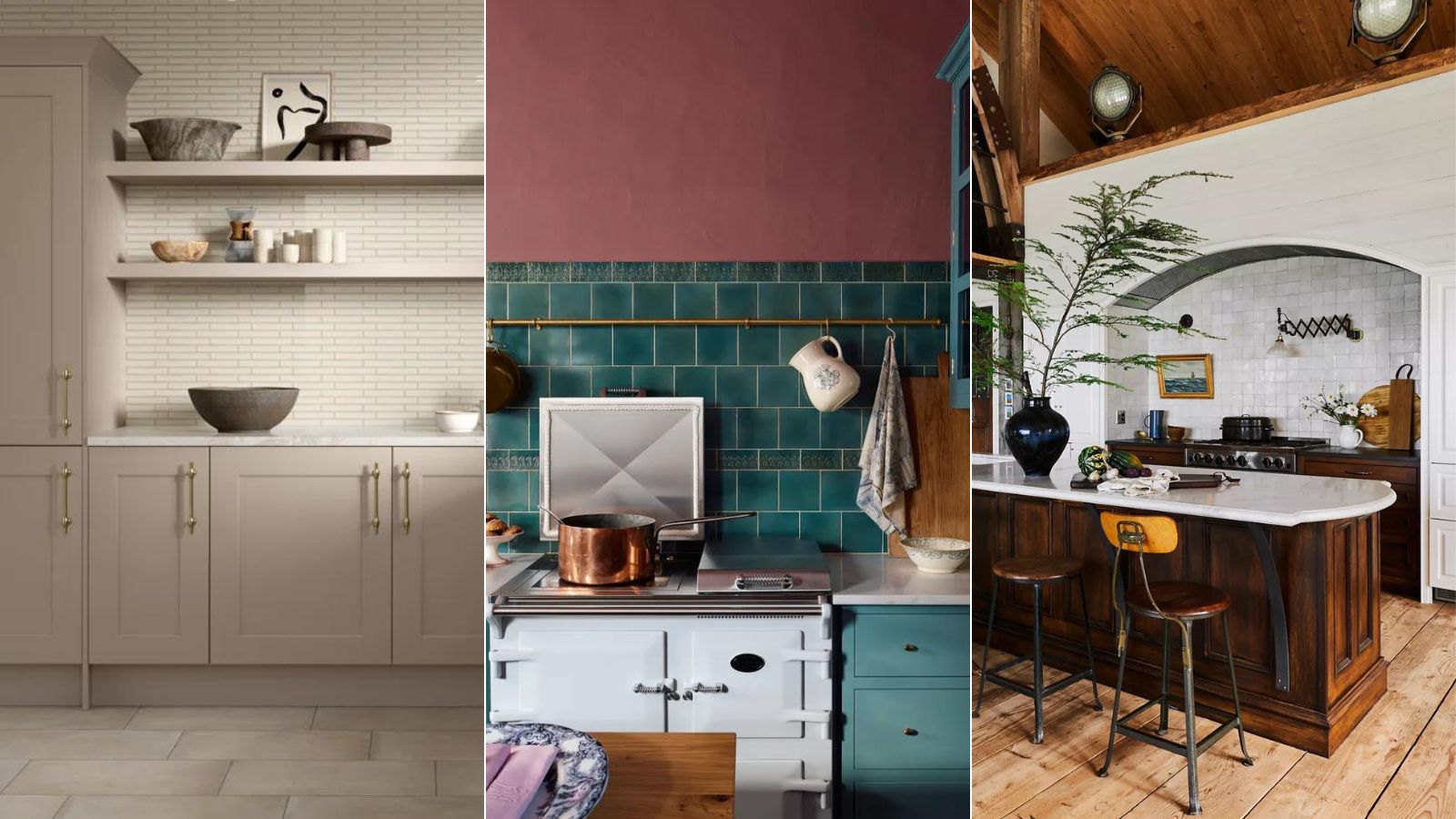
Where's the best place to buy kitchen tiles? The brands creating stylish designs with timeless appeal


5 Red Flags to Avoid at All Costs When Thrifting Home Decor, According to Designers

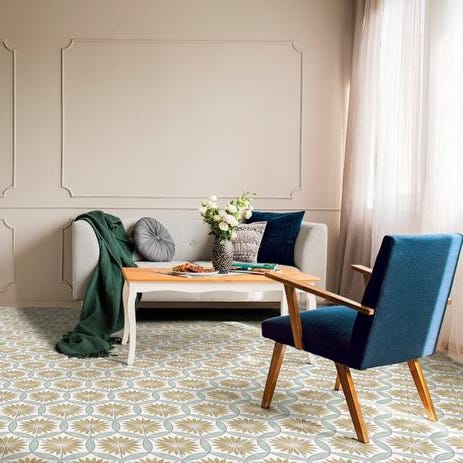
15 of the Best Places to Shop for Pretty Tile Online


Caitlin Wilson's 5 Tips for Choosing the Perfect Tile

6 Things You Should Always Do Before Shopping for Furniture, Designers Say

The new tile trends for stylish interiors and where to buy them
10 common tiling mistakes that can be costly – and how to avoid them
14 Mistakes To Avoid When Buying New Furniture, According To Designers
4 Designer Tips for Creating an All-Tile Bathroom

Our Editor Gave Her Home a Fun Fall Refresh With Just a Few Items From HomeGoods

The Tile Trim Mistake Designers Always Notice—And How to Avoid It

6 Mistakes That Are Making Your Kitchen Tiles Look Cheap and Not Elevated — And What You Can Do Instead

The Best Spots to Buy Curtains Online, According to Interior Designers
6 mistakes design experts instantly notice in your home – and how to fix them

Decorator's Address Book: 12 interior designers on the best places to shop for tiles
The 12 best tiles to buy now
I look at kitchen tiles day in, day out – these are the 5 best places to buy kitchen tiles for any design scheme
Smart shopper: carpet buying tips