1/5
4 Designer Tips for Creating an All-Tile Bathroom
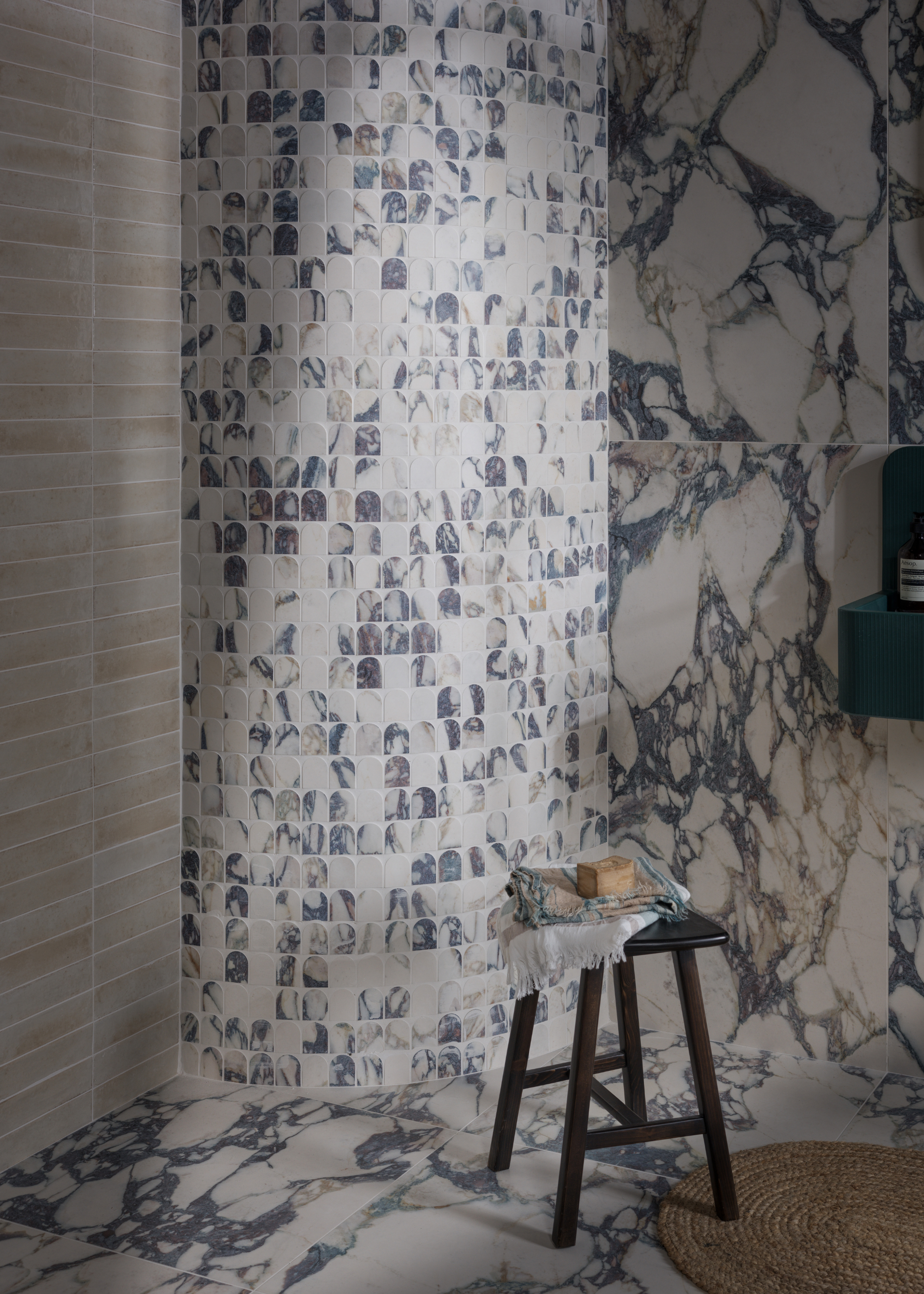
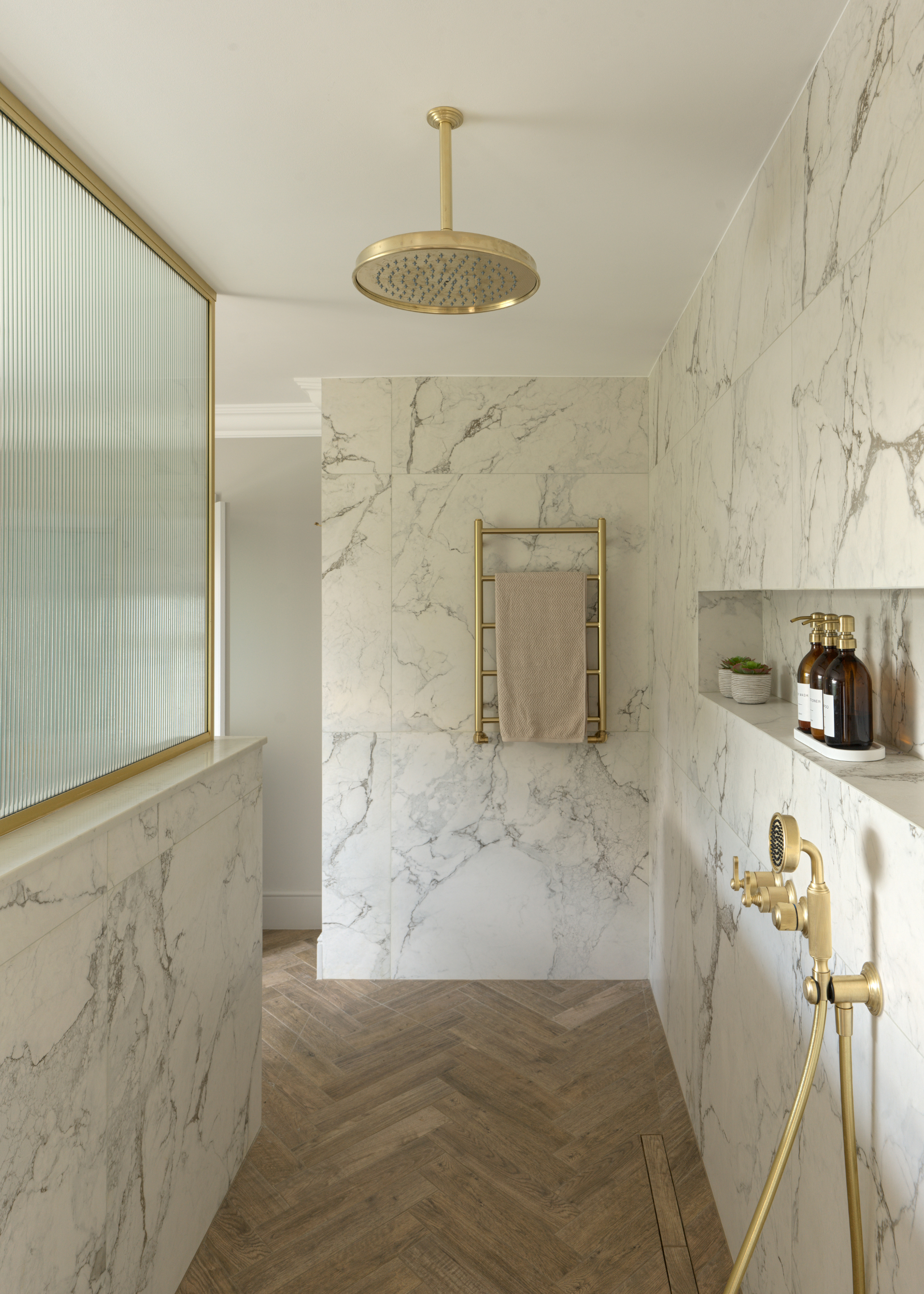
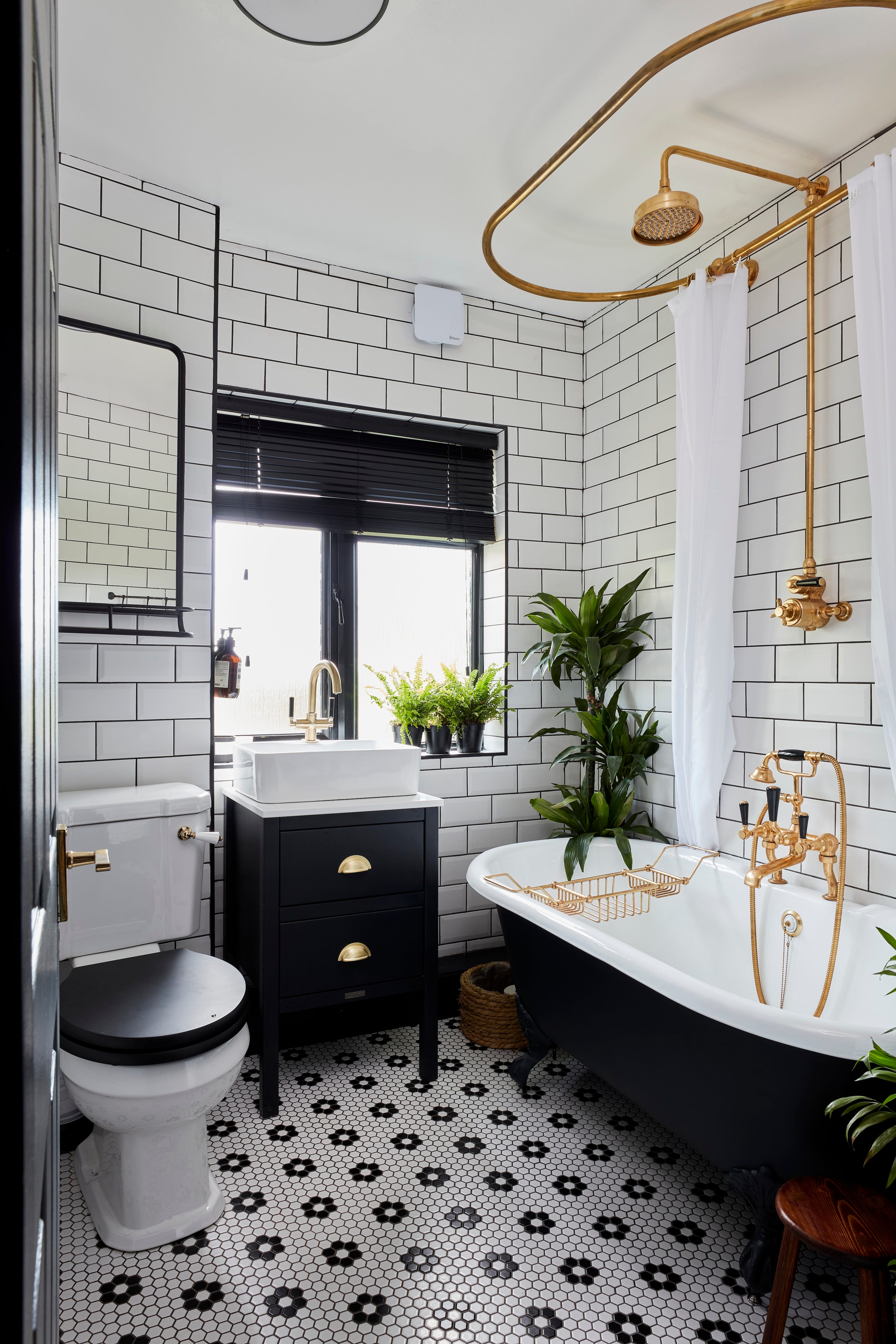
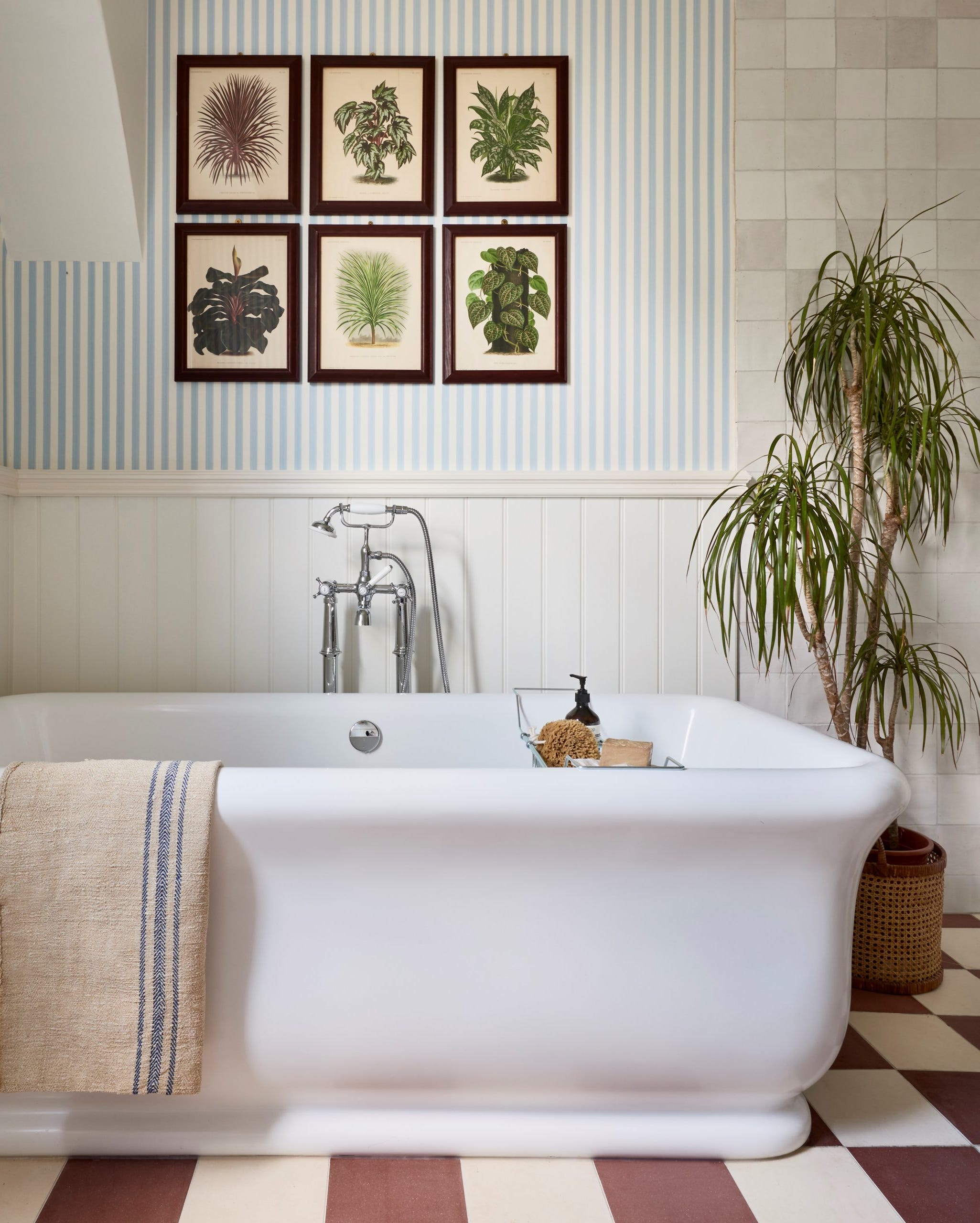
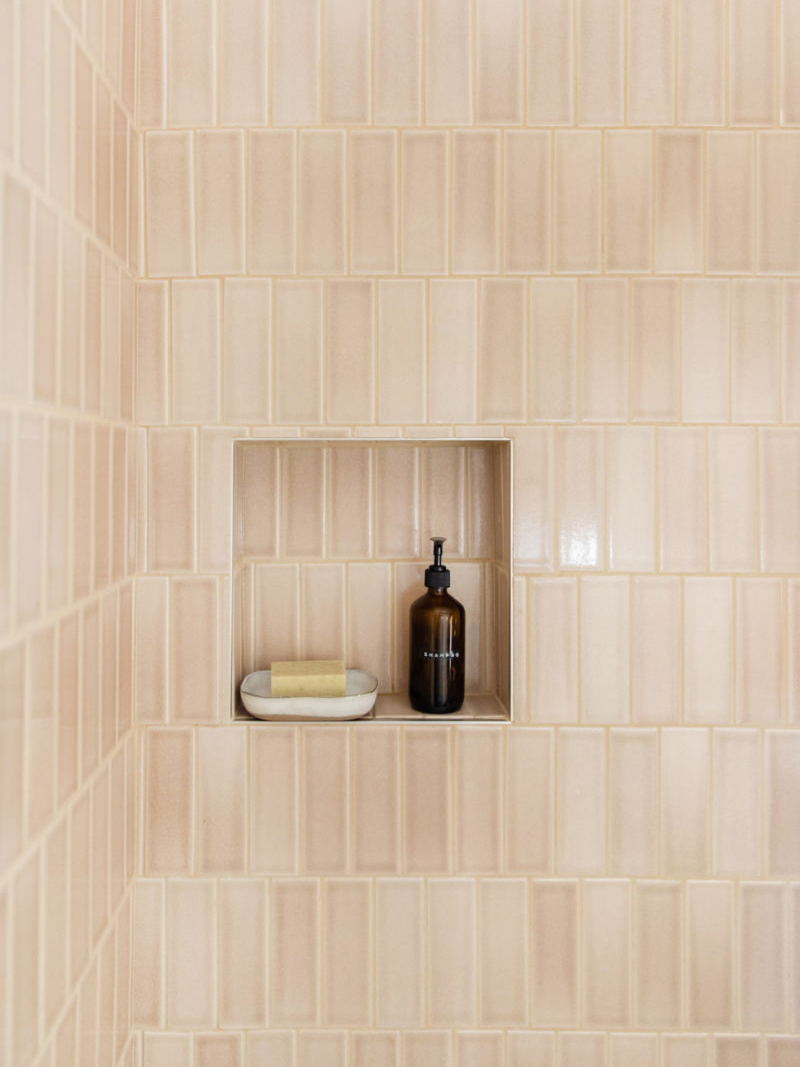
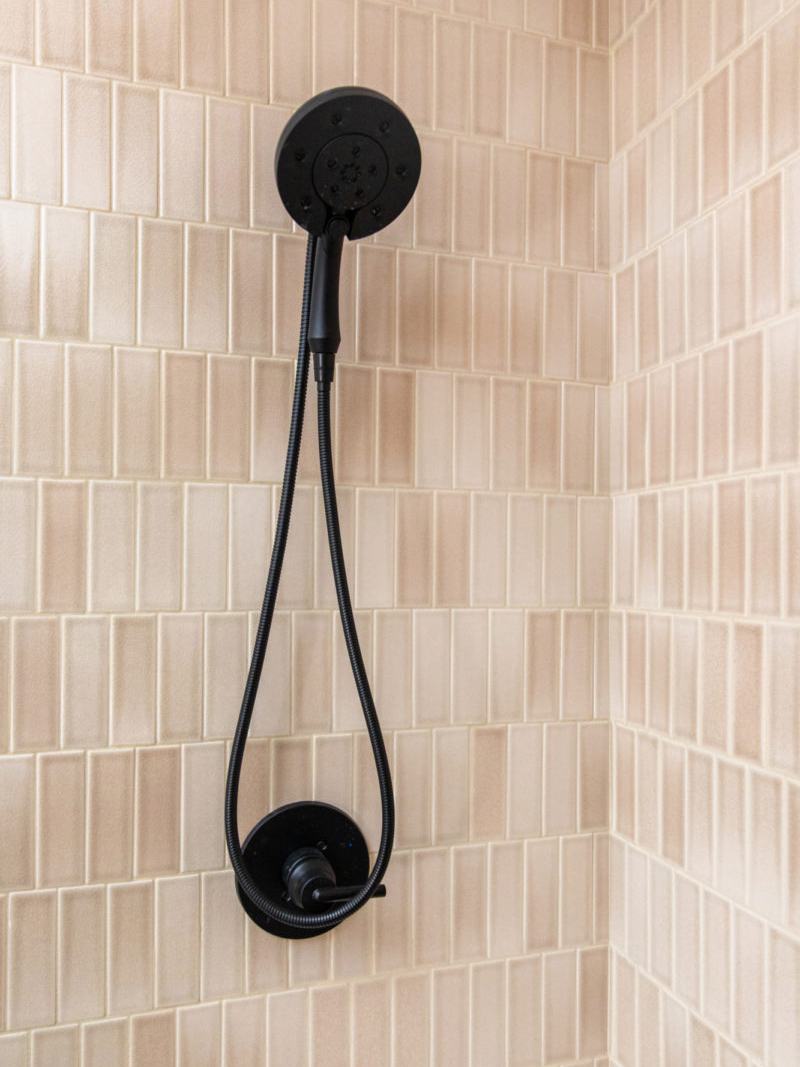
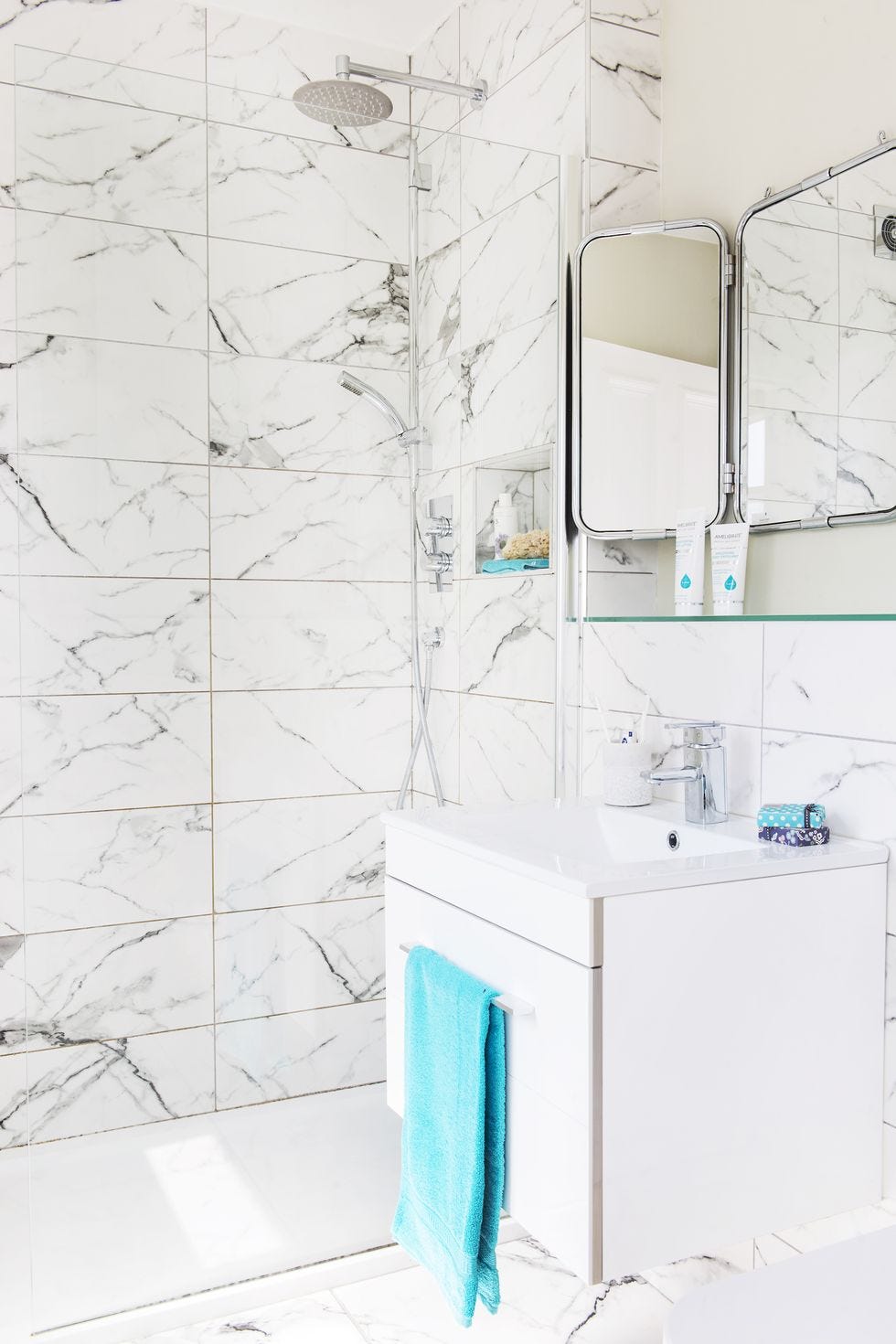
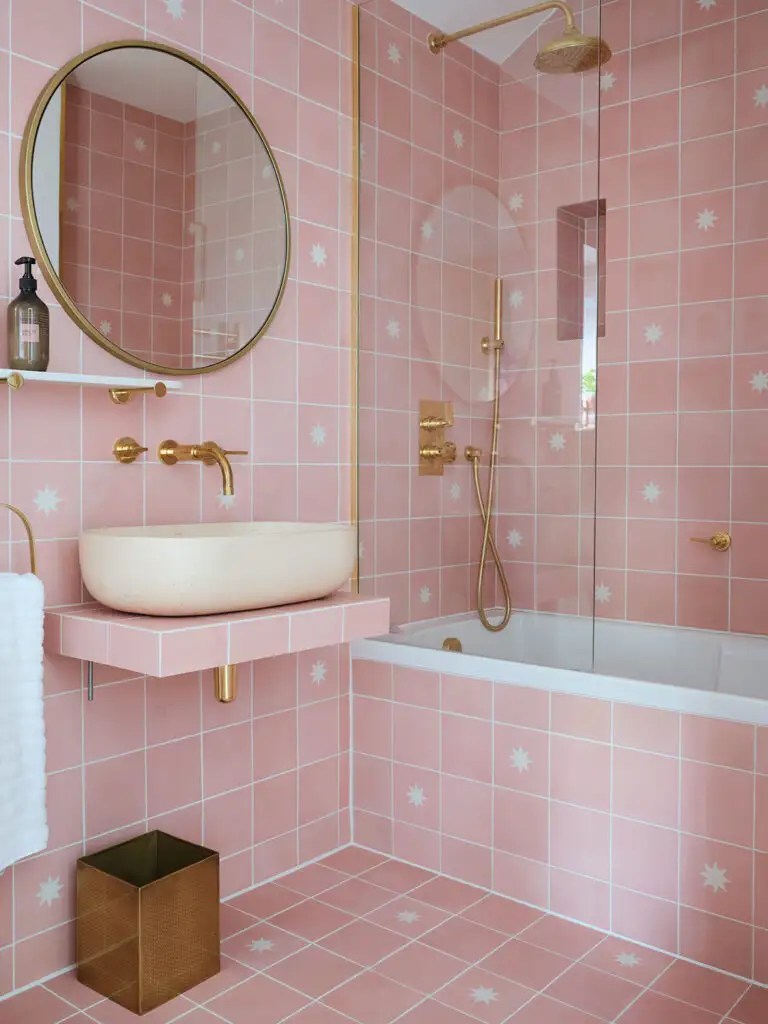
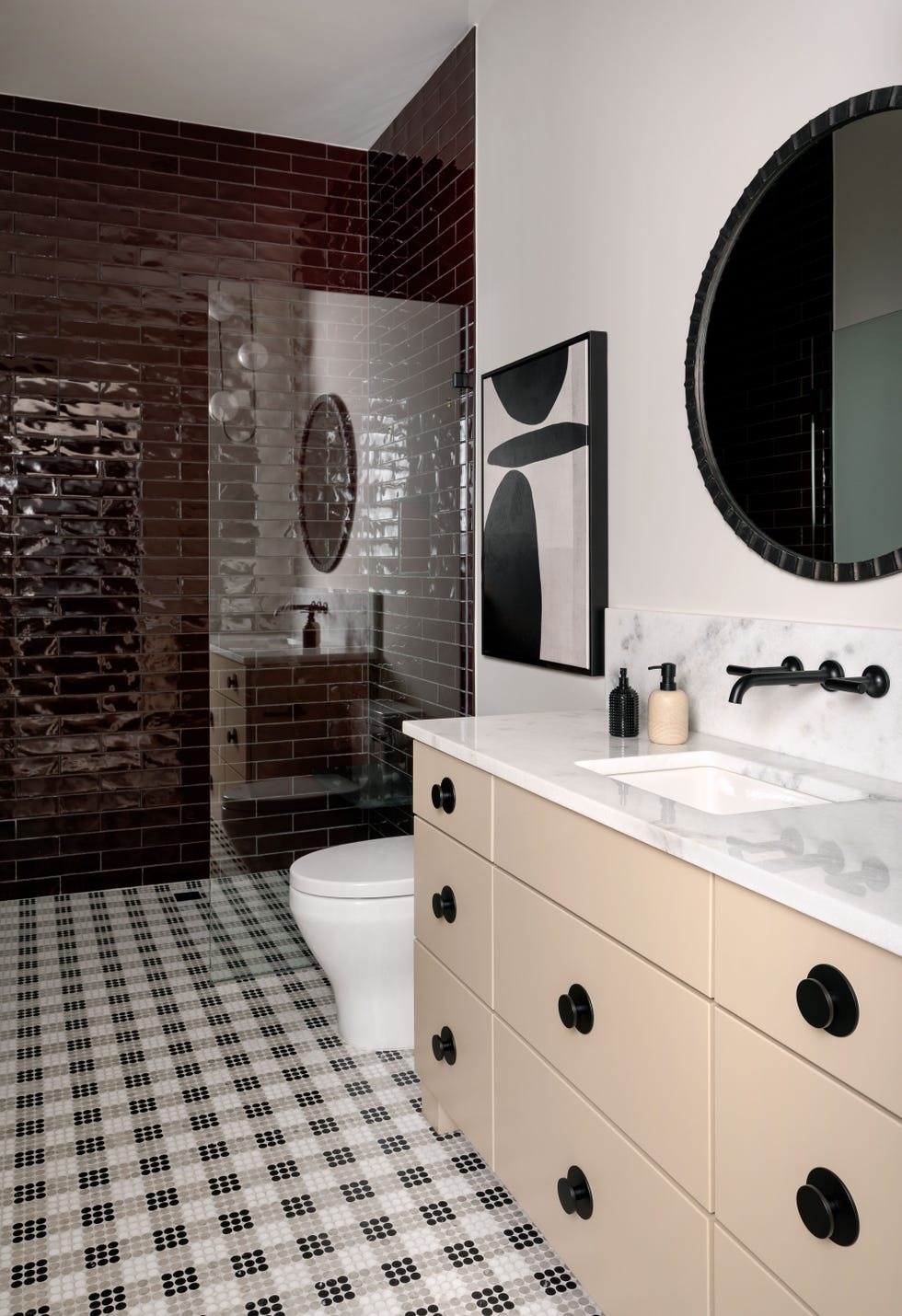
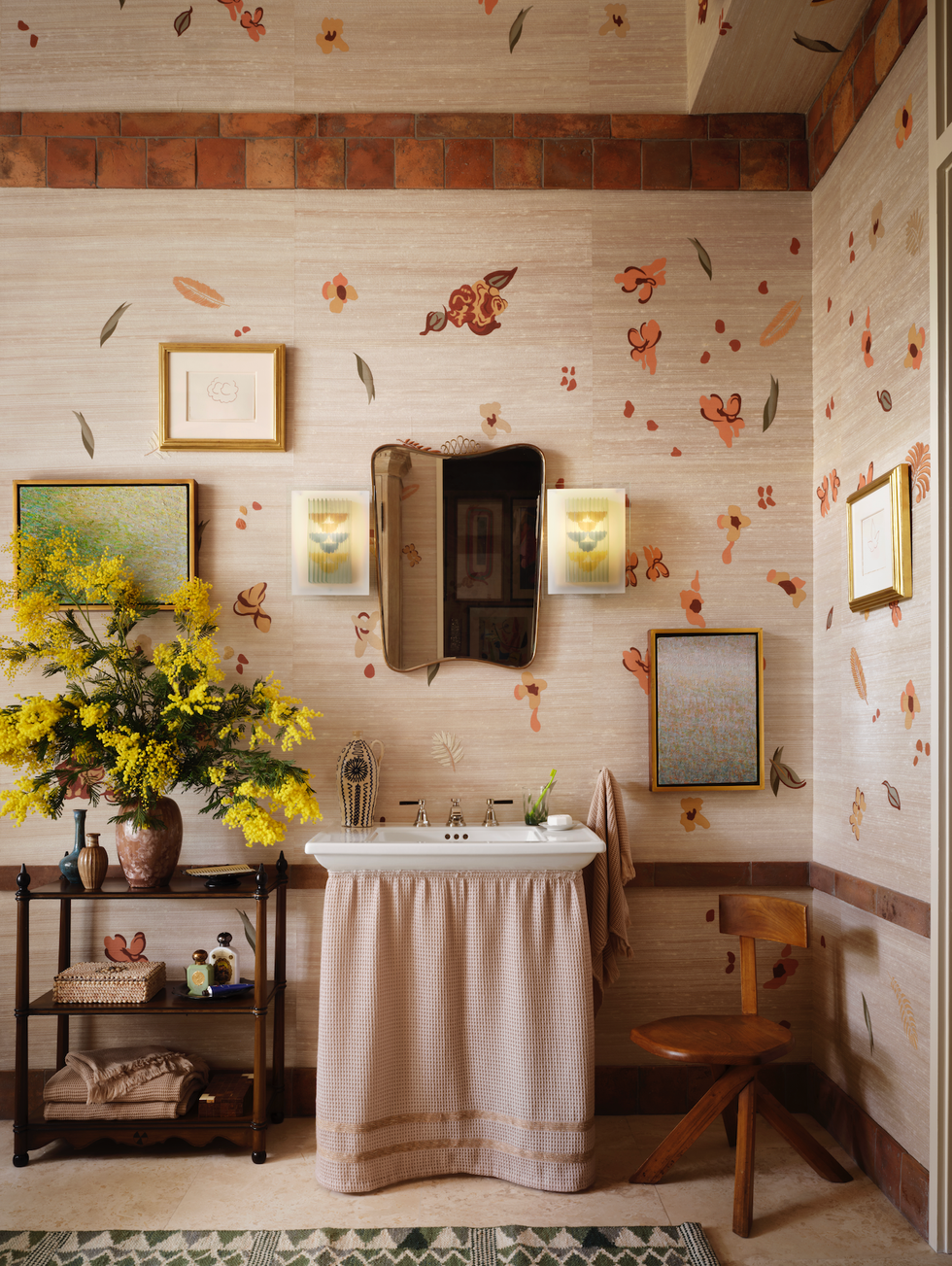
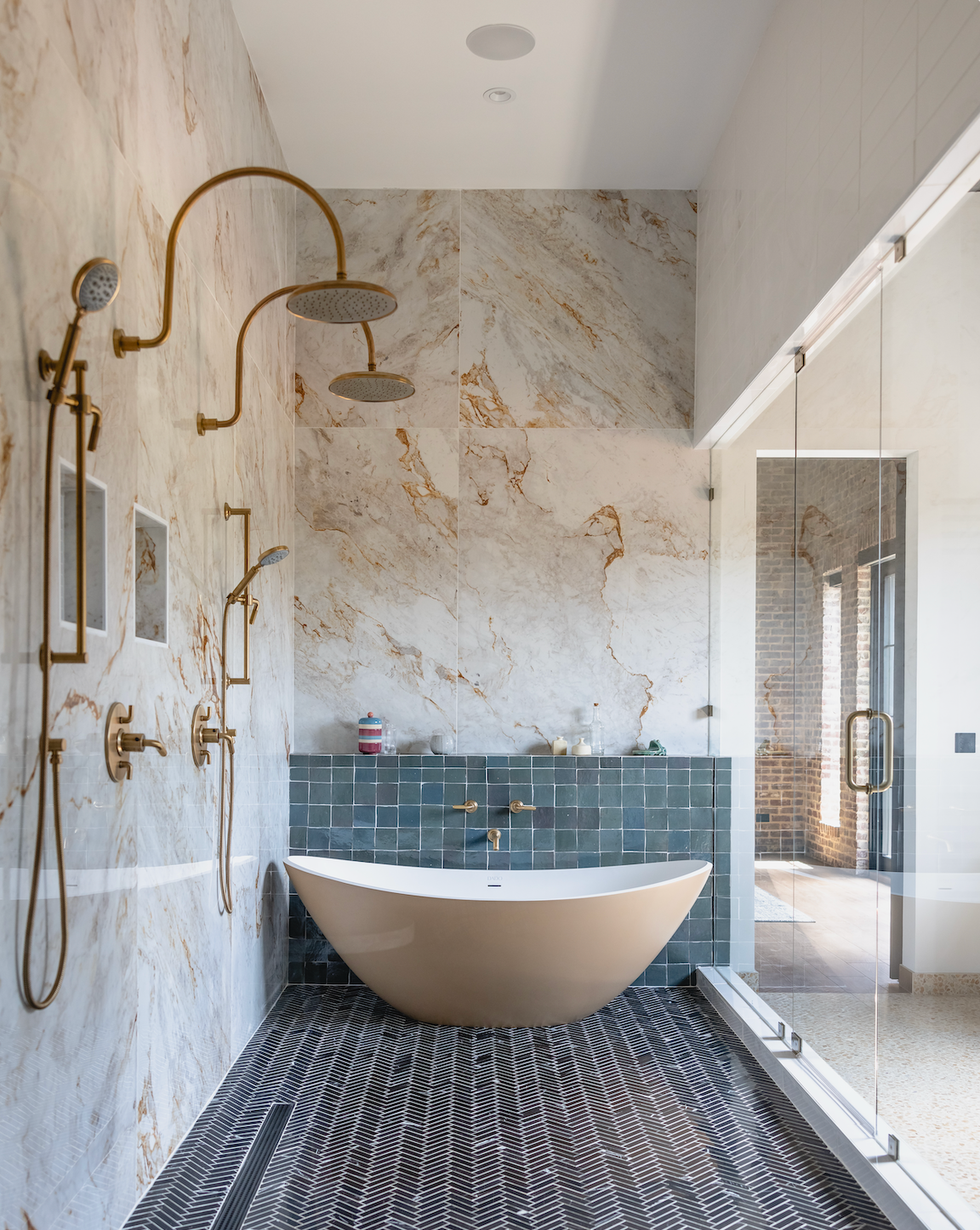

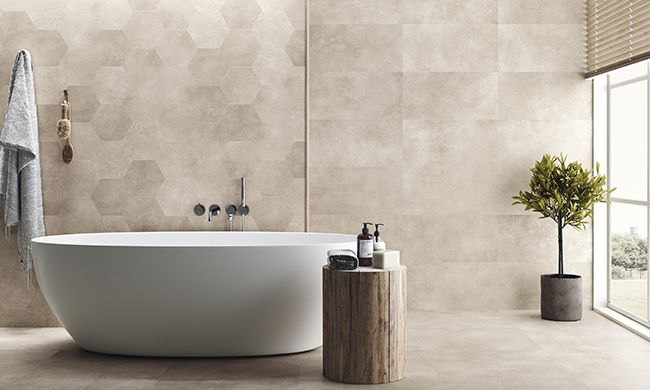
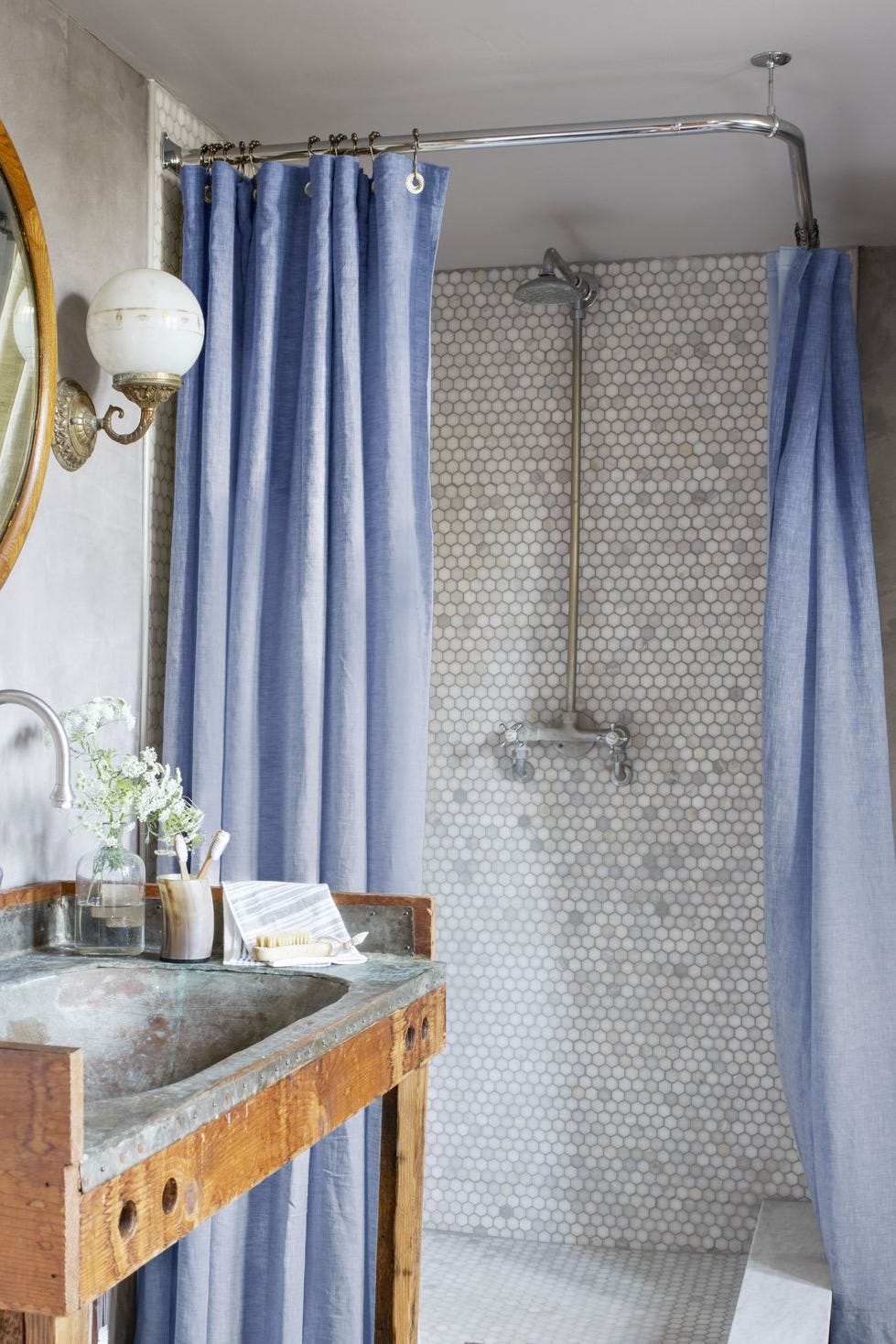
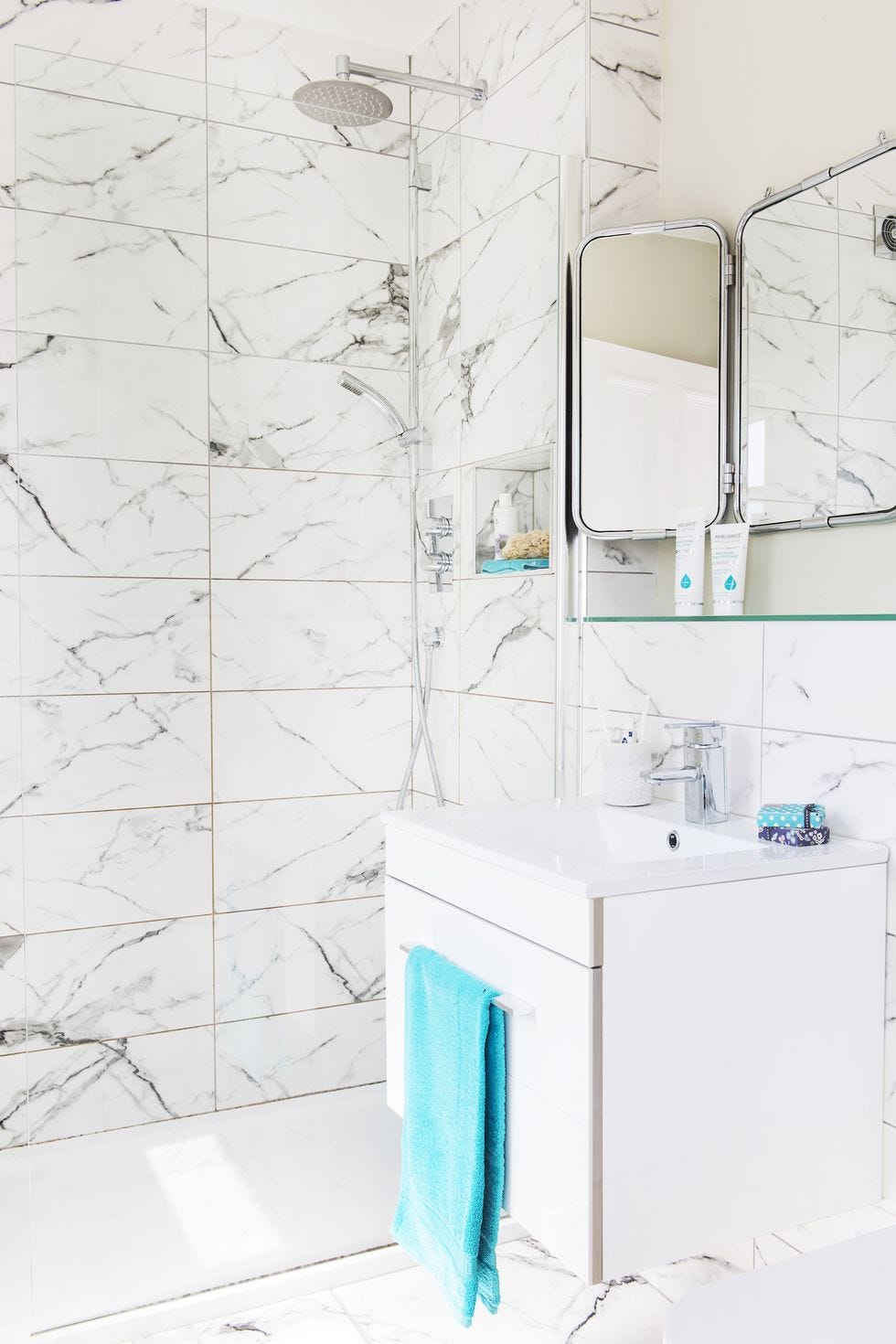
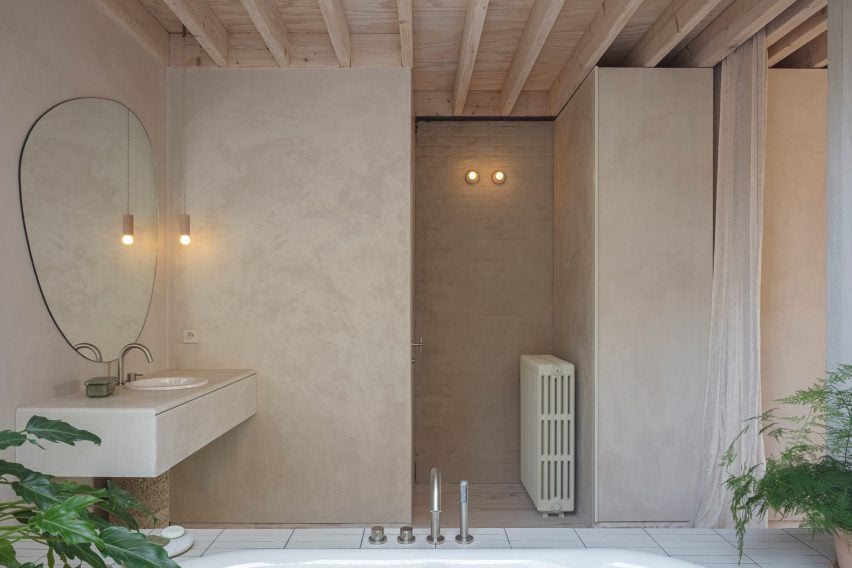
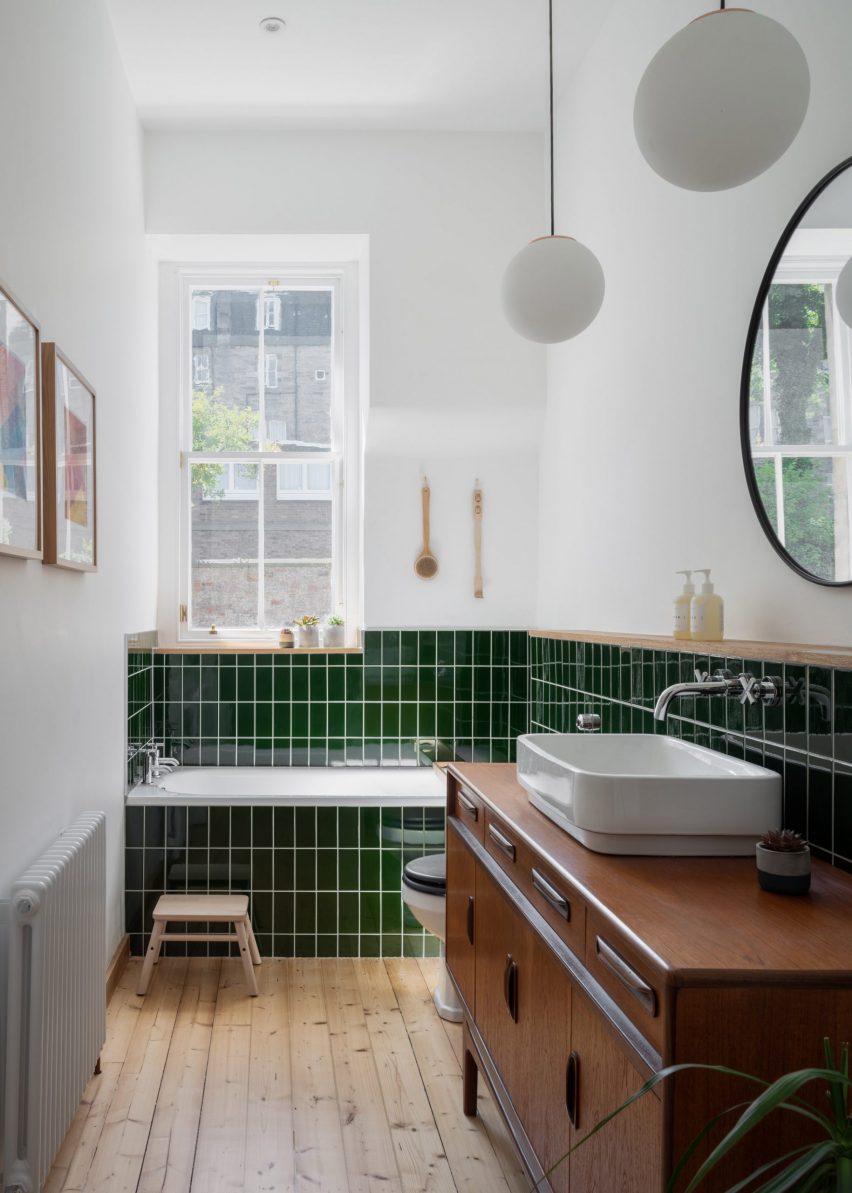
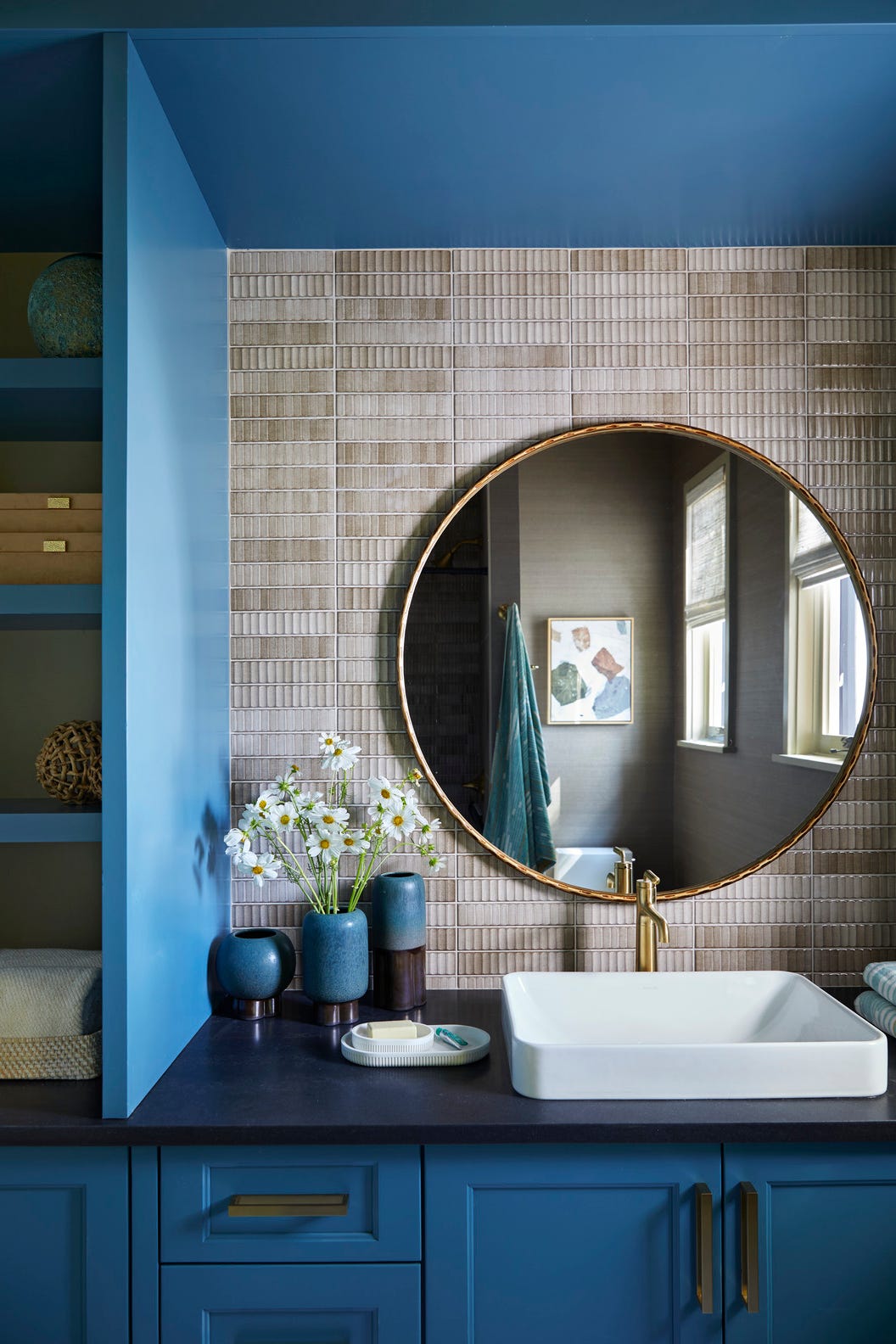
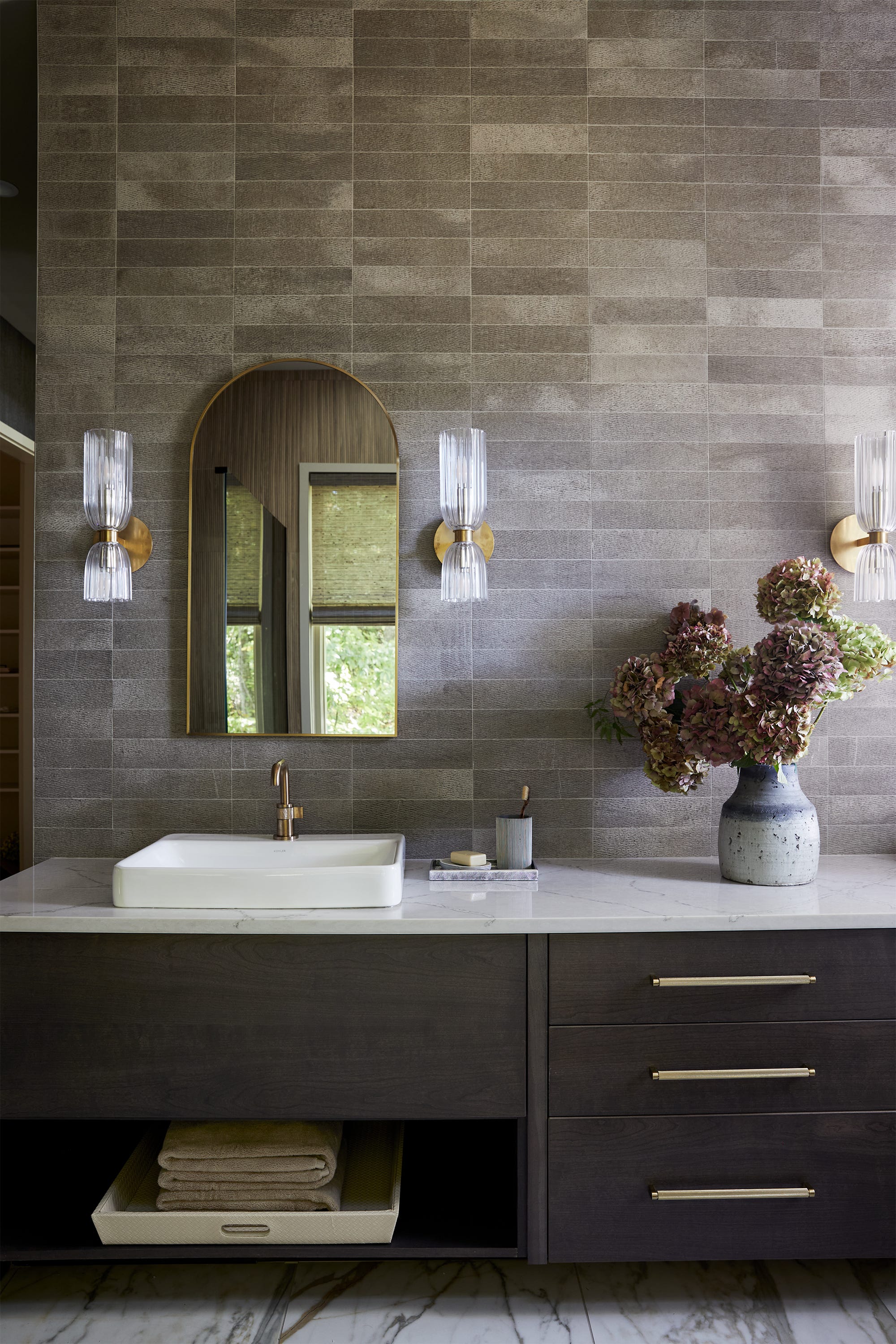
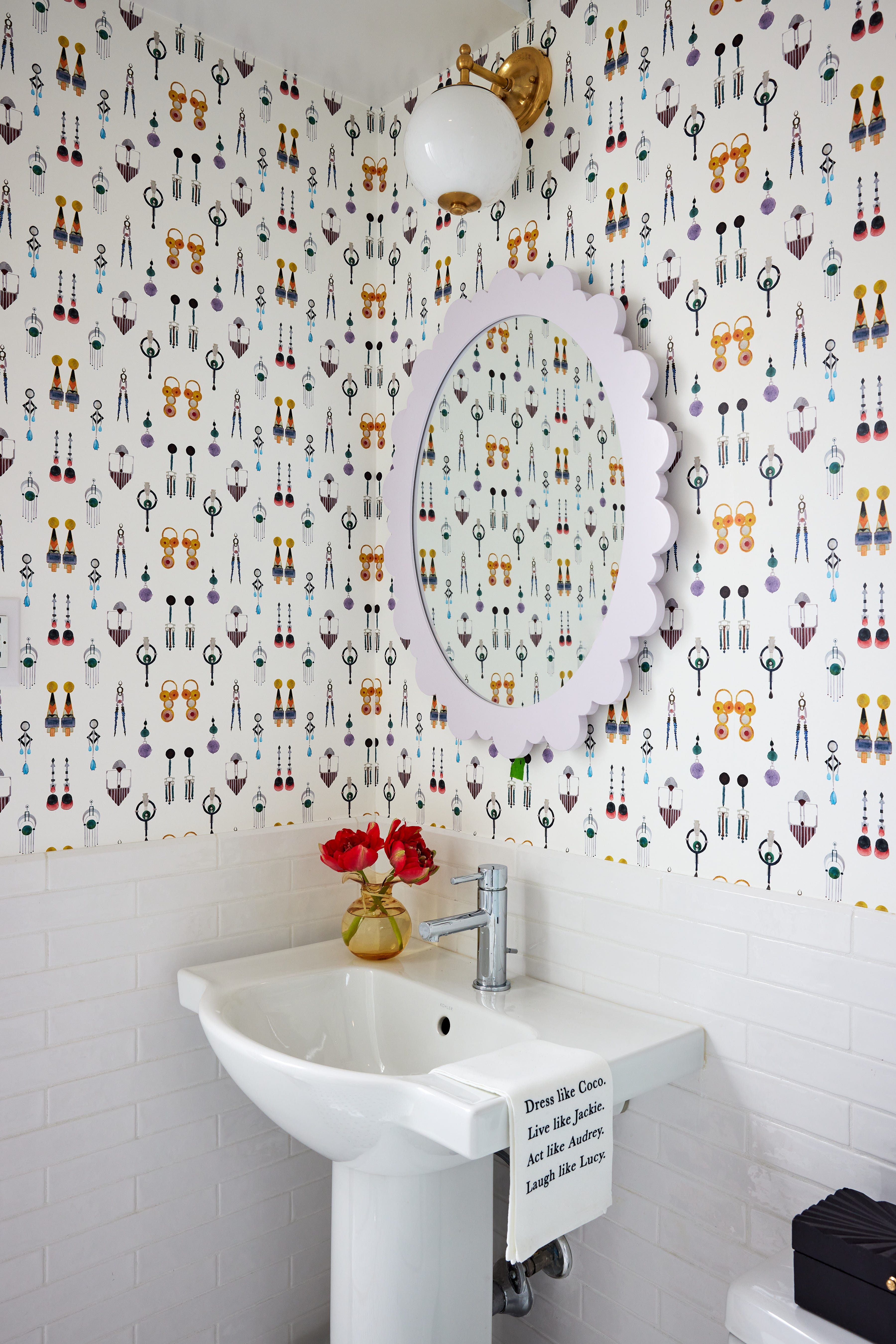
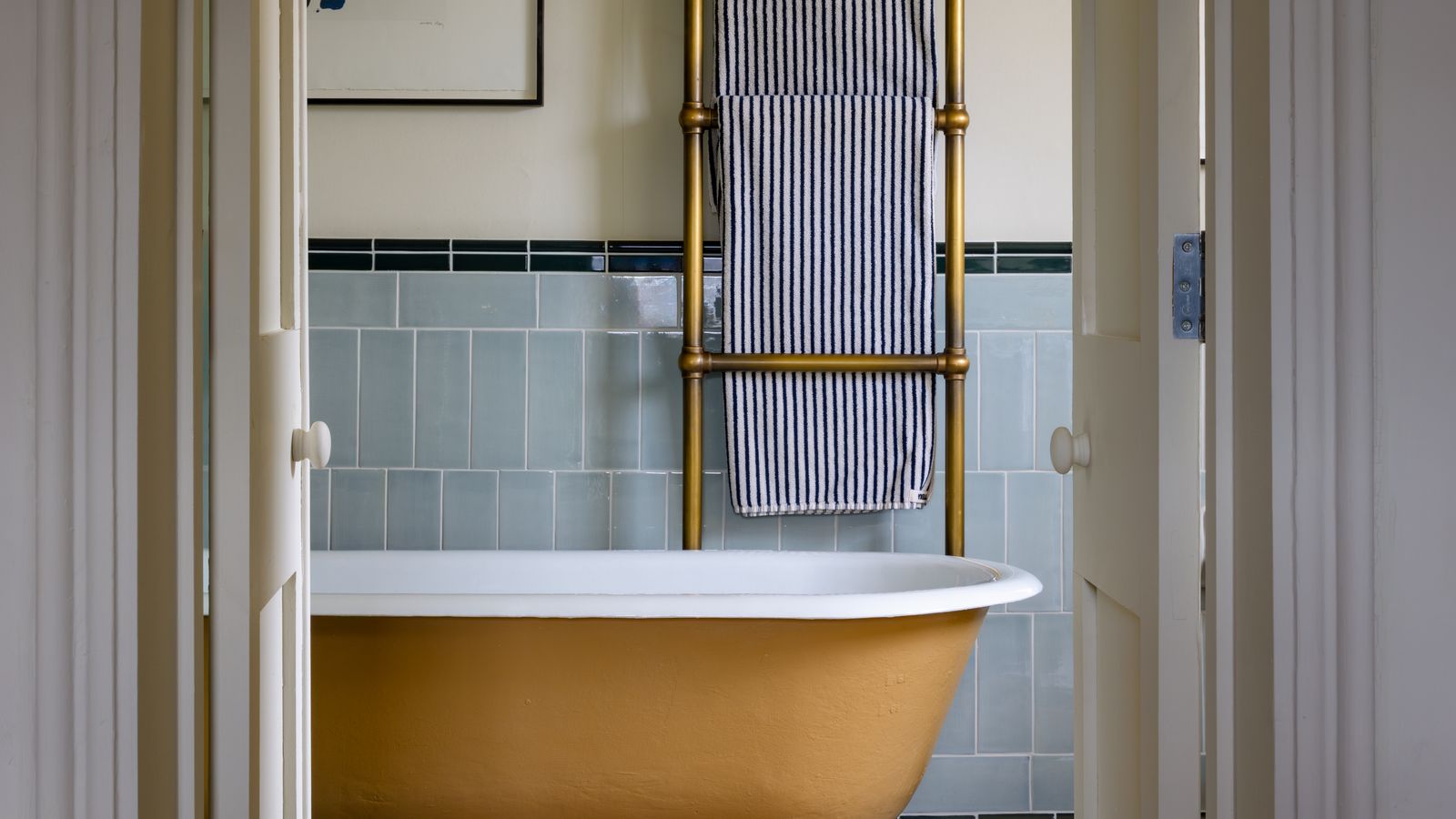
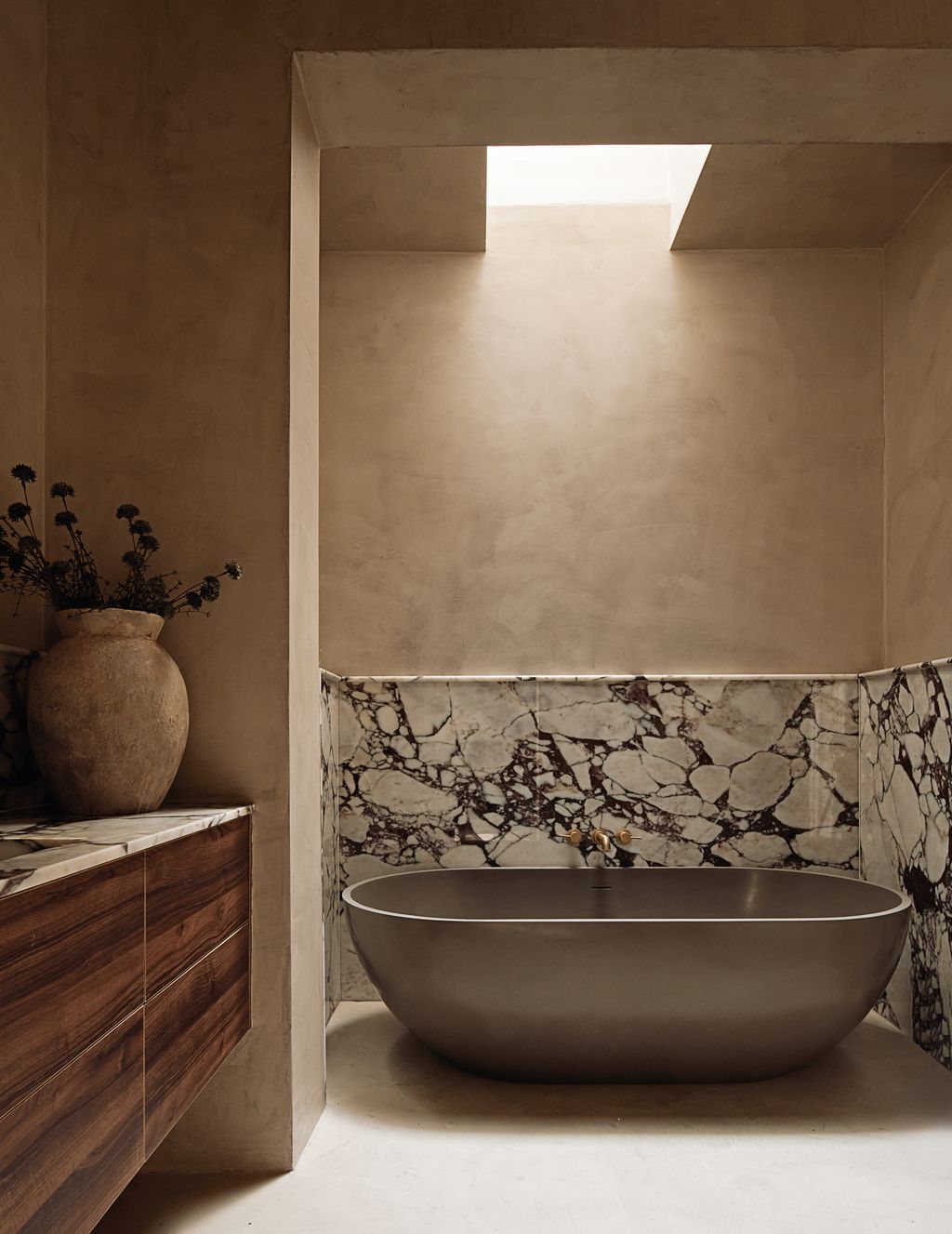
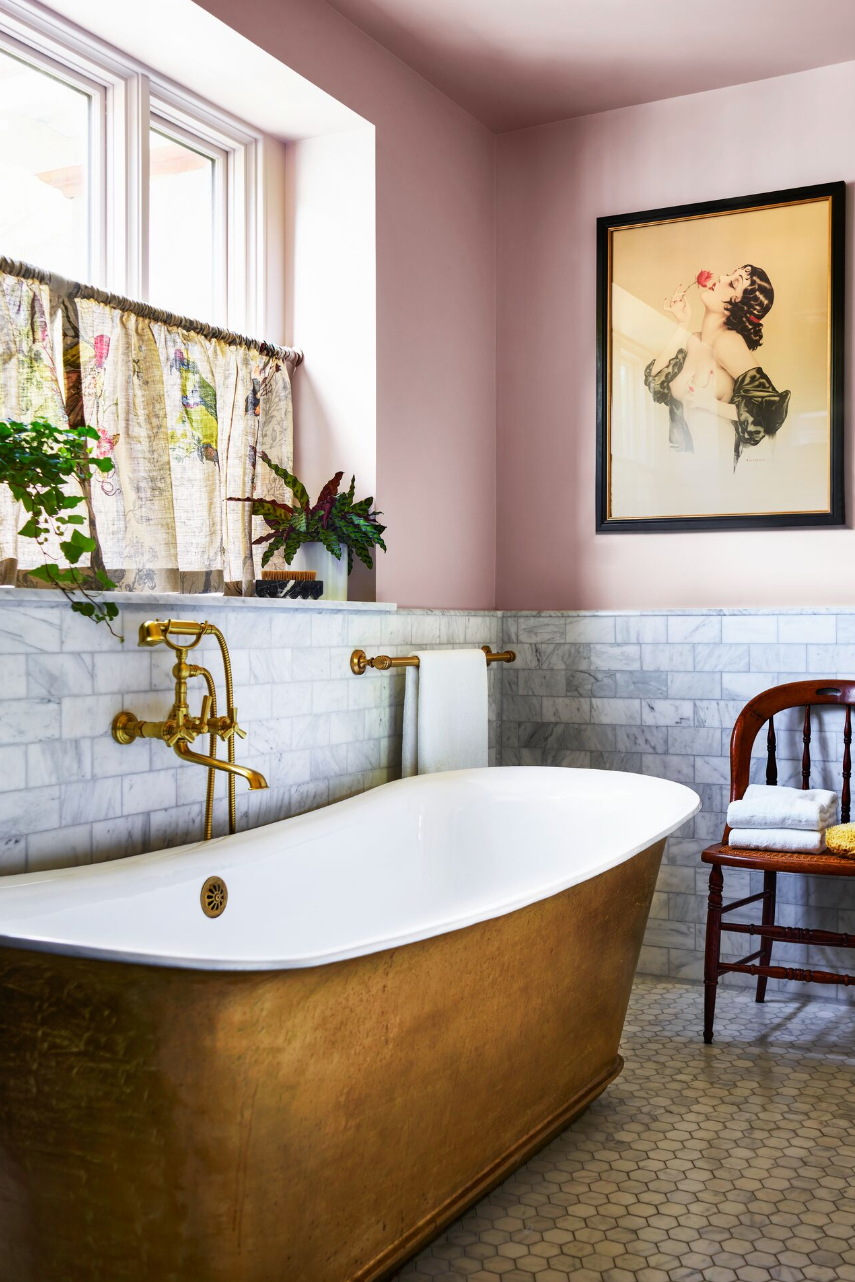
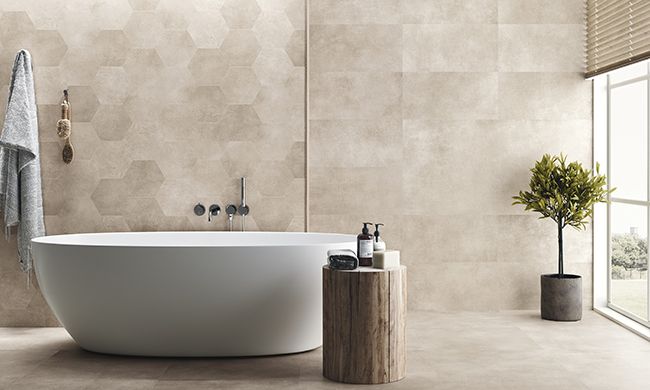
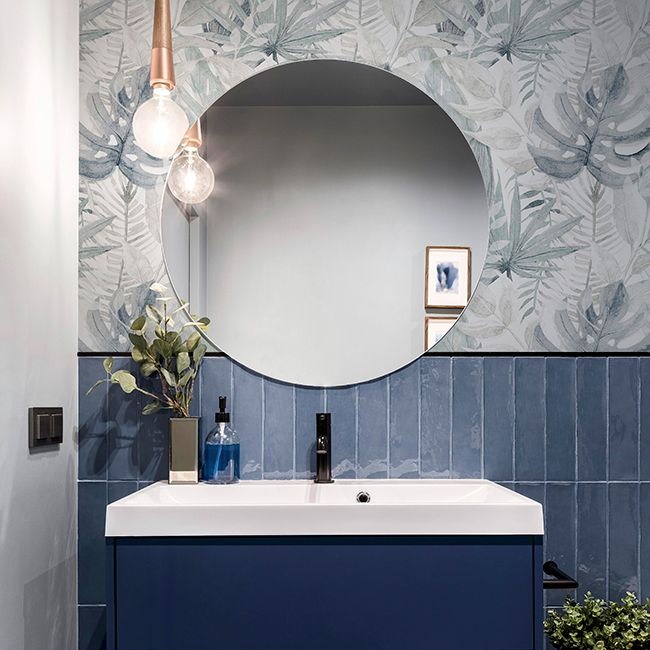
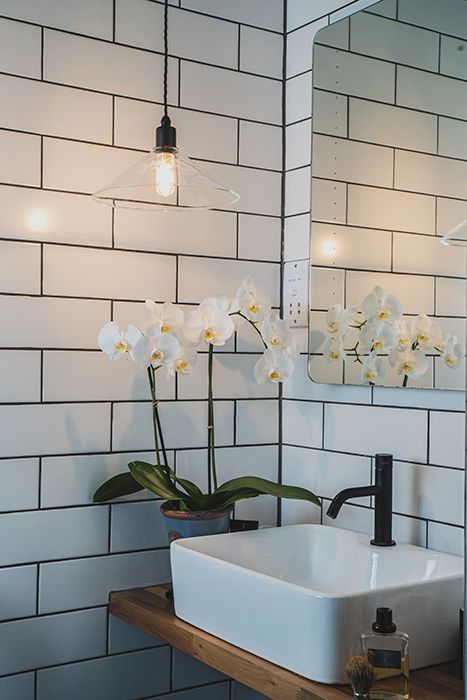
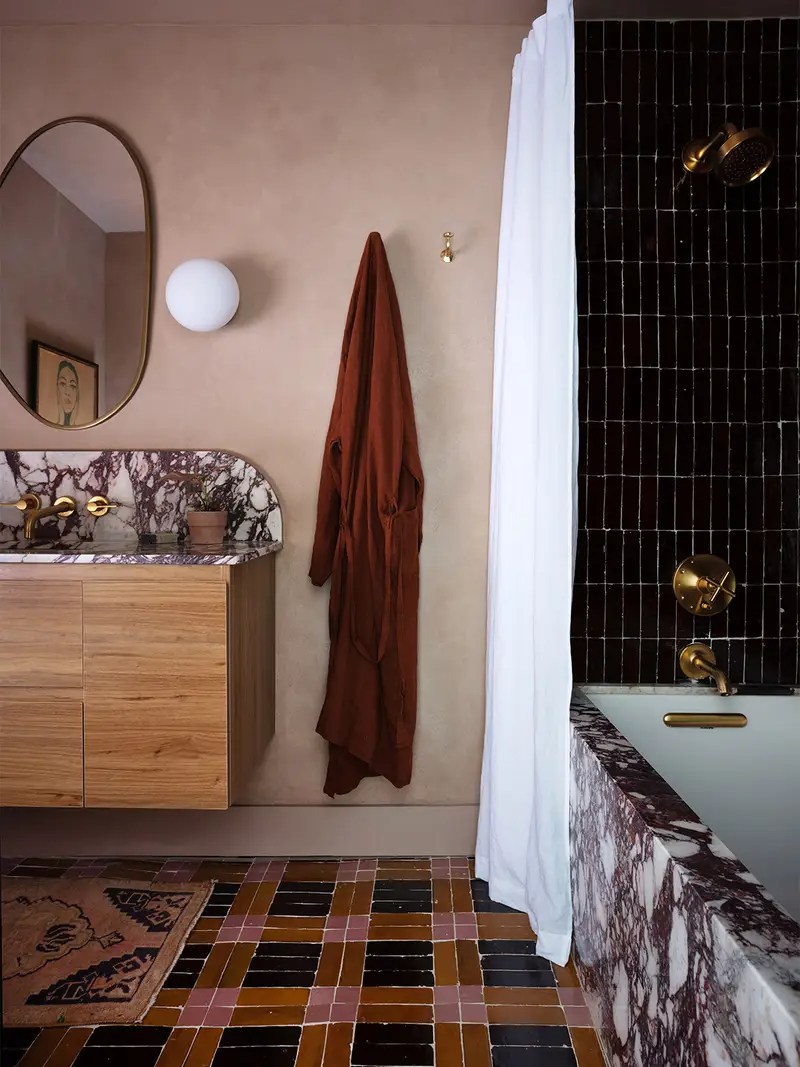
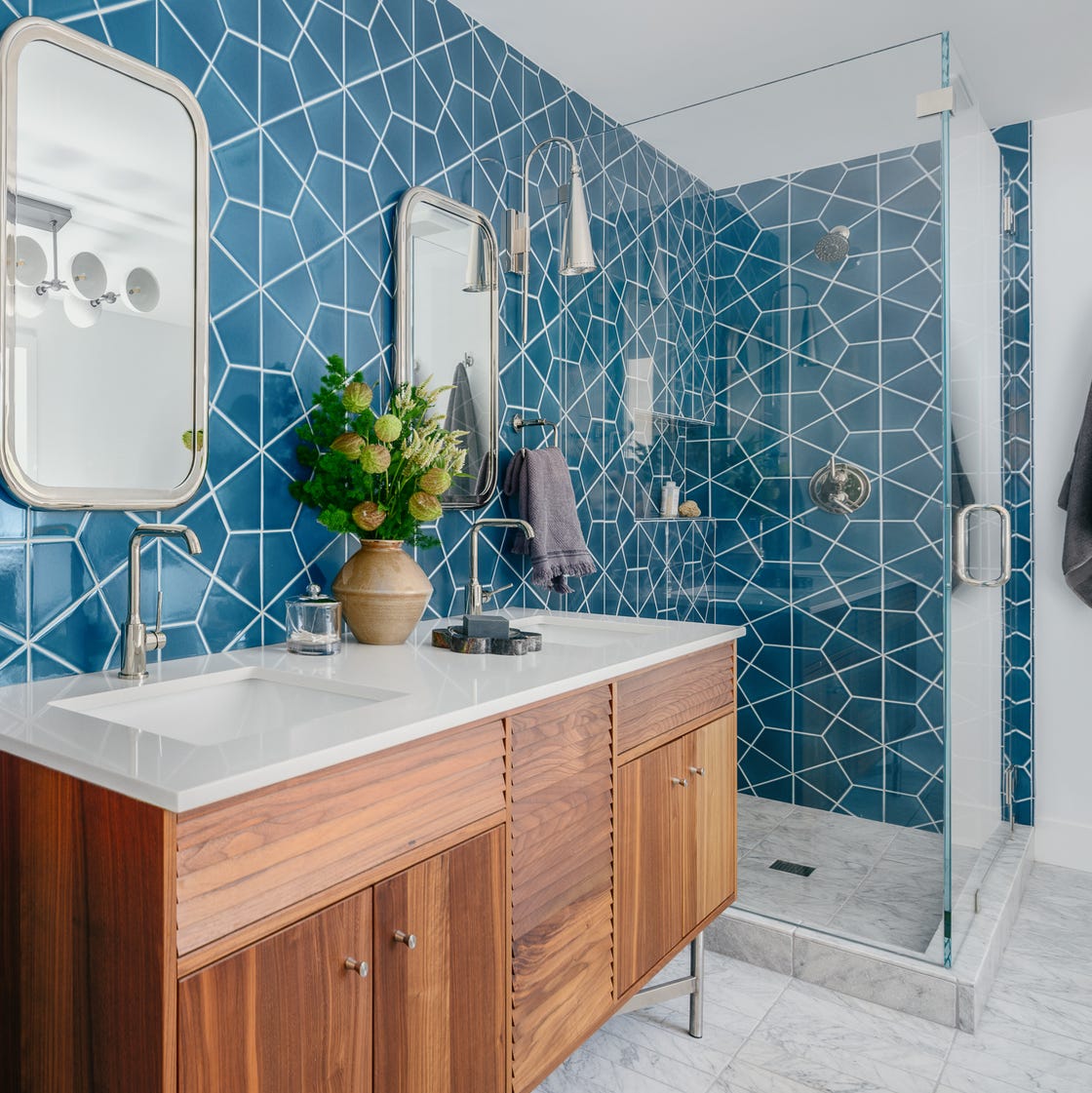
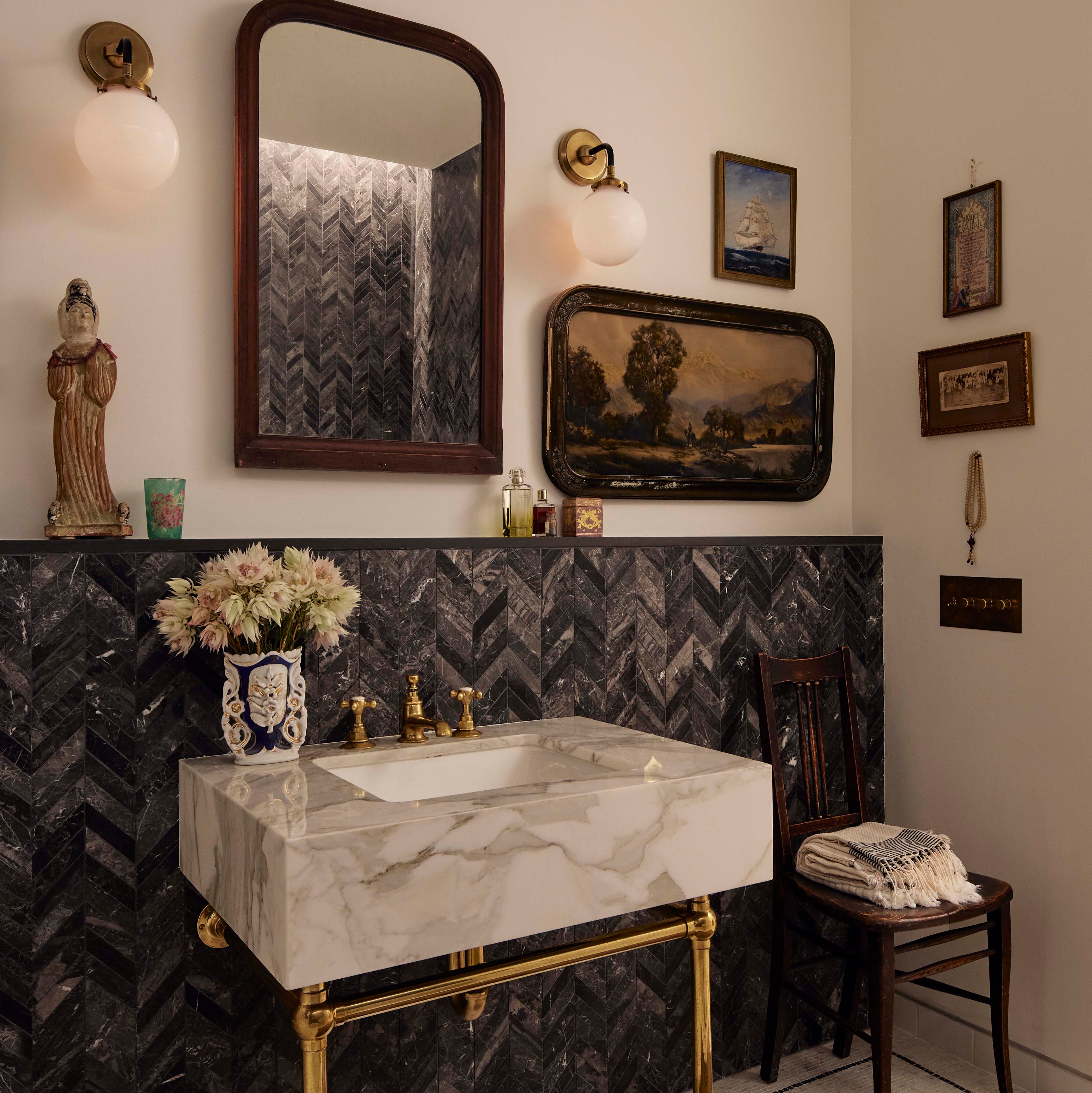
All-tile bathrooms, praised for their durability, cool, and clean aesthetic, are currently a popular trend that designers are embracing to create luxurious and sophisticated spaces. The appeal of an all-tile bathroom is multifaceted, offering depth and movement through various tile options, including textured tiles. When planning an all-tile bathroom, designers advise considering the space's primary use. For example, a shared children's bathroom might benefit from more affordable and easier-to-clean ceramic and porcelain tiles. In contrast, a primary adult bathroom could incorporate higher-end materials like marble and travertine, which, while requiring more maintenance, offer a more luxurious feel. Retailers like The Tile Shop provide a wide array of materials, from natural stone to ceramic and porcelain, in various shades, allowing homeowners to select options that align with their style and budget. Their website clearly lists prices and materials with accompanying photos, simplifying the selection process.
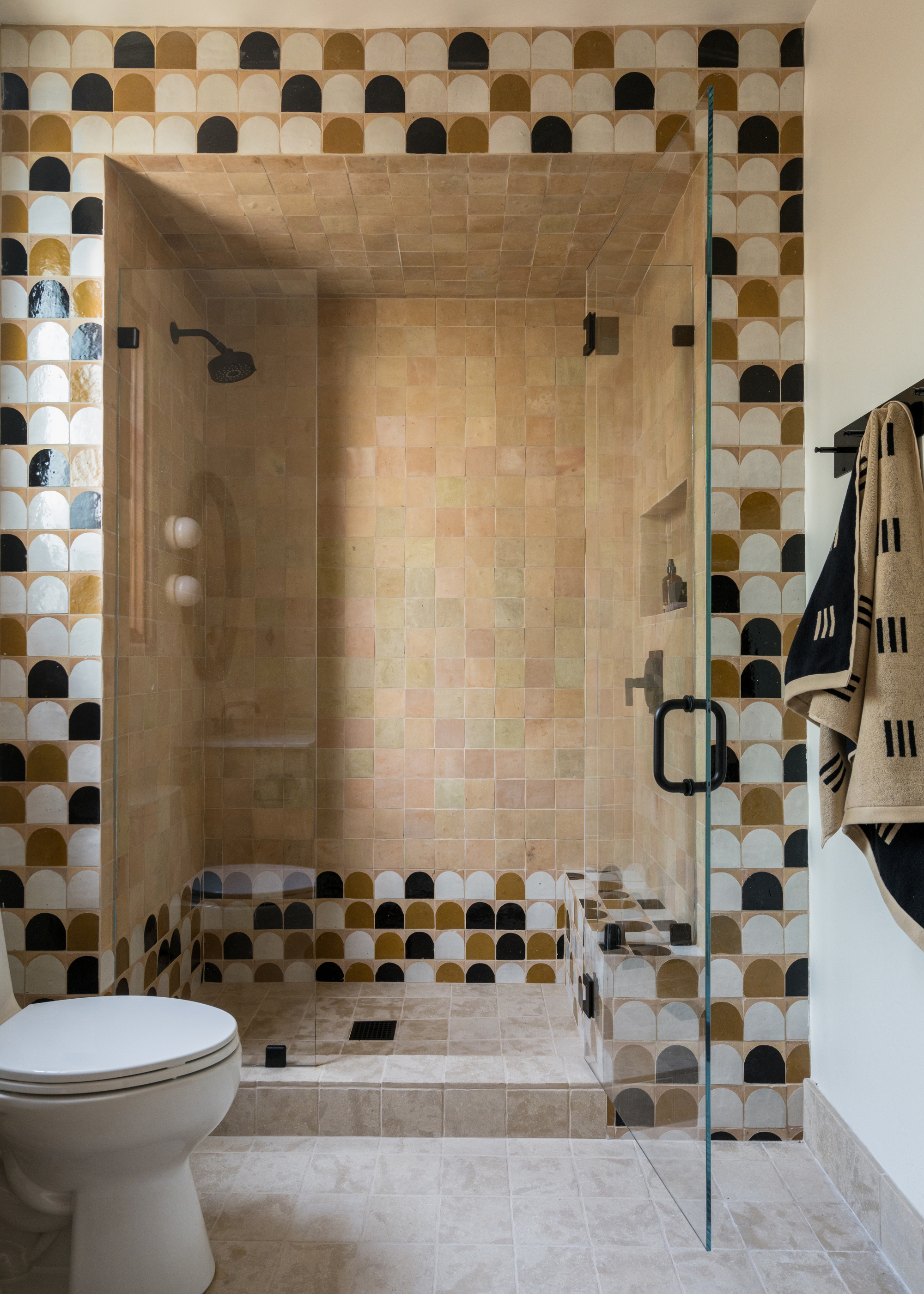
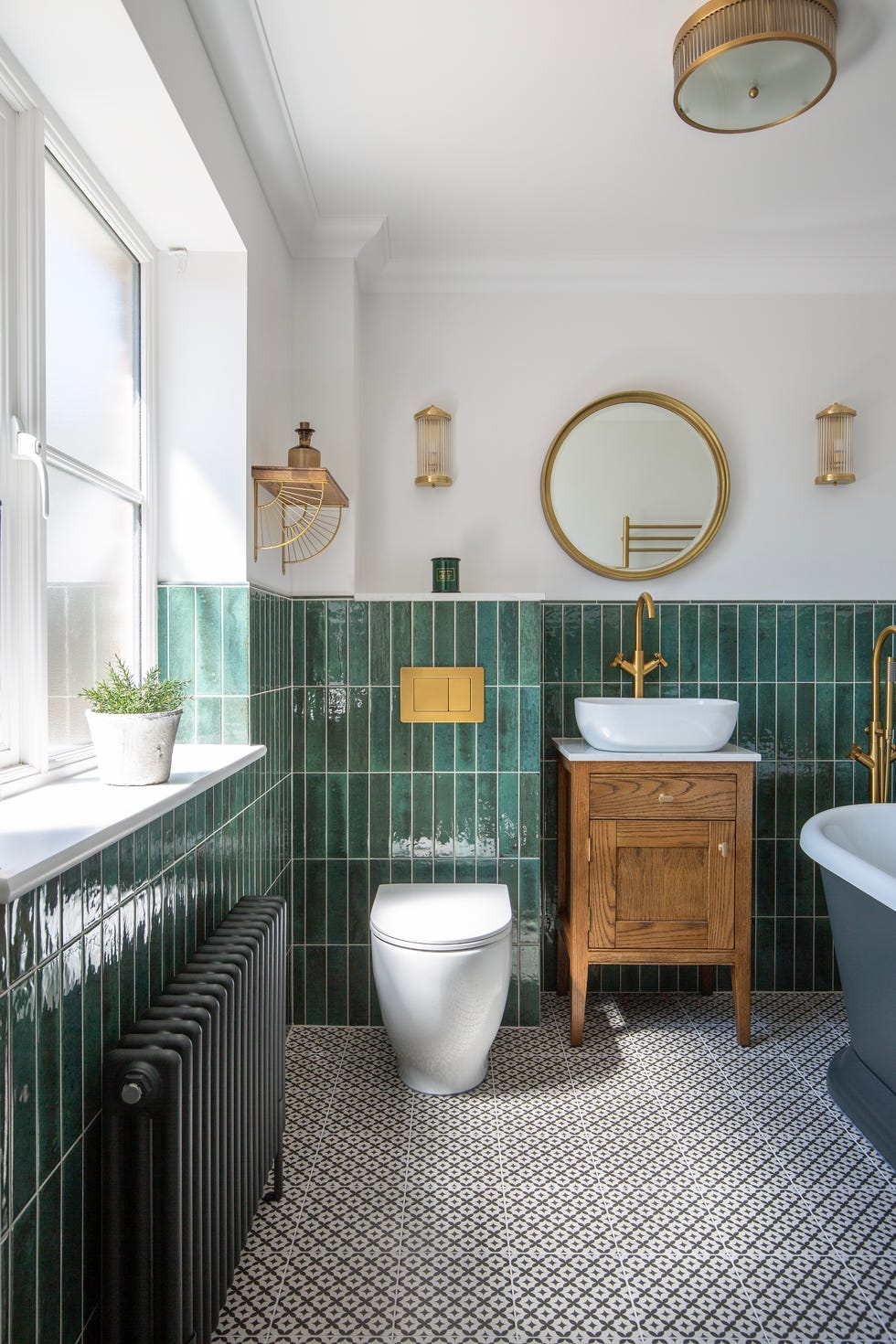
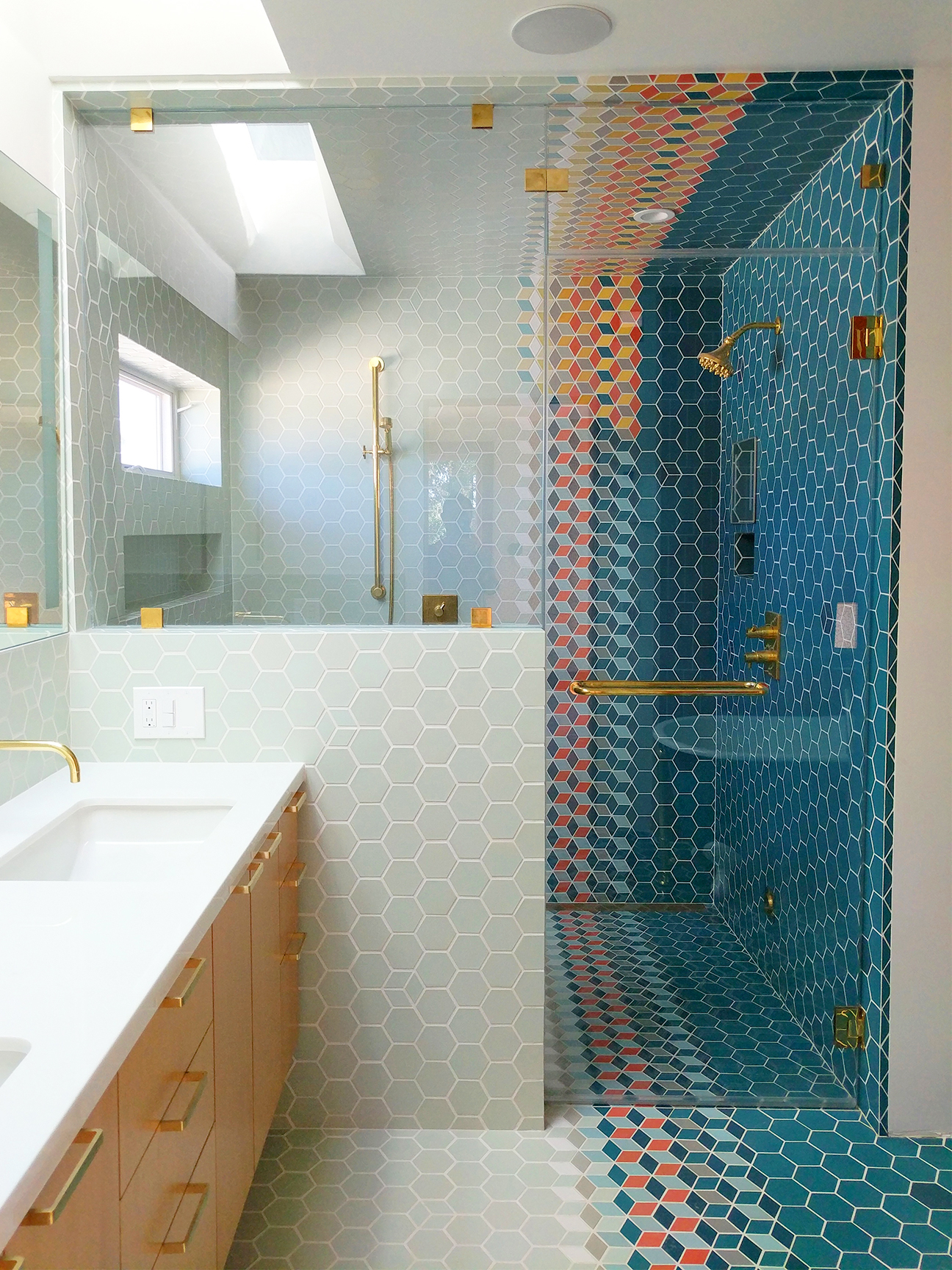
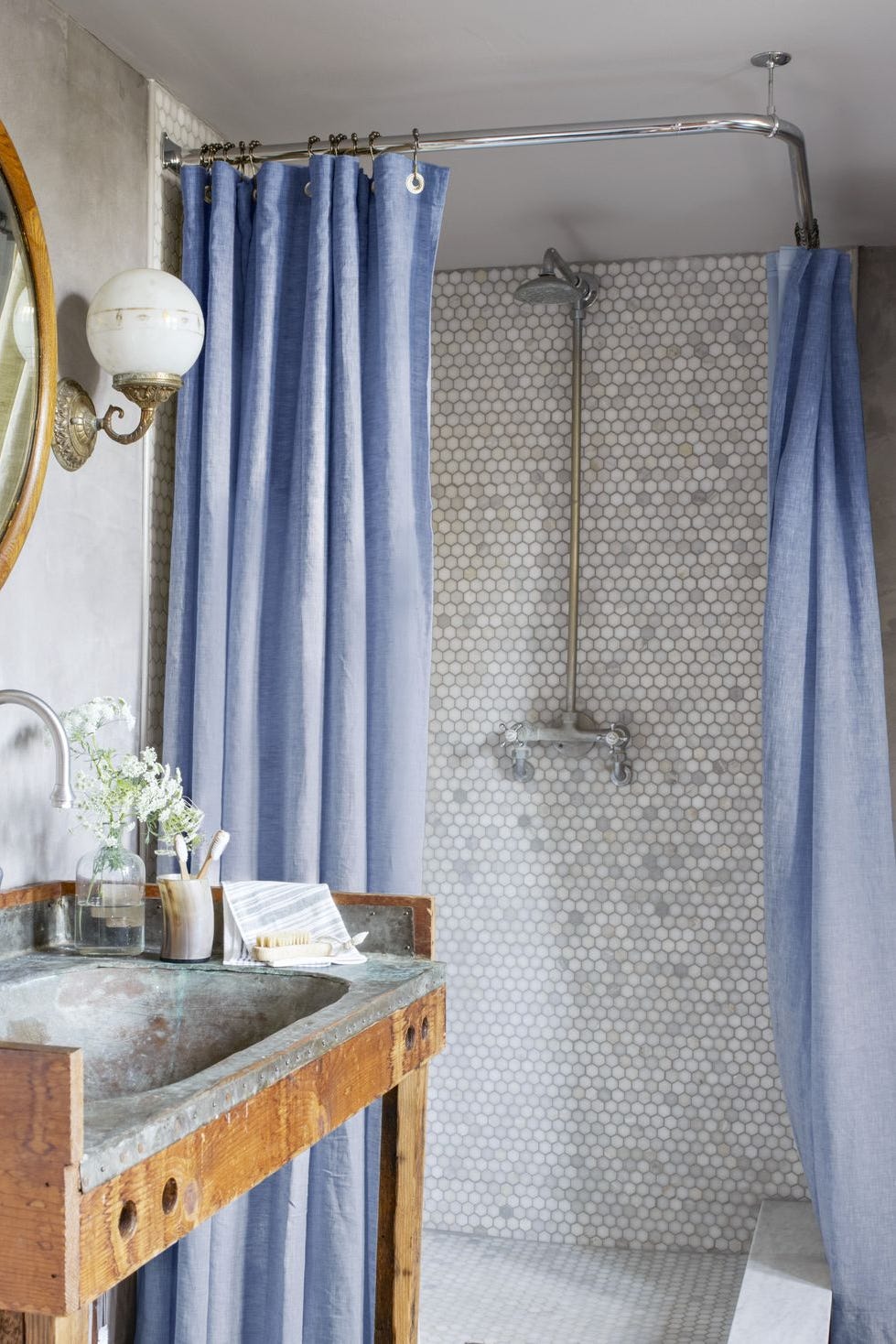
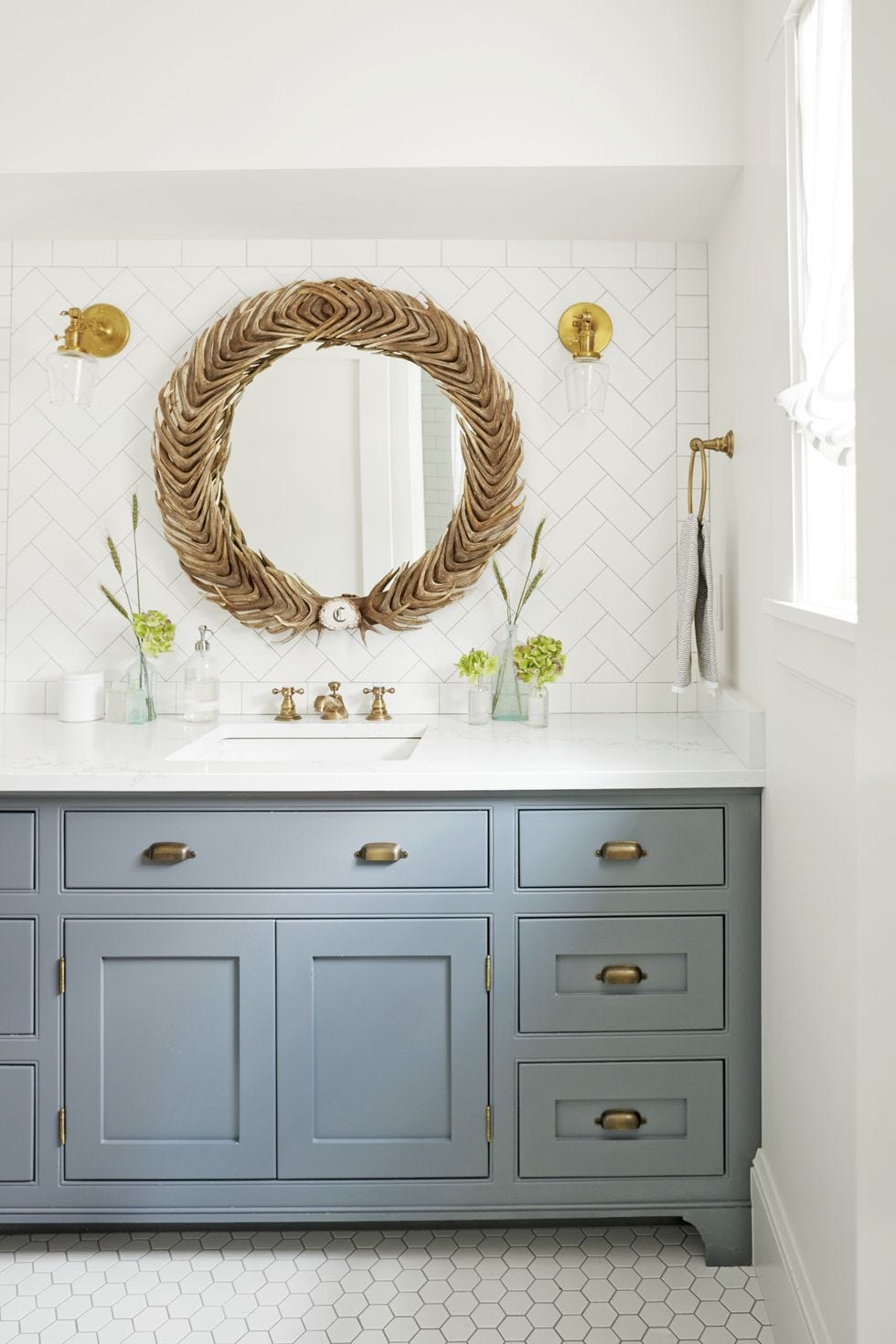
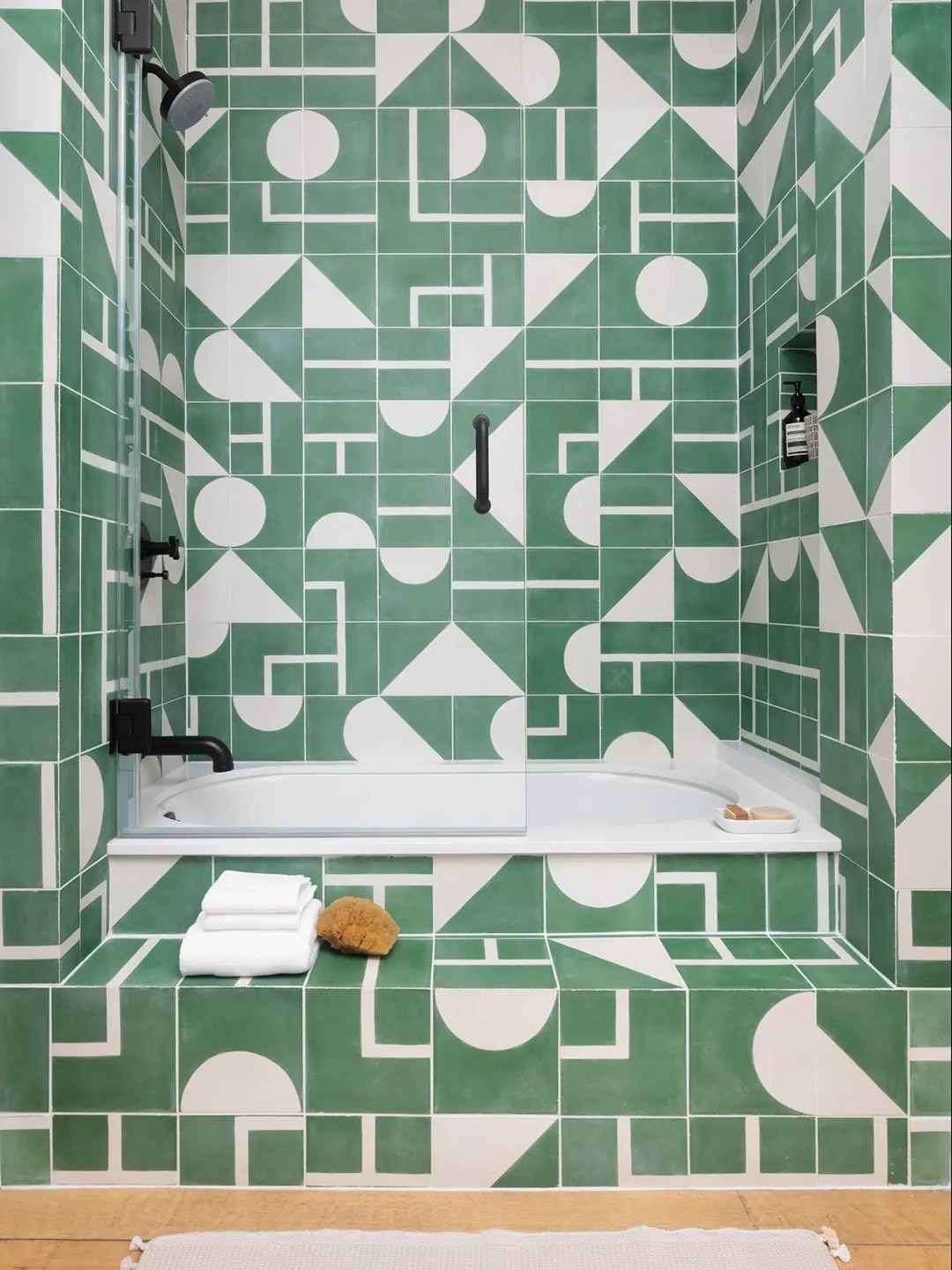
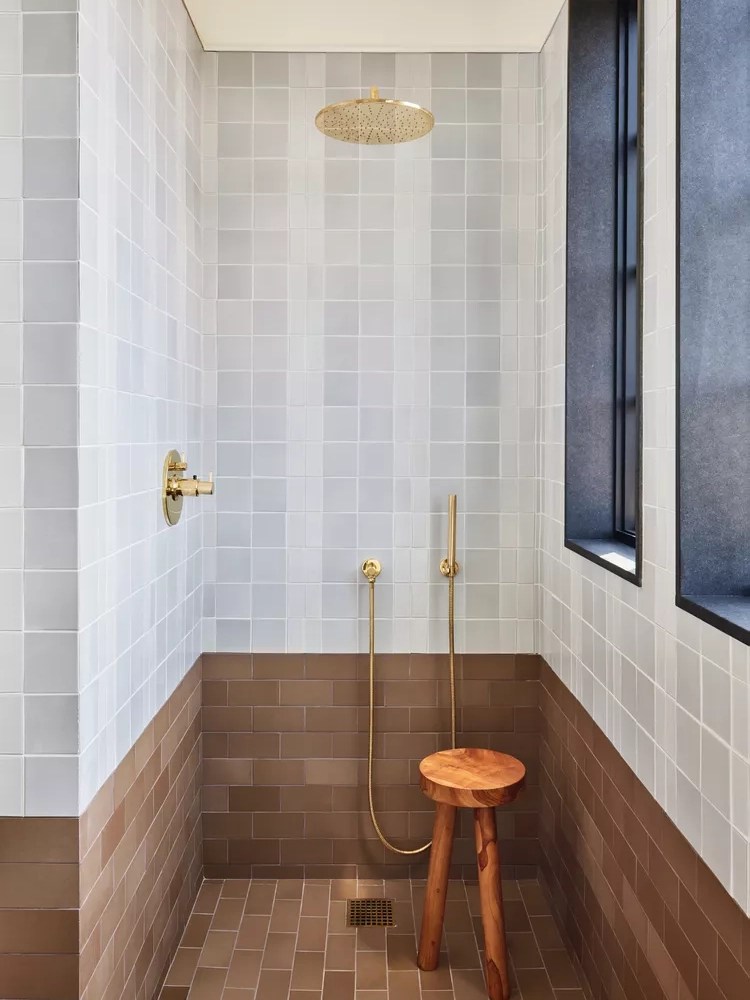

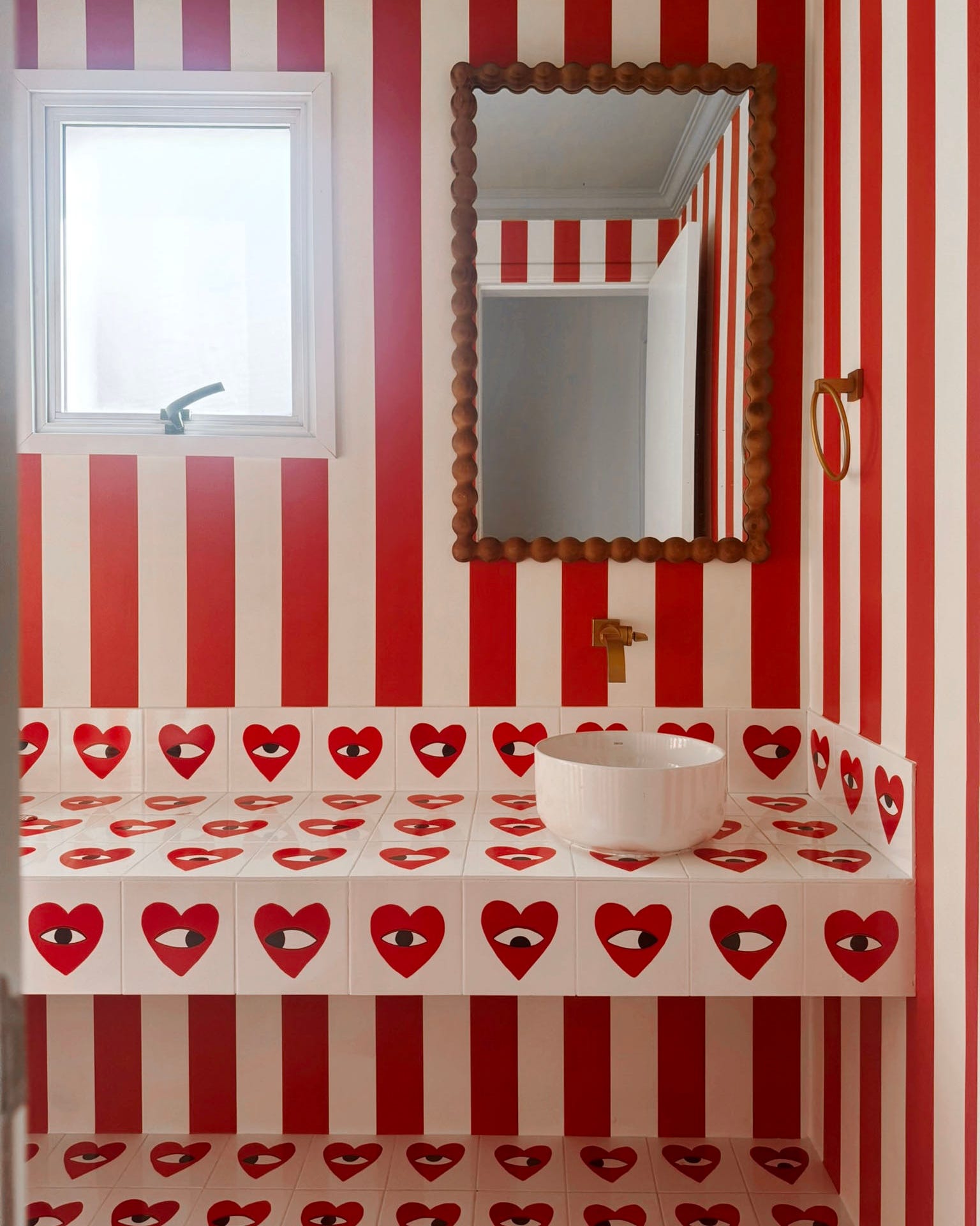
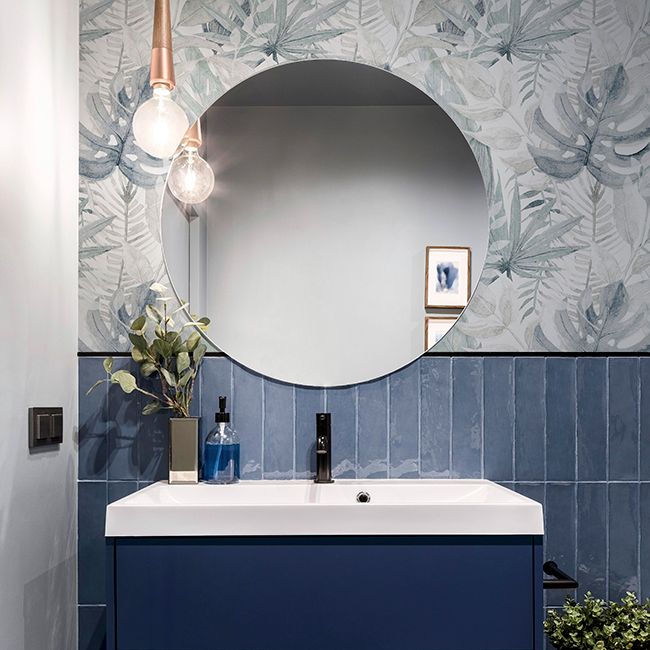
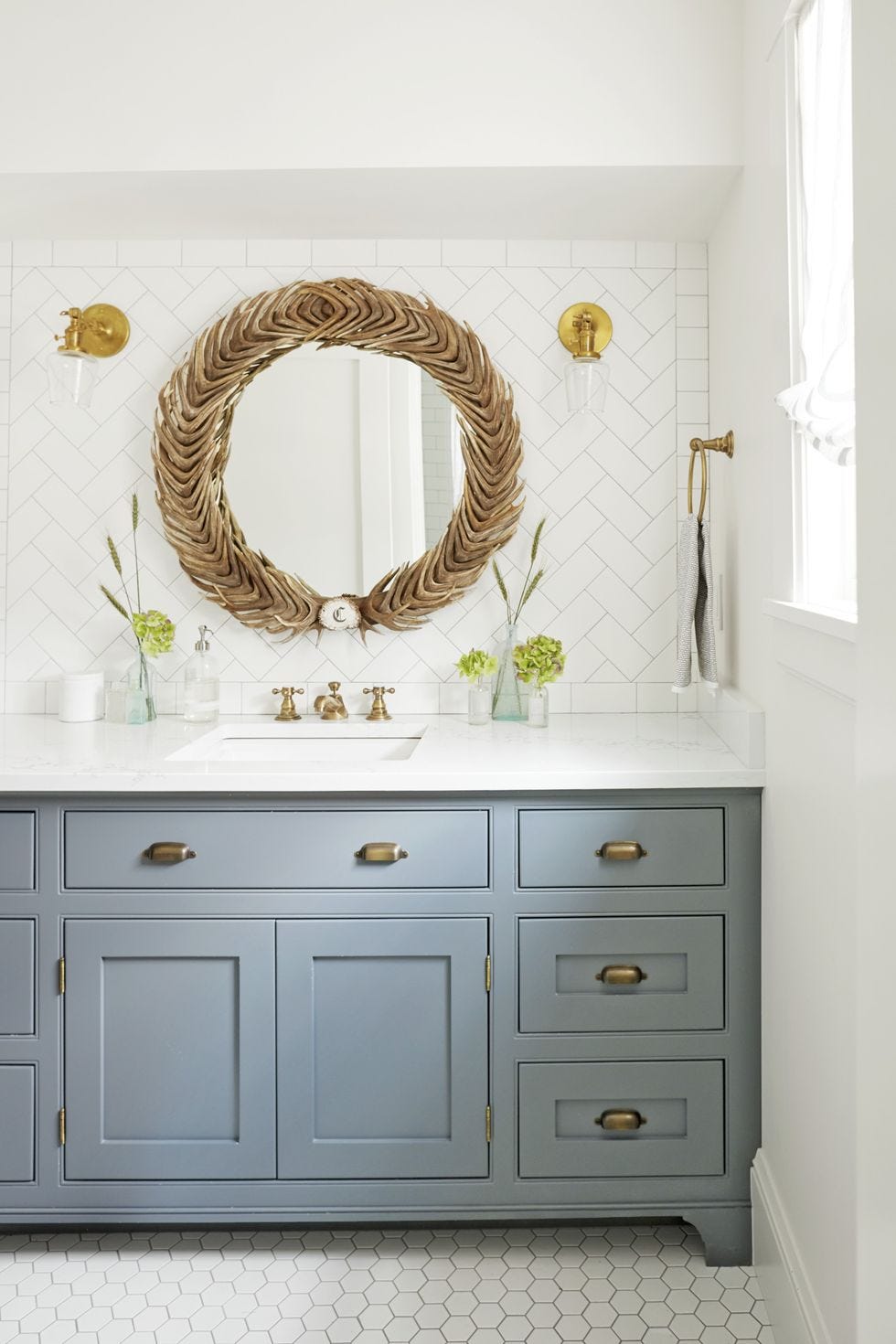
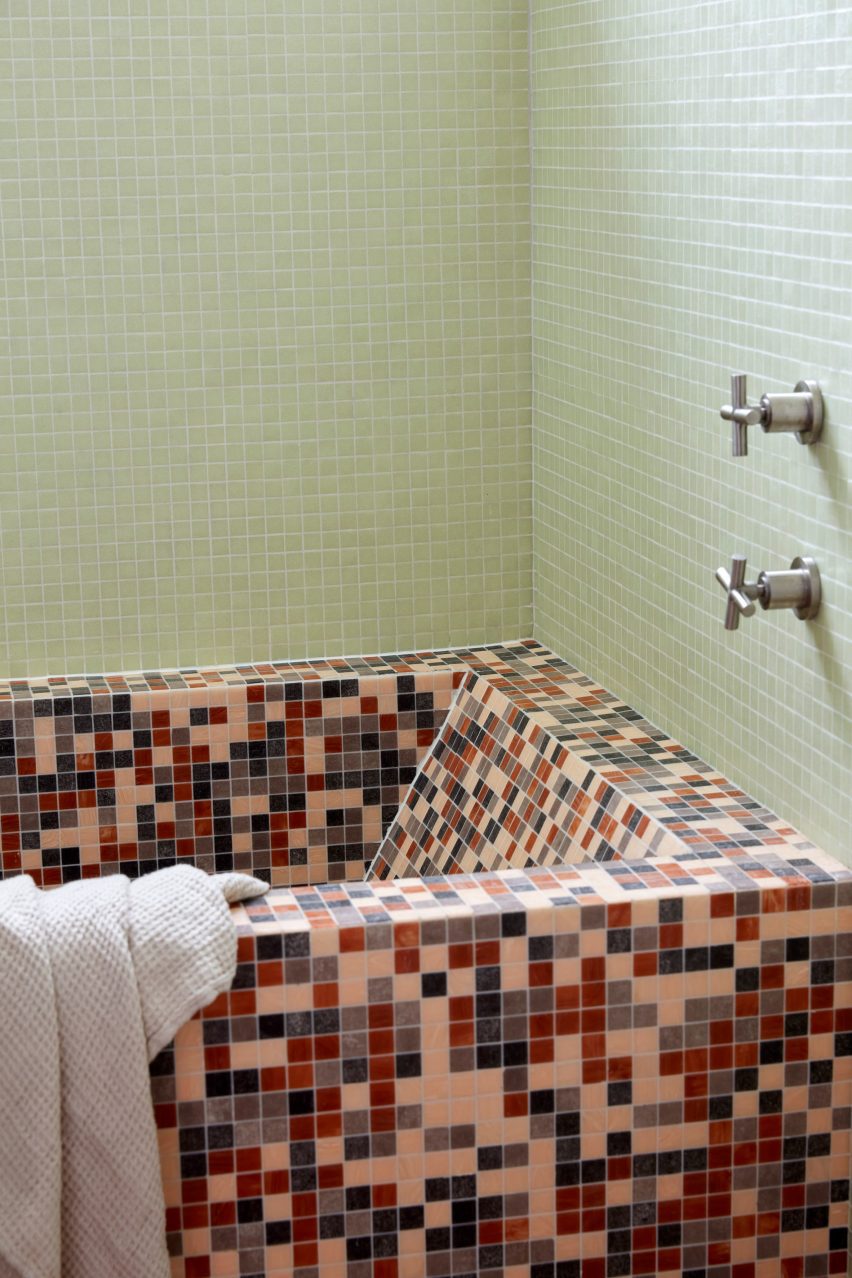
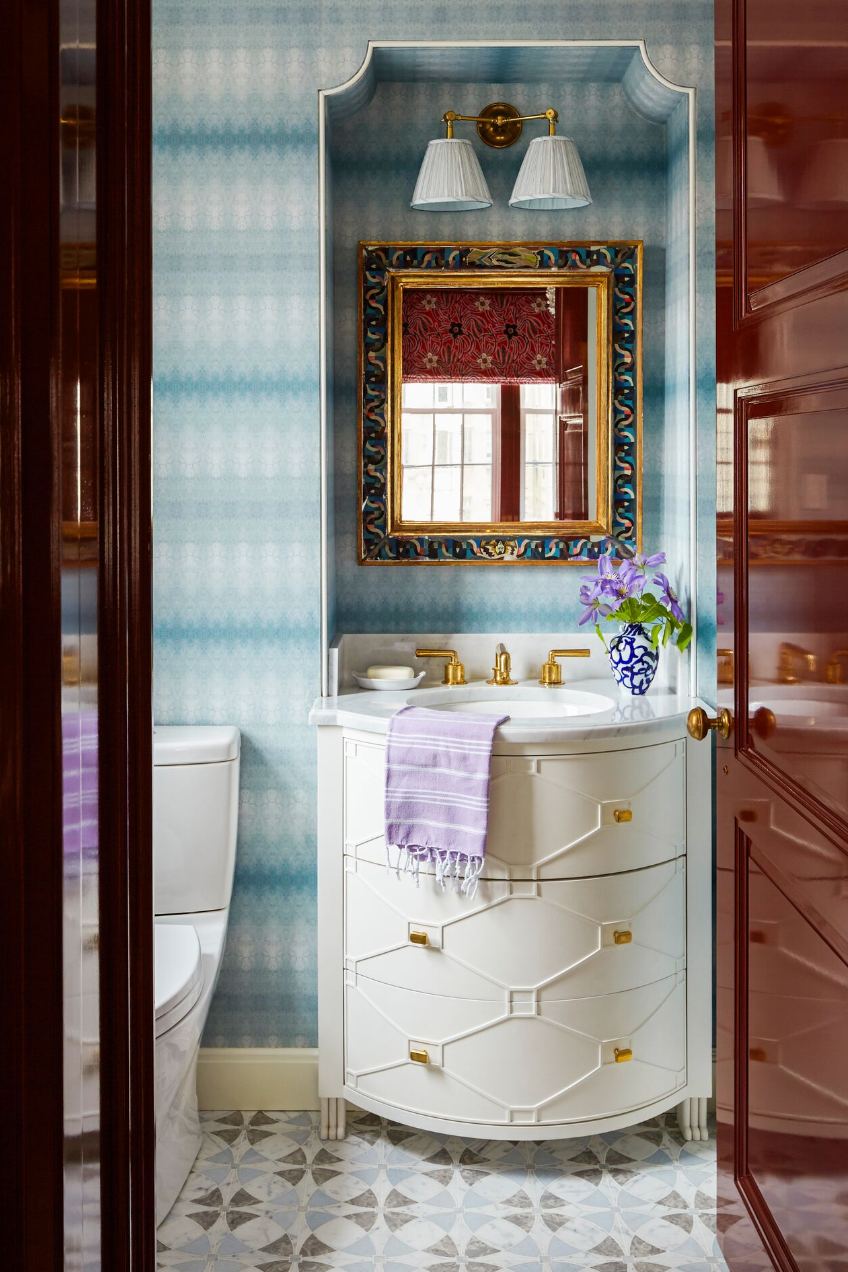
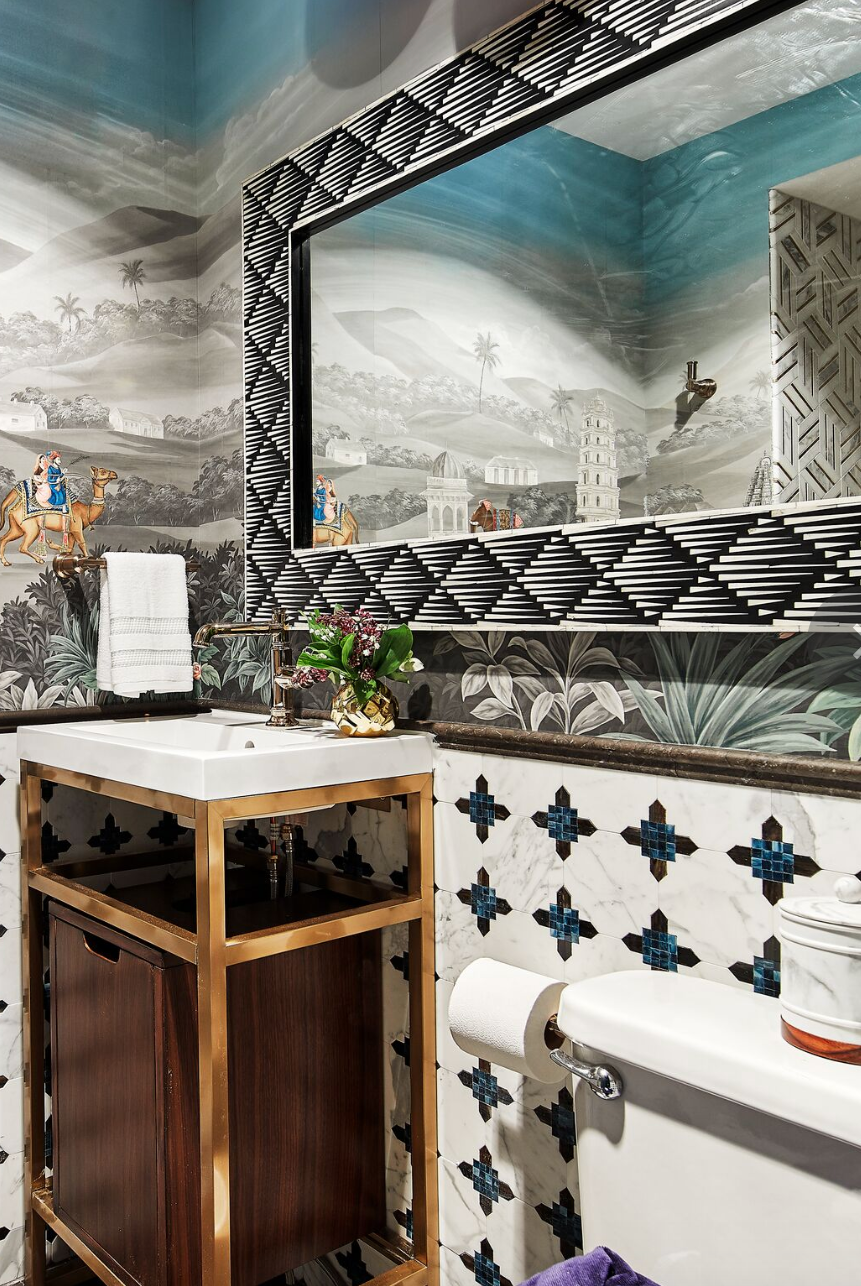
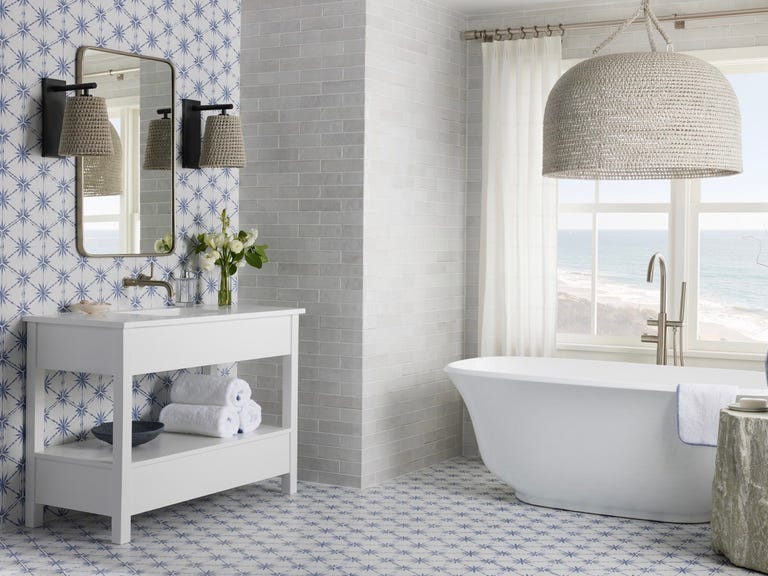
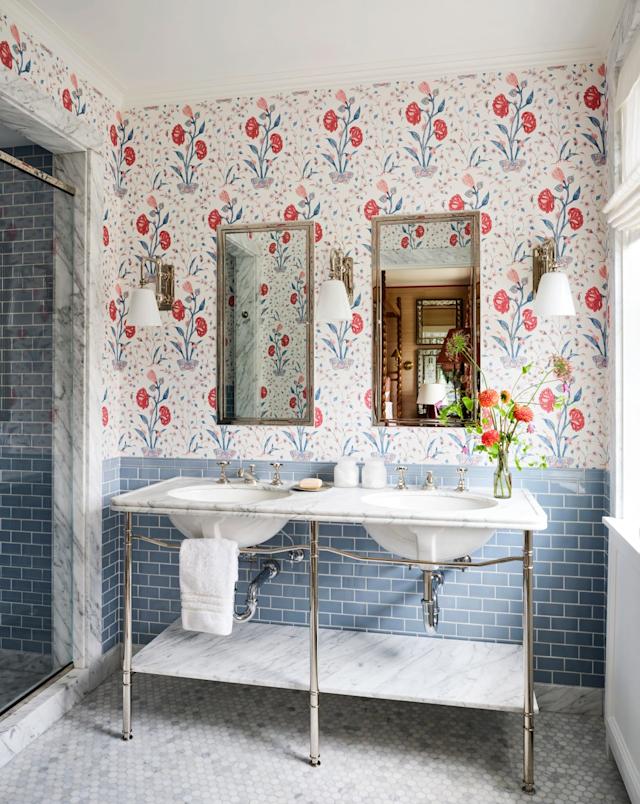
Mixing different tile types is another key design tip, with designers suggesting the use of two to three tile varieties within a single space. This approach helps create layers of color and pattern without overwhelming the room, provided that the color tones of adjacent tiles harmonize. Strategic selection of grout color is also important to ensure it complements all chosen tile selections. Mixing tiles can be a cost-effective strategy, allowing the use of expensive, beloved tiles in smaller, focal areas while opting for more budget-friendly alternatives for the larger portions of the room. The Tile Shop curates its selections to ensure different tiles can be combined effectively in an all-tile design. Furthermore, incorporating an accent tile can add intrigue and serve as a functional art piece, as demonstrated by examples like a focal wall. However, designers emphasize that accent tiles are not mandatory, and their inclusion should depend on whether they genuinely enhance the room's aesthetic. If an accent feels arbitrary, it is better to omit it.
Accurate ordering is crucial to avoid running short during installation, and designers recommend ordering 20 percent more tile than initially estimated. This surplus accounts for potential discoloration or breakage during the installation process, ensuring the project progresses smoothly. While over-ordering might seem wasteful, having extra tiles on hand is more practical than facing delays due to insufficient materials. Designers also stress the importance of confirming exact quantities with the installer before placing an order, as coverage requirements can vary based on tile specifications and installation methods. In cases where additional tiles are needed, they can typically be ordered through the company's website or acquired from physical stores, which also offer installation guidance and assistance. These tips collectively help homeowners achieve a sophisticated and well-executed all-tile bathroom.
#BathroomDesign #TileDesign #HomeRenovation #InteriorDesignTips #MaterialSelection #DesignTrends #HomeImprovement #BudgetFriendlyDesign #BathroomDesign #TileDesign #HomeRenovation #InteriorDesignTips #MaterialSelection #DesignTrends #HomeImprovement #BudgetFriendlyDesign
0 comment in total
 No comments yet
You may also like
"Your Eye Doesn't Know Where to Land" — Yes, You Can Have Too Much Tile in Your Bathroom, Here's the Rule to Get the Balance Right

Treat Your Shower Wall as a Mural, and 14 More Bathroom Tile Ideas That Make a Splash
16 bathroom tile ideas to transform your space

This Moody Tile Trend Is the Key to Updating a Dated Bathroom, Designers Say

'Tile drenching': The statement-making interiors trend to try in 2025
The "Stark Spa" Feel Is Out—Here Are 12 Bathroom Tile Trends That'll Define 2025

25 Bathroom Tile Ideas So Stunning, They Feel Like a Spa Retreat

The decorative schemes, layouts and materials to copy for your bathroom this year
5 Experts Share Their Favorite Tile for a Knockout Shower
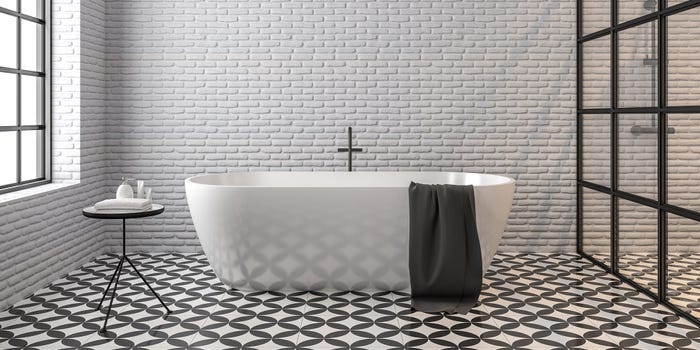
21 bathroom tile design ideas, from trendy to timeless
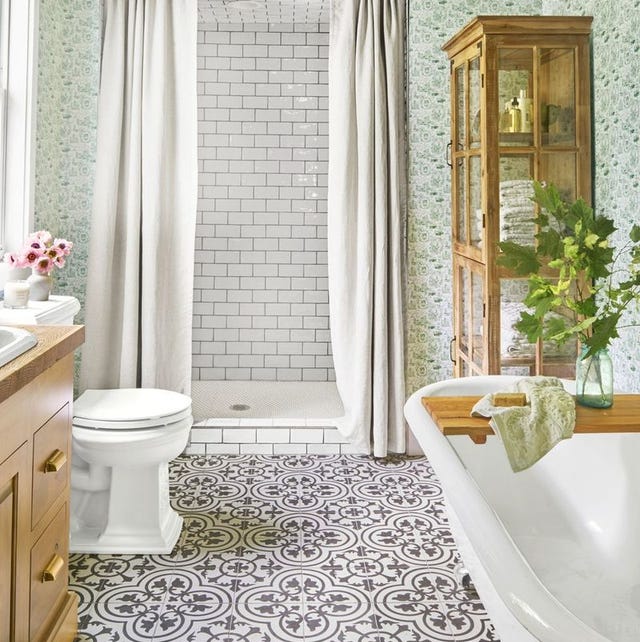
20 Bathroom Tile Ideas That Make a Major Design Statement

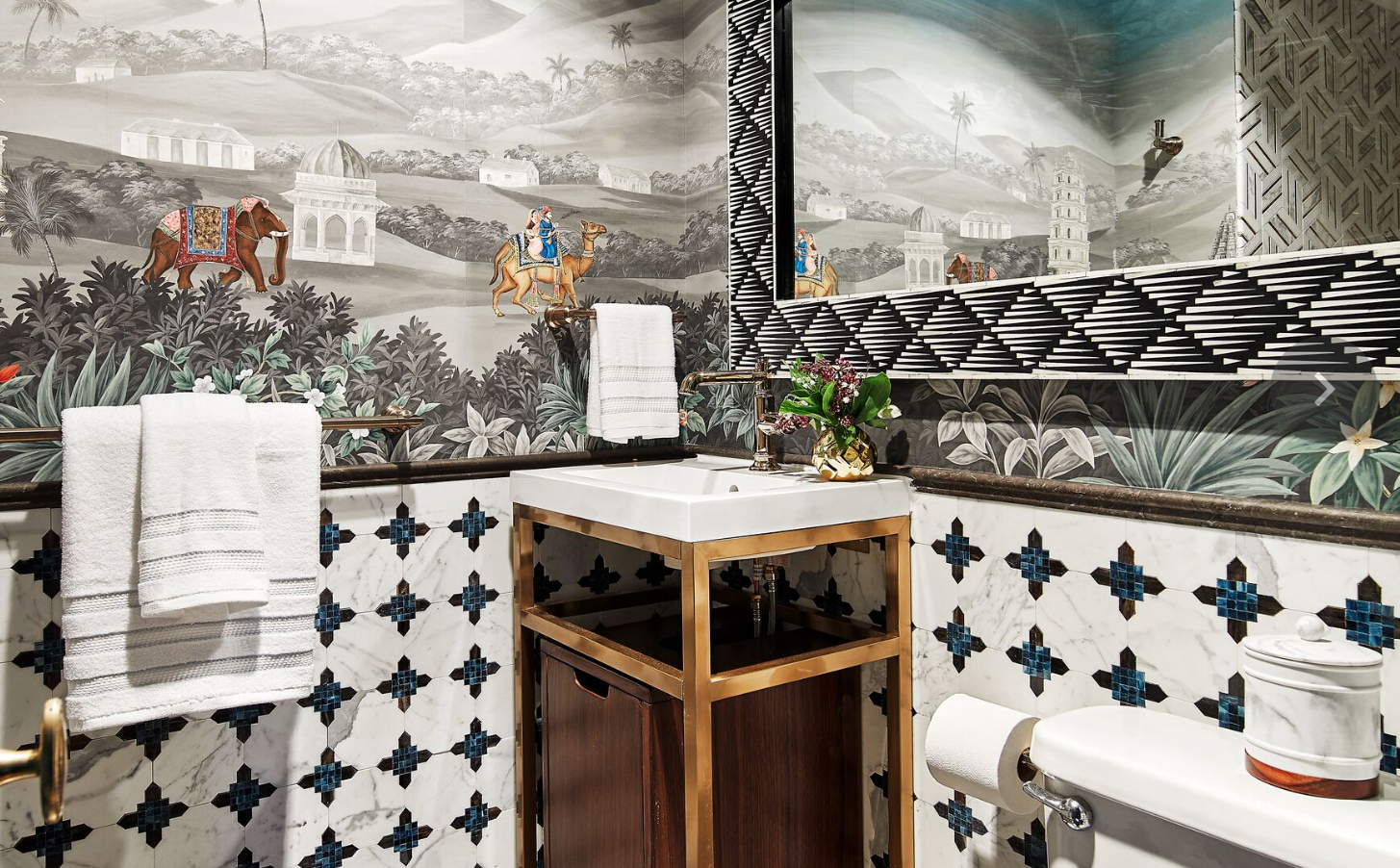
90 Bathroom Design Ideas That Will Make You Never Want to Leave the Tub
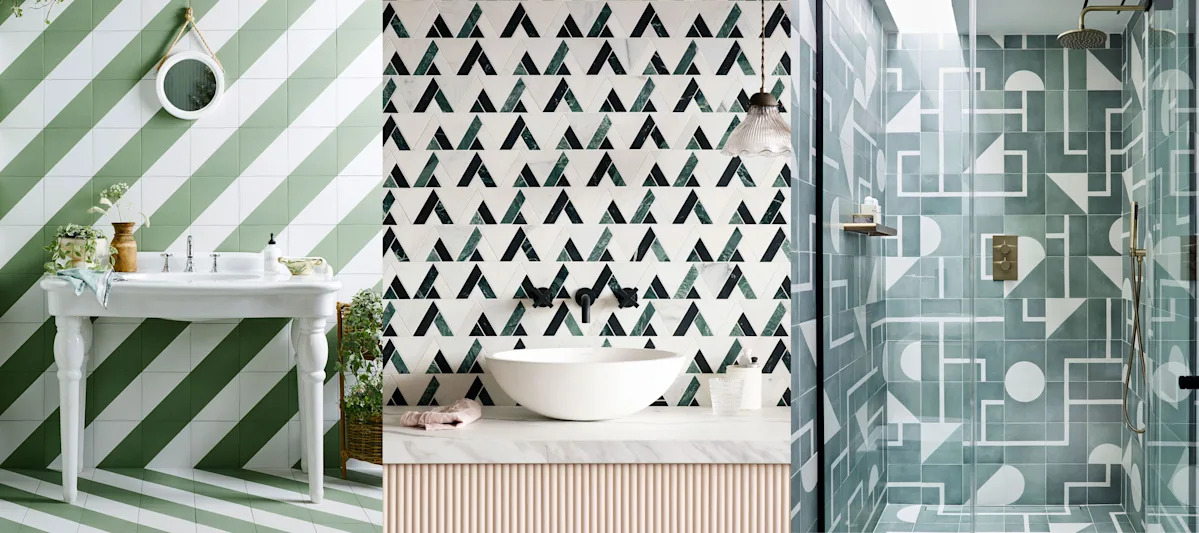
Beautiful bathroom tile ideas
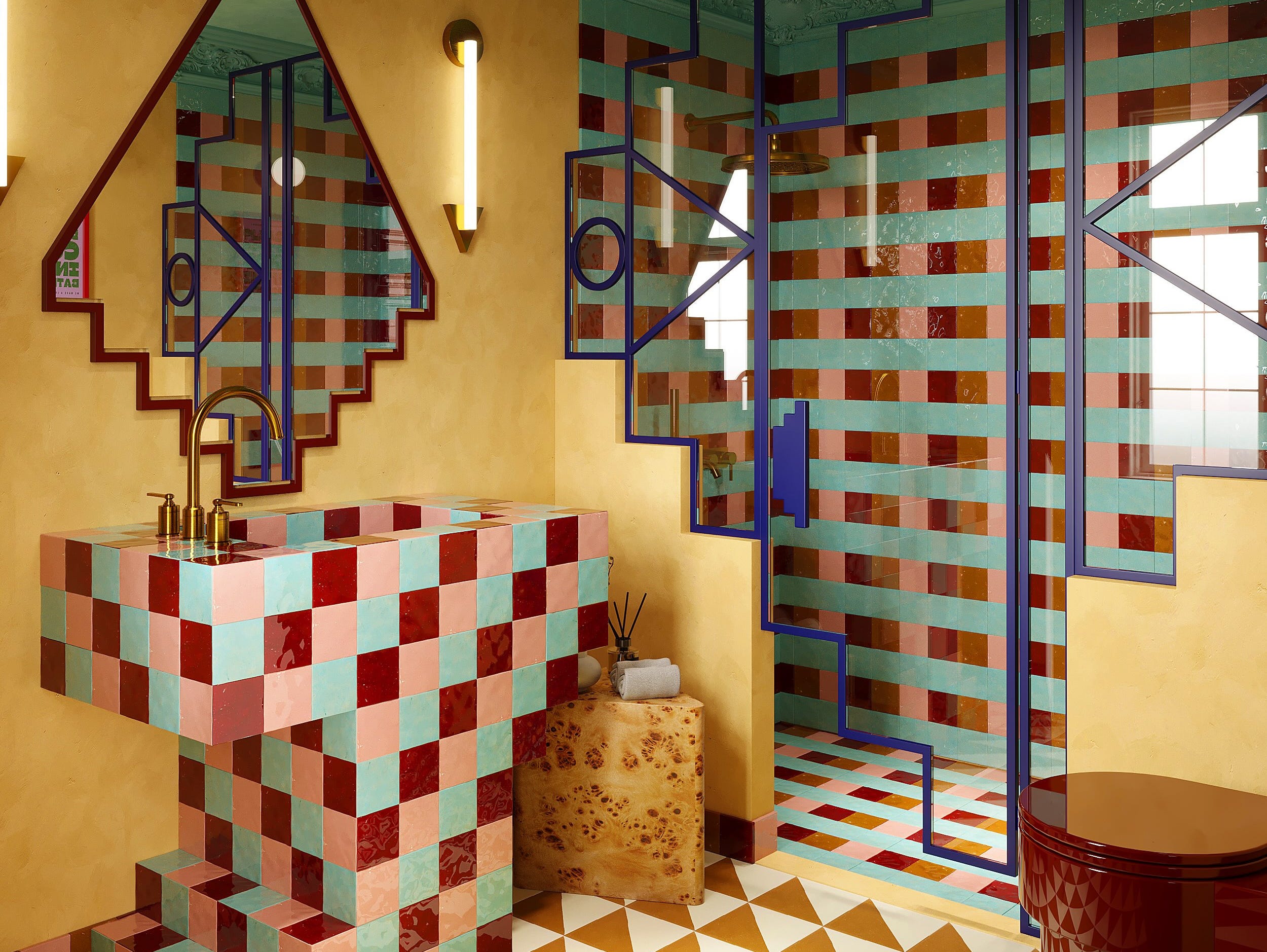
Interior designers believe these are the bathroom tiling trends to follow (and avoid)

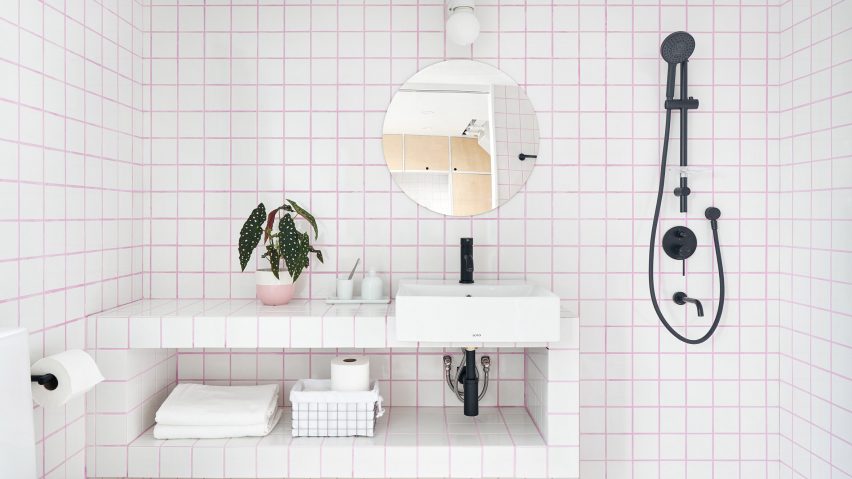
Ten bathroom design ideas from Dezeen's lookbooks

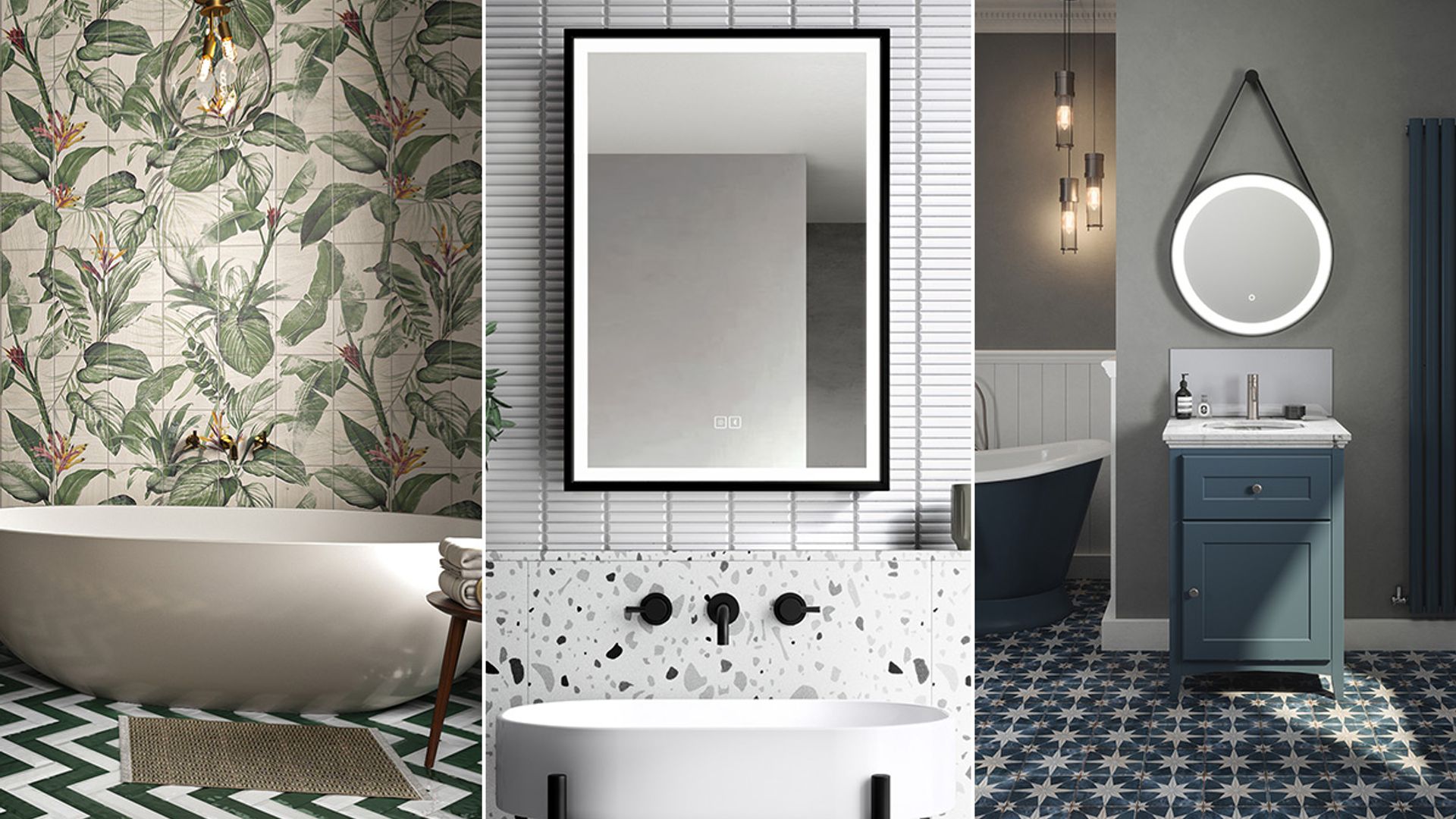
16 bathroom tile ideas to transform your space

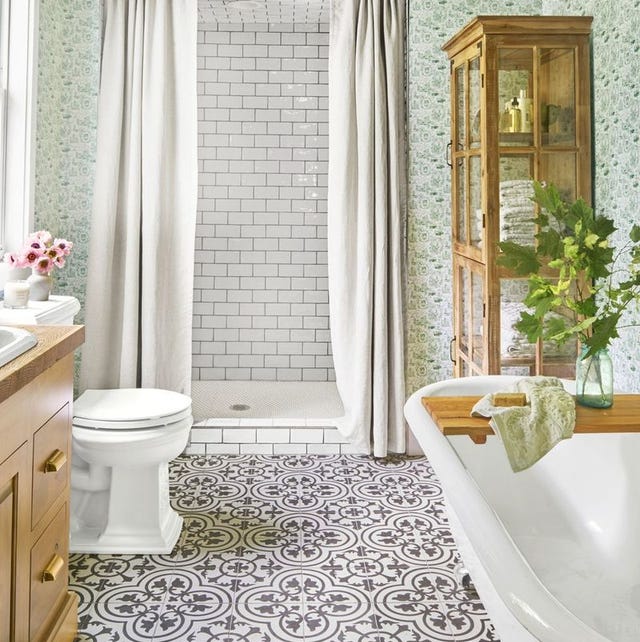
These Bathroom Tile Ideas Make a Major Design Statement

Bathroom Tiles

Refreshing THIS Design Feature Can Completely Transform Your Bathroom
29 Bathroom Floor Tile Ideas for 2026 That Make You Rethink Bathroom Floors Completely