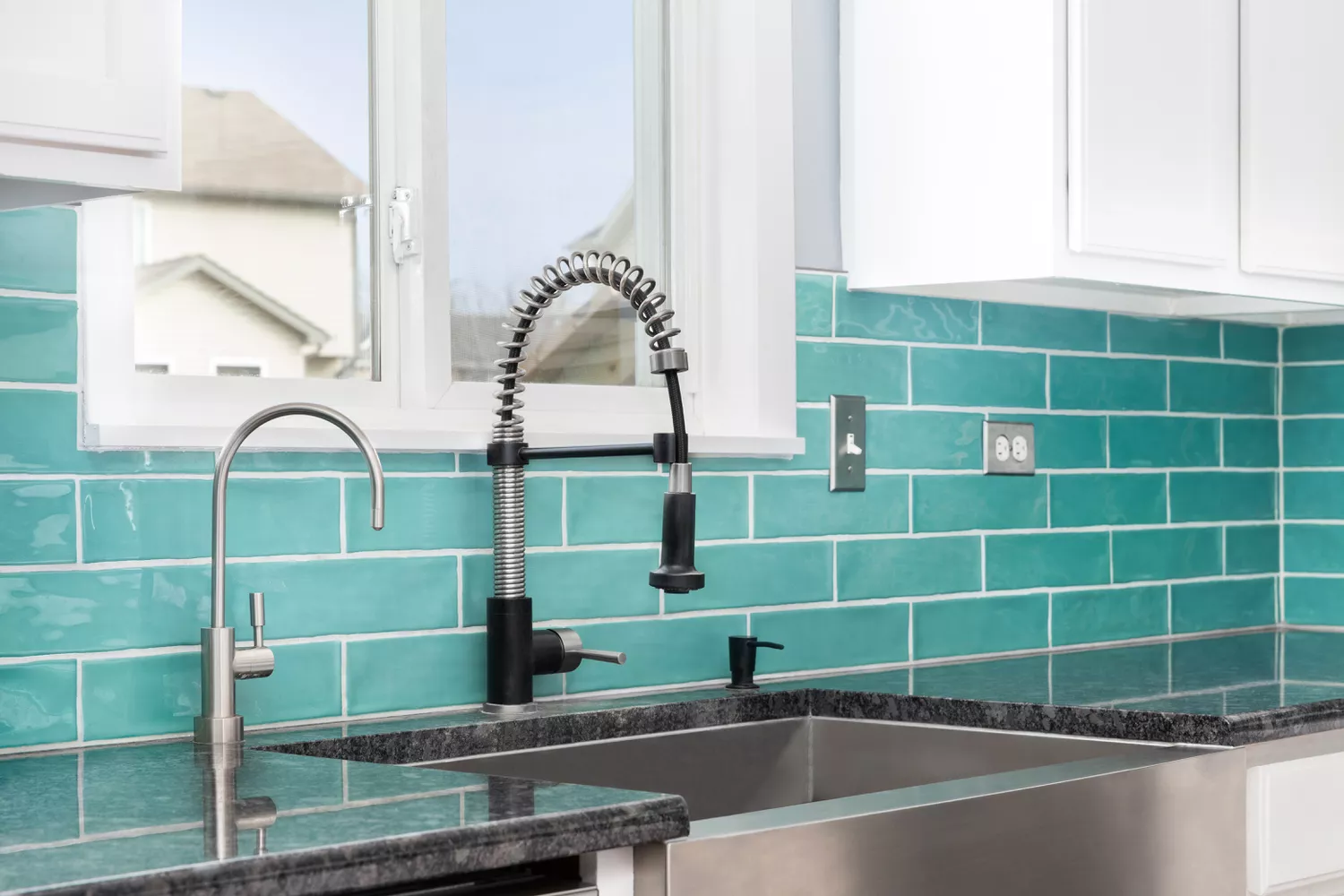
5 Outdated Kitchen Tile Trends to Retire, According to Interior Designers
In the realm of kitchen design, tile choices play a crucial role in defining the aesthetic and functionality of a space. While some tile styles possess a timeless quality, others can quickly become dated, negatively impacting an otherwise well-conceived interior. Interior designers emphasize the current shift towards warmth, texture, and authenticity in tile selections, advocating for materials like natural stone and handcrafted finishes over gimmicky or overly stylized options. This article identifies five specific tile trends that are now considered outdated and offers insights into why they should be retired from contemporary kitchen designs.
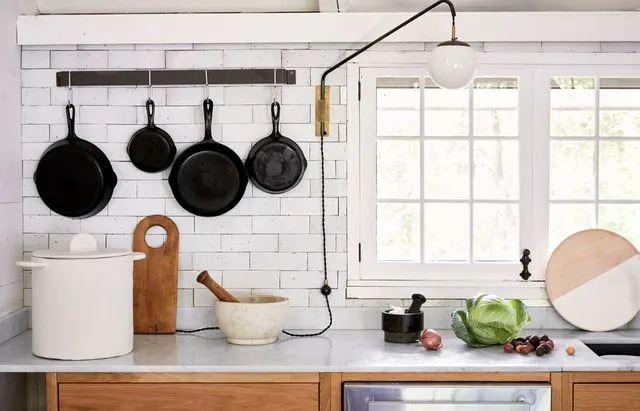
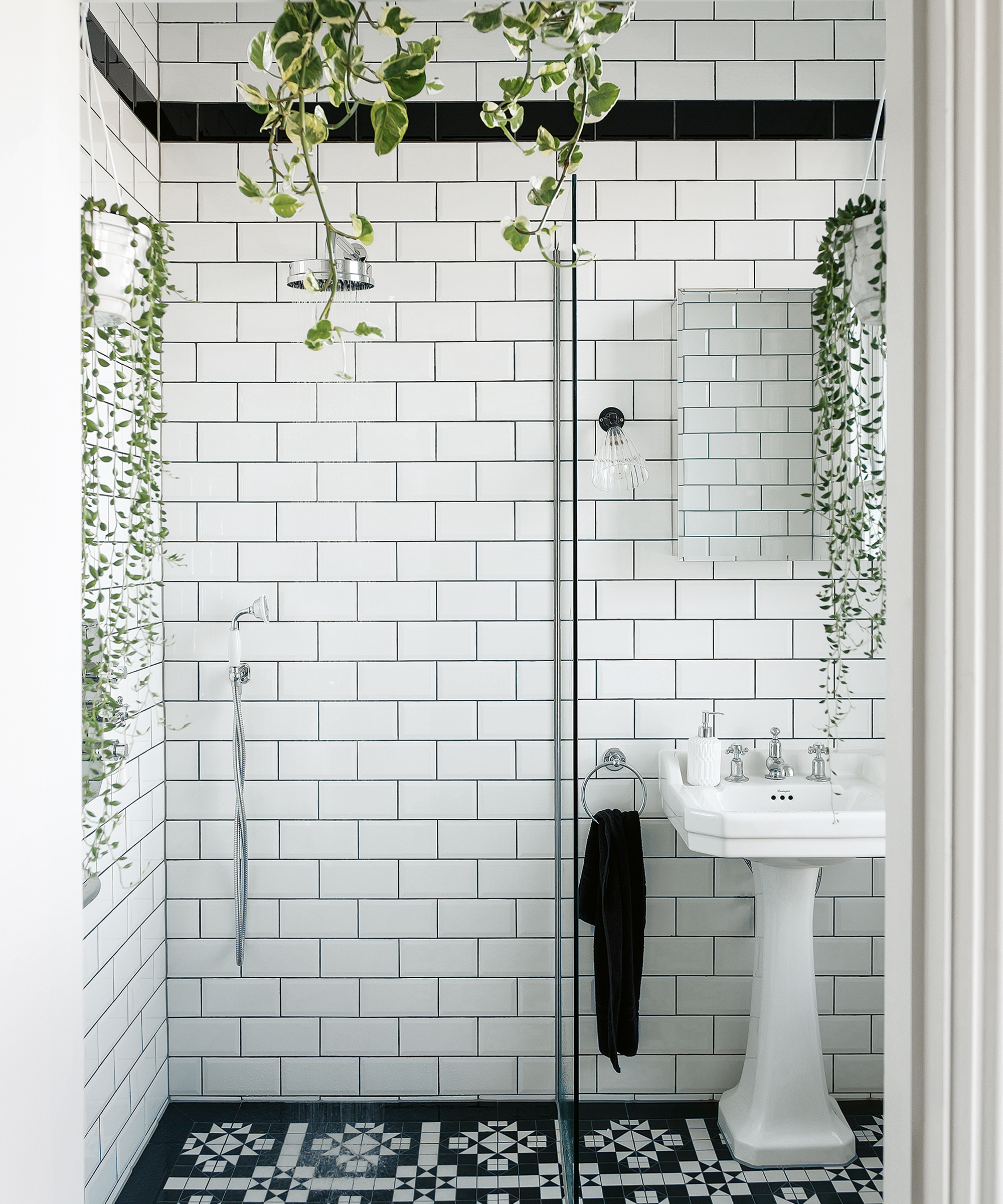
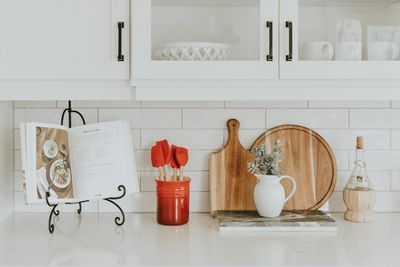
White subway tile, once a ubiquitous feature in all-white kitchens, has fallen out of favor due to its overuse and practical drawbacks. Designers like Stephanie Mahaney and Annie Downing note its tendency to show dirt and pasta sauce easily, its difficult-to-clean grout lines, and its contribution to a sterile, uninspired look, often associated with fast renovations or speculative home flips. The lack of character and prevalence of this style now make it signify a lack of thoughtful design.
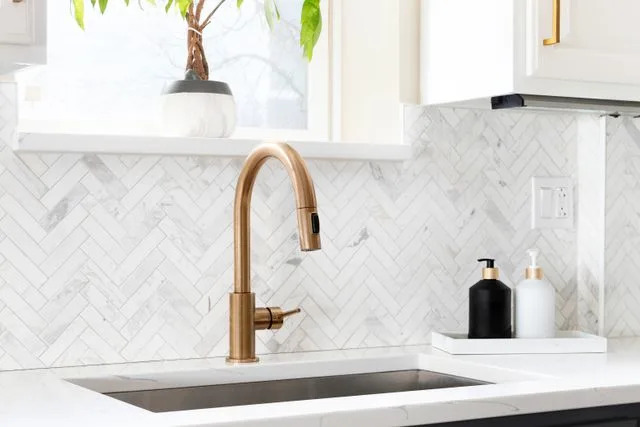
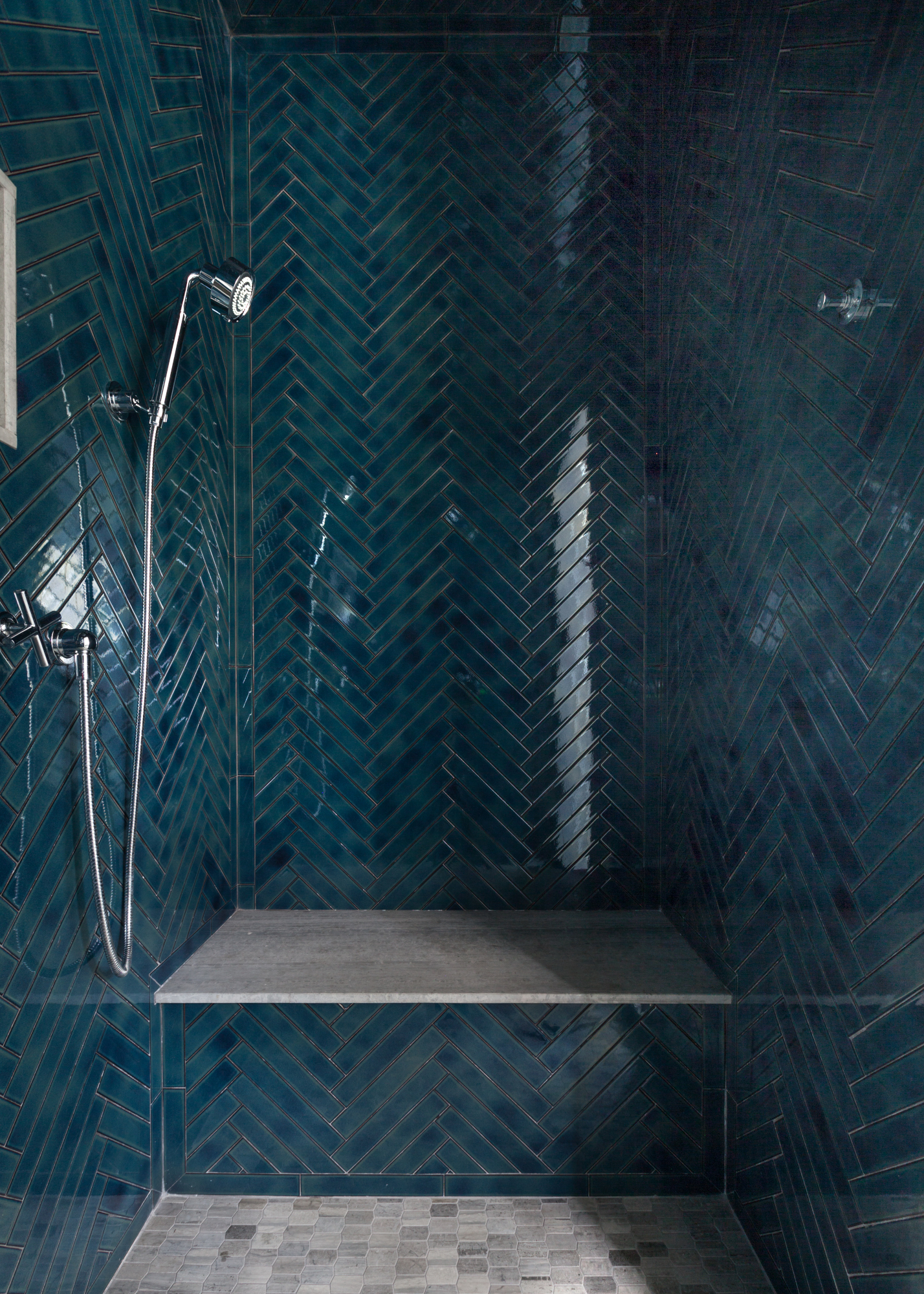
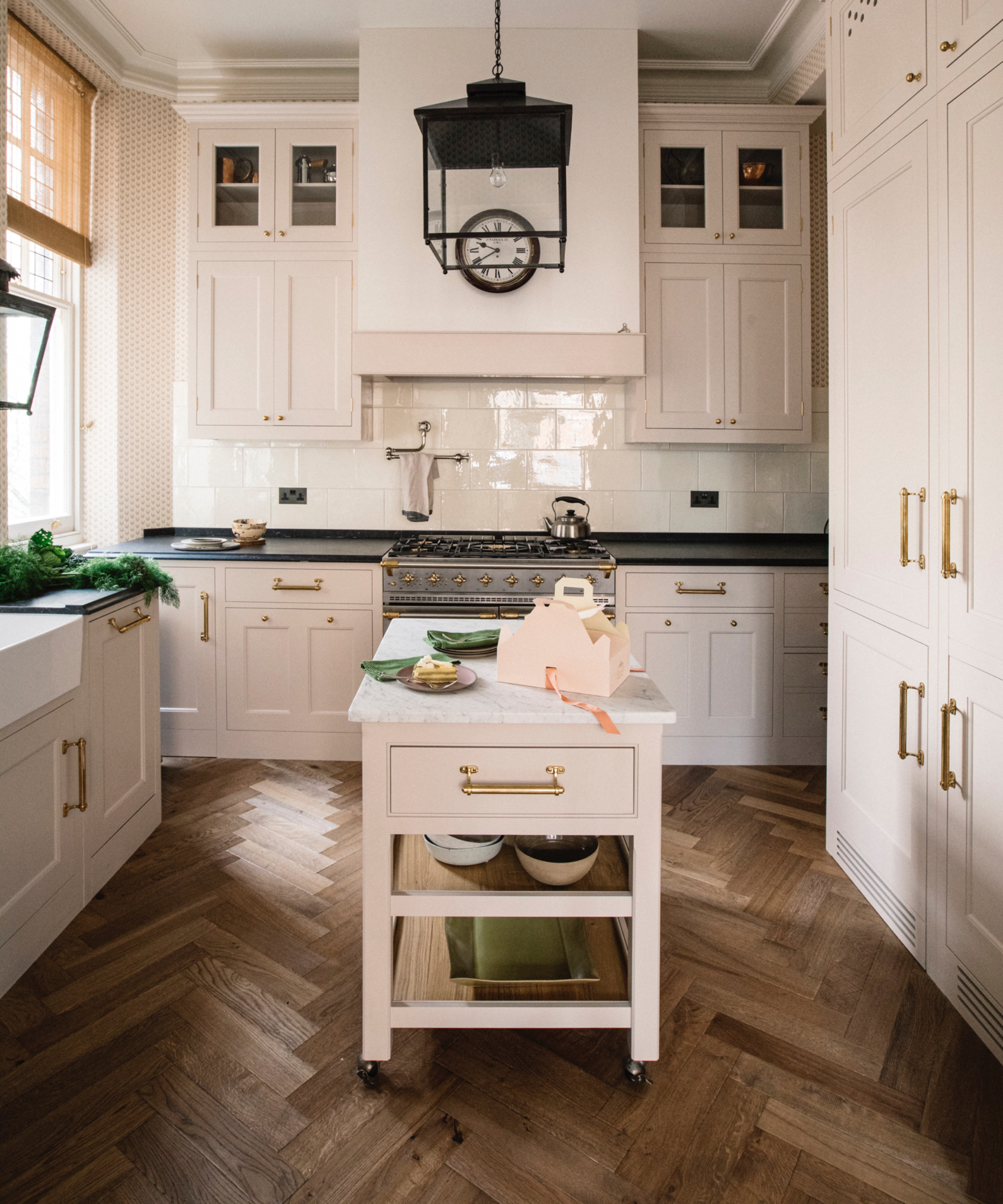
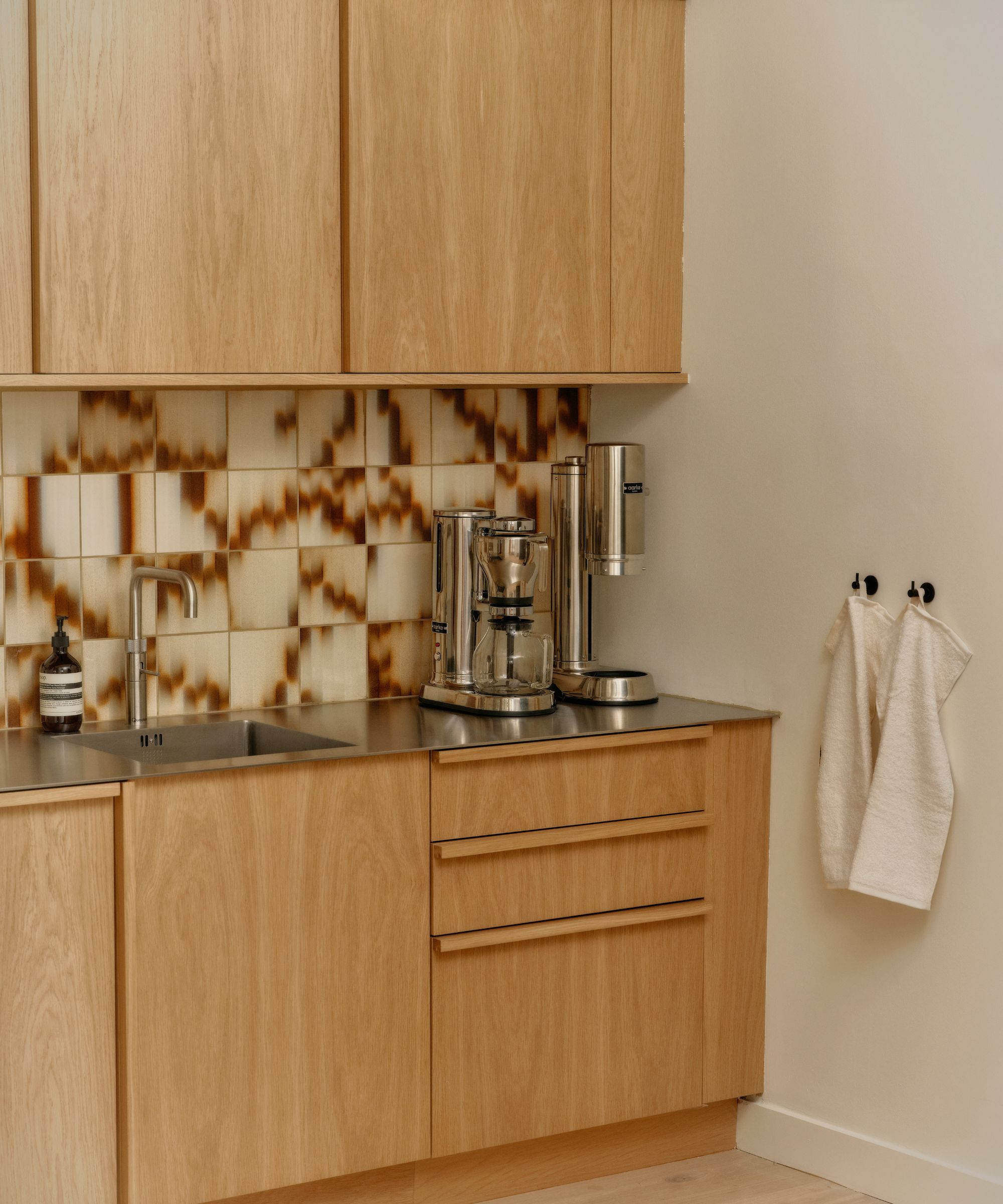
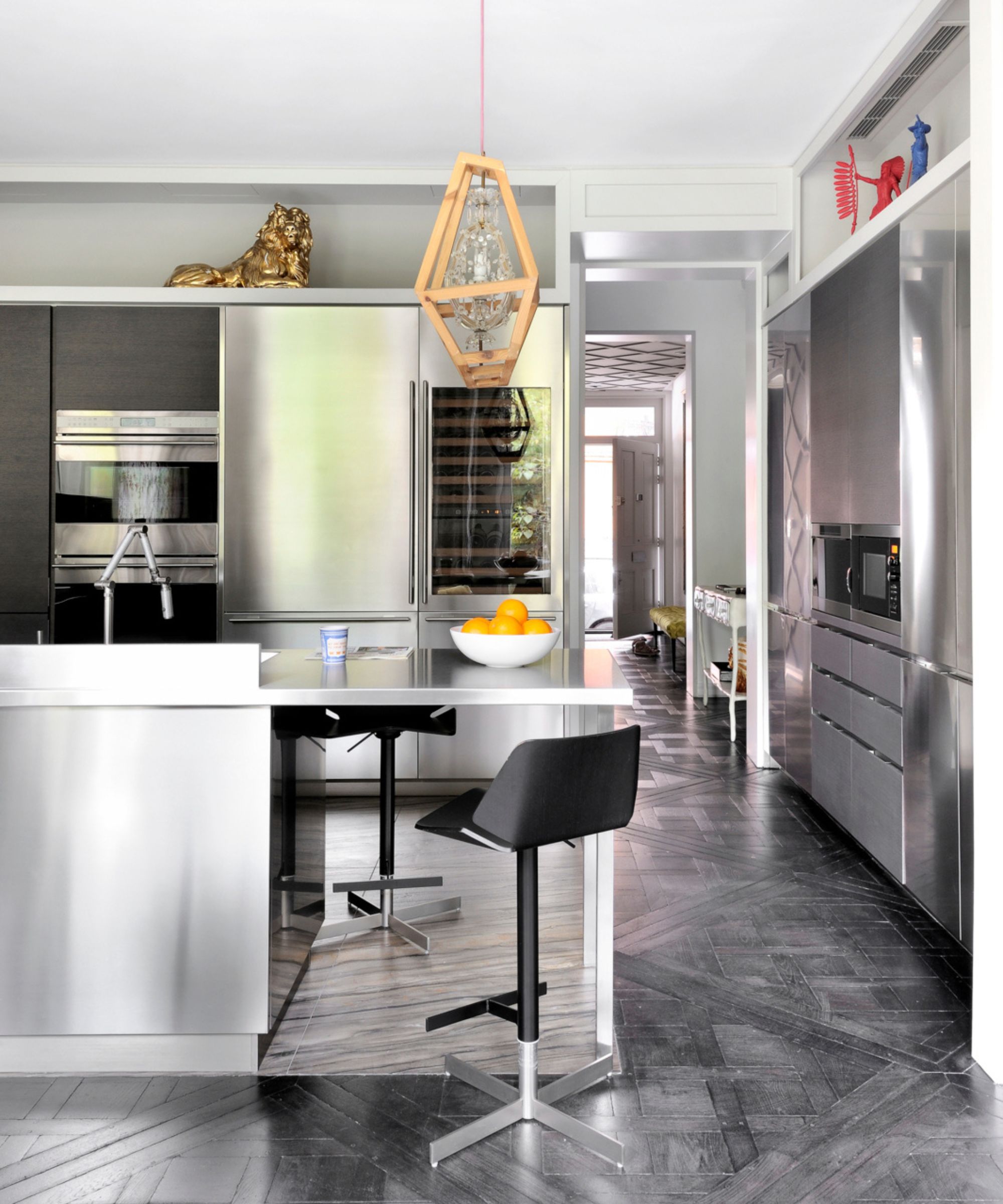
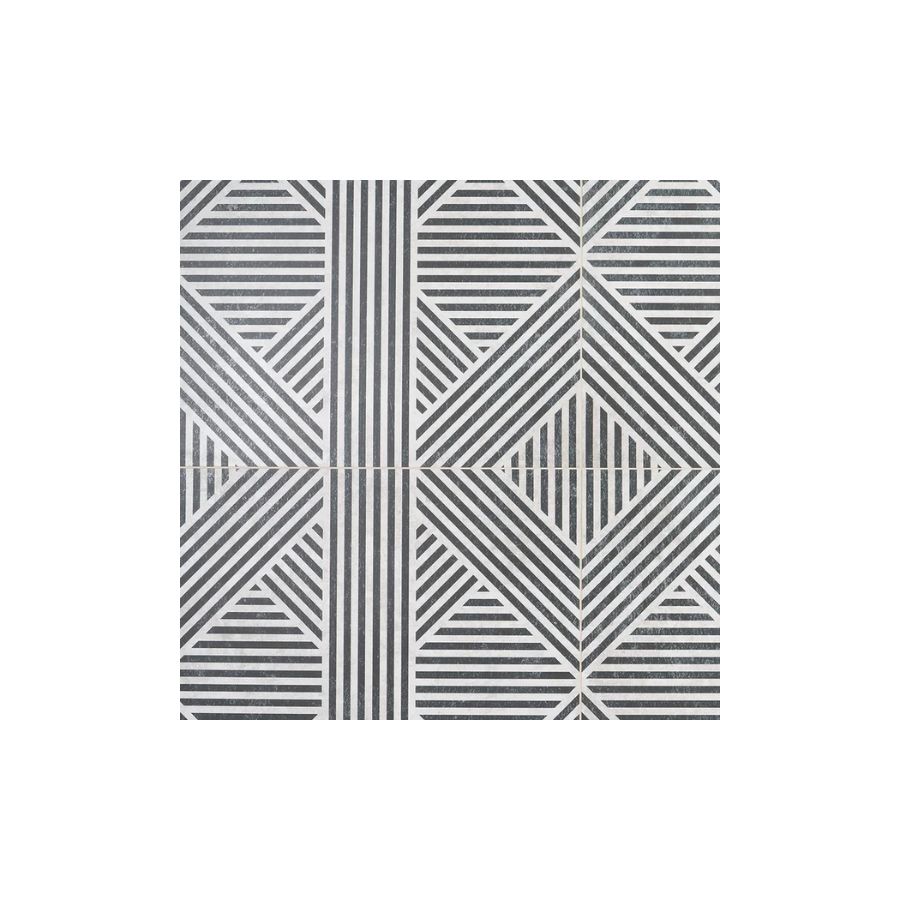
The herringbone pattern, previously embraced for its visual dynamism, is now viewed as visually chaotic, especially when paired with white or faux marble tiles. Interior designer Wendy Smit suggests that this pattern, once a bold choice, now makes spaces appear overly styled. As design preferences lean towards more organic and flowing aesthetics, rigid geometric layouts like herringbone are being replaced by tiles that offer organic texture, tonal variations, and unconventional patterns to impart depth, warmth, and character.
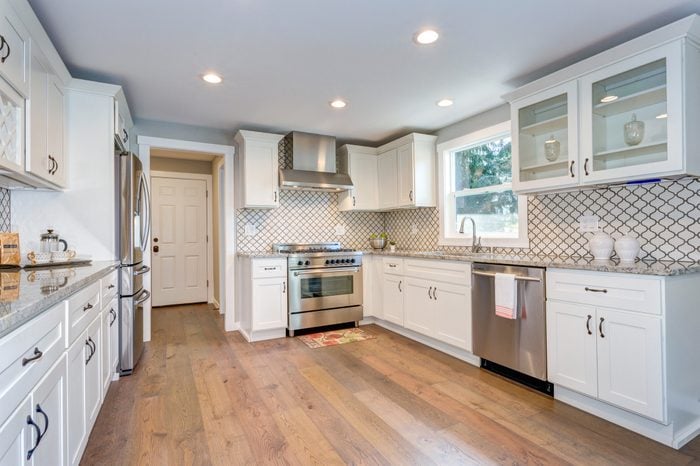
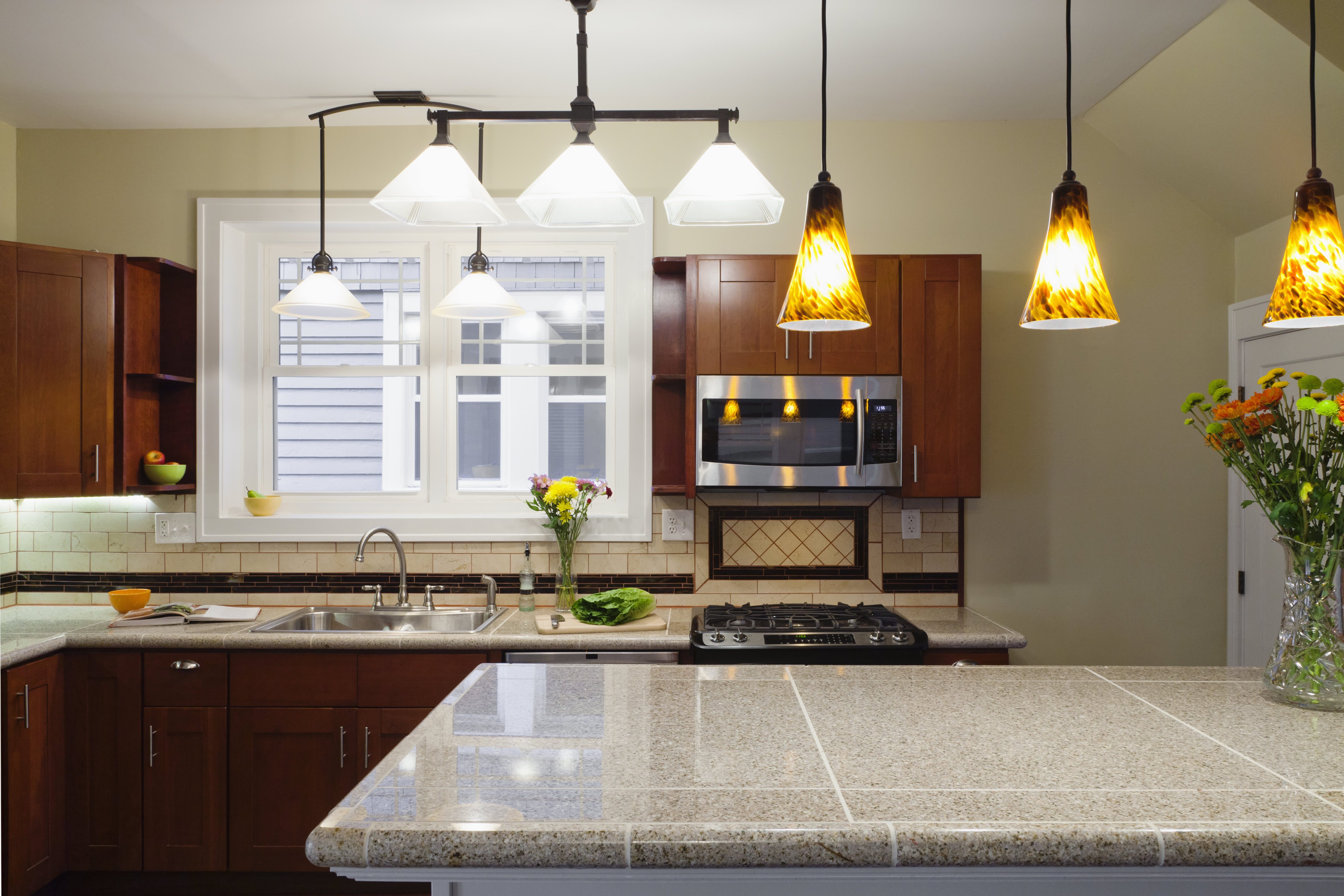
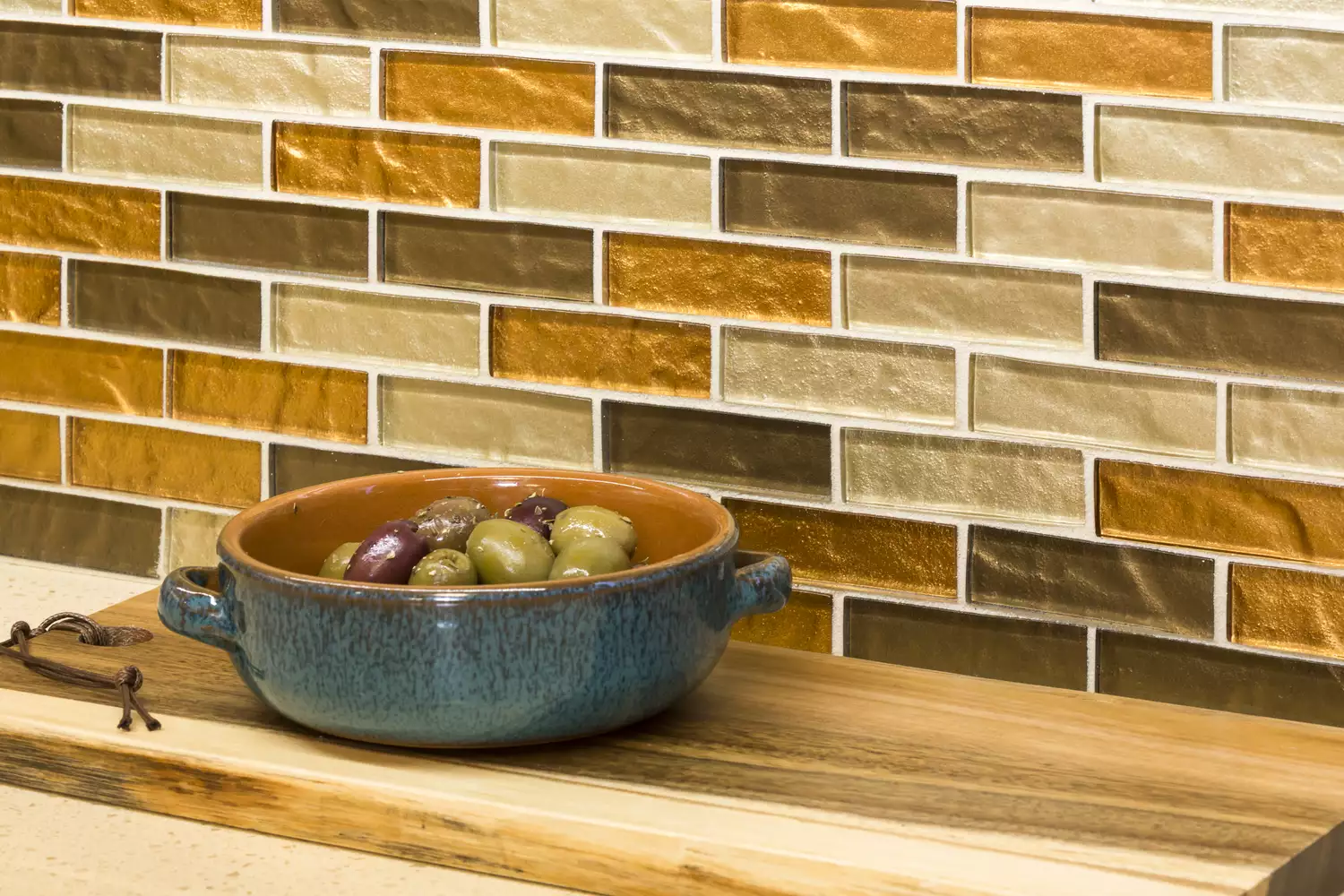
Glass mosaic tiles, particularly small, shiny, and multi-material varieties, are also considered outdated. Designers like Monique O’Brien and Malka Helft highlight their difficulty in cleaning, tendency to look messy, and susceptibility to yellowing or degradation when exposed to high heat behind ranges. The excessive grout associated with these mosaics further complicates cleaning. Alice Moszczynski specifically points to narrow glass mosaic strip tiles, especially those in garish color combinations, as contributing unnecessary visual clutter. The current preference is for sleek slabs and larger-format tiles, which offer easier maintenance and a calmer visual appeal.
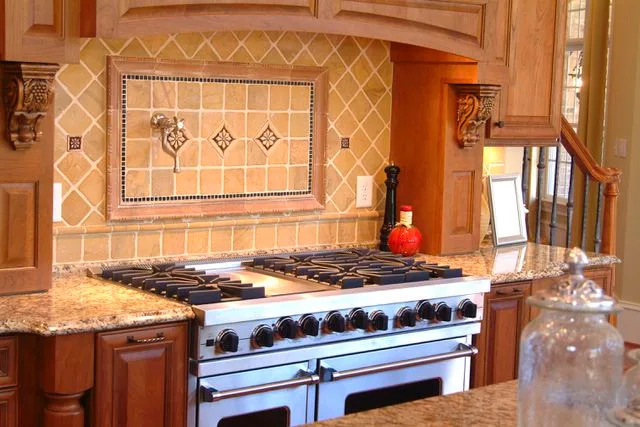
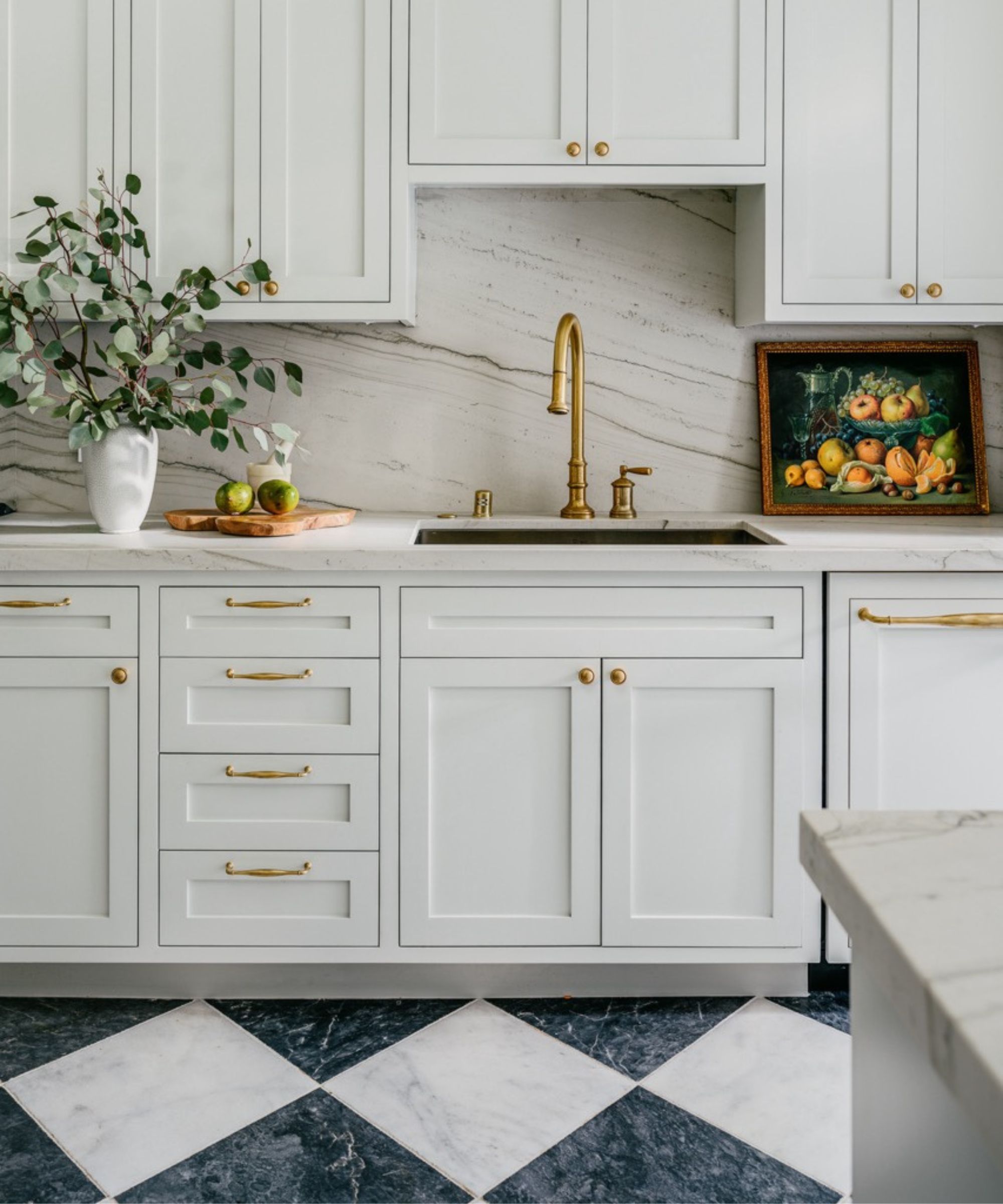
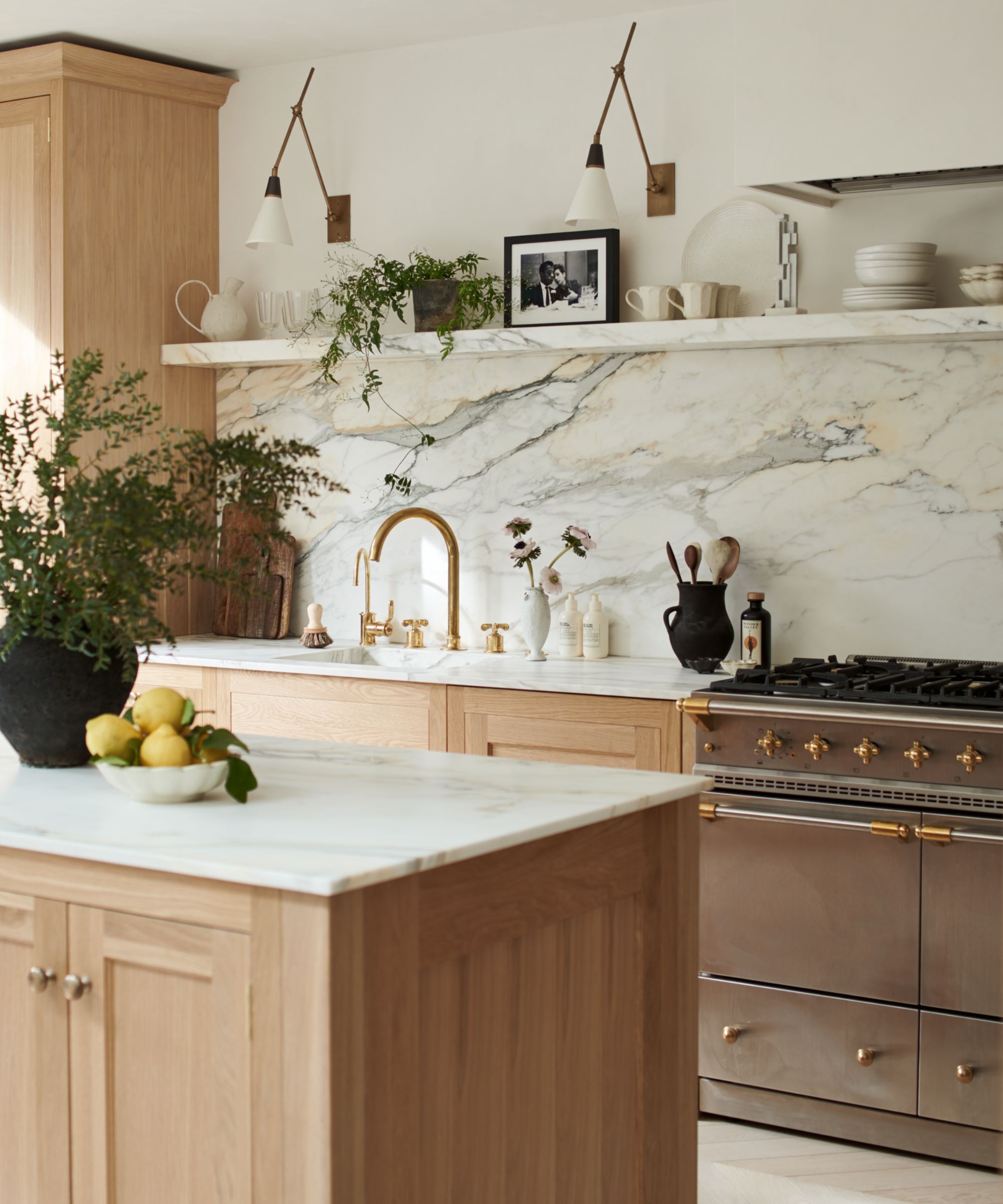
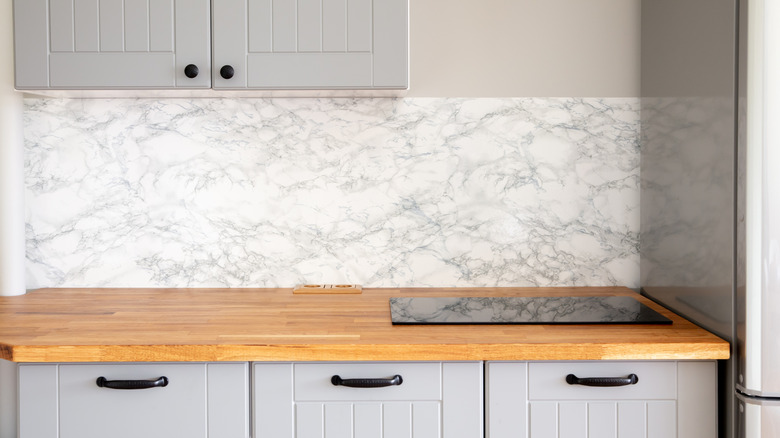
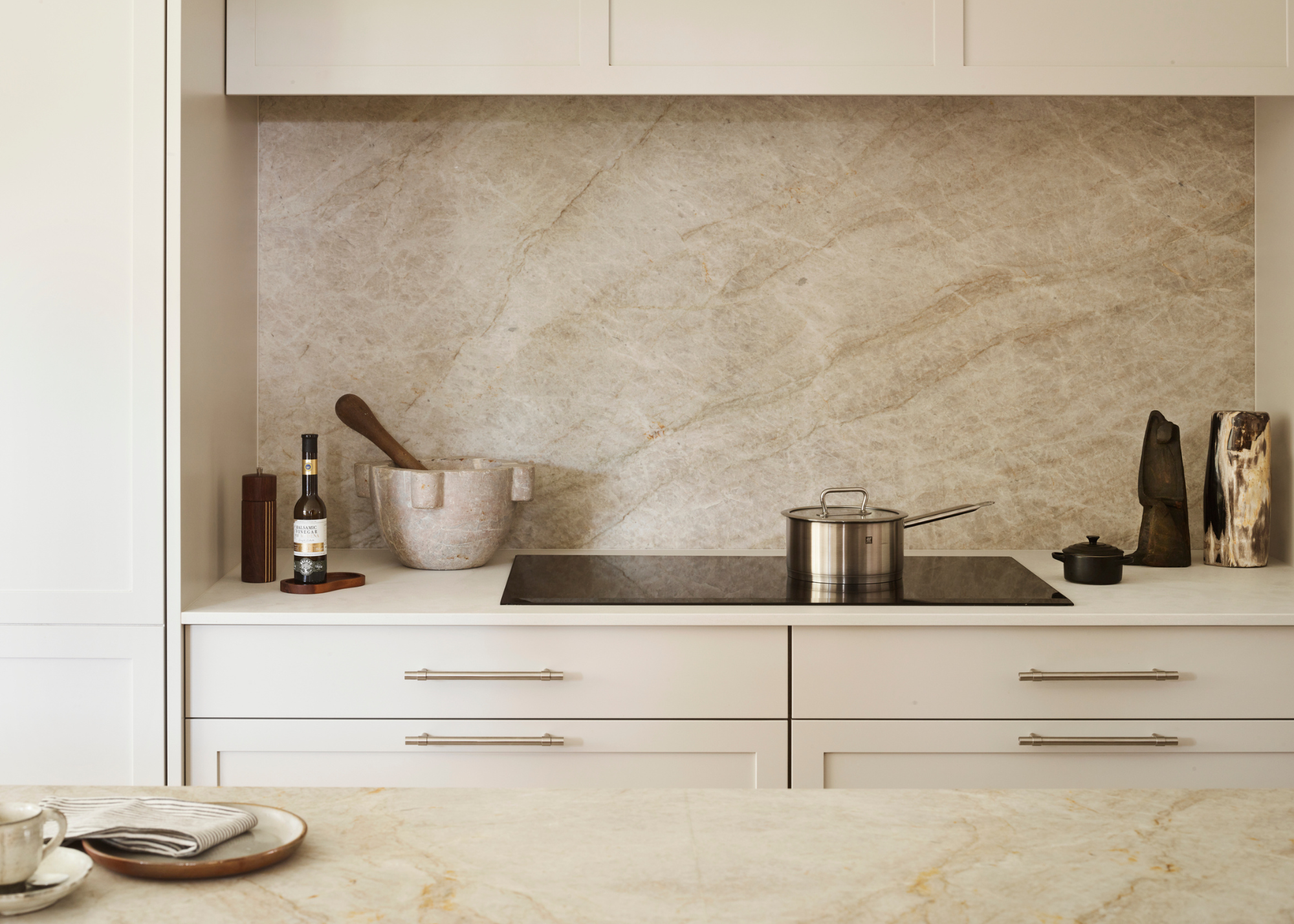
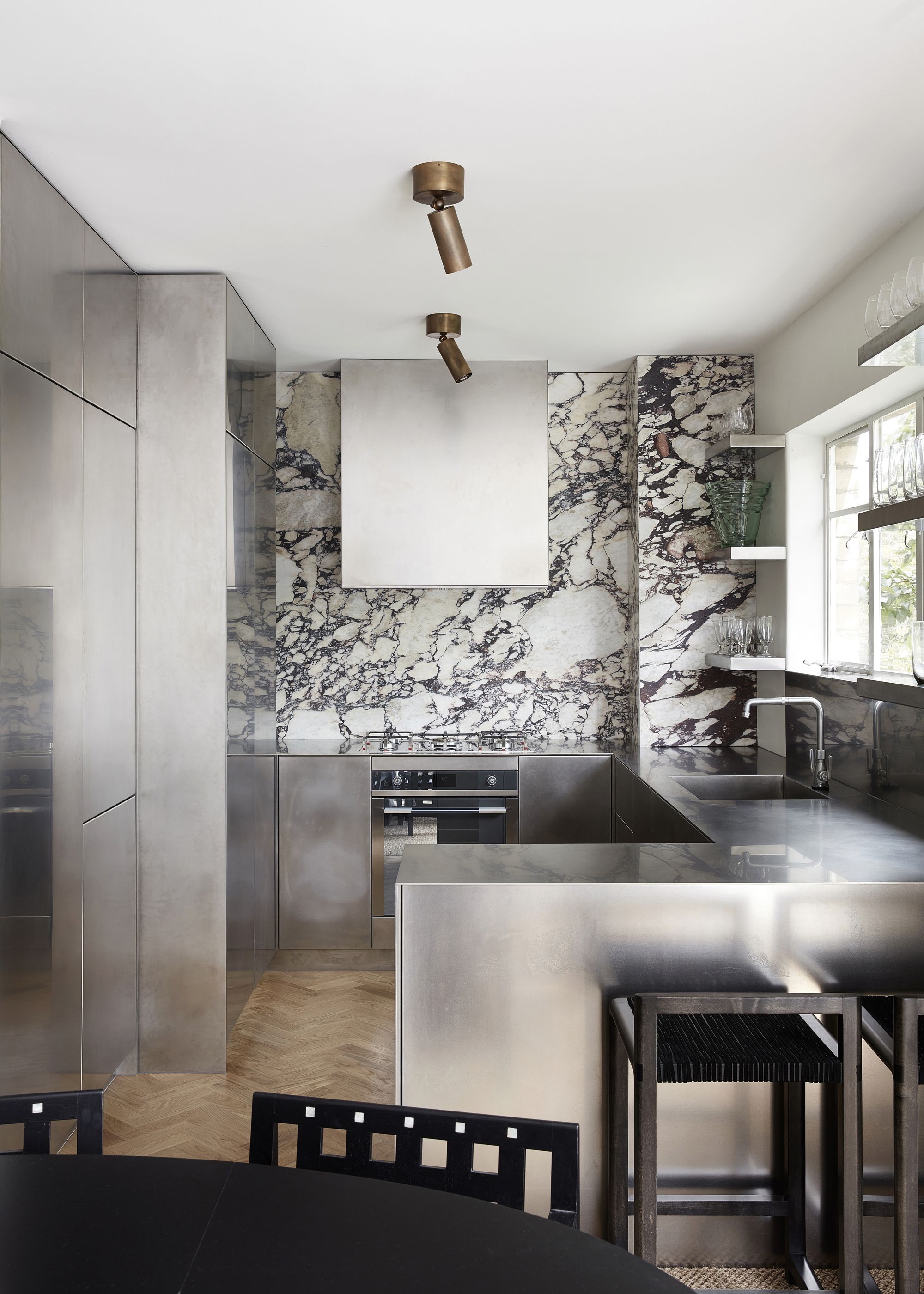
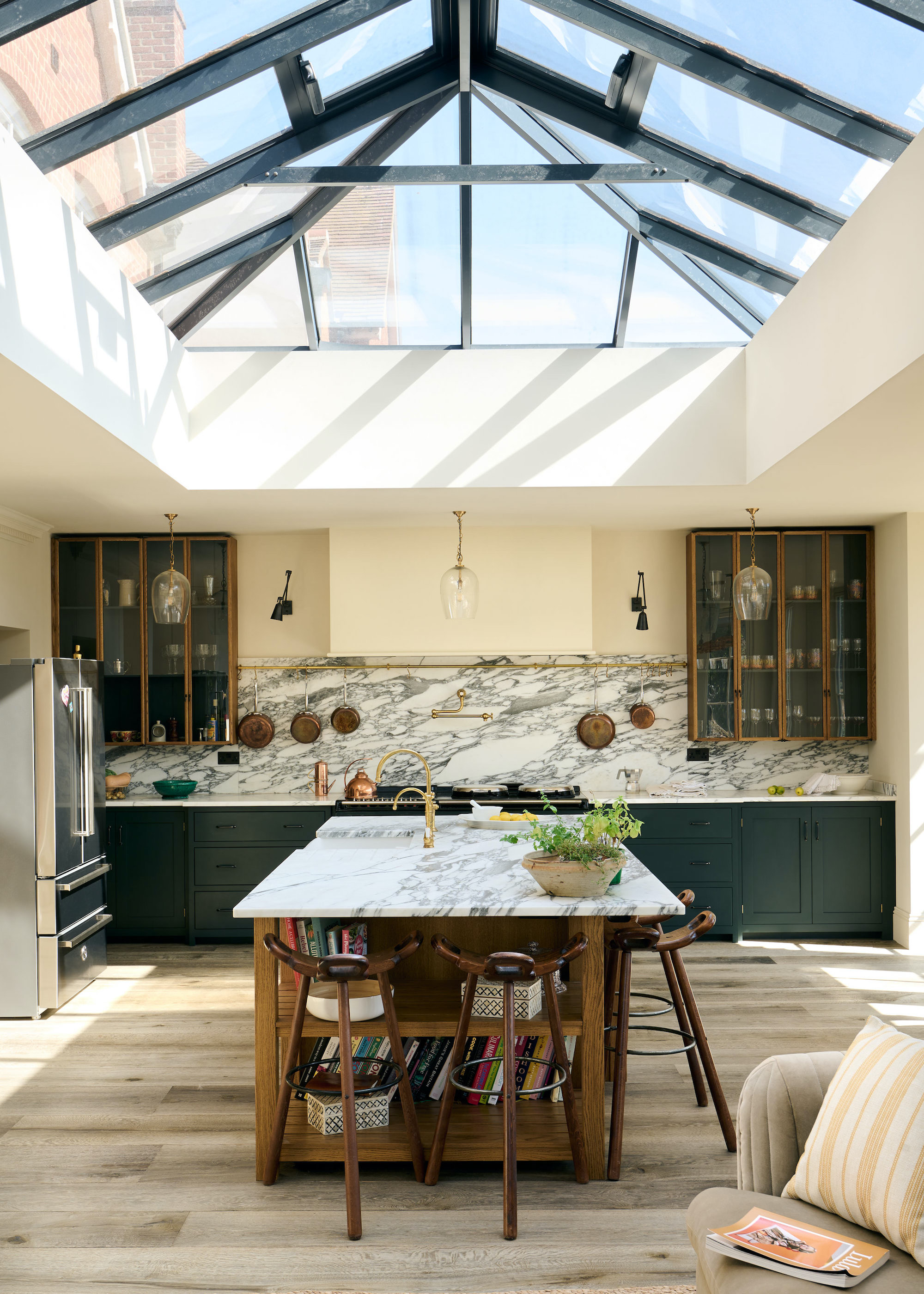
Framed inlays, once a popular method for adding visual interest above cooktops, are now seen as outdated and distracting. Ali Ames, a senior designer, explains that these inlays draw attention to an area often prone to grime and poor lighting, disrupting the clean lines and coherent flow desired in modern kitchens. Given the availability of high-end lighting, striking countertops, and expressive hardware, dedicating valuable backsplash space to a framed inlay is no longer considered a wise design choice. Instead, full-height backsplashes with consistent material are favored for their simplicity and elegance.
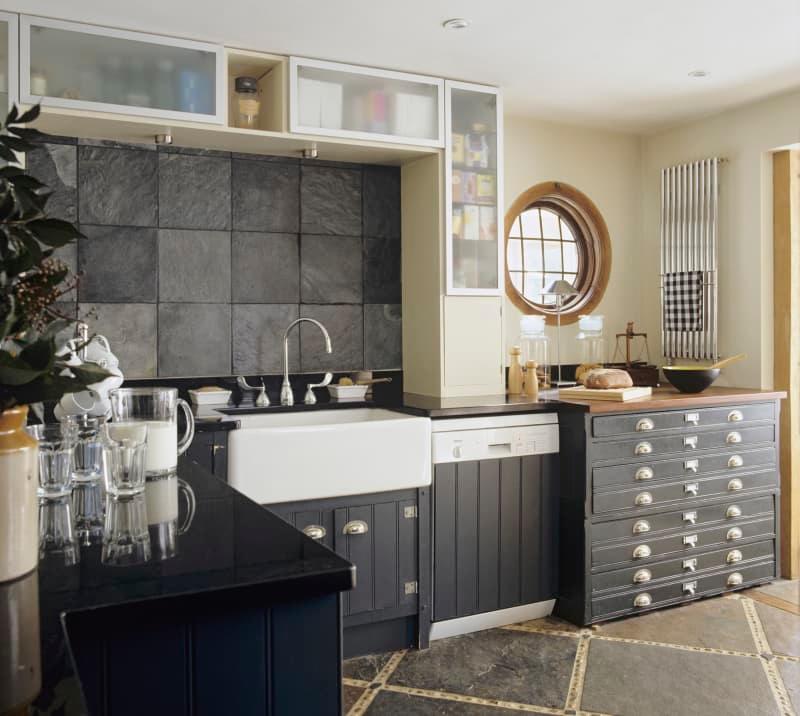
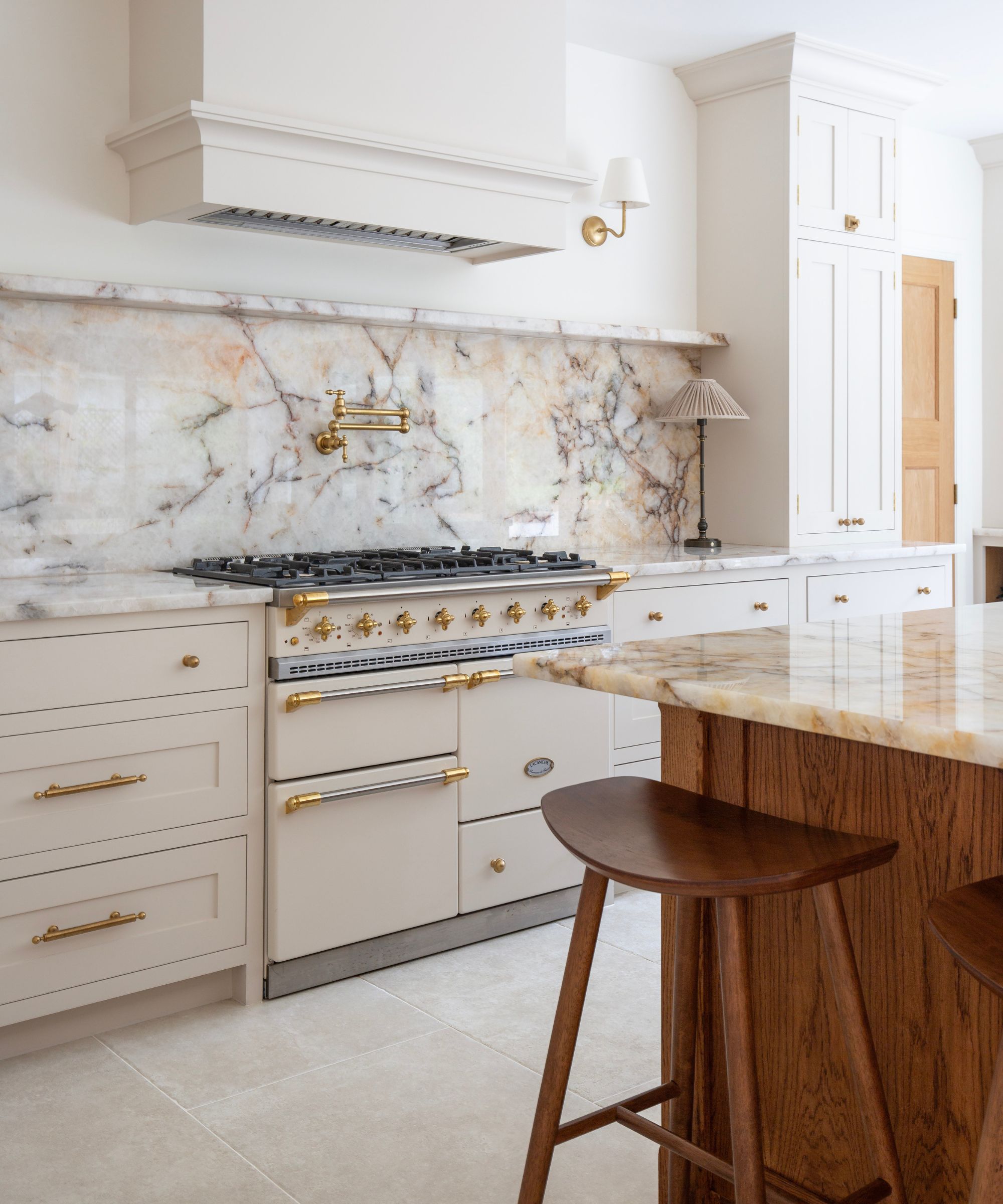
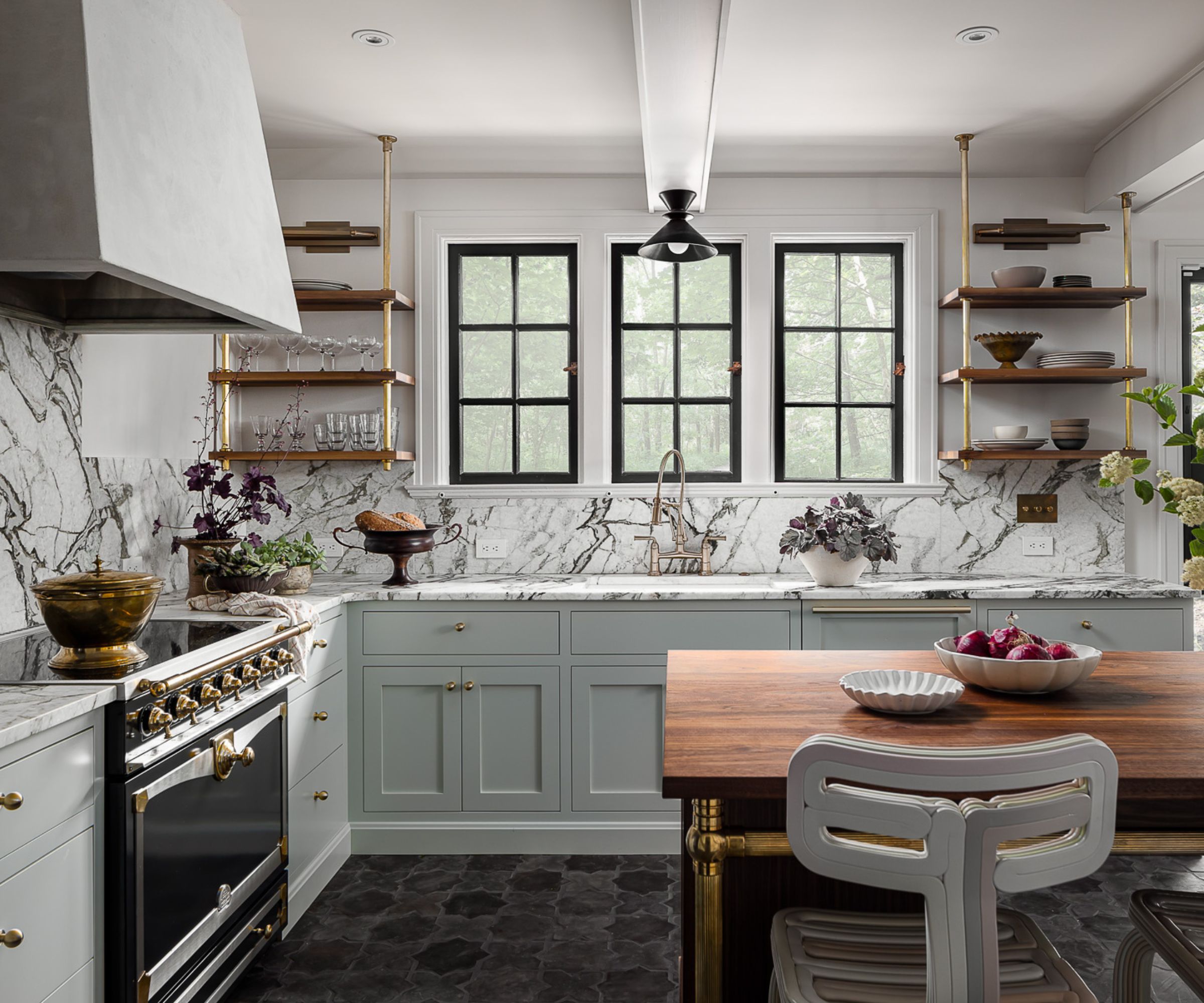
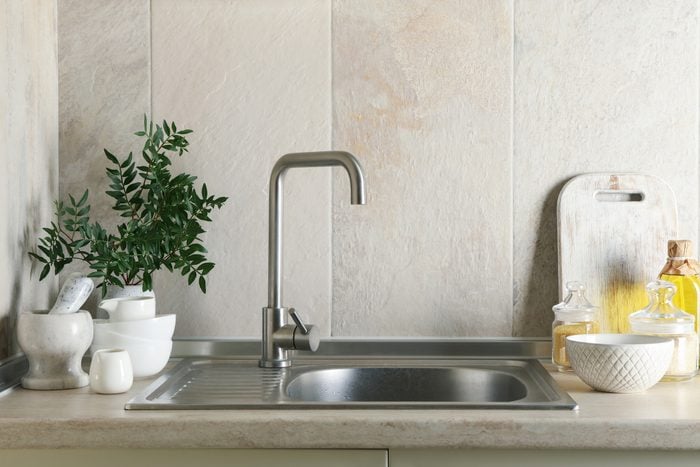
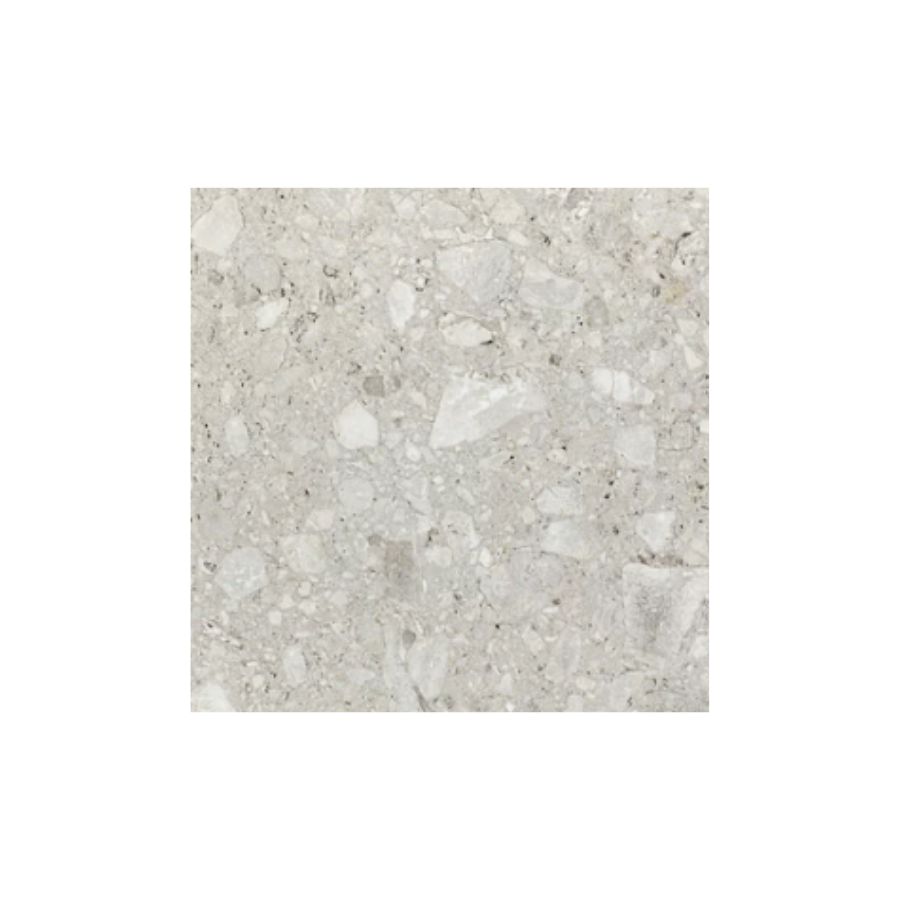
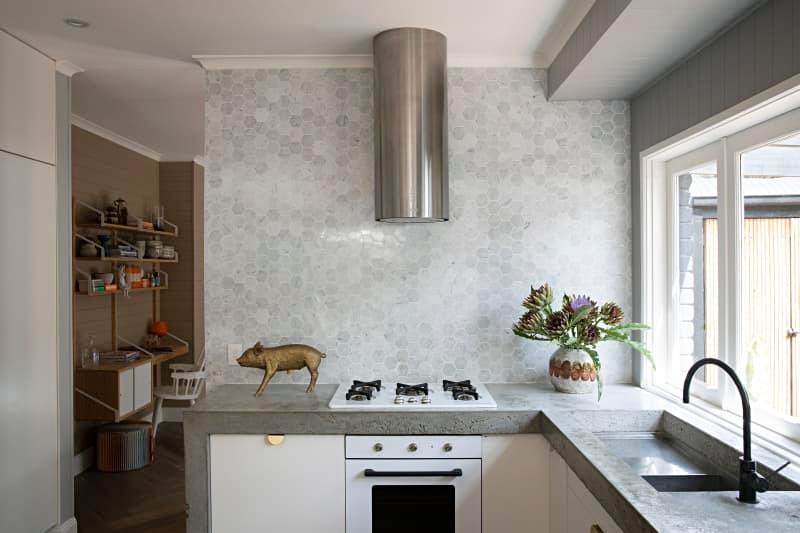
Finally, the Tuscan style, characterized by faux-rustic, tumbled stone and slate, which was popular in 2000s kitchen design, is firmly out of fashion. Moszczynski describes these materials, with their heavy textures, warm yellow undertones, and mosaic patterns, as making kitchens feel dark and dated, evoking a "Fred Flintstone" aesthetic—clunky and heavy-handed. Modern designs prefer natural materials like honed marble, limestone, or travertine in lighter, softer tones, which offer organic appeal with greater subtlety and refinement, aligning with cleaner lines and contemporary furnishings.
#KitchenDesign #TileTrends #InteriorDesign #HomeRenovation #OutdatedDesign #KitchenBacksplash #MaterialSelection #ModernKitchen #KitchenDesign #TileTrends #InteriorDesign #HomeRenovation #OutdatedDesign #KitchenBacksplash #MaterialSelection #ModernKitchen
0 comment in total
 No comments yet
You may also like
5 Outdated Kitchen Tile Trends to Retire, According to Interior Designers

5 Outdated Tile Trends Designers Are Still Noticing in 2025 That Can Make Your Space Look Old-Fashioned

6 outdated kitchen countertop trends to leave behind in 2025
5 Kitchen Styles That Are Definitely Out of Style, Designers Say

5 outdated tile trends that are letting your kitchens and bathrooms down

5 Outdated Tile Trends Designers Are Still Noticing in 2025 That Can Make Your Space Look Old-Fashioned
5 Outdated Kitchen Trends Interior Designers Hope Never Come Back

12 "Outdated" Kitchen Trends You Should Ditch In 2025 (But You Probably Have)

3 Kitchen Tile Trends On Their Way Out This Year (and What to Do Instead), According to Interior Designers

4 Kitchen Tile Trends on Their Way Out (and What’s Replacing Them), According to Designers
5 Outdated Countertop Trends To Avoid And 5 To Try Instead

10 Outdated Kitchen Trends Making A Comeback, According To A Design Expert

5 Outdated Kitchen Tile Trends to Retire, According to Interior Designers
5 dated kitchen flooring trends to avoid in 2025 – and what experts say you should choose instead
9 Outdated Kitchen Trends to Watch Out For

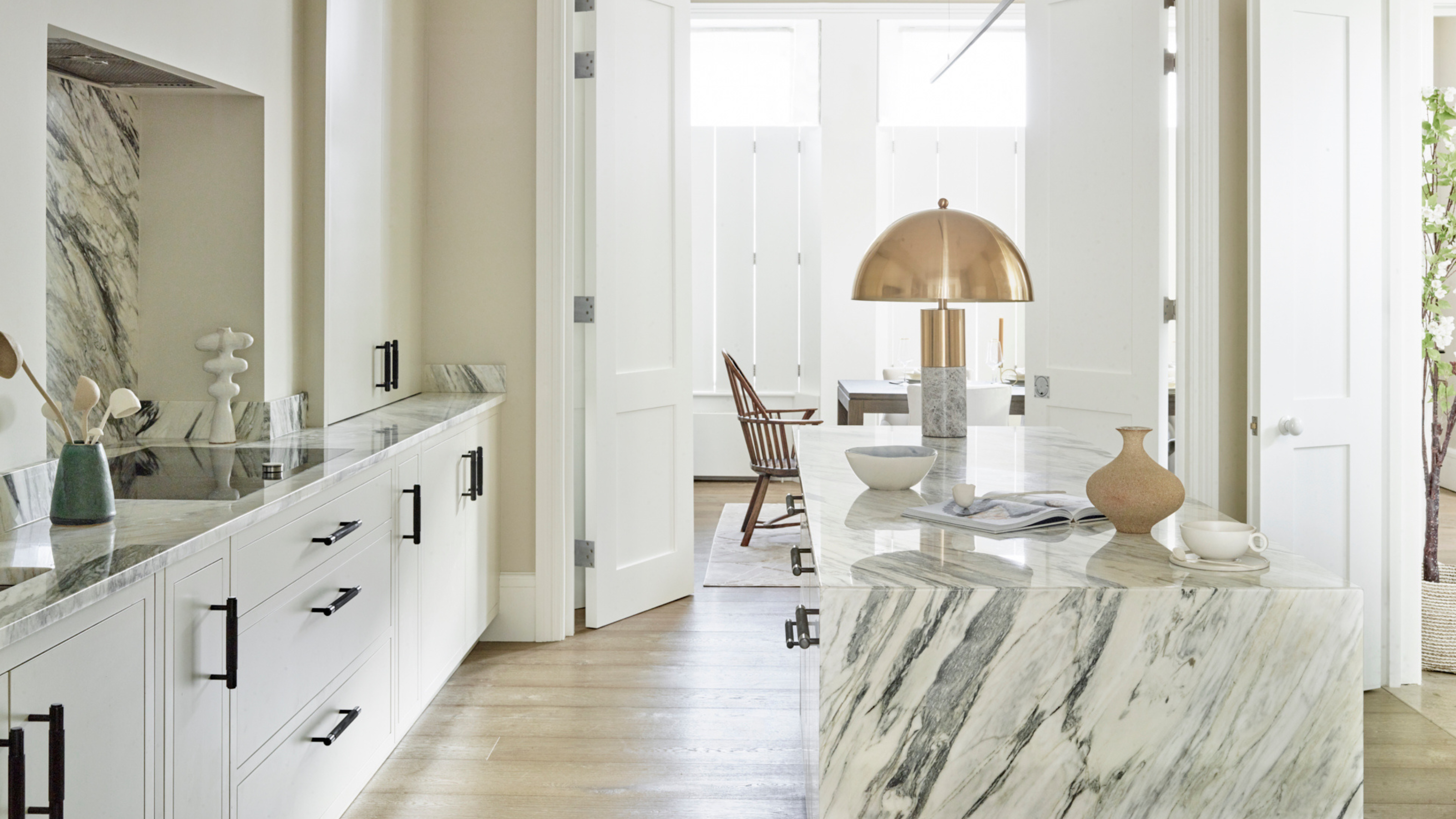
5 Countertop Colors That Are Going Out of Style, and What You Should Choose Instead — According to Kitchen Designers
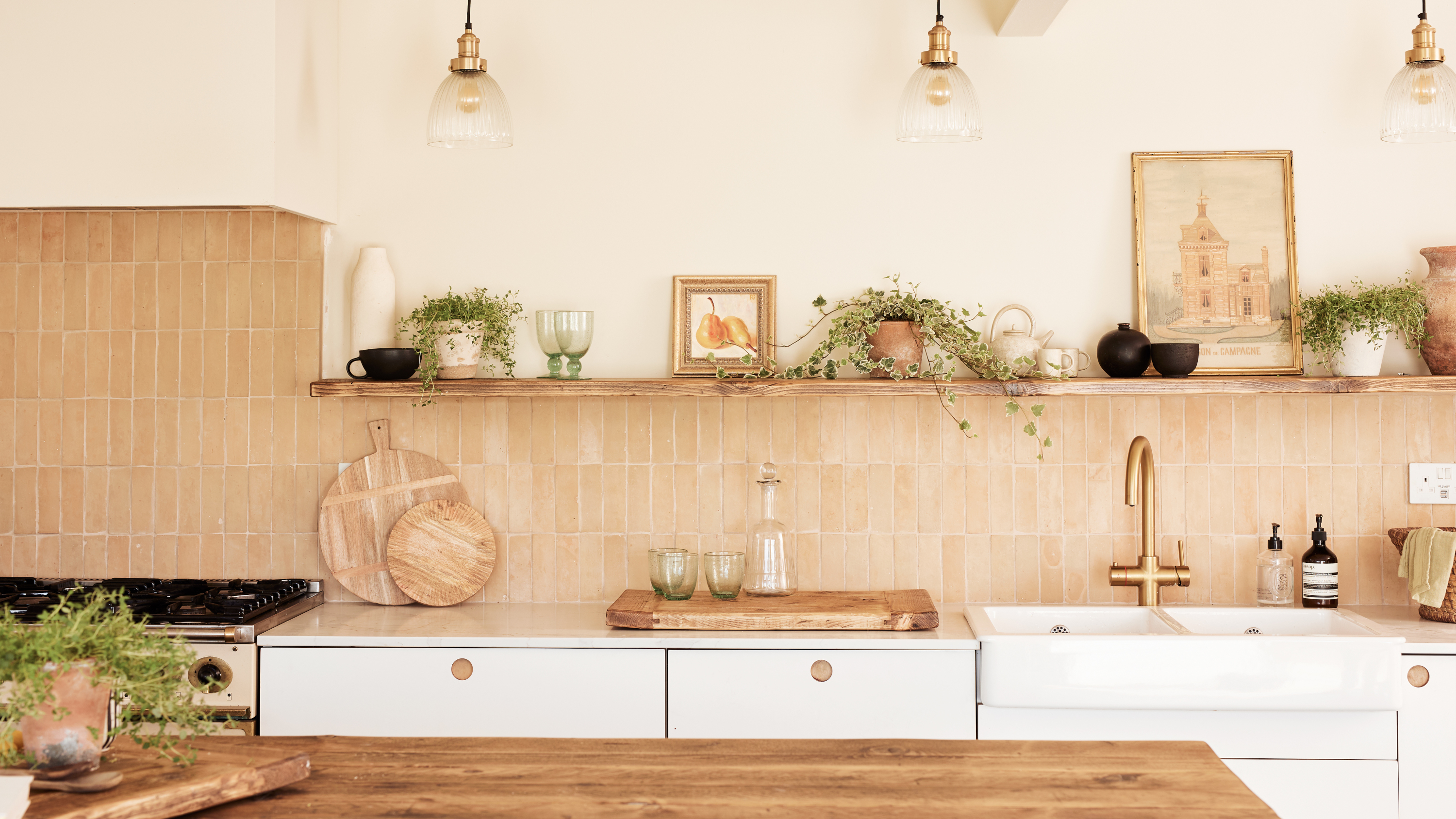
6 Outdated Tile Choices That Interior Designers Aren't Using Anymore — And What They Say to Try Instead
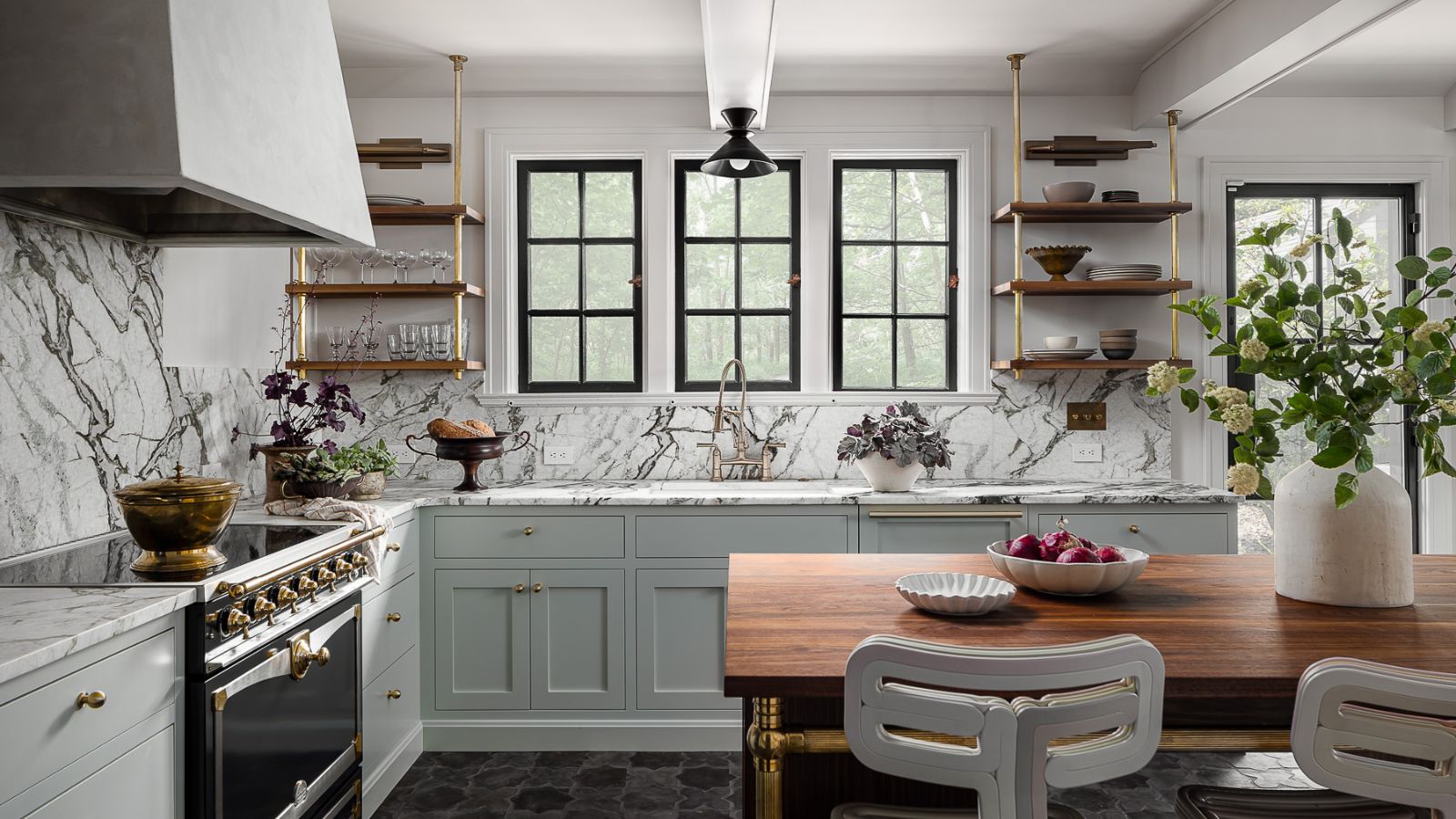
5 kitchen countertop materials that are out of style for 2025, according to designers
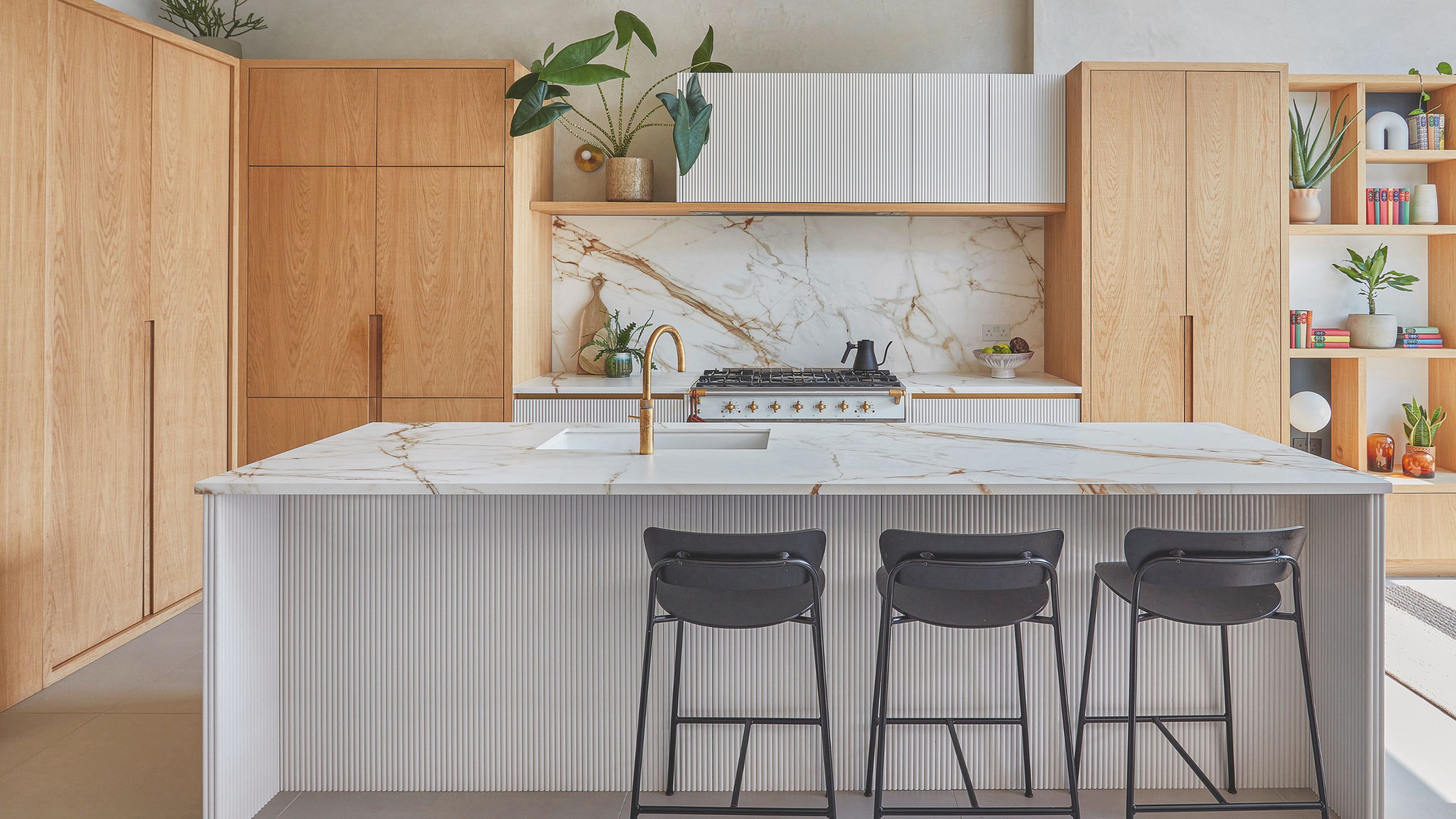
Kitchen Tile Trends for 2025 — 5 Popular New Styles That "Blend Artistry With Function"
5 Kitchen Island Trends That Are on Their Way Out, According to Real Estate Experts