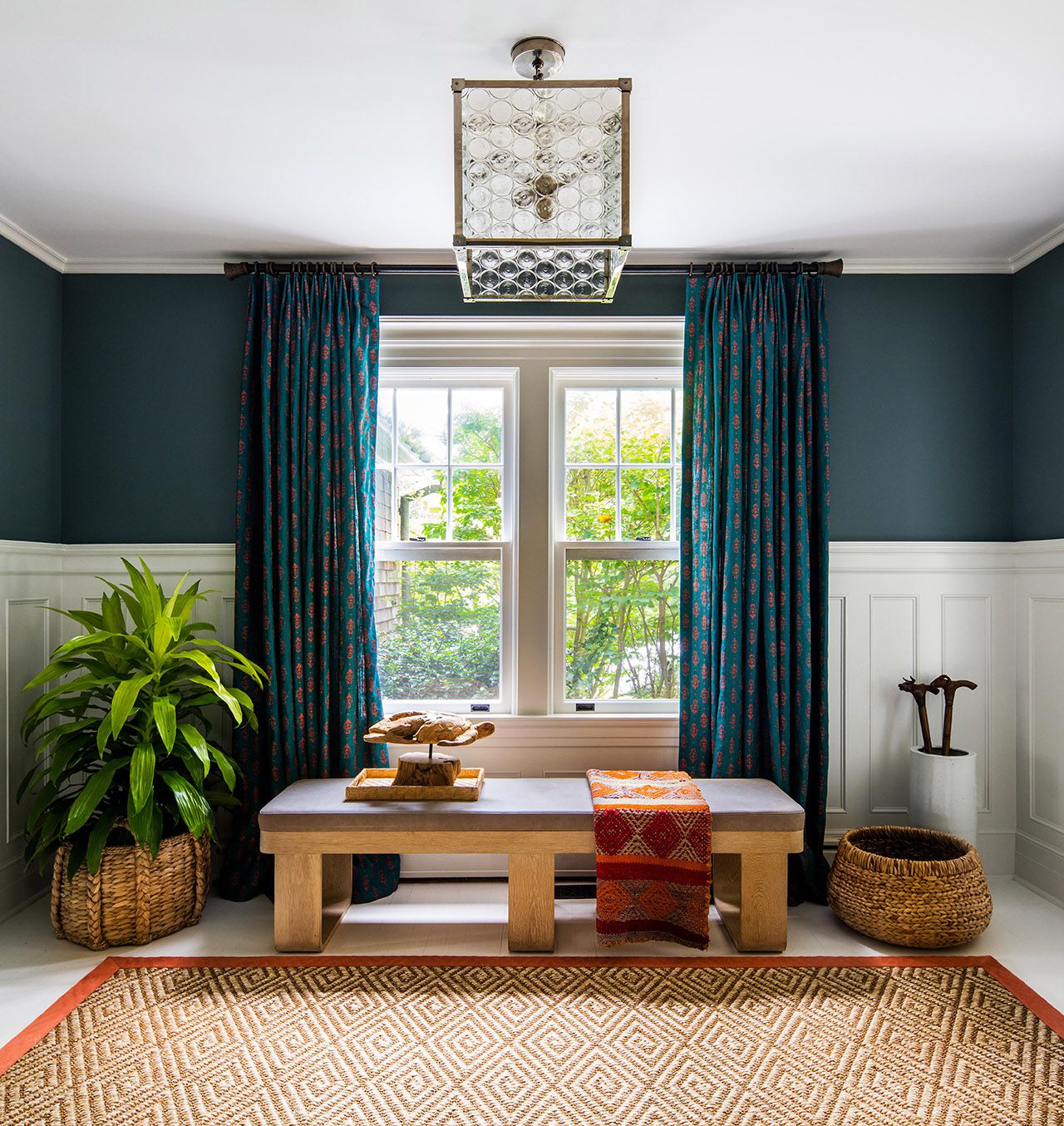
7 Window Treatment Mistakes You Might Be Making
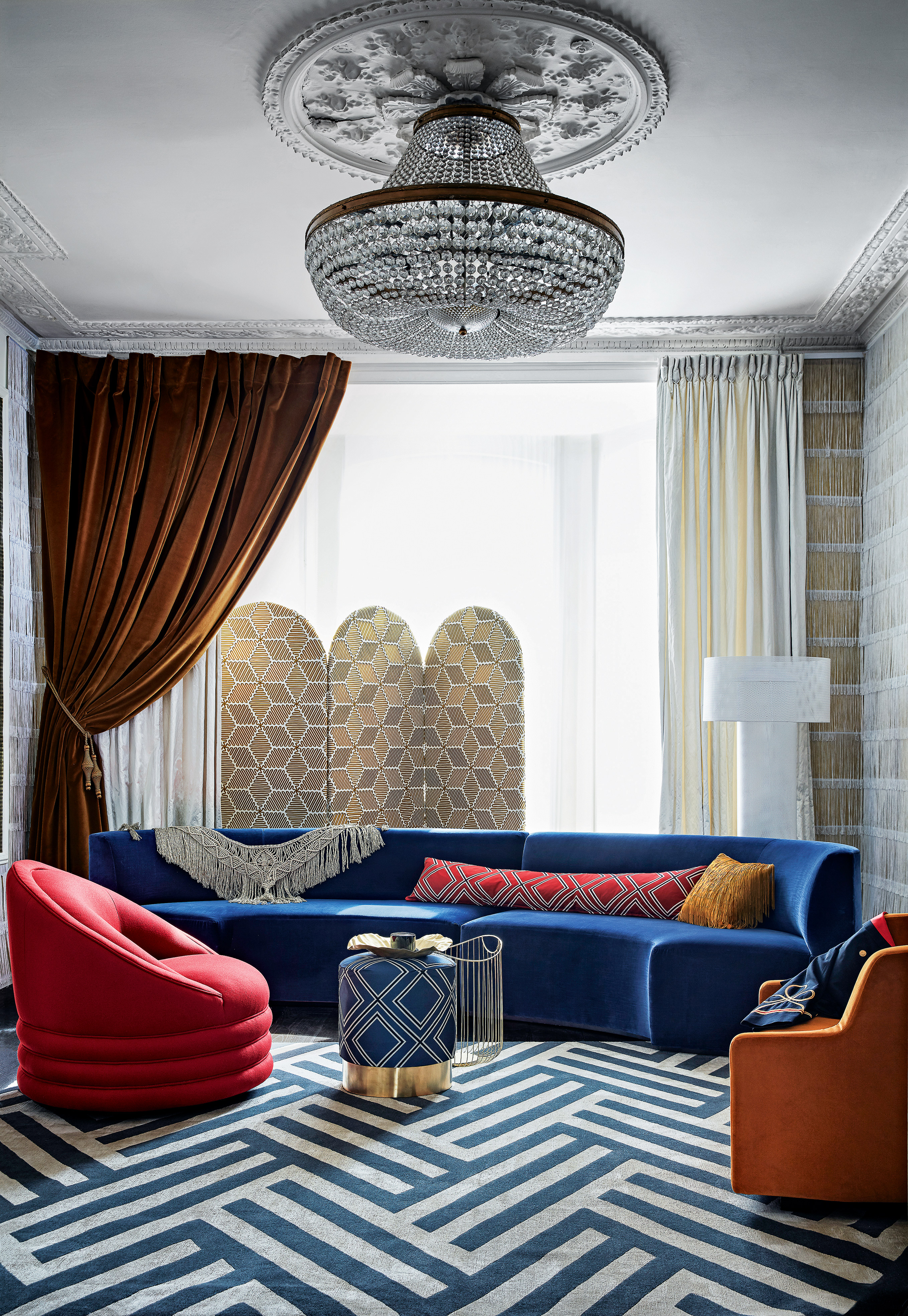
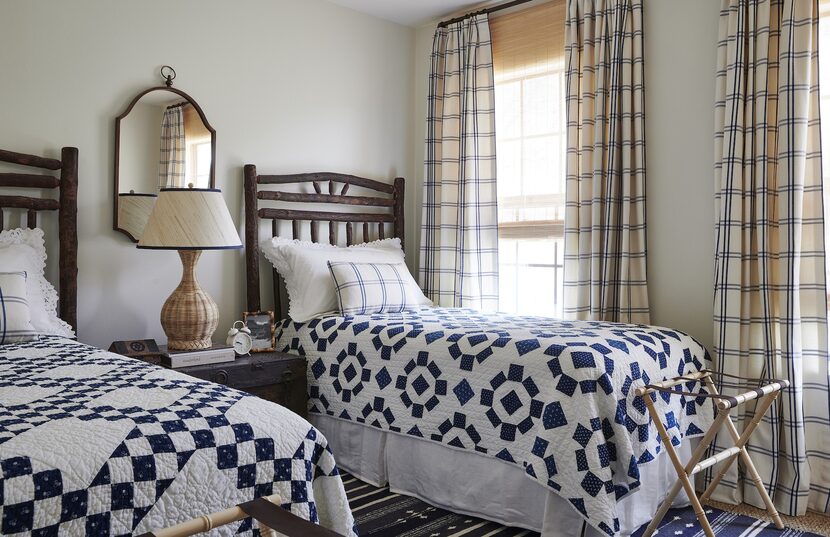
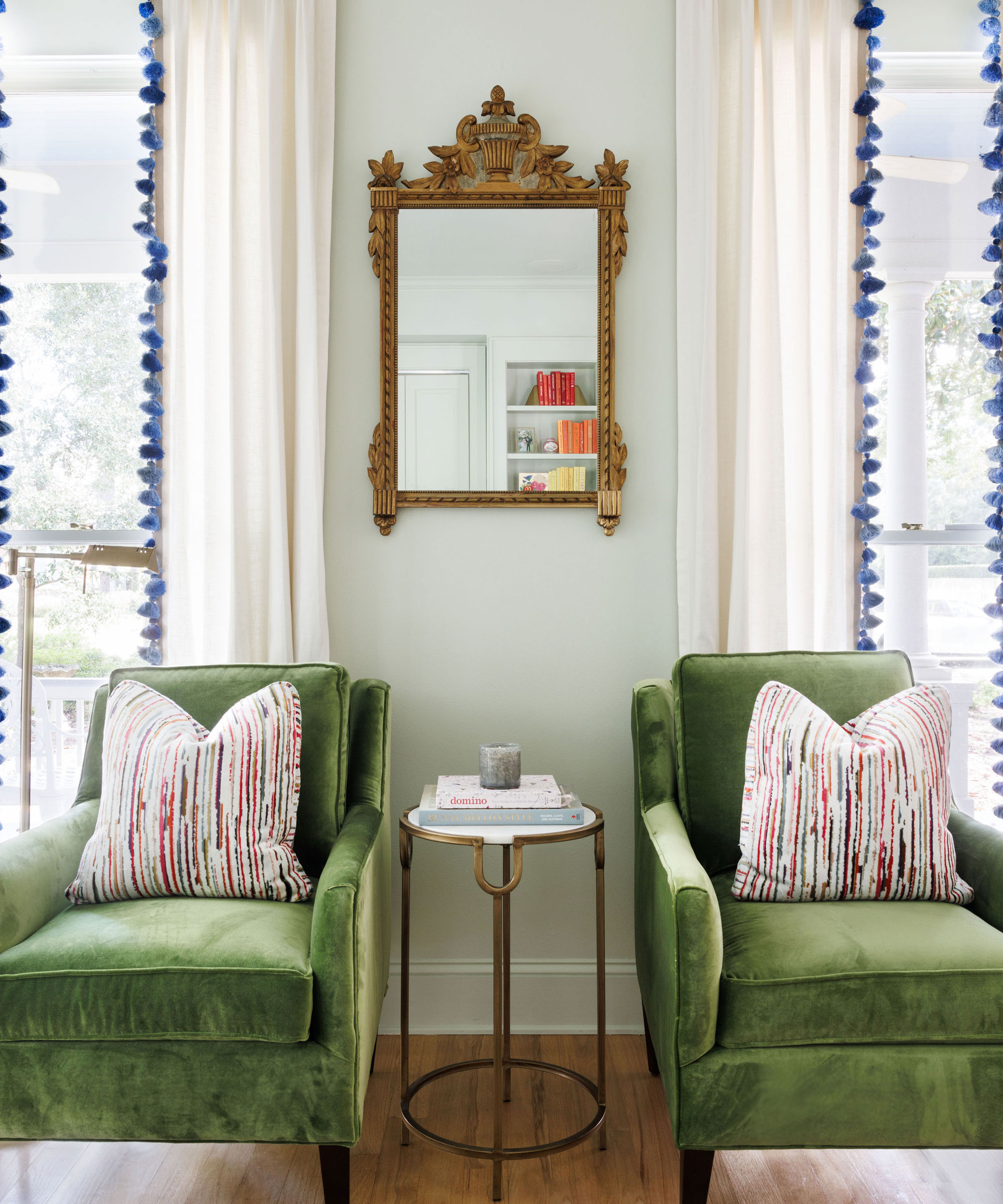
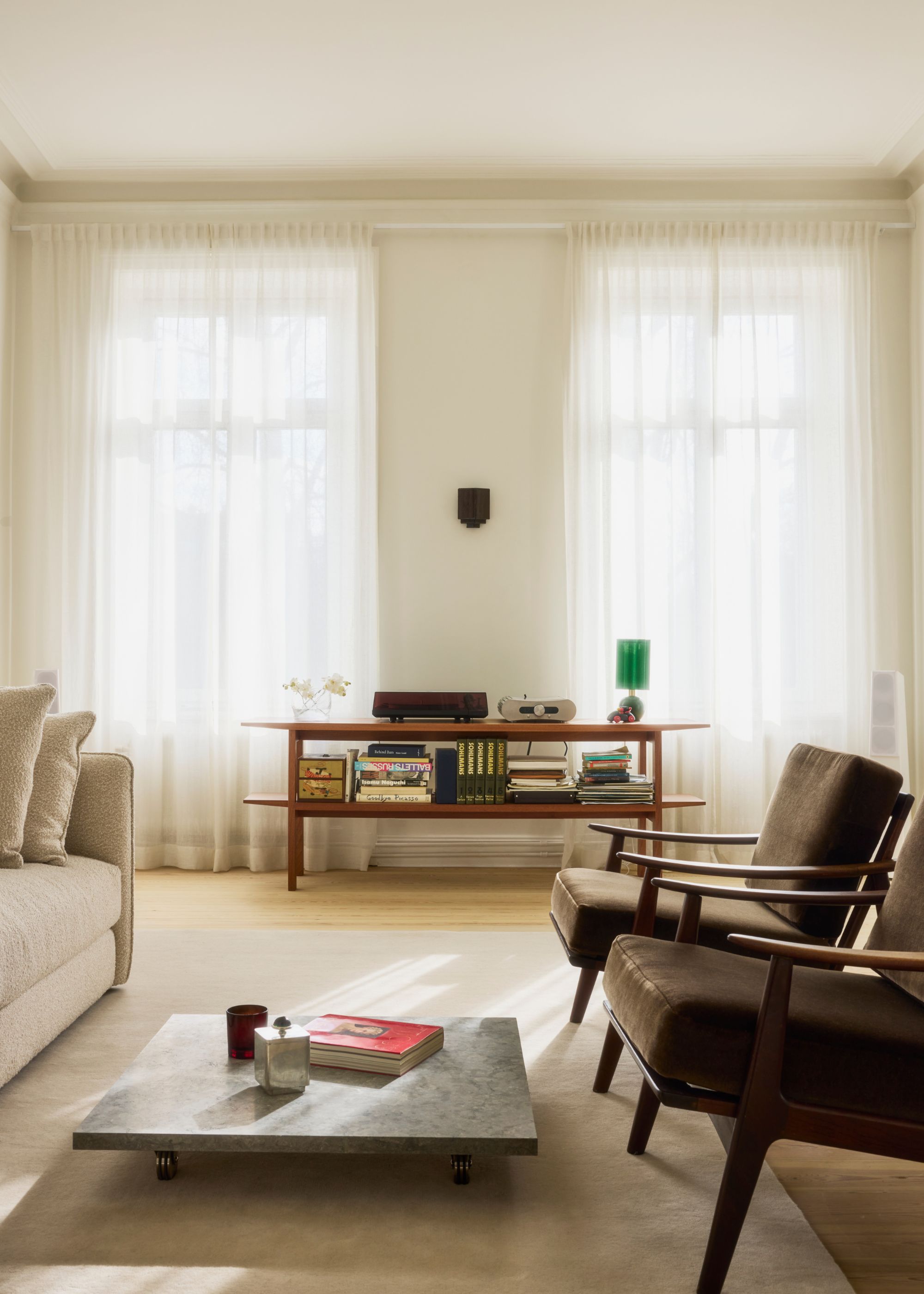
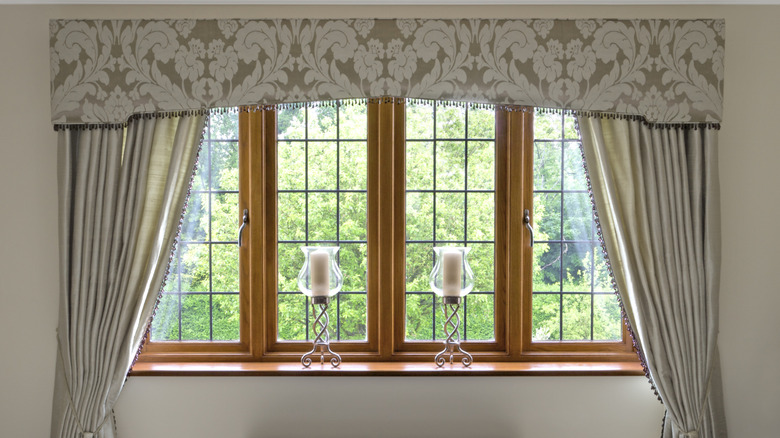
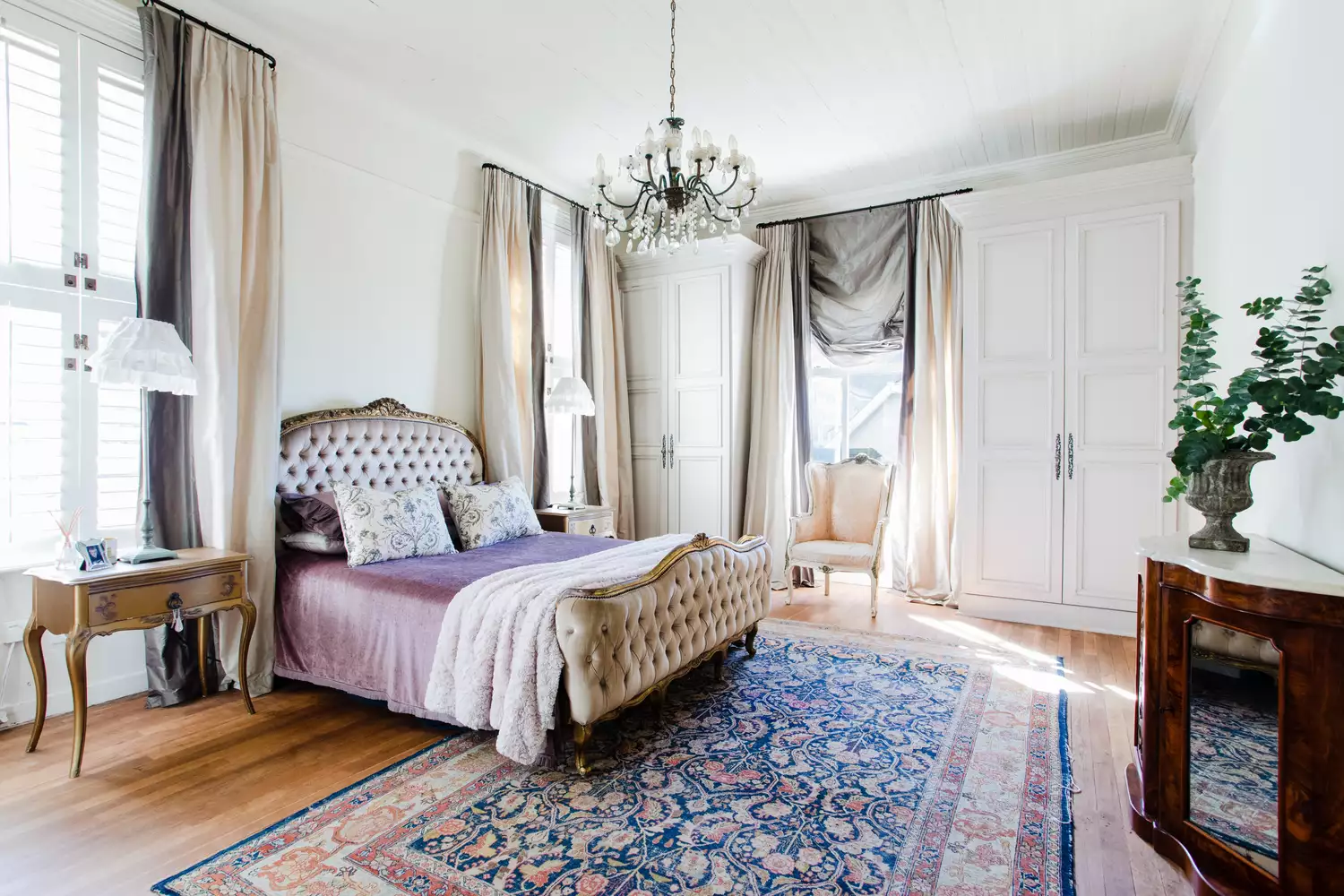
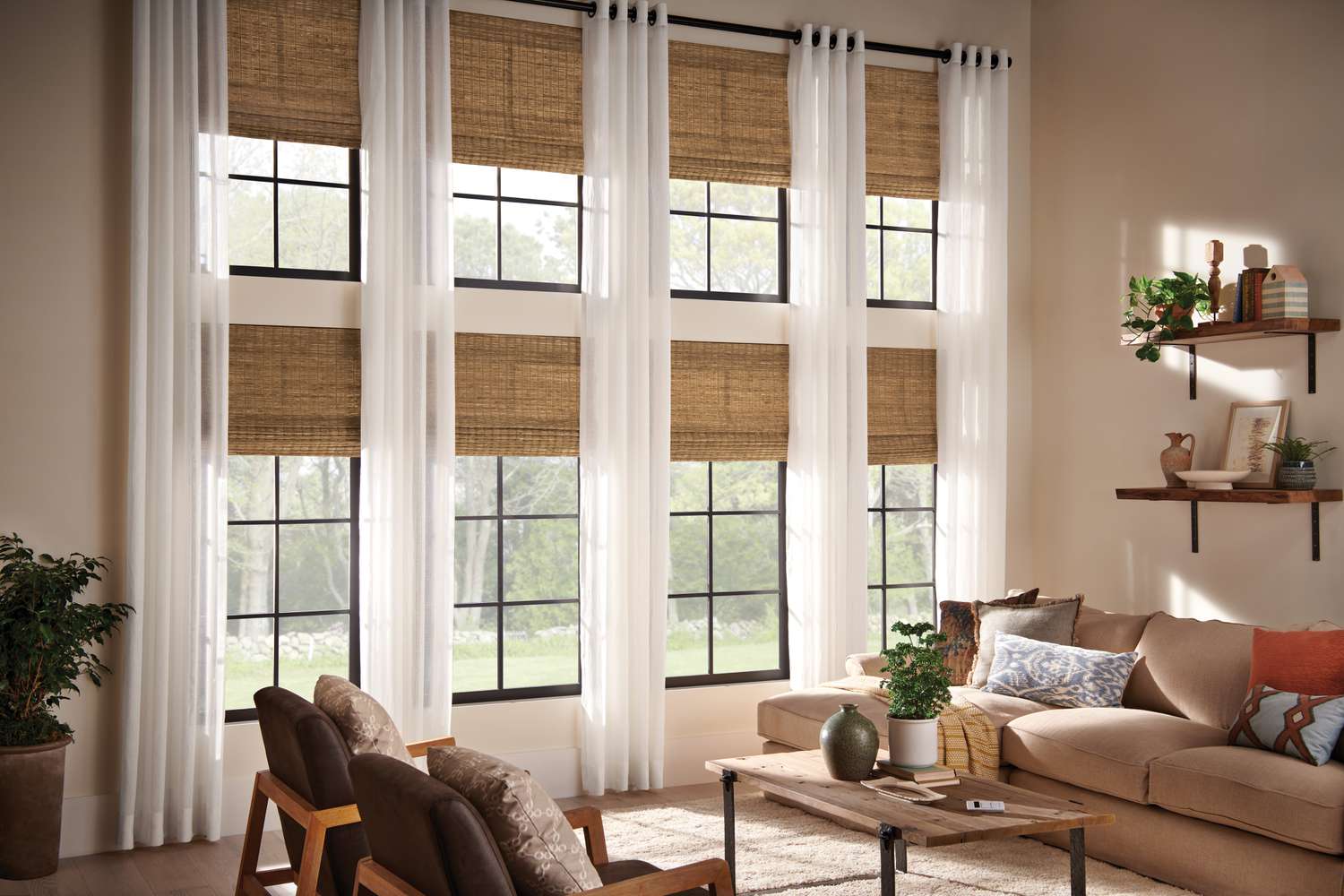
Window treatments are essential decorative and functional elements in a room, offering privacy, light control, and insulation. However, many common mistakes can undermine their effectiveness and aesthetic appeal. One prevalent error is hanging curtains too close to the window. Experts recommend positioning curtain hardware a minimum of 10 inches above the window frame to make a room appear taller and grander. Alternatively, fixing the pole midway between the ceiling and the top of the window, in what is known as the ‘dead light’ area, is also an effective strategy.
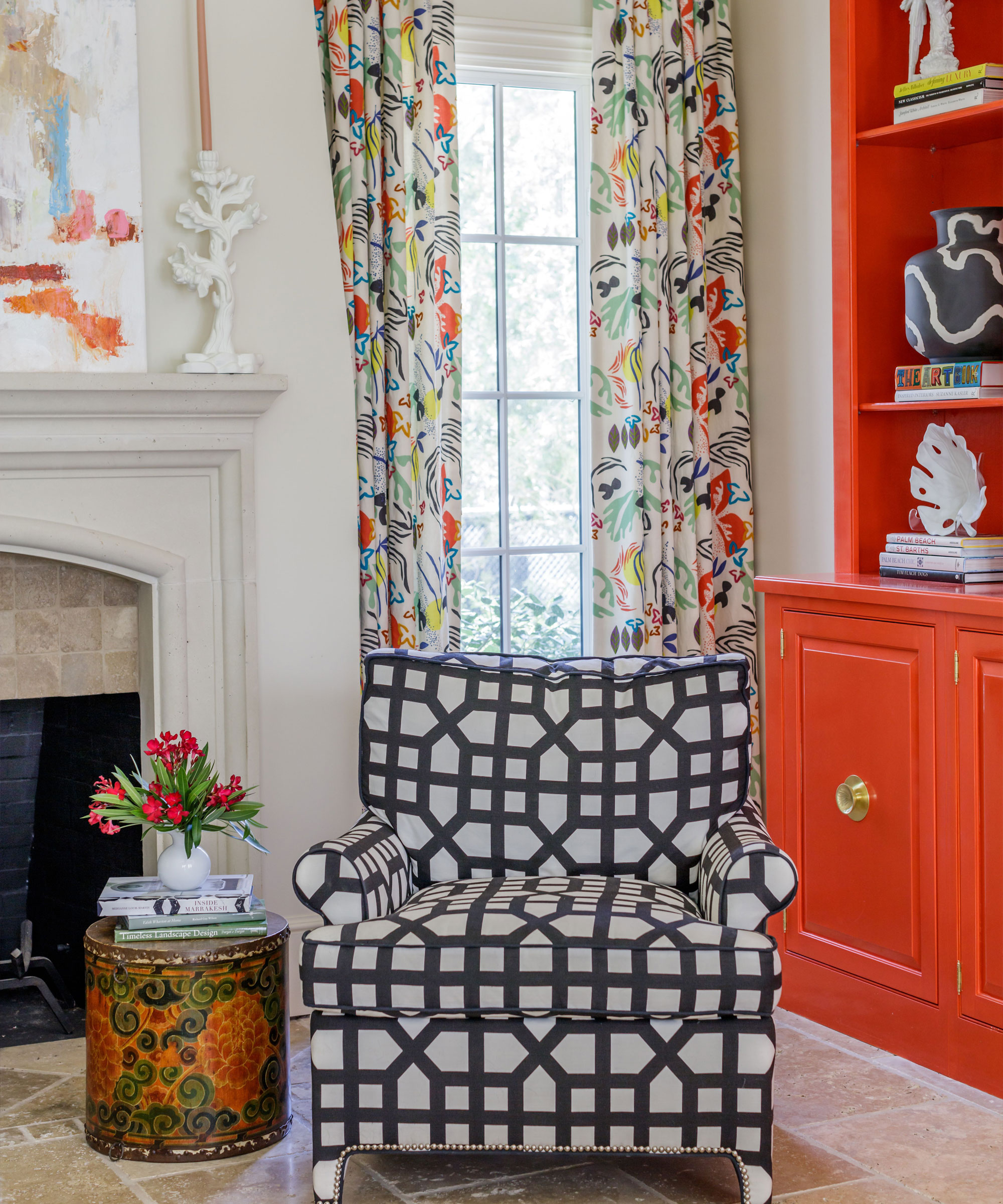
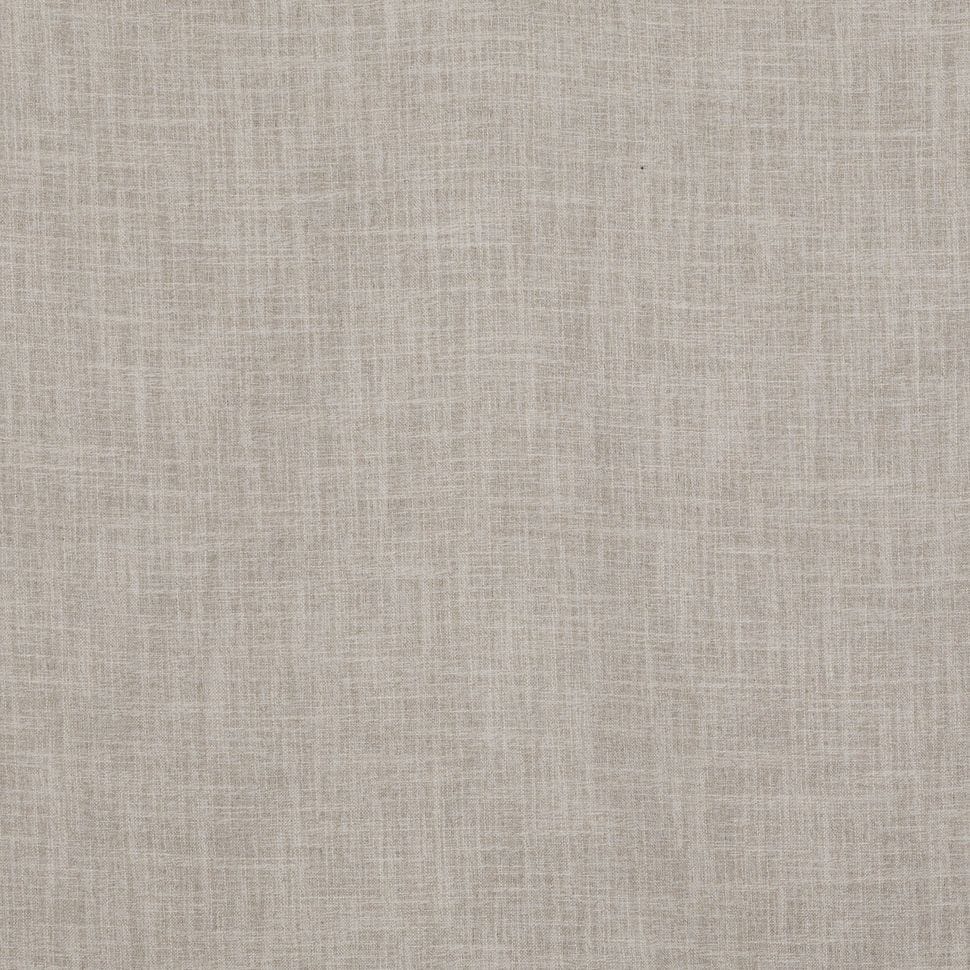
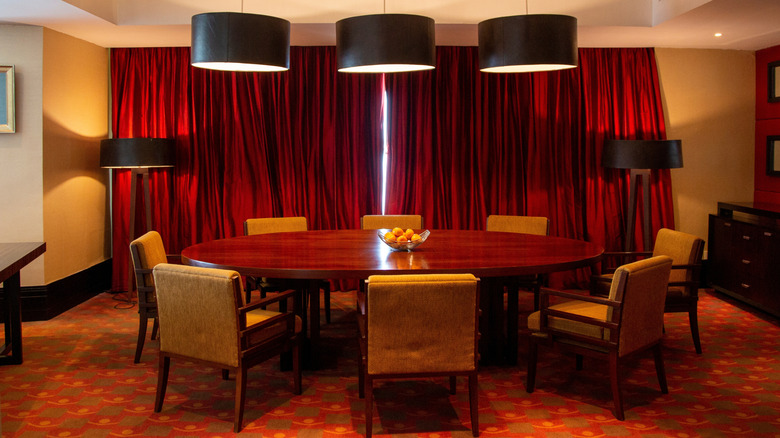
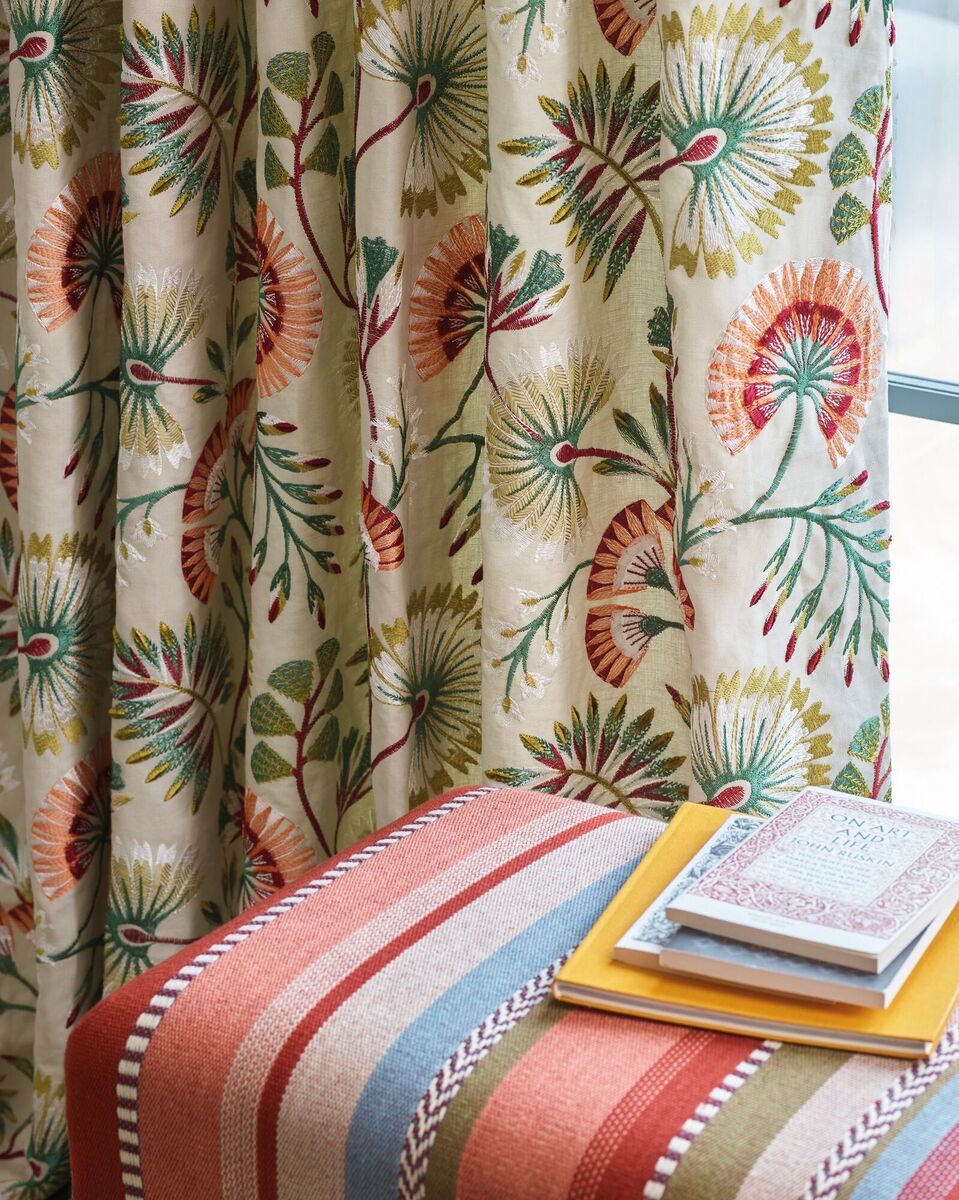
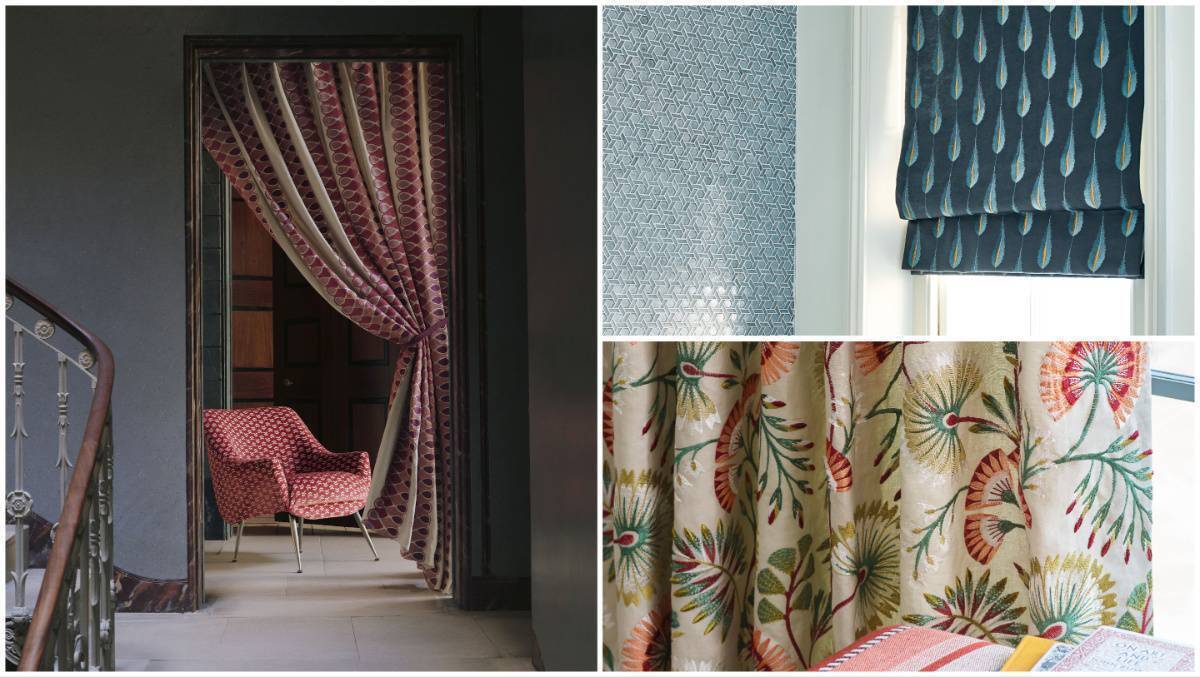
Another significant mistake involves selecting the wrong fabric for window treatments. While color and pattern are often prioritized, the weight and material of the fabric are crucial. Heavy fabrics can appear drab and dark and may not hang well, whereas lightweight cotton or cotton blends, especially when lined and interlined, provide better drape, protection, and insulation. The choice between drapes and curtains should also consider the room's function.
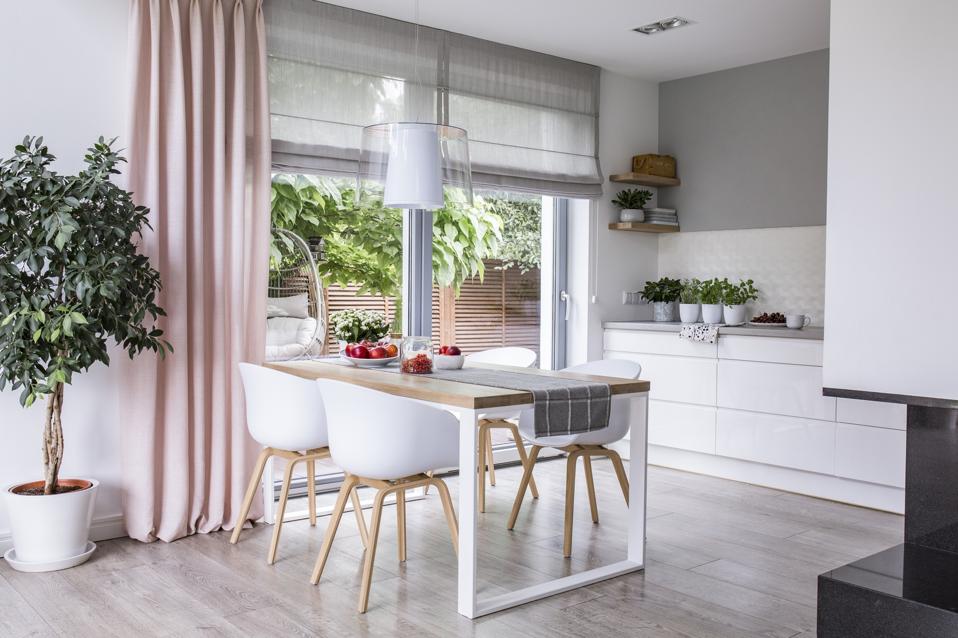
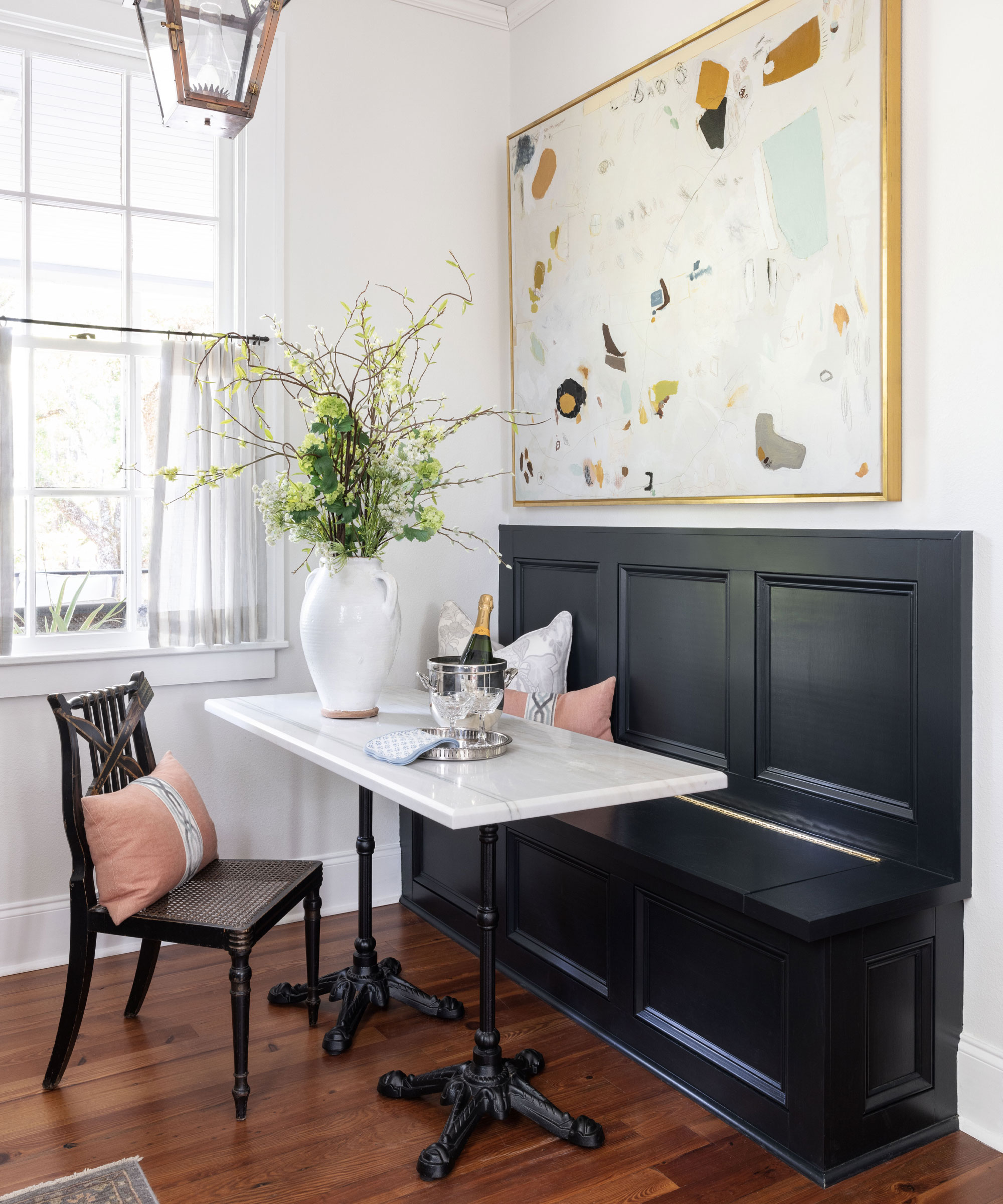
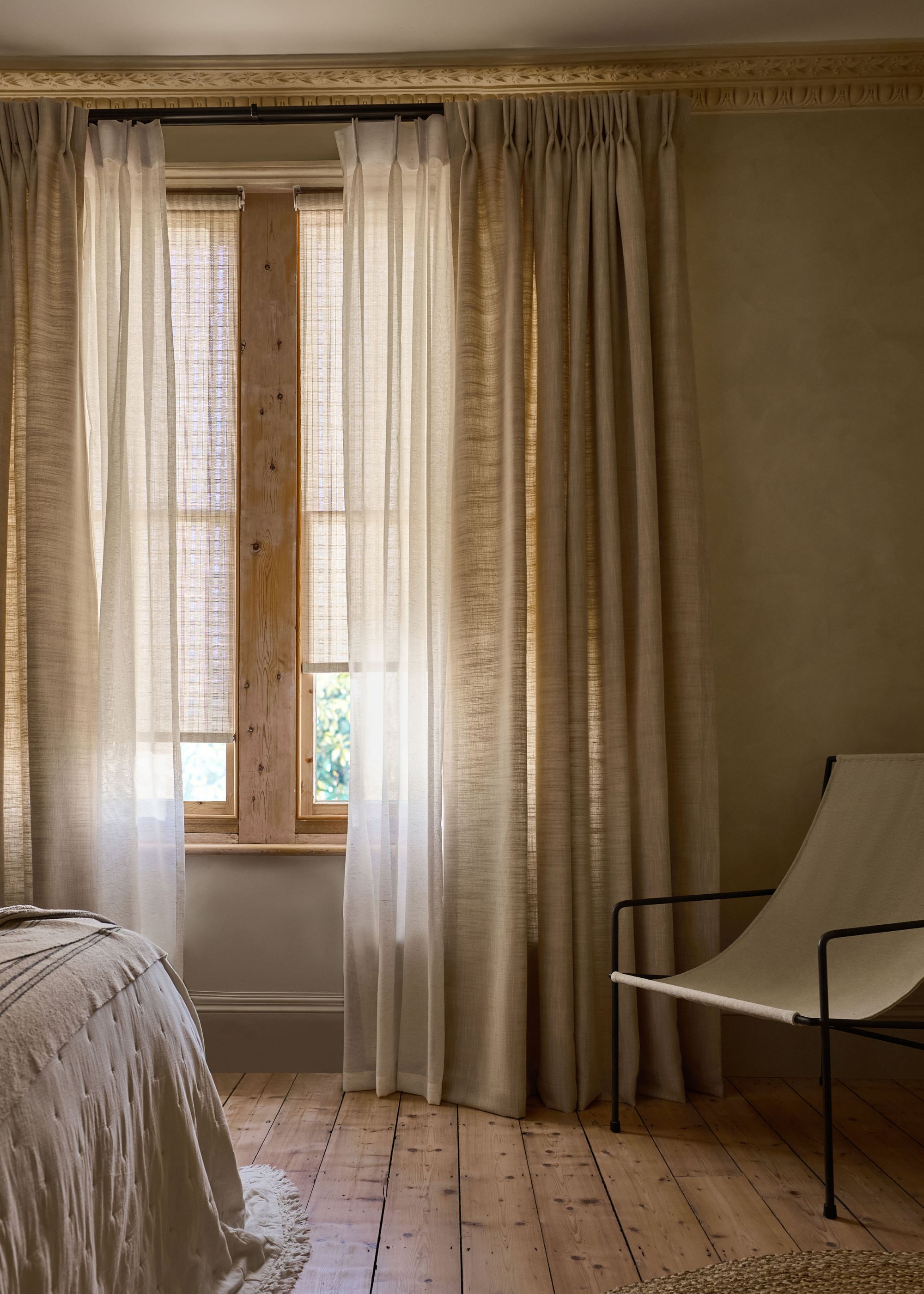
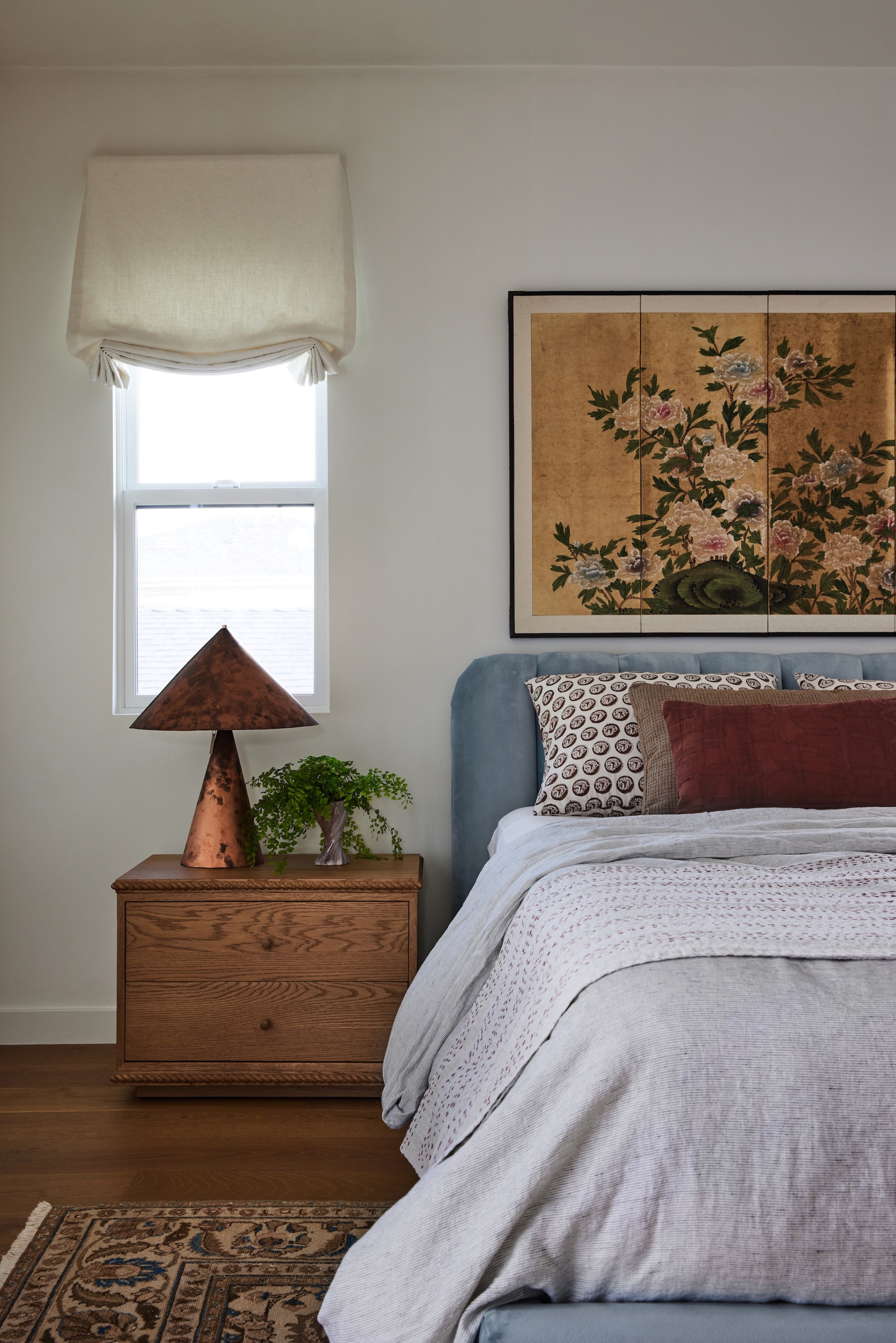
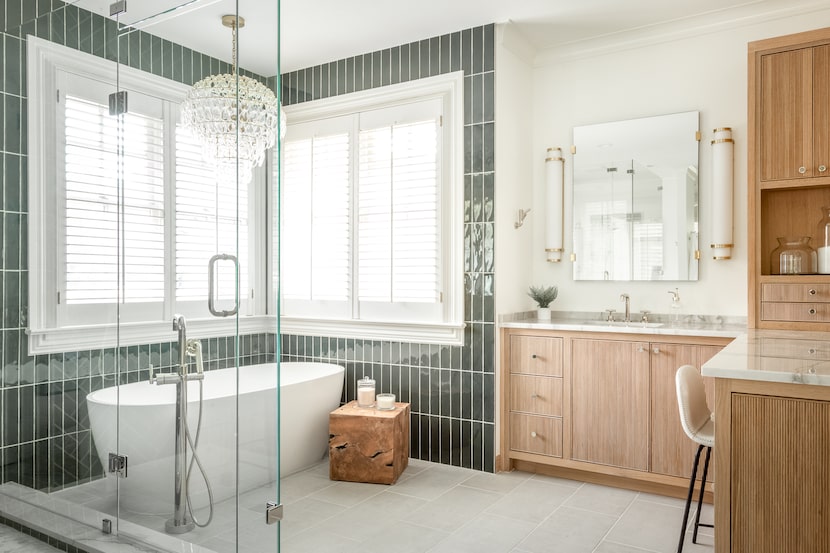
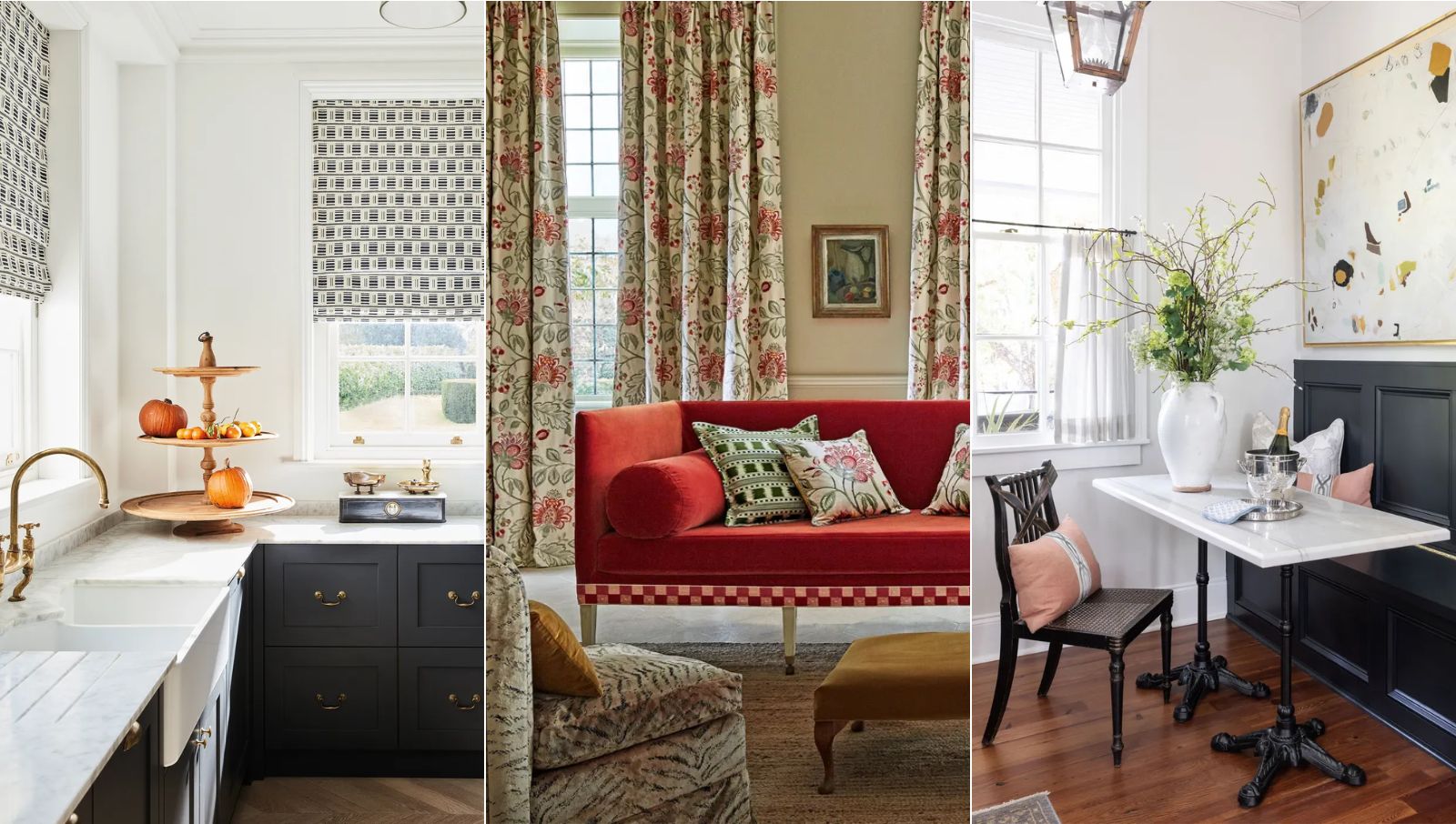
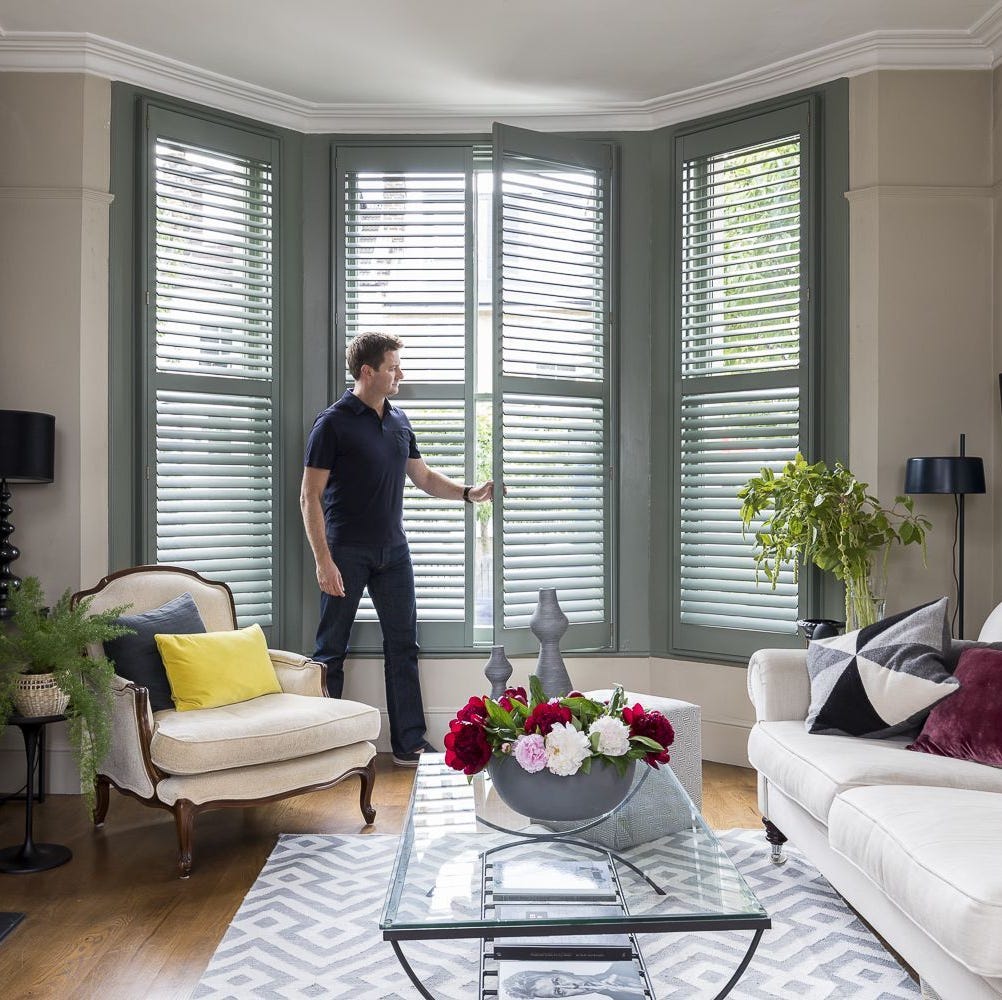
A common oversight is prioritizing aesthetics over the practical function of window treatments. For instance, bedrooms require solutions for light blocking and privacy. A combination of room-darkening shades for nighttime and sheer drapes for daytime privacy and light diffusion is an ideal solution. In utilitarian spaces like kitchens or bathrooms, extensive fabric might be impractical due to moisture and fumes; Roman blinds or shutters are generally more suitable. Curtains are best reserved for areas with less footfall, such as living rooms and bedrooms, where they can add luxury and softness.
Window measuring mishaps are frequent, particularly when foregoing professional measurement. Specialists consider window width, rod length, and room dimensions to ensure treatments fit as intended, which is especially important for custom-made curtains that cannot be returned. Over-measuring can lead to excess fabric pooling at the base of drapes, a problem easily rectified by tailoring. For a desired ‘puddle’ effect, only about five inches of additional length are needed.
Selecting hardware that is too narrow is another mistake, as it fails to account for the ‘stack back’—the space curtains occupy when fully open. Hardware should extend 8-10 inches beyond each side of the window width to allow curtains to draw back completely. Different headings and fabric weights influence the required stack back, a factor to consider before purchasing hardware.
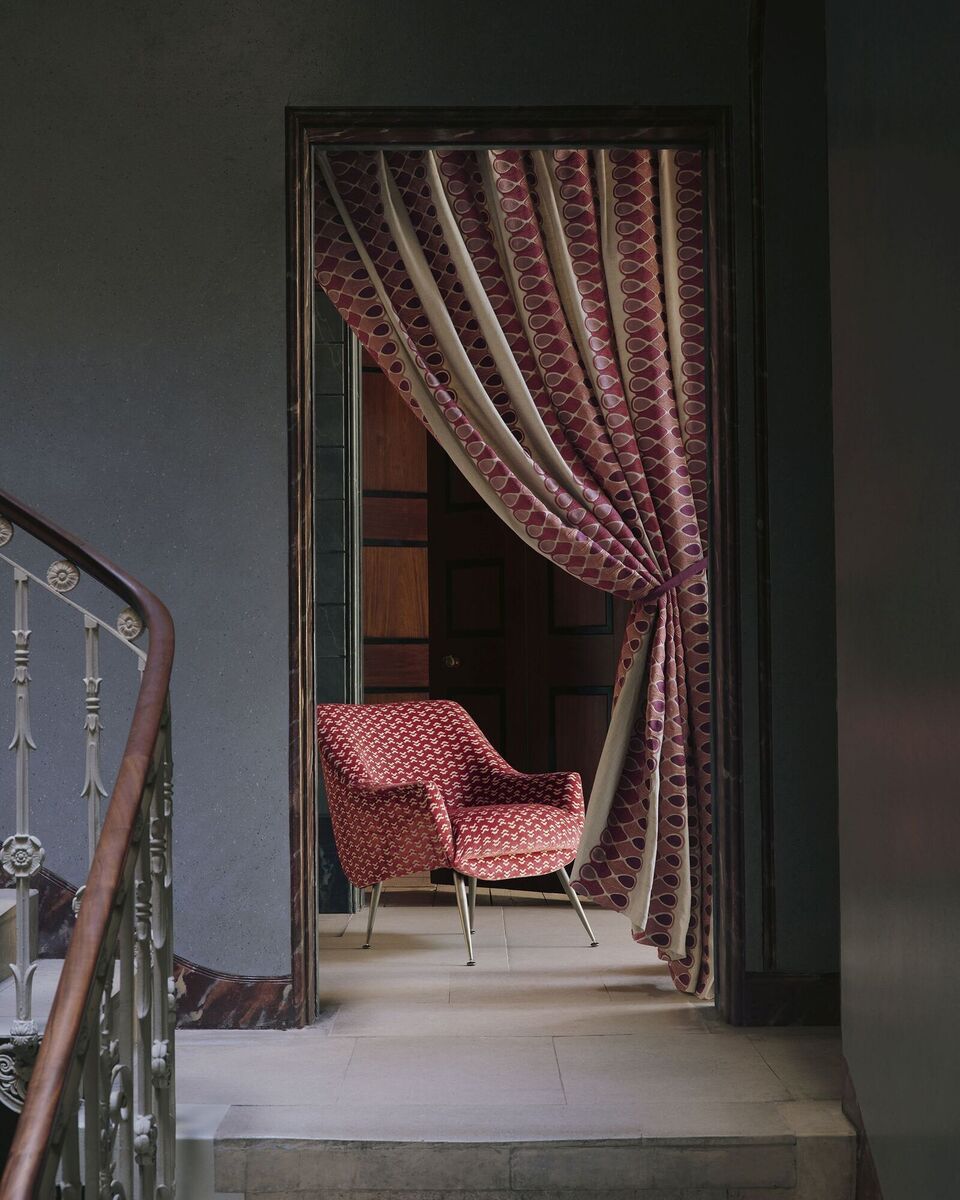
Many individuals overlook the need to ‘train’ drapes to ensure they maintain their pleat style. This process involves steaming the drapes, manually gathering the pleats, and tying them with a ribbon for 48 hours to set the folds. Adding weights to the bottom hem can also enhance their fall and provide a luxurious feel.
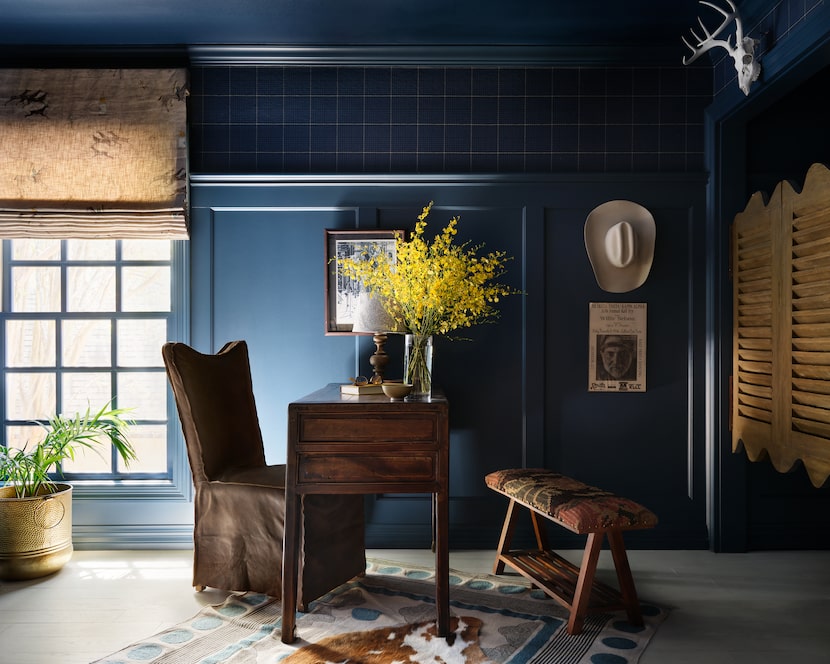
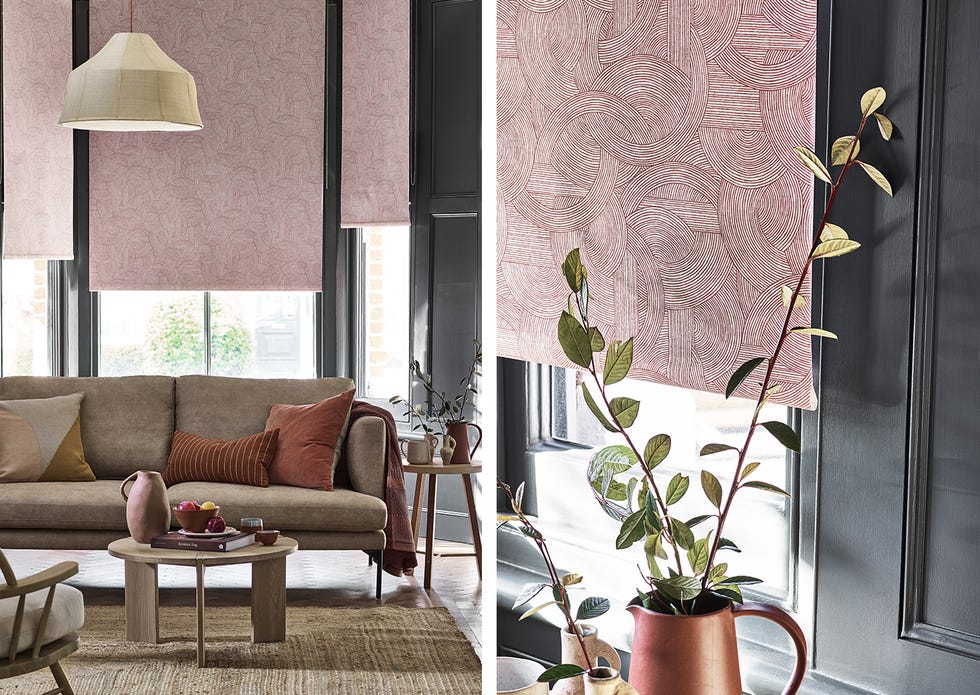
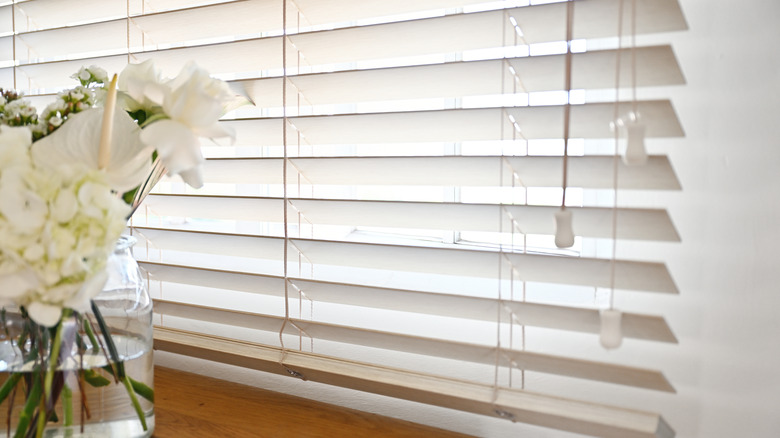
Finally, choosing impractical blind mechanisms can lead to daily frustration. Given that blinds are operated frequently, selecting the right control type—cord lock, cordless, or motorized—is important. Motorized blinds offer convenience and automation, while manual options like spring or sidewinder mechanisms for roller blinds and pull cords for Roman blinds are common. For safety, especially with children and pets, blind cords must always be installed with child safety devices. Functionality should guide the selection of any blind mechanism.
#WindowTreatments #HomeDecor #CurtainHanging #FabricSelection #WindowMeasuring #InteriorDesignMistakes #BlindMechanisms #DecoratingTips #HomeImprovement #WindowTreatments #HomeDecor #CurtainHanging #FabricSelection #WindowMeasuring #InteriorDesignMistakes #BlindMechanisms #DecoratingTips #HomeImprovement
0 comment in total
 No comments yet
You may also like
5 Kitchen Window Mistakes to Avoid, According to an Architect — Some May Seriously Surprise You

D-FW designers reveal the do’s and don’ts of window treatments


Once-Popular Window Treatments That Are Now Dating Your Home

The Window Treatment Mistake That Will Make It Harder To Sell Your Home

Wallpaper mistakes to avoid – 7 of the most common errors and how to solve them
6 window treatment trends that interior designers swear by for a quick and easy update

6 Window Treatments That Instantly Make a Room Look "Tacky," Designers Say

Curtain call: How to choose window treatments

7 Common Living Room Lighting Mistakes to Avoid at all Costs

We Asked Designers Which Window Treatments People Always Regret—These 6 Came Up the Most

9 common home renovation mistakes to avoid

7 Paint Mistakes That Make Designers Instantly Cringe When They Walk Into Someone's Home

6 Window Treatment Mistakes Designers Are Tired of Seeing
George Clarke's top tips on choosing the perfect window treatments for your space

10 Mistakes Designers IMMEDIATELY Notice When They Walk Into Your Home

From the Wrong Rug Size to Too-Short Curtains, Interior Designers Share Their Biggest Pet Peeves

7 Design Mistakes Interior Designers Always Notice


No More of These, Please — 4 Outdated Window Treatments Designers Don't Want to See You Using Anymore

13 front door colours mistakes you might be making
7 Living Room Decorating Mistakes You Should Never Make