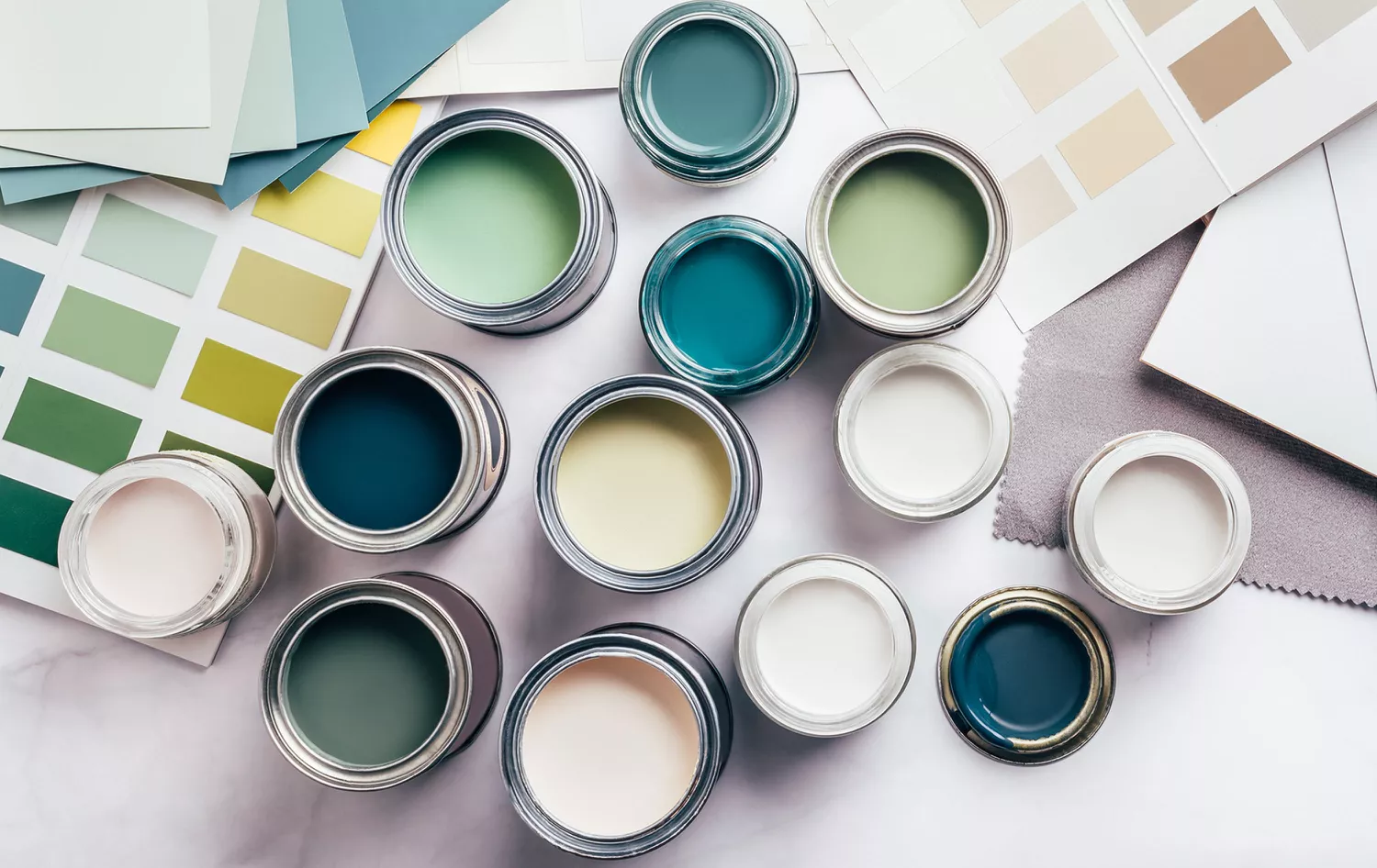
3 Ways to Identify and Match Any Paint Color, According to Experts
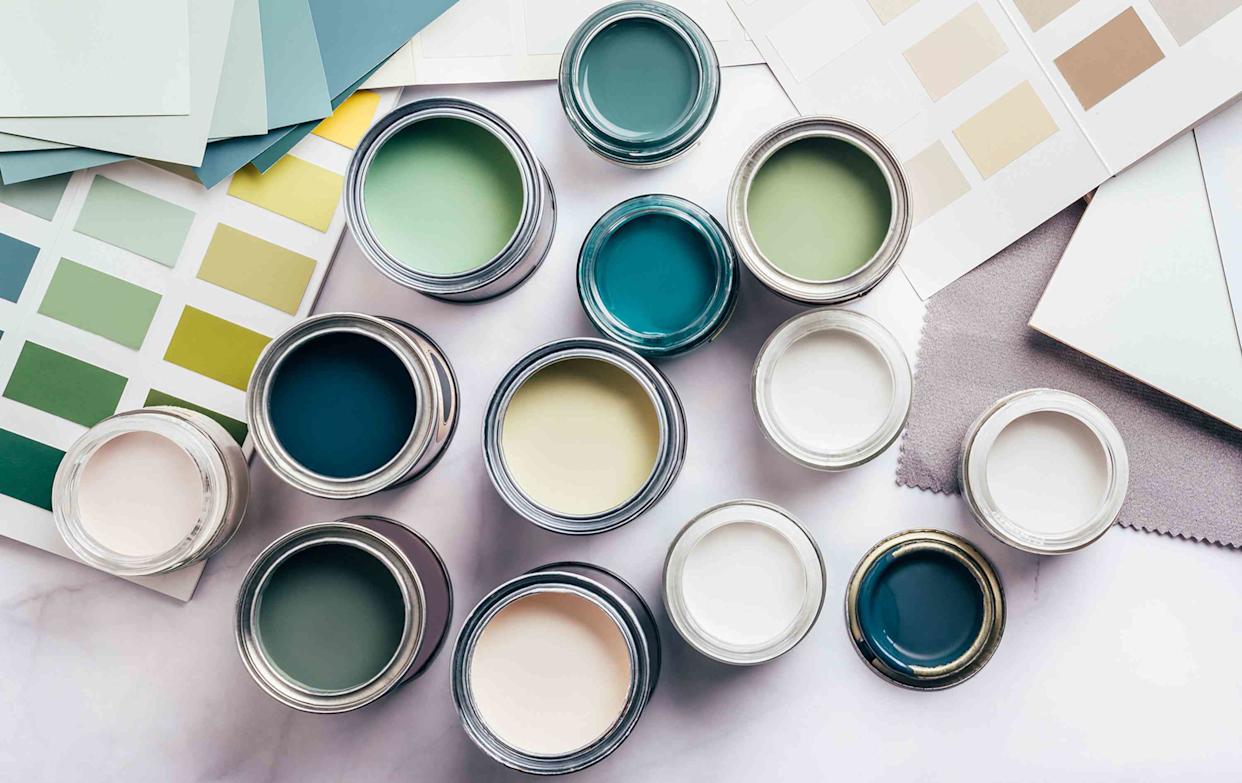
This article outlines three effective methods for identifying and matching existing paint colors in a home, a process often needed for touch-ups or renovations. The first method involves removing a small paint chip from a discreet area, such as behind an electrical outlet cover, and taking it to a paint store. These stores typically possess technology to accurately determine the exact color match from the physical sample. This technique is particularly useful for achieving precision in matching.
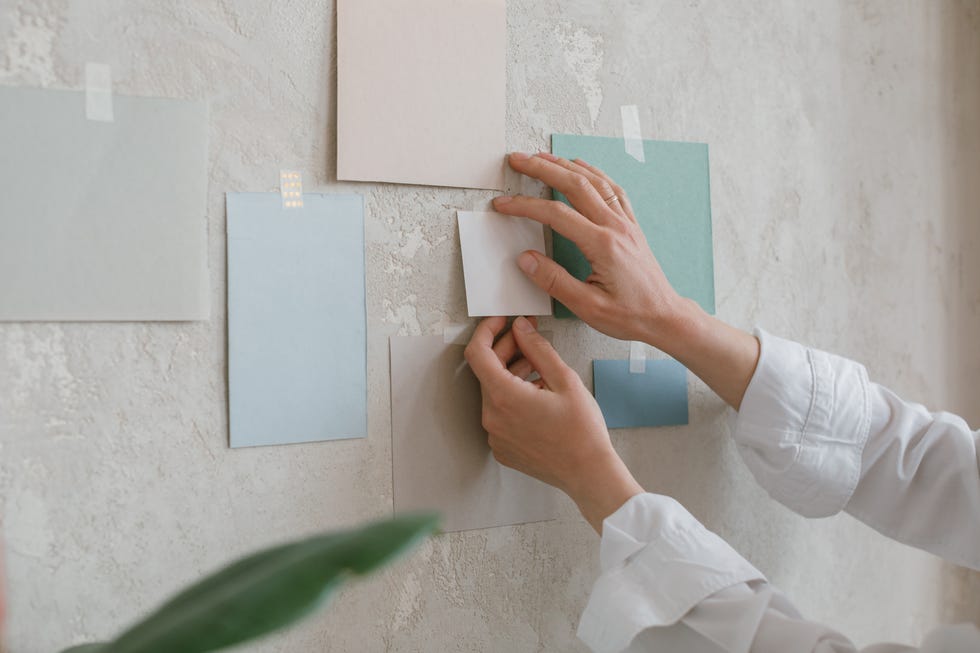
The second method suggests utilizing paint samples. If the original color is unknown, gathering a variety of samples that appear close to the existing hue is recommended. These samples should then be painted directly onto the surface intended for duplication. Observing these samples under different lighting conditions is crucial to identify the best match, as lighting significantly affects how colors appear. This approach allows for a direct visual comparison within the actual environment where the paint will be applied.
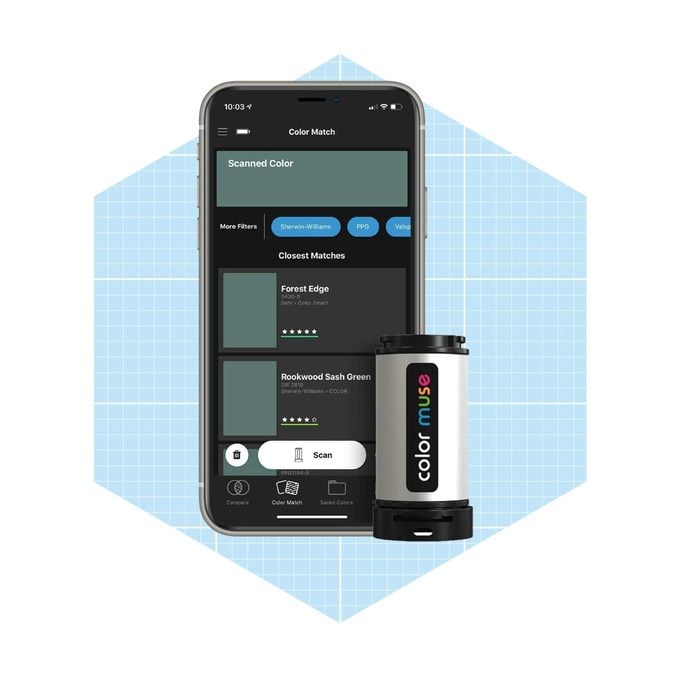
The third method leverages modern technology through color-matching apps provided by various paint brands. Applications like BEHR's Color Smart allow users to upload or take a photo of a painted surface. The app then analyzes the image to suggest the closest available paint color from its brand's catalog. However, it's important to consider that environmental factors like light, surface texture, and the display variations of phone screens can influence the accuracy of the app's results.
Beyond color, the article emphasizes the importance of identifying the paint's finish or sheen, which dictates its reflective quality. Finishes range from flat (most matte) to gloss (shiniest), with intermediate options like eggshell, satin, and semi-gloss. The sheen can be determined by observing how much light reflects off the surface or by touch, as glossier finishes tend to feel smoother. The location of the paint can also offer clues; for instance, high-humidity areas like bathrooms often feature higher sheens for durability, while busy areas might use flatter, more durable paints. If visual or tactile identification is difficult, the paint chip method used for color matching can also help a paint store identify the finish.
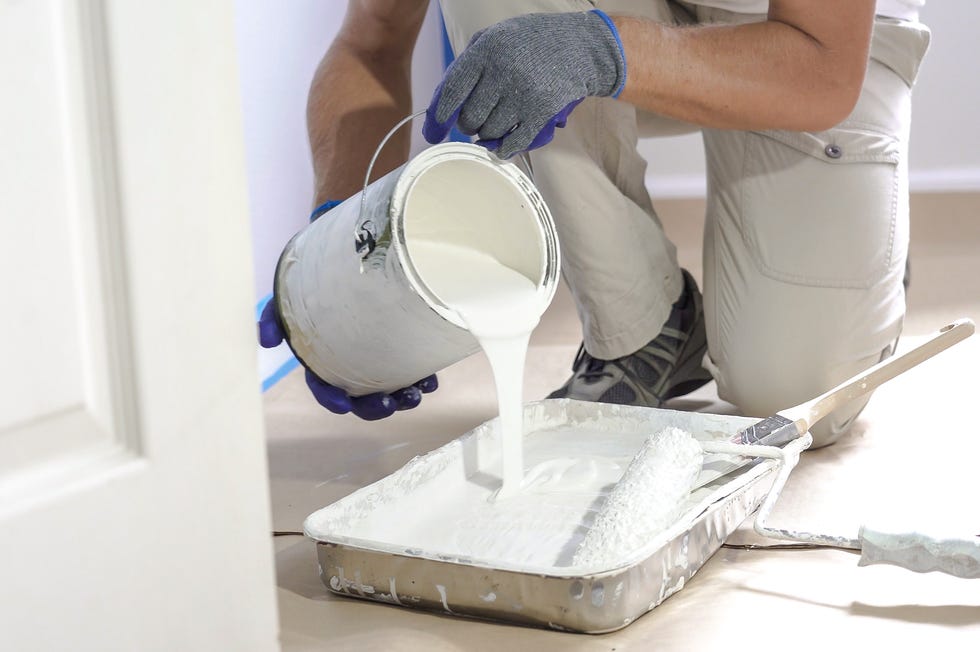
Finally, the article provides guidance on testing the matched paint. It advises against using small test patches, as they do not adequately reveal undertones. Instead, a minimum 12-foot by 12-foot square should be painted to get a comprehensive view of how the color will appear. This test patch should be observed throughout different times of the day and under various lighting conditions, as light intensity and quality can drastically alter the perception of a color. This thorough testing process ensures that the chosen paint color and finish are suitable before committing to painting the entire surface.
#PaintColorMatching #HomeRenovation #InteriorDesign #PaintSheen #DIYHomeProjects #ColorMatchingApps #PaintSelection #HomeImprovement #PaintColorMatching #HomeRenovation #InteriorDesign #PaintSheen #DIYHomeProjects #ColorMatchingApps #PaintSelection #HomeImprovement
0 comment in total
 No comments yet
You may also like
Professional painters reveal the secret to color matching a paint shade from an image alone

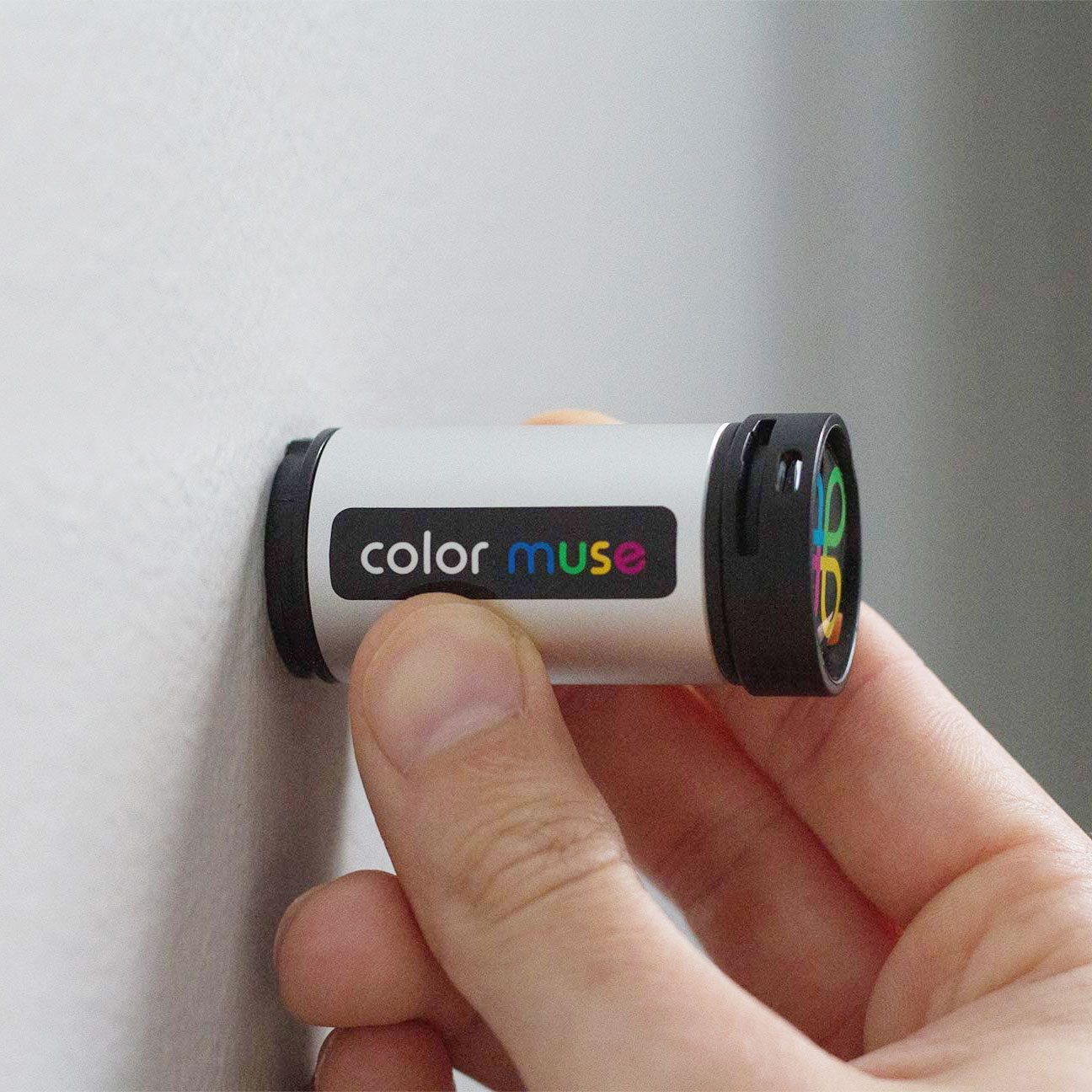
Never Guess a Paint Color Again, Thanks to This Hue-Matching Colorimeter

Here's What Colorists Want You to Know About Picking House Paint

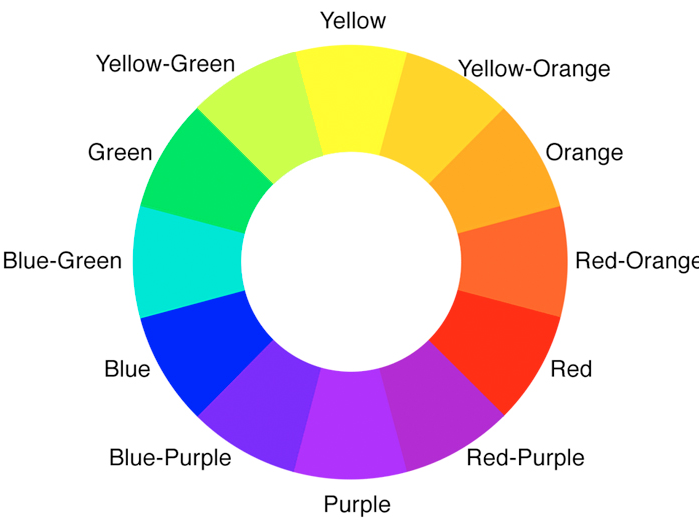
3 color coordination tips any beginner can master
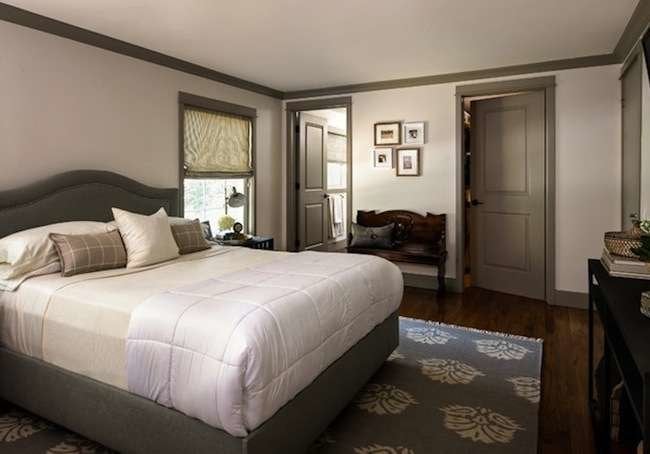
If This, Then That: Your Guide to Pairing Paint Colors

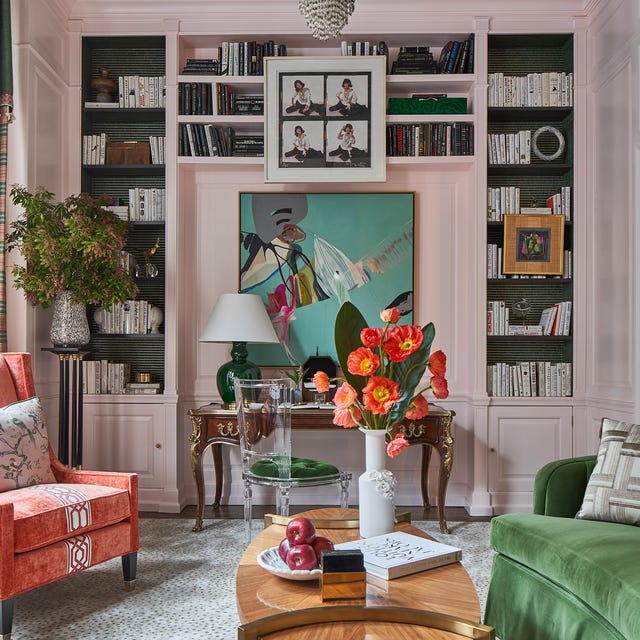
An A-List Designer’s Secrets To Picking Perfect Paint Colors


It’s easier to match paint colors than you think
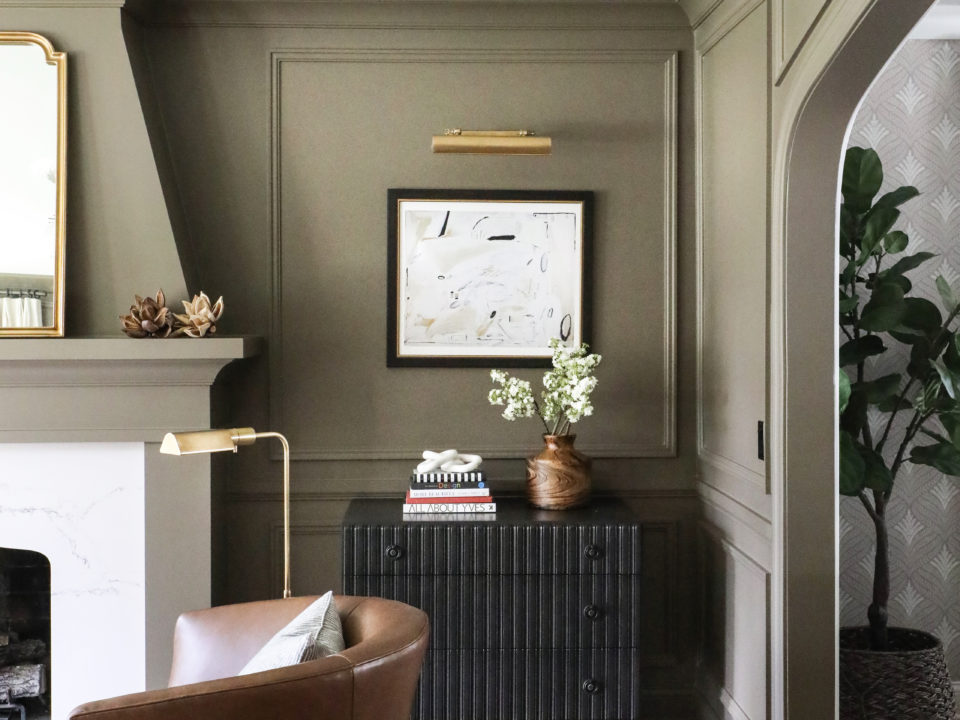
How to Pick the Best Paint Colors for Every Space in Your Home

These Master Tips Will Help You Avoid Choosing The Wrong Type Of Paint
The Trick to Finding a Paint Color That Works With Everything You Already Have

3 Things To Consider When Painting With Bold Colors
7 Paint Mistakes That Make Designers Instantly Cringe When They Walk Into Someone's Home
3 Ways to Identify and Match Any Paint Color, According to Experts

What makes a paint color flattering? Experts share their go-to shades for a universally complementary scheme
How to Choose Colors That Work Together Every Time
The 3 living room paint colors all the trendiest experts are using
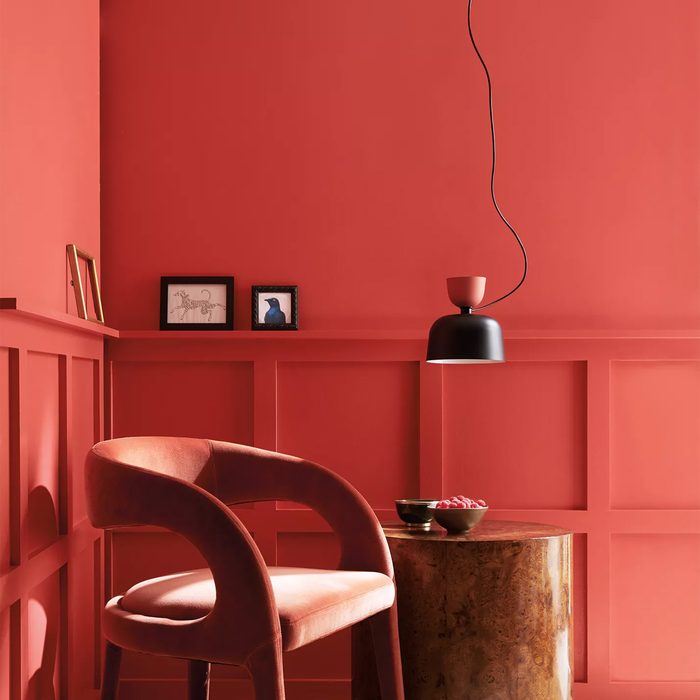
Compare All the Paint Colors of the Year for 2023
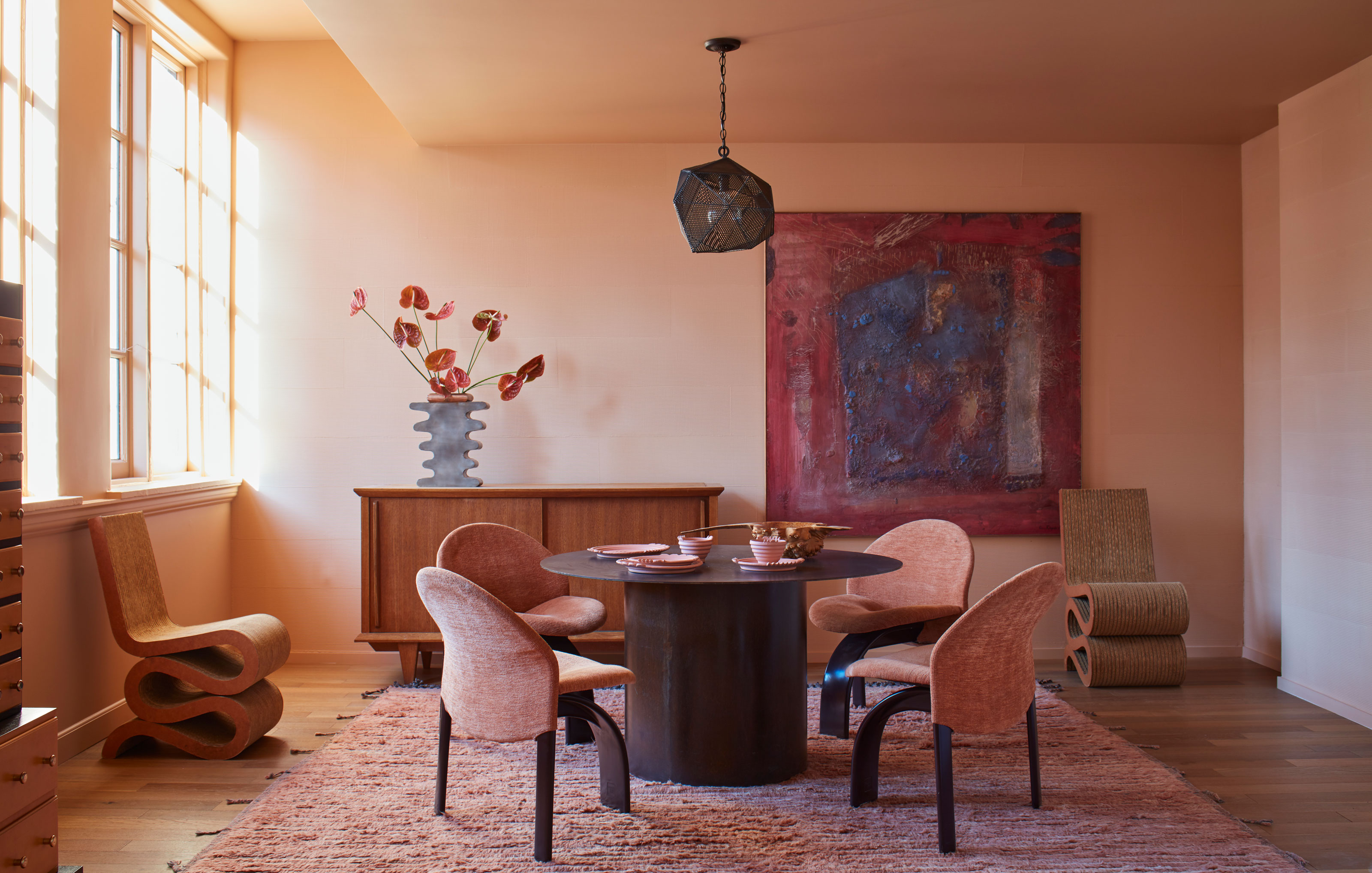
Paint color ideas for every room – experts explain the best choices for different spaces

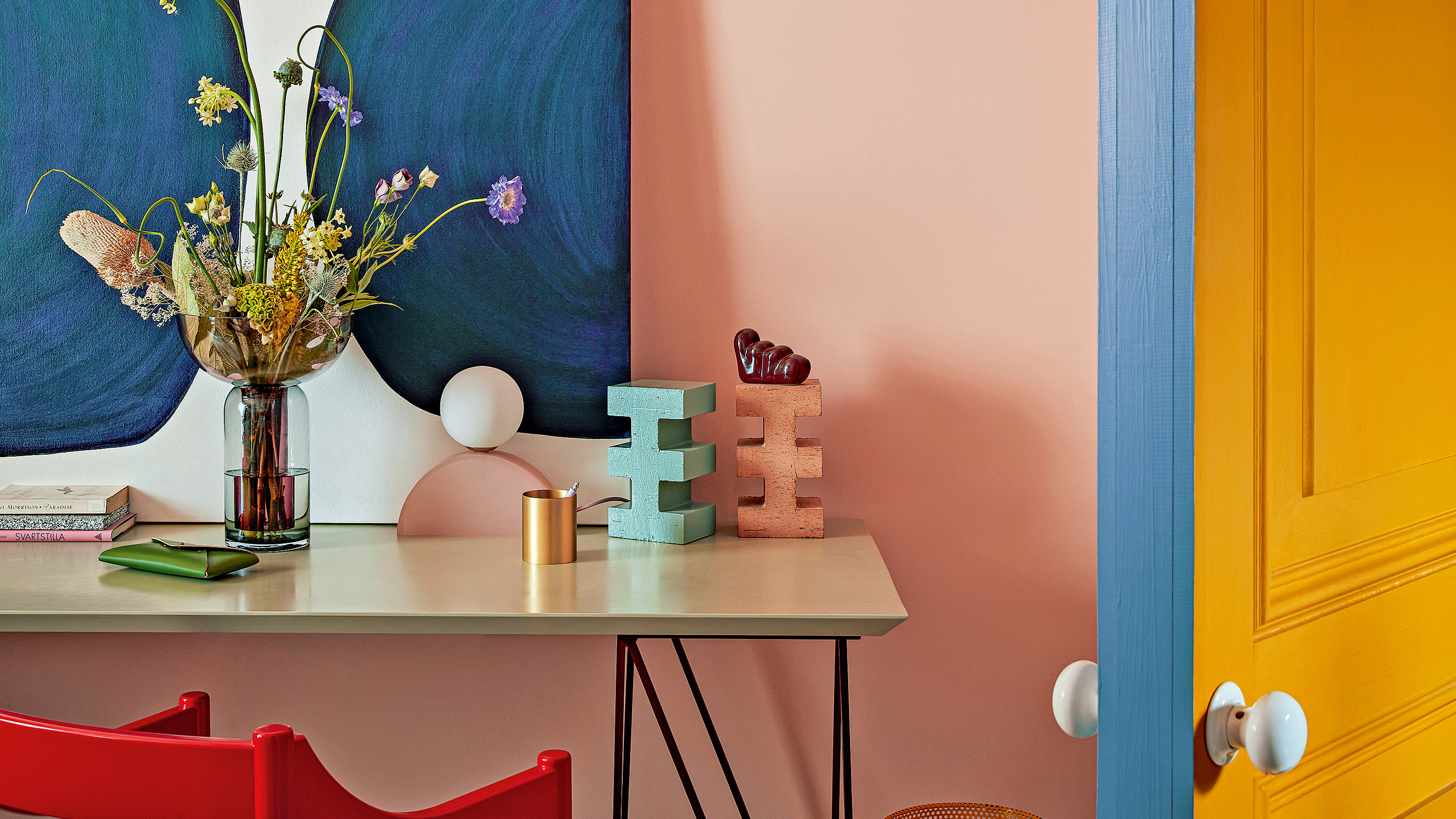
Paint finishes explained – an expert guide to choosing the perfect type of paint for your projects
to choose paint colors.