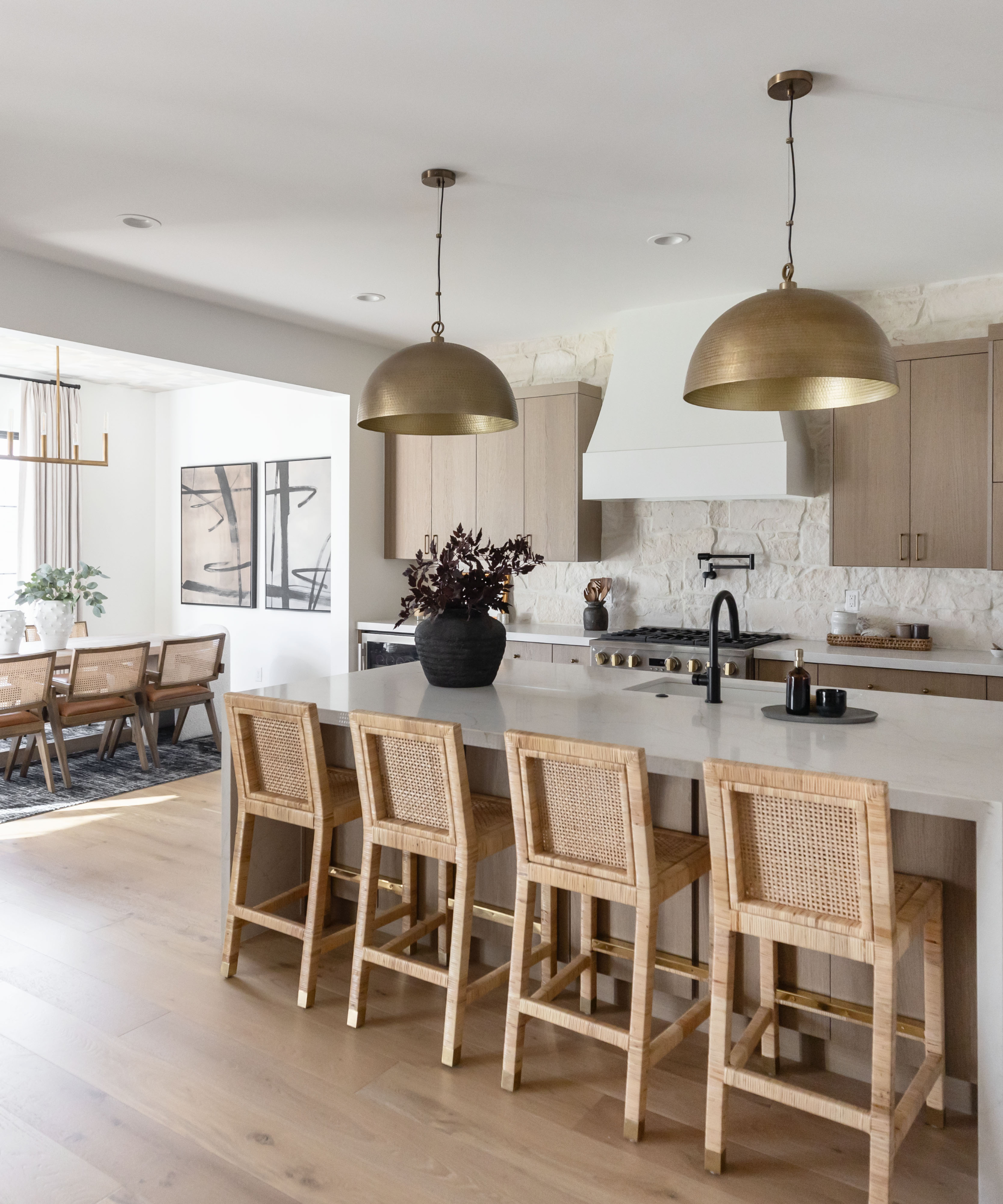
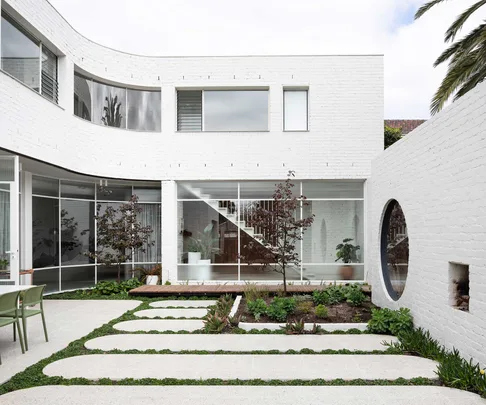
1/6
How to find your design style in 5 easy steps
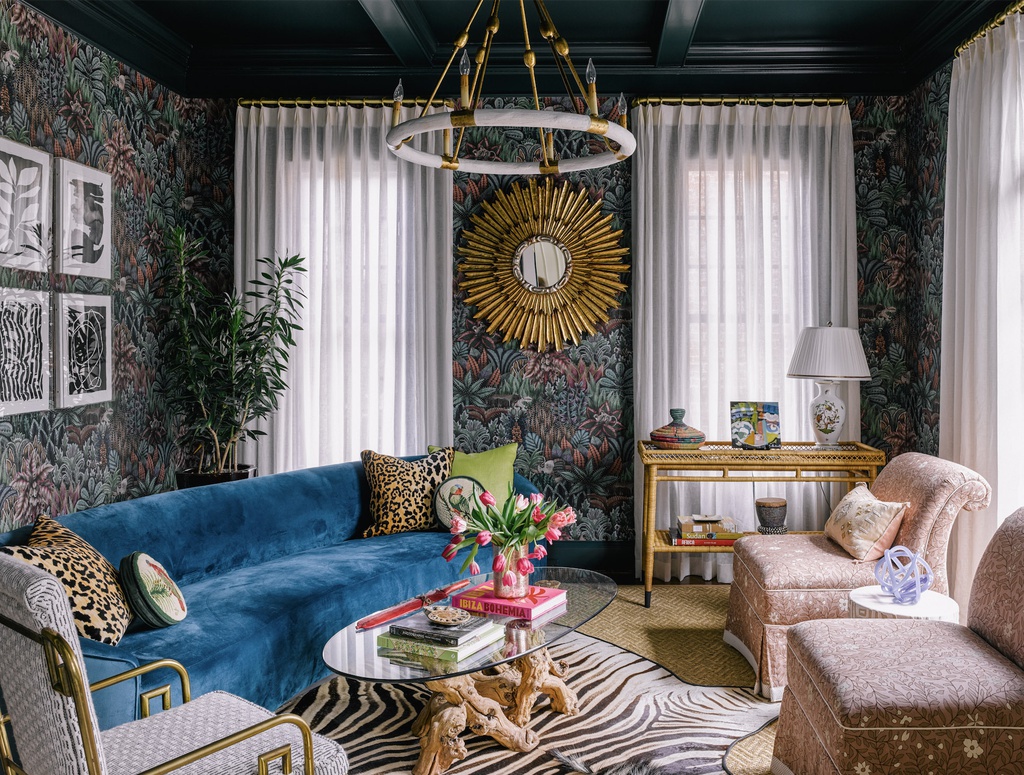
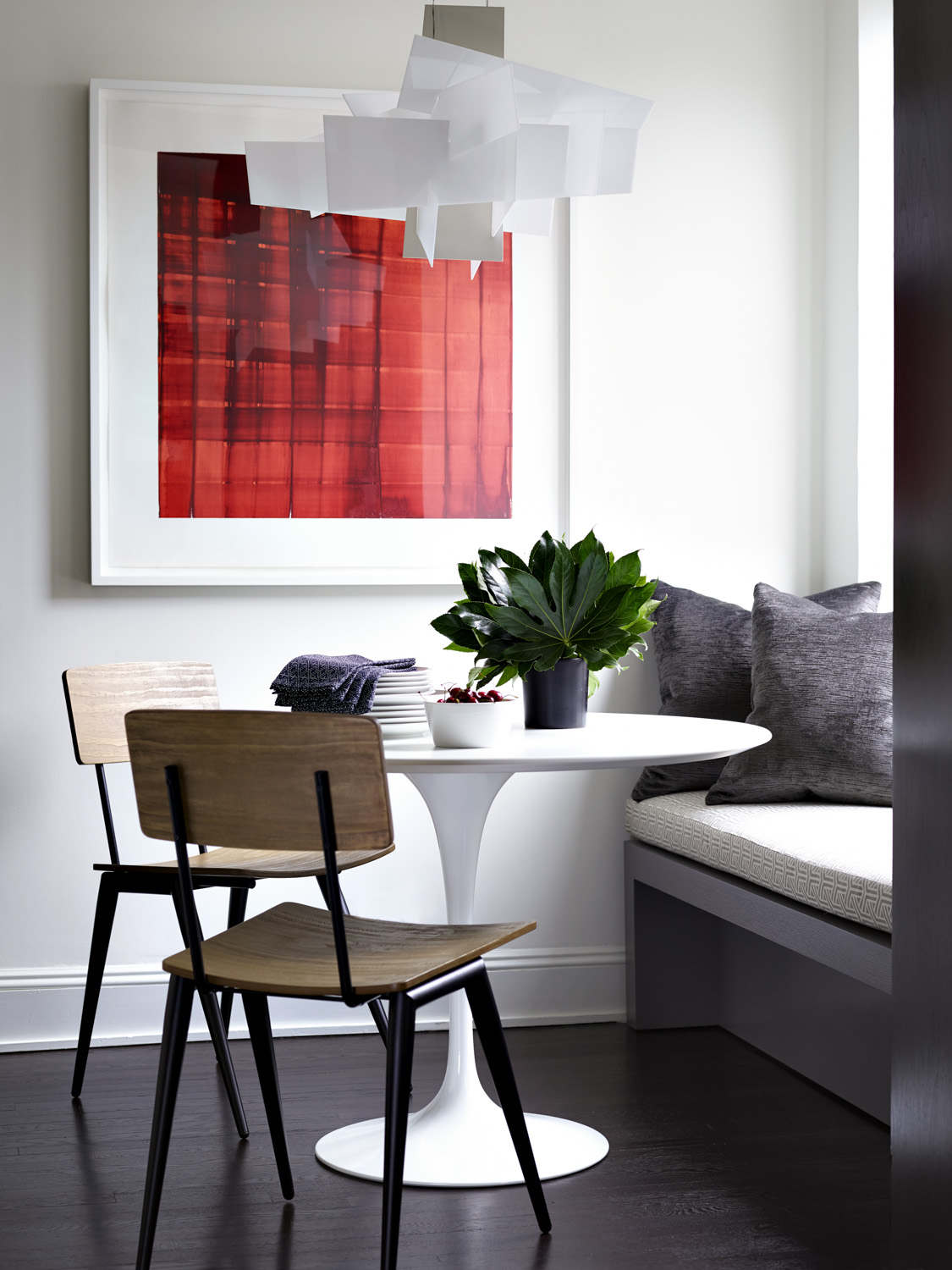
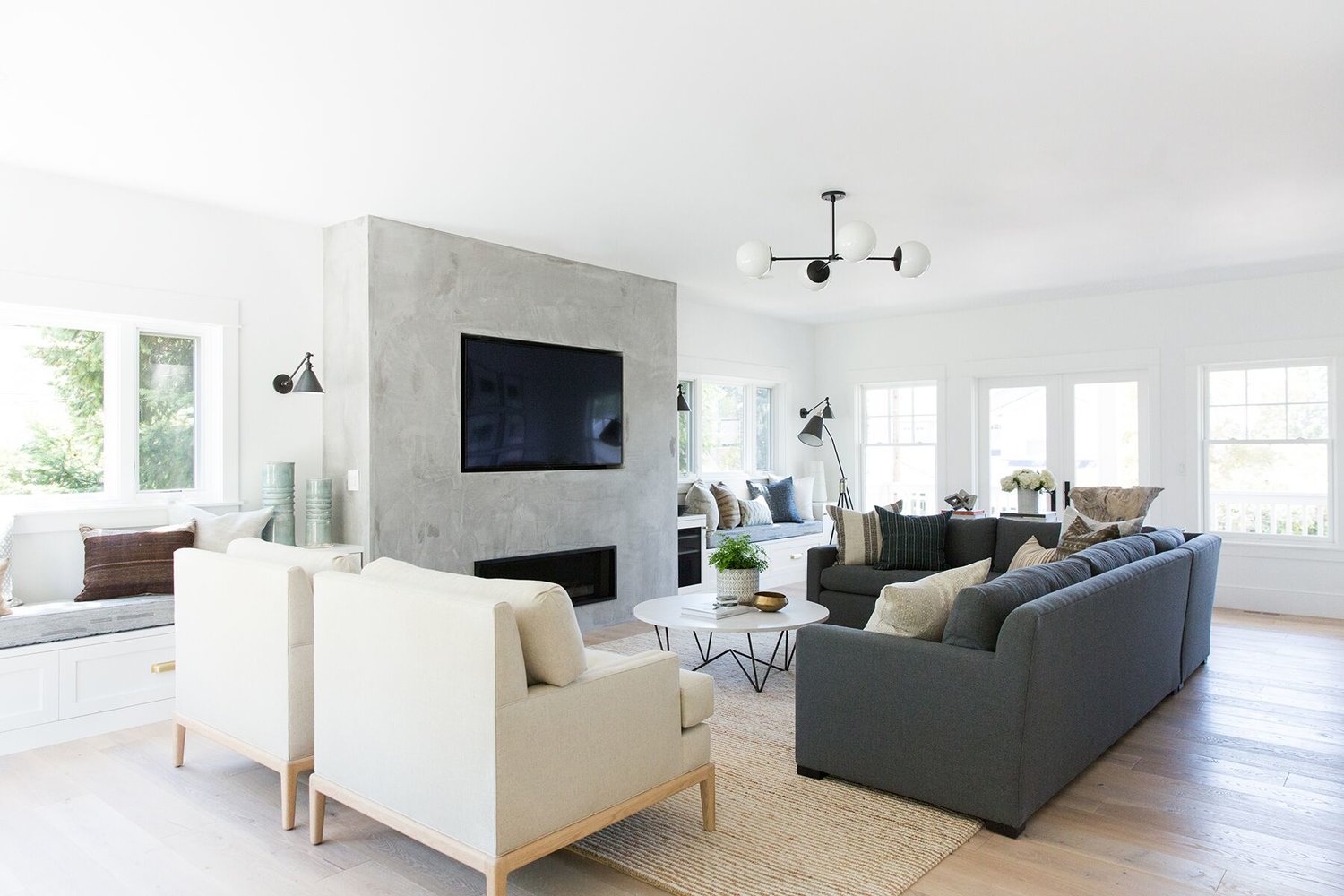
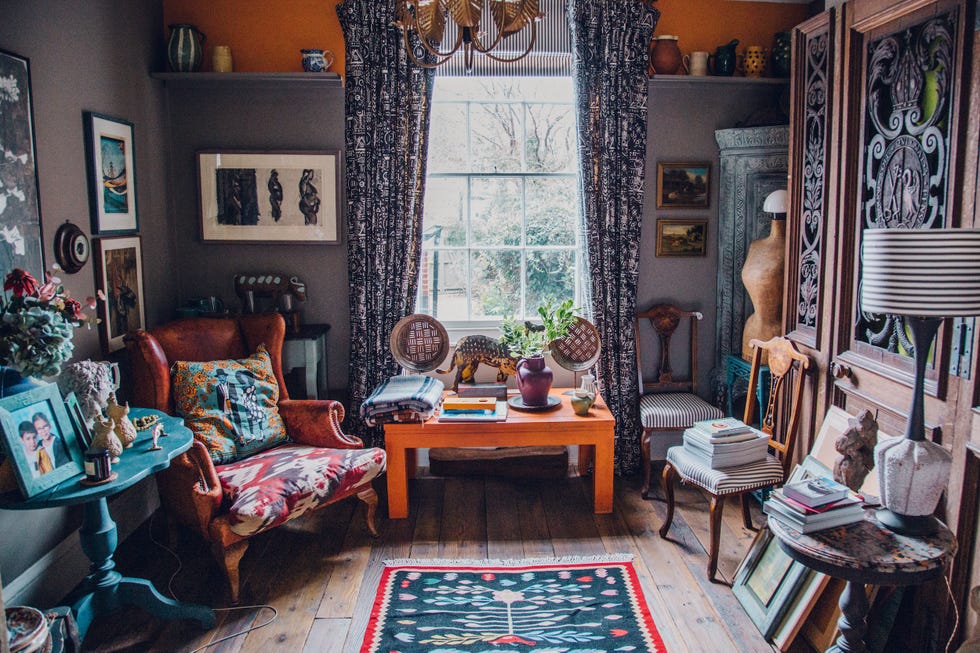
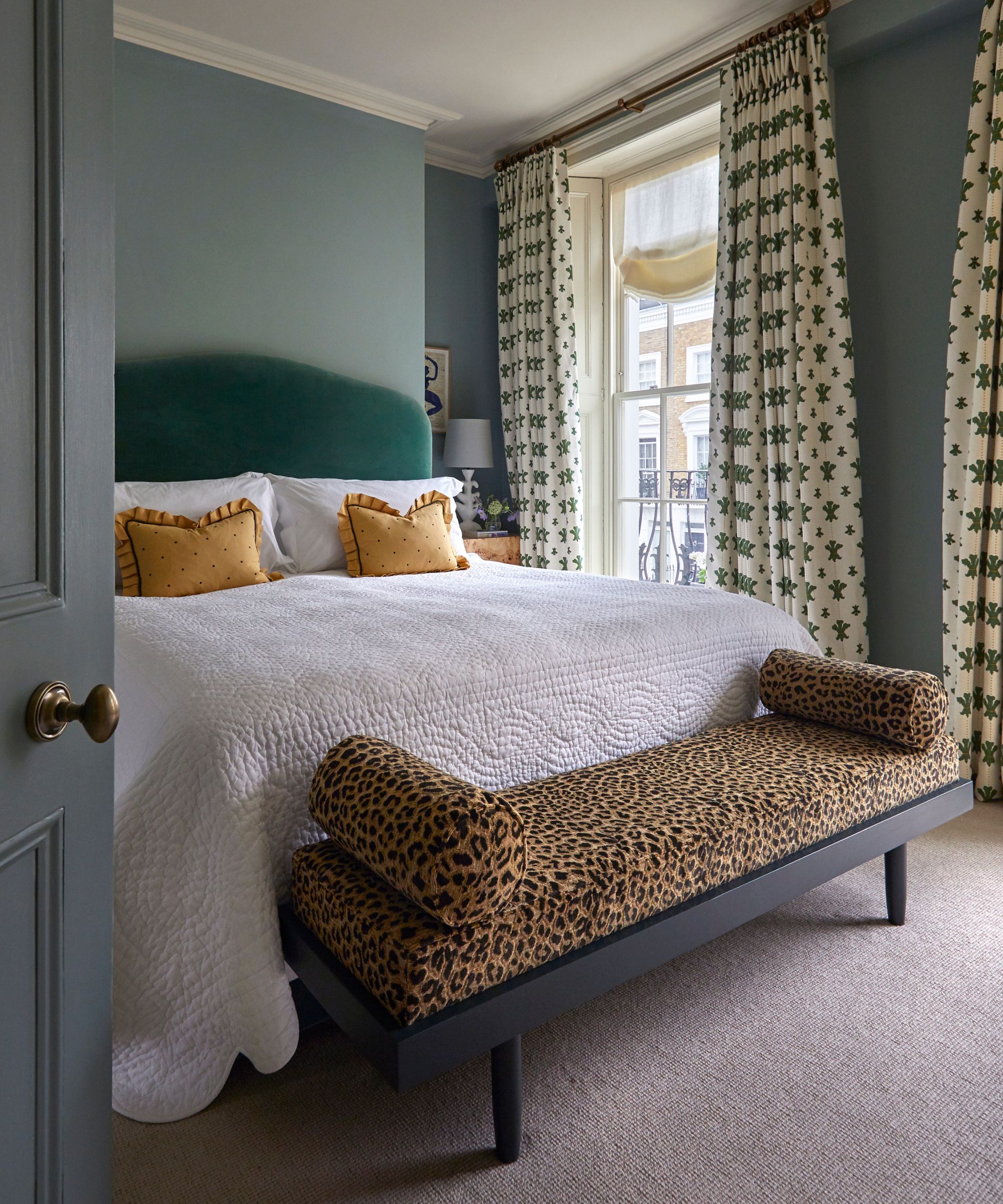
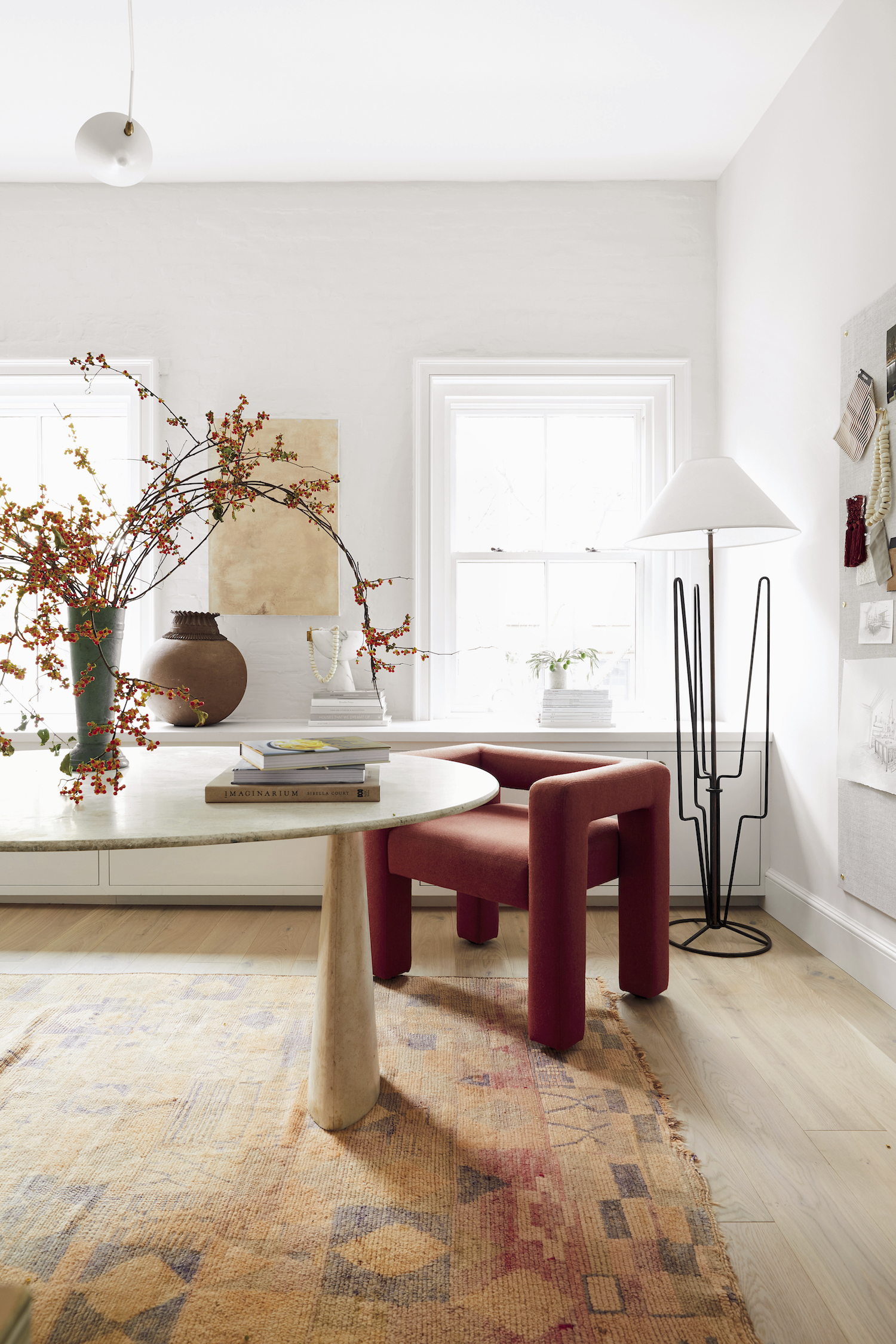
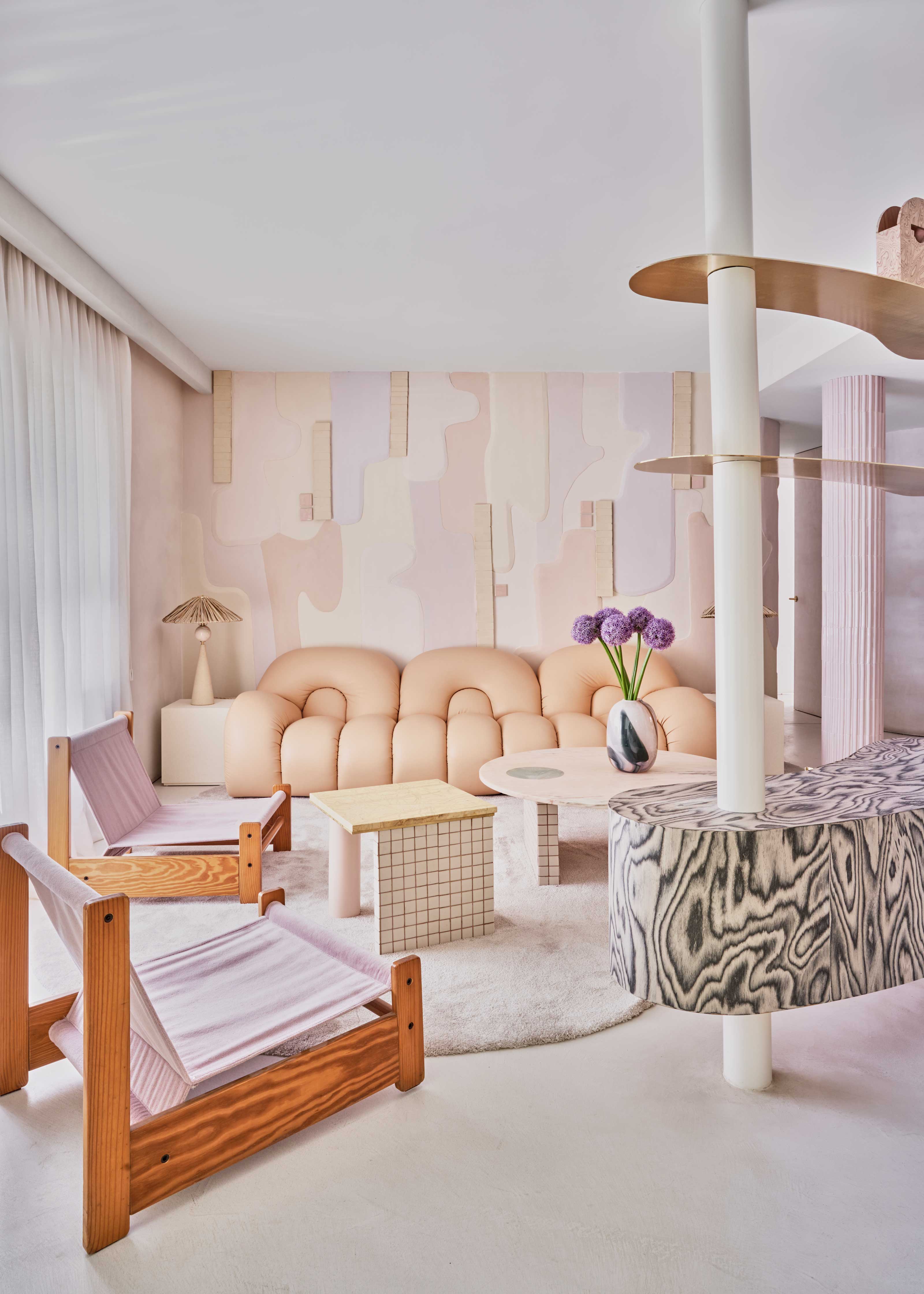
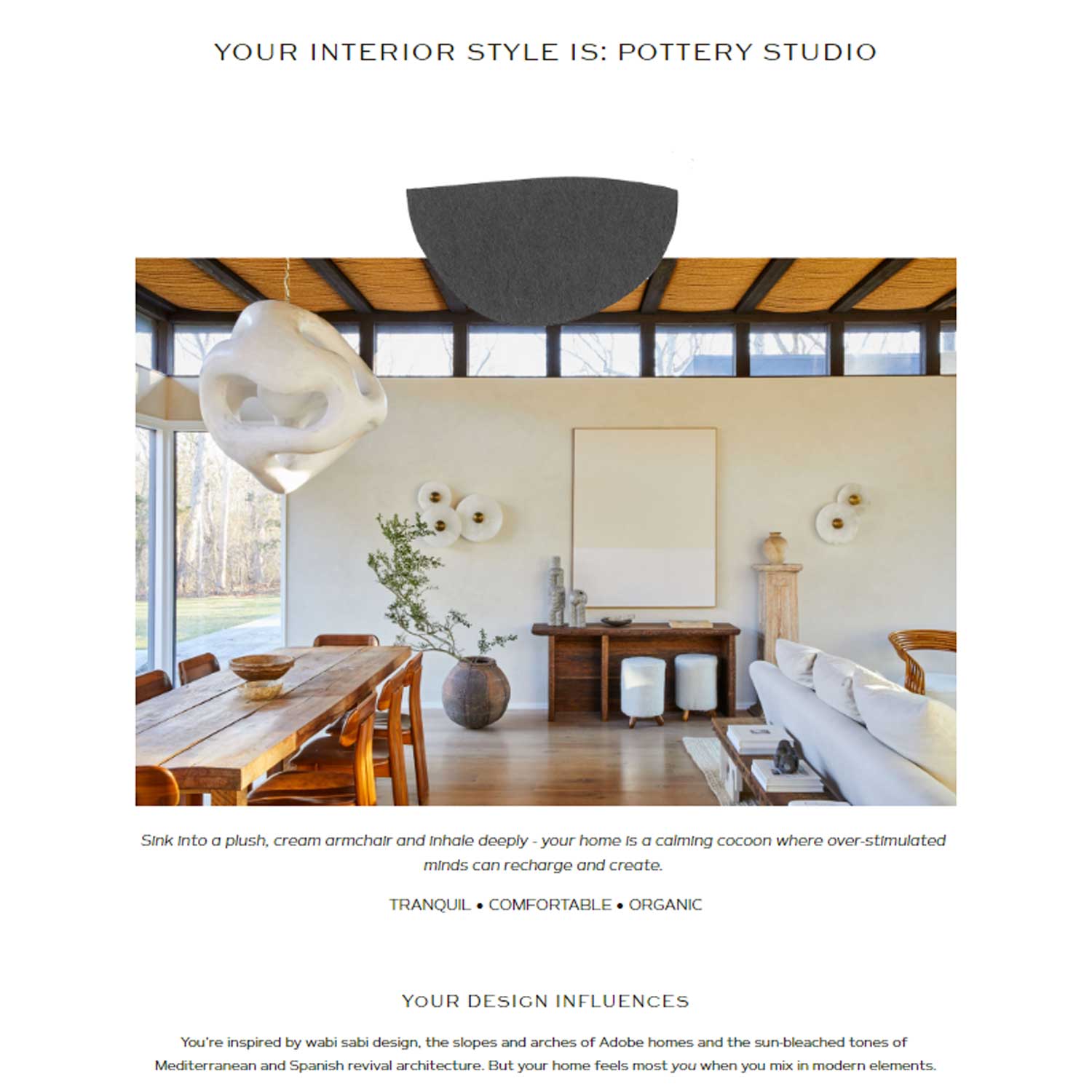
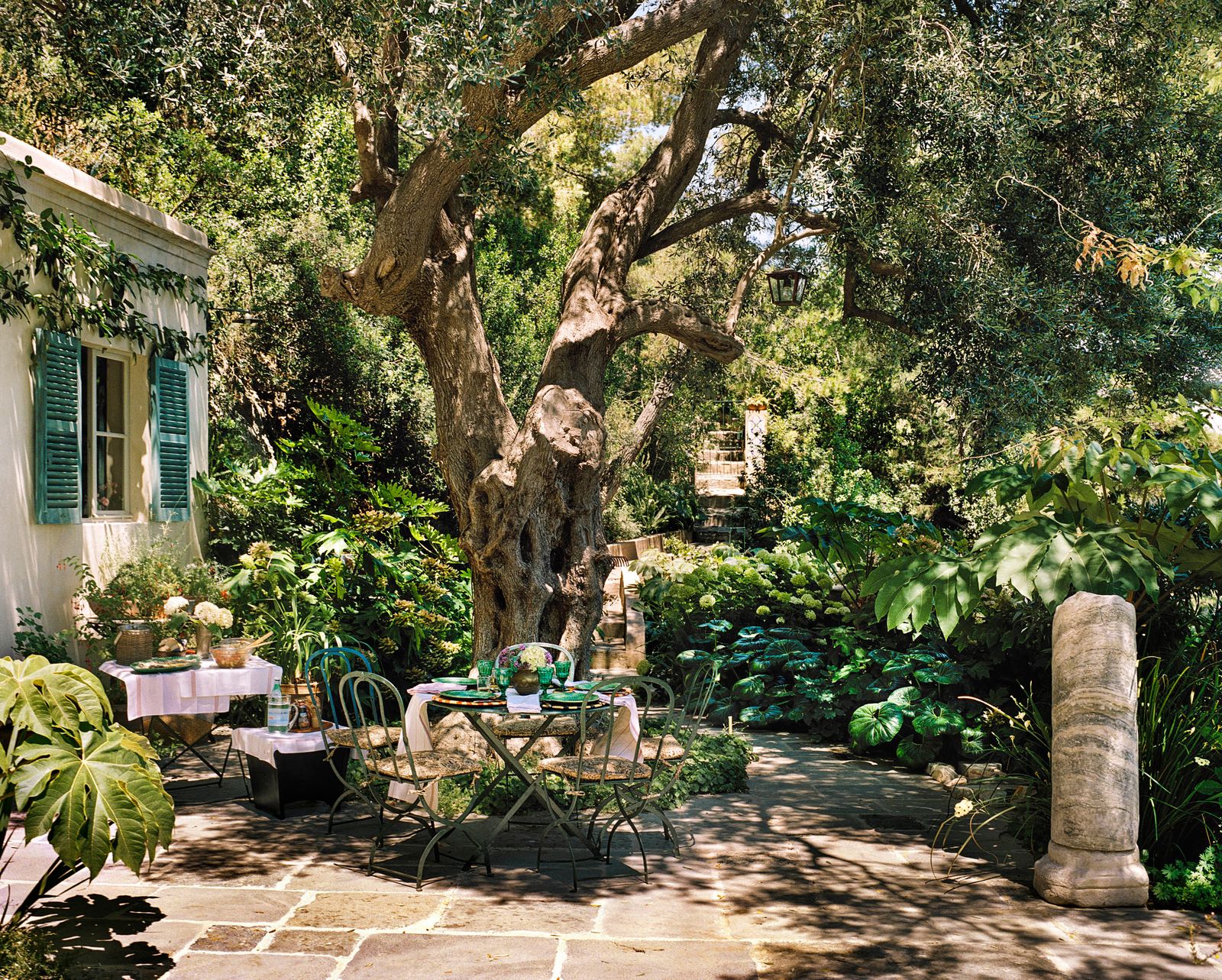
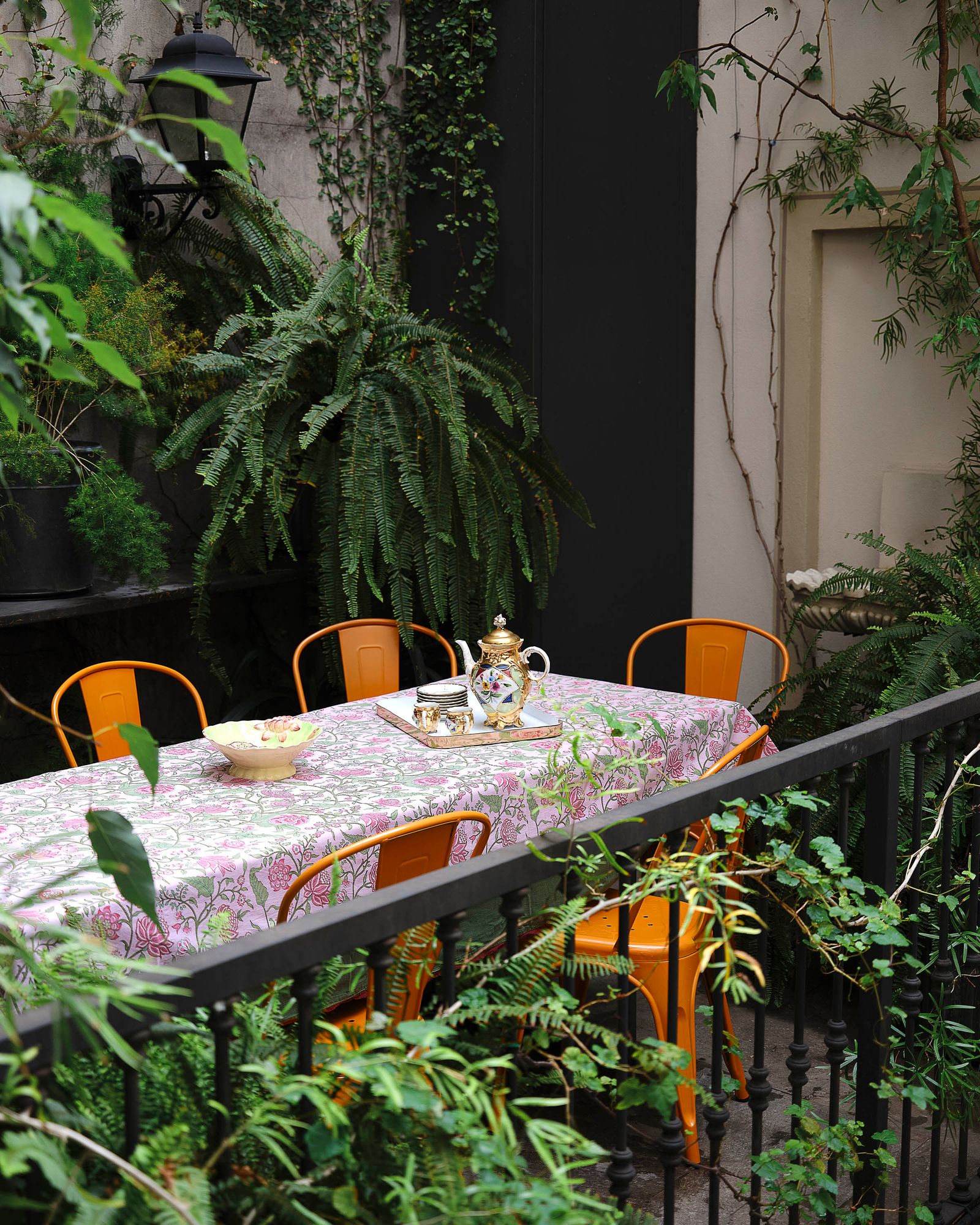
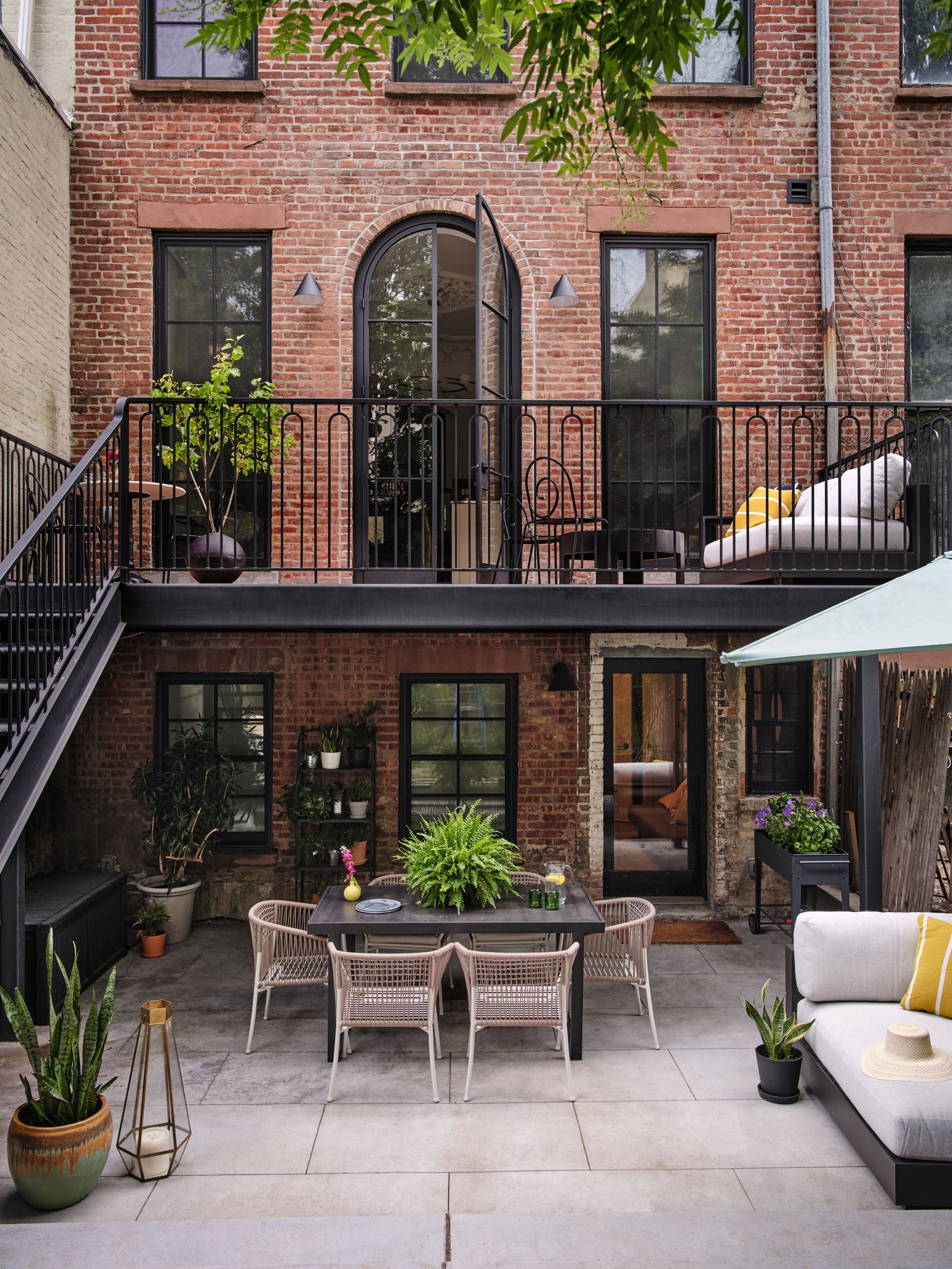
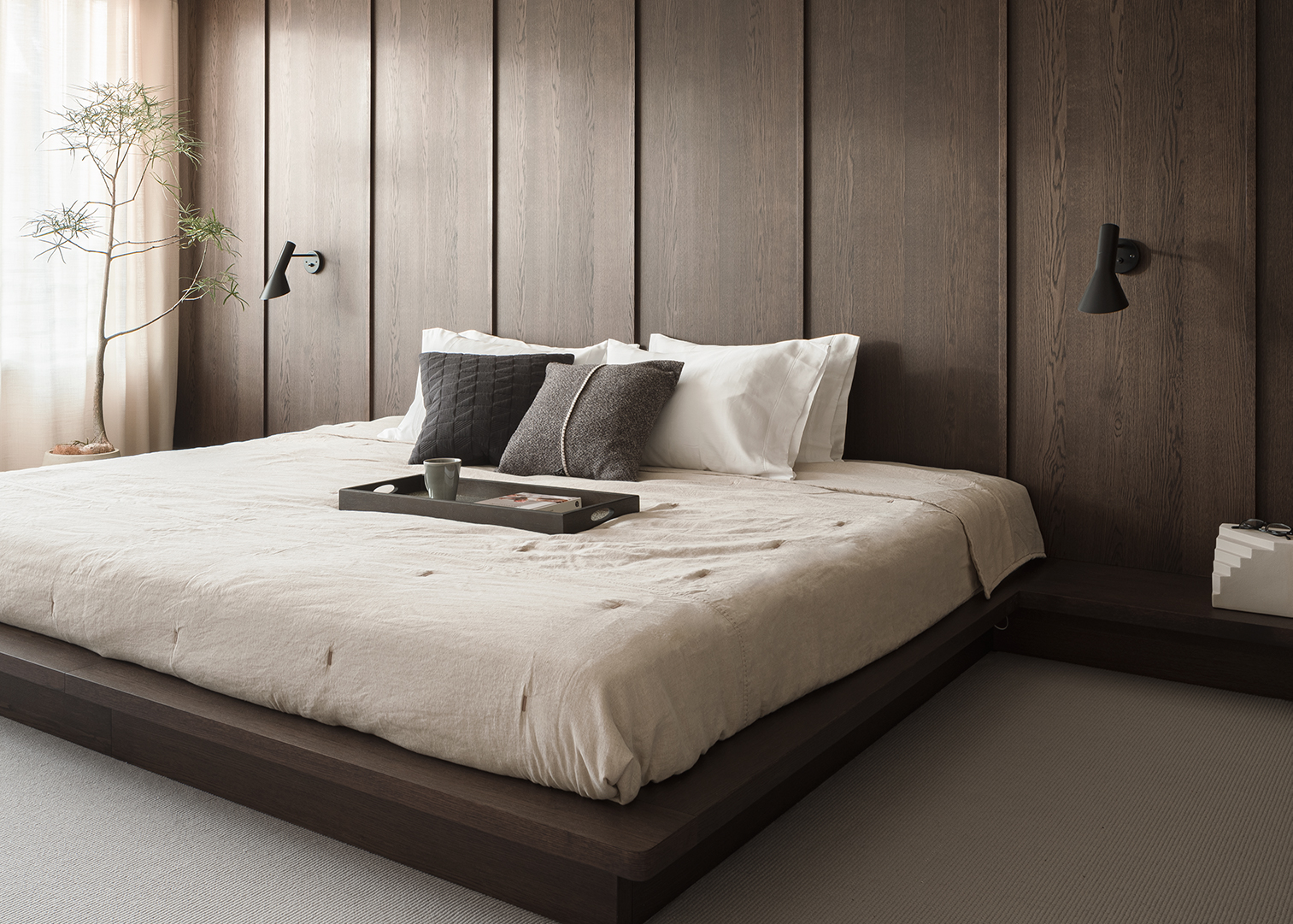
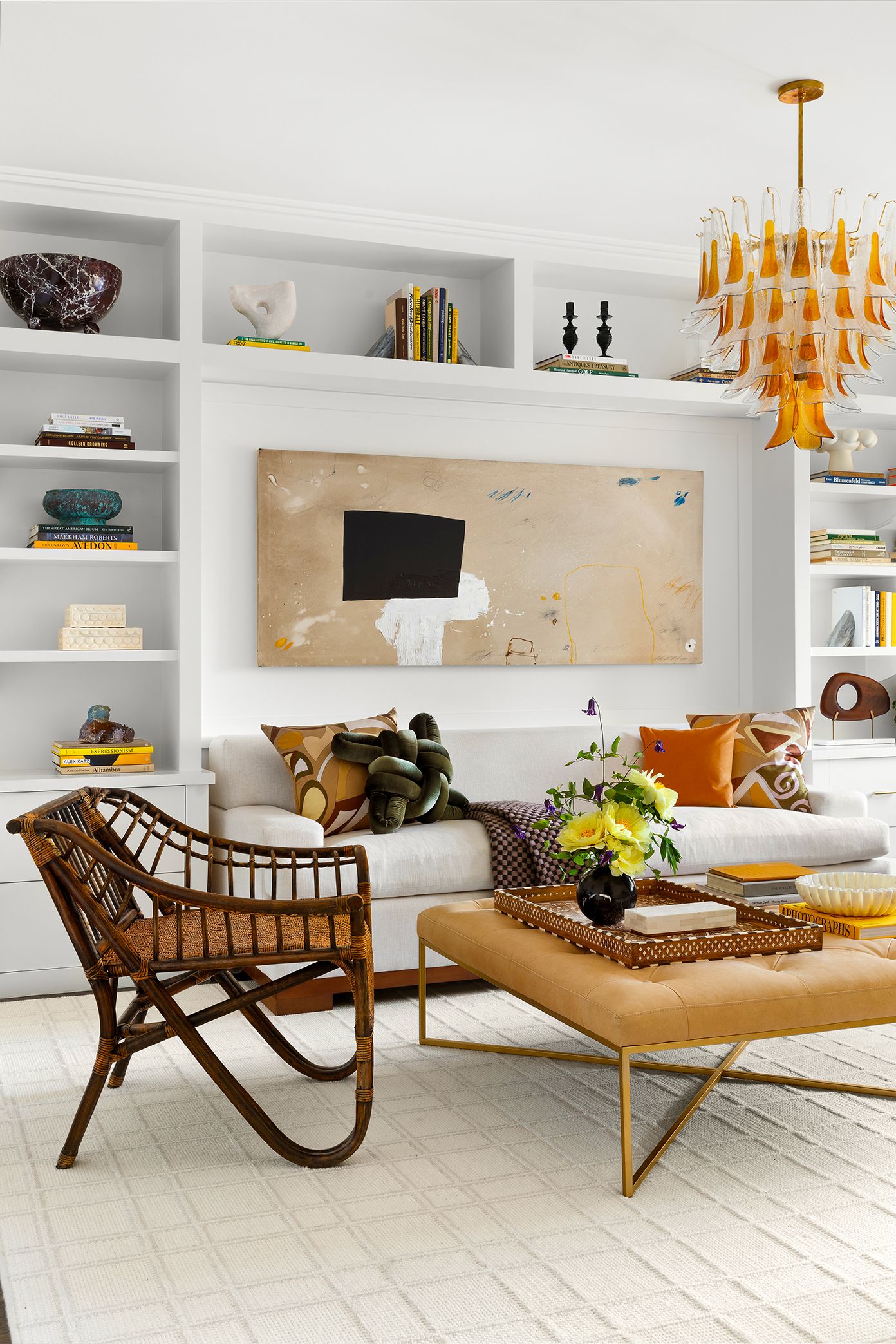
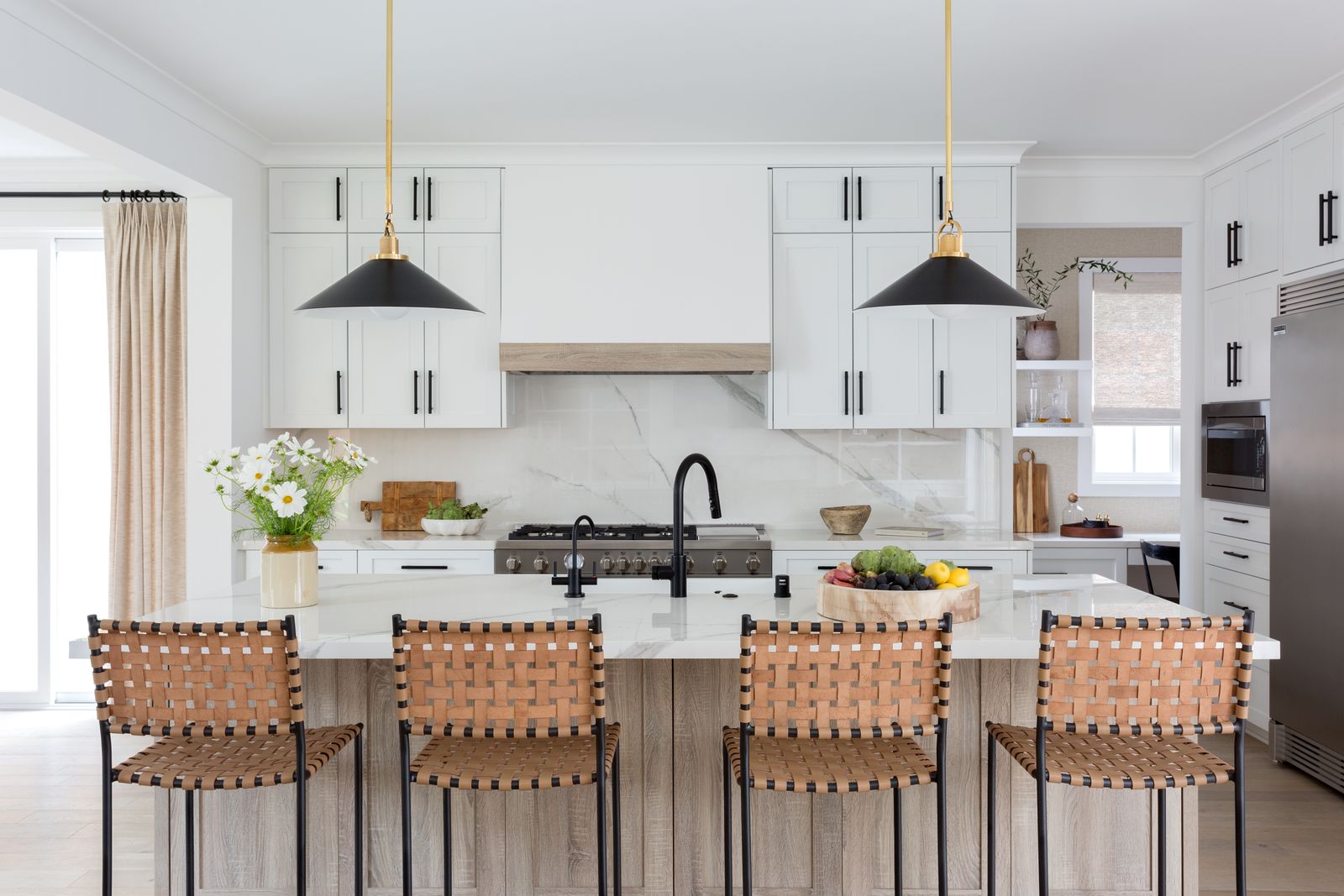
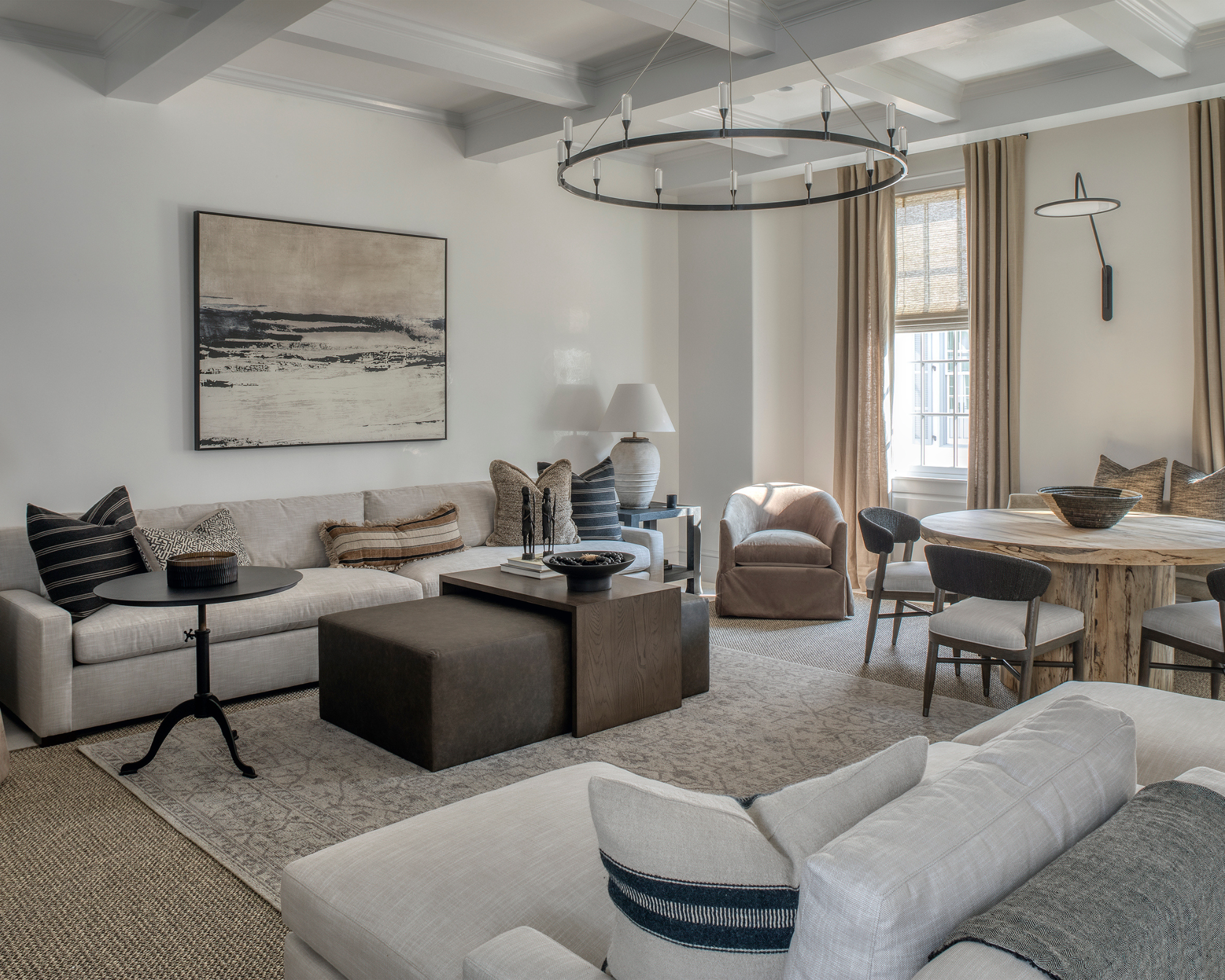
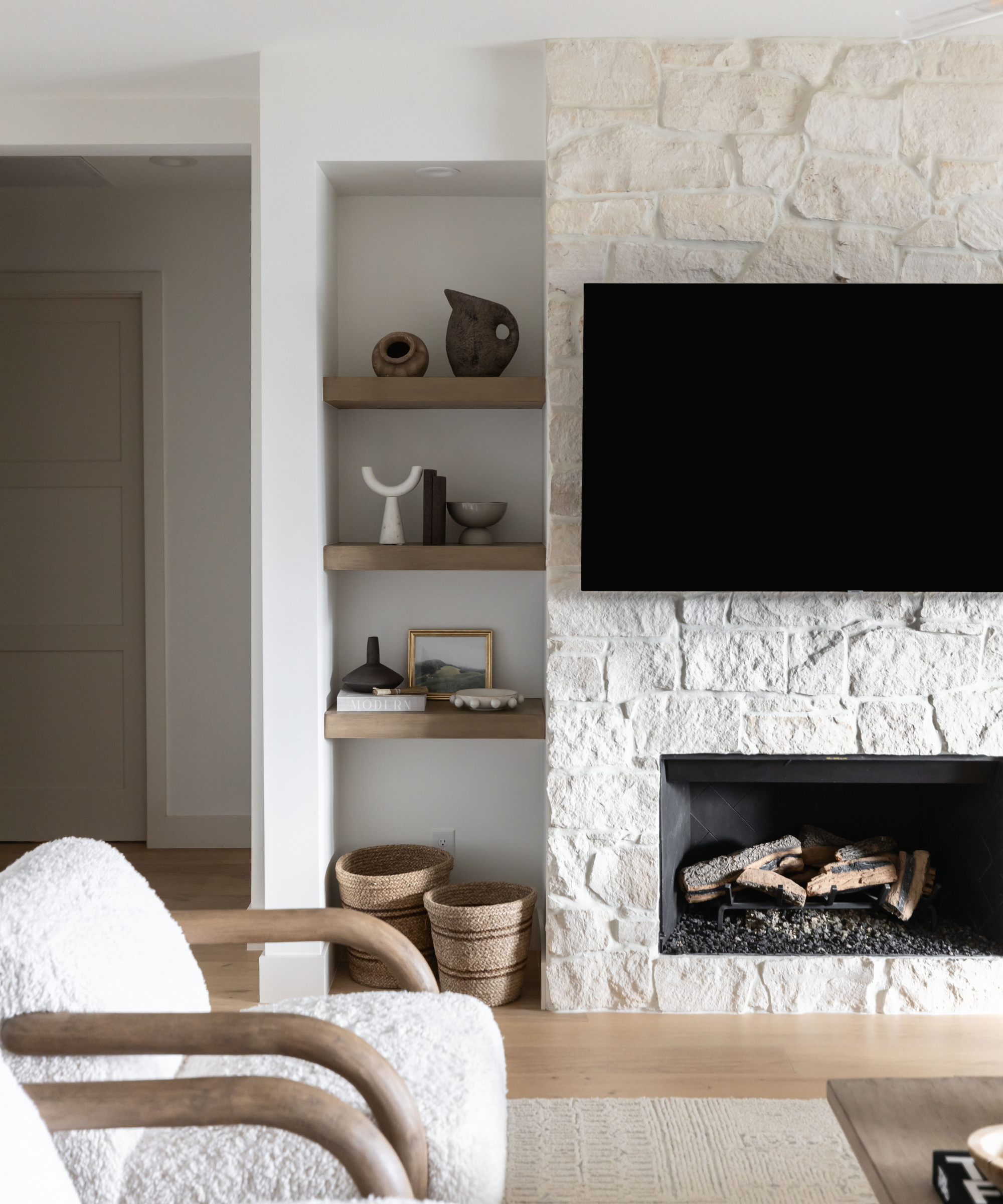
Identifying a personal interior design style can be a challenging yet crucial step in creating a home environment that resonates with individual preferences and needs. Rebeka Morgan and Kribashini Hannon, founders of the BuildHer Collective, an online community empowering women in property development, offer practical advice on navigating this process. Their approach addresses common difficulties, from the vast array of design styles—including mid-century modern, coastal, and Scandinavian—to the potential pitfalls in planning and execution. The initial phase involves gathering inspiration, a step that can vary greatly in ease for different individuals. Some people naturally collect design ideas over time, envisioning every detail, while others struggle to pinpoint their aesthetic desires. The BuildHer team emphasizes the importance of narrowing down this collected inspiration to form a cohesive vision. This begins with utilizing various resources to accumulate images and ideas, followed by a filtering process to develop practical mood boards.
Recommended resources for inspiration include books, magazines, and social media platforms. While books can offer broad, historical perspectives on architecture and interior design, they may require photocopying or scanning images for practical use in mood boards. Magazines, curated by experts with an eye for emerging trends, provide tangible inspiration that can be cut out and easily incorporated into physical mood boards. However, the lengthy lead times for magazine production mean that content might not always reflect the absolute latest trends, although this is less of a concern for those aiming for classic rather than transient styles. Social media, particularly Instagram and Pinterest, stands out as a dynamic and current source of inspiration. Instagram provides fresh content and direct access to designers, allowing users to save images and inquire about products. Pinterest is highly effective for organizing style collections and linking them to specific products, though the sheer volume of content necessitates a focused approach to selection.
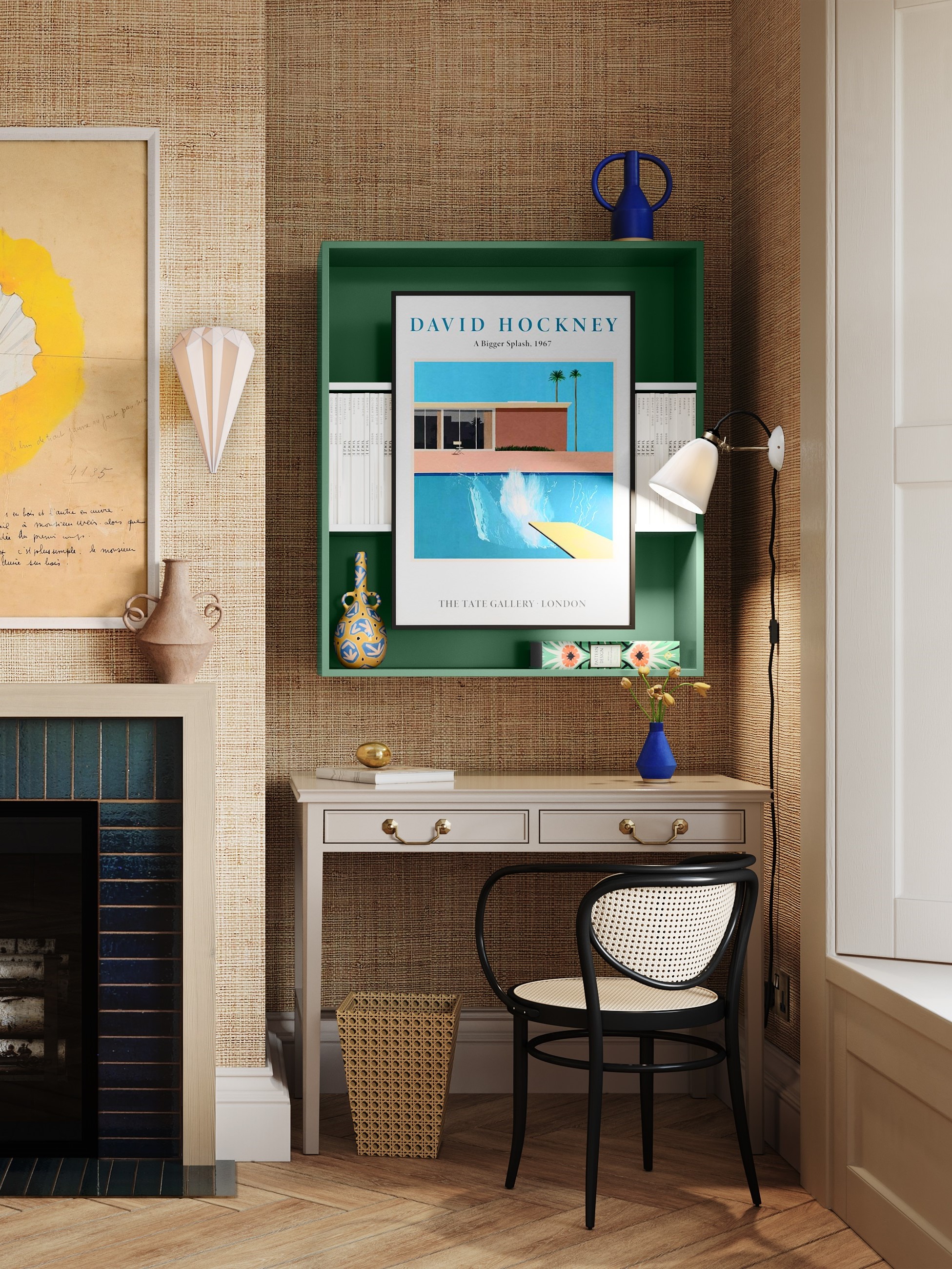
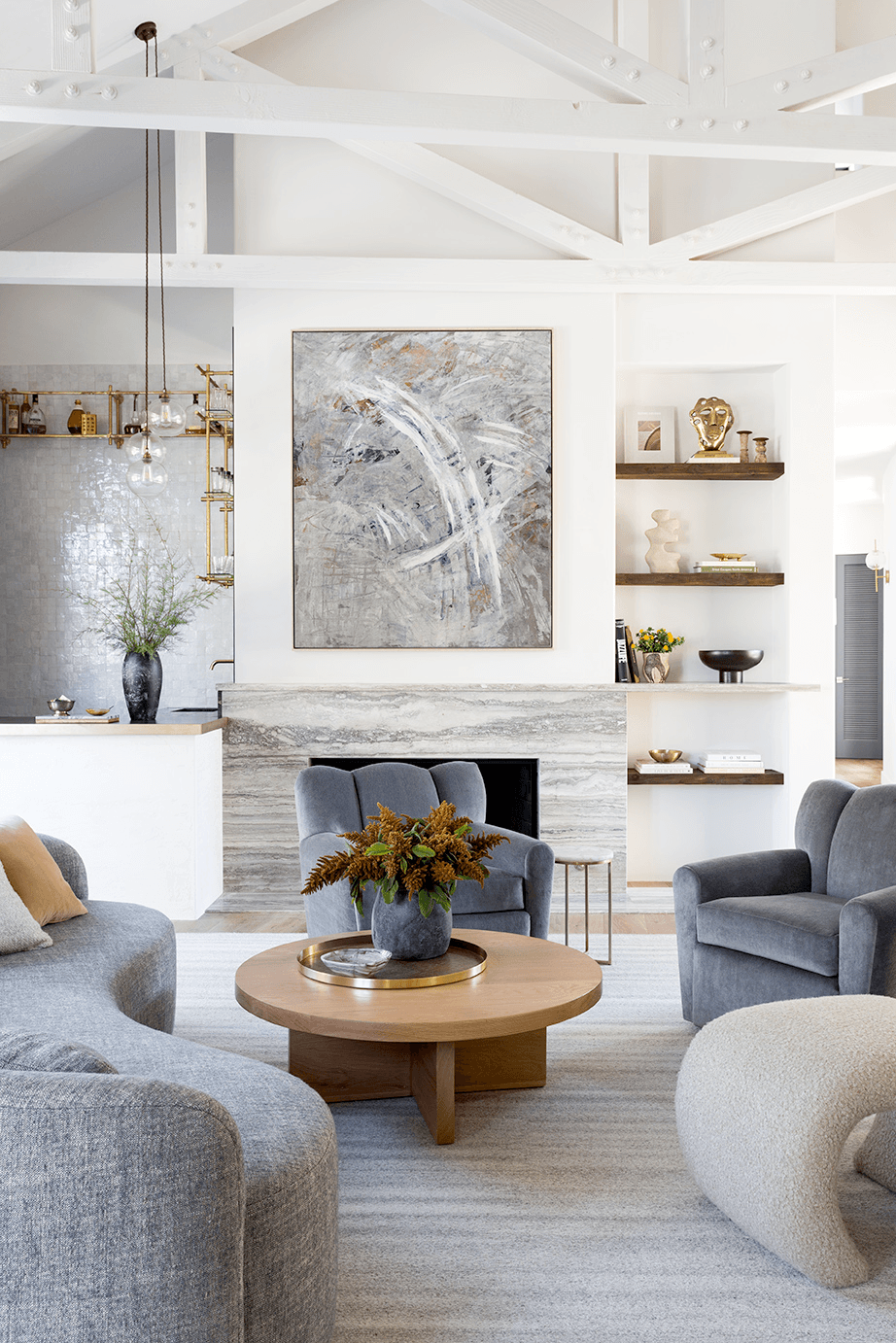
Once a collection of inspirational images is assembled, the next step is to create mood boards. These boards can be conceptual overviews or focused on specific rooms, fixtures, fittings, colors, or fabrics. The process involves selecting core images that consistently appeal to the individual and then critically evaluating what aspects are most and least favored within these selections. This refinement helps in clarifying the aesthetic and identifying core values and emotions that the space should evoke. A common theme or view should emerge from the refined mood boards, such as a preference for cool and moody tones or light and bright aesthetics, or recurring retro elements. Various digital and physical tools, from PowerPoint and Word to sketchbooks and online platforms like Style Sourcebook, can facilitate mood board creation. The method is less important than the thoughtful collection and processing of ideas.
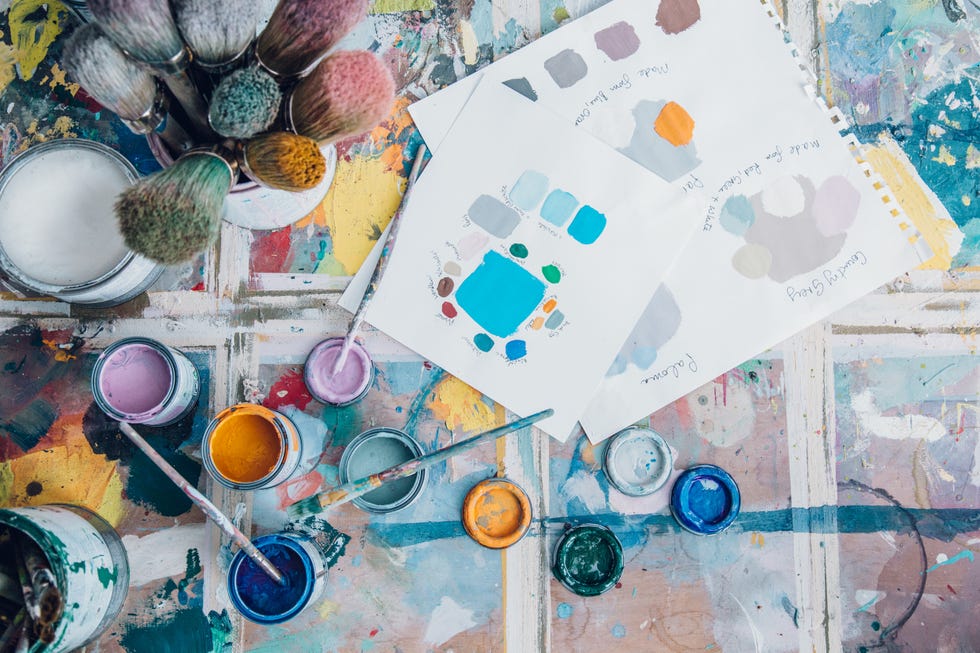
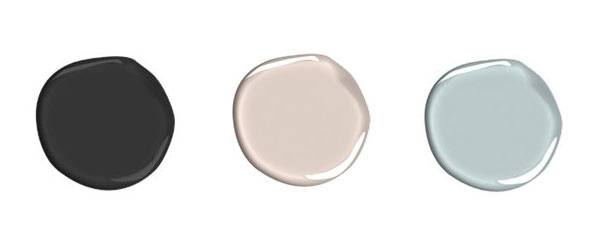
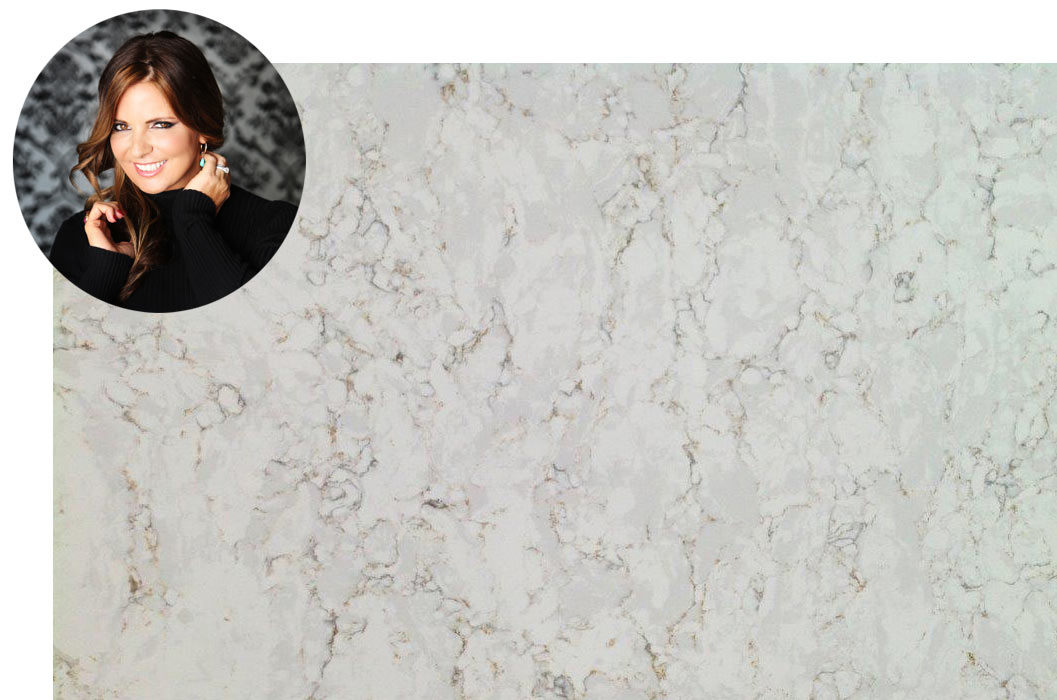
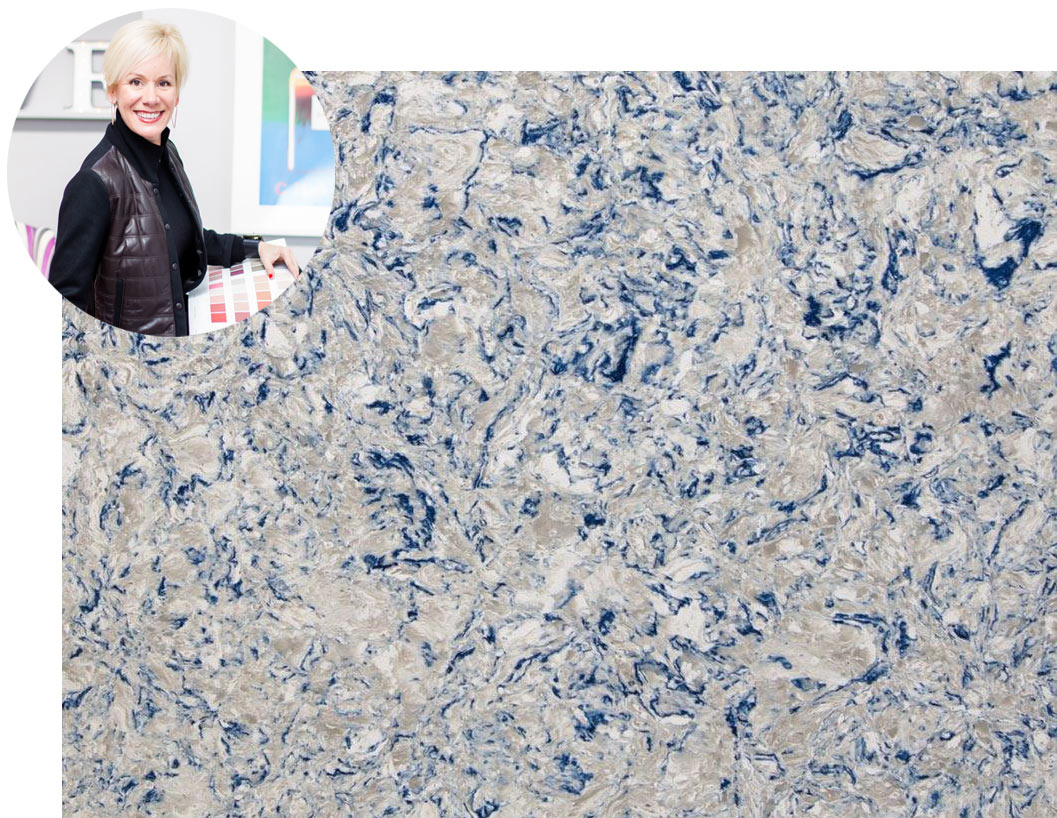
Following the completion of mood boards, the focus shifts to creating materials boards. This involves selecting actual samples of paint colors, cabinetry, splashbacks, tiles, flooring, window treatments, and other fixtures. The purpose is to ensure that all chosen materials work together cohesively in terms of color, texture, and overall theme. Architects and designers often employ different methods for materials boards, ranging from formally presented boxes with glued samples to loose collections that allow for flexibility and iterative changes. The advantage of a loose collection is the ability to easily swap out elements and add details throughout the building process, which is particularly beneficial for experienced builders who understand lead times and potential construction issues. For fixed-price builds, early and comprehensive material selection is essential to avoid unforeseen costs and ensure a unified design. Ultimately, the goal of both mood and materials boards is to guide the design process, ensuring that the final outcome is a well-coordinated and personally resonant living space.
#InteriorDesign #DesignStyle #HomeRenovation #DecoratingTips #MoodBoard #MaterialsBoard #BuildHerCollective #HomeInspiration #InteriorDesign #DesignStyle #HomeRenovation #DecoratingTips #MoodBoard #MaterialsBoard #BuildHerCollective #HomeInspiration
0 comment in total
 No comments yet
You may also like
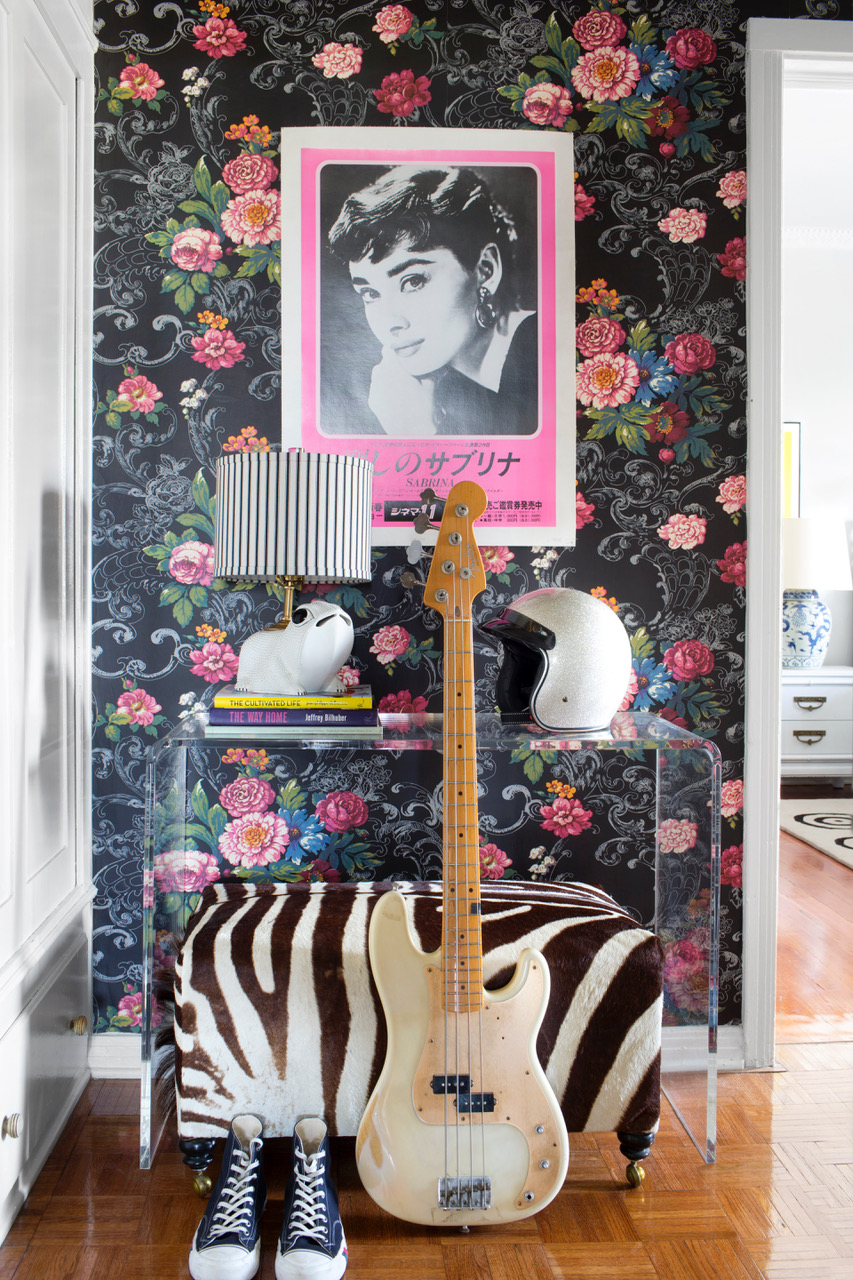
Don’t Know Your Design Style? These Are the 5 Most Popular Ones
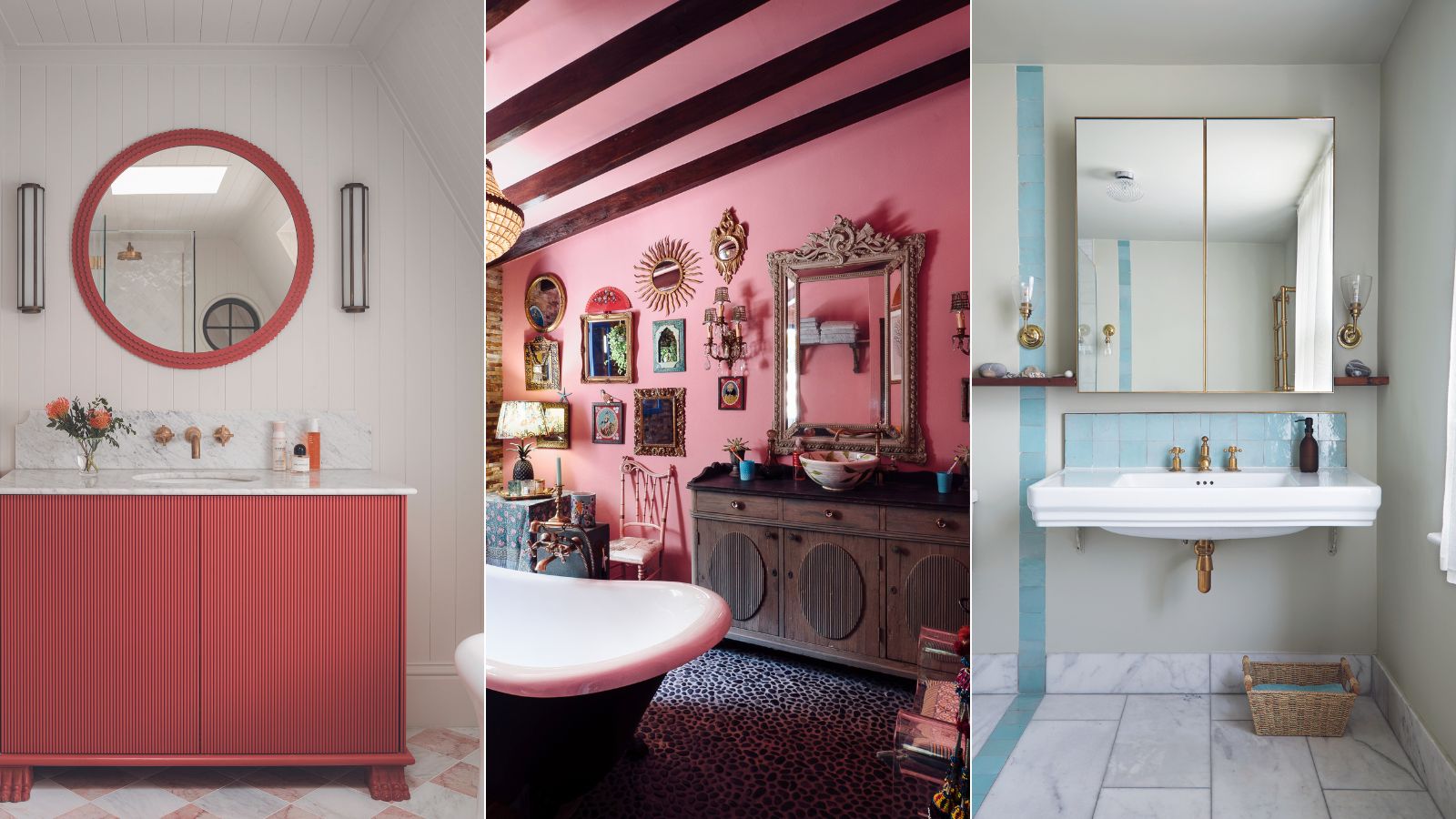
How do you decide on a bathroom style? Interior designers offer their top tips

Interior Design Styles — 9 Ways to Decorate Everyone Should Know About

How to Easily Transition Between Design Styles on a Budget

Here's How to Develop Your Own Style, According to an Interior Designer

What Your Lamp Choice Says About Your Design Style
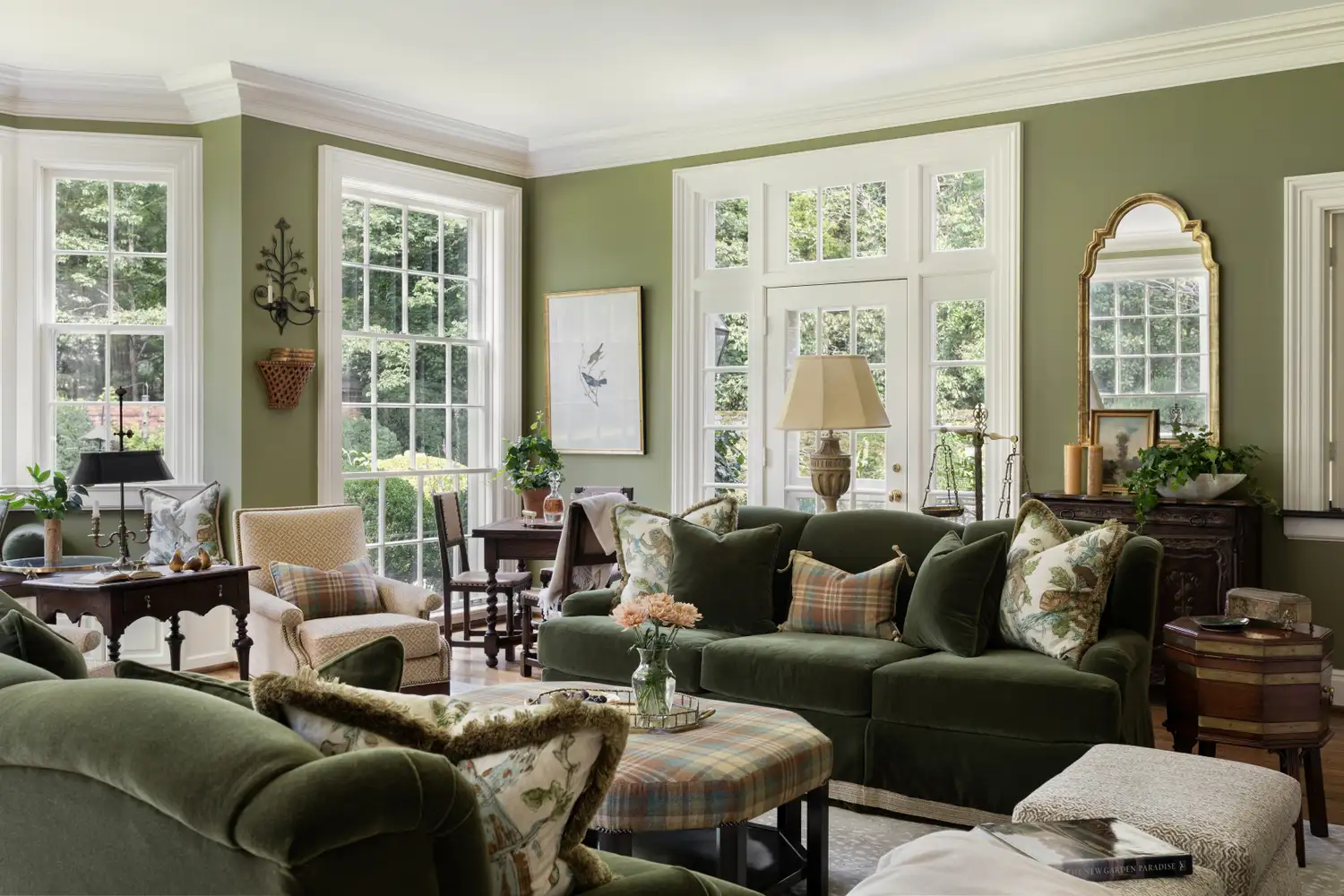
5 Secrets To Picking Paint Colors Like A Designer
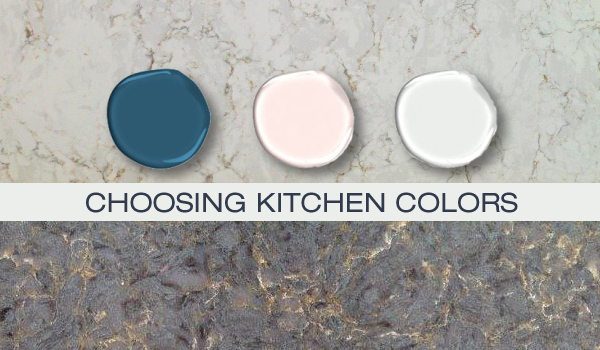
Kitchen Color Selection Tips from 5 Designers
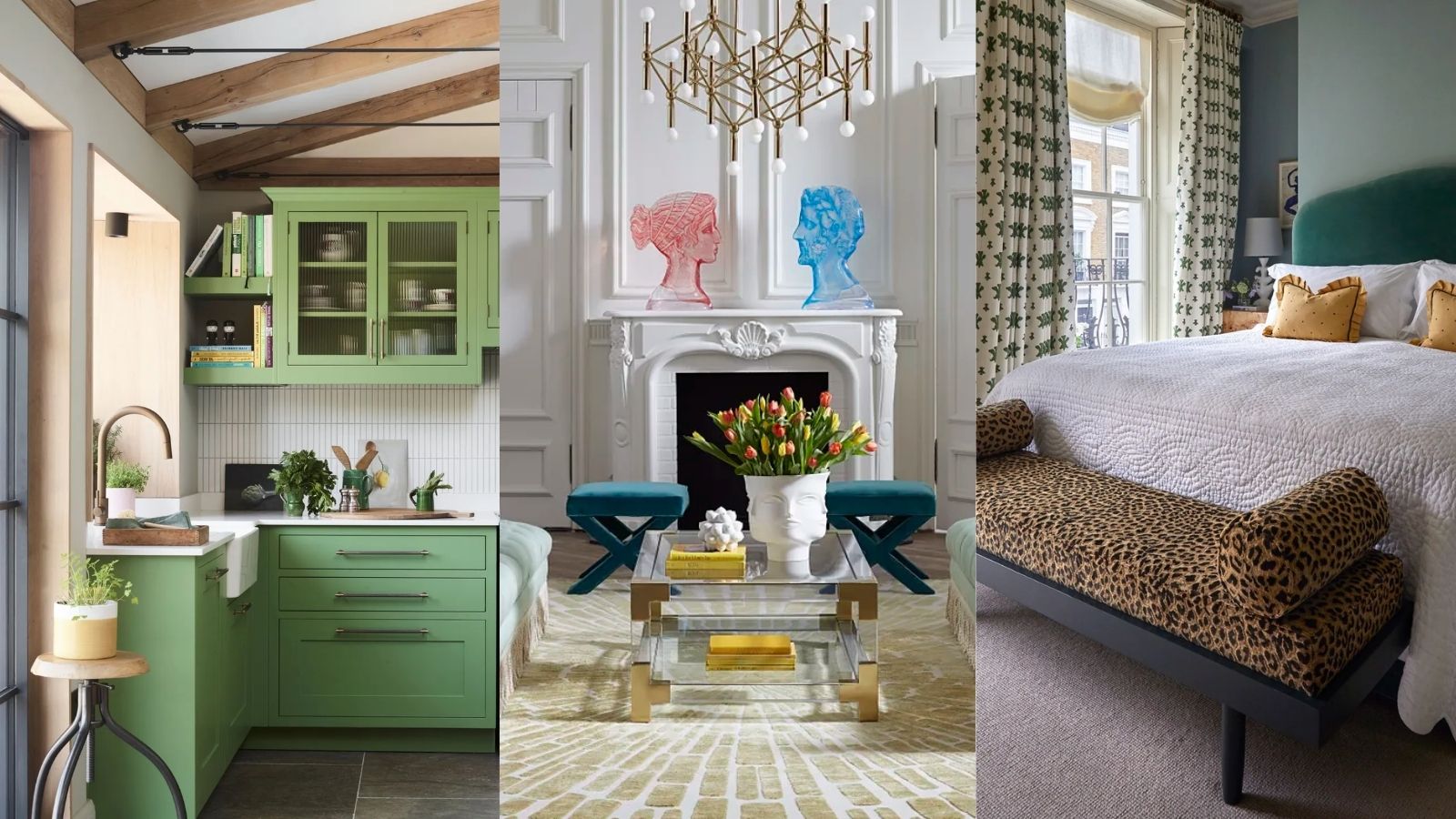
How to evolve your home as trends change – 7 designer secrets to having an adaptable style
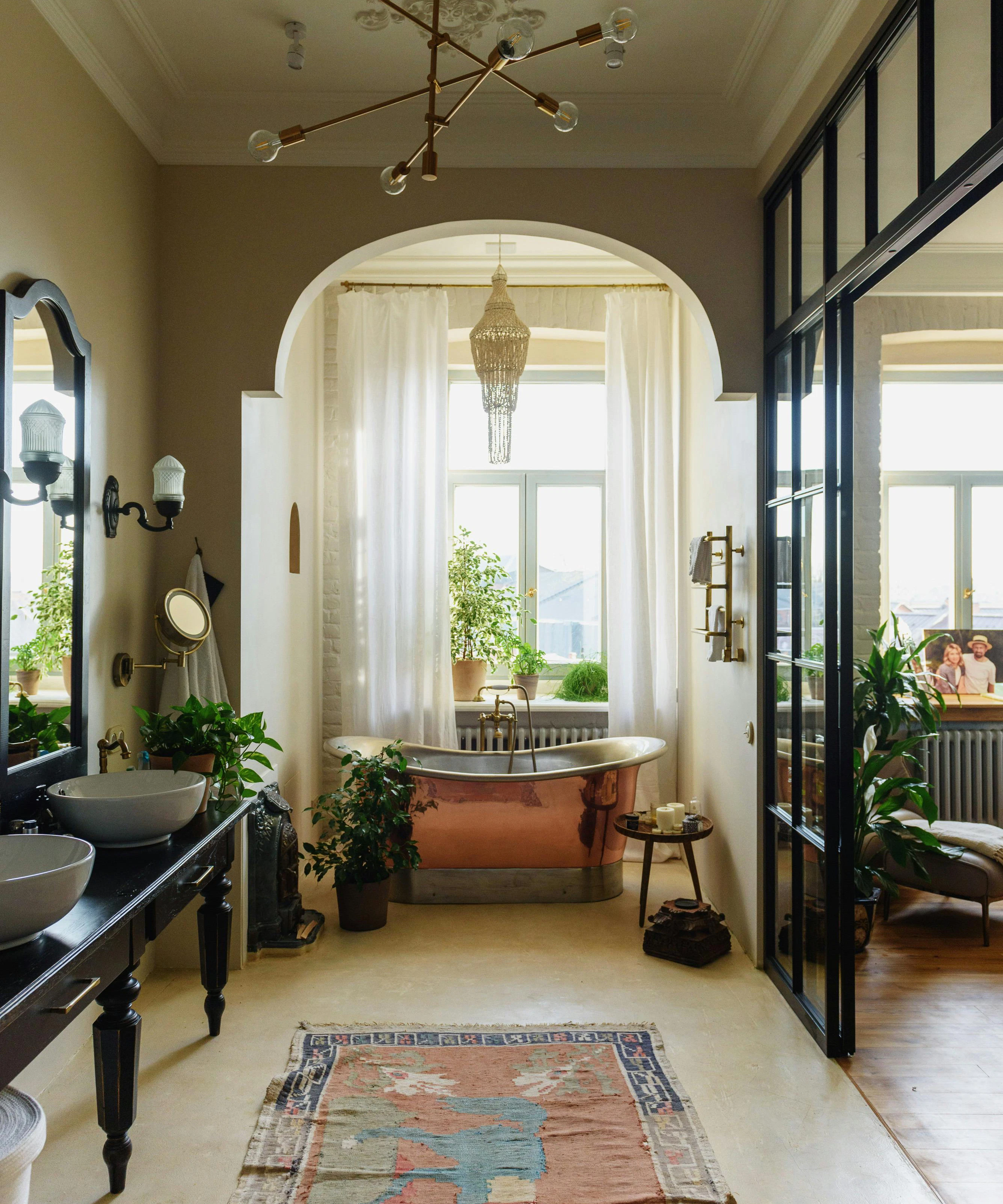
Find Your Interior Design Style: 13 Popular Styles Explained
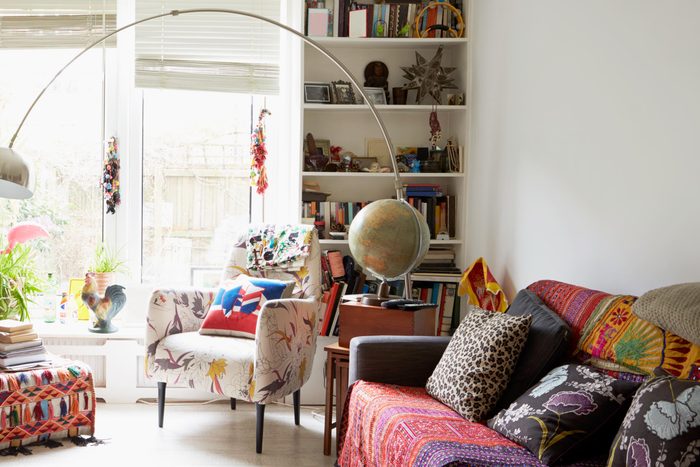
8 Most Popular Interior Design Styles You Should Know

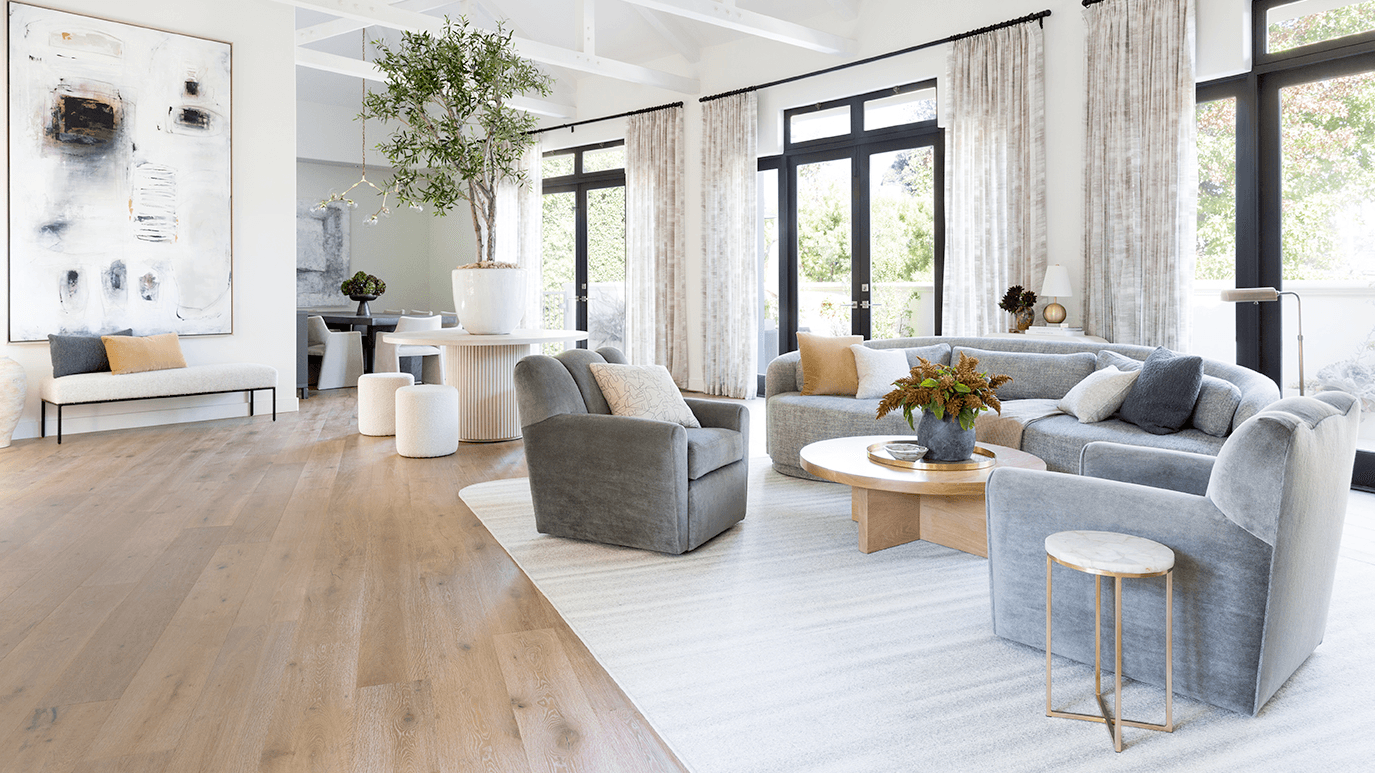
Transitional Design: Everything You Need to Know About This Traditional and Modern Style

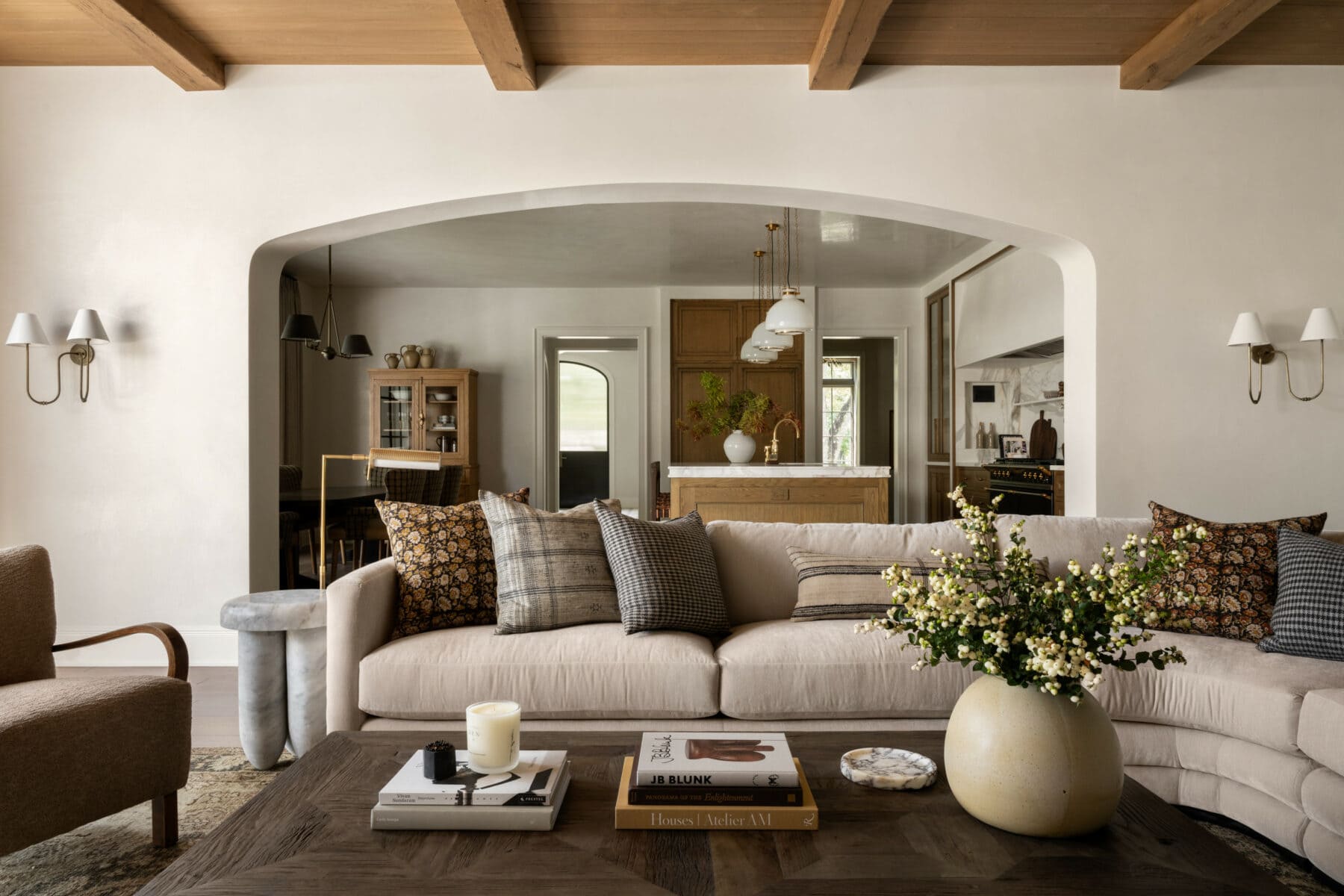
Finding Your Design Style
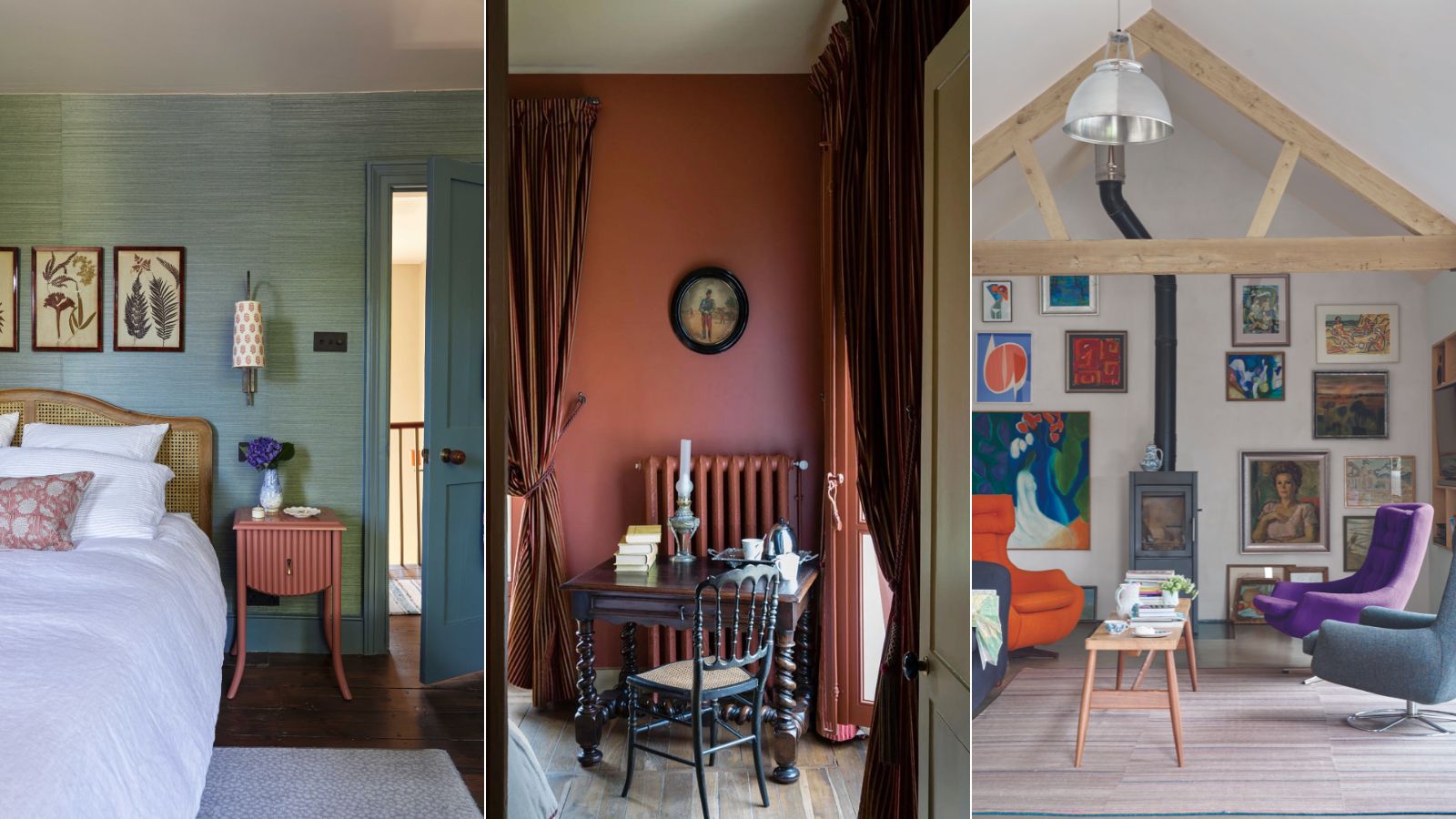
13 interior design styles that everyone needs to know about, according to designers
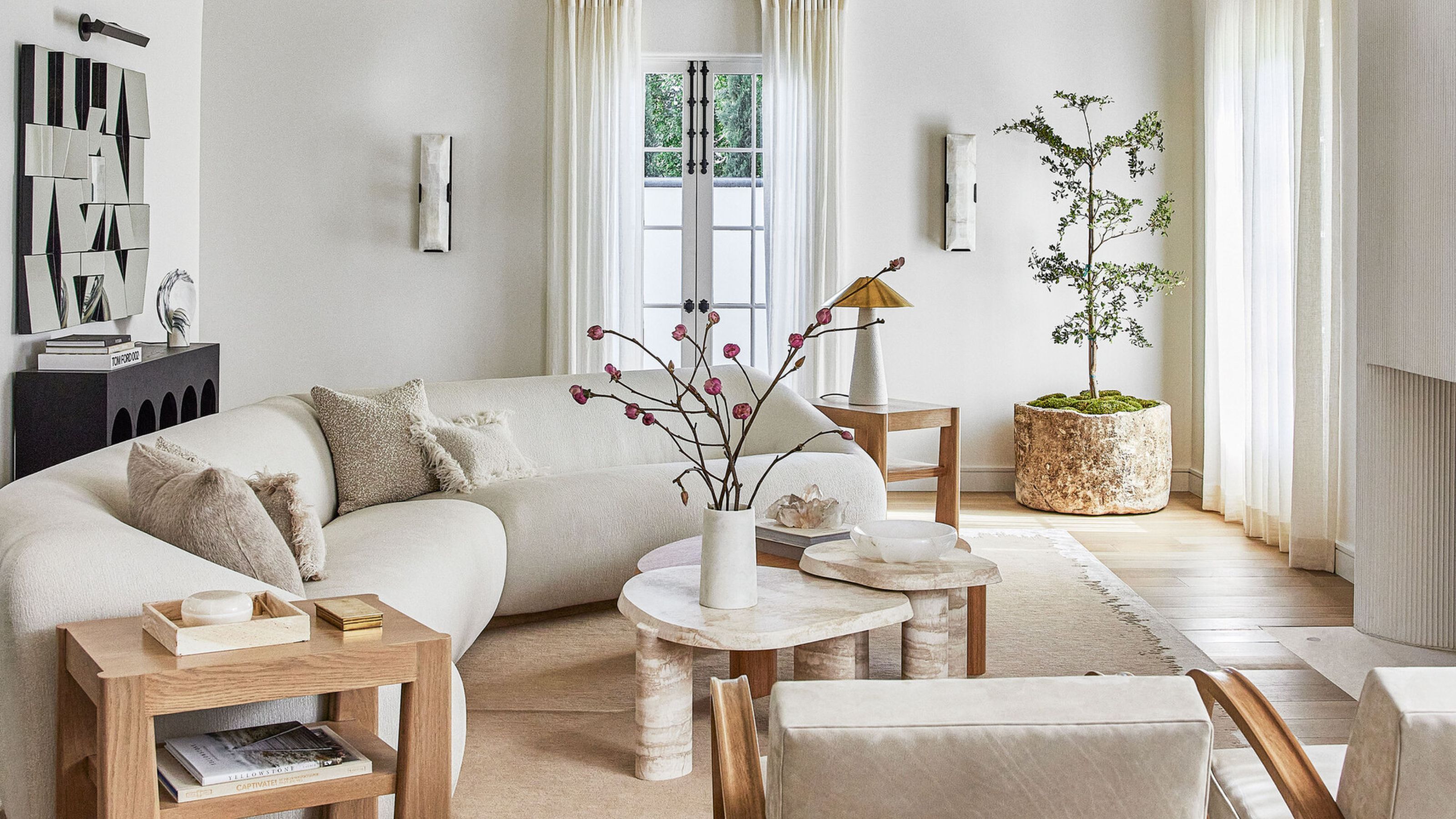
How to Achieve Transitional Style — 14 Designer Tips to Capture the Trend Taking Over Interiors
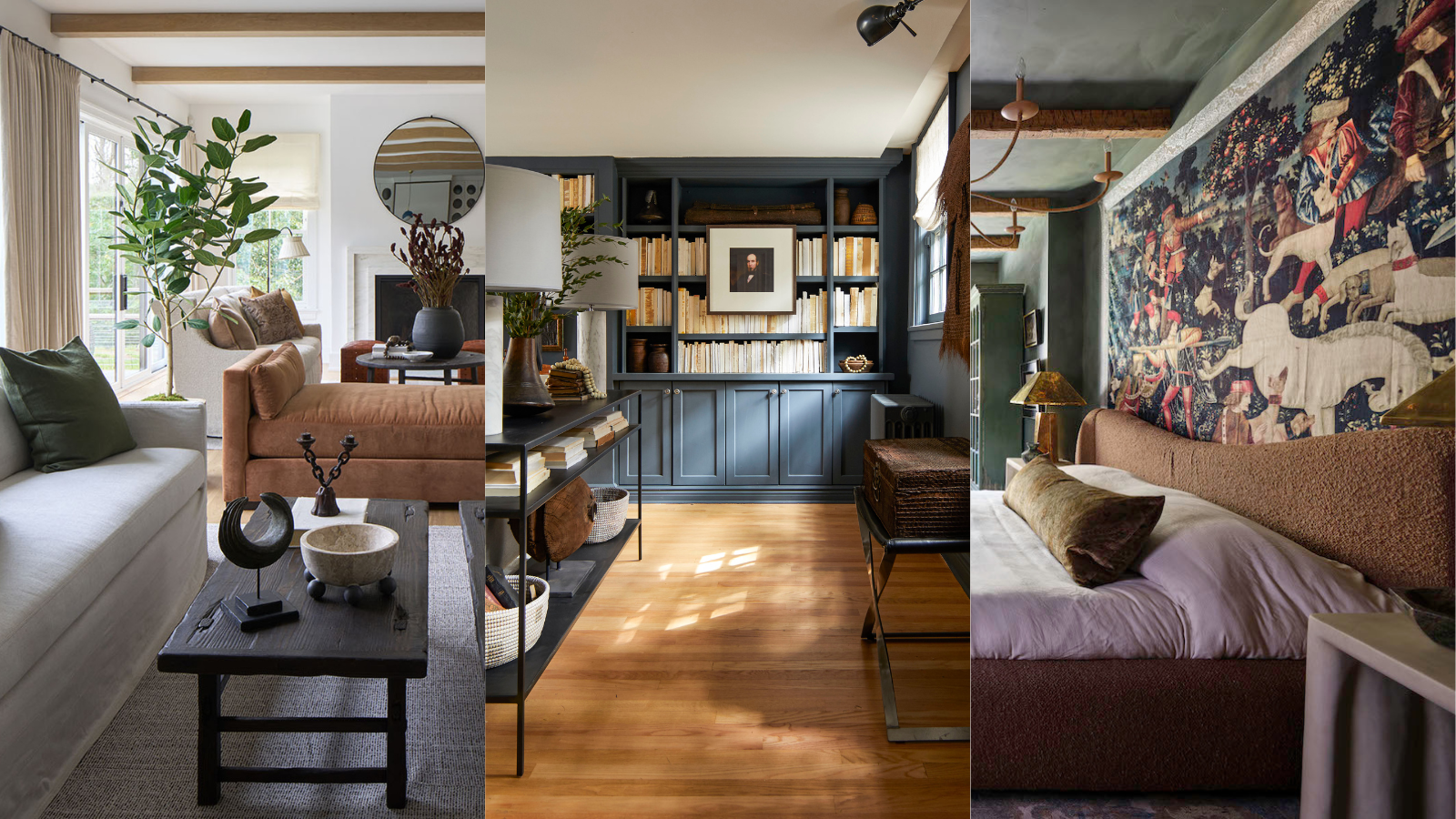
5 interior designers on the styles they will love forever
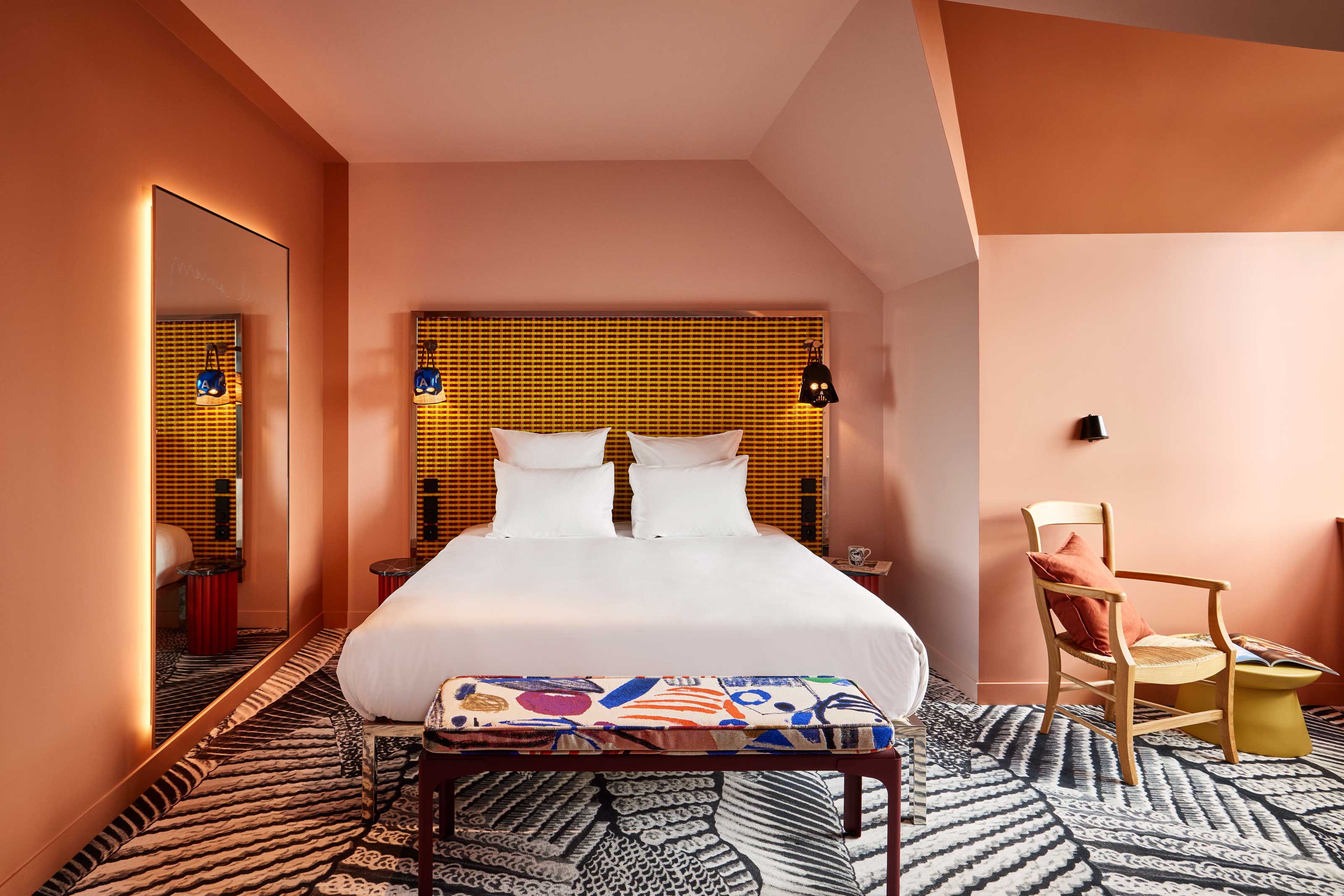
What is my interior style? This quiz might be the easiest way I've discovered to find out
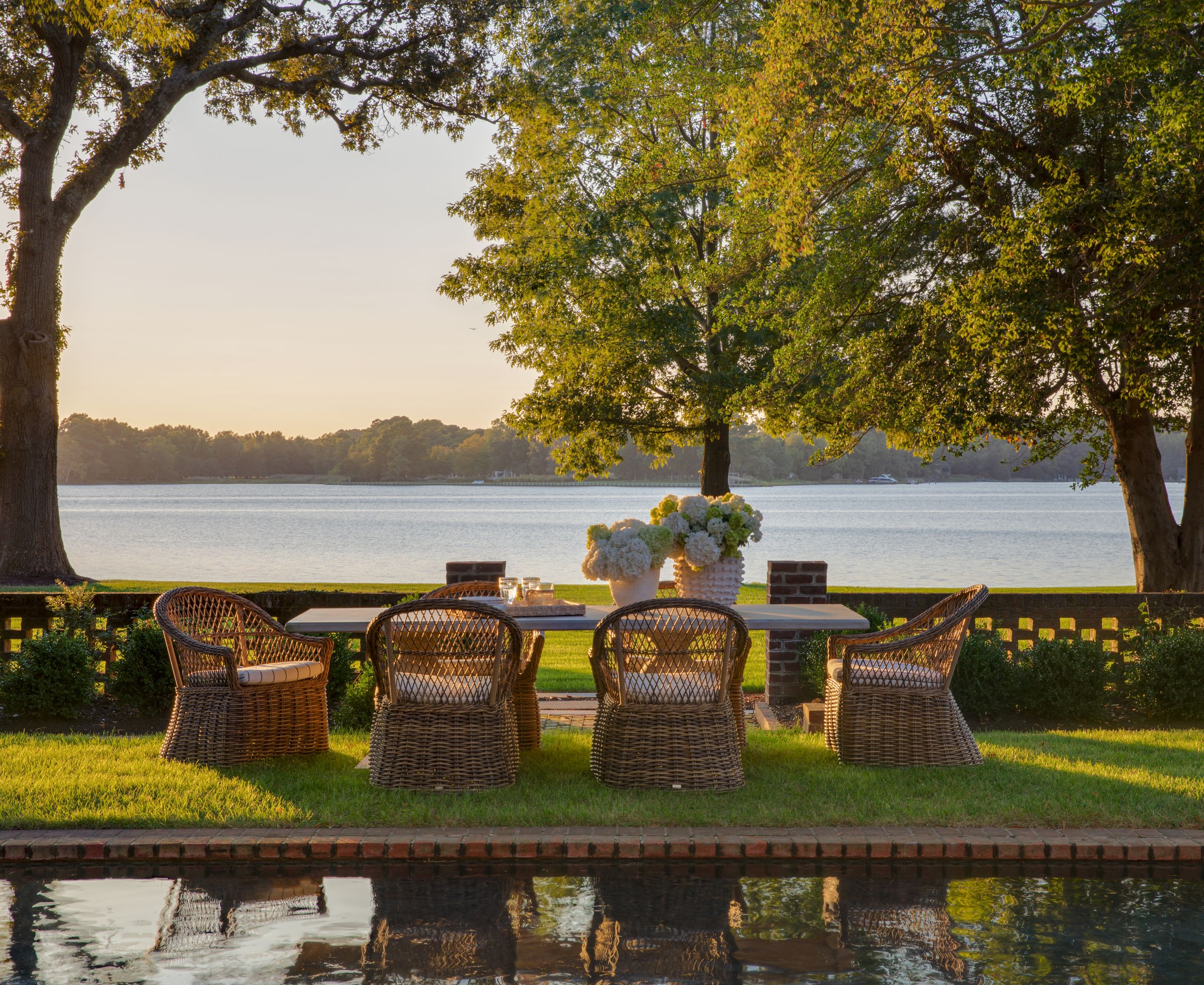
How to Style Your Outdoor Space in 5 Easy Steps, According to Interior Designers

17 Essential Architectural Styles Everyone Should Know
These 5 Simple Questions Help Designers Pick the Perfect Paint Color Every Time