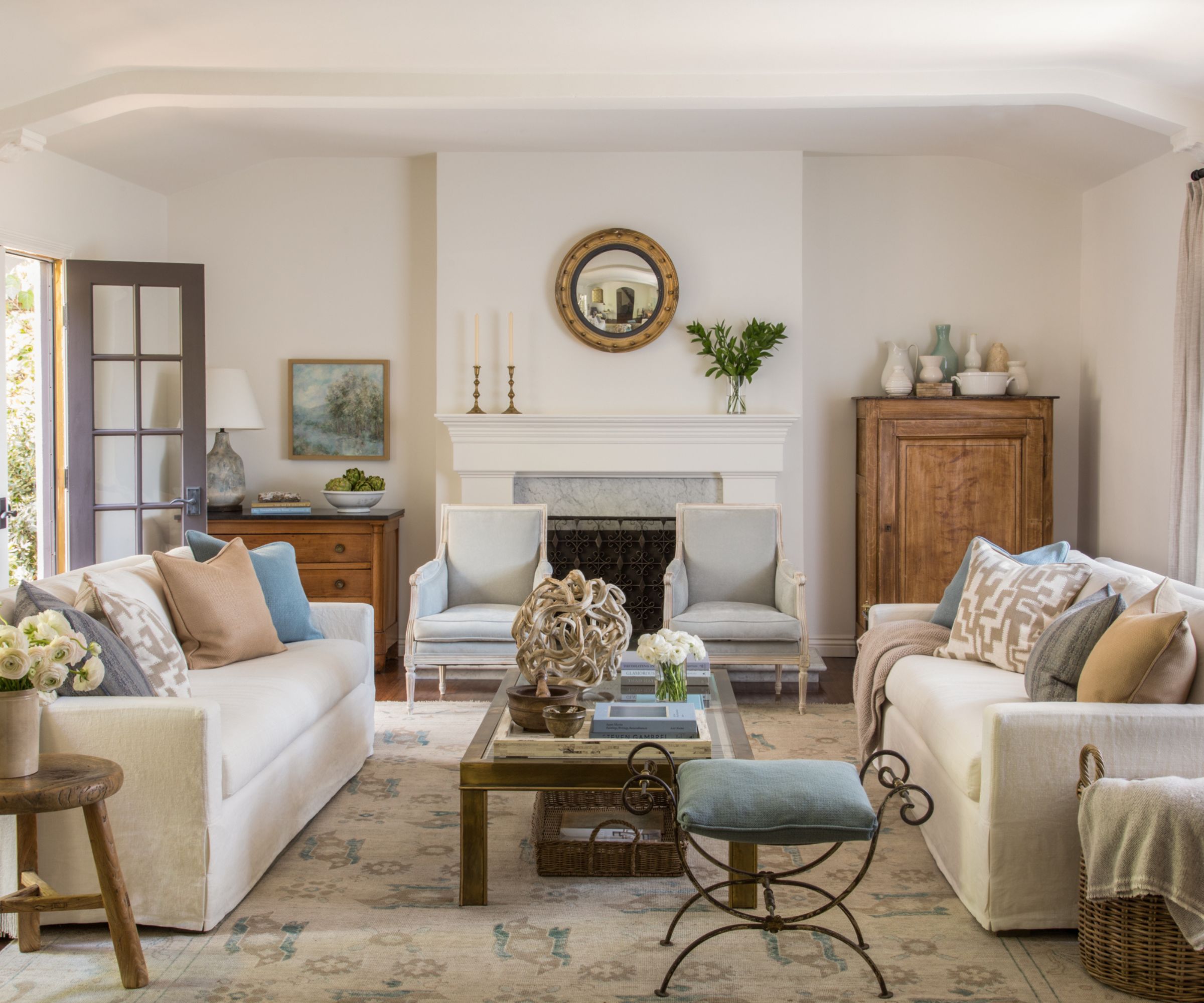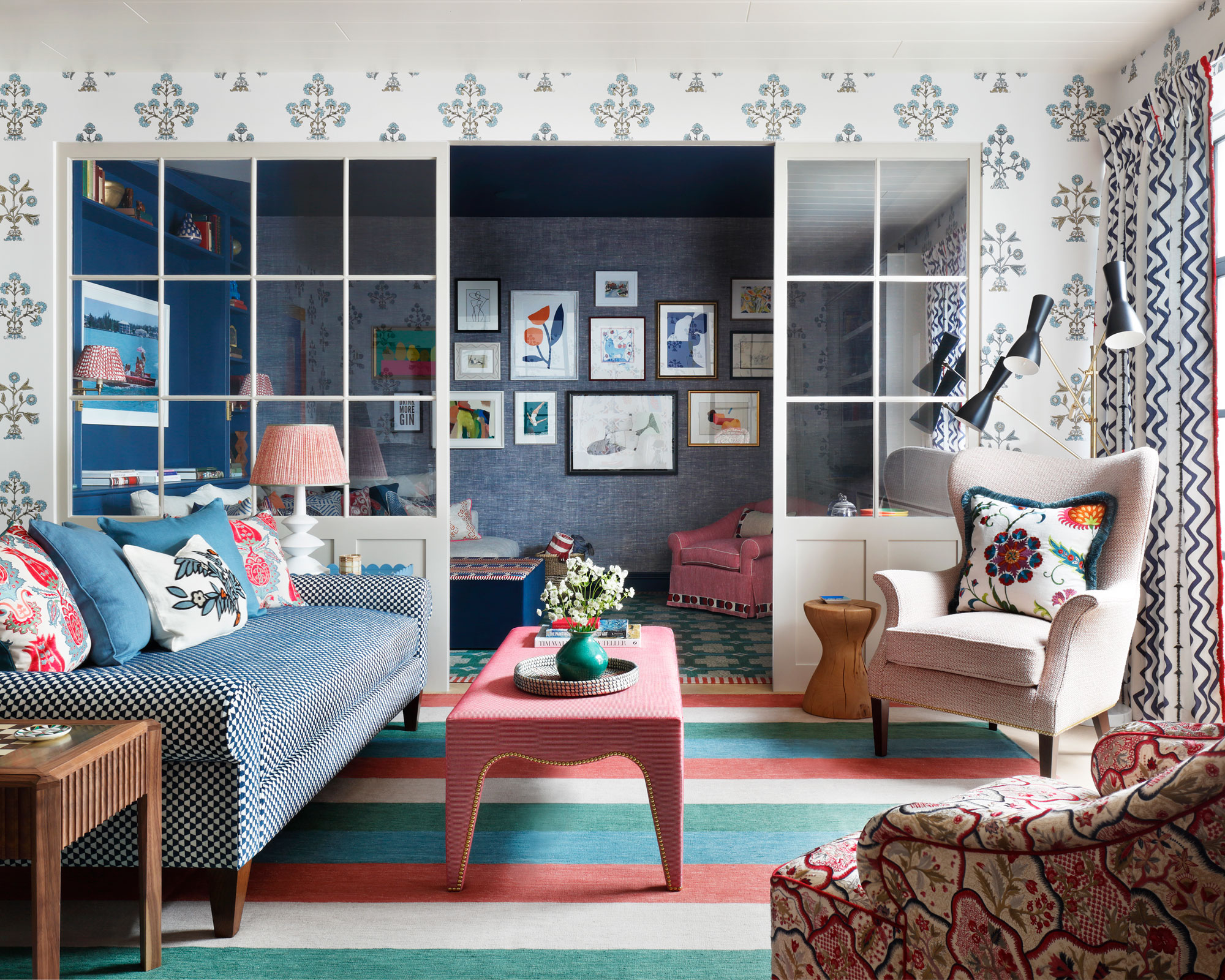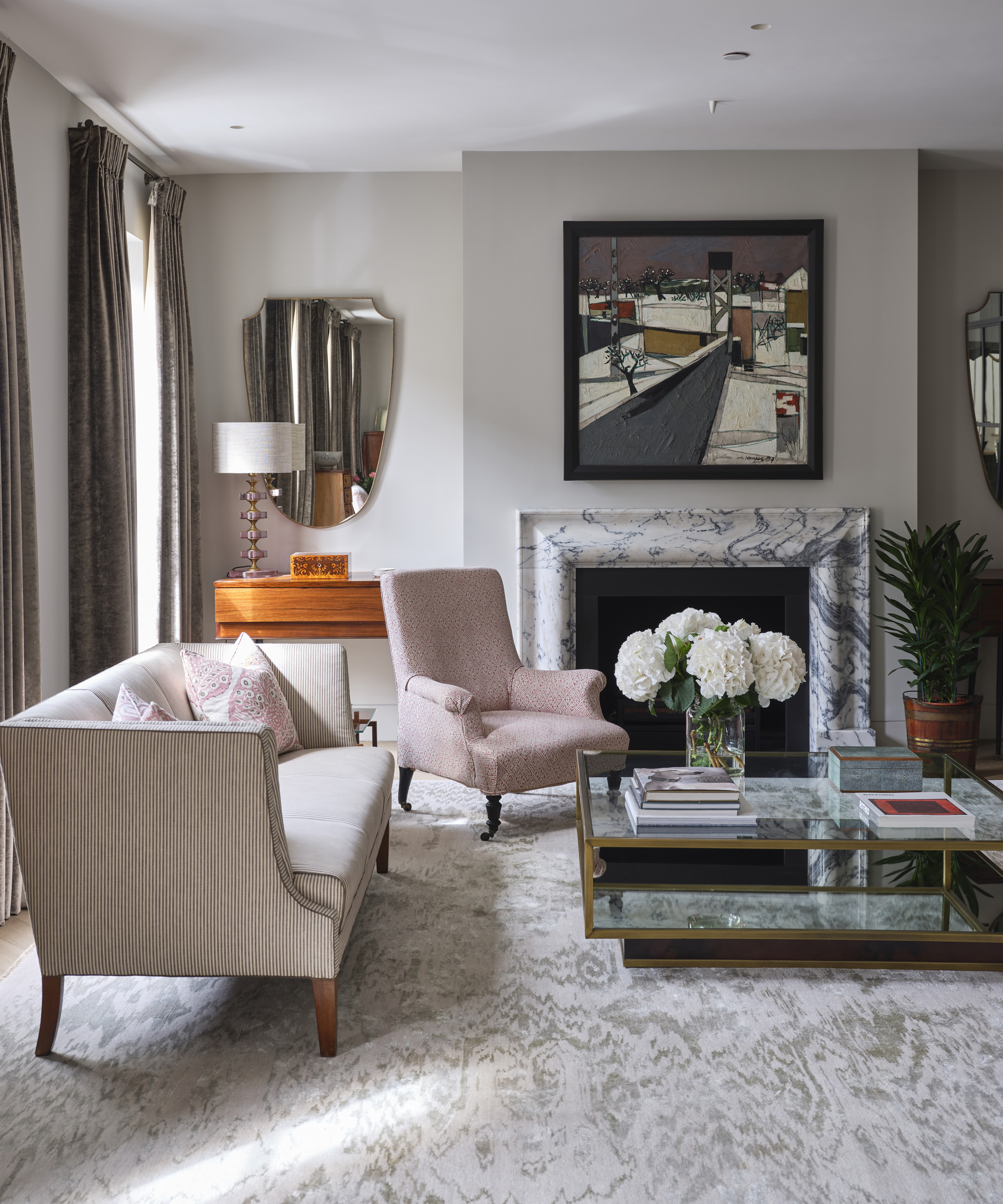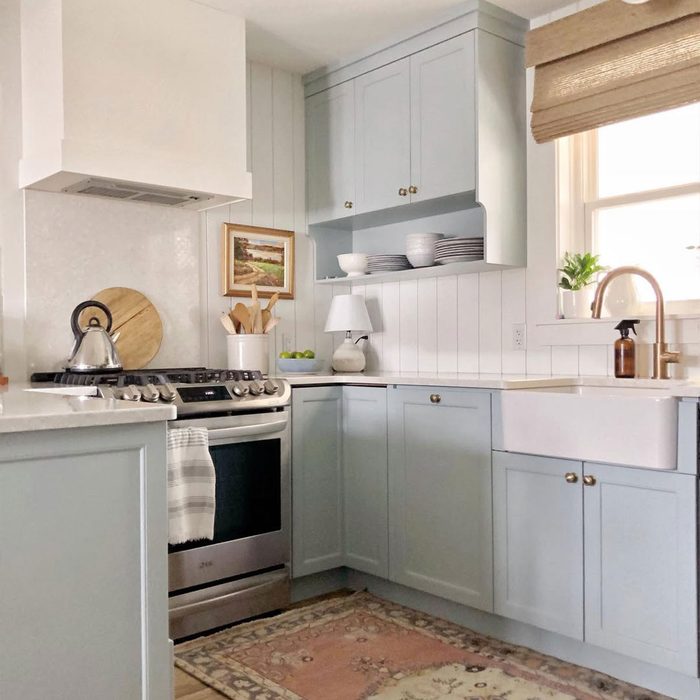
1/10
‘In a smaller space, lighting has to work harder’ – experts reveal how to choose the best lighting for a small living room to open up the space
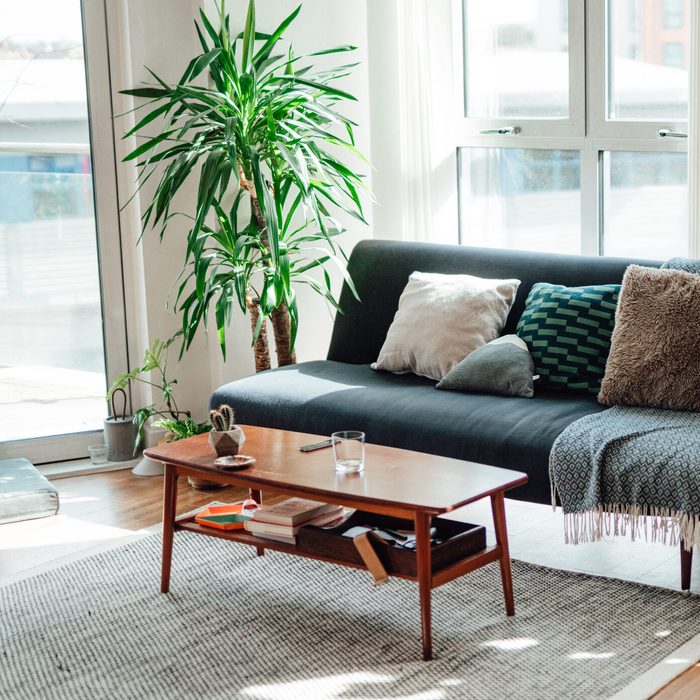
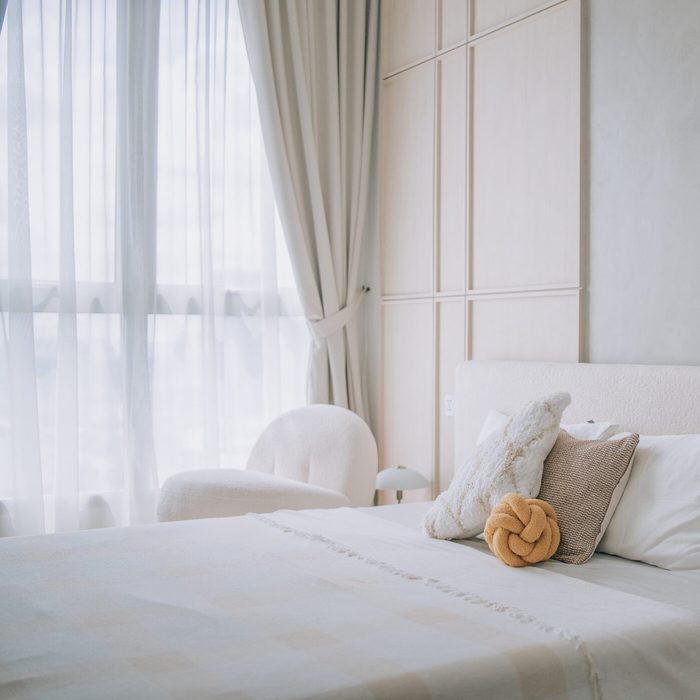
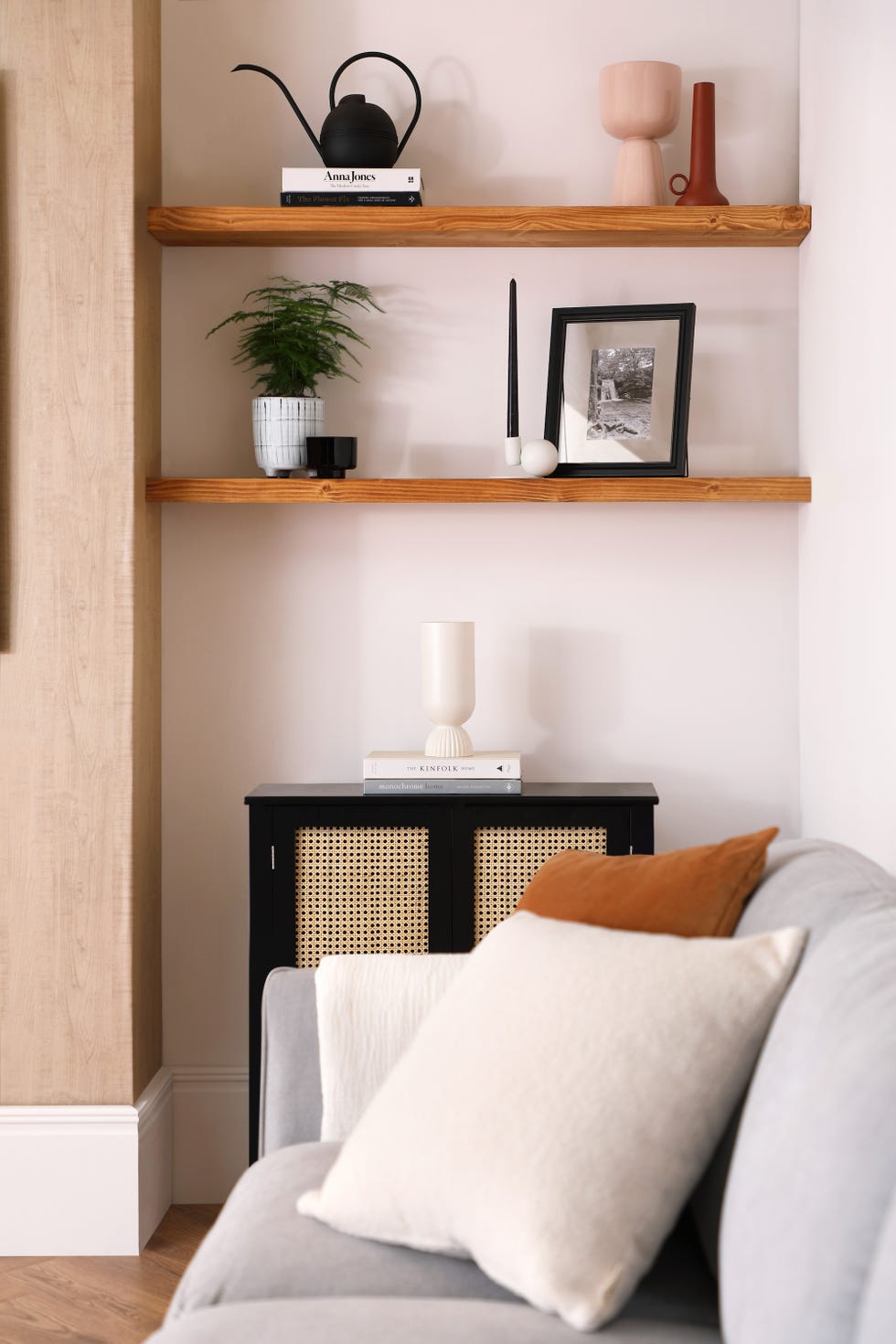
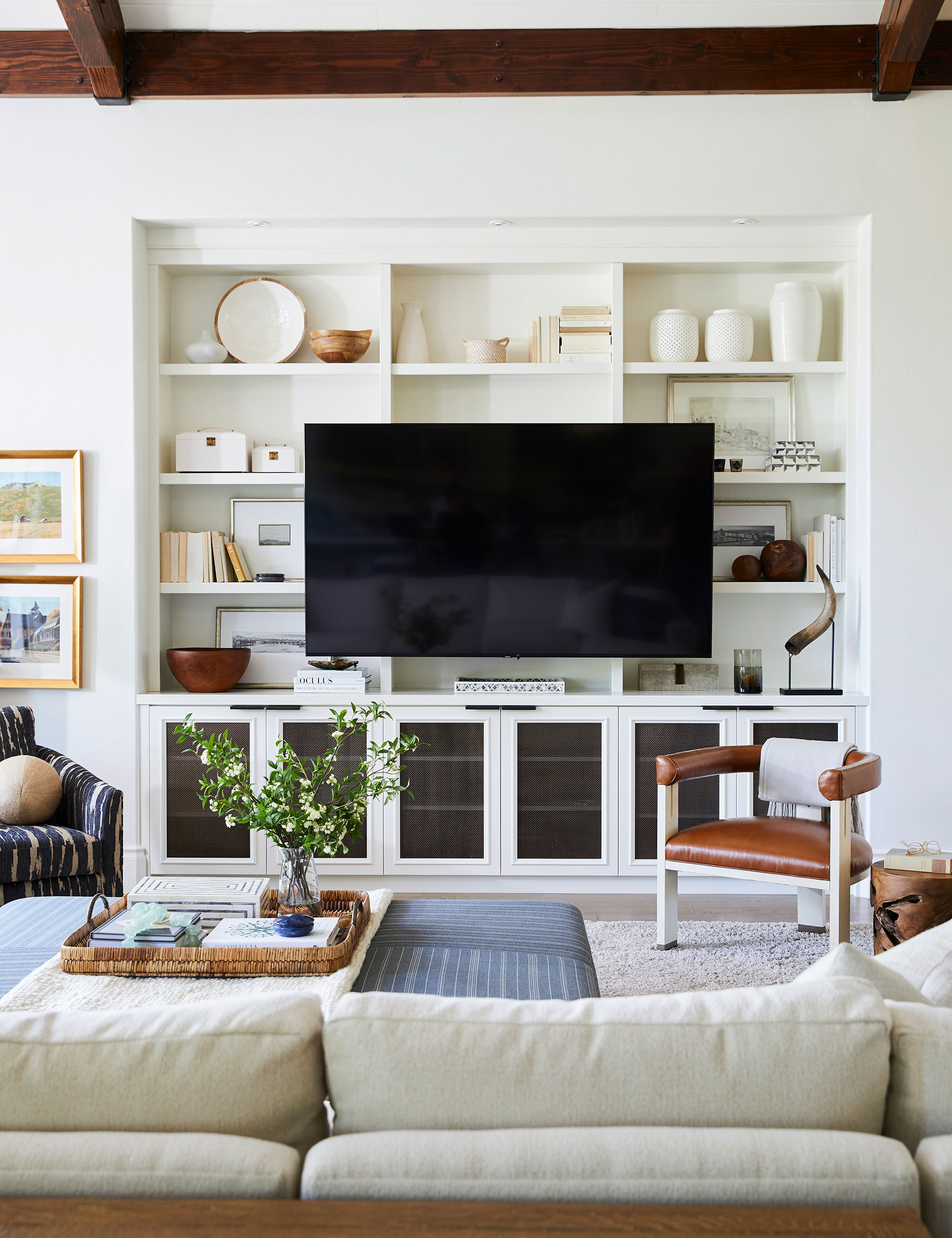
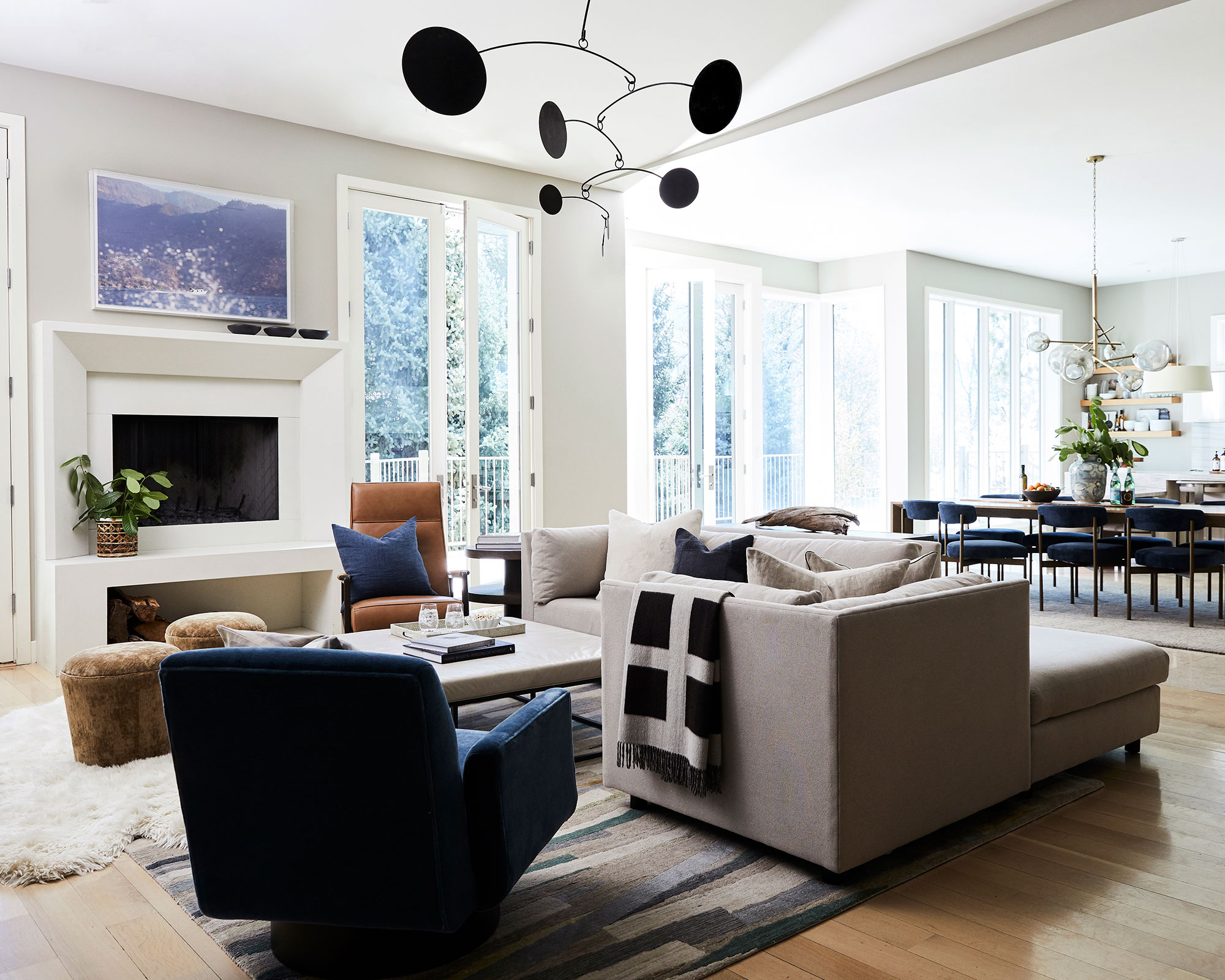
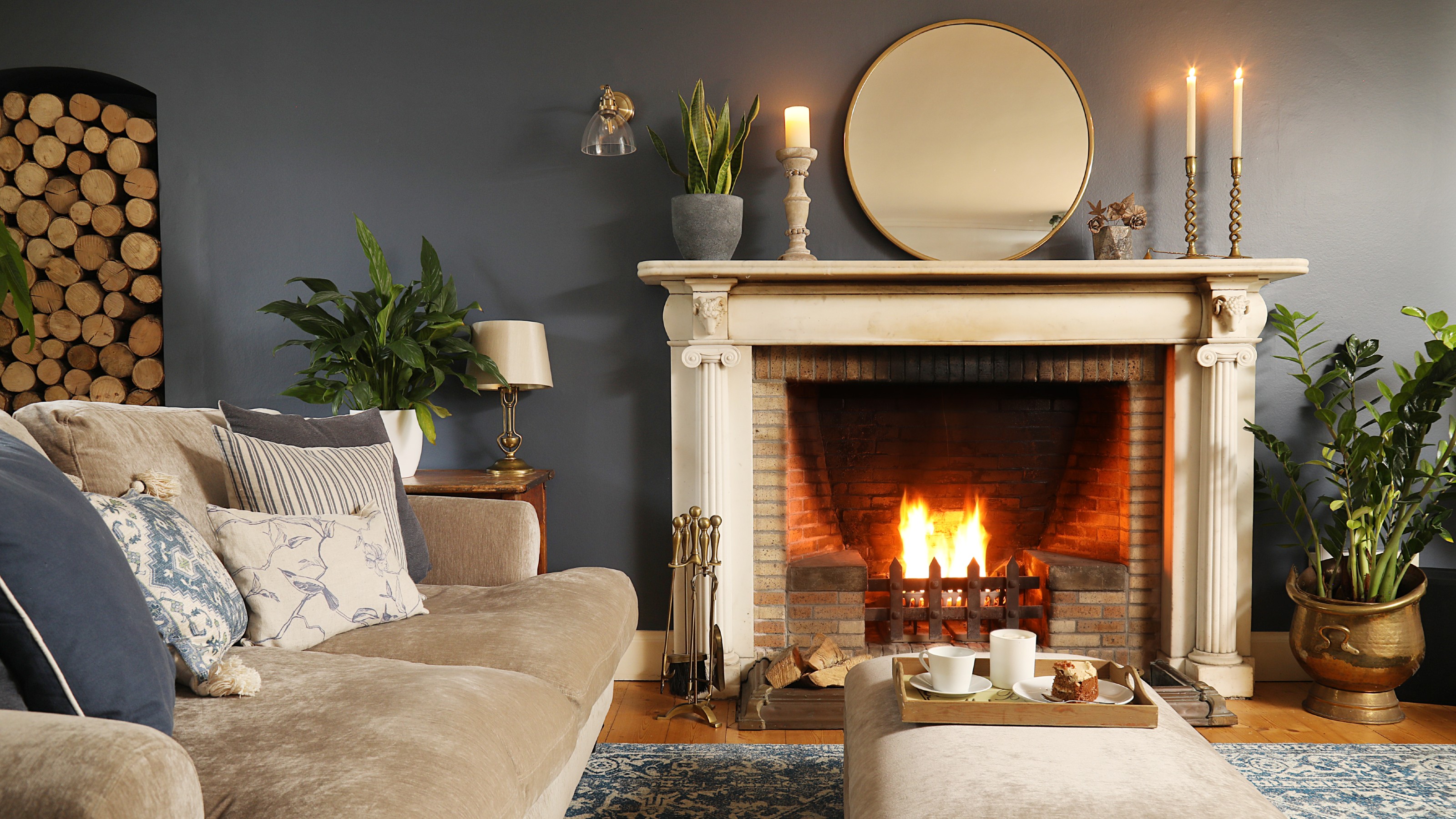
Lighting plays a critical role in interior design and creating the desired atmosphere in a home. For compact spaces, such as small living rooms, selecting appropriate lighting is even more crucial to prevent a cramped feel and avoid casting undesirable shadows. Experts emphasize that in smaller areas, lighting must function more effectively as both a practical tool and a design element to enhance and expand the room visually. The goal is to achieve balance and atmosphere, making the space feel warmer, larger, and more adaptable.
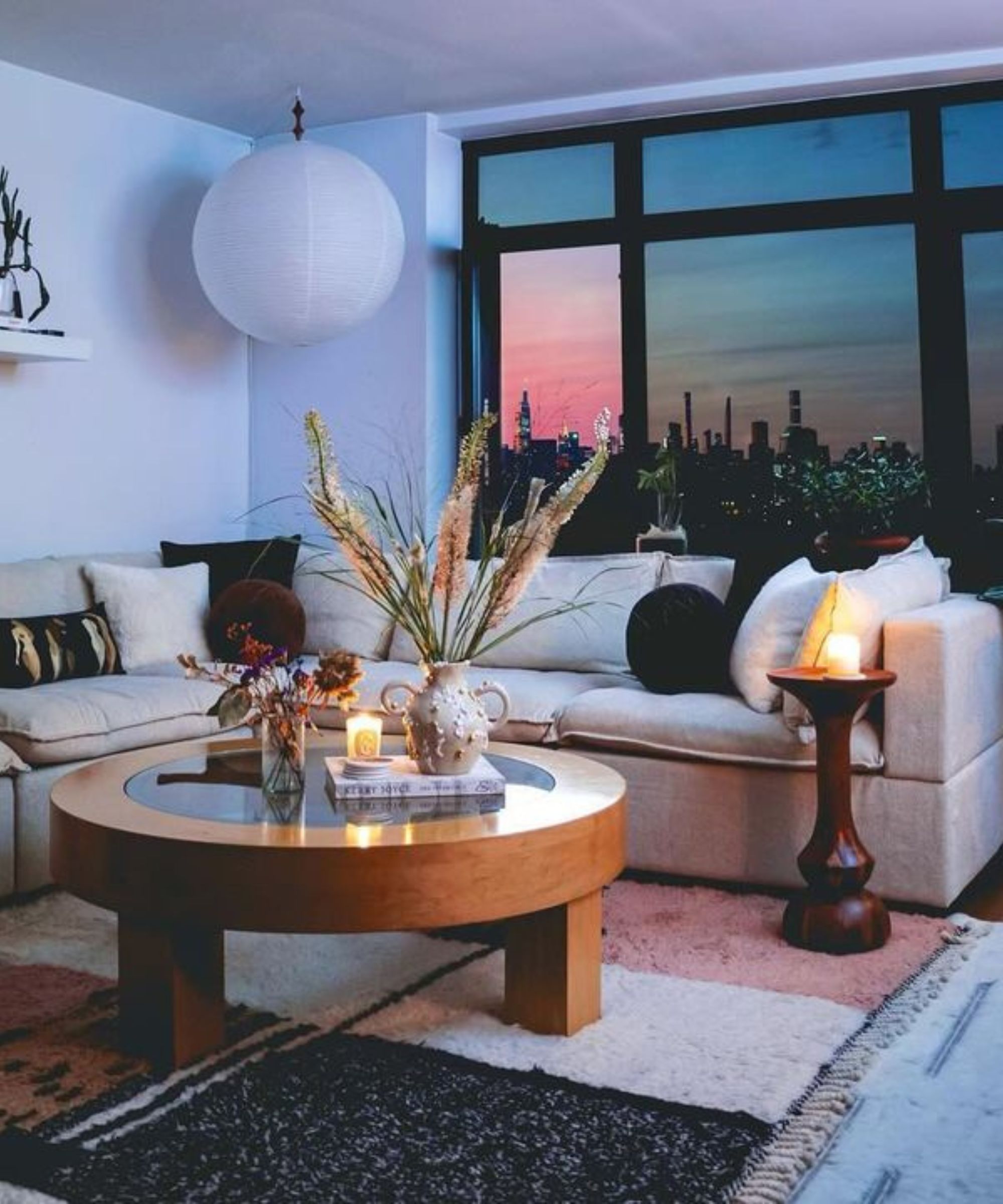
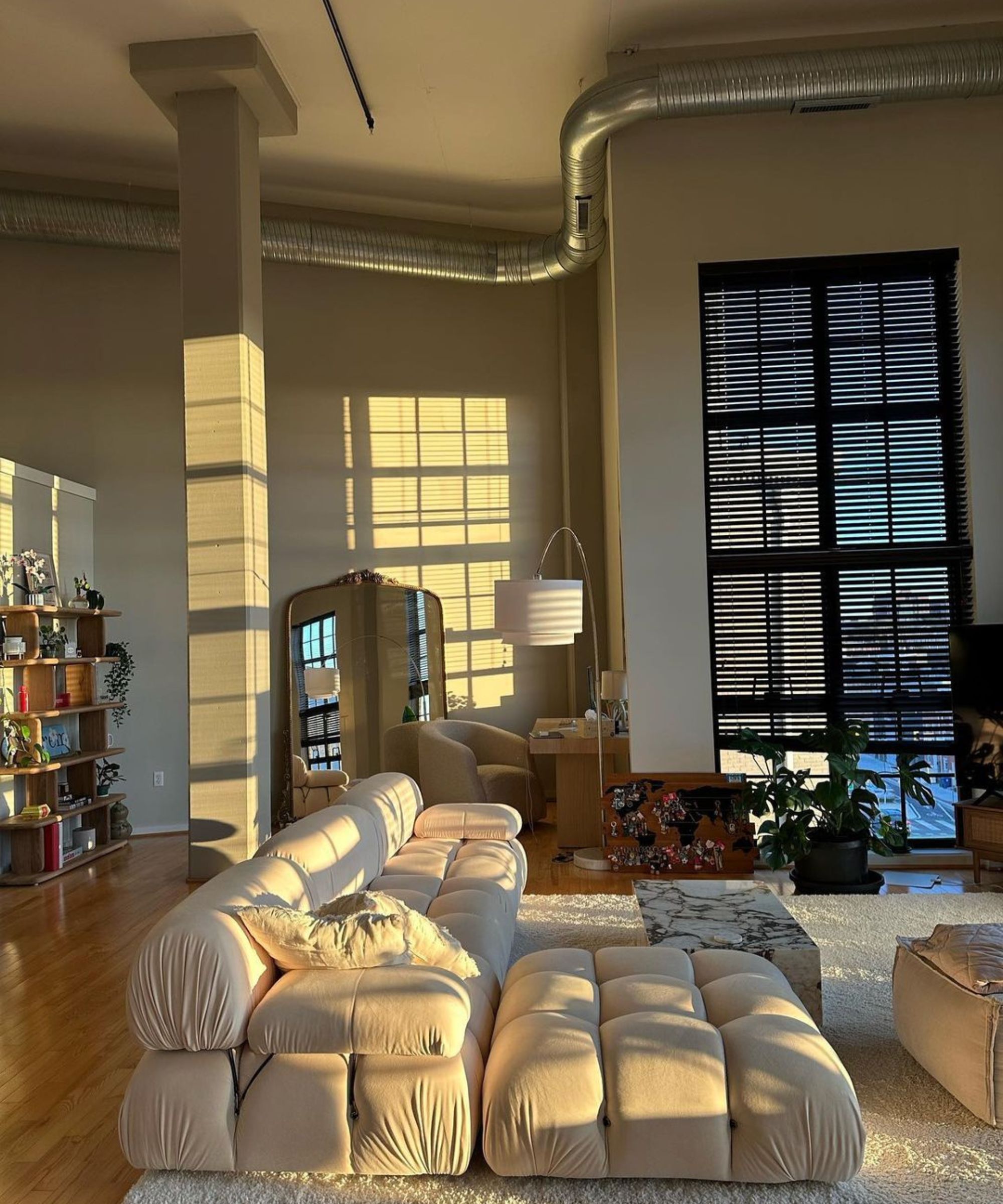
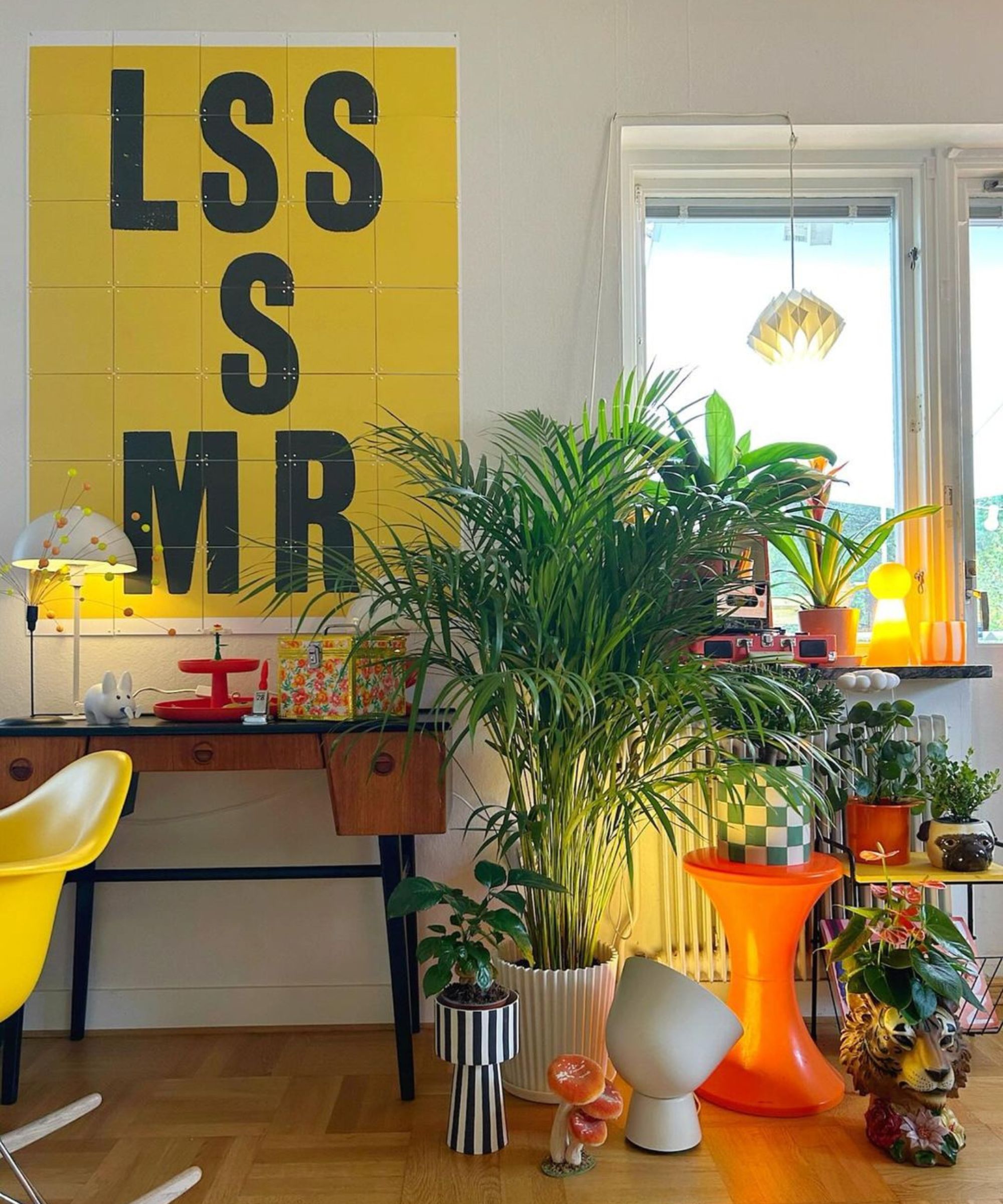
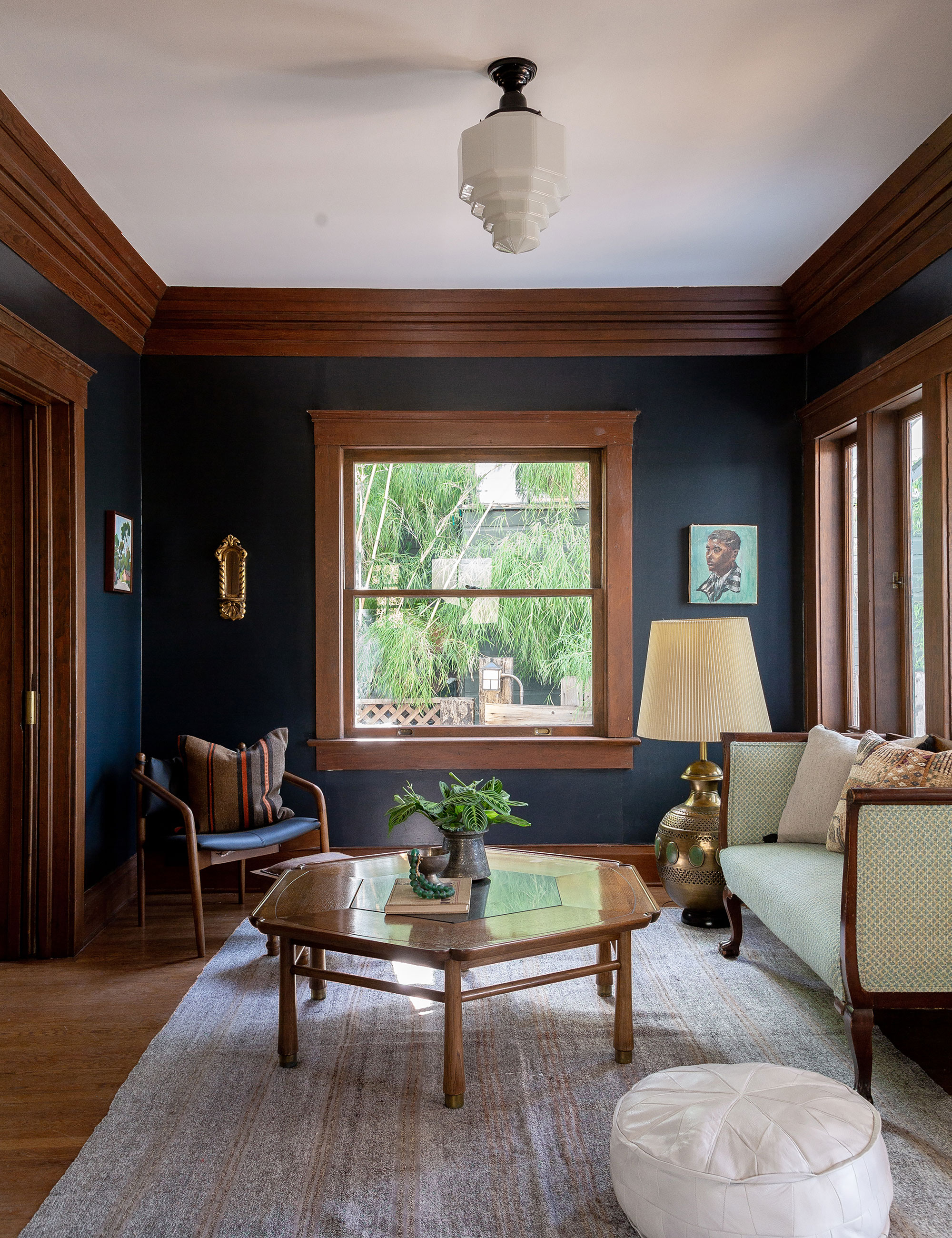
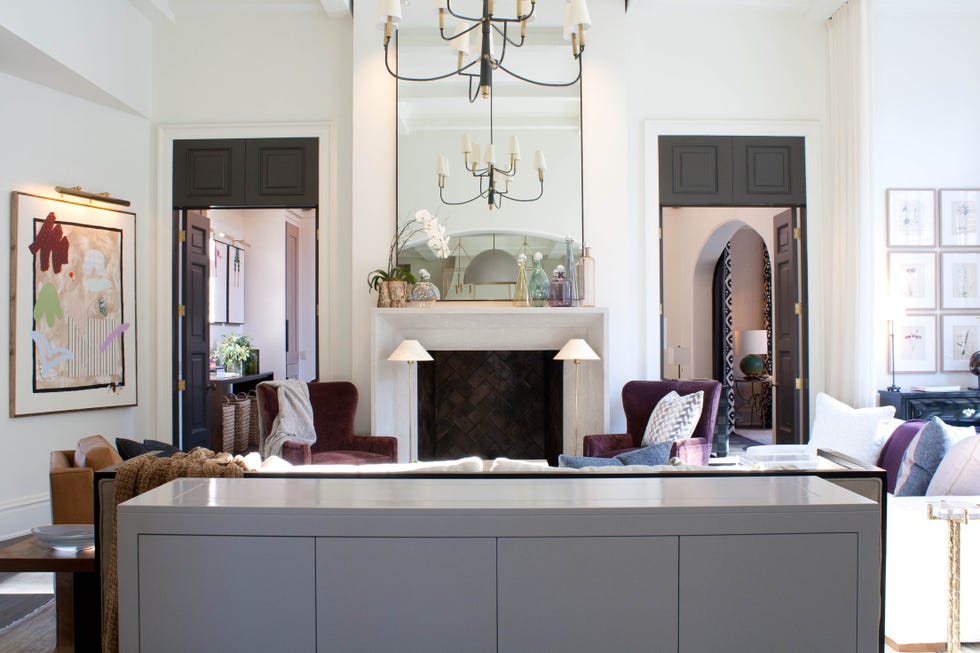
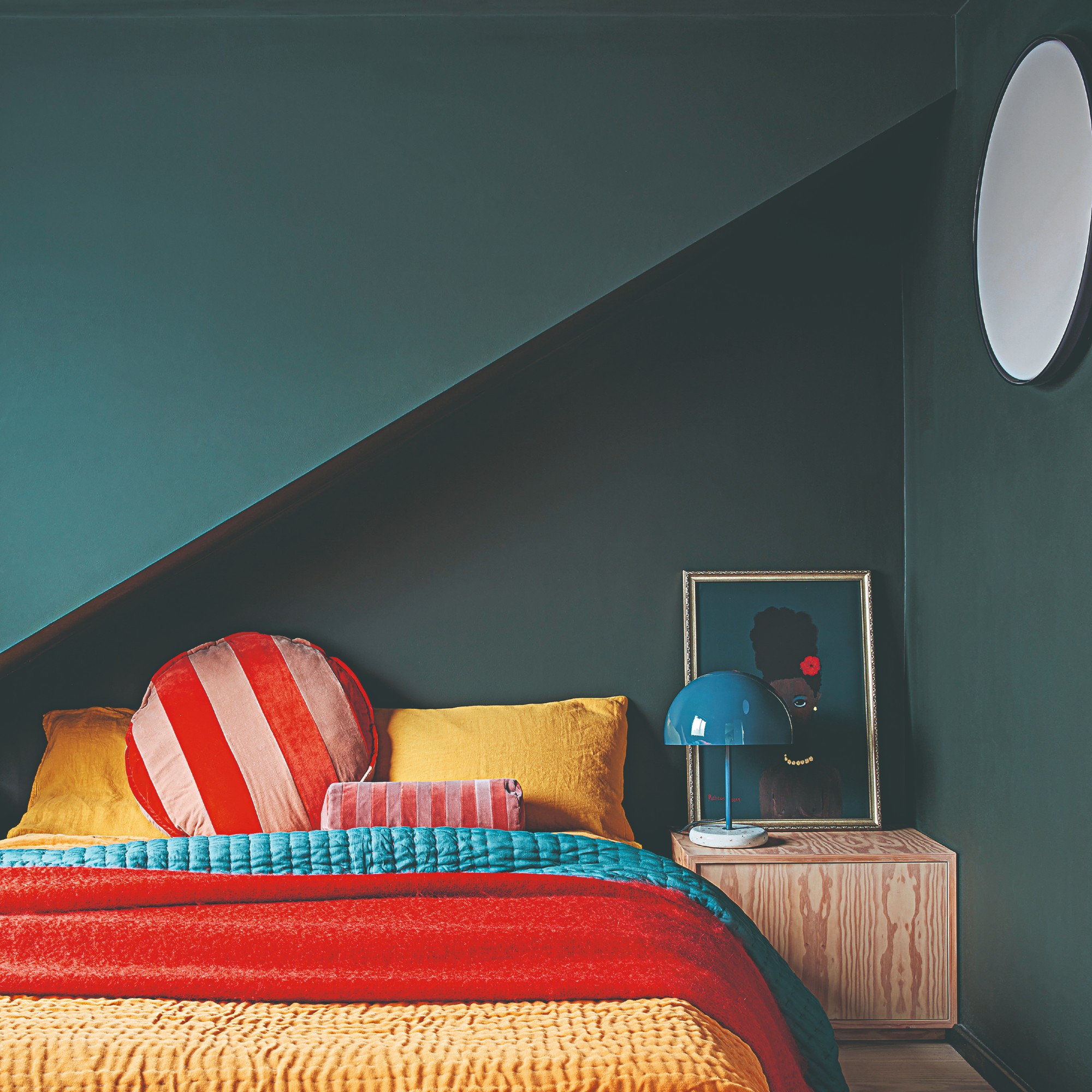
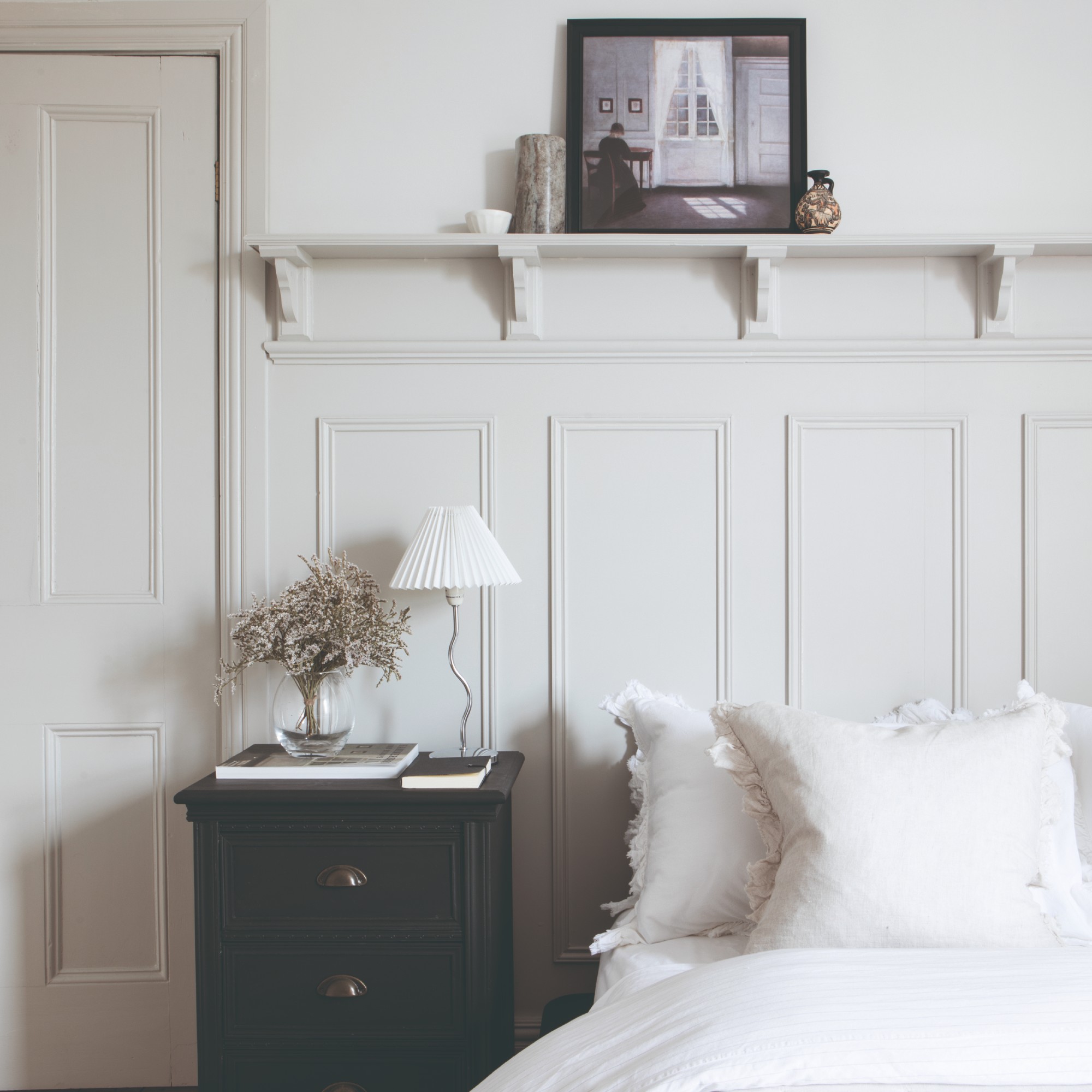
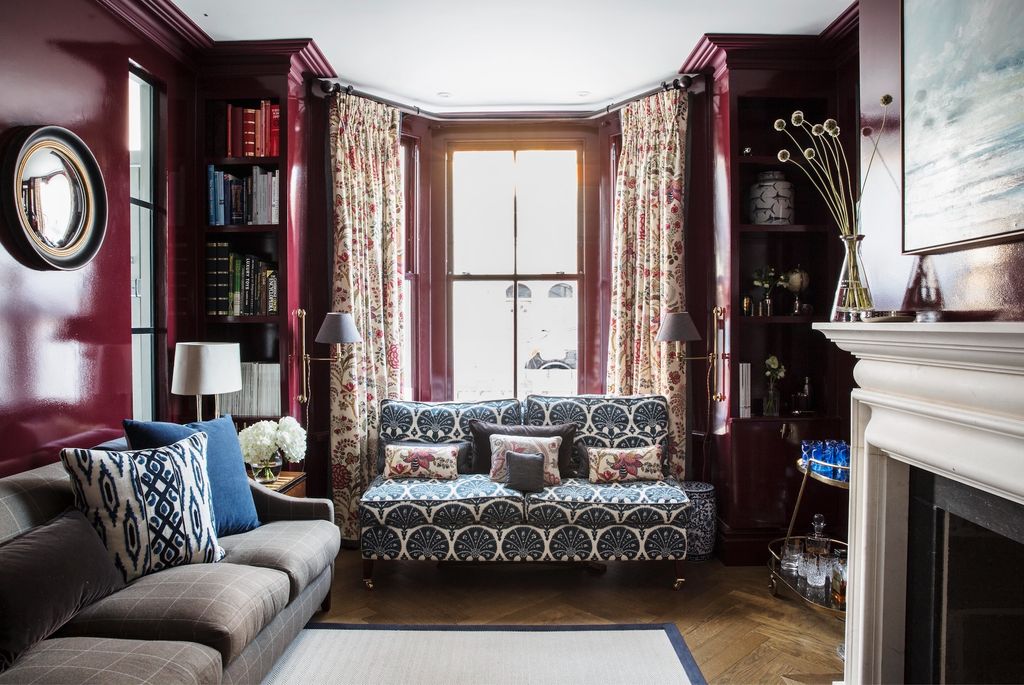
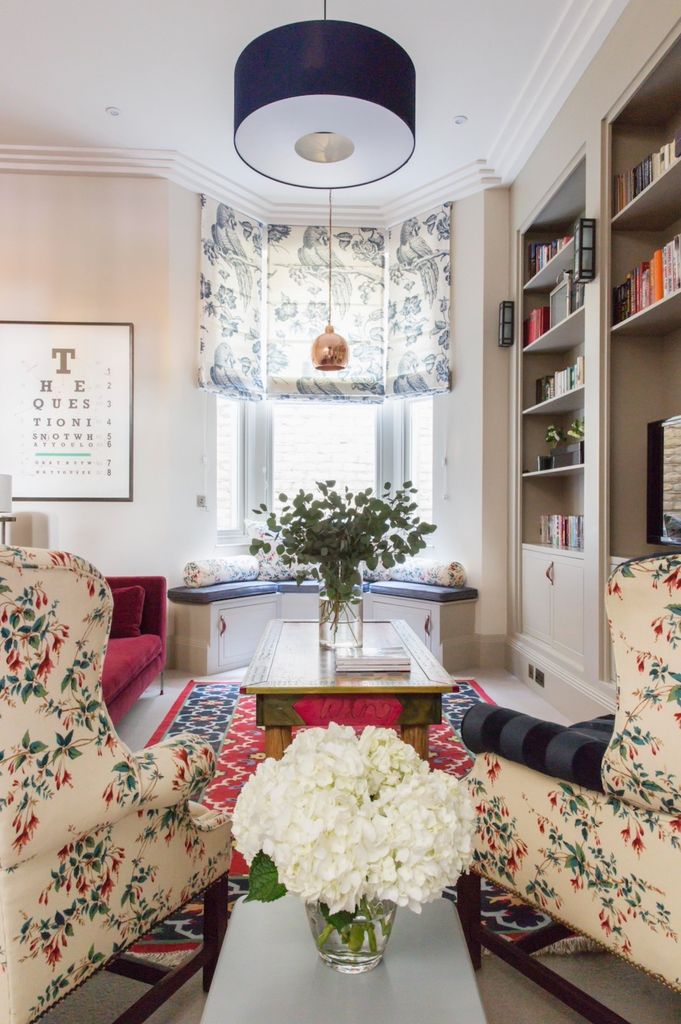
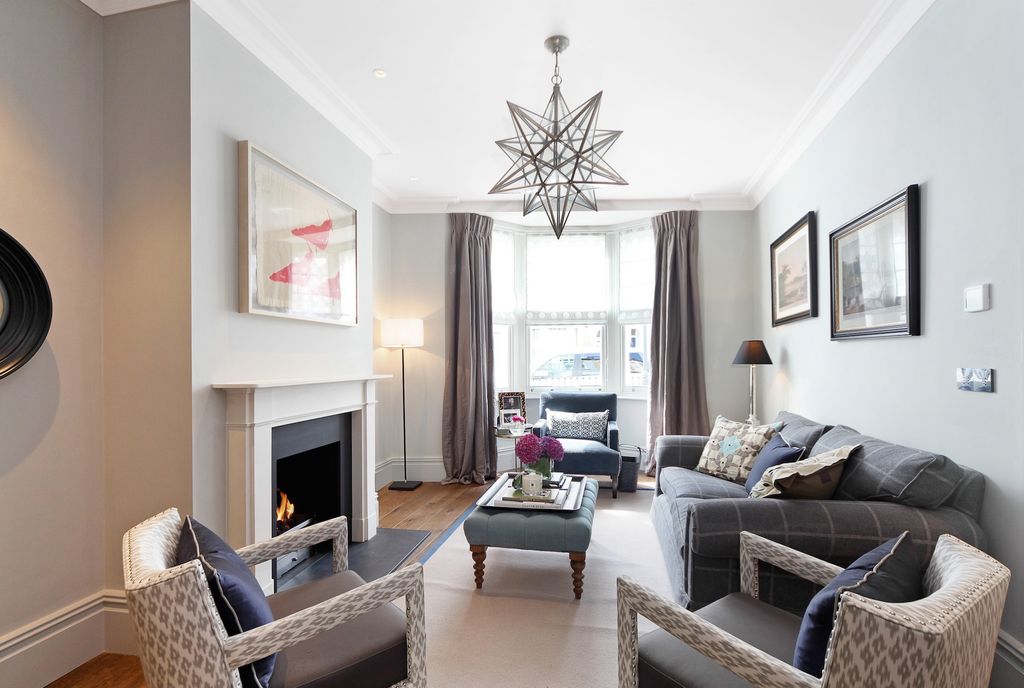
To optimize lighting in a small living room, it's essential to incorporate multiple light sources to create a layered lighting scheme. This approach involves combining various types of lamps and fixtures that complement each other. For instance, overhead ceiling lights provide general brightness, while floor lamps are ideal for specific areas like reading nooks or seating arrangements. Decorative and table lamps can add cozy accents. While the exact number of light sources depends on room size, a recommendation is typically two to three lamps, not exceeding eight, to ensure sufficient illumination without overcrowding.
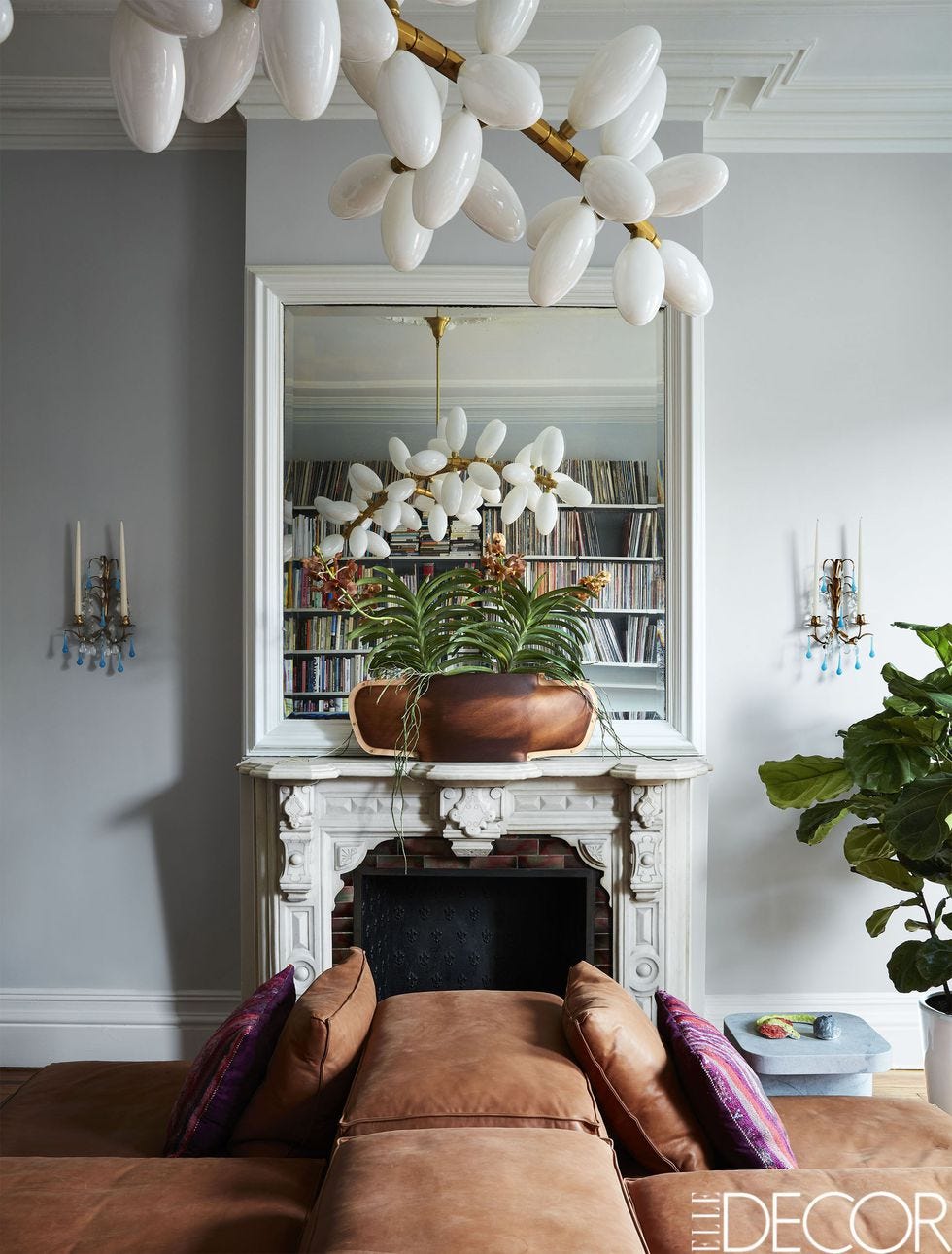
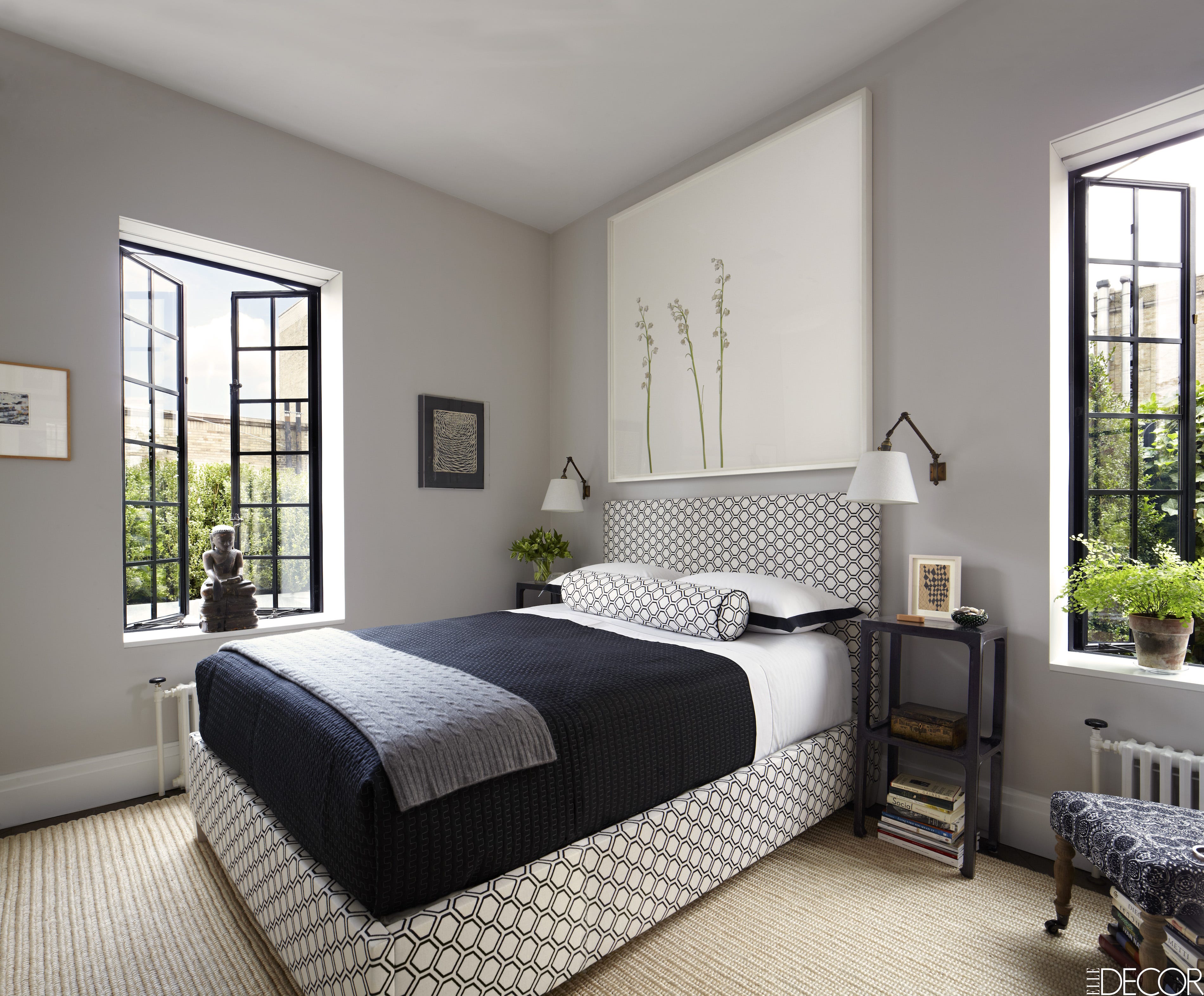
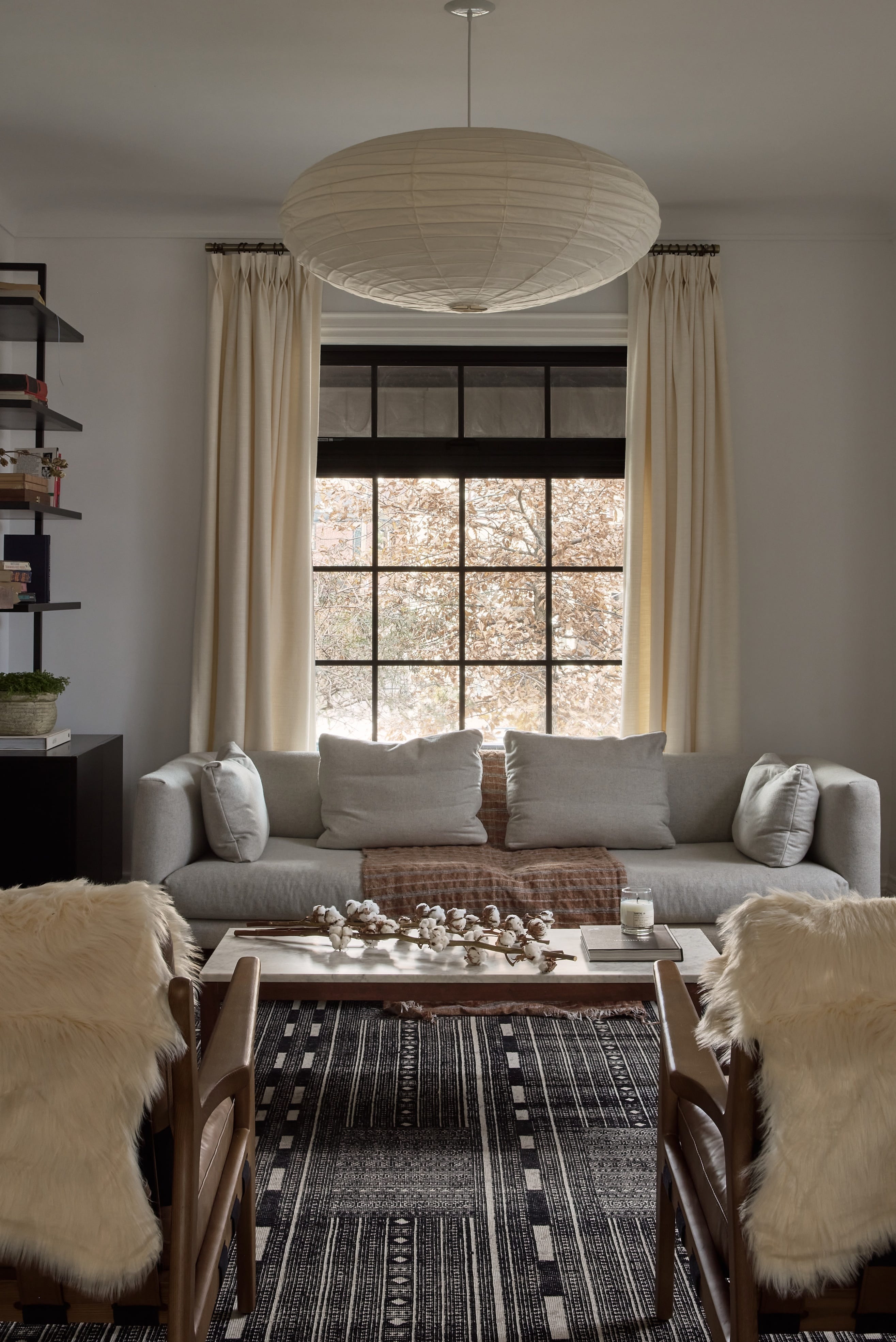
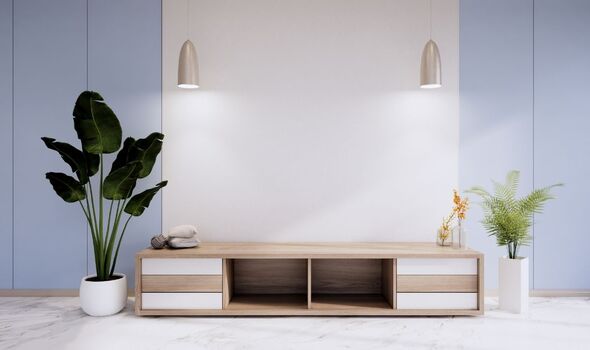
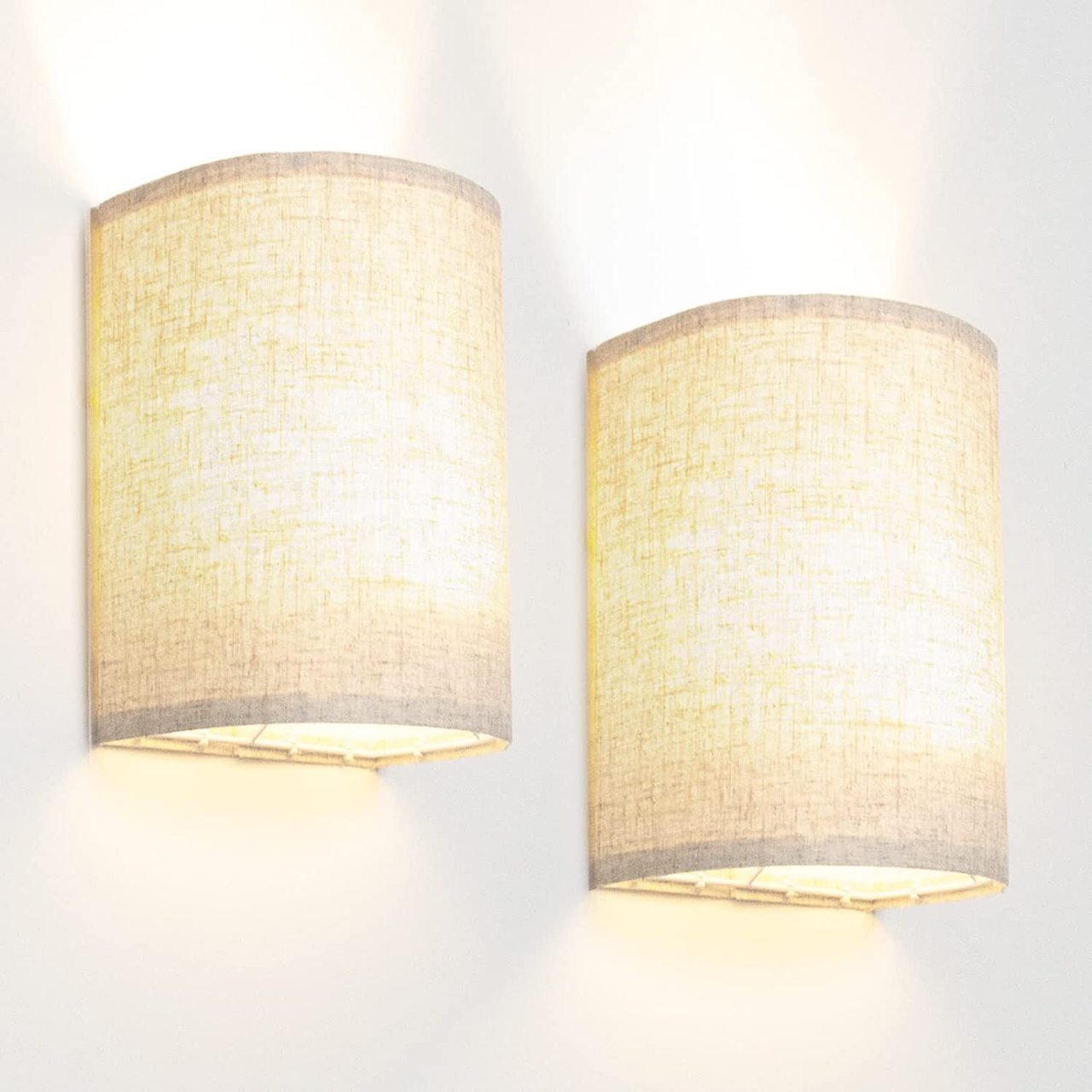
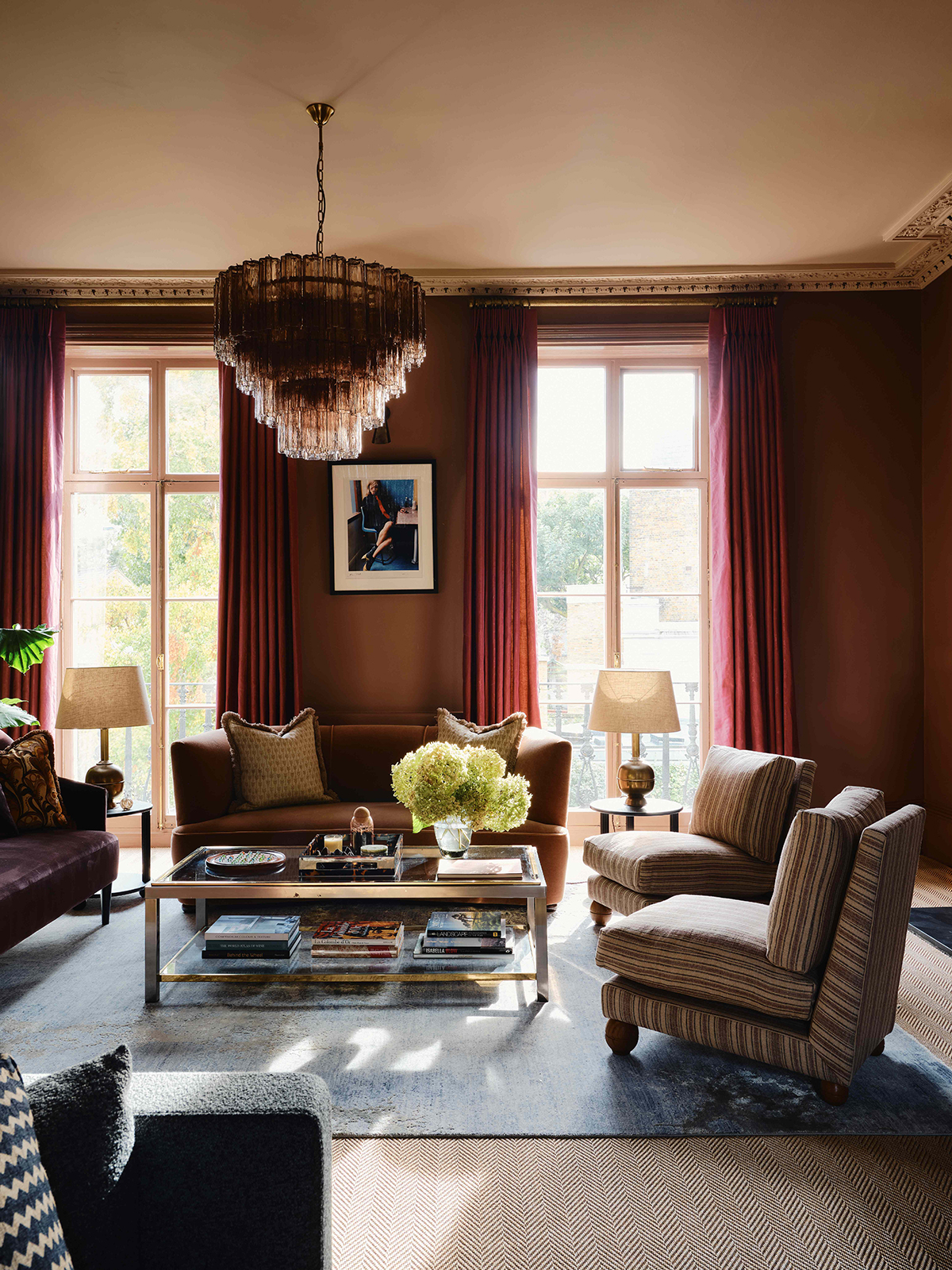
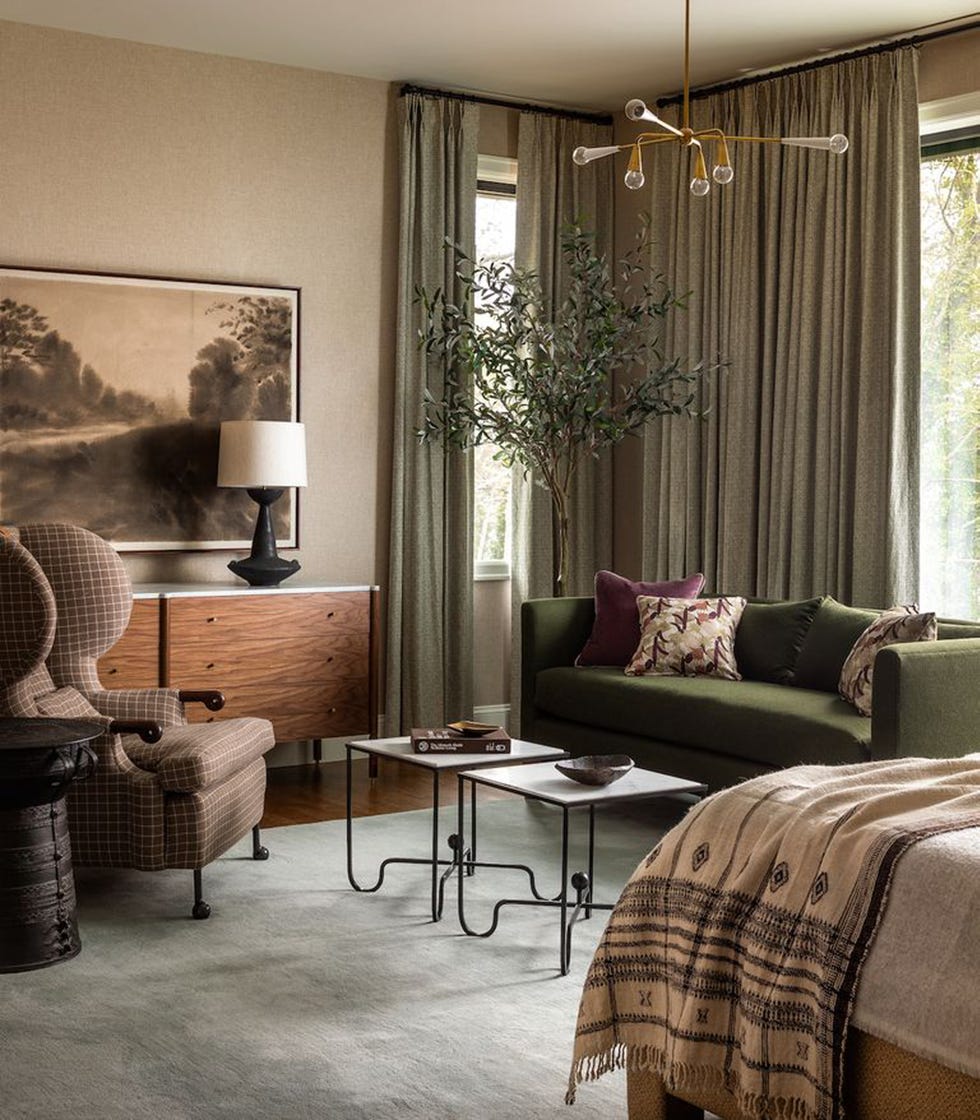
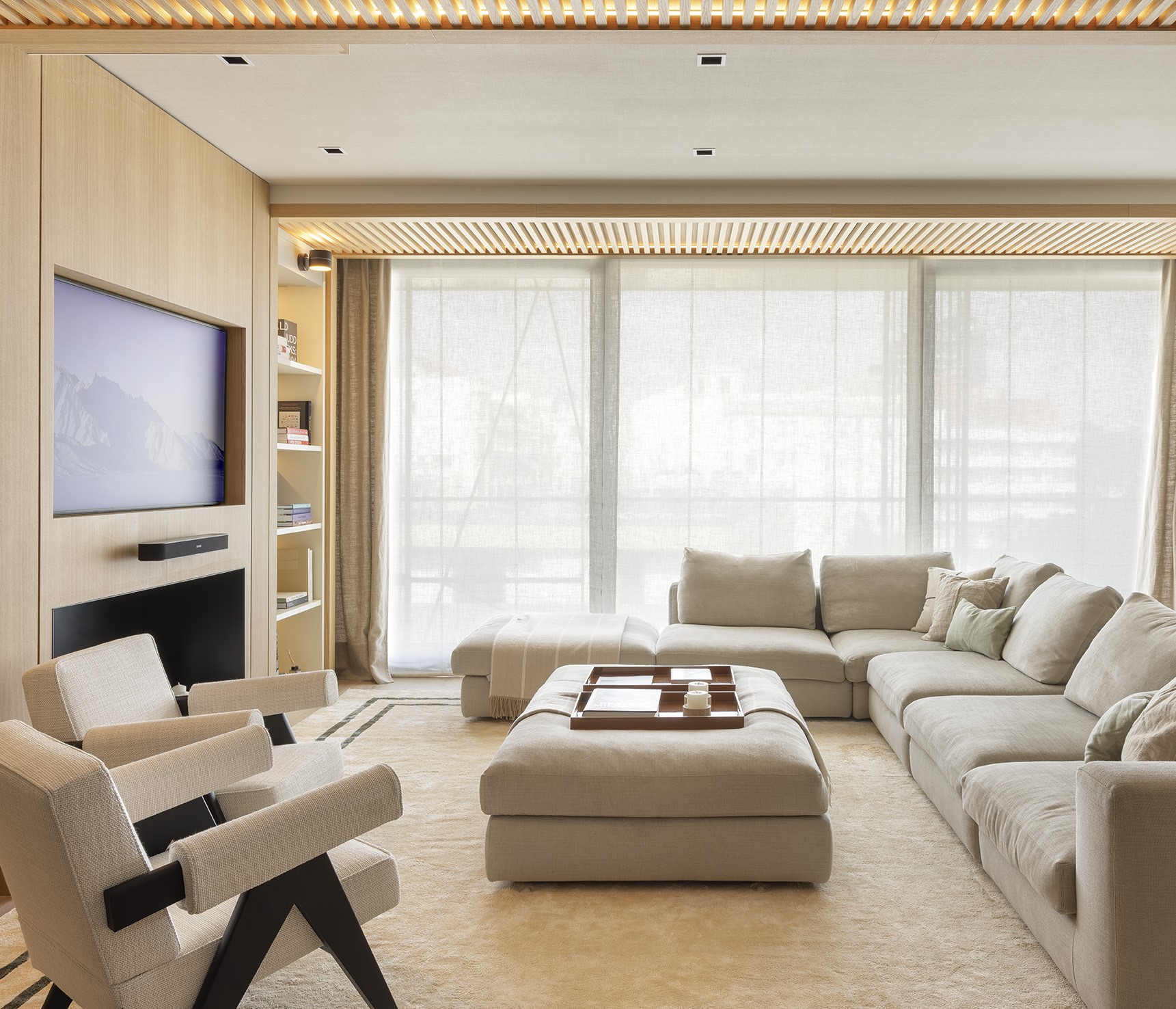
Layered lighting is a prominent and timeless trend that involves placing light sources at different heights. This technique visually stretches the space, making it appear larger. Implementing high, mid, and low-level lighting contributes to this effect. High-level lighting, such as flush or semi-flush ceiling lights, creates a sense of height and provides essential overall illumination. Wall lights serve as mid-level lighting, adding depth and atmosphere while drawing the eye along the walls, thereby maximizing the perceived space. For low-level lighting, compact table lamps and slim floor lamps are recommended.
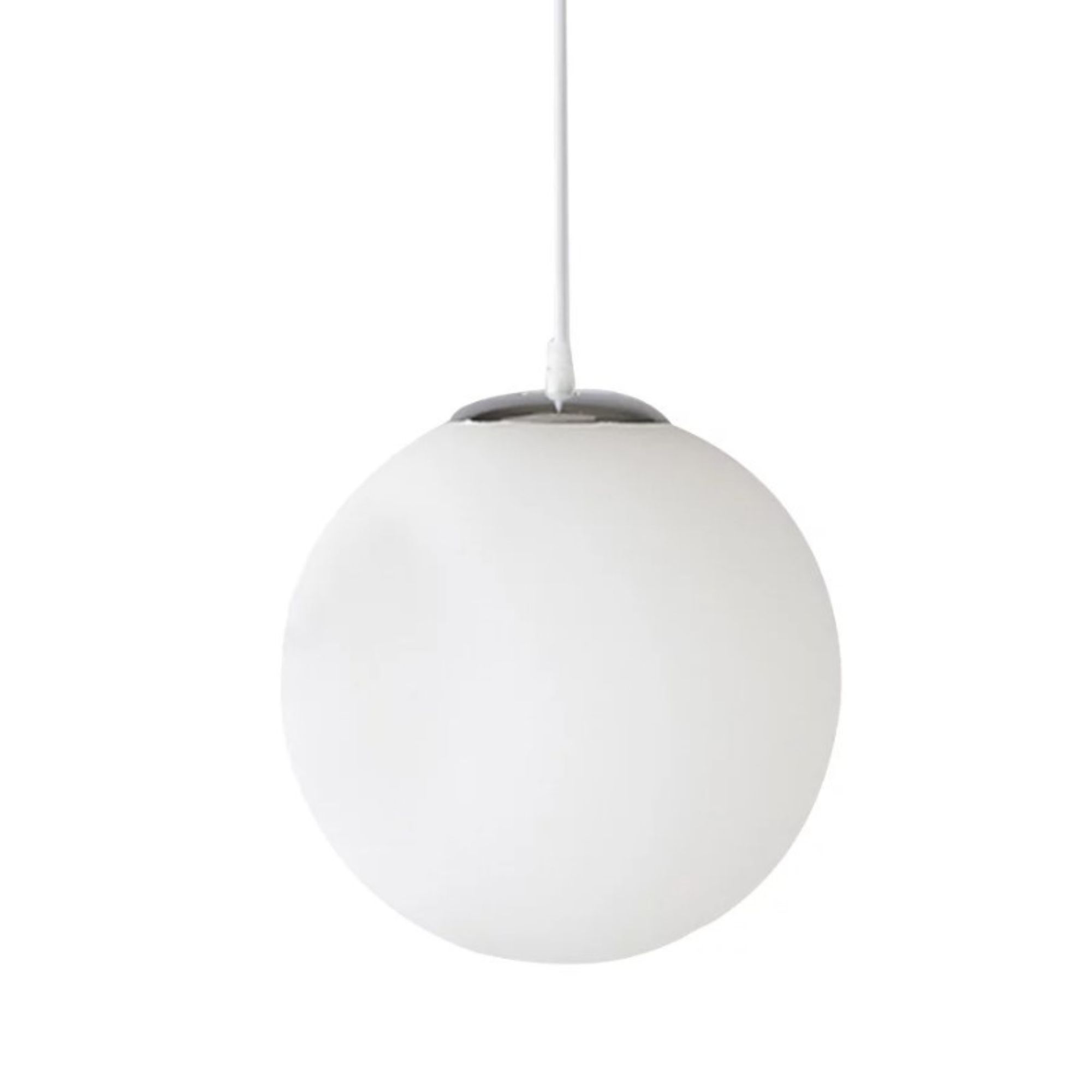
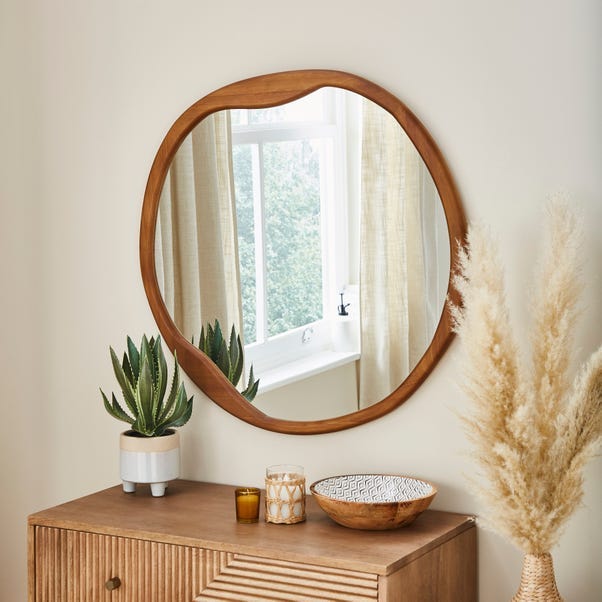
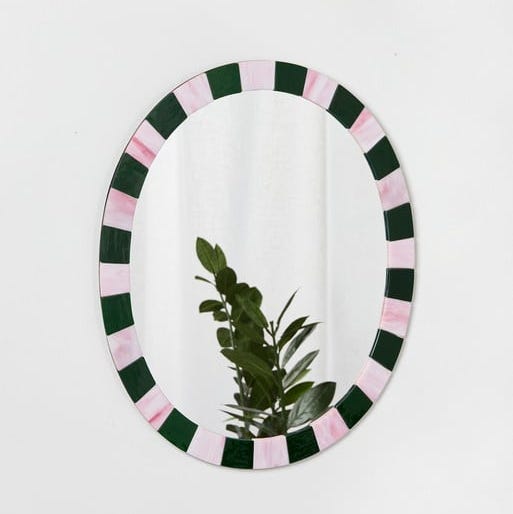
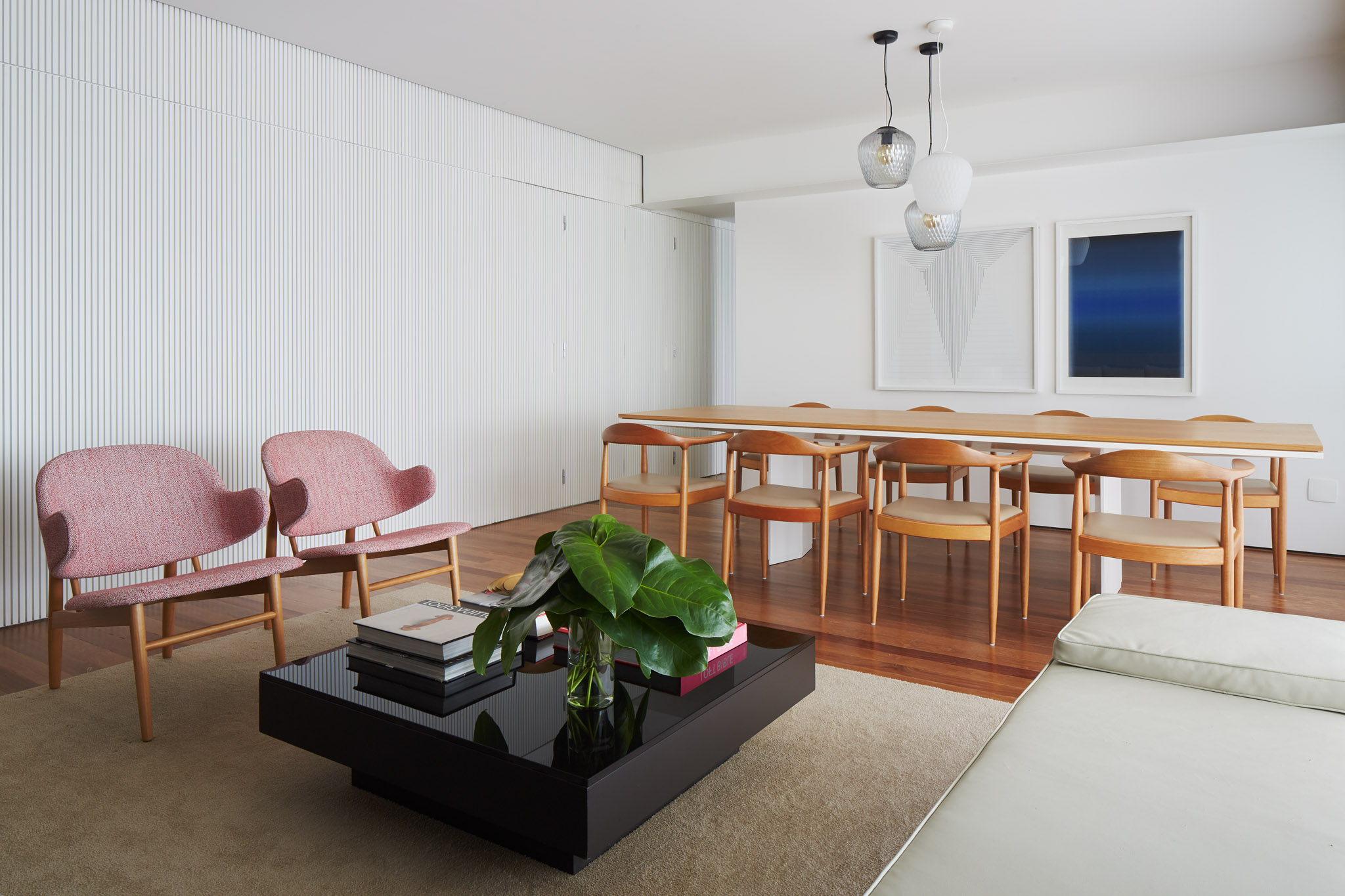
The size of lighting fixtures is another important consideration. Oversized pendants can overwhelm a small room, while undersized ones might appear insignificant. Therefore, selecting a central pendant proportional to the room's dimensions is crucial. Additionally, incorporating design elements with soft, rounded edges and curves can enhance comfort and soften the visual impact in compact spaces. This design principle can be extended to furniture and accessories, promoting continuity and a sense of calm.
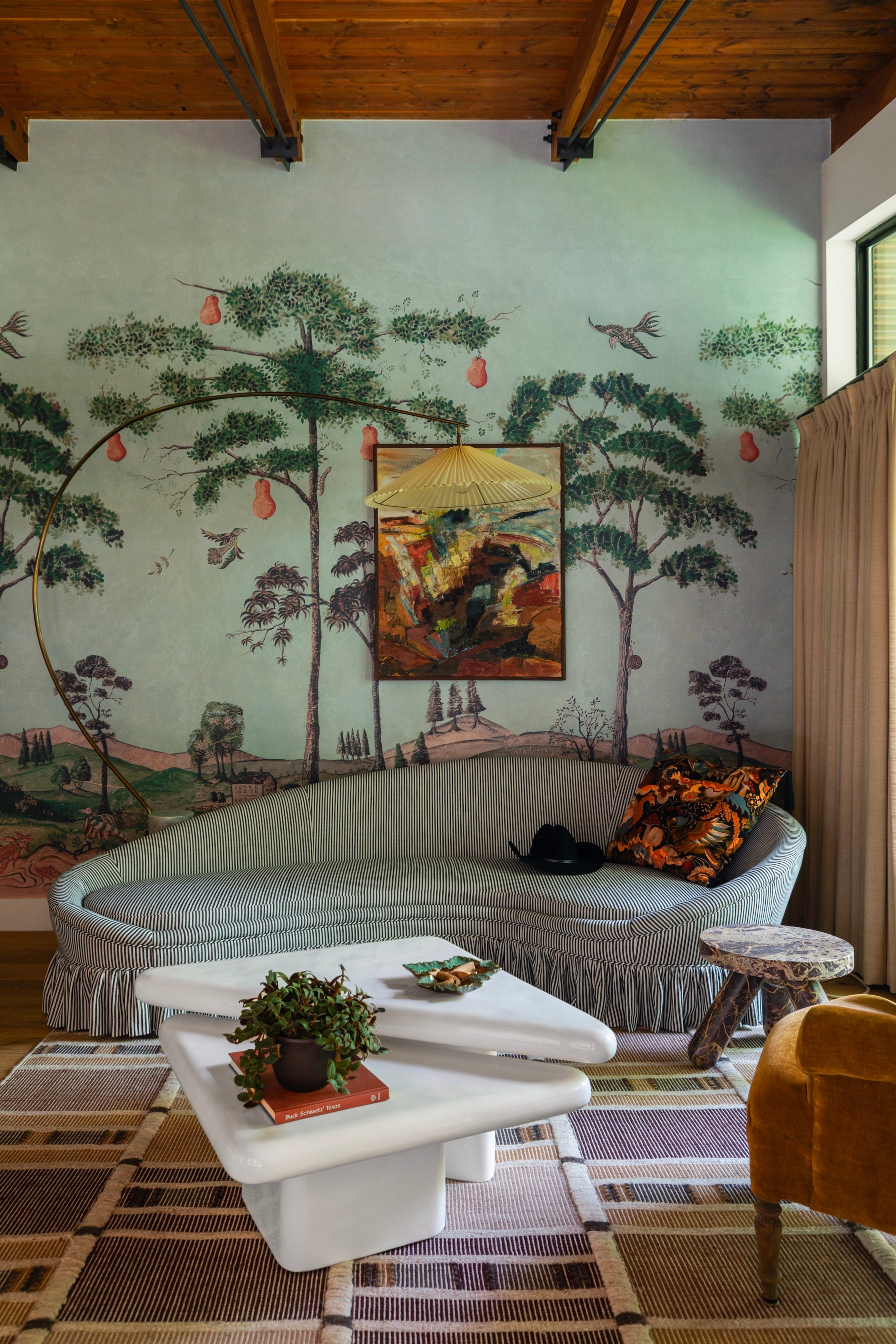
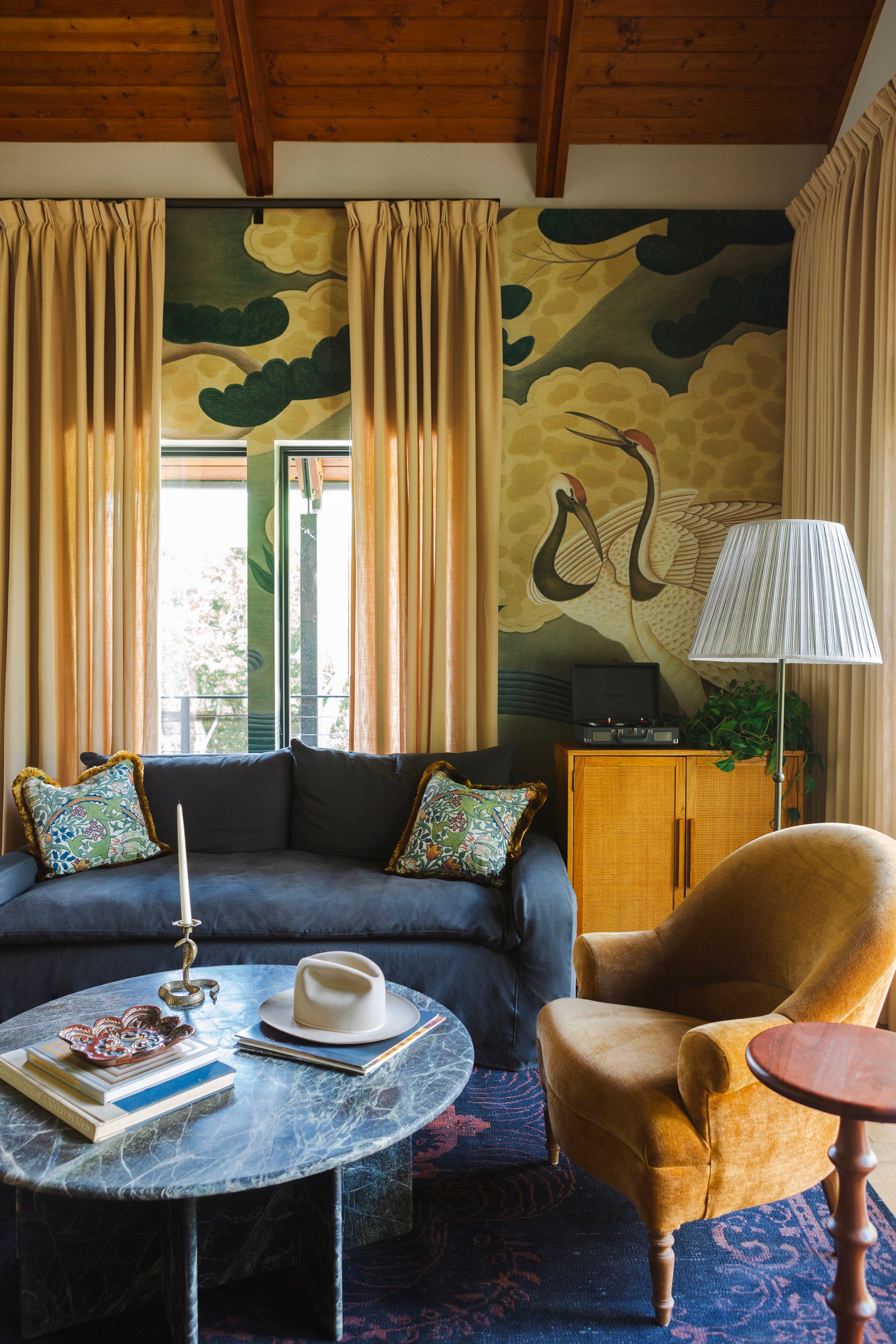
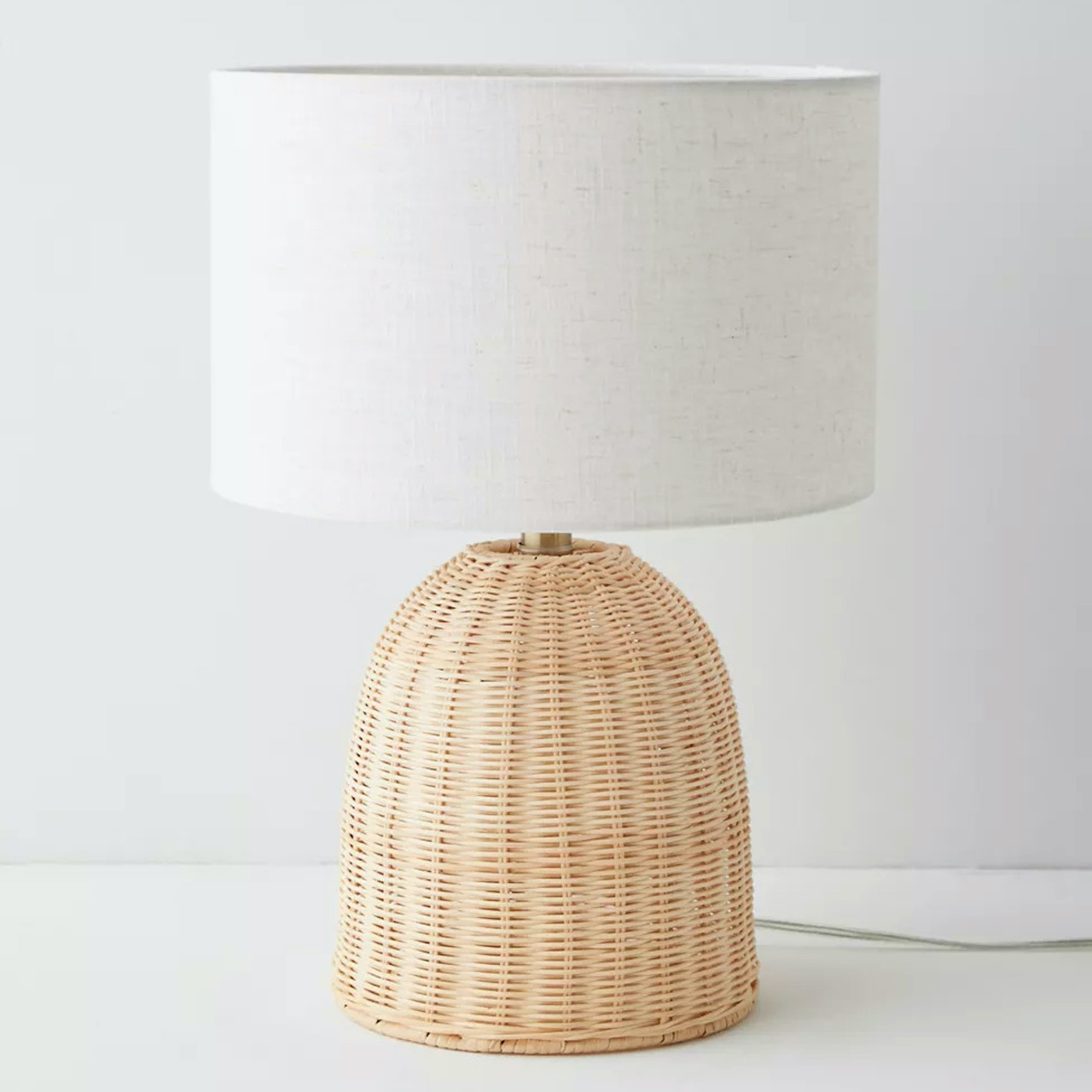
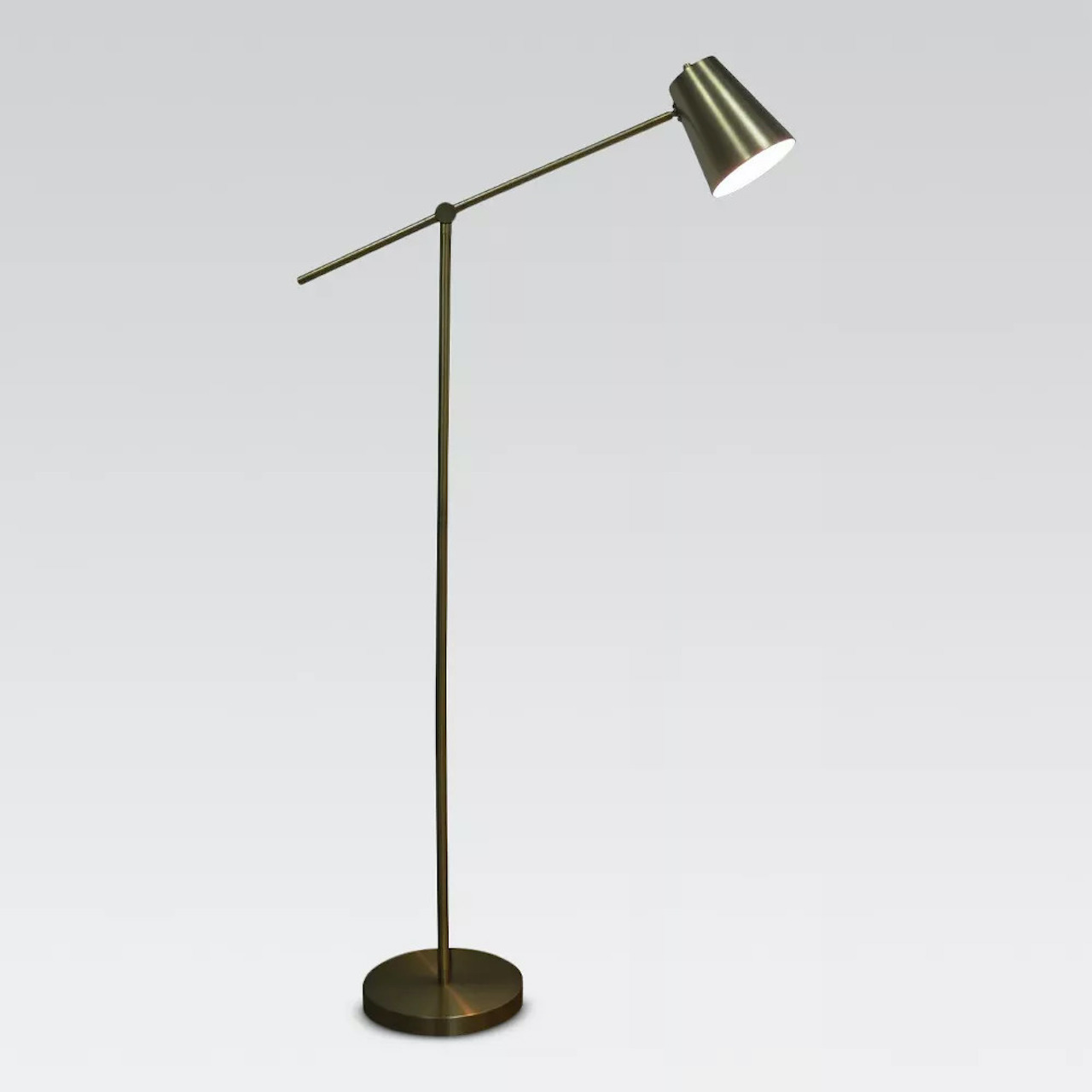
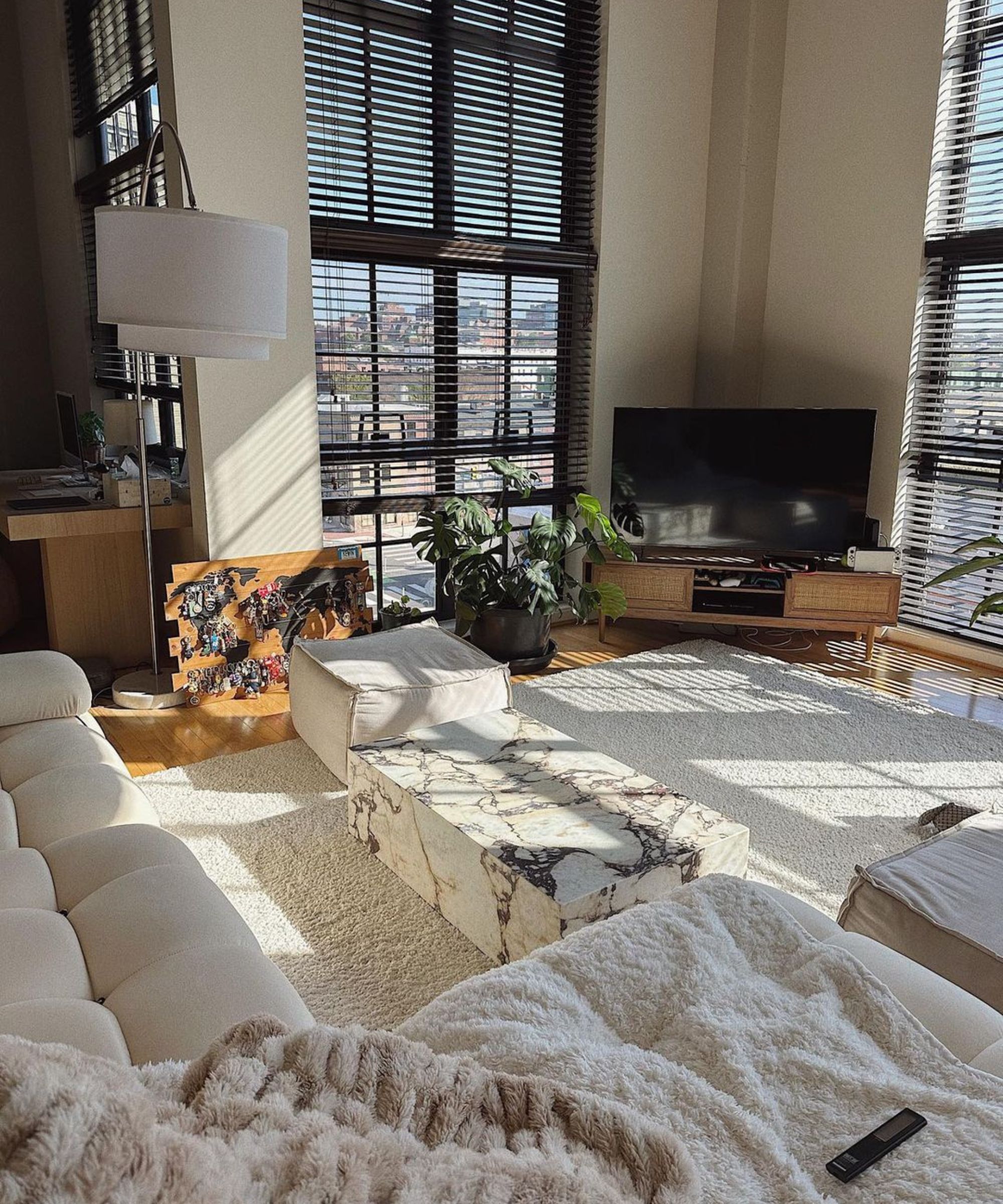
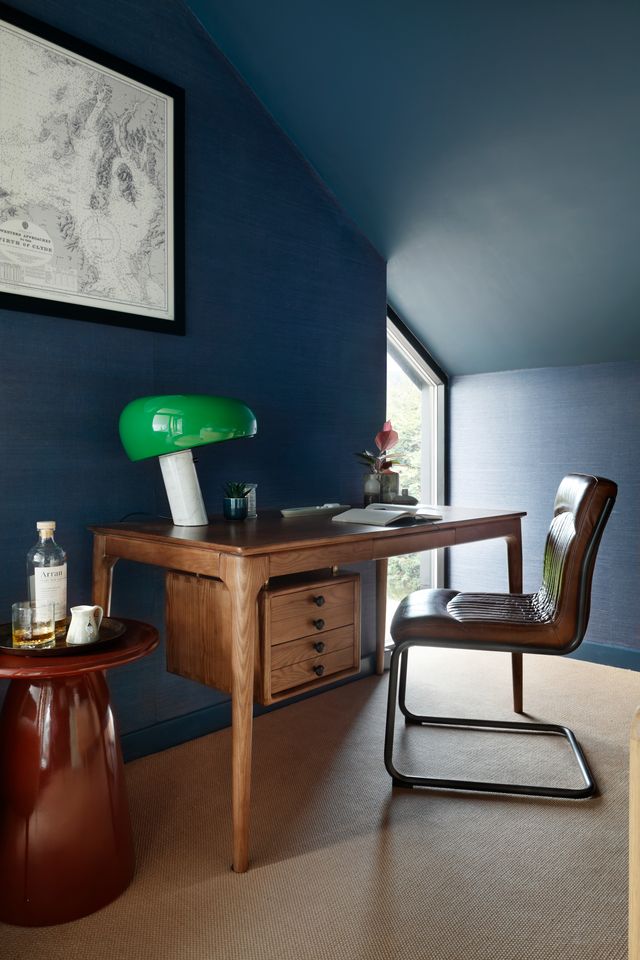
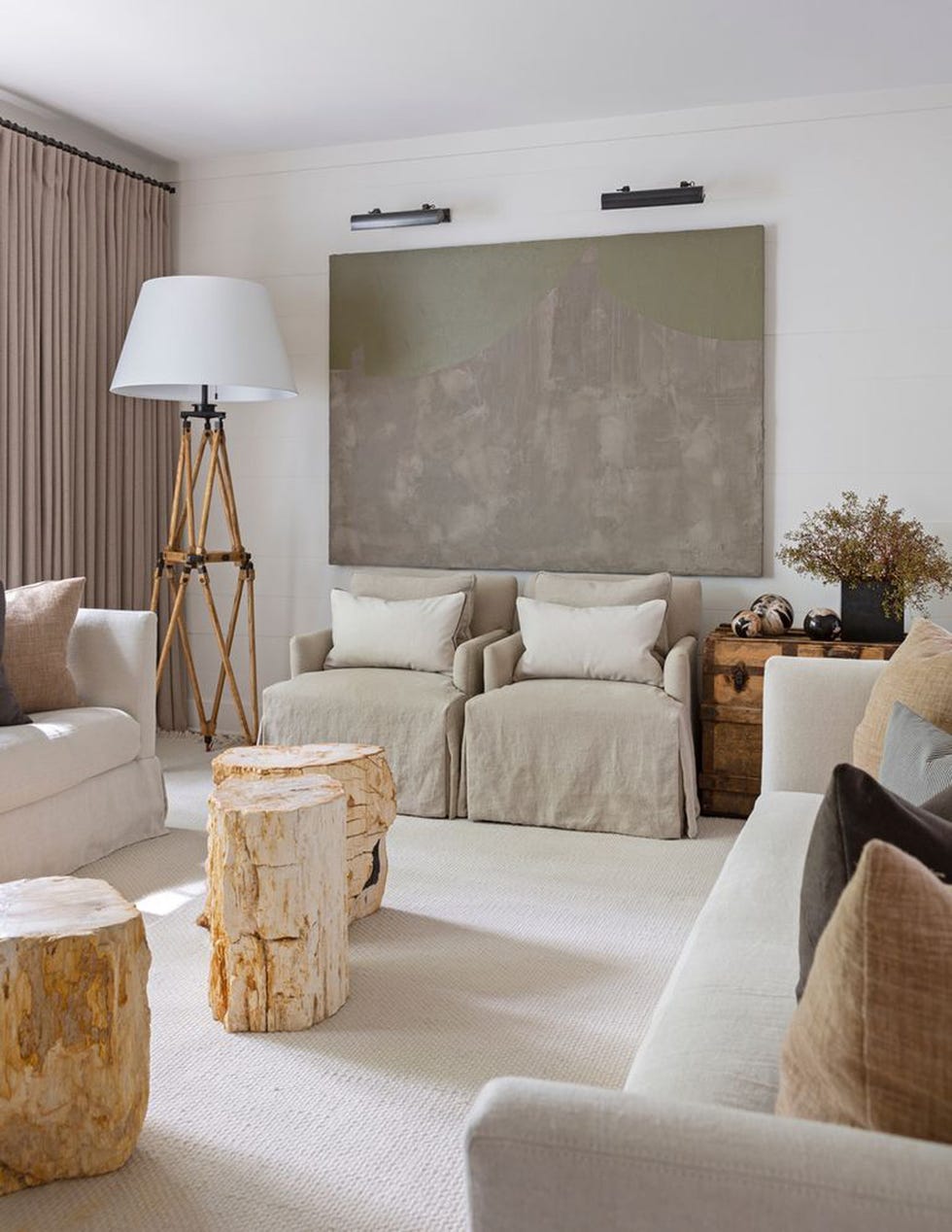
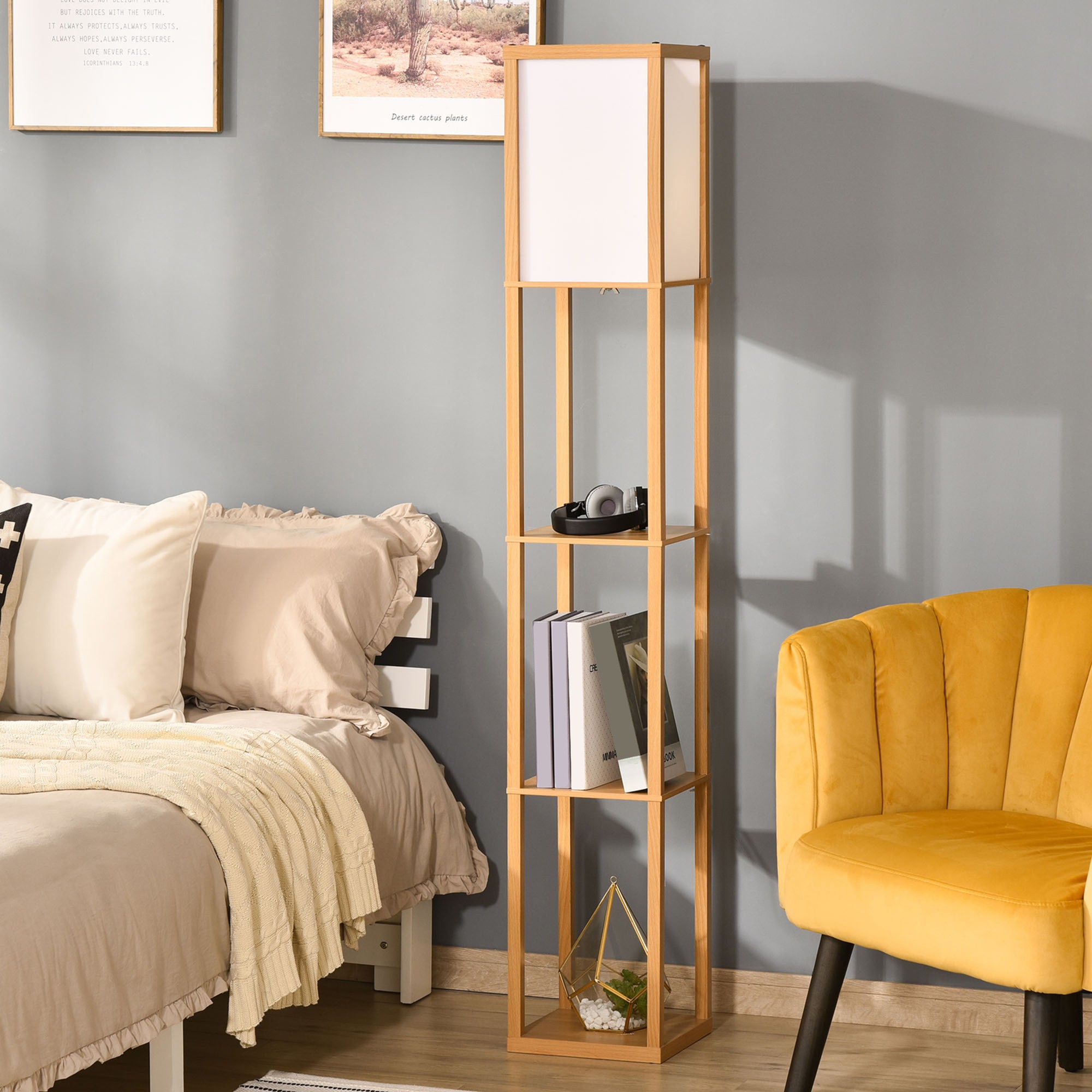
Slim floor lamps are particularly beneficial in small living rooms as they conserve precious floor space. When choosing table lamps, opting for compact designs that do not occupy excessive surface area is advisable. Adjustable lighting, such as pivotable floor or wall lamps, and dimmable bulbs, offers flexibility, allowing for seamless transitions between task lighting and mood lighting throughout the day. This adaptability makes lighting a versatile and multipurpose element in a small living room, similar to other flexible furniture choices.
Effective lighting planning should commence during the design phase, prior to decoration. This allows for easier adjustments to wiring and socket placement, ensuring that the chosen lighting scheme is seamlessly integrated and optimally functional.
#SmallLivingRoom #LightingDesign #InteriorDecor #HomeLighting #SpaceSaving #LayeredLighting #CompactLiving #HomeDecorTrends #SmallLivingRoom #LightingDesign #InteriorDecor #HomeLighting #SpaceSaving #LayeredLighting #CompactLiving #HomeDecorTrends
0 comment in total
 No comments yet
You may also like
You've Been All Wrong About Choosing Lighting for Your Apartment

Maximize Your Space: 19 Tips to Make a Small Room Feel Bigger

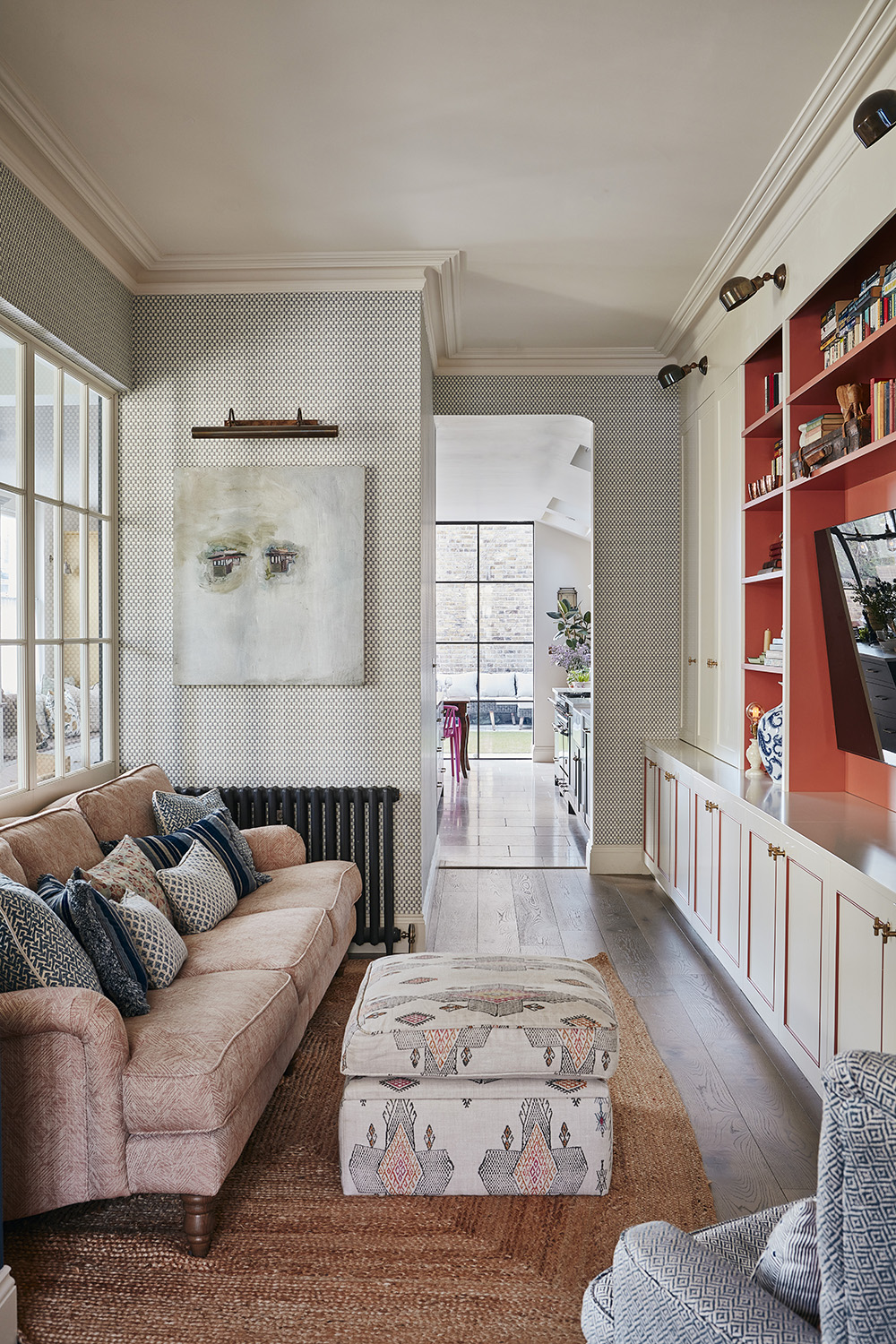
How to make small spaces look bigger
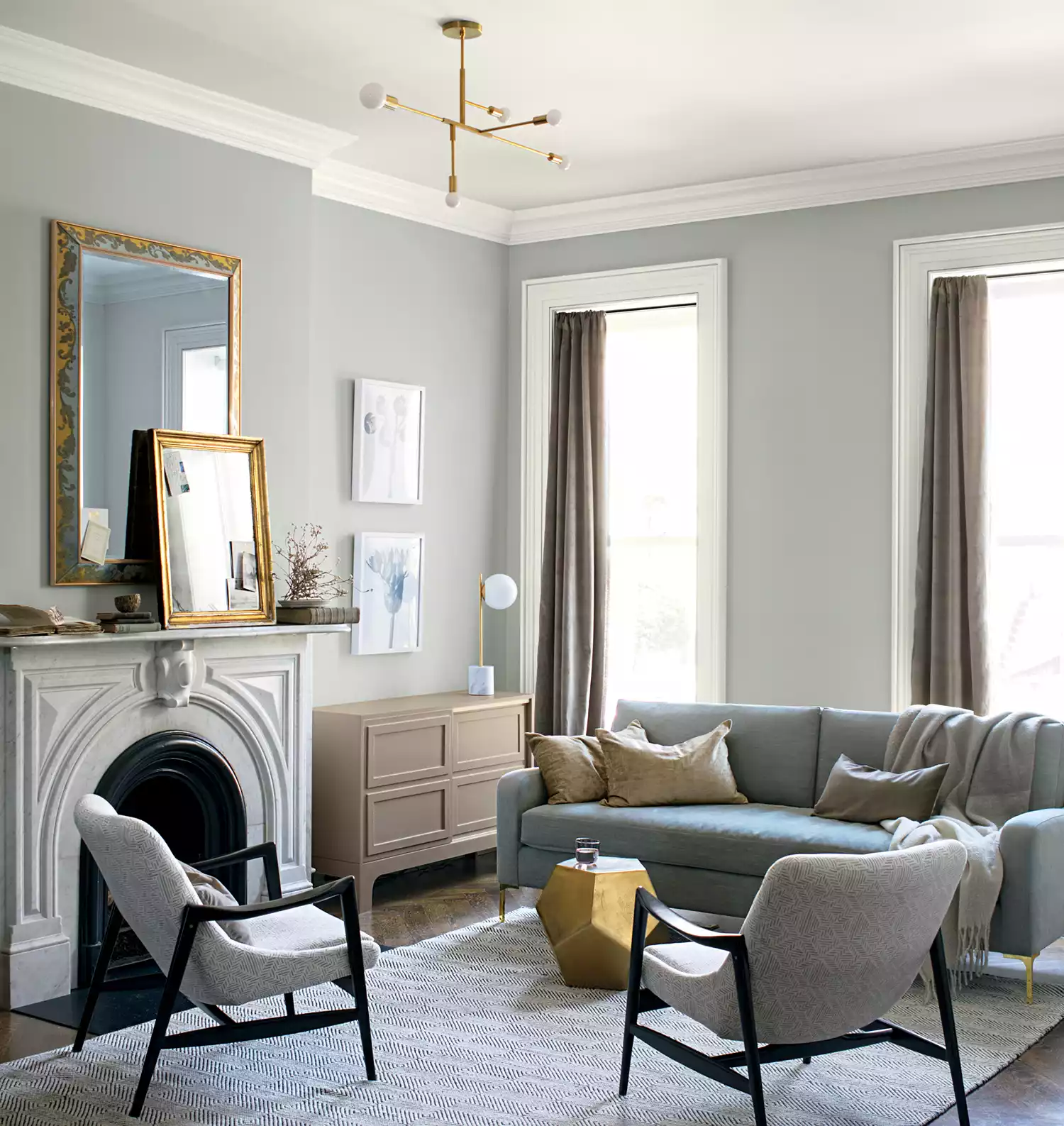
13 Small Living Room Ideas Interior Designers Swear By

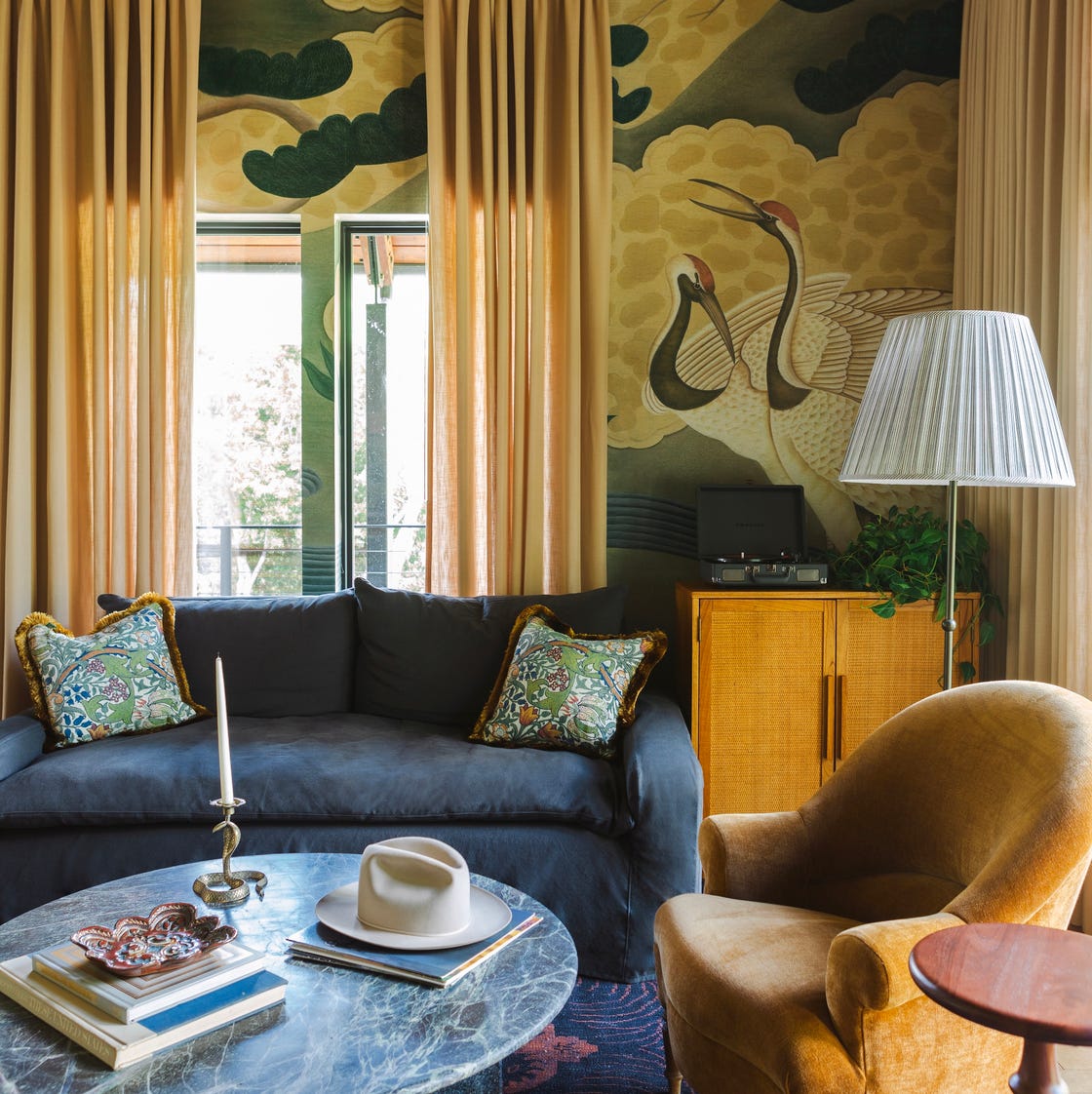
Design Pros Reveal Their Secret Tricks for Maximizing Space in the Tiniest Living Rooms

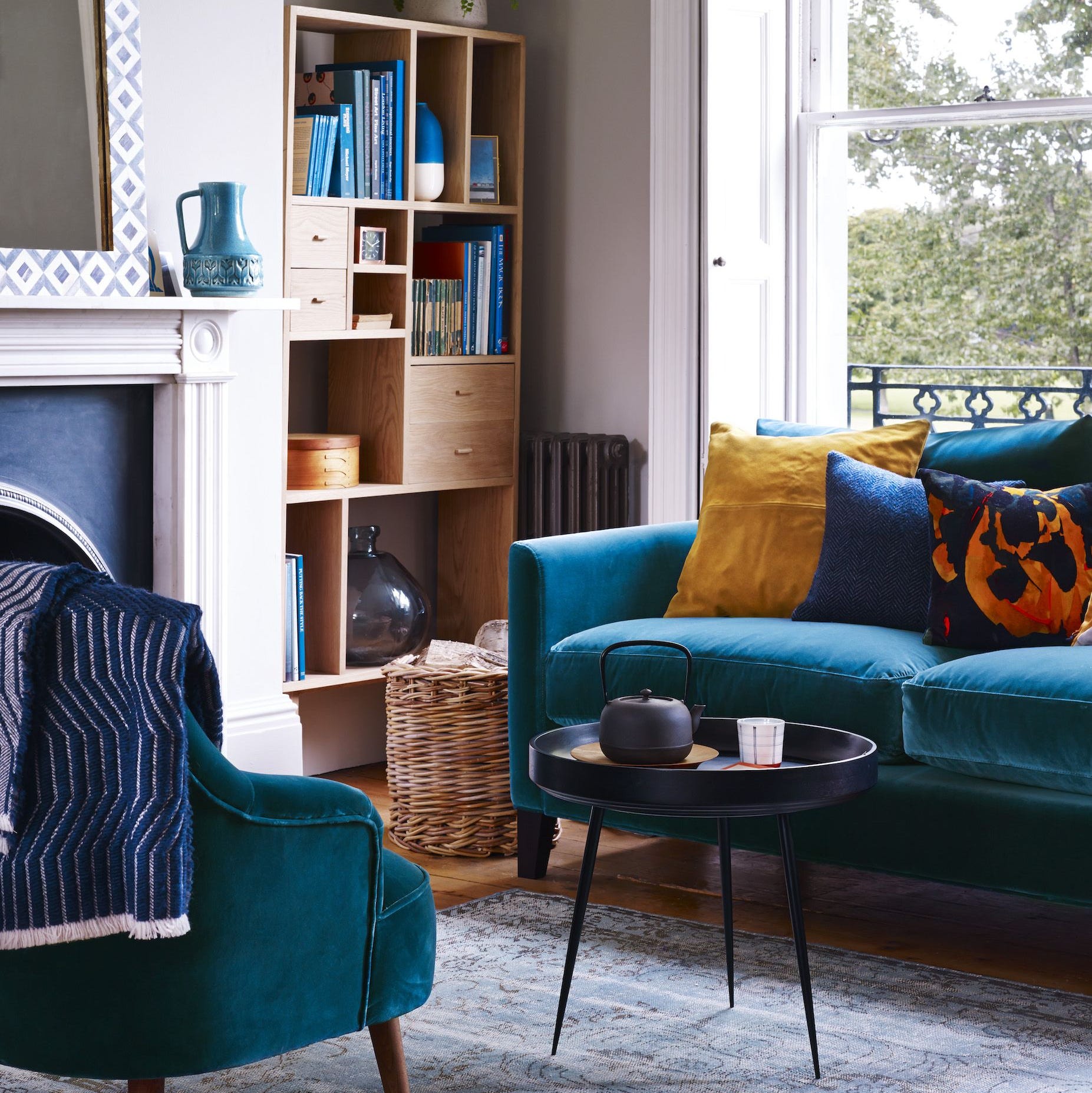
How to make your living room look bigger: 7 tips to fool the eye
5 Things That Make Your Living Room Look Small—and How to Fix Them
The Secrets to Maximizing a Small Living Room
7 small living room lighting ideas — as glowy as they are beautiful

‘Clever design tricks’ can create the illusion of space in homes - ‘feels much larger’
5 small living room mistakes – designers share the worst decorating disasters that we need to stop doing right now

9 simple tricks to elevate your small living room according to an interior designer

8 Ways To Make A Small Living Room Appear Larger
Bye, overhead lights: Here's how to light a small apartment, according to the pros

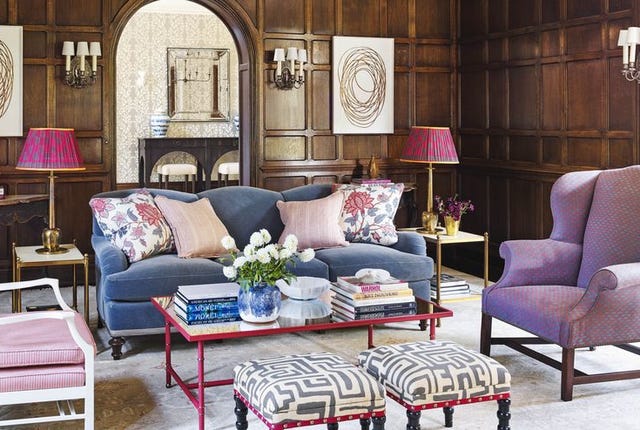
Designers Share Their Best Tips for Acing Ambience in the Living Room with Lighting
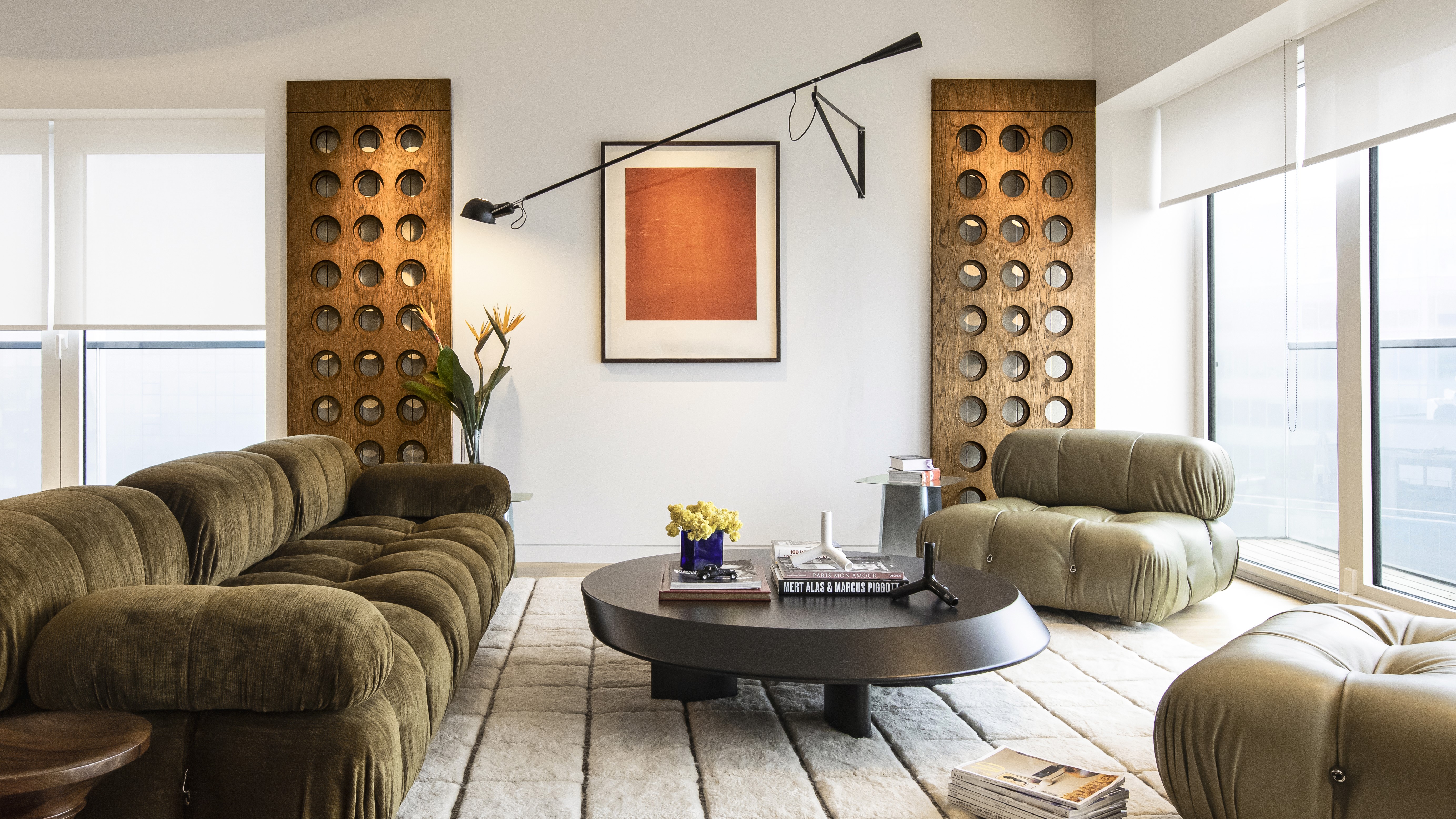
Designers swear by this small living room layout - 'it makes the space feel bigger'

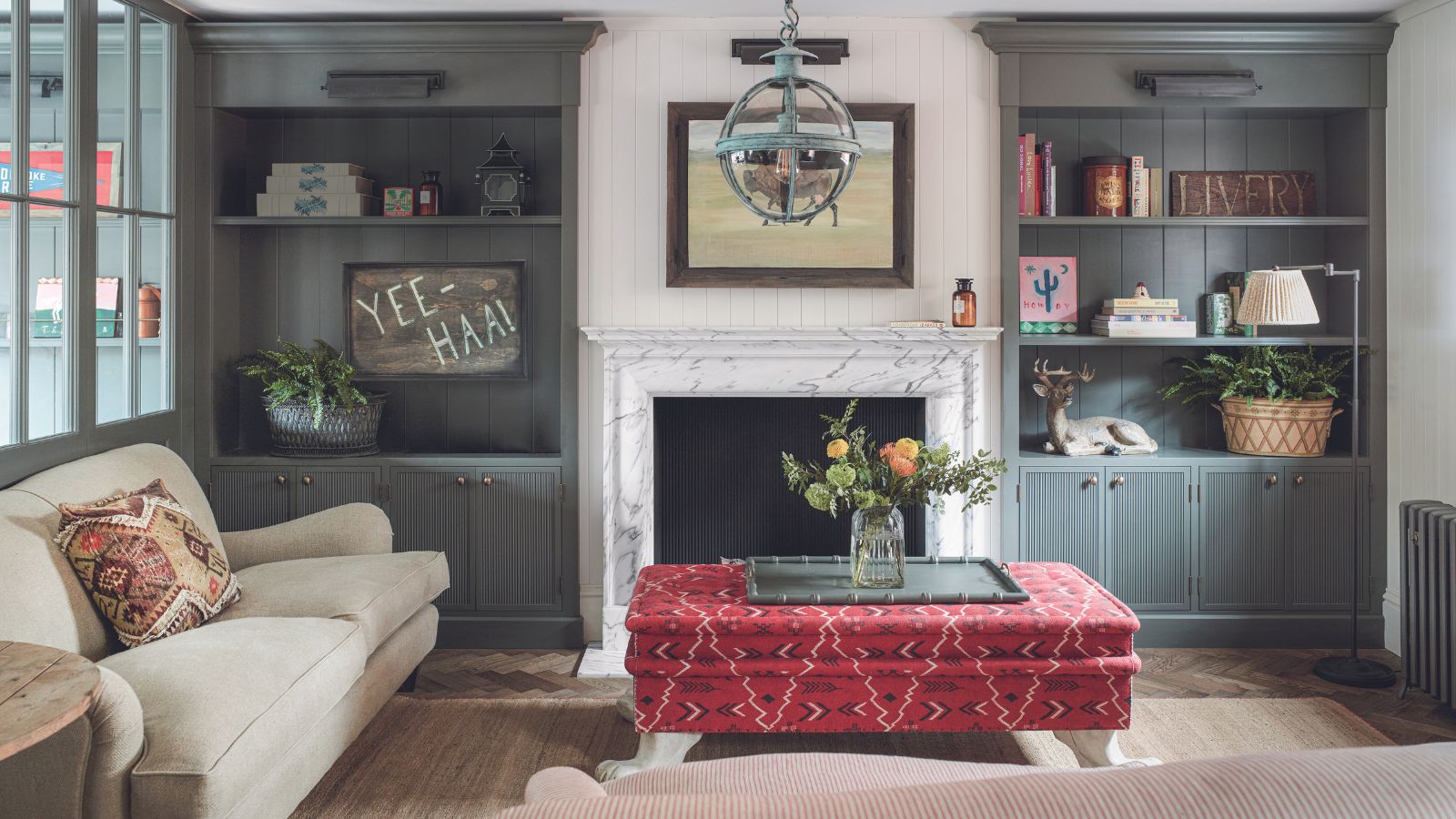
How to make a living room lighter – an interior designer's 10 tips for a creating brighter space
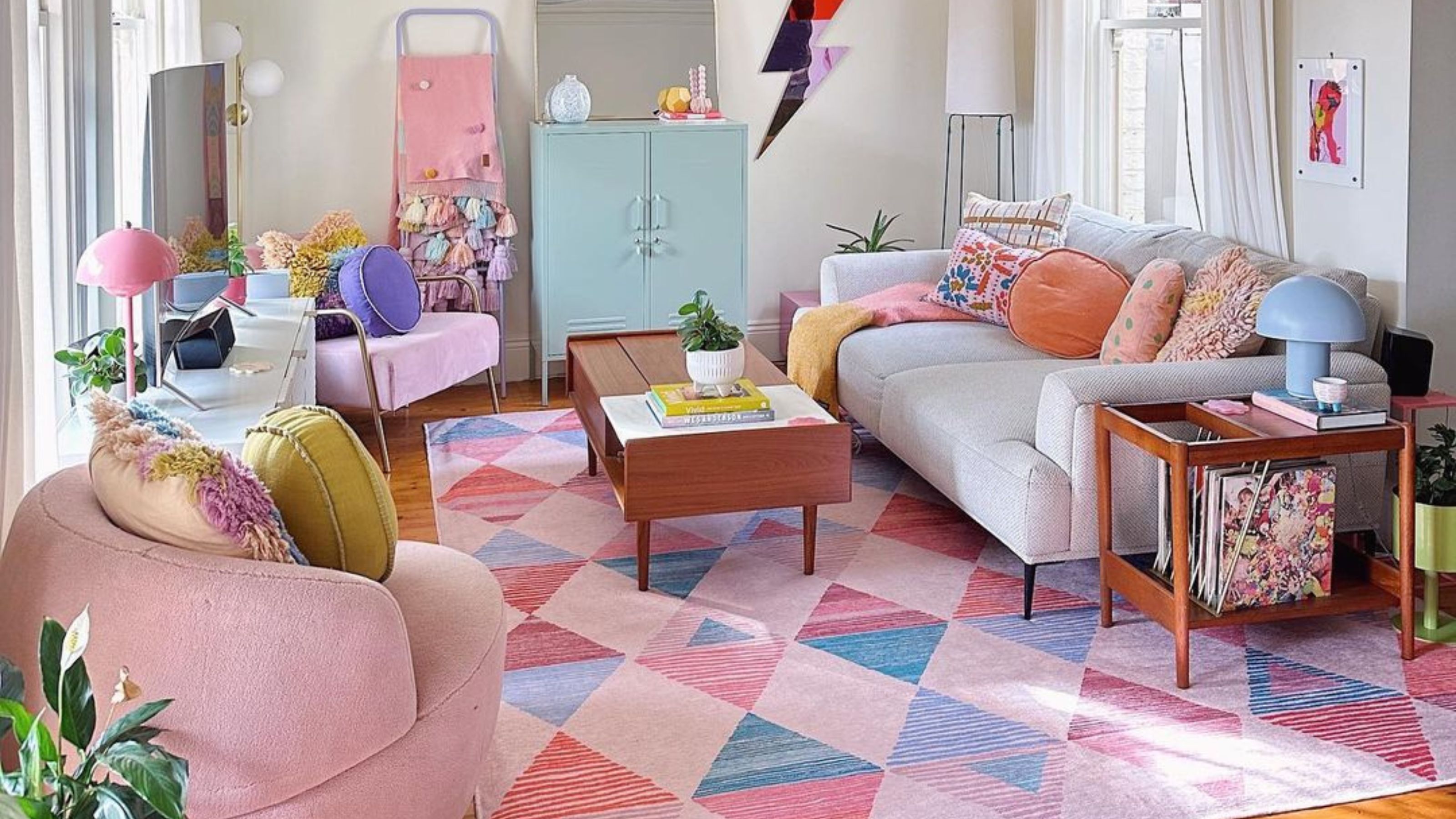
6 furniture items that will make a living room look bigger, according to design experts
15 small bedroom lighting ideas to make your tiny space look bigger and brighter
We Asked Designers How to Brighten a Dark Room and We’re Using These All Winter