1/2
Crack in toilet overflow pipe – can the lardlord refuse to fix?
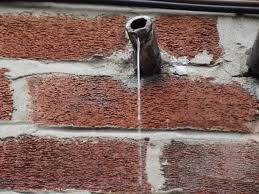
A tenant, Albert, describes a recent conflict with his landlord of three years over a leak originating from a cracked toilet overflow pipe. The leak, which occurred in the kitchen, affected the stove and an electrical socket. After a plumber identified the crack as the source, the landlord's proposed solution was to prevent the flush from overflowing, rather than repairing the pipe itself. Albert expresses concern about this approach, arguing that the overflow pipe serves a crucial function and that a recurring overflow would lead to water damage over electrical components, posing a safety hazard. He also notes that several light bulbs in the ceiling popped simultaneously, which he attributes to the leak. An electrician called by the landlord could not find an electrical fault and attributed the issue to needing bulb replacements. The landlord is covering the plumber's costs but expects Albert to pay for the electrician, claiming it was "only bulbs." Albert questions the fairness of this decision and seeks advice on whether the landlord is obligated to fix the pipe properly.
The comments section offers various perspectives and advice. Neil Patterson suggests a sensible conversation with the landlord to highlight the potential for worse consequences if the issue is not fixed. Jon Pipllman queries whether the toilet flush system has an internal overflow, which would render the external pipe redundant. If not, he agrees the landlord should repair it. A "Fed Up Landlord" refers to Section 11 of the Landlord and Tenant Act 1985, which outlines the landlord's obligation to maintain the structure and exterior of the dwelling, including drains and sanitation installations. Albert confirms that the flush has not been replaced but will suggest Jon's idea to the landlord as a potentially cheaper alternative to finding and fixing the crack.
Recardo suggests that a new overflow pipe is inexpensive and that temporary fixes like electrical or plastic tape could work. He also notes that adjusting the ballcock or replacing a washer are simple tasks that might not require a plumber, and advises the tenant to consider fixing it for a small cost and billing the landlord, or allowing it to worsen for a larger future repair bill. Michael Barnes highlights the potential safety hazard of water leaking near electrical sockets and warns that the landlord's insurance could be invalidated, and they might face prosecution under Health and Safety legislation if an incident occurs. He advises the landlord to fix it. Regarding the bulbs, Michael Barnes suggests that water causing bulb failure is unlikely unless water directly hit a hot incandescent bulb or penetrated energy-saving electronics, which would typically involve visible dripping. He concludes that if no dripping water was observed from the fittings, it might be a coincidence, and replacing bulbs is typically the tenant's responsibility unless specified otherwise in the tenancy agreement. Mark Trenfield reiterates the importance of a sensible conversation and advises Albert to consider moving if the landlord remains uncooperative, suggesting that landlords who neglect maintenance ultimately face greater costs. Alison King shares her own experiences with neglected overflow pipes causing significant damage to brickwork, water ingress, and necessitating ceiling replacements, emphasizing the long-term cost and inconvenience of delaying repairs.
#LandlordTenantDispute #PropertyMaintenance #TenantRights #LandlordResponsibilities #PlumbingIssues #ElectricalSafety #HousingLaw #RepairObligations #HomeSafety #LandlordTenantDispute #PropertyMaintenance #TenantRights #LandlordResponsibilities #PlumbingIssues #ElectricalSafety #HousingLaw #RepairObligations #HomeSafety
0 comment in total
 No comments yet
You may also like
Everything That Goes Into the Cost to Replace a Toilet Flange

How to stop a gurgling toilet

Why Your Toilet Is Hissing and How to Fix It


Homeowner’s Yard Keeps Getting Flooded By Their Neighbor’s Drainage System, But When He Offers To Pay To Have It Fixed, The Neighbor Still Refuses To Fix The Issue


How to stop a gurgling toilet

How to stop a gurgling toilet
Landlord Refuses To Fix A Leak, Gets A $8,000 Bill To Repair The Damage That The Water Did To Other Apartments
How to stop a gurgling toilet

Ask Sam: What can I do if my landlord refuses to fix a bathroom leak?

How to stop a gurgling toilet

How to stop a gurgling toilet
How to stop a gurgling toilet