1/9
The Best Tankless Gas Water Heaters for Your Home
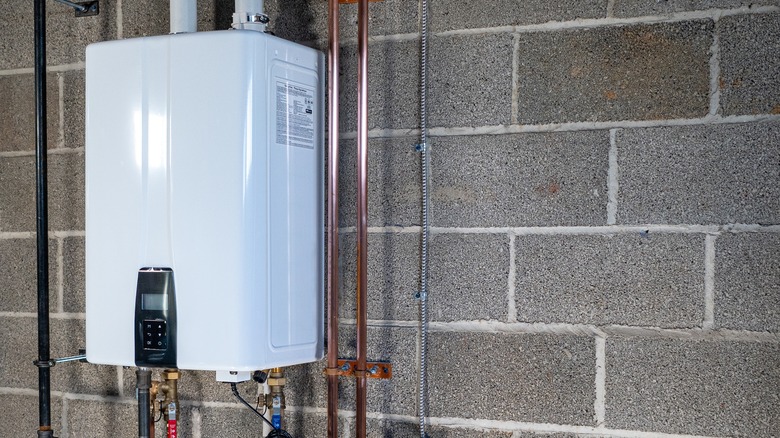
This article reviews the best tankless gas water heaters, highlighting their energy efficiency and space-saving benefits compared to traditional tank water heaters. It provides a comprehensive guide for homeowners to select a suitable unit based on their needs, lifestyle, and budget. The article outlines key factors to consider before purchasing, such as the choice between natural gas and propane models, indoor versus outdoor applications, flow rate (GPM), power input (BTU), and venting options, including direct-vent and power-vent systems. It also differentiates between condensing and non-condensing units, explaining their respective efficiencies and cost implications.
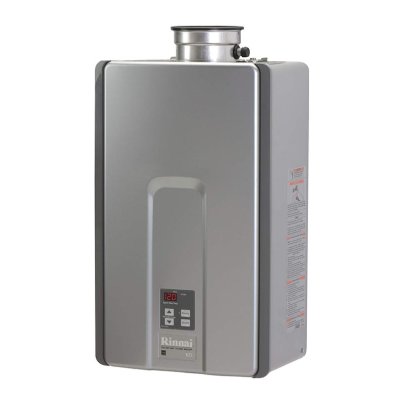
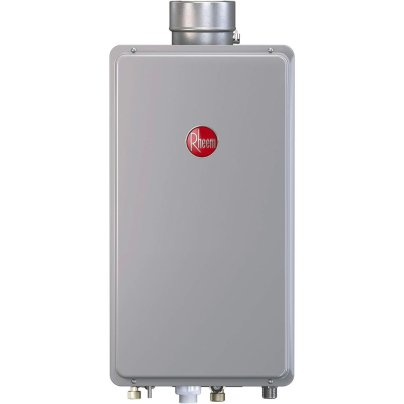
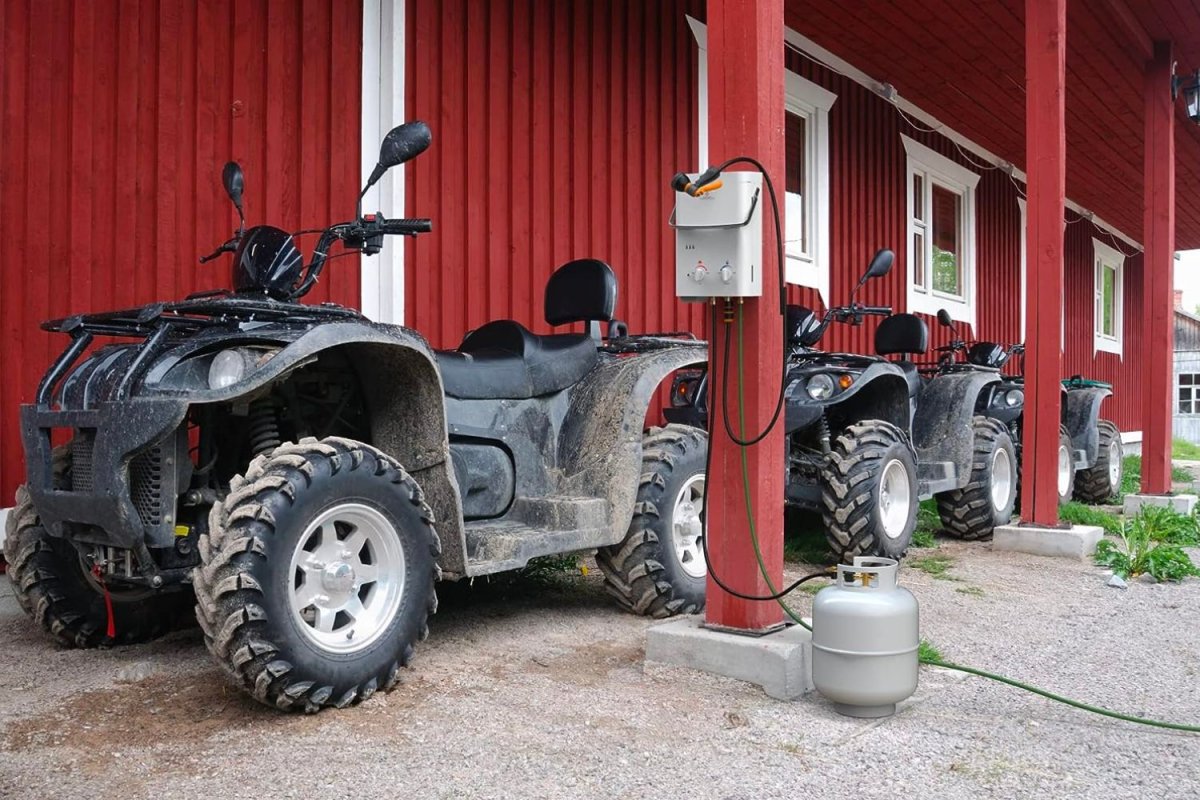
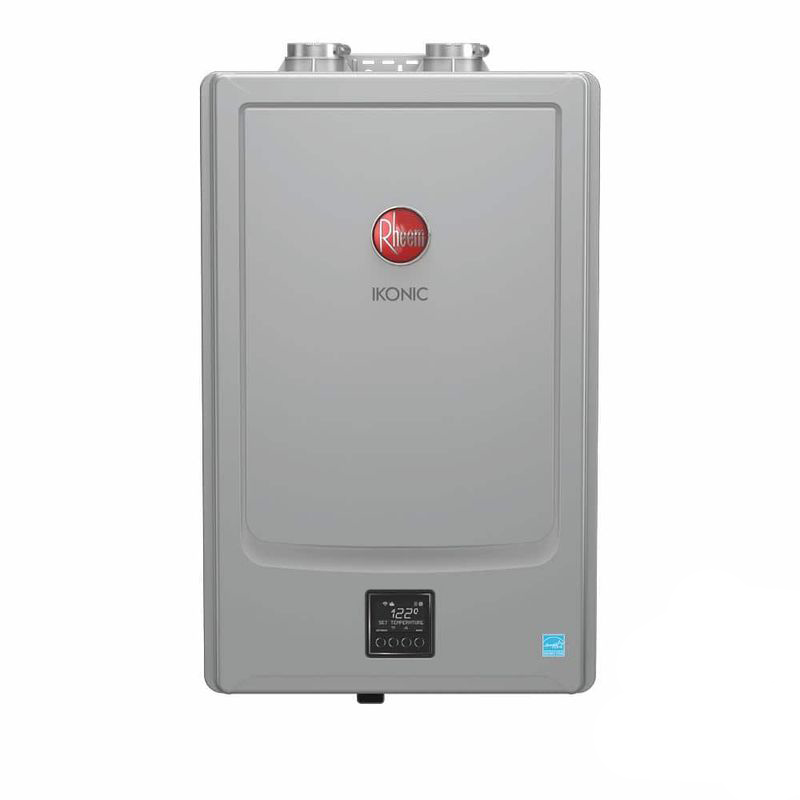
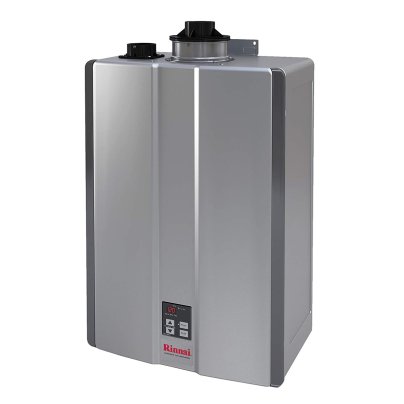
The review features four top picks: the Rinnai RU180iN High-Efficiency Tankless Water Heater as the best overall, praised for its 10 GPM flow rate and 0.95 energy factor, suitable for large homes. The Rinnai V65iN High-Efficiency Tankless Water Heater is presented as a runner-up, offering Wi-Fi connectivity and a 6.5 GPM flow rate for small to medium-sized homes with a 0.82 energy factor. For a budget-friendly option, the Rinnai V53DeP High-Efficiency Tankless Water Heater is recommended, designed for outdoor installation in warm climates, providing 5.3 GPM. Lastly, the Camplux 5L 1.32 GPM Tankless Water Heater is highlighted as the best portable option for outdoor activities like camping, offering 1.32 GPM.
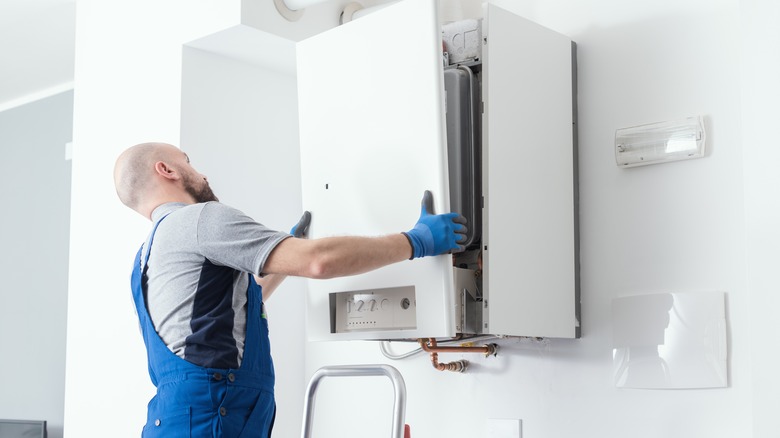
The article emphasizes the importance of professional installation for all tankless gas water heaters due to the need for safe gas line connections. It also addresses frequently asked questions regarding installation, flushing a condensing unit (recommended annually with vinegar to prevent mineral buildup), and checking gas pressure. It notes that switching from an electric water heater to a gas model can involve significant additional costs for new gas supply lines and vents. The selection process involved evaluating reliability, energy-saving features, flow rates, efficient gas consumption, and additional technologies to optimize utility bill savings, considering various household sizes and even a portable outdoor use case.
Key considerations for sizing a tankless water heater correctly include calculating the household's peak GPM needs based on simultaneous hot water usage by various appliances and fixtures. The article provides examples for calculating GPM and explains how BTU input relates to heating effectiveness, offering a general rule of thumb for BTU requirements based on the number of bathrooms and family members. Understanding venting types is crucial, with direct-vent systems drawing in outdoor air and expelling exhaust outdoors, and power-vent systems drawing indoor air and forcing exhaust outside via a fan. The choice between condensing and non-condensing units involves a trade-off between higher upfront costs for greater energy efficiency (up to 90% for condensing) and lower initial costs for less efficiency (around 80% for non-condensing).
#TanklessWaterHeater #GasWaterHeater #EnergyEfficiency #HomeImprovement #PlumbingSystems #Rinnai #Camplux #HomeUtilities #WaterHeating #TanklessWaterHeater #GasWaterHeater #EnergyEfficiency #HomeImprovement #PlumbingSystems #Rinnai #Camplux #HomeUtilities #WaterHeating
0 comment in total
 No comments yet
You may also like
The 6 Best Propane Tankless Water Heaters for Low-Waste On-Demand Warmth
How Much Should You Spend On A New Electric Water Heater?

What Do a National Lab, a Home Builder, and an Elephant Have in Common?
Top 8 electric geysers to buy before winter for quick heat, safe tanks, and right sizes for every bathroom and kitchen
We Vetted The 8 Best Electric Tankless Water Heaters to Save Space and Cut Costs
11 Tabletop Gas Cookers for Every Kitchen Need
Water Heater Cost in 2025: DIY or Professional Installation?


The 5 Best Slide-In Gas Ranges of 2026 | Reviews by Wirecutter

The 9 Best Water Heaters for Efficiency and Performance
Handyman: Make sure water heater is ready for cold days

Choosing a heater


Residential Boilers
Handyman: Tank versus tankless hot water heater
Best boiling water taps: our top 9 boiling and hot water taps for your home

After testing the best boiling water taps, I’ve ditched my kettle for good – here are the top 8 I tried
5 bathroom heating options, and our expert advice on which is best for you

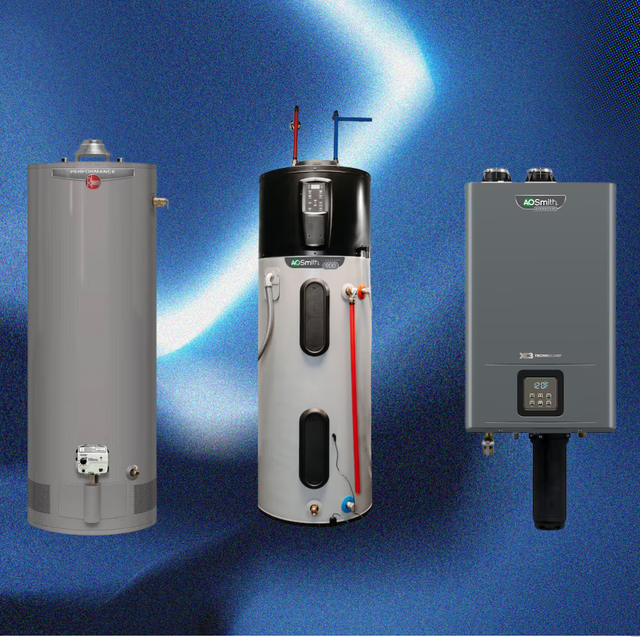
The Most Reliable Water Heaters You Can Buy, According to Testing

Today's Water Heaters Aren't Built Like They Once Were—They're Better


Geothermal heat pumps for sustainable living.

Best Whole-House Generators