Pros and Cons of Vinyl Plank Flooring
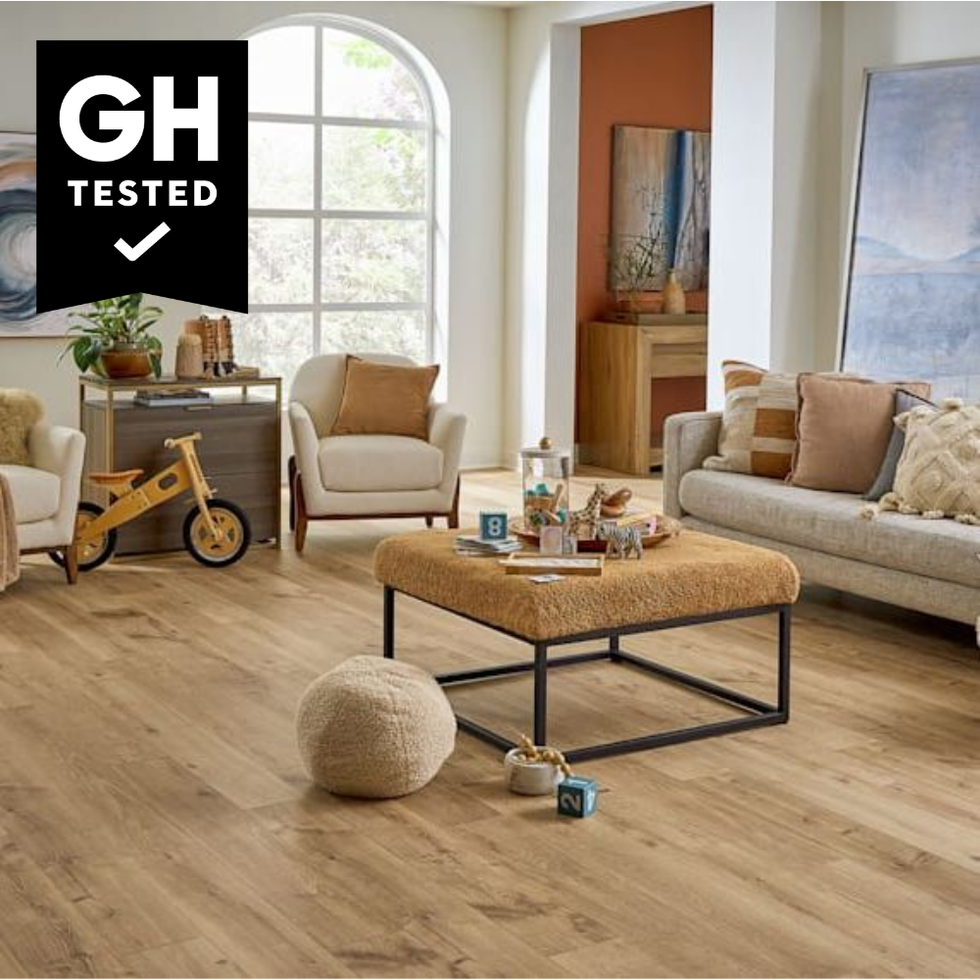
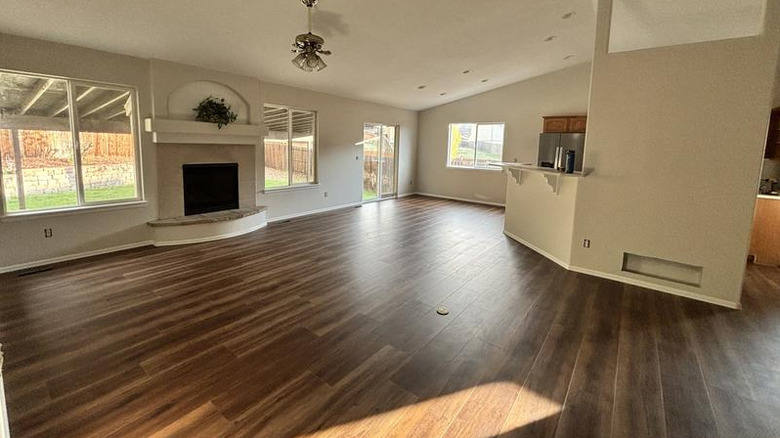
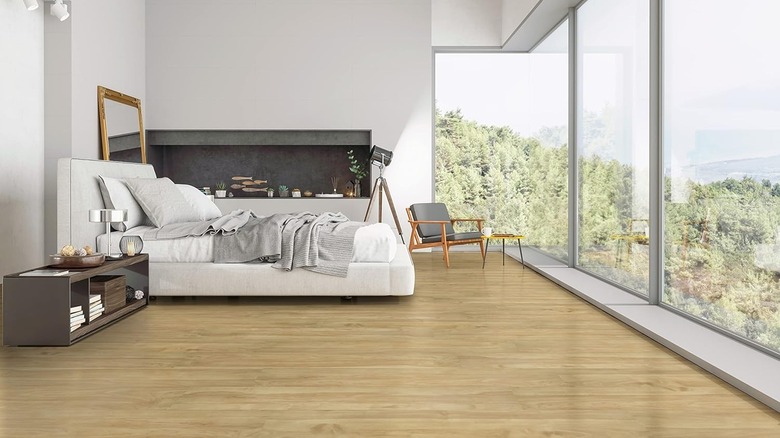
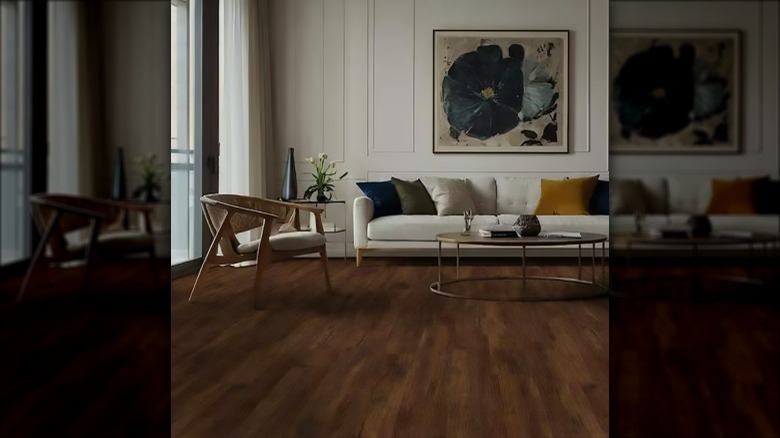
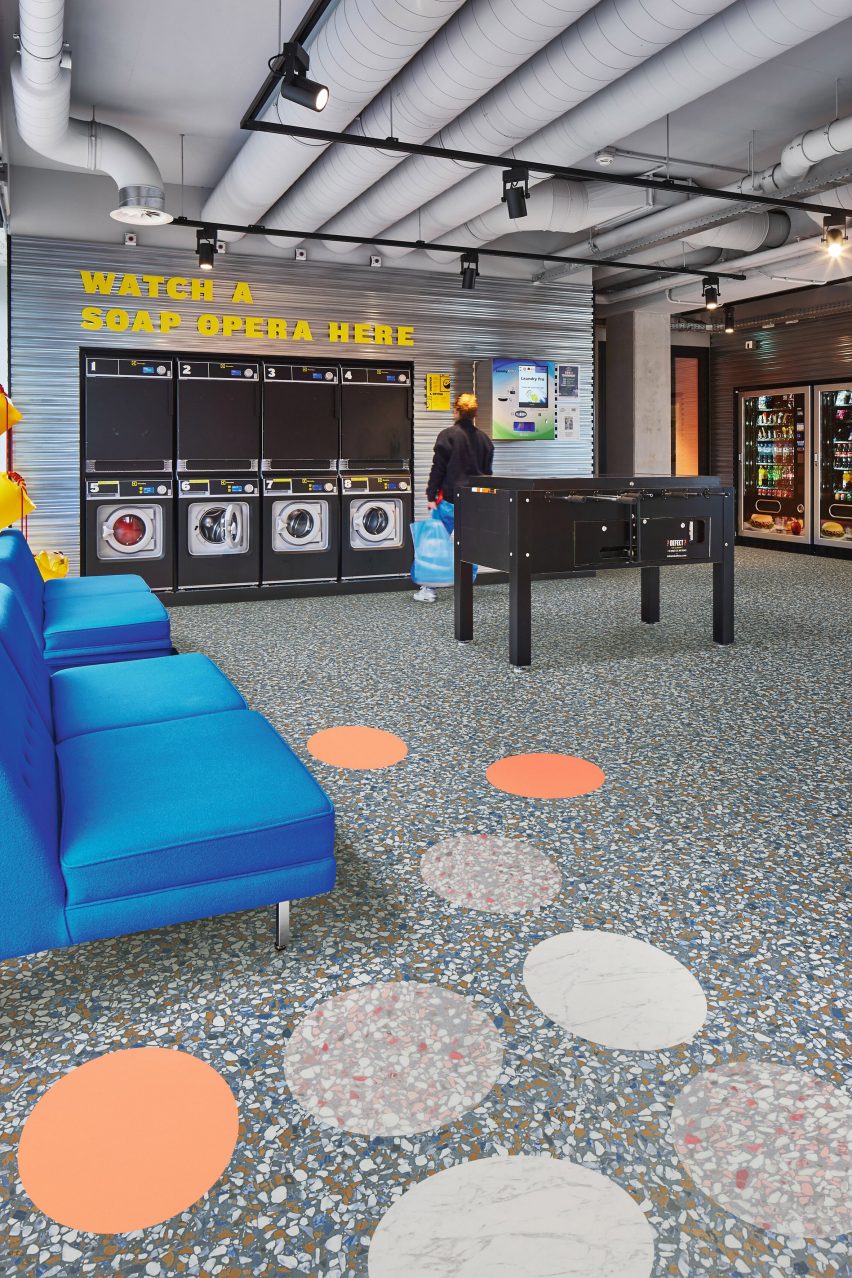
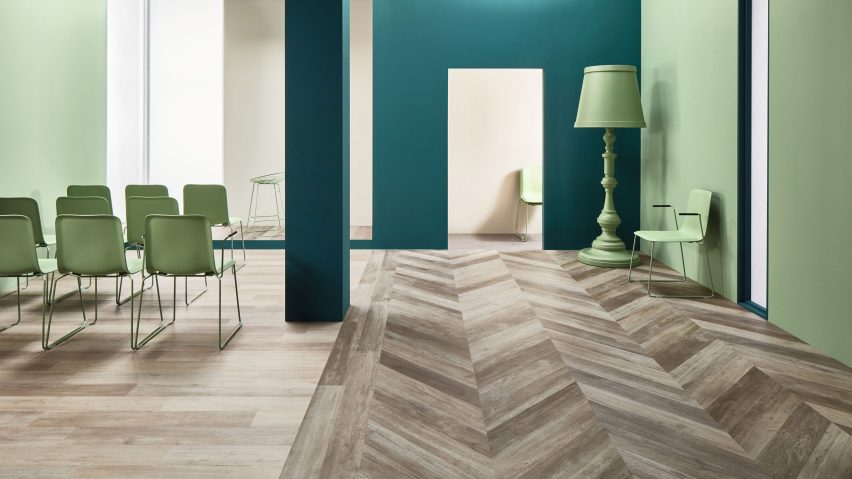
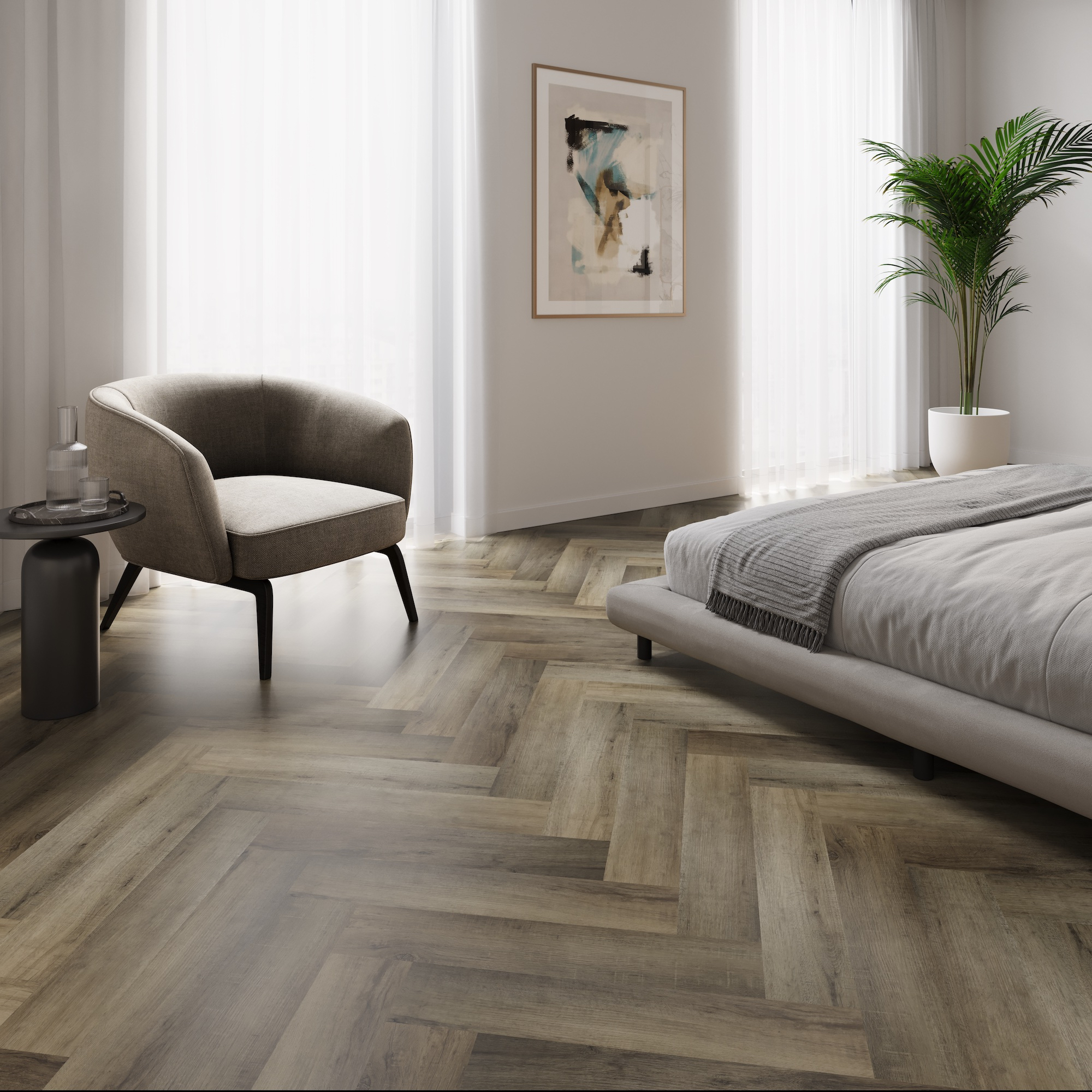
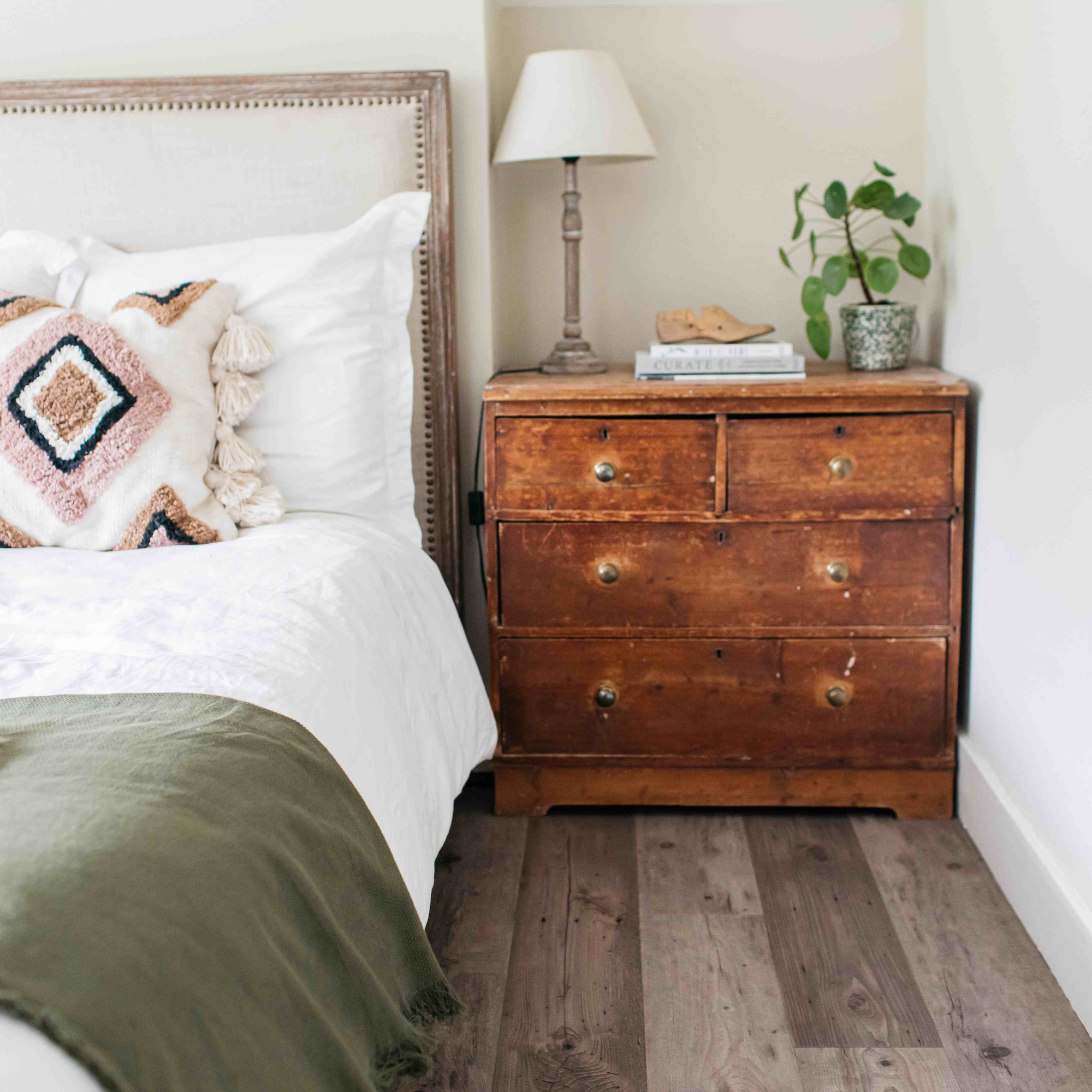
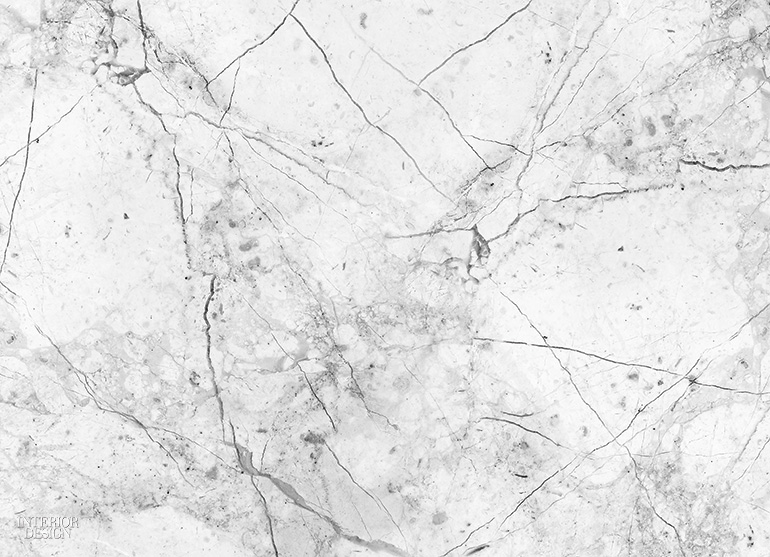
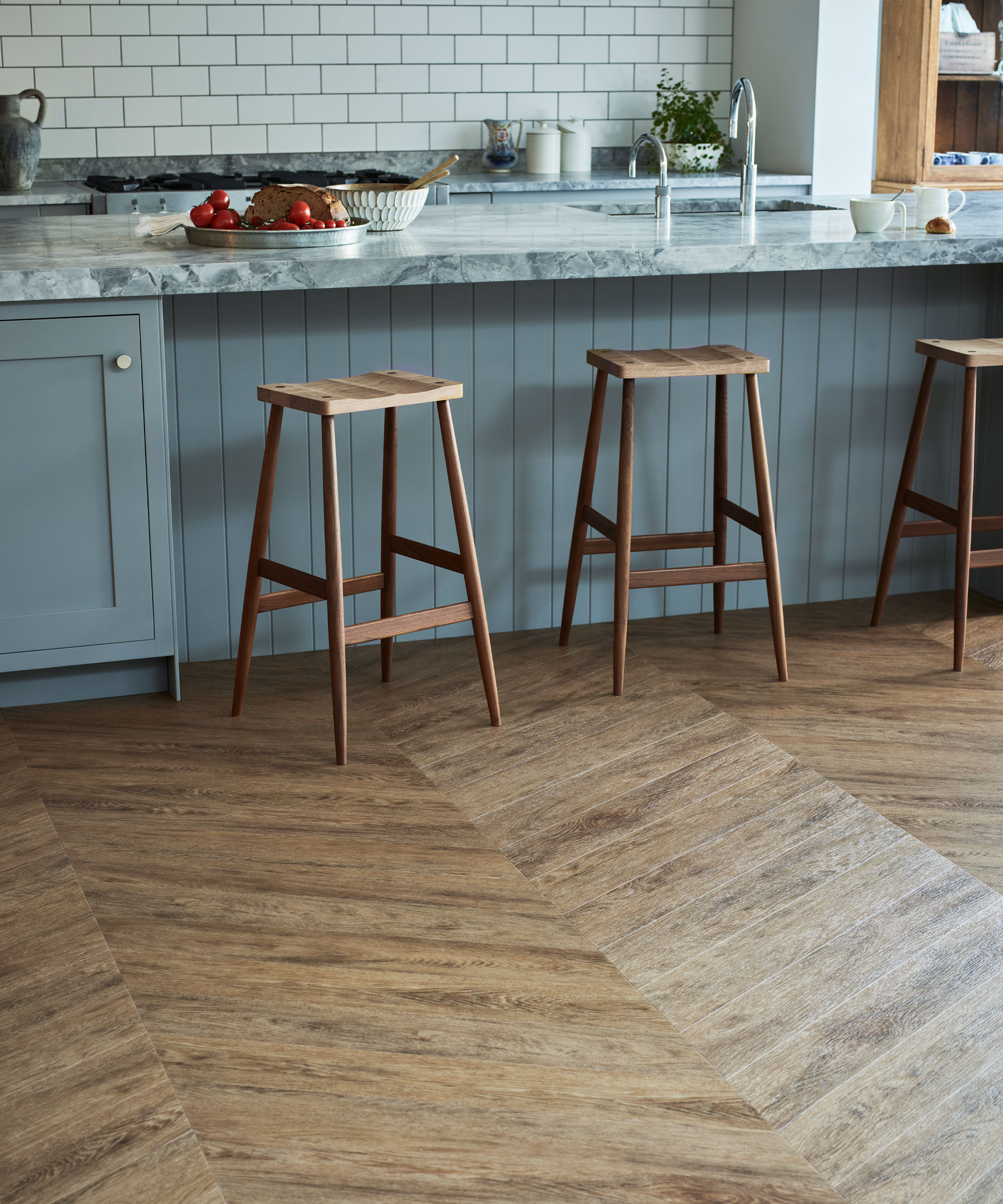
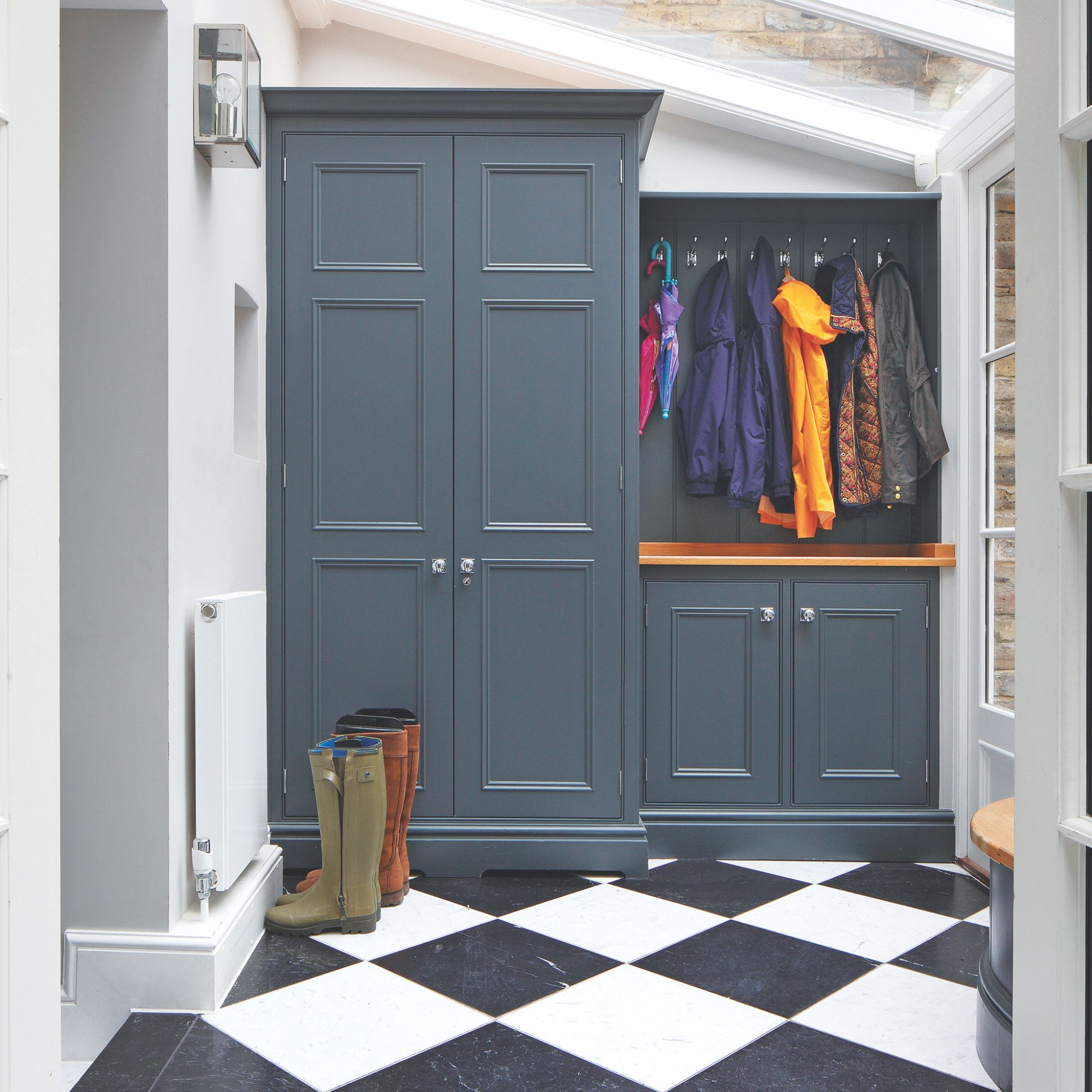
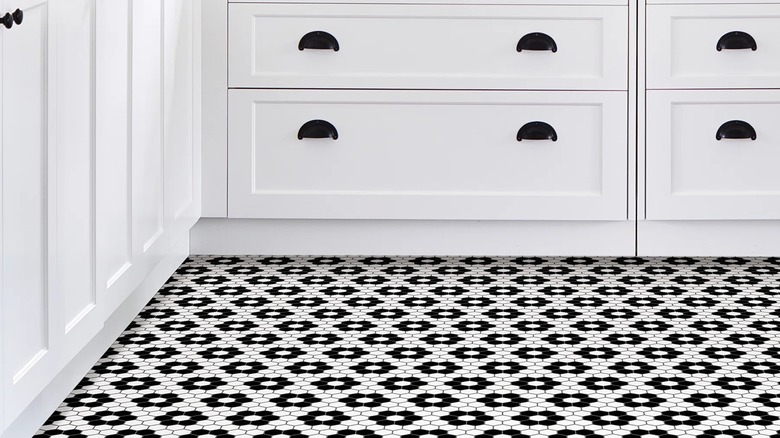
Vinyl plank flooring, also known as luxury vinyl flooring (LVF) or luxury vinyl plank (LVP), presents itself as a robust and economical substitute for conventional flooring materials. Unlike typical sheet vinyl or vinyl tile, vinyl plank flooring is characterized by its greater thickness and is manufactured in elongated planks that interconnect using a tongue-and-groove mechanism. Its initial rise in popularity was attributed to its convincing imitation of wood, but it now also encompasses designs that replicate ceramic, porcelain, and natural stones such as marble or granite, thereby broadening its appeal.
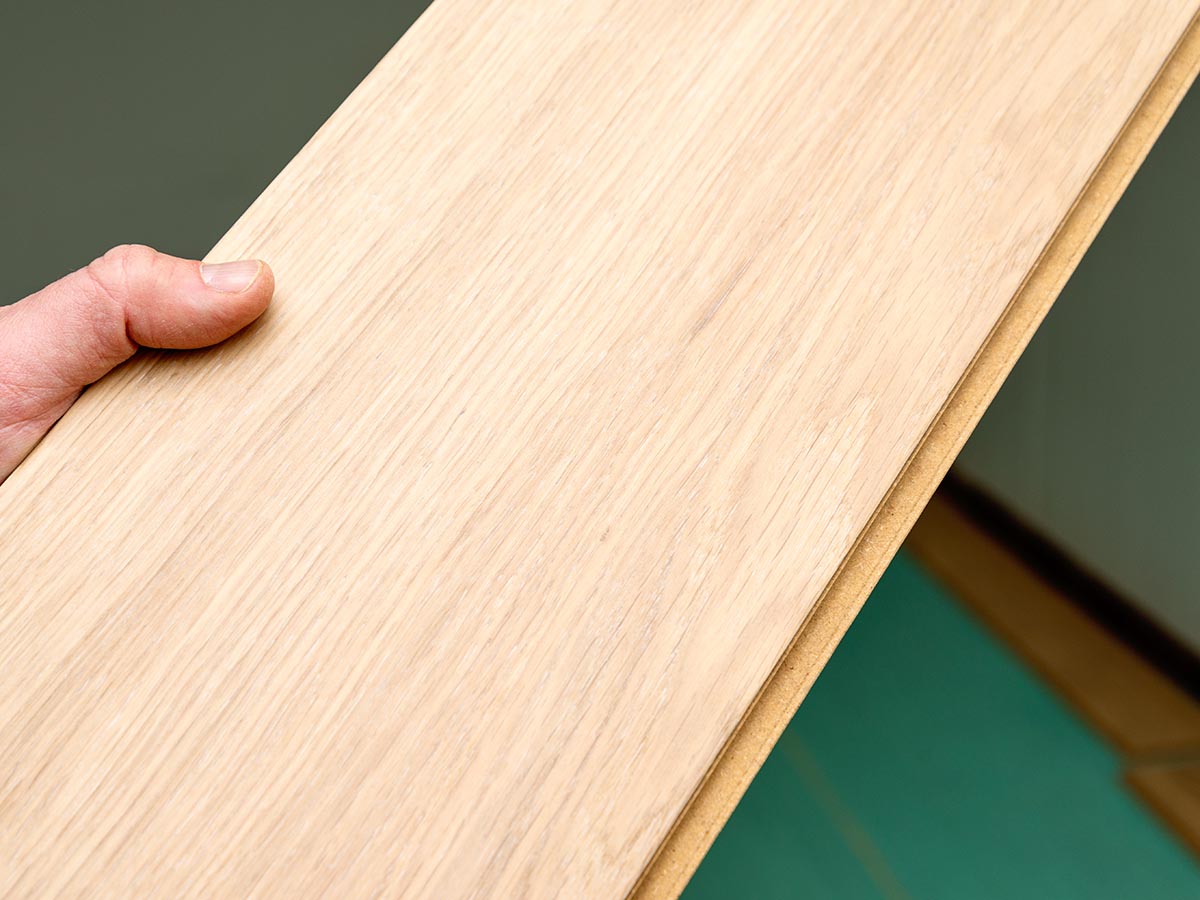
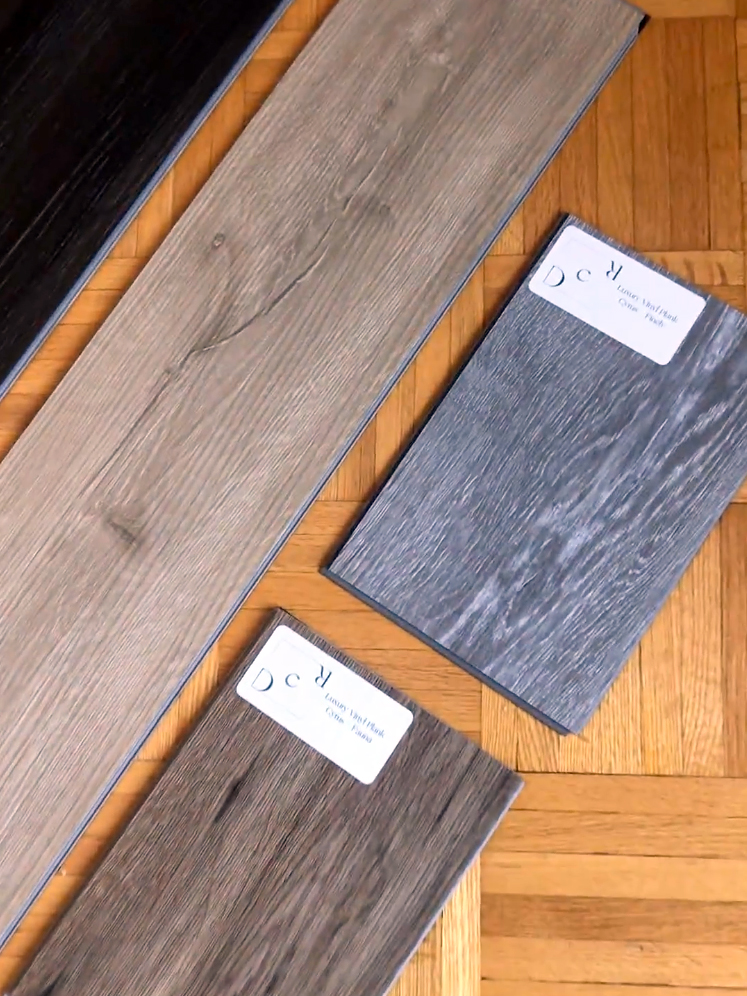
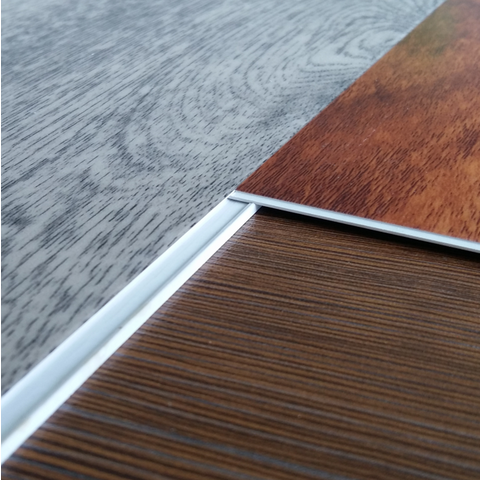
At its core, plank vinyl floor is a multi-layered product, distinguishing it from flexible sheet vinyl. It typically features four distinct layers: a top layer of aluminum oxide to resist minor scratches, a clear film layer for protection against more significant damage, a design layer providing a realistic wood or stone appearance, and a rigid vinyl backing layer that constitutes nearly 90% of its total thickness. This construction makes luxury vinyl approximately five times thicker than traditional sheet vinyl, granting it semi-rigidity. The material also boasts deeper embossing and enhanced graphics, offering a more accurate simulation of wood and stone compared to older sheet vinyl or plastic laminate. Vinyl planks are available in various lengths, commonly 36 or 48 inches, and widths, typically around 6 inches, though some extend to 7 3/4 inches. More elaborate designs, such as antiqued or distressed looks with hand-scraped textures, are also available but come at a higher cost due to the increased material thickness required.
From a cost perspective, vinyl plank flooring is considerably more affordable than genuine wood, often costing five to ten times less. Material prices generally range from $3 to $18 per square foot, with installation adding an estimated $2.50 to $6 per square foot. However, its straightforward installation process makes it suitable for DIY projects, similar to plastic laminate flooring. The material costs for luxury vinyl planks are comparable to ceramic or porcelain tile, but tile installation incurs additional expenses for materials like thin-set and grout, specialized tools, and is significantly more labor-intensive for DIY enthusiasts.
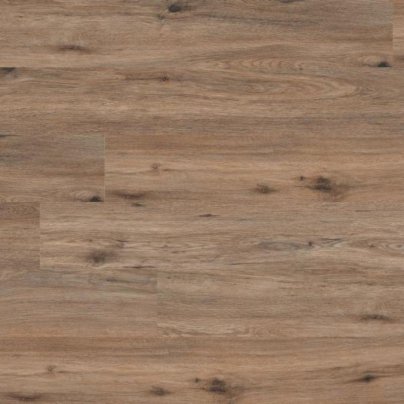
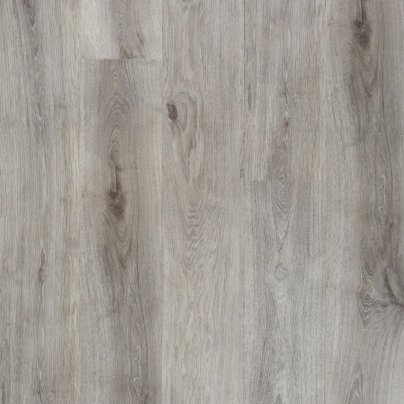
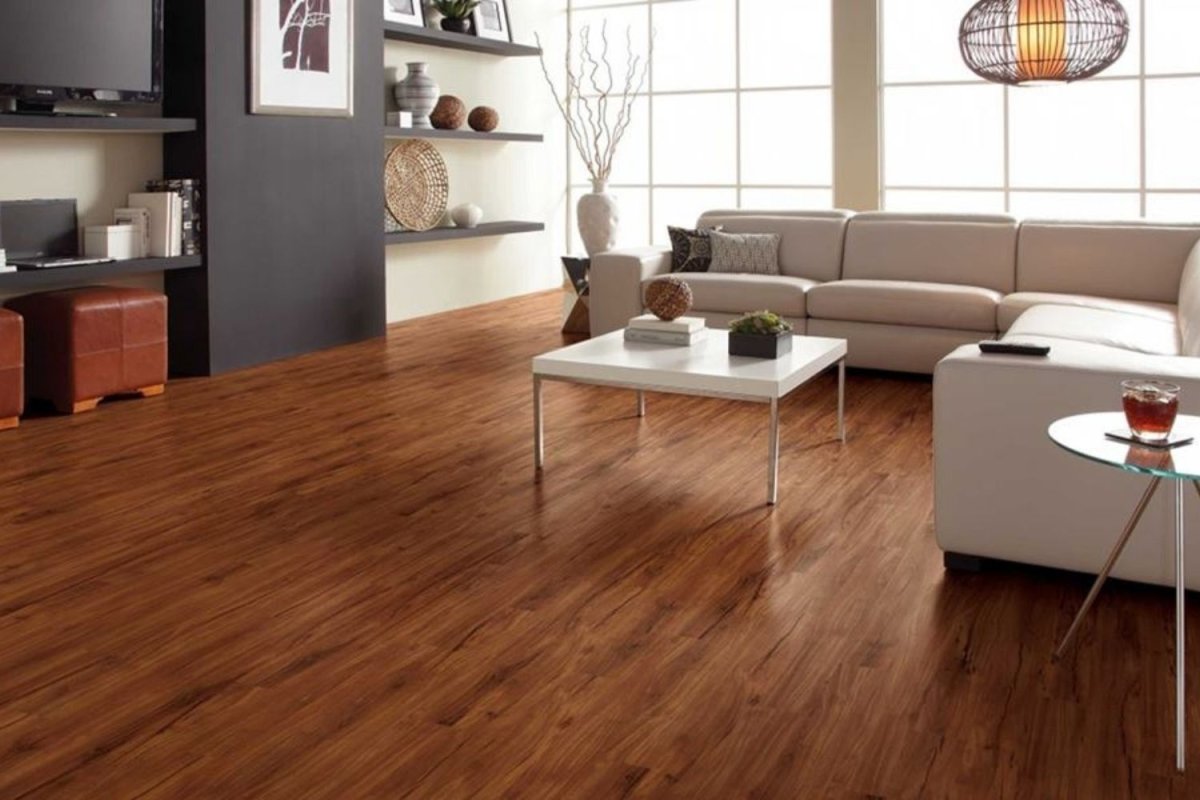
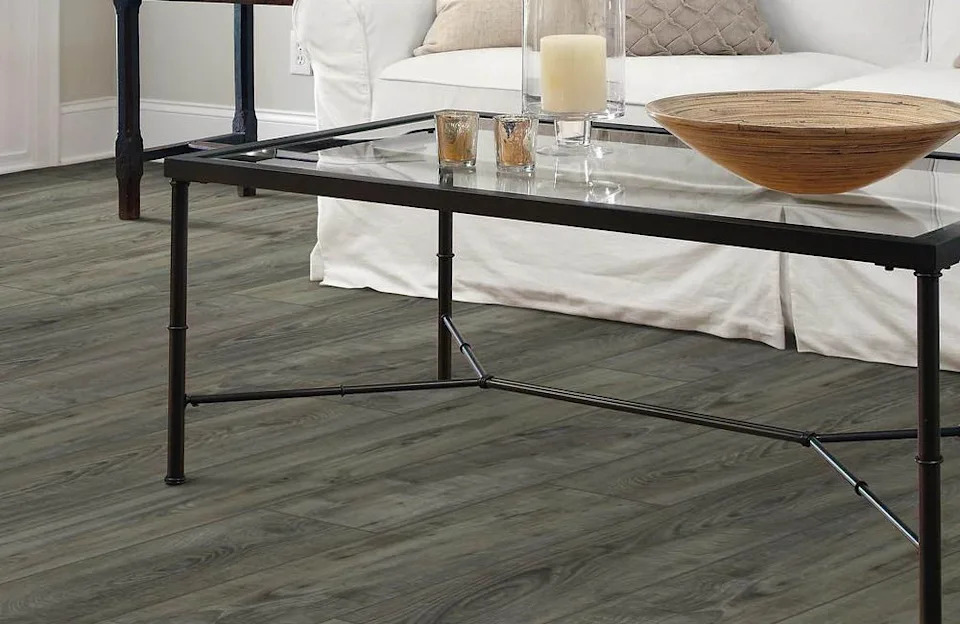
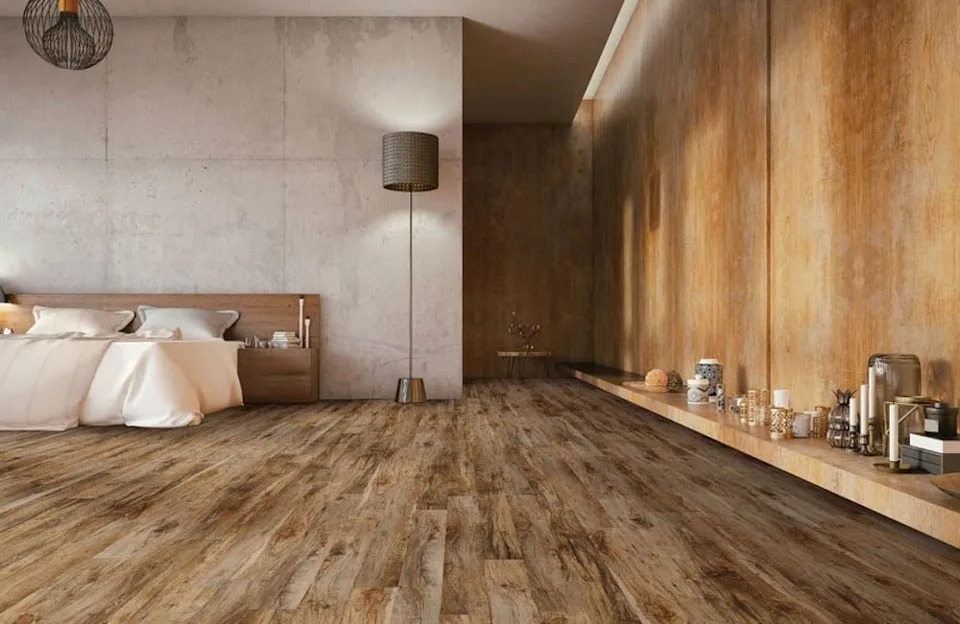
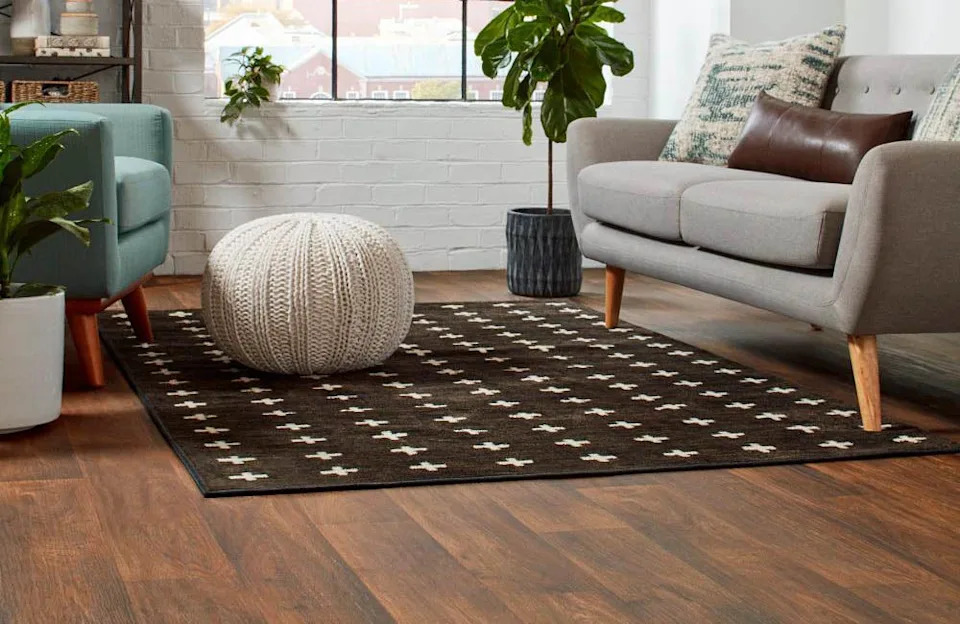
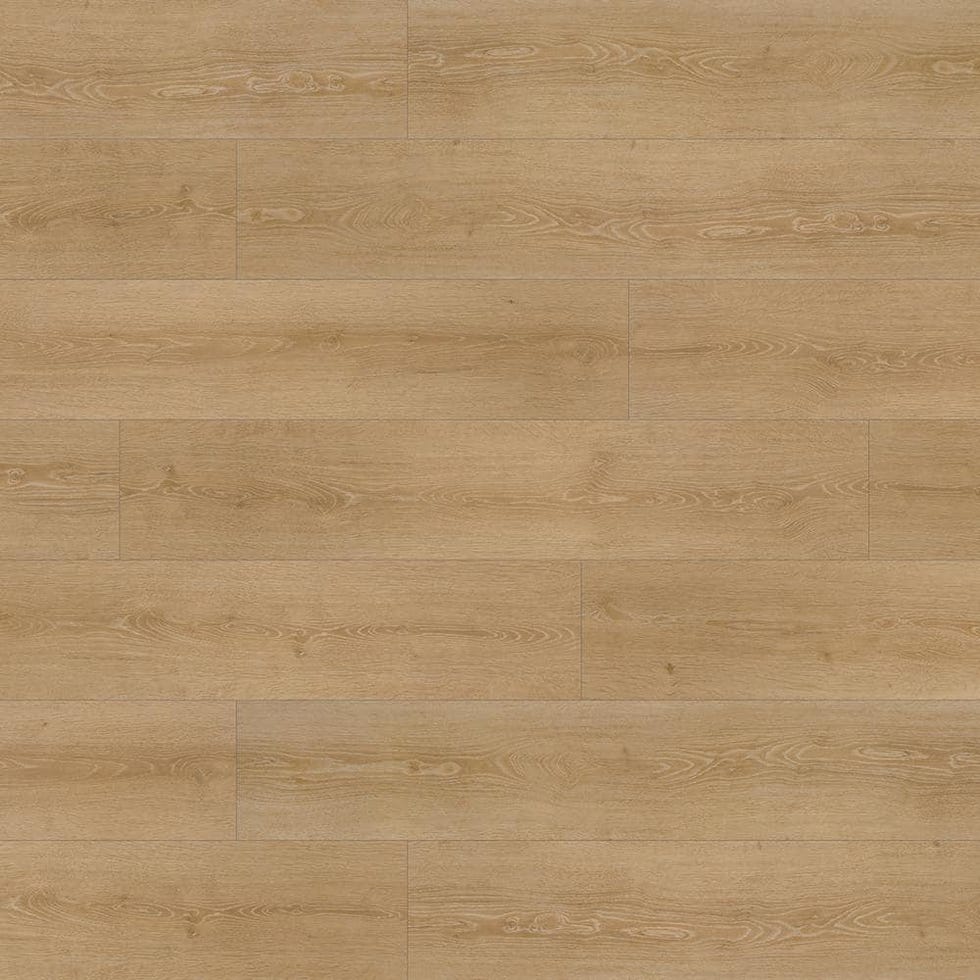
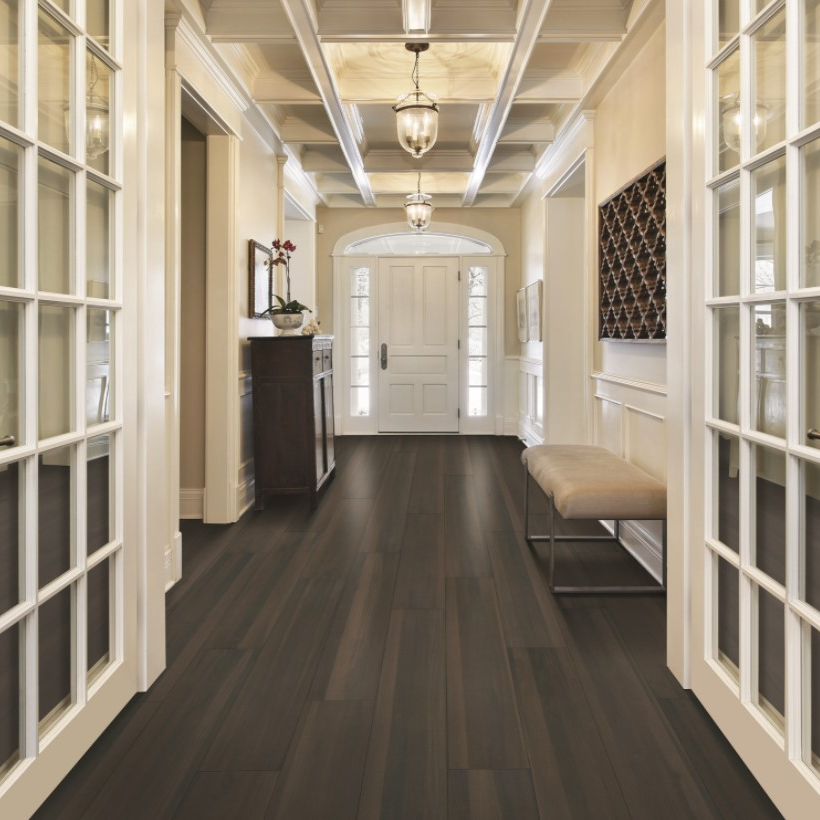
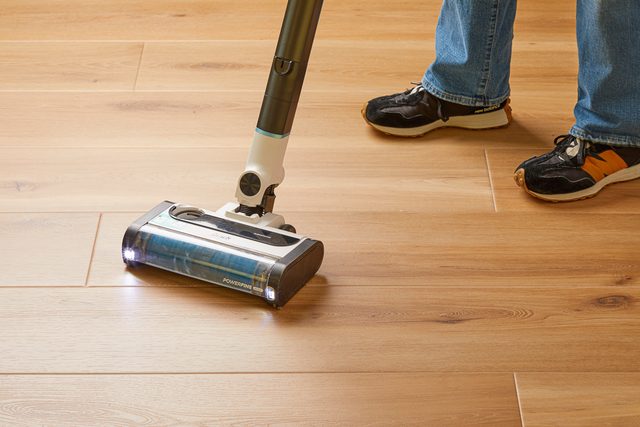
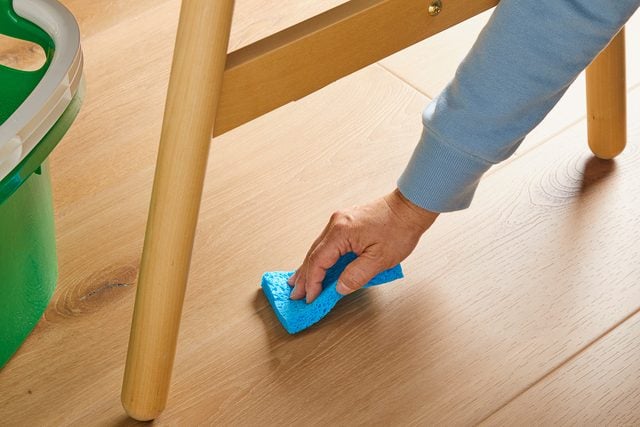
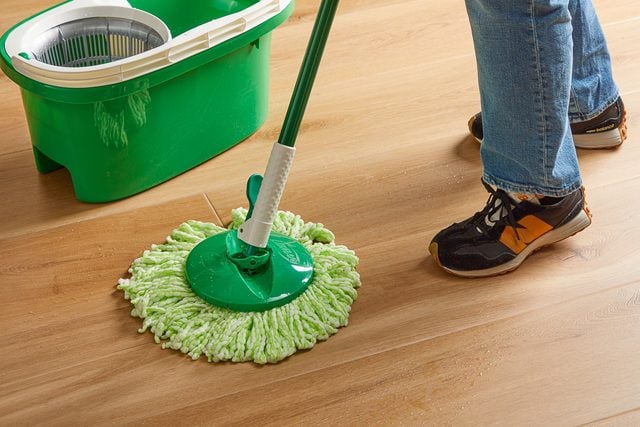
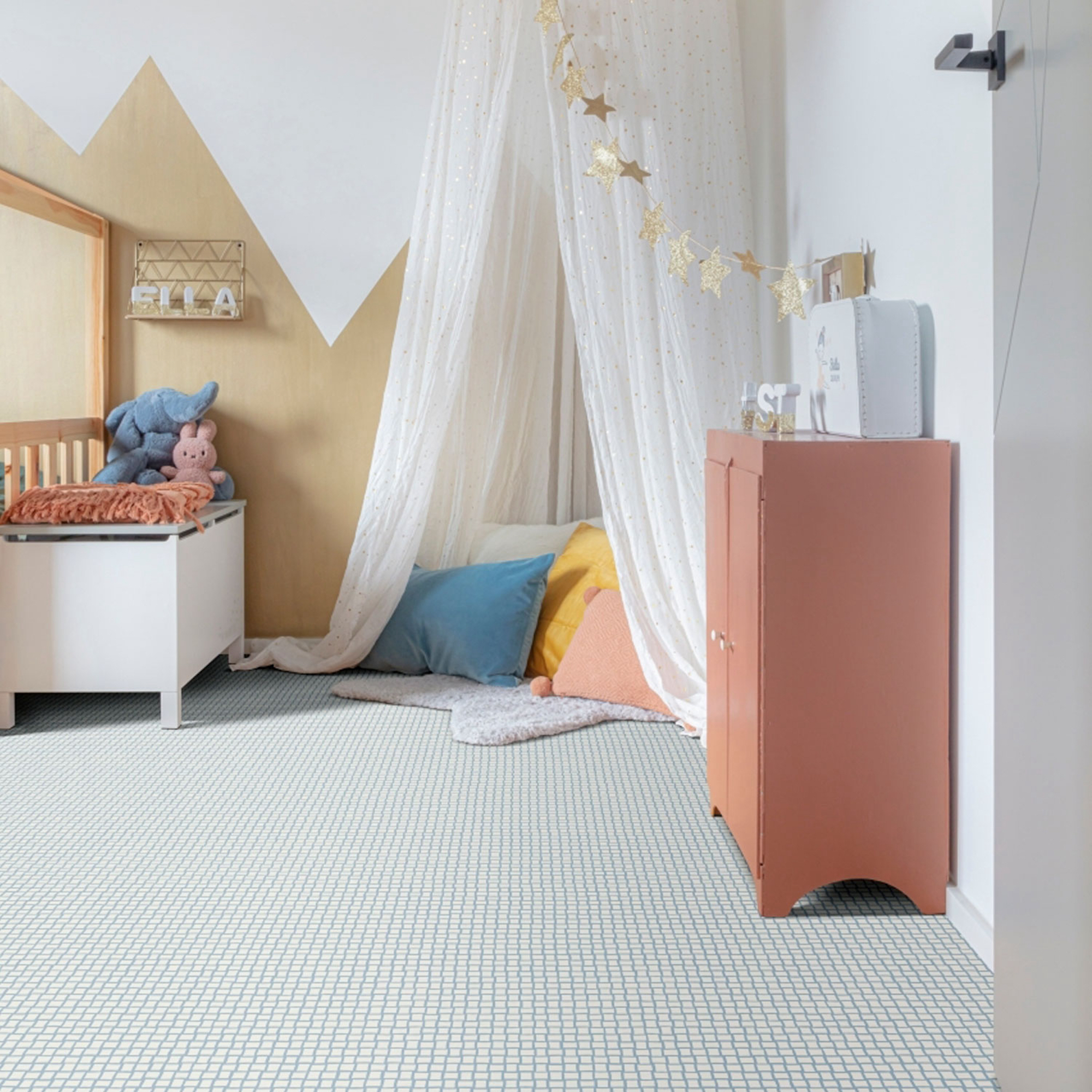
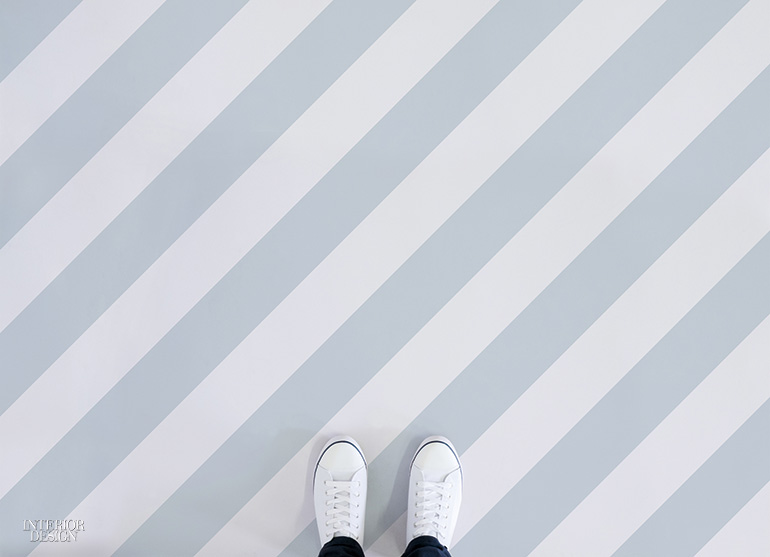
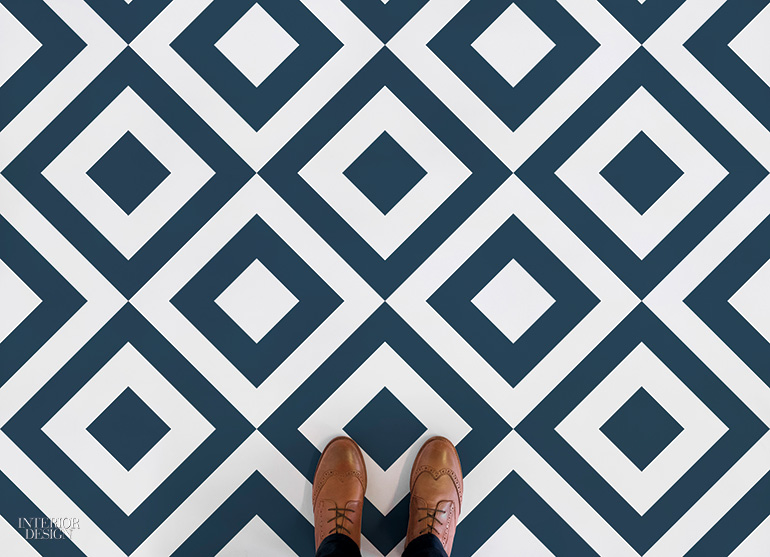
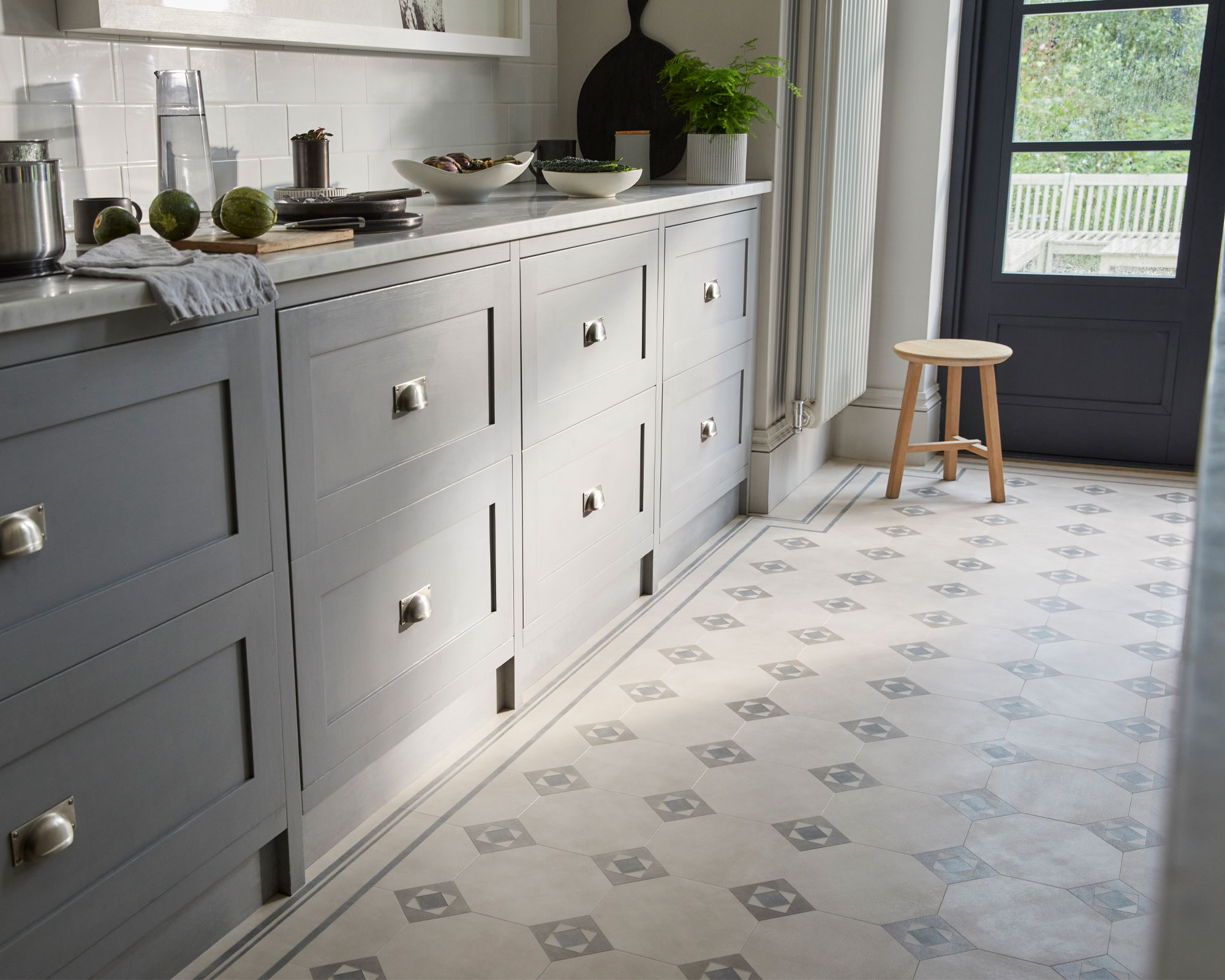
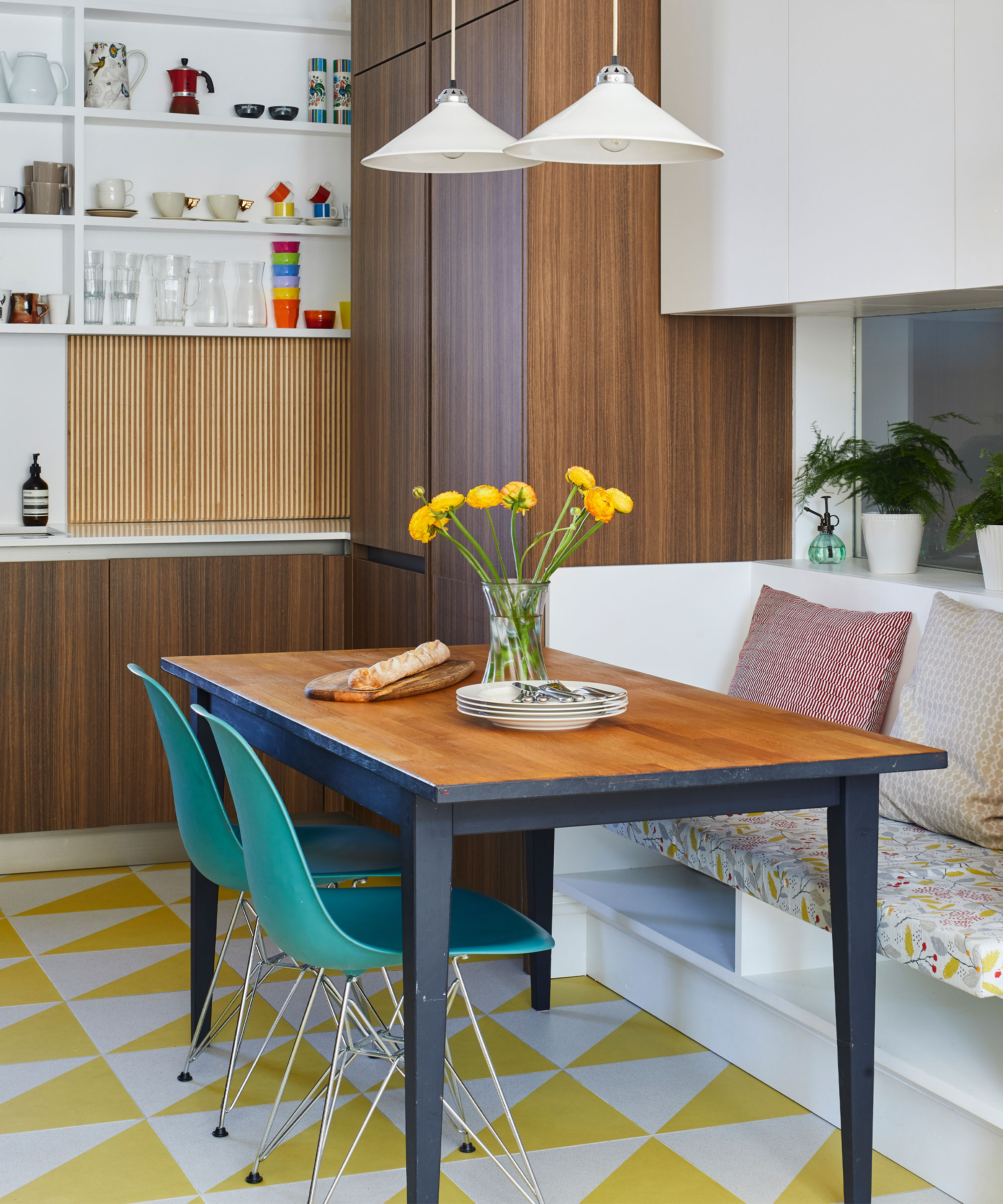
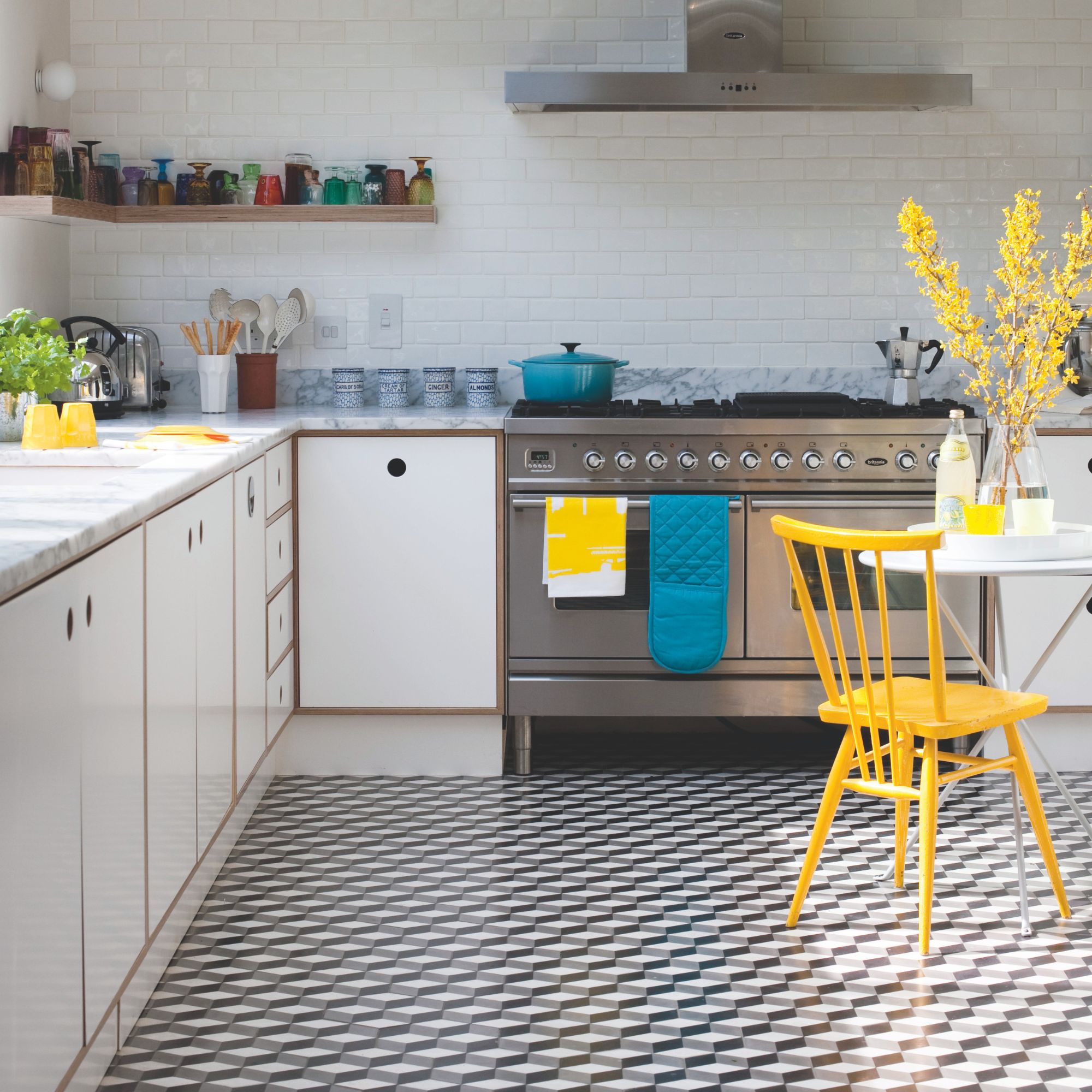
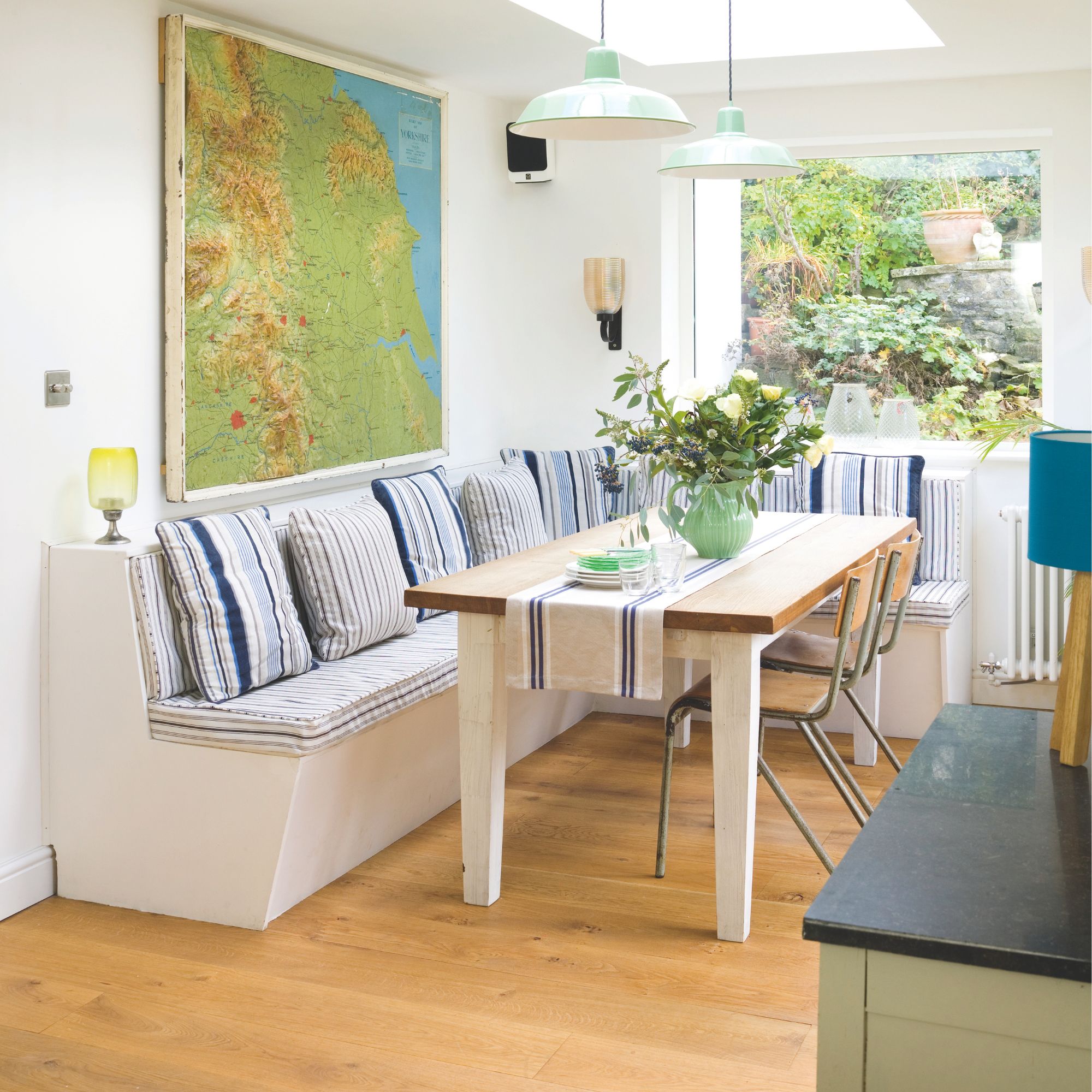
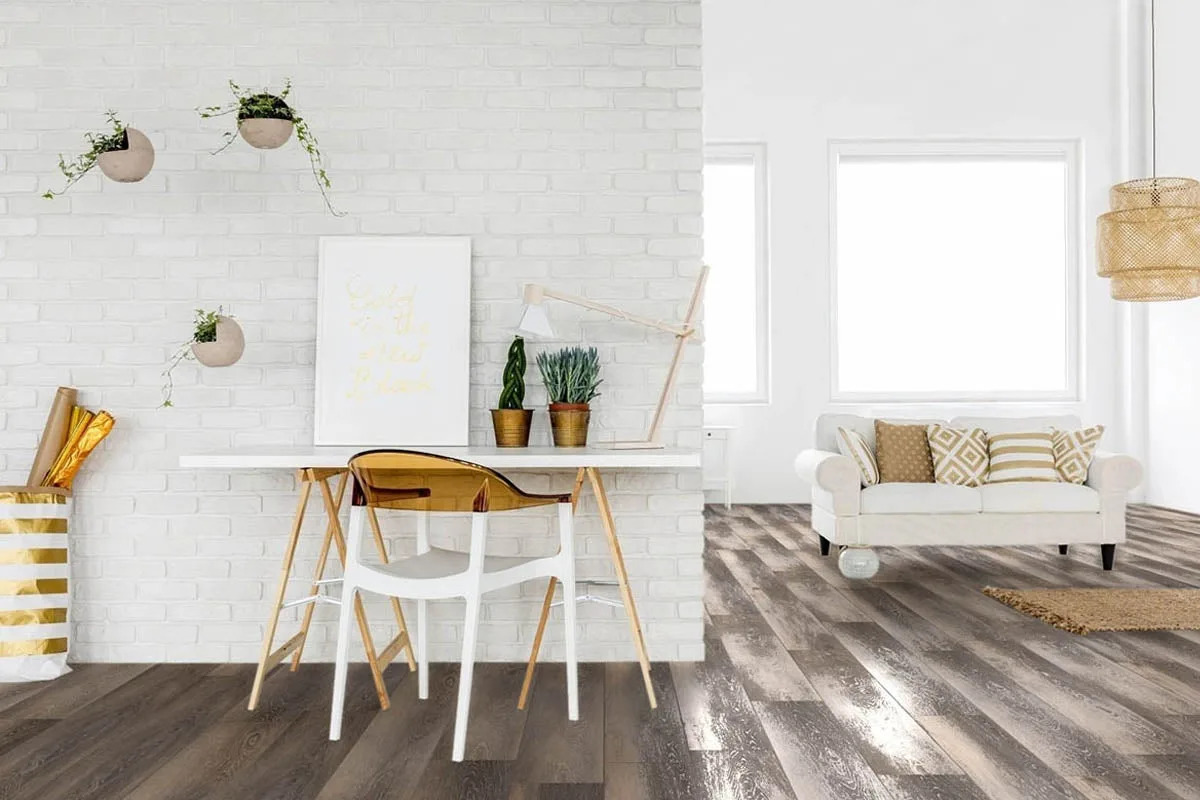
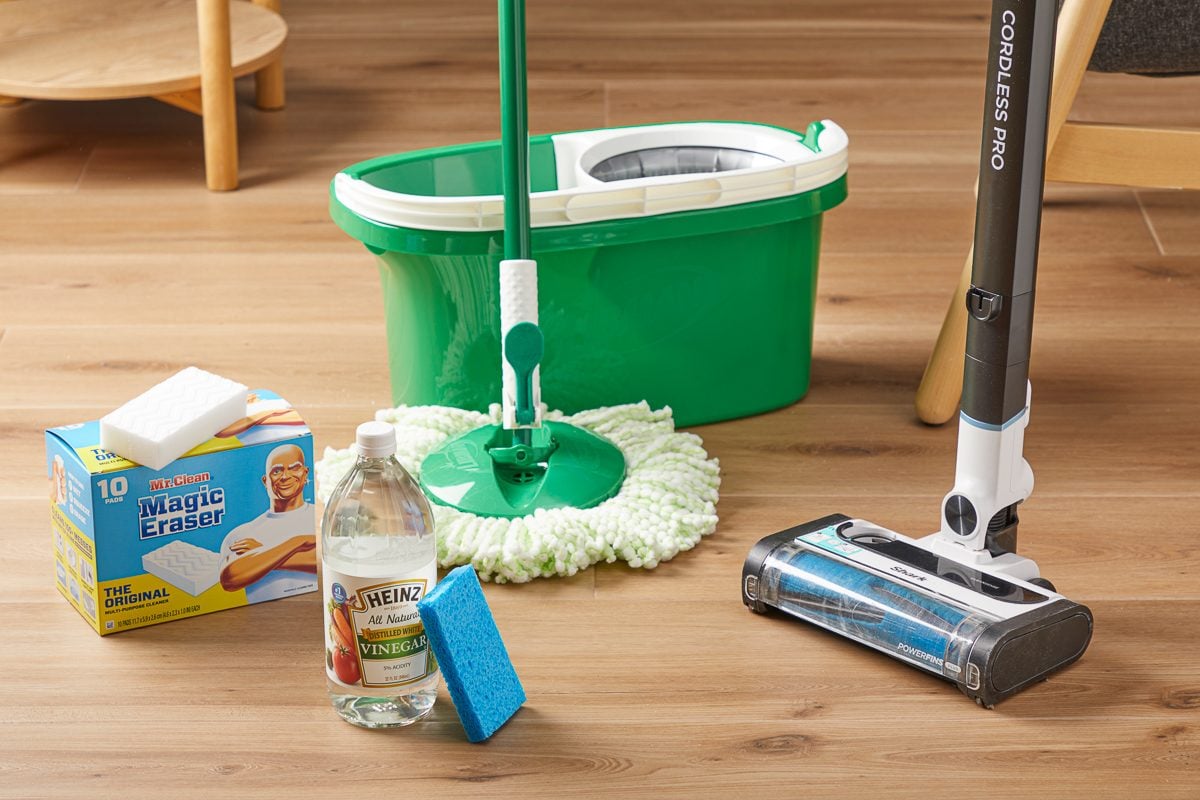
Maintenance is one of the key advantages of vinyl plank flooring, with most manufacturers recommending daily sweeping and weekly damp mopping using a mild detergent. Steam cleaning is not advised, as it can force moisture through seams and damage the subfloor. While minor damage can be addressed with vinyl repair kits, replacing an entire plank usually necessitates disassembling the floor from a wall up to the damaged area, installing a new plank, and then reassembling the flooring. The design versatility of vinyl plank flooring is extensive, with hundreds of colors and patterns available. While interior designers and real estate professionals consider it superior to sheet vinyl and laminate, it is still generally regarded as less prestigious than solid hardwood or porcelain tile. Most luxury vinyl planks effectively mimic hardwood, often being difficult to distinguish from natural wood at a glance, while tile forms convincingly replicate ceramic or natural stone.
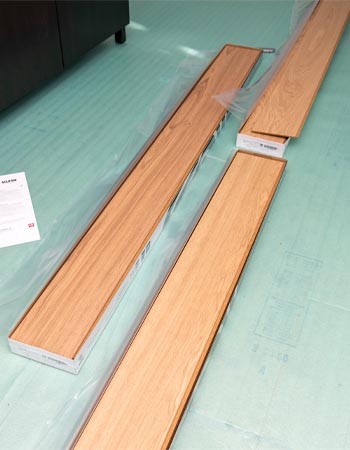
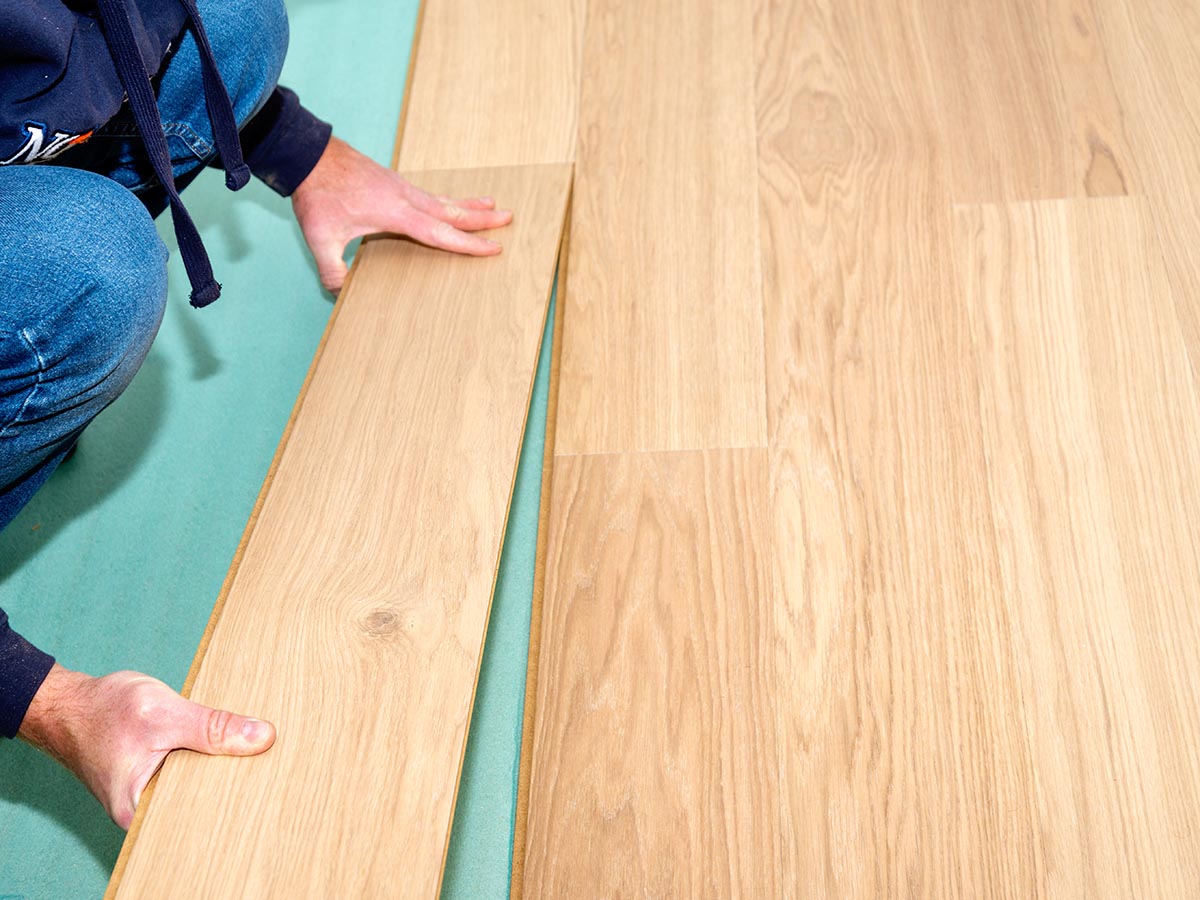
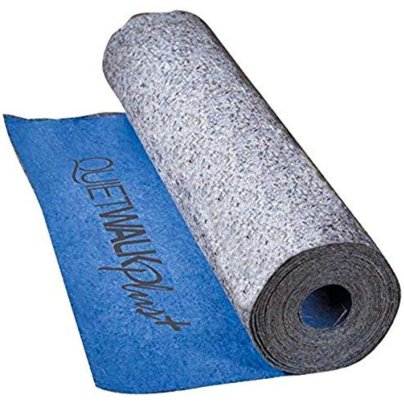
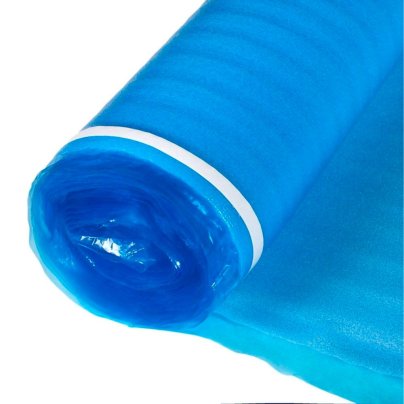
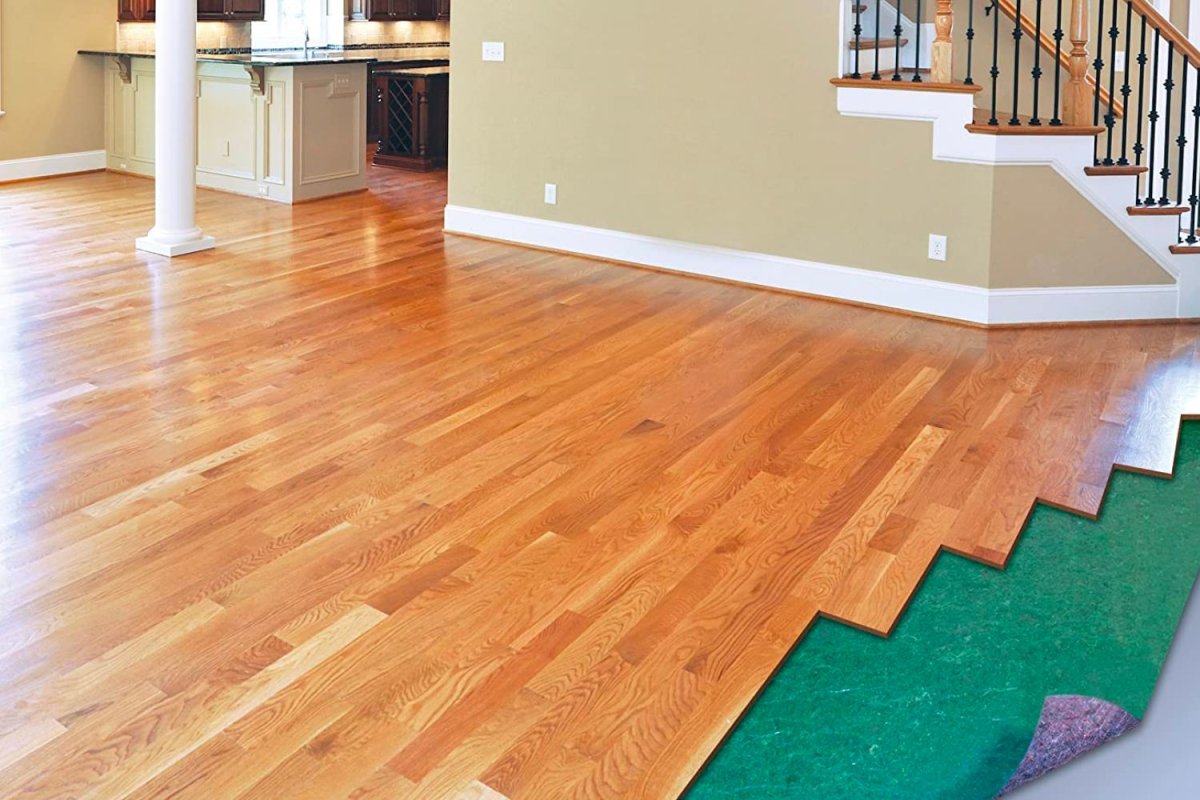
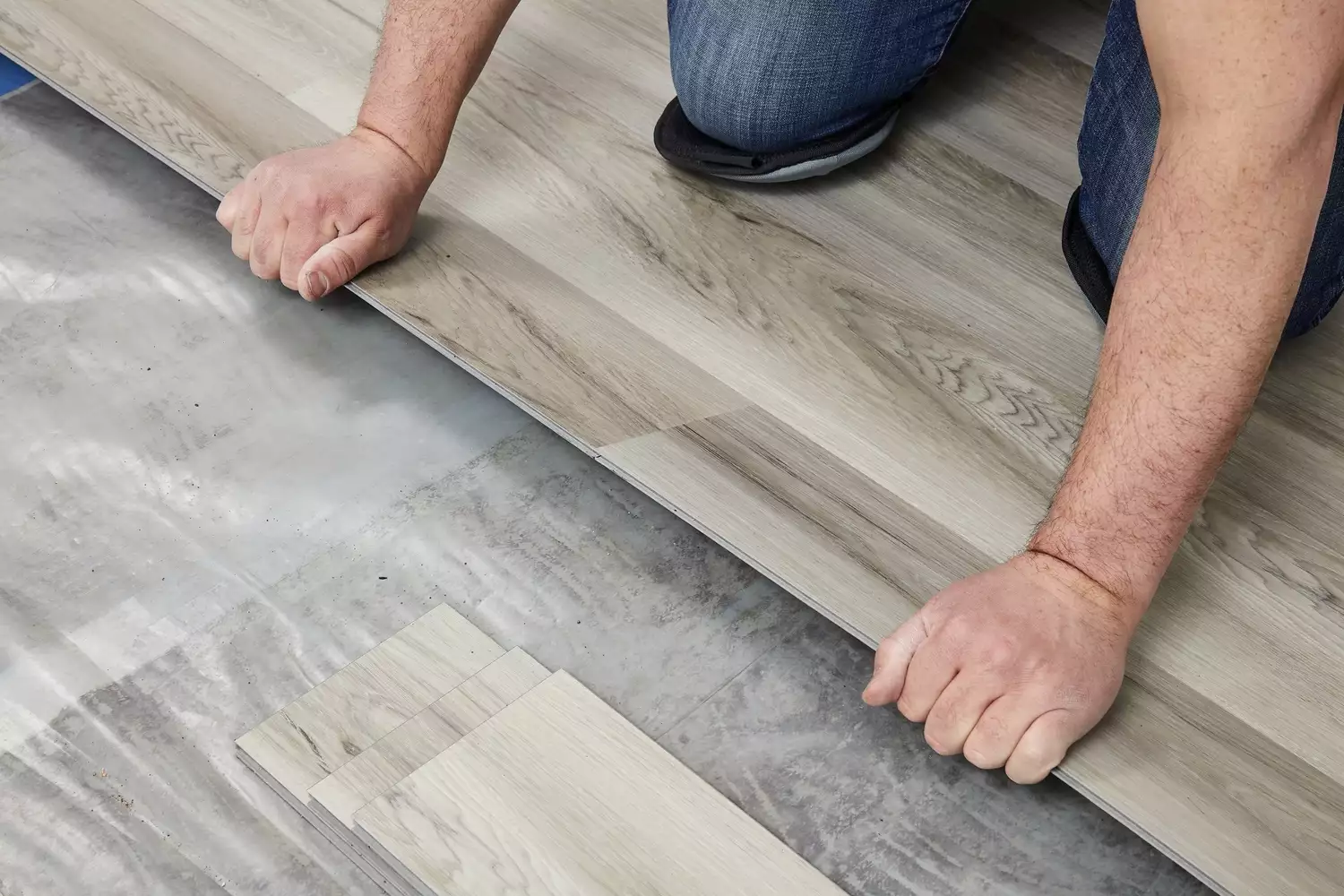
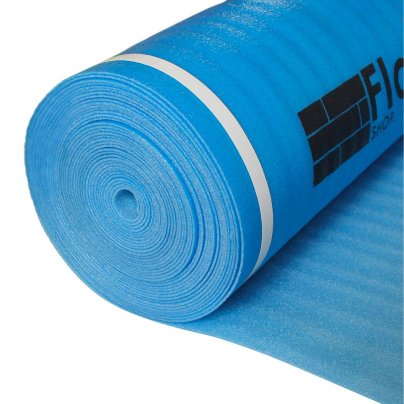
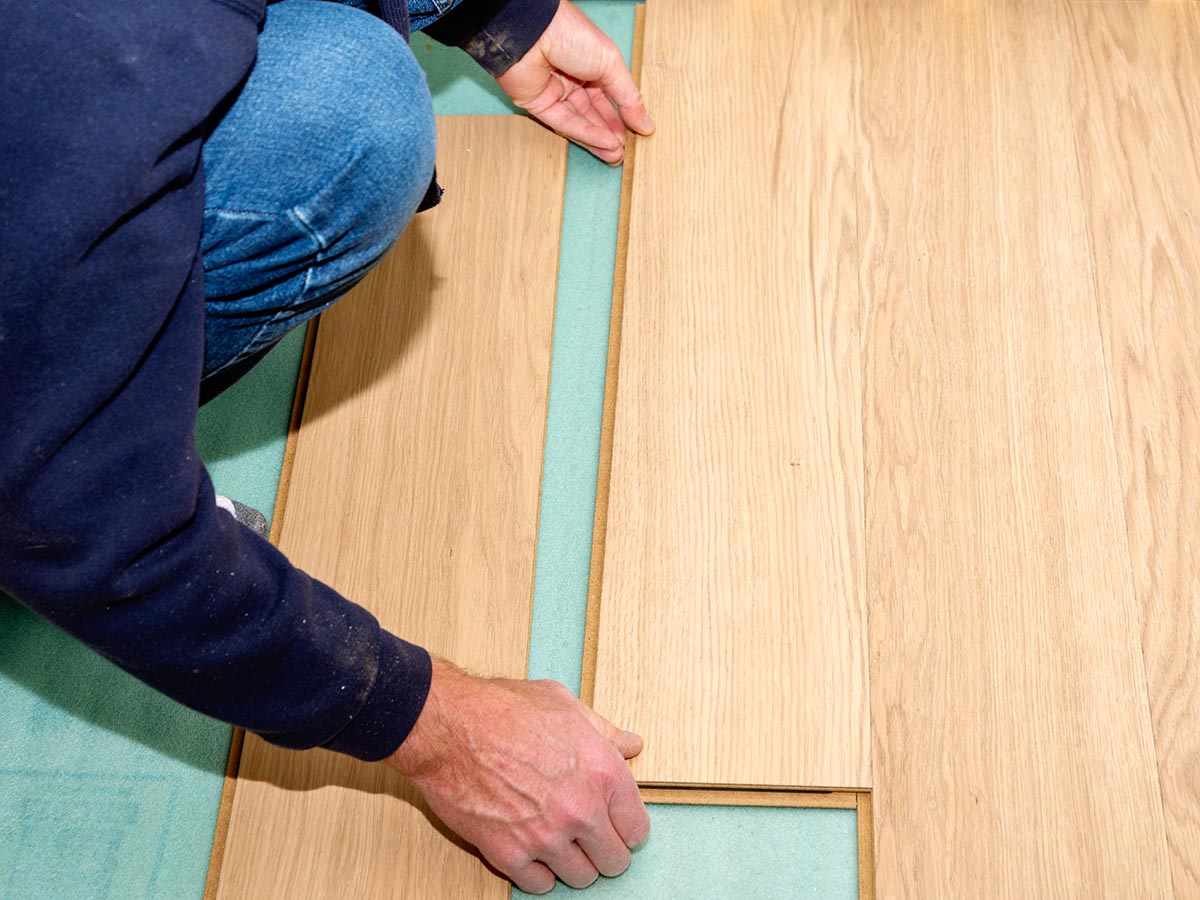
Installation ease is a significant benefit, making it highly accessible for do-it-yourselfers due to a minimal learning curve. A small room can typically be completed in three to four hours. The flooring uses a click-lock system, allowing planks to snap together as a floating floor over an underlayment without glue. The thickness of the planks also makes them more accommodating of minor subfloor imperfections compared to sheet vinyl. Installation begins with laying the first row along the most visible wall, and planks can be cut with a utility knife or tin snips for obstructions. Top brands offering vinyl plank flooring include Shaw (Premio and Classico), Armstrong (Luxe Plank), Mannington (Adura and Distinctive), BuildDirect, and Lumber Liquidators (Tranquility).
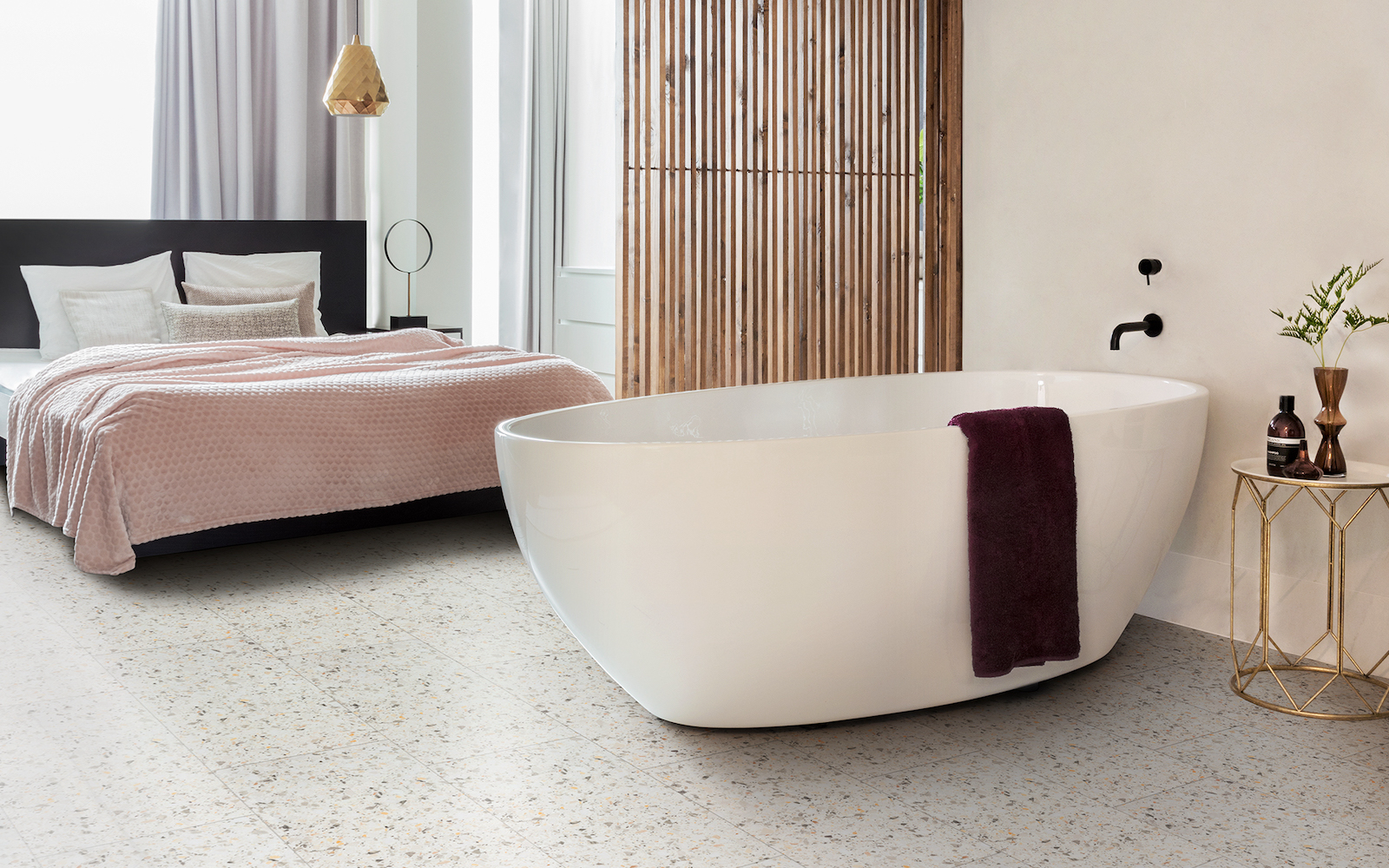
Vinyl plank flooring offers enhanced comfort underfoot due to its thickness, making it more comfortable than sheet vinyl. Its waterproof nature makes it ideal for damp environments, outperforming laminate flooring or hardwood in such conditions. When compared to laminate flooring, vinyl plank flooring often emerges as slightly superior. Both share similar click-lock installation methods, but vinyl can be cut with a utility knife, while laminate requires a power saw. Vinyl is fully waterproof, softer, and quieter underfoot, addressing a common issue with laminate's clicking sound when walked upon. Key disadvantages include susceptibility to dents and scratches from heavy furniture, challenges in repair, and an environmental footprint due to VOC emissions and recycling difficulties. With proper installation and maintenance, good quality vinyl plank flooring can last approximately 20 years. To prevent damage, using rugs, felt pads under furniture, and promptly cleaning spills is recommended, along with avoiding abrasive cleaning products.
#VinylPlankFlooring #LuxuryVinylFlooring #FlooringOptions #HomeImprovement #DIYInstallation #WaterproofFlooring #FlooringMaintenance #HomeDecor #MaterialComparison #VinylPlankFlooring #LuxuryVinylFlooring #FlooringOptions #HomeImprovement #DIYInstallation #WaterproofFlooring #FlooringMaintenance #HomeDecor #MaterialComparison
0 comment in total
 No comments yet
You may also like
The Best Vinyl Plank Flooring for Your Home

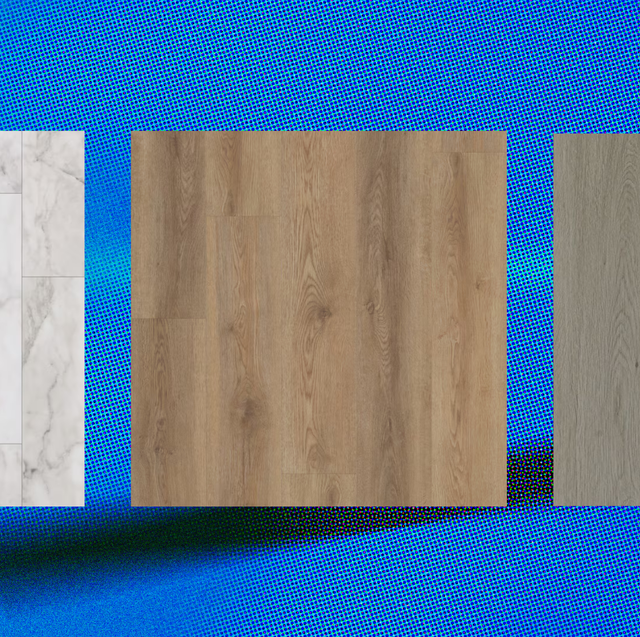
The Best Vinyl Plank Flooring Options, Tested by Home Experts

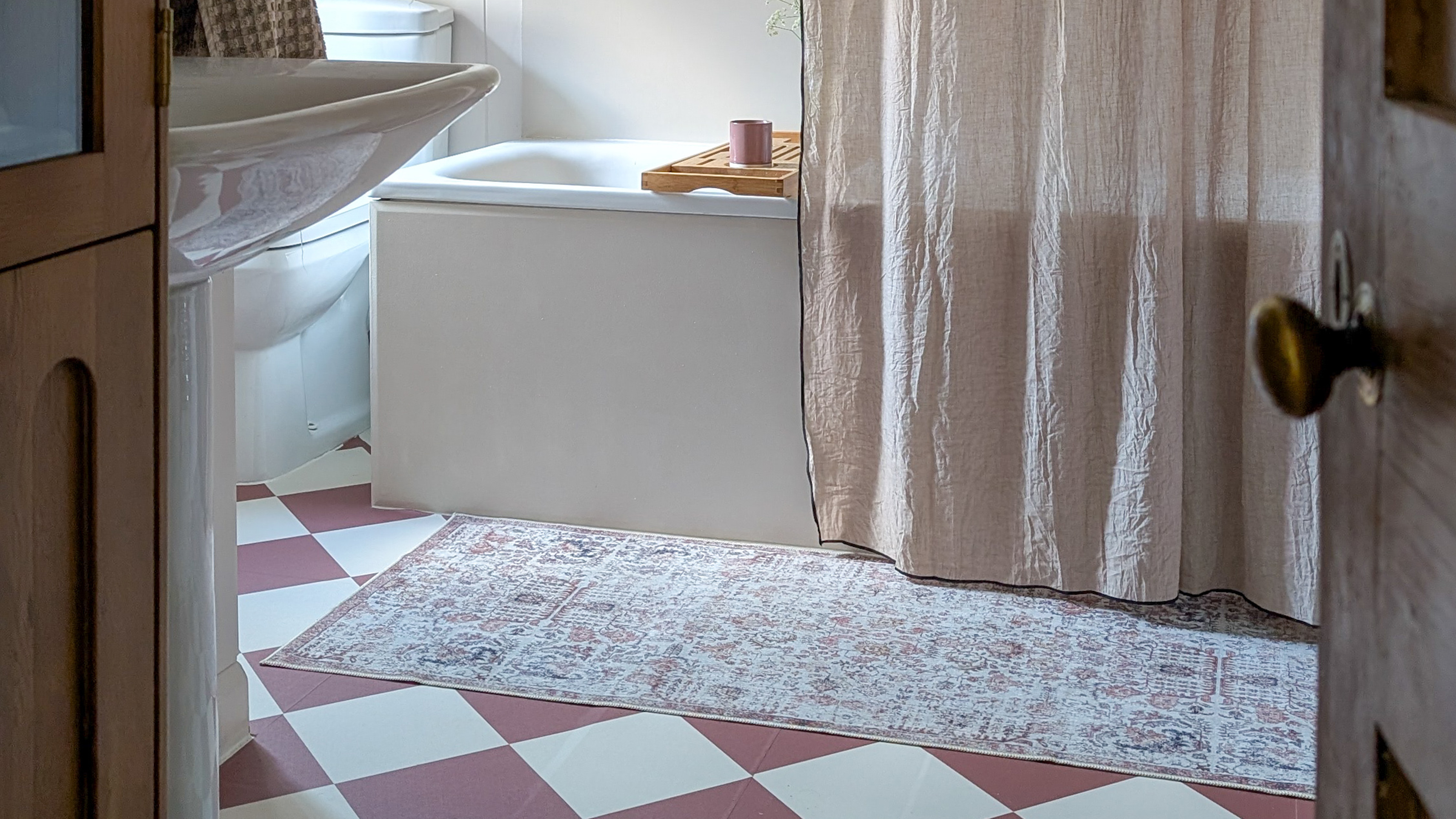
Will vinyl floor panels look good? I've tried them instead of tiling my bathroom and have a very strong opinion
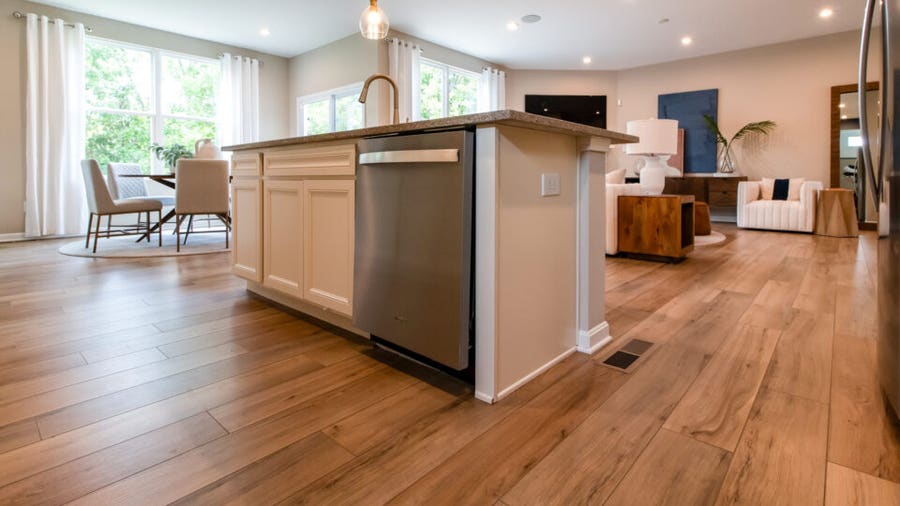
How Much Does Vinyl Plank Flooring Cost?

Walk This Way: New trends in vinyl flooring
The Best Underlayments for Vinyl Plank Flooring

Virgin Material 4mm SPC Vinyl Flooring Click Interlock Stone Plastic Composite Flooring

Atrafloor Debuts Patterned Vinyl Flooring

The Best Vinyl Plank Flooring Brands
5 reasons to specify luxury vinyl flooring

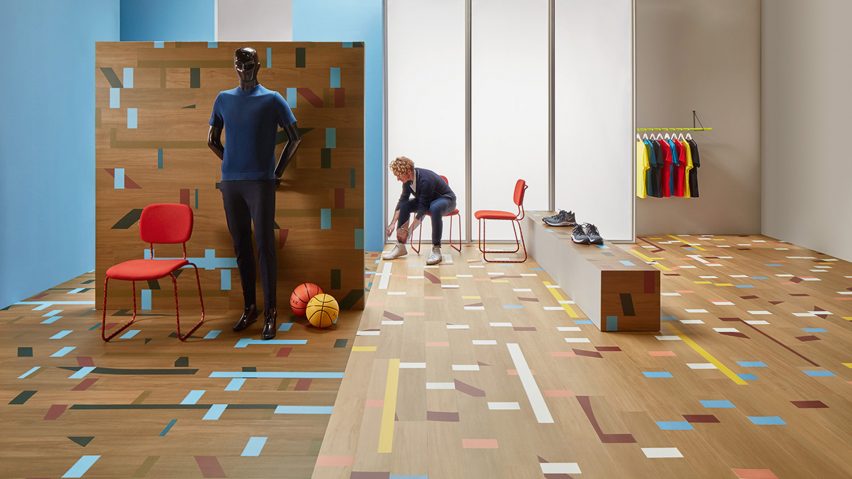
Vinyl Allura tiles mimic the look of a reclaimed gym floor
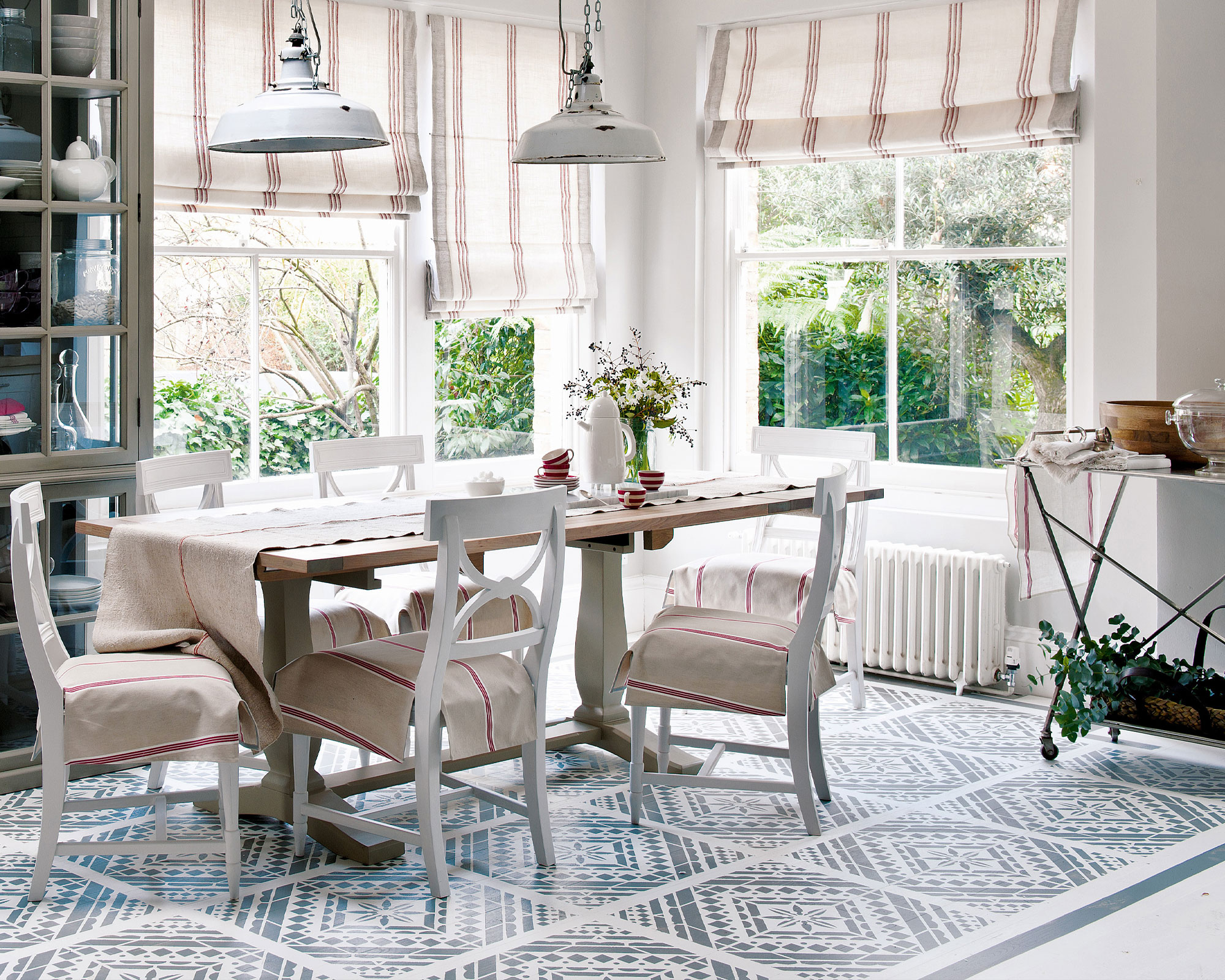
Vinyl kitchen flooring ideas – 17 practical, easy to clean floors that emulate luxury materials

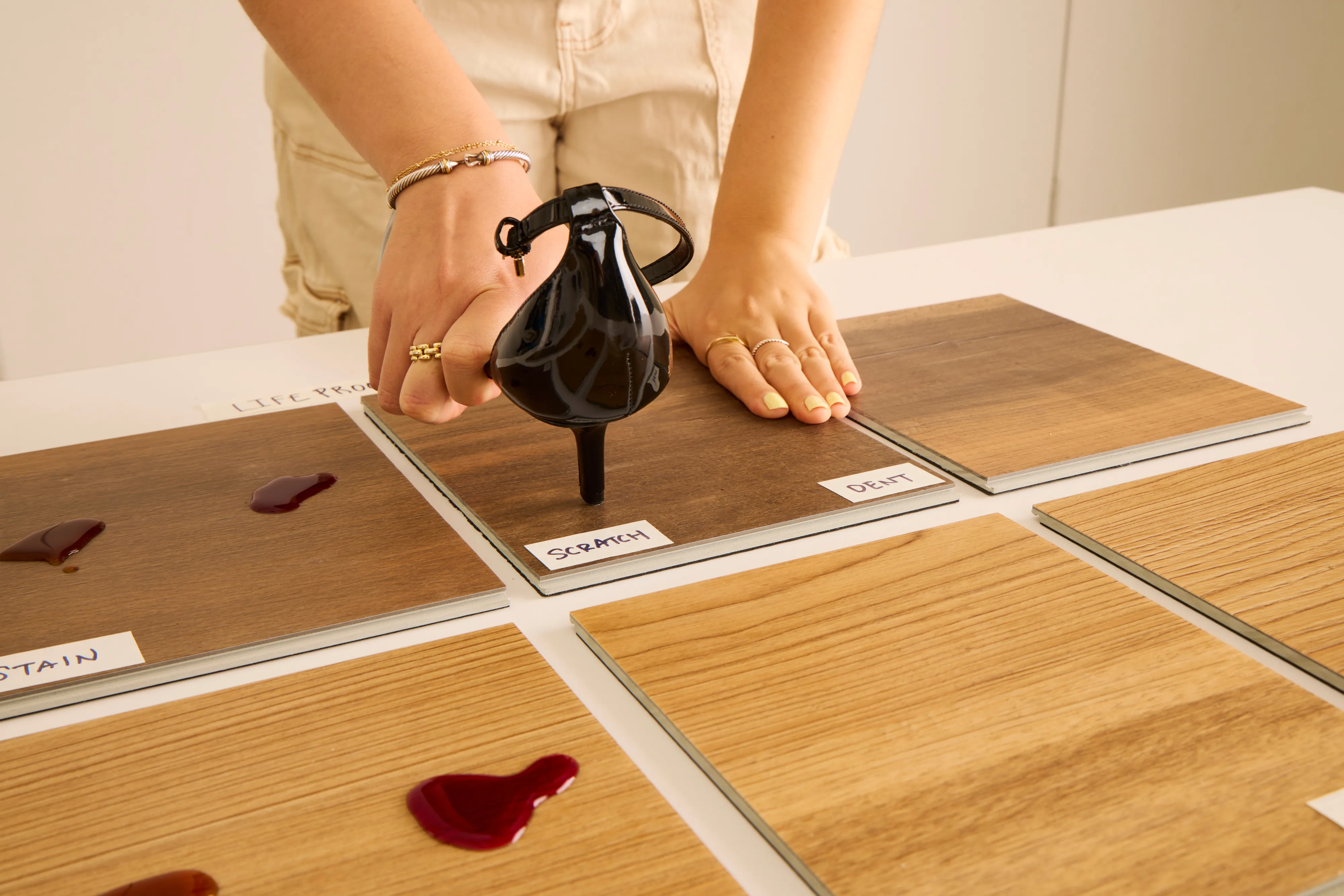
I Tested 12 Vinyl Plank Floor Samples—This Pick Deserves a Spot in Your Home

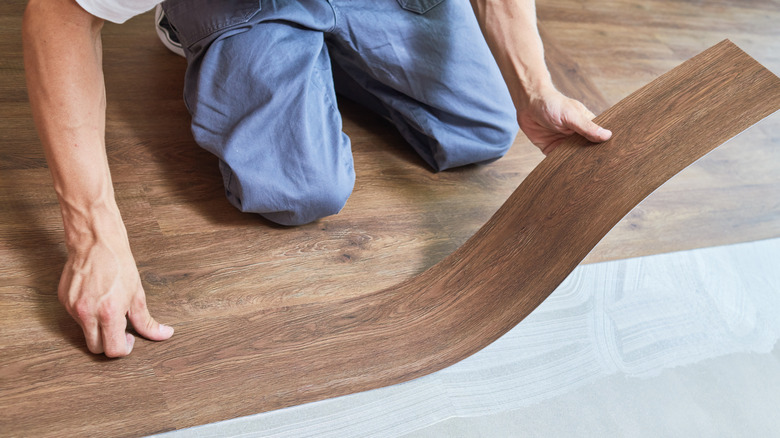
Vinyl Plank Floor Brands That Look The Most Like Real Wood
You Don’t Have to Demo Your Old Floors to Get New Ones

Best ways to clean vinyl flooring - the dos and don’ts to consider if you have vinyl in your home
Flooret Flooring Review: Direct-to-Consumer Floors That Are Worth the Hype
How To Clean Vinyl Plank Flooring Like a Pro

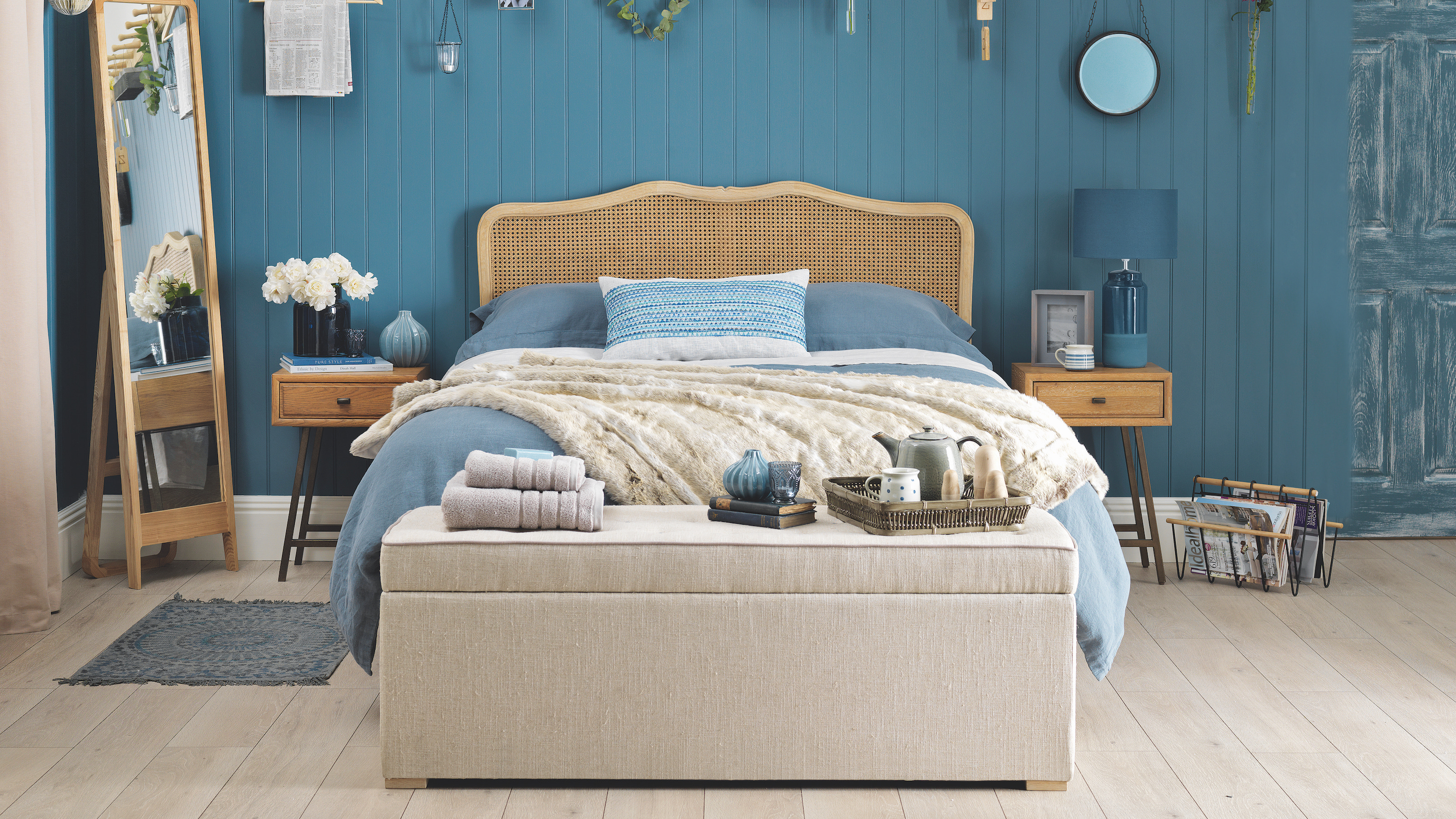
10 vinyl flooring ideas for bedrooms that will persuade you to ditch the carpet for easy-to-care for vinyl
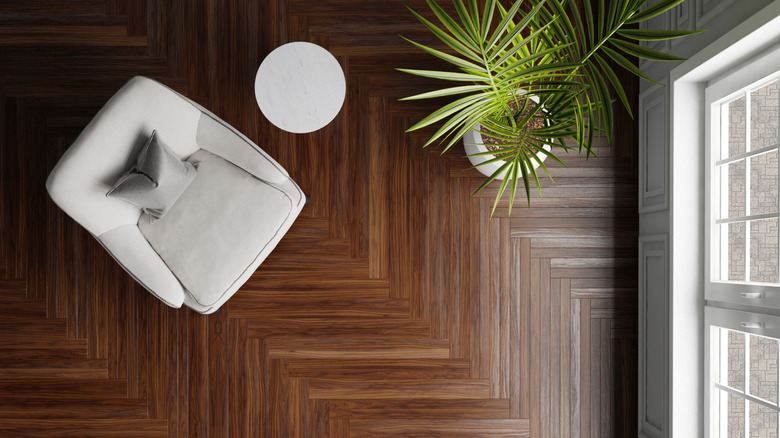
Forget Hardwood: HGTV's Erin And Ben Napier Have A Better Idea For Your Floors