Mar 2014: ASK THE INSPECTOR: More is better with drywall screws
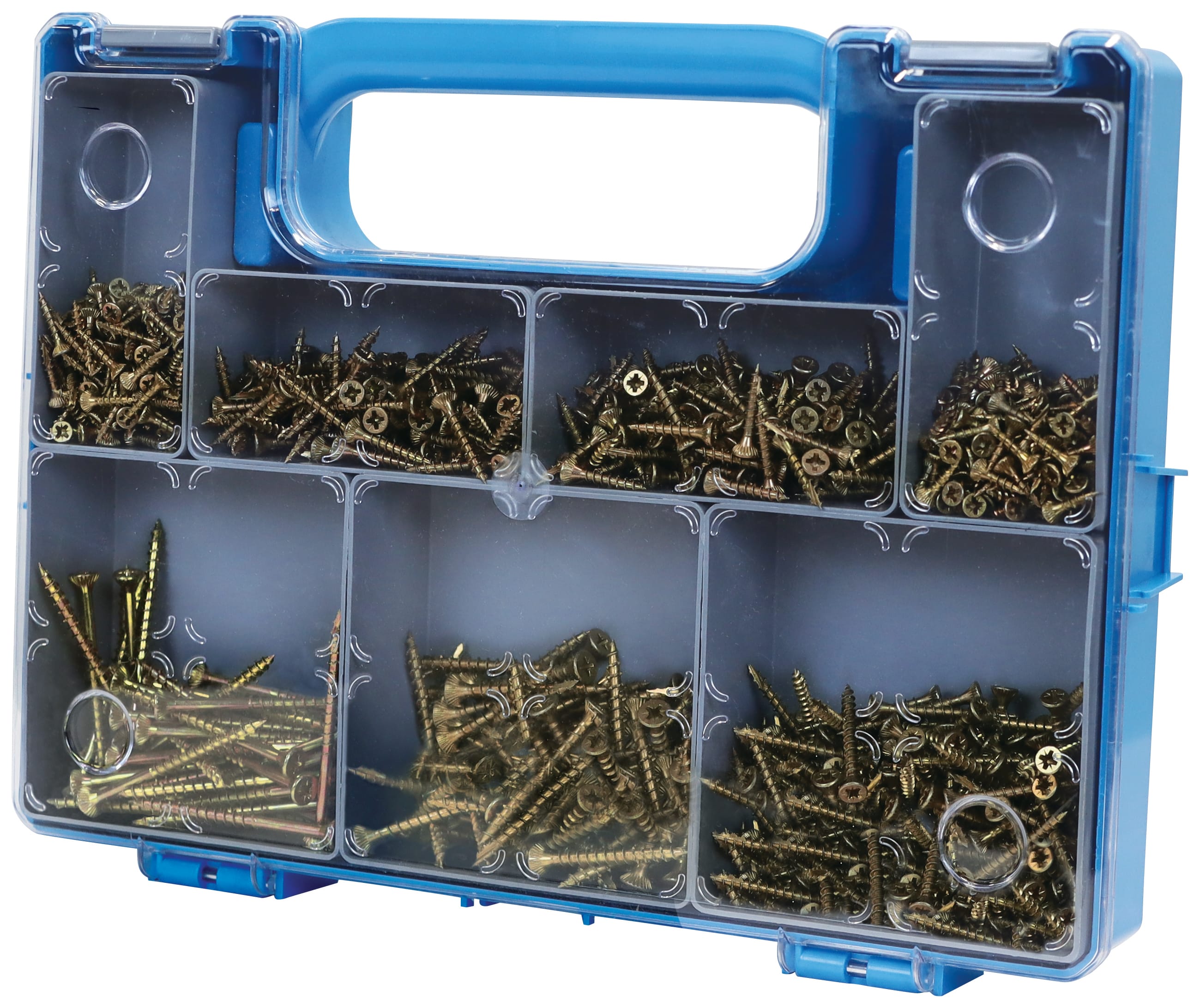
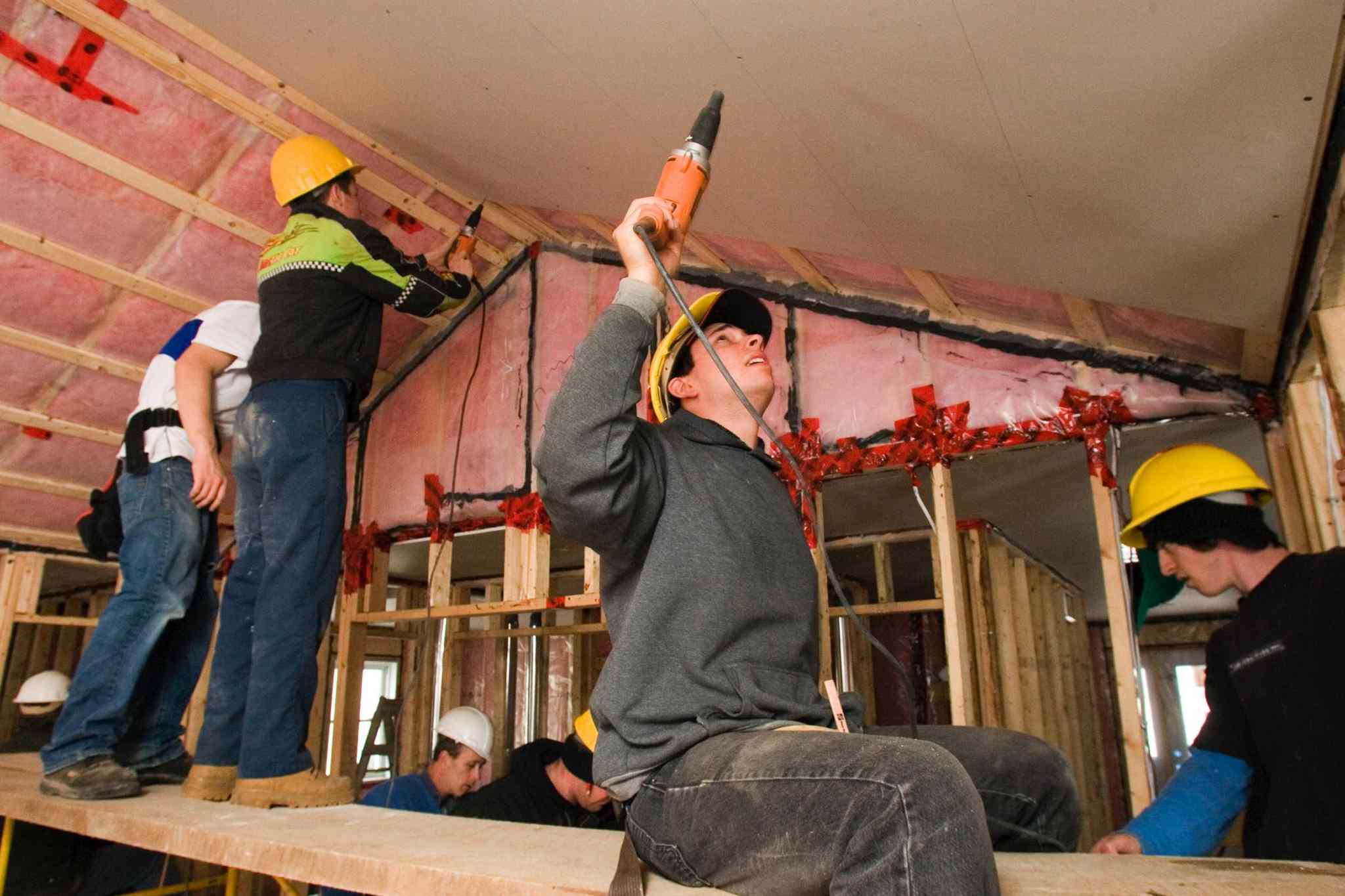
This article addresses a common renovation question regarding the optimal number of screws for fastening drywall sheets, particularly in a basement finishing project. The question comes from Marcel Girardin, who is helping his niece finish her basement. The construction involves Logix ICF forms for outside walls and floating two-by-fours spaced 24 inches on center for inside walls, with eight-foot drywall sheets installed vertically. Girardin is receiving conflicting advice on screw placement, with some recommending screws every 16 inches and more on the edges, while others suggest using more.
The author, Ari Marantz, highlights the importance of seeking proper advice for renovation tasks, even seemingly straightforward ones like drywall installation. He notes the discrepancy in opinions found in online forums, where many contractors suggest minimum screw usage without technical justification, a practice he deems dangerous. Marantz advises erring on the side of caution and exceeding minimum requirements when uncertain during renovations.
The article references manufacturer recommendations as a starting point. Specifically, it cites CGC, a common drywall supplier, which recommends spacing screws a maximum of 300 mm (12 inches) apart on ceilings and 400 mm (16 inches) apart on walls, with screws placed at least 10 mm (3/8 inches) from panel ends and edges. This recommendation aligns partially with Girardin's initial plan.
A critical distinction is drawn between typical new construction, where studs are usually 16 inches on center, and the niece's basement project, which has studs spaced at 24 inches. The manufacturer's recommendations are likely based on the closer 16-inch stud spacing, meaning fewer screws are needed per sheet in standard construction compared to a 24-inch spacing. The article also explains that ceilings typically have a tighter 12-inch screw spacing, which is logical given that roof trusses often have 24-inch spacing to support insulated ceilings.
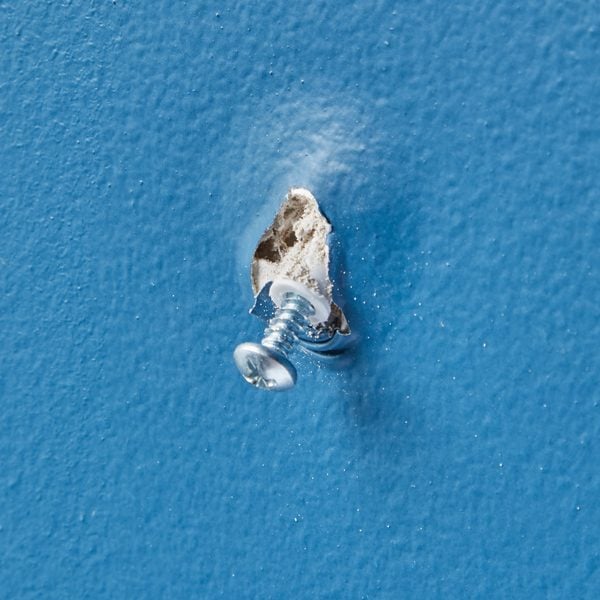
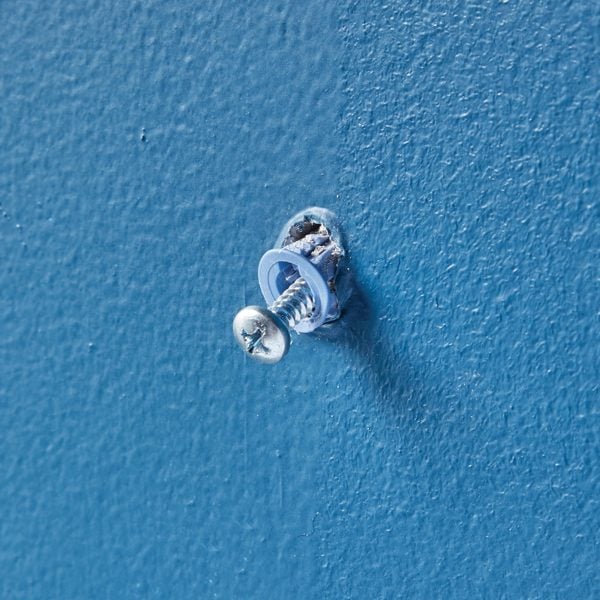
One significant challenge with 24-inch stud spacing, especially when installing drywall over insulated walls, is the potential for slight bowing of the drywall between studs. This bowing becomes more noticeable if only a single row of screws is used between edges instead of two. Furthermore, fiberglass batt insulation tends to expand after removal from its packaging, contributing to visible bulging of wall coverings if studs are widely spaced. While additional fasteners might not entirely prevent bowing, they can significantly reduce the likelihood of the drywall pulling away from the studs, thereby mitigating the problem.
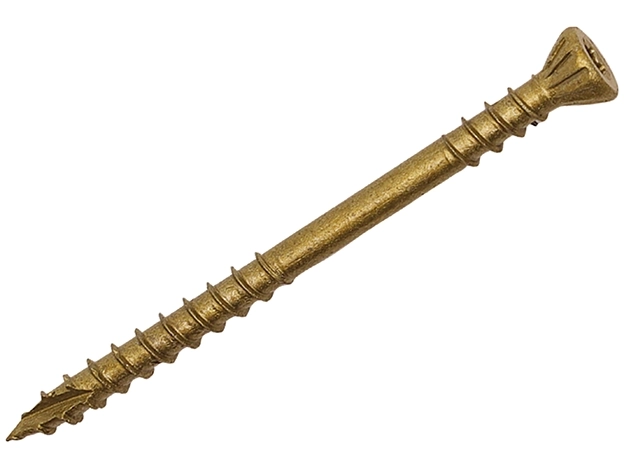
In conclusion, the article recommends adhering to manufacturer's minimum standards of 16-inch screw spacing but emphasizes that this is a minimum. Given the 24-inch spacing of the studs in the niece's basement, installing additional fasteners beyond the minimum is strongly advised. The overarching message is that, for drywall screw installation, 'more is better' to ensure long-term stability and prevent issues, despite what some cost-cutting or less diligent contractors might suggest.
#DrywallInstallation #HomeRenovation #ConstructionTips #BuildingCode #BasementFinishing #DIYHomeImprovement #DrywallScrews #BuildingMaterials #DrywallInstallation #HomeRenovation #ConstructionTips #BuildingCode #BasementFinishing #DIYHomeImprovement #DrywallScrews #BuildingMaterials
0 comment in total
 No comments yet
You may also like

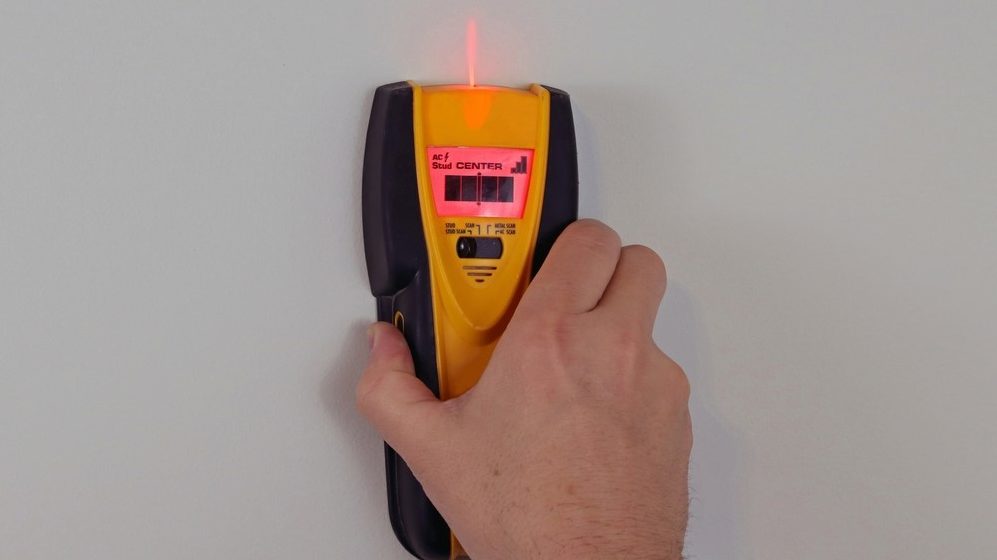
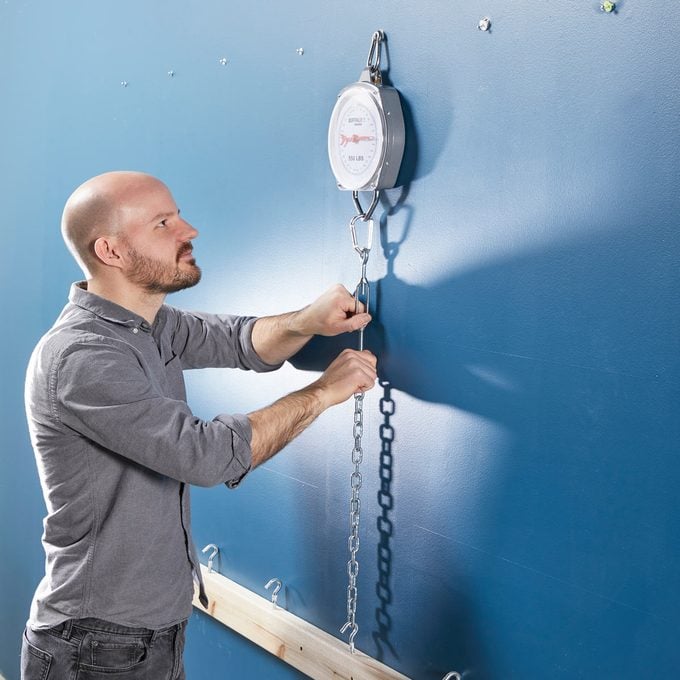
How Much Weight Can Drywall Anchors Hold In Your Home?

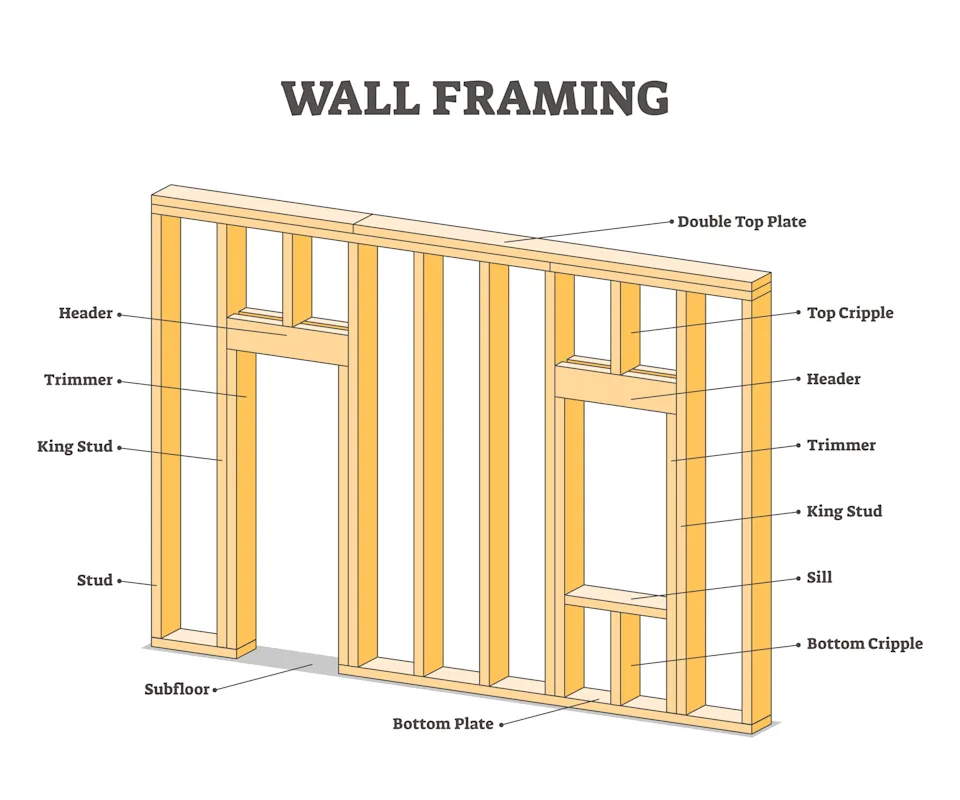
How To Find Studs In A Wall Without a Stud Finder — It's Easier Than You Think!
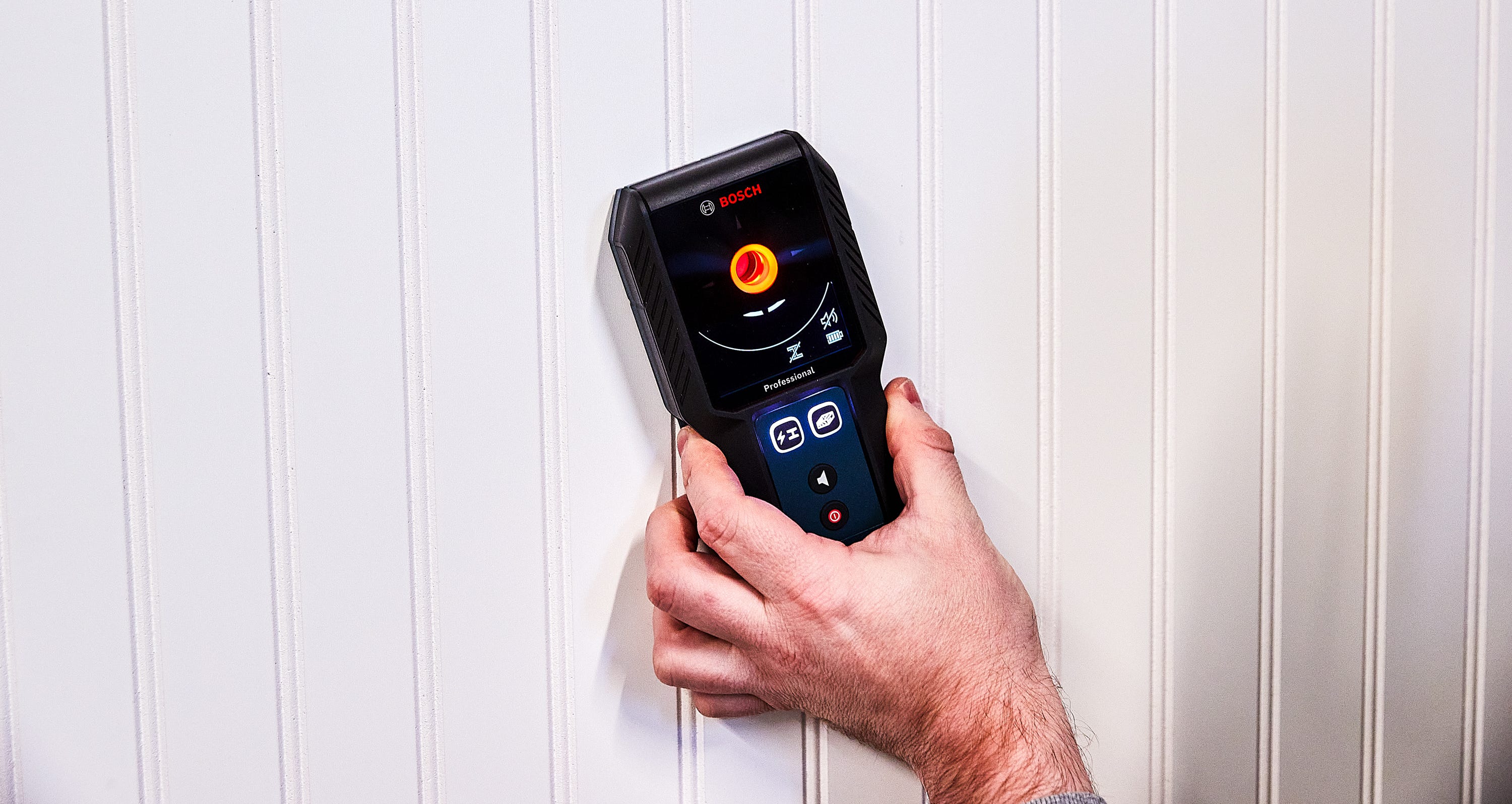
Can a $12 Stud Finder Outperform a $100 Pick? We Put Them Both to the Test.
Handyman Hints: You need your deck's posts to pass inspection

The Internet Is Fighting Over "Wall Chapstick"

In Depth Extra: Deck fasteners