How To Find Studs In A Wall Without a Stud Finder — It's Easier Than You Think!
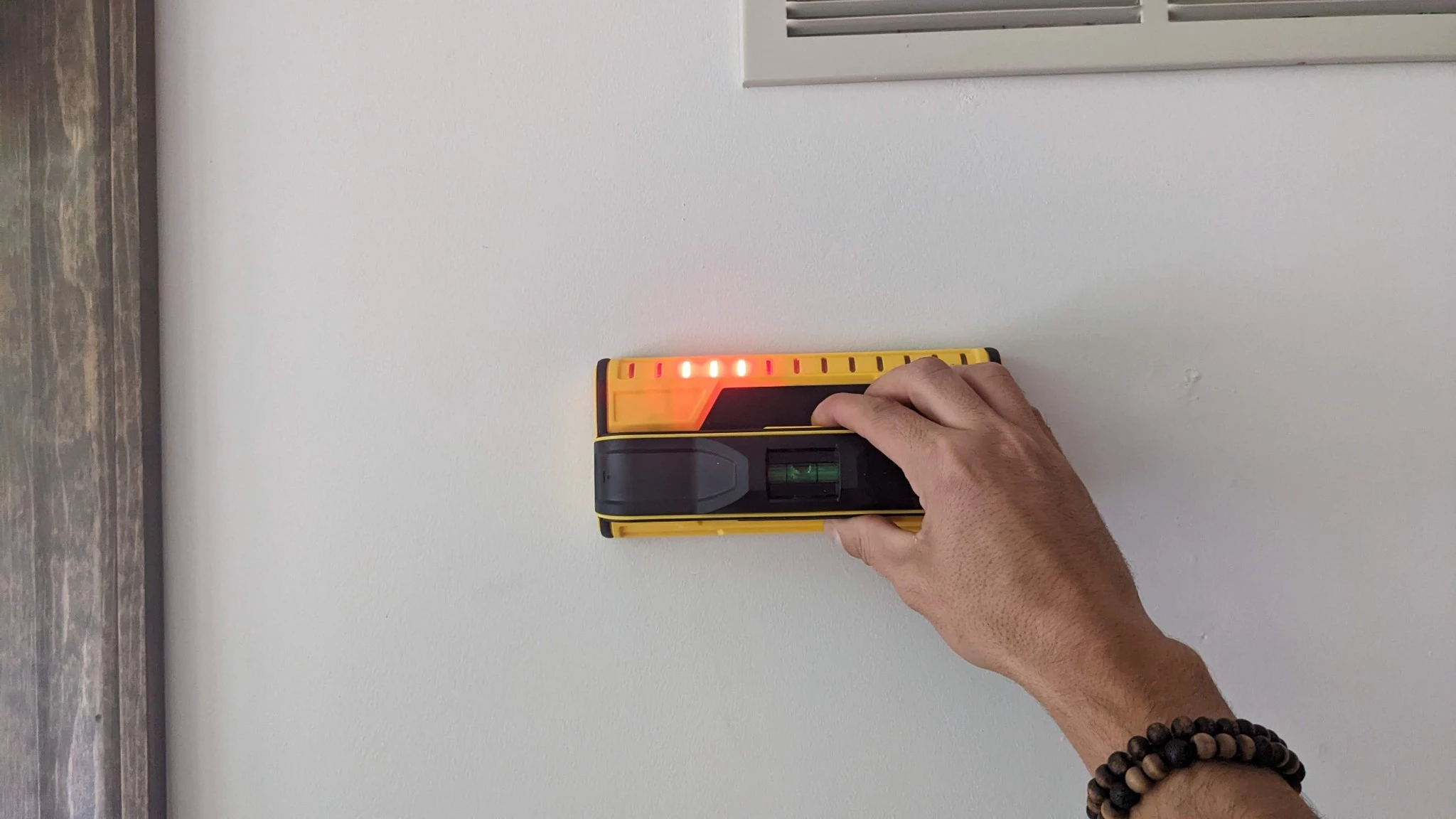
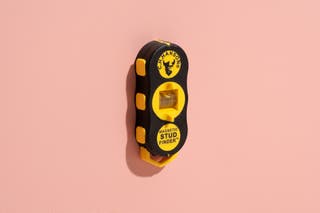
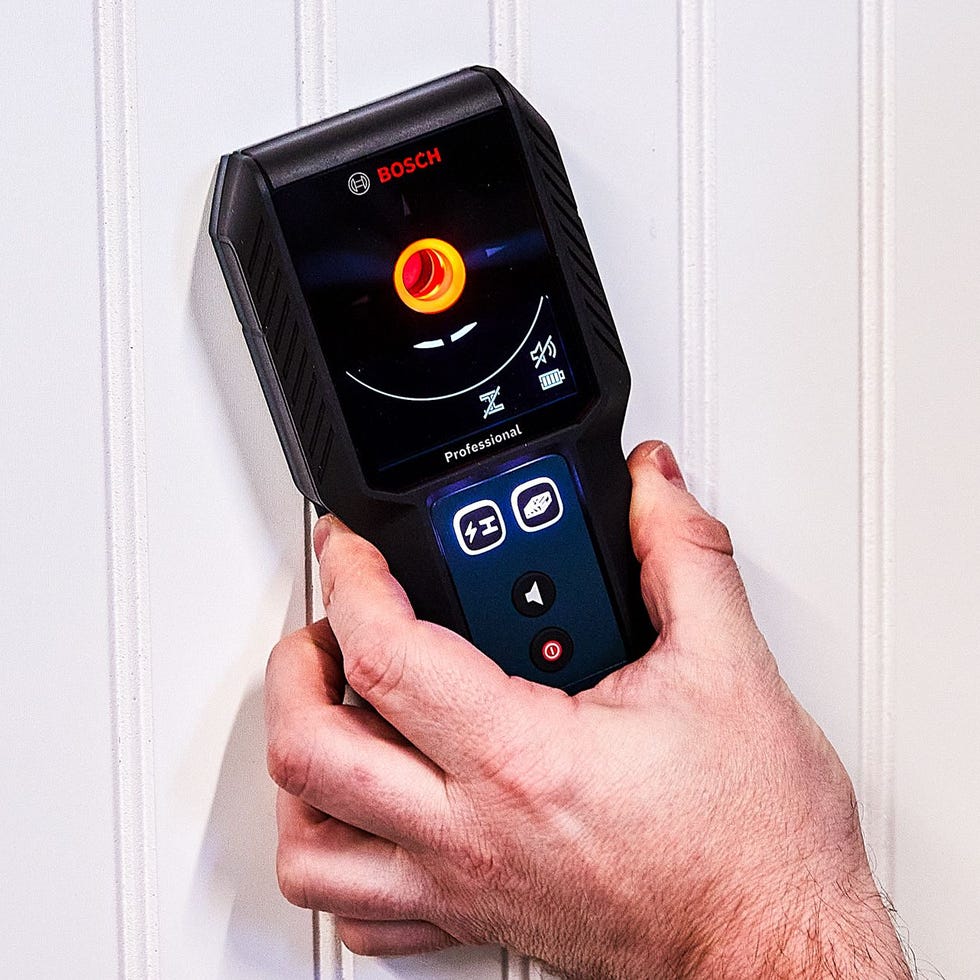
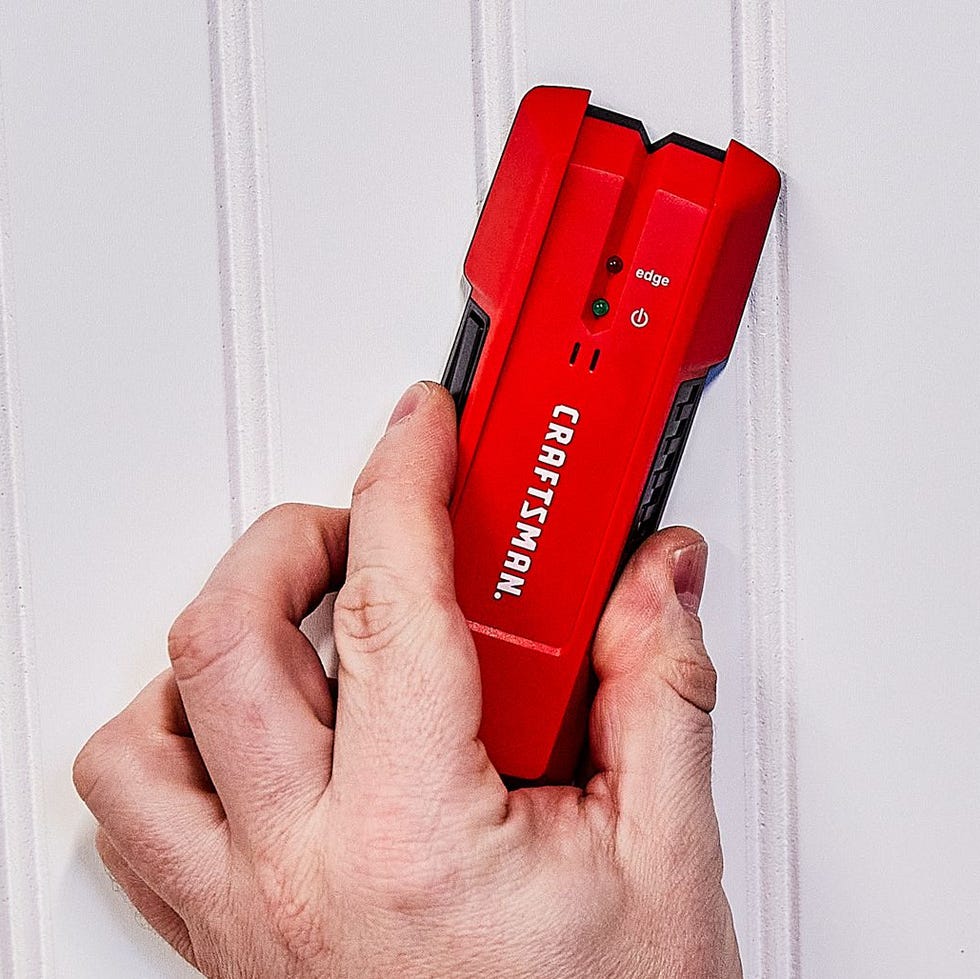
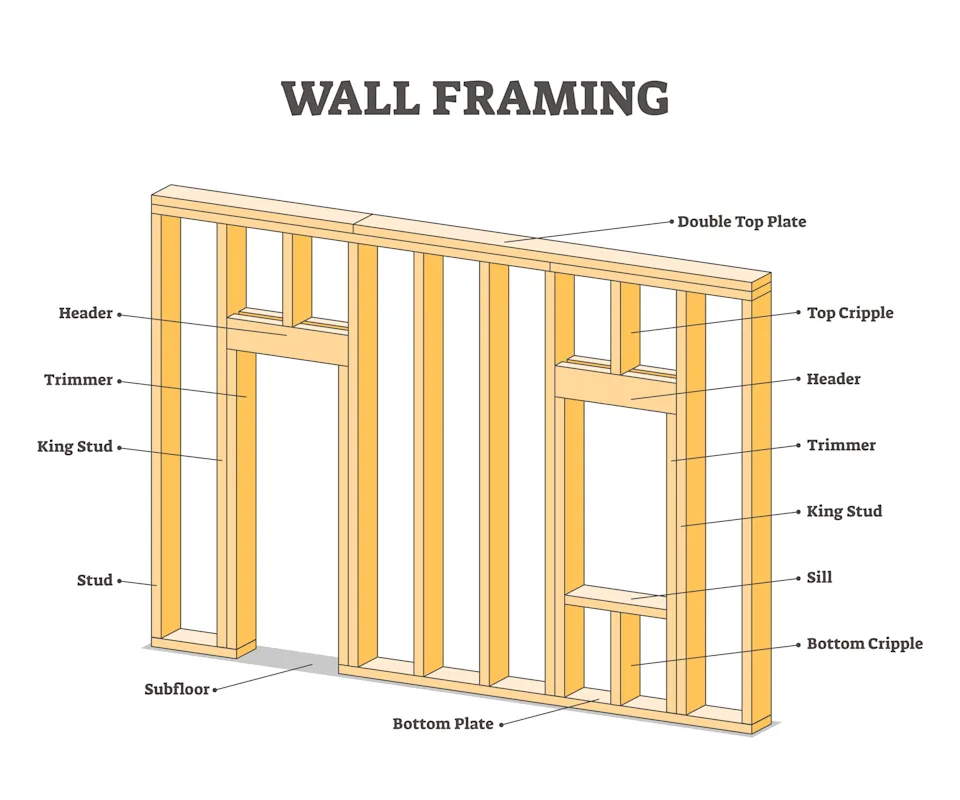
This article explores various methods for locating wall studs without the use of a specialized stud finder, emphasizing their importance for securely hanging heavy items. Studs, which are large vertical beams forming part of a building's framing, can be made of wood or metal. In residential construction, wood studs are commonly used and typically spaced 16 to 24 inches apart. They provide crucial stability to walls, supporting both interior and exterior structures.
Elizabeth P. Lord-Levitt, a principal designer, highlights the significance of knowing stud locations. This knowledge is essential for various home improvement tasks, including retrofitting electrical, plumbing, and HVAC systems. The thickness of studs varies depending on their application, with exterior wall studs being thicker to accommodate more insulation. While often overlooked, studs are critical when installing certain decor items or fixtures that require robust support. For instance, mounting heavy wall decor, TV mounts, or grab bars for accessibility necessitates anchoring into a stud to ensure stability and safety.
The article details several non-traditional and low-tech methods for finding studs. One surprisingly effective technique involves using an electric razor. By running a charged or plugged-in electric razor over a drywall surface, a change in its tone indicates the presence of a stud. This method is particularly suitable for drywall applications. For a more rudimentary approach, the "knock test" can be employed. Tapping along the wall and listening for a solid, less hollow sound can indicate a stud's location. A hollow sound suggests an empty space, whereas a solid thud points to a stud. However, this method relies on auditory perception and may not be as precise.
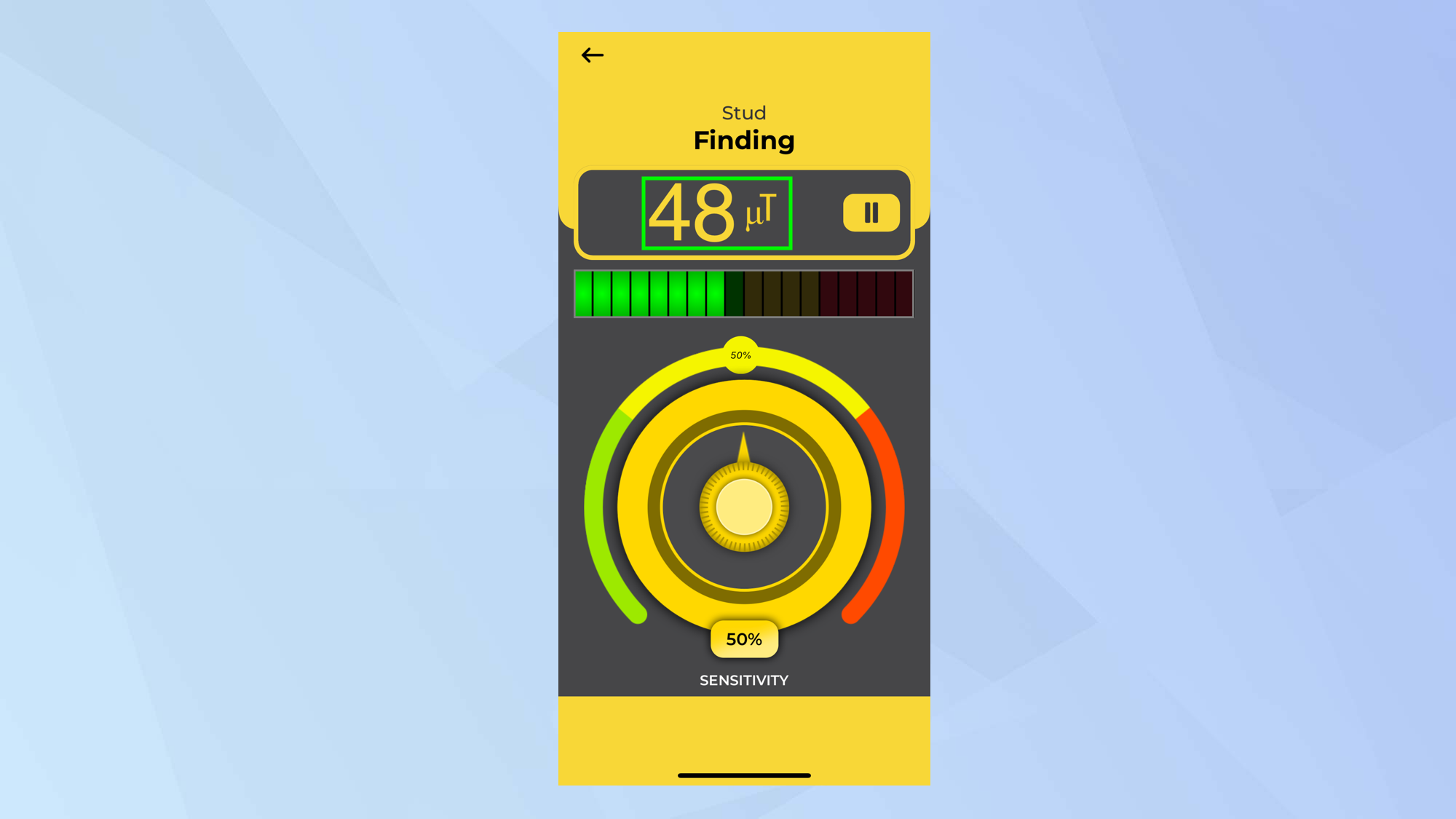
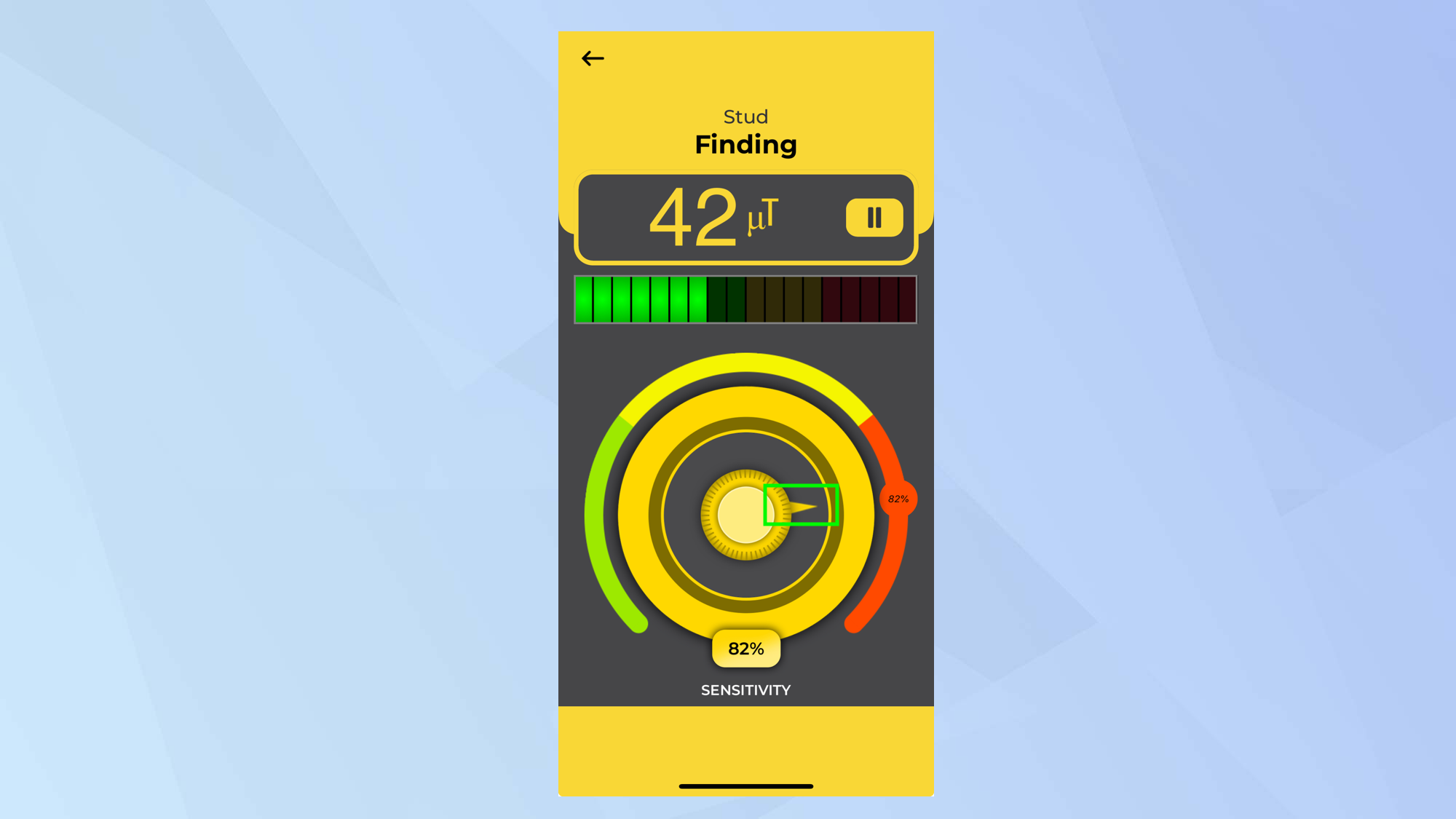
Another low-tech method involves using a tape measure to estimate stud locations. Since studs are typically spaced 16 or 24 inches on center from a door or window frame, one can measure horizontally along the wall from these reference points. While this method can provide an approximate location, it is considered less reliable because it assumes a consistent building structure and doesn't account for variations in construction. For modern alternatives, smartphone applications are available for locating metal studs. The article mentions the "Stud Finder app" for iOS and "Stud Detector" for Android, which utilize the phone's magnetometer to detect magnetic fields caused by nearby metal objects like screws, nails, or metal framing studs. These apps offer a convenient and technological solution for identifying metal components within walls.
In summary, understanding the role of studs and how to locate them is vital for homeowners undertaking various installation projects. While professional stud finders offer precision, several accessible and cost-effective methods, from electric razors and the knock test to tape measure estimations and smartphone apps, can help identify these crucial structural elements. These techniques empower individuals to securely hang items and perform home improvements with confidence, ensuring safety and stability without needing specialized equipment.
#HomeImprovement #DIY #StudFinding #WallMounting #InteriorDesign #HomeDecor #StructuralStability #ResidentialConstruction #HomeImprovement #DIY #StudFinding #WallMounting #InteriorDesign #HomeDecor #StructuralStability #ResidentialConstruction
0 comment in total
 No comments yet
You may also like

How to find studs in your walls using just your phone


The Best Stud Finder for Home Use | Reviews by Wirecutter
The 5 Best Stud Finders for Your Home DIY Projects

8 Best Stud Finders

Can a $12 Stud Finder Outperform a $100 Pick? We Put Them Both to the Test.
How to Figure Out What Kind of Walls You Have Behind Your Wall Paneling

The Best Stud Finders of 2025, Tested and Reviewed

Stud-finders, a must-have tool, could be useful for your home
Mounting Things From Hollow Core Doors Is So Much Easier Than You Realized
This Hack Will Ensure You ALWAYS Hit A Stud

No Stud? No Problem! The 8 Best Drywall Anchors for Any Job


Unlock Hidden Pantry Storage With This Surprisingly Simple Wall Niche DIY


The Best Stud Finders


What's the Least Intrusive Way to Find Out What's In a Wall?