1/5
8 Basement Flooring Ideas to Elevate Your Subterranean Space
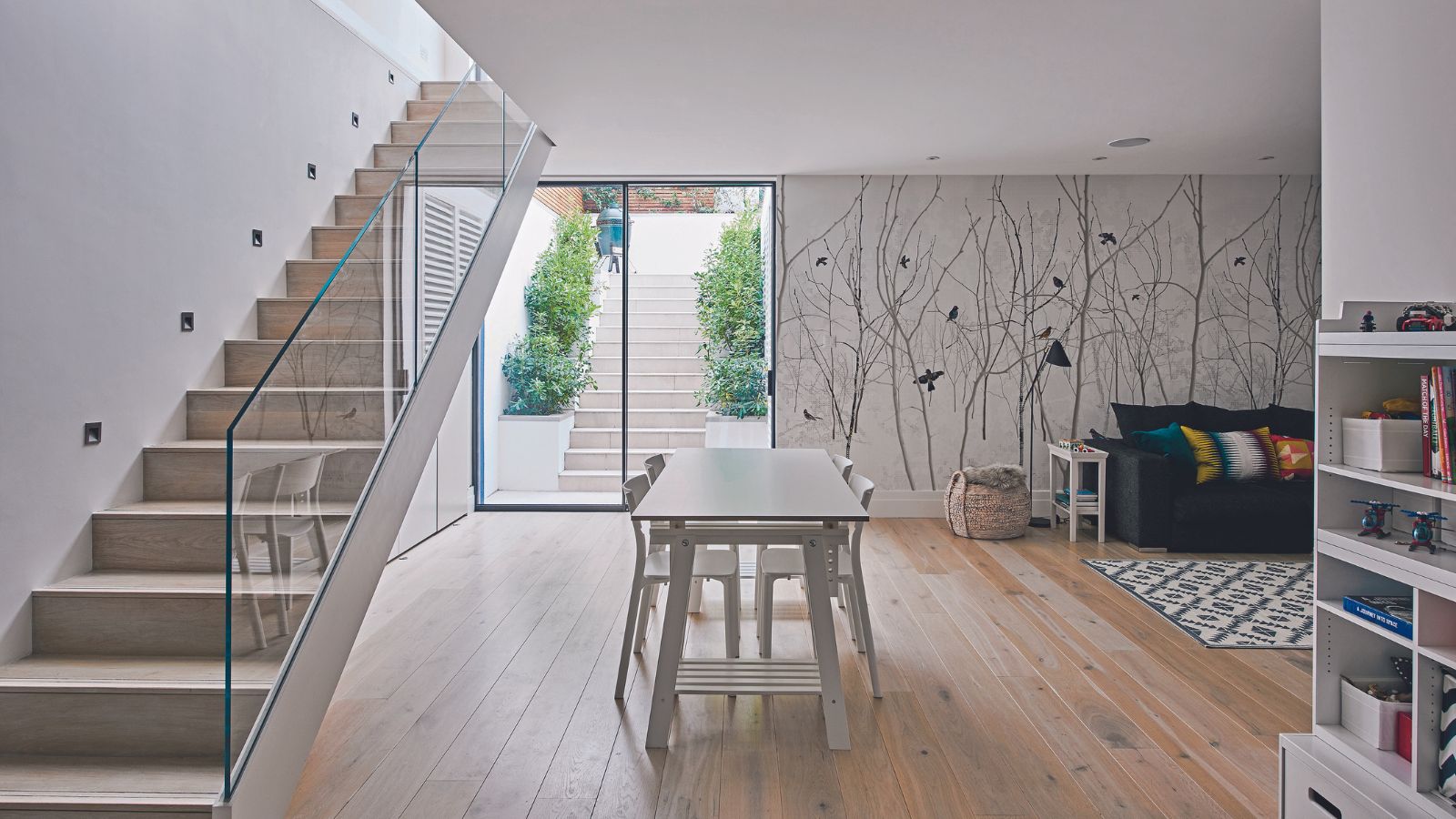
Basements often receive less attention than other areas of a home due to their subterranean nature. However, transforming these spaces into functional and aesthetically pleasing areas often begins with selecting the right flooring. Expert designers emphasize that materials for basement floors must be durable, water-resistant, and long-lasting, alongside considerations for ease of cleaning and sound mitigation. Three veteran designers shared their top recommendations for basement flooring options, highlighting both conventional and innovative materials.
Epoxy flooring is recommended for basements primarily used for storage. Jean Liu, a Dallas-based interior designer, suggests epoxy surfaces as an upgrade from plain concrete, noting their ability to withstand the challenging elements and conditions typical of underground spaces. This material provides durability and a clean finish, similar to a garage floor, making it practical for utility-focused basements.
Cork is another suggested option, praised by designer Mark Cutler for its ease of cleaning, affordability, and wide range of available colors. Cork floors are naturally water- and rot-resistant, making them well-suited for basements. Cutler also notes their retro aesthetic, which can add a unique stylistic element to the space. An example given is the use of cork tiles in a checkerboard pattern in the Brooklyn home of Calico Wallpaper founders Rachel and Nicholas Cope, demonstrating its design versatility.
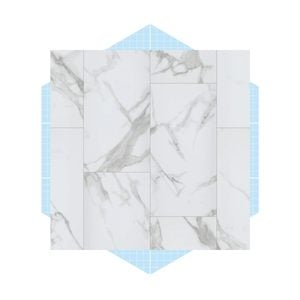
Porcelain tile is presented as a classic and reliable solution. Cutler prefers porcelain due to its durability, ease of cleaning, and water resistance. Modern advancements allow for large-format porcelain tiles that mimic natural stone without the high cost and maintenance associated with real stone. He advises against natural stone tiles in basements due to cleaning difficulties and potential issues with added thickness.
Slate is favored by Belinda Pabian, an interior decorator and stylist, for its natural aesthetic and robustness. As one of the strongest natural stone flooring materials, slate resists cracks and chipping, making it suitable for high-traffic basement areas. Pabian suggests adding an underfloor heating element for enhanced comfort in colder climates and highlights slate's suitability as a base for durable rugs, such as those made of wool.
Vinyl wood flooring planks offer the appearance of hardwood floors with superior water resistance due to their PVC composition. This makes them an excellent choice for basements, providing an elegant look without the moisture concerns associated with real wood. Vinyl wood flooring is available in various colors, designs, and patterns, offering flexibility to match different basement styles.
Laminated wood flooring is another preference for Cutler, especially for those seeking a more elegant option. Laminated wood offers greater stability against moisture compared to solid wood, making it more viable for basement environments. He strongly recommends installing a moisture barrier underneath to ensure the longevity of the flooring.
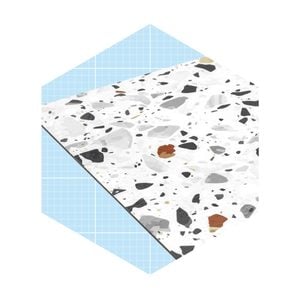
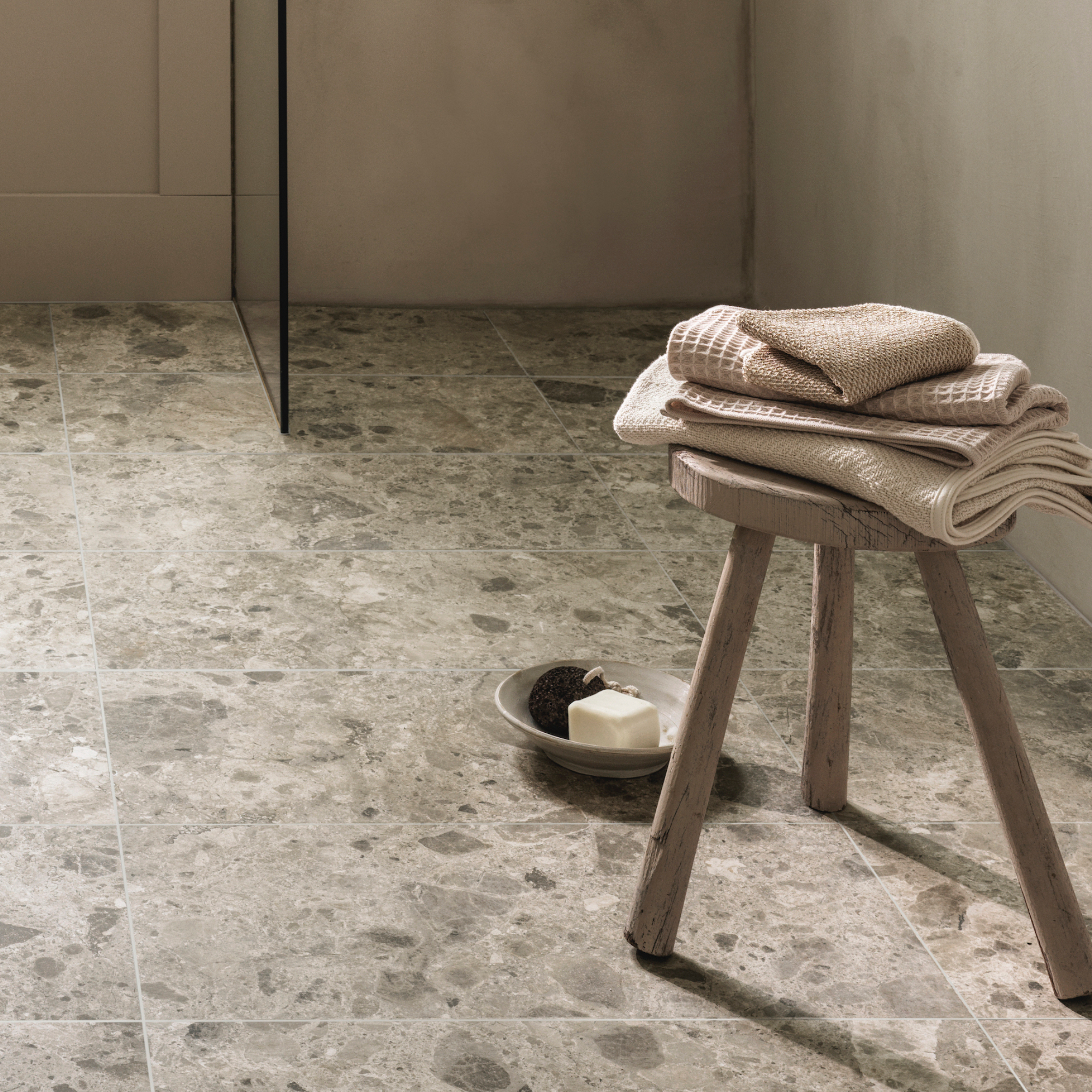
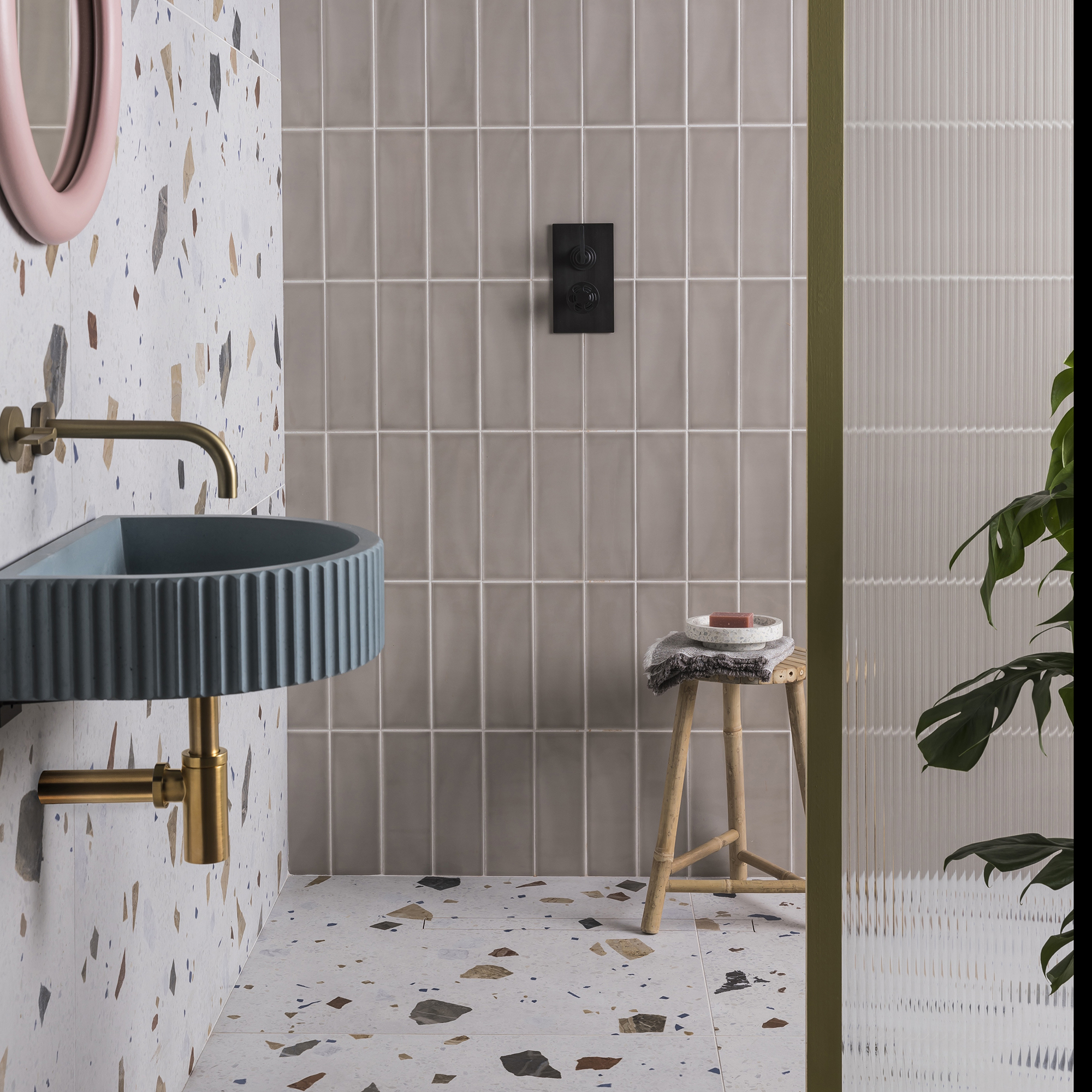
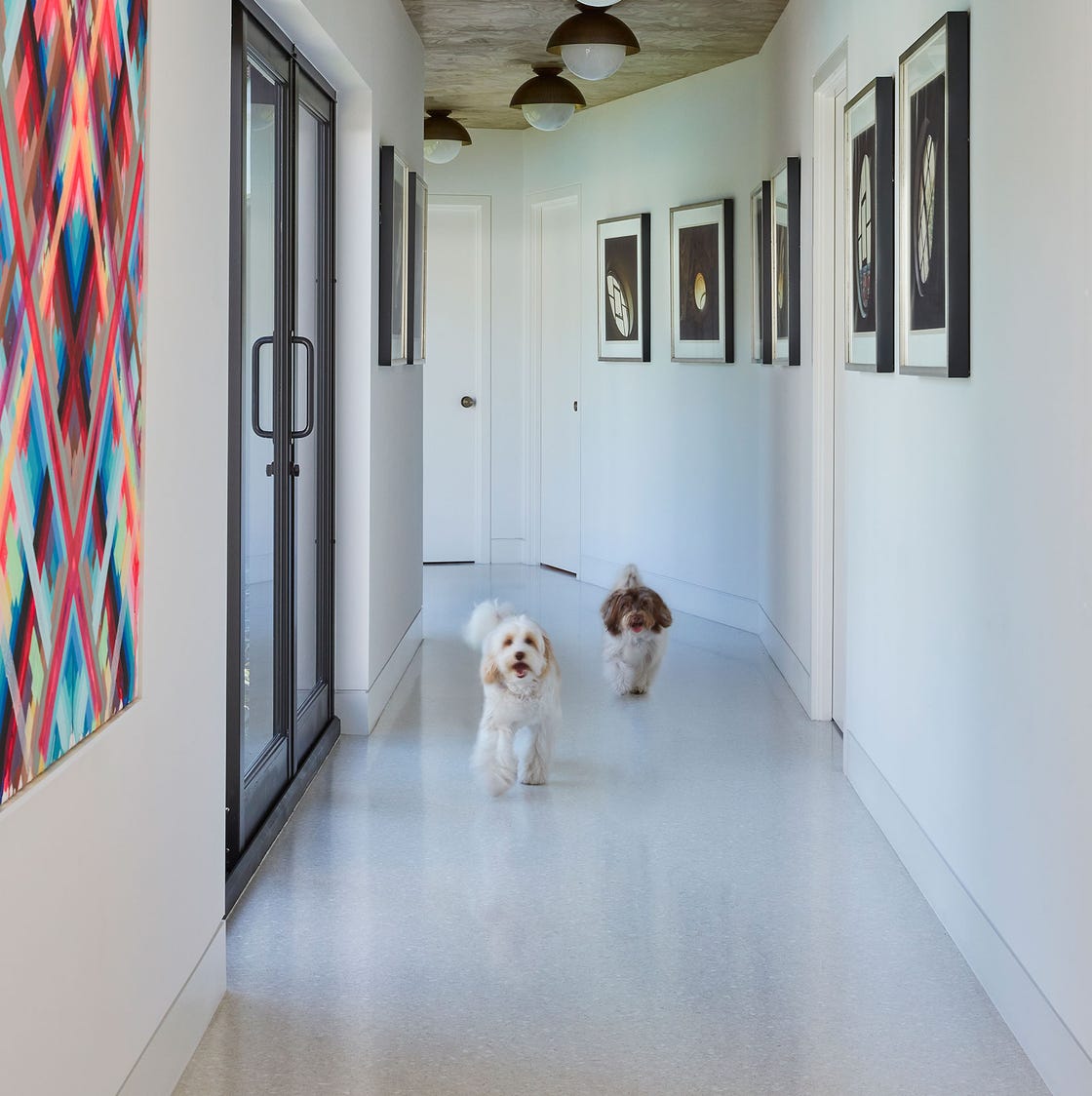
Terrazzo is highlighted for its aesthetic appeal and customization potential. Cutler notes that terrazzo can be installed as tiles or custom-created on-site. Its composition, typically concrete with colored additives like glass, allows for unique color combinations, transforming the floor into a focal point. An illustration showcases terrazzo paving the floors in designer Caroline Rafferty's home, emphasizing its clean and custom appearance.
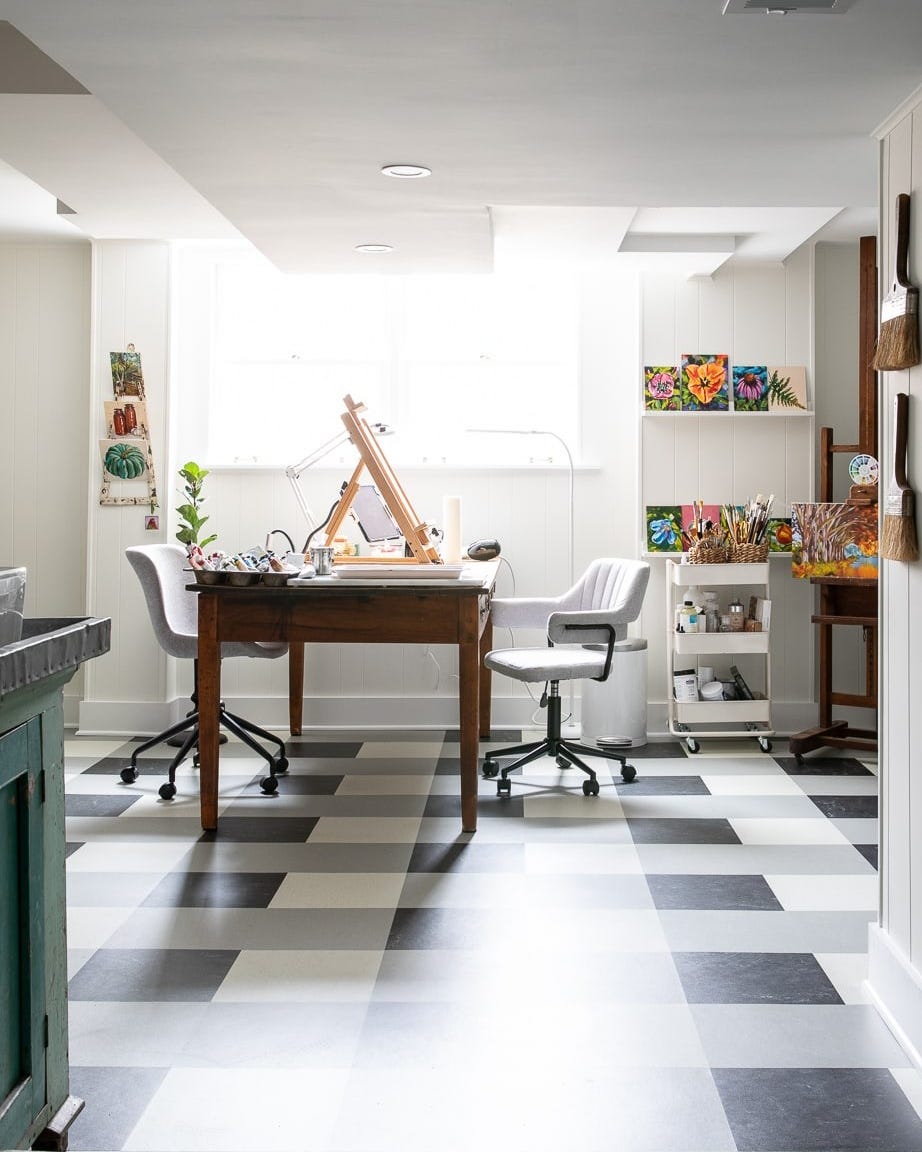
Linoleum is described as a retro favorite that has maintained its appeal due to its sustainable composition (cork and linseed oil) and wide array of colors and patterns. Cutler prefers roll-form linoleum for seamless patterns but acknowledges tile as an equally good option for basement projects, citing its ultimate flexibility in design.
Regardless of the material chosen, proper preparation is critical for basement flooring projects. Cutler stresses that basements are susceptible to stress from water and temperature fluctuations. He advises thoroughly inspecting the floor for cracks, ensuring levelness, and checking for signs of water seepage like calcium deposits. Applying a waterproof seal before installation is crucial for peace of mind and long-term durability, emphasizing that skimping on preparatory steps can lead to costly issues later on.
#BasementFlooring #HomeRenovation #InteriorDesign #WaterResistantFlooring #DurableFlooring #EpoxyFlooring #CorkFlooring #PorcelainTile #SlateFlooring #VinylWoodFlooring #LaminatedWoodFlooring #TerrazzoFlooring #LinoleumFlooring #BasementFlooring #HomeRenovation #InteriorDesign #WaterResistantFlooring #DurableFlooring #EpoxyFlooring #CorkFlooring #PorcelainTile #SlateFlooring #VinylWoodFlooring #LaminatedWoodFlooring #TerrazzoFlooring #LinoleumFlooring
0 comment in total
 No comments yet
You may also like
29 basement ideas to convert your downstairs space into a hidden gem of possibility

25 Finished Basement Ideas to Inspire Your Next Remodel

Dope Basement Renovation

Basements and Beyond

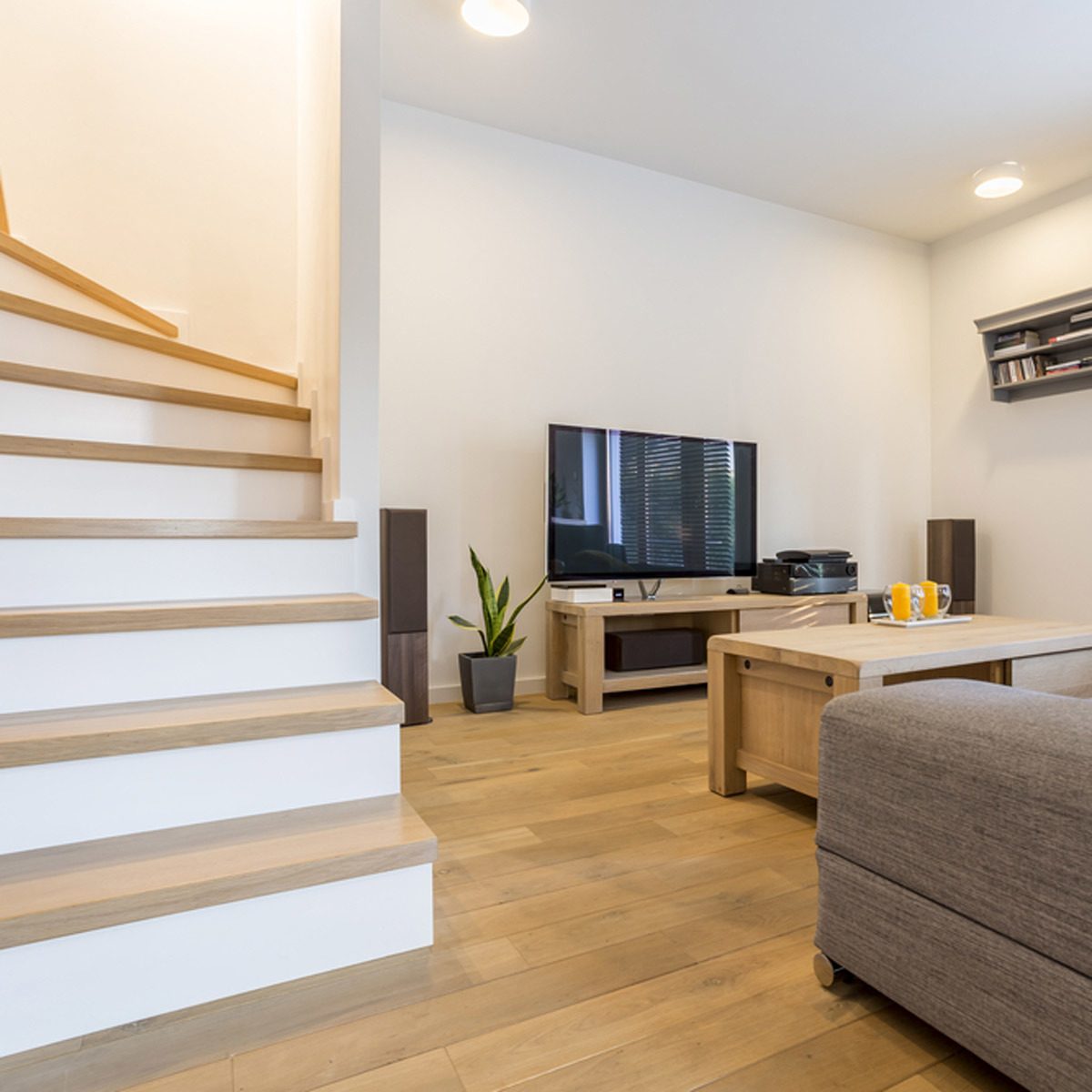
5 Best Types of Flooring for Your Basement in 2022

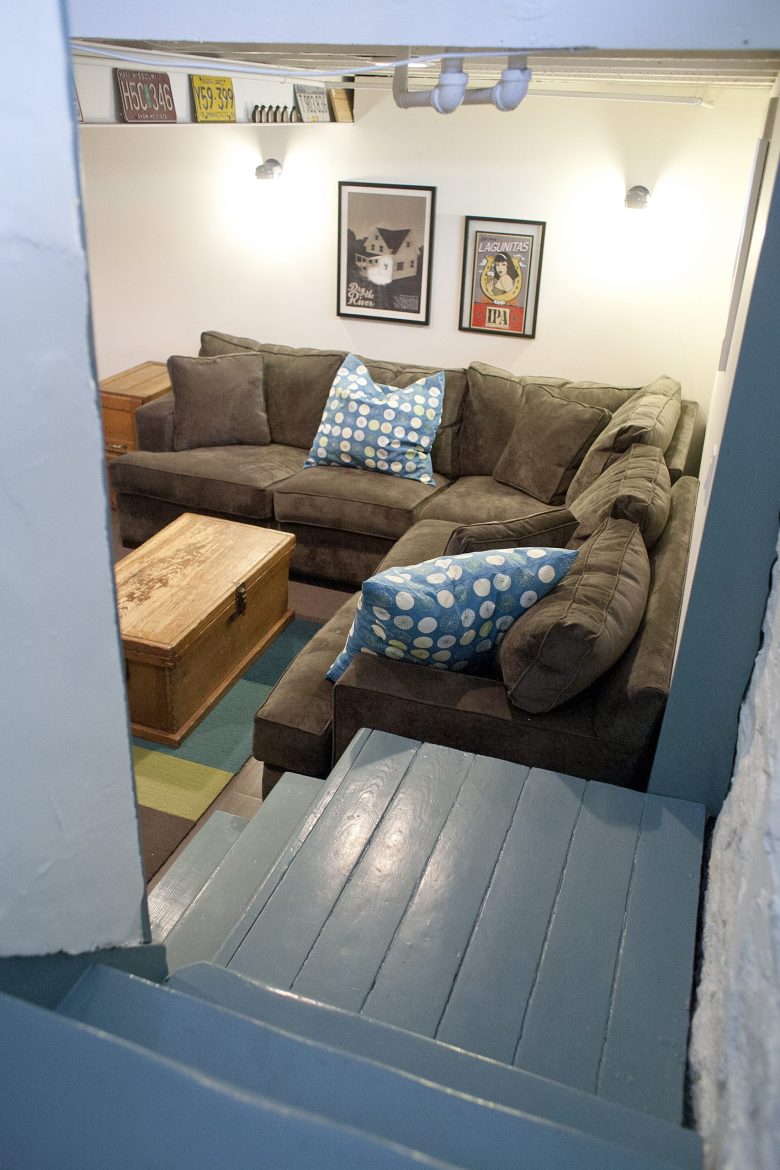
Finished basements


These Basement Remodel Ideas Will Change the Way You Think of This Space
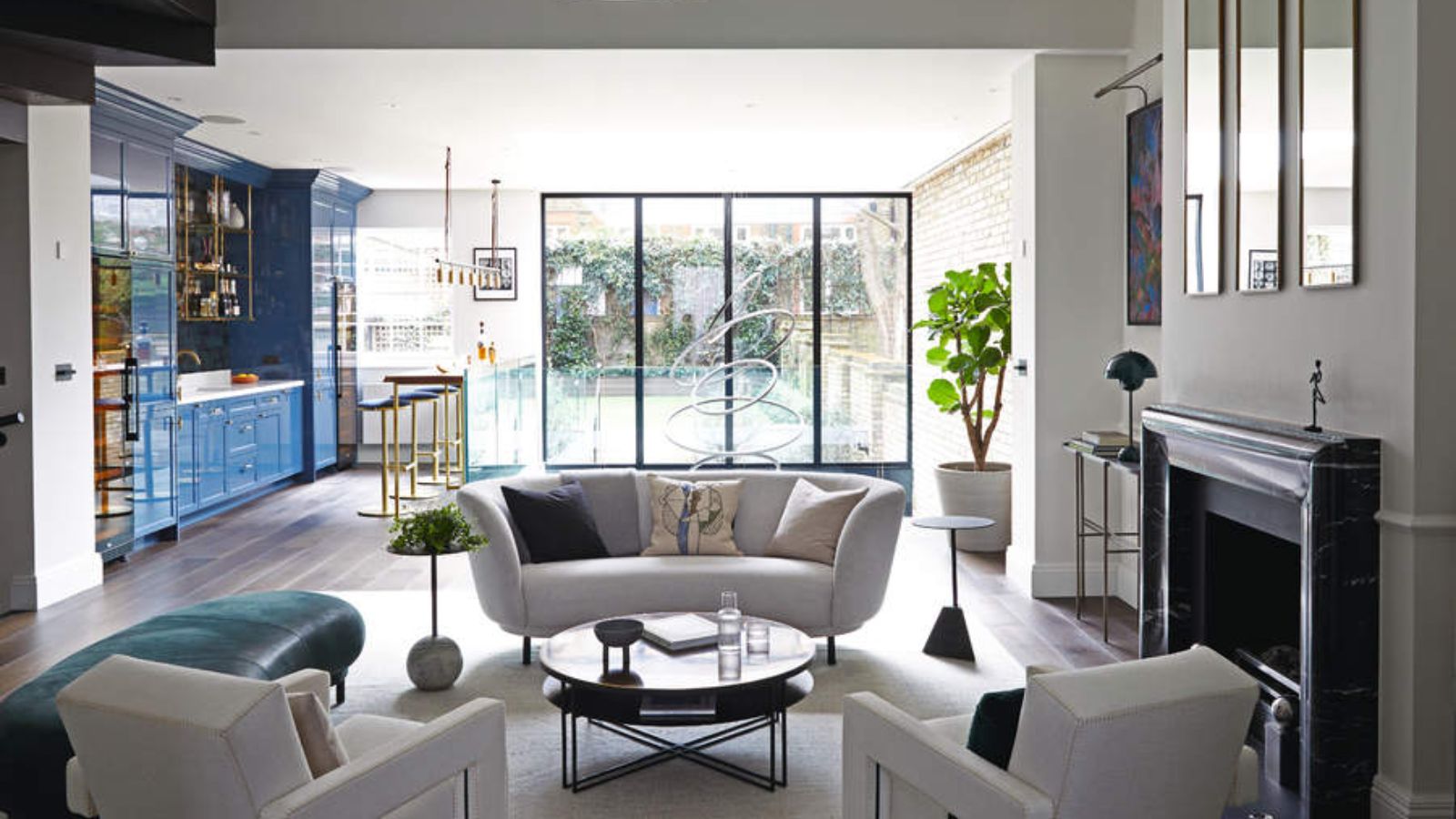
How to waterproof a basement – 5 steps from experts to safeguard this space

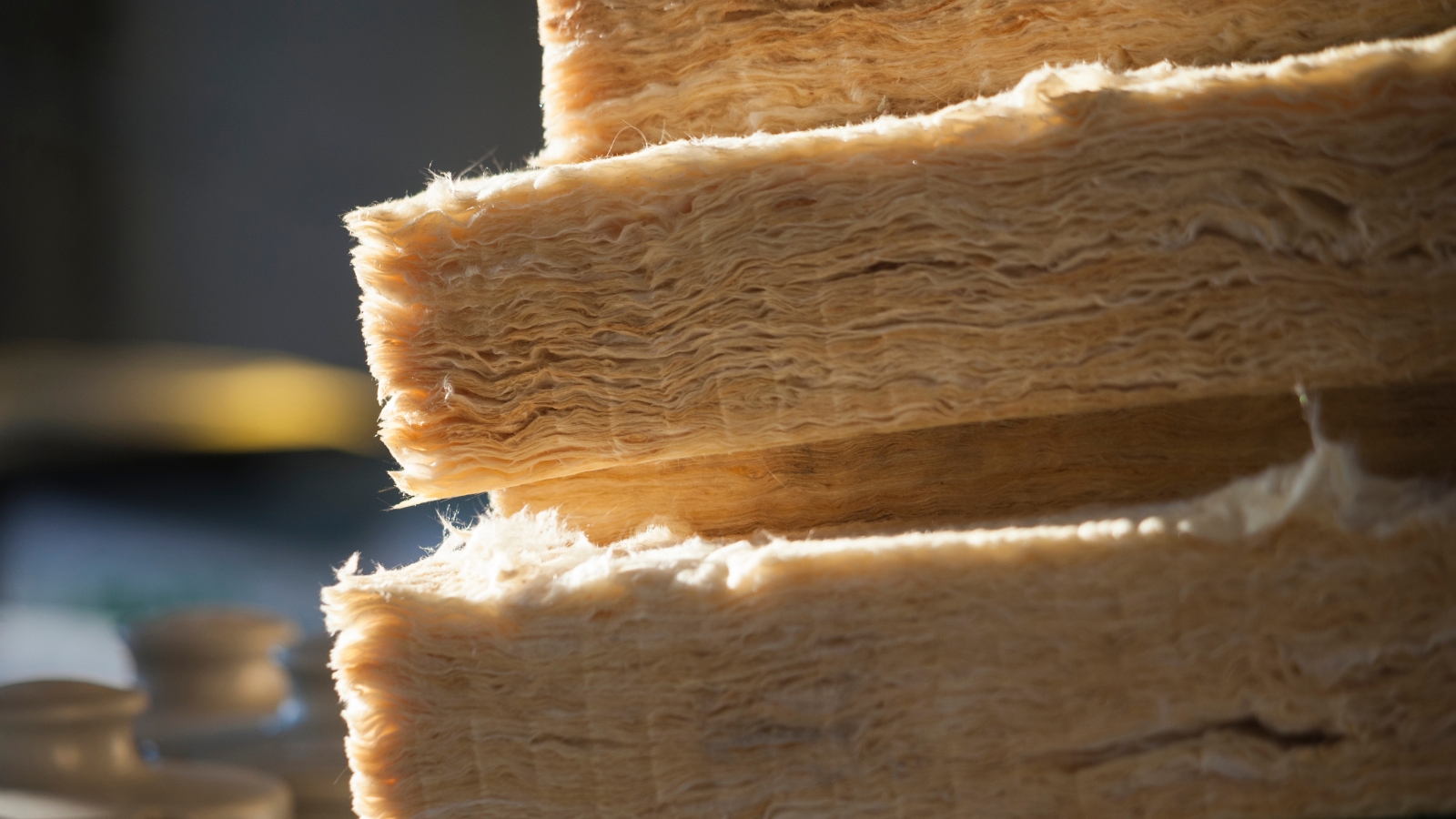
9 basement insulation ideas
76 Best Finished Basement Ideas to Try at Home

Methods to Remove Staples from Subfloor
Bathroom floor tile ideas – 15 ways to incorporate stylish tiles underfoot

Homestyle: Awesome basements
Beautiful Basements: 13 Surprisingly Cool Underground Amenities in Real American Homes
18 Smart and Surprising Under-Stair Storage Solutions

Pro Organizers Share 10 Storage Hacks for Basements, Including a Product That Turns Any Surface Into a Countertop

13 Creative Basement Ideas That Go Beyond Adding a Ping-Pong Table

A Finished Basement Is Just What Your Home Needs in 2025

8 ways to elevate your living room, kitchen, bathroom, and bedroom

7 Basement Makeover Hacks That Won’t Blow Your Budget—and Designers Swear By Them