1/2
I'm an interior designer. I'm not wasting my money on these 7 things this year.
An interior designer outlines seven categories of items she will avoid purchasing in the current year, prioritizing value, functionality, sustainability, and enduring style over fleeting trends and unnecessary acquisitions. The designer's approach emphasizes mindful consumption and strategic investment in home decor and furnishings.
One key area of avoidance is overpriced brand-name decor. The designer stresses that high prices and luxury labels do not inherently guarantee quality. Instead, the focus is on discovering budget-friendly pieces that offer both style and substance, rather than succumbing to the allure of a brand name.
Non-ergonomic office chairs are another item the designer will not invest in. For remote workers, a comfortable and functional home office is crucial. The designer explicitly states a disinterest in trendy, aesthetically pleasing but unsupportive desk chairs, advocating for ergonomic designs that provide comfort during extended periods of sitting.
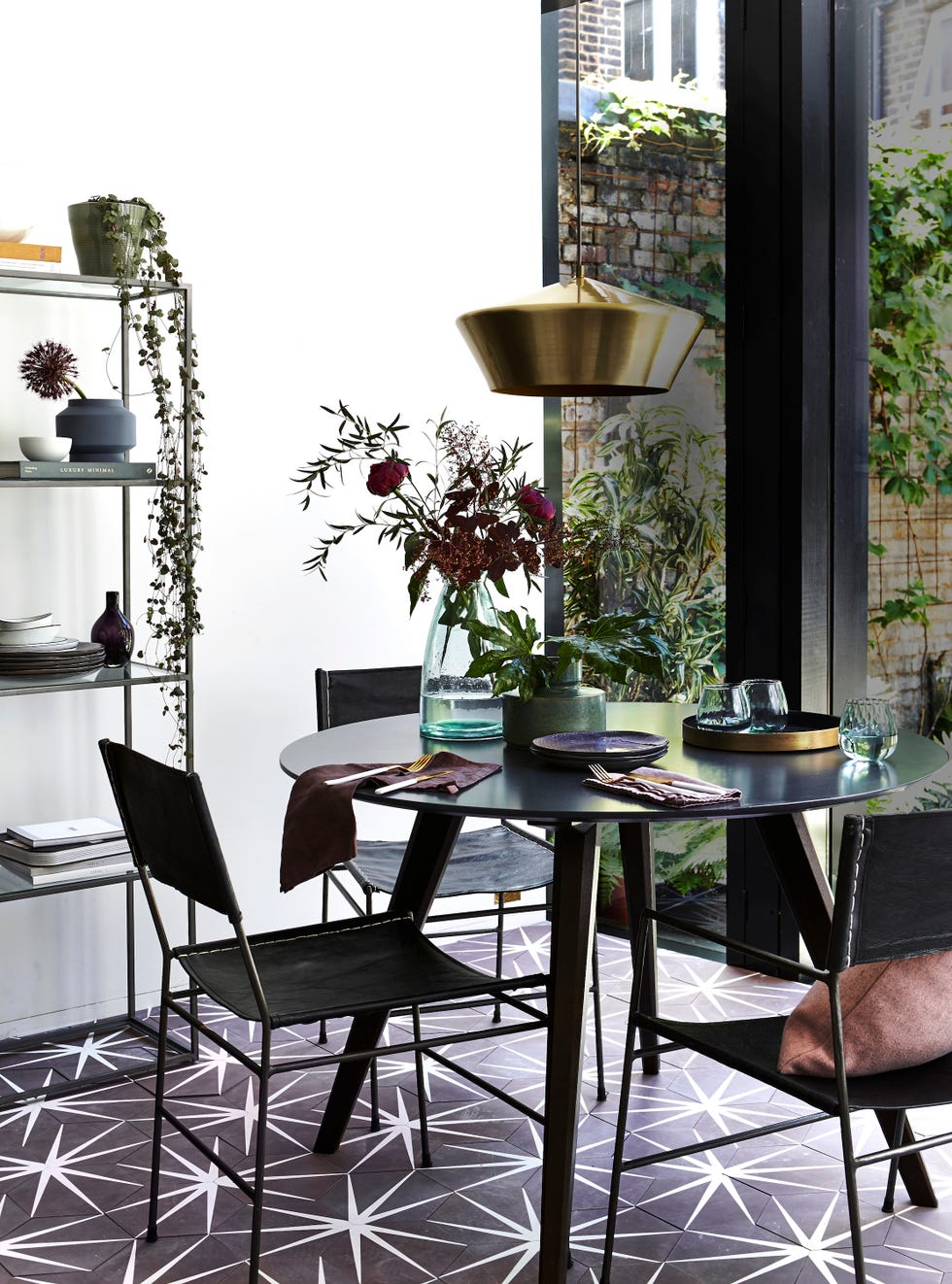
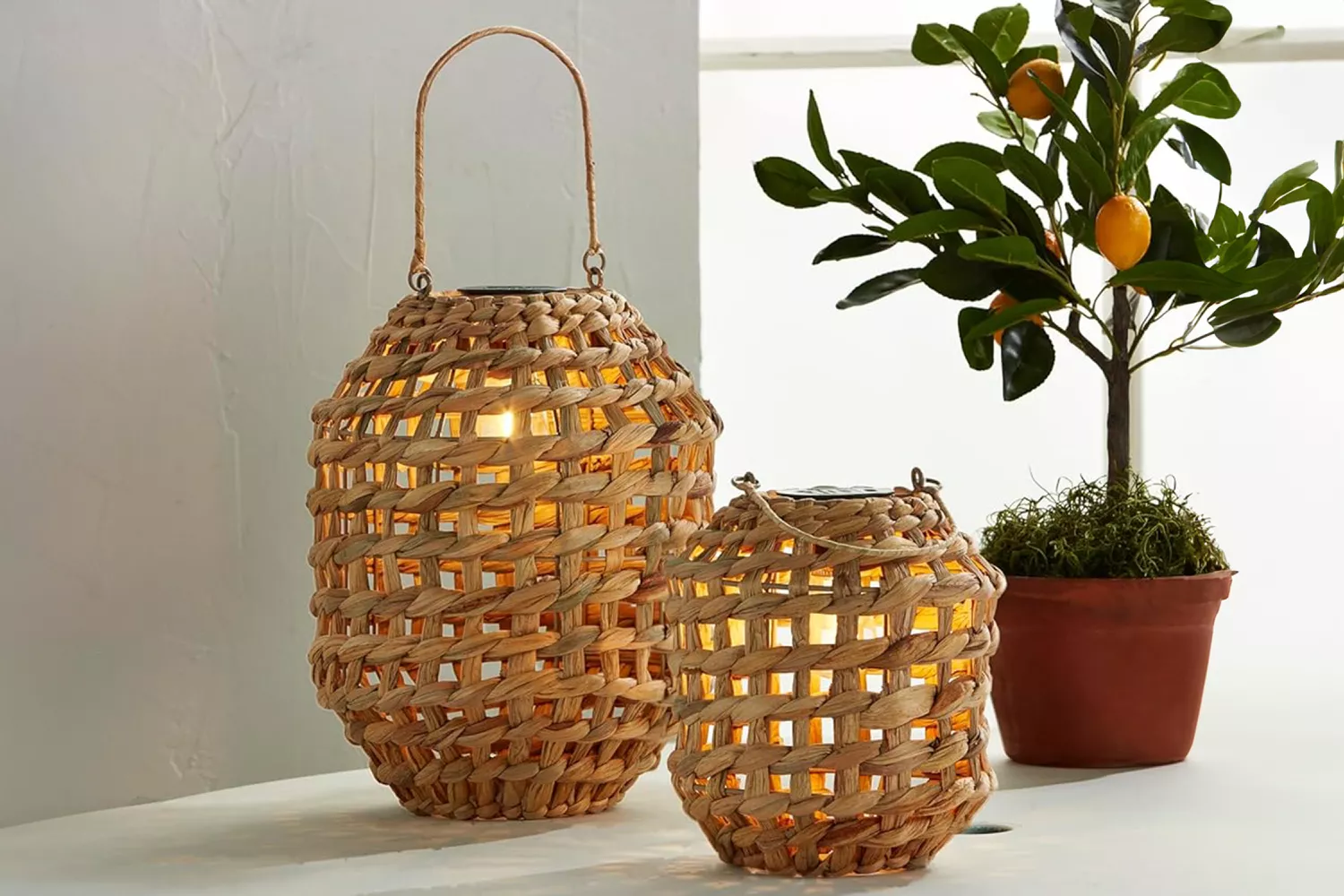
The designer is also steering clear of high-maintenance plants. A preference for low-maintenance greenery is highlighted, enabling the incorporation of natural elements into spaces without the burden of rigorous care routines. As an alternative to real plants, dried flowers and branches are suggested for individuals who struggle to keep live plants alive, offering a reliable and aesthetically pleasing solution.
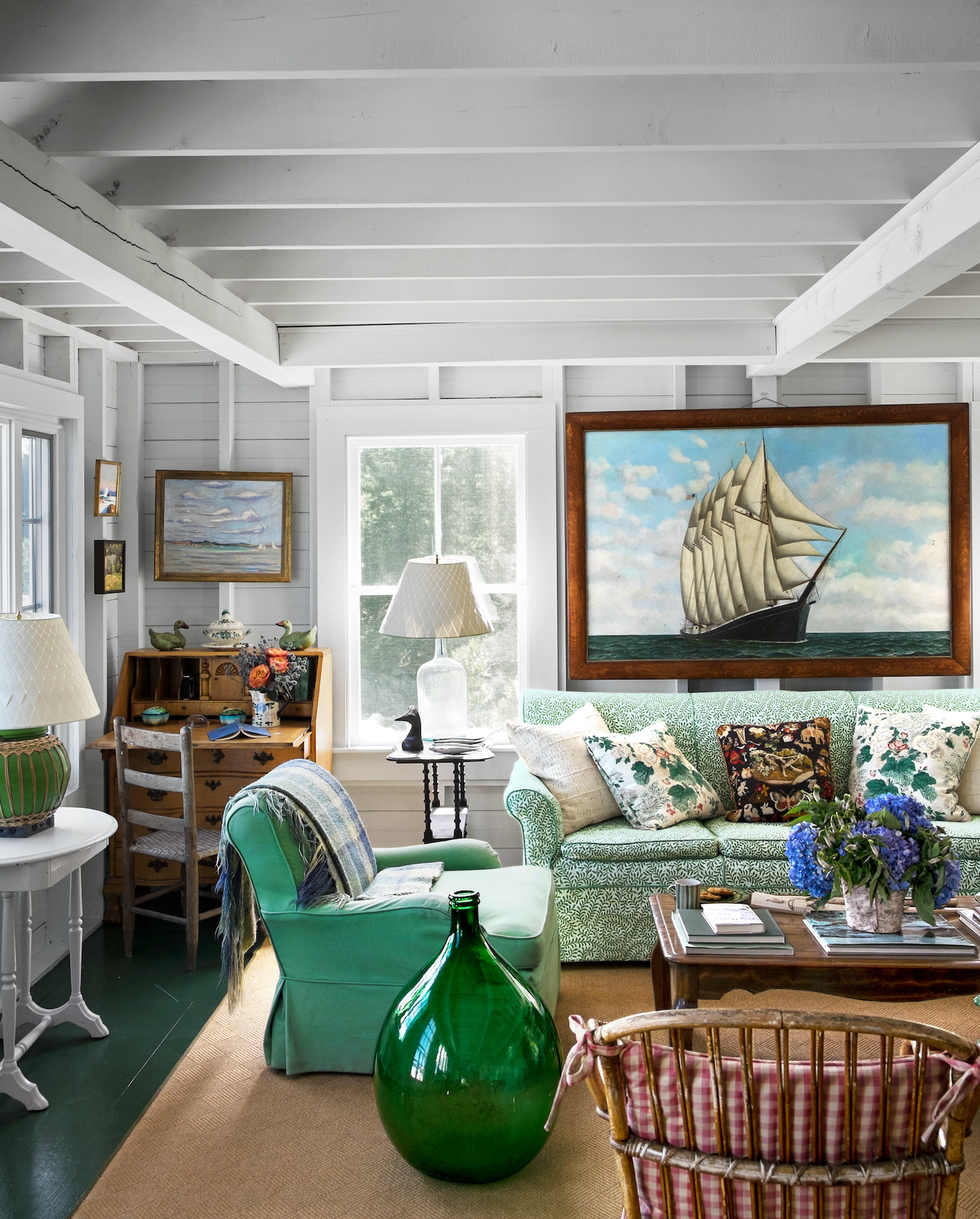
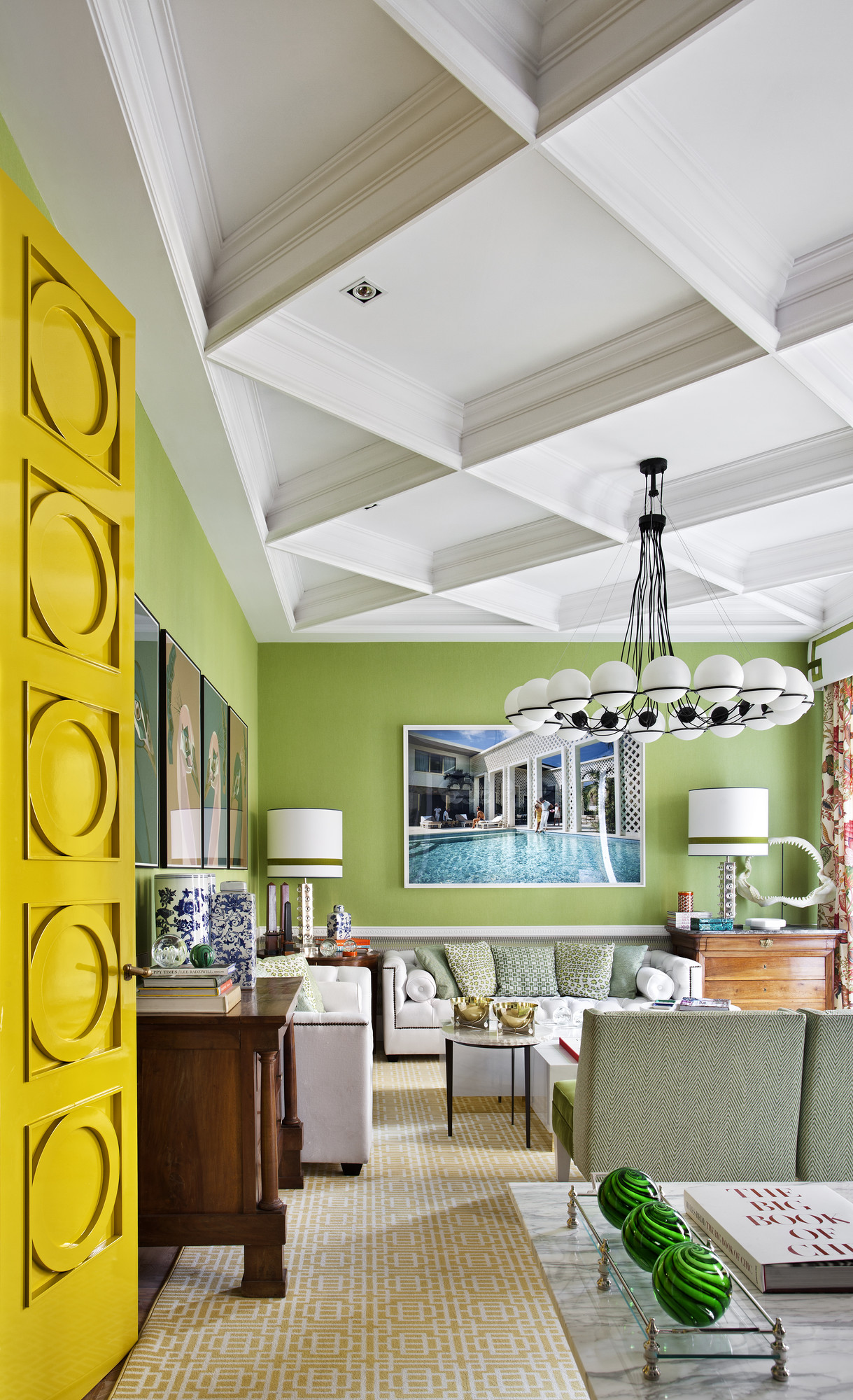
Cheap, mass-produced rugs are also off the designer's shopping list. The intent is to invest in durable, high-quality rugs that enhance a space's aesthetic and can withstand daily wear and tear, thereby avoiding frequent replacements. This decision aligns with a broader commitment to quality over quantity.
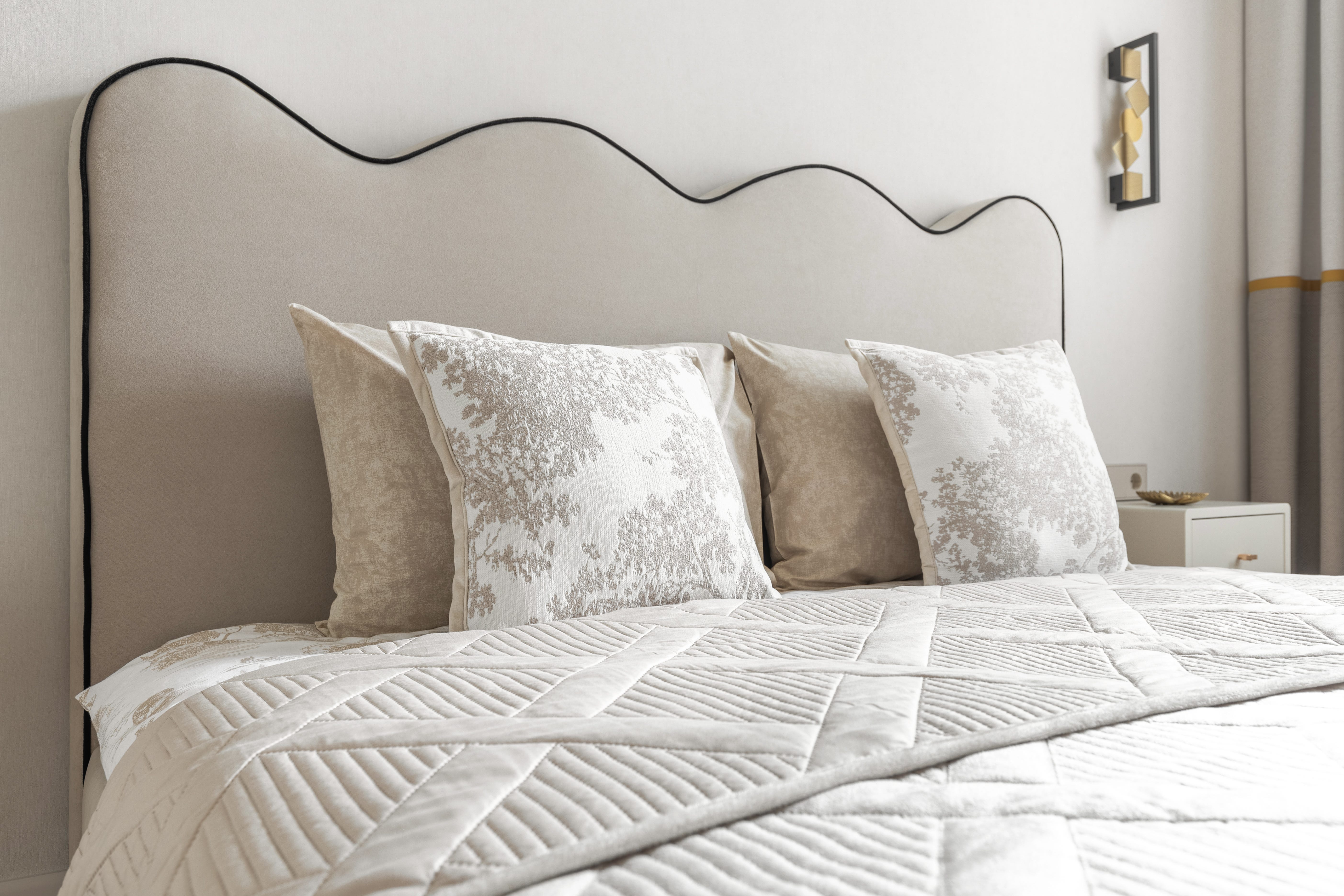
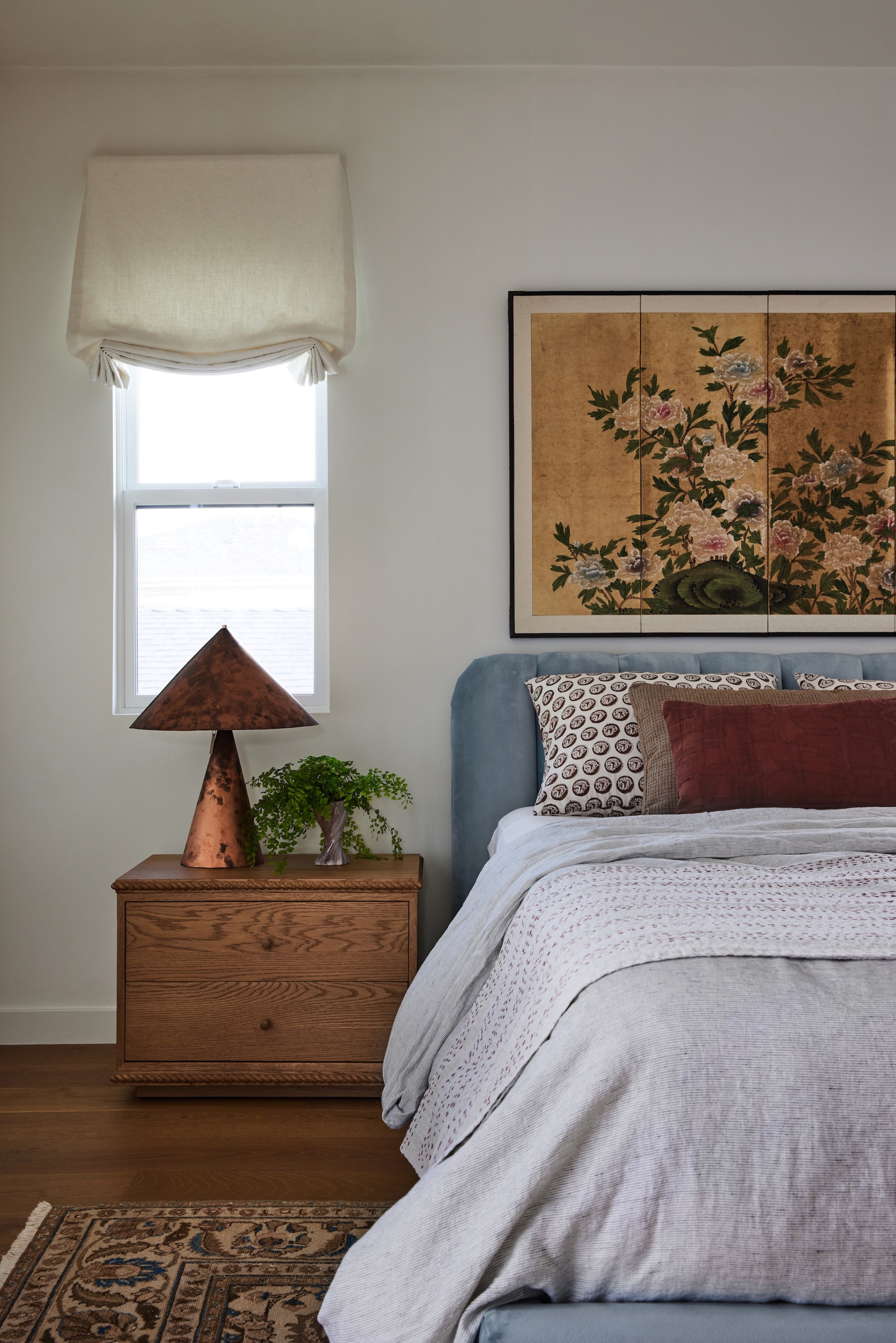
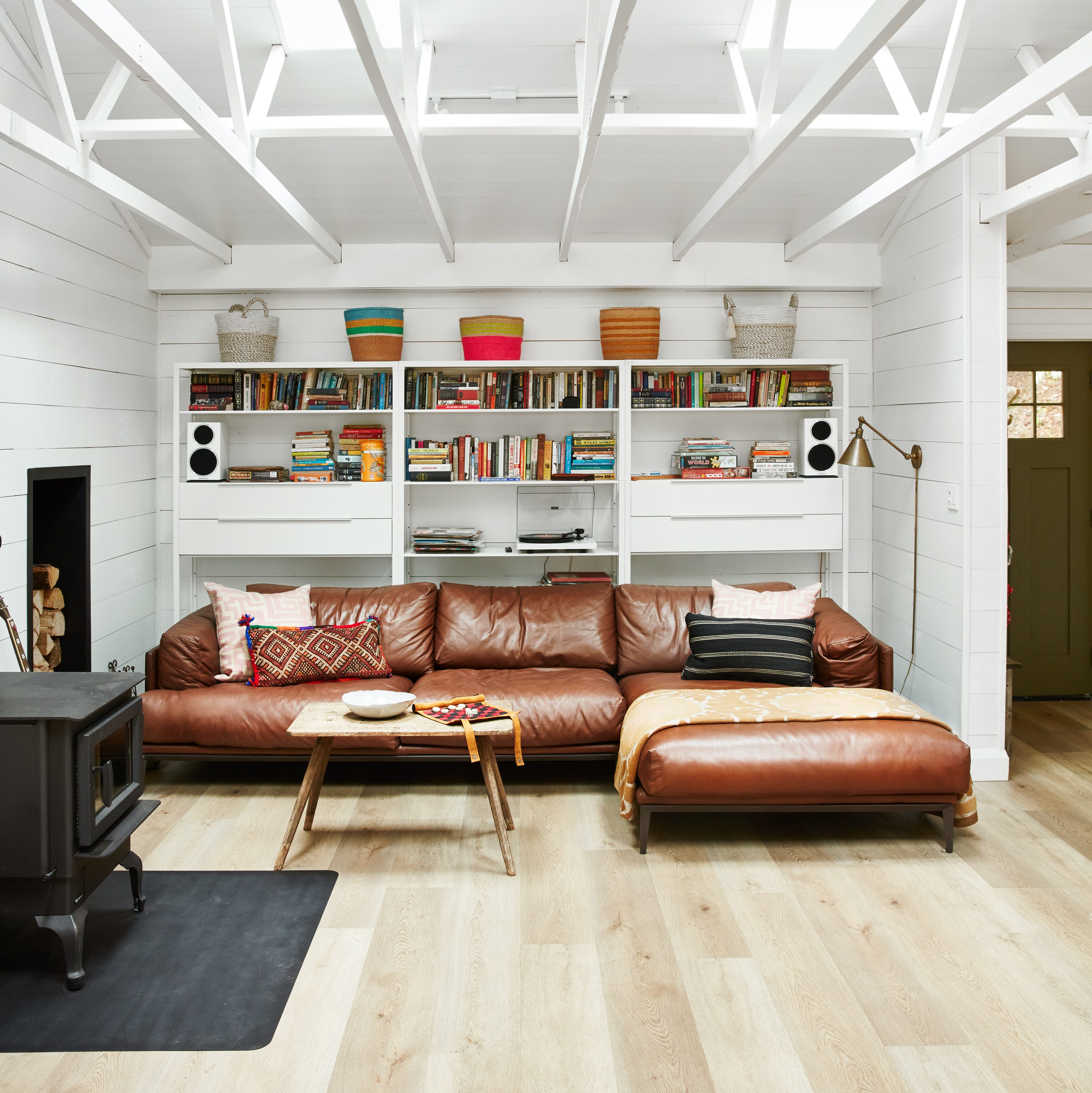
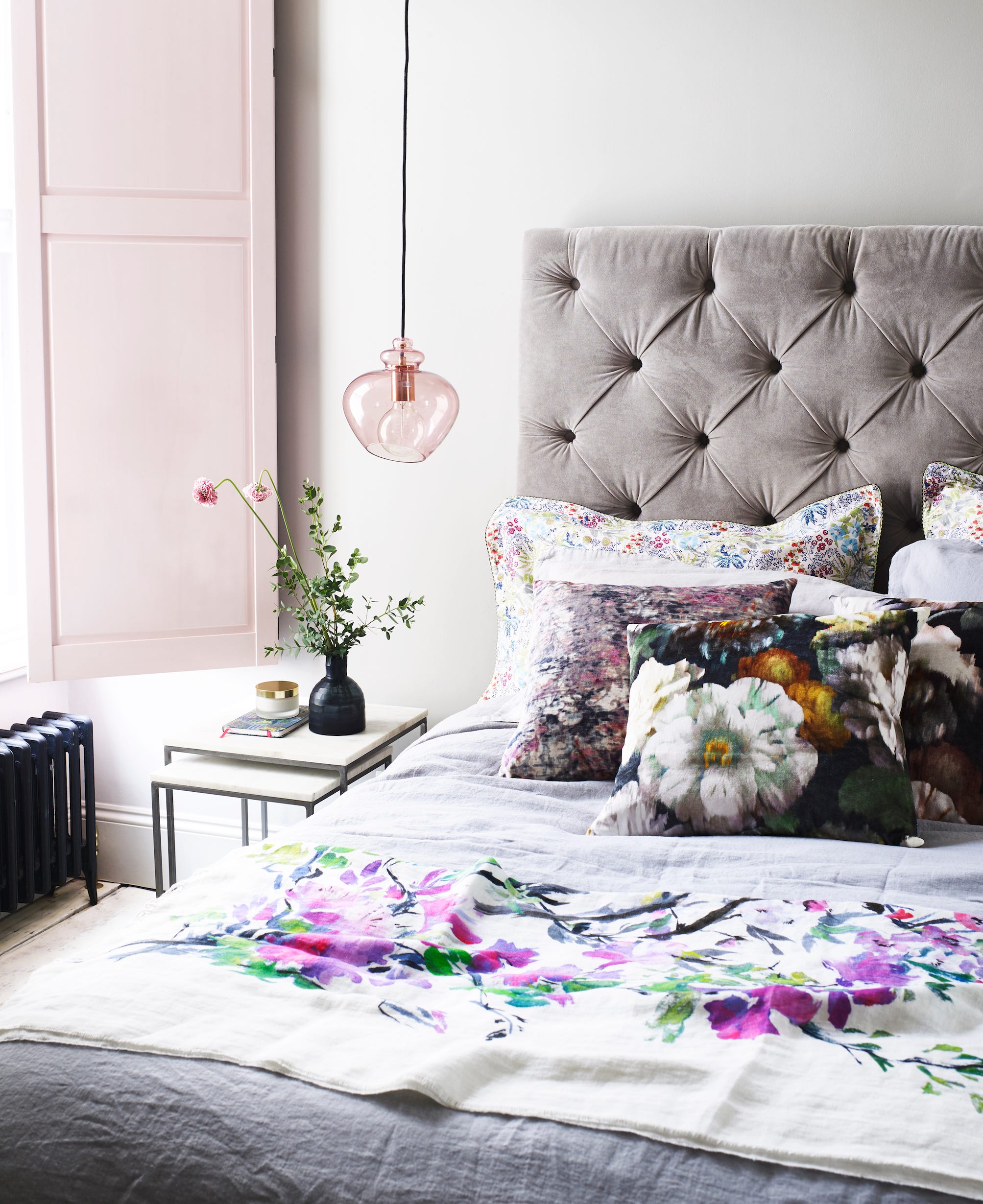
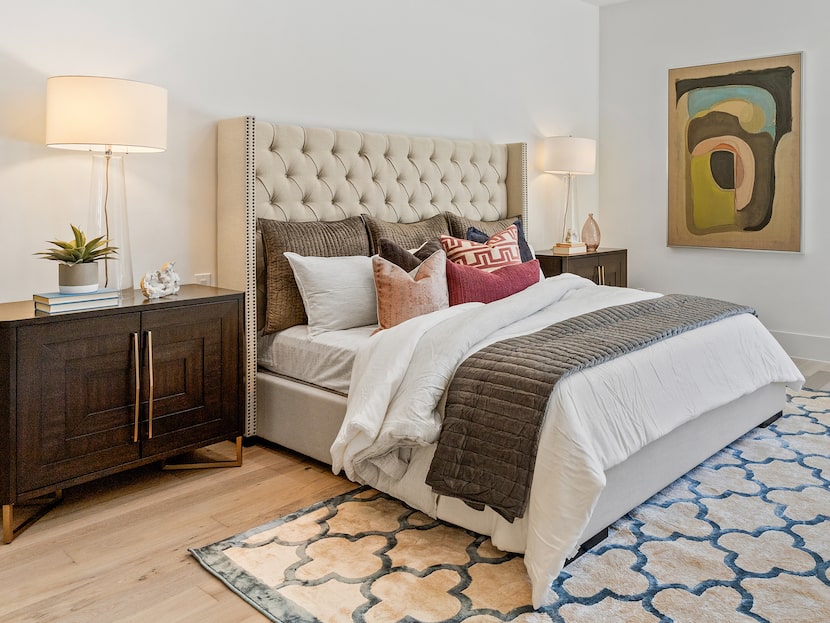
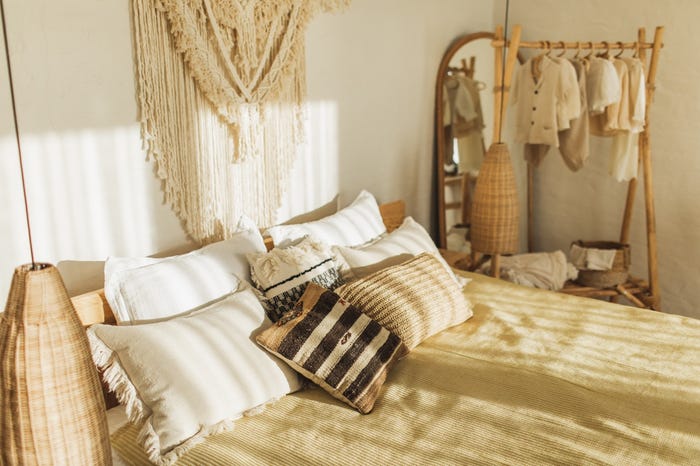
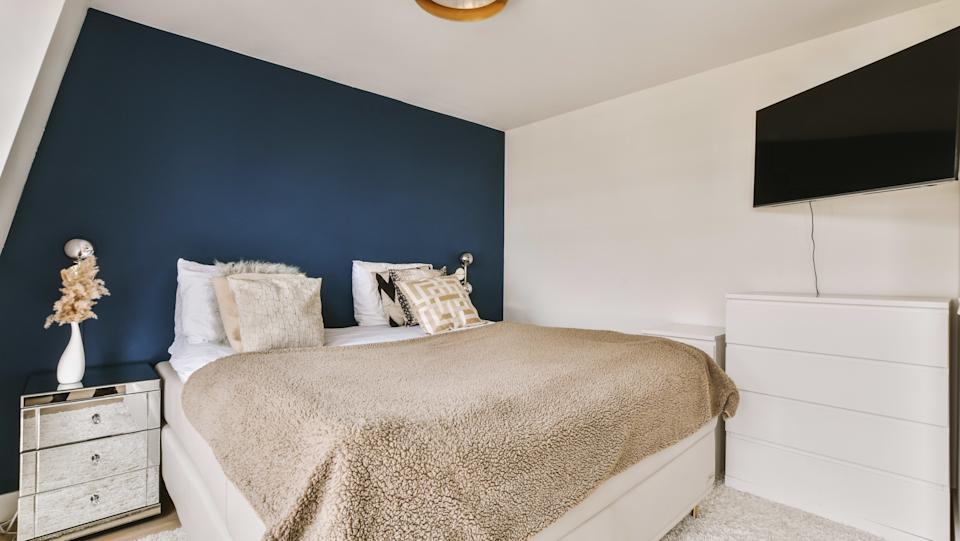
Excessive throw pillows are another item the designer is avoiding. While acknowledging an appreciation for throw pillows, the article states that having more than three on a bed is considered excessive. The designer plans to prioritize quality over quantity, selecting a limited number of pillows that complement a space without creating clutter.
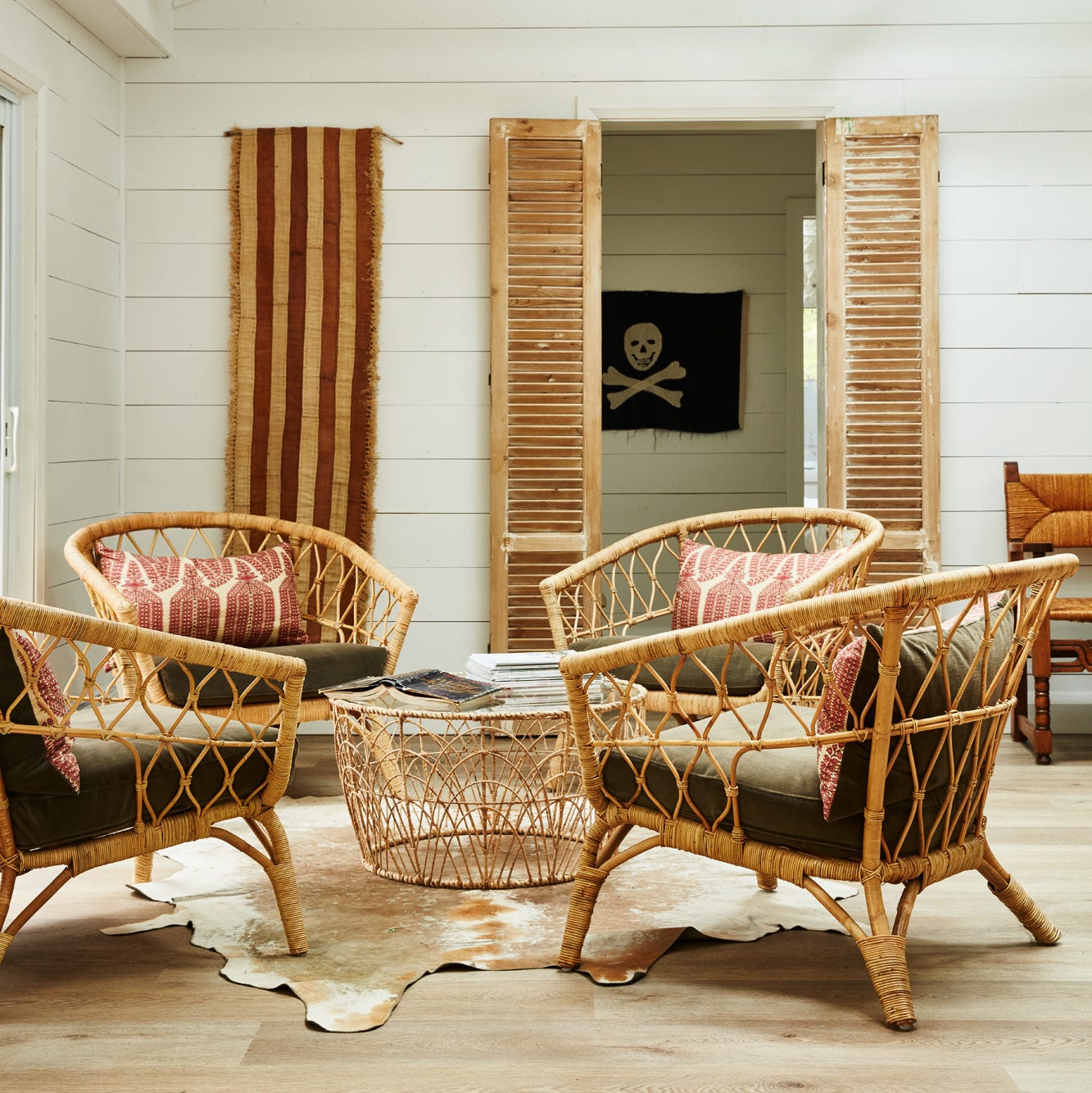
Fast furniture, characterized by its affordability and mass production, is being bypassed due to its environmental impact and lack of durability. The designer's commitment to sustainability in 2024 leads to a preference for furniture built to last, even if it requires a higher initial investment. This choice aims to reduce waste and contribute to a more eco-conscious lifestyle.
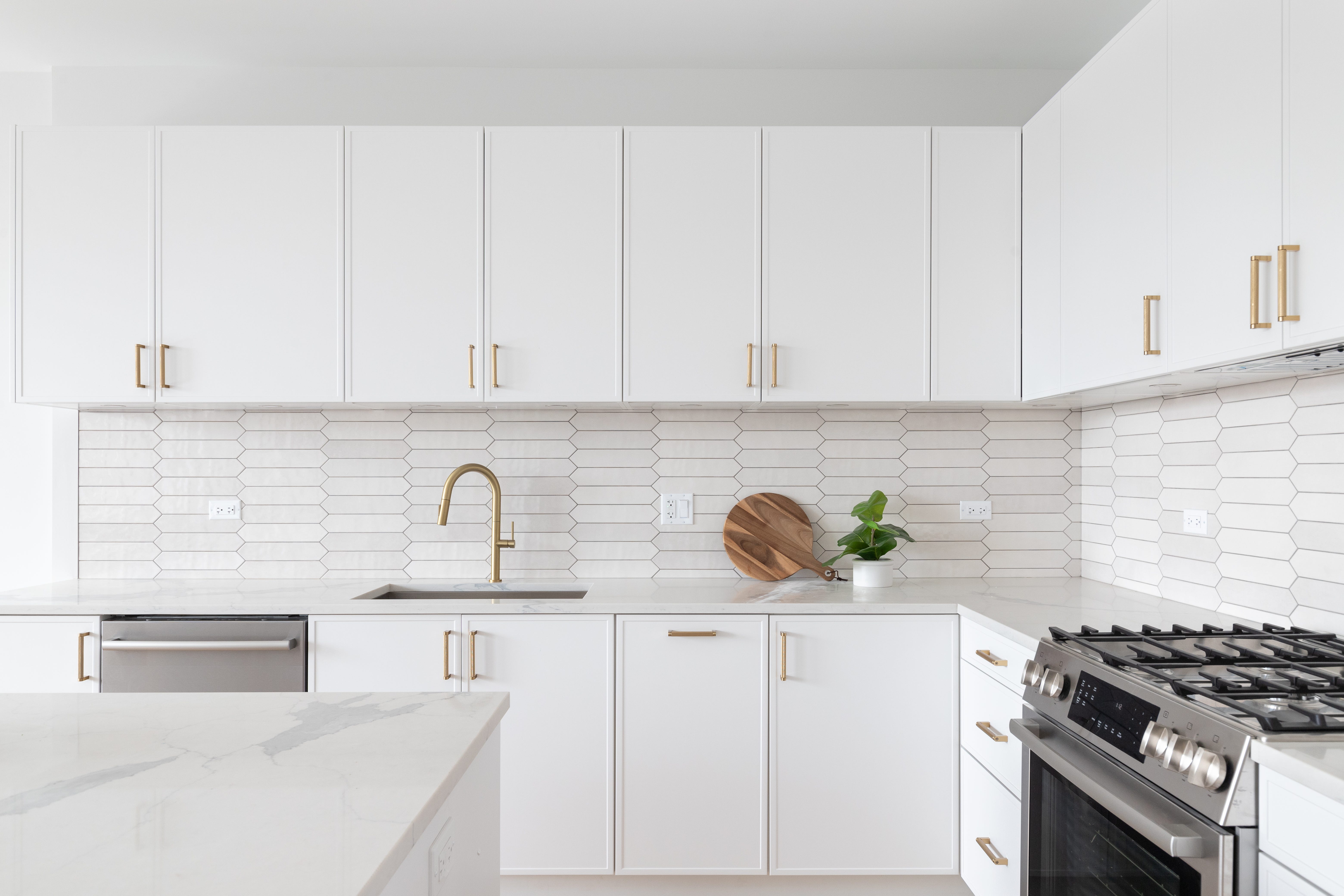
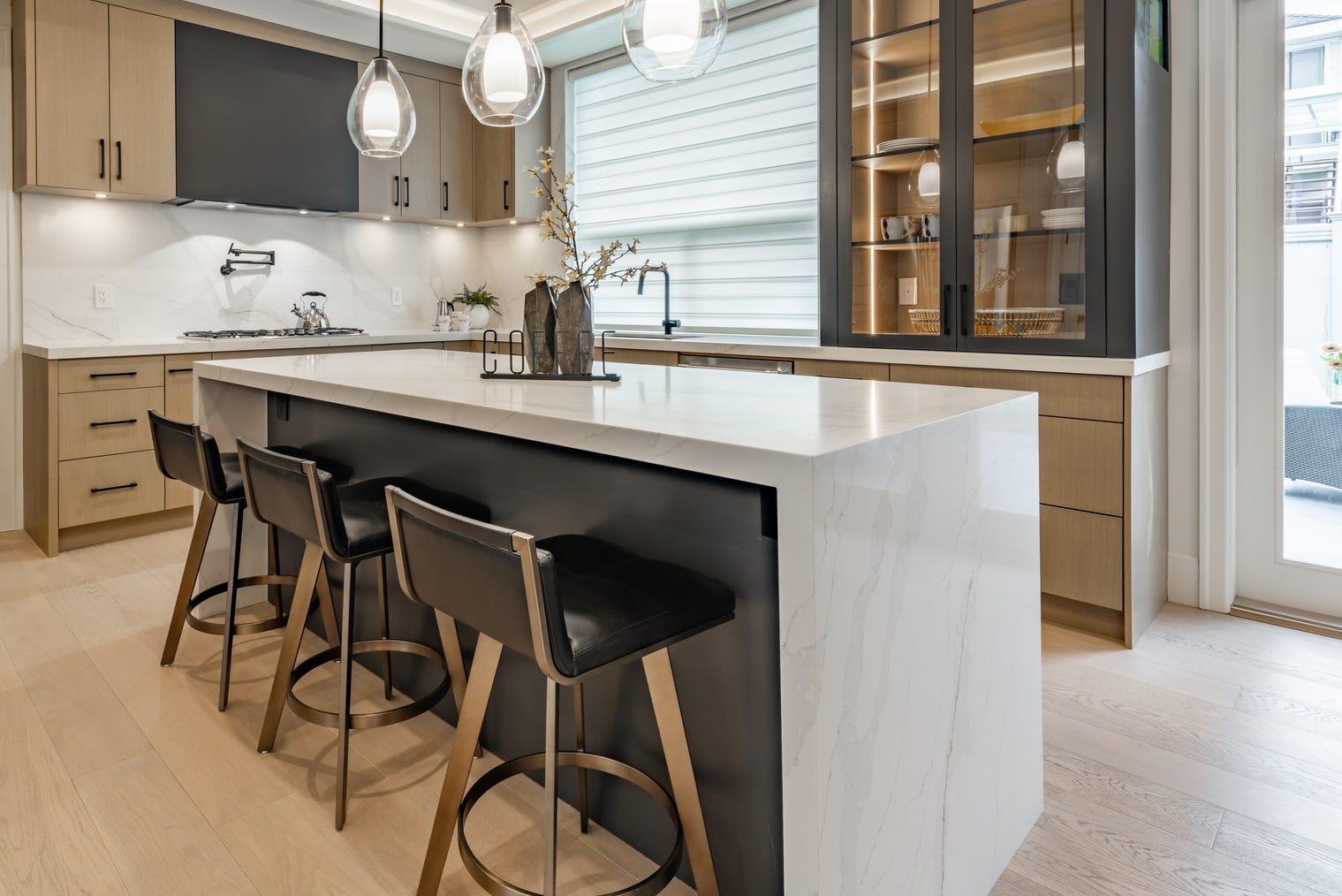
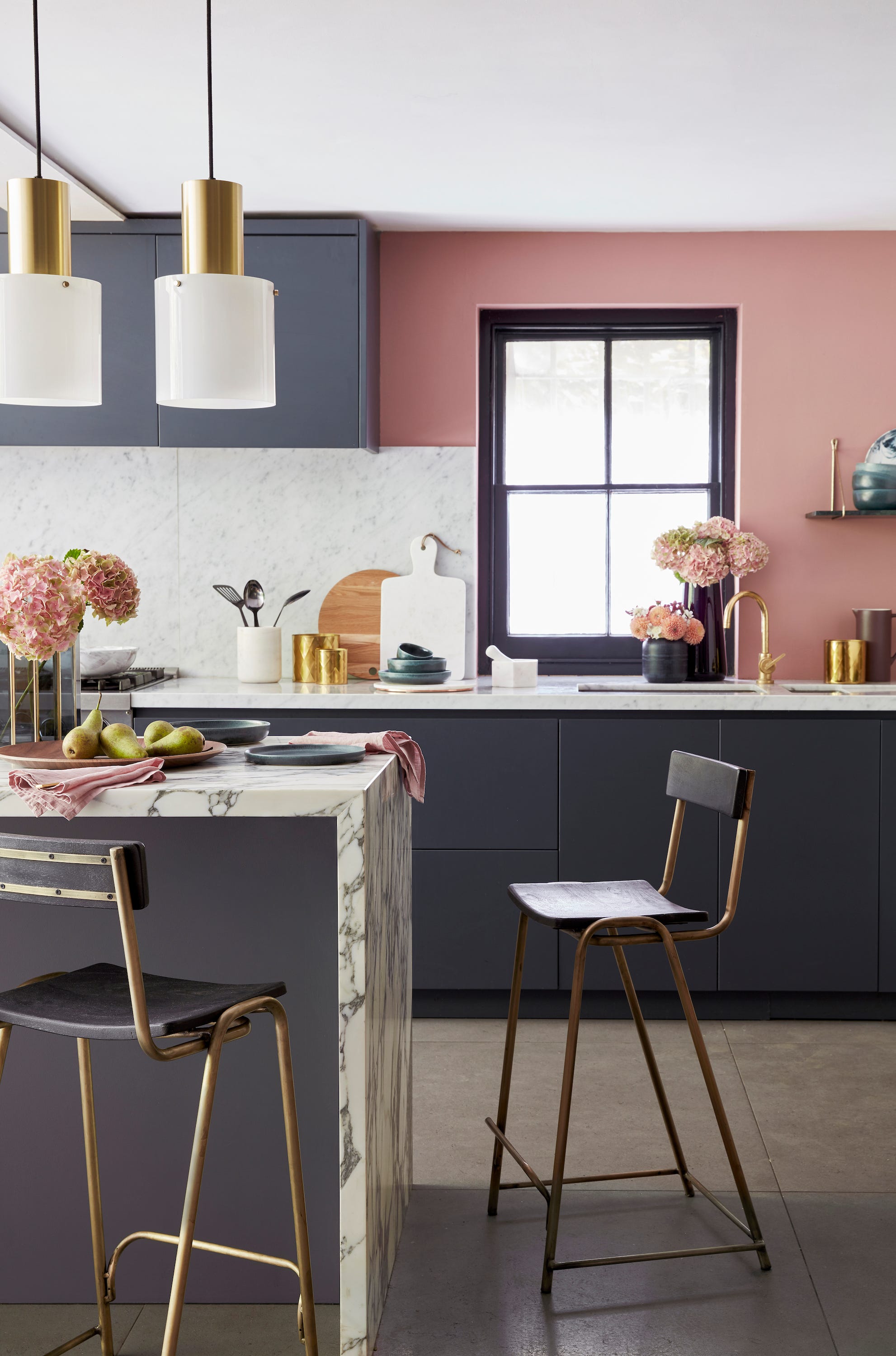
Finally, unnecessarily specialized kitchen gadgets are excluded from purchases. The designer expresses a disinterest in single-purpose appliances, such as avocado slicers or hot-dog toasters. The preference is for multifunctional tools that help maintain a clutter-free kitchen, emphasizing practicality and efficiency in culinary spaces.
#InteriorDesign #HomeDecor #SustainableLiving #ErgonomicDesign #MindfulConsumption #KitchenGadgets #Furniture #OfficeChairs #Rugs #InteriorDesign #HomeDecor #SustainableLiving #ErgonomicDesign #MindfulConsumption #KitchenGadgets #Furniture #OfficeChairs #Rugs
0 comment in total
 No comments yet
You may also like
The Home Trends Designers Want You to Ditch in the New Year

No More of These, Please — 4 Outdated Window Treatments Designers Don't Want to See You Using Anymore

Money-wasting home improvements to avoid

An Interior Designer Shares the "Tacky" Decor You Should Never Waste Your Money On

The Costly Decorating Mistake I’ll Never Make Again
7 cheap and tacky interior design errors rich people never make — ban these aesthetic atrocities from your home
7 Home Décor Trends Designers Say Are a Waste of Money
I’m not the biggest IKEA fan, but these are the pieces I’ve repurchased for both my remodel projects as someone with designer taste on a DIY budget
IKEA's $99 Design Service Saved Me From Making This VERY Expensive Mistake

I'm an interior designer. Here are 10 trends I won't be wasting money on in 2025.
"I'm an interior designer – I think these 5 millwork trends will make your home look like a million dollars"

After More Than 500 Home Makeovers, the Property Brothers Warn Against This Feature They "Hate, Hate, Hate"


I'm an interior designer. I love HomeGoods, but there are 7 things I never buy there.
I'm an interior editor with luxurious taste, but I wouldn't get this one home decor accessory from anywhere other than IKEA

I'm an interior designer, and I'd put these 8 finds from Walmart’s hidden furniture line in my own home

How to decorate in 2025: Skip these tired trends, interior designers say
7 home design trends to skip (and what to do instead)

17 IKEA Finds Designers SWEAR By for Their Own Spaces
Maximize your home decor budget — here’s where Dallas designers splurge and save
I’m an Interior Designer, and These Are the 13 Summer Decor Pieces I’m Urging Clients to Buy—From $7