1/11
Beyond the Tour: How to achieve the ultimate (fashion girl) all-white home aesthetic (without an interior designer)
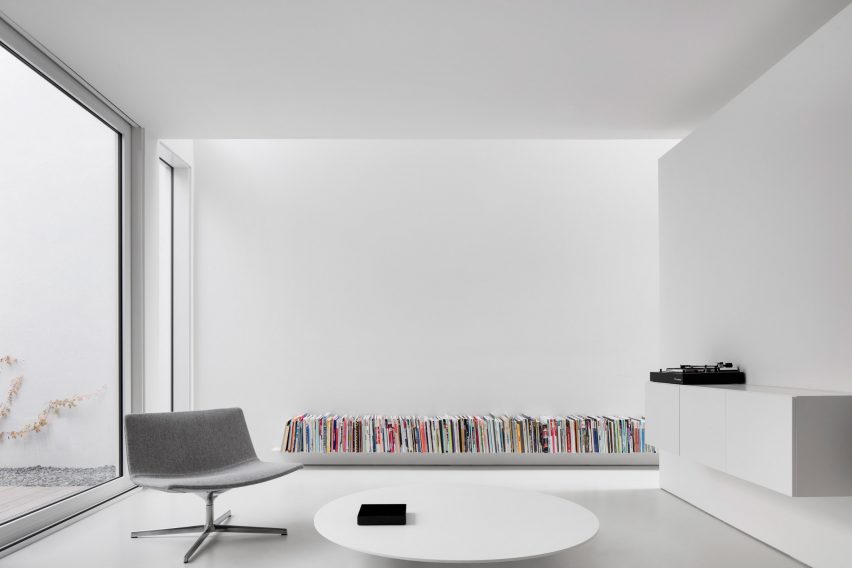
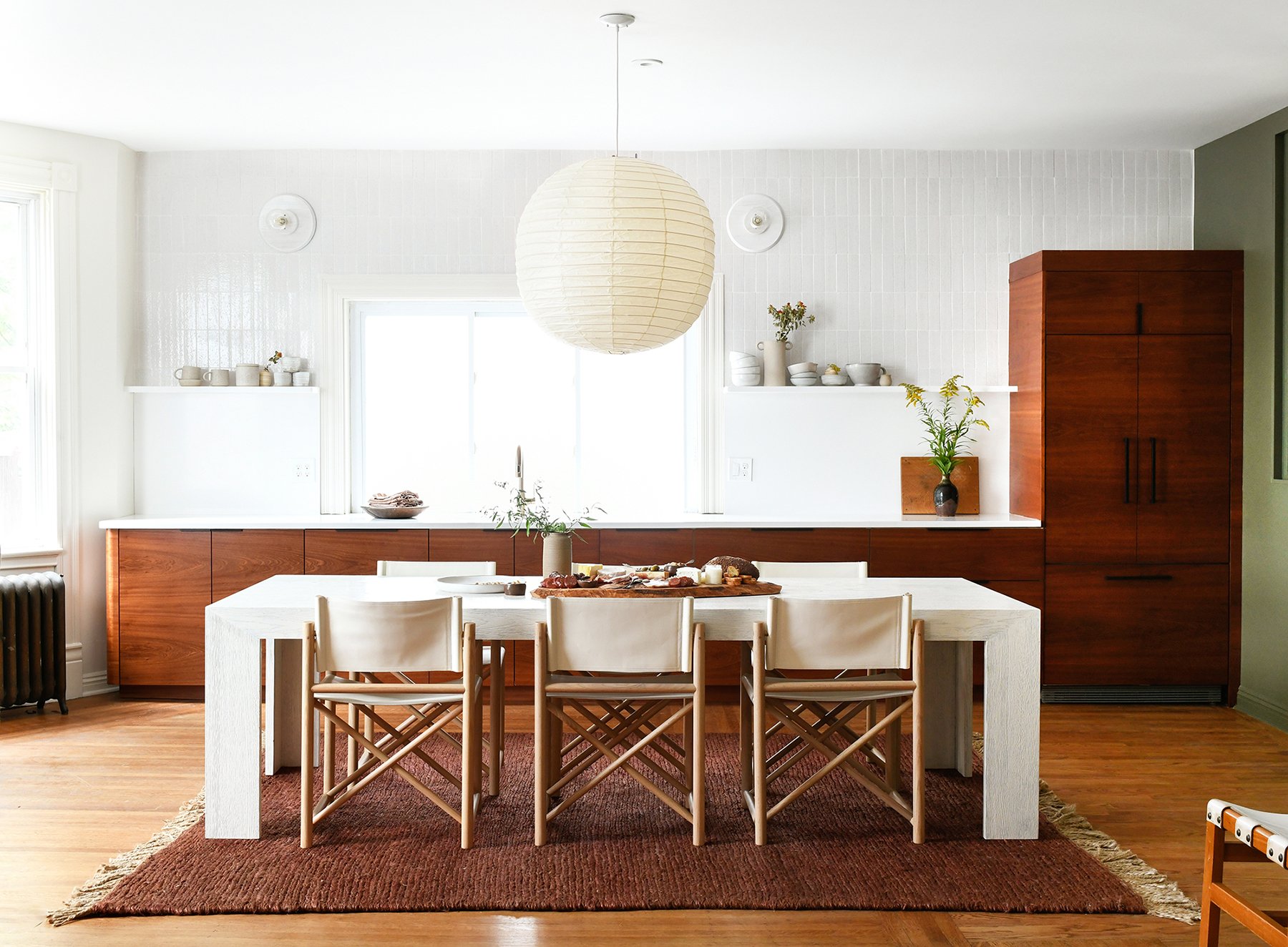
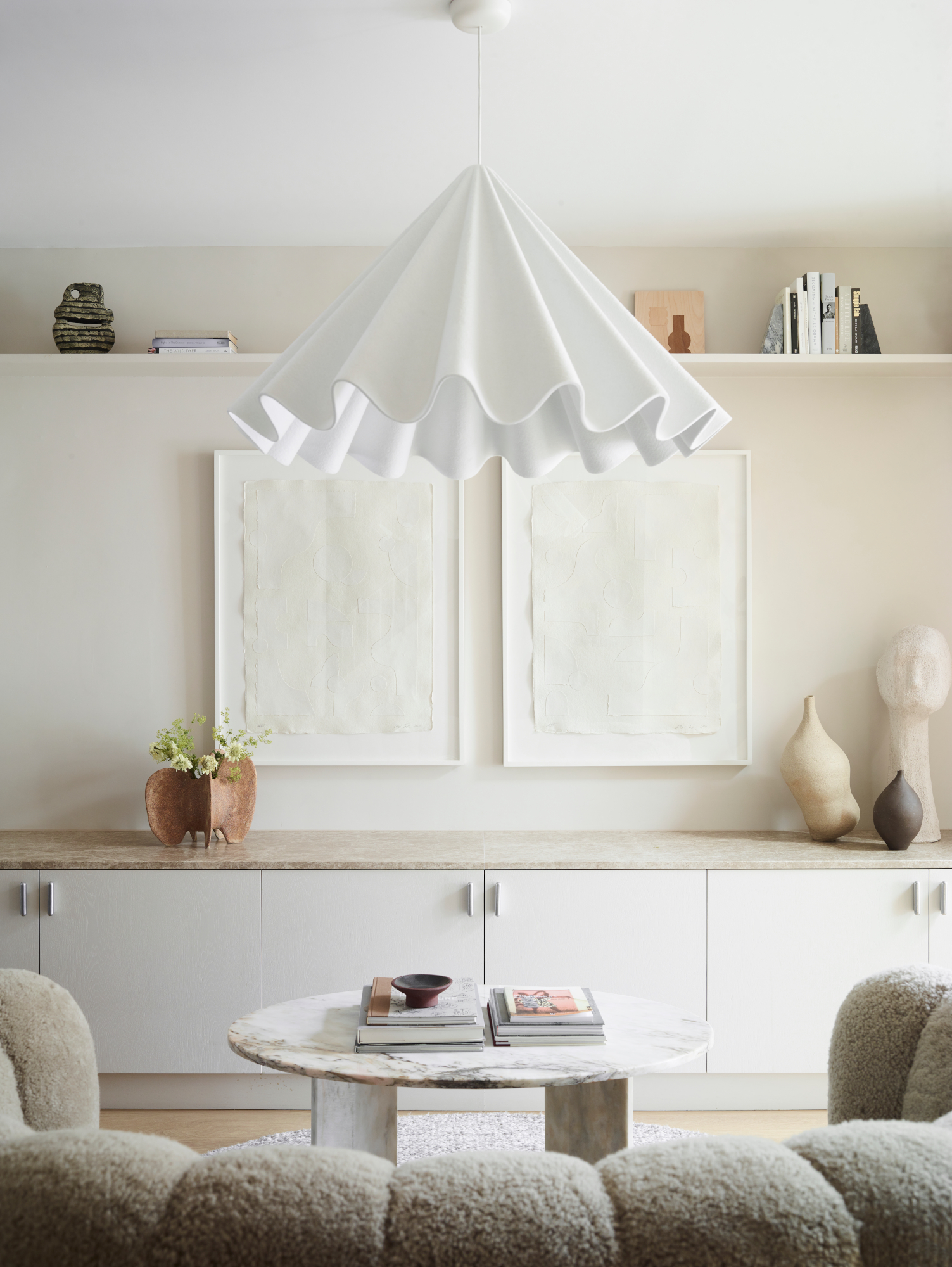
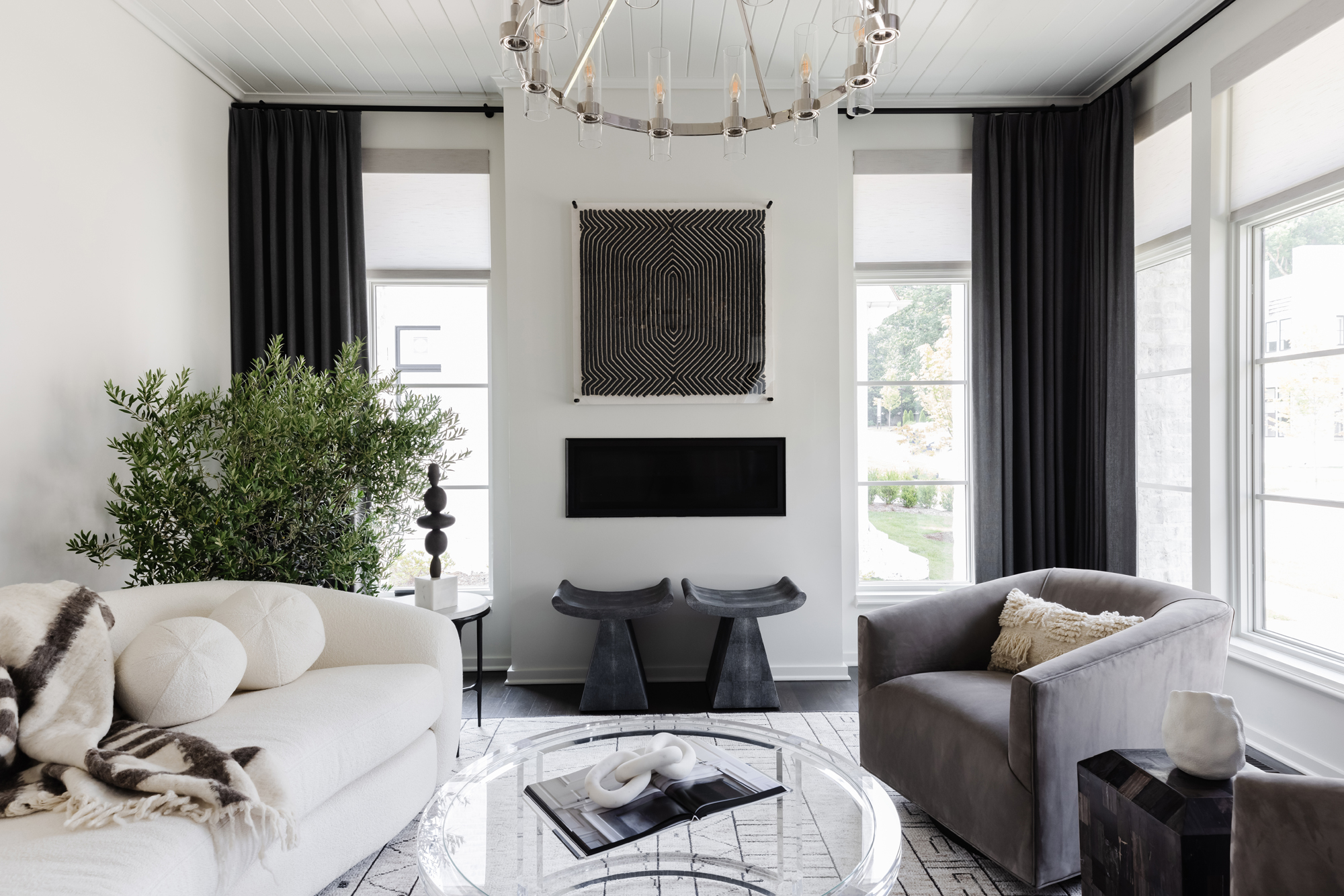
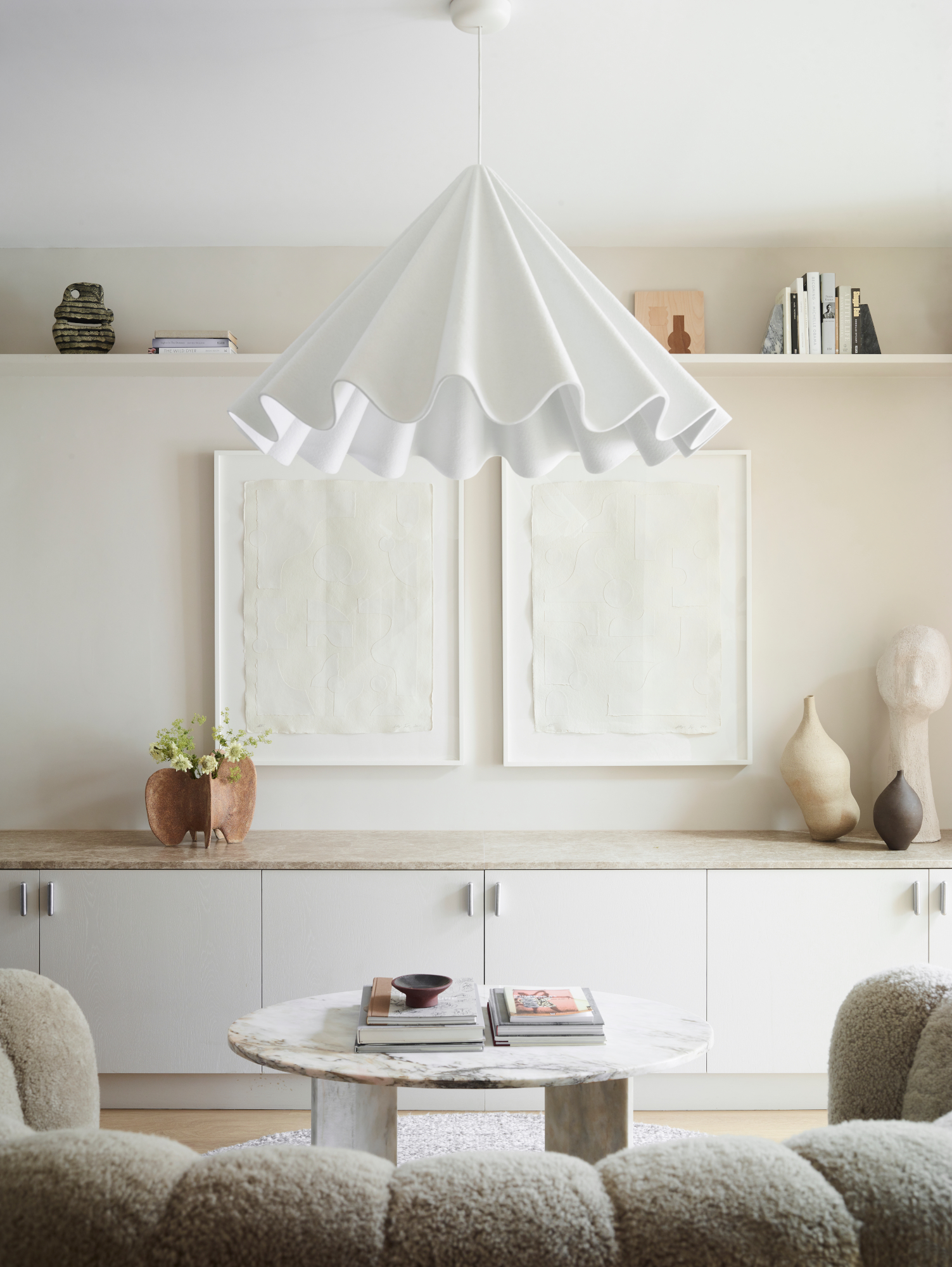
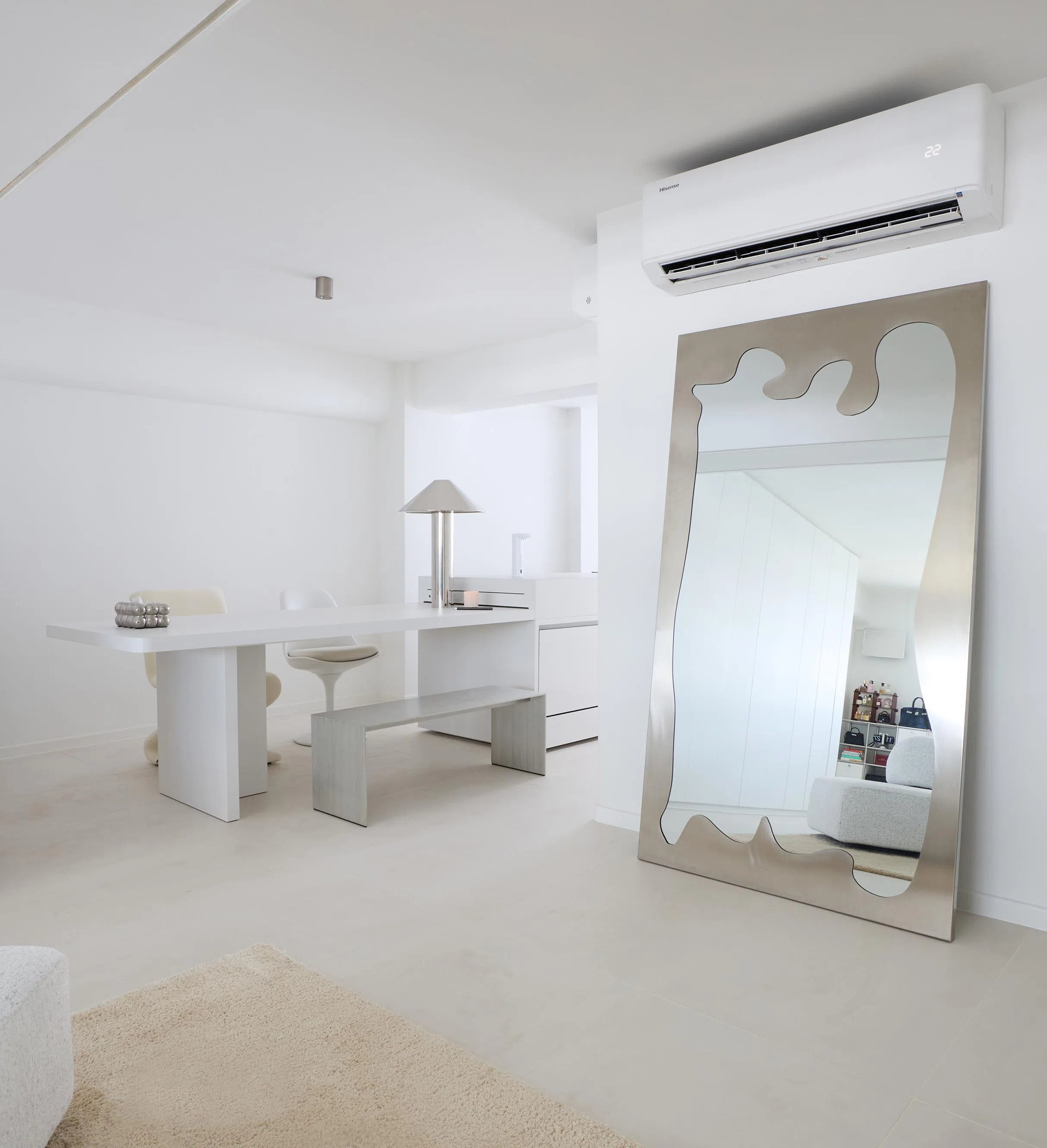
Singaporean celebrity fashion stylist Rong successfully created a stylish all-white bachelorette pad without the assistance of an interior designer, relying entirely on her personal taste and creative vision. The result is a luminous and chic space characterized by its monochromatic white aesthetic accented with silver chrome tones. Despite the common difficulty of achieving a balanced all-white interior, Rong's home maintains a minimalist feel while exuding character, avoiding any sense of saturation and ensuring a harmonious balance throughout. This achievement is particularly notable given that she sourced most of her furniture and finishes from online platforms like Taobao, demonstrating a strong trust in her own instincts, originality, and personal style.
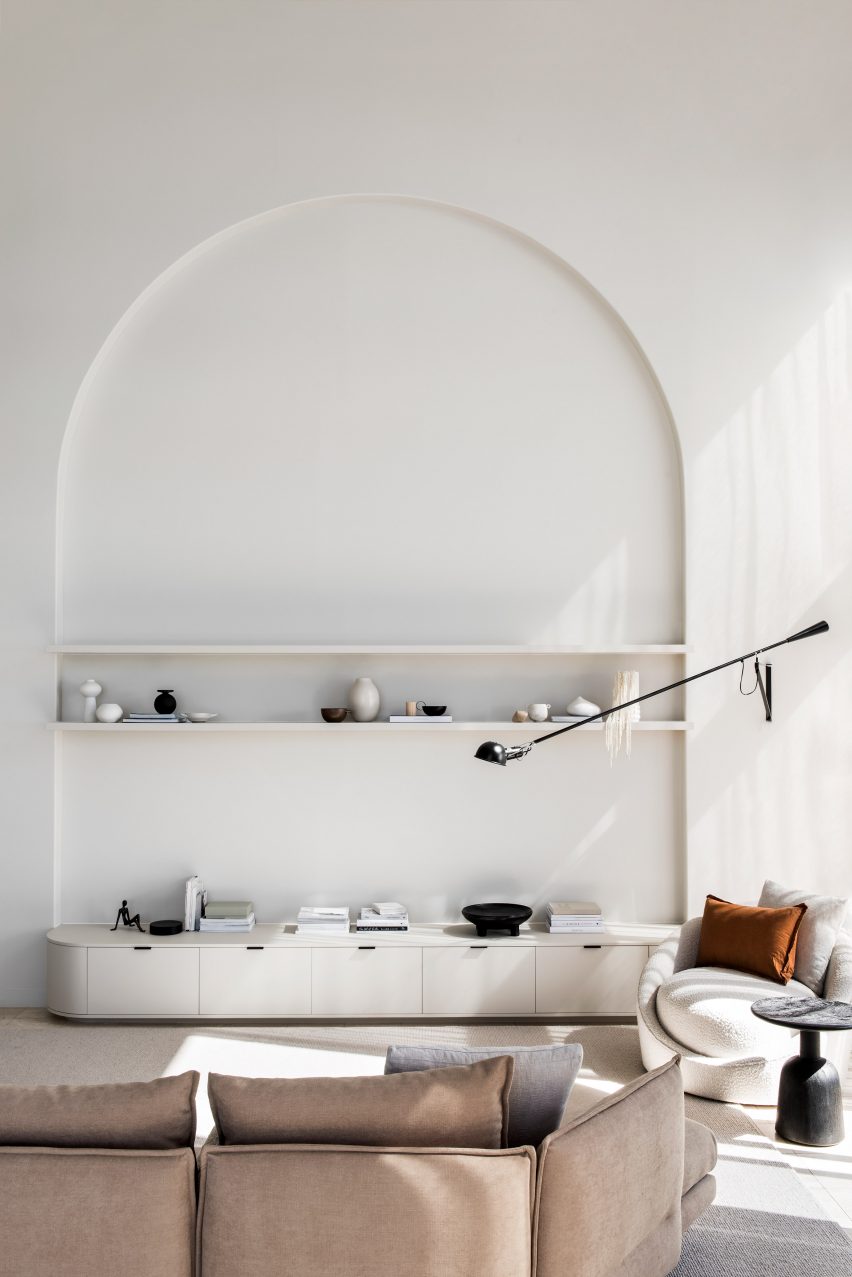
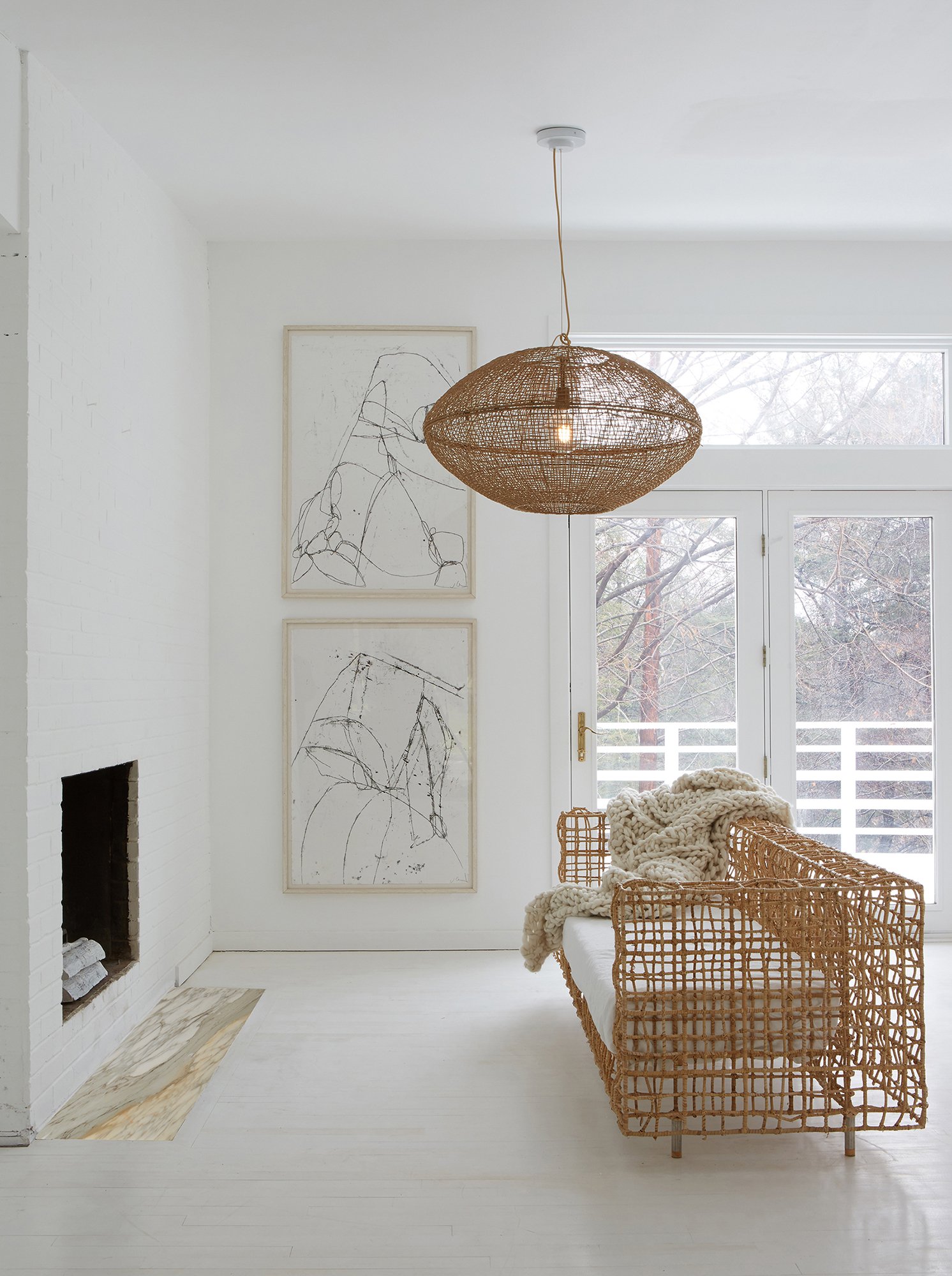
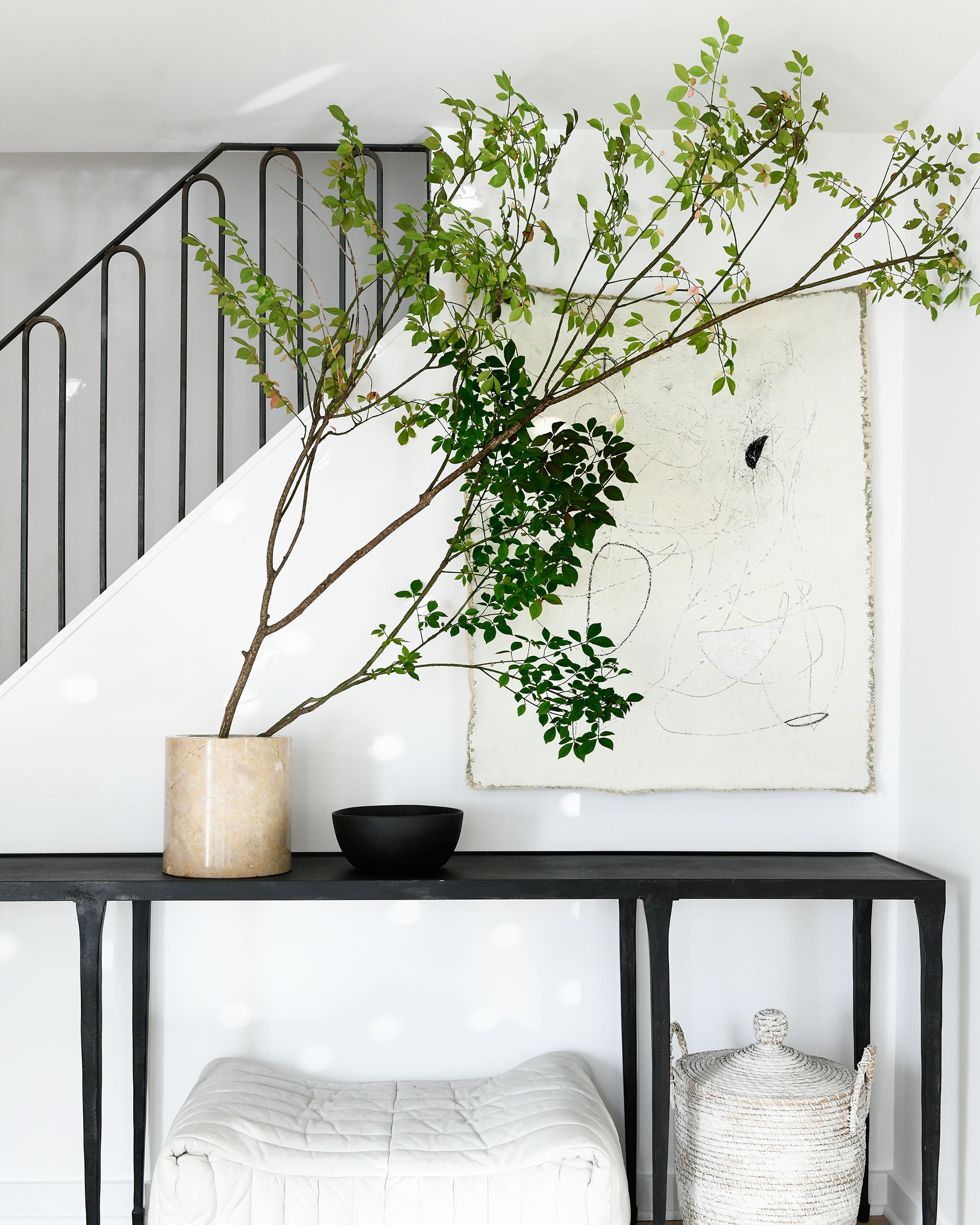
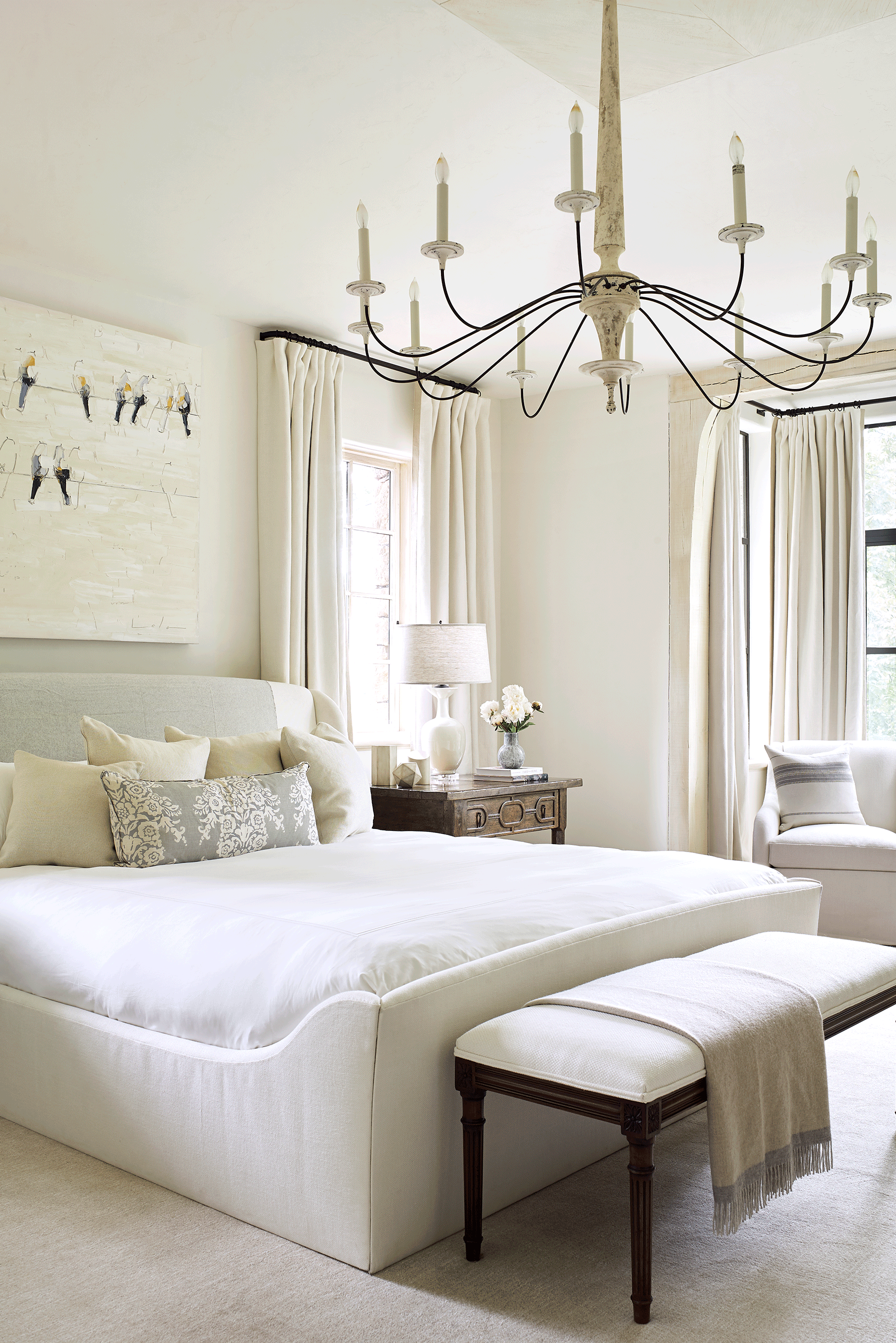
The article provides four key tips for replicating an all-white home aesthetic. The first tip emphasizes treating furniture as art. Rong's approach involved selecting pieces that function not merely as utilitarian items but as sculptural elements within the space. To implement this, it is recommended to choose furniture in various white hues and tones, such as ivory, cream, pearl, milk, and alabaster, to add subtle depth. Incorporating an accent highlighter, like Rong's choice of silver chrome, helps to break the monotony. Furthermore, balancing textures and including a few abstract pieces can prevent the all-white scheme from appearing flat or dull.
The second tip highlights the importance of attention to detail. Every aspect of Rong's home, from lighting fixtures to specific mirrors, chairs, and even electrical switches, was intentionally chosen. This meticulous selection process ensures that each component contributes to the overall aesthetic, even within a minimalist setup. The article suggests training the eye to notice subtle attributes, such as curved edges over straight ones, in furniture selection. This does not necessarily involve purchasing expensive items; instead, it focuses on unique design elements like a bubble-shaped chrome tissue box, a wavy floor-to-ceiling mirror inspired by Ettore Sottsass, conical pendant lights, or circular wall sconces. The underlying principle is to visualize how small details contribute to the larger picture, ensuring a minimalist theme remains engaging and not boring.
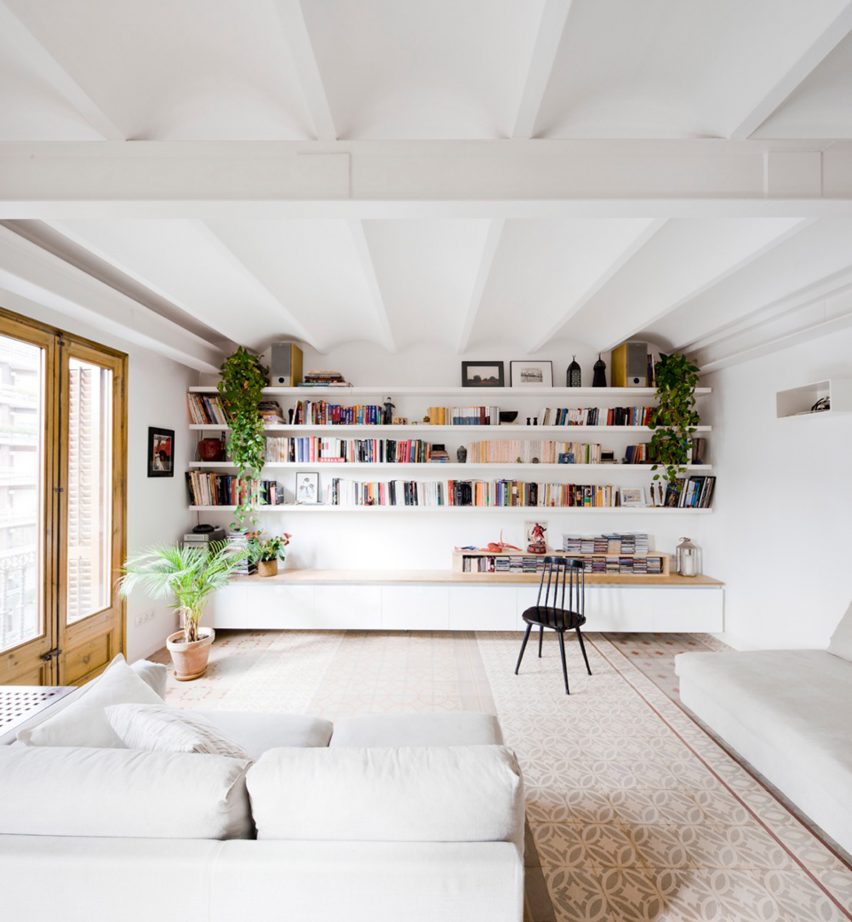
The third tip focuses on playing with textures and tones. The effective use of varying textures and white/silver tones is crucial to prevent the space from appearing flat. For instance, Rong’s living room features a cotton T-shirt fabric sofa on a tufted cream rug, a masculine silver metal reading lamp, and a luxe white cushion on an occasional chair, balanced by a textured ceramic stone-white lamp. This interplay of materials and finishes, evident in elements like her sintered stone island, silk sheets, and silver chrome doorways, adds visual interest and depth to the monochromatic design. The final tip involves creating a space illusion. Dark color palettes tend to make spaces feel smaller, whereas lighter shades, especially white, create an illusion of expansiveness. By consistently using white throughout her 947 sq ft apartment, including “Sail White” from Nippon Paint for walls and ceilings, Rong made every room appear larger than its actual size. This strategy contributes to the apartment's overall chic and fashionable ambiance, resembling a stylish New York City abode that is minimalist yet creative, functional yet fashionable, and more cool than overtly luxurious.
#AllWhiteInteriorDesign #Minimalist #InteriorDesignTips #HomeAesthetic #DIYHomeDecor #FashionStylistHome #MonochromaticDesign #SpaceMaximization #AllWhiteInteriorDesign #Minimalist #InteriorDesignTips #HomeAesthetic #DIYHomeDecor #FashionStylistHome #MonochromaticDesign #SpaceMaximization
0 comment in total
 No comments yet
You may also like
26 white living room ideas to suit all styles

5 Problems With Painting Your Walls White That No-One Ever Talks About (Until Now)

How to warm up a white living room – 5 ways interior designers soften a monochromatic space

The Design Trick That Will Change How You Feel About White Walls
Fresh white decorating ideas for every room | loveproperty.com

7 times you should never paint a room white
A STUNNING Holiday Home Tour + Designer Tips to Recreate the Magic at Home

What colors go with a white couch? 6 interior designers share how they style this furniture staple
Ten fresh white interiors that brighten up living spaces
Interior designers share 12 ways to make your home look better without buying anything
If You've Always Wanted to Sleep on a Cloud, Copy These White Bedroom Ideas

Are white walls still in style for 2023? How to rework this ‘vanilla’ palette for now, according to designers
28 White Living Room Decor Ideas That Create a Space You’ll Never Want to Leave

How to get the White Lotus look in your home
These White Bedrooms Will Inspire You to Say No to Color
This Décor Hack is So Easy, It's Barely Even a DIY — But The Results Look *So* Bespoke (No Skills Required)
Leanne Ford Is the Master of an All-White Interior—This Is Her Secret

Does your room feel like a boring white box? This interior designer's 5 easy tips will help you transform it into a personality-packed scheme in no time
Are white walls still on trend? Designers weigh in on whether this classic shade is on the out
Living room design ideas: Mostly-white interiors