1/16
15 Annuals That Bloom With Bold Purple Flowers
The article presents a comprehensive guide to 15 annual flowers that produce bold purple blooms, offering a distinctive aesthetic for garden design. It begins by highlighting that while common flower colors like white, yellow, and pink are prevalent, purple can add a unique and moody touch to a garden. The introduction clarifies that annual flowers have a lifespan of one year or less, typically blooming from spring through summer and sometimes into fall, and unlike perennials, they may need to be replanted each year unless they self-seed.
Each of the 15 annuals is described with key details such as its scientific and common names, bloom season, USDA growing zone, preferred growing conditions, soil type, and average size. For instance, Stock (Matthiola incana) is a cool-weather annual known for its clove-scented purple flowers, blooming from spring to fall in USDA zones 7 to 10. Heliotrope (Heliotropium arborescens), or Peruvian heliotrope, features vanilla-scented purple blooms from summer to fall, thriving in USDA zones 10 to 11. Texas bluebells (Eustoma grandiflorum), also known as prairie gentian, produce large purple and white flowers that last until fall, suitable for USDA zones 8 to 10.
African daisies (Osteospermum spp.) offer delightful lavender-colored blooms from summer to fall in USDA zones 10 to 11. Summer snapdragons (Angelonia spp.) are known for their large blooming stalks and heat-loving nature, flowering from spring to fall in USDA zones 10 to 11. Mexican aster (Cosmos bipinnatus) is a popular, sprawling annual with a wide range of colors, including purple, reaching up to 4 feet tall from summer to fall in USDA zones 5 to 9.
Sweet alyssum (Lobularia maritima) is valued for its honey-scented, delicate clusters of purple blooms, attracting pollinators and serving as a good mat-forming bedding plant. Morning glory (Ipomoea indica) is a vining plant that climbs structures and produces vibrant purple flowers from spring to fall in USDA zones 8 to 11. Giant larkspurs (Consolida ajacis) are tall annuals with profuse flower stalks, often purple, that reseed themselves for consistent summer blooms.
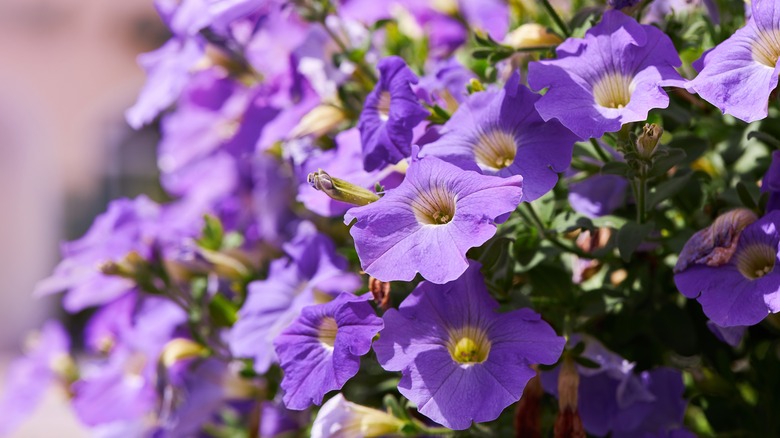
Petunias (Petunia spp.) are widely popular annuals due to their diverse bloom colors, long flowering season, and low maintenance, blooming from spring to early winter in USDA zones 10 to 11. China aster (Callistephus chinensis) resembles chrysanthemums with large purple flowers and is best grown in summer and fall. Floss flowers (Ageratum houstonianum) are native to warmer regions and are cultivated as annuals for their late spring to late fall blooms. Sweet peas (Lathyrus odoratus) are climbing annuals with ornamental, orange and honey-scented purple flowers, ideal for trellises. Spider flower (Cleome hassleriana) is unique for its long, spider-leg-like stamens and blooms from summer to fall. Finally, Trailing lobelia (Lobelia erinus) is a vining plant with abundant blue-purple tubular blossoms, preferring rich, moist soil during spring and summer.
The article provides specific cultivation details for each flower, including optimal light exposure (full sun, partial shade), soil conditions (well-draining, moist, fertile, organically rich), and size, enabling gardeners to select appropriate annuals for their specific environments and design preferences.
#AnnualFlowers #PurpleBlooms #Gardening #FlowerSelection #PlantingGuide #Horticulture #GardenDesign #AnnualFlowers #PurpleBlooms #Gardening #FlowerSelection #PlantingGuide #Horticulture #GardenDesign
0 comment in total
 No comments yet
You may also like
15 Purple Perennials To Plant In Fall To Enjoy Year After Year
Purple plants – 5 best to choose for the perfect purple border
Gardeners, These Low-Maintenance Perennial Flowers Bloom Every Season

13 Purple Plants to Grow for Bold Color

15 Best Purple Plants For Your Flower Garden
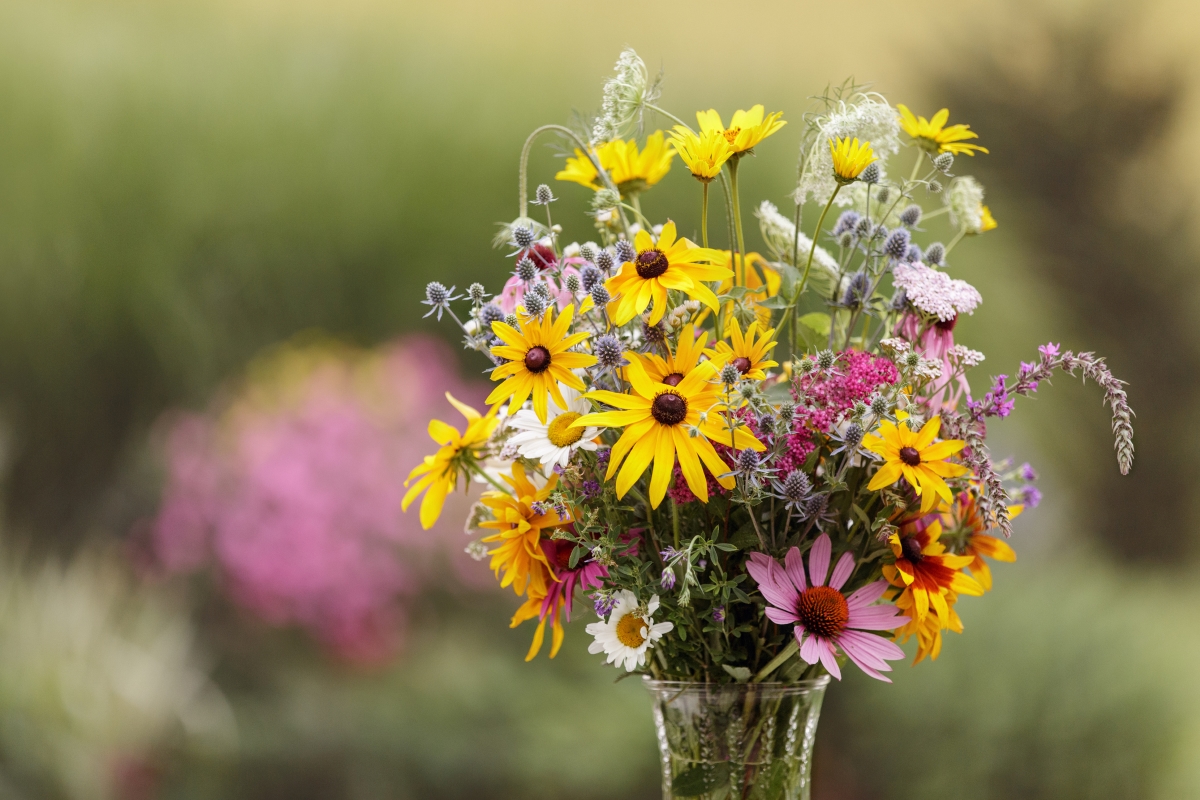
15 Cut Flowers to Grow for Stunning Homemade Bouquets

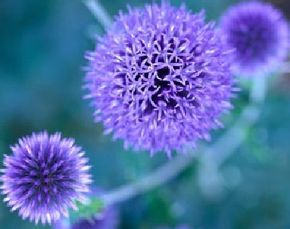
Blue to Purple Perennial Flowers
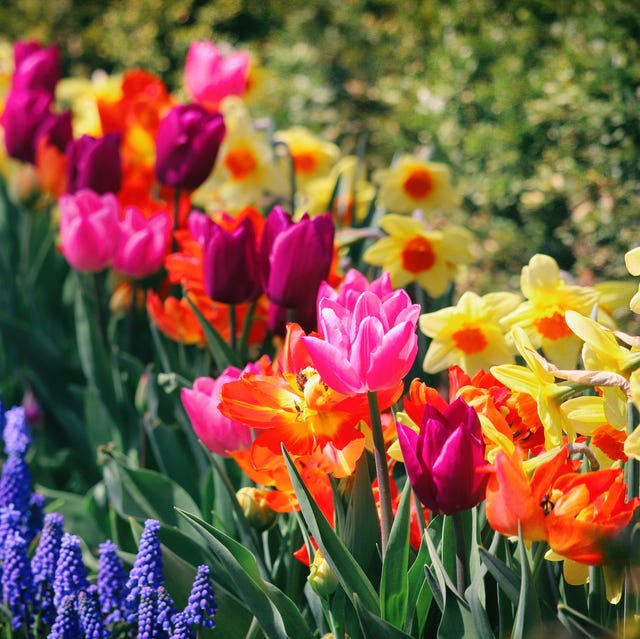
Grow These Stunning Spring Flowers to Welcome in the Season

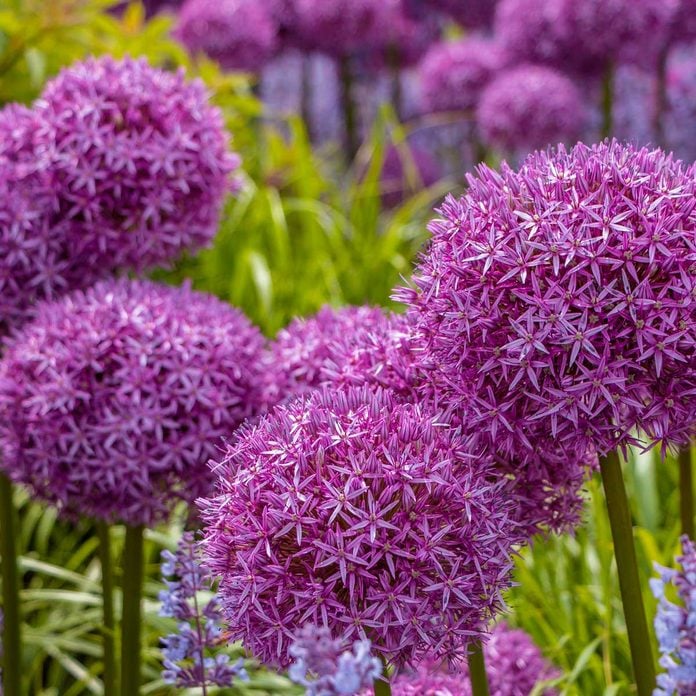
10 Pretty Purple Flowers That’ll Make Your Garden Pop

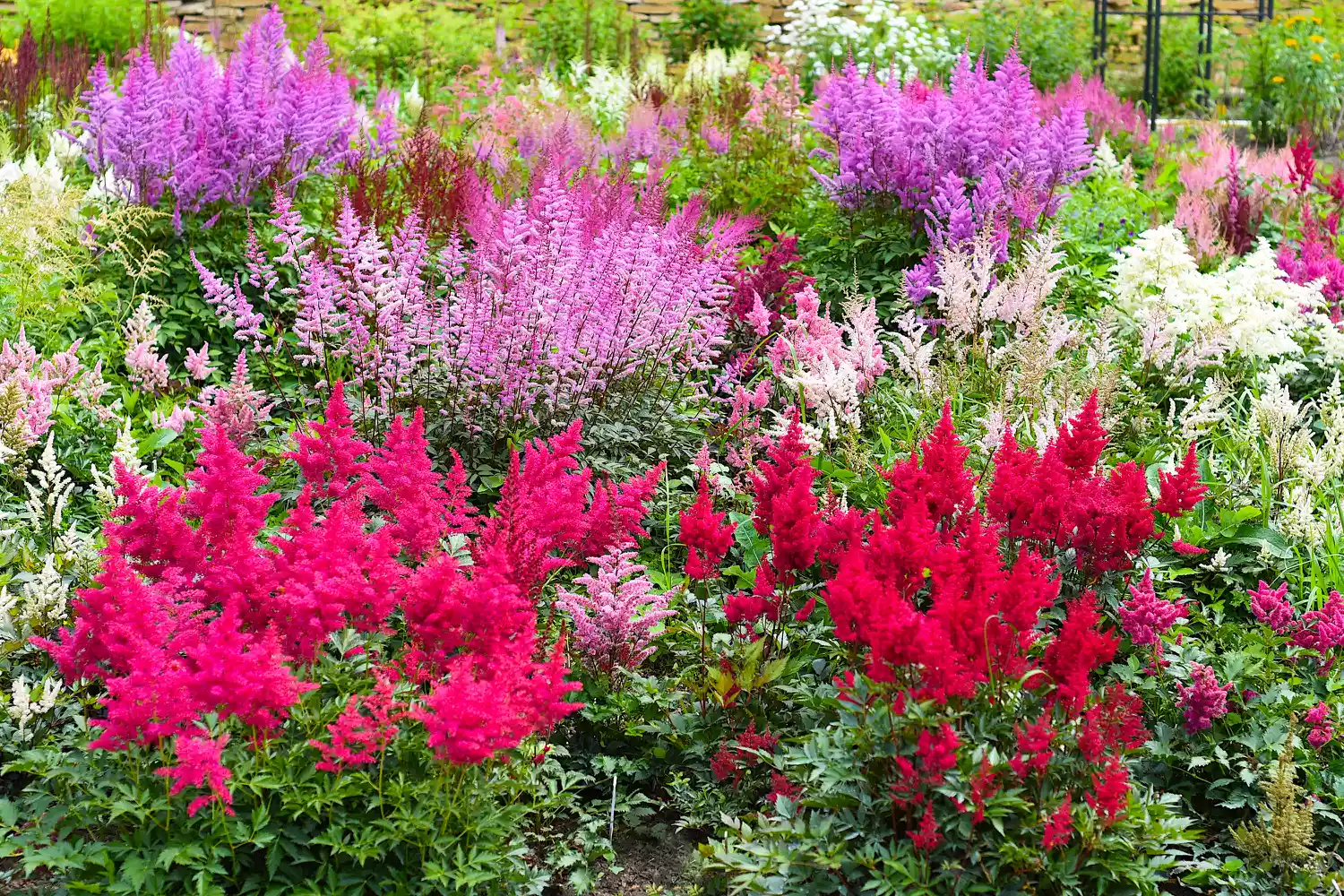
15 Perennial Flowers That Produce Long-Lasting Blooms Year After Year
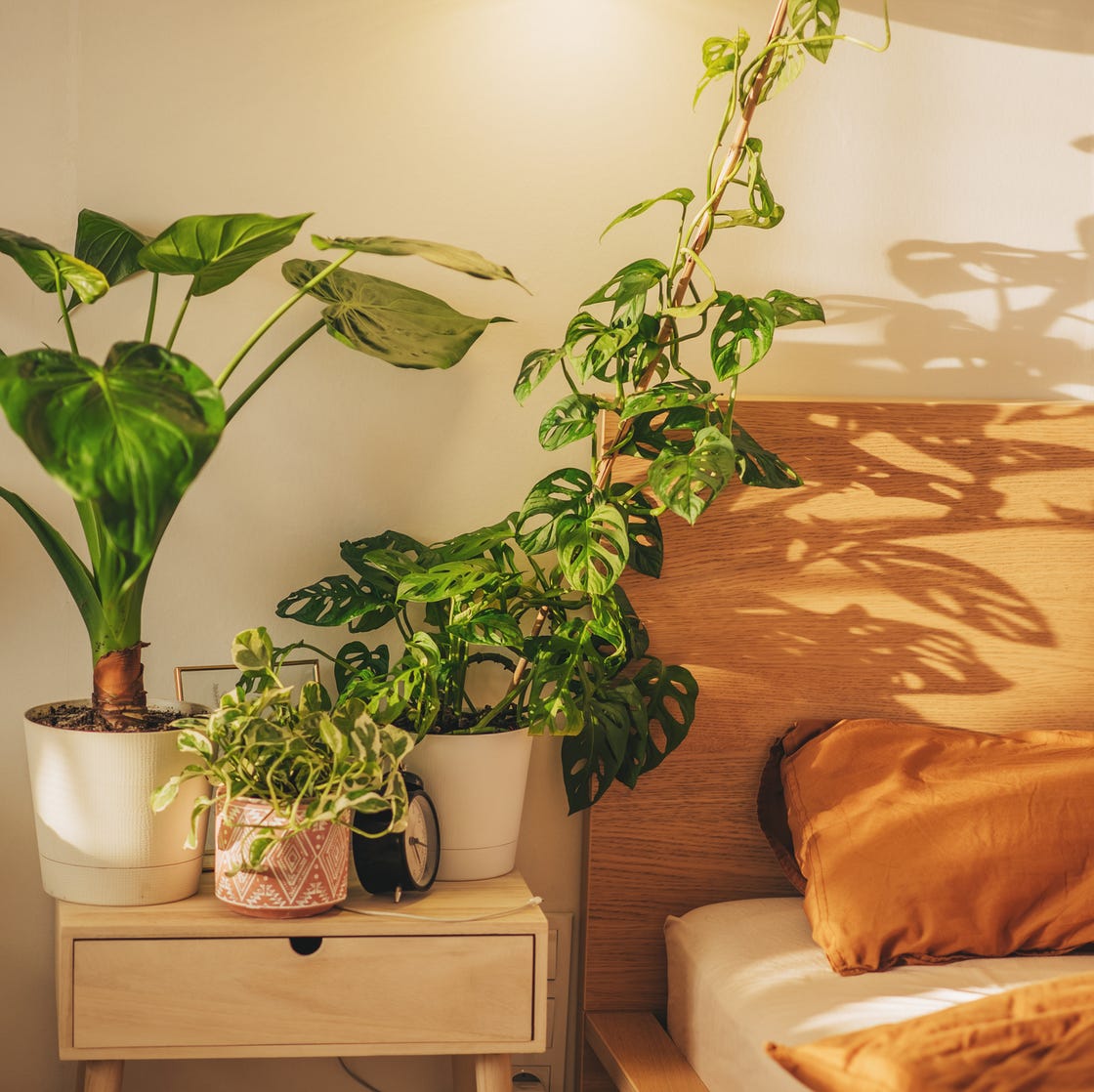
These 15 Bedroom Plants Deliver Some Stylish Shut-Eye

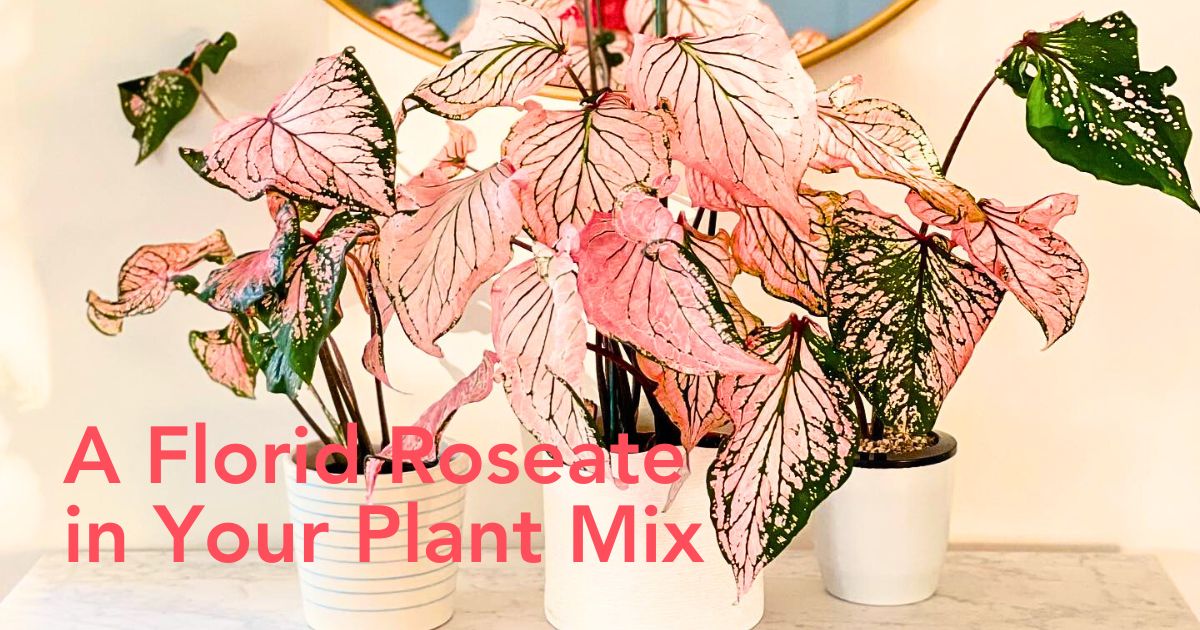
Pretty in Pink - 15 Pink Houseplants That Add a Pop of Color

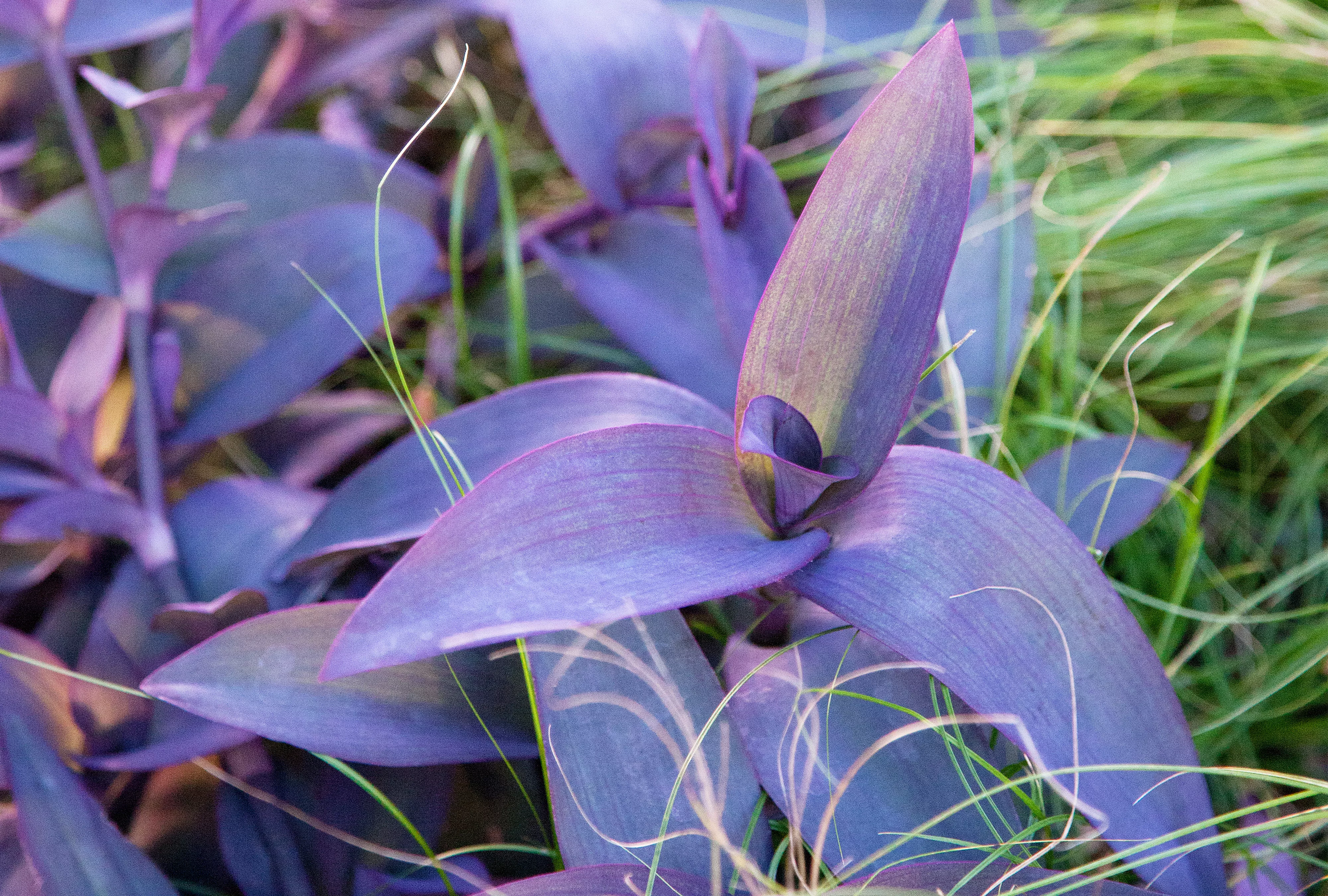
15 Purple Plants with Leaves that Stay Perpetually Purple

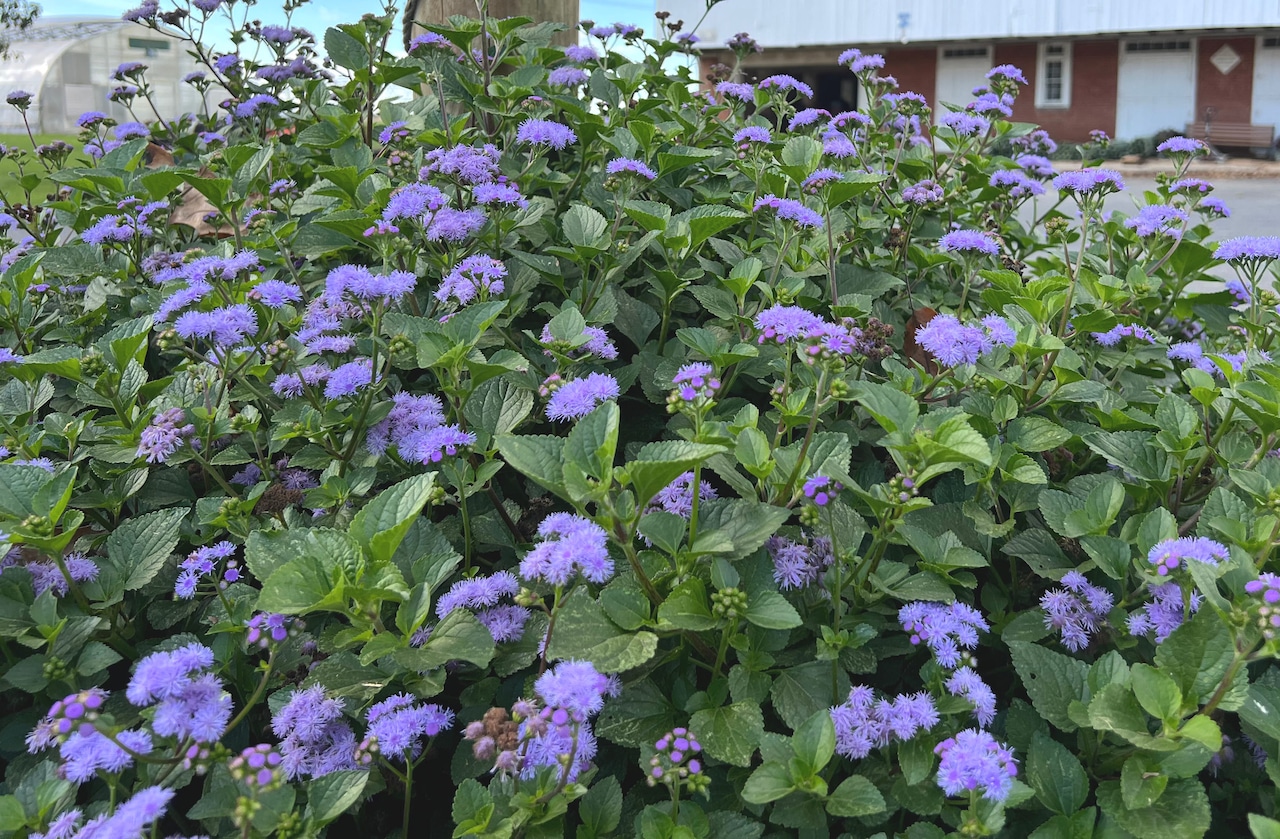
The best new annual flowers of 2025

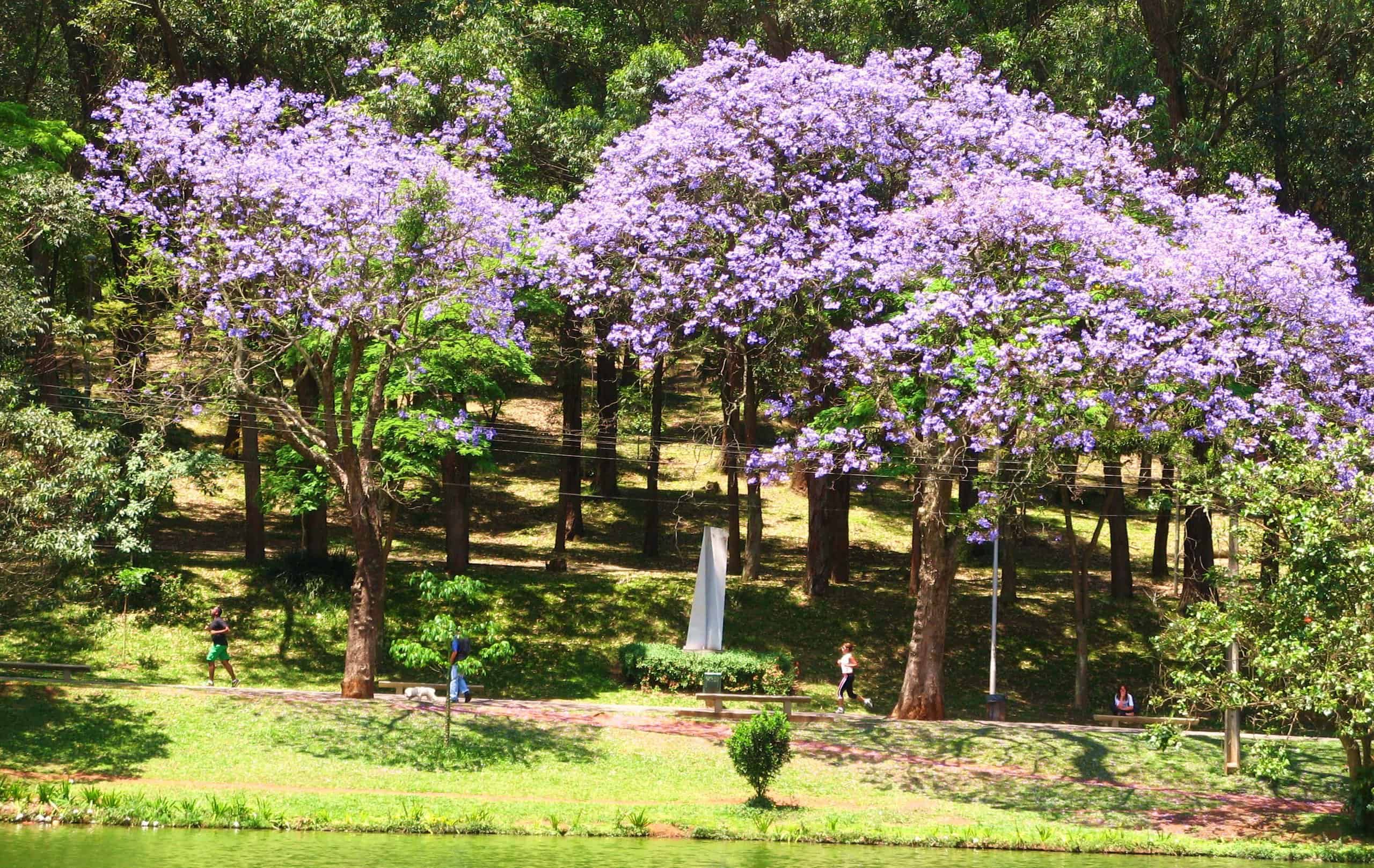
The 11 Best Purple Flowering Trees in Florida
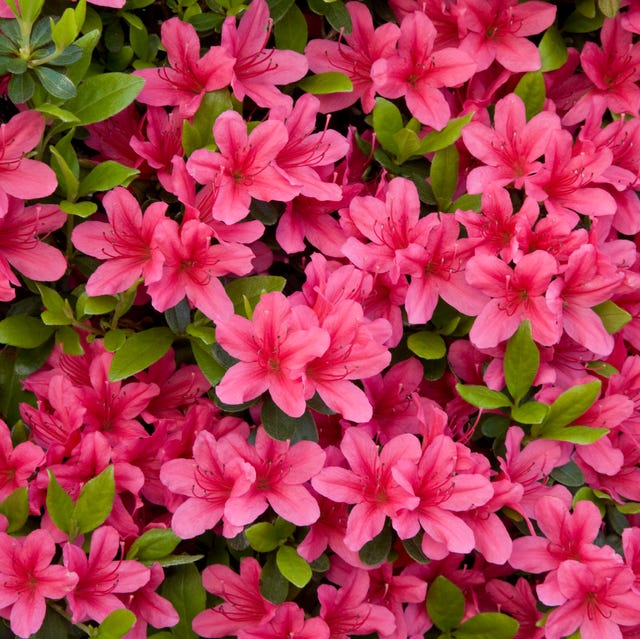
Plant These Flowering Shrubs Today If You Want a Vibrant Summer Yard

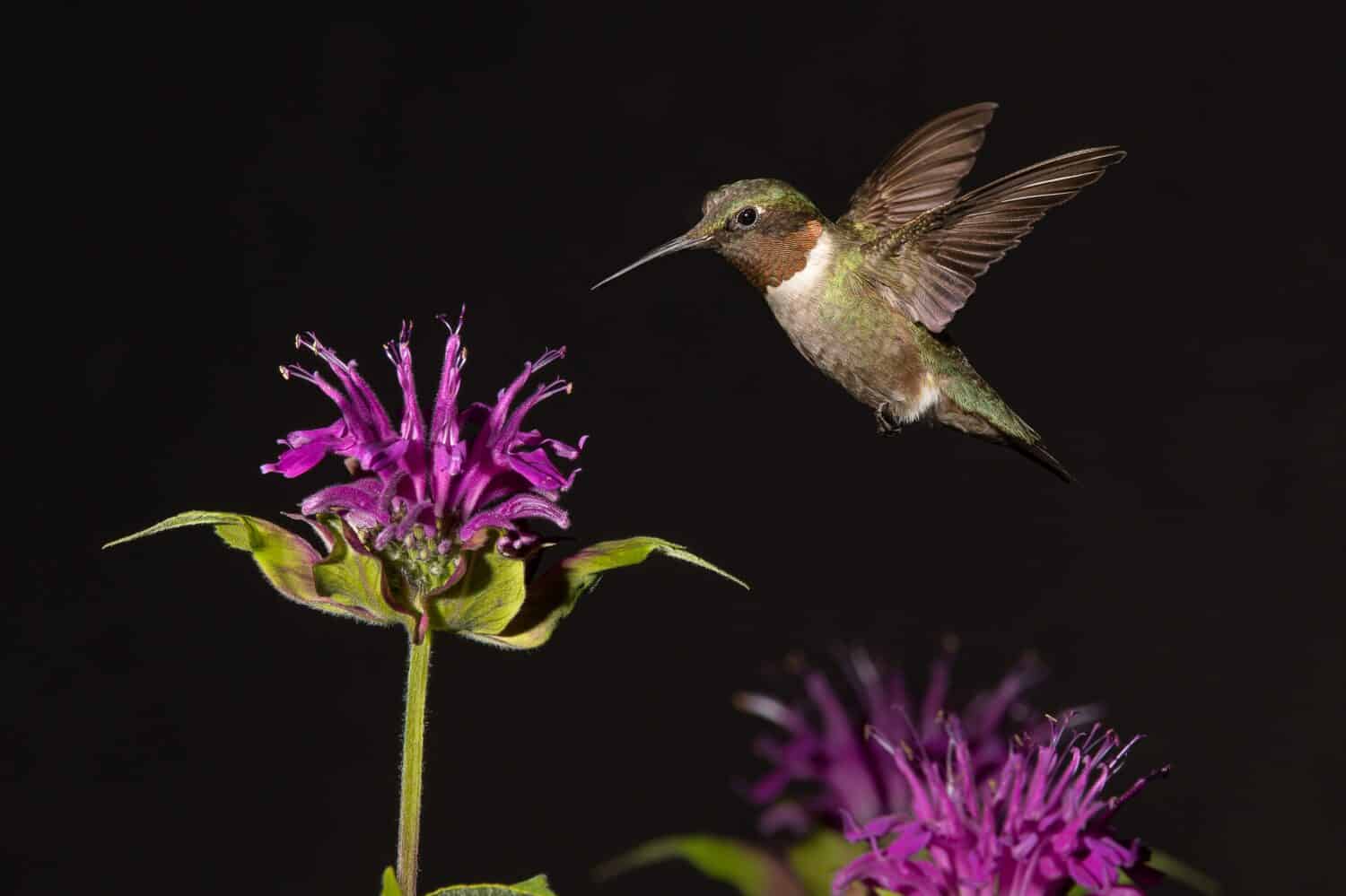
11 Beautiful Purple Flowers and Plants That Attract Hummingbirds
These Low-Maintenance Perennial Flowers Bloom Every Season
These Beautiful Flowering Shrubs Will Add Major Color to Your Garden

11 Blooming Plants with Breathtakingly Big Flowers