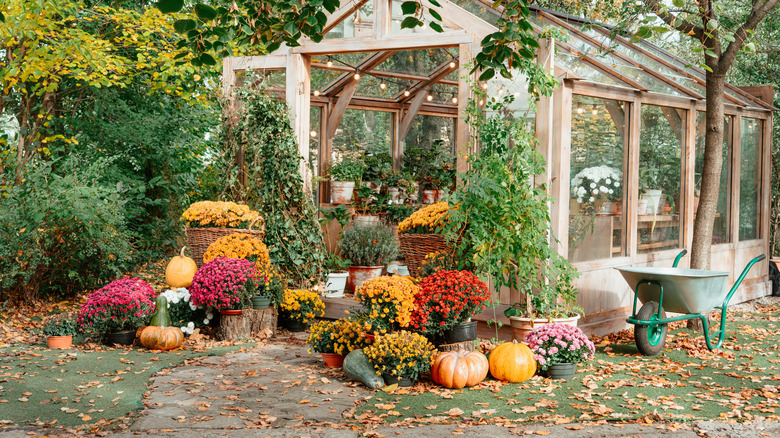
1/2
The Stunning Crocus Plant That Grows In The Autumn
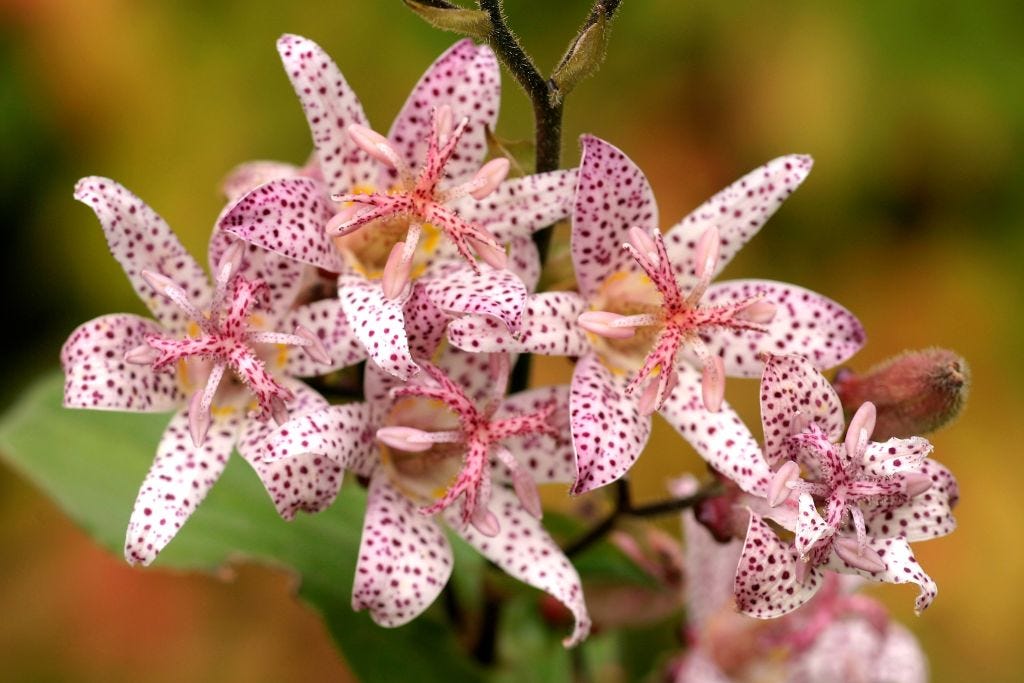
The autumn crocus, scientifically known as Colchicum autumnale, offers a unique opportunity to enjoy crocus-like blooms during the fall season, a time when most flowers have faded. While its name suggests a close relation, the autumn crocus is not a true crocus; instead, it belongs to the lily family (Liliaceae). Despite this botanical distinction, its appearance, characterized by delicate, star-shaped flowers in shades of pink and purple, closely resembles that of spring crocuses, typically reaching about 8 inches in height.
This perennial plant is hardy in USDA Hardiness Zones 5 to 9, and with appropriate winter protection, it can thrive in even colder climates. Its corms are remarkably resilient, capable of withstanding soil temperatures as low as approximately 23 degrees Fahrenheit during dormancy. In the spring, vibrant green leaves emerge from the corm, which then go dormant once summer arrives. The plant remains in this dormant state until autumn, when its striking flowers spontaneously appear from the ground, with each corm producing up to ten blooms. These autumn blossoms are particularly beneficial for pollinators, attracting bees and butterflies, thereby contributing to the creation of a wildlife-friendly garden throughout the year.
For successful cultivation, autumn crocuses should be planted in mid to late summer to ensure a fall blooming period. They thrive in rich, well-draining soil and prefer a sunny location, although they can tolerate partial shade. When planting, it is recommended to space the corms 6 inches apart and bury them 3 to 6 inches deep. Amending the soil with a general-purpose fertilizer before planting can help the corms establish themselves and flourish. Given their susceptibility to dry conditions, consistent watering is crucial, especially if there is insufficient rainfall during the growing season.
Seasonal care for autumn crocuses is relatively straightforward. The dormant bulbs are quite robust, enduring both summer droughts and winter freezes. A critical aspect of their care is allowing the spring foliage to yellow and wither naturally, as these leaves supply essential nutrients to the bulbs, which are vital for their autumnal flowering. Gardeners should consider this when selecting a planting site, perhaps integrating them among early summer-flowering perennials that are cut back in the fall. This strategic placement can effectively mask the less attractive, yellowing foliage of the autumn crocus.
Propagation of autumn crocuses can be achieved by dividing the perennials in early summer, once their leaves have died back. Larger bulbs can be planted directly, while smaller ones may require a year of growth in a cold frame before being transplanted into the garden. This method allows gardeners to expand their autumn crocus display and ensure continued vibrant blooms in the fall.
#AutumnCrocus #ColchicumAutumnale #FallFlowers #PerennialPlants #GardeningTips #HardinessZones #PollinatorFriendly #GardenCare #PlantingGuide #AutumnCrocus #ColchicumAutumnale #FallFlowers #PerennialPlants #GardeningTips #HardinessZones #PollinatorFriendly #GardenCare #PlantingGuide
0 comment in total
 No comments yet
You may also like
Calla Plants for Fall and Thanksgiving


This cosy and warm colour is on track to become autumn's stand out shade

Fast-Growing Flowers You Can Still Plant In October

The Drought-Tolerant And Low-Maintenance Perennial That Showcases Lovely Purple Blooms

34 Fall Flowers and Plants for a Beautiful Autumn Garden
11 Beautiful Purple Flowers and Plants That Attract Hummingbirds
11 Blooming Plants with Breathtakingly Big Flowers

10 Typical Autumn Flowers That You Can Try Out

This Striking "Ombre" Tree Has Unreal-Looking Foliage That Transforms in Fall

15 Purple Plants with Leaves that Stay Perpetually Purple
22 Perennials to Plant in the Fall for Your Spring Garden

The 12 Most Colorful Fall-Blooming Flowers in Virginia
When is a crocus not a crocus? When it’s actually a colchicum
Foraging For Violets & Making Syrup


Bud Vases Are in Full Bloom


10 Tall Outdoor Plants for Landscaping

This DIY Fall Floral Arrangement Is an Instant Show-Stopper
15 Annuals That Bloom With Bold Purple Flowers
25 Outdoor Fall Decor Ideas to Make Your Porch Feel Cozy Through Thanksgiving
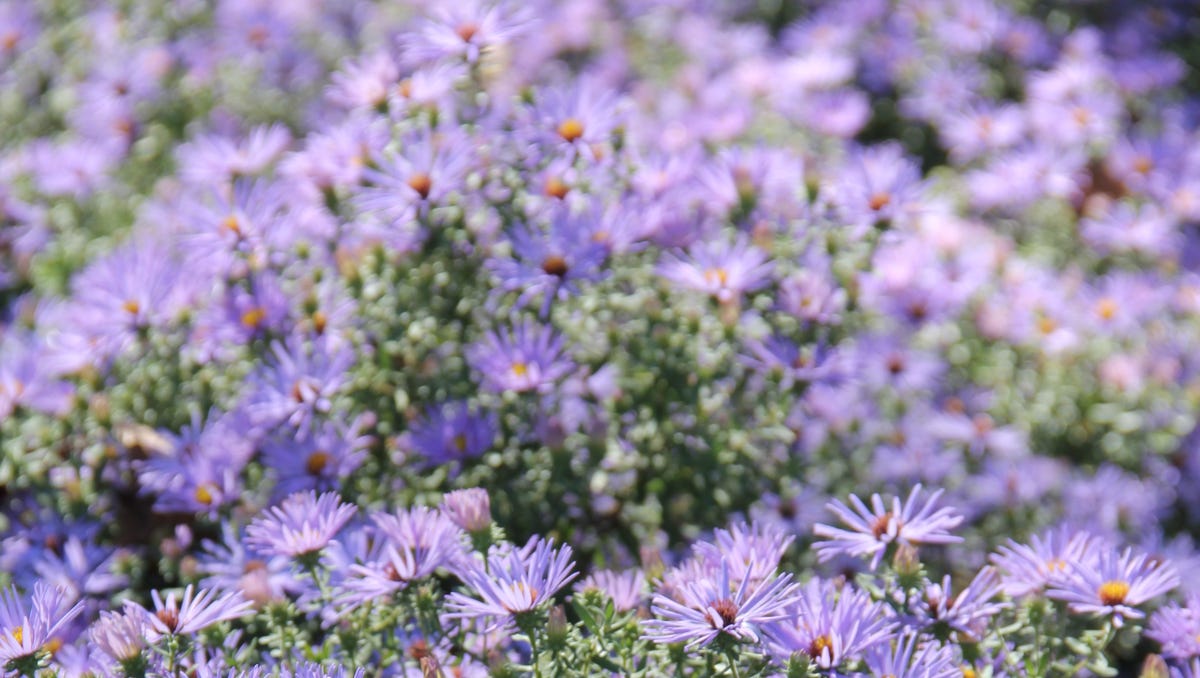
Plant primer: New England aster Purple Dome