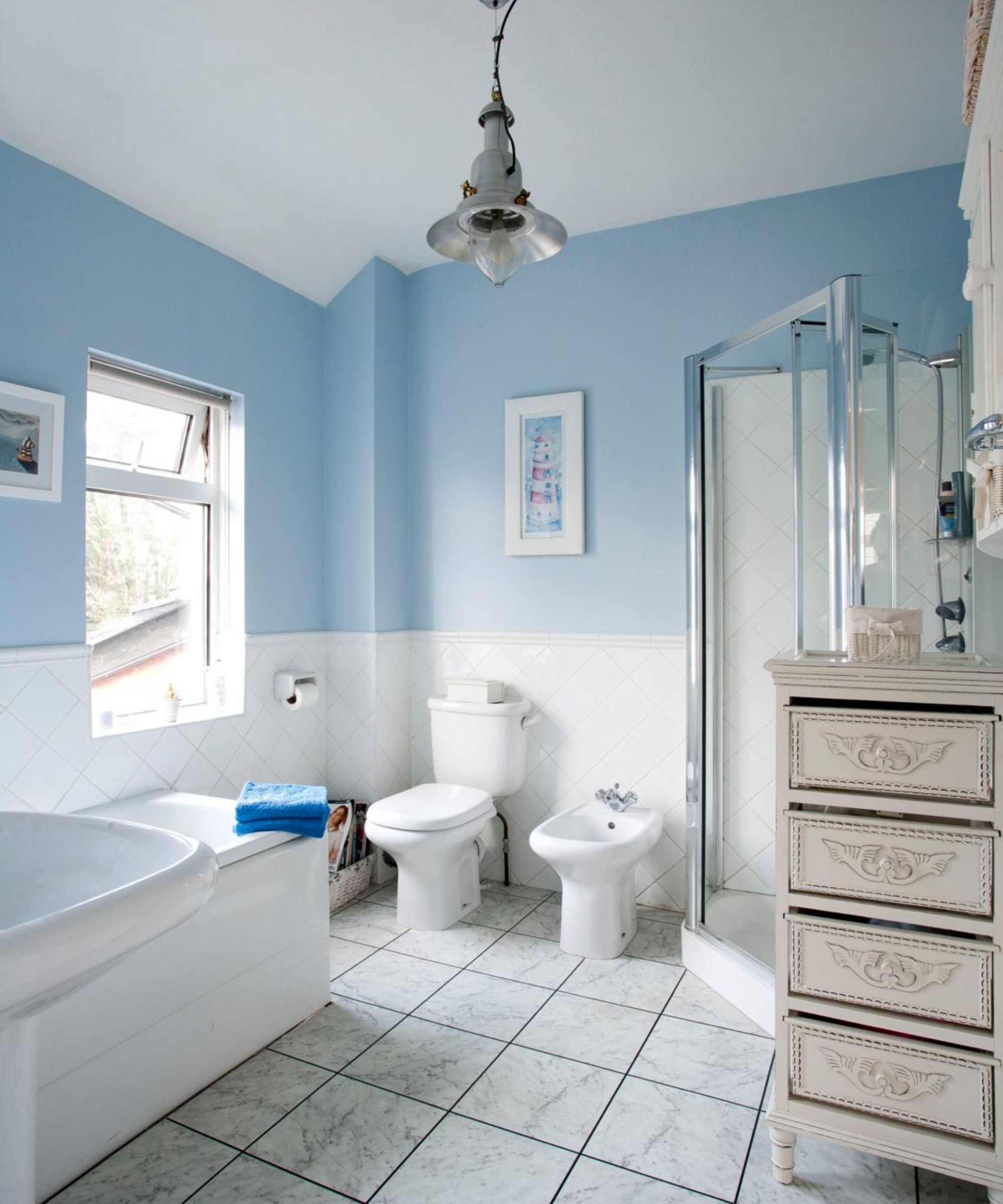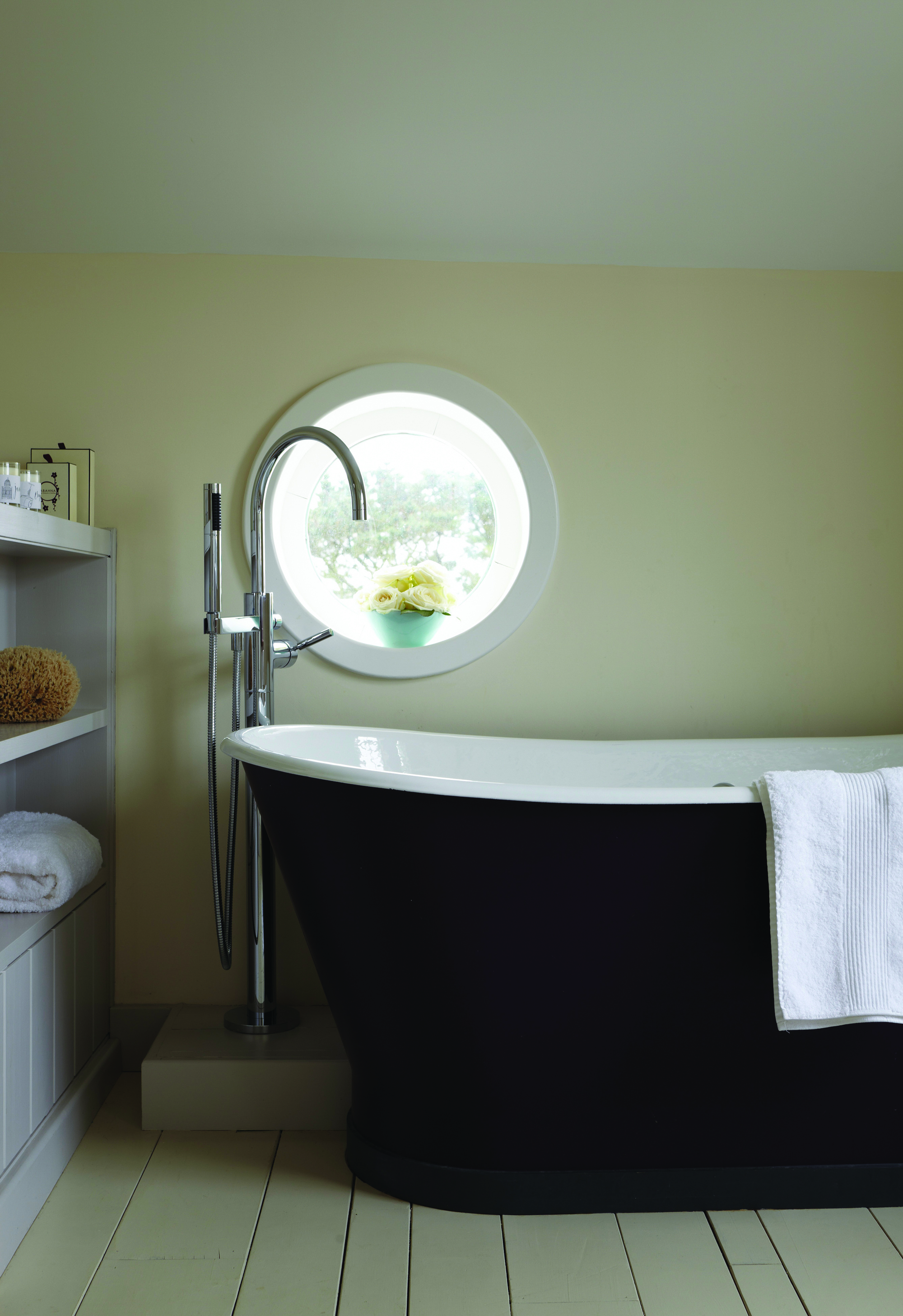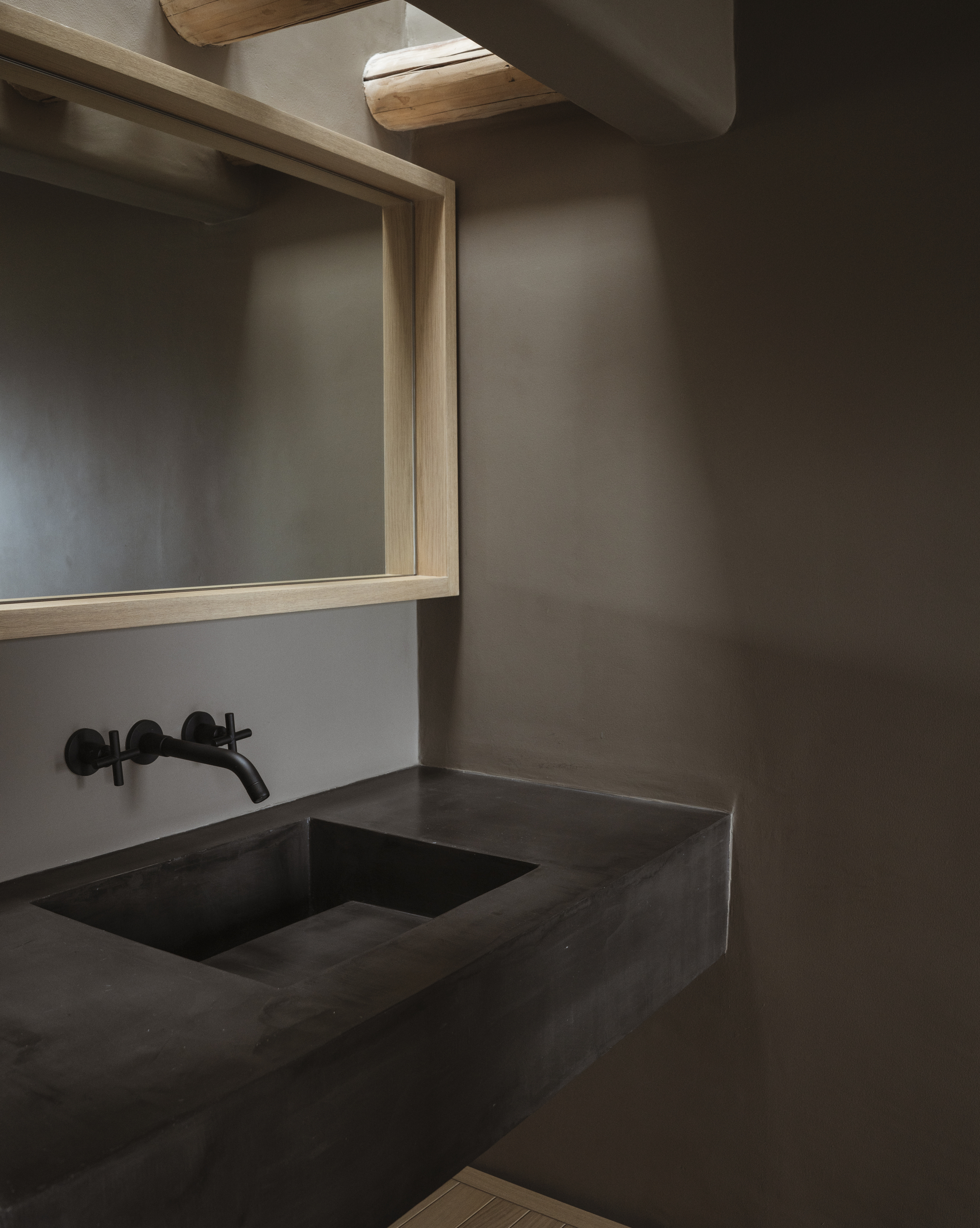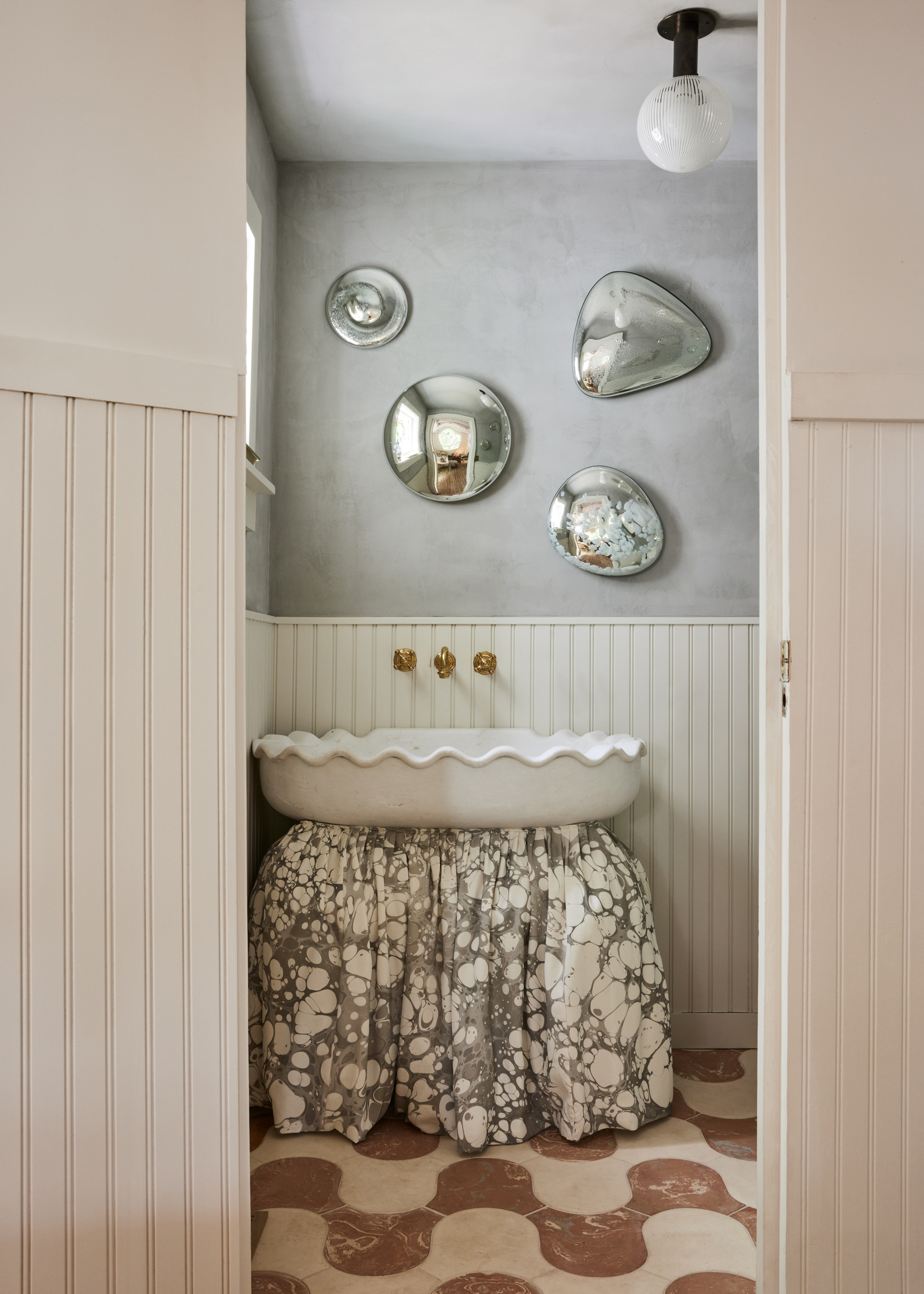
Paint finishes for bathrooms explained
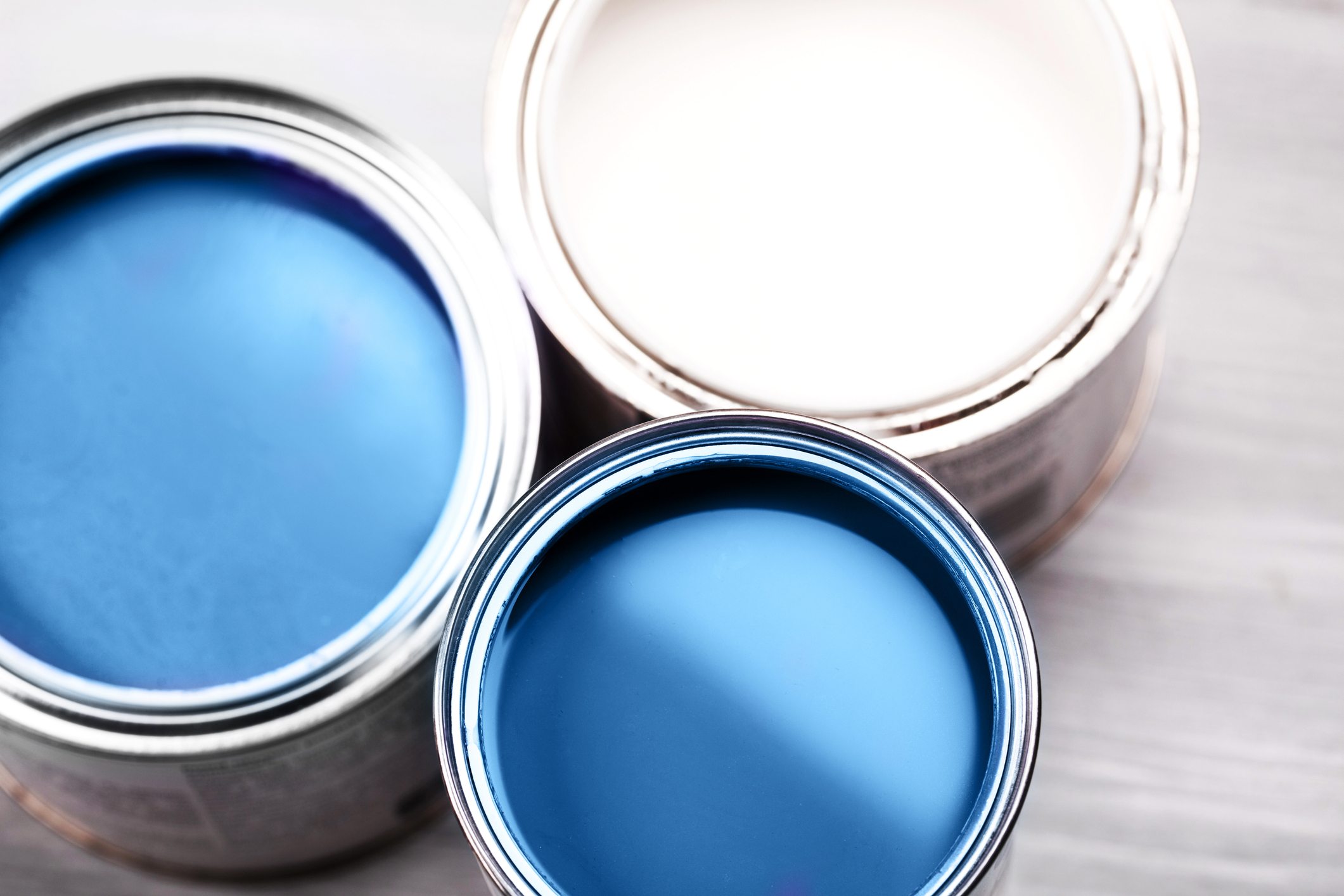
The article explains the best paint finishes for bathrooms, emphasizing the need for paints that can withstand the unique conditions of these humid environments. Unlike living spaces and bedrooms, bathrooms require specialized paint formulations due to constant exposure to moisture, which can lead to mold, mildew, and paint deterioration. Modern acrylic eggshell or satin paints are generally sufficient, but many manufacturers also offer products specifically designed with moisture and mildew resistance.
Helen Shaw, director at Benjamin Moore, highlights that bathrooms and other high-moisture areas necessitate easy-to-clean, moisture- and mildew-resistant finishes. Similarly, Marianne Shillingford, creative director at Dulux, stresses that bathroom paint should be formulated for damp, steamy conditions and mold resistance. James Greenwood, a paint and wallpaper expert at Graham & Brown, recommends ultra-durable, scrub-resistant, and moisture-repellent paints to combat dirt and moisture buildup effectively.
Several paint finishes are identified as suitable for bathrooms, each offering different levels of sheen and durability. Mildew-resistant paints are an excellent starting point, with a wide array of colors available to match various design schemes. Eggshell paint, known for its subtle sheen, is washable and acrylic versions are well-suited for bathroom and kitchen use. Intelligent Eggshell, for instance, offers durability and moisture resistance for both walls and woodwork.
Satin paint provides a slightly glossier finish and is acceptable for bathrooms with lower moisture levels, though it is often better reserved for woodwork and trims rather than extensive wall application. When choosing between satin and eggshell, the primary consideration is the desired sheen level, as both offer good performance. Semi-gloss and high-gloss paints are ideal for bathrooms due to their superior moisture resistance, but they are generally recommended for woodwork and trims, not for entire walls.
While various other paint finishes exist, the article strongly advises against using flat or matte paints for bathrooms, as they are the least durable and tend to absorb moisture, leading to staining, peeling, and mold growth. An exception is Intelligent Matte, which offers a washable finish making it suitable for well-ventilated bathroom walls and ceilings. The choice between satin and semi-gloss for bathrooms depends on a slight trade-off: satin has a subtler sheen, while semi-gloss is marginally tougher.
Ultimately, selecting the correct paint finish for bathrooms is crucial for durability, mold resistance, and longevity. Although proper ventilation (e.g., opening windows, using extractor fans) and protective measures (e.g., watertight shower screens, tiled backsplashes) can mitigate condensation and splashes, inadequate paint will still succumb to moisture damage. Therefore, using bathroom-specific paints, eggshell, satin, or semi-gloss finishes is essential to ensure the paint endures the challenging conditions of a bathroom.
#BathroomPaint #PaintFinishes #MoistureResistance #InteriorDesign #HomeImprovement #MildewResistant #EggshellPaint #SatinPaint #BathroomPaint #PaintFinishes #MoistureResistance #InteriorDesign #HomeImprovement #MildewResistant #EggshellPaint #SatinPaint
0 comment in total
 No comments yet
You may also like
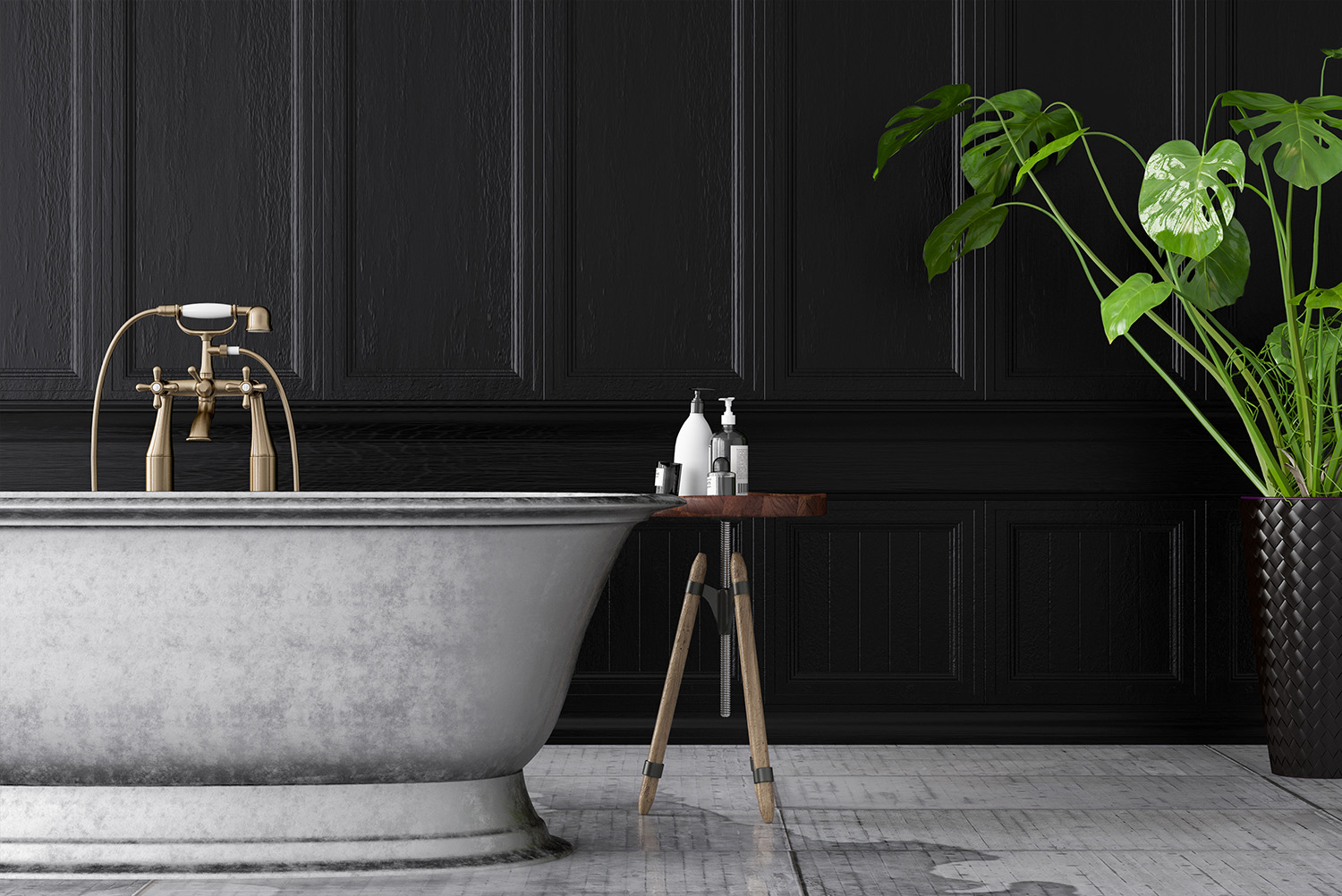
Bathroom paint - the ultimate guide to the right colors and finishes for walls, ceilings and radiators

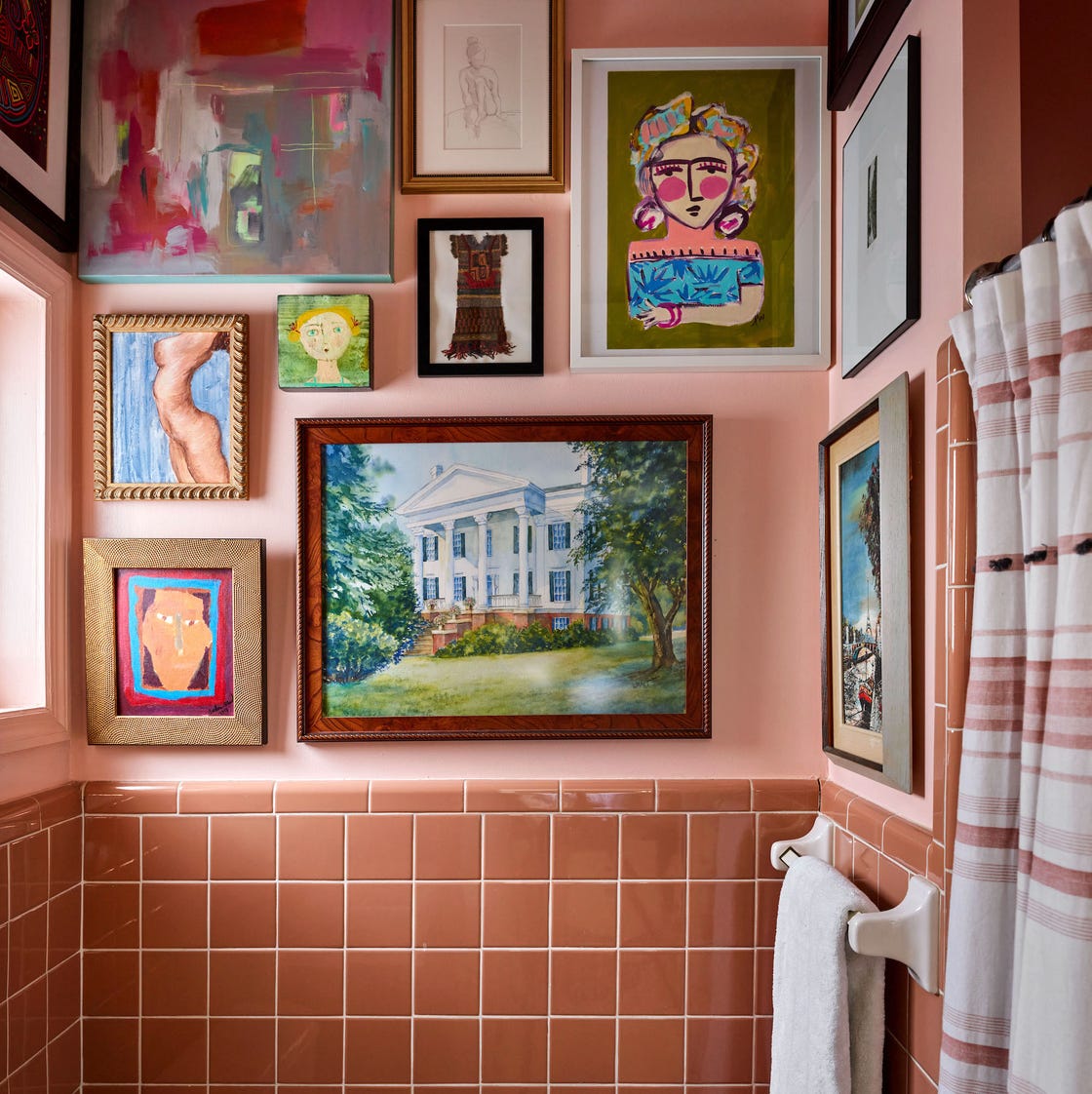
25 Designer-Approved Bathroom Paint Colors to Refresh Your Retreat

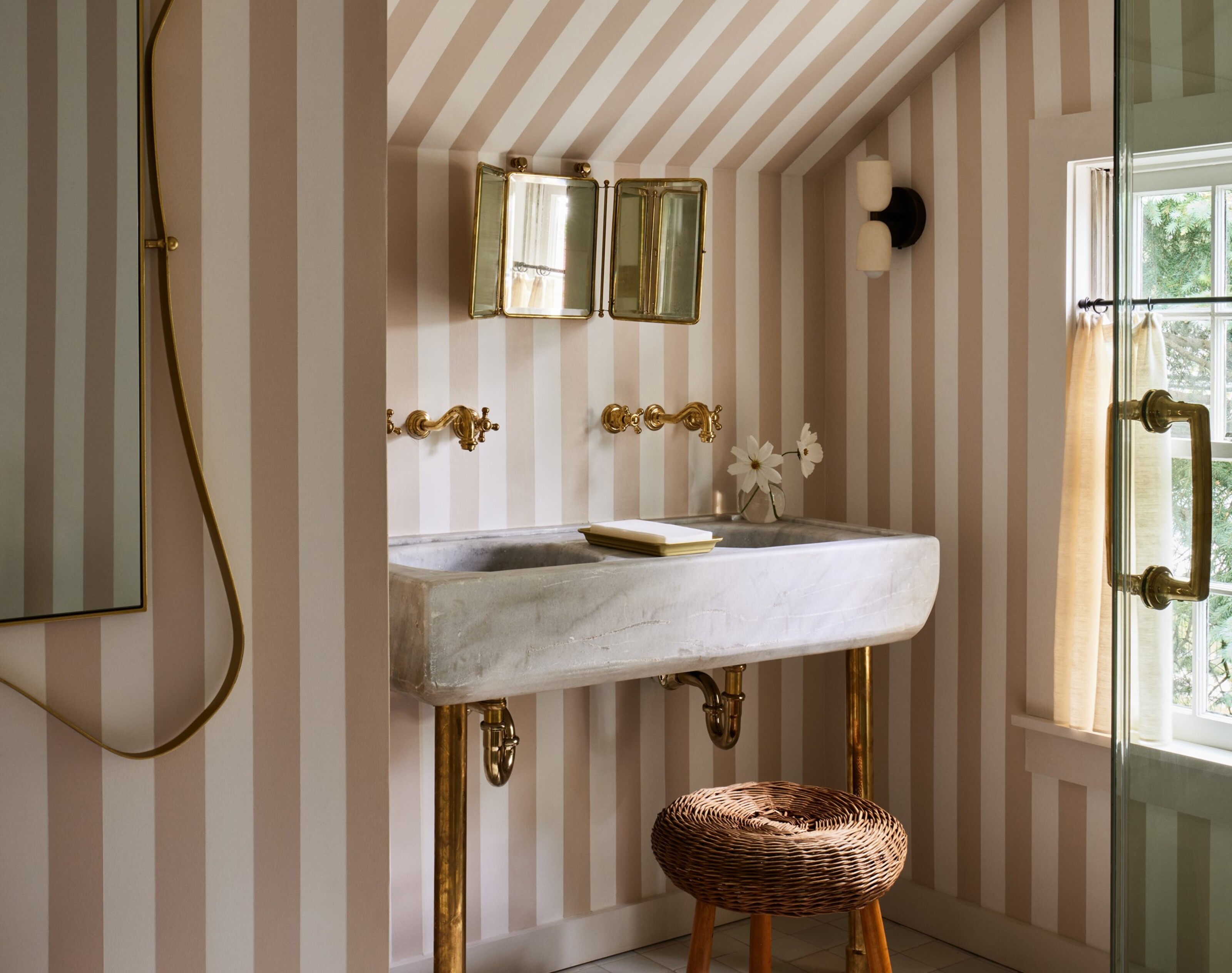
5 colors designers say are outdated for bathrooms - and what they're choosing instead for 2024
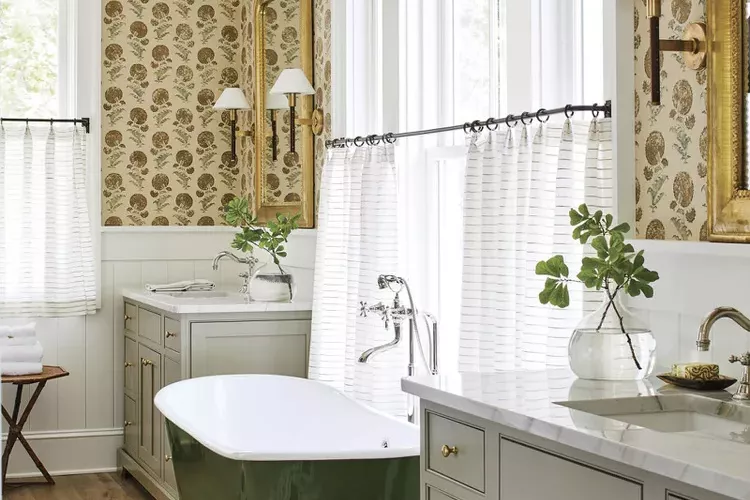
6 Paint Colors To Avoid In Your Bathroom—And 6 Shades You Should Use Instead

Bathroom Paint

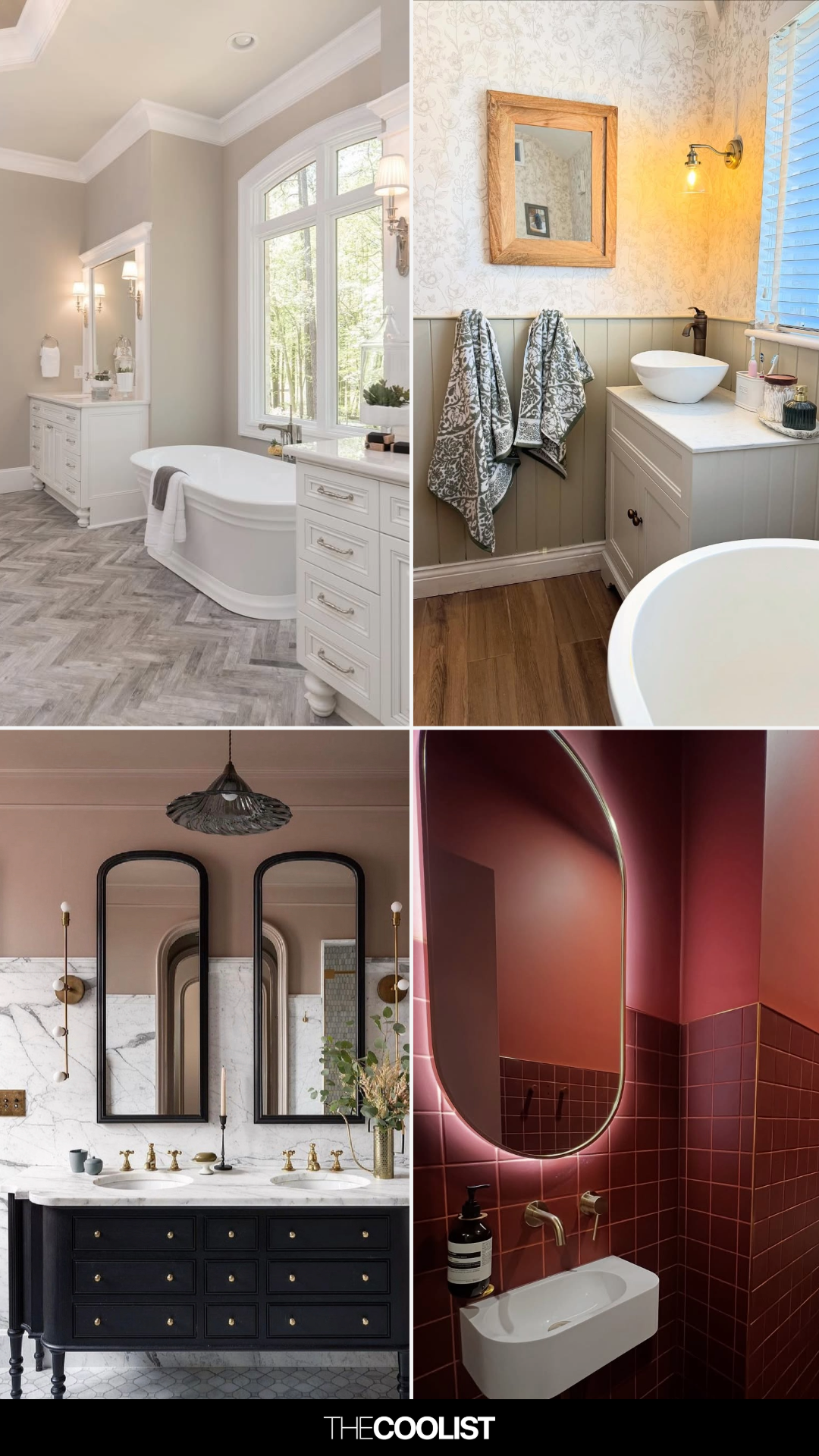
The Bathroom Paint Colors Interior Designers Swear By

30 Bathroom Paint Colors Ideas That Will Make You Want to Repaint This Weekend

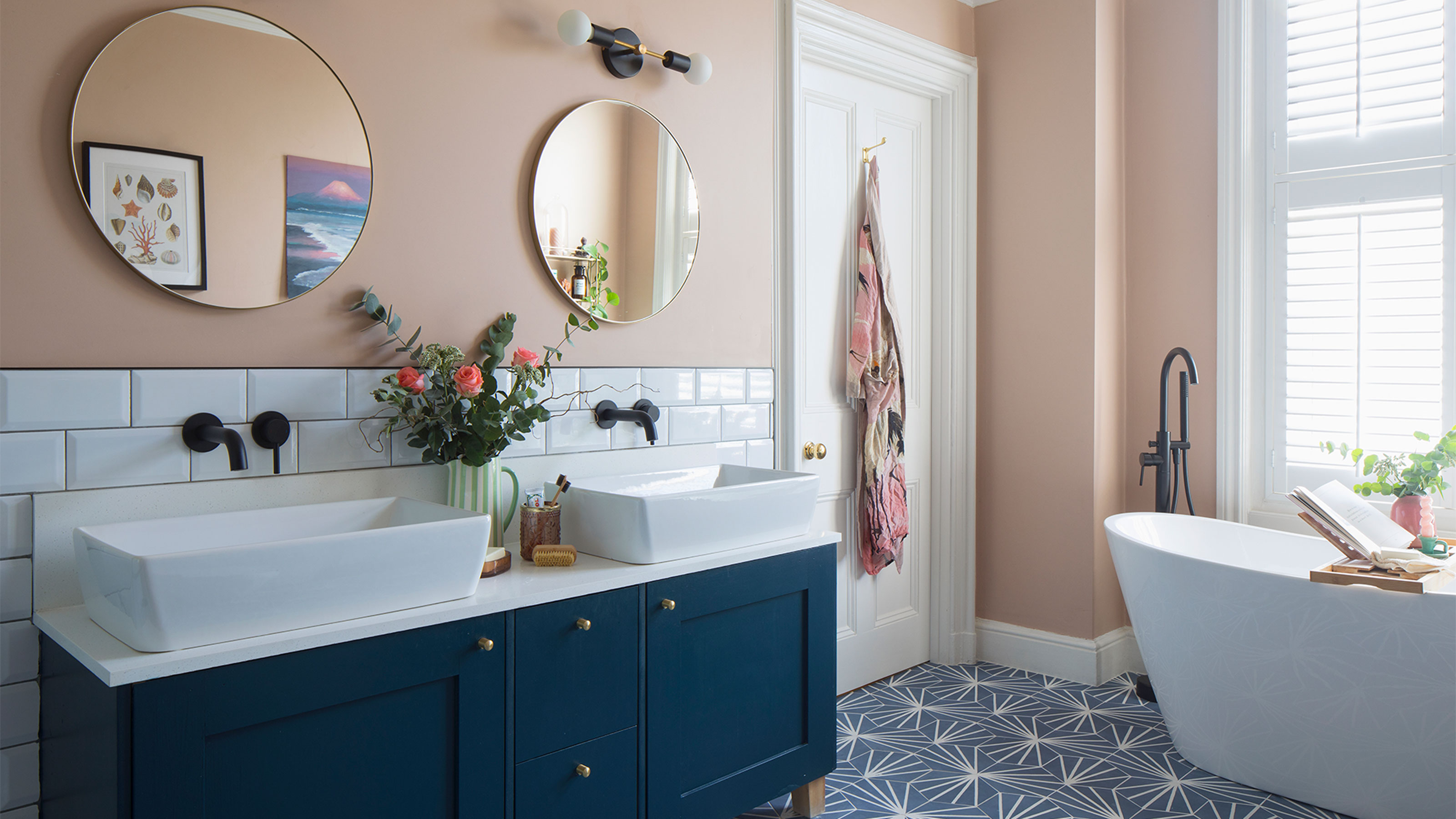
19 Bathroom colour schemes to inspire tranquil retreats, on-trend looks and standout schemes
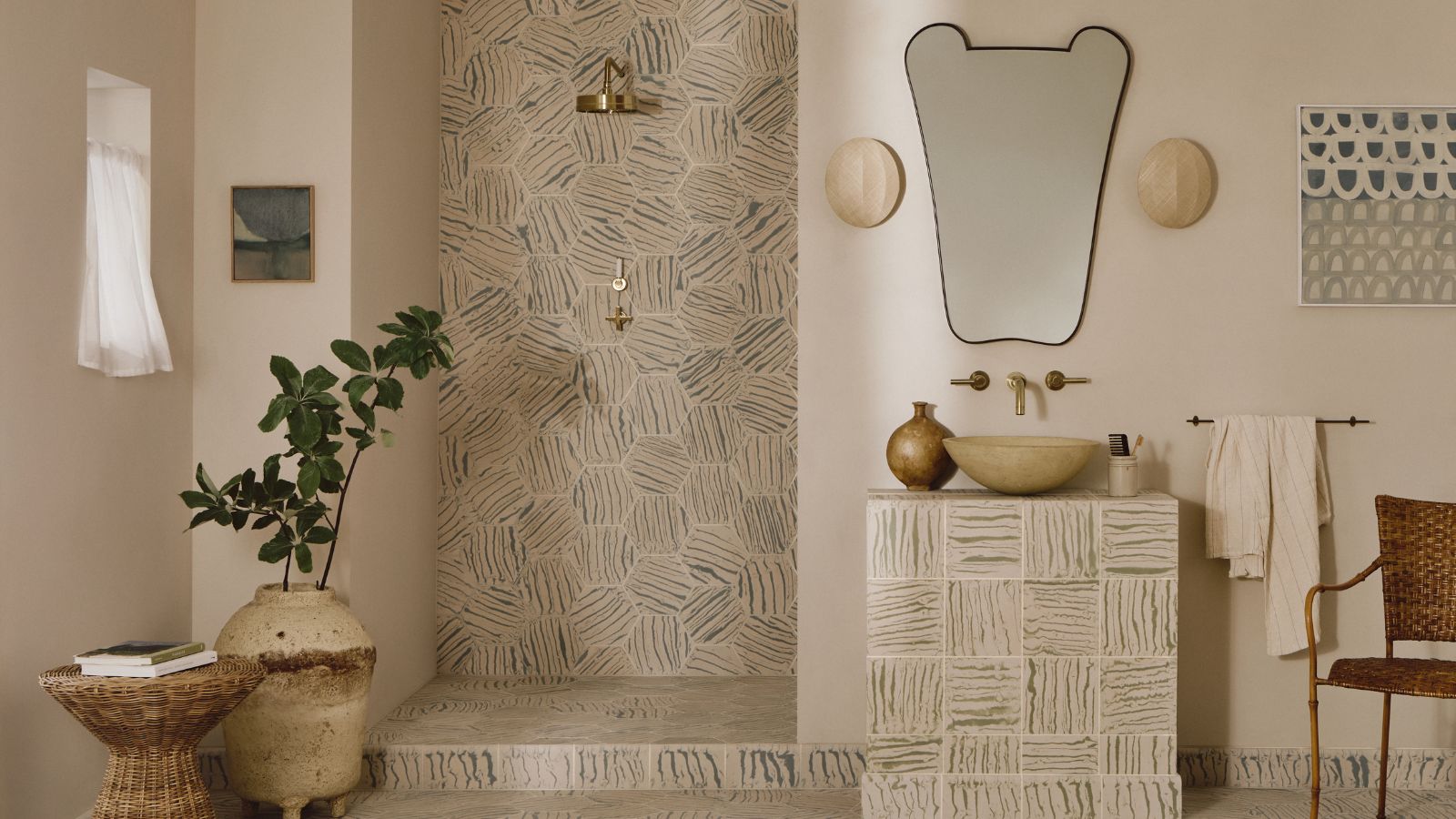
Should you choose your bathroom paint color or tiles first?
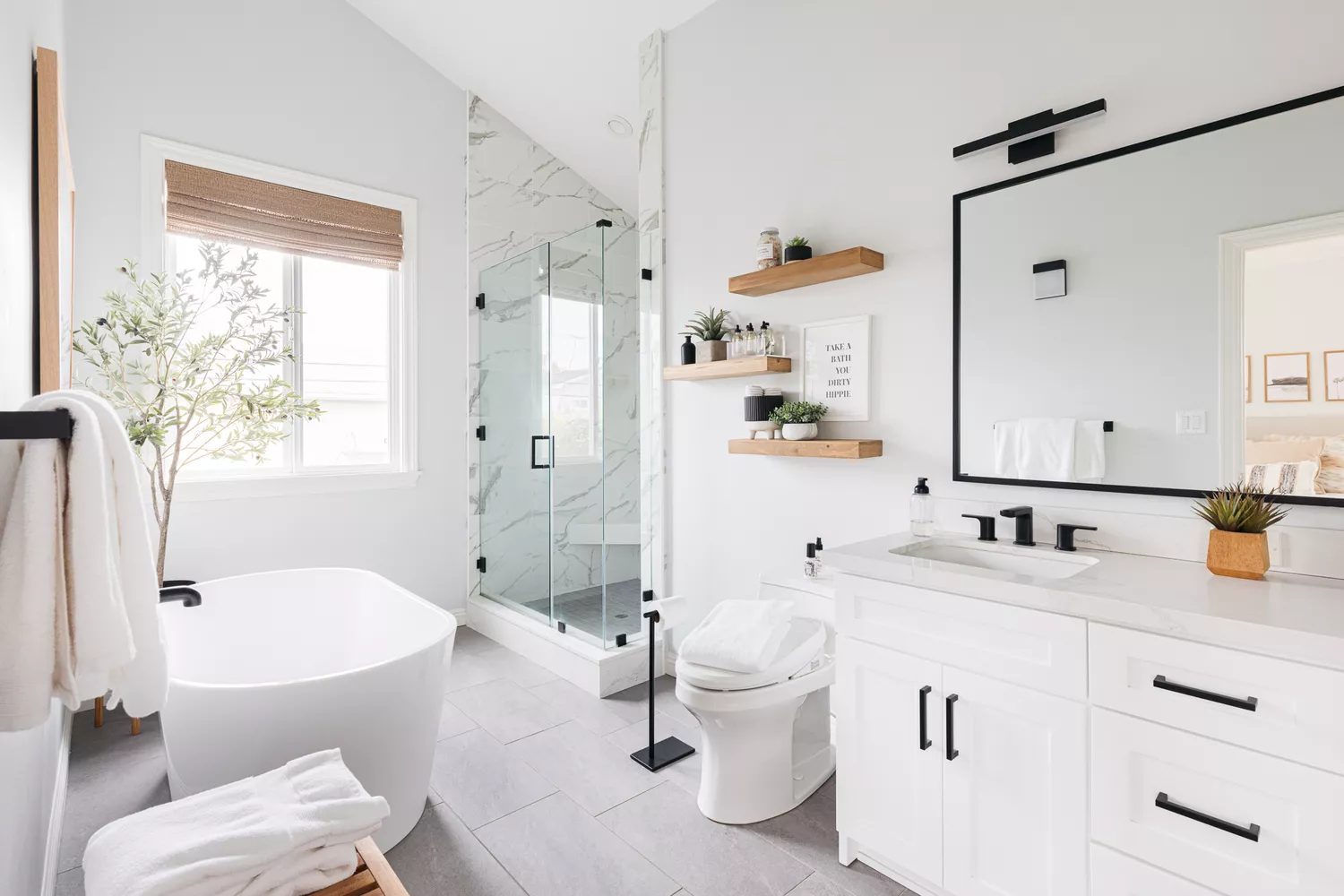
5 Paint Colors You Should Never Use in a Bathroom, Designers Warn

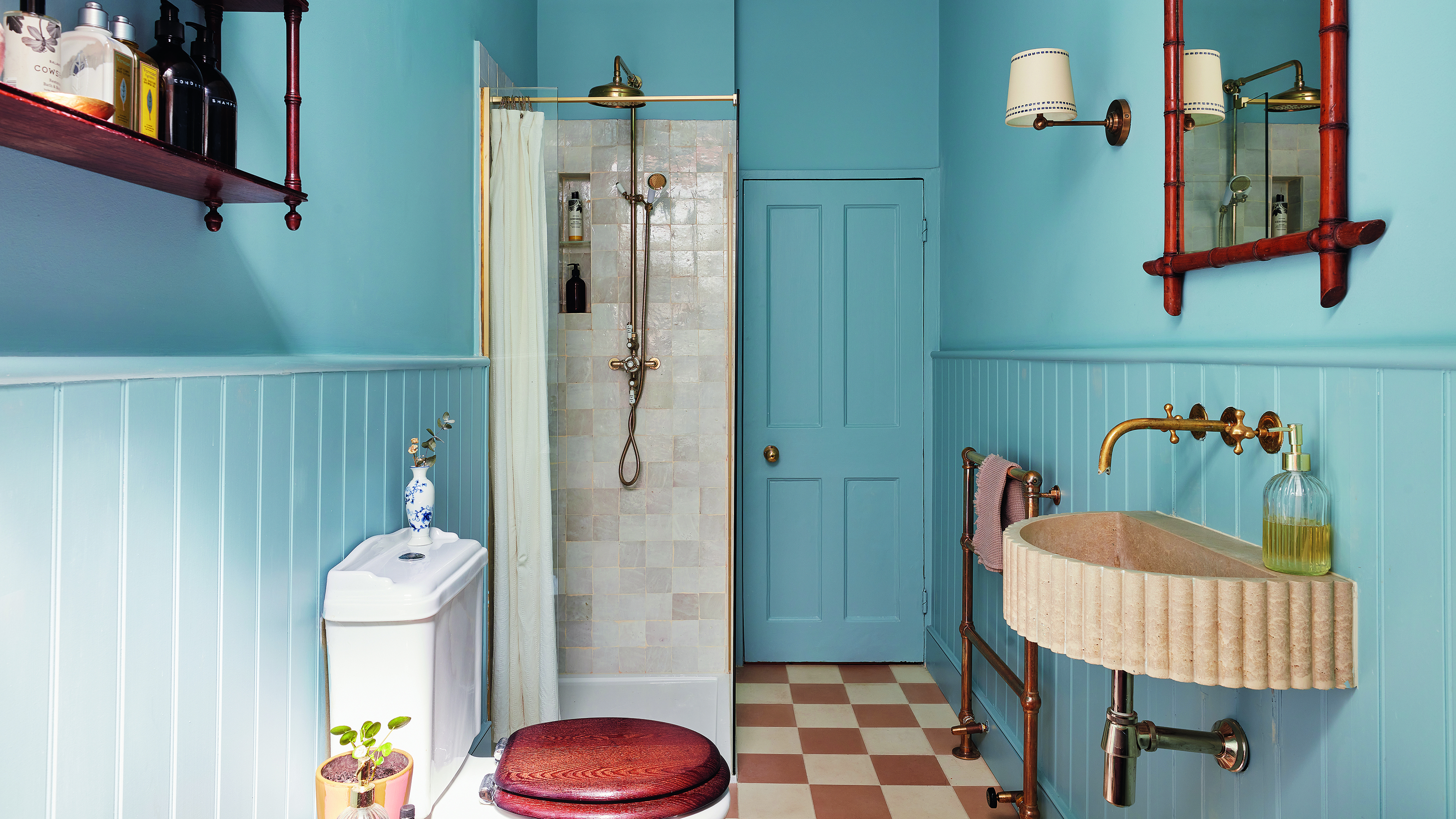
Colour drenching is the biggest trend in bathrooms - here are 6 ways to make it work in your home
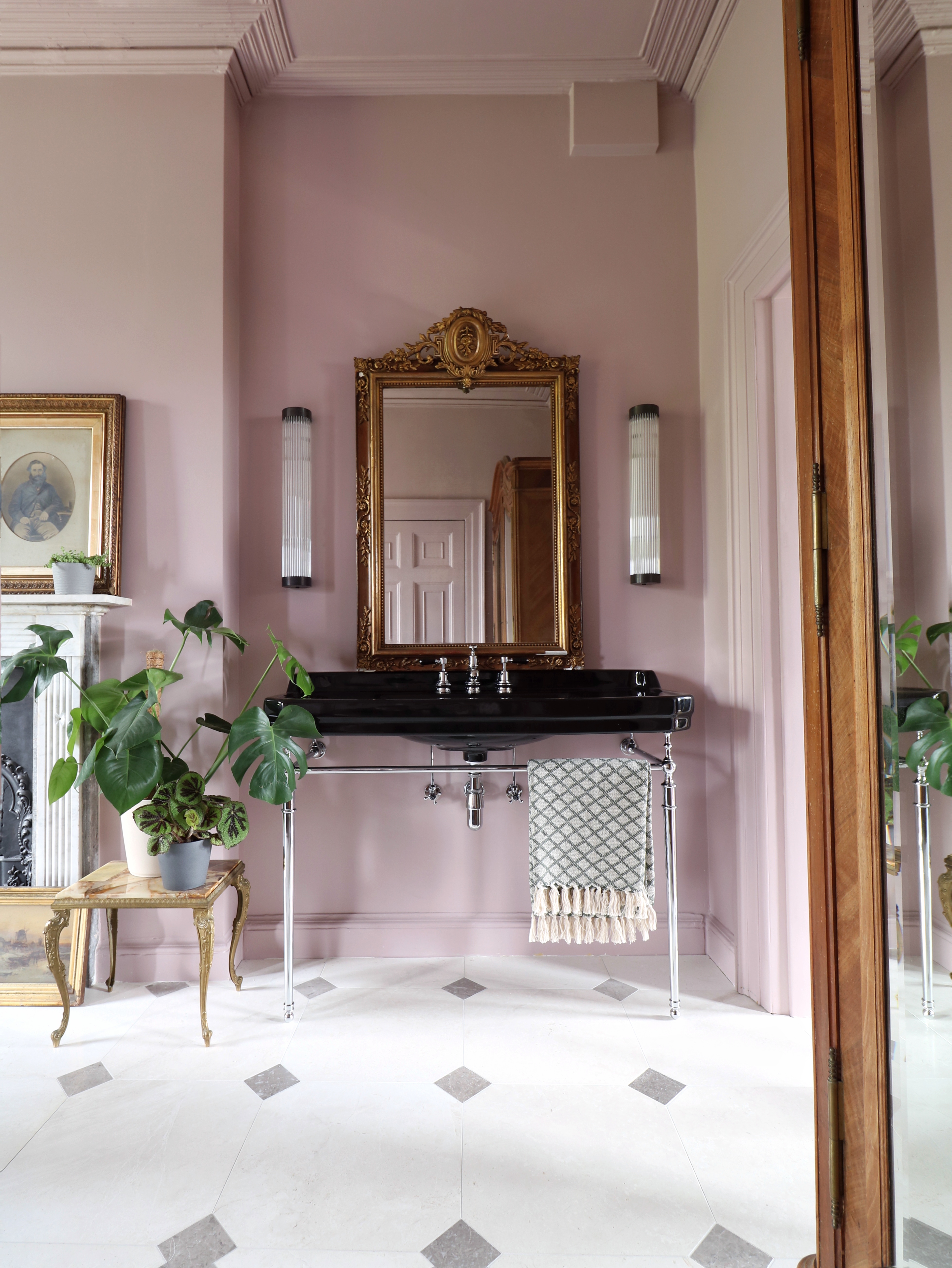
25 bathroom paint ideas to brighten up your color scheme fast

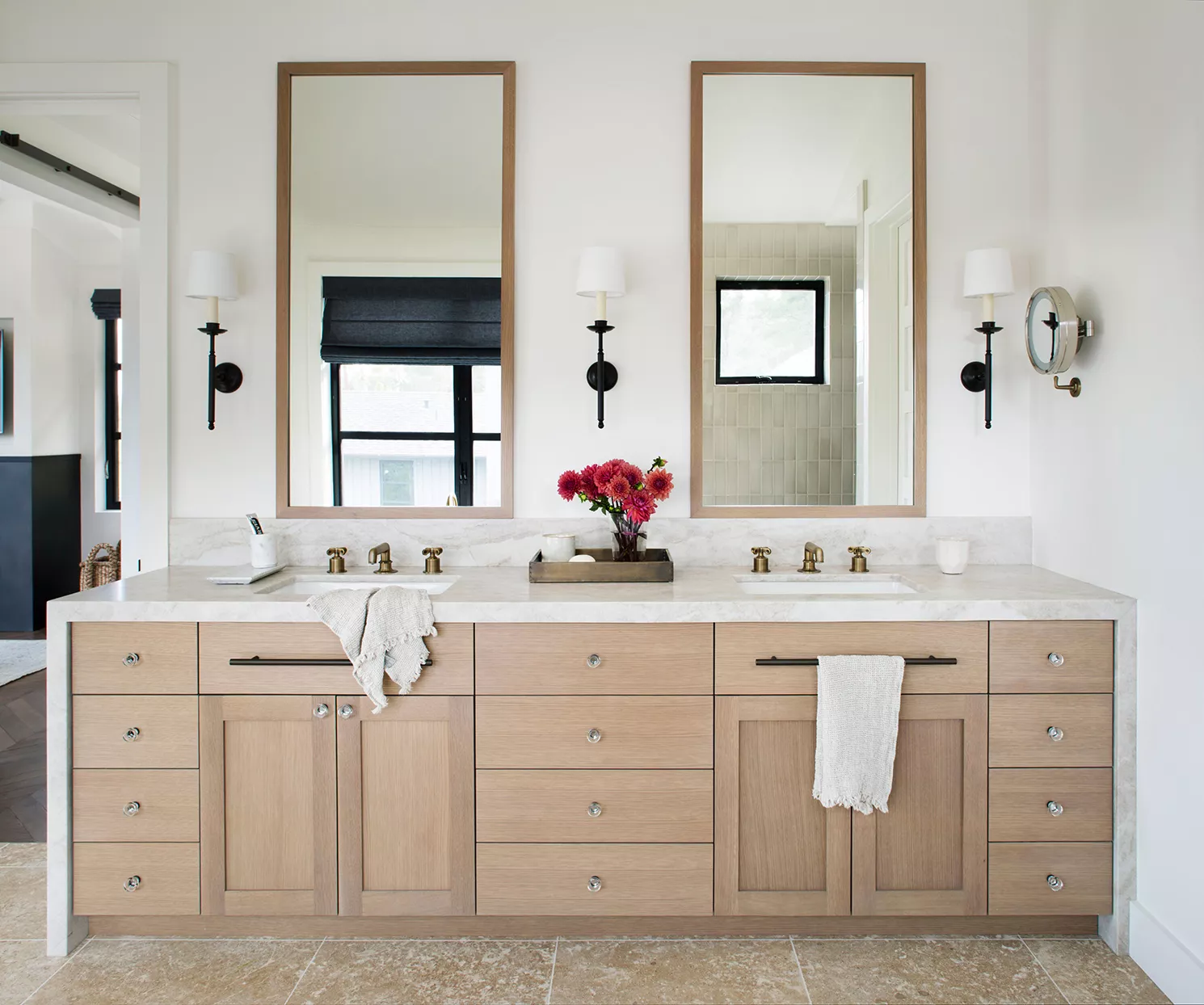
The One Bathroom Paint Color Experts Say Will Never Be Outdated

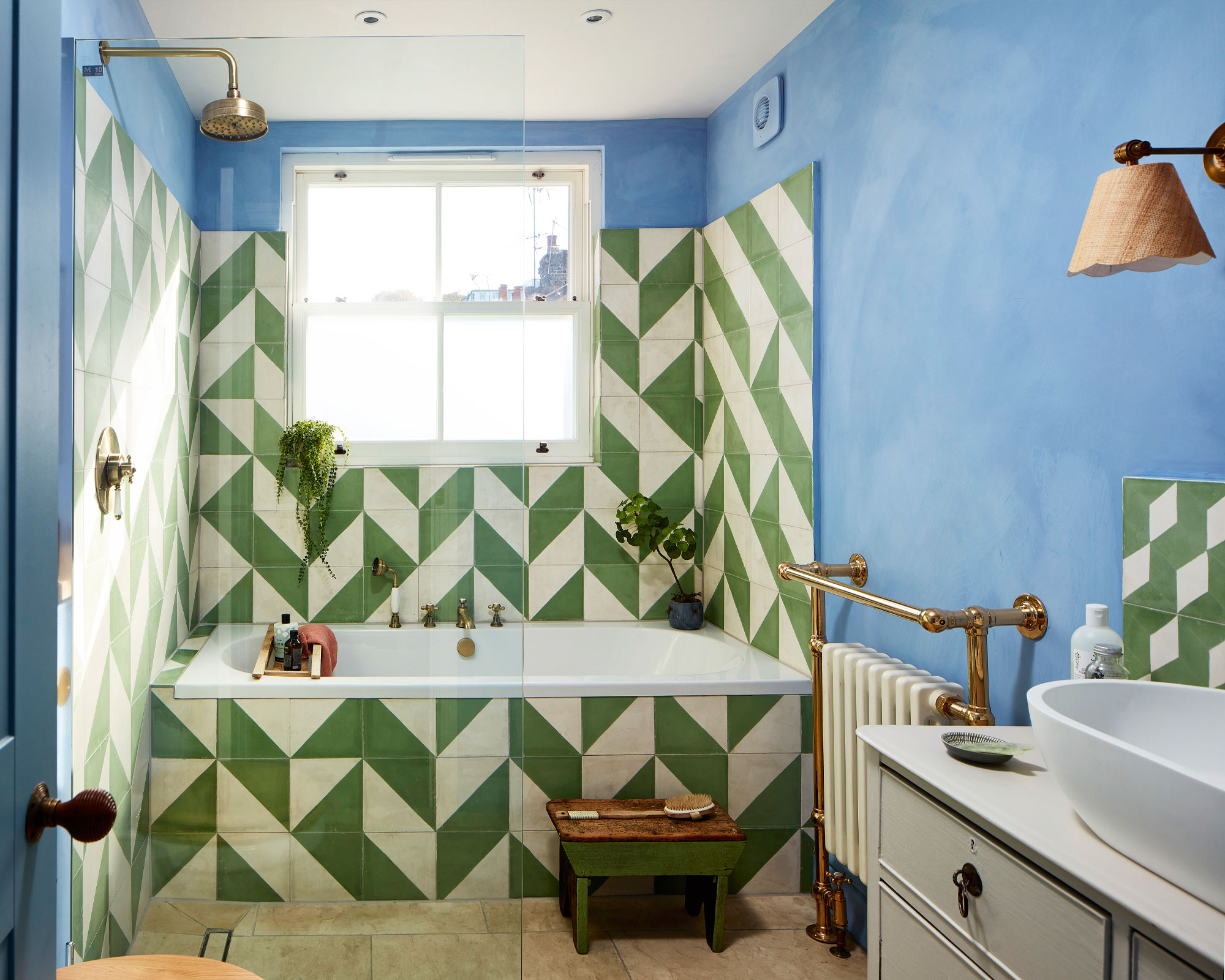
Bathroom paint ideas – 11 best paint schemes for your bathroom
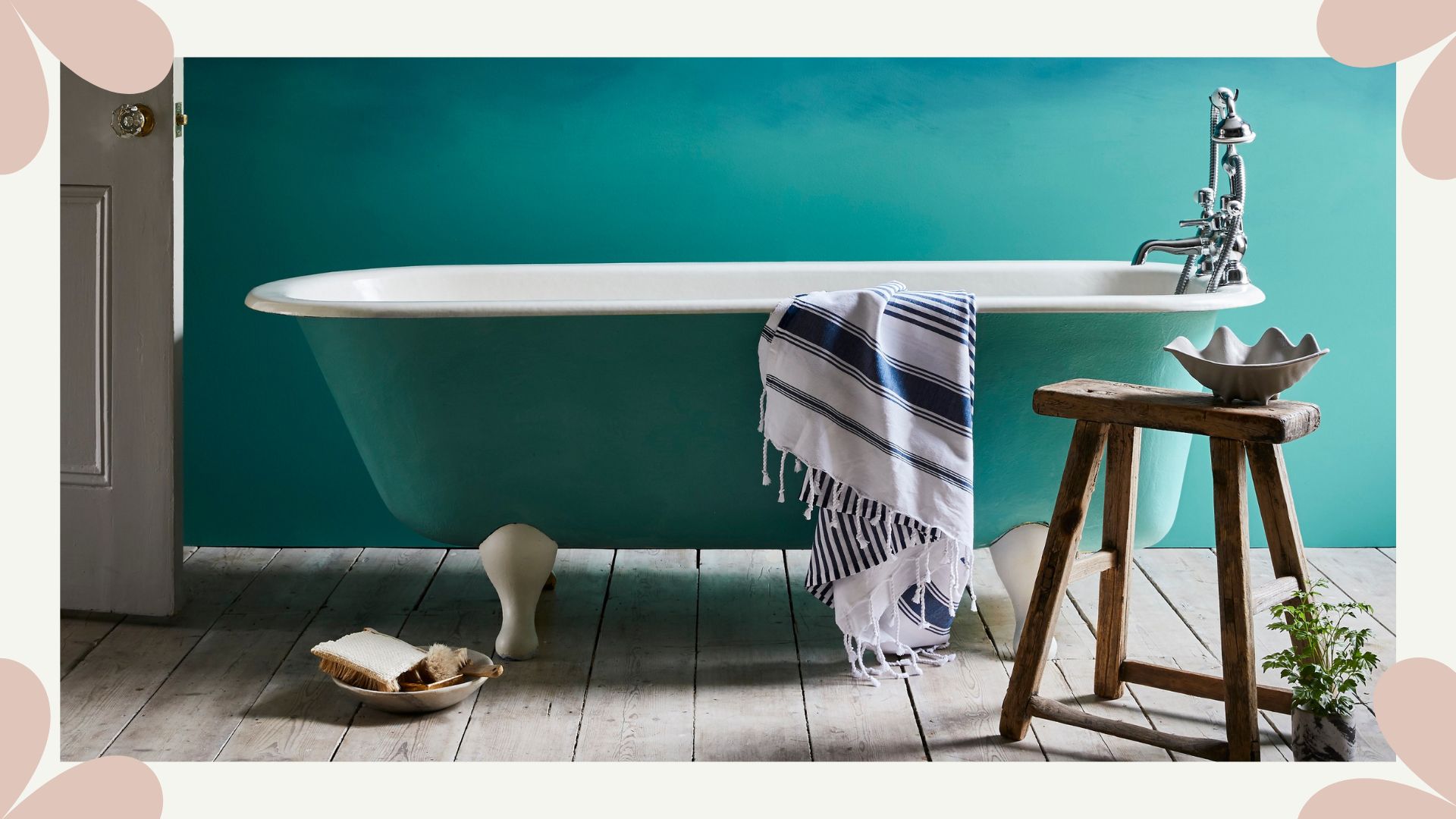
Paint color ideas for bathrooms: expert advice for choosing the best shades

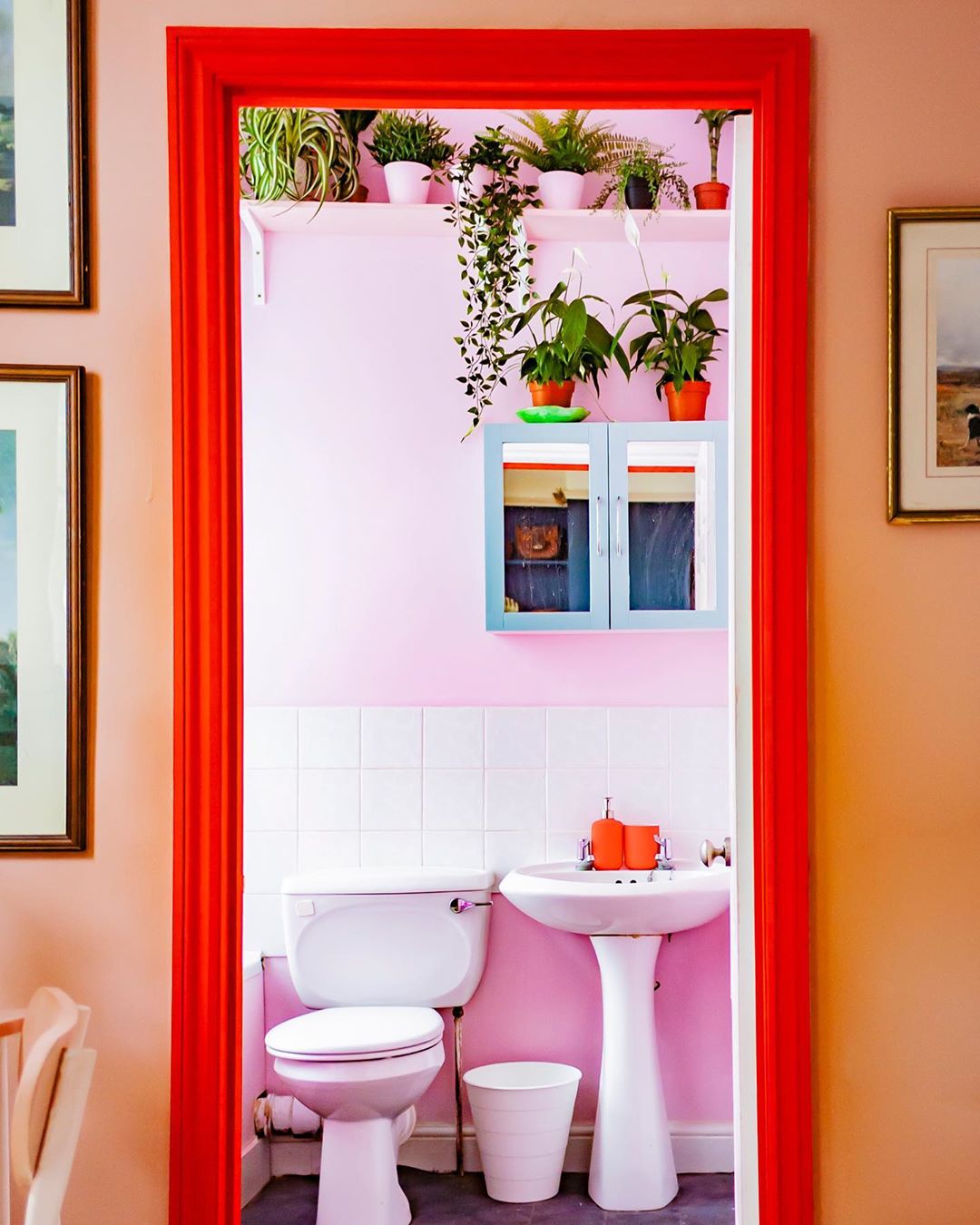
A Daring Bathroom Makeover Where Bold Paint Choices Pay Off

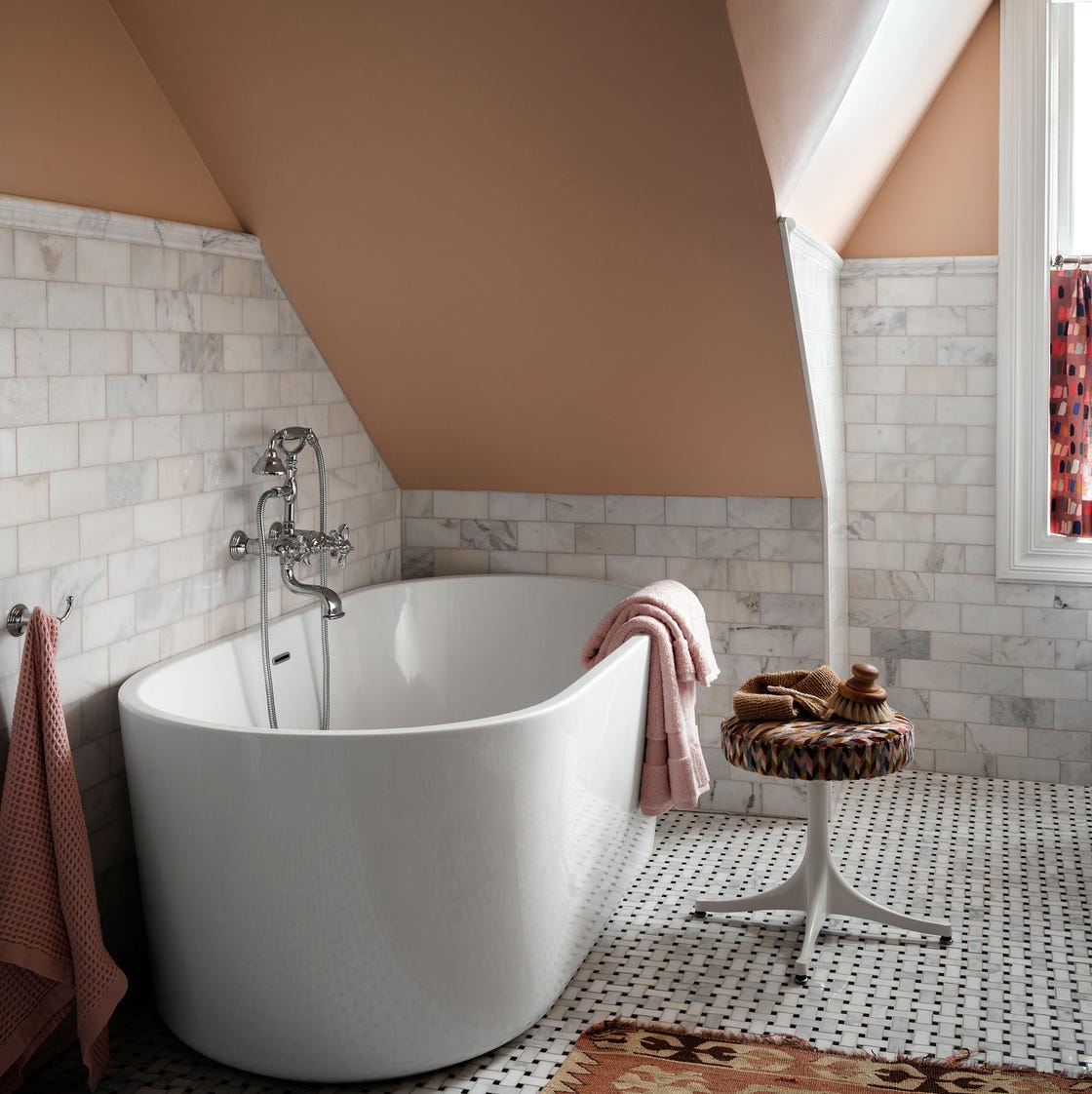
30 Paint Colors to Help You Create the Bathroom of Your Dreams
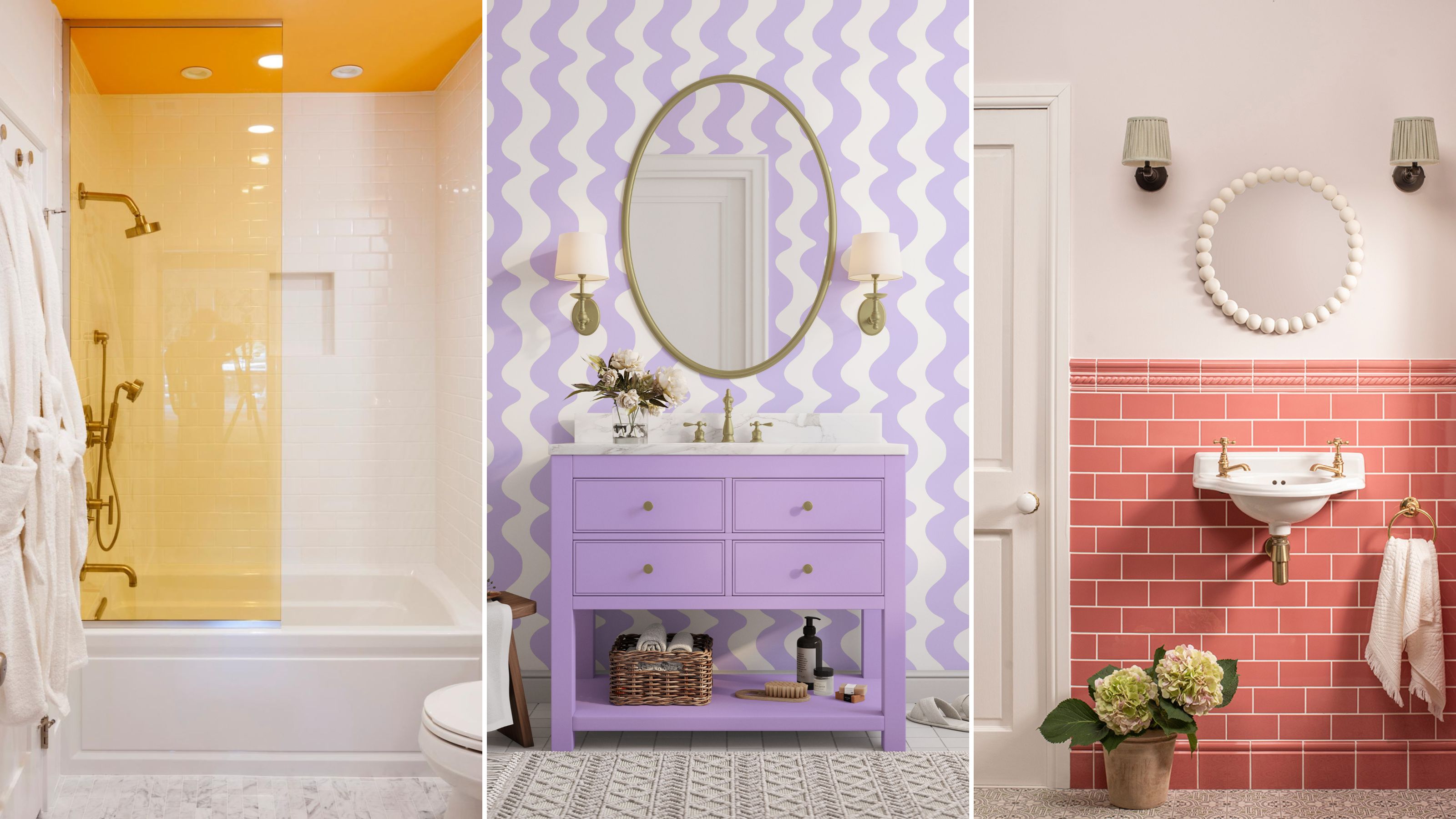
The 10 best paint colors for small bathrooms, according to design experts

20 Gorgeous Shades Of Paint That Will Make Your Bathroom Feel Like A Relaxing Spa

8 Underrated Bathroom Paint Colors Designers Wish You Would Use This Year