1/14
What You Need To Know About Custom Cabinetry
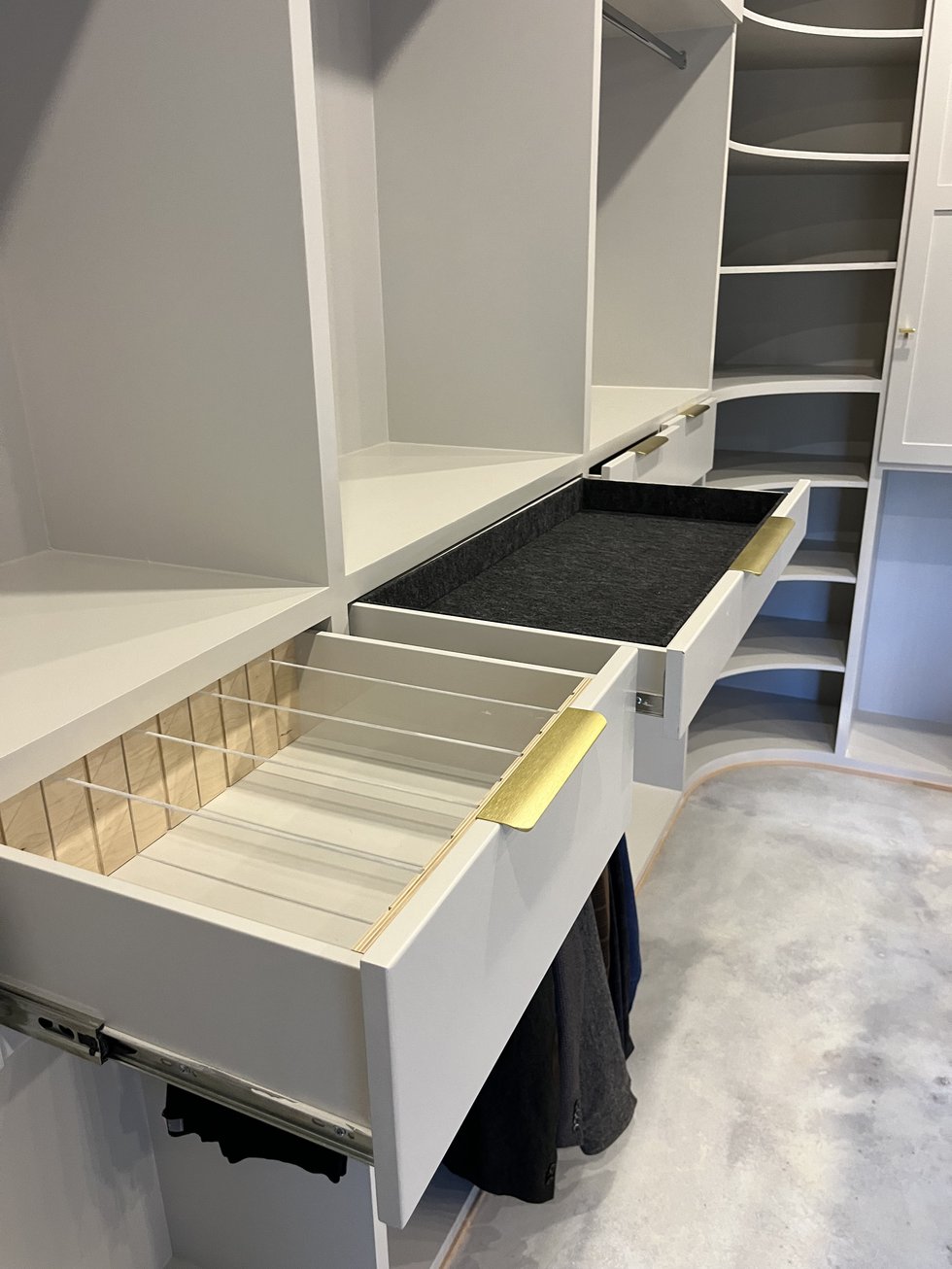
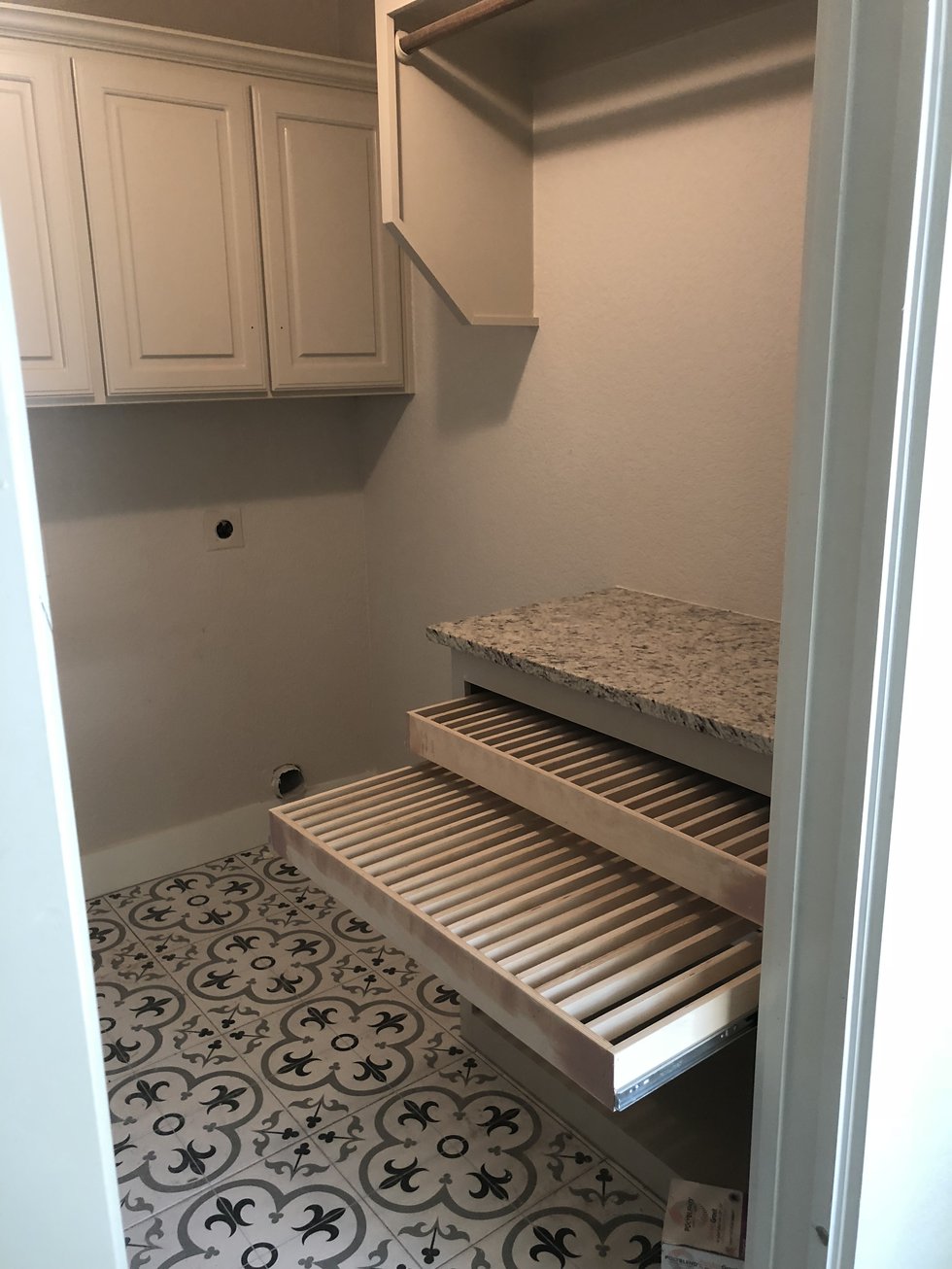
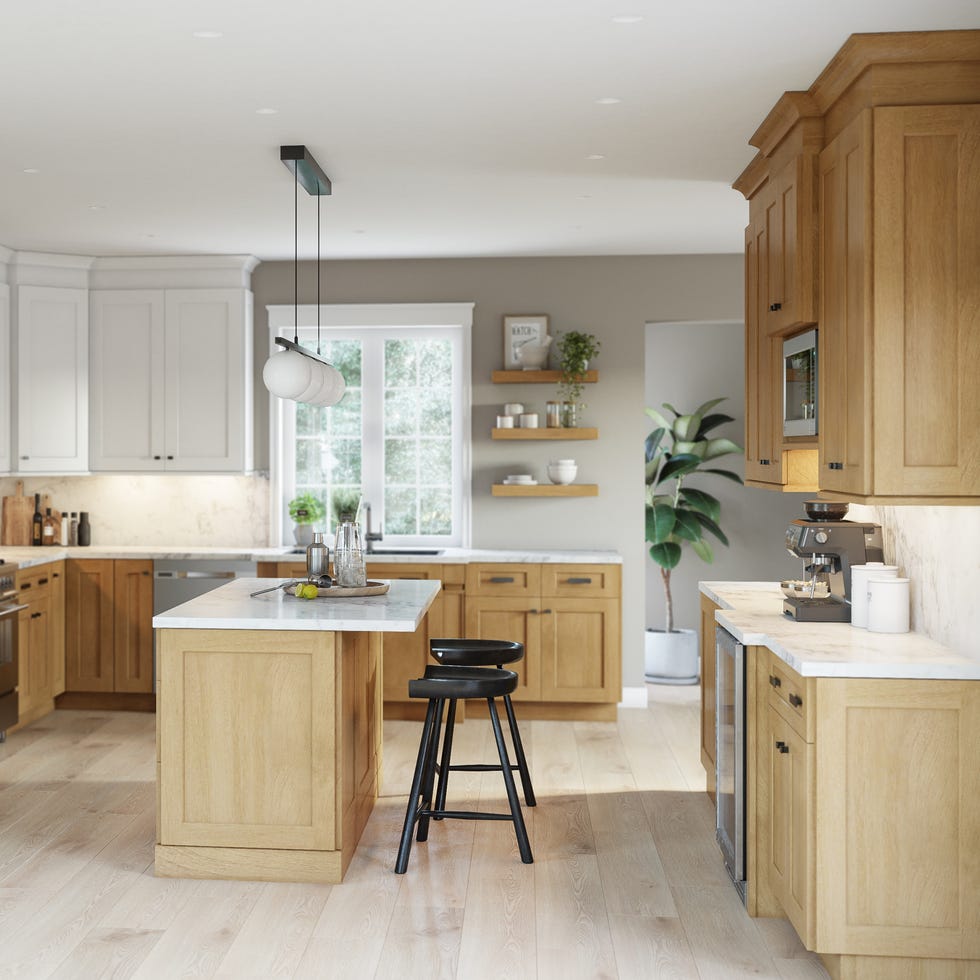
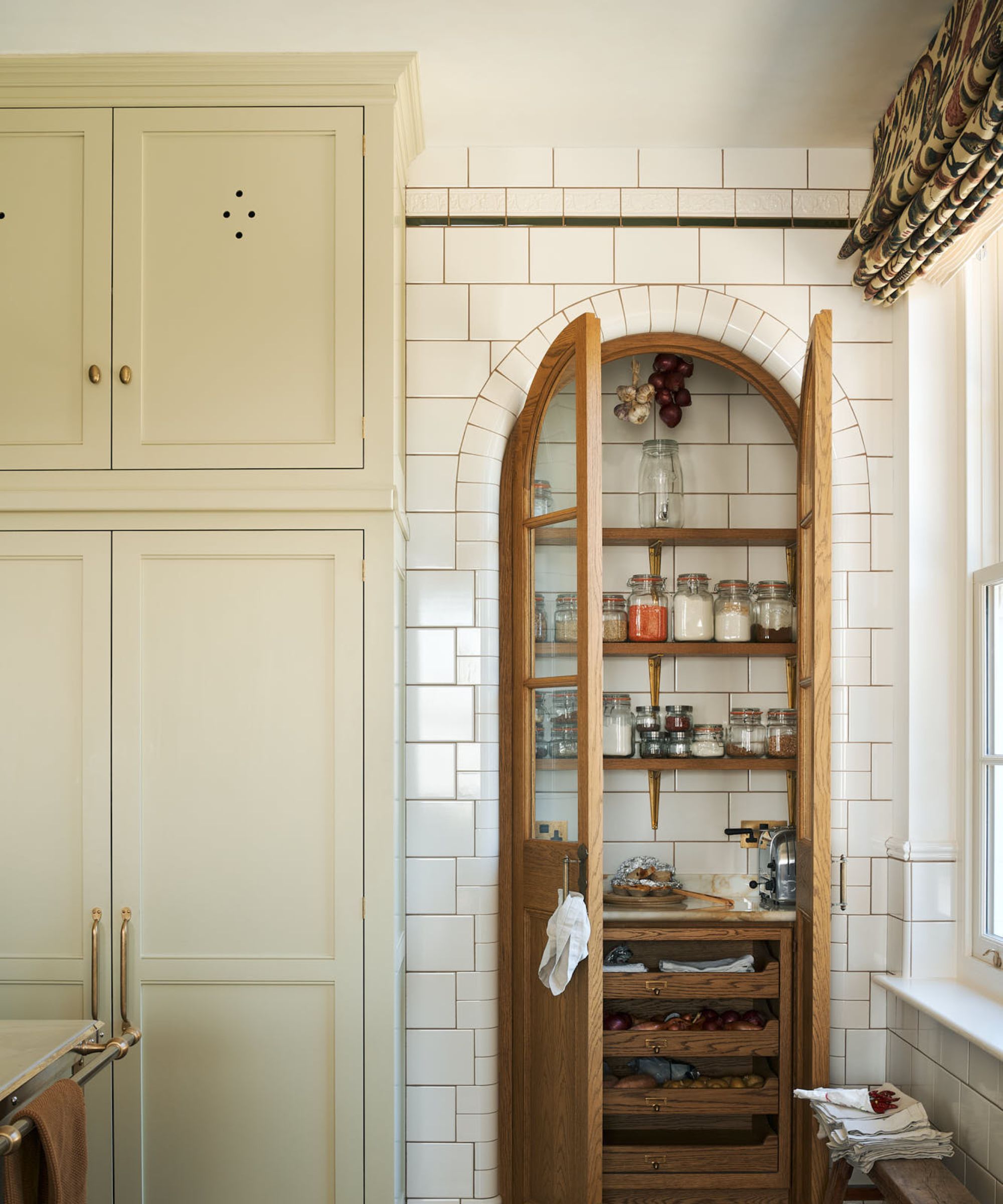
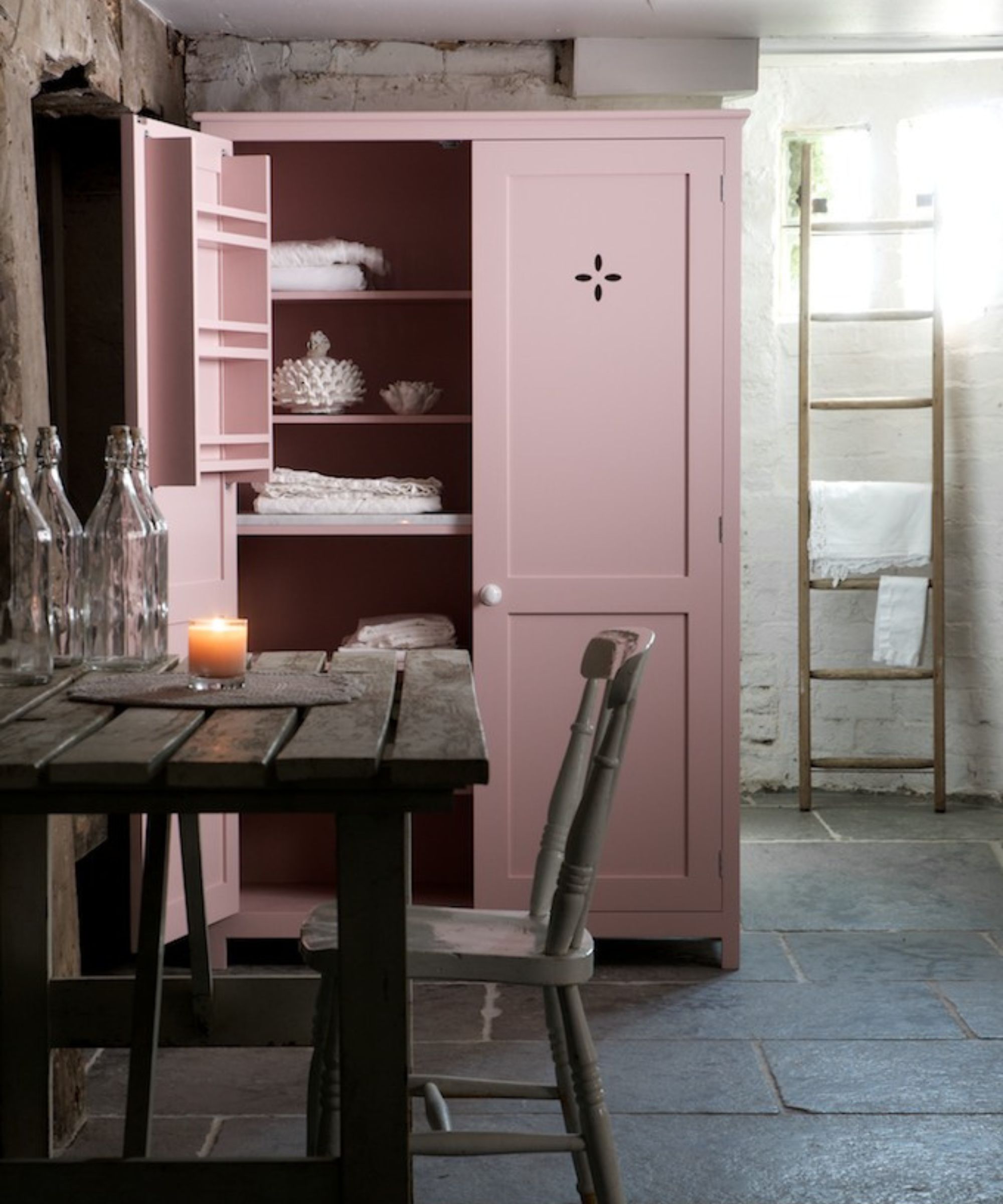
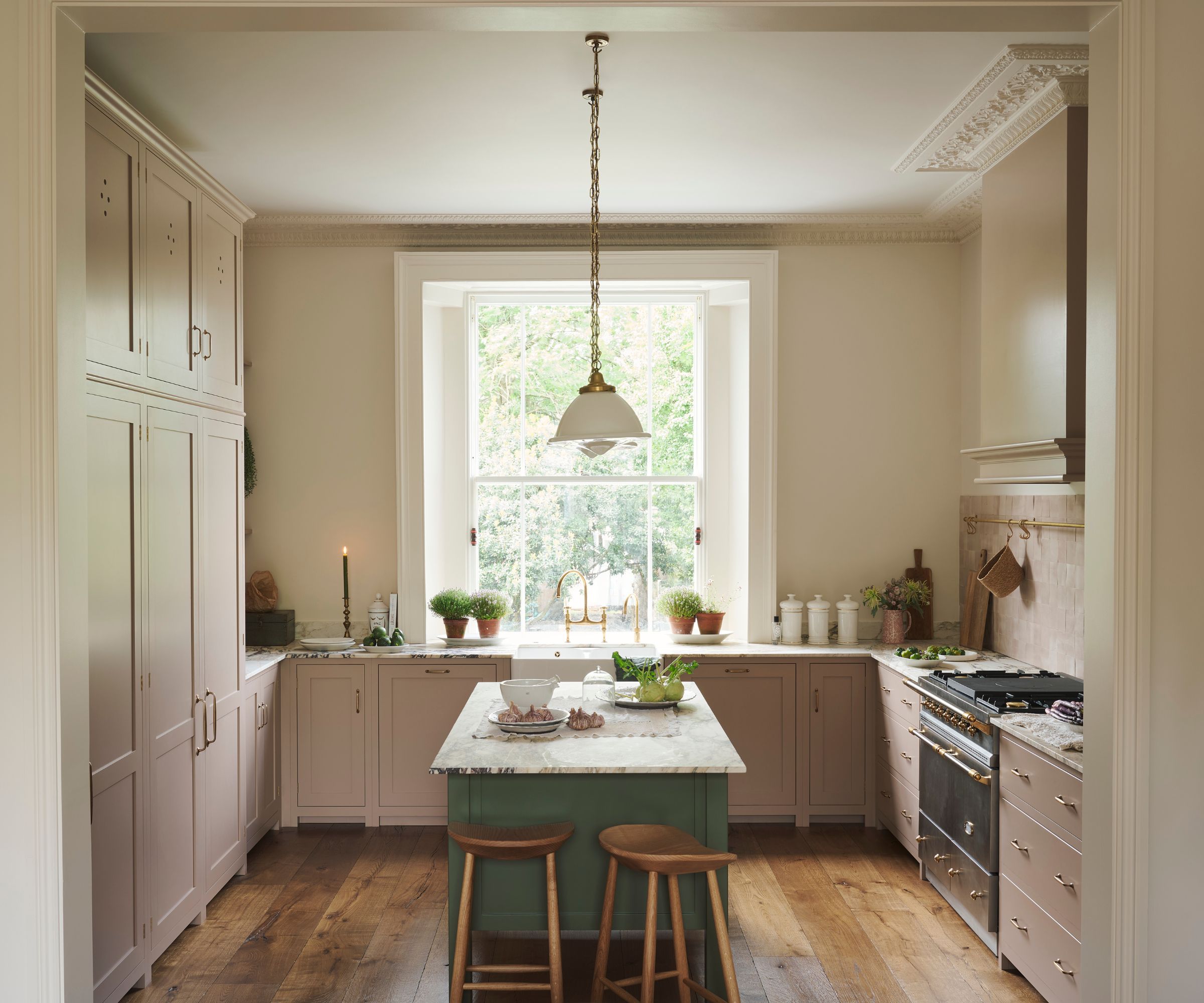
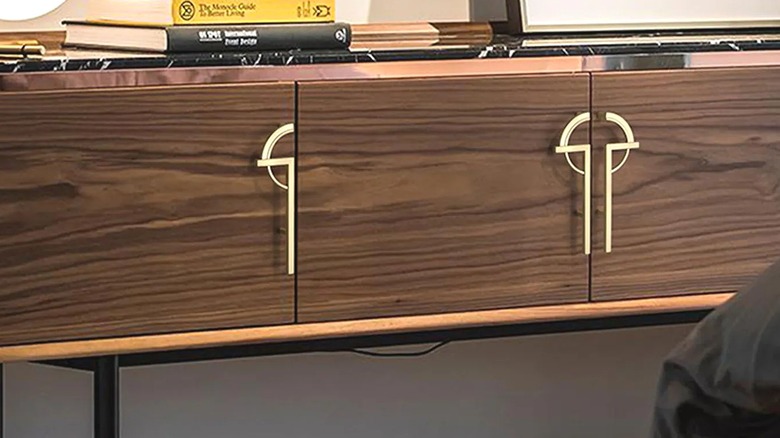
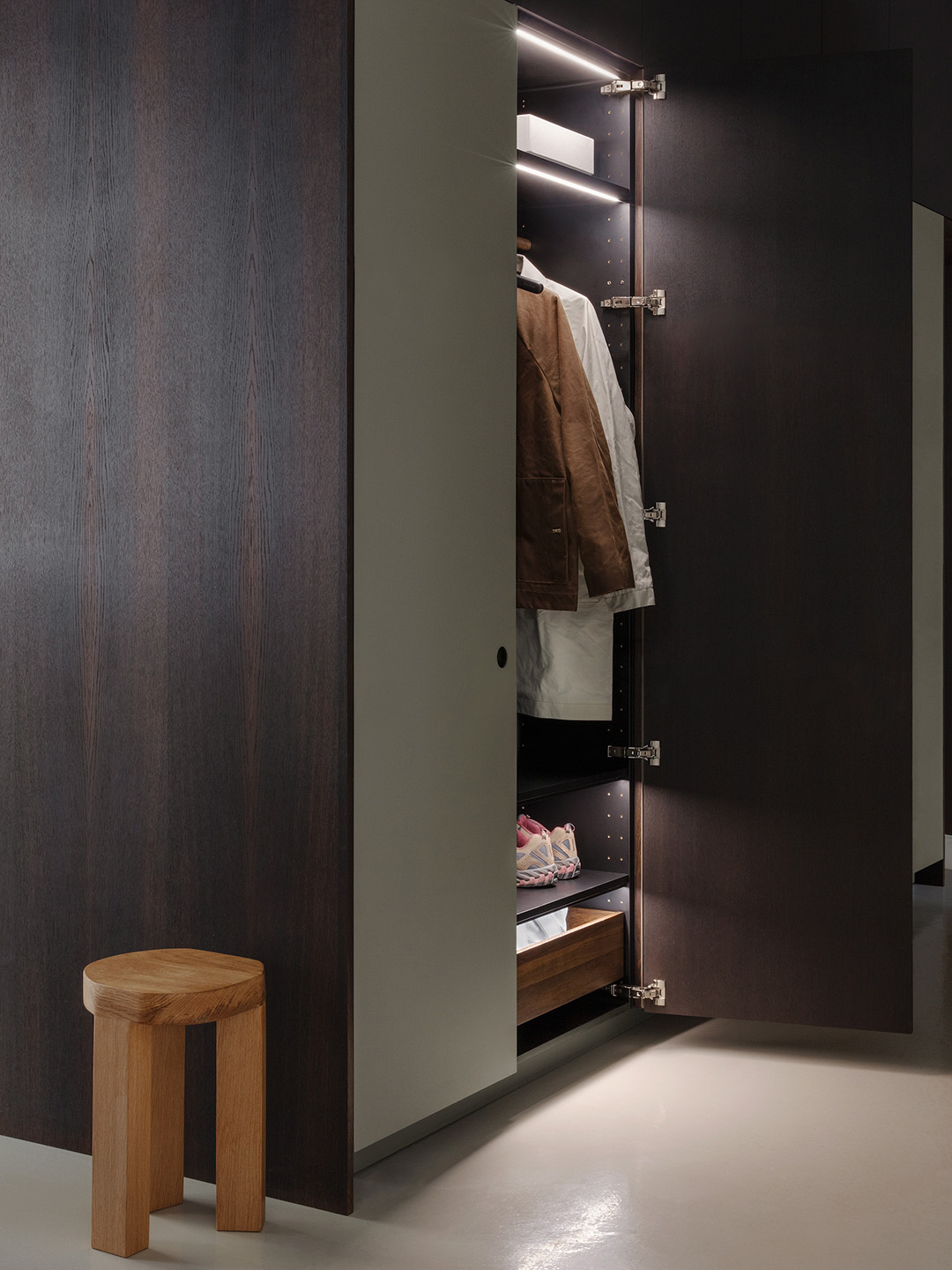
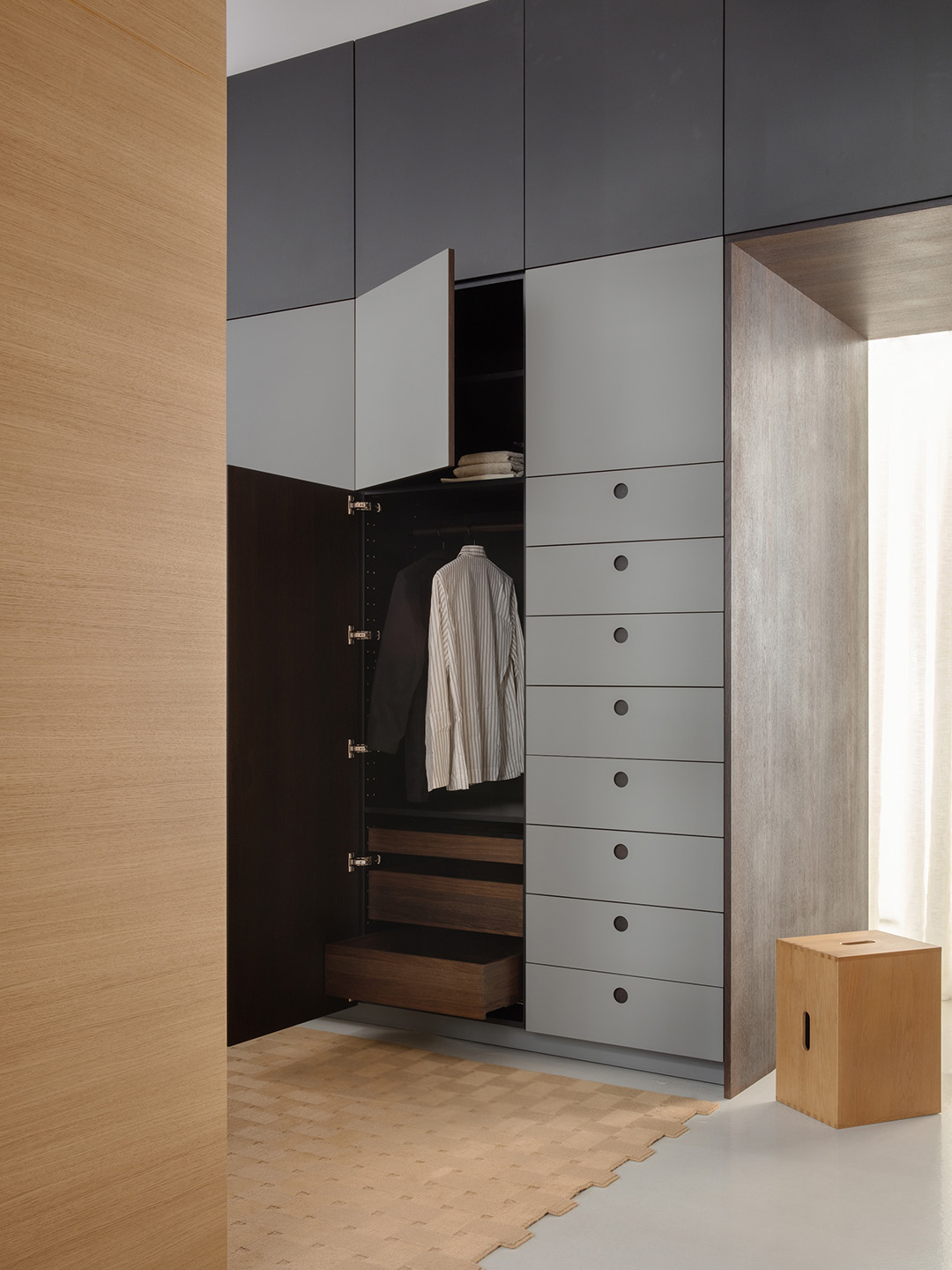
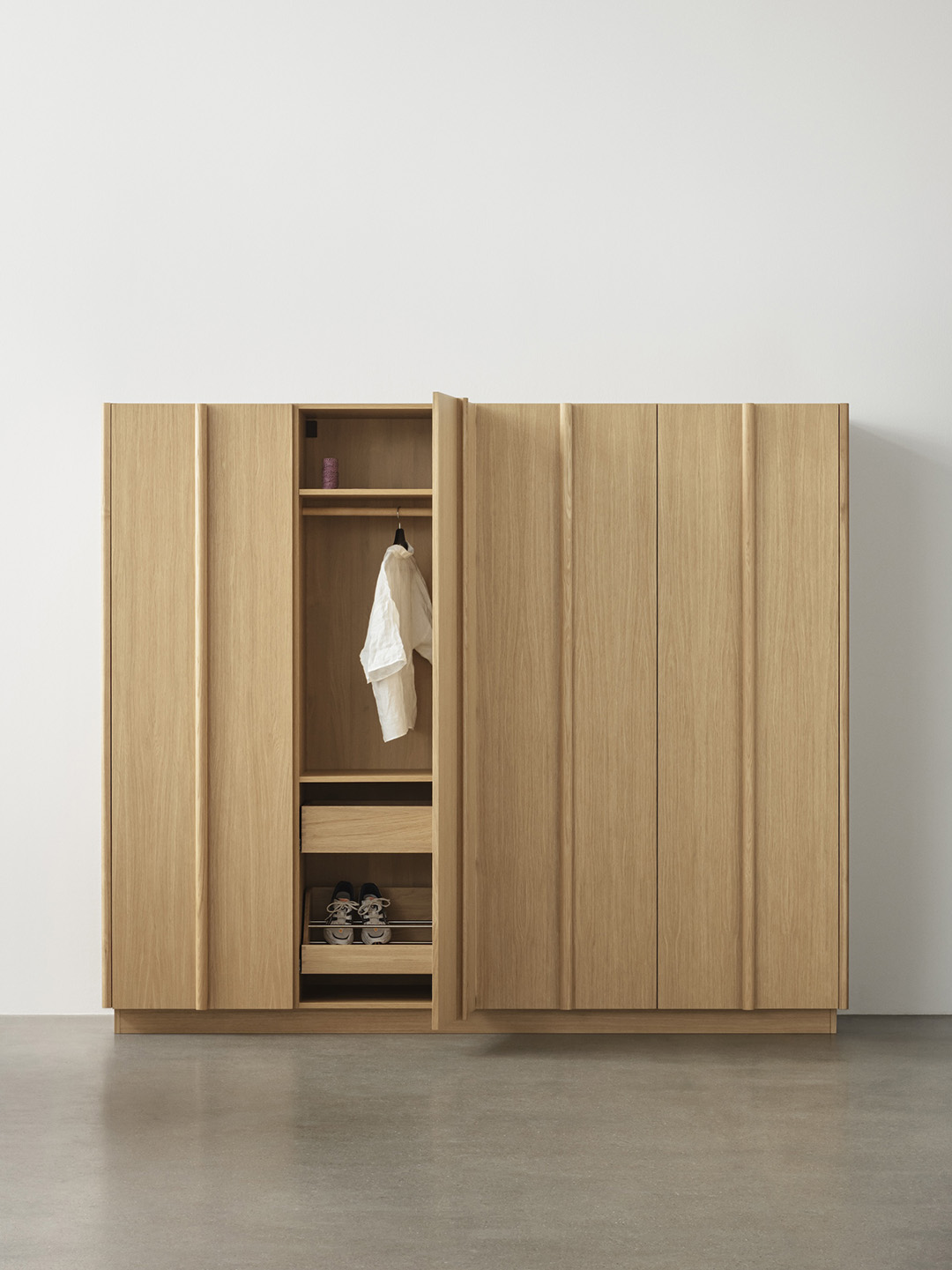
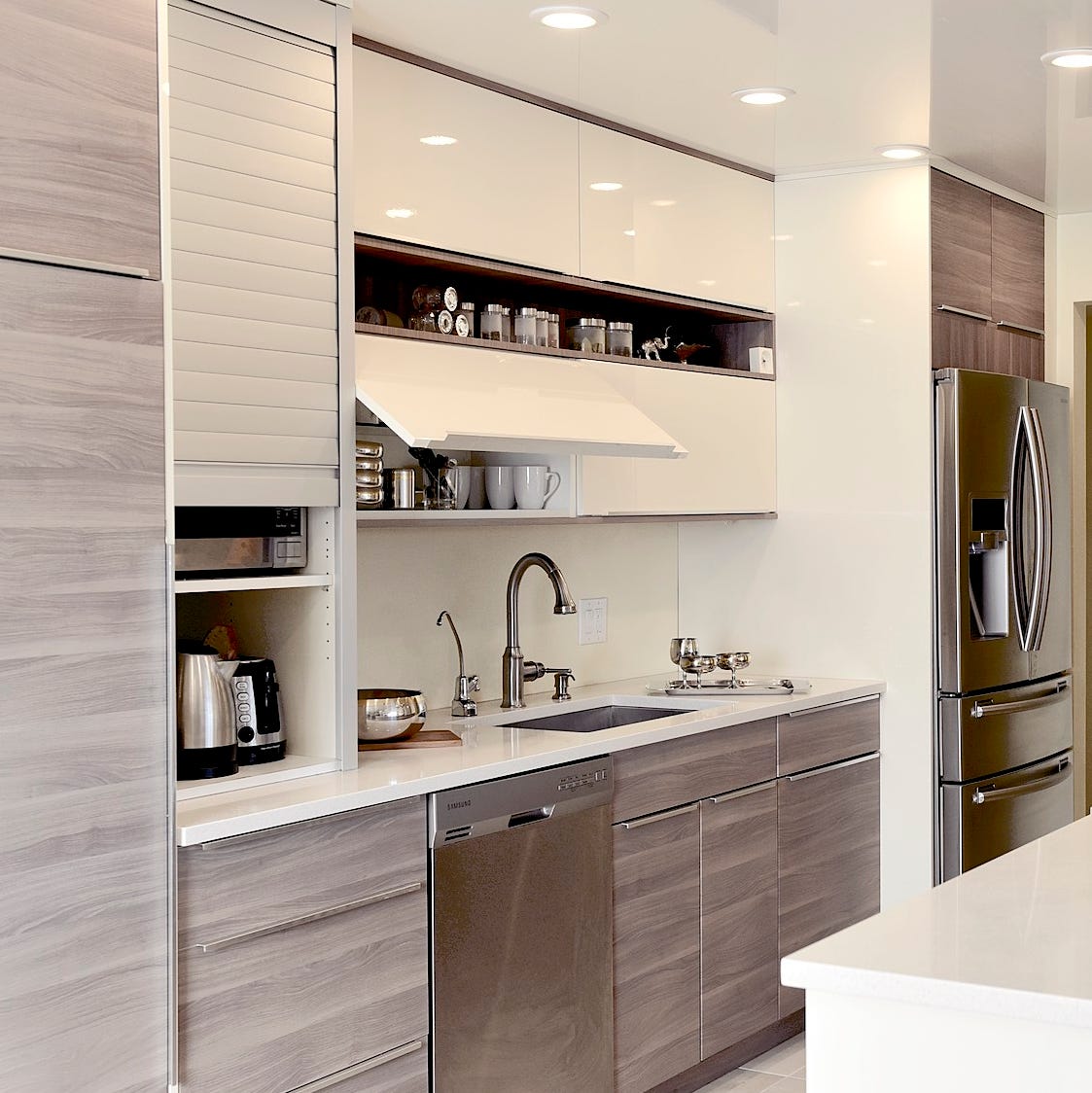
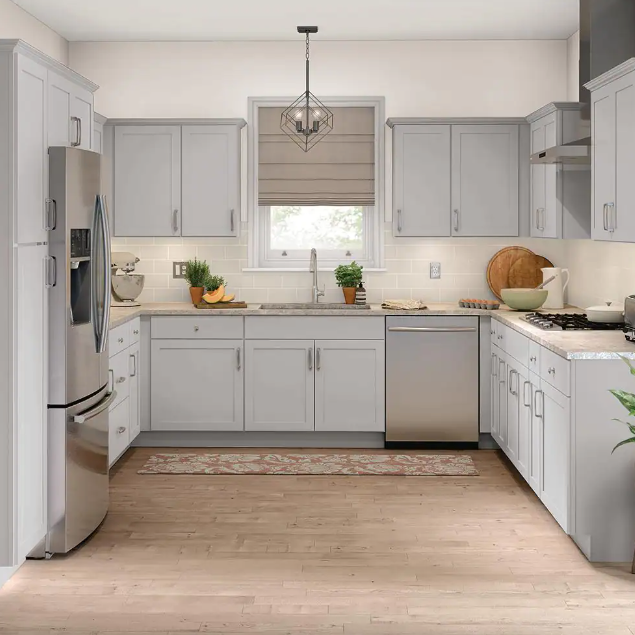
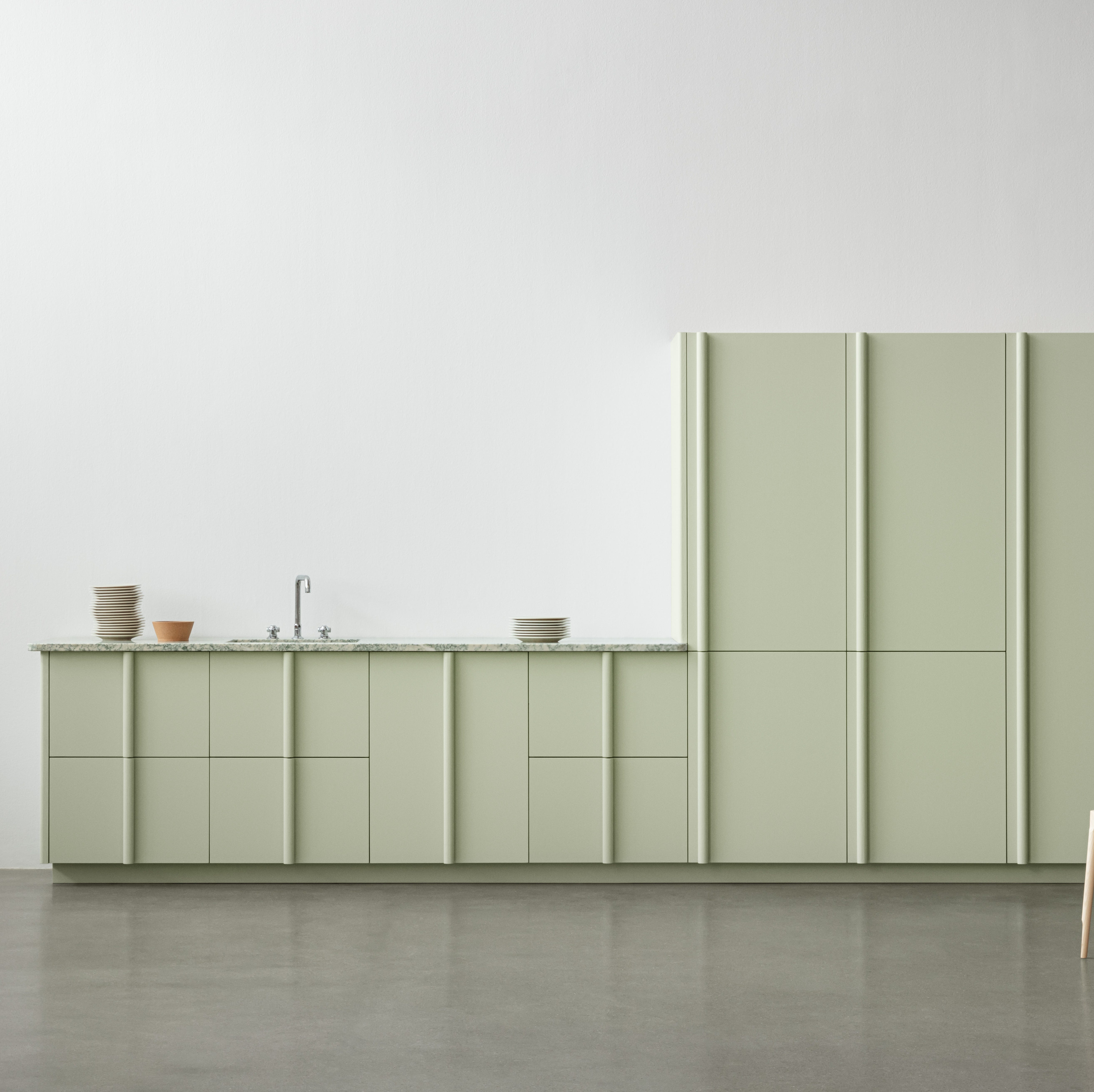
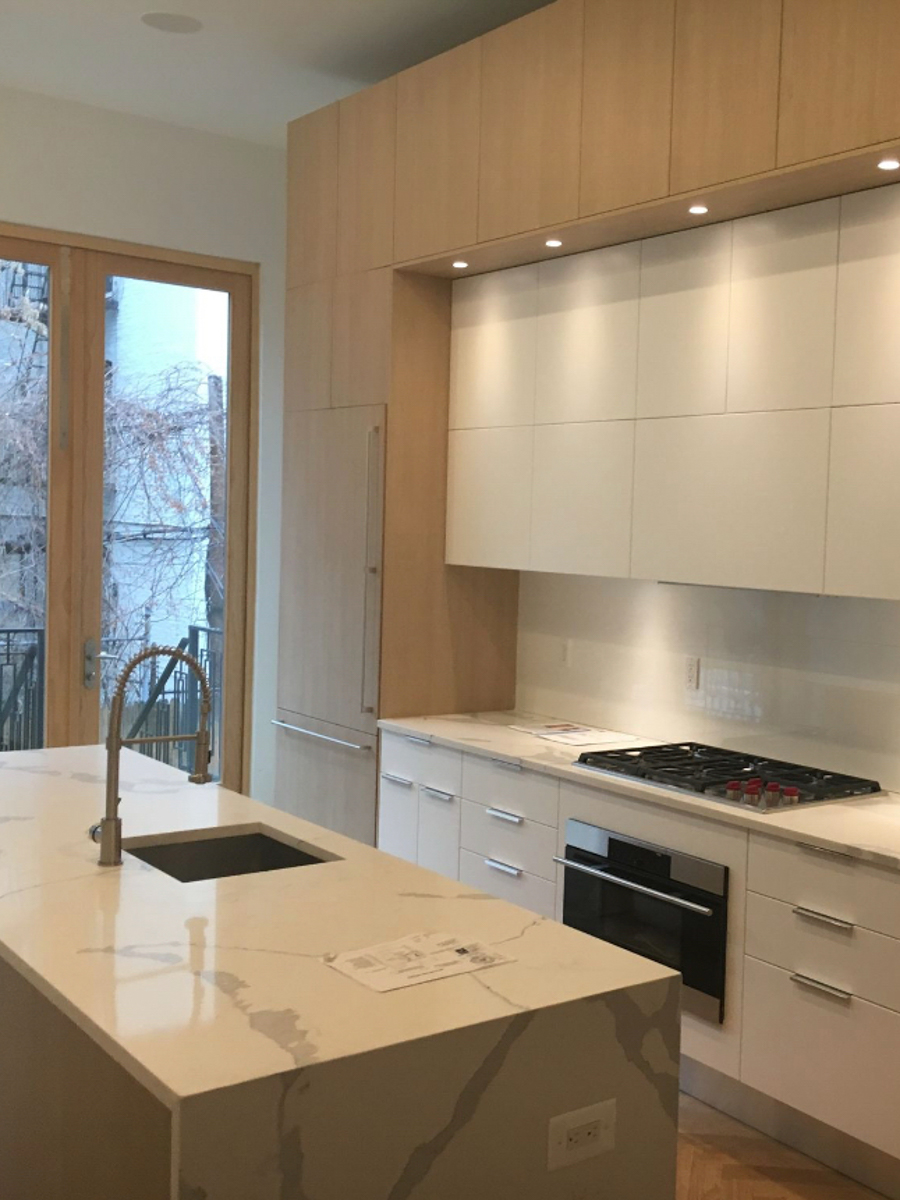

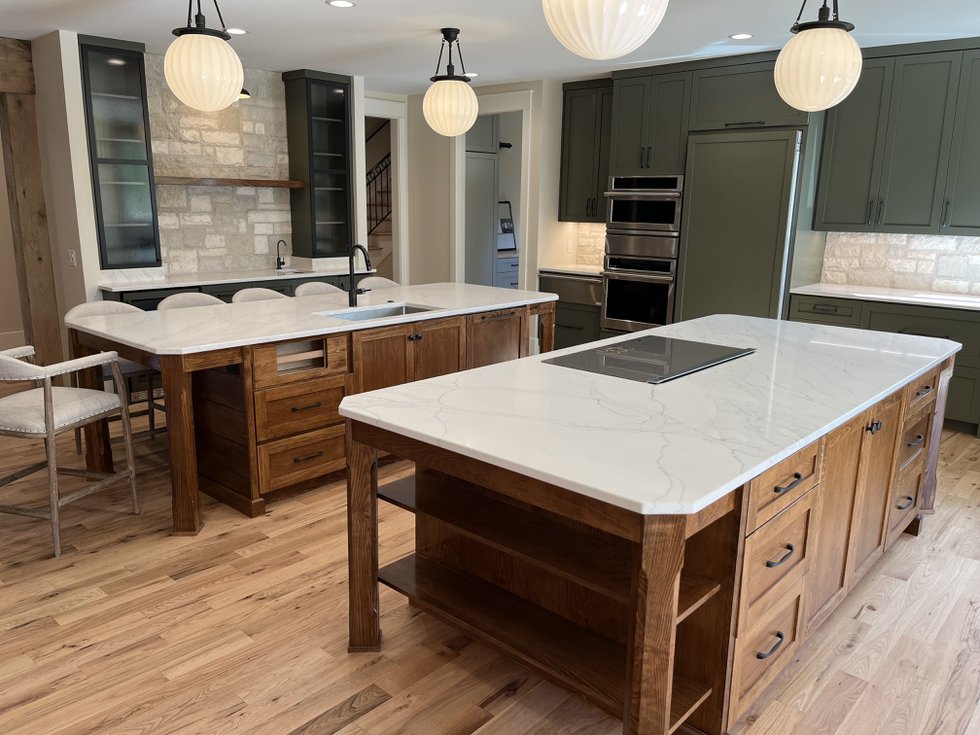
This article presents a Q&A with Tyler Farrell, owner of Killowen Cabinet Co., offering insights into custom cabinetry. Farrell highlights the primary difference between custom and pre-manufactured cabinets, emphasizing that custom options allow for precise fitting, down to 1/32 of an inch, eliminating the need for fillers often required with standard 36-inch pre-manufactured units. Custom cabinetry also provides a wider array of selections in terms of door styles, colors, and finishes, catering to specific design visions.
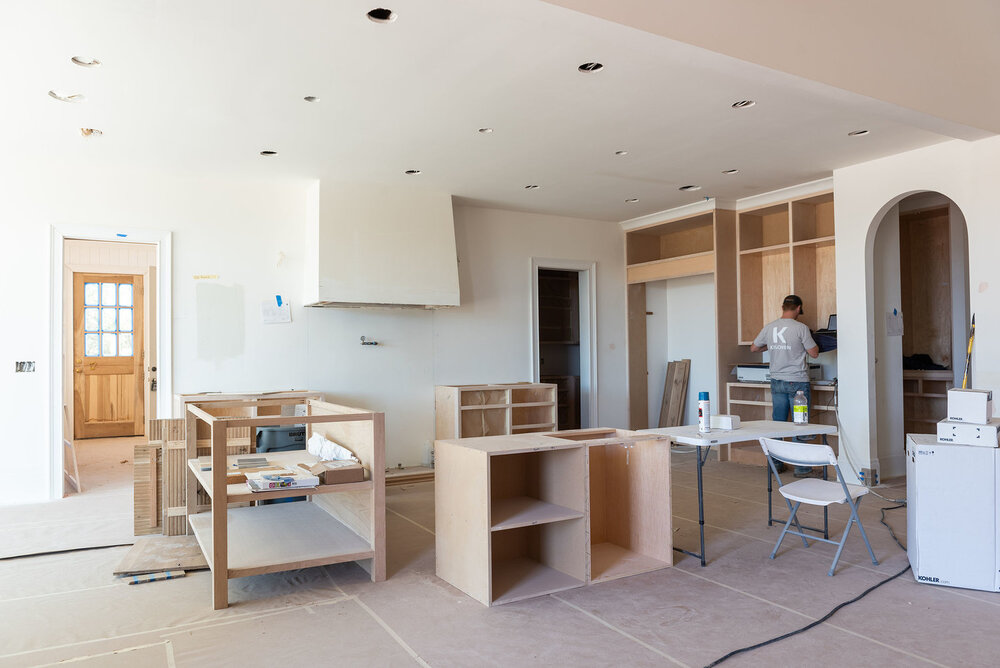
The process for designing and installing custom cabinetry is detailed, varying based on project complexity and client involvement. If a client has a clear vision, like in the case of The McGee Home, the process can be streamlined. However, if a client is undecided, extensive consultations and samples are needed. Killowen Cabinet Co. uses a client questionnaire to help define preferences when a designer is not involved, though they prefer working with designers to expedite the process. Once selections are finalized, designs need approval 6-8 weeks prior to installation. Factors such as on-site versus pre-finishing and cabinet style (inset or overlay) influence the building timeline. Installation duration also depends on the project size; a 6,000 sq ft home might take three weeks. The typical process includes making selections, approving designs, building, pre-finishing (if applicable), installation, and on-site painting (if applicable).
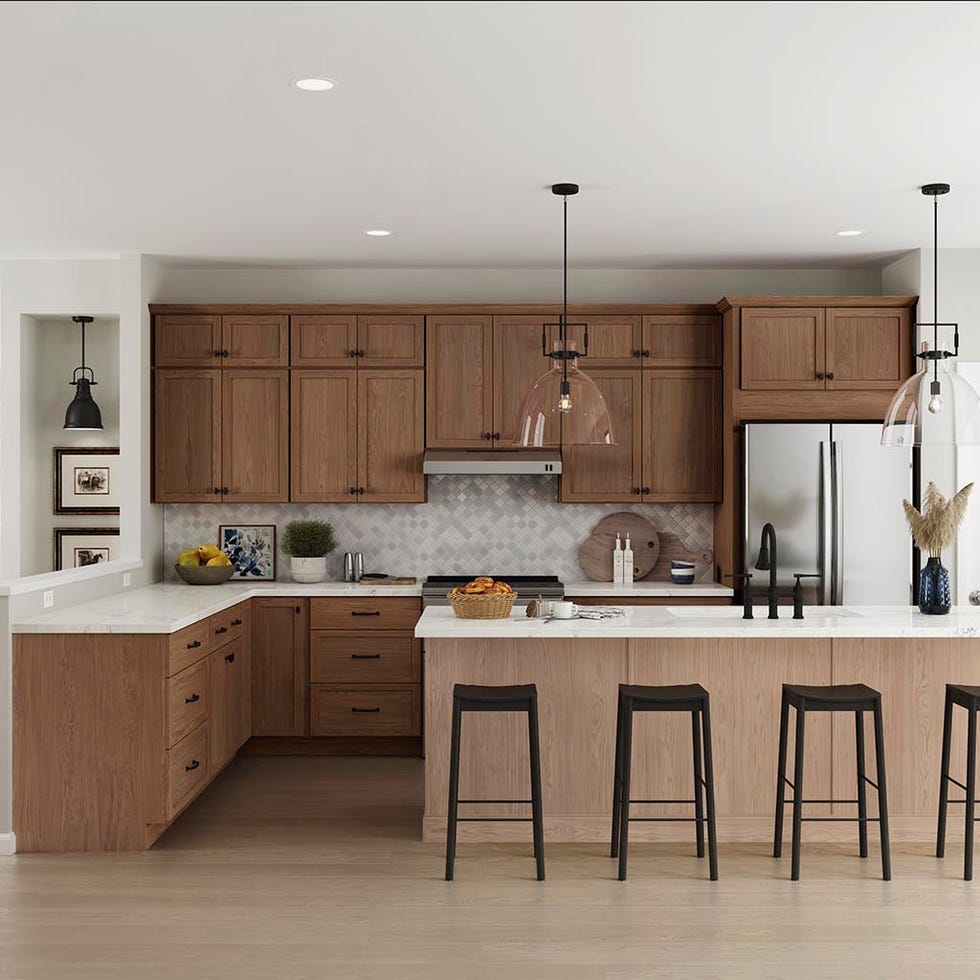
Farrell explains that selecting natural wood involves considering both aesthetics and durability. Different wood types possess unique grain patterns and react distinctively to stains and paints. He stresses that the choice of wood depends entirely on the home's style. He also differentiates between various wood-cutting methods—quarter, plain, rift, or live sawn—explaining that none is inherently superior; the choice depends on the desired visual effect. Clients are advised to provide examples to their designer or cabinet specialist to help determine the most suitable cut and grain pattern.
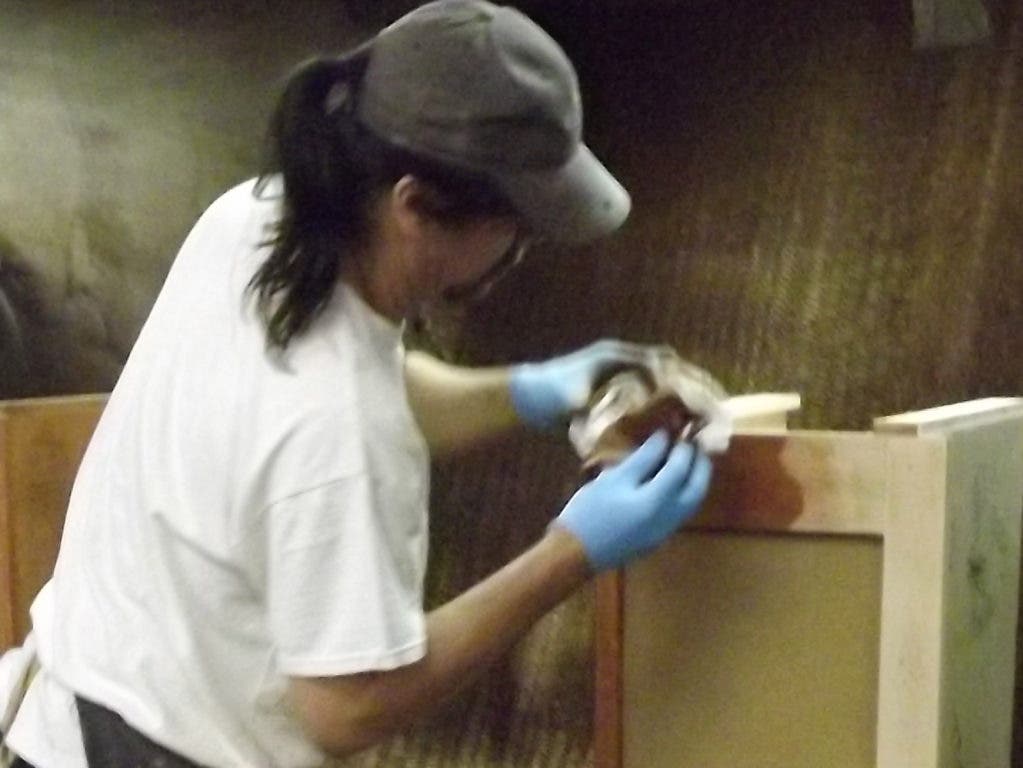
Regarding staining, Killowen Cabinet Co. starts with inspirational images or physical samples to create custom color references for clients. The main challenge is finding a stain color that matches the client's preference, with a critical consideration being the use of lacquers that resist yellowing over time. When it comes to finishes, Farrell notes a preference for matte finishes due to their aesthetic appeal. However, matte finishes are more prone to showing fingerprints because the natural oils from hands can create a higher sheen, making maintenance a key factor in the decision-making process. Clients are encouraged to weigh the pros and cons of different finishes to select one that aligns with their lifestyle.
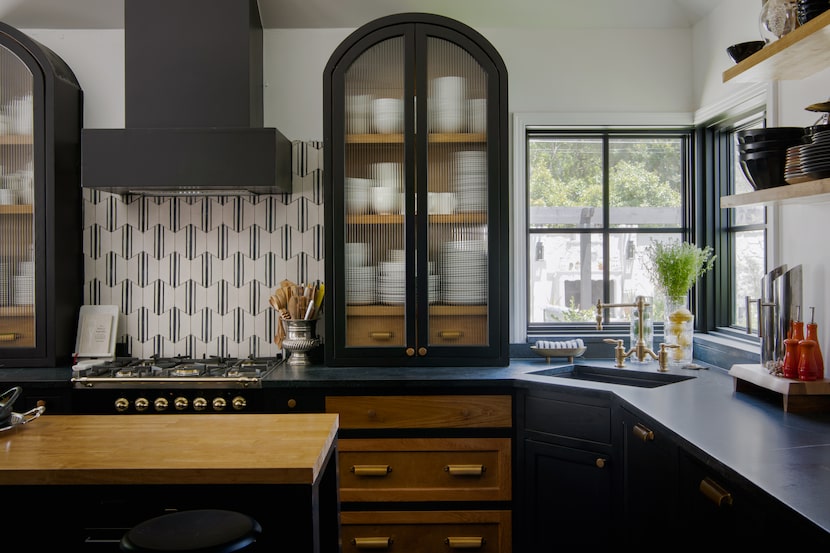
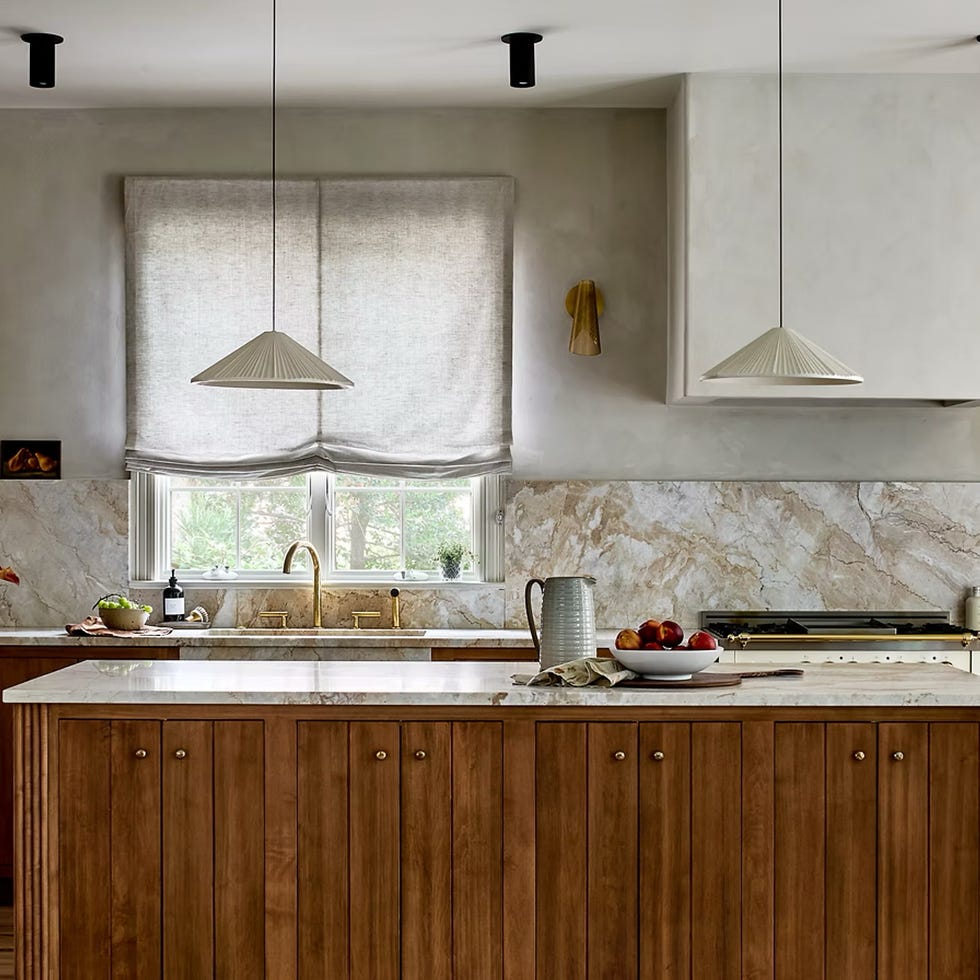
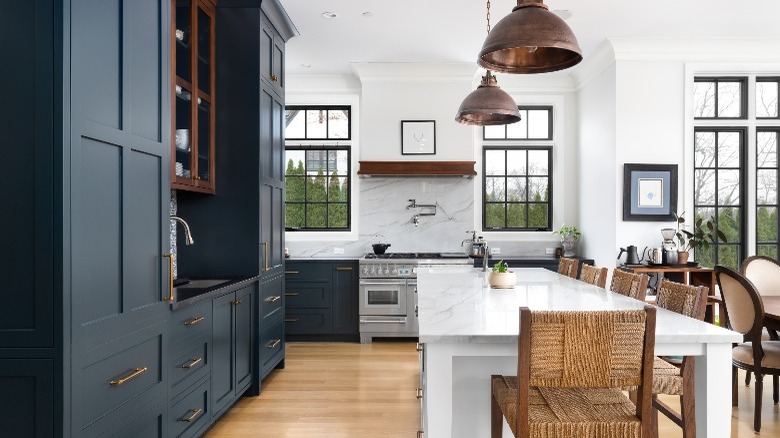
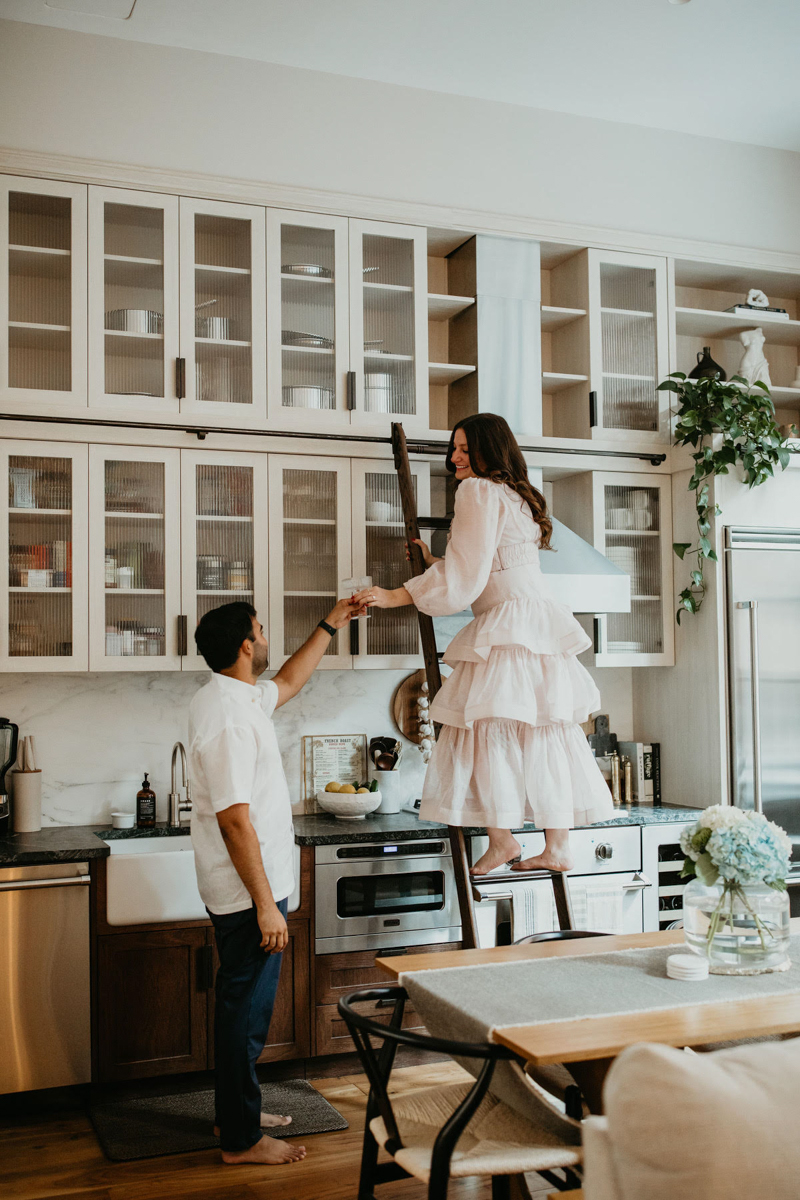
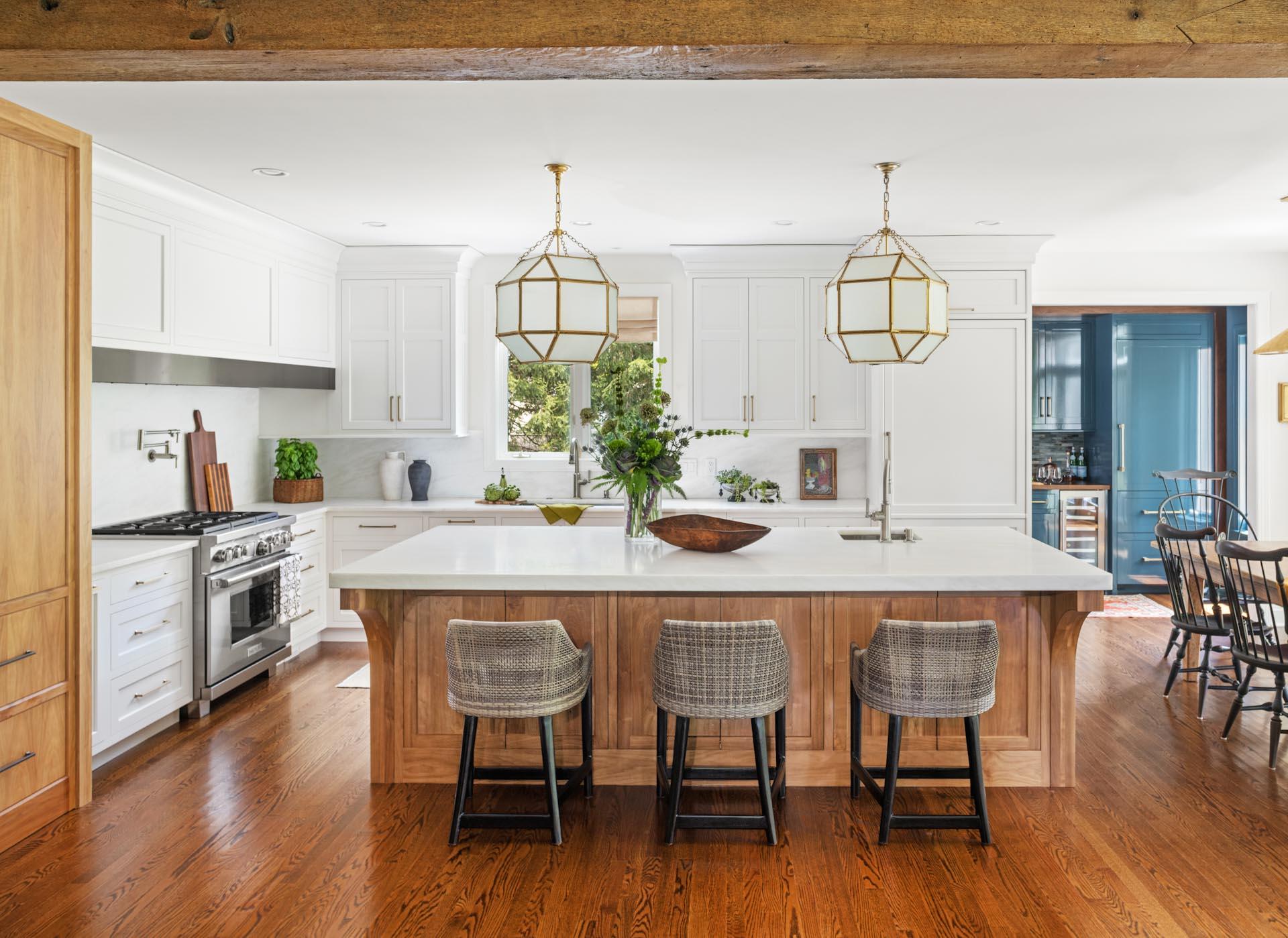
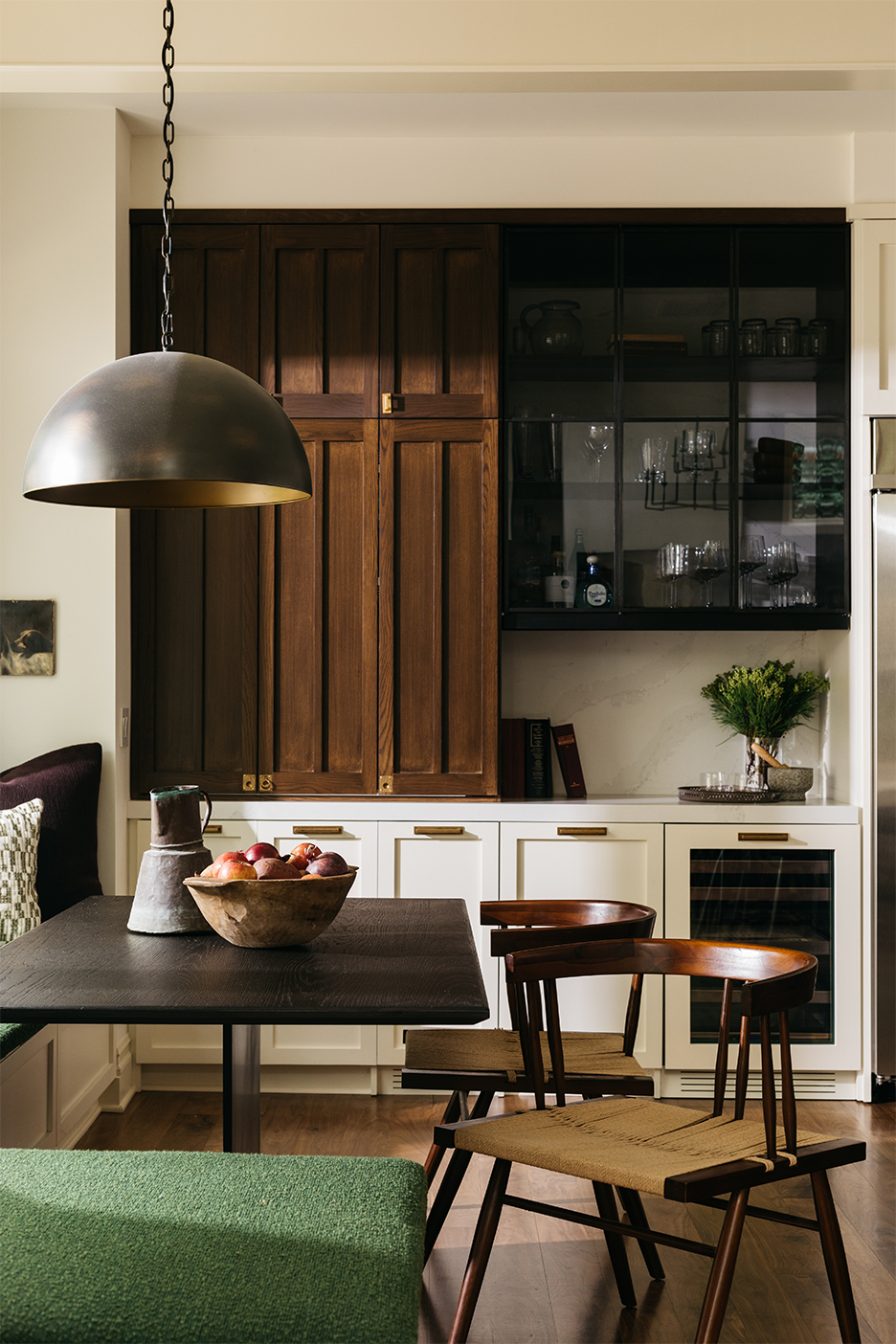
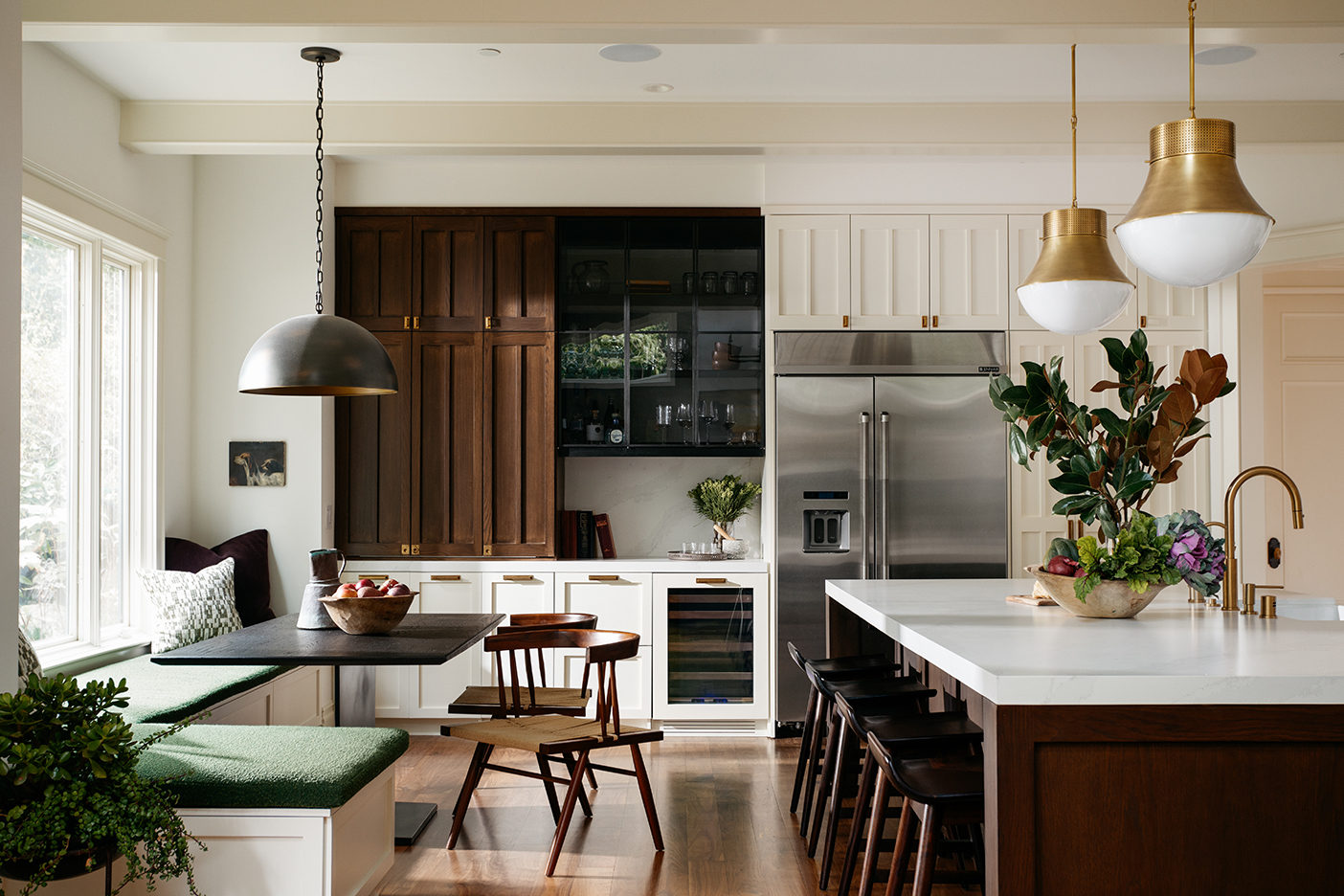
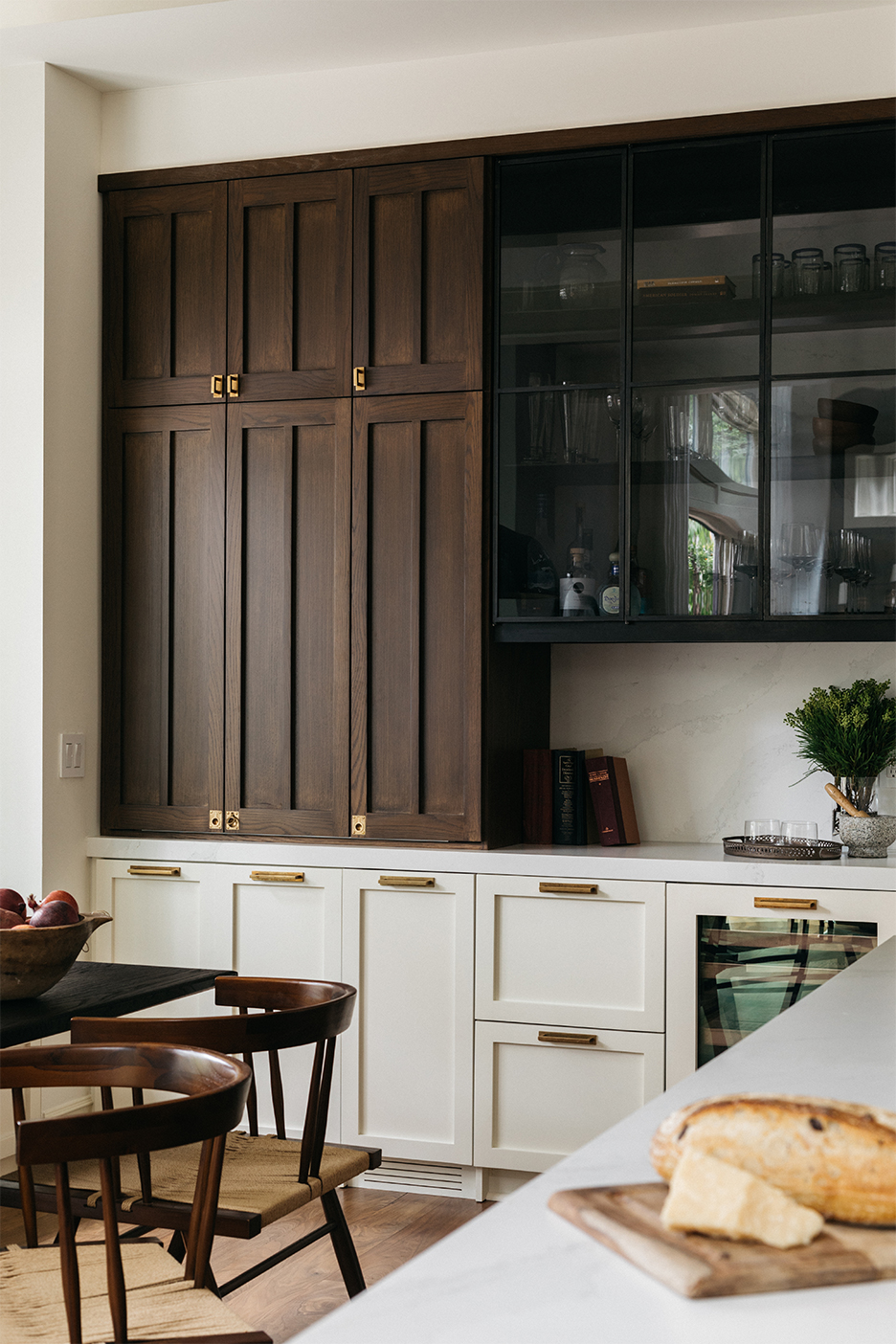
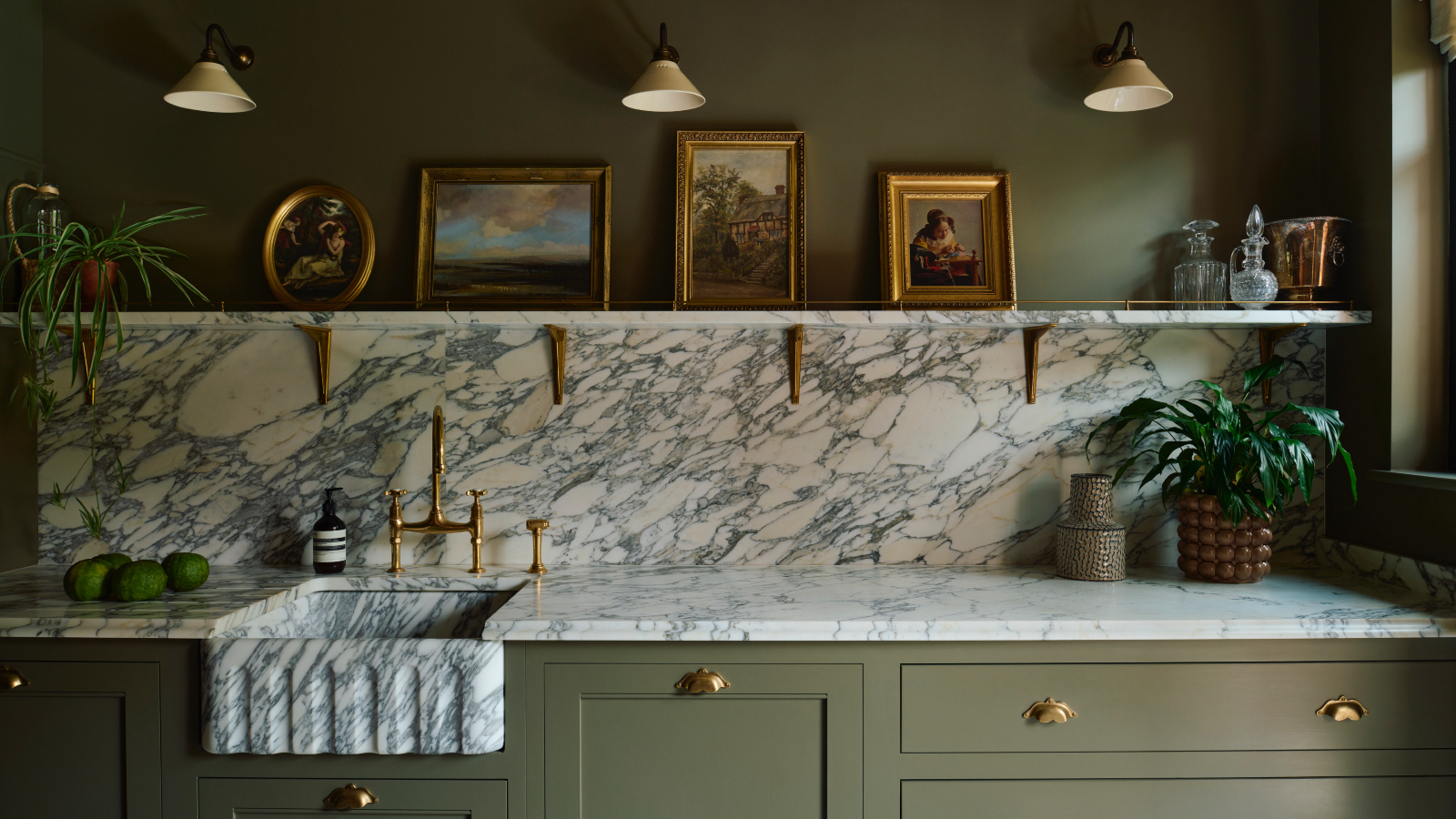
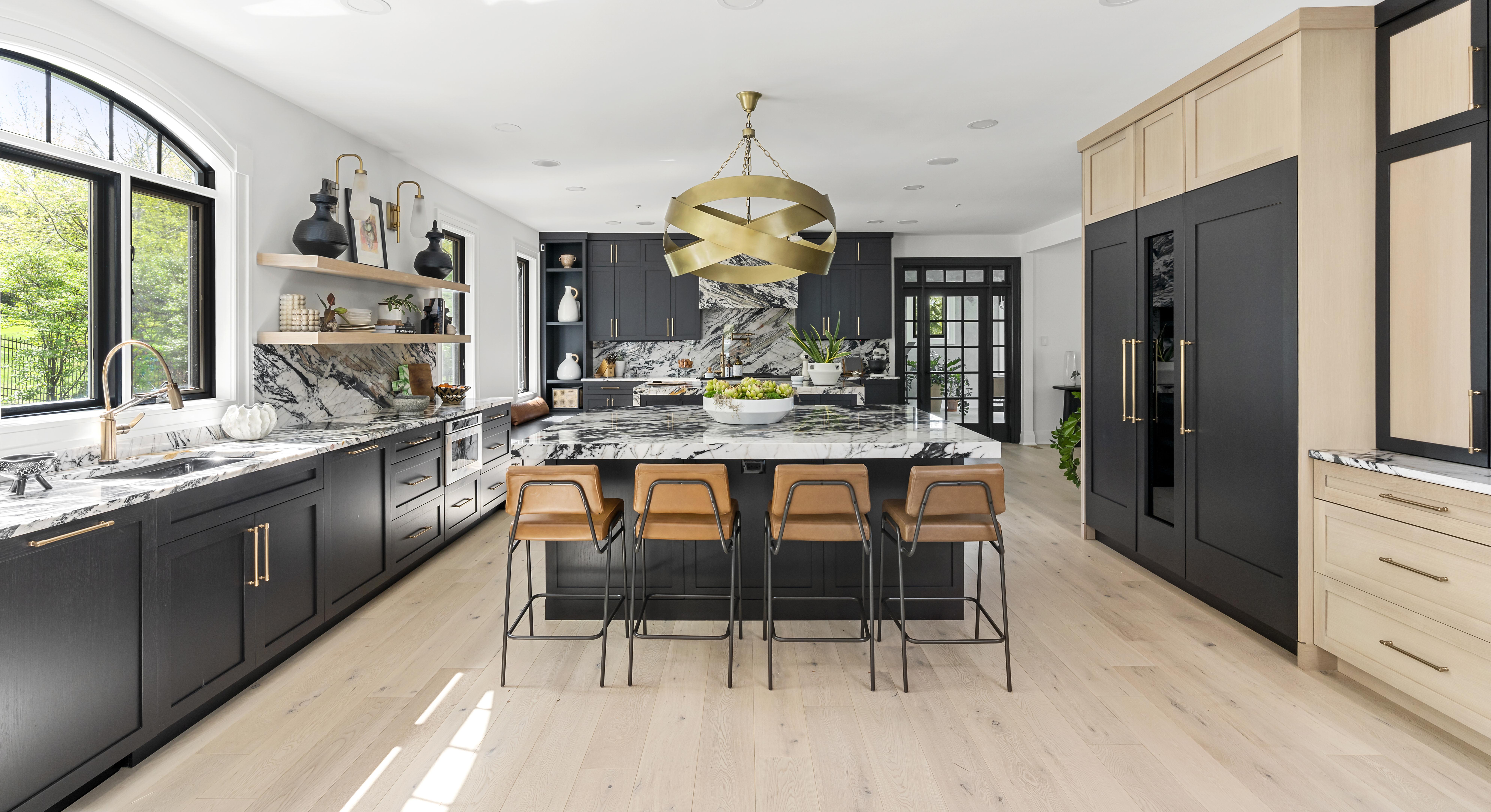
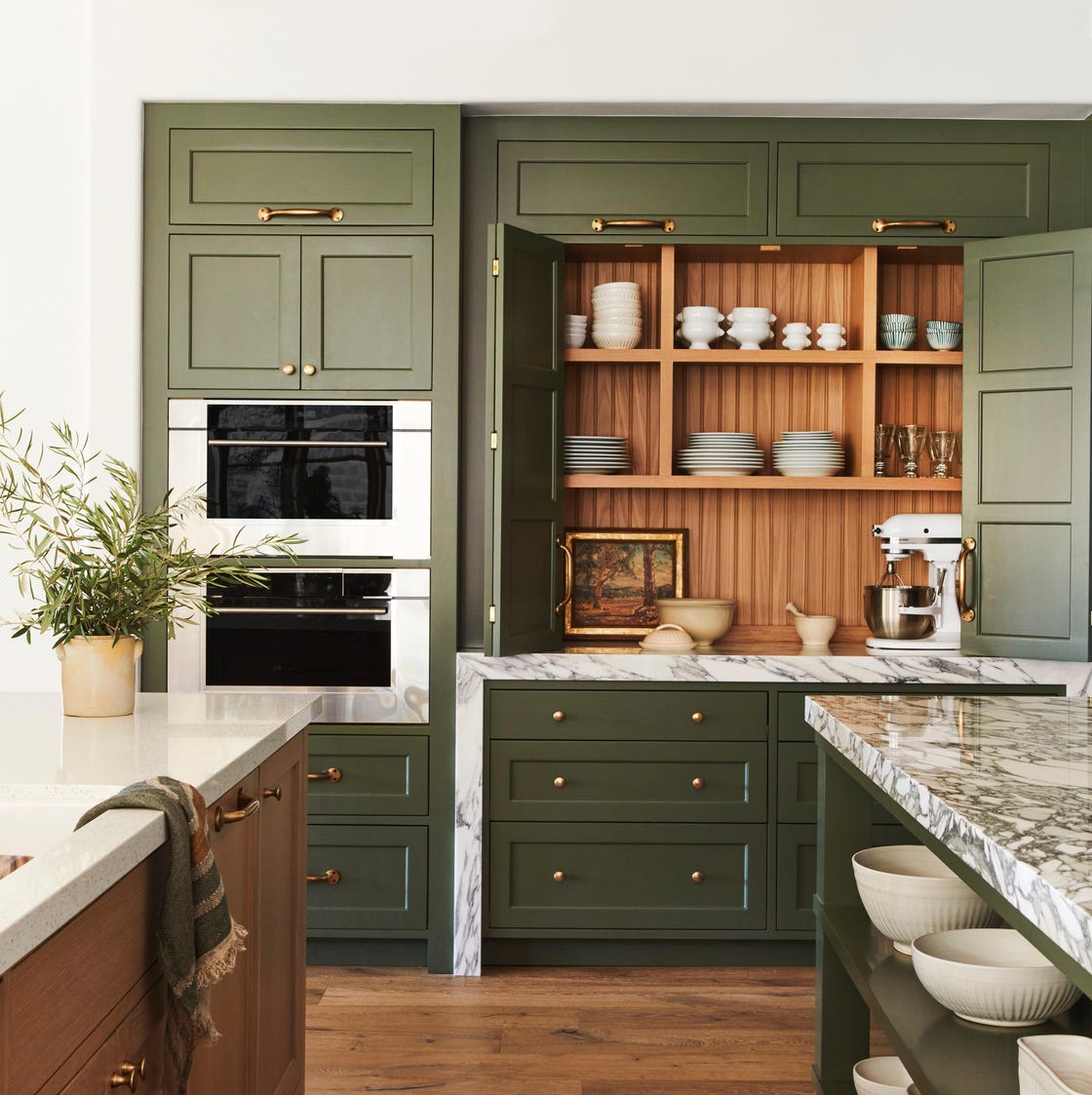
For The McGee Home, maple was chosen for painted cabinets and white oak for stained cabinets. The selection of wood was straightforward due to Shea McGee's clear vision, but finalizing the stain and paint colors required several custom samples. Regarding durability, custom painted cabinets can chip, similar to any other cabinet, depending on usage and proper application techniques. A must-have feature in custom kitchen cabinetry is functionality, specifically soft-close doors and dovetail drawers made from ply or solid wood. Design-wise, inset cabinets are favored despite their higher cost, and contrasting colors, even small stained accents like a sink drip edge, are recommended to enhance the overall aesthetic.
#CustomCabinetry #HomeDesign #InteriorDesign #WoodSelection #CabinetInstallation #KitchenDesign #MaterialSelection #CustomCabinetry #HomeDesign #InteriorDesign #WoodSelection #CabinetInstallation #KitchenDesign #MaterialSelection
0 comment in total
 No comments yet
You may also like
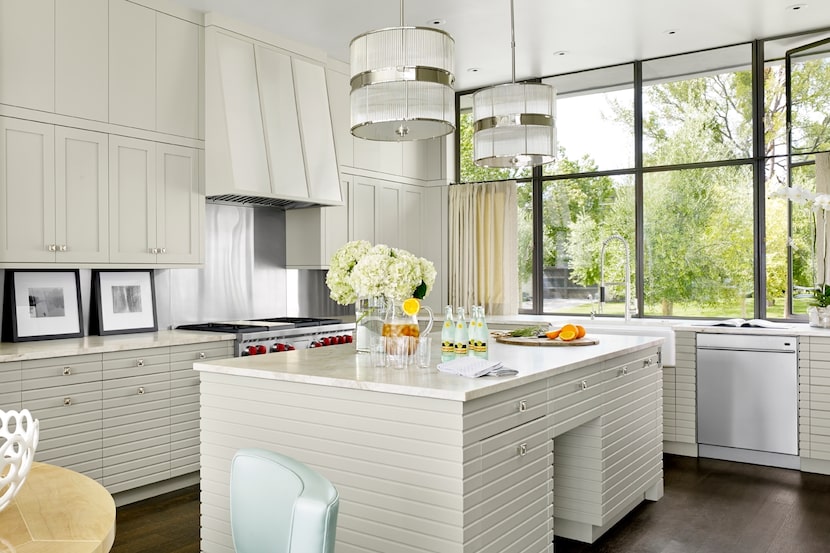
Skip the cookie-cutter cabinets and add pops of personality with these designer ideas

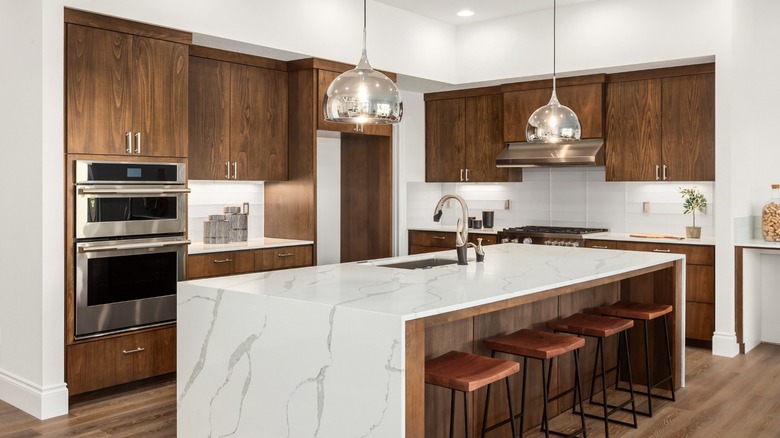
The Only Kitchen Cabinet Makers You Should Consider
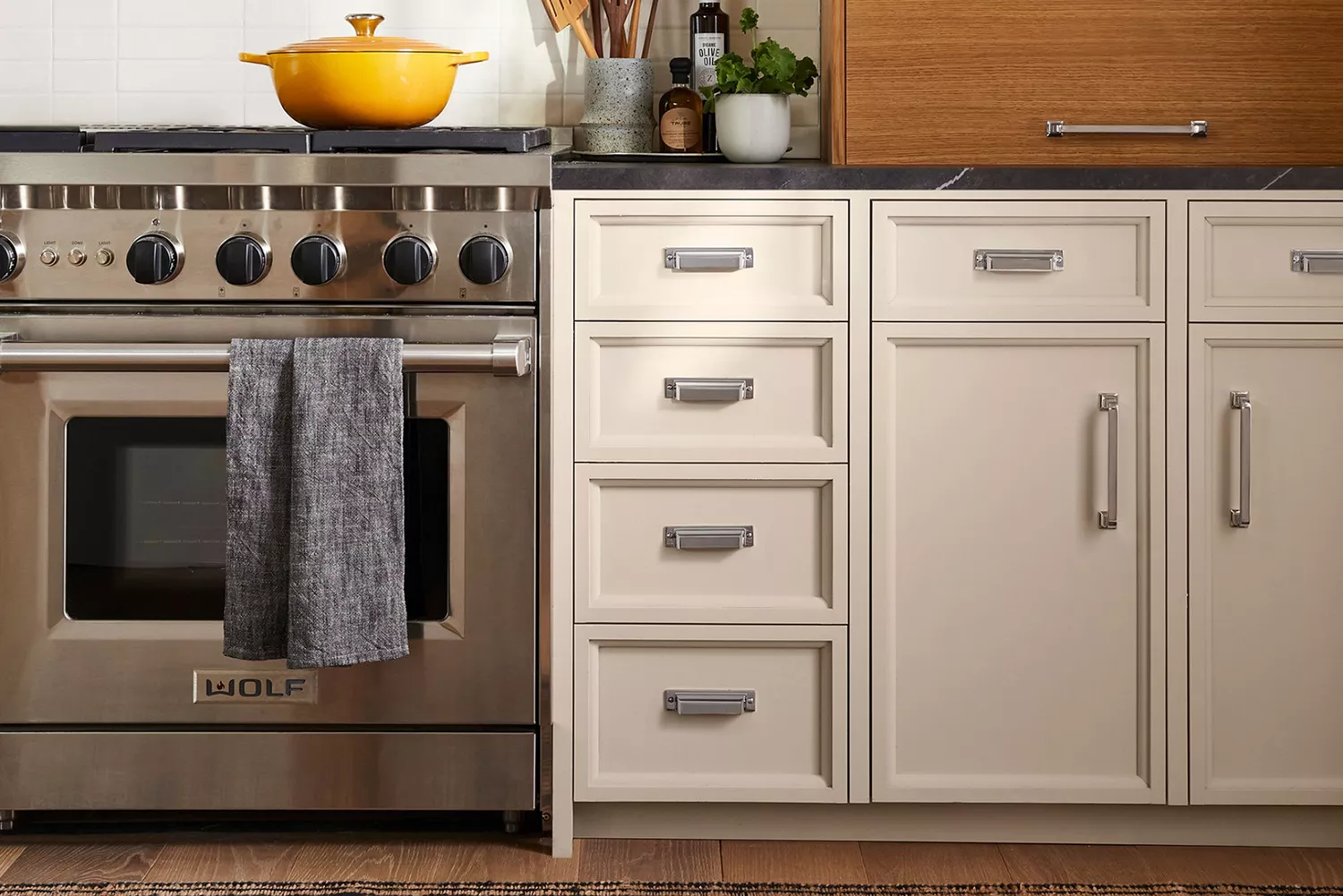
New Cabinet Hardware Updates a Kitchen Instantly — Designers Love These Retailers

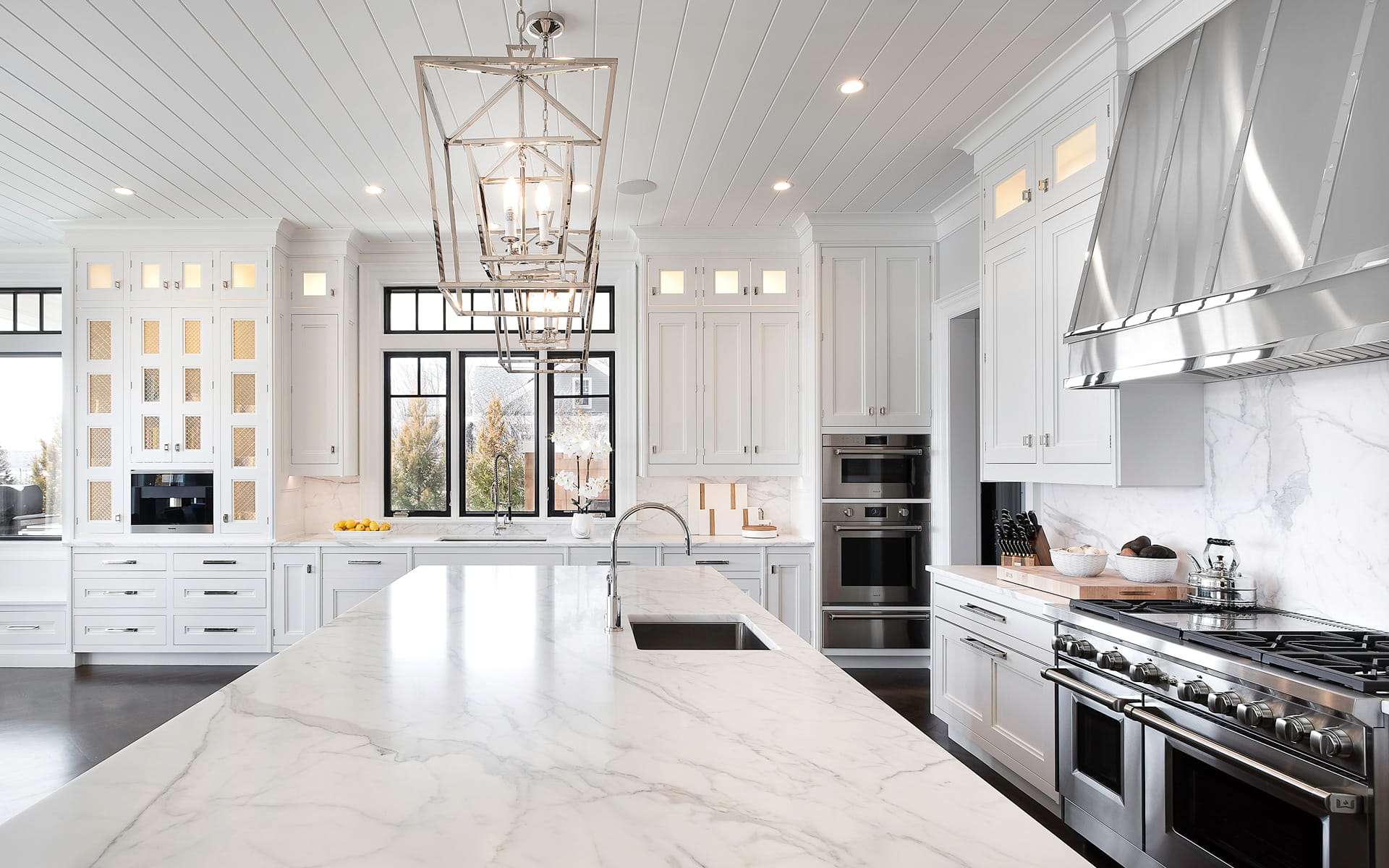
Bakes & Kropp Is Defining Fine Cabinetry Across the United States

Where Functional Meets Beautiful: 5 ways Renova Custom Woodworks can elevate every space

Where's the best place to buy kitchen cabinet hardware? A kitchen editor's top recommendations for every style and budget
For Half a Century, Quality is a Constant for Tri-Star Cabinets
High-tech production creates a handcrafted look

Please Don't Demo Your Old Kitchen Cabinets—Donate Them Instead

Tower Kitchen Cabinet Trends You Need to Know for 2025

An Expert Explains How To Perfectly Style Your Trendy Curiosity Cabinet

3 Kitchen Cabinet Styles Are Better Than 1—Give This Craftsman-Inspired Trio a Try

Custom Cabinets: Craftsmanship that Lasts for Generations
13 Unique Cabinet Hardware Options You May Not Know About
The Best Kitchen Cabinet Brands, According to Home Renovation Pros

The Best Places to Buy Cabinets in 2026

This Traditional Kitchen Detail is Making an Unexpected Comeback This Year

This Designer Favorite for Semi-Custom Kitchen Cabinets Is Coming for Your Closets

Before You Take Your Kitchen Cabinets Up to the Ceiling, Consider This Overlooked Addition

These Kitchen Cabinet Trends Will Revolutionize Your Storage Space in 2025