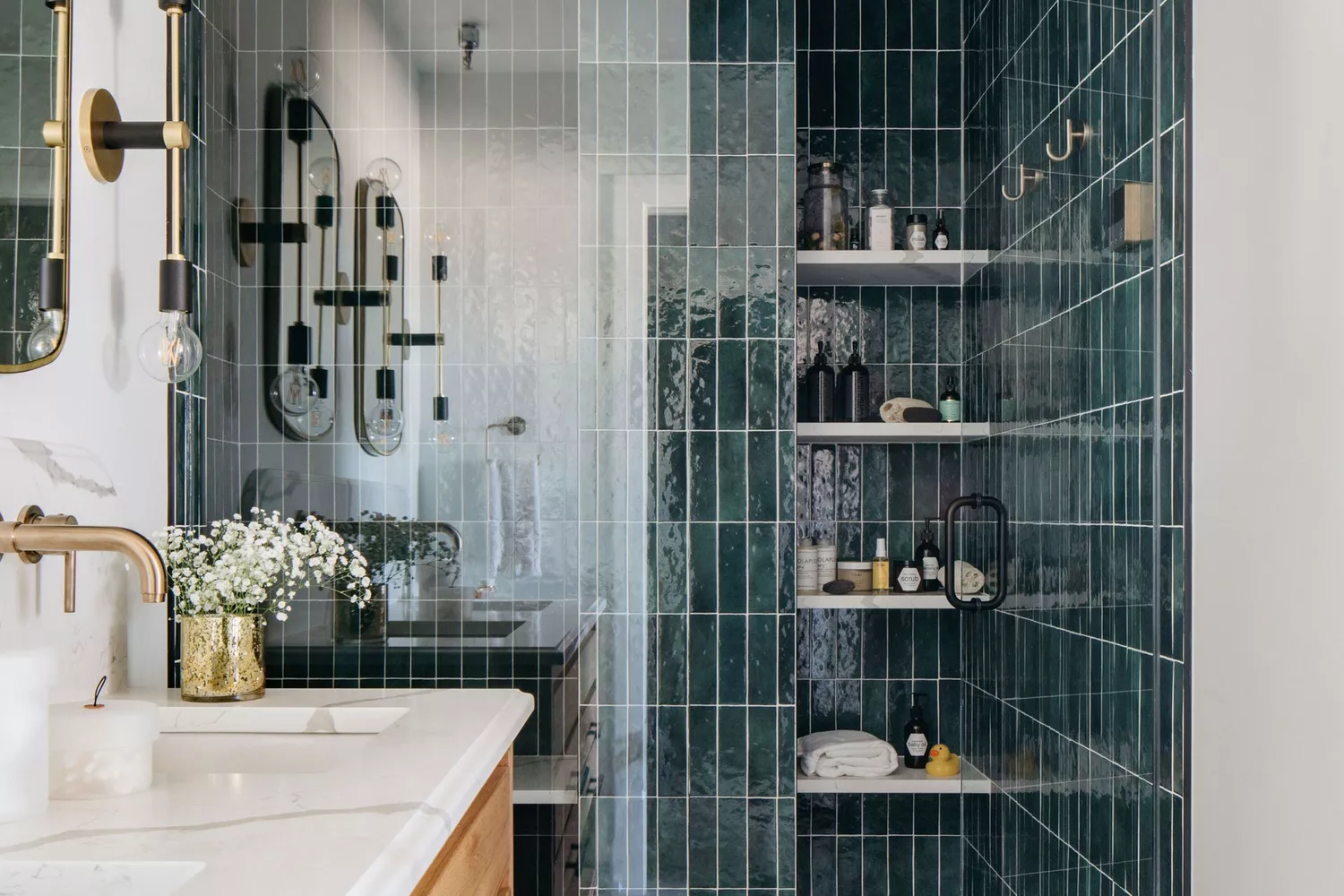
How to Redecorate Your Bathroom, According to Interior Designers
Redecorating a bathroom, often an overlooked space, provides an excellent opportunity to inject personal style and create a relaxing retreat. Interior designers emphasize a step-by-step approach to transforming this functional area. The initial and most crucial step involves assessing the existing infrastructure, particularly the plumbing. Kathy Kuo, founder of Kathy Kuo Home, highlights plumbing as the "quiet boss" that dictates what design changes are feasible. She stresses prioritizing functionality, such as the placement of towel hooks and storage solutions that accommodate everyday items, before moving to aesthetic choices like countertops, tiles, trim, and paint.
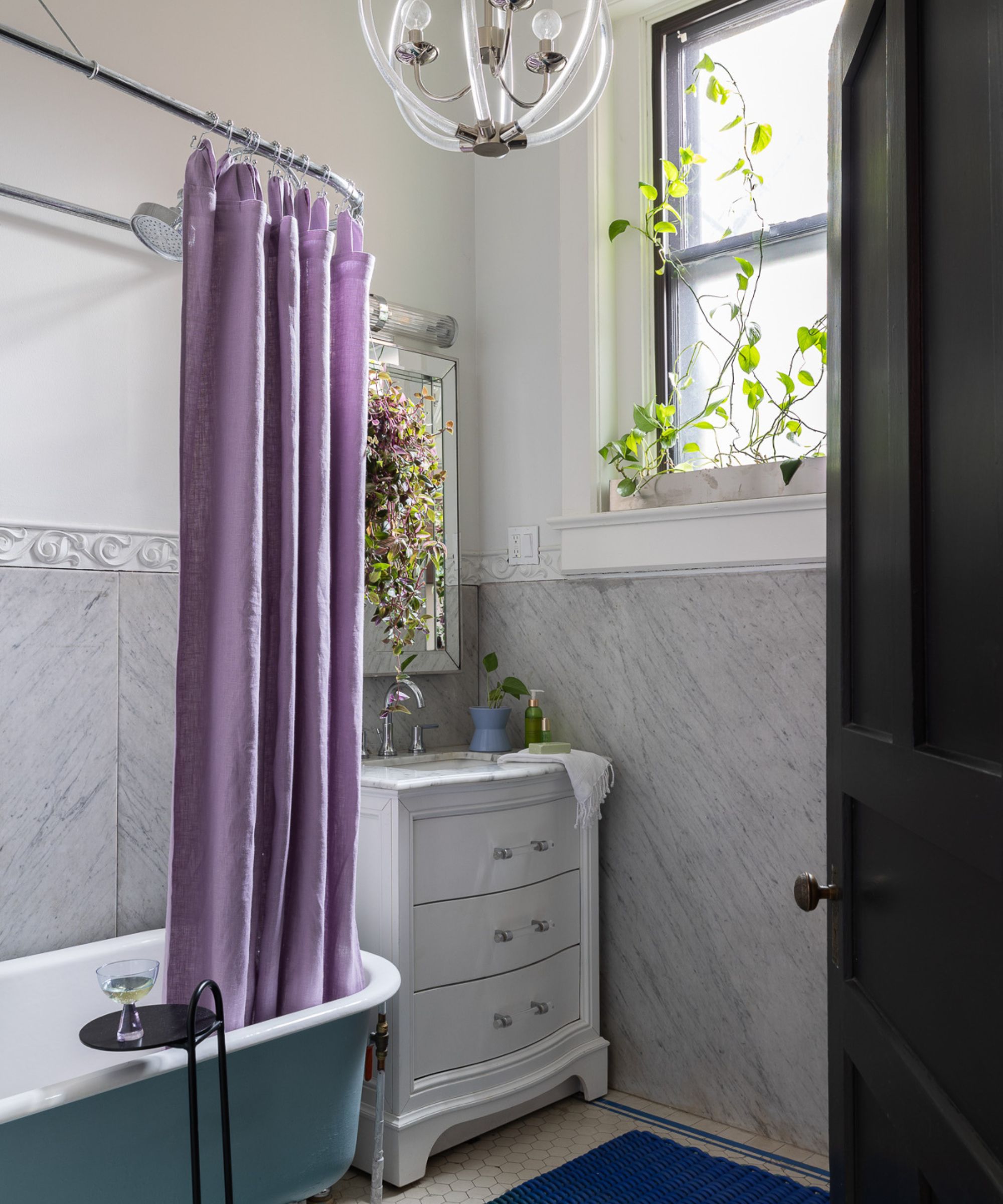
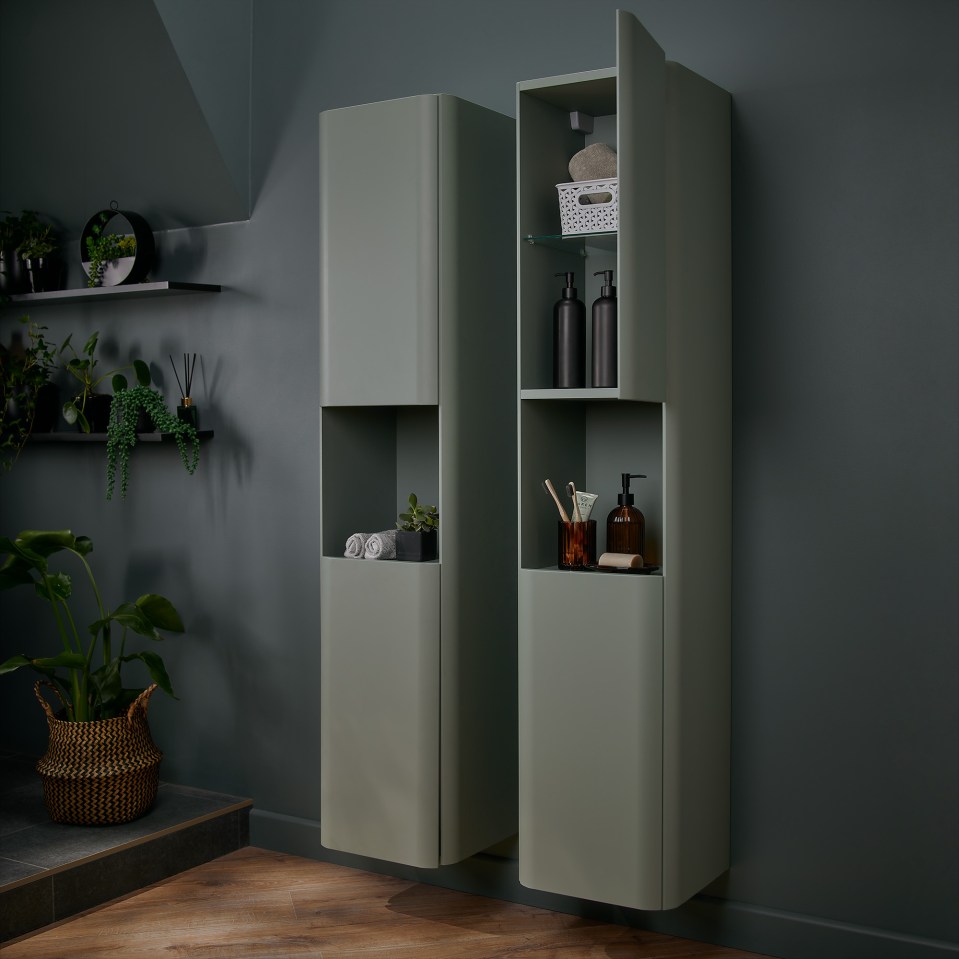
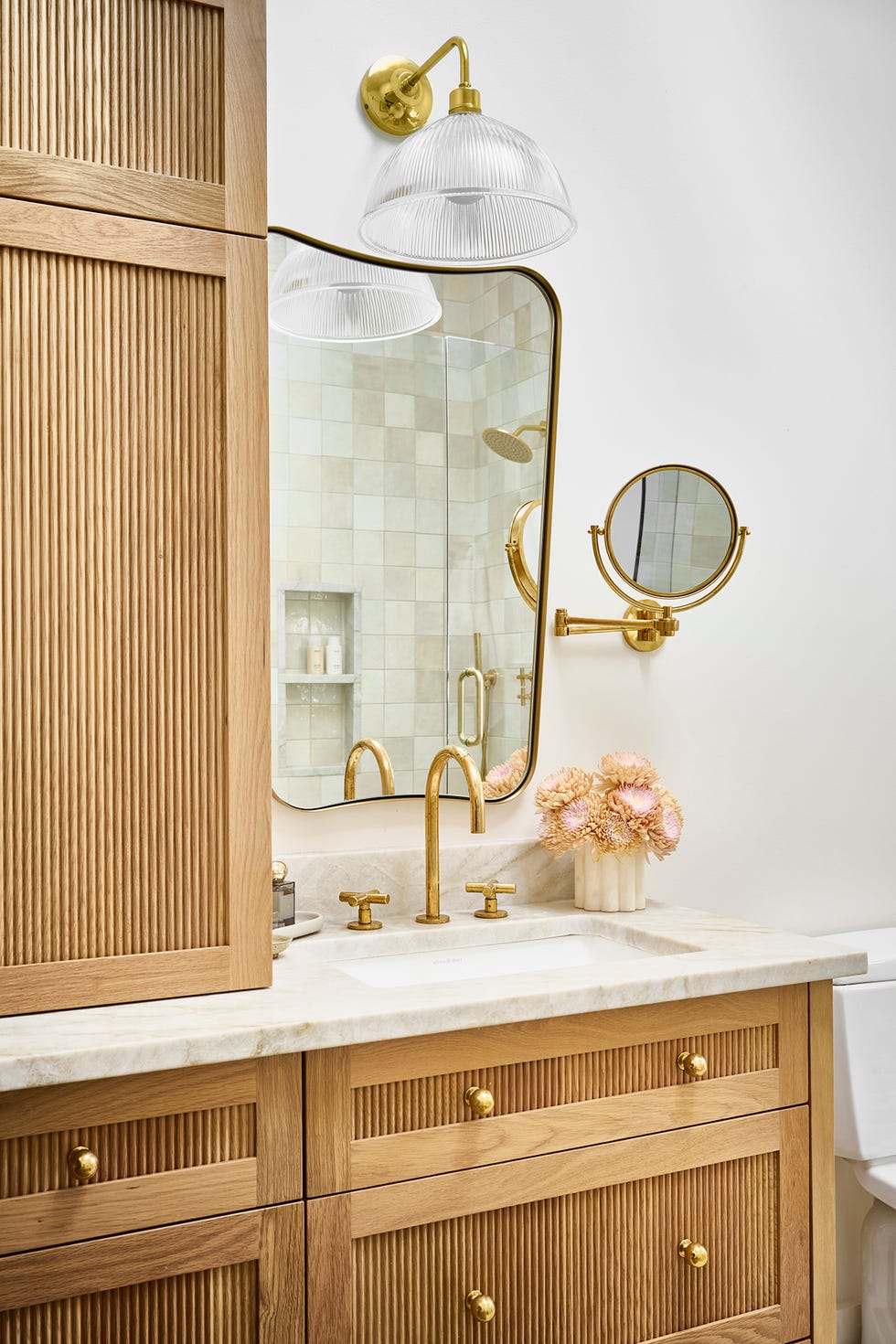
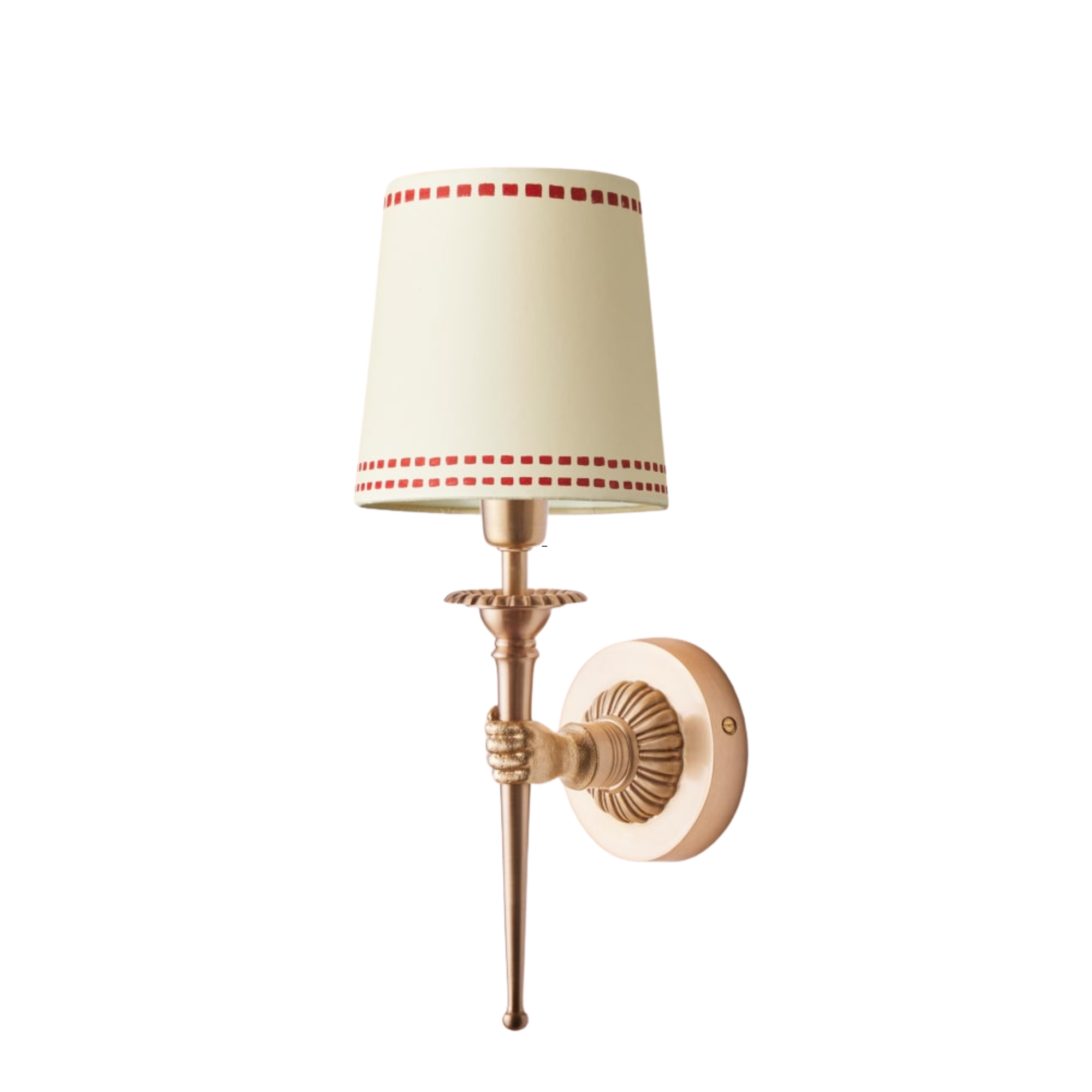
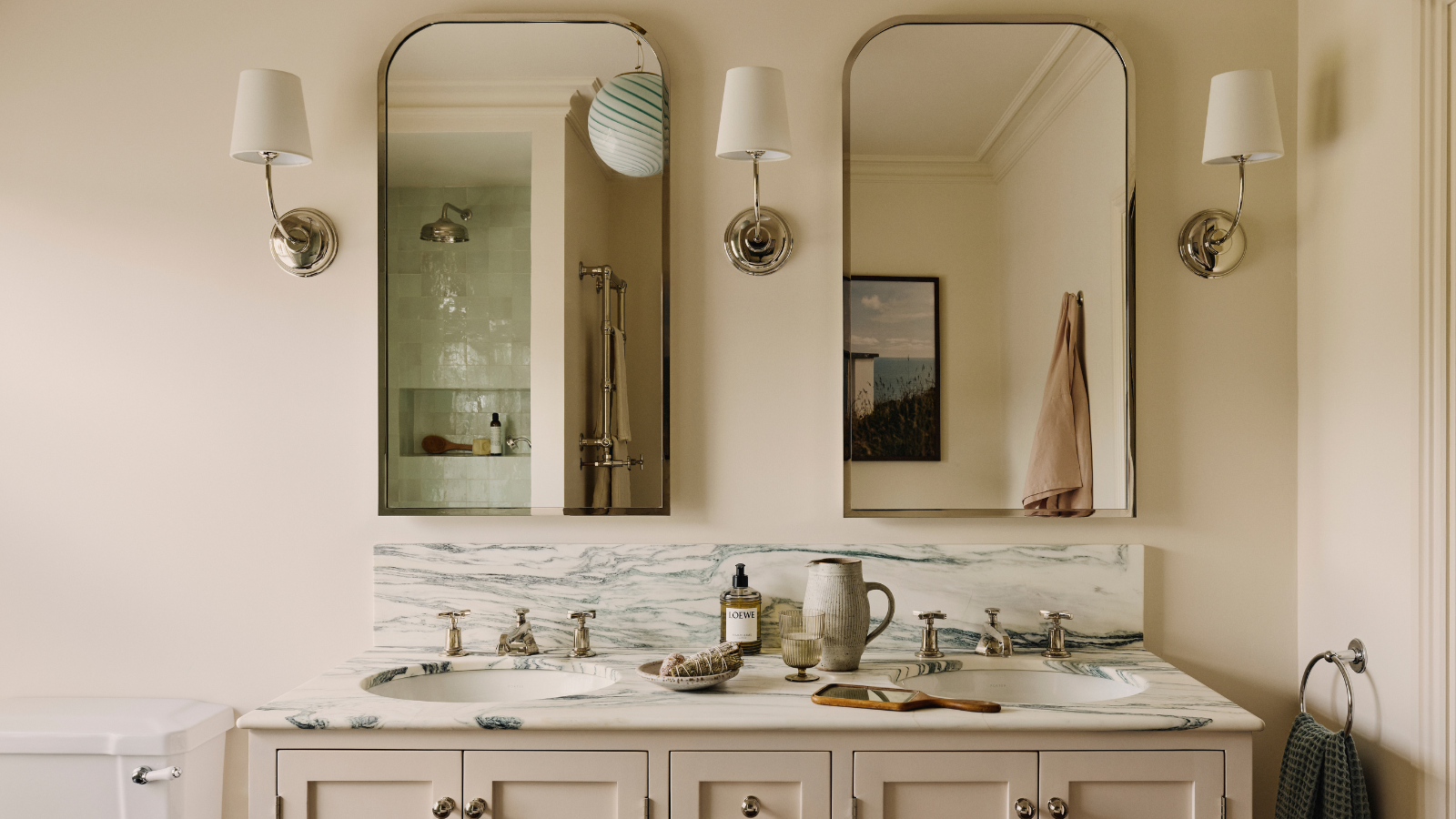
Integrating both functional and aesthetic elements is key in bathroom redecoration due to their compact nature. Noz Nozawa, principal designer at Noz Design, suggests upgrading practical items into stylish features, such as replacing a standard light fixture with a decorative one that offers better illumination, or opting for chic medicine cabinets with internal storage to reduce counter clutter. These can even include full-length medicine cabinets that provide vertical storage and a quick outfit check.
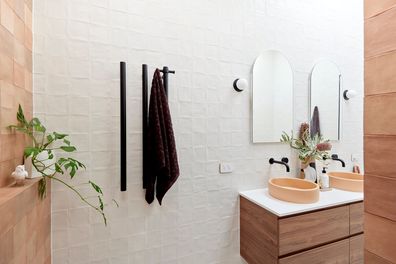
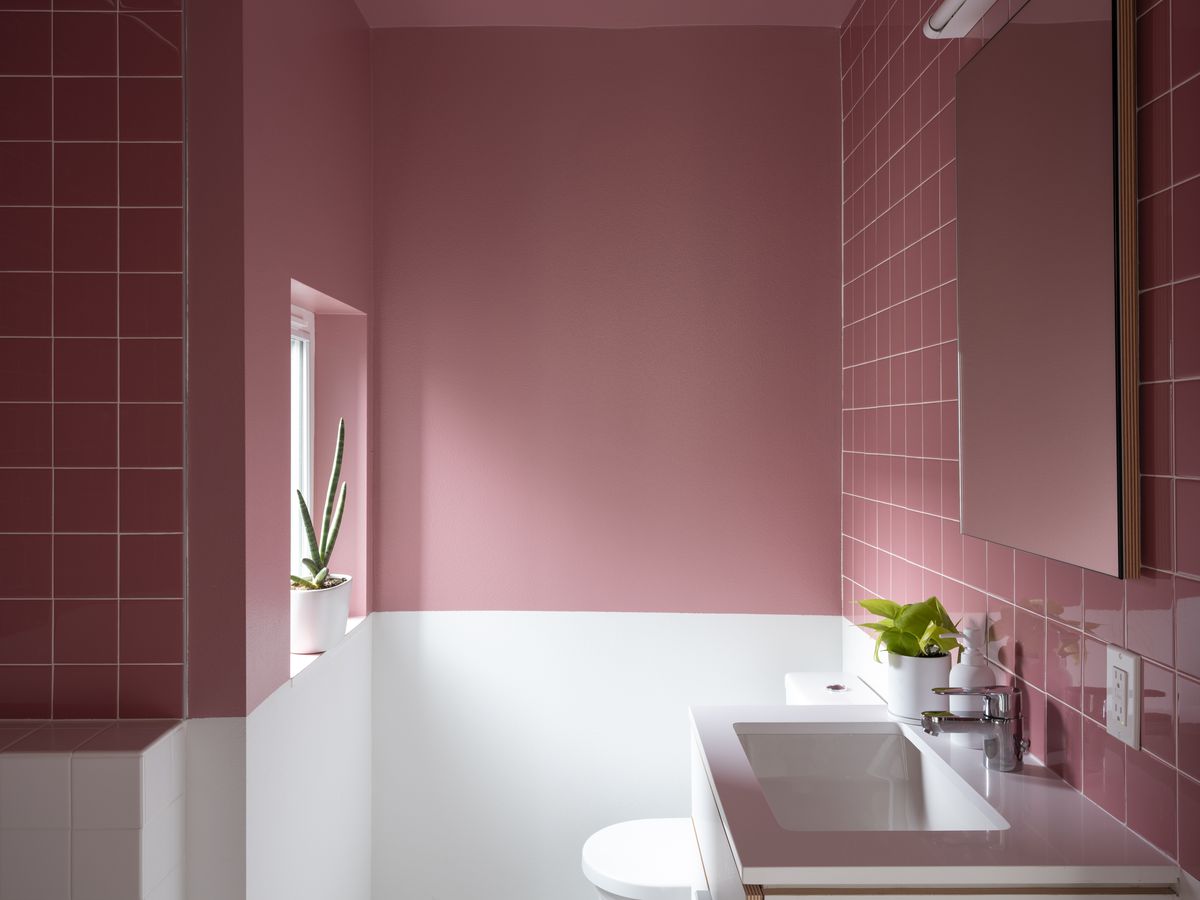
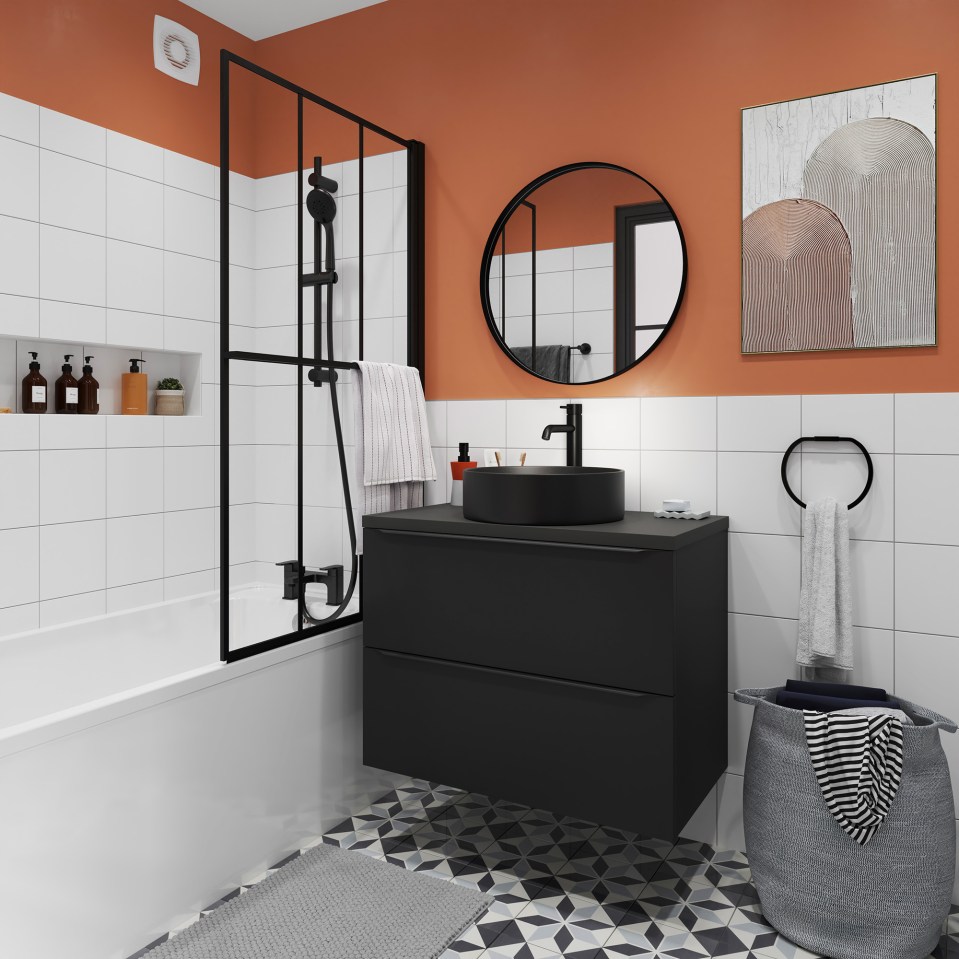
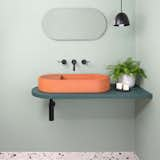
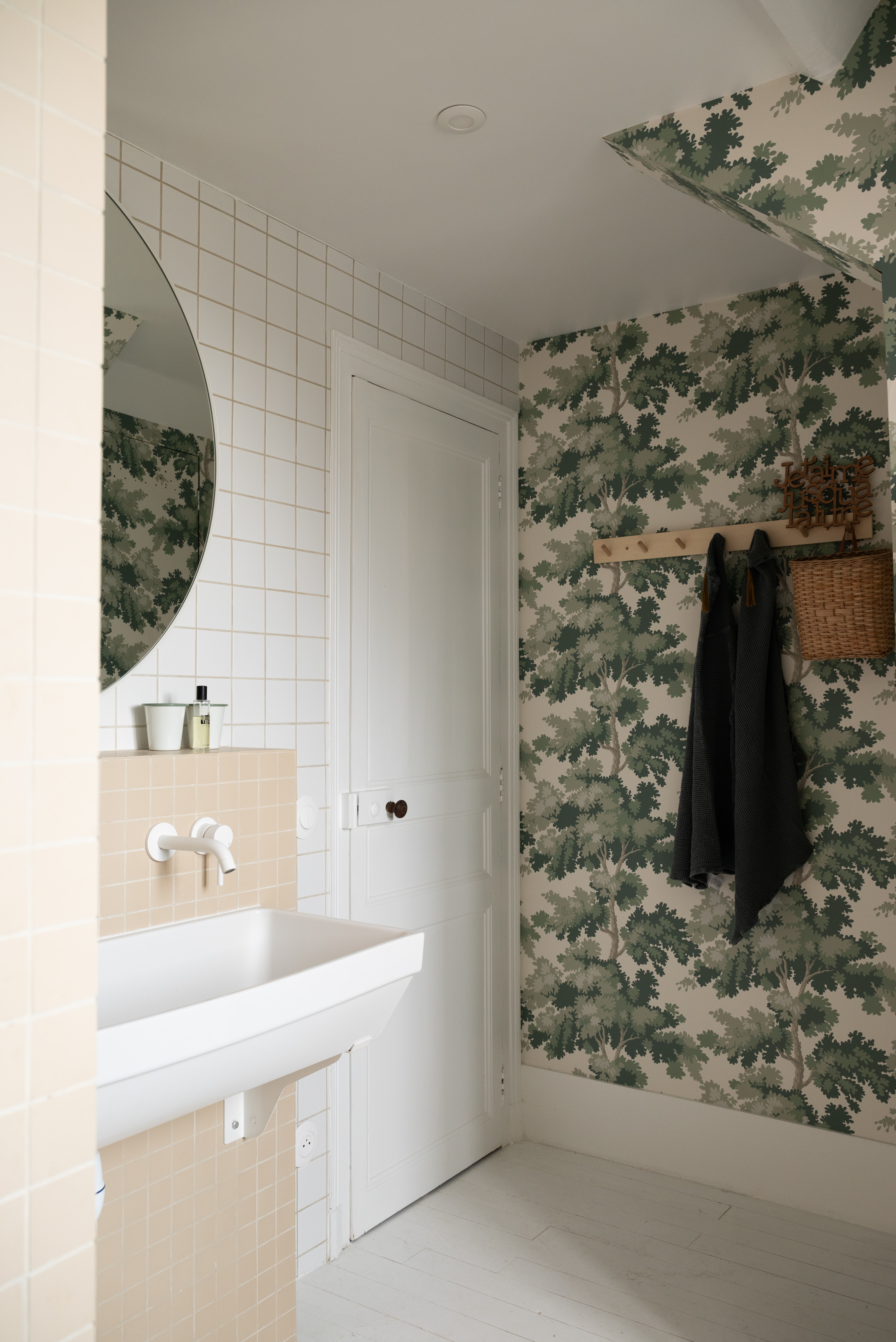
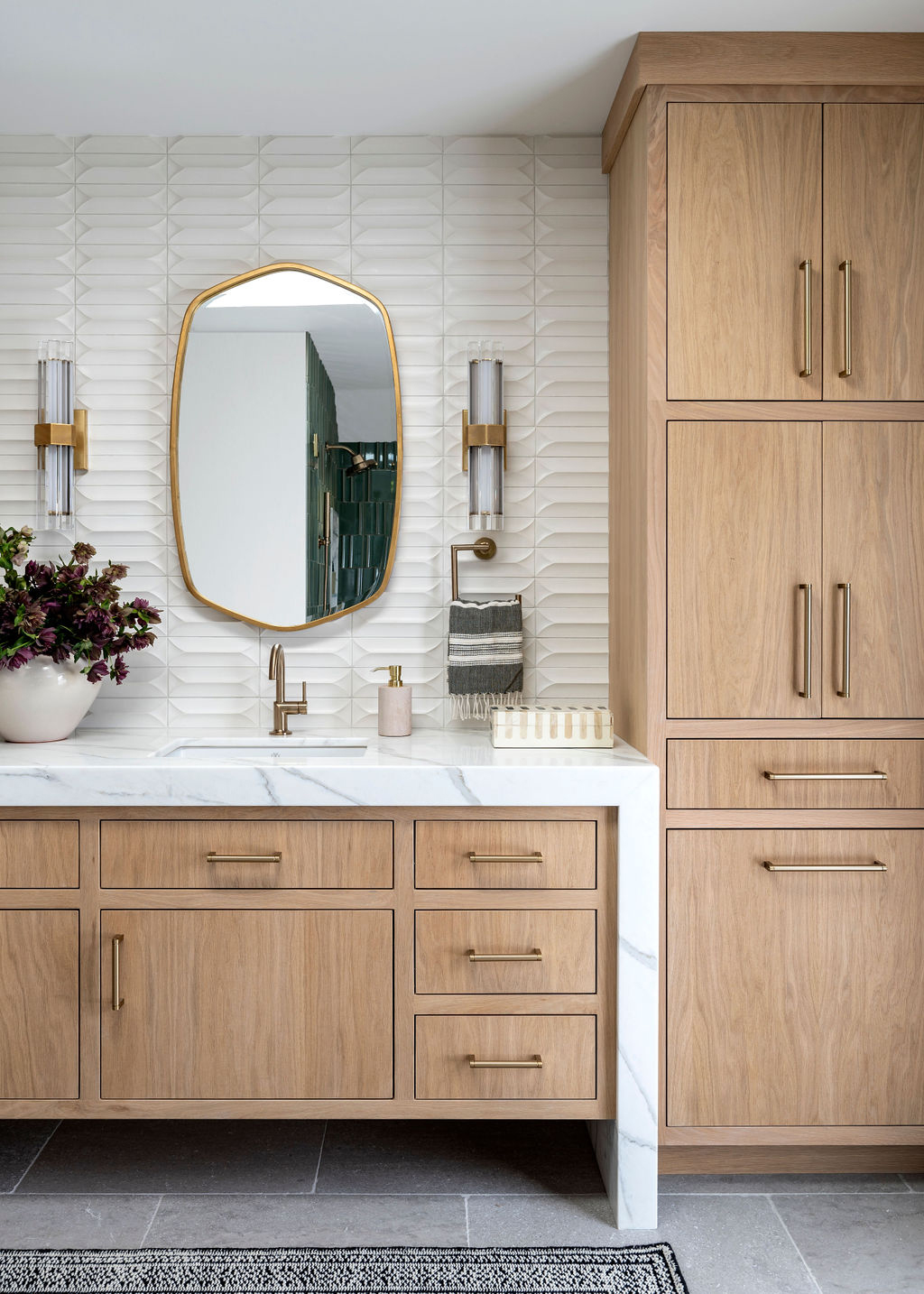
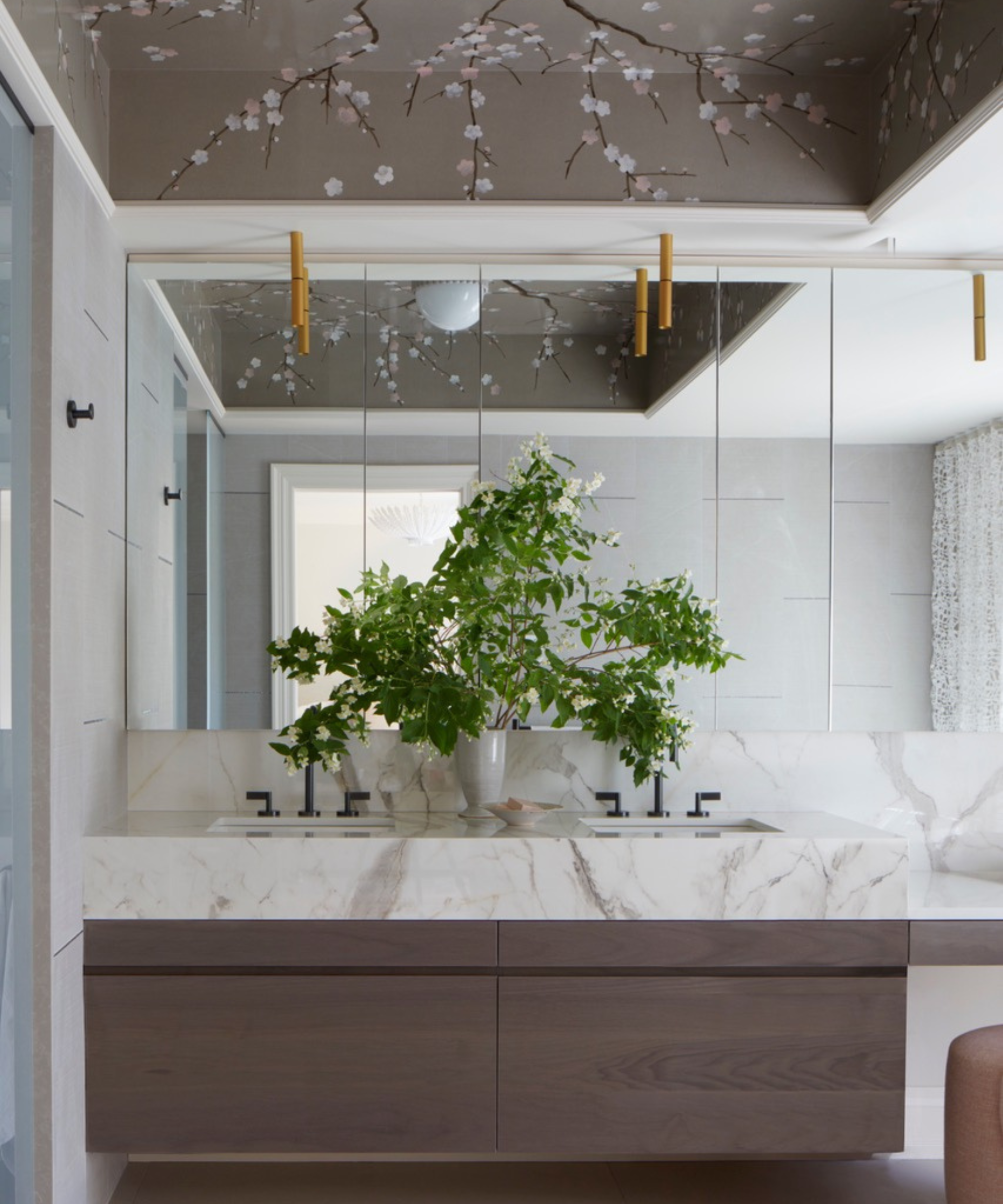
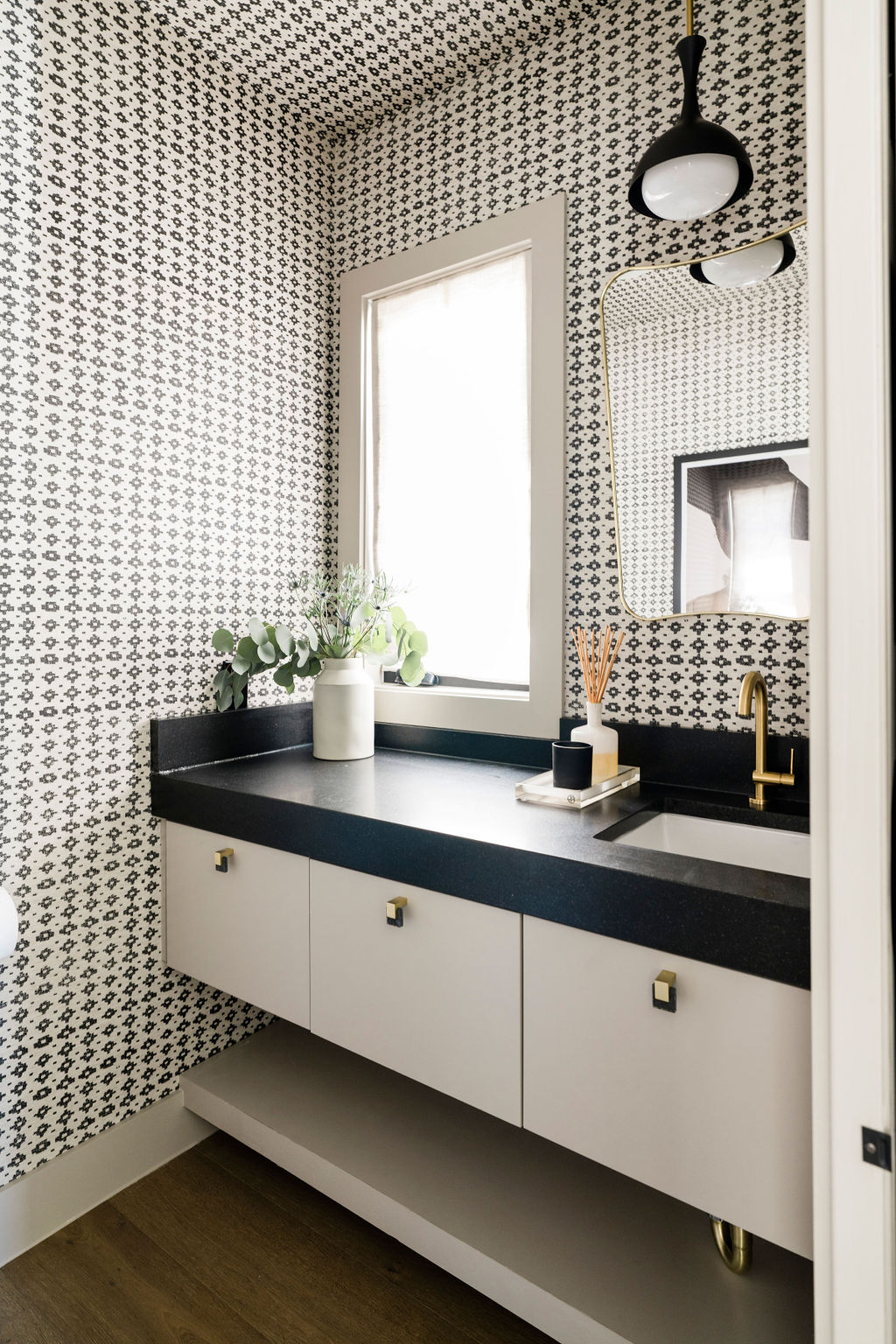
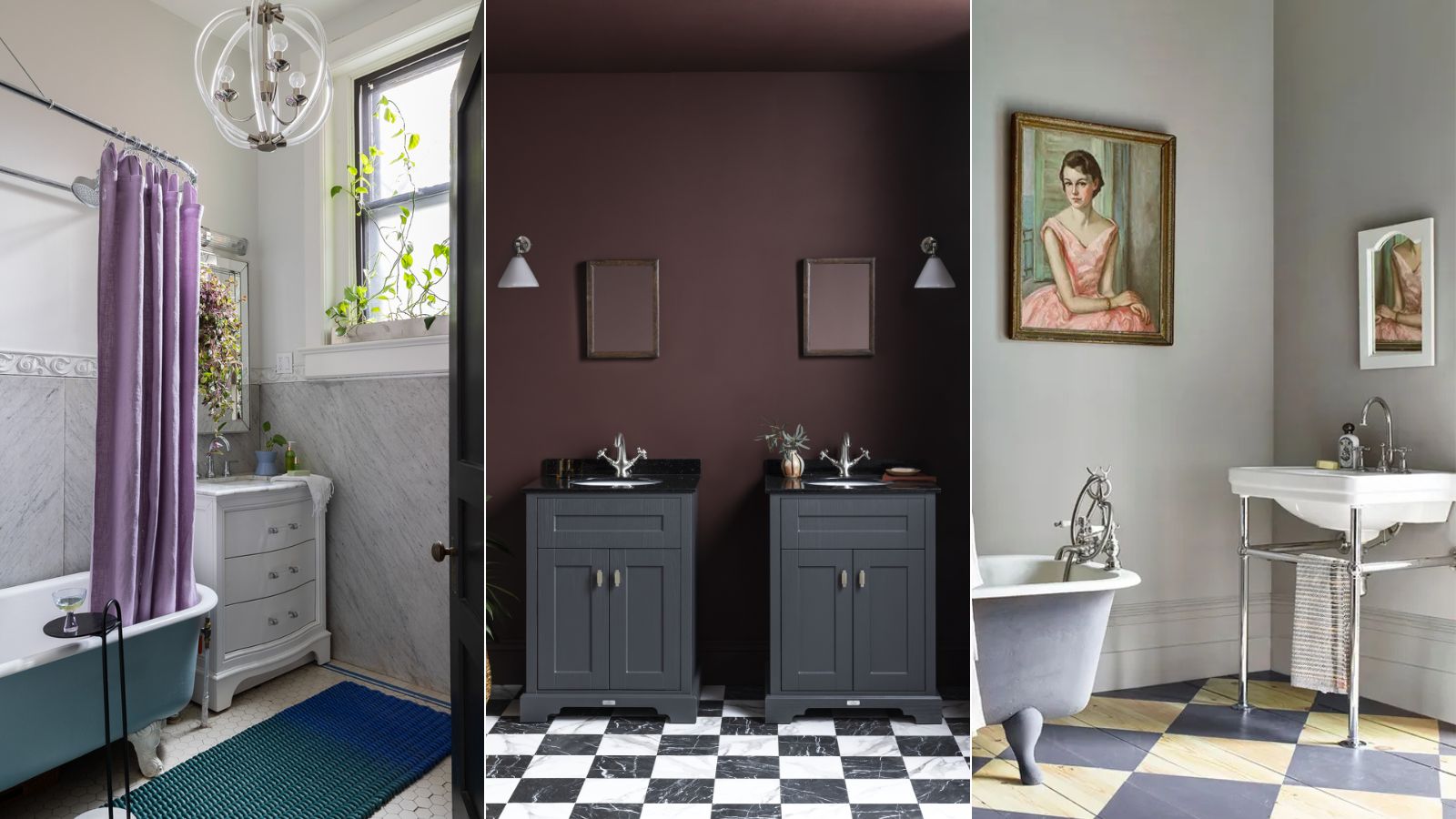
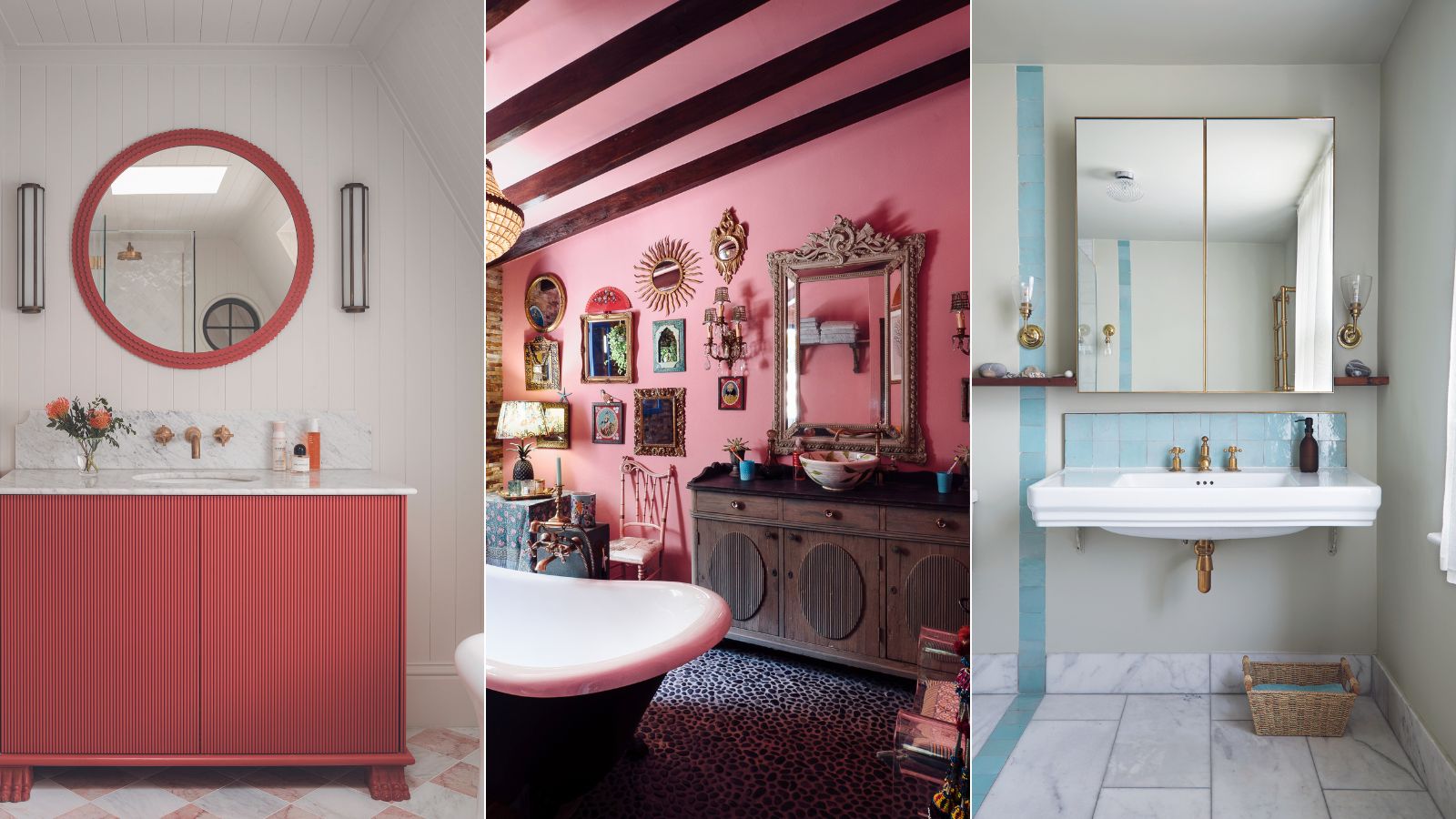
Modern design trends are moving away from minimalism towards more vibrant and expressive spaces. Incorporating color through paint or wallpaper is an effective way to update a bathroom's ambiance. Jet Hruby, founder of Hruby Studio, recommends painting walls or adding wallpaper, particularly on the ceiling, for a unique focal point while relaxing in the tub. Colorful tile and stone accents can also introduce charm. For a dramatic effect, tiling the vanity wall behind the mirror is suggested by Kuo. For those hesitant about wallpaper maintenance in a humid environment, stencils can be used to achieve a similar patterned effect with paint.
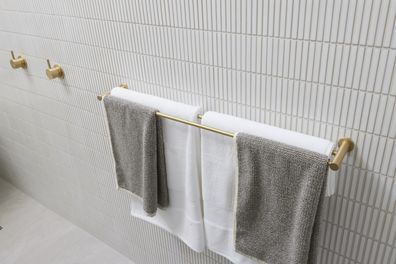
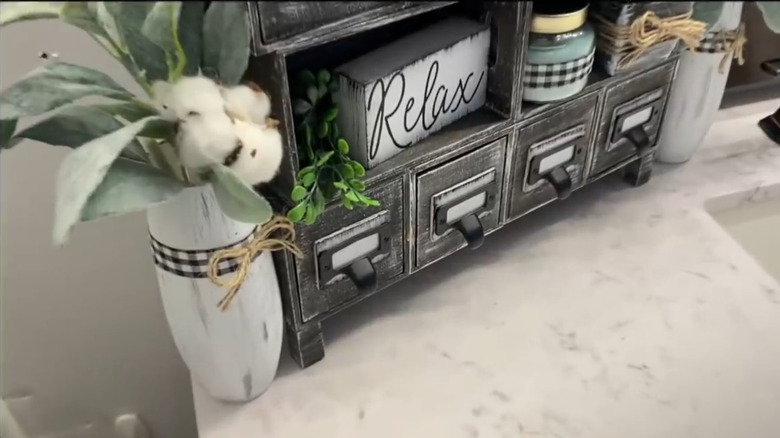
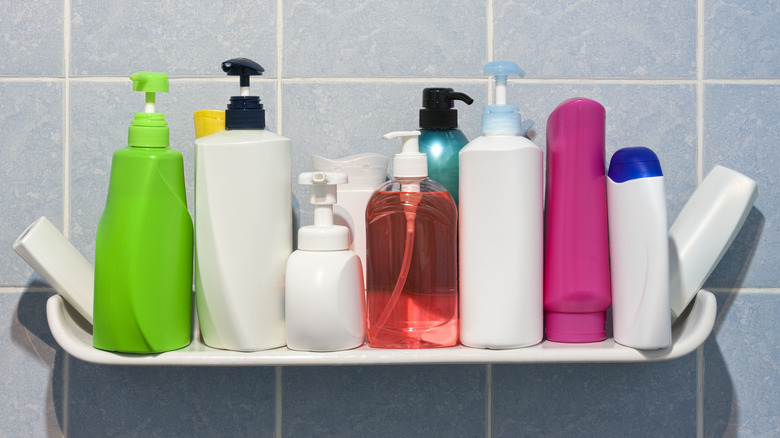
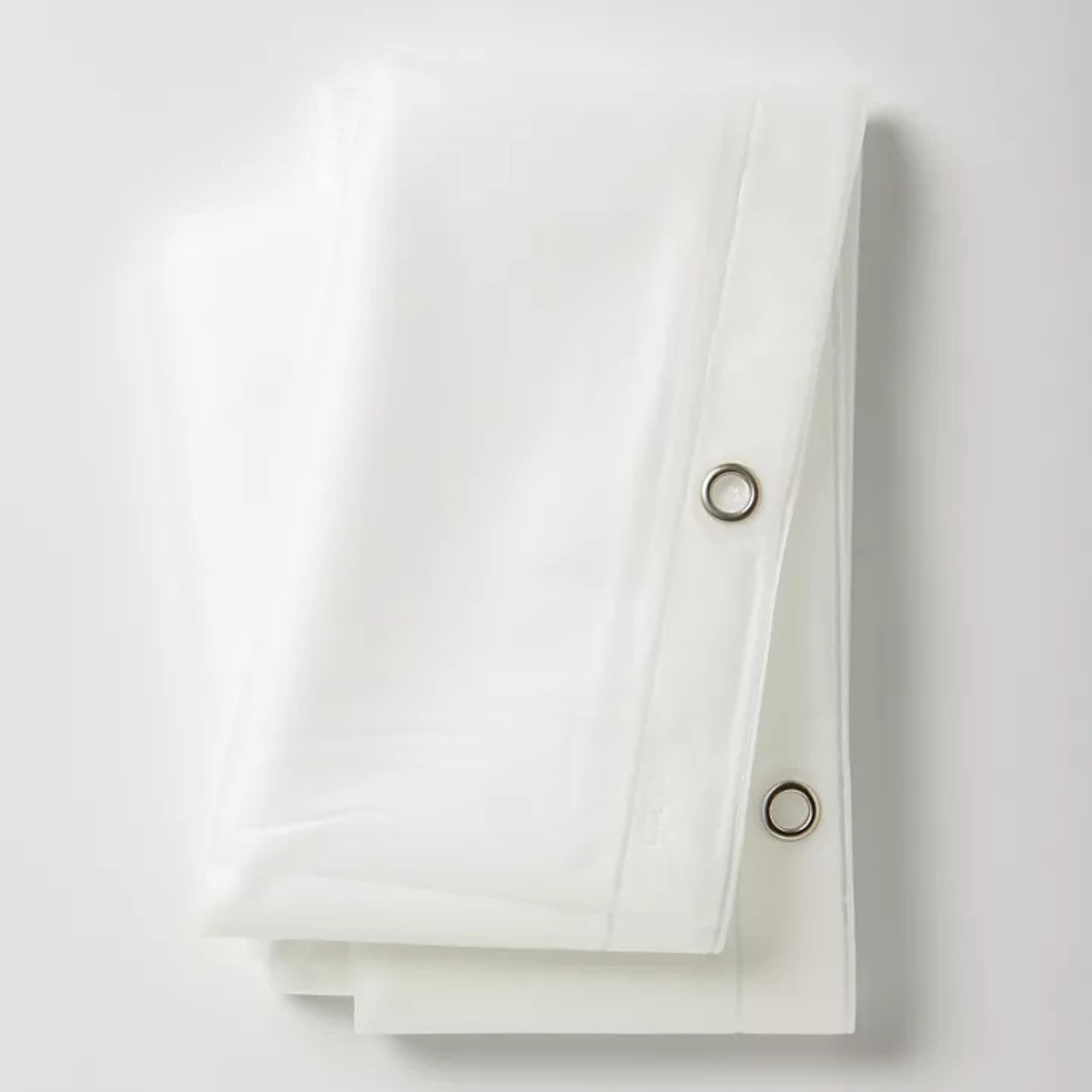
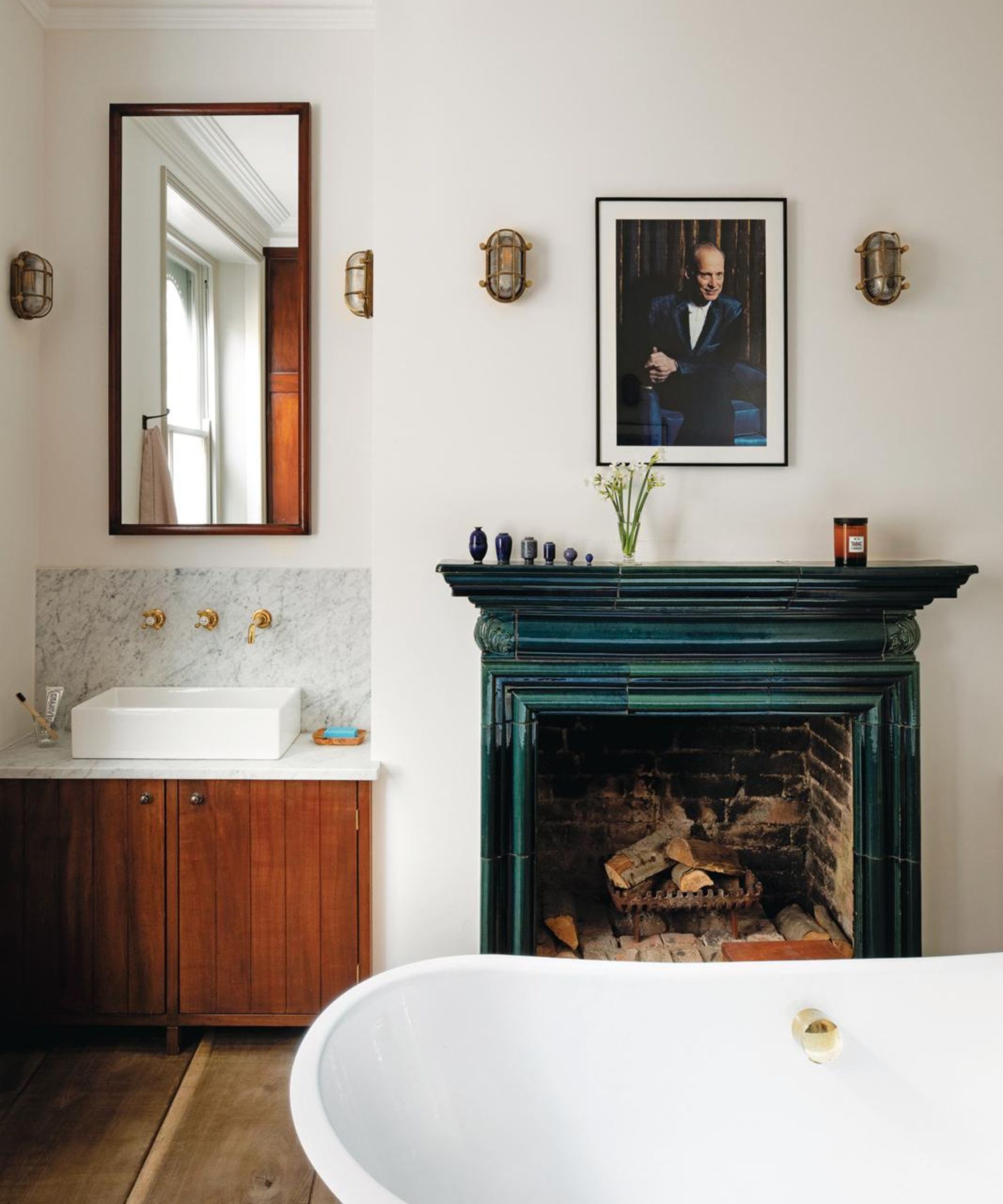
Artwork can unexpectedly elevate a bathroom, making it feel more considered. Kuo notes that bathrooms are intimate spaces where guests notice details. A well-chosen sketch, a playful nude, or a water-inspired piece can add personality. However, Nozawa advises against using art on exposed paper due to the humidity. Vintage finds can also refresh the space. Kuo suggests incorporating vintage furniture, like a display cabinet for towels, to add character and a sense of curation. Even small accessory swaps, such as cabinet knobs or unique towel rings, can significantly impact daily routines and overall aesthetic, with brands offering playful yet functional items like lidded waste bins and chic shower caddies.
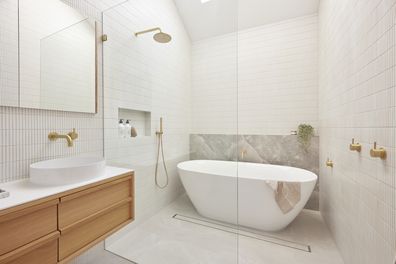
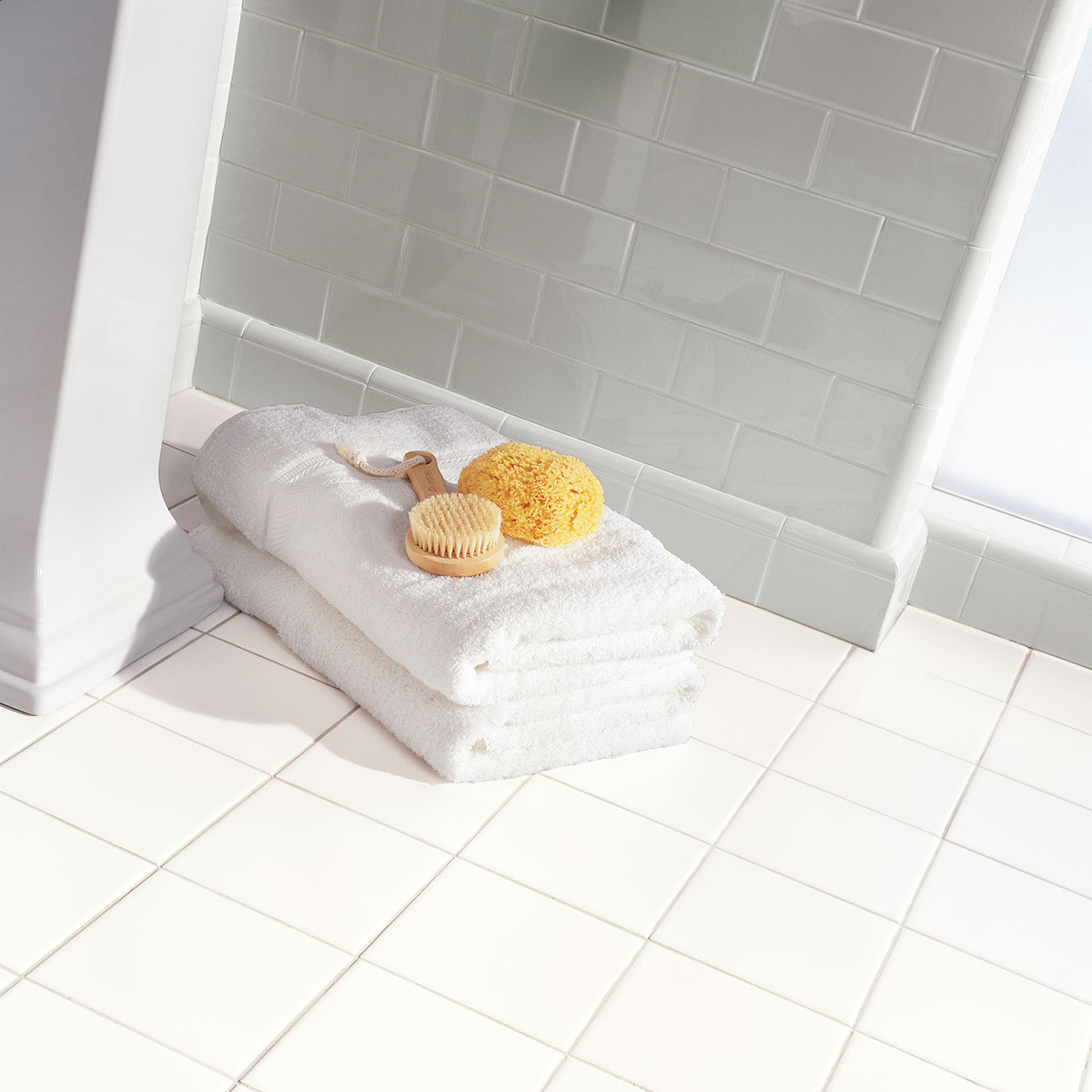
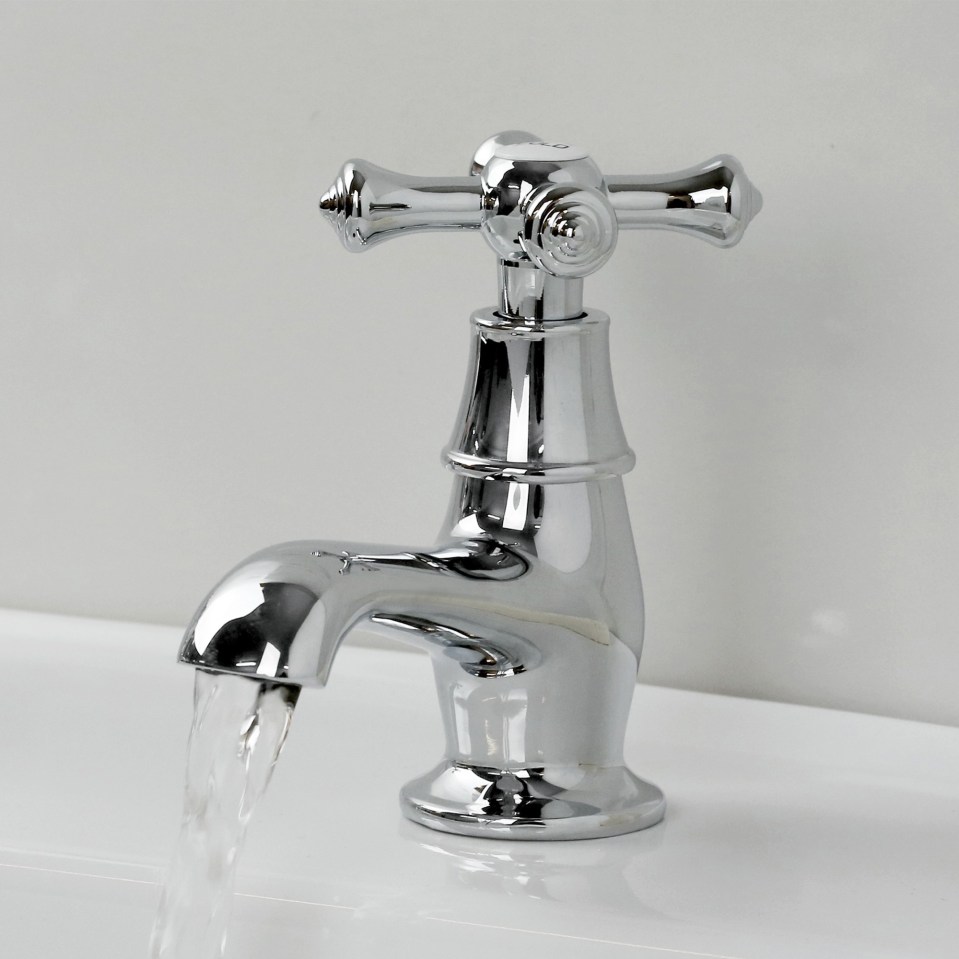
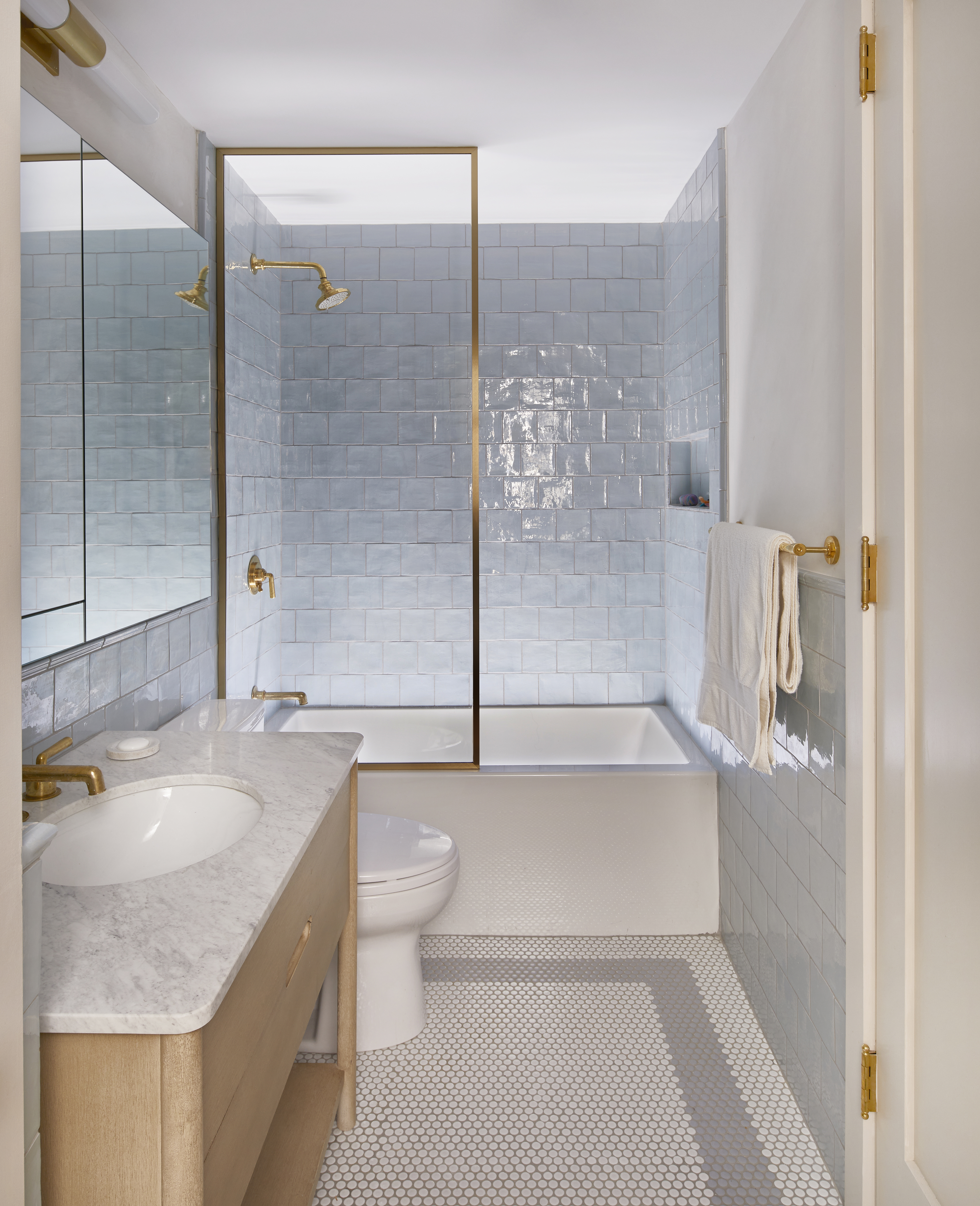
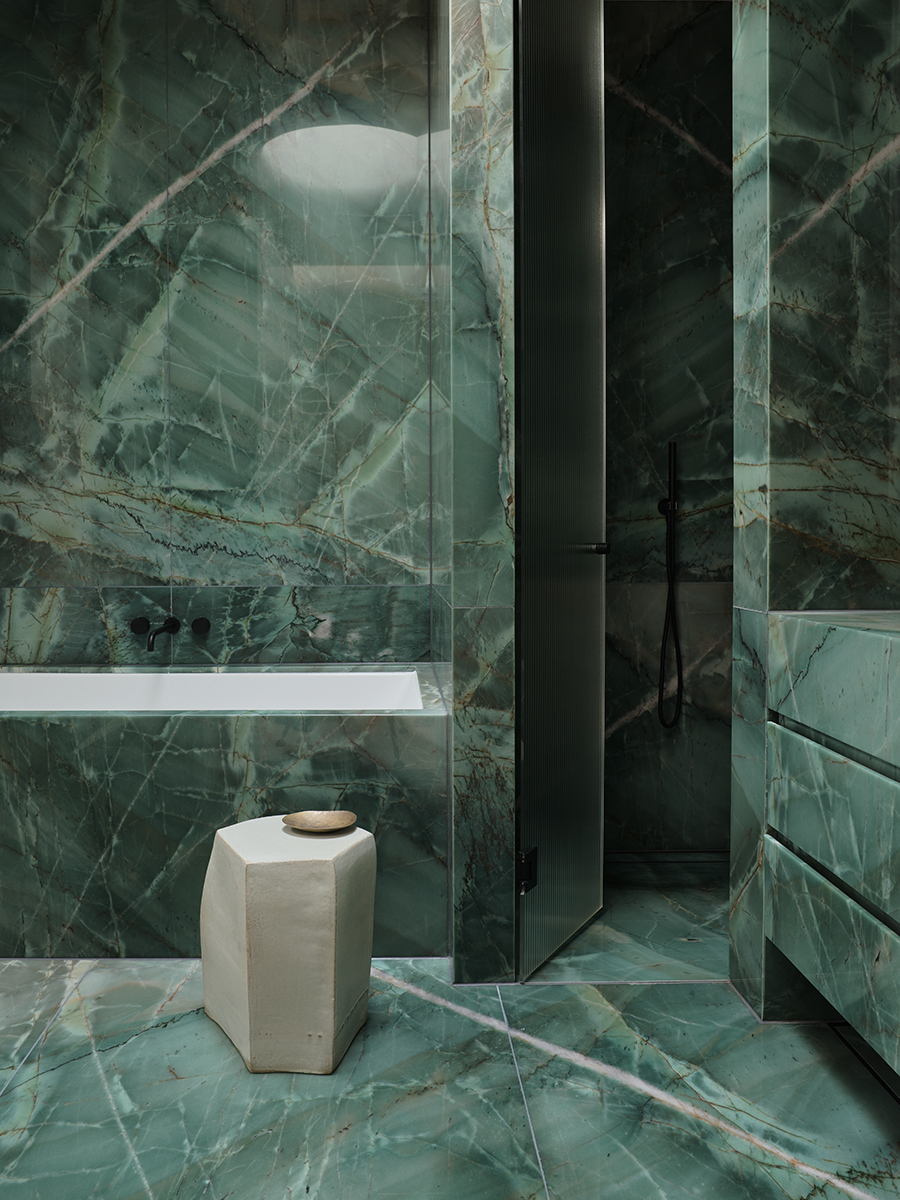
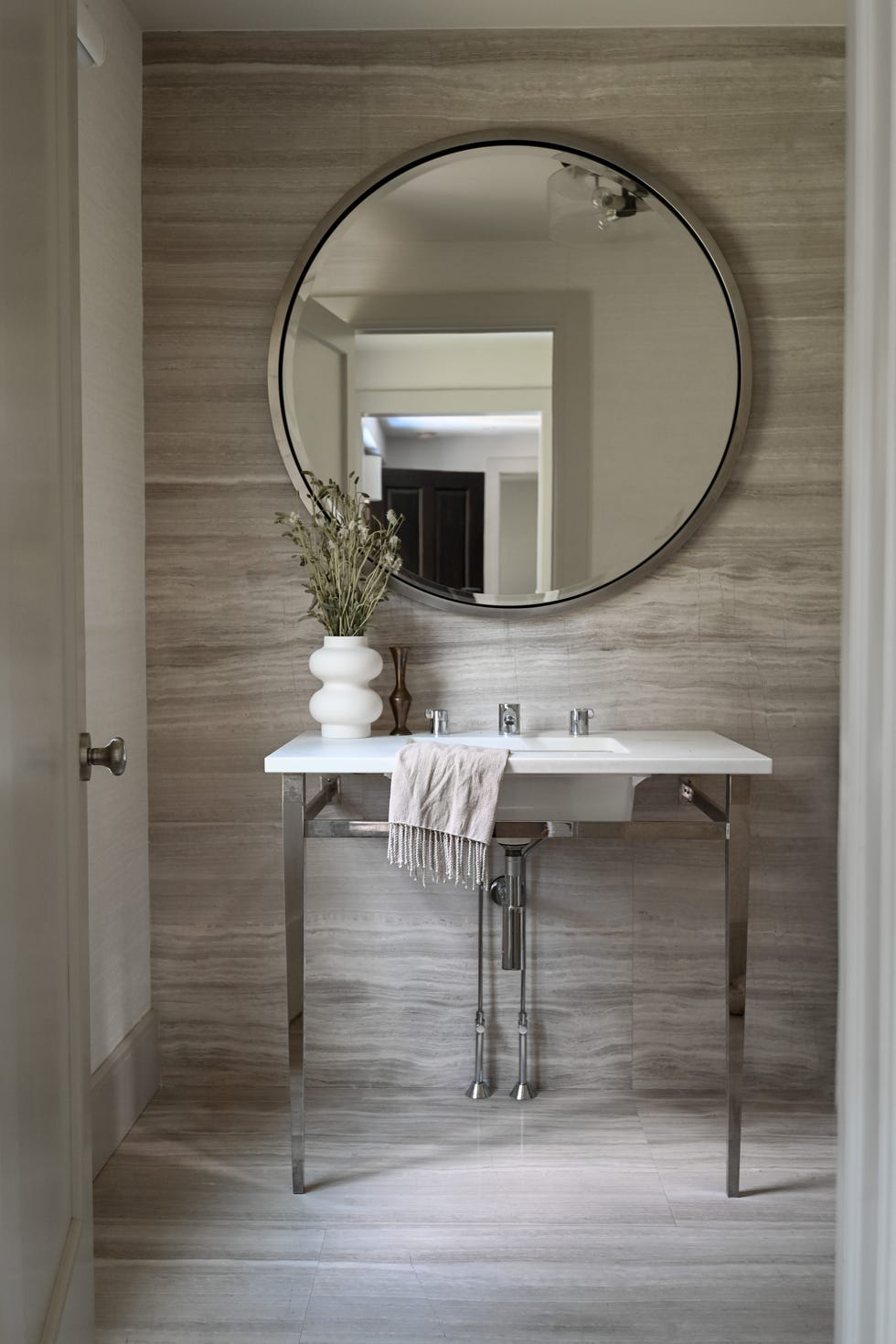
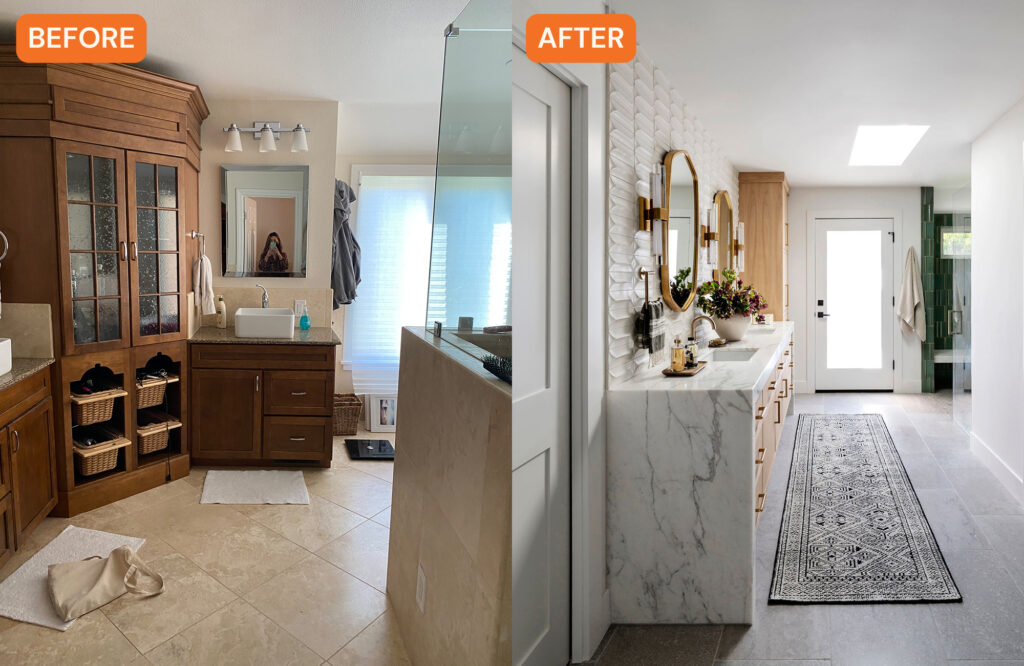
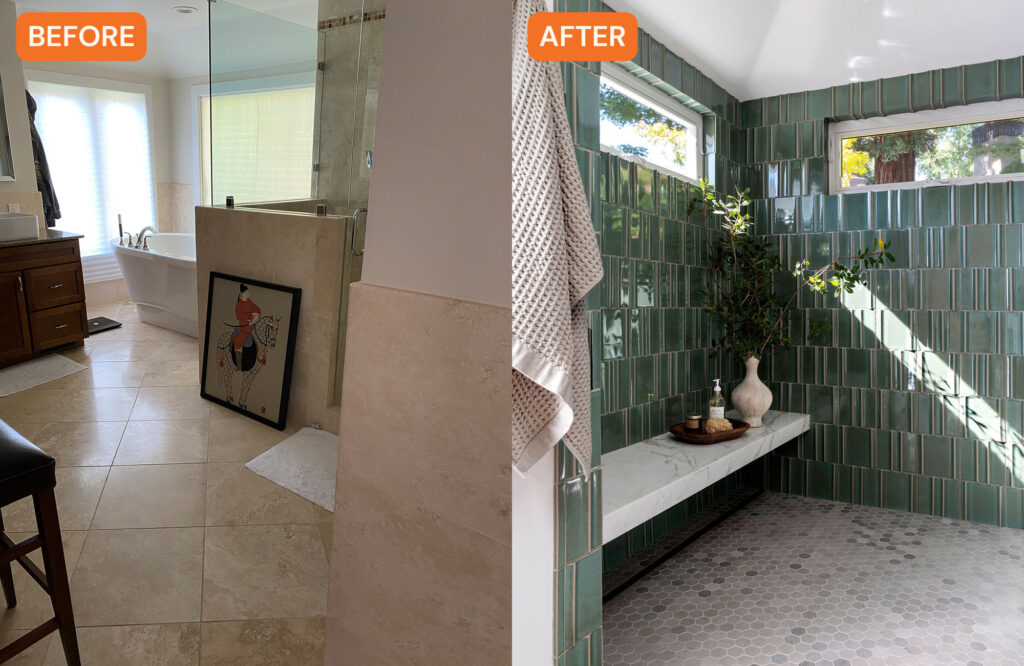
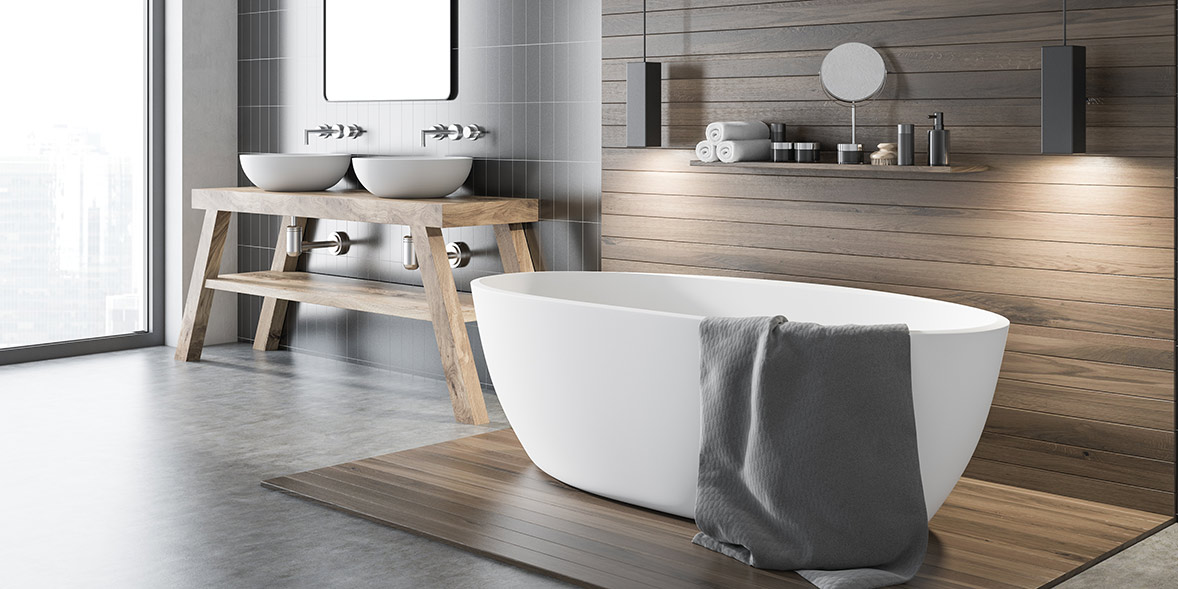
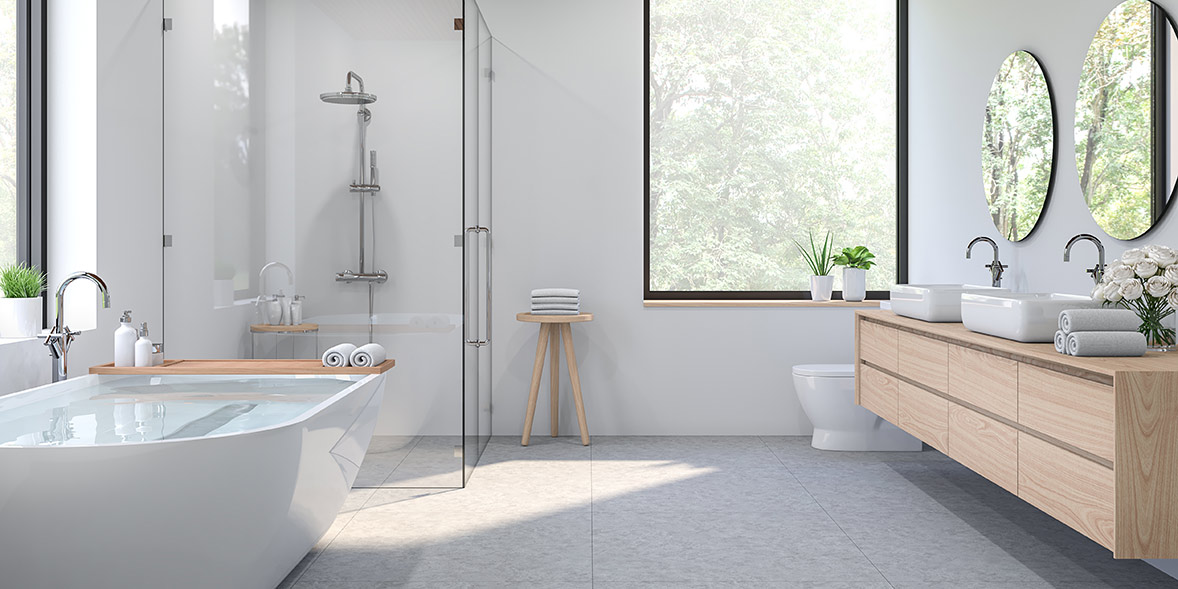
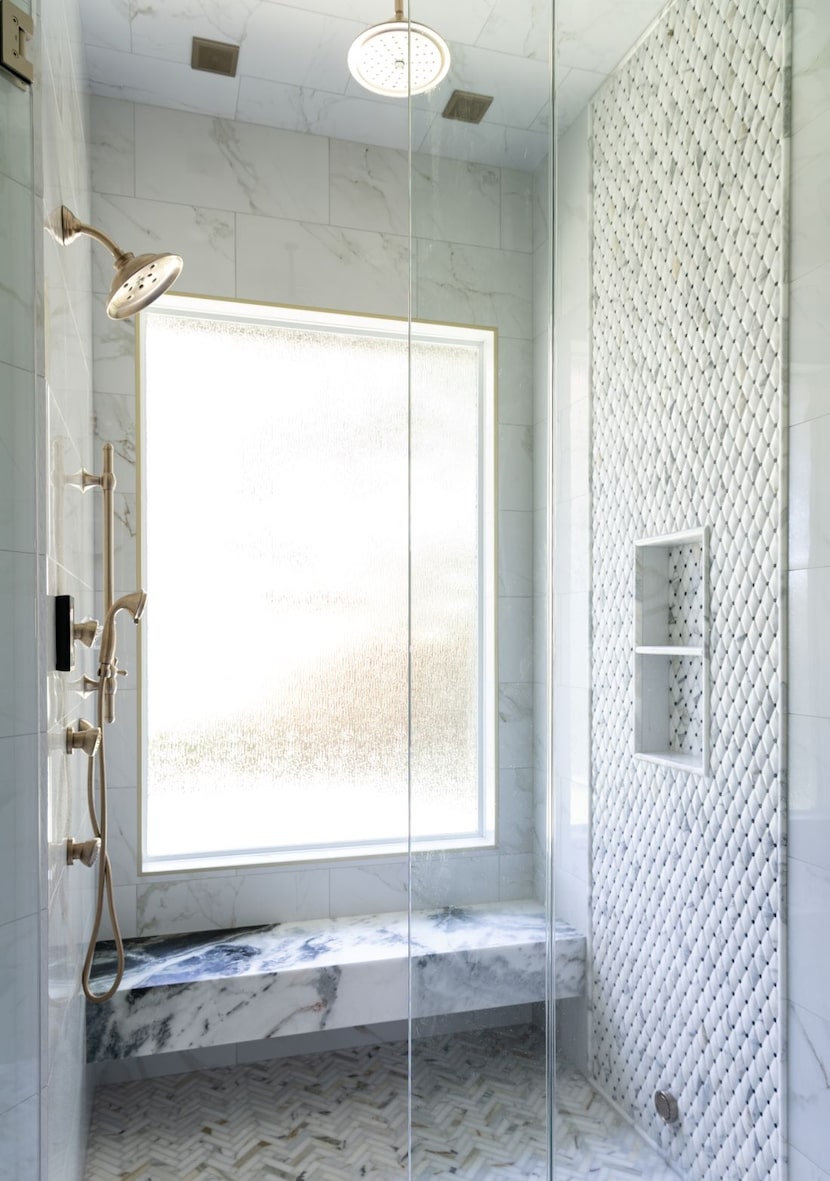
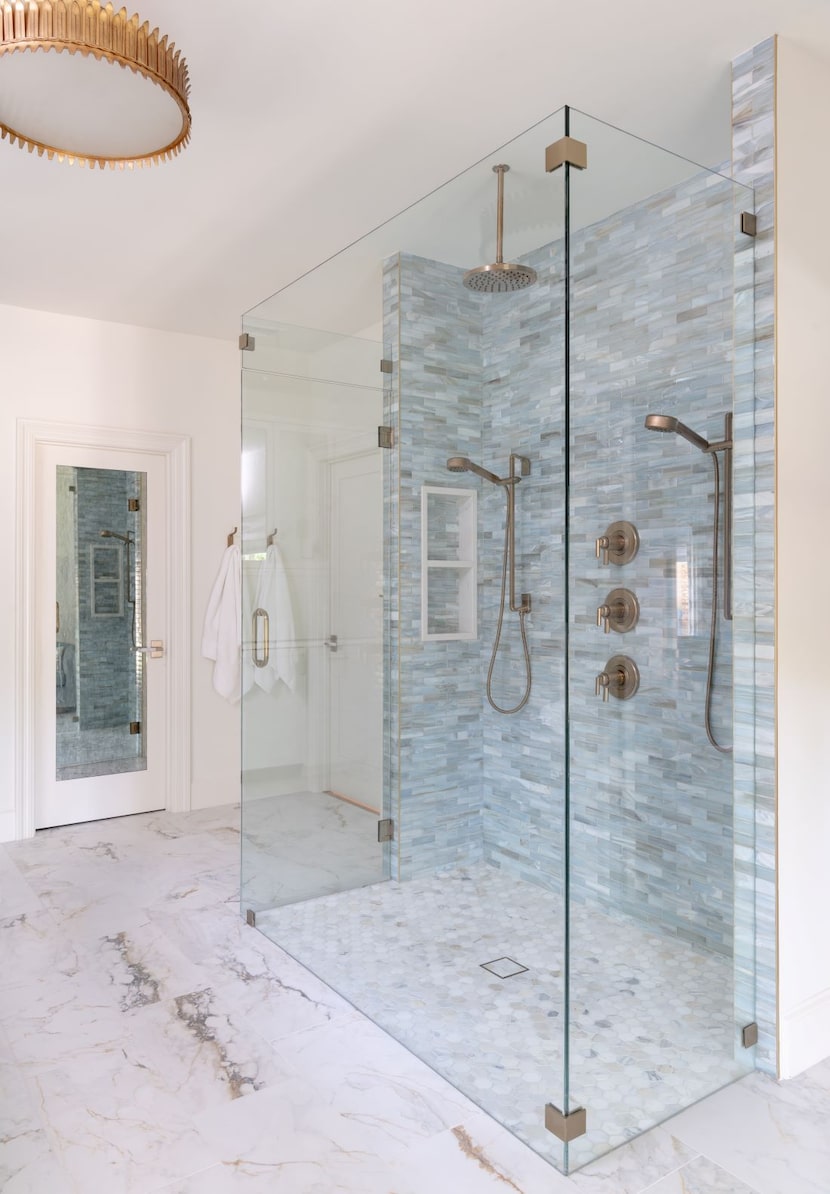
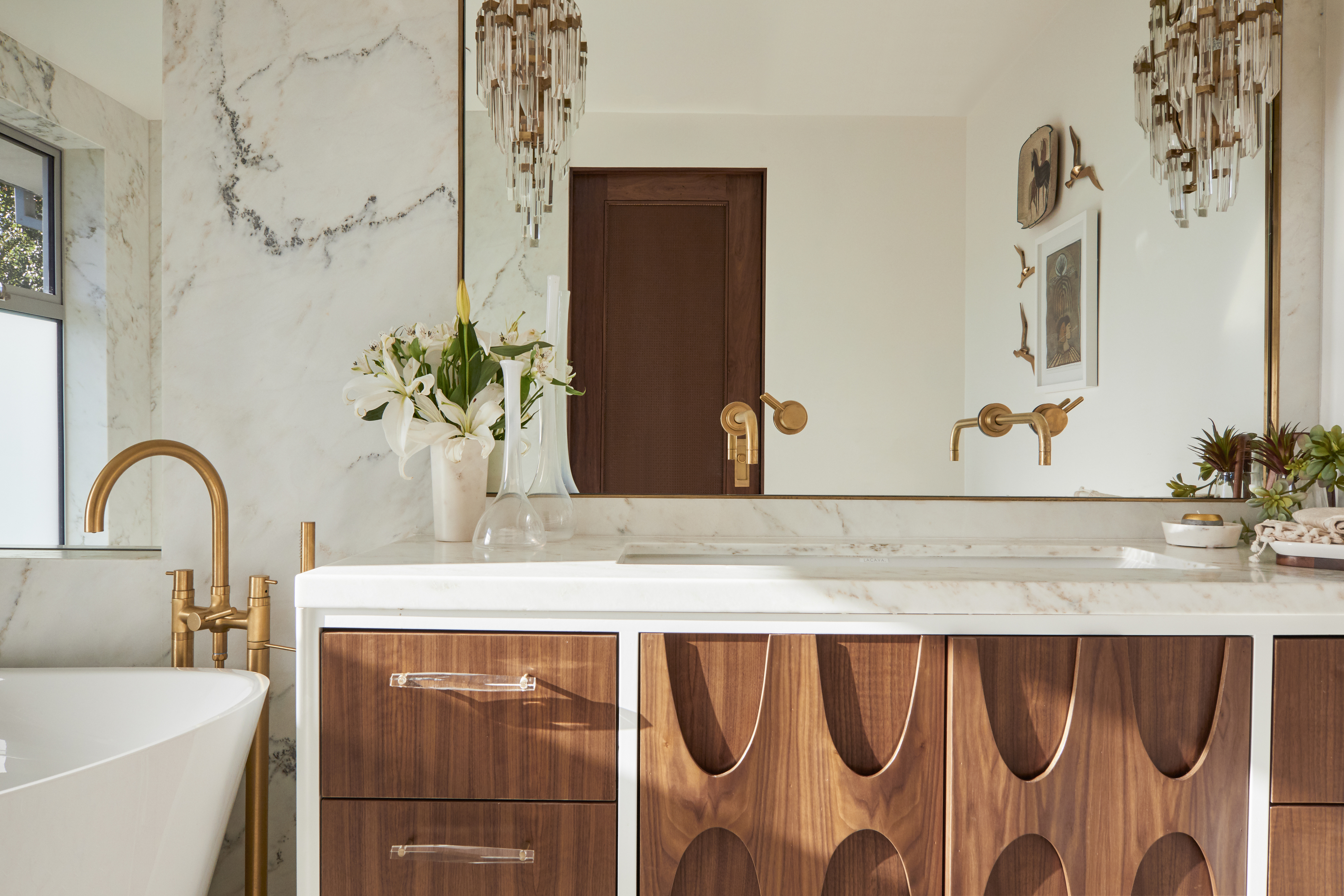
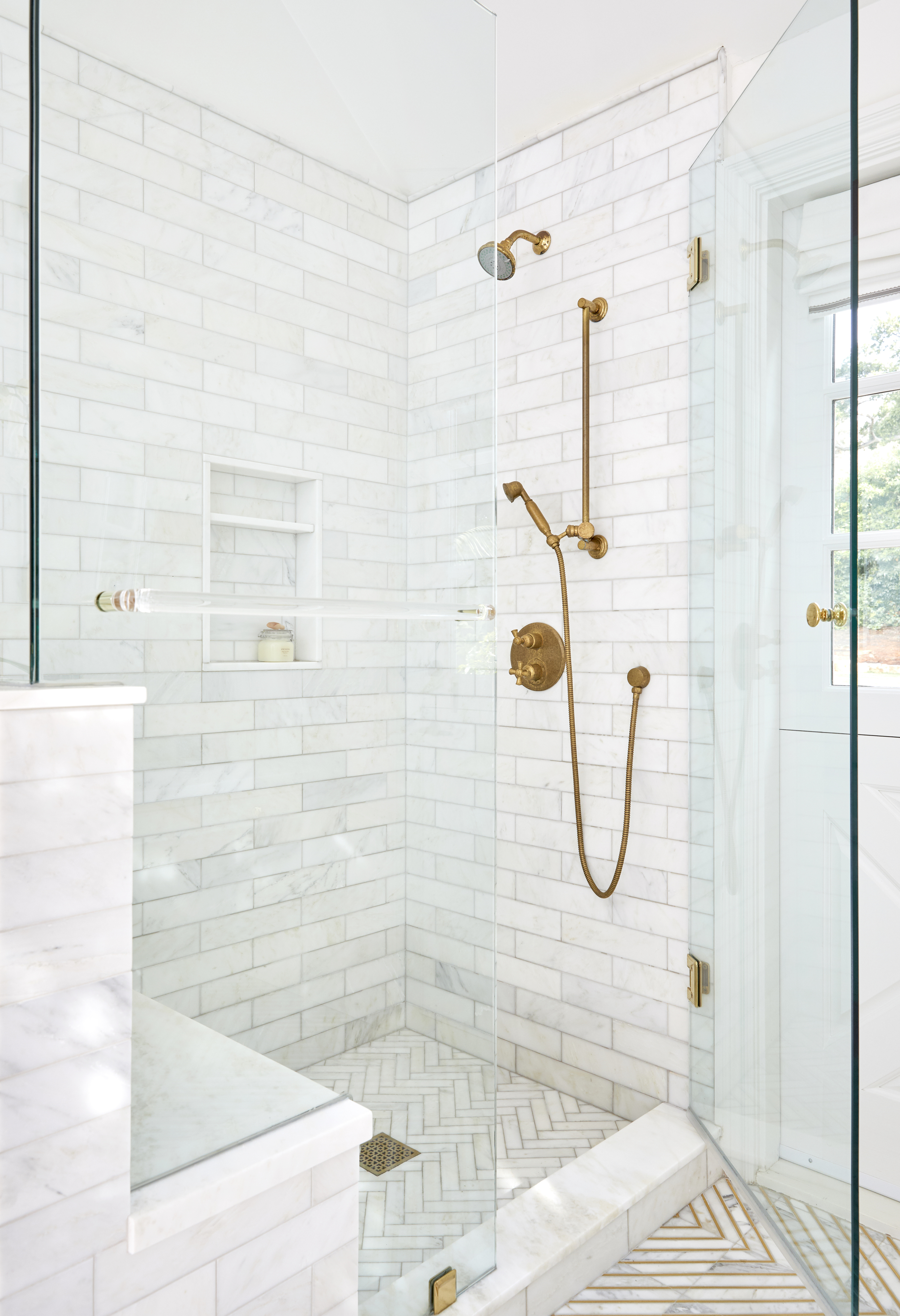
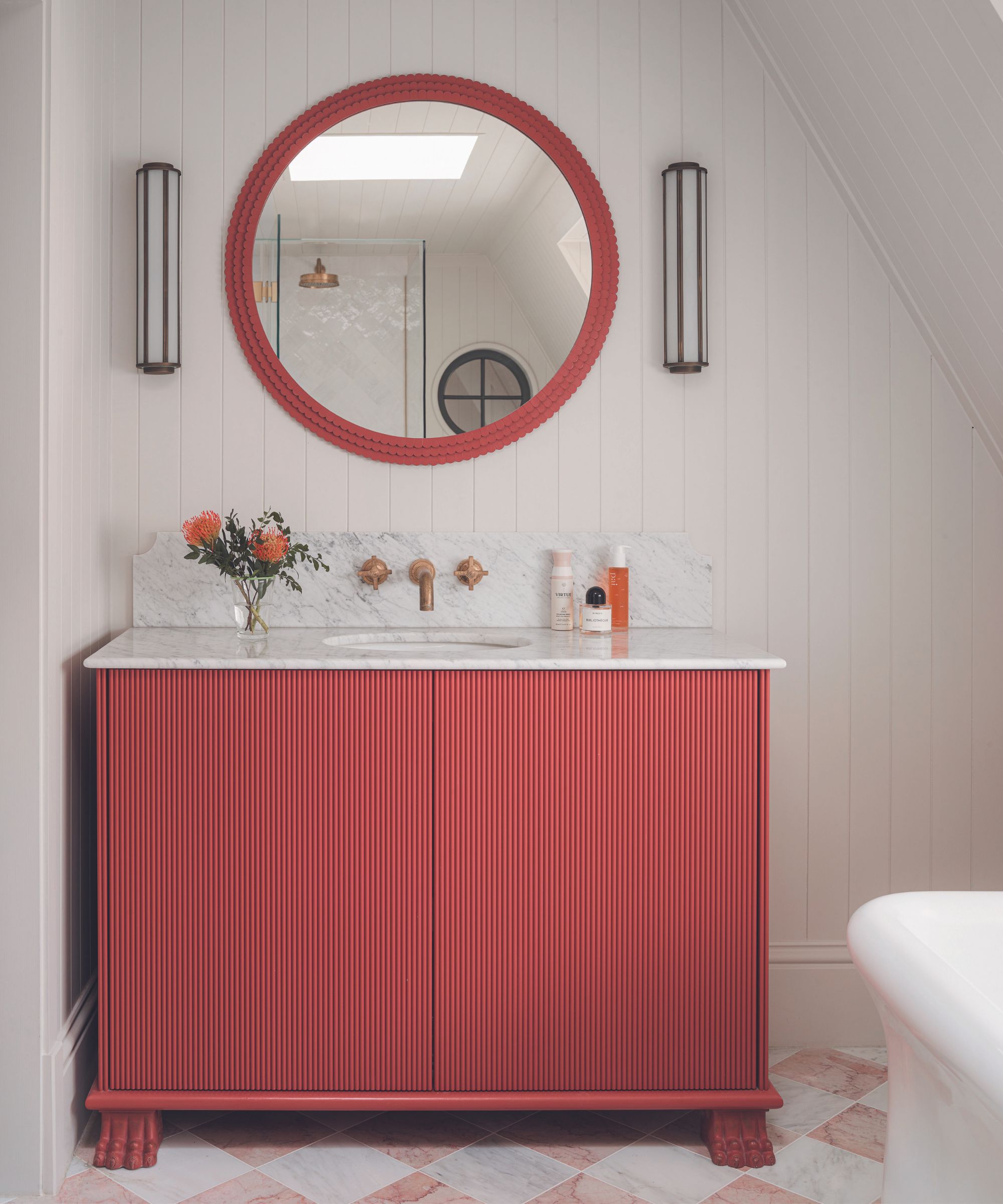
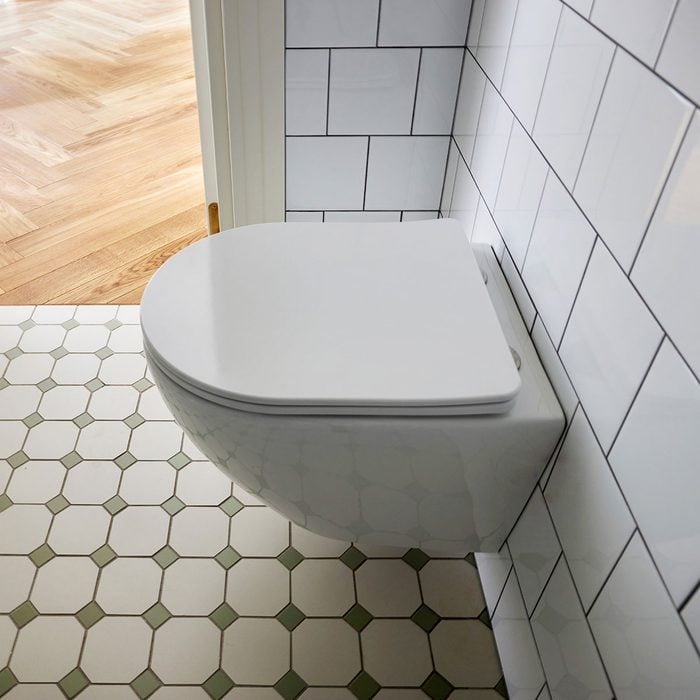
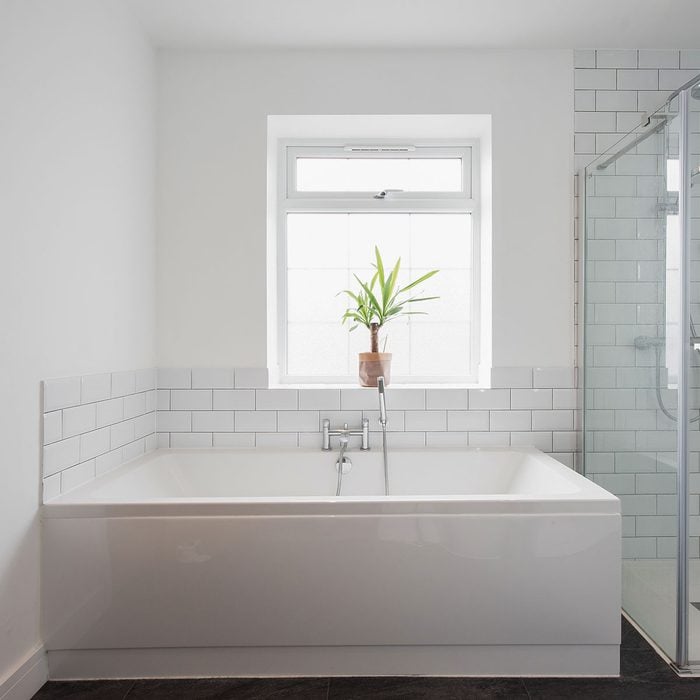
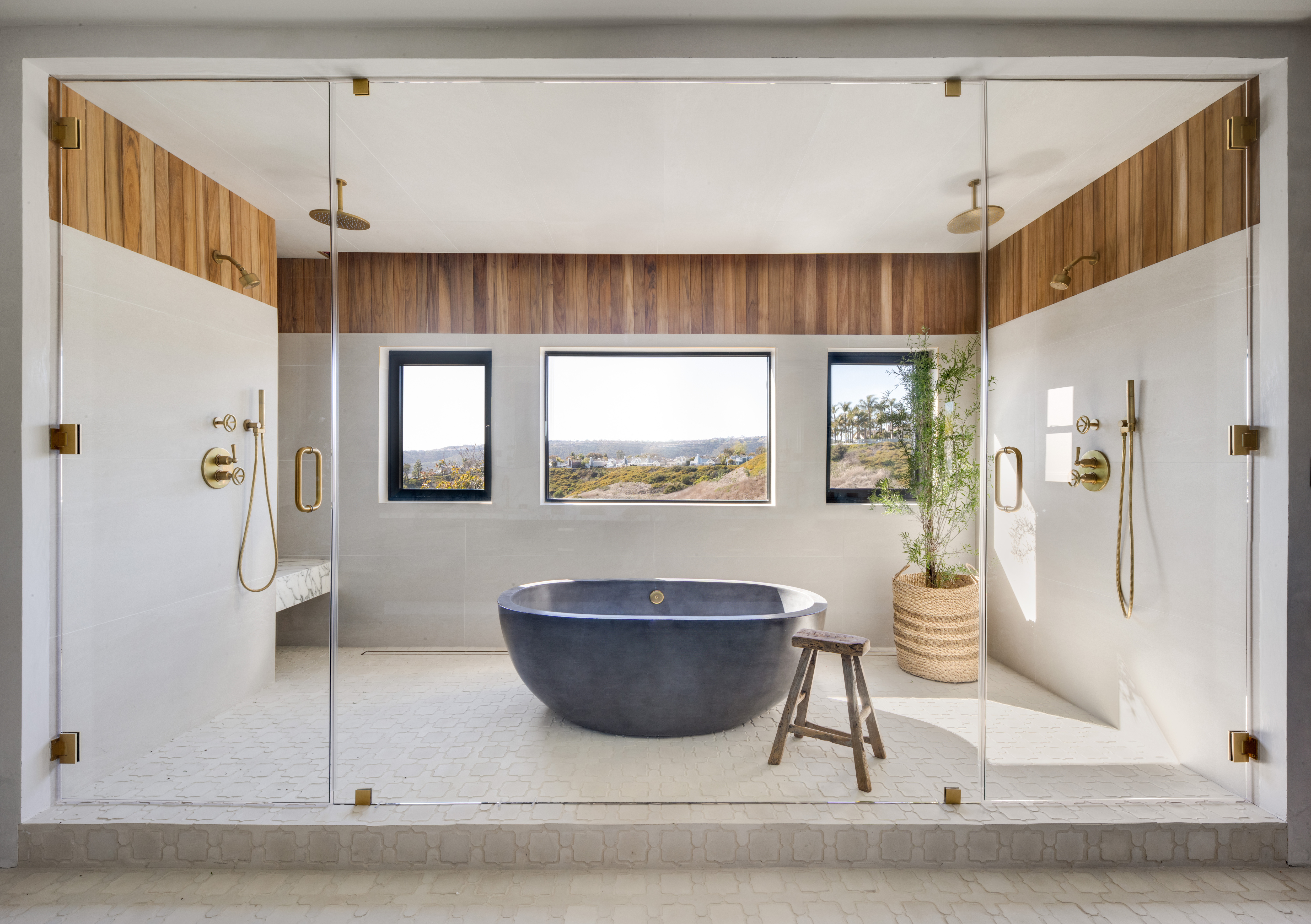
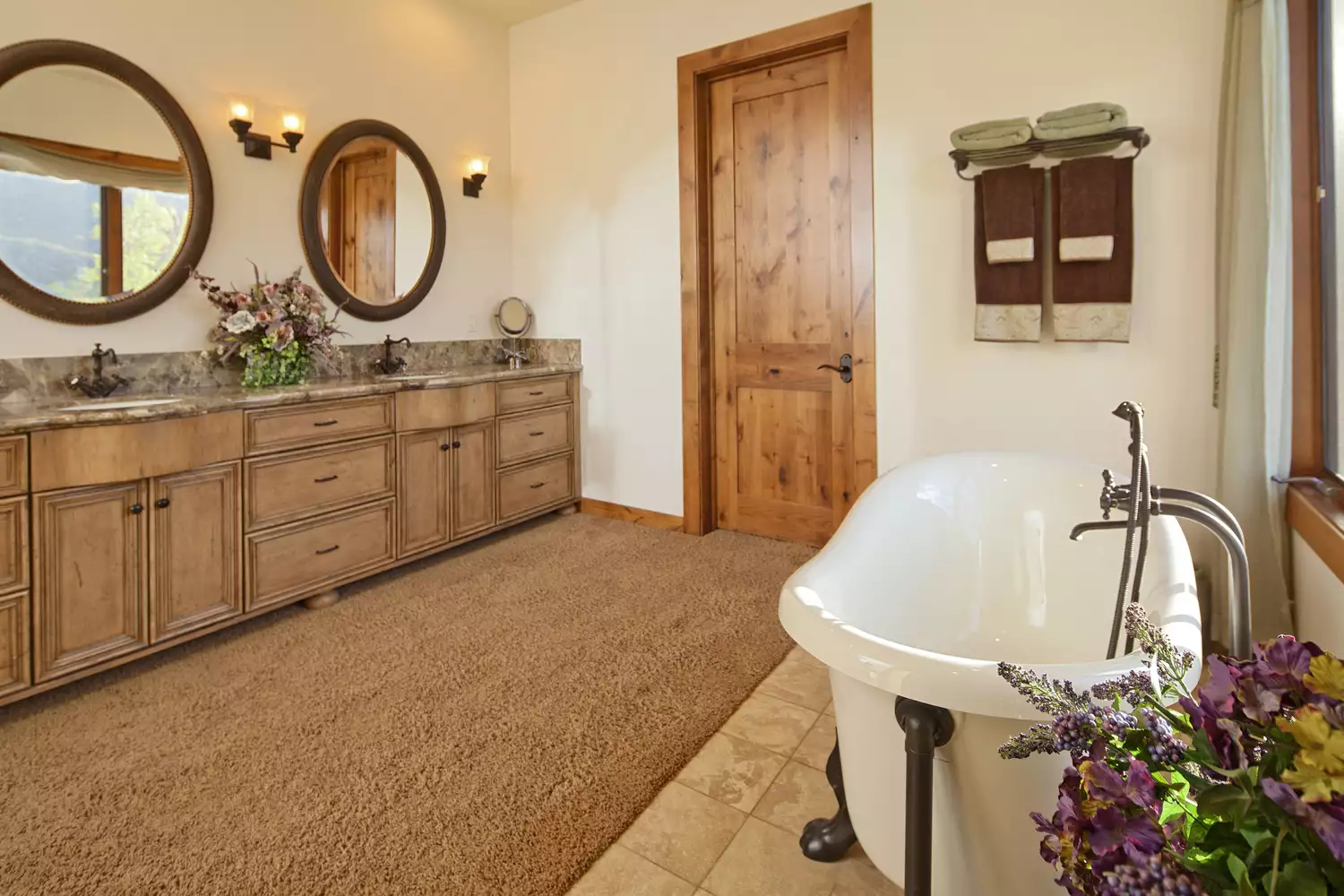
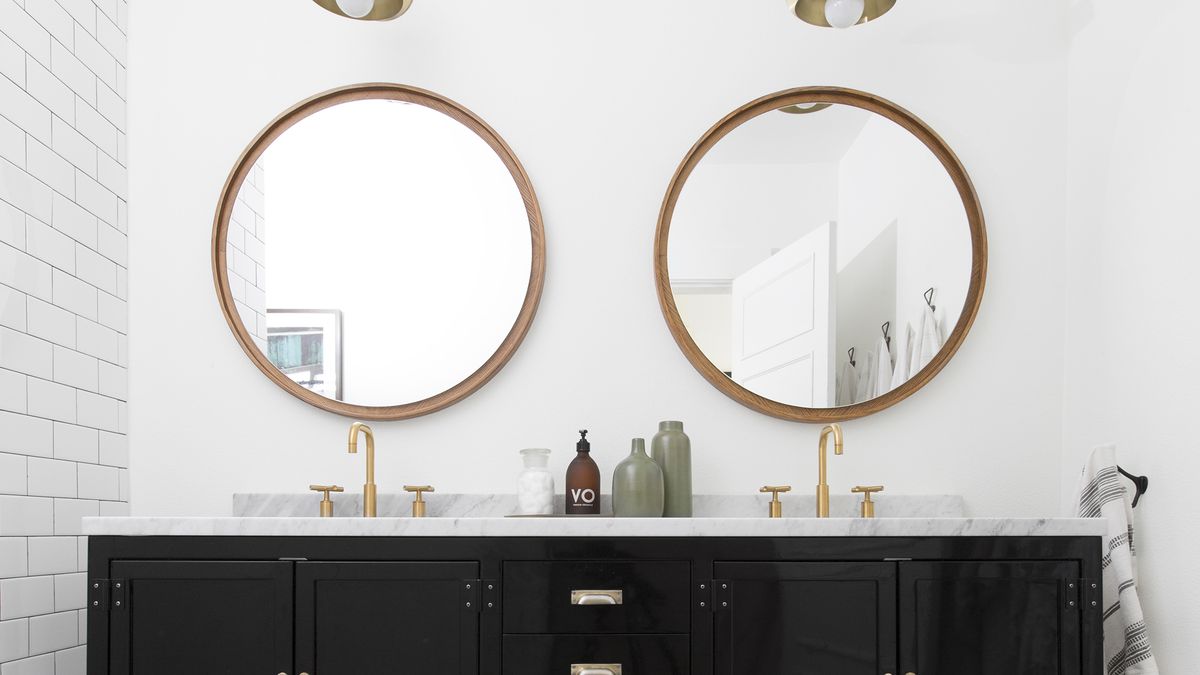
Introducing warm materials can transform the bathroom into a more inviting and lived-in environment. Hruby often recommends wood flooring over stone or tiles for this purpose. Alternatively, fresh applications of stone and tile can be explored, such as a tiled wall with pencil trim, a marble shower threshold, or a sculptural stone-edged vanity. Kuo recalls a project where cladding an entire shower in stone transformed a simple bathroom into an architectural feature. Finally, attention to shiny elements like mirrors, lighting, and hardware acts as the "jewelry of the space," according to Brittny Button, founder of Button Atelier. Colored glass sconces can create a calm atmosphere, and existing mirrors can be updated with new frames. Kuo favors natural brass and nickel for hardware, which develop a richer patina over time, akin to leather. Customizing vanities with trim, feet, or tile edge details can also give them a bespoke feel, even if the entire fixture isn't replaced, with designs where the countertop flows into the cabinetry creating a softer silhouette.
#BathroomRedecoration #InteriorDesign #HomeDecor #DesignTips #HomeImprovement #DIYProjects #VintageDecor #ColorInDesign #FunctionalDesign #BathroomRedecoration #InteriorDesign #HomeDecor #DesignTips #HomeImprovement #DIYProjects #VintageDecor #ColorInDesign #FunctionalDesign
0 comment in total
 No comments yet
You may also like
Design pros share their best tips for renovating and styling your bathroom

7 bathroom upgrades from on-trend taps to easy-fit flooring
The Scale and Proportion of This Bathroom Was off—See How It Was Fixed
I'm an interior designer. I redid my bathroom for $13,000 — but I still have 4 major regrets.
Bathroom Decor Items That Will Look Severely Outdated In 2025

How to Take Your Bathroom From Shabby to Chic, According to a Los Angeles Designer

These 7 Bathroom Trends May Look Beautiful Now—But Designers Say You'll Regret Them Later
What are the different types of bathroom? The 5 layouts to know, and what they mean

Updating your bathroom in 2025? Designers say these 5 swaps will completely transform your space
8 Things in Your Bathroom That Instantly Give Designers the Ick

Here are the best things designers have bought for their bathrooms
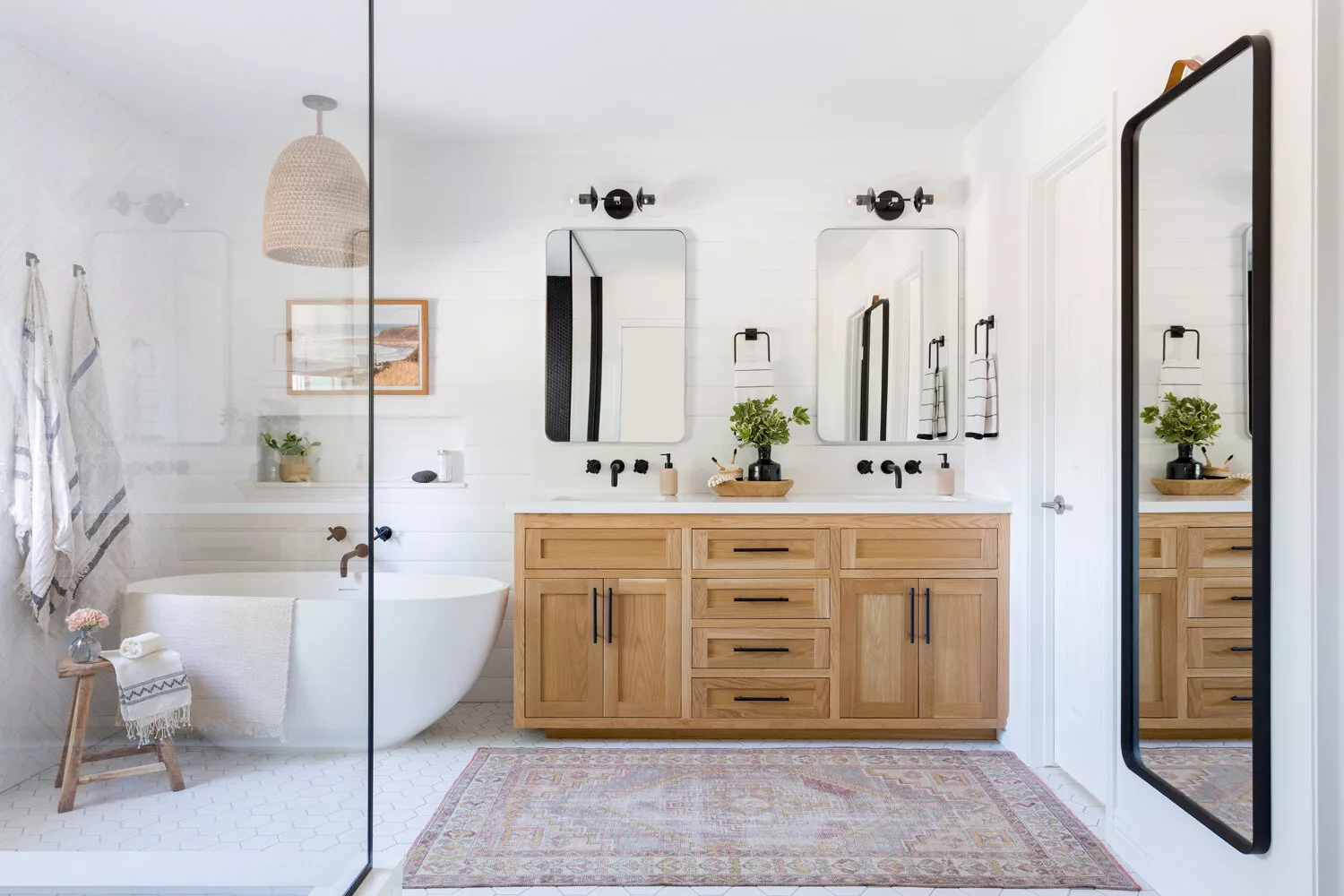
How do you decide on a bathroom style? Interior designers offer their top tips

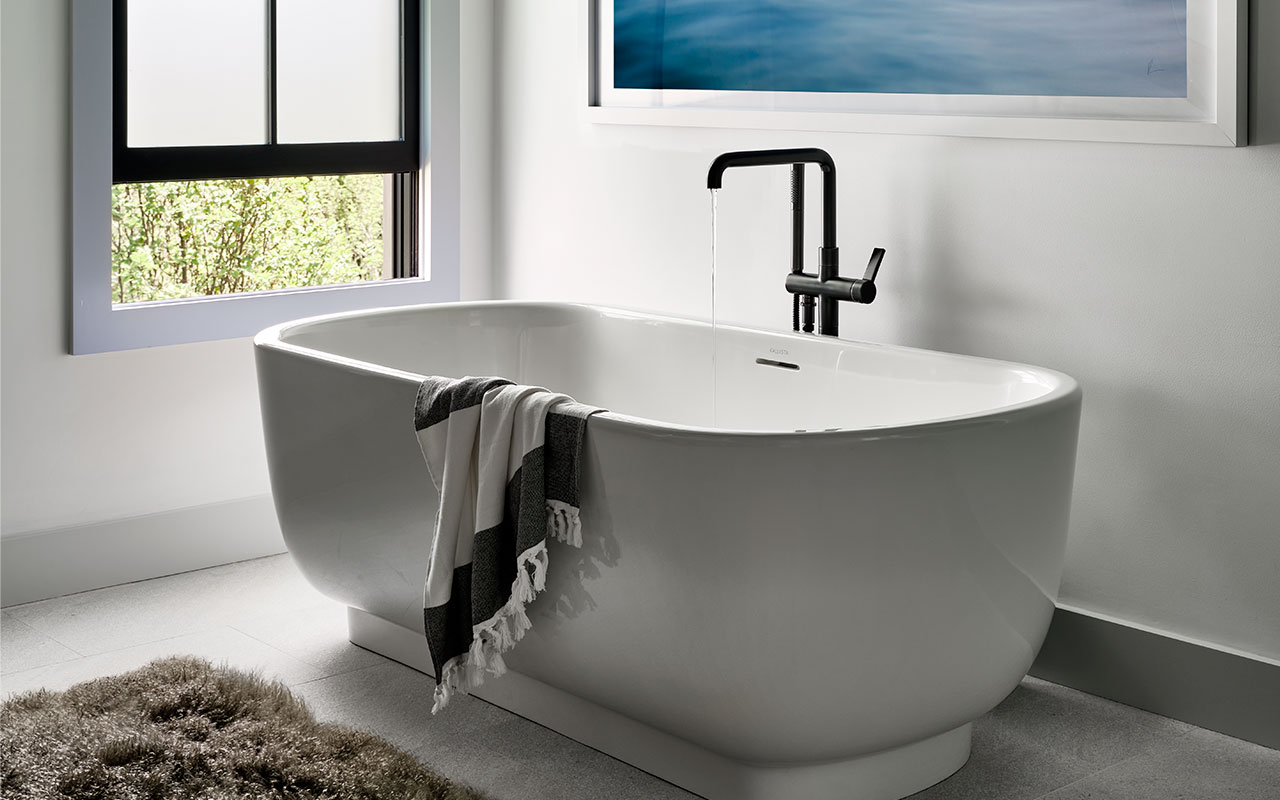
5 Easy Changes That Will Make Your Bathroom More Stylish, According to Designers
7 Disastrous Bathroom Layouts to Avoid — Including One Mistake Our Own Editor is Guilty of Making


How to design a bathroom: decor ideas and tips
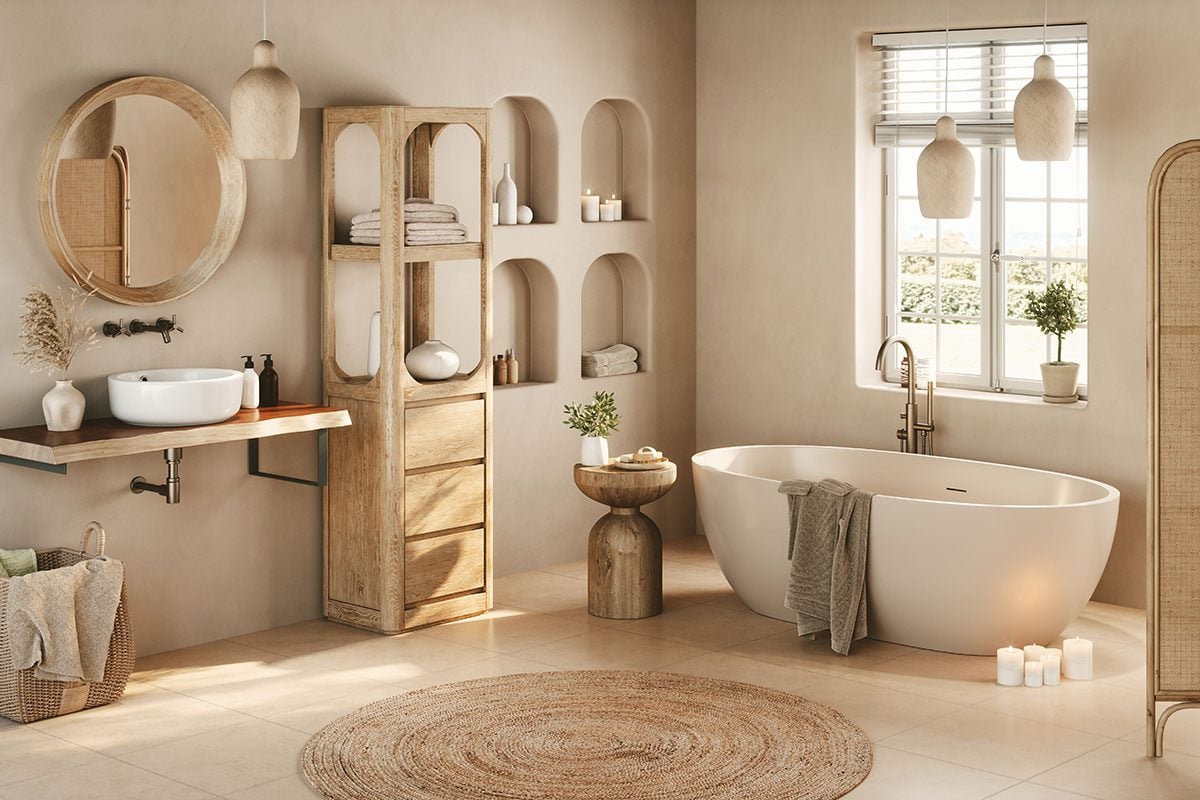
Bathroom Upgrades That Aren’t Worth the Hype, and What To Do Instead

24 bathroom decor ideas for your next refresh
17 GLARING Signs Your Bathroom is Outdated, According to Designers

Considering a bathroom reno? Take inspiration from these gorgeous shower designs
28 Tasteful Bathroom Decor Ideas, From Quick Fixes to Major Makeovers