1/4
Responsible Swaps to Make in the Laundry Room
This article highlights practical and sustainable modifications to everyday laundry routines aimed at reducing environmental impact. With the average American family performing approximately 300 loads of laundry annually, there is significant potential to conserve water and energy. The recommendations provided are straightforward, making it easier for households to adopt eco-friendlier practices without a drastic overhaul of their existing habits.
One primary suggestion involves reducing water temperature during washing. Natalie D’Apolito, communications and outreach coordinator for the American Cleaning Institute, explains that roughly 90% of a washing machine's energy consumption is dedicated to heating water. Opting for cold water not only saves energy but also offers benefits such as preventing fabric shrinkage, protecting delicate items, and preserving color vibrancy. However, exceptions apply for highly contaminated or germ-laden clothes, which should still be washed in hot water separately to ensure proper sanitization.
Another key recommendation is to optimize laundry load sizes. While it might seem efficient to fill the washing machine to its maximum capacity, clothes require adequate space to circulate for effective cleaning. Experts advise leaving several inches of space at the top of the machine to allow for proper agitation. Beyond load size, the article encourages consumers to re-evaluate the necessity of washing every item after a single wear. Garments like pajamas, jeans, and dress shirts can often be worn multiple times before needing a wash. Spot-treating stains is also presented as an alternative to washing an entire item, further reducing water and energy usage.
The article also promotes the use of the machine’s express cycle for lightly soiled items. This feature, characterized by a shortened wash cycle and a high-speed spin, offers a quicker and more sustainable cleaning option for clothes that don't require extensive washing.
Switching to sustainable laundry detergents is another impactful change. The article specifically mentions Earth Breeze Eco Sheets as an example. These sheets are free from parabens, bleach, dyes, phosphates, and phthalates, making them gentle on both clothes and skin. Their pre-measured format eliminates waste from spills or excessive use, and their 100% recyclable cardboard packaging further reduces environmental footprint. Carolyn Forté, Executive Director of the Good Housekeeping Home Care & Cleaning Lab, endorsed these sheets after testing, highlighting their effective dissolution and convenience.
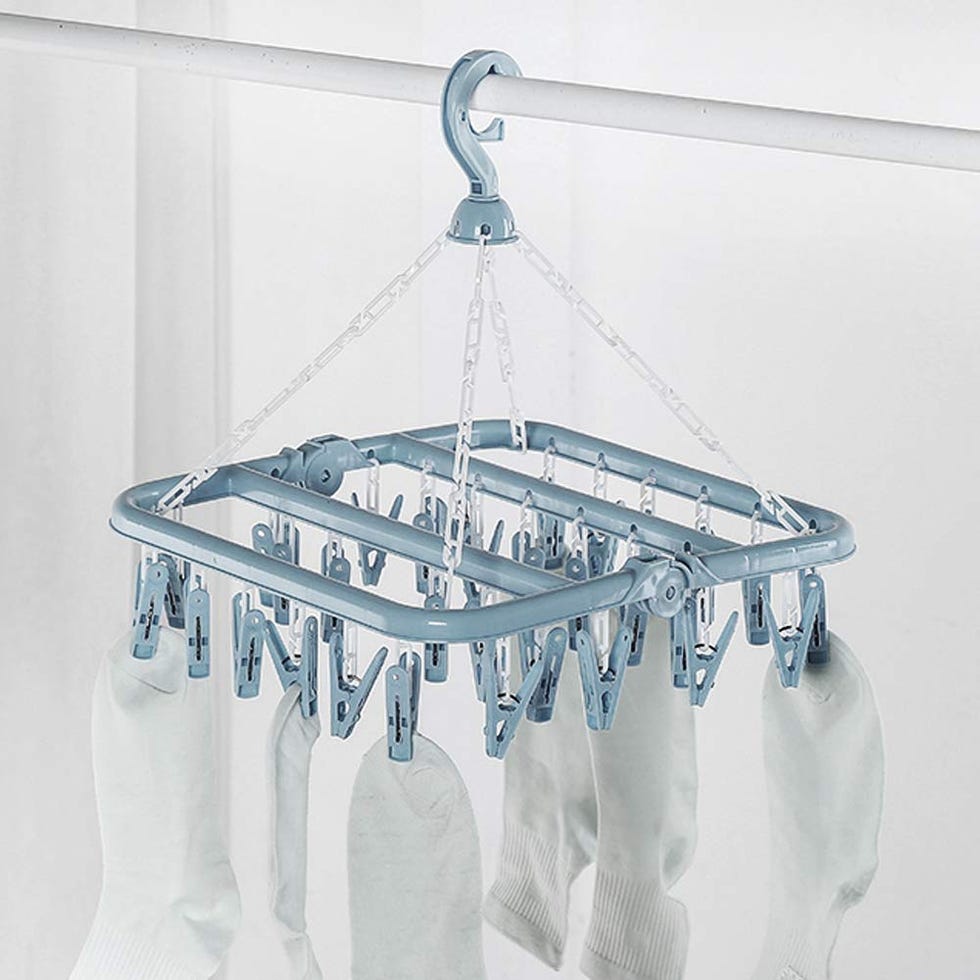
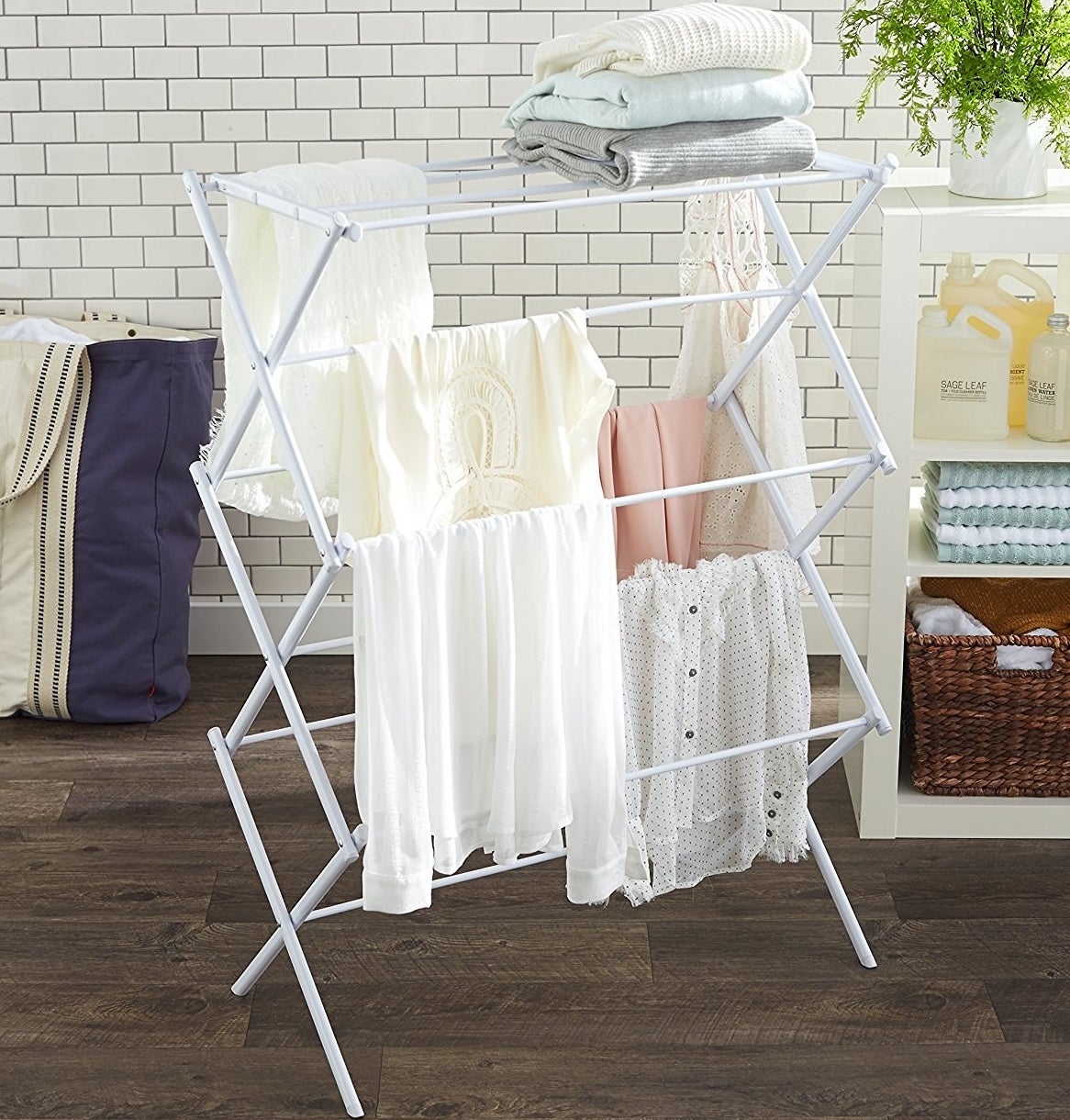
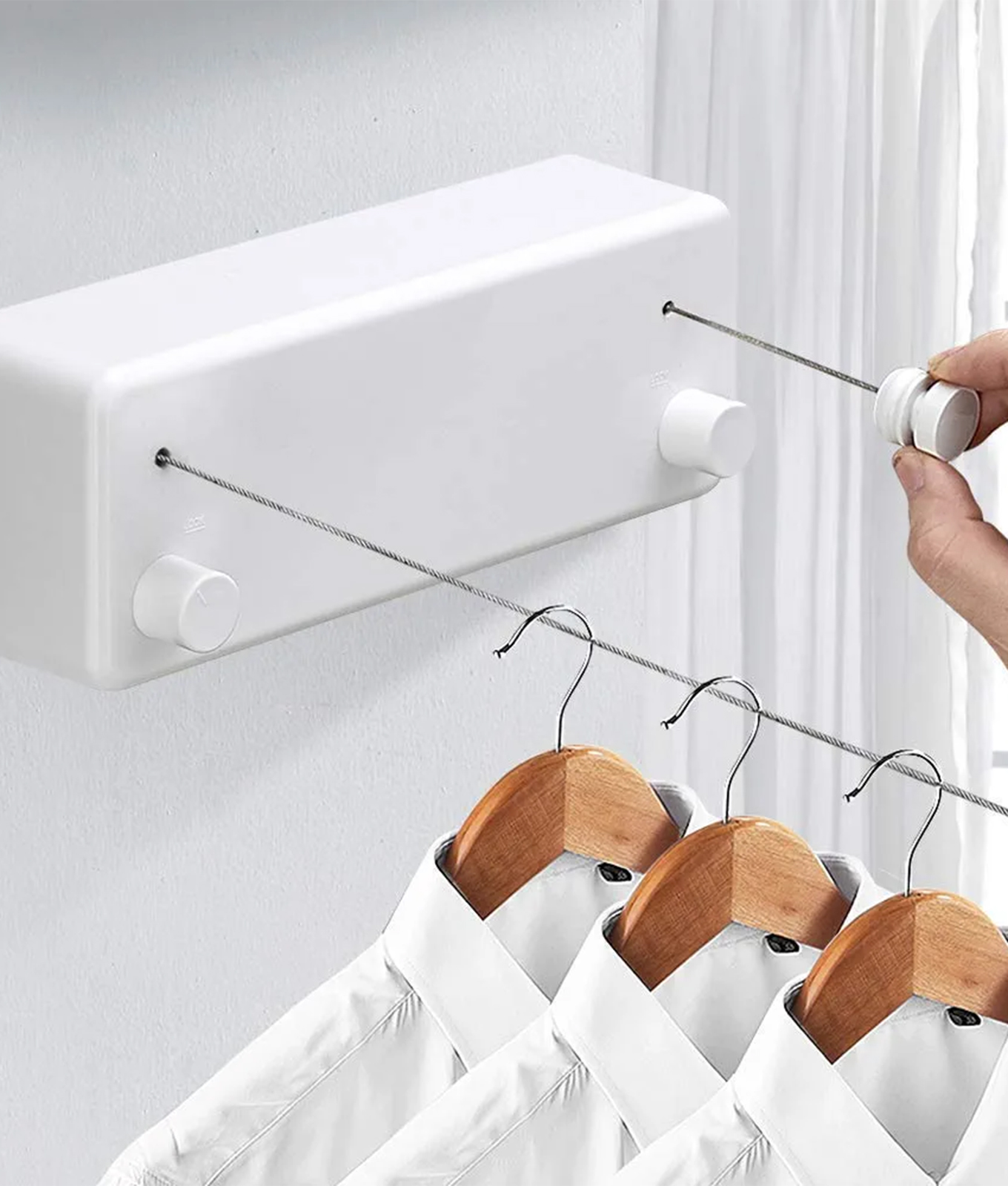
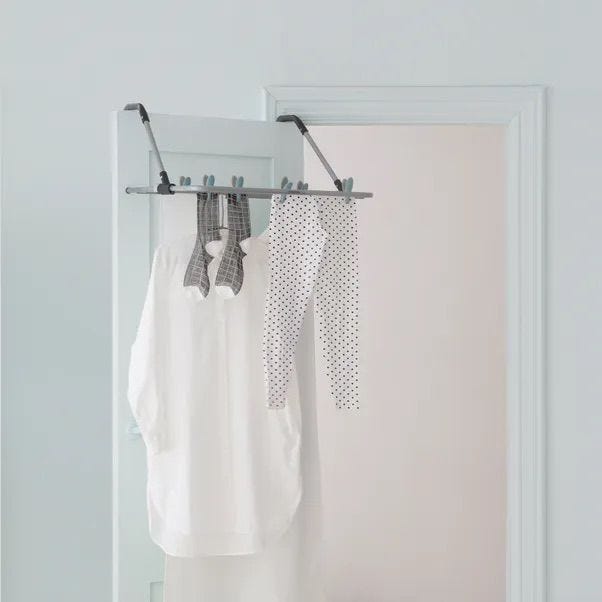
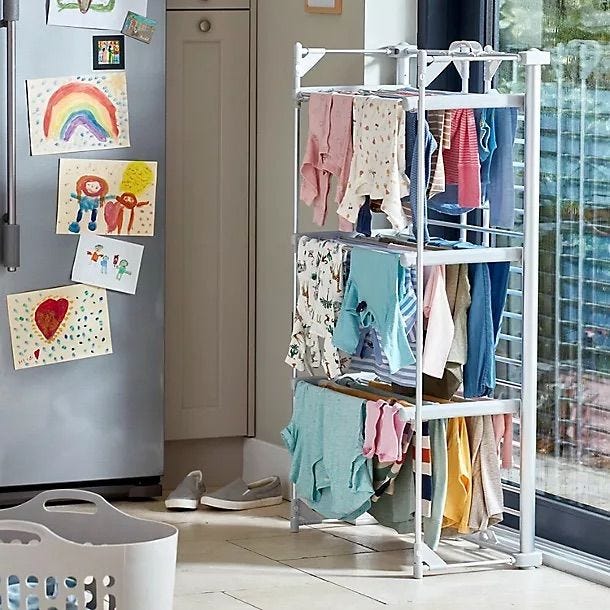
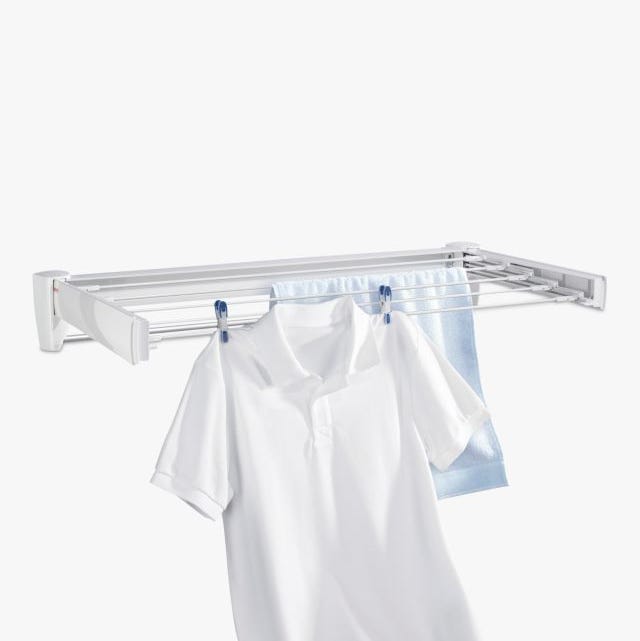
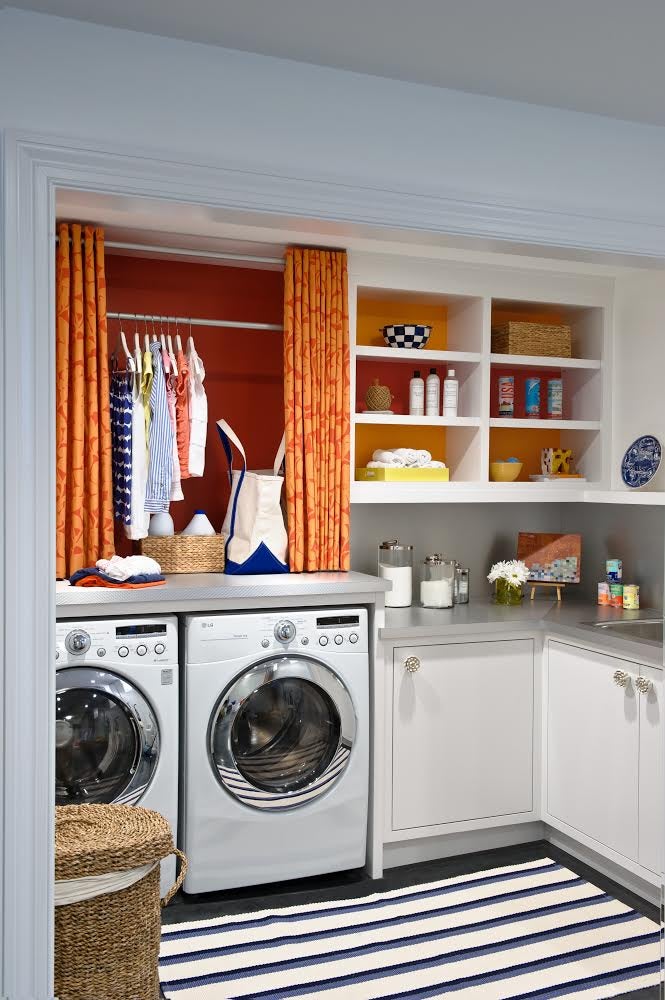
For those considering a new appliance, the Good Housekeeping Institute Cleaning Lab advises investing in a front-loading washing machine, which are known for their water efficiency. If purchasing a new machine is not feasible, using the coldest water setting on existing machines is still a significant step towards sustainability. Finally, the article emphasizes the importance of reducing dryer usage. Air-drying clothes whenever possible not only conserves energy but also extends garment life by minimizing abrasion from tumble drying. When using a dryer, it is crucial to avoid over-drying by utilizing automatic cycles that stop once clothes are dry. Regularly cleaning the lint trap is also highlighted as a critical maintenance step, as a clogged lint trap can reduce airflow, increase drying times, waste energy, and pose a fire hazard. These combined strategies offer a comprehensive approach to making laundry routines more environmentally responsible.
#SustainableLiving #LaundryCare #EnergyConservation #WaterEfficiency #EcoFriendlyProducts #HouseholdCleaning #GreenHome #SustainableLiving #LaundryCare #EnergyConservation #WaterEfficiency #EcoFriendlyProducts #HouseholdCleaning #GreenHome
0 comment in total
 No comments yet
You may also like
4 Top Trends to Optimize Your Laundry Room

Transformed laundry room maximizes storage

The best ways to organize your laundry room, according to experts

How To Organize A Laundry Room Like A Pro: 5 Steps
These Laundry Room Organization Ideas Make Wash Day Feel Less Chaotic


These 4 laundry spaces are filled with clever ideas

Laundry Room Arranging Tips You’ll Love
How to make the most of your laundry room, according to a professional organiser
The Best Laundry Room Hacks

8 Things To Toss From Your Laundry Room Immediately
The 6 Must-Haves for a More Organized Laundry Room, According to an Expert
Design tips for a functional and fun laundry room
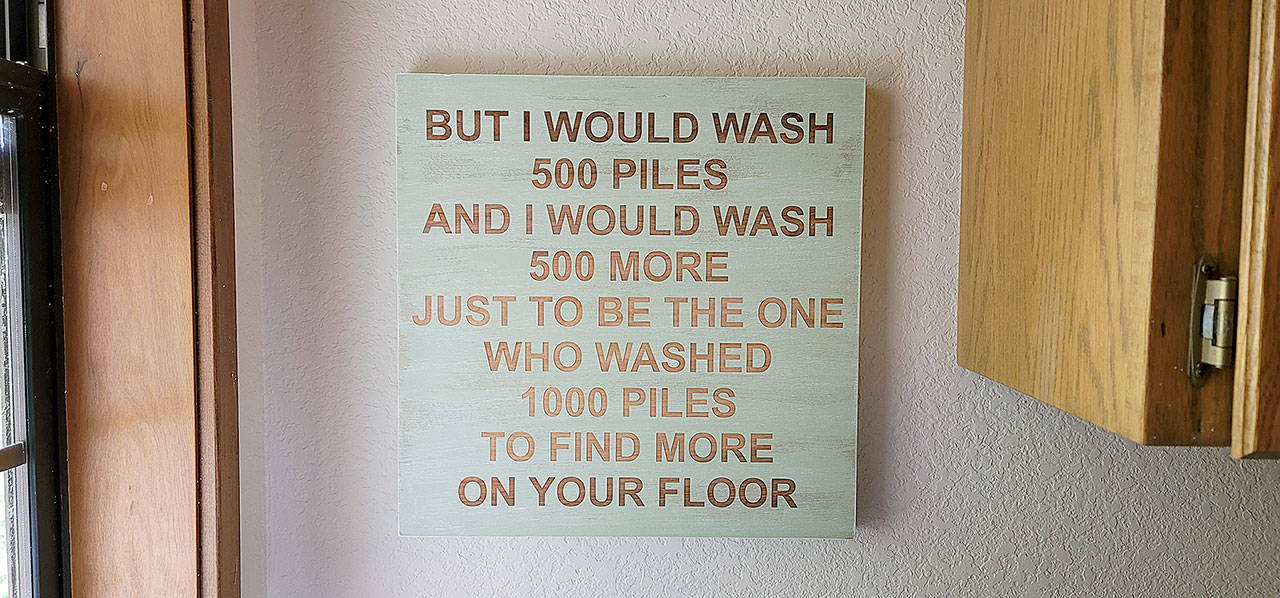
Some practical tips — not pipe dreams — for a laundry room makeover
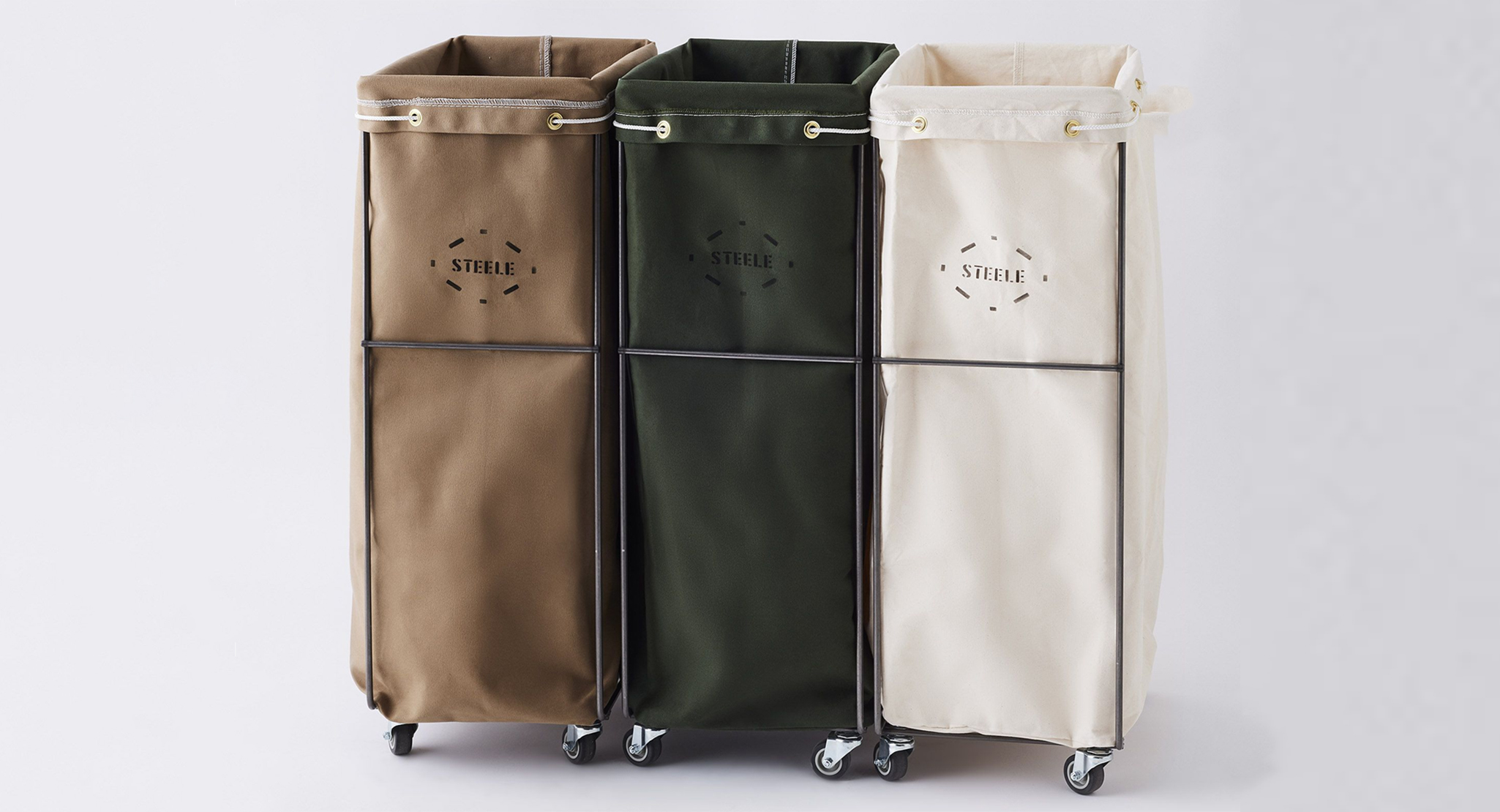
10 Laundry Room Organization Ideas That’ll Make Folding Socks Your Favorite Part of the Day

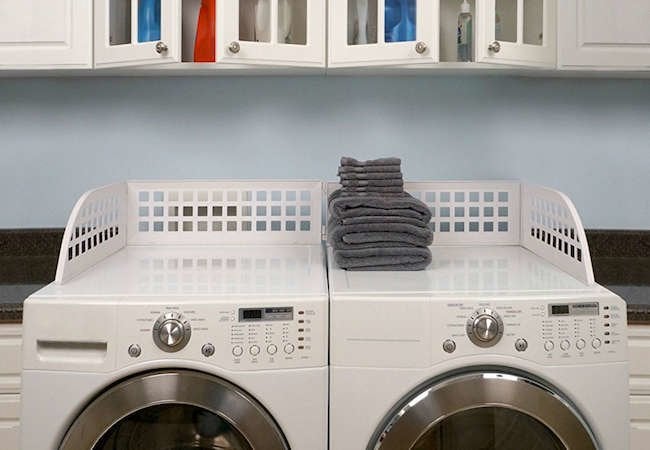
The 13 Best Things You Can Buy for Your Laundry Room (for Under $50)

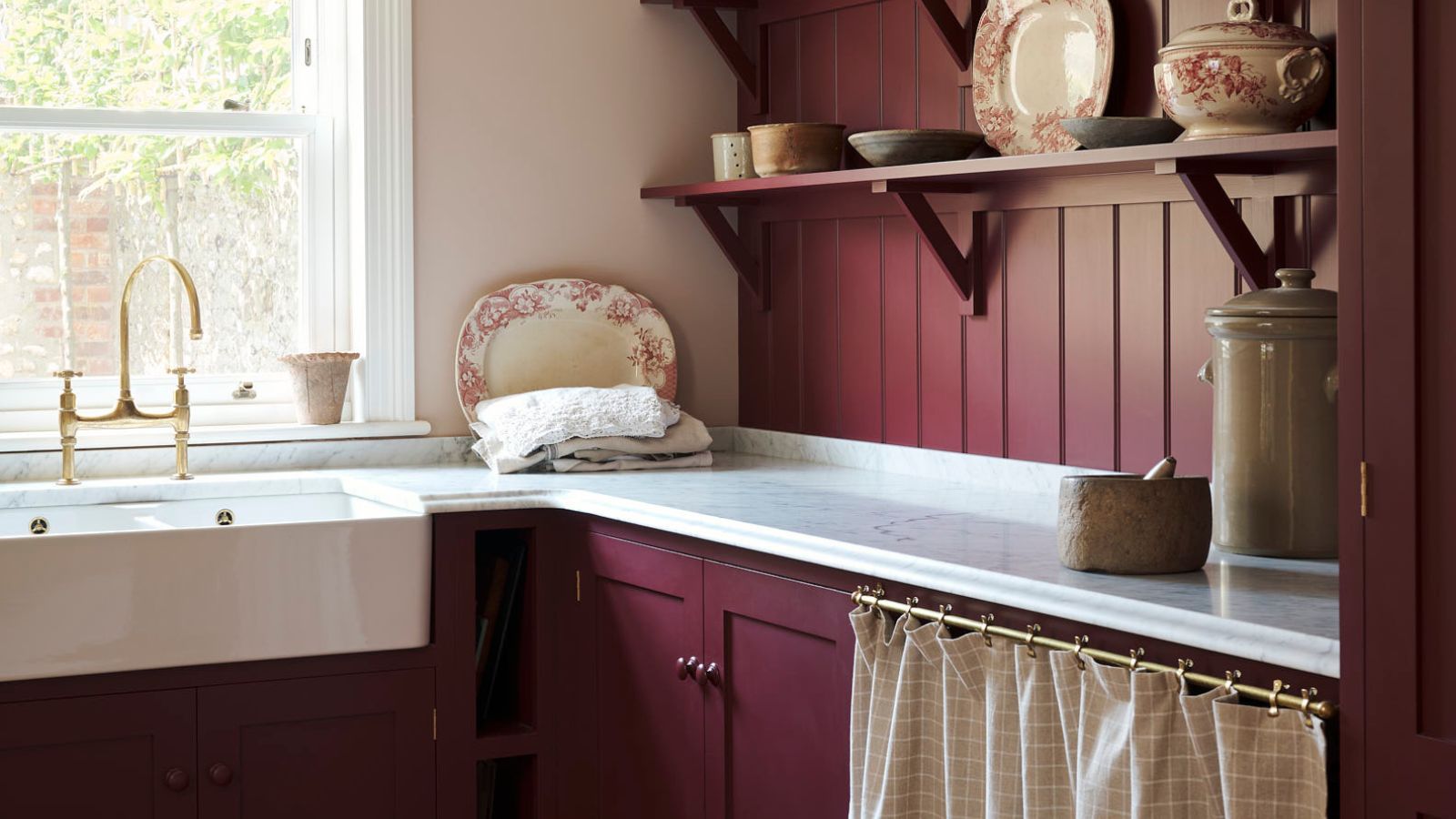
3 smart ways to do less laundry – cut this dreaded chore in half with these expert tips


23 Things That'll Help You Get The Laundry Room Of Your Dreams

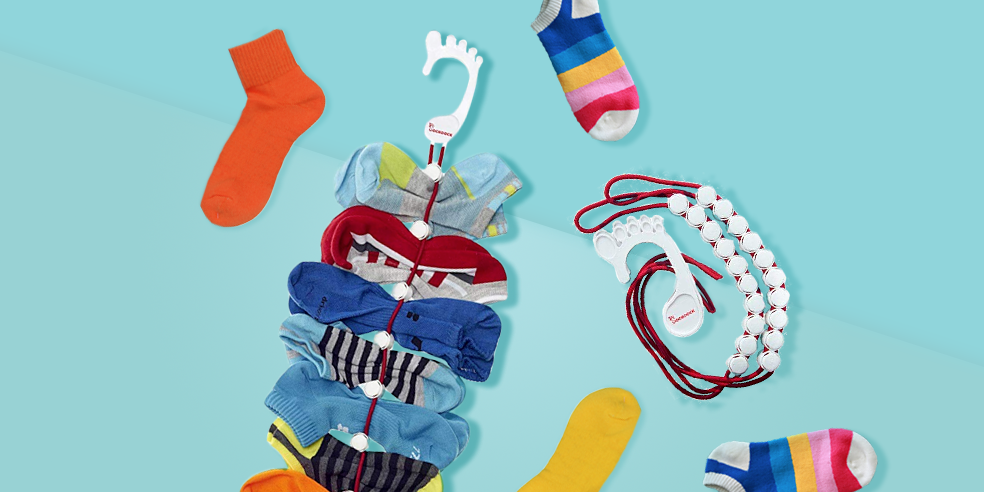
This Genius Organizer From Amazon Will Make Sure You NEVER Lose Socks Again
How To Incorporate The Latest Laundry Room Trends In Your Home

17 Laundry Room Organizing Tips to Simplify Wash Day