1/3
The Vintage Kitchen Style From the 1900s That's Making a Comeback
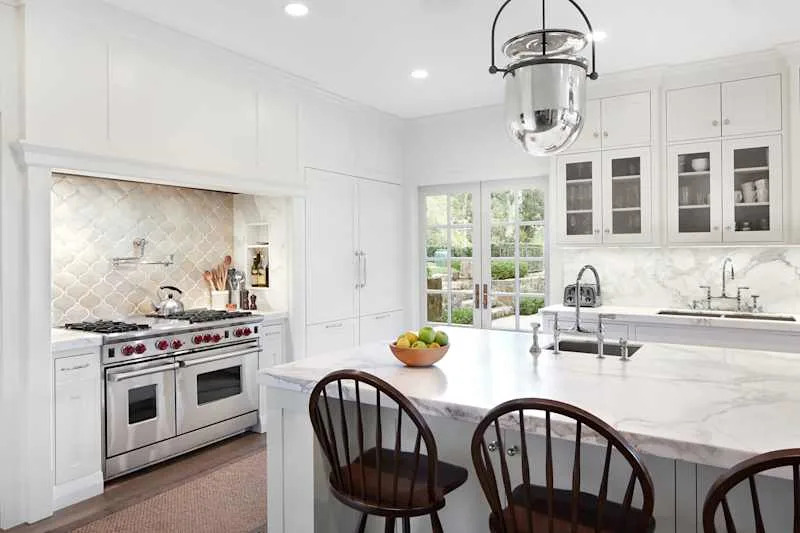
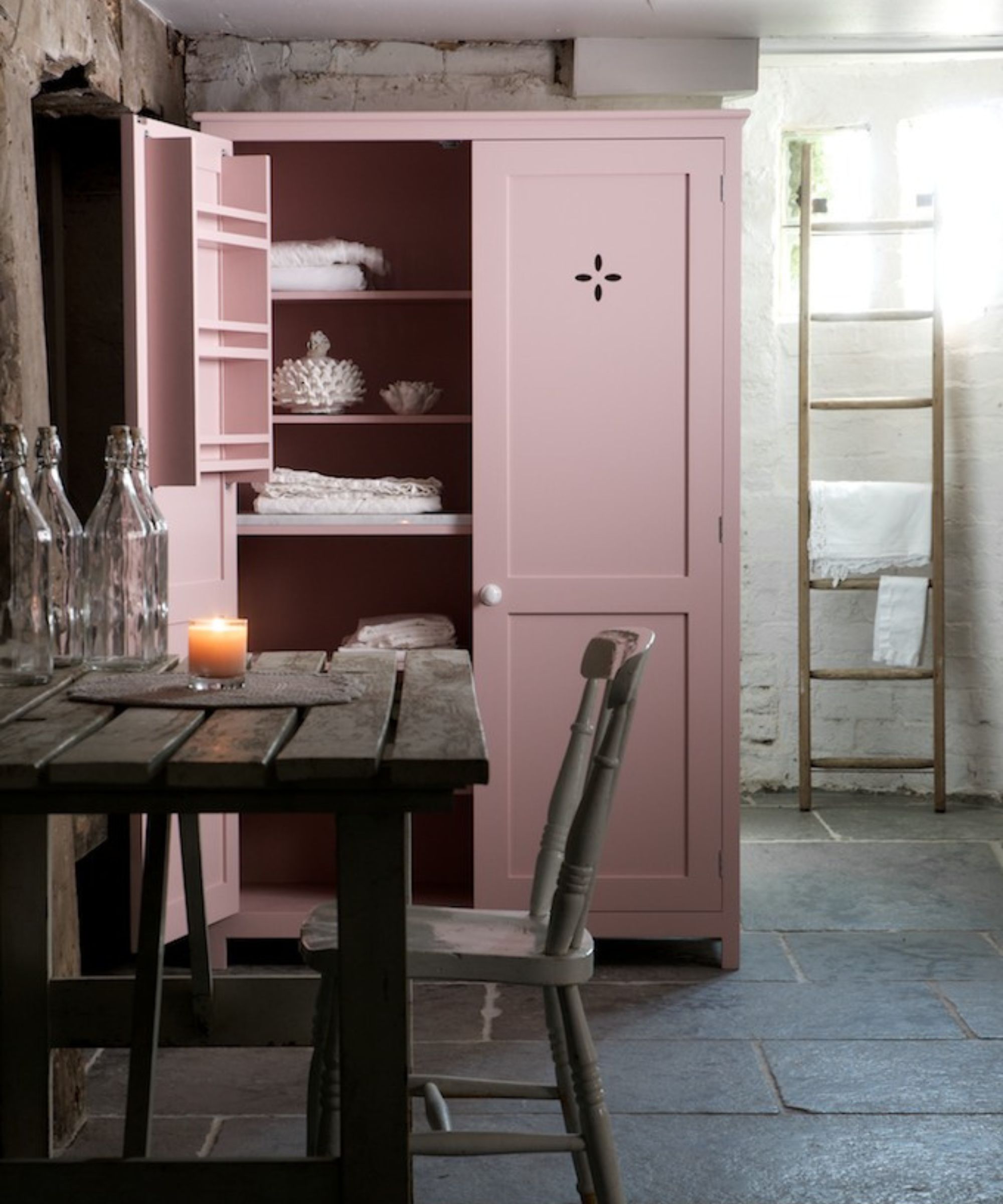
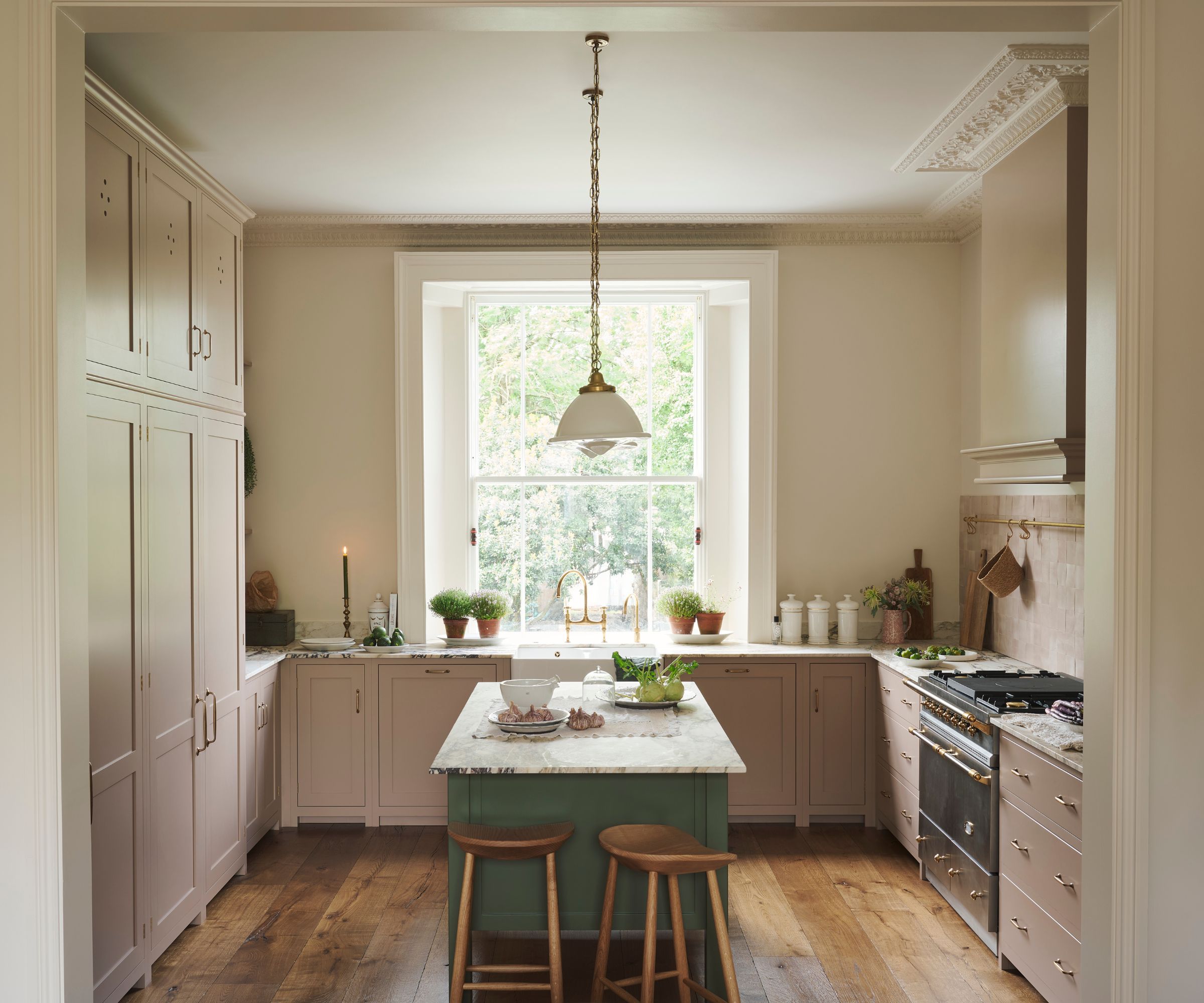
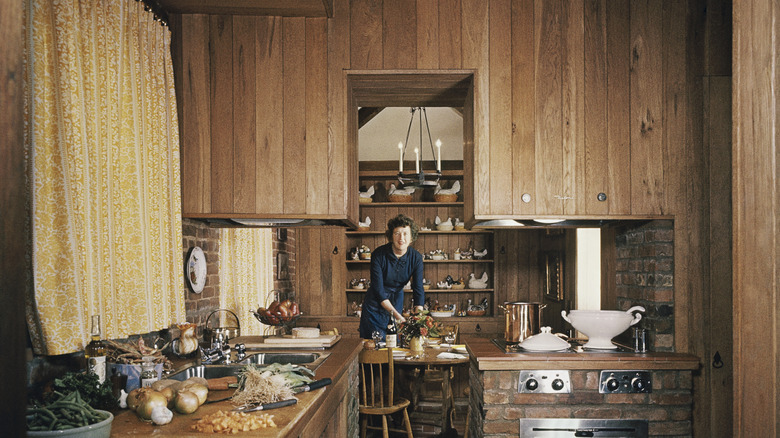
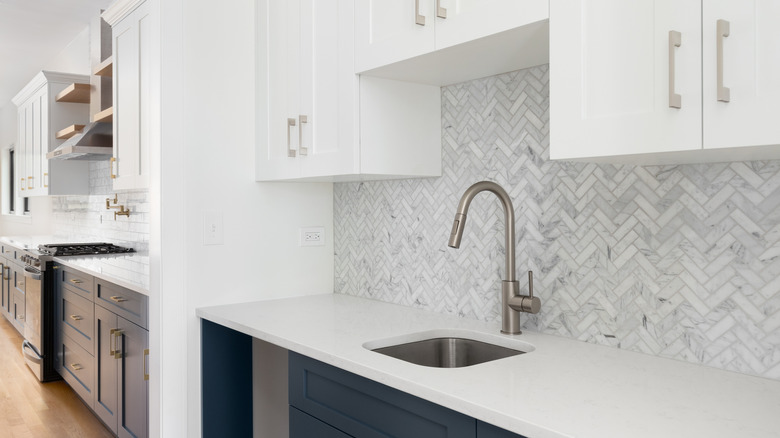
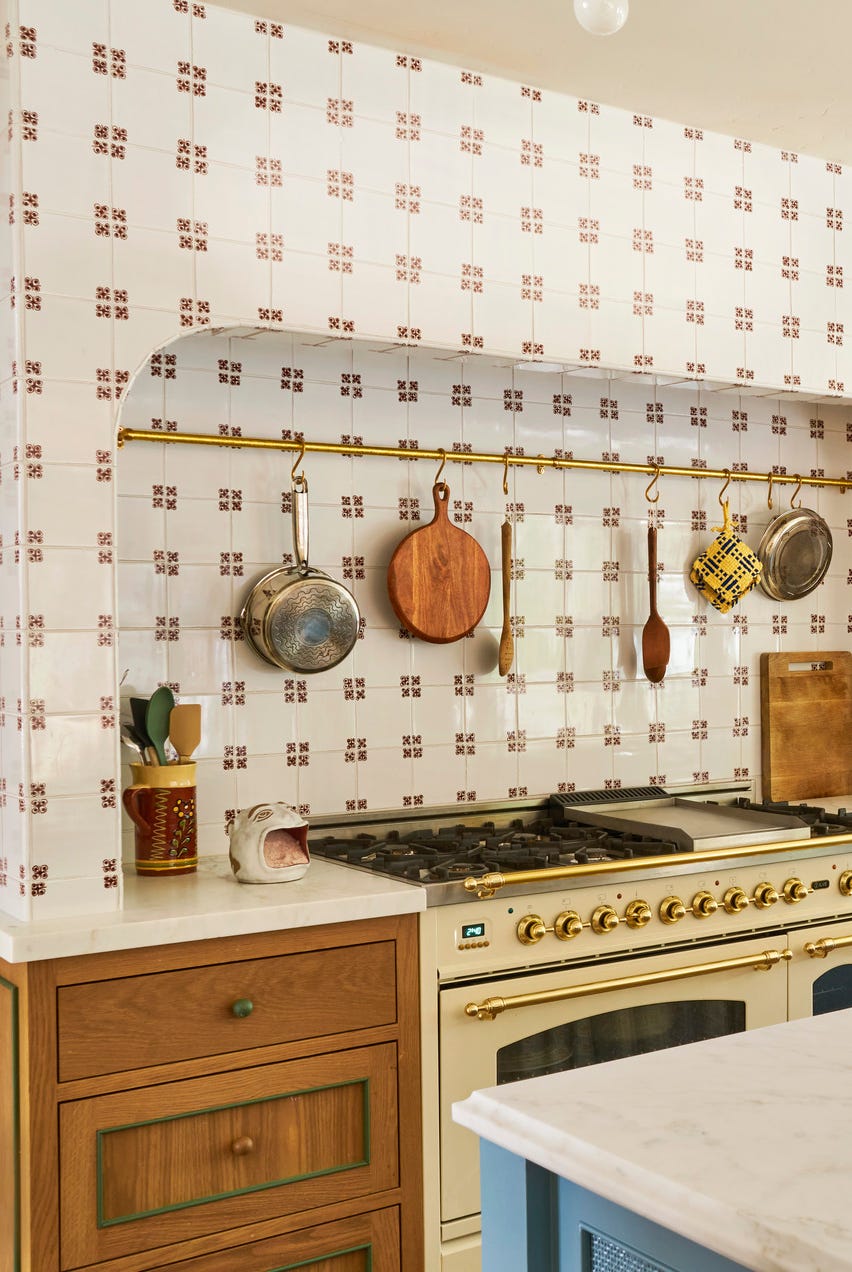
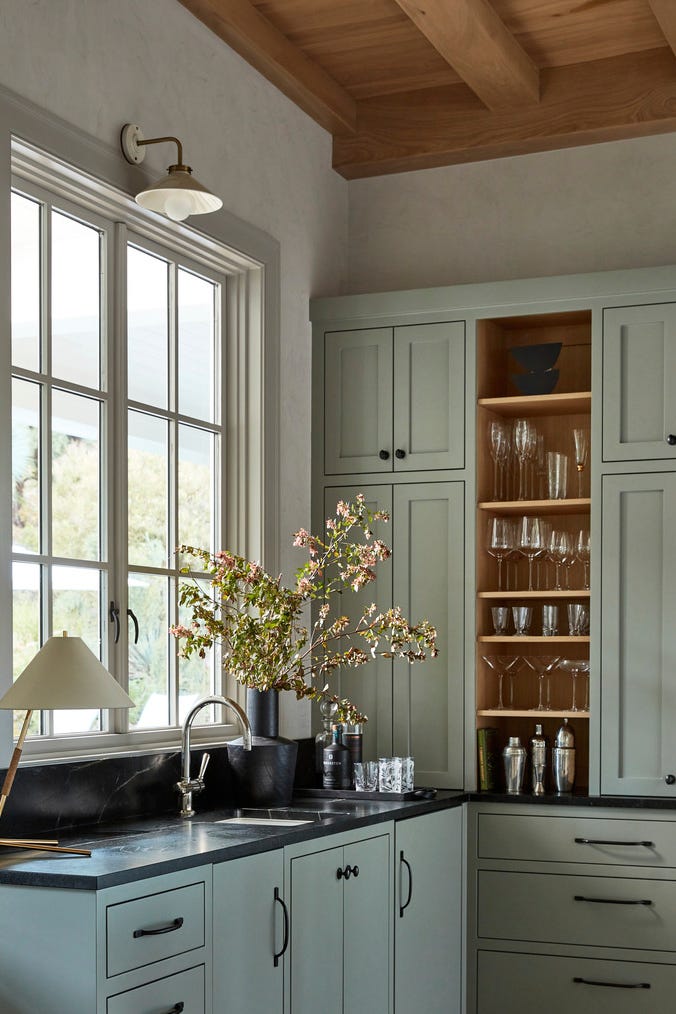
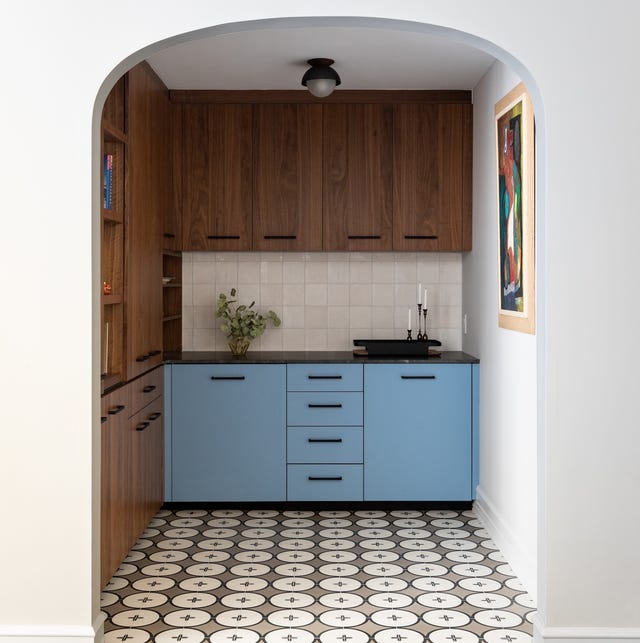
The article discusses the resurgence of sculleries, now referred to as prep kitchens, in modern home design. Historically, sculleries were utilitarian spaces in aristocratic 19th-century homes, dedicated to arduous chores like dishwashing and laundry, keeping the main kitchen pristine. Architect Nicholas G. Potts notes that while the archaic use of sculleries for dishwashing is no longer relevant due to modern appliances, the concept of a dedicated prep kitchen is gaining popularity among homeowners, especially those with ample space and a passion for entertaining or food preservation activities like pickling and canning.
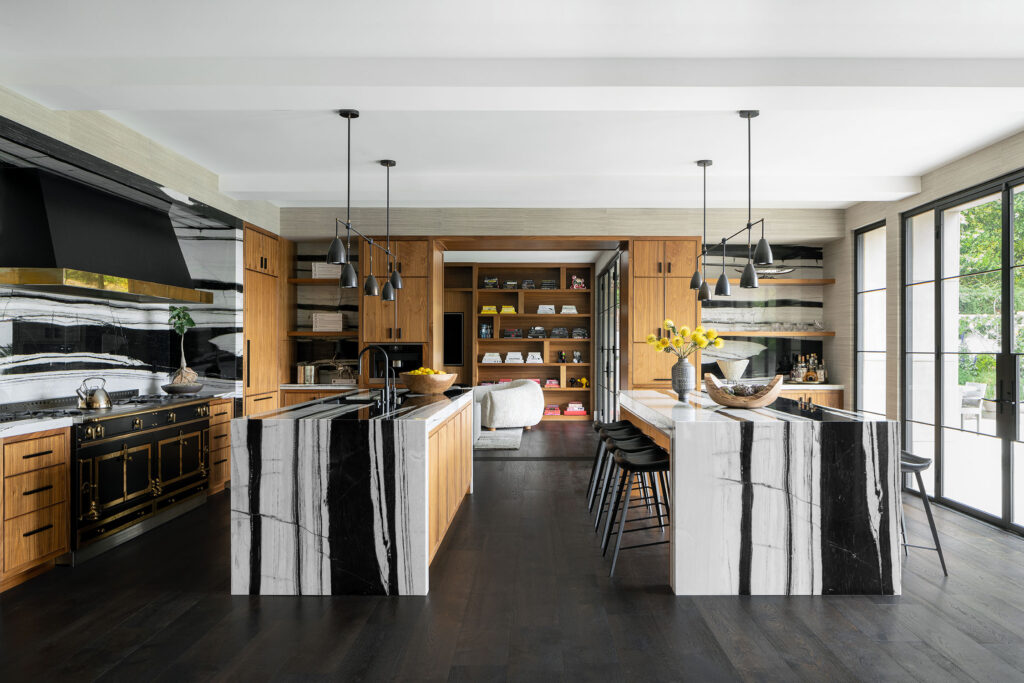
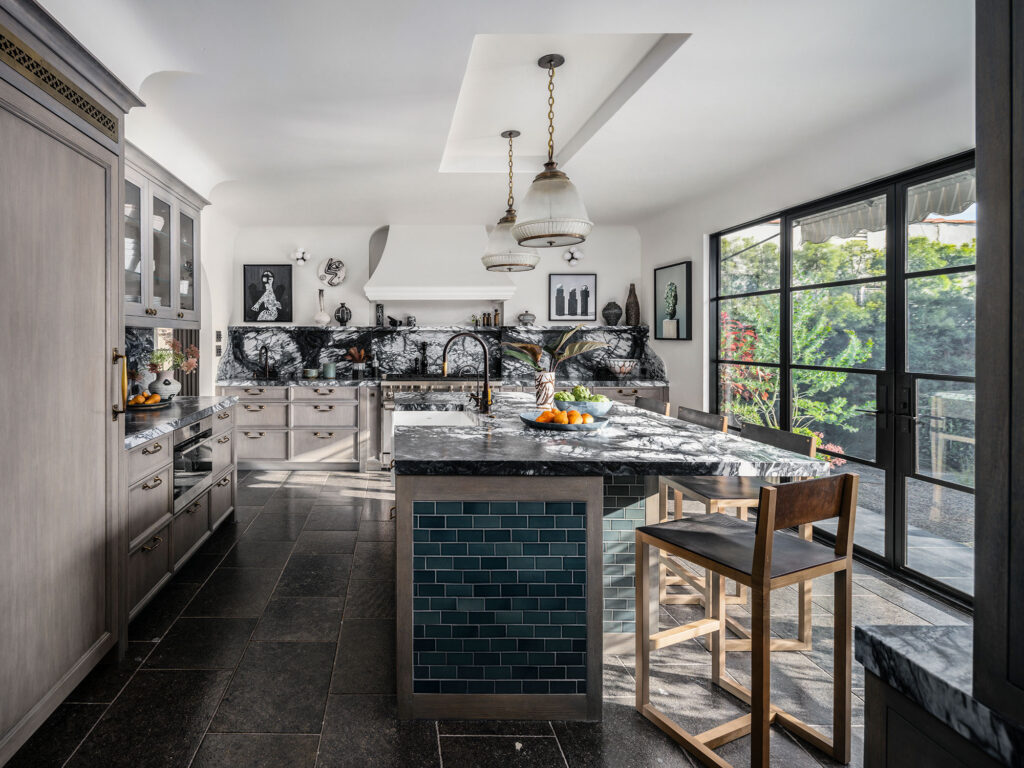
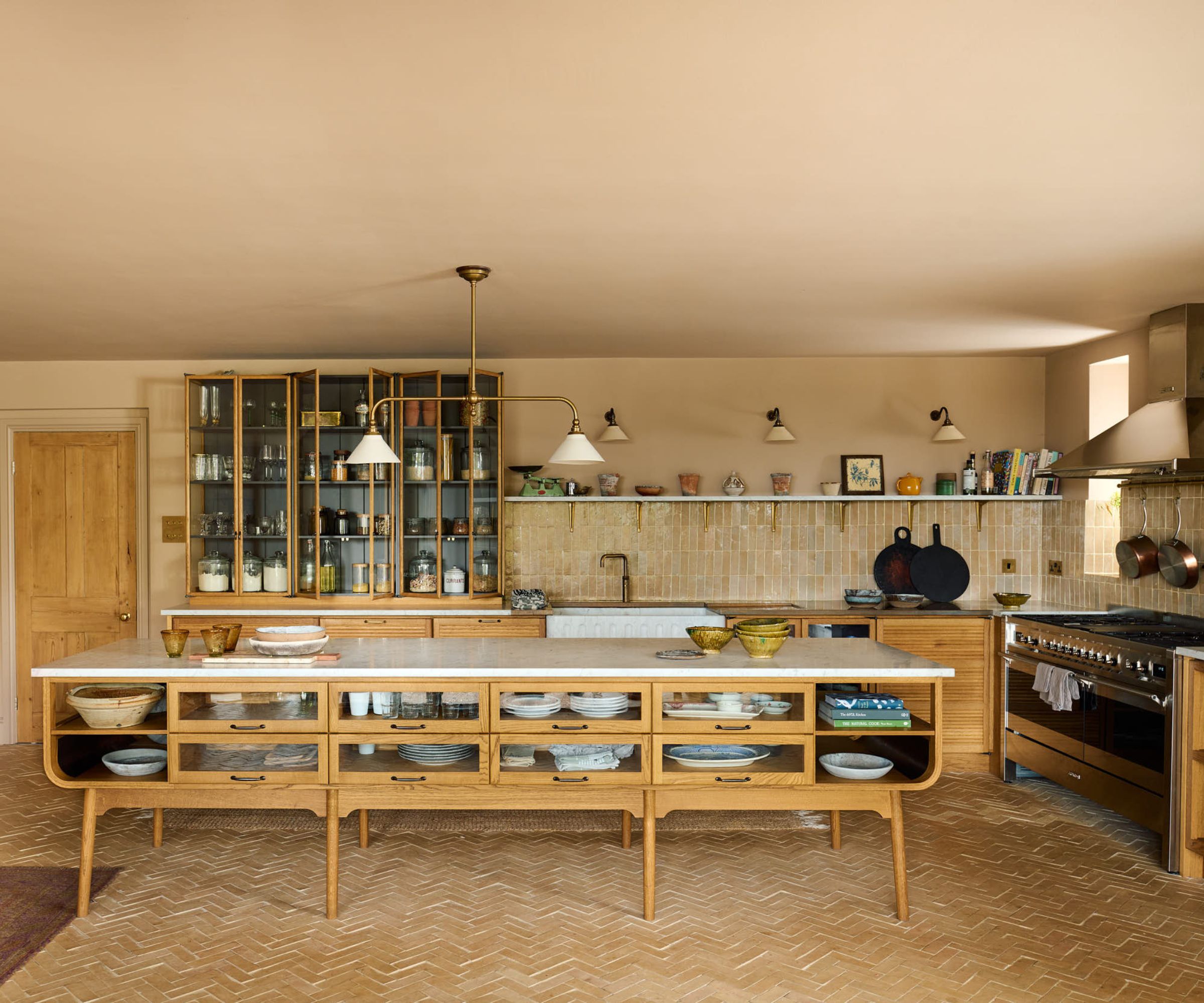
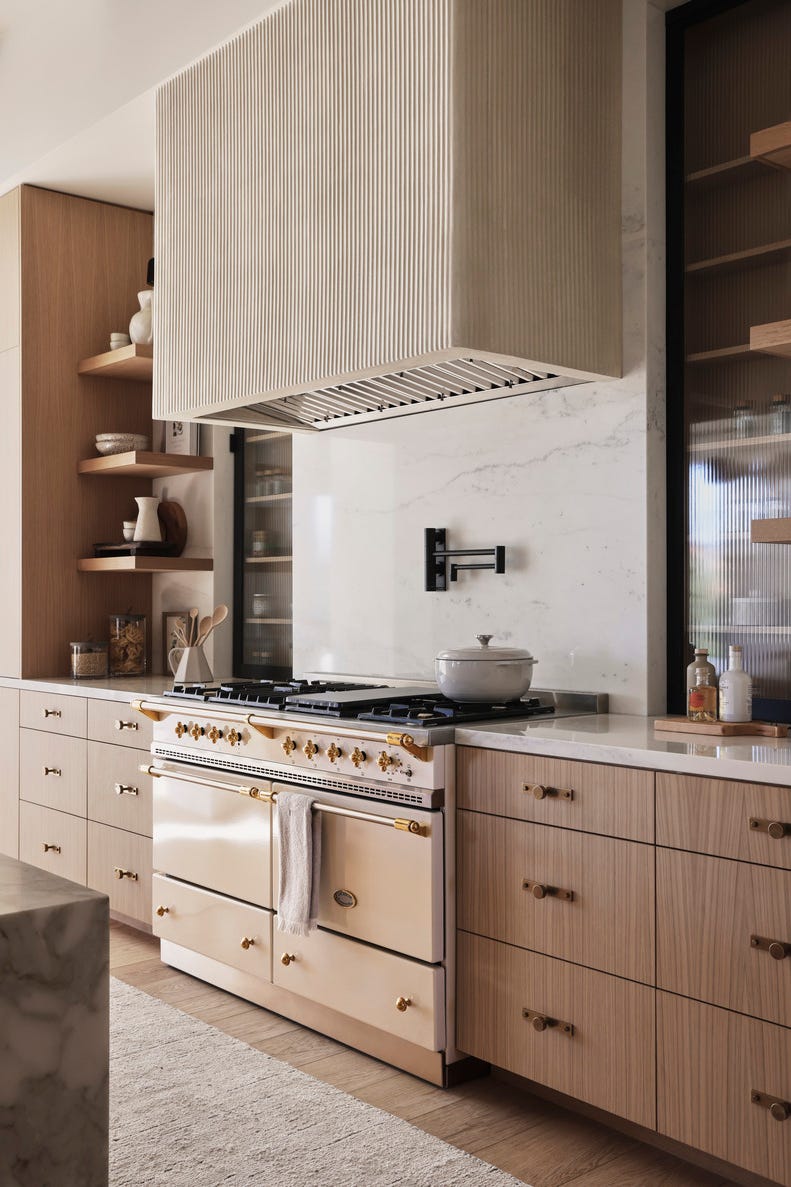
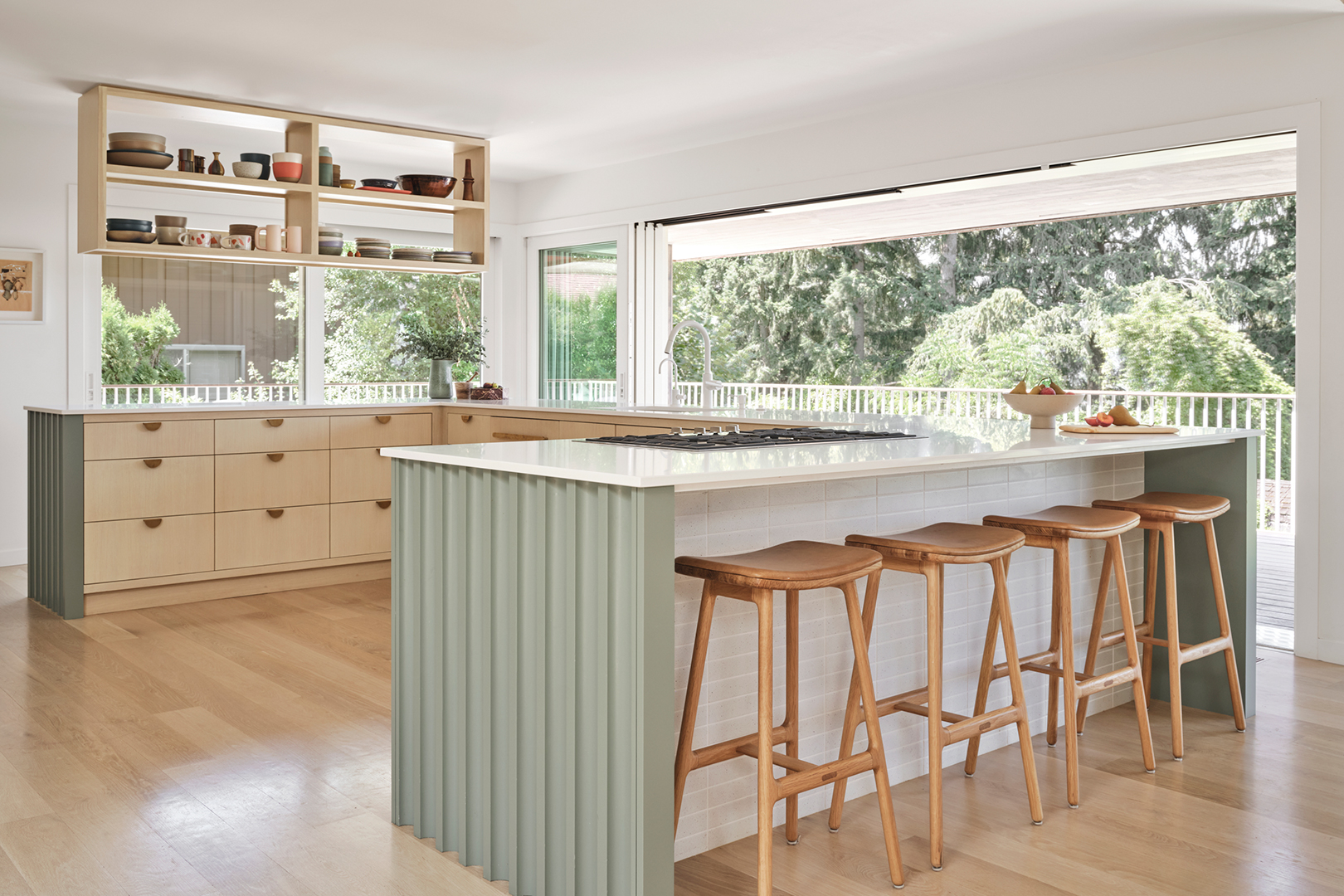
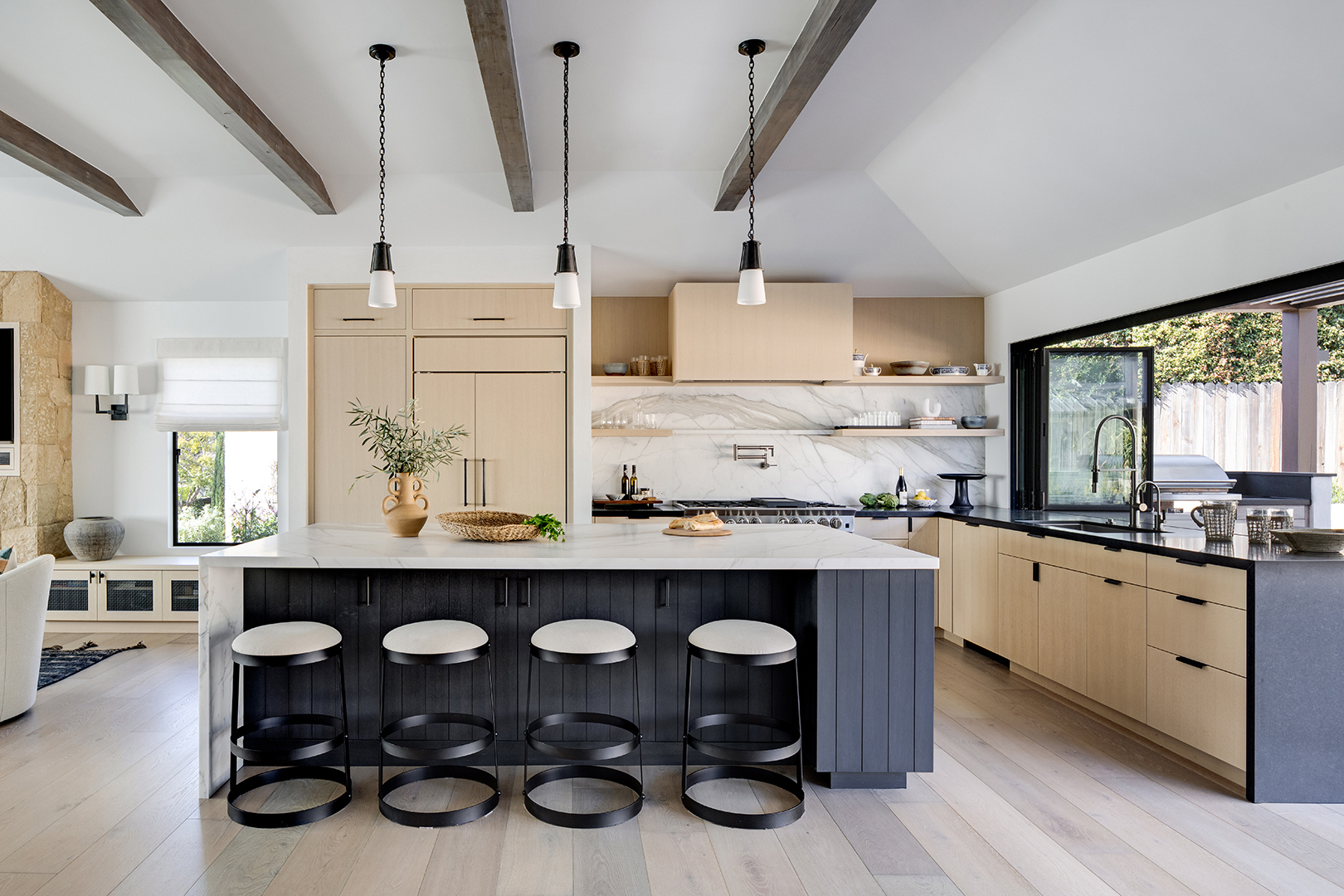
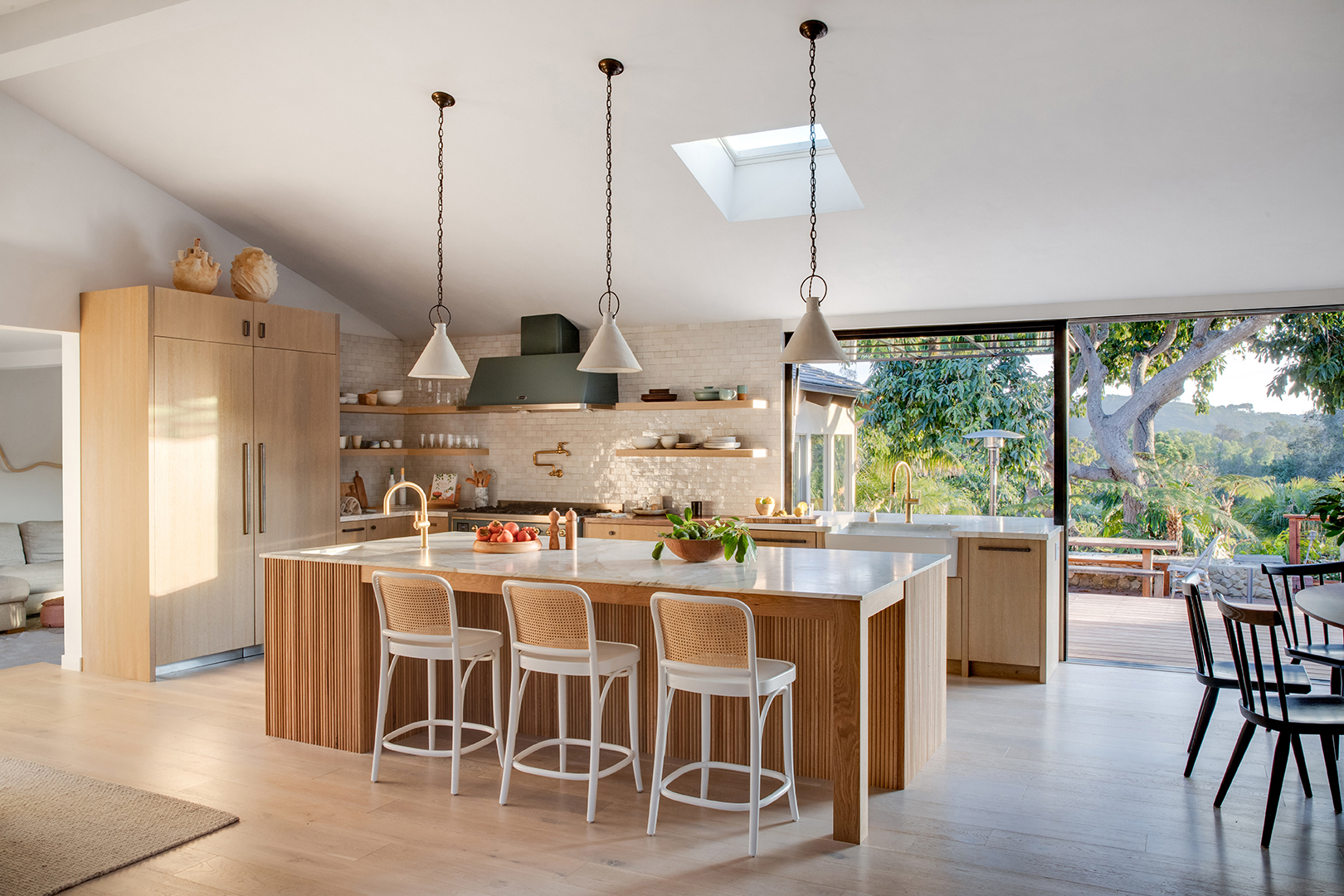
Rachel Robinson, an architect and founding partner at Dunham Robinson, attributes this revival to the multifaceted role of contemporary kitchens. Modern kitchens serve as central hubs for daily cooking, entertaining, family gatherings, and relaxation. This high demand on a single space often leads to clutter and pressure. Prep kitchens alleviate this by providing a secondary area for intense culinary work, bulk ingredient storage, and housing specialty appliances or serving pieces that are not used daily. Robinson likens the prep kitchen to a home's backstage, enabling the main kitchen to maintain a clean, minimalist aesthetic and function as a public, elegant space.
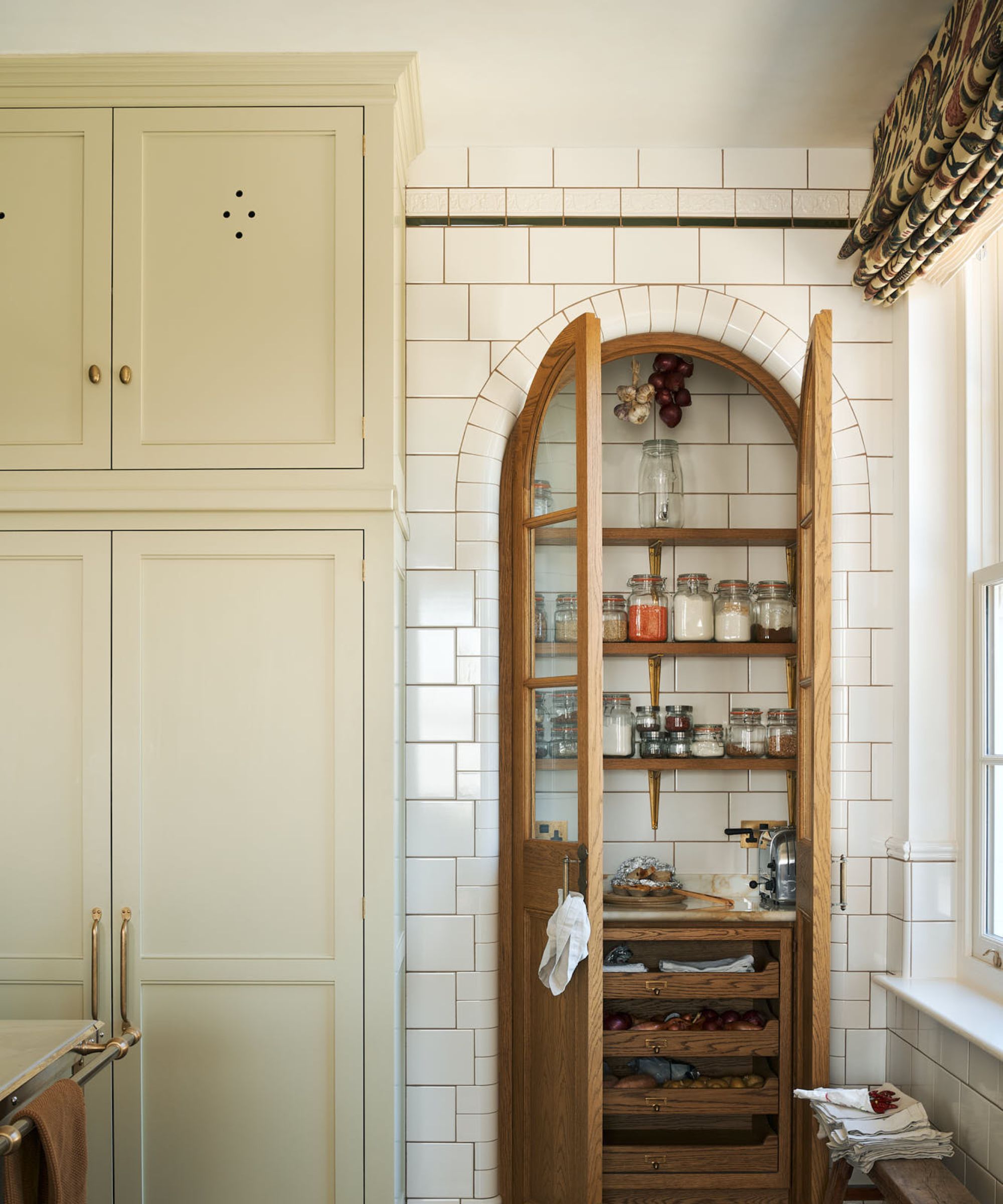
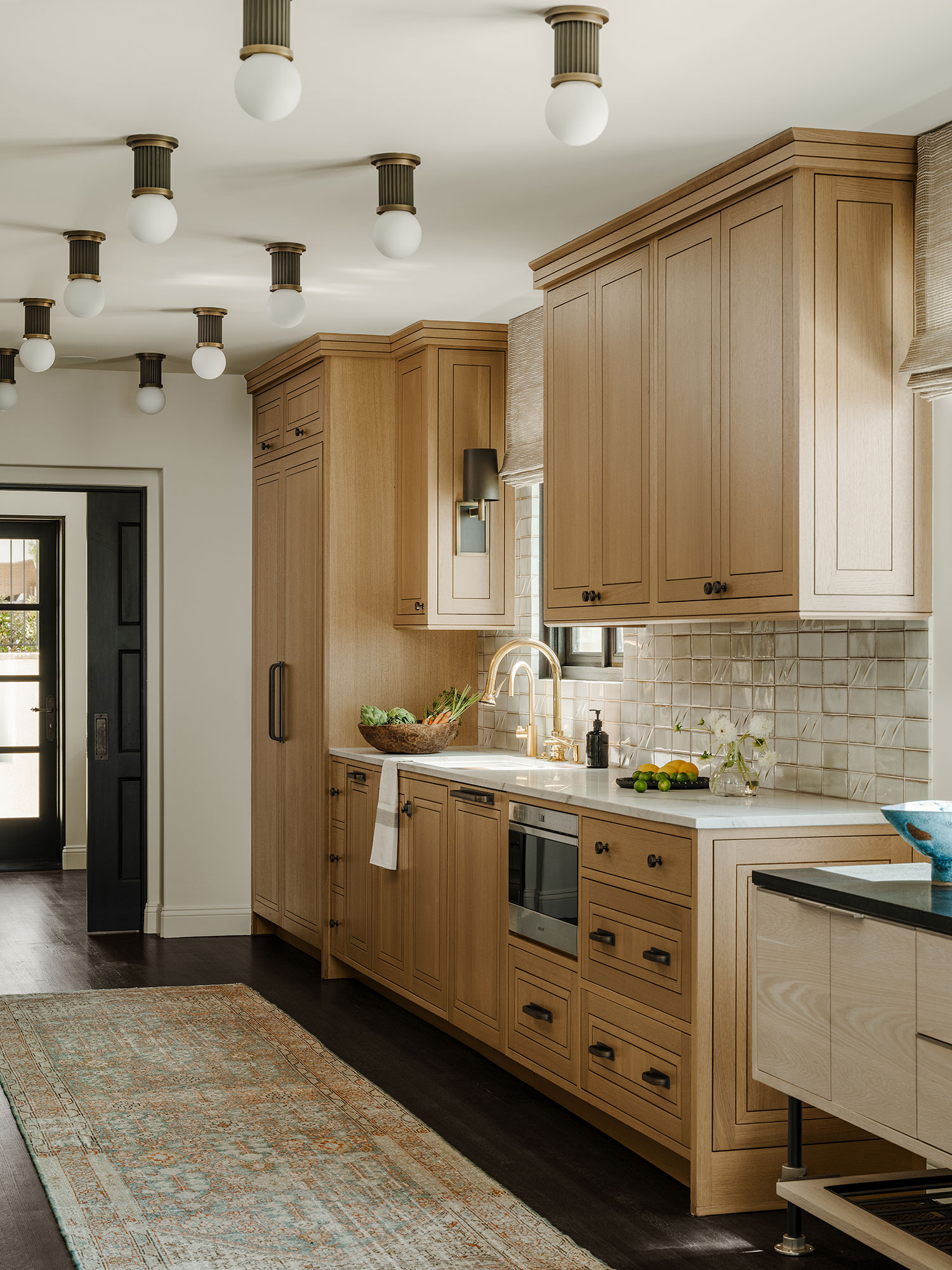
Melissa Oholendt, founder of Oho Interiors, supports the lasting appeal of prep kitchens, emphasizing their high functionality and adaptability to modern family needs. While acknowledging that such a space requires significant square footage and can increase construction costs, she suggests that careful planning is essential. A well-designed prep kitchen should be easily accessible, ideally with direct garage or hallway access, and equipped with a sink, adequate counter space with electrical outlets, refrigeration, and sufficient storage for ingredients.
However, the article clarifies that prep kitchens are not suitable for everyone. They are most beneficial for individuals who frequently host events or are deeply passionate about cooking and food preparation, where the main kitchen is constantly in use for elaborate meals. For those who primarily rely on takeout, the additional construction cost and space allocation for a prep kitchen may not be a productive investment. Interestingly, the concept can also be adapted for smaller residences, such as city apartments. Designers recommend prep kitchens for clients who entertain often, possess extensive collections of glassware or appliances that would otherwise overwhelm a single kitchen, or desire a consistently open and minimal main kitchen. In essence, a prep kitchen offers a practical solution for separating heavy-duty culinary tasks and storage from the primary, more visible kitchen area, enhancing both functionality and aesthetic appeal in homes.
#PrepKitchen #Scullery #KitchenDesign #HomeRenovation #InteriorDesign #HomeDecor #Entertaining #HomeImprovement #PrepKitchen #Scullery #KitchenDesign #HomeRenovation #InteriorDesign #HomeDecor #Entertaining #HomeImprovement
0 comment in total
 No comments yet
You may also like
This Is the Old-World Interior Design Trend Taking Over Kitchens Again
This nostalgic kitchen trend is back and here to stay, according to experts
9 ideas to steal from the kitchens of the 1990s and how to make them actually look chic in 2025
The Retro Kitchen Cabinet Color That's Making A Comeback

This Traditional Kitchen Detail is Making an Unexpected Comeback This Year

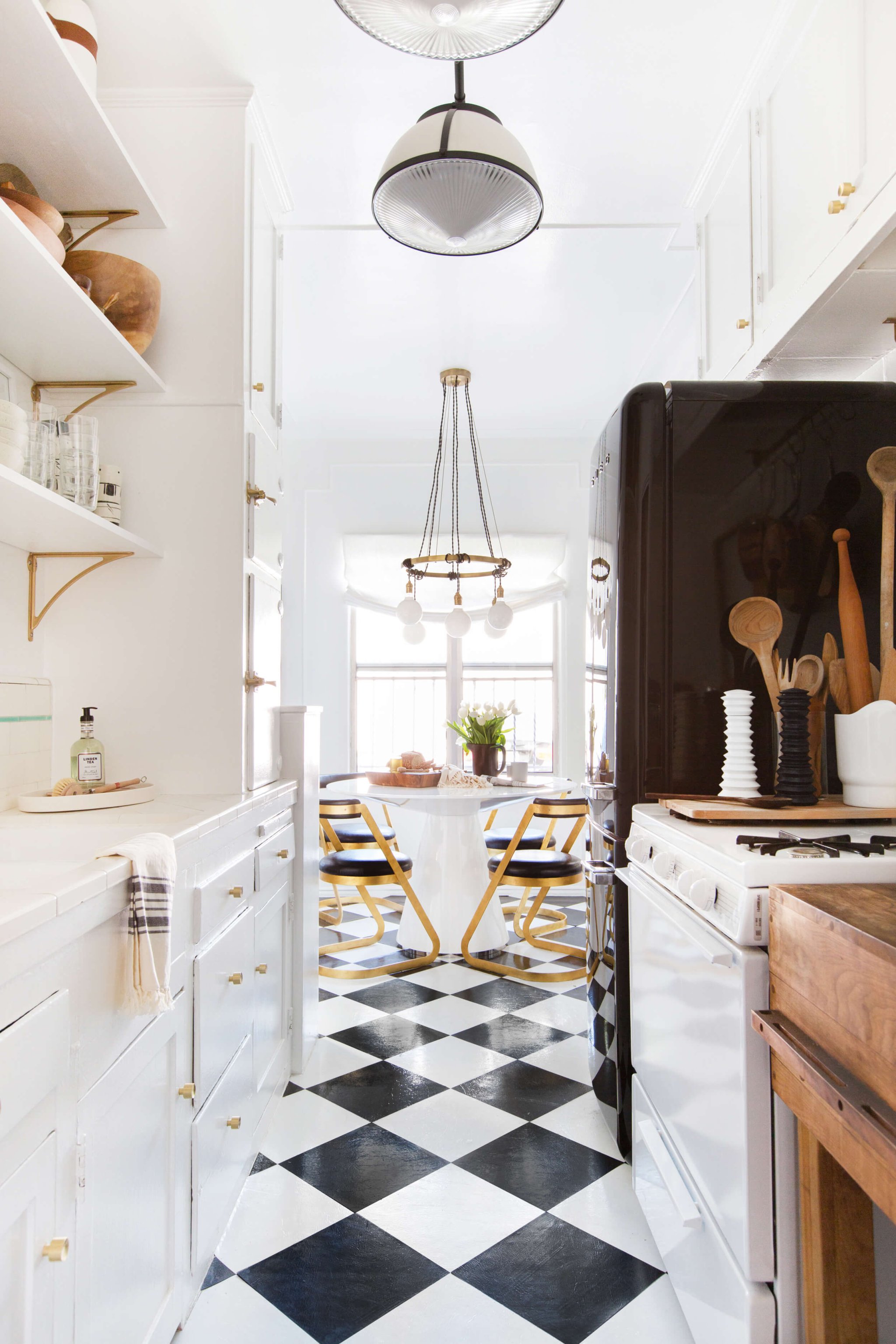
This “Dated” Kitchen Trend Is Back (and We’re Into It)
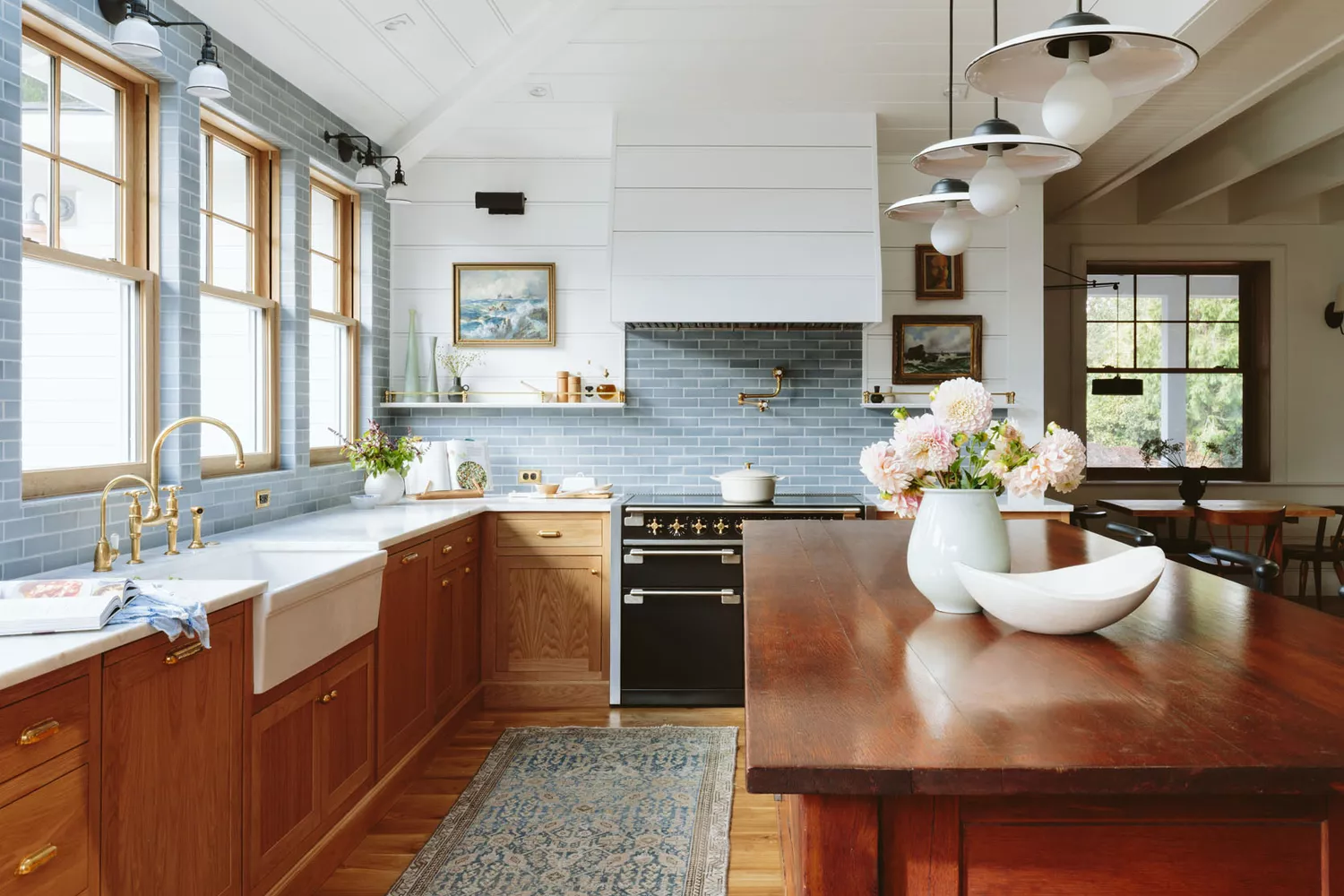
'90s Wood Kitchens Might Be Back in Style, According to Designers

10 Outdated Kitchen Trends Making A Comeback, According To A Design Expert

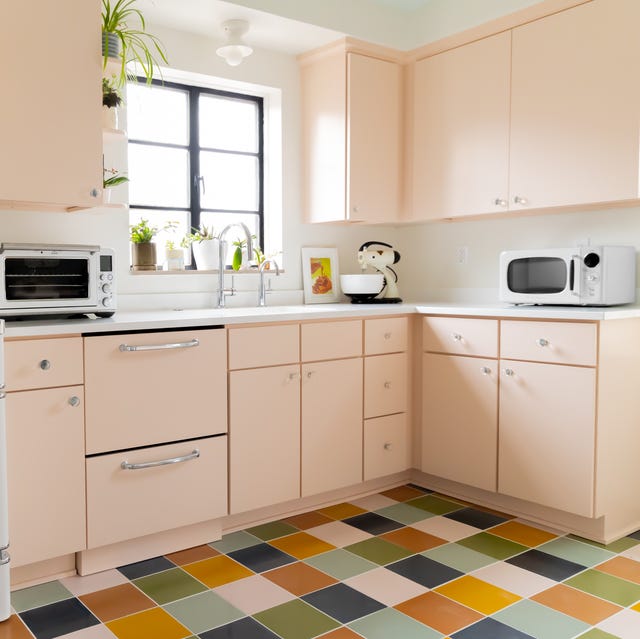
The Surprising Retro Kitchen Design That's Making a Major Comeback
Design Experts Agree: This Kitchen Style Is Making a Major Comeback
Vintage Home Design Trends That Are Making Huge Comebacks
These Are the Top Kitchen Hardware Trends for 2025, According to Experts

1990s Kitchen Trends We’re Falling In Love With All Over Again
9 Kitchen Trends From The '90s That Are Making A Comeback

16 Outdated Kitchen Features That Are Unexpectedly Coming Back In Style
This Ever-Popular Kitchen Layout Is Back (Again)

This Outdated Kitchen Design Style Is Coming Back (and That’s a Good Thing)
7 Vintage Kitchen Design Trends Boomers Remember Fondly

10 '90s Kitchen Design Trends We Think Need A Comeback

Wait, Are '90s Kitchens Back in Style? Why Designers Are Embracing Them Again