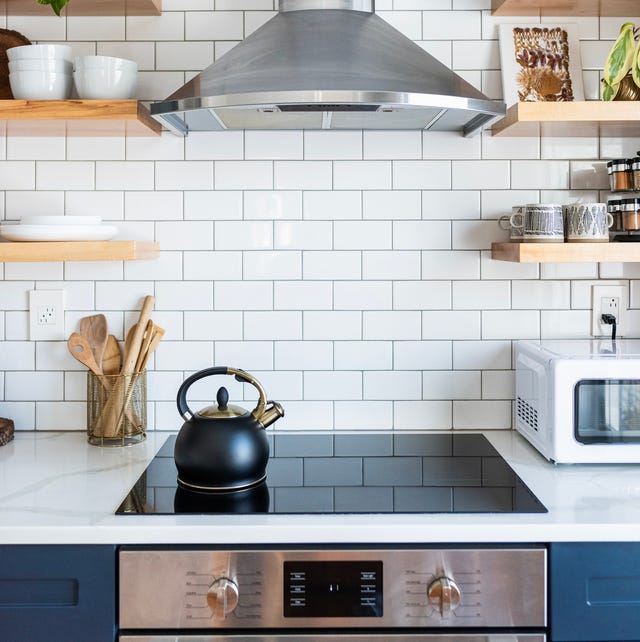
1/7
This "Everyday" Feature Cheapens the Look of Your Entire Kitchen, According to Designers
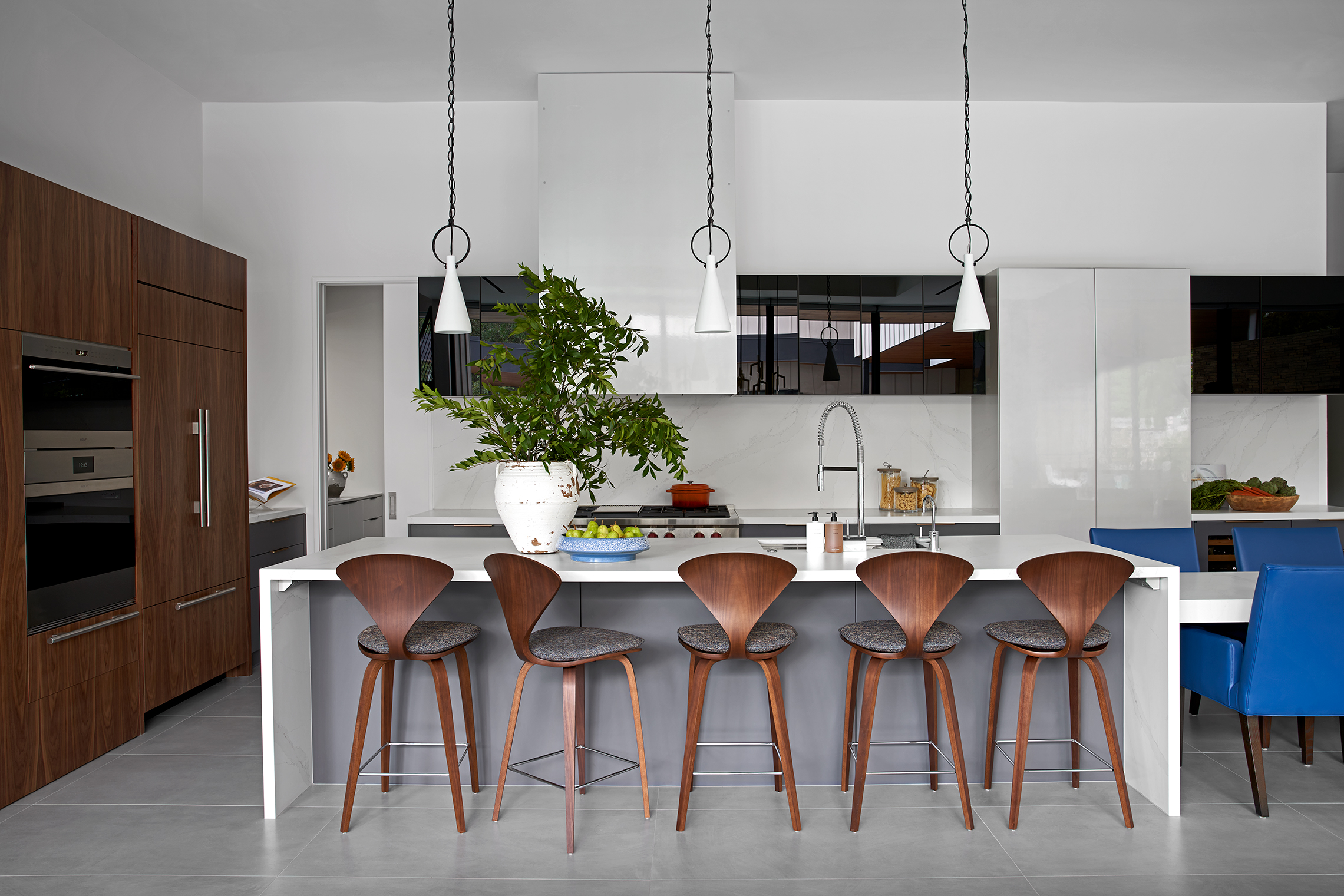
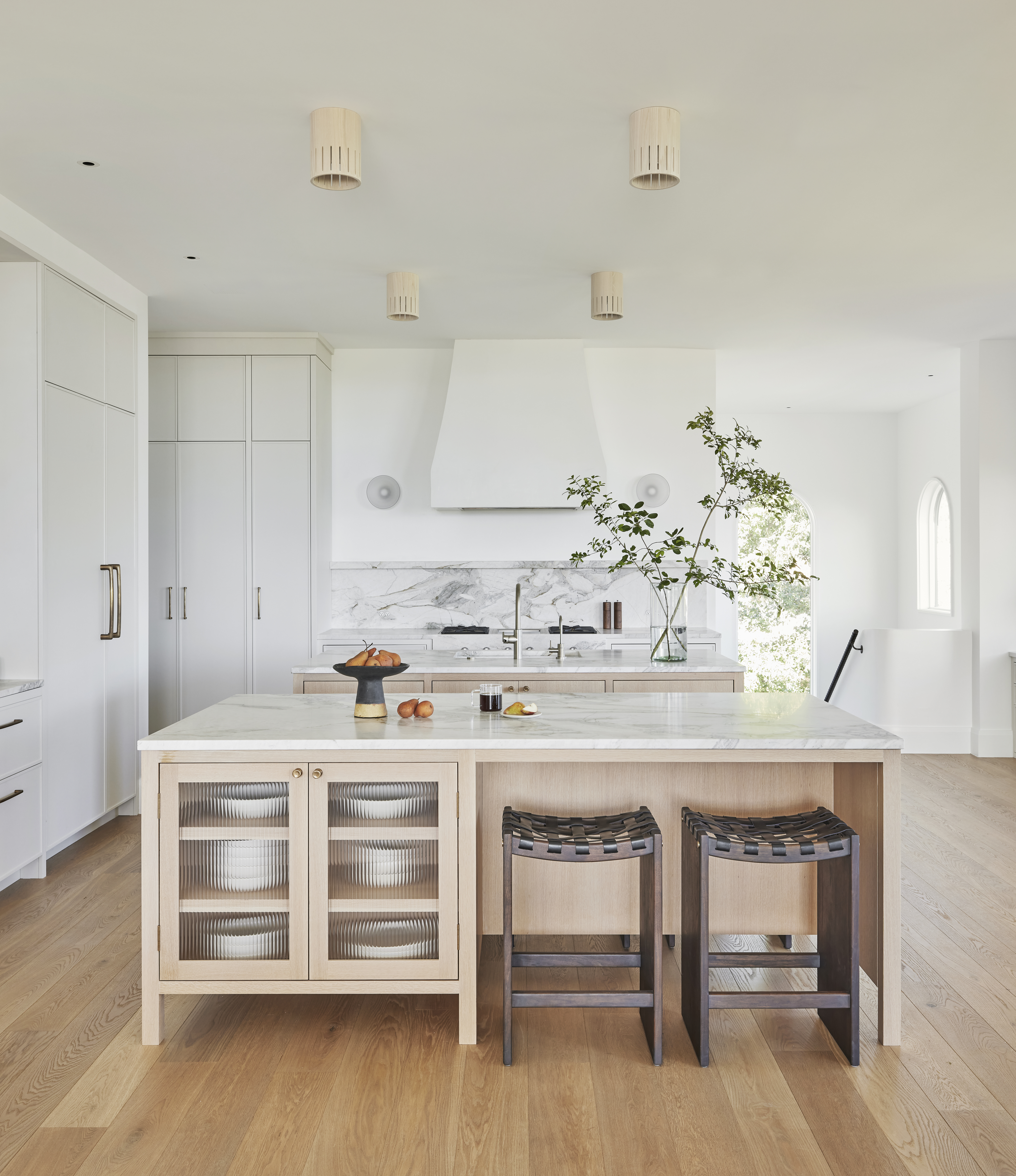
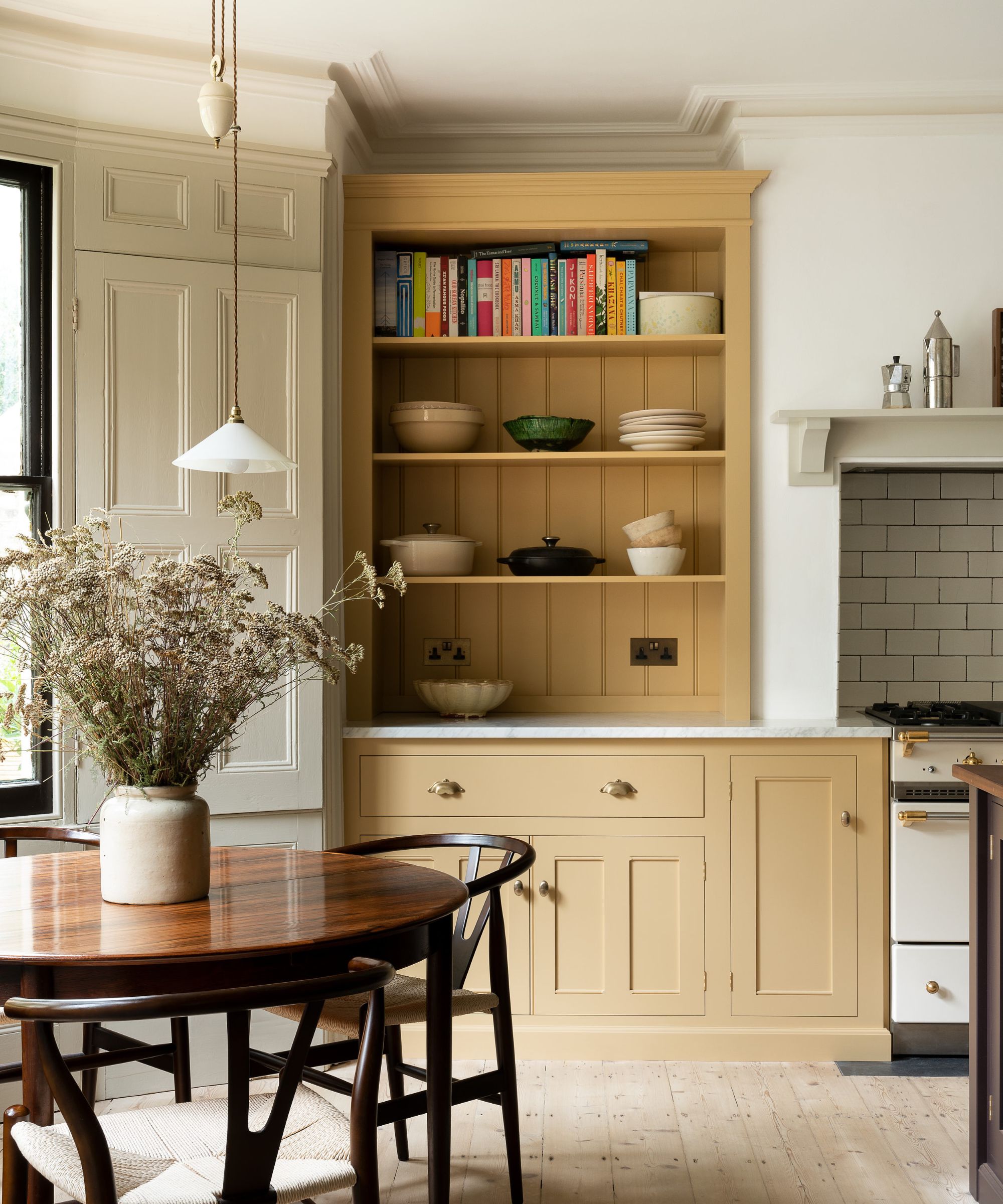
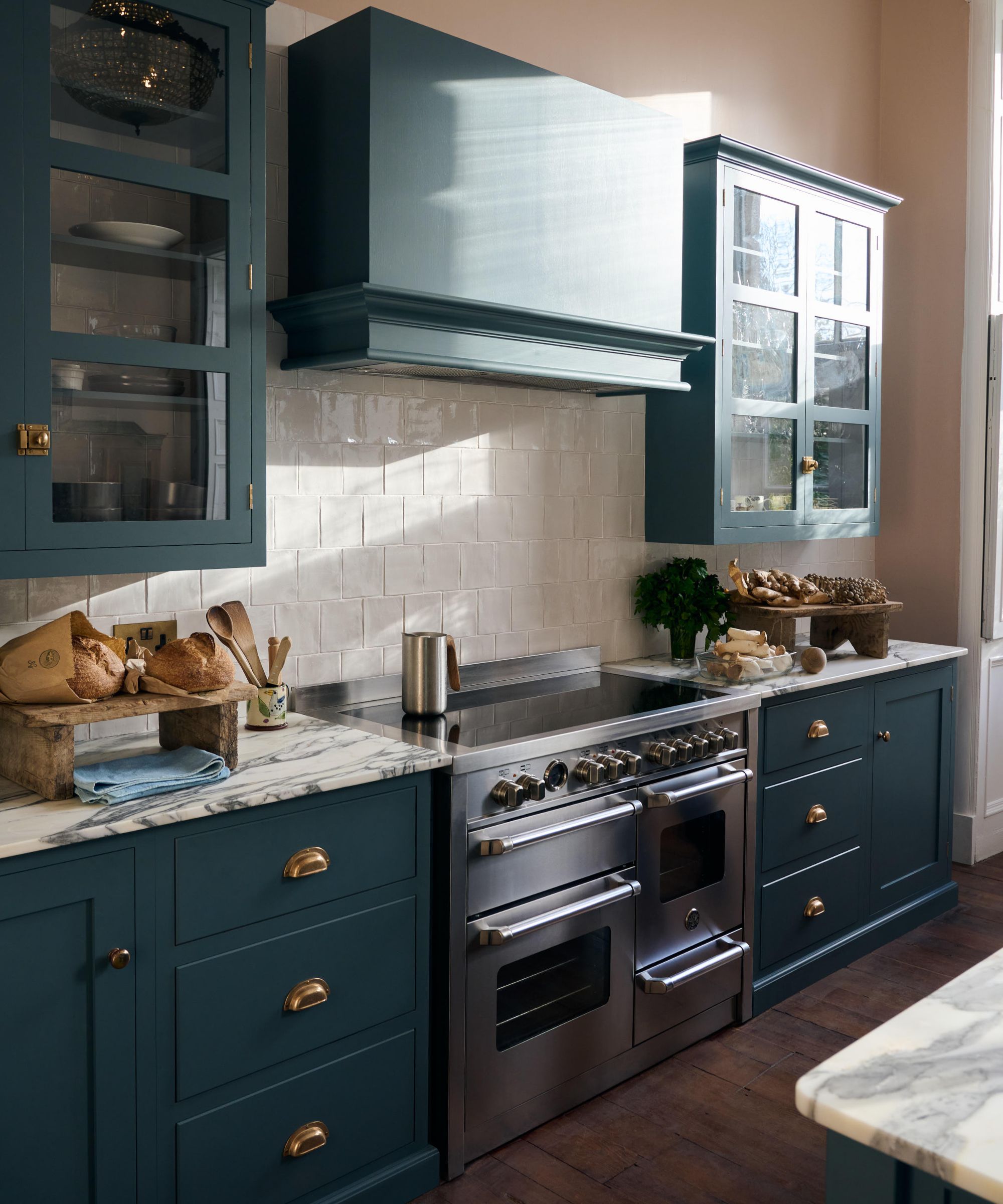
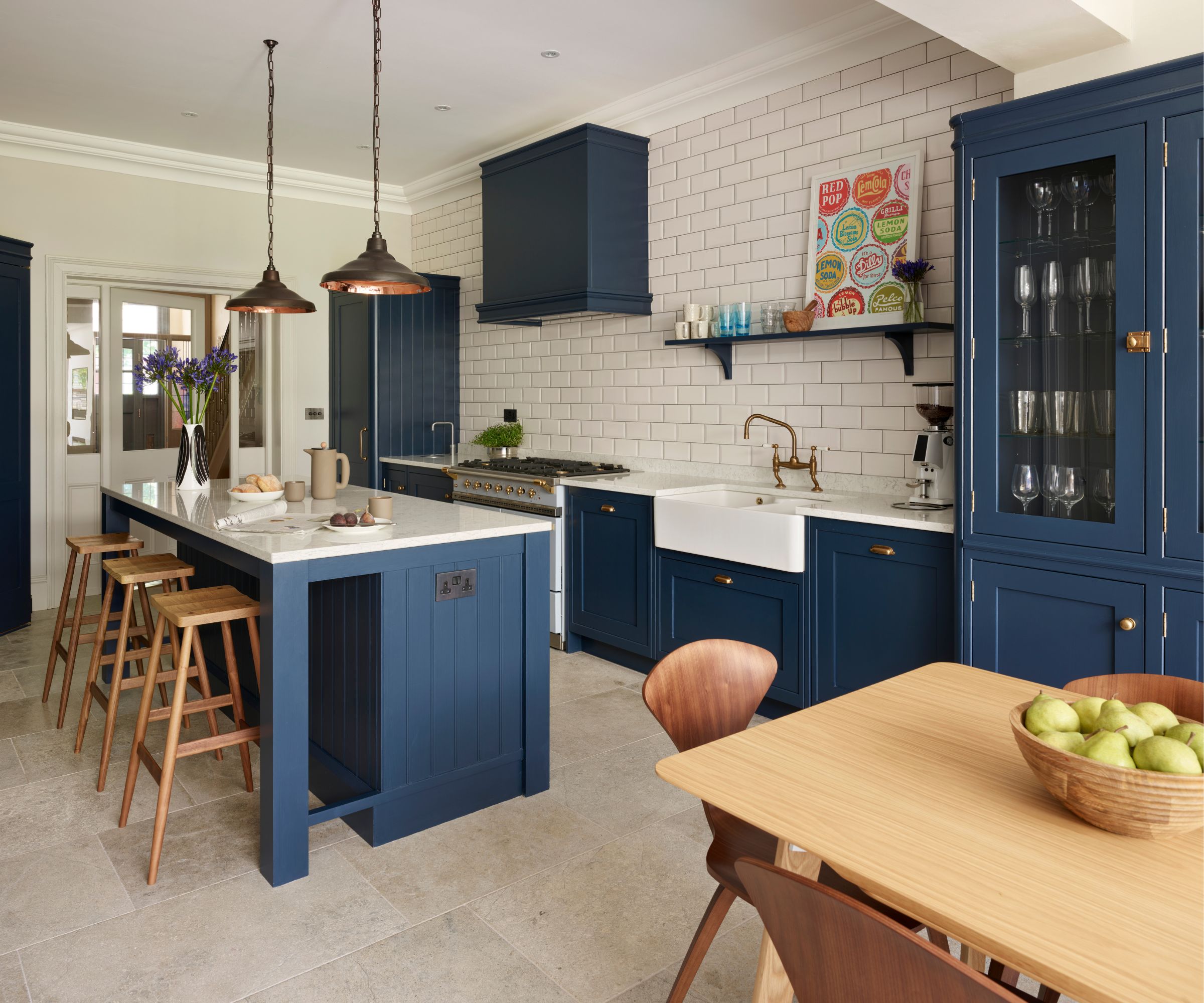
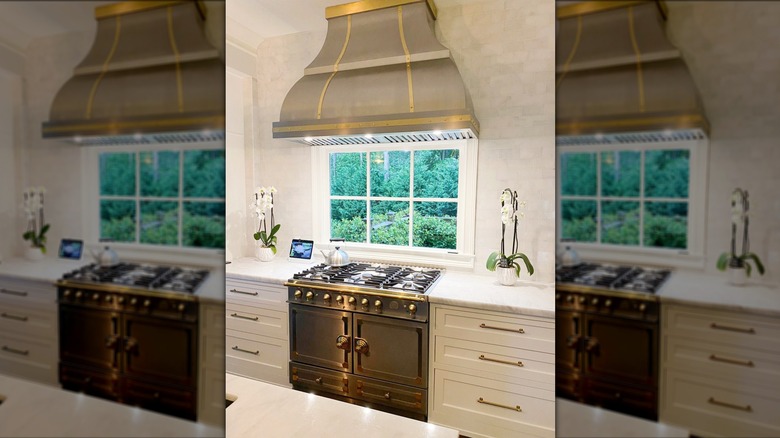
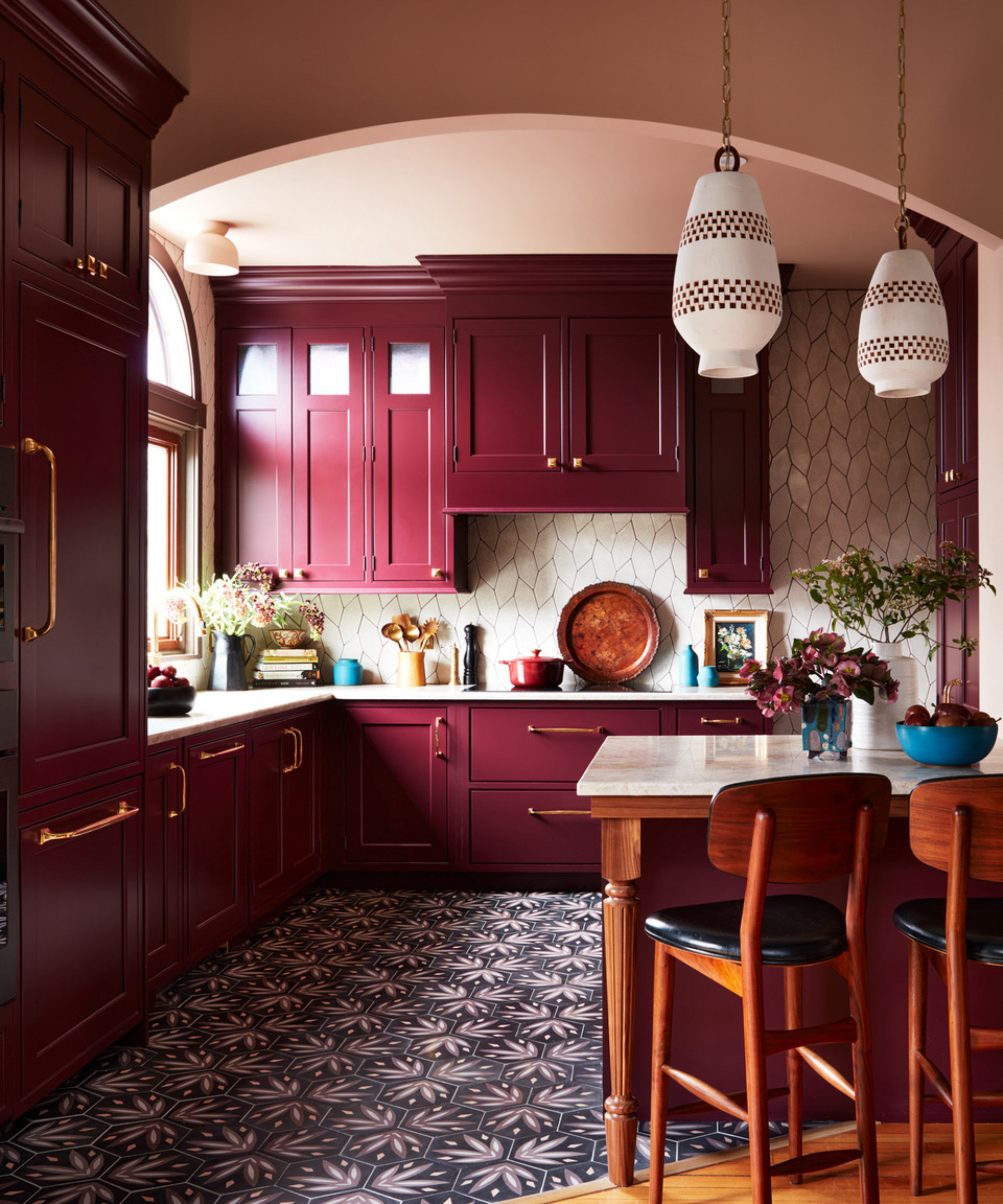
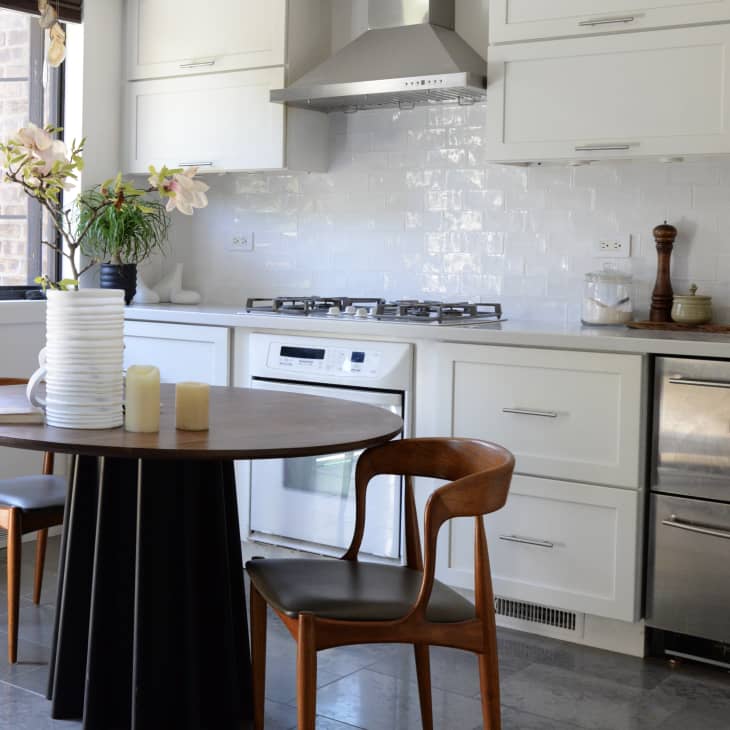
The appearance of a kitchen can be significantly impacted by the seemingly minor details of electrical outlets and light switches. While homeowners often meticulously plan major design elements like marble countertops, cabinetry, and hardware, the integration of electrical components is frequently overlooked, potentially detracting from the overall aesthetic and functionality. Unattractive outlets that break up a backsplash or awkwardly placed switches on an accent wall can draw attention away from the intended focal points of the kitchen design. Similarly, a disorganized cluster of outlets on an island or peninsula can disrupt the clean lines and symmetry that designers strive to achieve.
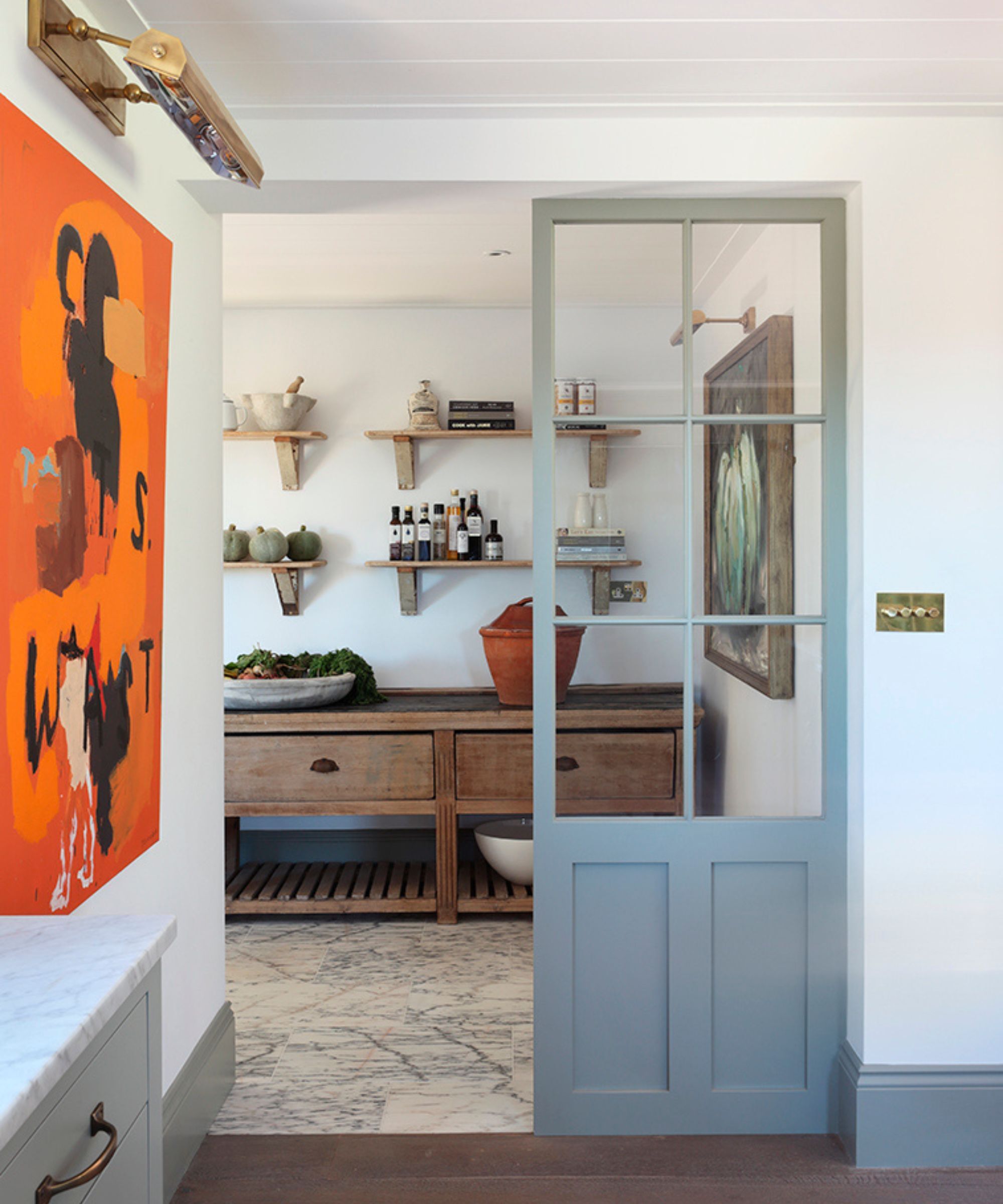
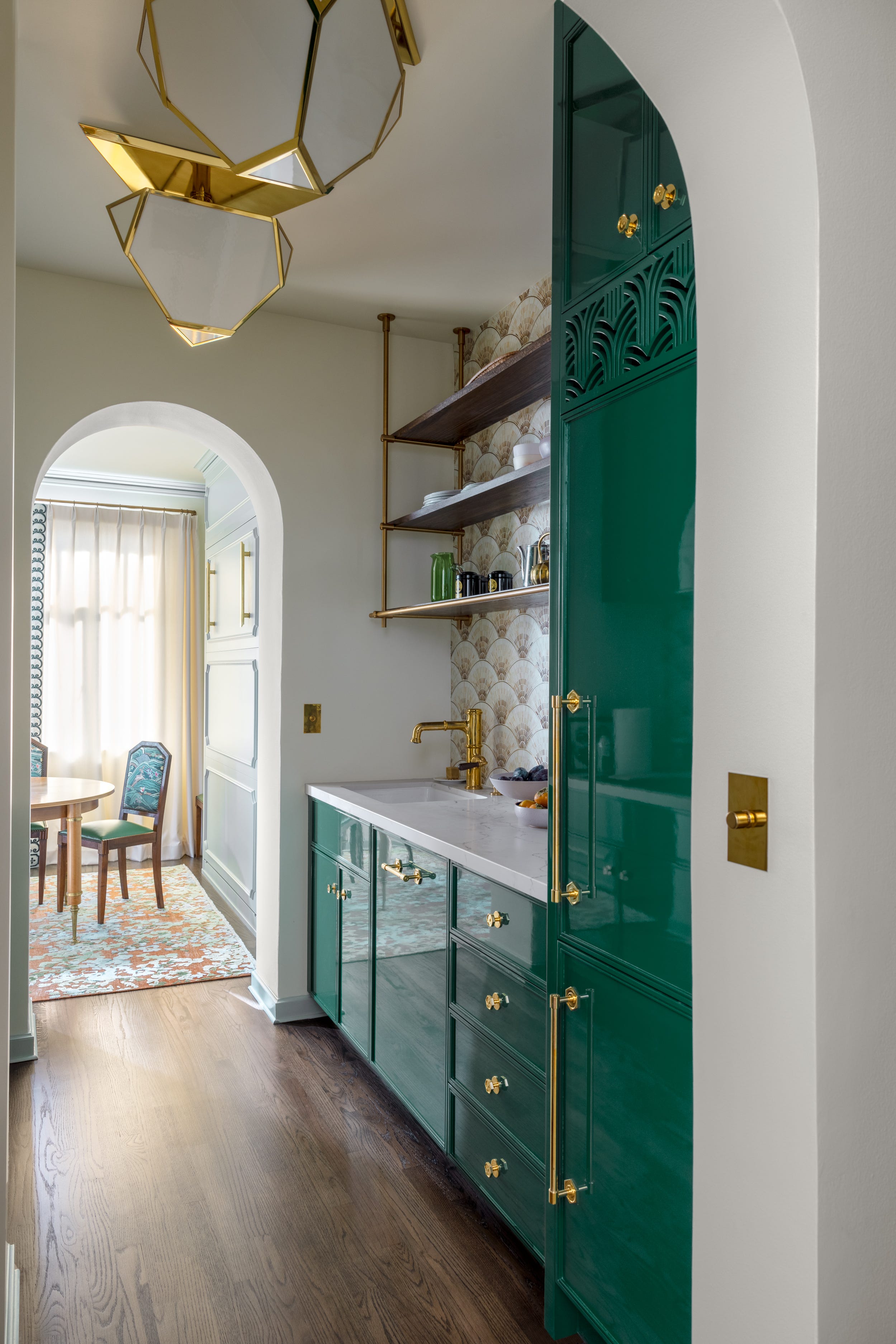
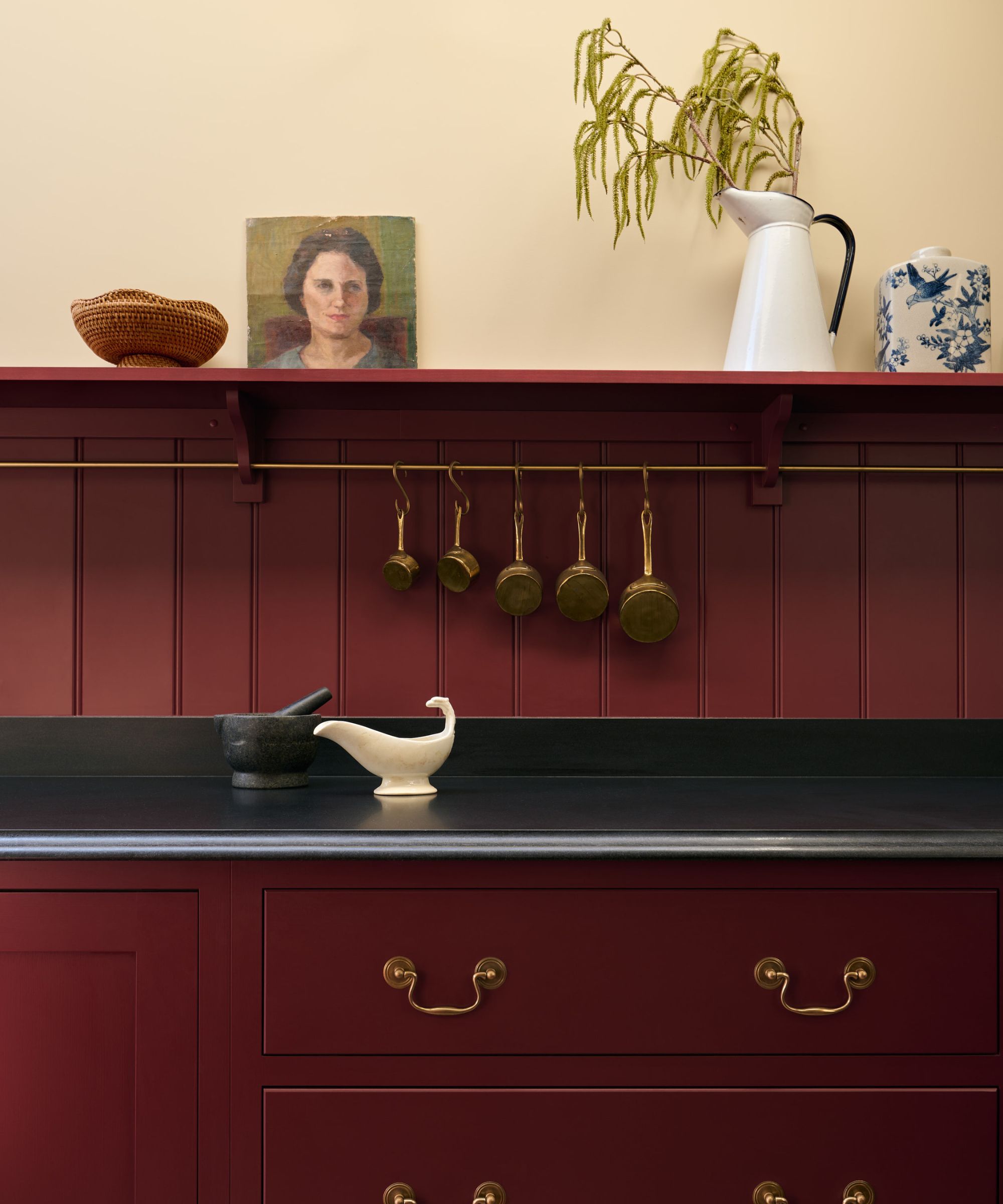
To prevent these issues, early planning and thoughtful design choices for electrical elements are crucial during kitchen renovations. Designers recommend moving beyond standard white plastic rectangles for outlets and switches, suggesting more refined options that complement the kitchen's metal finishes. Brands like Forbes & Lomax and Buster + Punch offer hardware that elevates the space with materials such as brass toggles or knurled black steel dimmers, providing a more integrated and sophisticated look compared to basic plastic plates.
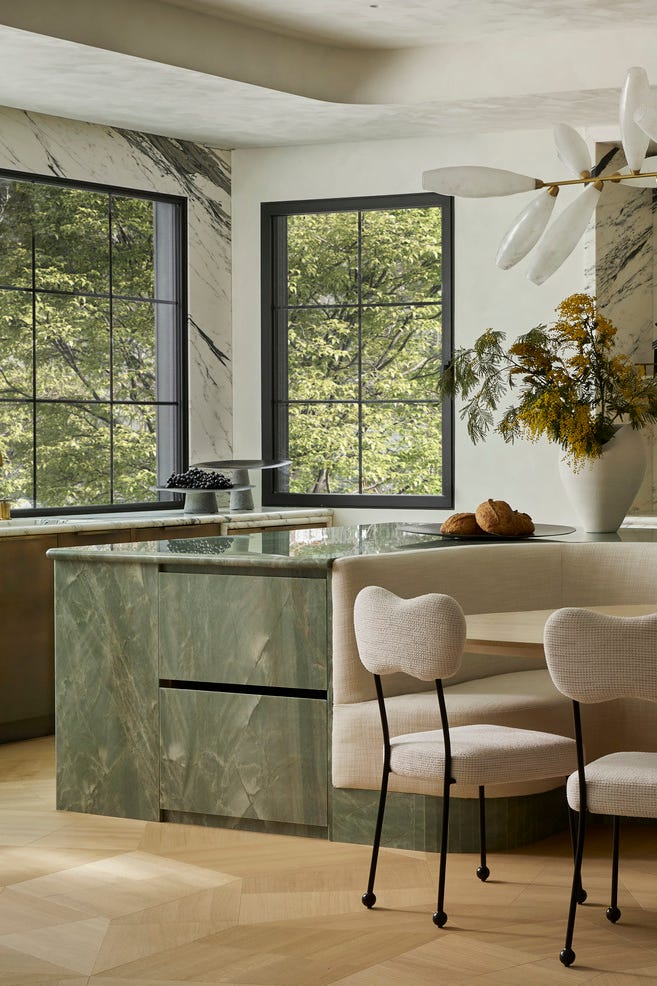
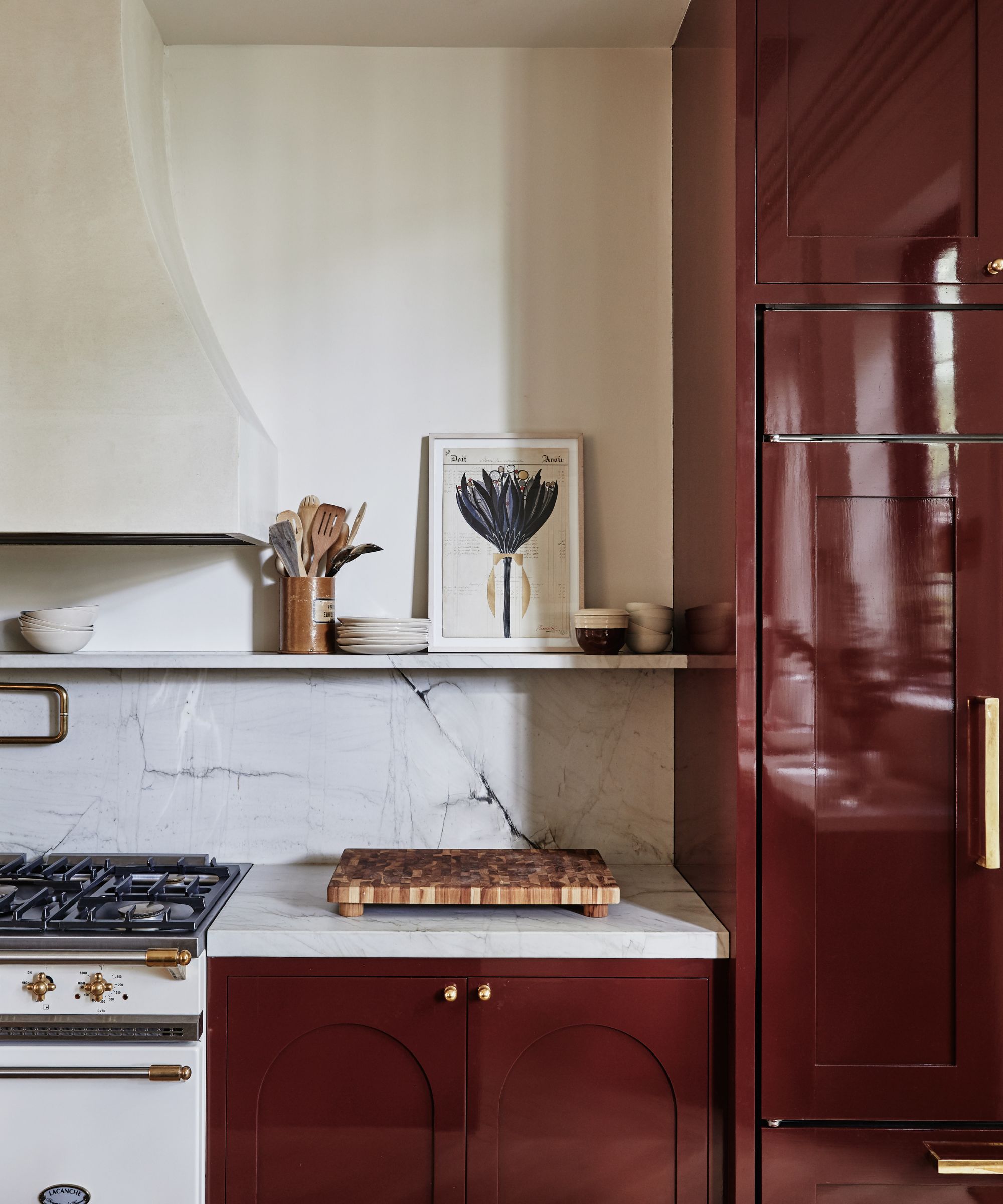
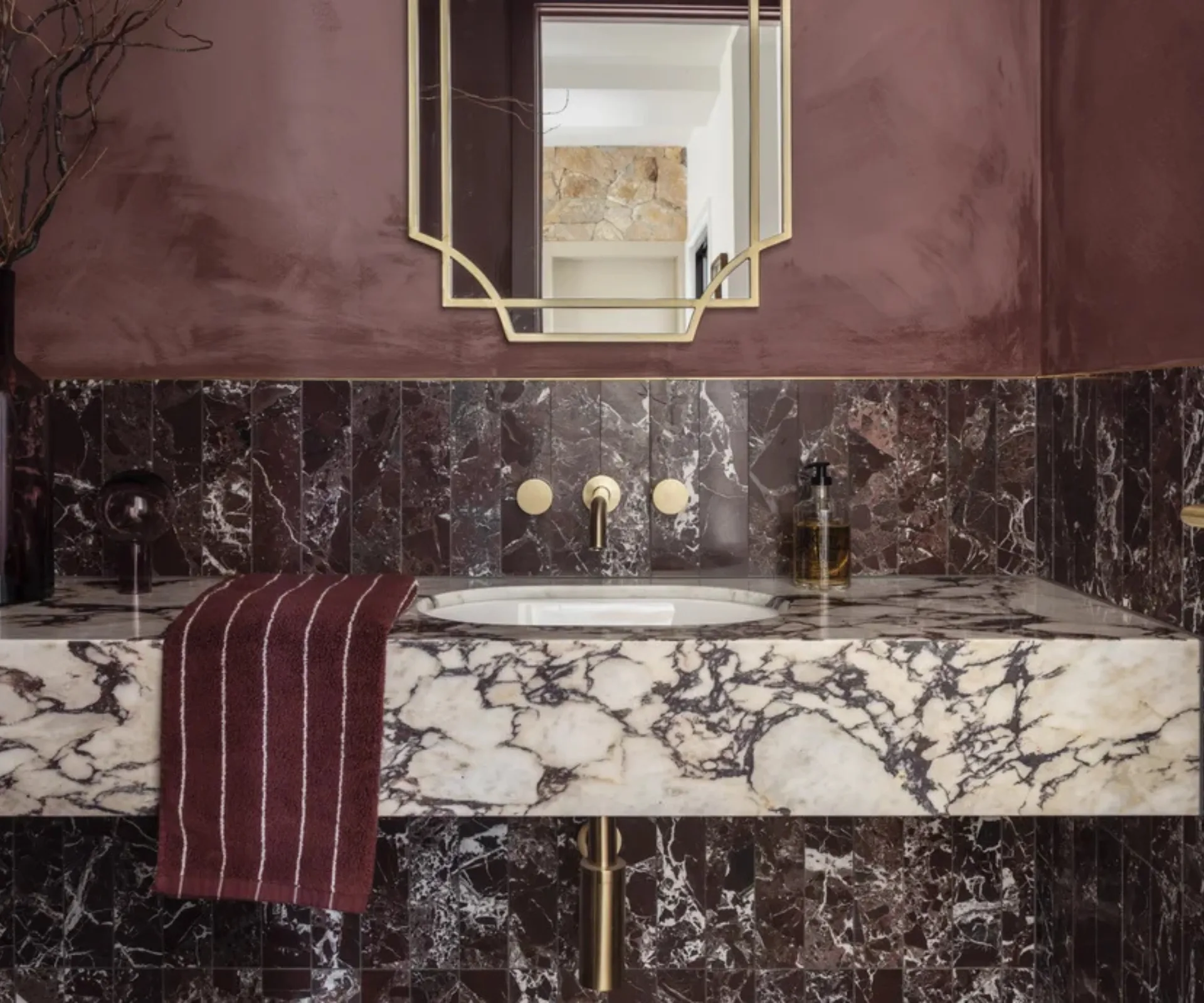
For a truly seamless integration, flush-mounted systems like TRUFIG outlets are highly effective. These systems can be seamlessly set into tile or stone, and even faux-finished to match the surrounding surface, making them virtually disappear. This allows high-end materials, such as marble, to remain the primary visual focus without competition from utilitarian electrical components. Such discreet placement creates a sense of quiet luxury by making functionality hidden in plain sight.
Addressing outlet and switch placement early in the design process is essential to avoid what is termed “Default Placement Syndrome.” Often, these decisions are left until late in construction, leading to electricians installing them according to standard code requirements rather than aesthetic considerations. Collaborating with a designer or electrician early on allows for intentional placement, such as positioning single gang outlets horizontally and lower, closer to countertops, for a less obtrusive appearance.
Furthermore, the clutter of multiple mismatched light switches, often referred to as “wall acne,” can be eliminated with smart lighting systems. Technologies like Lutron HomeWorks consolidate numerous switches into a single, elegant keypad. This system enables control of various lighting scenes, such as “Cooking,” “Dining,” or “Entertaining,” through one streamlined interface, enhancing both aesthetics and convenience.
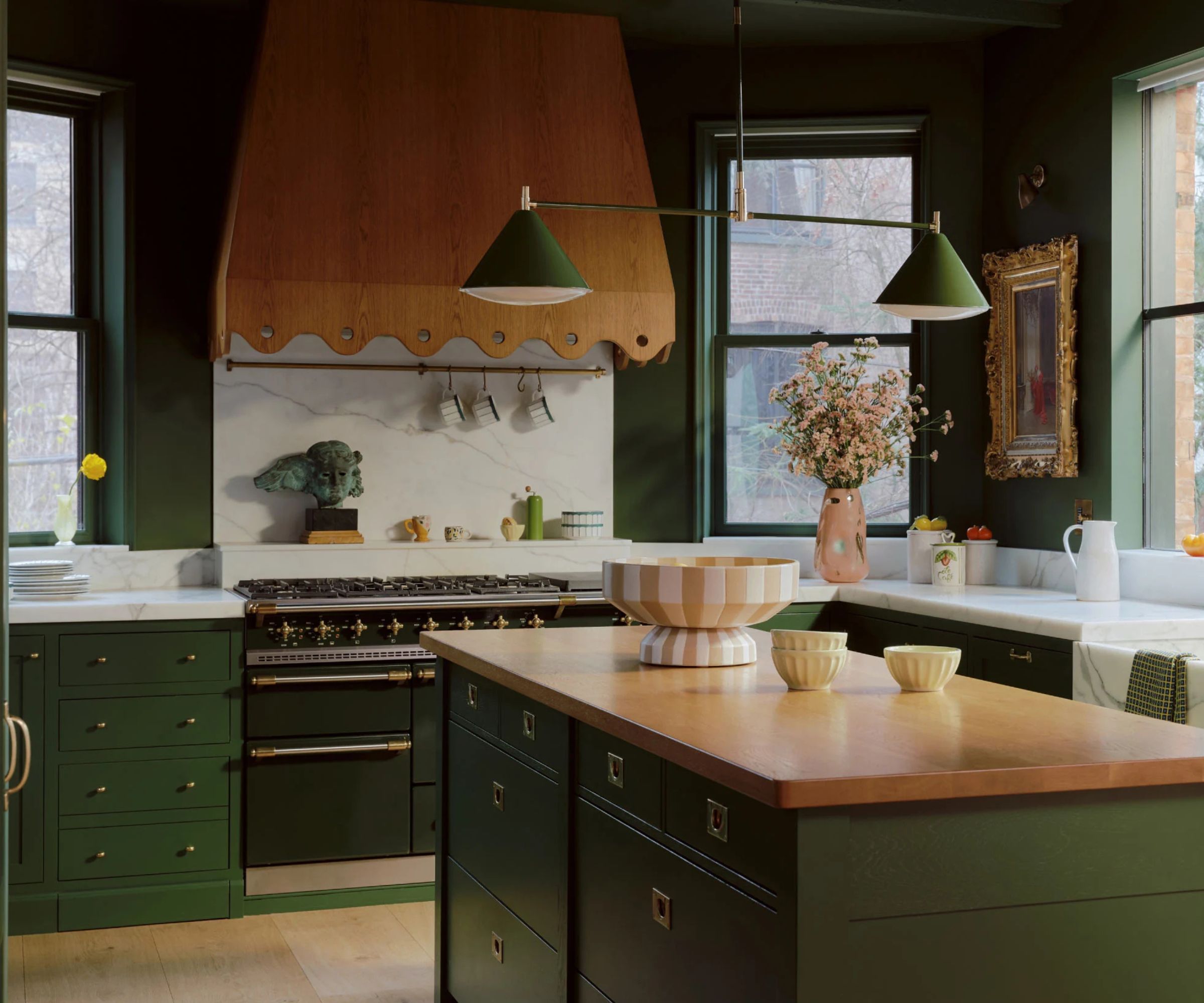
Adhering to electrical codes while maintaining design integrity is achievable with a forward-thinking approach. Custom cabinetry can be designed to conceal power strips, ensuring that backsplashes remain uncluttered. Pop-up countertop outlets offer an innovative solution for islands where side-mounted outlets may no longer be permitted by code. By working closely with experienced electricians who are open to creative solutions, homeowners can ensure their kitchen meets all regulatory requirements while achieving an elevated, functional, and aesthetically pleasing design.
#KitchenDesign #HomeRenovation #InteriorDesign #ElectricalOutlets #LightingDesign #SmartHomeTechnology #DesignTips #LuxuryKitchens #KitchenDesign #HomeRenovation #InteriorDesign #ElectricalOutlets #LightingDesign #SmartHomeTechnology #DesignTips #LuxuryKitchens
0 comment in total
 No comments yet
You may also like
Designers Say Making This Small Change Can "Transform" Your Kitchen

This Once-Popular Kitchen Trend Is Actually a Huge Pain—Here’s One Designer’s Solution
Upgrading THIS Simple Feature Makes Your Home Look More Expensive, According to Designers
Cluttered Kitchen Counters Are a Non-Issue With This Clever Feature

'Get This Element Right, and Add The Perfect Finish to Your Kitchen,' Say Designers

Designers say this 1 unassuming and affordable feature will make your home look more expensive


The Kitchen Detail You've Been Overlooking That Can Have A Major Impact

This Smart Kitchen Layout Trick Might Save You Space — and Thousands of Dollars!— in the Long Run
You Don’t Need a Sprawling Kitchen When You Have These Designer Tricks
This Popular Kitchen Feature Might Actually Date Your Home

Designers Love Using THIS Color to Make a Kitchen Look More "Expensive"

The one small upgrade that instantly modernises any kitchen or bathroom

Designers Have Spoken: This Kitchen Feature Is Always an Eyesore—But There's an Easy Fix

5 kitchen hardware mistakes interior designers say homeowners always make, and how to fix them
This Unexpected Luxury Color Is Quietly Taking Over Kitchens Everywhere
This Forgotten Kitchen Feature Is Popping Up More and More

This unexpected kitchen design is everywhere right now
Our Kitchen Has Never Been More Functional Thanks to This Simple Product


Sourced by Homes & Gardens: Where to Buy Kitchen Hardware That is Elevated, Functional, and Suits Every Budget
Designers Agree: This Kitchen Trend Instantly Makes Your Home Look Outdated