1/3
Let’s Architect! Security in software architectures
This blog post explores fundamental security practices for cloud workloads, focusing on network and application security within the Amazon Web Services (AWS) ecosystem. It highlights architectural practices and services offered by AWS to enhance security. The discussion begins by emphasizing the critical role of security in all product and service development, whether for backend systems, data, or machine learning components. The article refers to a previous post, "Let’s Architect! Architecting for Security," and aims to delve deeper into practical security measures.
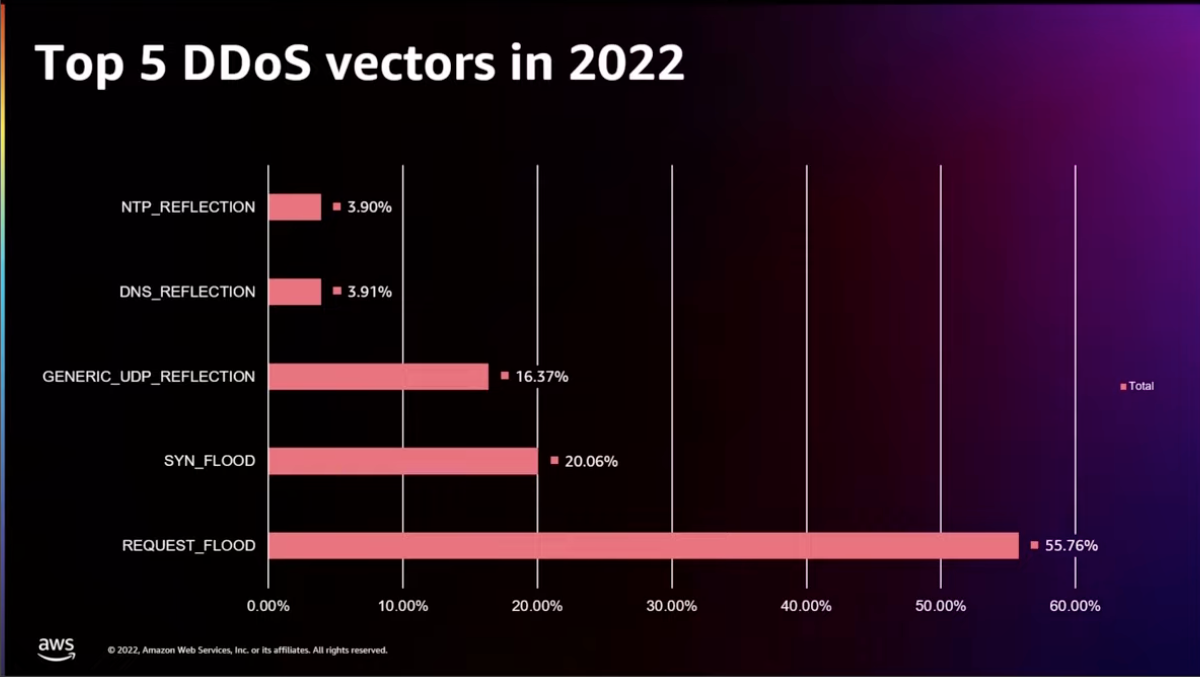
The post outlines strategies for protecting workloads against common attacks, introducing the Zero Trust principle and its implementation within AWS. A re:Invent session from 2022 is referenced, providing insights into the most prevalent threat vectors and vulnerabilities encountered by AWS customers. This session details how these threats are executed by attackers, the weaknesses they exploit, and the AWS-provided solutions to mitigate such security issues. Adopting suitable services and following architectural practices are deemed essential for fundamental security.
The Zero Trust security model is presented as a superior alternative to traditional network perimeter models, leading to higher security outcomes. An AWS re:Invent 2022 session defines the Zero Trust models, explains their practical implementation, and showcases how AWS internally applies this principle. A case study featuring Delphix demonstrates the successful production deployment of Zero Trust, illustrating how architectural designs can integrate these security pillars effectively.
Container security is also a significant topic, given its importance in modern distributed systems. The article points to an AWS re:Inforce 2023 session that provides a deep dive into container security on AWS. It explains how services like Amazon Elastic Kubernetes Service (EKS) and Amazon Elastic Container Service (ECS) leverage Linux security-layer protections, adhering strictly to the principle of least privilege. This approach significantly reduces the attack surface by restricting permissions and privileges for processes, thereby maintaining system integrity.
Finally, the blog post addresses the secure management of secrets, which are crucial for accessing confidential systems and resources. It identifies common anti-patterns in organizational secrets management, such as sharing plaintext secrets through insecure channels or neglecting regular rotation. Detailed guidance is provided on discovering, classifying, implementing, and migrating secrets to AWS Secrets Manager, ensuring a secure and consistent approach to secrets management. The article concludes by inviting readers to explore further content on cost optimization, as part of the "Let’s Architect!" series on the AWS Architecture Blog.
#SoftwareArchitecture #CloudSecurity #ZeroTrust #ContainerSecurity #AWSSecretsManager #CybersecurityBestPractices #AWSArchitecture #CloudWorkloads #DataSecurity #SoftwareArchitecture #CloudSecurity #ZeroTrust #ContainerSecurity #AWSSecretsManager #CybersecurityBestPractices #AWSArchitecture #CloudWorkloads #DataSecurity
0 comment in total
 No comments yet
You may also like
Let’s Architect! Tools for developers

Hardware & Security

Let’s Architect! Resiliency in architectures
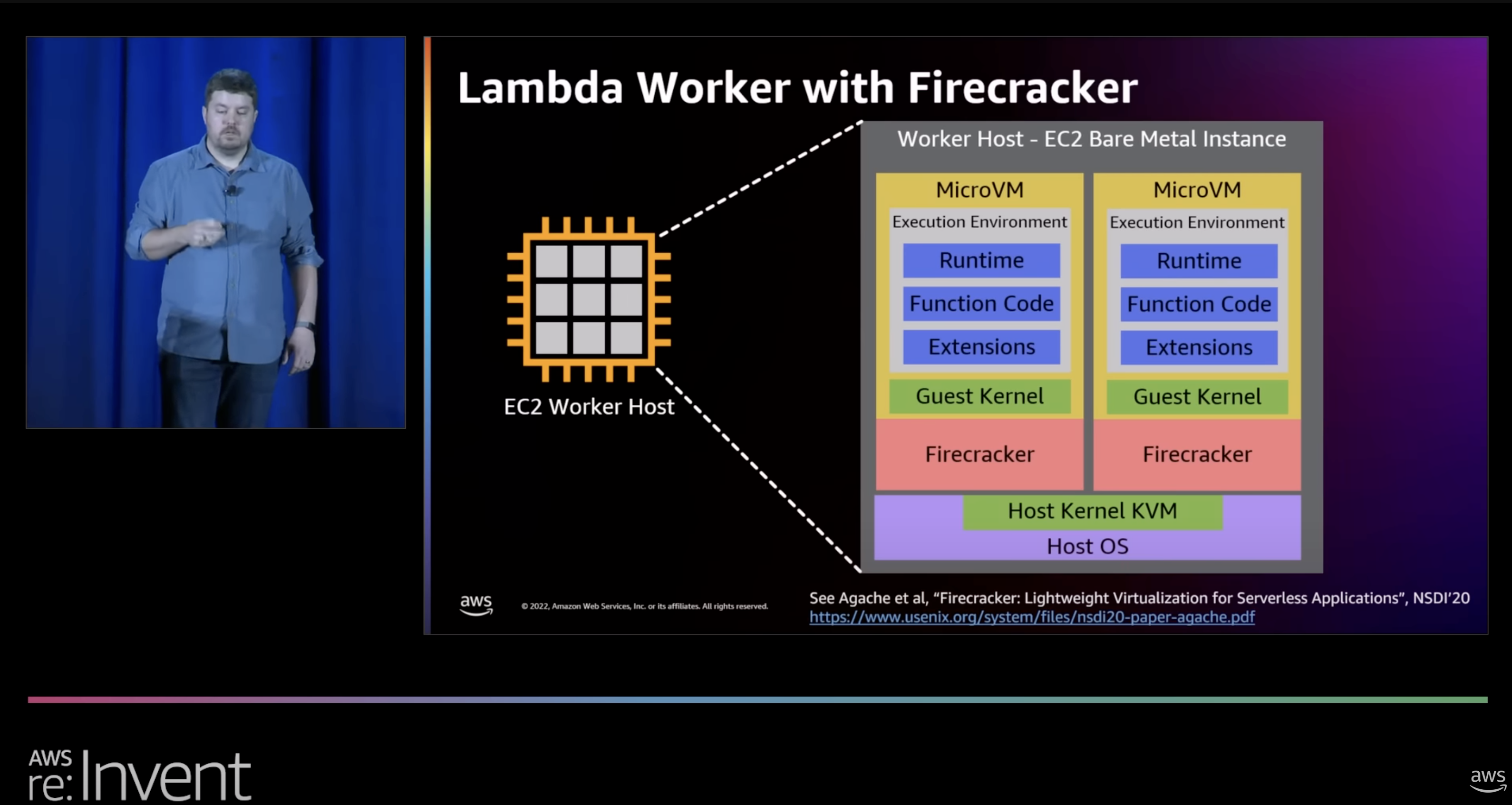
Let’s Architect! Designing serverless solutions
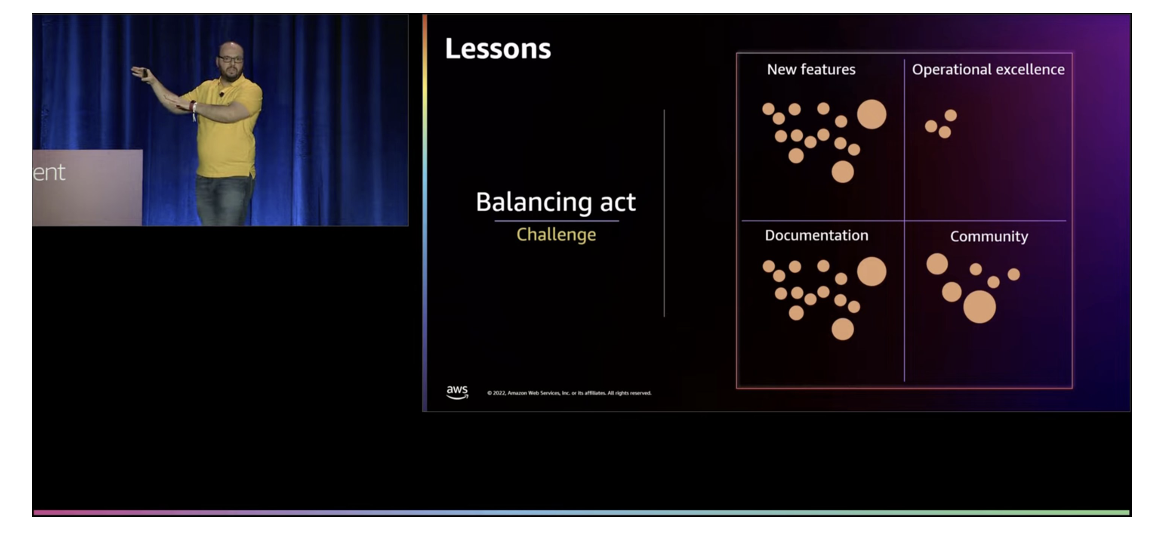
Let’s Architect! Open-source technologies on AWS
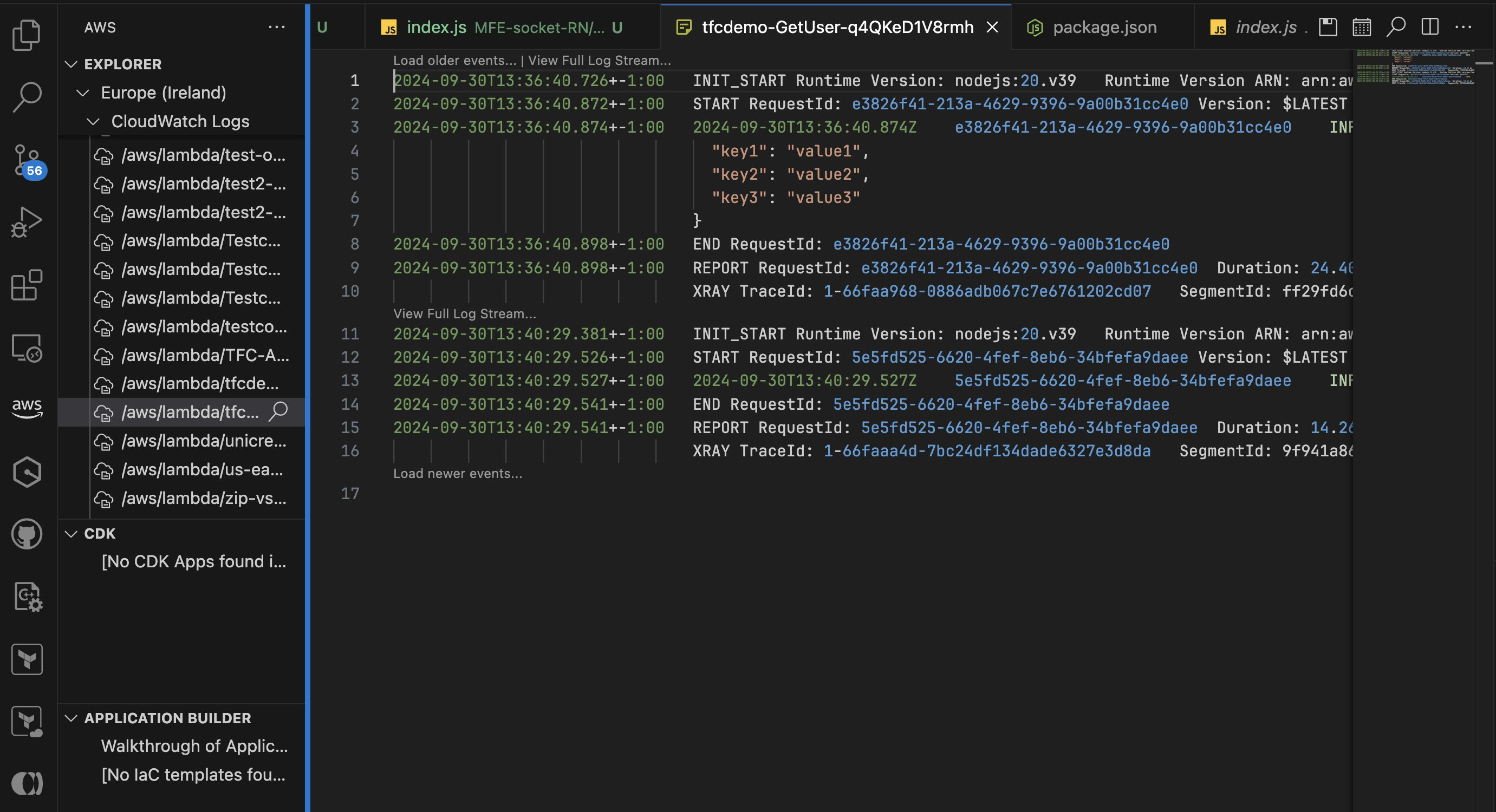
Let’s Architect! Serverless developer experience in AWS | AWS Architecture Blog
AWS Security Profile: Matt Luttrell, Principal Solutions Architect for AWS Identity

Best architecture software of 2025

Let’s Architect! Designing microservices architectures