1/4
Let’s Architect! Designing microservices architectures
This blog post, a continuation of the "Let's Architect!" series, focuses on the complexities and best practices of designing microservices architectures. It expands upon a previous post that explored microservices with containers, delving deeper into the specific challenges faced by software architects and engineers when developing large-scale distributed systems composed of independent services. The authors, Luca Mezzalira, Federica Ciuffo, Laura Hyatt, Vittorio Denti, and Zamira Jaupaj, highlight several key areas critical to successful microservice implementation.
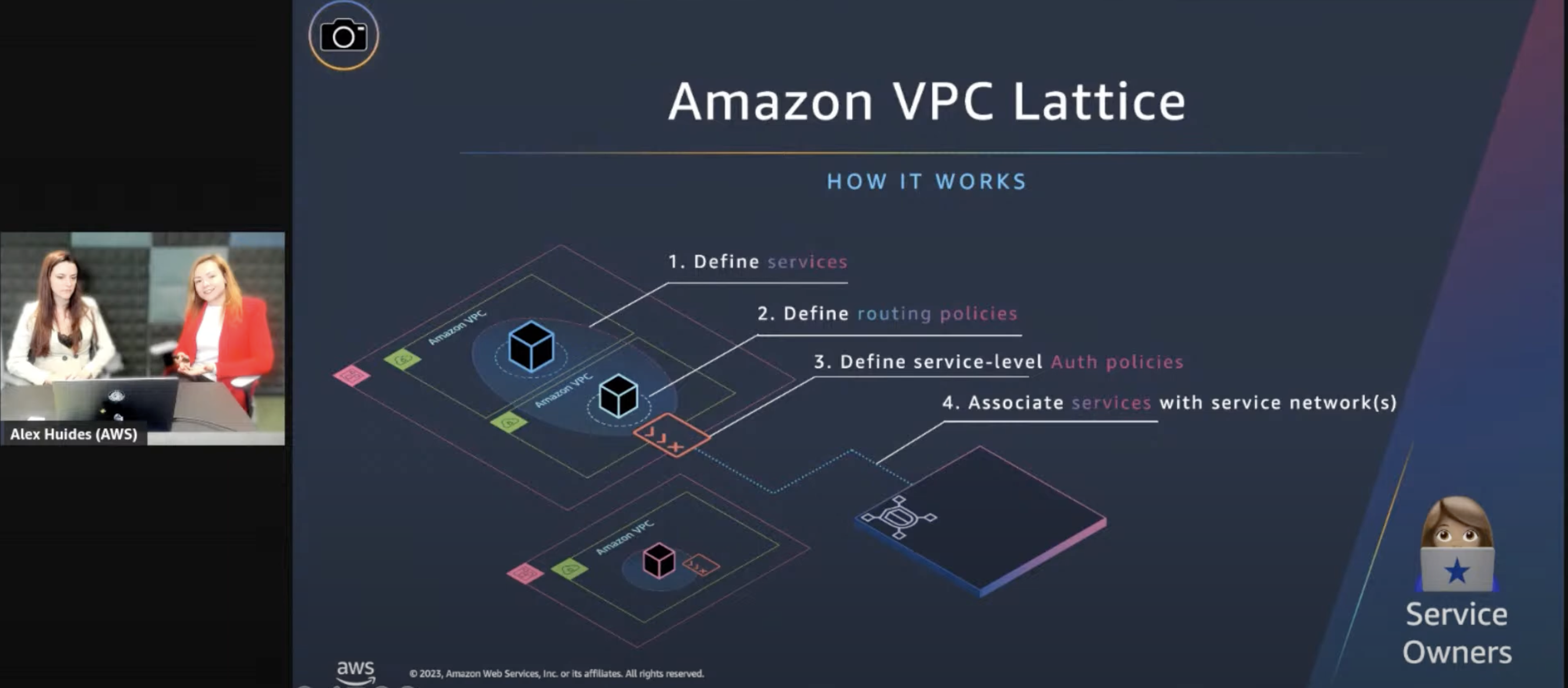
The article begins by addressing the need for effective methods to authorize, route, and monitor network traffic between these specialized services, as well as the ability to identify the root cause of issues at various levels. Amazon VPC Lattice is introduced as a solution that offers a consistent way to connect, secure, and monitor communication across instances, containers, and serverless functions. This service enables the definition of policies for traffic management, advanced routing, and network access, facilitating discoverability and real-time monitoring of traffic flow within complex applications. This capability is essential for maintaining control and visibility in a distributed microservices environment.
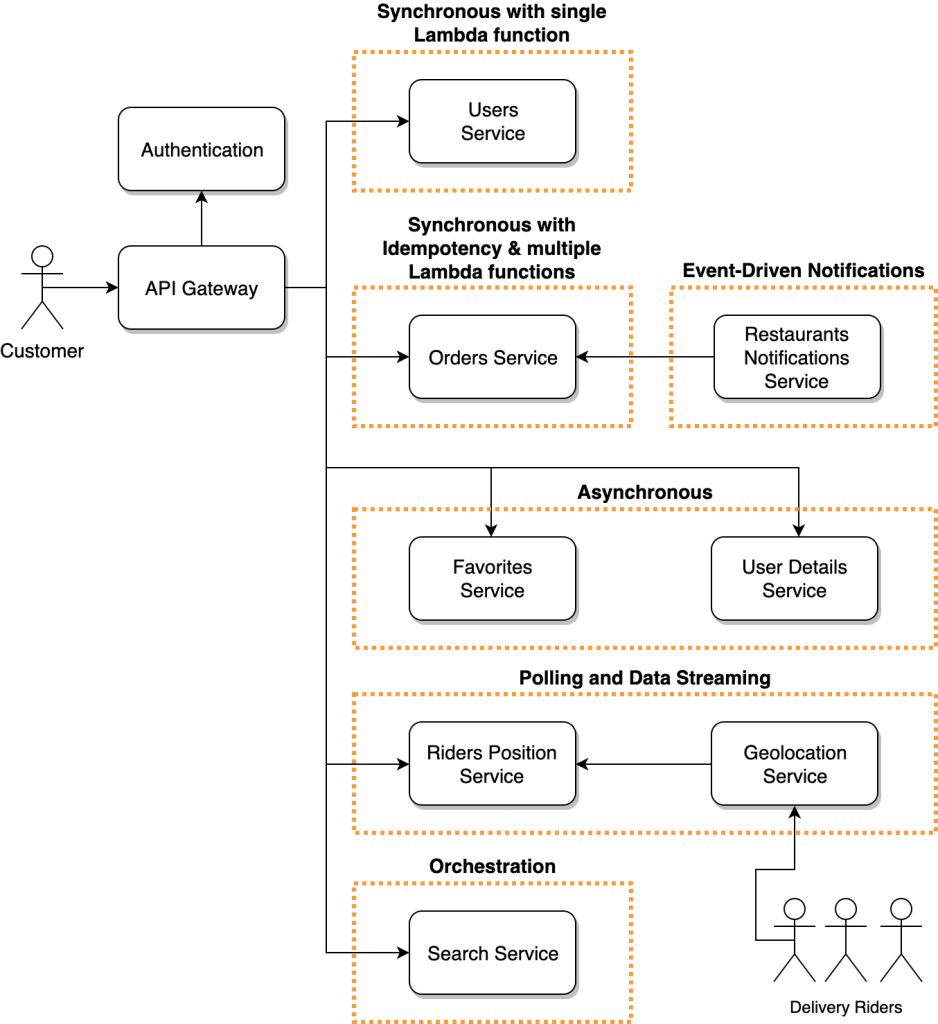
Next, the post explores application integration patterns, emphasizing the importance of loosely coupled integration for designing independent and highly available systems. The discussion highlights asynchronous communication as a particularly suitable paradigm for microservices, contributing to the overall reliability and resilience of the system landscape. While various integration approaches exist, the article stresses the significance of selecting the most appropriate method for specific scenarios. It encourages the use of cloud-native and serverless services in real-world use cases, providing guidance on choosing suitable integration technologies.
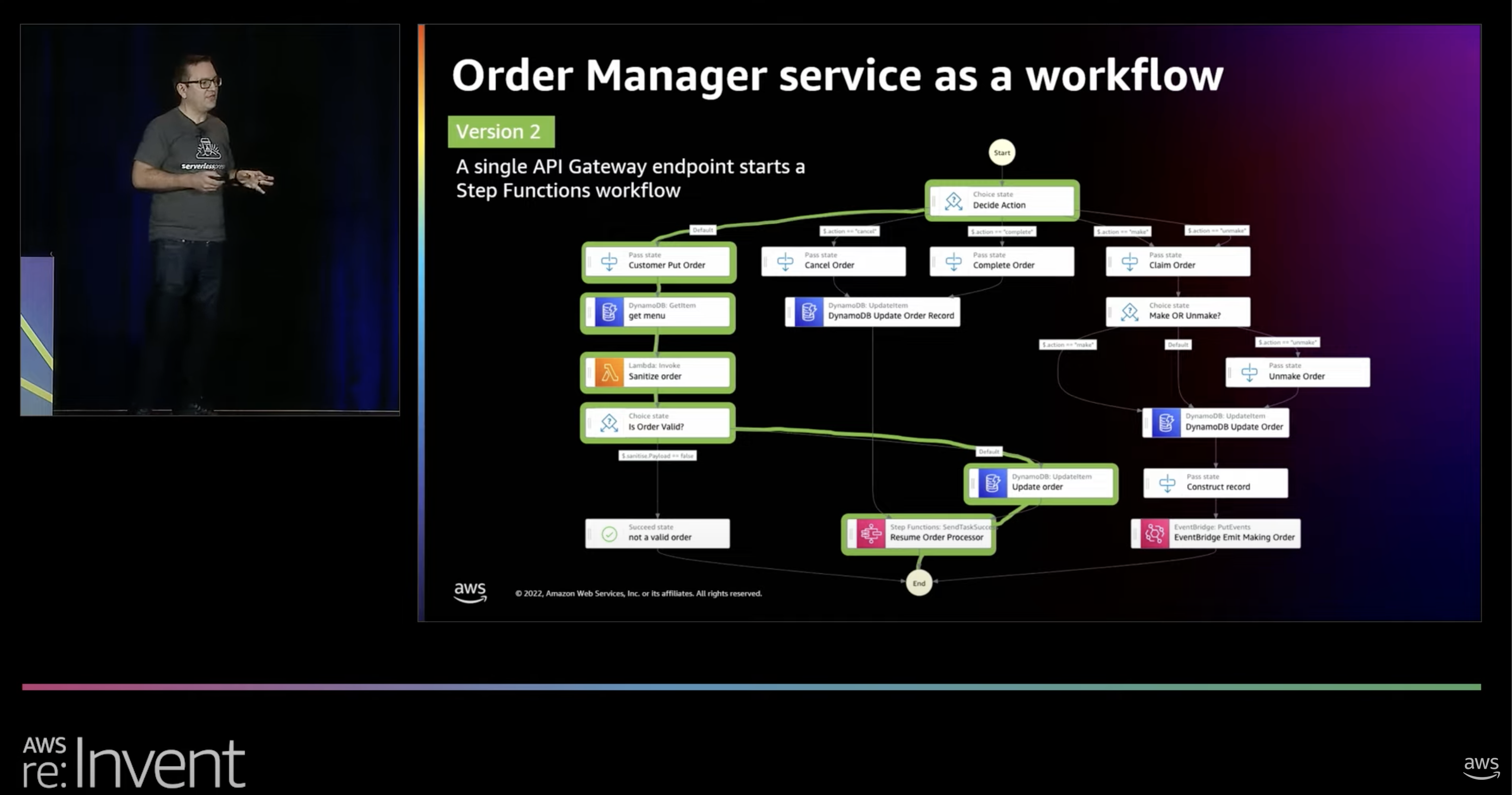
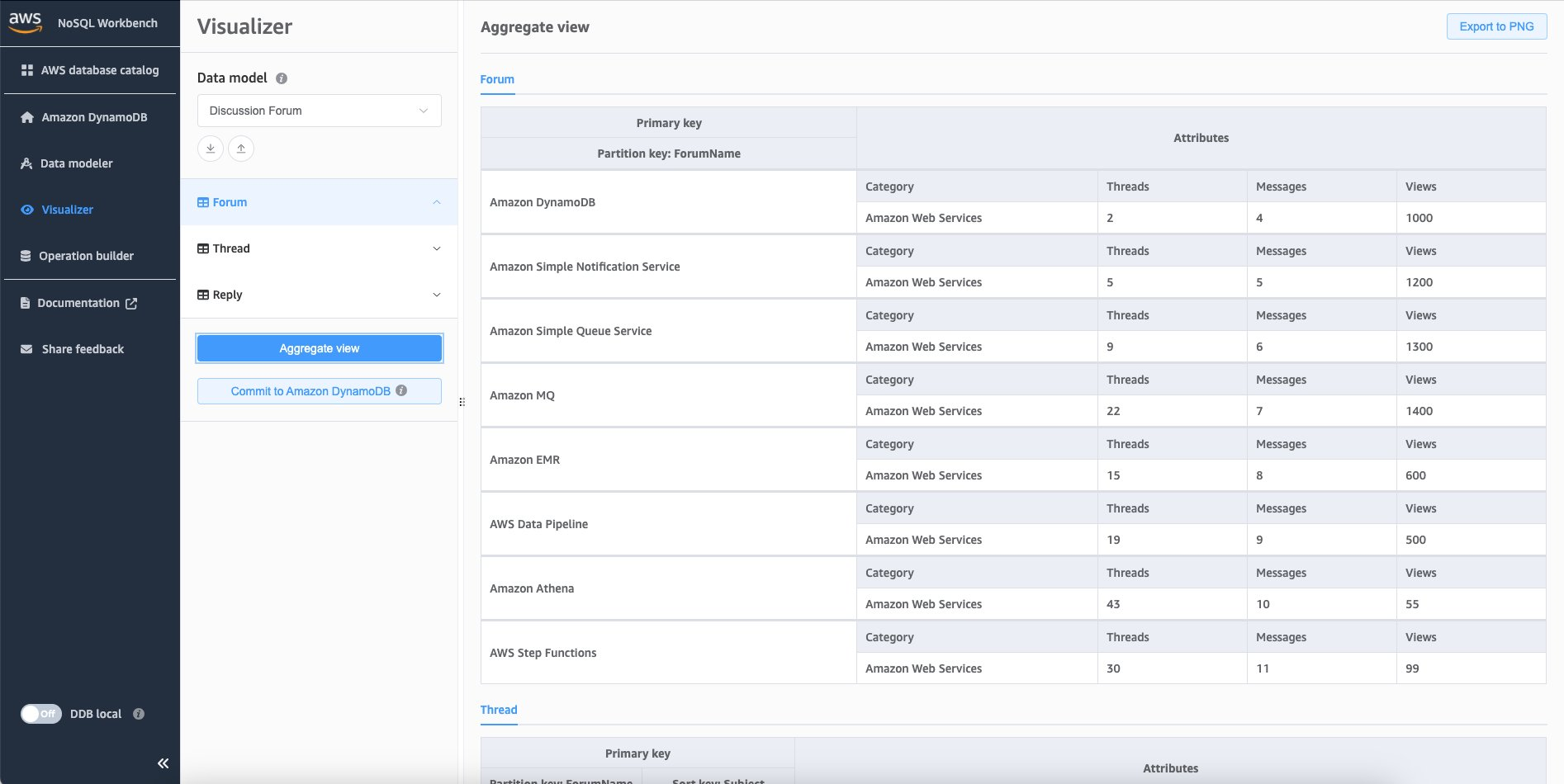
The article further examines design patterns for achieving success in serverless microservices. It notes that well-established patterns, such as CQRS (Command Query Responsibility Segregation) and Event Sourcing, are crucial for decoupling and scaling systems effectively. Event Sourcing, for instance, stores data as a series of events rather than direct data store updates, allowing microservices to replay events to compute their data stores' state. The post also touches upon how data access patterns can influence polyglot persistence, which involves using multiple data storage technologies within an application based on their suitability for different types of data and access patterns. Practical demonstrations and examples from the AWS console are provided to illustrate these concepts.
Finally, the blog post addresses the critical issue of avoiding overload in distributed systems, particularly when a smaller service is subjected to a large influx of requests from a larger client service, such as a data plane overwhelming a control plane. Drawing insights from the Amazon Builder’s Library, the authors discuss the risks associated with disproportionate service scaling and offer mental models and design strategies to prevent system overload. One suggested approach involves the control plane polling an Amazon S3 bucket, where data plane servers periodically write their operational state, to stay updated and prevent overwhelming the smaller service. These strategies are beneficial for teams working on microservices architectures to ensure system stability and performance.
#MicroservicesArchitecture #DistributedSystems #AmazonVPCLattice #AsynchronousCommunication #ServerlessMicroservices #EventSourcing #DesignPatterns #AWSCloud #SystemScalability #MicroservicesArchitecture #DistributedSystems #AmazonVPCLattice #AsynchronousCommunication #ServerlessMicroservices #EventSourcing #DesignPatterns #AWSCloud #SystemScalability
0 comment in total
 No comments yet
You may also like
Let’s Architect! Designing serverless solutions

Building Knowledge, Not Just Structures: Redefining the Architect’s Role in Times of Uncertainty

Ten micro homes with floor plans that make the most of space


News Release: NOCO-NOCO announces strategic alliance with TESNOLOGY to advance smart city initiatives
Let’s Architect! Tools for developers

Meet Philip Oloo | Architectural Designer, Virtual Reality for Architecture and Licensed General Contractor

The Quiet Architecture of Purpose: Unpacking the Talent of Sanjana Satya Prakash


7 Awe-Inspiring Modern Libraries That Bend the Genre


An Experimental Micro-Office Glows Like a Lighthouse in L.A.

Chester Inc.'s design/build approach creates a one-stop shop for architectural, design, and construction needs


Social Media-Friendly Design: Is Architecture Adapting to Viral Trends and Algorithms?
Let’s Architect! Serverless developer experience in AWS | AWS Architecture Blog

How today’s enterprise architect juggles strategy, tech and innovation

ABC K-Town / Steven Fong Architect

This ultra-compact micro kitchen unfolds like a Swiss Army knife when it’s time to cook (VIDEO)

Randy Bens Turns a Shipping Container into an Architecture Studio

Let’s Architect! Open-source technologies on AWS

15 Best Architecture and Design Firms in the USA

10 Revolutionary AI Tools Reshaping Architectural Design

How to make your architectural design dream a reality