
1/8
House Office Moves: Suite Stakes
The article details the intricate and highly coordinated process of assigning and moving U.S. House of Representatives members into their new offices following an election. This complex operation, managed by the Architect of the Capitol (AOC) and the Office of the Chief Administrative Officer (CAO), ensures that both incumbent and newly elected Members are settled into their workspaces promptly and efficiently. The process begins after the general election, once the number of departing Members is finalized, making a select number of offices in the Cannon, Longworth, and Rayburn House Office Buildings available for new assignments.
Office selection is governed by a lottery system, where incumbent Members choose first based on seniority within their congressional class over a five-day period. Freshman Members then select from the remaining offices during a single-day lottery, with a randomized selection order. This method, while not as dramatic as some lotteries, still generates considerable anticipation among Members and their staff. Historically, the House Suite Selection process began in 1908, evolving from a simple name-pulling exercise with floor plans on blackboards to a modernized, digitized system that includes 360-degree virtual tours of available suites, filterable by amenities and building features.
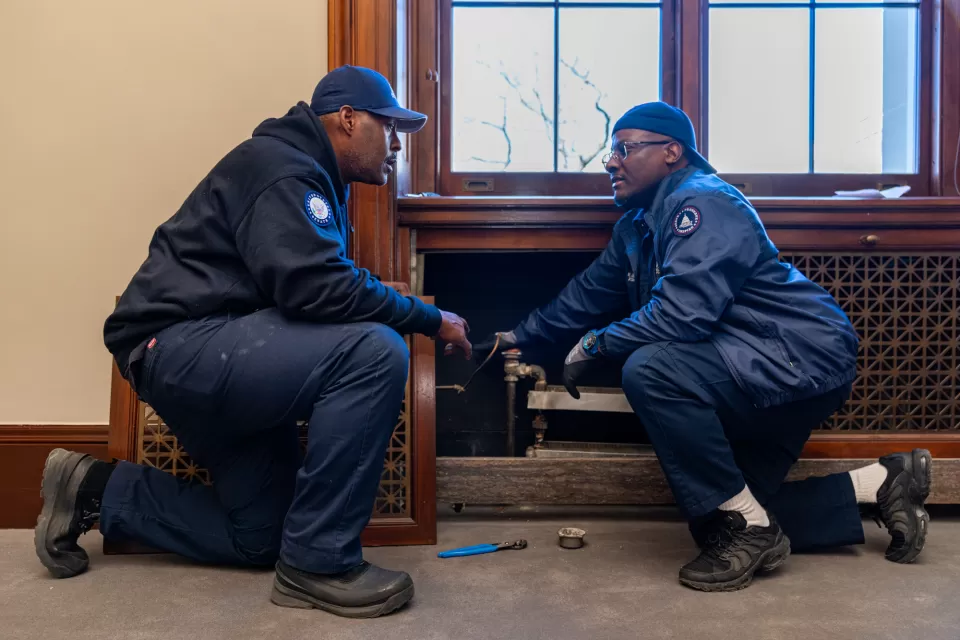
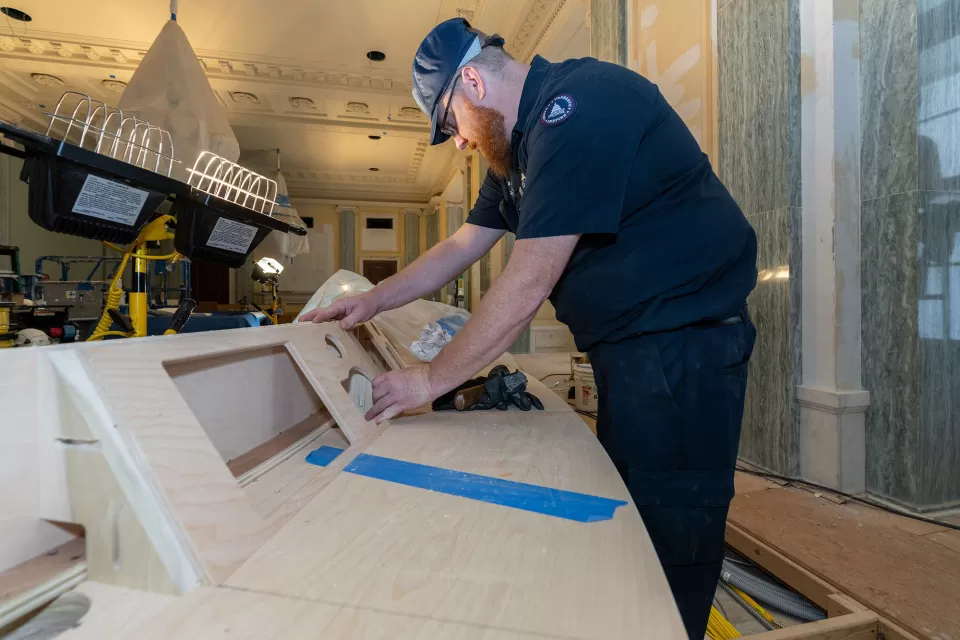
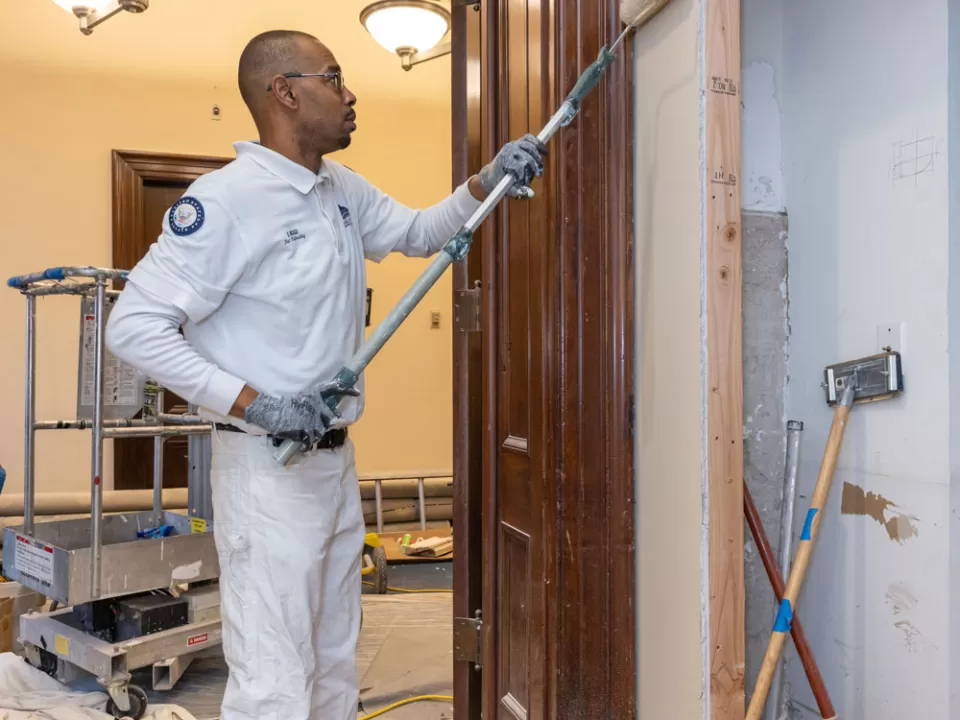
Once the lottery is complete, a crucial phase involving a "move chain" begins. This chain initiates when a suite is vacated and concludes when a Member-Elect's office is fully set up. For each move, a two-person Move Coordinator (MC) team, comprising one representative from the AOC and one from the House CAO, is assigned. The AOC MC serves as a liaison, coordinating various essential services such as carpentry, locksmithing, waste management, electrical work, and painting. These specialists temporarily transition from their regular duties to act as seasonal experts during the move period.
The logistical challenges of these moves are significant, requiring meticulous planning and communication. A highly choreographed schedule is implemented to prevent conflicts, such as multiple move crews attempting to use the same elevators or hallways simultaneously. Before a new Member can move in, offices undergo a thorough turnover process, including painting, and inspections of plumbing and HVAC systems. Ongoing renovations, such as the Cannon Renewal project, add further complexity, necessitating adaptable communication strategies among the diverse teams involved.
The success of this operation relies on the collaborative effort of various trades, including carpenters, plumbers, electricians, heating and cooling technicians, painters, plasterers, locksmiths, masons, laborers, and custodial workers. Kristen Frederick, who oversees House committee and Member transitions at HOB, emphasizes the monumental team effort involved, highlighting the need for extensive institutional knowledge and coordination with other House support agencies. After the 2024 election, HOB and House CAO successfully completed 127 House moves for returning Members and 65 new Member office setups, demonstrating a collective commitment to service and excellence. The planning for the next Congressional Transition, for the 120th Congress, is already underway, underscoring the continuous nature of this vital process.
#CongressionalOfficeMoves #HouseOfRepresentatives #ArchitectOfTheCapitol #OfficeAllocation #CapitolHillLogistics #GovernmentOperations #MemberServices #OfficeRelocation #CongressionalOfficeMoves #HouseOfRepresentatives #ArchitectOfTheCapitol #OfficeAllocation #CapitolHillLogistics #GovernmentOperations #MemberServices #OfficeRelocation
0 comment in total
 No comments yet
You may also like

Senate Office Moves: Stronger Together
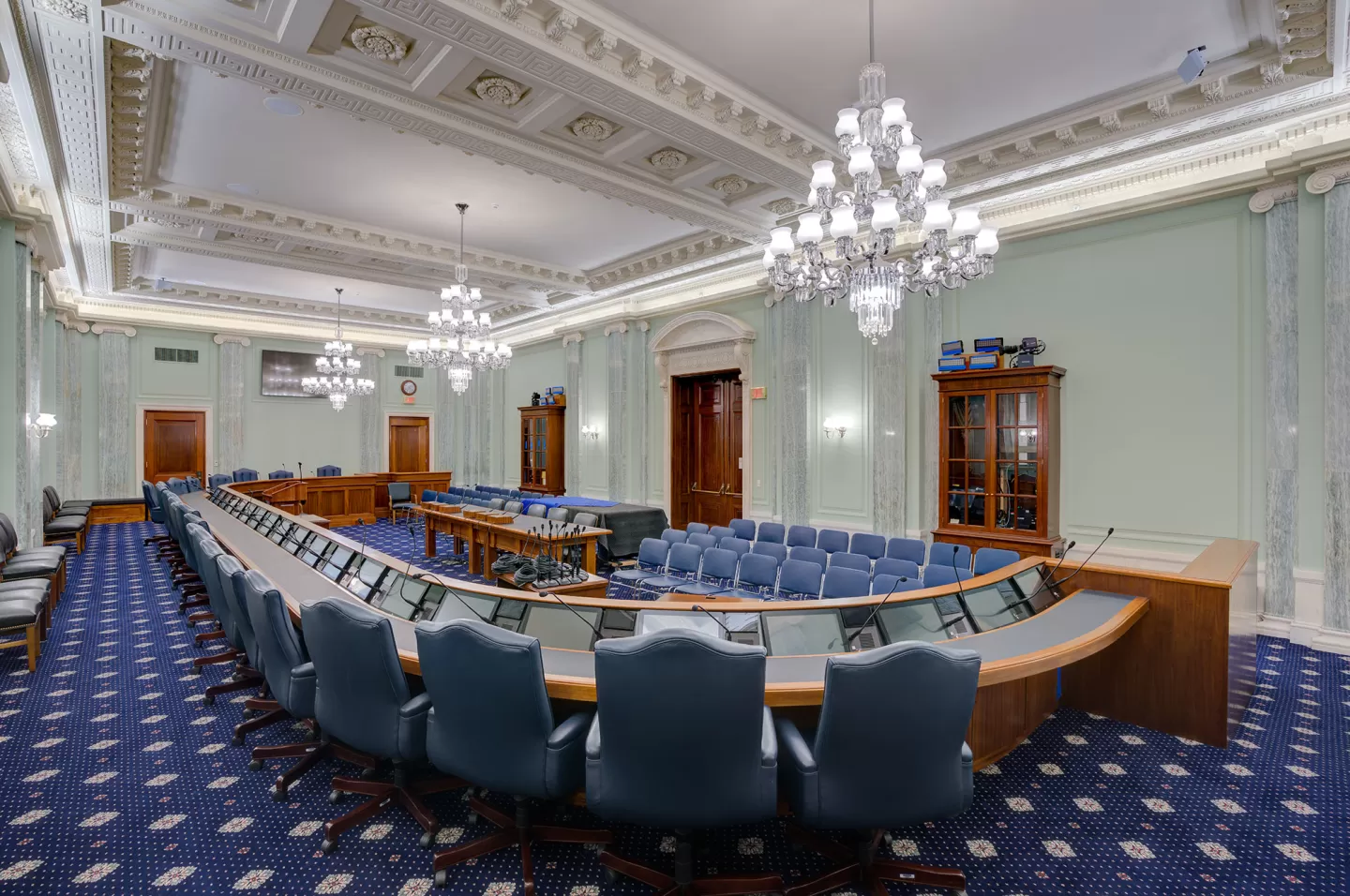
Before and After: Senate Hearing Room Renovation

Council will not accept area of loft flat where roof slopes – Help?

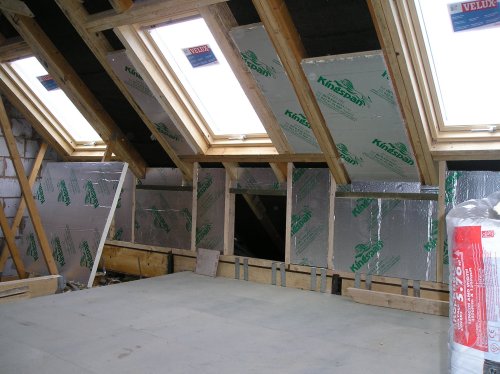
Loft conversion without planning permission or building regs
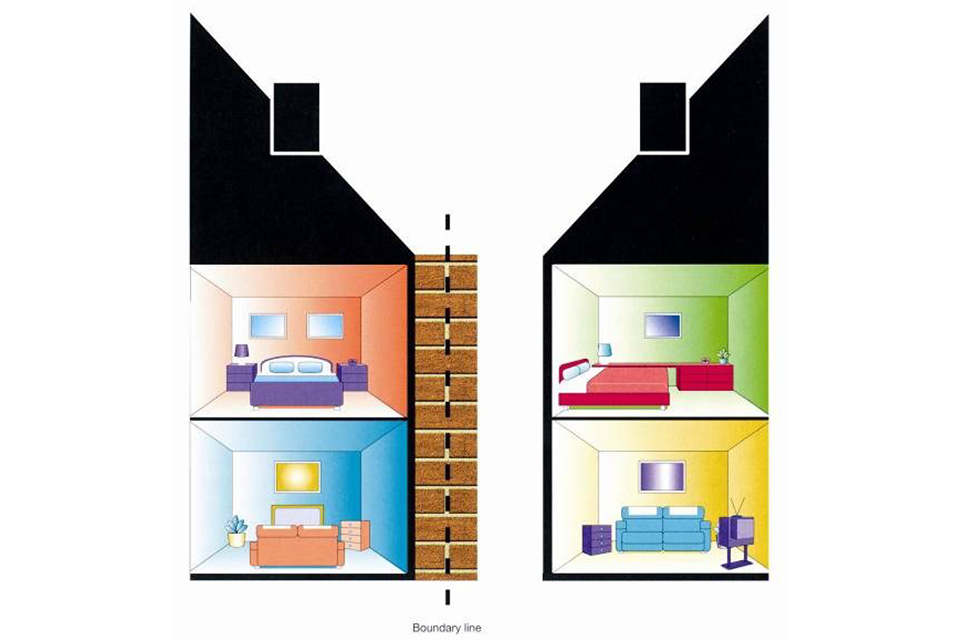
The Party Wall etc Act 1996: explanatory booklet


House Plan of the Week: Modern Priorities

Is The White House Gold Decor Really From Home Depot?

Hot tub can be a hot issue for condo board

Party Wall Agreements explained – everything you need to know when planning your renovation


Home staging tips from someone who’s been getting homes sold for two decades


Democratizing electrification to electrify democracy


Why House Prices Skyrocket And Why The New Biden Housing Plan Won’t Work


Party wall agreements: What you need to know

Cabinet Confidential


To buy a house with old uncertified loft conversion?

Damp structural issues in leasehold flat?


These Rules Dictate Where You Can Place Your Pool, Shed, or ADU—Even on Your Property


Dear PoP – DC Ban on Roll-Up Garage Doors?
I have got stuck with an illegal loft conversion?

Carriage House plan to upset neighborhood