
Democratizing electrification to electrify democracy
Stacey Abrams has joined Rewiring America, bringing her extensive experience as a legislator, political organizer, author, and tax attorney to champion electrification. Her involvement stems from a personal connection to environmental justice issues, having grown up near Cancer Alley in Gulfport, Mississippi, a region heavily impacted by petrochemical plants and refineries. Abrams' college thesis focused on the environmental injustice of the area, and she later worked with the Office of Environmental Justice in the Clinton Administration and the Georgia legislature to address environmental concerns. Four years ago, she founded the Southern Economic Advancement Project, which explicitly connects poverty, health, and climate issues, aligning perfectly with the multifaceted benefits of electrification.
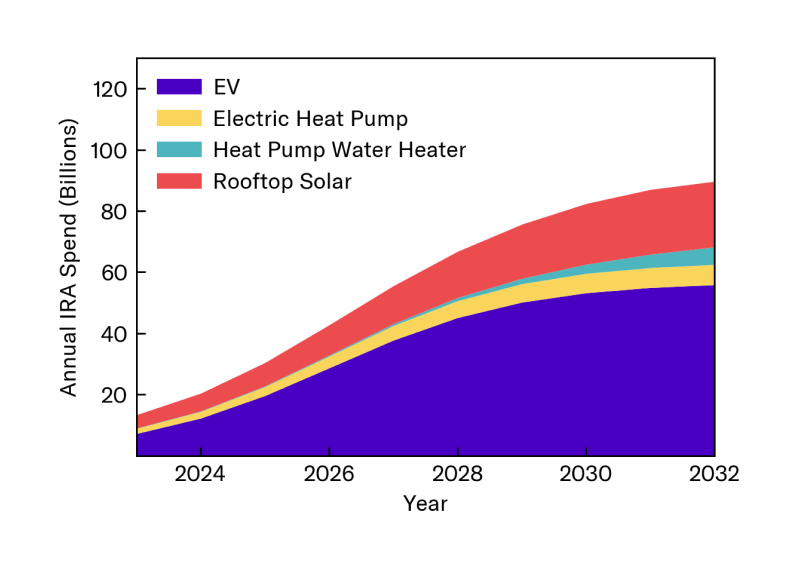
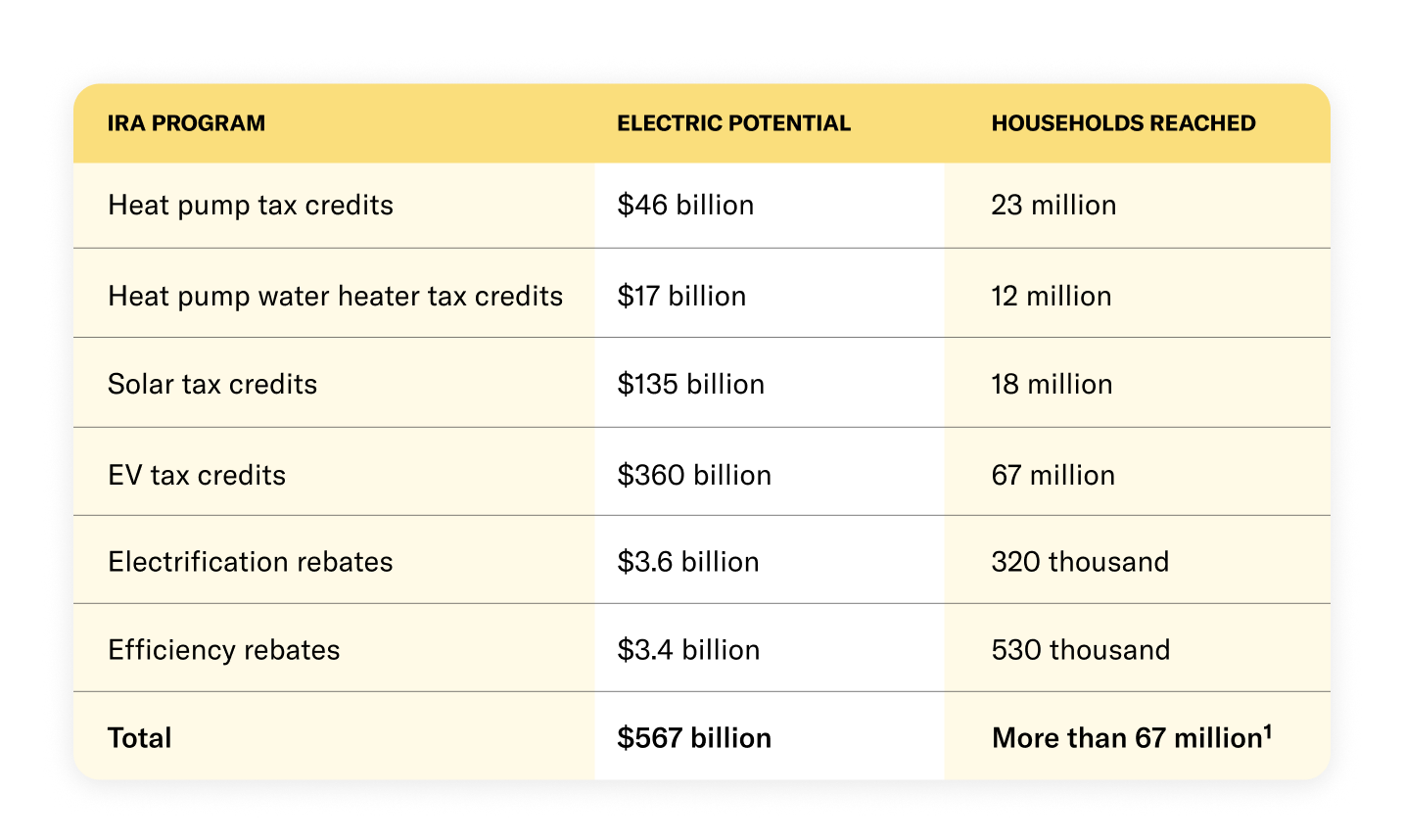
The core message emphasizes that electrification contributes to economic security, improves health outcomes, and addresses climate change. Modeling by Rewiring America suggests that an average U.S. household can save $1,800 annually by transitioning to an electric home and electric vehicle. This financial saving is significant, especially given that about half of Americans would struggle to cover a $400 emergency expense. Furthermore, the Inflation Reduction Act offers an average of $10,600 in financial assistance to households for purchasing electric appliances and undertaking weatherization improvements when existing systems need replacement or repair.
The article also highlights the importance of electrification from a grid reliability and resilience perspective, as shared by Davante Lewis, a newly-elected Public Service Commissioner from Louisiana whose district is located in Cancer Alley. Lewis explained that when the power grid fails, even for a brief period, petrochemical plants are forced to flare chemicals, releasing harmful emissions into the atmosphere, which negatively impacts both the environment and public health in nearby communities. He views electrification, particularly through the concept of virtual power plants, as a critical solution to prevent such incidents and enhance grid stability.
Electrification is presented as an inherently equitable climate strategy. The article argues that the planet's concern for emissions transcends socioeconomic status; it does not differentiate between wealthy and financially struggling households. Therefore, every machine should be electrified as it reaches the end of its life cycle, emphasizing the urgency and rejecting a "trickle-down" approach to climate action. The author asserts that electrification is a straightforward and achievable goal that does not require inventing new technologies or waiting for external solutions. Instead, it offers a tangible path to a more abundant future for everyone.
Committing to electrification is portrayed as more than just a means to combat climate change effectively; it is also seen as a way to reinforce the social fabric of communities. By providing families with a clear path to realize their potential through improved economic stability, health, and environmental conditions, electrification can foster stronger, more resilient communities across the country. The author expresses increased confidence in achieving these ambitions with Stacey Abrams advocating for and driving the electrification movement in America. The article concludes by inviting readers to share their experiences with household electrification to help refine tools designed to simplify the transition.
#Electrification #StaceyAbrams #EnvironmentalJustice #ClimateAction #EconomicSecurity #PublicHealth #GridReliability #InflationReductionAct #CommunityEmpowerment #Electrification #StaceyAbrams #EnvironmentalJustice #ClimateAction #EconomicSecurity #PublicHealth #GridReliability #InflationReductionAct #CommunityEmpowerment
 No comments yet
Zapping electric myths
The electric potential of the Inflation Reduction Act

Meet a real estate agent showing clients how electrification can save them money