7 Bedroom Design Tips for Better Sleep, According to Experts
The quality and quantity of sleep significantly impact overall health and well-being. A considerable portion of American adults consistently fail to achieve the recommended seven hours of sleep per night. Beyond dietary habits and gut health, the bedroom environment plays a crucial role in promoting restorative sleep. Experts emphasize the importance of transforming the bedroom into a sanctuary conducive to rest, asserting that a comfy, serene environment dedicated to sleep is essential for behavioral changes that improve sleep quality.
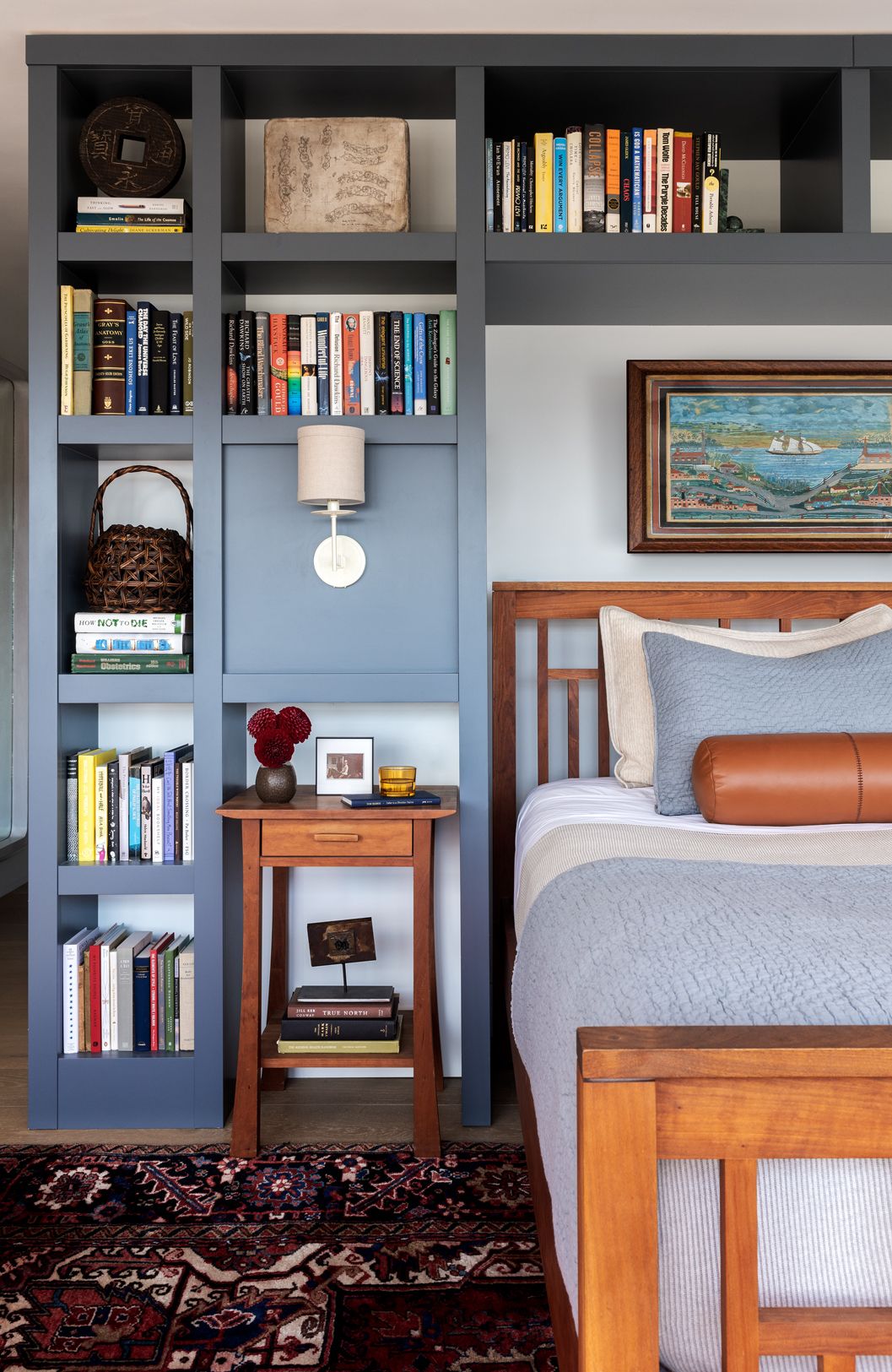
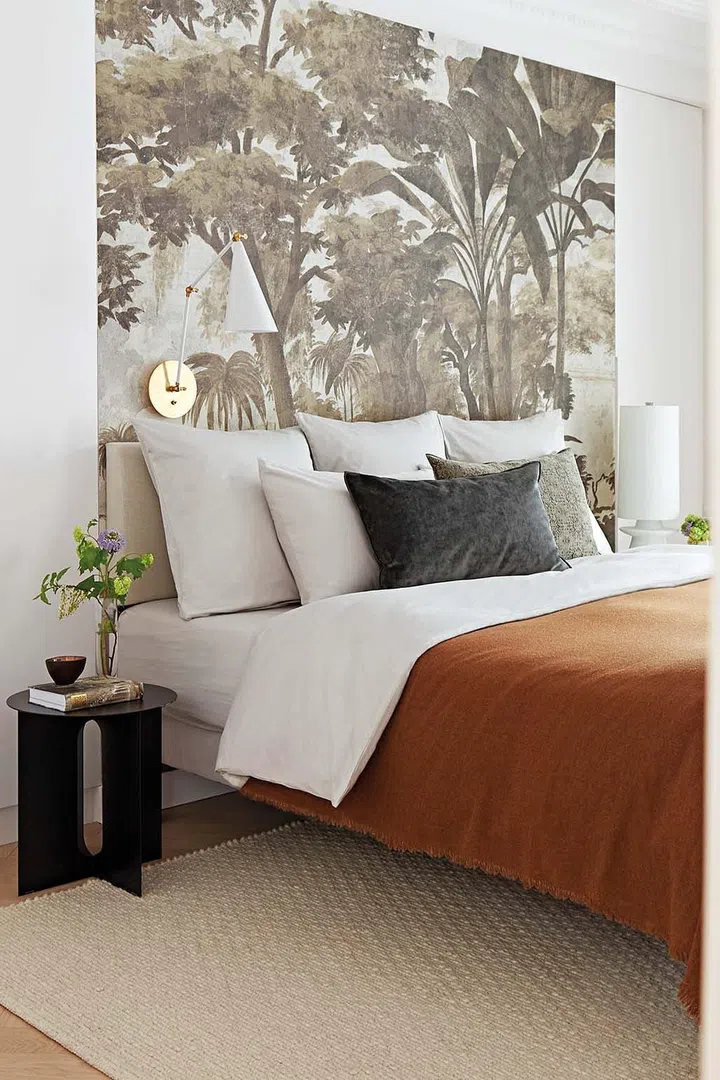
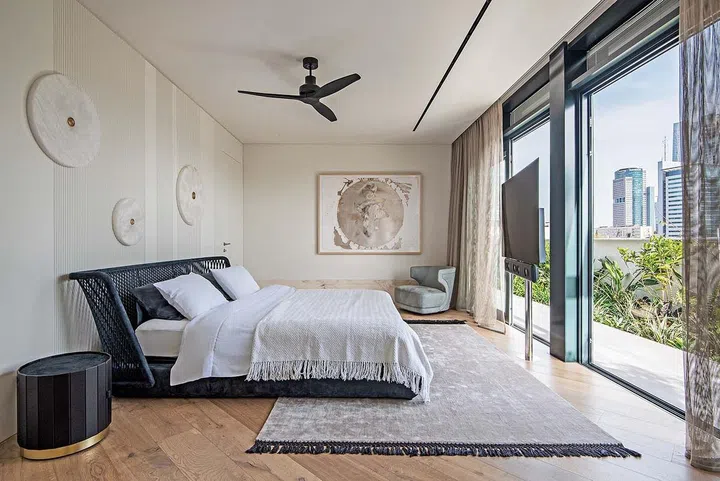
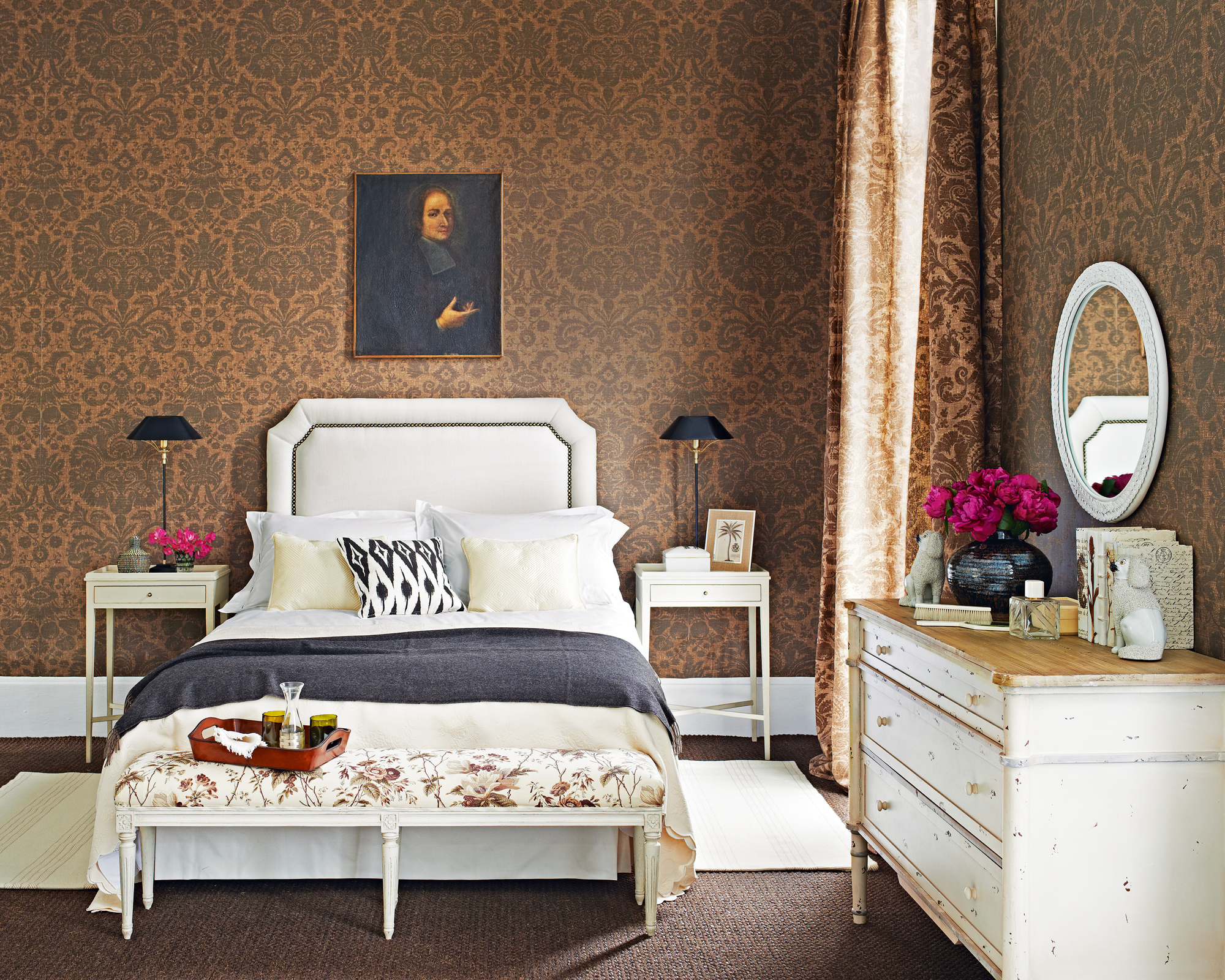
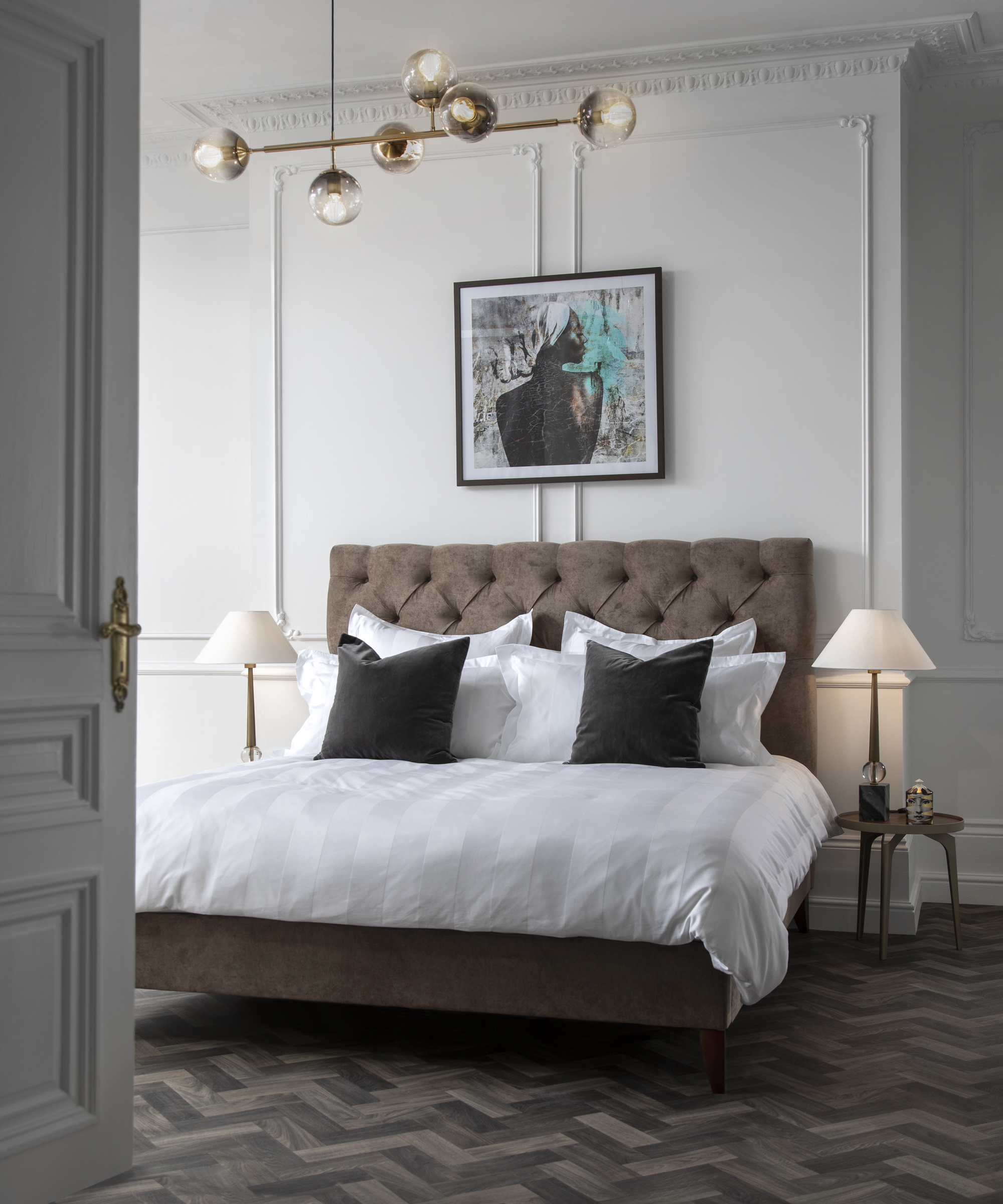
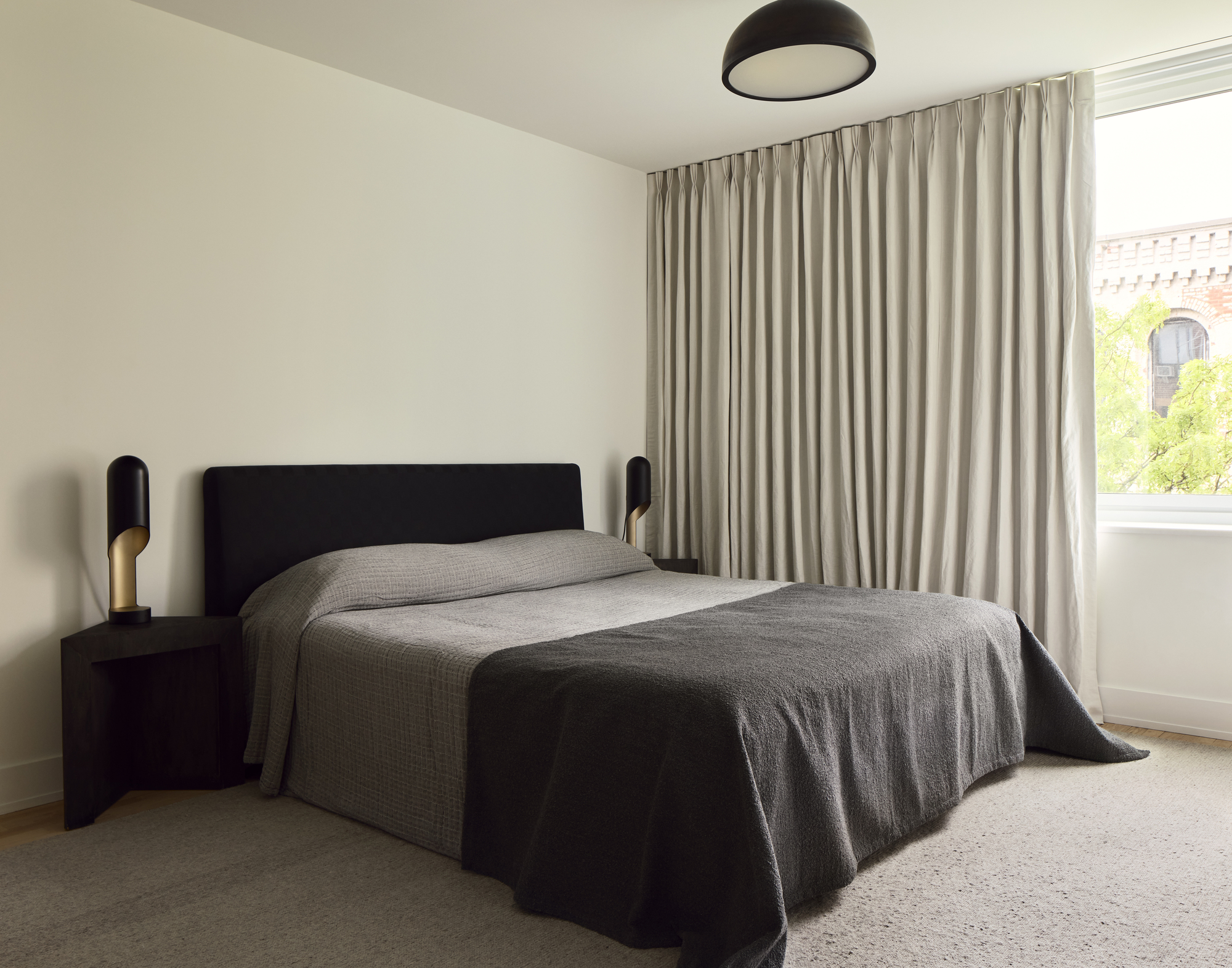
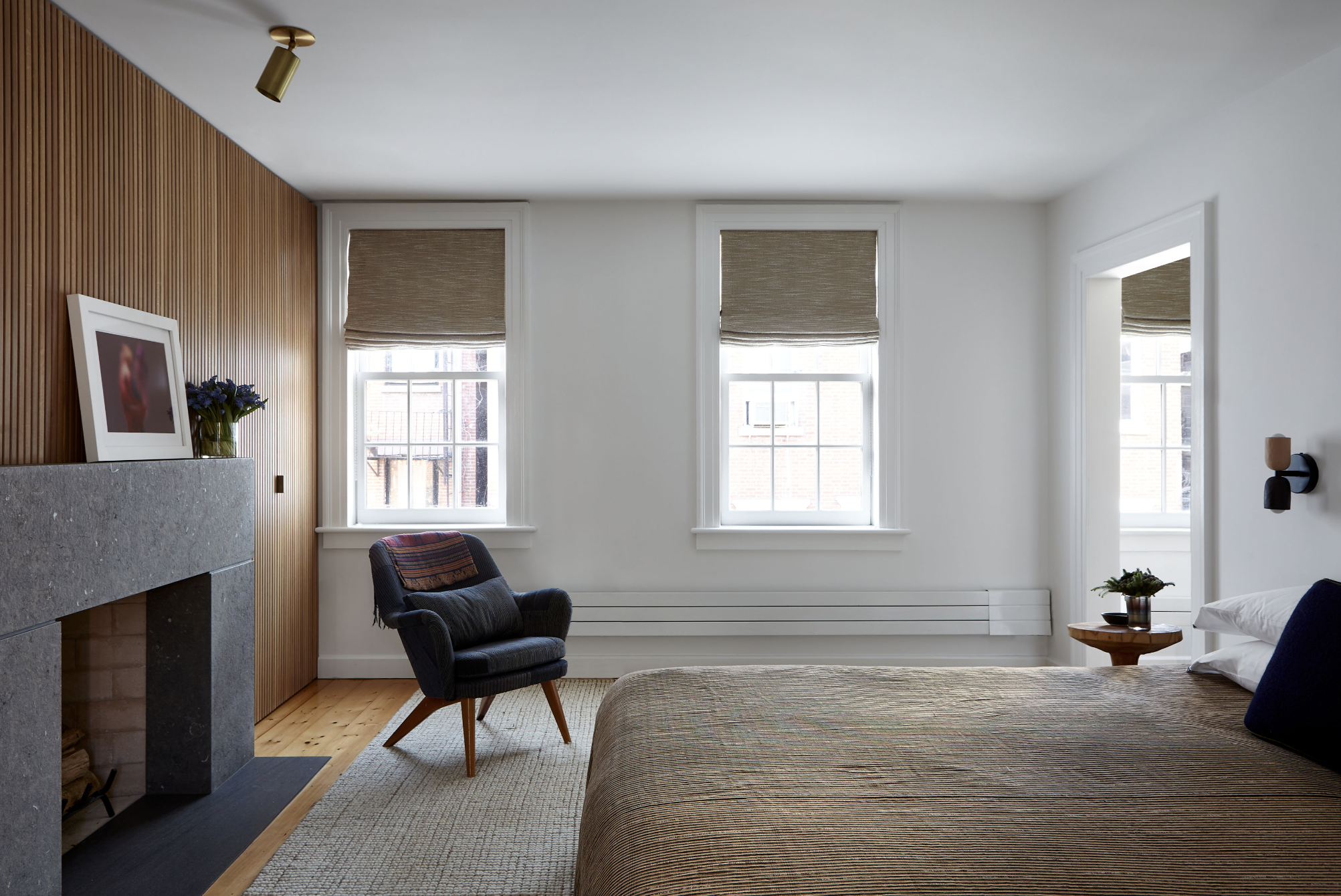
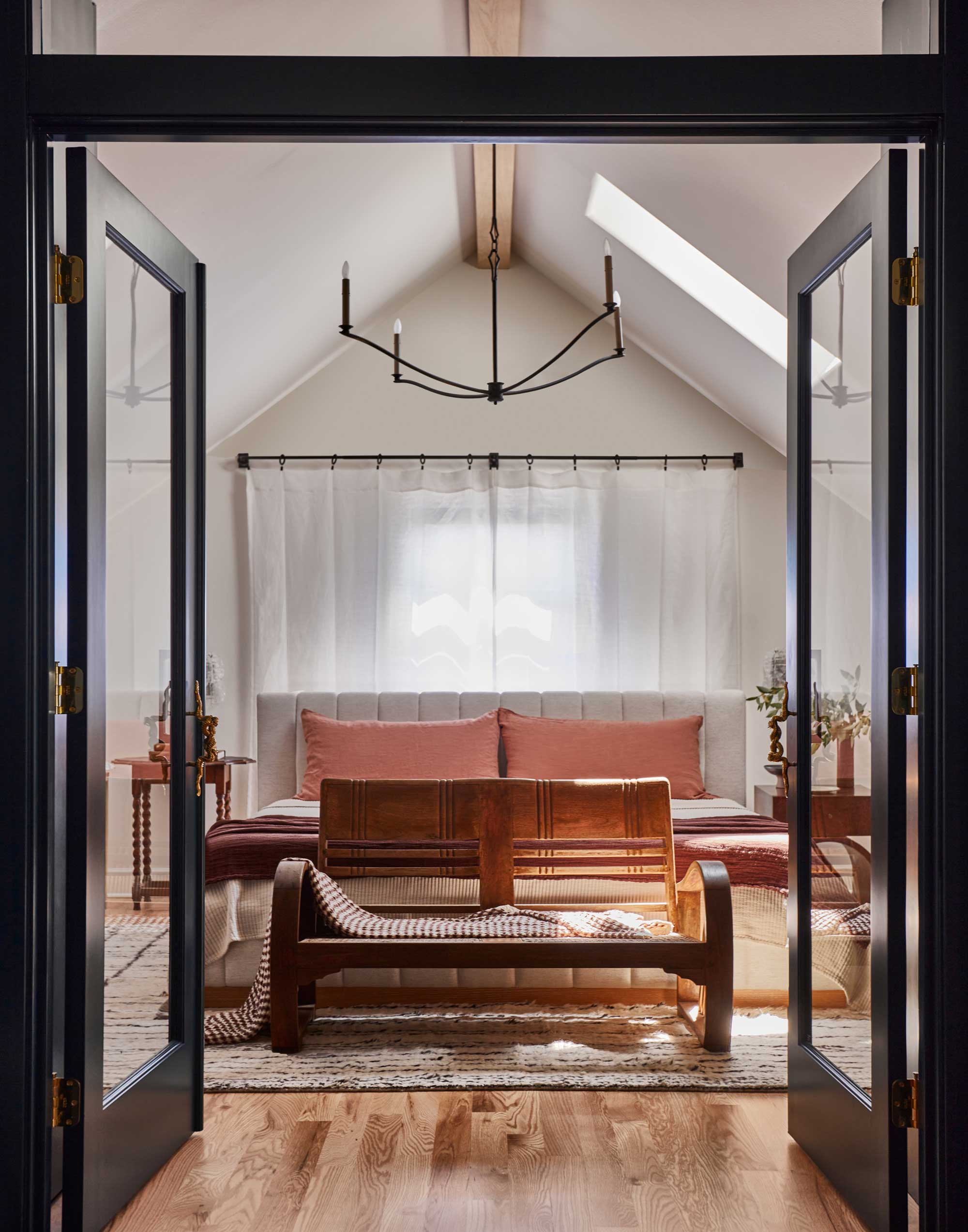
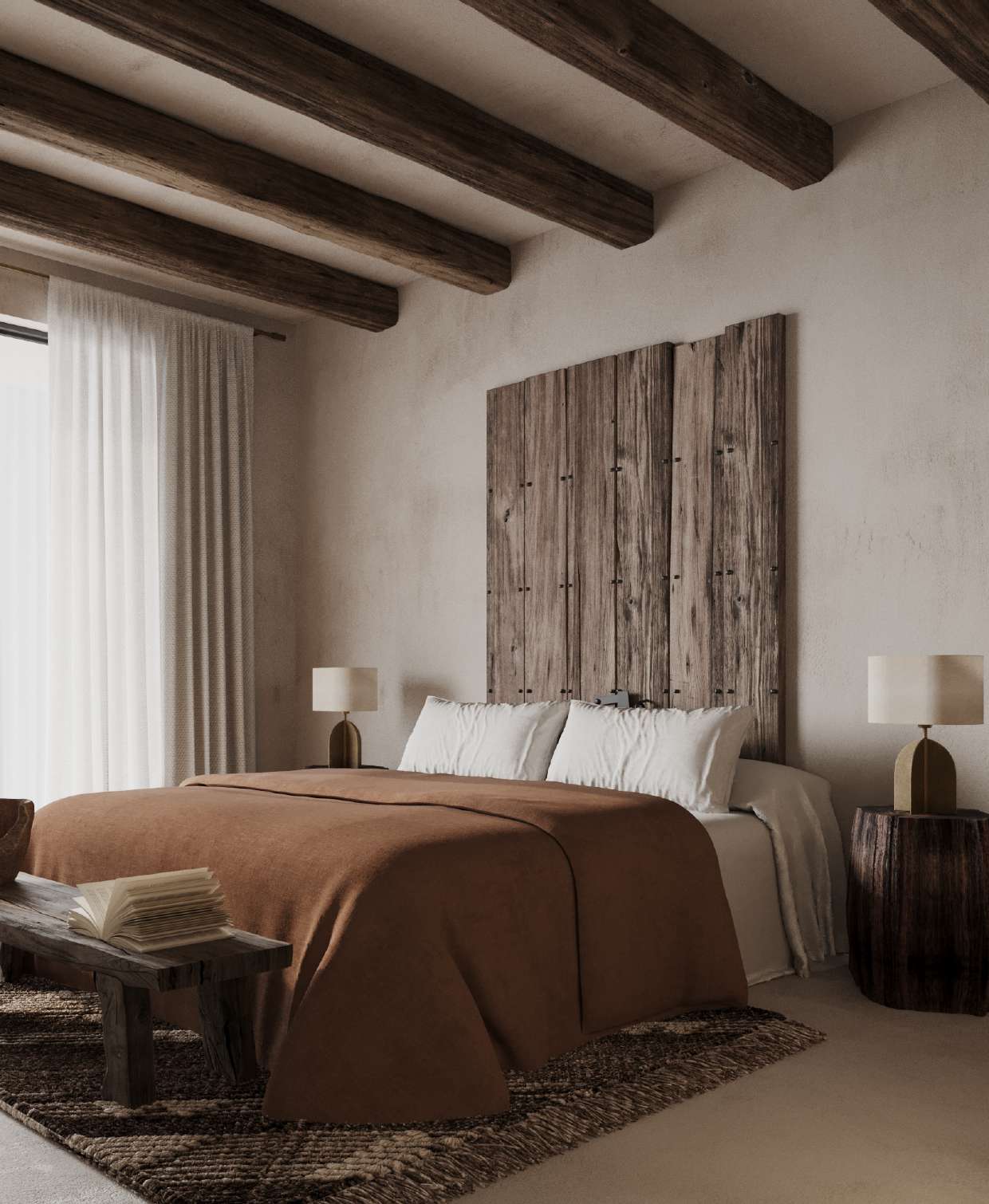
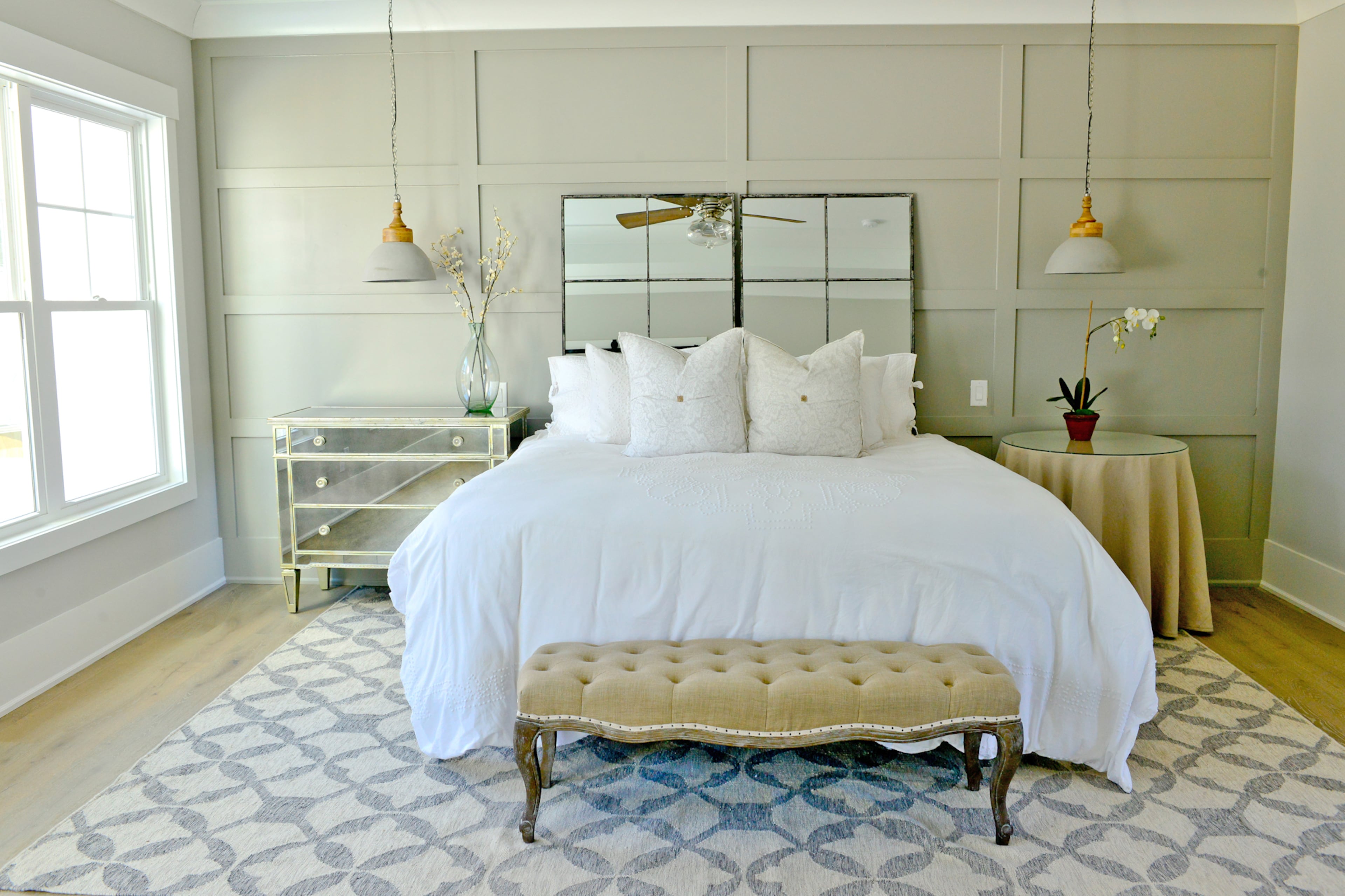
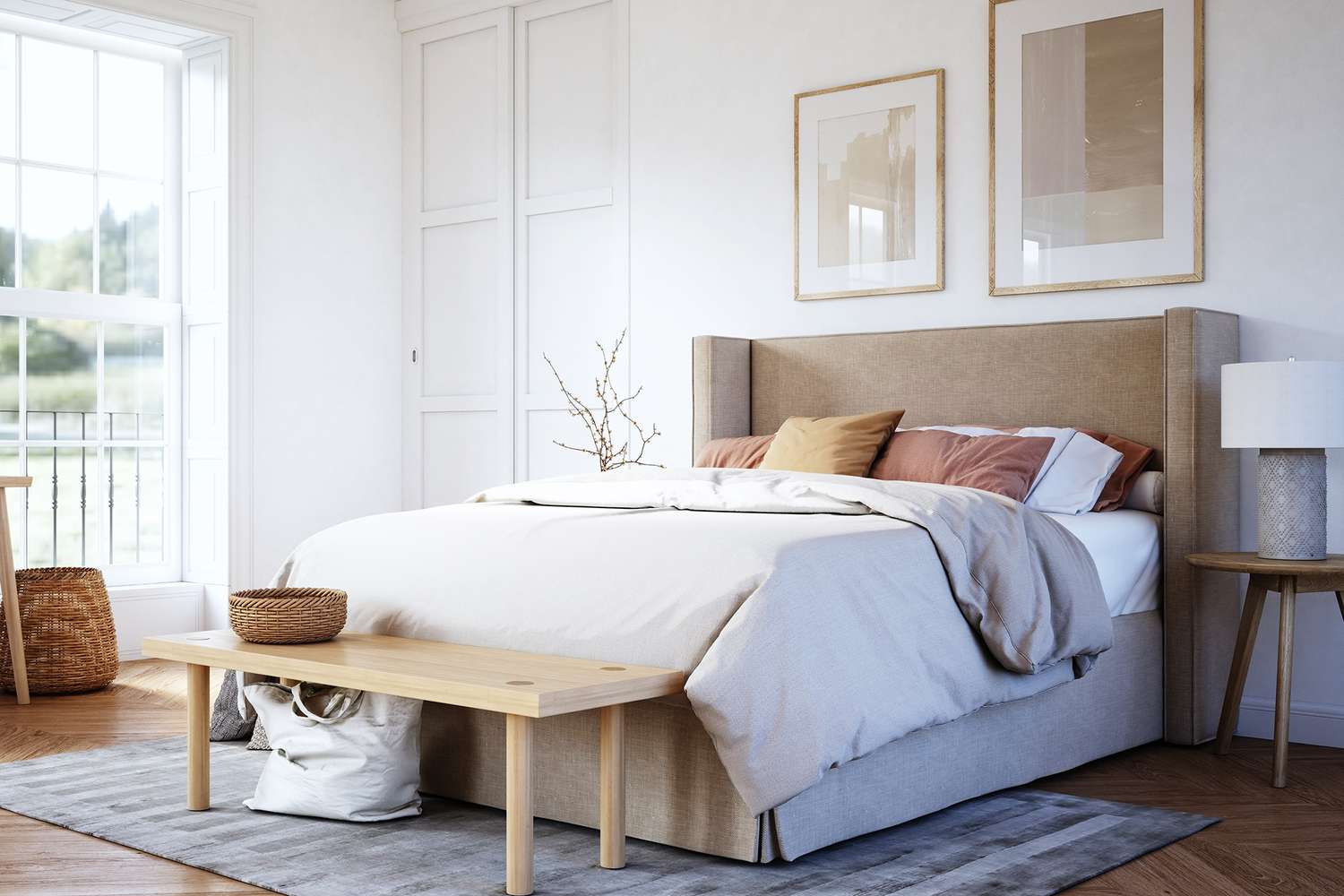
Several design strategies can enhance the bedroom's sleep-promoting qualities. The optimal placement of a bed, according to the ancient Chinese practice of feng shui, involves positioning it to offer a complete view of the room without being directly in line with the door. The headboard should ideally rest against the center of the main interior wall, establishing the bed as a focal point and allowing space on either side for bedside tables. This arrangement aims to provide a sense of security and avoid the subconscious feeling of impending interruption that might arise from facing the door directly.
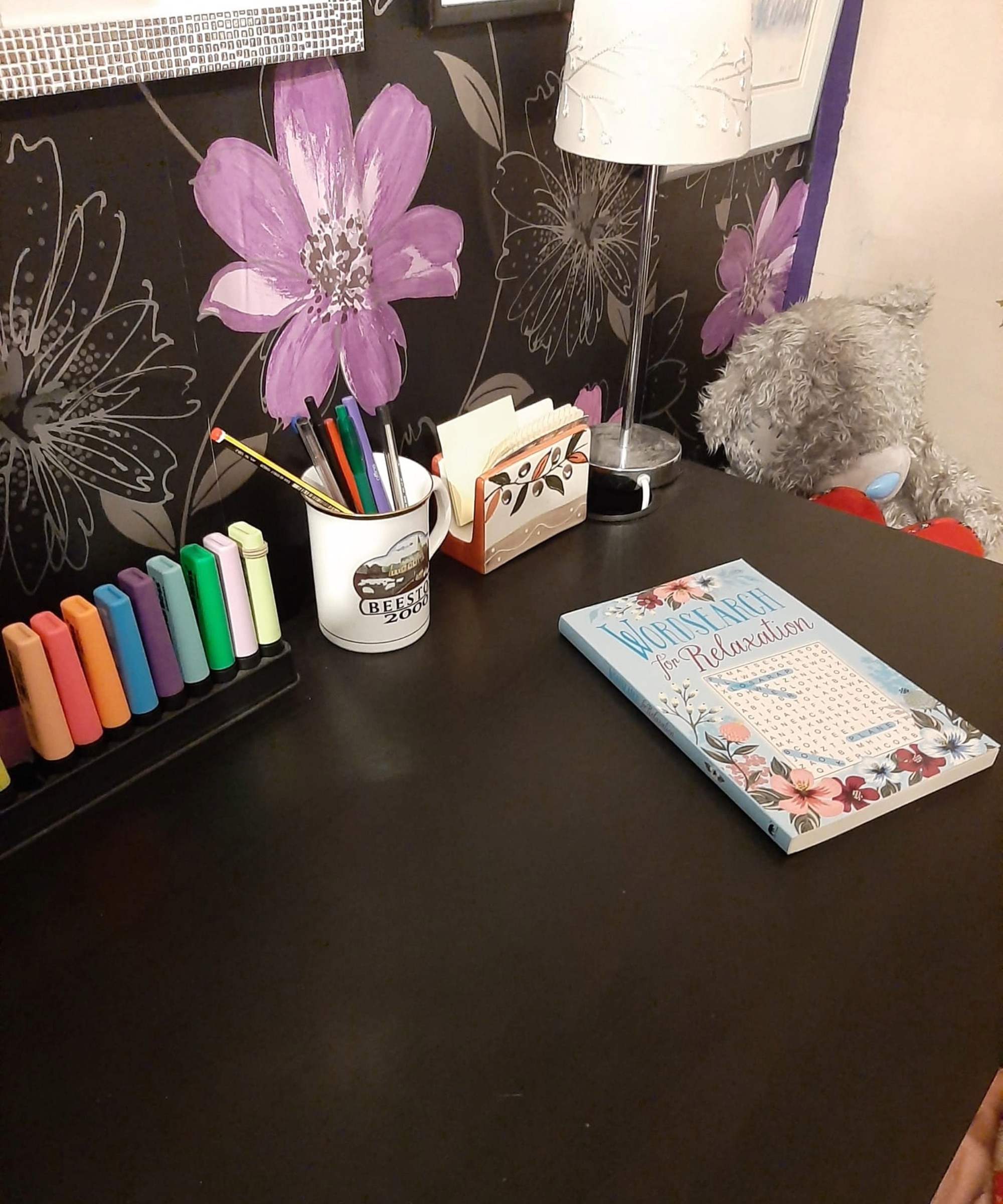
Eliminating work-related items and electronic devices from the bedroom is another key recommendation. The omnipresence of electronic gadgets, such as phones, laptops, and televisions, can disrupt natural sleep rhythms due to the blue light they emit and the mental stimulation they provide. Experts advise dedicating the bedroom exclusively to sleep and intimacy, suggesting that any items that evoke thoughts of unfinished tasks or external responsibilities, including work computers and even non-current reading books, should be removed. This practice helps to establish the bedroom as a worry-free zone.
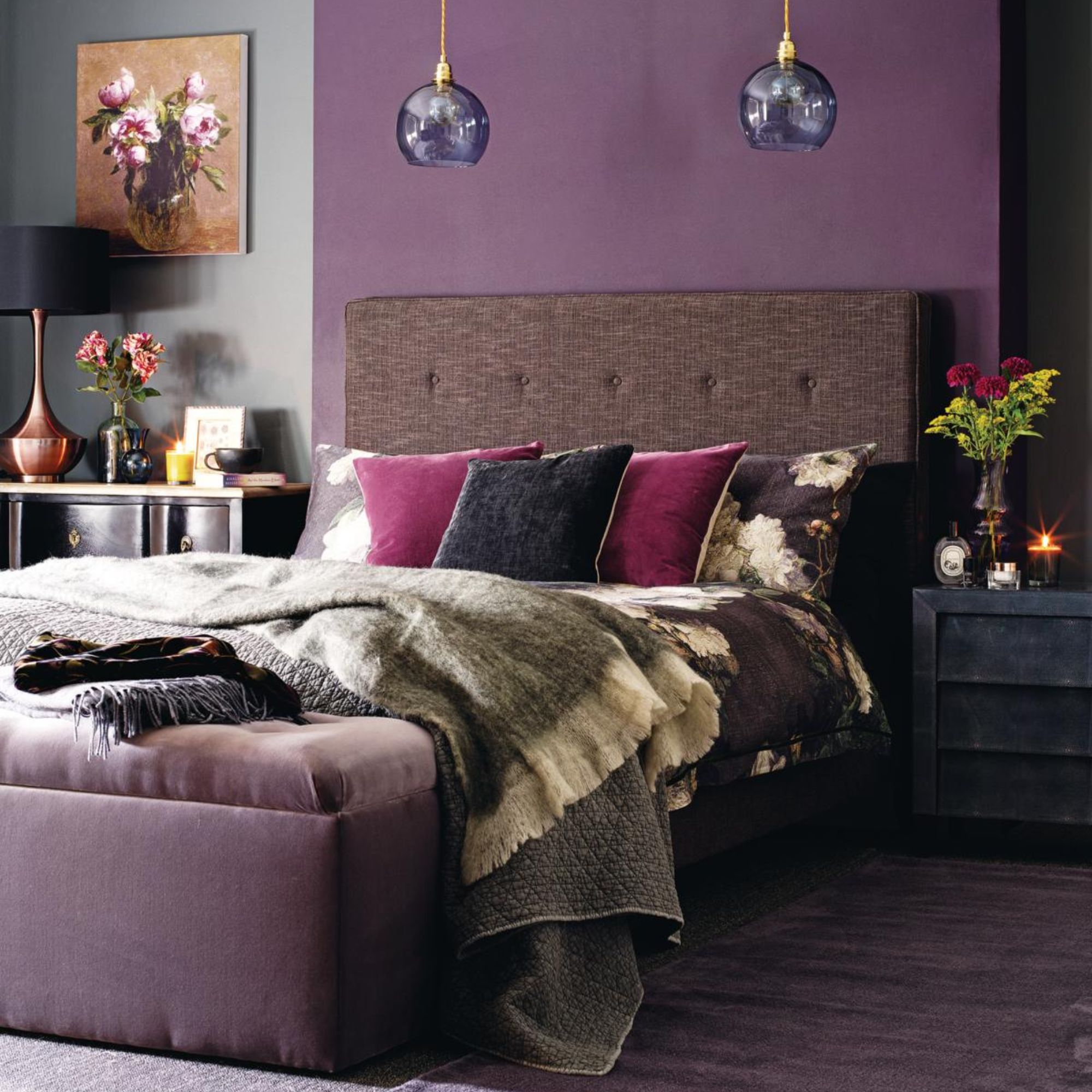
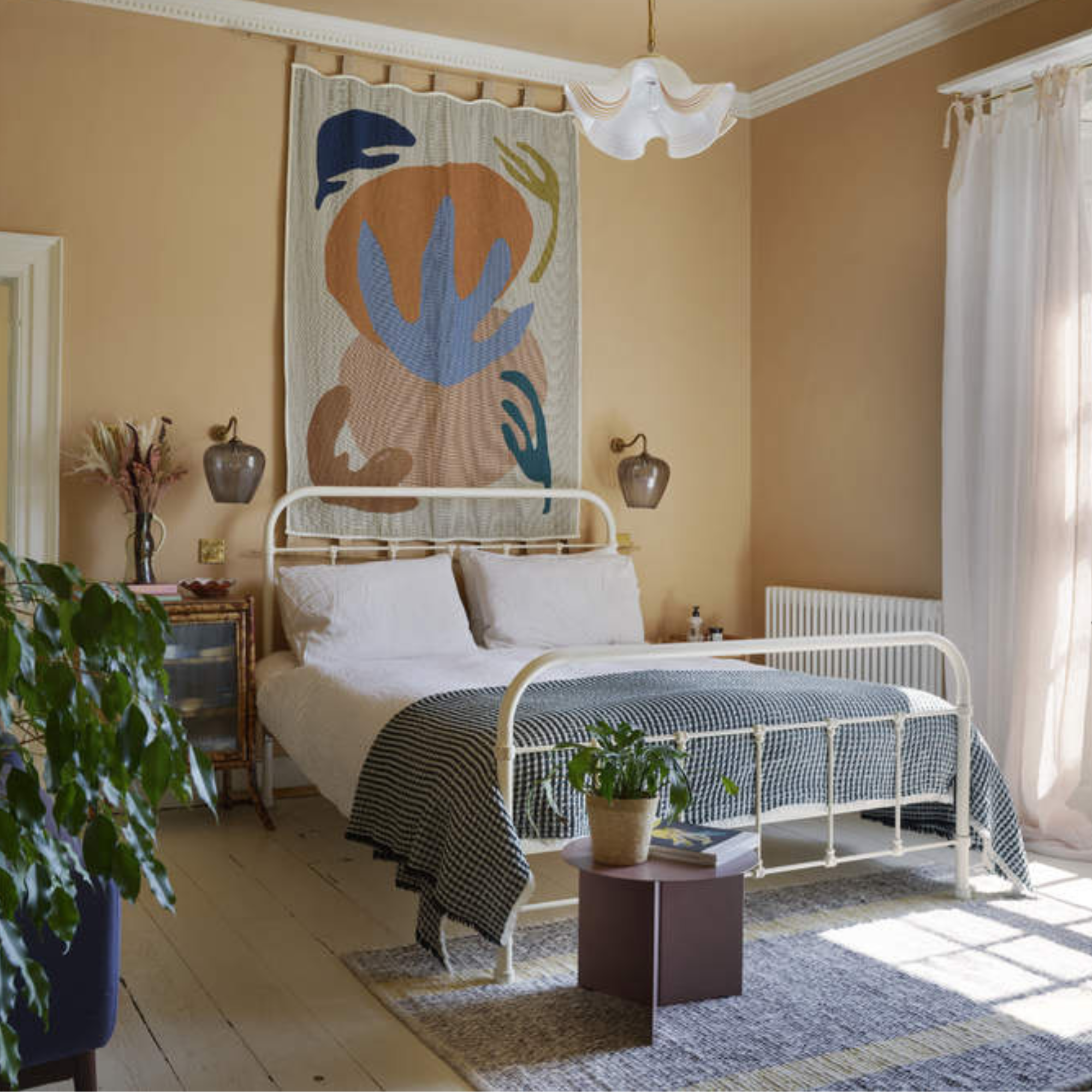
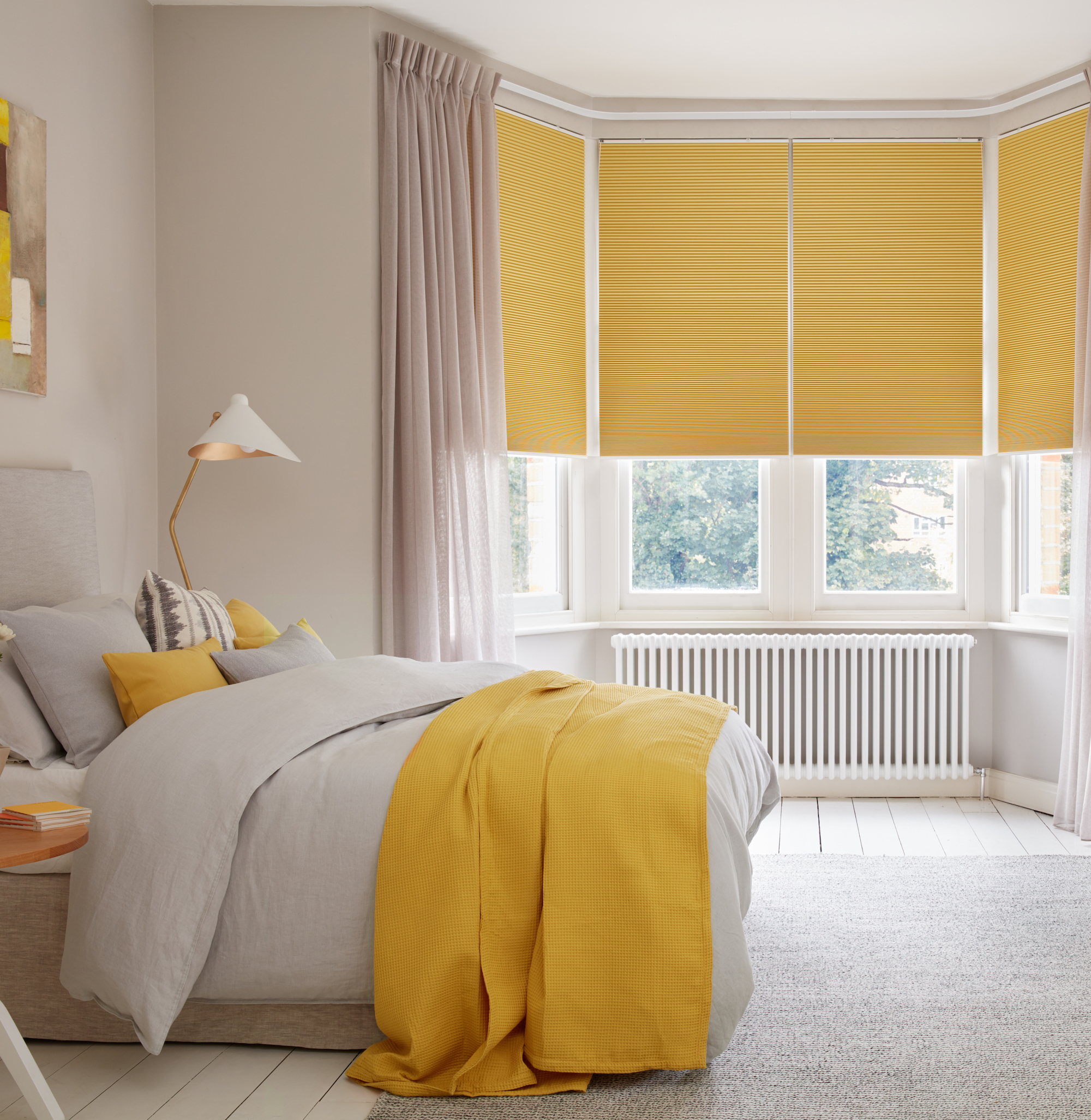
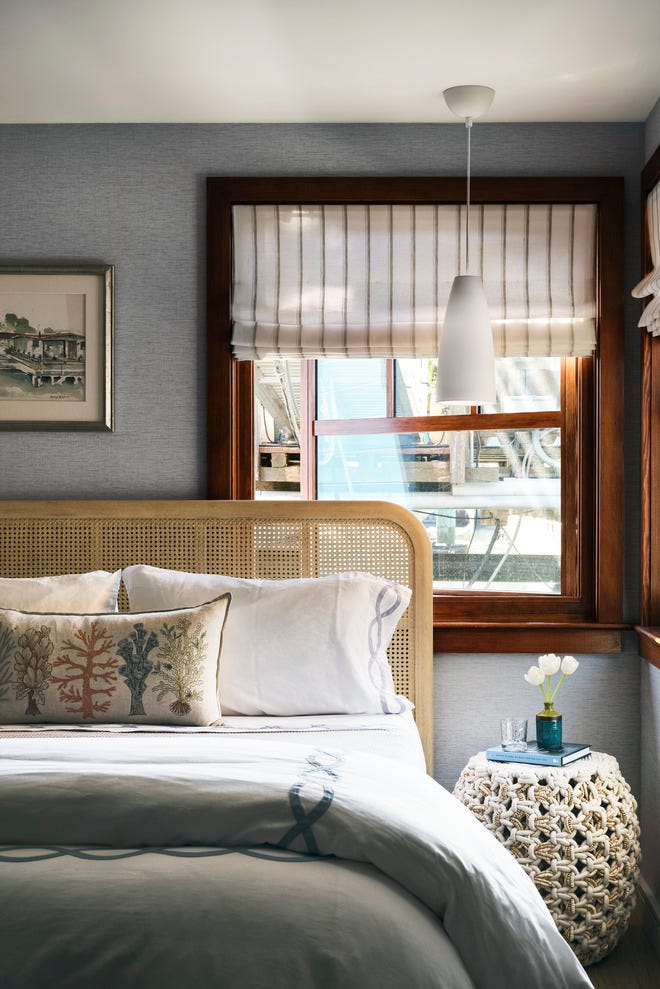
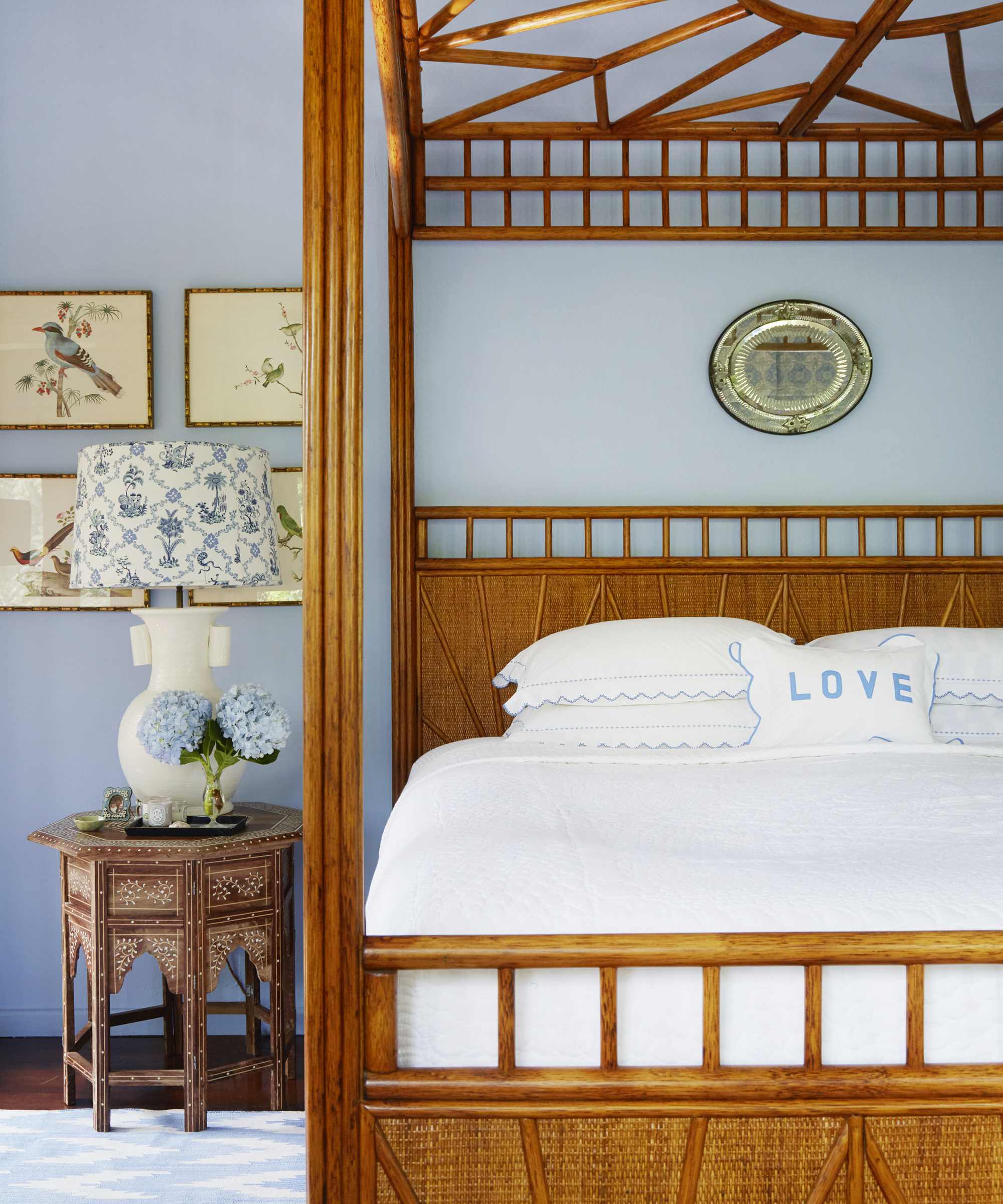
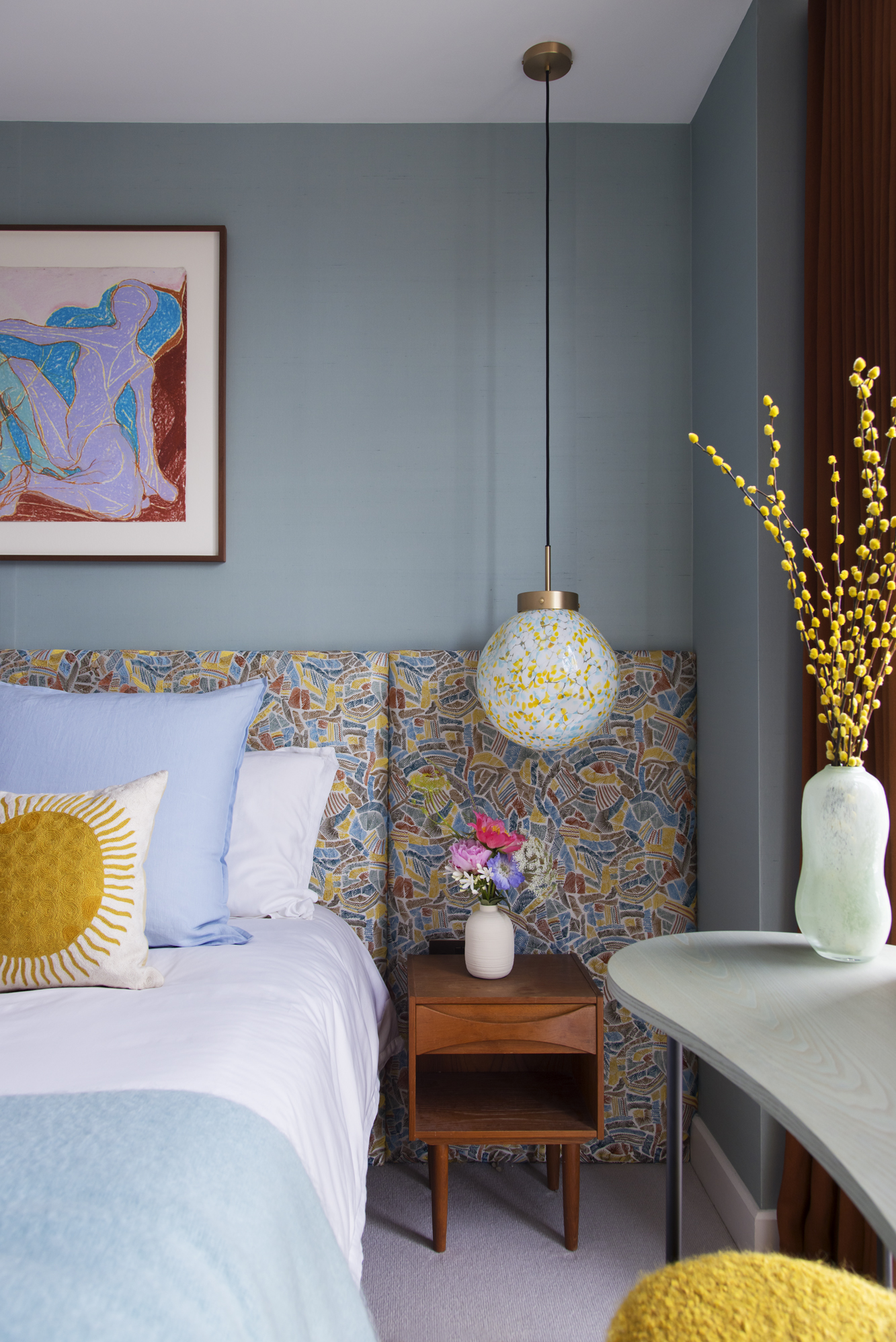
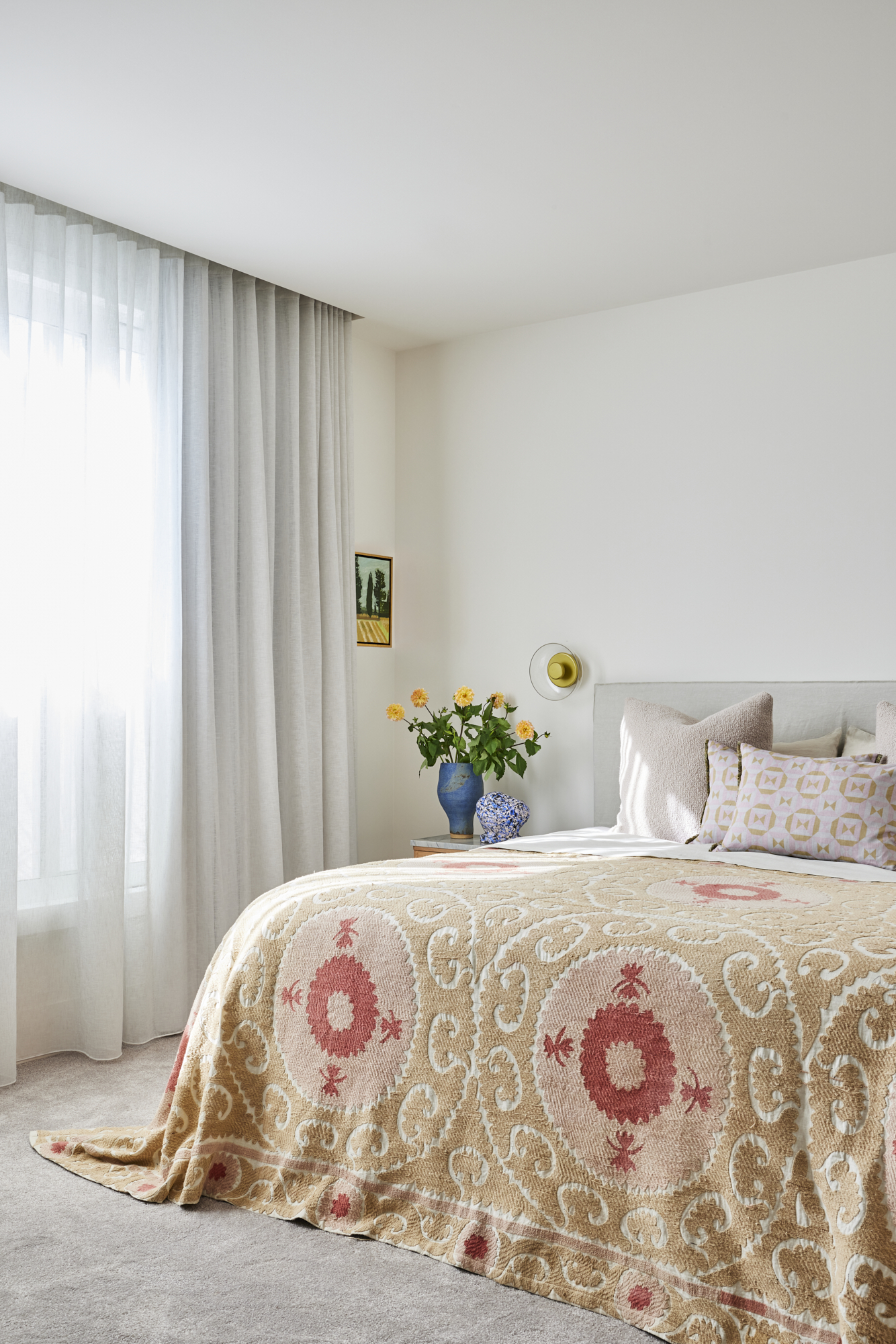
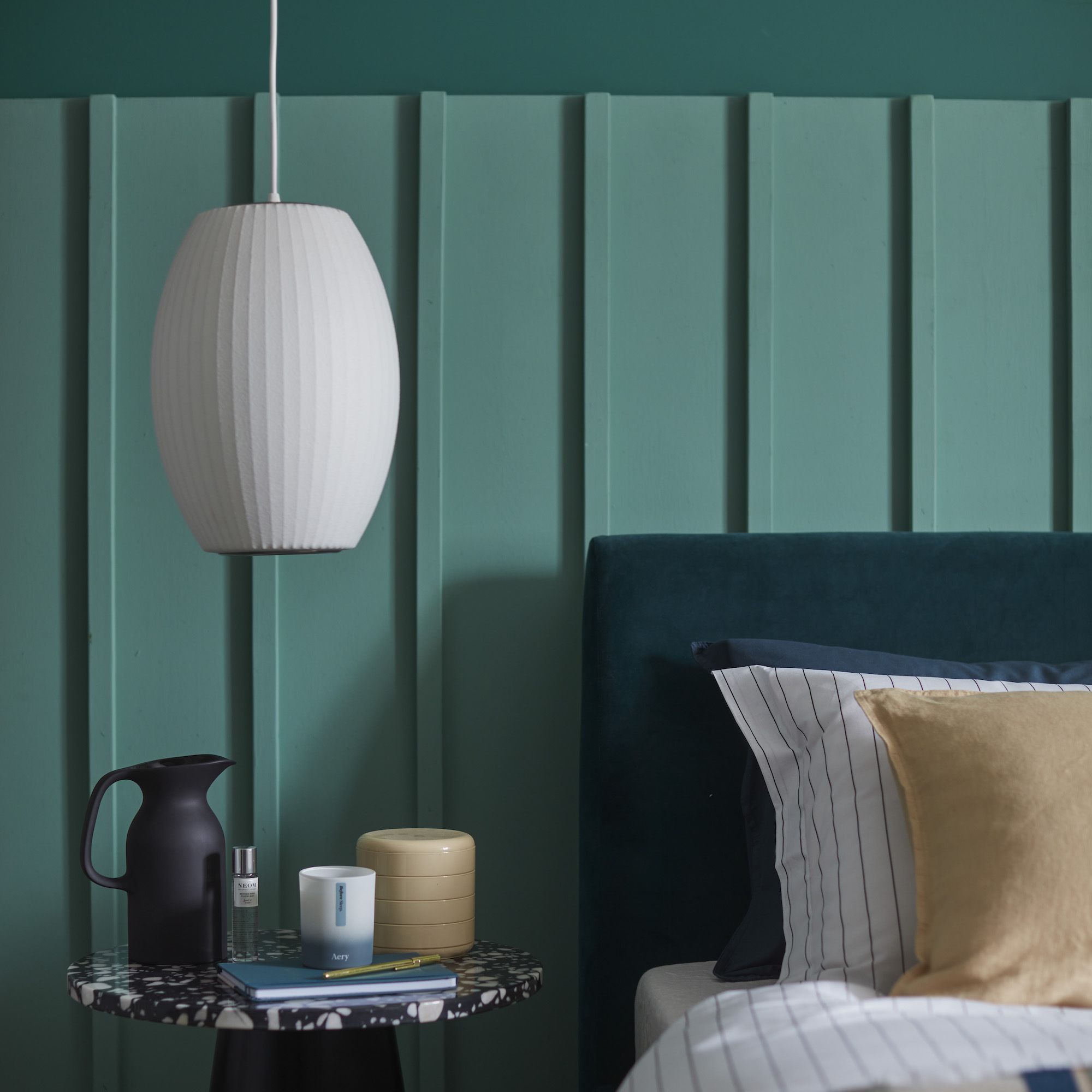
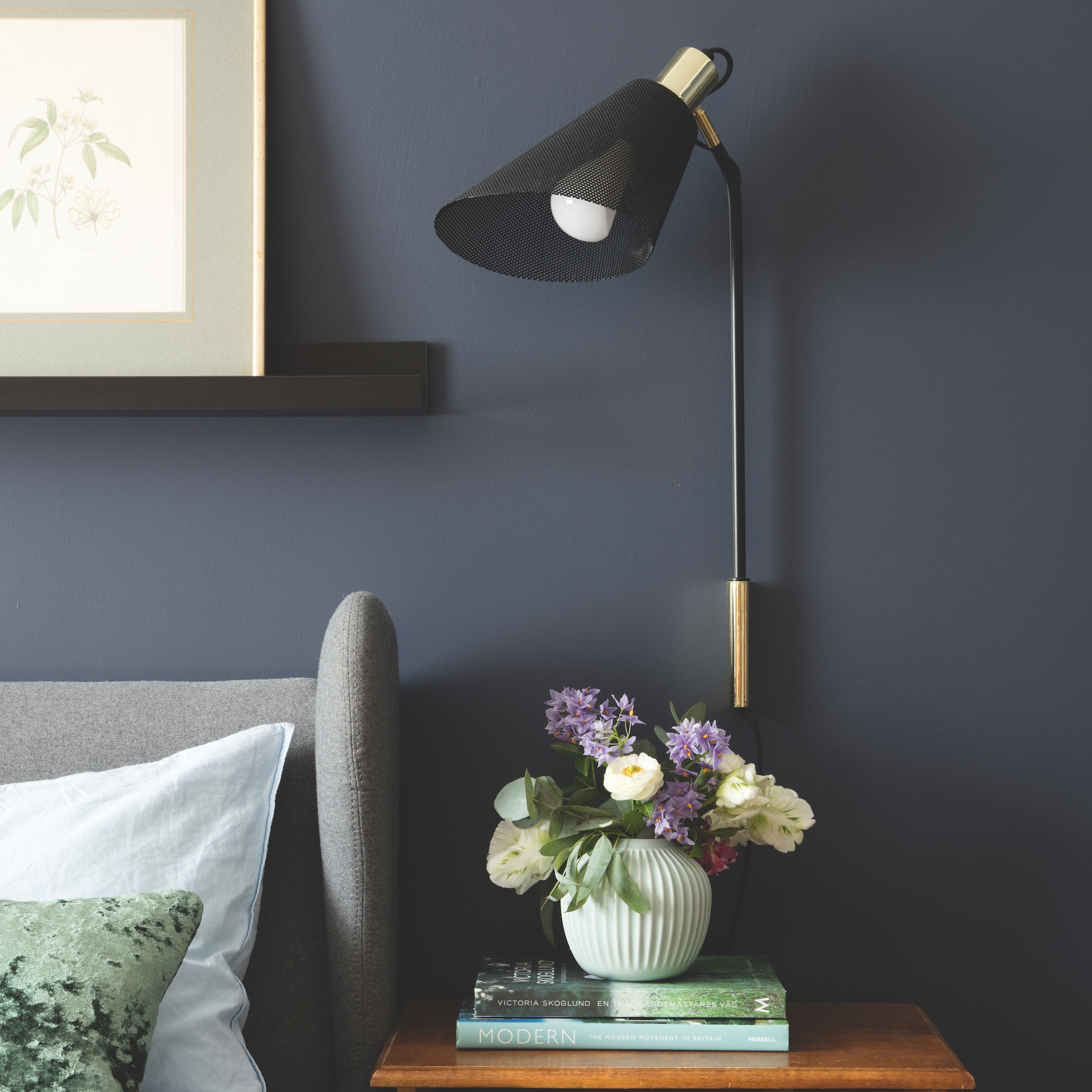
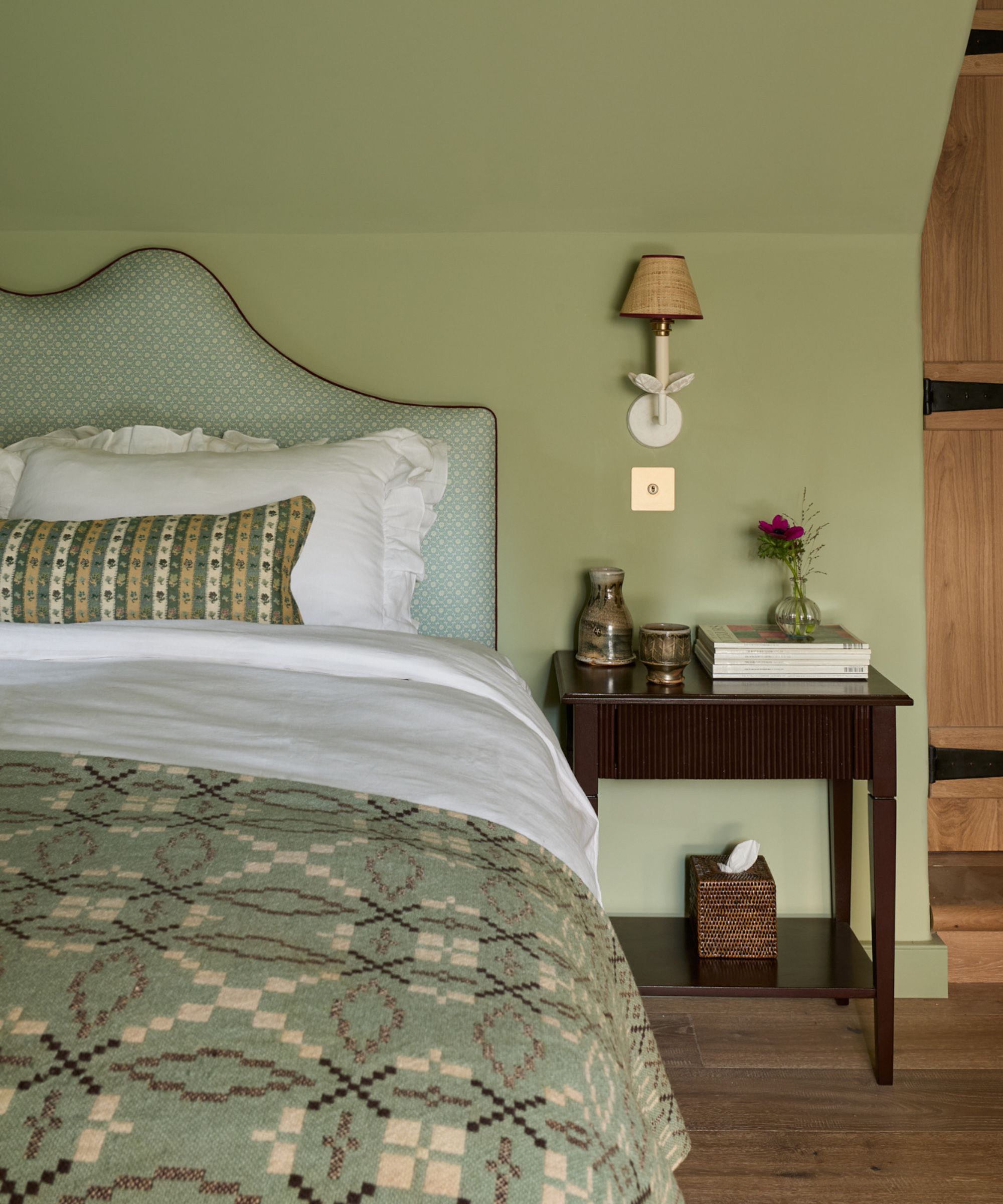
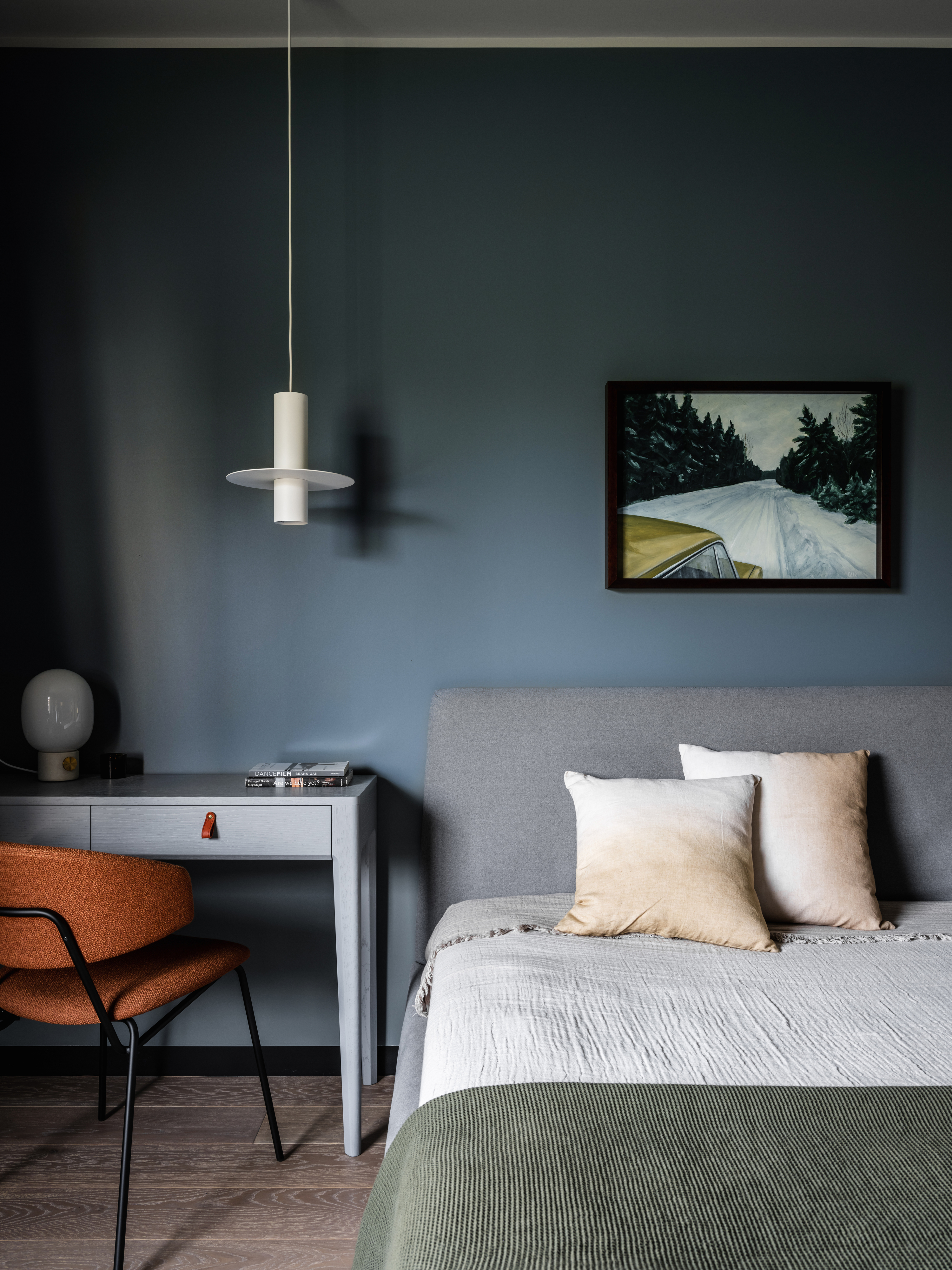
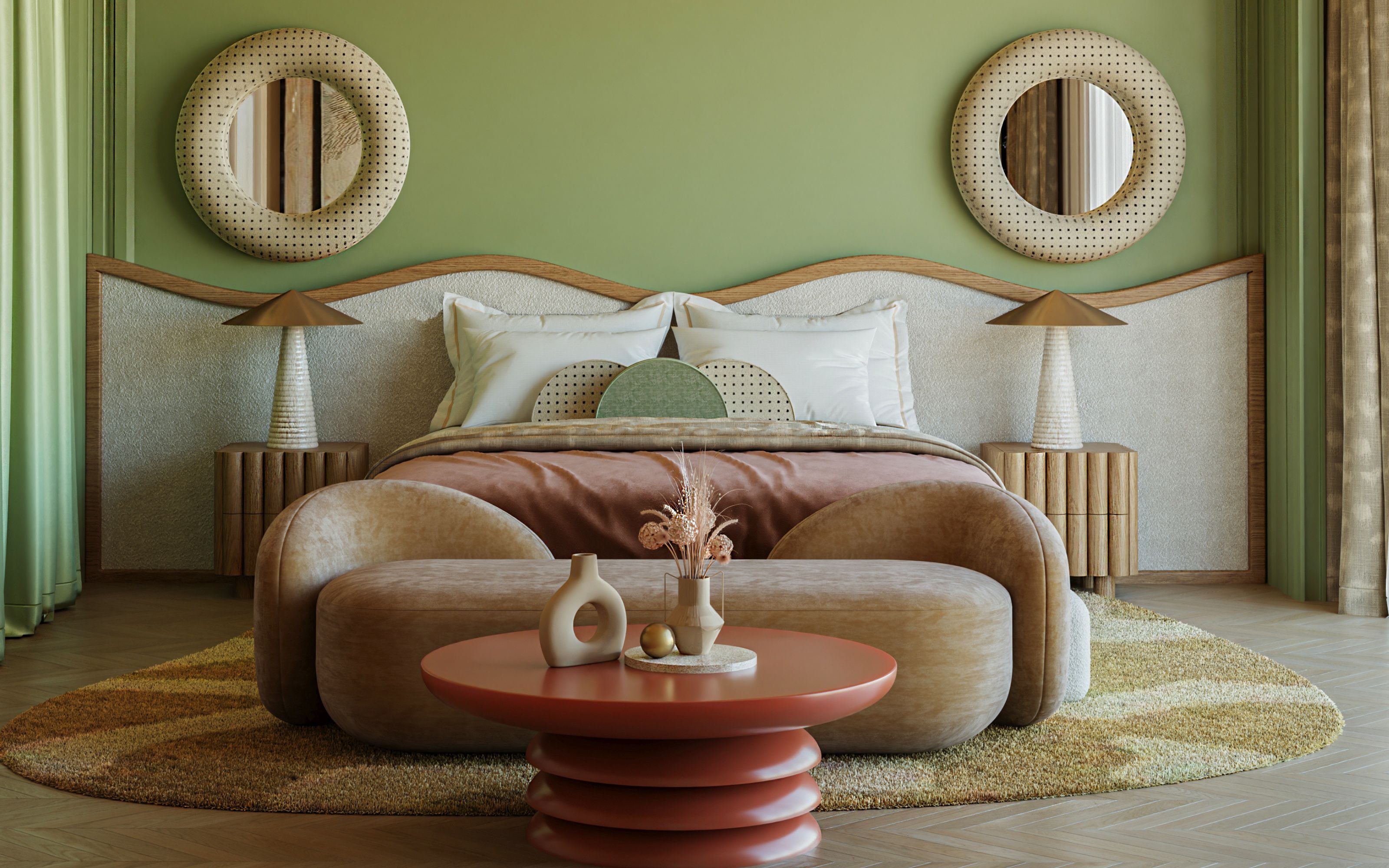
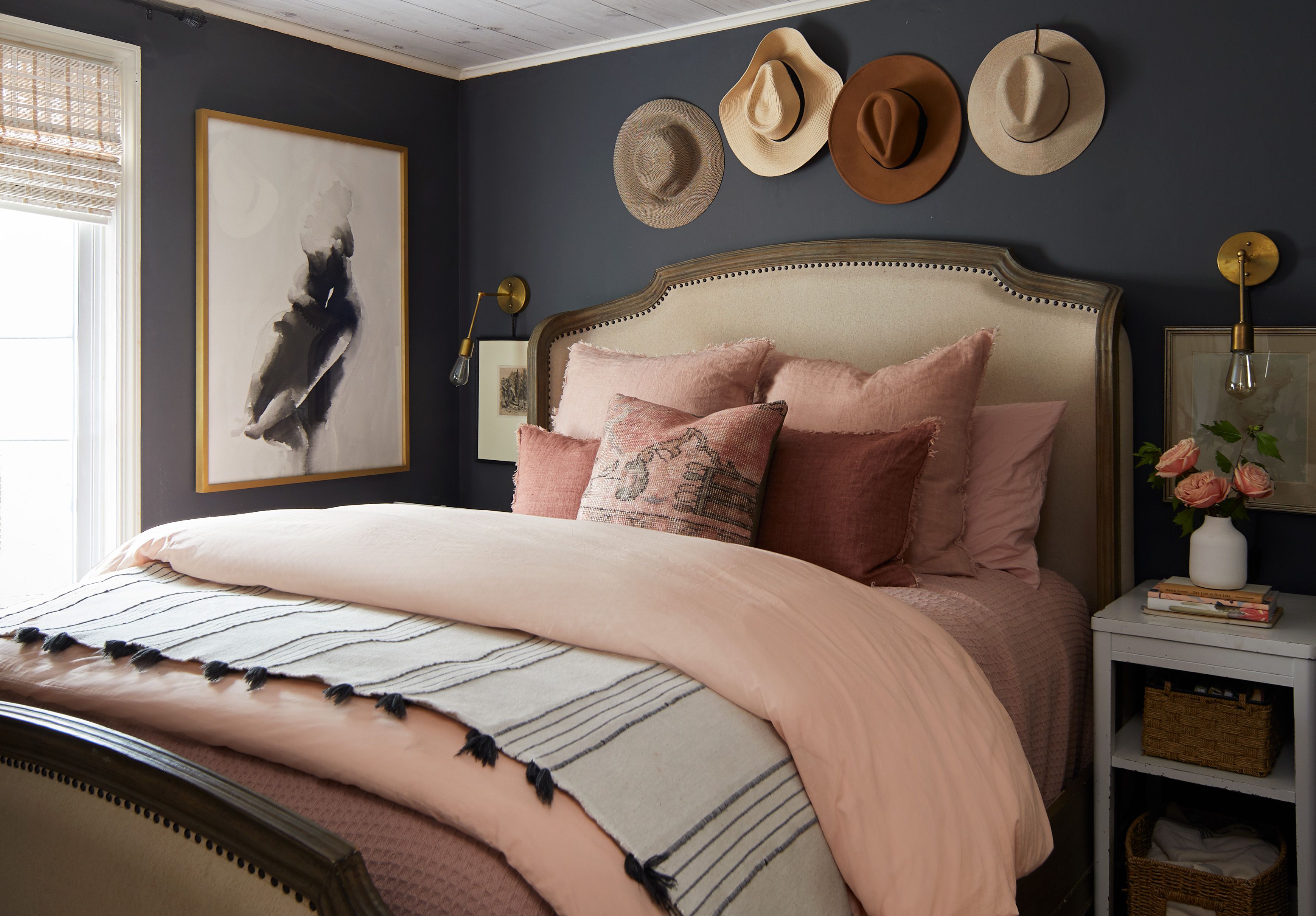
Maintaining a clutter-free environment, particularly underneath the bed, is also highlighted. Storing items like shoes or mementos under the bed is believed to radiate negative energy that can subconsciously disturb rest. General clutter throughout the room is also discouraged to minimize distractions and promote a sense of calm. The choice of wall colors can also influence sleep quality through chromotherapy. Calming colors such as white, blue, yellow, green, and silver, especially in lighter tones, are associated with increased total sleep duration.
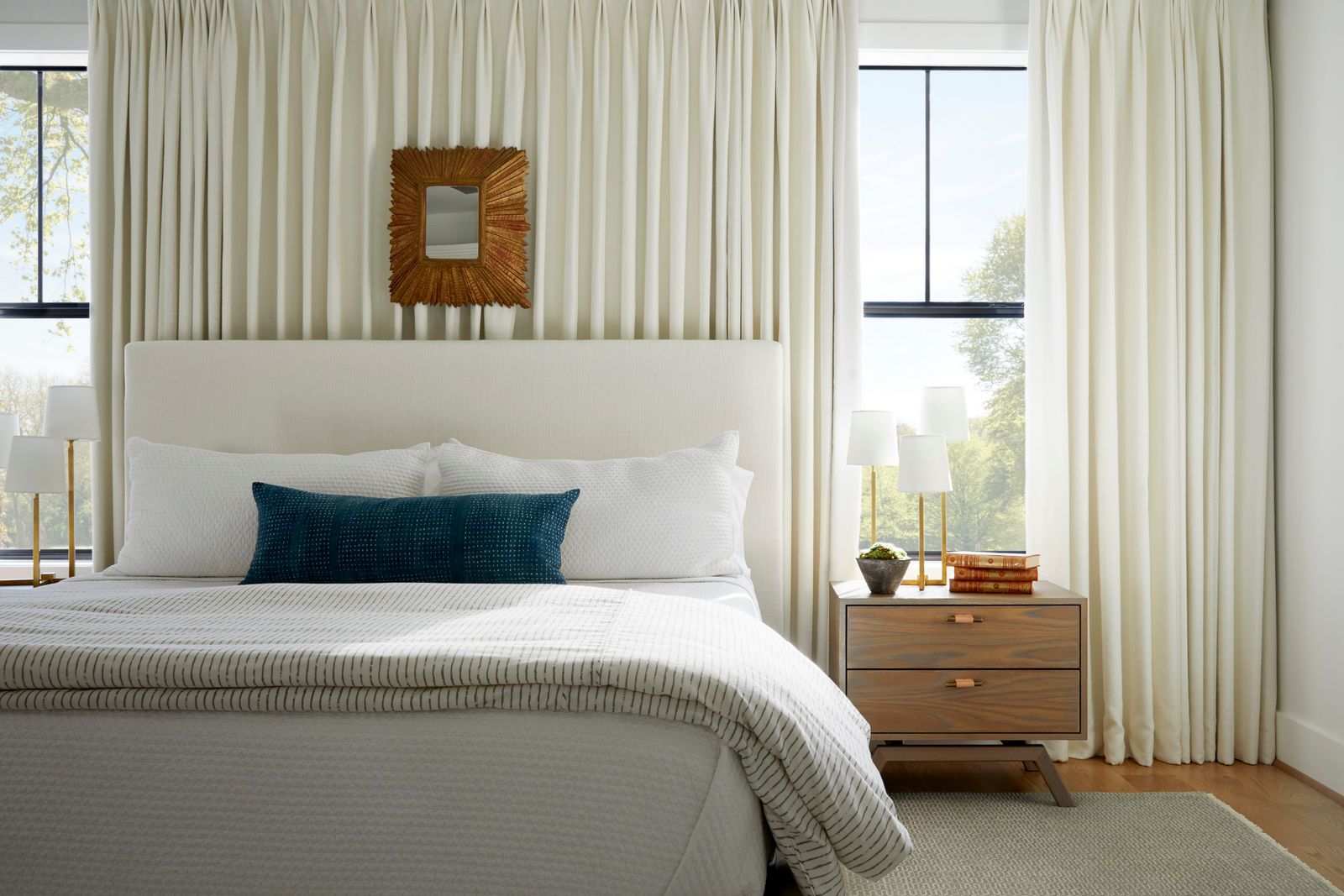
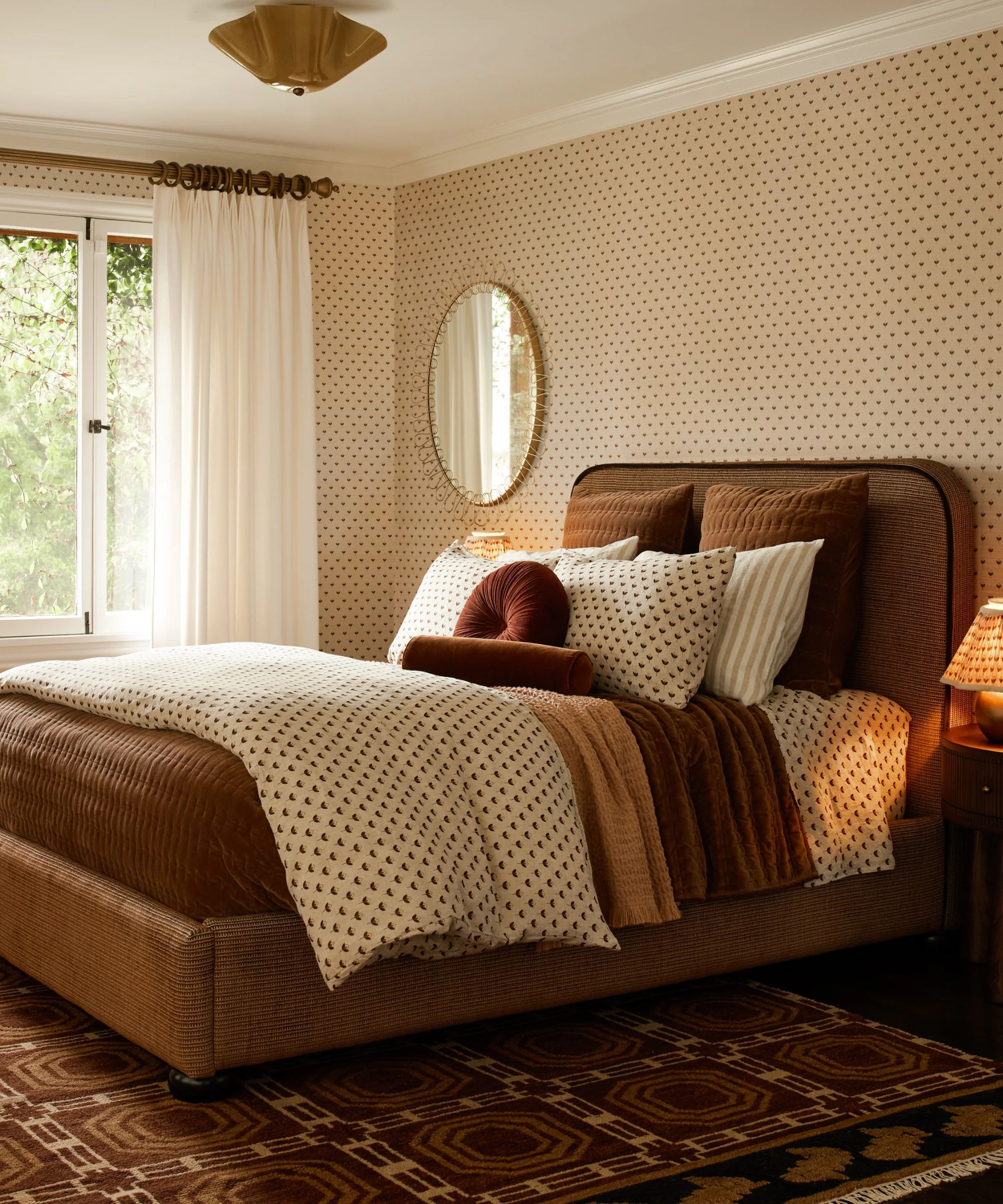
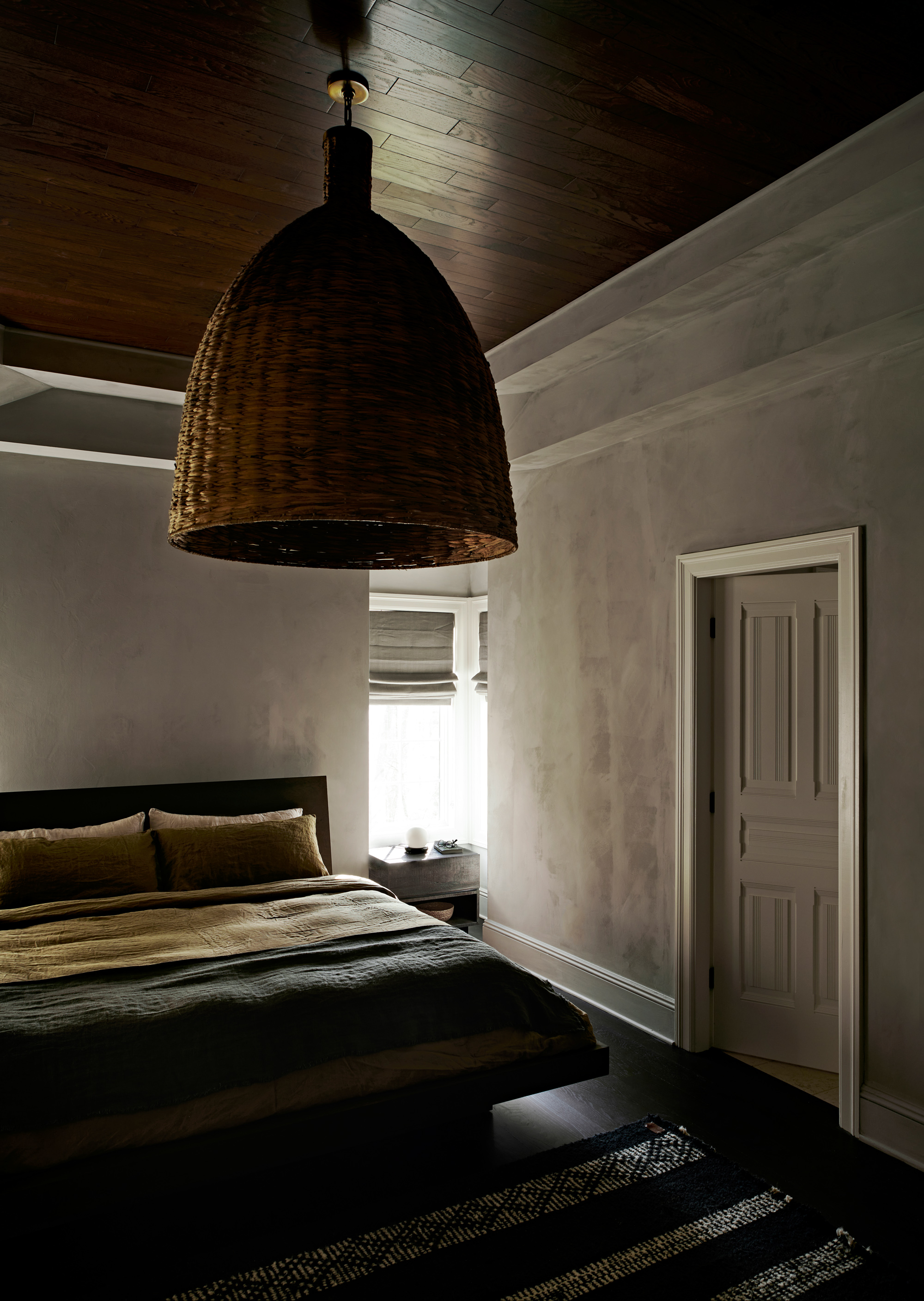
Controlling artificial light is crucial for melatonin production. Replacing standard lightbulbs with amber-hue bulbs and utilizing dimmer switches can help signal to the brain that it is time to rest, thereby encouraging the natural rise of melatonin levels. Blackout curtains are also recommended to ensure complete darkness, while a white noise machine can block external disturbances. Aromatherapy using essential oils like lavender, ylang-ylang, and chamomile can further enhance relaxation by reducing body temperature, heart rate, and blood pressure. Lavender, in particular, is noted for its significant calming effects and its ability to aid in preparing for and sustaining sleep.
Finally, selecting the right mattress is essential. While personal comfort varies, research suggests that a medium-firm mattress with adjustable firmness that supports the spine's natural curvature is generally ideal for promoting healthy sleeping habits. Such a mattress allows the head and neck to remain in a neutral position, minimizing the need for readjustment during the night. Although creating a sleep-conducive bedroom environment may require some investment, these recommendations can be adapted to various budgets, with the overarching goal being a quiet, serene, dark, and comfortable space for sleep.
#BedroomDesign #SleepTips #FengShui #Melatonin #Aromatherapy #MattressSupport #HealthyLifestyle #MentalWellbeing #HomeDecor #BedroomDesign #SleepTips #FengShui #Melatonin #Aromatherapy #MattressSupport #HealthyLifestyle #MentalWellbeing #HomeDecor
0 comment in total
 No comments yet
You may also like

10 Bedroom Decor Mistakes Keeping You From Your Best Sleep Ever

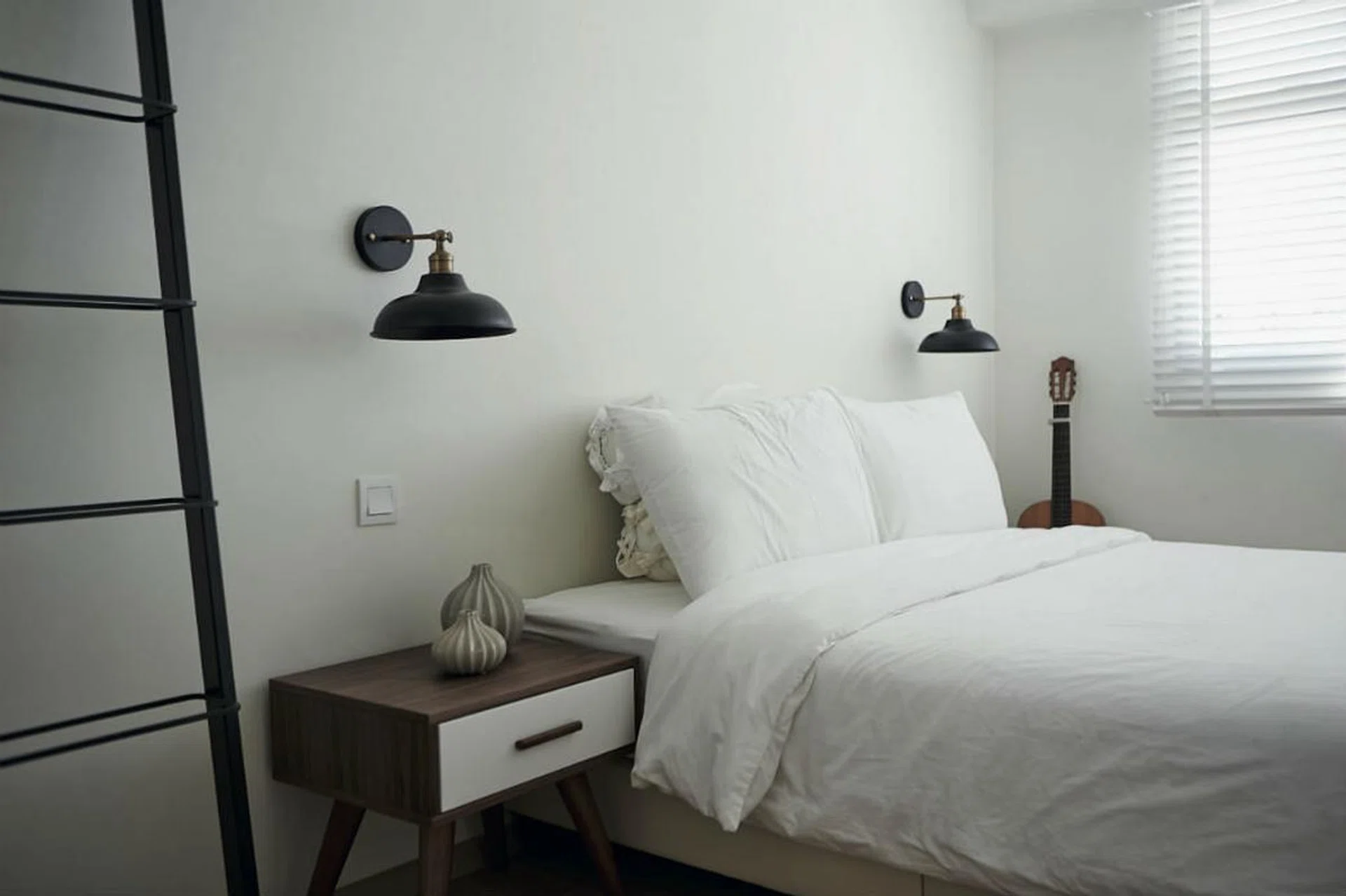
Bedroom Design Ideas: 20 Expert tips from interior designers
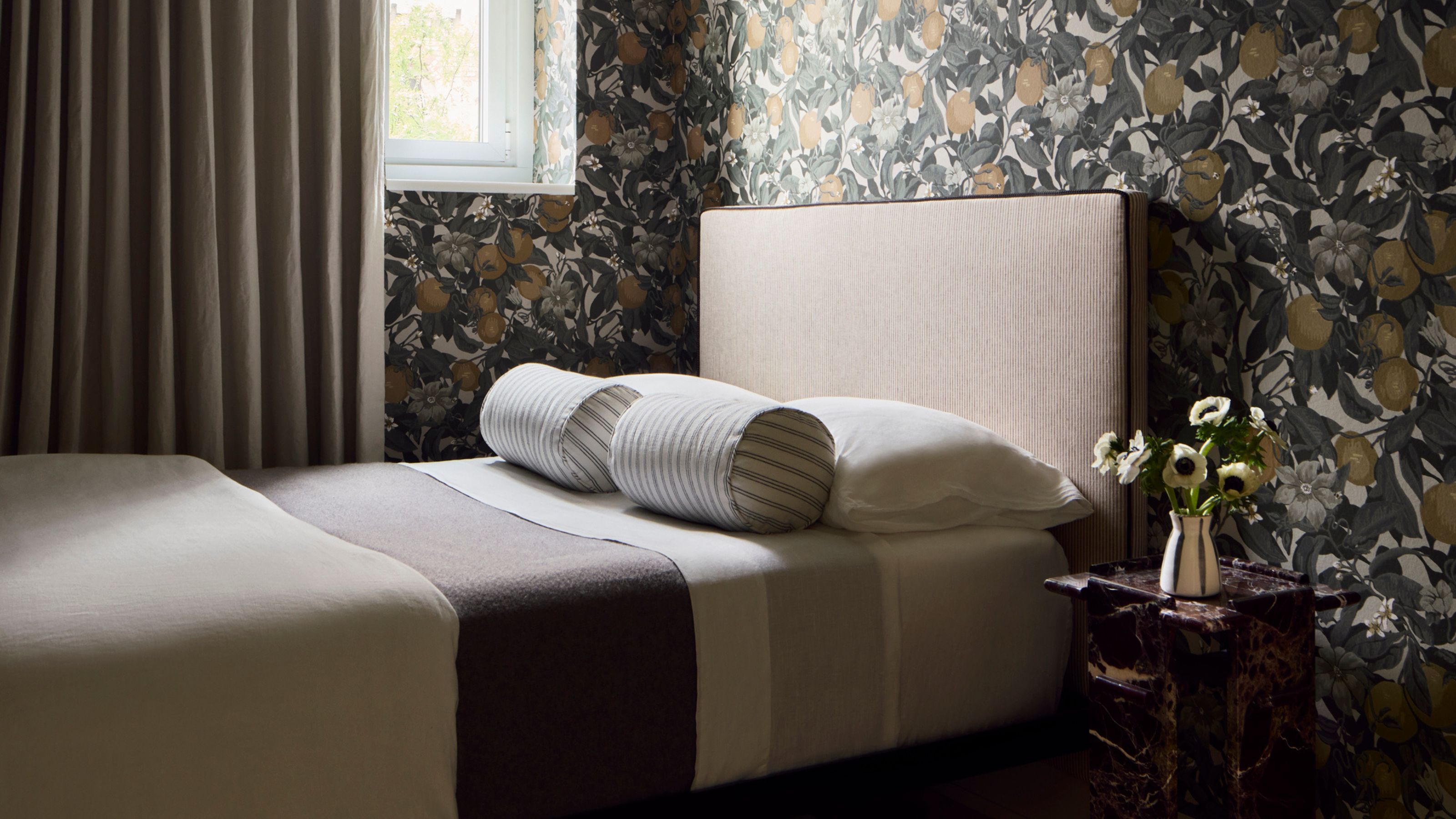
The 12 Essential Modern Bedroom Ideas for Those Who Want Good Slumber With a Side of Style

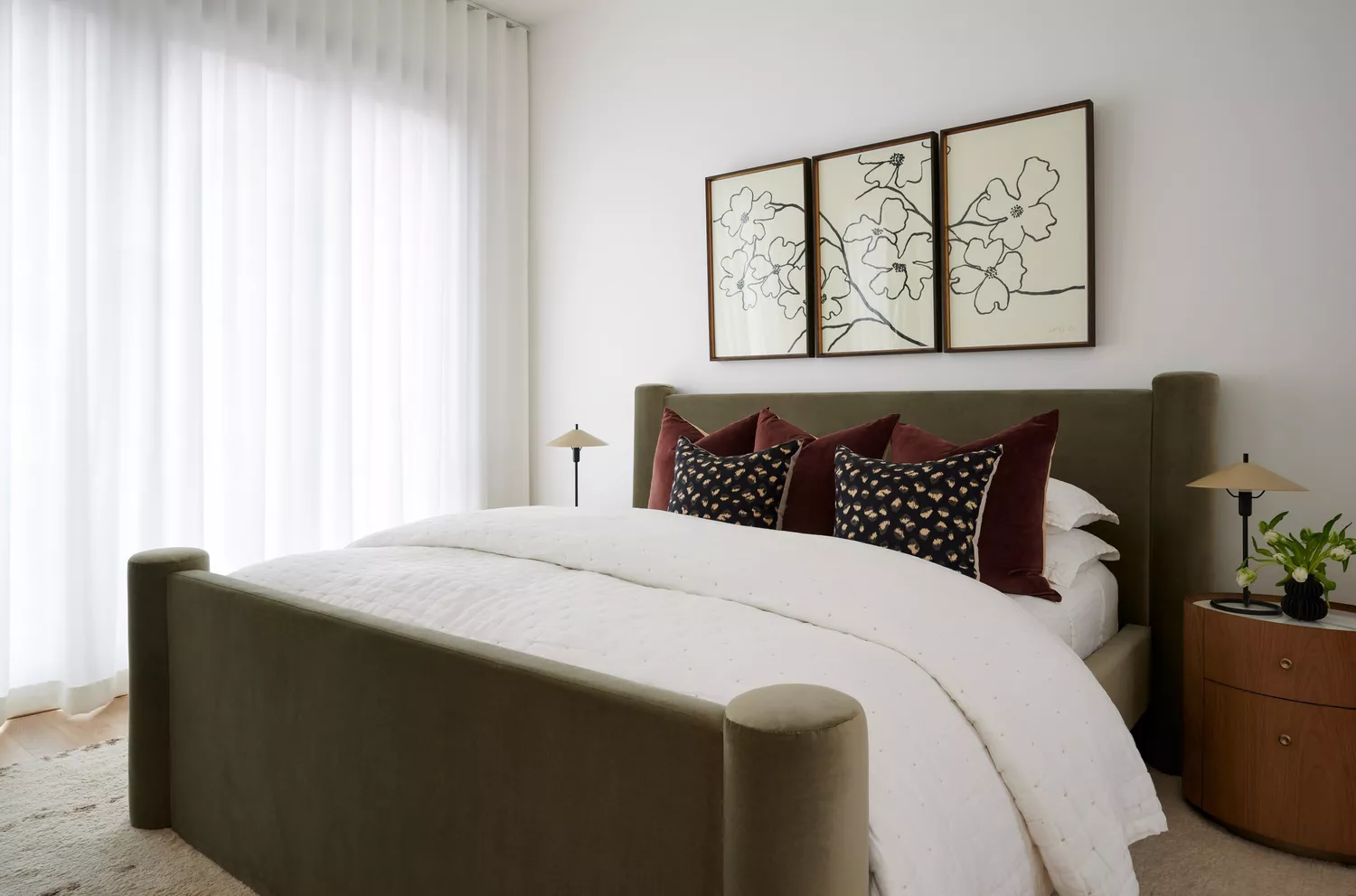
5 Bed Styling Secrets Designers Always Use (But Rarely Share)

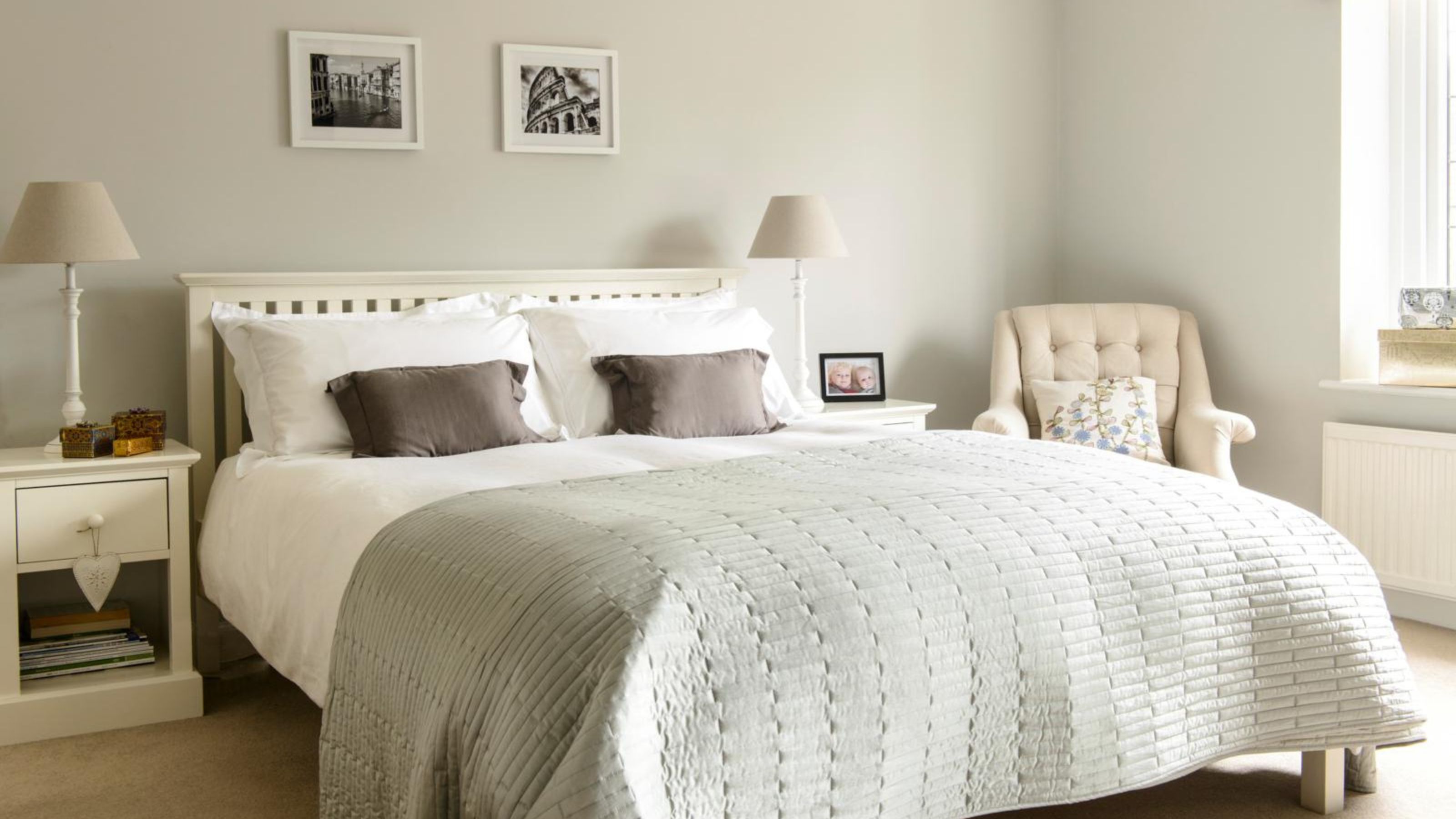
15 bedroom design tips for better sleep – wake fresh for the day
The Best Tips From Designers on Decorating the Bedroom of Your Dreams

6 Tricks Designers Always Use to Create a More Relaxing Bedroom
13 tips interior design experts want you to know about decorating your bedroom
Bedroom Organization Ideas That’ll Help You Sleep Easy

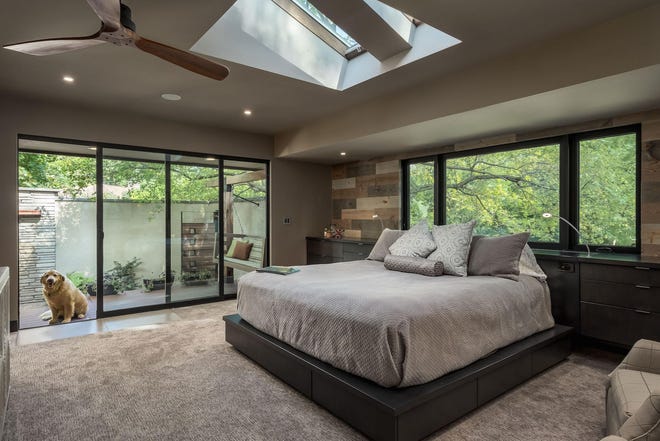
Bedroom design should emphasize stress-reducing, sleep-inducing features

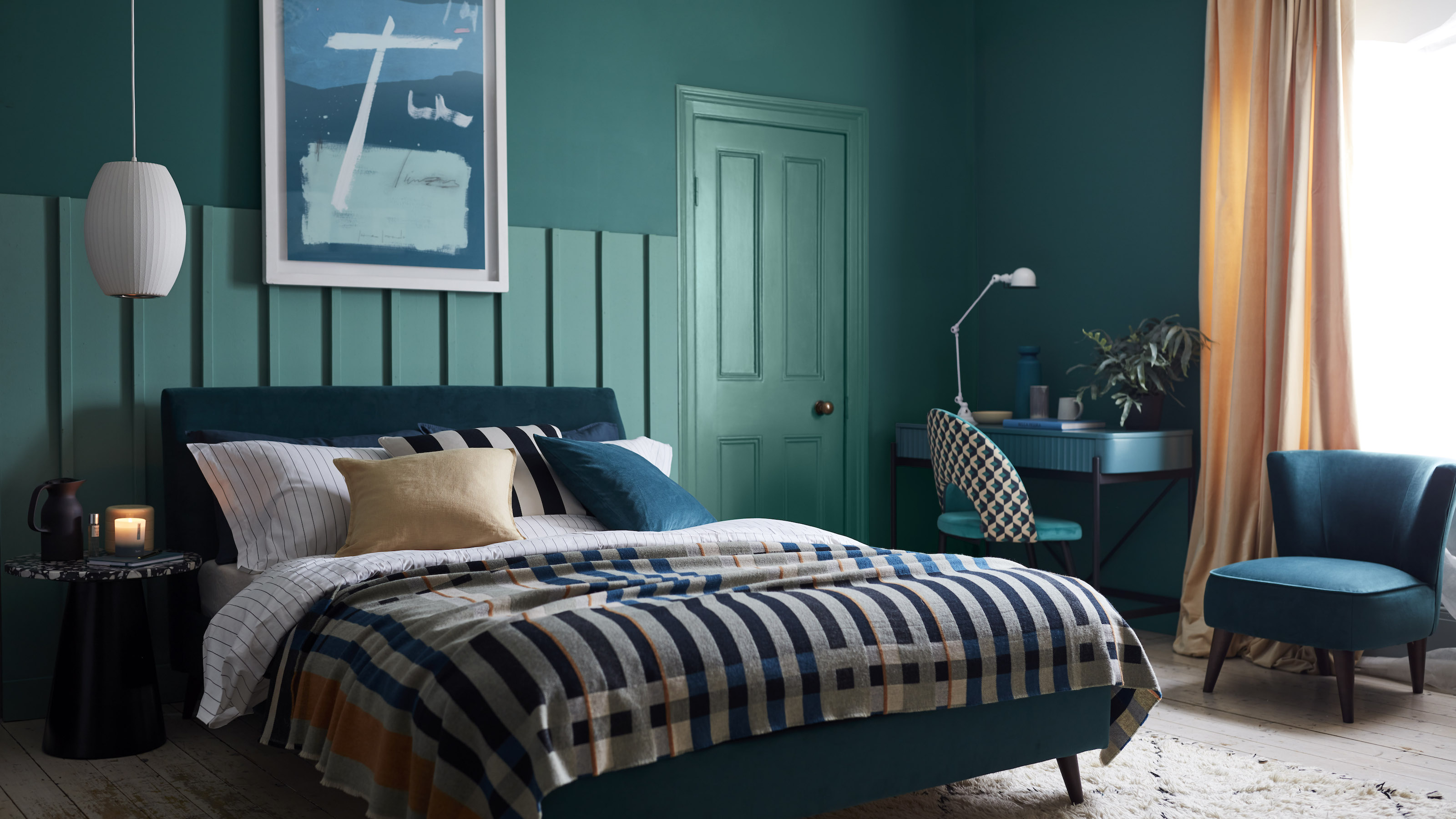
5 bedroom design tips to help night owls fall asleep – and wake up feeling fresh
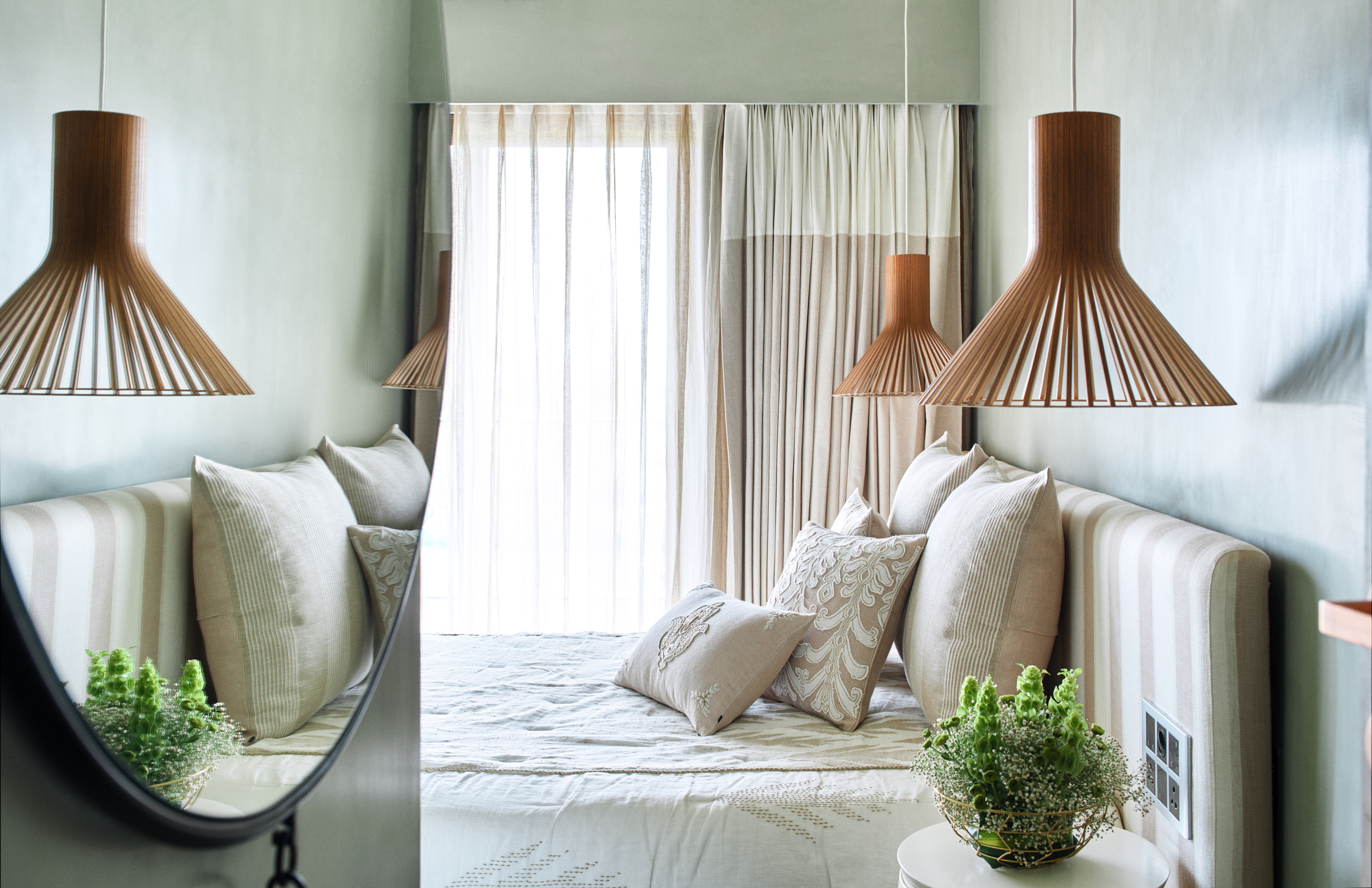
Relaxing bedroom ideas – how to create a more serene space, according to designers
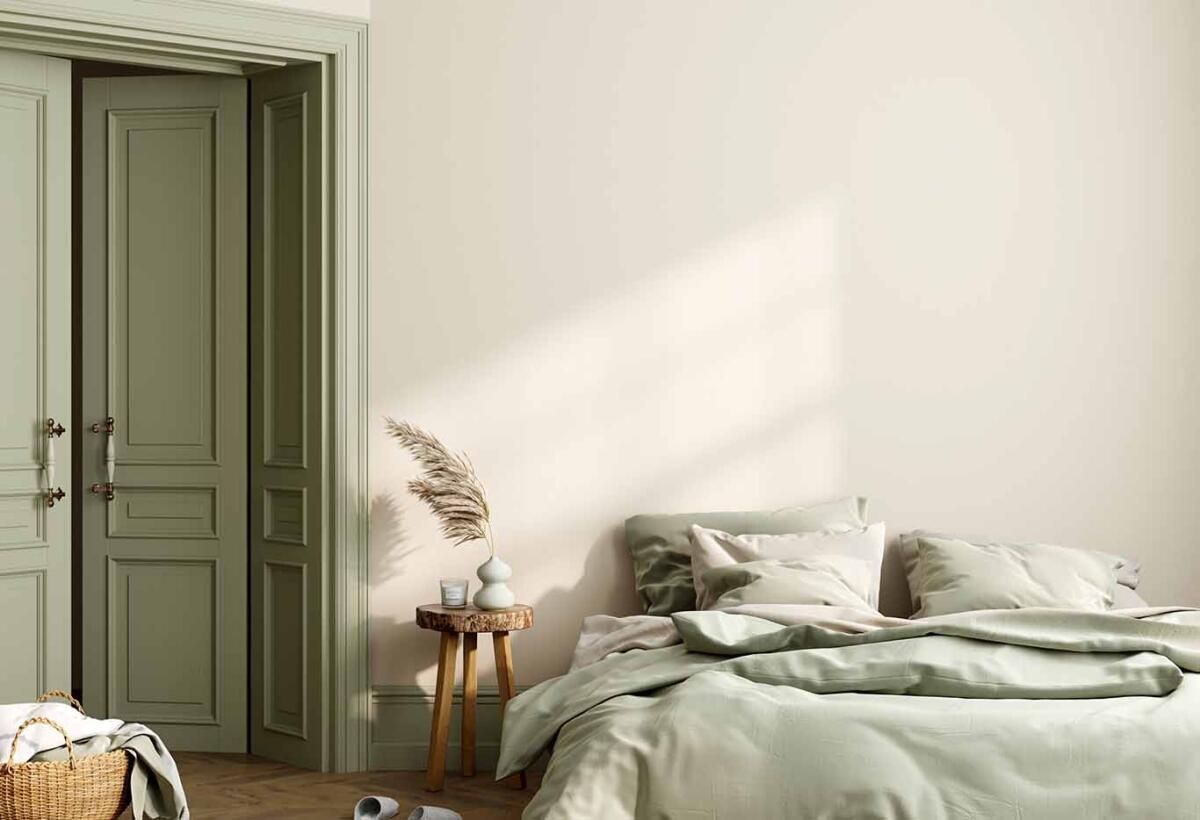
How Bedroom Design Is Evolving for Healthier, Deeper Rest

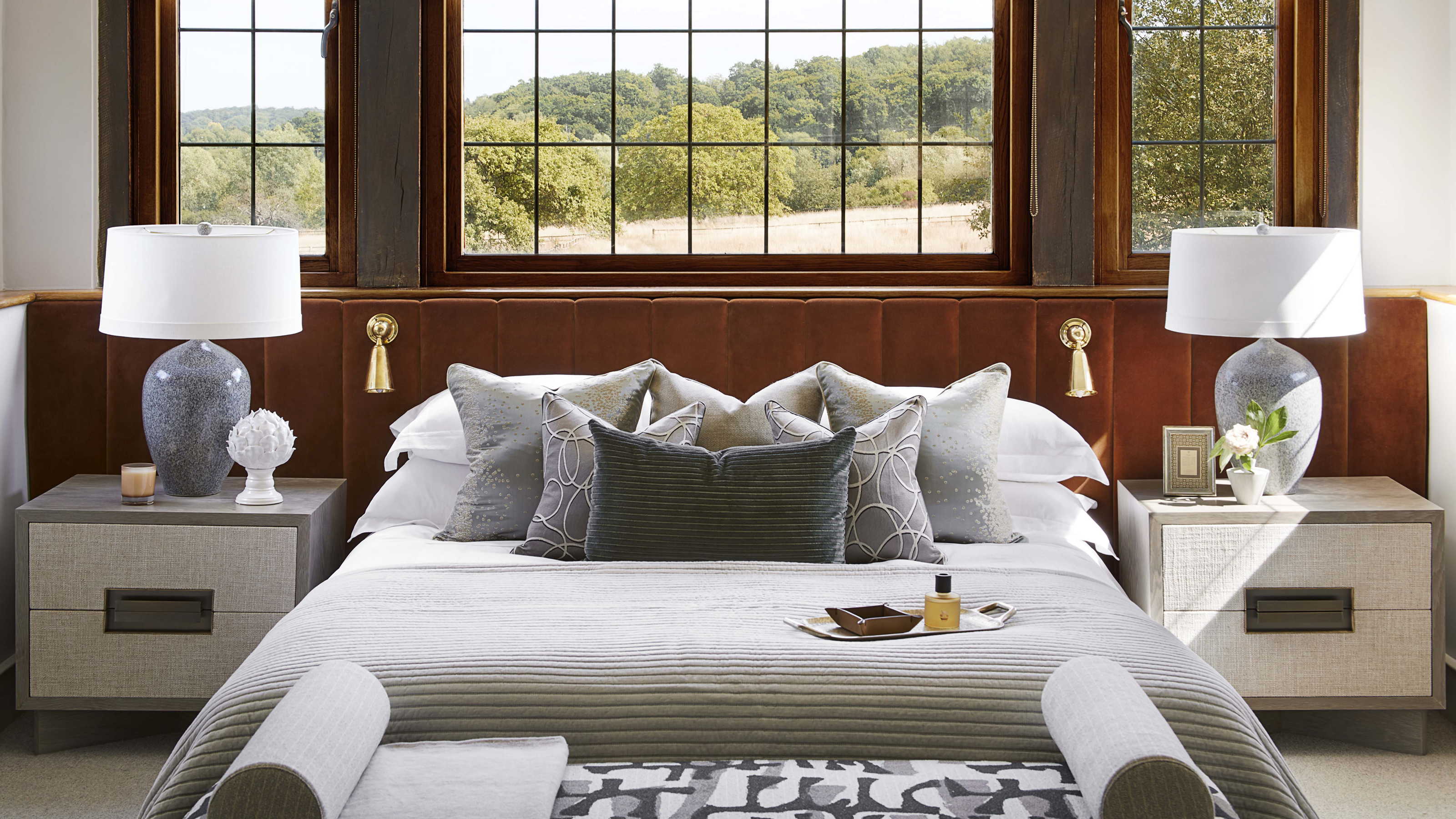
Bedroom furniture ideas – 10 tips for designing your sleep space

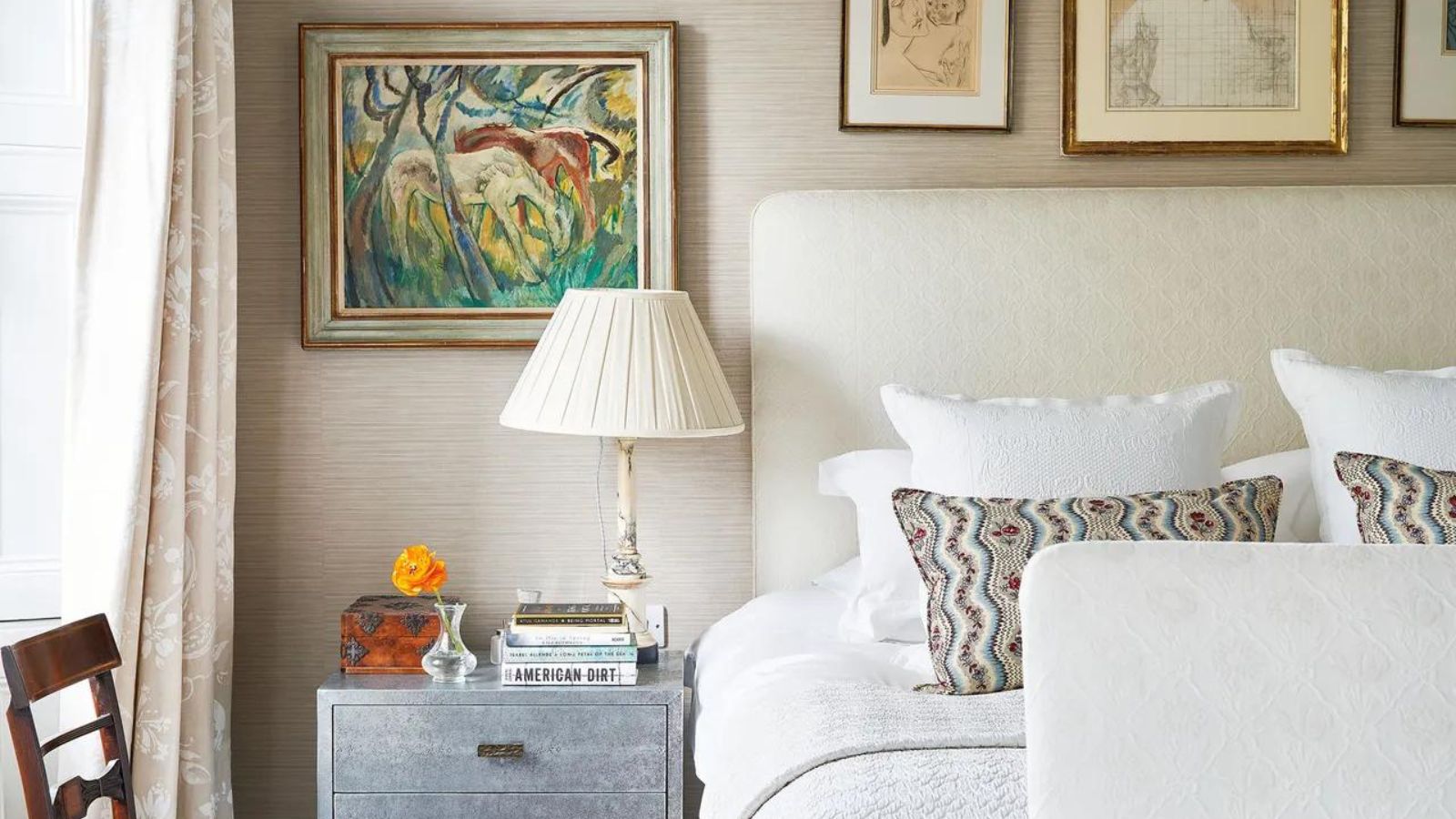
6 interior design mistakes that could be affecting your sleep
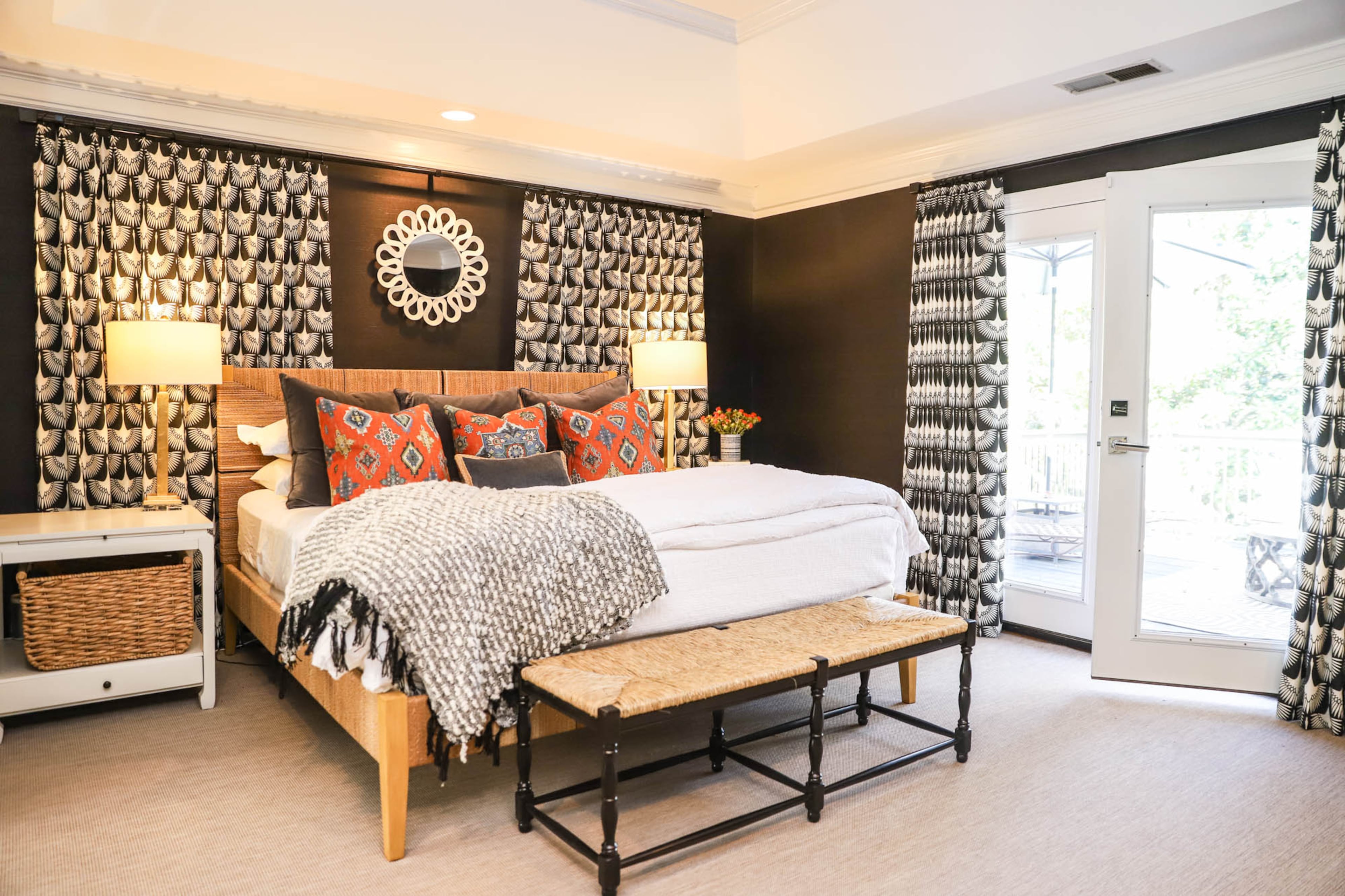
Master bedroom remodels offer fresh look
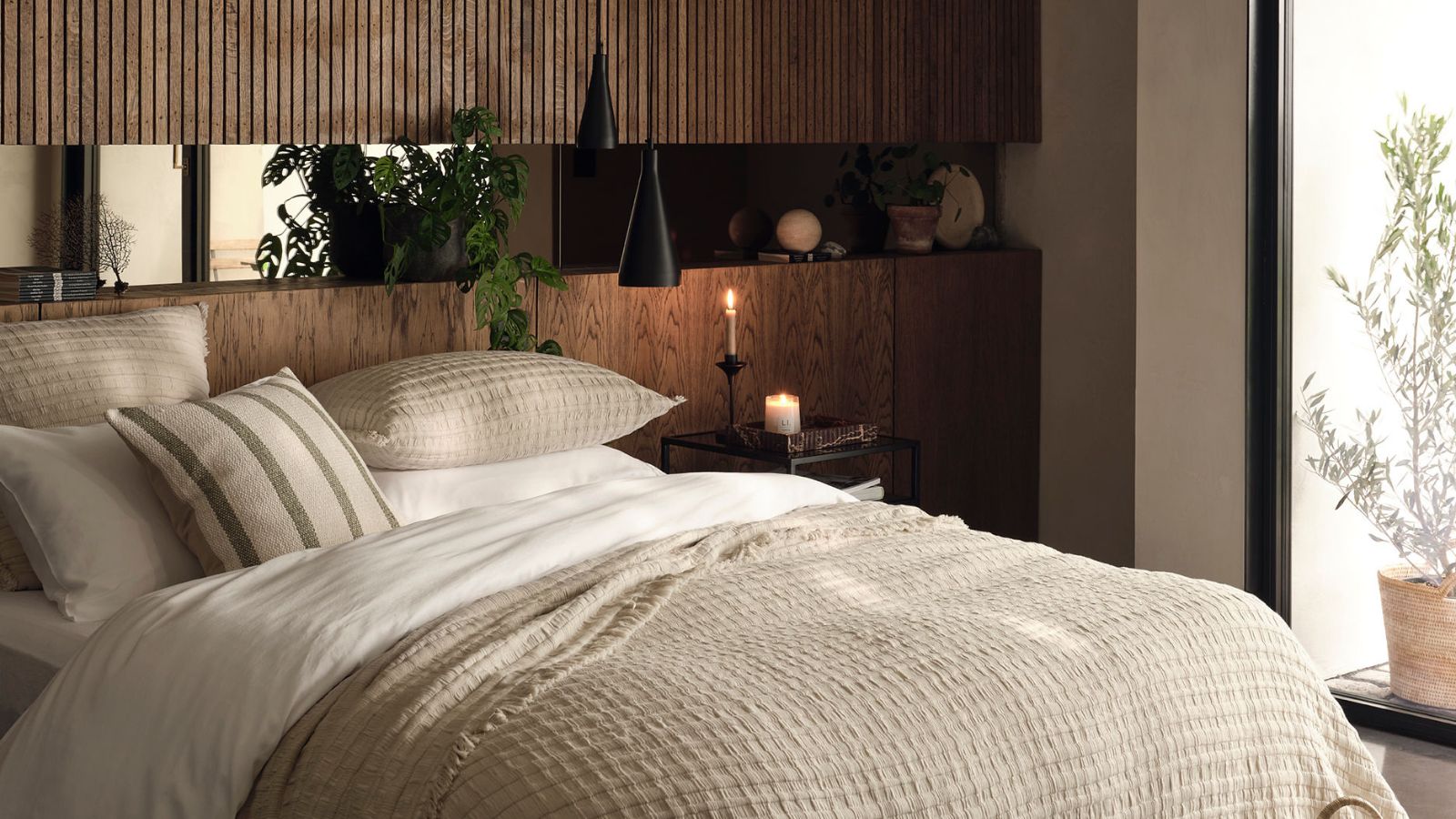
Sleep experts helped organize my bedroom for better sleep

The Best Bedding to Improve Your Sleep

The smallest tweak to your bedroom makes the biggest difference - 5 designer secrets for creating restful schemes
8 Ways to Create a Stress-Free Bedroom for Better Sleep