The Difference Between a Family Room and Living Room—Plus, Designer Tips for Styling Them
The article clarifies the distinctions between a family room and a living room, two common living spaces found in many homes. While often used interchangeably, these rooms serve different functions and typically occupy different locations within a house. Interior designers Kelsey Haywood and Amy Peltier provide insights into these differences and offer guidance on decorating each space effectively.
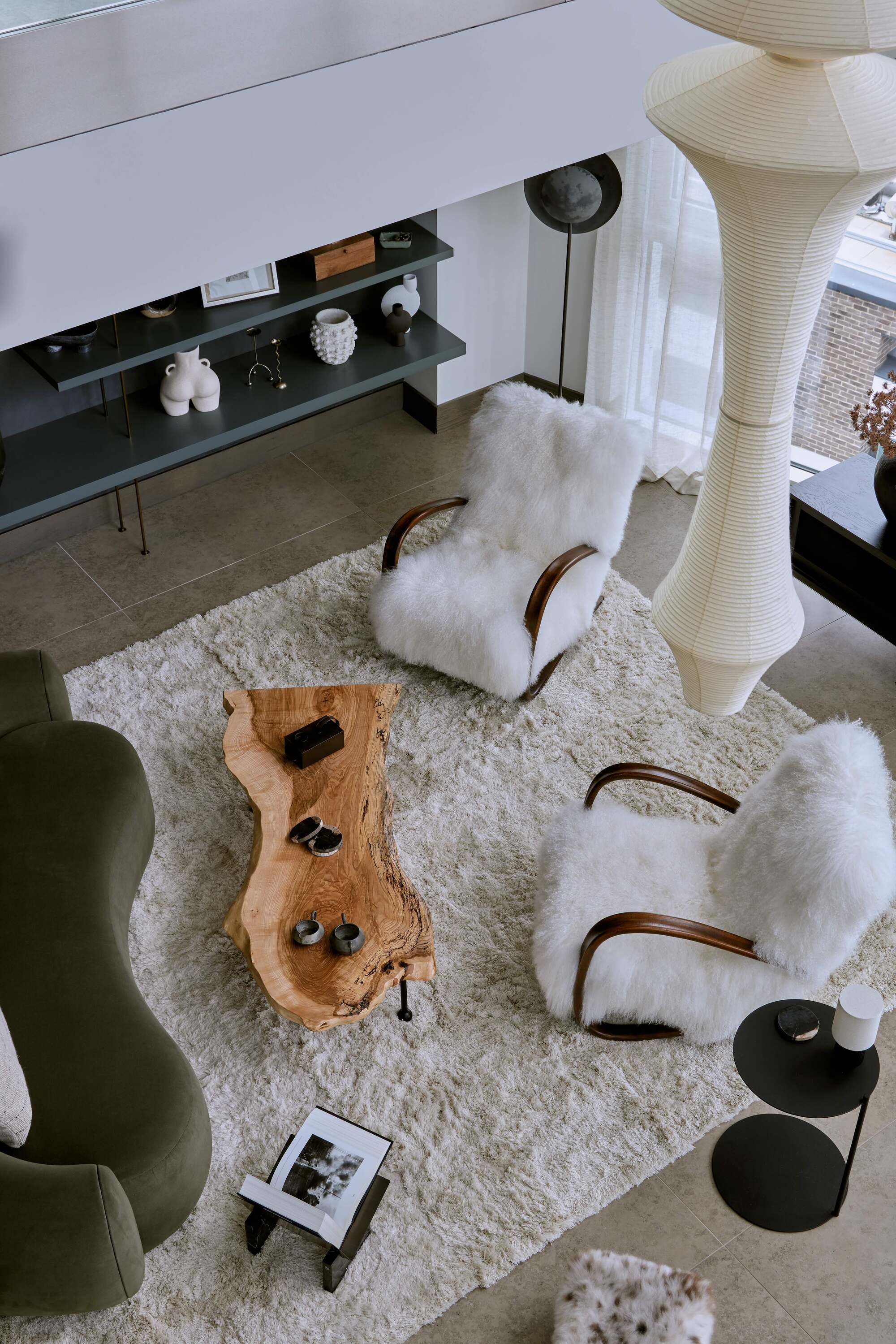
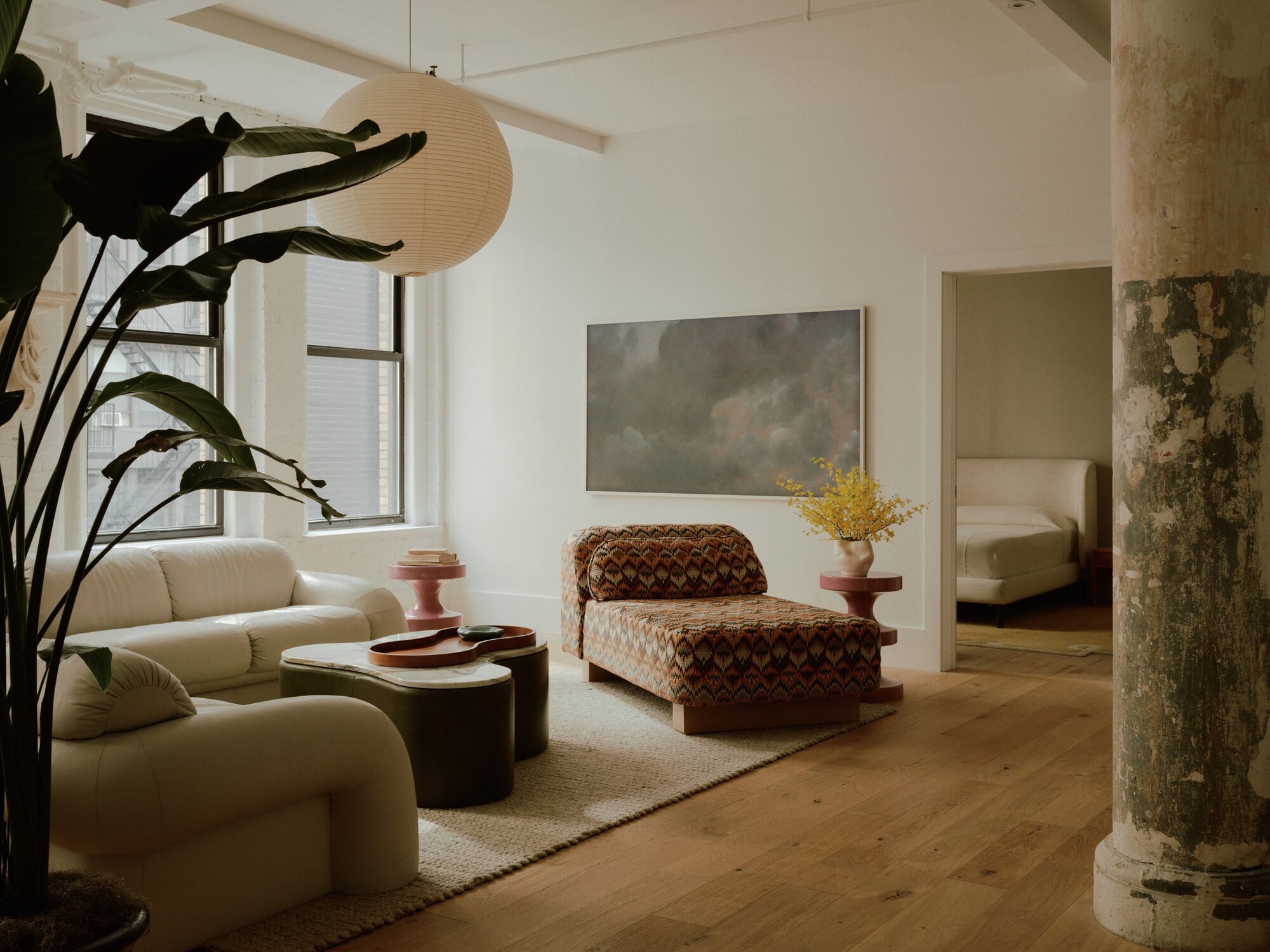
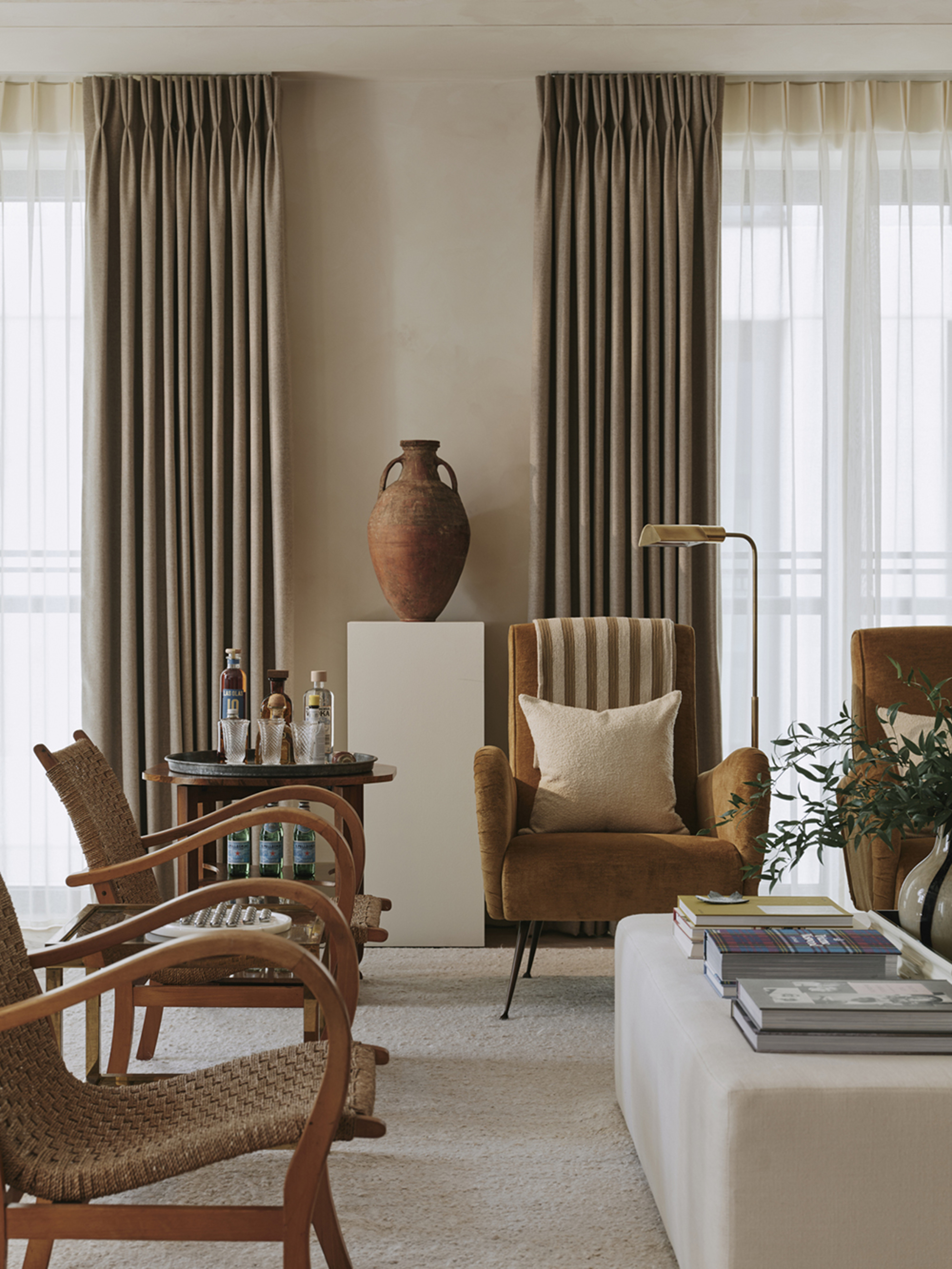
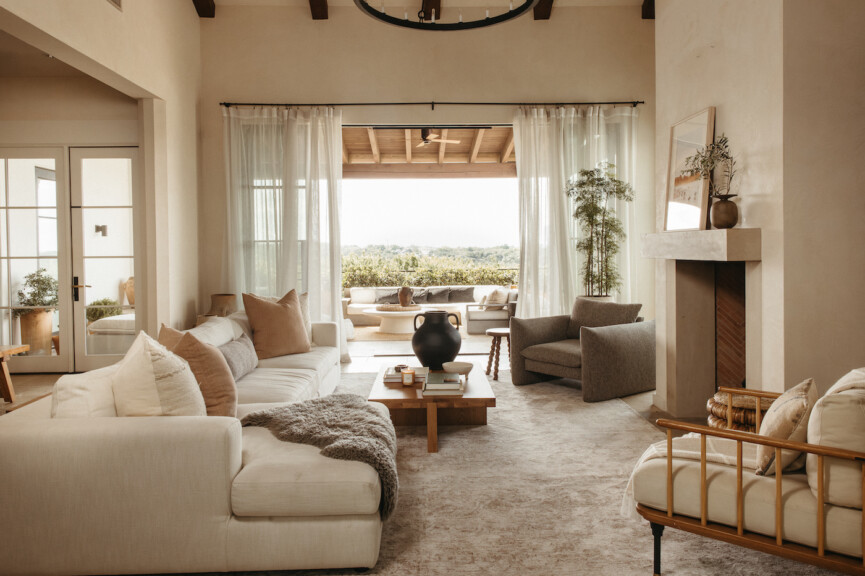
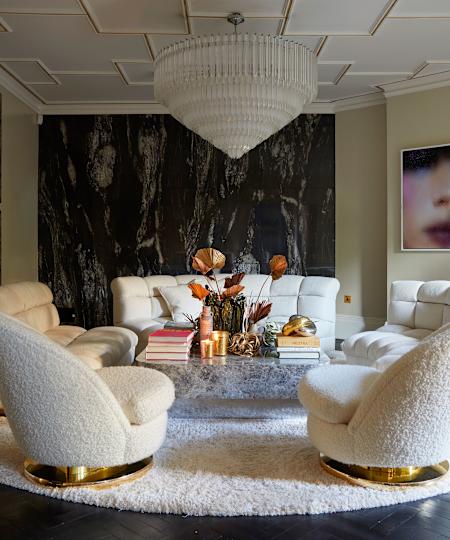
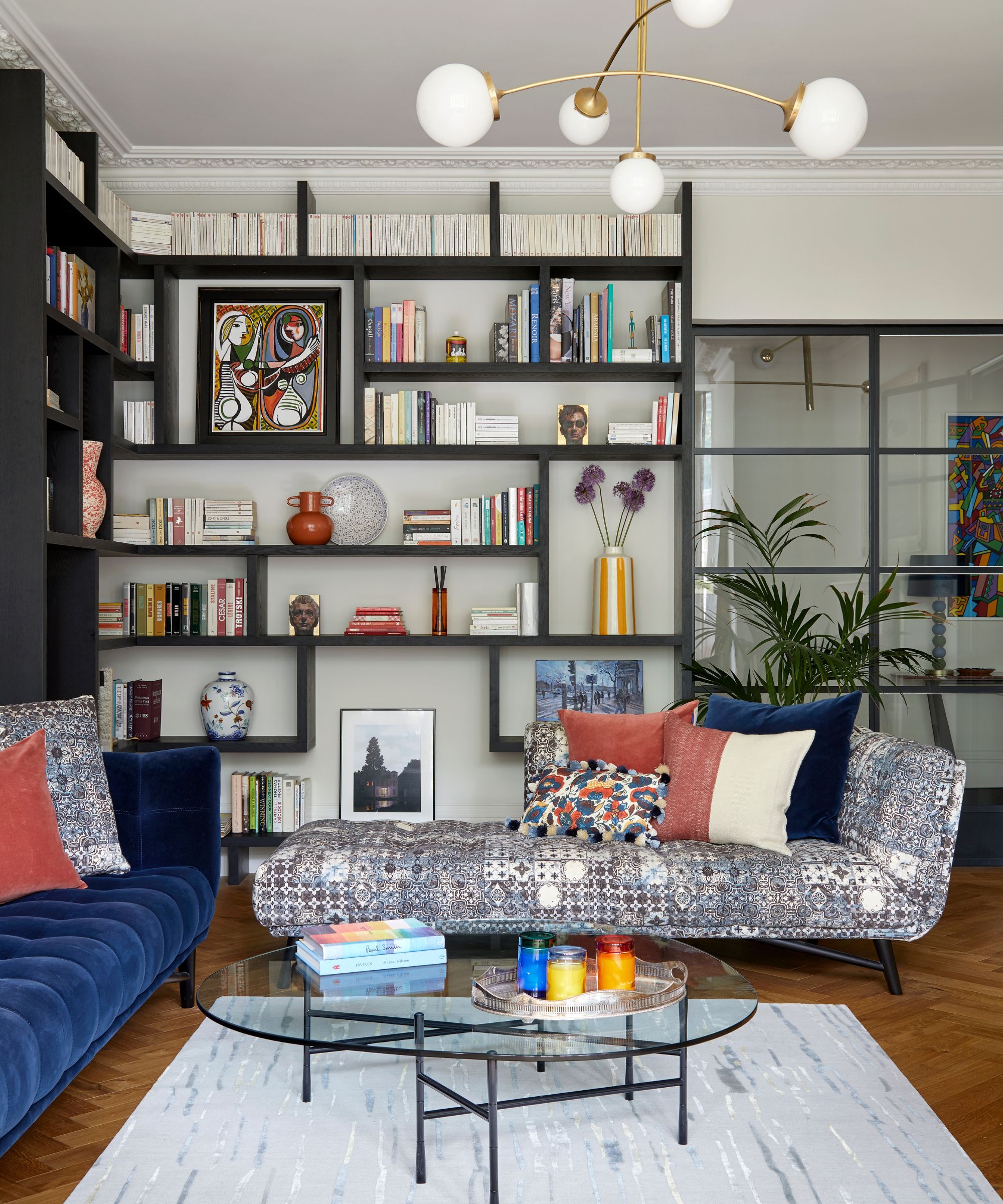
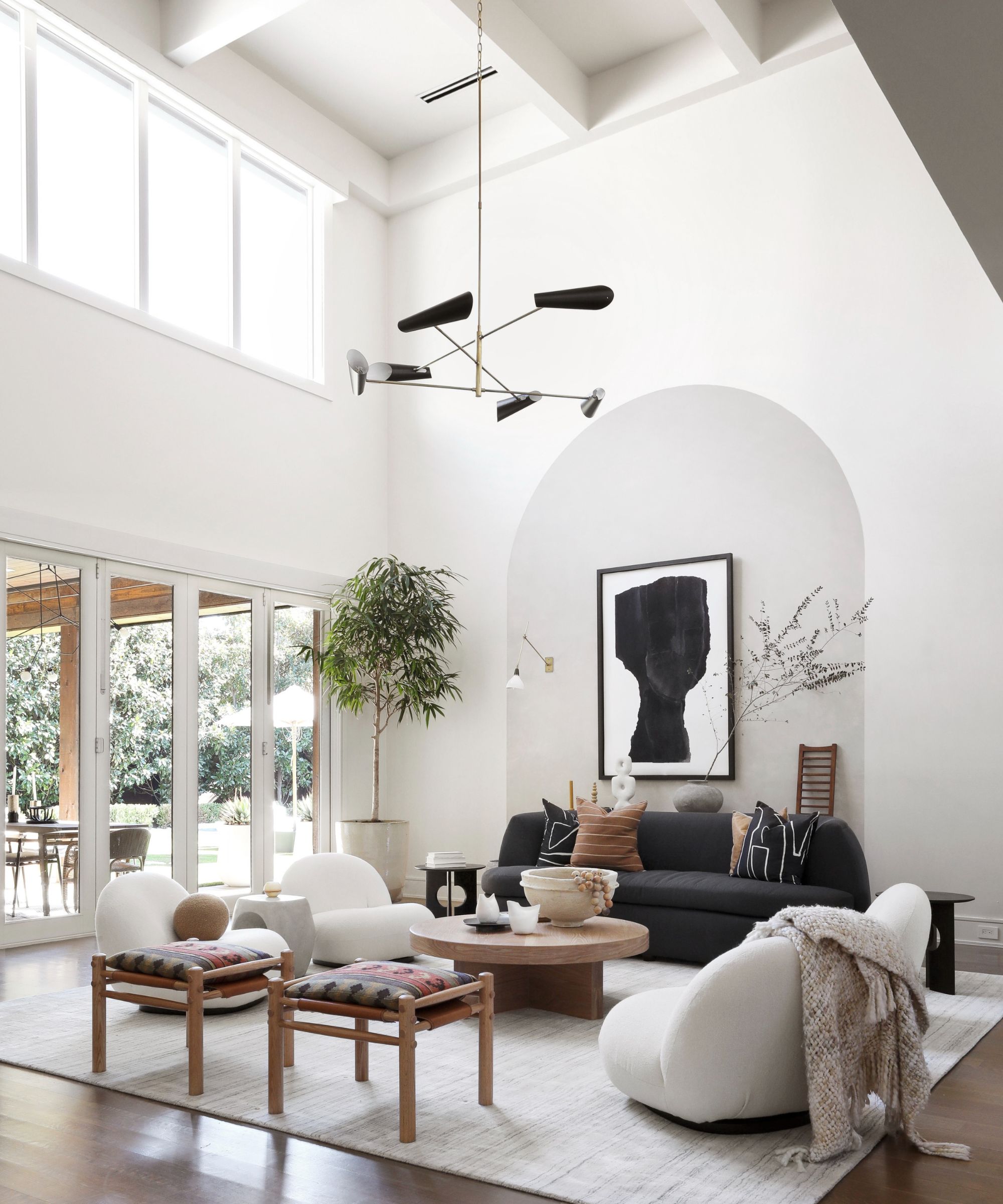
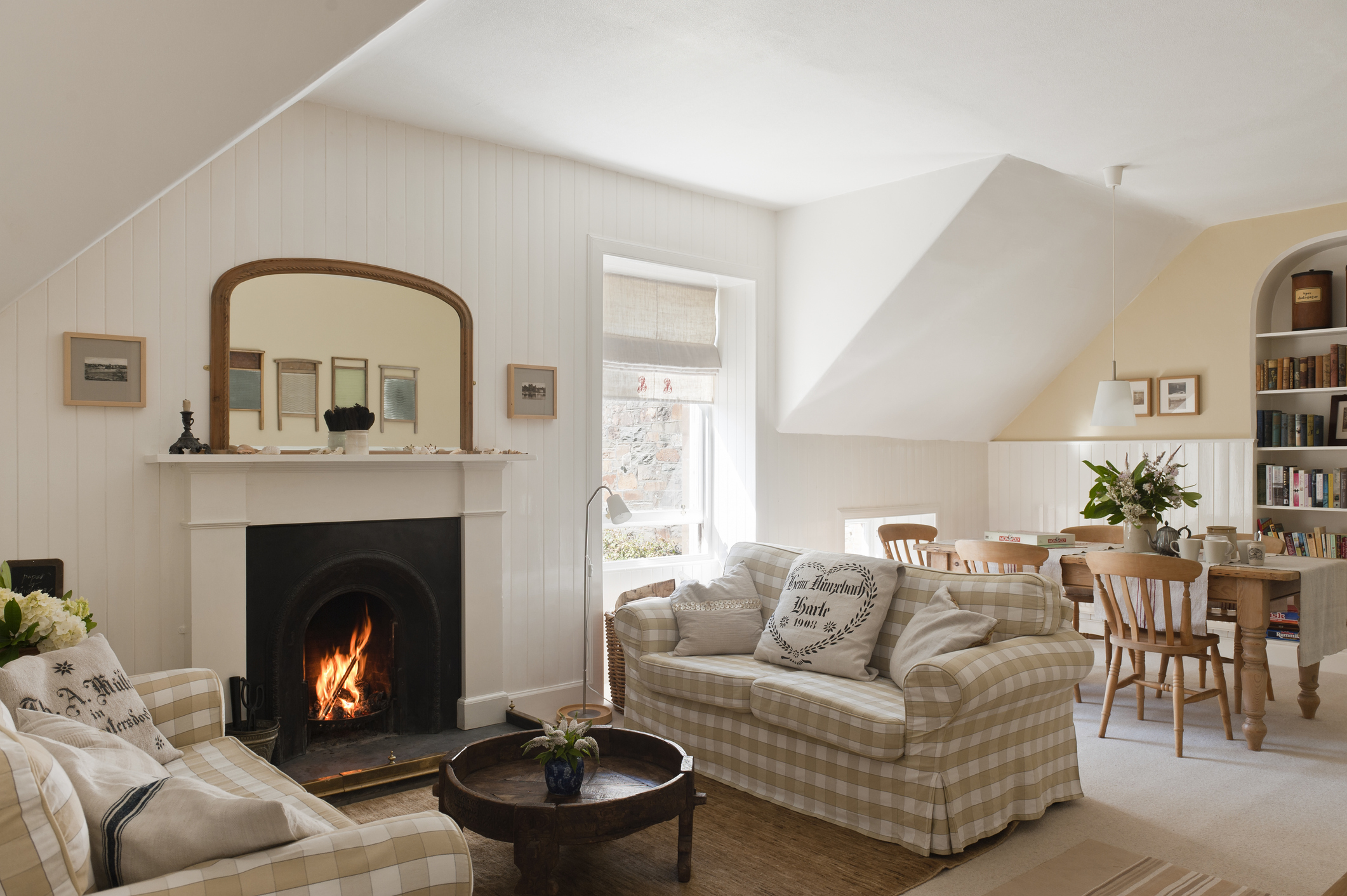
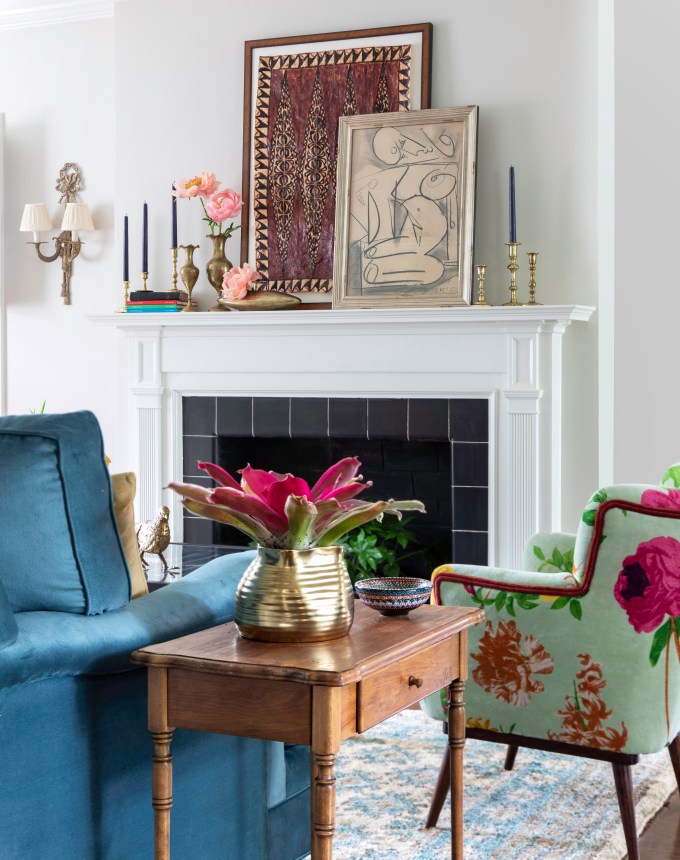
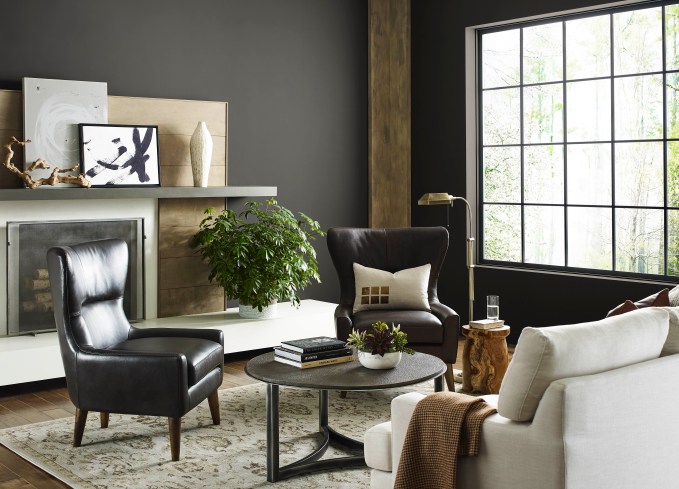
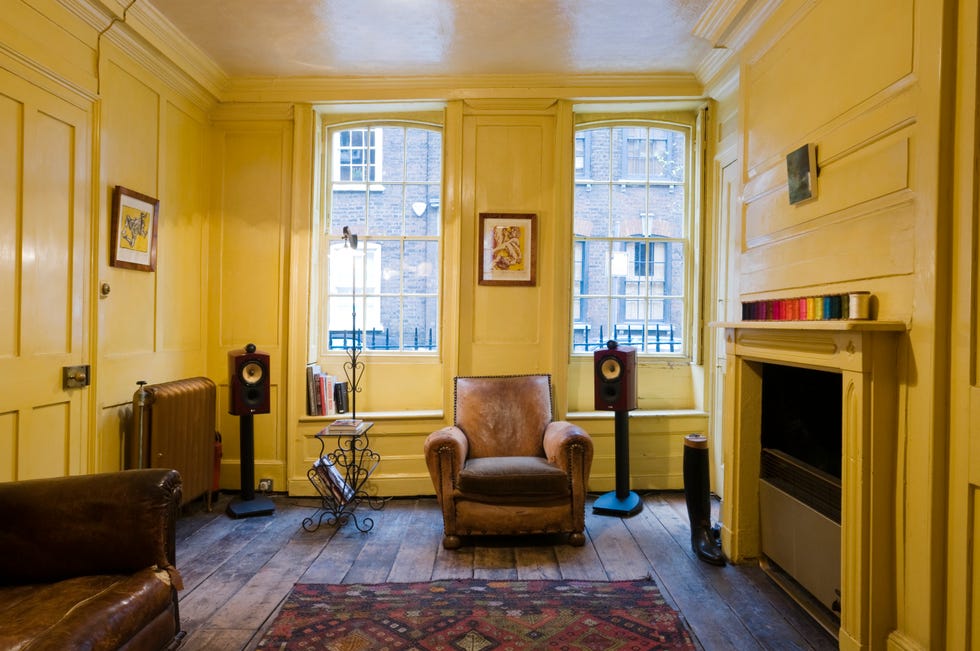
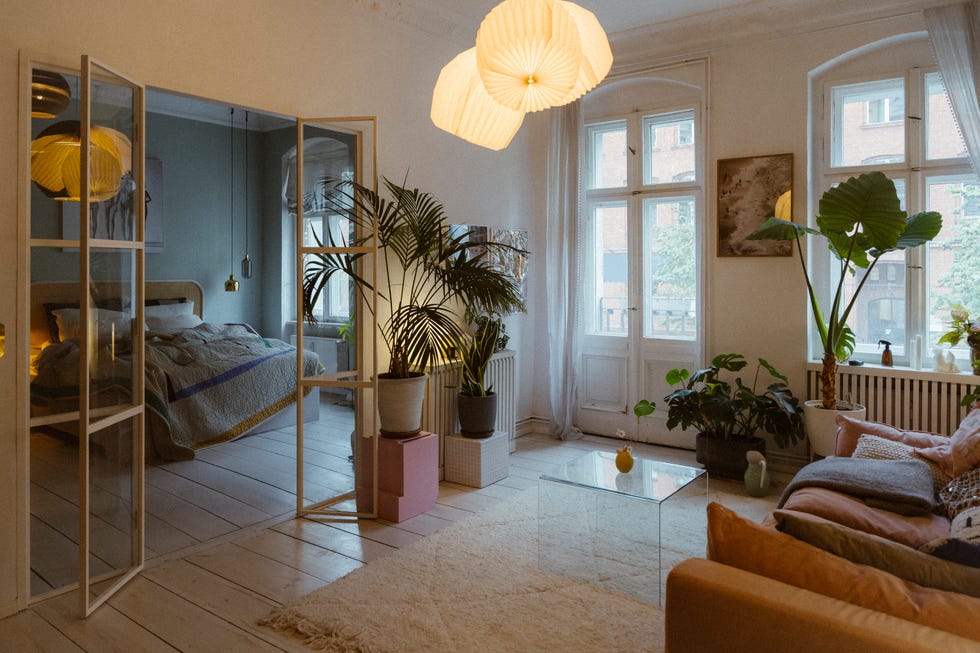
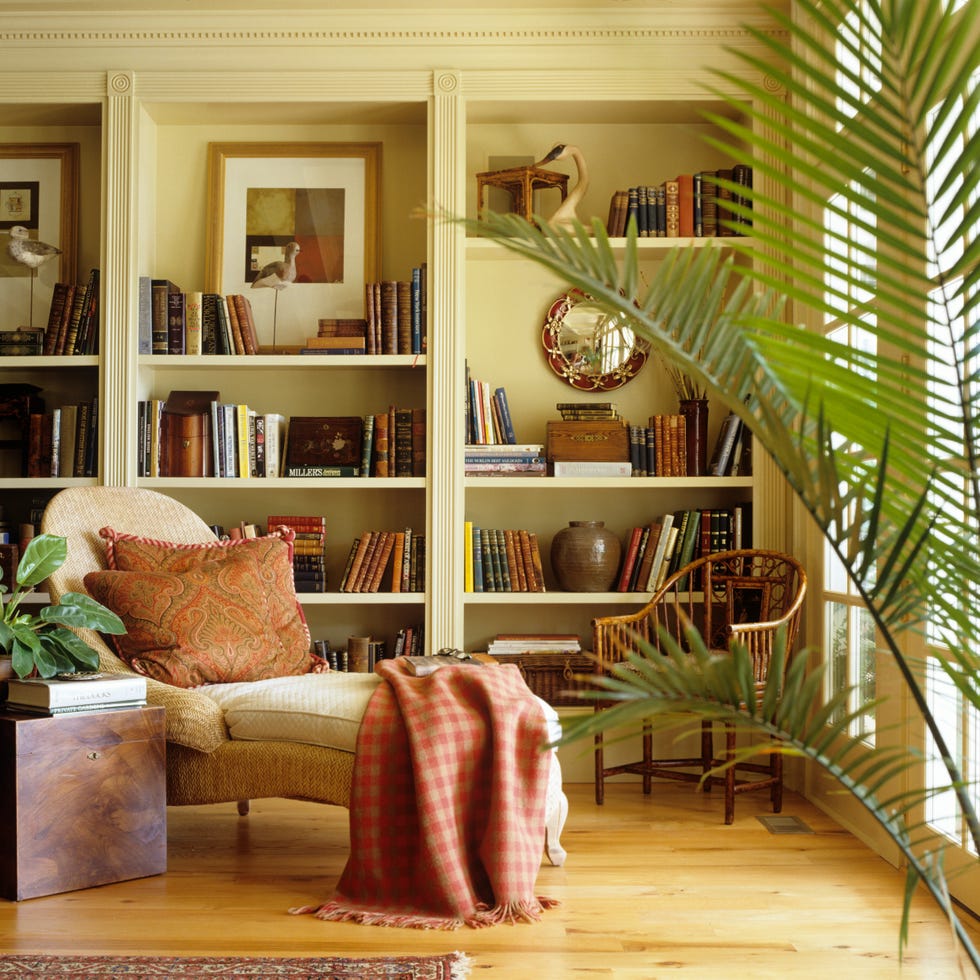
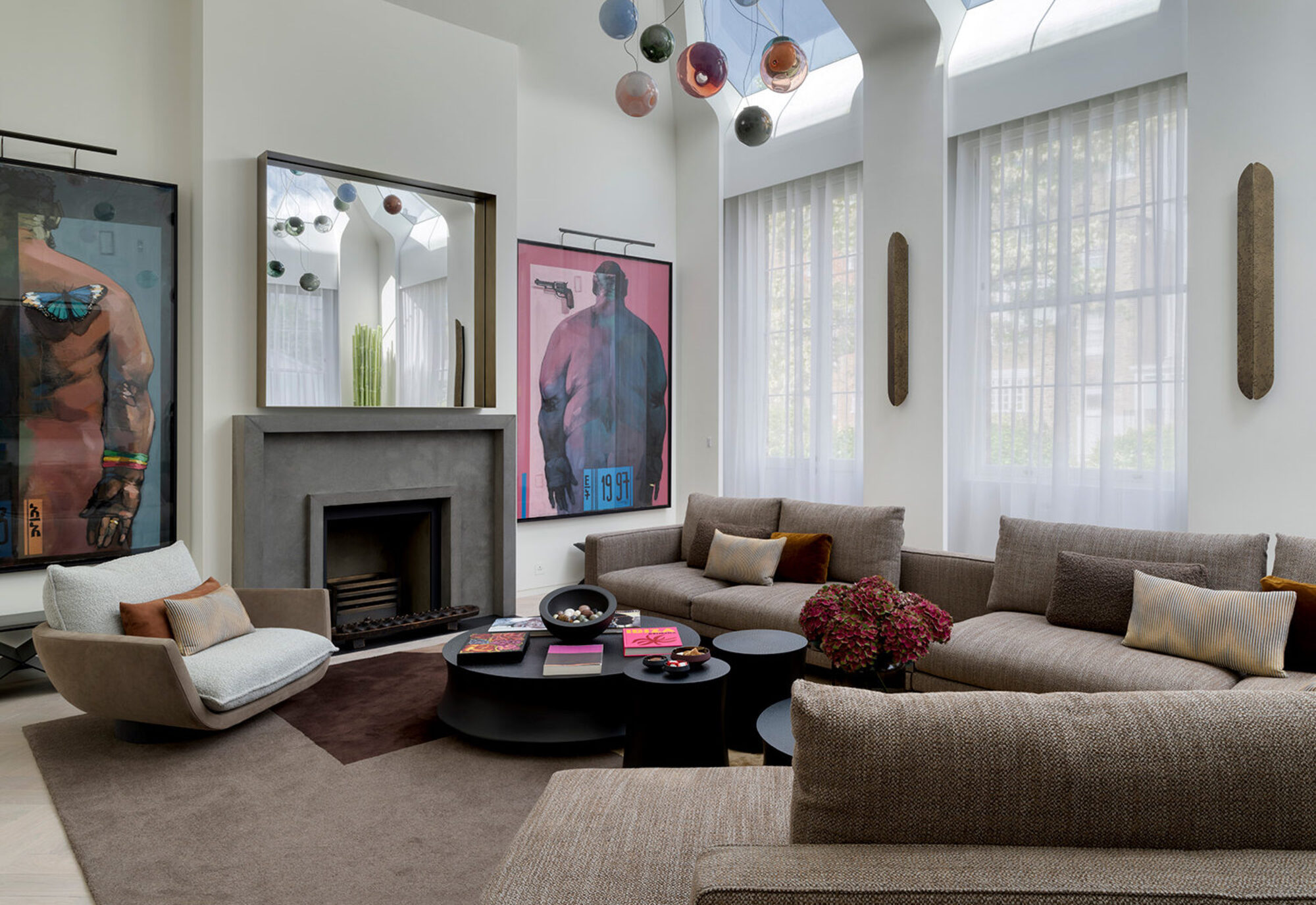
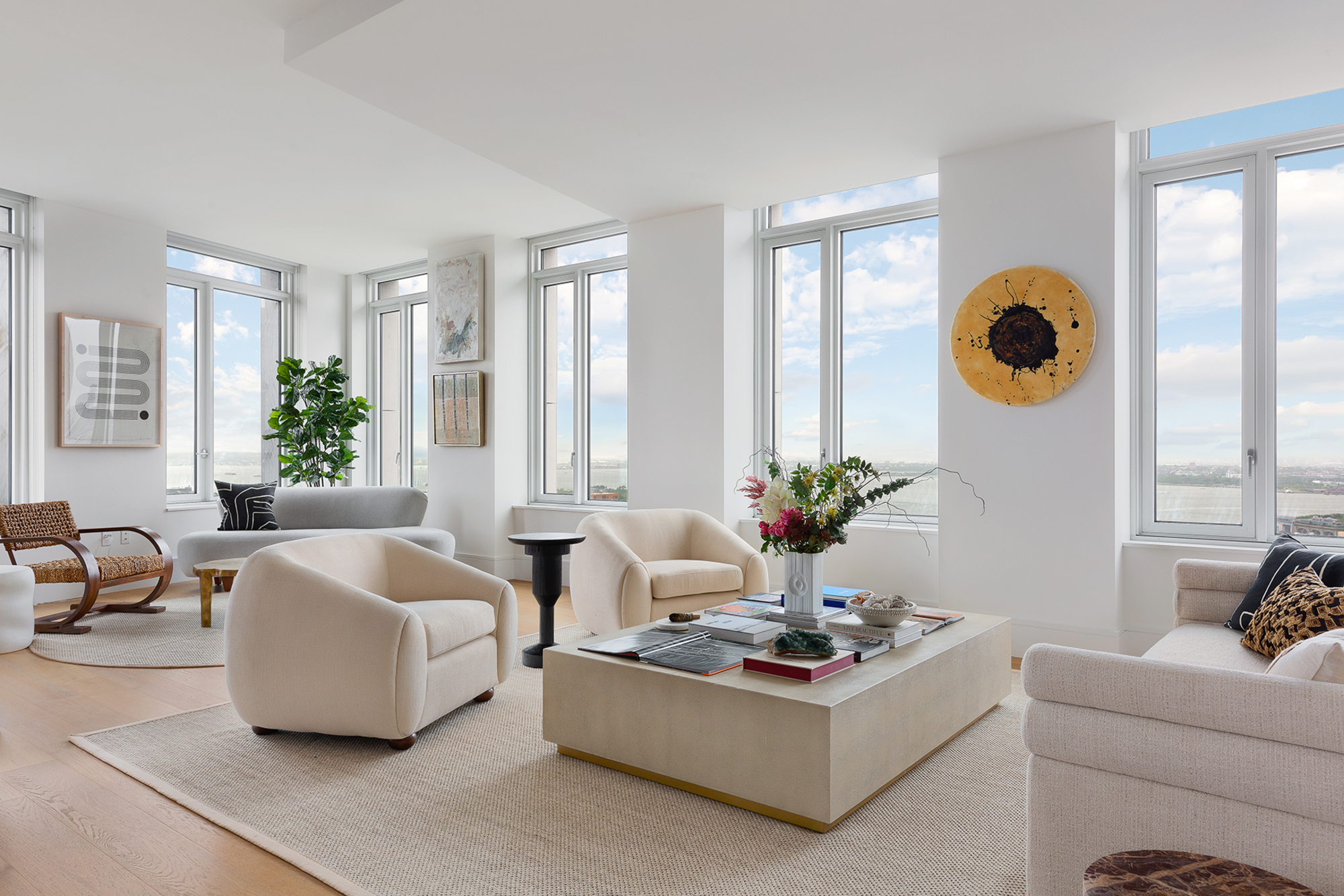
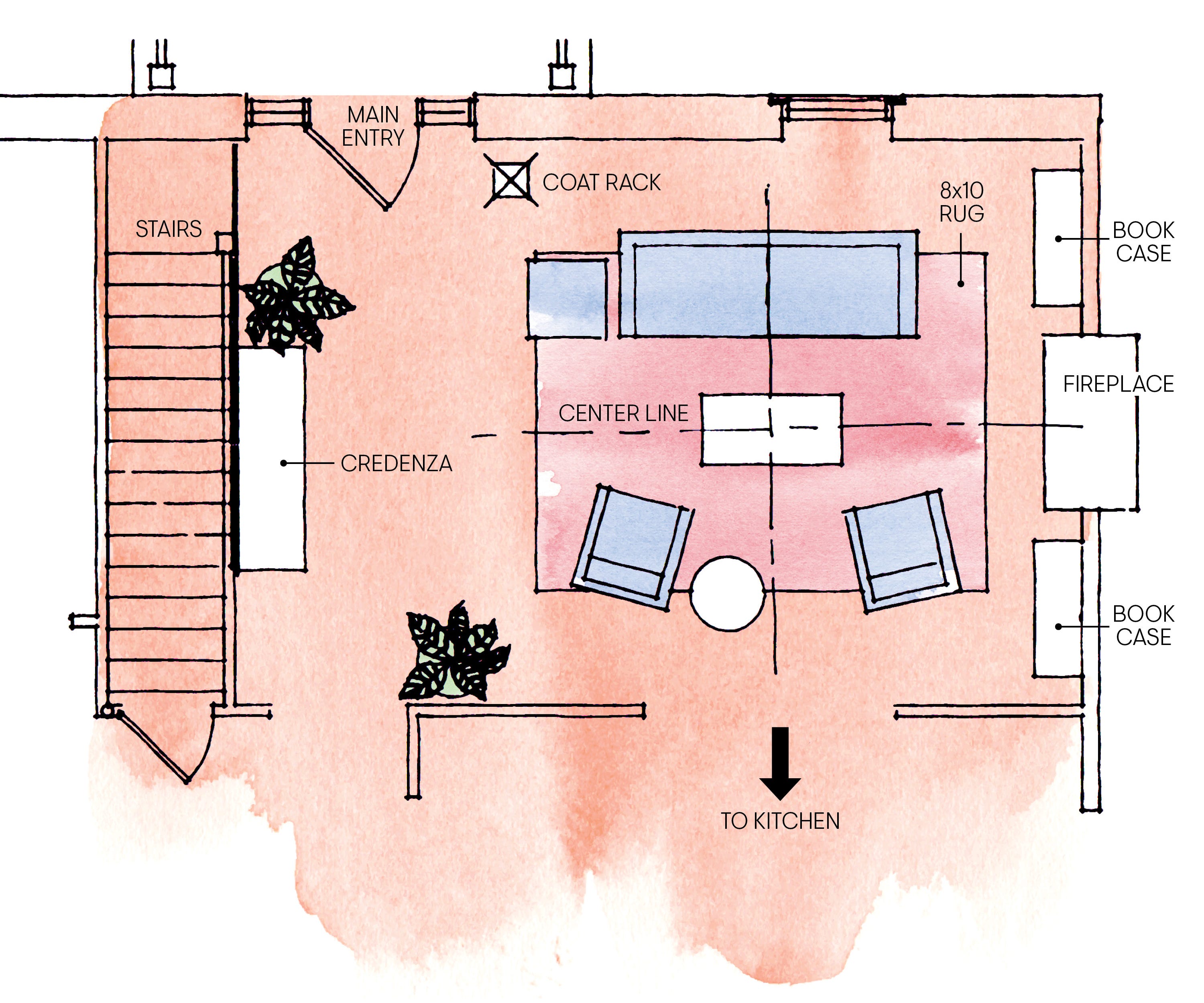
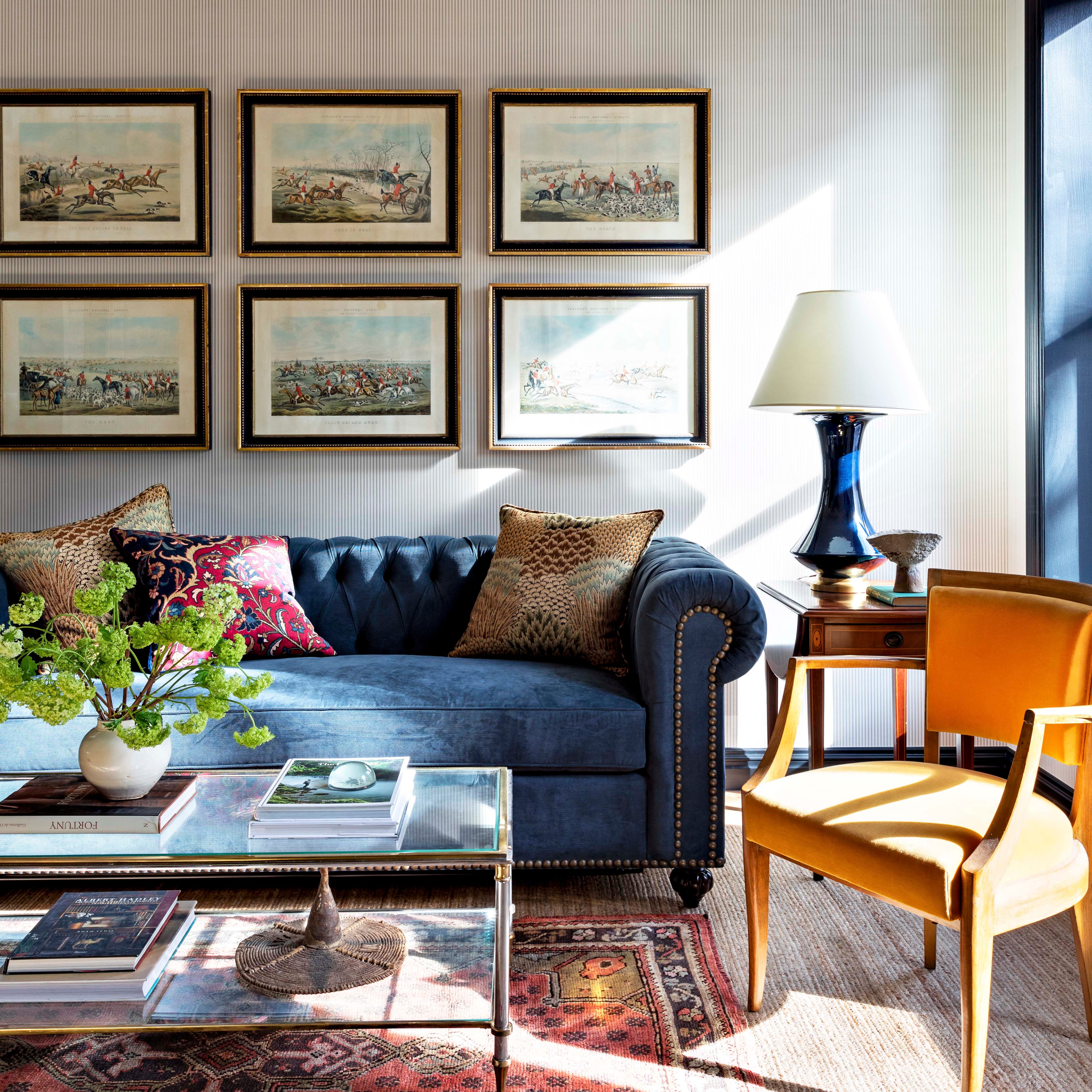
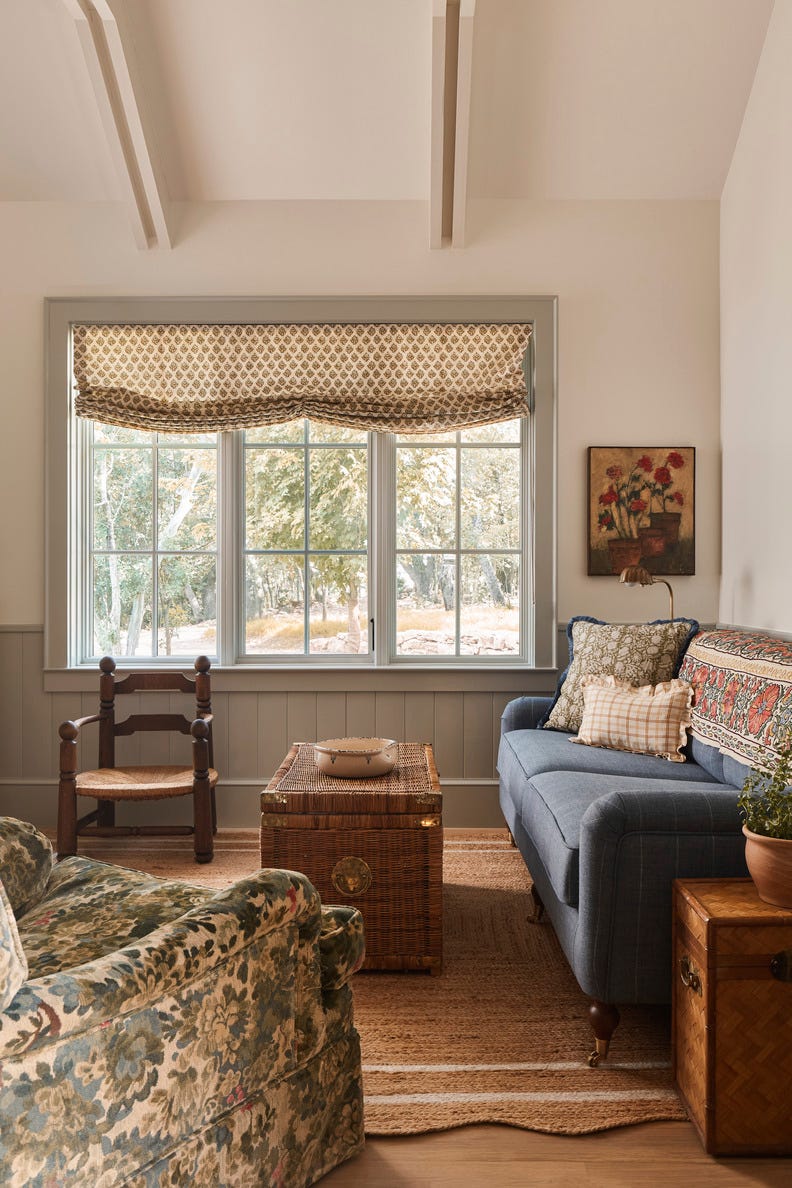
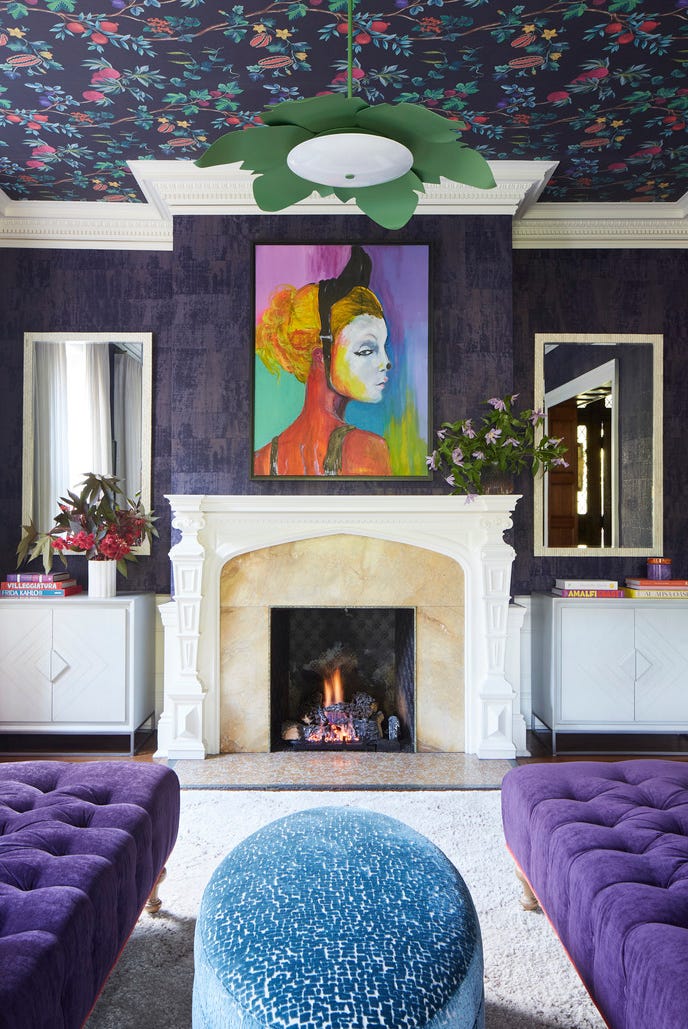
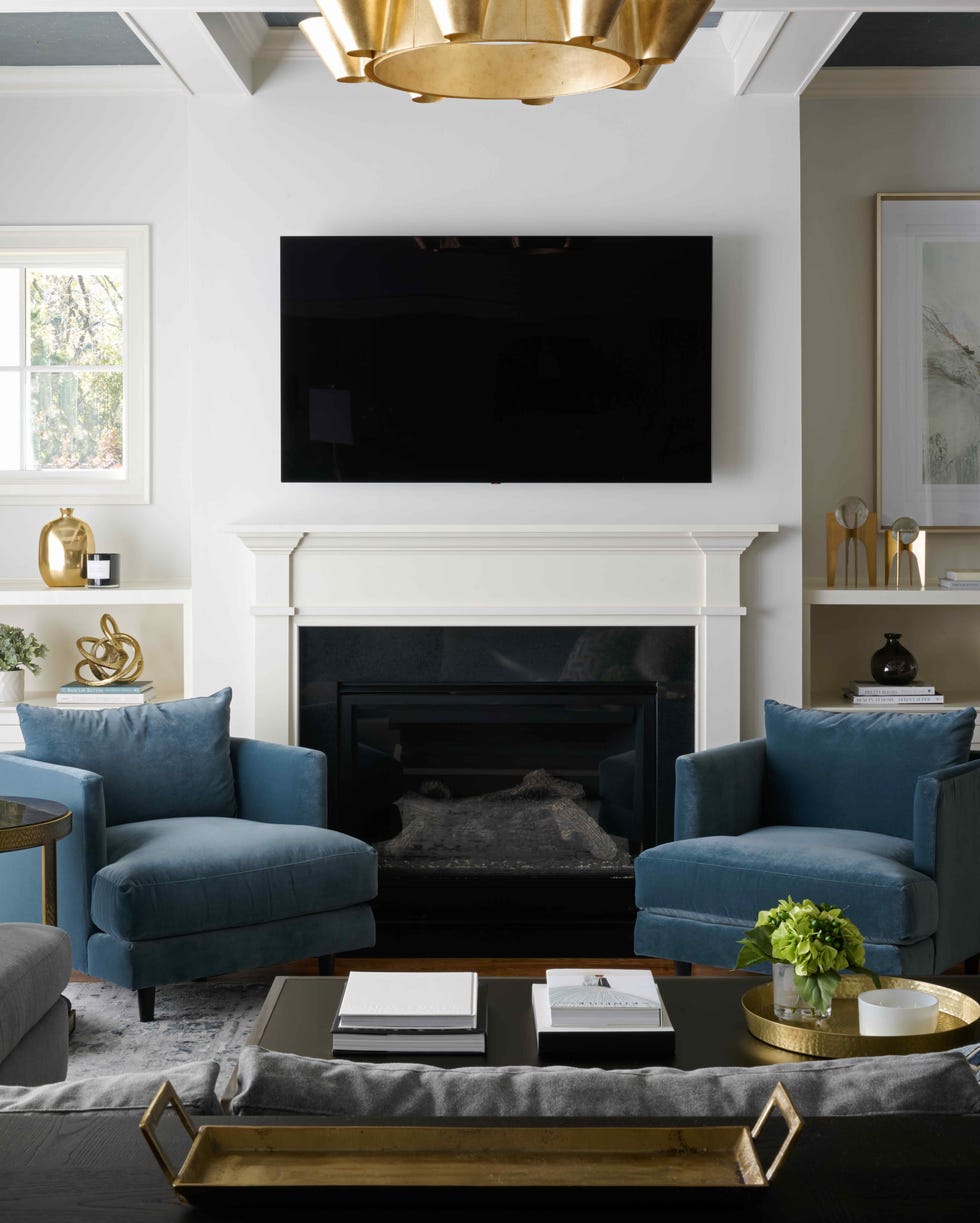
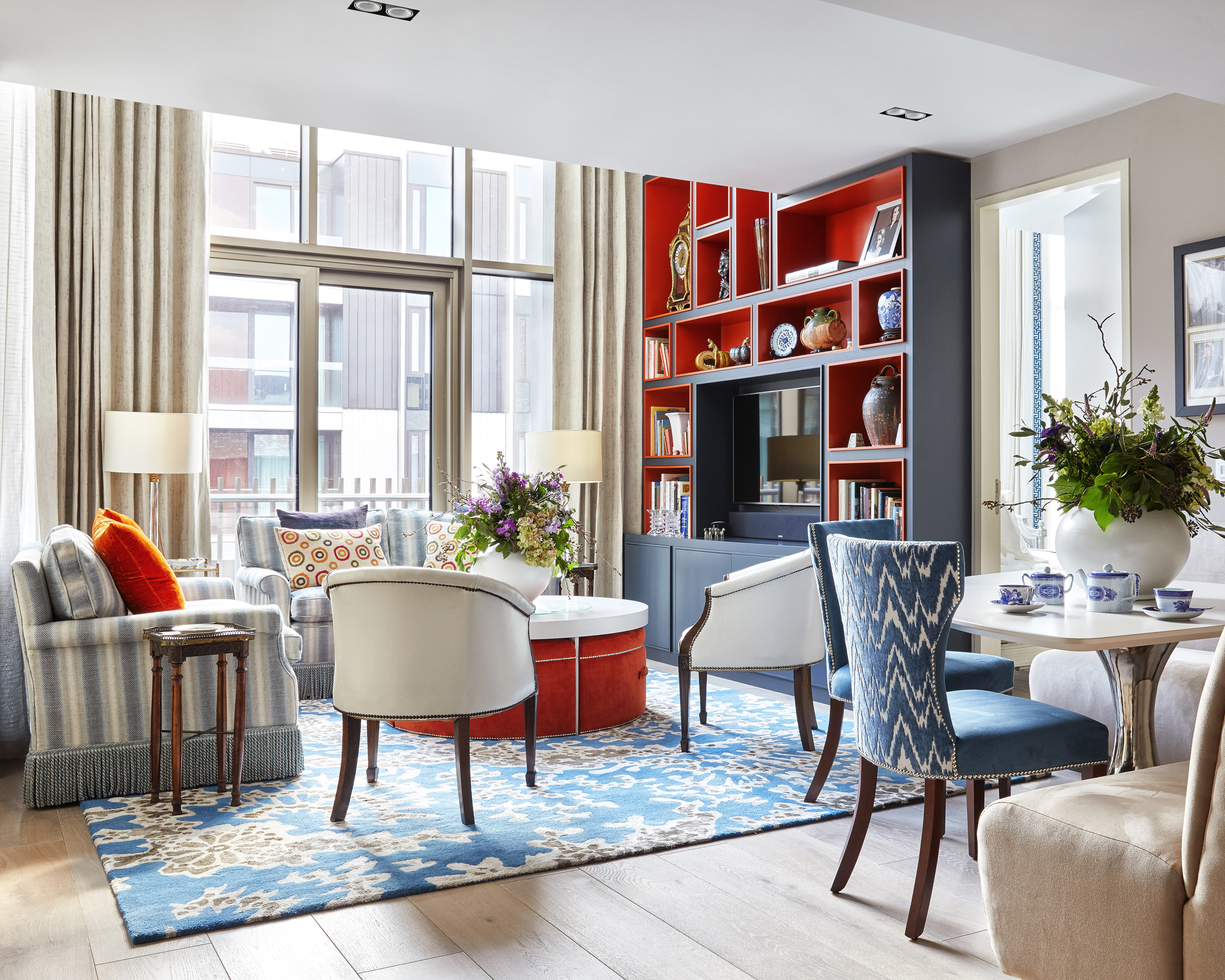
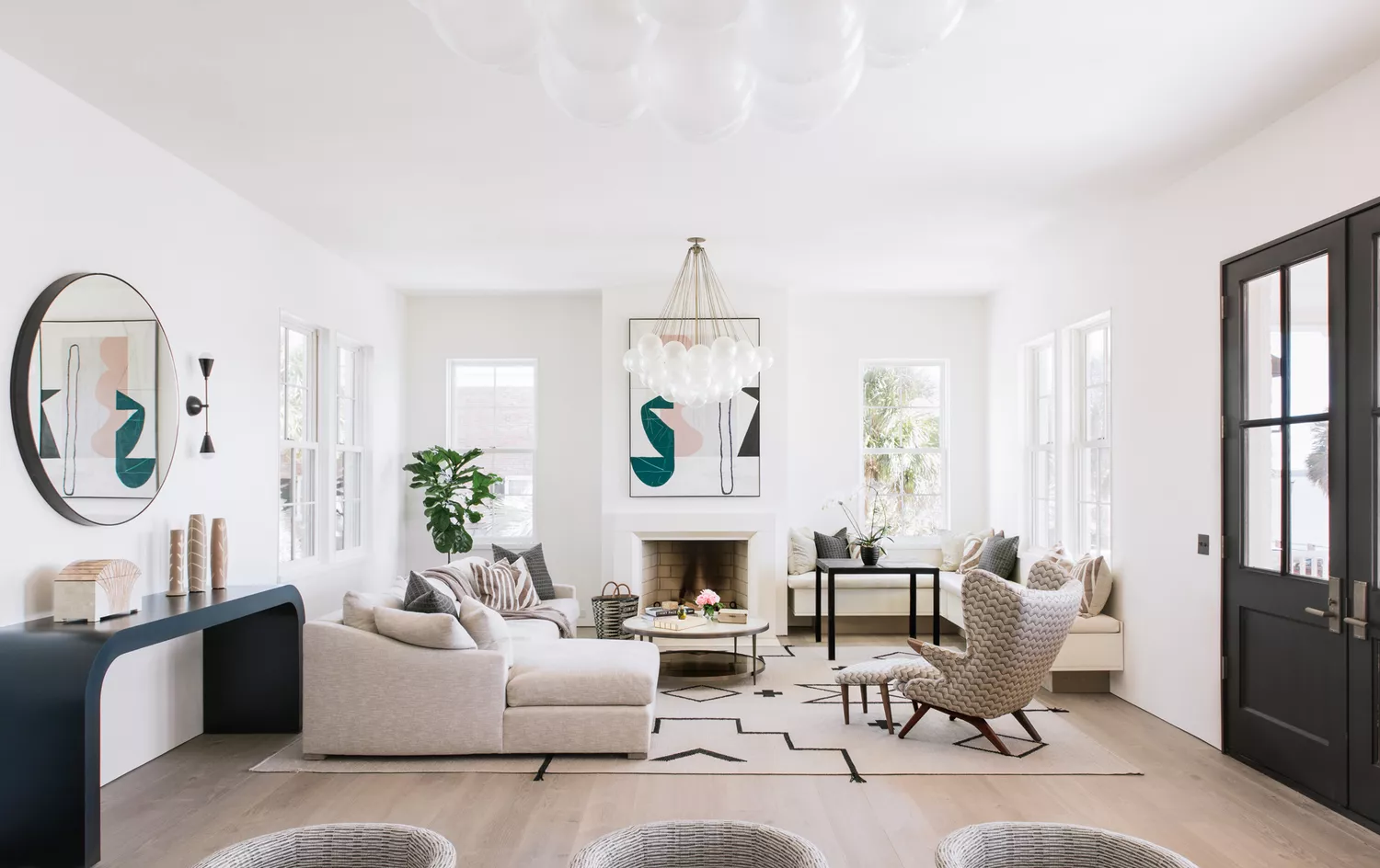
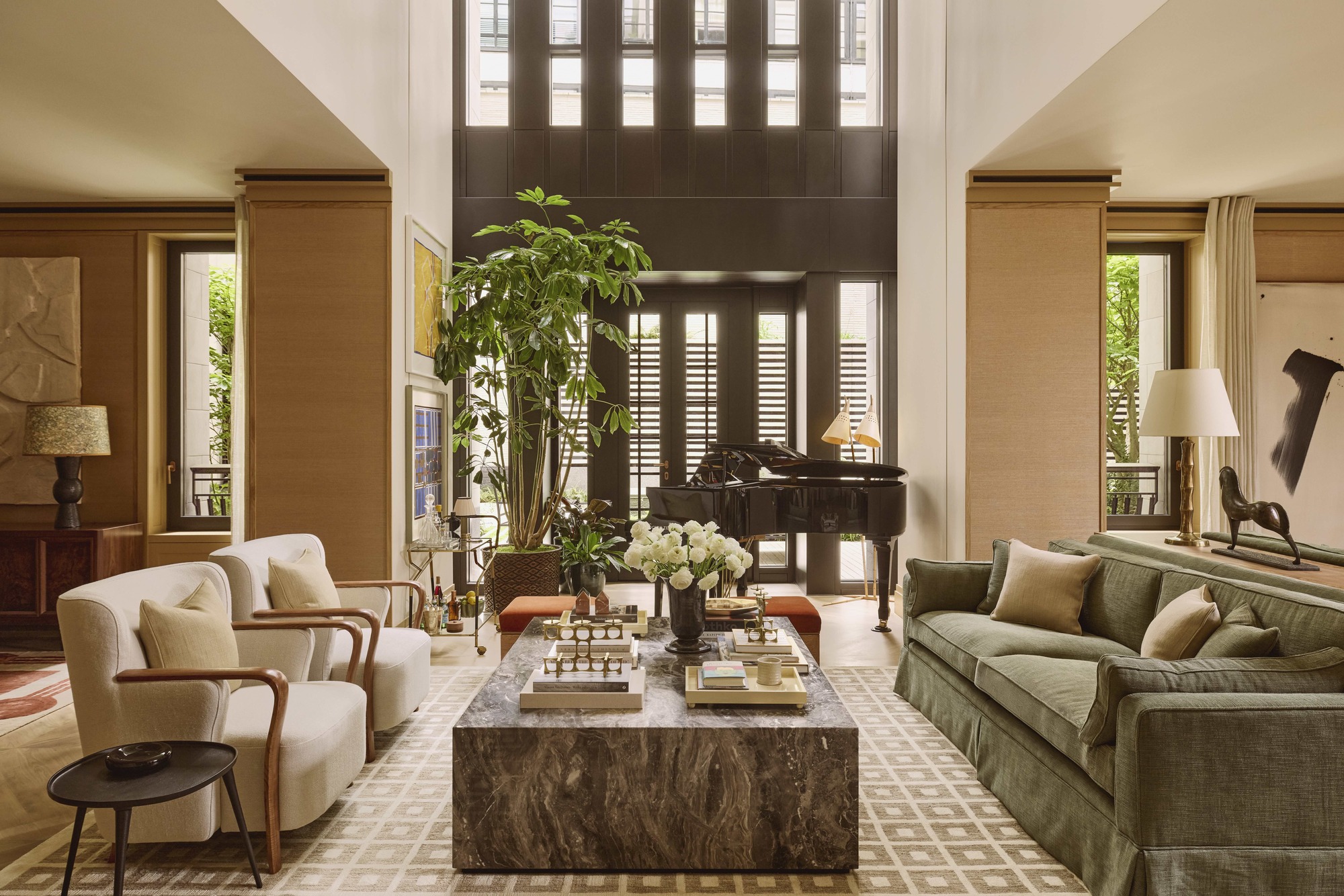
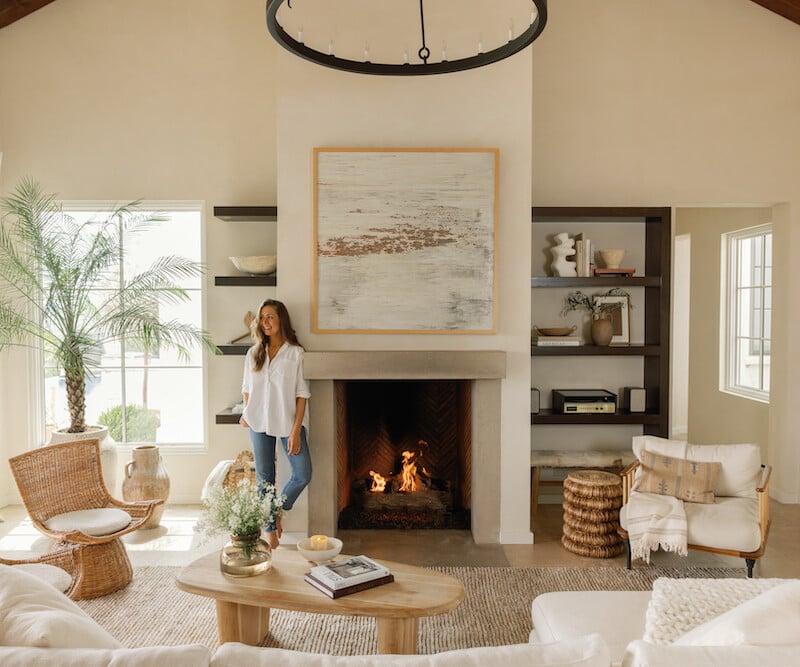
A living room is generally situated at the front of a house, often adjacent to the entryway, and is considered a more formal space. It is sometimes referred to as a 'front room' and historically functioned as a formal sitting area. The primary focal point in a living room is frequently a fireplace, around which formal seating arrangements are designed. While a television might be present, it is not always a central element, especially if a more casual family room exists elsewhere in the house. Designers suggest that living rooms can accommodate more elevated and sculptural furniture pieces, and lighter, more delicate fabrics are often suitable because the room experiences less heavy use. The layout tends to be structured, with furniture often arranged symmetrically around the fireplace, contributing to its formal aesthetic.
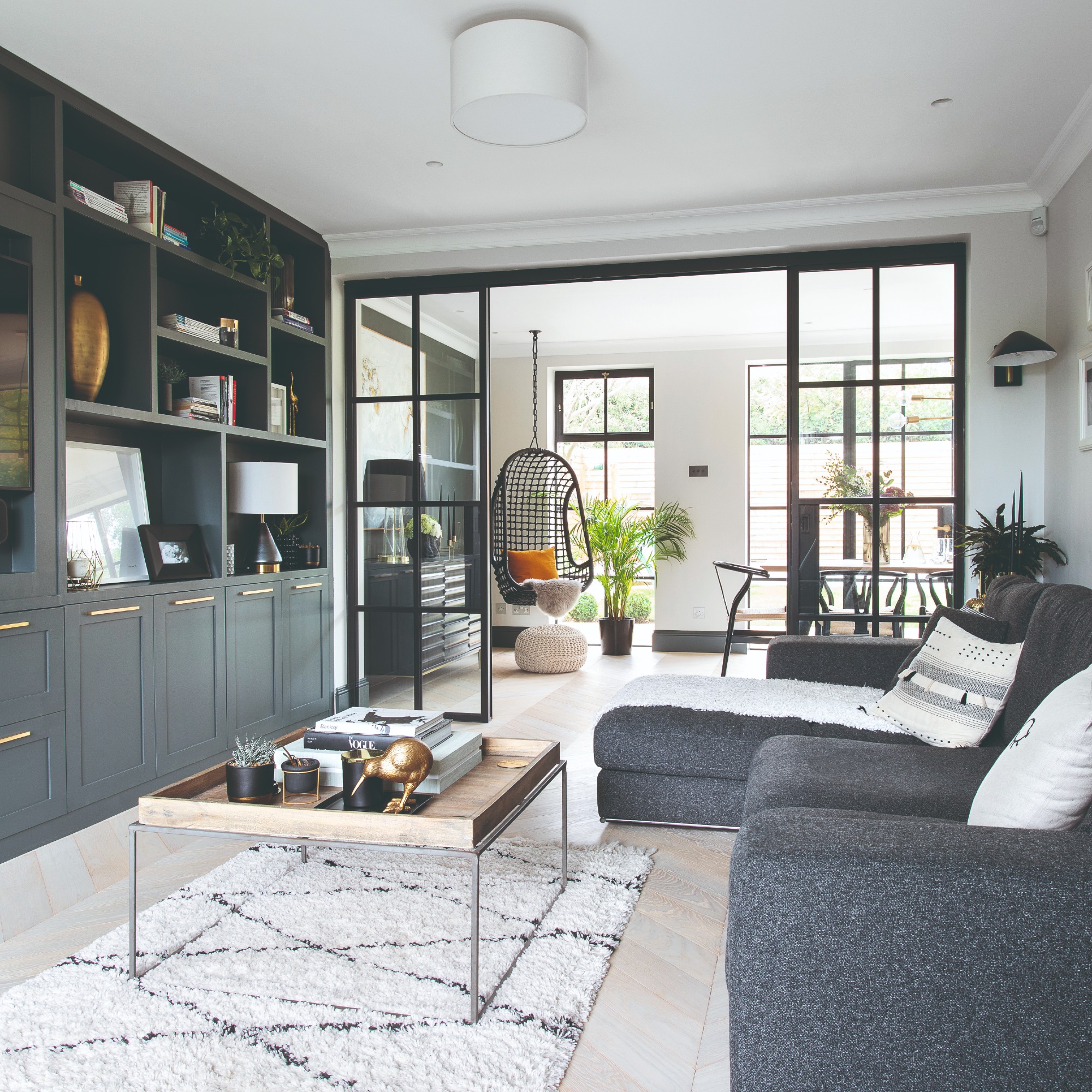
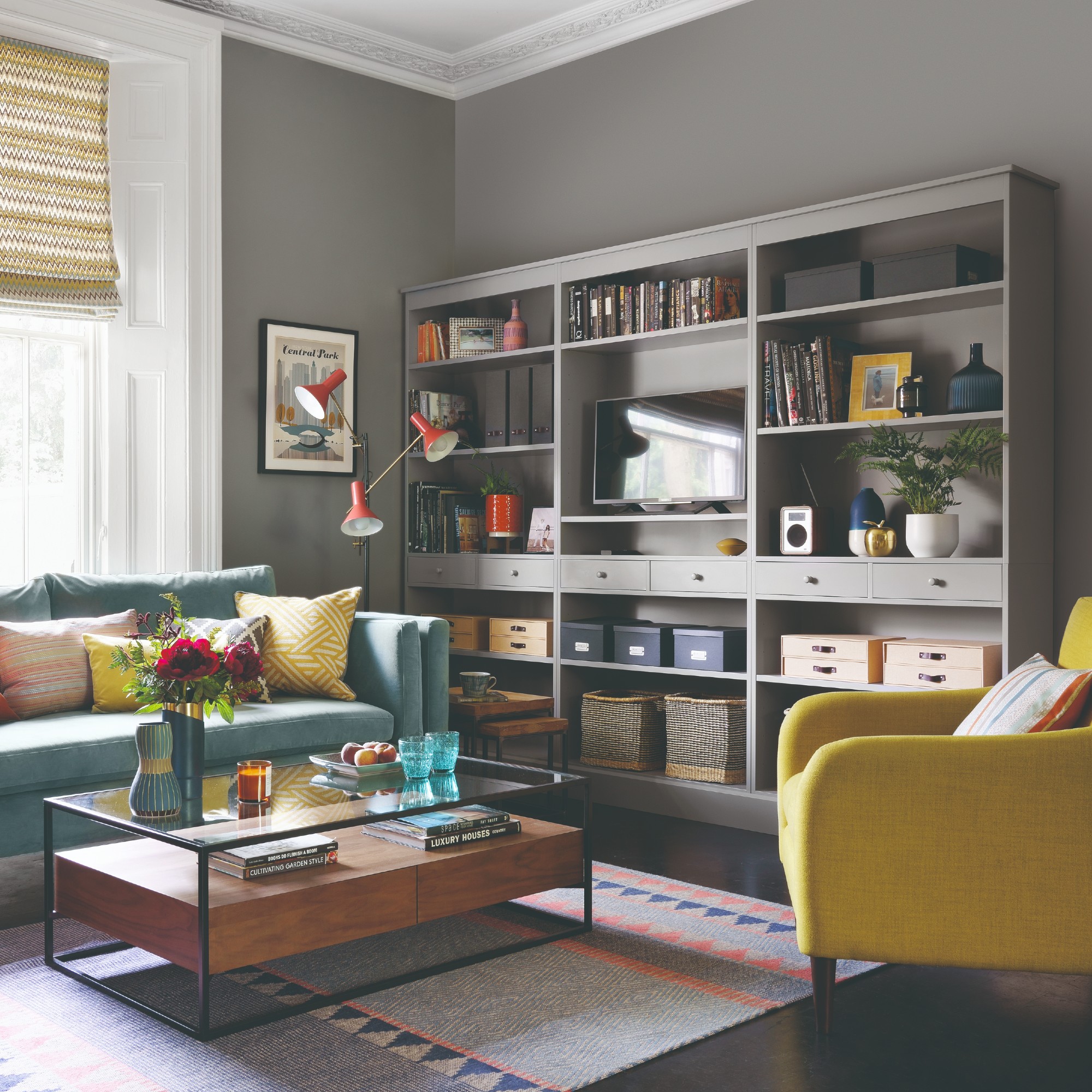
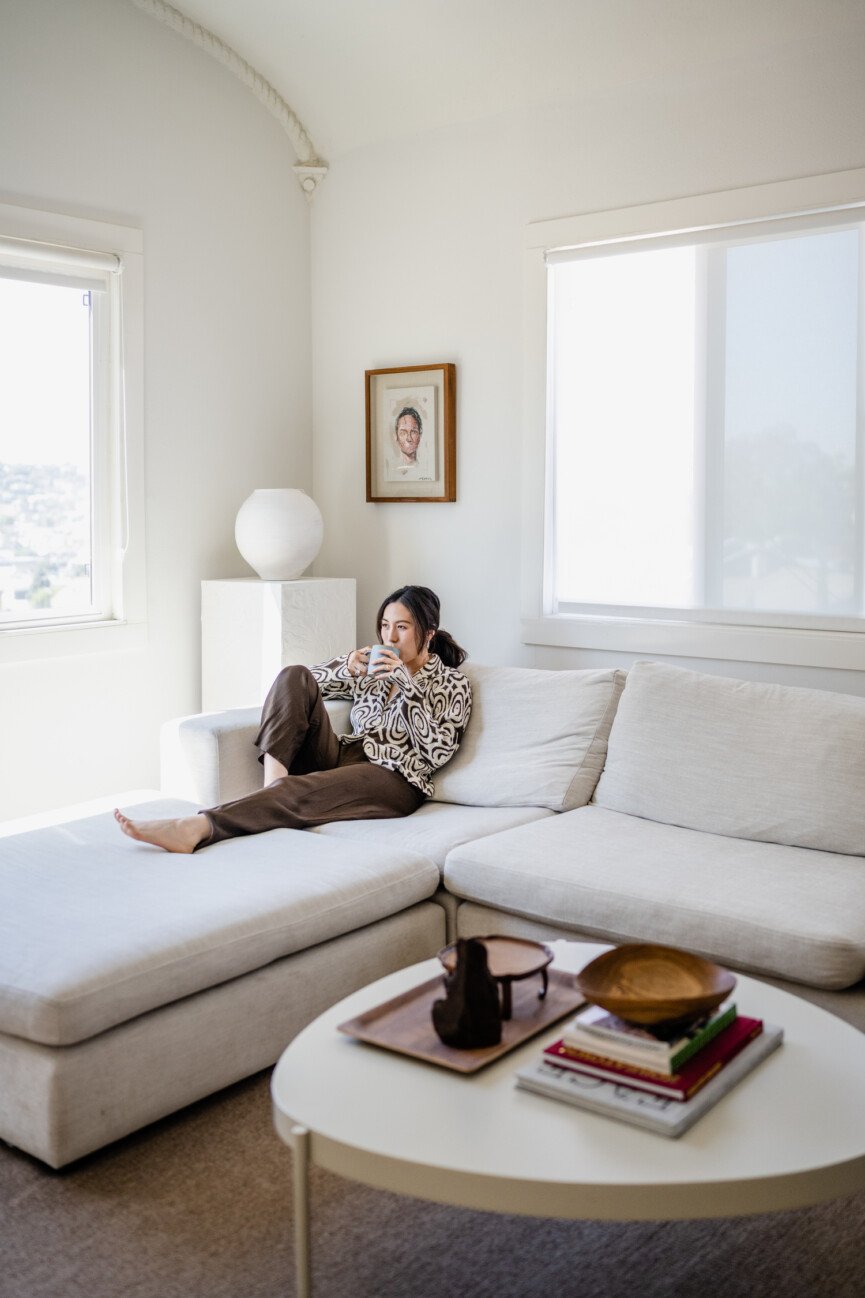
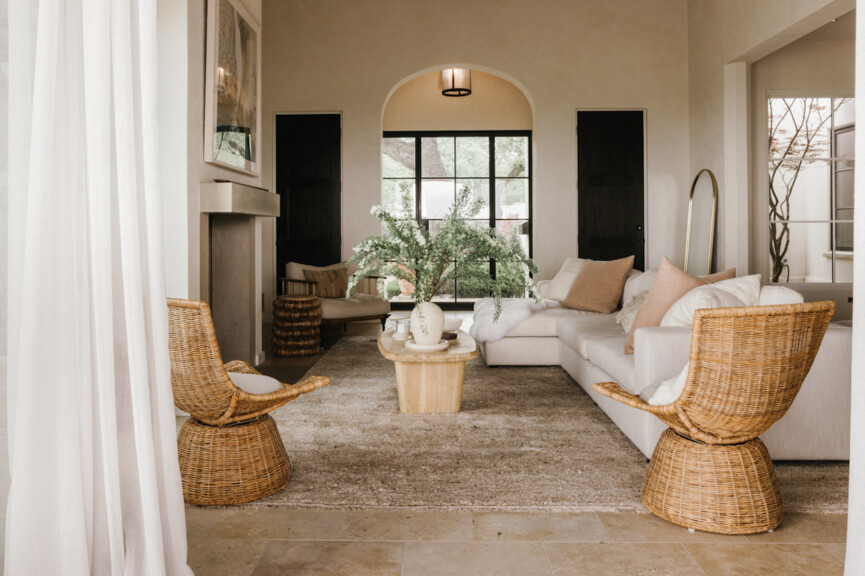
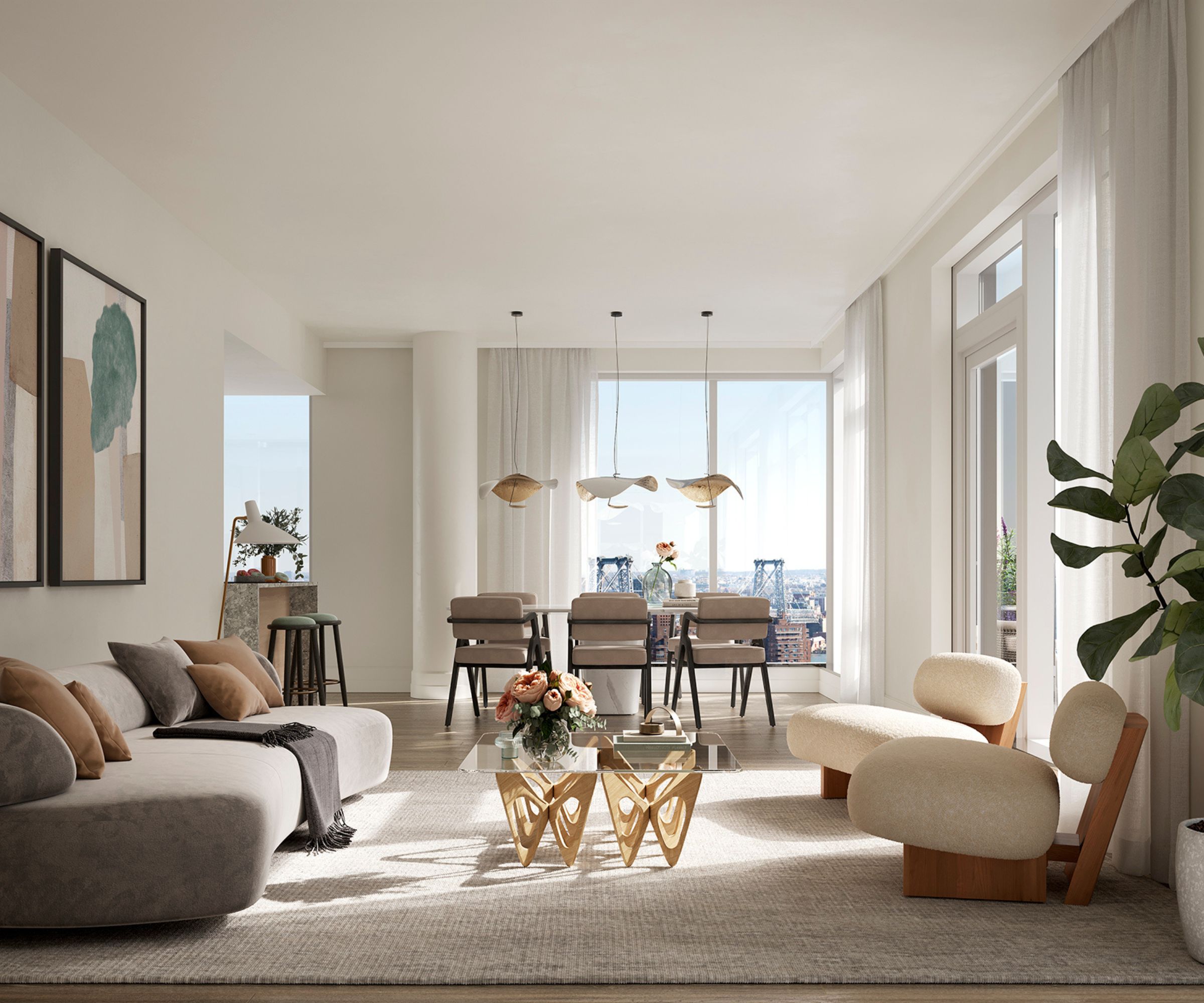
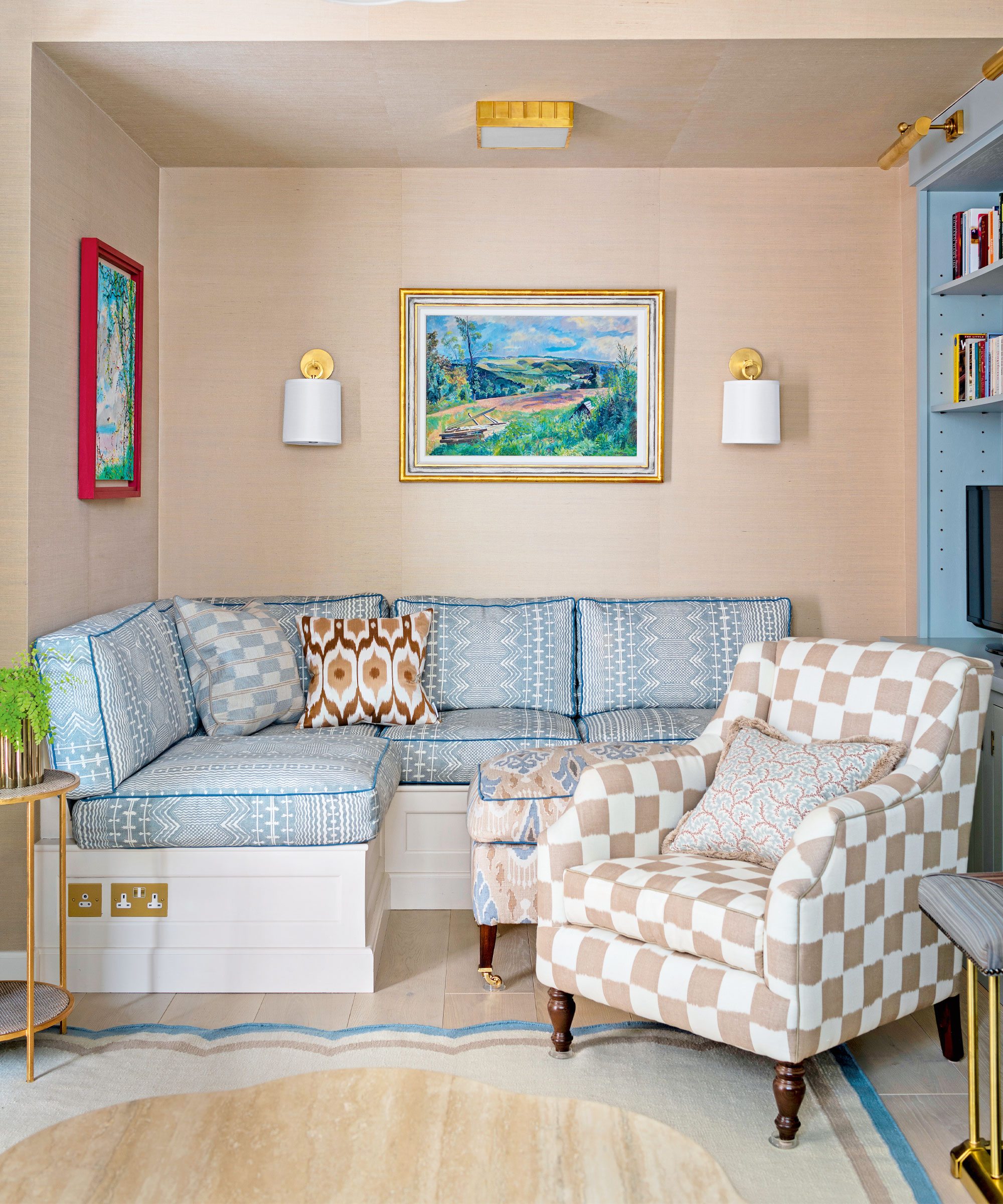
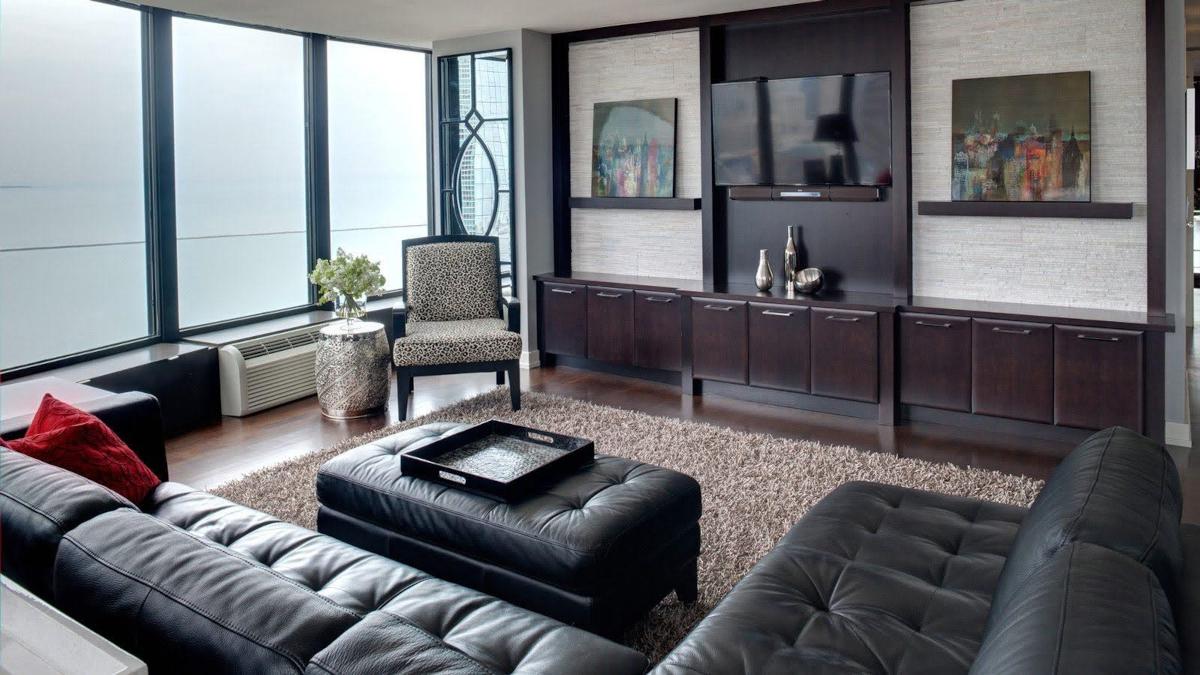
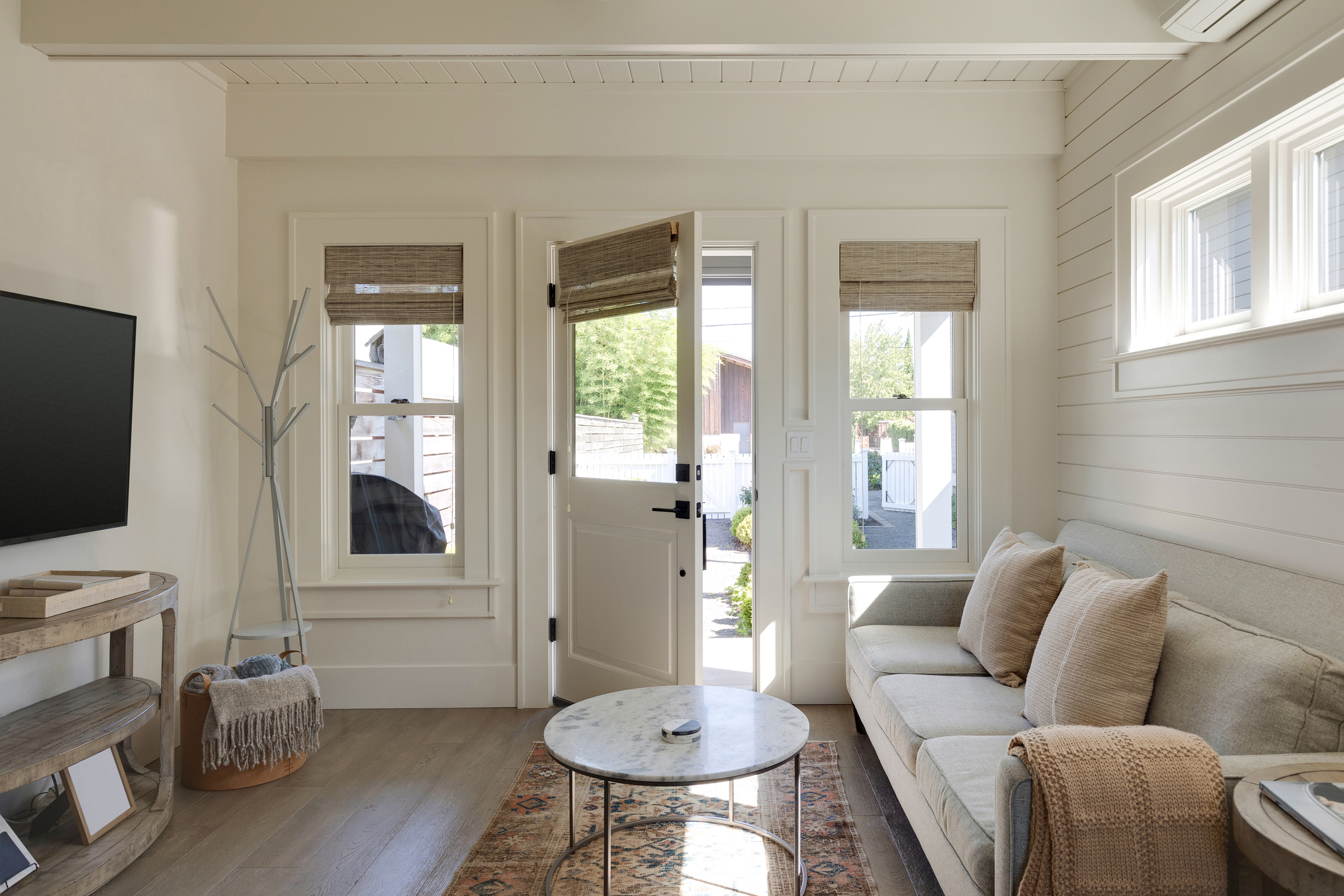
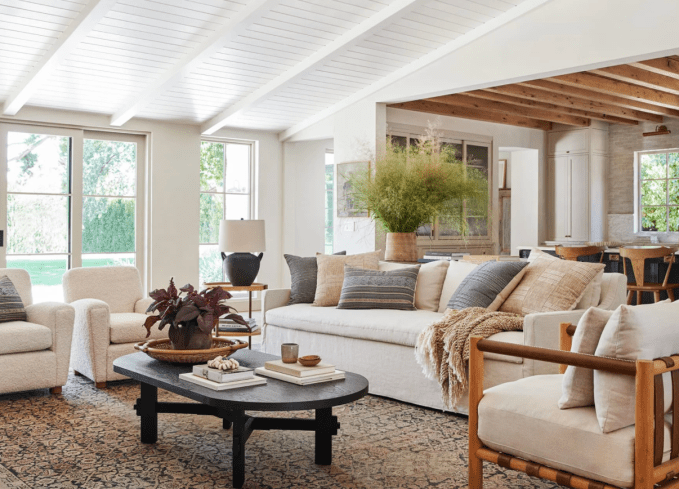
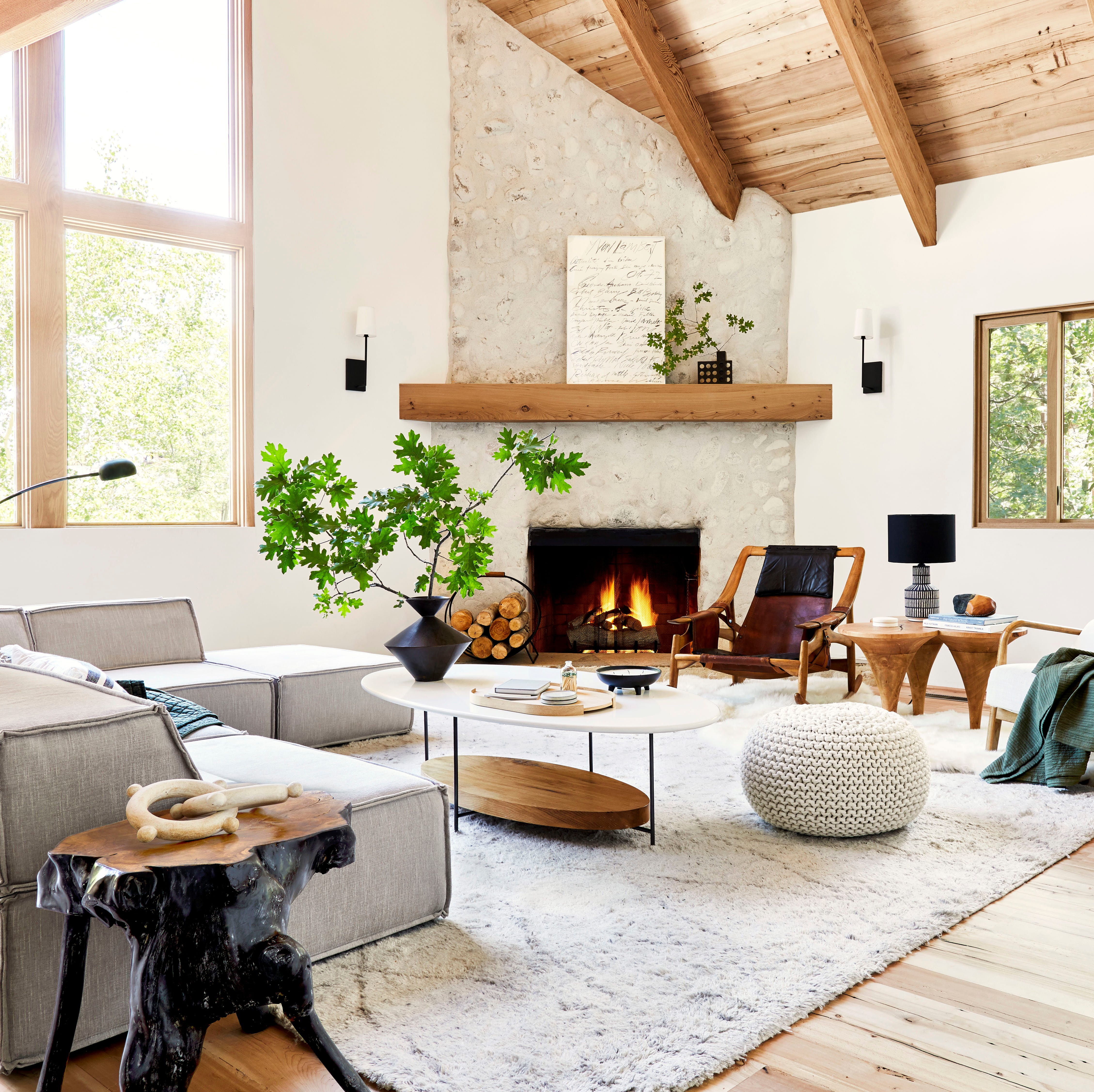
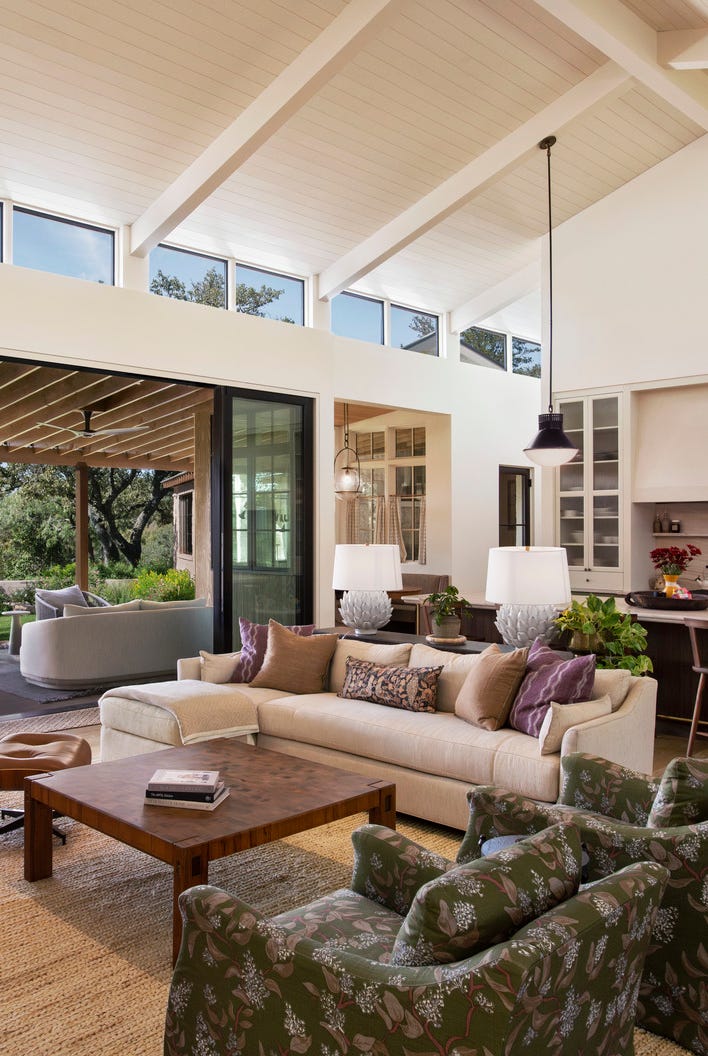
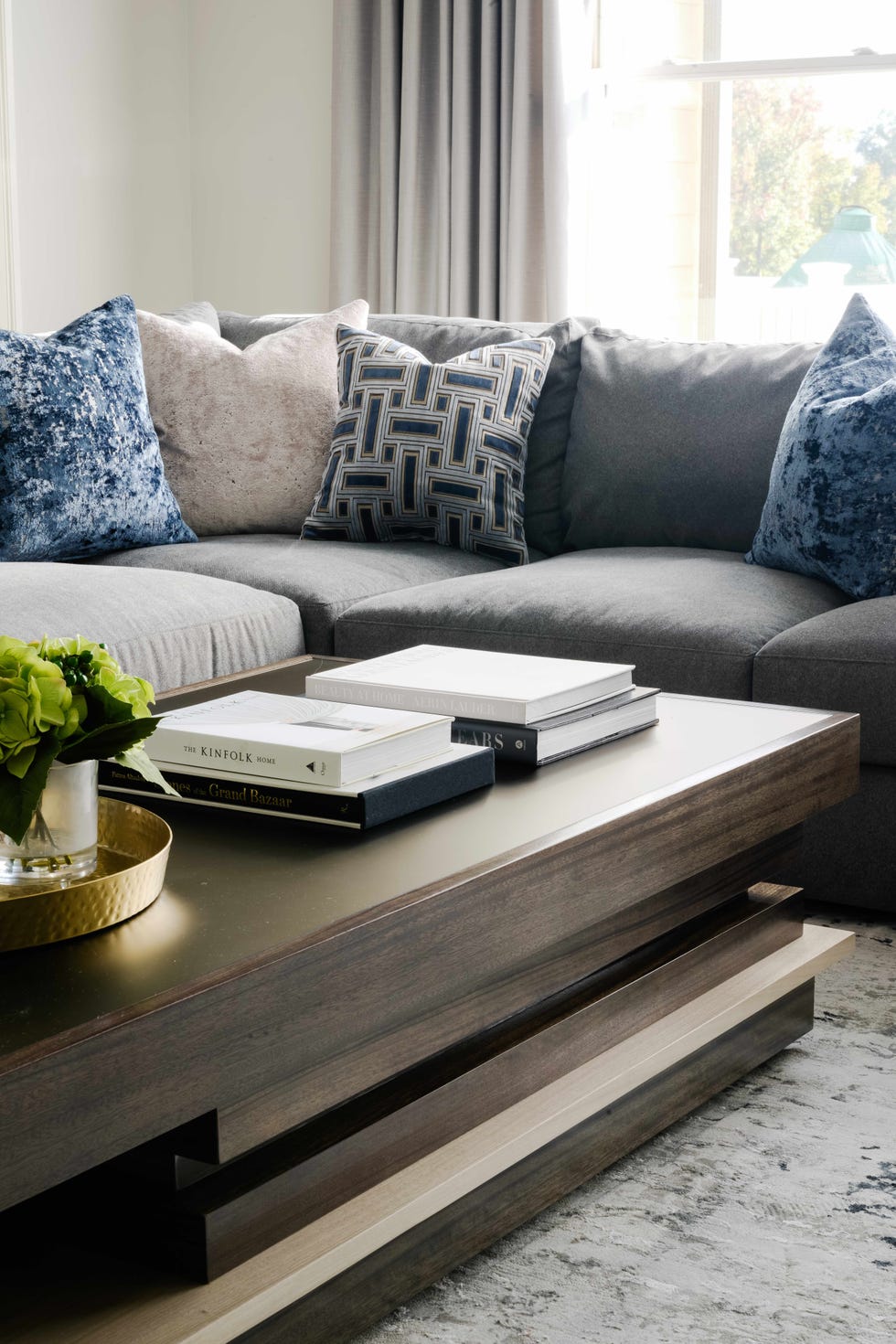
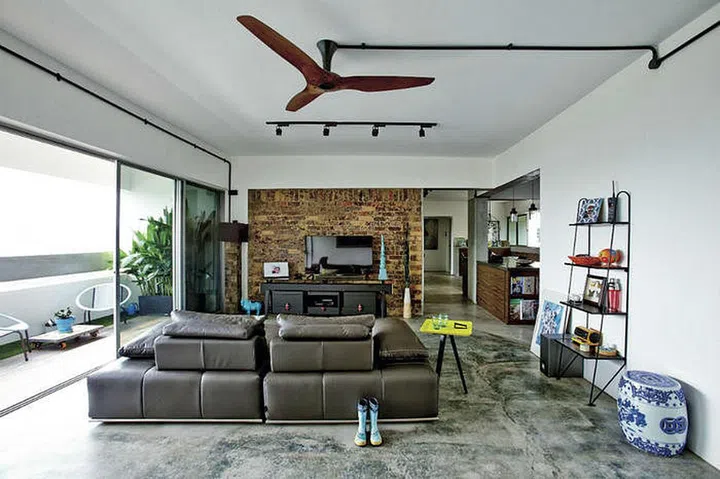
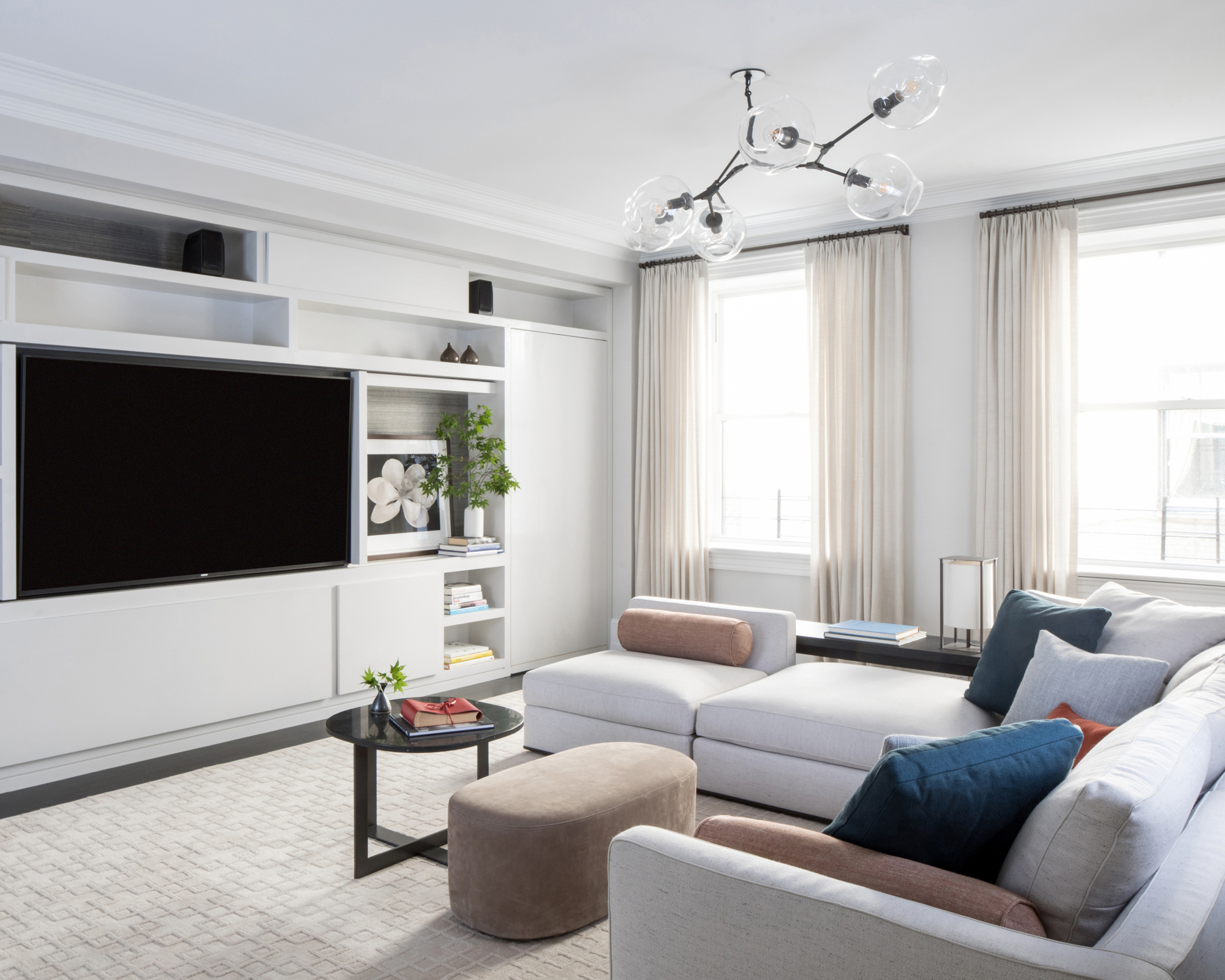
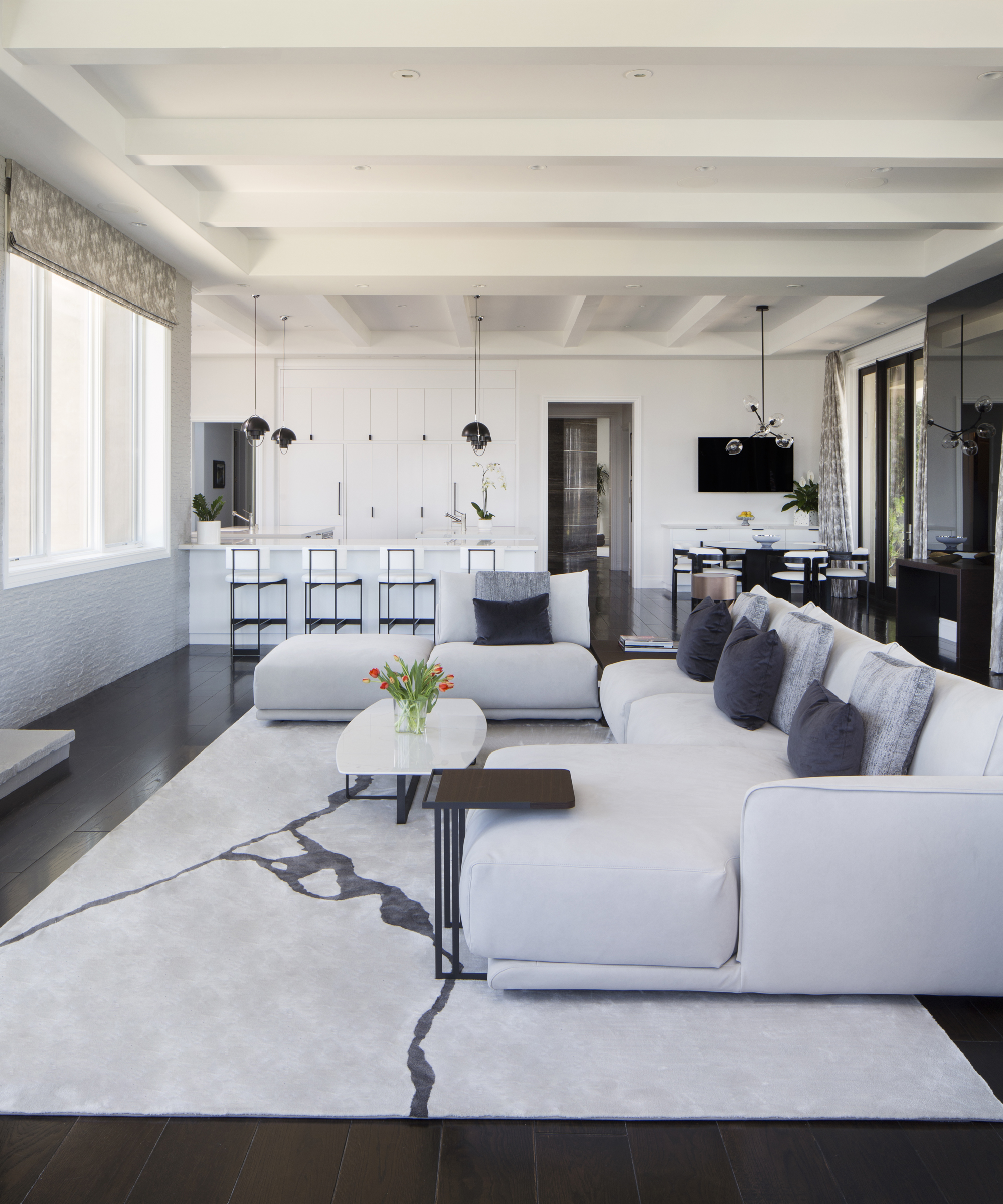
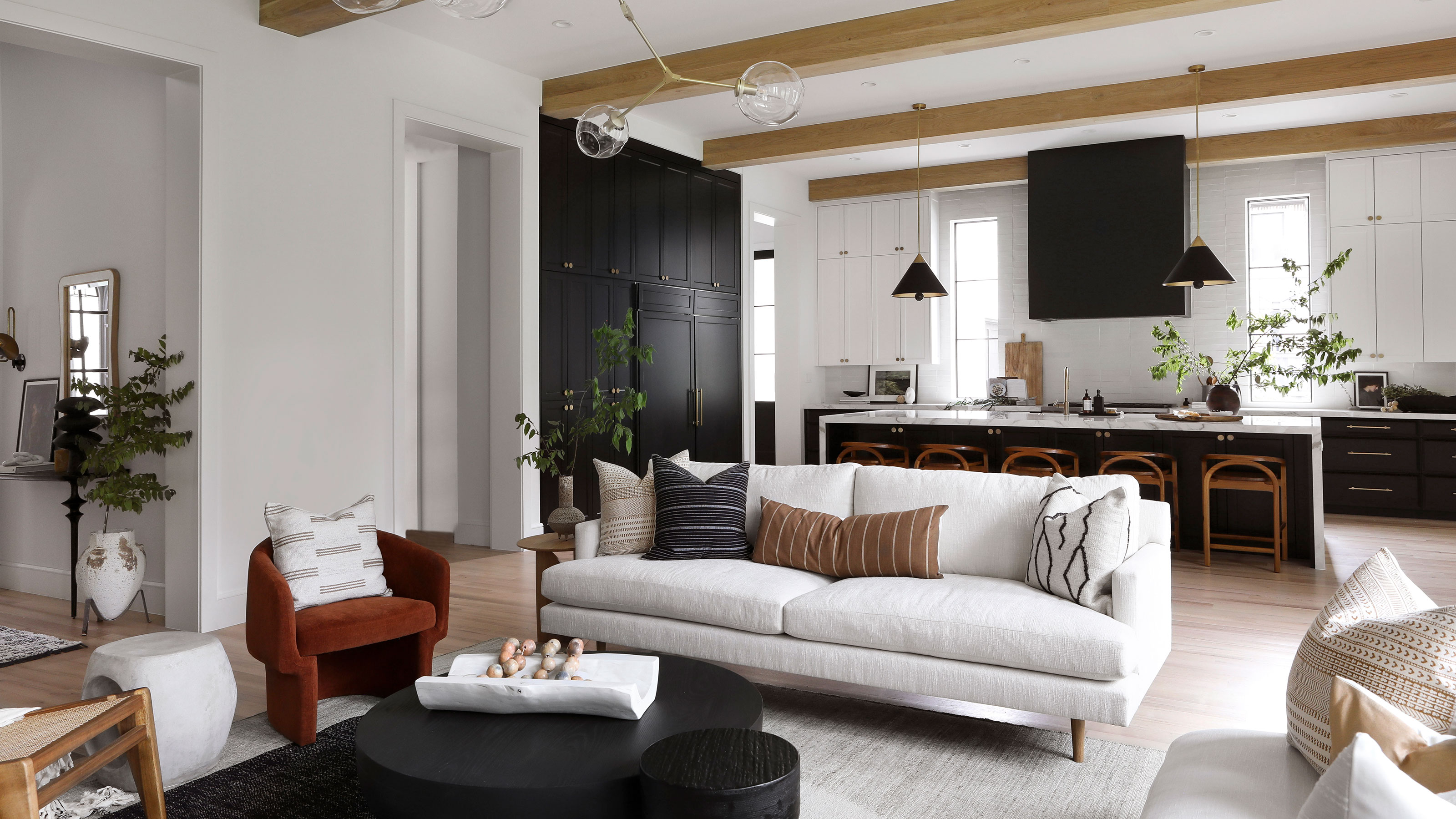
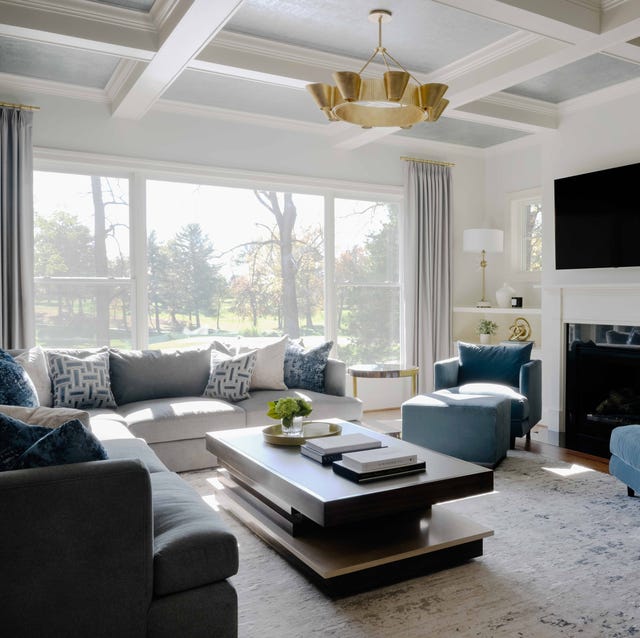
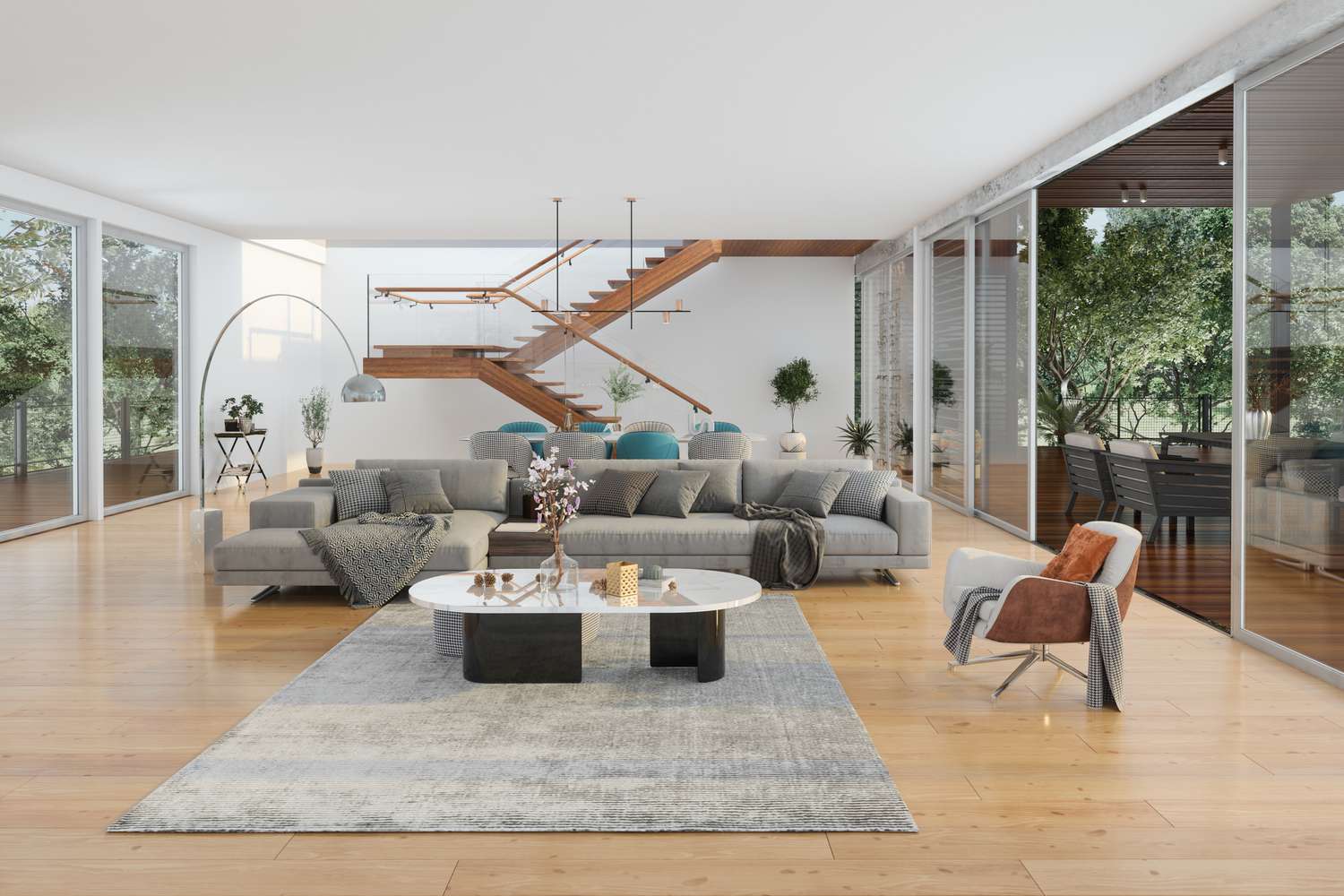
In contrast, a family room is a casual space designed for relaxation and gathering, often located directly off the kitchen, or even fully integrated into a 'great room' concept. This proximity to the kitchen makes it a central hub for daily family activities. The furniture in a family room is typically arranged around a television, emphasizing comfort and approachability. Large, comfortable sectionals are a popular choice for this space, providing ample seating for family members and guests. Due to its frequent use, durability is a key consideration for family room furnishings. Designers recommend using robust fabrics like Crypton or indoor/outdoor options, which are often stain-resistant, especially in homes with children or pets. High-performance rugs are also advisable to withstand the wear and tear of daily life. The design philosophy for a family room prioritizes comfort, coziness, and inviting elements such as swivel chairs and deep sofas.
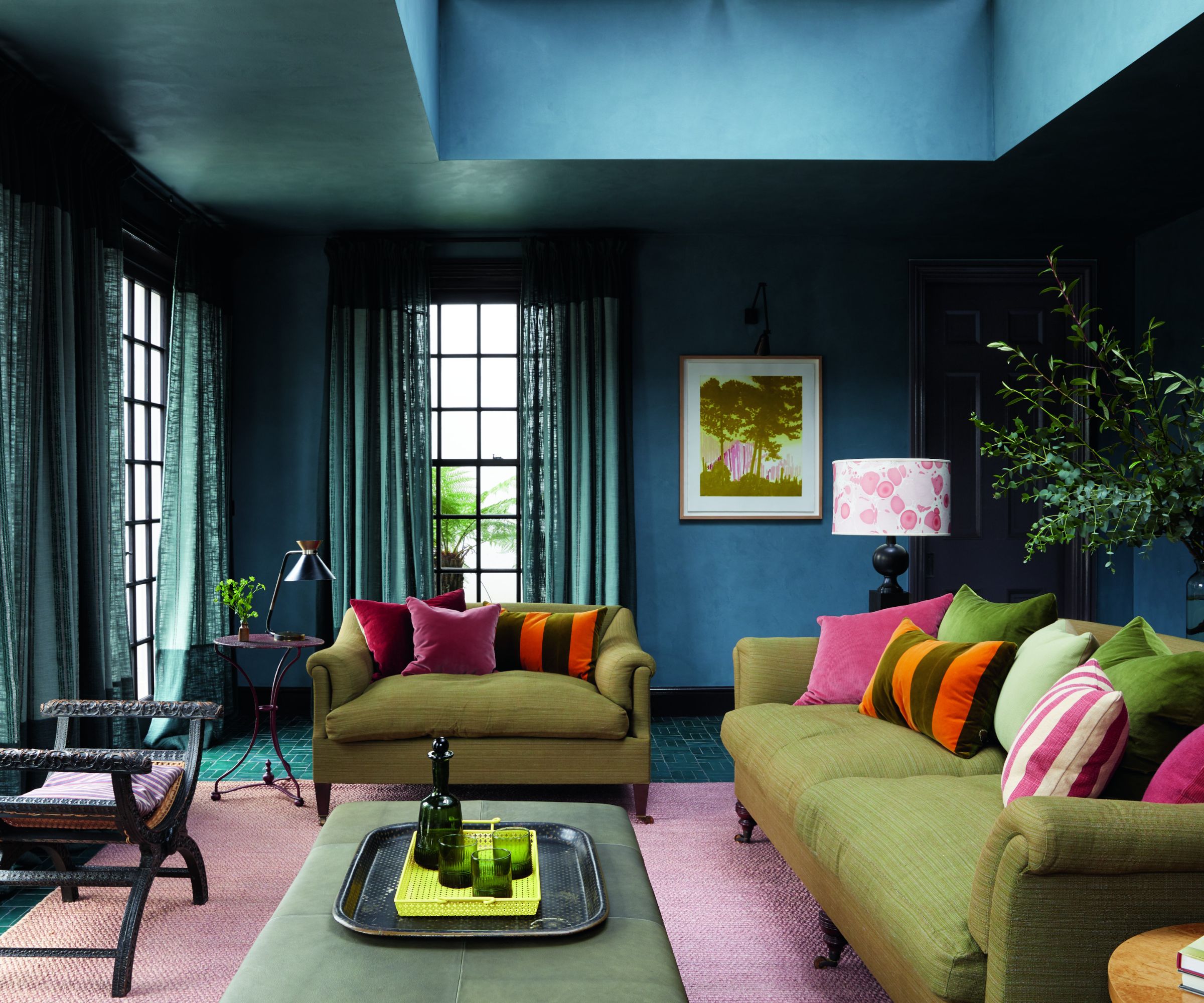
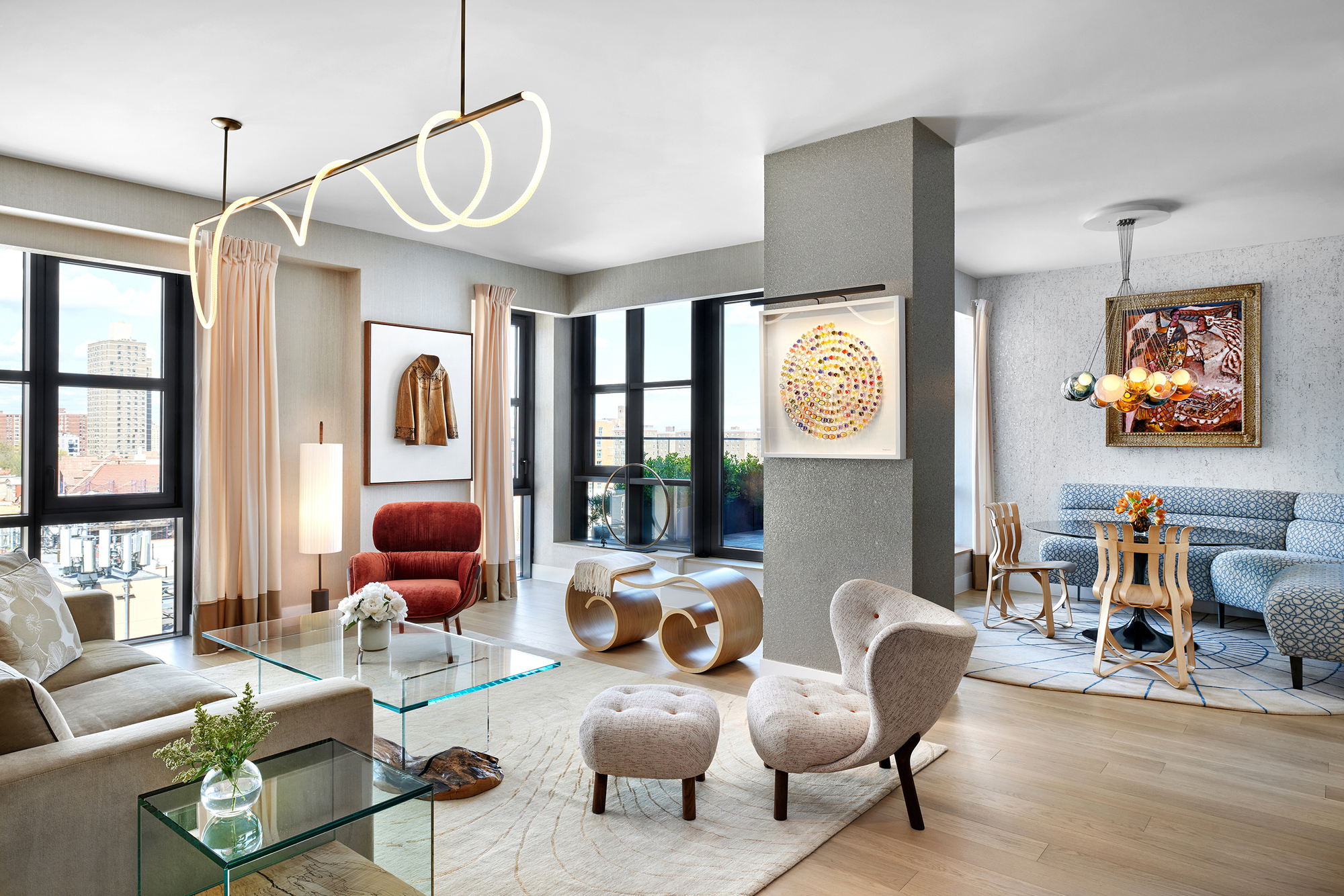
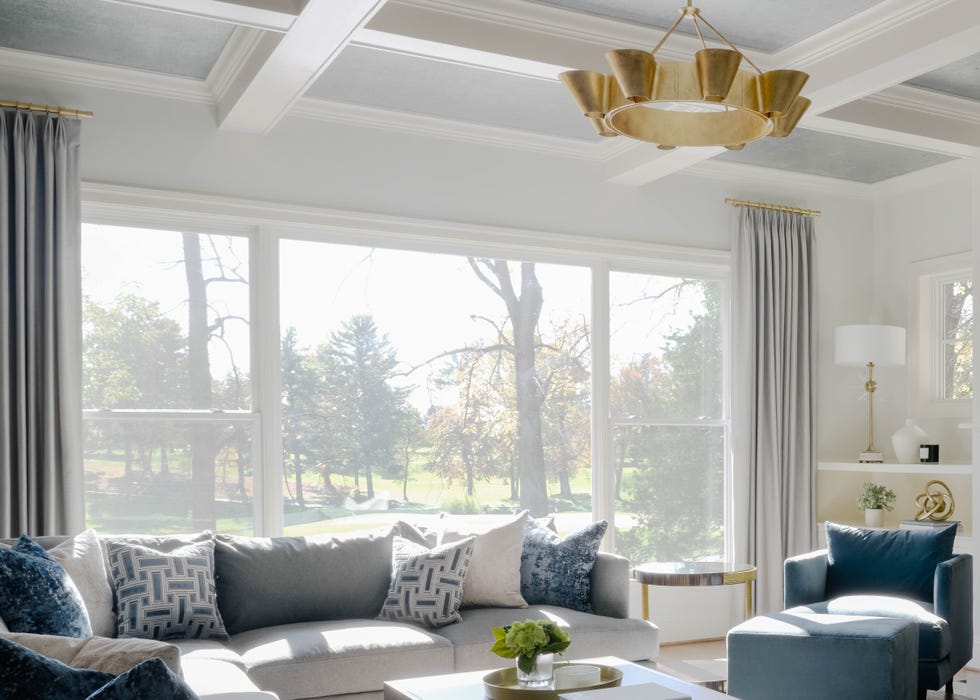
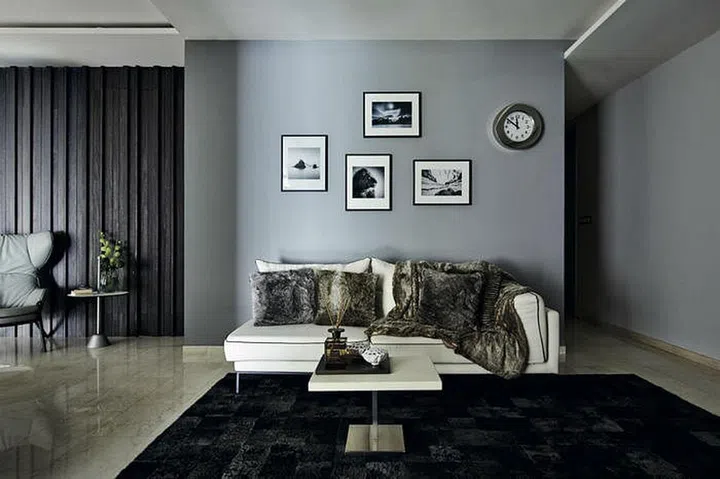
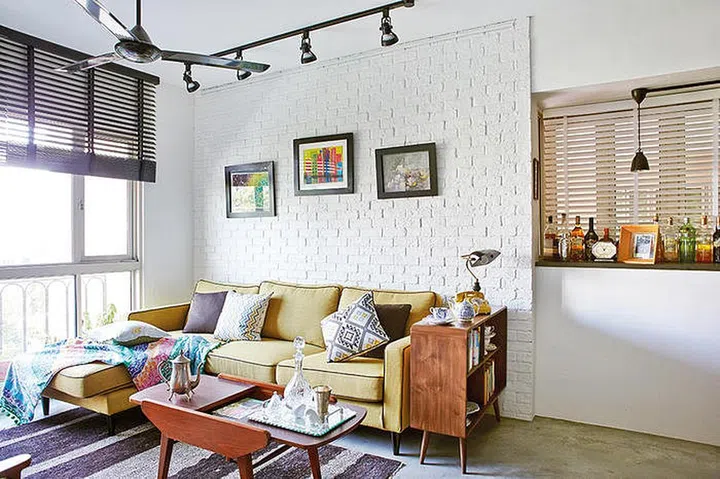
The fundamental difference between the two rooms lies in their level of formality and their intended use. Living rooms are more formal, dedicated to entertaining guests or for less frequent, more structured use, while family rooms are informal, serving as the primary daily gathering and relaxation area for the household. Modern home designs increasingly favor family rooms or great rooms over traditional living rooms, as homeowners prioritize functional, comfortable spaces for everyday living. However, for homes with both, distinct decorating approaches can enhance their individual purposes: elegant and structured for the living room, and comfortable and resilient for the family room. In open-concept layouts, visual anchors like large area rugs, dramatic lighting, or bold wall colors can help define the distinct zones of a living and family room without physical barriers.
#HomeDesign #InteriorDecorating #LivingRoom #FamilyRoom #RoomLayout #FurnitureSelection #HomeImprovement #DesignTips #HomeDesign #InteriorDecorating #LivingRoom #FamilyRoom #RoomLayout #FurnitureSelection #HomeImprovement #DesignTips
0 comment in total
 No comments yet
You may also like
12 common family living room mistakes that pros warn against

Anne Hathaway’s living room showcases the ultimate furniture arrangement – experts are praising her perfect ‘conversational seating'
Designers Share 4 Common "Mistakes" You're Making in Your Living Room—and How to Correct Them

The Designer Tip That Finally Made My Wide Living Room Feel Cozy and Complete

5 Genius Ways Interior Designers Know How to Adapt Your Living Room’s Layout When You’re Hosting a Lot of People
6 failsafe formulas designers always follow when planning a living room

So, What DO You Do In A Living Room? : Blog Of The Nation
How to Make an Open-Concept Space Feel Welcoming
How to Fix the Most Common Living Room Layout Mistakes

6 Awkward Living Room Layouts That You Should Fix ASAP—and How to Do It
9 Times Designers Made Awkward Living Rooms Work — And the Secrets Behind How They Did It

Living room design ideas: 11 ways to furnish and decorate your space
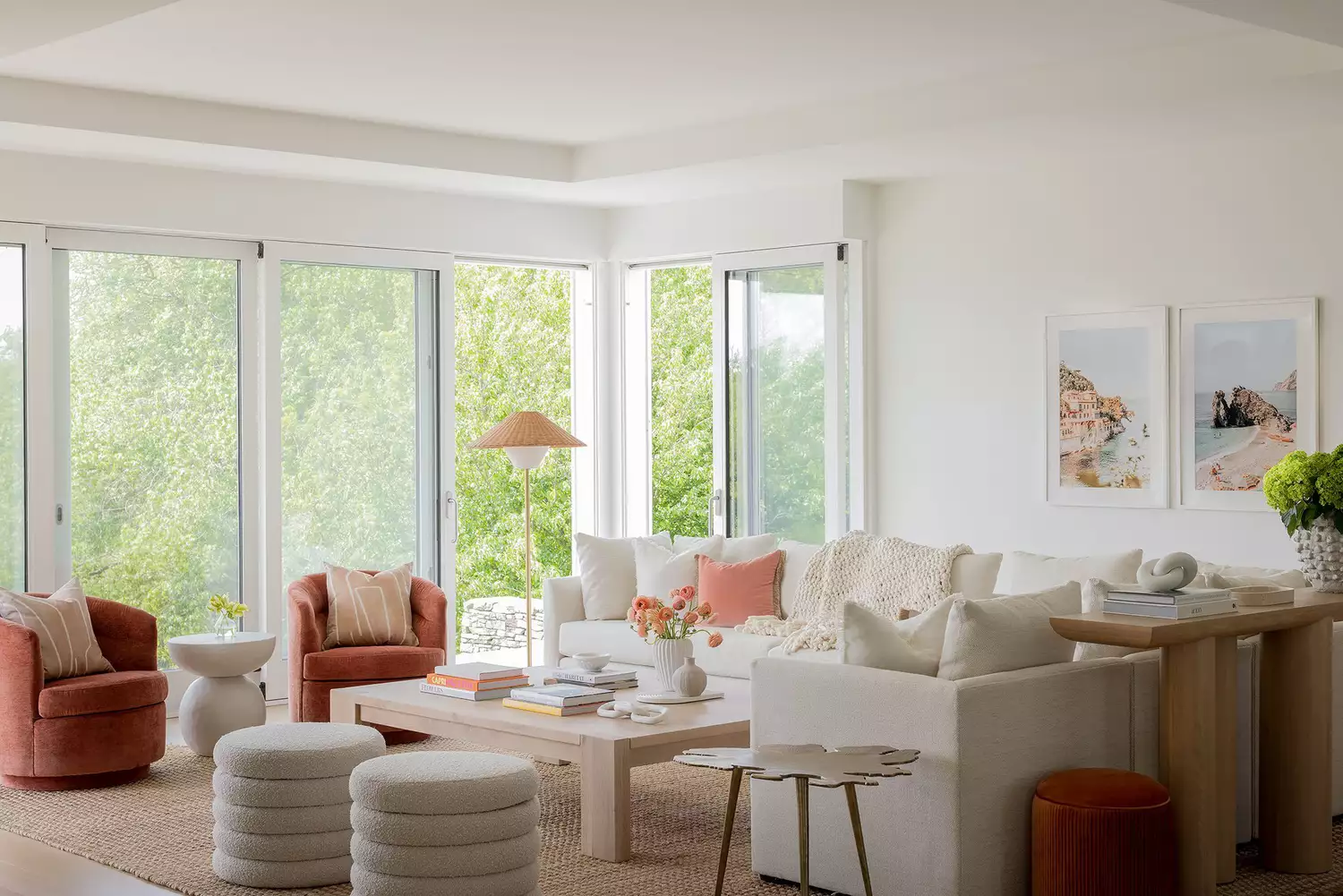
What's the Difference Between Family Rooms and Living Rooms? Turns Out There Are Many
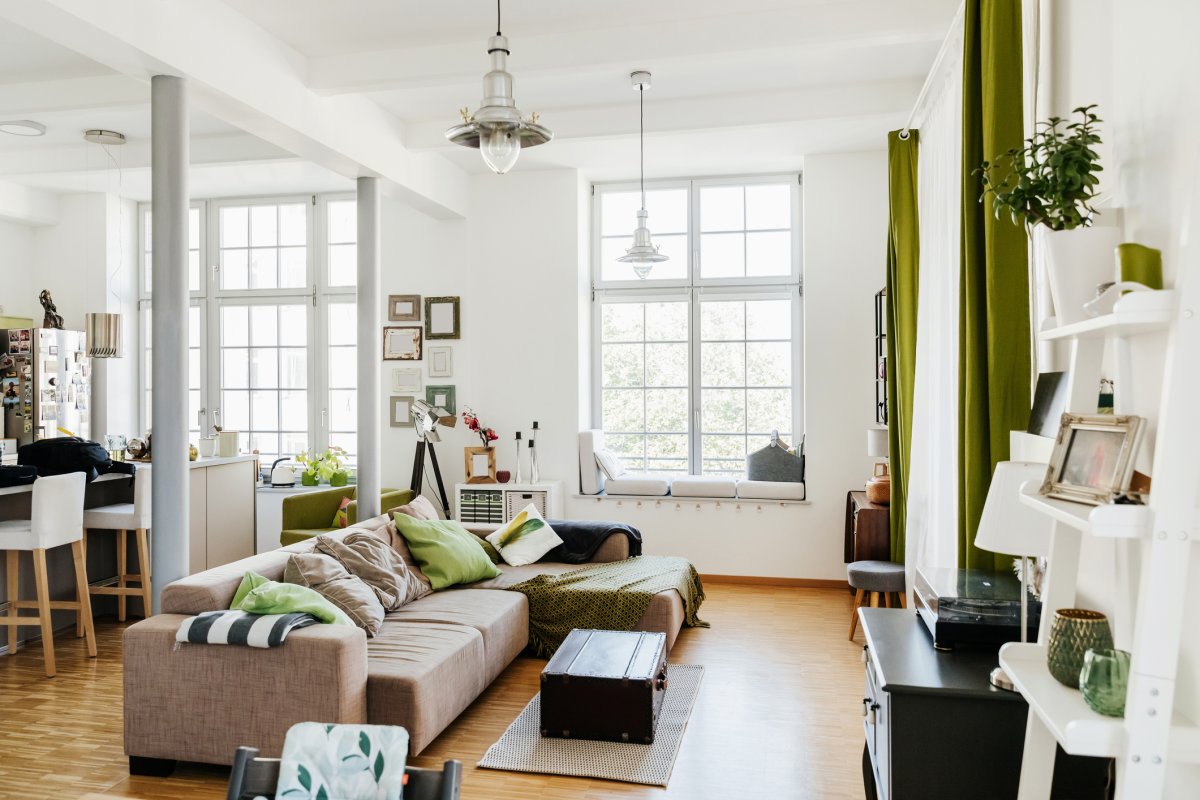
13 Welcoming Living Room Layout Ideas

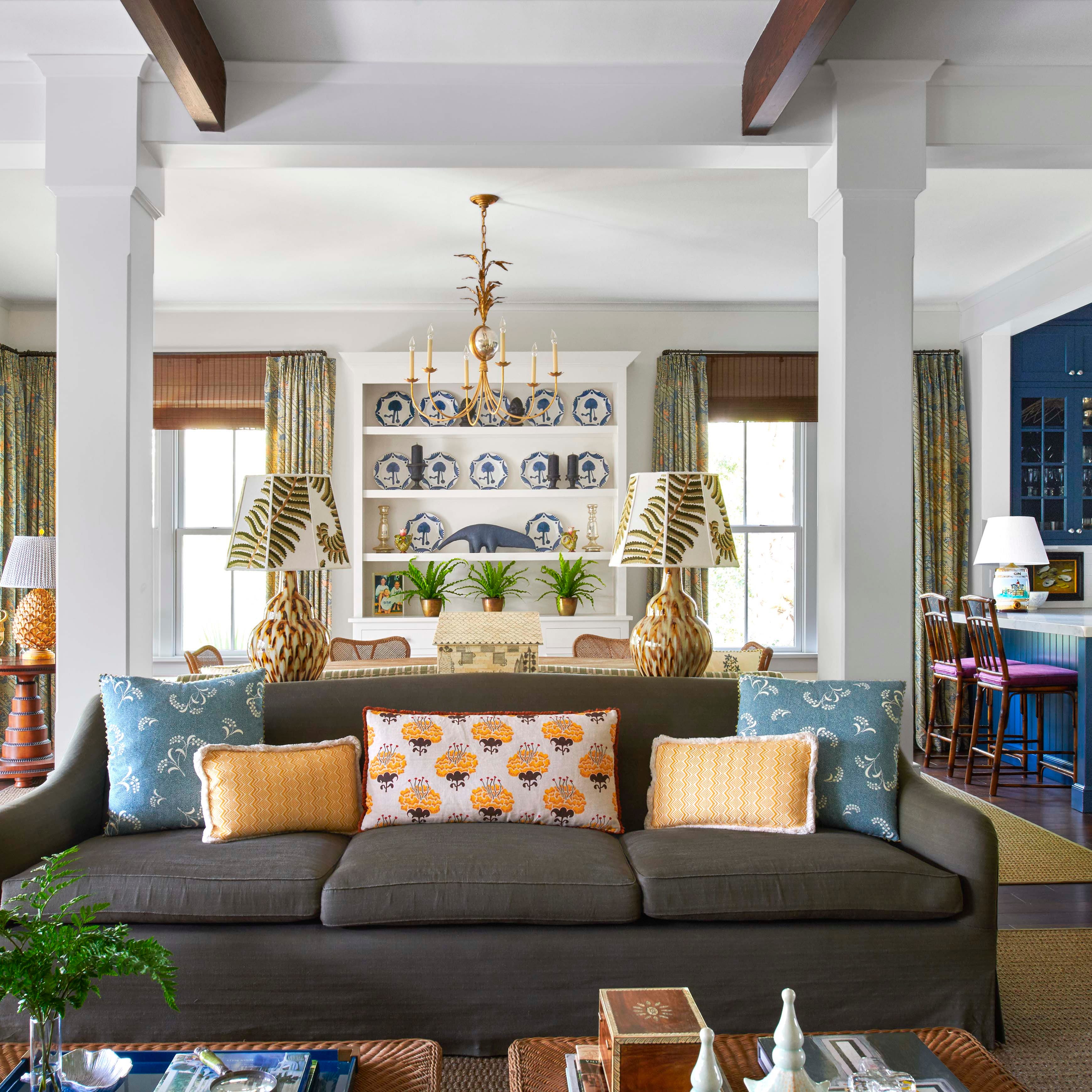
3 Living Room Layout Templates to Help You Get the Most Out of Your Space
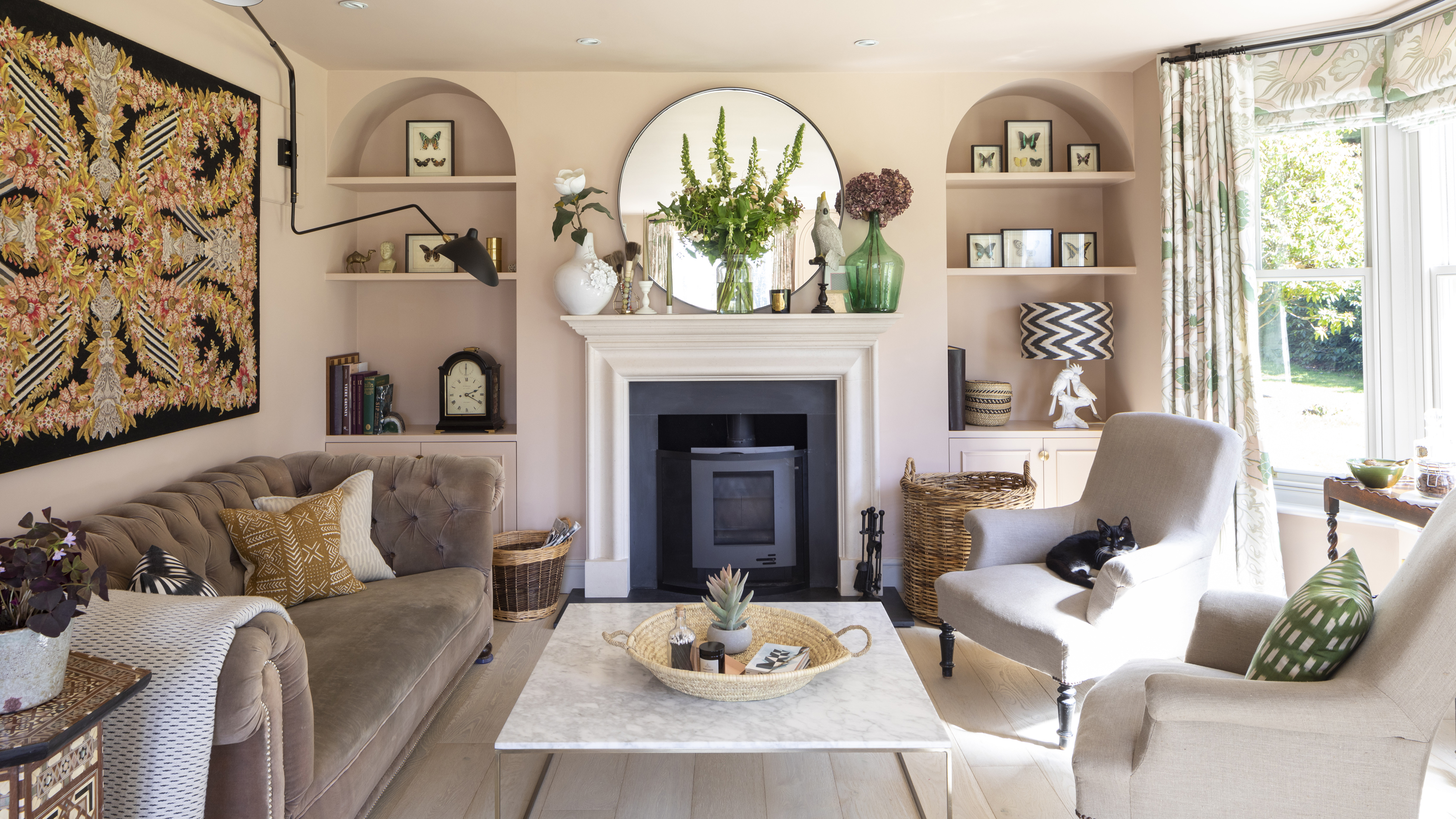
Family living room ideas – 10 ways to create a living space fit for the whole household
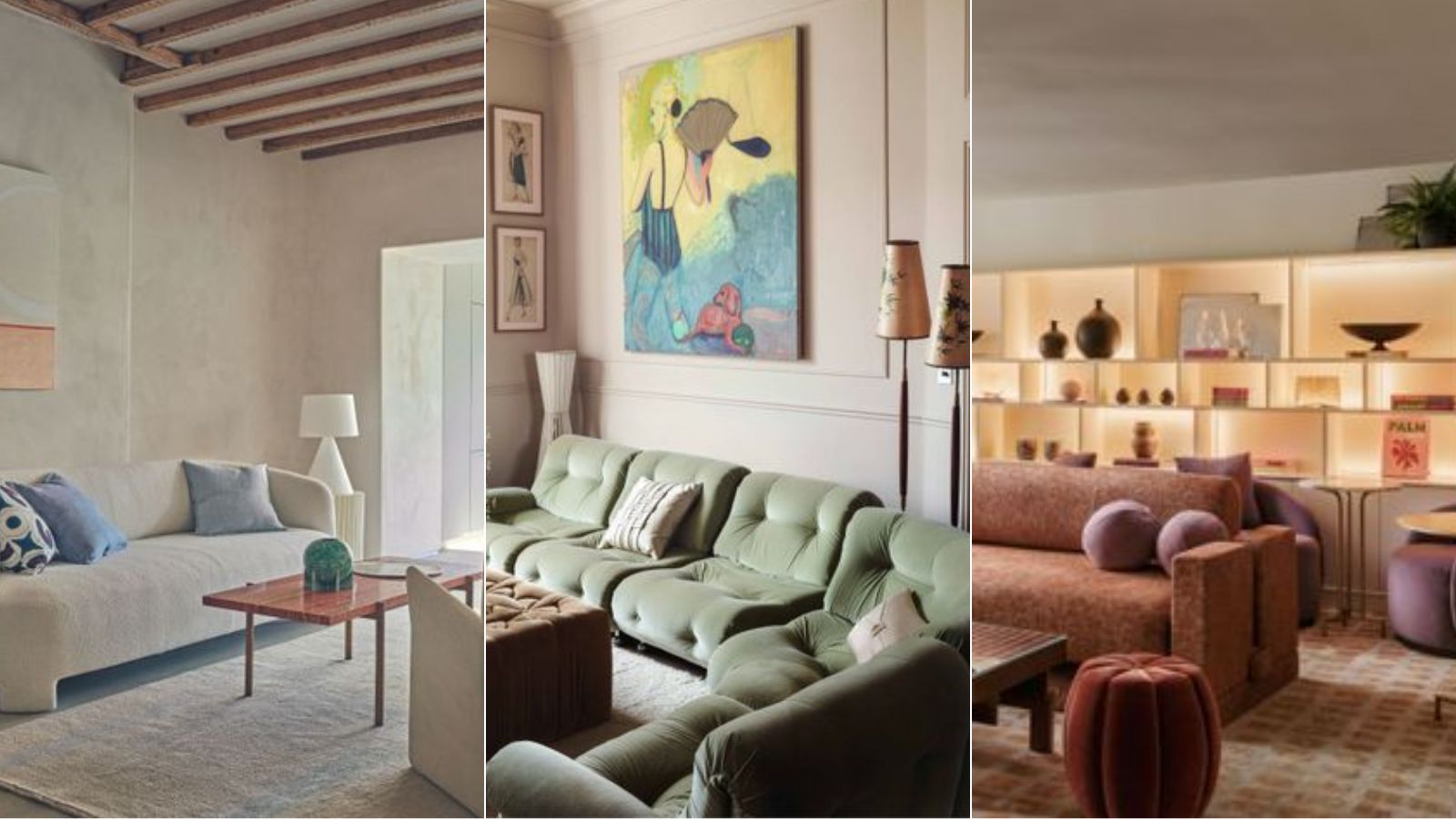
Dream living room upgrades homeowners always come to regret – according to the experts
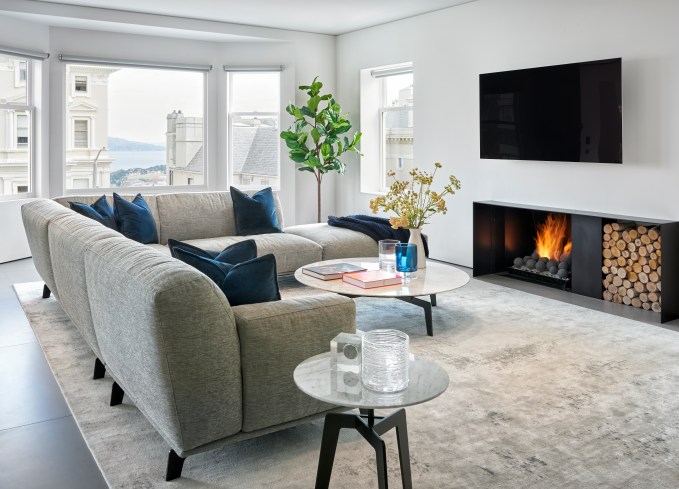
21 Family Room Decorating Ideas, Ranging from a Quick Refresh to a Total Overhaul

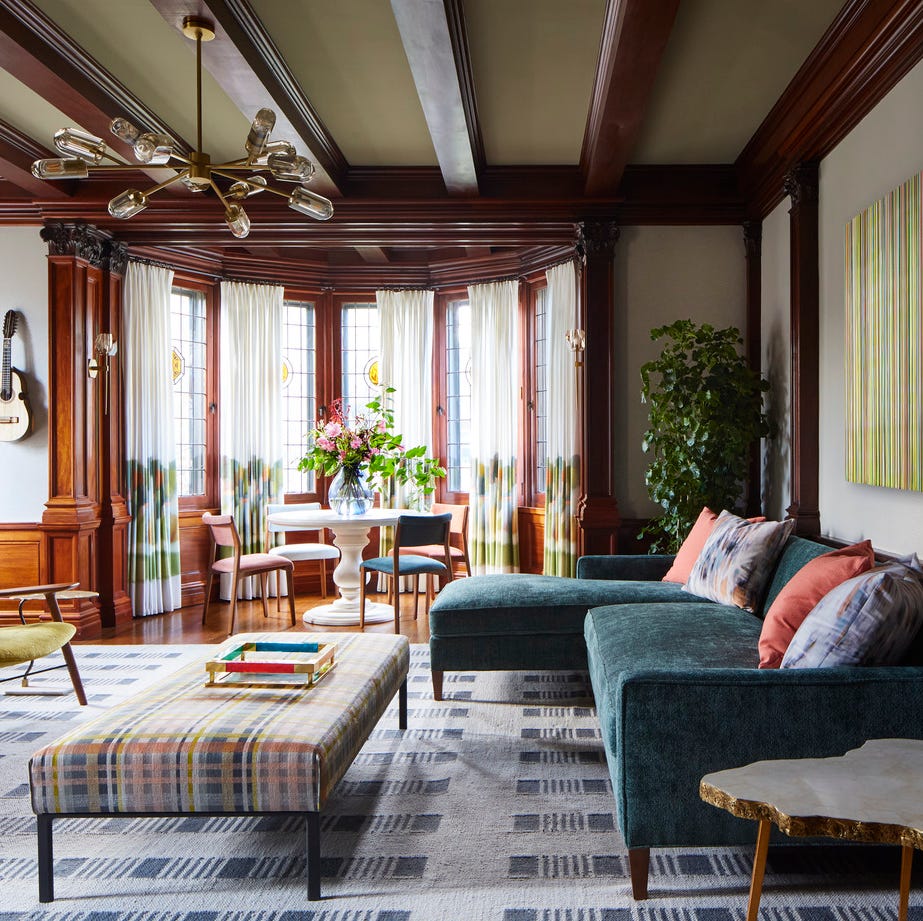
Easy Ways to Transform Your Living Room Into a Space You LOVE
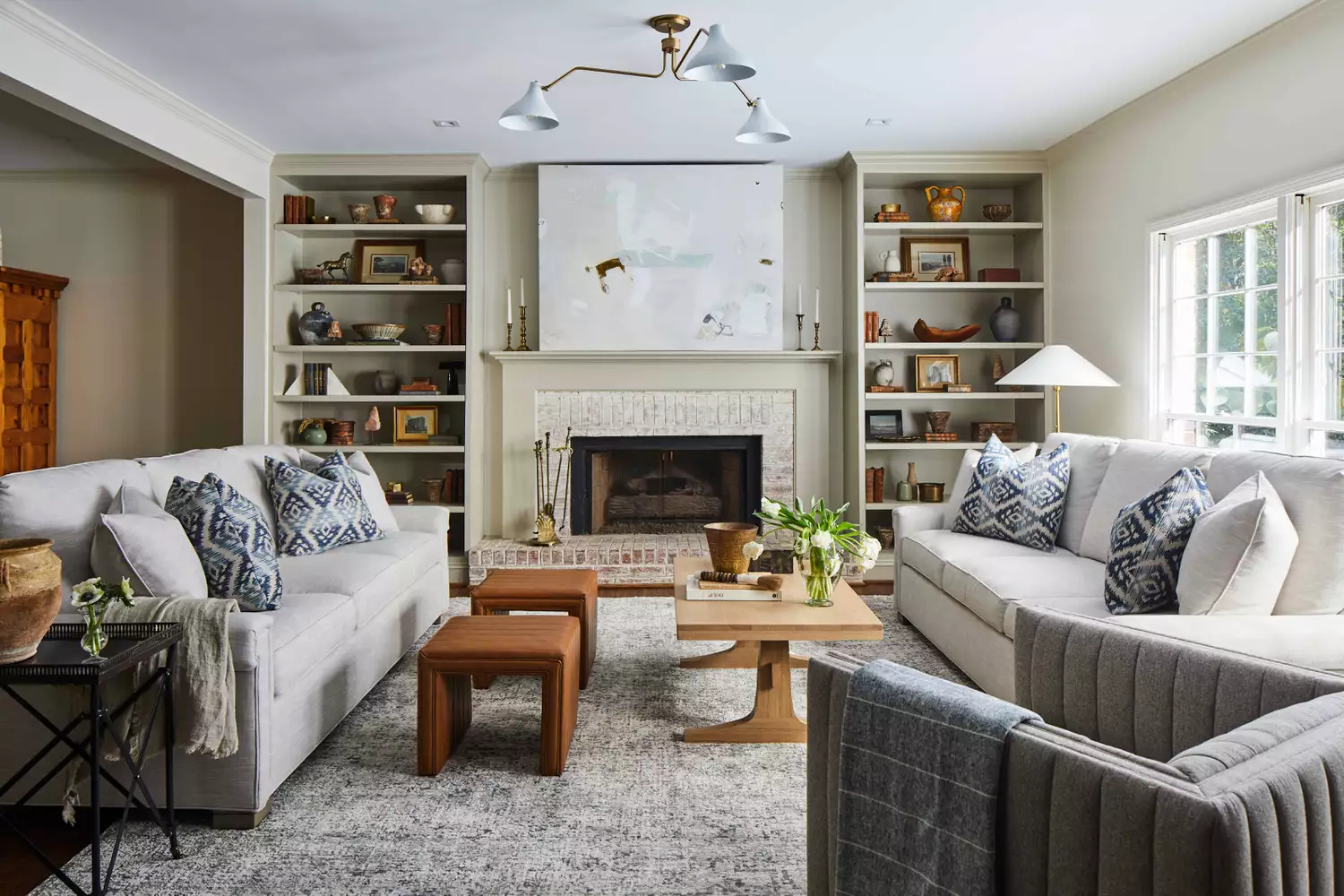
11 Living Room Layout Mistakes Designers Want You To Stop Making