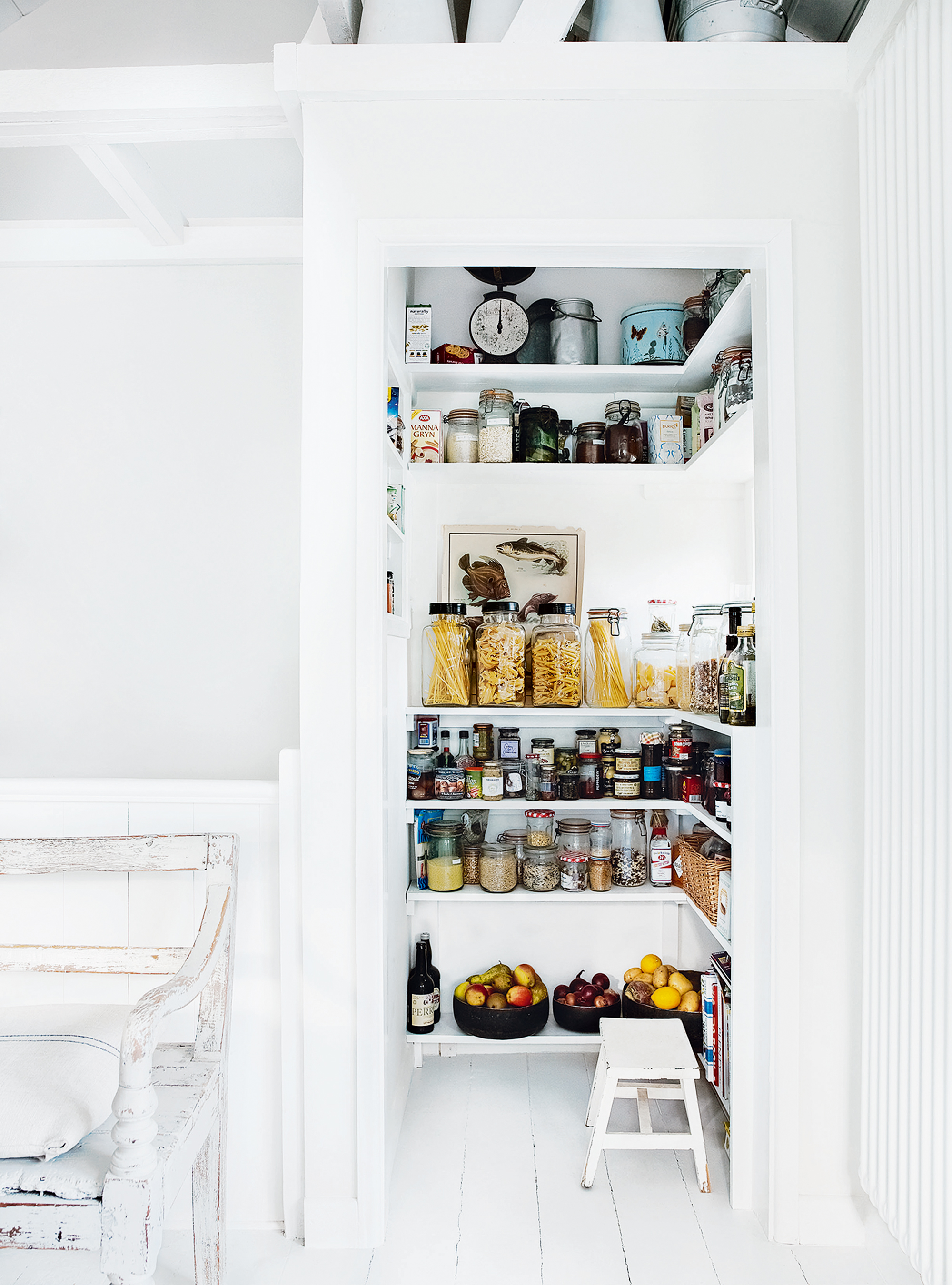
10 Easy Ways to Turn a Kitchen Cabinet into an Efficient Pantry
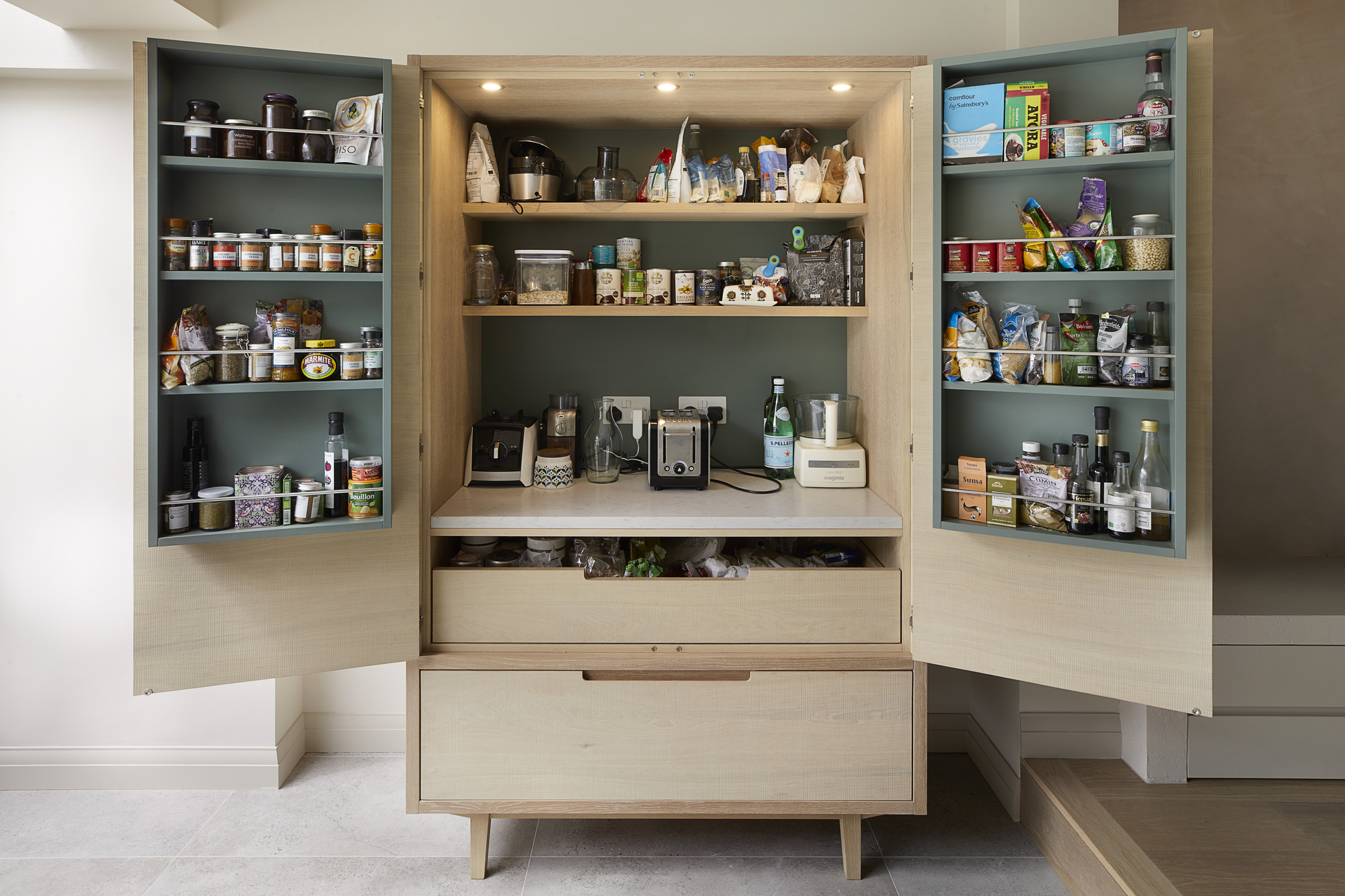
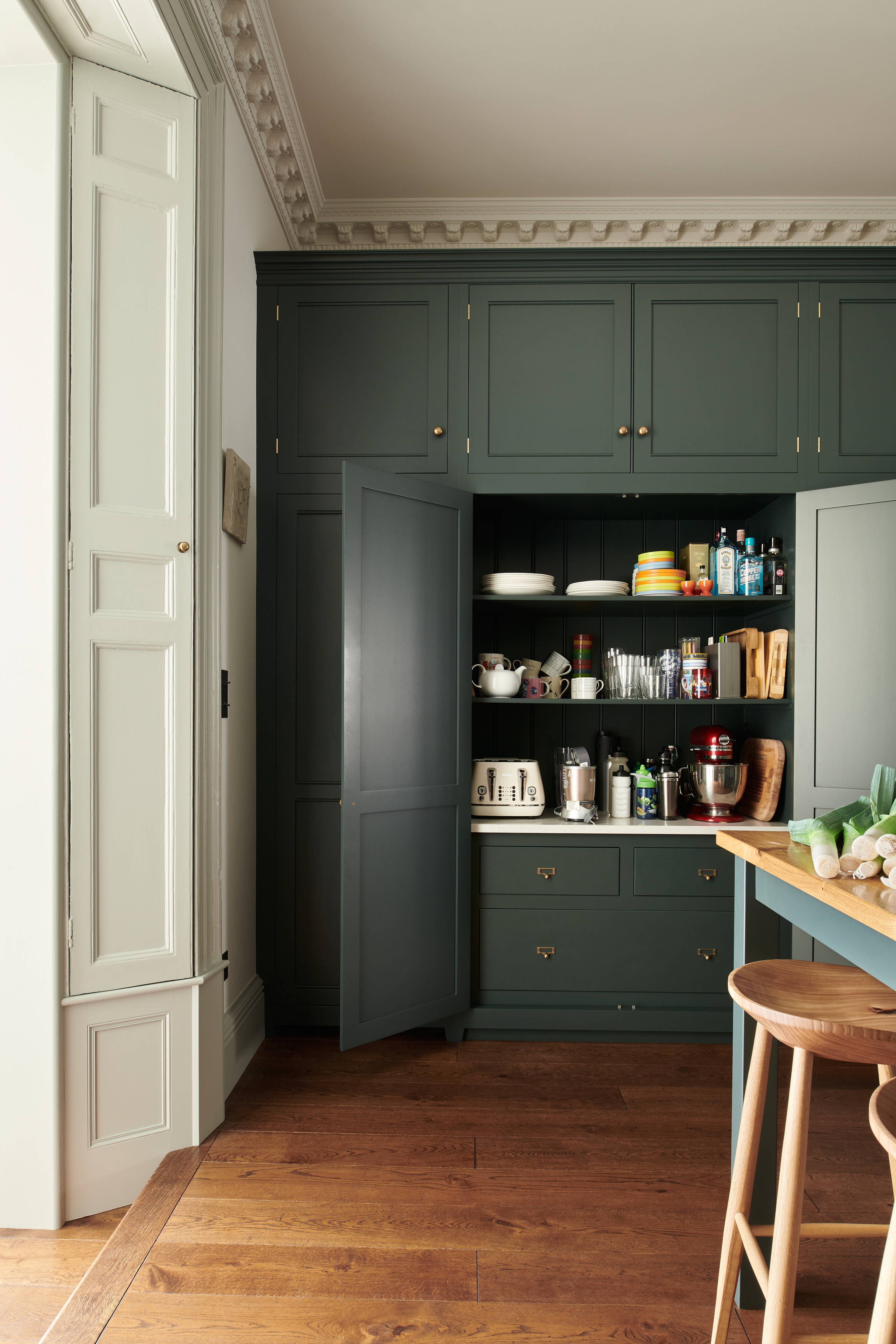
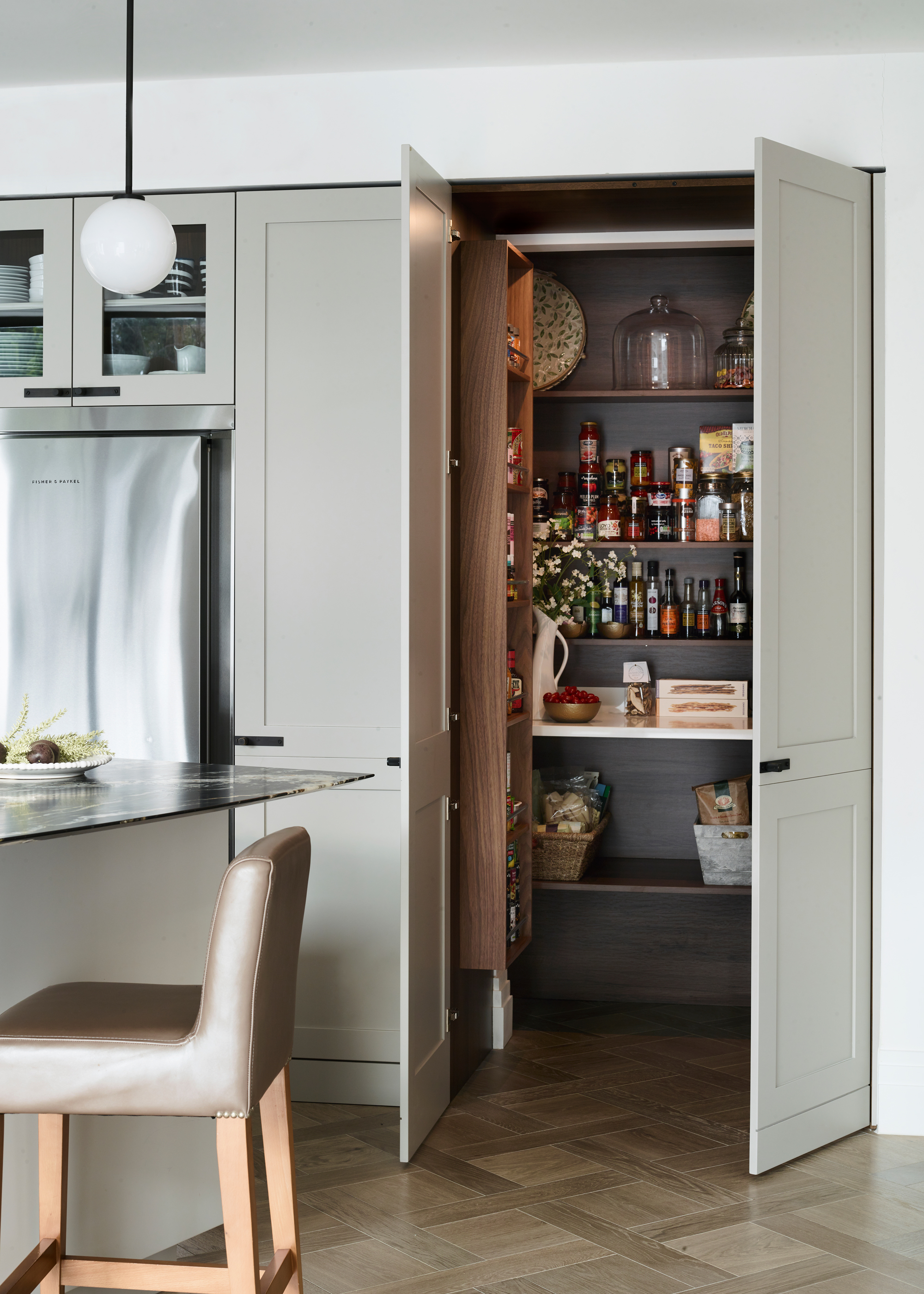
This article provides practical strategies for transforming standard kitchen cabinets and drawers into an efficient food storage system, particularly useful for households without a dedicated pantry. It emphasizes that with proper organization, a combination of one upper cabinet, one lower cabinet, and one drawer can function effectively as a pantry, improving visibility of items, reducing waste, and streamlining meal preparation. The guide begins by outlining foundational steps for creating a functional cabinet pantry. The first crucial step is to conduct a thorough inventory of all shelf-stable foods typically kept on hand. This involves categorizing items (e.g., snacks, baking supplies, canned goods) to understand the quantity and types of food needing storage. This initial assessment helps in determining the most suitable storage containers and optimal placement for different food categories, adhering to the organizing principle of storing like with like.
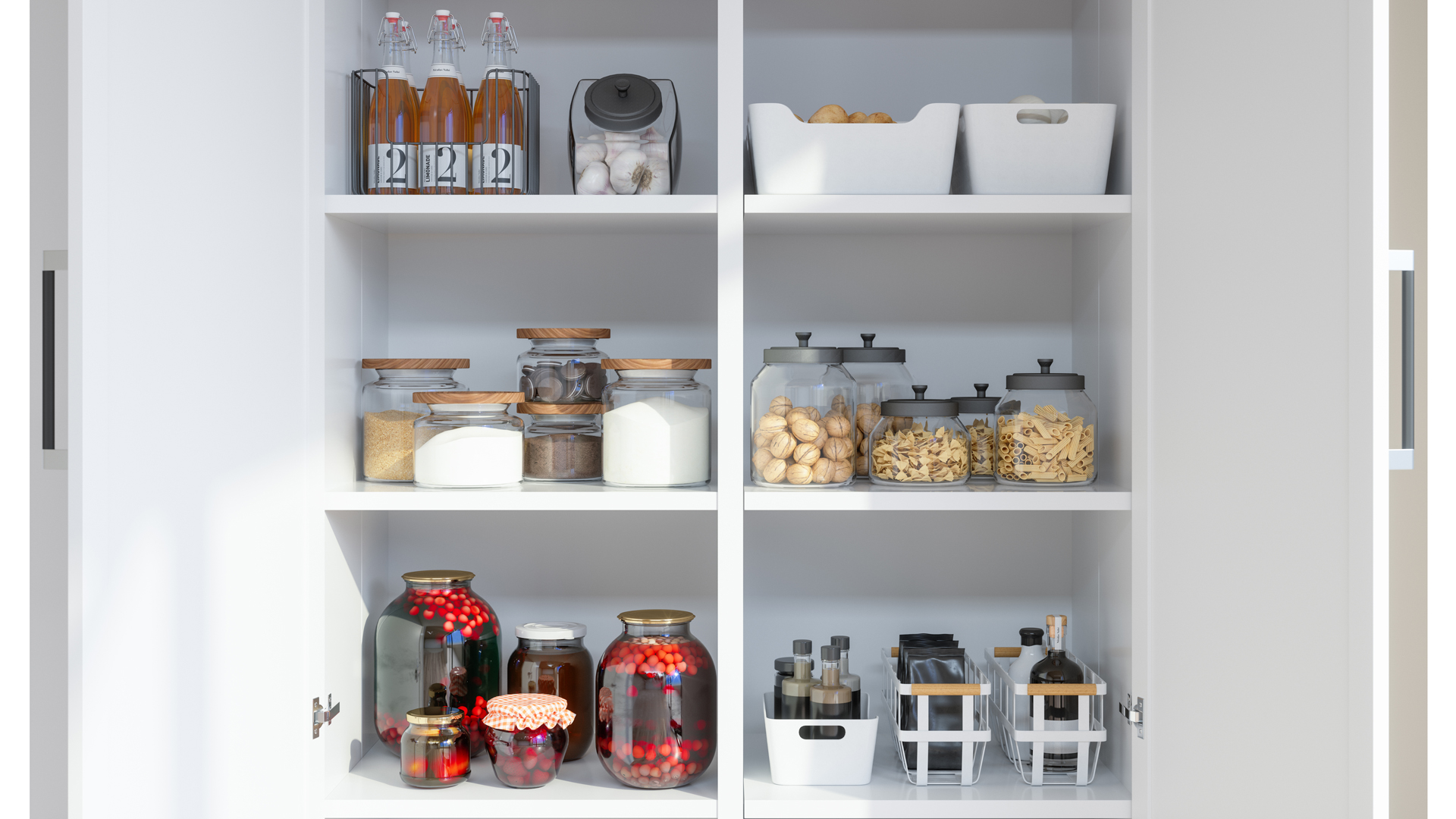
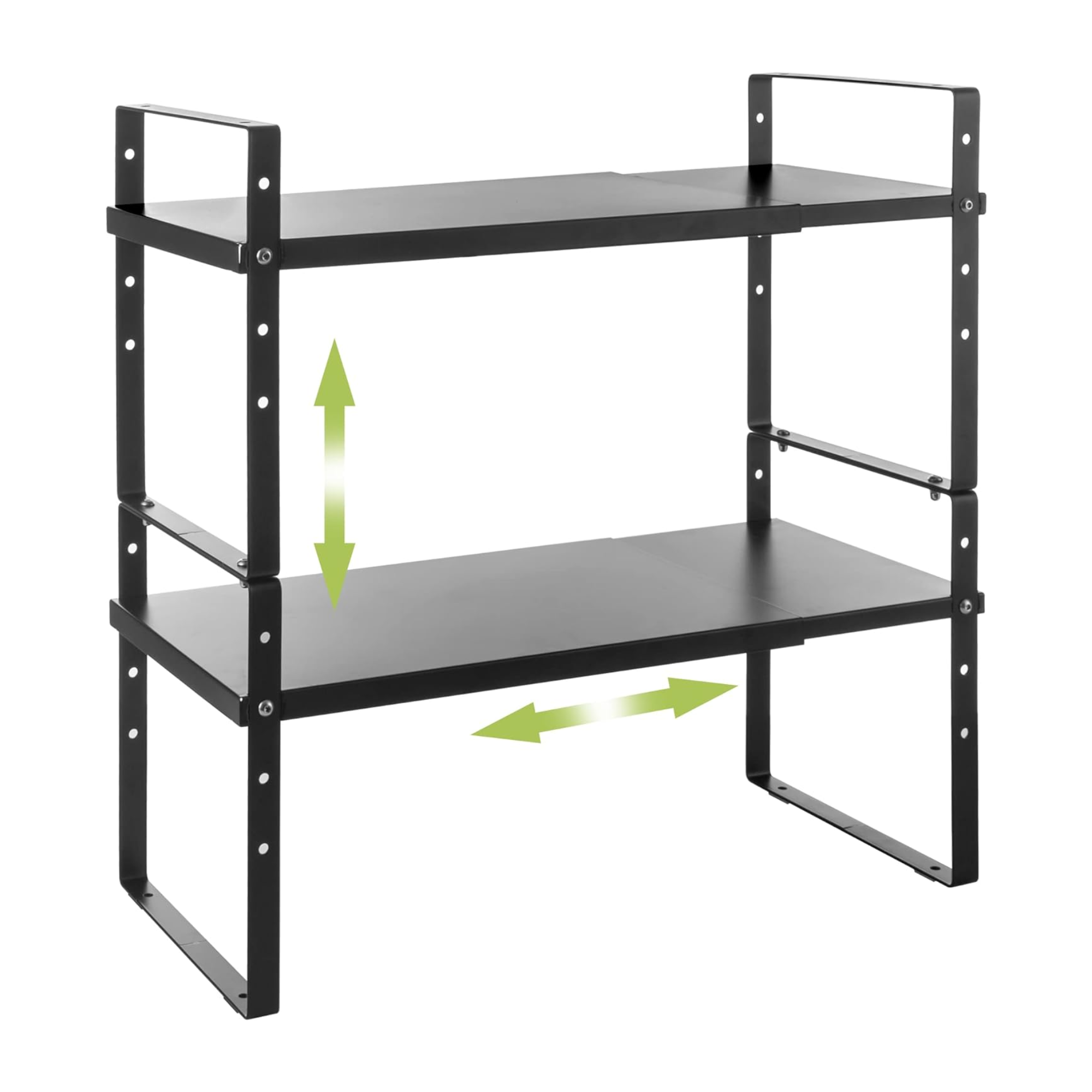
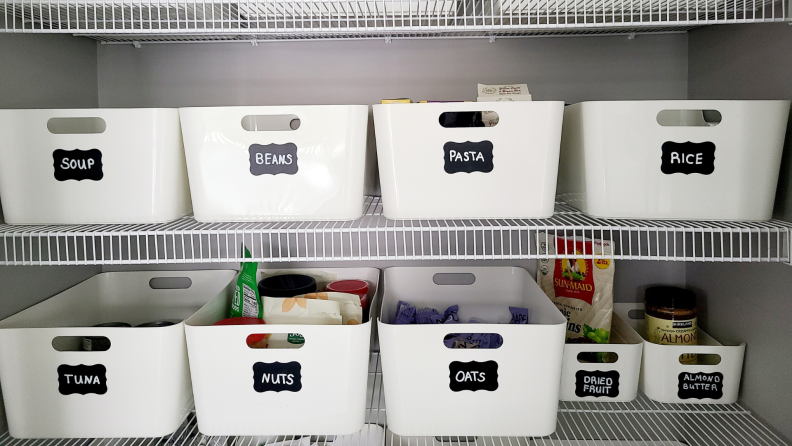
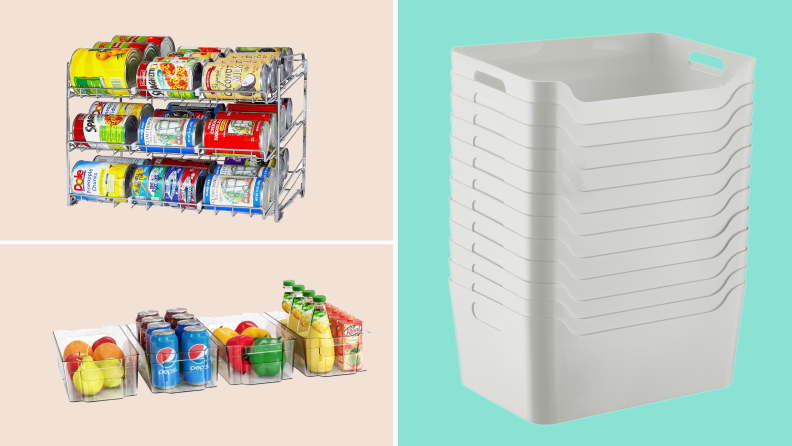
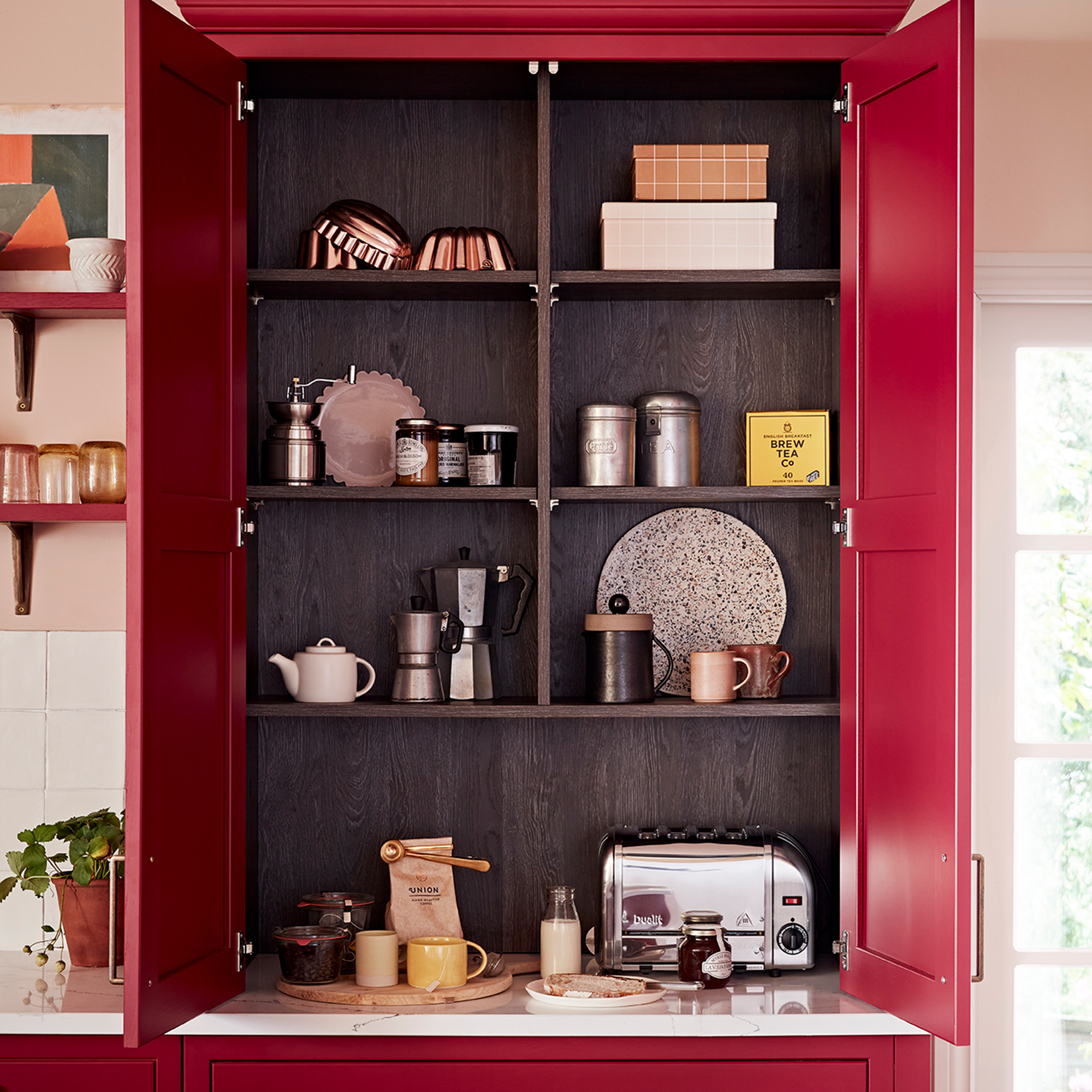
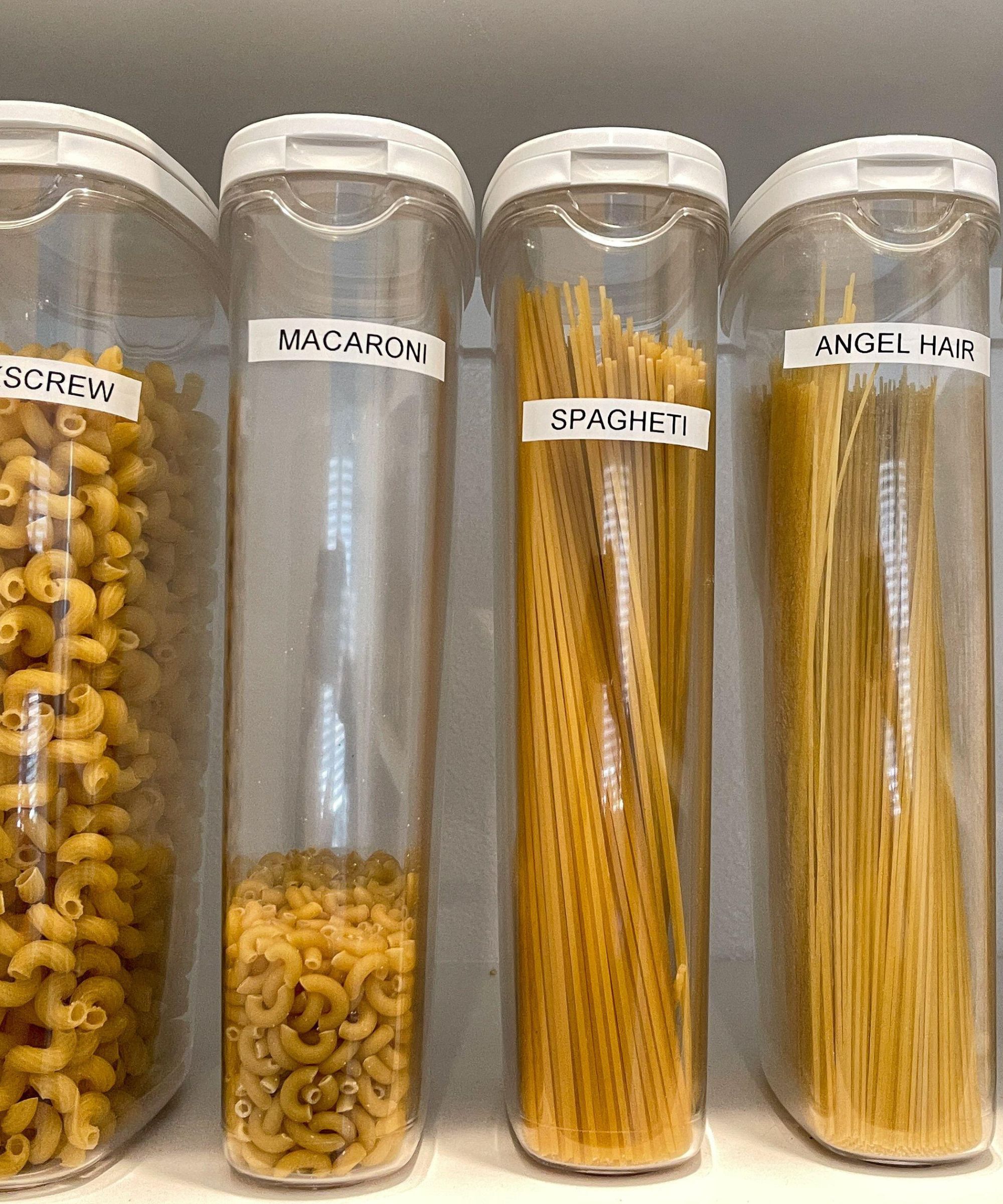
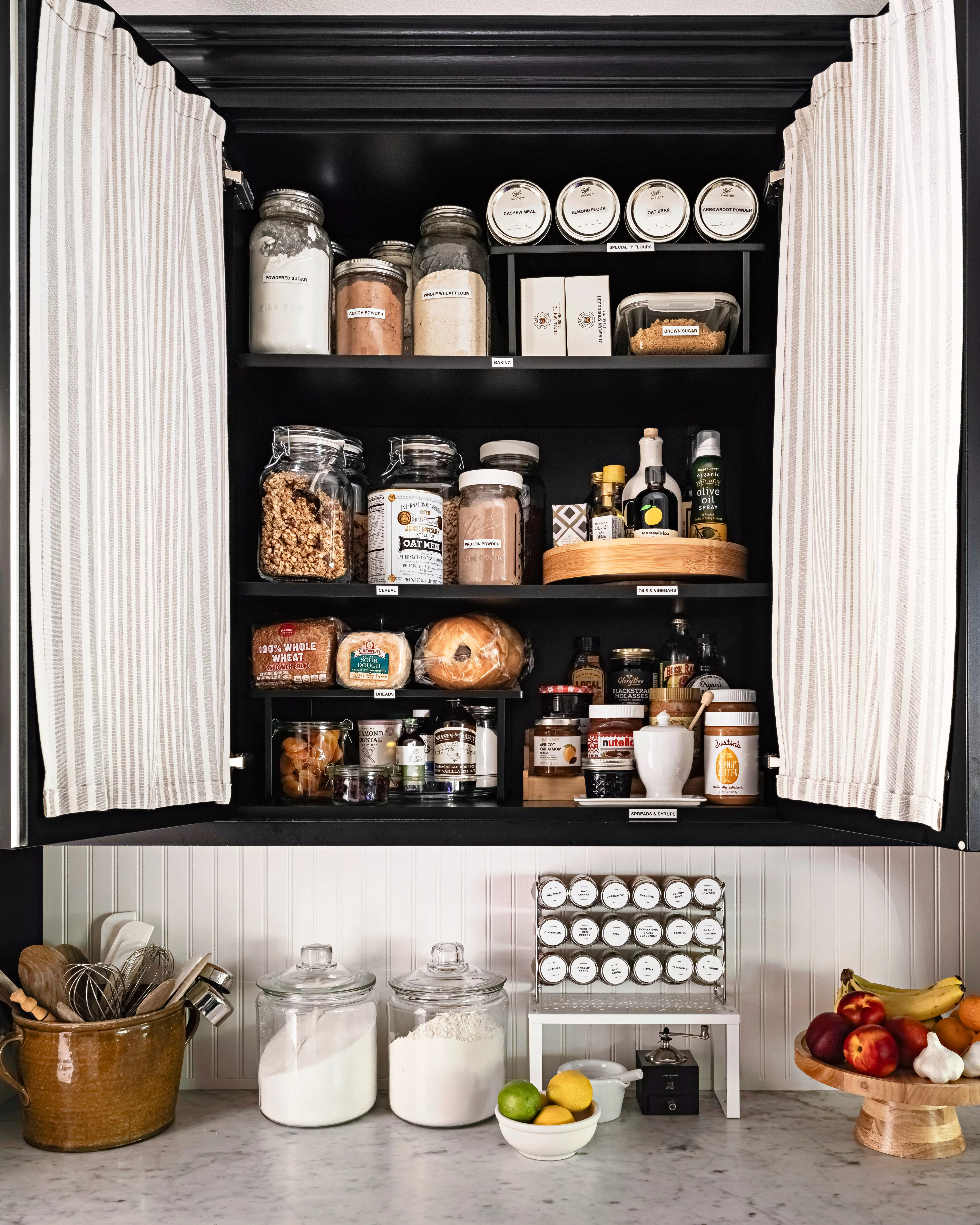
The second step focuses on assigning a specific home for each food category within the cabinets. Items used daily should be placed at eye level in the upper cabinet for easy access, while less frequently used items can be stored on higher shelves or in the lower cabinet. This strategic placement mirrors efficient organization principles used in closets or drawers. Once locations are determined, labeling shelves is recommended to ensure all household members know where to find and return items, maintaining long-term order. The third step involves planning and implementing appropriate storage infrastructure. This includes selecting suitable containers, bins, baskets, or organizers based on the size and shape of the food items. Suggestions include tiered shelves for cans to maximize visibility and helper shelves to subdivide vertical space, allowing for more efficient storage of smaller items.
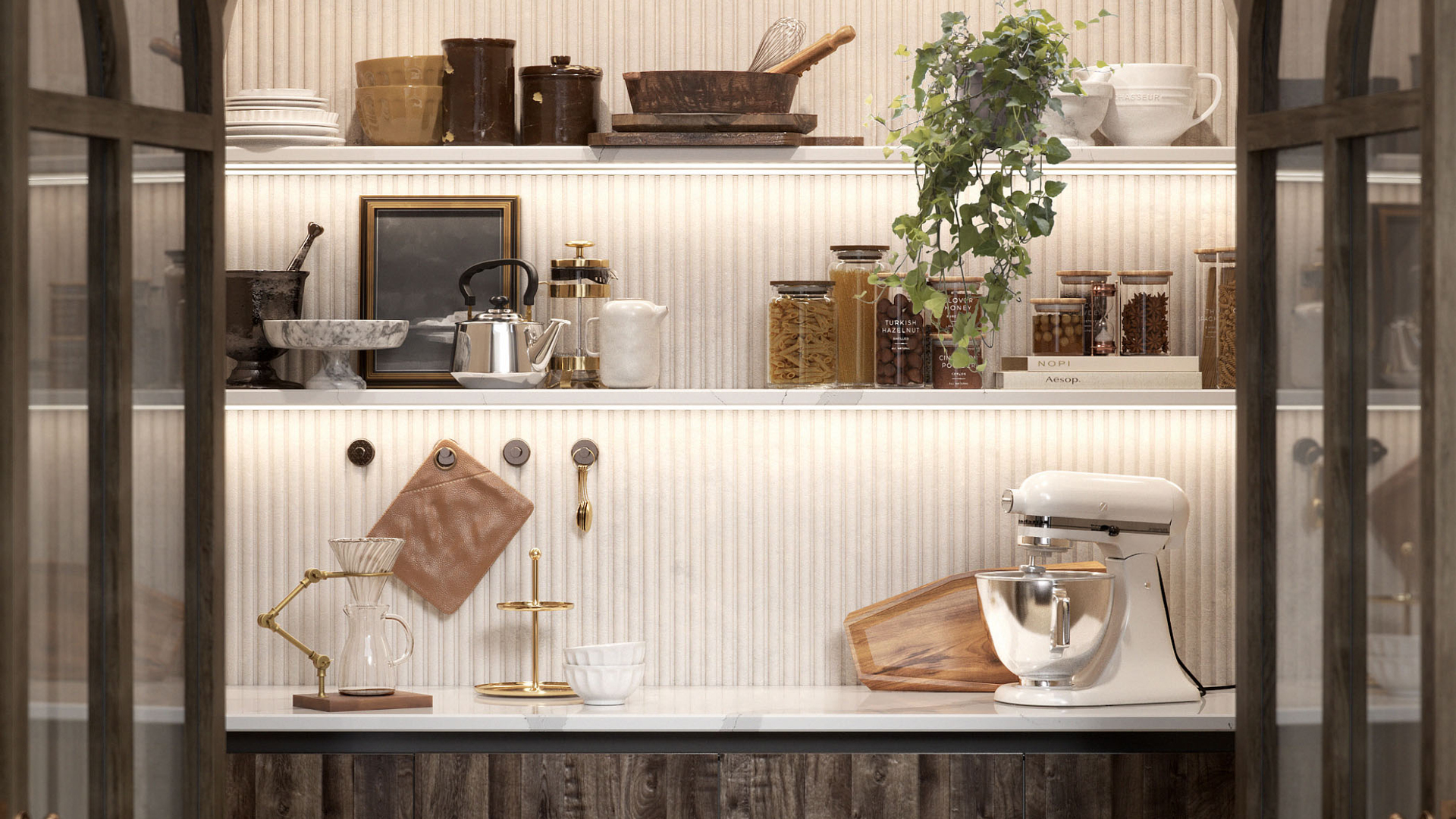
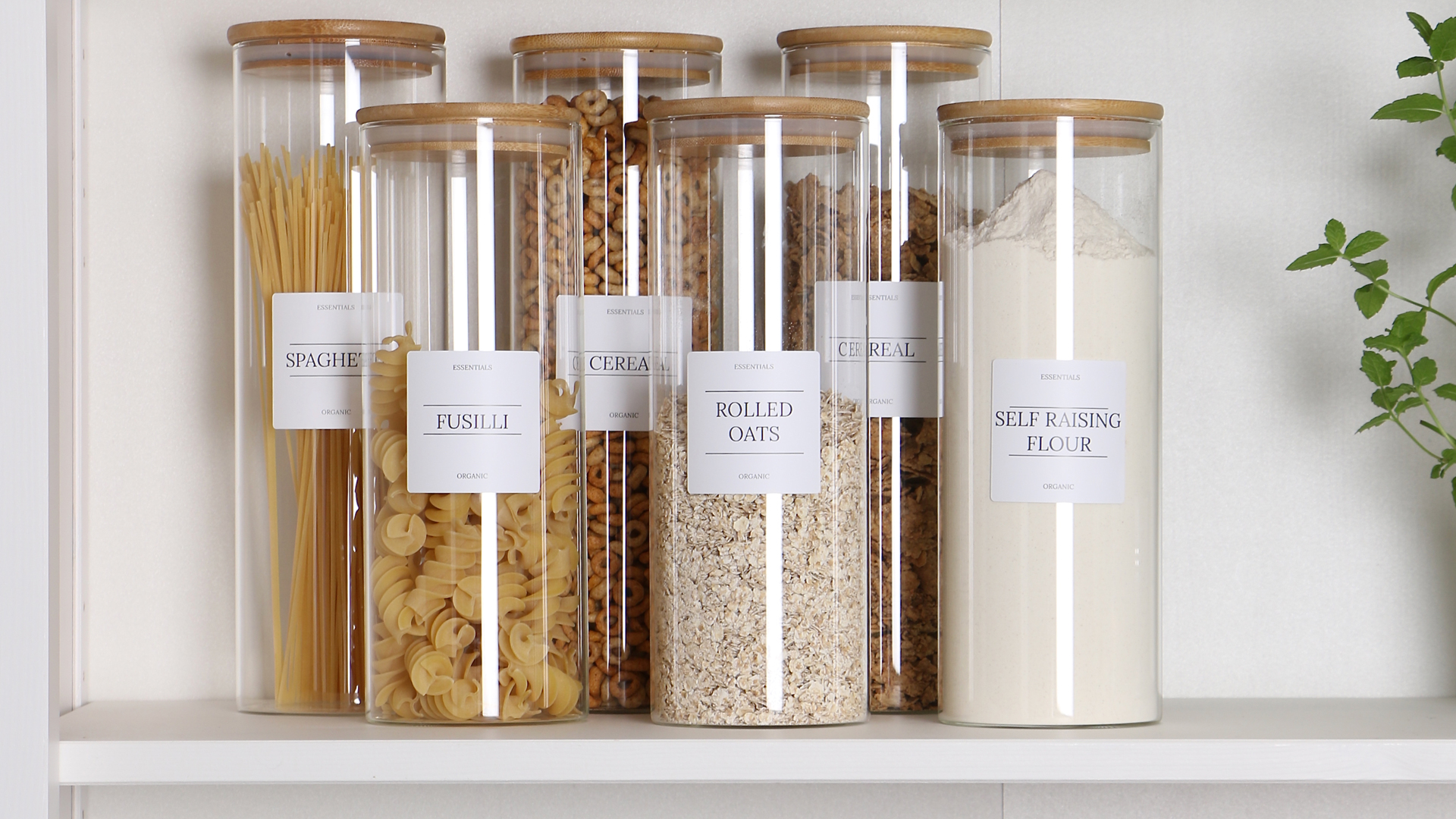
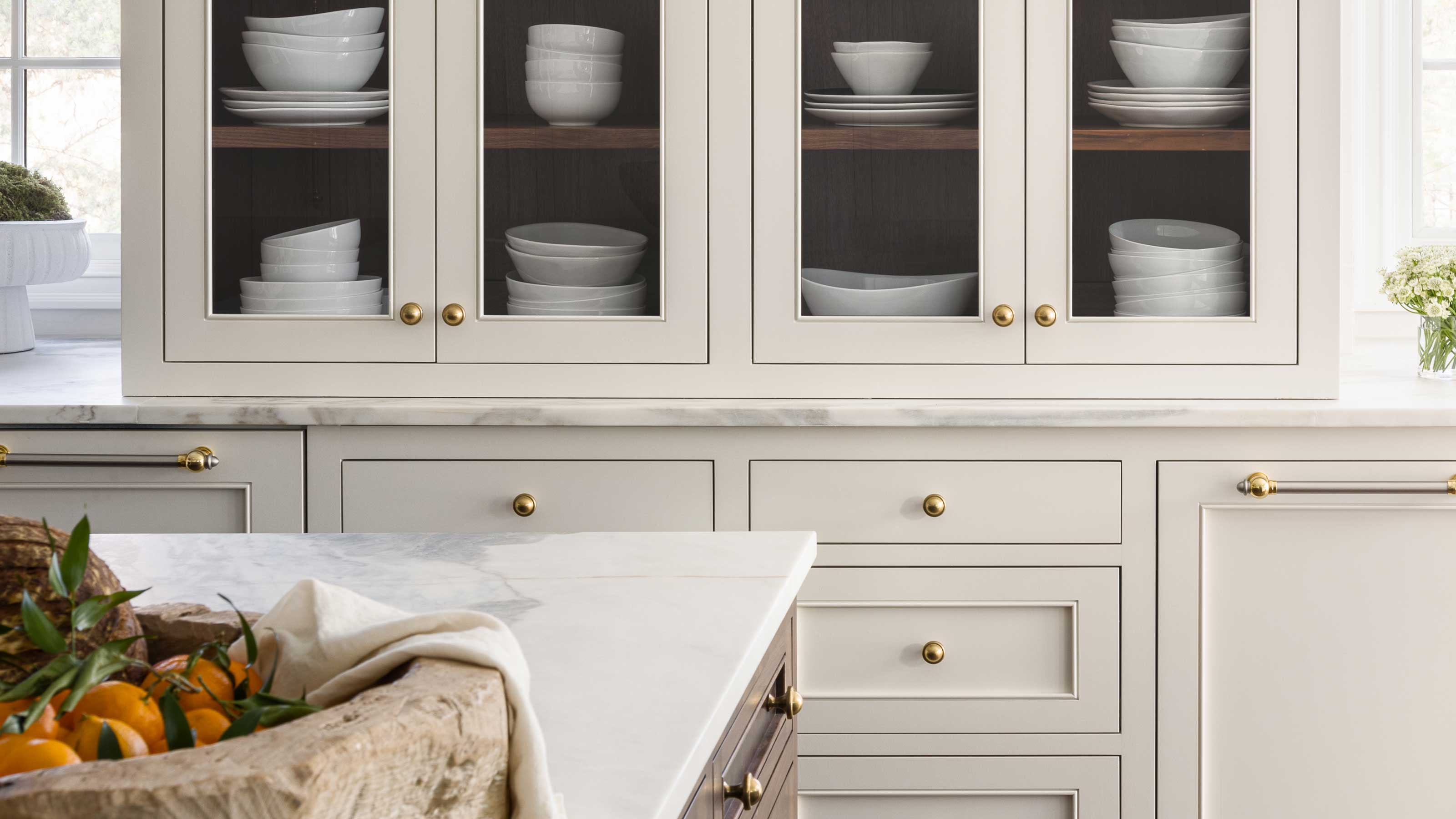
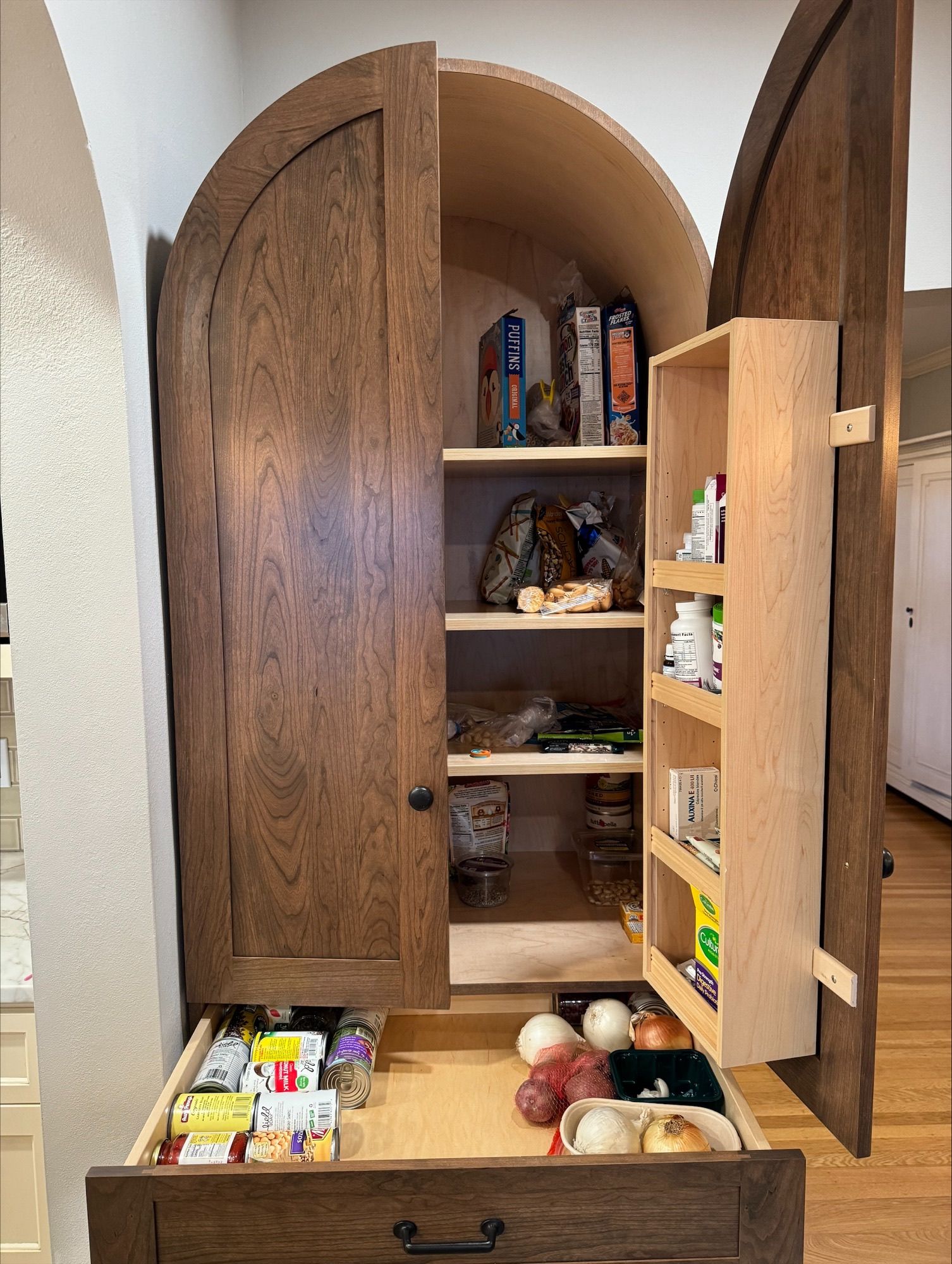
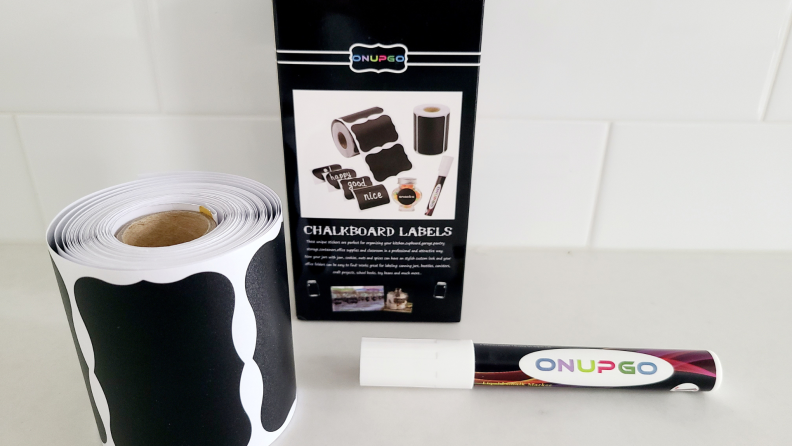
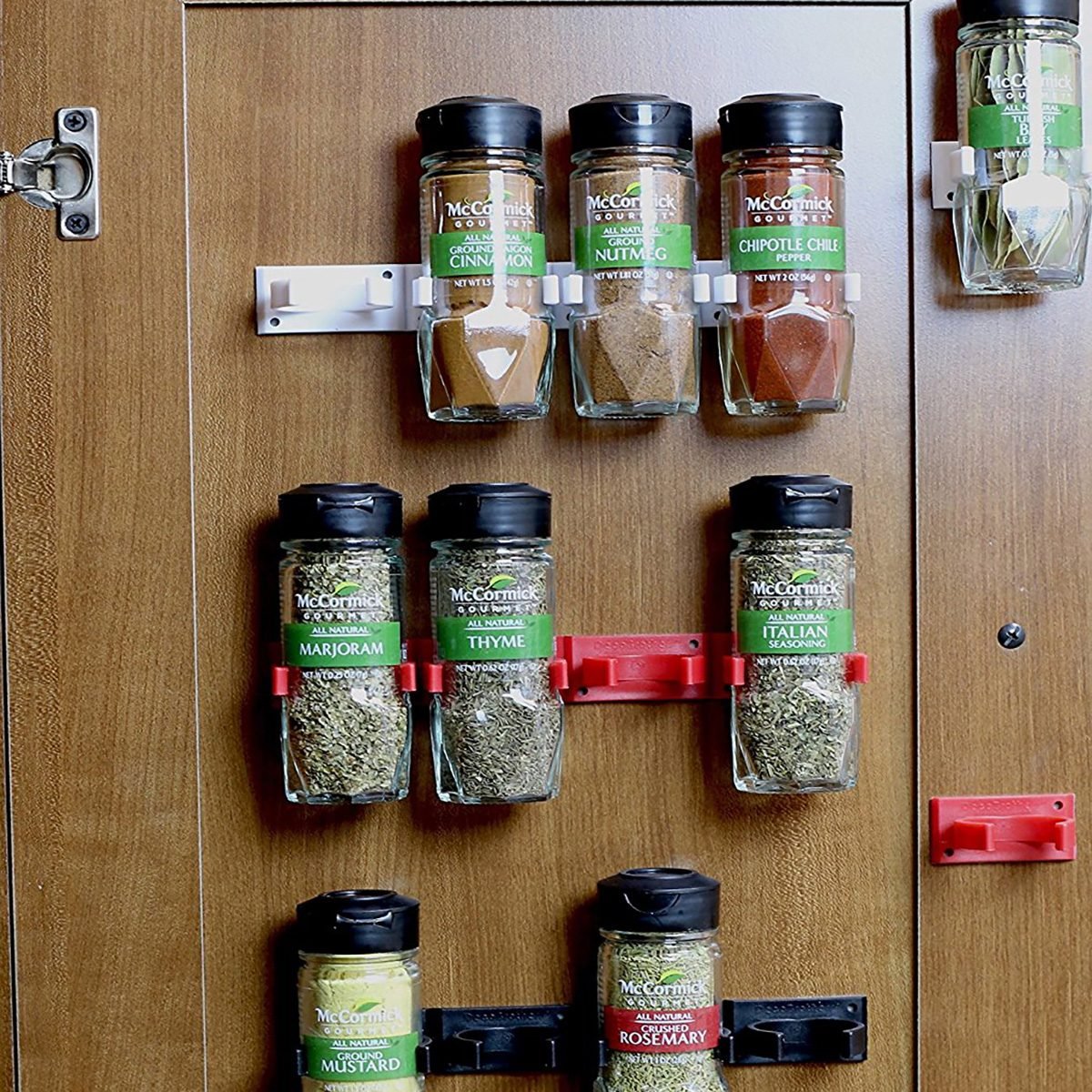
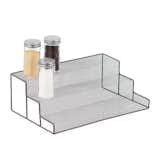
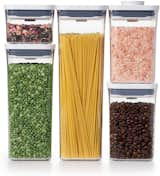
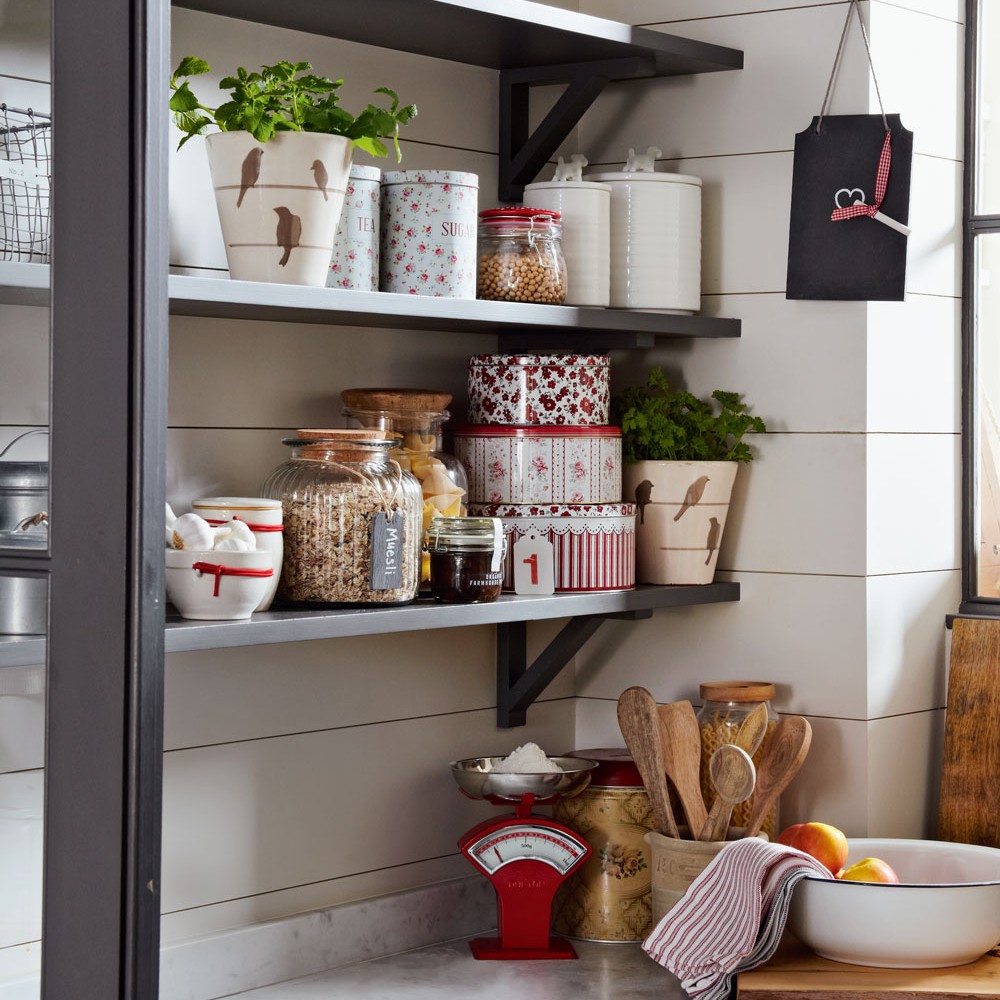
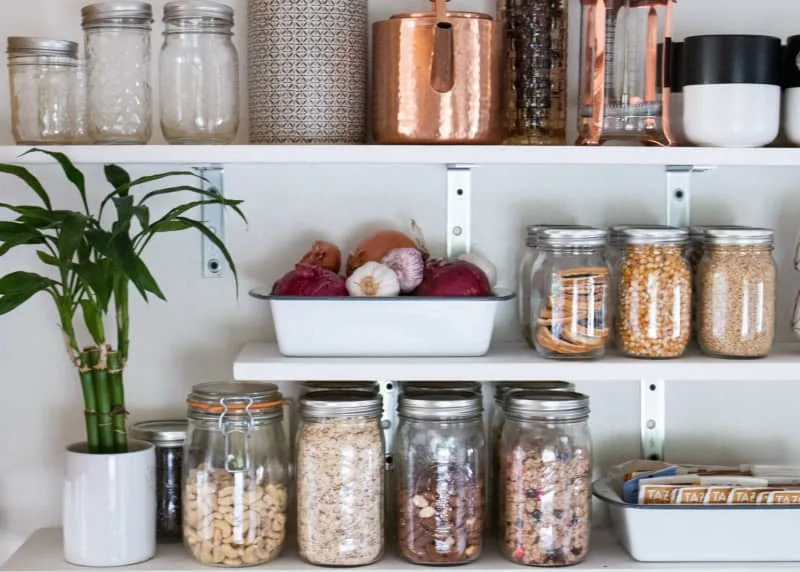
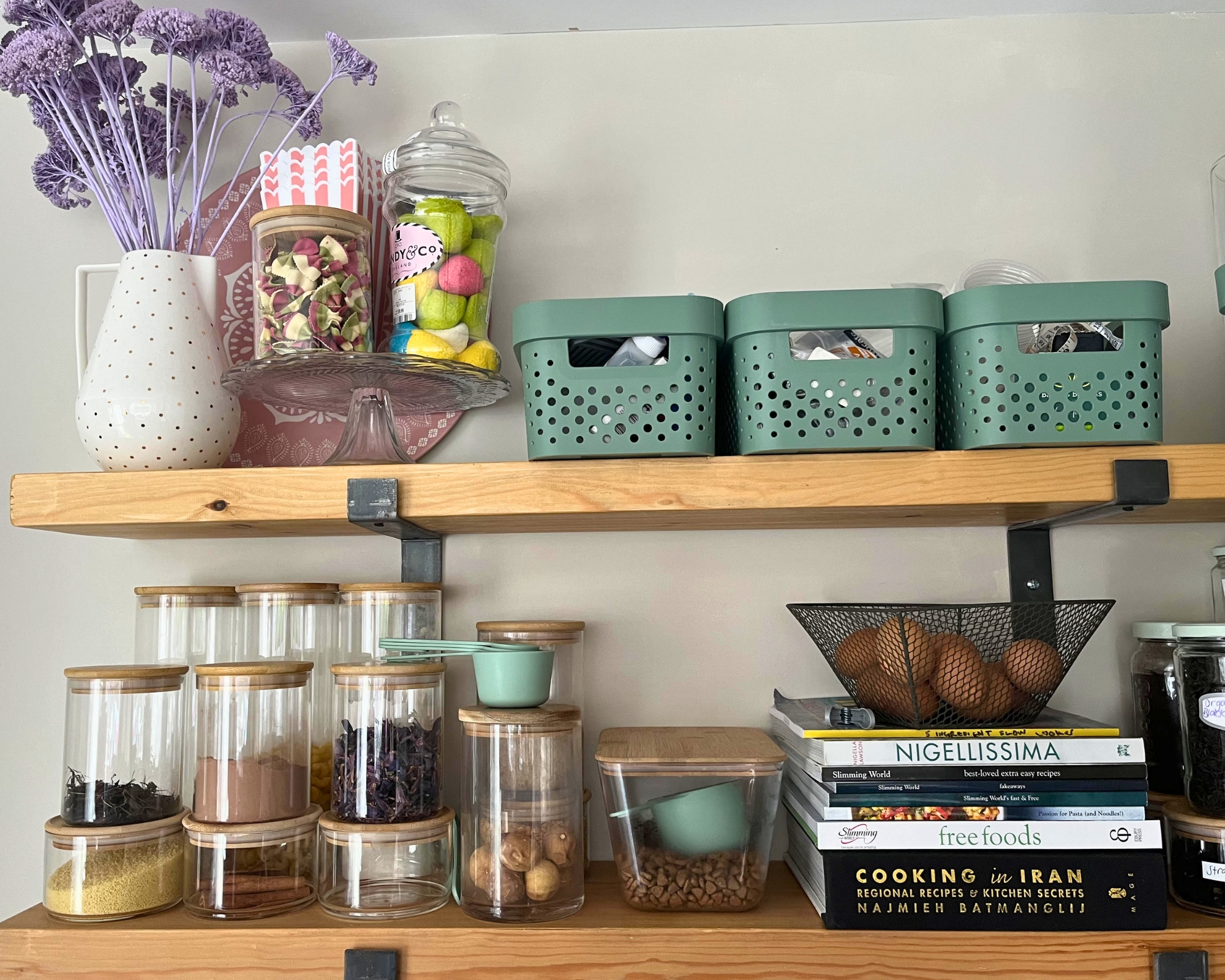
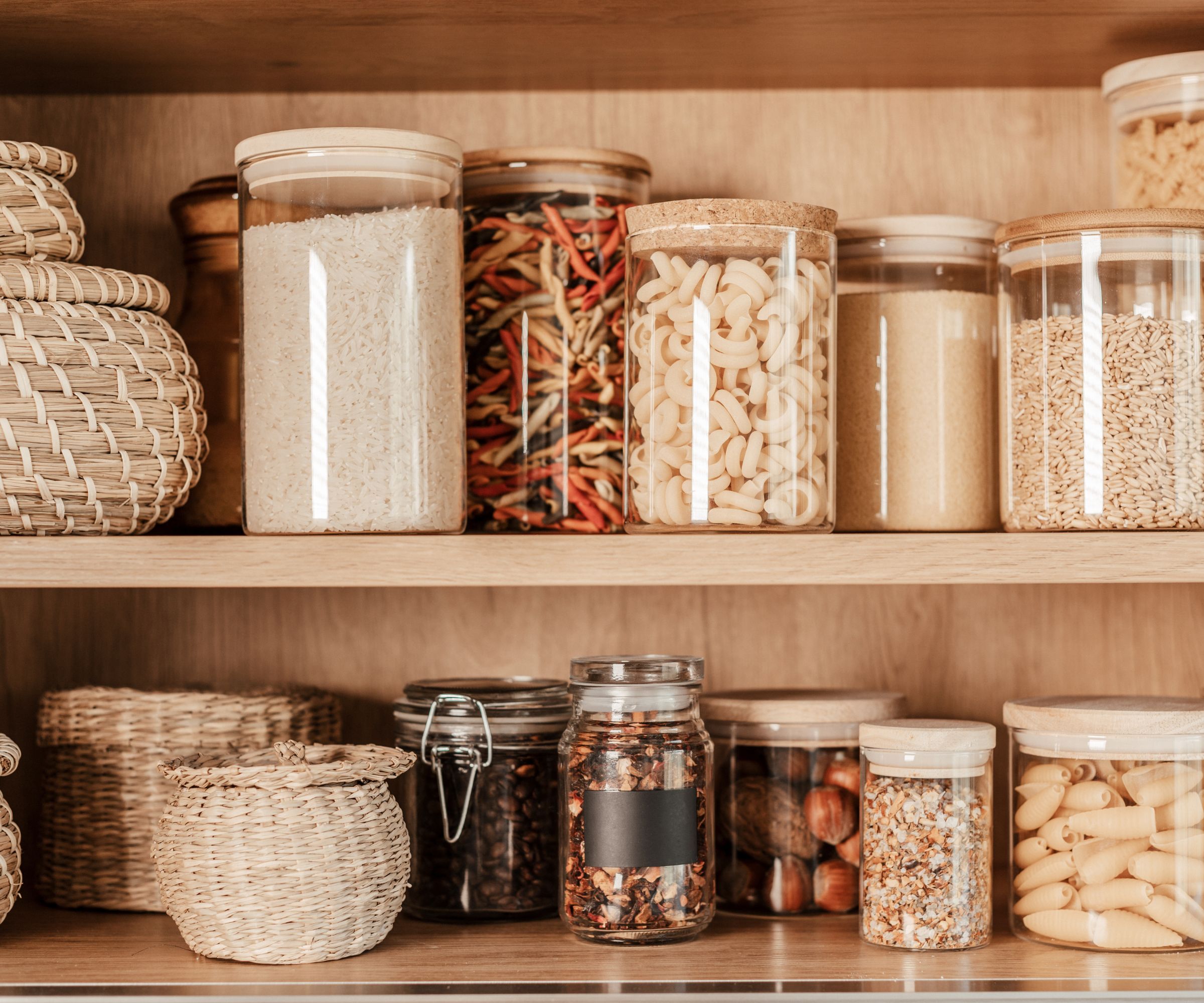
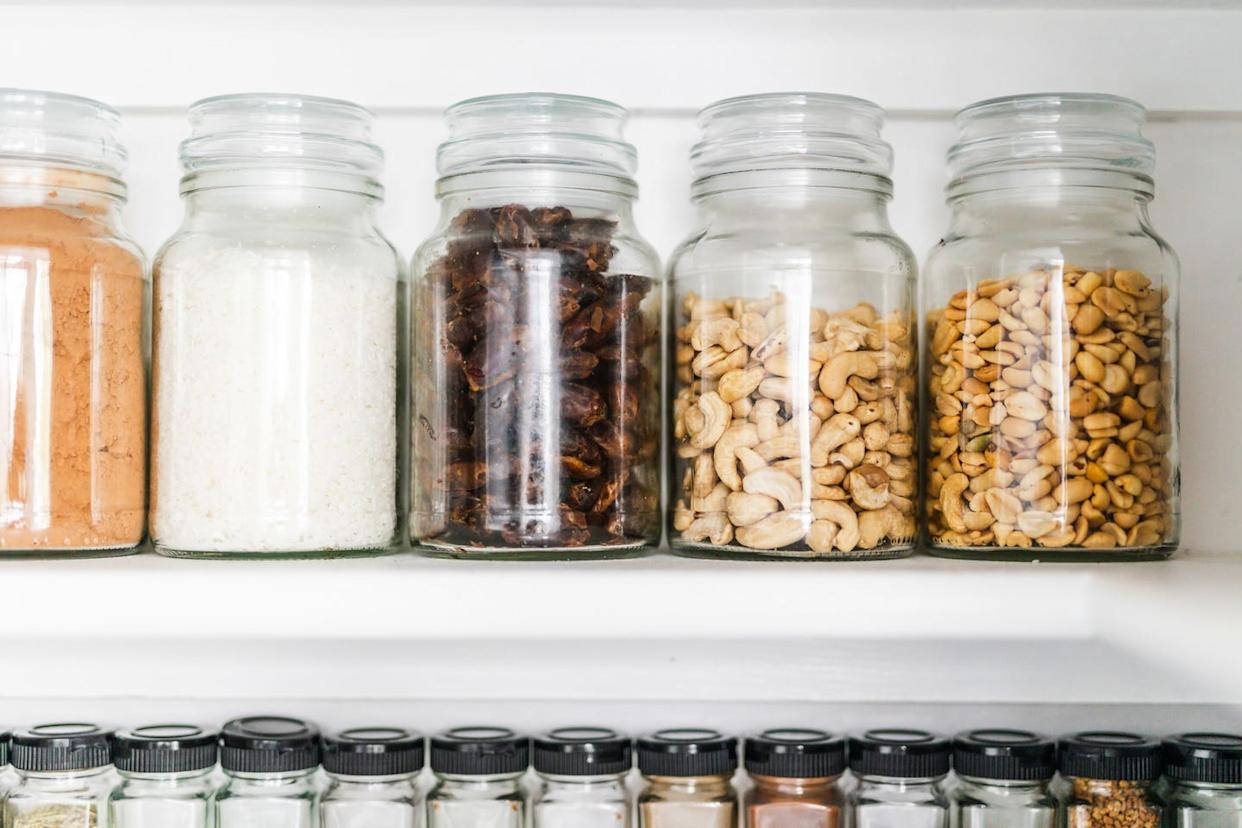
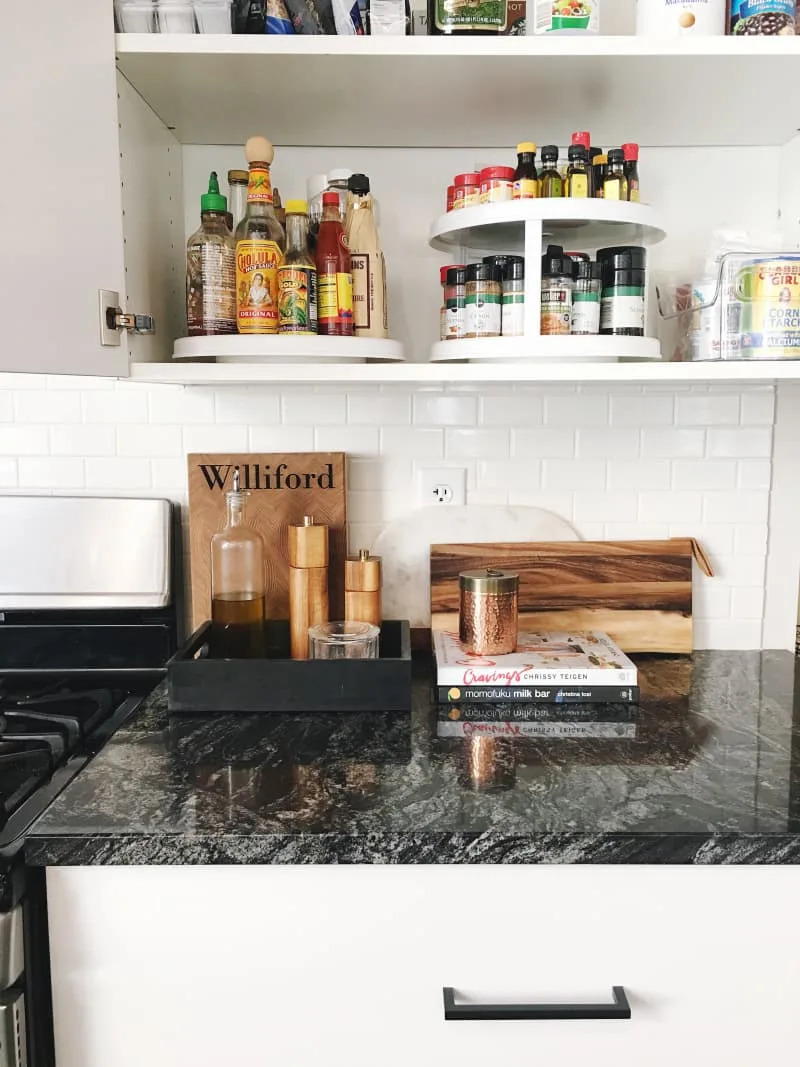
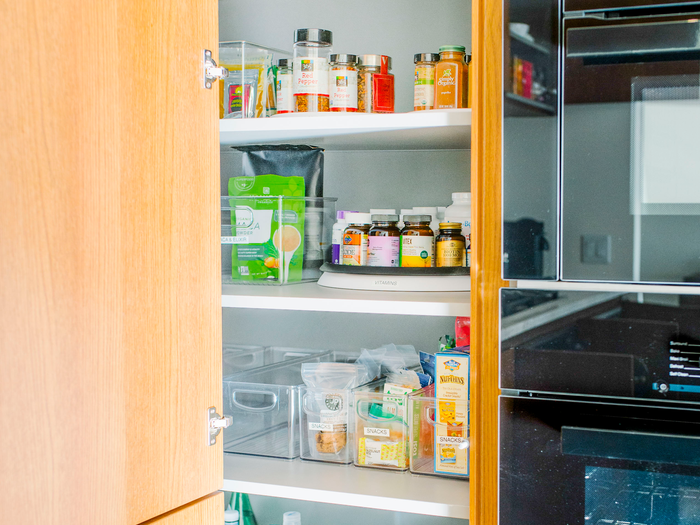
The article then delves into specific ideas for utilizing an upper kitchen cabinet for food storage. Glass jars, such as Mason jars, are highlighted as an affordable, airtight, and non-plastic option for dry goods like baking ingredients. They offer the advantage of visual clarity, making it easy to monitor inventory. An easy labeling hack involves writing directly on glass jars with a Sharpie, which can be easily removed with soap and water. Helper shelves are introduced as a method to subdivide vertical space, preventing items from toppling and making smaller items more accessible. The tip to match helper shelves to cabinet color for a seamless look is also mentioned. Turntables are recommended for organizing small, round items like canned goods, spices, or bottles, with a suggestion to place taller items in the center and shorter ones around the edge to maximize accessibility and contain spills. Tiered racks are presented as another effective tool for ensuring visibility of items at the back of the cabinet, particularly for jams, nut butters, and syrups. For spices, the article suggests considering a countertop spice rack to keep frequently used items readily available and to serve as a decorative element. For cabinets with glass fronts, a no-sew curtain made from toweling fabric is proposed as a simple solution to conceal visual clutter.
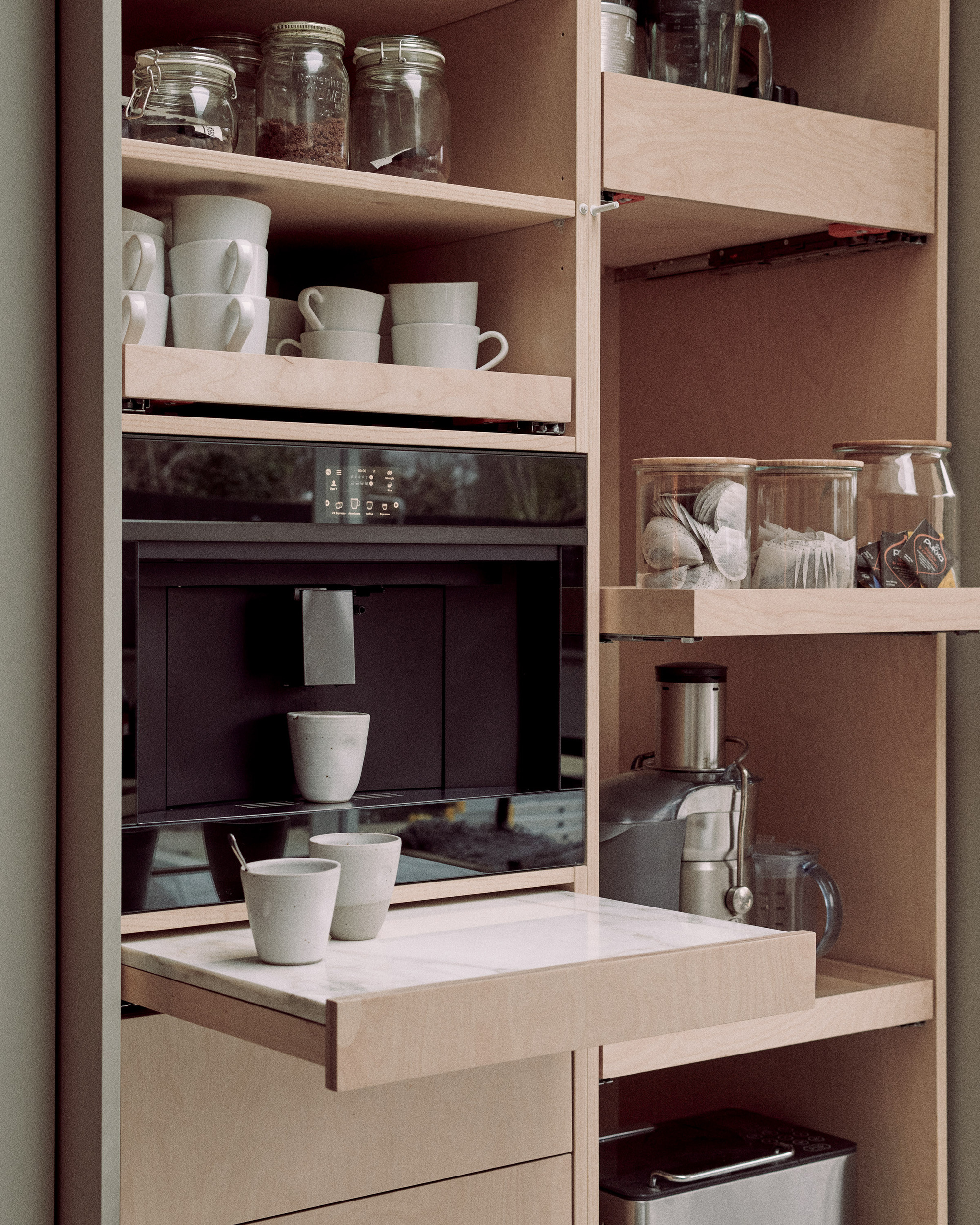
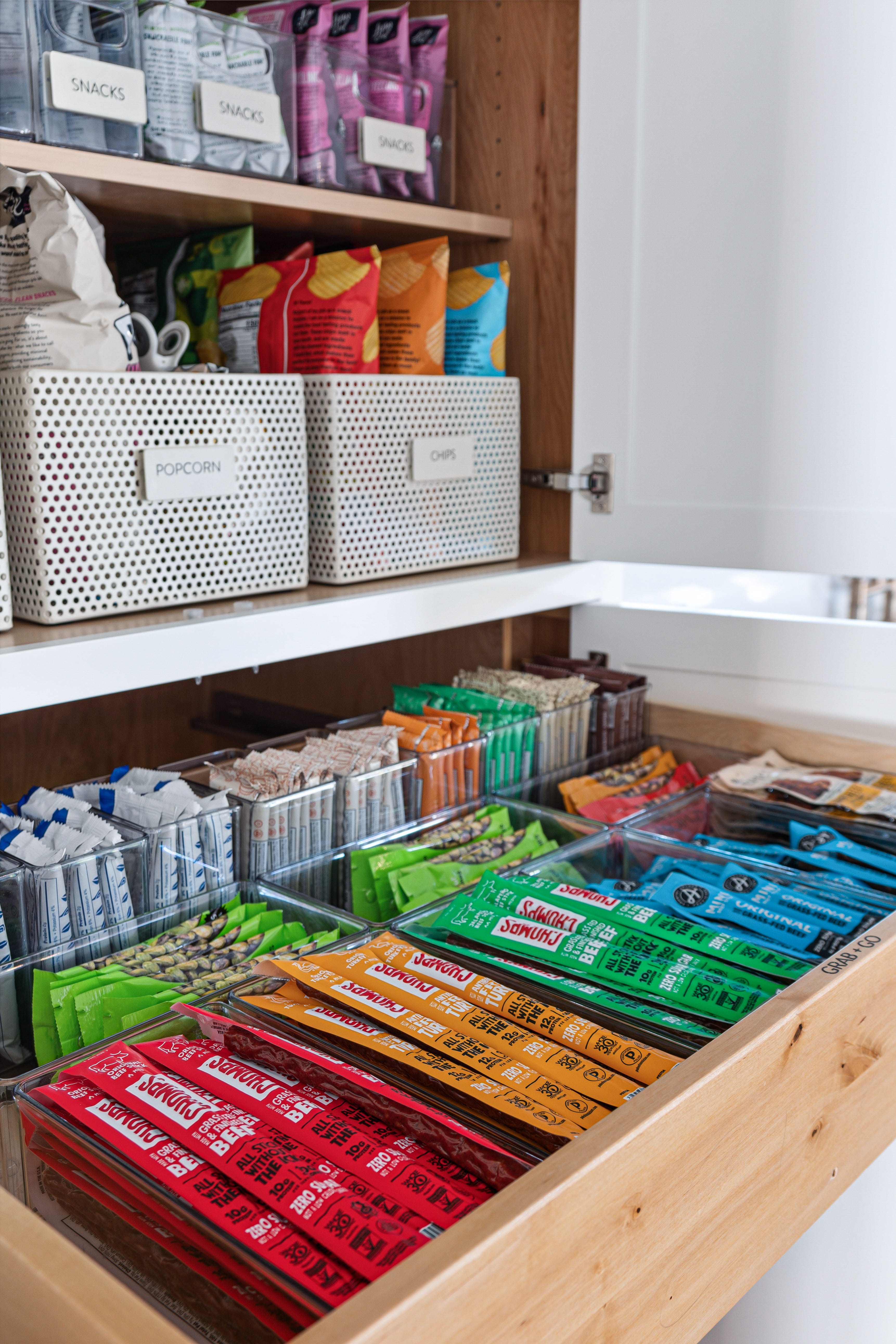
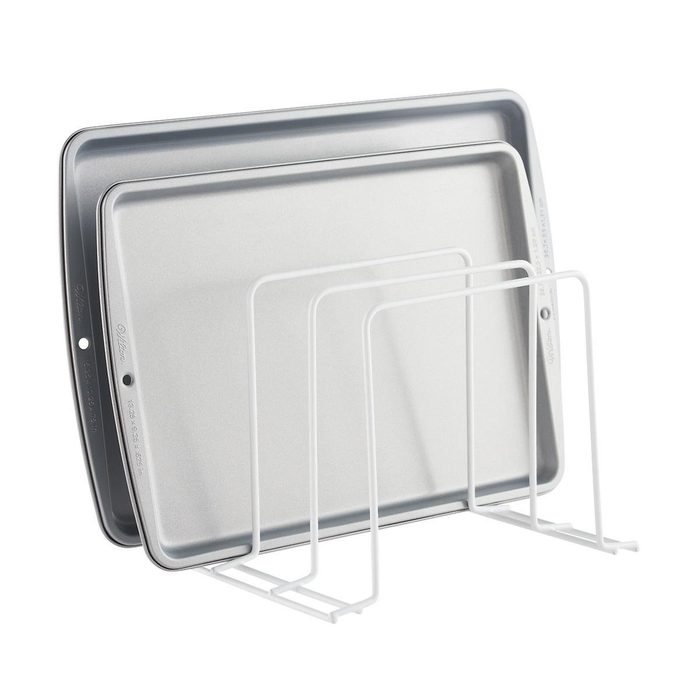
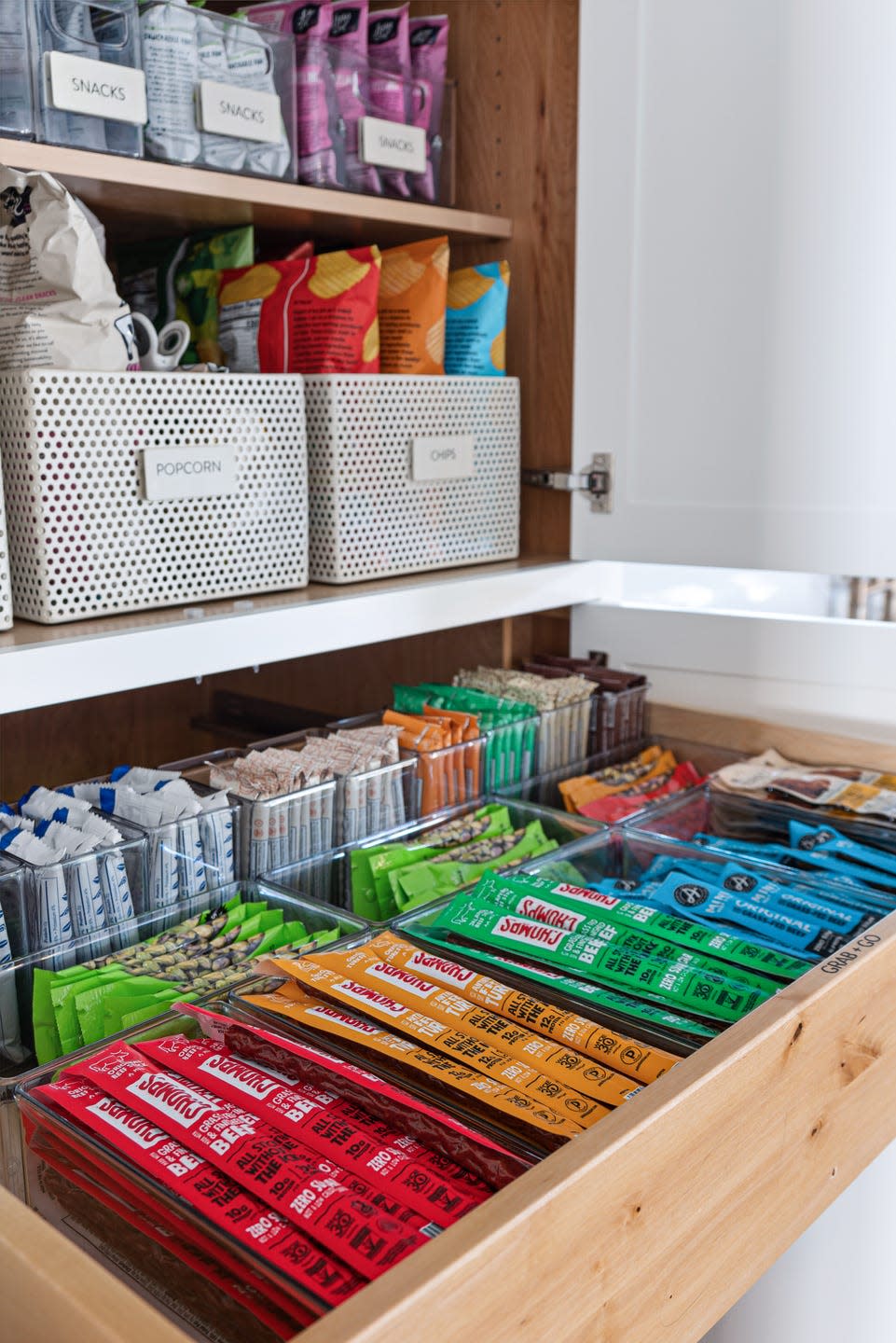
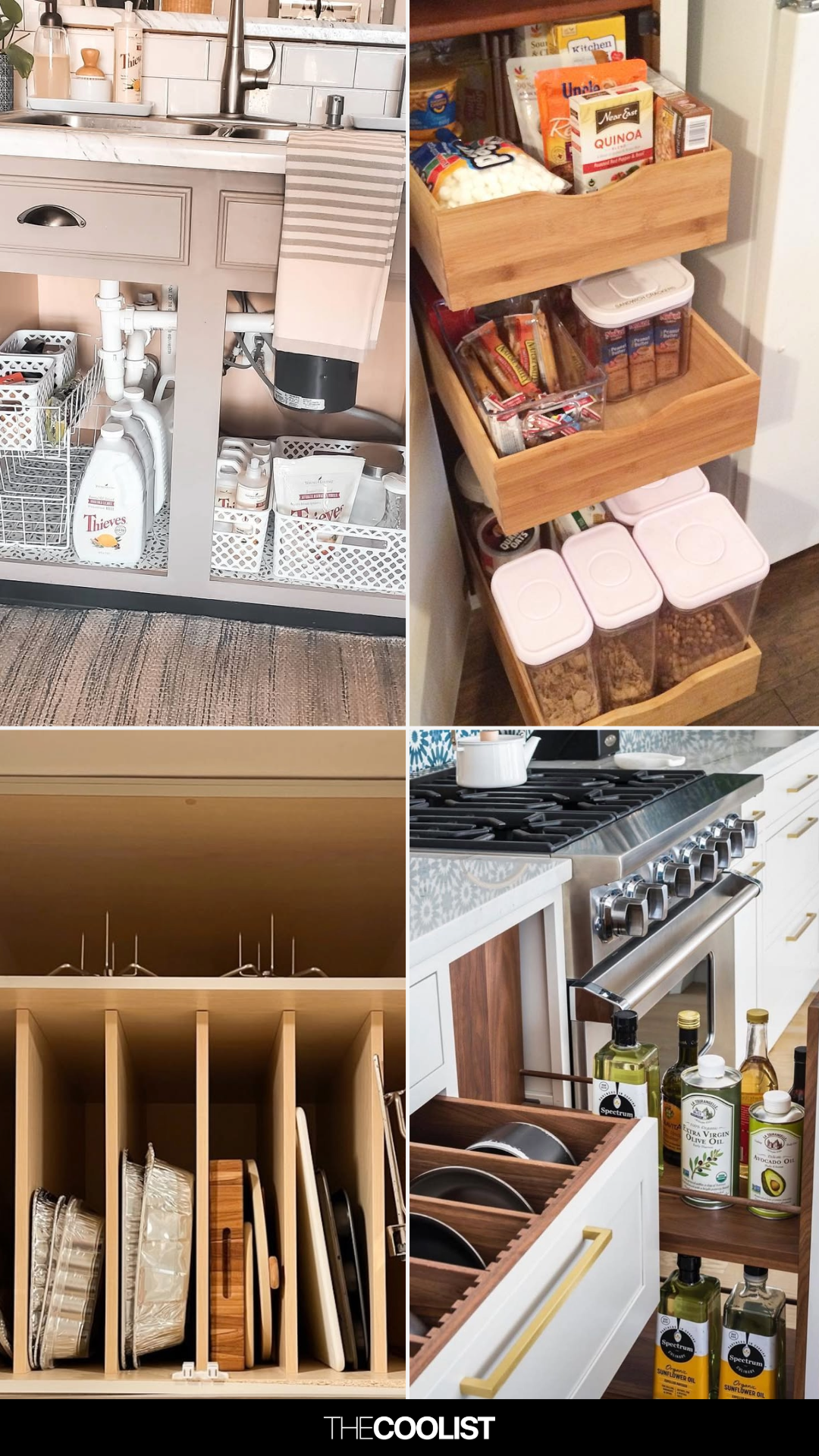
Next, the guide offers ideas for storing food in a kitchen drawer, emphasizing its utility for smaller or awkwardly shaped items that might get lost in larger cabinets. A silverware organizer is creatively repurposed for sorting small items like teabags and drink mixes, or for filing baking chocolate bars. Baking pans are also suggested as customizable drawer dividers to create cubbies for envelopes, packets, and pouches, with a reminder to ensure pans are shallow enough for the drawer to close. For lower cabinets, slide-out shelves are identified as key to maximizing accessibility. If not already present, adding pull-out shelves is presented as an accessible and affordable home improvement. Finally, clear plastic bins are recommended for use on slide-out shelves to further subdivide space, contain items, and make small cans or awkward bags of food like pasta easier to manage, advising against stacking cans in favor of storing them on their sides for better access.
#KitchenOrganization #PantrySolutions #FoodStorage #CabinetOrganization #HomeImprovement #DIYStorage #SmallSpaceLiving #KitchenDesign #KitchenOrganization #PantrySolutions #FoodStorage #CabinetOrganization #HomeImprovement #DIYStorage #SmallSpaceLiving #KitchenDesign
0 comment in total
 No comments yet
You may also like
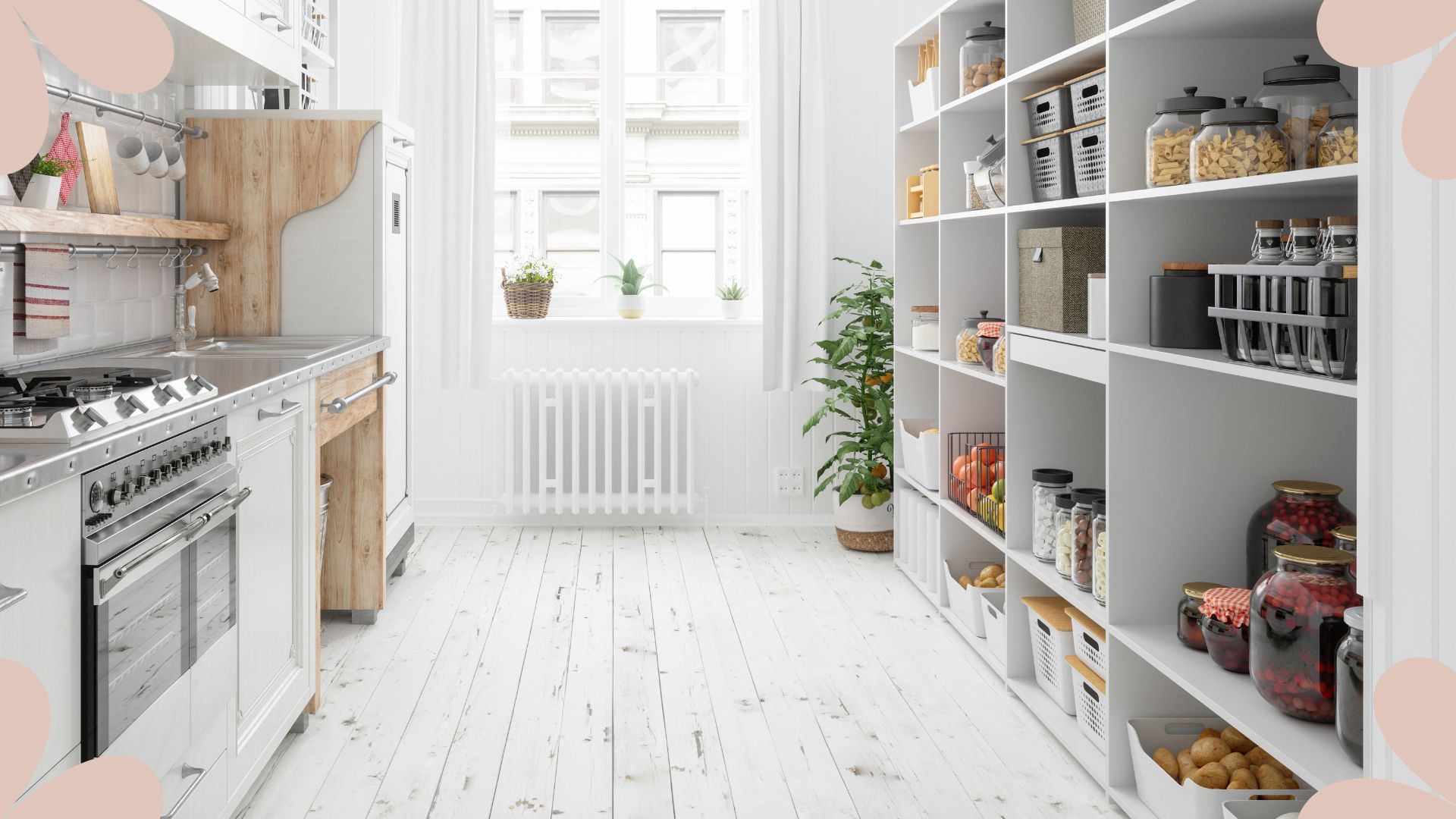
How to organize a pantry: 23 expert tips and design ideas

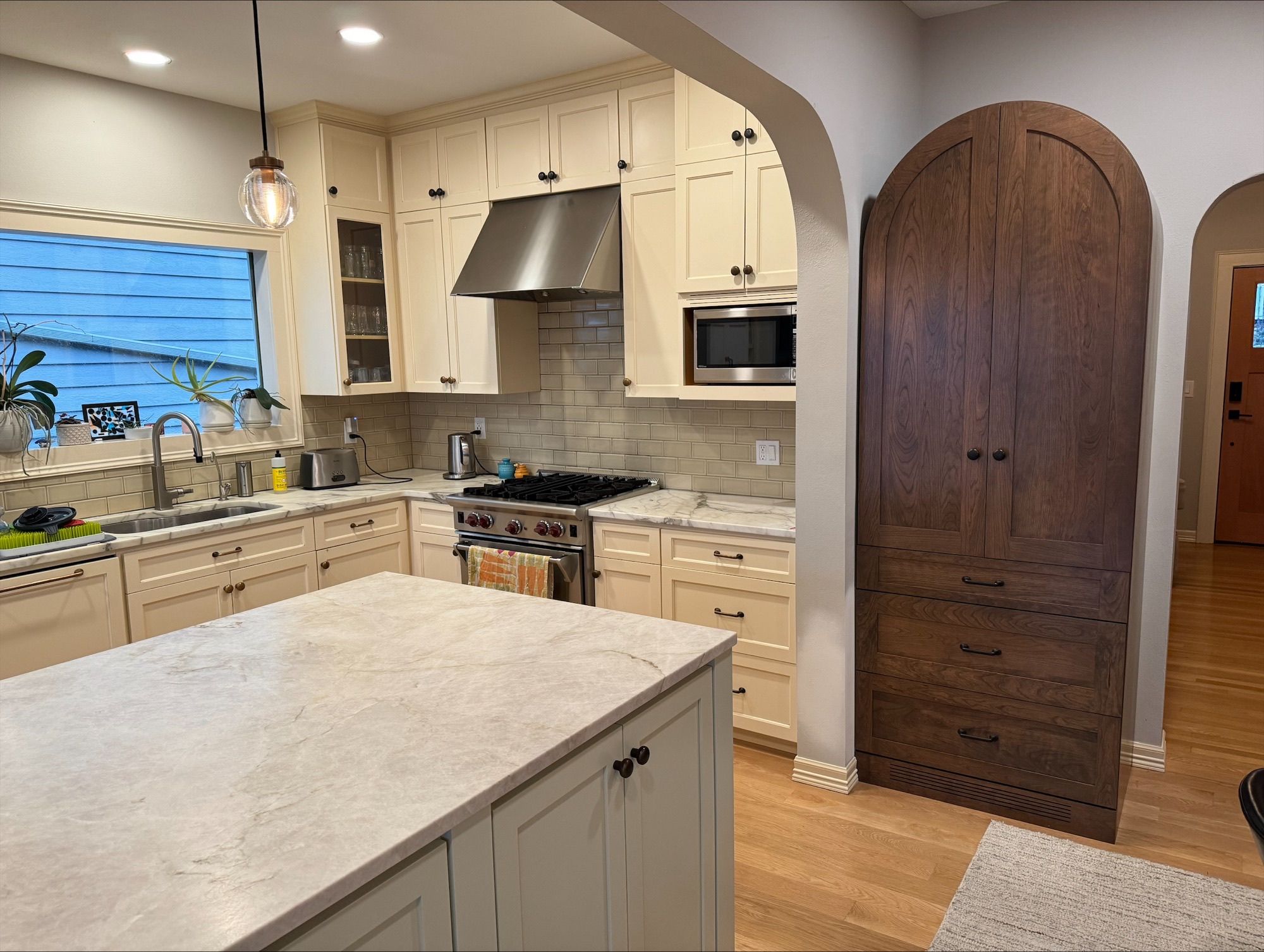
Converting unused kitchen space into a pantry

I Turned My Chaotic Pantry Into an Oasis of Organization

30 Kitchen Cabinet Organization Ideas That Make Your Space Feel Twice as Big — Without Remodeling
How to Make Your Kitchen Cabinets More Functional — 7 Expert Tips to Optimize Your Storage for Everyday Efficiency

Walk-in pantry ideas – 10 stylish ways to add extra storage to your kitchen
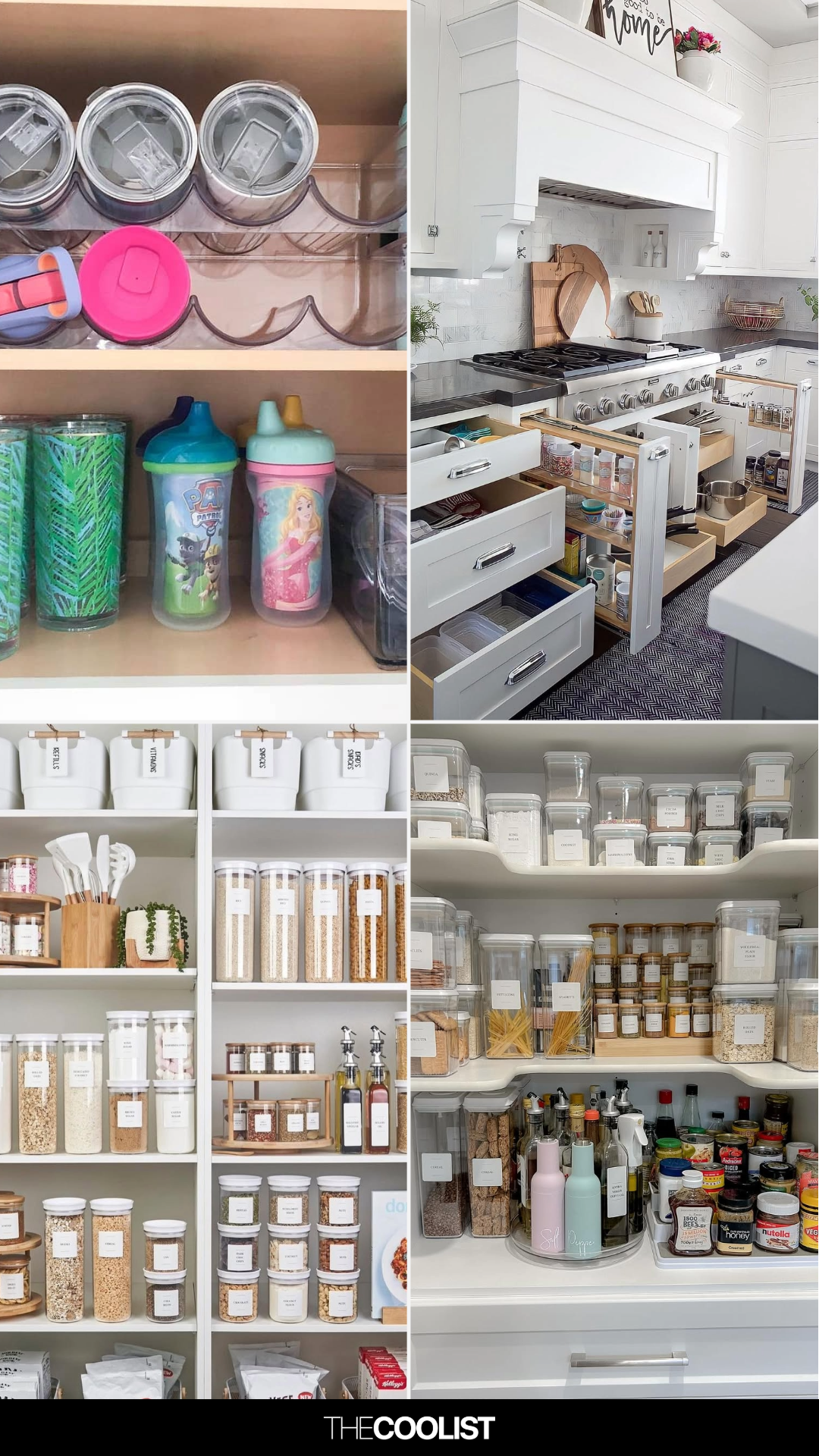
25 Kitchen Cabinet Organization Ideas 2026 Rarely Seen That Instantly Make Cooking Easier

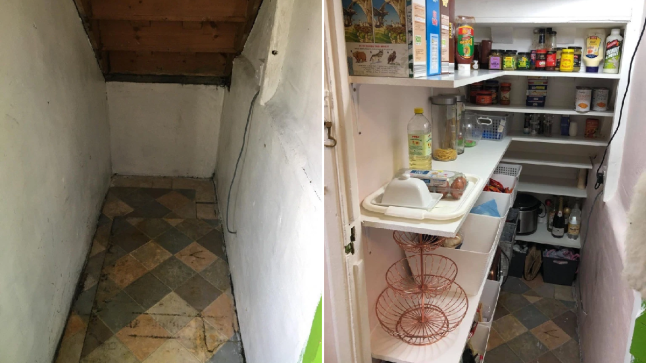
Mum transforms cupboard under the stairs into a handy pantry for £50

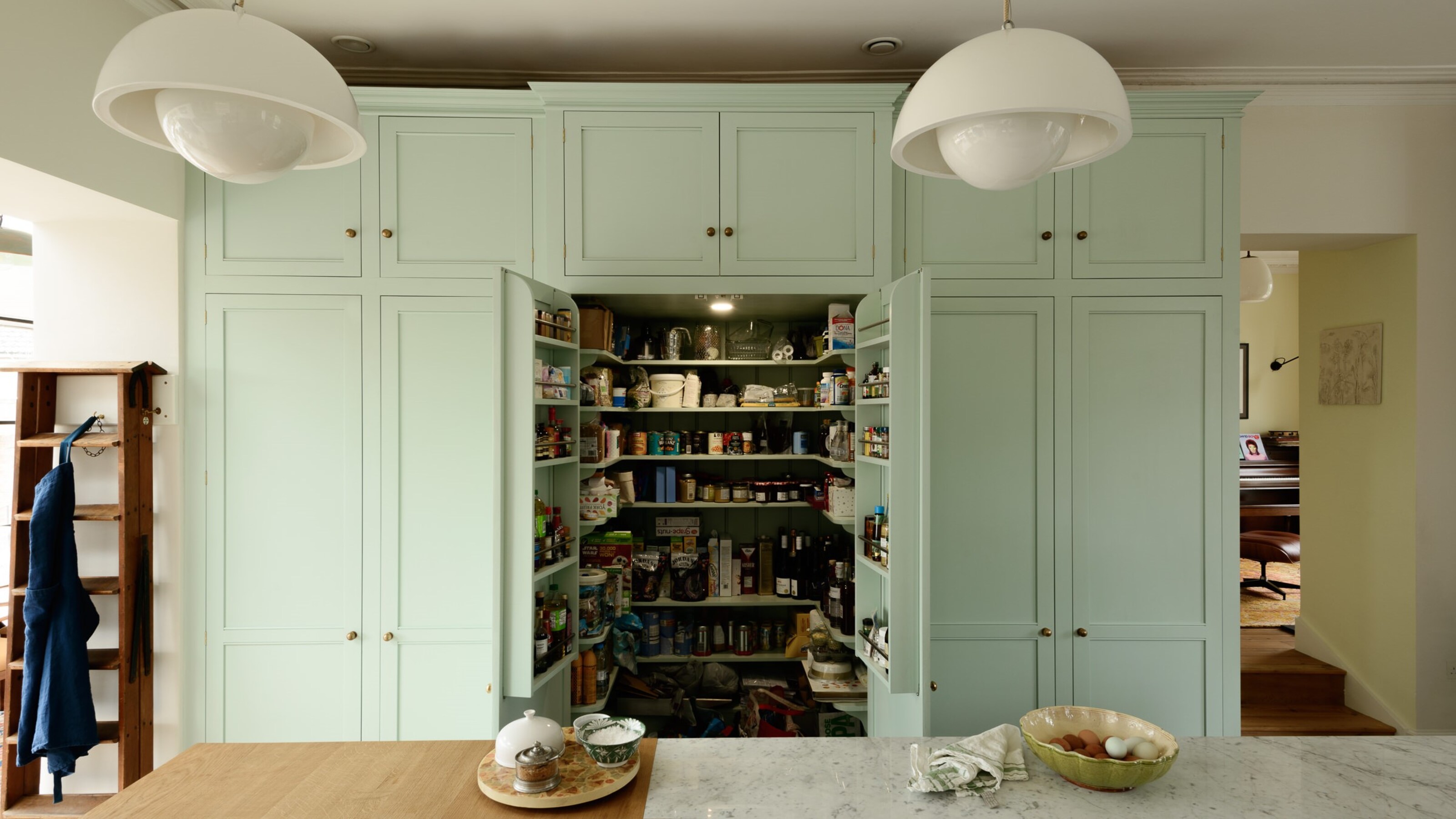
Perfect pantry ideas for an organized and space-saving kitchen
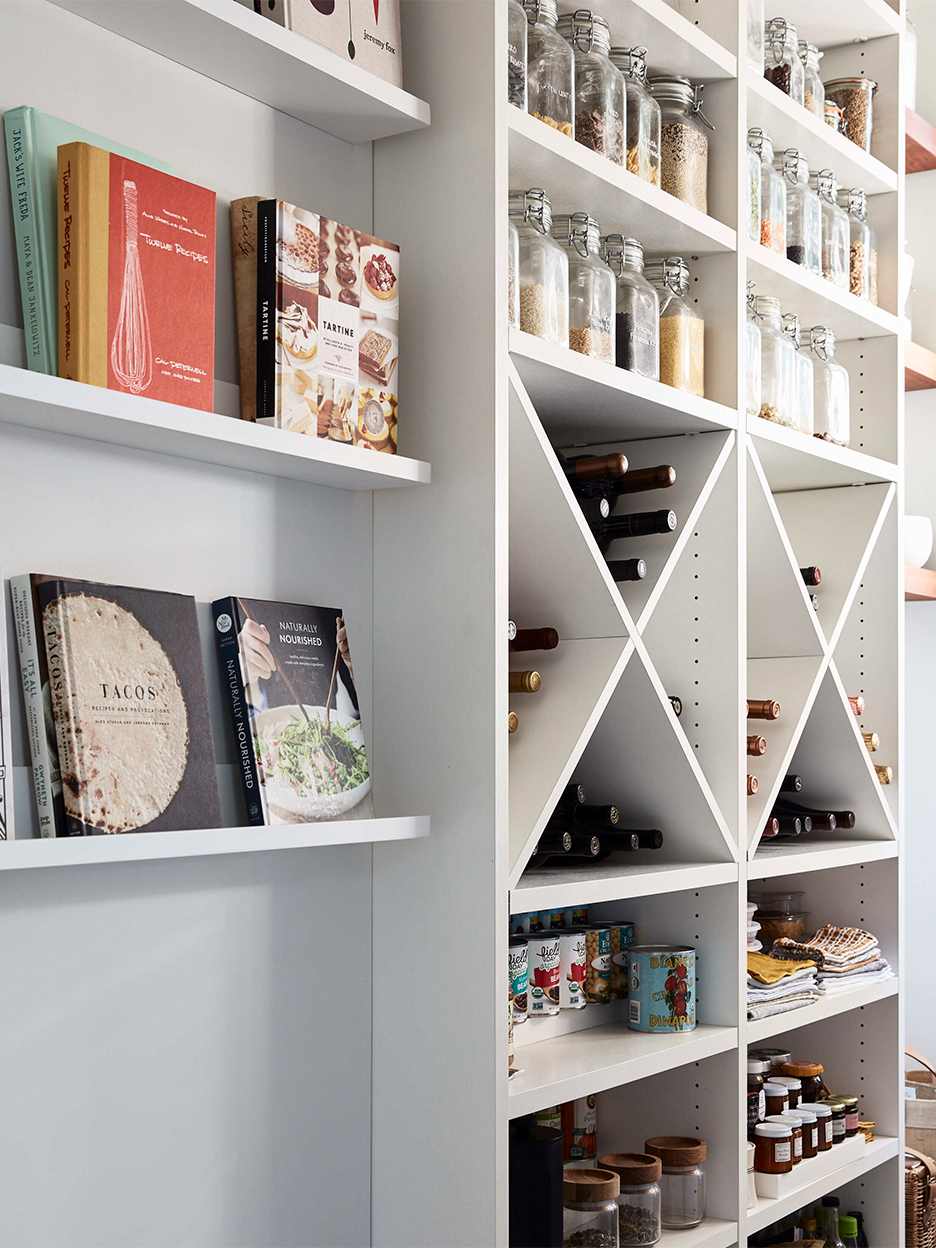
7 NYC Chefs Share Their Pantry Organization Secrets
Top tips for organising a pantry – all the expert advice and tricks you need
7 types of storage you should never use in a pantry – they'll make utilizing this space well 10 times harder, pros say

Professional Organizers Swear By These Genius Hacks for Maximizing Kitchen and Pantry Space — From $10

This mom organized her pantry for under $150—you can, too

How to Make Your Pantry Look Organized (Without Buying More Bins)

10 pantry organization ideas to maximize even the smallest of spaces
How to Make Your Pantry Look Organized (Without Buying More Bins)

10 Clever Kitchen Storage Hacks You’ve Never Thought Of Before

The Best Advice I Got from 2 Pro Organizers About the Smartest Way to Organize a Pantry

How to organize your kitchen pantry