1/11
10 best colors for small entryways according to interior designers – shades to elevate your tiny space
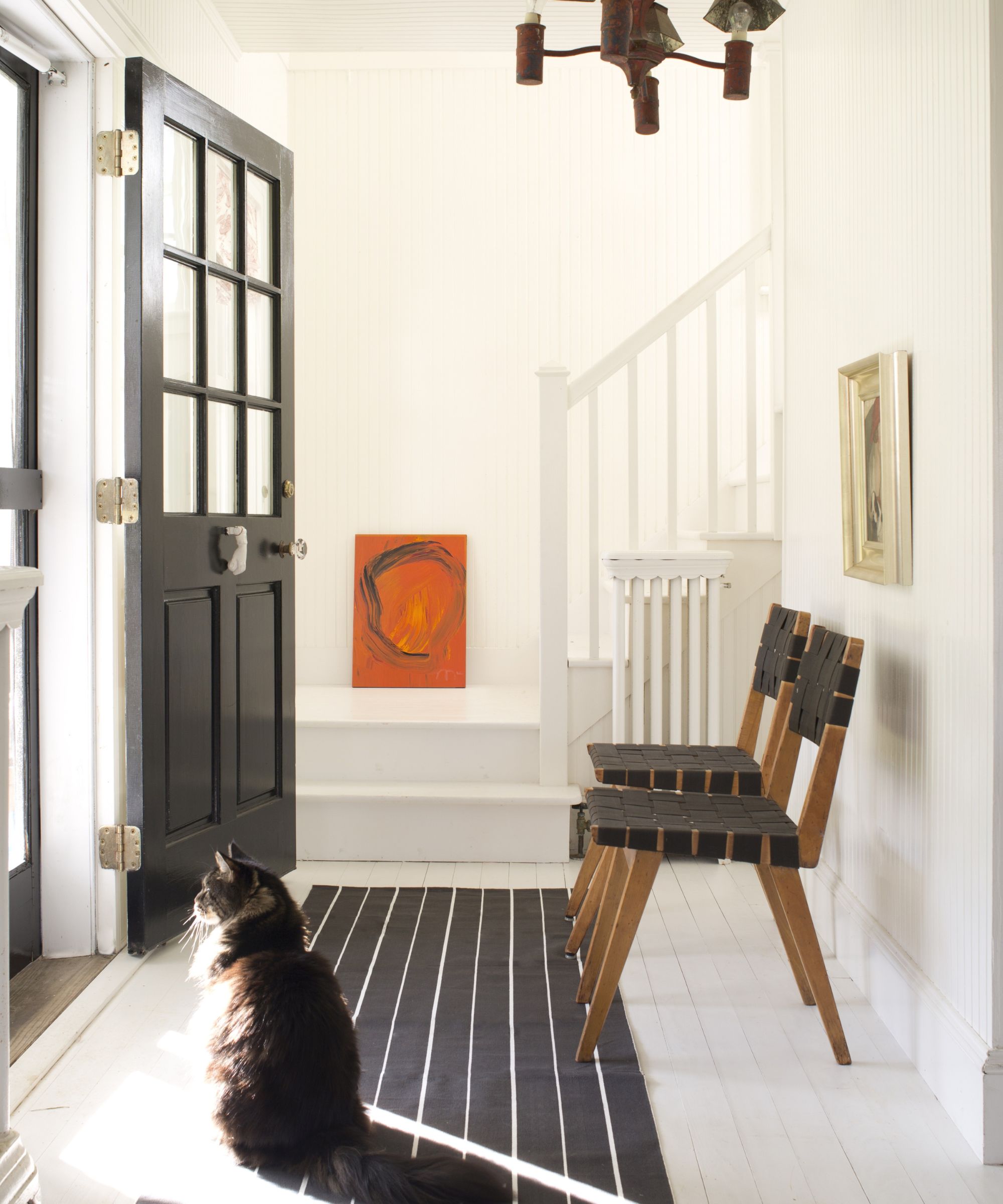
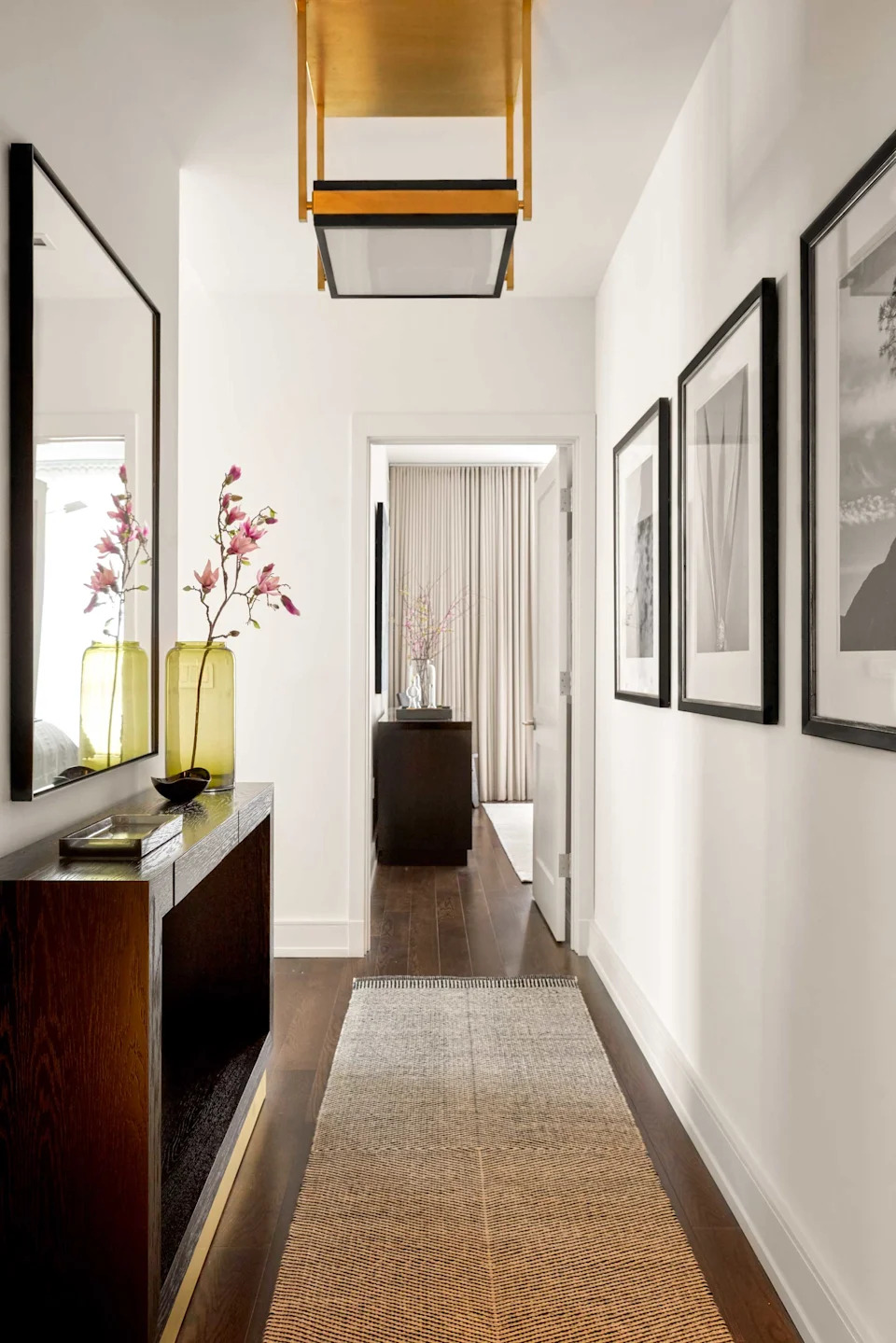
Entryways, despite being transitional spaces where little time is spent, are highly trafficked areas that form initial impressions of a home. Often overlooked, small entryways can benefit significantly from thoughtful color selection to enhance their appearance and functionality. When choosing colors for small entryways, designers emphasize balancing aesthetics with practicality, particularly given the high potential for scuffing and marks. Avoiding overly dark or overly light colors is recommended, as both extremes can quickly show imperfections. Instead, mid-tone colors are often preferred for their ability to conceal marks more effectively.
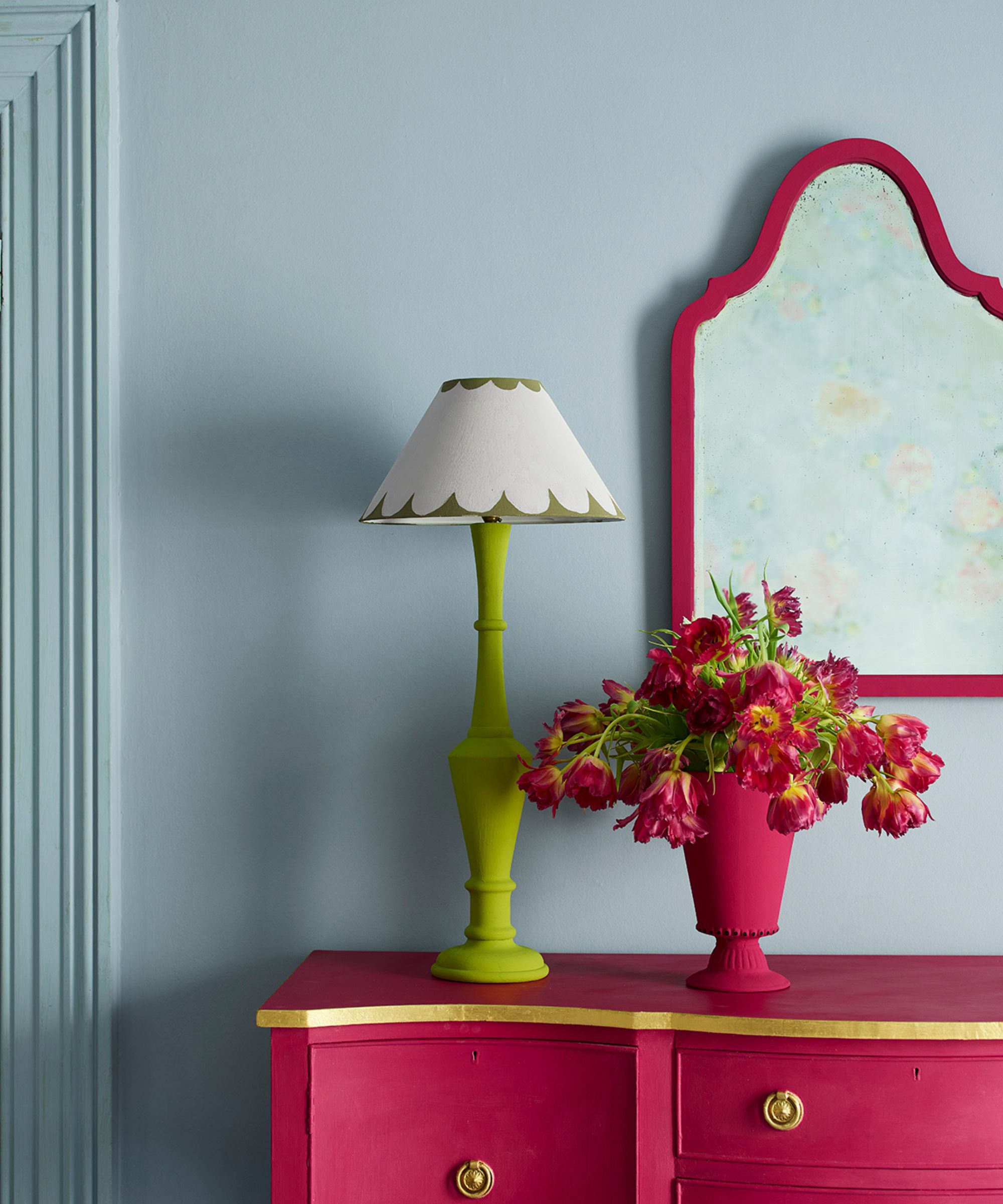
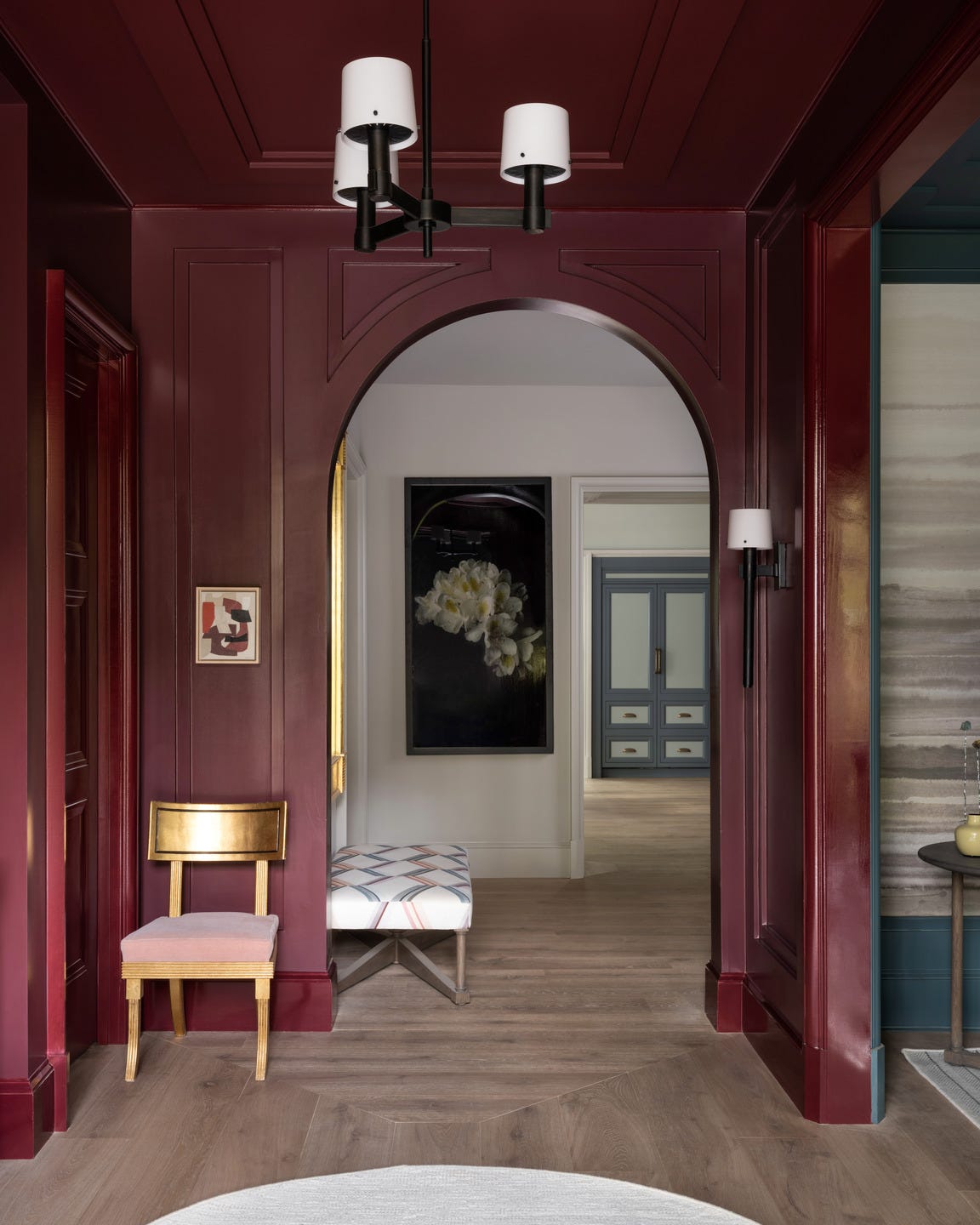
Designers encourage bolder color choices in entryways compared to more continuously occupied rooms like bedrooms or living areas. This is because the transient nature of an entryway allows for more dramatic or vibrant hues without overwhelming occupants. The amount of natural light available is a crucial factor in color selection. For poorly lit entryways, highly saturated colors are suggested to bring vibrancy, richness, and warmth, as low-saturation colors can appear washed out. Integrating colors that provide a sense of identity and have good saturation can transform a drab entryway into a focal point.
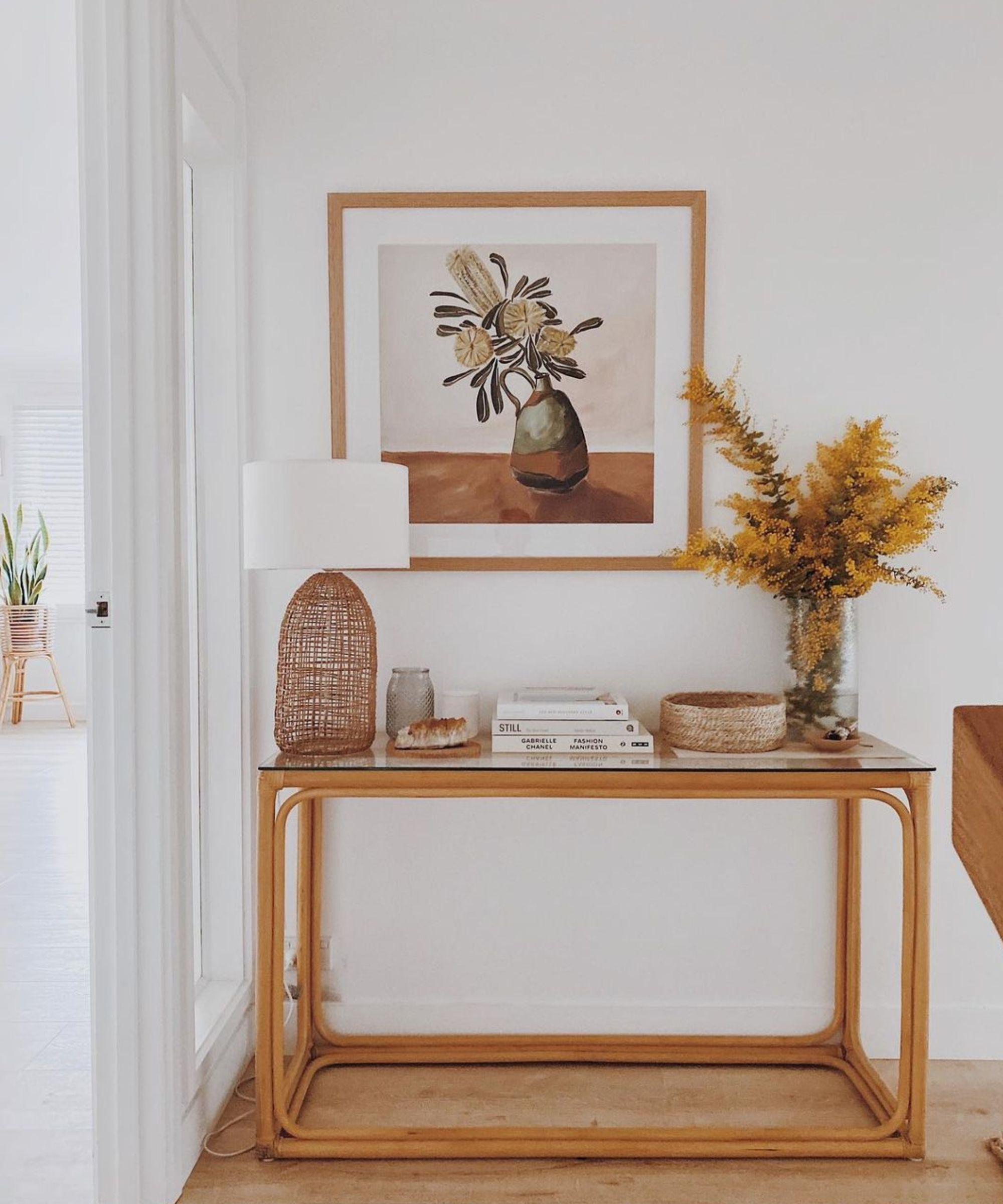
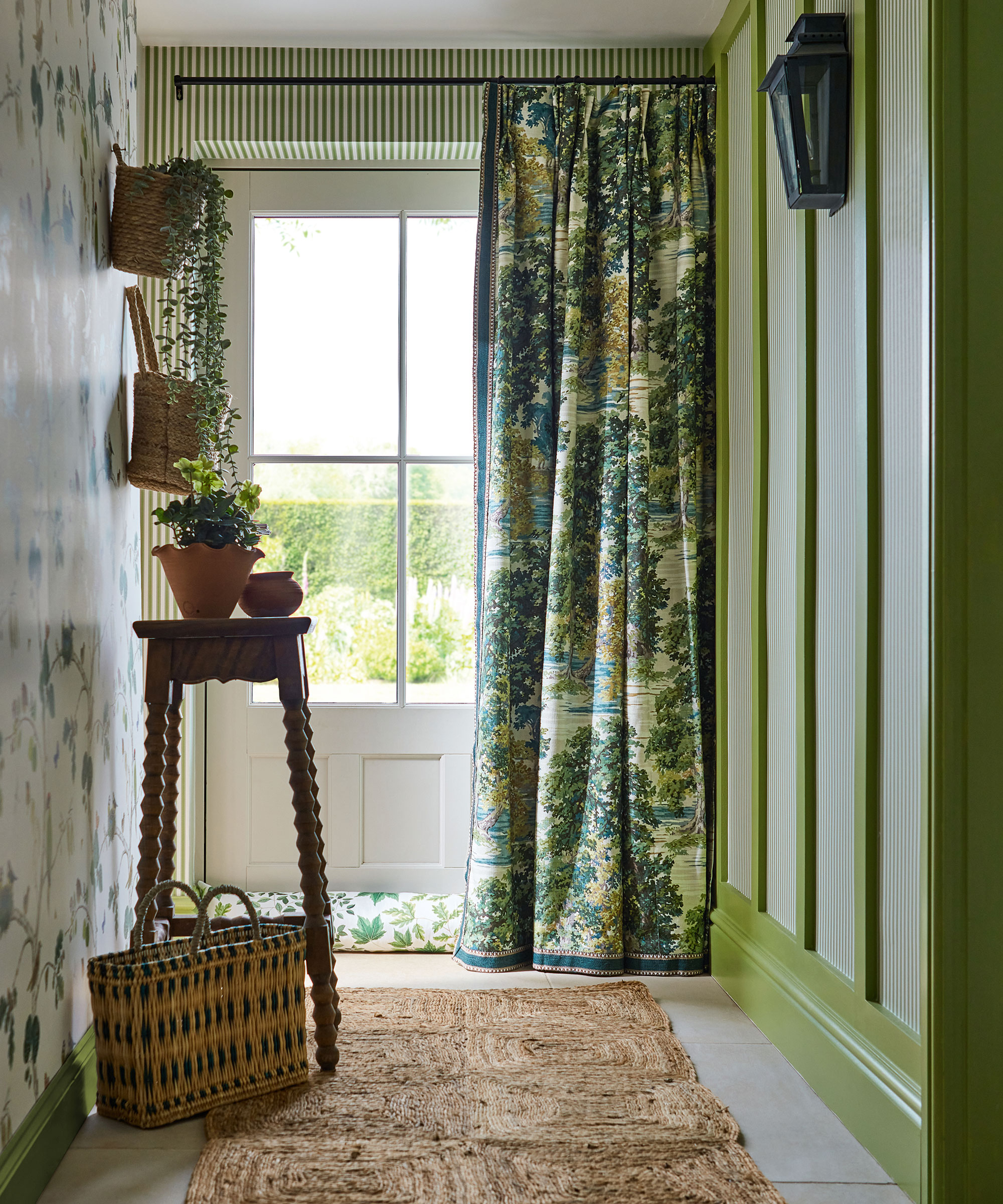
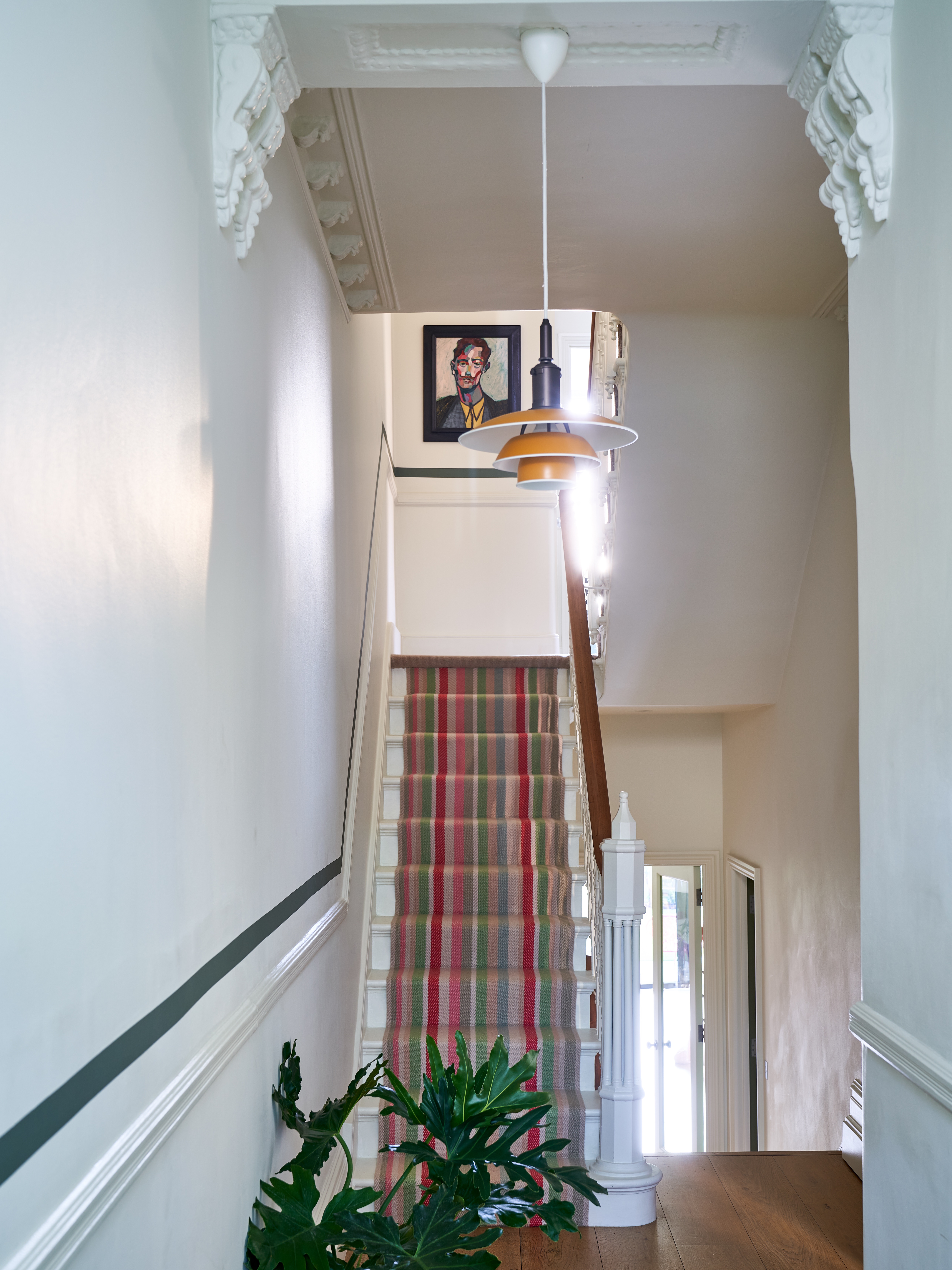
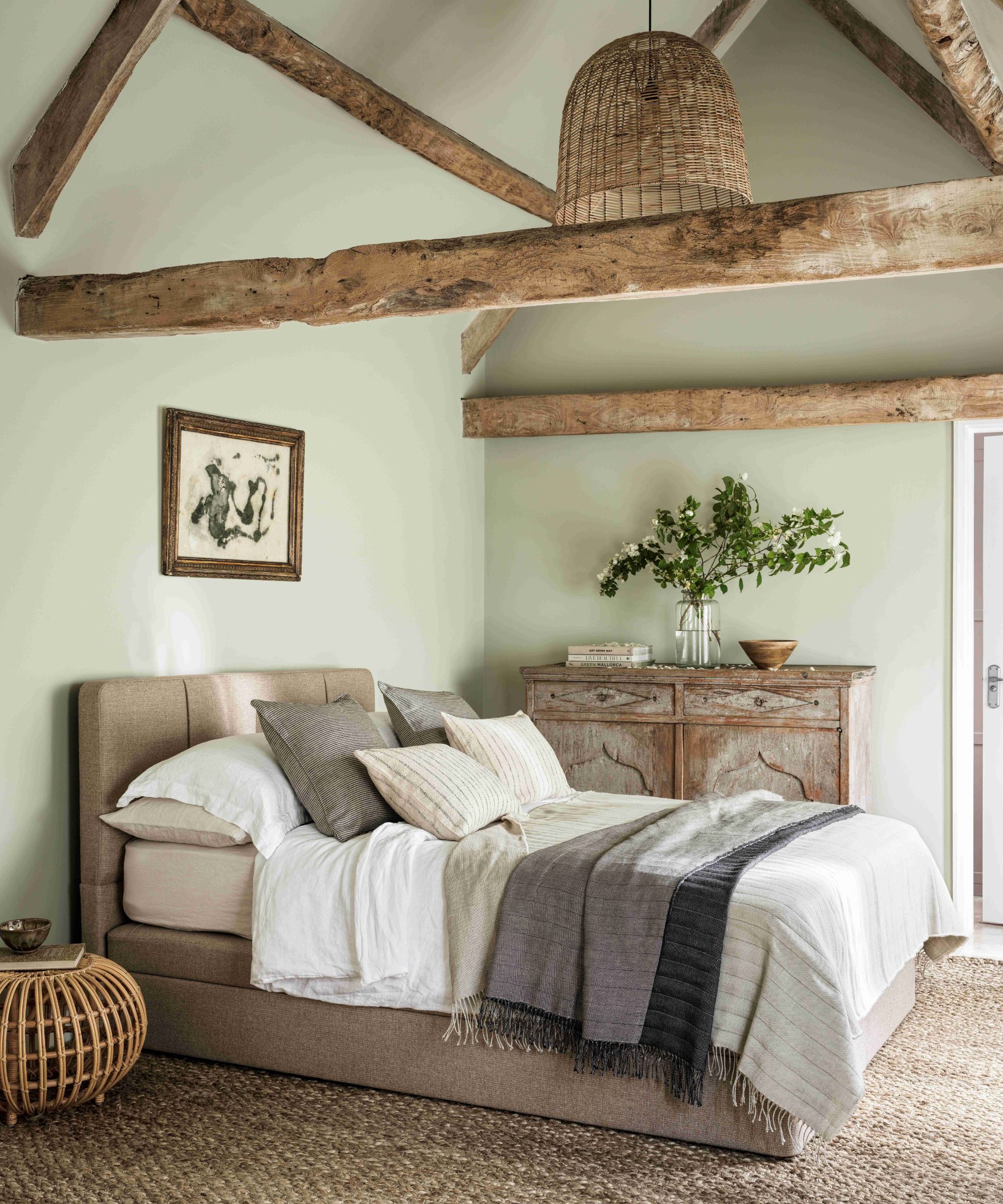
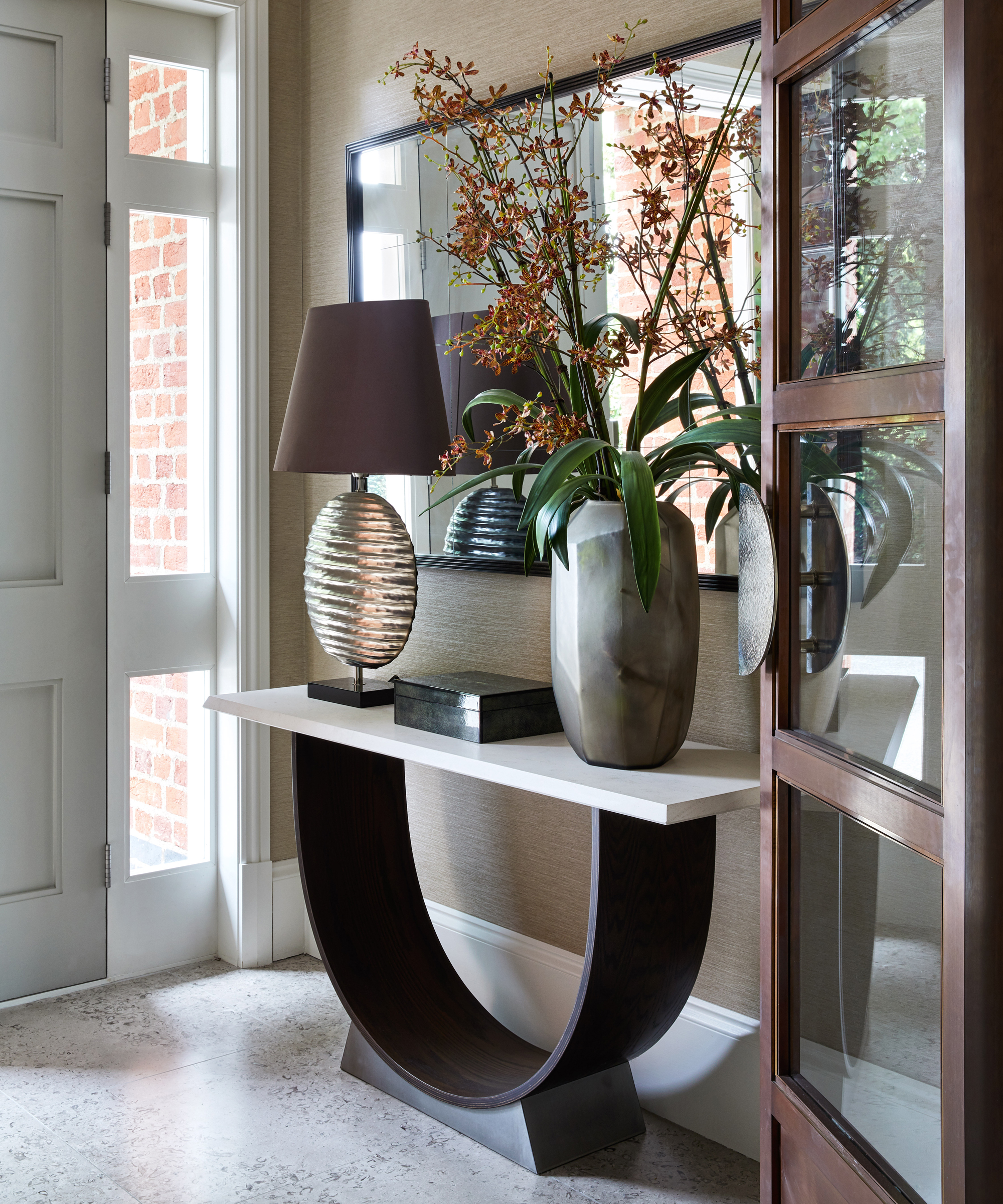
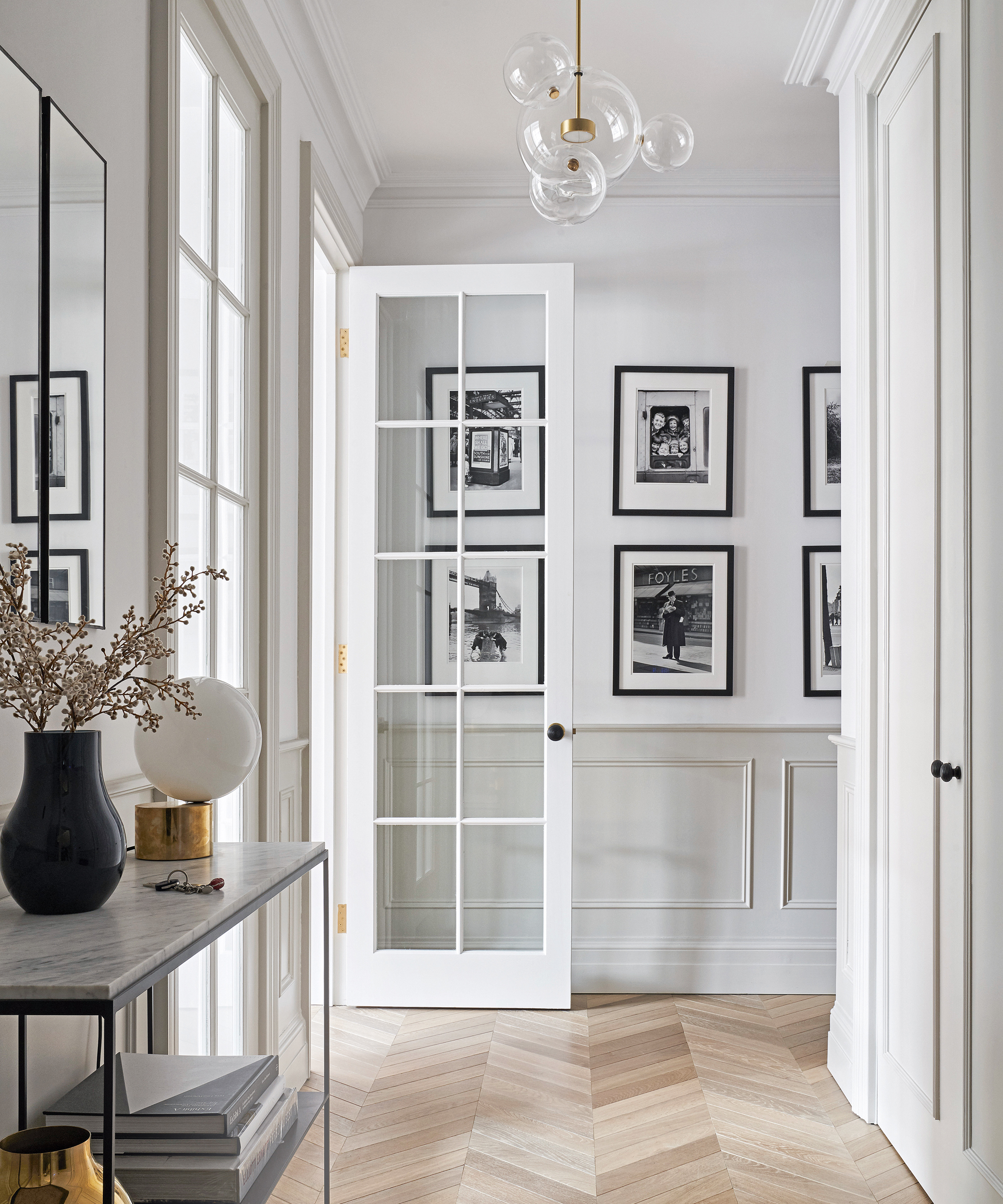
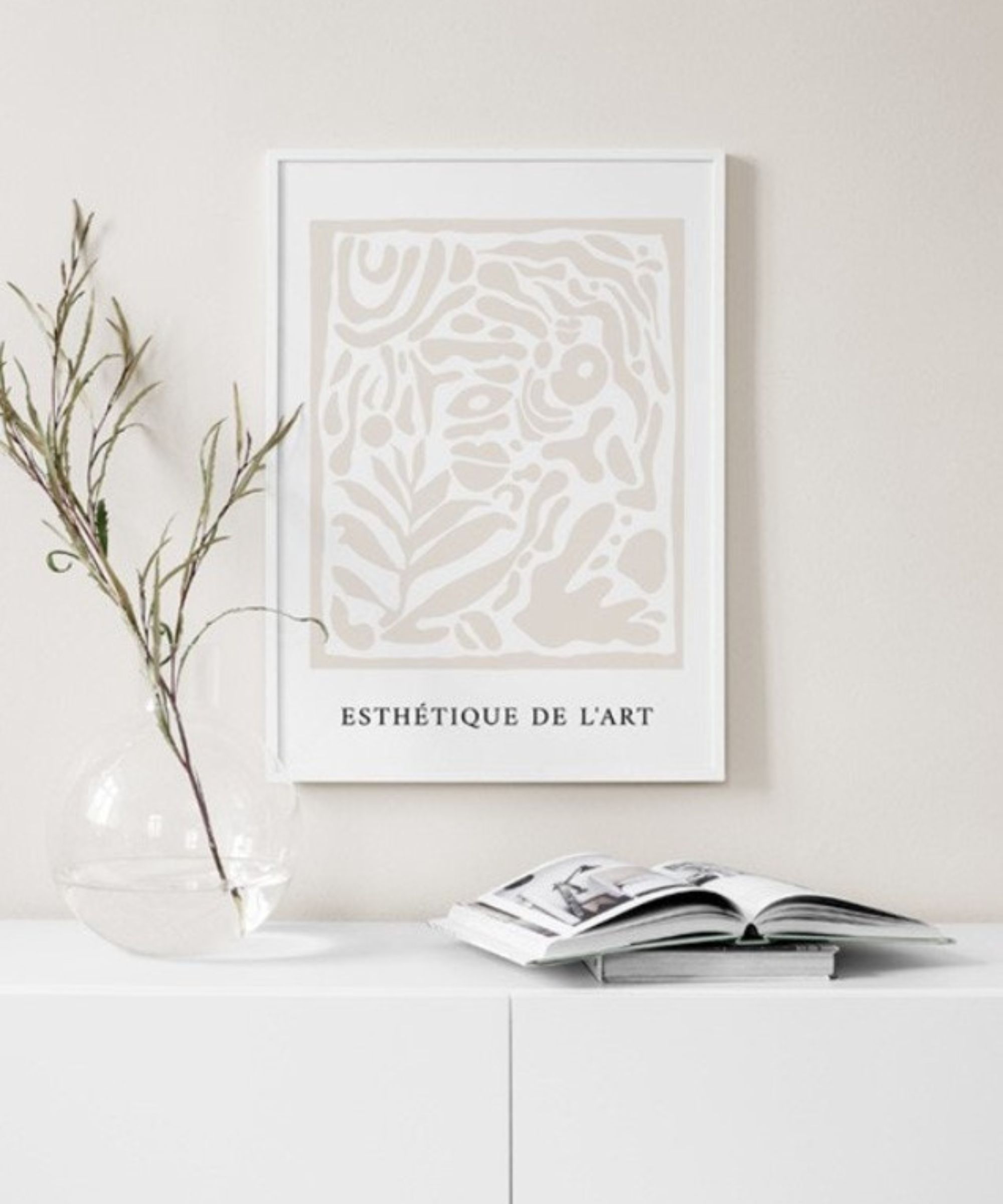
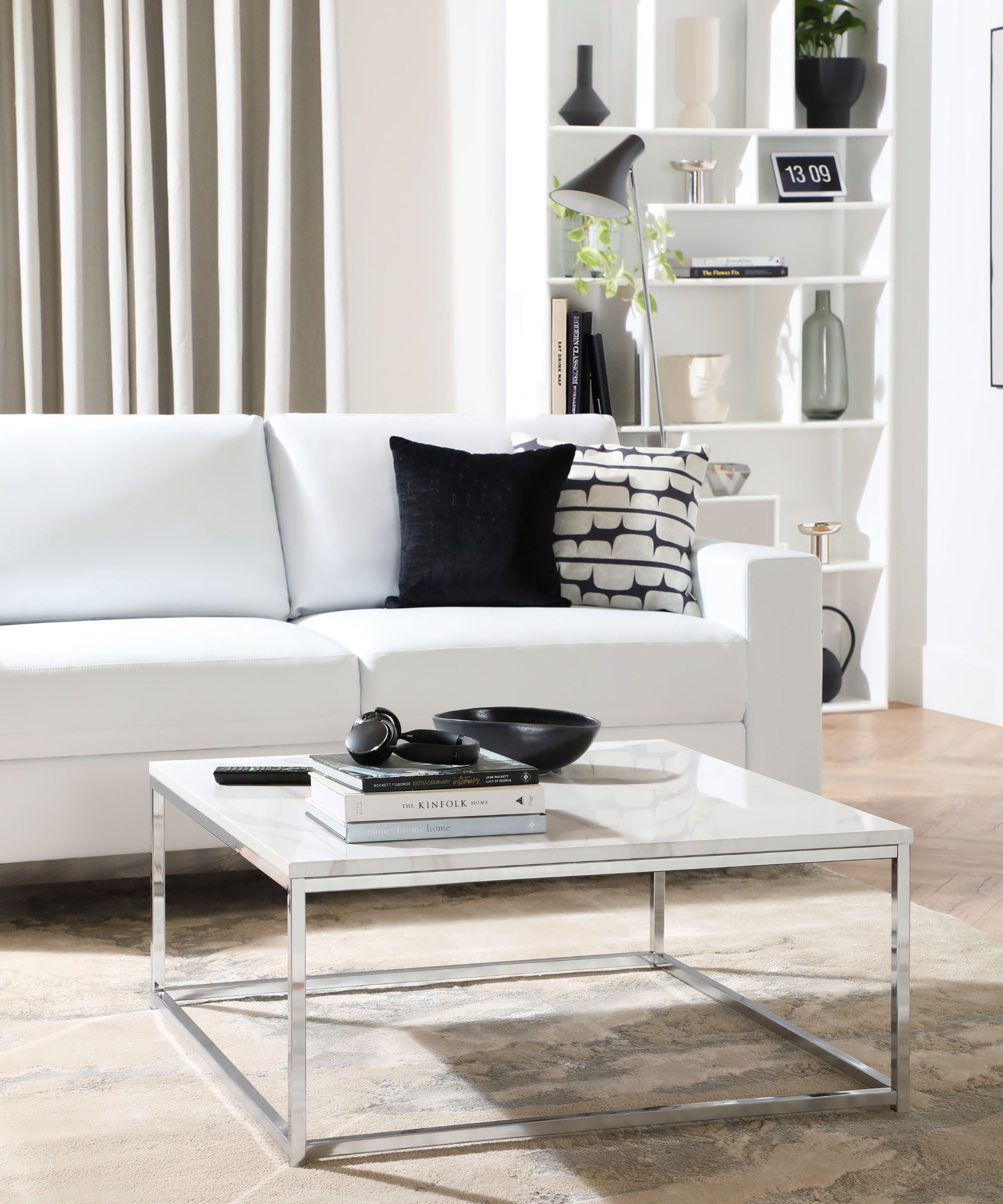
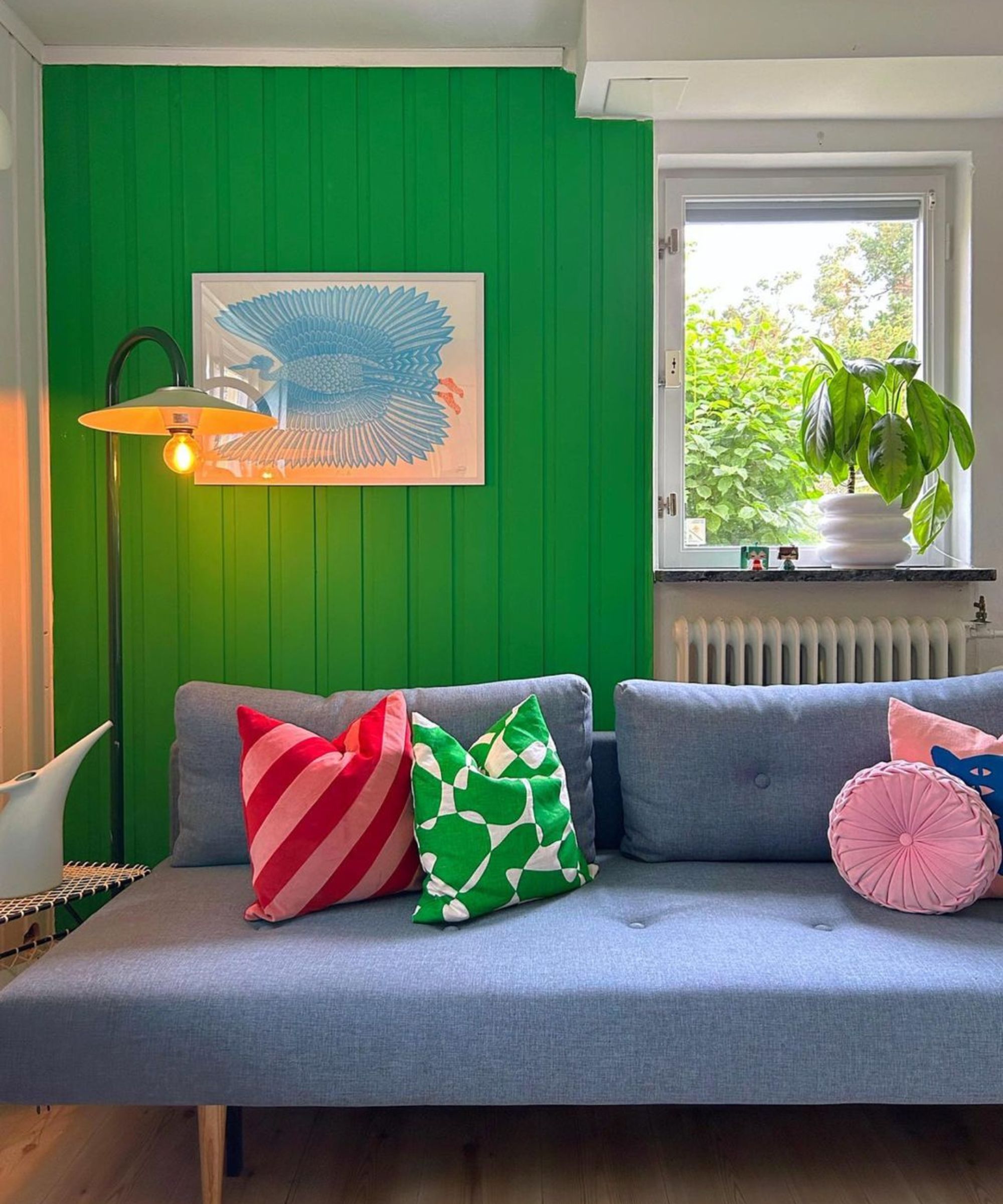
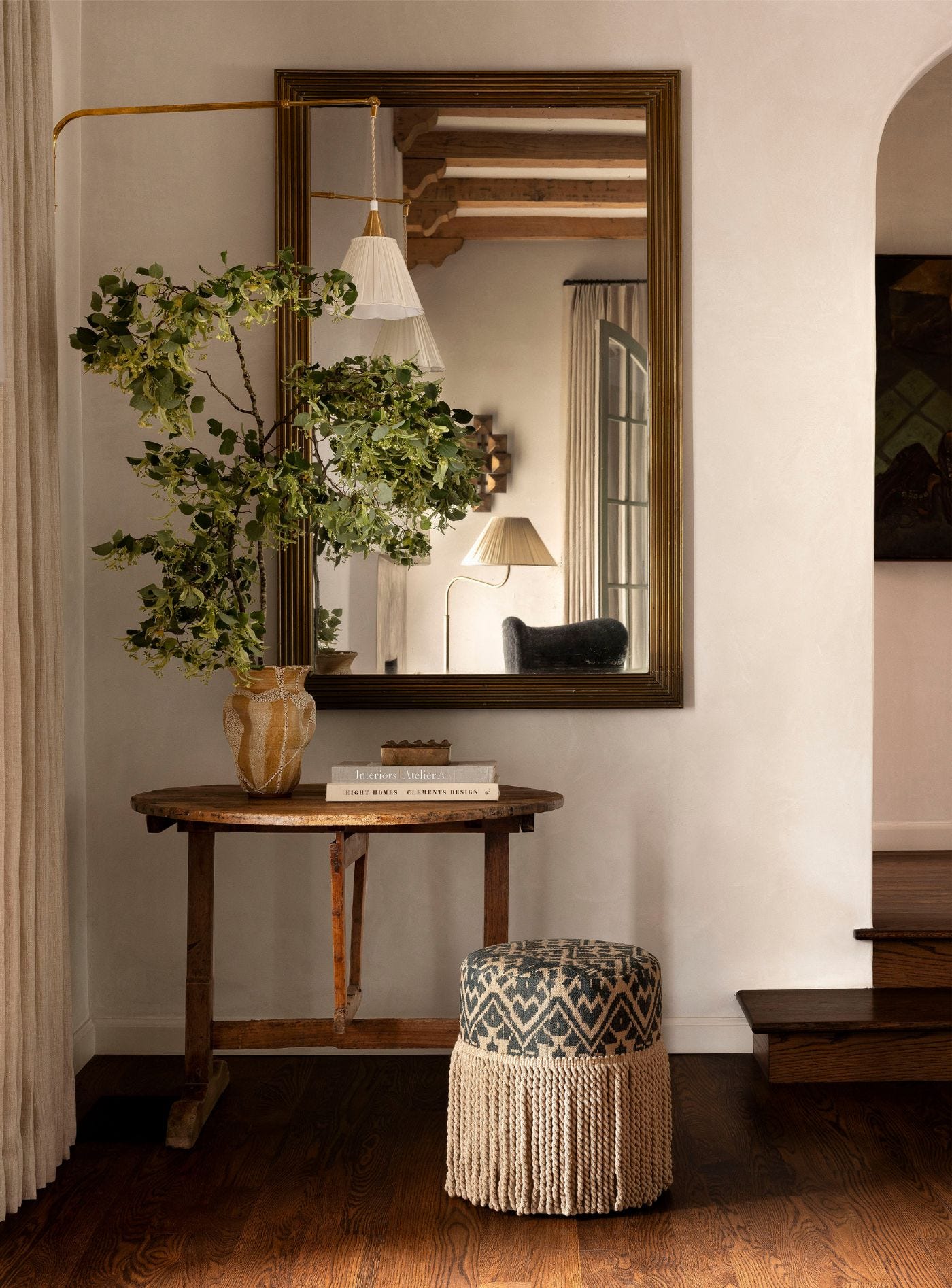
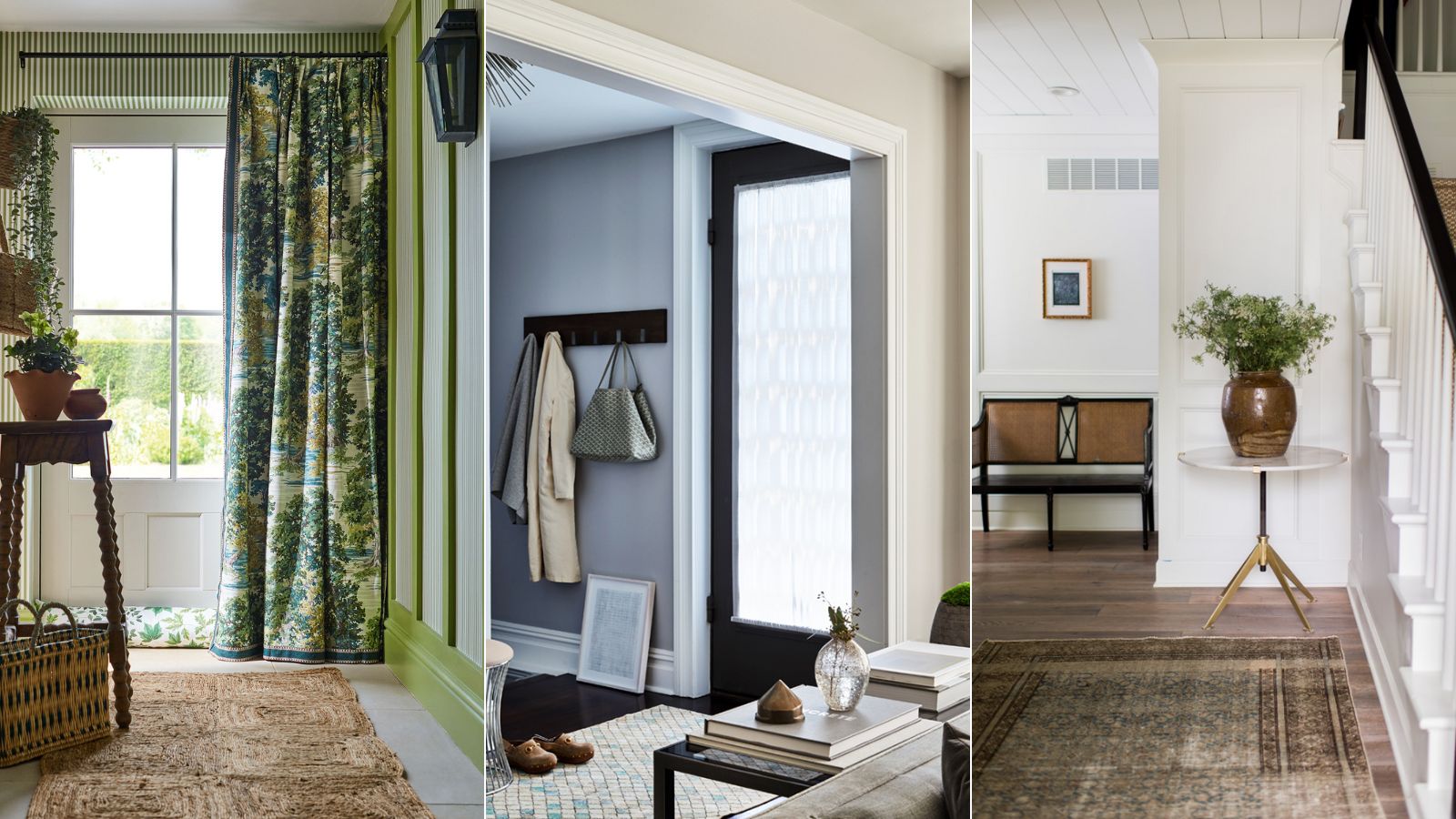
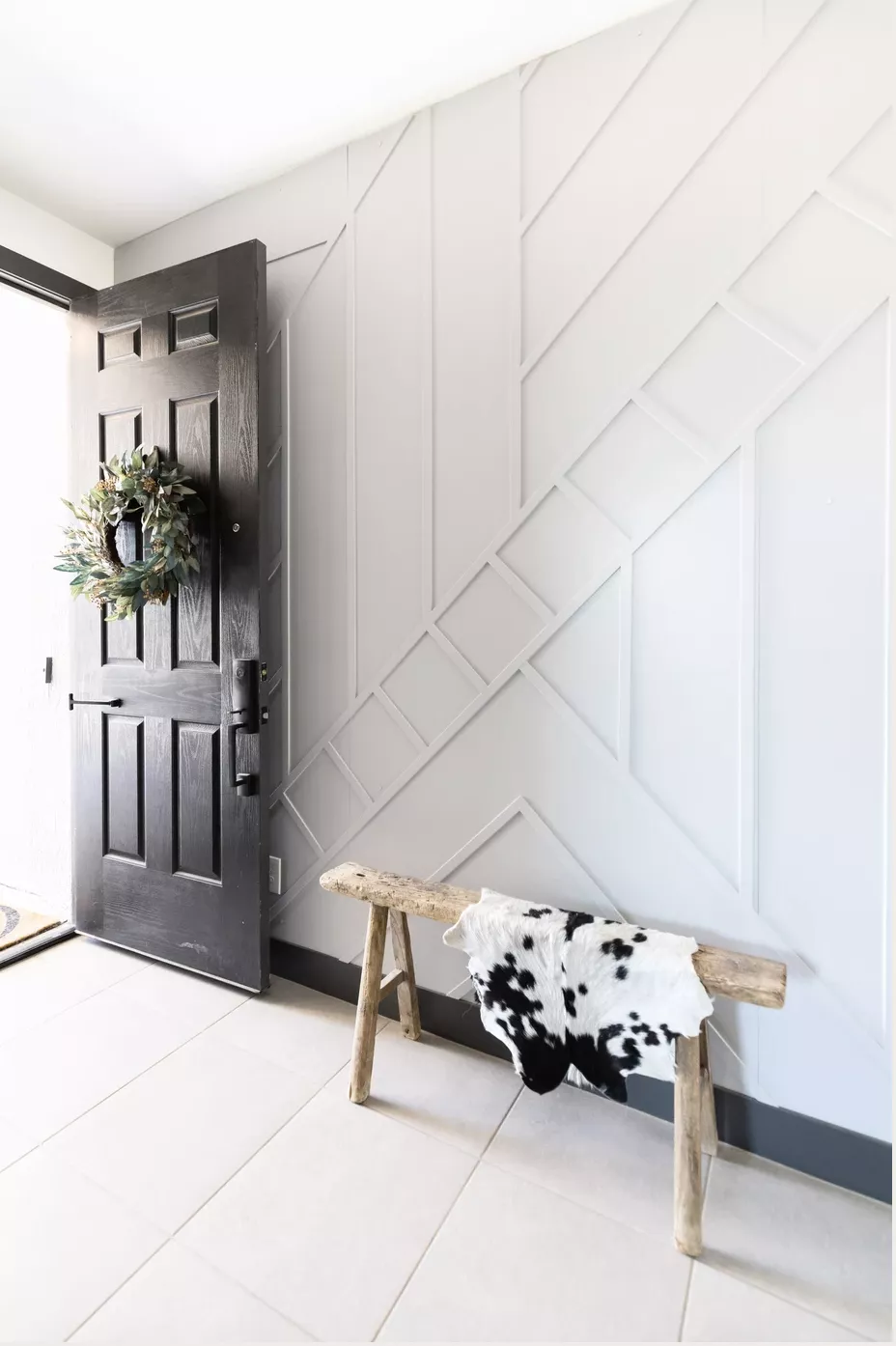
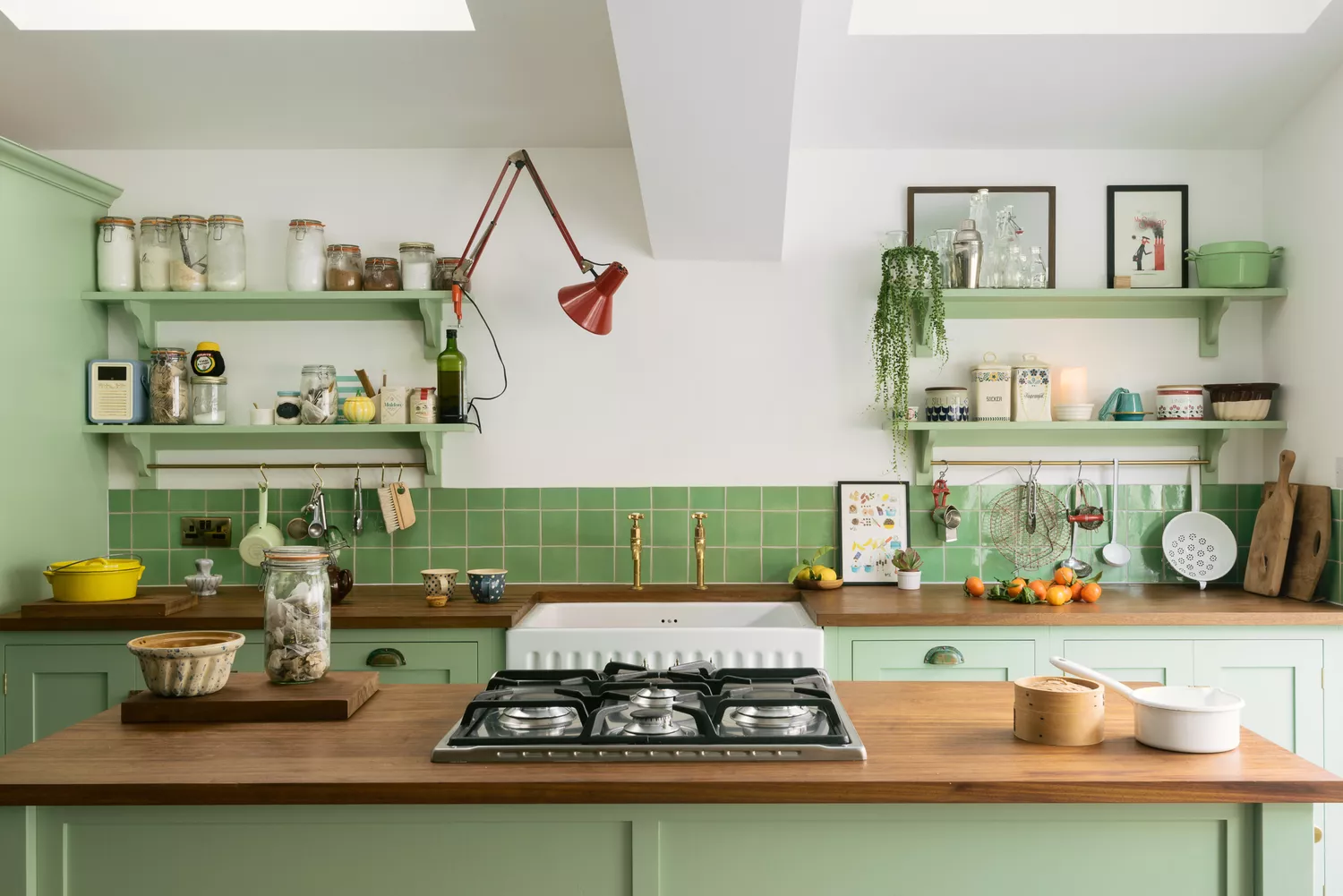
Several specific color recommendations are provided to enhance small entryways. Soft warm white is ideal for cooler-toned spaces lacking direct natural light, creating a bright yet inviting atmosphere. Greige, a blend of gray and beige, offers a warm neutral that is slightly darker and more grounding than a creamy white, pairing well with white woodwork. Light green, especially when coordinated with wallpaper, can introduce character and nature-inspired tranquility without overwhelming the space, particularly when used on paneling and woodwork.
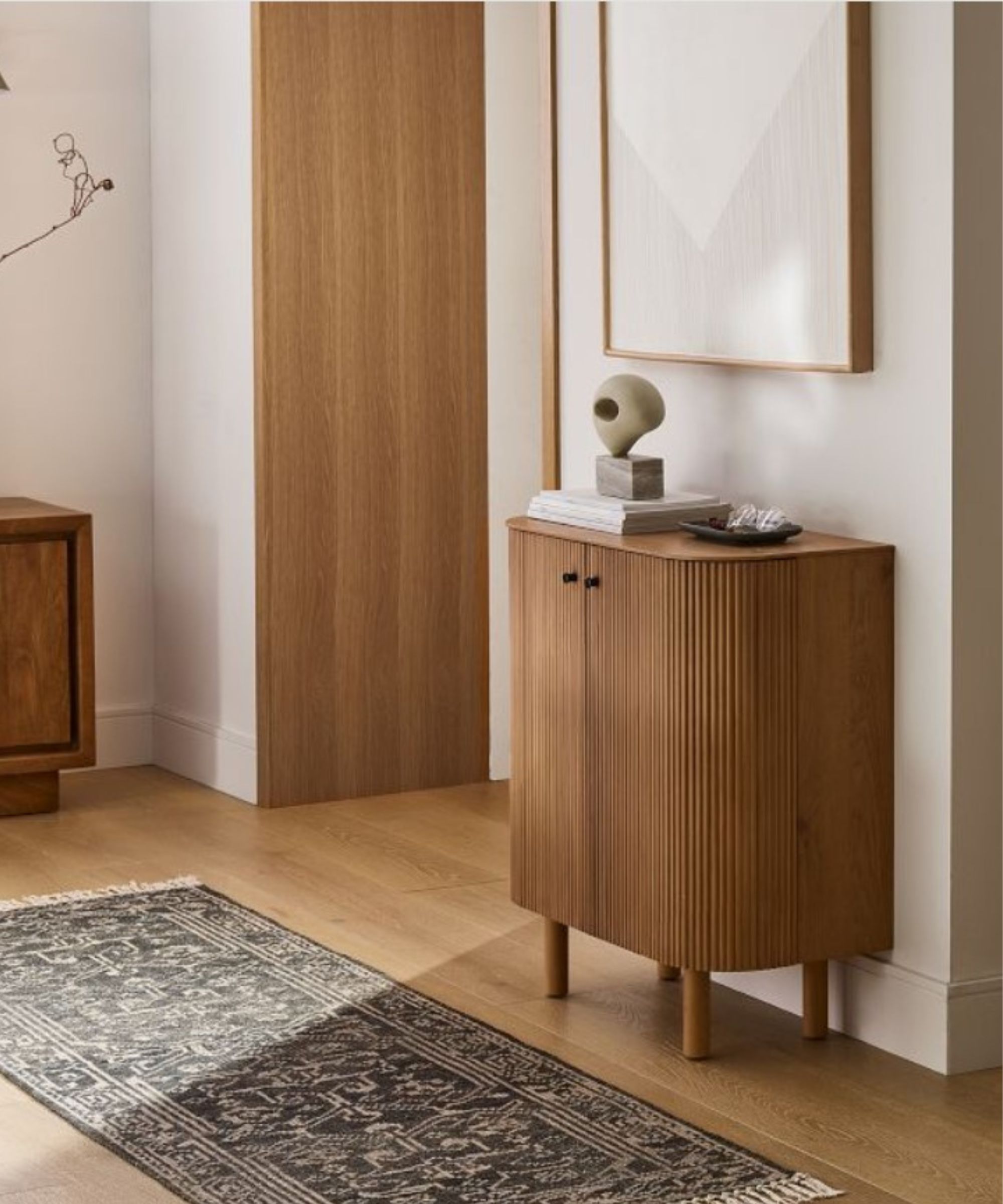
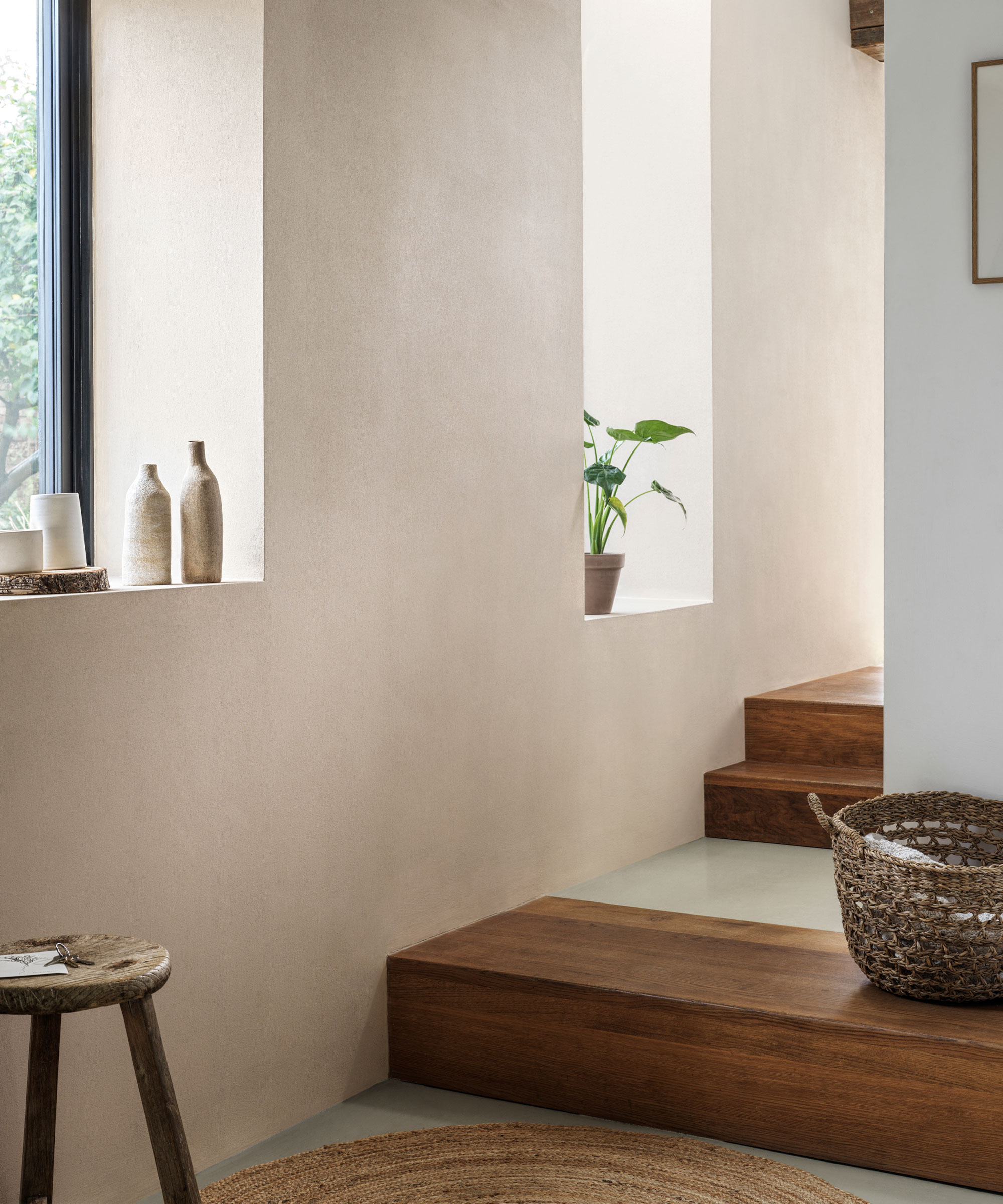
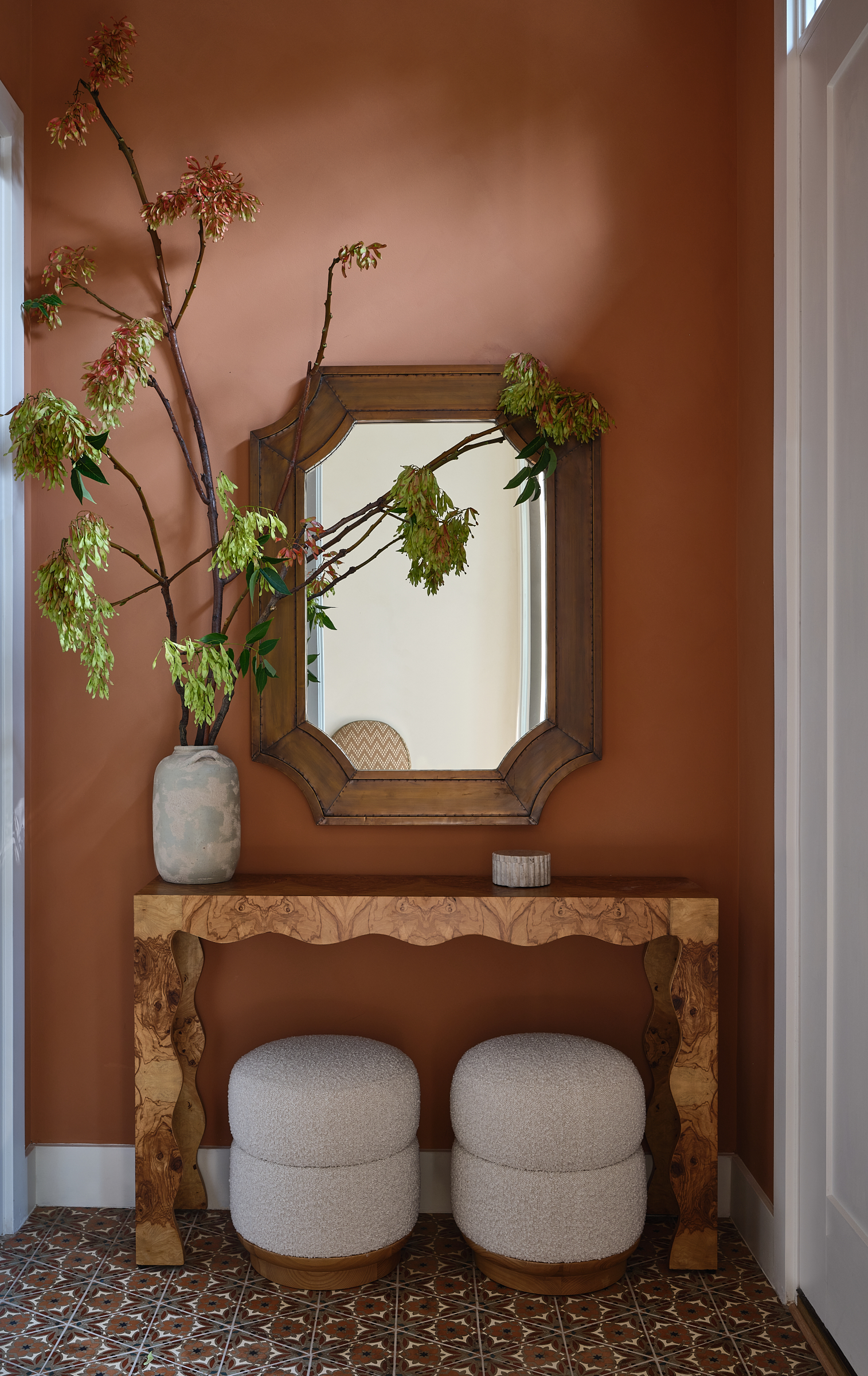
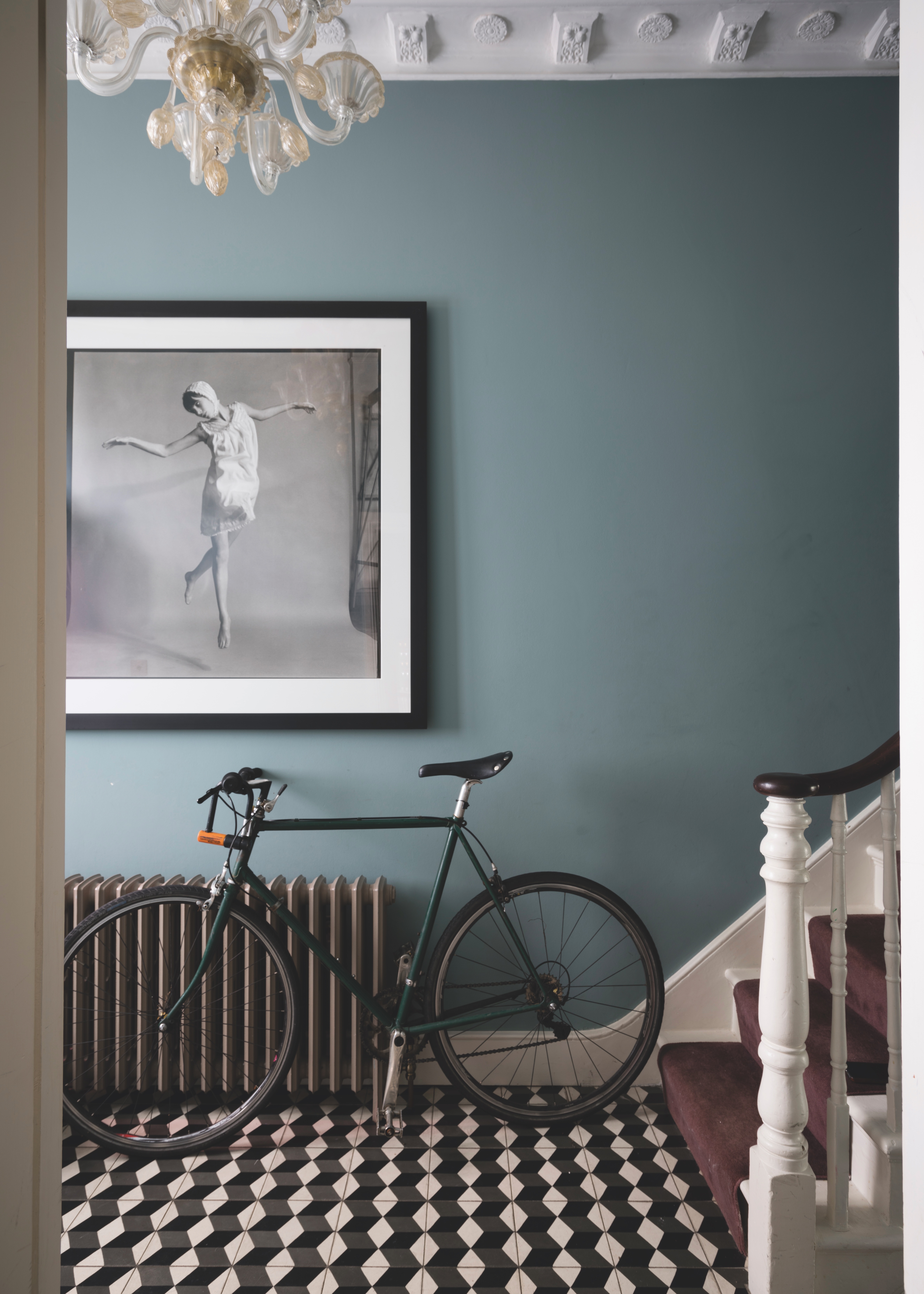
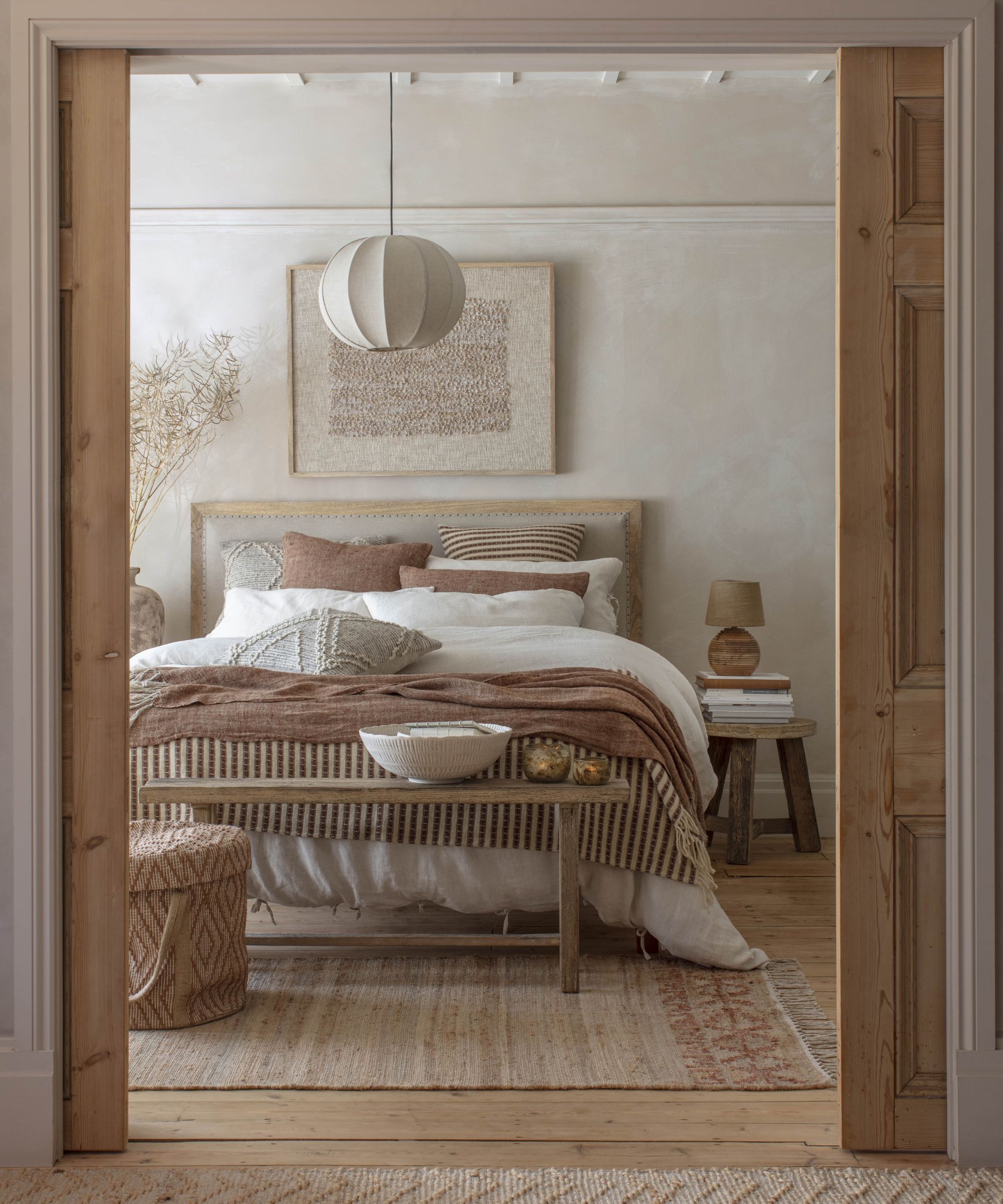
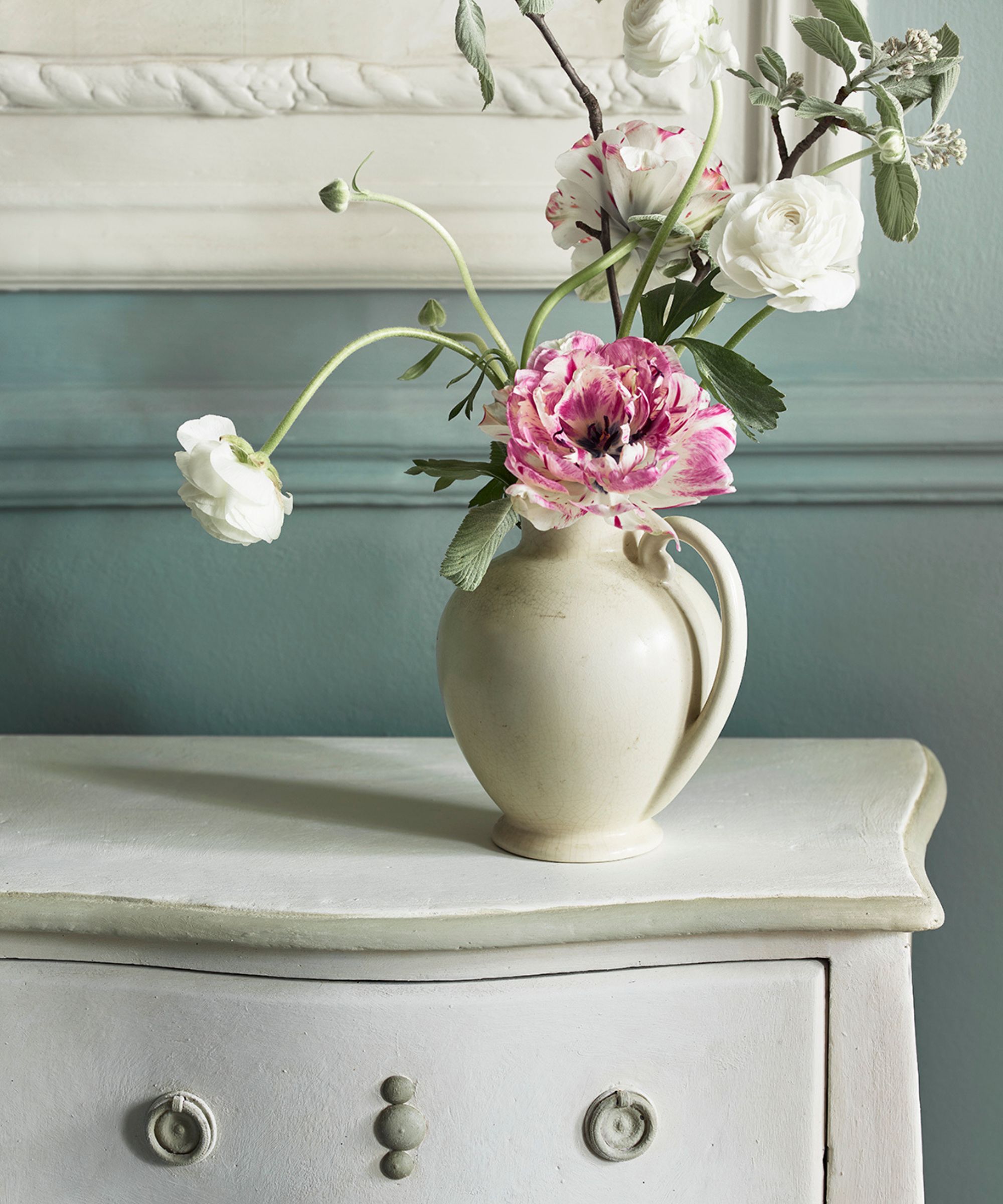
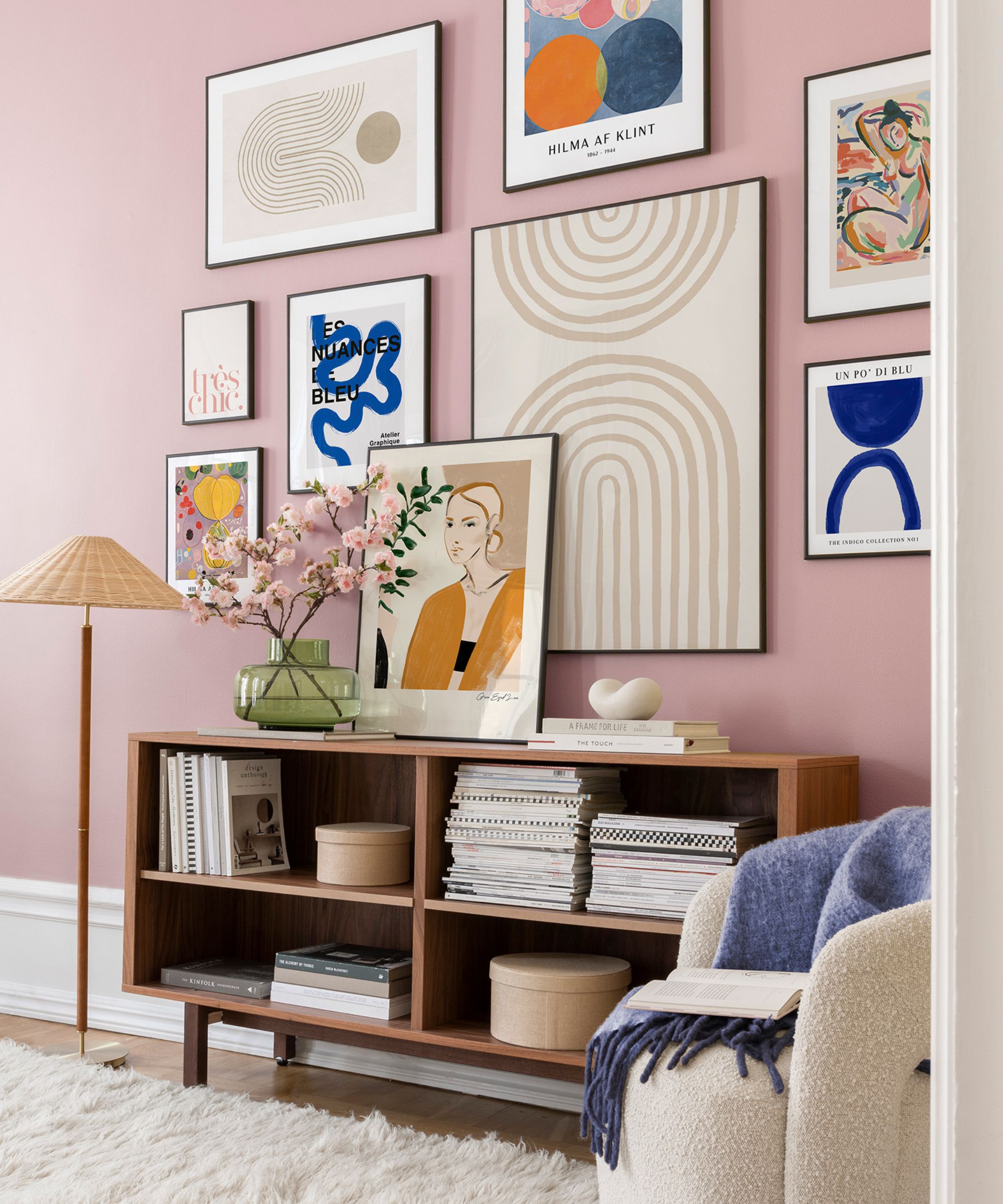
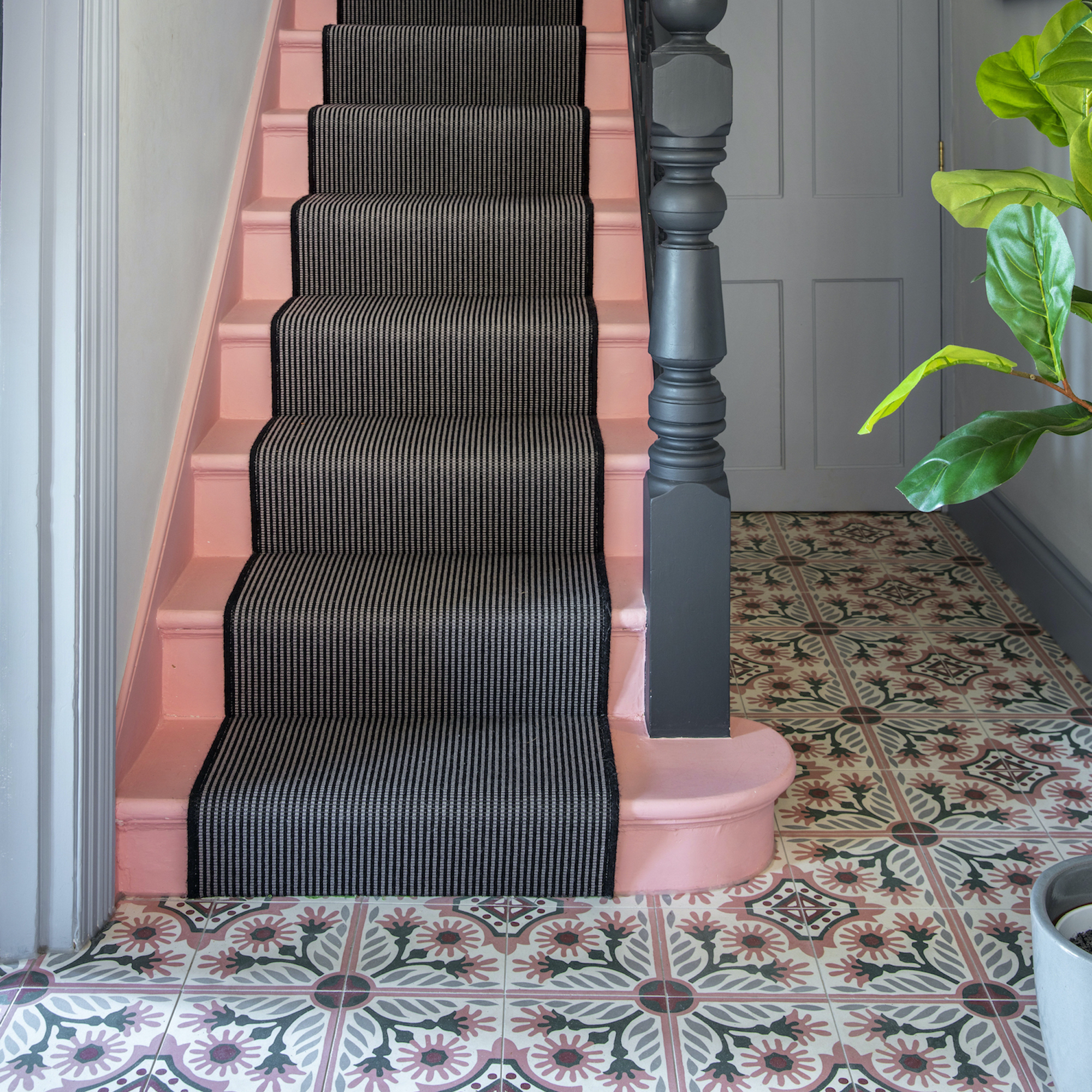
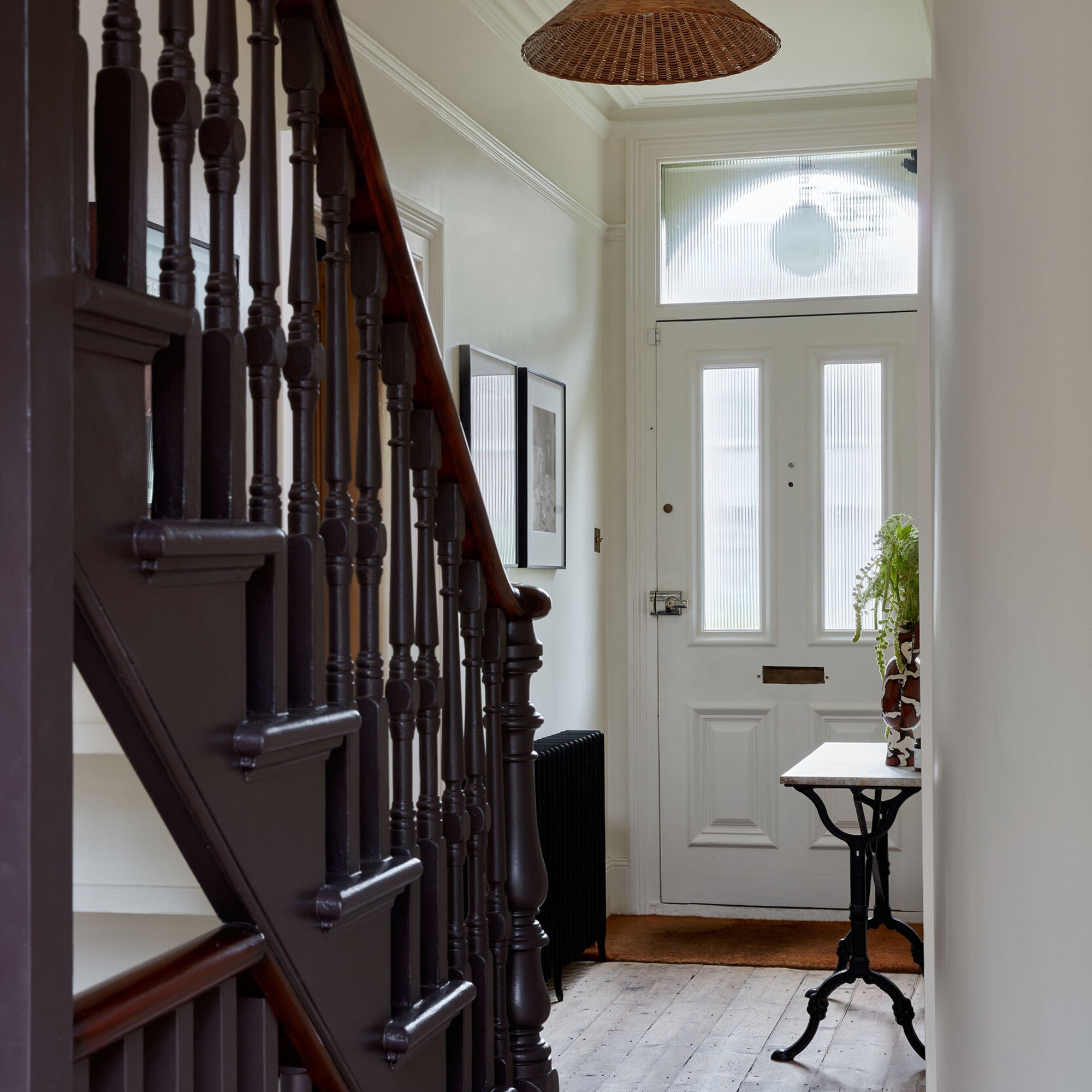
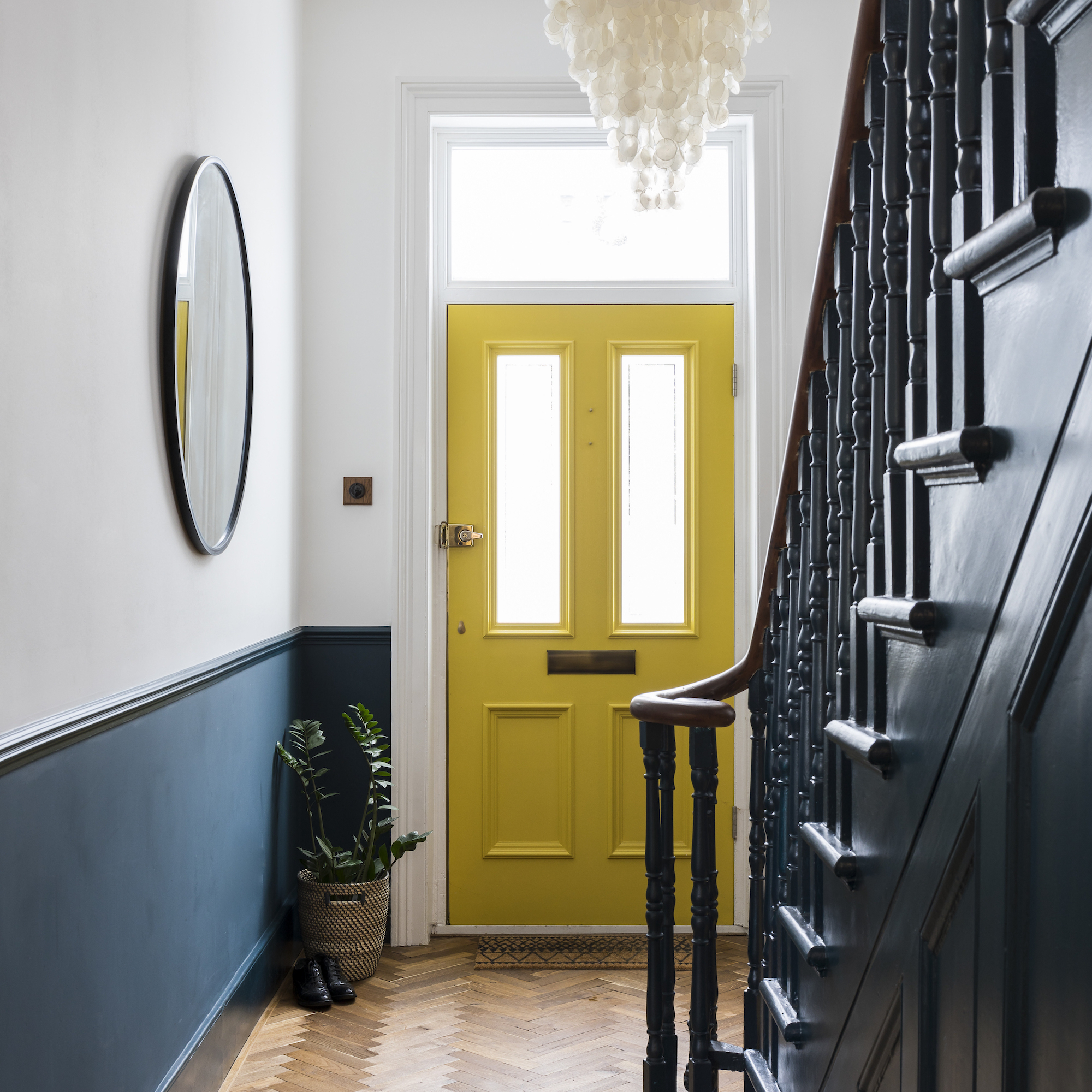
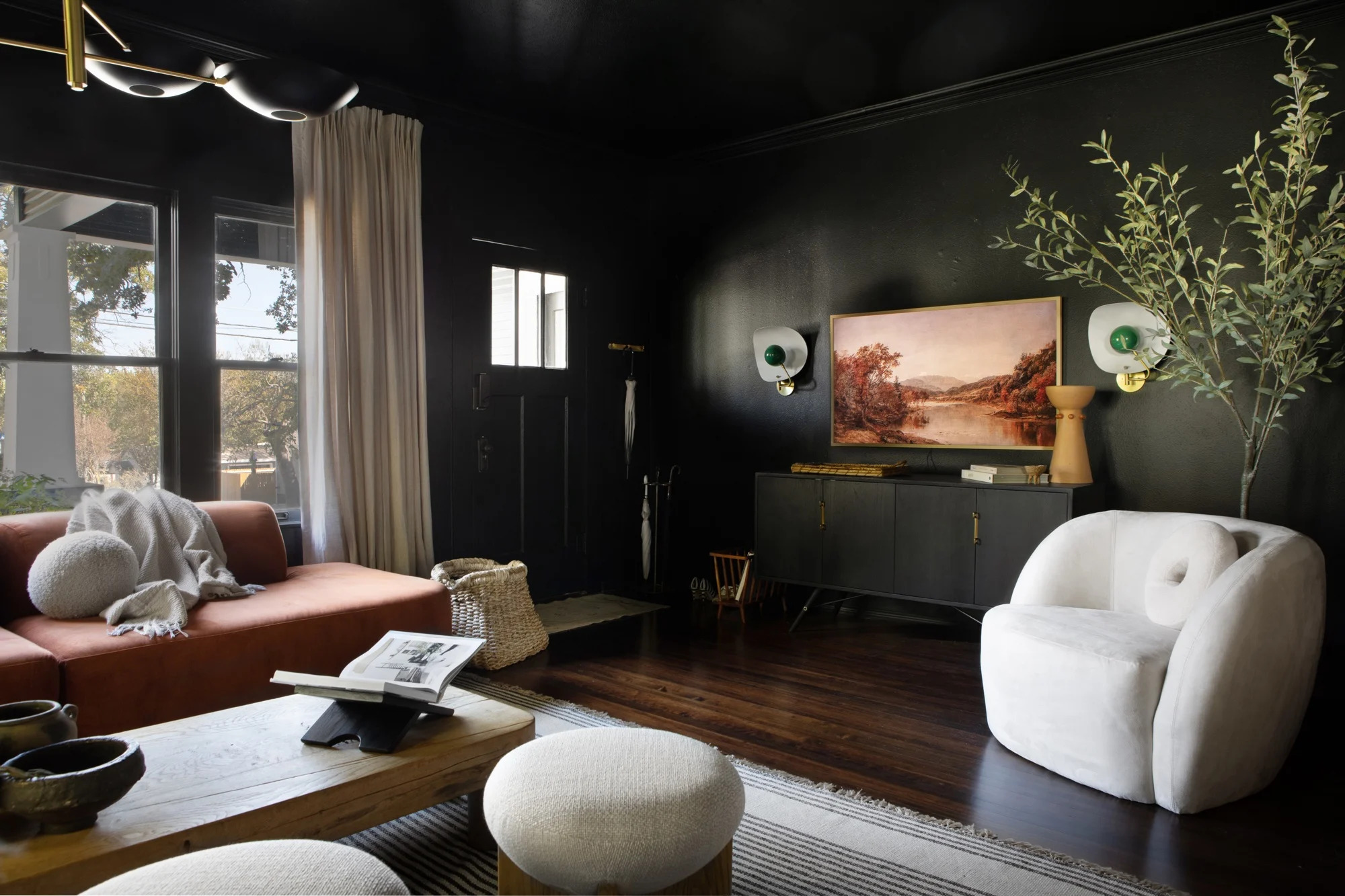
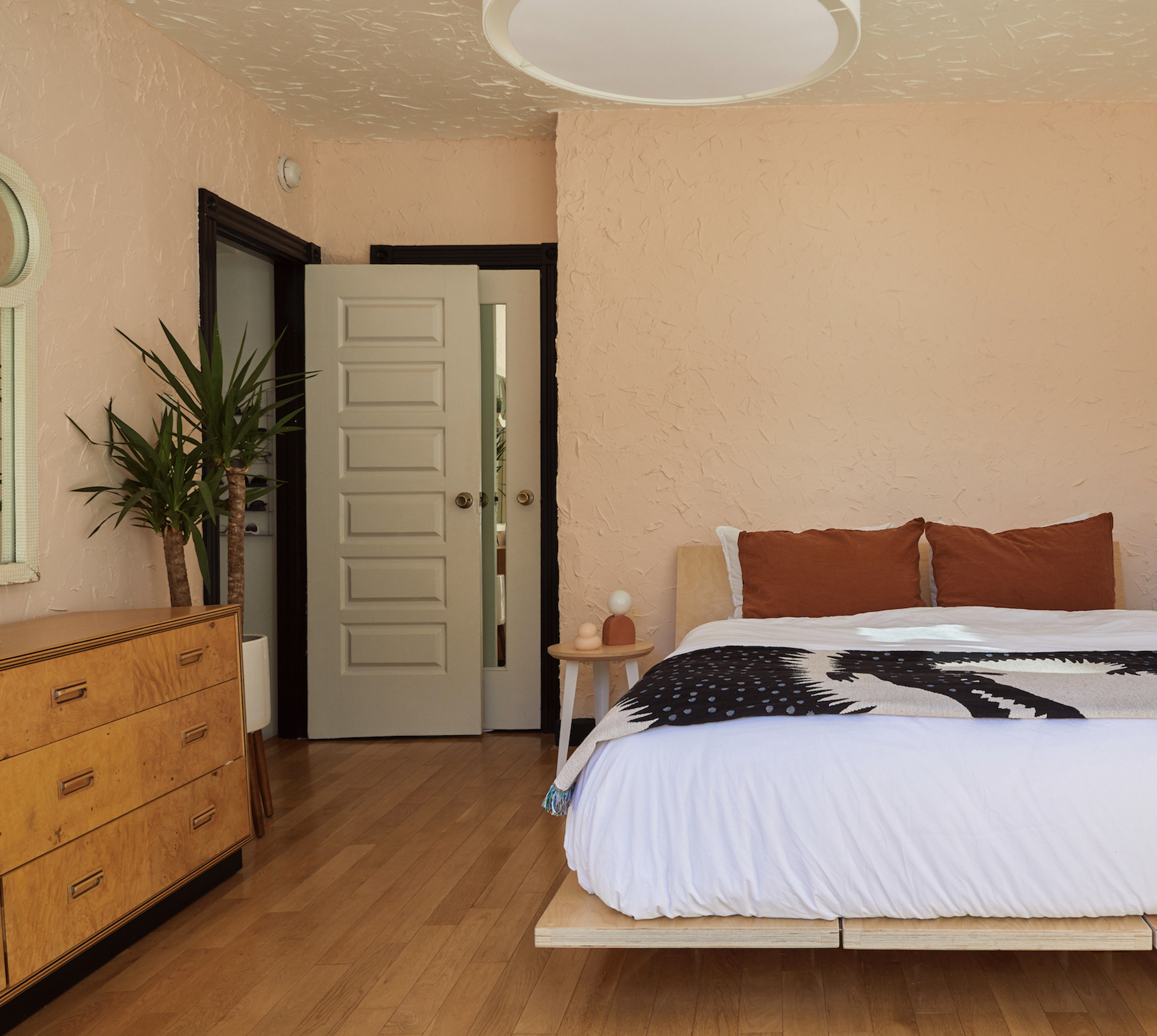
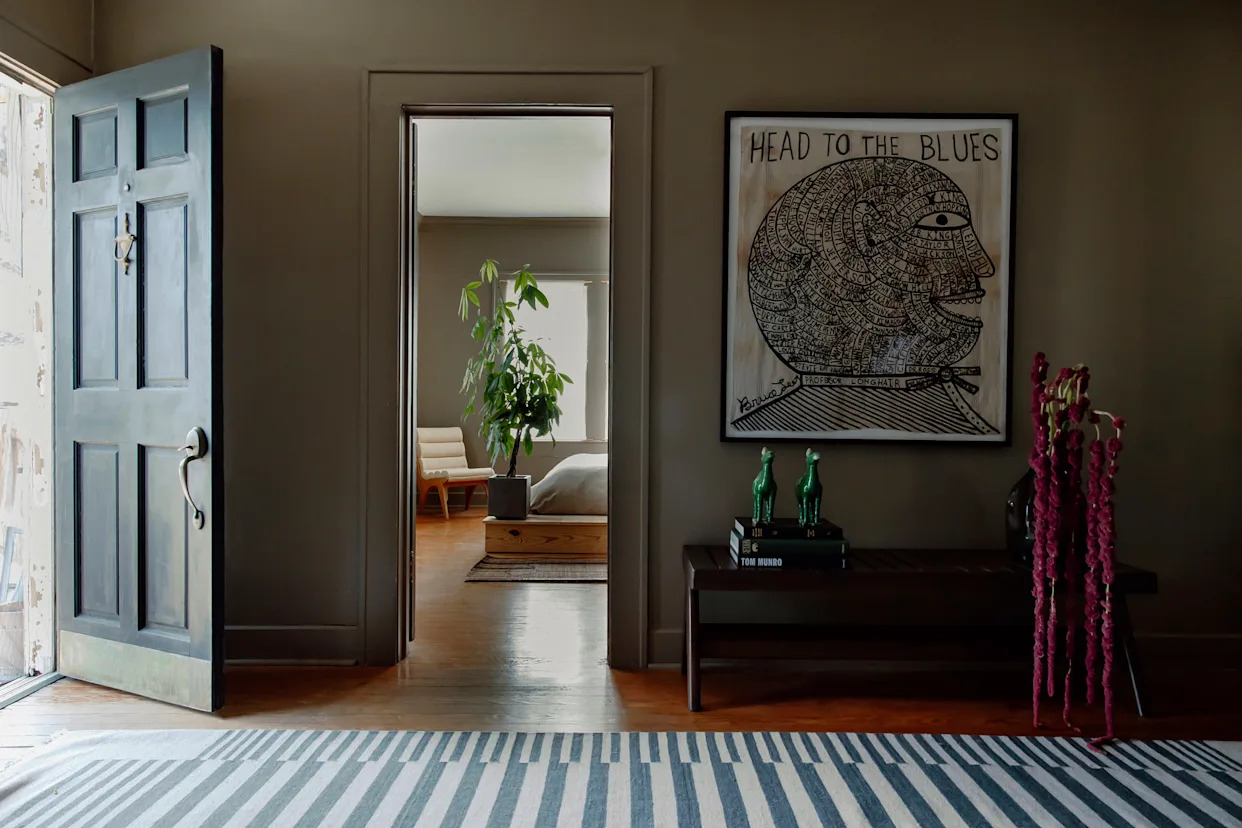
Pale plaster pinks, with their warm, terracotta undertones, are suggested for their ability to act as both a colorful and neutral shade, though their appearance can vary significantly based on light exposure. Deep teal, and other dark colors, are proposed for their capacity to expand a space visually and create a dramatic, sophisticated statement, especially in narrow entryways. Moody beige tones, like a velvety truffle hue, offer warmth and depth, with the technique of painting all surfaces the same color creating an illusion of a larger space.
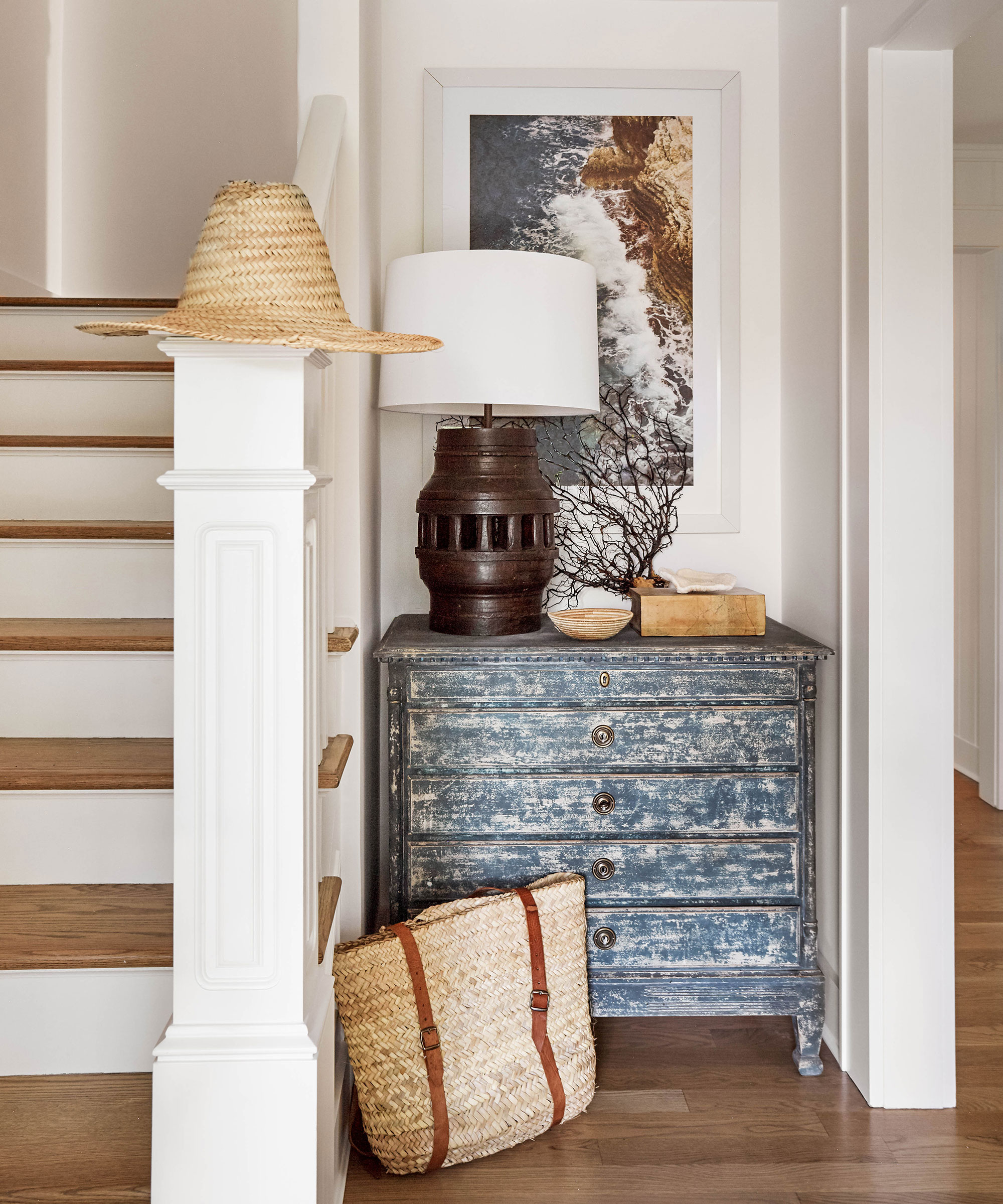
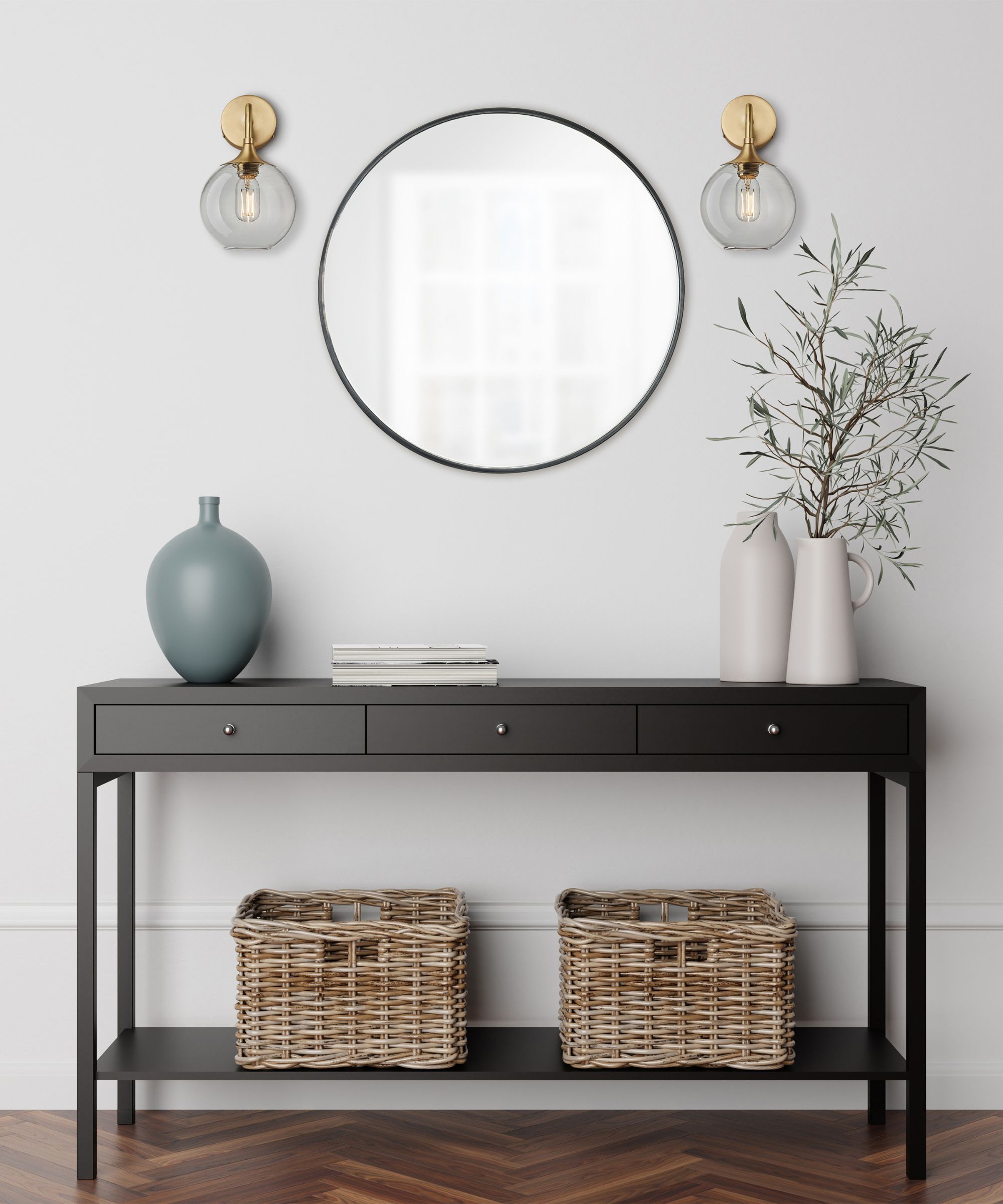
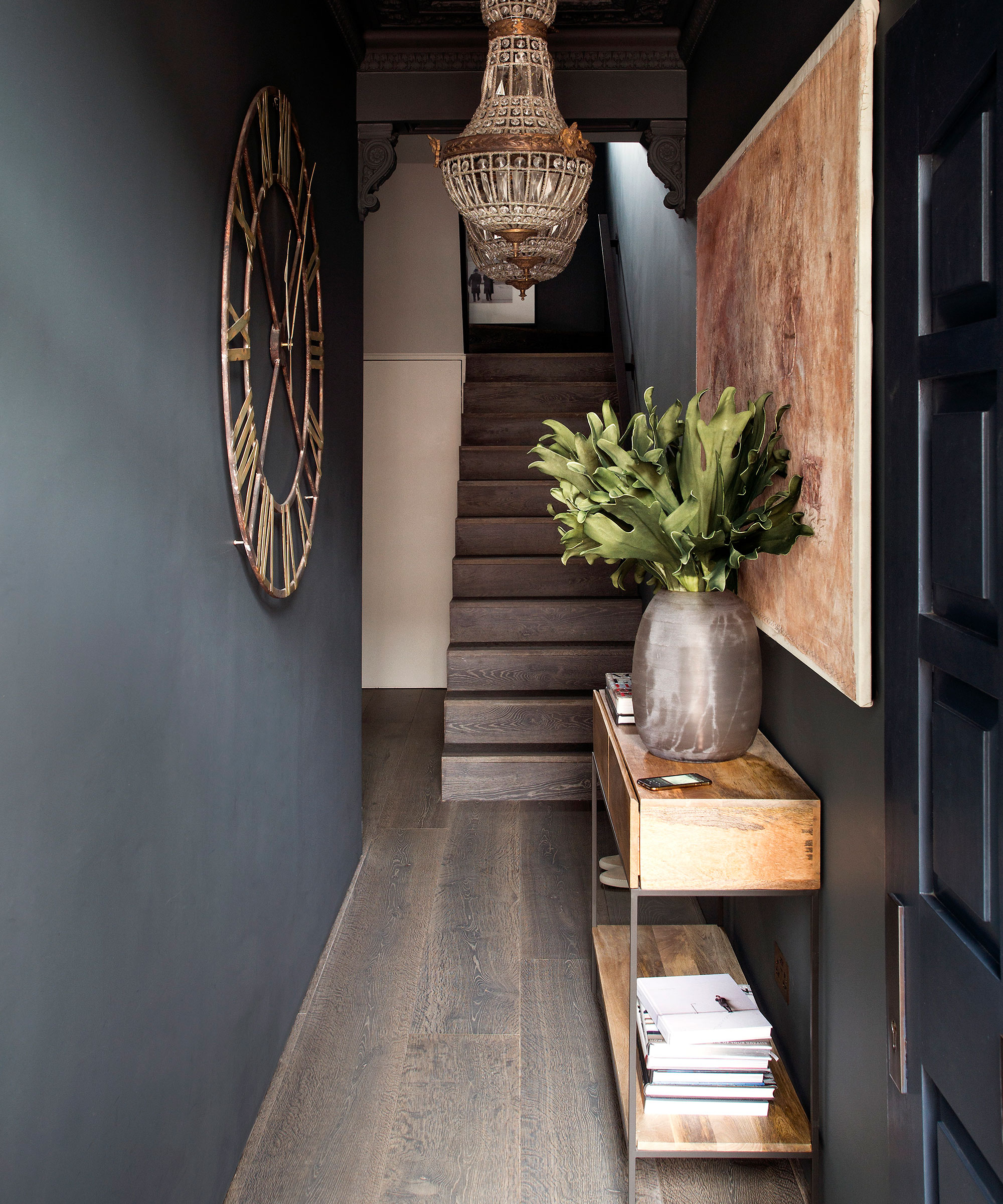
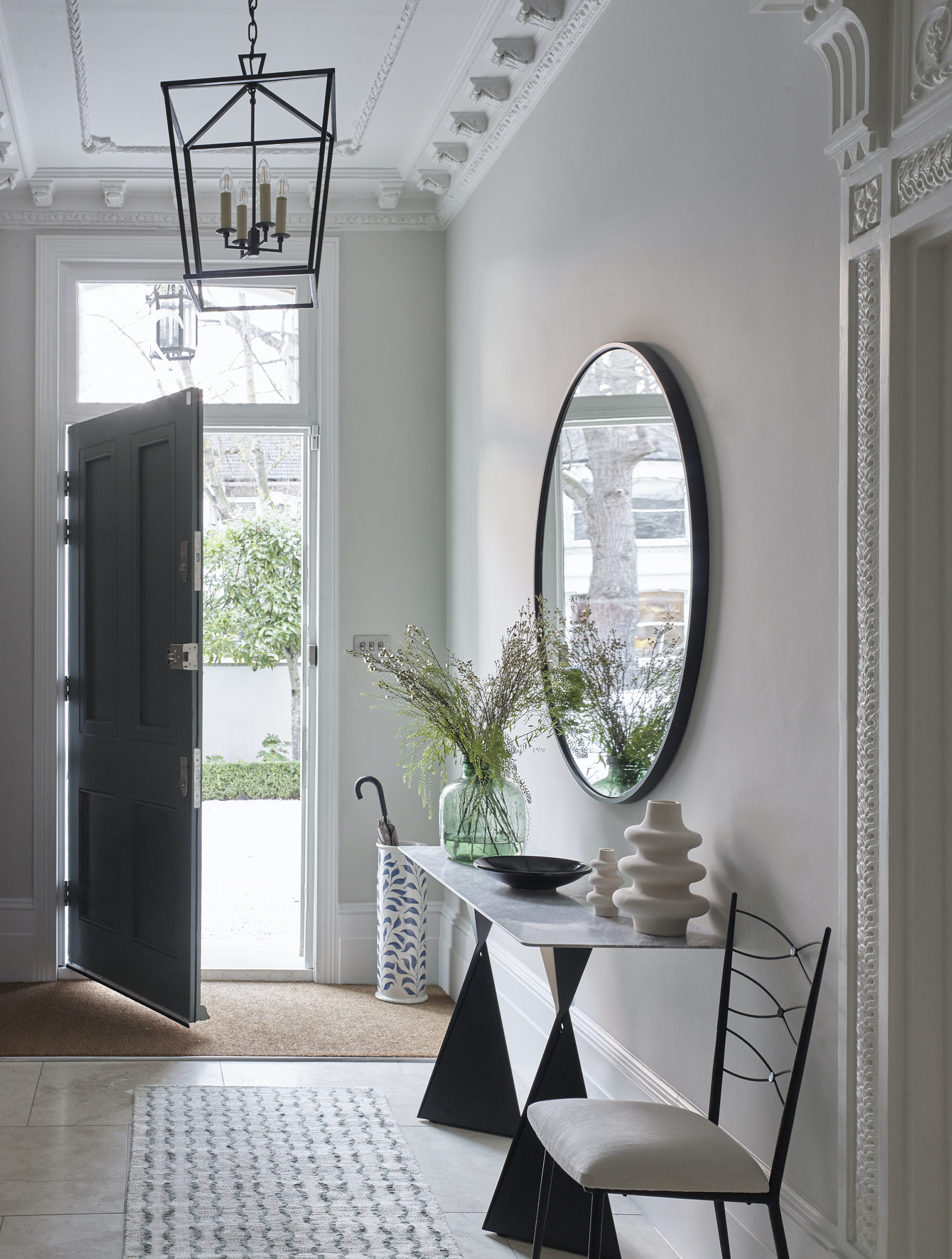

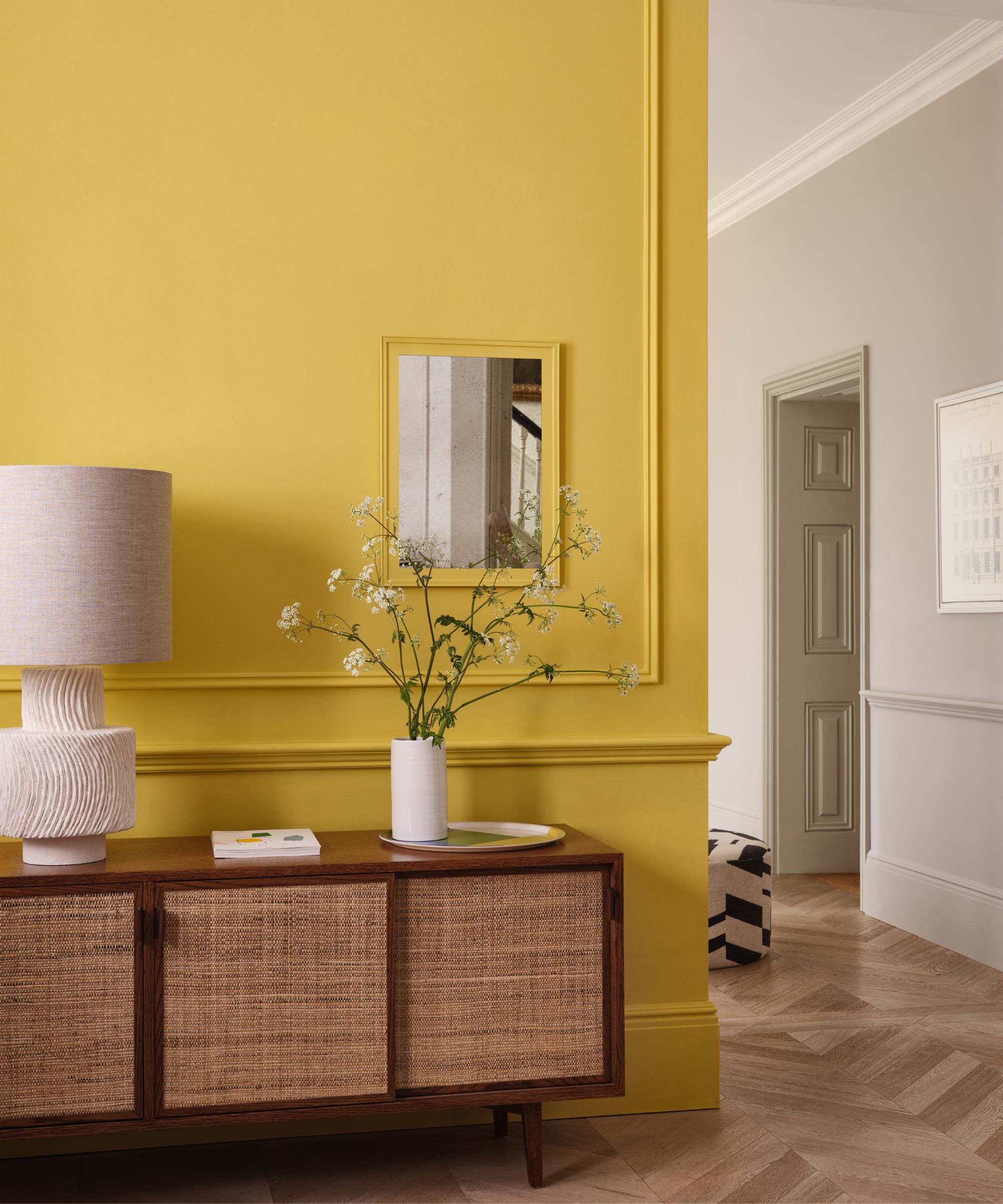
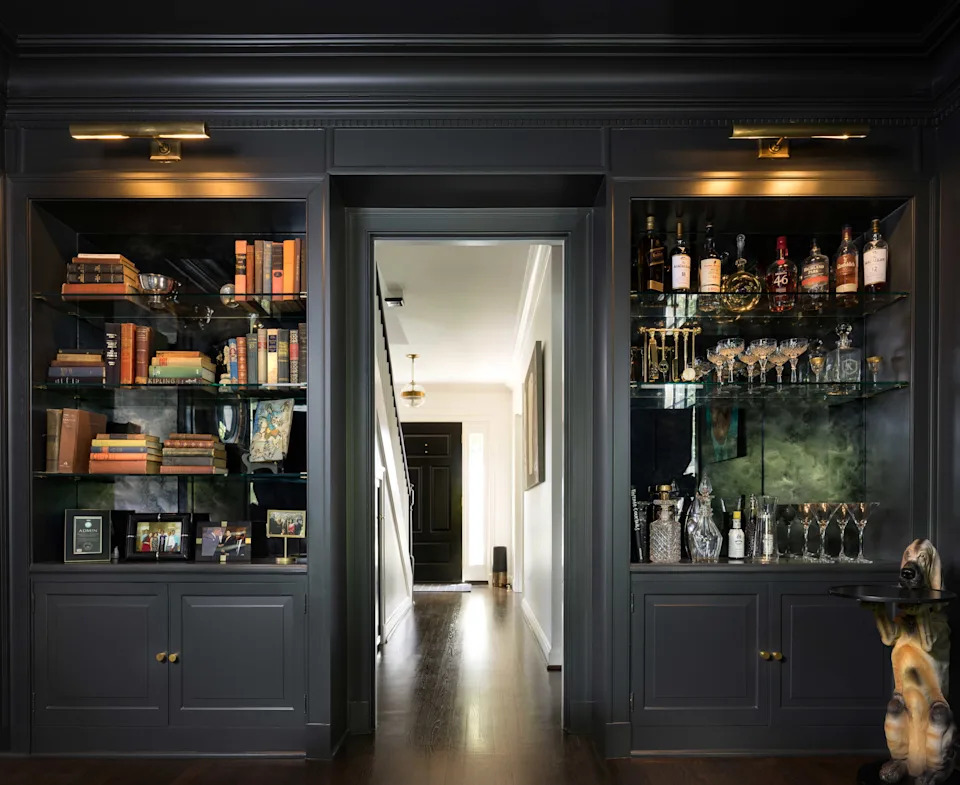
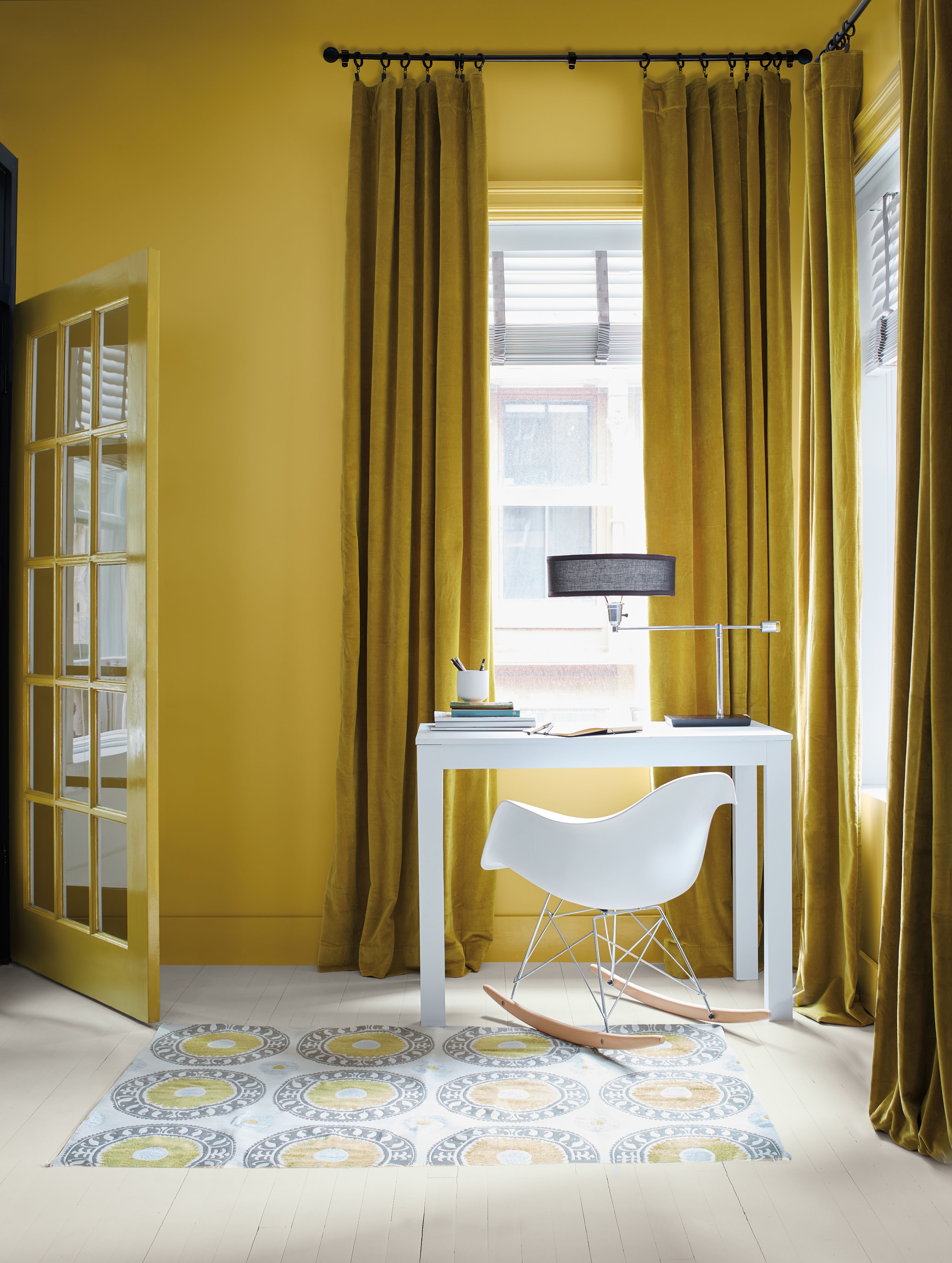
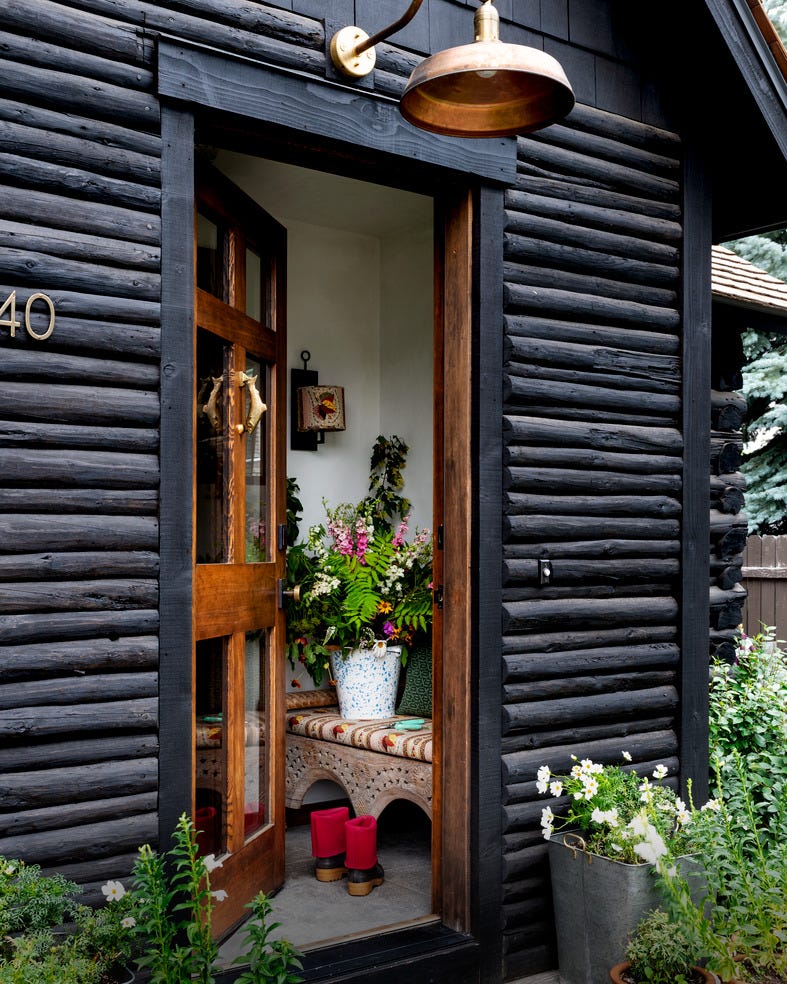
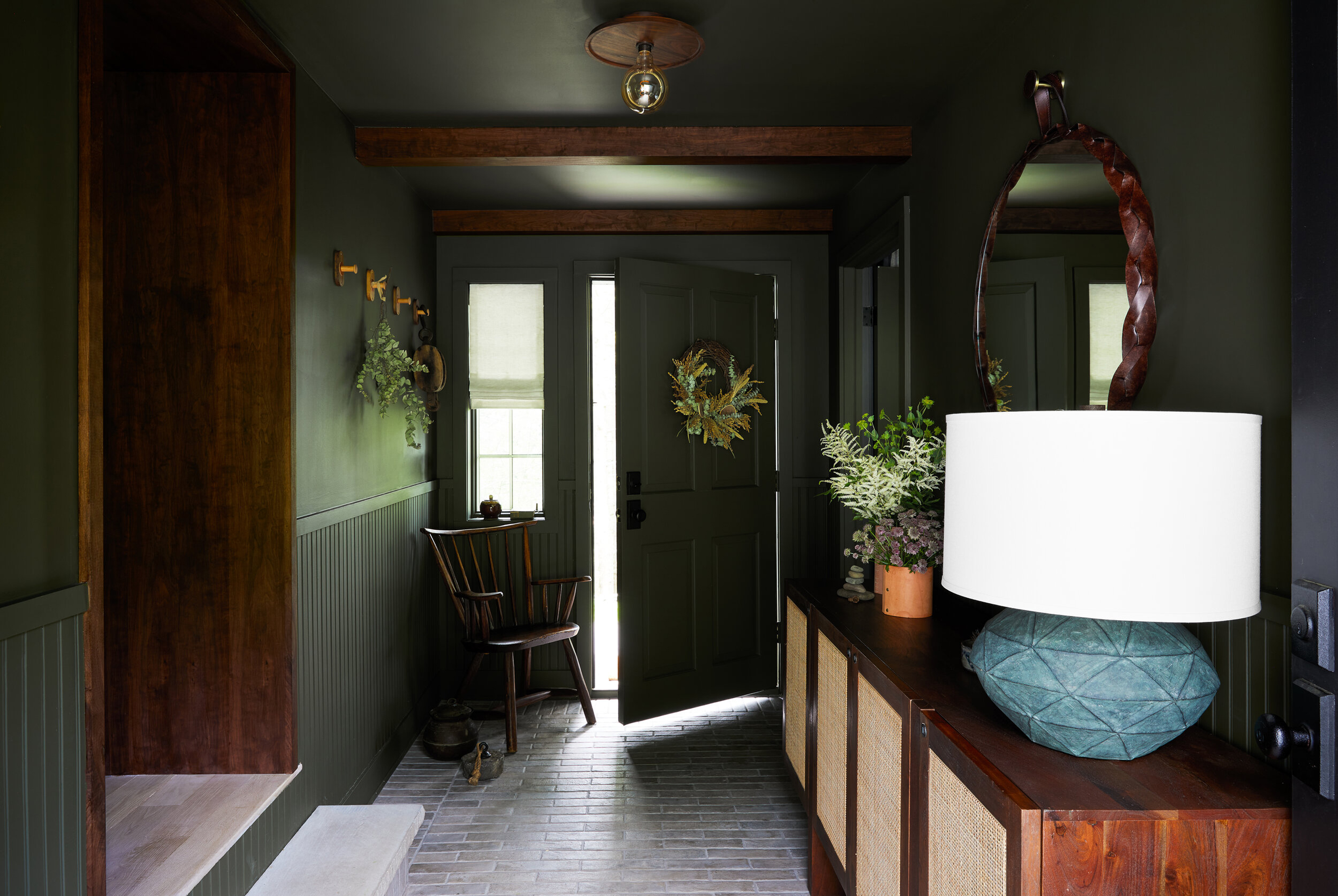
Dark grey, such as Farrow & Ball's Downpipe, can turn a small entryway into a dramatically sophisticated space, particularly when extended to all woodwork to create a cocooning effect and blur room dimensions. Forest green, inspired by natural palettes, provides a moody and relaxing vibe. Creamy yellow offers an inviting and cheerful entrance, balancing brightness with warmth without being overly bold. Finally, classic mid-grey is recommended for its timeless elegance, offering a calm and serene introduction to the home, which can be warmed with natural textures and wooden accents. Regardless of the chosen color, testing swatches in the actual space throughout the day is essential to ensure the color's suitability under varying light conditions.
#SmallEntryway #InteriorDesign #ColorPsychology #HomeDecor #PaintColors #SpaceMaximization #DesignTips #NeutralPalettes #VibrantHues #SmallEntryway #InteriorDesign #ColorPsychology #HomeDecor #PaintColors #SpaceMaximization #DesignTips #NeutralPalettes #VibrantHues
0 comment in total
 No comments yet
You may also like
The best colors for small entryways for airy, bright spaces, according to interior designers

The 10 Best Colors for Small Bedrooms, According to Color Experts and Interior Designers
The 5 small entryway color mistakes design experts say are big bloopers
5 of best dark colors to paint small rooms, as chosen by designers – 'they'll make them feel bigger, and ceilings higher'

Best colors for small entryways – top designers swear by these 8 on-trend colors for the ultimate impact

Small entryway ideas – 10 design rules for compact entrances
6 Colors You Should Never Paint Your Entryway, According to Color Experts

8 of the best paint colors to enhance small spaces, according to experts

The best paint colors for small entryways — 7 shades design experts love
Give Your Small Entryway a Welcoming Boost With These 31 Ideas

Should I paint an entryway light or dark? Here’s what the experts suggest
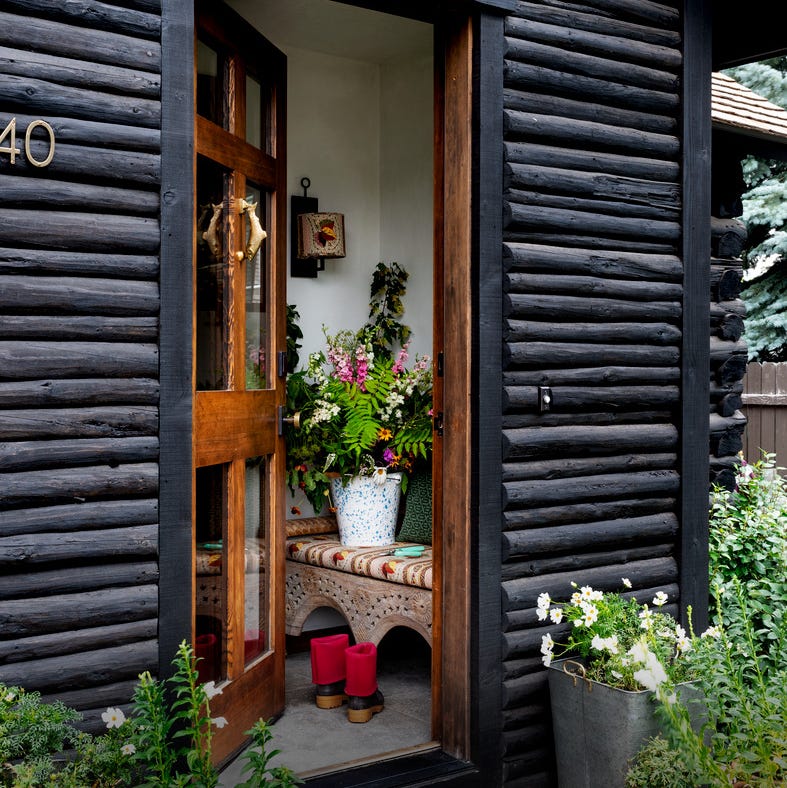
35 Small Entryway Ideas That Make a Stylish First Impression

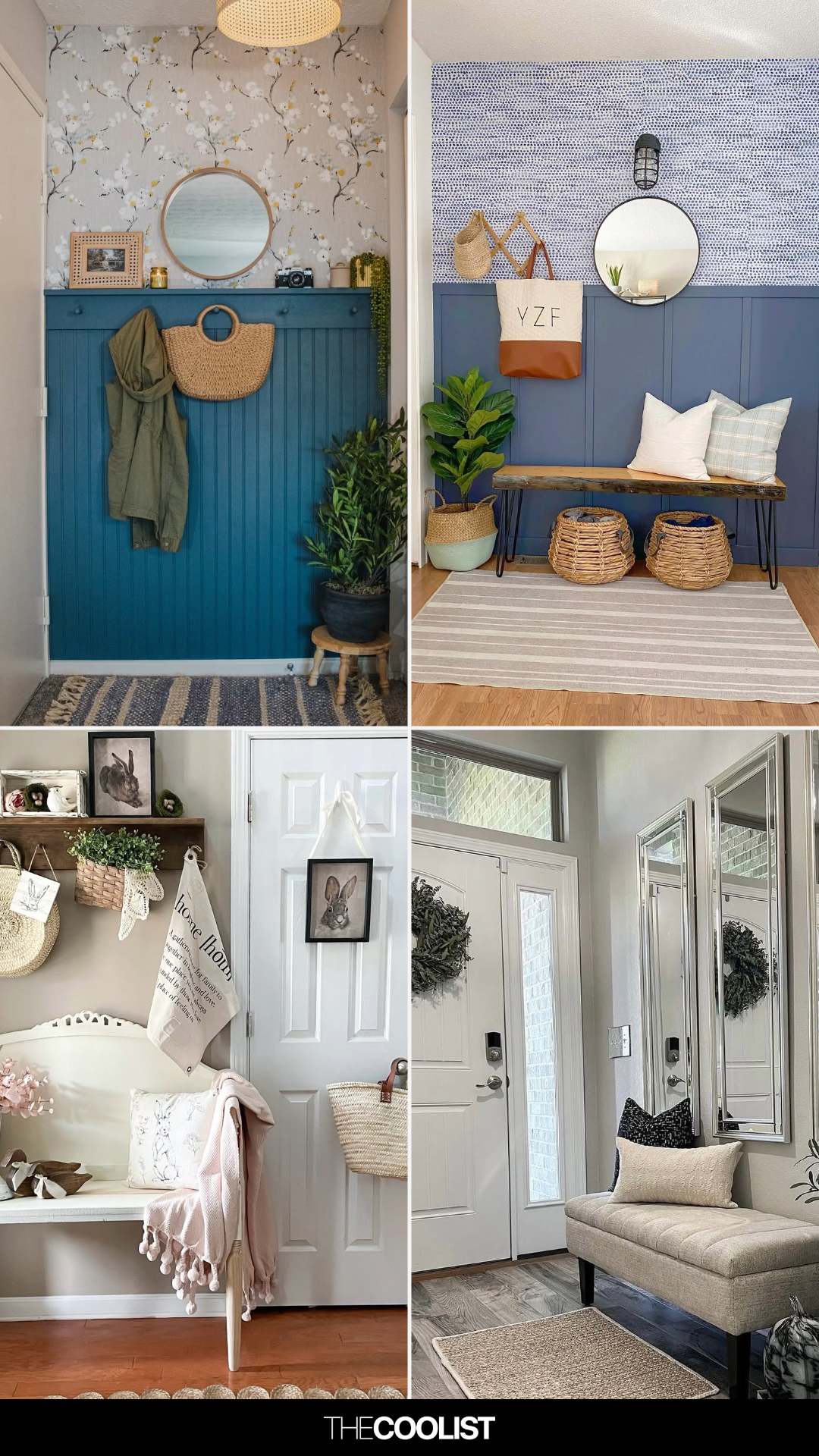
21 Small Entryway Ideas That Maximize Space and Style
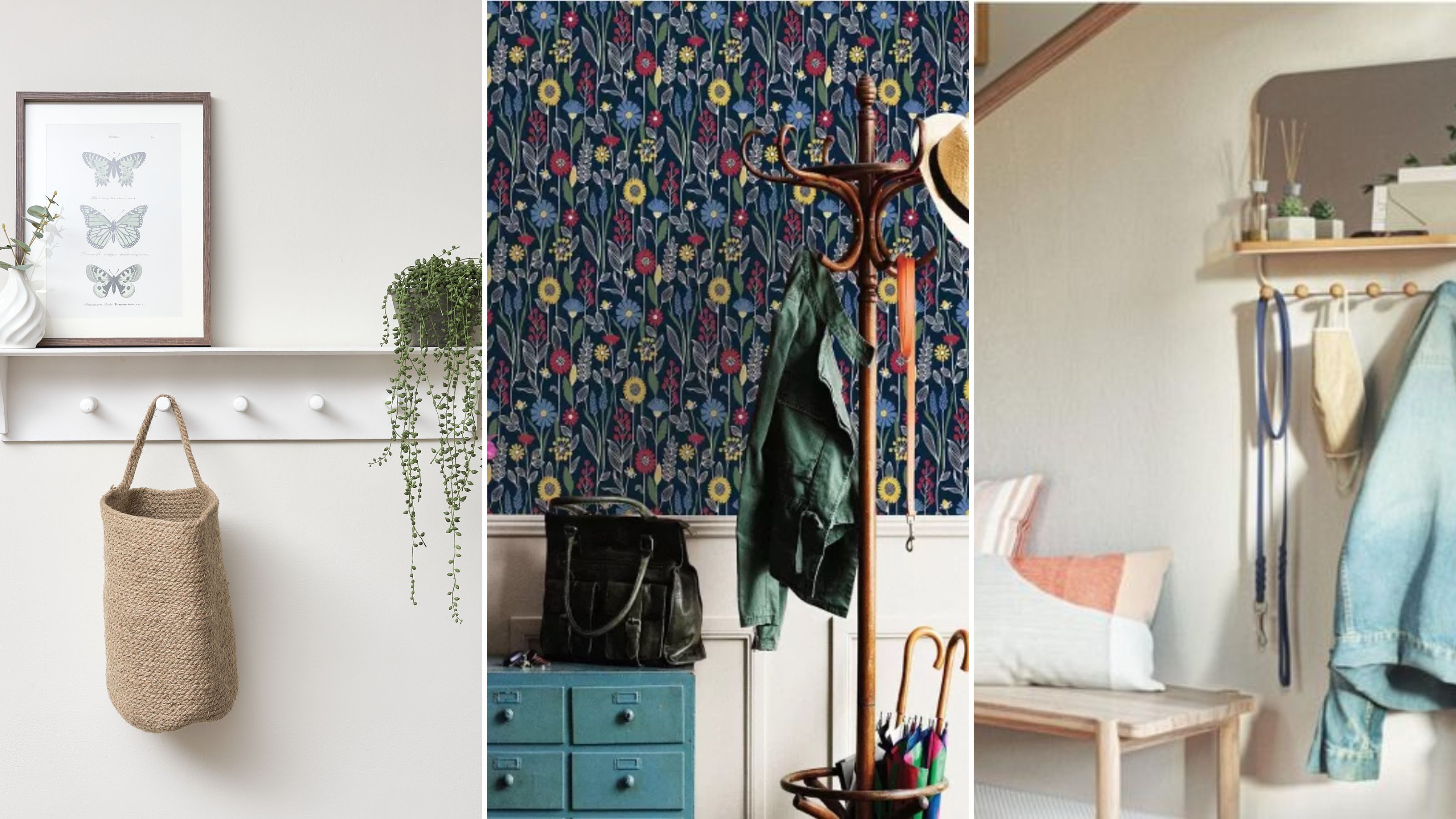
6 small entryway wall decor ideas interior designers swear by
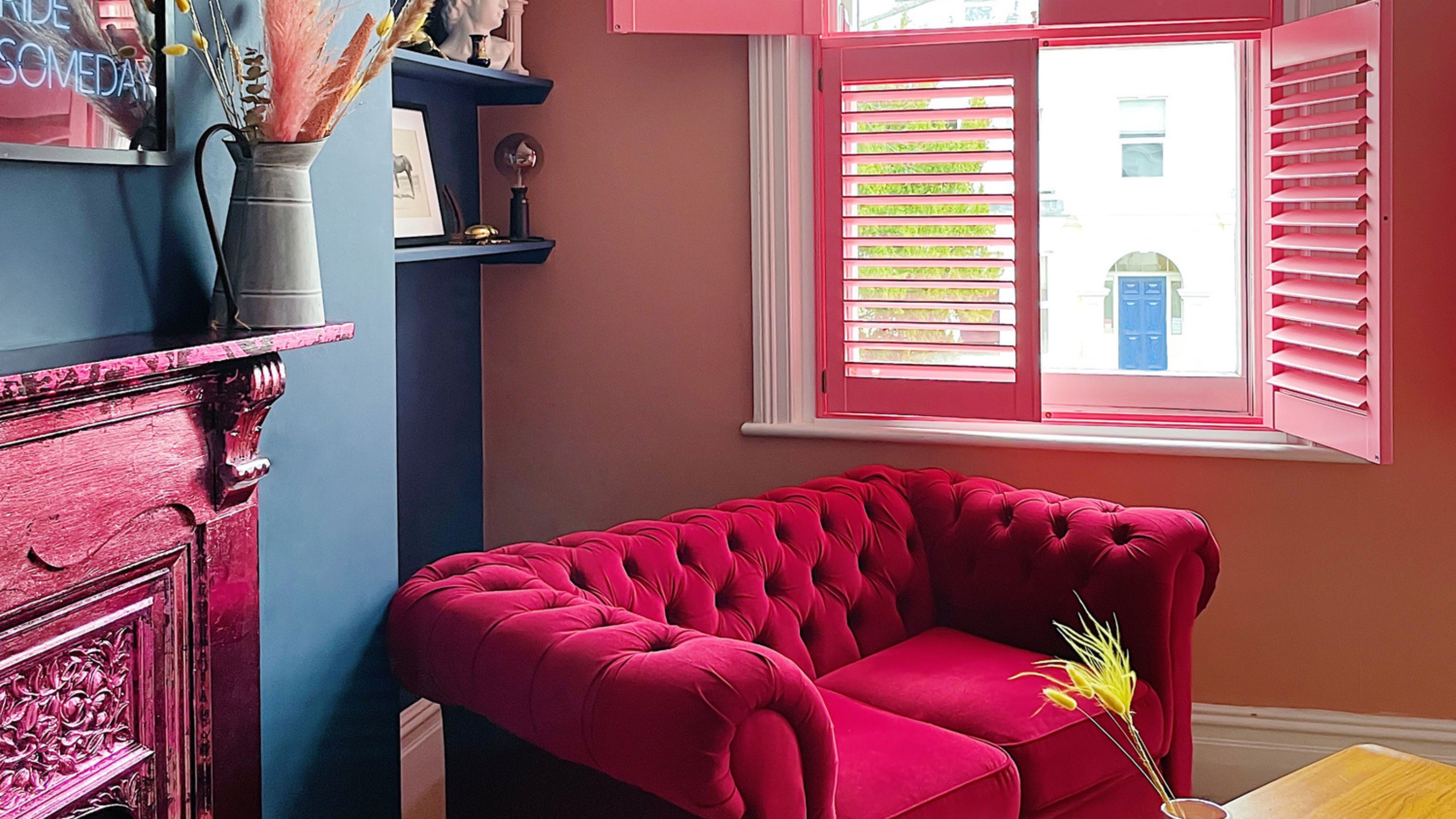
The best paint colors for small living rooms, according to design experts
Experts reveal the best small kitchen color ideas to maximize compact spaces

5 best paint colors for a small entryways - designer-approved palettes
What colors brighten up an entryway? 5 shades that will bring light and life to your space
Trust us, these are the colours to avoid when painting a small hallway
The Small Kitchen Paint Colors Designers Swear By for Even the Tiniest Spaces