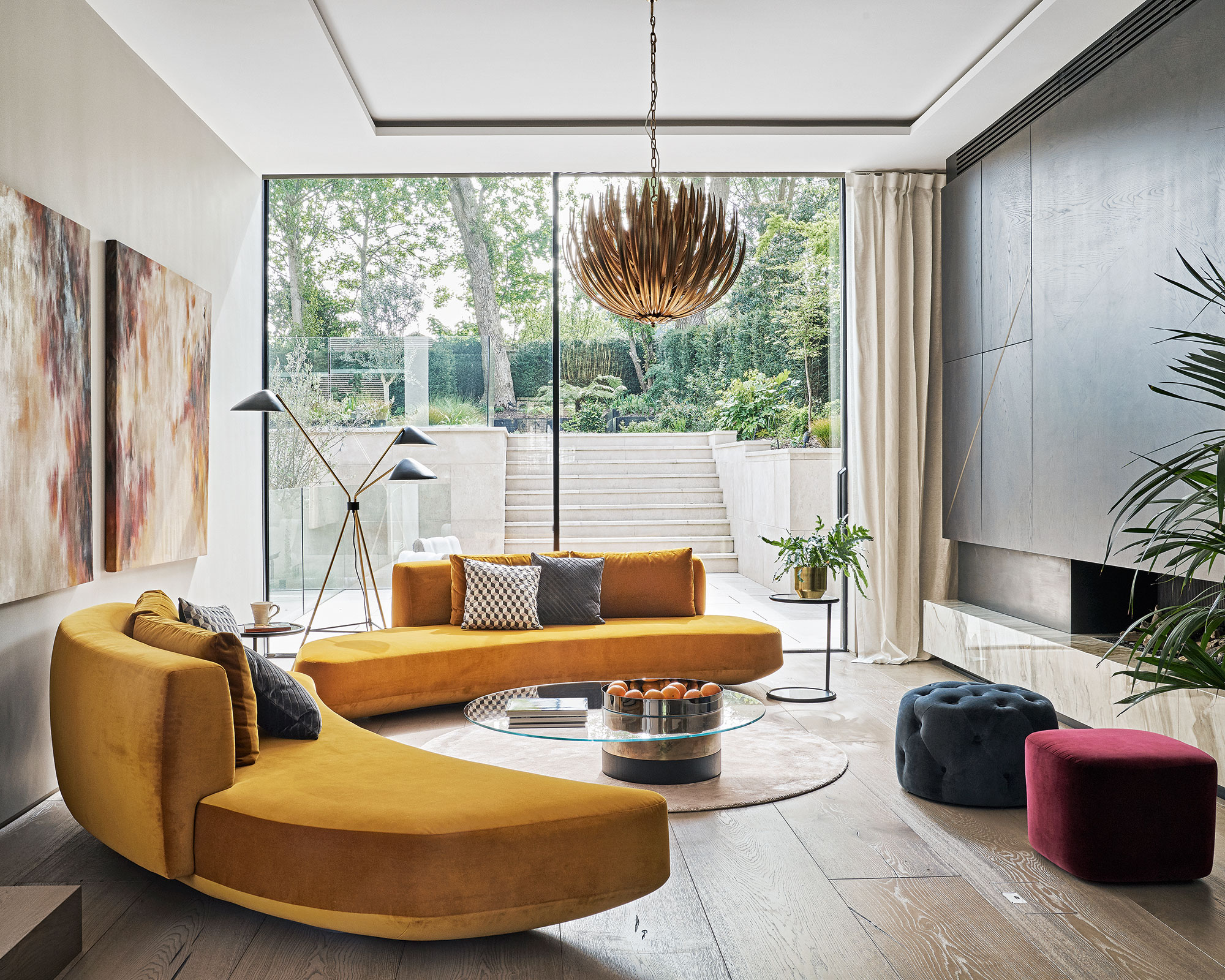
1/6
Feng Shui design mistakes to avoid – 5 things you may be getting wrong
The ancient Chinese practice of Feng Shui is gaining increasing attention as individuals seek to create more harmonious and positive living spaces. This guide addresses five common Feng Shui design mistakes to avoid, aiming to foster positive energy and well-being within the home. Adhering to these principles can transform a living environment, from ensuring proper mirror placement to selecting appropriate artwork.
One critical aspect of maintaining good Feng Shui is addressing any faulty fixtures, particularly dripping taps. A dripping faucet is considered a symbol of wealth draining away. The advice extends beyond just taps, urging homeowners to fix anything broken, cracked, or not functioning correctly within their living space. Such neglected issues are believed to deplete the energy of the home and its occupants.
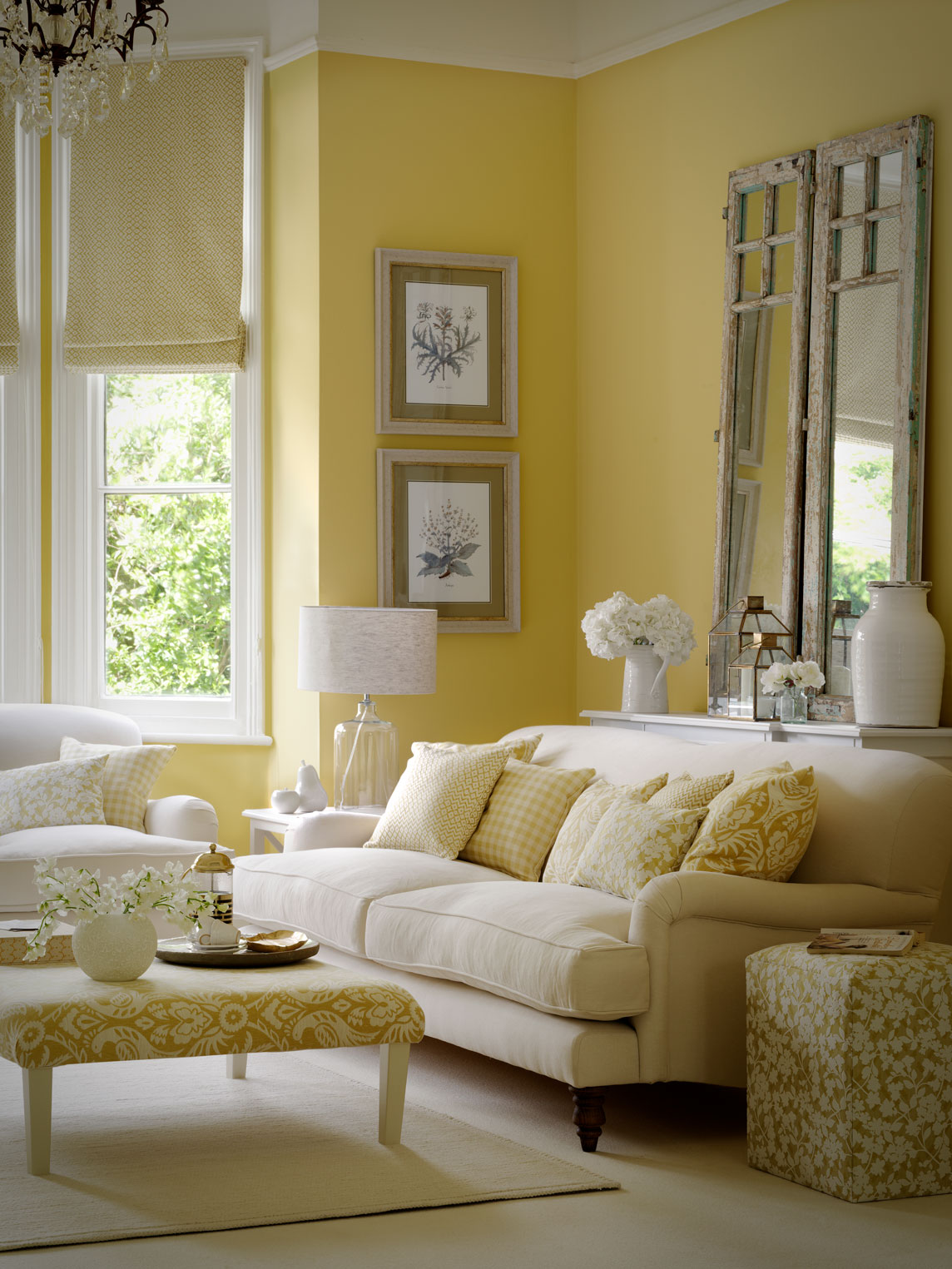
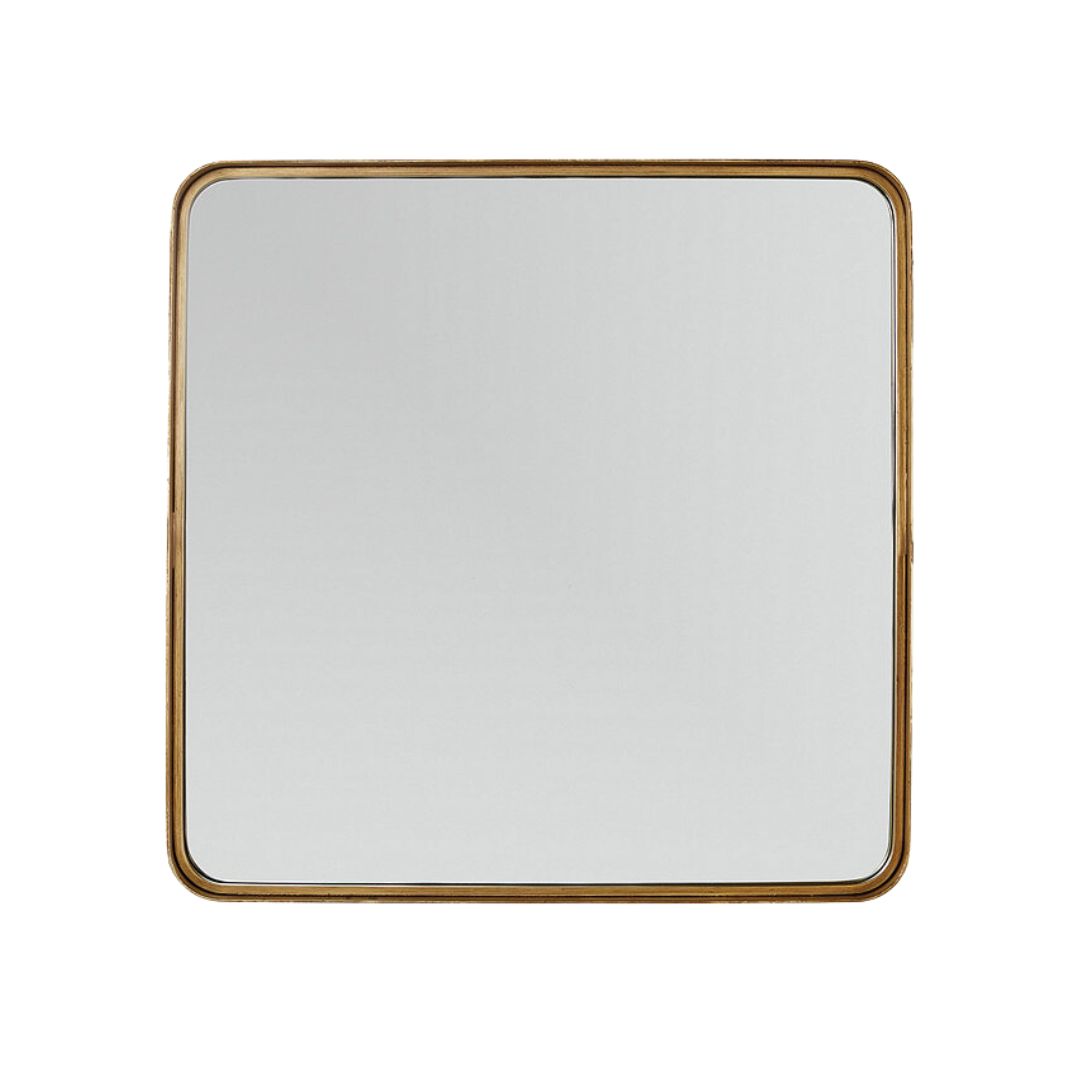
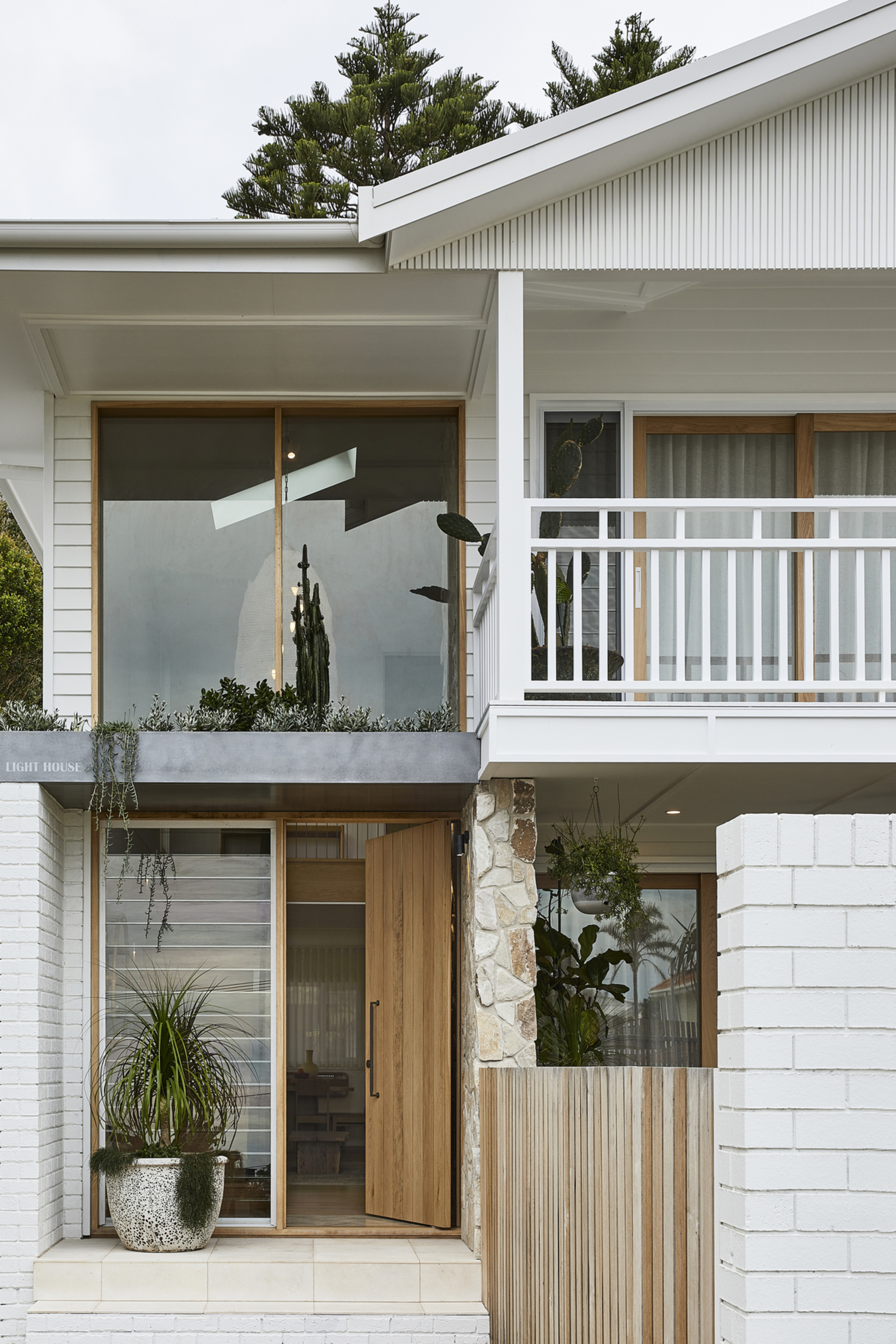
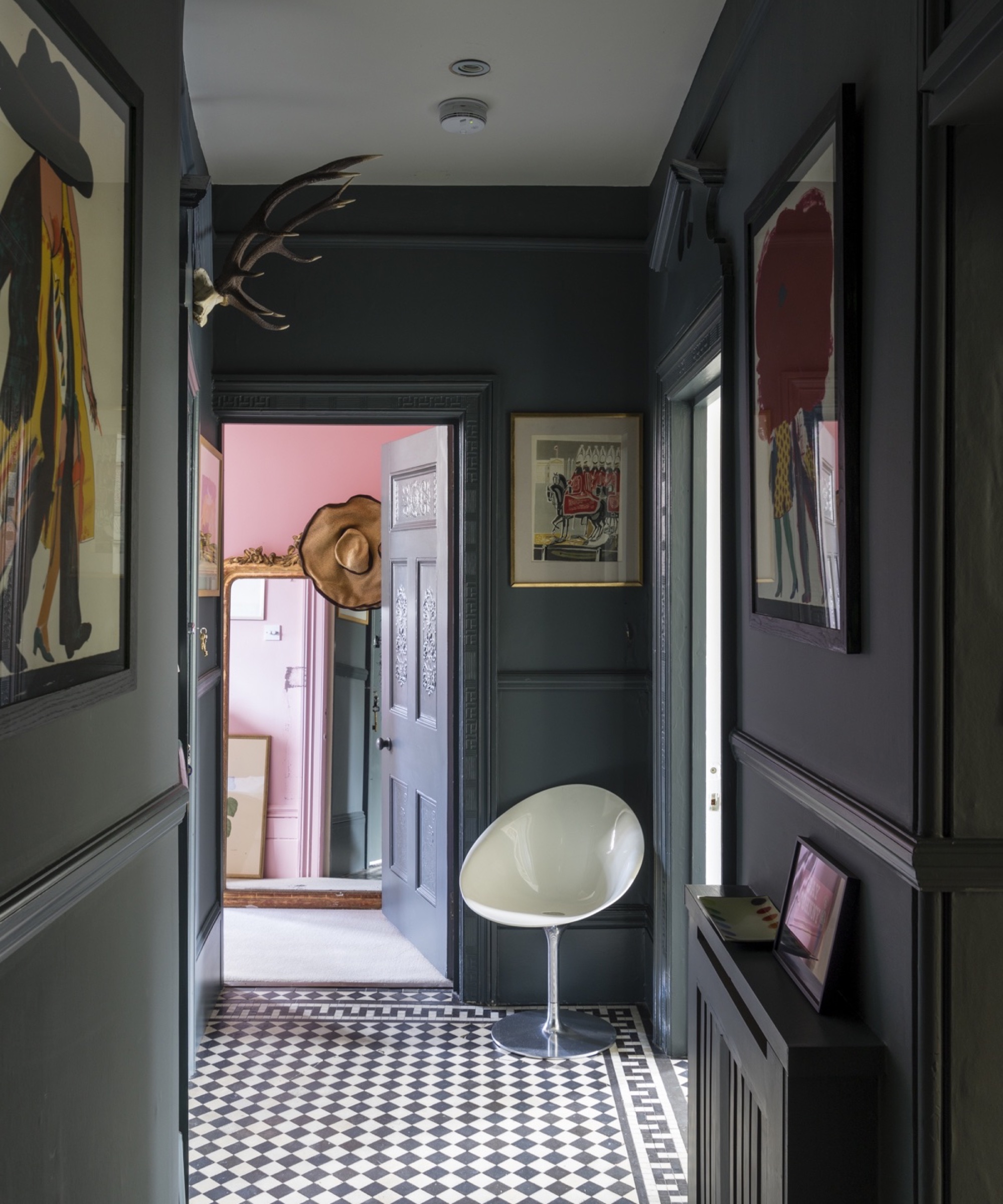
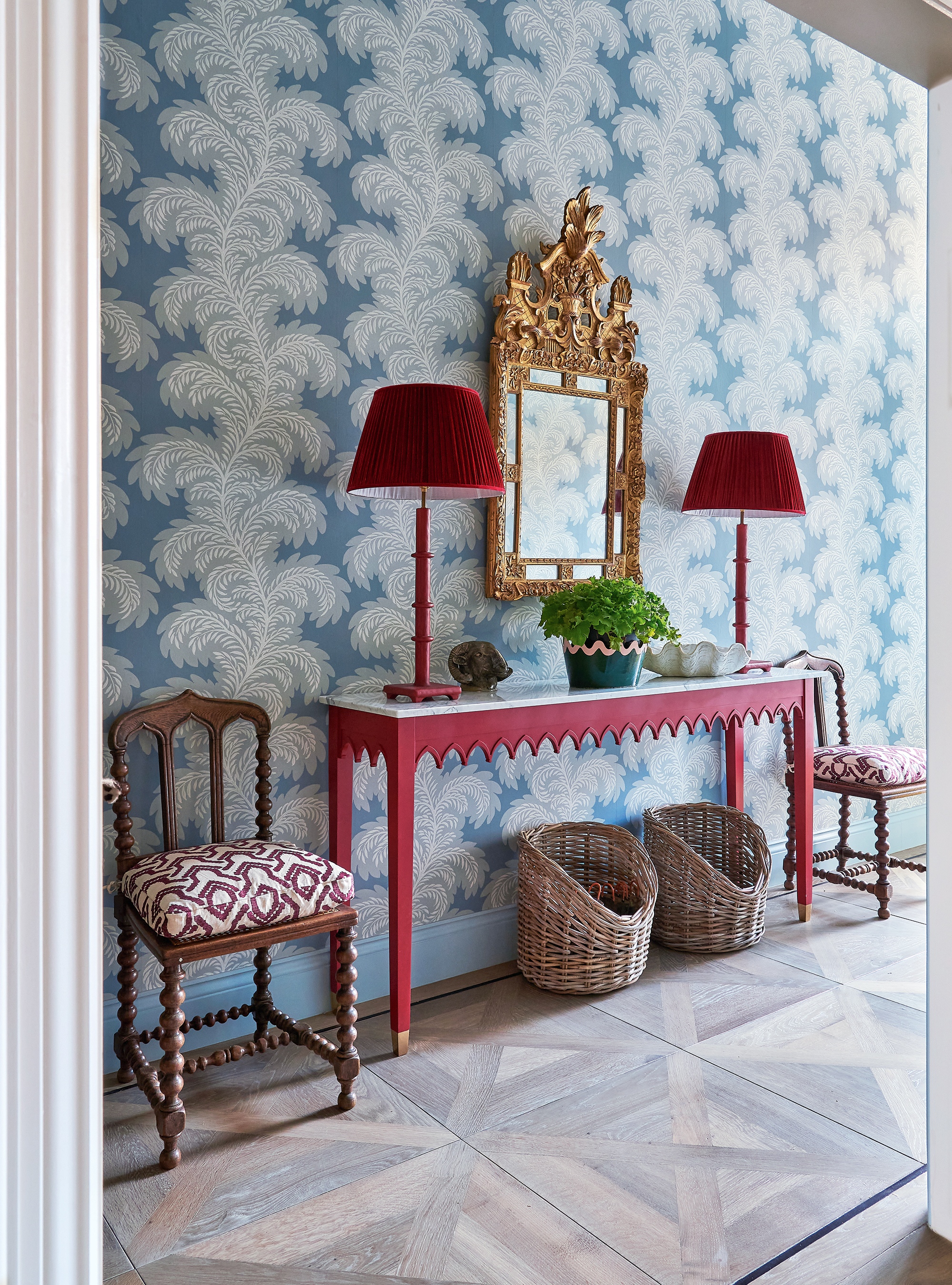
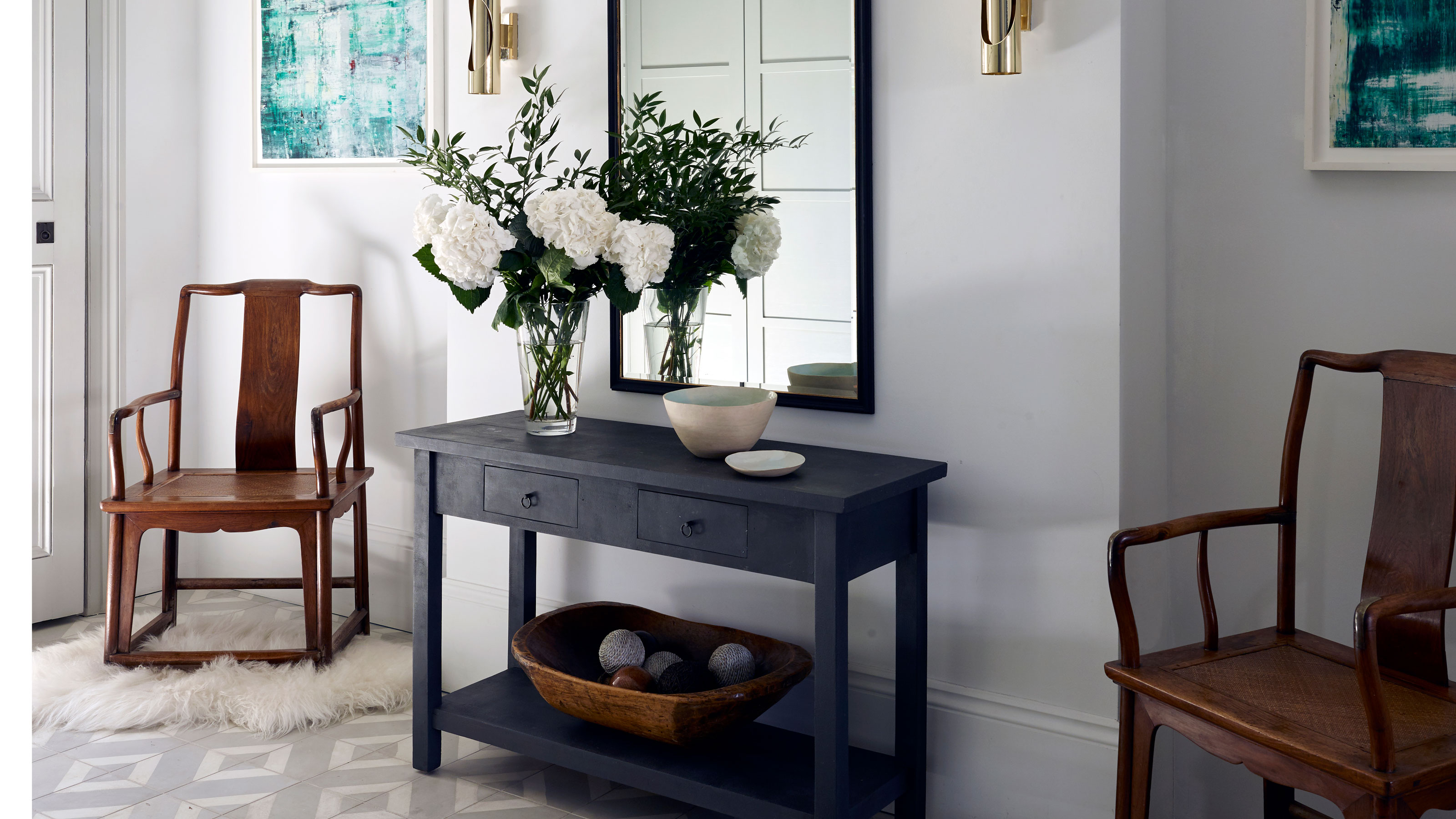
Mirror placement, especially in entryways, is another significant consideration. Placing a mirror directly opposite the front door is a common Feng Shui mistake. The front door is seen as the main entry point for positive energy into the home. When a mirror faces the door, it is believed to reflect this beneficial energy straight back out, preventing it from circulating within the house. If a mirror must remain in this position, placing fresh flowers in front of it or adding a decal to reduce its reflectivity can mitigate the negative effects.
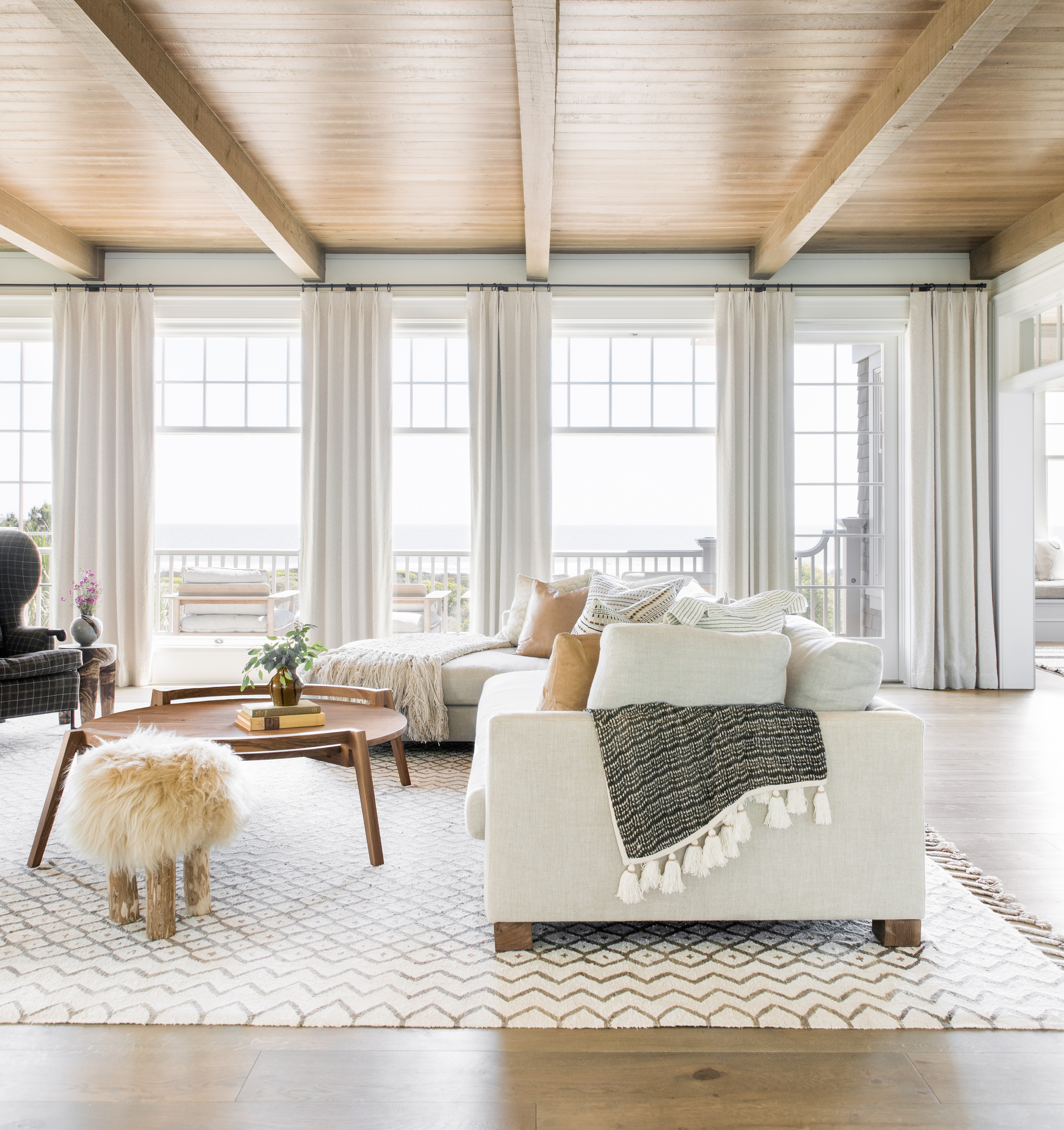
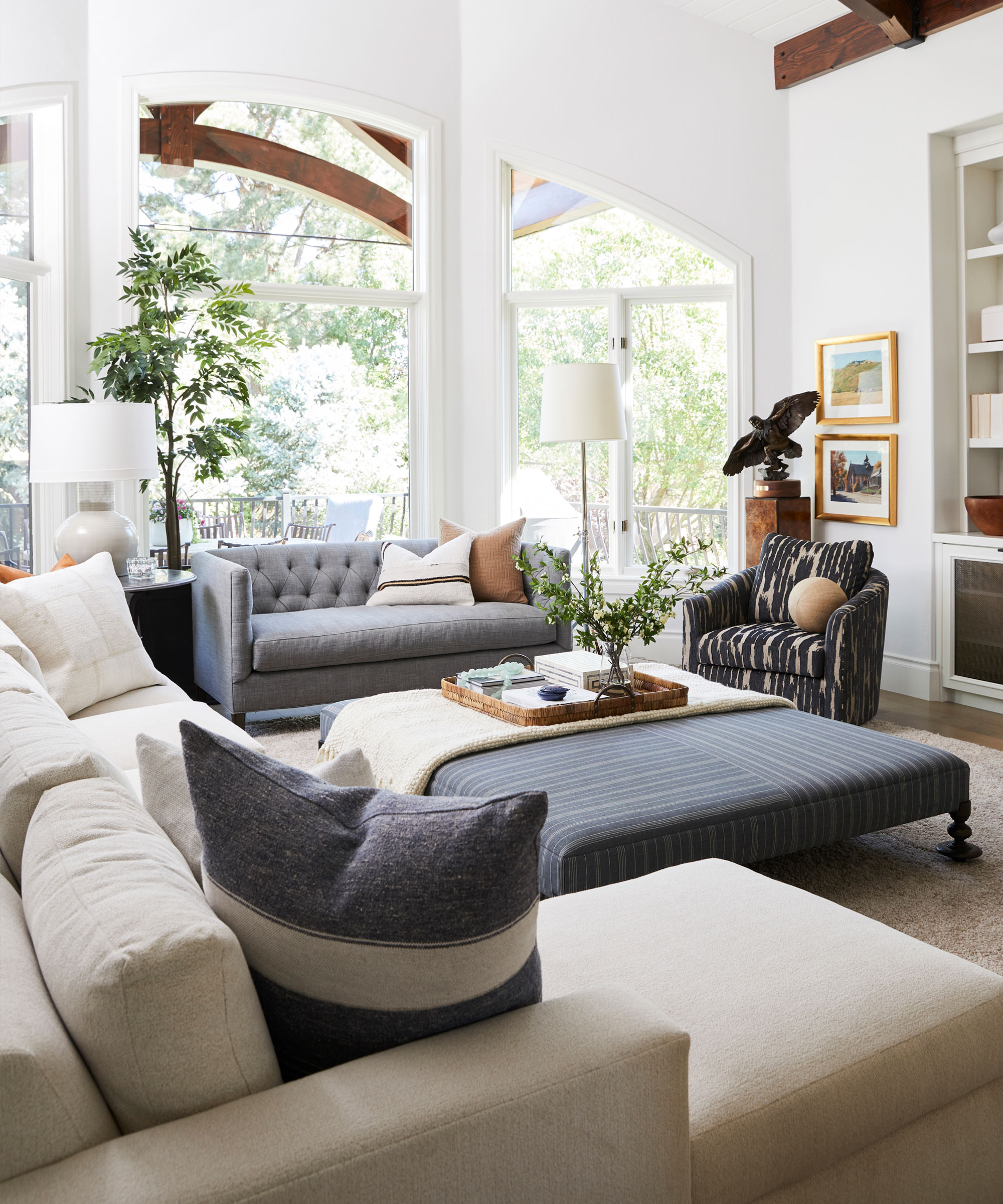
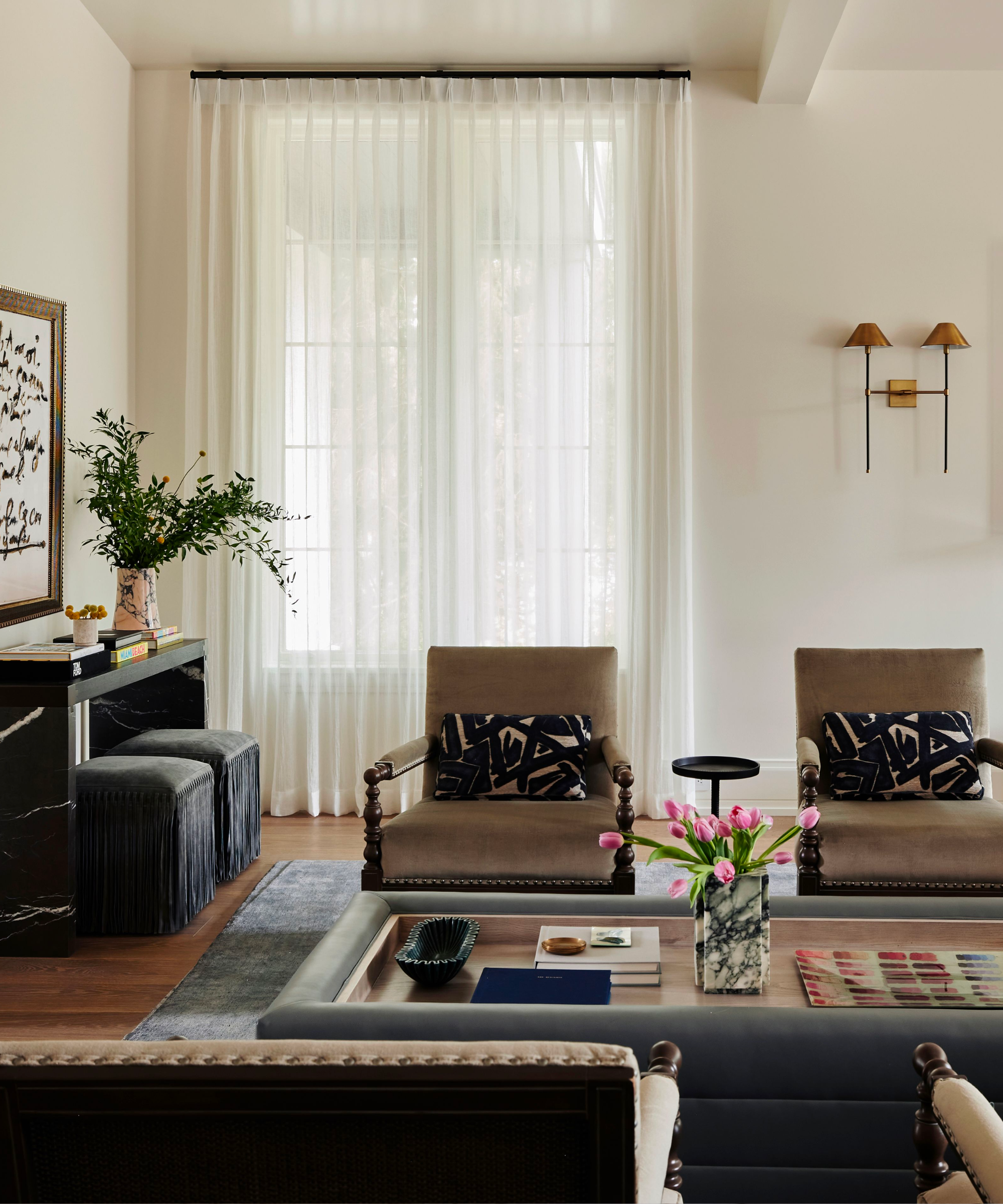
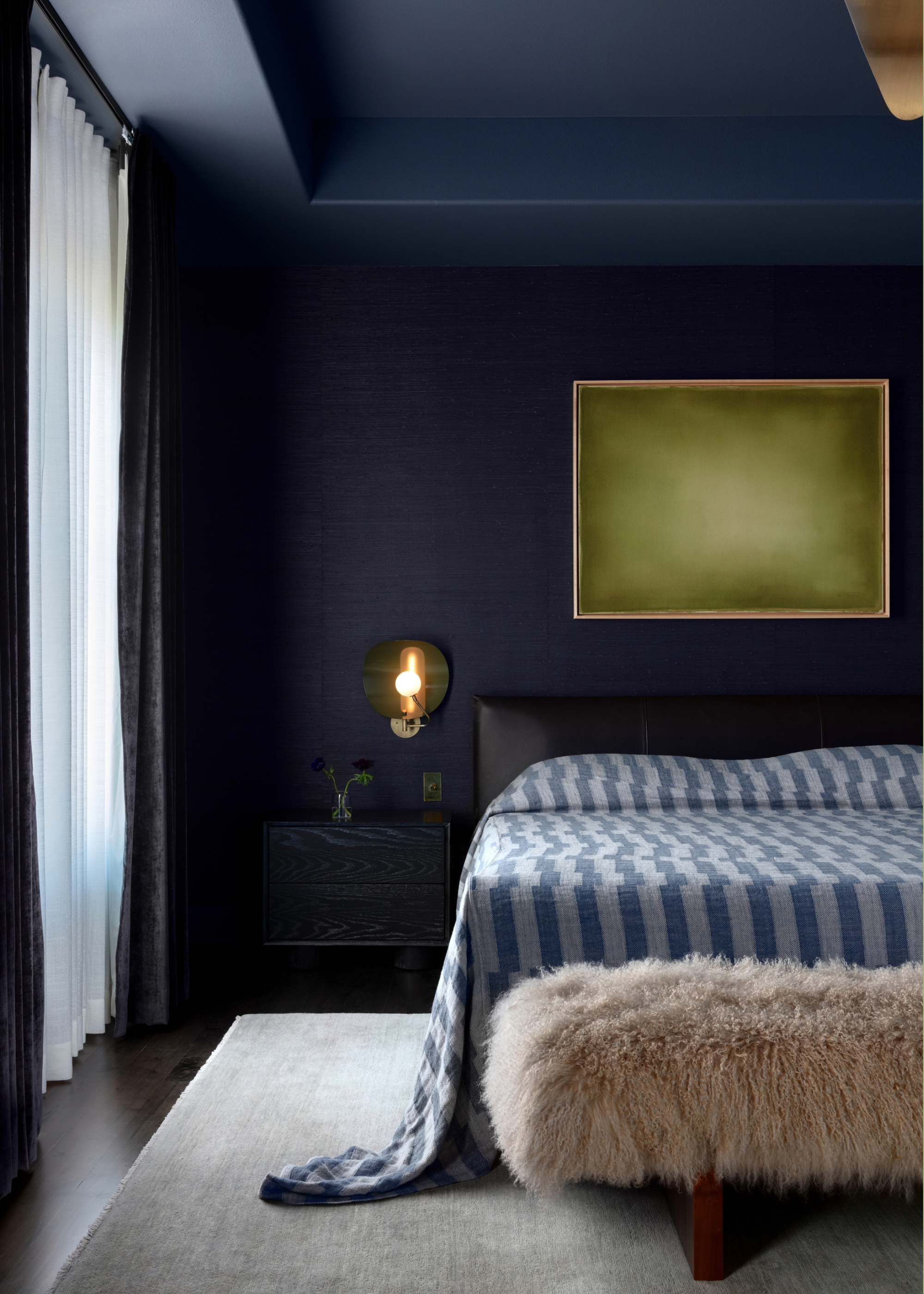
The positioning of seating, particularly sitting with one's back to a door, is also highlighted as a design error. This creates a vulnerable feeling, as energy flows in from behind, making individuals feel unsteady and unconfident. This principle is especially relevant in home offices but applies to all rooms. The ideal arrangement is to sit with one's back to a solid wall, allowing a clear view of the door. This 'power position' promotes confidence and preparedness.
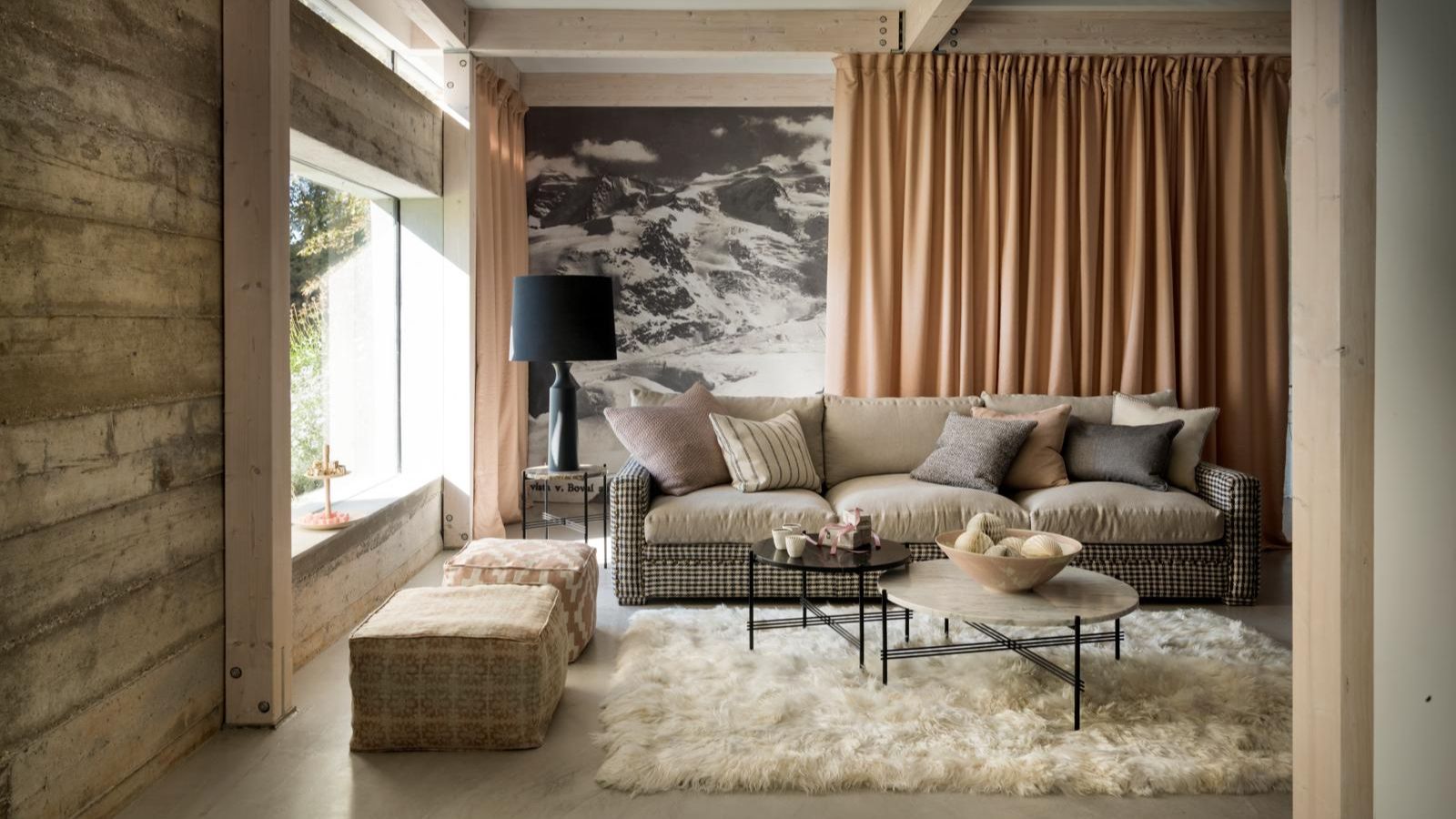
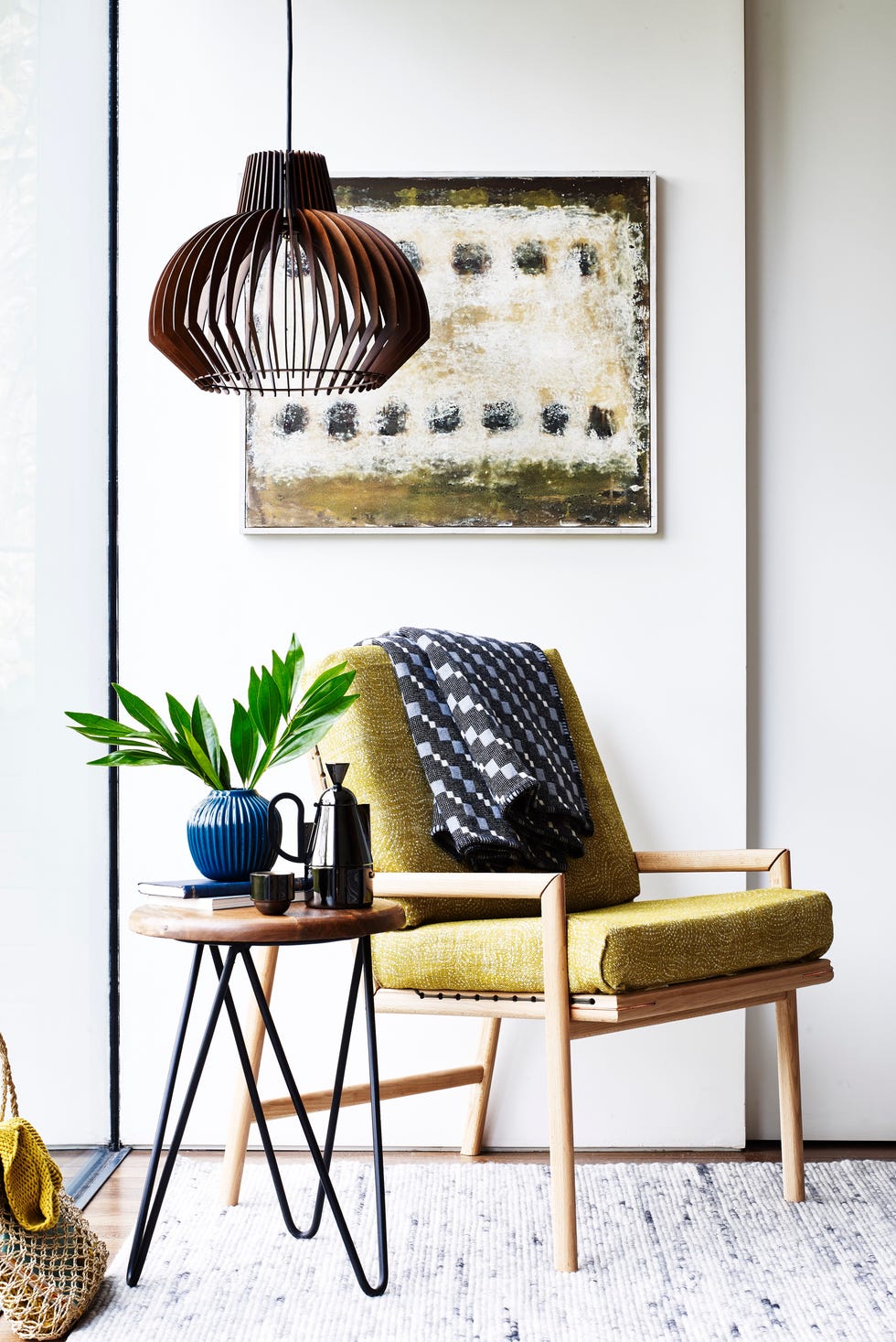
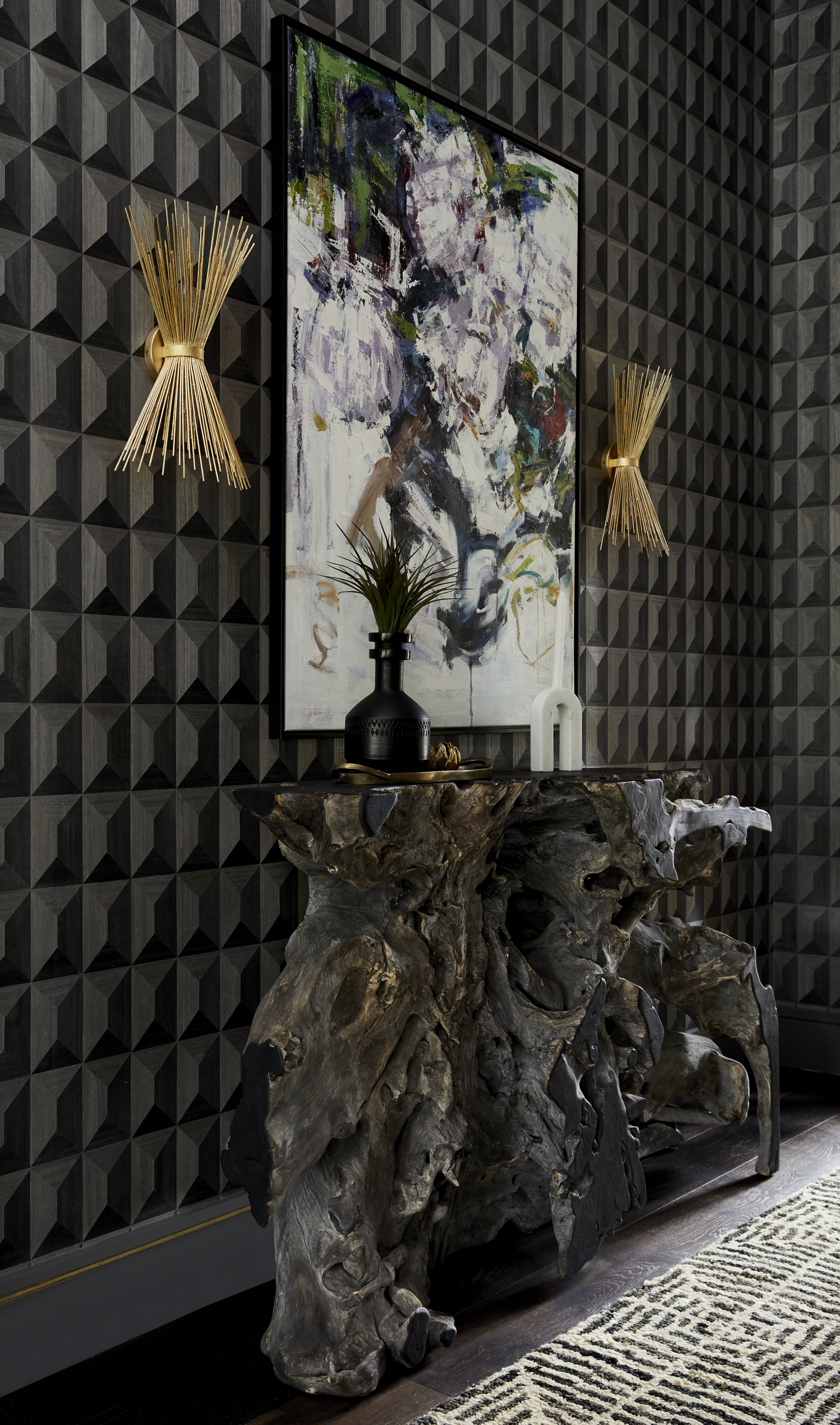
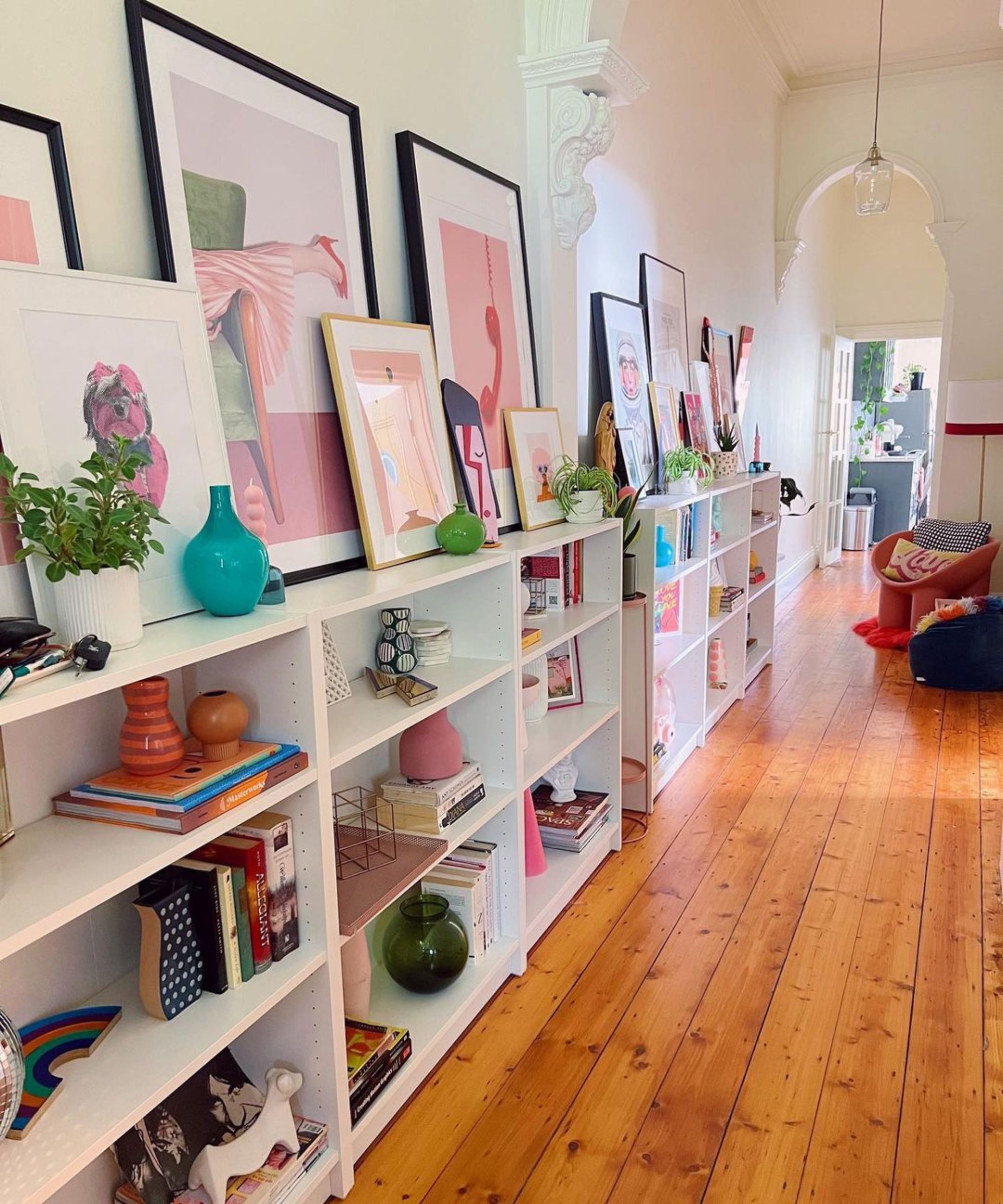
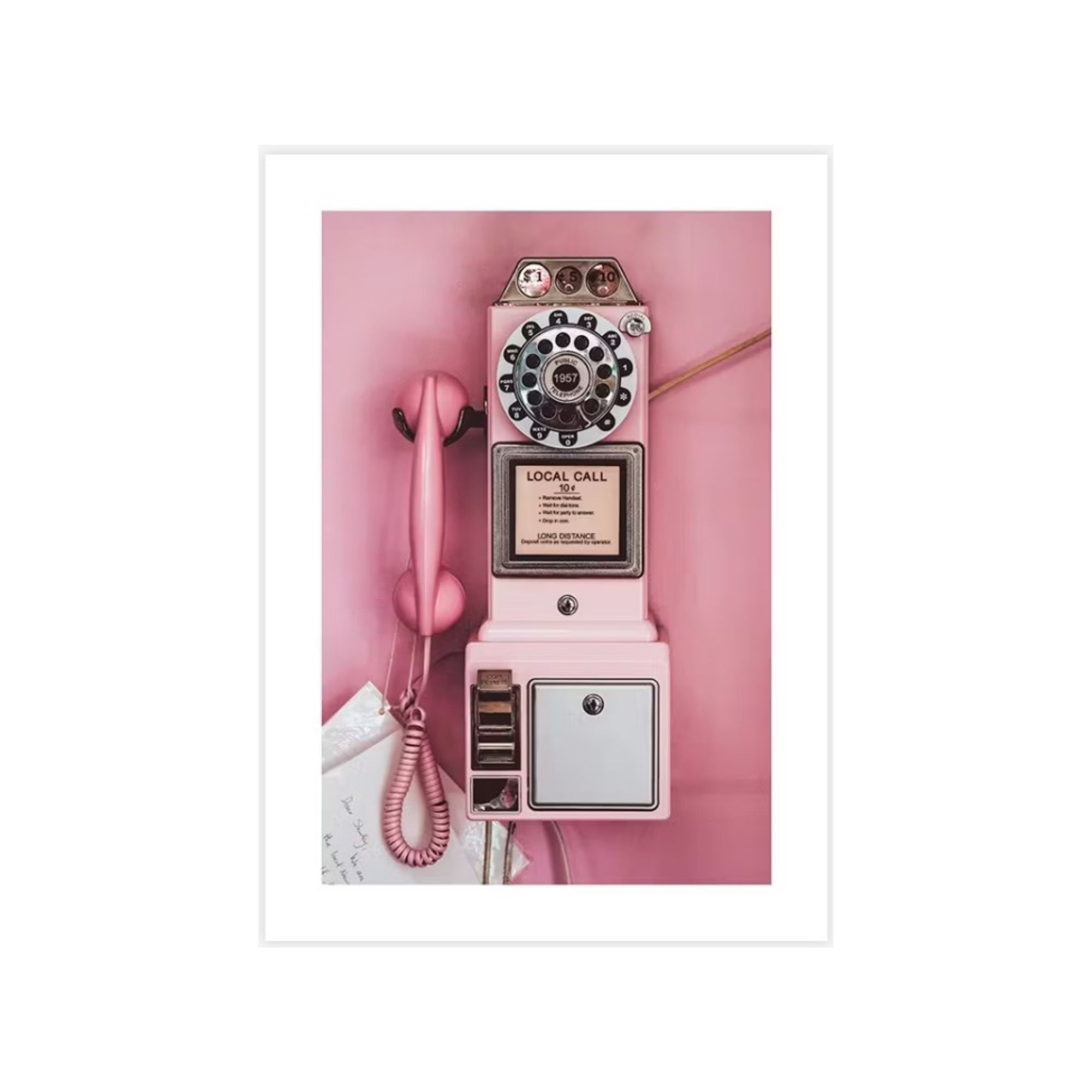
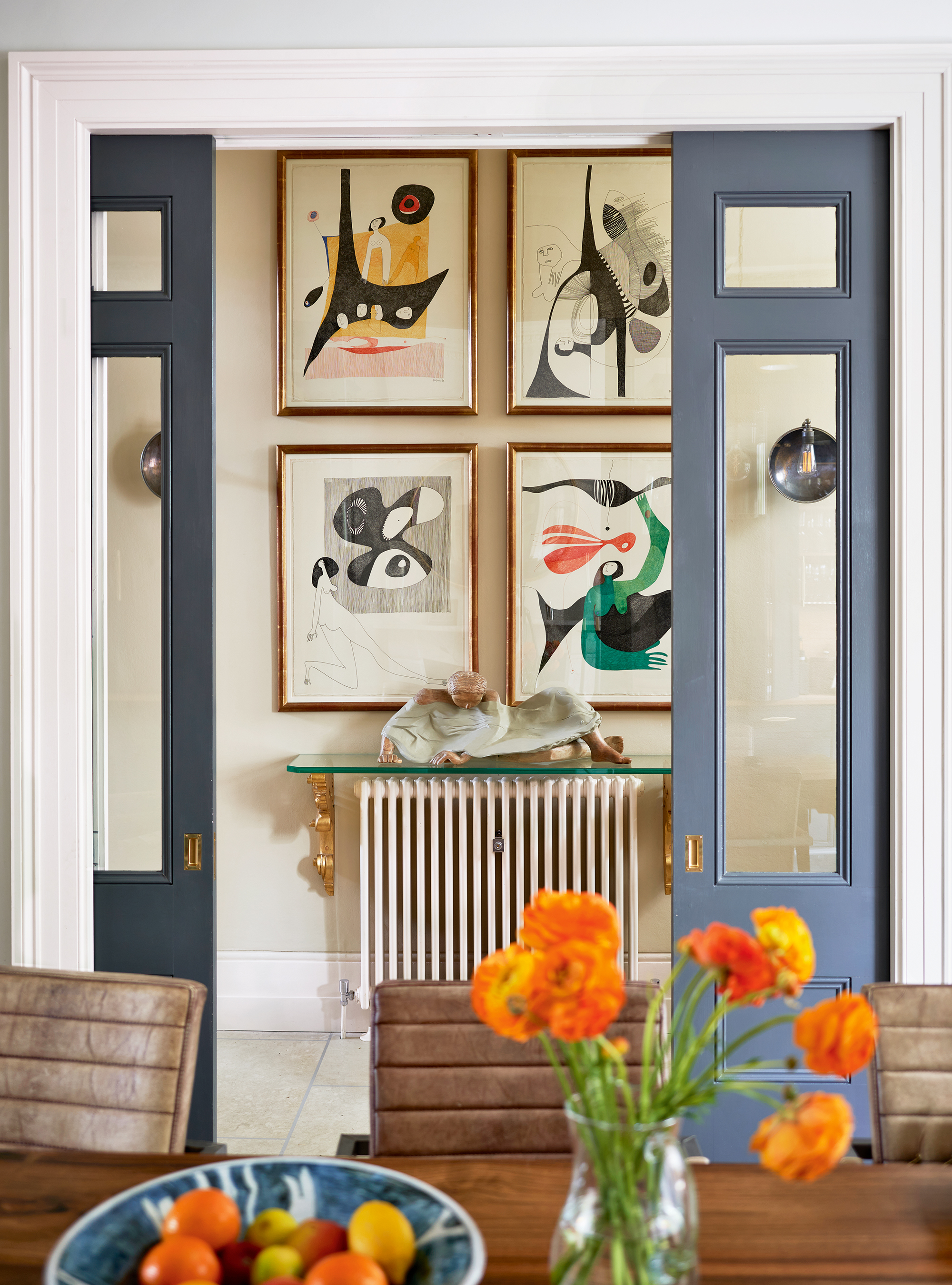
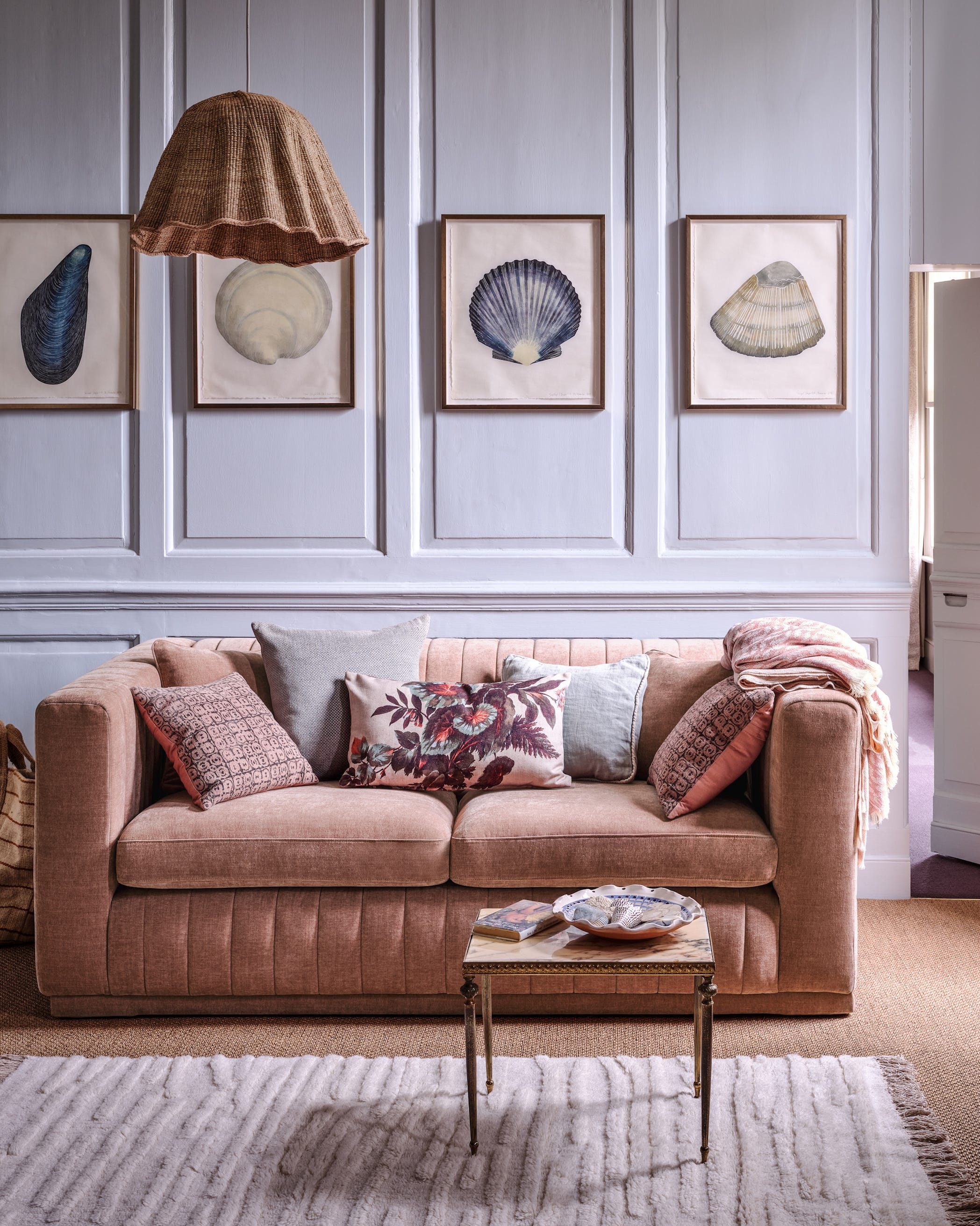
The choice of artwork profoundly impacts a home's energy. Artwork should align with the desired life and emotions. Pieces depicting turbulent water, stormy weather, or imagery associated with sadness, loneliness, or lack of joy are discouraged. Such visuals can manifest similar negative energies in the occupants' lives. Instead, art that evokes positive emotions and aspirations is recommended.
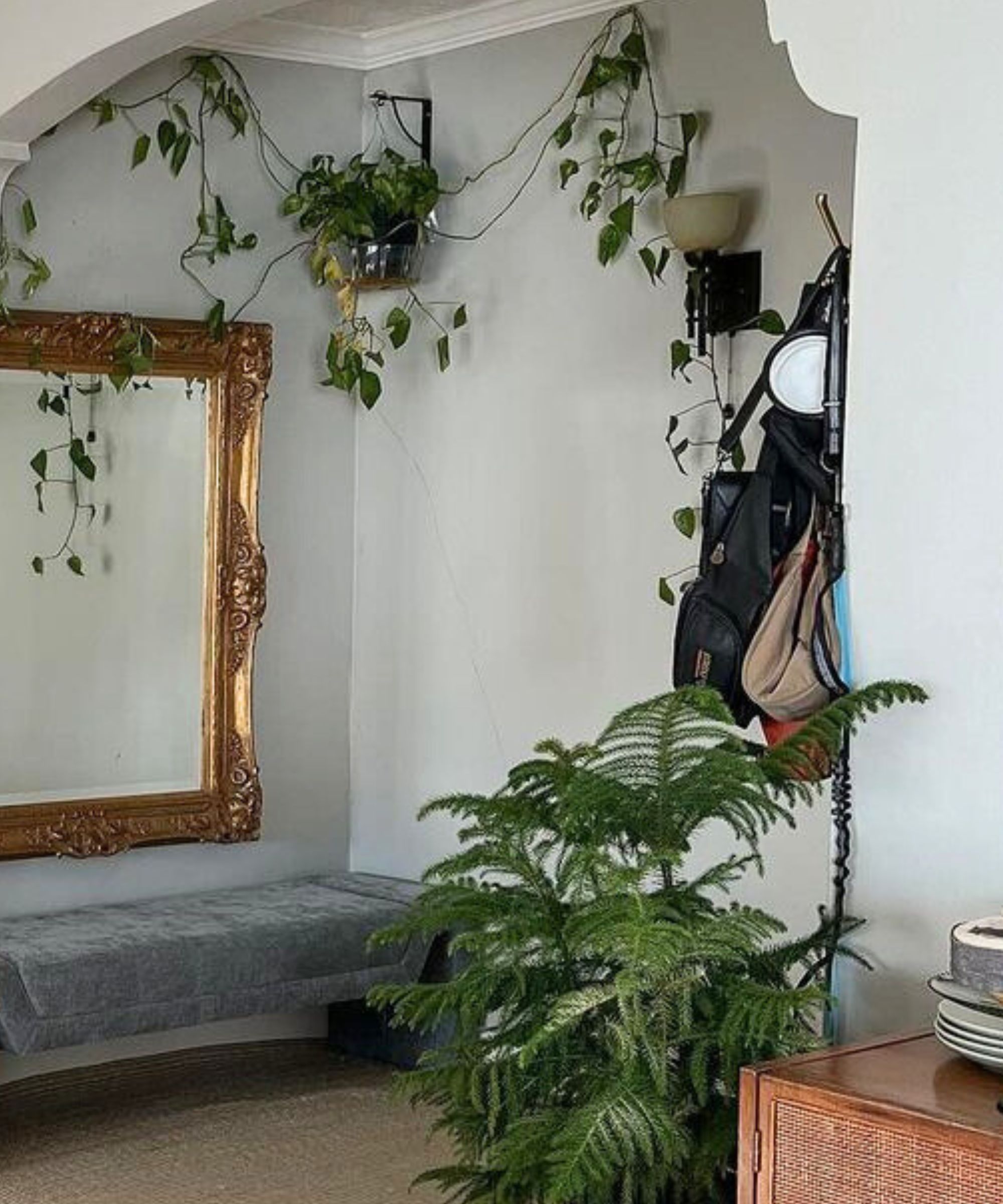
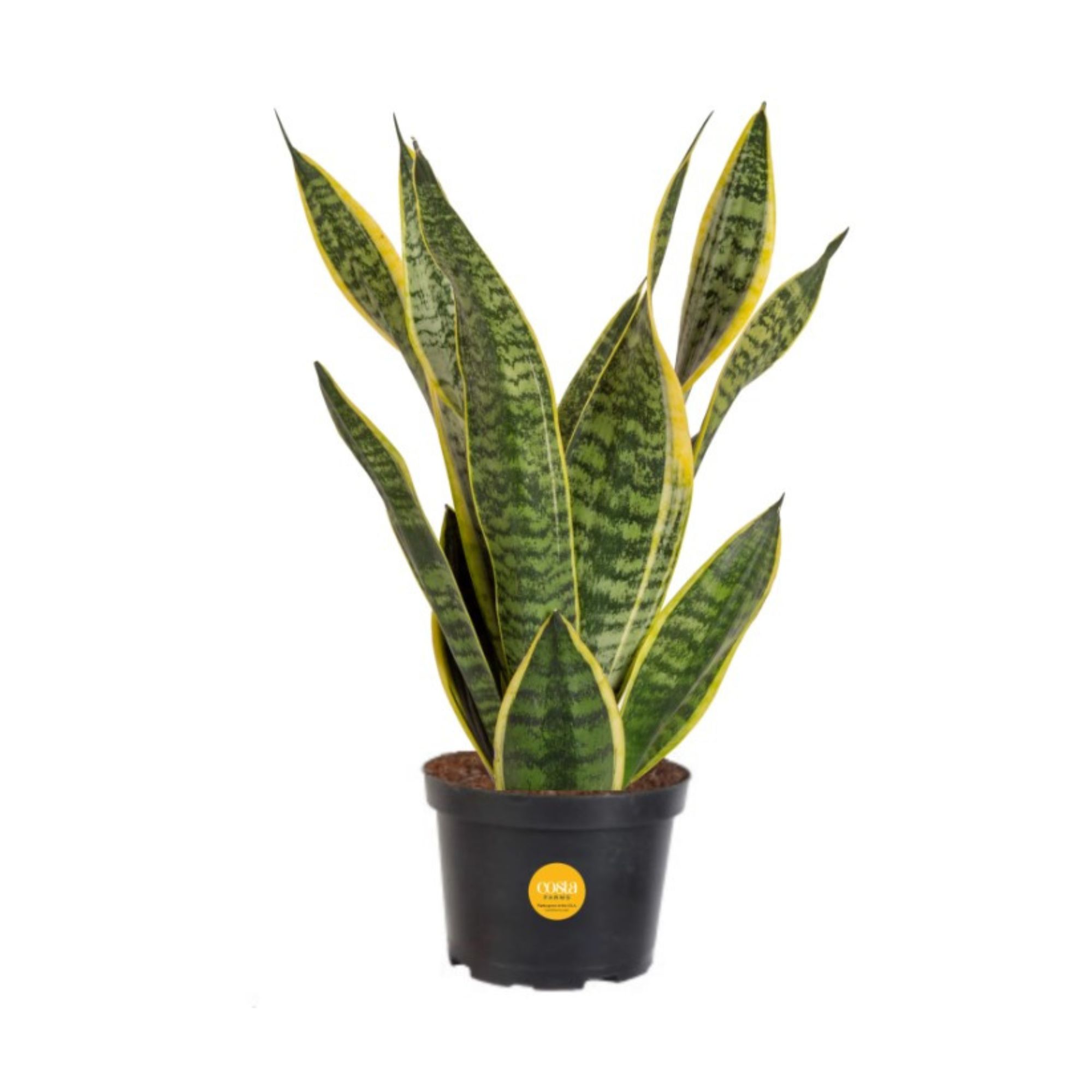
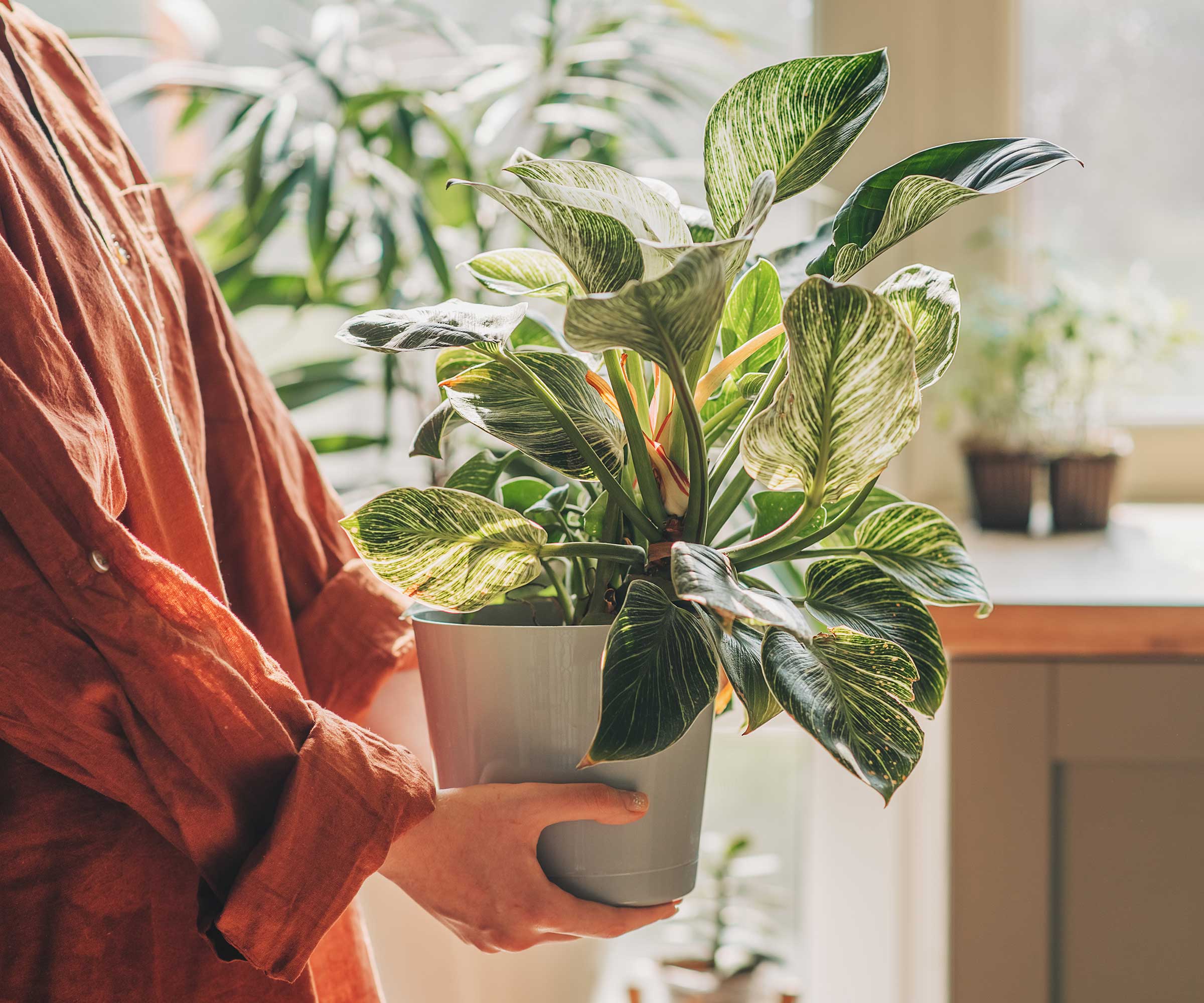
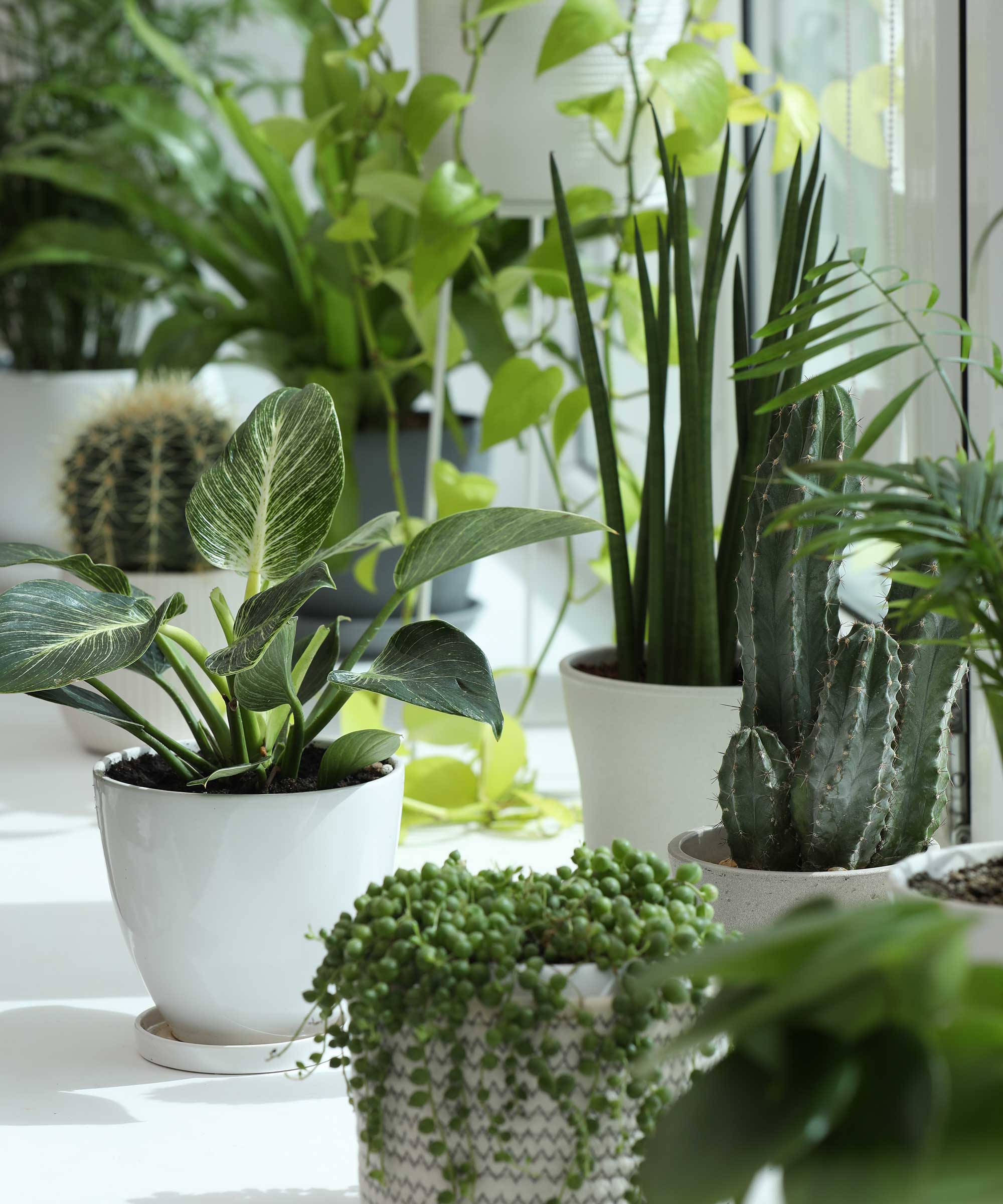
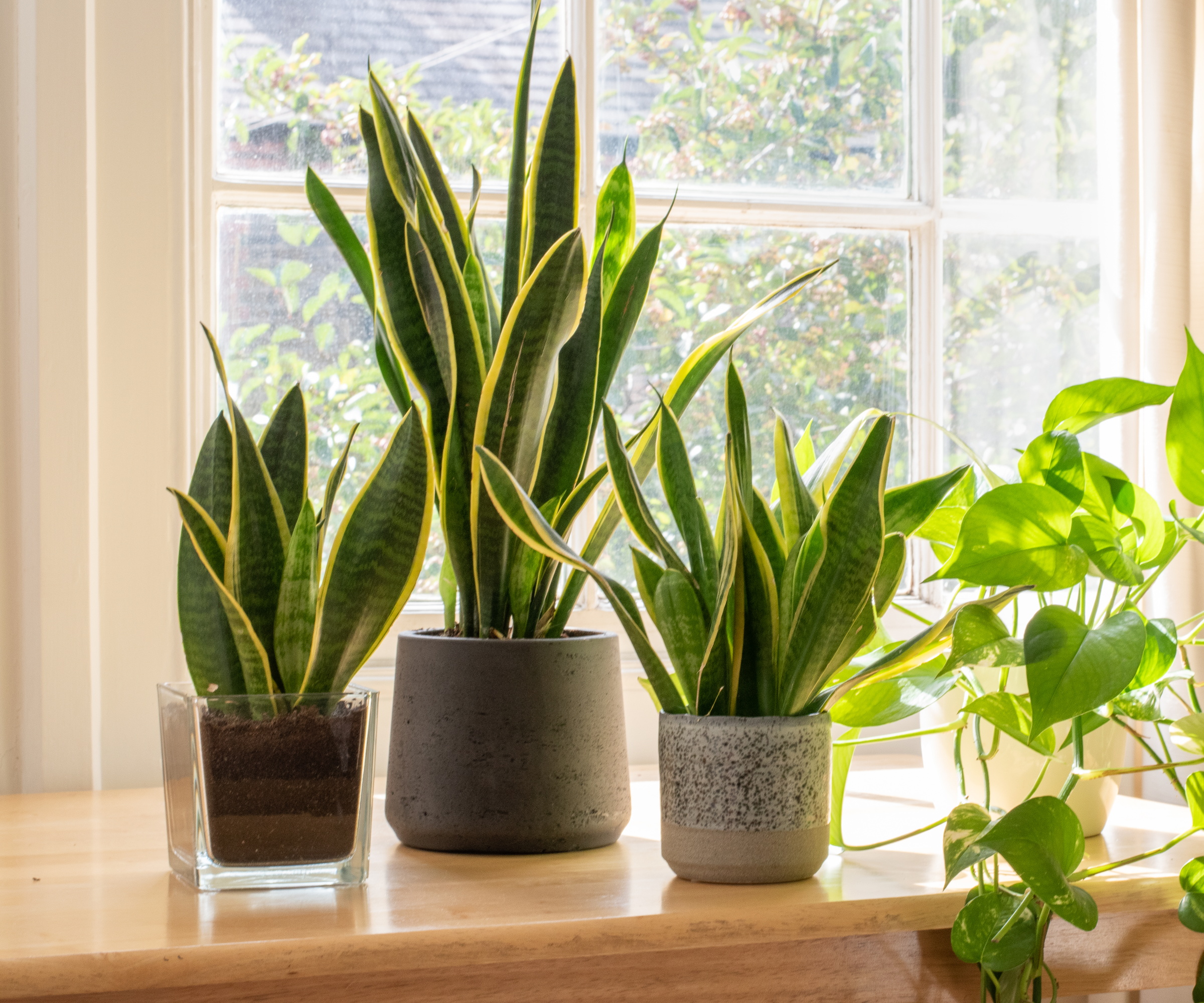
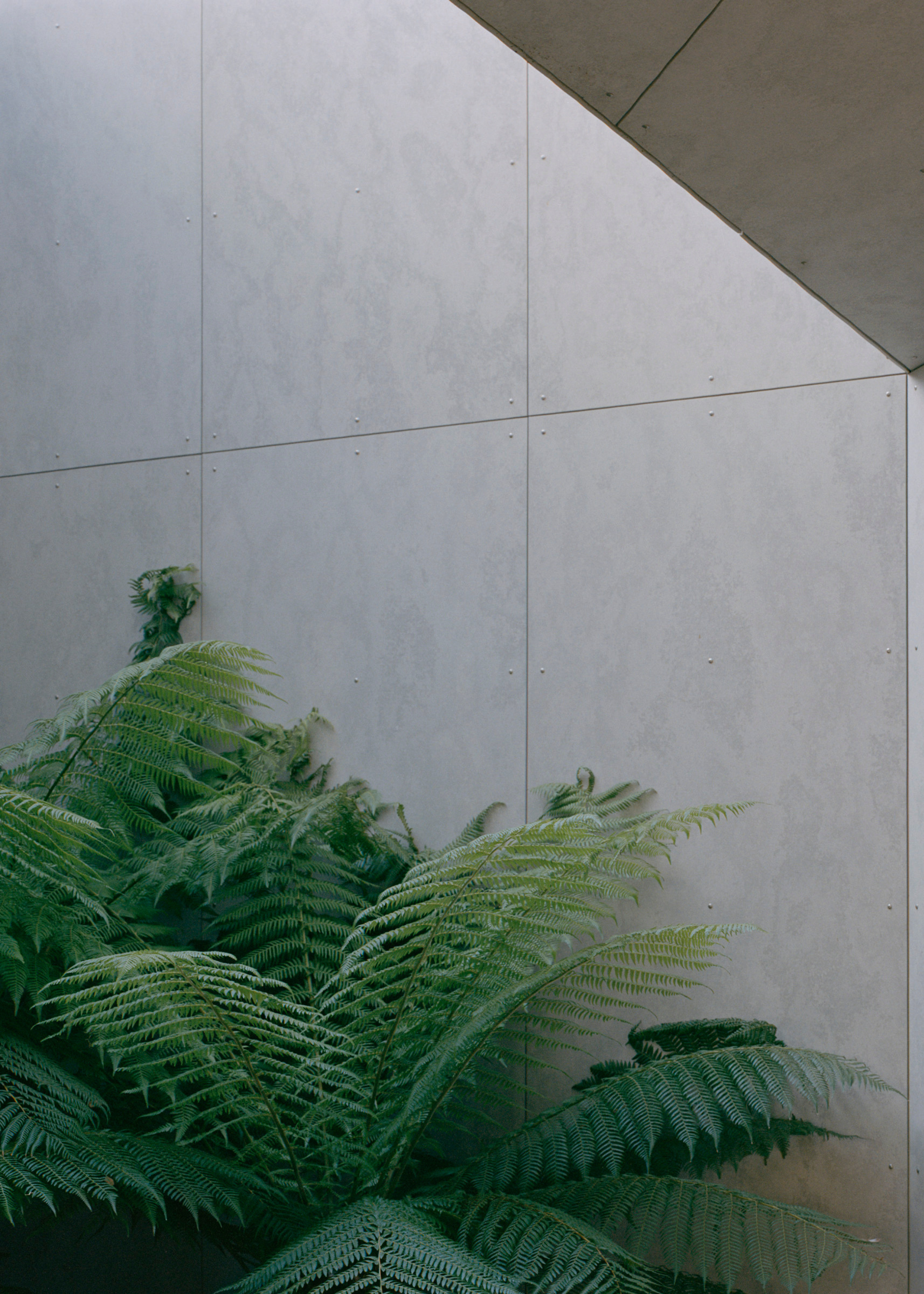
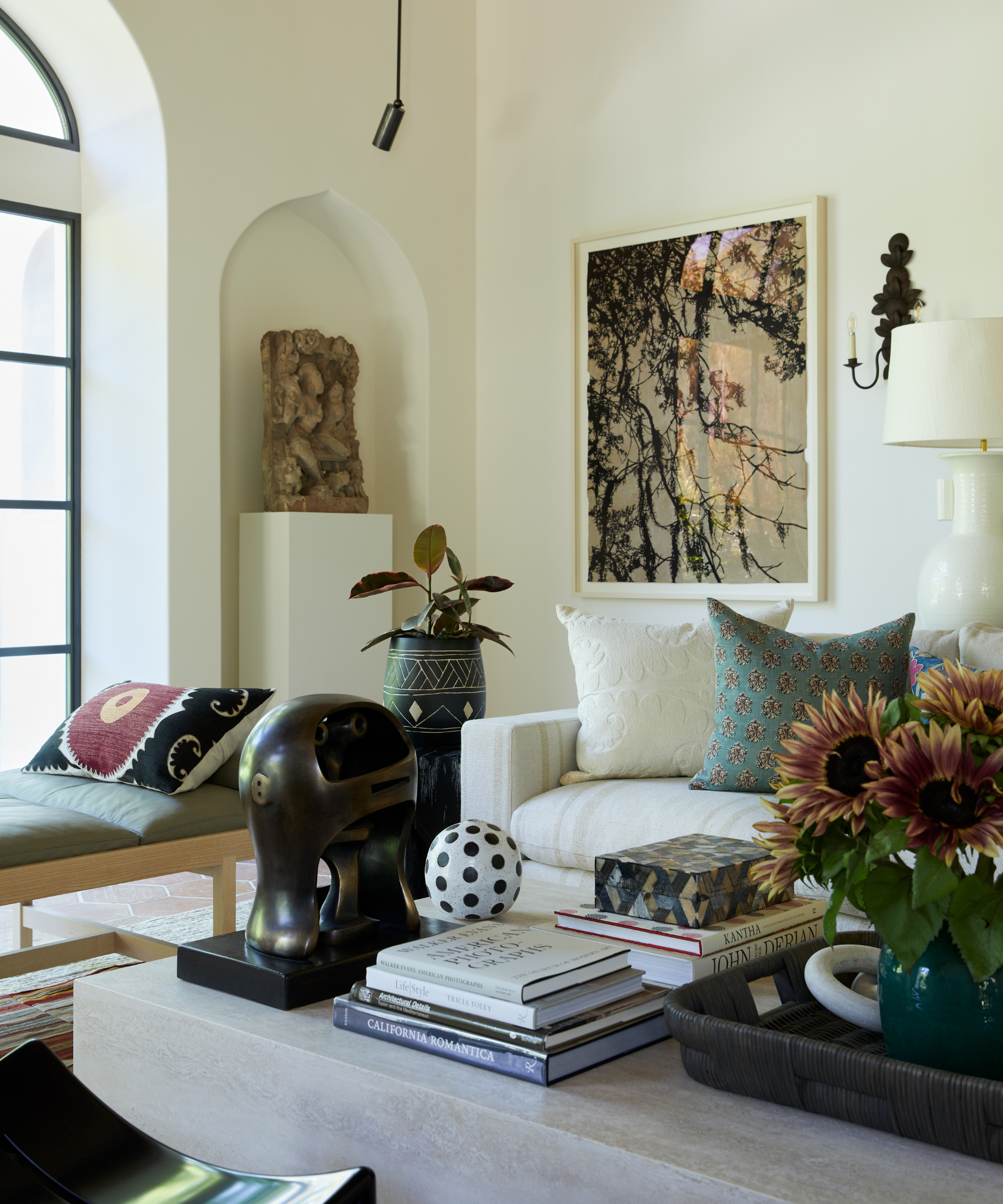
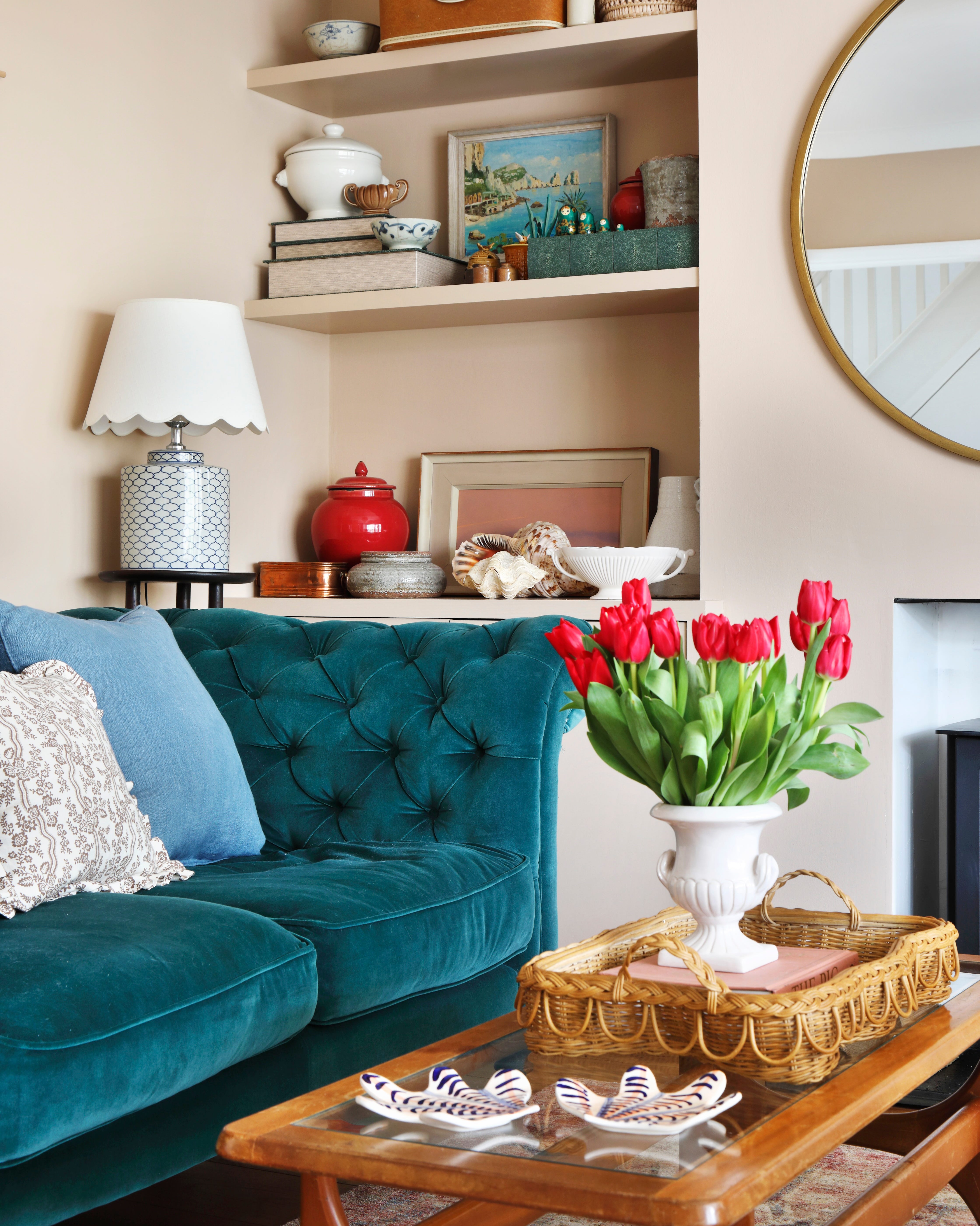
Finally, the selection of houseplants can also affect Feng Shui. While plants generally bring organic life and improve air quality, those with sharp or spiky edges, such as cacti, are best avoided. These plants are believed to repel positive energy and create an unwelcoming atmosphere. Smooth-leaved plants are preferred to maintain a flow of gentle and inviting energy.
#FengShui #InteriorDesign #HomeDecor #EnergyFlow #DesignTips #HomeHarmony #PositiveVibes #SpacePlanning #FengShui #InteriorDesign #HomeDecor #EnergyFlow #DesignTips #HomeHarmony #PositiveVibes #SpacePlanning
0 comment in total
 No comments yet
You may also like
5 Feng Shui living room mistakes you're making – and how the experts avoid them
5 entryway Feng Shui mistakes experts always notice as soon as they step foot into a home

Give Your Wardrobe an Energy Glow-Up by Ditching These 5 Feng Shui Closet Mistakes Now (And Forevermore)
How to Avoid the 5 Worst Hallway Design Mistakes

Small entryway Feng Shui mistakes — 5 things the pros always avoid

3 common lighting mistakes you are making, according to Feng Shui experts

5 Mistakes That Are Making Your Entryway Look Bad, According to a Designer

5 Things You Should Never Put Above Your Bed — Especially If You Want Good Feng Shui in Your Home
5 Feng Shui houseplant mistakes to avoid for good fortune
This furniture layout is one of the biggest Feng Shui mistakes you can make in a bedroom - here's how to fix it

5 Common Entryway Lighting Mistakes Designers Never Fail to Notice — I'll Always Avoid These Now
5 entryway mistakes we all make – and how designers suggest we avoid them
6 Things You Should Never Put in Your Home if You Want Positive Feng Shui

7 Interior Trends That Experts Say Are Bad Feng Shui — Stay Clear of These If You Want Good Vibes at Home
Don't make these 5 entryway decor mistakes
5 Living Room Design Mistakes You Didn't Know You Were Making
6 Feng Shui Houseplant Decorating Mistakes Practitioners Want to Warn You Against
6 Mistakes With Your Kitchen Stove's Feng Shui to Avoid
5 coffee table mistakes you should always avoid, according to interior designers
Common design mistakes you're making in every room of your house