1/10
What Are the Most Eco-Friendly Kitchen Countertops? 6 Materials to Explore for Your Kitchen Plans
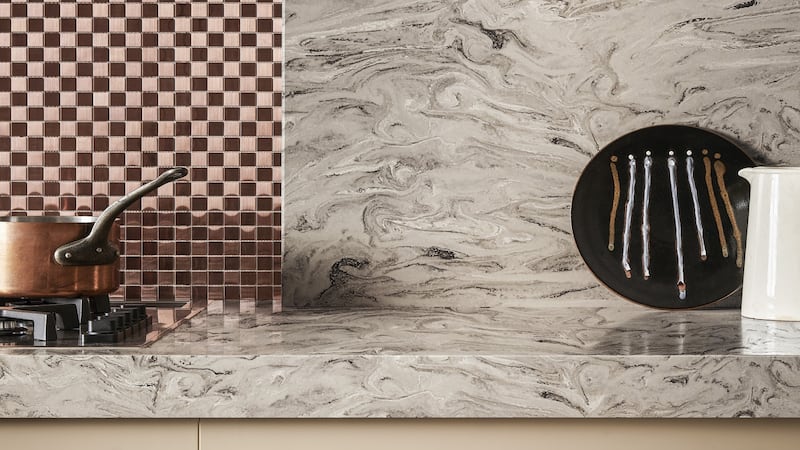
The increasing focus on sustainable living extends to kitchen design, particularly in the choice of countertops. While durable and aesthetically pleasing, traditional materials like stone can have a significant carbon footprint due to quarrying and transportation. Similarly, the sustainability of wood depends heavily on its sourcing, with reclaimed or FSC-certified timber being crucial. The broader environmental impact also includes factors such as adhesives, sealants, and finishes, where non-toxic and low-VOC products are preferred, and water usage in manufacturing.
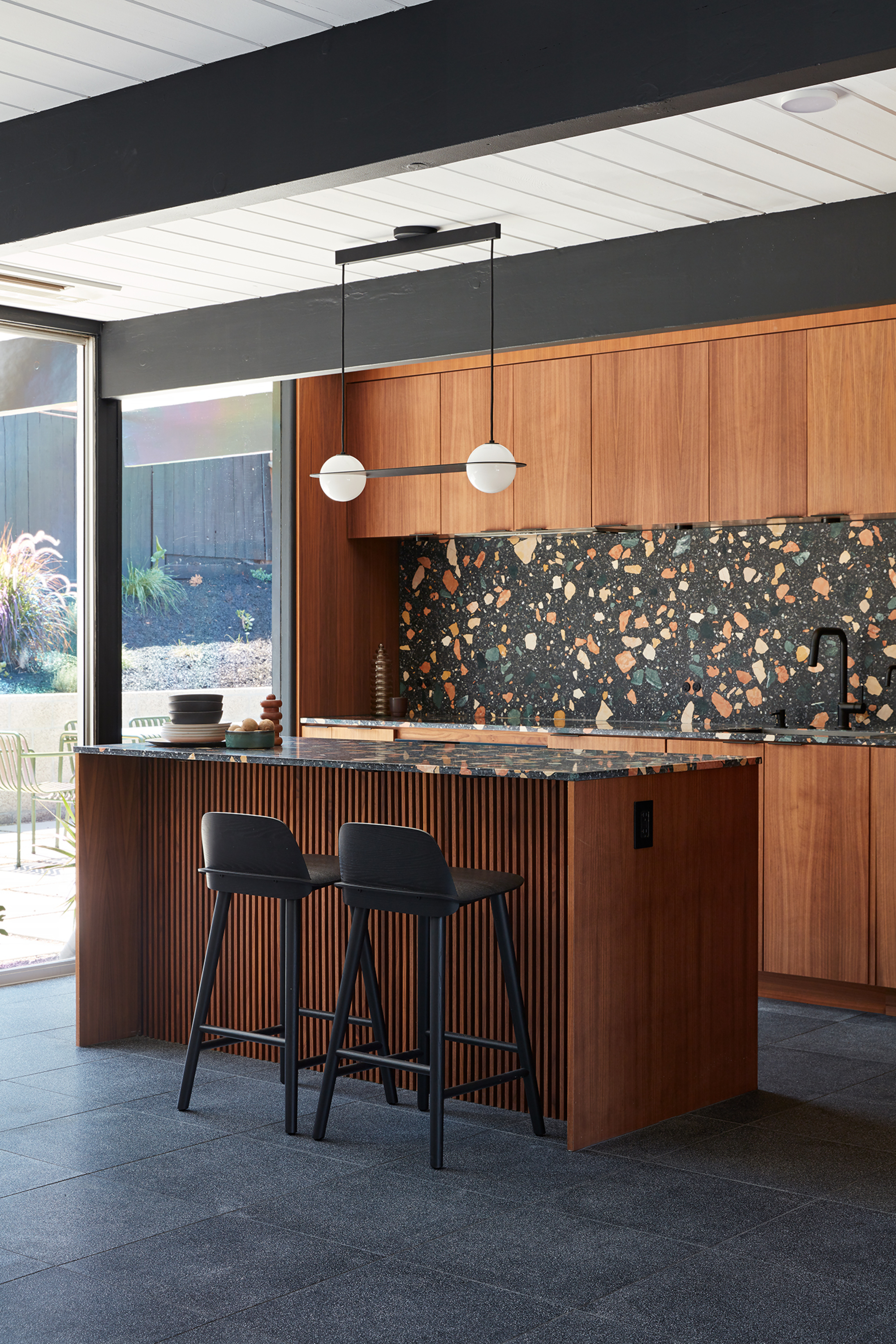
Experts highlight that consumers are increasingly seeking materials that reduce waste and promote circularity. This demand is leading to innovative countertop options that are both stylish and eco-conscious. Six key eco-friendly materials are emerging as frontrunners in sustainable kitchen design. Recycled glass terrazzo, for instance, offers a striking jewel-like appearance and is made from up to 85% recycled waste glass, reducing landfill waste. Products like Resilica's recycled glass terrazzo are hand-made locally, free from solvents and VOCs, food-safe, and highly resistant to stains, scratches, and heat, making them a durable and low-maintenance choice. They can also be customized with personal items for unique designs.
Timber terrazzo, another innovative material, repurposes waste wood into unique surfaces with a minimum of 65% recycled content. Foresso, a brand specializing in this, sources all materials within the UK, ensuring low-carbon manufacturing. These worktops are hand-finished with natural hardwax oil and can last up to 50 years with proper care. While currently a premium option, efforts are underway to make them more accessible.
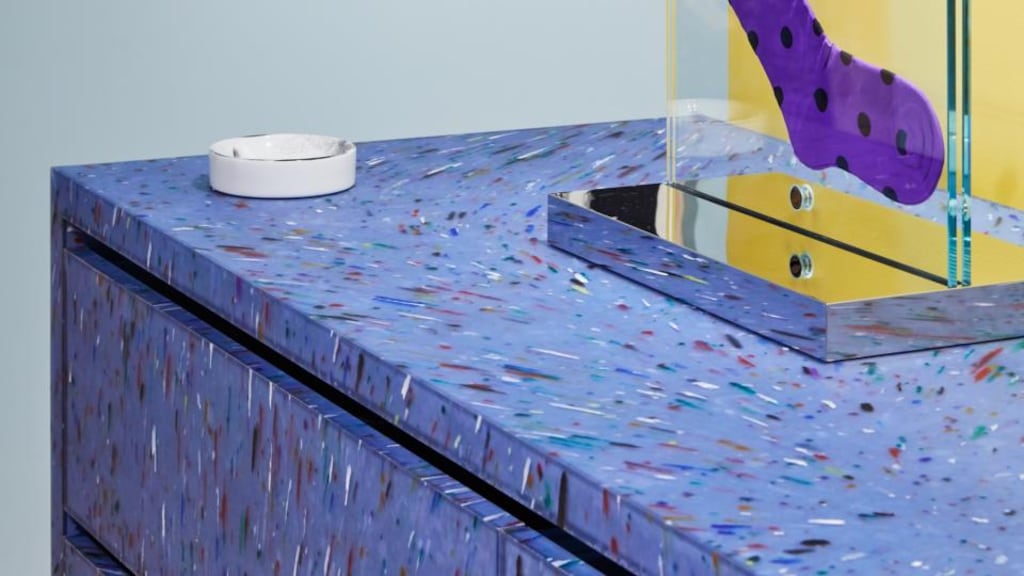
Recycled plastic solid surfaces, such as Durat, represent a circular material economy. Made from 30% recycled plastic collected from manufacturing and waste management, these colorful and durable sheets can be repurposed or recycled into new materials at the end of their life cycle. Bamboo stands out as a rapidly renewable resource, absorbing significant carbon and regenerating quickly without replanting. It offers a warm, natural look, is strong, lightweight, and often more affordable than solid hardwoods or natural stone, though it does require maintenance similar to other wooden countertops.
Recycled paper countertops, despite being an unexpected choice, offer numerous environmental benefits. Materials like Richlite are made from 65% recycled or sustainably harvested paper, saturated with thermosetting resin, and bonded under heat and pressure. The resulting surface is strong, non-porous, heat and water-resistant, and develops a rich patina over time. Companies like Surface Matter also have material rescue programs to ensure Richlite can be reused and refinished.
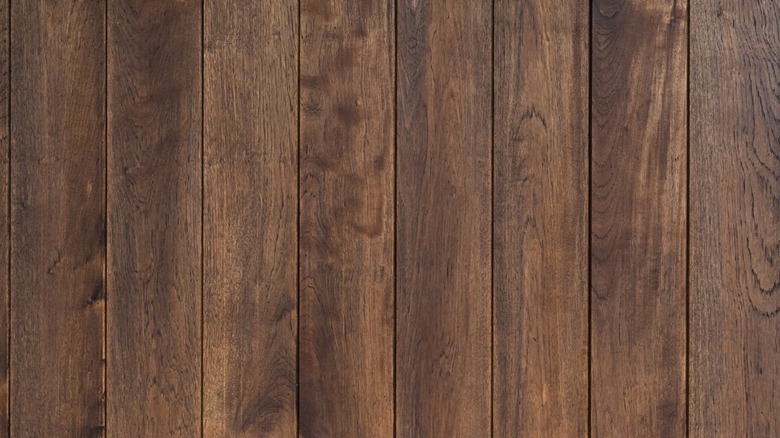
Finally, reclaimed wood provides a sustainable option by giving new life to timber from old barns, historic structures, and abandoned textile mills. This material offers a unique visual appeal with inherent natural character and wood grain. For enhanced durability and stability, reclaimed engineered wood, which fuses multiple layers of repurposed wood, is an excellent choice. While sustainable worktops often come at a higher price point, they represent a long-term investment in both quality design and environmental responsibility. The longevity and durability of these materials, coupled with their reduced environmental impact, make them a smart choice for a future-proof kitchen.
#EcoFriendlyKitchen #SustainableCountertops #KitchenDesign #RecycledMaterials #GreenLiving #HomeRenovation #InteriorDesign #CircularEconomy #MaterialInnovation #EcoFriendlyKitchen #SustainableCountertops #KitchenDesign #RecycledMaterials #GreenLiving #HomeRenovation #InteriorDesign #CircularEconomy #MaterialInnovation
0 تعليق إجمالاً
 لا توجد تعليقات بعد
قد تعجبك أيضًا
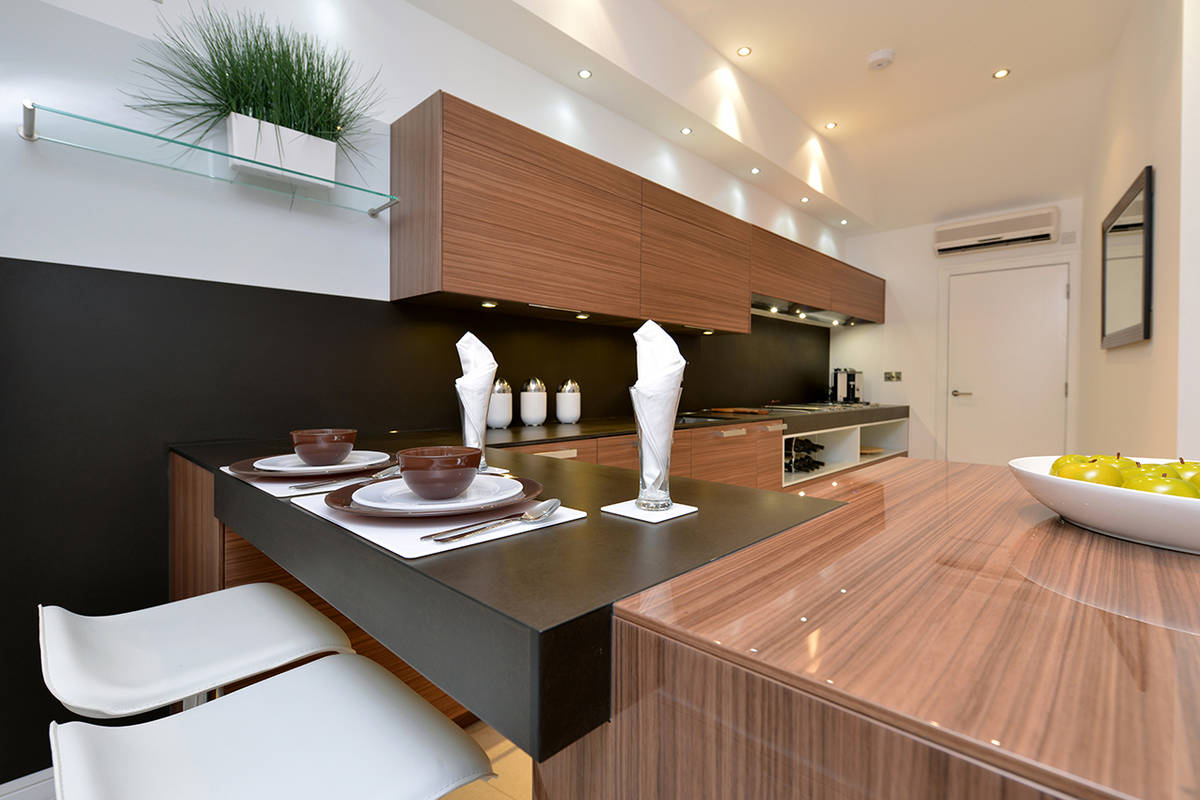
Options abound for eco-friendly countertops | Home and Garden | Life
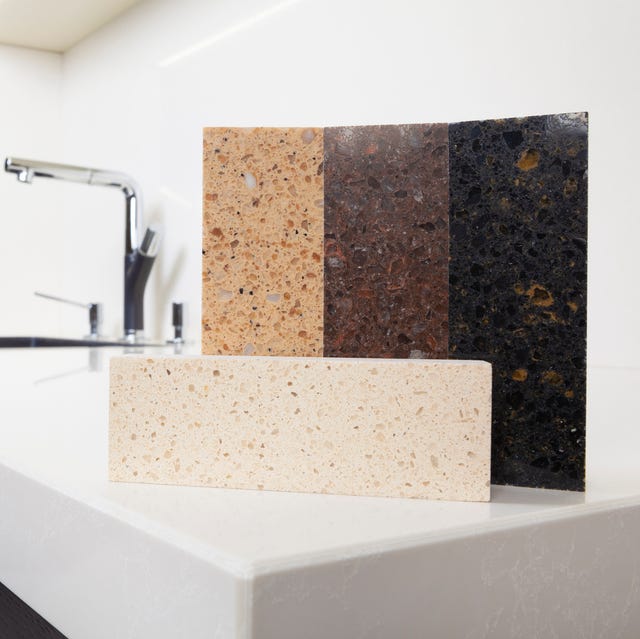
From Natural Stone to Plastic Laminate, We're Helping You Choose the Best Countertop Material for Your Kitchen
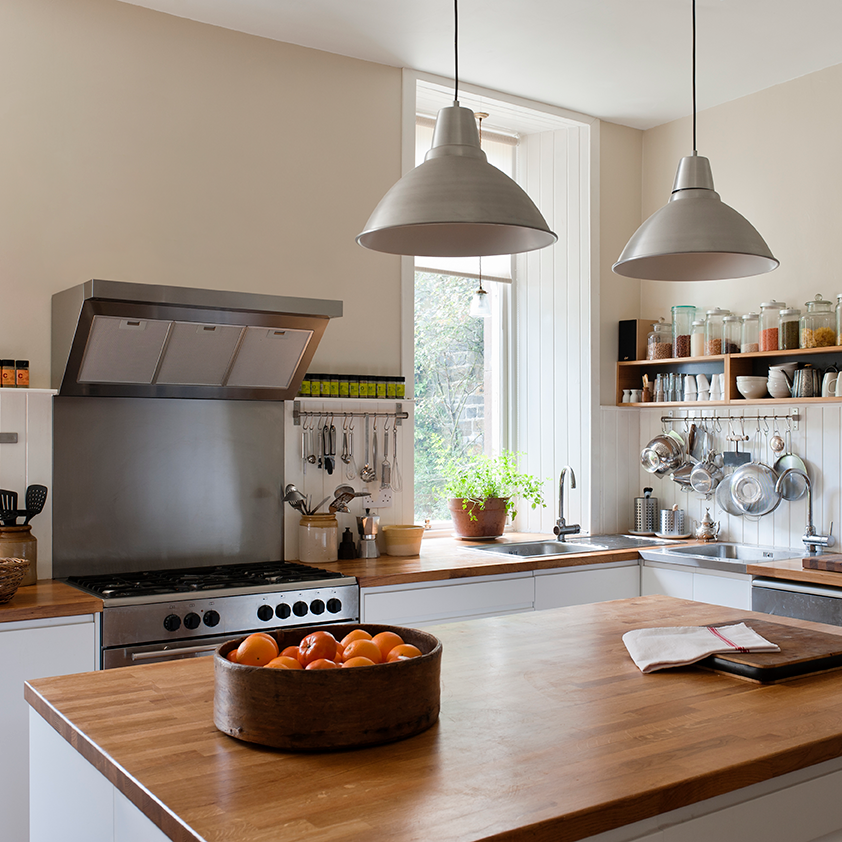
The Best Types of Kitchen Countertops

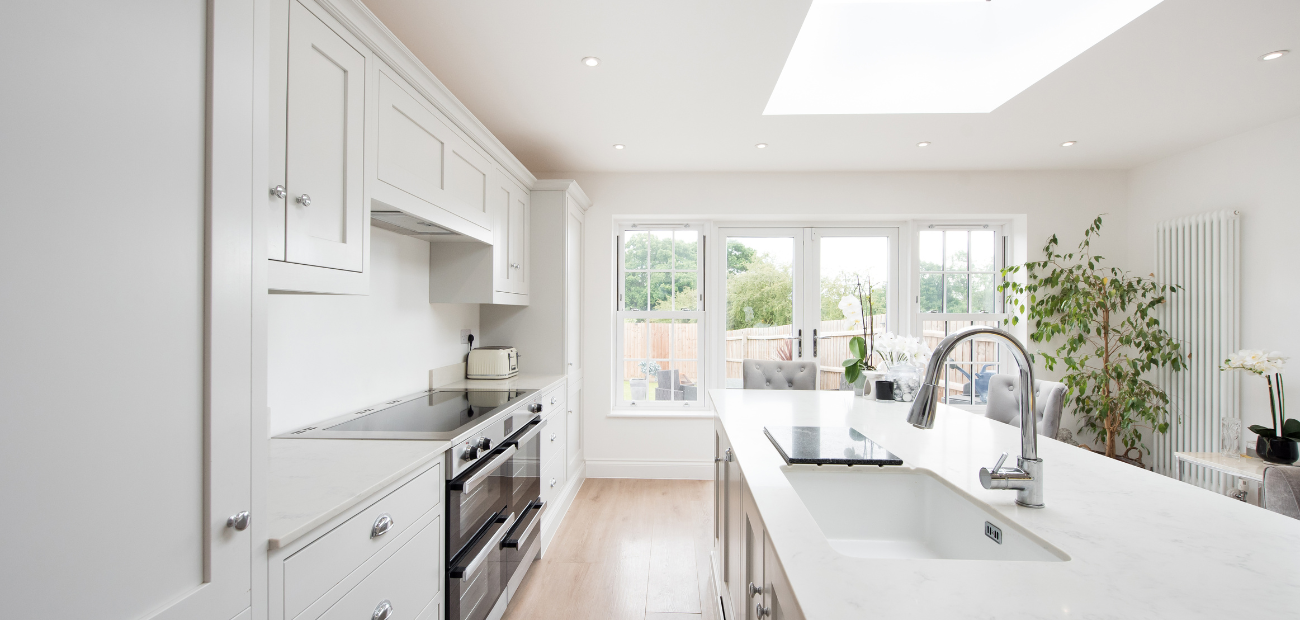
Sustainable Spaces: The Kitchen
Sustainable Countertops from an Environmentally Responsible Company

Best in class: Kitchen countertops
The Kitchen Countertop Trend You'll Start Seeing Everywhere In 2026
6 Kitchen Flooring Options That Are Durable And Stylish

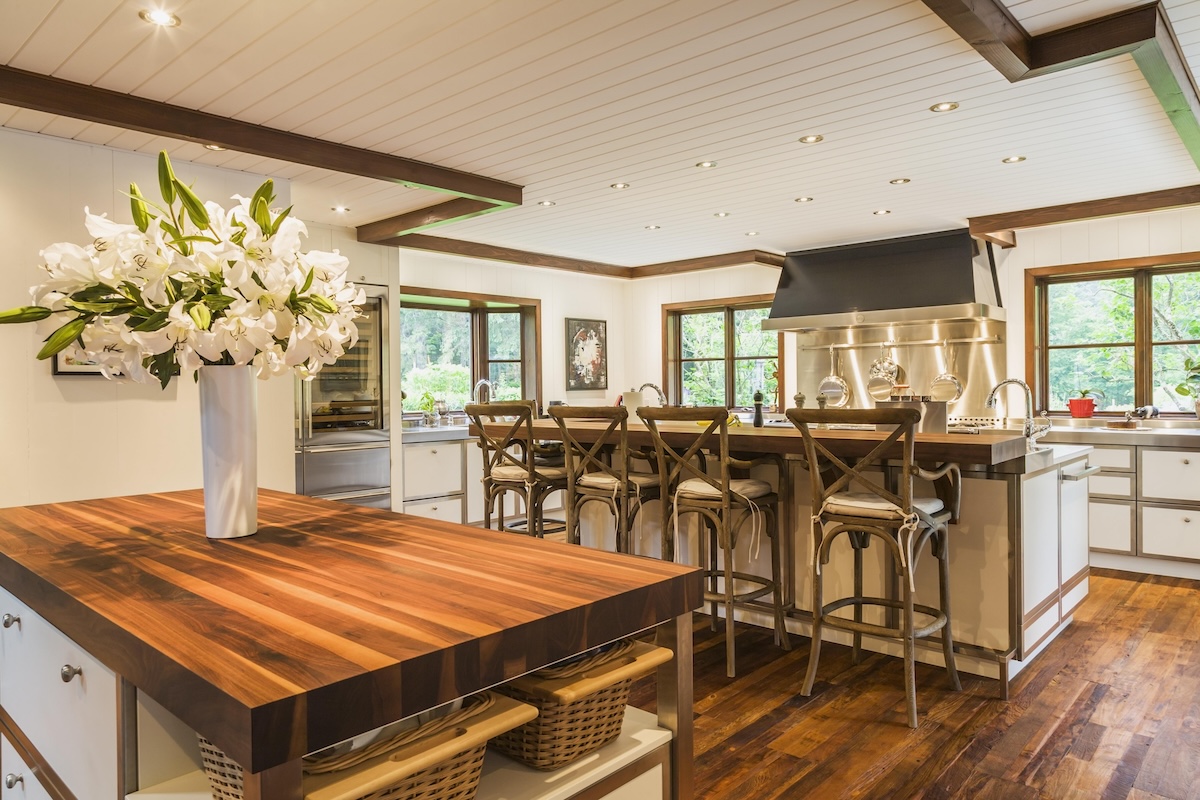
The Best Countertop Materials for Every Type of Kitchen

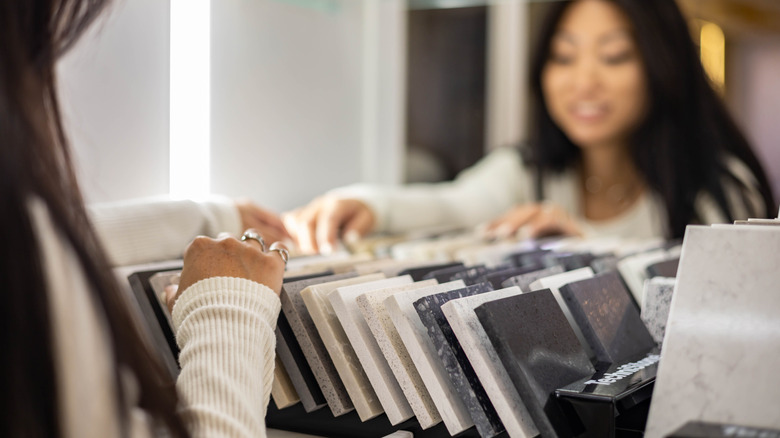
All-White Kitchens Are Officially Out: The Moody Countertop Trend Taking Over

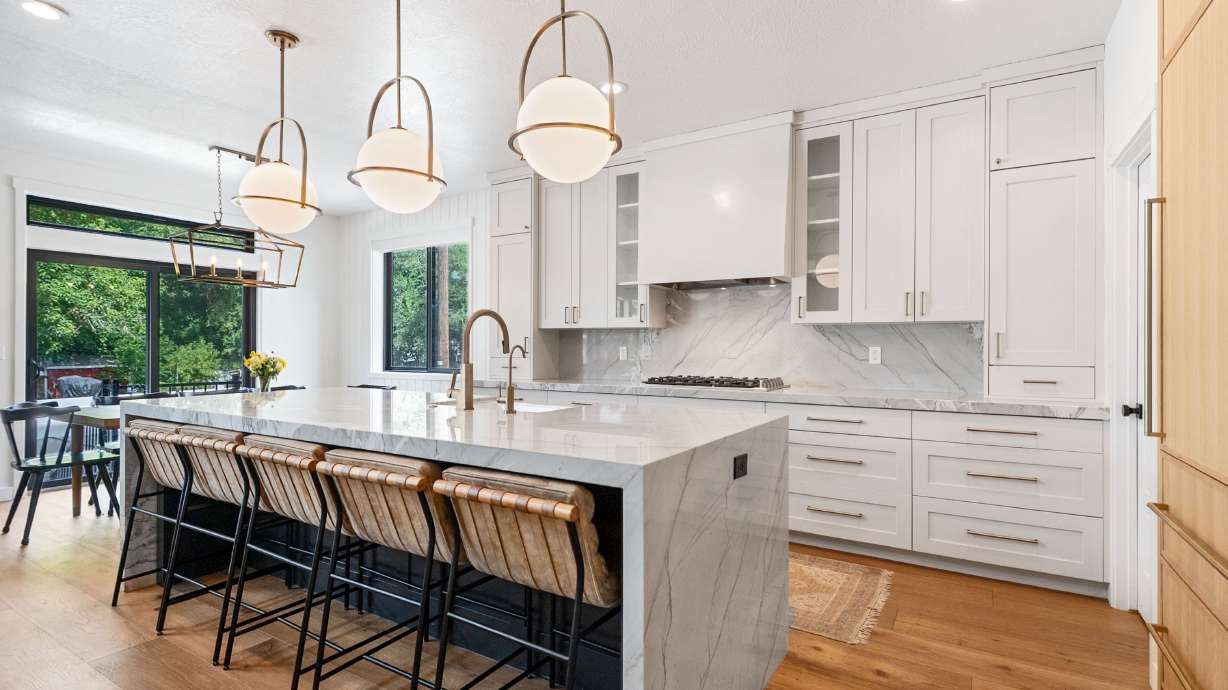
Key emerging trends in kitchen countertop design for 2025
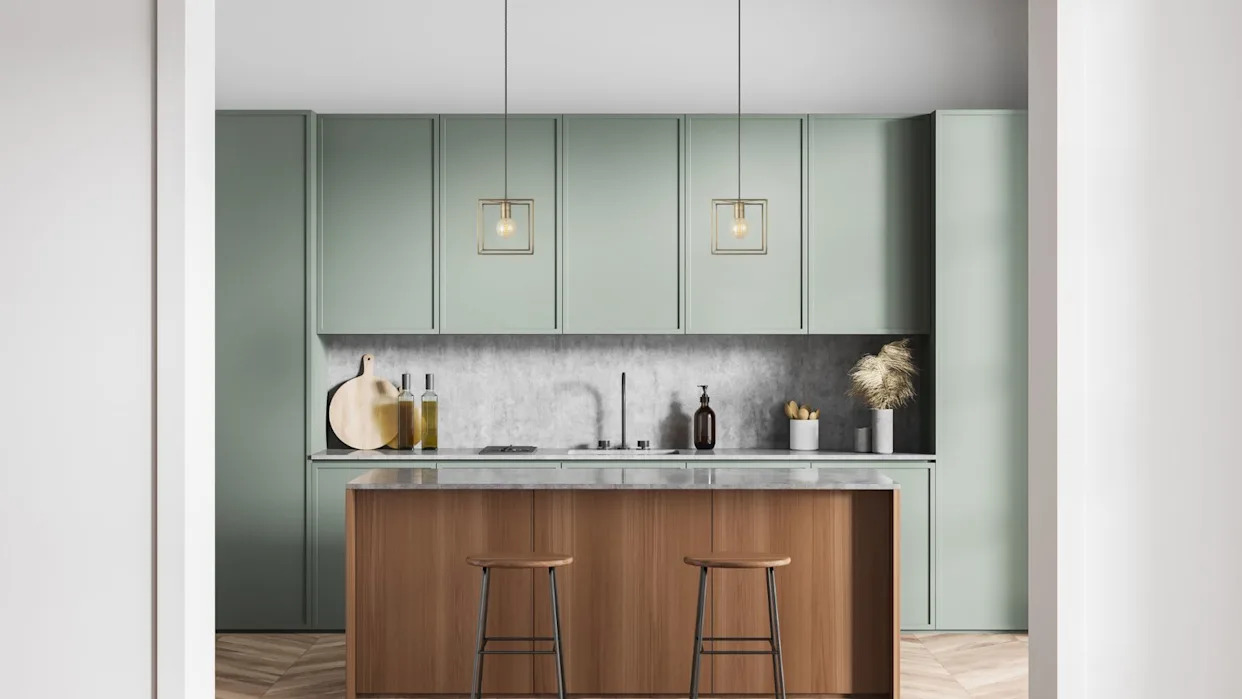
Designers reveal the outdated countertop materials we should all be avoiding in 2024

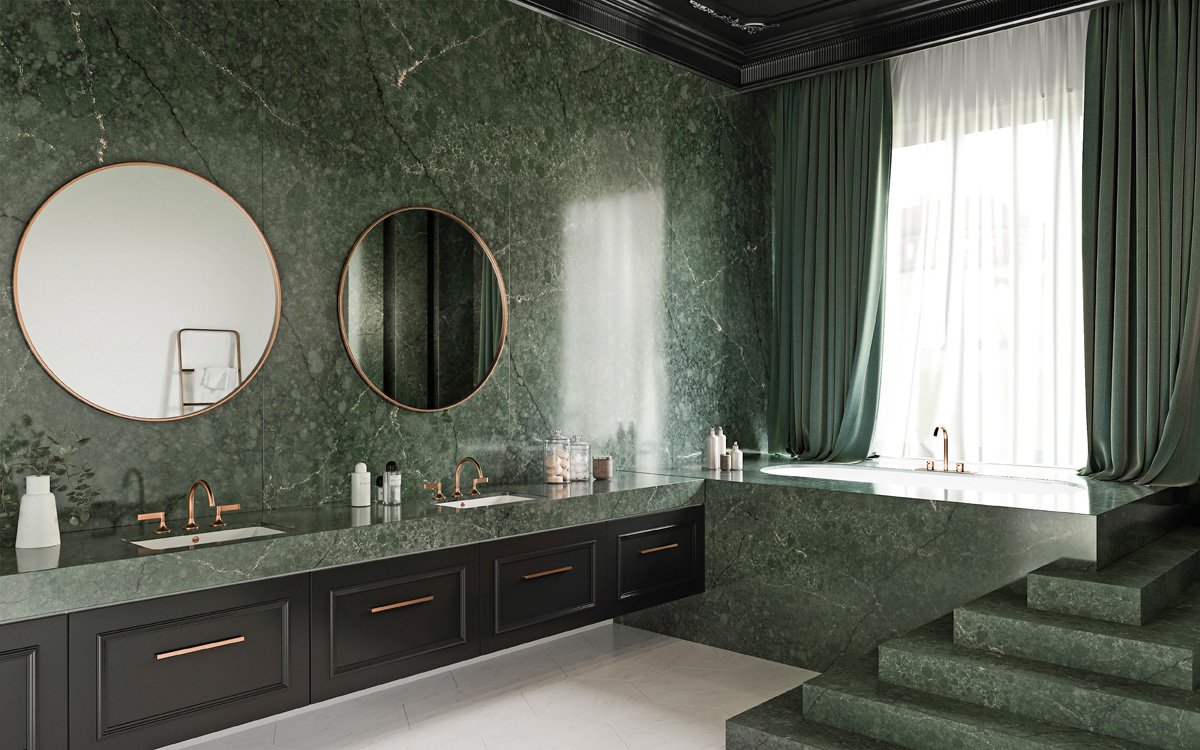
Expansive, Expressive Surfaces

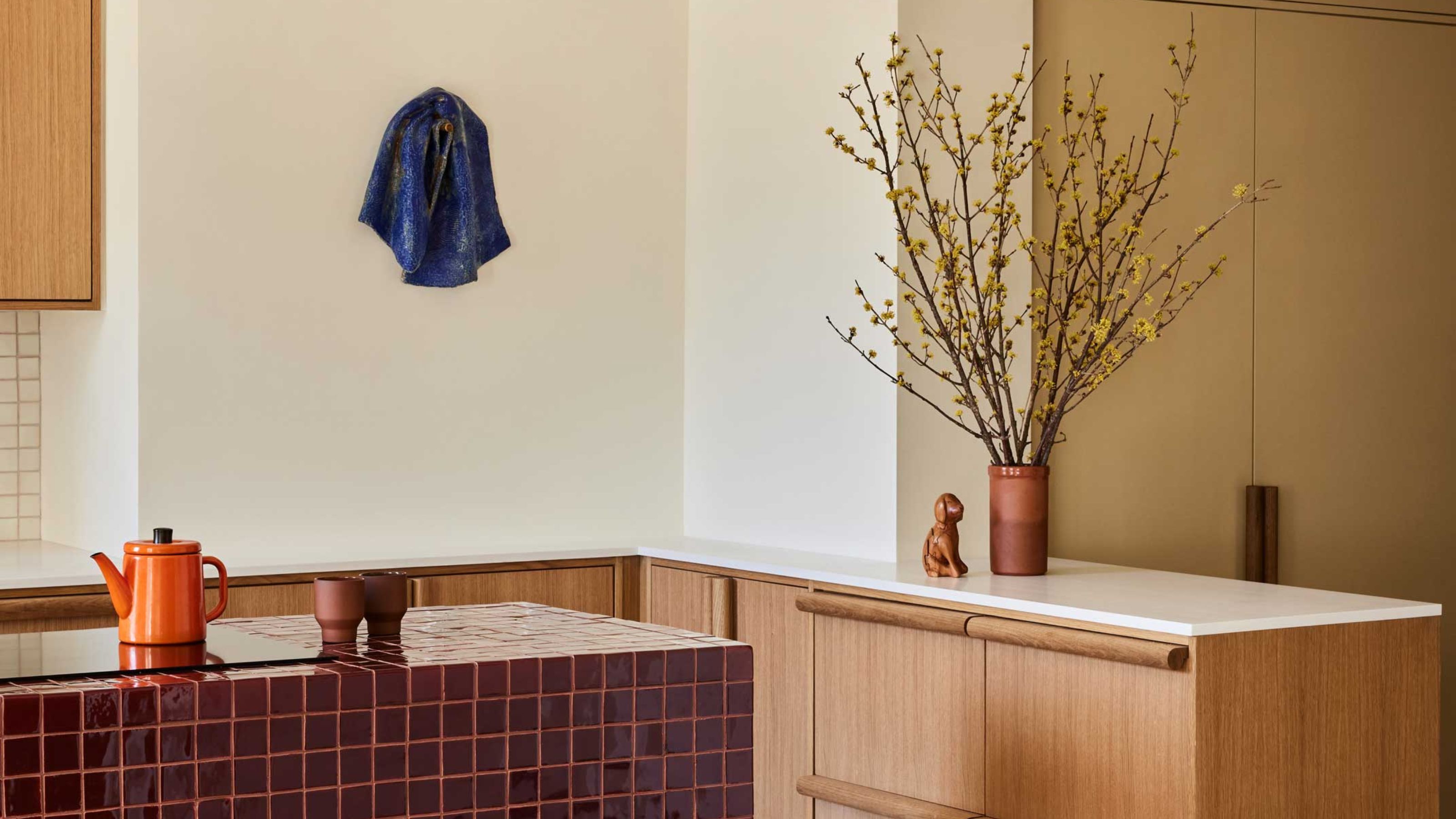
Move Over Granite (and Quartz)! These Alternatives Are What We're Dreaming of For Design-Forward Kitchens
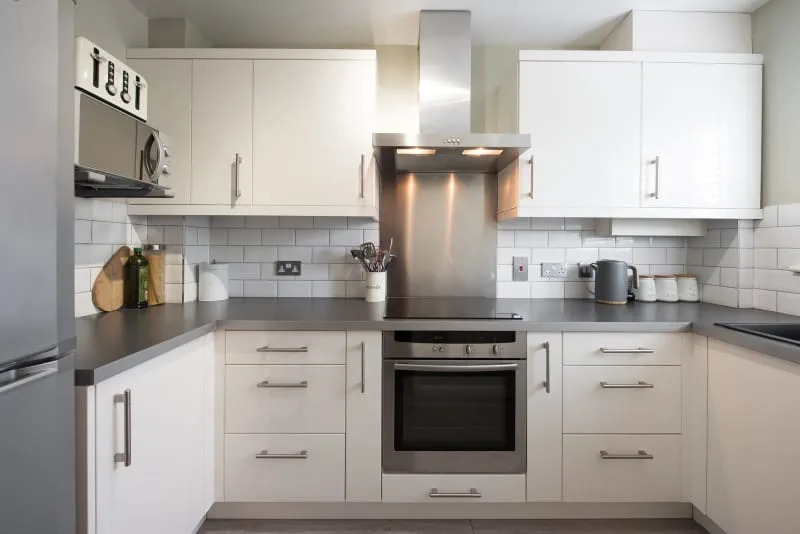
5 Kitchen Countertop Trends on Their Way Out in 2025 (and What’s Replacing Them)
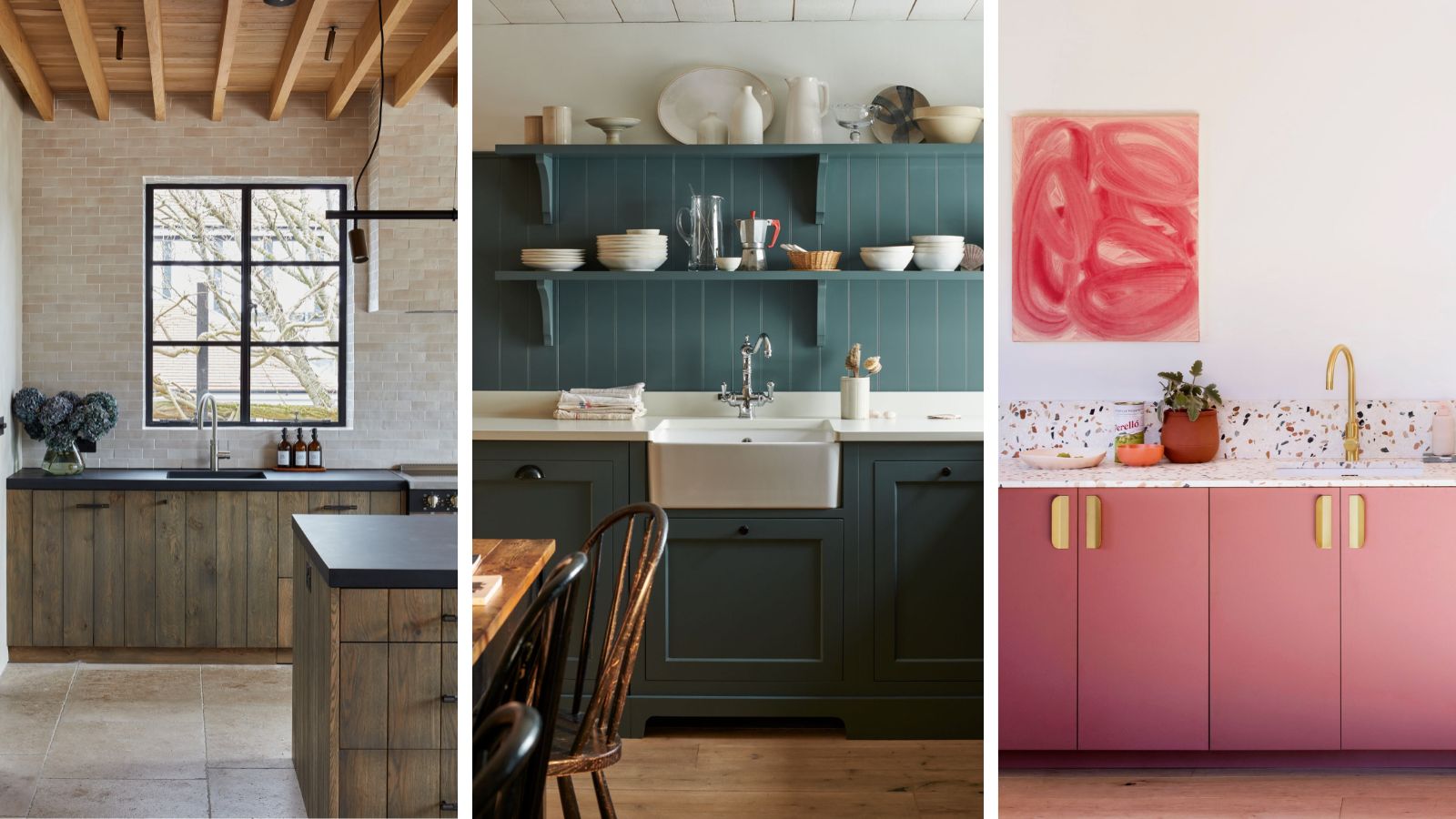
What are the best materials for kitchen cabinets? 6 designer-approved options to have on your radar
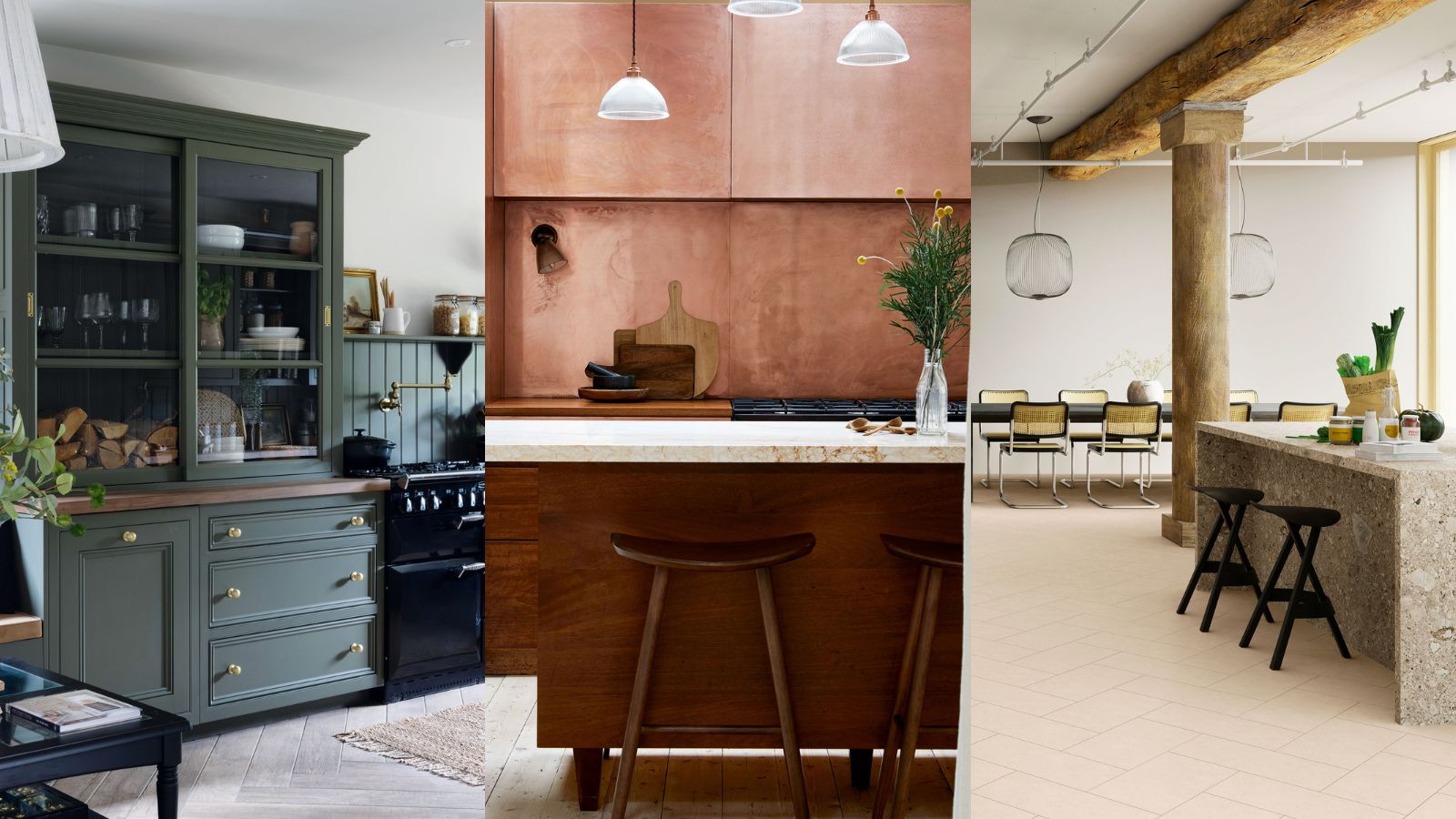
Sustainable kitchen ideas – 19 ways to design an eco-friendly cook space

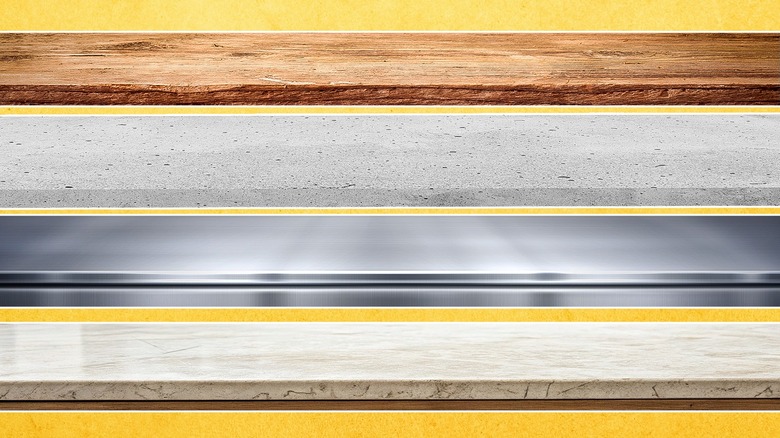
How To Pick The Perfect Countertop Material For Your Kitchen

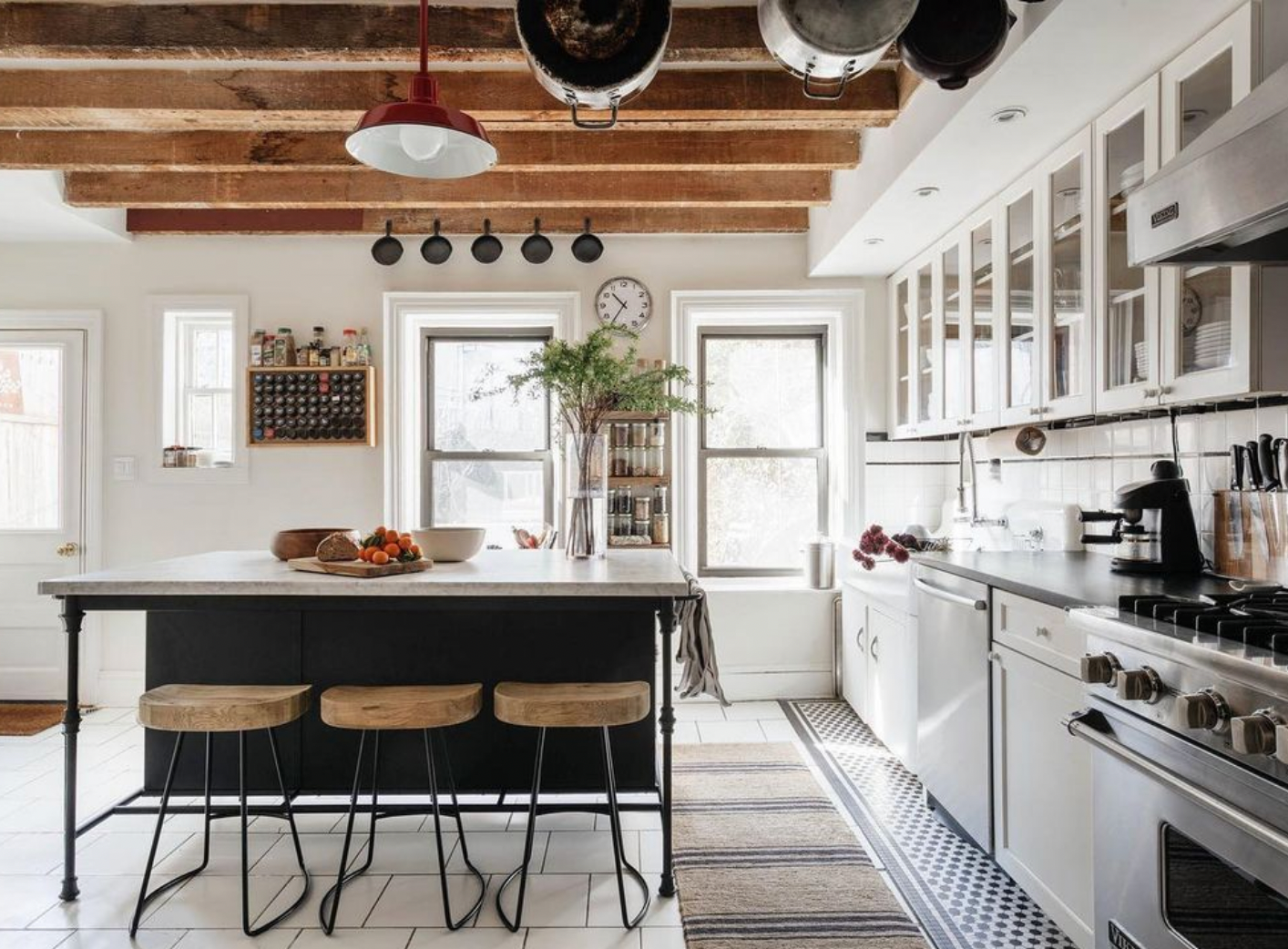
21 of the Biggest Kitchen Trends Design Pros Love Right Now

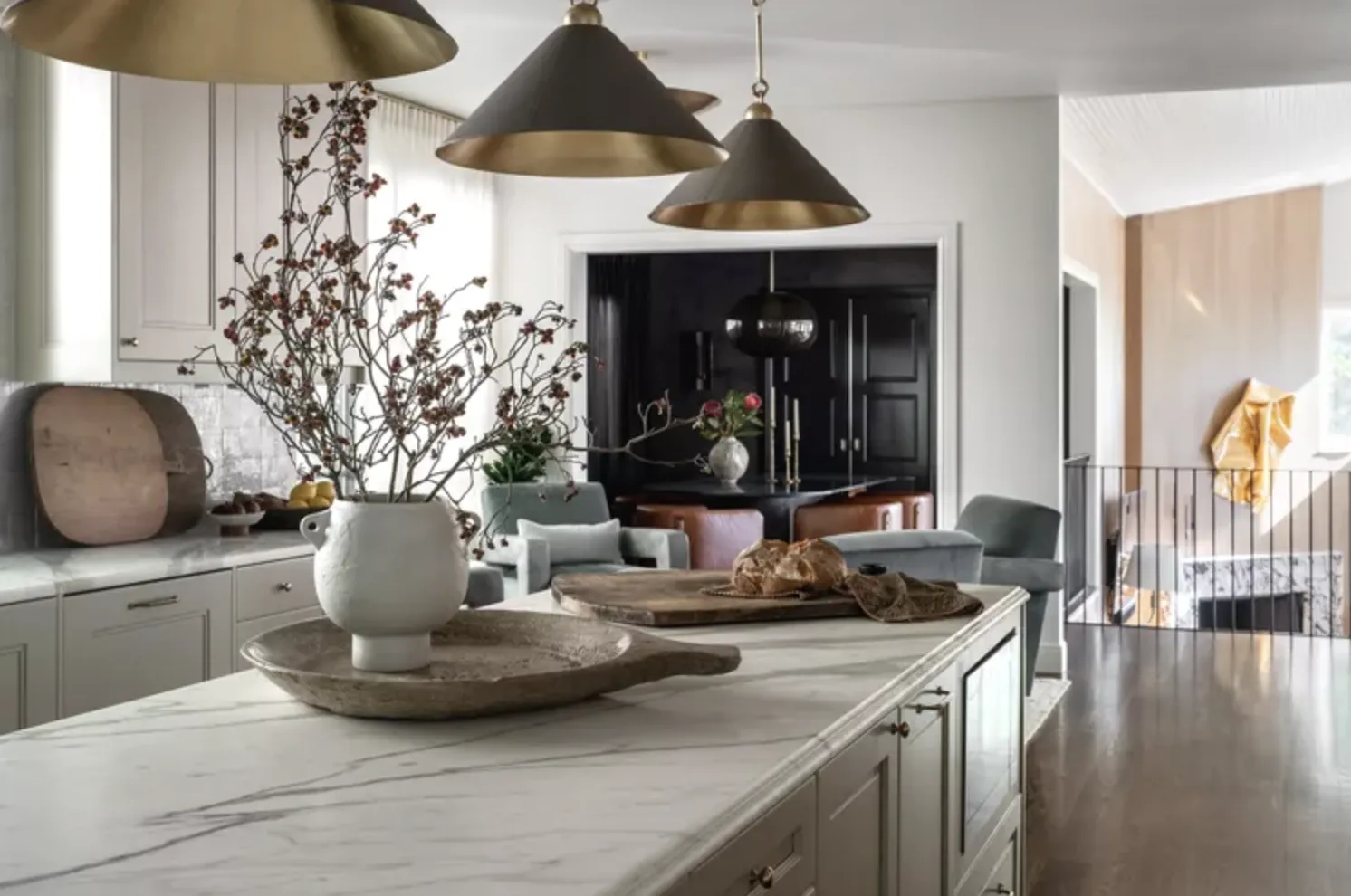
We Asked Designers What Kitchen Countertop Materials Are Out in 2026—Their Answers May Surprise You