1/13
We Researched Dozens of Undermount Kitchen Sinks. Our Top Pick Will Enhance Your Kitchen Design and Functionality
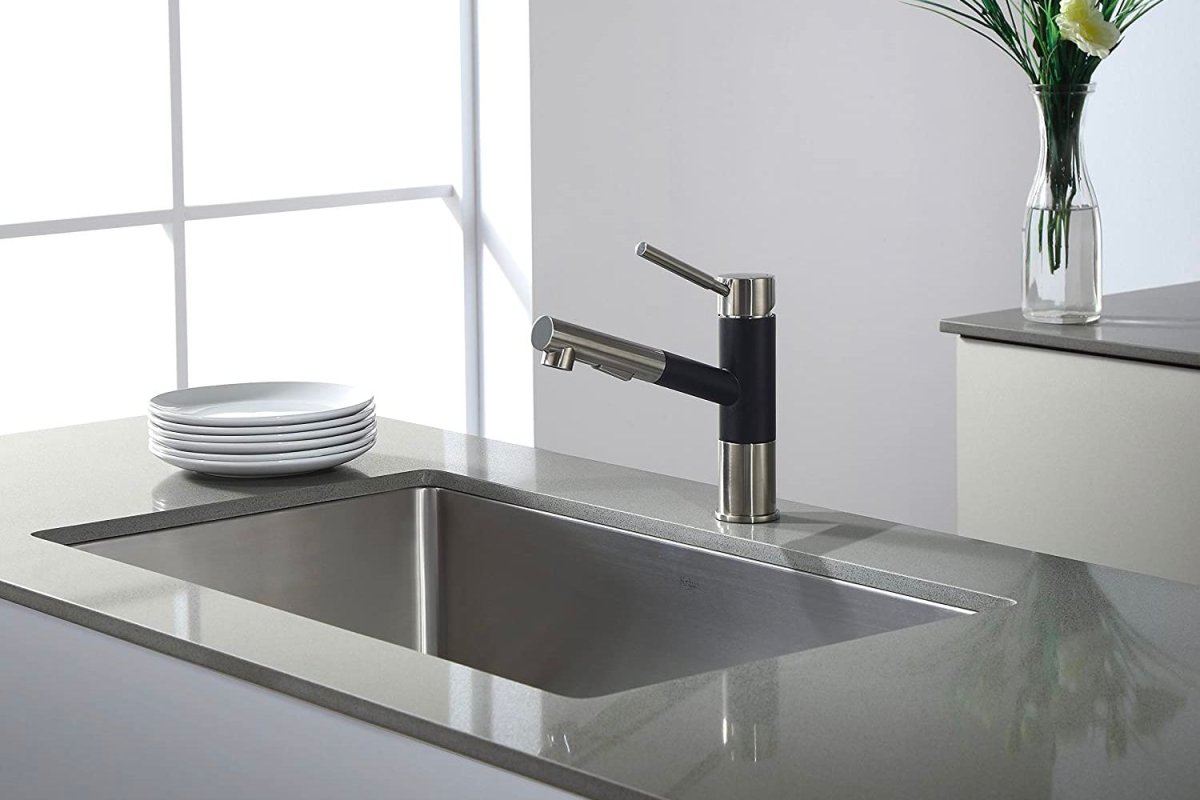
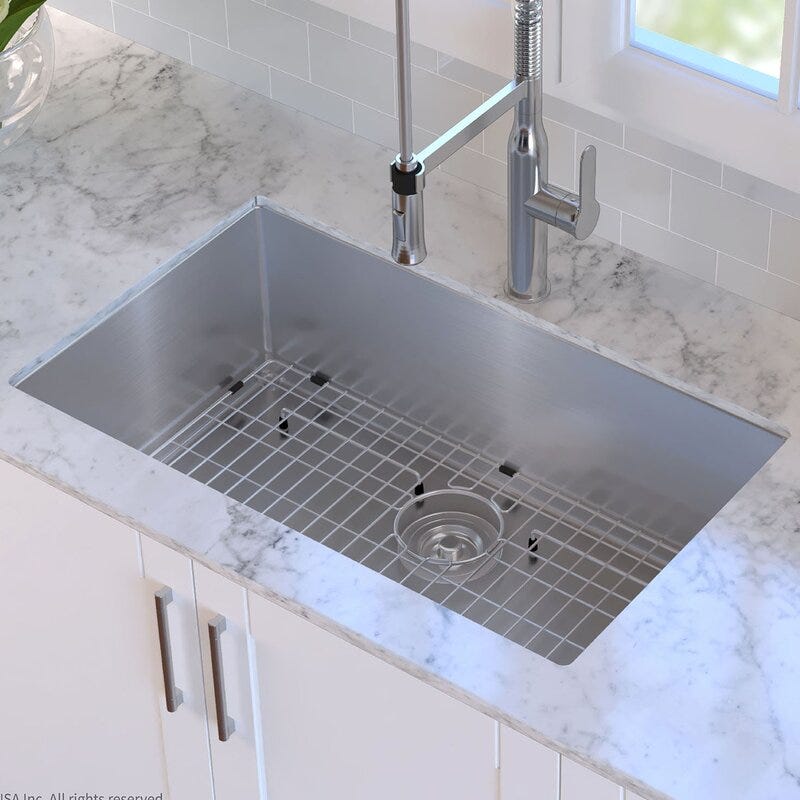
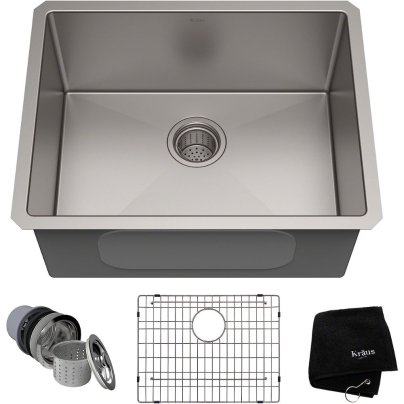
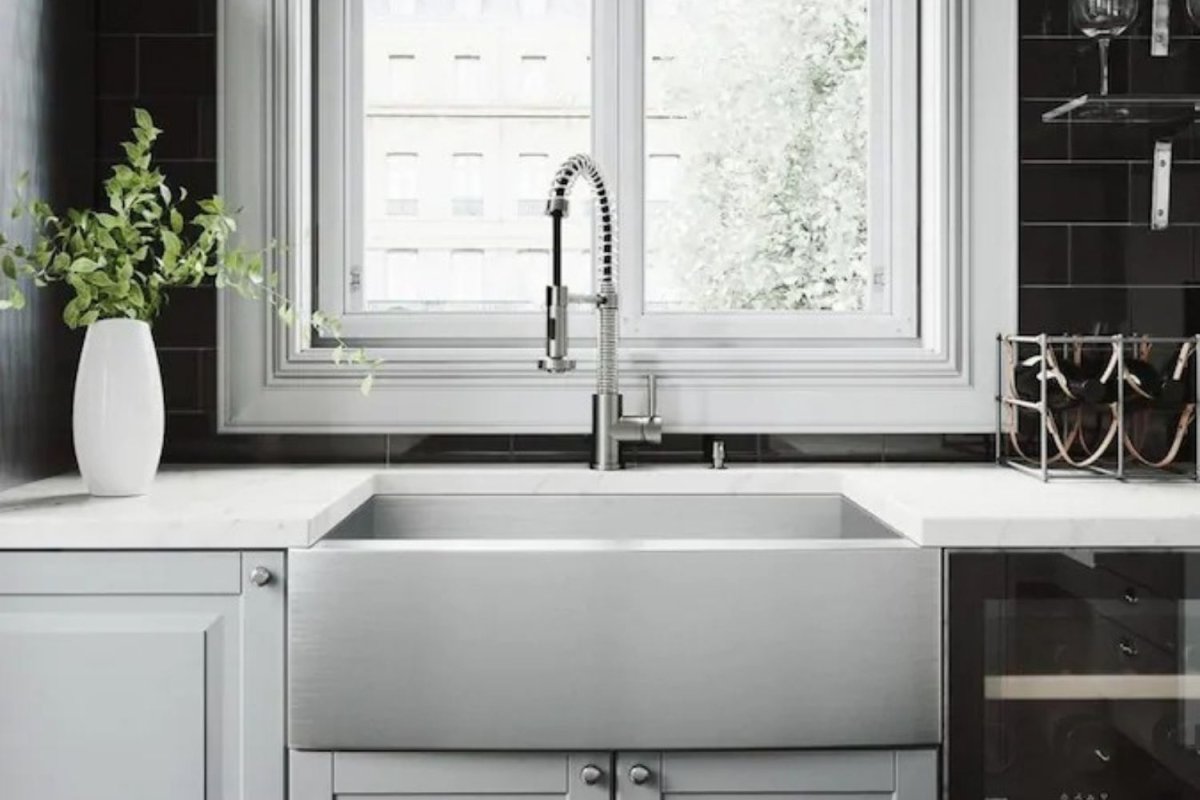
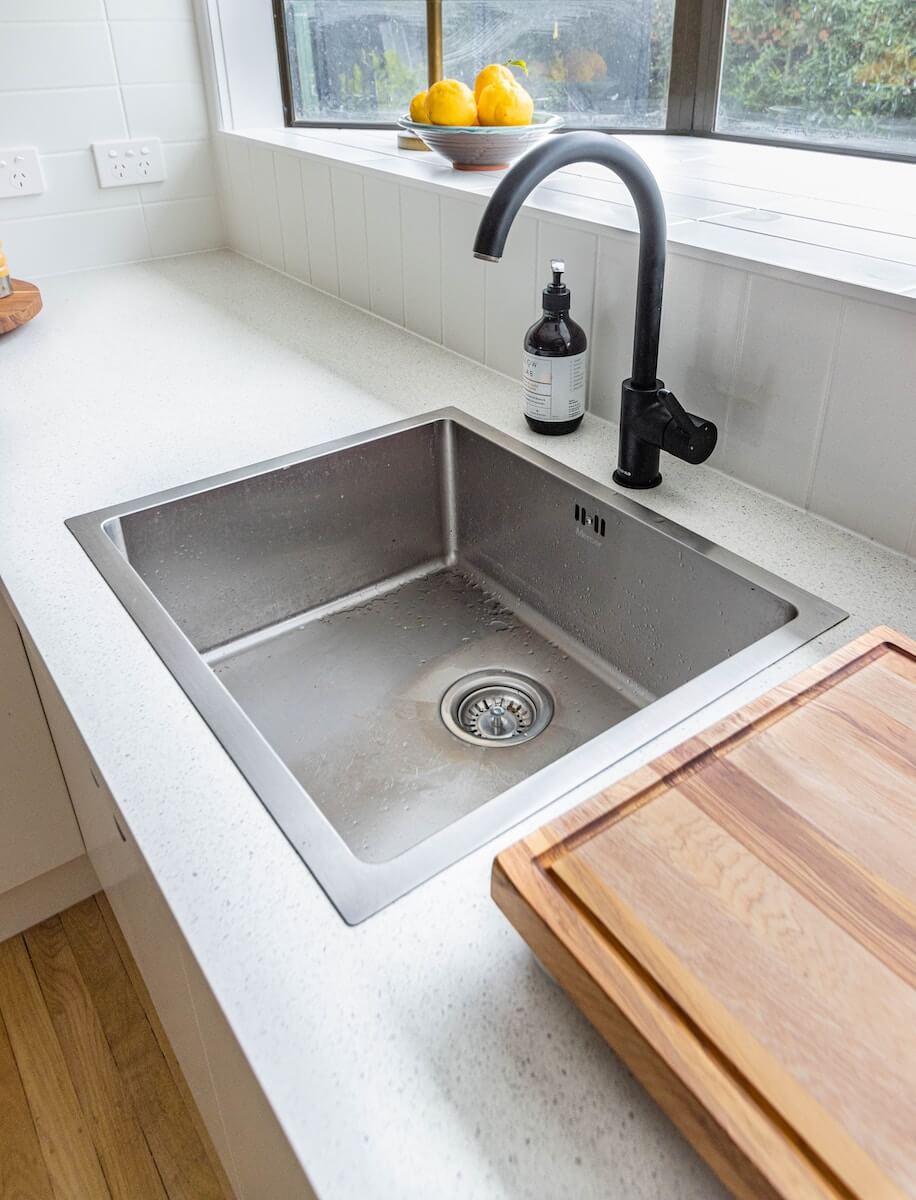
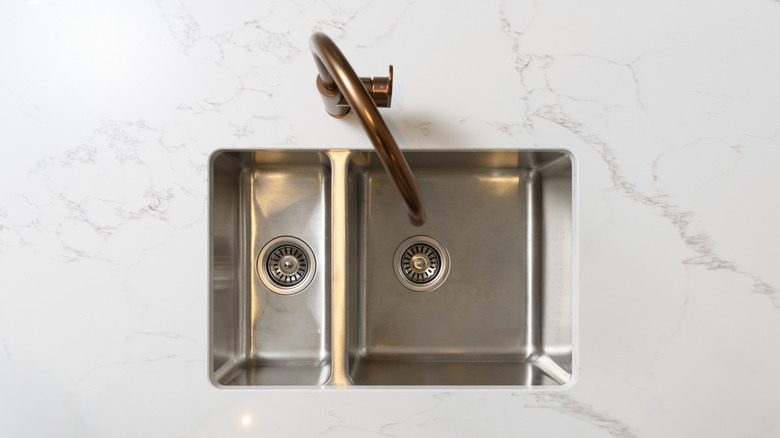
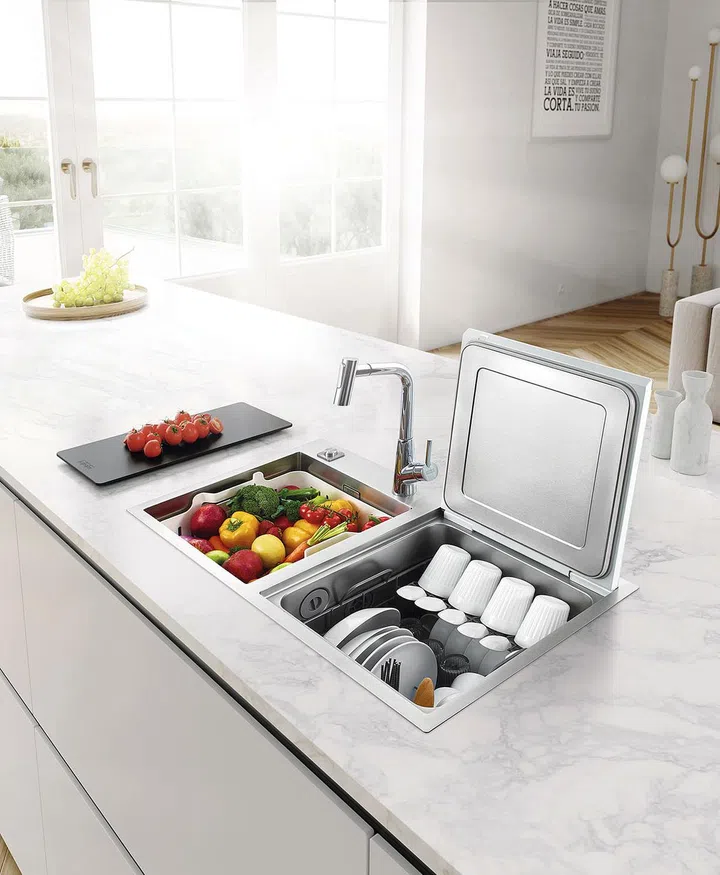
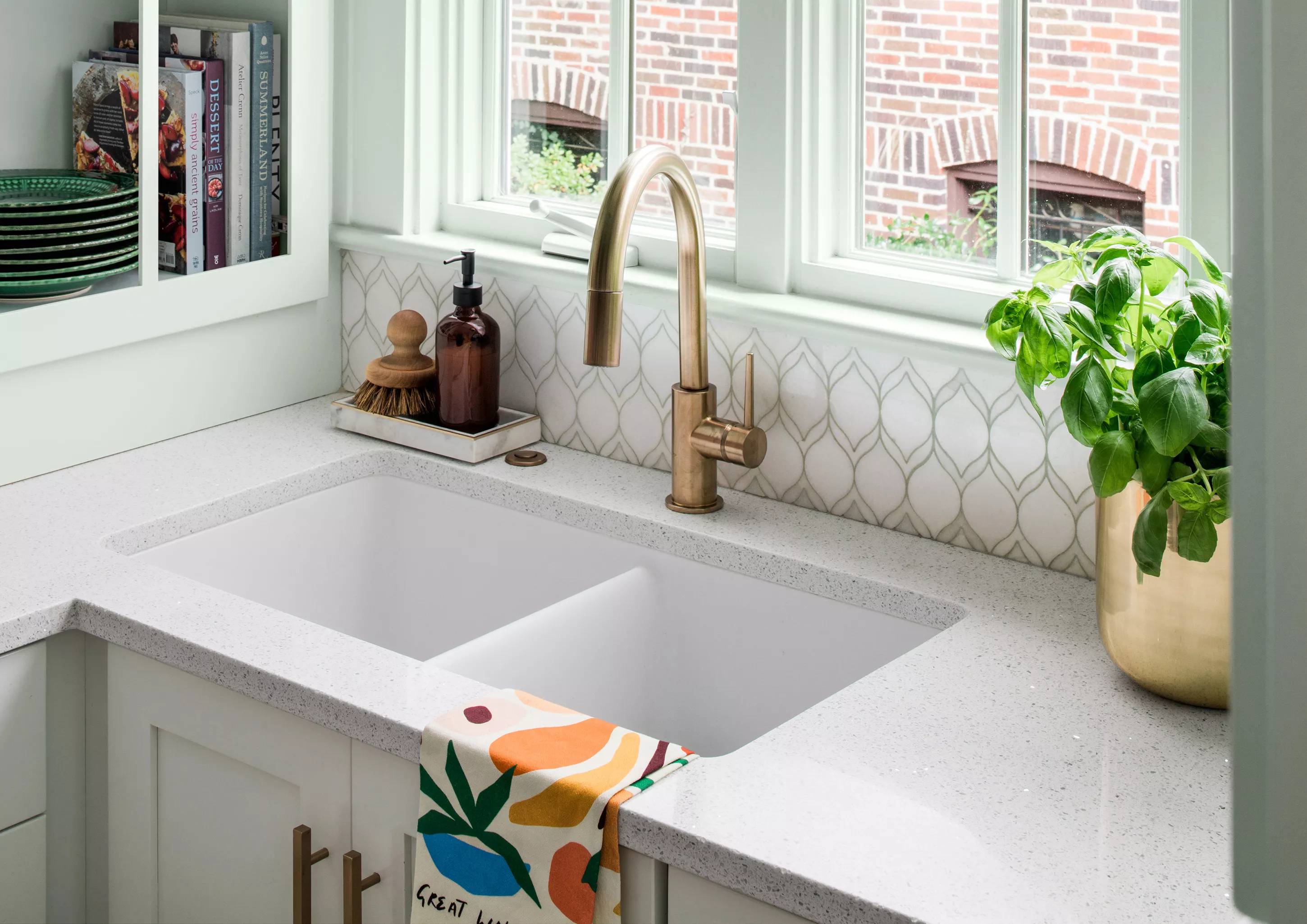
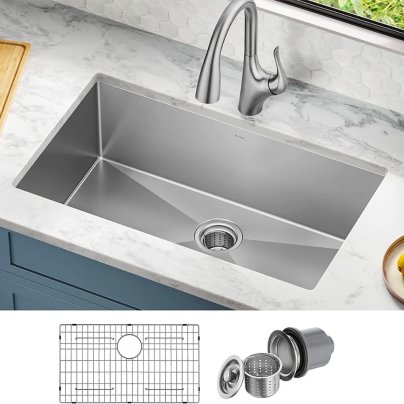
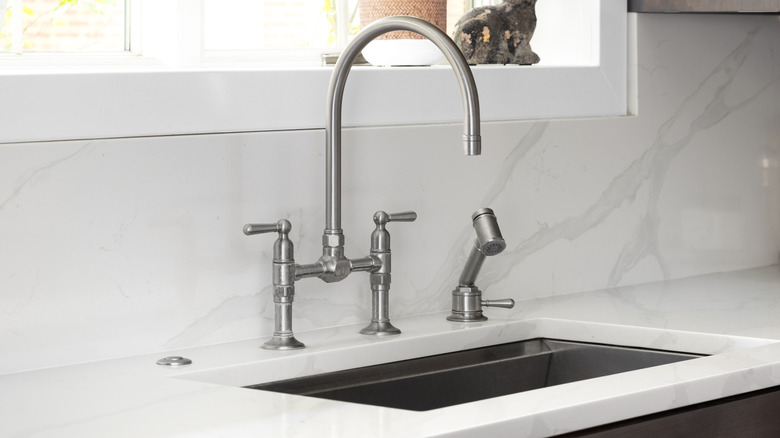
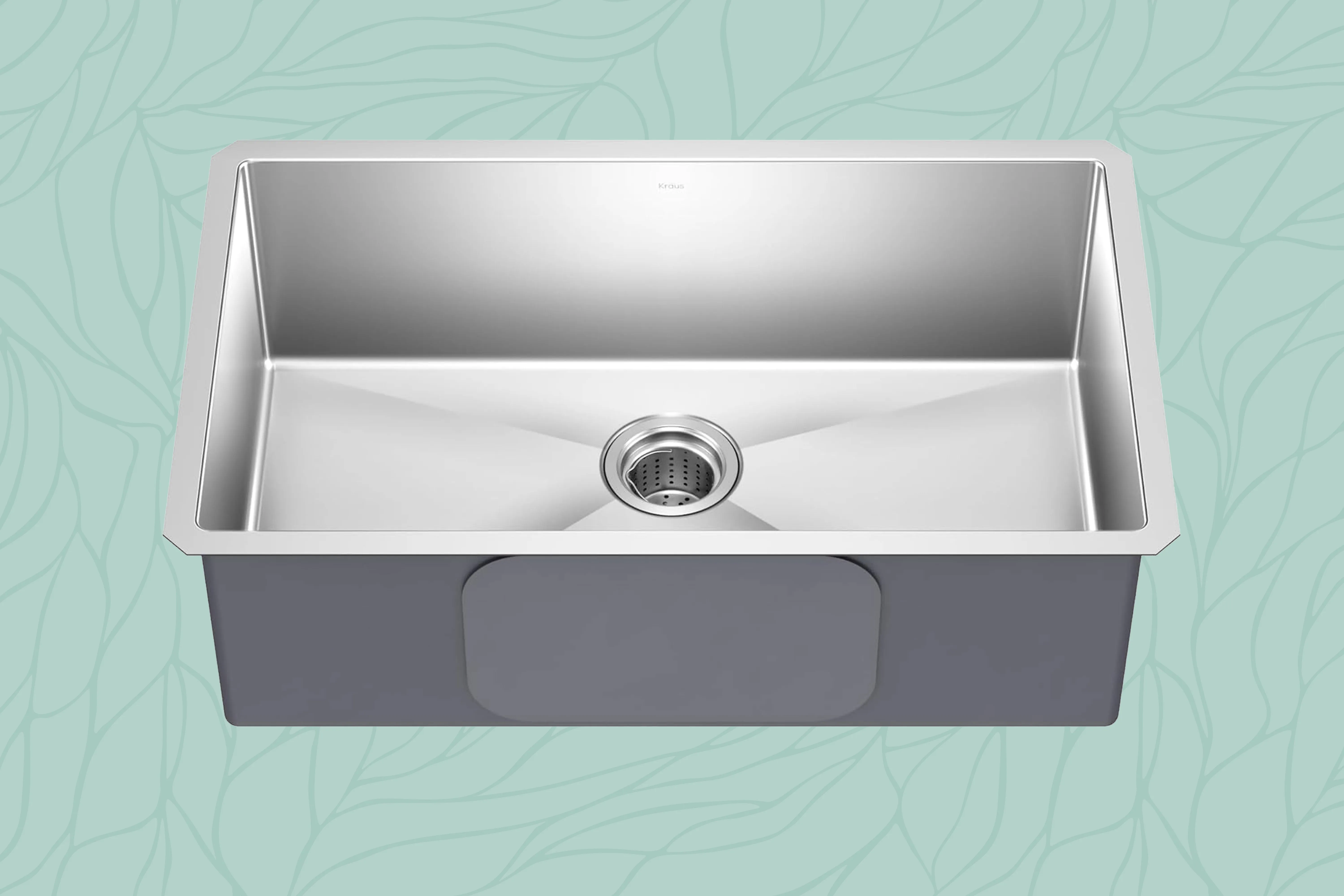
Undermount kitchen sinks offer a sleek and streamlined aesthetic, improving both the visual appeal and functionality of a kitchen. These sinks are installed beneath the countertop, eliminating the rim that typically sits on top, which facilitates easier cleanup and contributes to a more integrated look. When selecting an undermount sink, several critical factors must be considered, including dimensions, the number of bowls, material, color, sound absorption capabilities, and included accessories.
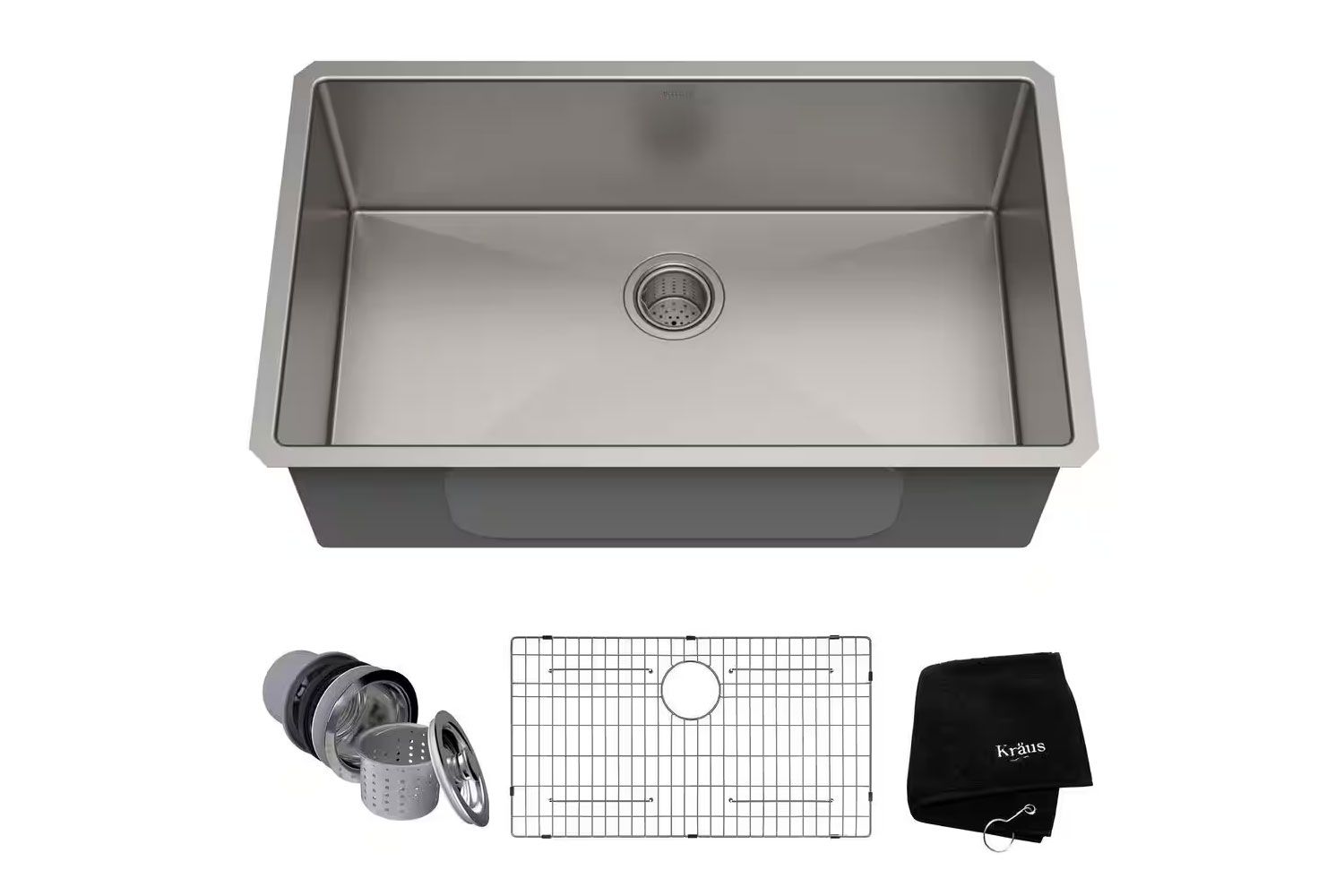
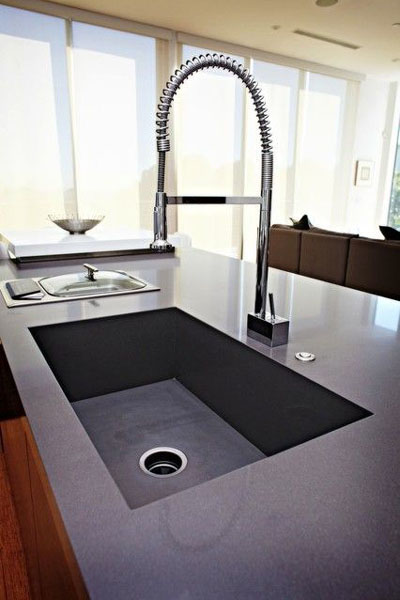
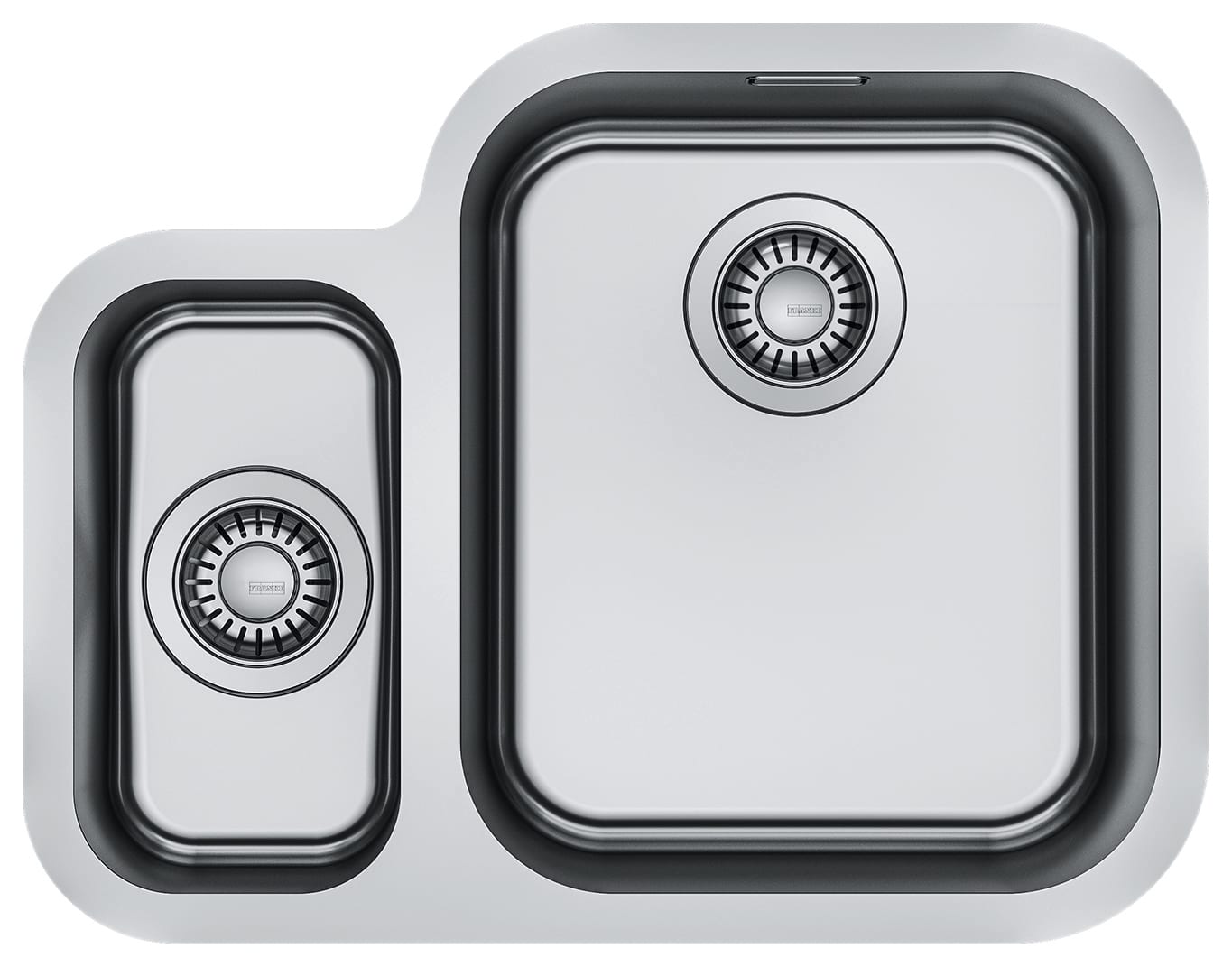
Regarding dimensions, a kitchen sink must be adequately sized to accommodate various tasks, from washing large pots to collecting dirty dishes. A main sink should ideally be at least 27 inches wide and 7 inches deep, with greater depth often being more beneficial. Most sinks are approximately 18 inches from front to back, fitting standard-depth cabinets. The shape also plays a role; rectangular sinks with rounded corners offer ample volume and are easy to clean, while 'zero-radius' corners provide a sharp, modern look but can be more challenging to maintain. Some designs also feature different-sized bowls, curved profiles, or configurations suitable for corners.
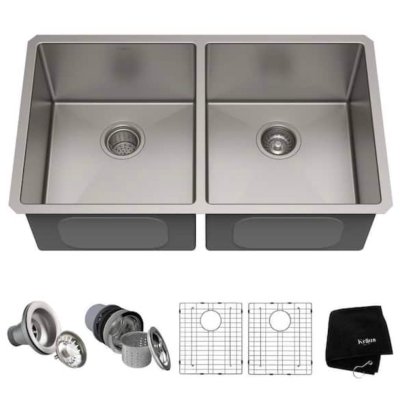
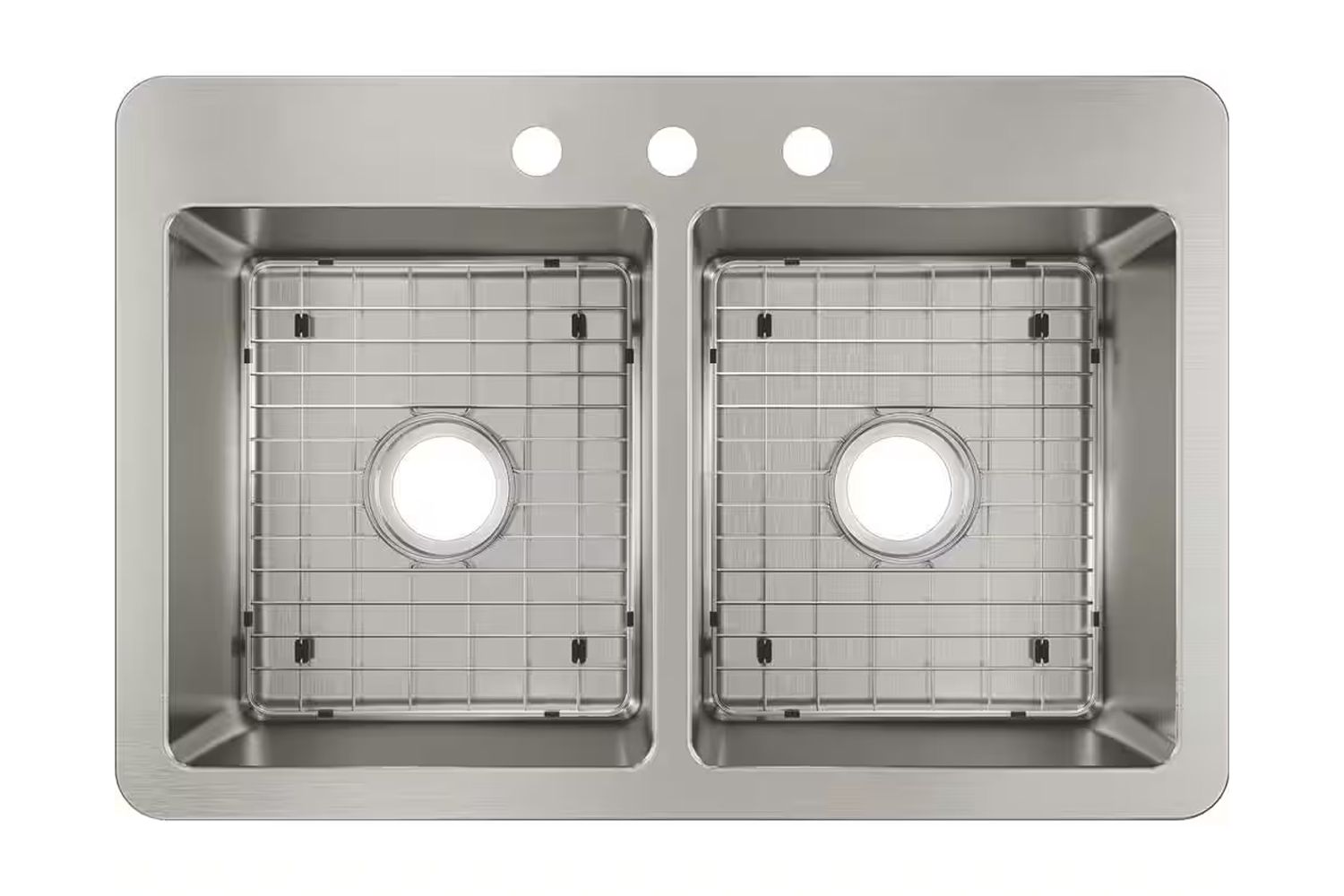
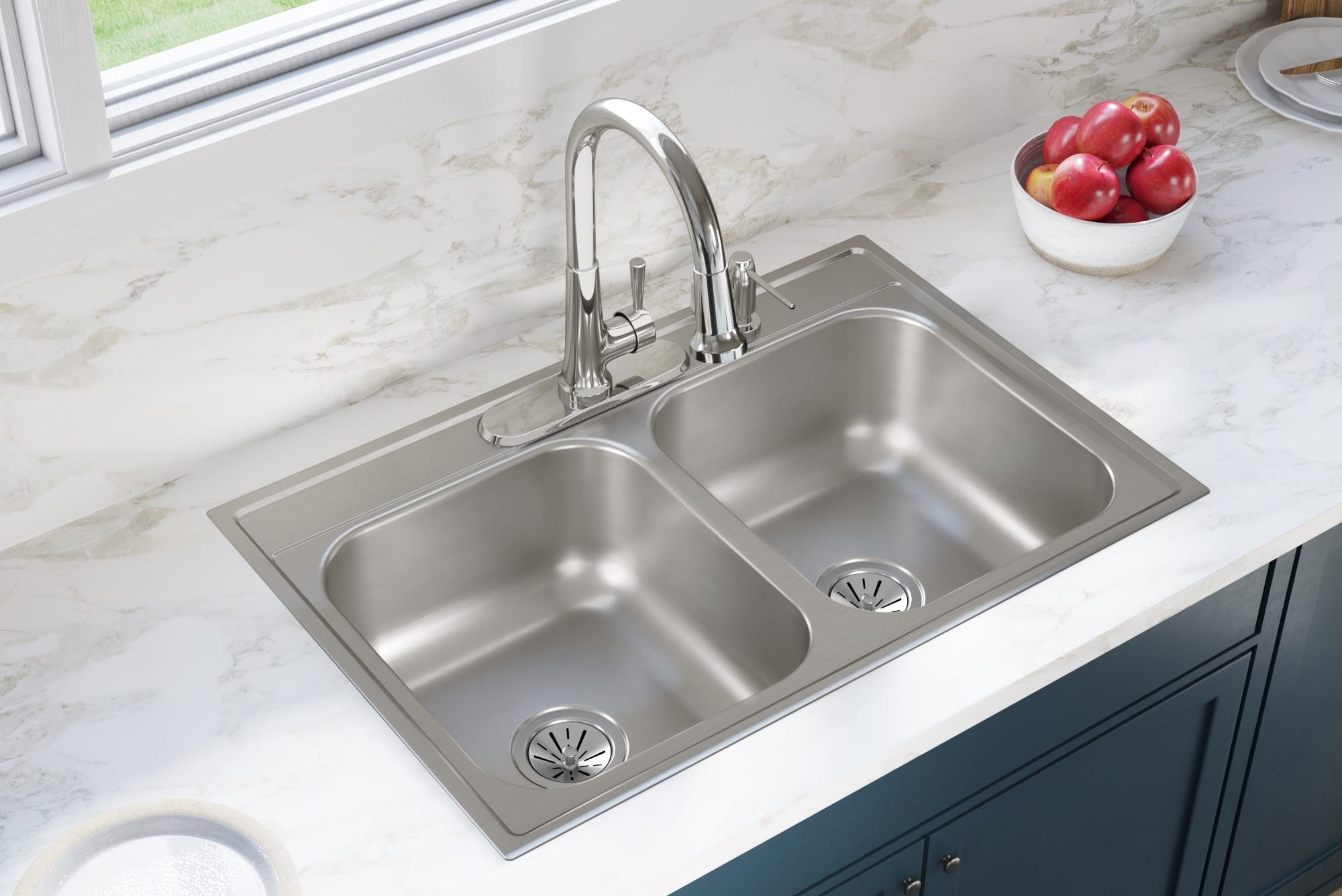
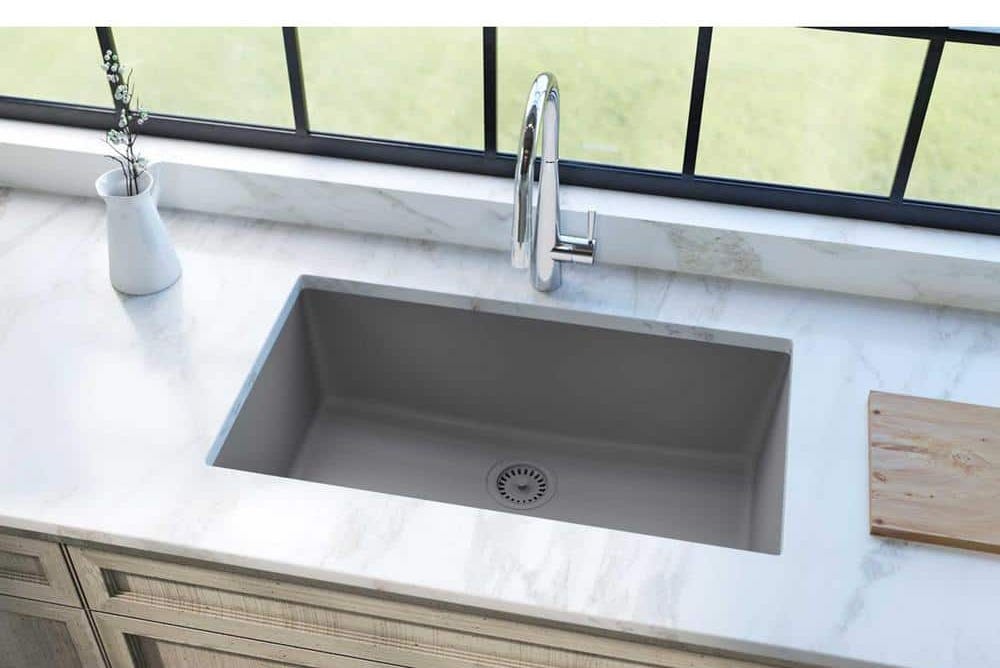
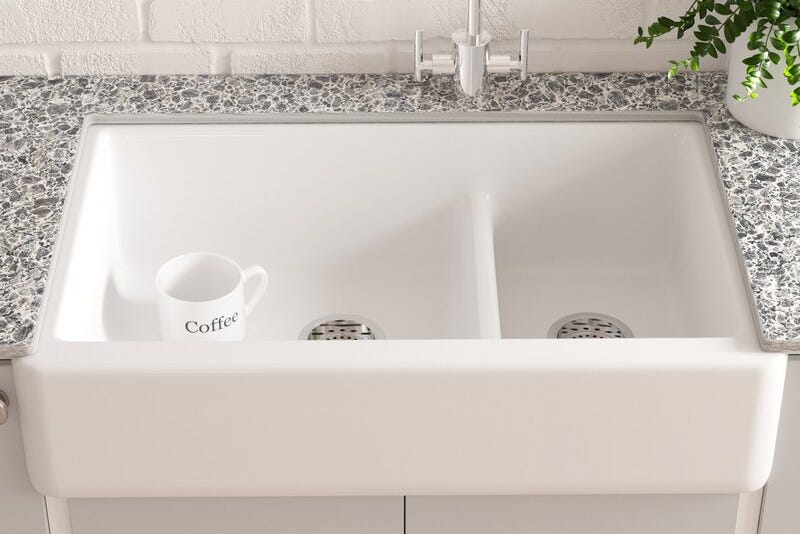
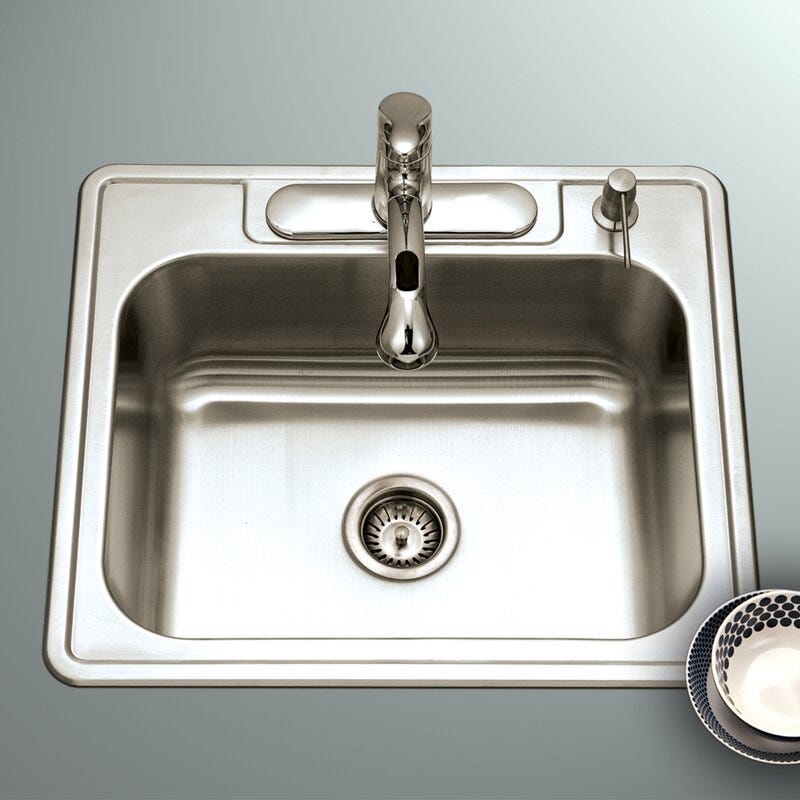
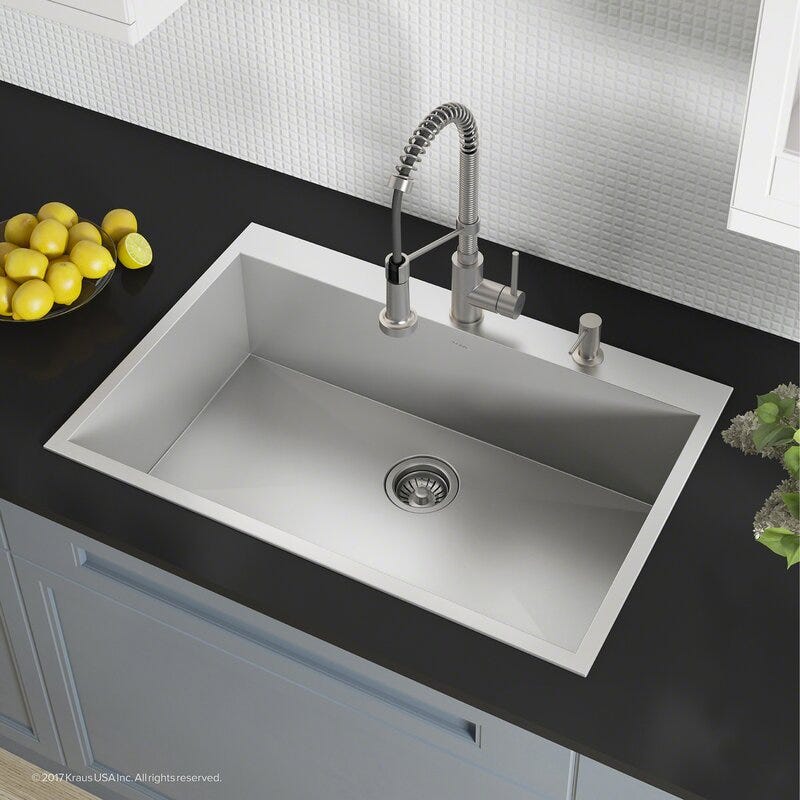
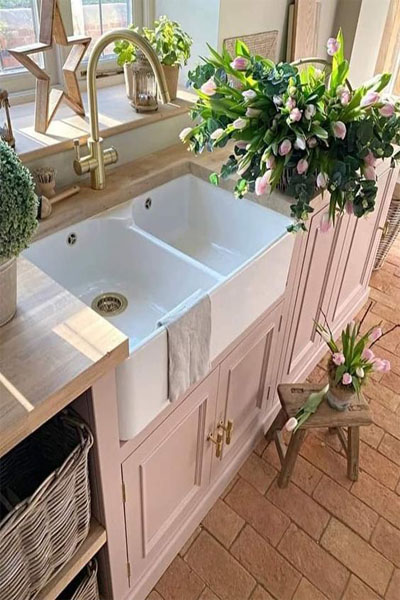
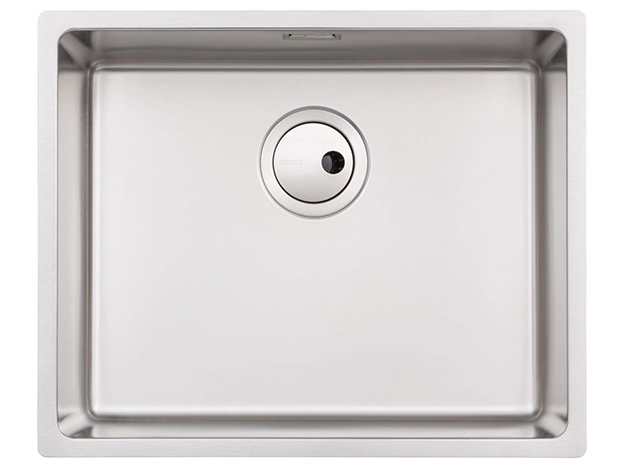
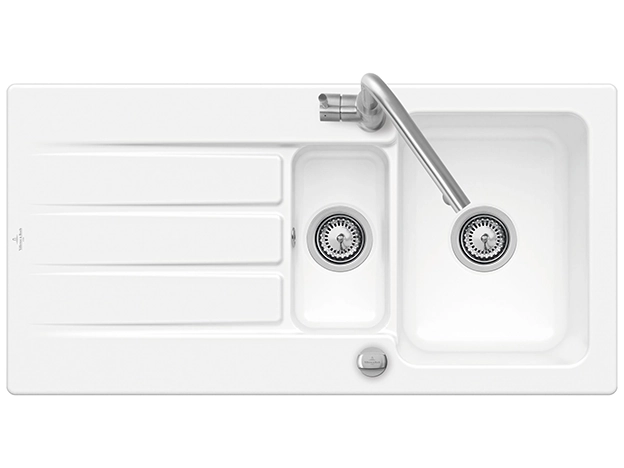
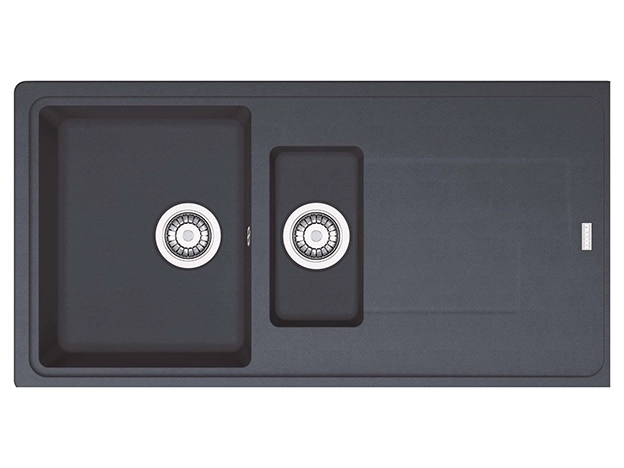
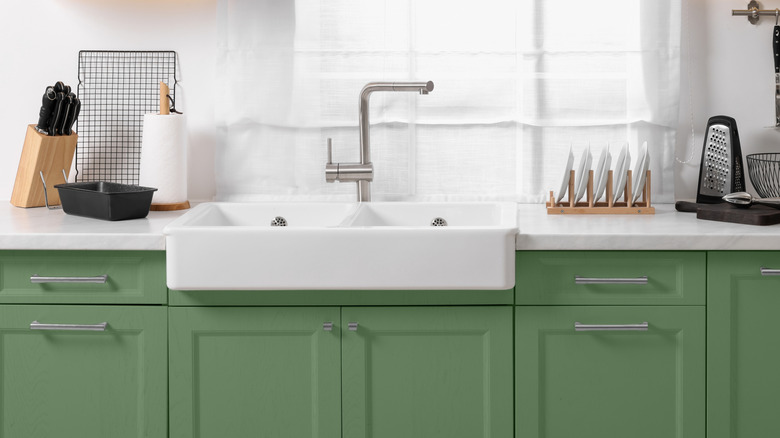
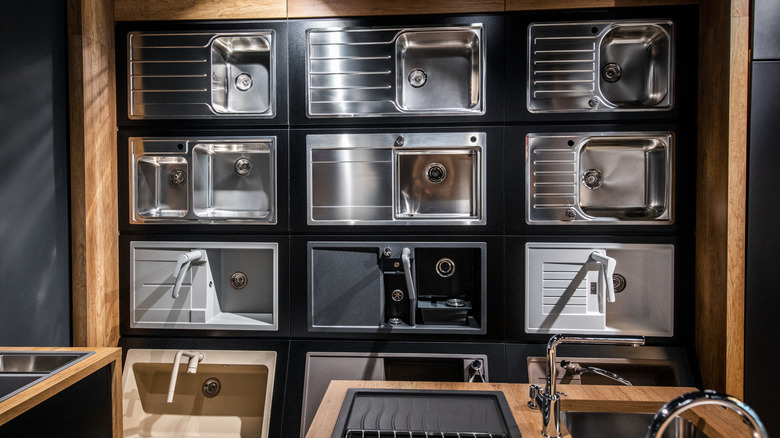
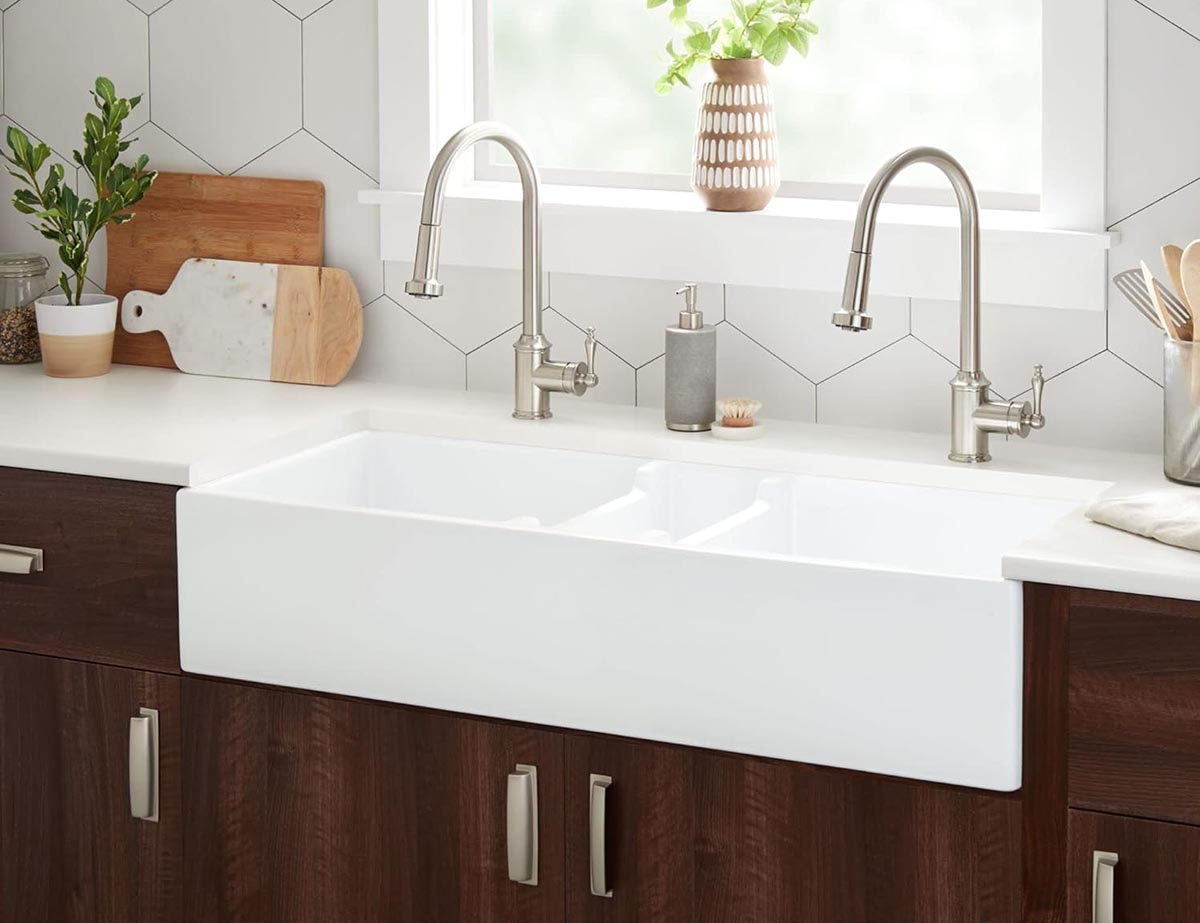
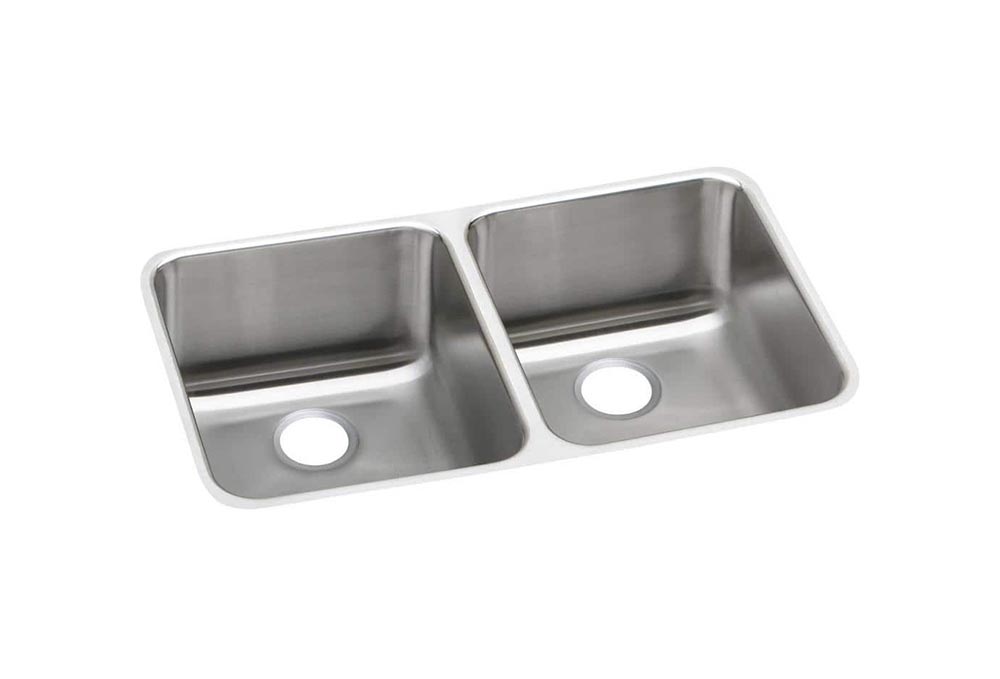
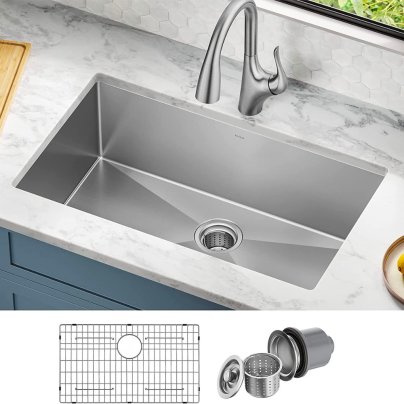
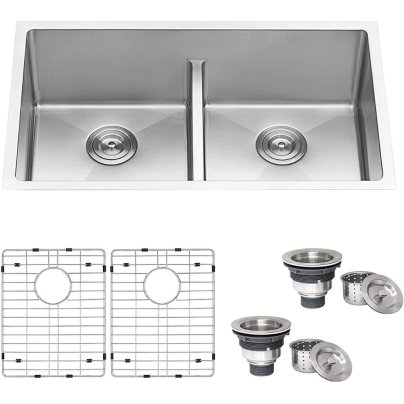
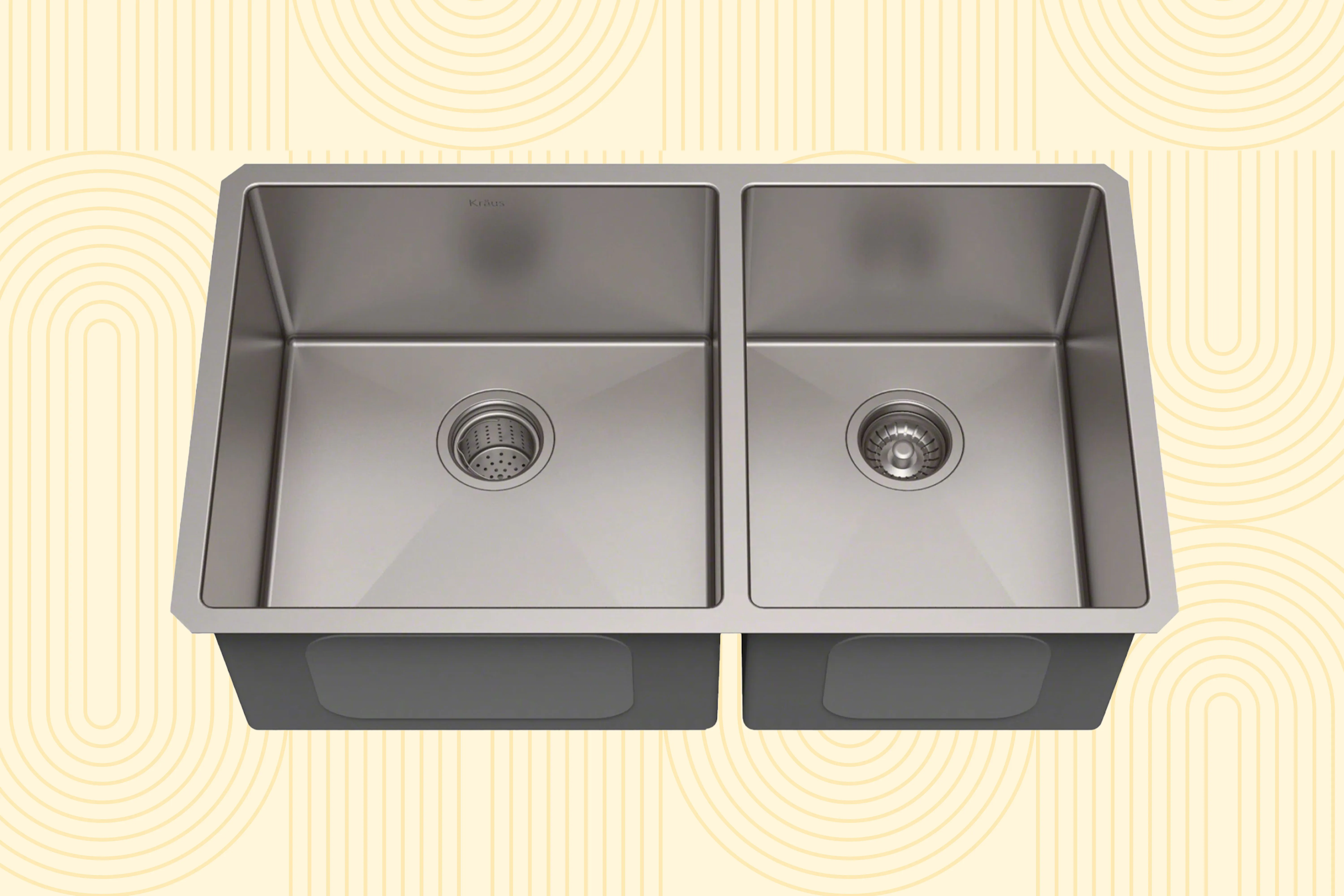
One of the most significant decisions involves the number of bowls. Single-bowl sinks provide a large, open basin, ideal for washing oversized items, but they are less convenient for separating clean and dirty dishes. Double-bowl sinks feature a divider, allowing for distinct areas for washing, rinsing, or drying, though they may limit space for very large pots. Triple-bowl sinks typically include a small central bowl for tasks like handwashing or rinsing produce, flanked by two larger bowls, but these also offer less room for extensive items. Some double-bowl sinks incorporate half-height dividers, which offer a compromise by allowing larger items to fit while still providing some separation.
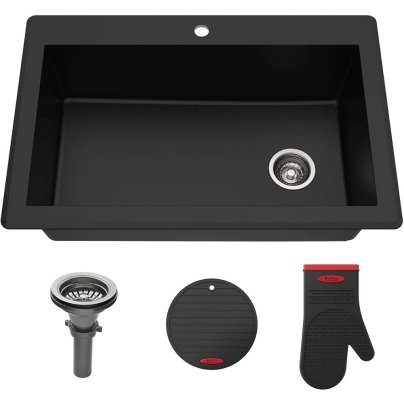
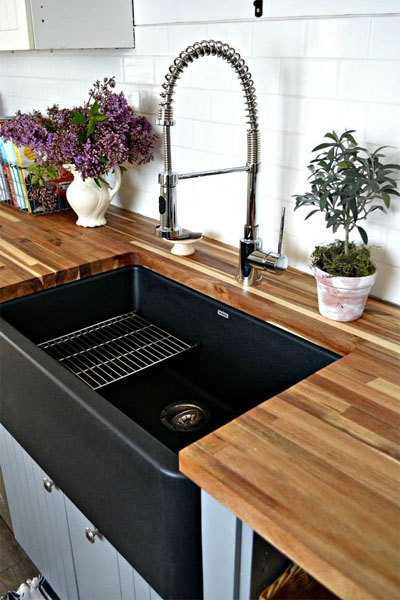
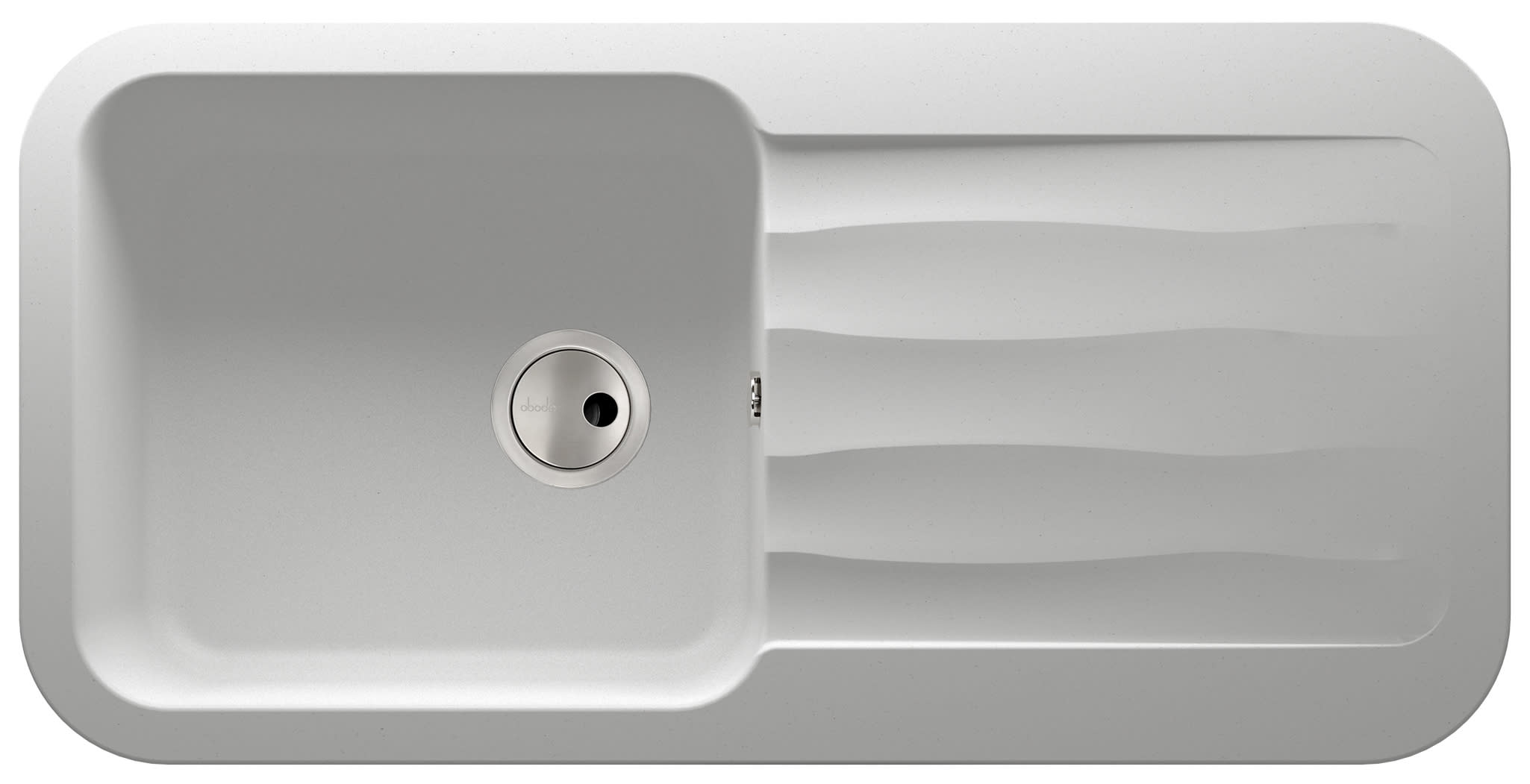
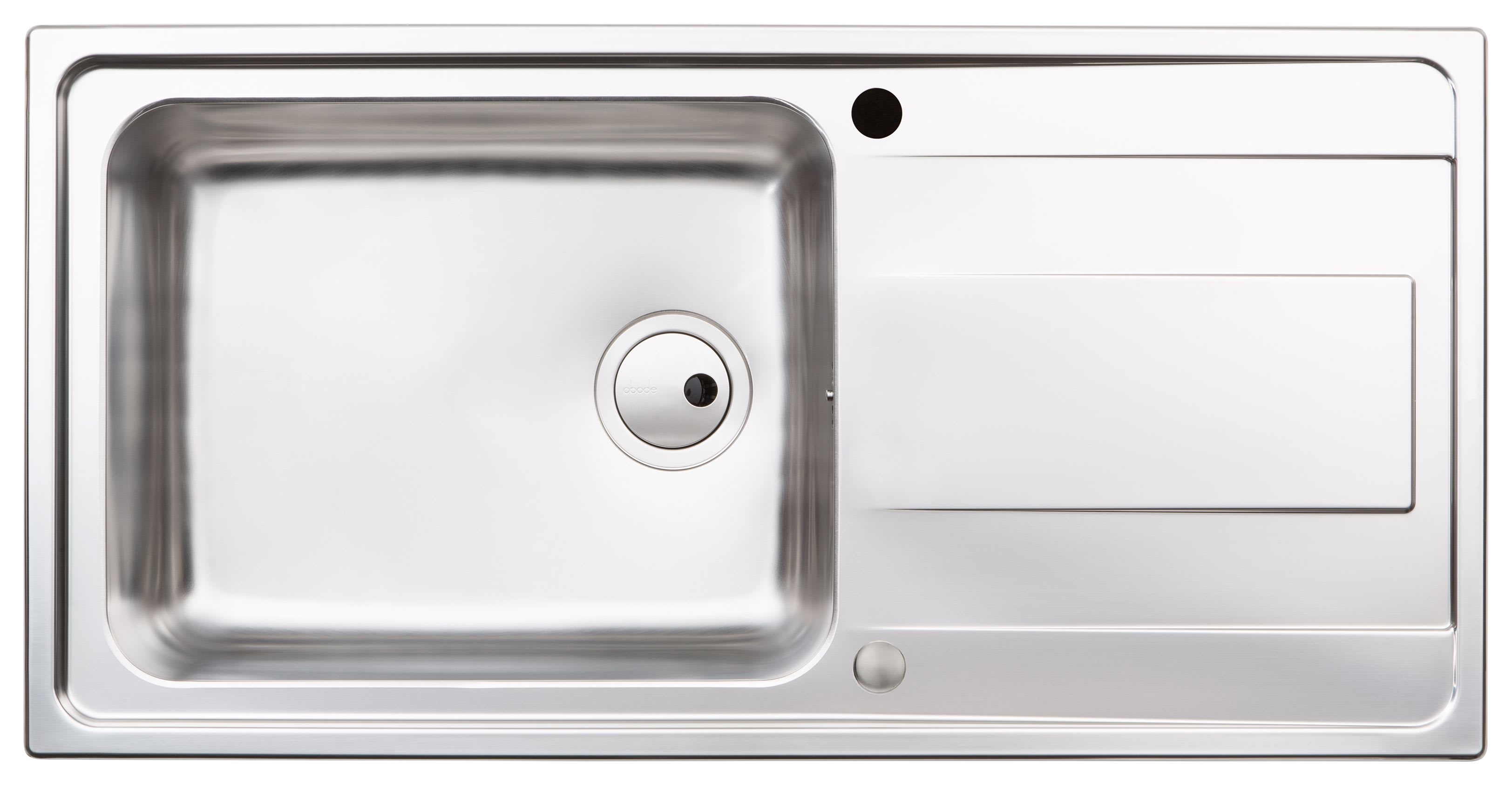
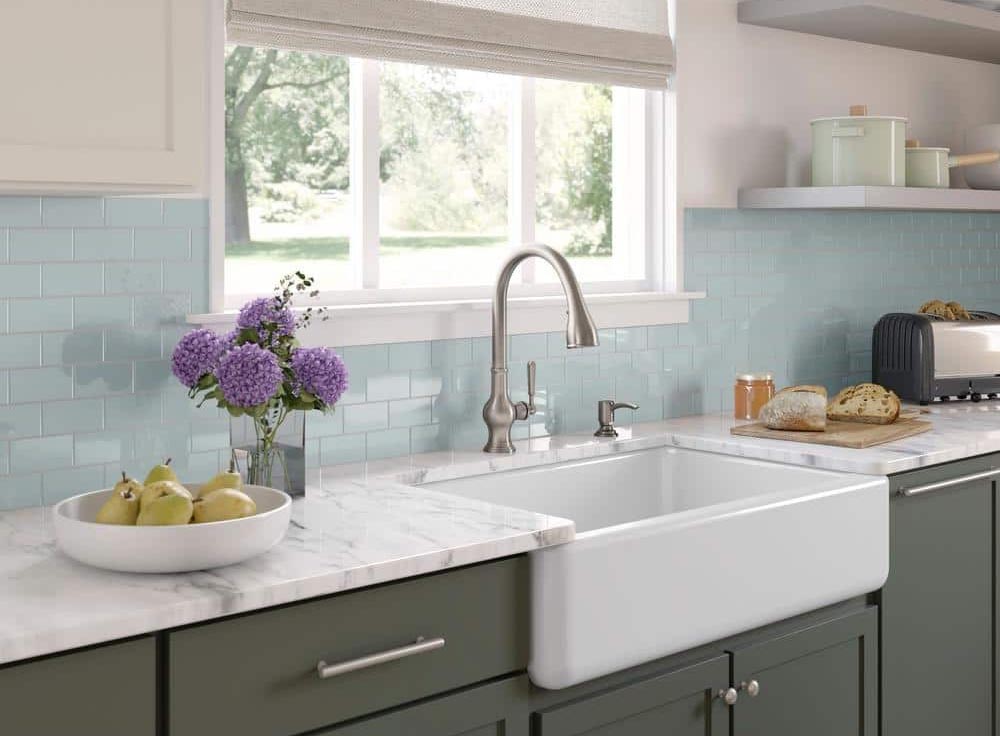
Material and color are crucial for both durability and aesthetics. Common materials include stainless steel, porcelain-coated steel, fireclay, and composite materials like granite or quartz dust. Stainless steel is a popular choice due to its lightweight nature, durability, and affordability. Porcelain-coated sinks are robust but prone to chipping or staining. Fireclay is highly durable but can be more expensive. Composite sinks offer the look and feel of natural stone but are heavy and costly, and some, like quartz, may be sensitive to high temperatures. Each material comes in various colors and finishes to complement different kitchen designs.
Sound absorption is another important feature, as the noise from dishes clanking in a sink can be disruptive. Many modern undermount sinks incorporate sound-deadening measures, such as coatings on the underside or rubber mats adhered to the bottom and sides, to minimize noise. If a sink lacks these features, sound-deadening kits can be purchased separately.
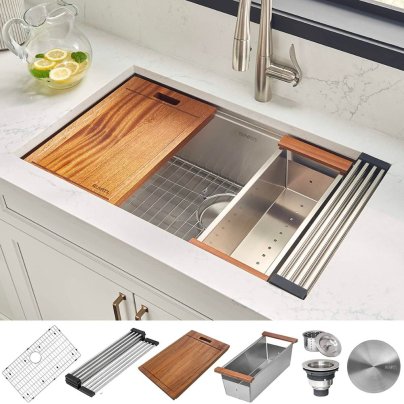
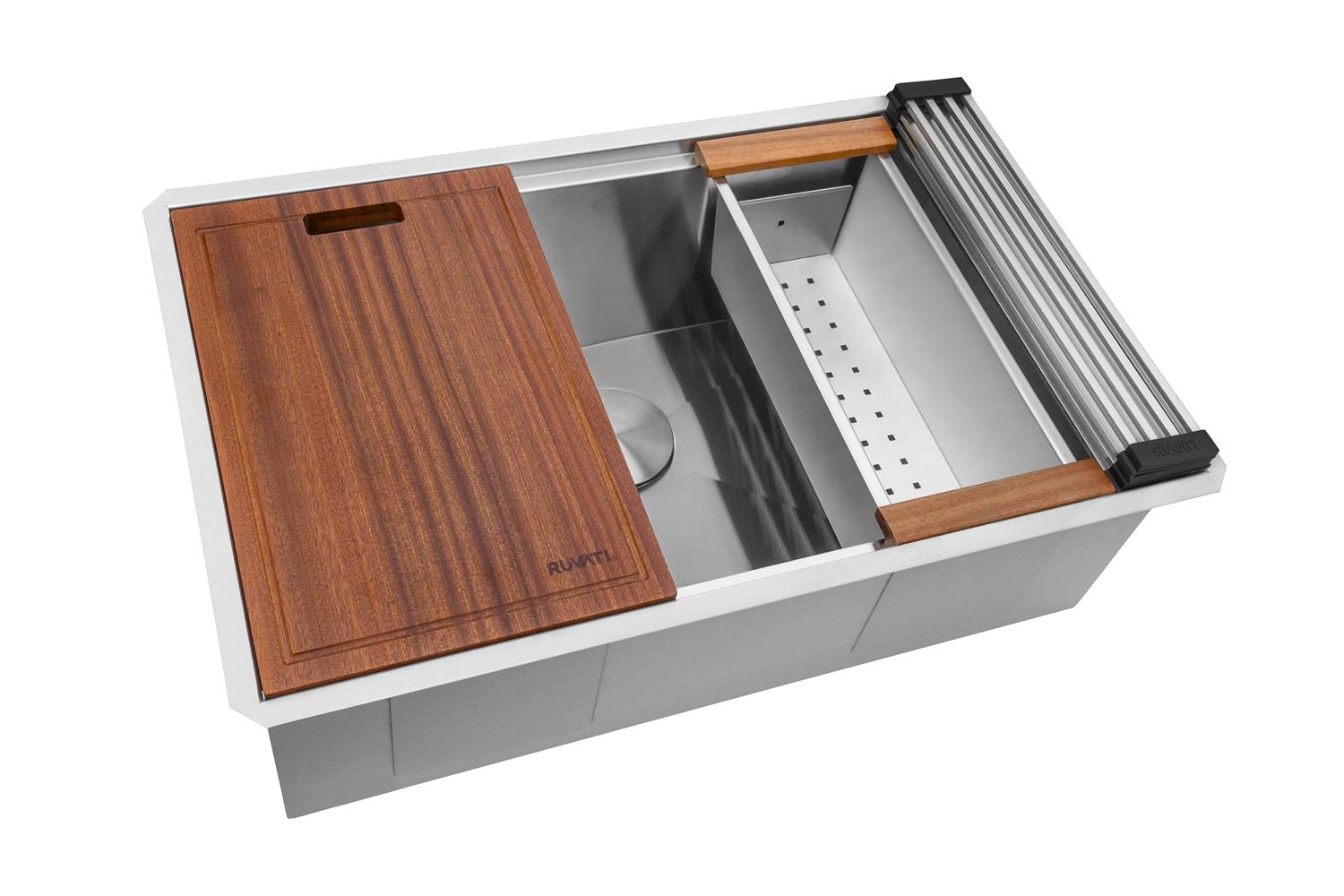
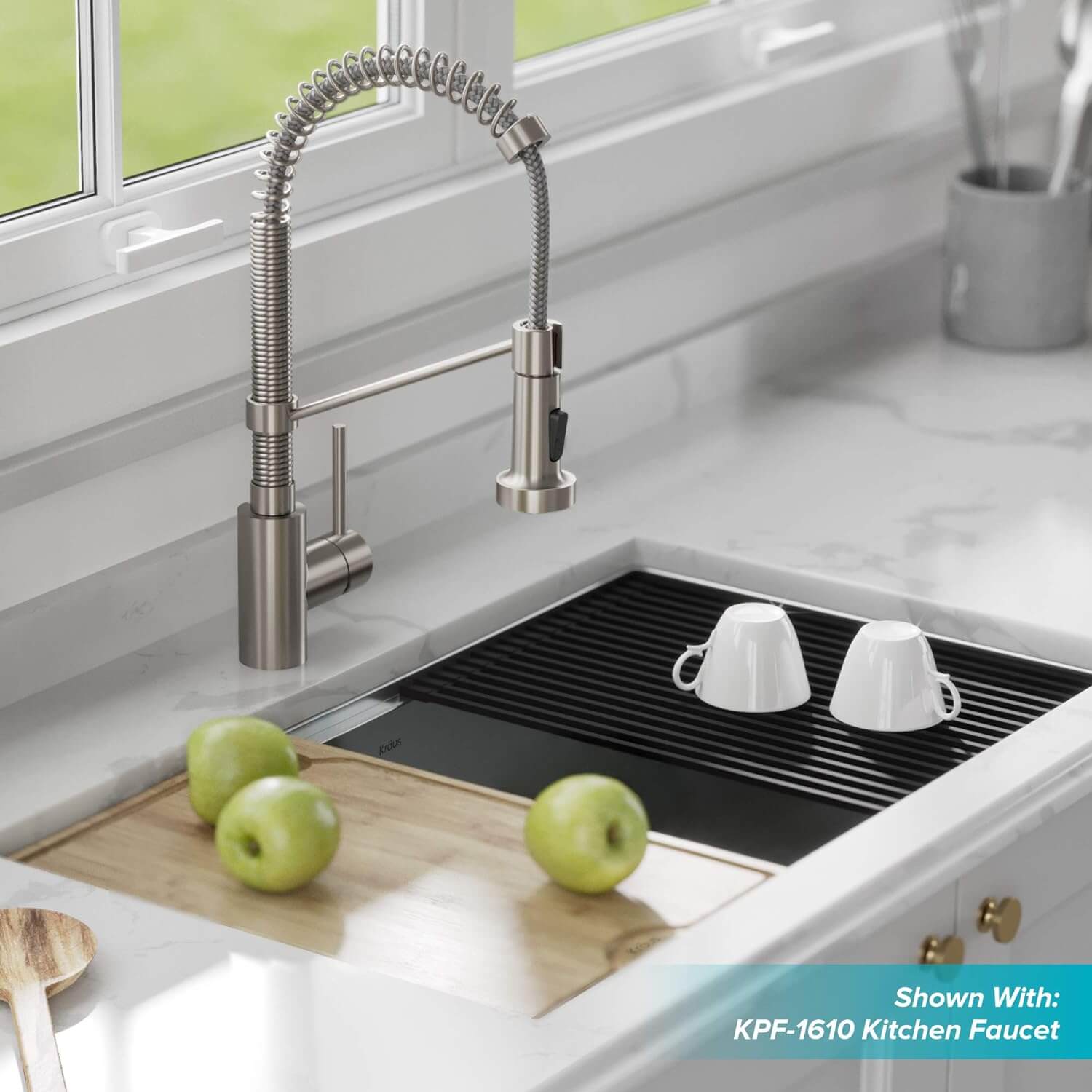
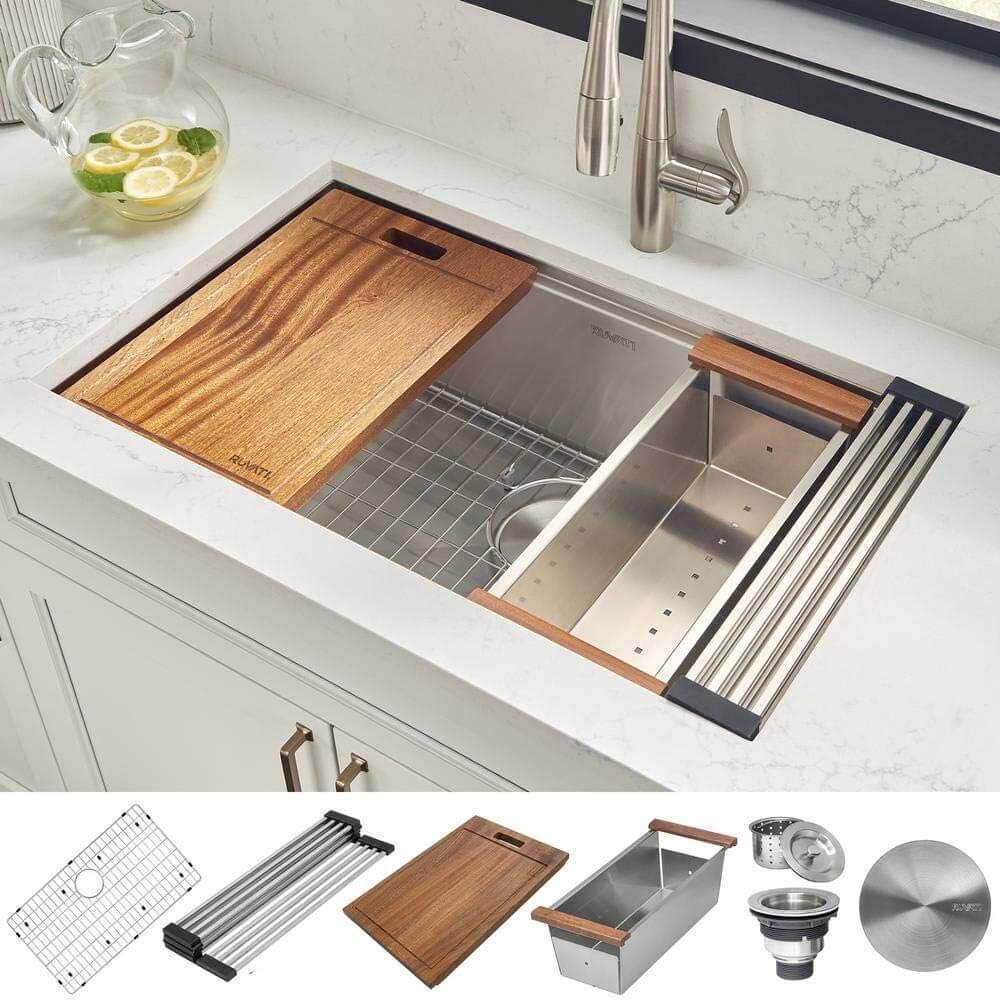
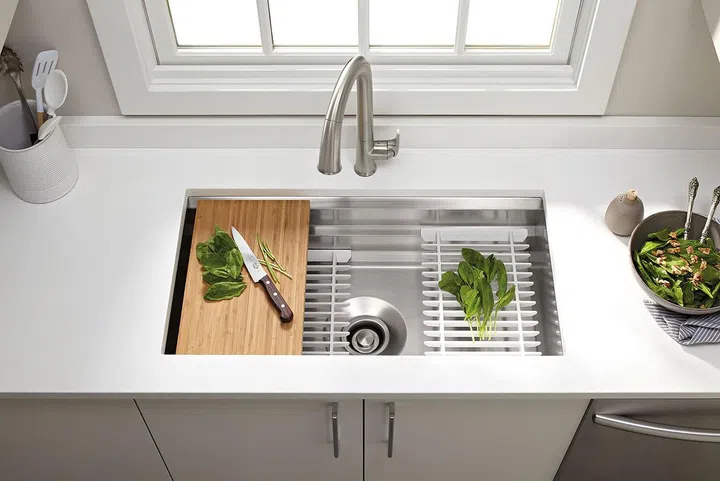
Lastly, accessories can significantly enhance a sink's utility. These may include roll-up dish racks for drying, integrated cutting boards, produce trays, colanders, and dish mats to protect the sink surface and prevent breakages. Included drain assemblies with strainers are also a valuable addition. The overall advantages of undermount sinks include their contribution to a cleaner countertop appearance, ease of sweeping debris directly into the basin, and their ability to accentuate countertops without drawing attention away from them. They are also generally durable, resisting stains, dents, and chips when properly maintained.
#UndermountSinks #KitchenDesign #HomeImprovement #SinkMaterials #KitchenRemodeling #DIYProjects #KitchenAccessories #HomeDecor #ProductReview #UndermountSinks #KitchenDesign #HomeImprovement #SinkMaterials #KitchenRemodeling #DIYProjects #KitchenAccessories #HomeDecor #ProductReview
0 تعليق إجمالاً
 لا توجد تعليقات بعد
قد تعجبك أيضًا
The Best Undermount Kitchen Sinks, Researched and Ranked
Our Favorite Kitchen Sinks Are As Functional As They Are Beautiful
The Ultimate Guide To Choosing A Sink For Your Kitchen


Our Favorite Kitchen Sinks Keep Your Workspace Efficient Without Sacrificing Style

The Best Kitchen Sinks for Your Home, Based on Sink Style


Best Kitchen Sinks: Top 5 Models Most Recommended By Design Experts

11 Beautiful Kitchen Sink Ideas That Will Transform Your Space
The Best Bathroom Sinks

These Top-Rated Sinks Will Instantly Upgrade Your Kitchen

The 5 Best Kitchen Sinks
11 Best Under the Sink Organizers for the Bathroom and Kitchen 2025

The 11 Best Kitchen Sink Brands of 2025
6 Kitchen Sinks Worth Upgrading to in 2026
20 Simple and Latest Kitchen Sink Designs for 2024
10 Best Kitchen Sinks in Singapore: Hansgrohe, IKEA, Franke, Zuhne

The Best Bathroom Sinks Go Beyond Porcelain to Concrete and Even Quartz


The Most Popular Kitchen Sink Styles to Transform Your Space

Kitchen Sinks


All Kitchen Sinks
Our Complete Guide to Types of Sinks (And When to Choose Each One)