Traditional Design Is Here to Stay—Here's Everything You Need to Know About the Style
Traditional interior design is a classic, warm, comforting, and familiar home decor style that draws inspiration from 18th- and 19th-century European aesthetics, particularly those of England and France. This style is characterized by its timeless appeal, comfort, and a polished yet understated elegance, avoiding the overly ornate. It gained widespread popularity in the 20th century as post-war suburban development led many to seek design elements that echoed historical traditions.
While other design movements, such as midcentury modern, focused on innovative production methods and new materials, traditional design continued to reproduce classic furniture styles like Queen Anne chairs and Chippendale dressers. It maintained its appeal even as influential but short-lived movements like postmodern and Memphis design emerged, challenging conventional notions of color and form. Today, traditional design has evolved to incorporate modern comforts and tastes, leading to a "new traditional style" that blends classic elements with contemporary touches.
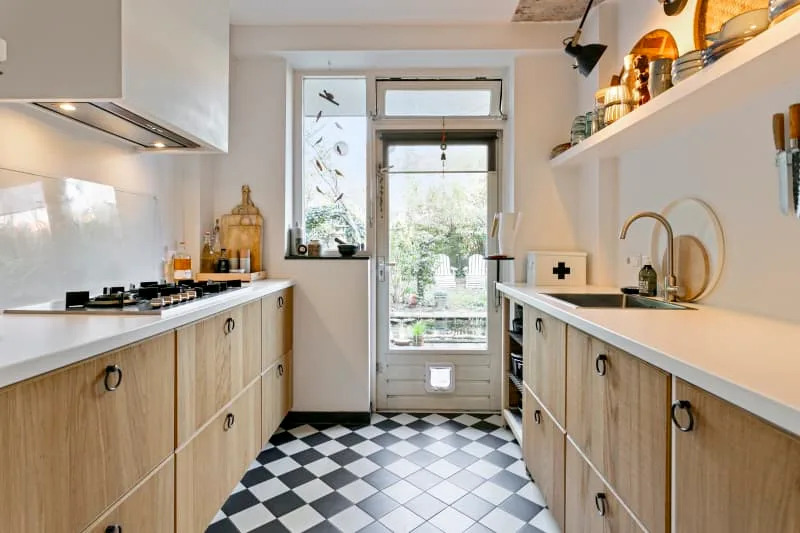
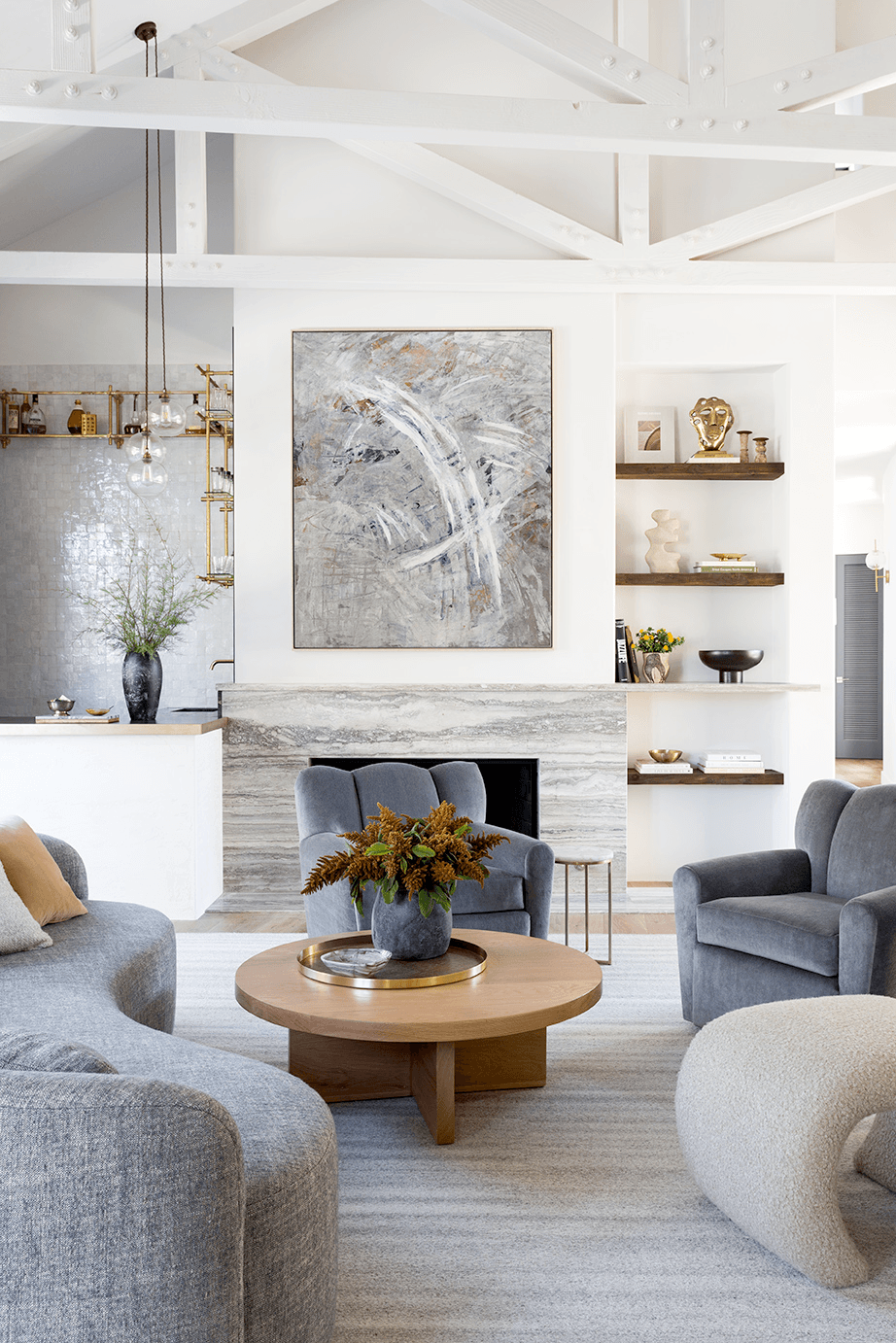
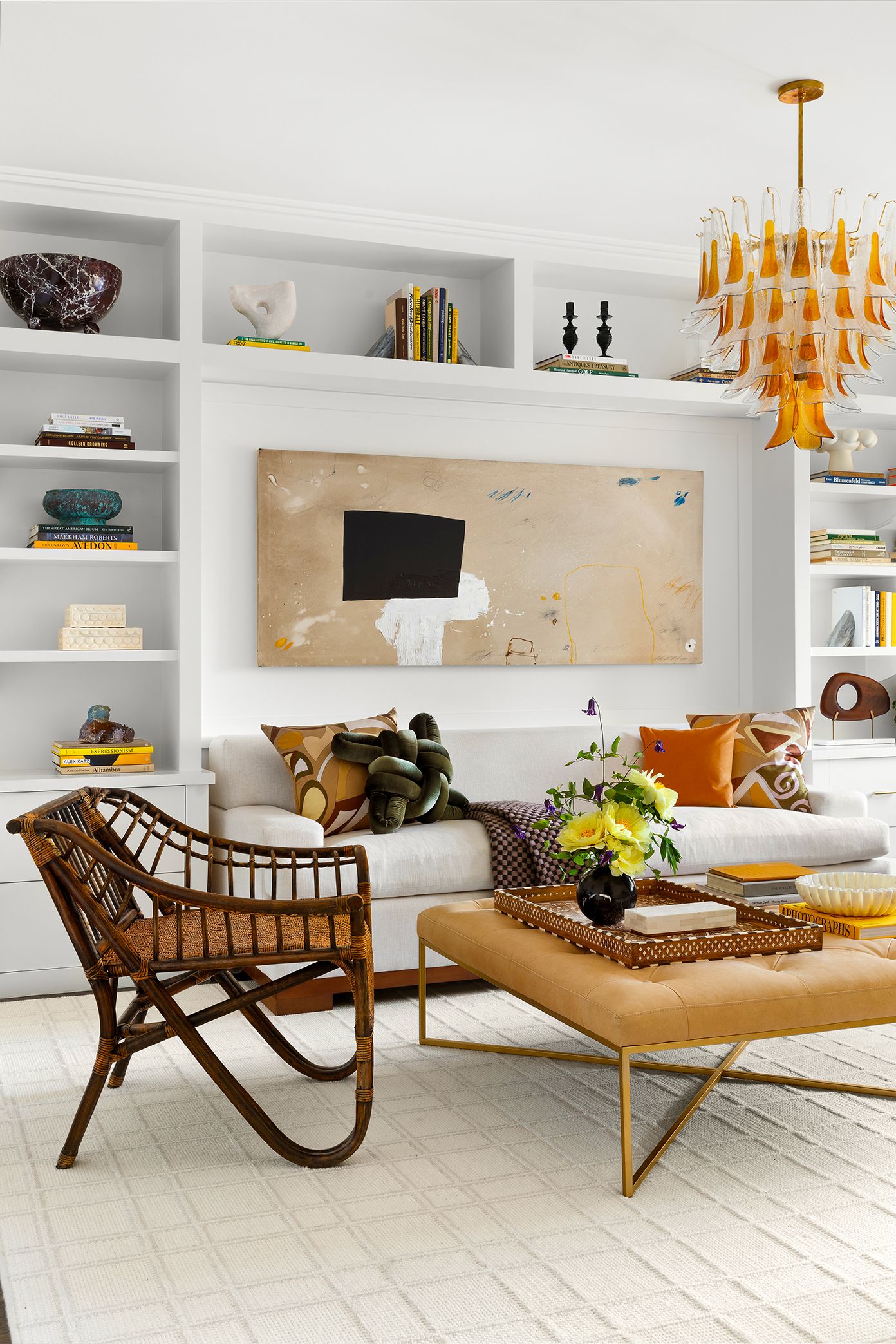
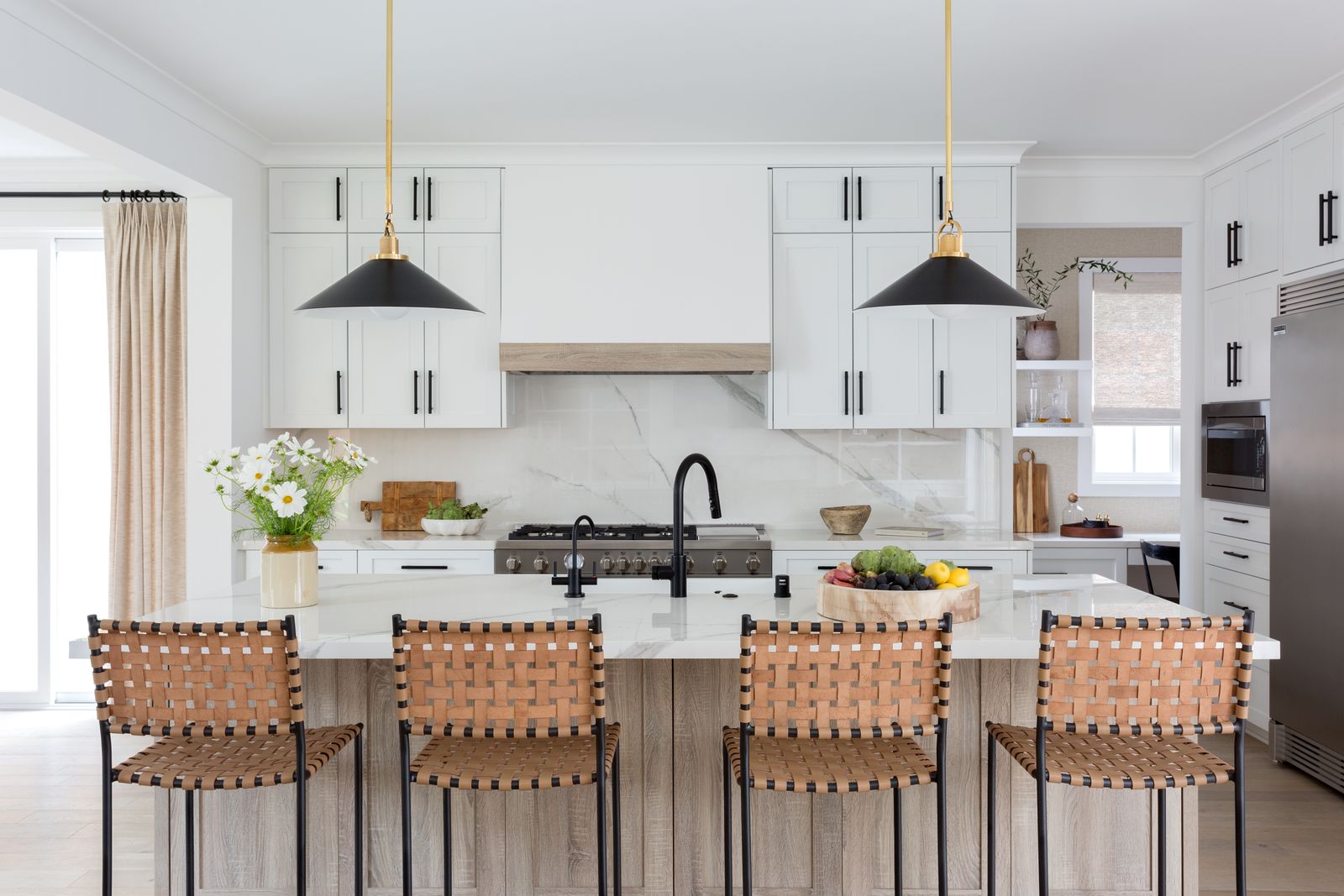
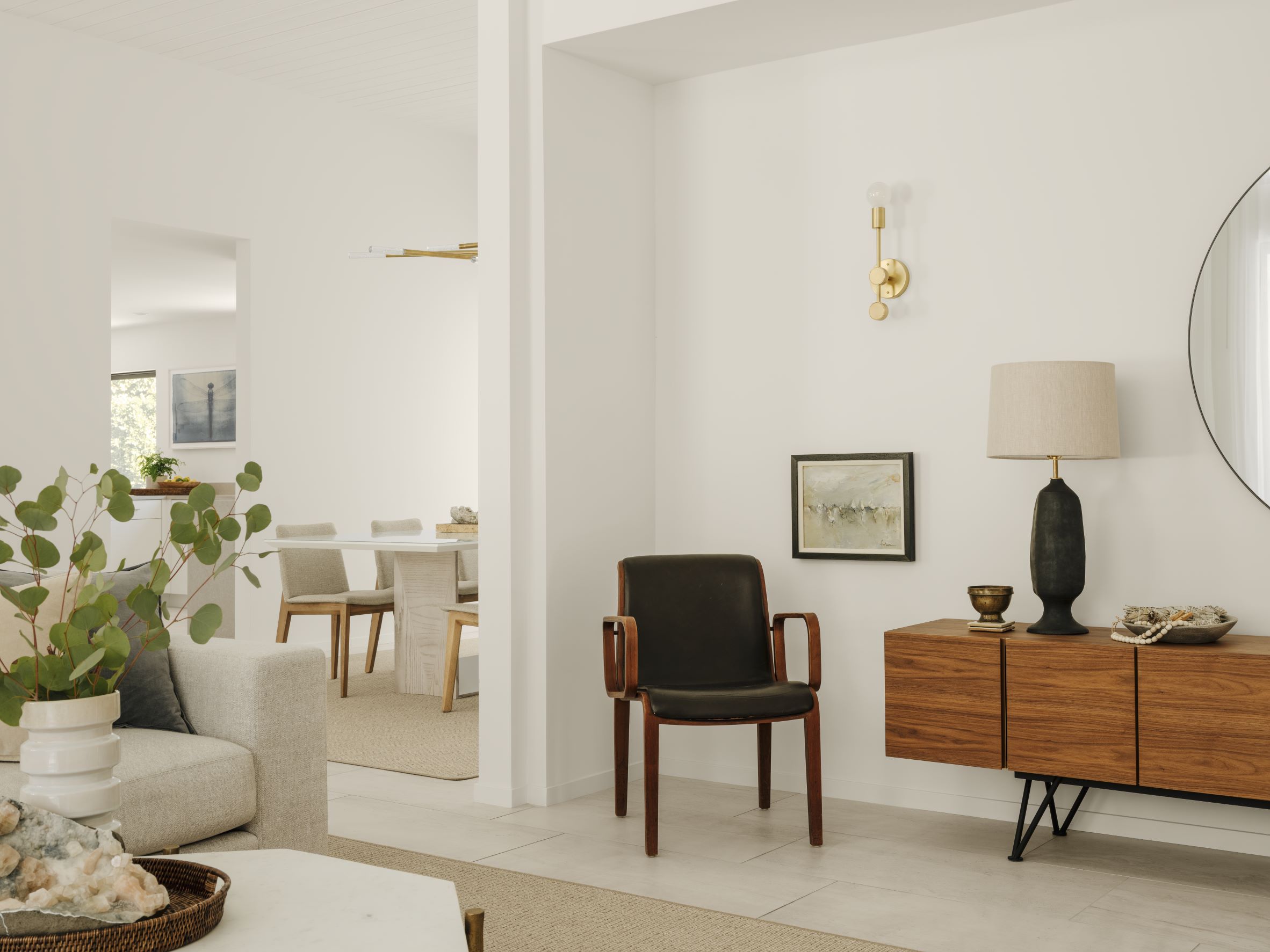
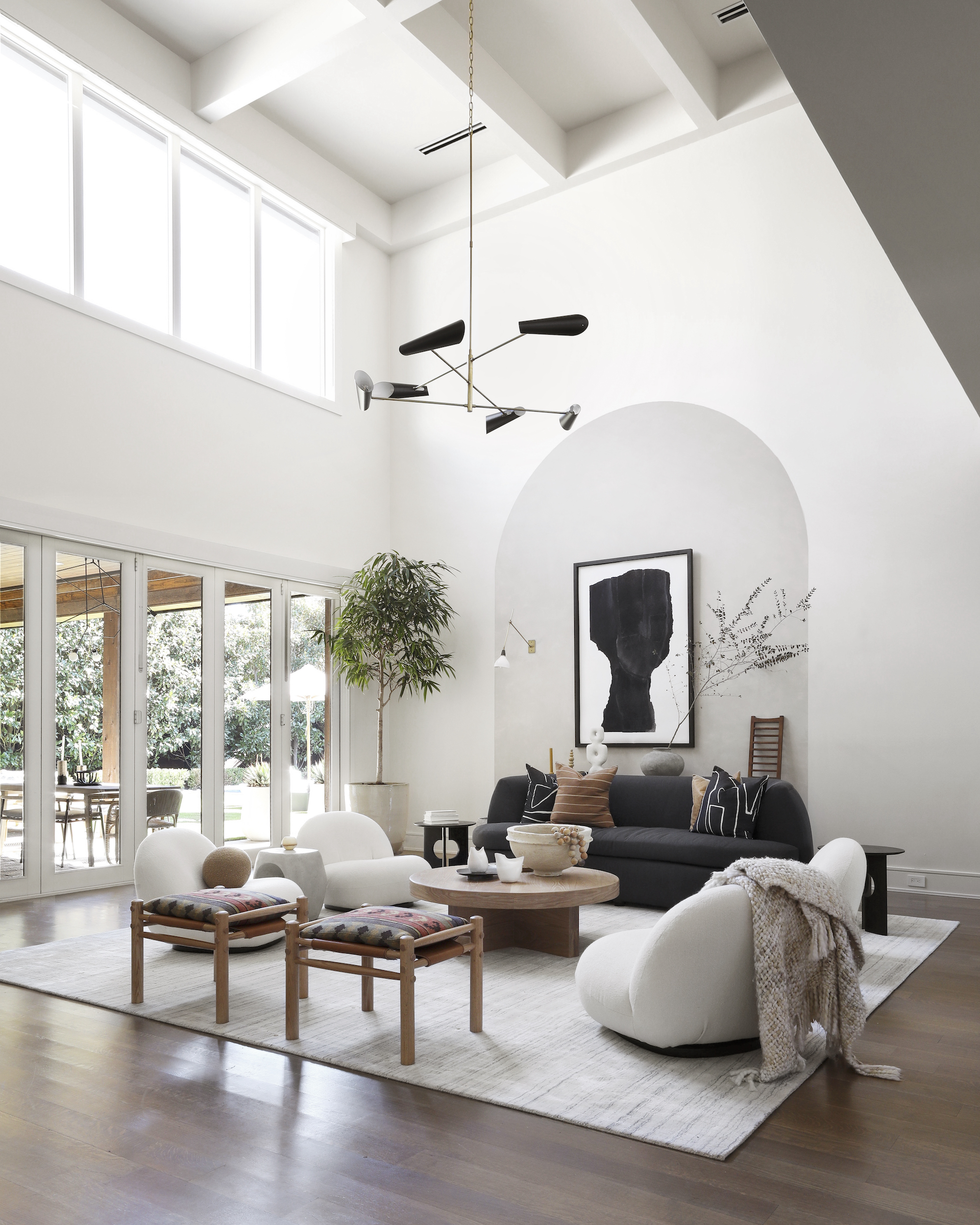
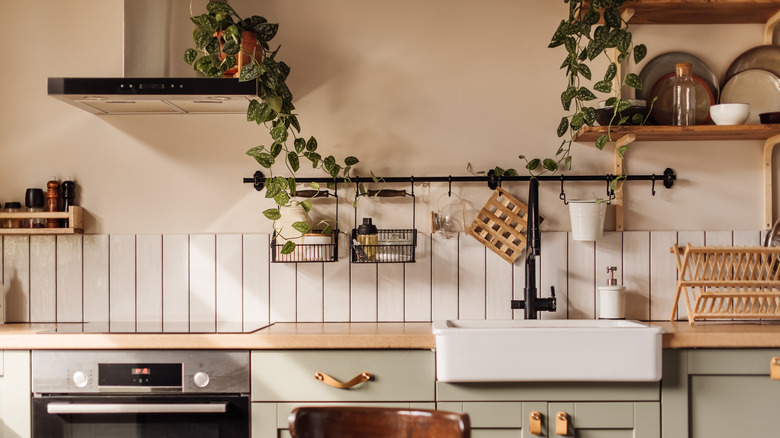
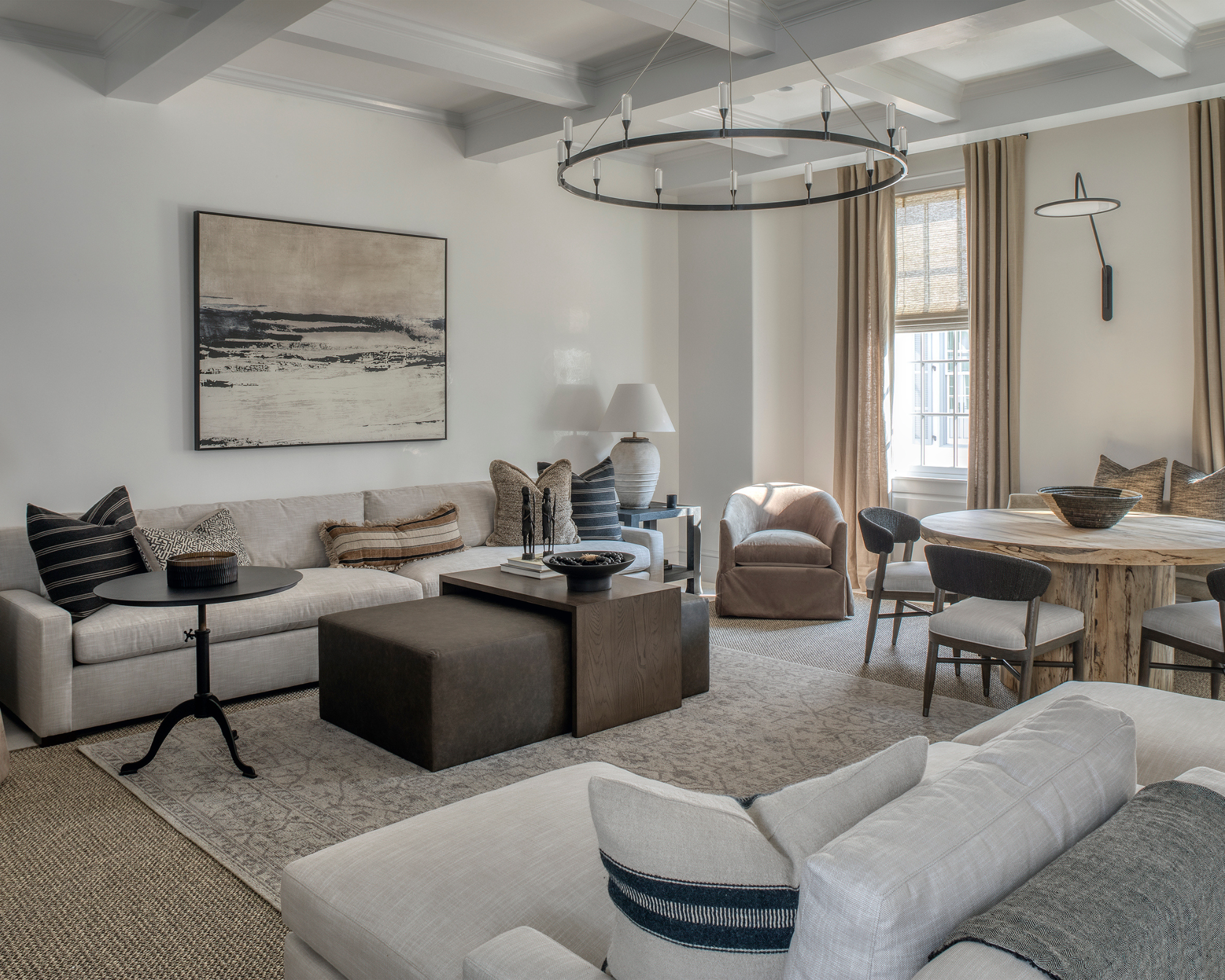
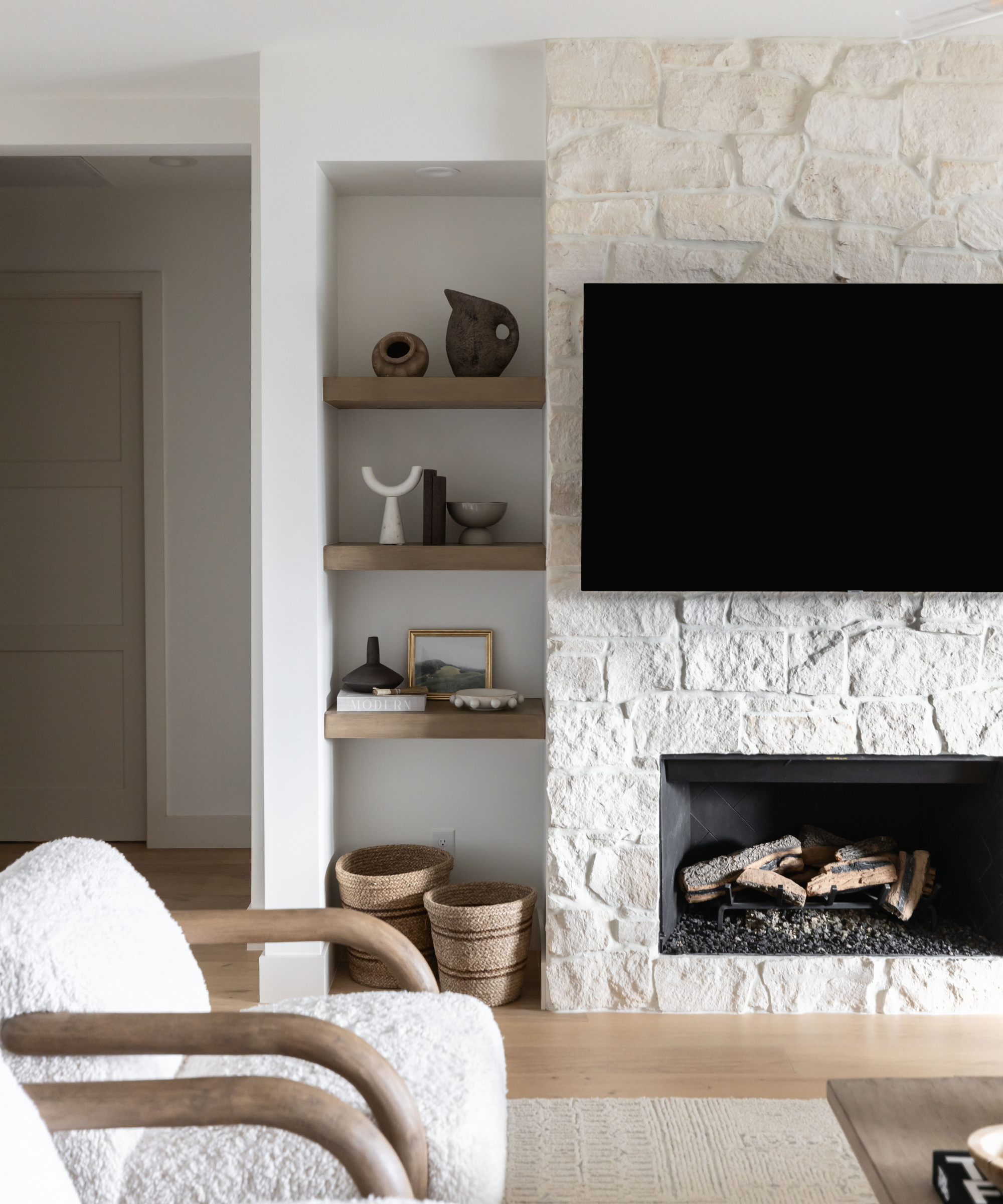
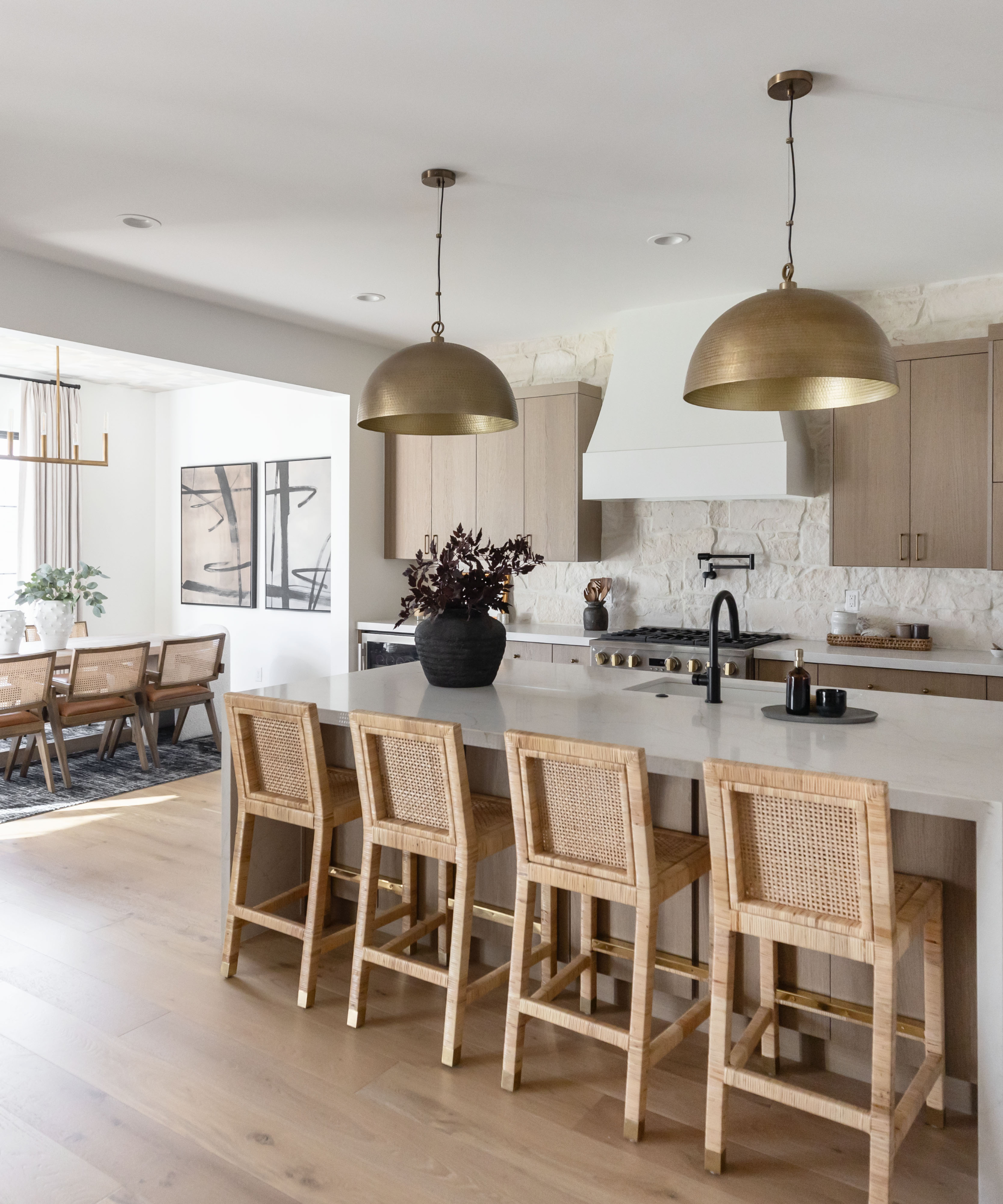
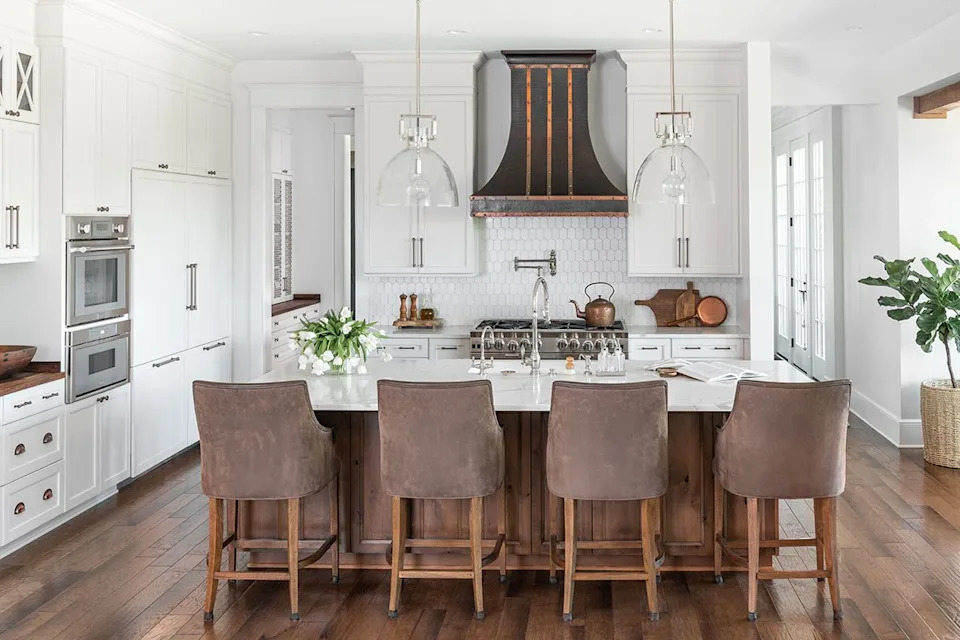
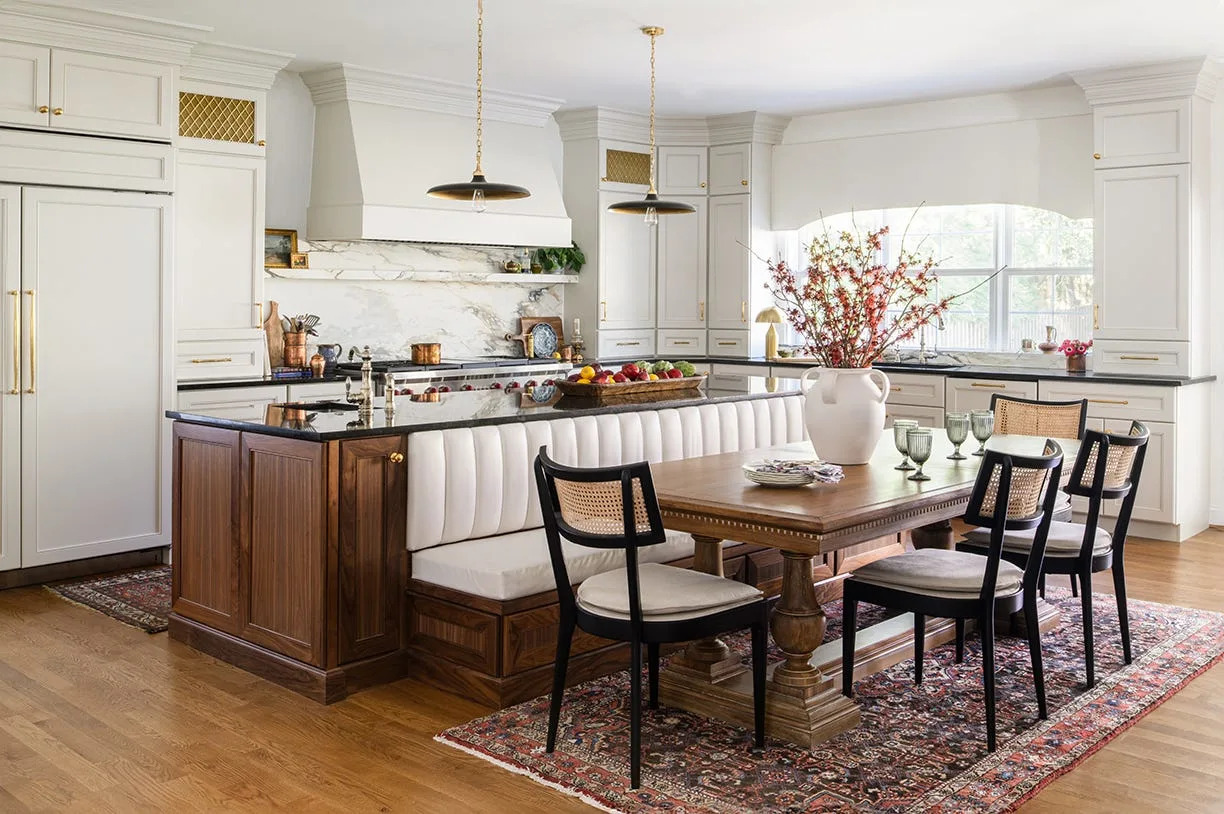
The goal of traditional interior design is to create a reassuring and comfortable backdrop for family living rather than a striking "wow factor." However, if not executed thoughtfully, a traditional room can appear boring or dated. Modern traditional homes often feature elements like large kitchen islands and open-plan spaces, integrating contemporary functionality. Designers frequently mix antique and vintage furniture with modern pieces and bolder colors to create a fresh interpretation of the classic style. The "grandmillennial" movement, for instance, has popularised a "granny chic" aesthetic, and transitional style, a beloved hybrid, combines traditional and contemporary design.
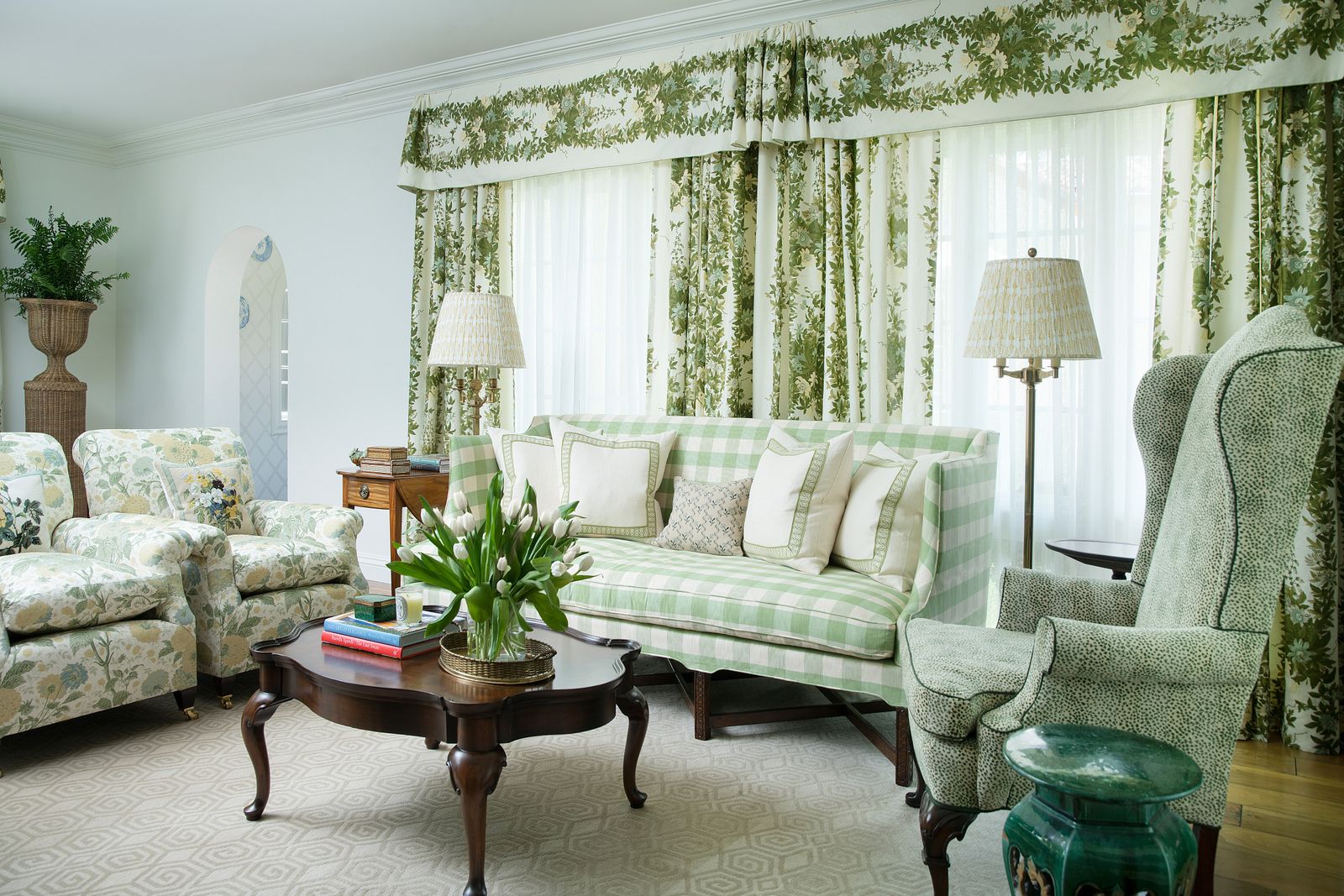
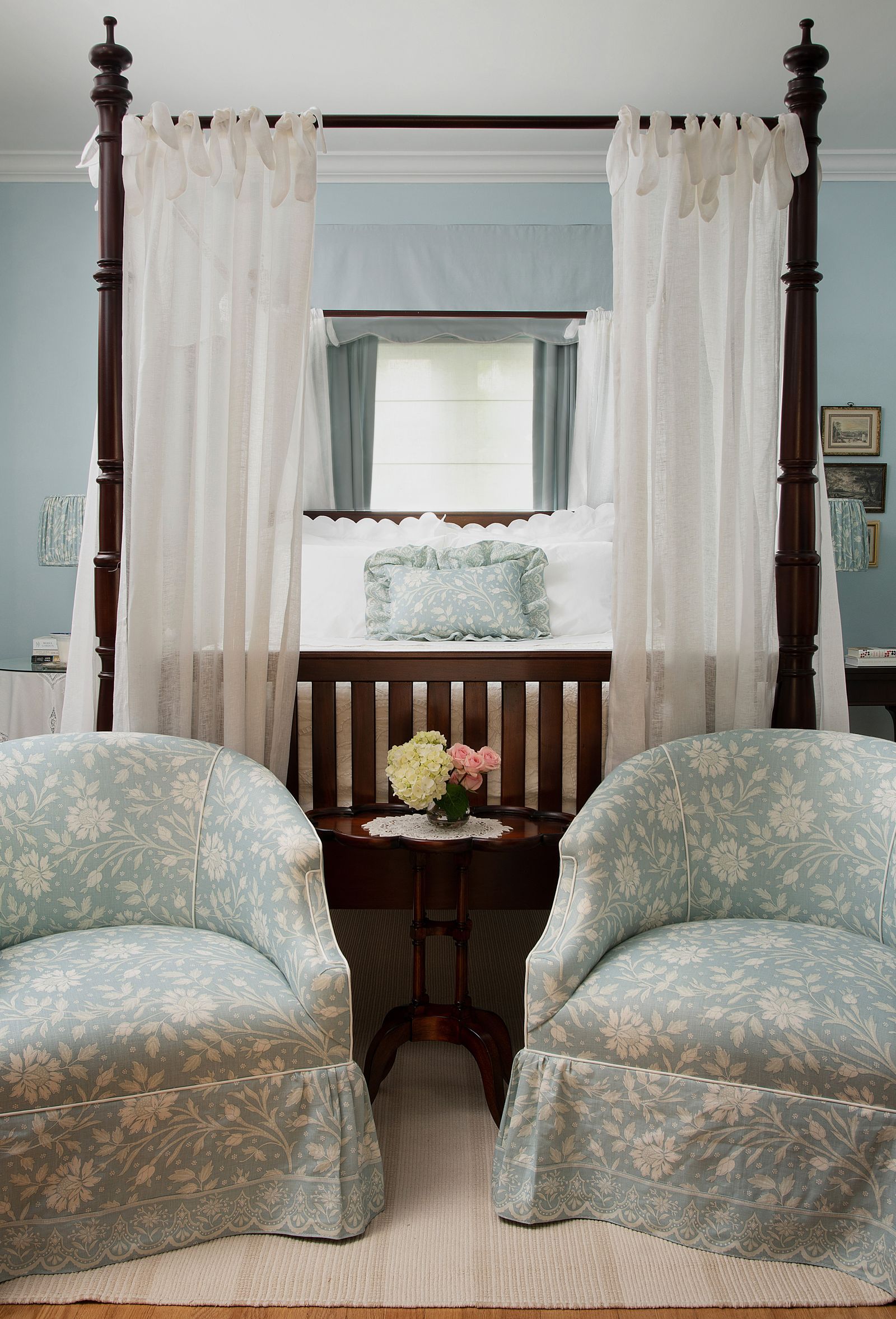
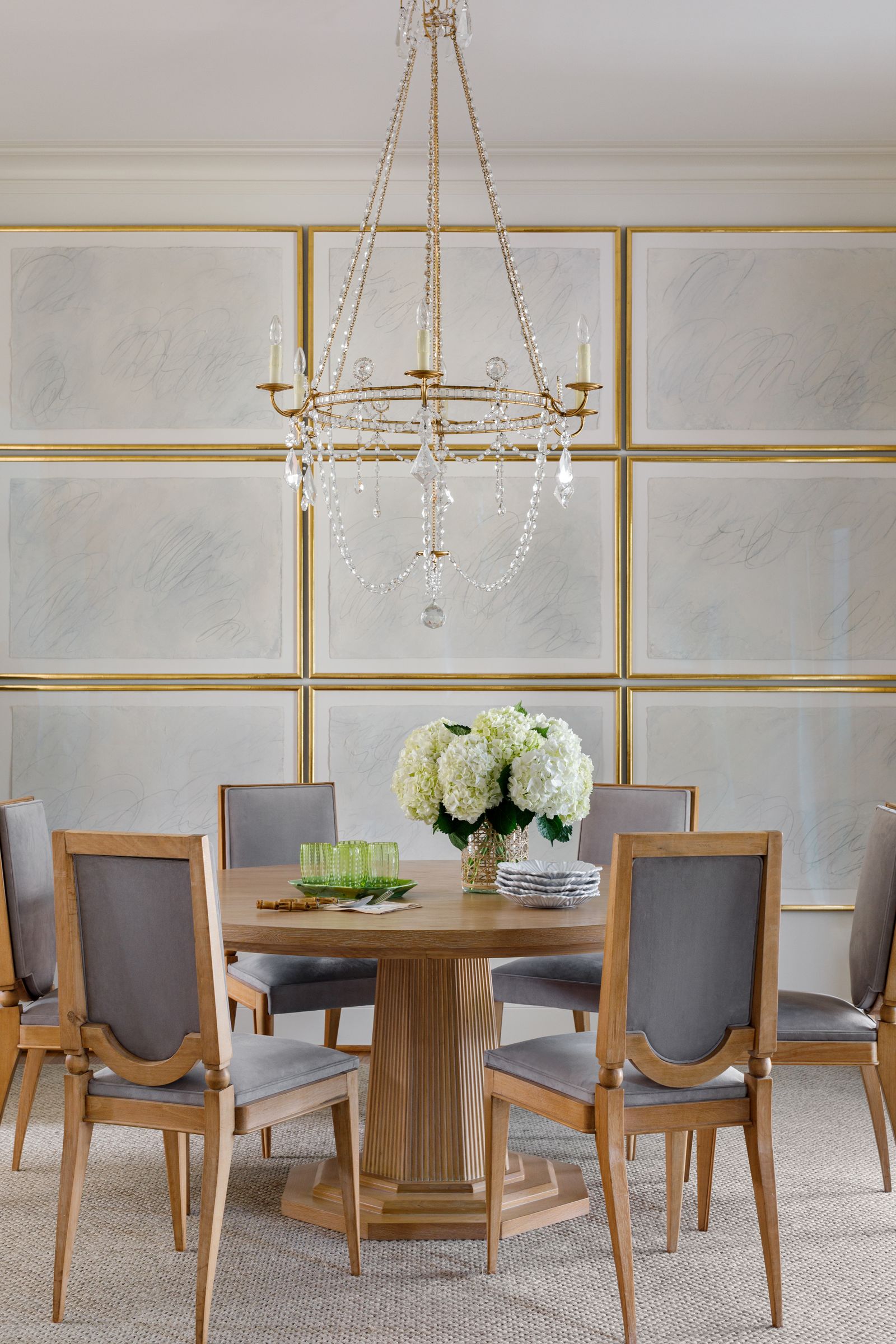
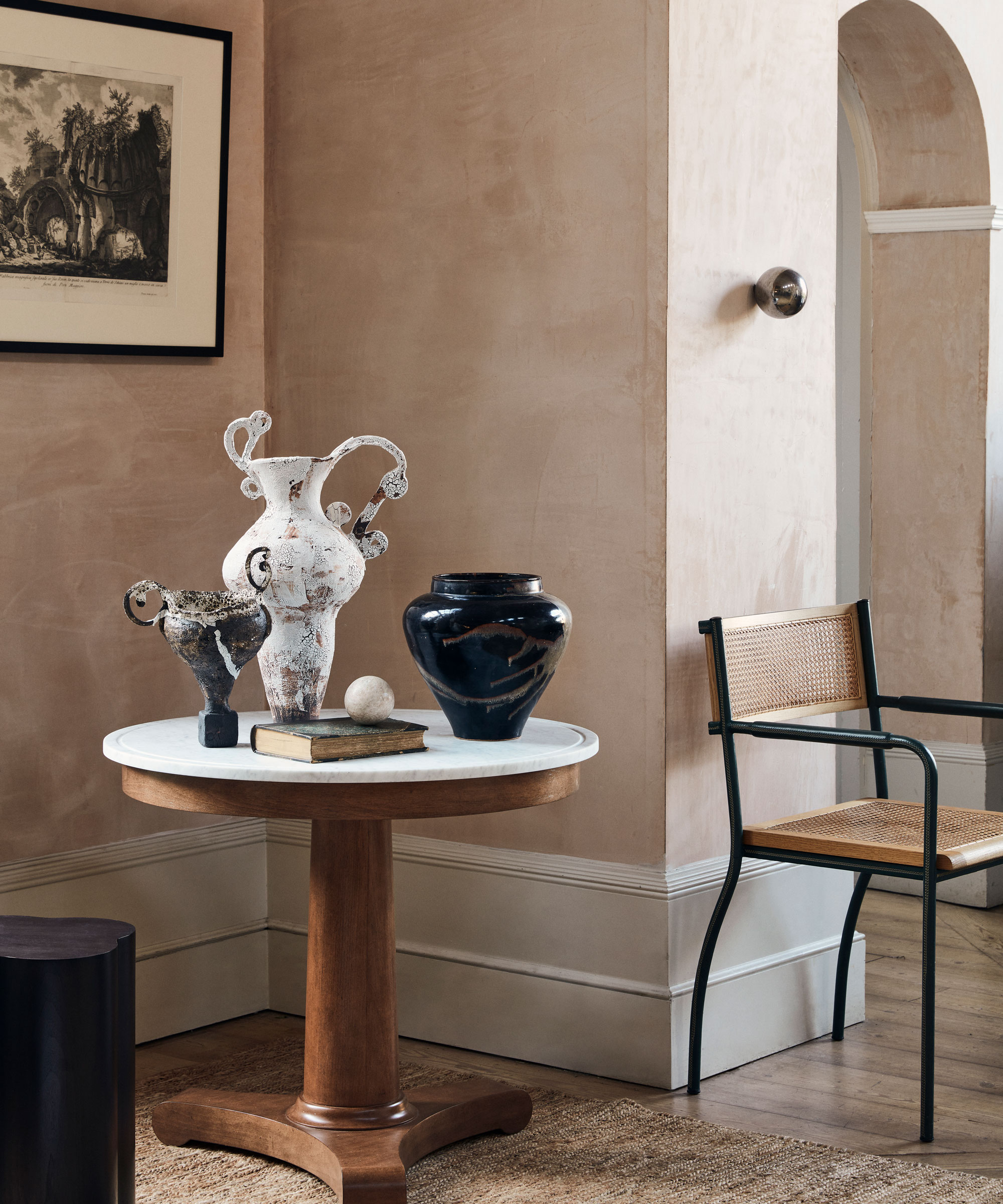
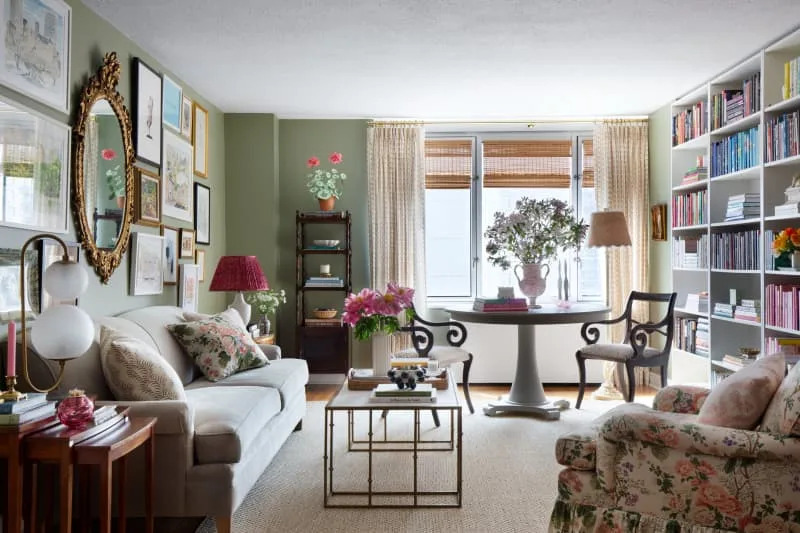
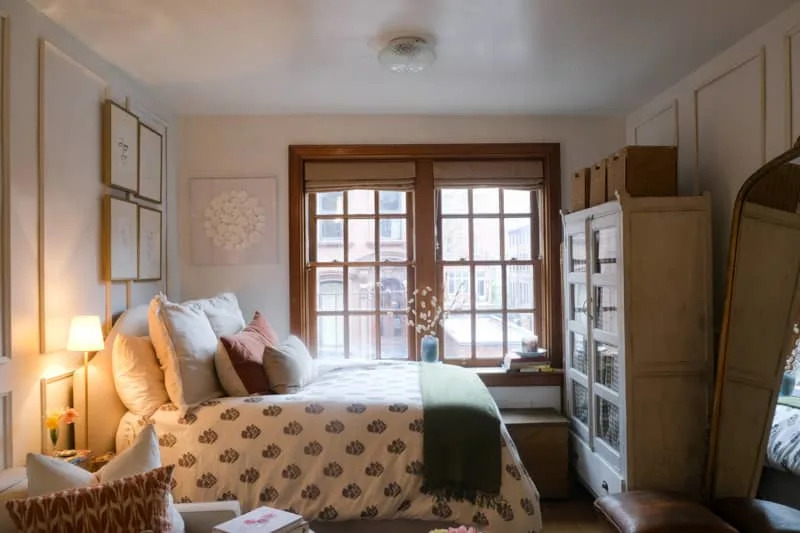
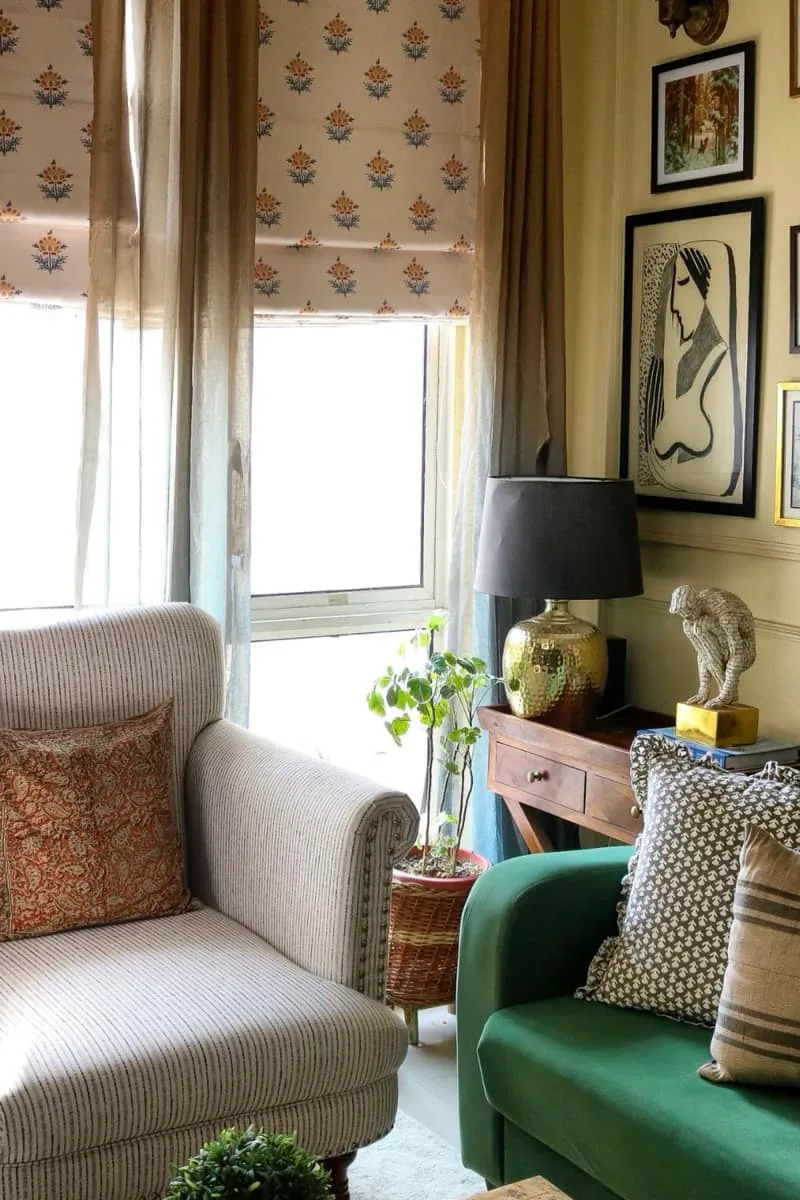
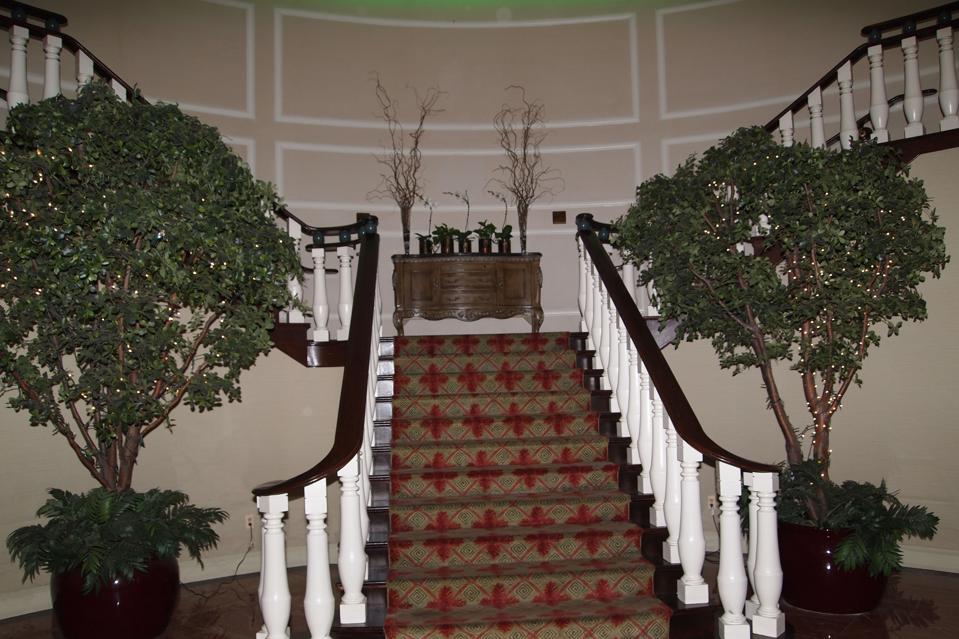
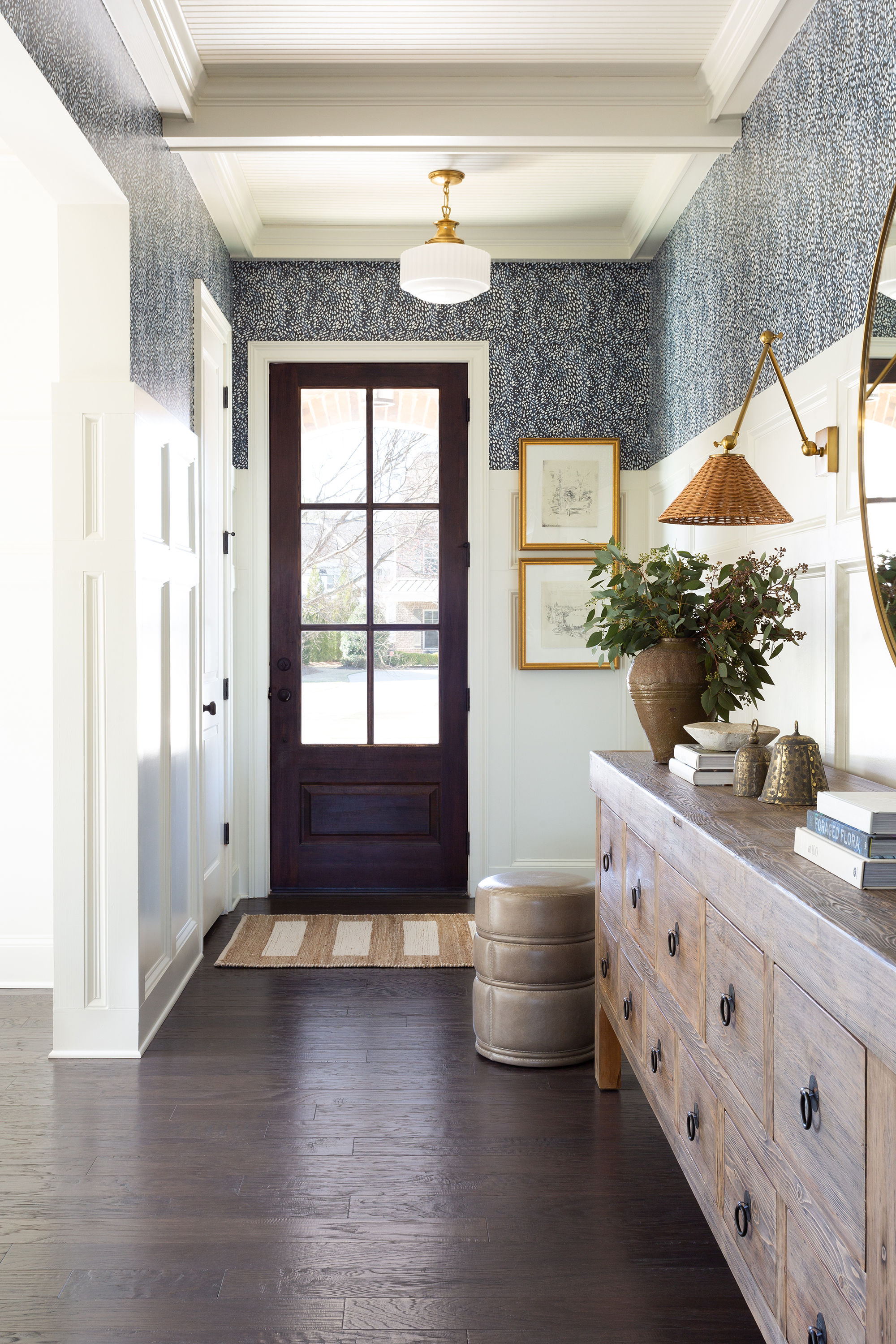
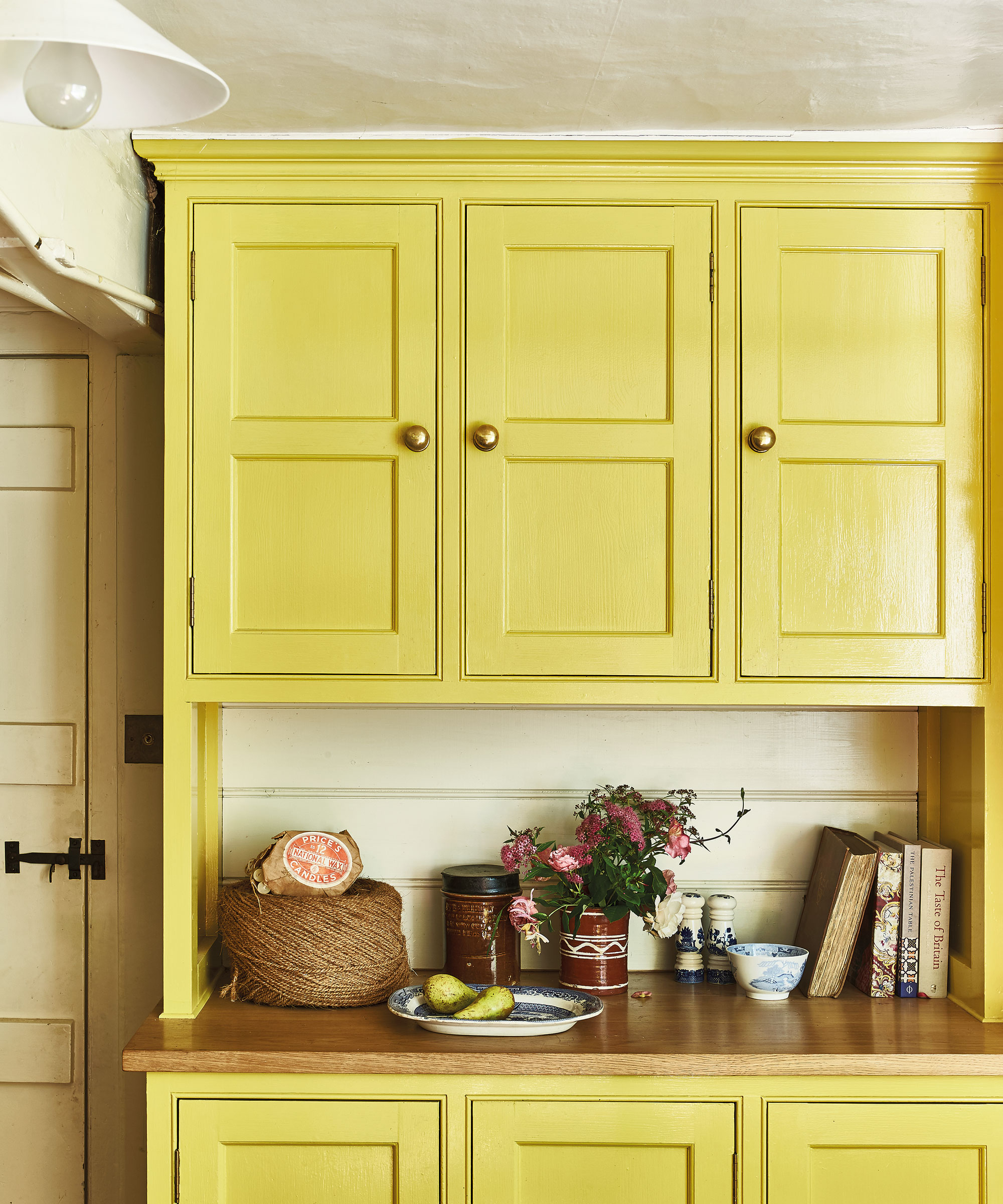
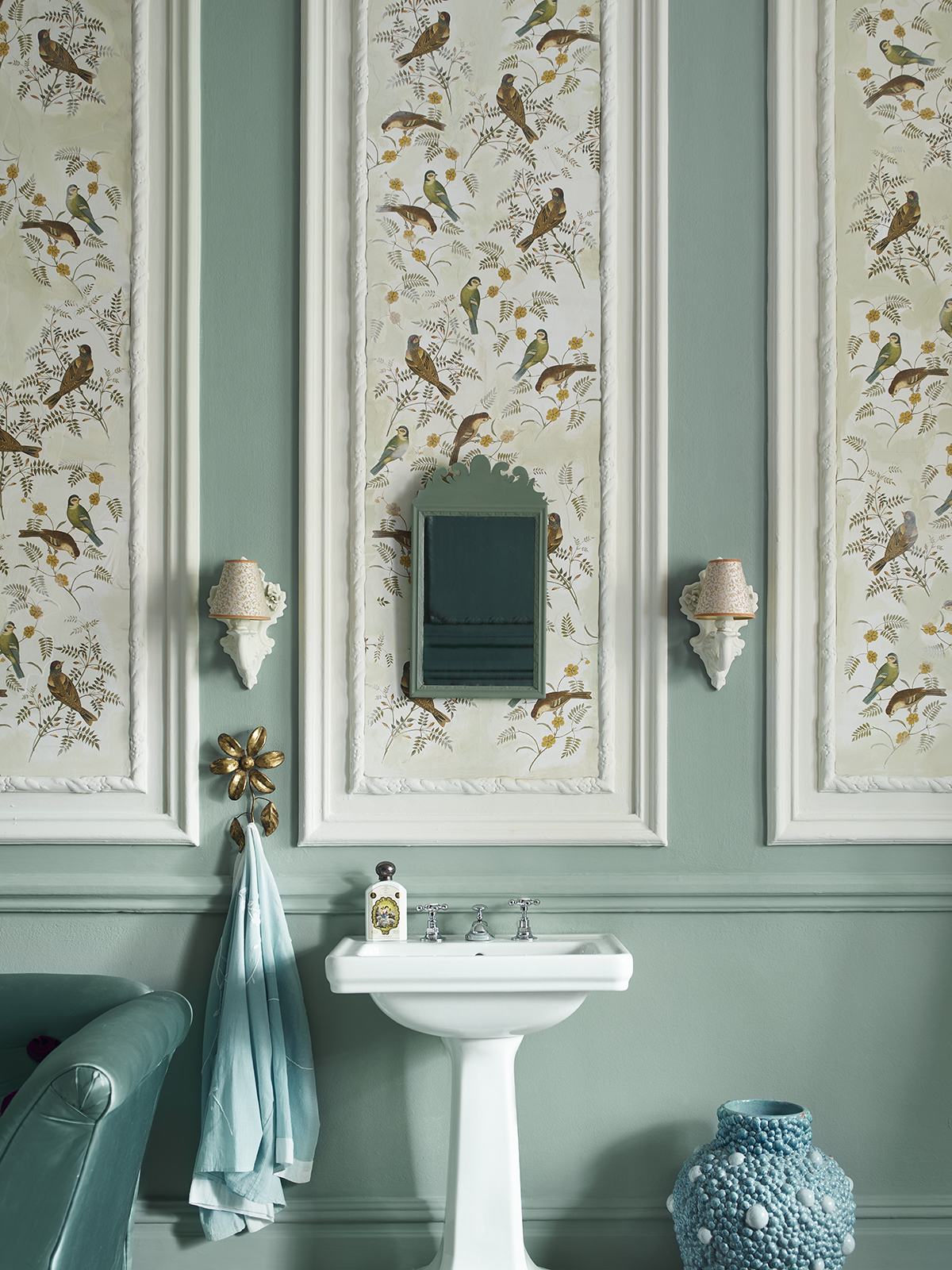
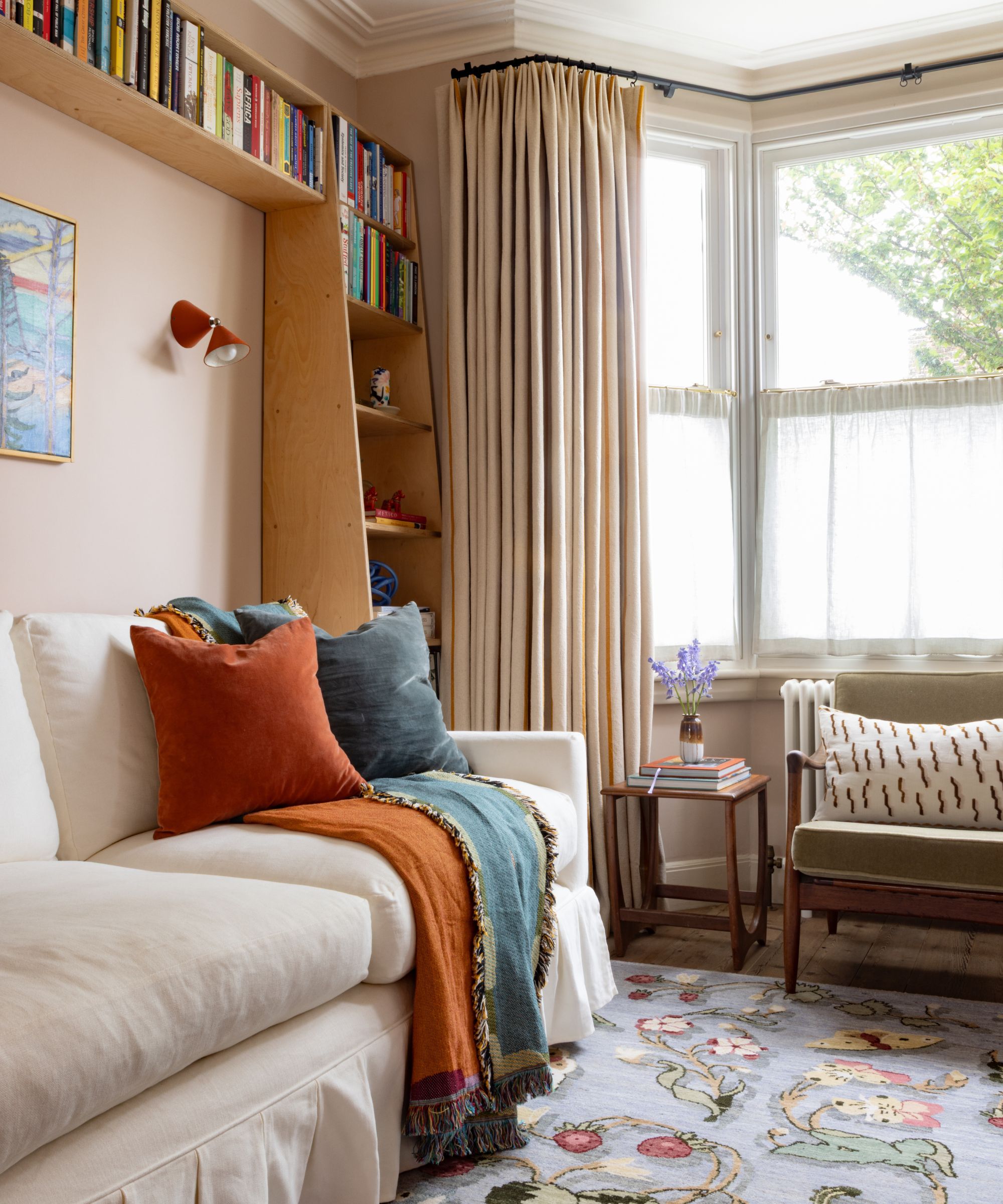
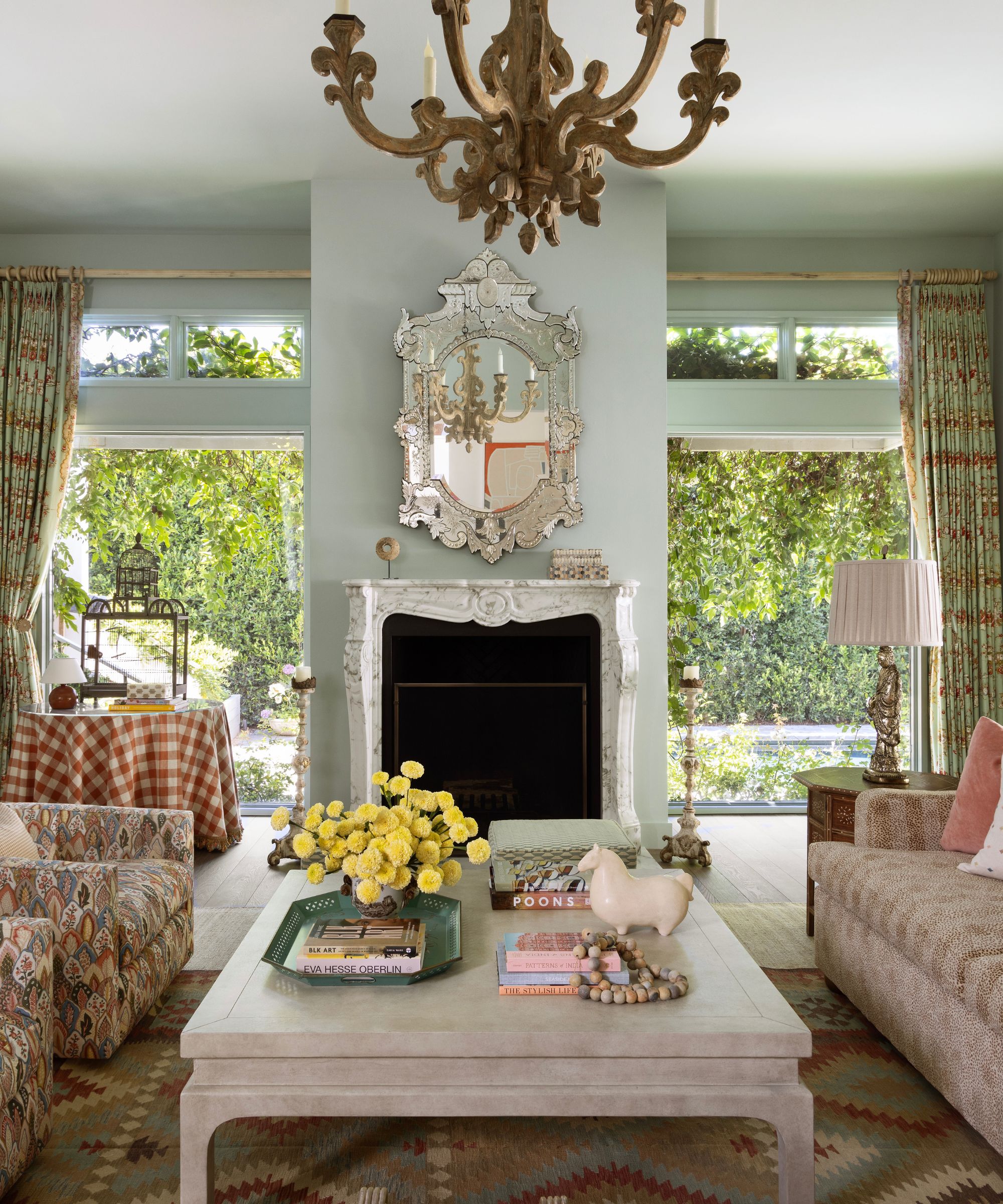
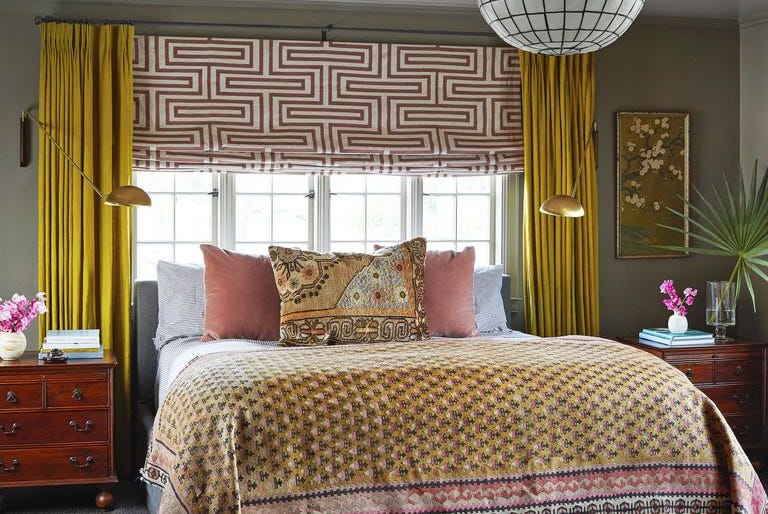
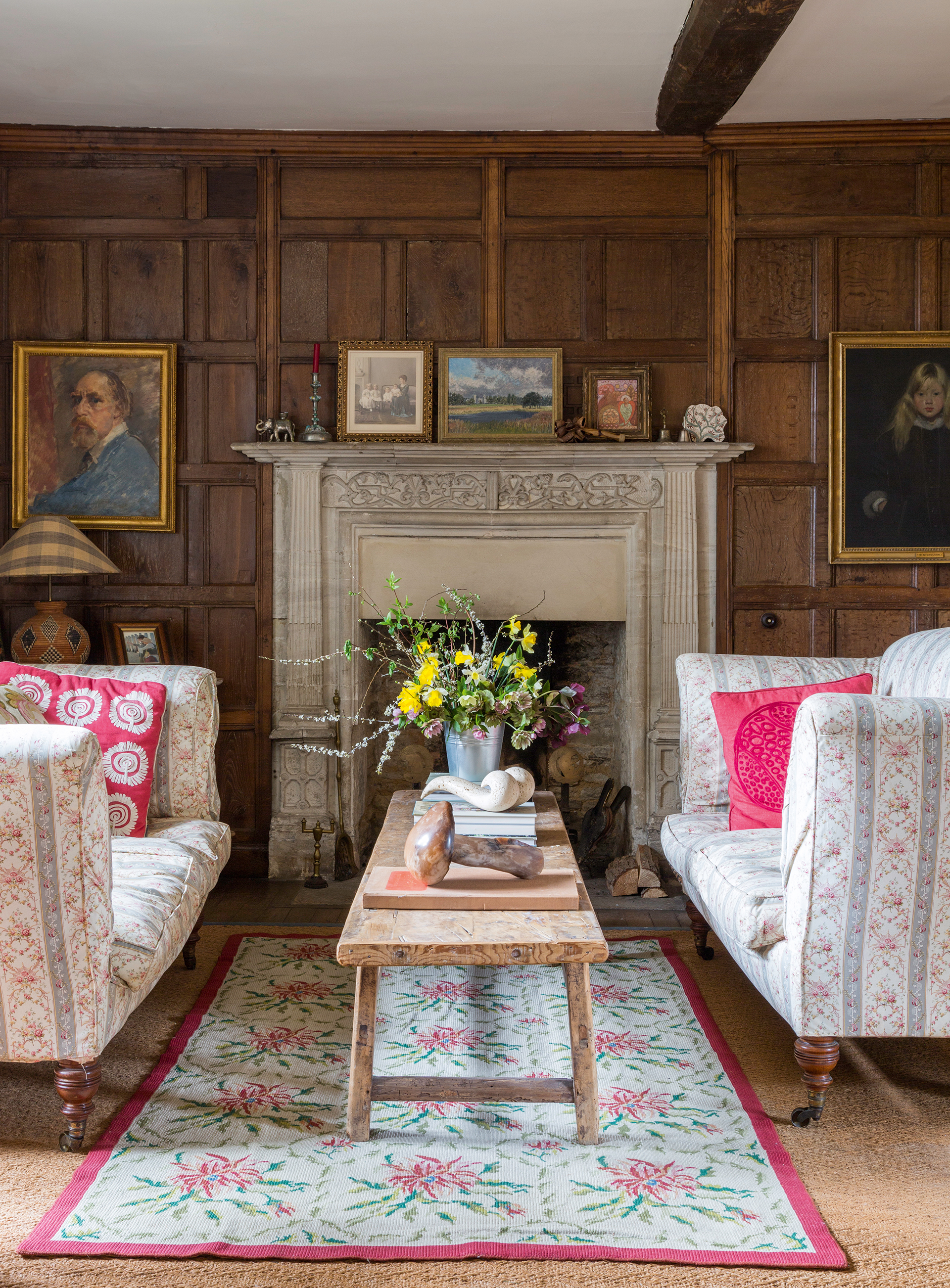
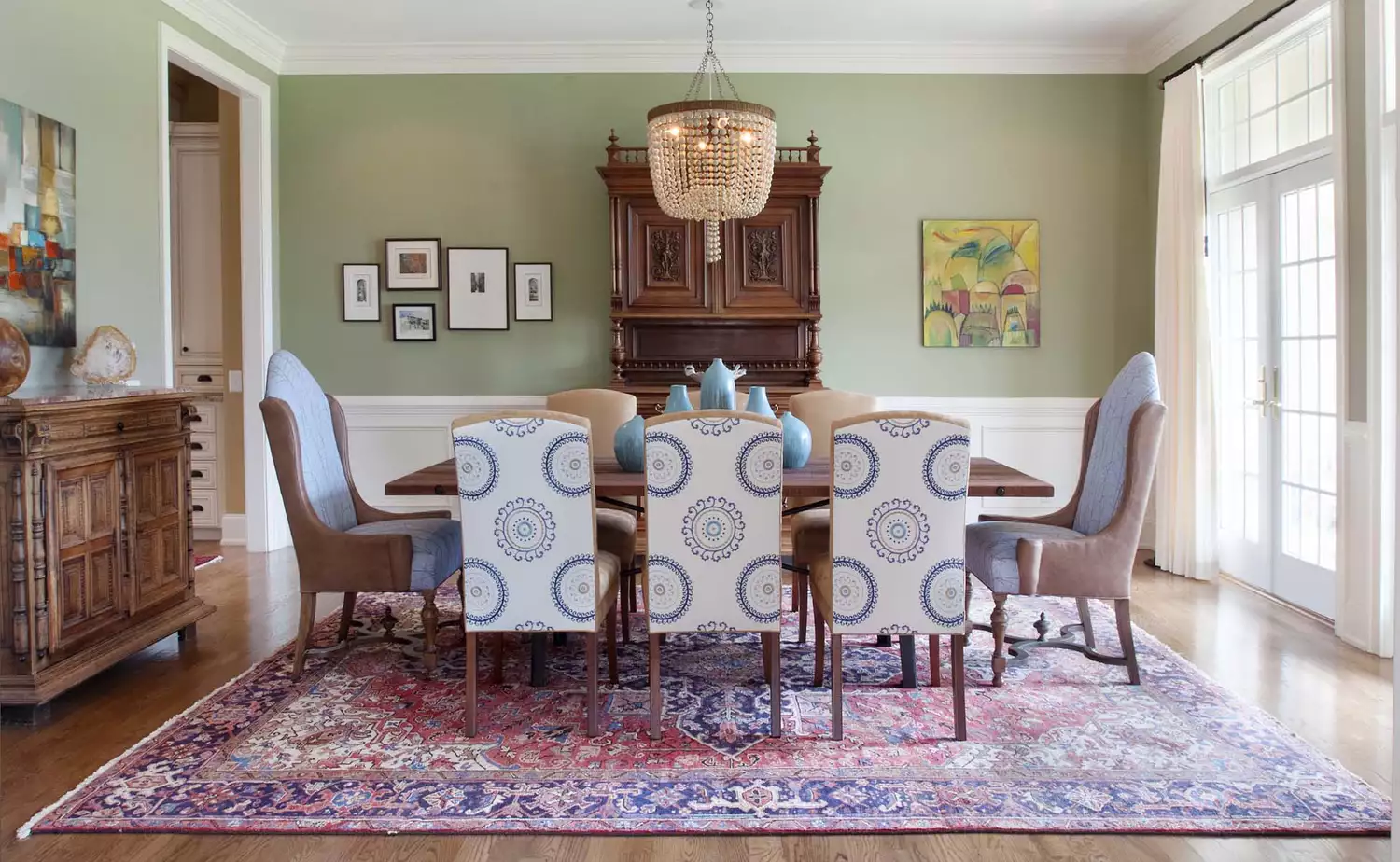
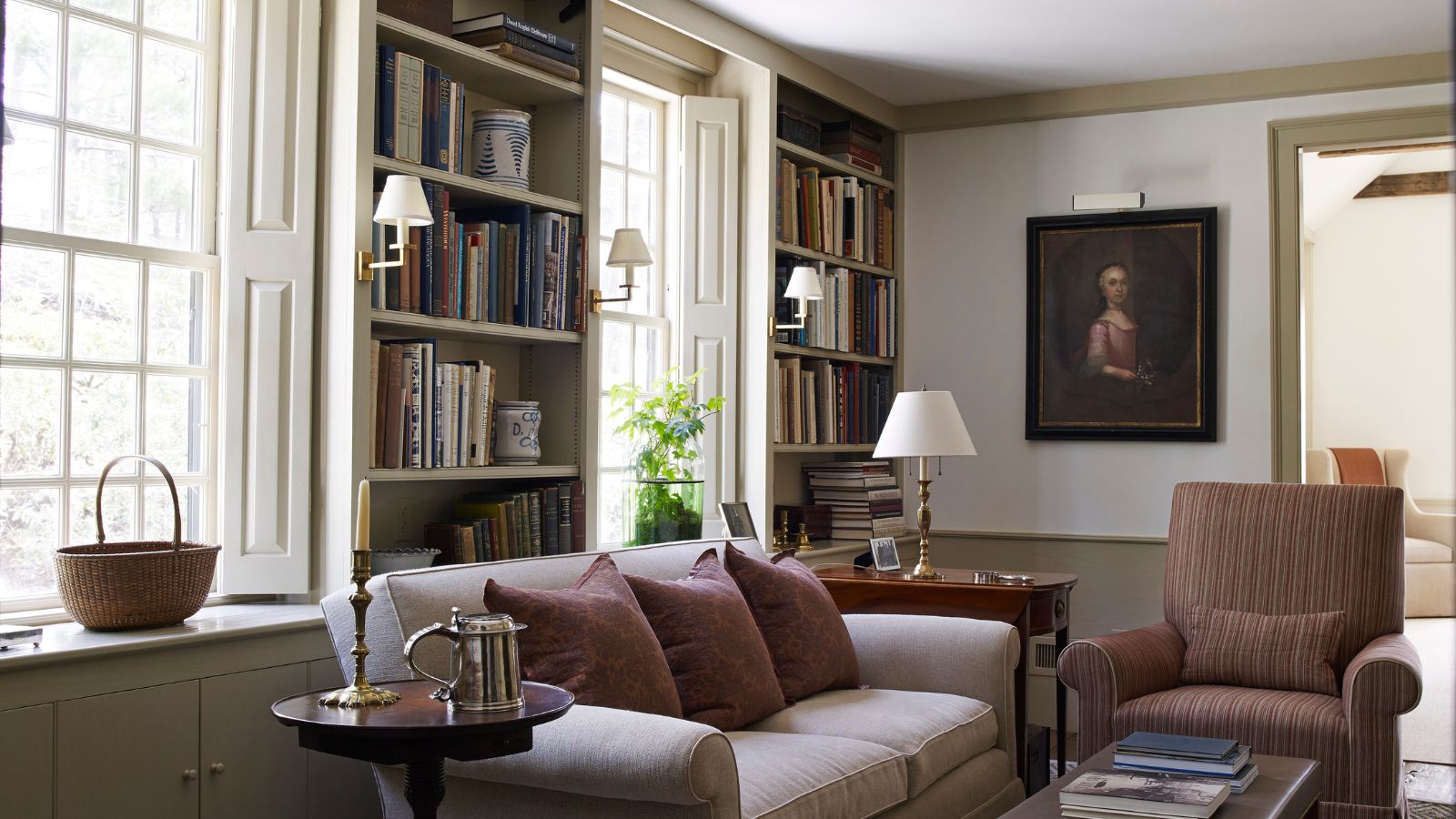
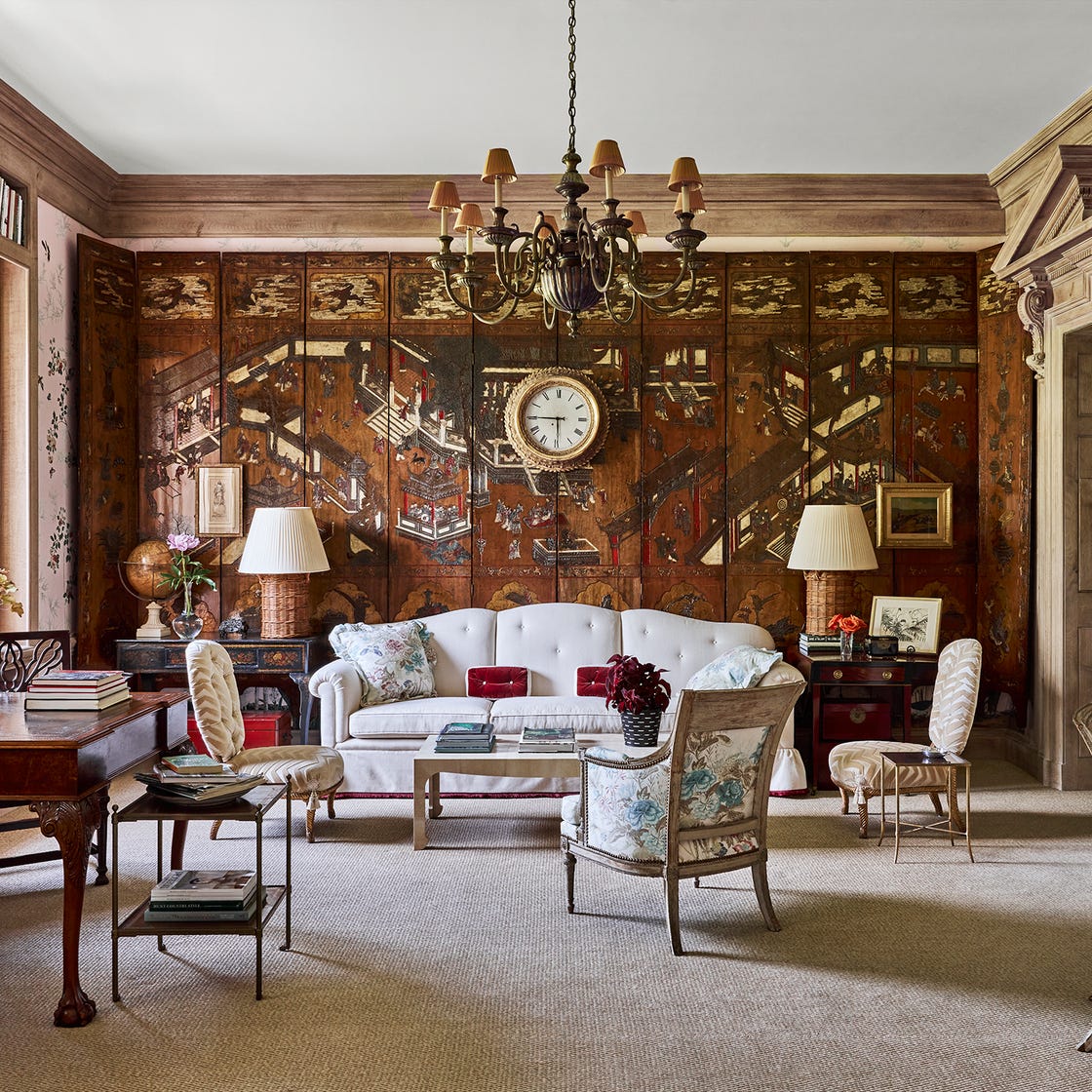
Key techniques in traditional design involve specific furniture choices, symmetrical arrangements, particular color palettes, and architectural elements. Furniture, decor, and art are typically rooted in 18th and 19th-century European design, often refined but with fewer elaborate ornamental details. Symmetry is crucial for creating a harmonious and comfortable space, achieved through the pairing of armchairs, lamps, and artwork. Color palettes usually consist of subtle neutrals with minimal use of bold colors, muted wall tones, and darker wood finishes for floors and furnishings. Architectural details like crown molding and wainscoting are common.
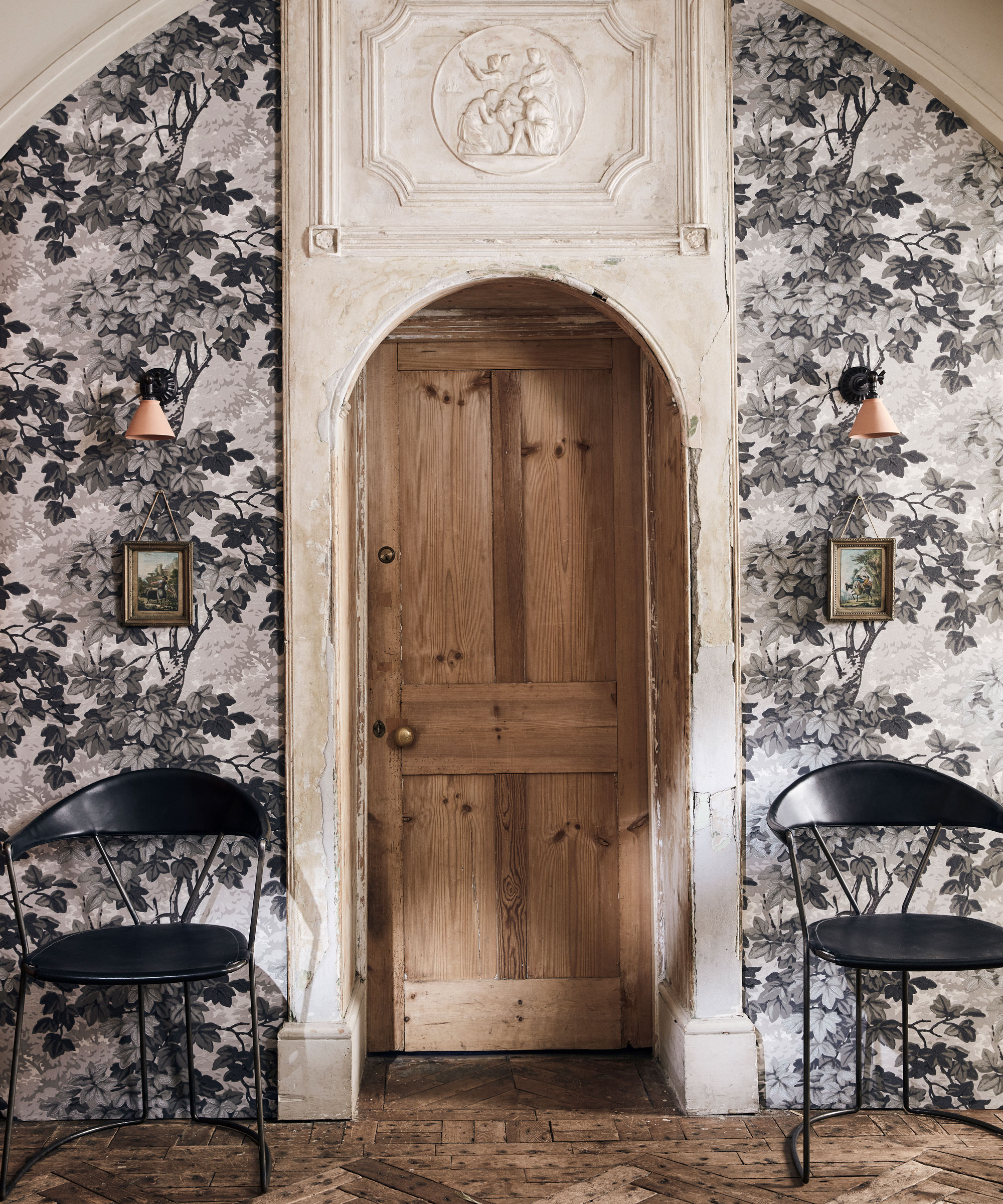
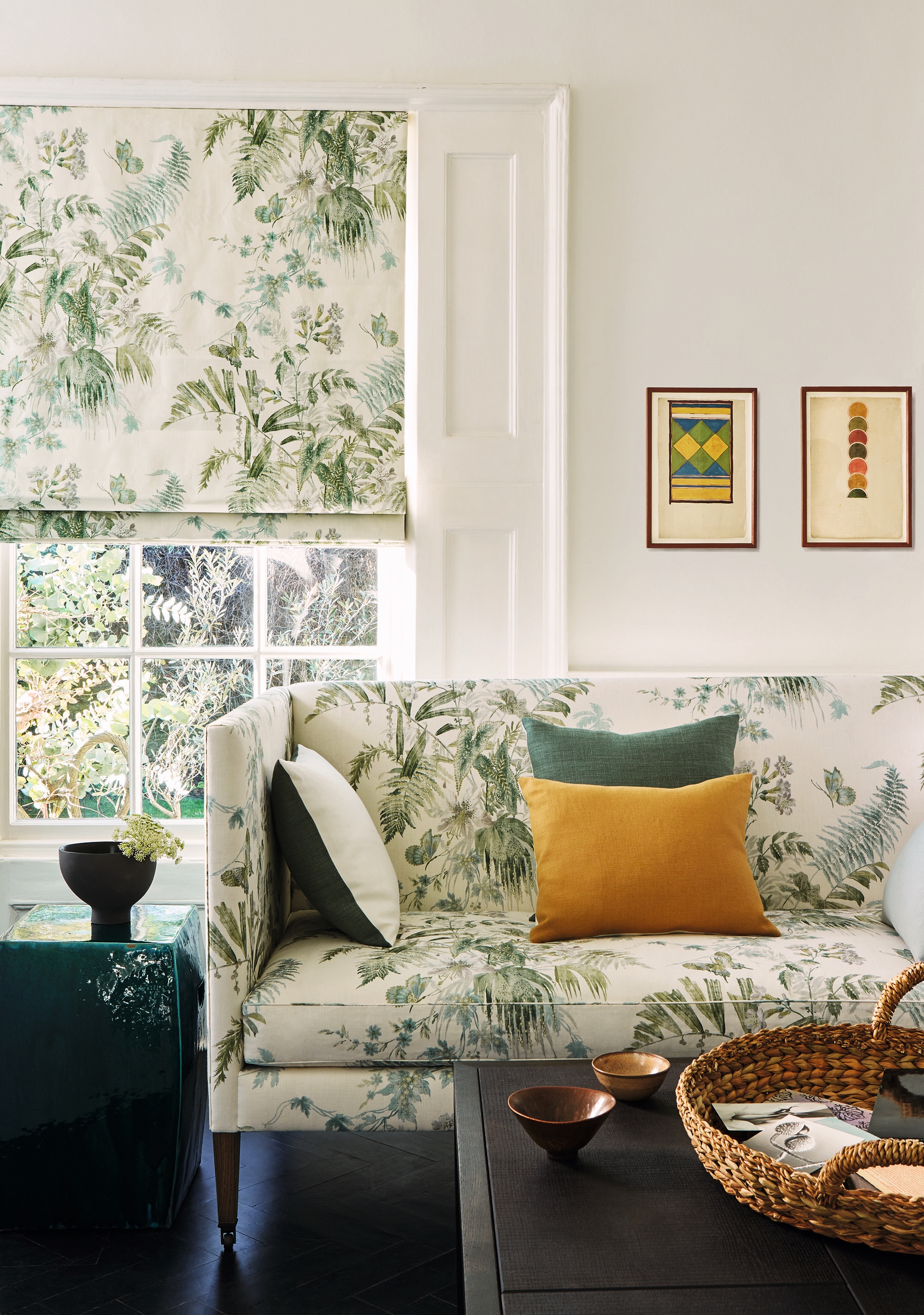
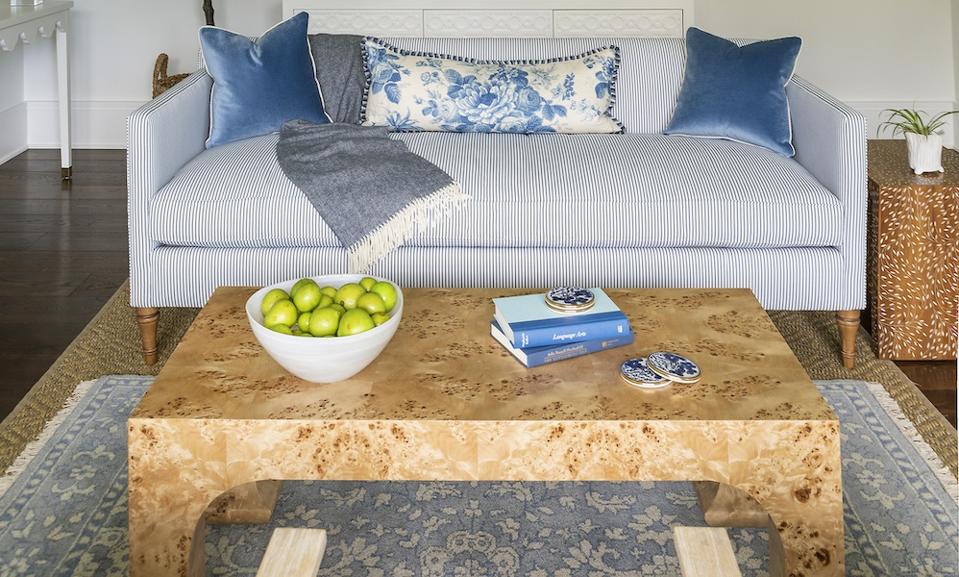
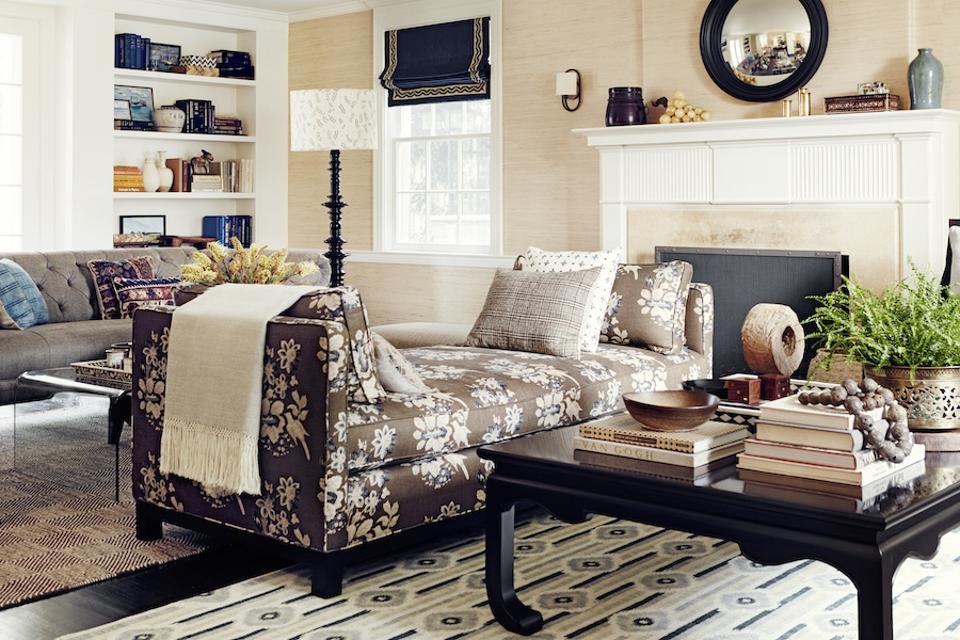
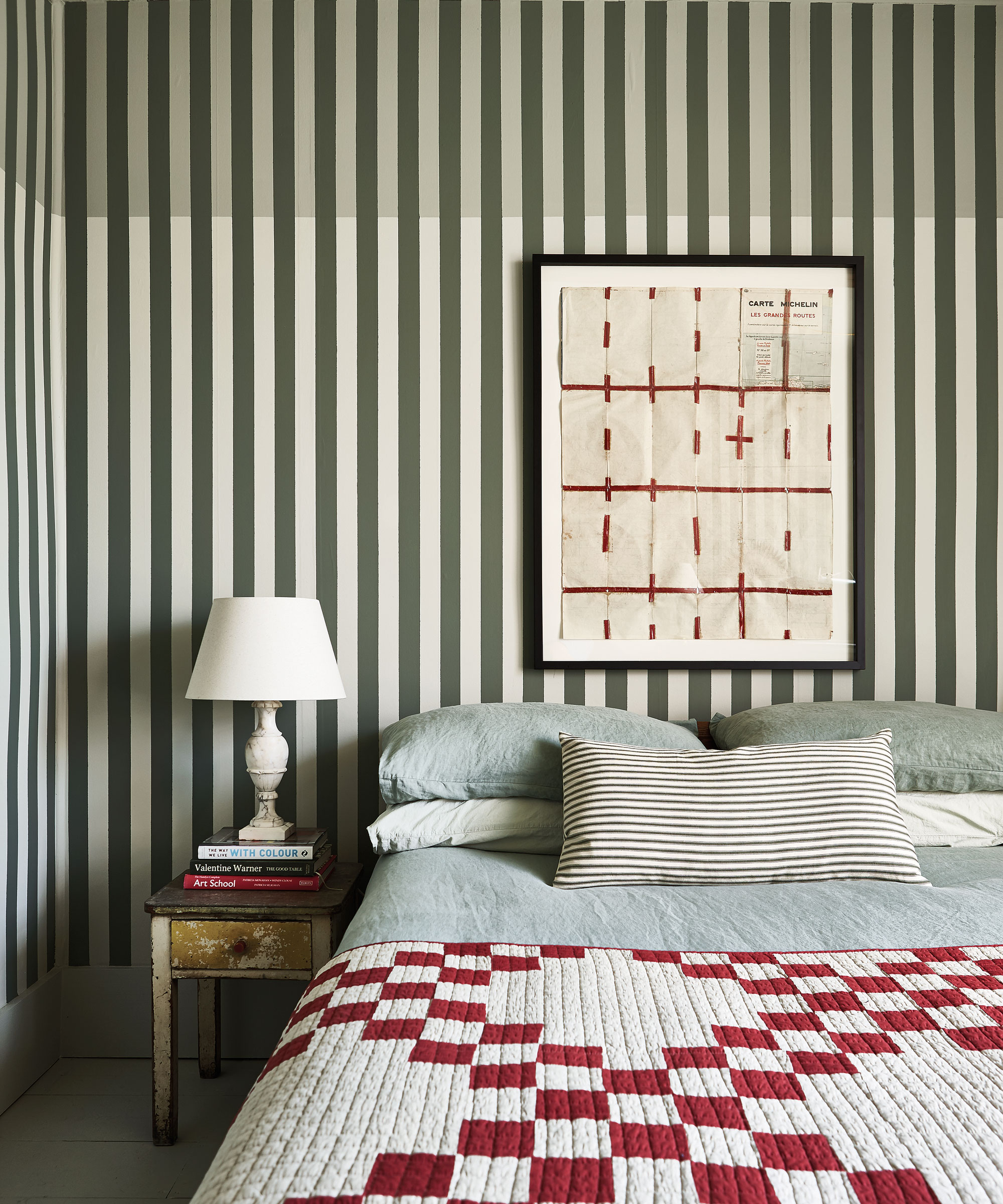
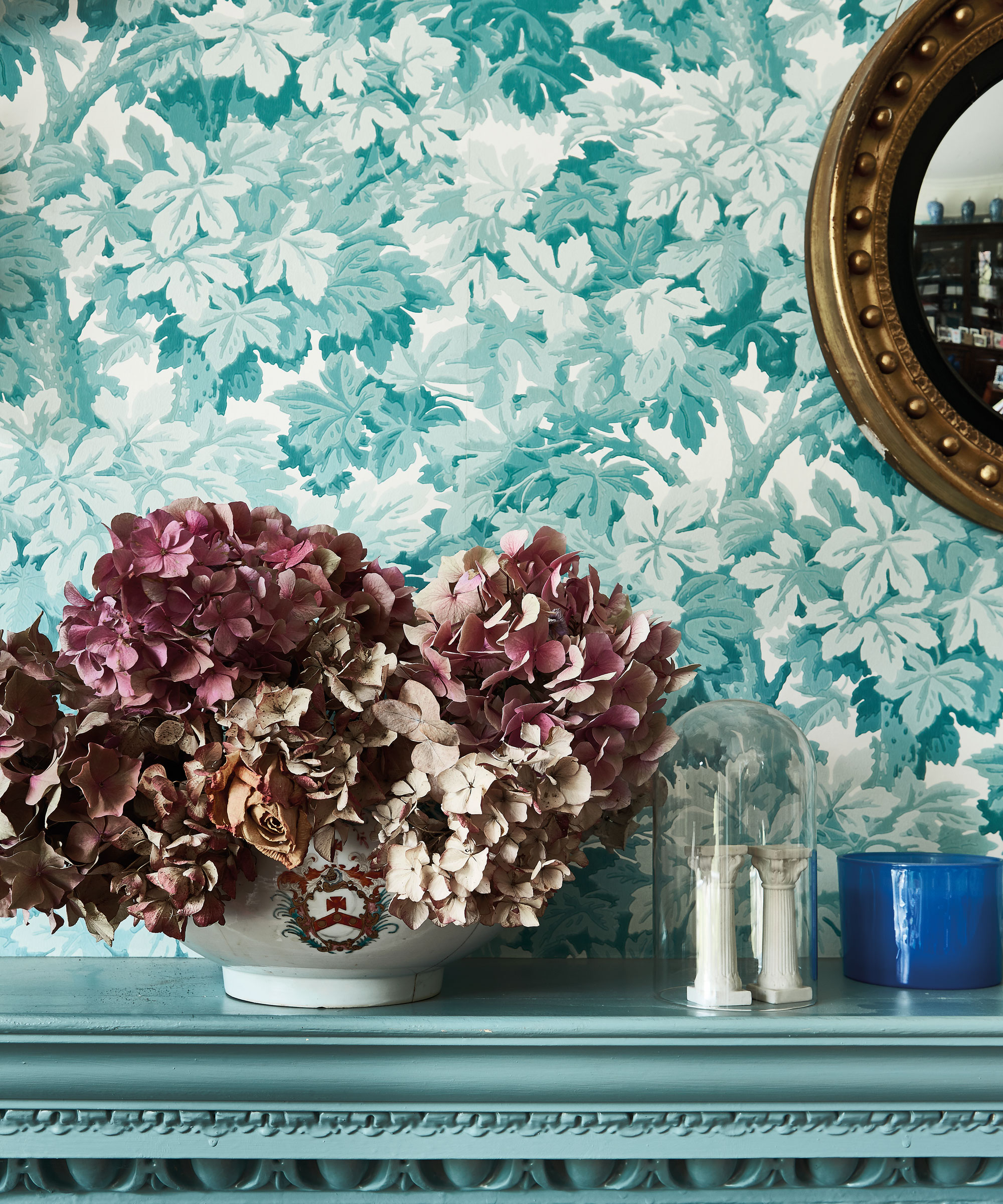
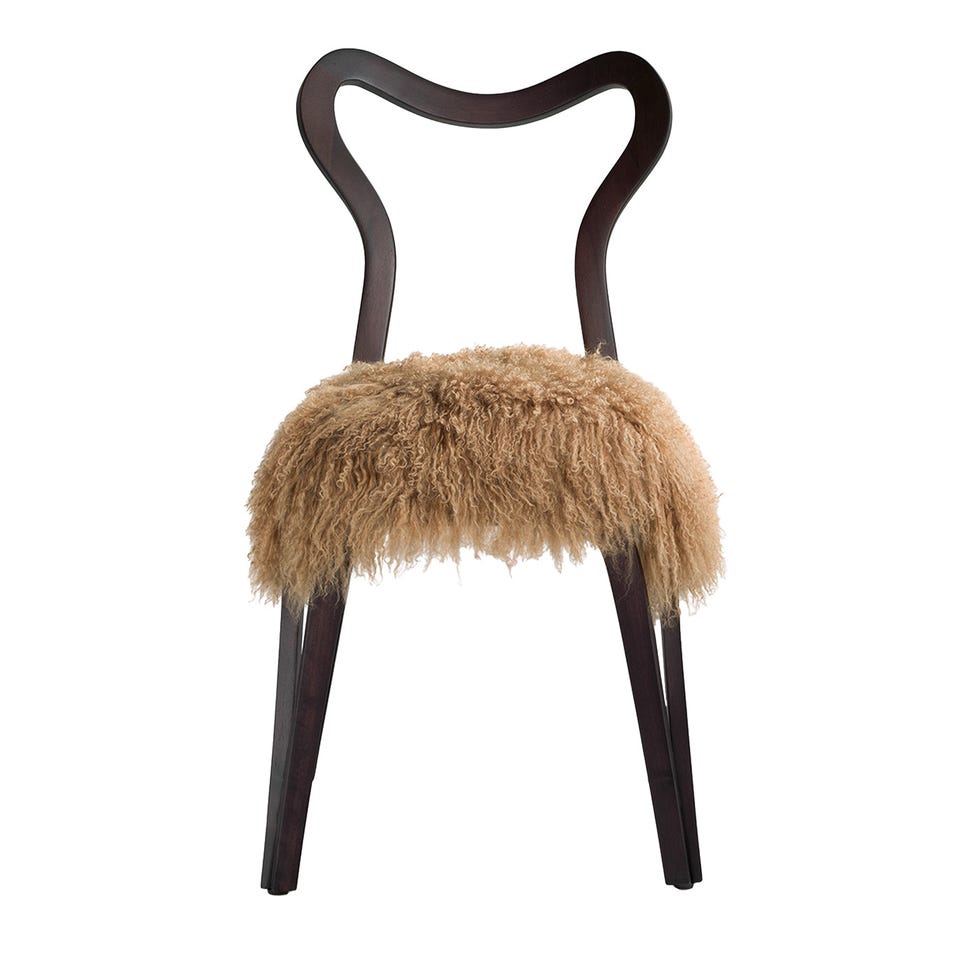
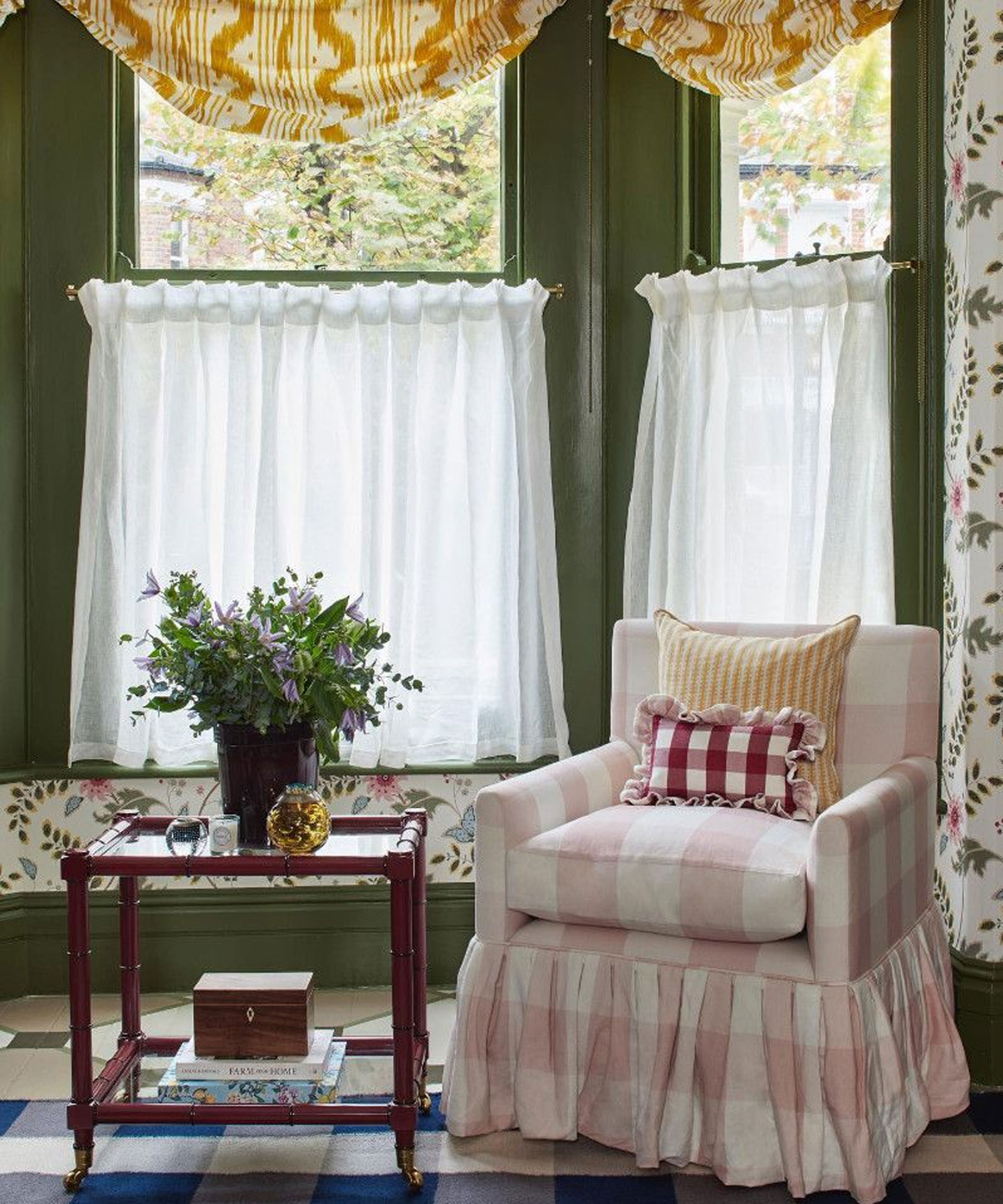
Distinguishing characteristics of traditional interior design include soft furnishings and textiles in subtle tones, often with stripes, florals, and plaids. Classic lighting fixtures such as pendants, sconces, or chandeliers are prevalent, as are Persian-style reproduction or vintage rugs. Warm, rich wood tones like walnut are favored for furniture, and darker stains for flooring. Layered window treatments are common, though overly fussy valances are avoided. Patterned wallpaper with traditional motifs like floral, stripes, or damask, and textiles such as heavy cotton, wool, velvet, fur, and silk, further define the style.
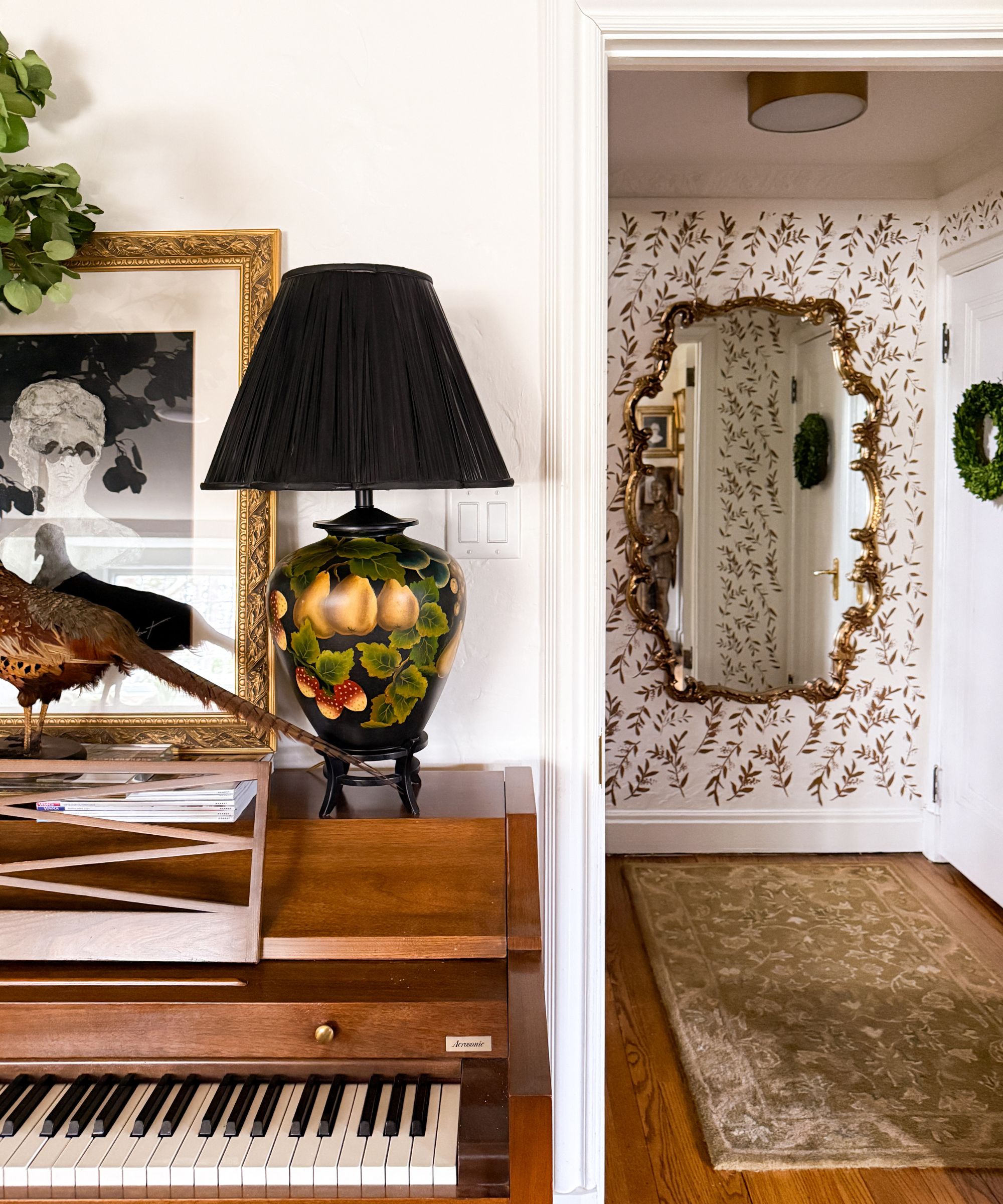
Decorating tips for traditional interiors emphasize furniture layout that prioritizes symmetry, flow, and cohesiveness to ensure rooms are functional and family-friendly. A neutral color palette with subdued earth tones is recommended. It is advisable to select pieces that complement each other in style and color, rather than using matching sets that can create a showroom effect. Traditional accessories like tablecloths, candelabras, antique silver, china sets, and vintage linens can be used, but with careful editing to prevent clutter. Incorporating antiques, contemporary pieces, non-traditional elements, or vintage art that harmonizes with the overall design can add depth and a personal touch to the space. The style remains relevant, with "new traditional" styles evolving to include modern comforts and bolder design choices, distinguishing it from "classic" design, which refers to timeless styles from any period, regardless of their historical origin. A traditional home is characterized by its timeless architectural features, furniture, and decor, rather than adherence to current trends.
#TraditionalInteriorDesign #HomeDecor #EuropeanDesign #ClassicStyle #SymmetricalArrangement #NeutralColorPalette #ArchitecturalDetails #VintageFurniture #NewTraditional #TraditionalInteriorDesign #HomeDecor #EuropeanDesign #ClassicStyle #SymmetricalArrangement #NeutralColorPalette #ArchitecturalDetails #VintageFurniture #NewTraditional
0 تعليق إجمالاً
 لا توجد تعليقات بعد
قد تعجبك أيضًا
Traditional Interior Design: Everything You Need to Know About This Classic and Timeless Style

Interior Designers Share Their Best Traditional Design Tips

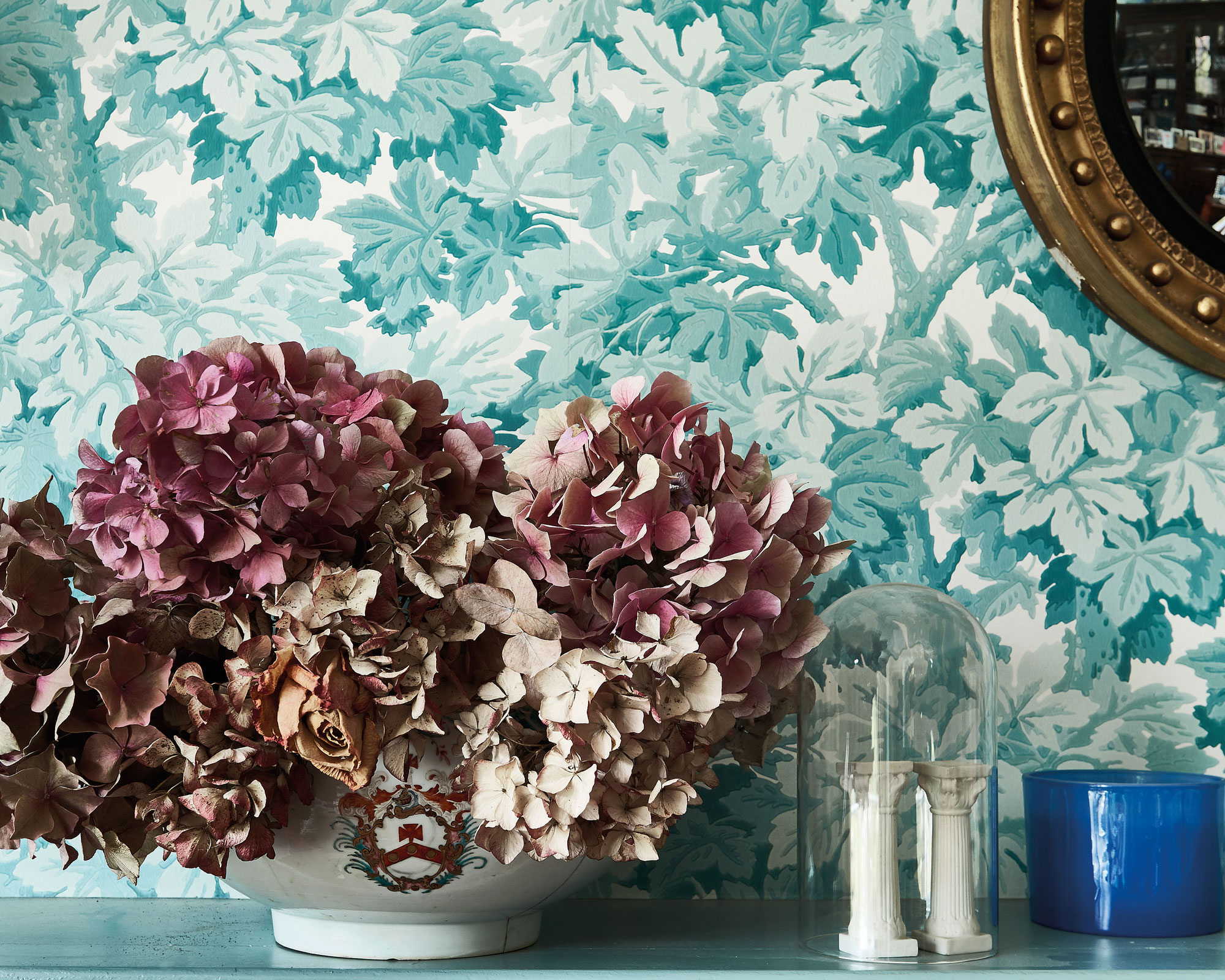
Modern heritage style – 5 ways to get the look

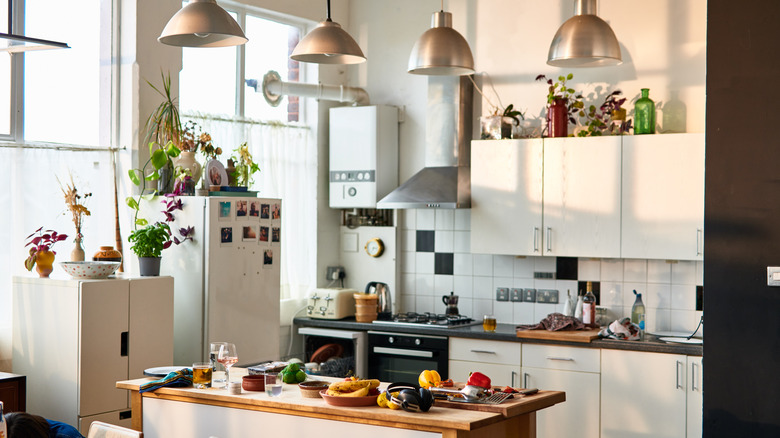
The Classic Kitchen Design Trend That Might Never Go Out Of Style

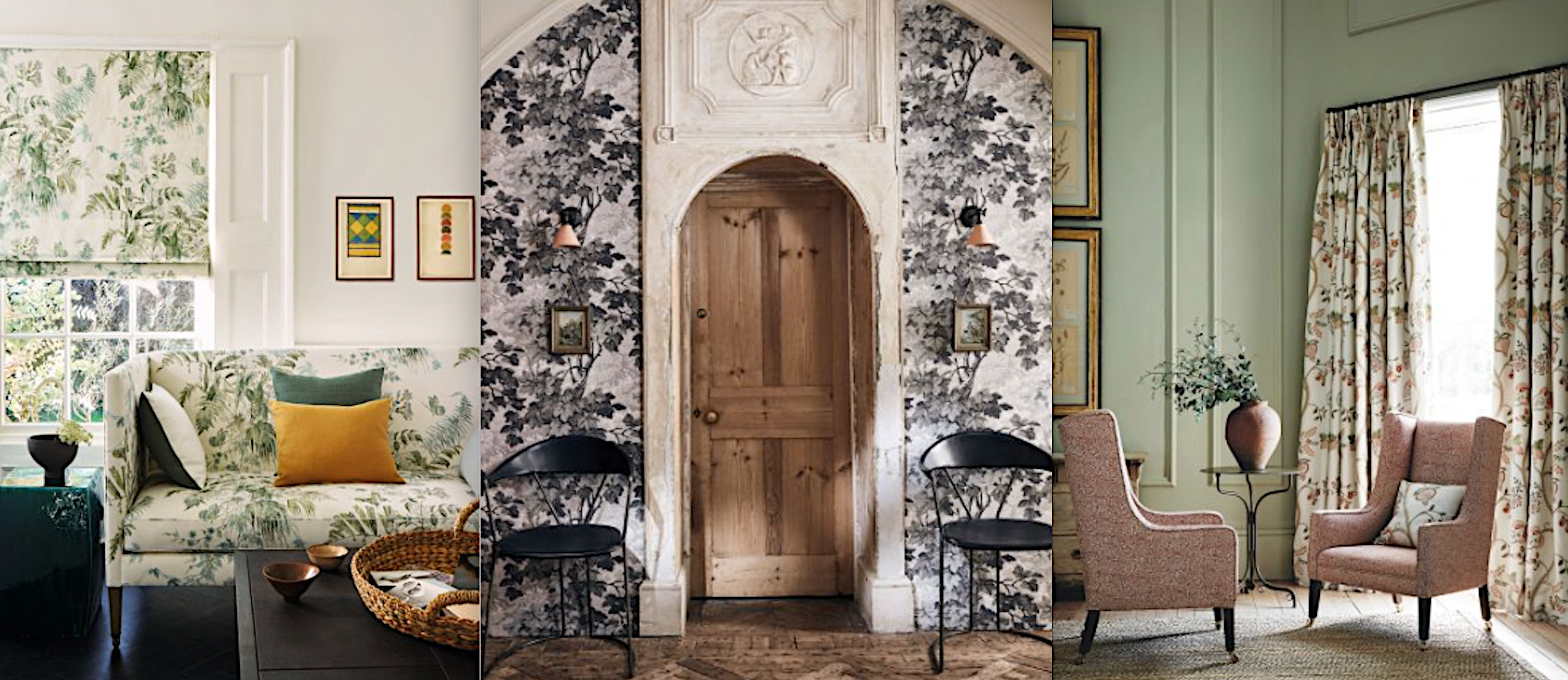
Traditional decorating ideas – 15 inspiring, timeless interiors
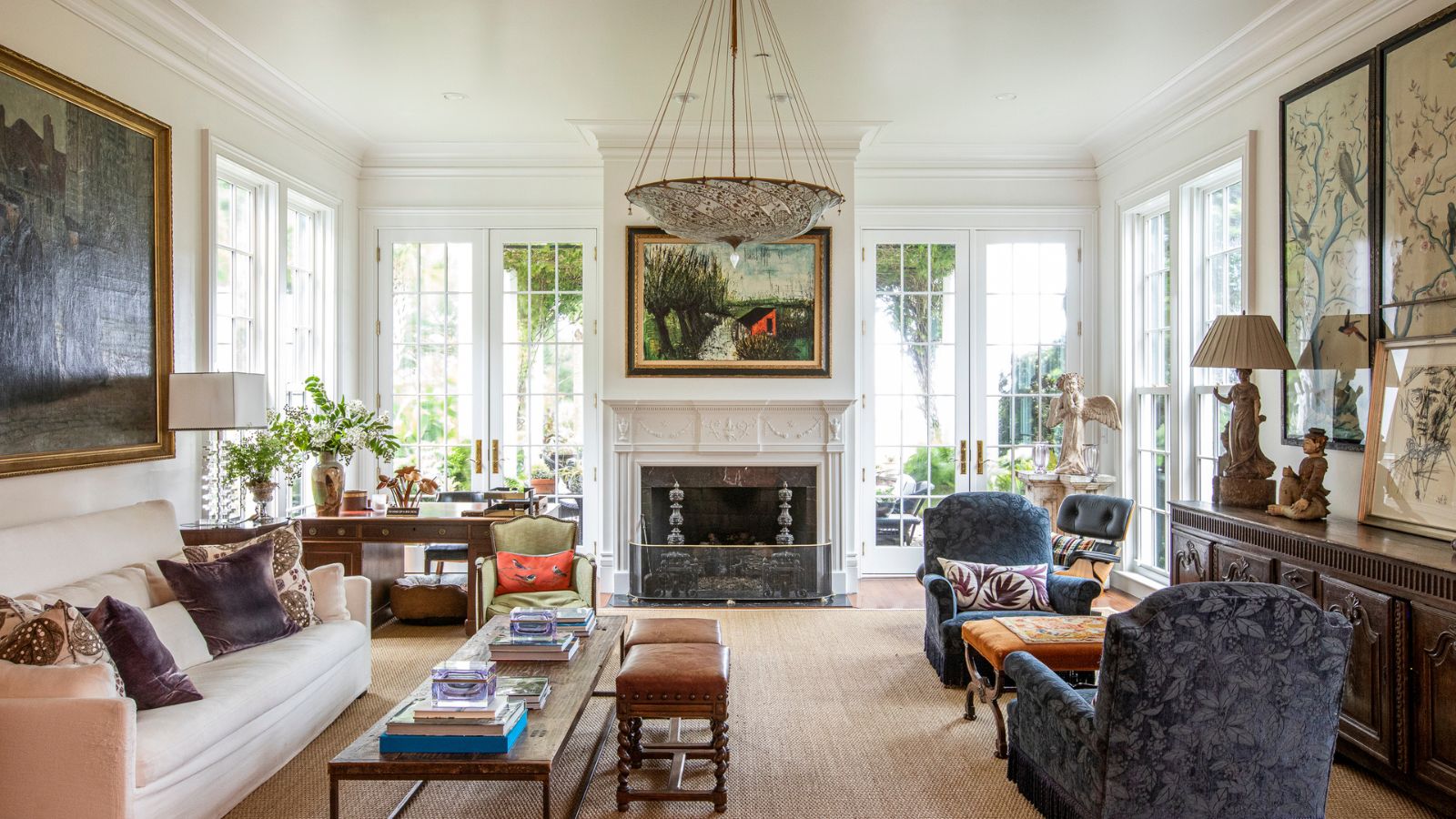
6 antiques that will always work in modern interiors – and how designers style them
7 Home Design Styles That Will Never Go Out of Style, According to Designers

5 interior designers on the styles they will love forever
This Timeless Trend Is Making a Comeback, and It’s Ridiculously Easy to Style

Designers Swear These 6 Decor Trends Will Age Well—Without Feeling Dated

11 interior design styles that never date according to experts

13 interior design styles that everyone needs to know about, according to designers
This Dated Home Decor Style Is Back—and It Instantly Makes Your Space Look So Expensive
Is modern rustic decor still on trend? We asked designers if this much-loved look is here to stay
6 'old-fashioned' decorating techniques that designers still swear by
The Top 10 Kitchen Trends of 2024, According to Experts

This Classic Pattern Isn't Going Away — Here's How to Style It in 2024
Transitional Design: Everything You Need to Know About This Traditional and Modern Style
9 Decorating Choices That'll Never Go Out of Style, According to Interior Designers

Design Experts Agree: This Kitchen Style Is Making a Major Comeback