1/25
These Modern American Design Icons Pay Homage to the Old—and Make It New
The article explores how contemporary American design reinterprets classic design movements and iconic objects, drawing inspiration from the past while infusing modern sensibilities. It examines several key historical design traditions and their enduring influence on present-day creations, illustrating how principles like utility, craftsmanship, and cultural context continue to shape new aesthetics.
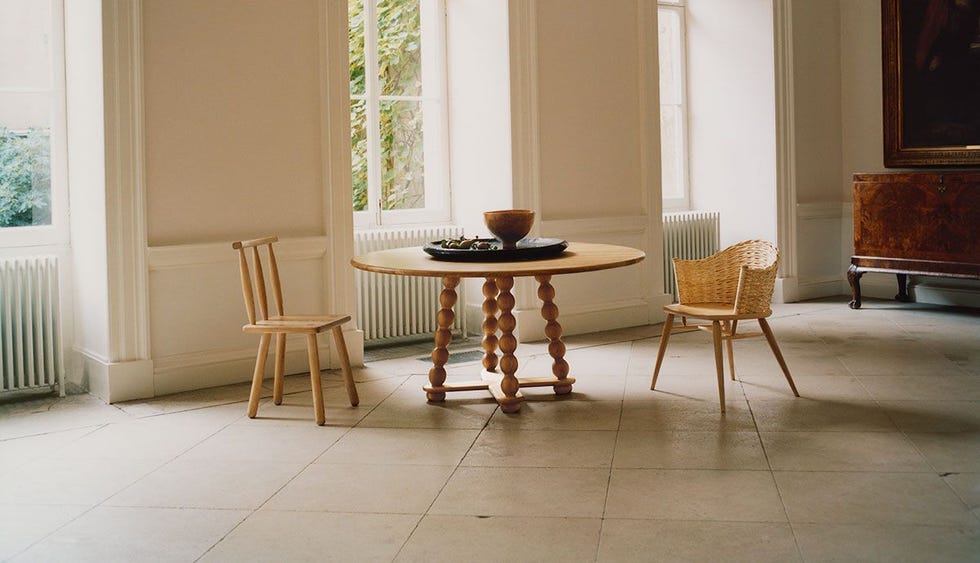
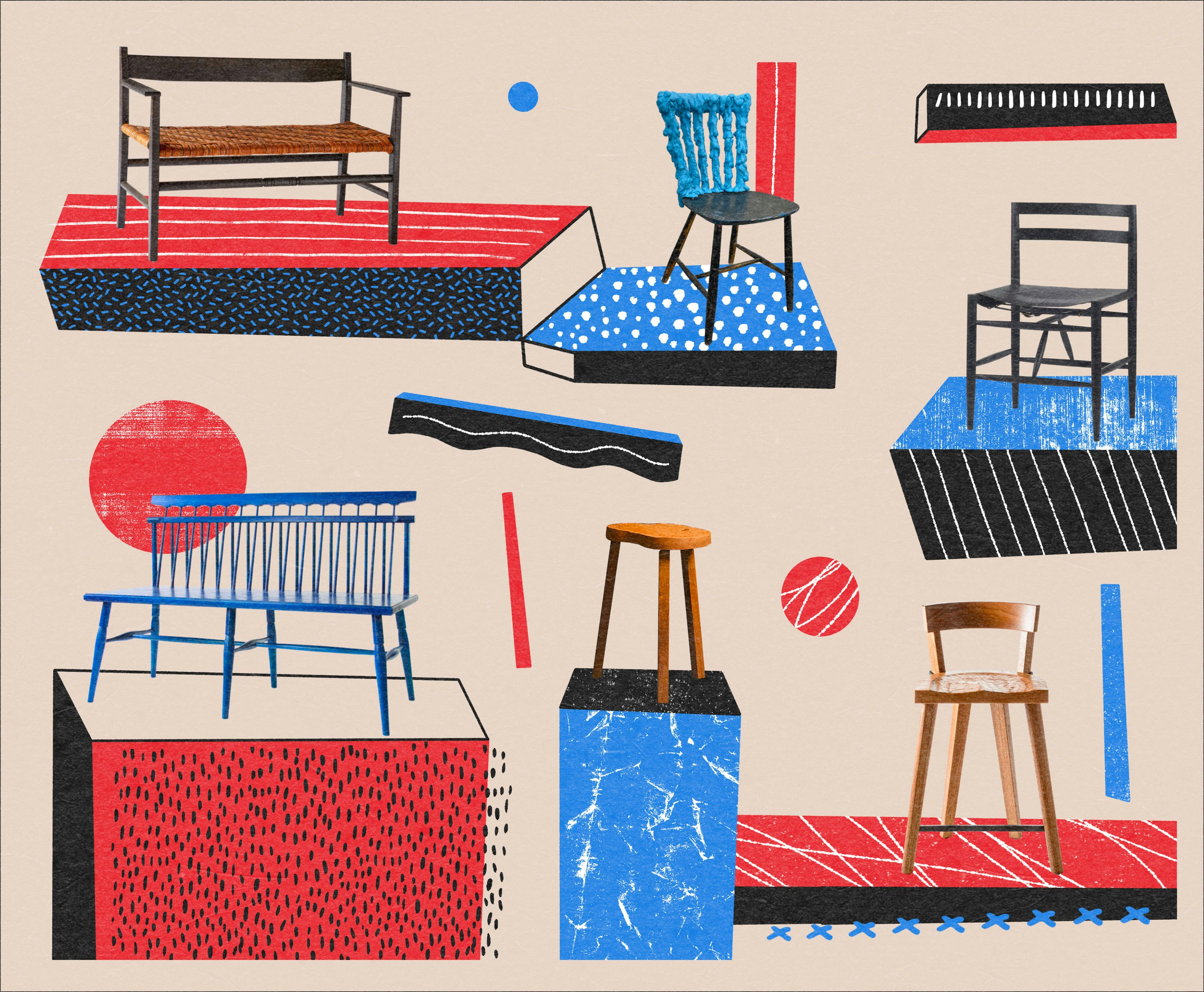
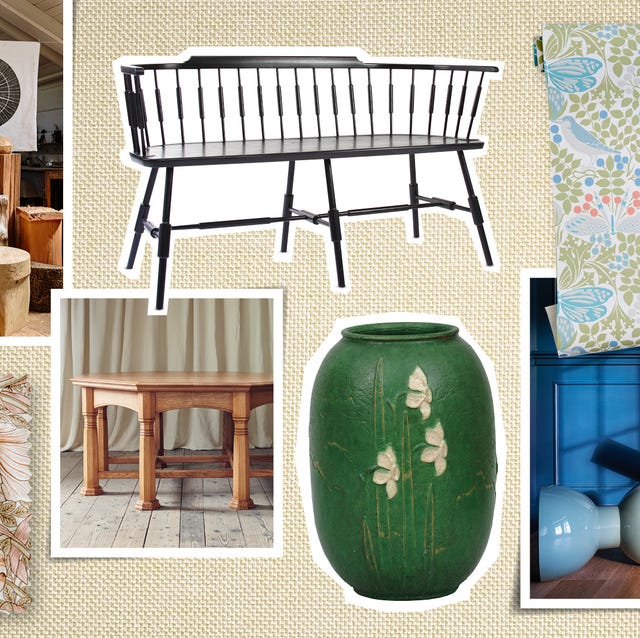
One significant influence is Shaker furniture, which emerged in the first half of the 19th century from communal, utopian societies. Shaker design is characterized by its rigorous American minimalism, emphasizing utility and efficiency. Sheila Edwards, a professor of furniture design, highlights the Shaker precept that "beauty rests on utility," leading to design choices such as reduced embellishment, wood knobs, and thin or tapered elements. Alexandra Cunningham Cameron, curator of contemporary design at Cooper-Hewitt, Smithsonian Design Museum, notes that Shaker style is tied to a complete philosophy of living that seeks spiritual, aesthetic, environmental, and cultural redemption. Its appeal lies in the dichotomy of its light appearance and authentic craftsmanship, particularly resonating with American audiences seeking meticulous historical models.
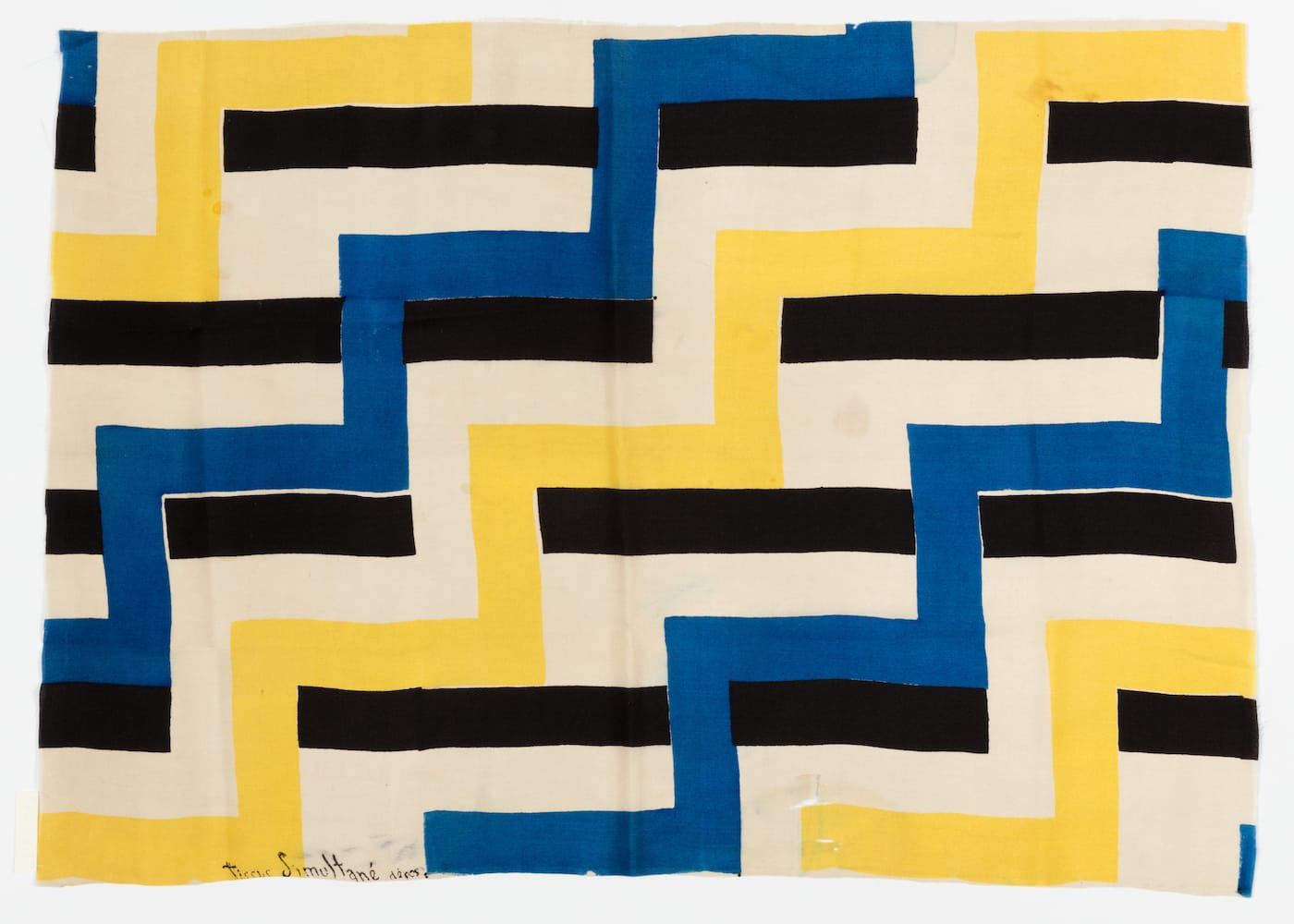
Another enduring American design tradition is patchwork, particularly the improvisational quilting techniques developed by enslaved women of Gee’s Bend in Alabama during the 19th century. This craft prefigured movements like Abstract Expressionism and Op art. Lauren Cross, associate curator of American Decorative Arts, explains that this piecing together of fabric stemmed from economic necessity in a developing country, making it a distinctly American invention. Today, designers and artists continue to draw inspiration from Gee’s Bend, celebrating the community’s resilience and the artistic freedom demonstrated through this craft.
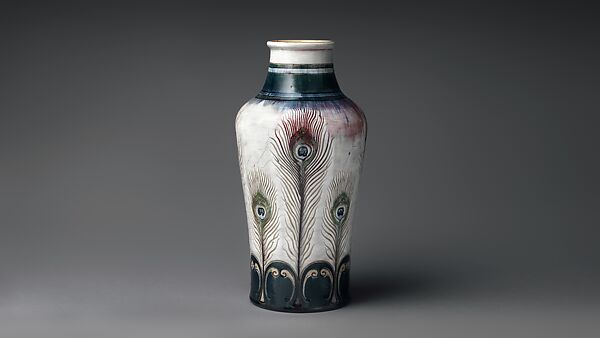
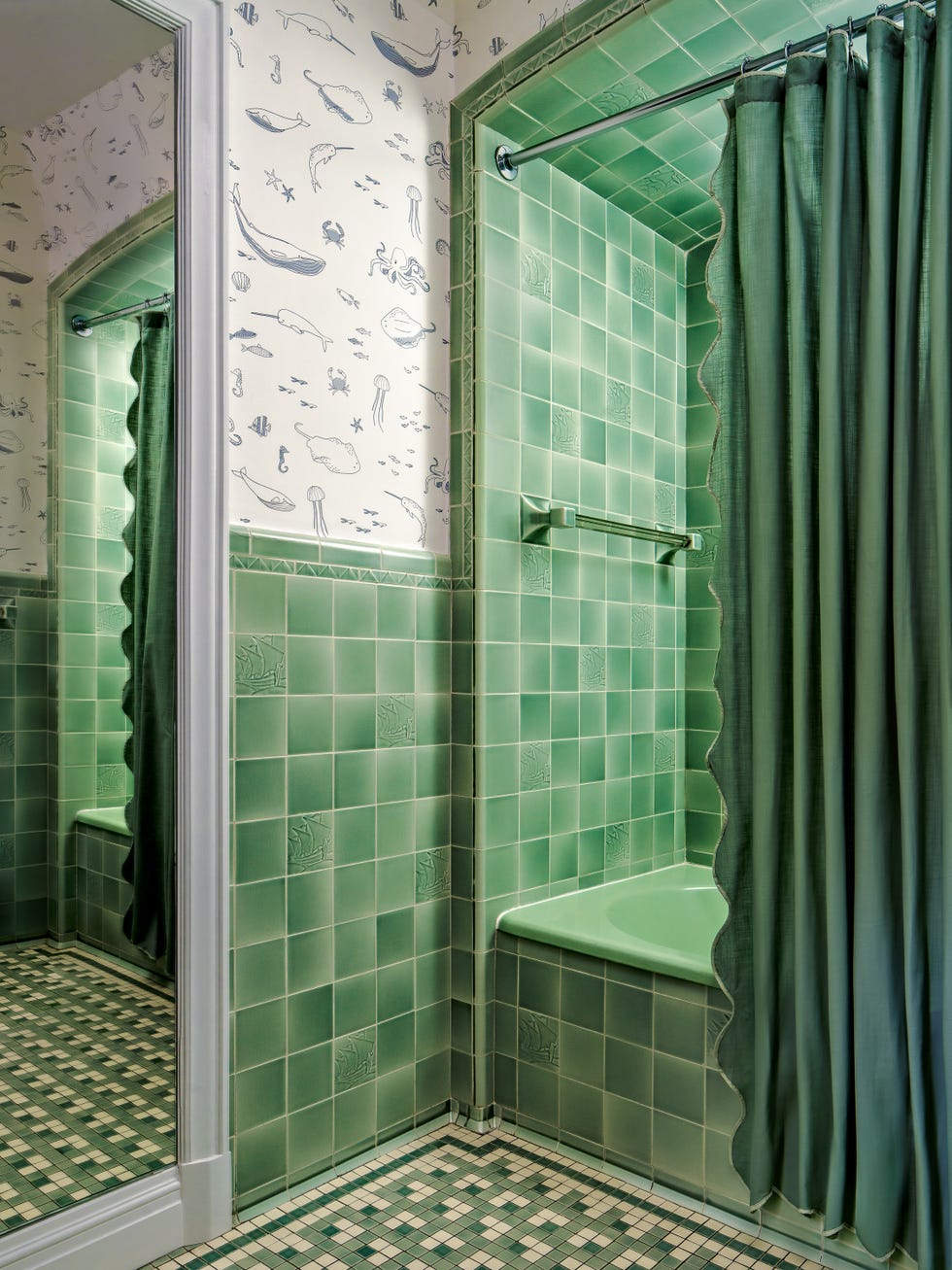
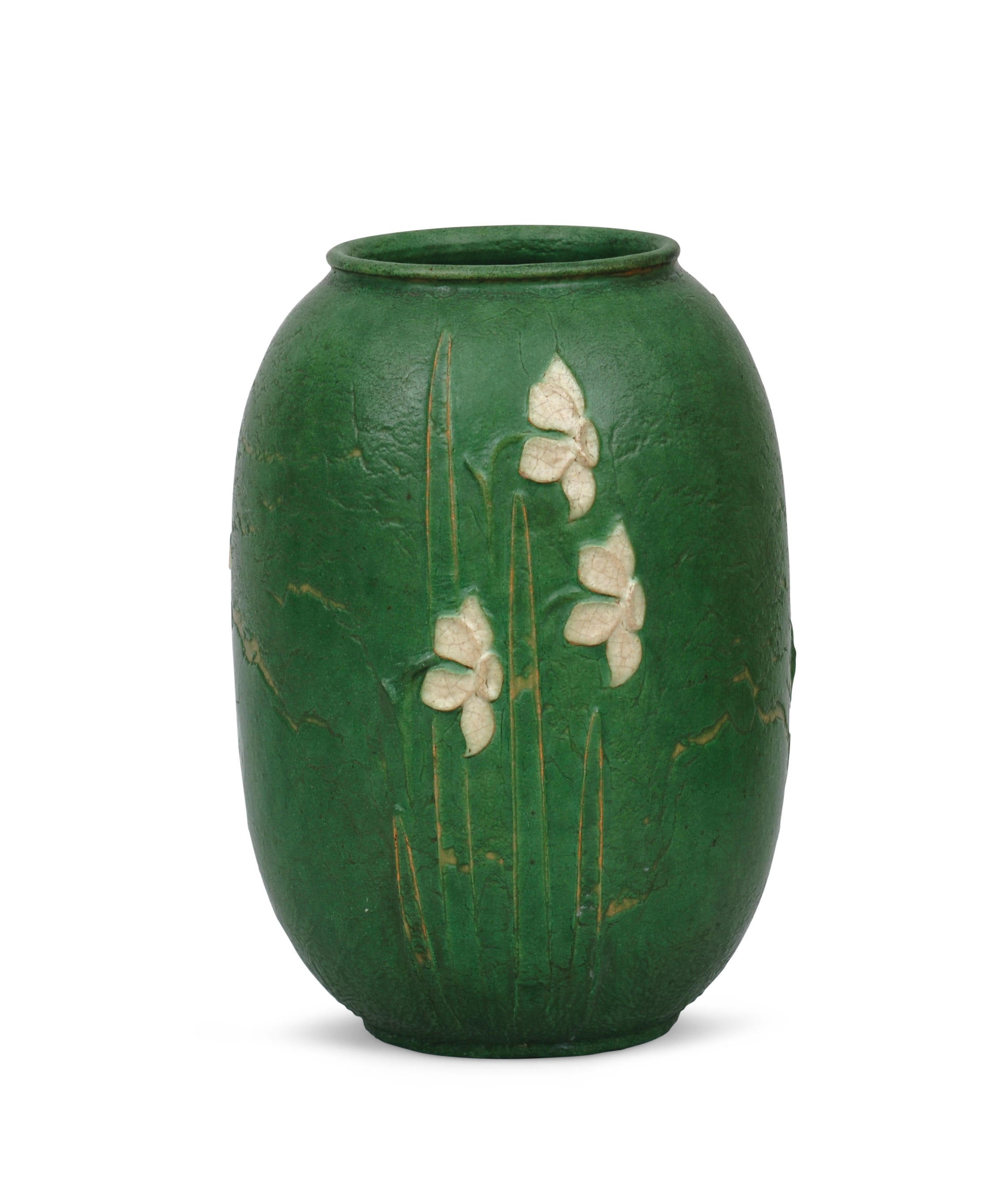
The article also delves into Teco Ceramics, an early 20th-century pottery factory in Illinois founded by William D. Gates. Gates branded terra-cotta as "Teco" and produced hundreds of art pottery vases and vessels, famously in a matte green hue. Teco embraced Art Deco ornamentation, incorporating stylized handles and floral flourishes, challenging the notion that form should strictly follow function. It also embodied an "American maxim" of "bigger is better," manufacturing impressively large vases. Contemporary designers are now rediscovering Teco’s verdant tones, expanding color palettes, and injecting whimsy into geometric designs, though typically on a smaller, handcrafted scale.
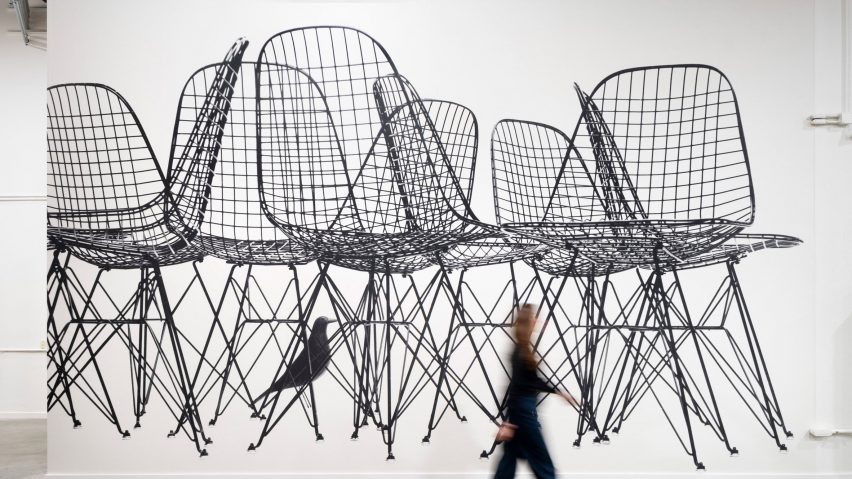
Finally, the evolution of the office chair is discussed, beginning with Frank Lloyd Wright's early, somewhat problematic designs and progressing through Charles and Ray Eames’s aluminum icons and Bill Stumpf and Don Chadwick’s Aeron chair for Herman Miller. Initially, office chairs aimed to signify authority and later, efficiency. Cunningham Cameron points out that Eames chairs were a product of experimentation with new, affordable materials, intending to reshape corporate culture. As work environments have shifted towards home offices and hybrid models, the design of office chairs has adapted, moving beyond mere ergonomics to incorporate aesthetic appeal suitable for domestic settings. The article concludes by noting that while older designs like the Eames chairs are ubiquitous, there is a push for more innovative and visually appealing options to draw workers back into traditional office spaces.
#AmericanDesign #DesignHistory #ShakerFurniture #PatchworkQuilts #TecoCeramics #TiffanyGlass #OfficeChairDesign #ModernDesign #DesignEvolution #AmericanDesign #DesignHistory #ShakerFurniture #PatchworkQuilts #TecoCeramics #TiffanyGlass #OfficeChairDesign #ModernDesign #DesignEvolution
0 تعليق إجمالاً
 لا توجد تعليقات بعد
قد تعجبك أيضًا
6 "Essential" Architecture Trends Design Lovers Need to Know


Design Trends: Retro Revival

The unexpected 'microtrends' that designers say are actually timeless
What’s Old Is New: 5 Outdated Home Features Designers Are Loving Again

Home Design: Timeless Meets Modern


20 Old House Styles No Longer Built Today
Designers Reveal the Bold Design Trend That's Taking Over Homes

Here's Why Everyone Is Talking About American Craft Right Now

The Novelty and Excess of American Design During the Jazz Age

People Are Revealing The "Outdated" Home Design Trends That Are Wayyy Better Than Modern Trends
Surprise: 1990s Design Trends Are Coming Back
11 Old-School Decor Ideas That Feel Surprisingly Modern
Inspired Interiors: Design star modernizes timeless look
Art Nouveau
"Mid-century modern is classic, it's never going away" says Cara Greenberg
Americana Decor Is Trending Again—Here’s How to Keep It Chic and Balanced, According to Experts

Here's What the American Home Looked Like the Year You Were Born

5 Reasons Why American Modernist Paul McCobb’s Designs Are Relevant Once Again
Home Design: Reinvented Midcentury Modern
Unpopular Opinion: Can We Please Say Goodbye to Memphis Design Already?