The 'Rule of 3' Is the Designer Trick for Styling Everything From Bookshelves to Coffee Tables—Here's How to Master It
The "rule of three" is a fundamental design principle that leverages odd-numbered groupings, particularly threes, to achieve a visually balanced, relaxed, and interesting aesthetic in a home. This principle is not merely a formula but rather a guideline that leads to an organic and collected appearance, preventing spaces from looking overly styled or arranged. According to designer Lindsey Colhoun, the human eye naturally gravitates towards asymmetry and subtle variations, making groupings of three more appealing than perfectly symmetrical pairings. This approach ensures a room feels comfortable and lived-in rather than rigid or staged.
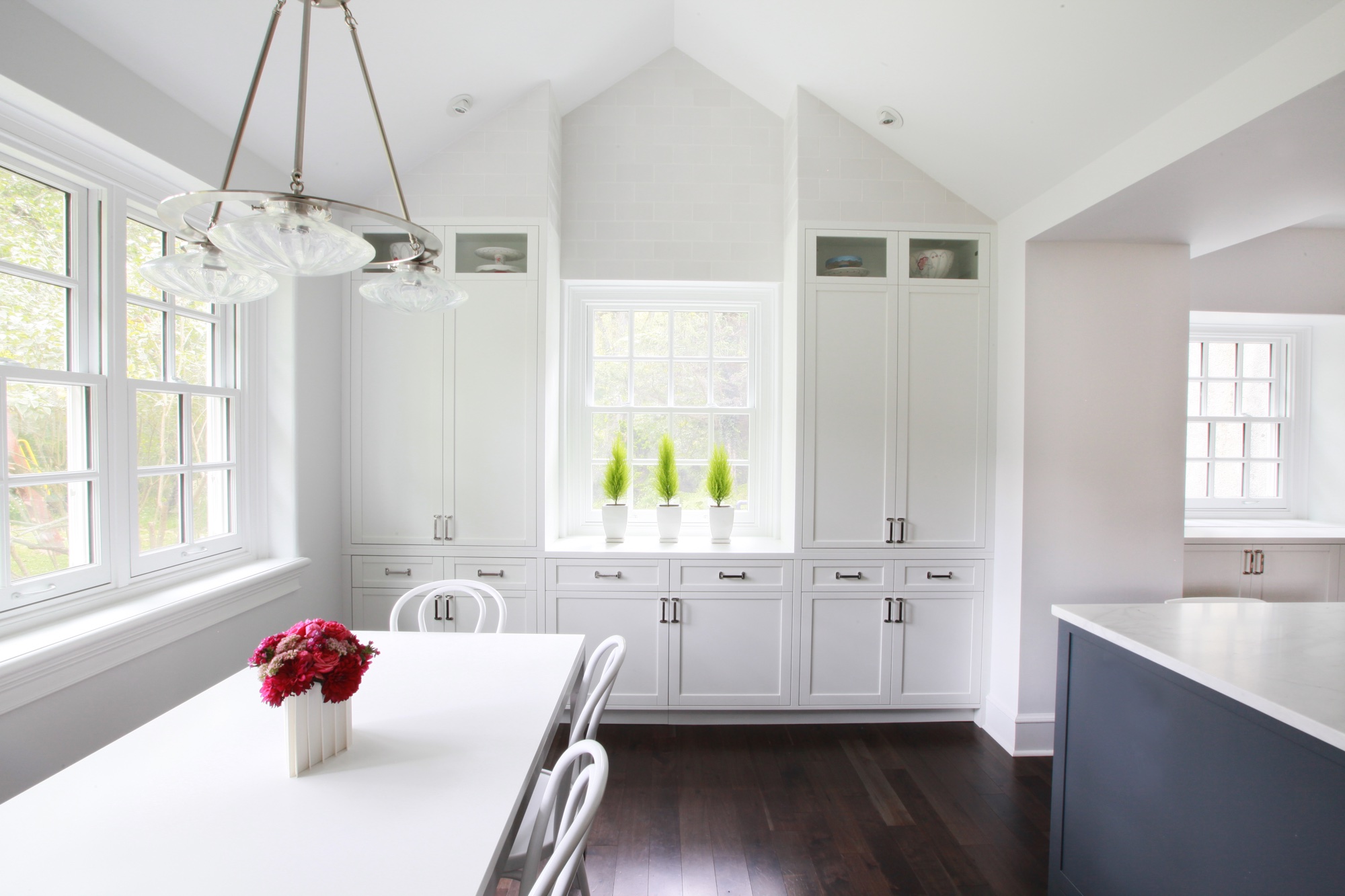
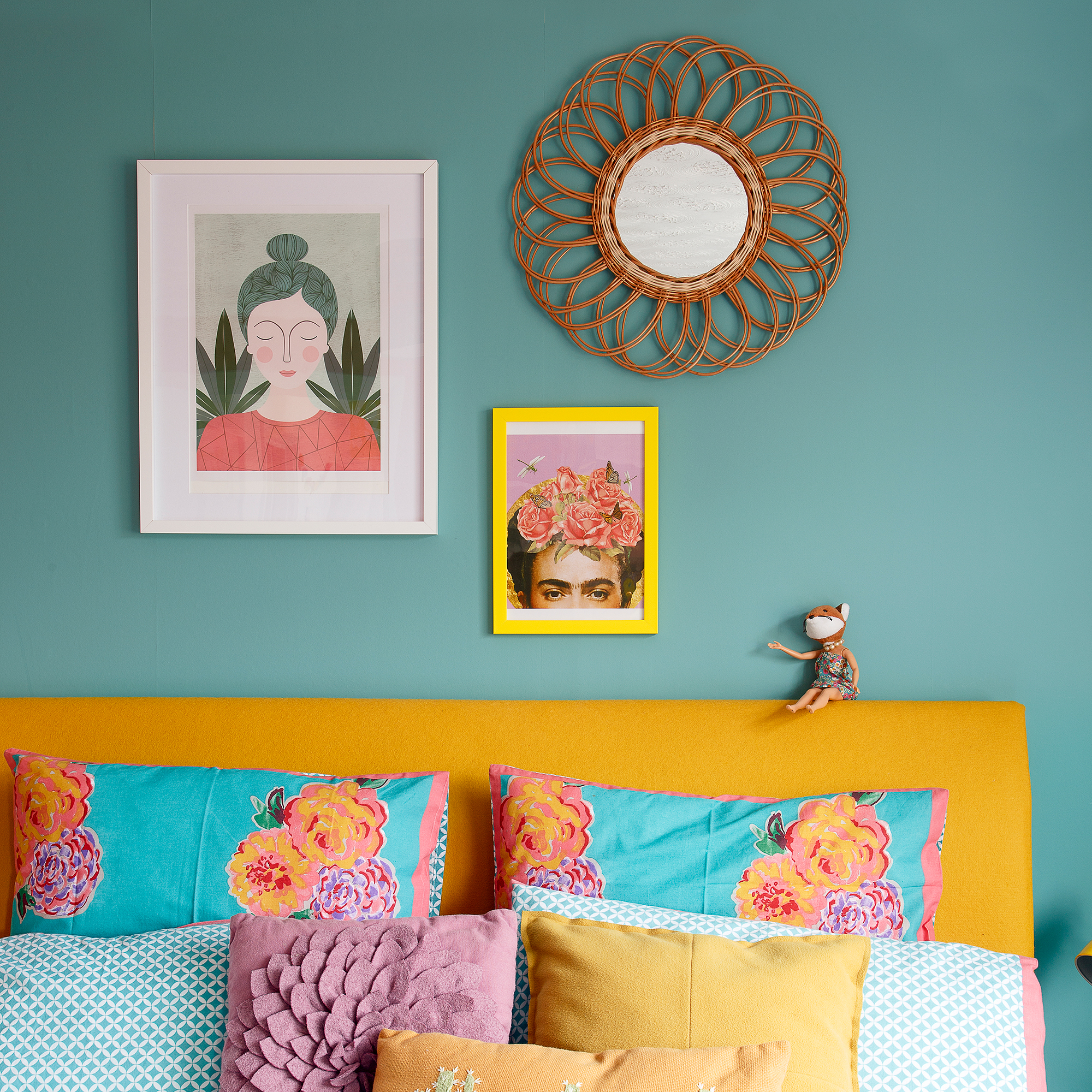
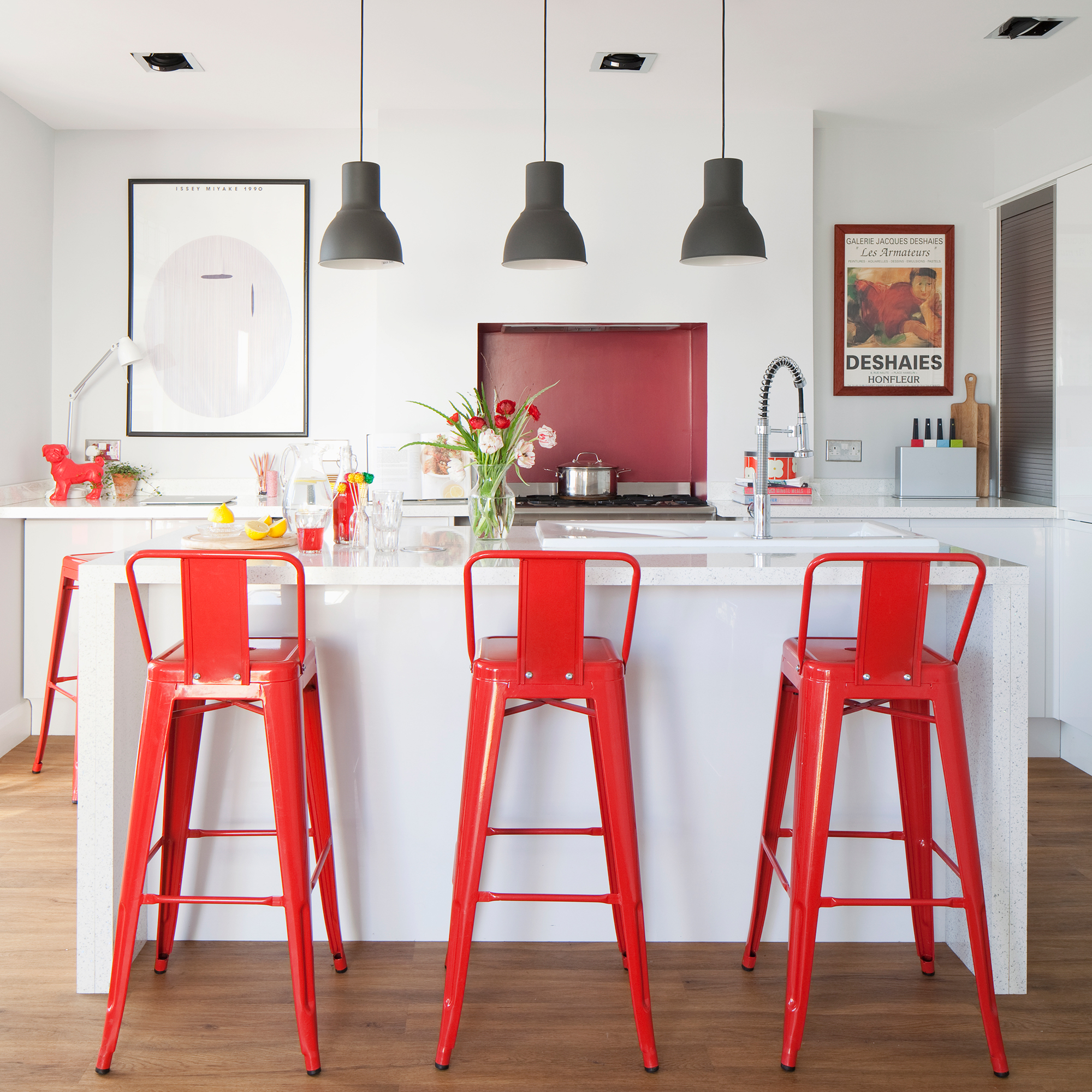
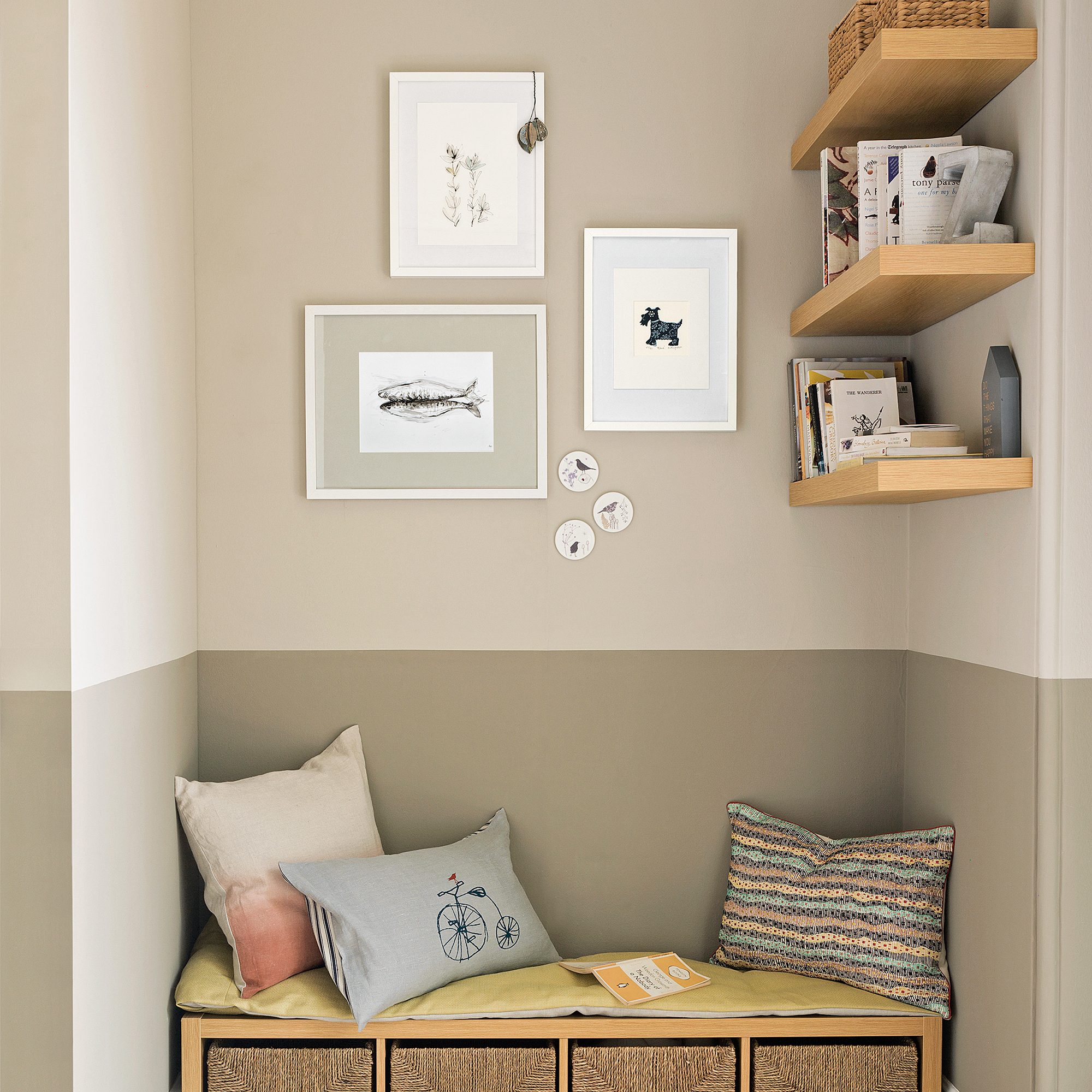
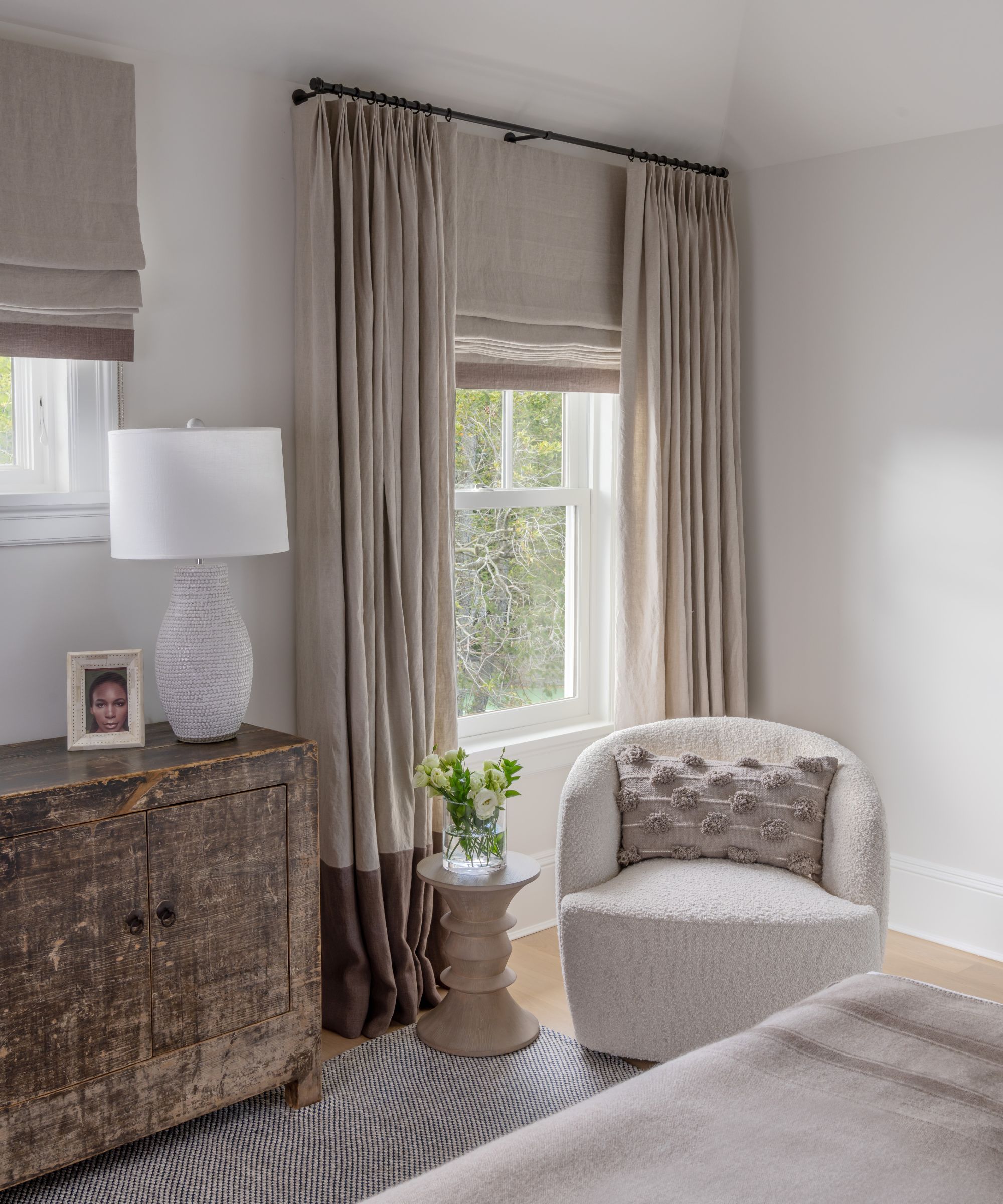
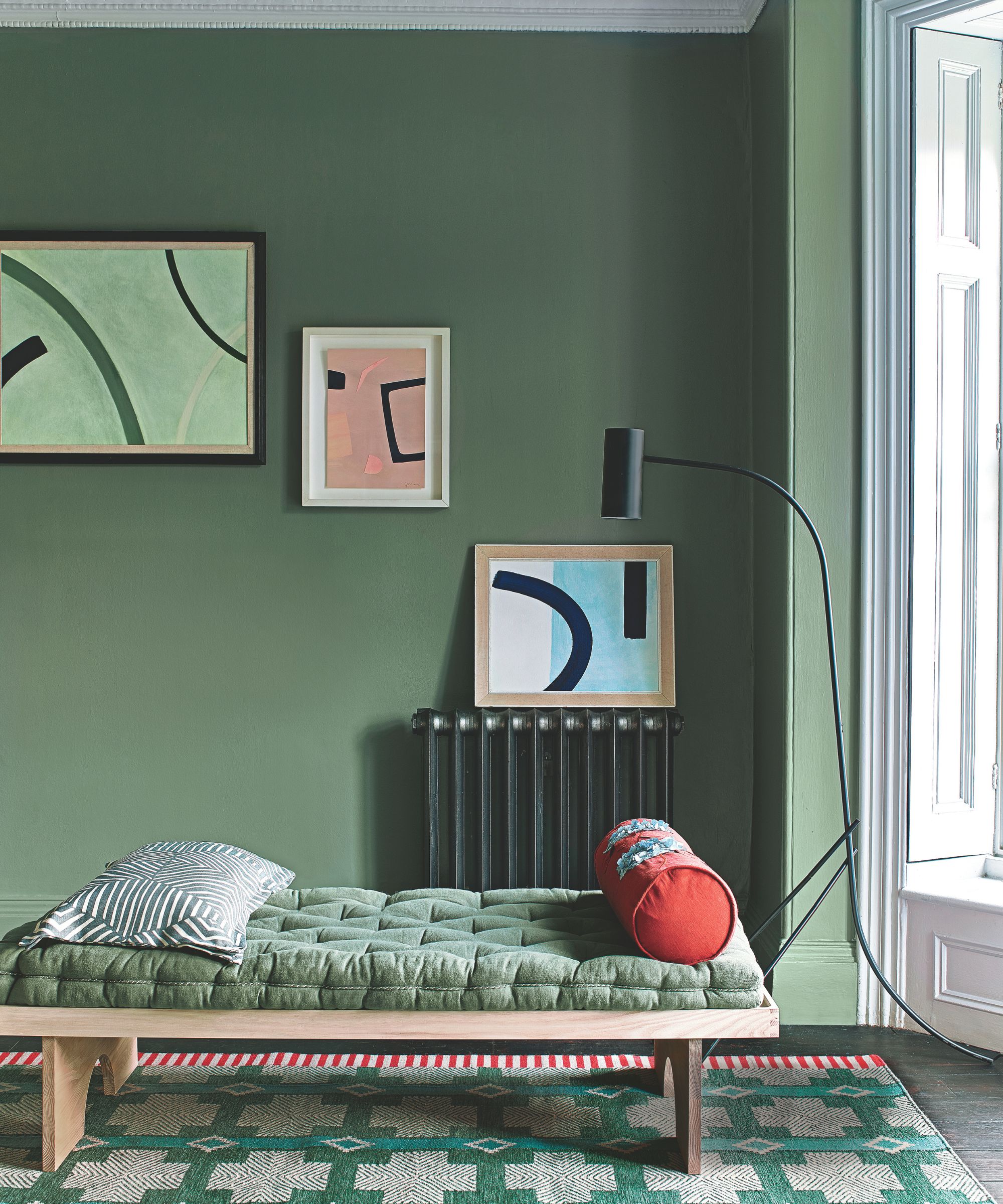
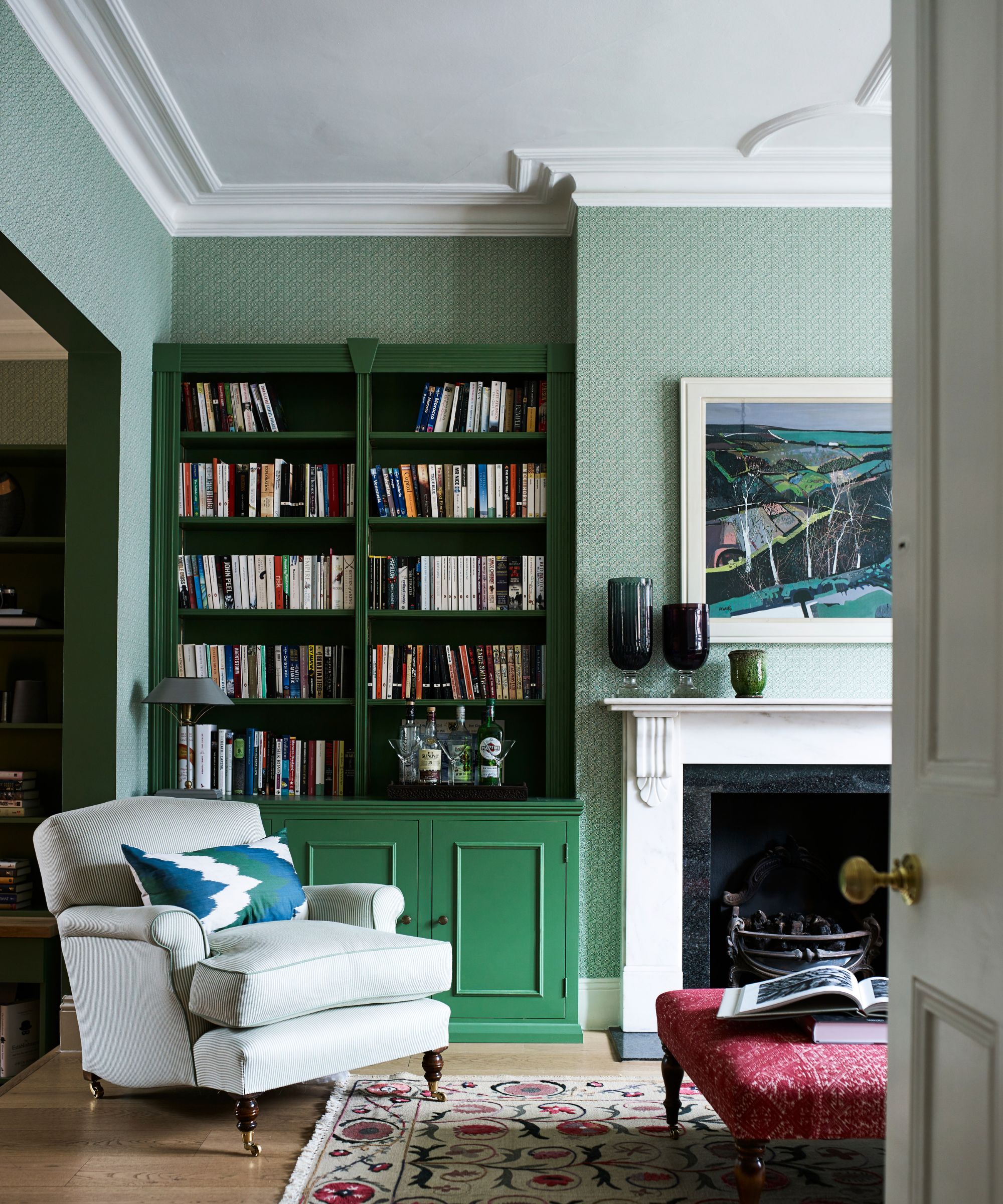
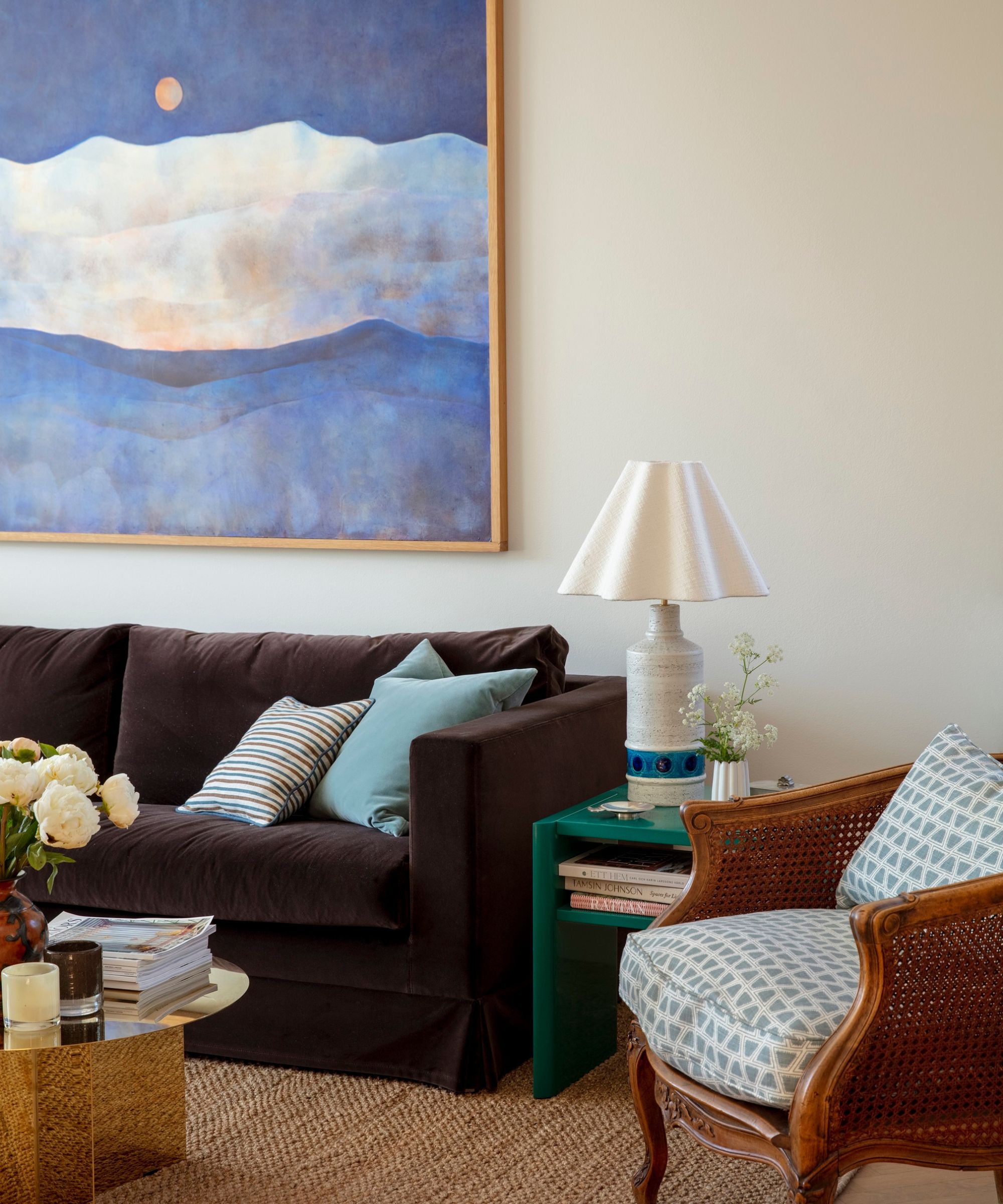
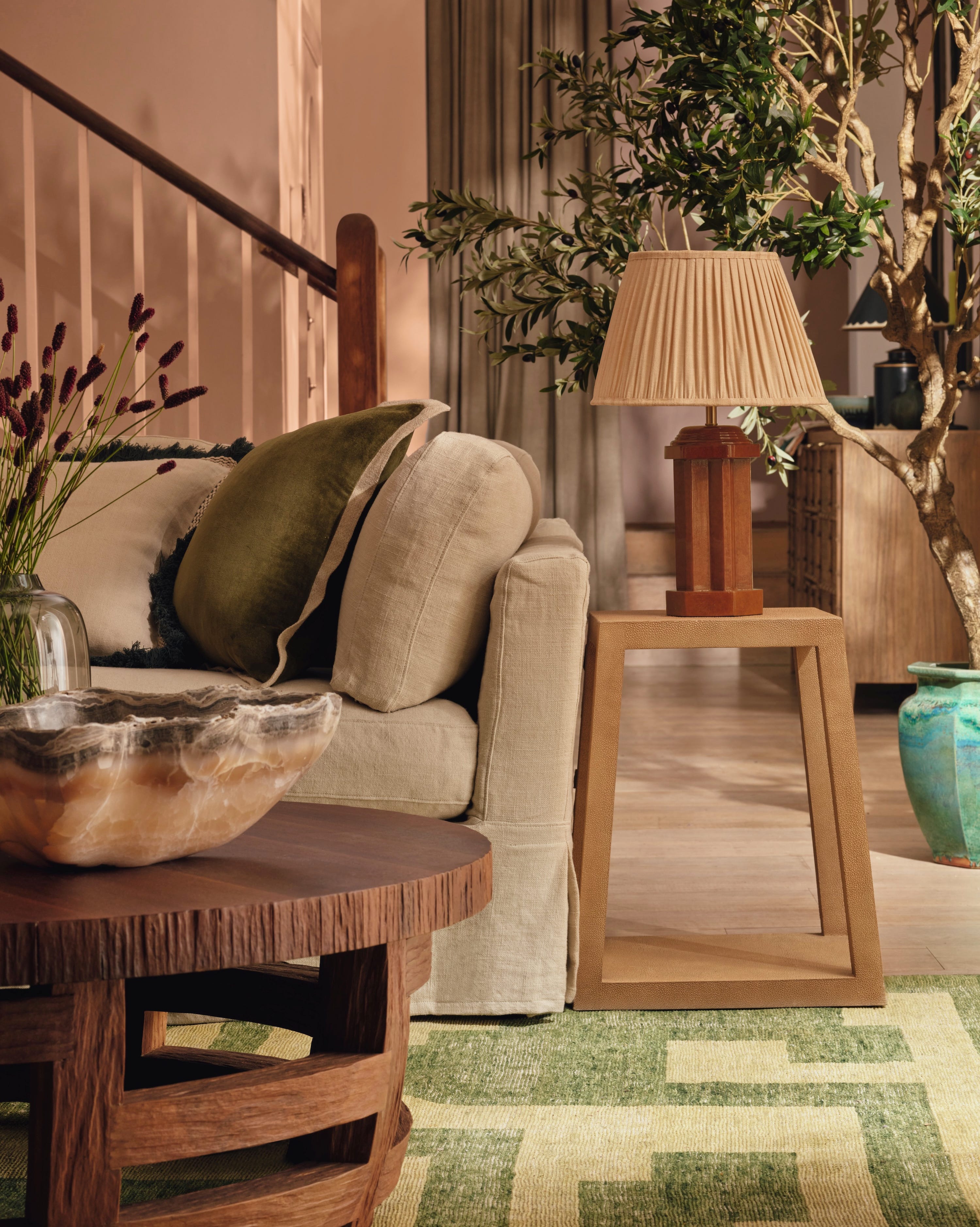
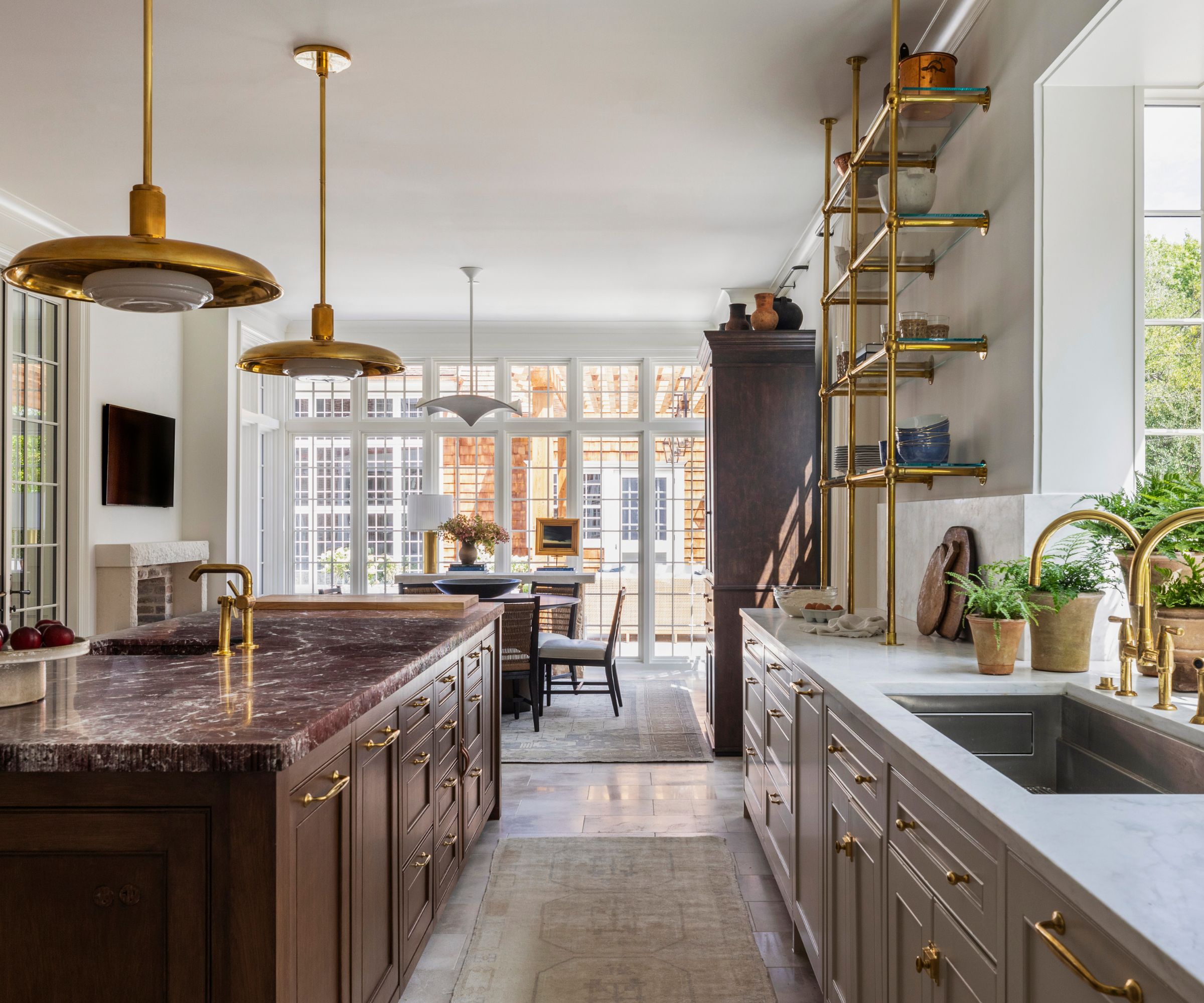
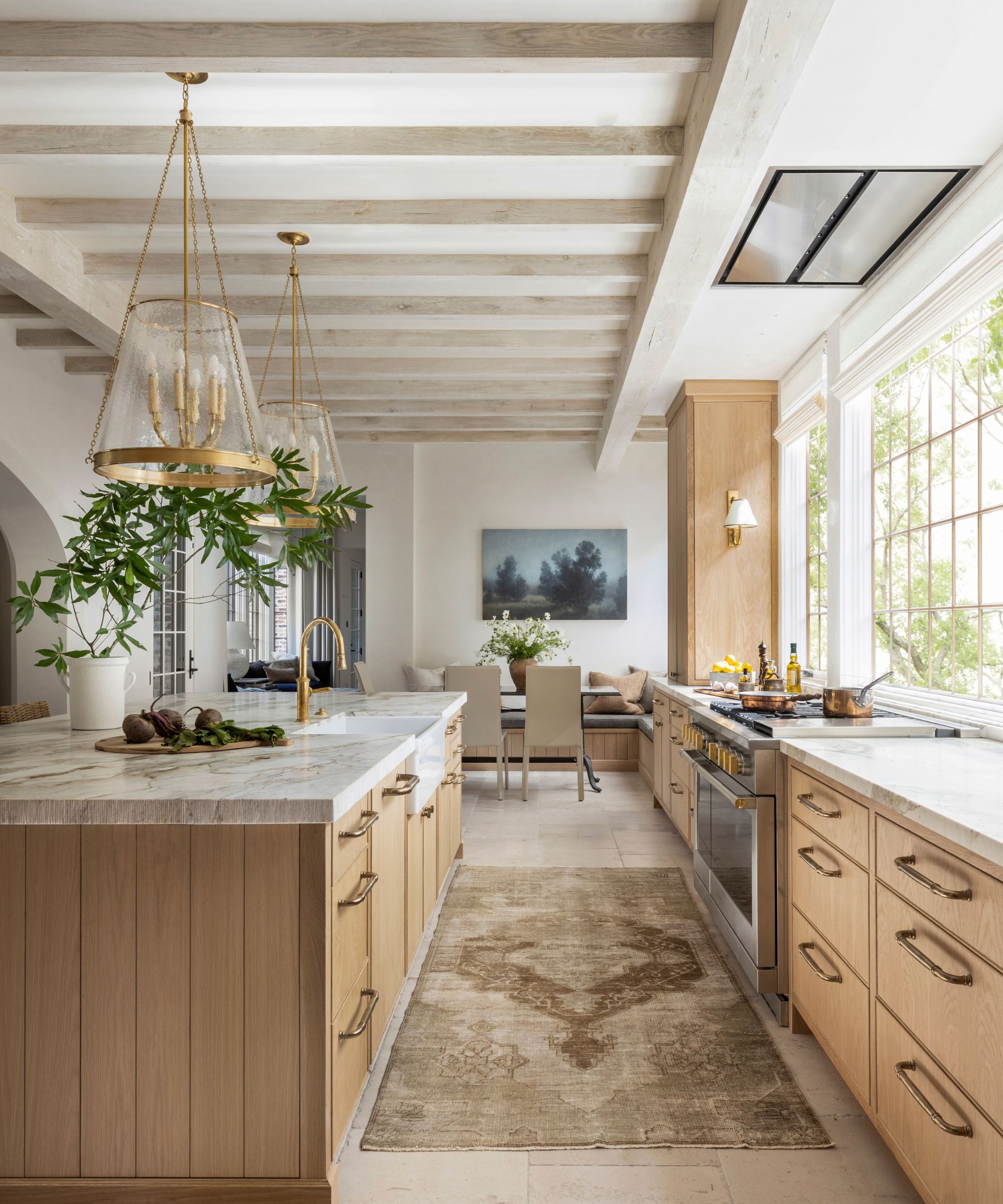
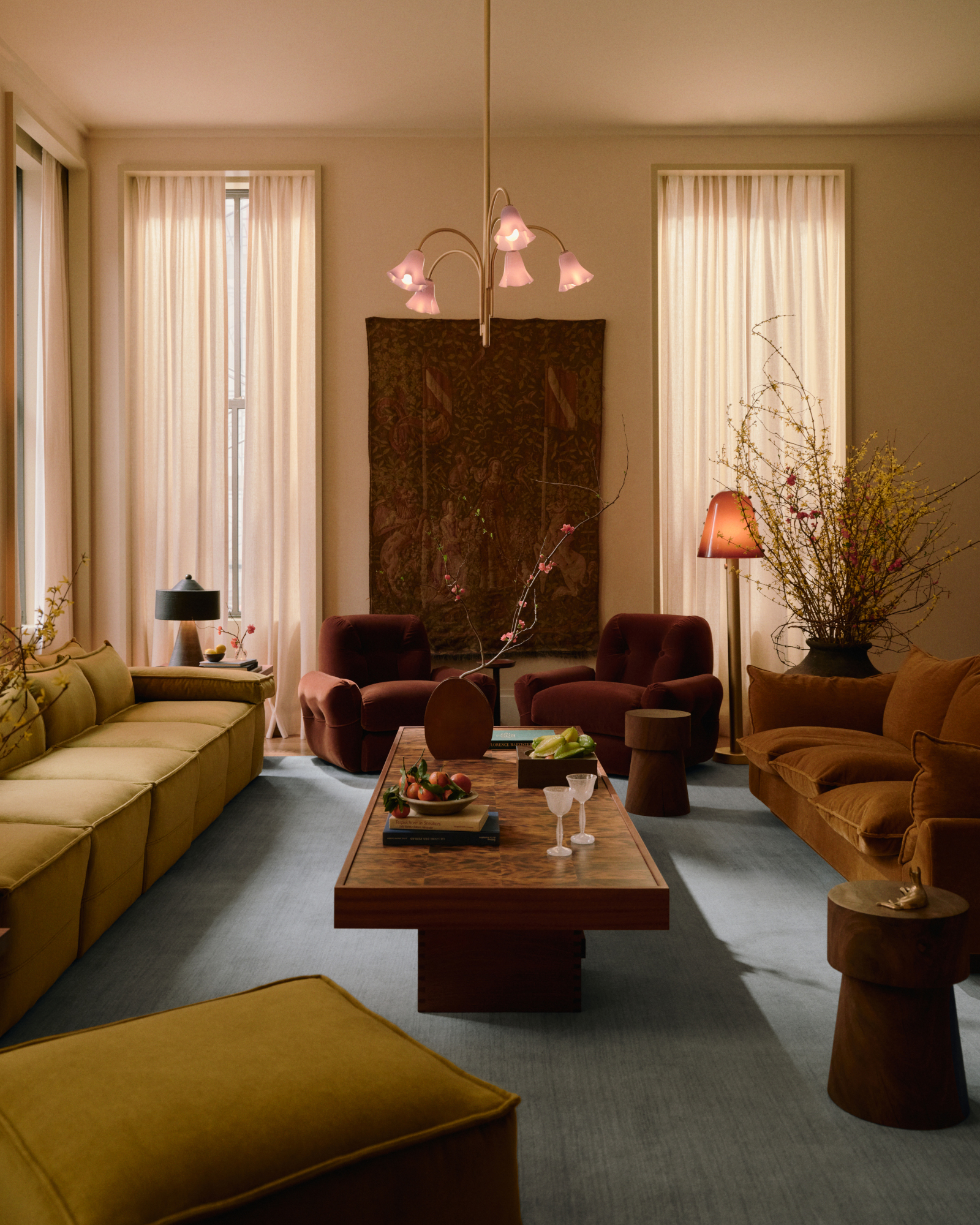
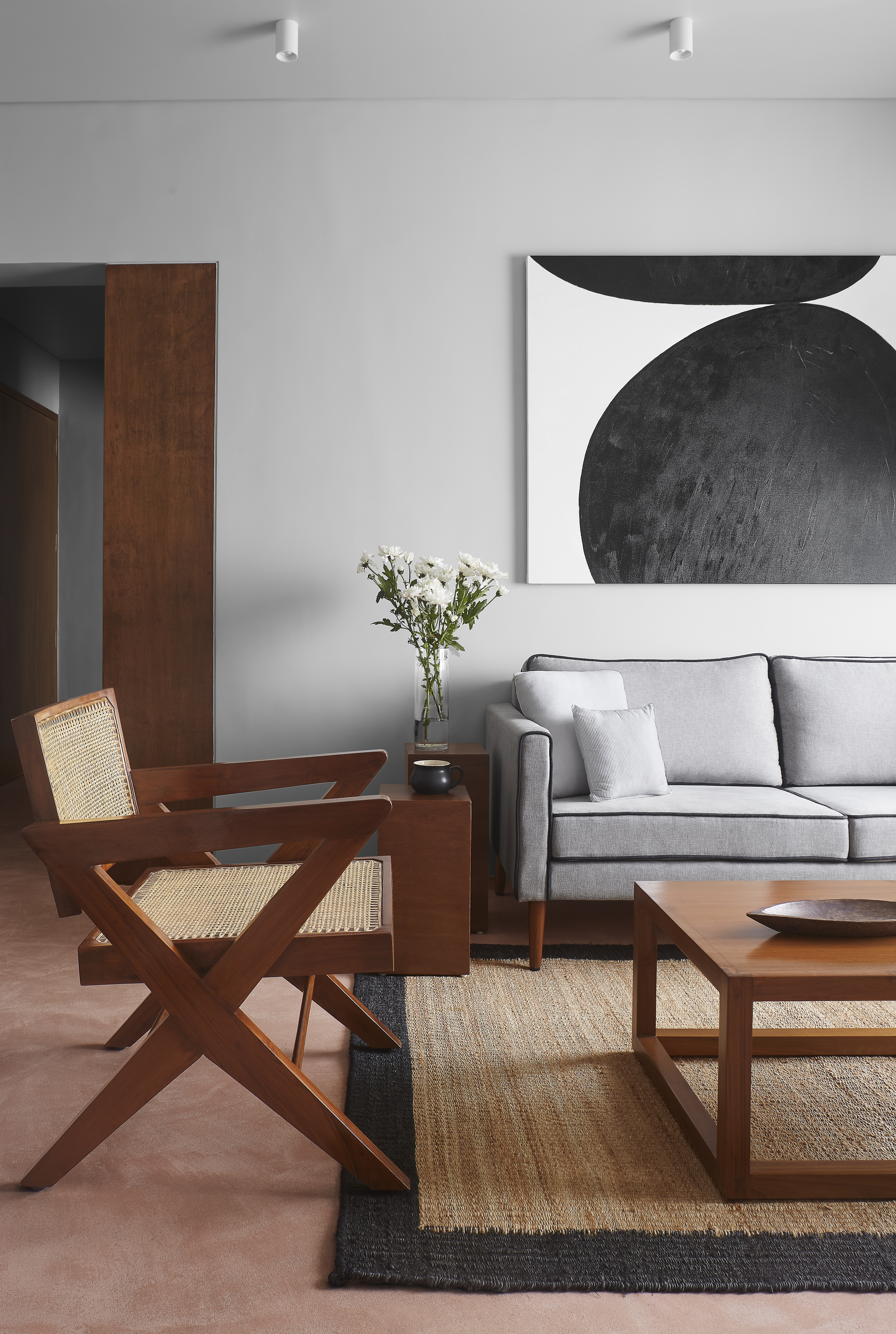
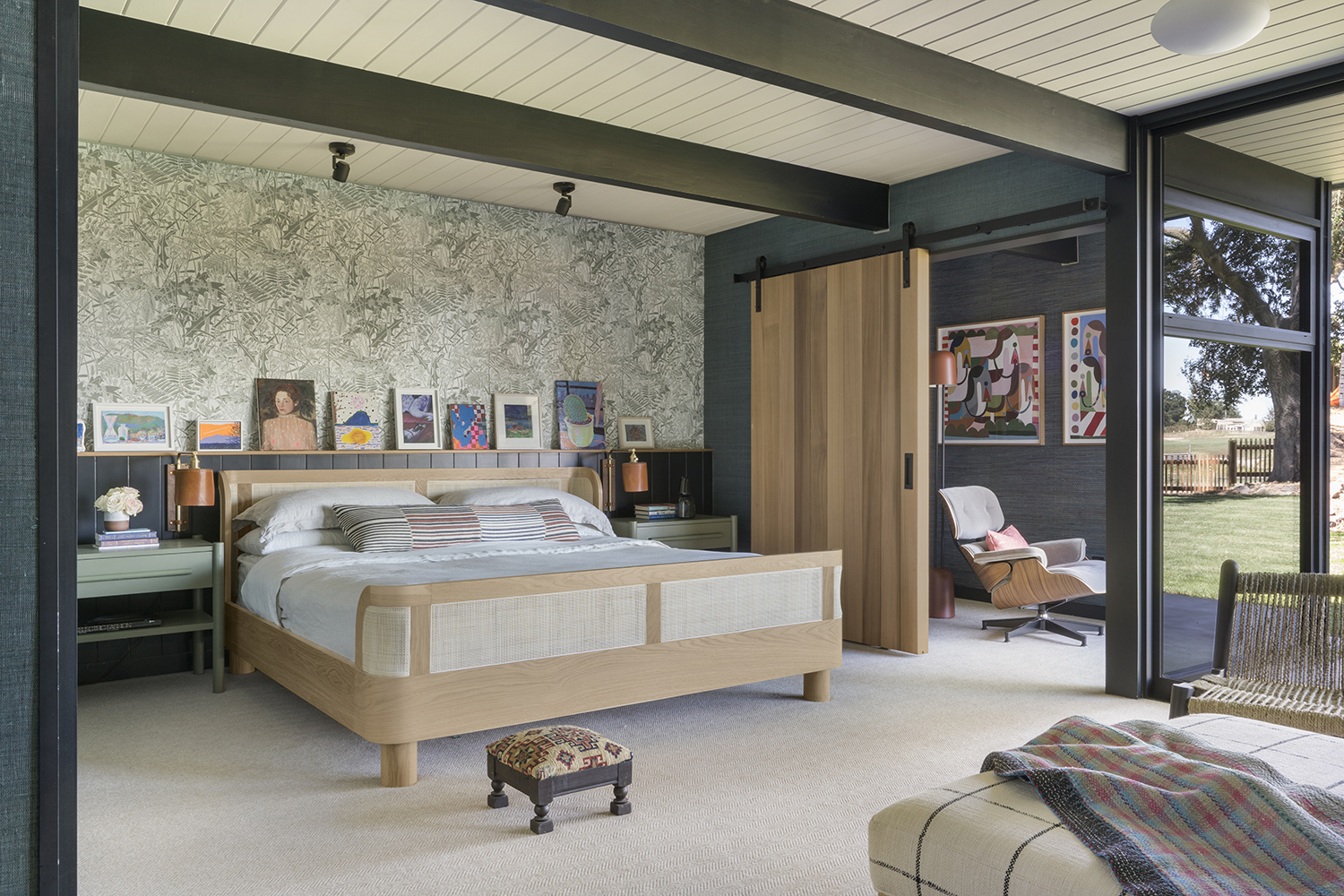
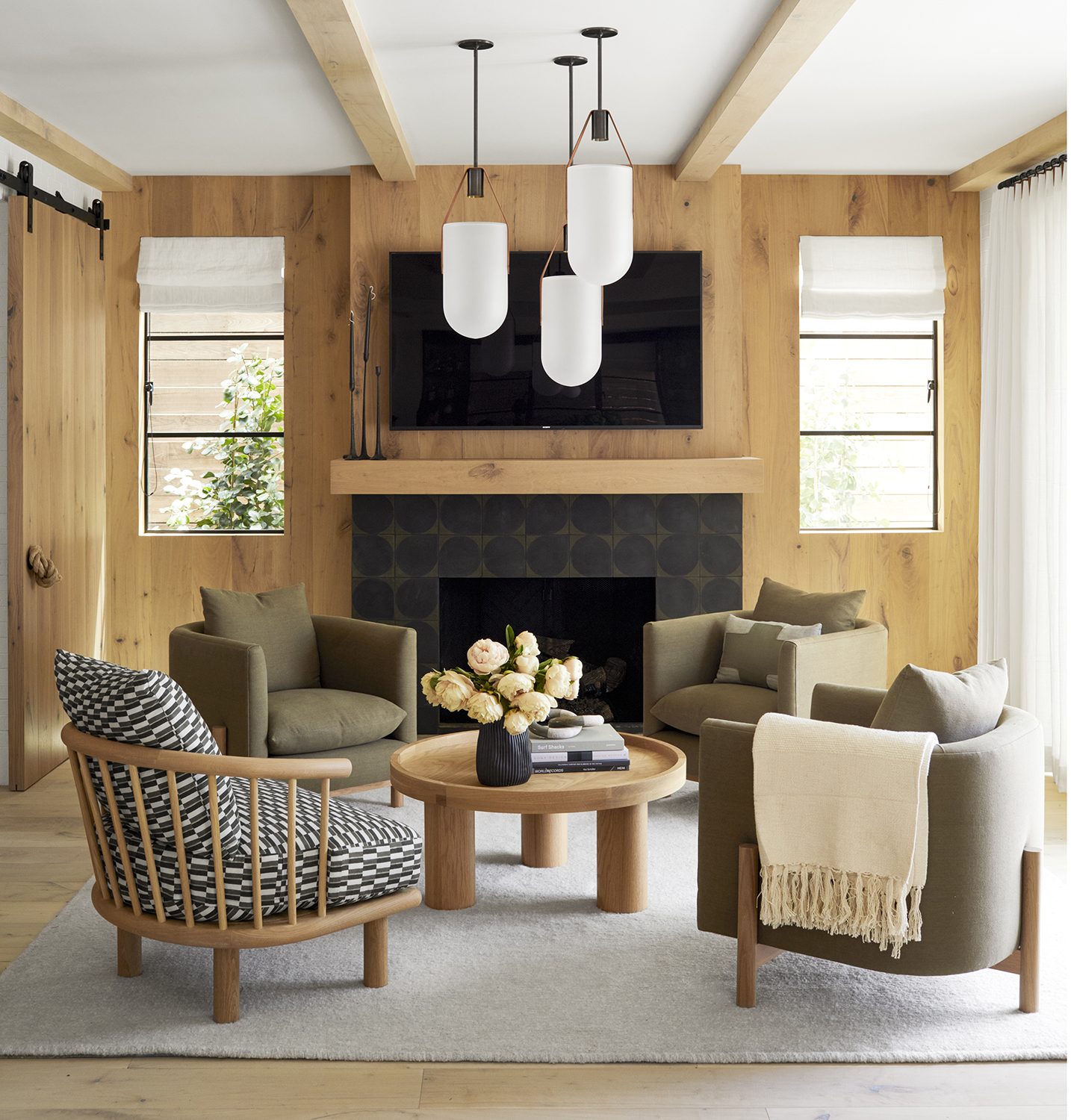
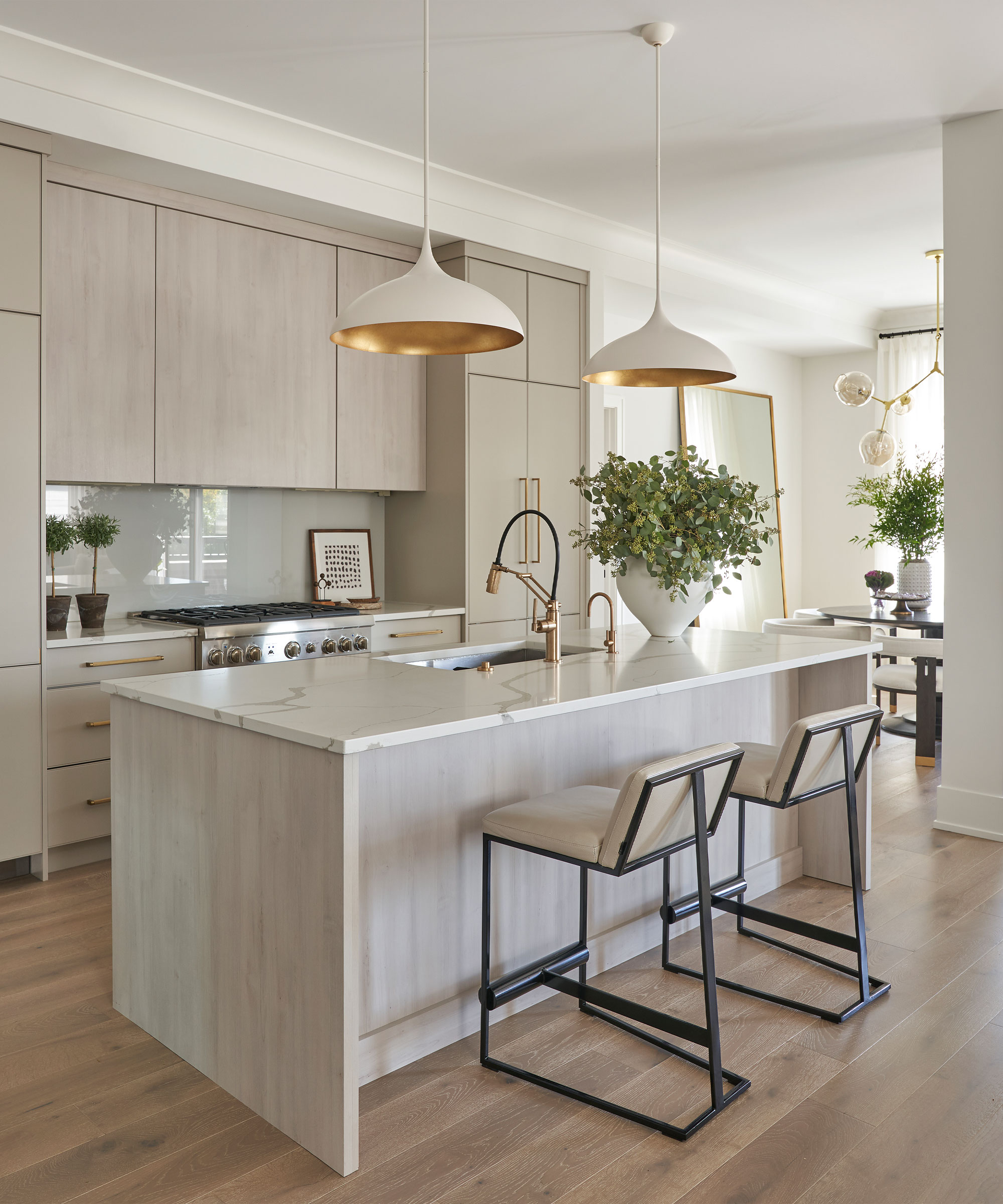
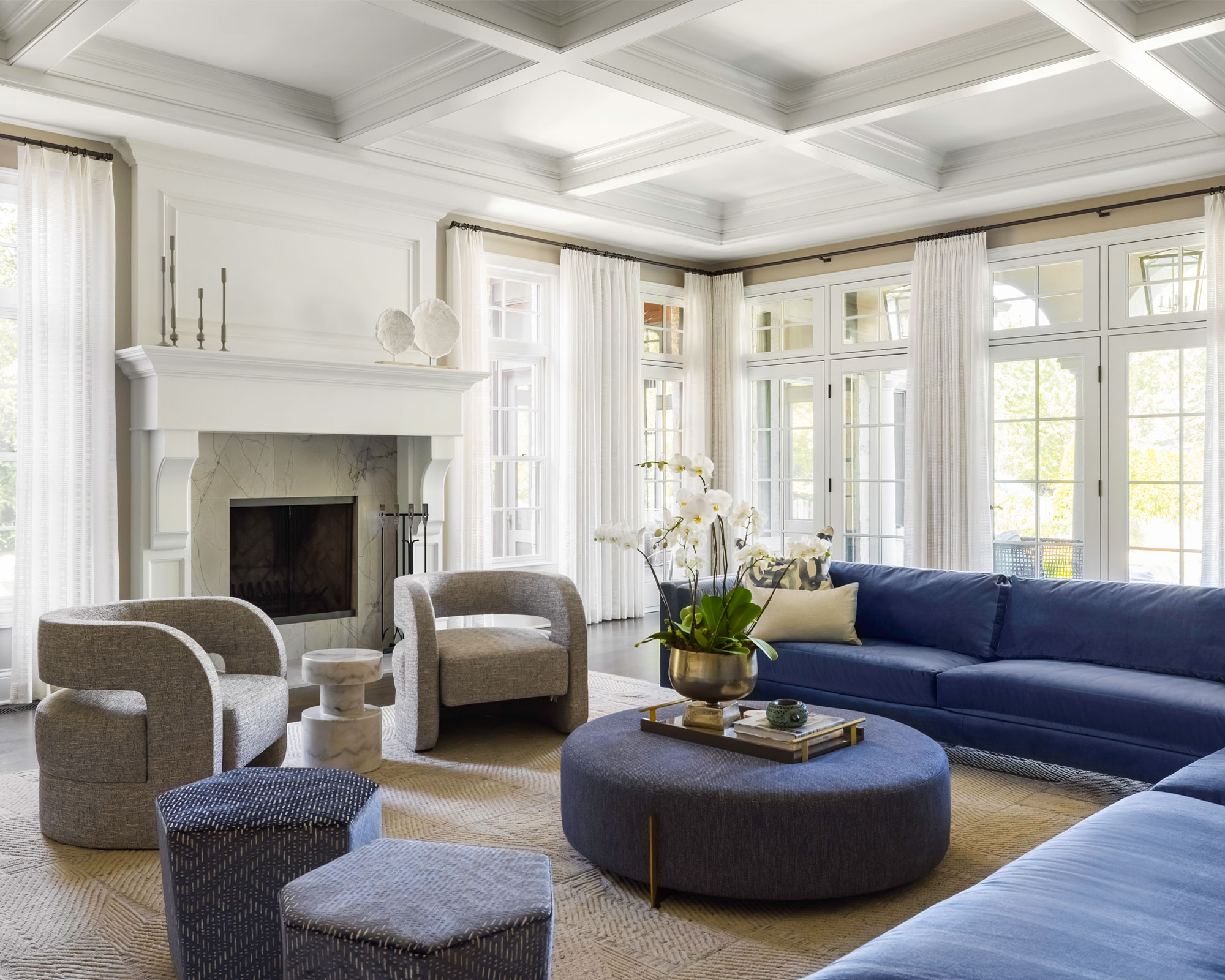
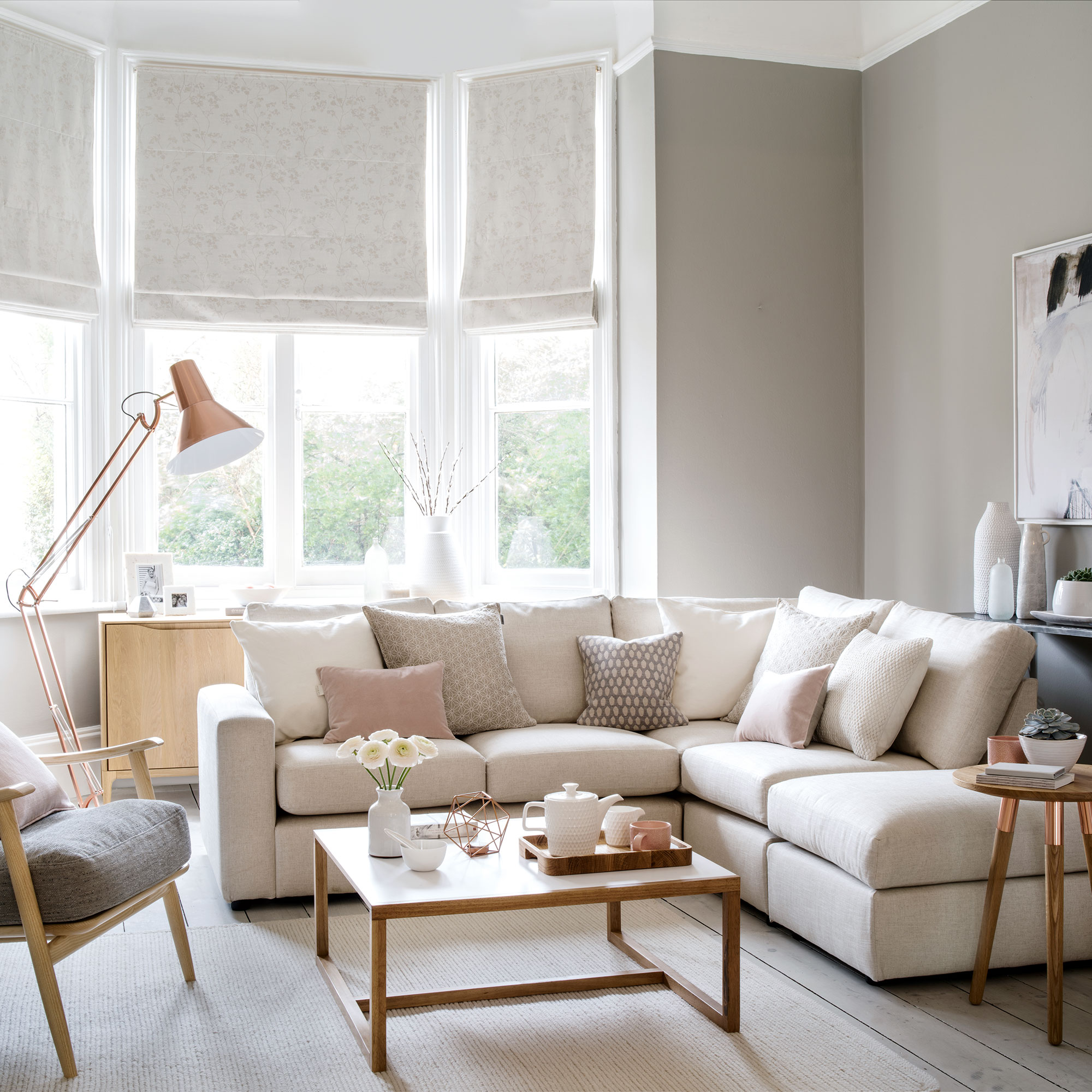
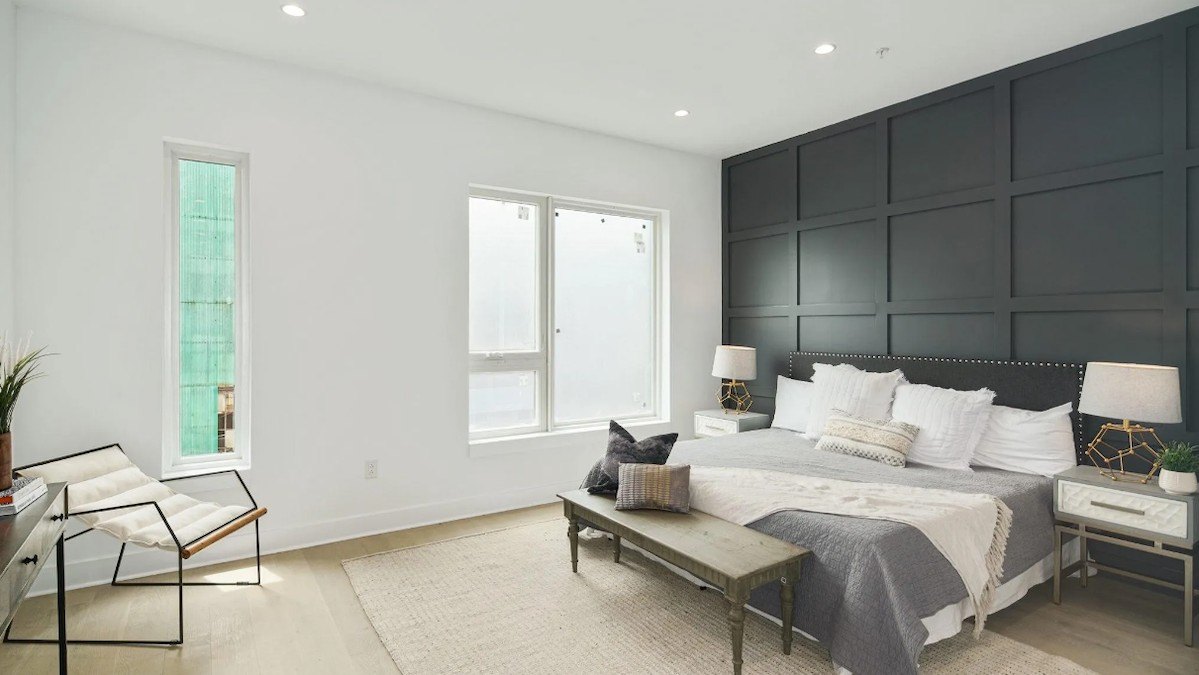
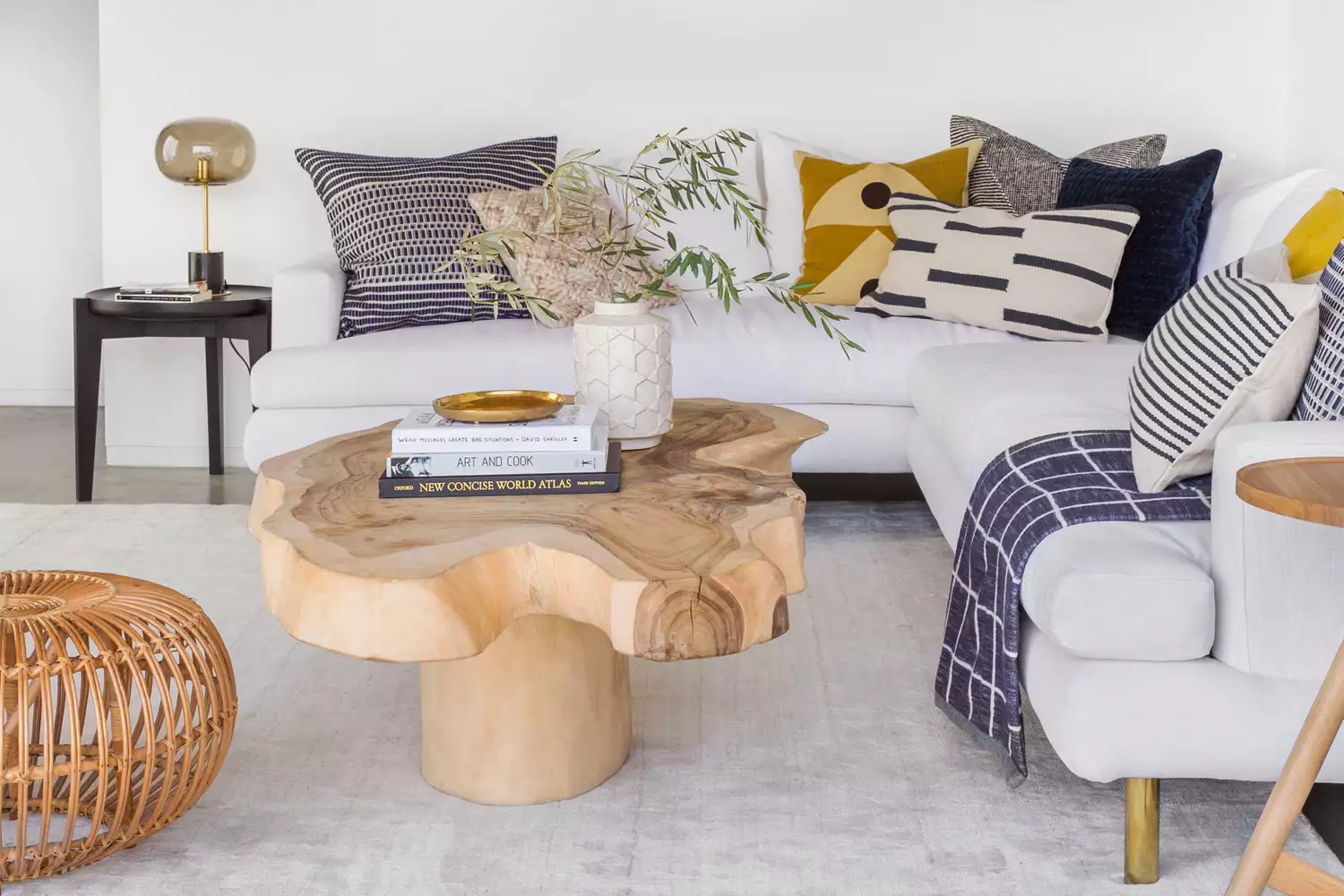
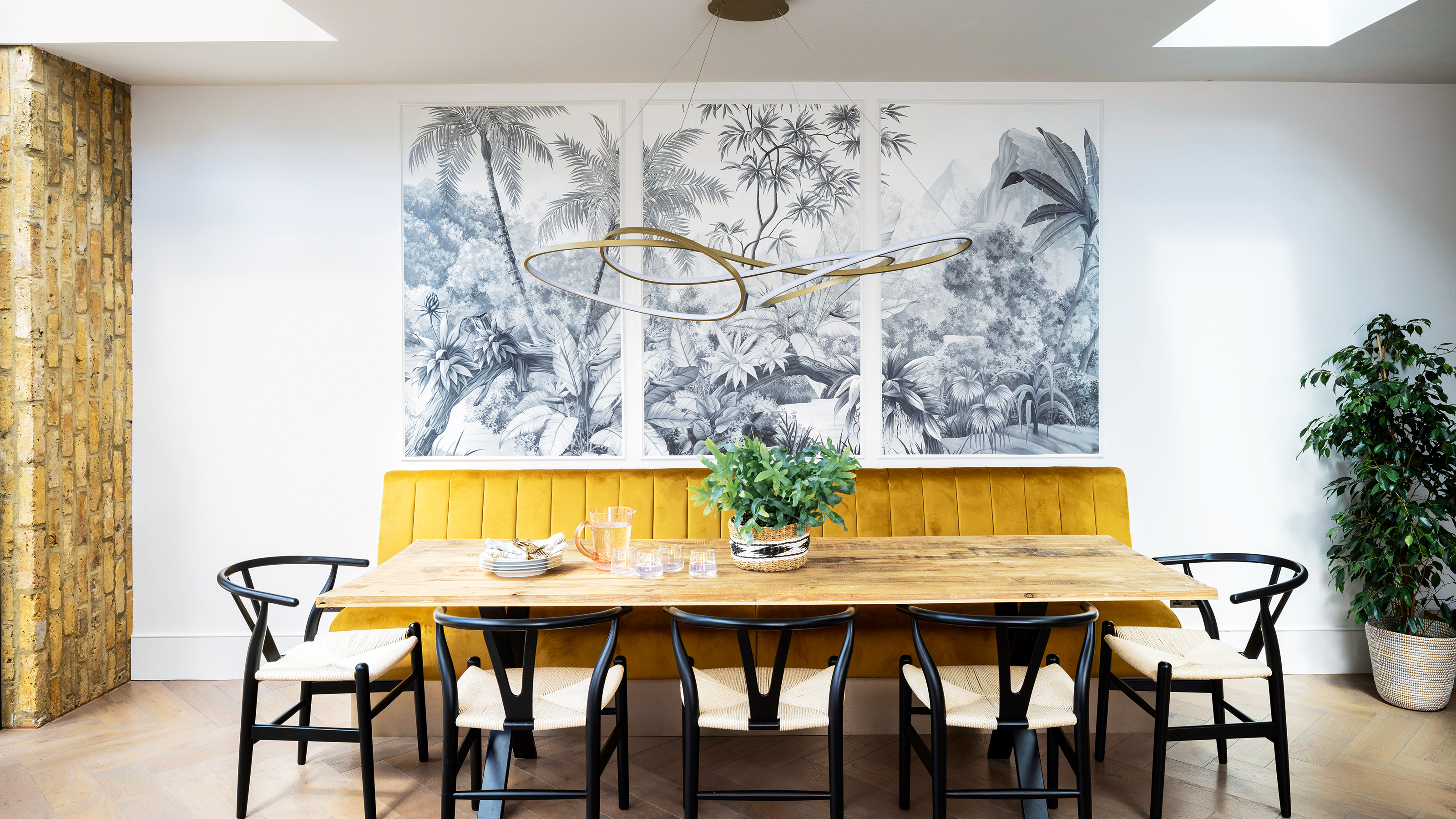
While commonly associated with decorative accessories like vases or art, the rule of three extends its application to various aspects of interior design, including furniture arrangements, lighting, and even color palettes. Kimberly Oxford, another designer, highlights that using three elements allows for meaningful variation in height, scale, or texture while maintaining overall cohesion. For instance, in a living room, combining a sofa with two accent chairs often creates a more dynamic and balanced setup than two identical sofas. Similarly, three pieces of art above a bed are generally preferred over two, providing a more engaging visual.
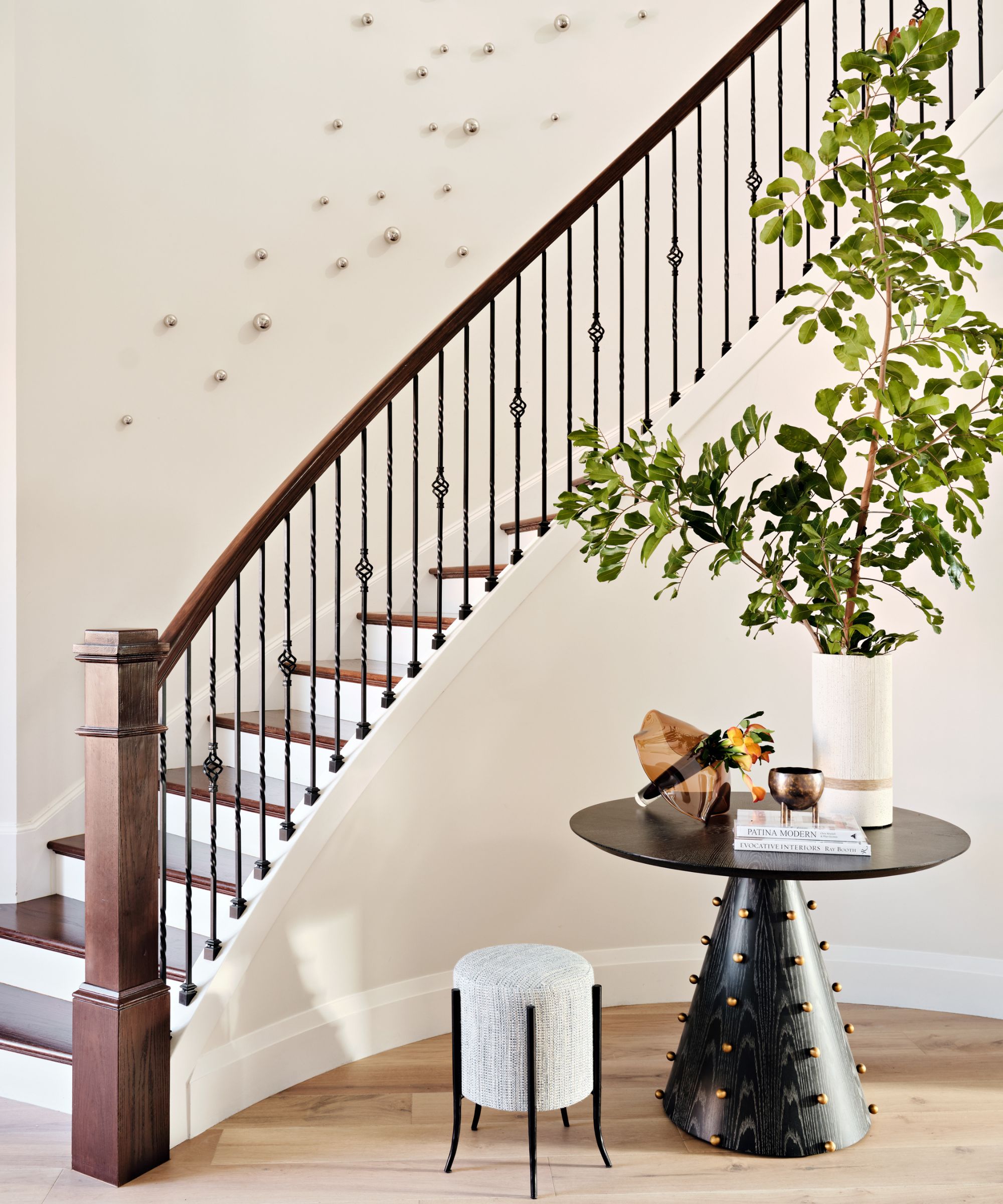
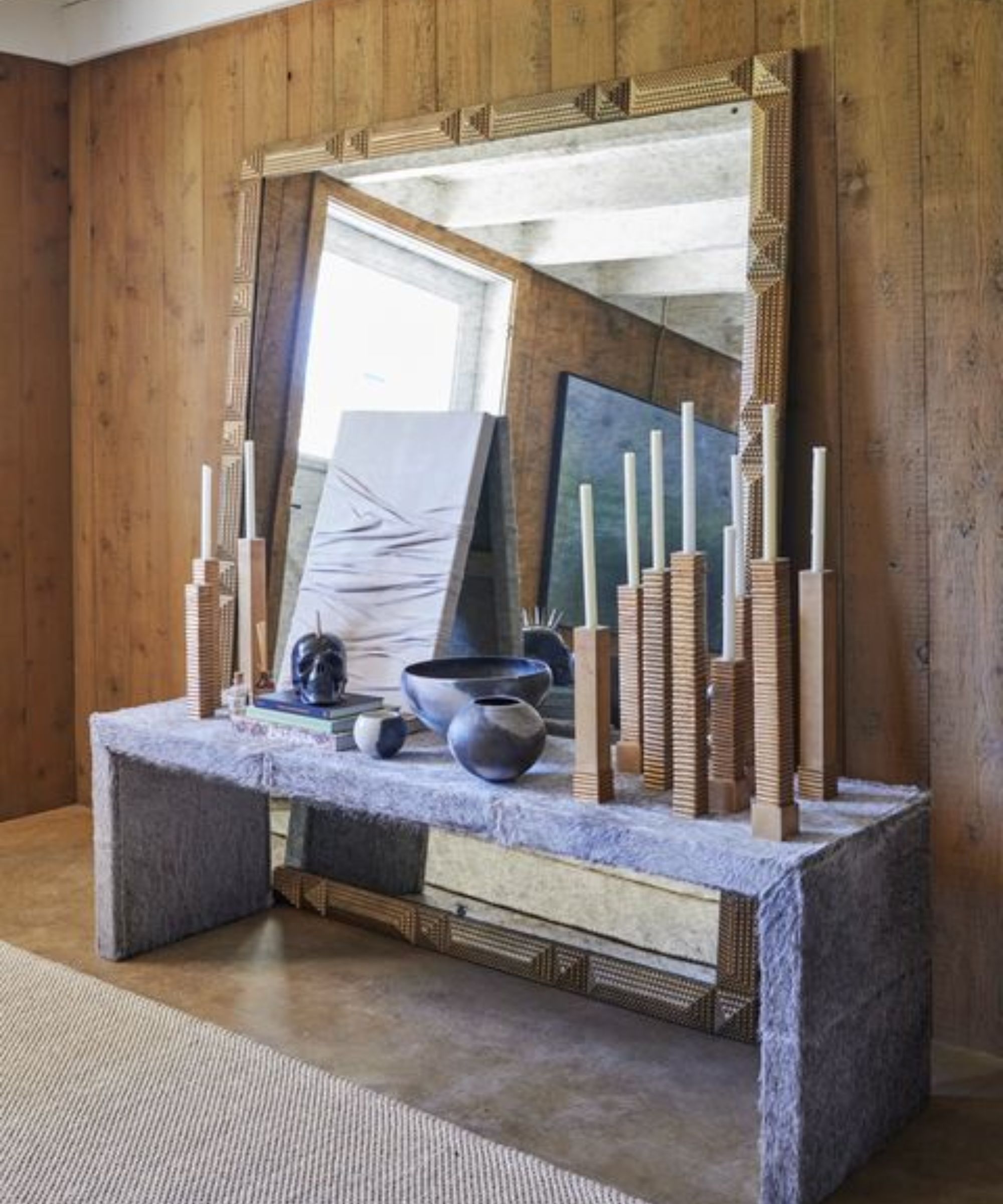
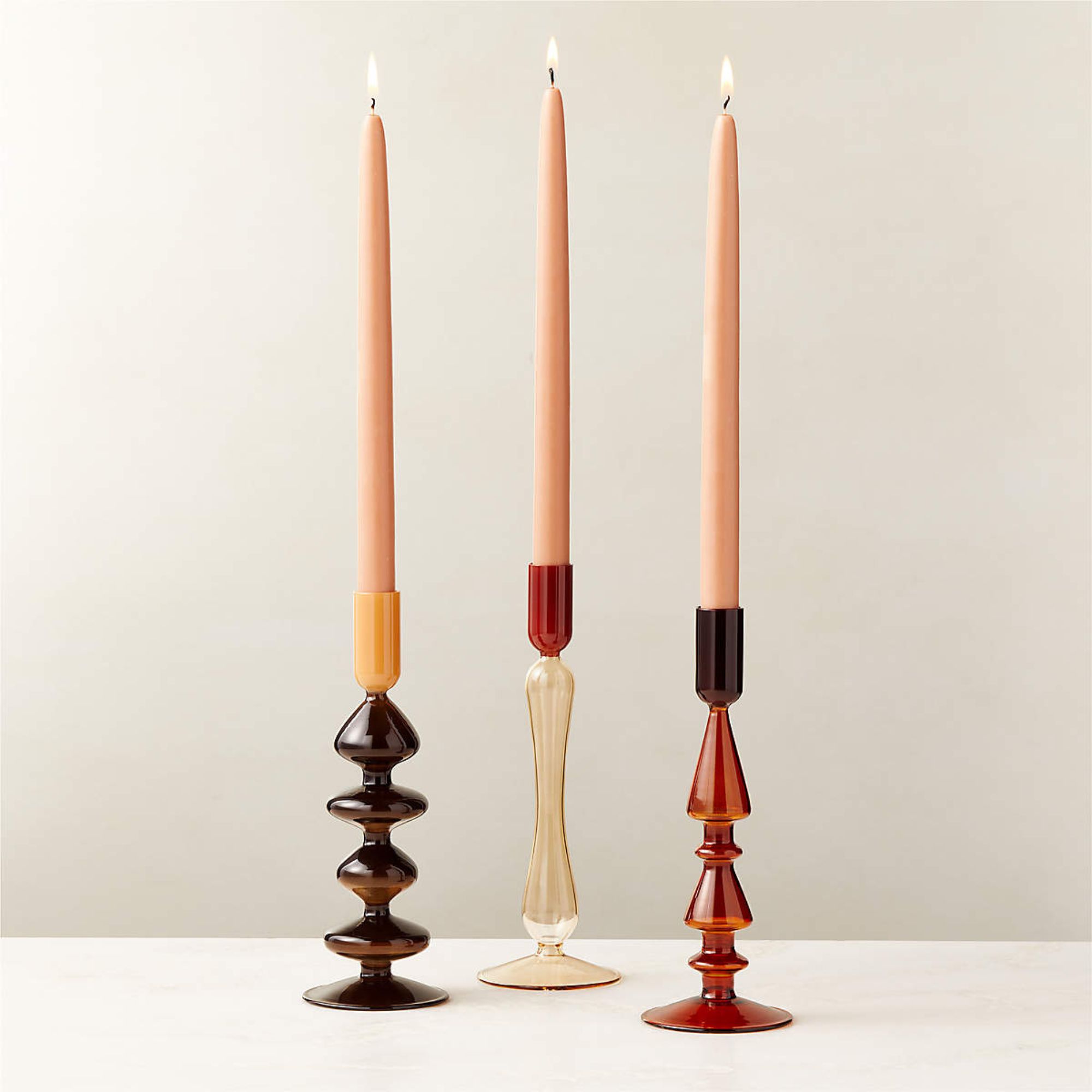
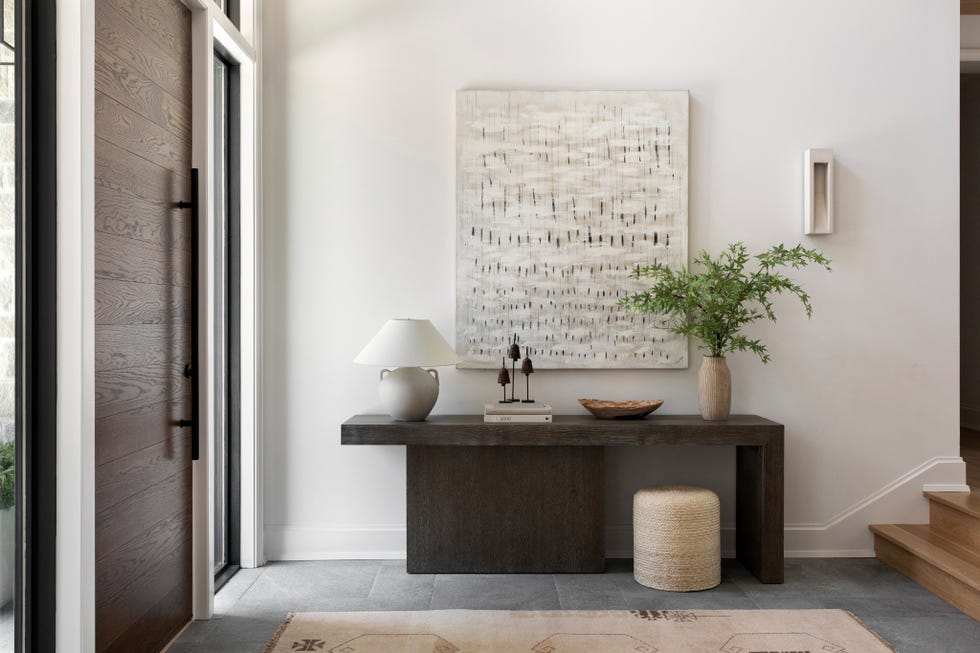
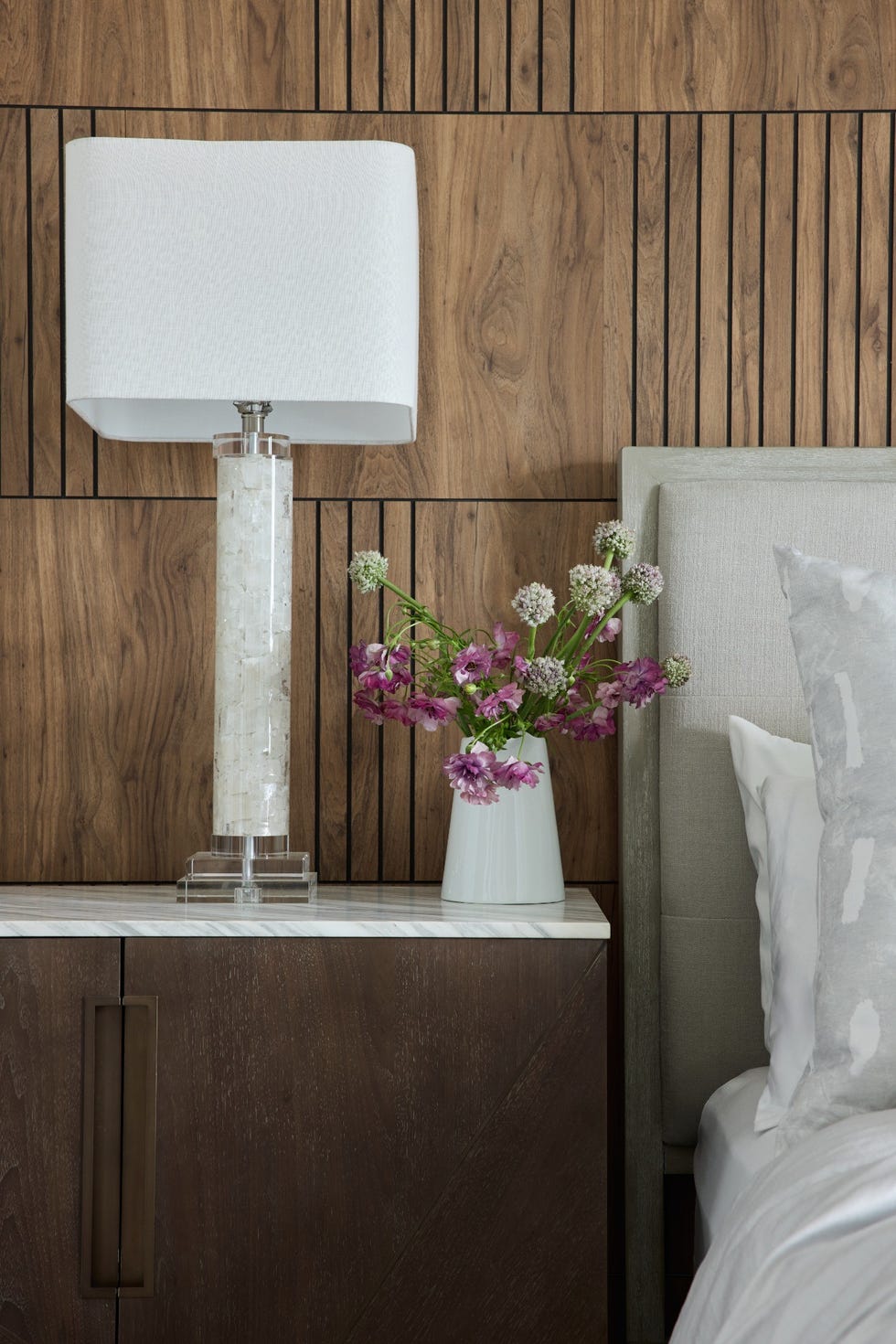
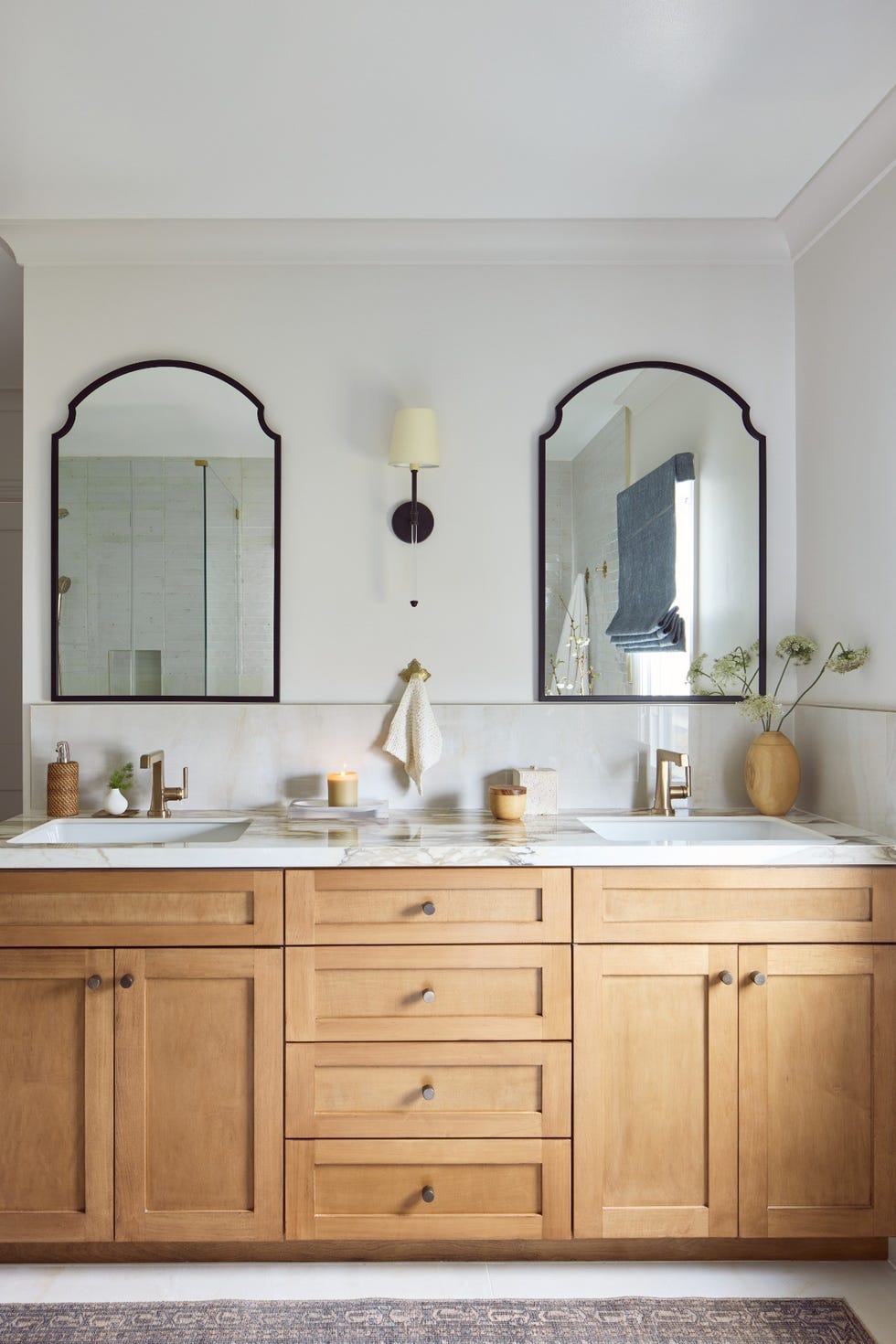
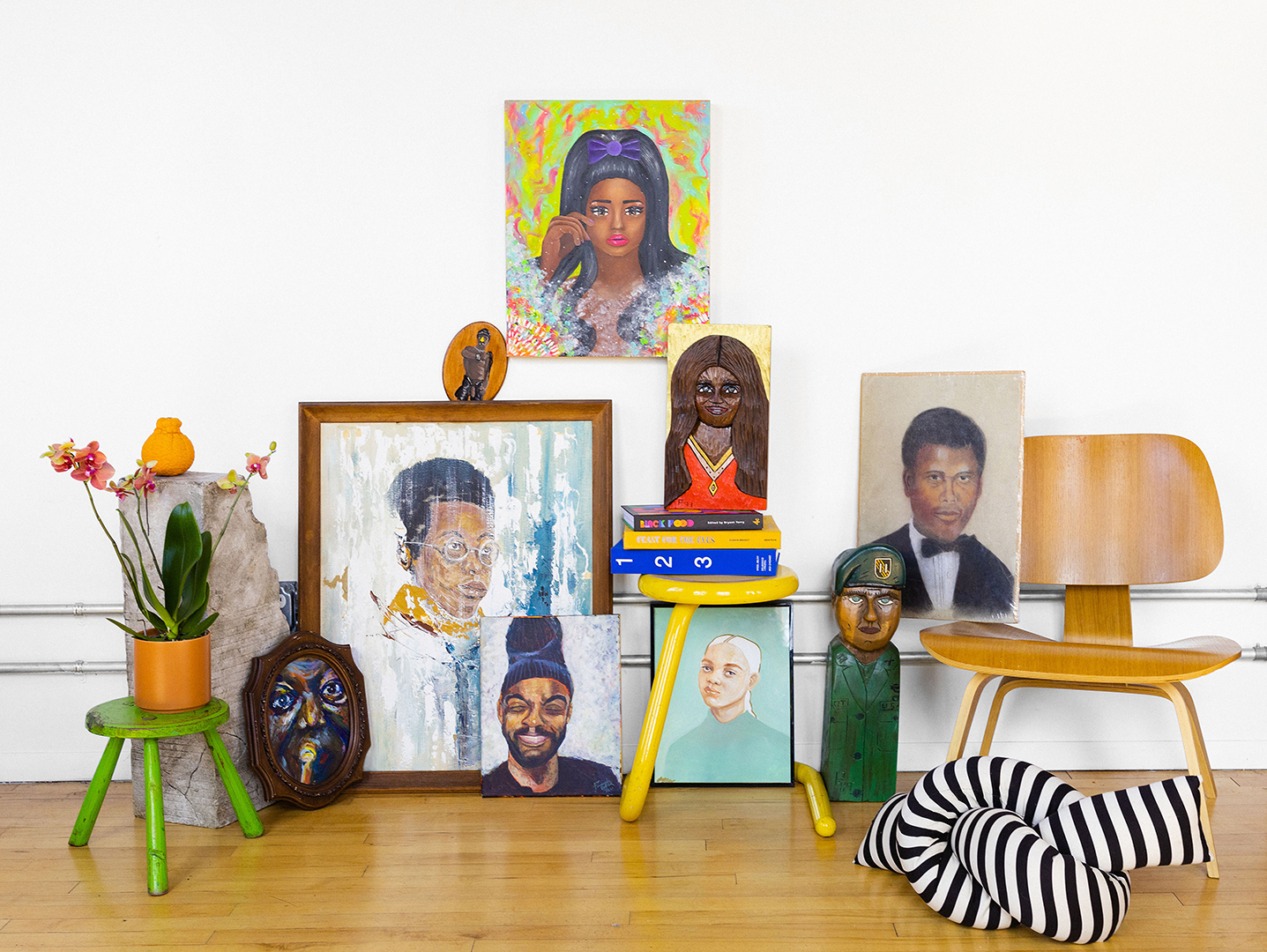
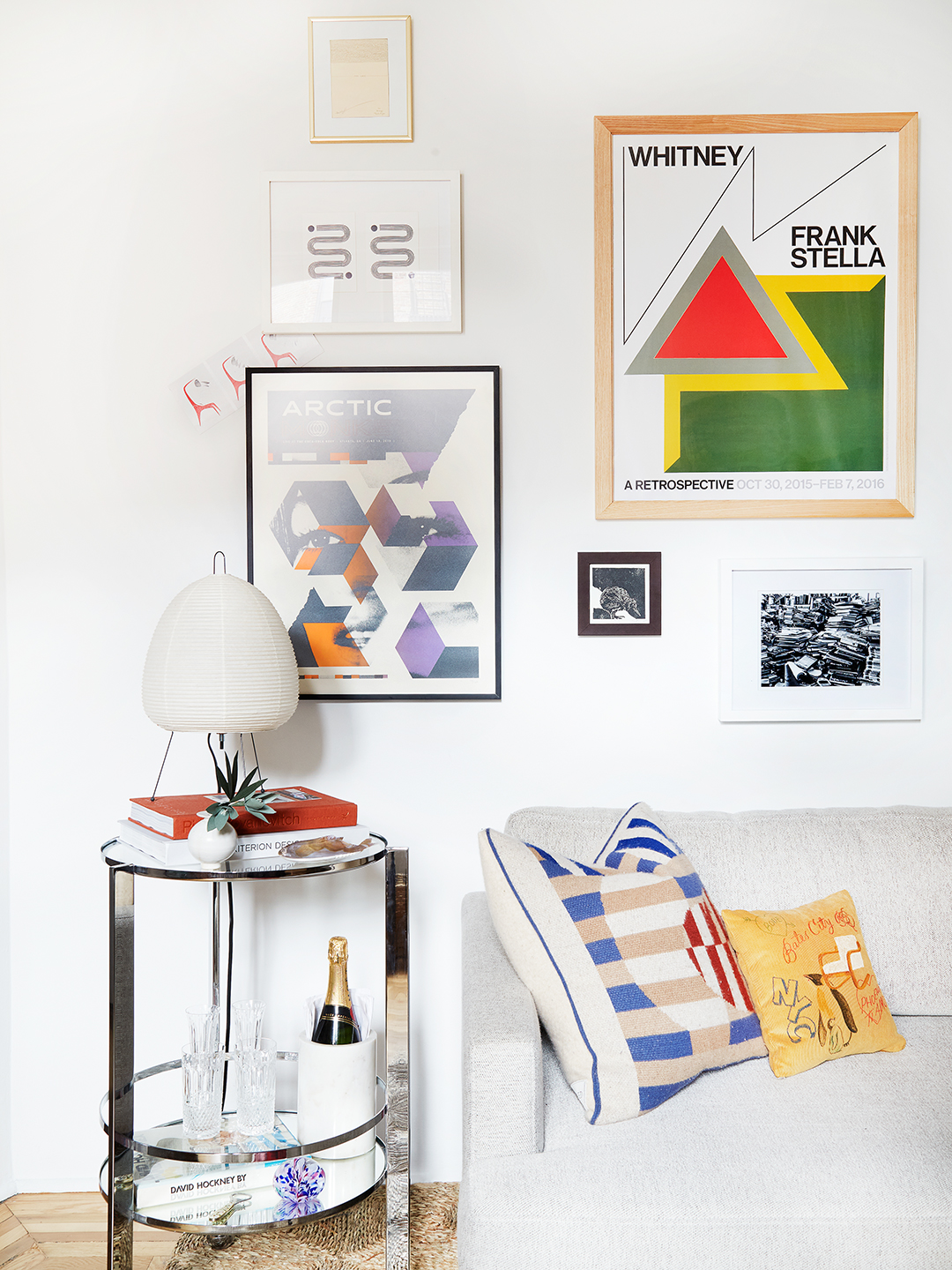
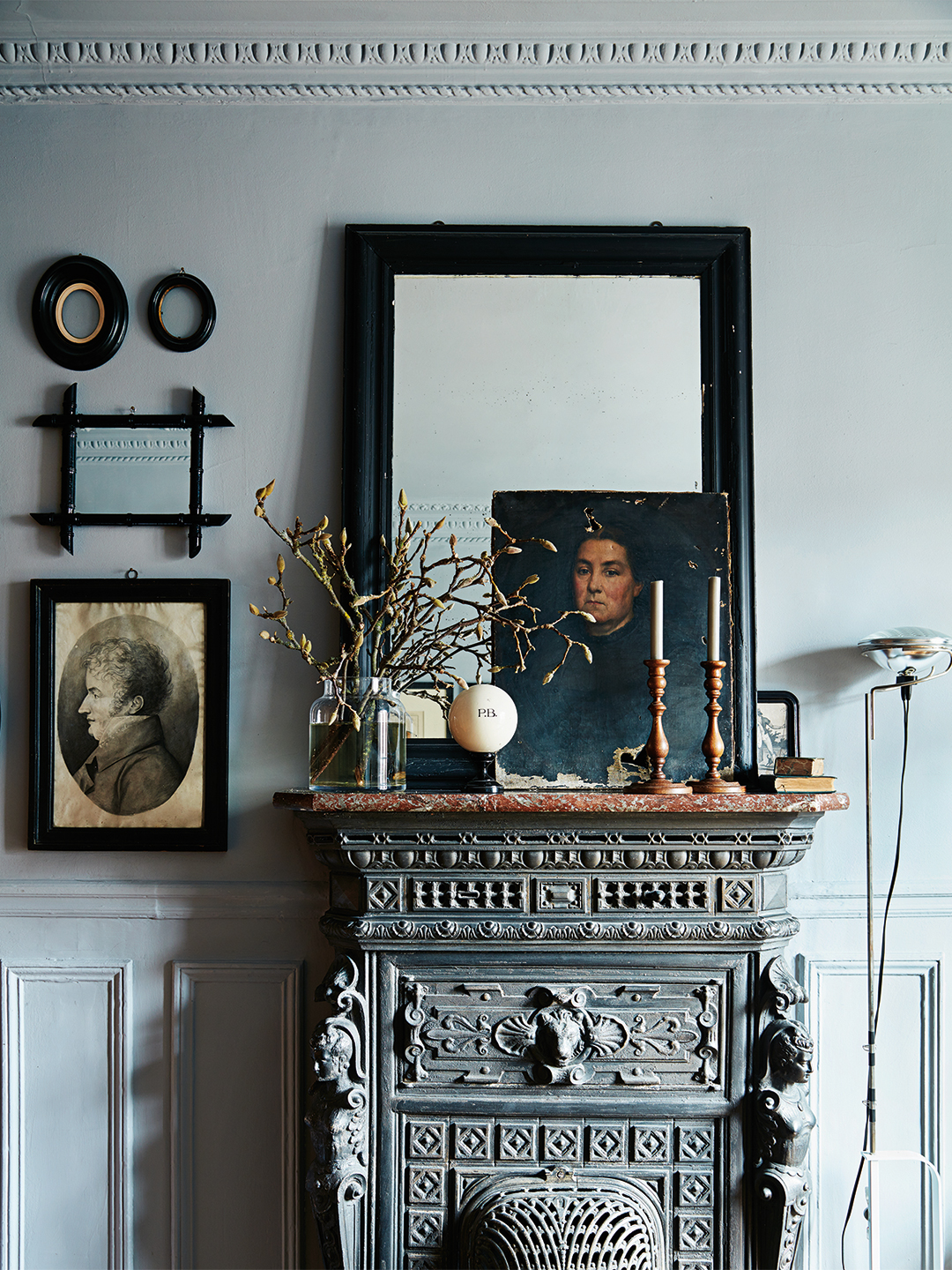
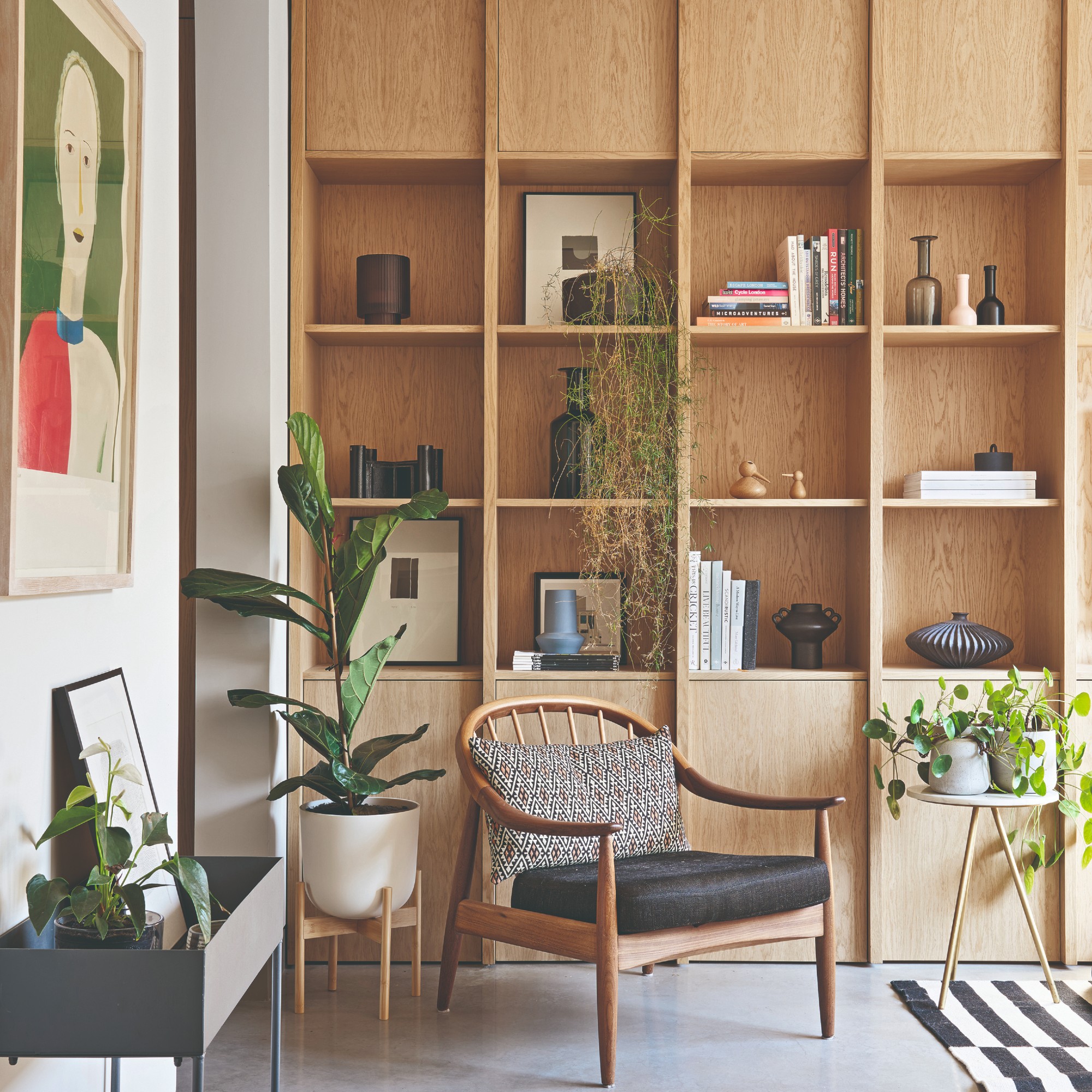
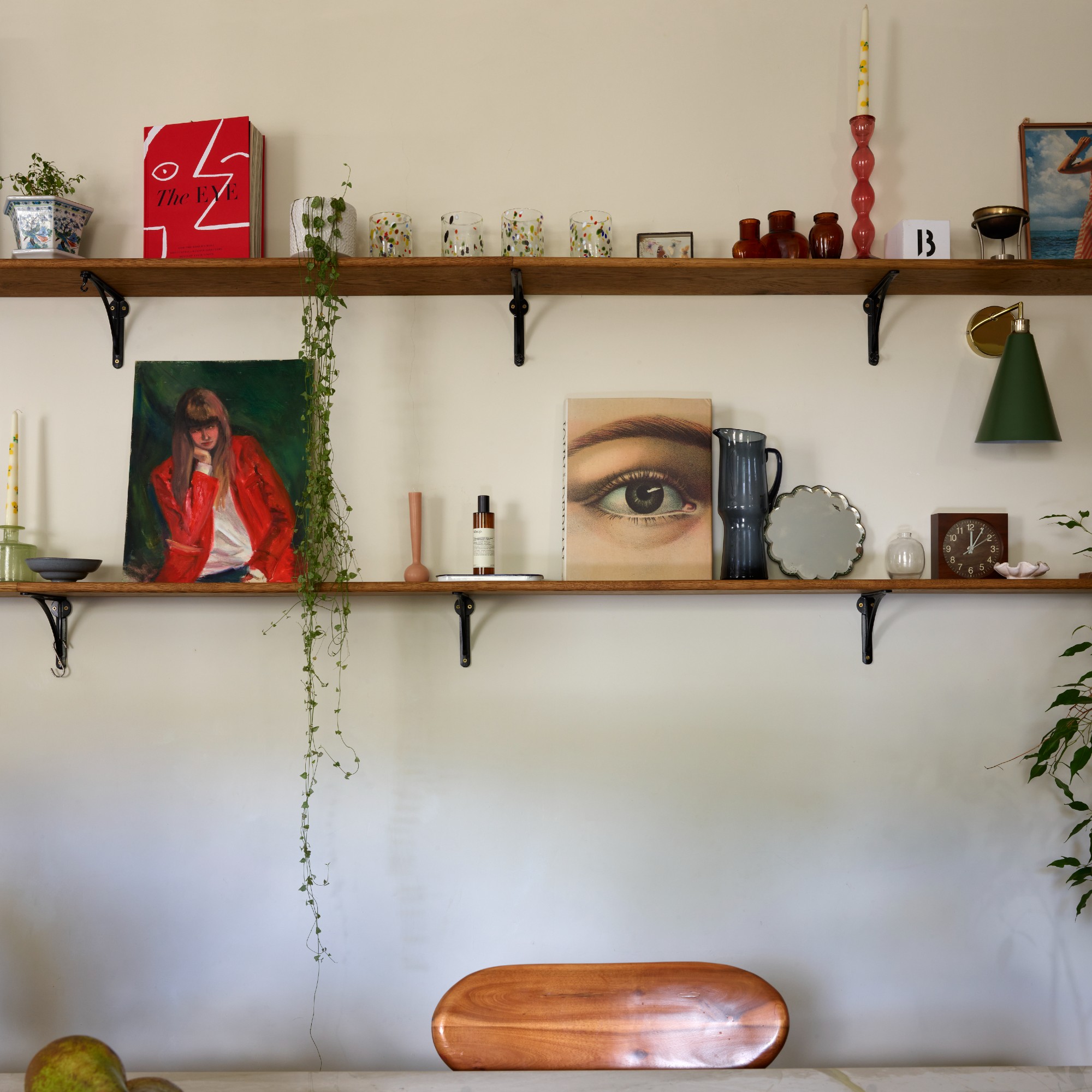
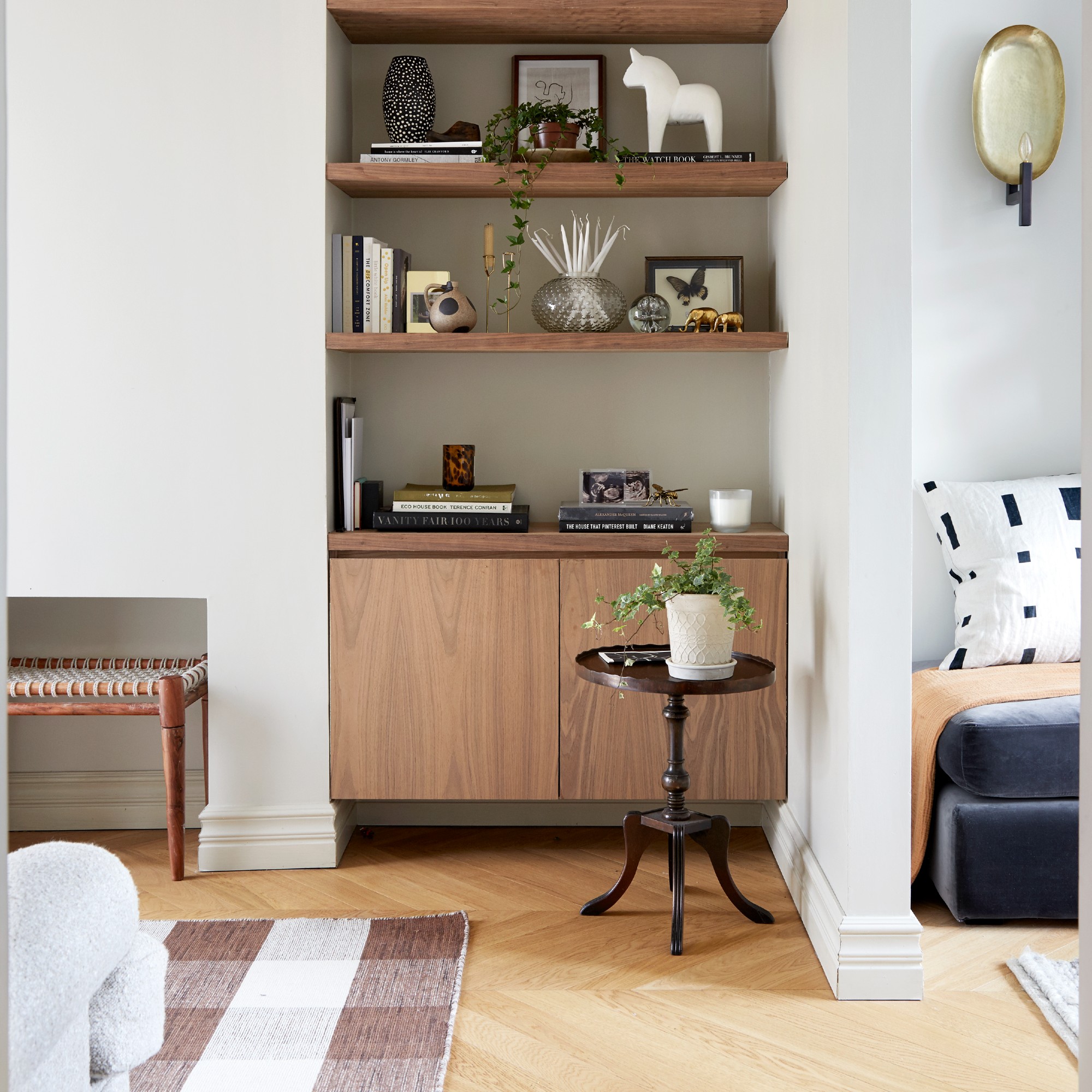
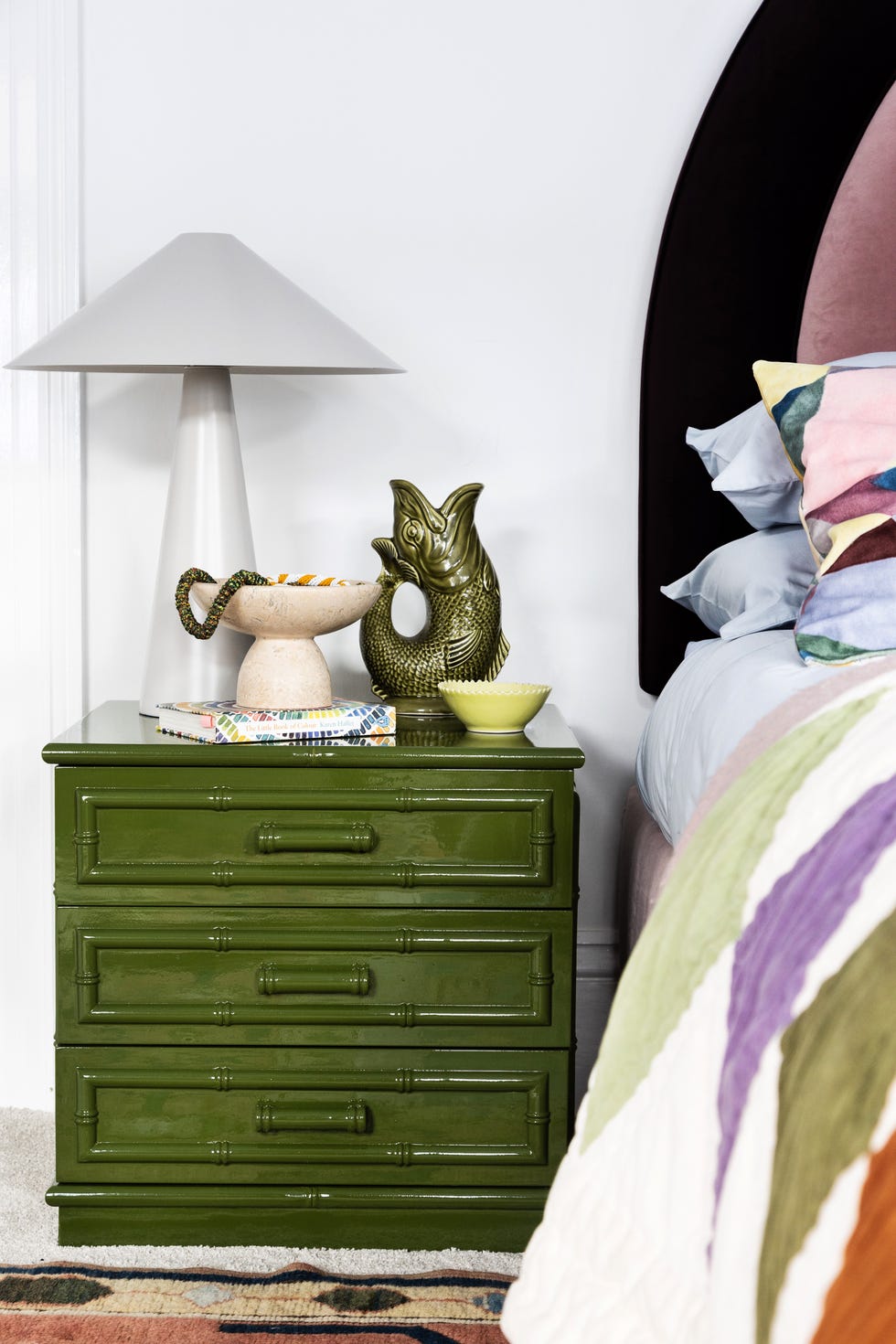
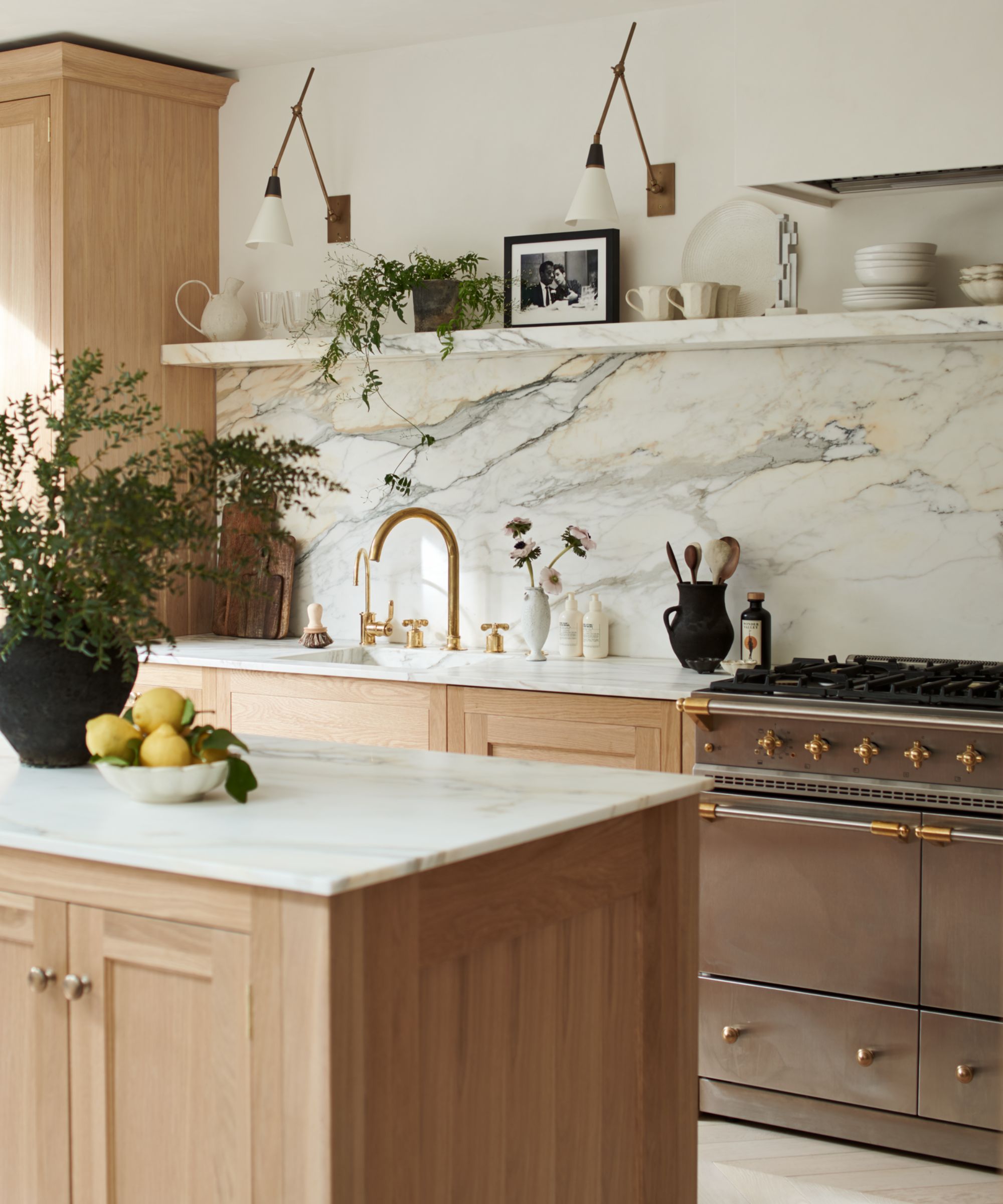
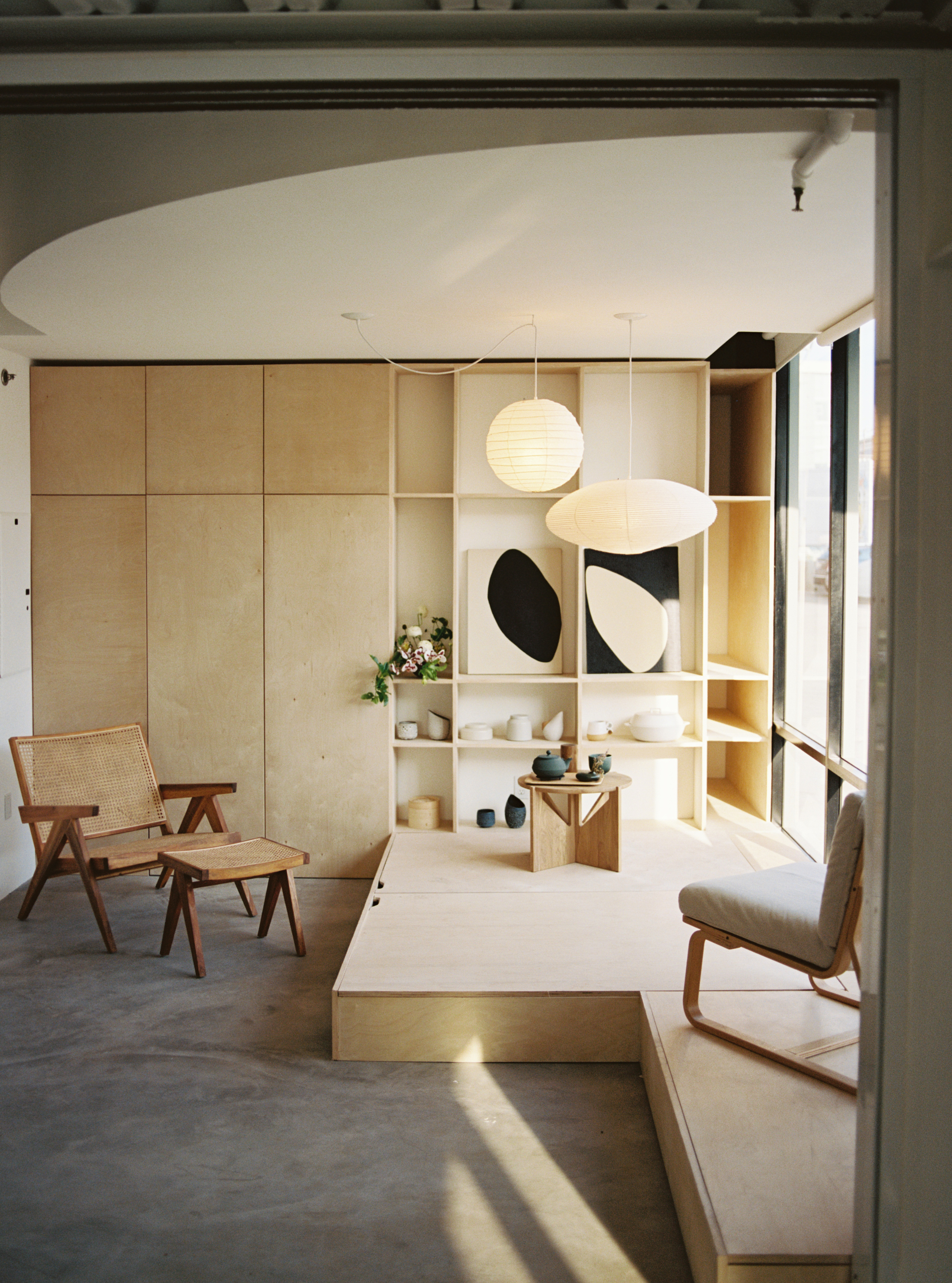
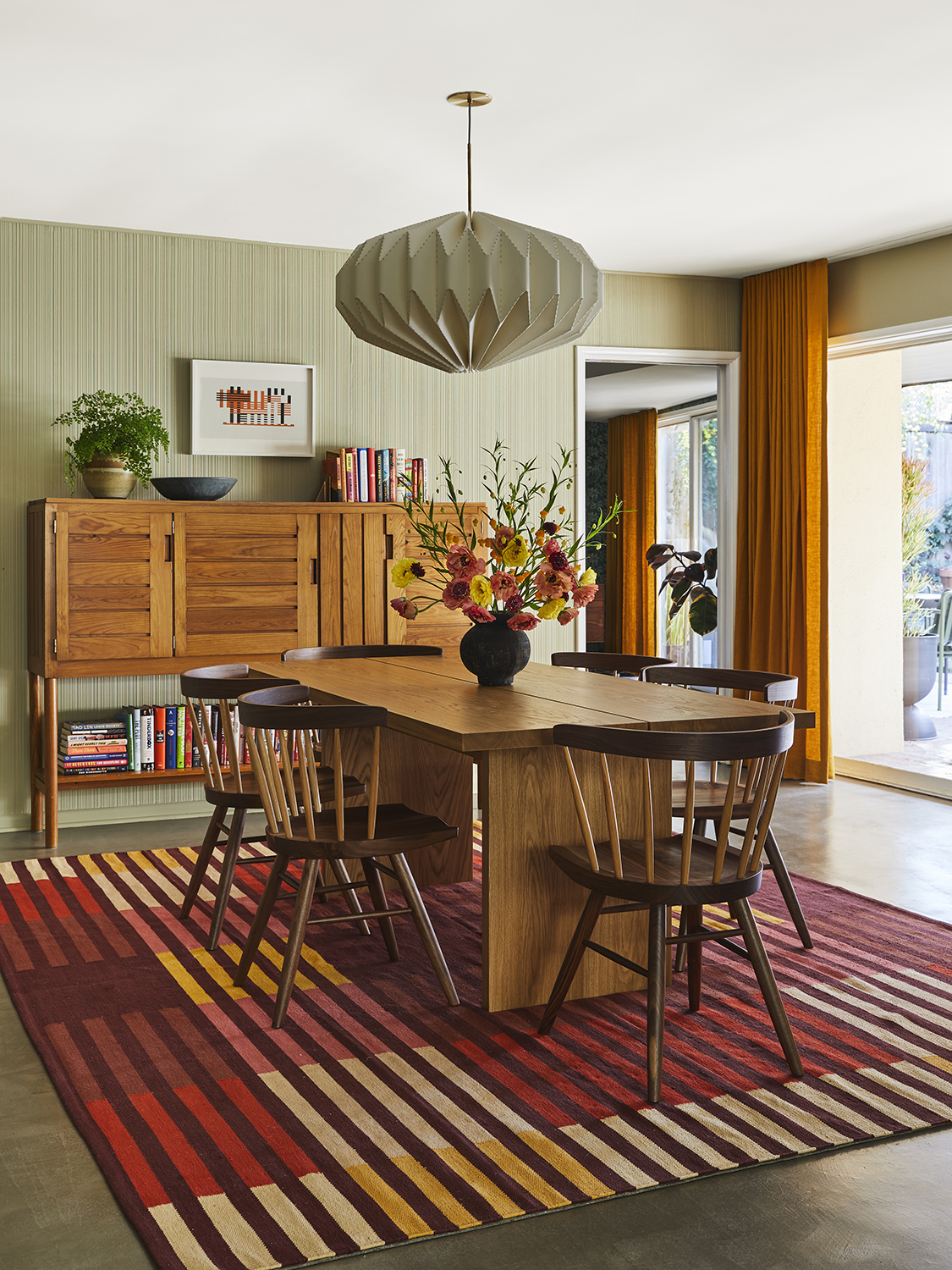
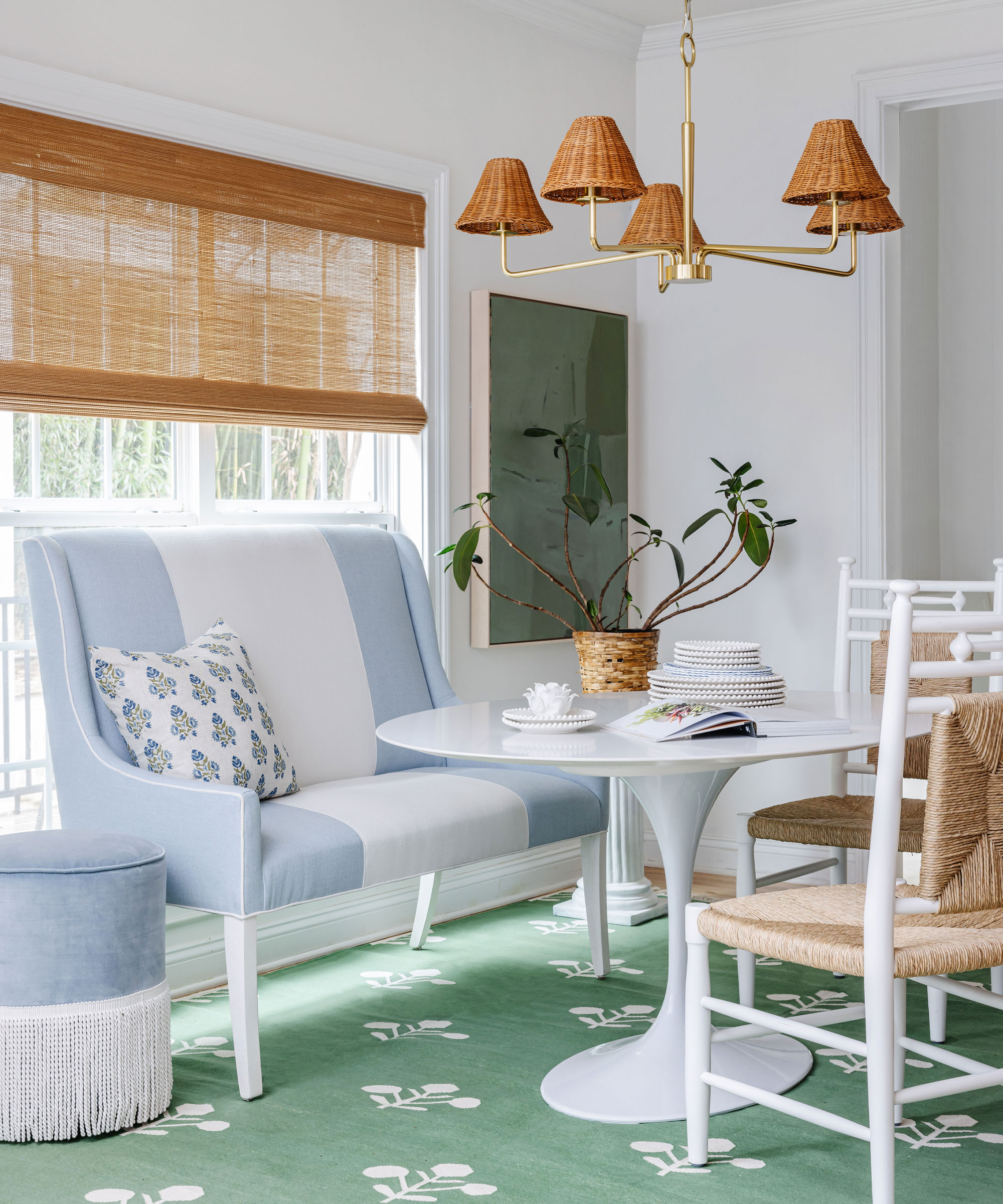
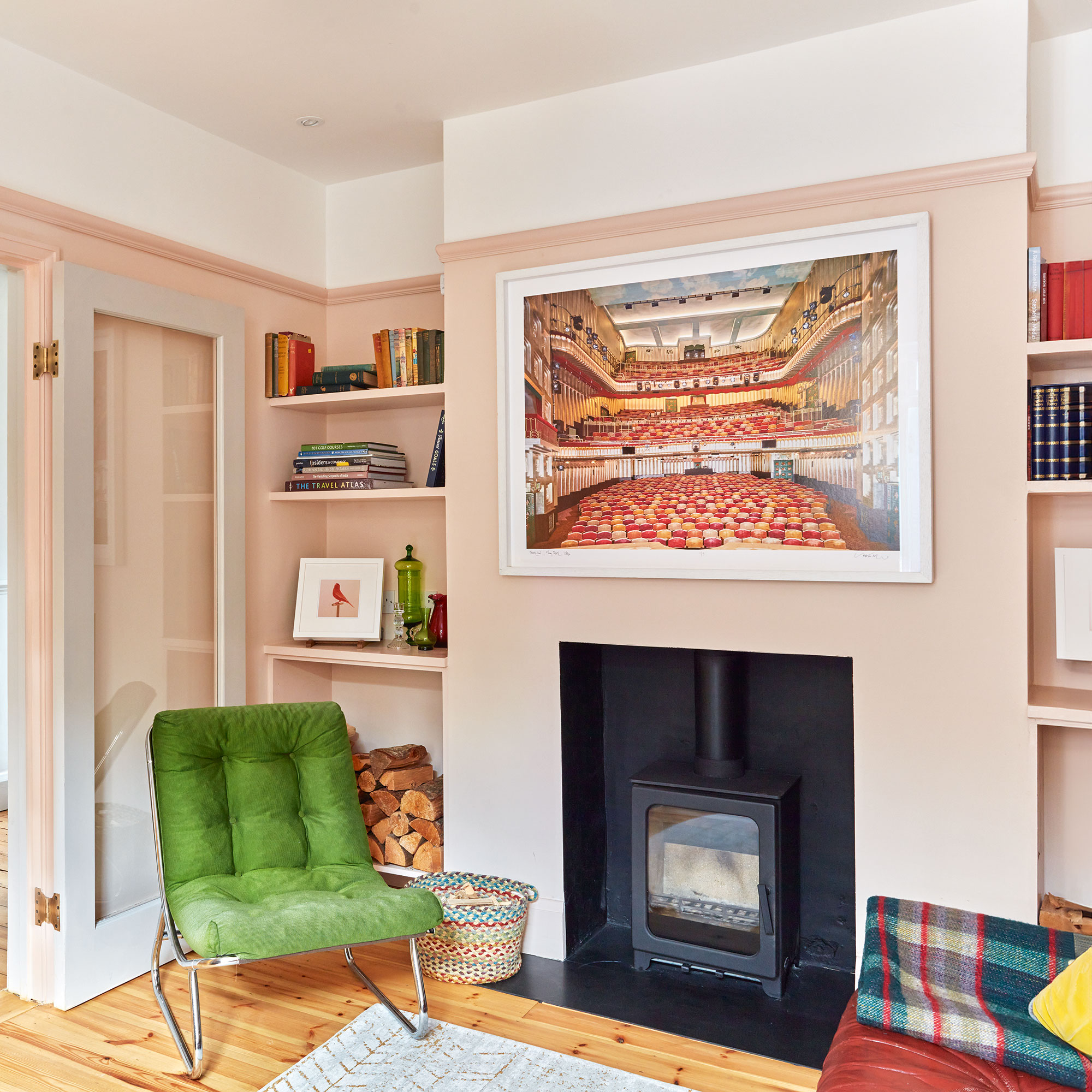
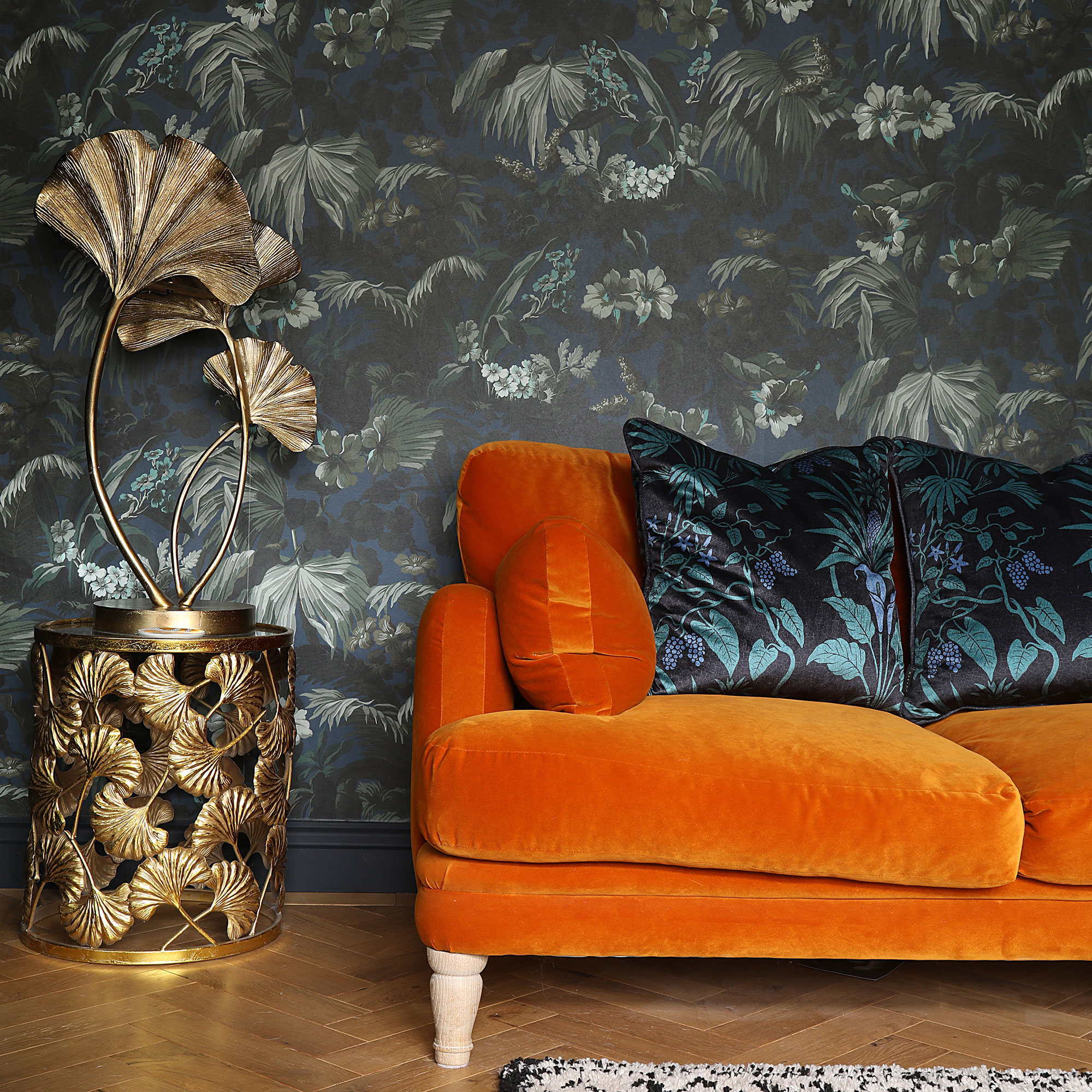
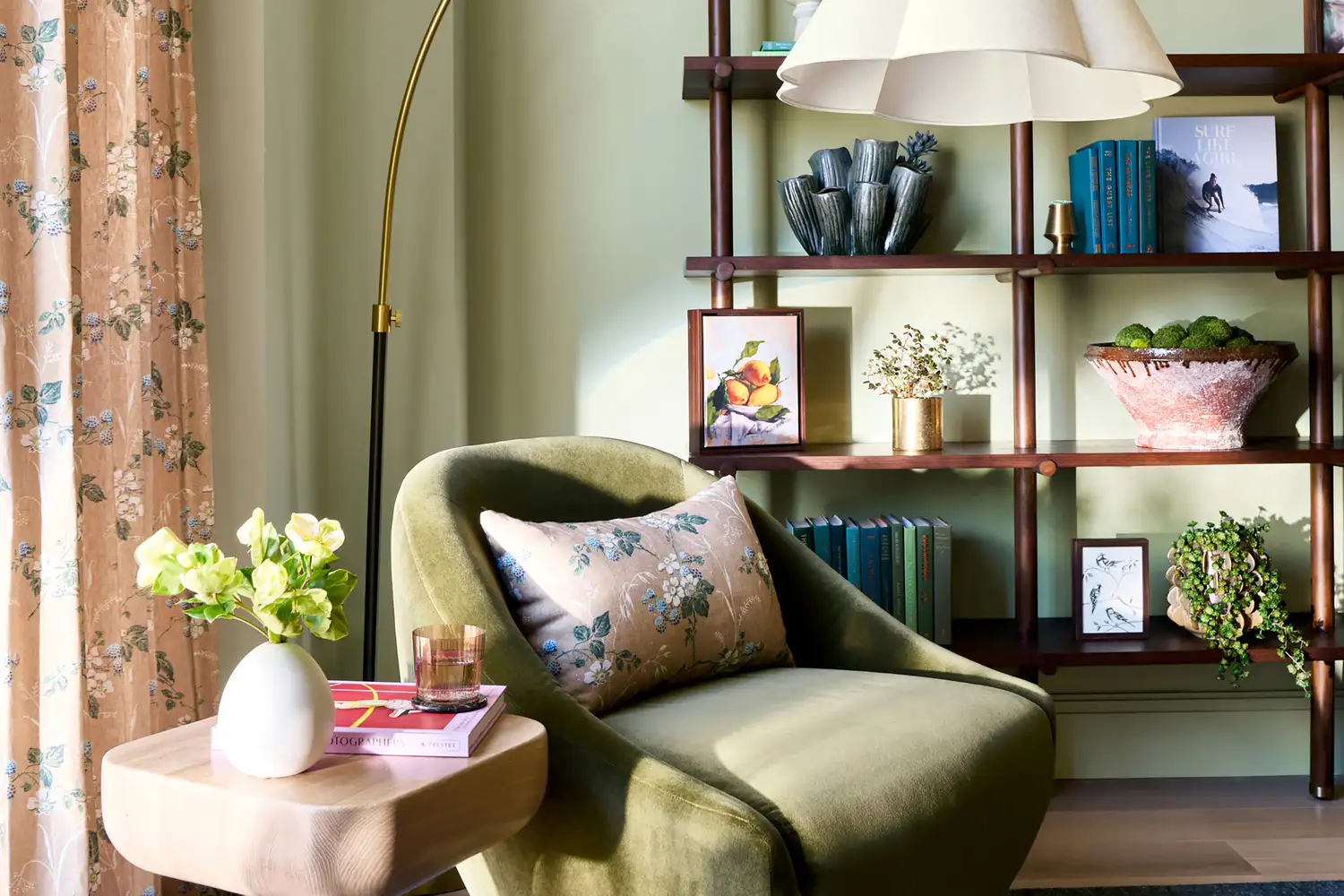
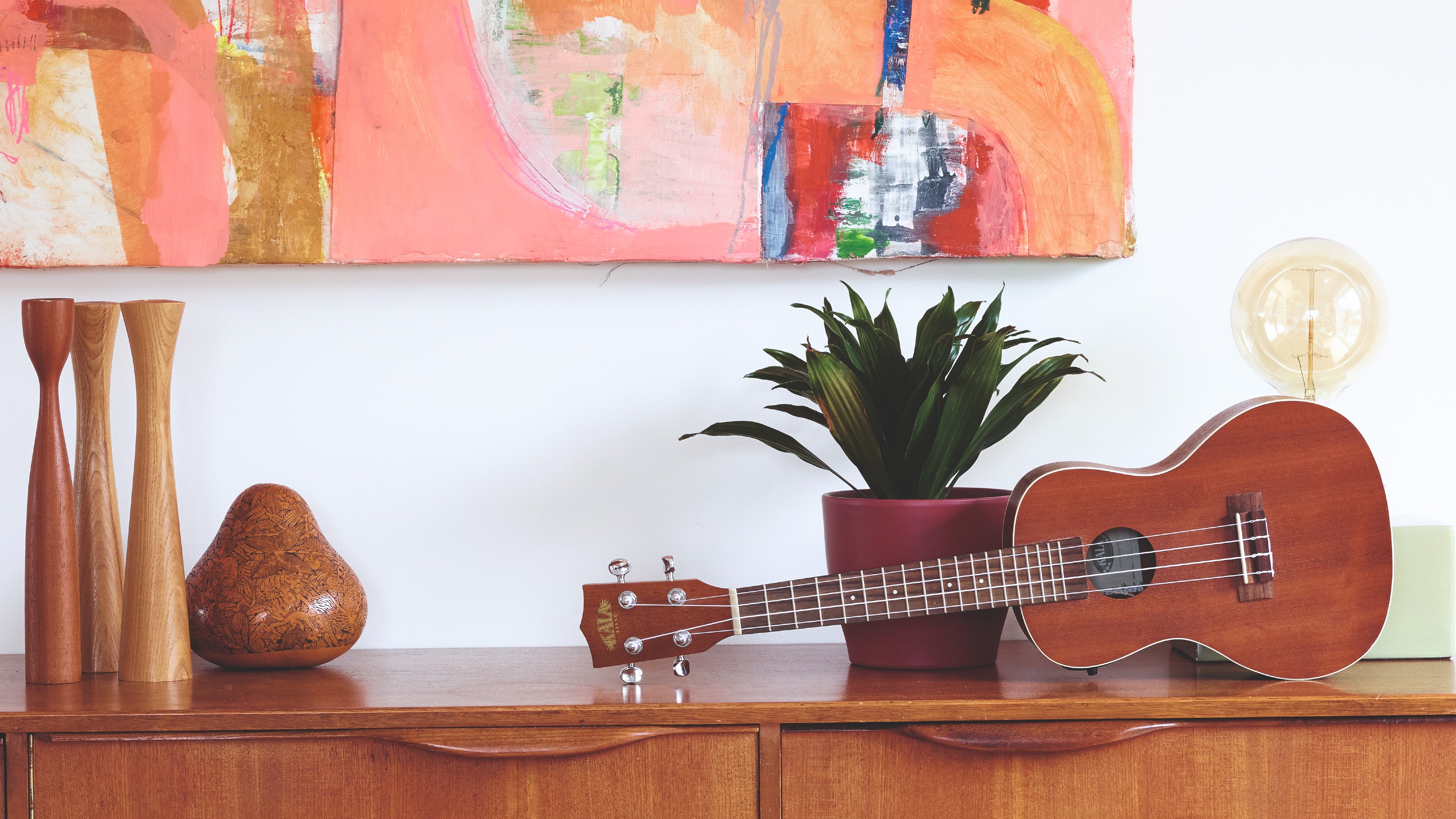
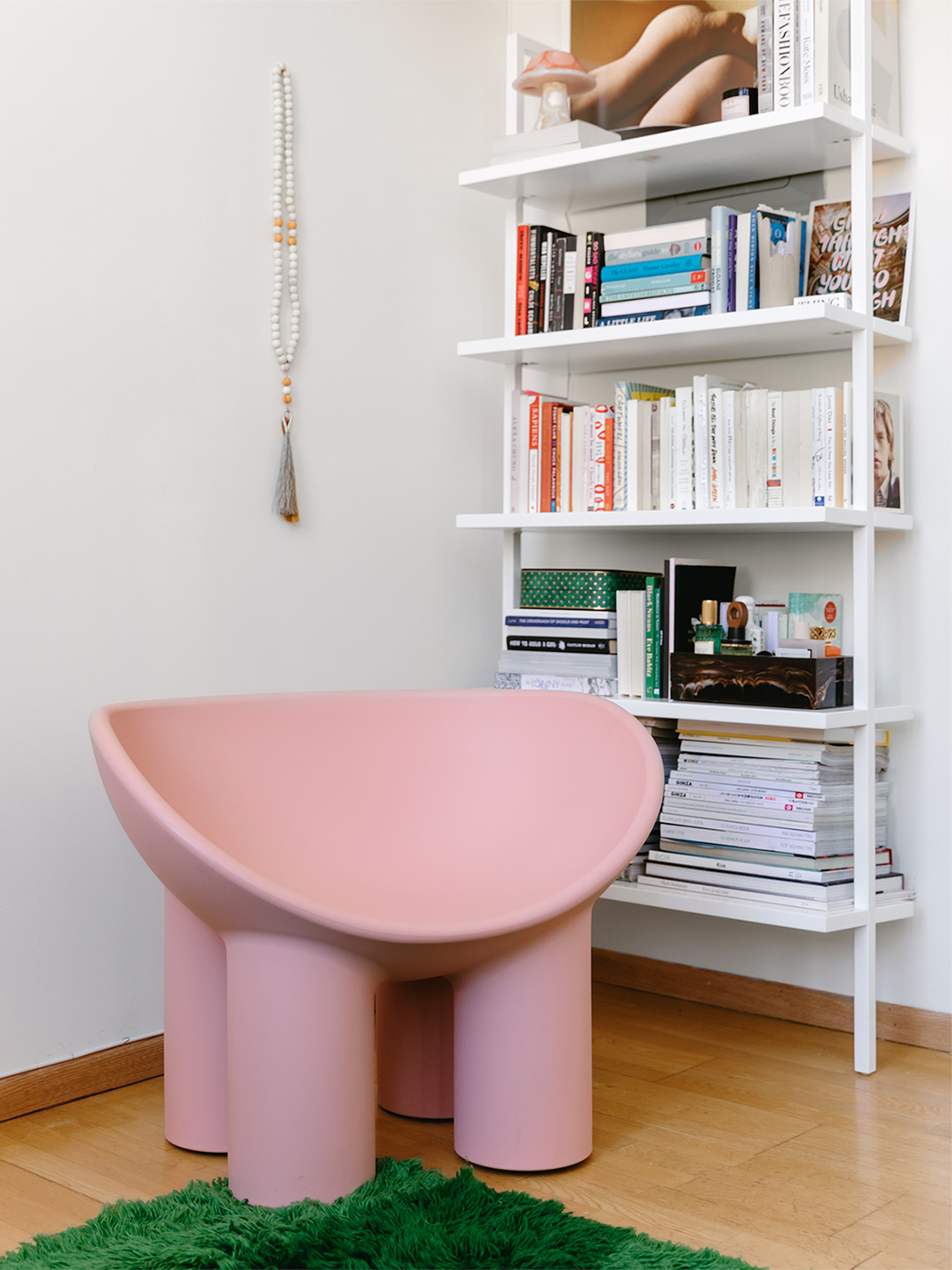
When styling accessories, Liz Hoekzema from KLH Homes suggests creating a "family" of objects by selecting items of staggered heights. This typically involves placing two larger pieces on the outside with a shorter one in the middle, then grouping two items closely while leaving the third slightly apart. This method helps to establish visual interest and can be effectively contrasted with a singular large vessel or stacks of books. It is important to note that the rule of three does not mandate perfect symmetry or the use of three identical items. Designers emphasize varying the scale and height of objects to ensure the grouping appears layered and conversational rather than repetitive. Orie Prince further clarifies that a successful trio often features a clear focal point supported by two complementary pieces, avoiding a scenario where all three items compete for attention.
Despite its widespread utility, the rule of three is not absolute and can be judiciously broken. Colhoun advises against following it too strictly, as an overly rigid application can make a space feel artificial instead of lived-in. In certain contexts, symmetry can be desirable for its calming effect, and a single, sculptural piece might make a more impactful statement than a group. For larger rooms, expanding the grouping to five or seven pieces might achieve a better sense of balance. Ultimately, the effectiveness of any design choice, including the rule of three, hinges on personal preference and whether it contributes to a space that feels right and beautiful to its occupants. The rule serves as a helpful guide, offering a foundation for creating visually appealing interiors, but it remains flexible, allowing for personal expression and adaptation to individual spaces.
#InteriorDesign #HomeDecor #DesignPrinciples #RuleOfThree #StylingTips #VisualBalance #FurnitureArrangement #DecorativeAccessories #HomeStyling #InteriorDesign #HomeDecor #DesignPrinciples #RuleOfThree #StylingTips #VisualBalance #FurnitureArrangement #DecorativeAccessories #HomeStyling
0 تعليق إجمالاً
 لا توجد تعليقات بعد
قد تعجبك أيضًا
The rule of thirds – how experts use this design trick for successful schemes

Designers Are Ditching the "Rule of Threes" for THESE Genius Styling Alternatives

The 3-5-7 styling rule is how to make your shelves look good
How Designers Style Coffee Tables to Feel Finished (Without Overdoing It)

The rule of three is the secret behind every beautiful home - here's how it works

Finally, an Easy-as-1-2-3 Equation for Styling Your Bookshelves

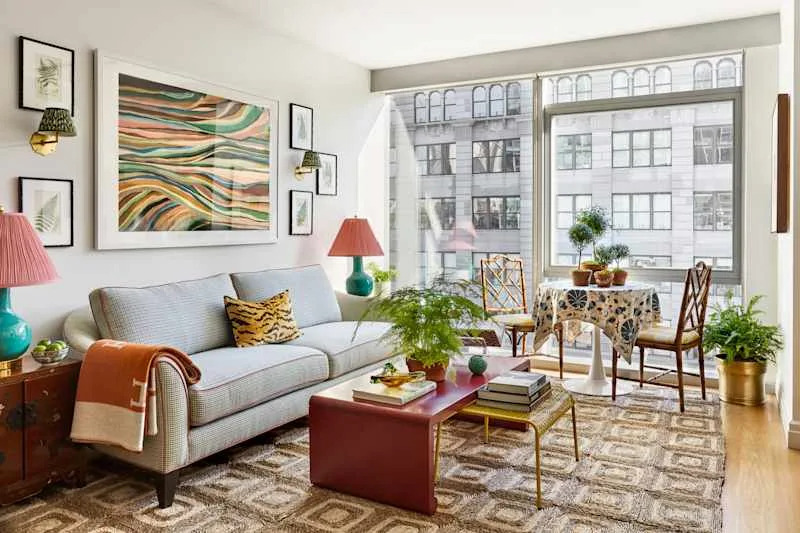
My Designer Friends Swear By the "Two-Thirds Rule" for Living Room Sofas and More

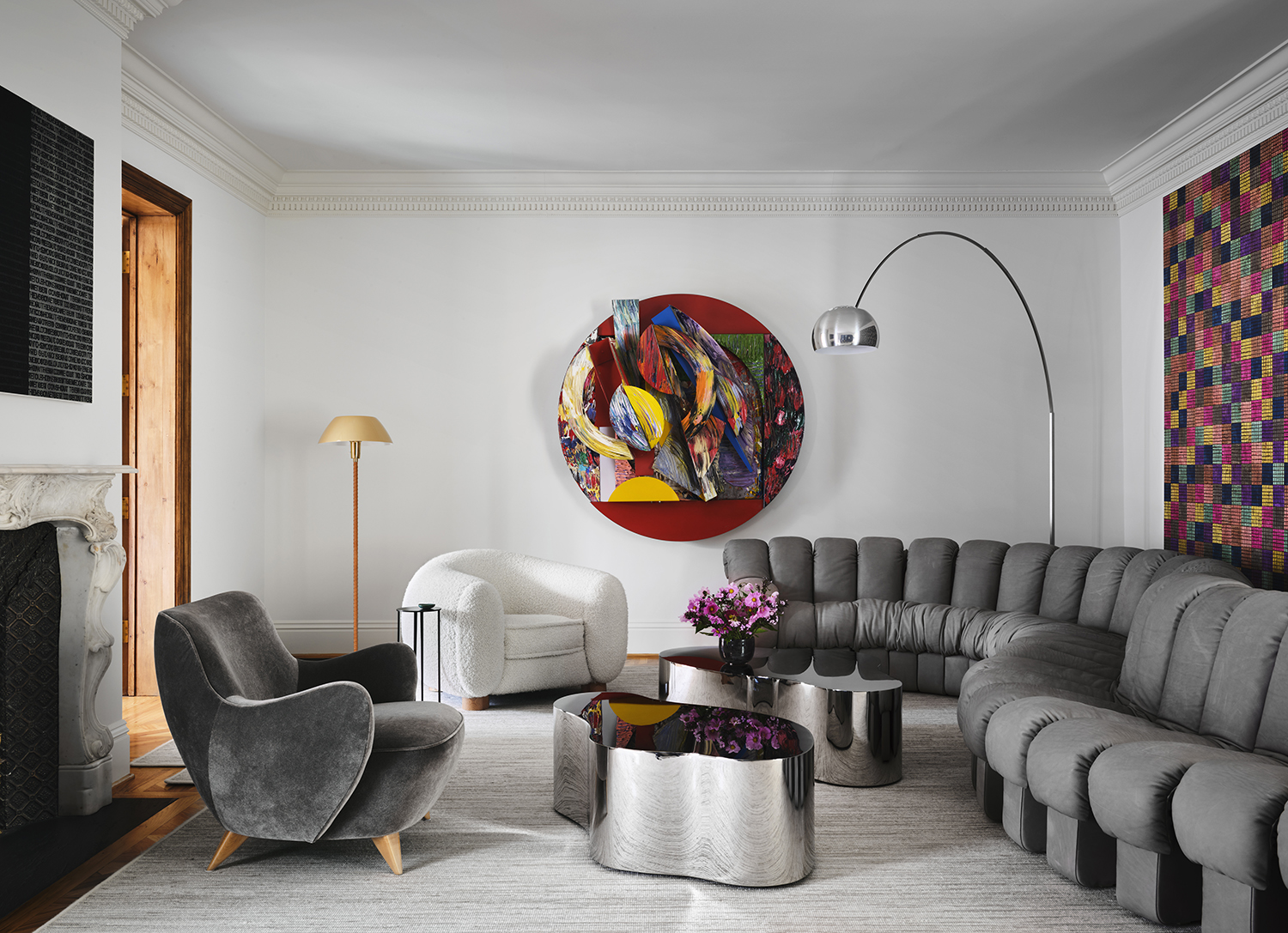
Rhythm in interior design - 11 ways to use this clever technique for rooms that look professionally done

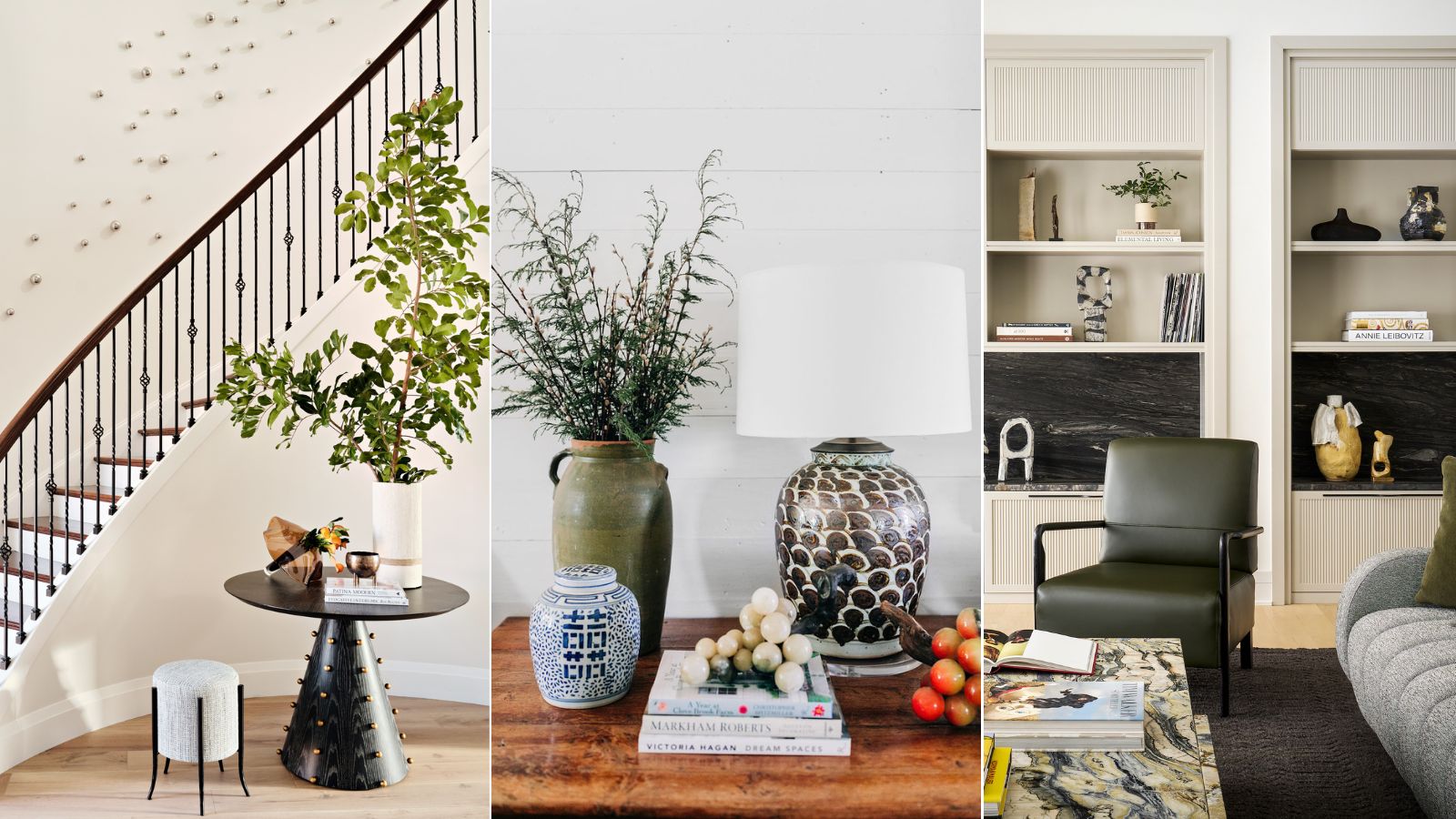
12 vignette ideas that make for a collected, curated arrangement

Zendaya uses the 'rule of three' design principle to bring a rhythmic pattern to her coffee table
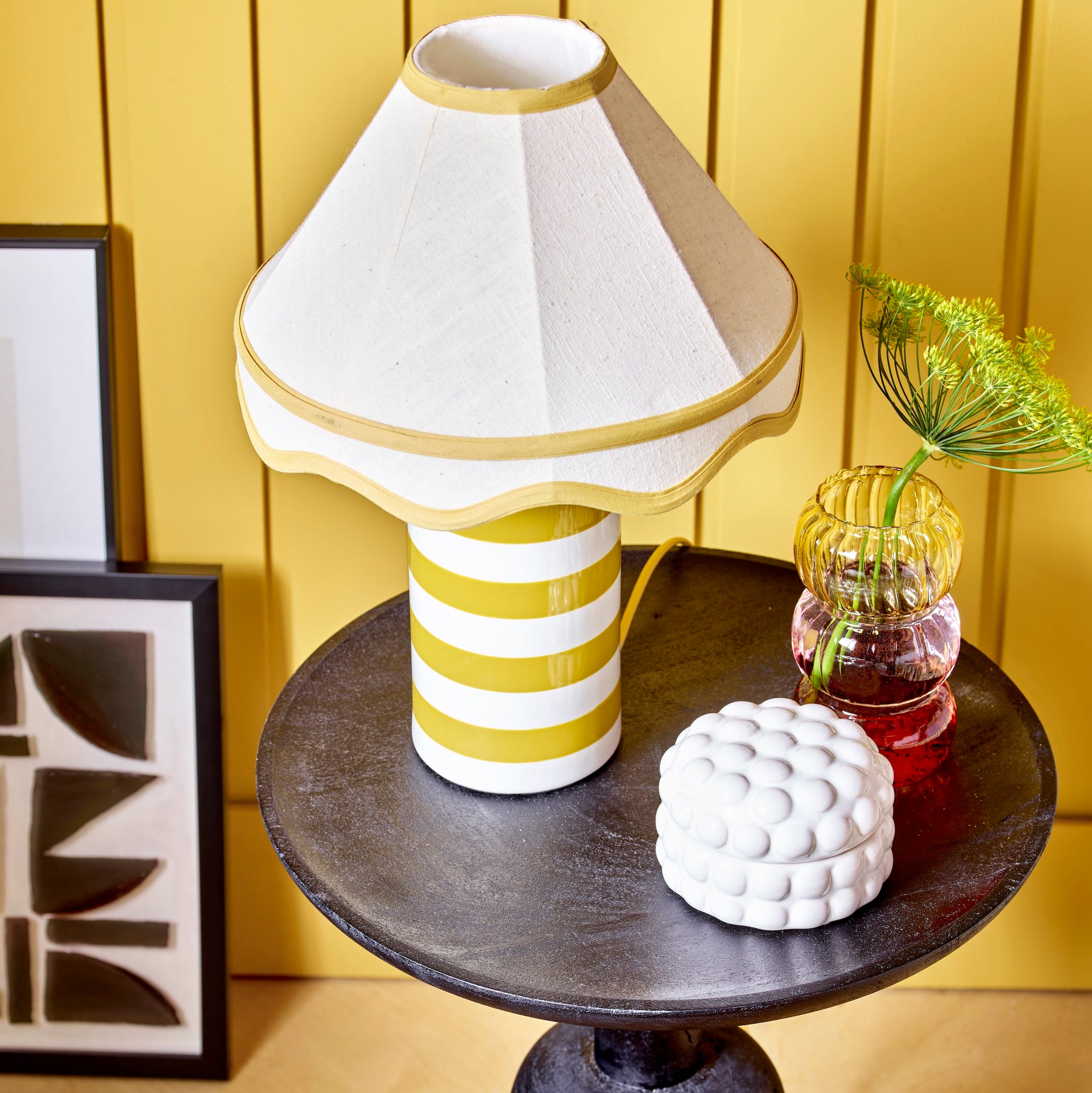
3 Table Lamp Rules Interior Designers Say You’re Probably Getting Wrong
How to create repetition in interior design – 7 ideas for decorating success
Why Designers Use the Rule of Thirds in Every Design Project

This interior-designer-approved vignette formula will transform under-used corners in an instant
The Kitchen Lighting 'Rule Of 3' Will Instantly Make Your Space Look Expensive – And Designers Swear By It For A Perfectly Layered Scheme
4 rules interior designers always use to plan the perfect living room layout - these tried-and-tested tricks work every time
I tried the 3-5-7 styling rule – and it made my home feel more curated
Kathy Kuo's 3 essential coffee table styling rules – for a truly chic display
Oh, so It's This Nature-Inspired Color Rule That's the Reason Your Home's Scheme Doesn't Feel Like It's Working
The ‘Rule of Thirds’ for Making Your Home Look More Expensive for Less Money