The quick-fix value of a bamboo room divider
The author reflects on a purchase made during the pandemic lockdown in the United Kingdom: a bamboo room divider. The need for this item arose in February 2020, when the author noticed holes in their blackout curtains. These holes allowed sunlight to intrude directly onto their bed, becoming a persistent nuisance during the lockdown. Traditional solutions like replacing made-to-measure curtains were deemed too expensive, time-consuming, and labor-intensive. Attempts to patch the holes with stickers were unsuccessful, as the stickers would not adhere properly.
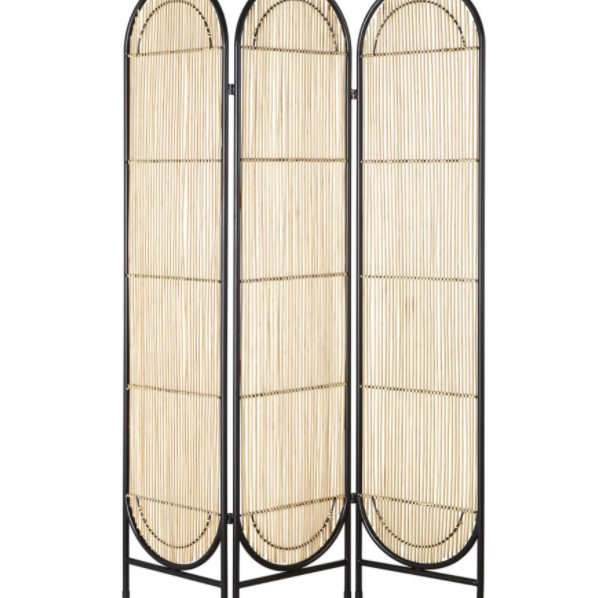
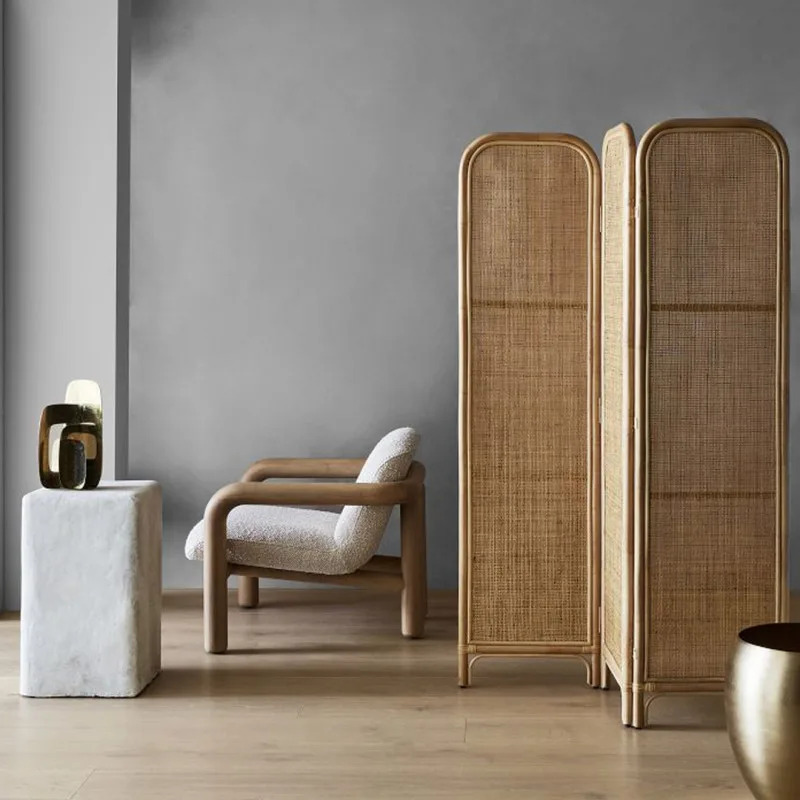
The search for an alternative led the author to consider a physical barrier against the intrusive daylight. An online search revealed a bamboo room divider priced at approximately £60 ($85). Initially, the author hesitated due to a general reluctance to return items and concerns about the logistical challenges of returning a large, six-by-eight-foot bamboo product. However, the purchase was eventually made. Upon arrival, the item was rolled up and resembled a floor mat, leading to an initial moment of confusion and a brief thought of using it as a mat instead.
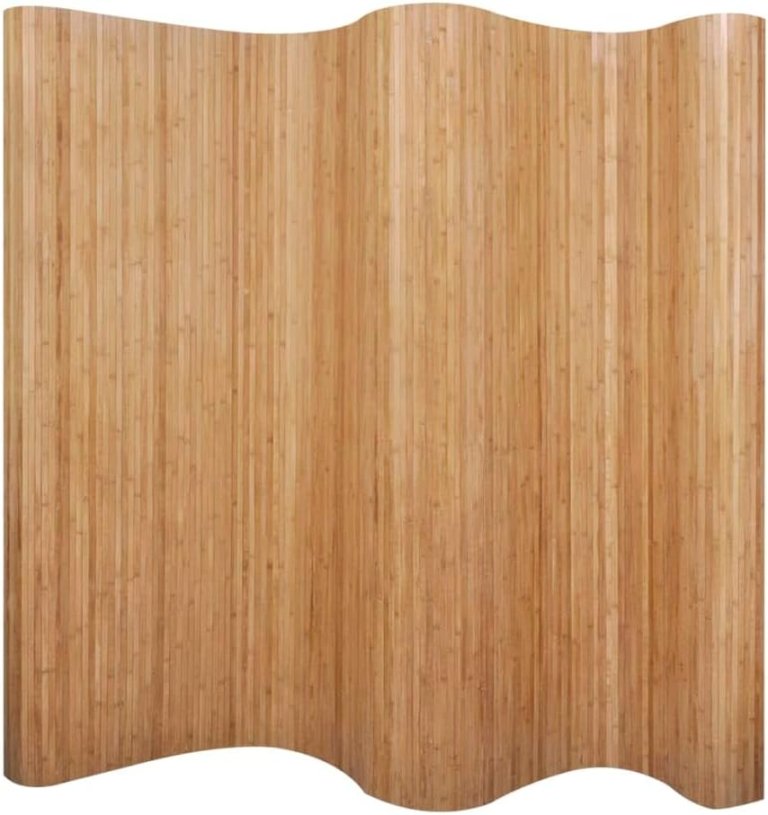
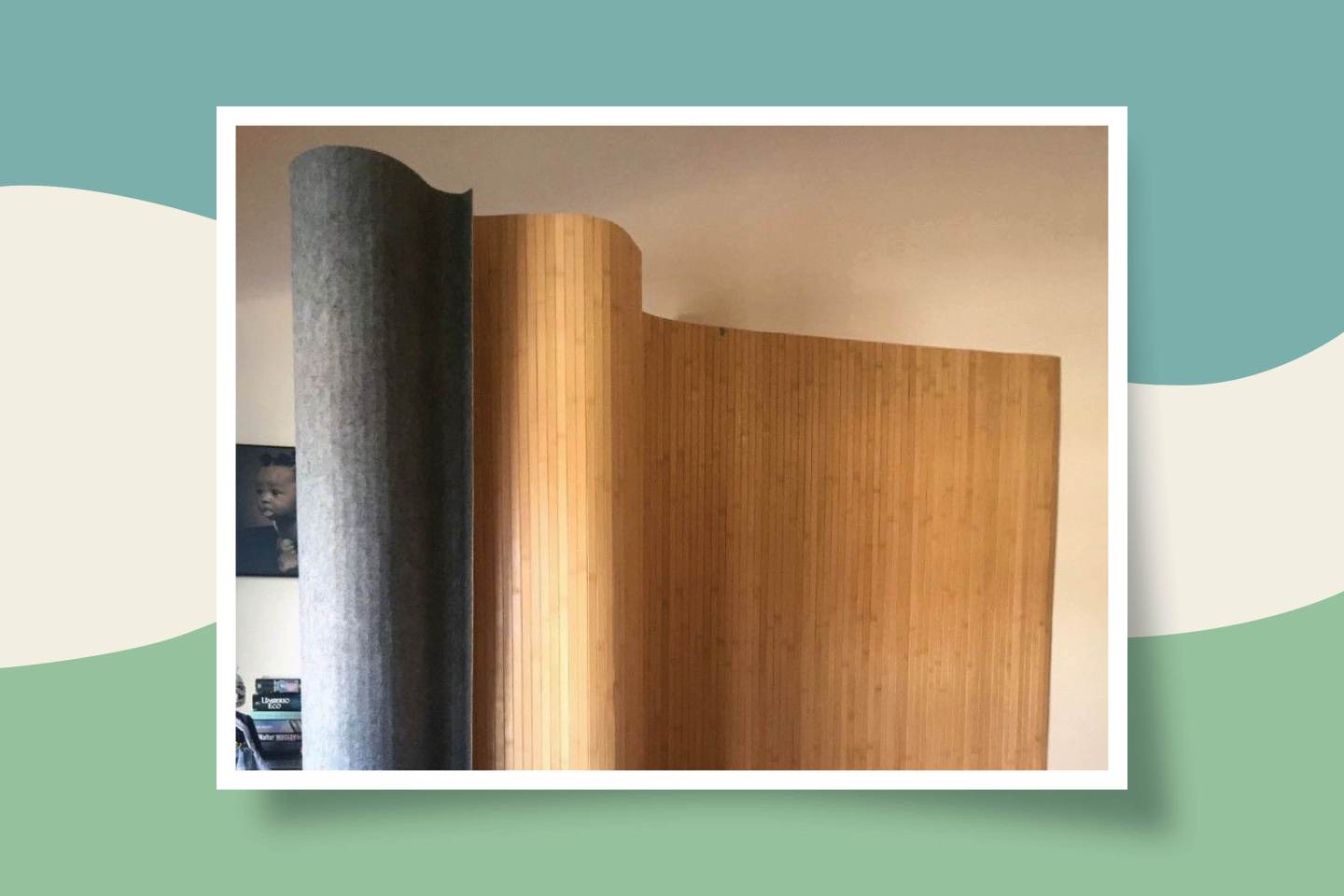
The room divider was constructed from real bamboo strips adhered lengthwise to a backing material, described as cheap but serviceable gray polyester carpeting. This construction made the divider flexible, allowing it to be bent into various curves. However, this flexibility also presented a stability issue; the divider's ability to stand depended on strategic curving. A period of trial and error ensued, including an incident where the divider toppled over after being accidentally kicked. The author realized that stability could be achieved by wedging the divider between a wall and existing furniture.
Since the author's bed lacked a headboard, the solution was to jam the flexible divider behind the bed, leaving half of it free to be molded around the side of the bed. This arrangement effectively blocked the stray beams of light, fulfilling its primary purpose. Despite its unusual appearance, the author grew accustomed to the asymmetry. Beyond light-blocking, the divider offered additional benefits, such as creating a small alcove for personal items like books, a nightlight, and cigarettes. The ability to manipulate its shape to create curves and semicircles against the straight walls also added to its appeal, reflecting the author's moods.
Furthermore, the bamboo room divider proved to be highly functional in the context of working from home. As the author spent eight to ten hours daily in their bedroom, which also served as an office, the divider gained a practical 'day job'. During Zoom or other video calls, it could be easily repositioned to conceal clutter, such as mugs, papers, and dirty laundry, from the camera's view. This allowed for a quick transformation of the workspace, hiding any disarray behind a curving bamboo wall. The bamboo material evoked nostalgic feelings of sun, home, Malaysia, and makeshift beach shacks. The author also found inspiration in hanging textiles from Southeast Asia on the bamboo strips, freeing them from storage. The author is now considering purchasing another bamboo divider for the other side of the room, highlighting its unexpected versatility and enduring value during the lockdown period.
#PandemicPurchases #HomeDecor #RoomDivider #Bamboo #LockdownLiving #WorkFromHome #HomeComforts #Furniture #PandemicPurchases #HomeDecor #RoomDivider #Bamboo #LockdownLiving #WorkFromHome #HomeComforts #Furniture
0 تعليق إجمالاً
 لا توجد تعليقات بعد
قد تعجبك أيضًا
Bamboo furniture to buy now: beds, footstool, room divider
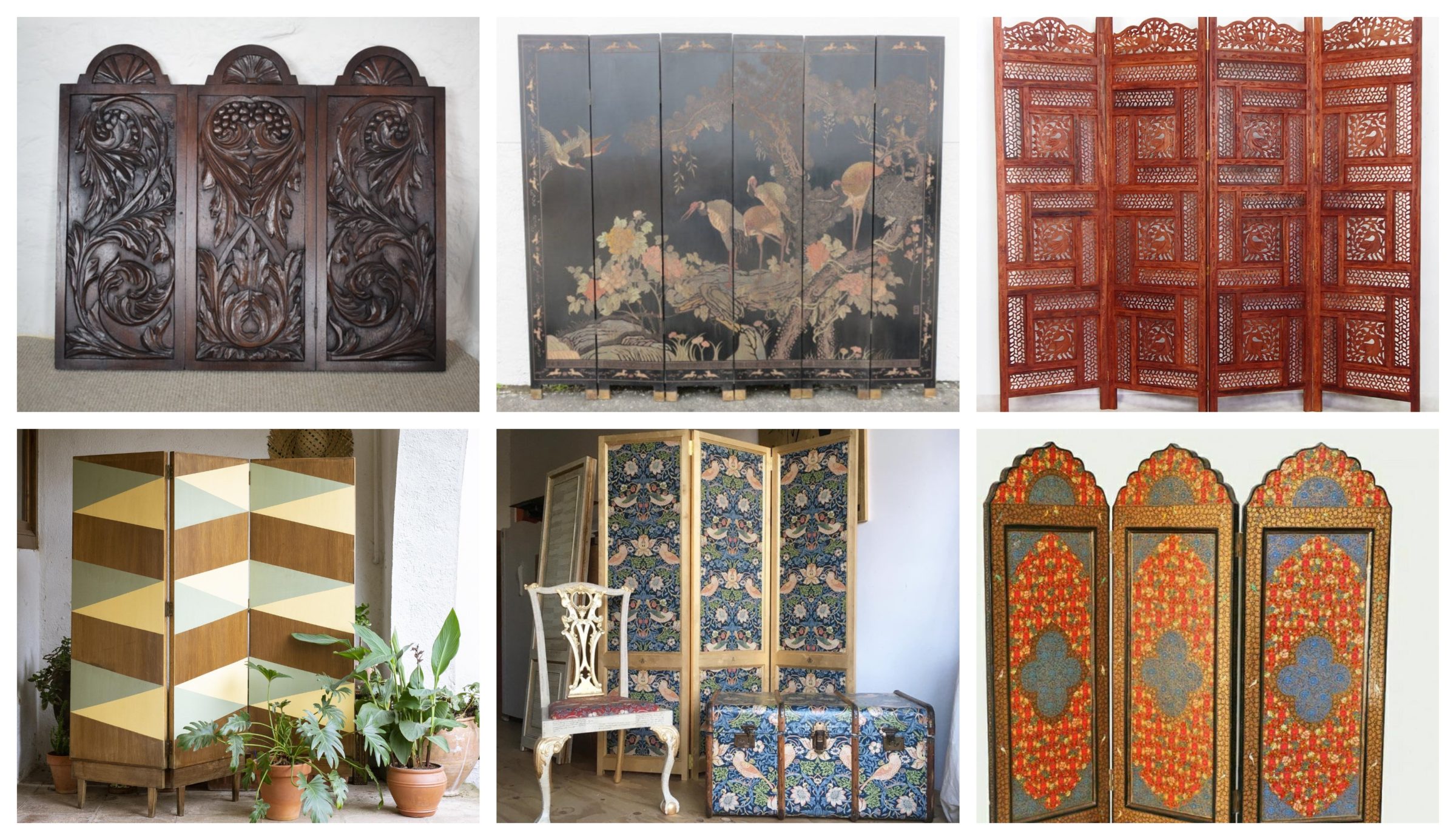
9 vintage room dividers you can buy on Etsy


Separating Your Space? 16 Room Dividers to Try


2,000 IKEA Hangers Upcycled Into Dynamic Chromatic Screen Room Divider
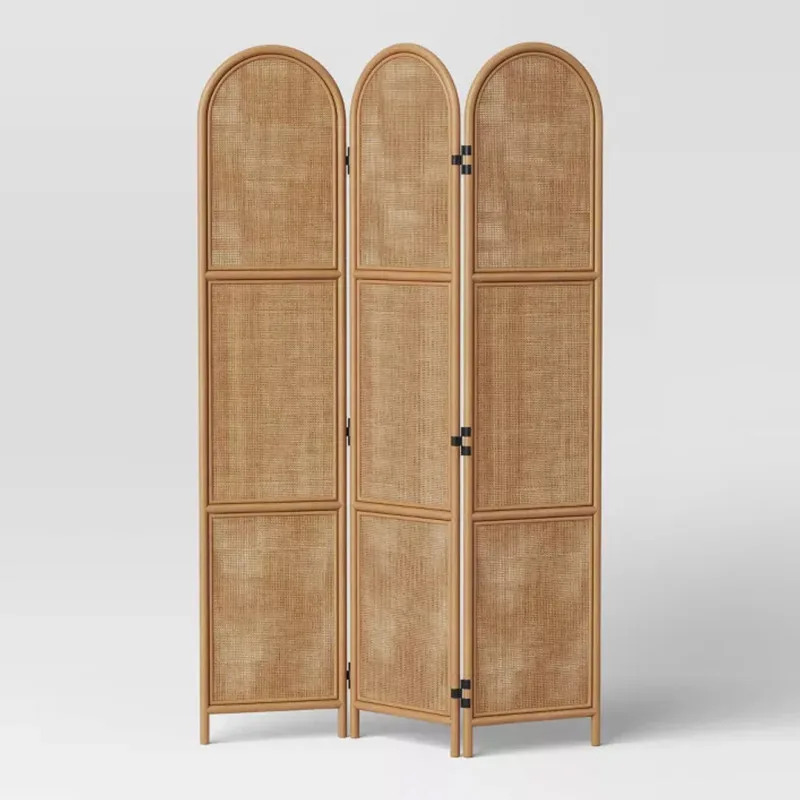
Target Is Selling a 'Gorgeous' Rattan Room Divider That’s Very Similar to a West Elm Style That’s Almost 2x the Price

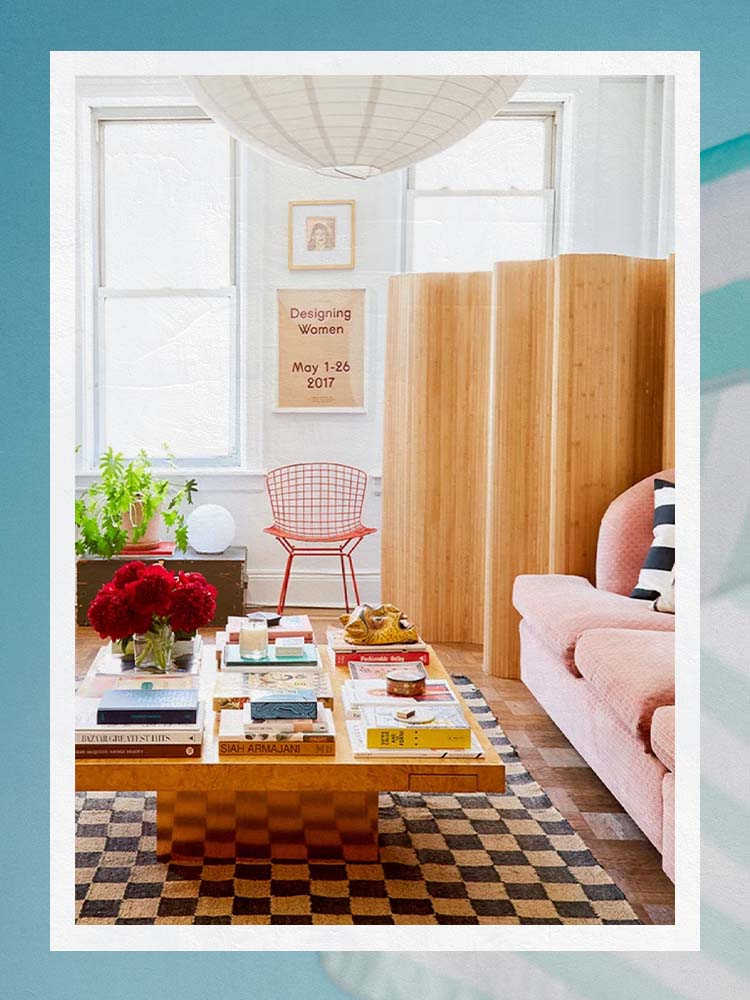
12 Folding Screens That Divide and Conquer Any Room

room dividers Archives

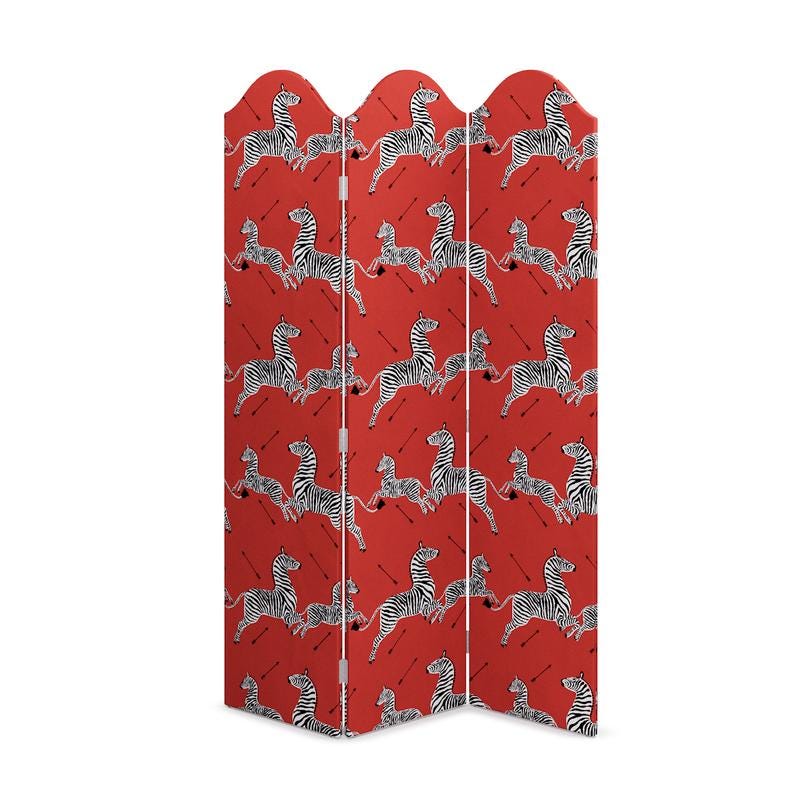
15 Genius Ways To Stylishly Separate Your Space

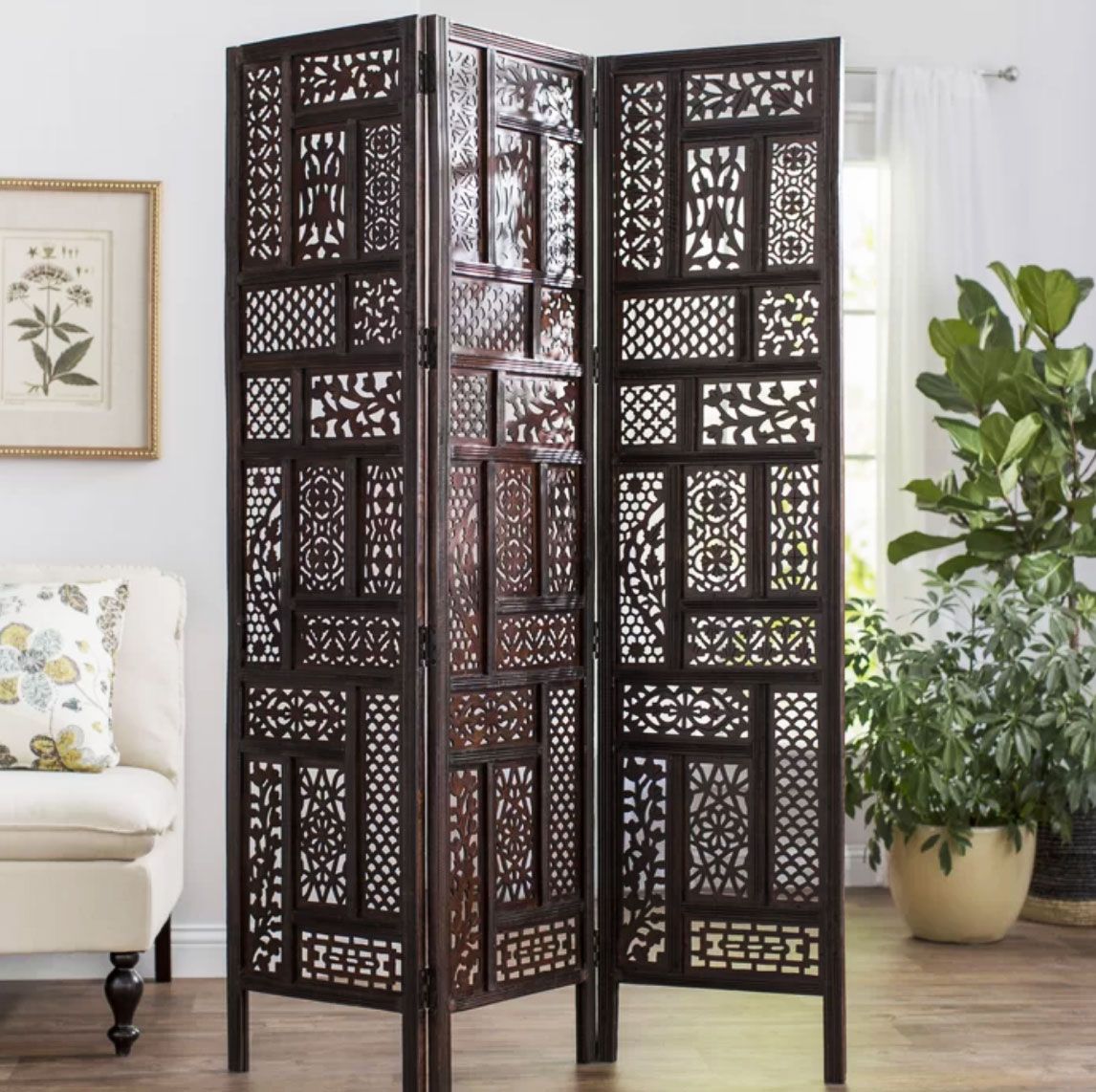
The Best Room Dividers, According to Interior Designers
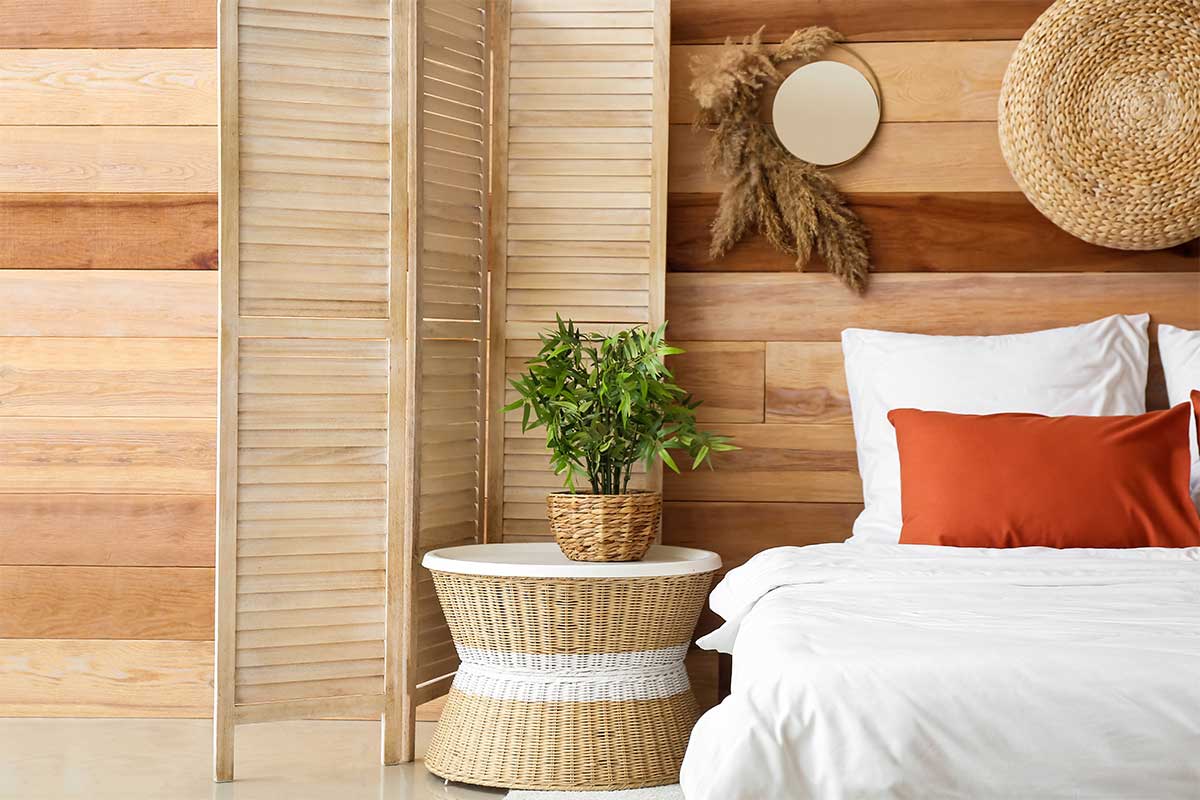
Divide & Conquer: NoVA Decor Experts on Making the Room Divider Work
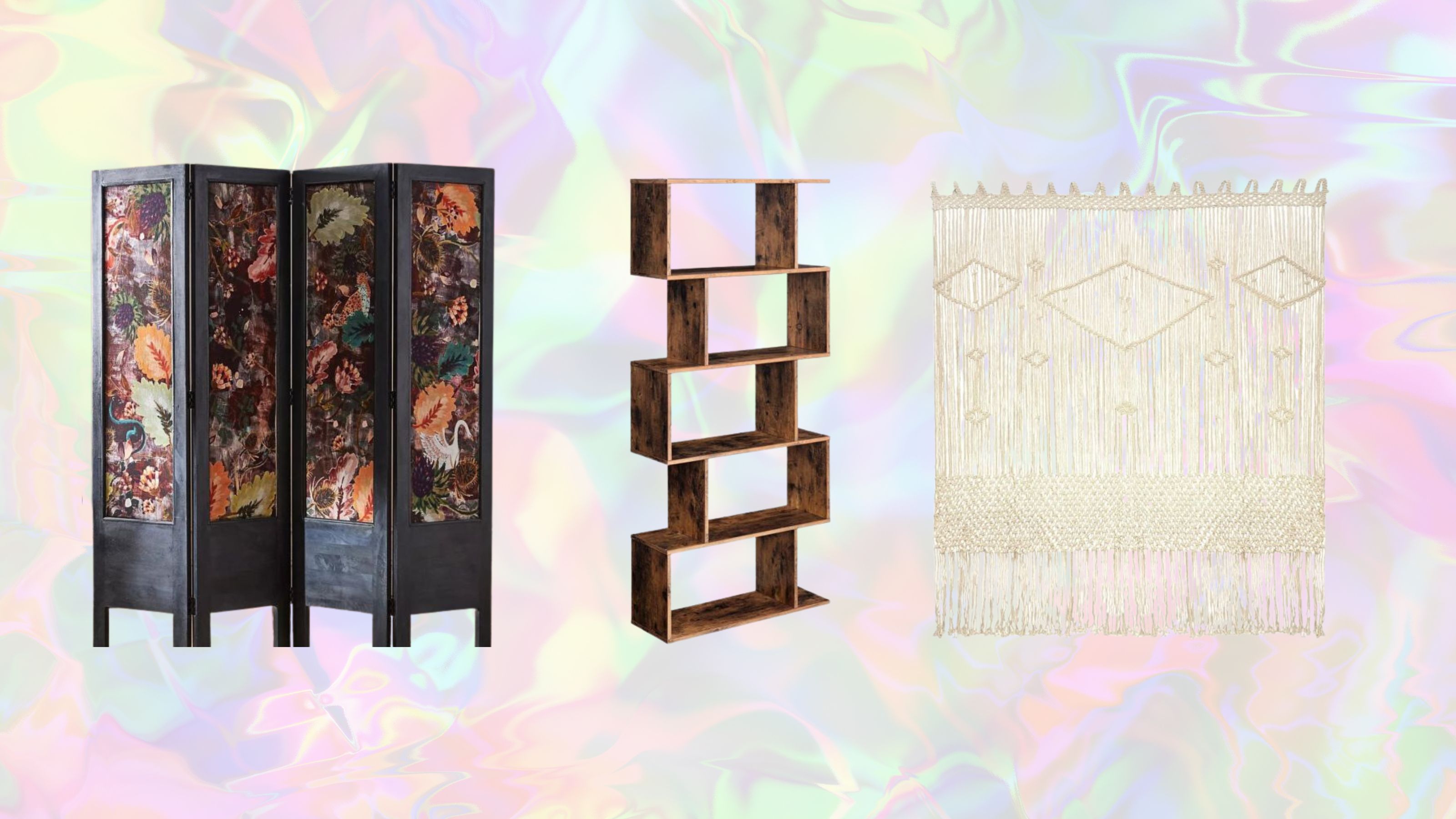
These practical and stylish room dividers are high on shoppers' wishlists — if you live in a tiny space, they're fab


Where to place lucky bamboo according to Feng Shui

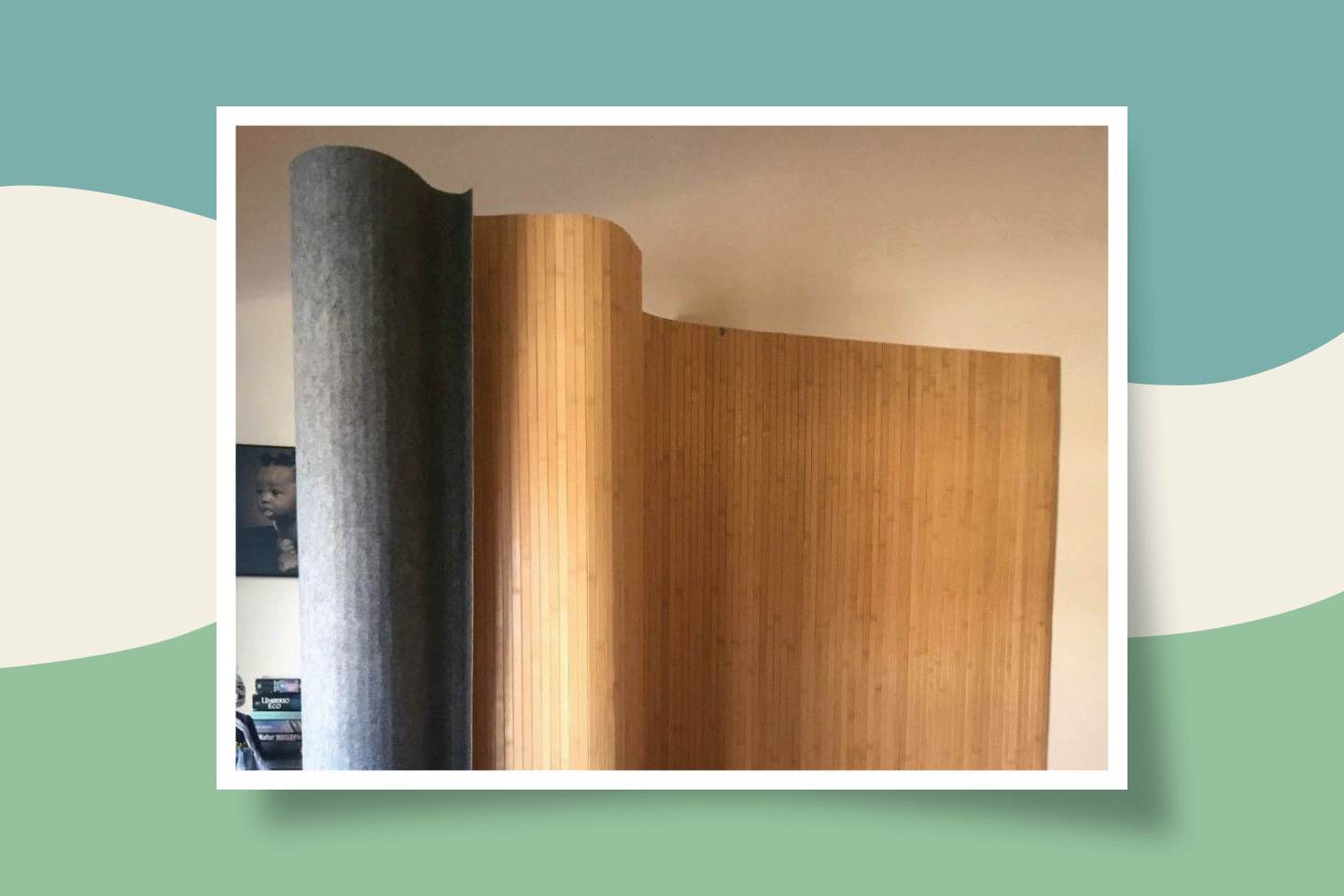
Lockdown living: The value of a bamboo room divider
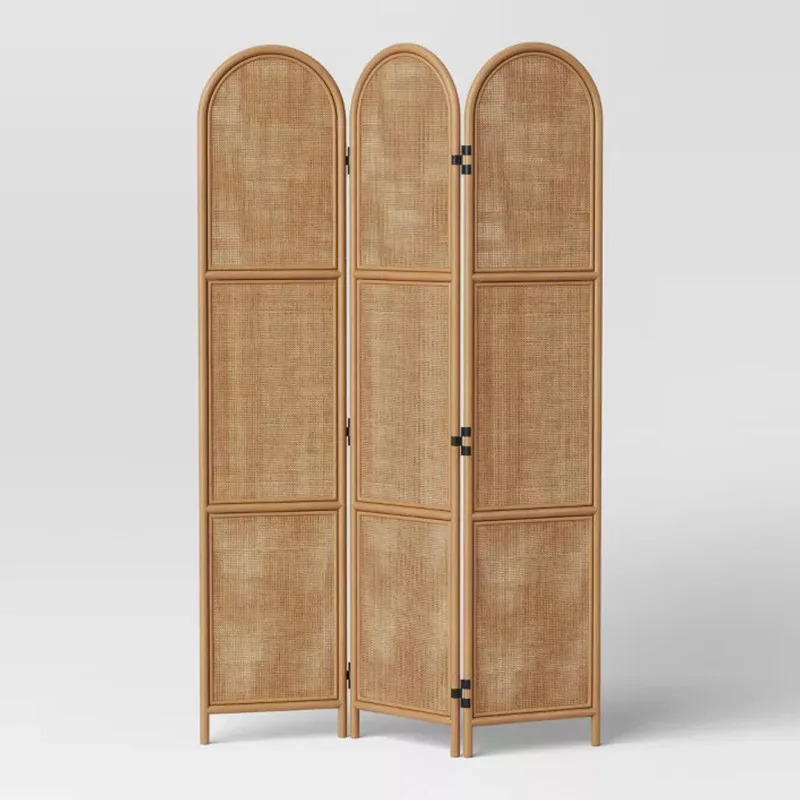
Target Is Selling a 'Gorgeous' Rattan Room Divider That’s Very Similar to a West Elm Style That’s Almost 2x the Price

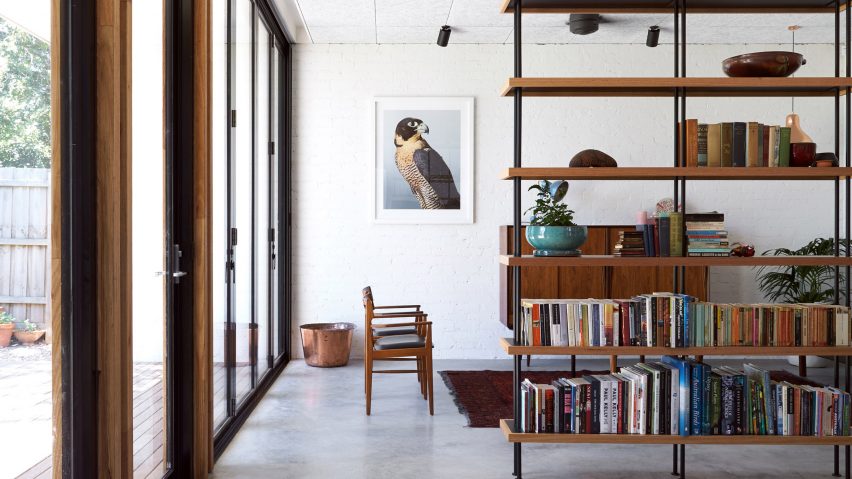
Ten interiors that use innovative room dividers instead of walls

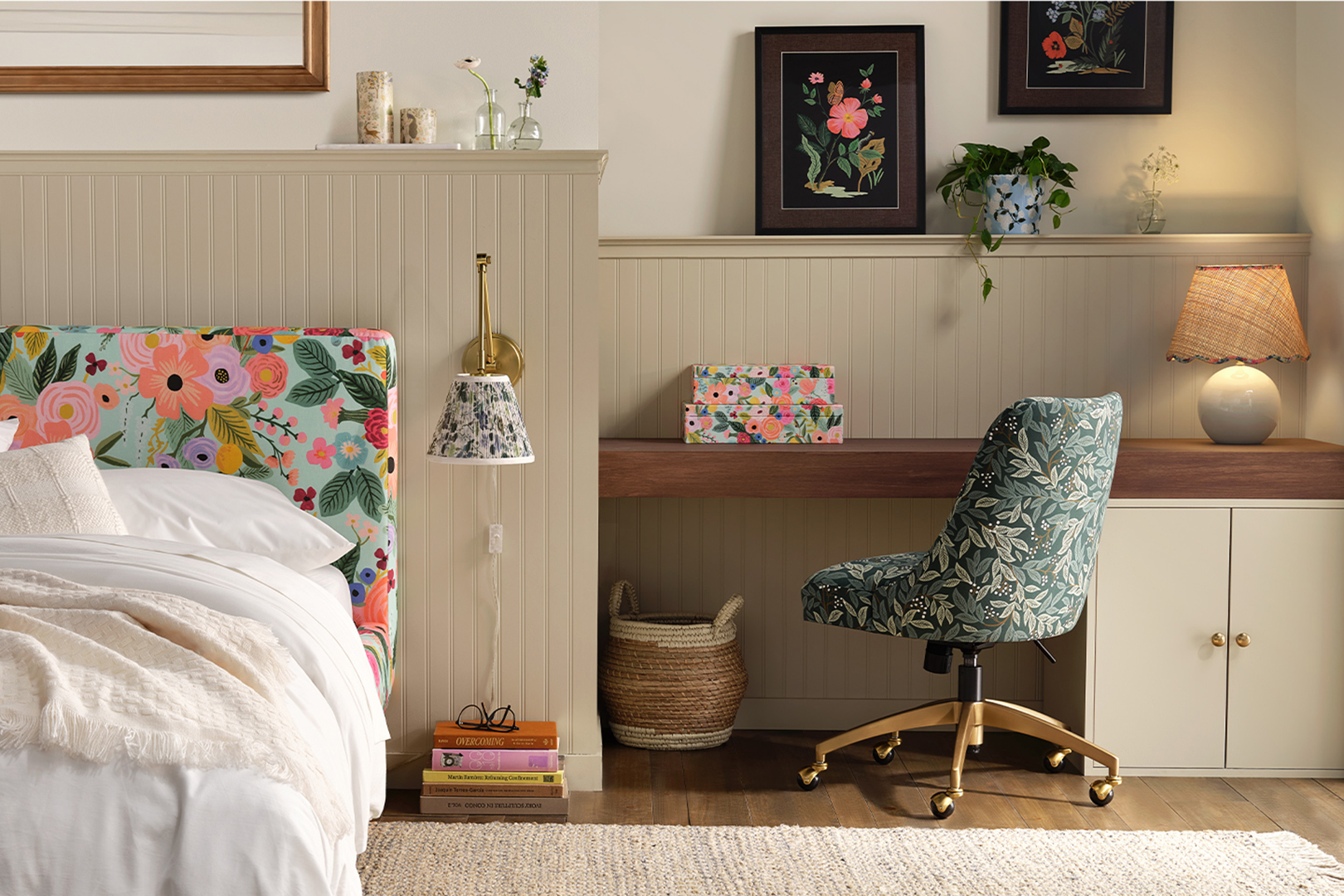
Target x Rifle Paper Co.’s Room Divider Is a Small-Space Workhorse
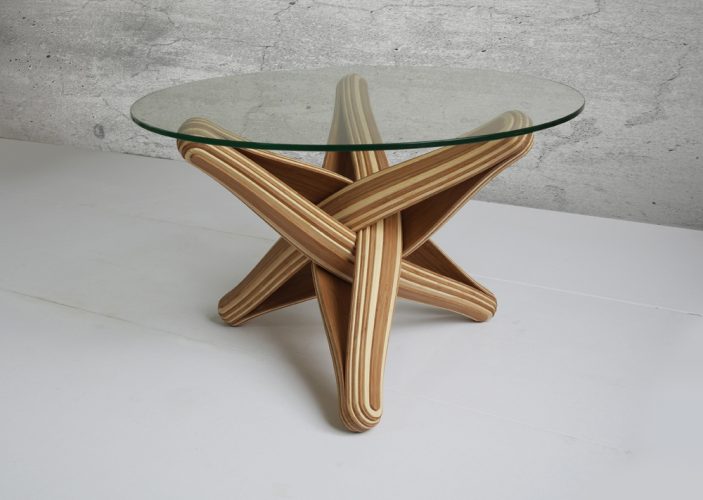
homeware Lock coffee table uses flexible bamboo layers

The Best Room Dividers on Amazon, According to Hyperenthusiastic Reviewers
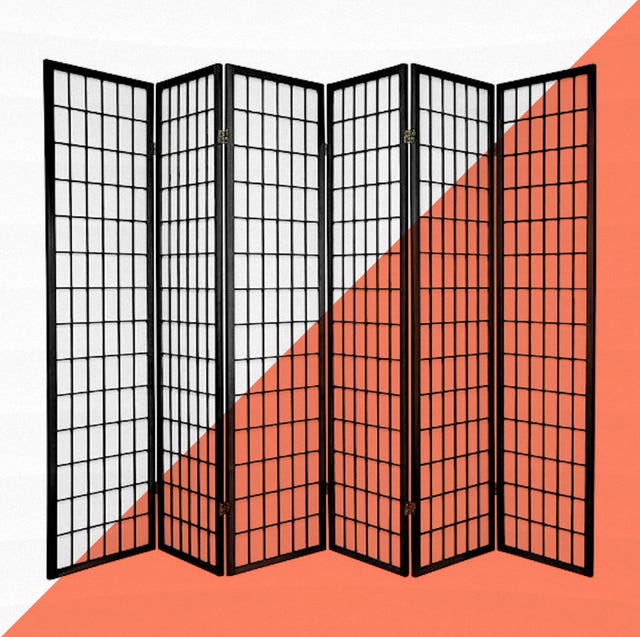
10 Best Room Dividers for Creating More Privacy at Home

Our Favorite Room Dividers for Flexible, Functional Spaces