1/13
The Best Paint Rollers and Covers, Tested and Reviewed
Achieving a professional-looking paint job necessitates the use of quality tools, especially paint rollers. While paintbrushes are suitable for cutting in or painting trim, paint rollers significantly expedite and simplify the task of covering large wall or ceiling areas. The appropriate combination of roller and cover ensures a smooth and even paint application, preventing imperfections such as brushstrokes or patchy spots. Although paint rollers and covers are generally affordable and straightforward tools, a wide array of options exists, making selection crucial for optimal results.
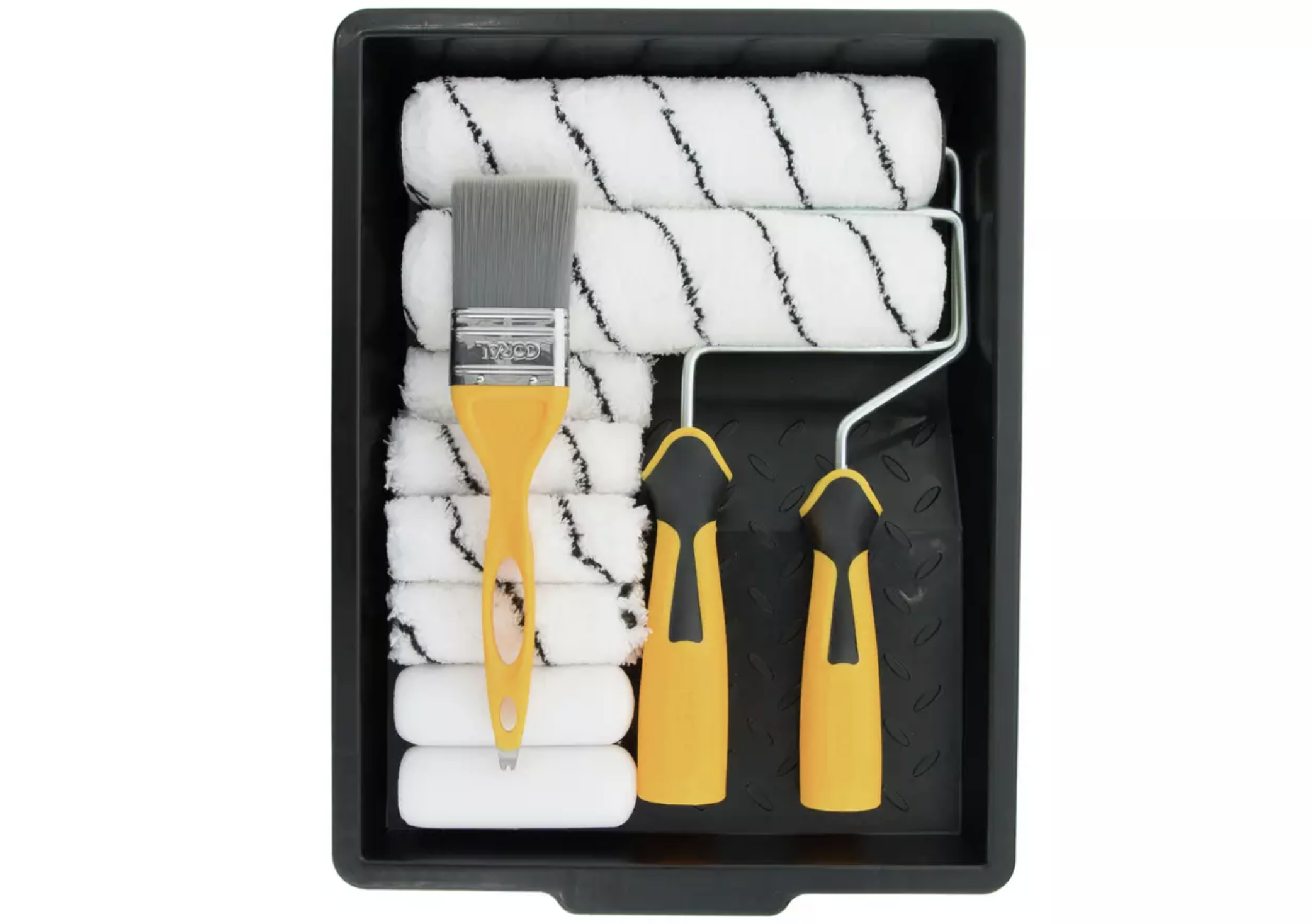
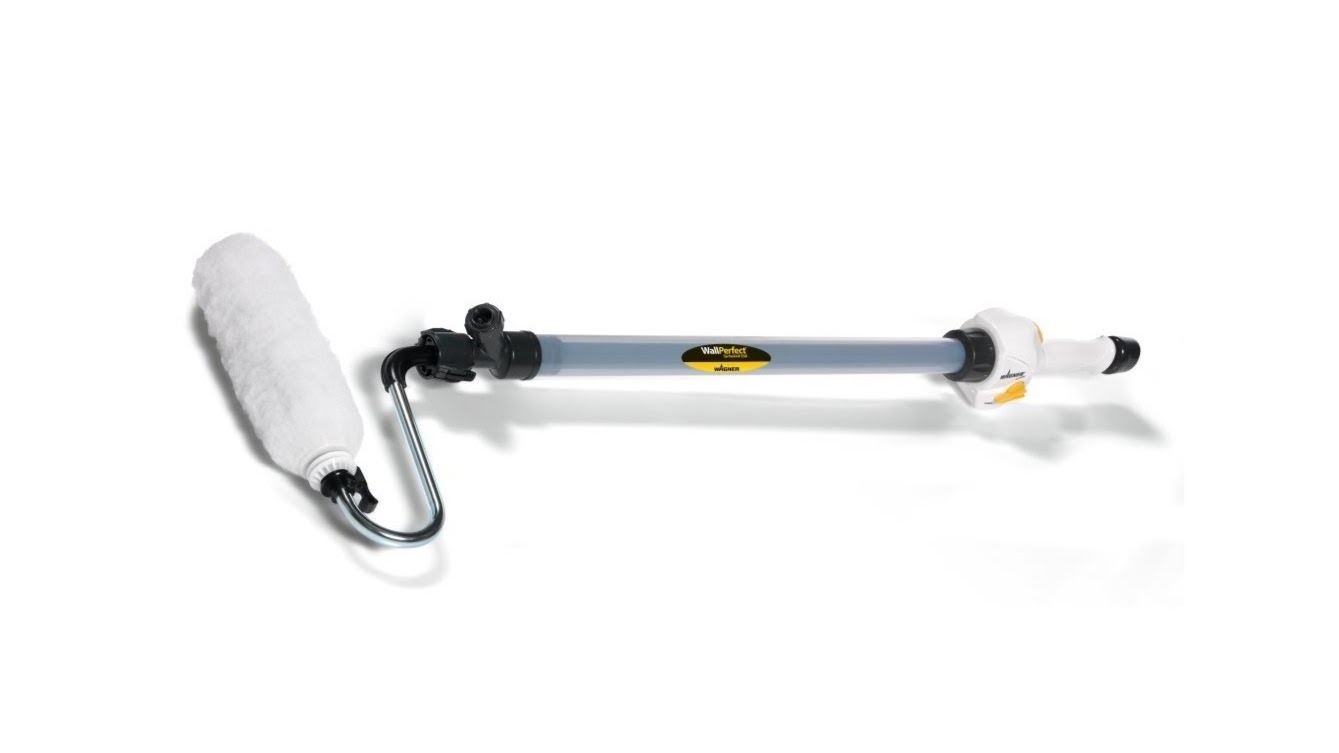
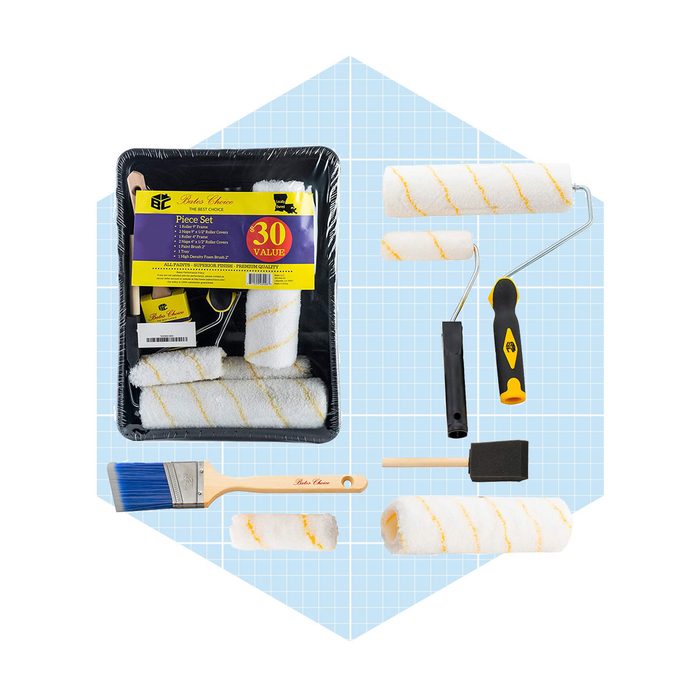
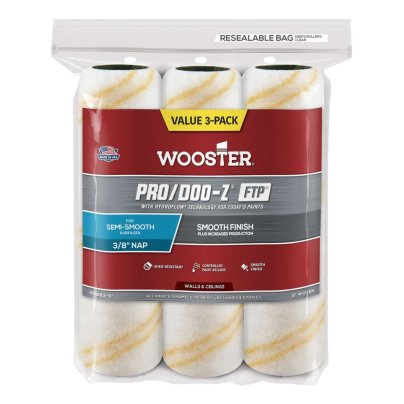
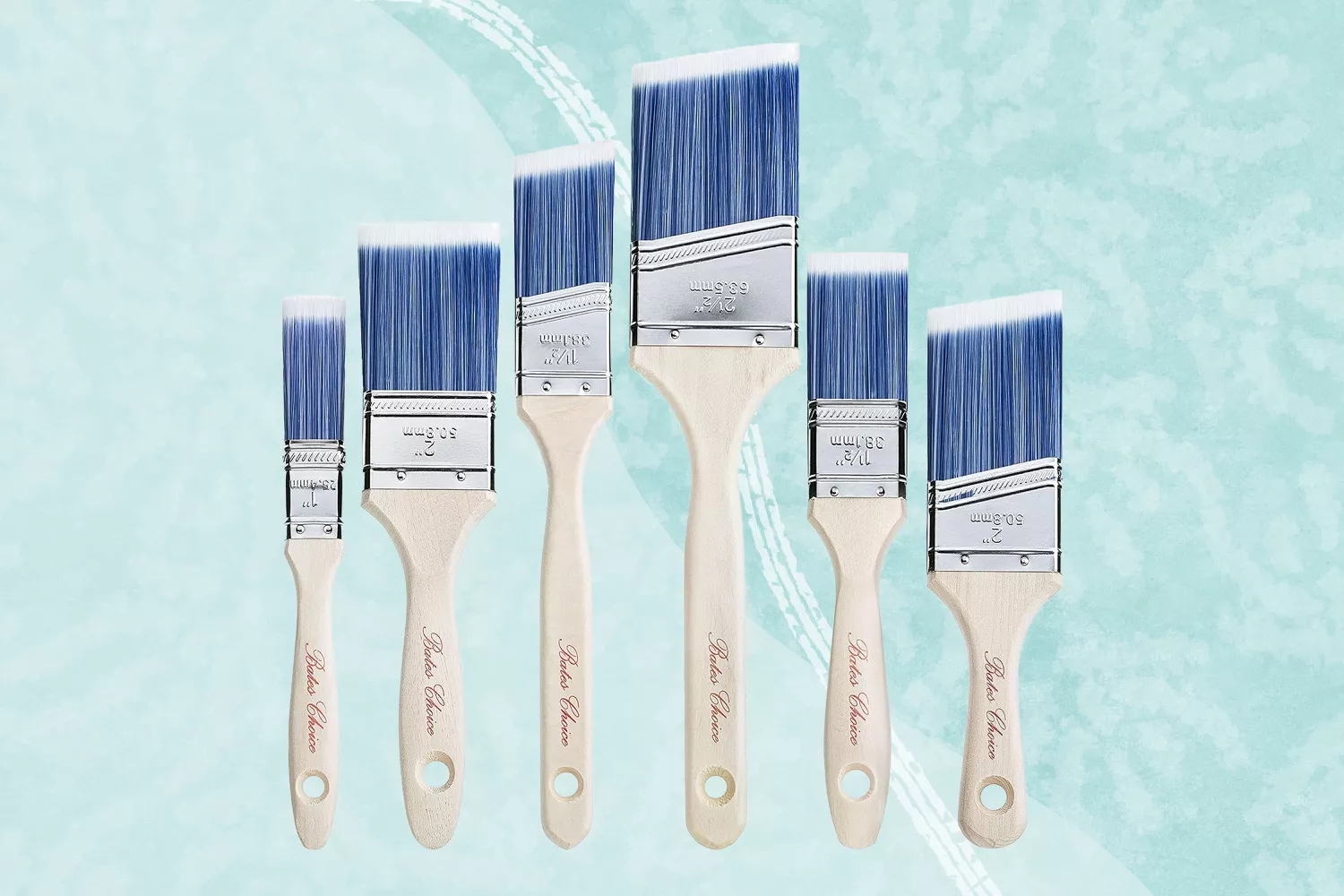
This guide details key considerations for choosing the right paint roller frame and cover for various projects. After rigorous testing of top models on the market, the Wooster Pro/Doo-Z Woven Roller Cover emerged as the top pick, praised for its professional-level finish and microfiber material, which consistently produced the smoothest results among all 9-inch rollers tested. Other top recommendations include the Bates Choice 11-Piece Home Painting Supplies for its comprehensive value, the Wagner Smart Sidekick Roller for its innovative design that speeds up large projects, True Blue Professional Microfiber Mini Rollers for small tasks, FoamPro 2-Inch Finish Coater Mini Roller for trim work, Shur-Line 9-Inch Roller Cover With Shield for ceiling painting to minimize splatter, and Wooster Painter’s Choice 6-Pack Roller Covers for textured surfaces.
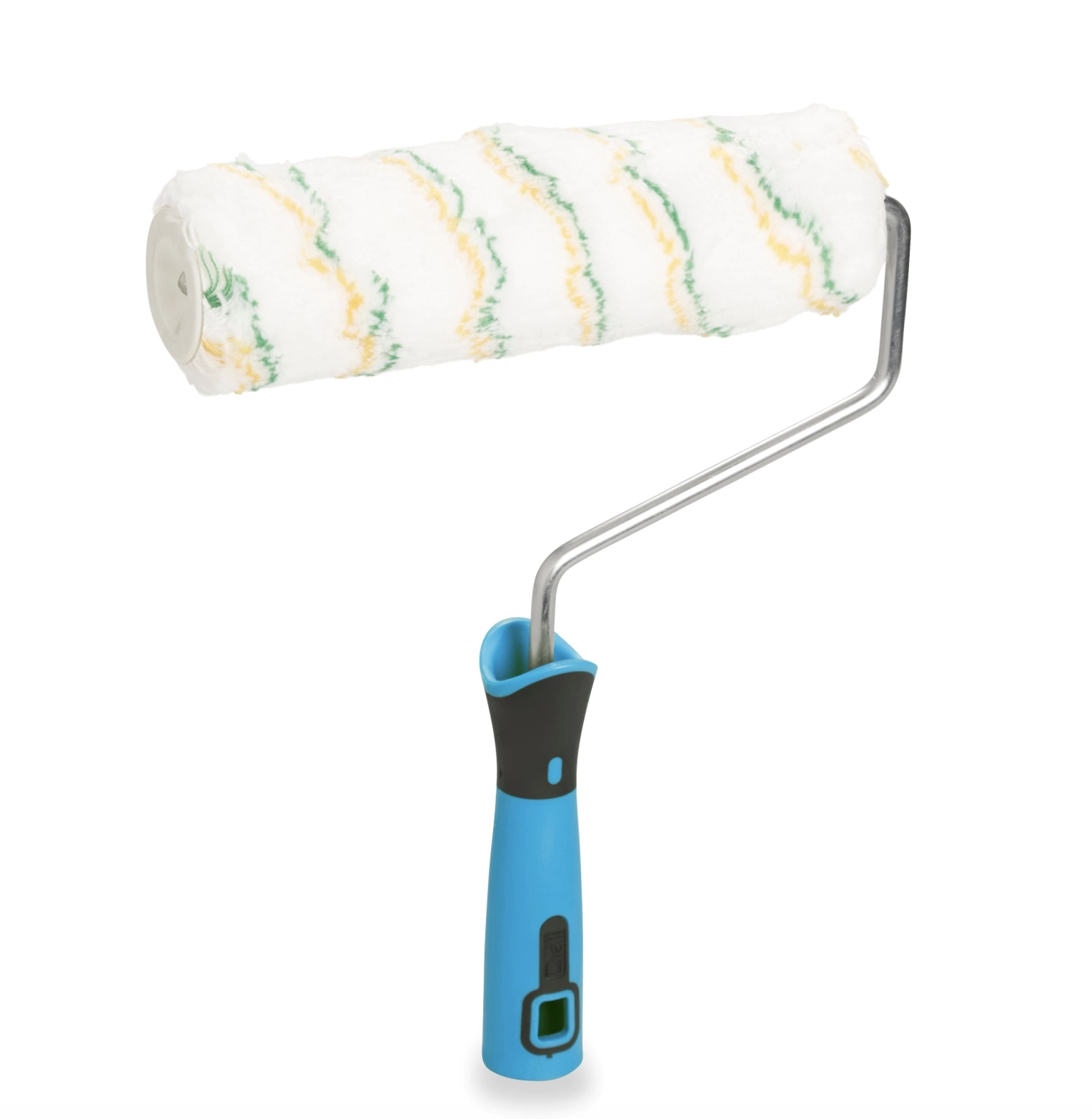
The selection process involves understanding roller frames, roller length, cover material, and nap size. Roller frames, the reusable core of the tool, consist of a comfortable handle and a cage that secures the roller cover. Features like ergonomic handles, ball bearings for smooth movement, and threaded handles for extension poles are important. Roller lengths vary, with 9-inch rollers being ideal for most DIY projects, while smaller rollers are suited for trim or tight spaces, and longer ones are typically used by professionals for large areas. Cover materials include natural fibers like wool/mohair for oil-based paints, synthetics (polyester, nylon, Dacron) for water-based latex, blends for versatility, microfiber for smooth finishes, and foam for semi-gloss or high-gloss latex on smooth surfaces.
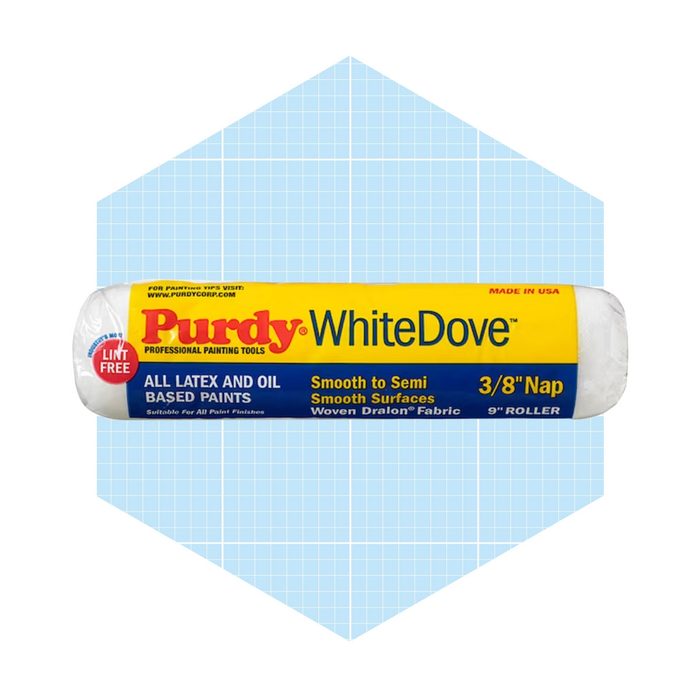
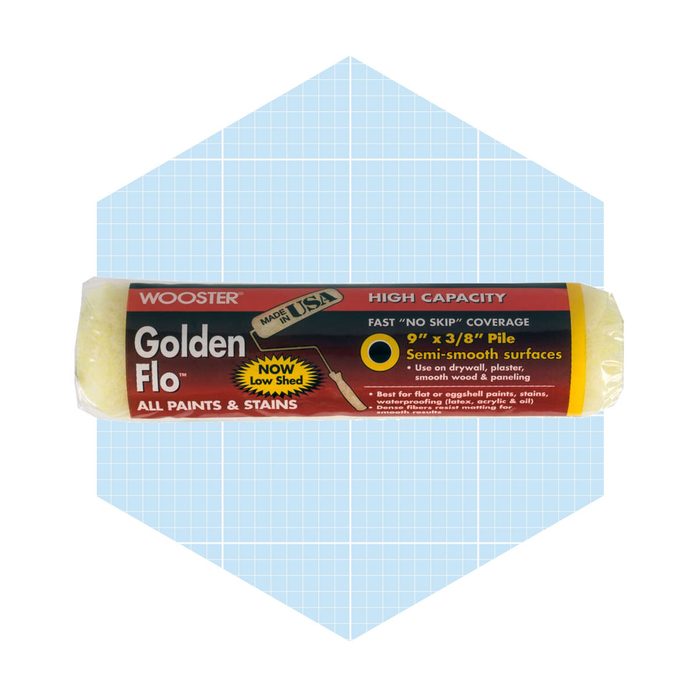
Nap size, which refers to the fiber length, is critical and should be matched to the surface texture. Shorter naps (¼-inch) are best for very smooth surfaces, while progressively longer naps (⅜-inch to 1-inch and above) are required for lightly textured, moderately textured, heavily textured, and rough surfaces like stucco or cinder blocks, respectively. Professional painters often utilize microfiber rollers due to their paint retention and ability to produce smooth finishes, adapting roller types to the specific surface being painted. Proper cleaning and storage, such as soaking in soapy water and wrapping in plastic, can extend the life of most roller types for reuse up to five times, though foam rollers are often single-use. This comprehensive approach to selecting and maintaining paint rollers ensures high-quality outcomes for various painting projects.
#PaintRollers #PaintingTools #DIYProjects #HomeImprovement #PaintingTips #RollerCovers #SurfacePreparation #WoosterPro #WagnerSmartSidekick #PaintRollers #PaintingTools #DIYProjects #HomeImprovement #PaintingTips #RollerCovers #SurfacePreparation #WoosterPro #WagnerSmartSidekick
0 تعليق إجمالاً
 لا توجد تعليقات بعد
قد تعجبك أيضًا
These are the best paint rollers

The Best Painting Tools
The Best Paint Brushes, Tested and Reviewed
The Top Performing Countertop Paint Kit Based On Reviews
The 6 Best Paint Rollers of 2025

The Best Paint Sprayers For Cabinets
These Paint Sprayers Make Any DIY Painting Project a Total Breeze

The best paint stripper: 6 best buys for easy paint removal
The Best Roller For Your Painting Projects, According To An Expert


The Best Luxury Paint Brands
15 Best Oil Paint Brands

The 15 Best Paint Brands
8 Tips for Painting With a Textured Roller
The 7 Best Painters Drop Cloths and Tarps
These Are 2025's Best Paint Brushes for Cabinets to Give Your Kitchen or Bathroom an Updated Vibe

The 7 Best Paint Strippers and Removers of 2025

Paint Rollers & Trays

We Tested the Best Airless Paint Sprayers and Our Favorite Provided Professional Looking Results with Ease
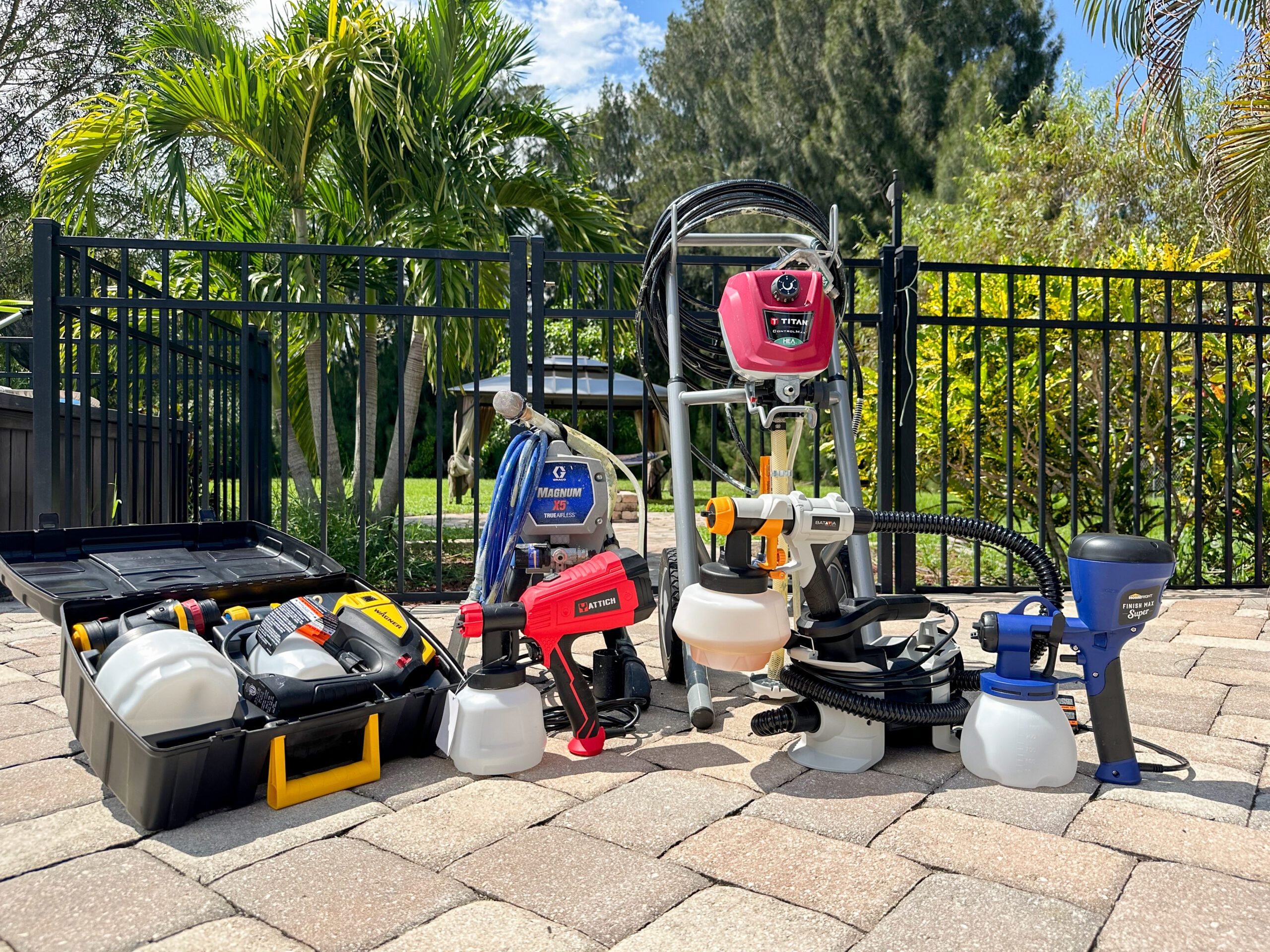
Best Paint Sprayers for DIY Projects, Tested and Reviewed by a Painting Pro
Brush Up Your Trim Game With These Top Paint Brushes