
Psychology Shows Which Three Colors People With Low Self-Esteem Unknowingly Choose Every Day
Color psychology research has established a correlation between an individual's self-esteem and their preference for certain colors in clothing and personal environments. Studies indicate that individuals struggling with low self-esteem frequently gravitate towards black, gray, and beige. These color choices are not merely aesthetic but often serve as a psychological mechanism to blend into the background, thereby avoiding unwanted attention or judgment. Behavioral psychologists explain that these preferences act as emotional armor, providing a sense of protection from vulnerability.
The phenomenon of choosing muted, neutral tones extends beyond clothing to include home decor and digital preferences, suggesting a pervasive pattern across various aspects of an individual's life. This consistency has been observed in cross-cultural studies, with similar patterns emerging among individuals with low self-confidence in different parts of the world.
Each of the three colors—black, gray, and beige—carries specific psychological implications. Black is often perceived as a shield, allowing individuals to feel less visible and more secure, as it absorbs light and creates a psychological barrier. Gray represents neutrality, offering a safe choice for those who fear making mistakes or attracting criticism. Beige is chosen for its ability to blend seamlessly, reflecting a belief in some individuals that they are not interesting enough to warrant vibrant colors or take up more space in the world.
Clinical psychologists observe that consistent selection of these three colors can indicate an attempt to minimize one's presence, serving as a form of emotional self-protection. This psychological tendency is not limited to physical items but also appears in digital choices such as social media profiles, phone cases, and laptop covers.
The habitual selection of these colors can inadvertently create a negative feedback loop. When individuals consistently choose colors that make them less noticeable, they may receive less positive attention and fewer compliments, which can reinforce their underlying belief that they are not worthy of notice. In professional settings, individuals who frequently wear black, gray, or beige might be less memorable in meetings and less likely to be considered for visible projects or promotions. Similarly, in social interactions, these neutral colors can subtly create barriers, while brighter, warmer colors tend to invite engagement and connection.
However, recognizing these patterns offers opportunities for positive change. Therapists incorporate color awareness into self-esteem building strategies. Even small adjustments, such as adding a colorful accessory or choosing a bright phone case, can initiate shifts in both internal feelings and external responses. These changes can lead to improved self-perception, enhanced social interactions, and potentially higher energy levels and mood. As self-esteem improves, many individuals naturally begin to favor brighter, more vibrant colors, expanding their emotional and color palettes. Therapeutic interventions include "color challenges" designed to gradually introduce new shades into an individual's life, fostering greater confidence and self-acceptance.
Ultimately, understanding the link between color psychology and self-esteem provides valuable insights into non-verbal communication and personal well-being. The colors chosen daily can reflect an individual's inner state and significantly influence how they are perceived and interact with the world around them.
#ColorPsychology #SelfEsteem #BehavioralPsychology #EmotionalWellbeing #PersonalDevelopment #ColorTherapy #PsychologicalResearch #NeutralColors #WardrobeChoices #ColorPsychology #SelfEsteem #BehavioralPsychology #EmotionalWellbeing #PersonalDevelopment #ColorTherapy #PsychologicalResearch #NeutralColors #WardrobeChoices
0 تعليق إجمالاً
 لا توجد تعليقات بعد
قد تعجبك أيضًا
A color psychologist says these color schemes are the most likely to boost your mood

Wondering what colour suits me? Our experts reveal the most flattering shades to suit you all year round

9 Neutral Paint Colors Designers Constantly Reach For — "It's My Tried-and-True"

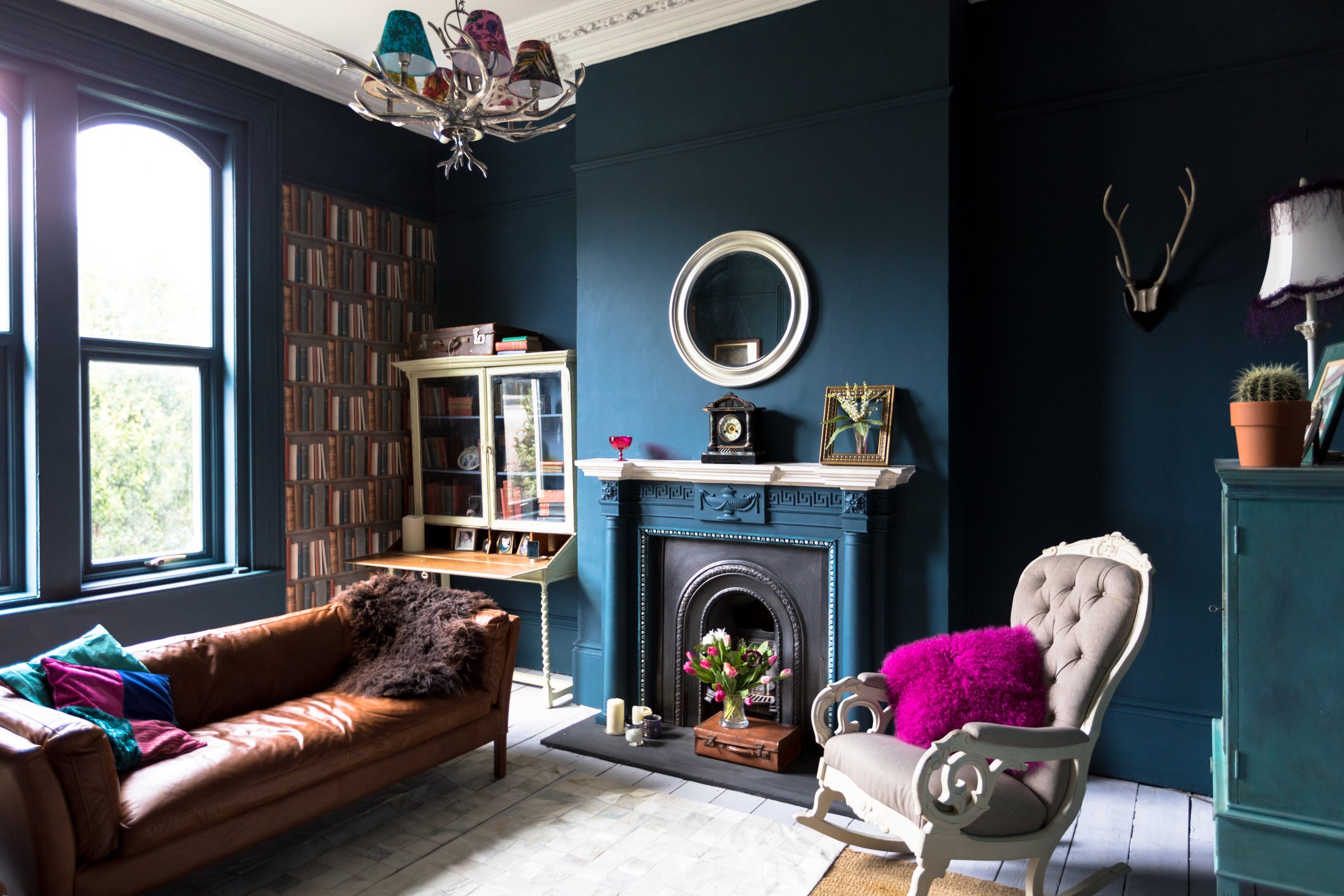
The colours you paint your walls can impact your mood, and here’s the science to prove it


Review: TikTok-Viral Personal Color Analysis in Seoul, South Korea
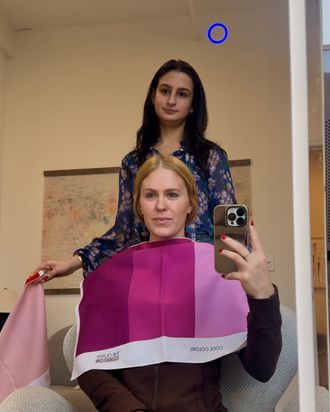
My Professional Color Analysis Told Me I Can Still Wear All Black

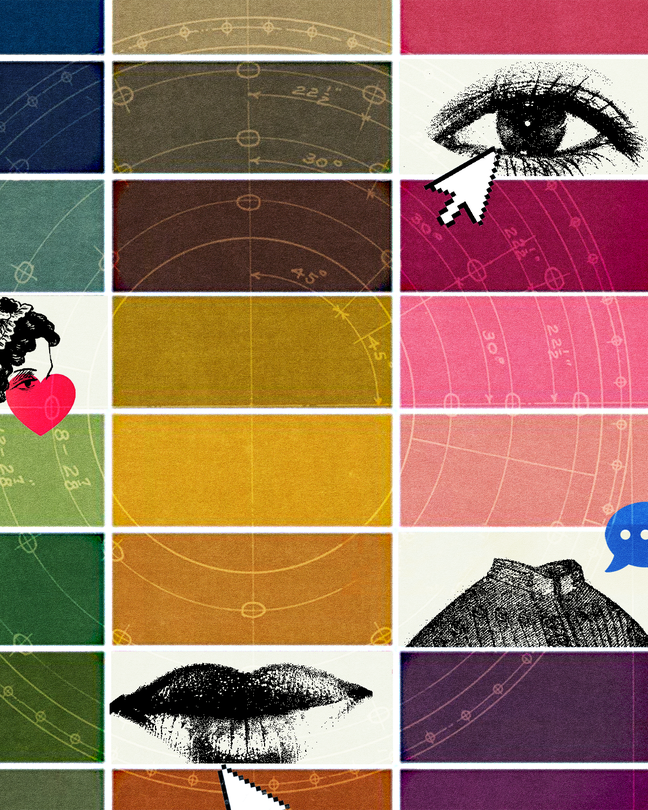
What Not to Wear

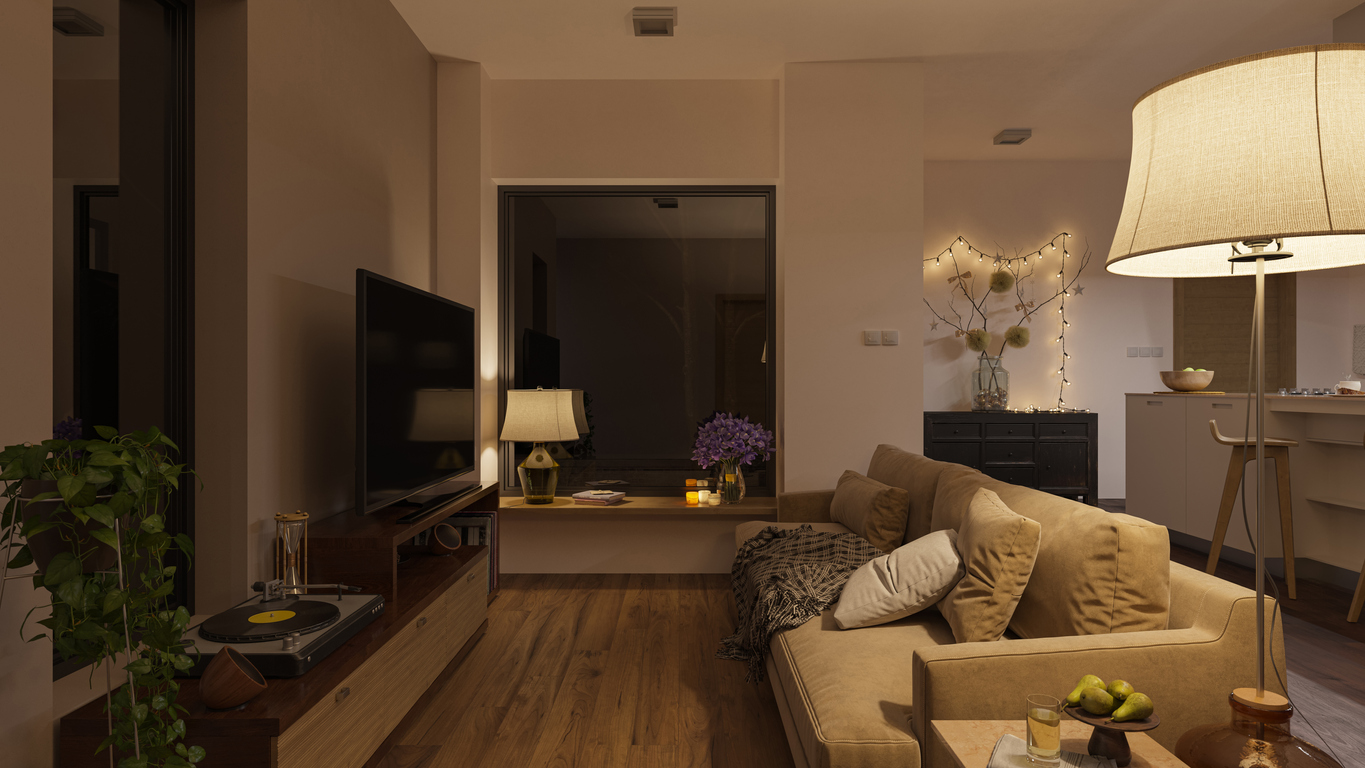
The 13 Best Paint Colors for Low-Light Rooms

7 'Unhappy' Colors That Color Psychology Experts Would Never Paint Their Walls
Colour instinct: the art of personal colour analysis

Interior Color and Psychological Functioning in a University Residence Hall
Most People Test Paint Colours Wrong – Here’s What An Expert Recommends
What Your Favorite Paint Color Says About Your Personality

A Color Psychologist Says This Is the Most Relaxing Paint Color

How paint colour in your home can affect your mood
to choose paint colors.
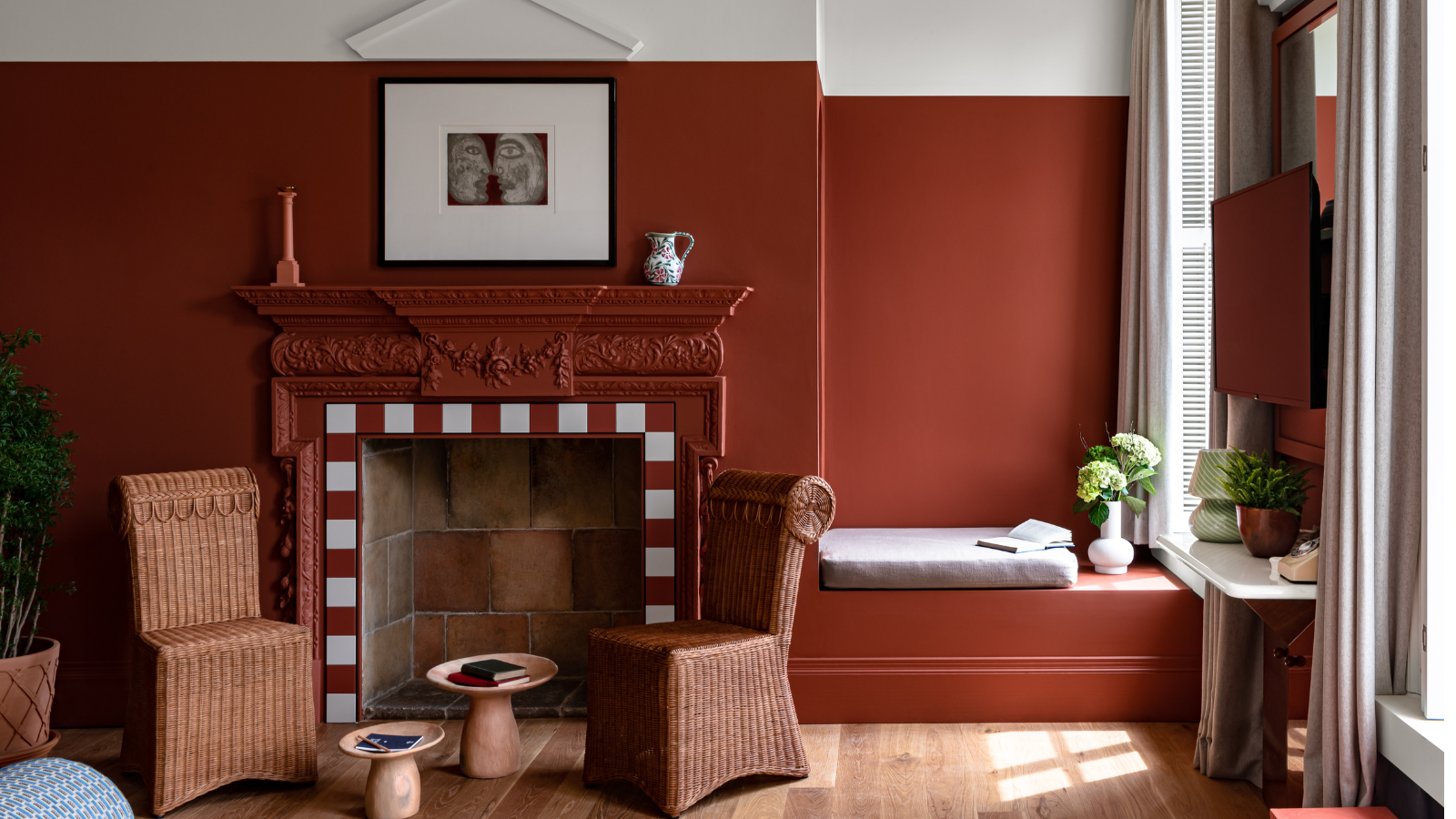
These Paint Colors Bring Hostility to Your Home, According to Experts

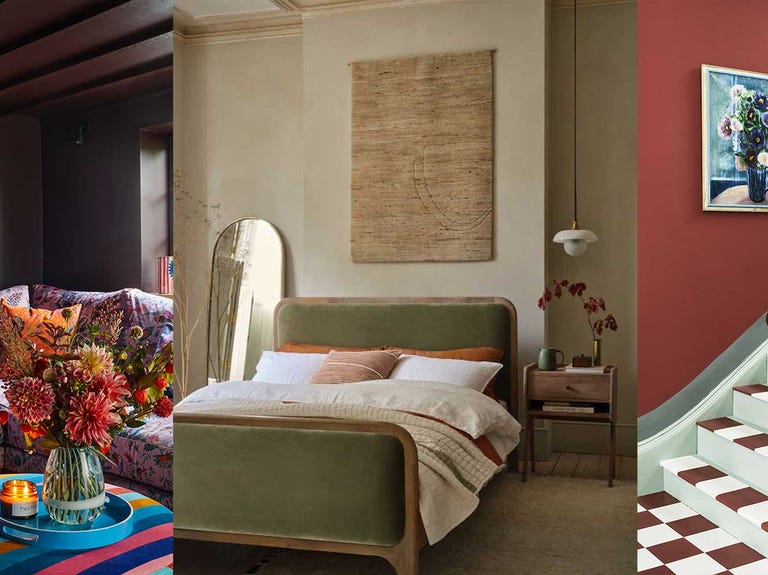
6 'Energetic Colors' for Vitality and "Sophisticated Interiors", According To Psychologists And Design Experts
Colour experts share their top paint trends for 2024

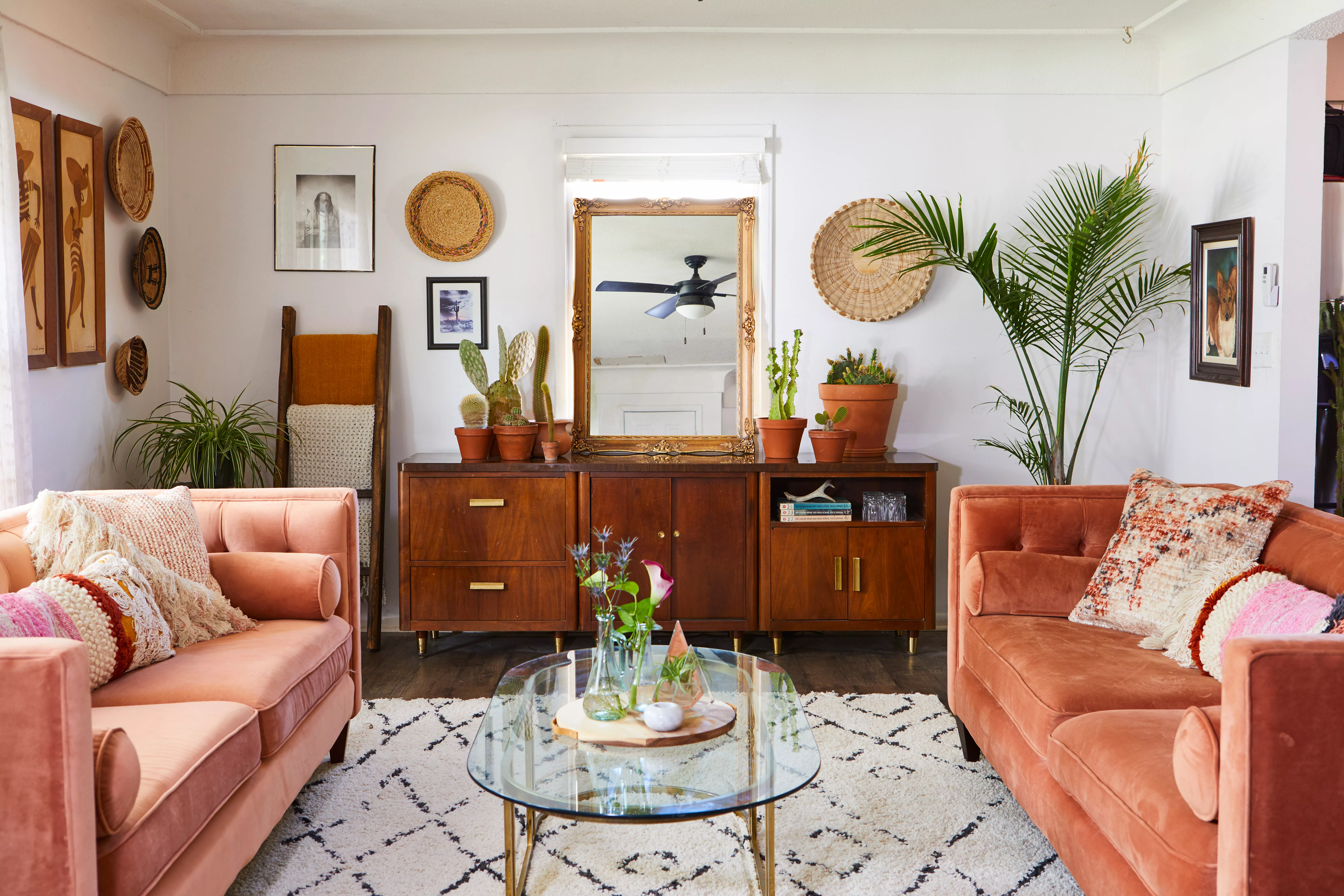
Getting Your Colors Done Isn't Just for Your Wardrobe—How to Use Them in Your Home