Plant these wildflowers in Wilmington, NC, when you can't mow the yard
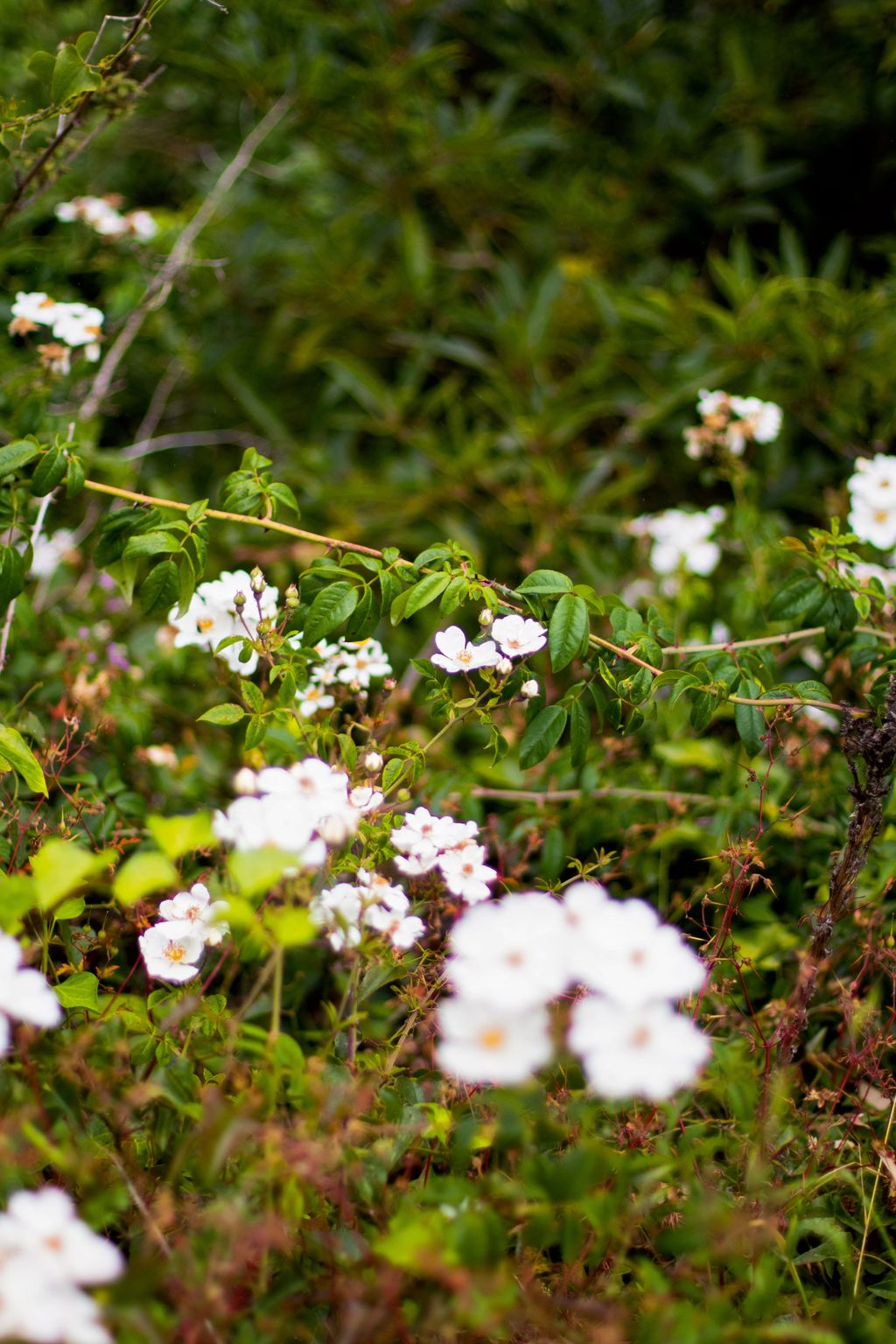
Lloyd Singleton, director for NC Cooperative Extension – New Hanover County Center and Arboretum, details his approach to gardening in Wilmington, particularly focusing on the advantages of polyculture lawns over monoculture turfgrass for wildlife. Having recently moved into an older home in downtown Wilmington, Singleton observed his yard's natural awakening in spring. Despite initial landscaping with non-native shrubs and excessive mulch, the lawn areas presented an interesting mix of grasses and forbs. He advocates for a 'No Mow March' principle to support pollinators, which allowed various 'wildflowers' to emerge, creating a 'meadow-look' in his urban yard.
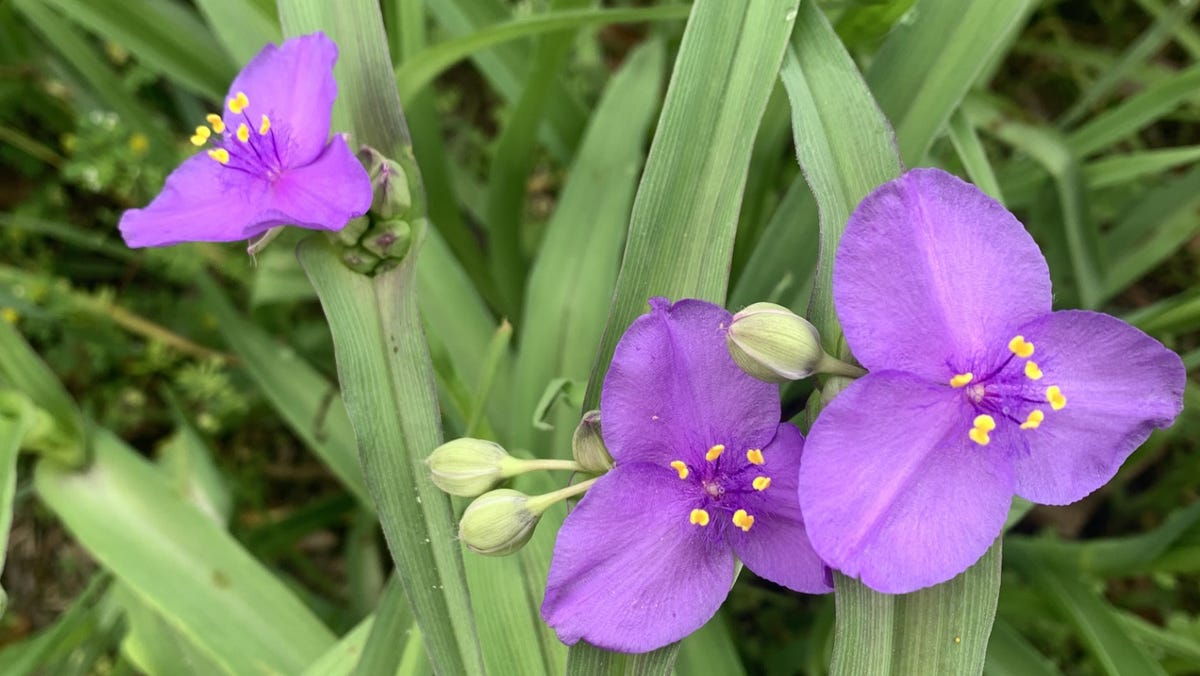
Singleton prioritizes the removal of invasive species and evaluates nuisance plants, aiming to celebrate and showcase top-performing native plants. Among these, he highlights the Virginia Spiderwort (Tradescantia virginiana) as a significant discovery. According to the North Carolina Extension Gardener Plant Toolbox, Virginia Spiderwort is a herbaceous, clump-forming perennial native to the eastern and central USA, commonly found in the Piedmont of North Carolina. This plant spreads via underground stems, growing 2-3 feet tall and 1 foot wide, and can be found in diverse habitats such as moist prairies, fertile woodlands, open woods, meadows, hillsides, stony bluffs, and along stream and roadsides.
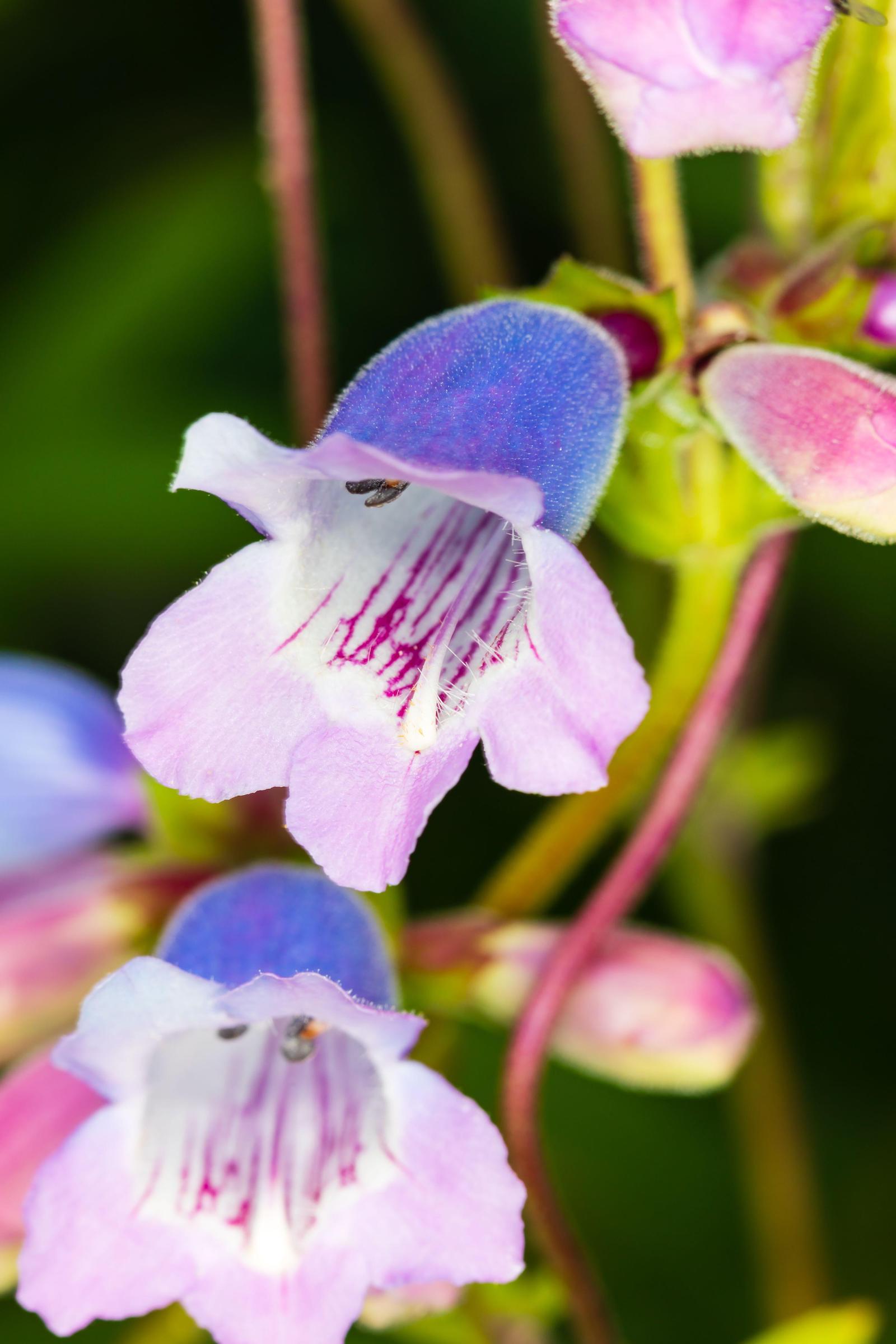
Virginia Spiderwort produces three-petaled flowers in spring that last for a day, with new blooms opening daily in terminal clusters. The flowers range in color from blue to purple to pink. The foliage may recede during the summer heat but reappears in late summer and fall, often leading to reblooming. The plant thrives in moist to wet fertile sites but can adapt to average garden soils, tolerating conditions from full sun to shade. It requires additional water during dry periods. Singleton suggests its use in naturalized or woodland areas, near streams or ponds, in rain gardens, or as a border in native and pollinator gardens.
He notes that despite the short lifespan of individual flowers, the continuous succession of blooms from the clusters provides several weeks of vibrant color. The plant's attractive, lily-like evergreen foliage is held upright on tall stems, making the bloom stalks suitable for cut flowers. For those interested in cultivating this easy-to-grow native flowering plant, Singleton recommends lifting and dividing existing clumps from friends or neighbors in either spring or fall.
Singleton's experience and recommendations provide practical advice for local gardeners in Wilmington who wish to foster biodiversity and support pollinators by incorporating native plants like the Virginia Spiderwort into their landscapes. His contact information is provided for further inquiries regarding the NC Cooperative Extension – New Hanover County Center and Arboretum, which also maintains gardens open to the public daily.
#WilmingtonGardening #WildflowerLandscapes #NativePlants #PolycultureLawns #VirginiaSpiderwort #TradescantiaVirginiana #PollinatorSupport #NoMowMarch #Horticulture #GardeningTips #WilmingtonGardening #WildflowerLandscapes #NativePlants #PolycultureLawns #VirginiaSpiderwort #TradescantiaVirginiana #PollinatorSupport #NoMowMarch #Horticulture #GardeningTips
0 تعليق إجمالاً
 لا توجد تعليقات بعد
قد تعجبك أيضًا
How to forage for and arrange wildflowers
Plant These Flowering Shrubs Today If You Want a Vibrant Summer Yard

5 patio plants that thrive on neglect: easy-going flowers
The Unexpected Place A Southern Florist Finds His Best Arrangement Materials
Want to See Hummingbirds? Plant These Flowers in Your Yard or Garden
Hey, Gardeners! Plant These Summer Flowers for a Bright and Beautiful Yard

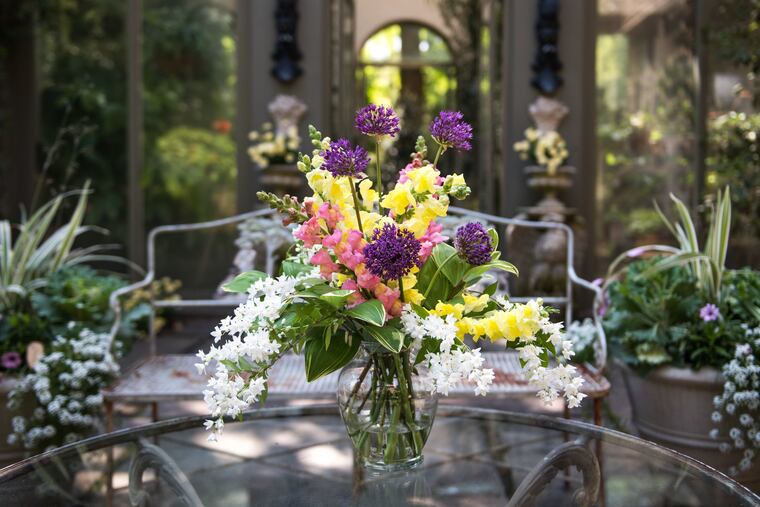
Flower arrangement 101: How to make a bouquet from backyard flowers
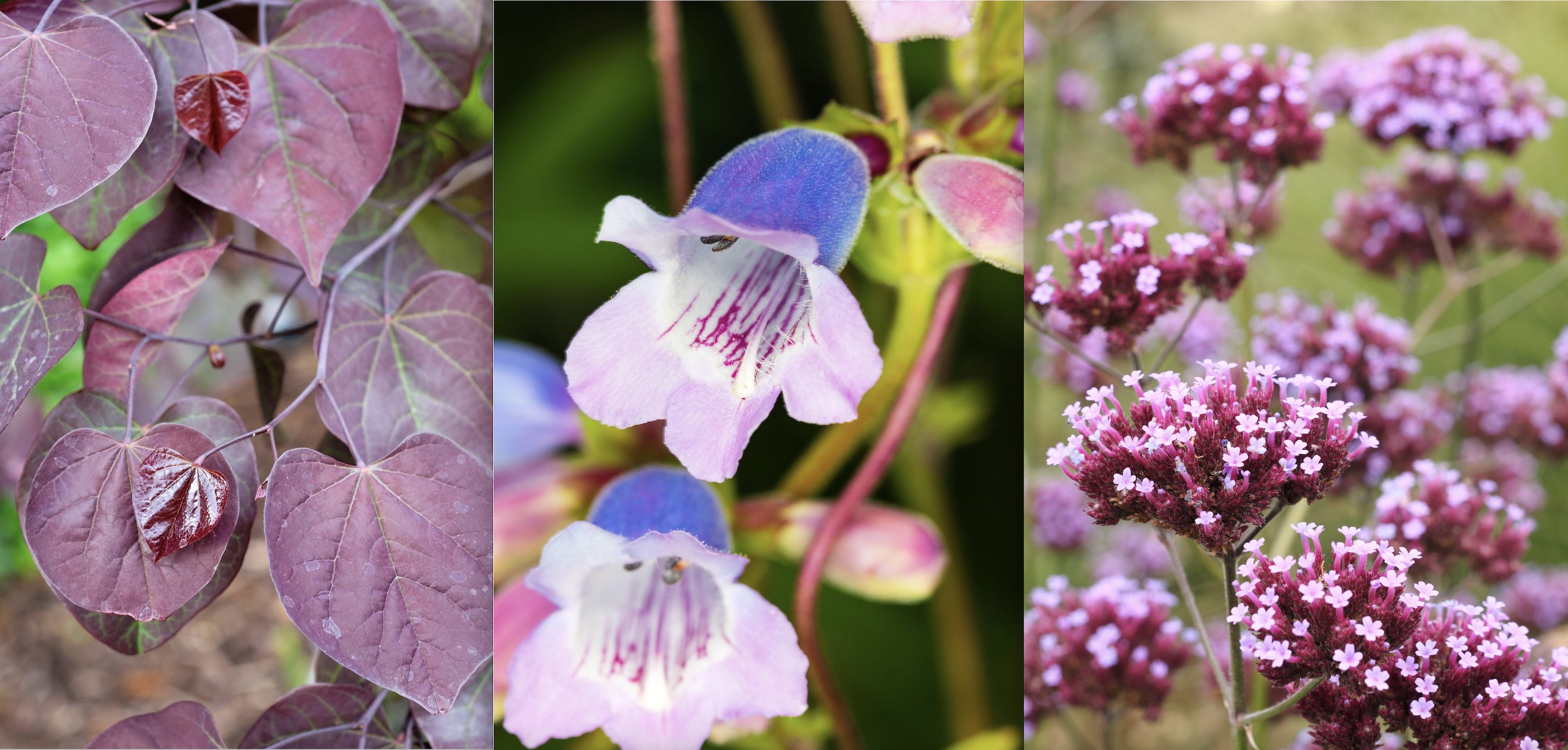
Purple plants – 5 best to choose for the perfect purple border
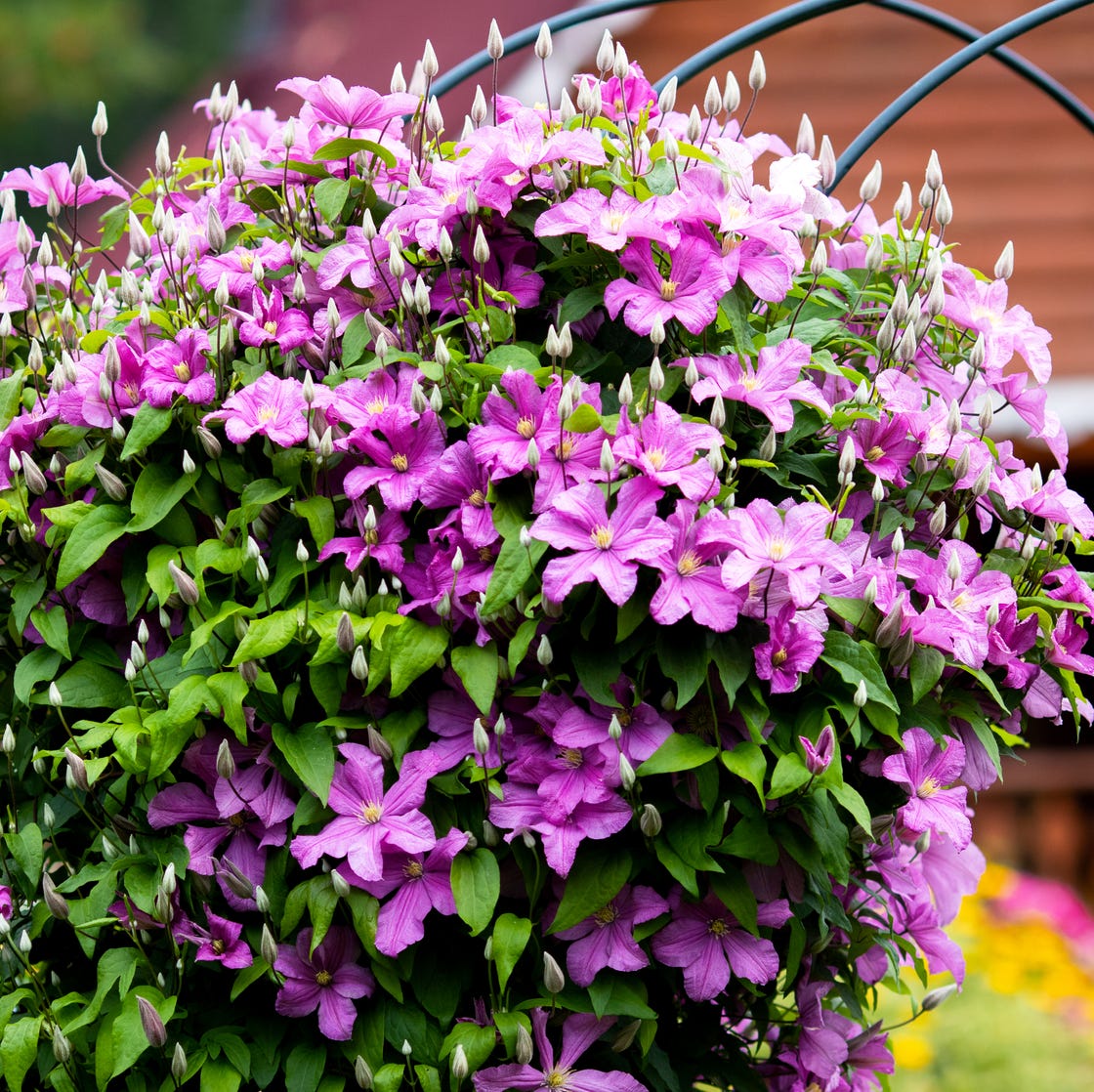
Grow Up! Flowering Vines to Adorn Walls, Trellises and Fences
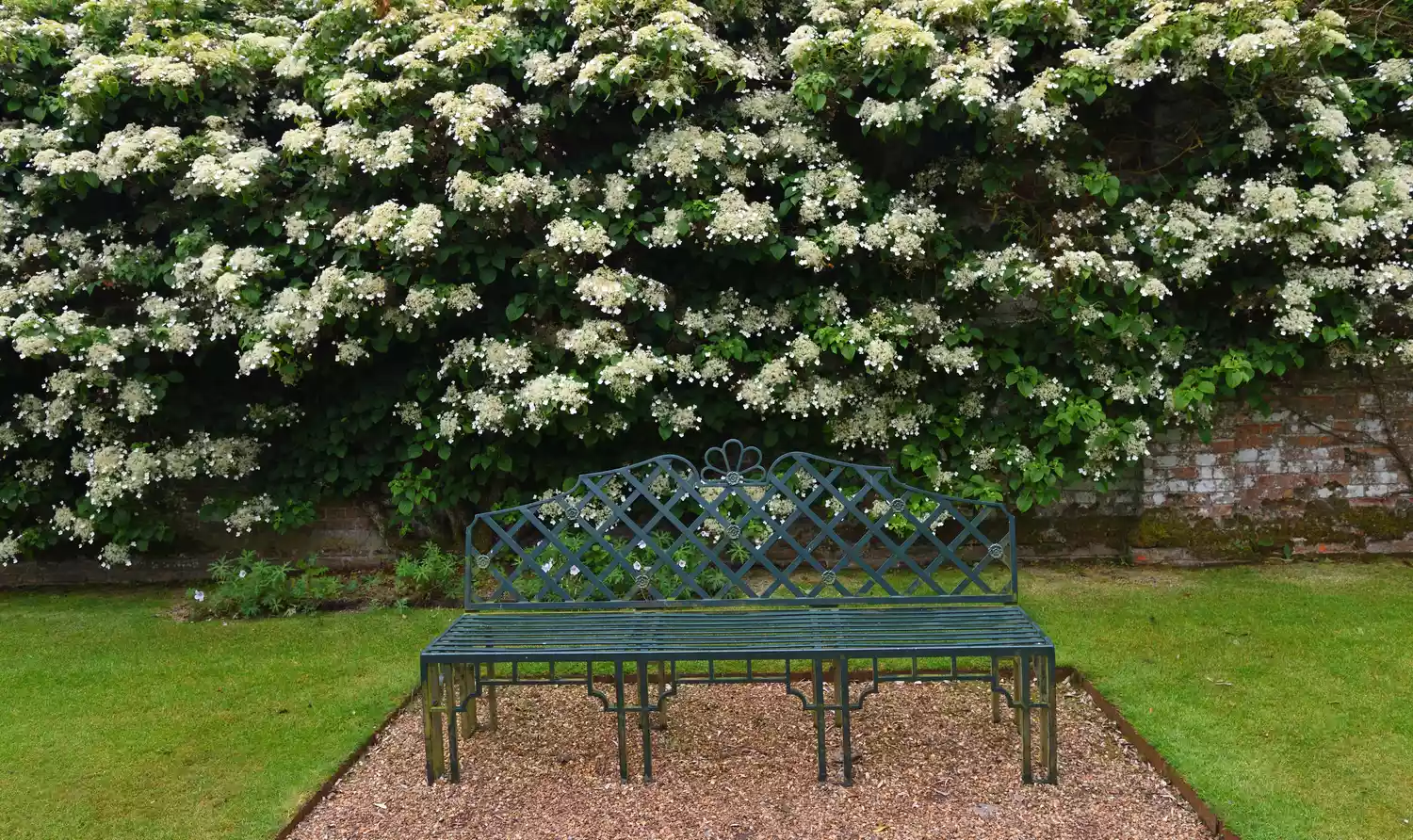
18 Best Plants To Add Privacy To Your Yard
Easy garden ideas – 34 low-maintenance ways to enhance your outdoor space
These Pink-Blooming Beauties Are the Ultimate Yard Upgrade
How To Grow And Care For Columbine Flowers
The Best Flowers to Plant in Montana: 15 Flowers for a Gorgeous Bloom
We Found the BEST Pink Flowering Trees to Boost Your Curb Appeal
These Colorful Flowers Will Attract Hummingbirds to Your Yard
Fix Your Yard's Problems with These Ground Cover Flowers + Plants
The 12 Most Colorful Fall-Blooming Flowers in Virginia
15 Cut Flowers to Grow for Stunning Homemade Bouquets

Grow Herbs, Vegetables, Flowers, and More with Our Favorite Outdoor Planters